
48 Hours in Chantilly – A Guide For Culture Lovers
On a return trip to Chantilly I get more time to explore the château and take in the rest of the town. A pleasant spot within easy reach of Paris, perfect for a weekend break.
Back in Chantilly, Mais Pourquoi?
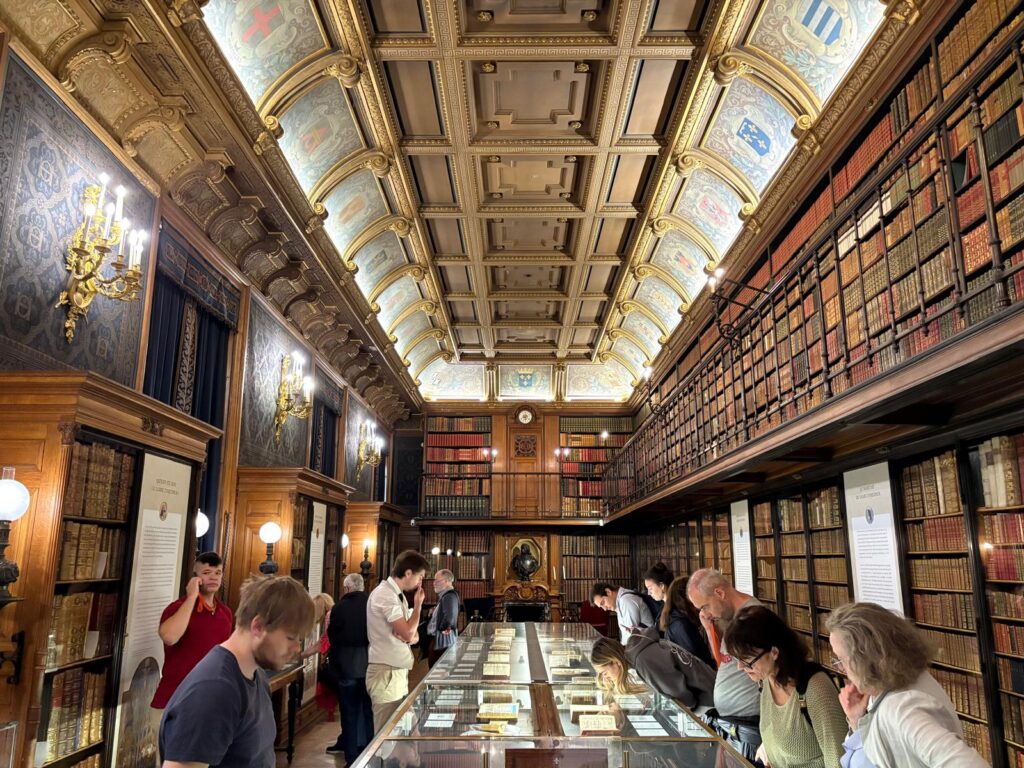
Avid blog readers with good memories will remember the Salterton Arts Review has been to Chantilly before. I had a lovely time visiting the Château de Chantilly, and made it back to Paris in time for dinner. So why am I back? Well firstly, sometimes it’s nice to revisit familiar places. But secondly, there was a clue in my post the first time around. I talked about the book collection of the Duc d’Aumale who rebuilt the château, and how I would love to see the Très Riches Heures du Duc de Berry, which is hardly ever on view. Well guess what, folks? It is on view now, a once in a lifetime opportunity. Definitely enough to get me on the Eurostar to Paris and then up to Chantilly. You can read more about the exhibition in the next post.
Given that we were coming back to somewhere we had visited before, we decided to make a weekend of it. That way we would not be as pressed for time as we were on our 2022 visit. And would be able to see the town as well as the château. And it turns out that a weekend is a perfect duration for a visit. Enough points of interest to fill a couple of days without getting bored. And no feeling of FOMO at not being able to do everything you want to.
If you wanted to turn it into a longer trip you’d need to make Chantilly a base to explore the surrounding area. That would definitely be interesting (do I sense another post coming up in three years time describing a week around Chantilly?): you can see Senlis’s preserved medieval town and Roman arena, or follow in Van Gogh’s footsteps in Auvers-sur-Oise. For something different, the Parc Astérix (a theme park) isn’t far away, and was fun when I visited 20 years ago.
But I digress. We’re here to talk about spending 48 hours in Chantilly. I’ve described two days’ worth of itinerary below assuming you’ll want to see the château first, but they can be taken in either order. In fact, on this trip we spent Saturday exploring the town, and Sunday at the château. As with any of these personal travel guides, it’s possible I’ve missed something great – let me know your own tips for Chantilly in the comments!
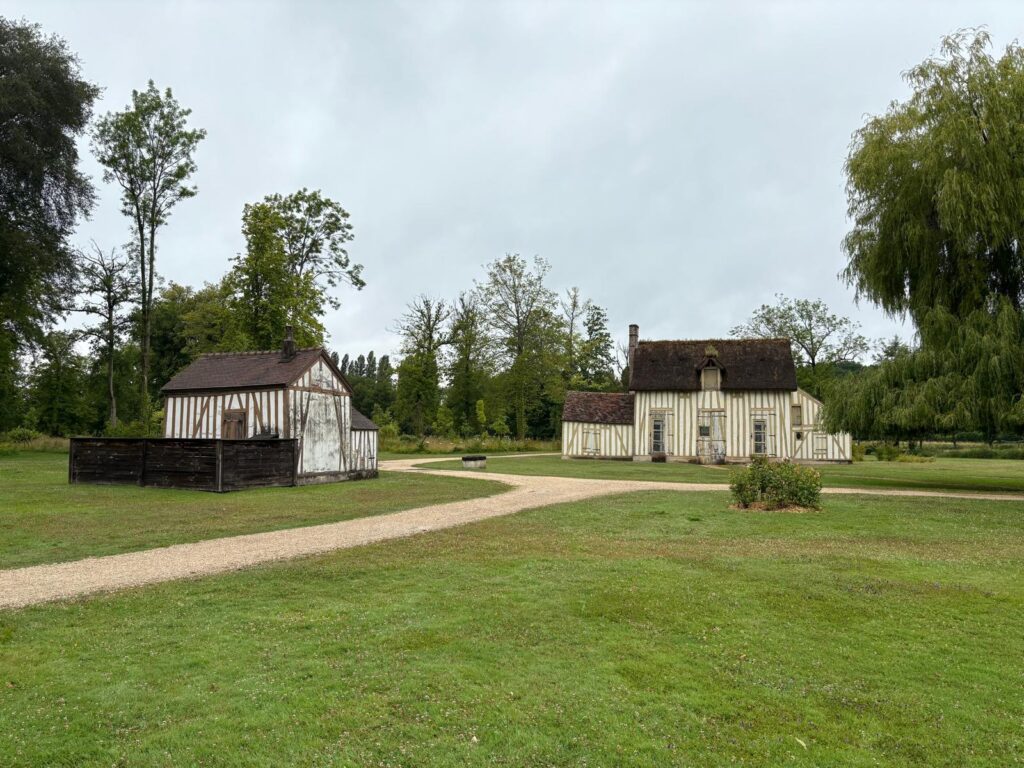
Day 1: Le Château de Chantilly
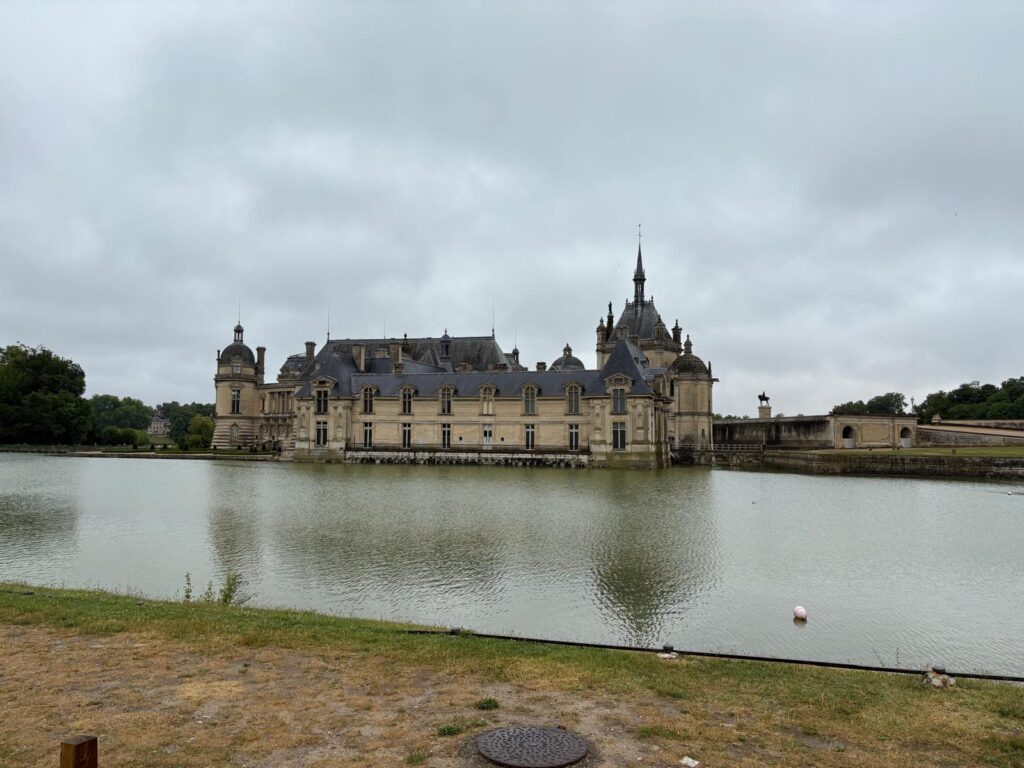
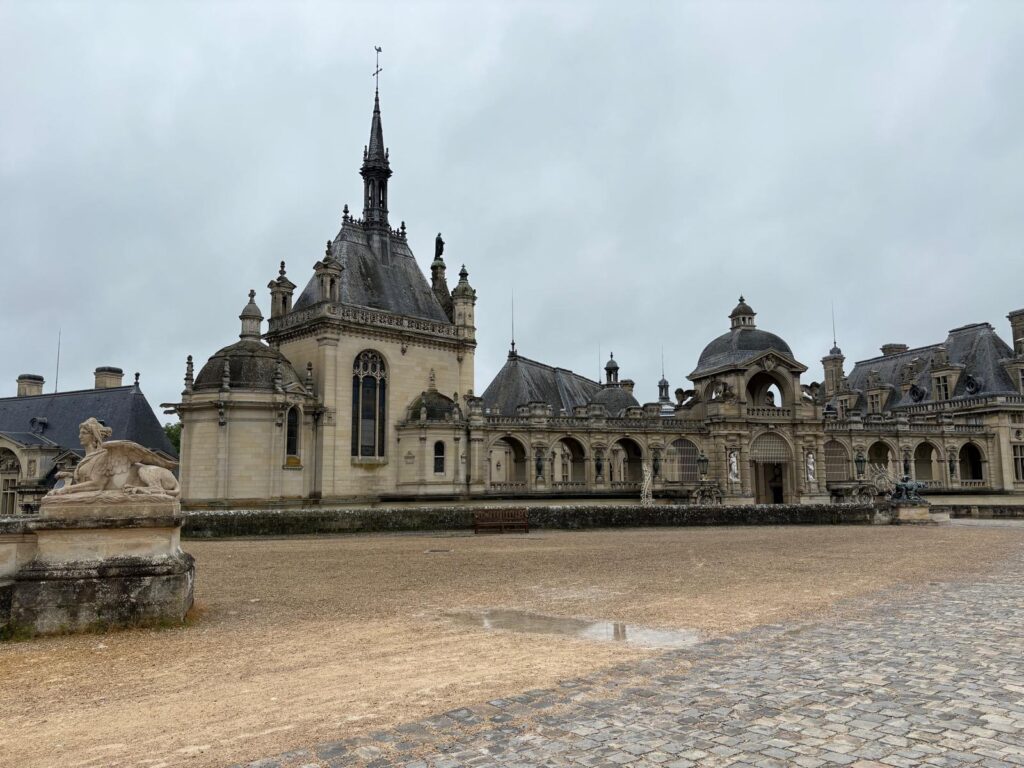
I’ve just reread my post about the Château de Chantilly, and I actually did rather a good job of explaining its history and so on, so I’m not going to do all that again. I suggest before visiting you read all about it here, but in case you don’t I will recap the highlights.
The origins of the château go back to the Middle Ages (although the site was fortified even earlier than then). There are two key inhabitants to know about, with a Revolution in between. The first was le Grand Condé, Louis II de Bourbon. He was the cousin of Louis XIV, and seems to have enjoyed a bit of one-upmanship. If Versailles had a canal, Chantilly’s had to be bigger, and so on. It was during this time that a notorious episode occurred at Chantilly. Famous chef François Vatel, fearing the fish shipment for the banquet he had planned for Louis XIV would arrive late, died by suicide rather than face the dishonour.
The château we see today is largely the work of Henri d’Orléans, also known as le duc d’Aumale. The fourth son of King Louis-Philippe of France, he lived in exile in Twickenham for about 20 years. On his return to France, he rebuilt the Château de Chantilly, which had been destroyed during the French Revolution. Dying without heirs, he left both the château and his collection of art and books to the Institut de France.
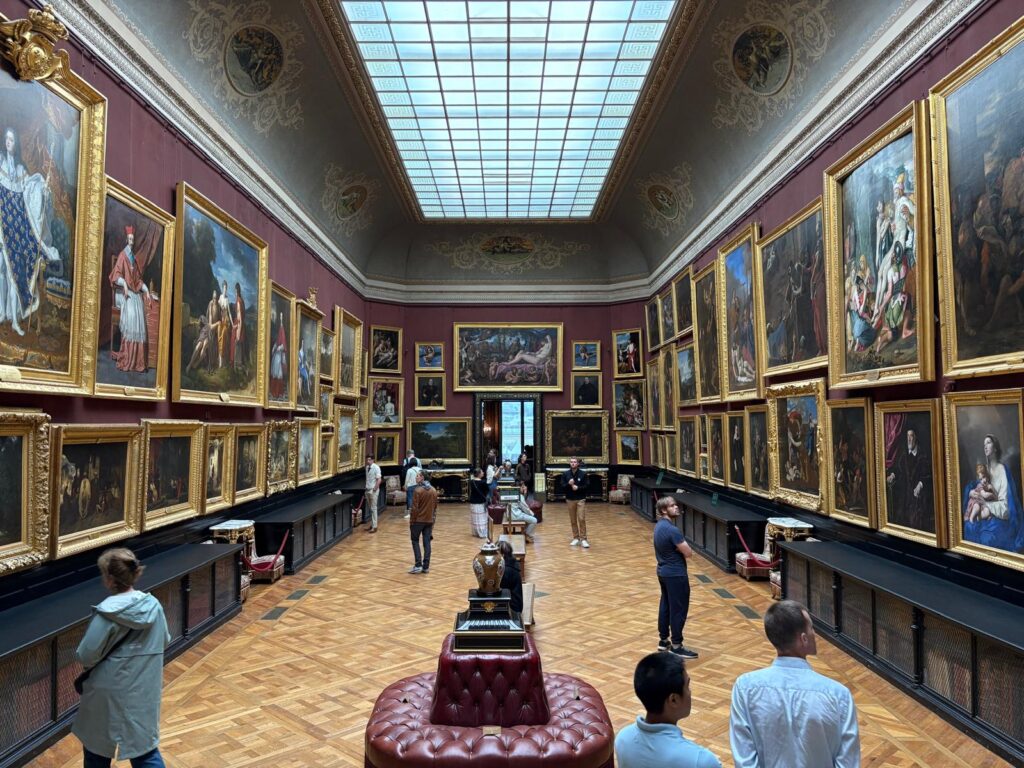
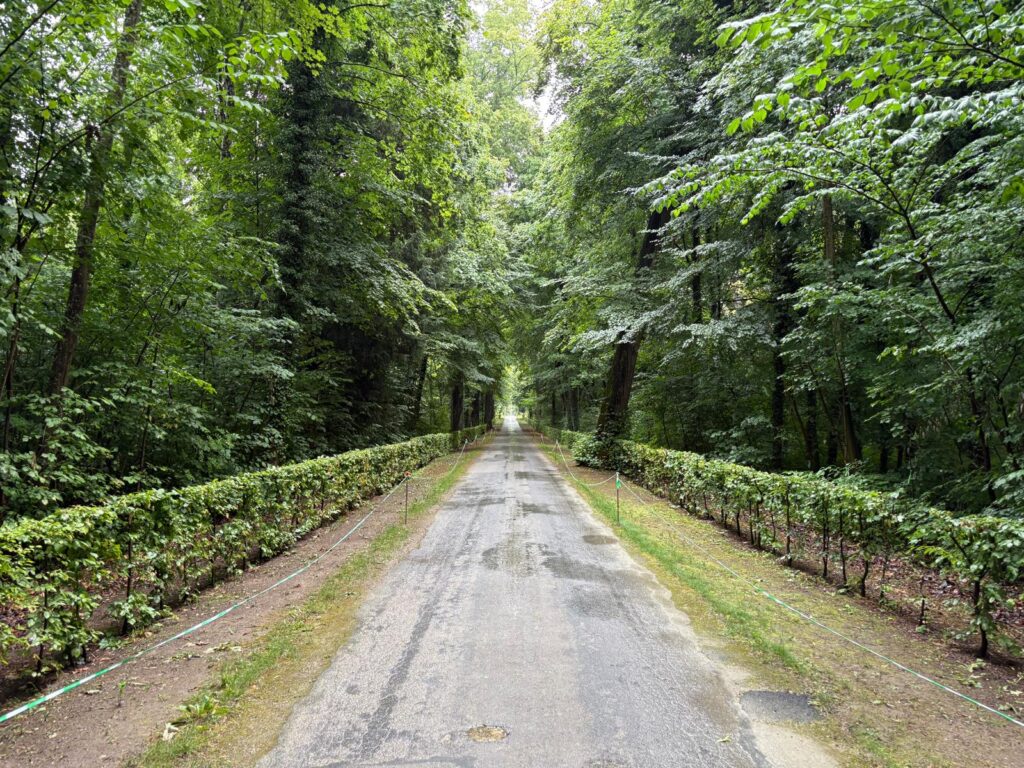
You’ll need most of Day 1 to see what there is to see at the château, and even then you should plan to arrive at opening time (10am). The entrance is near the château so it’s a good idea to start there. Don’t miss the Grand Singerie (room decorated with anthropomorphised monkeys) or the Musée Condé. The duc d’Aumale’s bequest prohibits loans so you won’t see these paintings anywhere else. Then there are the gardens: that big canal I talked about, formal and informal gardens, forest paths, and more. There are various add-on options like visits by horse-drawn transport or tourist train, or tours of apartments that are otherwise off-limits. Options for food and drink are limited to one main restaurant and a seasonal pop-up in the hameau (hamlet), so you might want to bring a picnic.
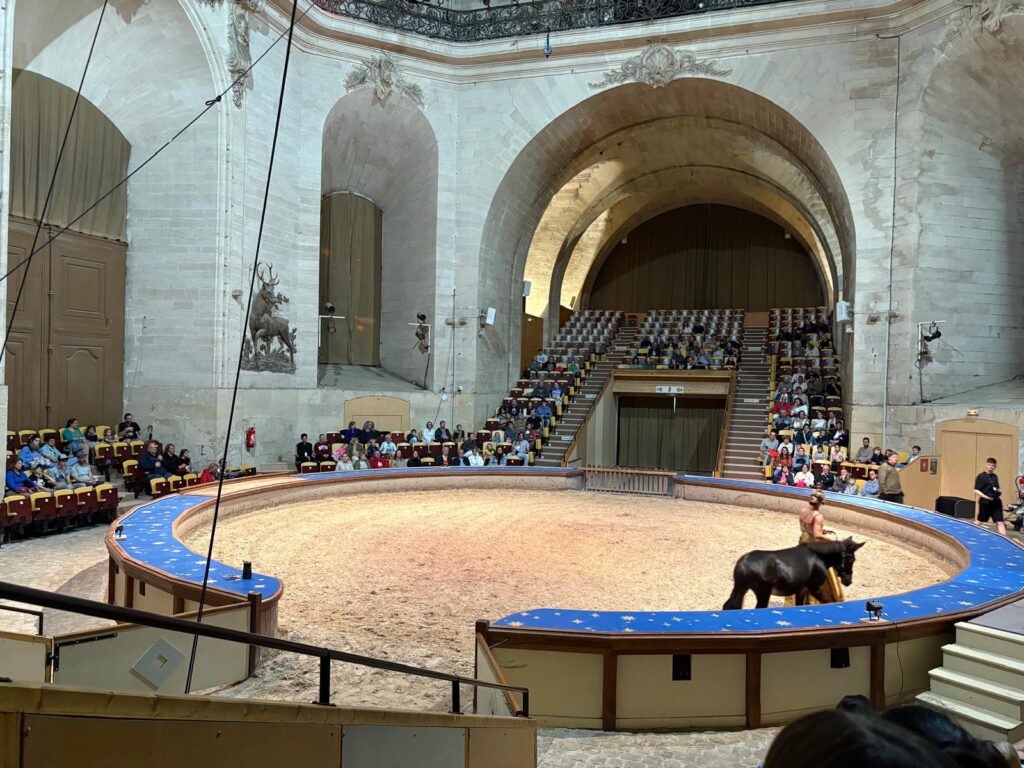
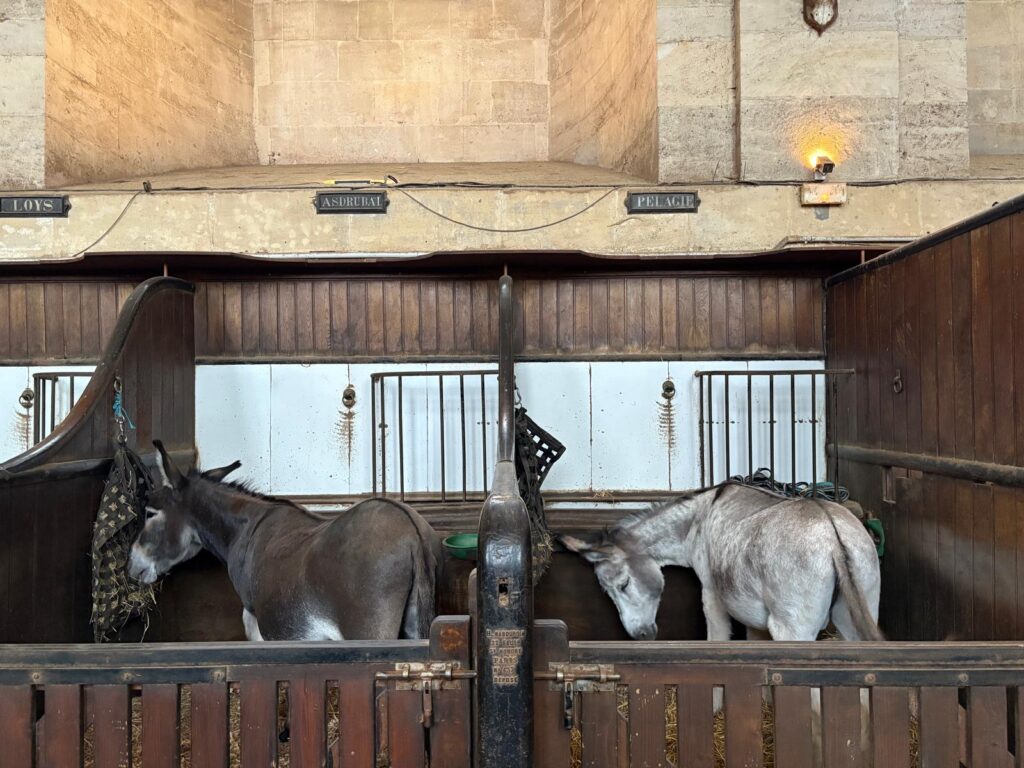
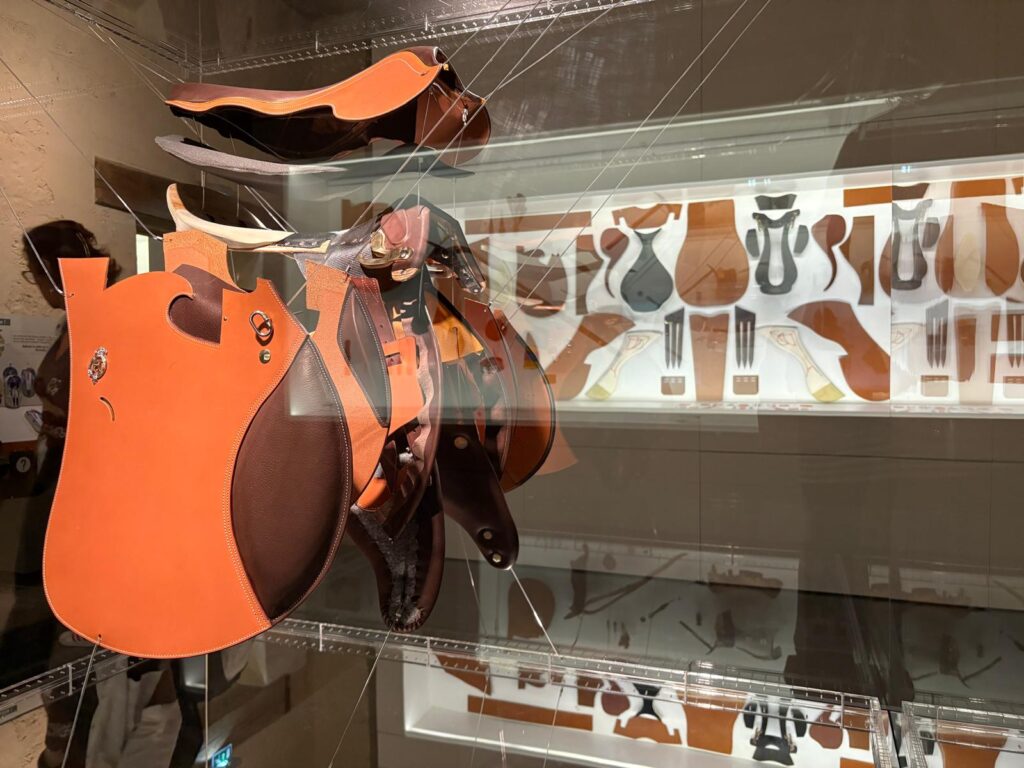
Day 1: The Great Stables & Living Museum of the Horse
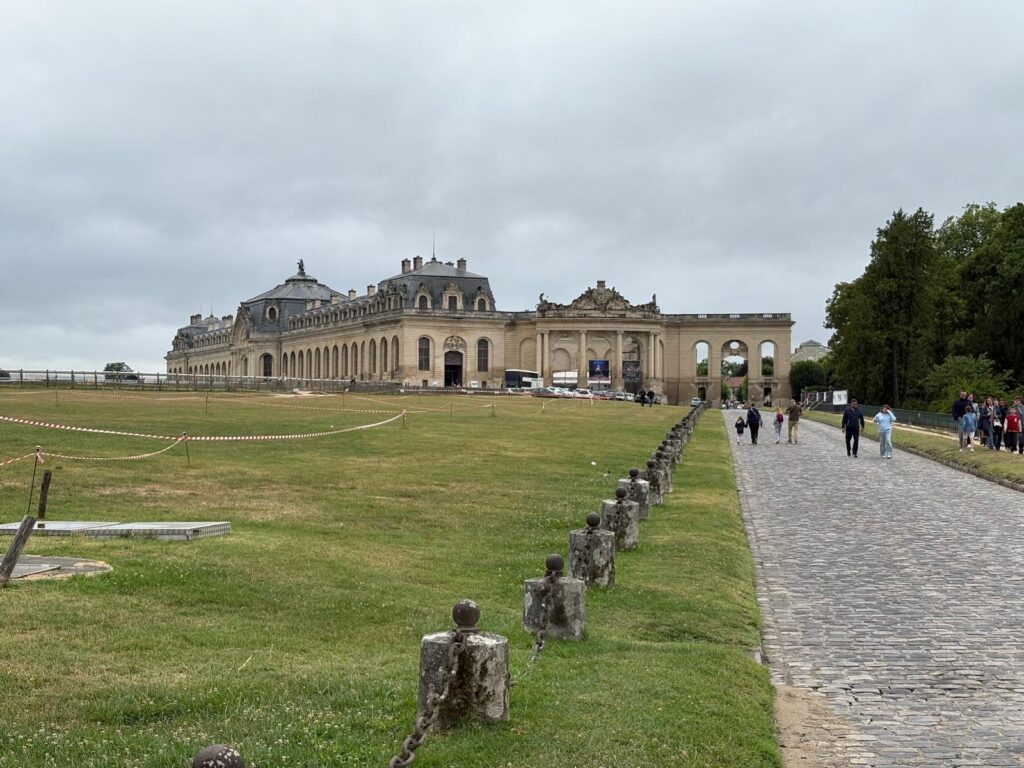
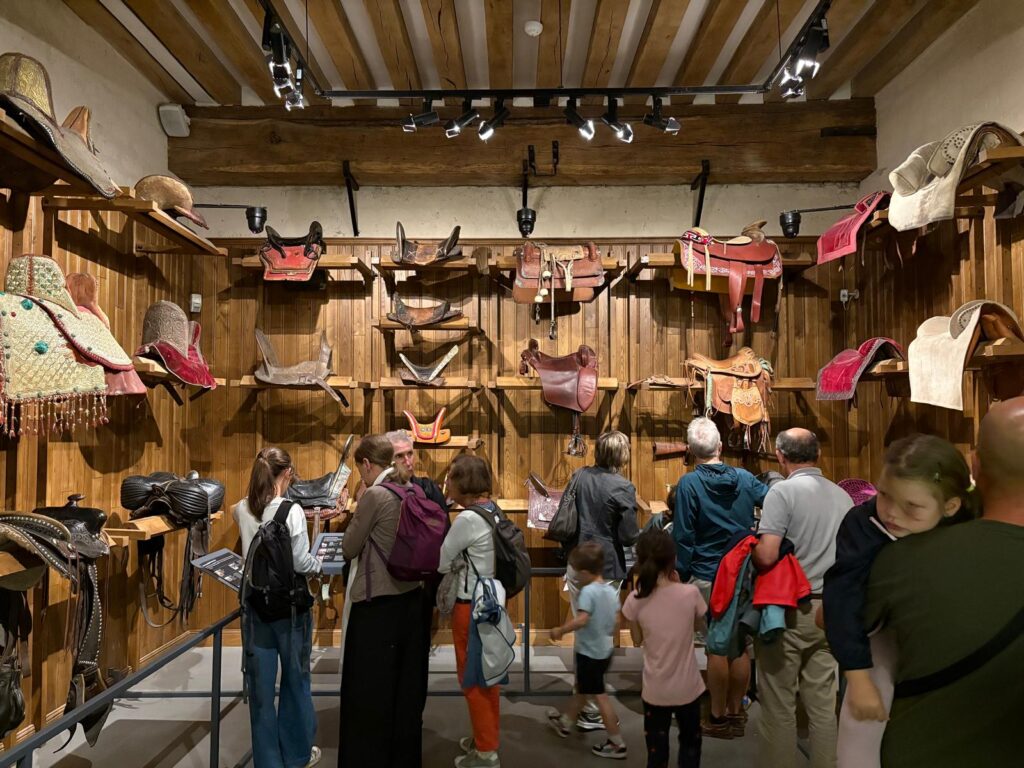
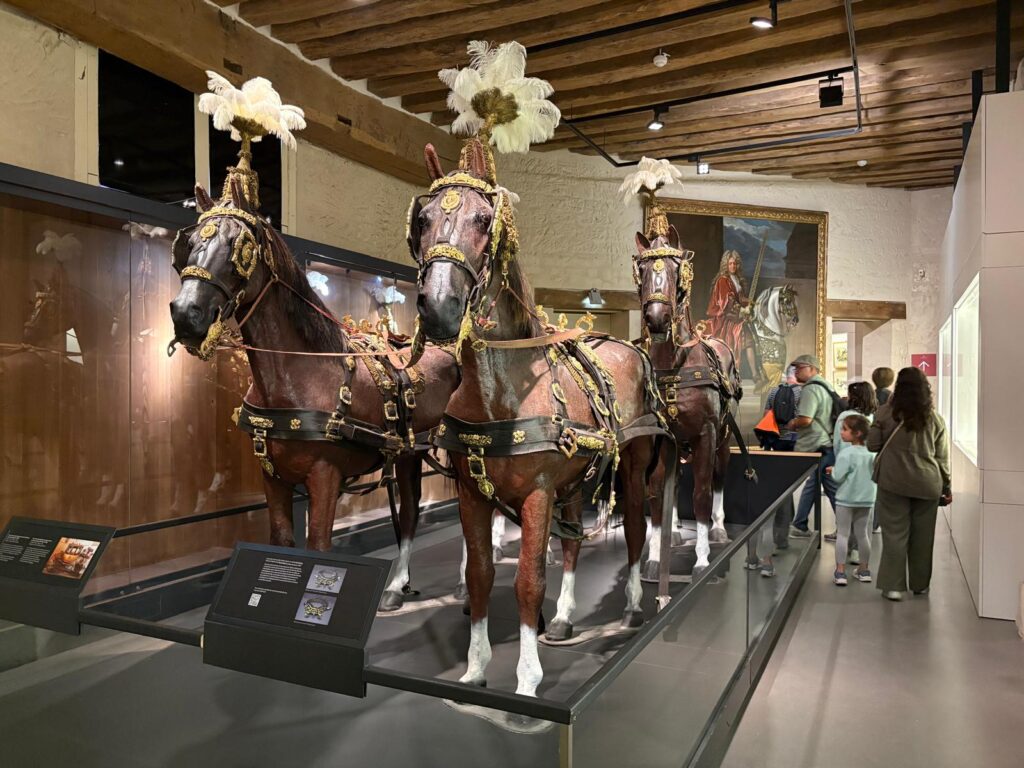
The Château de Chantilly is split roughly into two experiences: the part enclosed within the château’s park, and Les Grandes Écuries (the Great Stables), which house Le musée vivant du Cheval (the Living Museum of the Horse). Why such grand stables? Well I’m once again going to help spread the rumour that Louis-Henri de Bourbon, who had them built between 1719-1735, believed he would be reincarnated as a horse and wanted somewhere nice to live. The more boring answer is that he was really into hunting.
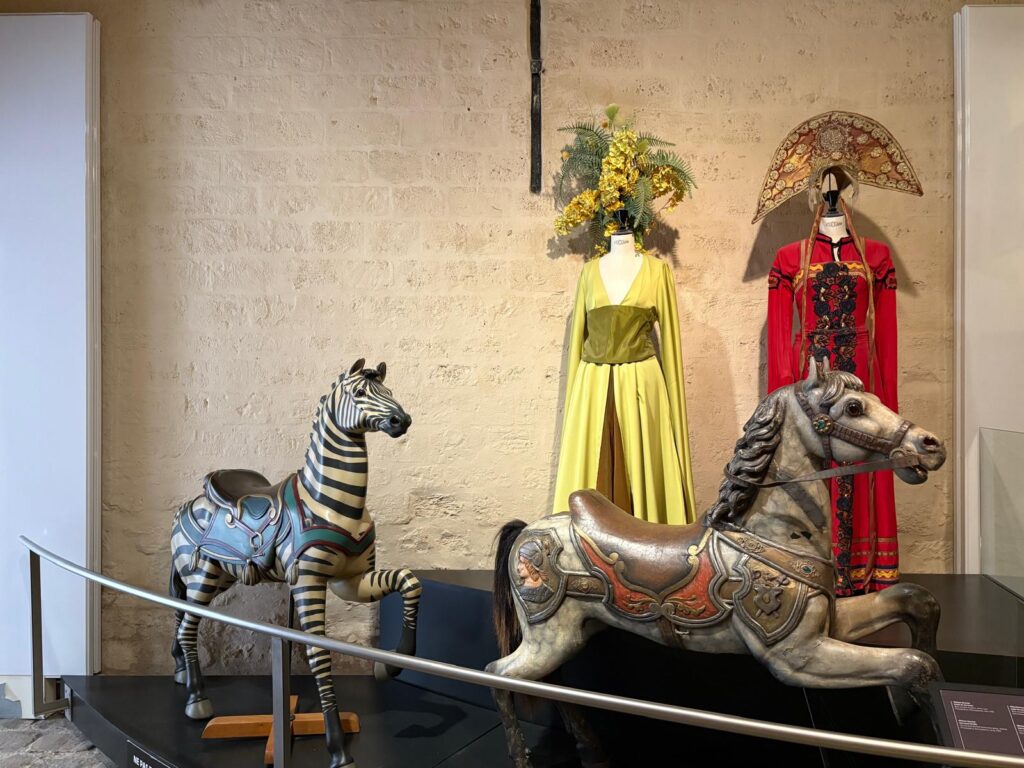
But grand they certainly are. The first time we visited, we mistook them for the château itself as we approached. There’s a fair bit to see inside. You enter through the stables themselves, so can visit with horses, donkeys, ponies and mules. Then you move on to the start of the museum. This stretches in a semi-circle around the edge of a small outdoor horse arena. It explores the shared history between humans and horses throughout history. And the other place to visit is the impressive indoor arena, where there are shows (additional charge) and equestrian demonstrations. Aim to be there around 2.30pm to catch the afternoon demonstration.
The stables and château can be visited on the same ticket, but independently of each other. If you wanted a really relaxing weekend in Chantilly, you could spread them over two days. It’s a bit of a push to do them both in a day but doable.

Day 2: Getting a Feel for Chantilly
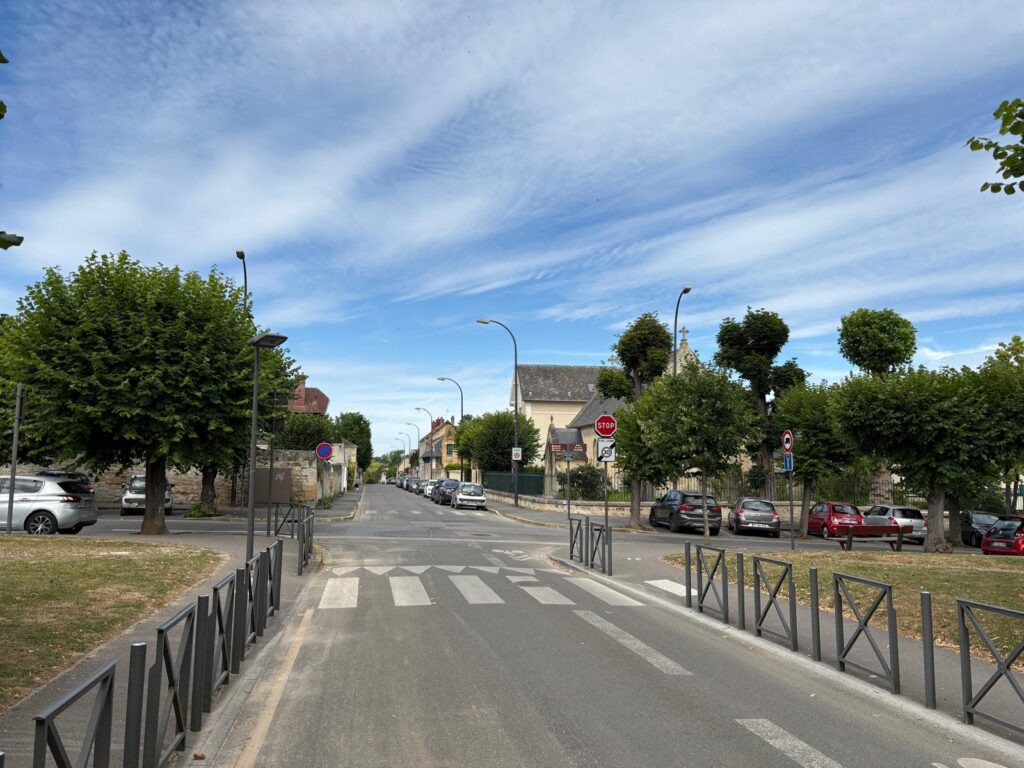
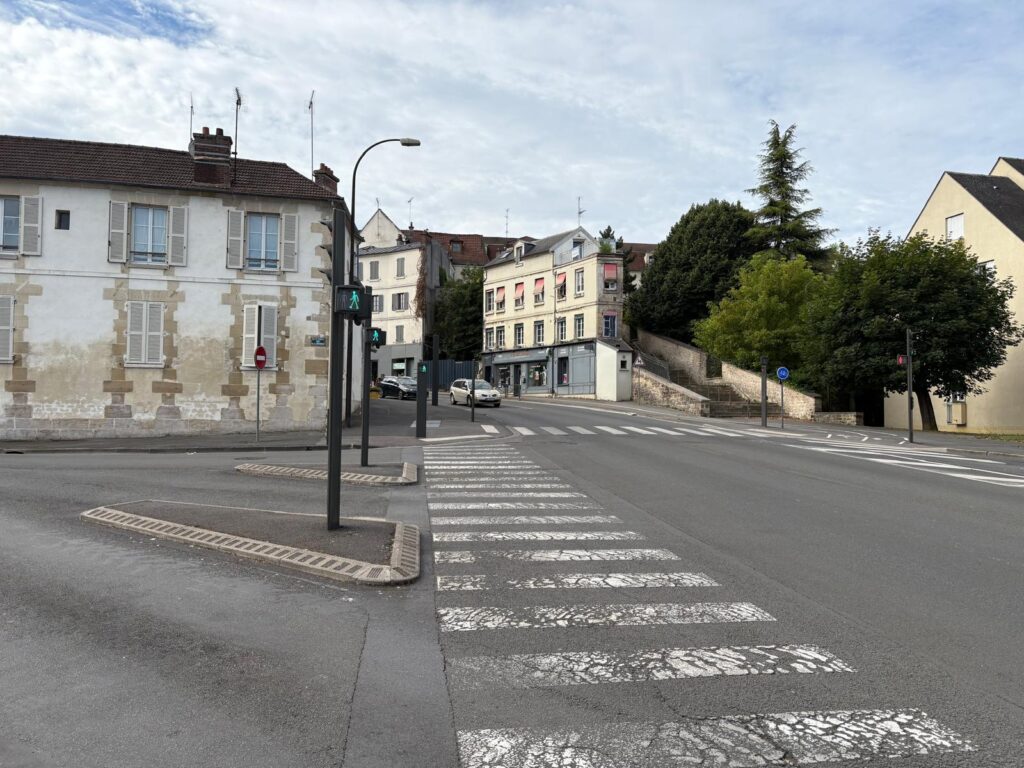
There’s something a little peculiar about Chantilly. I didn’t notice it last time, probably because I didn’t actually venture into the town. I discovered it this time looking at a map of pre-Revolutionary Chantilly vs. the town today. Chantilly has a slightly odd layout. It’s long and narrow, when there isn’t an obvious geographical reason it should be so. The reason, it turns out, is that the modern town almost exactly took over one of the Château de Chantilly’s formal gardens. I guess that’s why the local people razed the château and carted the stone off: they had a lot of building to do!
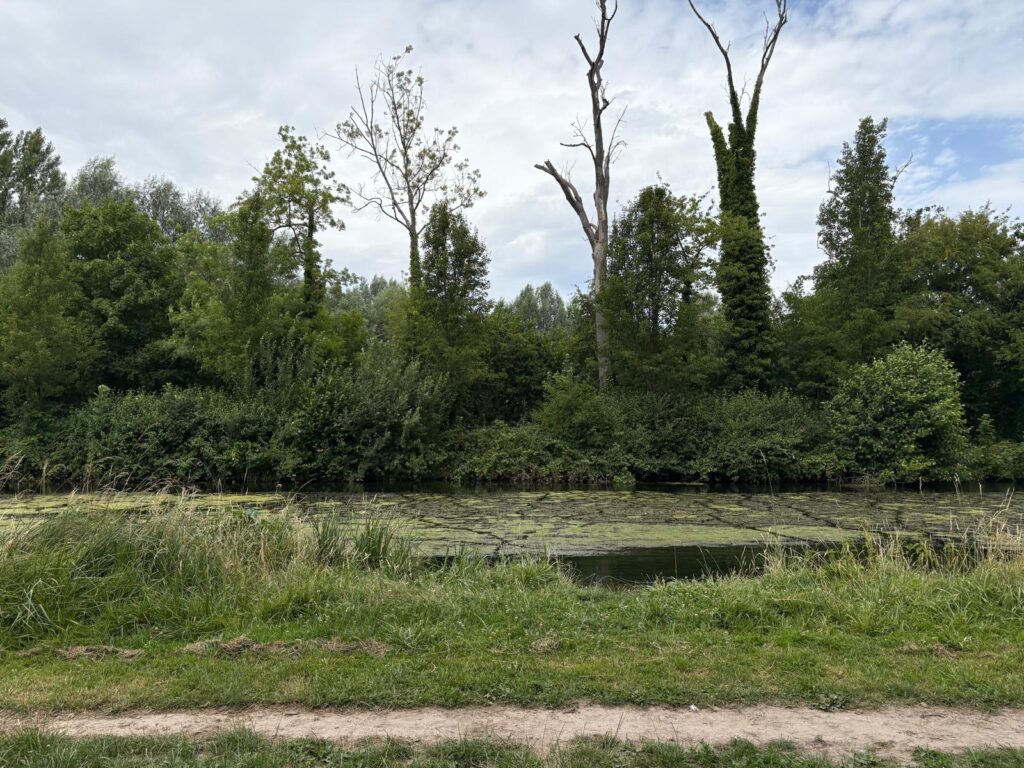
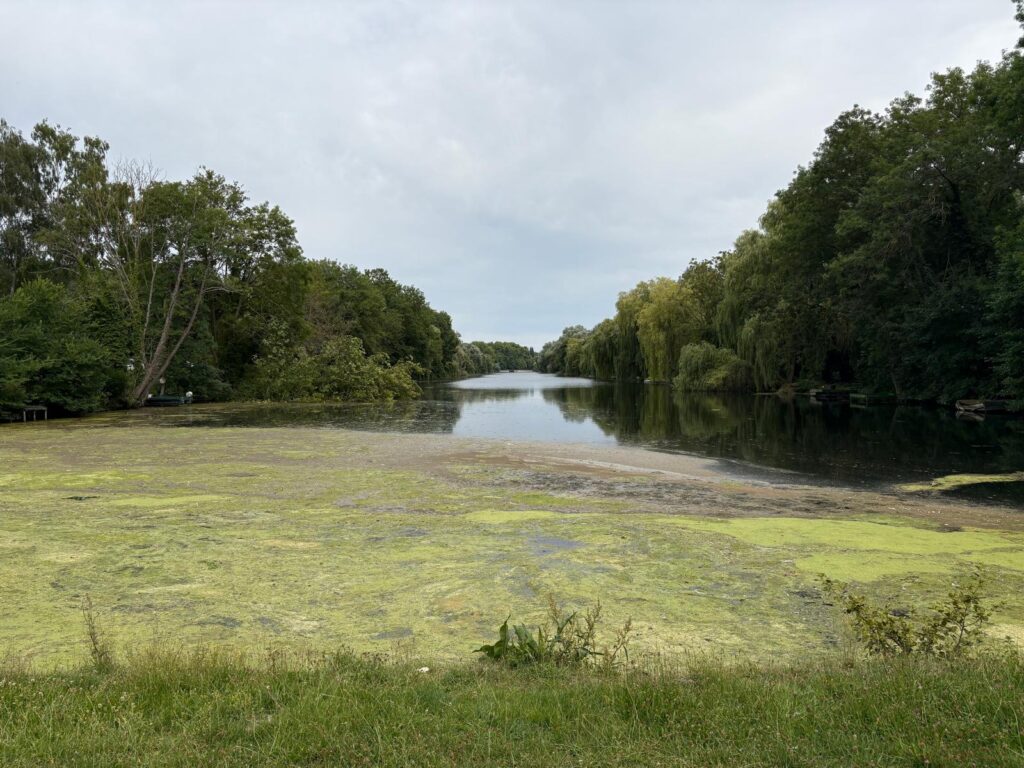
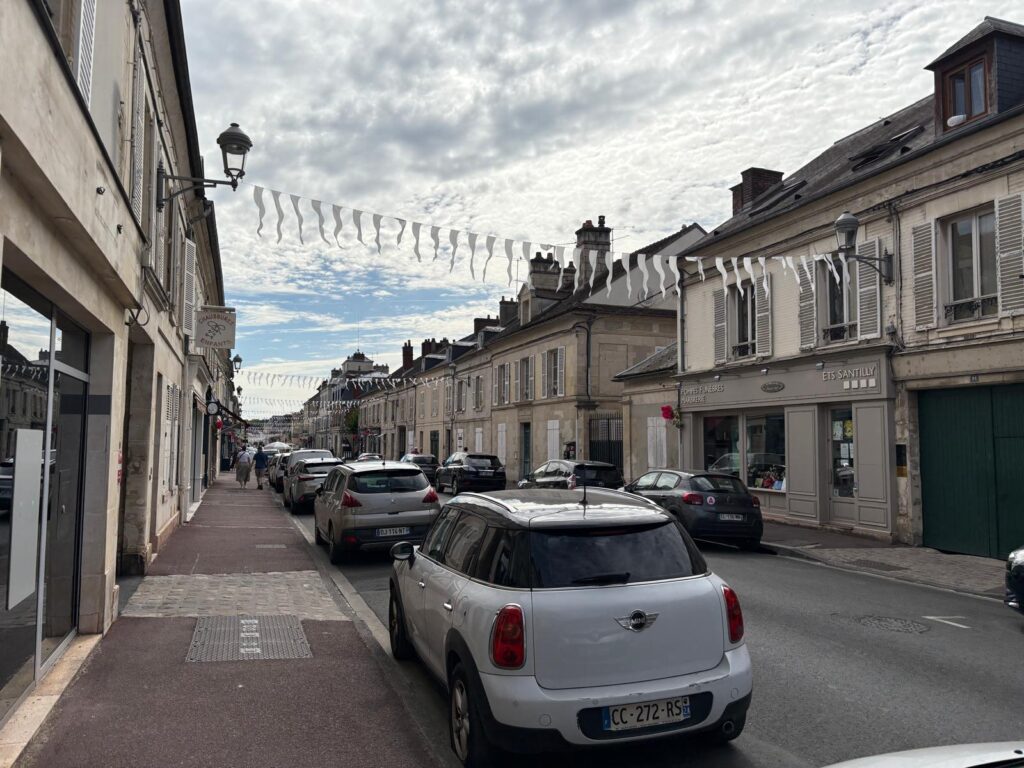
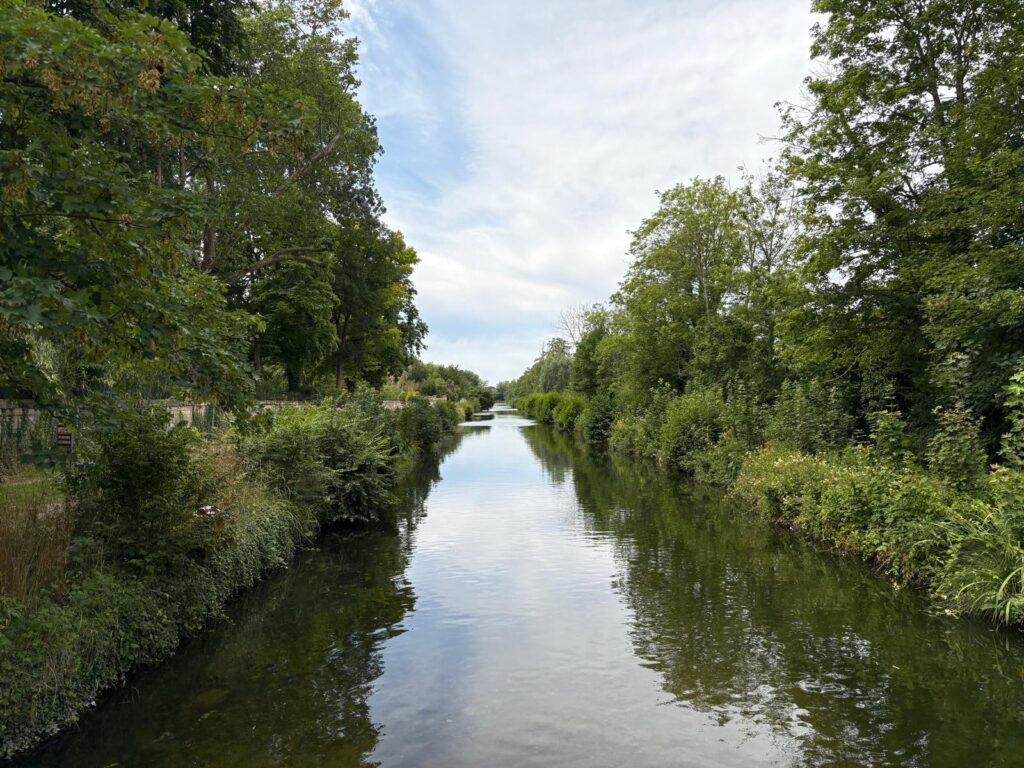
Today, it makes for a slightly odd visitor experience. There’s one road coming from the train station into town, and a main street at right angles which leads to the château. A few other streets around that, but then you start to get into residential neighbourhoods. Or the town’s many waterways: canals, rivers and streams. You need to be prepared to do a fair amount of walking, therefore. Particularly if you haven’t made dinner plans: restaurants in Chantilly stick firmly to lunch and dinner opening hours, and tend to be popular at weekends, so you may cover a lot of ground looking for an available table.
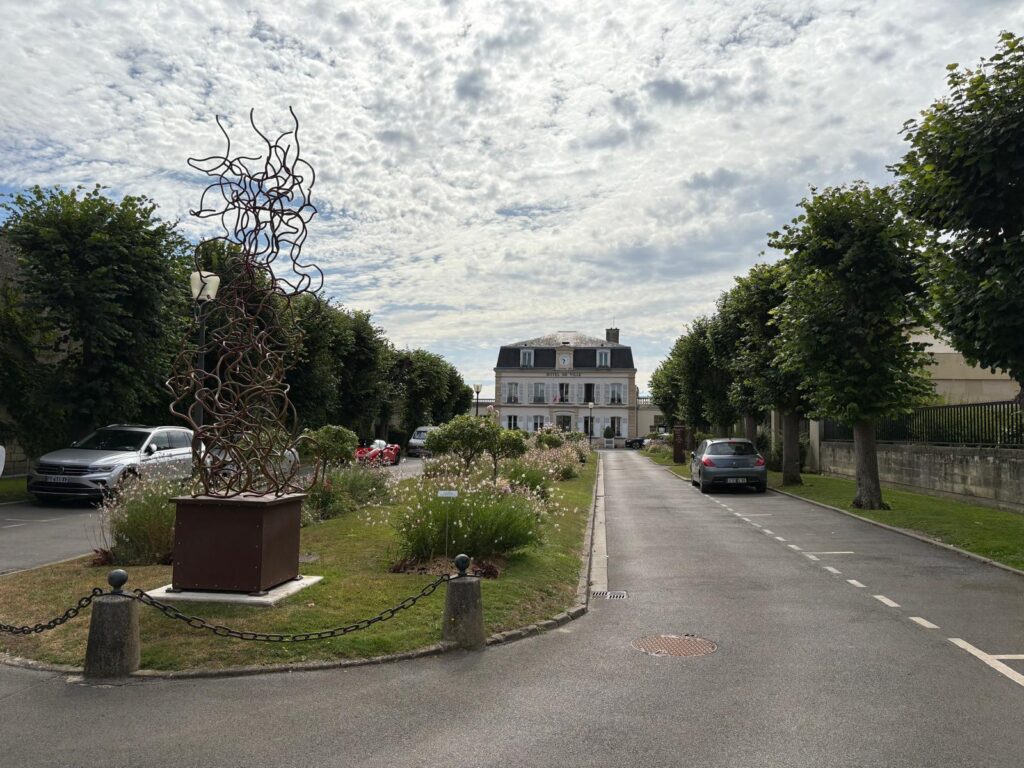
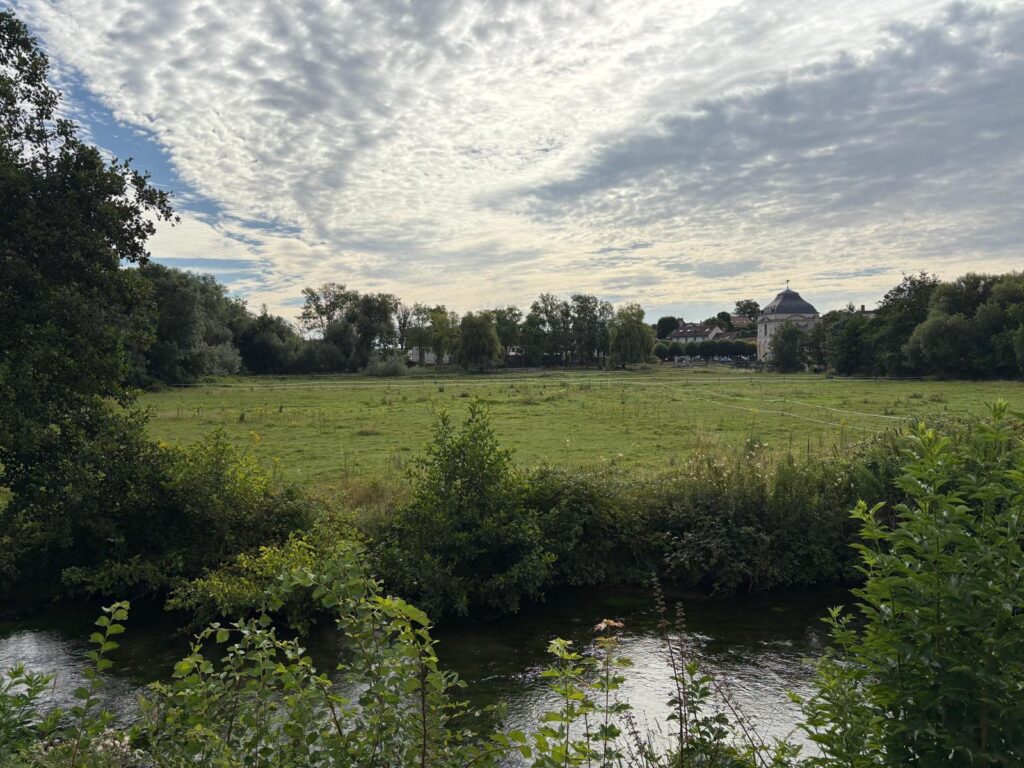
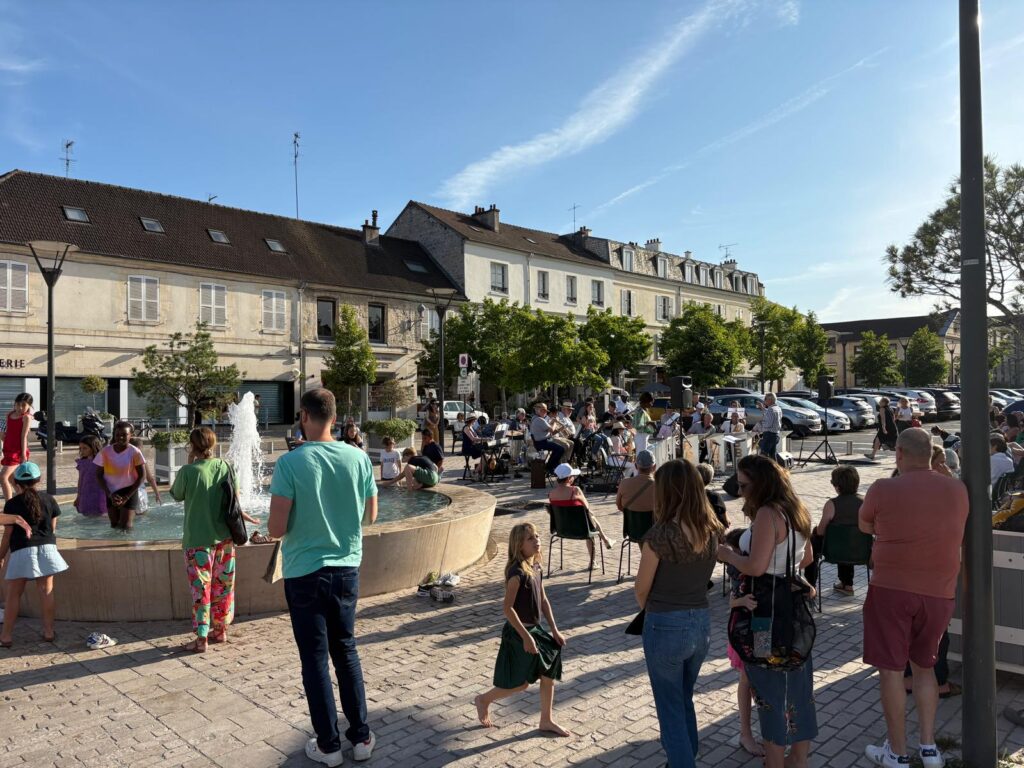
But this history is also a lot of the charm of Chantilly. You can join in events in the main square, and step into nature mere minutes away on one of the riverside paths. It’s tidier and straighter than I imagine nearby Senlis would be, but the independent shops look very smart in their uniform stone buildings. Chantilly is a commuter town for Paris, and a wealthy one at that. But there are just enough attractions outside of the château to make a second day rewarding.
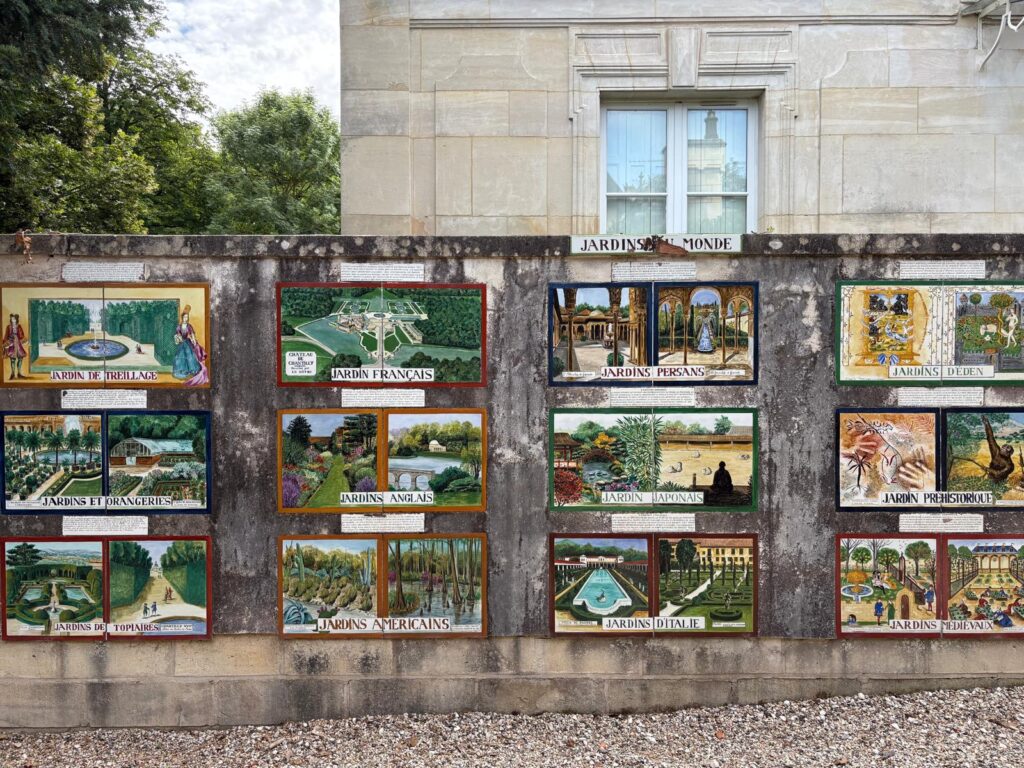
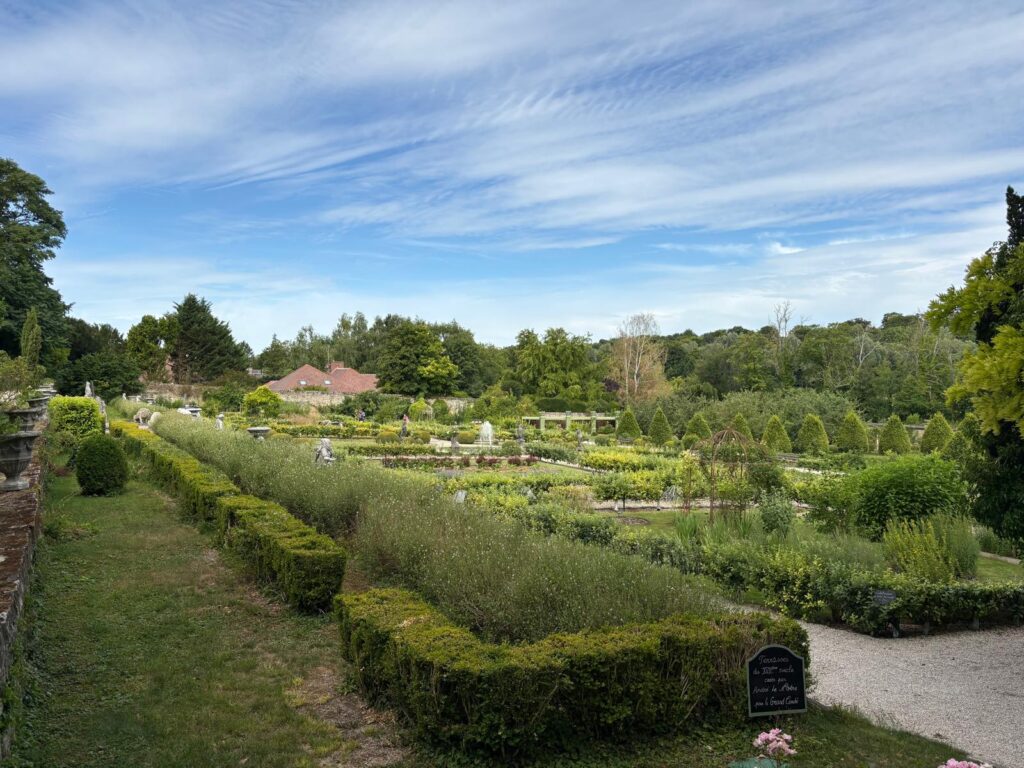
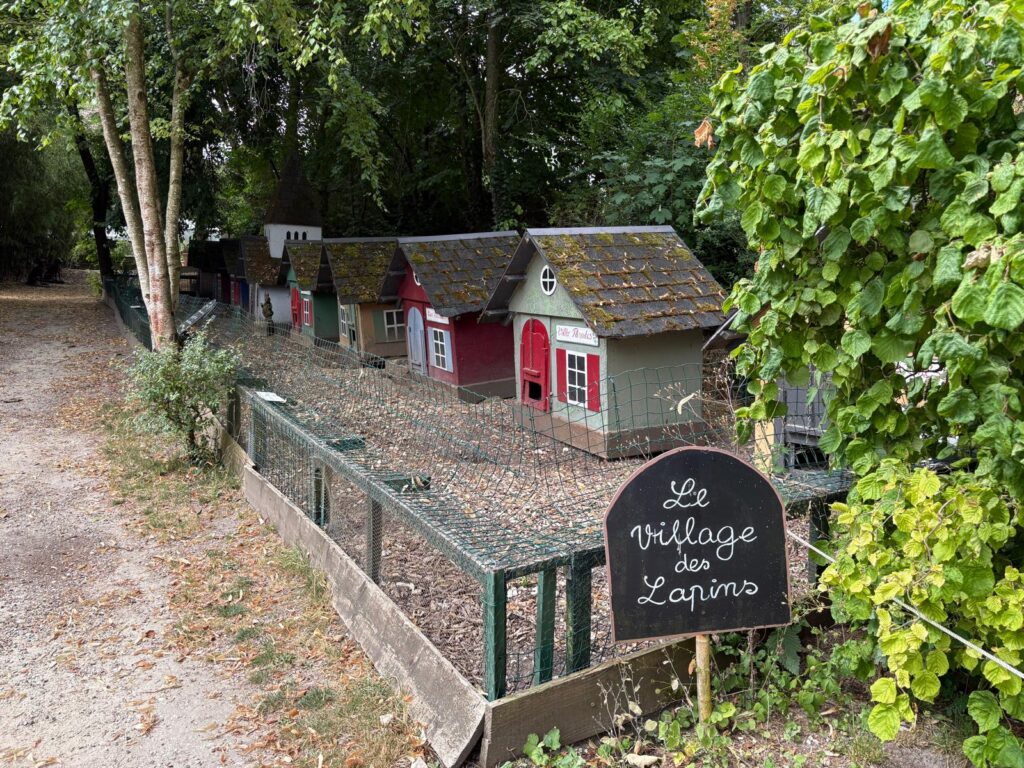
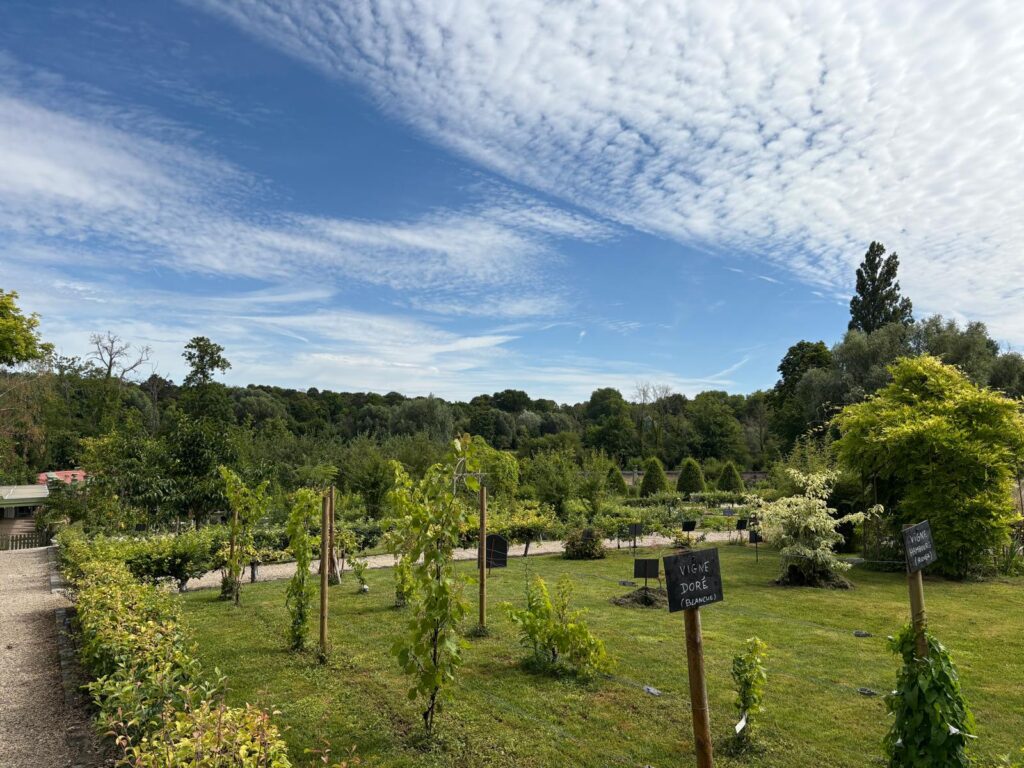
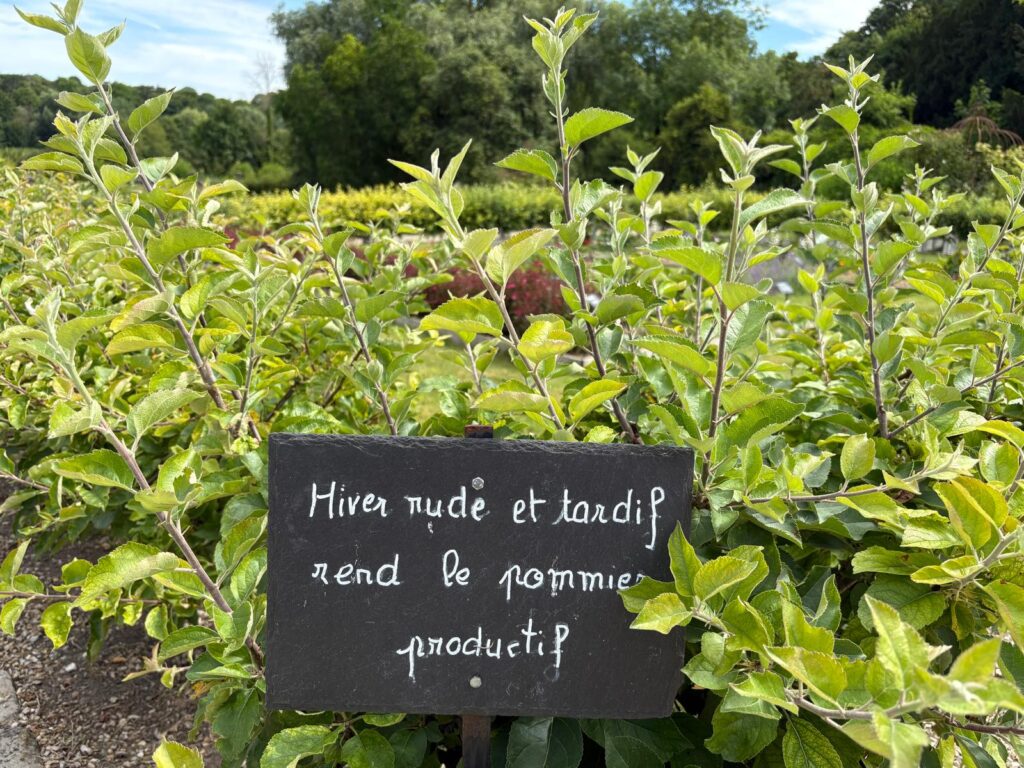
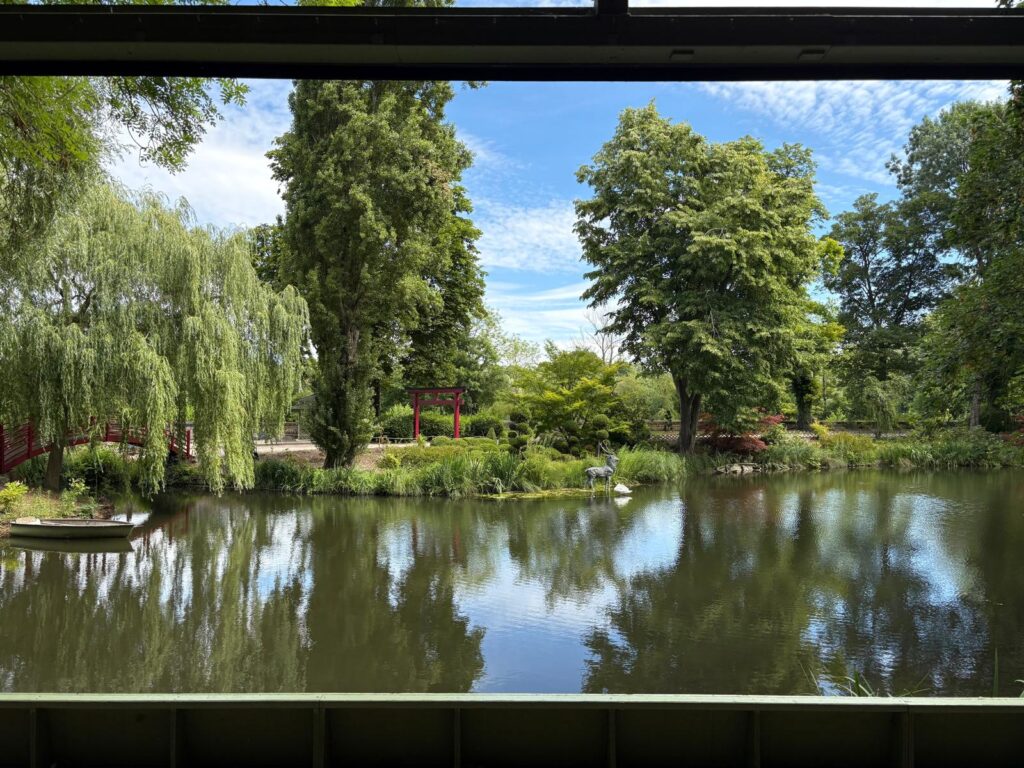
Day 2: Le Potager des Princes
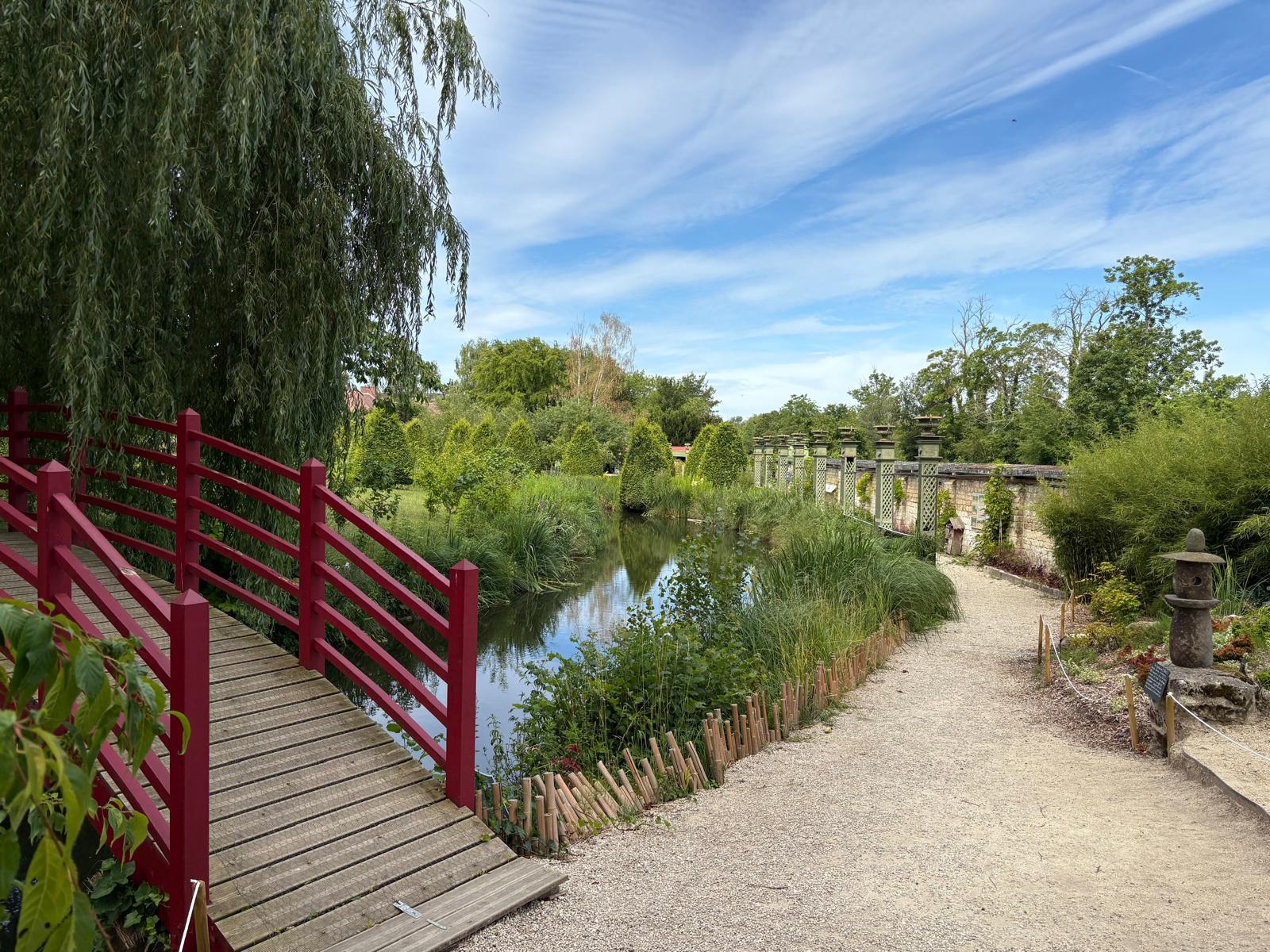
We visited Le Potager des Princes on a whim. Its name means ‘The Vegetable Garden of the Princes’, and it is essentially a large walled garden, bordered on one side by the town, and the other by the Canal Saint Jean. It keeps odd (and slightly inconvenient) opening hours, from 10am-12pm and from 2pm-6pm. We had about an hour there, from 11-12, and could have spent longer.
Le Potager des Princes is the work of Yves Bienaimé, who also established the Living Museum of the Horse. Like Kenwood House, its existence today is partly down to a bit of NIMBY-ism: there was a plan in the 1990s to build 58 houses here. Instead, we have a loving – not recreation, maybe echo is the right word – of the gardens of the Château de Chantilly. This area of garden was famously designed in 1682 by André Le Nôtre, who also designed the gardens of Versailles (remember that cousin rivalry?). It centred on a pheasant farm (faisanderie sounds nicer in French). In the 1770s the pheasant farm was turned by Louis-Joseph de Bourbon into a ‘Roman Pavillion’.
Bienaimé did copious research into the historic gardens on this site and, drawing on this inspiration, created a unique pastoral space. There’s a vegetable garden (French and for some reason Japanese style), ponds, statuary, a waterfall, an apiary, a bamboo maze, livestock, and even the Théâtre de la Faisanderie, the first theatre in Chantilly since before the Revolution. You can learn French proverbs in the potager, or admire majestic white peacocks. An hour was a little too short: two hours would comfortably allow exploration and relaxation combined.
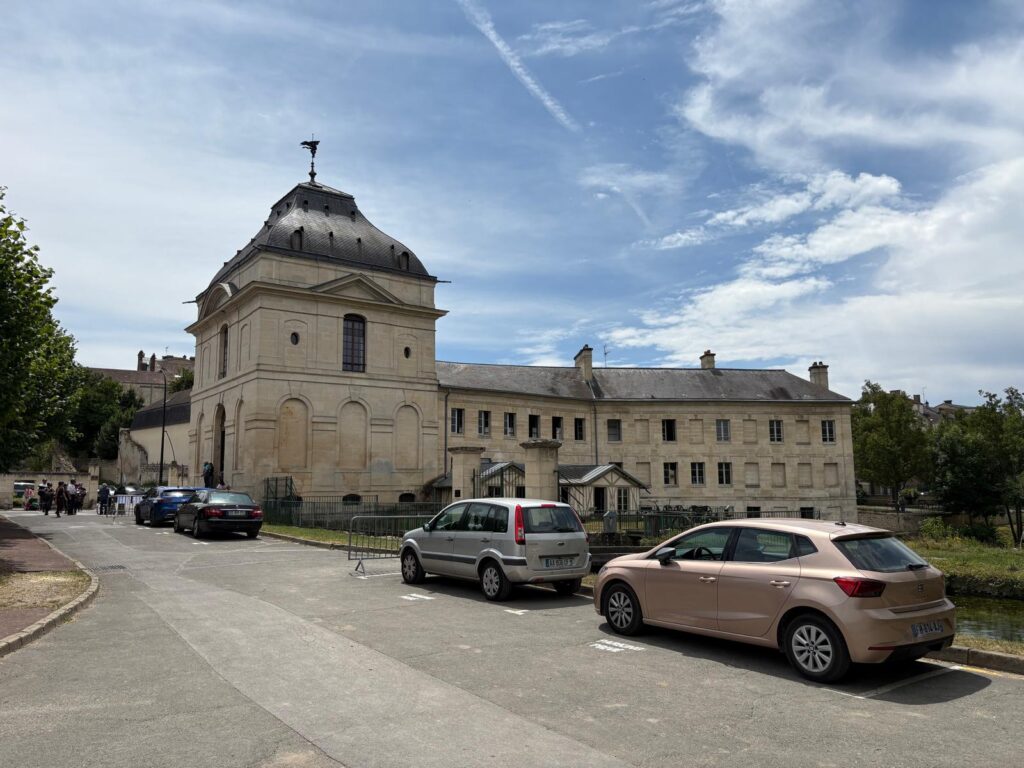
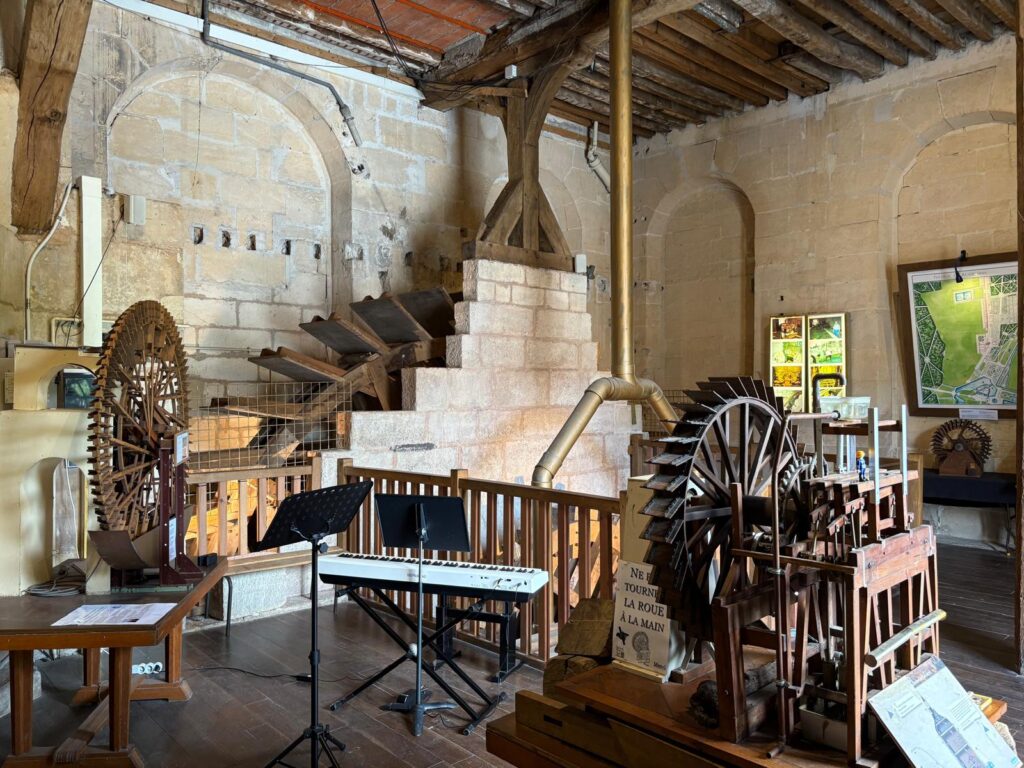
Day 2: Le Pavillon de Manse
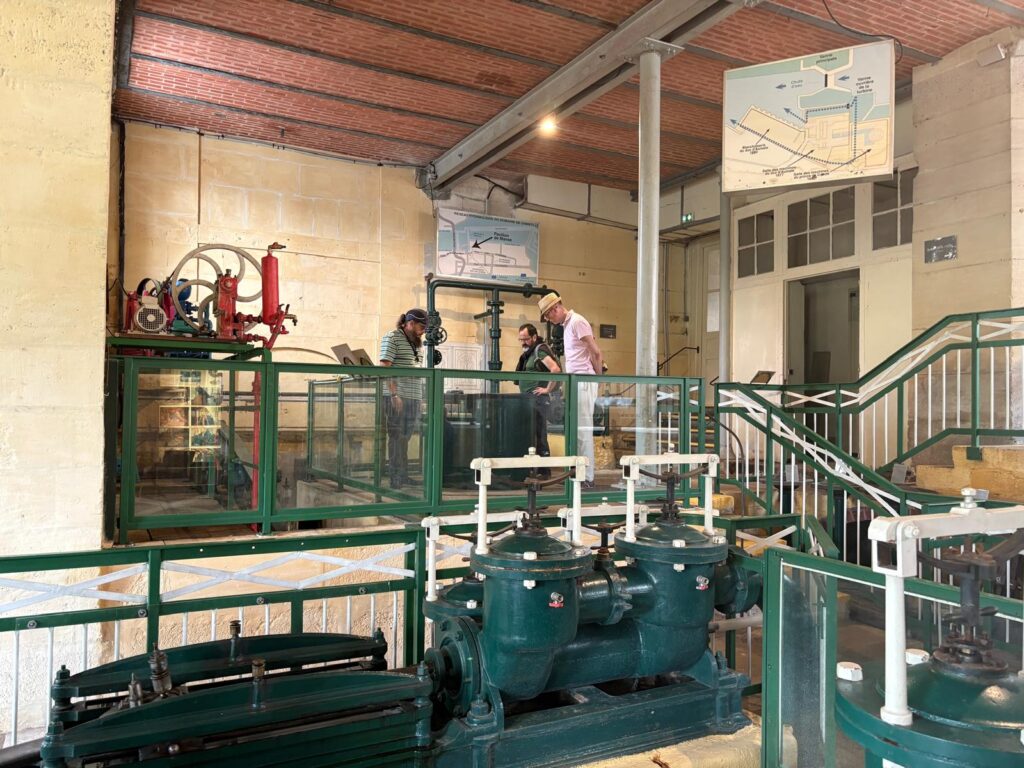
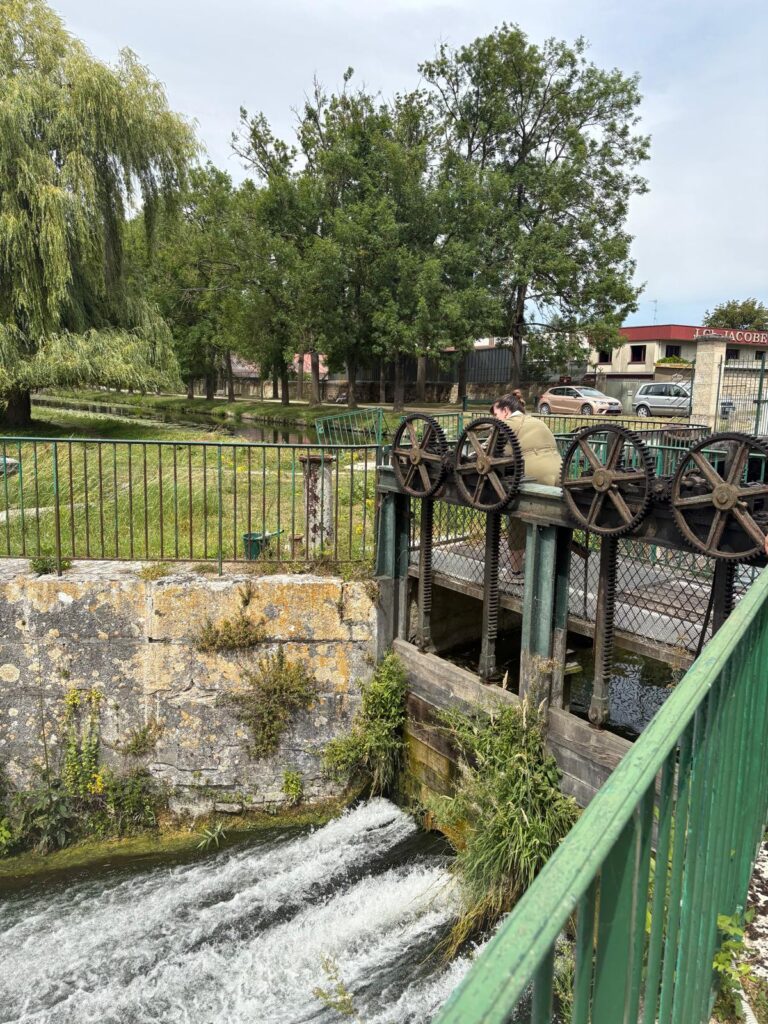
I did have the Pavillon de Manse on my list to do in Chantilly. I mean, they advertise themselves as ‘hydraulic heritage that’s unique in Europe’ – how could I not find that intriguing? To understand the Pavillon de Manse, you need to remember what I said just a moment ago about the origins of the town of Chantilly. The Pavillon de Manse now stands a fair way away from the château, but this was once the end of the gardens. It was here the water necessary for le Grand Condé’s impressive water features began its journey towards fountains and waterfalls. The porous limestone in the area means water is fairly easily accessible. Simply by digging a little, a shallow well was enough to supply everything necessary.
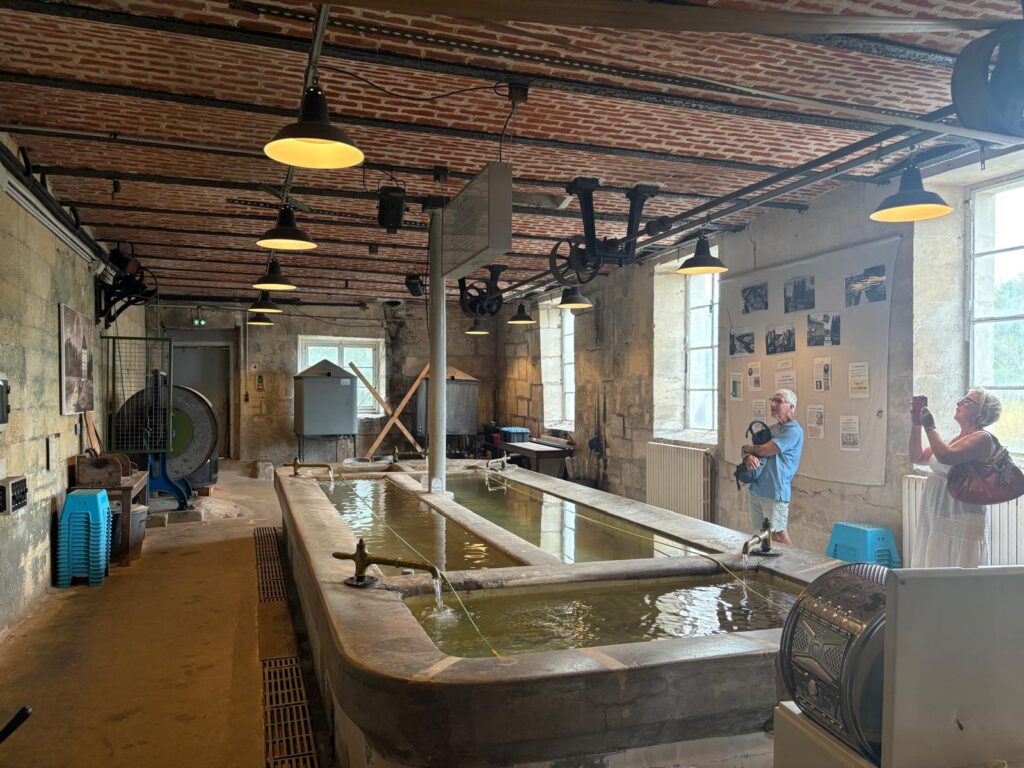
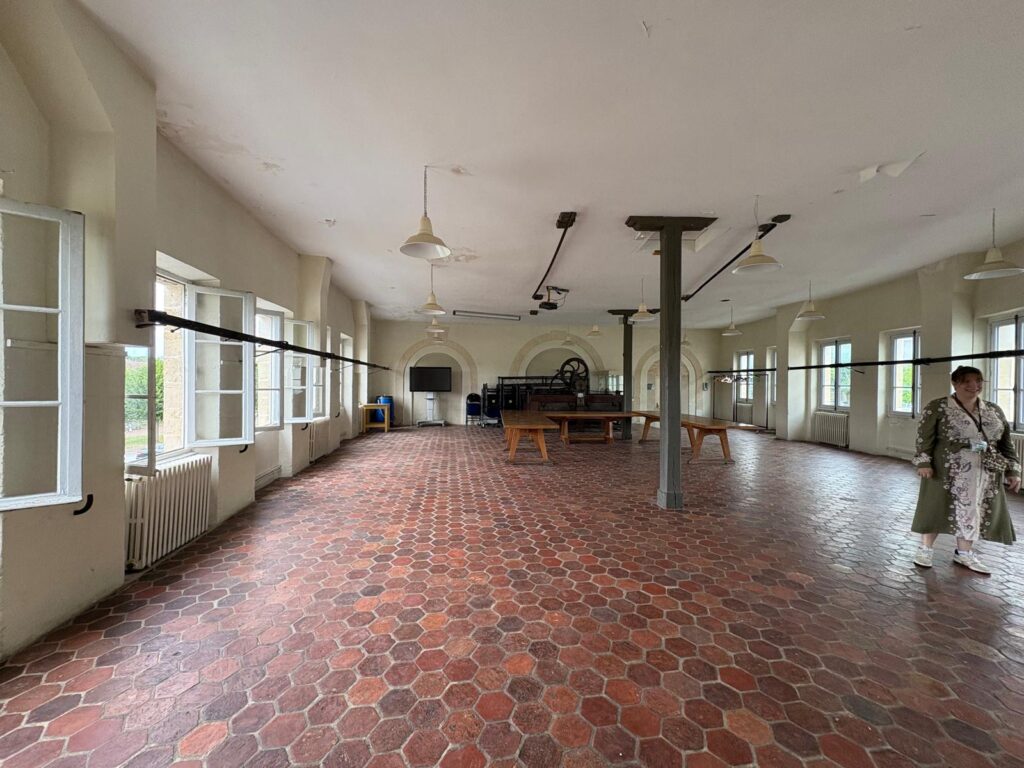
In order to ensure sufficient volume and power, a waterwheel directed water towards big reservoir tanks closer to the château. After the Revolution, such frippery was no longer de rigeur. So the Pavillon de Manse fell out of use for a long time. Eventually it was reused to supply drinking water to the town. And, under the duc d’Aumale, it had an interesting second life as a public laundry. Previously, the washerwomen of Chantilly did their work down at the river. But from 1885, they could save their backs at convenient tubs, before the wet laundry was mechanically lifted up two stories to be hung out to dry in a large, airy room.
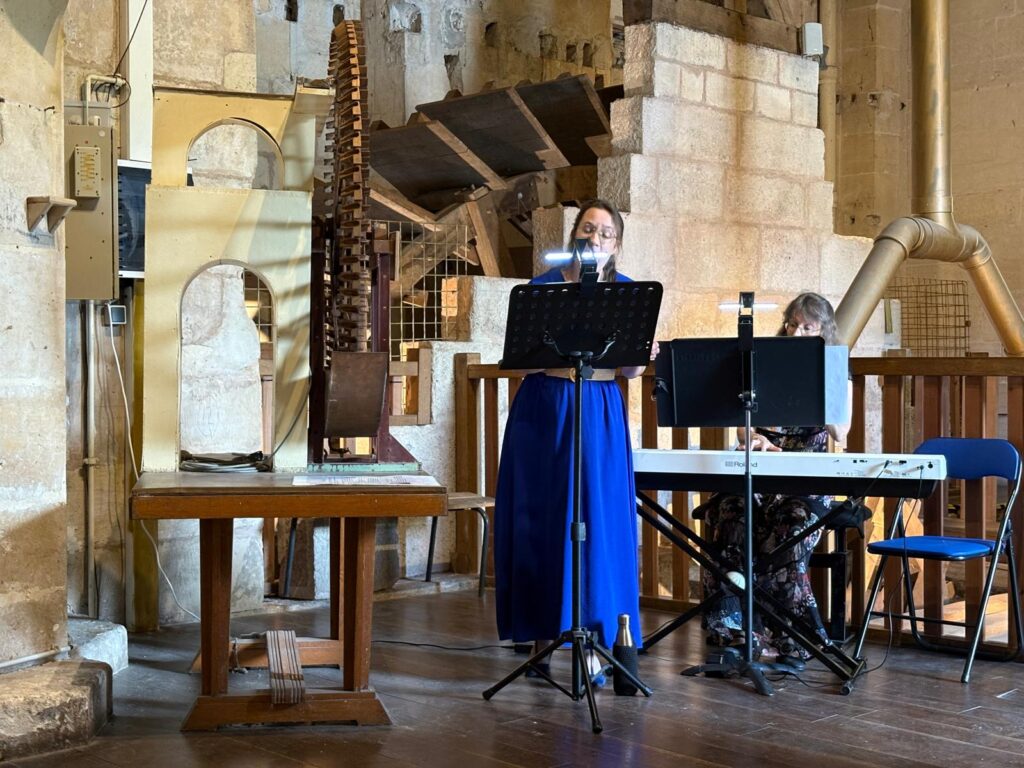
You can visit the Pavillon de Manse in a self-guided capacity, or as part of a tour. I don’t think there are options other than in French, but even then I would recommend the tour. Not only did we get to see the recreated water wheel in action, they also got the turbine and other equipment going for us. It was probably my favourite experience during my weekend in Chantilly. And that’s even before you factor in that we arrived just in time for an unexpected concert in one of the historic rooms. All the music water-themed, of course.
Day 2: Other Activities to Consider
Maybe you’ve read what I’ve suggested so far for a weekend in Chantilly, and you’re not yet convinced. What else is out there? Never fear, I’ve got a few more ideas coming your way, in no particular order.
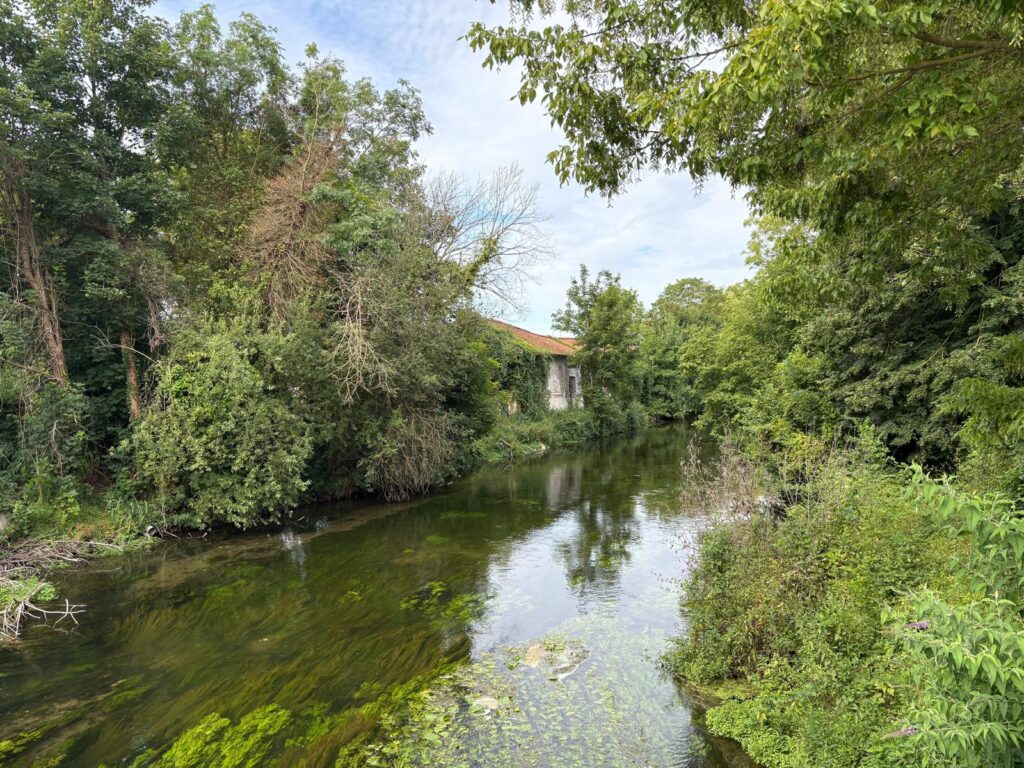
- Get out into nature. If the weather works in your favour, I most definitely suggest making time for Chantilly’s lovely natural surroundings. This could be as easy as a walk along la Nonette or one of the canals. Or you might want to spend additional time in Chantilly Park. Even sticking to the city, we saw wildlife including birds, horses, and nutria.
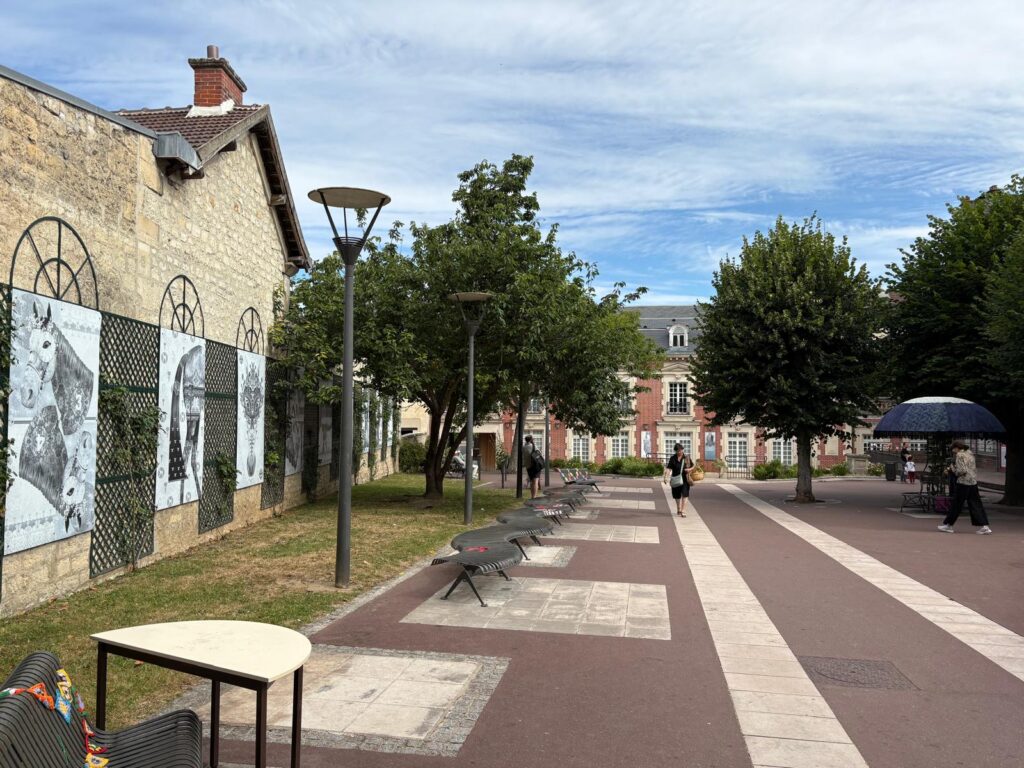
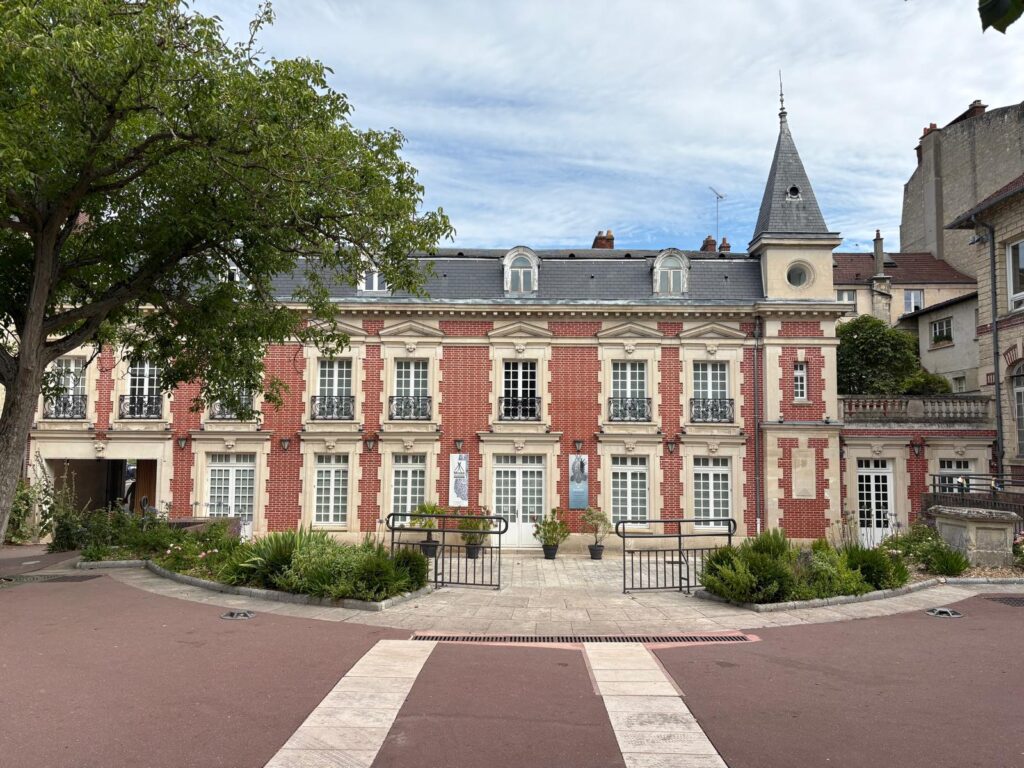
- Le Musée de la dentelle. AKA the Lace Museum. The other thing Chantilly has been famous for in its time, other than horses and whipped cream, is lace. Workers in Chantilly handmade very high quality bobbin lace in the 17th and 18th centuries. It was typically black, so good for mourning wear. The best laces were in silk, but could also be linen, and there was also white Chantilly lace. The Lace Museum is part of a charming little cultural quarter that also includes a Cultural Centre, library, and artworks depicting horses wearing lace masks. Why not!
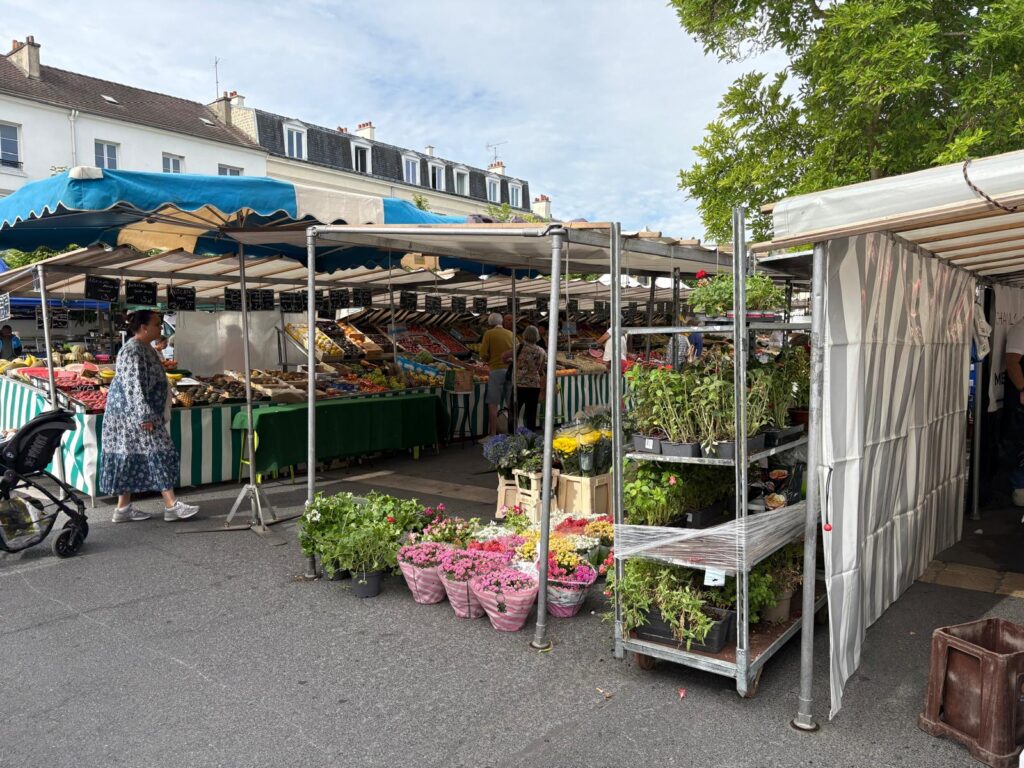
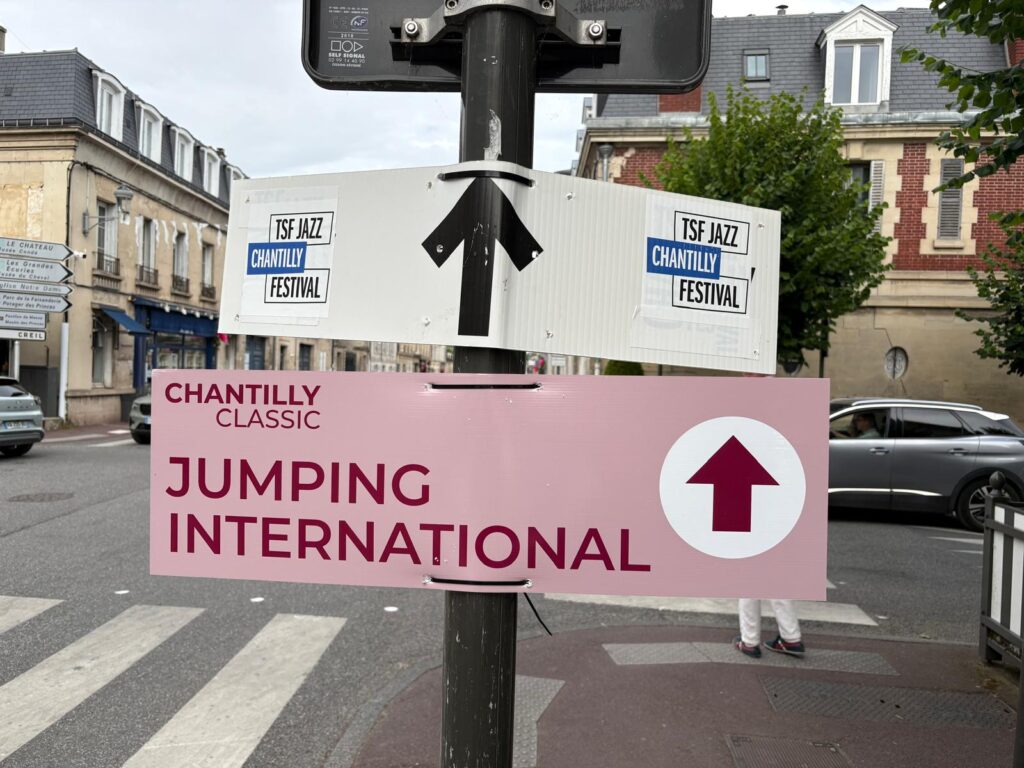
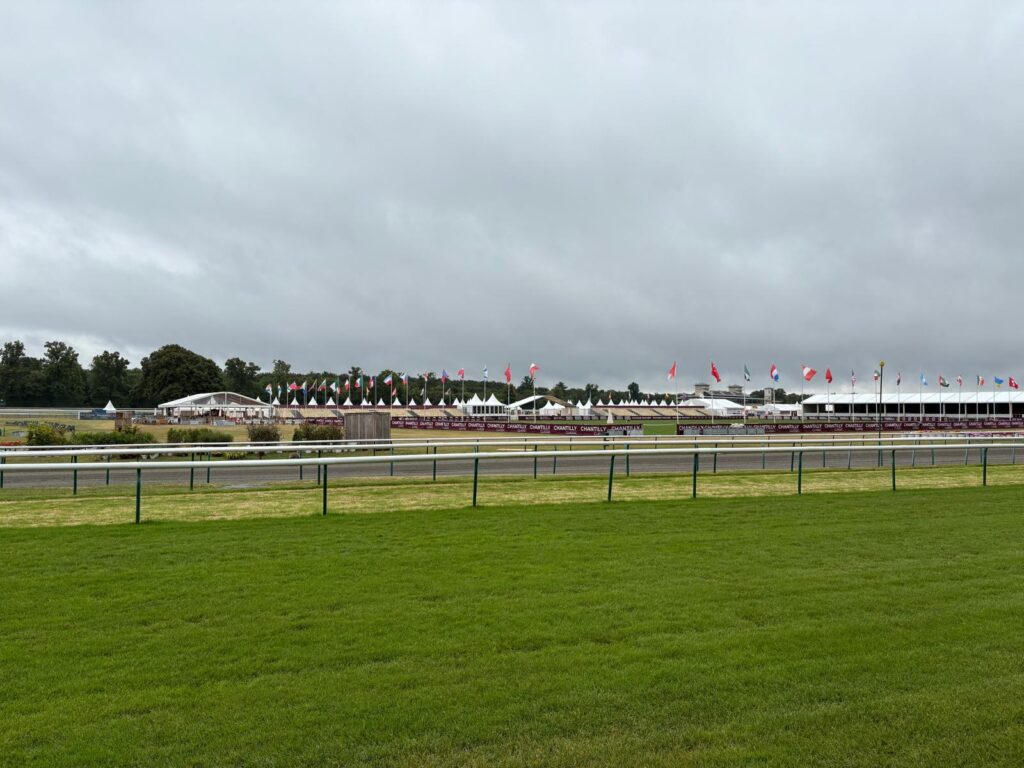
- Events. I’m sure this is less the case outside the summer months, but there were a plethora of events on offer in Chantilly. In just one weekend we heard the Big Band de Chantilly play on the main square, visited a market in the same spot the following day, listened to a classical music concert in the Pavillon de Manse (by Ensemble Ganymed, who bring together music and history in unique locations), and saw signs for a showjumping event and a jazz festival on the château grounds. The Théâtre de la Faisanderie has a series of summer events, and let’s not forget the equestrian shows at the Grandes Écuries, or even a bit of proper horseracing. Even without planning ahead we saw and did a lot, so with a little preparation I’m sure there are even more possibilities to enjoy.
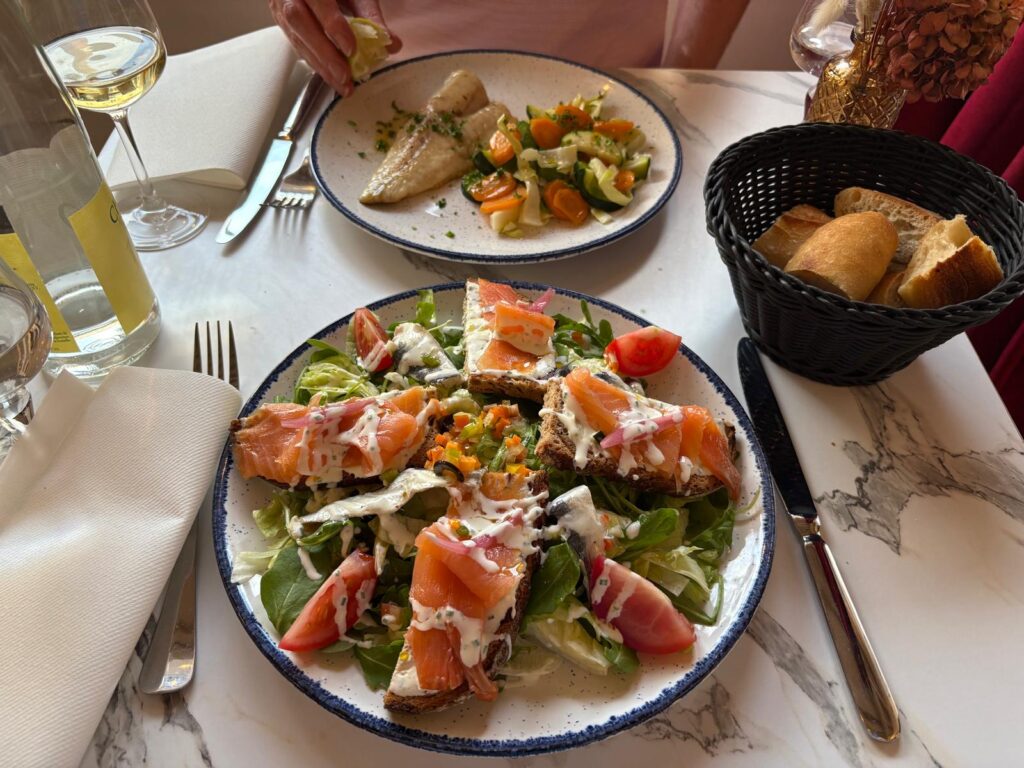
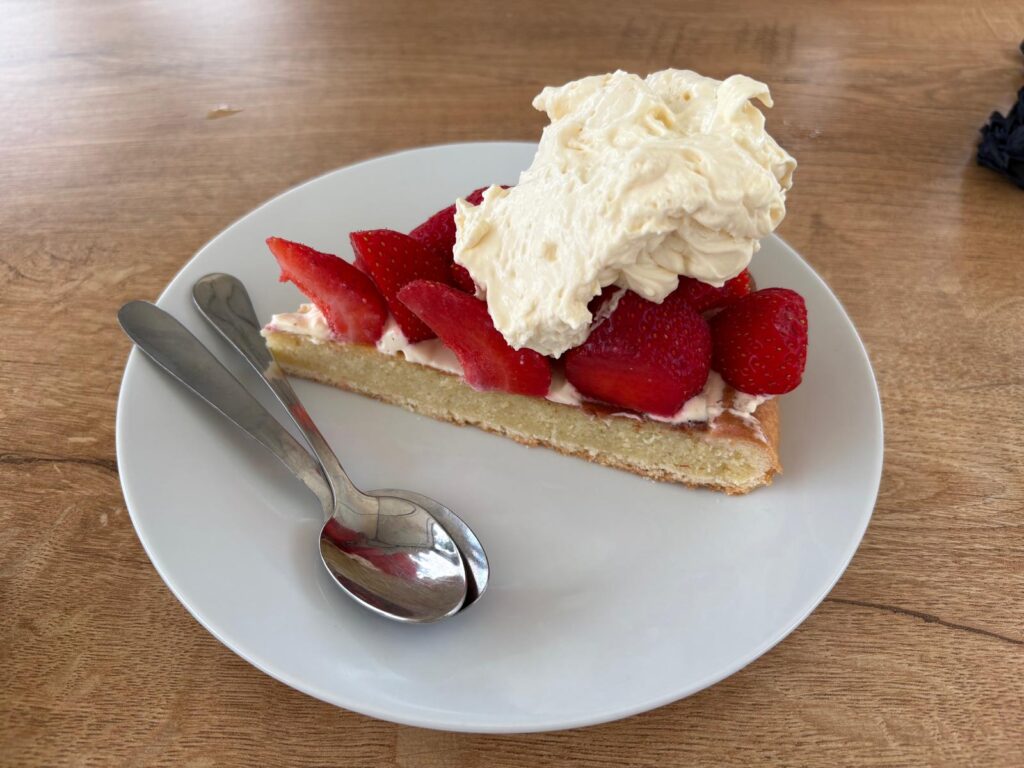
Food and Drink in Chantilly
Let’s get the most important bit out of the way, shall we? When you’re in Chantilly, you’re going to want to try crème Chantilly. This is the generic term in French for whipped cream, although it’s not clear it was invented here per se. The invention of crème Chantilly is sometimes attributed to François Vatel (yes, he of the seafood suicide), but mentions of sweetened whipped cream in relation to Chantilly start a bit later, in the 18th and especially 19th centuries, by which time Chantilly was a byword for refinement in food.
But no matter. Chantilly is proud of this dish, and there’s no better place to try it than at the Château de Chantilly. Both times we’ve visited, we’ve had a nice meal in the hameau (hamlet) restaurant, with crème Chantilly to finish. If you don’t try it there, there’s also l’Atelier de la Chantilly on the main street.
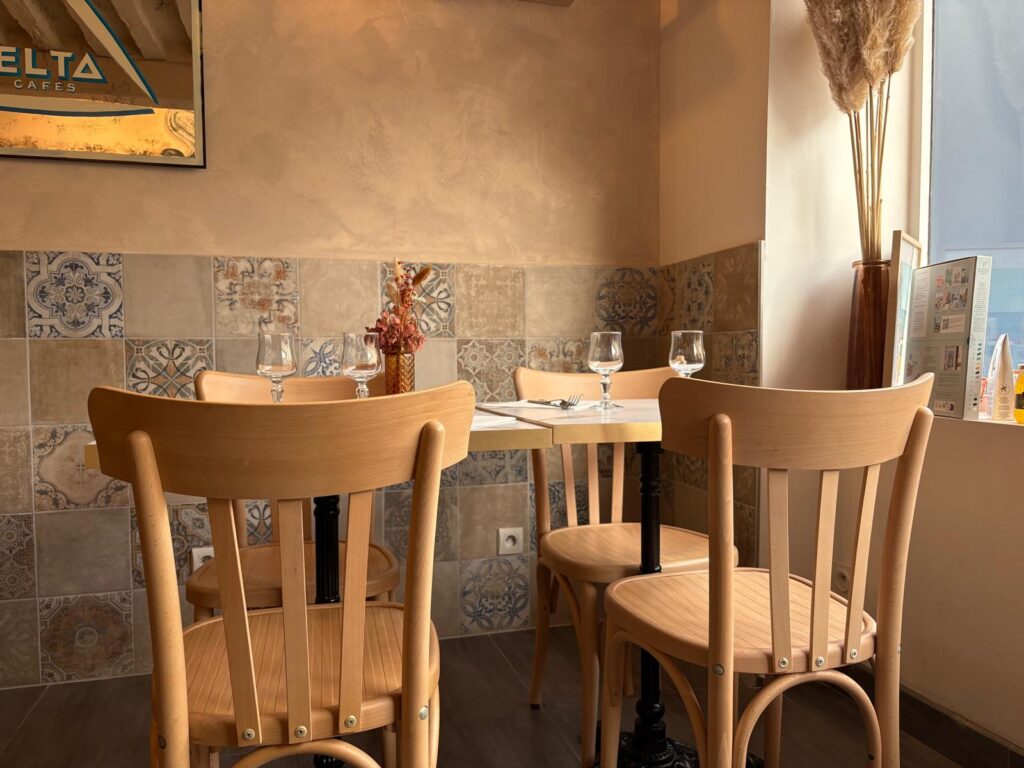
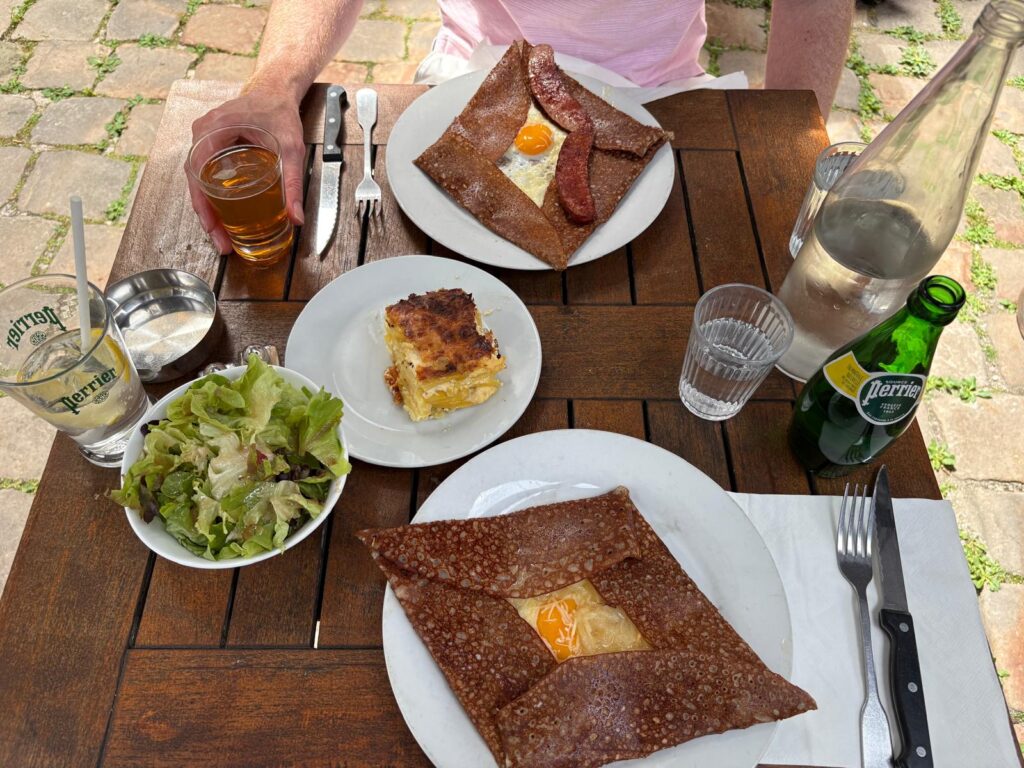
Otherwise, there is a nice selection of restaurants in Chantilly. The layout of the town and the restaurants’ adherence to separate lunch and dinner openings might mean a bit of planning or walking to find the right spot. But there are several good options. Why not try le Vertugadin, or le Bouchon Gourmand? You can have drinks on the main square at la Villa Chantilly, or a casual meal at the crêperie la Cour Pavée. Our pick was Franco-Portuguese restaurant Alma, with great food and friendly service.
And with that we bid adieu to Chantilly. Maybe one day I’ll be back for that longer trip I was talking about earlier. But in the meantime I found a lot of enjoyment taking a more leisurely look at this pleasant town.
Trending
If you see this after your page is loaded completely, leafletJS files are missing.