
Le Musée Vivant du Cheval [Living Museum of the Horse], Chantilly
On a return visit to Chantilly I finally gave the Musée Vivant du Cheval the time it deserves, and found a museum that’s as much about memory and movement as it is about horses.
Le Musée Vivant du Cheval
On my first visit to Chantilly, I only had time for a cursory look inside the stables before rushing off to catch a train. See here for a reminder of that dash. This time, I wanted to give the Musée Vivant du Cheval (the Living Museum of the Horse) its proper due. It’s a subject that interests me. For most of human history, our lives were deeply entangled with horses (for farming, for fighting, for moving about in the world). It’s only in the last hundred years or so that the average person has drifted apart from them. A museum that sets out to explain and honour that relationship, within the grandest of stables, no less, was always going to be worth a proper look.
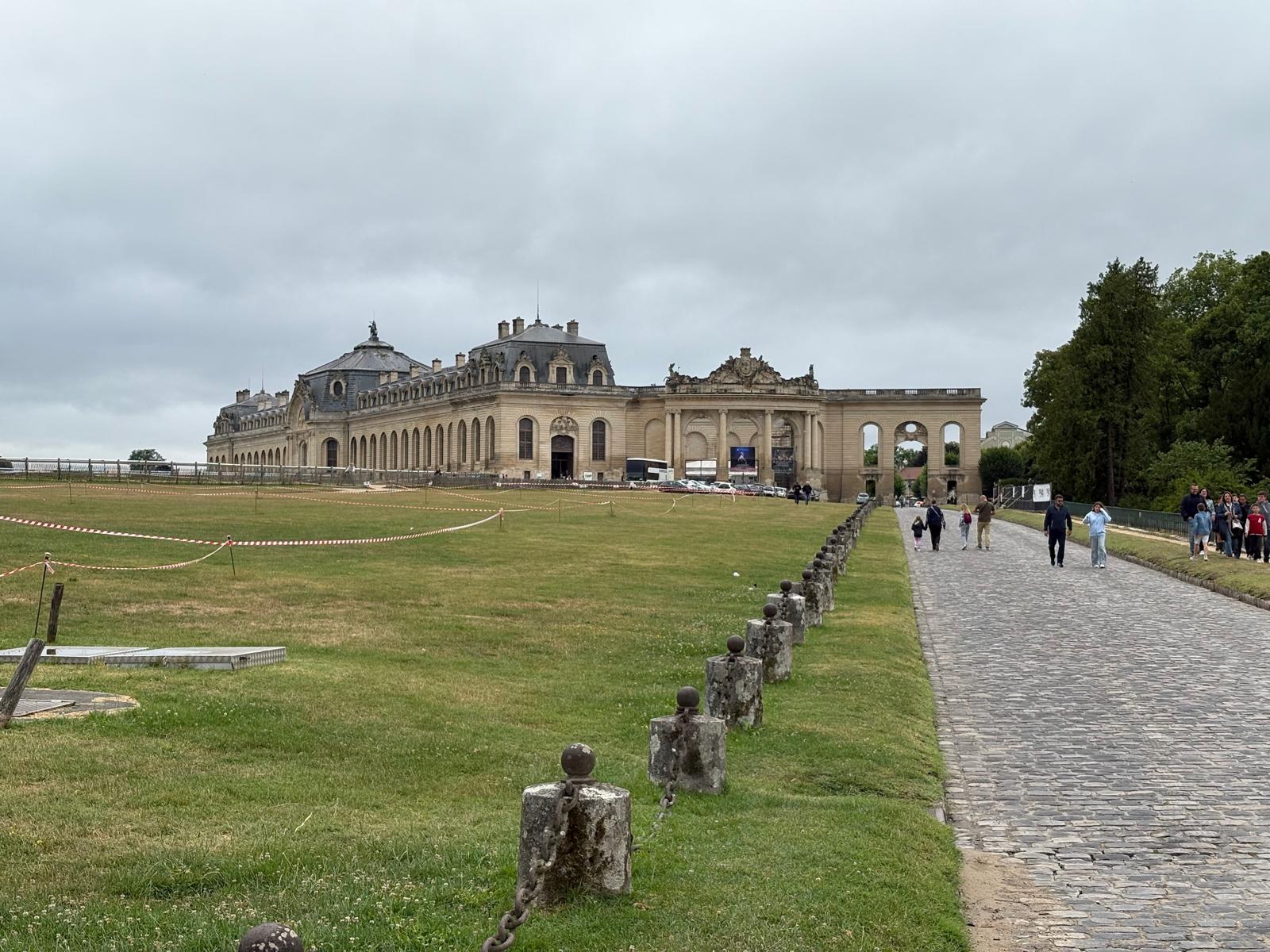
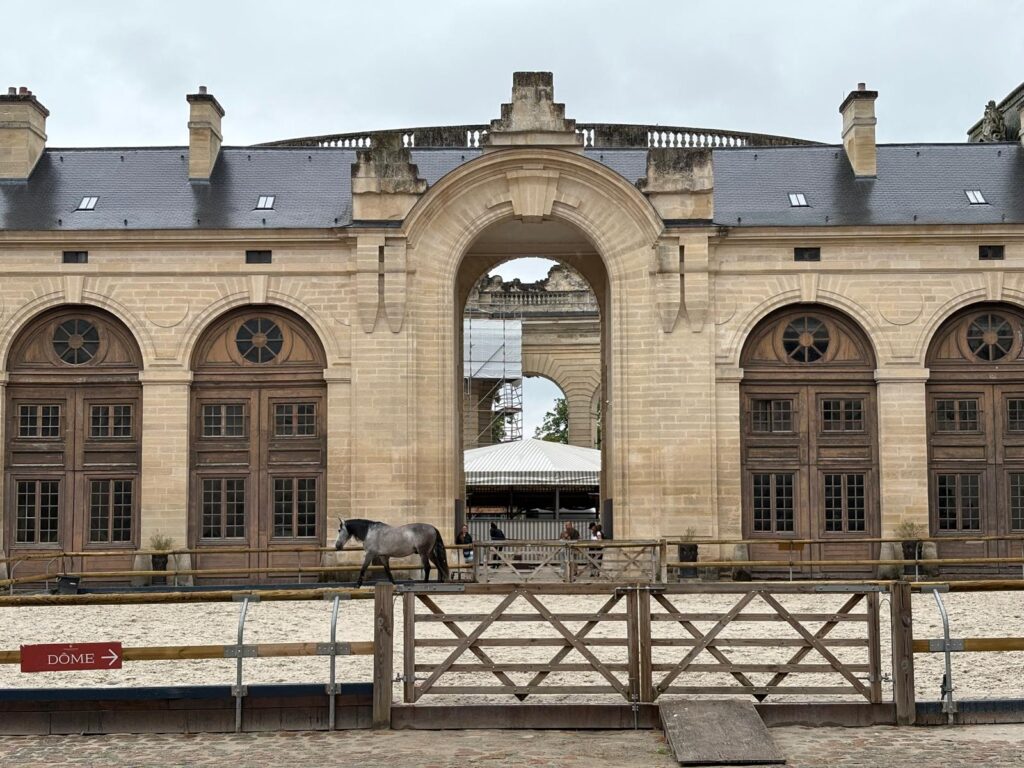
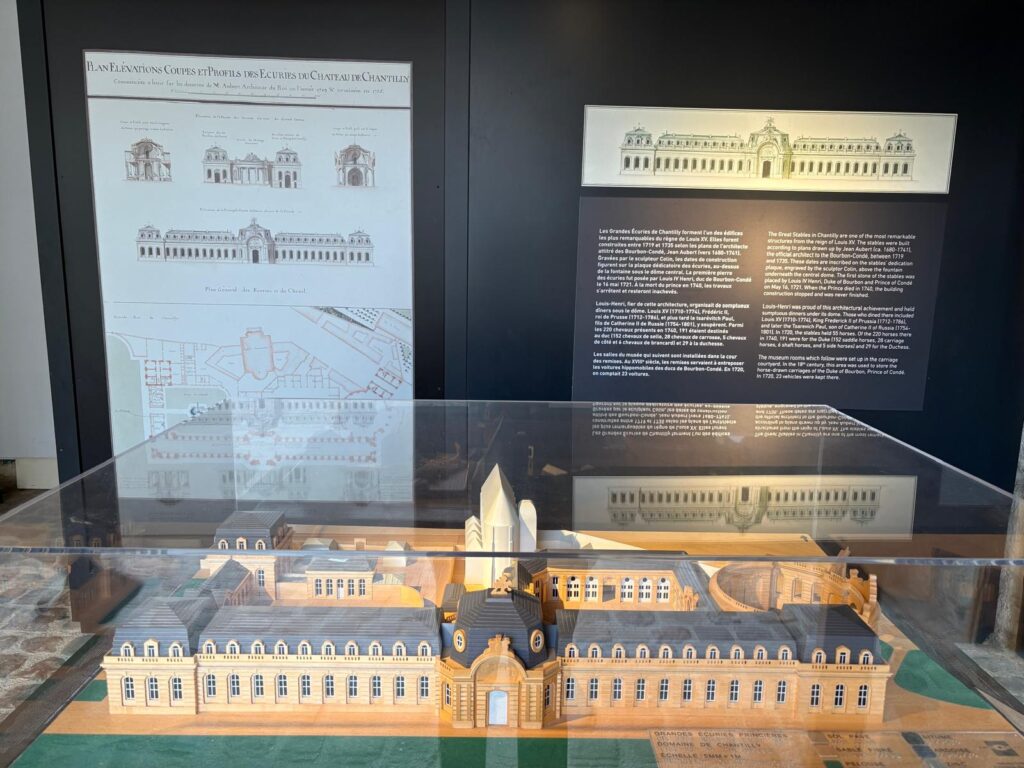
The Grandes Écuries (Great Stables) themselves deserve a moment of awe. Built in the 18th century for Louis-Henri, Prince of Condé (who is rumoured to have believed he would be reincarnated as a horse) they remain among the most beautiful stables in Europe. And surely the most theatrical. It’s a site I touched on briefly in my earlier post about visiting Chantilly. But the closer you look, the more impressive it becomes. This is architecture with as much pomp and pride as any palace.
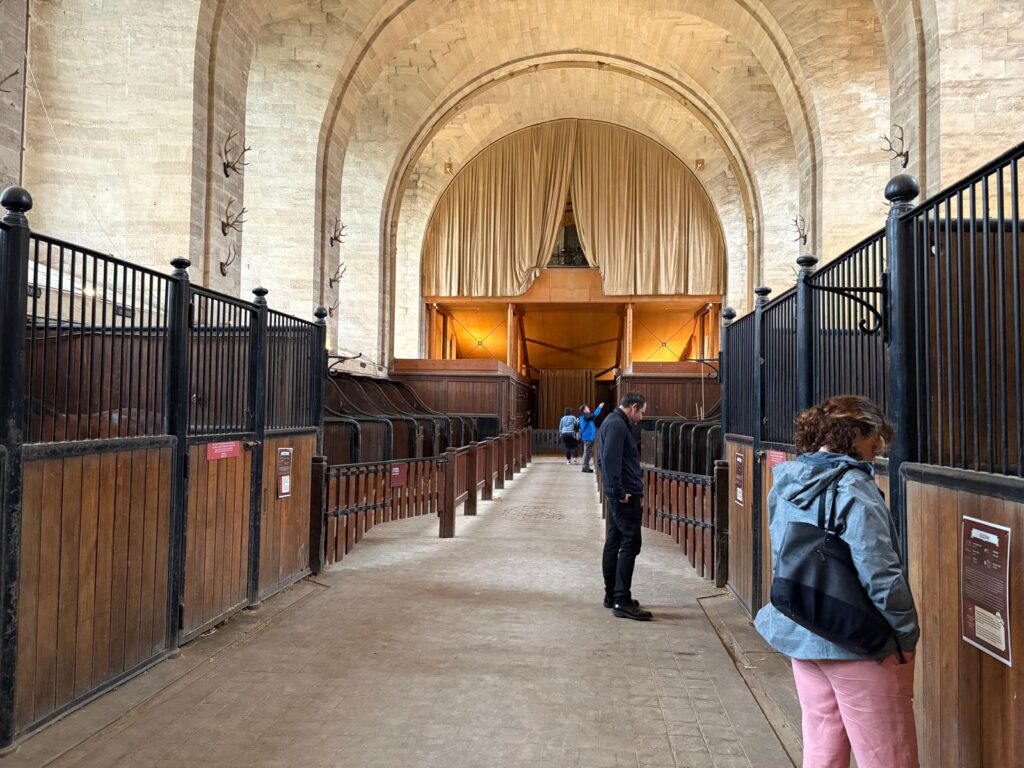
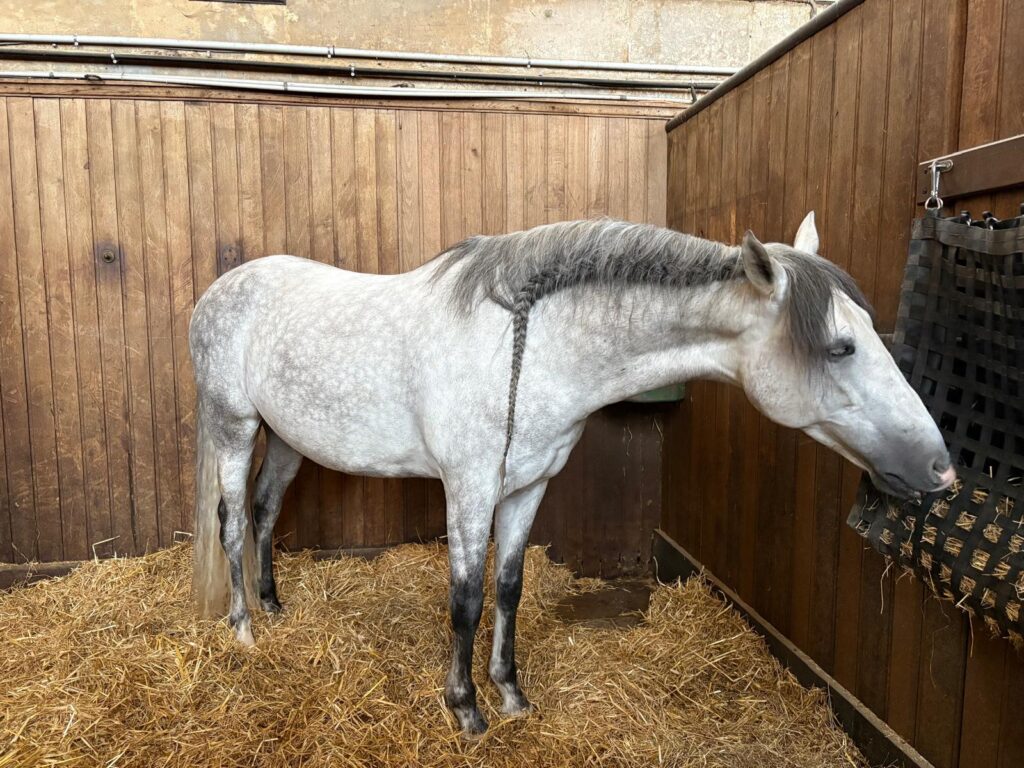
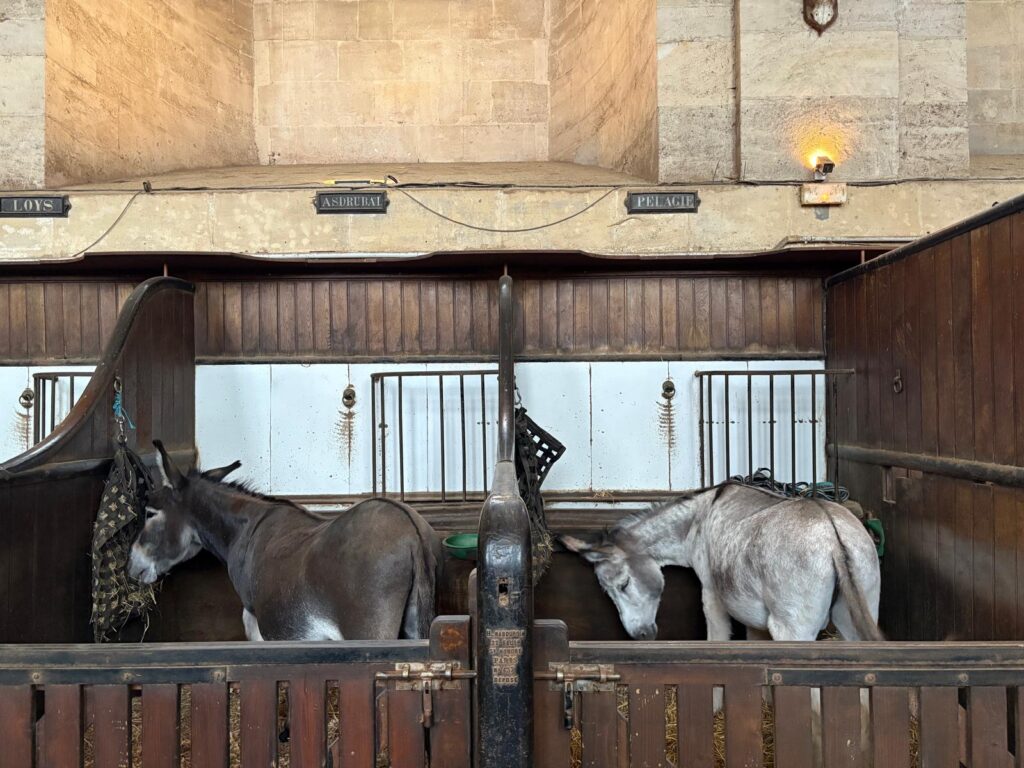
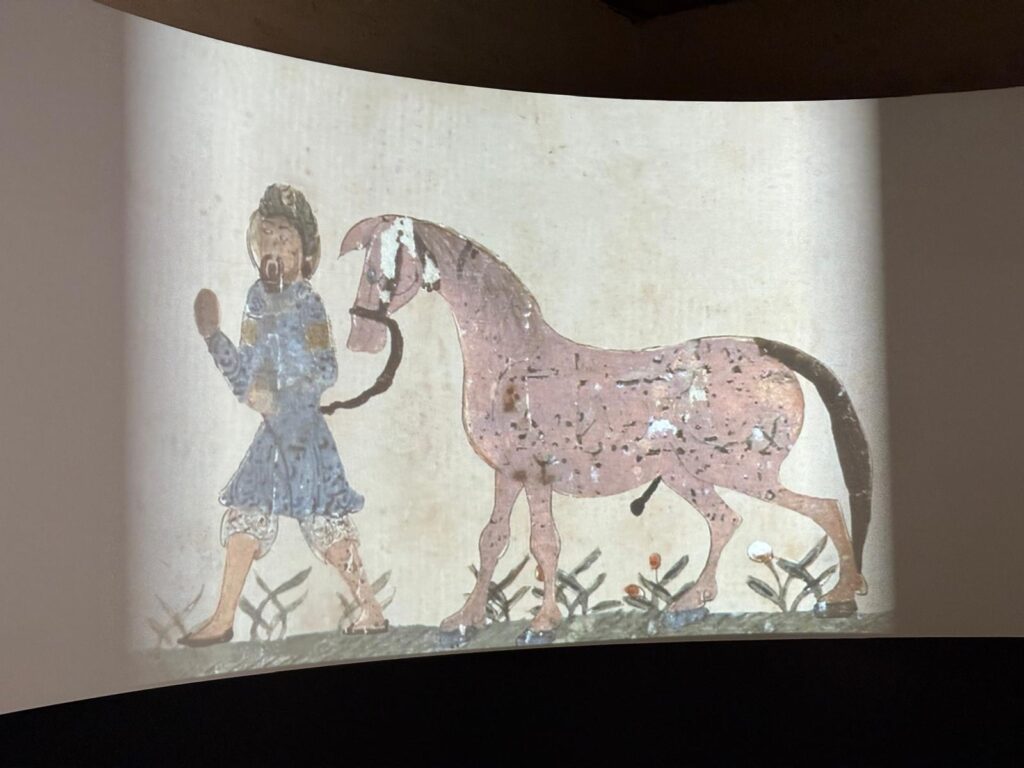
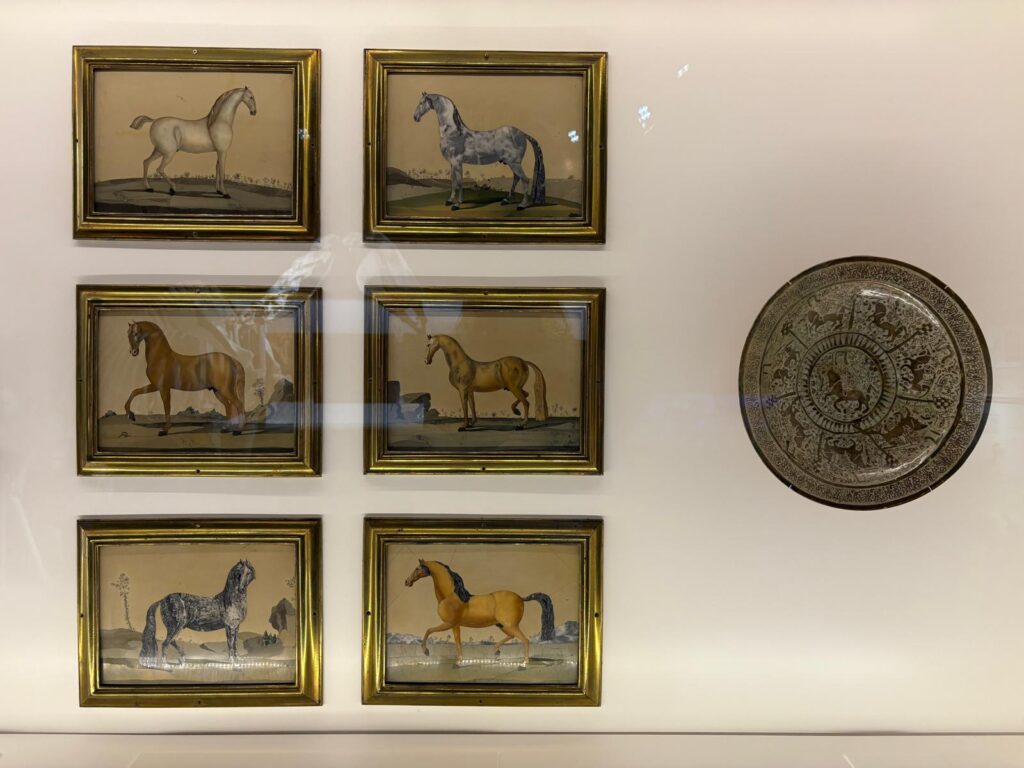
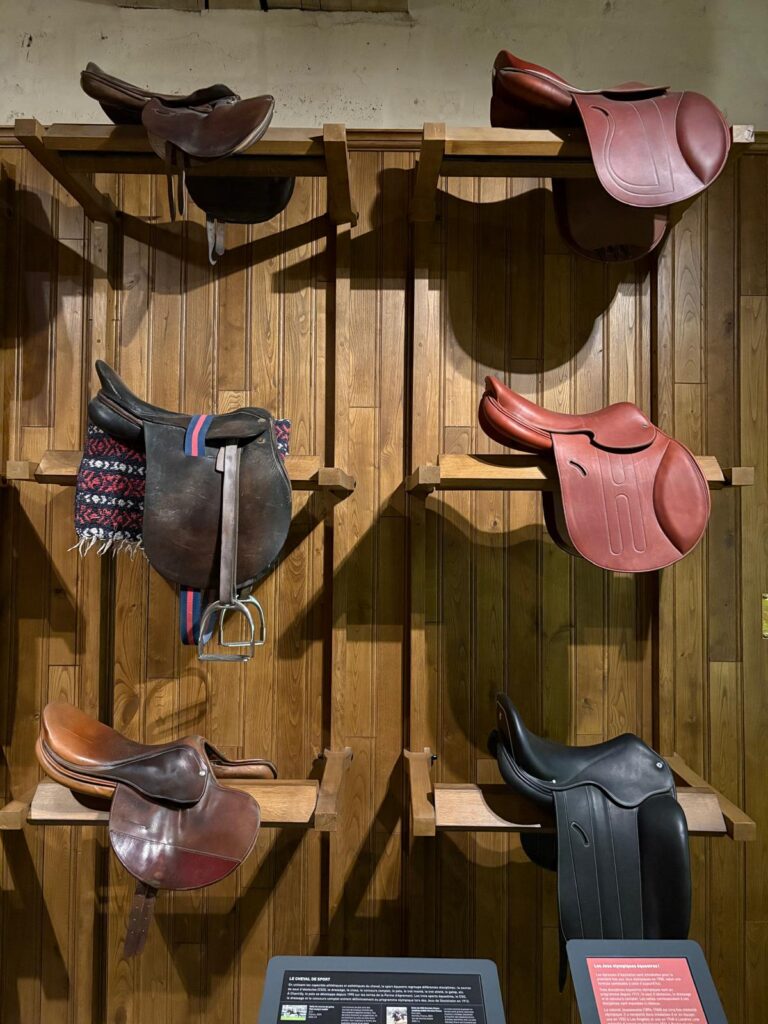
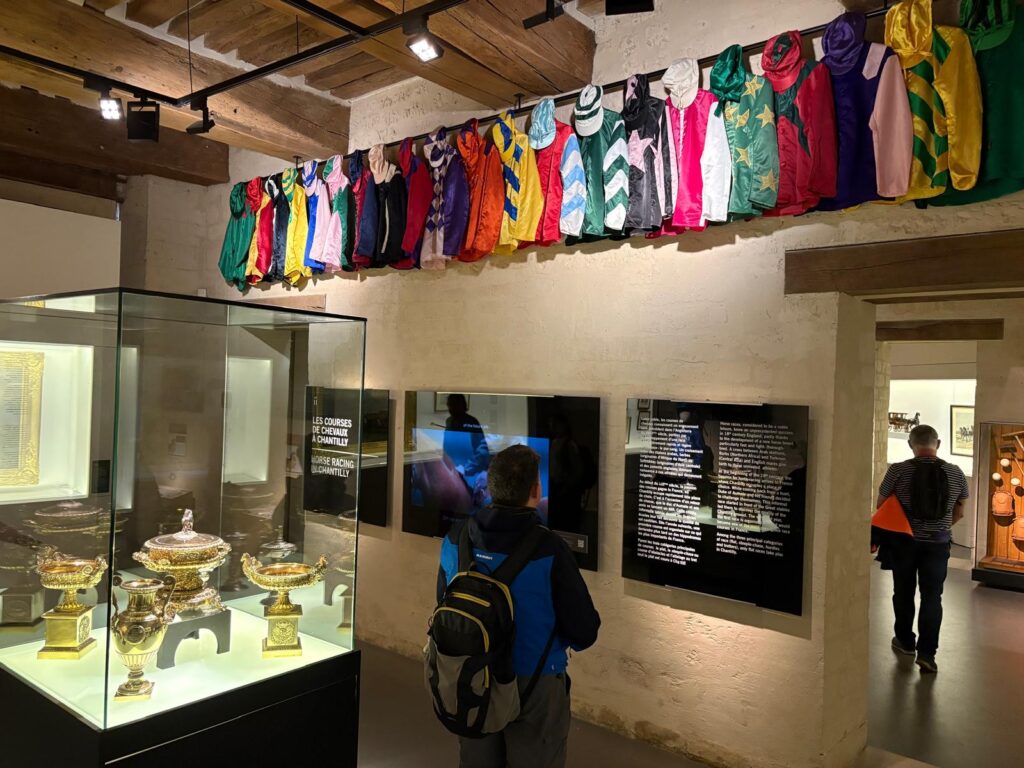
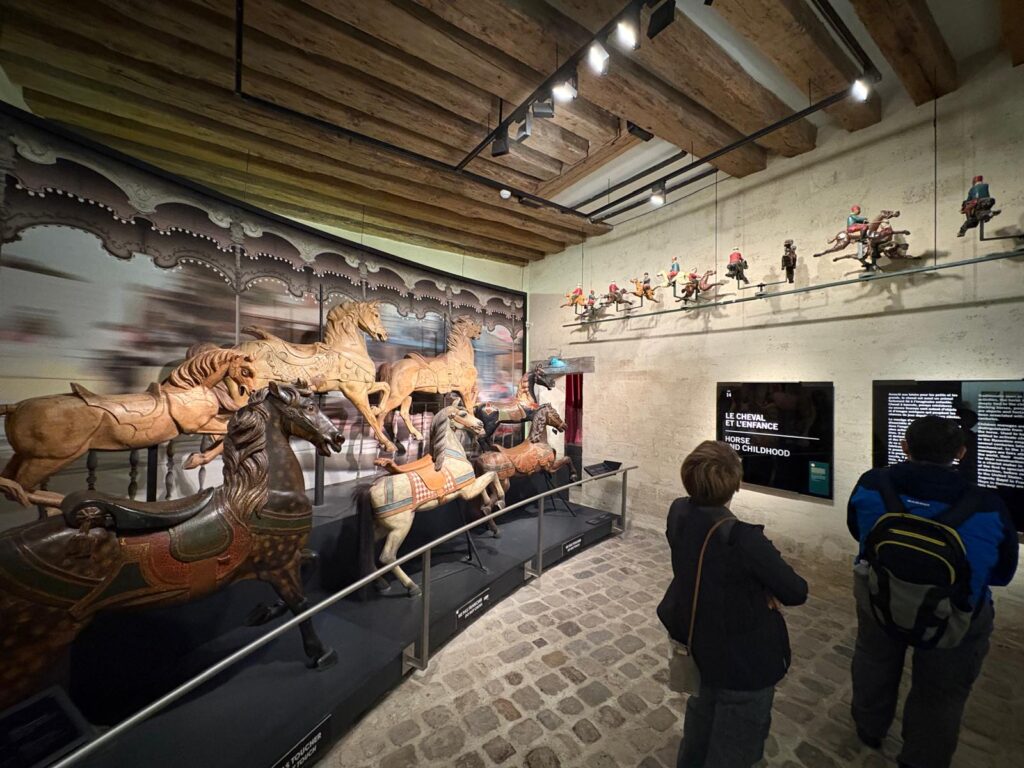
The idea to turn it into a museum came from Yves Bienaimé. A former riding master here, he founded the Musée Vivant du Cheval in the 1980s (and later le Potager des Princes which you read about here). It’s a perfect pairing. Information about horses and humans through the lenses of work, war, sport, and spectacle. Told not only through objects (saddles, bridles, ancient ironwork, oil paintings) but through the presence of the animals themselves. Mules, ponies, and donkeys are stabled alongside noble horses, offering a rare chance to reflect on a shared history while breathing the same air.
A Museum and a Show
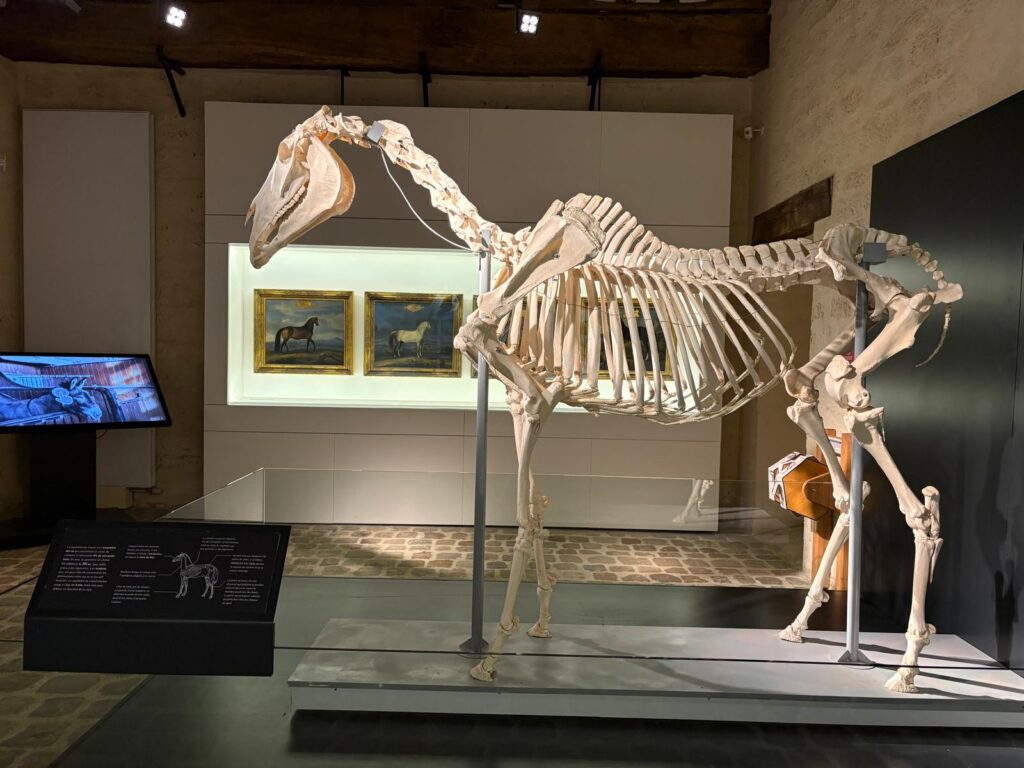
The museum is beautifully paced. Exhibits unfold through a sequence of rooms around the perimeter of the central exercise yard. It’s a clever reuse of former working spaces that now house artefacts, film footage, and interpretation. There’s a pleasing sense of movement to it all, as if the layout itself echoes the rhythms of grooming, tacking up, and riding out.
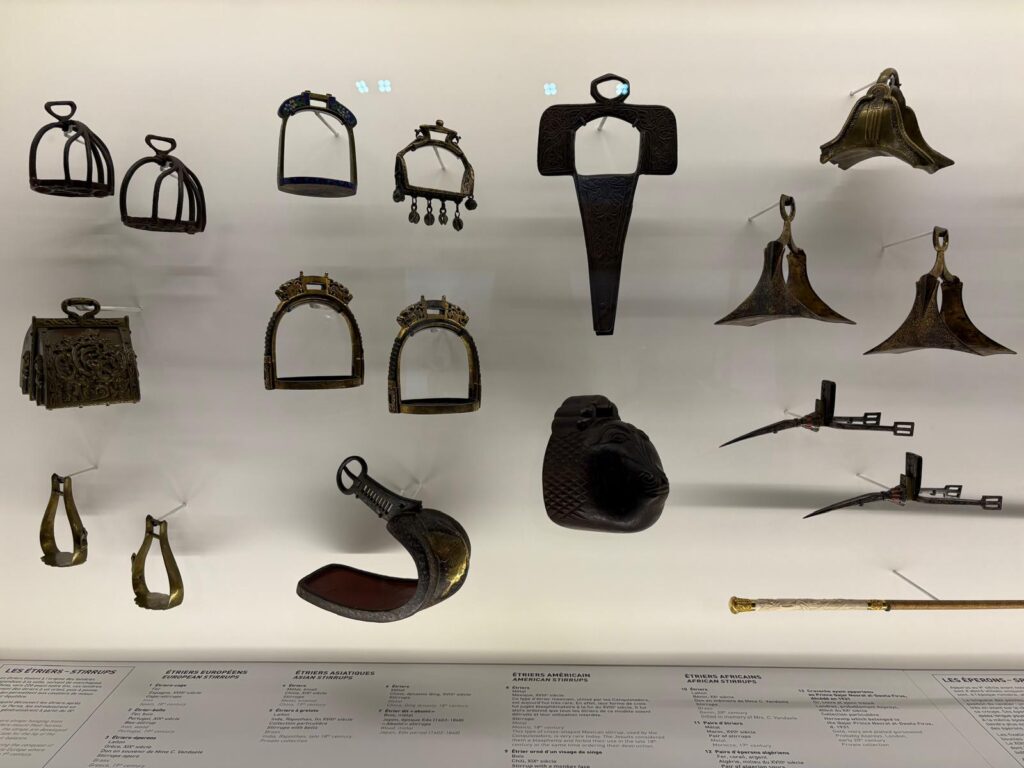
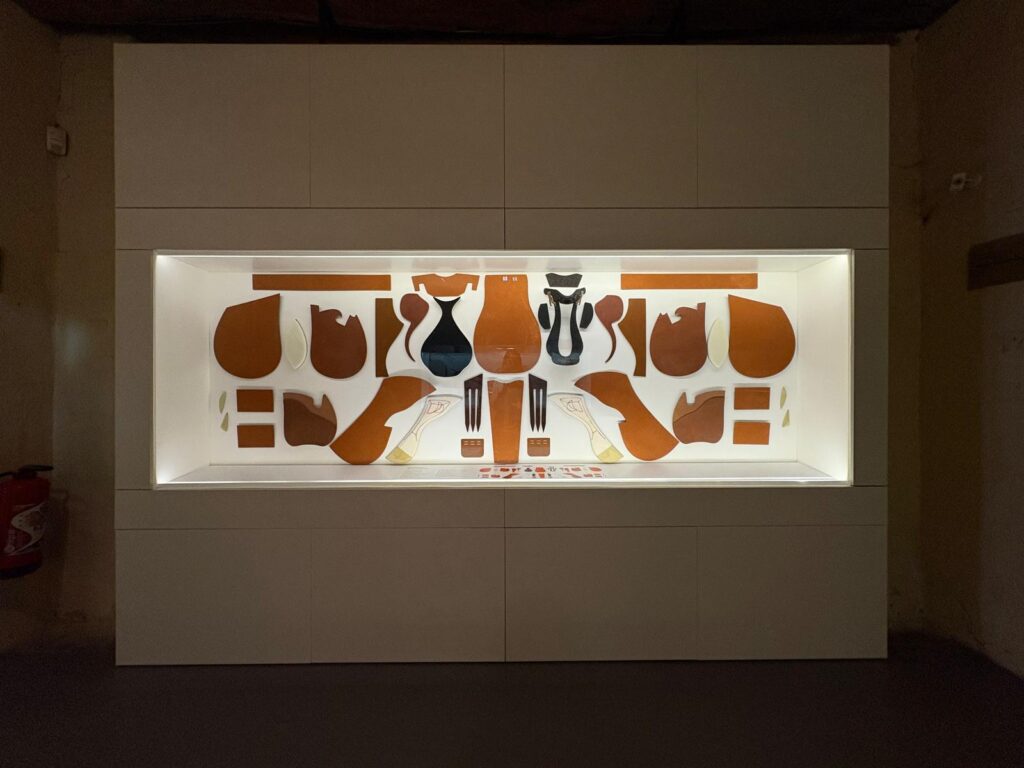
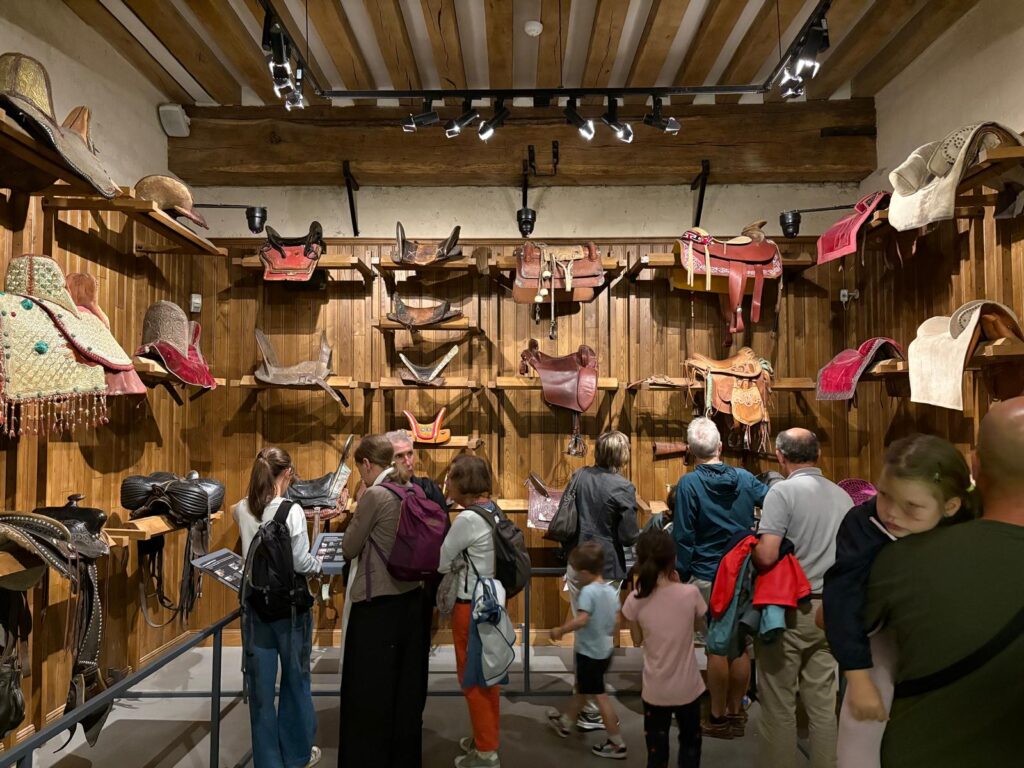
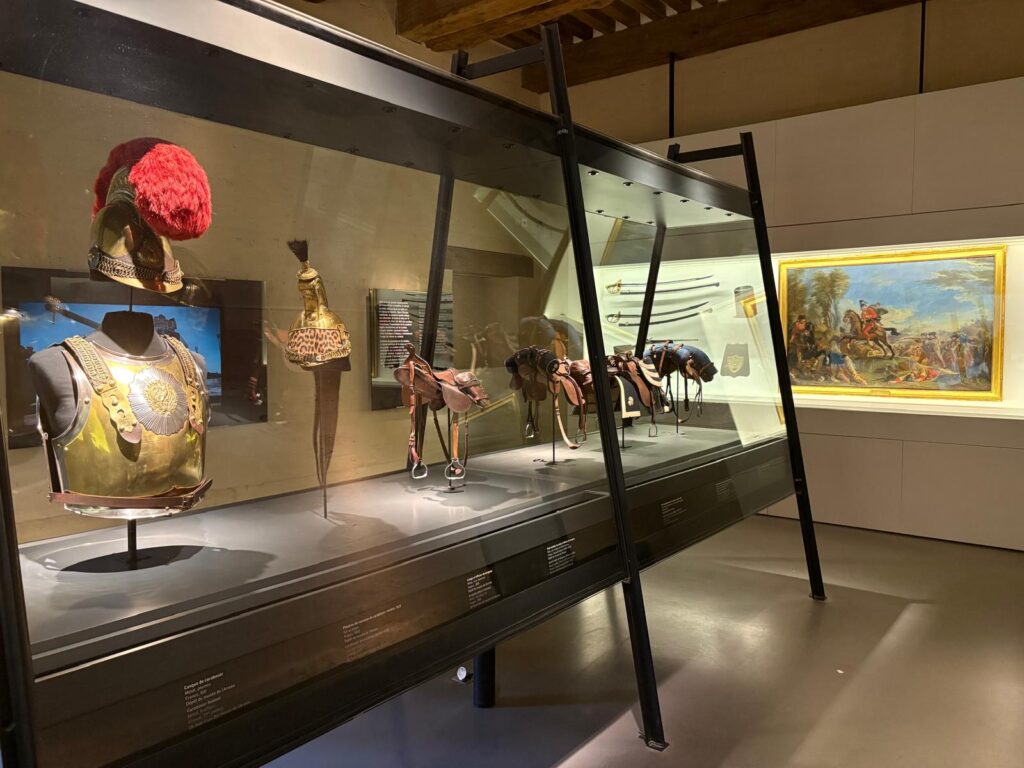
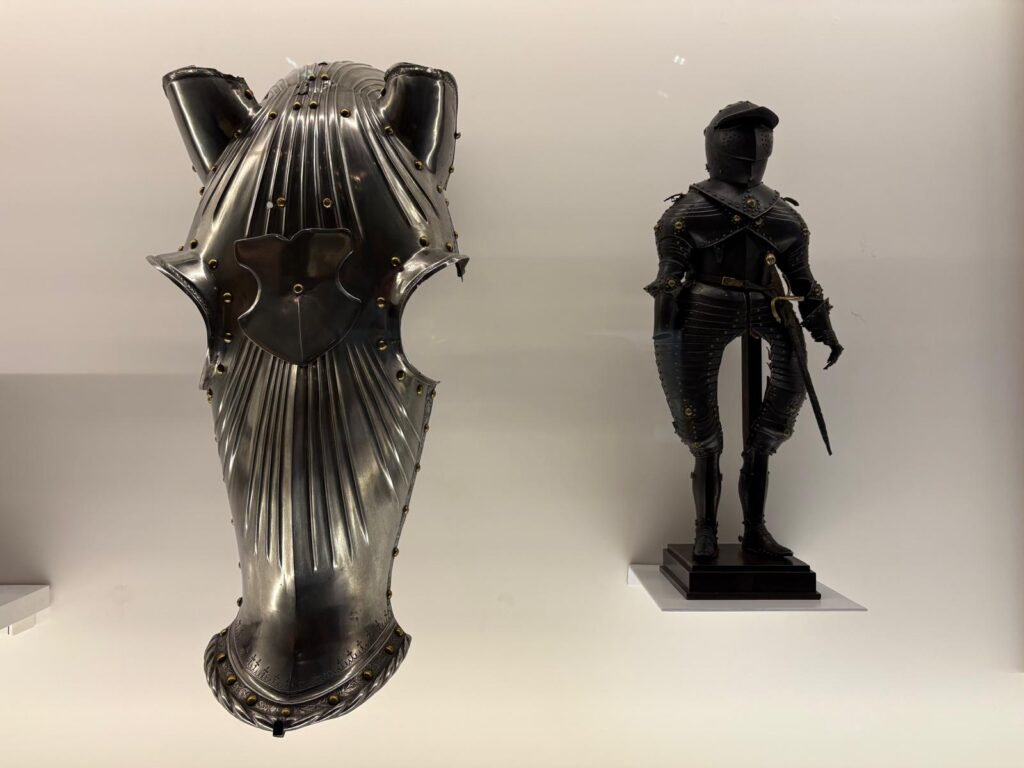
Each room touches on a different aspect of the horse-human relationship. Agriculture, where sturdy breeds pulled ploughs and carts. Warfare, with stirrups and cavalry horns on show. Sport and leisure, from foxhunting to high dressage. The range of equipment is fascinating, from delicate 19th-century side-saddles to iron shoes fit for draught horses. And the balance of scholarly and accessible information means even the casual visitor leaves knowing more.
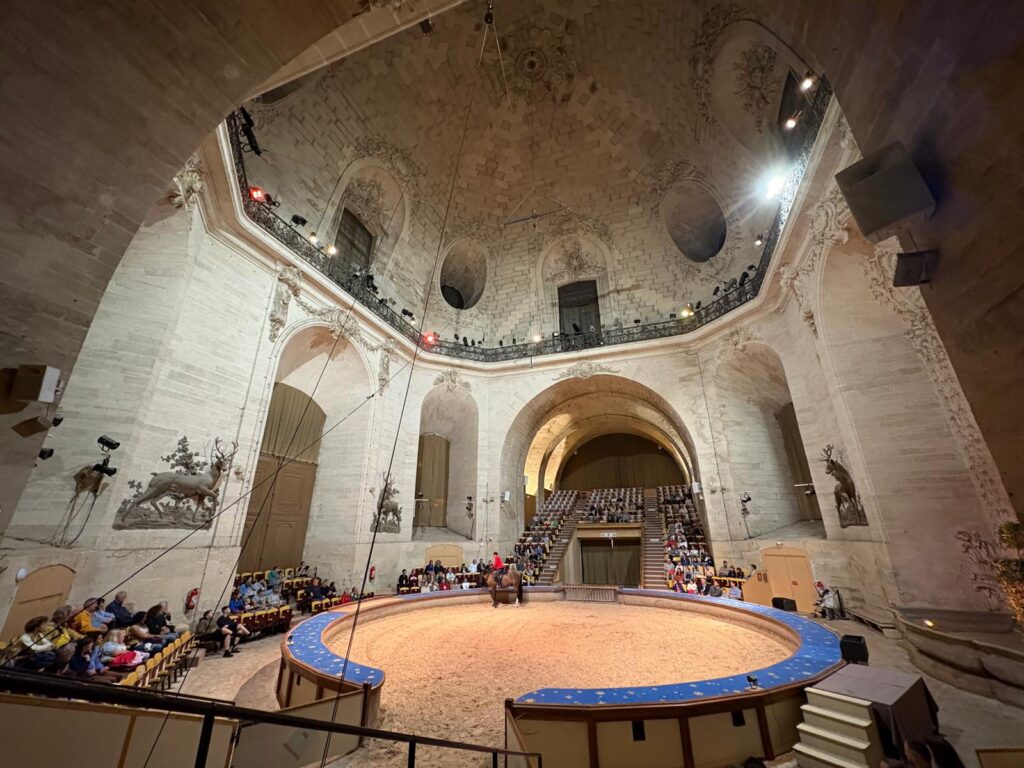
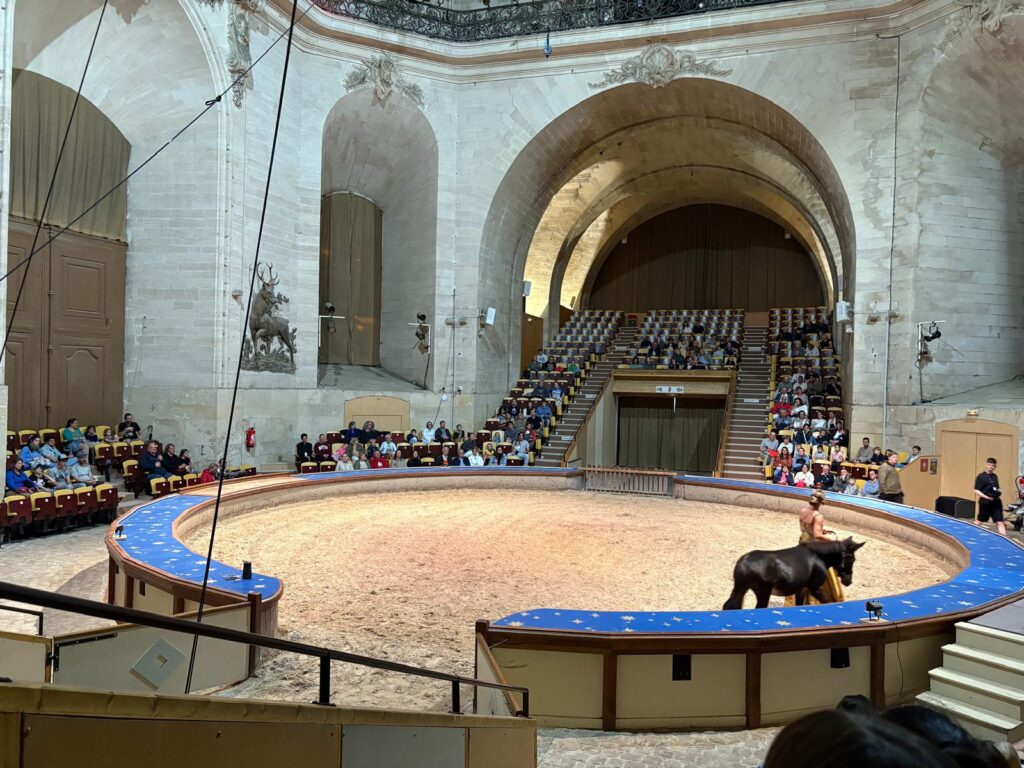
What makes the place sing, though, is the ‘vivant’ part of the name. You can hear the soft clatter of hooves, smell the straw and, if you time it right, watch the horses in motion during one of the regular equestrian demonstrations in the indoor arena. I was lucky enough to catch one, and while it was short and sweet, the arena’s grandeur and acoustics gave it real atmosphere. I may never make it to a full-scale show here, but you can imagine how magnificent it must be, with horse and rider spotlit under the vaulted dome.
Honoring a Shared Journey
What the museum gets right and what surprised me, even on a second visit, is its capacity to be both intimate and grand. You’re in one of France’s most imposing equestrian complexes, after all, commissioned in the 18th century by Louis-Henri de Bourbon, Prince de Condé. He was so convinced he’d be reincarnated as a horse, the story goes, that he built stables fit for a nobleman. Or he just really loved hunting. You be the judge. That blend of personal myth and grand architectural ambition is typical of Chantilly.
But the Musée Vivant isn’t a dusty memorial. It has life in it. That’s thanks in large part to Yves Bienaimé, a former riding master who founded the museum in the 1980s. His vision was to not only preserve but animate the equestrian traditions of France, and it comes through strongly. There’s respect here for animals as individuals, not just as symbols or tools, and that sense of care suffuses the experience. Children peer into stables. Riders walk horses across the yard. A donkey snorts, unimpressed by all the heritage.
It’s easy, on a short visit to Chantilly, to rush past the horse museum on the way to the château or the art collection. I did just that on my first trip. But returning with time to spare, I found it a rewarding stop. Would I have come from Paris just to see it? Probably not. Did I enjoy it? Yes, absolutely. If, as the Très Riches Heures remind us, the seasons shape human life, then horses have always been our companions through them: ploughing, marching, hunting, parading. This museum honours that shared journey with grace and clarity.
Salterton Arts Review’s rating: 3.5/5
Trending
If you see this after your page is loaded completely, leafletJS files are missing.