
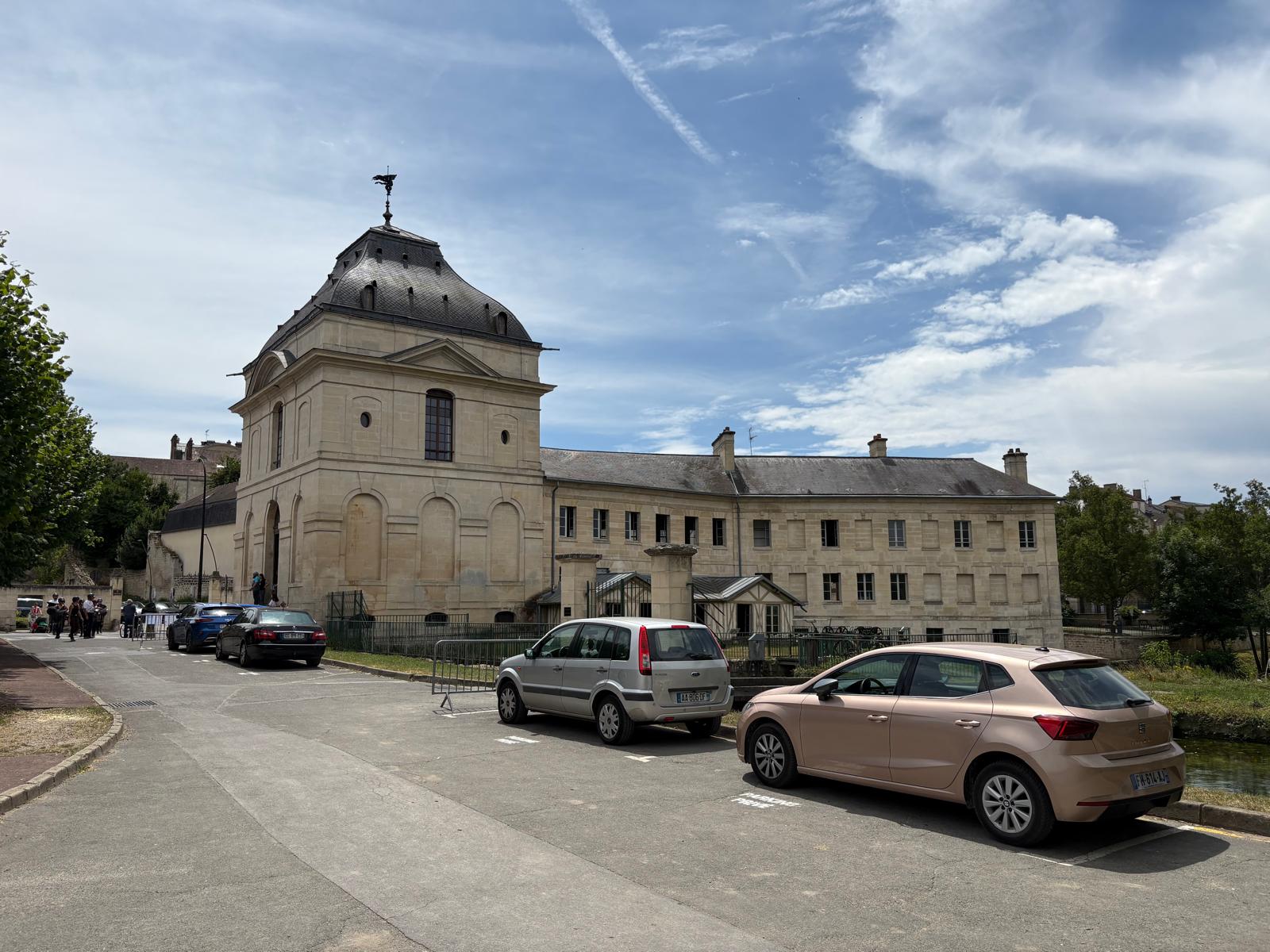
Le Pavillon de Manse, Chantilly
Le Pavillon de Manse, the Watermill of the Princes, is a unique heritage site and our last stop in Chantilly.
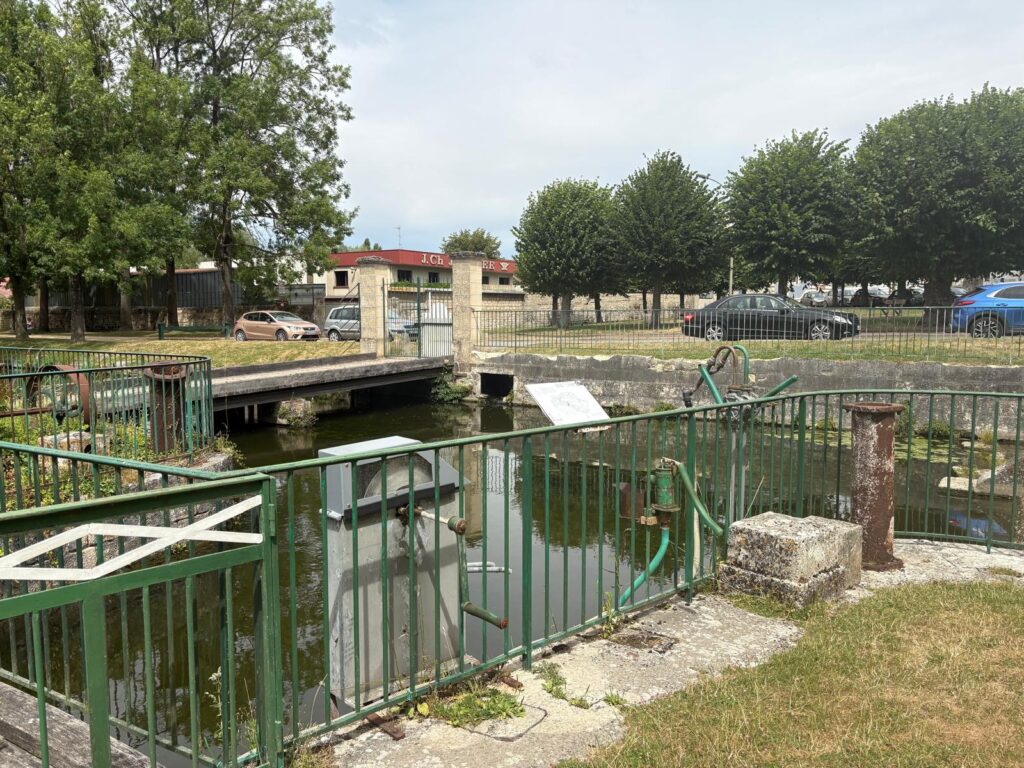
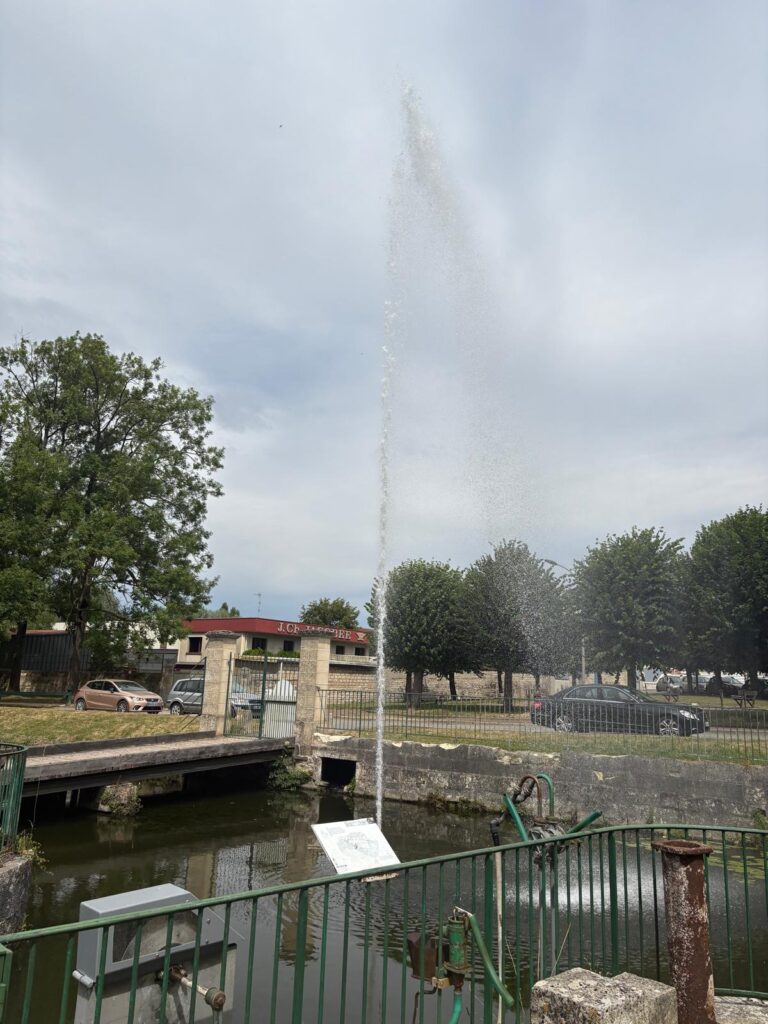
A Watermill Fit for a King. Or a Prince.
Not very long ago, we explored Chantilly together and I told you about le Potager des Princes (the Vegetable Garden of the Princes). Today we’re exploring le Pavillon de Manse, also known as le Moulin des Princes (the [Water]mill of the Princes). A lot of princely activity around these parts! And it all comes back to the former owners of the Château de Chantilly, the Princes of Condé.
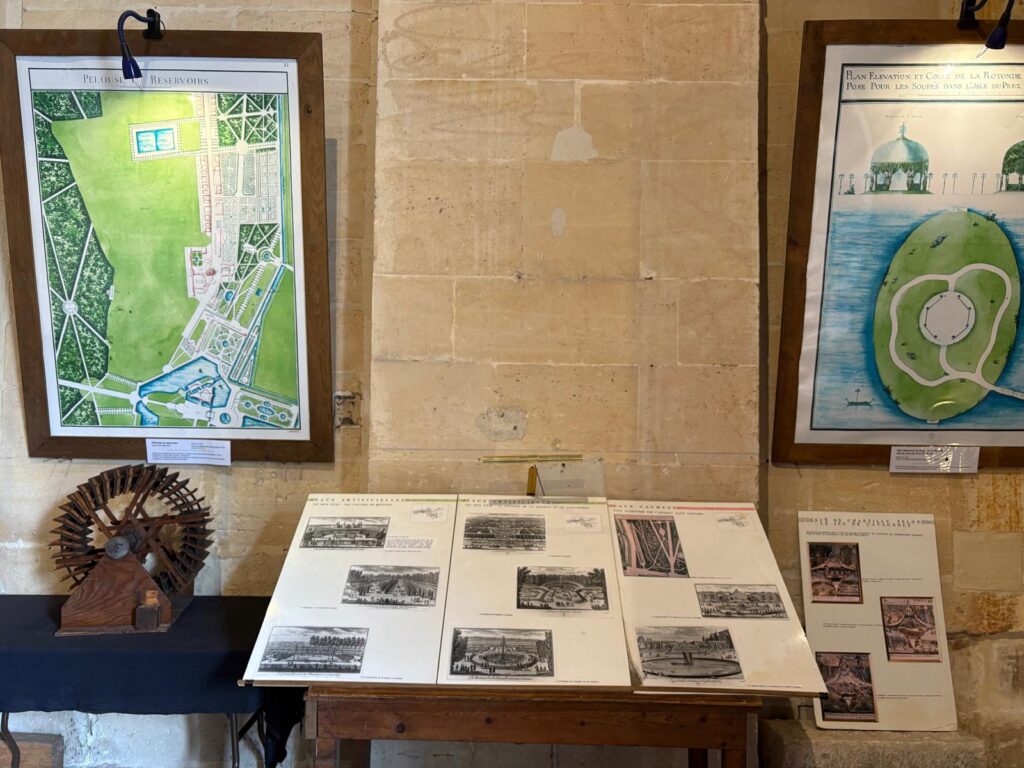
The Condé family were a powerful one in France. Louis II de Bourbon, known as le Grand Condé, was cousin to Louis XIV. And, as I covered briefly in previous posts, he was not to be outdone by his cousin the Sun King. Whatever Louis XIV did, Louis II wanted to do one better. Including, importantly, the gardens and water features at Chantilly. To start off with, they hired the same garden designer, André le Nôtre. Le Nôtre was in fact called to Versailles while he was working on Chantilly. But he was far enough along in his Chantilly plans that the château was famous for its gardens and water features. The one-upmanship later showed itself in, for instance, Chantilly’s grand canal just having to be a little larger than Versailles’.
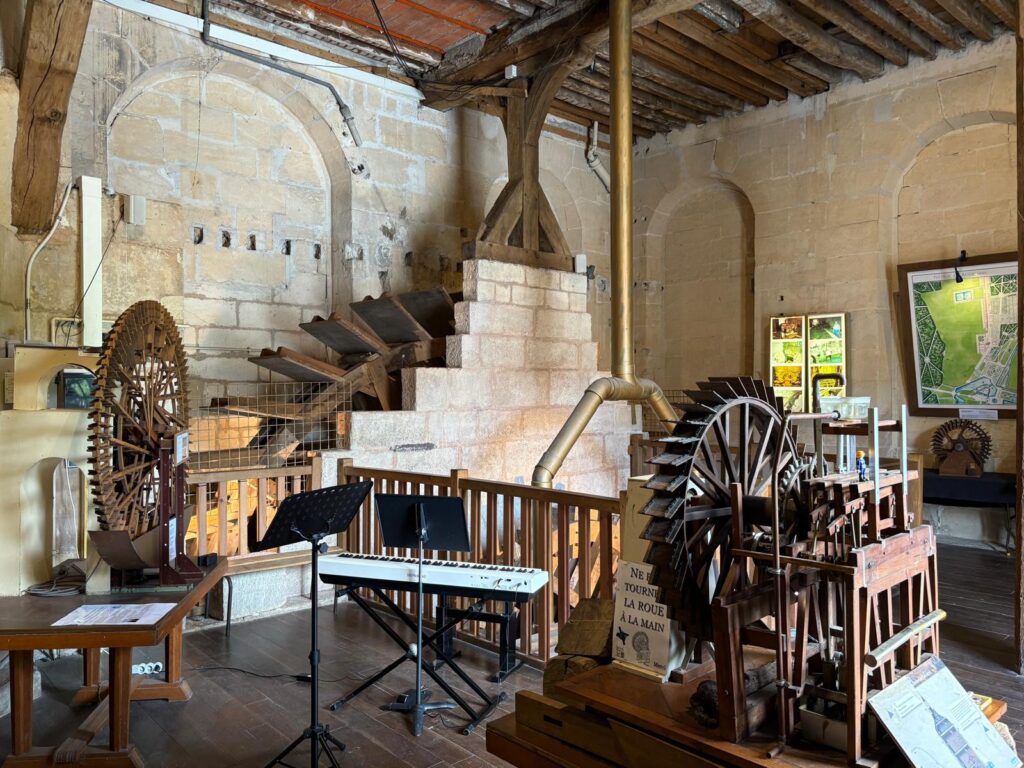
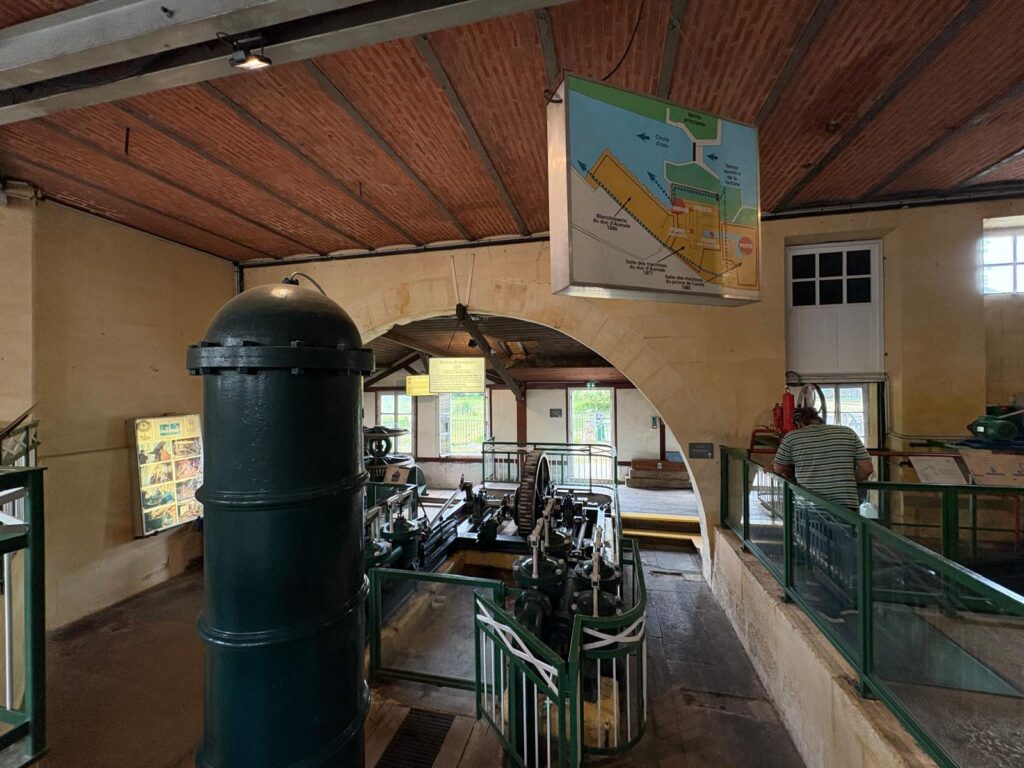
But water features require water. And not just water, but water with enough force to shoot jets, feed waterfalls, and so on. Fairly advanced engineering for the 17th century. Enter Jacques de Manse, from Montpellier. Before this he had been involved in other engineering projects: a lifting machine to supply water from the Seine to a series of fountains, and the Canal de l’Ourcq. The scant historic detail seems to point to him being great at planning and a little less so on the detail and follow through. However, he started work in the 1670s on a machine to fill reservoirs at Chantilly which would in turn feed a series of pipes. He worked with the carpenter Albert on a water wheel, and Jules Hardouin Mansart built a stone building to hide it all. From the beginning, this was known as the Pavillon de Manse.
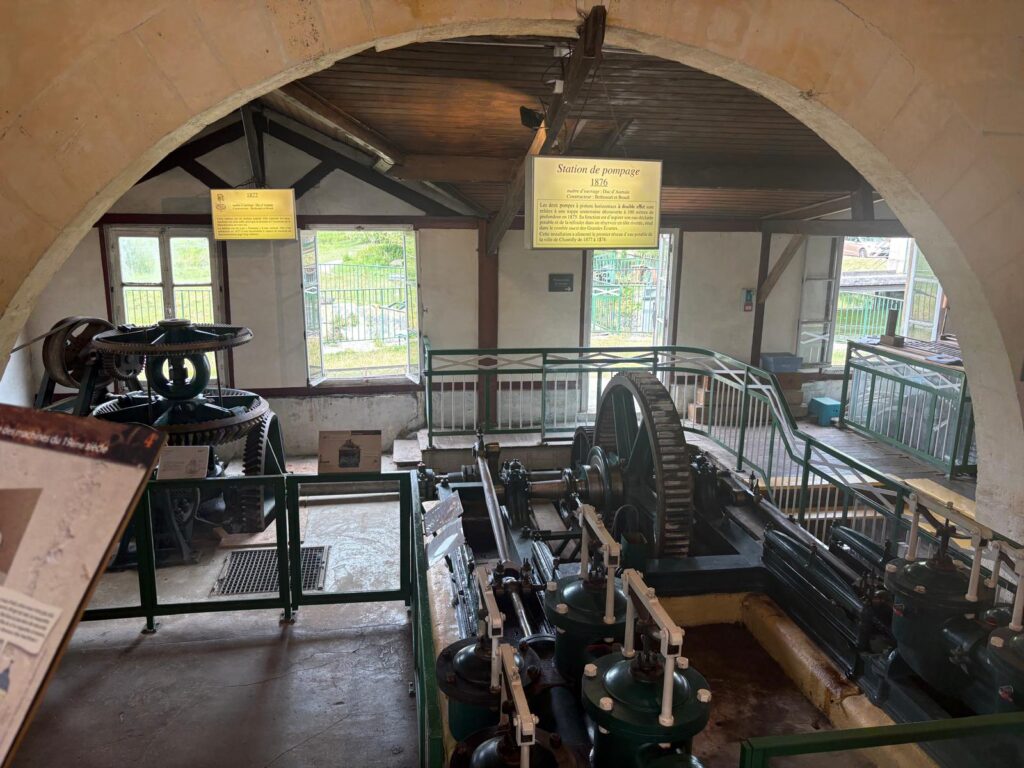
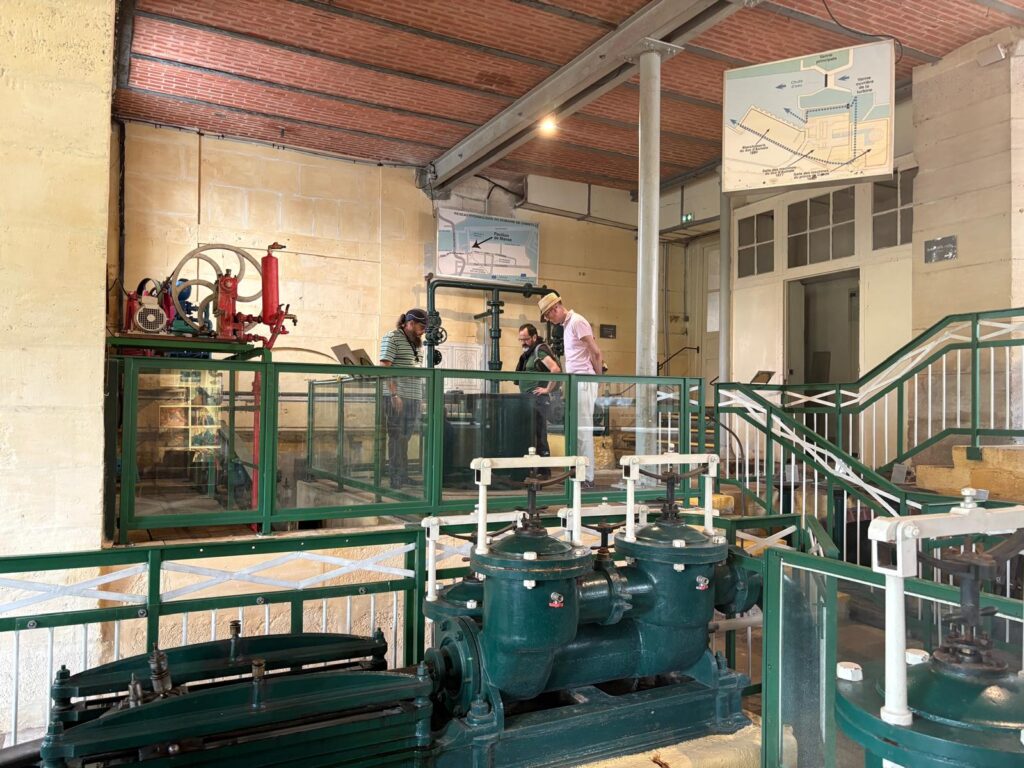
The Afterlife of a Watermill of Princes
And so de Manse was successful in enabling le Nôtre’s vision for the gardens of Chantilly. You can see engravings of some of the Grandes Eaux in action here. But history rarely stands still. First came the French Revolution, in 1789. The Chantilly estate was declared a bien national: in other words was nationalised. Local people tore most of the château itself down, and reused the stone. In fact, the modern town of Chantilly stands where the eastern half of the gardens once were. I spoke in a previous post about how it gives Chantilly a rather odd layout. It also explains why the Pavillon de Manse, once at the far end of the garden, is now a 10 minute walk from the estate.
The people of Chantilly didn’t need water features, but they did need water. So the first afterlife of the Pavillon de Manse was supplying drinking water to the town. At some stage, I’m not sure whether before or after the Revolution, a more industrial waterwheel replaced the wooden one. Also at some stage, Chantilly came back into the hands of the descendants of those who had been expropriated.
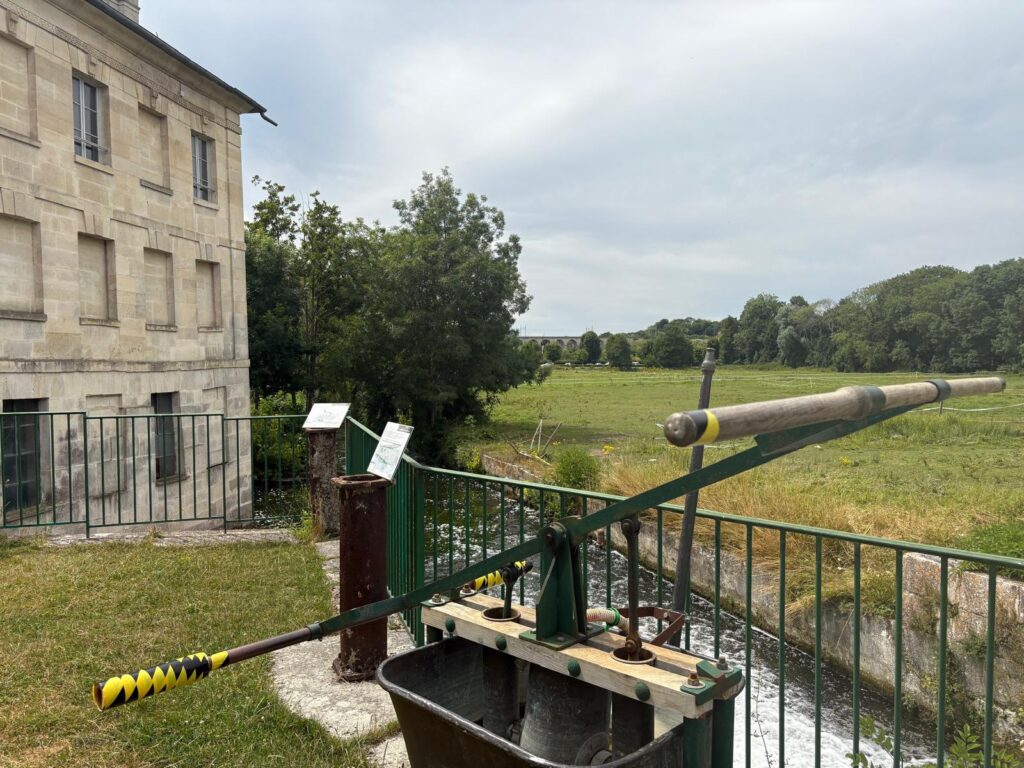
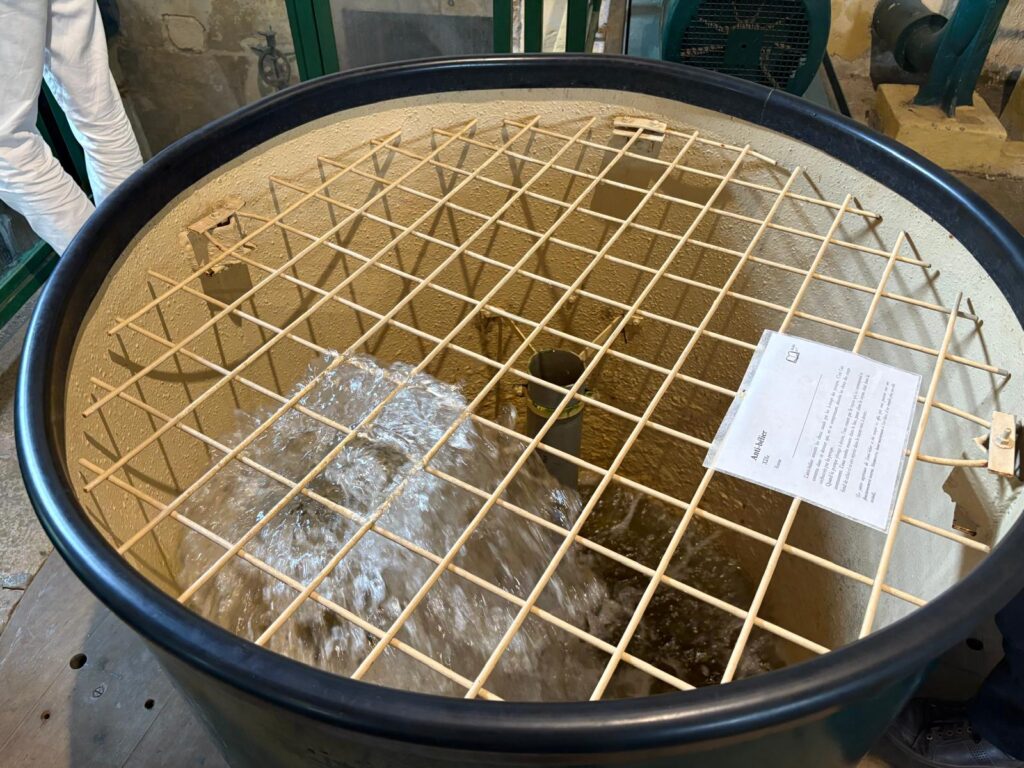
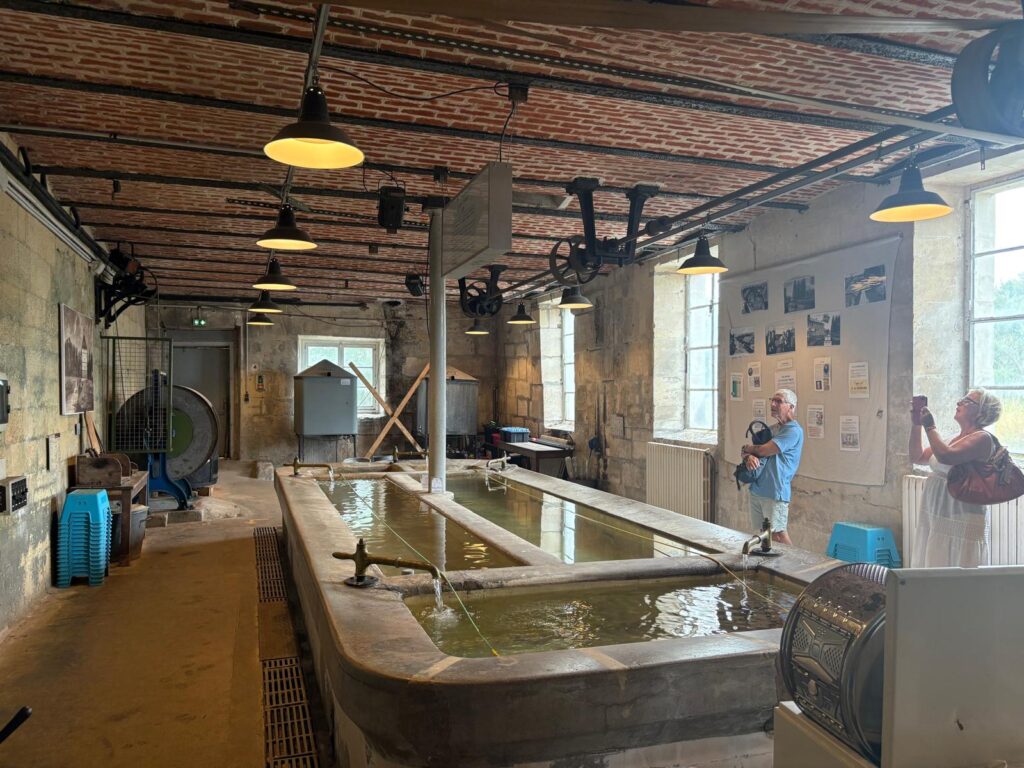
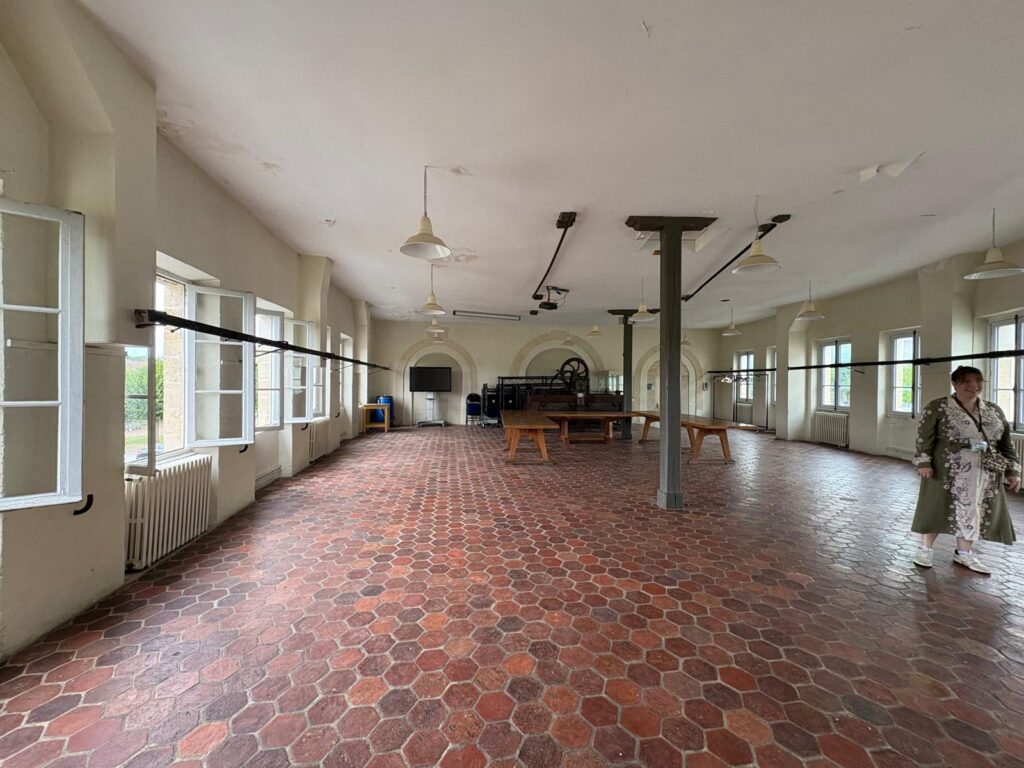
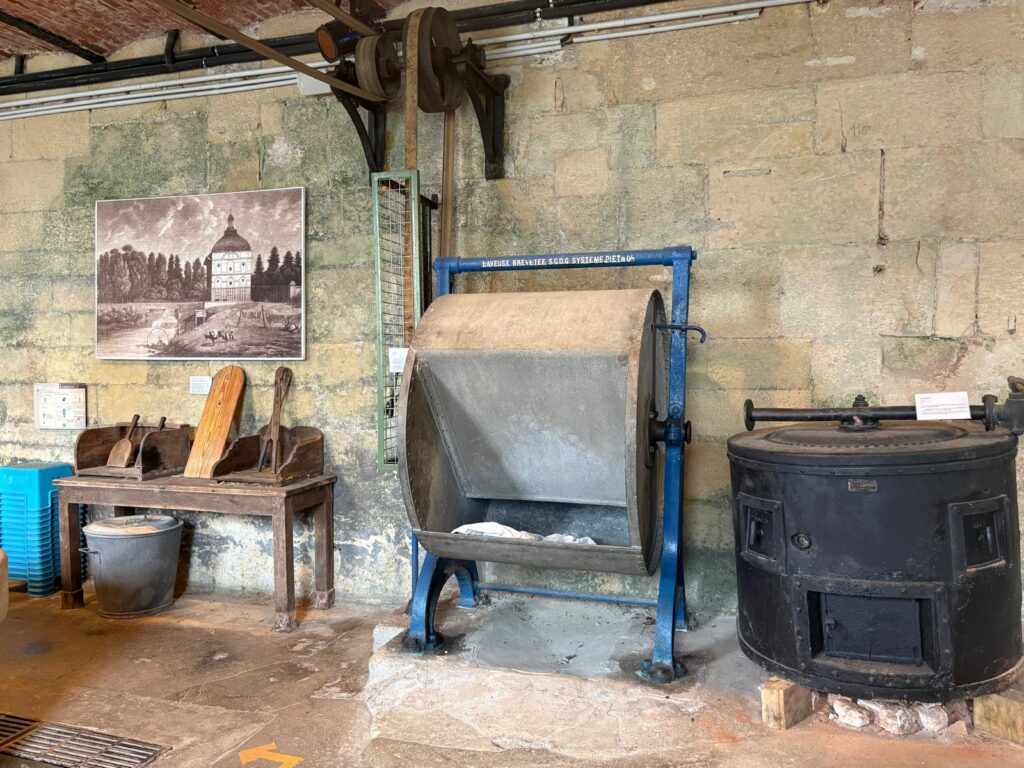
And so in the 19th century, the Pavillon de Manse enjoyed its next afterlife. Henri d’Orléans, duc d’Aumale, returned from exile in England, and rebuilt the Château de Chantilly. He also transformed the Pavillon de Manse, this time into a public laundry. Washerwomen in Chantilly upgraded from the river to modern indoor facilities. A turbine pumped water into troughs for washing, and there was a mechanical lift taking wet laundry to the upstairs drying room. The Pavillon continued to exist in this format until the 1980s, under the ownership of the Institut de France after Henri’s death, along with the château and its collections.
The most recent incarnation of the Pavillon de Manse has been as a heritage site. Volunteers formed an association in 1997 and began to bring the machinery back into working order. They also rebuilt the original wooden water wheel according to detailed plans in the château’s archives.
Visiting the Pavillon de Manse
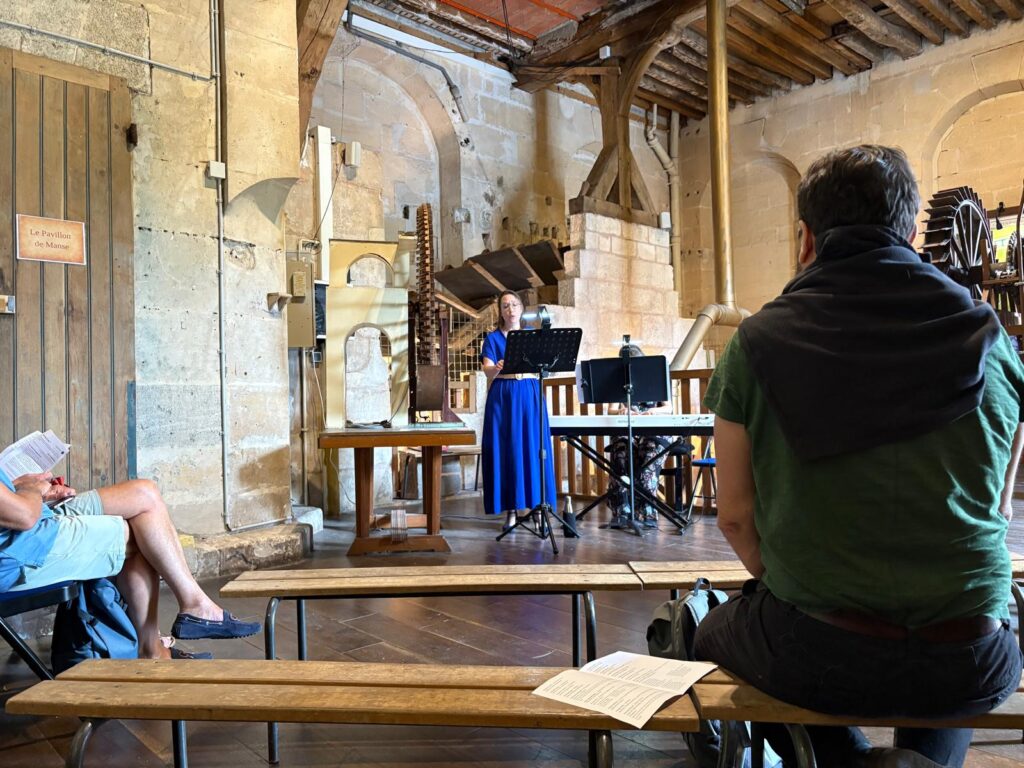
The Pavillon de Manse was actually the closest attraction to our accommodation in Chantilly. But it keeps slightly inconvenient opening hours of 2-6PM, so we explored the town in the morning before looping back. Approaching the Pavillon, we saw an open door and entered. “Are you here for the concert?,” an attendant asked. And so it was that we had a unique experience of the Pavillon. In the most historic room, that containing the water wheel, we listened to a concert in two parts by Ensemble Ganymed. The idea behind the ensemble is to link history and music in unique settings. Here they had chosen a programme of water-themed work, with pieces by Felix Mendelssohn, Franz Liszt, Sergei Rachmaninov, and others.* We very much enjoyed the concert, which deepened our appreciation for the site.
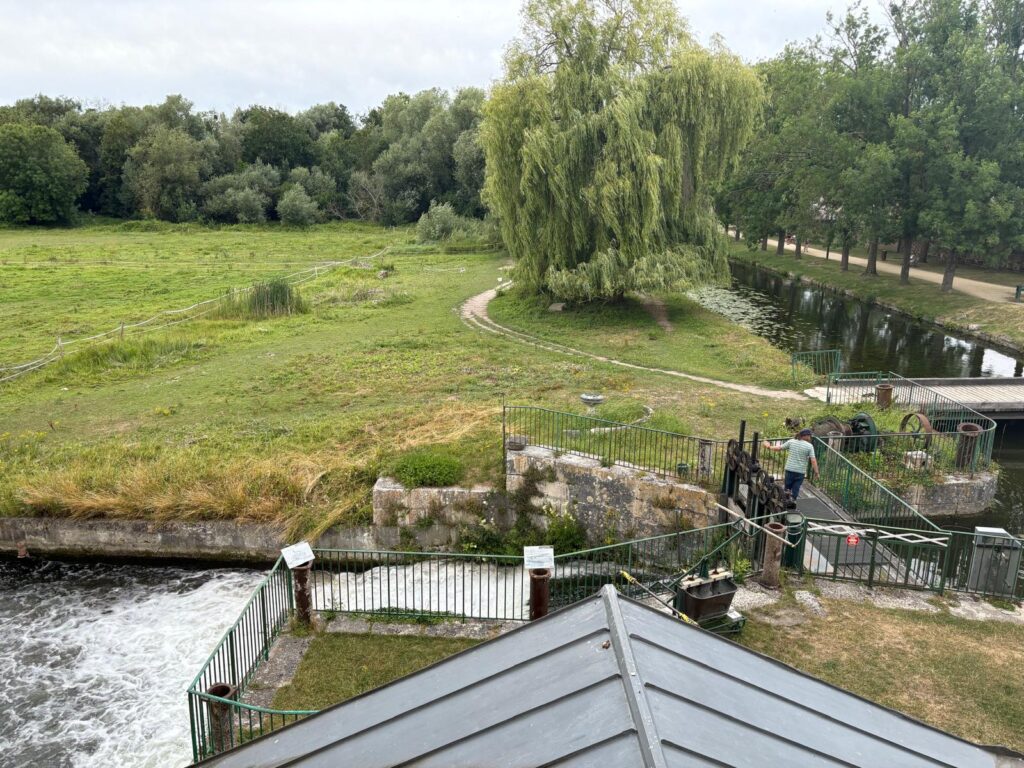
Between sections of the concert we had a guided tour of the Pavillon. On normal days, when there aren’t unexpected concerts, this is one of the two ways you can visit. The other is a self-guided tour. But I highly recommend the guided option, even if you don’t understand French. Because, wonderfully, they get the machines going for you. First we had a demonstration of the waterwheel (now electric rather than hydraulic, but still impressive). Then we continued on to see the turbine room, before staff opened up a water race and got it going. It was a lot of fun, and reminded me of other industrial/engineering museums like this one in London or this one in New Zealand. Please take a look at the various videos above to get a sense of it.
If you ever visit Chantilly yourself, I highly recommend a visit to the Pavillon de Manse. It would be difficult to combine with a daytrip from Paris to the château. But if you have a bit longer, do stop by. It’s a spot that’s unique in Europe, beautifully illustrates French history, and has the excitement of engineering history in action.
Salterton Arts Review’s rating: 4/5
*I’ve spoken before about what a classical music neophyte I am. I particularly enjoyed Franz Schubert’s “Die Forelle” (The Trout), made famous by Samsung appliances the world over.
Trending
If you see this after your page is loaded completely, leafletJS files are missing.