
Ruins of the Crystal Palace
As well as being a valuable green space in South East London, Crystal Palace Park contains several reminders of the great industrial wonder that once stood here.
The Wonder of the Age
The Great Exhibition of the Works of Industry of All Nations, commonly known as the Great Exhibition, took place from 1 May to 15 October 1851. It was the brainchild of Prince Albert, husband of Queen Victoria, and Henry Cole, an inventor, civil servant, and apparently inventor of the modern Christmas card. It spawned a number of successive Exhibitions, Expositions, World’s Fairs and other celebrations of industry and culture. See here for instance for a district of Barcelona shaped by one such International Exposition.
But the Great Exhibition was the first of them all, and perhaps the most impressive, as well. It took place in London’s Hyde Park, and its centrepiece was the Crystal Palace. Designed by Sir Joseph Paxton, the Crystal Palace leveraged new technology including a modular iron framework and plate glass to create a soaring chapel of industry. It covered 990,000 square feet, was 128 feet high, and was built in only 39 weeks. Its 293,000 panes of glass were the greatest area of glass ever seen in a building.
Over six million people visited the Great Exhibition. Prices dropped the longer the exhibition was open, meaning the upper and middle classes visited first, but almost everyone got a chance eventually. The exhibits covered four main categories: Raw Materials, Machinery, Manufacturers and Fine Arts. Britain and its Empire took up half the floor space, with France the next biggest contributor.
The Great Exhibition was a resounding success, and had a lasting impact. It turned a substantial profit, part of which went to establishing the major South Kensington museums: today the V&A, Science Museum and Natural History Museum. Parts of the temporary exhibition buildings were reused and were indeed anything but temporary in the end, supporting, for instance, Young V&A 175 years later. But the big question was: what to do with the Crystal Palace itself?
The Crystal Palace Moves to South London
A big question indeed! The Crystal Palace couldn’t continue to take up Hyde Park, but would require substantial space for its permanent home. A consortium of businessmen somehow maneuvered to make this permanent home in Sydenham. Or rather, taking the park and other buildings into account, the border between Sydenham and Penge, Surrey and Kent. Today the area is simply known as Crystal Palace, and is part of the London Borough of Bromley.
The modular design of the Crystal Palace now came into its own, with the building substantially altered on its new site. Visitors continued to flock to see the Crystal Palace and the various entertainments cooked up for their benefit. They could learn about art history, listen to an orchestra, watch a circus, or visit an aquarium, amongst other pursuits. Two different railway companies built stations to service visitors: Crystal Palace Low Level (which is still in use today and has the look of a station built to move crowds through quickly) and Crystal Palace High Level, on which more shortly. The relocated Crystal Palace was the site of the world’s first aeronautical exhibition in 1868, world’s first cat show in 1871, the 1895 African Exhibition, and 1905 Colonial and Indian Exhibition.
The early 20th century was a time of decline (although interestingly the Crystal Palace was also the site of the first Imperial War Museum in 1911). The company running the permanent exhibition had always struggled with debt, and the fact that most people’s day off was Sunday, when the Crystal Palace was closed, didn’t help. It fell into disrepair, and the company declared bankruptcy in 1911. A plan to salvage it, which included weekly fireworks displays, brought some visitors back.
But it all came to an end on 30 November 1936. A fire broke out, and 89 fire engines and over 400 firemen were unable to extinguish it. As when an earlier fire had happened in 1866, the building wasn’t adequately insured. The palace was never rebuilt. One of the two stations closed in the 1950s. The park was put to other uses, including motor racing. But for those who care to look for them, traces of what was once here still remain. Let’s go look for those echoes now.
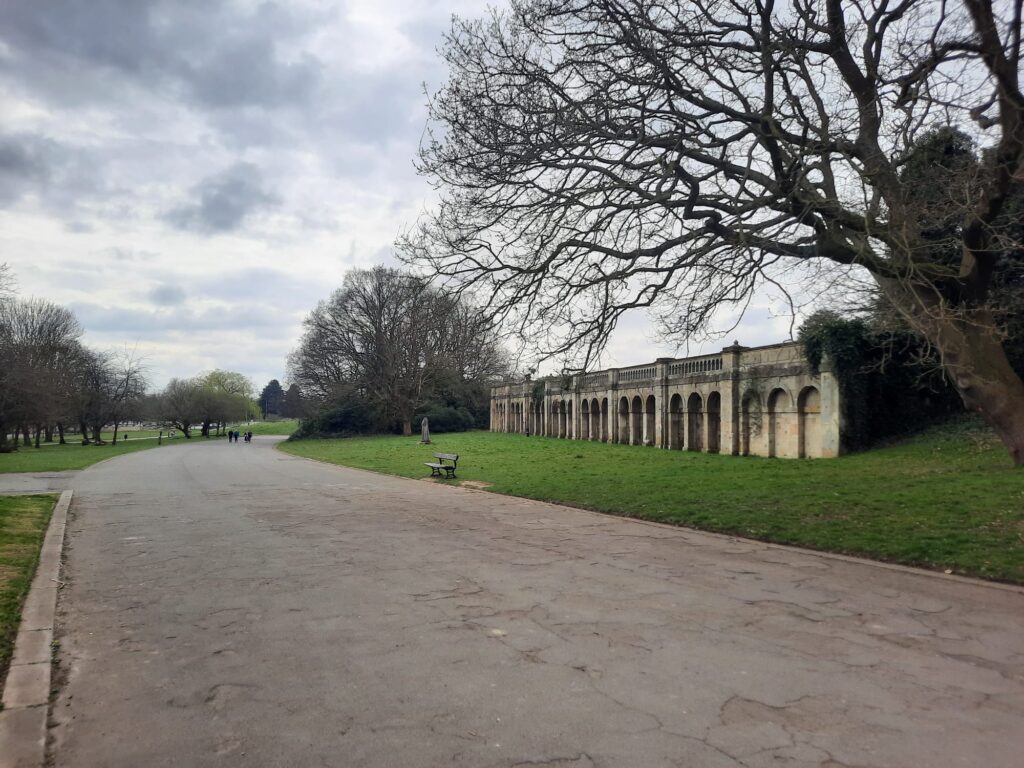
The Upper and Lower Terraces
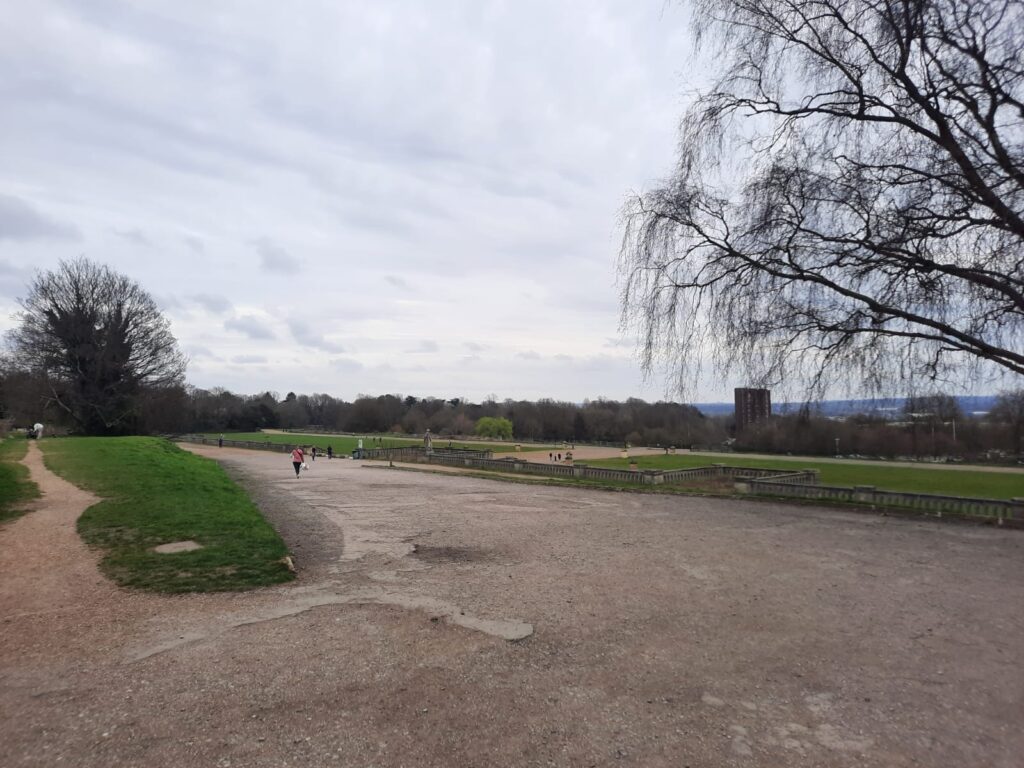
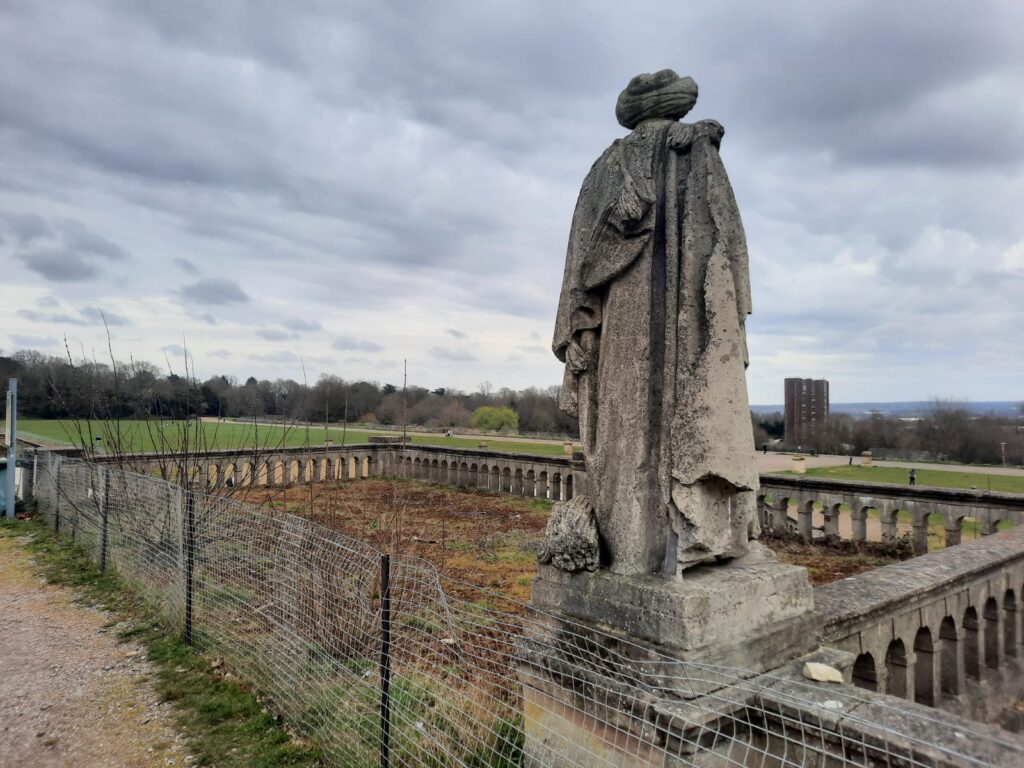
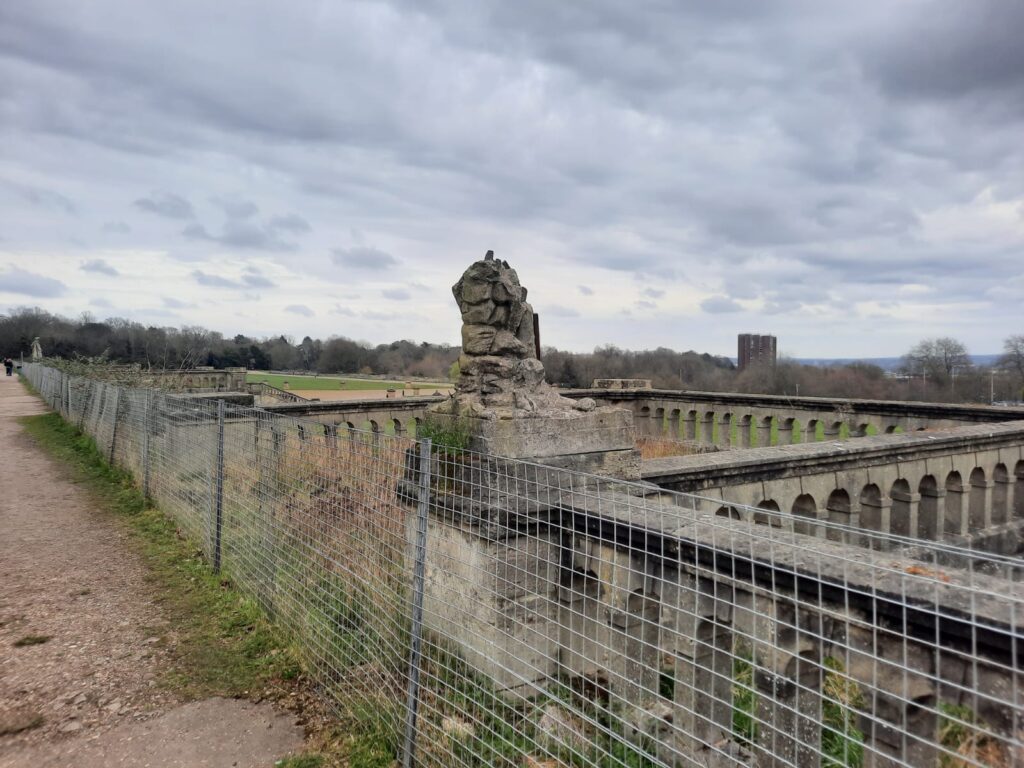
On a visit to Crystal Palace Park, the Upper and Lower Terraces are the remnants you are most likely to spot. They’re fairly central within the park, and used for community and sporting events including races and yoga.
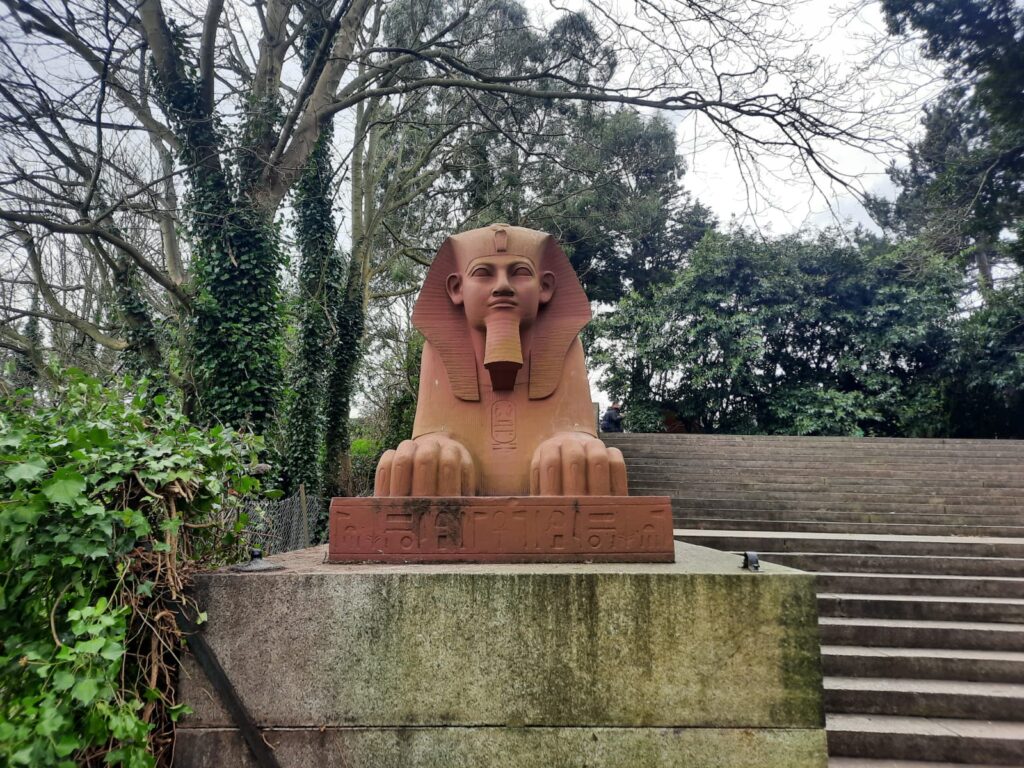
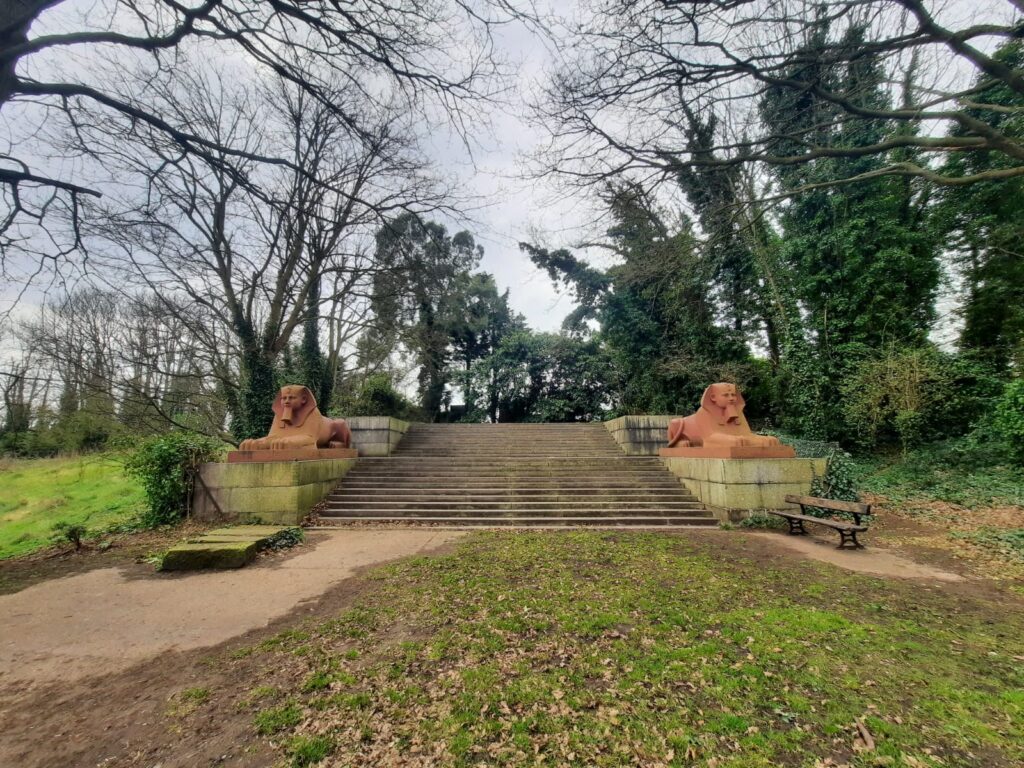
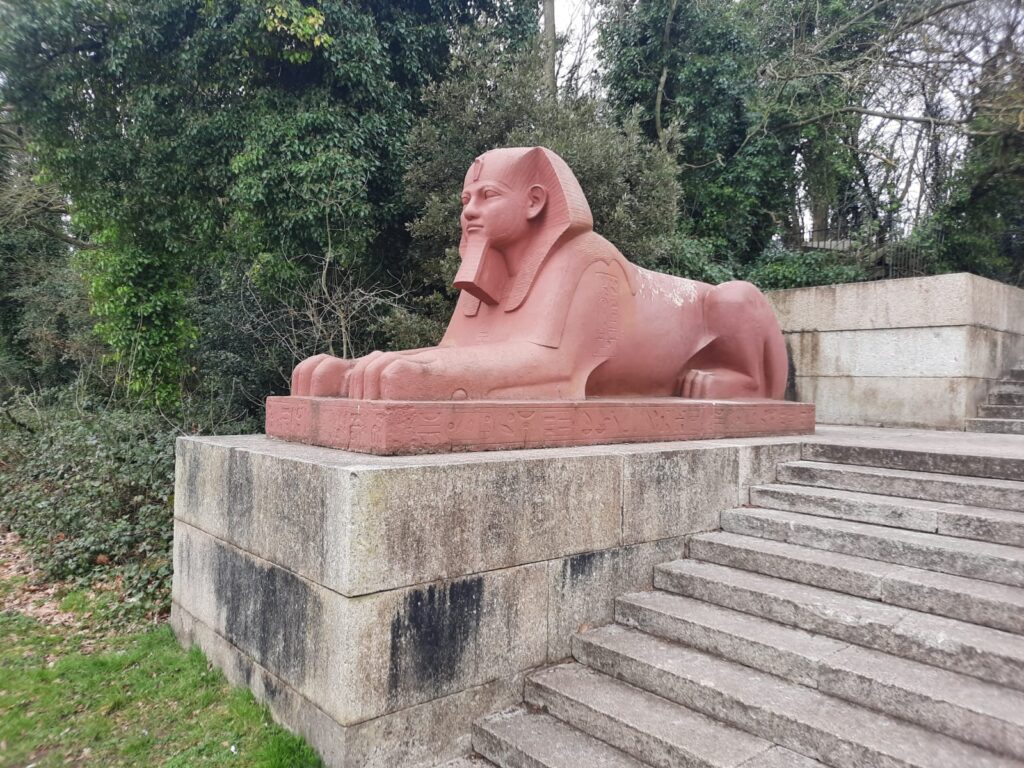
The terraces were once part of the formal gardens in front of the Crystal Palace itself. Sir Joseph Paxton designed them as part of the relocation plan. Despite a state of rustic ruin, the terraces contain a variety of decorative features including arches, pilasters, and statues. The latter include several sphinxes, speaking to the Egyptomania of the 1850s. Restoration in 2016 included repainting the sphinxes in terracotta red, as they had been originally to mimic the red granite of Egyptian originals. Other sculptures represented parts of the British Empire. Moving a bit lower, you can see the Italianate style of the lower terrace. See an image of the original gardens here.
I rather enjoy the Victoriana of the Upper and Lower Terraces, and seek them out on most visits to the park. But aside from being a bit of a curiosity, it’s nice to see they are a well-used community asset. Maybe not quite what Paxton might have envisaged, but a nice historic survivor enjoying a varied afterlife.
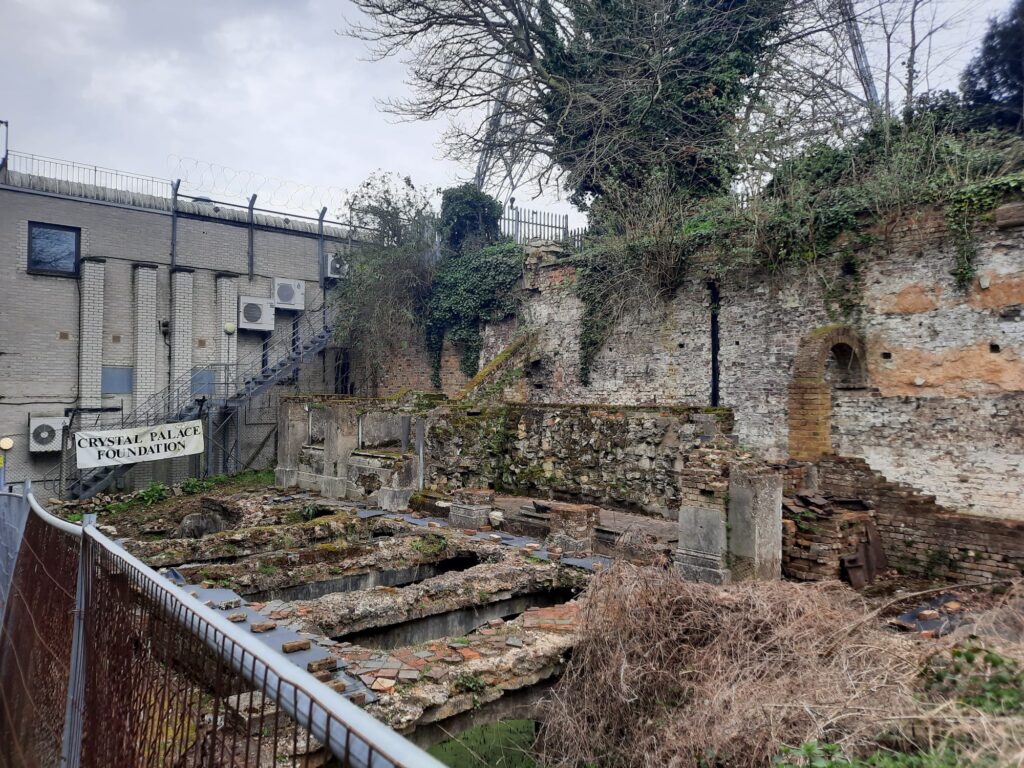
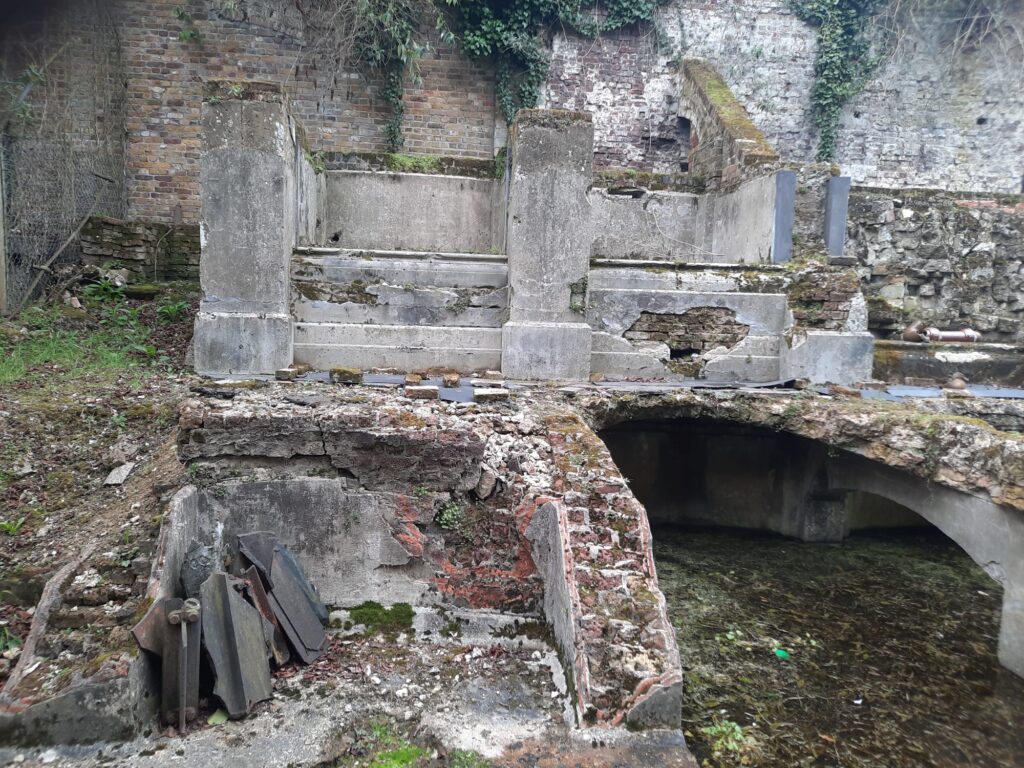
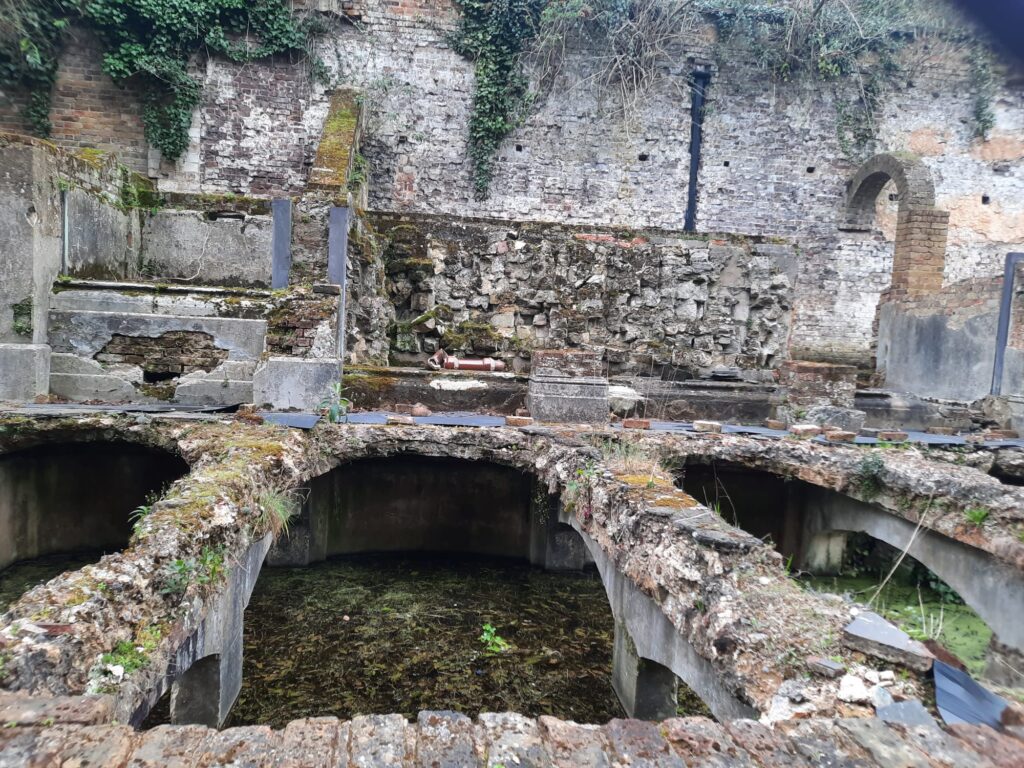
Crystal Palace Aquarium
The Crystal Palace Aquarium was not one of the original attractions in this new South London location. In fact, it’s related to that 1866 fire I mentioned. Following the fire, thanks to inadequate insurance, there weren’t the funds to immediately rebuild and restore. Instead, after a couple of years, the directors approved the construction of a marine aquarium in the basement site. At the time it was the largest of its kind, with 120,000 gallons of sea water brought in by train from Brighton.
Aquariums were another fad of this period. I’ve done a bit of writing about them before, which you might want to read here. This one had 60 tanks, of which 38 were for the public and the rest for research. Around 300 species were generally on display. The Crystal Palace Aquarium was unusual for housing salt water species, under the care of William Alford Lloyd. Lloyd ensured good water circulation and conditions for the marine life that were as natural as possible. Charles Darwin, who lived not too far away, apparently visited regularly.
The aquarium remained popular for some decades, but was not much of a commercial success. Strangely, the space later housed monkeys rather than marine life in its (now drained) tanks. The aquarium space largely survived the 1936 fire, but the 1941 demolition of the North Tower destroyed much of it. Today it’s a little out of the way: I hadn’t seen it before specifically seeking it out on this visit. It’s interesting, though: the tanks have collected a lot of rainwater and are home to a number of ducks which makes it reasonably atmospheric.
Crystal Palace Subway
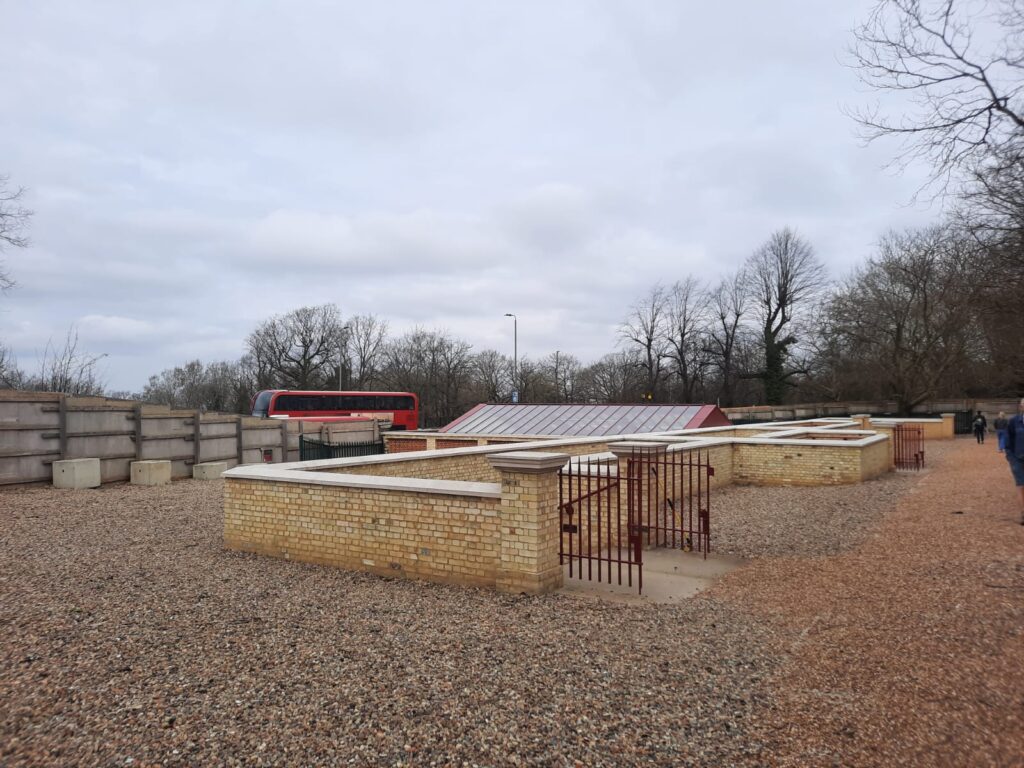
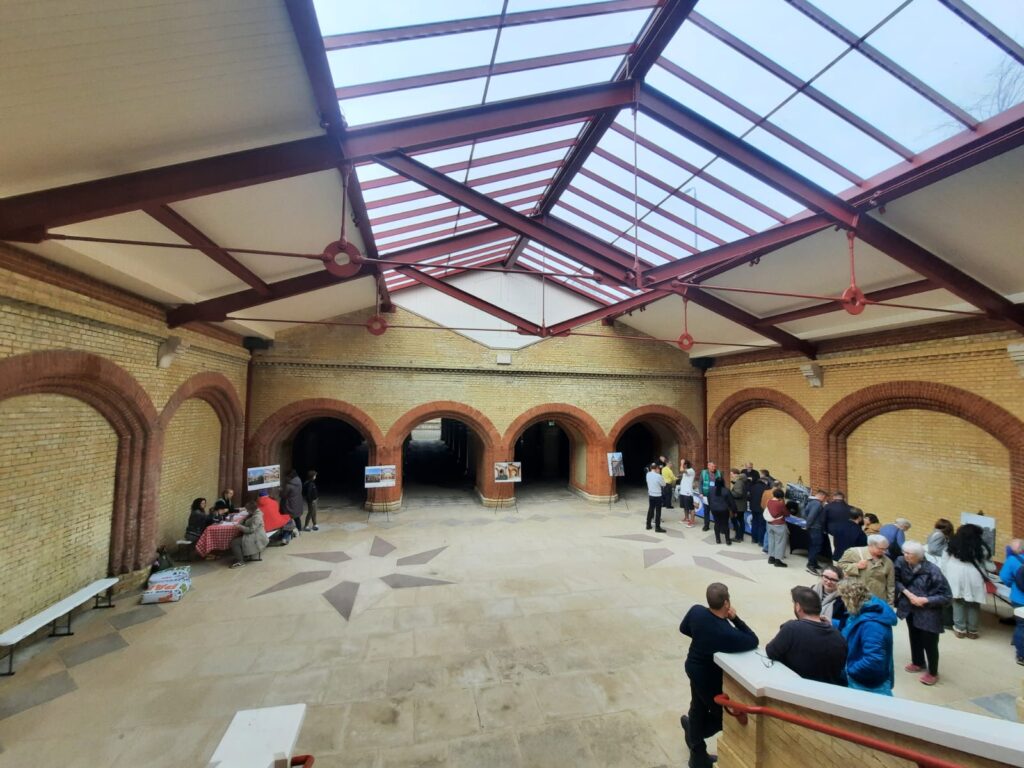
The Crystal Palace Subway was actually the reason for my visit to Crystal Palace Park on this occasion. I’d been hoping to visit for a while, and a friend managed to get tickets during National Lottery Open Week. The reason the site was taking part in the open week was that they received lottery funding for a substantial restoration project.
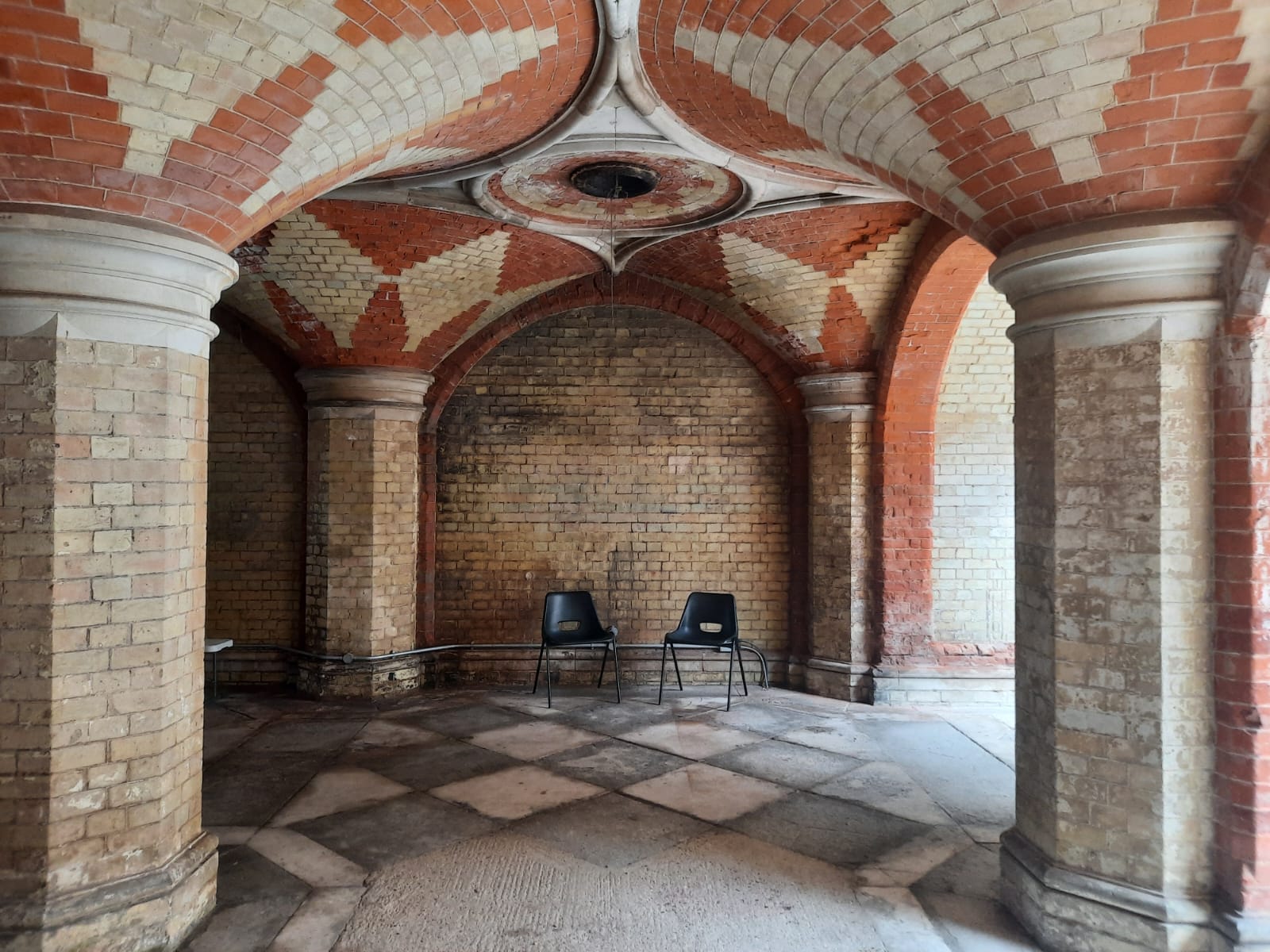
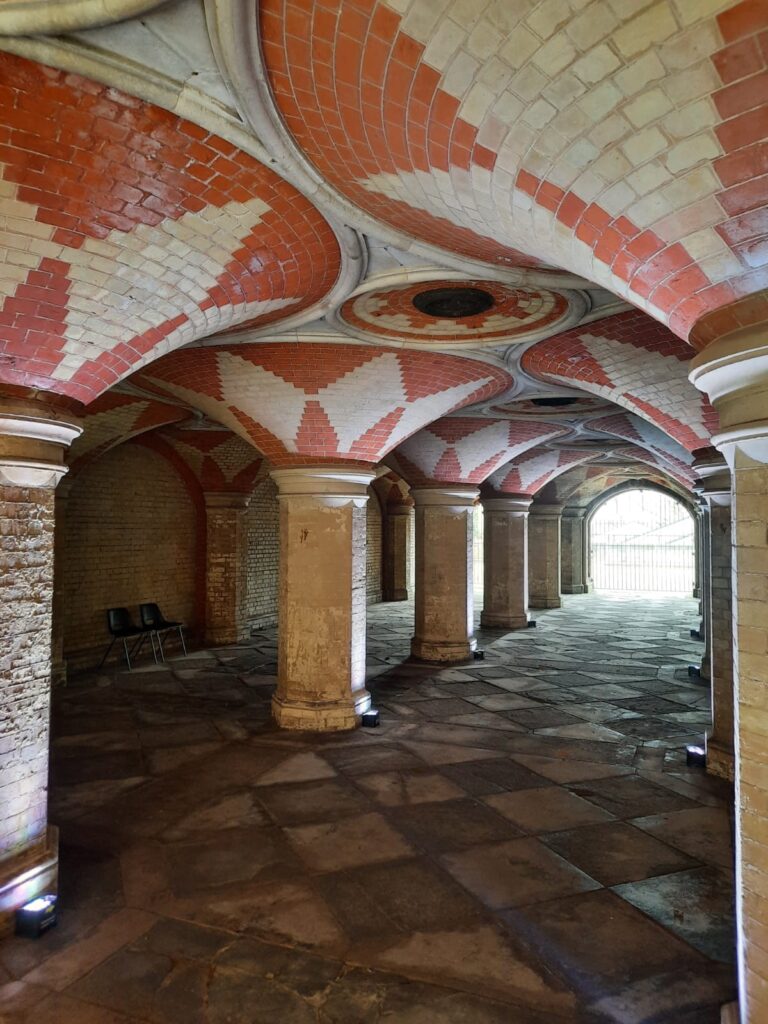
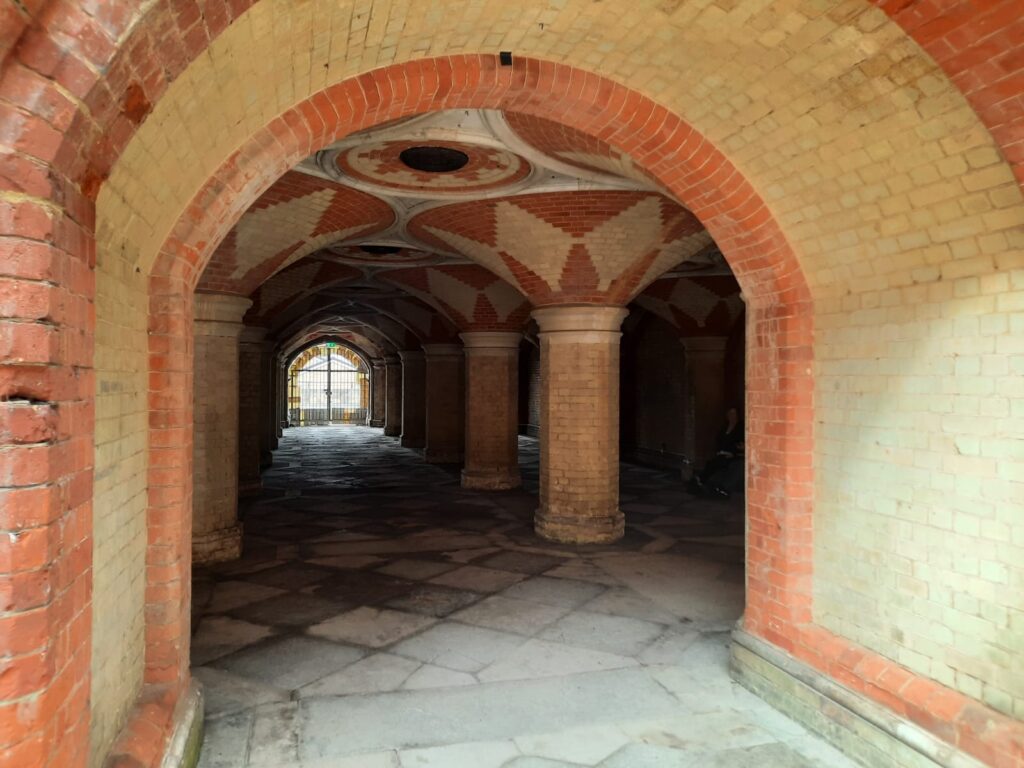
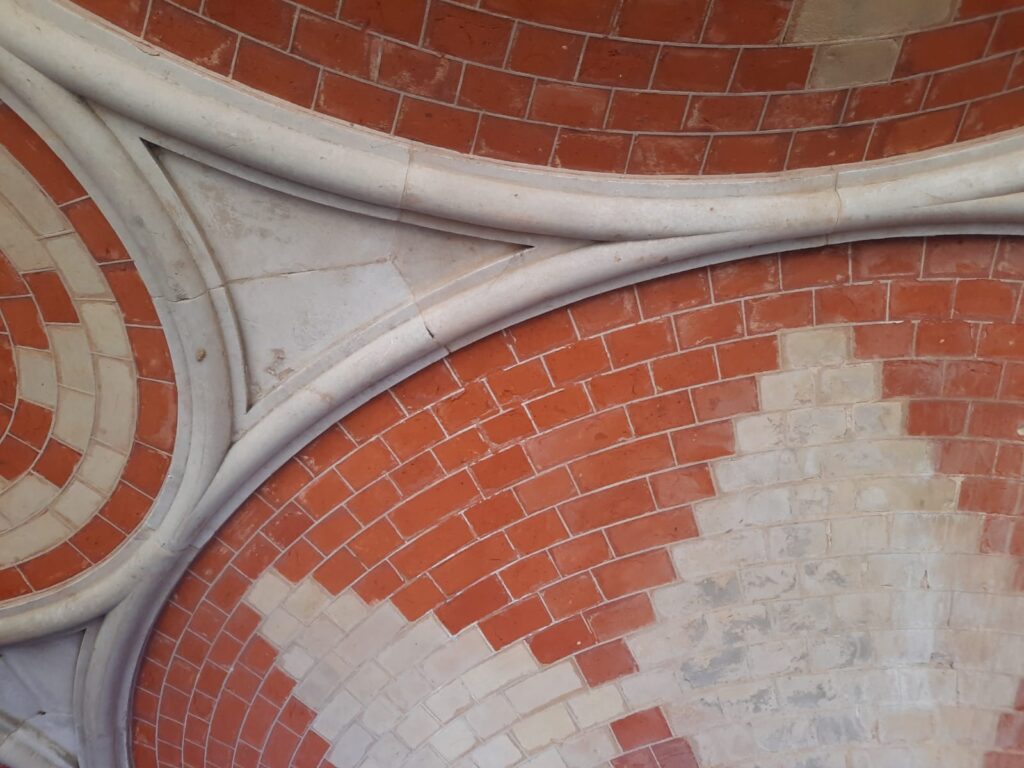
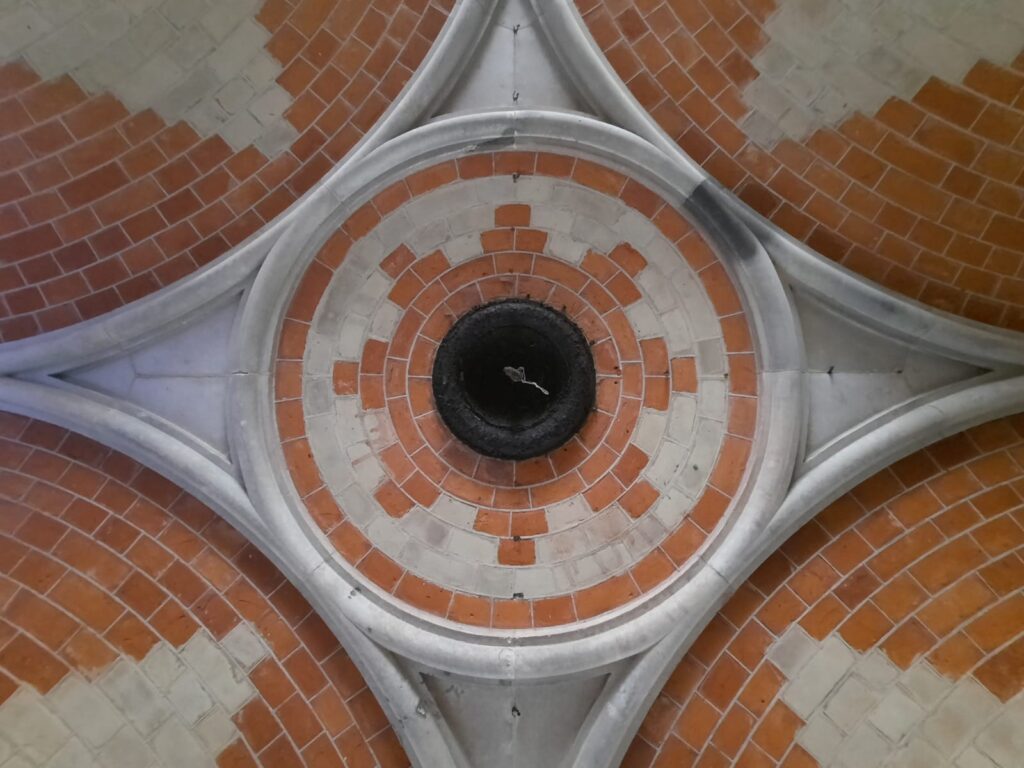
But what exactly is this subway, and what does it have to do with the Crystal Palace? Well, it’s the pedestrian subway for the former Crystal Palace High Level Station, connecting passengers to the exhibition and its attractions. Or first class passengers, at least. Charles Barry Jr. designed the subway in elaborate fashion, with much ornamental brickwork. After the station closed and it fell out of use, the subway was a WWII air raid shelter, and then an occasional community event space and music video backdrop. It celebrates its 160th anniversary in 2025.
Now that the restoration is complete, it’s almost embarrassingly perfect compared to the other Crystal Palace ruins. The soft colours gleam, the new roof protects volunteers and visitors from the elements. And if it’s the only thing you’ve come here to see, I’m sorry to inform you you’ll be done in a couple of minutes. You’ll have some great Instagram content, but there’s only so many different angles from which to photograph the columns. It was, after all, just a transient, liminal space. This isn’t to say that it’s not interesting, and worth visiting. You might just want to consider doing as I did and checking out the other ruins as well.
The Dinosaur Sculptures
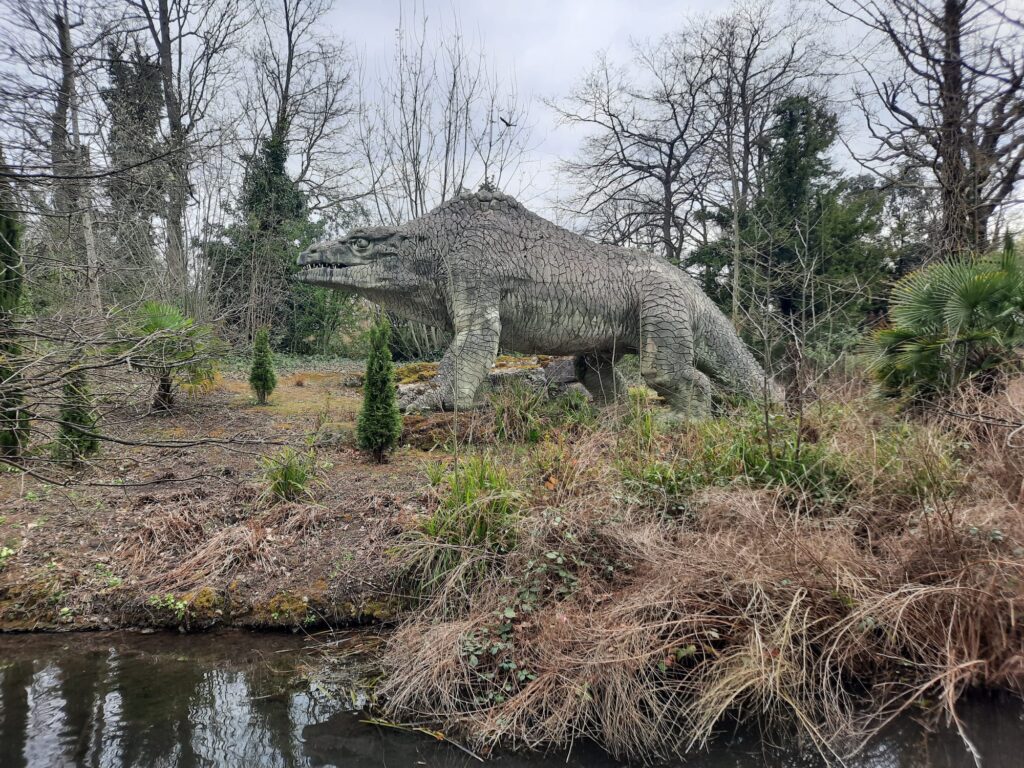
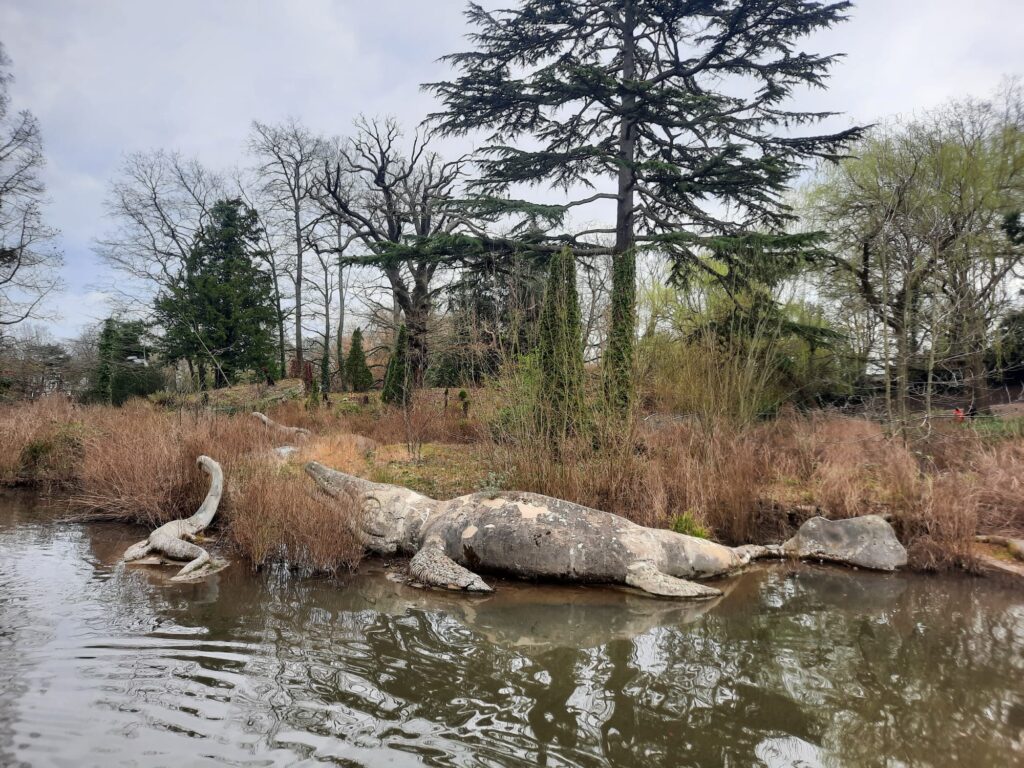
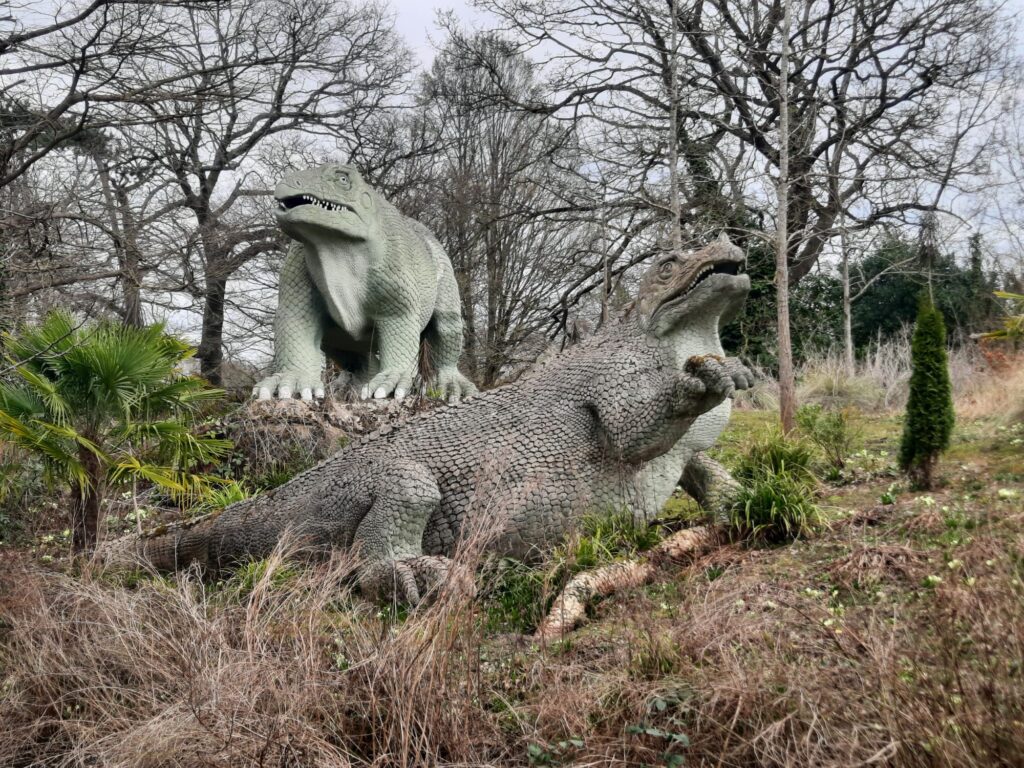
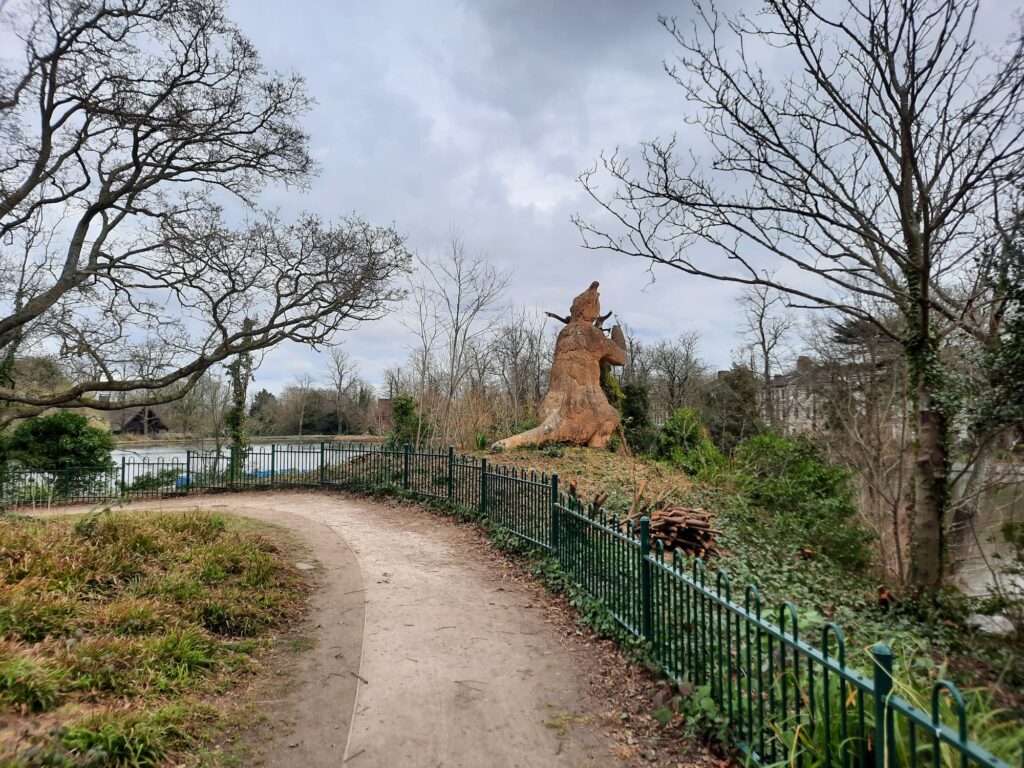
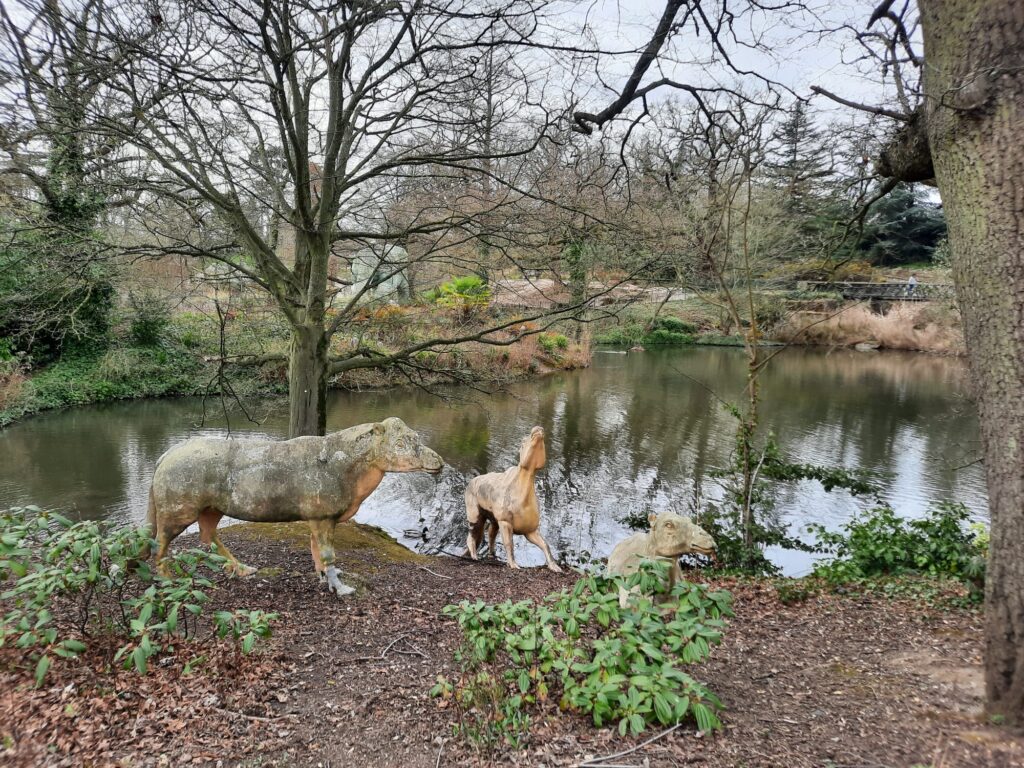
Ah the dinosaurs. Now these, I feel, could be the basis of a trip to Crystal Palace Park all on their own. Everyone loves dinosaurs, right? On their unveiling in 1854, to accompany the Crystal Palace’s move to Sydenham, they became the first dinosaur sculptures in the world. As such they are, shall we say… a little inaccurate. Or a lot inaccurate, really.
To cut the Victorians what I feel is some reasonable slack, paleontology was new at the time. Mary Anning, self-taught fossil hunter who paved the way for modern paleontology, had died only in 1847. She found many remarkable specimens on the Jurassic Coast. Benjamin Waterhouse Hawkins designed and sculpted these particular dinosaurs and extinct animals, working with Sir Richard Owen who coined the word “dinosaur” (or dinosauria). So they did their best with the knowledge they had at the time.
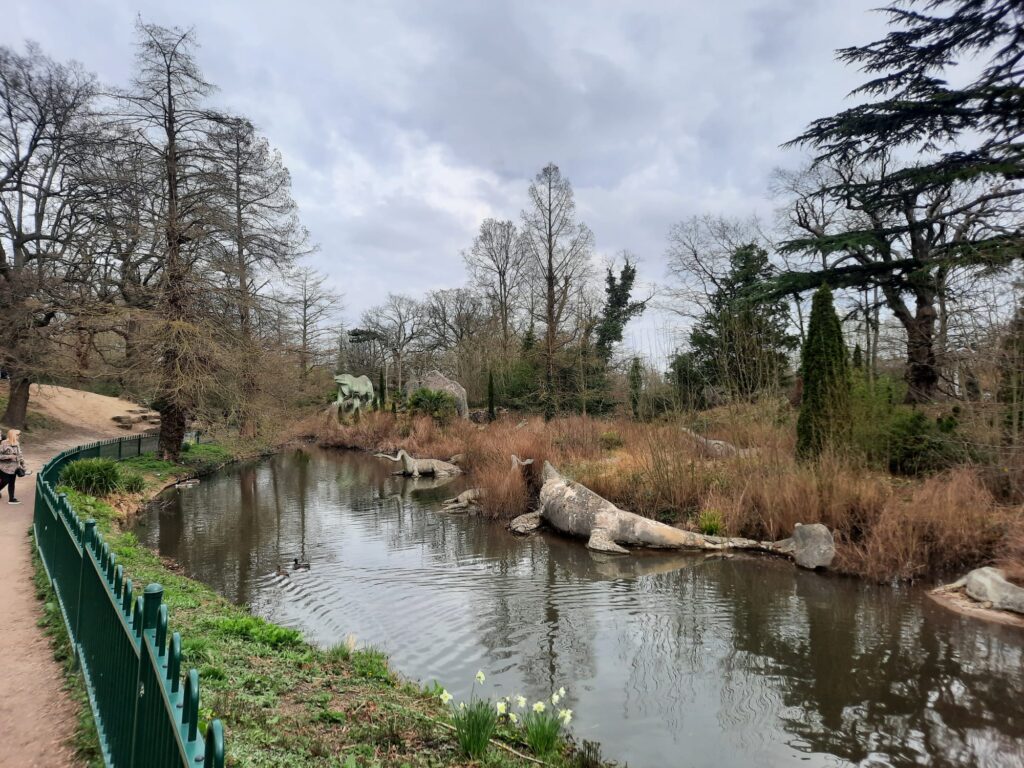
To our modern eyes, however, these Victorian dinosaurs are endearing and rather quaint. The iguanodons are particularly bad. But the ichthyosaurs are also very spindly. The sculptures inhabit small islands in a pond at one extreme of Crystal Palace Park. Originally the water levels rose and fell, revealing more sculptures and adding a touch of realism. The sculptures have also been the subject of a major renovation. There’s a new swing bridge to access them when necessary, some restorations to the sculptures themselves, and the garden now features plants reminiscent of the age of the terrible lizards.
The dinosaurs (and extinct animals) make for a pleasant and educational stroll. Near each species is a panel explaining the species, and how we would depict it today. I would have loved to go to the 1853 banquet inside the iguanodon mould (the height of Victorian extravagance?). But seeing these monuments to advancing scientific knowledge is satisfaction enough.
Other Sights in Crystal Palace Park
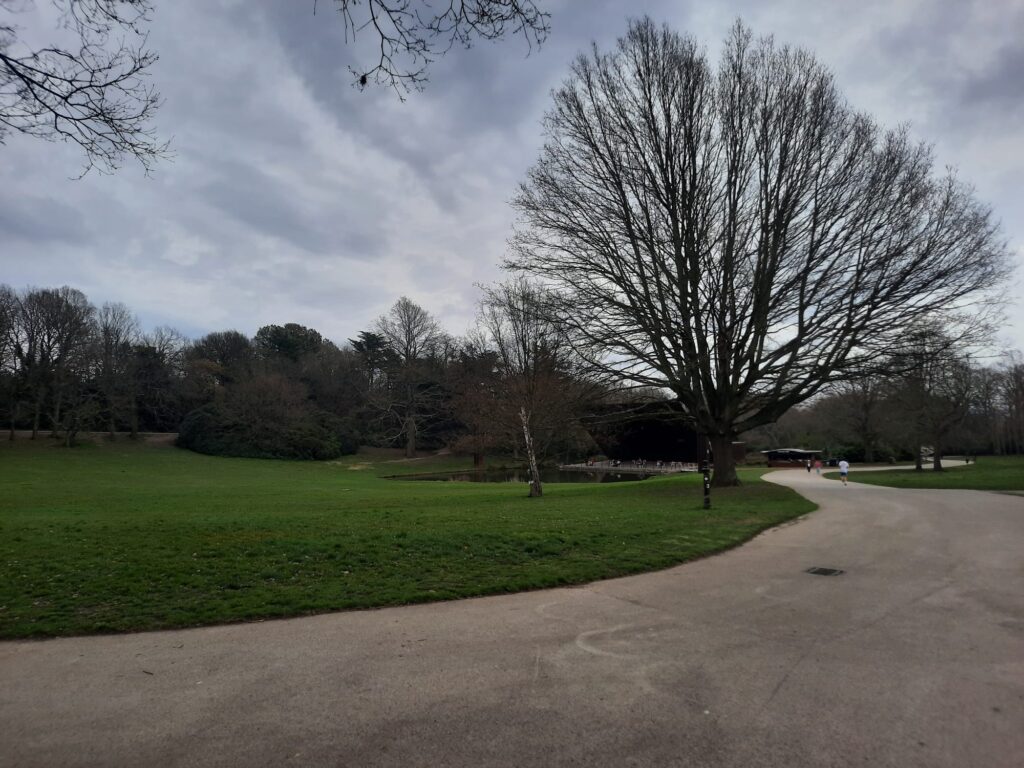
Crystal Palace Park is, of course, much more than the ghosts of Palaces past. It’s a 200 acre park (at one time part of the grounds of the Penge Place estate). So it’s the type of place you could spend a good couple of hours. But what else is there to see and do? Let me share a few tips below.
- There’s a boating lake! A good tip to remember for warm-weather visits. There’s also a fishing lake for which you need a licence and ticket.
- The Crystal Palace Bowl is is a historic music venue, which has played host to Jimi Hendrix among others. After a period of inactivity concerts have resumed here in recent years so look out for them, particularly over the summer.
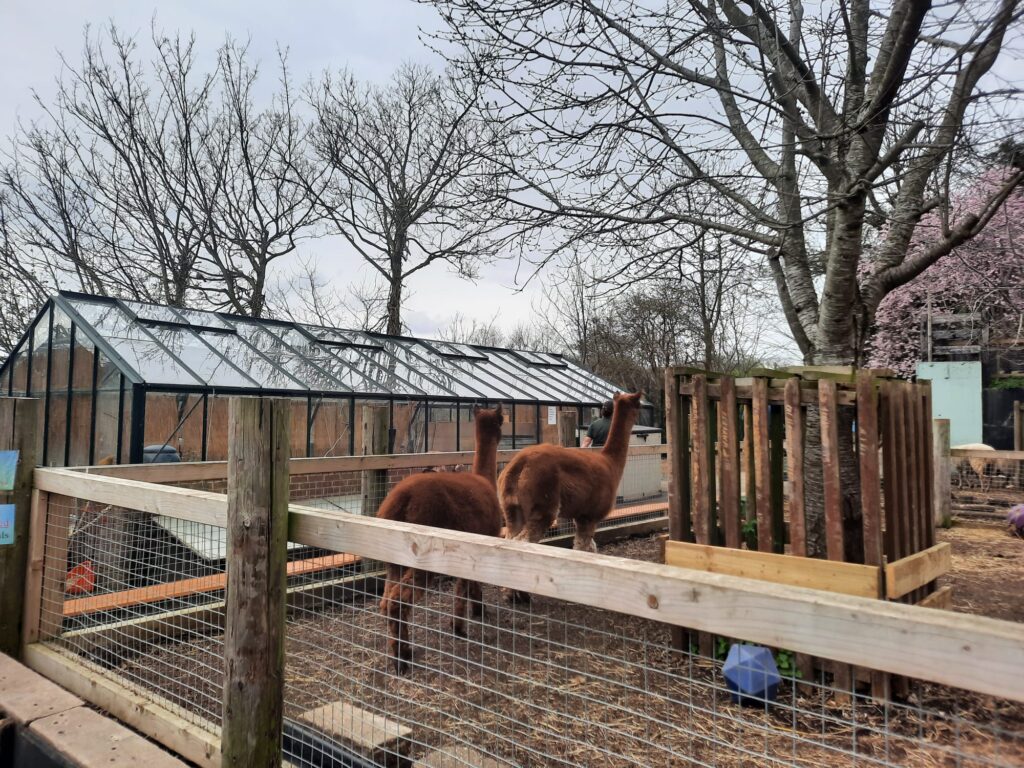
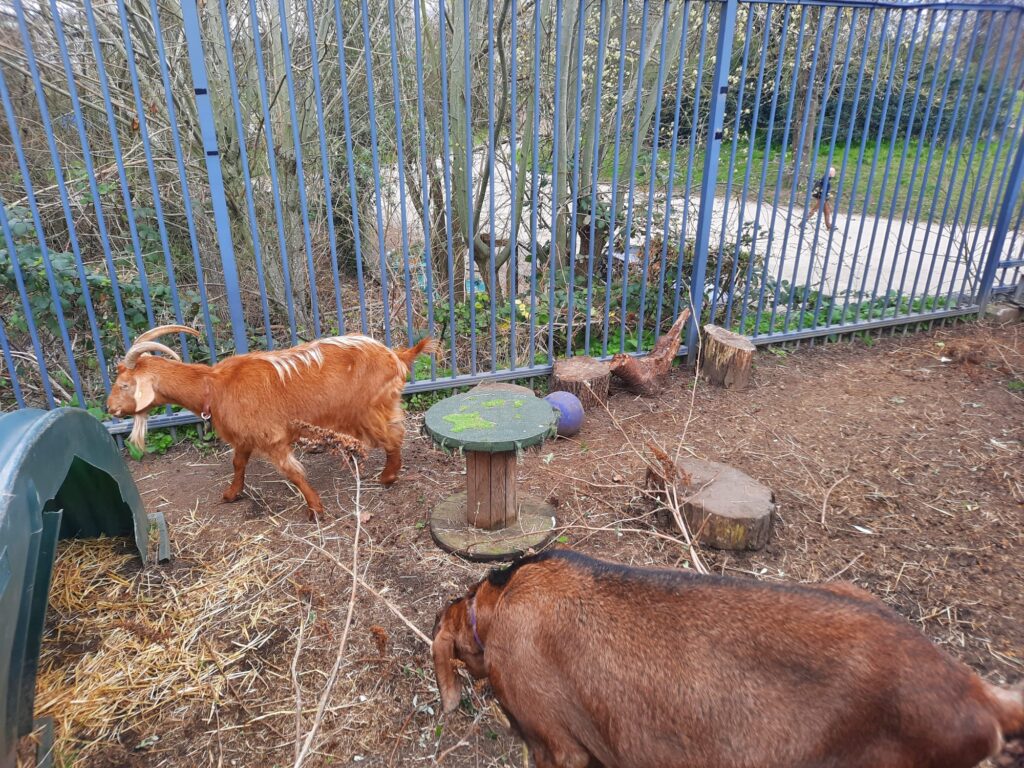
- Crystal Palace Park Farm is home to a number of animals, include the farmyard type, but more exotic reptiles and insects as well. Worth a visit if it’s open when you’re at the park.
- There’s also the National Sports Centre, with outdoor athletics and indoor leisure facilities. The park is so big I didn’t even see the NSC on this visit.
- In terms of outdoor activities there’s also a maze and a skatepark (the park was home to the UK’s first major skateboarding competition in 1977).
- There are cafes, and look out for a weekly food market on Sundays.
So as you can tell, Crystal Palace Park is a vibrant and varied community space. I enjoy seeing the blend of historic and contemporary leisure activities on each visit.
Finally, accessed from outside the park is the Crystal Palace Museum. It is in the only building to have survived the devastating fire: the Crystal Palace School of Engineering, established in 1872. I can’t say it struck me as a particularly exciting or notable building when I saw it. More the type of Victorian architecture South East London’s suburbs are full of. The museum was closed when I visited, so will form the subject of a dedicated post some time in the future.
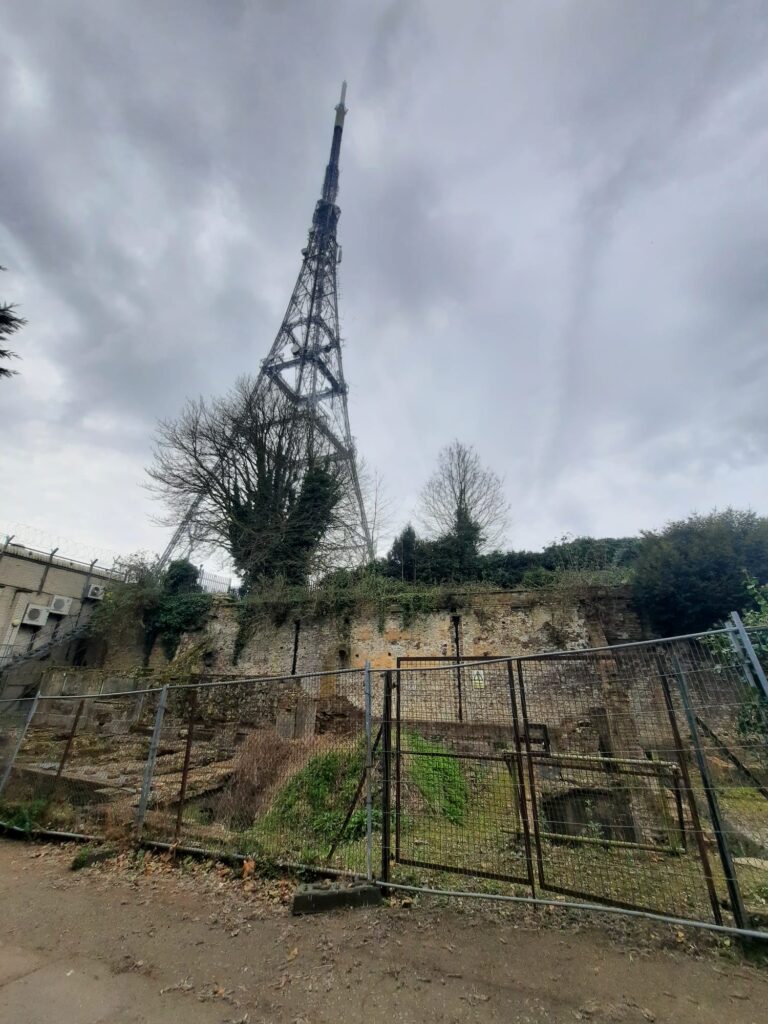
So with that we leave Crystal Palace Park behind. Although only the ruins of the aquarium were technically ever part of the relocated Crystal Palace, the sights we’ve seen all tell a story of Victorian discoveries, pursuits and aesthetics. I can’t quite imagine the palace itself looming over the extensive park. But the large antenna, which can be seen from most elevated places in London, is a fine stand-in to mark the spot and keep the Crystal Palace in our collective memory.
Trending
If you see this after your page is loaded completely, leafletJS files are missing.