
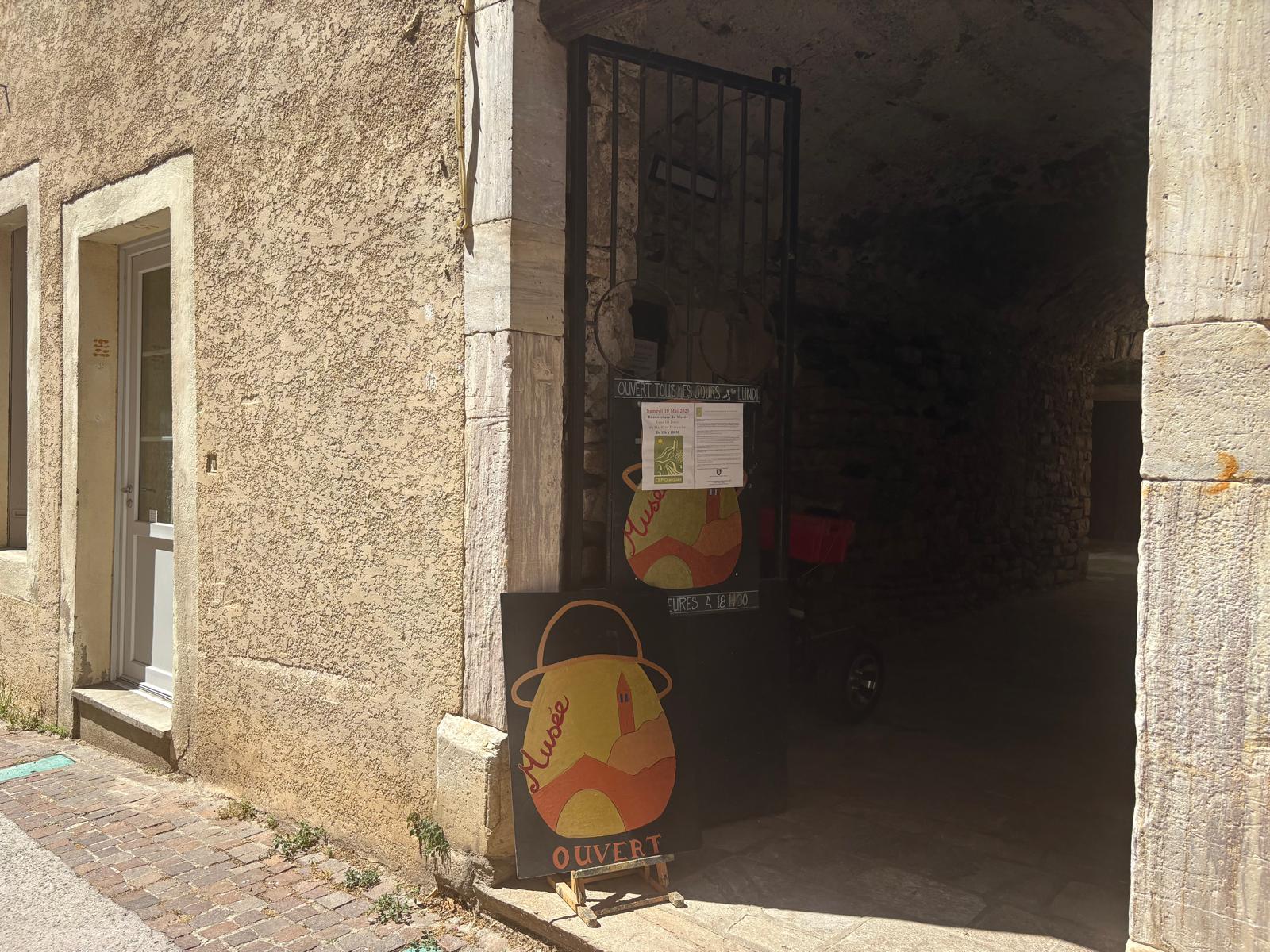
Le Musée d’Art et Traditions Populaires (Museum of Popular Art and Traditions), Olargues
On a very hot afternoon, le Musée d’Art et Traditions Populaires provides a welcome break as well as a good overview of local history.
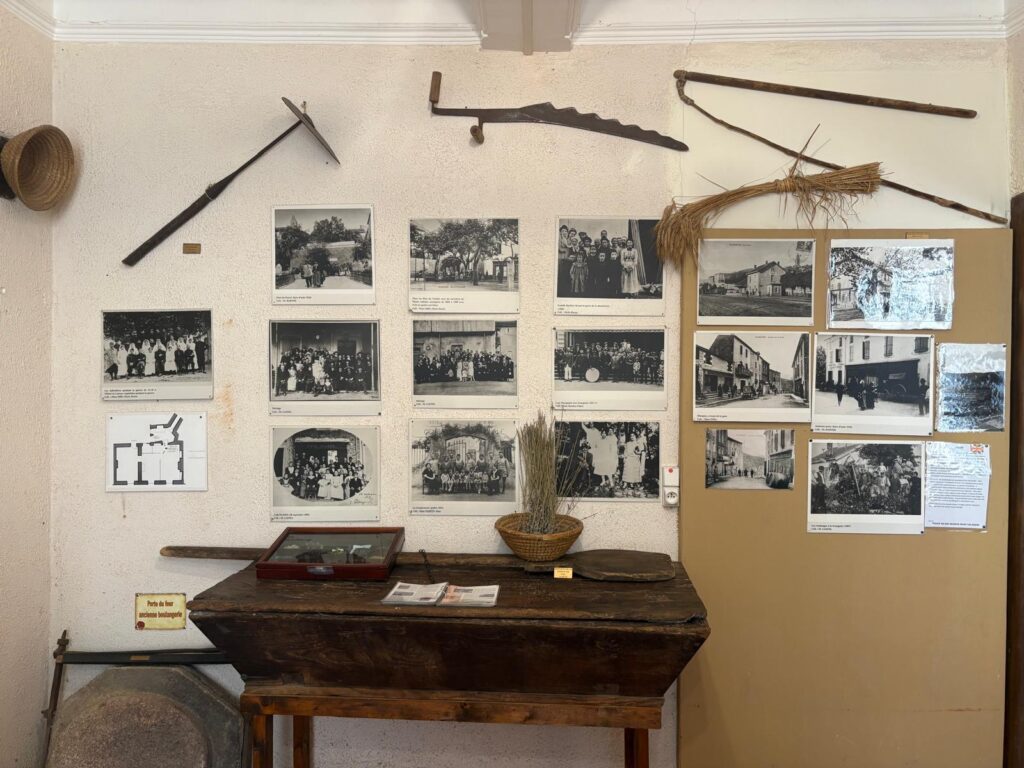
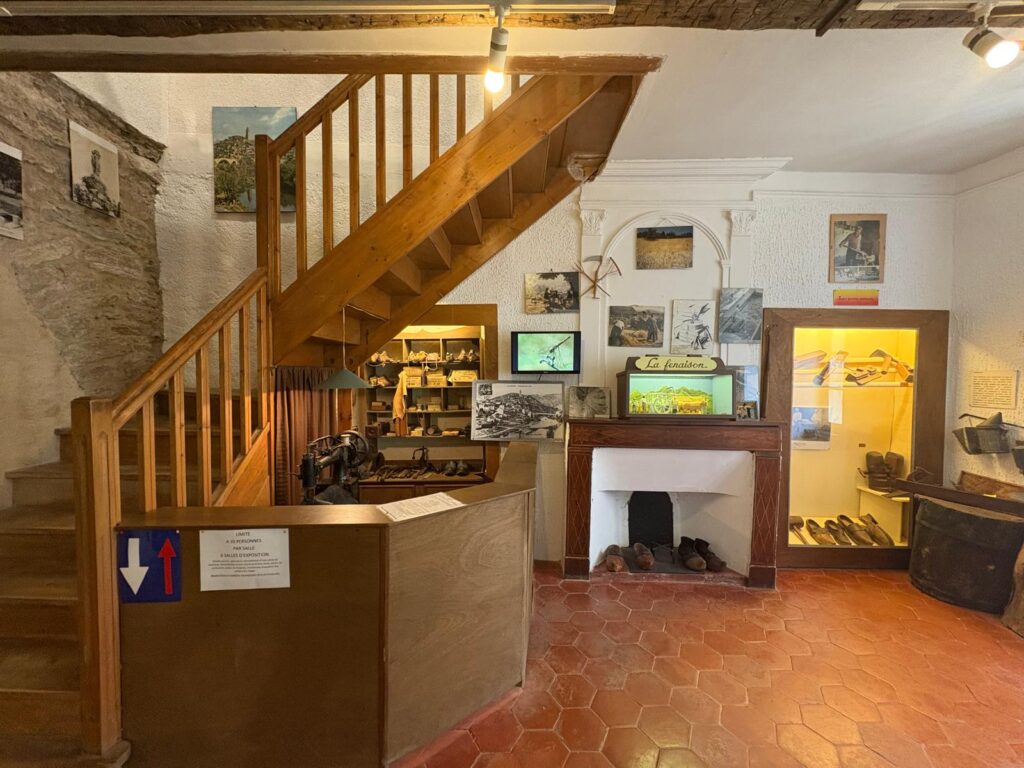
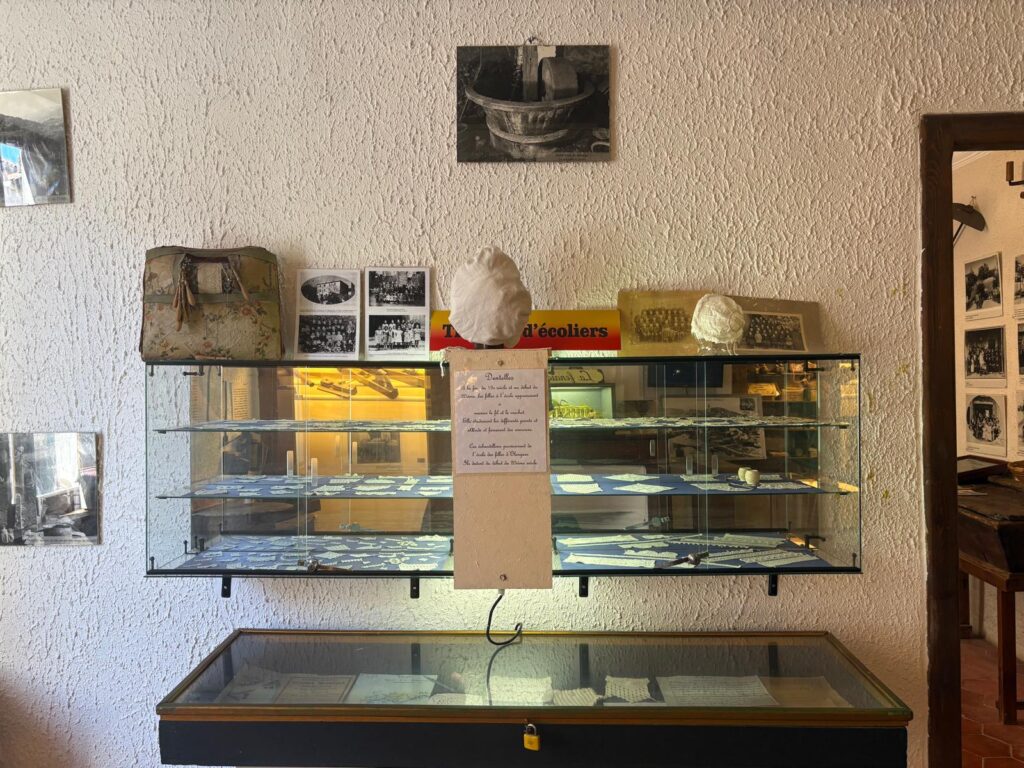
Le Musée d’Art et Traditions Populaires
Avid readers of the Salterton Arts Review have a good head start on today’s post. In my last installment, we took a walking tour around Olargues, and got a sense for the surrounding area. I promised I would come back with a brief post about Olargue’s museum, le Musée d’Art et Traditions Populaires, and here we are.
As a quick recap, the area around Olargues has been inhabited since prehistoric times, as well as by the Romans, Vandals and Visigoths. The current village is medieval, replacing a priory which was previously on the site. Due to a volatile history through to the 18th century, much of the original fabric of Olargues remains (replacing buildings normally requires either prosperity or destruction). Meaning today Olargues is officially one of France’s prettiest villages, with many historic streets and buildings to explore.
As I explained in that previous post, the Urban Geographer and I went to Olargues in the heat of the afternoon. This was a somewhat bad idea (the Urban Geographer would say a very bad idea). Part of the reason for timing it this way, however, was so I could visit the museum. While almost everything else is closed for a siesta, le Musée d’Art et Traditions Populaires is open. And as the only cultural institution within walking distance of where we were staying, I was interested to see what it was all about.
In the end, by the time we got to the museum at the end of our walk, the Urban Geographer was so exhausted I left him sitting outside. So I didn’t linger as much as I might have otherwise. Nonetheless, this small museum provided interesting insights into Olargues and the types of lives people used to lead here.
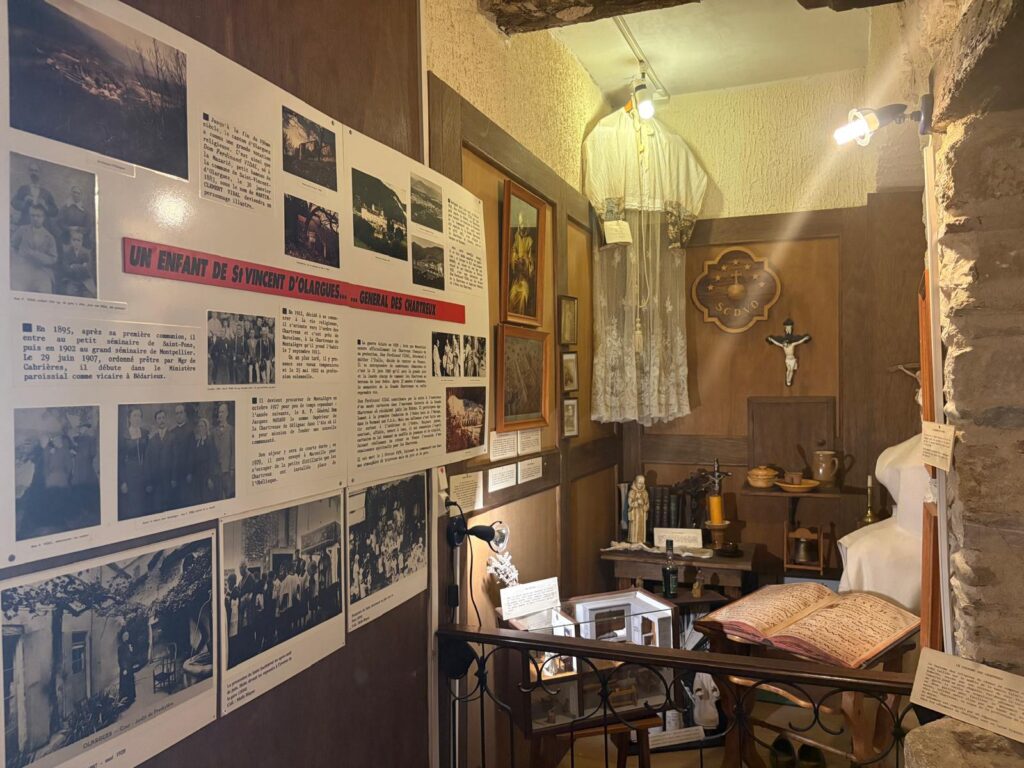
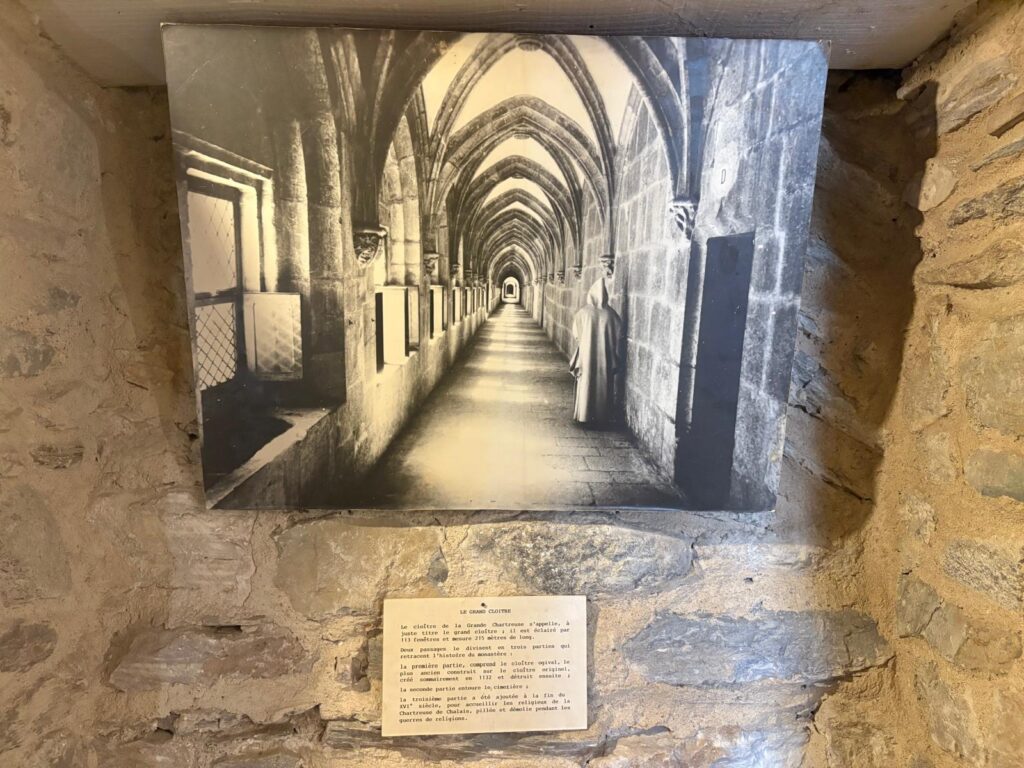
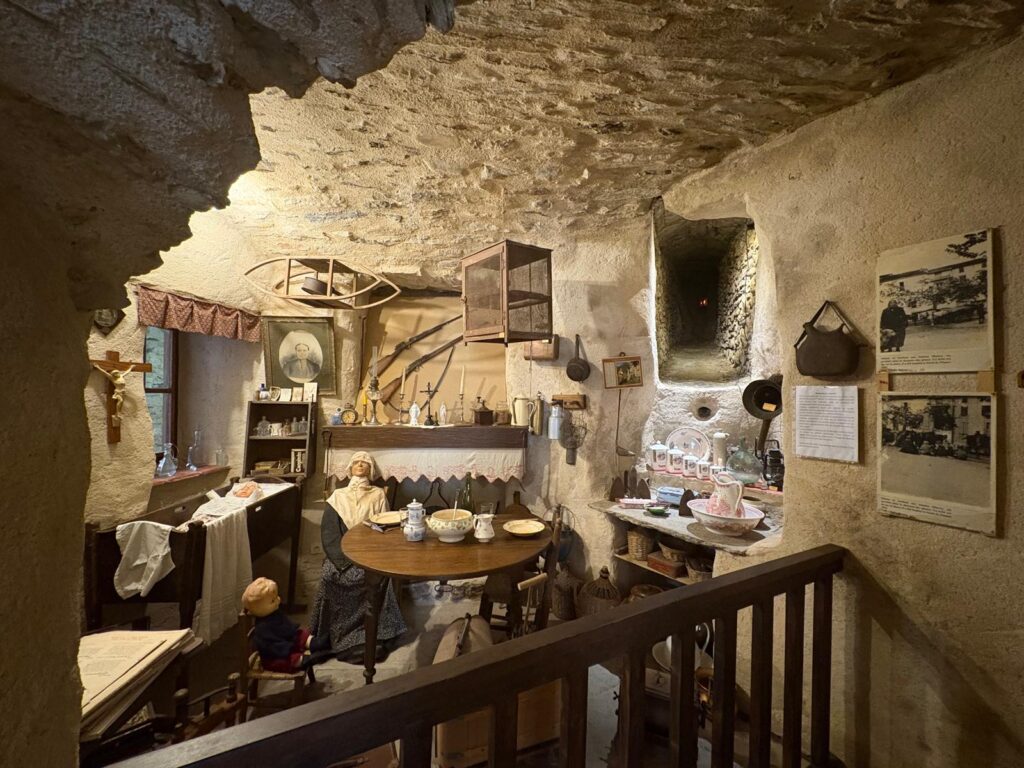
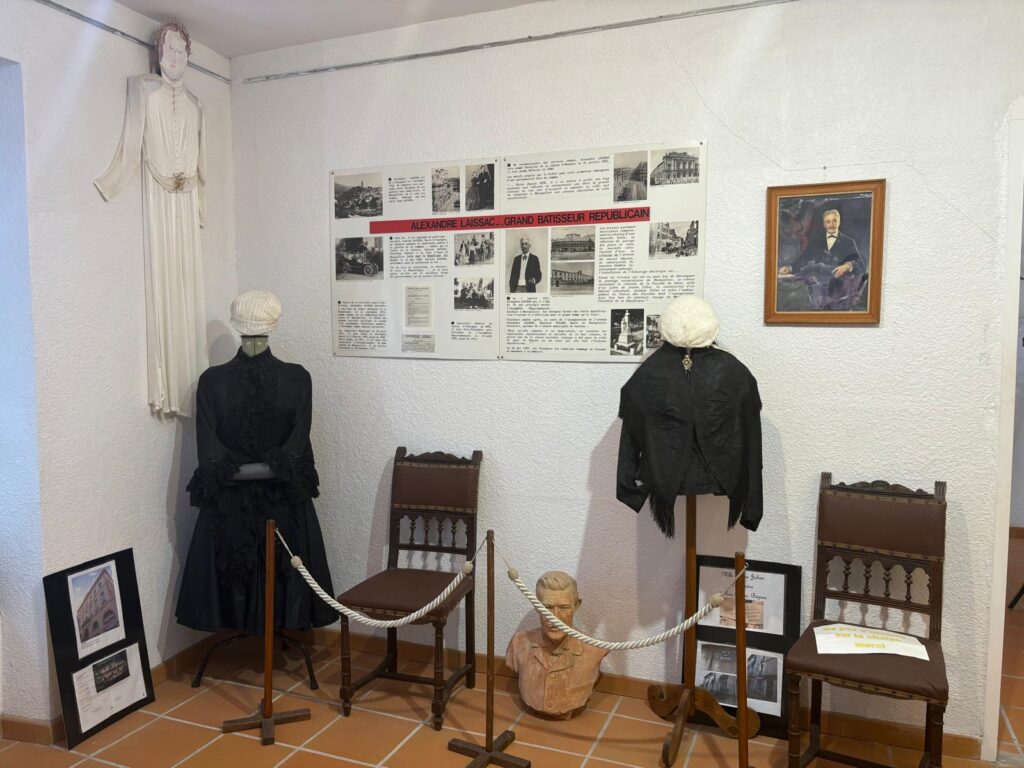
A Very Local Museum
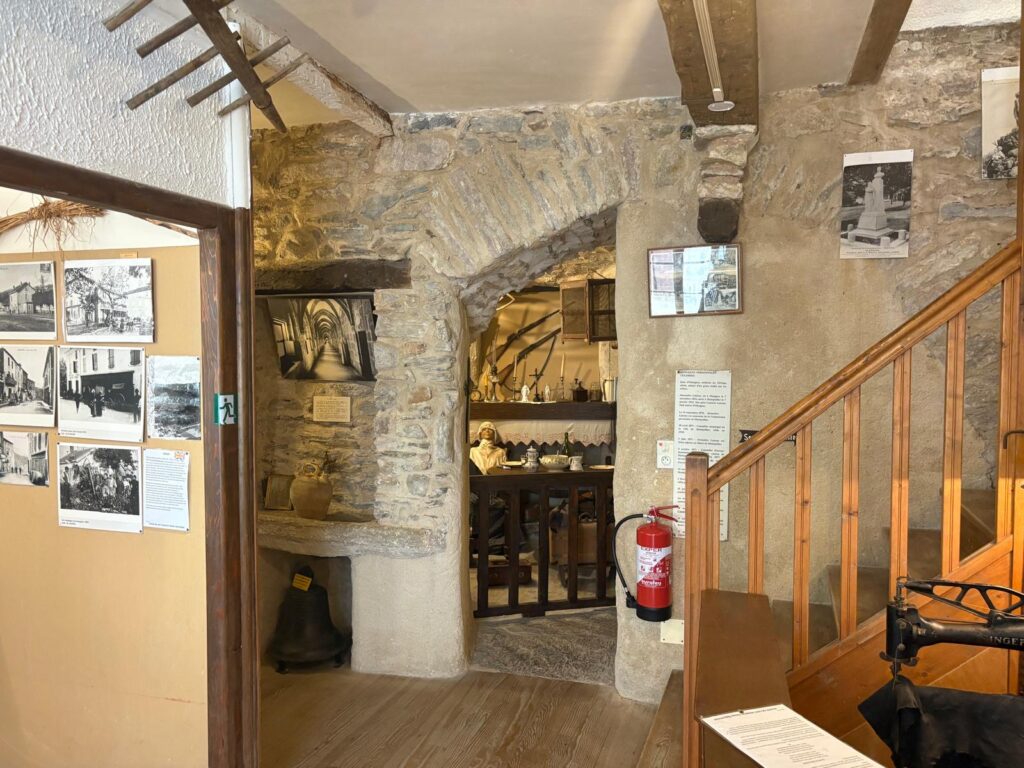
The setting, first and foremost, is great. The museum is over three floors on l’Escalier de la Commanderie (the Staircase of the Commandery), a building linking two streets which was built by the Knights Hospitaller of the Order of St John in the 14th century. Just what they were doing around here I’m not sure. But they seem to have had an extensive presence in Southern France. The museum is free to visit (but leave a donation if you can).
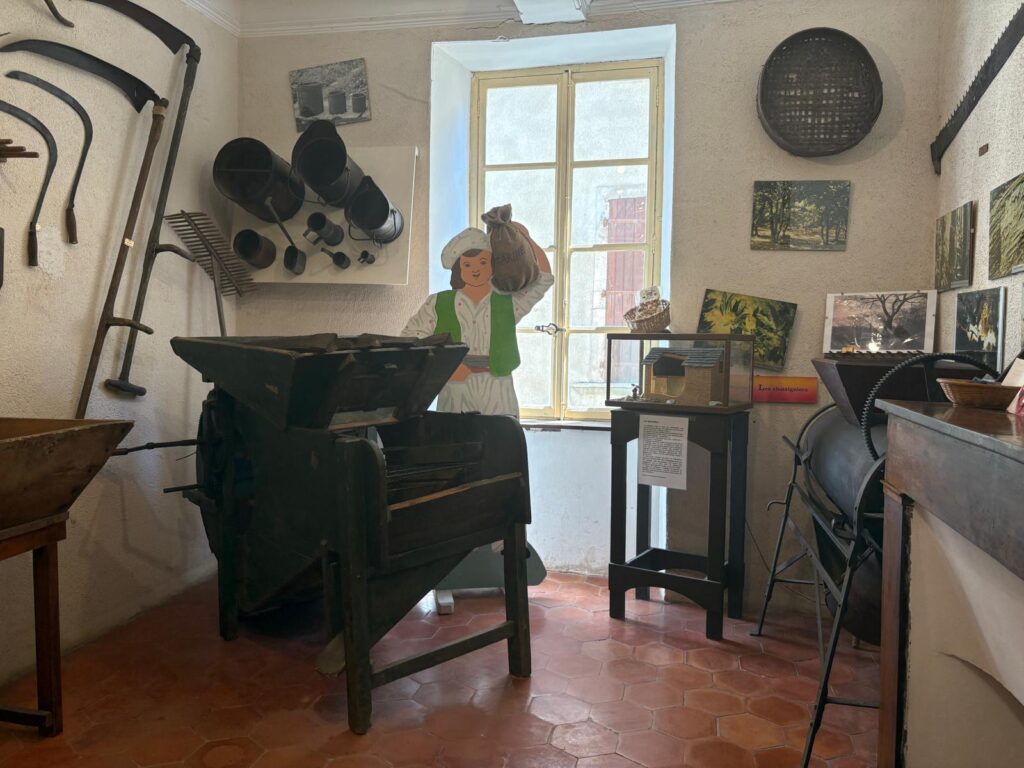
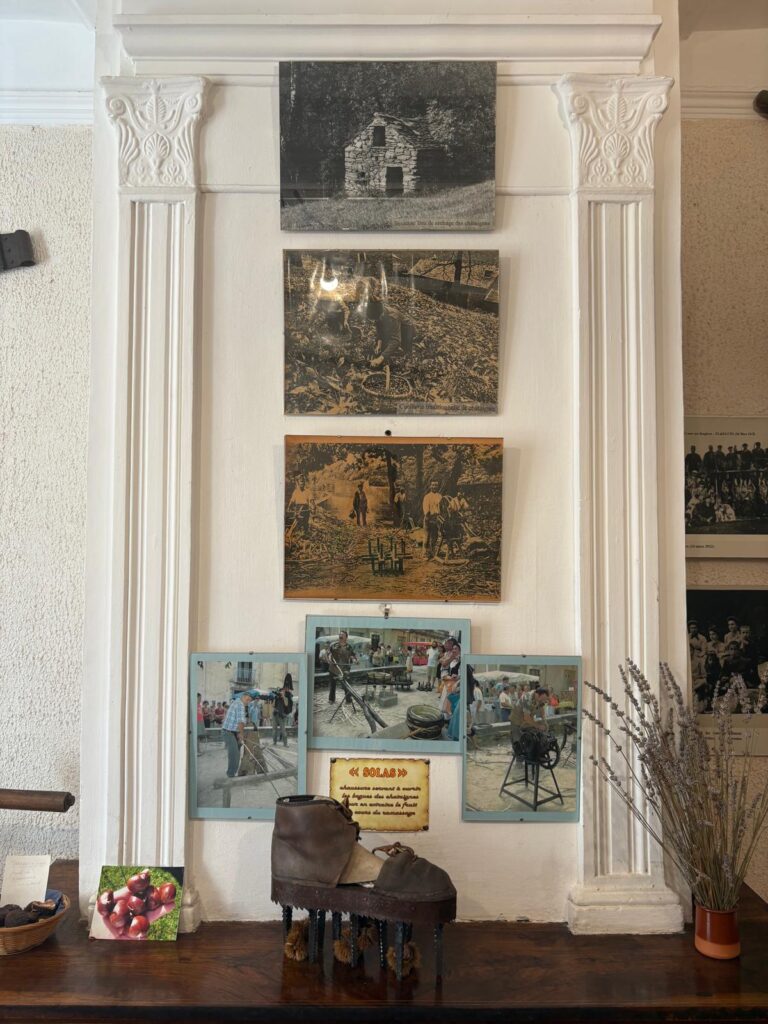
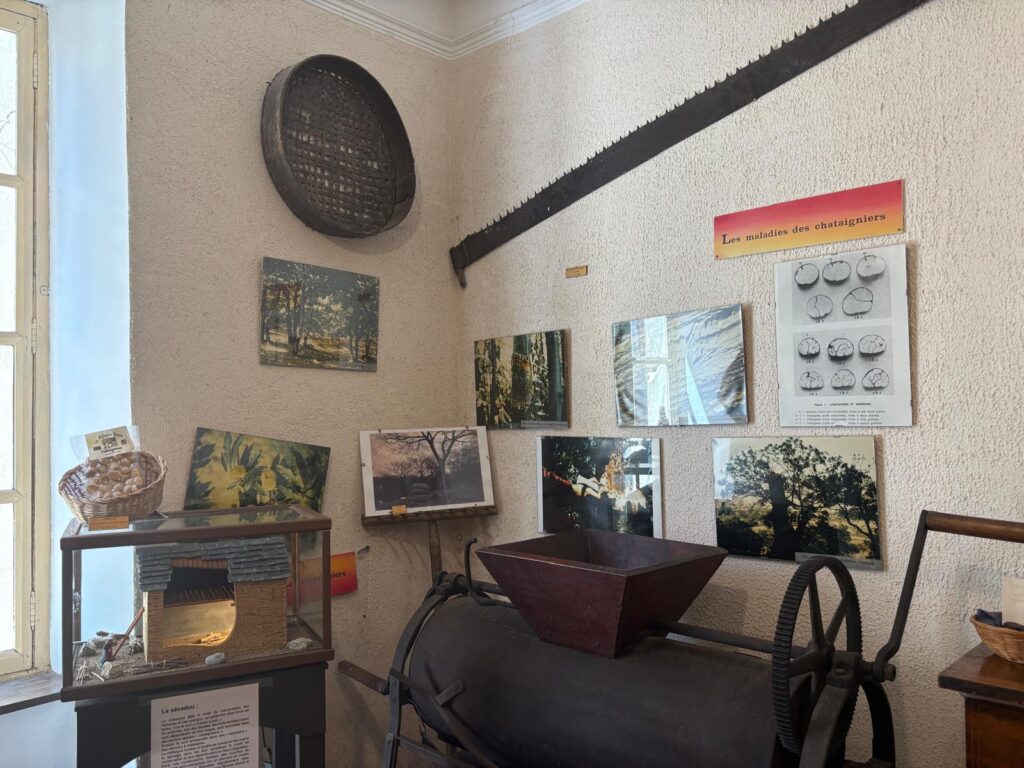
Le Musée d’Art et Traditions Populaires translates as the Museum of Popular Arts and Traditions. “Popular” here meaning “of the common people”. So the museum is essentially a museum of folk life and traditions. A memory store, if you will, for local lives from the medieval period to as far back as living memory now goes. Like a lot of local museums, the collection is clearly organic. Families and individuals have donated objects no longer in daily use, like tools and clothing. There are displays recreating a bedroom and kitchen, as well as information on education, religion, customs and local industries.
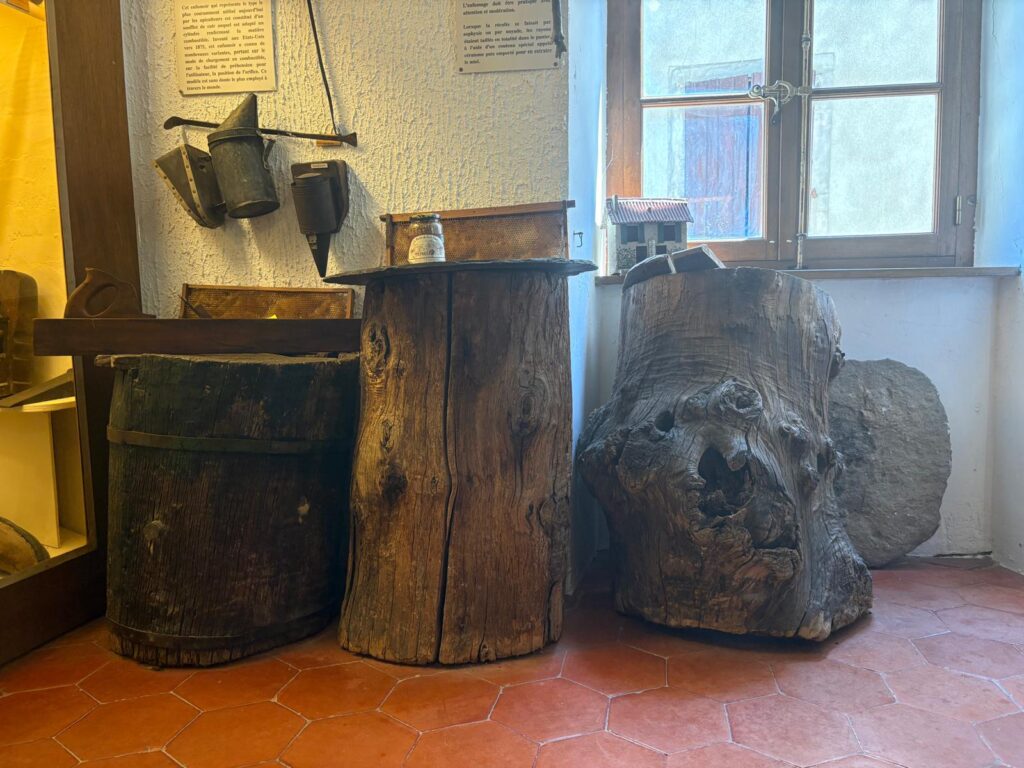
What did I learn from all this? I learned that chestnuts were an important local product. And that the people of Olargues made beehives from old tree trunks. I also learned that during construction of the village and castrum (citadel), a network of cisterns and wells was constructed to supply water. It explains why there’s a strange tunnel cutting through one of the rooms!
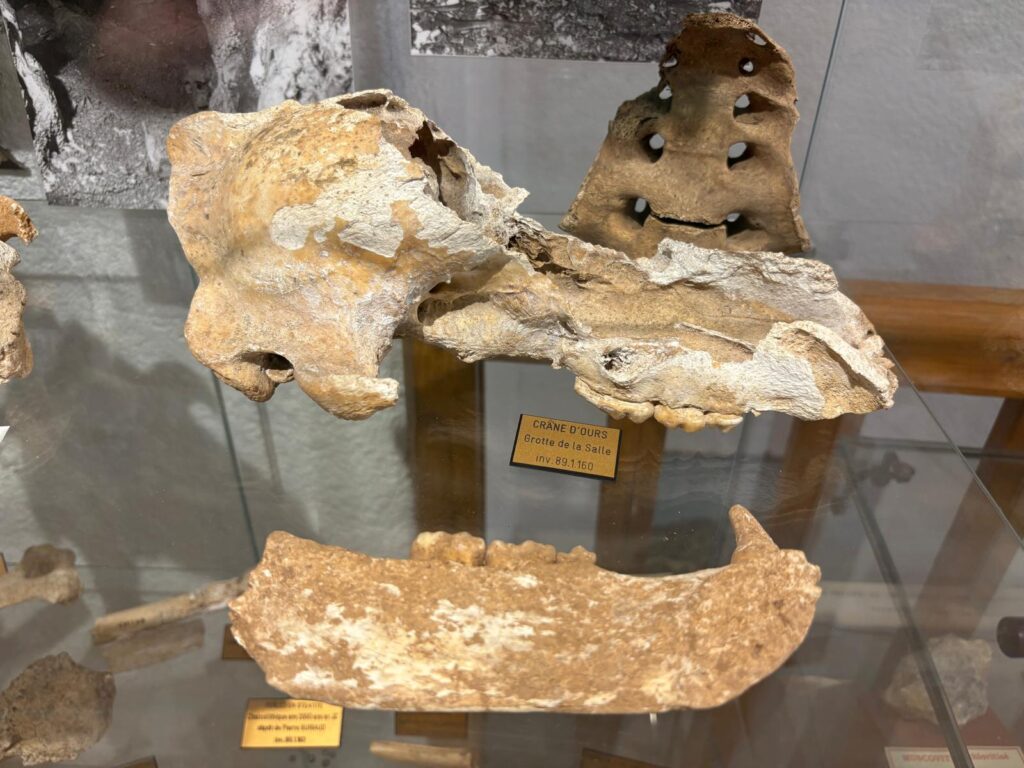
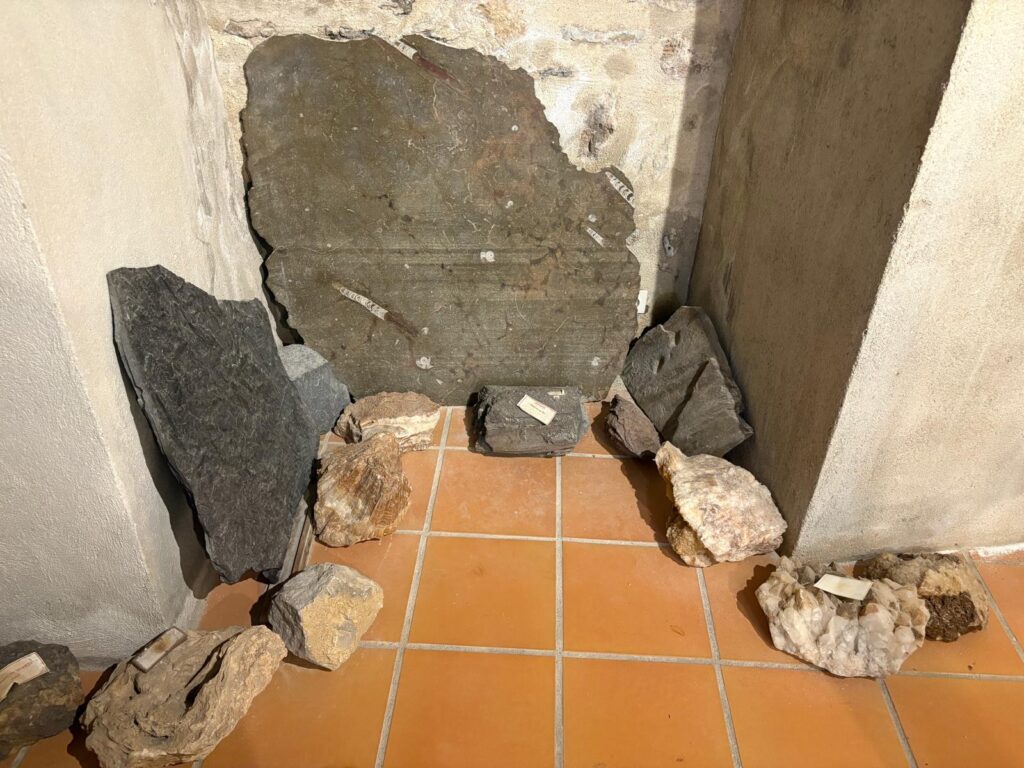
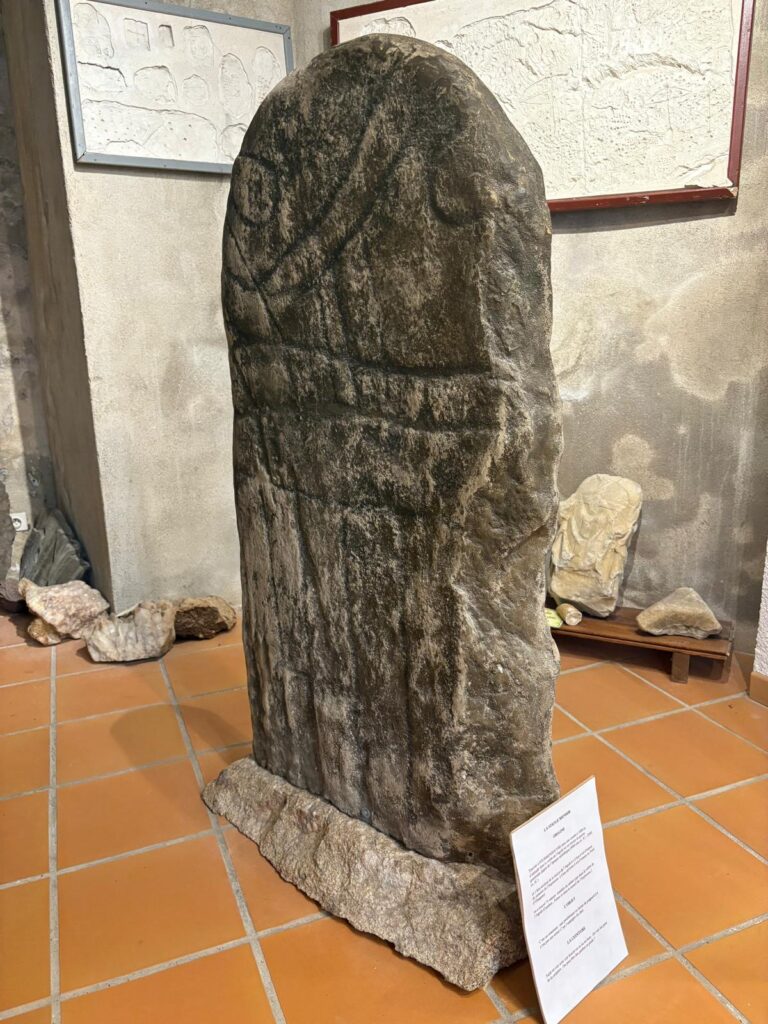
Memory Store for a Community
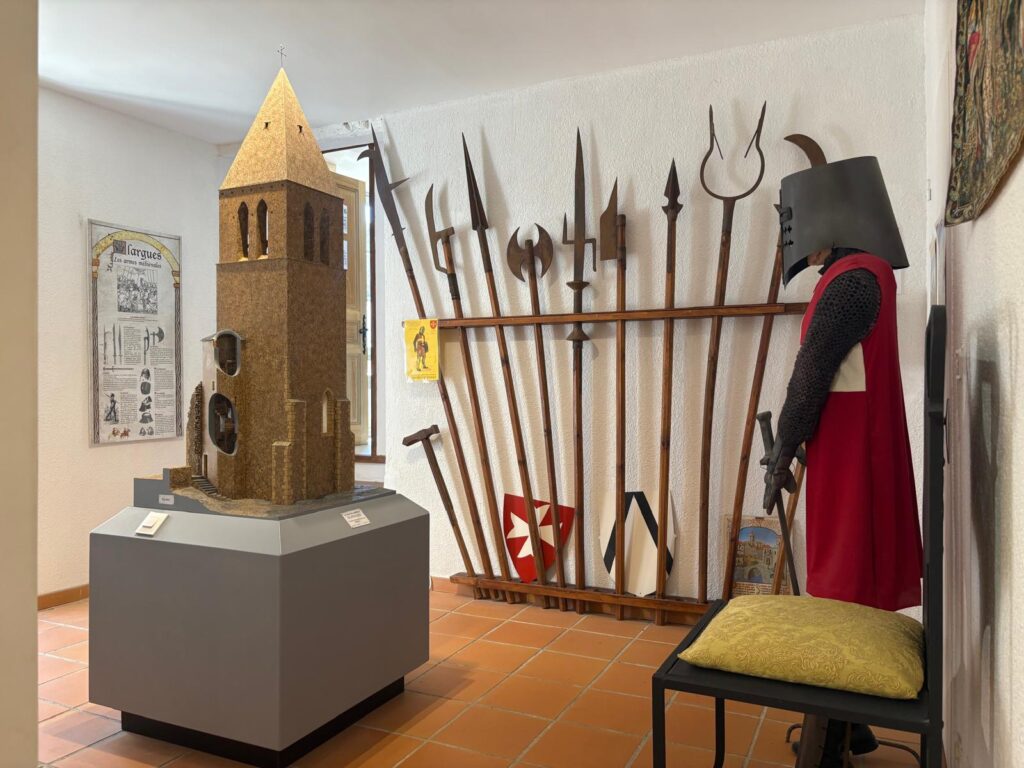
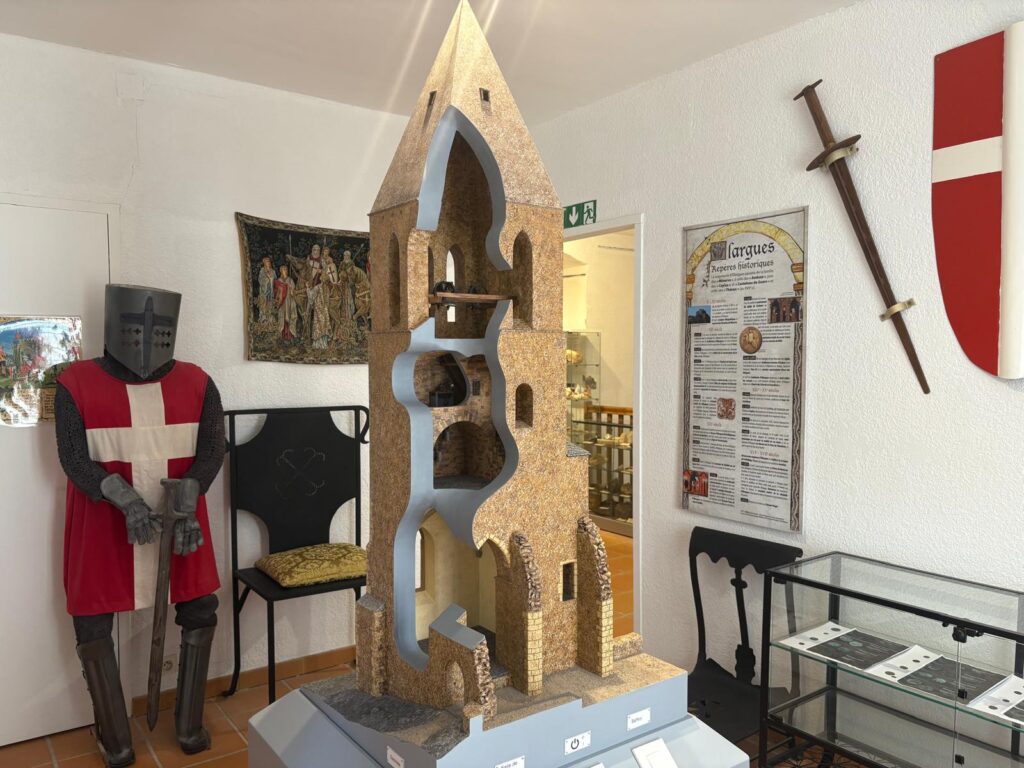
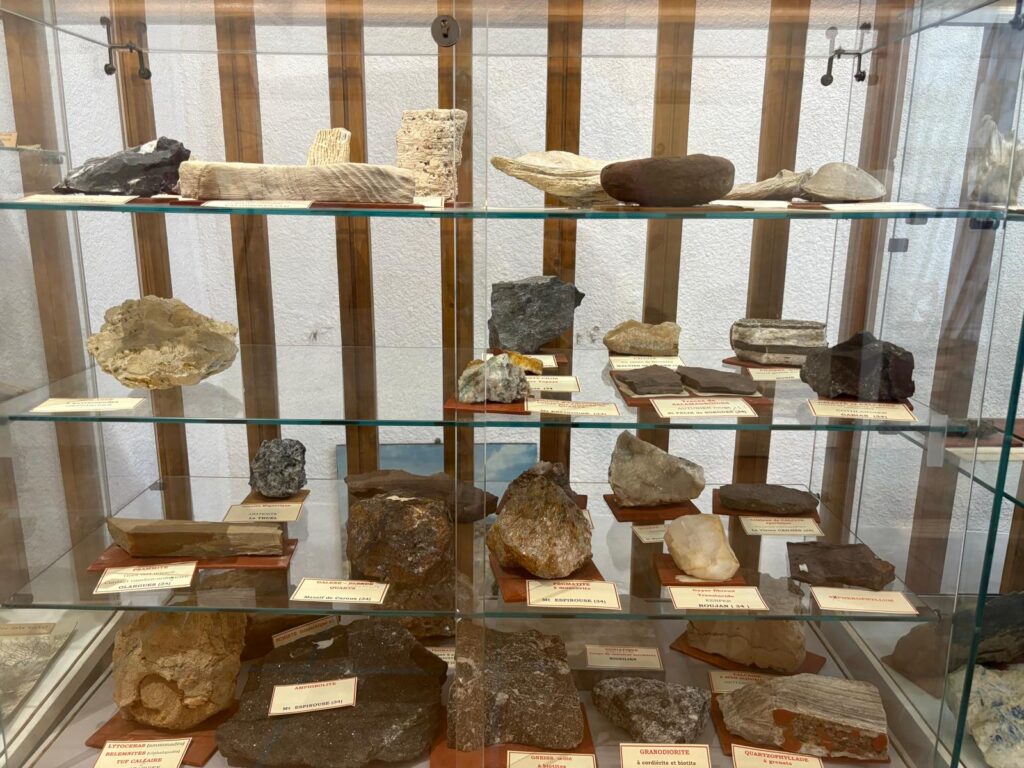
Upstairs, the museum strays a little from its core function. The focus is no longer local traditions, but the other sorts of local stories that need telling. There’s a room on the Knights Hospitaller and the citadel. A collection of local minerals and fossils. And what I could generously call a lapidarium (read a bunch of stones on the ground).
This is clearly a museum that doesn’t have a great deal of funding, but makes up for it in community support. As well as donating a lot of the collection, I suspect that local volunteers staff the museum, and help with the displays. This makes it quite charming, in a rustic way. No flashy museological displays here, but a community’s memories stored for future generations.
I would really not recommend travelling to Olargues just for the museum (that really was a crazy idea of mine). But if you’re in Olargues, it’s worth dropping by. You will learn a thing or two. And your support will help keep the museum going, hopefully for another few generations at least. Tours of Olargues also depart from here: regularly in French over the summer, other times by request, and in French, Spanish or Occitan by request.
Salterton Arts Review’s rating: 3/5
Trending
If you see this after your page is loaded completely, leafletJS files are missing.