
Leigh Bowery! – Tate Modern, London
Tate Modern’s Leigh Bowery! offers a vivid, if restrained, look at one of performance art’s most unruly icons.
Leigh Bowery!
Before you say anything, I know I’m at the point in the exhibition cycle again where I’m not leaving you much time to see things. My apologies. In my defense it’s a constantly busy museum and gallery scene in London. And I’m going to jump on the word ‘scene’ to move straight on to the subject of today’s exhibition, Leigh Bowery.
Bowery was born in Sunshine, Melbourne, in 1961, and came to recalibrate London’s visual language by the early 1980s. He arrived in London in 1980, and found fertile ground for his brand of living life as art amid Thatcher’s conservatism and cultural stagnation. His career unfolded across multiple roles: performance artist, designer, club promoter, model, and visual provocateur. The consistent point for Bowery across these roles was a relentless refusal to be pinned down.
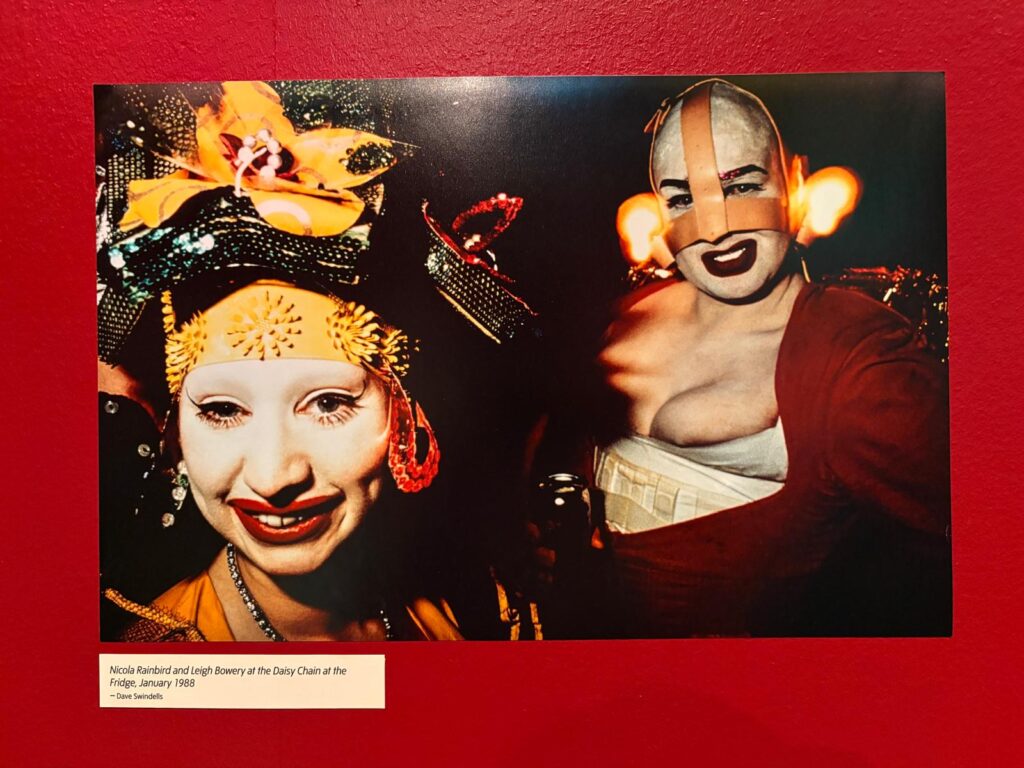
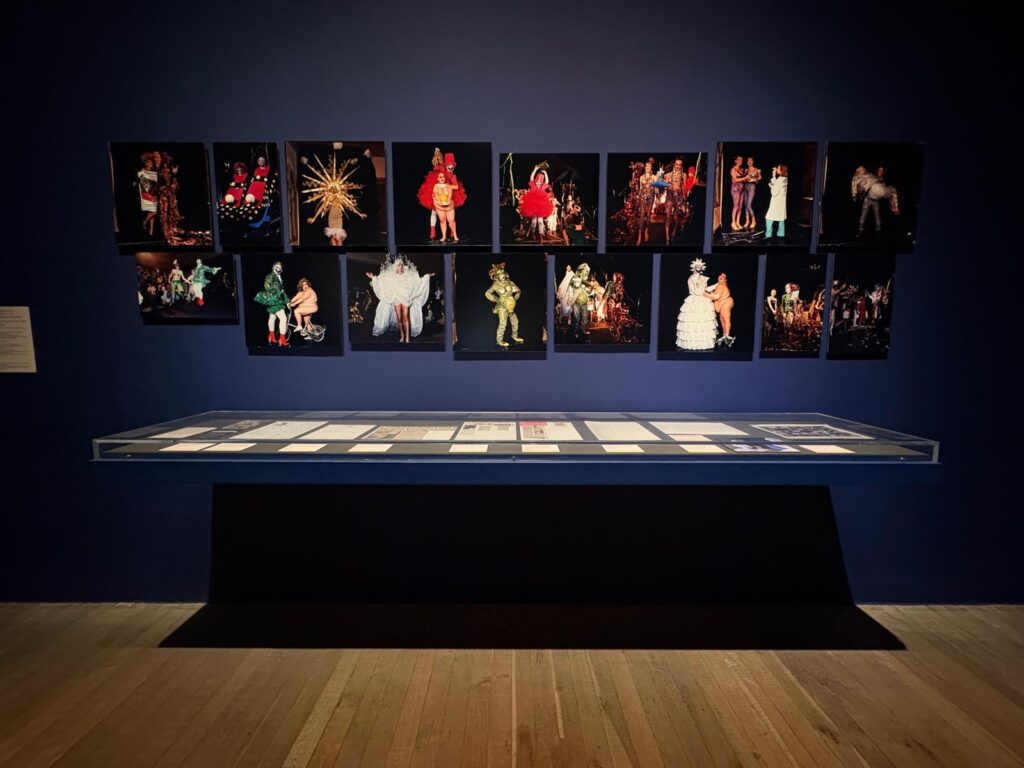
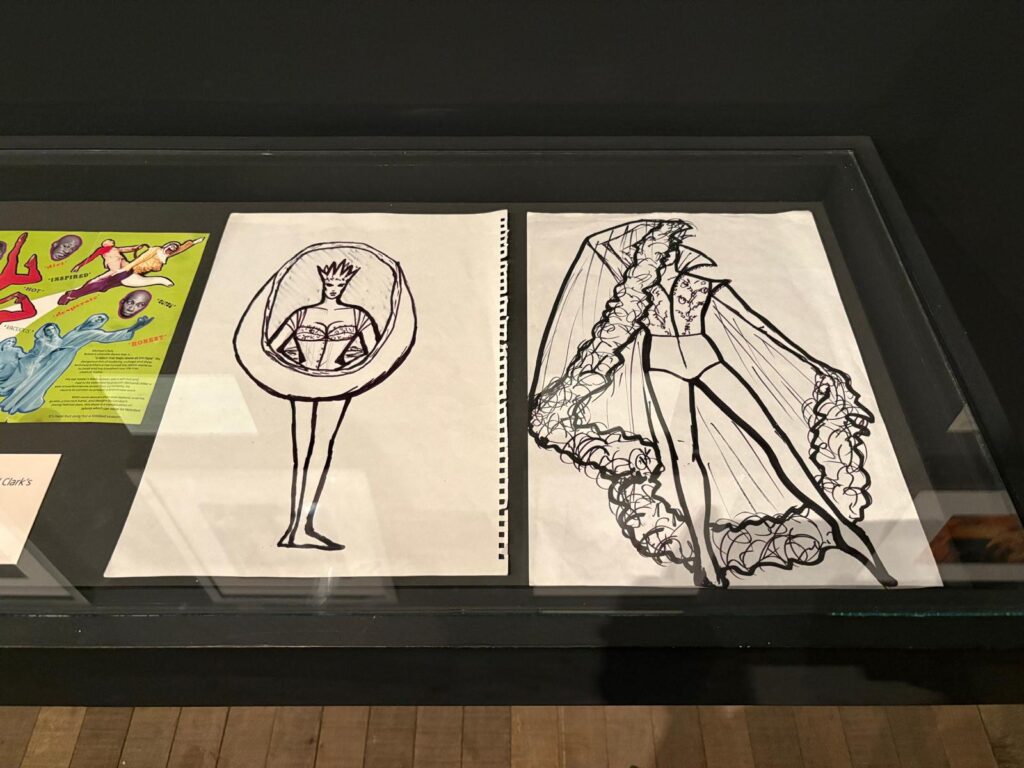
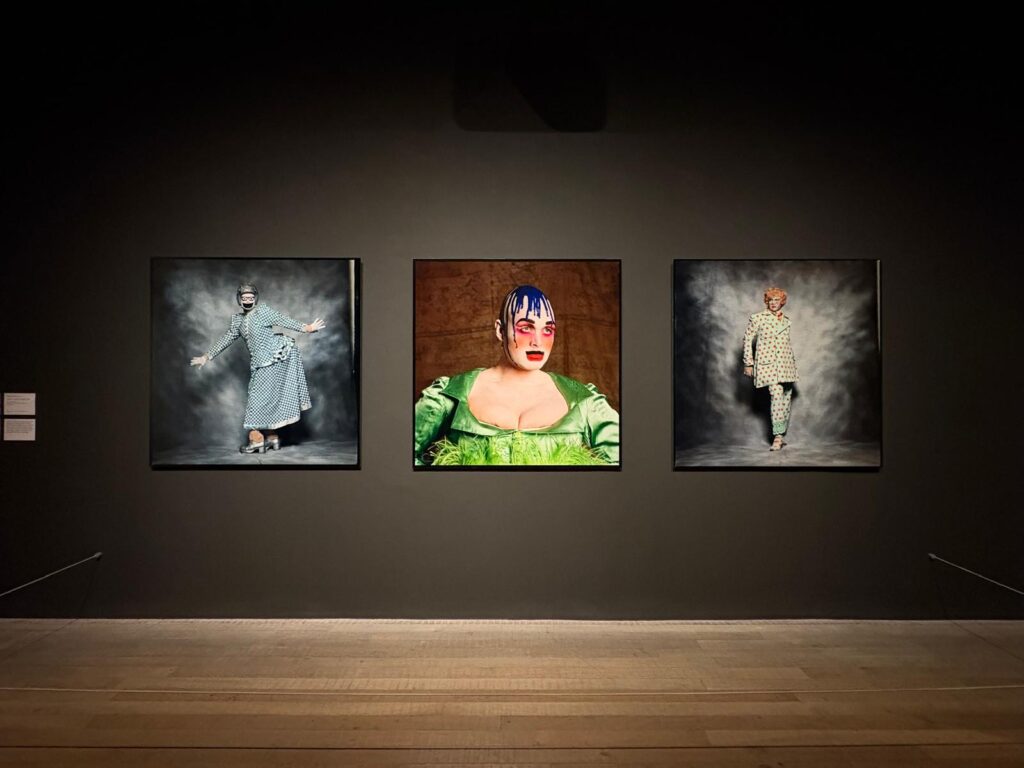
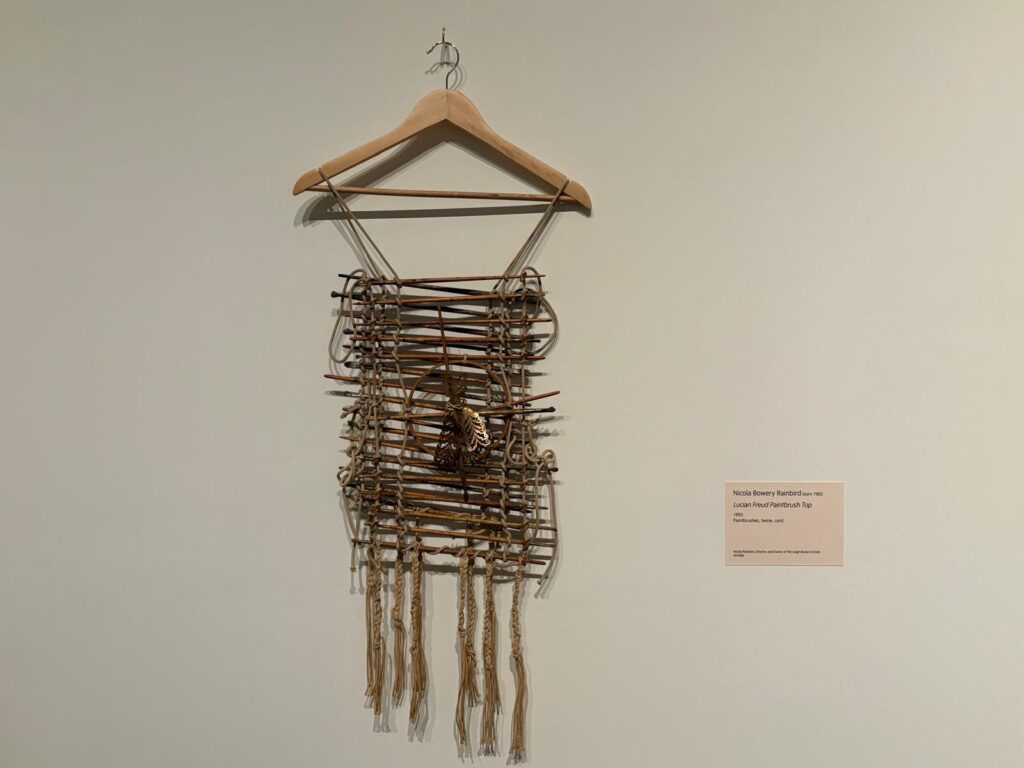
Bowery’s transformation into an icon began in earnest with the launch of his club Taboo in Leicester Square in 1985, a creative space where identity was constructed, dismantled, and reimagined nightly. Here, he premiered his elaborately theatrical “Looks”, costumes that fused couture, carnival, and the grotesque, often made with Nicola Rainbird.
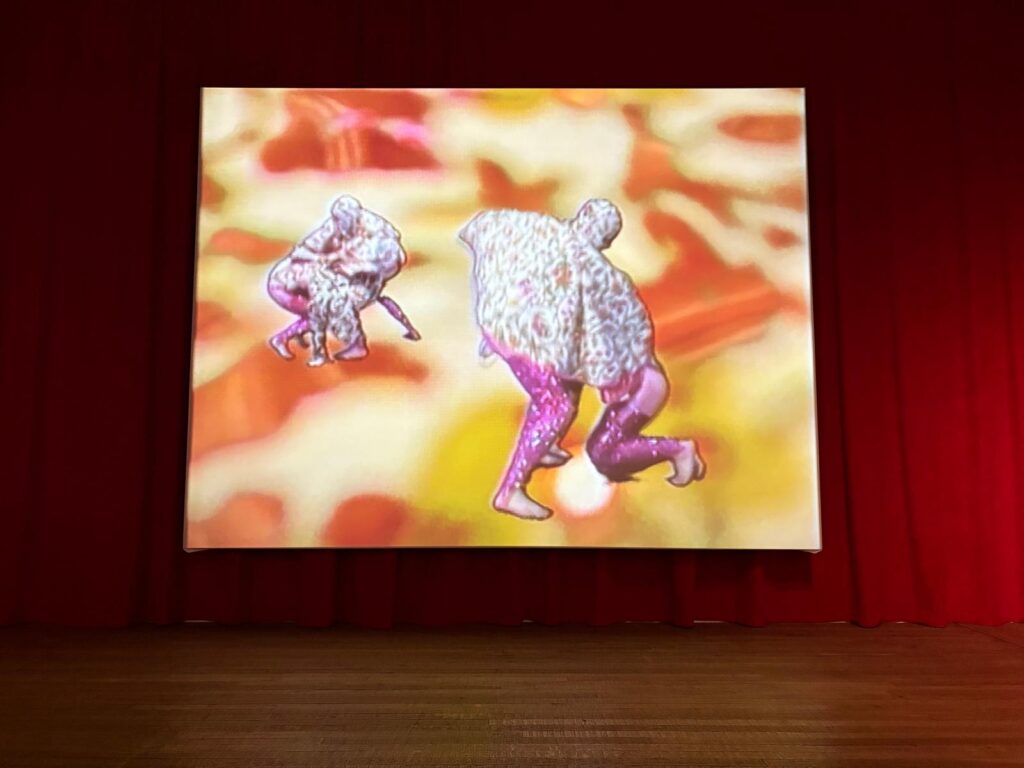
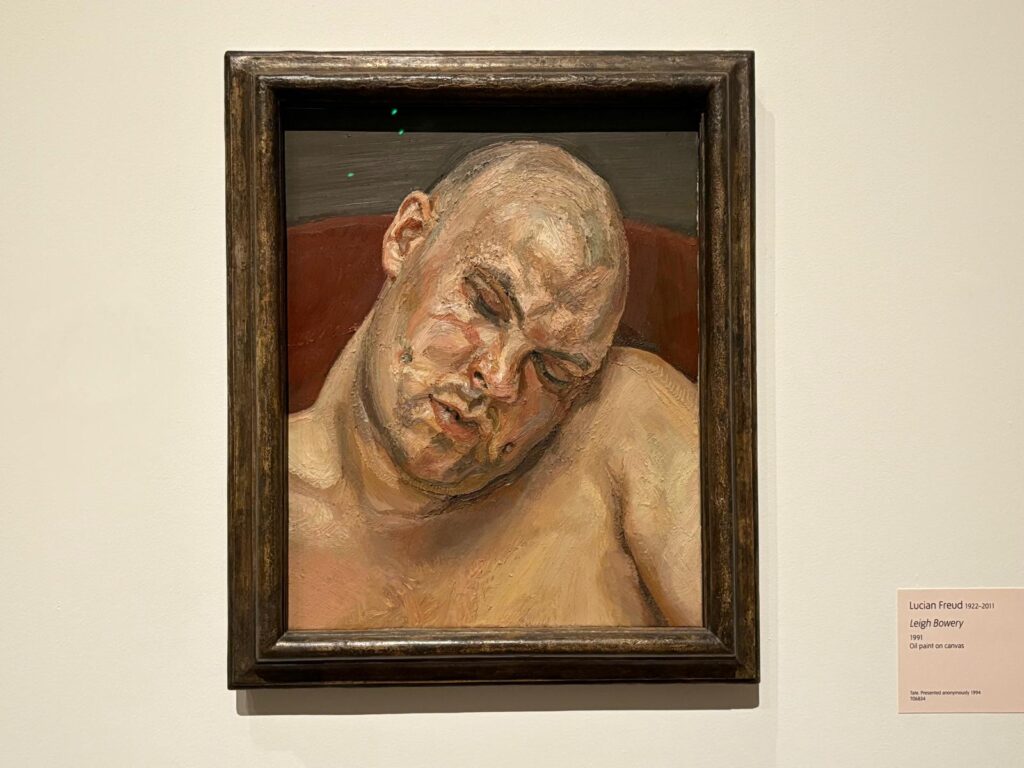
Beyond the club, Bowery’s collaborations continued. He made stage costumes for Michael Clark’s dance company and appeared in video works by Charles Atlas. In a striking shift, he became a muse for Lucian Freud, whose portraits included 1991’s Leigh Bowery and 1994’s Leigh Under the Skylight. These works laid bare his physical presence with unexpected intimacy, at a time when Bowery was already suffering from the AIDS-related illness that would kill him in 1994.
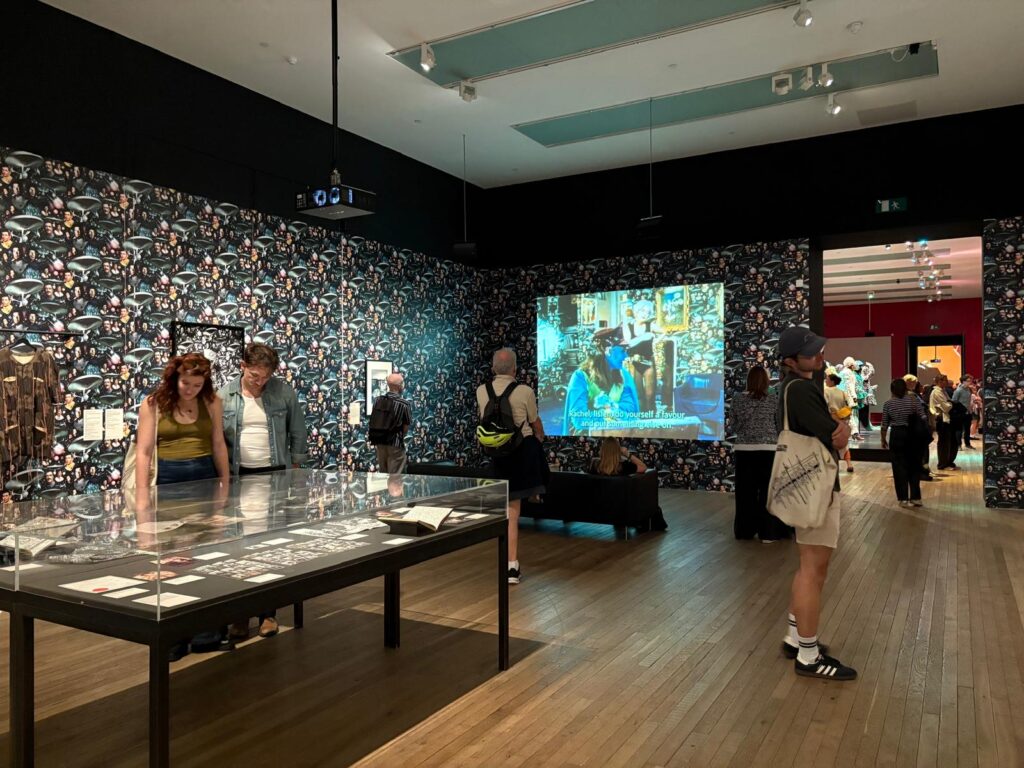
Tate Modern’s Leigh Bowery! exhibition underscores his legacy as a dynamic artist who turned his body and identity into an ongoing performance. Curated in collaboration with Rainbird, the show presents his journey across rooms titled Home, Club, Stage, and Beyond, each section charting his developing persona through costume, film, photography, and objects.
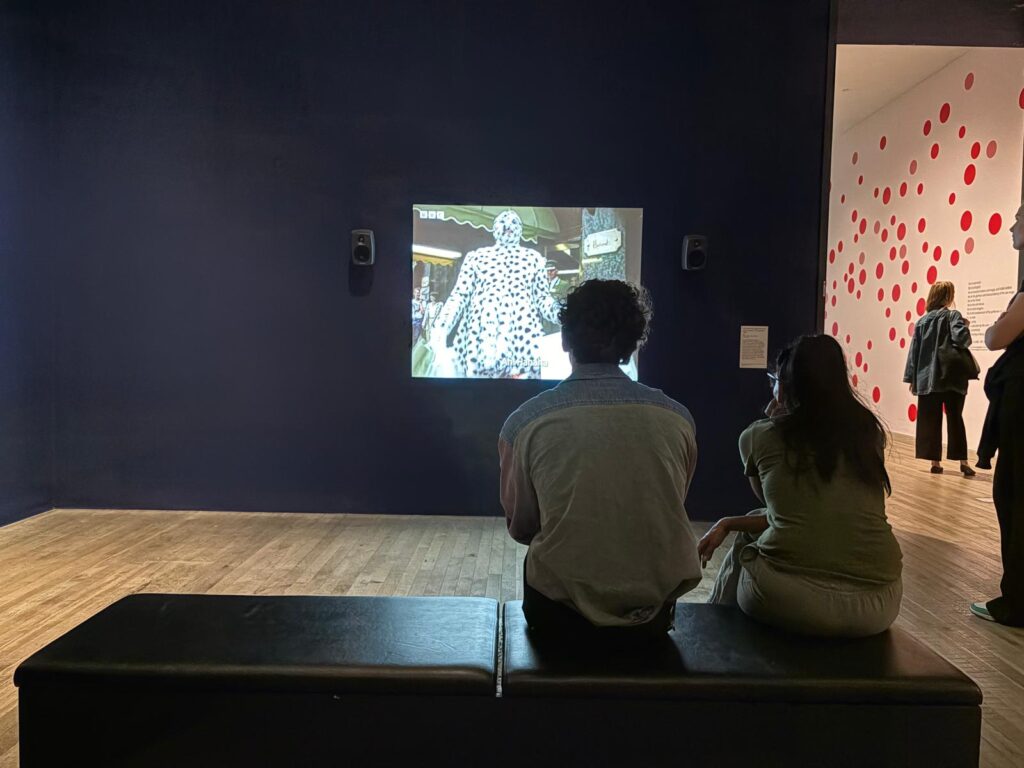
The 1980s Subculture Context
The London Bowery arrived in was drab and post-industrial, still grappling with strikes, Thatcherism, and decaying postwar industry. But it’s in these sorts of gaps that counterculture thrives. The early 1980s saw a coalescence of subcultural movements (New Romantics, body artists, drag performers, punks) who treated the body as stage and canvas. Nightclubs became places of invention, where dressing up could be a form of resistance.
The scene that formed around clubs like Blitz, Heaven, and later Taboo fed directly into fashion, music, and performance. It was theatrical, driven by the energy of those who lived by night. Art was expressed through bodies and fabric, gesture and pose. Costumes could be delicate, absurd, aggressive, or obscene, but always deliberate. Bowery thrived in this environment. His work cannot be disentangled from the 1980s appetite for ambiguity and pastiche, nor from its hunger to dissolve old categories of gender and good taste.
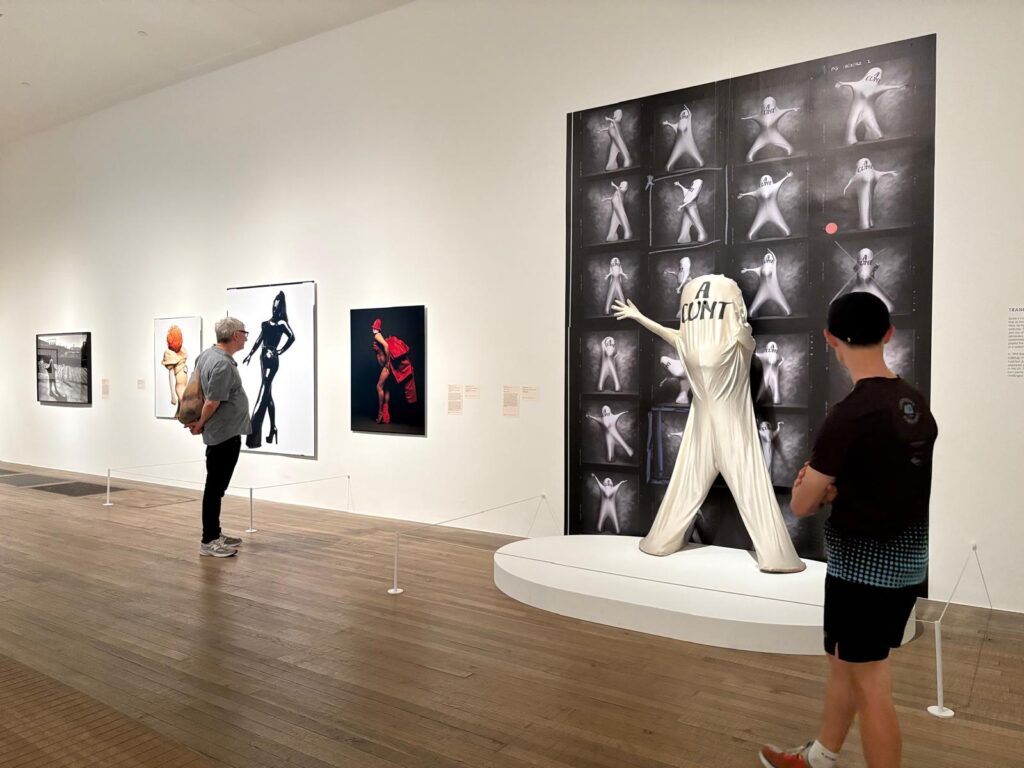
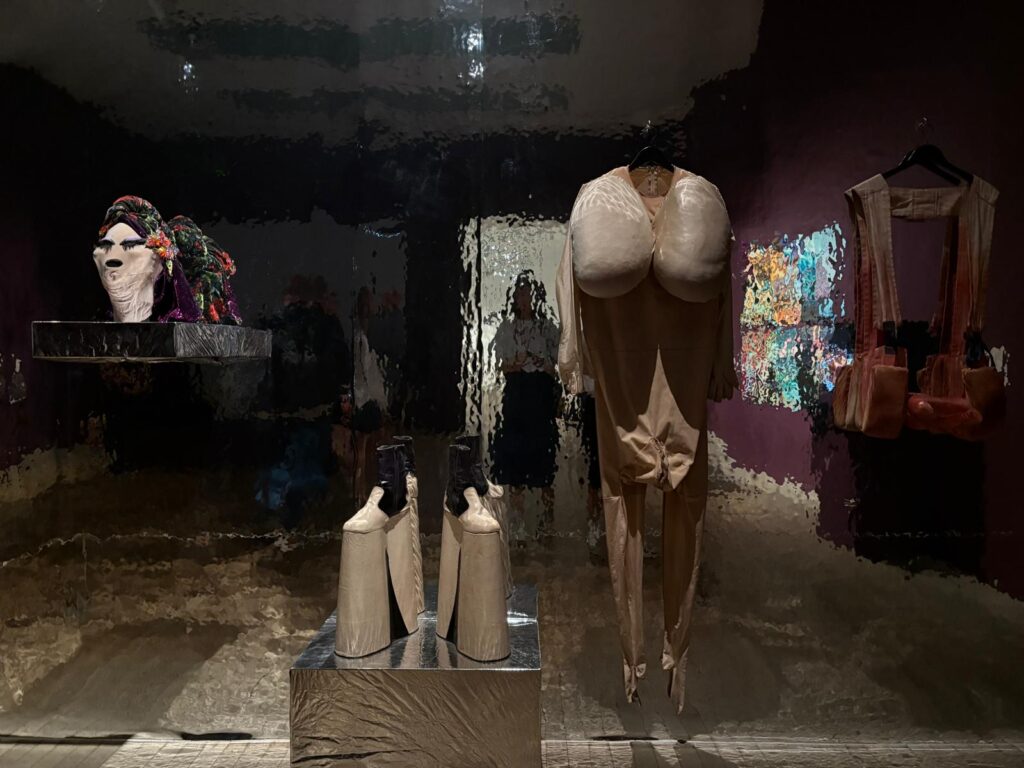
As far as we know from this exhibition, Bowery entered this world fully formed. His early appearances showed a commitment to scale and difficulty that set him apart. Bald caps, masks, and foam constructions turned his body into a sculptural site. Zippers appeared where mouths should be. Lycra smoothed away joints and erased anatomy. Bowery was one of the few who pushed this “club kid” ethos to its furthest extreme, creating looks so sculptural and strange that they demanded to be treated as artworks. His fusion of glamour and grotesque owed something to Dada, something to Leigh’s Australian theatricality perhaps, but also something to the urgency of 1980s queer identity politics. And yet his practice also relied on sewing skills learned at home and an outsider’s instinct for scale.
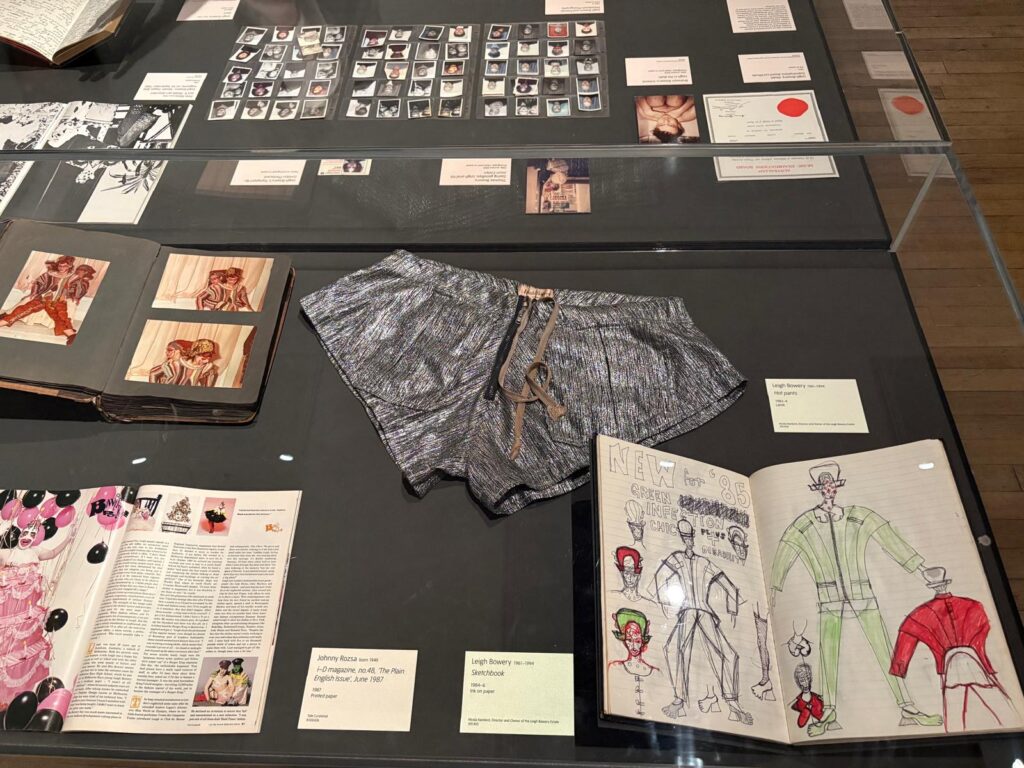
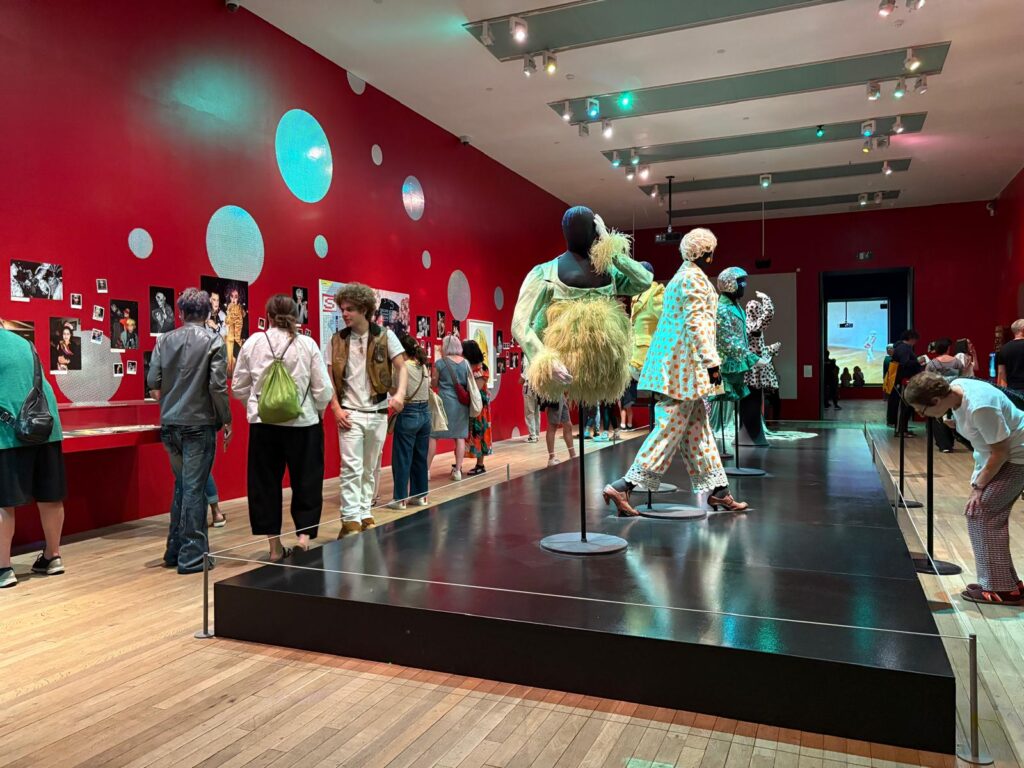
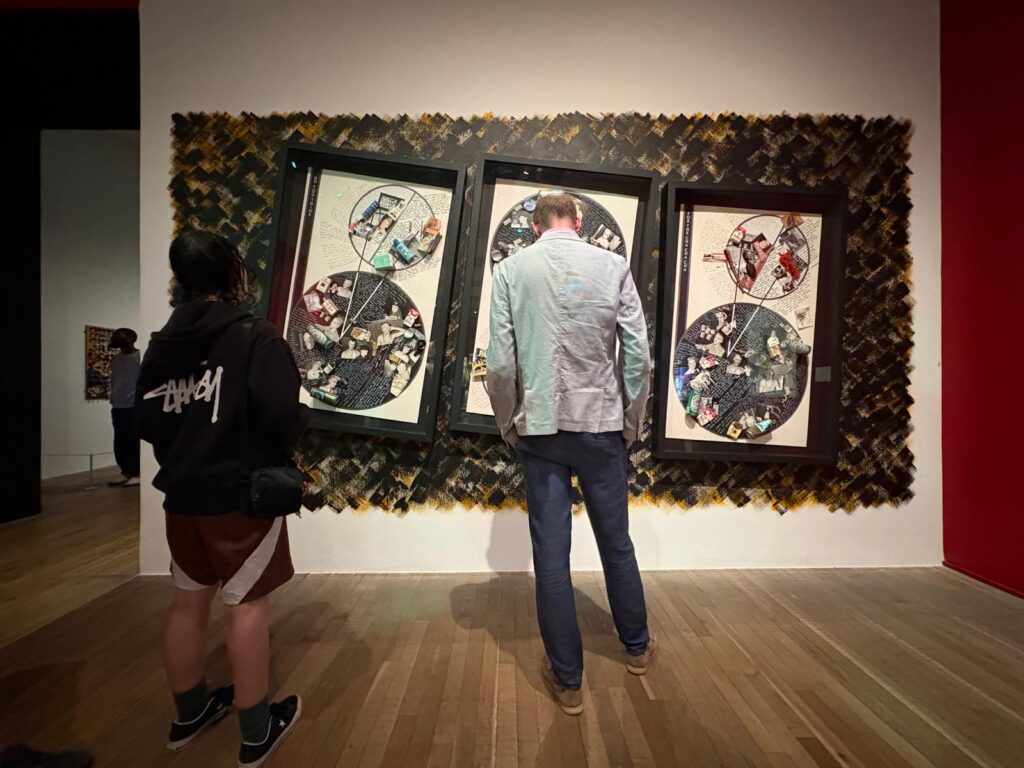
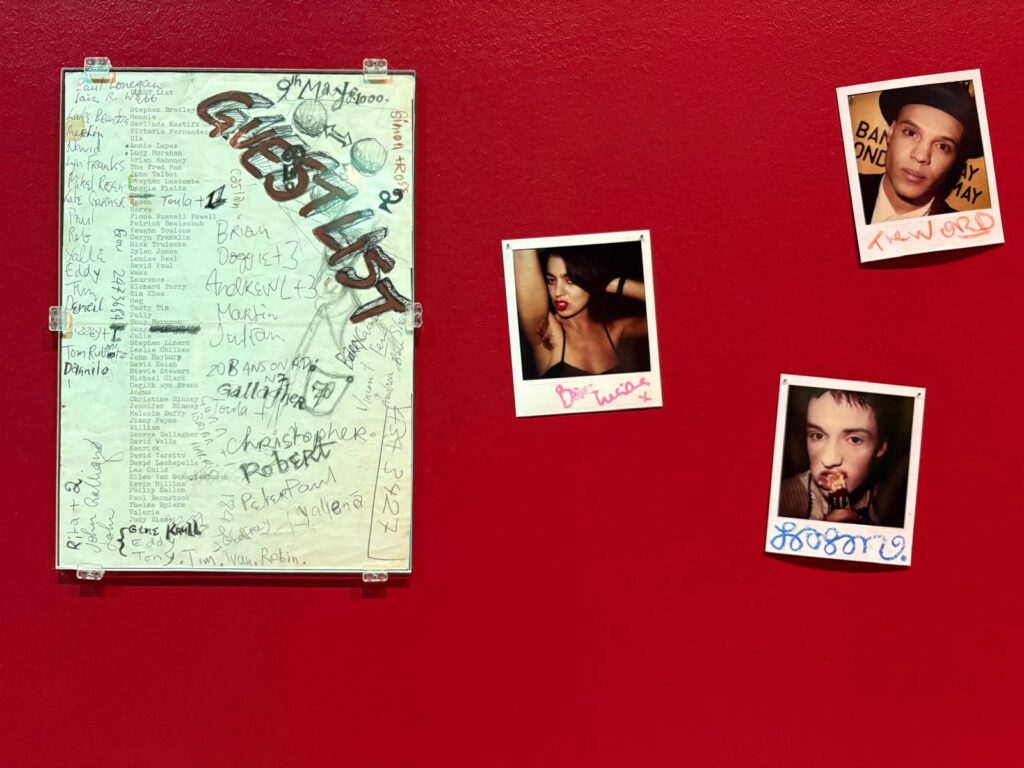
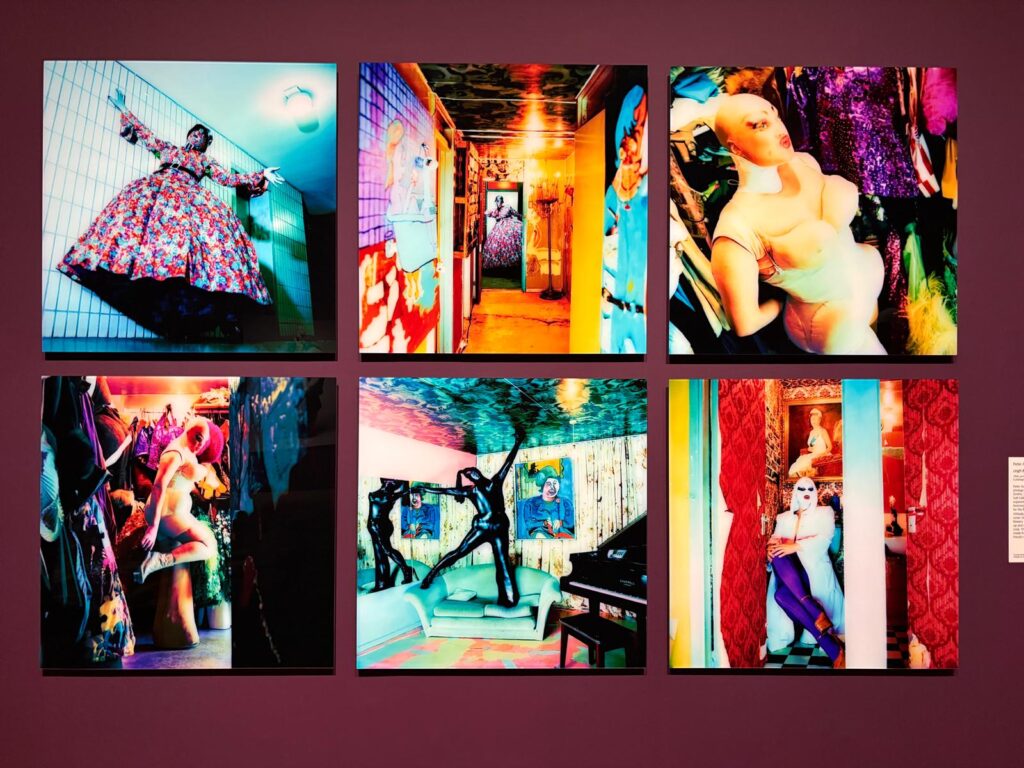
This context is a constant throughout the exhibition. A gallery of Polaroids, video documentation, guest lists and early garments shows Bowery as both product and provocateur of his time. He was in the thick of a generation dismantling conventions in real time, using nightlife as a means of aesthetic and personal transformation.
Bringing Bowery Into the Gallery
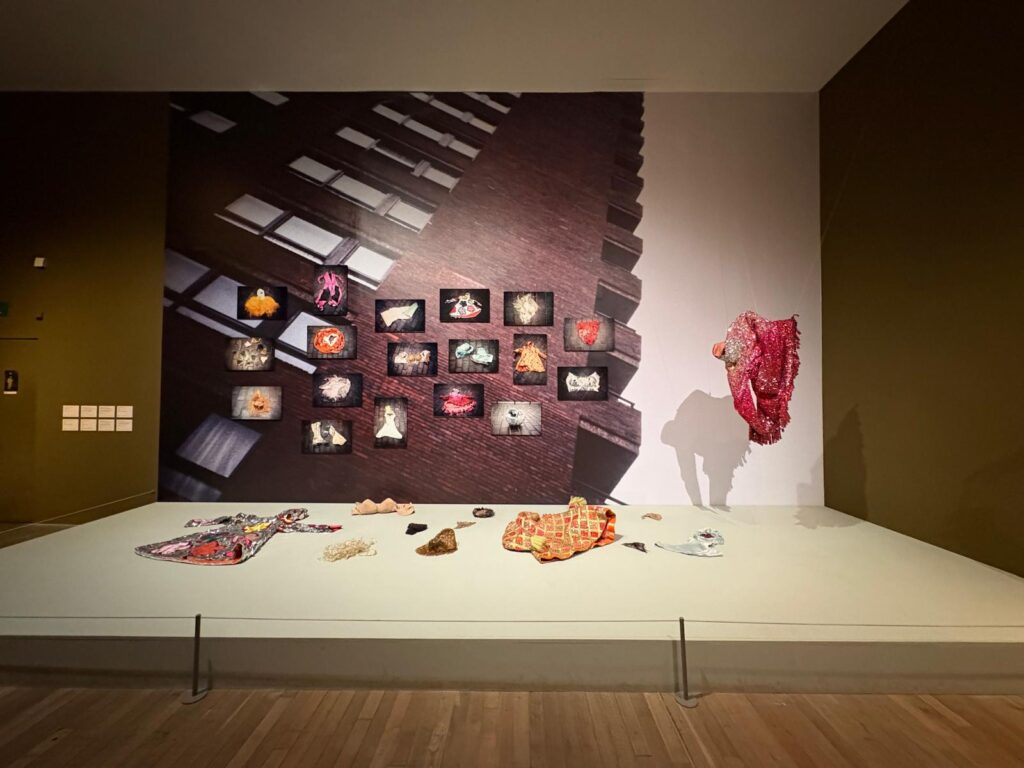
A good chunk of what’s on show here comes from Nicola Rainbird’s private collection. She wasn’t just Bowery’s collaborator but his co-designer and, eventually, his wife. That detail often gets flattened into a footnote, but even if it was somewhat utilitarian (to avoid possible deportation) it indicates the closeness and trust between them. Their partnership shaped many of the more technically ambitious Looks. You can see that joint authorship in the garments themselves and the images and videos of the pair throughout the exhibition.
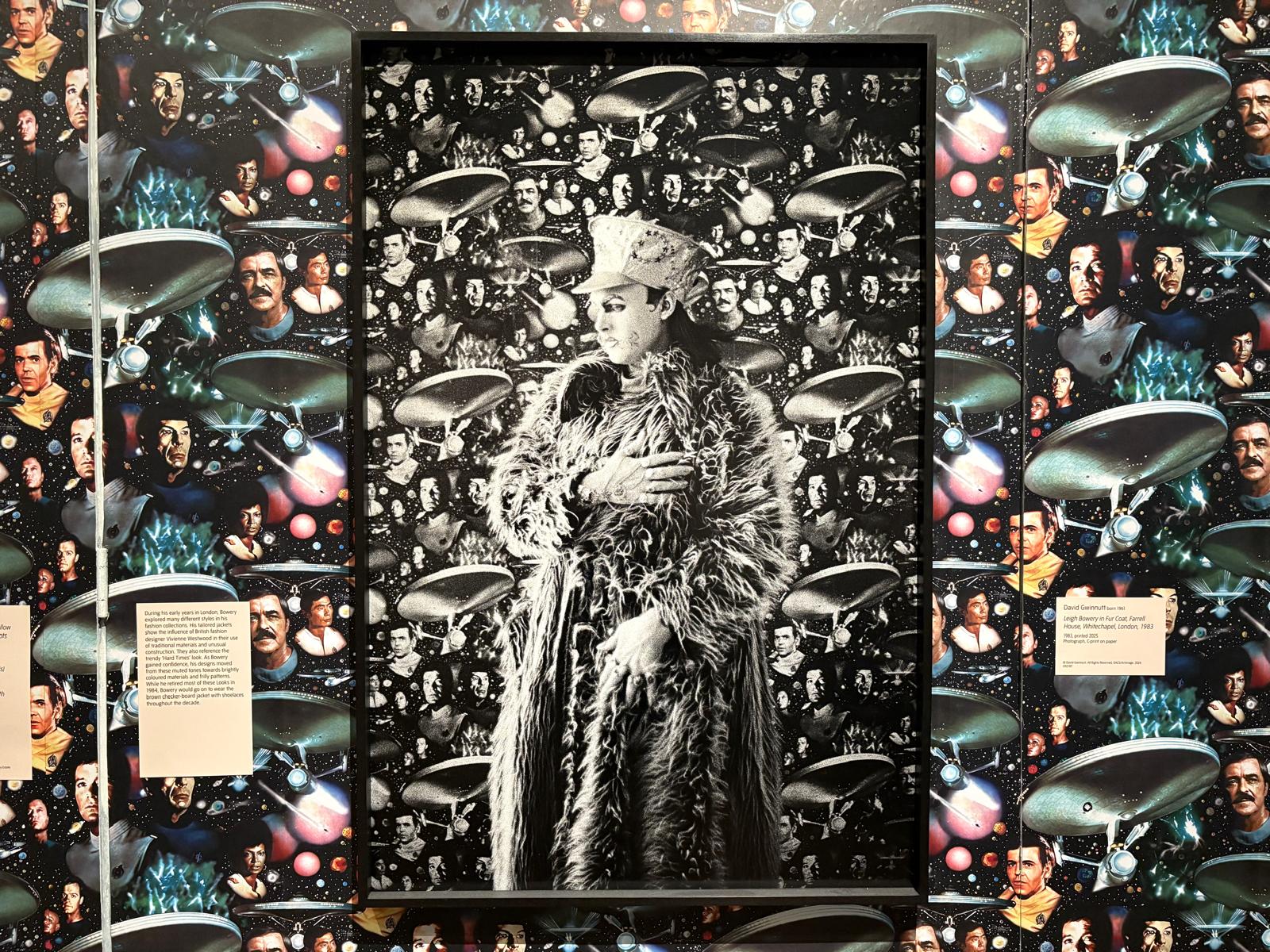
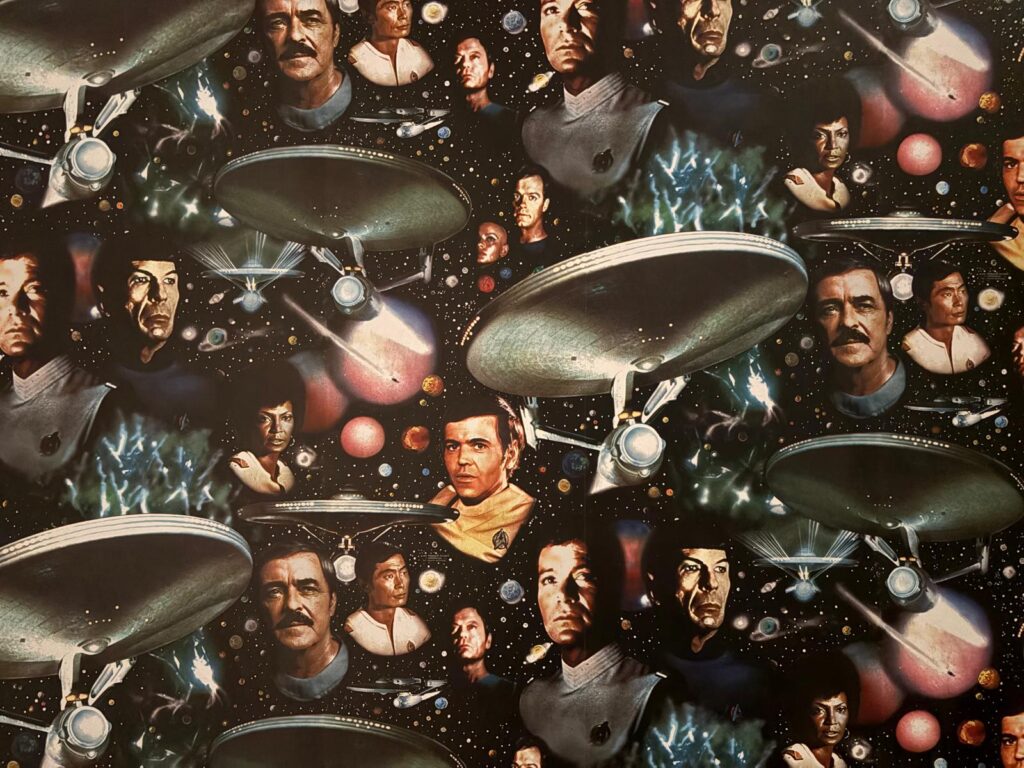
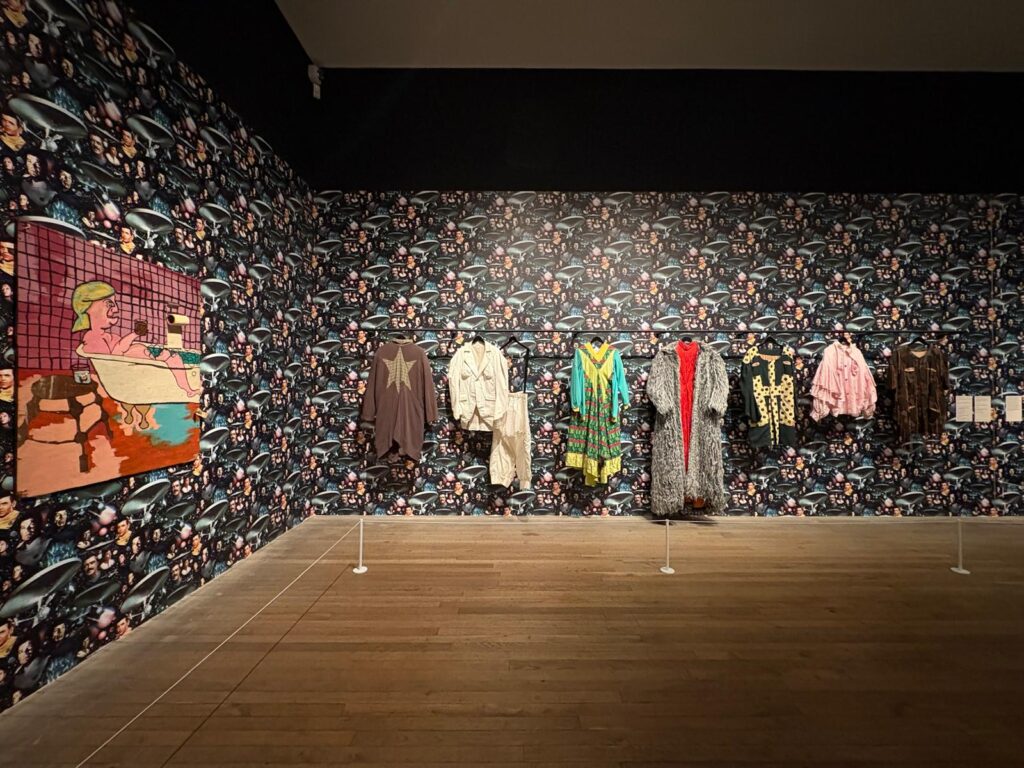
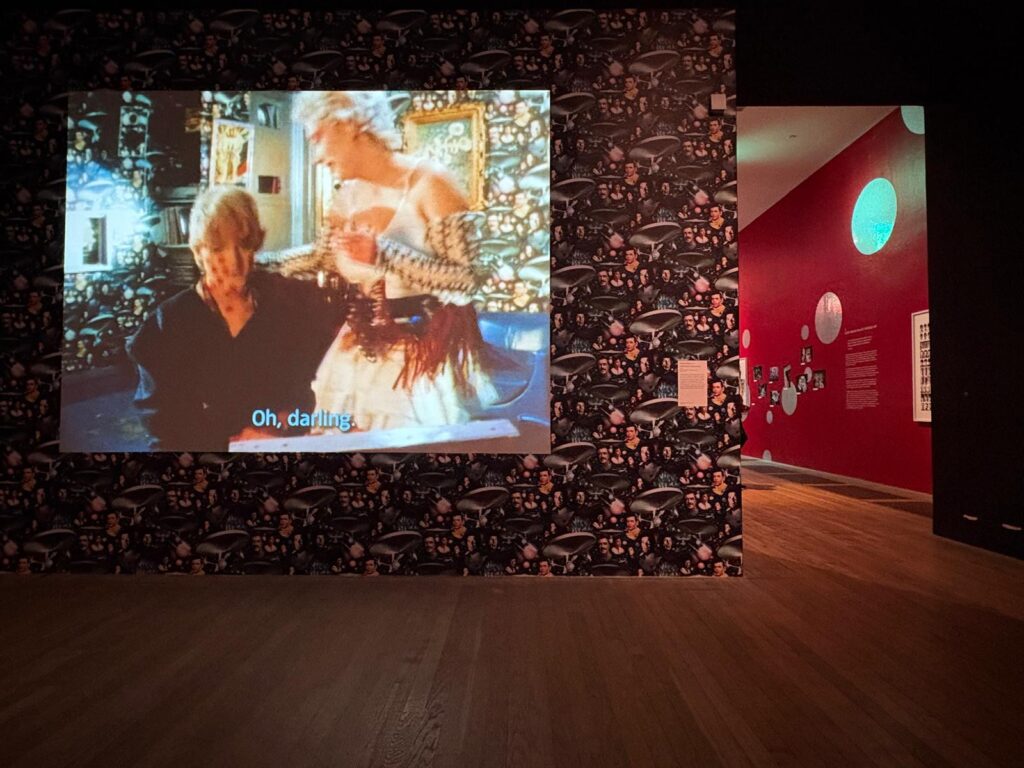
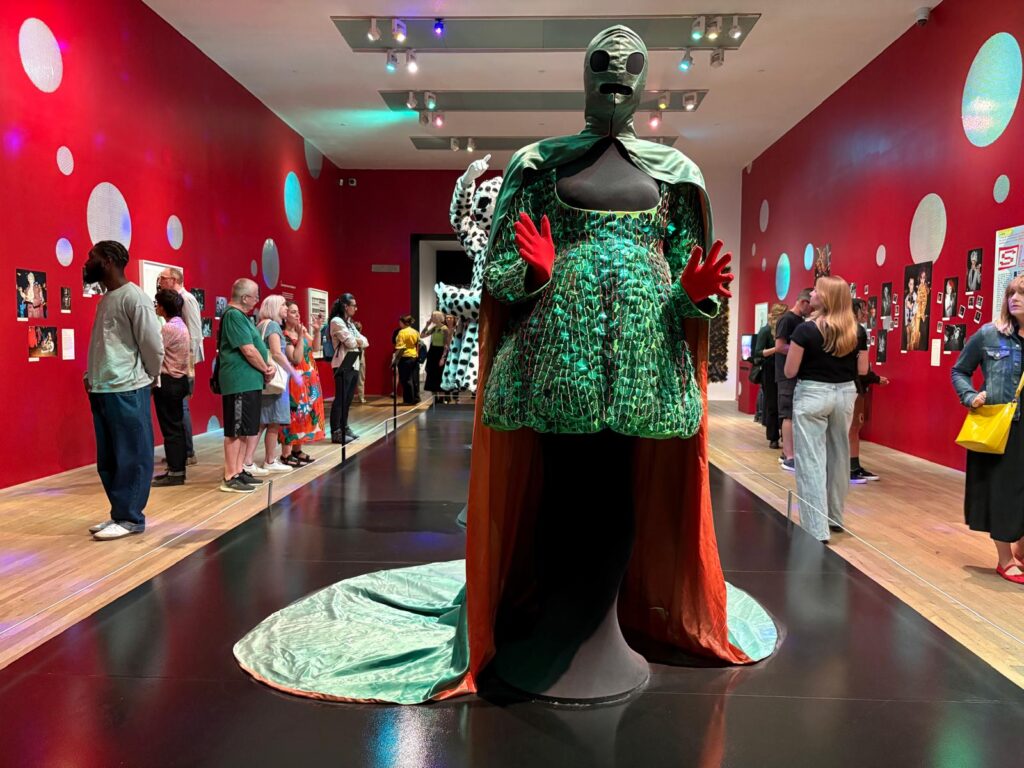
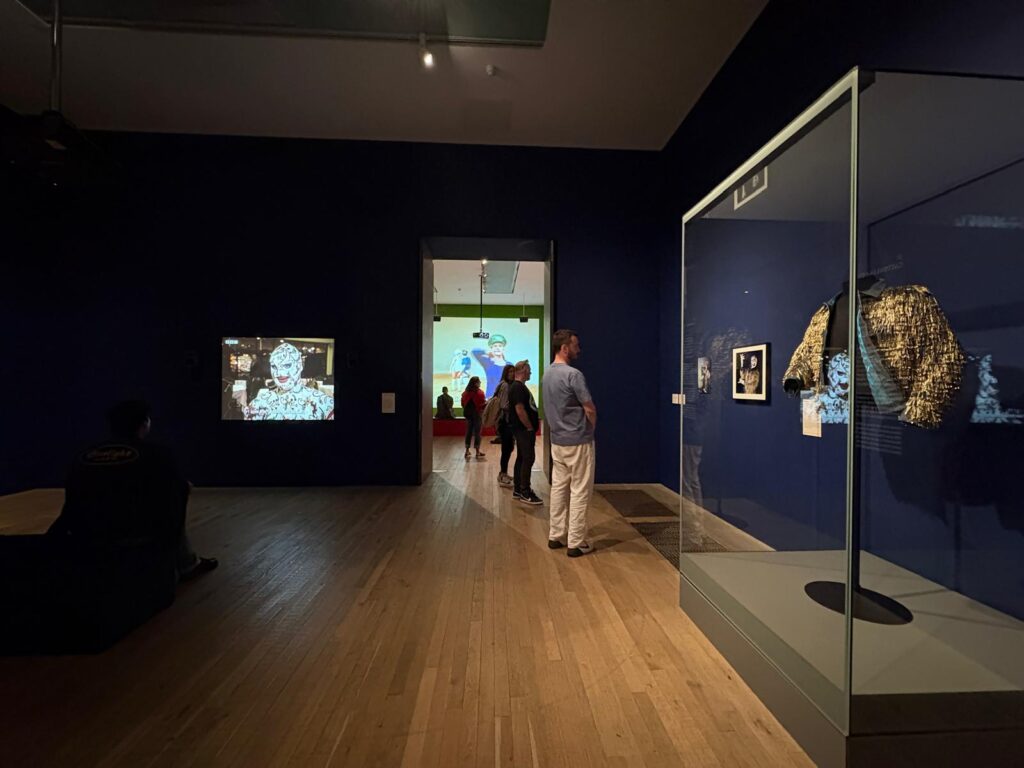
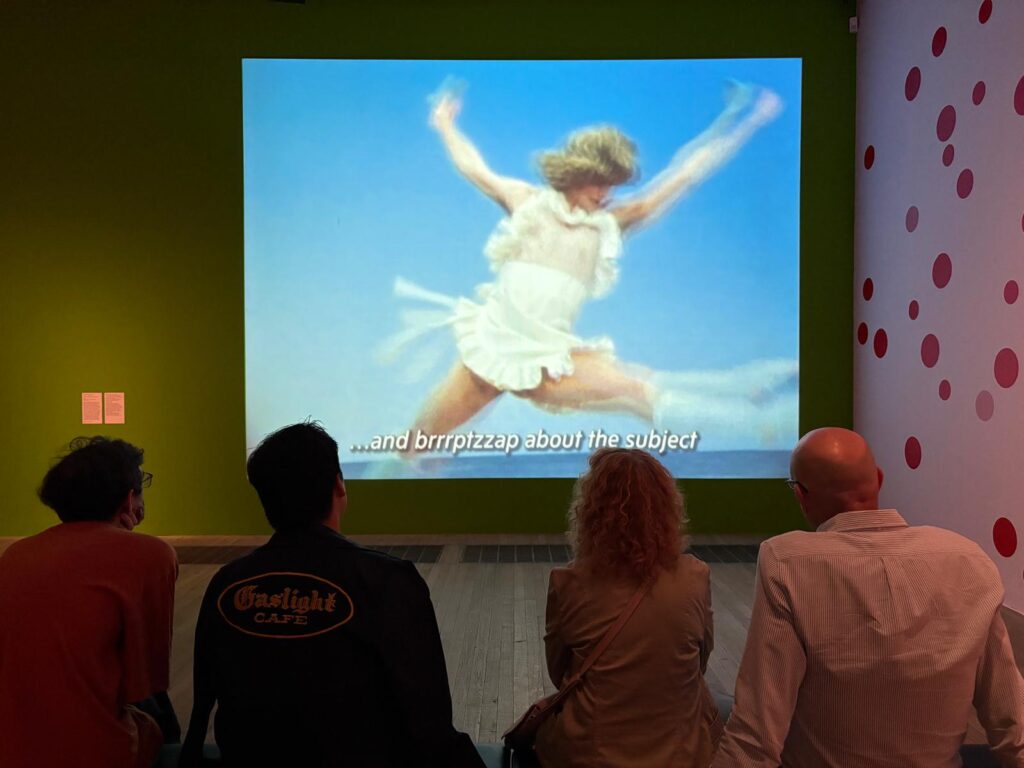
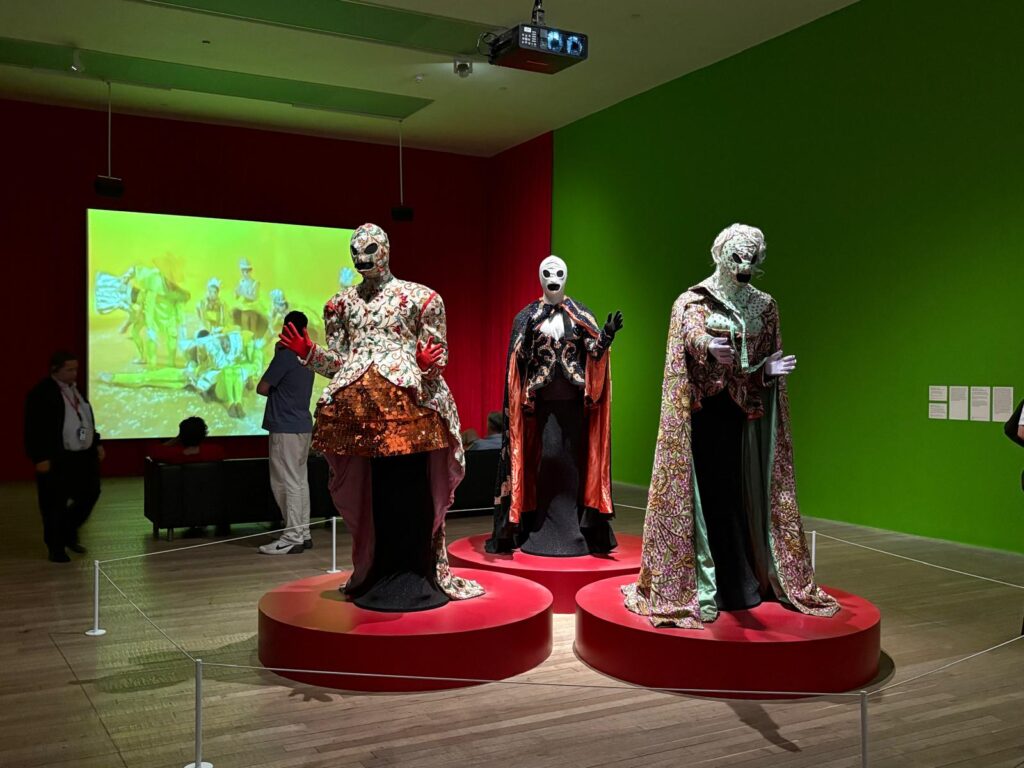
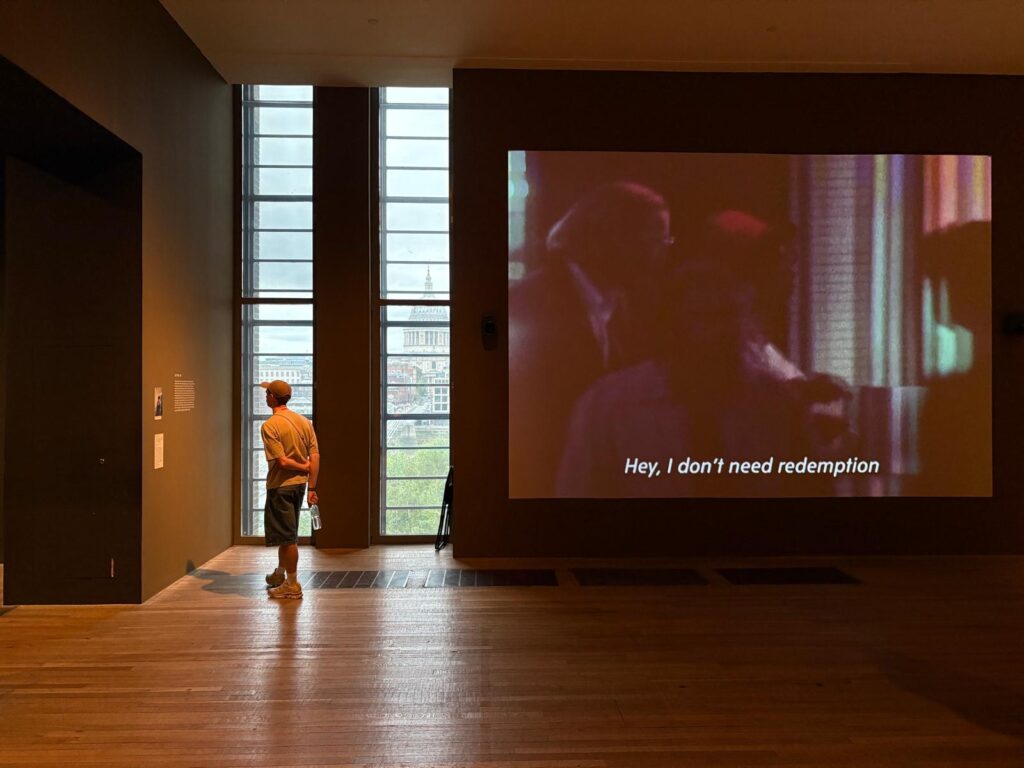
The exhibition leans into spectacle, but mostly to good effect. There’s Star Trek wallpaper lifted straight from the flat Bowery shared with best friend Trojan. Outfits stretch out as if they’re on catwalks. Screens show club footage, interviews, TV clips, with Bowery’s performing for the camera. These videos give the show its centre. They remind you of how deliberate he was. And how funny. It’s easy to focus on the provocation, but what comes across here is the timing, the control, the playfulness.
The exhibition handles interpretation clearly as well. The wall texts are useful without getting overly cerebral, and they don’t dodge the more complicated aspects of Bowery’s imagery. Language or visuals that might jar today are flagged, but not apologised for. I like this direct approach.
And then there’s just the fun of it. That particular mix of 1980s London nightlife (experimental, irreverent, avant-garde) doesn’t really exist now. But this comes close. It doesn’t try to recreate it, just lets it unfold in all its loud, strange glory.
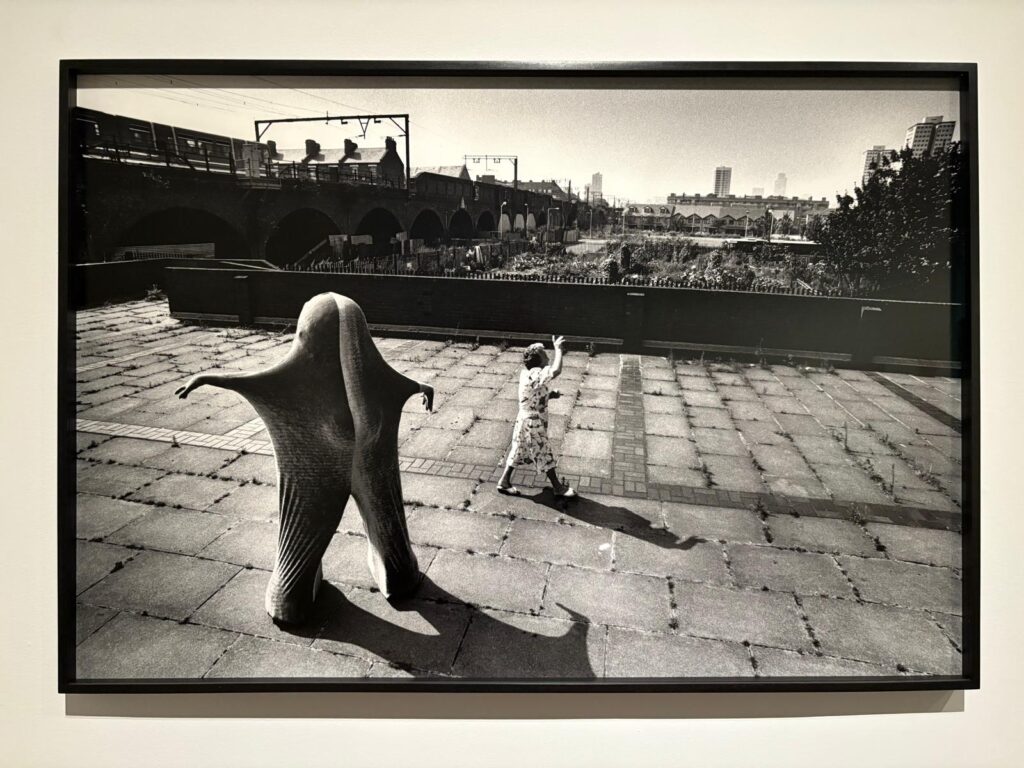
What Would Bowery Think?
I did find myself wondering what Bowery would have made of the exhibition. Unfortunately, I think he’d find it a little boring. Yes, the Tate has pushed bright colours, sex and bold design to the forefront. But fundamentally it’s curated in quite a normal way. You move through a series of rooms. There are information panels, vitrines, mannequins, labels. It’s clear, respectful, and well-lit.
There are a couple of flourishes: a mirrored wall asks whether you’d let yourself into a club like Taboo, for instance. But it’s not especially provocative. It doesn’t surprise you or disorient you. And I think Bowery would have wanted much more. A drag queen bouncer at the door. Bare-bottomed gallery attendants. Wading through a pile of latex lips to get to the next room. Things that force you to engage physically and emotionally and that, crucially, make you uncomfortable.
Of course, these things are more or less impossible in the context of a major London institution. But that also raises a question: is the Tate the right place for this show? It’s certainly well-resourced, but a retrospective like this has to (or could, at least) reckon with the fact that Bowery’s work thrived in opposition to structures like this one. The Barbican’s Michael Clark retrospective did a slightly better job: immersive and a little strange, with more unexpected choices. Bowery might have preferred that. Or he might have stormed out five minutes in. Either way, he would’ve had an opinion.
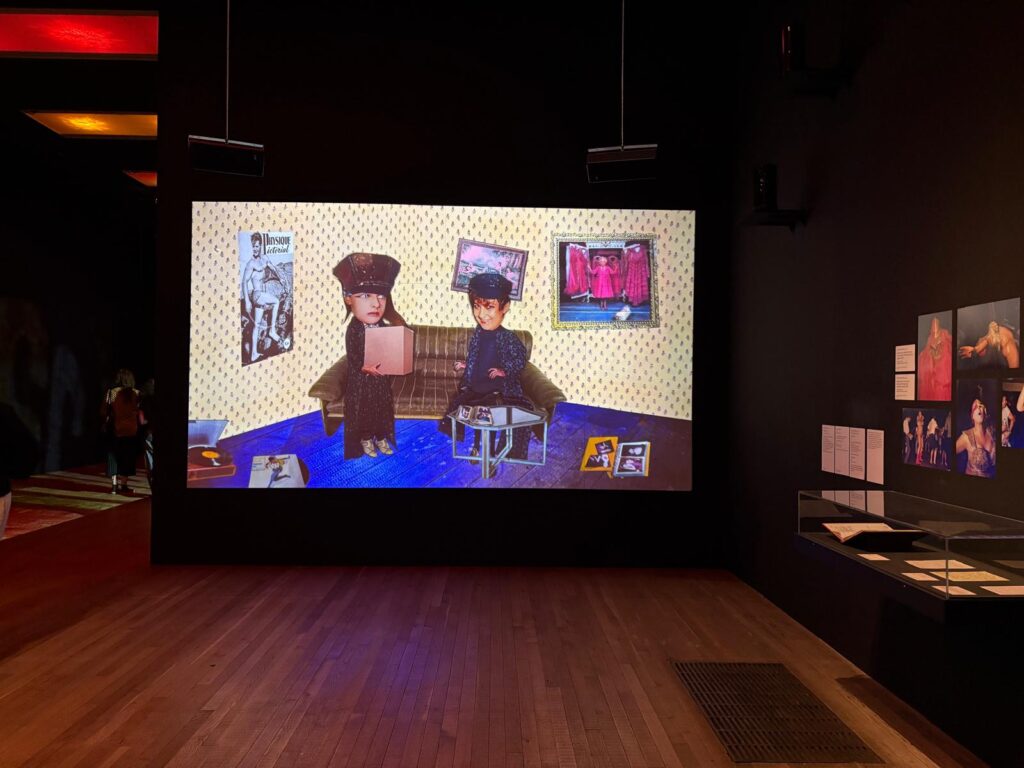
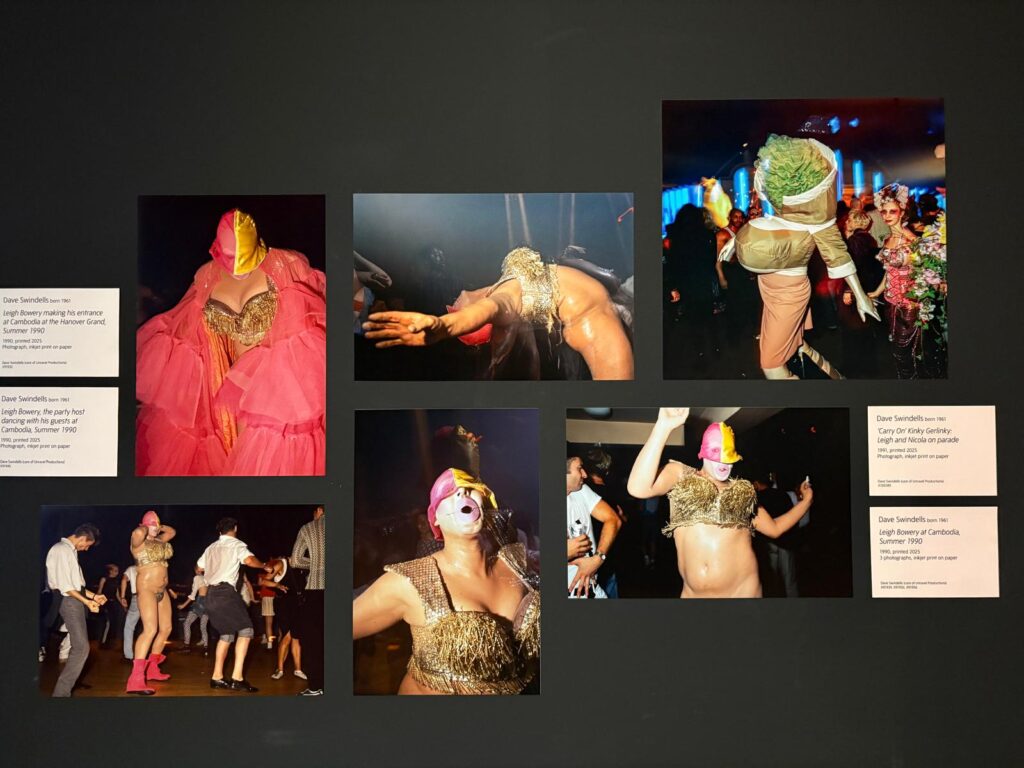
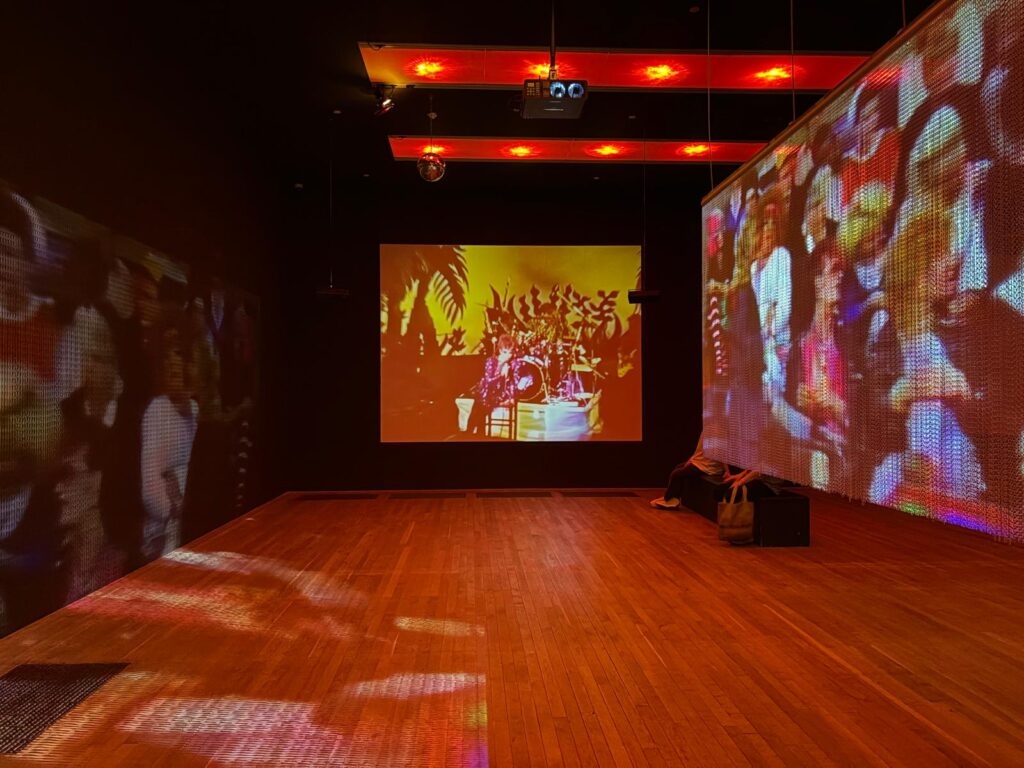
Where Did Leigh Bowery End, And the Art Begin?
I enjoyed the exhibition a lot, despite the hesitations above. Because, after all, I’m not Bowery. I’m maybe the furthest thing from a club kid: much happier observing from the sidelines than volunteering to be birthed live on stage. I’d encountered Bowery before (in that Barbican exhibition among others), but I came away from this one with a much clearer sense of the personality behind the Looks. Especially his humour.
If you go, please watch the clip from The Clothes Show right through. It’s hilarious: Bowery affecting a posh accent, claiming he practically grew up in Harrods while wearing a full face of fake dalmatian fur. It’s daft and pointed at the same time. He knew exactly what he was doing.
And to end with an anecdote that I think sums him up (or at least my impression of him): when Lucian Freud painted Bowery a few times not long before his death, Bowery saw himself as a co-creator. So, when Freud left the room, he was known to add a brushstroke or two to the canvas. These portraits, a couple of which appear in the exhibition, strip him right back. Naked, asleep. And yet you wonder: was this also a performance? Where did Leigh Bowery end, and the art begin?
Salterton Arts Review’s rating: 4/5
Leigh Bowery! on until 31 August 2025
Trending
If you see this after your page is loaded completely, leafletJS files are missing.