
Petersham Through Its Gardens
A serendipitous visit to Petersham’s Open Gardens revealed the grand houses and hidden lanes of a village rich in layered history.
Visiting Petersham with a Purpose
I recently (AKA a couple of months ago) visited Petersham for the first time, drawn by two separate Open Garden events happening on the same Sunday. Not that this was clear to us at first. We had pre-booked for an open day at the garden of Petersham House, the private residence attached to the famous Petersham Nurseries. Naively, we’d hoped to pair this with a visit to the Nurseries’ Tea Rooms. One glance at the queue just before opening quickly disabused us of that notion.
But I’m getting ahead of myself. We arrived a little before our ticketed entry time of 11am. Nothing was open, and no signs pointed the way. We knew where Petersham Nurseries was, but where was Petersham House?
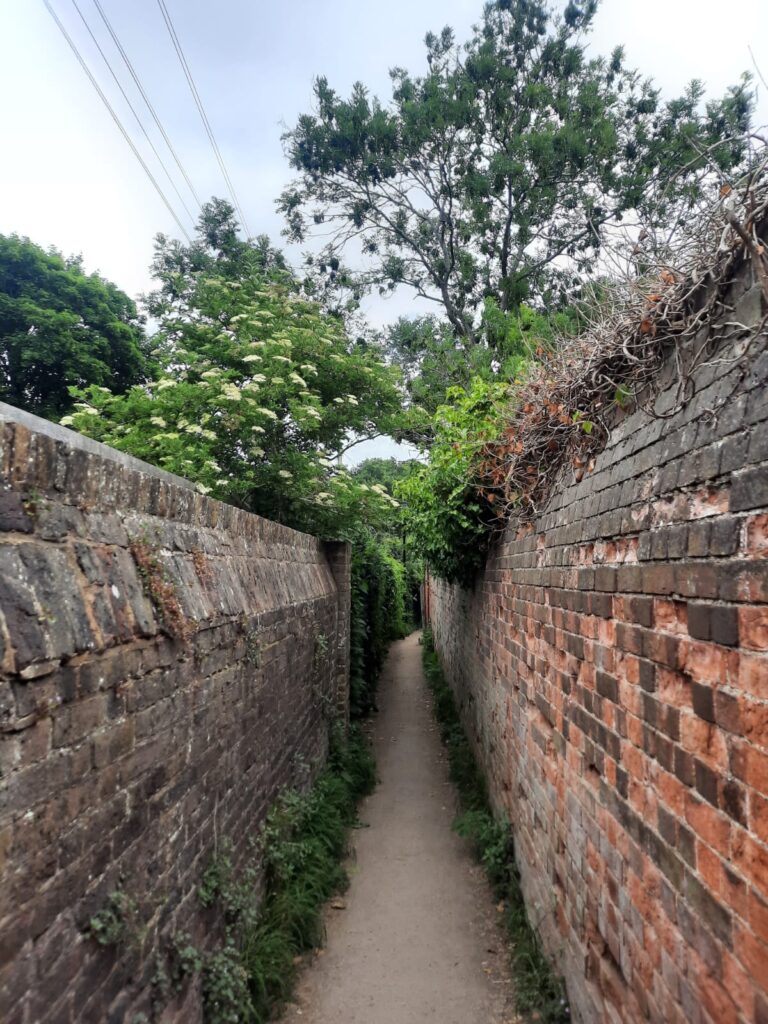
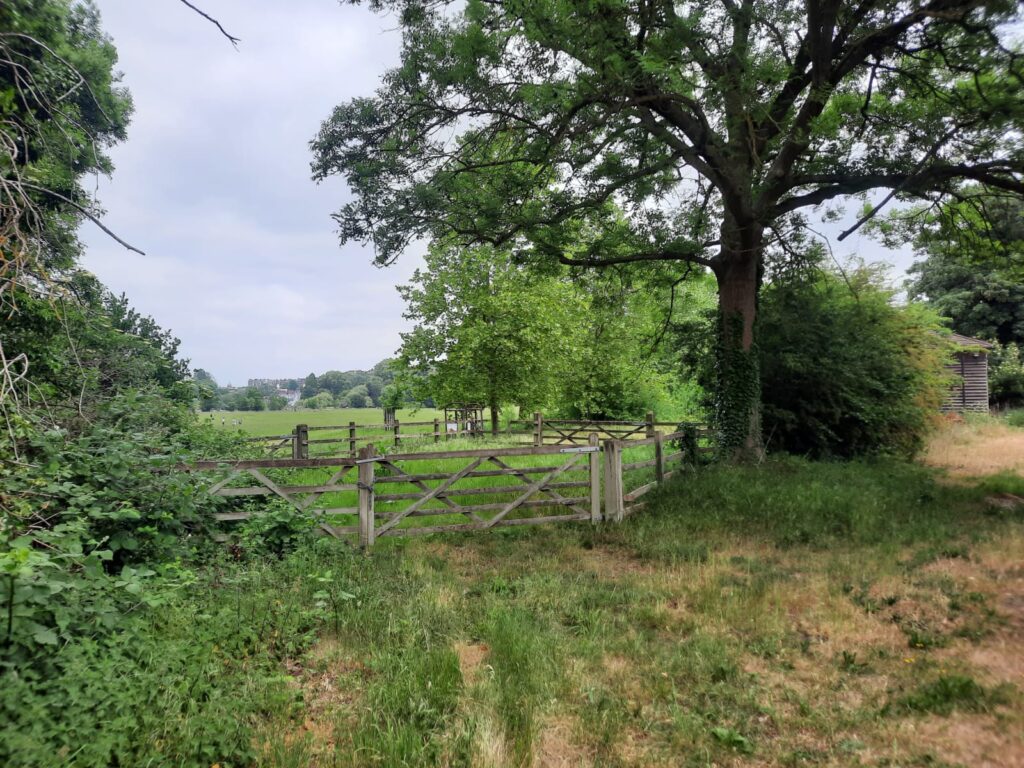
We wandered one way and found ourselves at Petersham Meadows. Lovely, and a garden of sorts, but not what we were looking for. We tried the other direction, through a lane flanked by high brick walls. On the way, we spotted a sign for an open garden. Then a stall appeared at the end of the lane, where a kind lady checked us in and gave us a map to… various open gardens.
It took us a few minutes to act on our uncertainty. We went back to the kind lady to check if this was the event we’d booked. It wasn’t. Two charities had, apparently, chosen the same day for unrelated Open Garden events. Oh well – more Petersham gardens to explore! We bought tickets for the second event and headed back toward Petersham Nurseries just before opening time, hoping our actual destination would now become clearer.
Petersham’s Historic Homes and Garden Gateways
Petersham sits on a particularly charming stretch of the Thames, tucked between Richmond and Ham. Its riverside setting, pastoral views, and proximity to London have long made it attractive to the wealthy and well-connected. Over the centuries, artists, politicians, courtiers, and merchants have settled here. They have left behind a rich architectural and horticultural patchwork.
The village itself has deep roots. Petersham was first mentioned in 666 AD, when the area was granted by Frithwald, Viceroy of Surrey, to the Benedictine Abbey of St. Peter in Chertsey. It appears again in the Domesday Book of 1086 as “Patricesham,” a small farming settlement. Its strategic location by the river and close ties to nearby royal estates, especially Richmond Palace, helped raise its profile over time.
By the 17th and 18th centuries, Petersham had become known for its elegant villas and fine houses, some of which still line the winding lanes today. Elm Lodge, for instance, once hosted a young Charles Dickens, while Rutland Lodge served as a residence for nobility. Nearby Douglas House, now home to the German School London, has links to various earls, barons and dukes. It was also an early rehearsal location for John Gay‘s The Beggar’s Opera. These houses often changed hands between titled families and notable figures, each adding a layer of personal and national history to the village.
But unlike many historic homes that have become museums or event spaces, Petersham’s landmarks remain mostly private. No tours for the curious, here. You might catch a glimpse of a pediment here, a wrought-iron gate there. But for the most part, these are lived-in homes, hidden behind tall walls and mature trees.
That’s where the gardens come in. When an Open Garden day comes around and a gate swings open, it feels like an invitation not just into a well-tended flower bed, but into history that is normally hidden. Through the garden, you see the house. And through the house, you glimpse the lives once lived within. In a village like Petersham, where public access is limited, these green spaces become a lens, sometimes the only one, through which we can explore the village’s architectural legacy and social evolution.
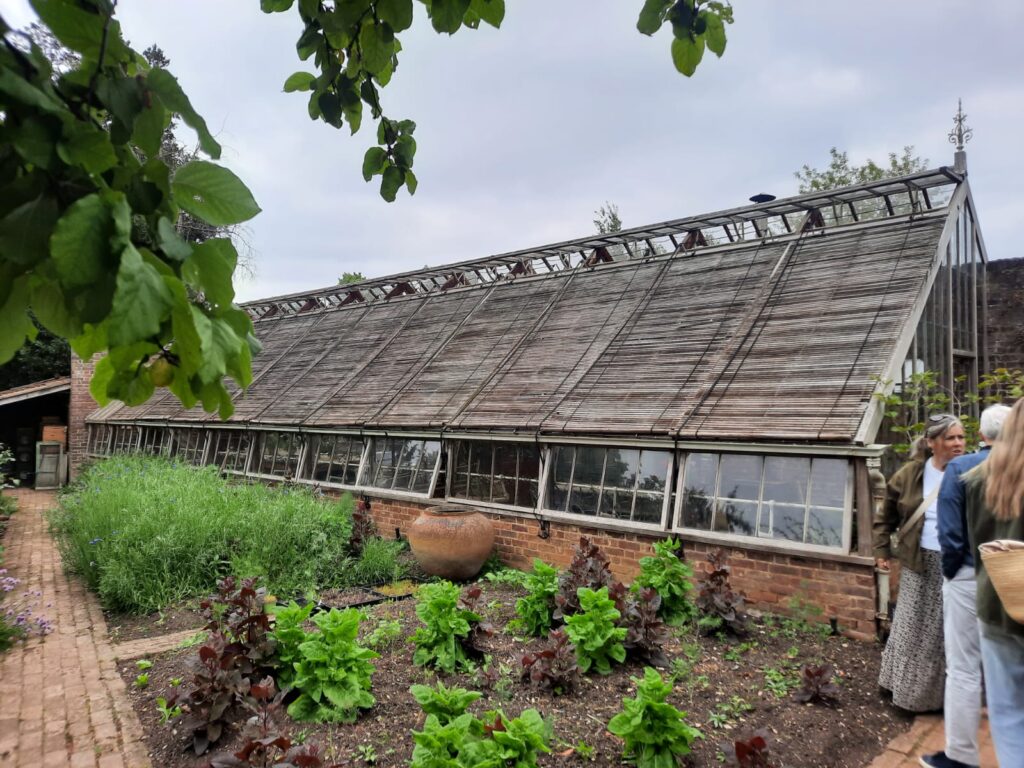
Petersham House: Heritage and Horticulture
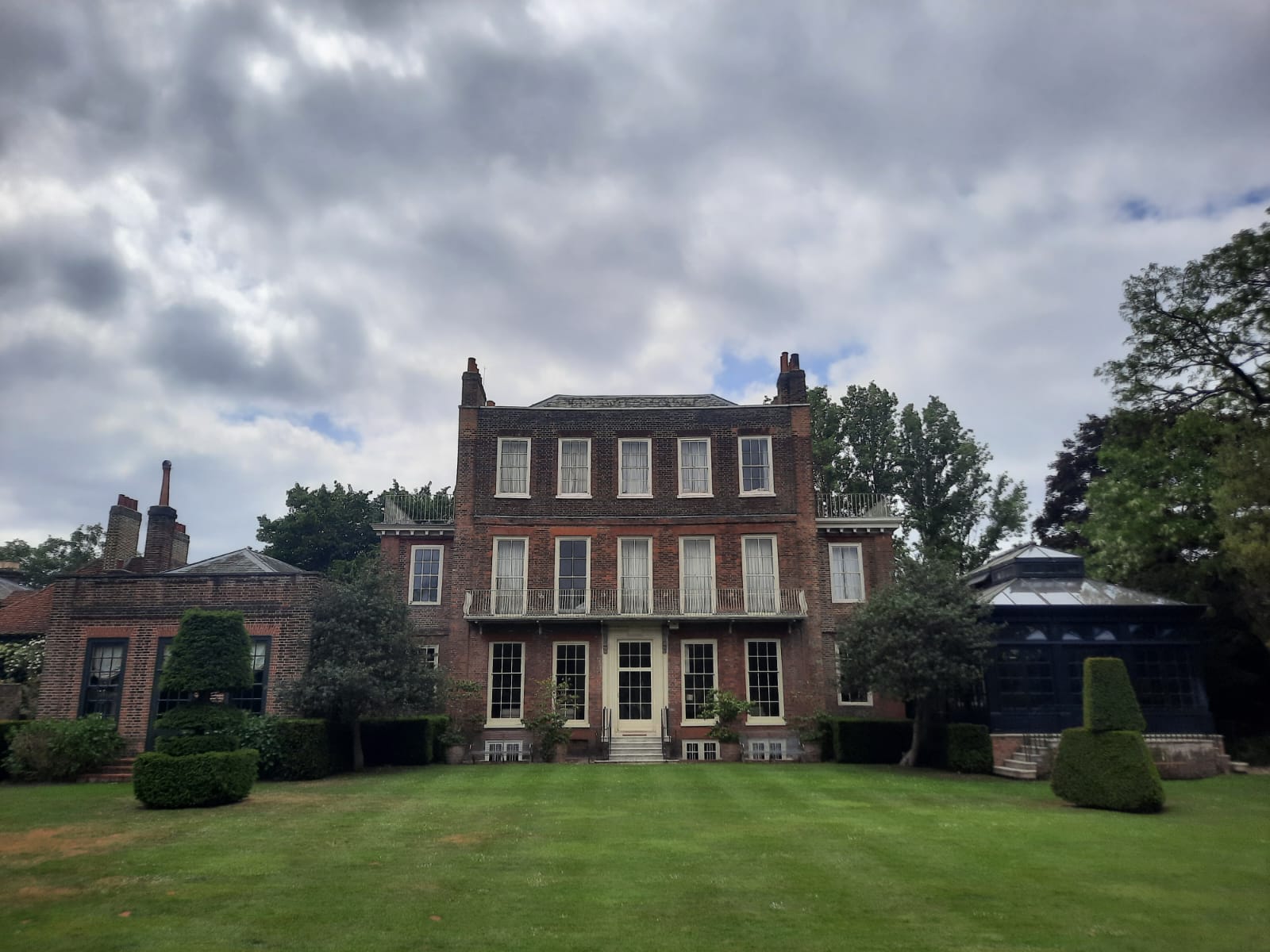
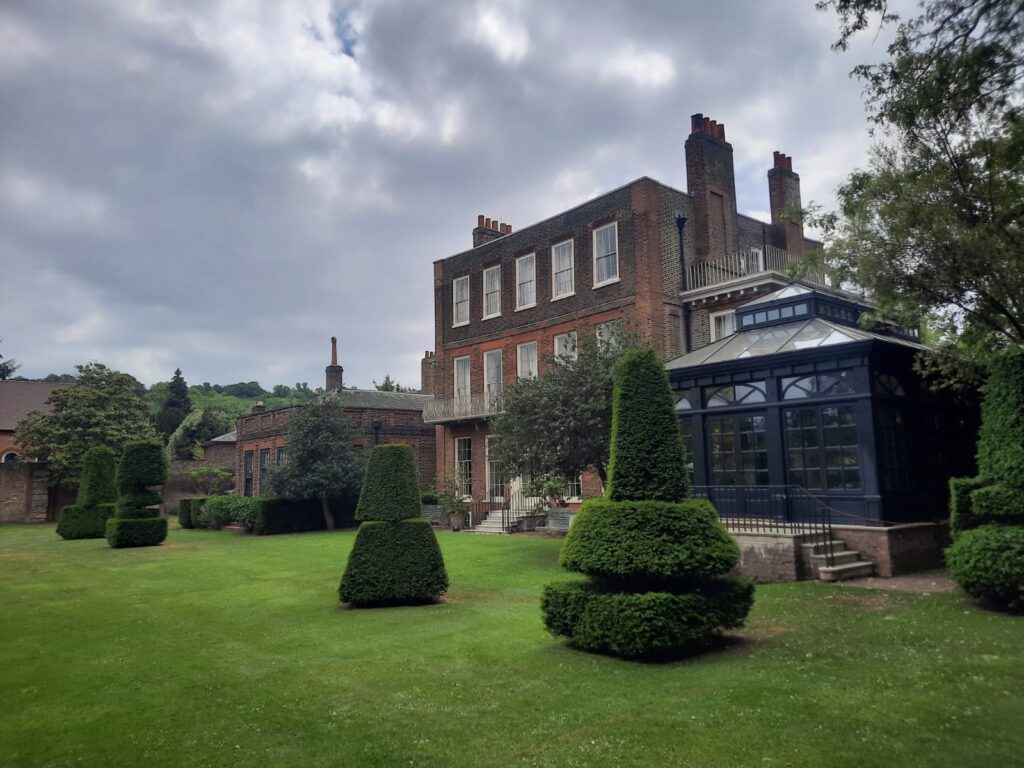
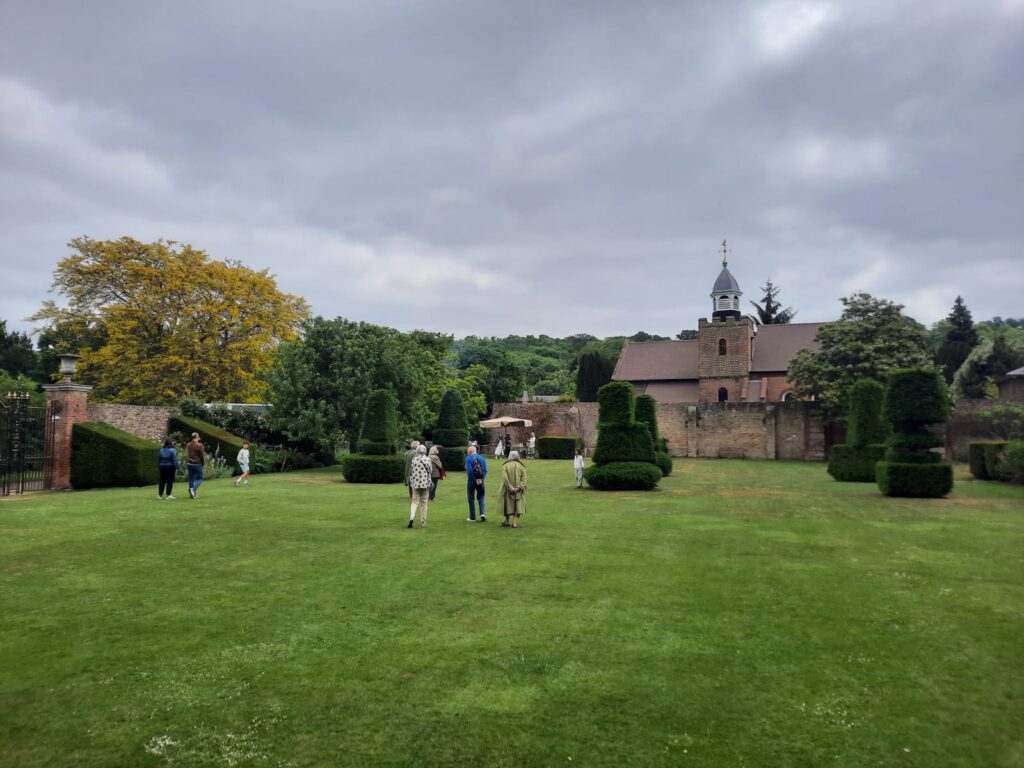
Let’s start with the only garden we knew in advance we were visiting! Petersham House sits just behind the handsome St Peter’s Church (with Saxon origins), quietly enclosed by brick walls and mature planting. You wouldn’t know it was there if you weren’t looking (as evidenced by our difficulties finding it). It’s tucked just far enough from the activity of Petersham Nurseries to feel entirely private.
The house dates back to the 17th century, with Georgian additions giving it a certain composed elegance. Over time, it’s passed through various hands including, according to local lore, ancestors of Lord Byron. Its current custodians, the Boglione family, have restored both the house and its grounds with a mix of respect and creativity. From their stewardship came the success of Petersham Nurseries, now an internationally recognised destination for garden lovers and foodies.
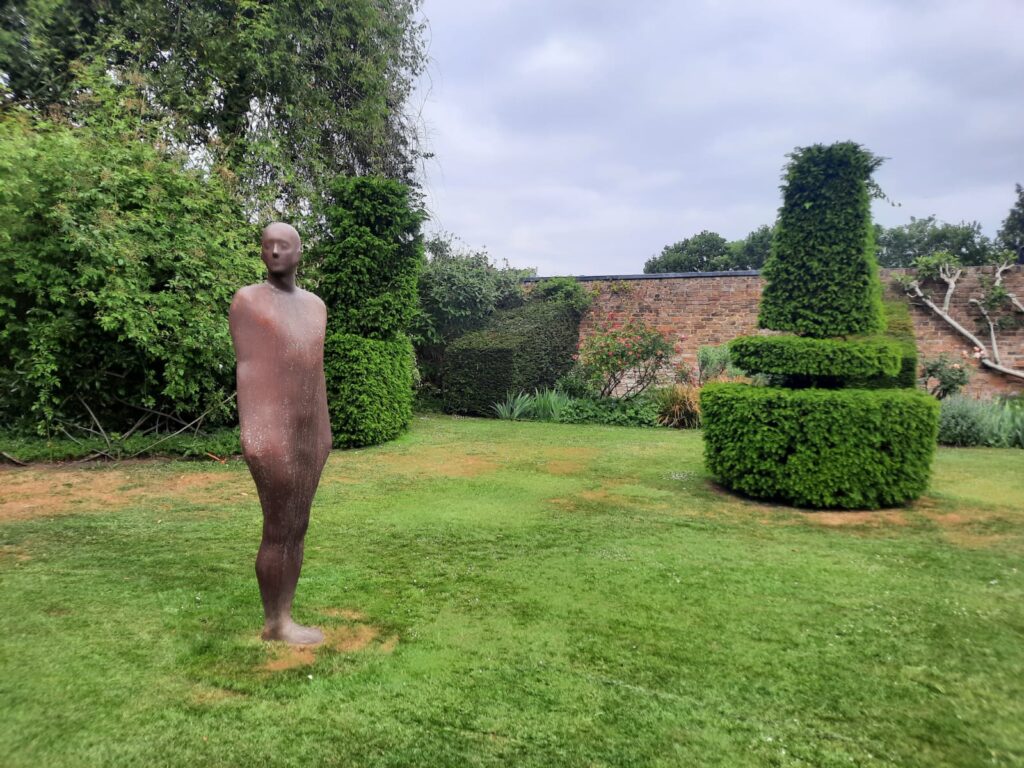
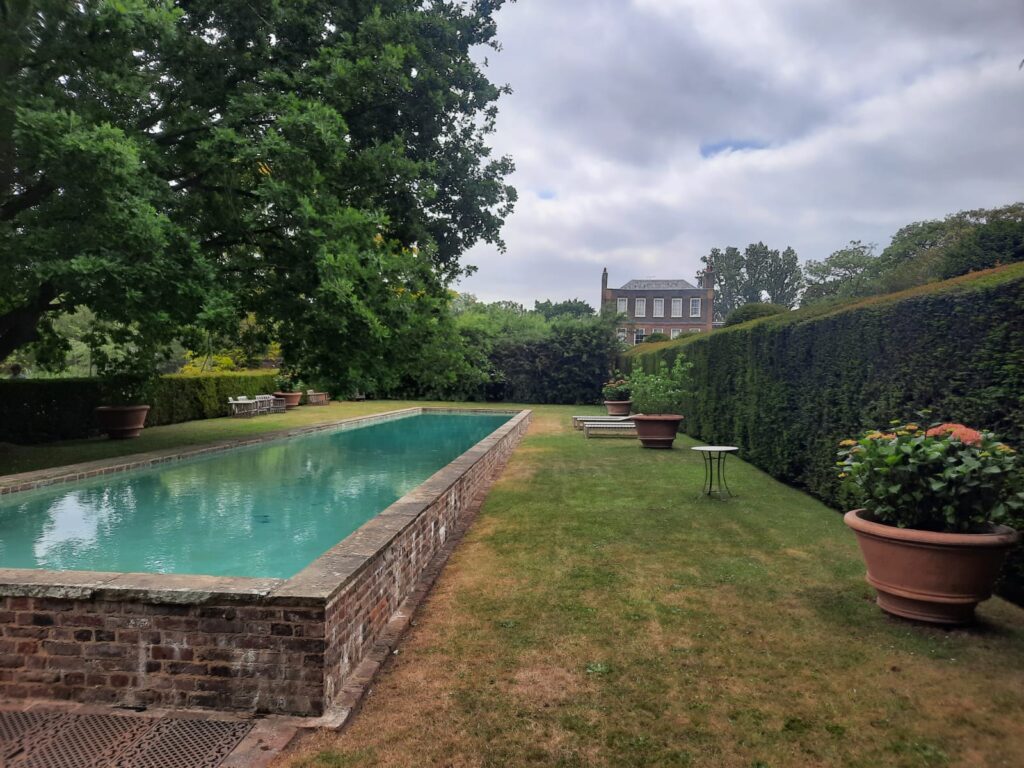
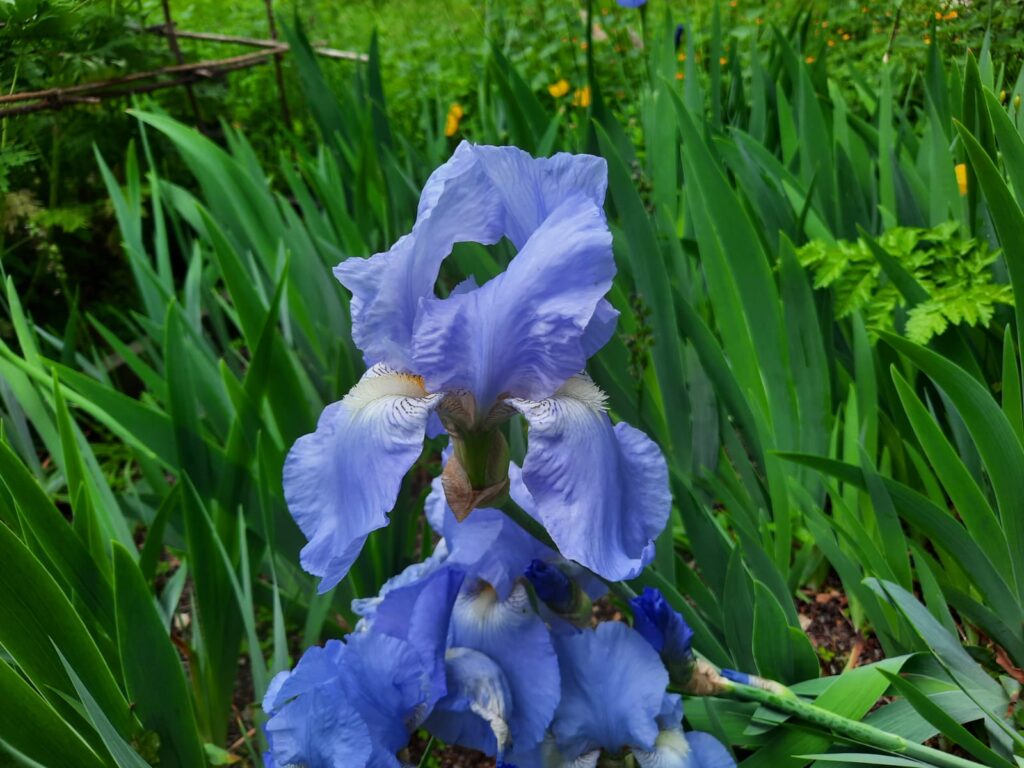
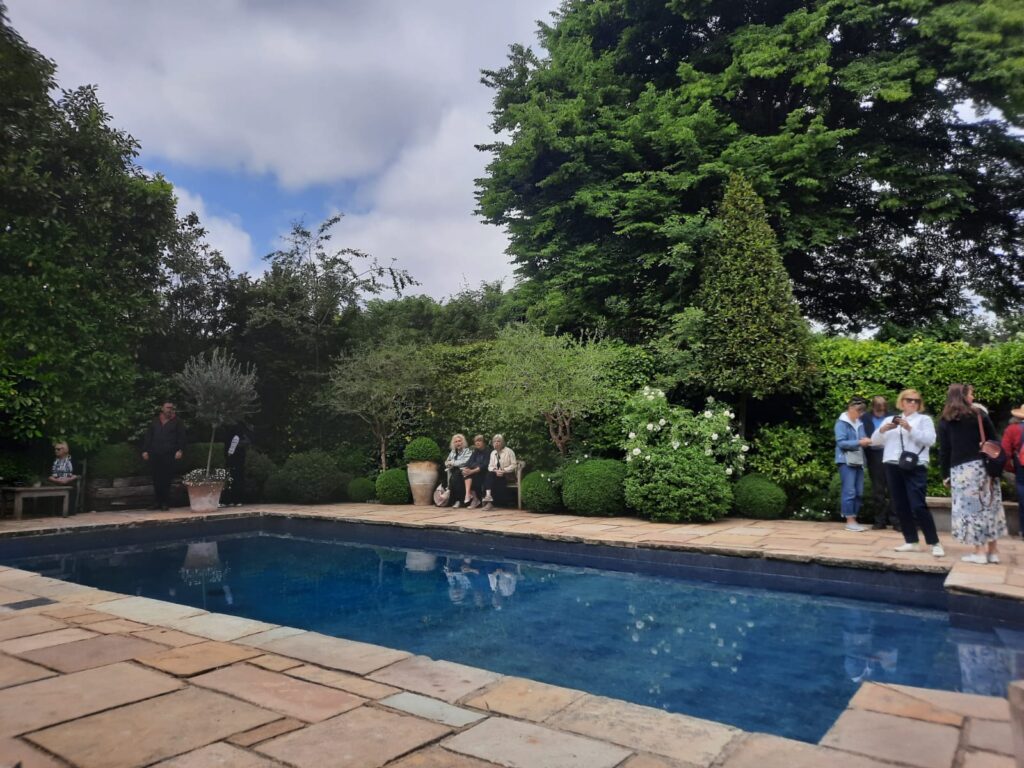
But the heart of Petersham House remains domestic. On the rare occasions the garden is open to visitors, it offers a glimpse of how heritage, gardening, and a sense of place can come together. The garden has formal lines and traditional structure: symmetrical beds, shaped hedging, peaceful paths to wander. But it’s softened by naturalistic planting and seasonal colour. A modest swimming pool tucked into one corner and a handful of contemporary sculptures hint at modern life, without disrupting the overall harmony.
What it reveals about Petersham is telling. This is a village where history is mostly private: behind walls and beyond hedges. The continued care and occasional glimpses of houses like this say a lot about the character of the place. In its own understated way, Petersham House mirrors the village around it. There’s wealth, certainly, and careful curation, but also an atmosphere of stewardship and restraint. A very good start to understanding more about this riverside village.
Onwards to Petersham Lodge
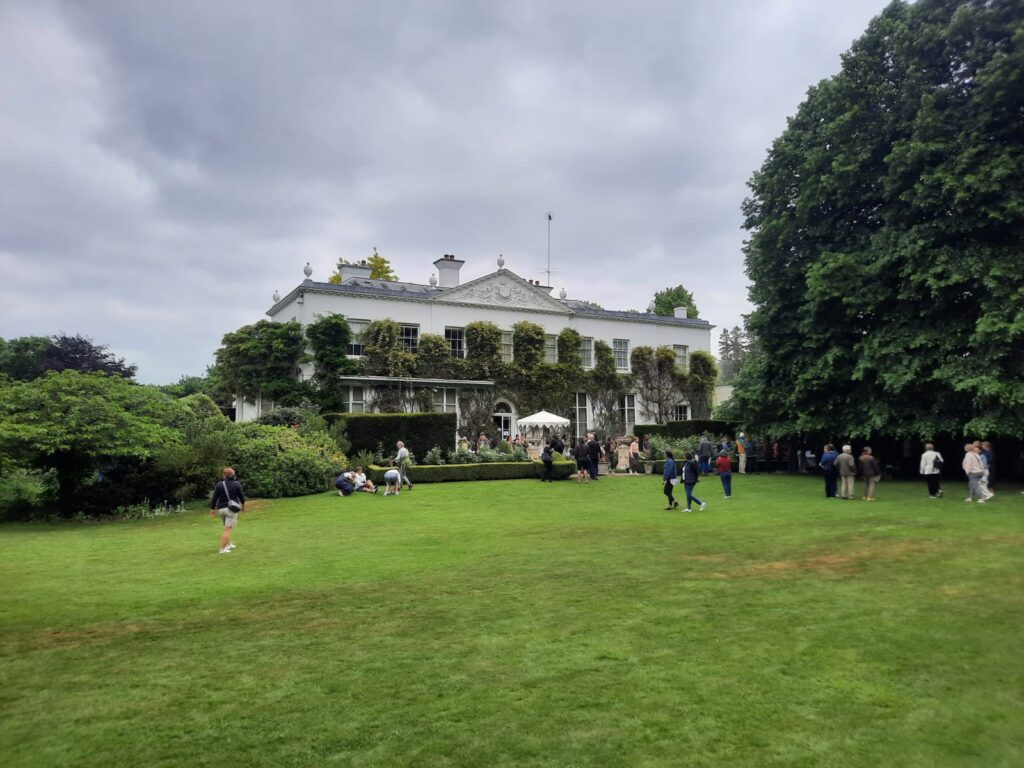
We were now into the second of the day’s events: the Petersham Village Open Gardens, raising funds for several local charities. And the first one I will discuss with you (not the first one we visited) is Petersham Lodge. Despite knowing full well that this picturesque bend in the Thames attracted the wealthy and influential over the centuries, I still carried a rather naïve idea of the English village. Just one dominant manor house and modest cottages for everyone else. Not so in Petersham.
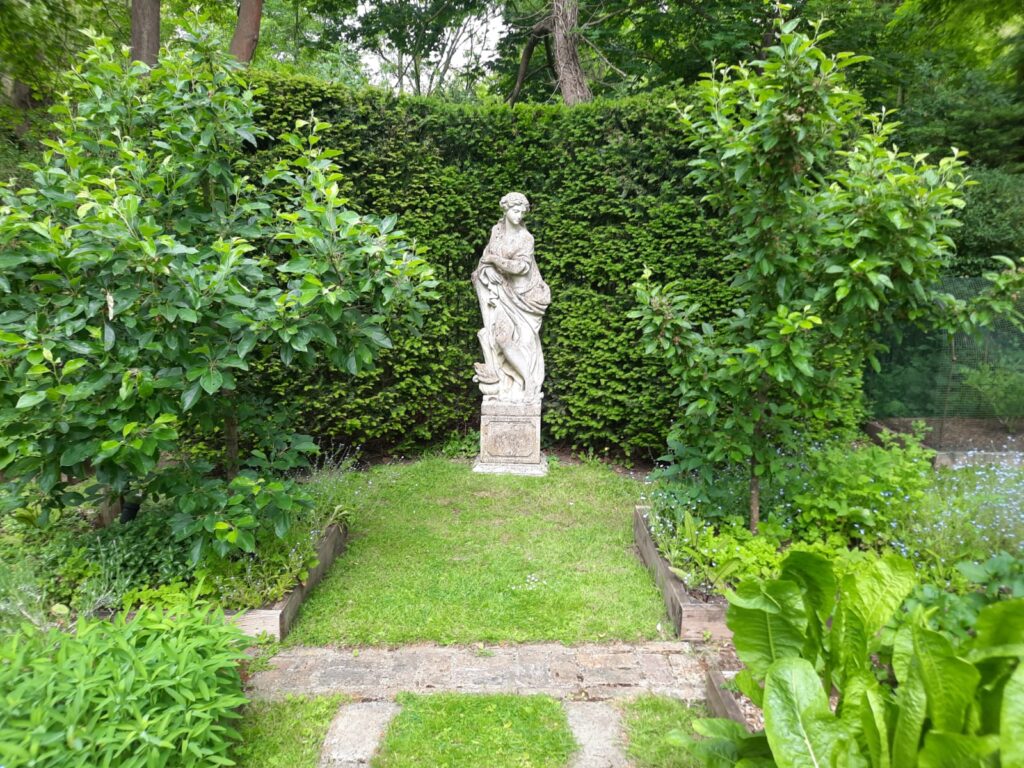
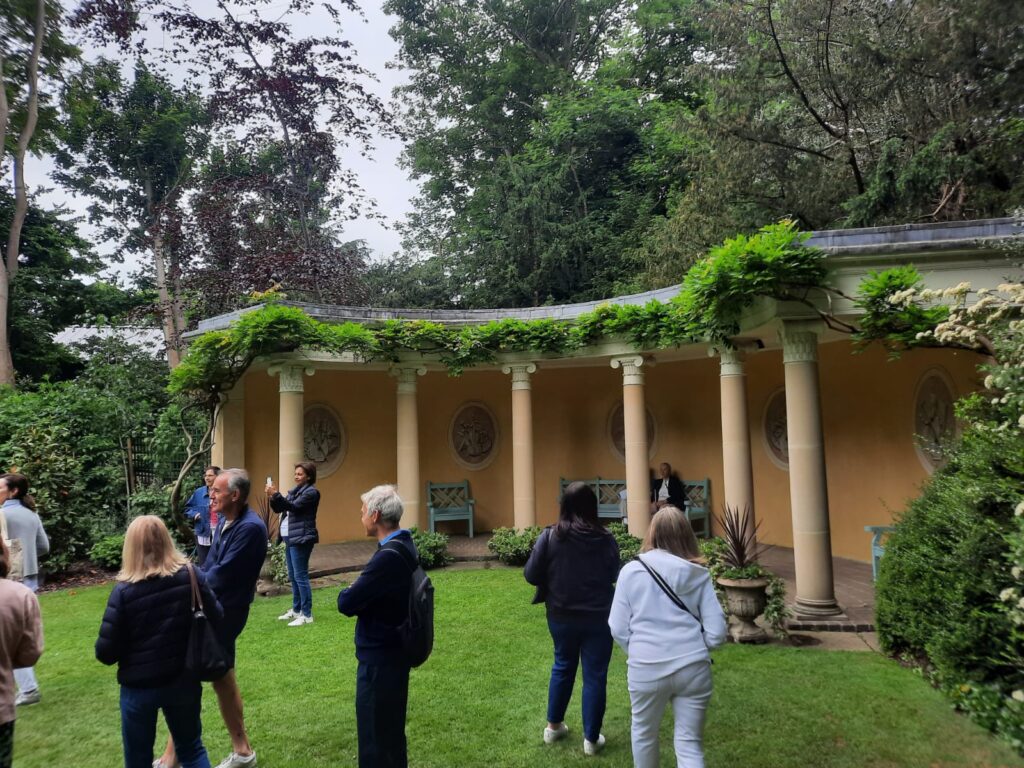
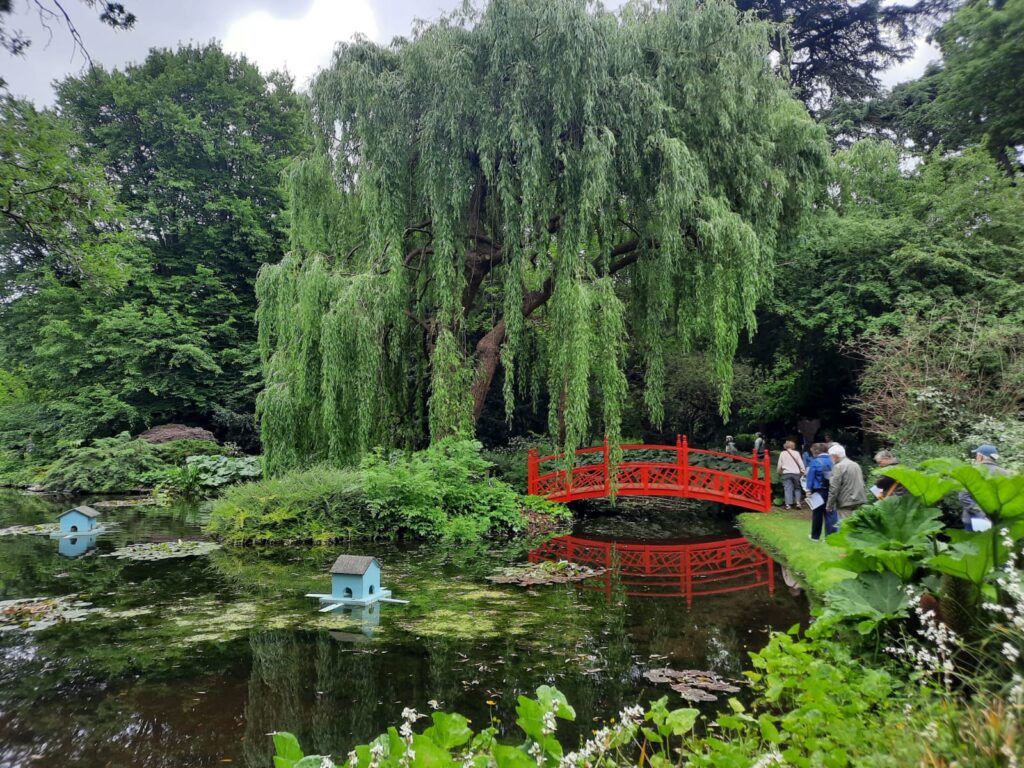
Petersham Lodge is, by any standard, a grand affair. Its scale surprised me, particularly in comparison to Petersham House, which is elegant but more modest (and also includes Petersham Nurseries within its former boundaries). By contrast, Petersham Lodge stretches out luxuriously, with grounds that feel expansive and highly curated. It has all the expected features of a grand English garden: classical statues in leafy clearings, a romantic loggia draped in greenery, and a Monet-esque bridge arching over a tranquil pond.
Its history reflects Petersham’s long-standing appeal to the well-heeled. The Lodge was once a grace-and-favour residence, rebuilt in the 1690s and remodelled in the 1790s by Sir John Soane. Again it has been home to various Dukes, Earls and so on. And a Prince! Prince Rupert Loewenstein, long the financial manager of the Rolling Stones, lived here until his death in 2014. Today the Lodge remains a private home, but on this rare occasion we got a glimpse into its exceptional grounds.
Tea and homemade cakes were on offer here too, drawing a cheerful crowd. But we’d shared a slice of cake already at Petersham House, so passed up the queue and simply enjoyed the garden in peace.
Elm Lodge
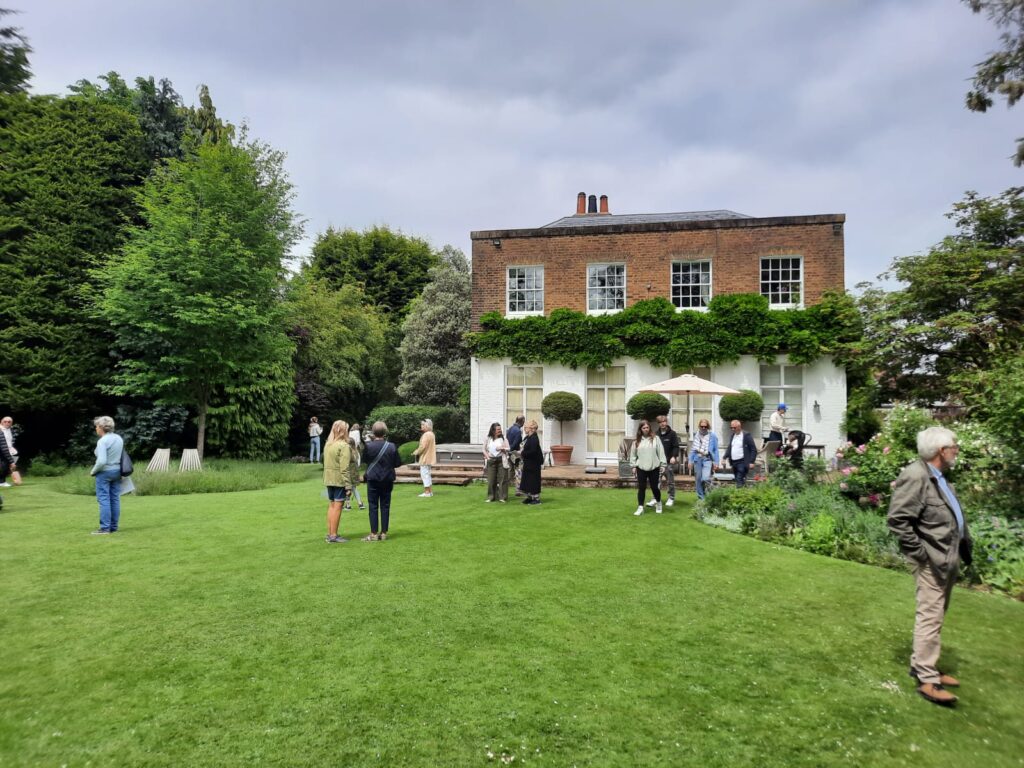
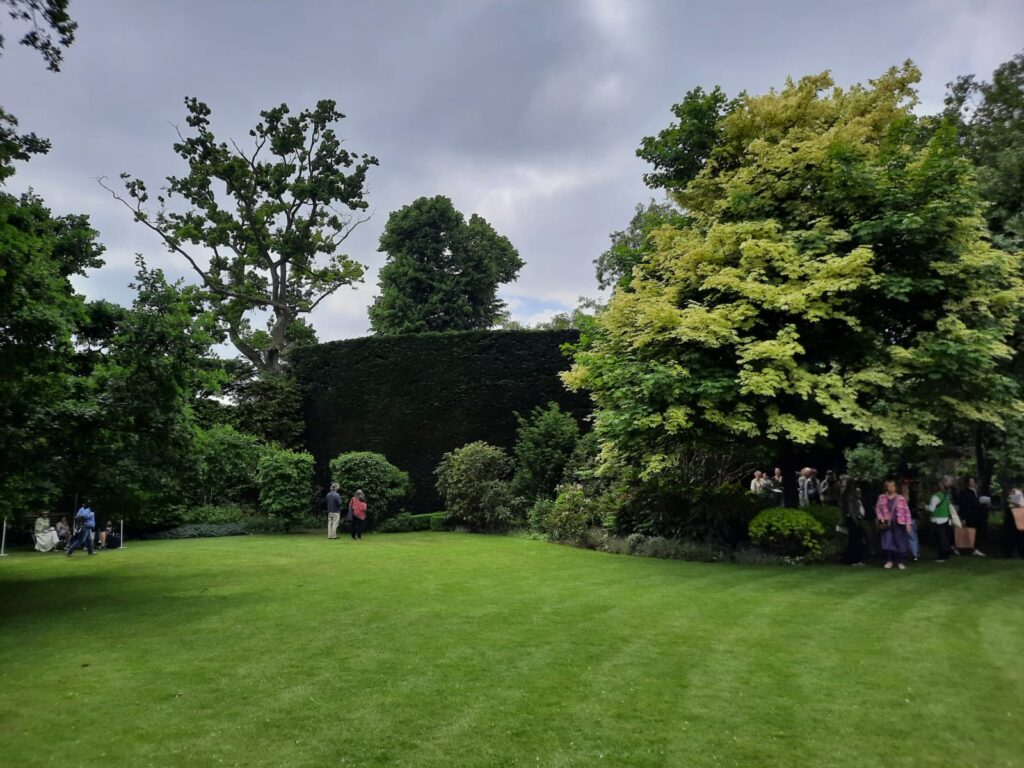
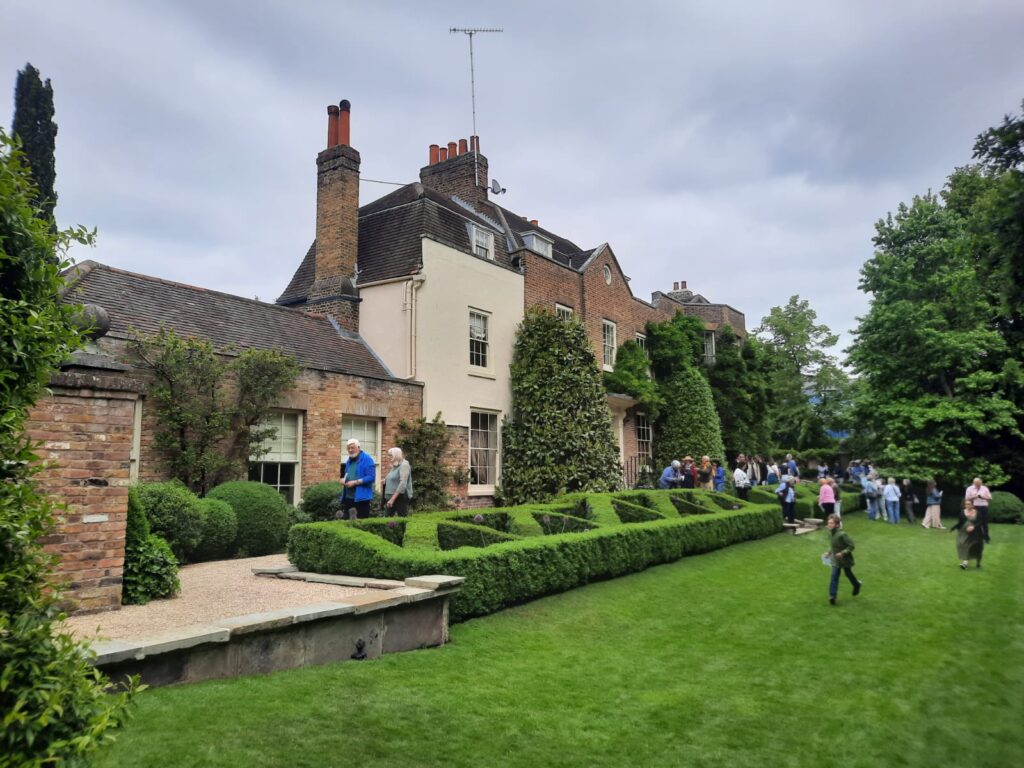
Next up is Elm Lodge – actually our final stop of the afternoon, but I’m sort of working on a scale from grand to modest in the retelling. Compared with the formality and scale of Petersham Lodge or the elegant structure of Petersham House, Elm Lodge offered a different kind of charm. It wasn’t grand, exactly, but it had the relaxed poise of a place where one might spend an entire summer in a linen suit, writing letters, playing tennis, and discussing poetry over Pimm’s. I felt more than once like I’d wandered into an E. M. Forster novel.
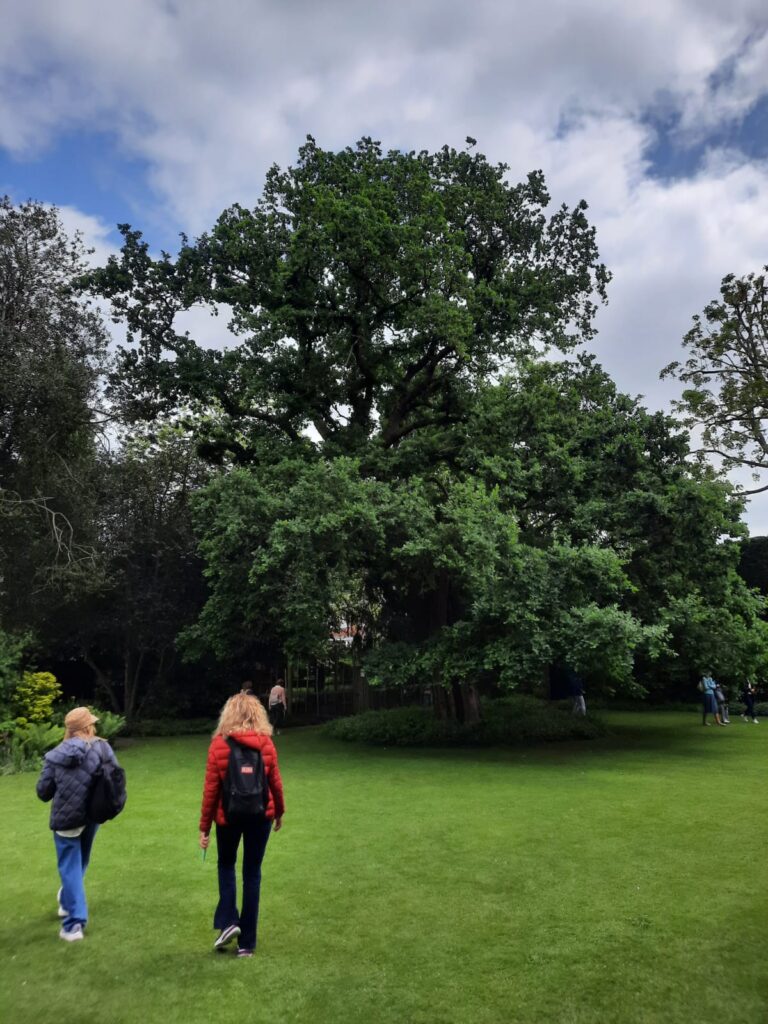
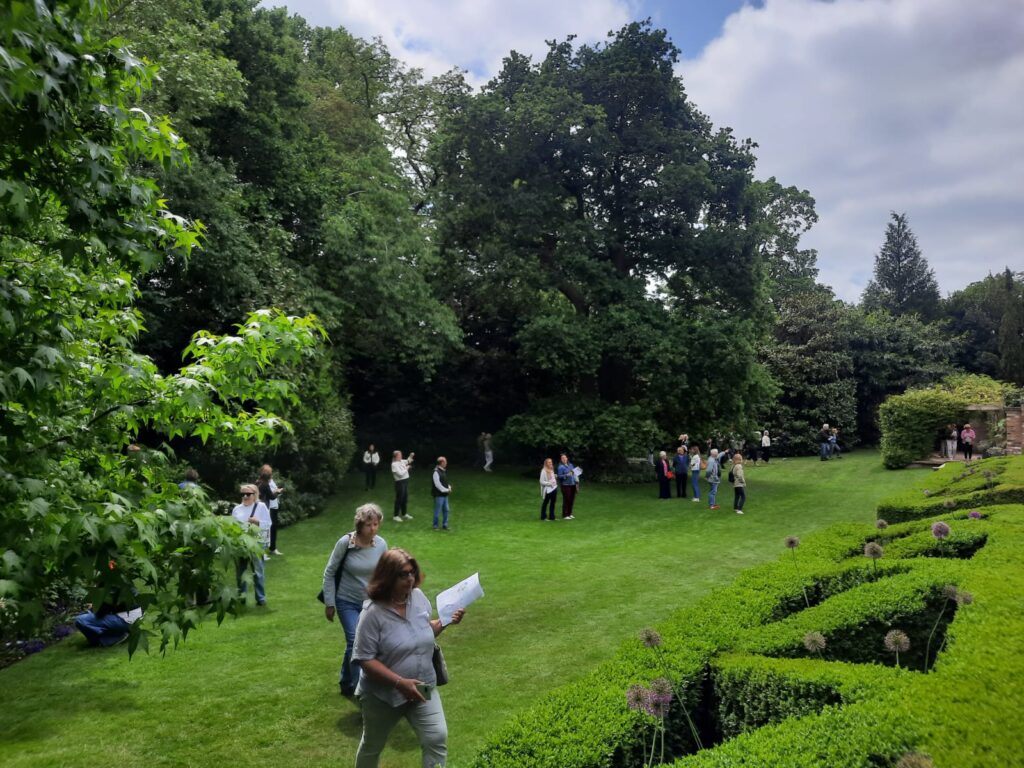
The house itself dates to the early 1730s, and it’s an example of an early Georgian cottage. Yes, this is what passes for a cottage in Petersham. In fact it was Elm Cottage when Charles Dickens rented it in 1839. He wrote much of Nicholas Nickelby here. It carries the unmistakable air of a long-standing family home. The garden was less formal than what we’d seen earlier in the day, but all the more inviting for it. There were sunny open lawns, tucked-away benches, splendid mature trees, and secluded corners.
Elm Lodge reminded me that Petersham’s appeal lies in its layers. Alongside the aristocratic grandeur sits a more domestic comfort. It also reinforced just how many “important” houses line this stretch of the Thames so many that a house as lovely as Elm Lodge comes third in the order of grandeur. Or my order of grandeur, at least.
Other Historic Houses: Cecil House and Rosebank
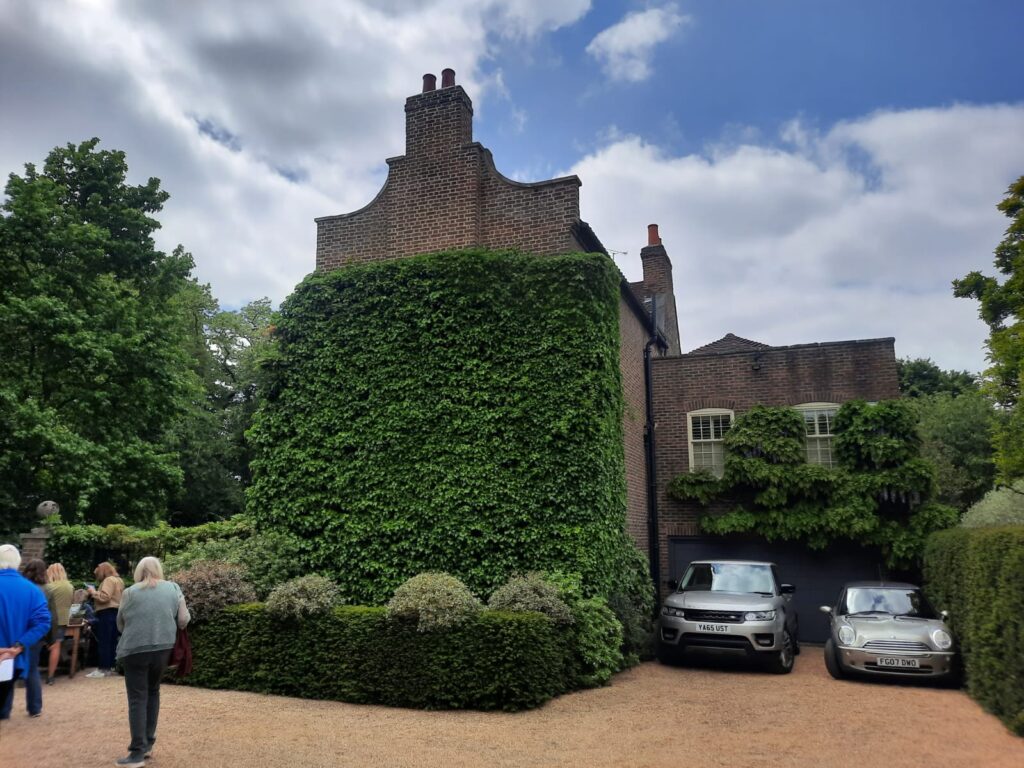
Not every house in Petersham comes with a well-documented history. Yet even those that remain more private, like Cecil House and Rosebank, offer glimpses into the village’s architectural richness and layered social fabric.
Cecil House is a Grade II listed building dating from the late 17th or early 18th century. Its listing was formalized in 1950, recognizing its architectural and historic interest. The house is a detached, two-storey structure, characteristic of the period’s domestic architecture. While detailed online records about Cecil House are scarce, its stature and setting suggest it was built for a wealthy family, contributing to the pattern of substantial homes that line this stretch of the Thames. Its understated elegance and privacy exemplify Petersham’s mix of grandeur and discretion.
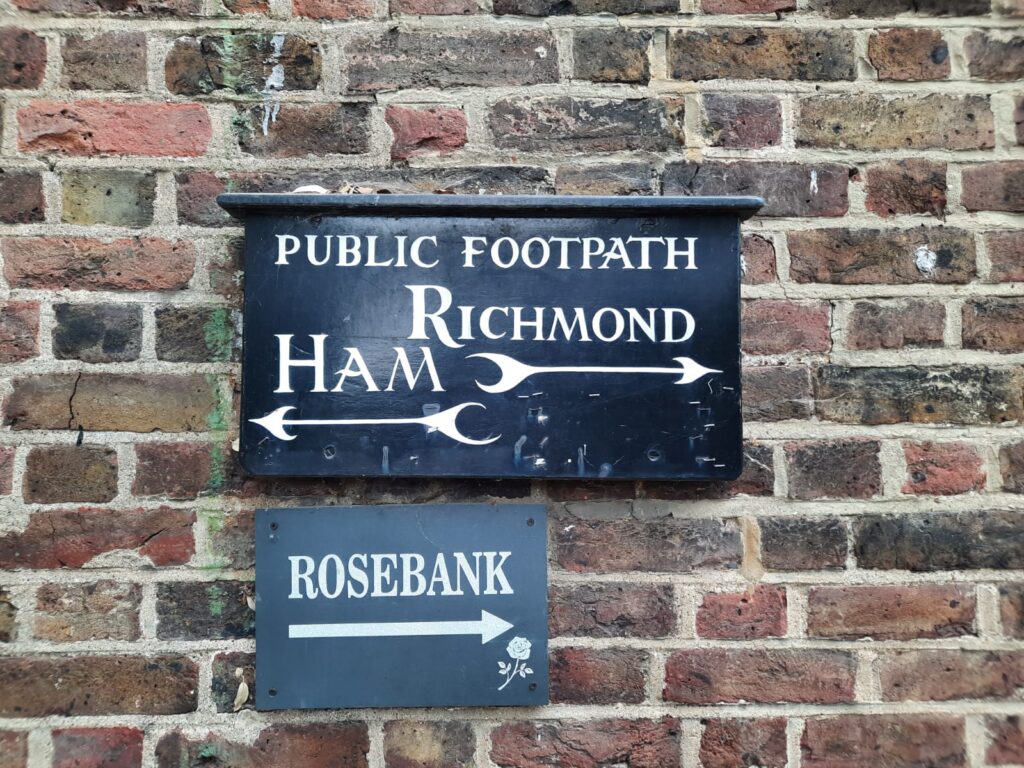
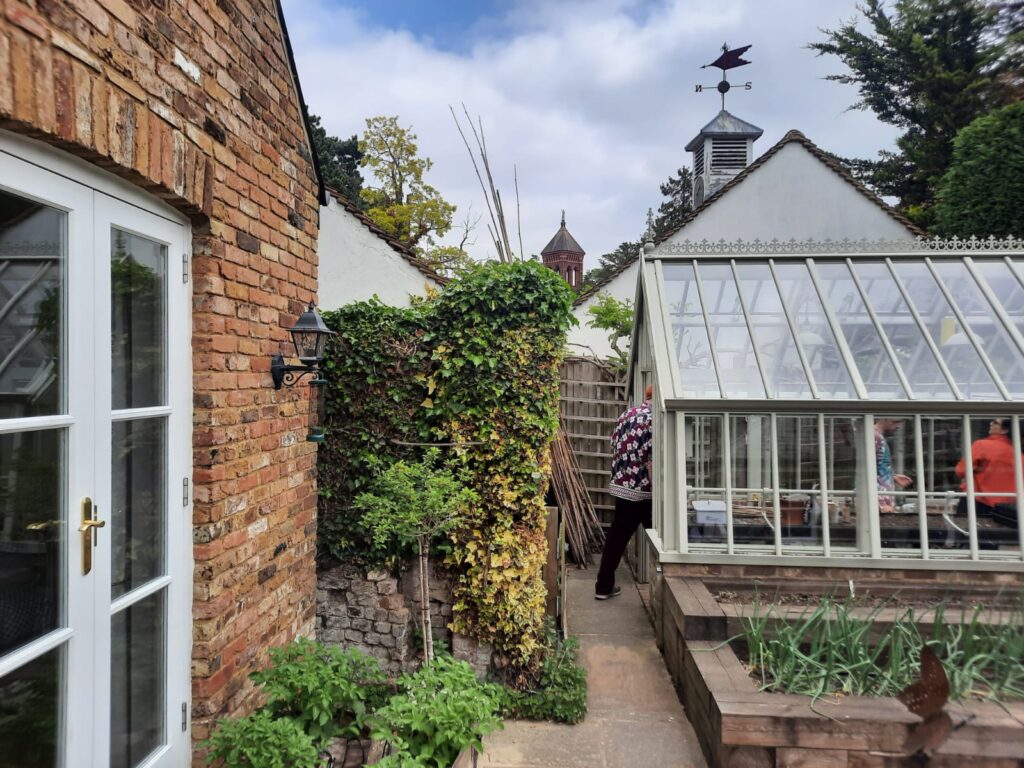
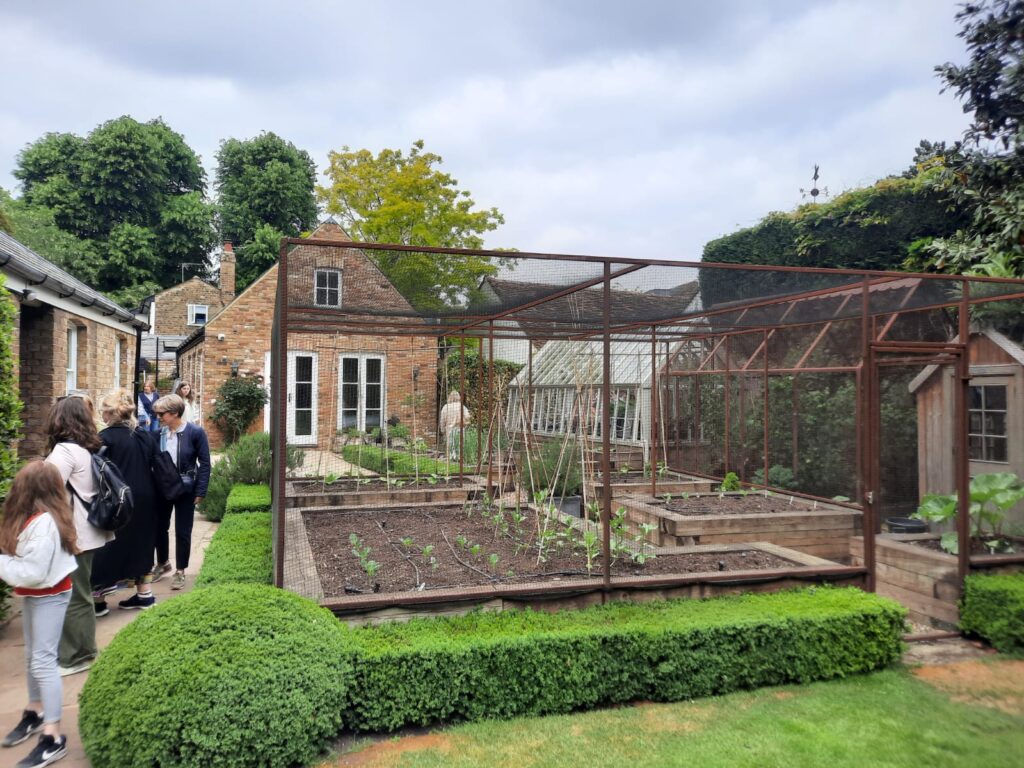
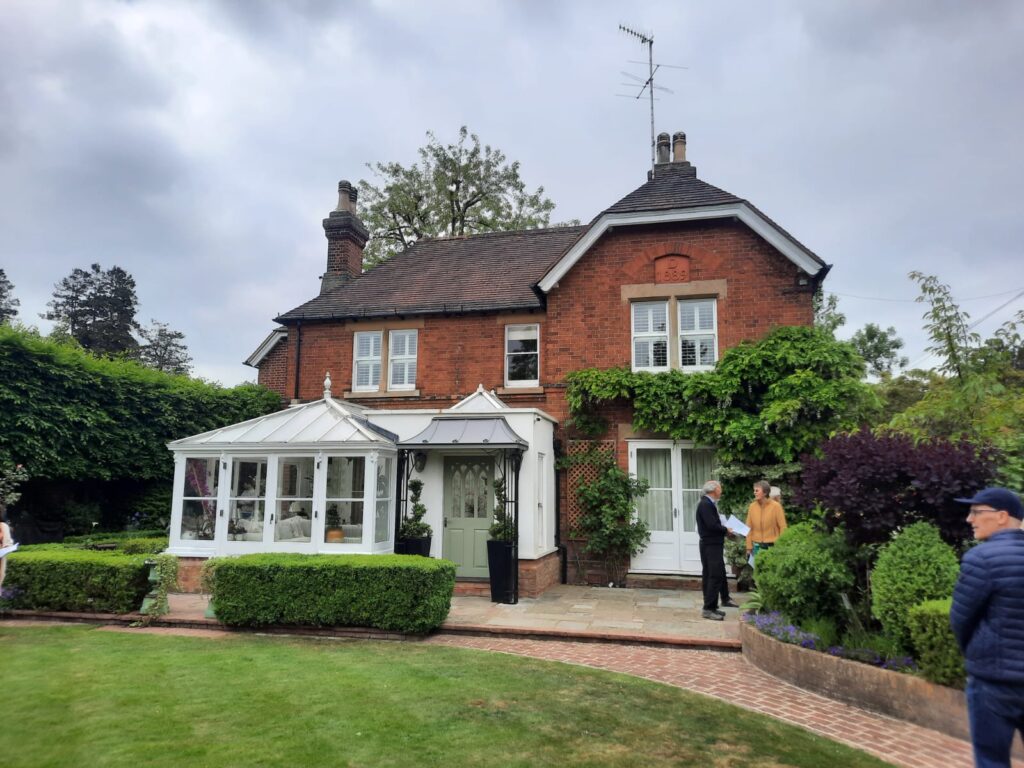
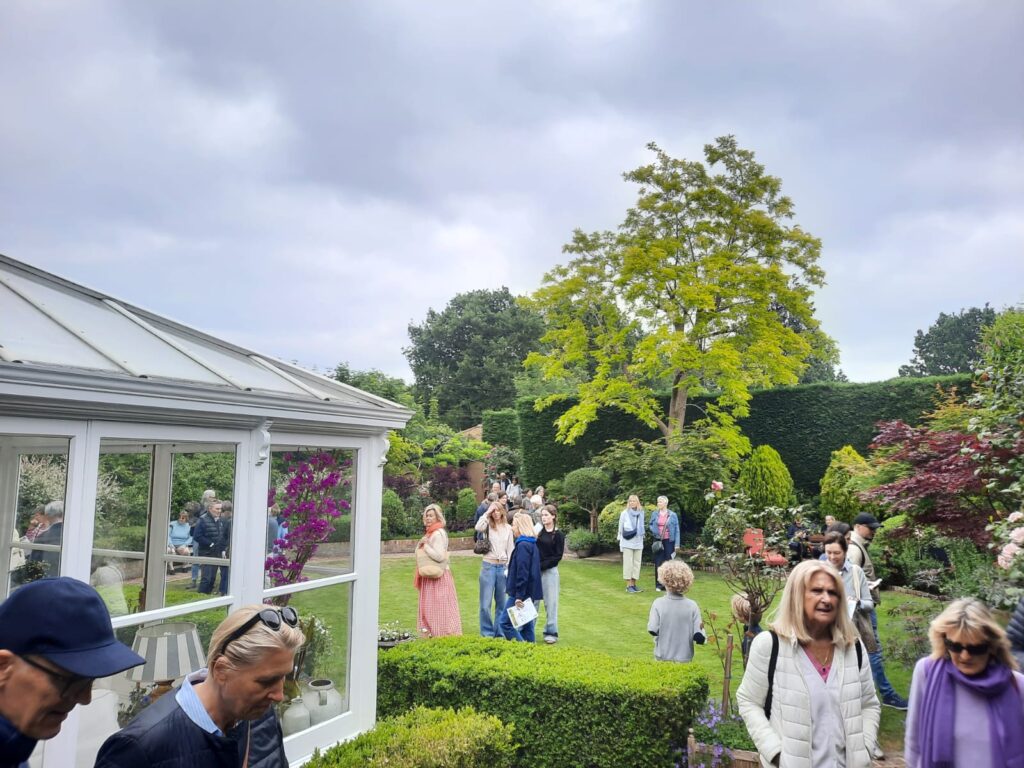
Rosebank, right next to Petersham Nurseries, offers a more modest yet equally charming presence. Though specific historical details are again limited, the house is reminiscent of the Arts & Crafts movement, with its emphasis on craftsmanship and harmony with nature. During the Petersham Village Open Gardens, Rosebank’s garden, though smaller in scale, held its own with thoughtful plantings and a welcoming atmosphere. The owner, observed sitting in the conservatory, seemed content to let the garden speak for itself.
These homes, while differing in scale and prominence, enrich what we can learn about Petersham through its gardens. Cecil House underscores the village’s historical depth and architectural continuity, while Rosebank highlights the enduring appeal of well-crafted, livable spaces. Together, they reflect a community where history and everyday life coexist.
New Homes, New Gardens
Petersham may look frozen in time, but it isn’t. Once a retreat from London’s heat and noise, it is now a well-heeled extension of Richmond. Life here is still leafy, but no longer sleepy. And the architecture continues to evolve.
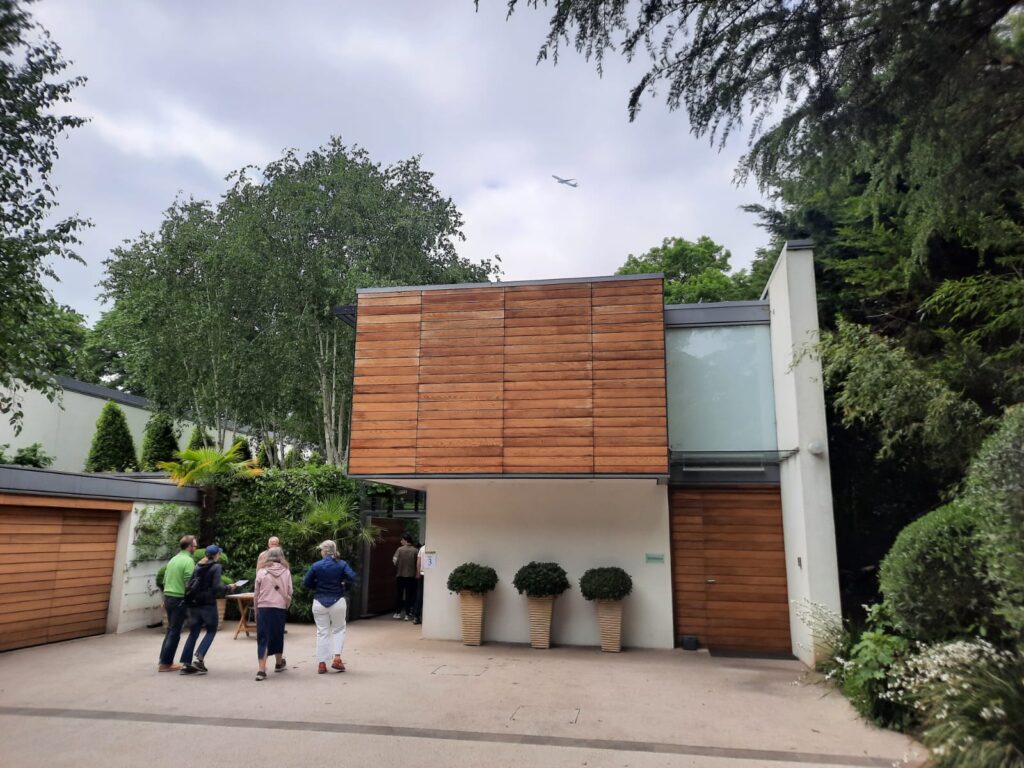
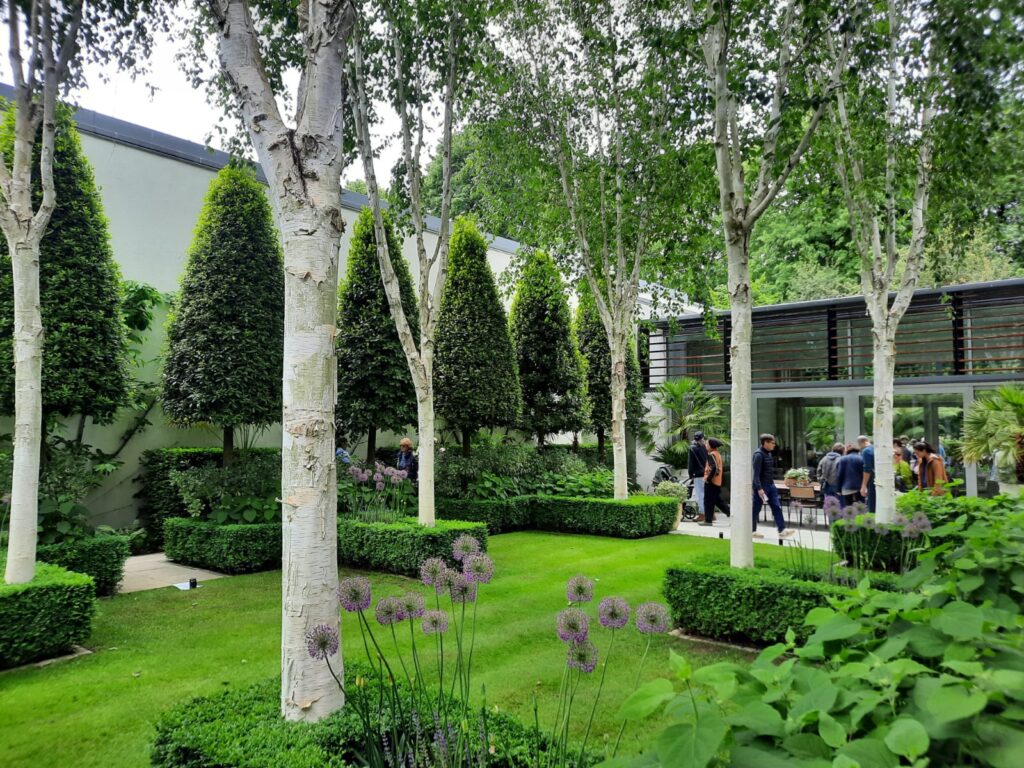
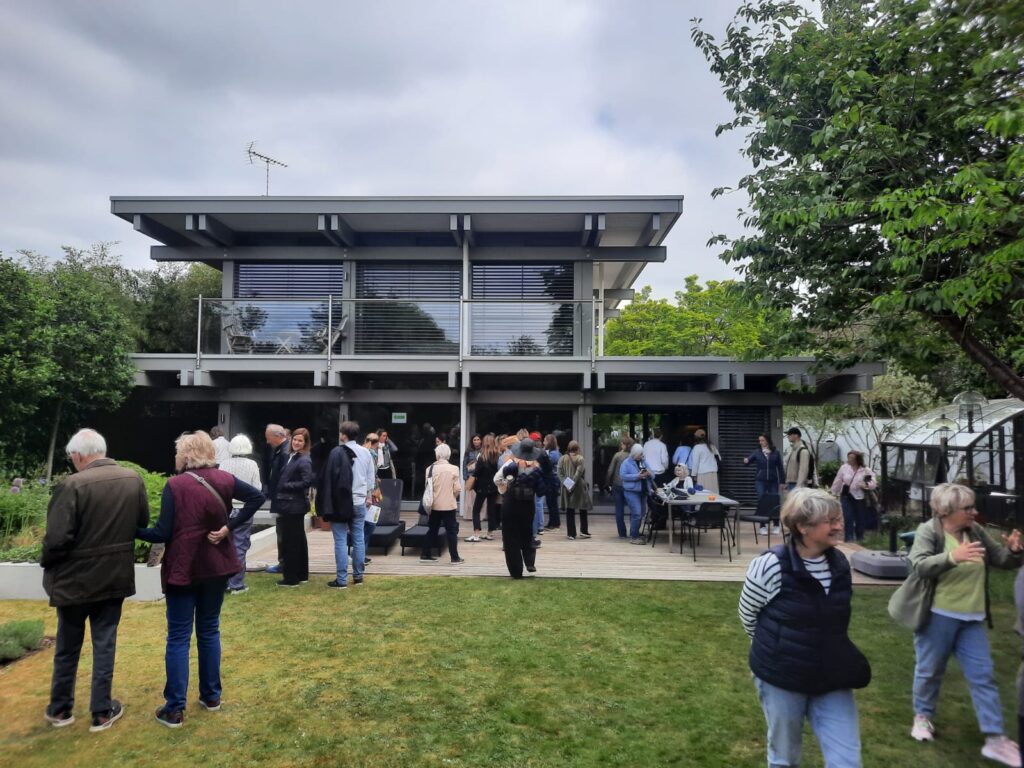
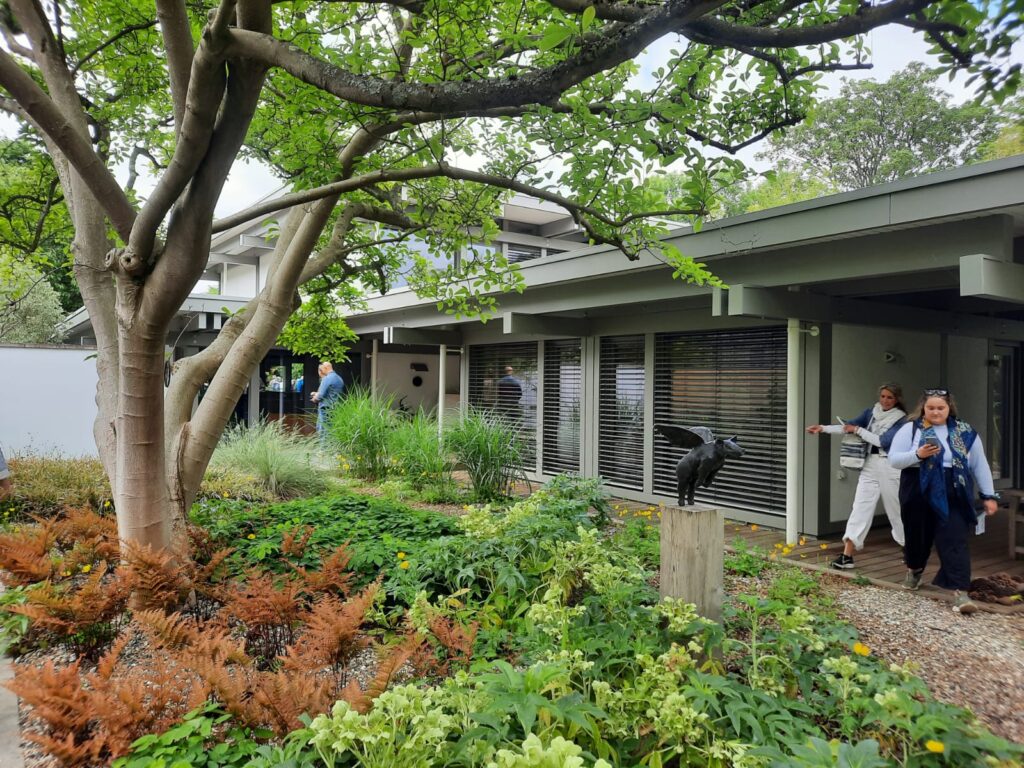
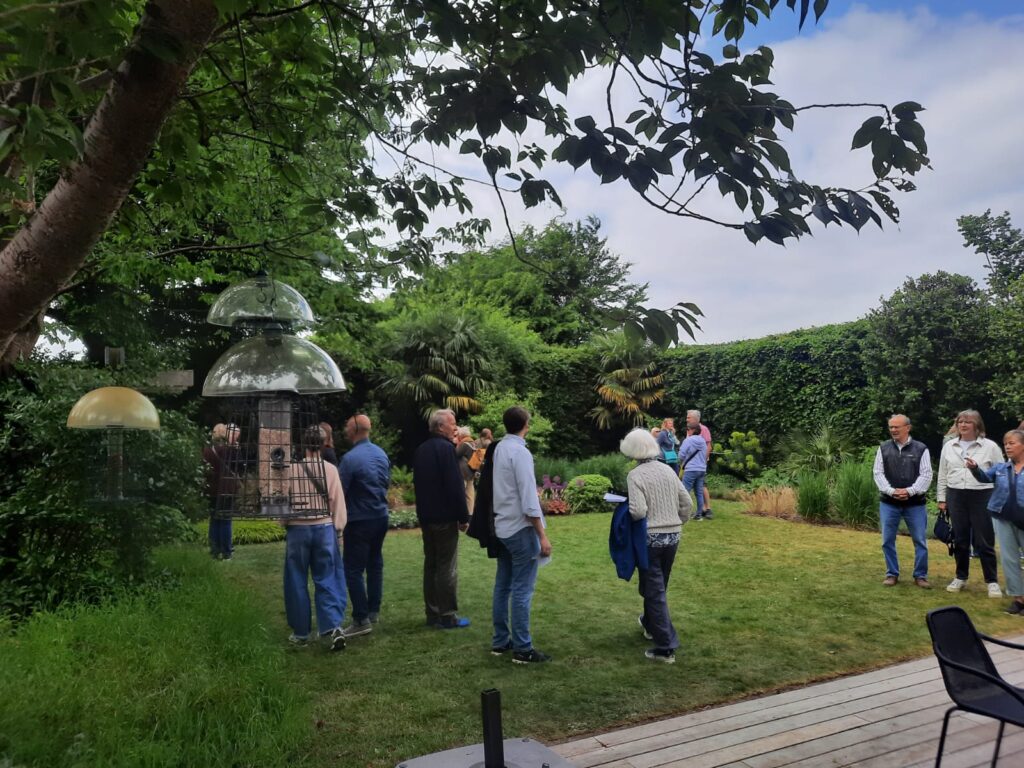
Two gardens on the Petersham Village Open Gardens trail reminded us of that: The Glasshouse and Twyntre, both part of contemporary developments. Each offered a different take on how modern architecture meets garden design. Their homes echoed the clean lines and large windows of West London modernist houses (the Picker House came to mind) as did their connection to their gardens.
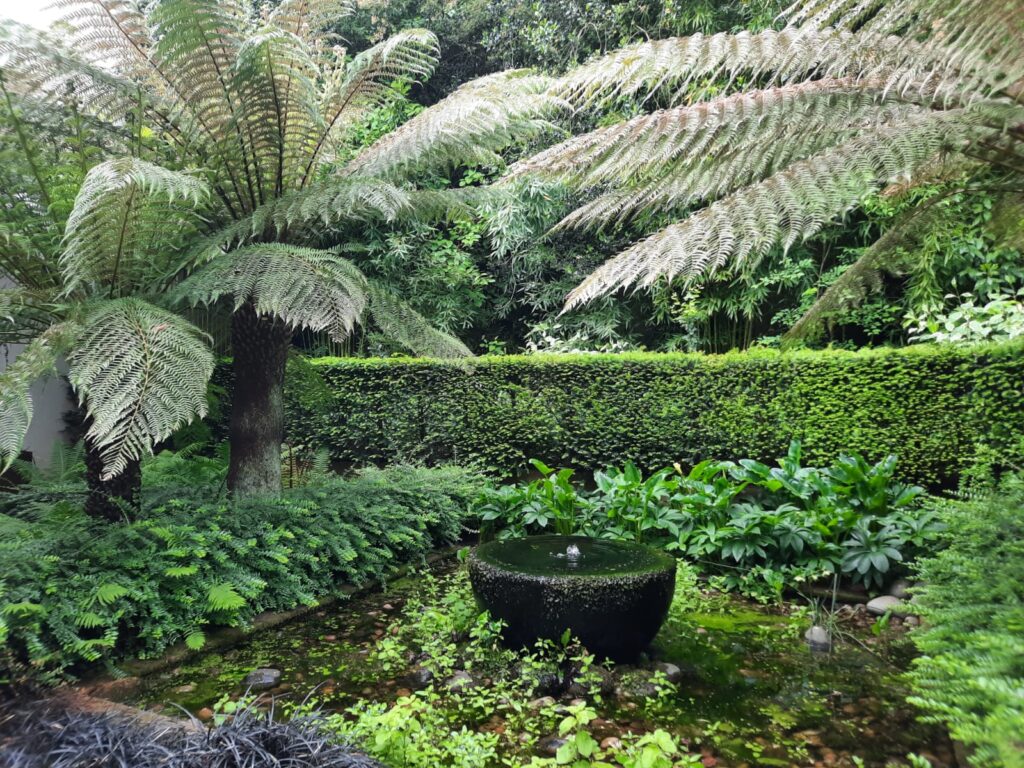
Here, instead of formal rose borders or centuries-old lawns, we saw relatively newly planted beds beginning to take hold. These spaces aren’t yet mellowed by time, but their confidence suggested they would age well. It was refreshing to see a different facet of Petersham’s architectural story.
In the end, this day felt like a stroke of luck. Petersham House’s garden was elegant, yes, but on its own it might not have justified my journey from South East London. The surprise discovery of the broader Open Gardens event turned a pleasant morning into something much richer. Wandering from garden to garden, map in hand, and exploring lanes usually hidden behind tall brick walls felt like a rare treat. Yes, it’s a slightly showy form of philanthropy, but in the context of West London, that fits.
So thank you, Petersham, for opening your gates and letting us have a proper nose around.
Trending
If you see this after your page is loaded completely, leafletJS files are missing.