
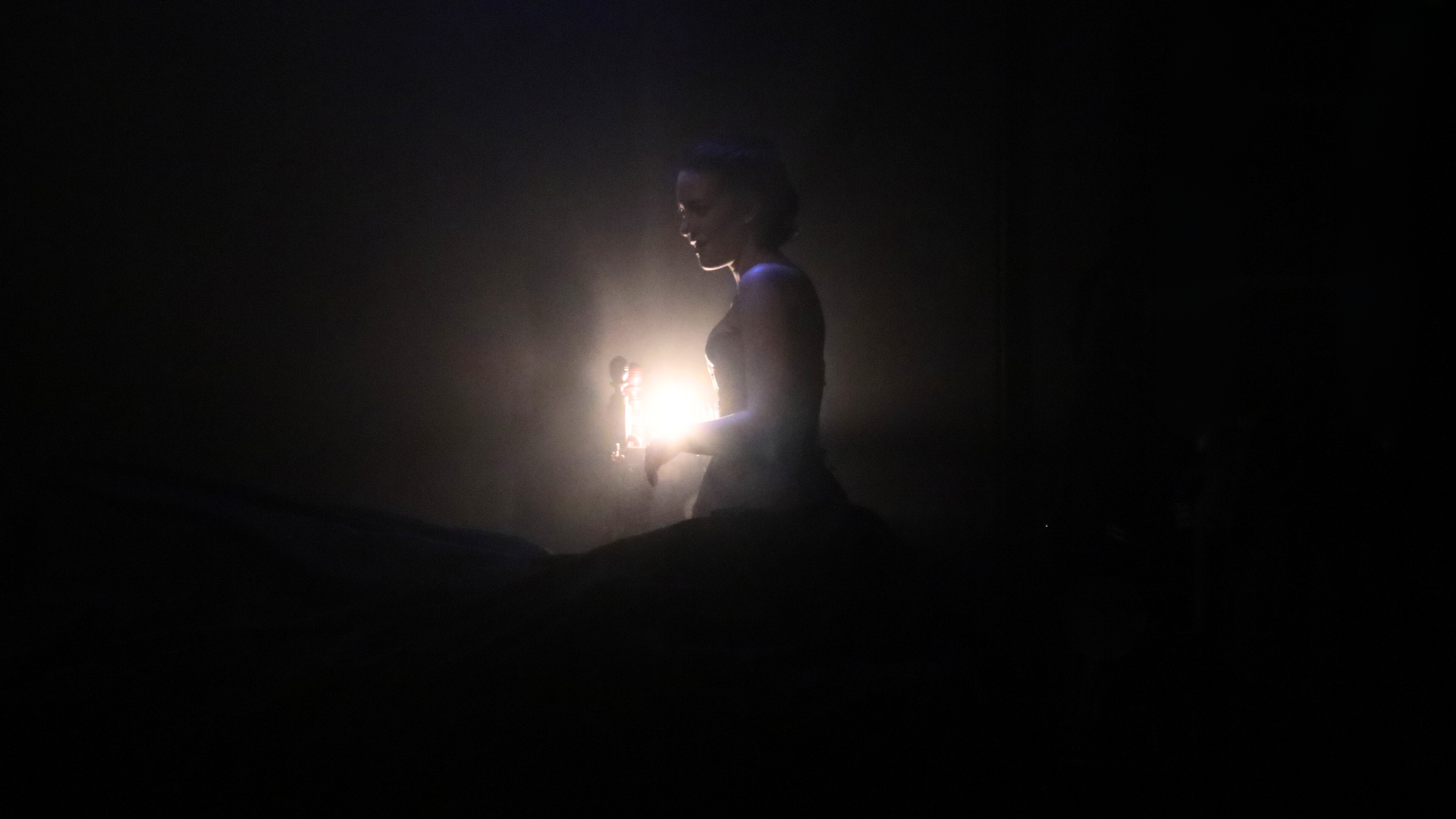
Frankenstein – British Touring Shakespeare / Bridge House Theatre, London
A feminist reworking of Frankenstein by British Touring Shakespeare brings new life to Gothic horror. On at the Bridge House Theatre just in time for Halloween.
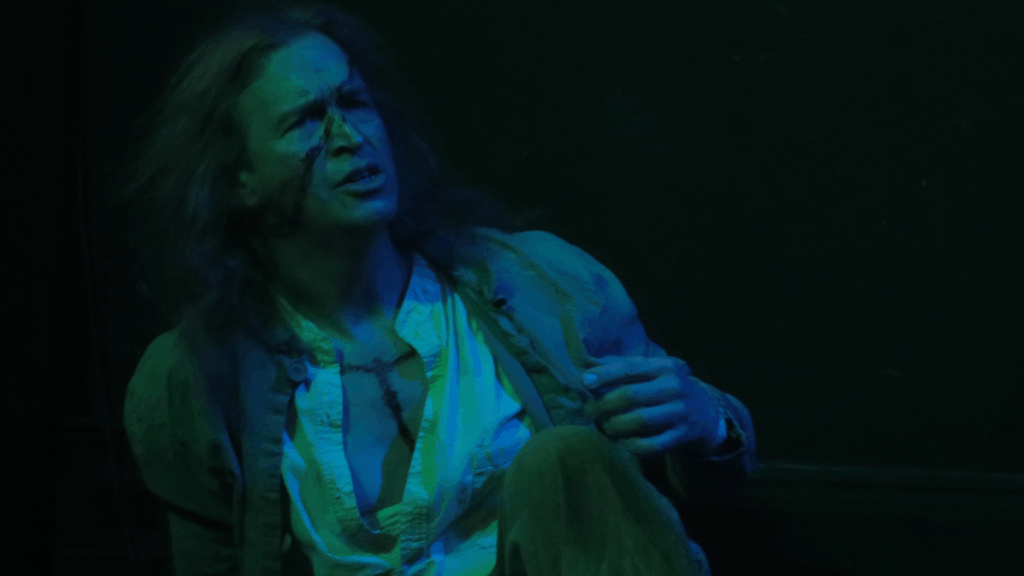
Frankenstein – British Touring Shakespeare
I’m here today with another Halloween-appropriate offering for you. From mysterious bog bodies on our last spooky outing, we now return to classic Gothic horror territory with British Touring Shakespeare’s Frankenstein.
I think we all know the broad strokes of Mary Shelley’s pioneering novel. A man obsessed with science pursues his obsession to its conclusion, without regard for the consequences. Having played God, he is frightened and repulsed by his creation and rejects it. Chaos ensues. Andrew and David Hobbs’ new version retains these elements, except for the gender. Frankenstein is now a woman, Victoria, unable to openly pursue the study of science. Expelled from the University of Ingolstadt, she finds a way to continue her work under the tutelage of a death-obsessed and sympathetic professor. Chaos still ensues.
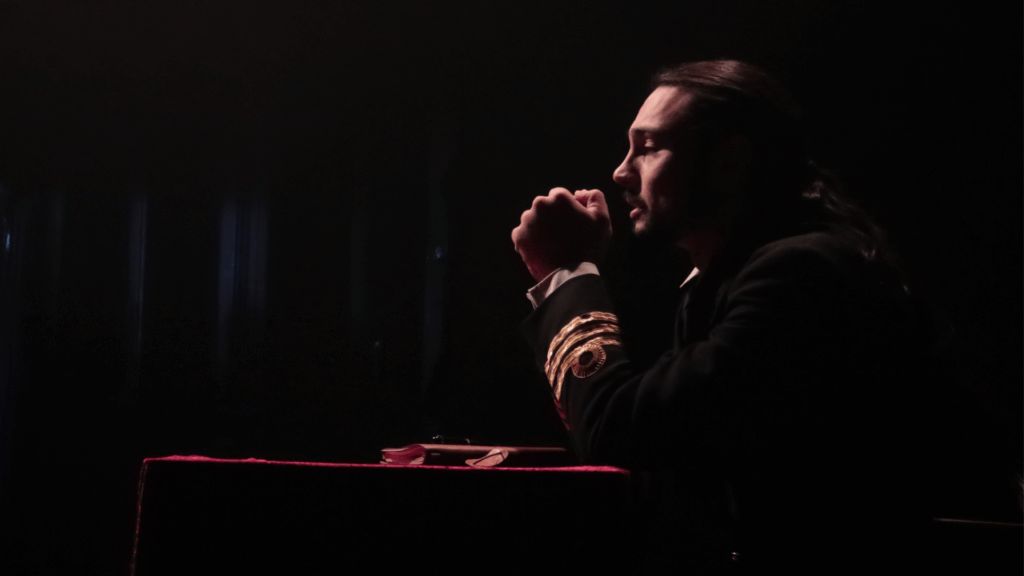
The adaptation keeps the framing of the original: the tale of Frankenstein and her monster is recounted to the captain of a ship (here the Prometheus) bound for the North Pole. Both Frankenstein and her monster get to have their say before the story comes to its conclusion. The main possibility the gender-swapping opens up, aside from the inclusion of some feminist quotes from Shelley’s mother, Mary Wollstonecraft, is of a final horror not part of the original plot. And here I do mean horror: as I said in my review of Bog Body, subtlety and suspense are key to that creeping sense of dread that is proper psychological horror. This adaptation does it well.
The other thing the adaptation does well is its attention to era-appropriate language. The dialogue is consistently and authentically Victorian, which gives weight to the levels of melodrama throughout. I don’t mean that pejoratively – it’s a melodramatic tale, just as Shelley’s original is. The cast of five get into the full swing of this, throwing themselves around the stage (one of the fullest uses of a space I’ve seen) and committed to every scene. The costumes, on the other hand, take inspiration from the steampunk space, or maybe anime or comic books. Victorian in inspiration, but with flourishes that would have genuine Victorians fainting in the aisles. It works, though, to create a world that is both historic and modern at once. Different but recognisable.
Reanimating a Classic
Mary Shelley’s work is a classic for many reasons, including its themes of hubris, its deep emotional truths, and its influence on later science fiction and horror. Here we have a reworking that manages to keep all of that intact, even as it changes the terms of the story. The moral questions remain: what does it mean to create life, and where does responsibility end? But there’s a new tension in seeing those questions explored by a woman. Victoria Frankenstein’s drive is both scientific curiosity and a refusal to accept constraint – social, academic, or moral. Creation is now rebellion.
The creature, too, is reframed in this context. Still tragic, still unsettling: his pain at the rejection of his creator feels more acute when set against Victoria’s own exclusion. Their scenes together are the core of the production. Megan Carter and Paul Winterford make that dynamic convincing, building a rhythm that oscillates between connection and confrontation. When the final horror arrives, it lands with force because the emotional groundwork has been done.
The rest of the company (Maximillian L’Olive, Alice Gold and Tom Thornhill) play multiple roles with real energy and wit. Alistair Smith’s live music threads through the piece beautifully, atmospheric without overpowering the action. Plus he steps in seamlessly as a sixth performer when required. The production is directed by Andrew Hobbs, with lighting design by Luke Adamson, props by Graham Coventry, and costumes by Amanda Beauchamp. Together their detailed, imaginative designs strike that balance between period and fantasy.
What makes this Frankenstein work is that it takes itself seriously enough to be moving, but never so seriously that it tips into parody. The lighting shifts from laboratory glare to icy Arctic hues; the soundscape builds a real sense of place; the staging is simple but inventive. It’s a small production with big ideas.
In the end, Frankenstein remains a story about creation and consequence, about what happens when we seek to master life itself. This version reminds us that those questions still matter. More than retelling Shelley’s story, it reanimates it.
Salterton Arts Review’s rating: 4/5
Frankenstein on at the Bridge House Theatre until 1 November 2025. More info and tickets here.
Trending
If you see this after your page is loaded completely, leafletJS files are missing.