
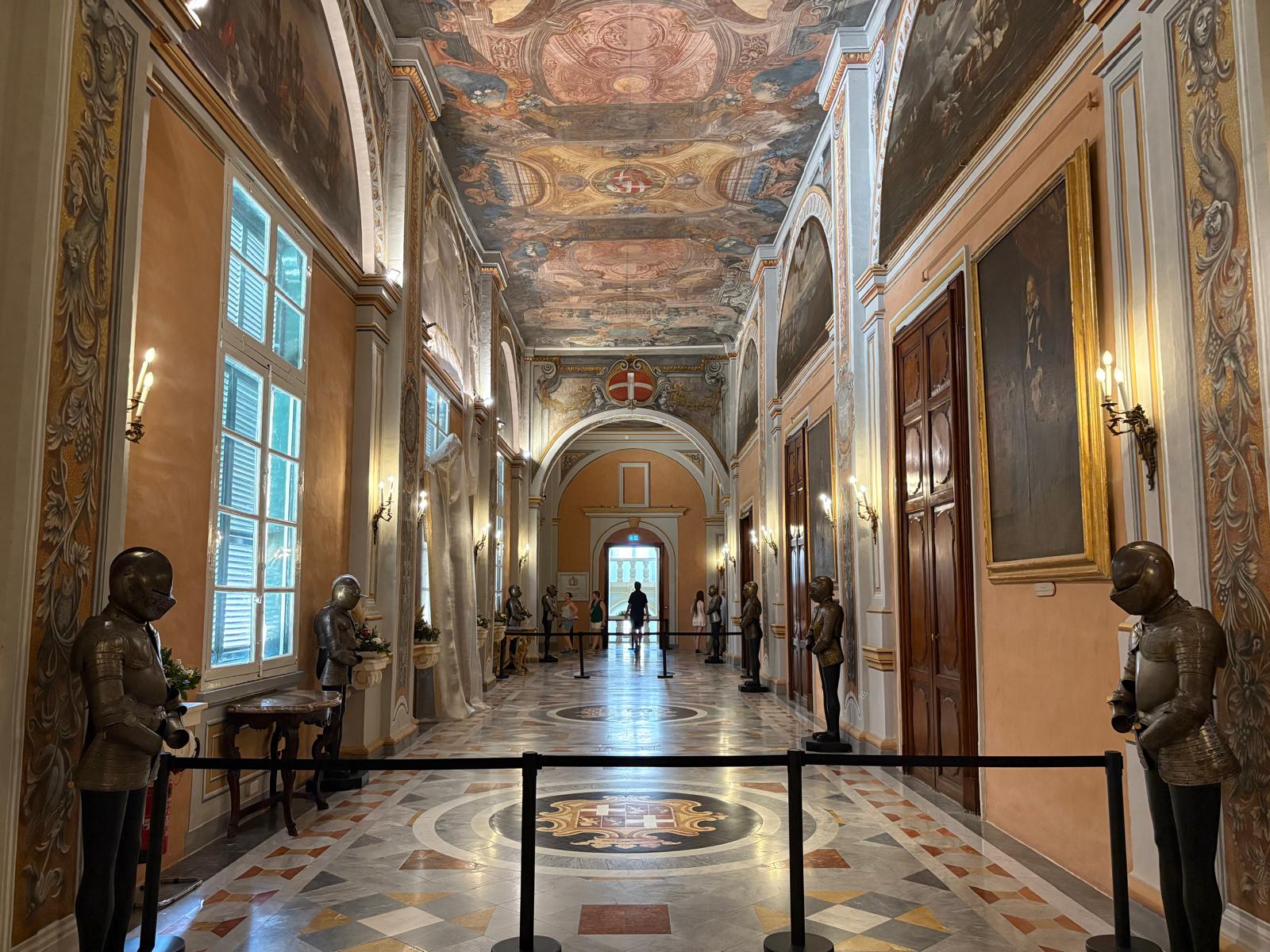
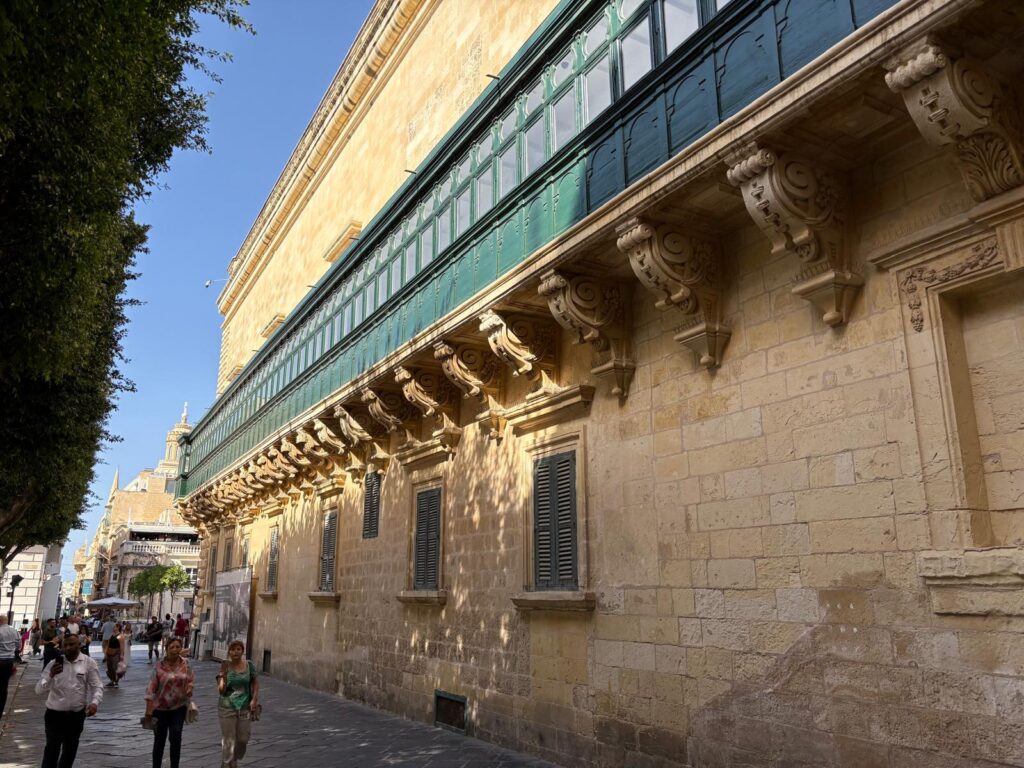
The Grand Master’s Palace (Il-Palazz tal-Granmastru), Valletta
An imposing building in the middle of Valletta’s Old Town, the Grand Master’s Palace is a great place to learn about the history of Malta from the Knights Hospitaller onwards.
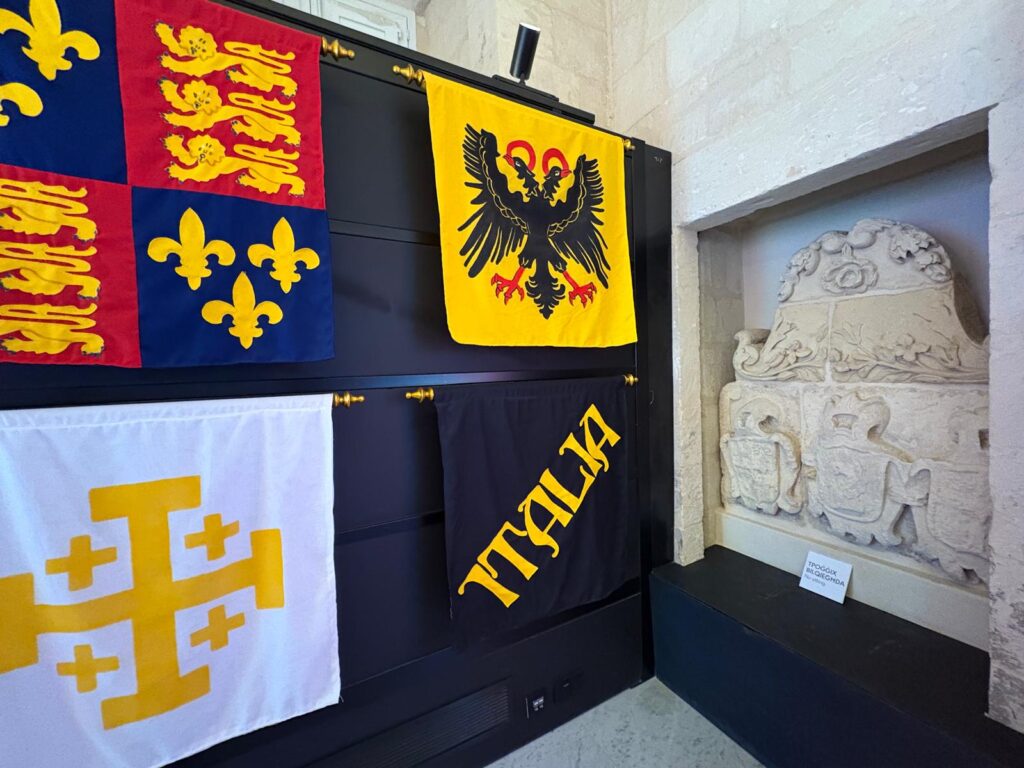
To Begin With, What is a Grand Master?
In my last post, we visited Malta’s National Museum of Archaeology. I love archaeology, so that was a must-see for me. But I also explained that it is an interesting museum because of the building it’s in, the 1571 Auberge de Provence. An auberge, as regular readers will be almost sick of hearing by now, means ‘inn’. The Knights Hospitaller were organised by nationality, or langue, each with their own headquarters: the auberges. It’s a useful bit of information to have when exploring Valletta, Birgu (Vittoriosa) or Mdina.
Today’s post will teach us about a different aspect of the history of the Order of St John: the Grand Master. The Grand Master was essentially the leader of the Knights Hospitaller. Going back to the beginning, the Order was a bit more humble, and their leaders called themselves custos, or guardian. Things began to shift during their time in Rhodes. First the word magister, or master, appeared on coins. Then Jean de Lastic, who was in charge from 1437 to 1454, called himself grandis magister. The form magnus magister, also meaning Grand Master, ultimately took off. And from 1607, the Grand Master was also a prince of the Holy Roman Empire. And it continues today, in a slightly different form: the current Prince and Grand Master of the Sovereign Military Order of Malta is one John T. Dunlap.
Grand Masters were elected by their fellow knights amongst senior members chosen for their leadership skills. Acts of service, including expensive gestures like funding a cathedral or similar, didn’t go amiss. Once elected and approved by the Pope, they were generally Grand Master for life. The role, like the Order, was both spiritual and temporal. Grand Masters were responsible for administration and justice, military strategy and leading troops into battle, and the defense of Christendom.
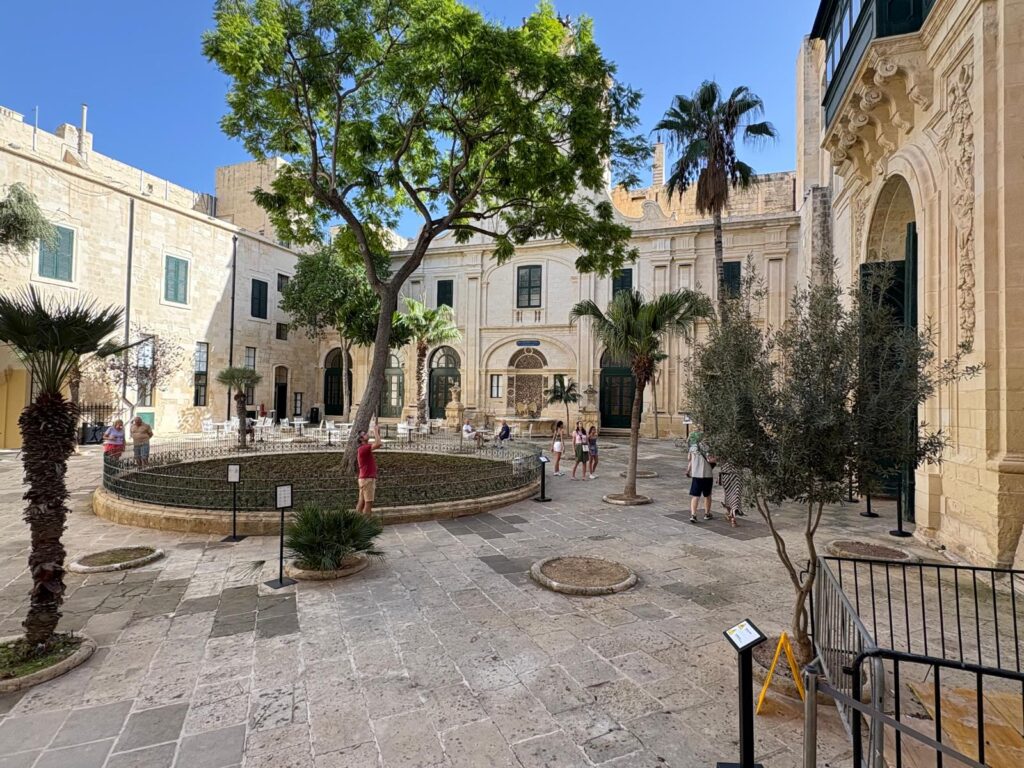
The Grand Master’s Palace
Alright, then. We know what a Grand Master is now, and saw how the role developed from the rector of a hospital to a prince with great responsibility, both temporal and spiritual. Let’s now learn a little more about the building we’re visiting today, the Grand Master’s Palace.
This is not the only Grand Master’s Palace in existence. Or maybe it is, technically. In Rhodes there is a Kastello, so more a fortified castle than a palace. And when the Knights moved to Malta in the 1530s, I can’t find that they had a Grand Master’s Palace initially. Mdina was the capital, pre-Knights. It has auberges, and the Palazzo Vilhena built by Grand Master António Manoel de Vilhena, but that was as a summer residence and a place to watch ceremonies. I’ve also seen mention of a summer palace, or residence, in Floriana. But this seems to be the main one.
It’s often cited as the first building erected by the Knights Hospitaller in Valletta (which they purpose-built as a new capital after the 1565 Great Siege of Malta – it’s named for then-Grand Master Jean de la Valette). But it wasn’t originally the Grand Master’s Palace. A few buildings stood on the site, which now covers a city block. One – the oldest – was the house of Eustachio del Monte, nephew of the Grand Master at the time Pierre del Monte. From 1574, after Eustachio’s death, the Order began to expand it into a palace. They incorporated what was then the Auberge d’Italie, and more land, until it reached its present size.
A Bit More History, Including Transformation Into a Museum
The time of the Knights Hospitaller came to an end in 1798, with the arrival of French forces and the imposition of French rule. This was only for two years until the British took over in 1800, but during the French period the Grand Master’s Palace became the Palais National, in keeping with Revolutionary values. During the British period it became the Governor’s Palace, the official residence of the Governor of Malta, and a royal residence when required. It was also the seat of the Parliament of Malta from 1921 to 2015. The House of Representatives then moved to a new, purpose-built space, part of the Renzo Piano City Gate complex. From the time of Maltese independence in 1964 the Palace was home to the Governor-General rather than Governor, and it’s also been home to the office of the President of Malta since that role was first established in 1974.
A busy place indeed! And it isn’t just Grand Masters, Governors, Parliamentarians and other officials who have been walking its corridors all this time. The Grand Master’s Palace has been open to visitors, at least in part, since 1860. That is the year that the Palace’s Armoury opened as Malta’s first public museum. We’ll come onto the Armoury in a moment – it’s a very impressive place. It actually hosted Malta’s parliament for some years, necessitating the movement of the collection to a former stables. But as far as I can tell it’s now back in its original spot.
Visitors to the Grand Master’s Palace today can see more than ever before. About 85% of its footprint is accessible (presumably the rest is the Office of the President). In June this year (2025), nine staterooms were opened to the public for the first time, after extensive restoration. I didn’t realise how lucky I was, stumbling across it just a few months later, to see so much of the building’s rich history.
A Few Highlights
As I just noted, I sort of stumbled across the Grand Master’s Palace. I’d read about it in my guidebook on Malta, noted it as a potential thing to do, but in the end we decided to go in on a whim (a bit too early for lunch, you see). So I hadn’t read much about what was inside.
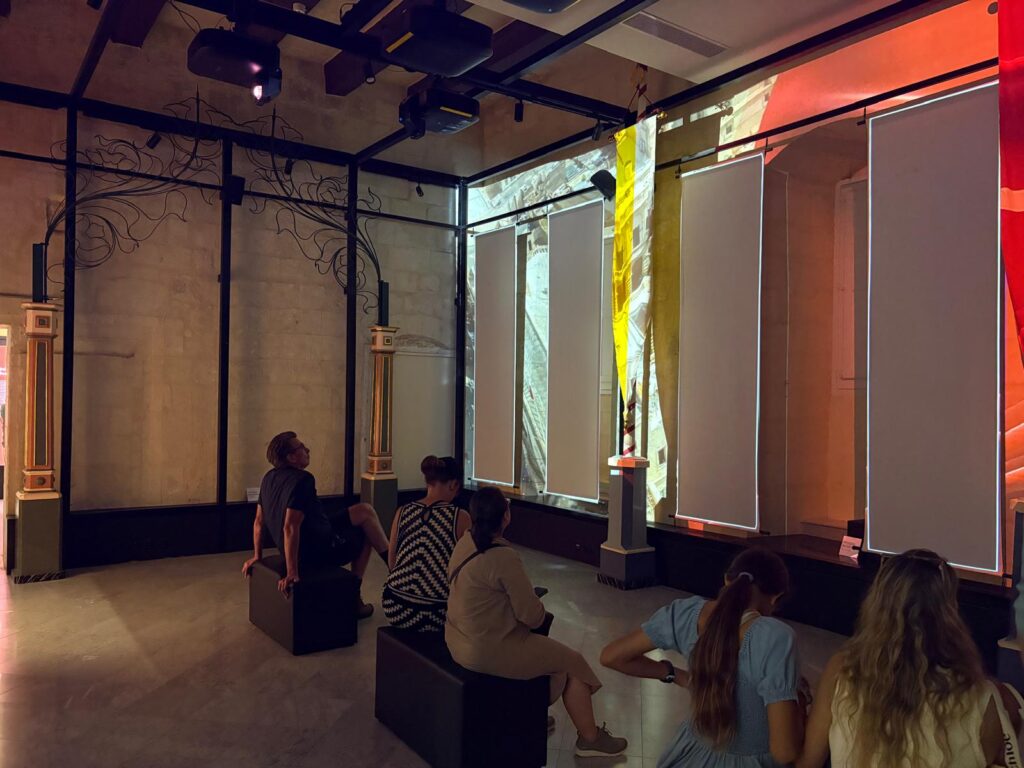
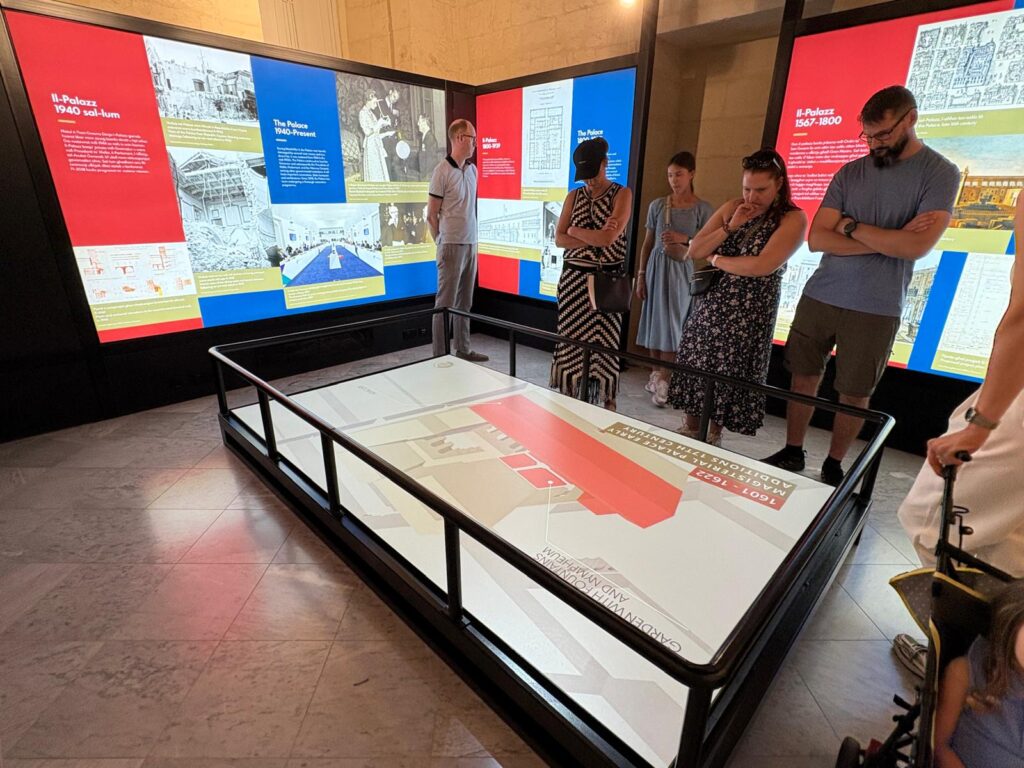
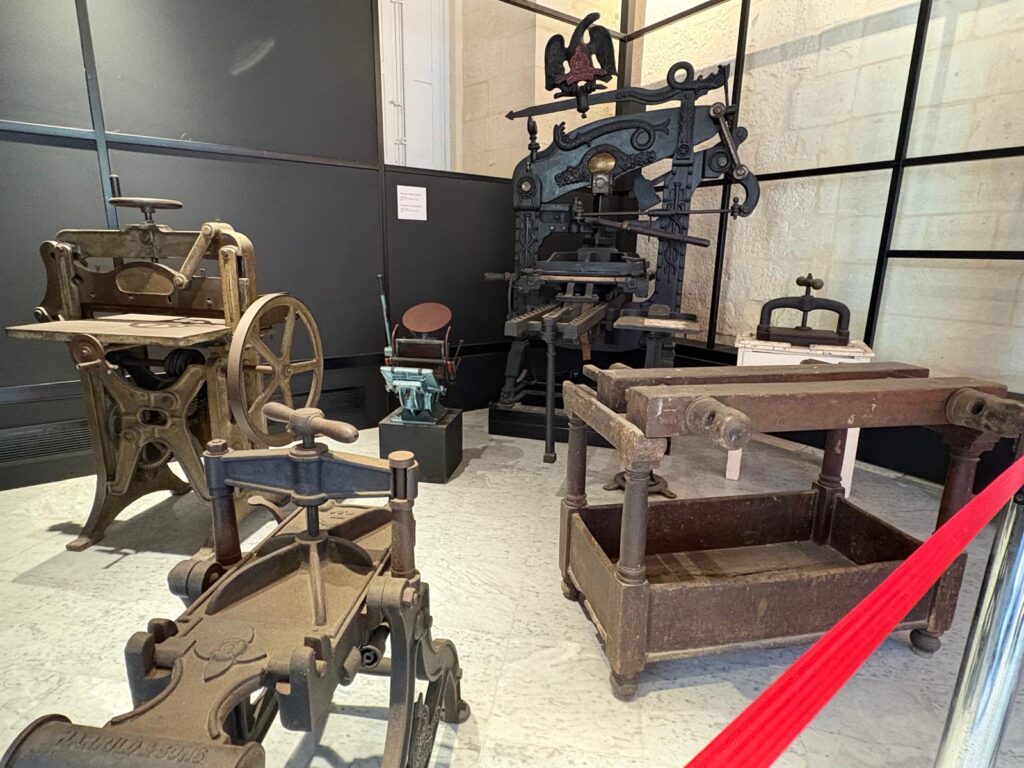
Luckily, the first thing you encounter is a multi-media exhibition across a few rooms which tells you all you need to know. There’s a quick overview of Malta’s history, the Order of St John, this building, and some of the uses to which it has been put over the years (including a printing press). It’s when you progress beyond this section, across the courtyard and up the stairs, however, that you’ll encounter what I thought was the most astonishing sight within the palace.
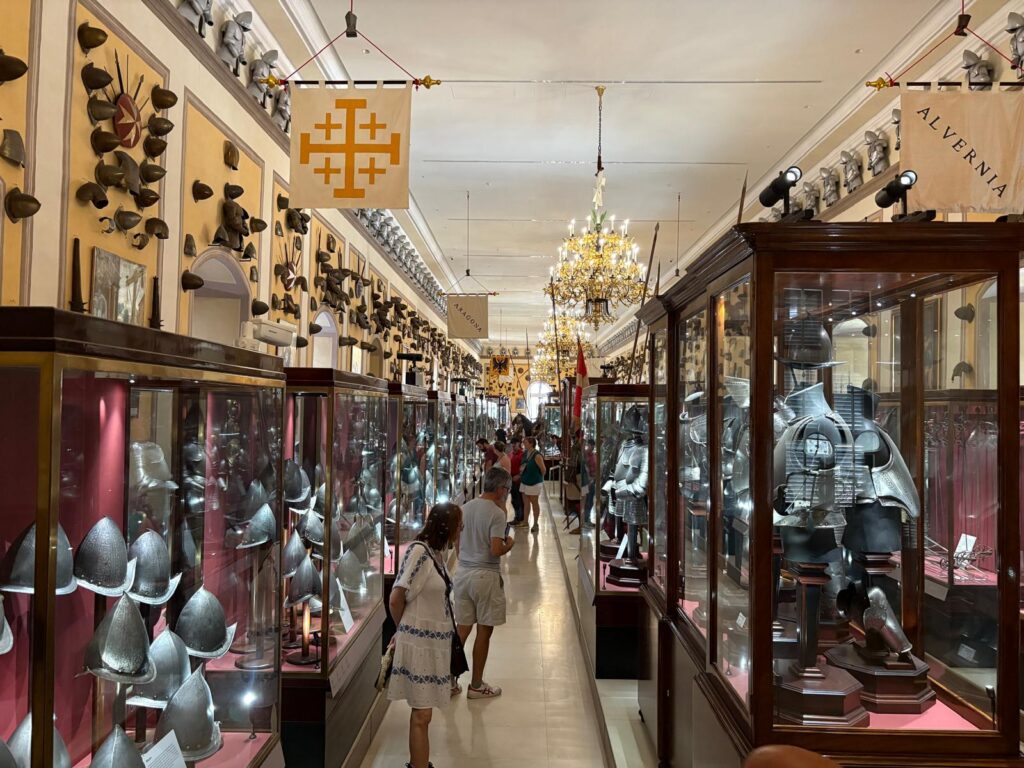
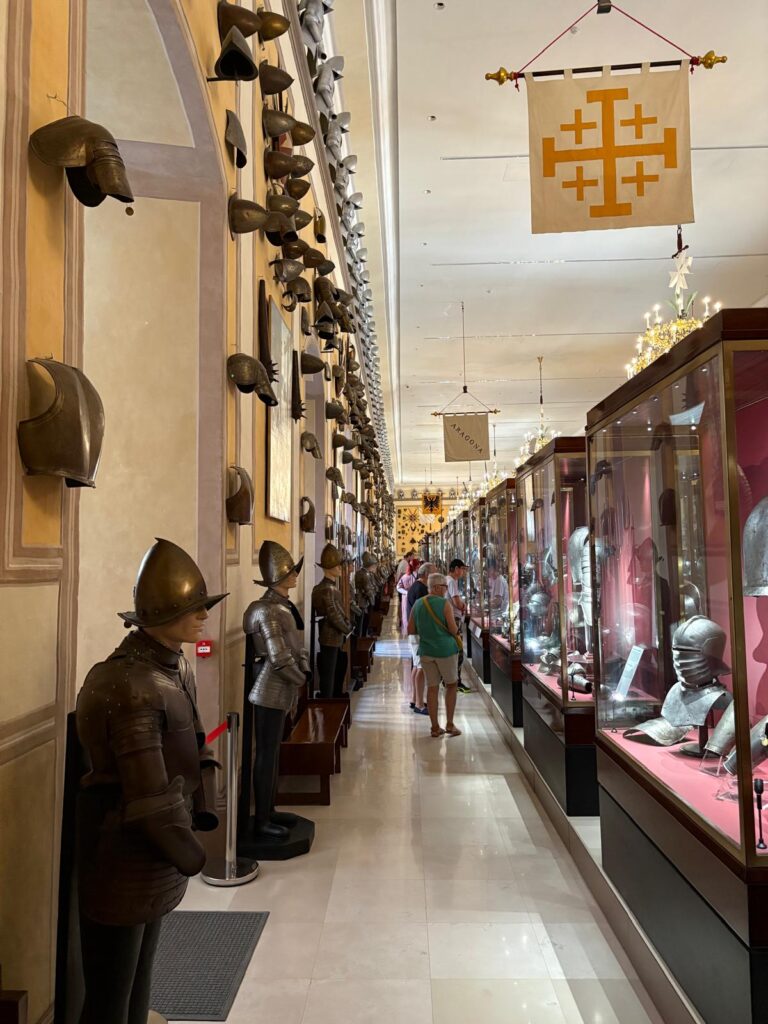
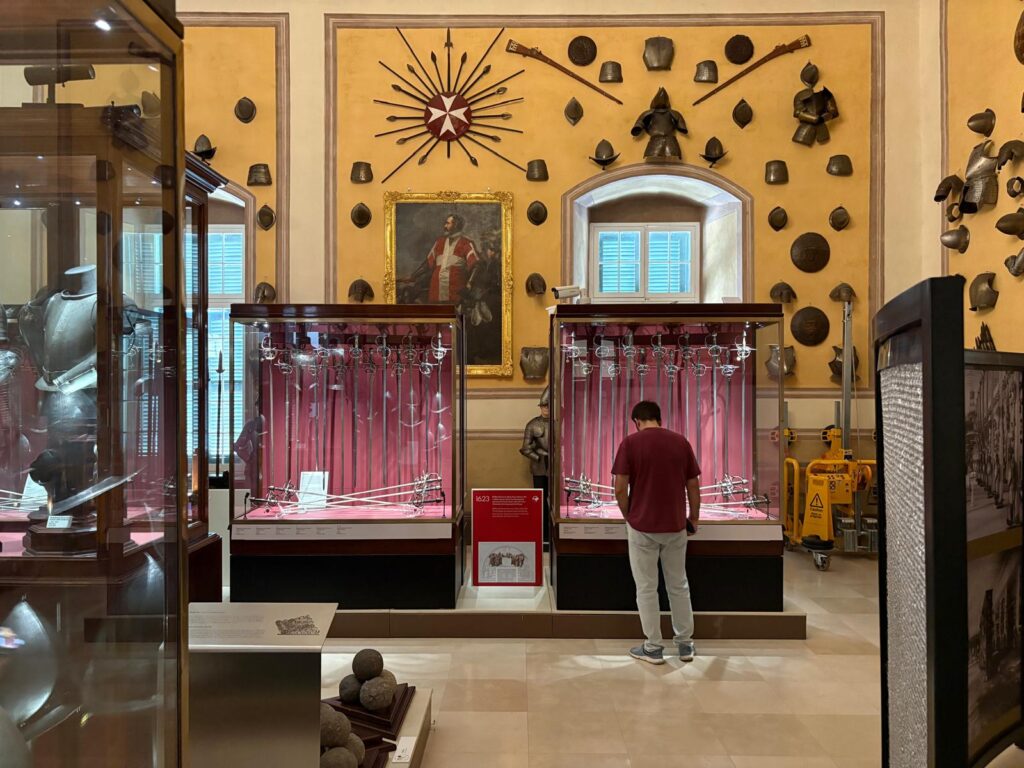
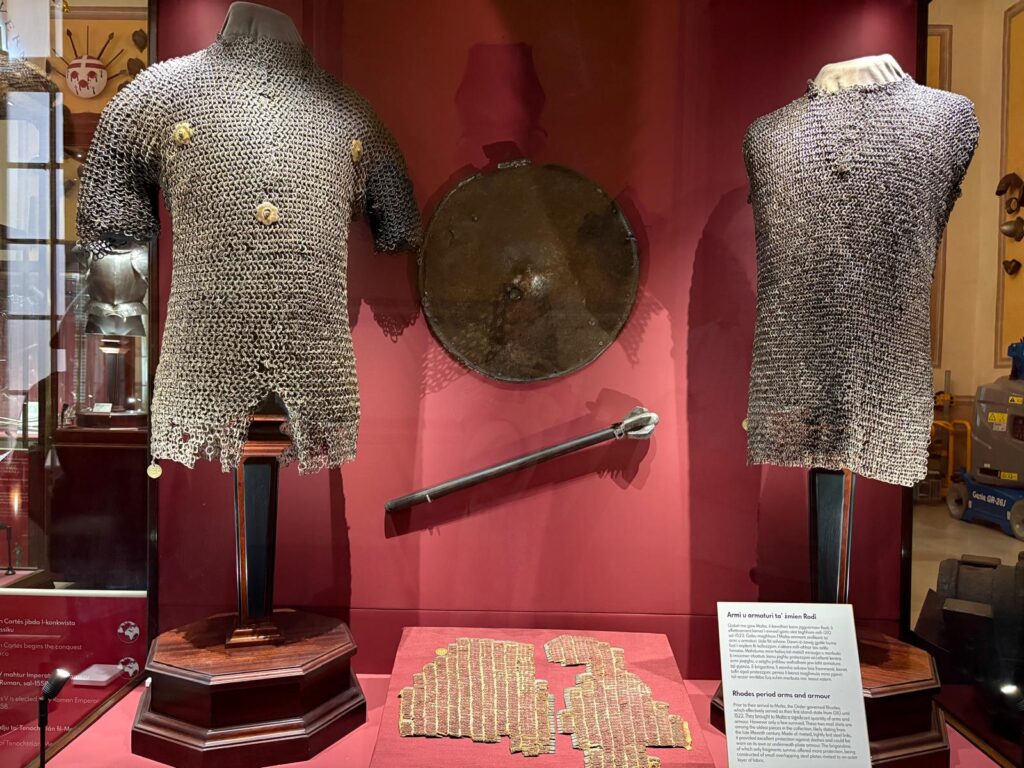
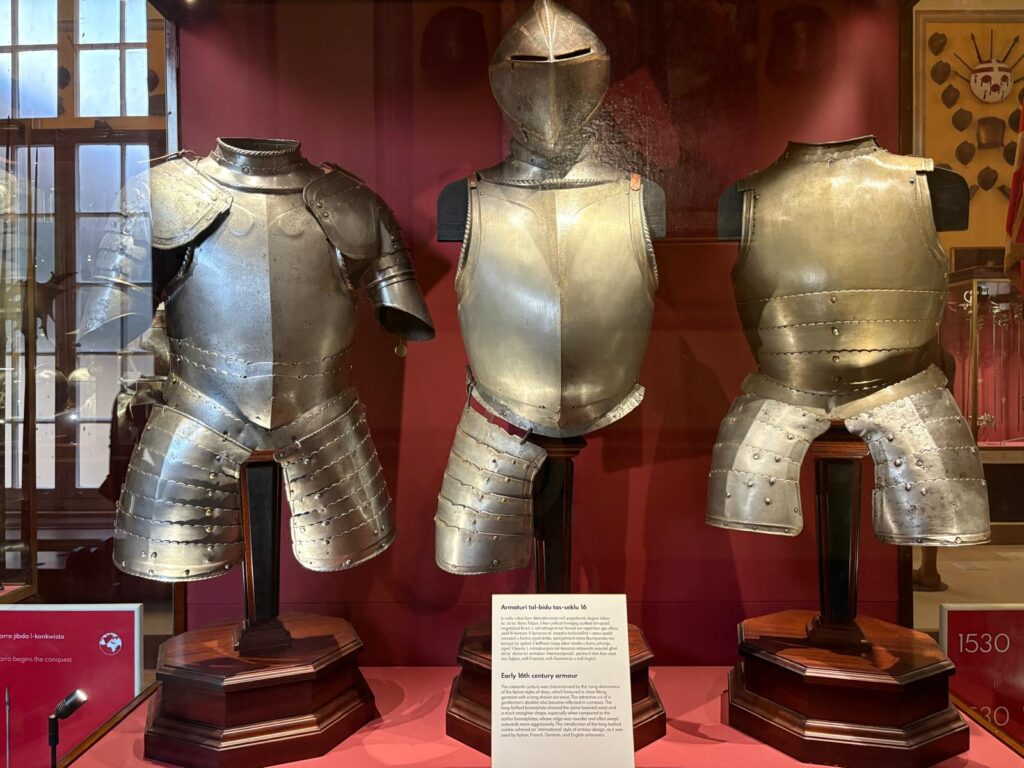
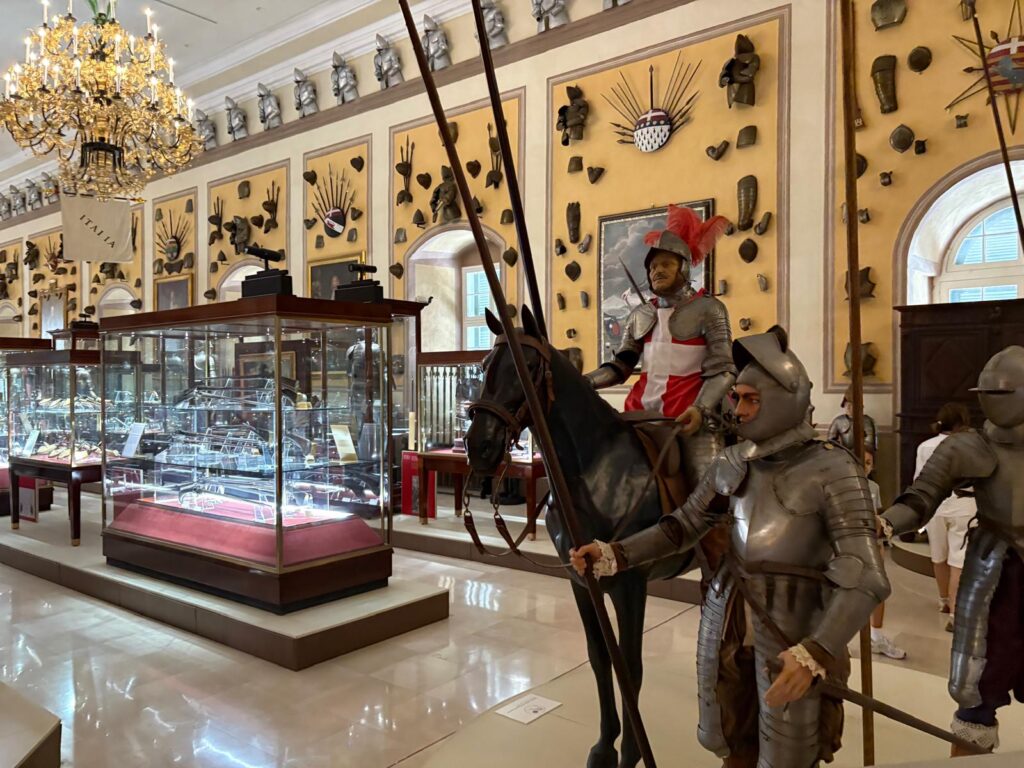
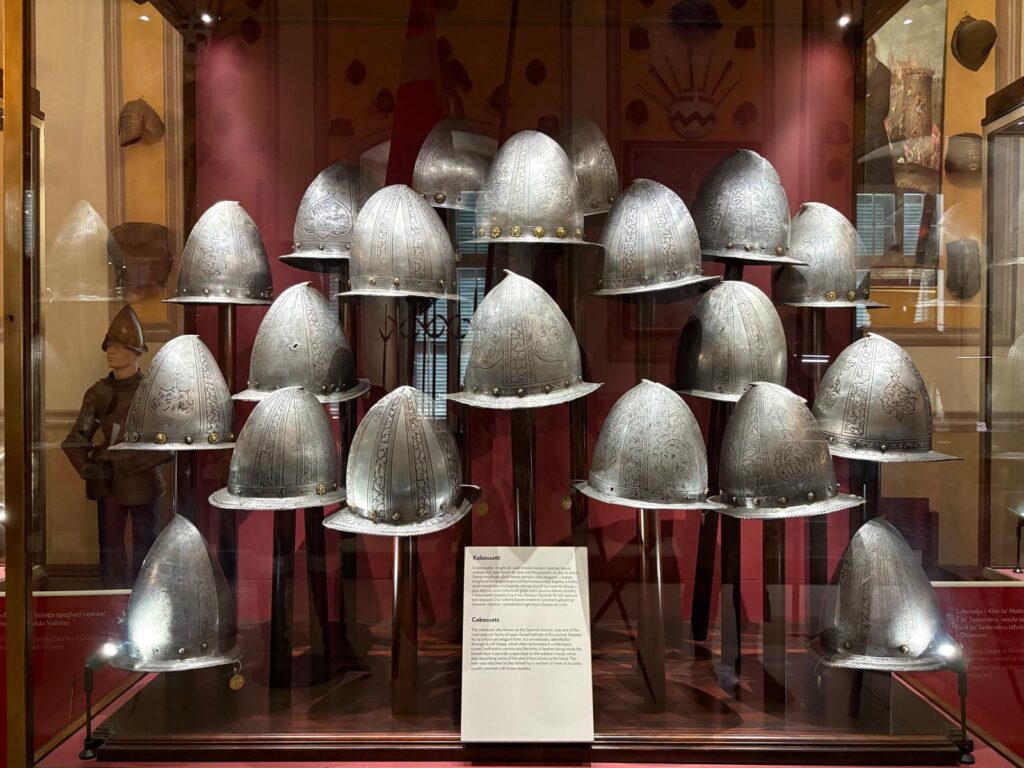
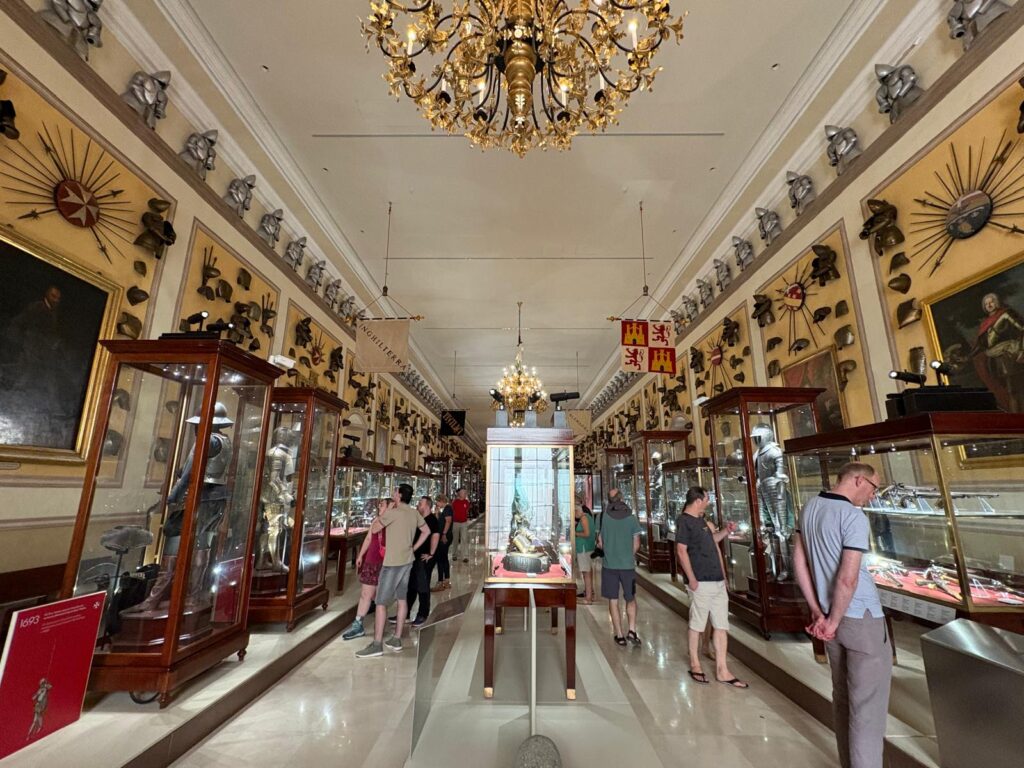
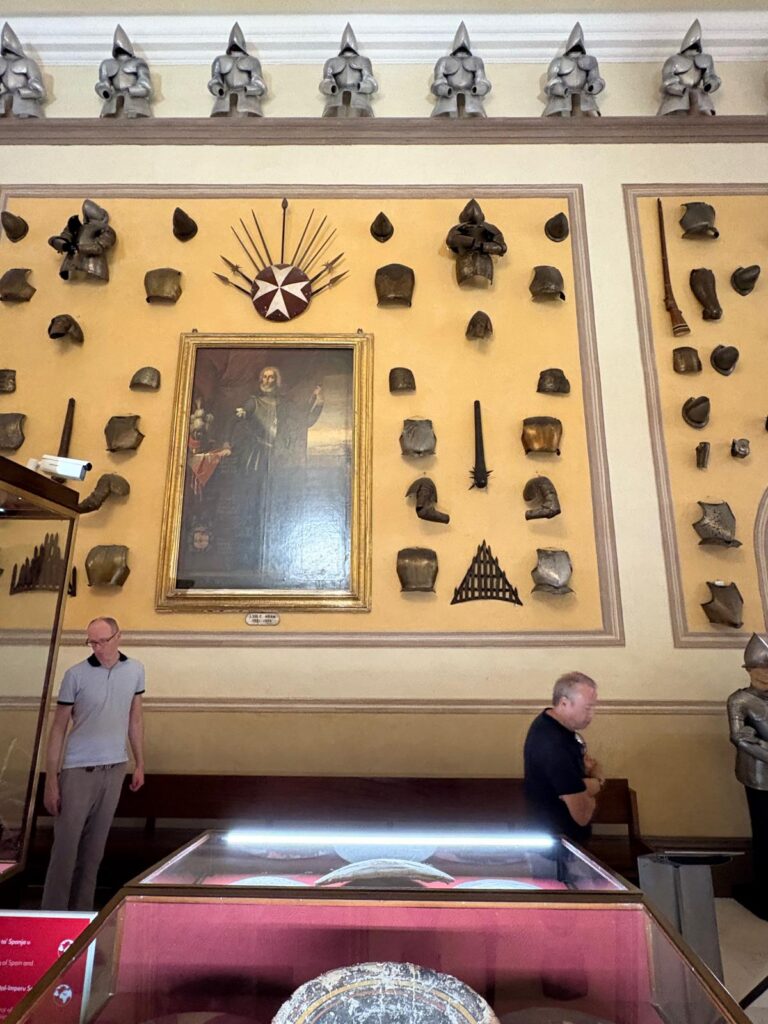
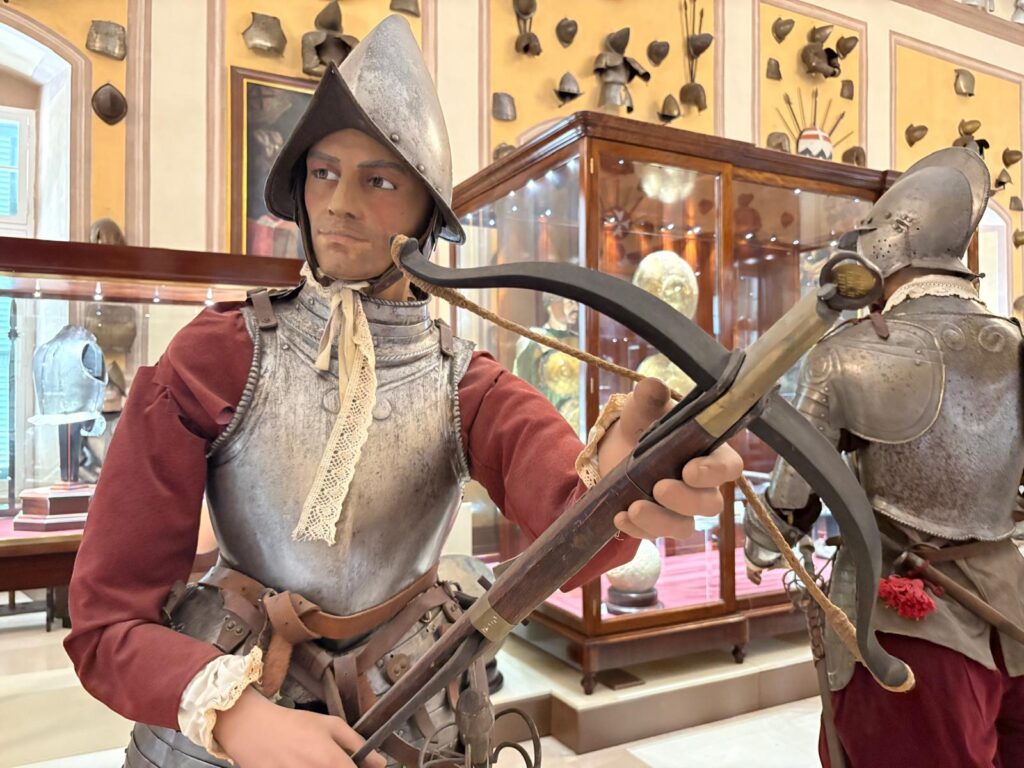
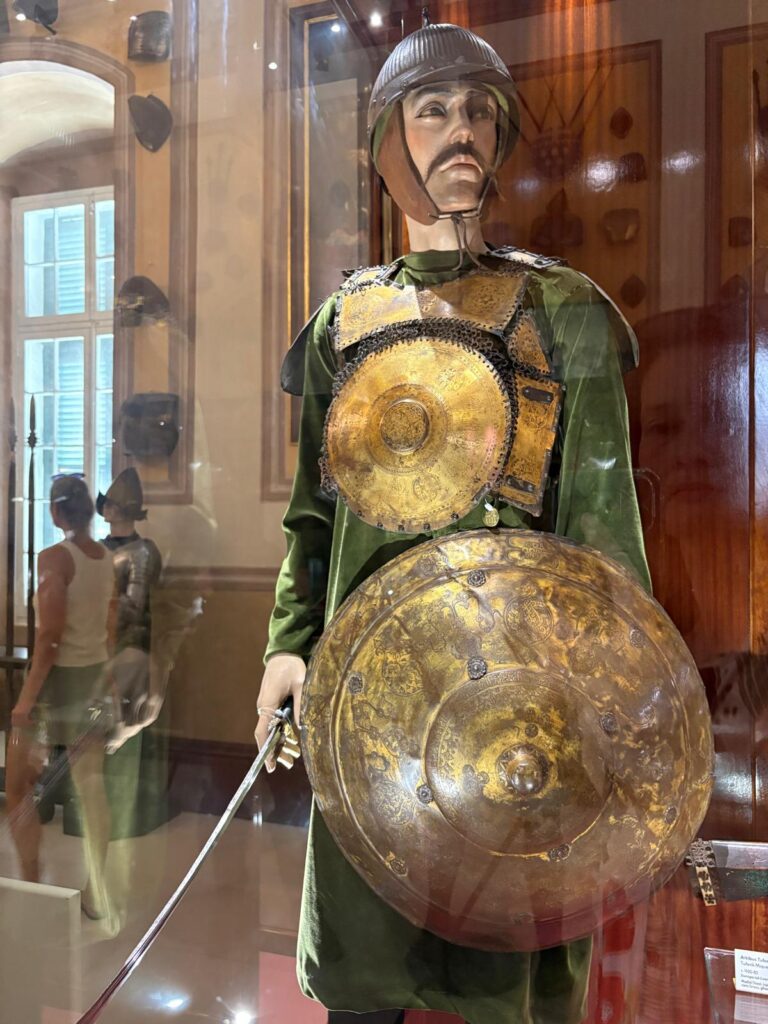
Remember how I said the Armoury was the first part opened to the public, and Malta’s first museum? There’s a reason for that. It’s highly impressive. This is one of the world’s largest collections of arms and armour. It was originally assembled for its intended purpose – the Order’s military defense and ‘defense of Christendom’. But, arrayed in patterns across the walls and in cabinets, it’s also a strangely beautiful sight. There are innumerable suits of armour. Powder flasks, swords, and firearms. If some of the weapons look positively medieval, maybe it’s because they are. There are weapons seized from the Ottoman forces during the Great Siege of Malta, and items belonging to some of the famous Knights Hospitaller through the centuries. What a proclamation of power.
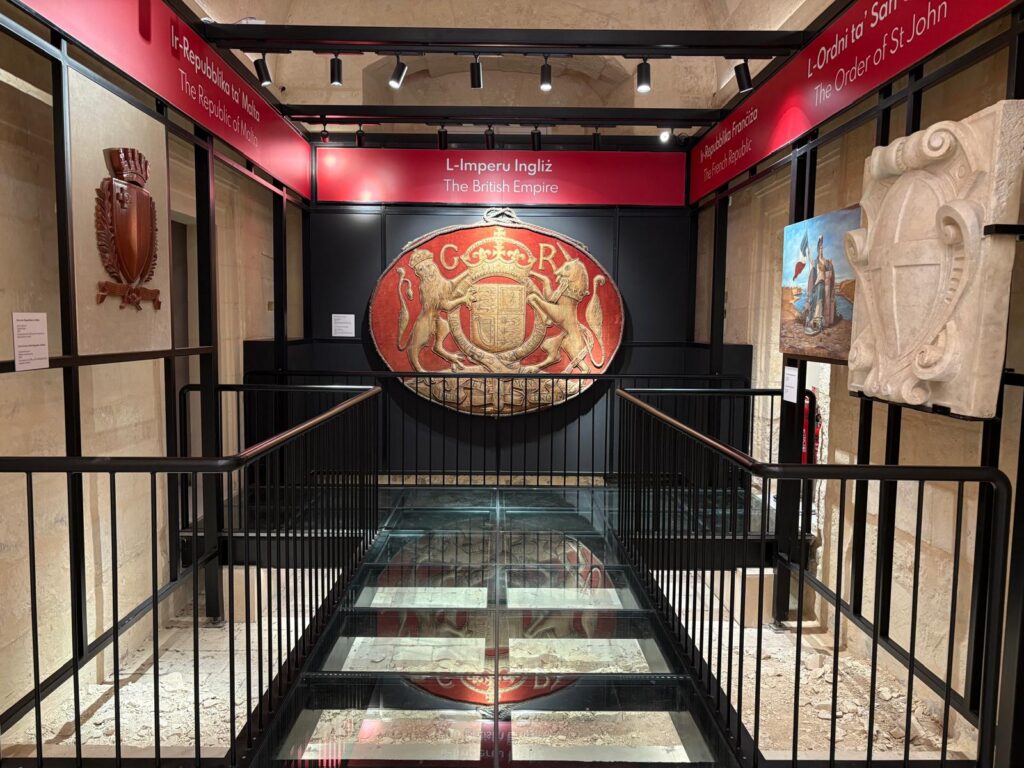
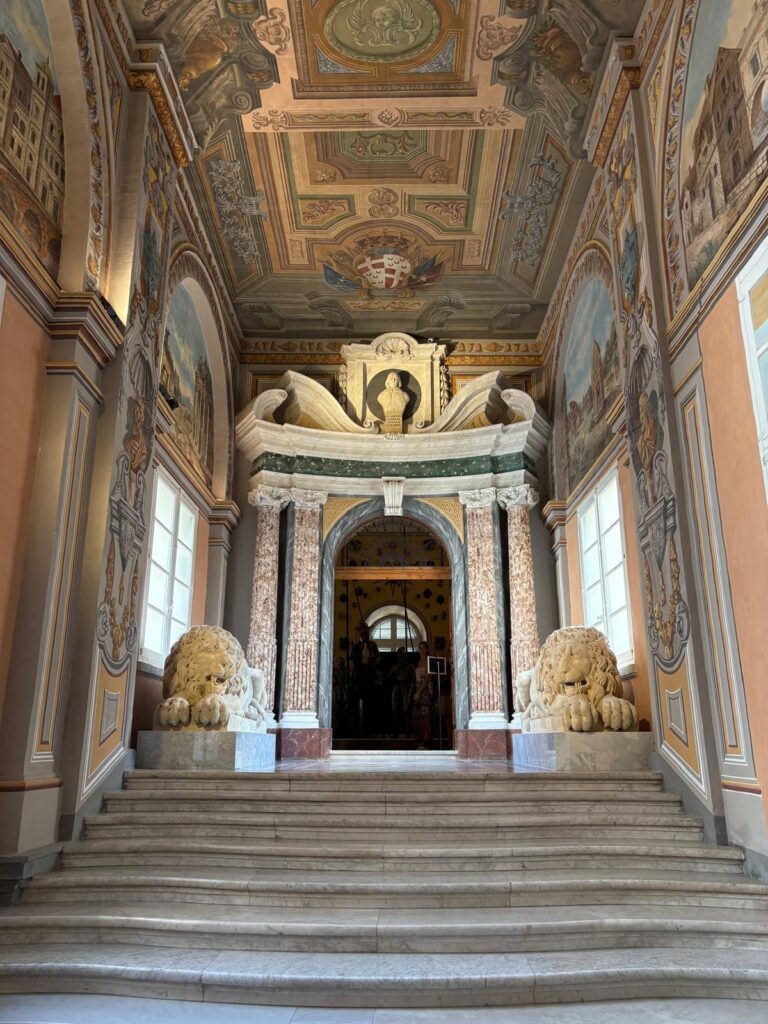
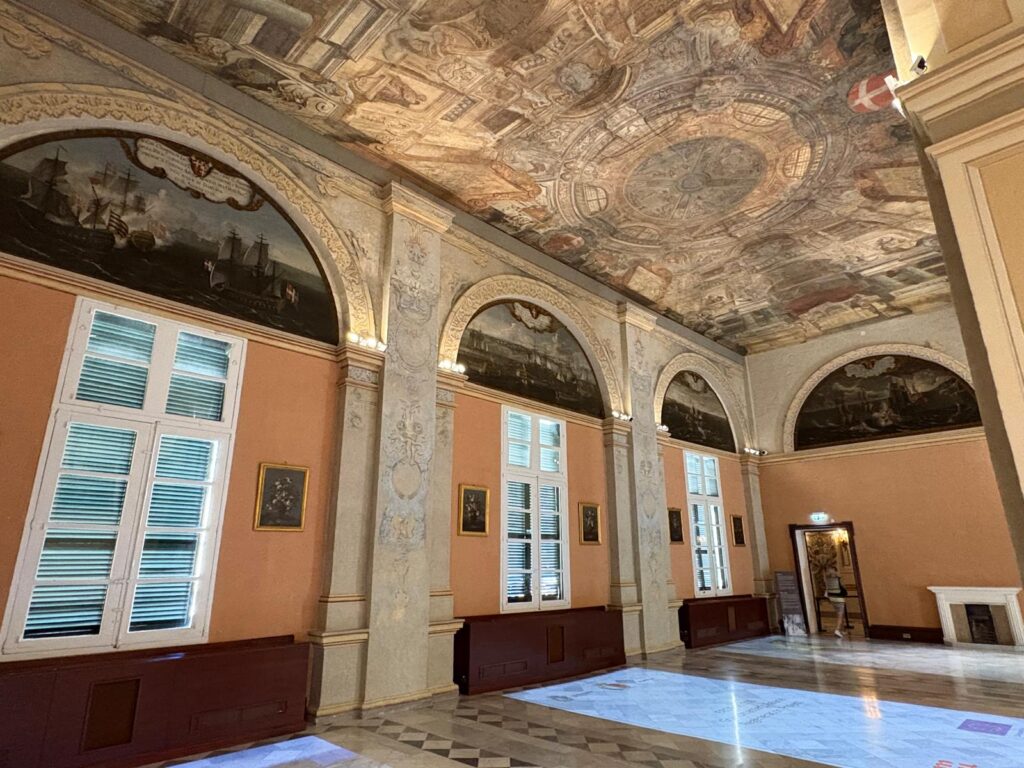
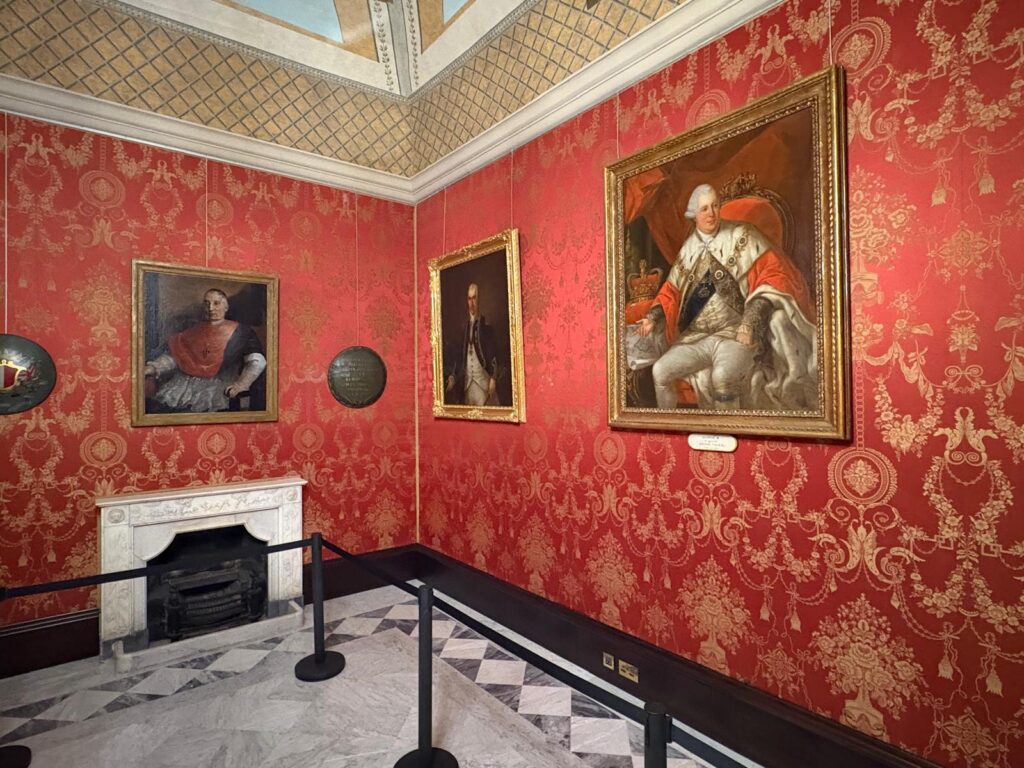
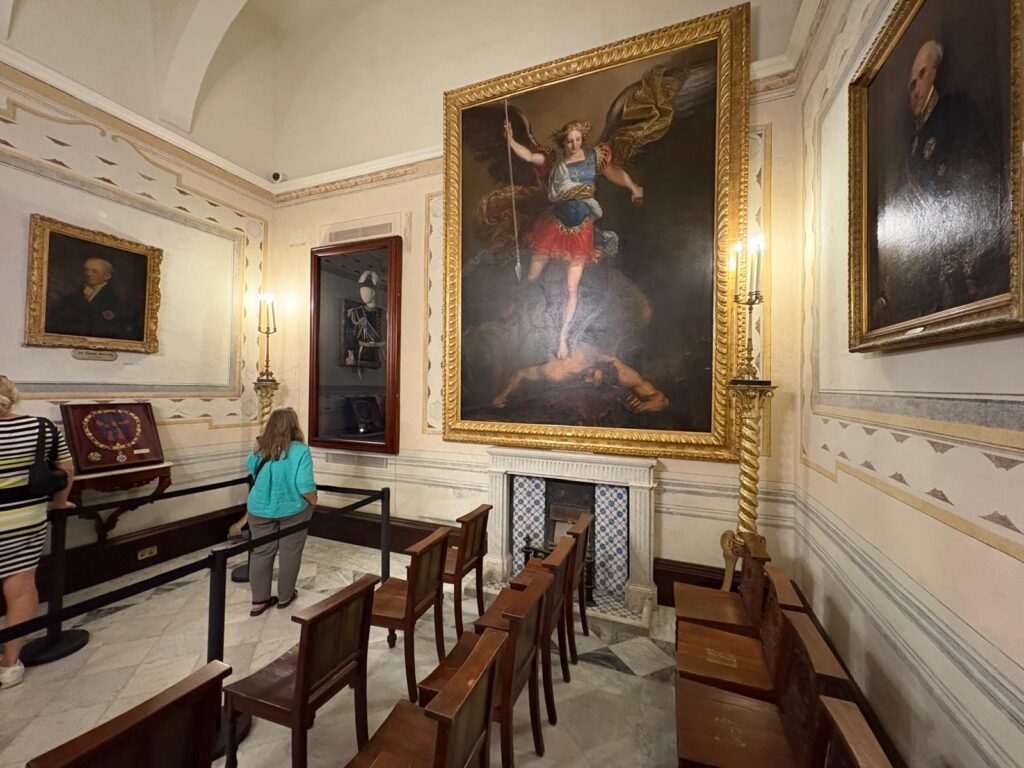
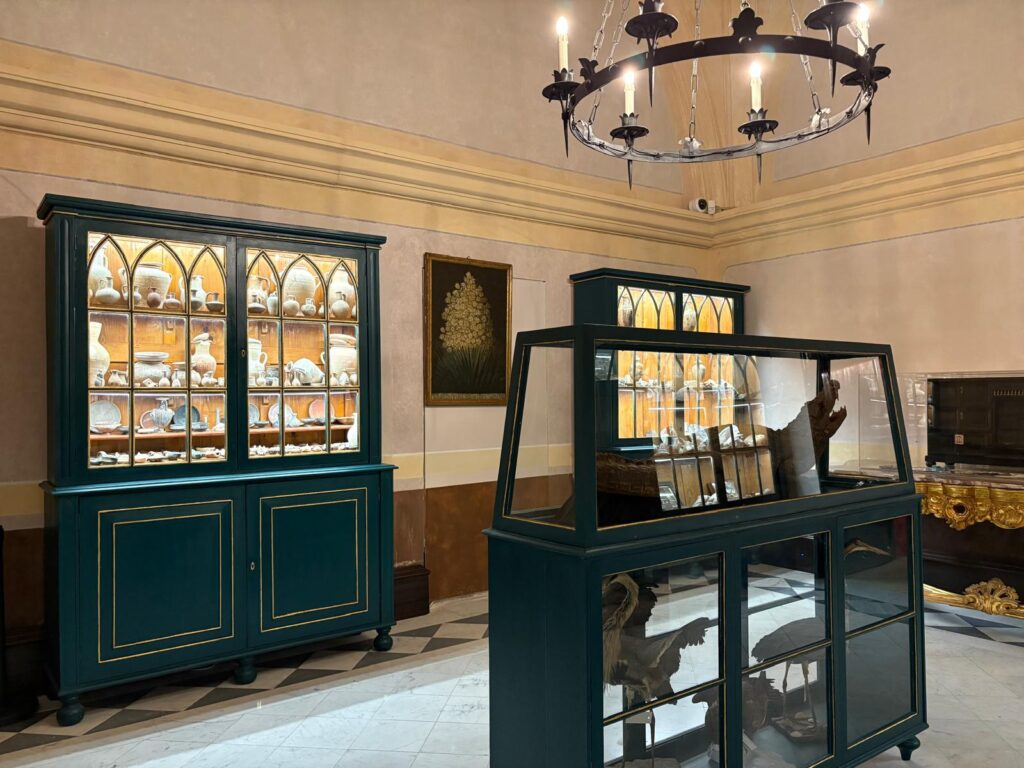
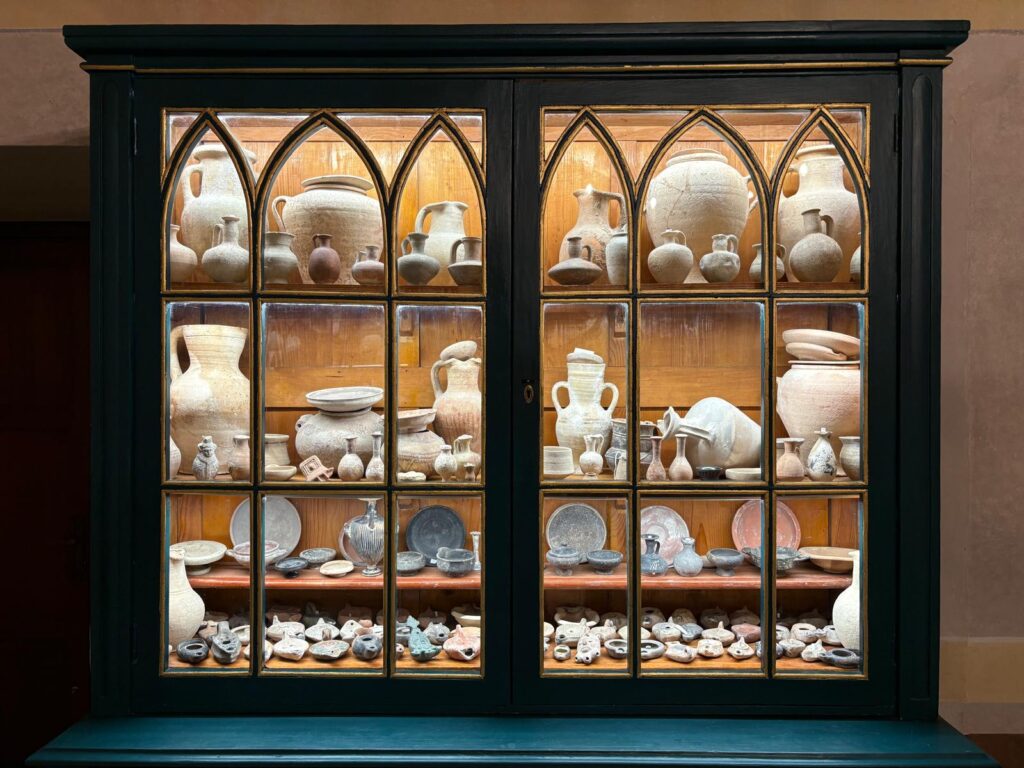
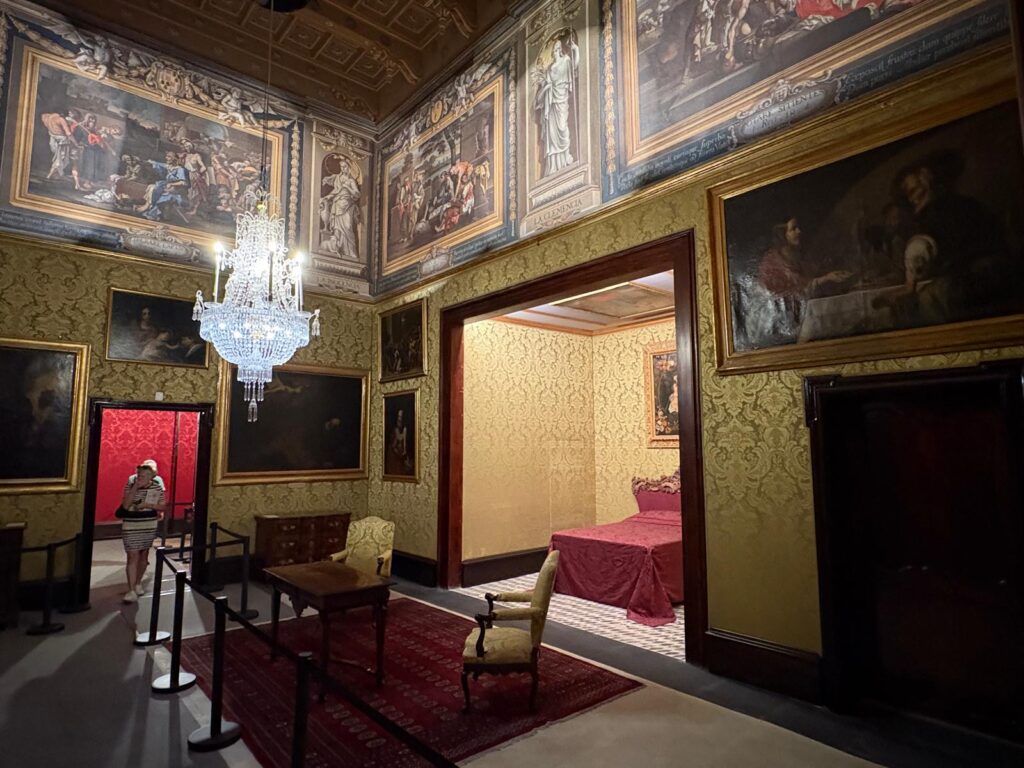
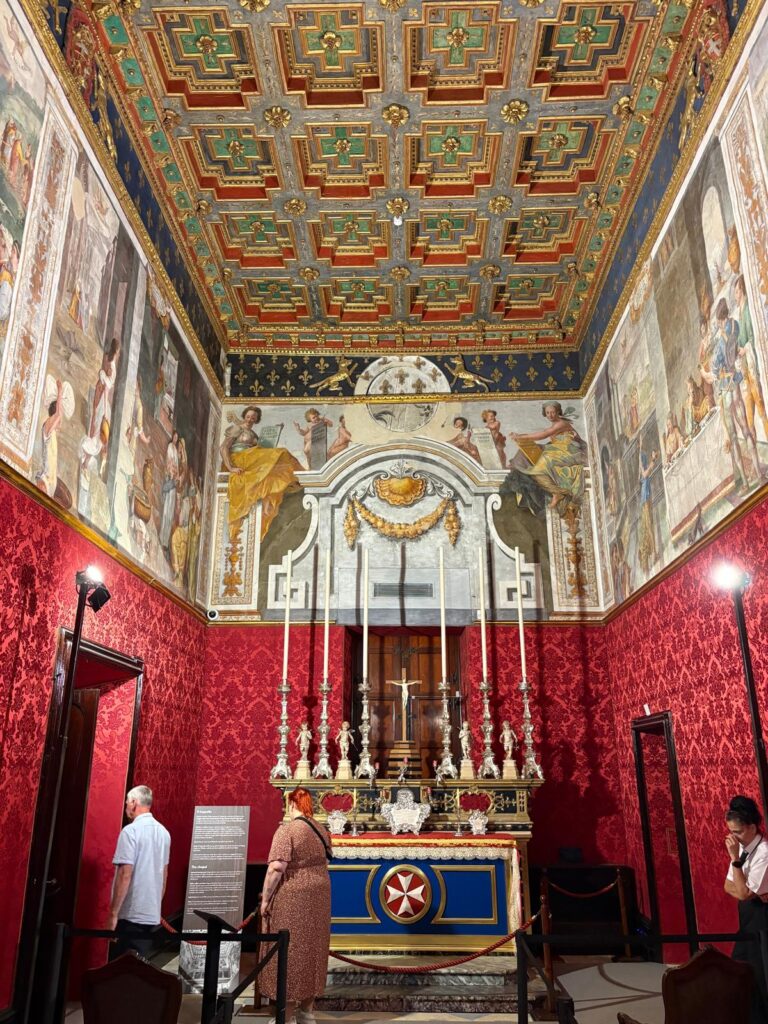
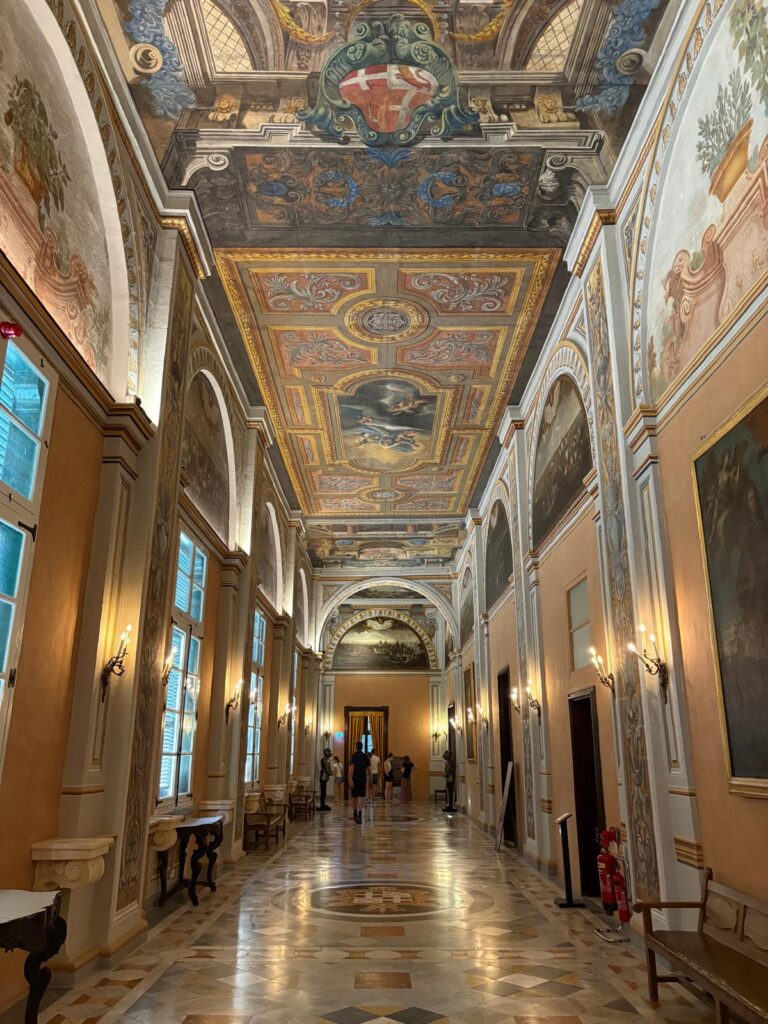
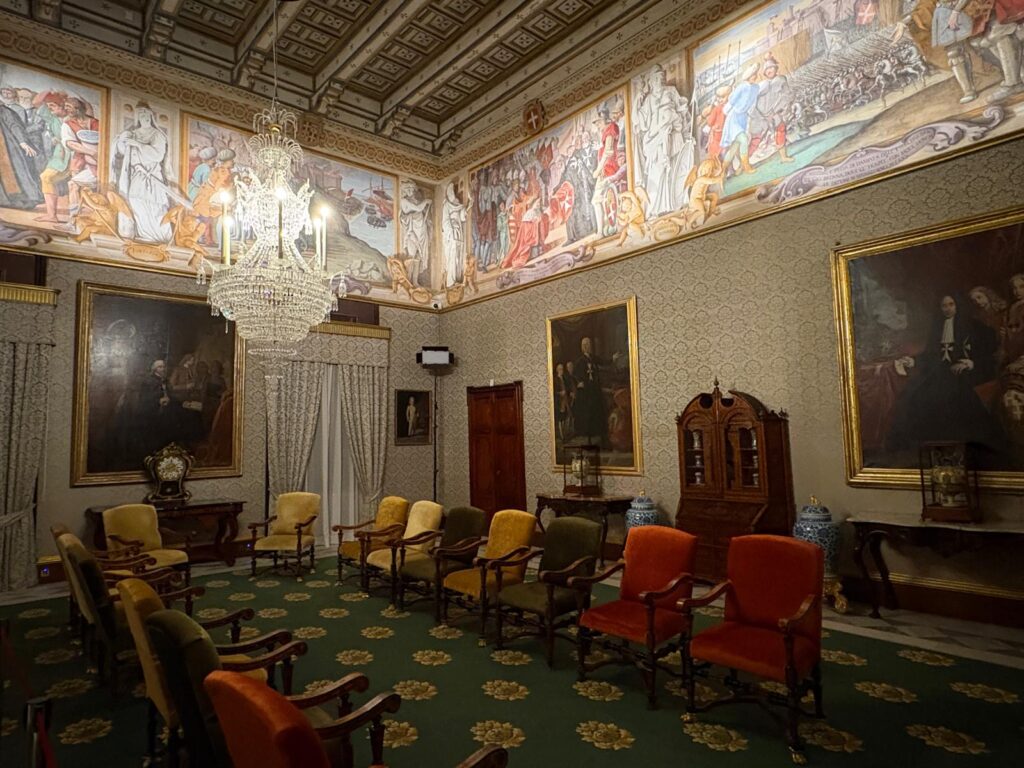
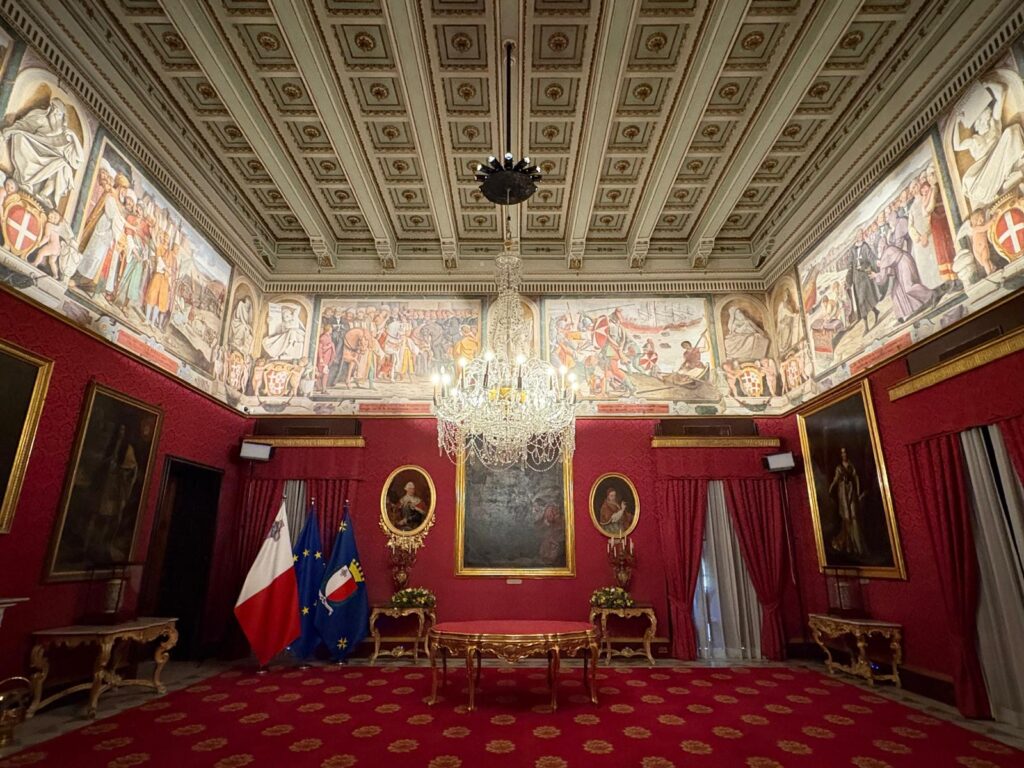
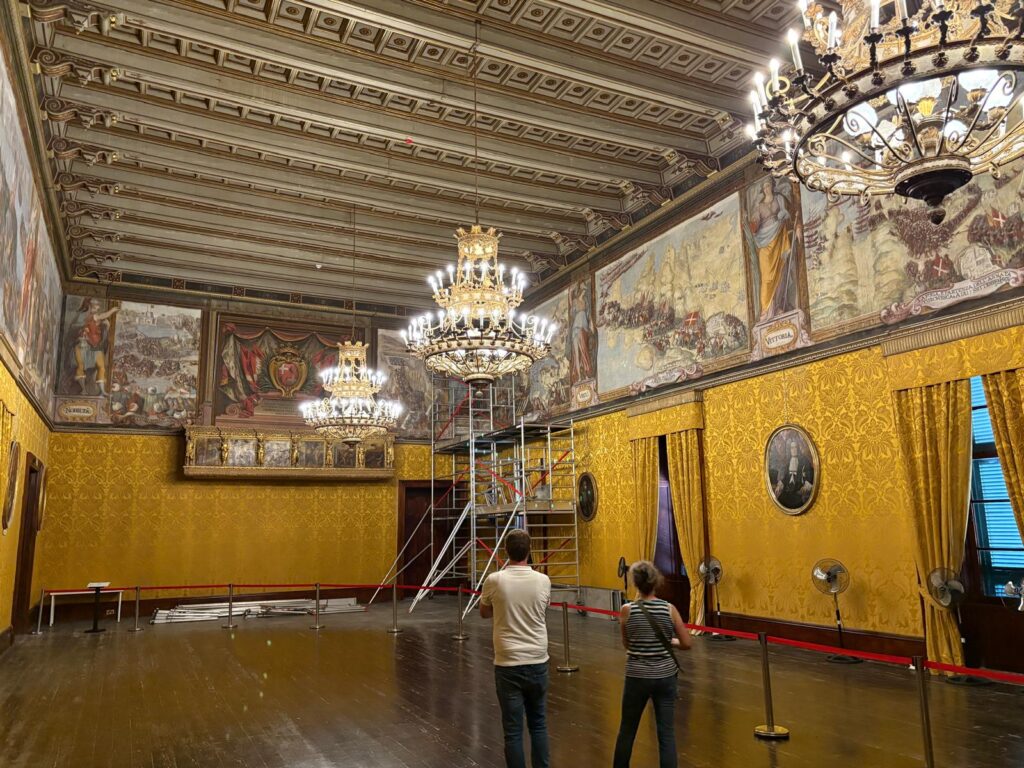
Coming from the Armoury, I was a bit less enthused about the state rooms. Or maybe I’m just lucky to have seen a few palaces in my time, and have become spoiled. That’s definitely a possibility, because the state rooms, objectively, are impressive. Many have friezes of paintings running around the top of the walls, highly decorated ceilings, and sumptuous colours. There are historic paintings, and unique objects like a French crest from their short time here in Malta. Some of the smaller-scale displays are interesting, too. I liked, for instance, a room that had a small cabinet of curiousity-style display of antiquities and natural history specimens (including an alligator or crocodile). A reminder that princely pursuits seem to appeal whether one is born a prince, or becomes one by election.
Final Thoughts on the Grand Master’s Palace
If you were only to visit a couple of places in Malta, I think the Grand Master’s Palace is a good pick. It’s centrally-located in Valletta, and an interesting way to spend a few hours. You will learn a lot about Maltese history: particularly the period of the Knights Hospitaller, but also the subsequent centuries and more recent political developments on the island.
I wonder what those first, more modest, leaders of the Order of St John would make of the palace? They might cope with the fairly plain, Mannerist exterior (although the size of the palace might alarm them). But the Baroque interiors are a far cry from the Order of St John’s days as true Hospitallers in Jerusalem. It just goes to show, really, how things change over the centuries. By the time of this palace, a show of temporal and spiritual power was befitting of an order who had grown and size and influence since their humble beginnings. Nearby St John’s Co-Cathedral is similar – a plain and sturdy Mannerist exterior combined with an opulent Baroque interior. The Knights Hospitaller peaked at just the right time to transform wealth into astonishing interiors.
The Grand Master’s Palace is managed today by Heritage Malta, as are the majority of museums and historic/archaeological sites on the islands. I’ve mentioned elsewhere that Heritage Malta do multi-site passes: definitely worth consideration if you’re planning on visiting a few different places. Otherwise, dropping in on a whim, as I did, is not a bad idea either!
Trending
If you see this after your page is loaded completely, leafletJS files are missing.