
Valletta, Floriana and the Three Cities For Culture Lovers – A Long Weekend Guide
There’s more than enough to entertain culture lovers spending a long weekend in Valletta, especially when you throw in surrounding areas like Floriana and the Three Cities.
A Perfect Base for a Long Weekend
In my last post, I covered many of the things you can see and do during a week in Malta. There are daytrip ideas, different historic sites to visit, and an overview of local food and drink. But sometimes you don’t have a week to spare. Luckily, Malta is also a great spot for a long weekend.
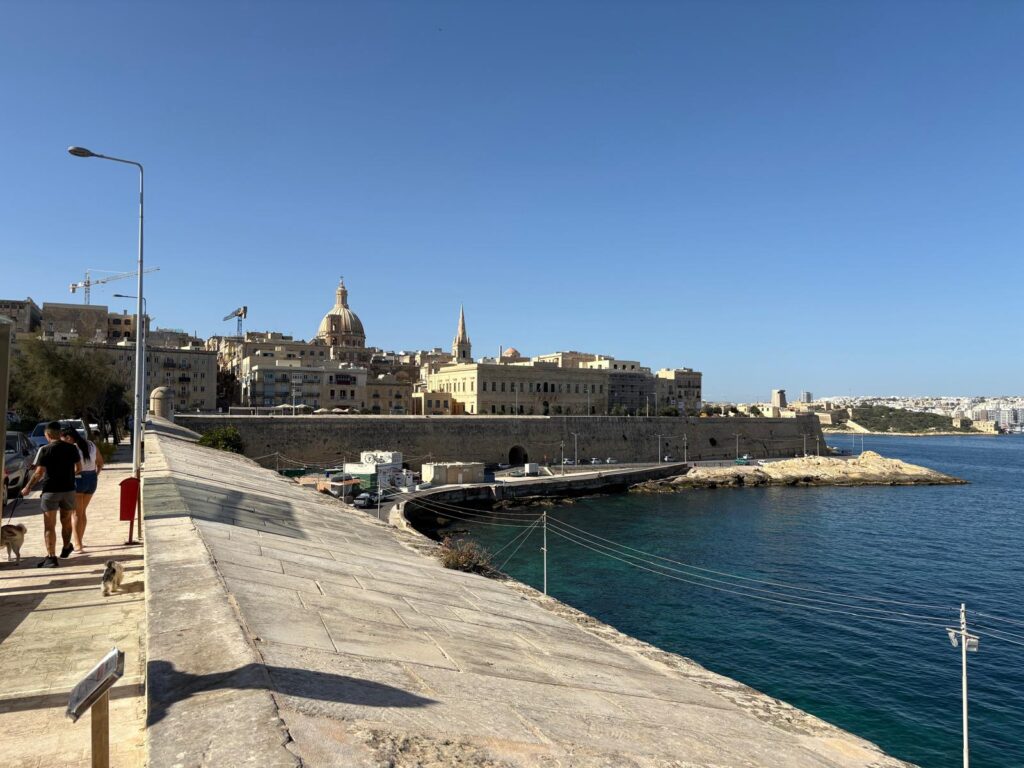
The most likely base for a long weekend in Malta, in my opinion, is in and around the nation’s capital Valletta. Valletta offers picturesque views, many points of interest, evening events and festivals, and more restaurant options than you’ll know what to do with. But Valletta is a neighbour to other, equally interesting cities. Beyond the city walls is Floriana, which has a more open and relaxed vibe. Just across the water are the Three Cities: Vittoriosa, Senglea and Cospicua (or, in Maltese, Birgu, Isla and Bormla). The history of the Three Cities goes back to the earliest days of the Knights Hospitaller (and Vittoriosa/Birgu’s history further still). Just a short boat ride from Valletta, you won’t want to miss them.
And so I hope this guide provides food for thought for your own time in and around Valletta. None of the sections are exhaustive – I found Malta had one of the richest cultural offerings in one of the smallest concentrations amongst places I’ve visited. If there are key experience you think I’ve missed below, let me know in the comments!
Finally, there are a few places missing from this guide which you could also visit during a long weekend in the area. We went to Tarxien and the Ħal Saflieni Hypogeum, for instance, but Tarxien isn’t somewhere I would recommend you rush to if not for these archeological sites. Or on the other side of Valletta is Sliema. It’s a popular spot for tourists to stay, but not somewhere we made it to on this trip.
A History of Valletta
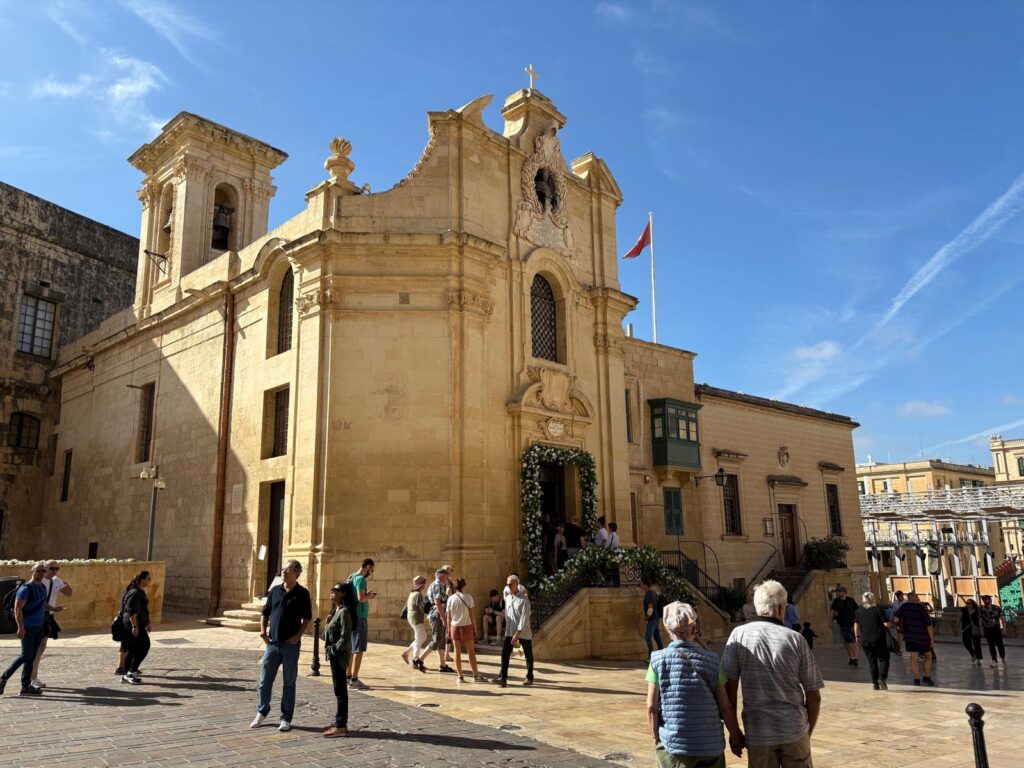
Valletta is not the oldest place on today’s list. But it is the capital of Malta, so we’re going to start here. Just to take a tiny step back, the historic capital of Malta was Mdina. When the Knights Hospitaller arrived in Malta in 1530 after leaving Rhodes, they settled in Birgu (Vittoriosa). This was fine for a time, until the Ottoman Empire in 1565 decided to launch an attack on the Knights and try to capture Malta. The Order of St John eventually prevailed in the Great Siege of Malta, but at a great cost.
Part of this cost was to the originally Aragonese Fort St Elmo, enlarged by the Knights Hospitaller in 1552. Unfortunately for the defenders, almost all of whom died, it turned out to be fairly easy to go to higher ground and bombard them. After the Siege, the Knights decided that, to better repel any future attacks, the rest of the Sciberras Peninsula should be built upon and fortified. The Sciberras Peninsula is now better known as Valletta.
Where does that name come from, though? From Jean de la Valette, who was Grand Master of the Knights Hospitaller when the Ottomans attacked. Despite his age (which was about 70) he commanded the resistance and fought with distinction, inspiring his men to a decisive victory. He commissioned the construction of the new city in 1566, laying the first stones with his own hands. May we all be so lively as septuagenarians.
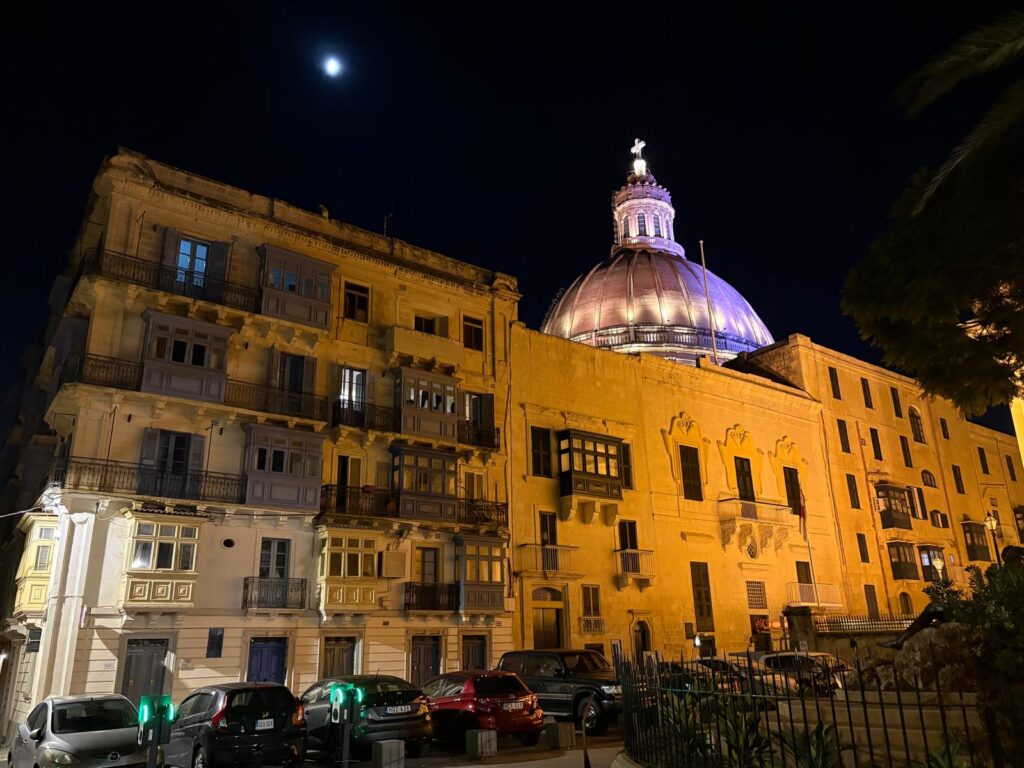
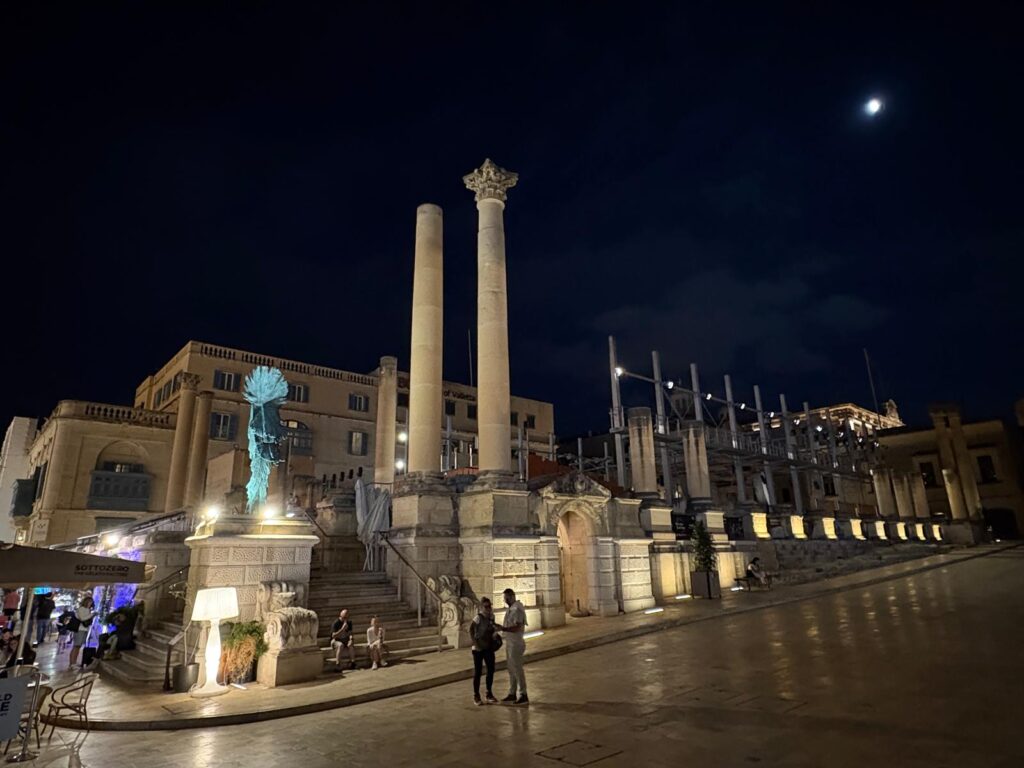
Today, Valletta remains one of the best-preserved examples of a planned fortress city in the world. It has great instances of Baroque architecture, including St John’s Co-Cathedral. After the period of the Knights Hospitaller, the next most important (or at least most remembered) period in Valletta’s history was WWII. Malta endured a two-year siege from 1940 to 1942, with incredibly heavy bombardment destroying many buildings. Much is now rebuilt, although not everything: Valletta’s theatre remains in ruins as a reminder. The entire city of Valletta has been a UNESCO World Heritage site since 1980.
A Perfect Day in Valletta
OK, you’ve arrived in Valletta, where to start? Well, knowing it will likely be warm and sunny, I say make the most of it!
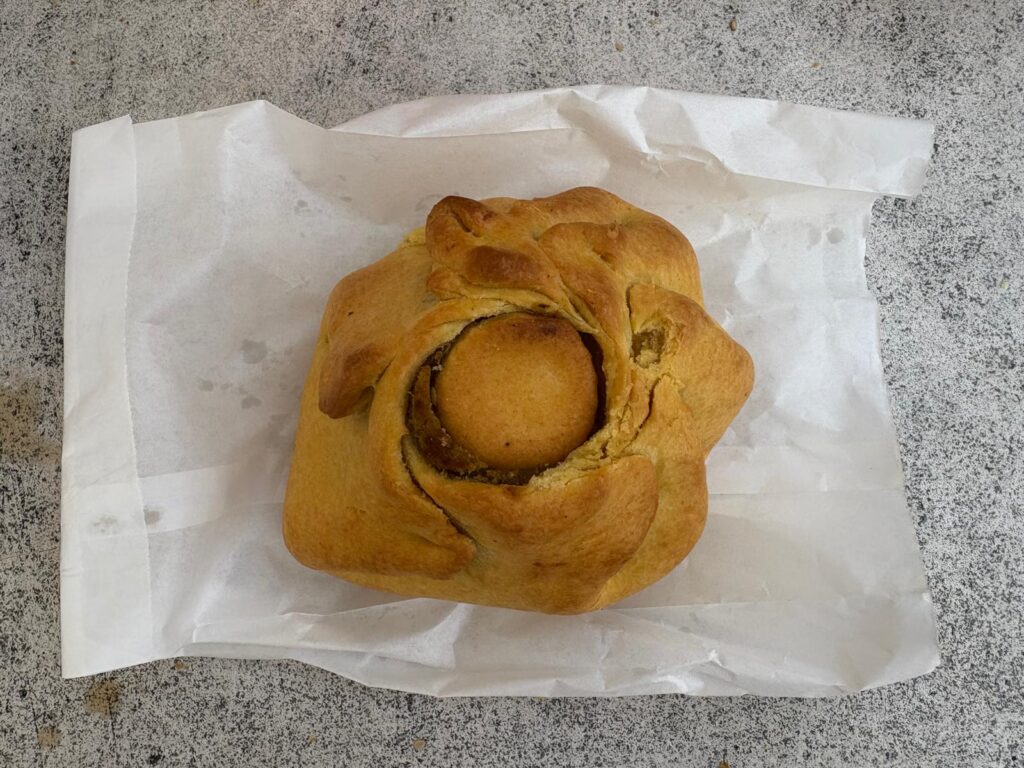
9am. You could do a lot worse than an informal breakfast from a pastizzeria. Pastizzi are small pastries made with flaky pastry and typically filled with ricotta or a curried pea puree. Qassatat are slightly larger, doughier pastries with savoury fillings. Why not grab a couple of pastries and a coffee, and find a spot to watch the world go by?
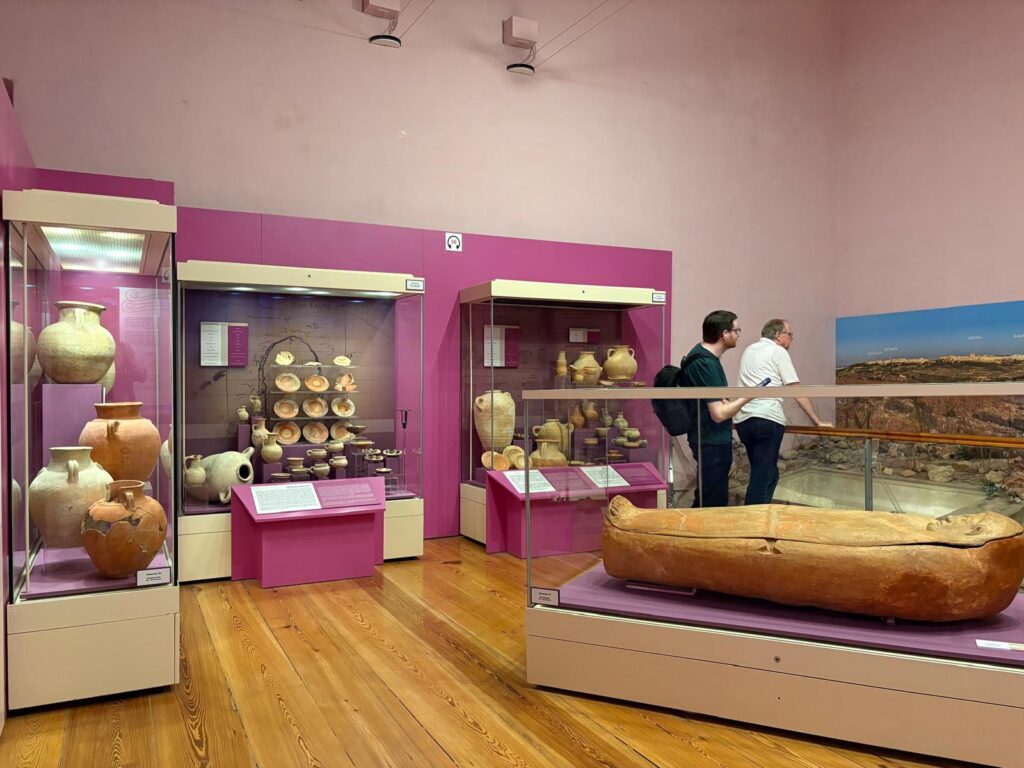
10am. Fuelled by pastizzi, you’ll have lots of energy to explore the National Museum of Archaeology. This museum is in the 1571 Auberge de Provence, auberge meaning ‘inn’ and being the headquarters of the different langues, or nationalities, of the Knights Hospitaller. Inside the museum, don’t miss the spectacular Sleeping Lady, a prehistoric sculpture you could easily believe is a modern work of art.
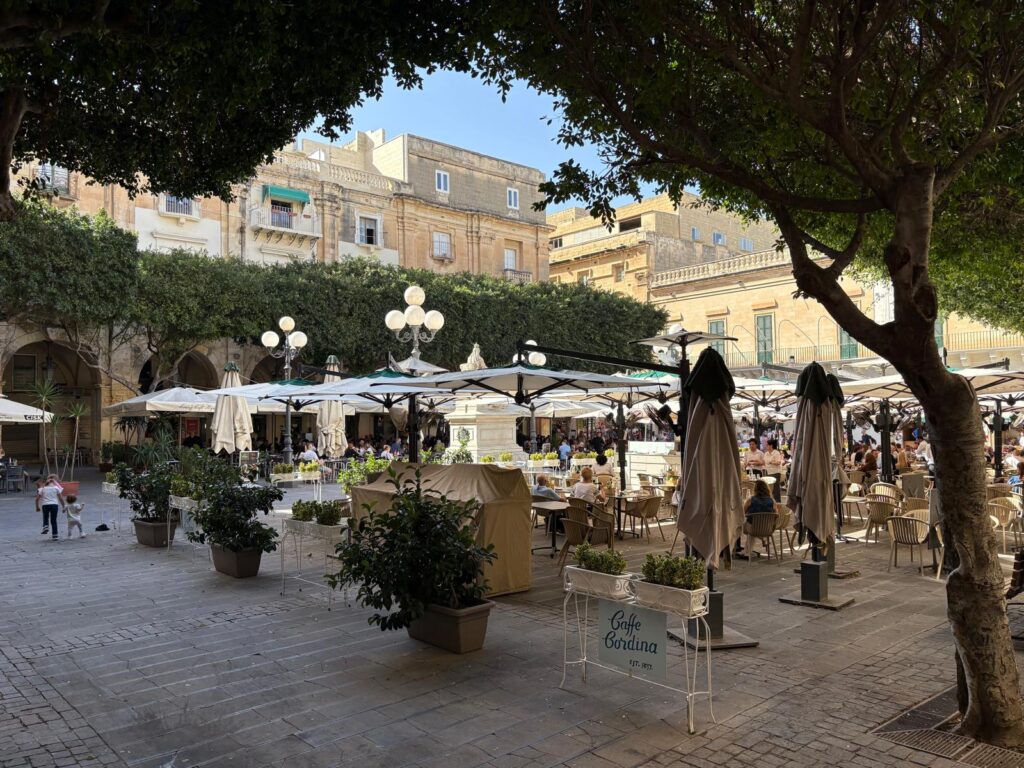
1pm. It’s lunchtime now. A short walk from the National Museum of Archaeology is Caffe Cordina, on Republic Square. Grab a table outside if you can, but have a look inside too at the lovely interior.
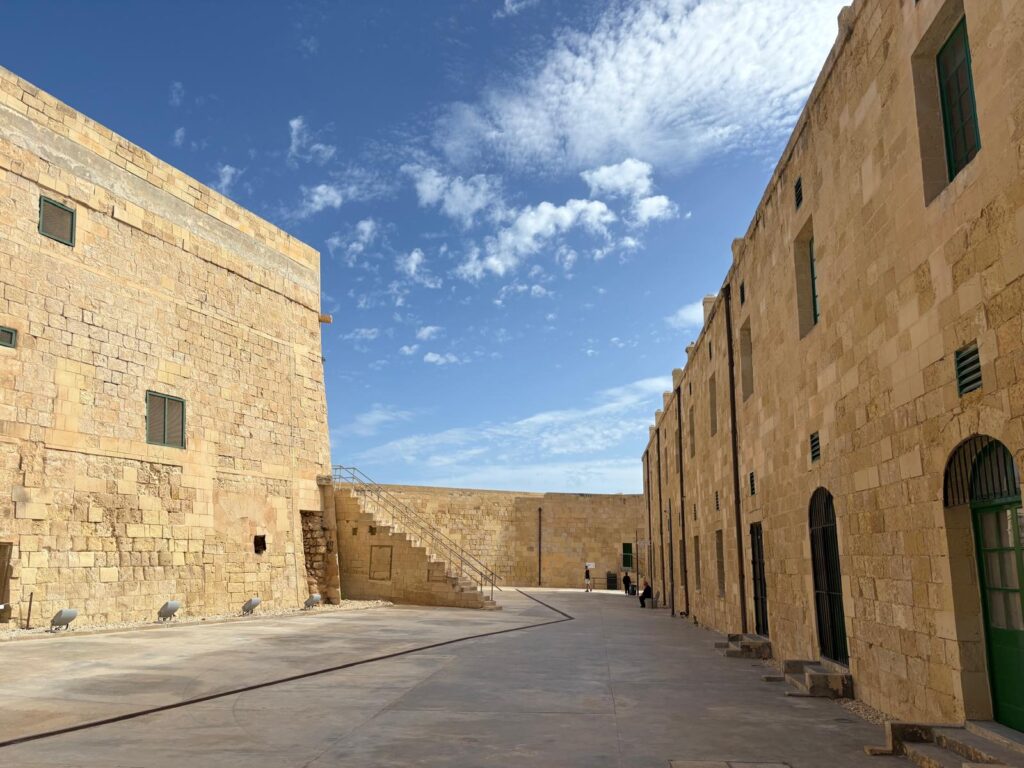
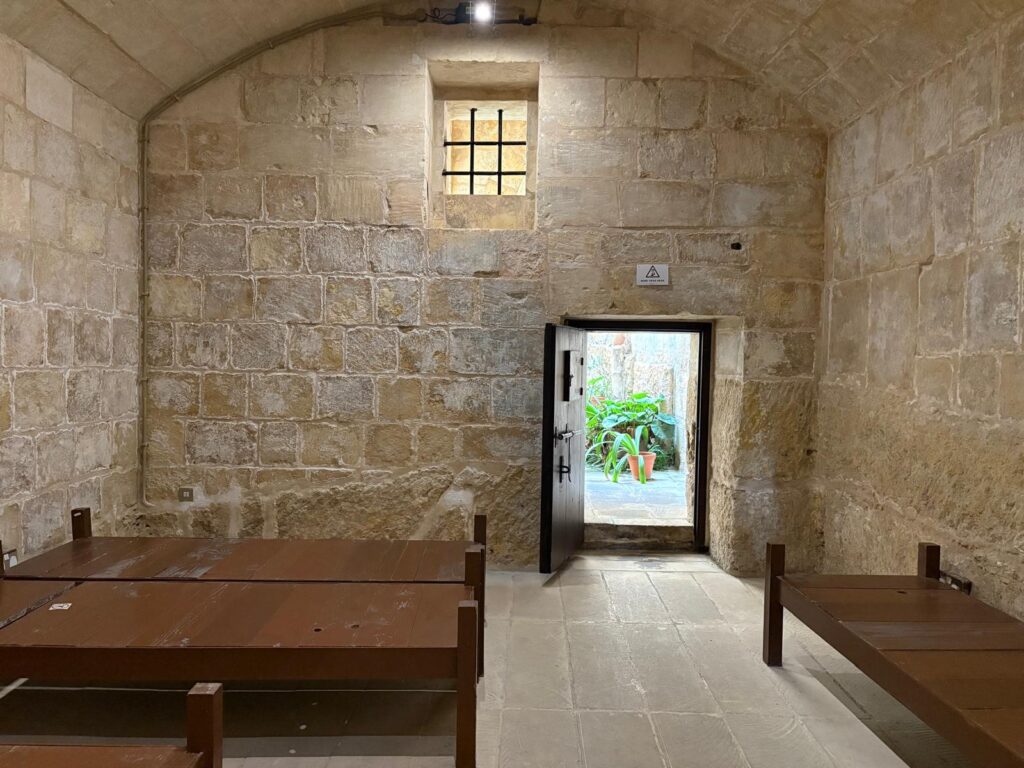
3pm. Why not wander over to Fort St Elmo? As well as exploring the fort itself, your ticket includes the National War Museum, covering conflicts all the way back to prehistory. There are great views from the fort, too, including peering down to the abandoned prison used as a filming location for Midnight Express in the 1970s.
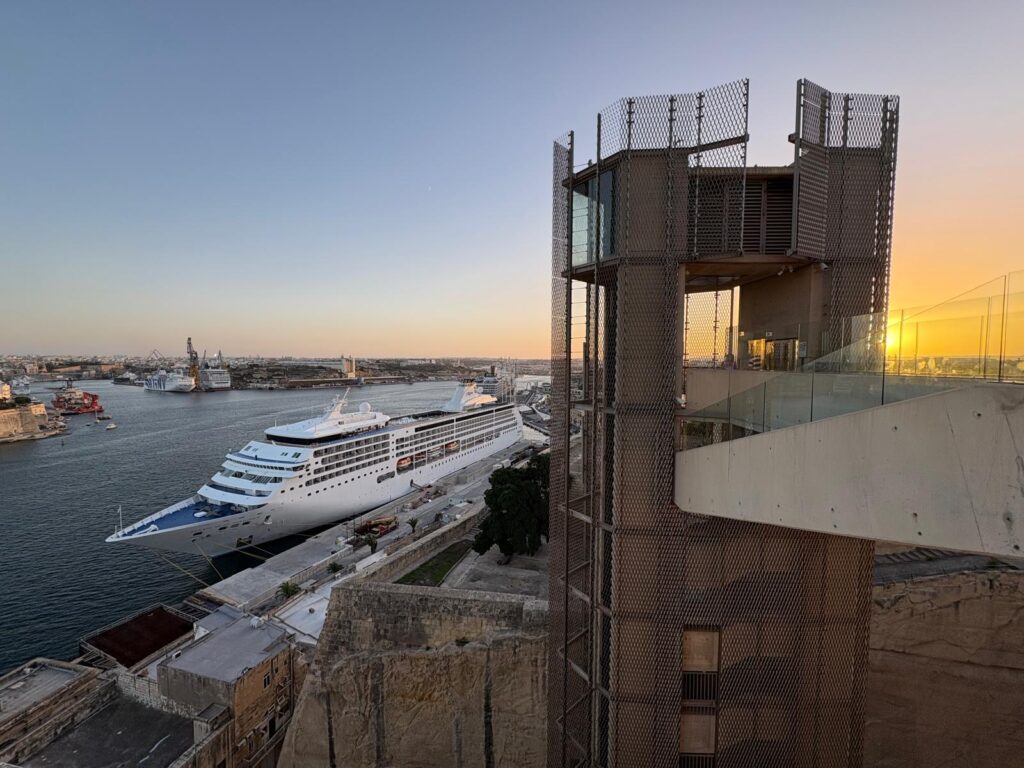
6pm. A great place to watch the sun go down are the Upper Barrakka Gardens. There are lovely views over Fort St Angelo. This is also the top of the Barrakka Lift, your 58 metre transport down to the ferry terminal.
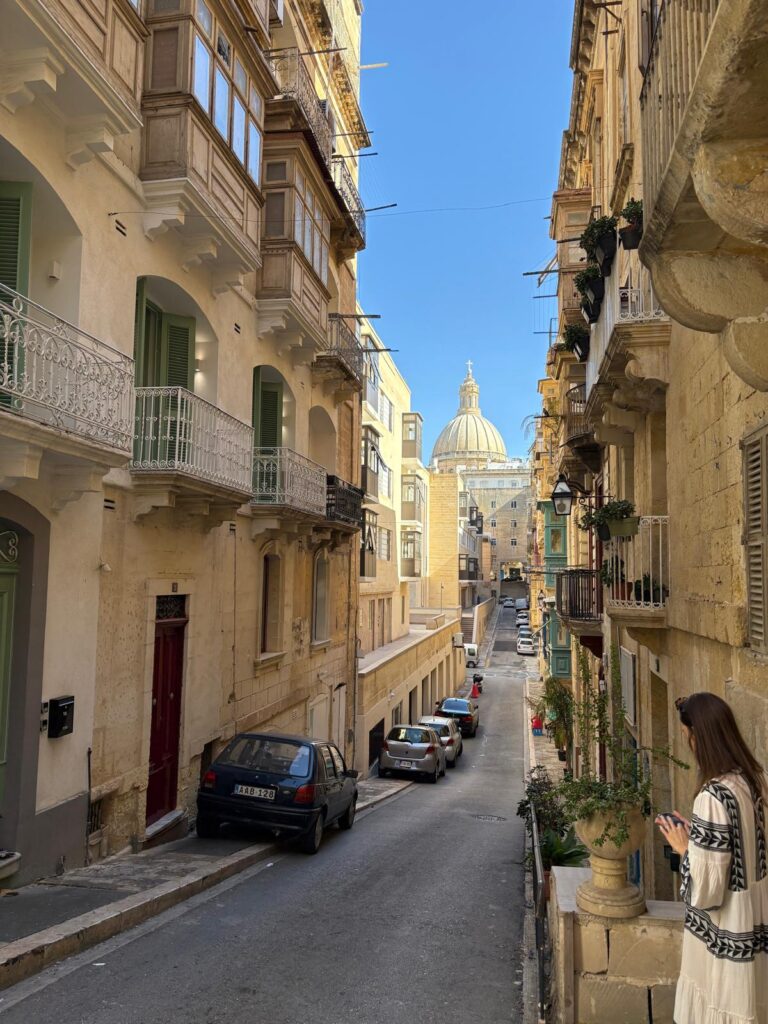
8pm. Time to take your pick of Valletta’s restaurants, now. Maybe Rampila, a restaurant in Valletta’s city walls? Or maybe the Michelin-starred De Mondion, with spectacular views of the Grand Harbour. After dinner, take a stroll through the city streets, and maybe stop for a drink on the charming Triq Santa Lucija (St Lucia’s Street) or Triq San Gwann (St John’s Street).
Other Sights in Valletta
Here, in no particular order, are a few other sights I think you should check out while you’re in Valletta.
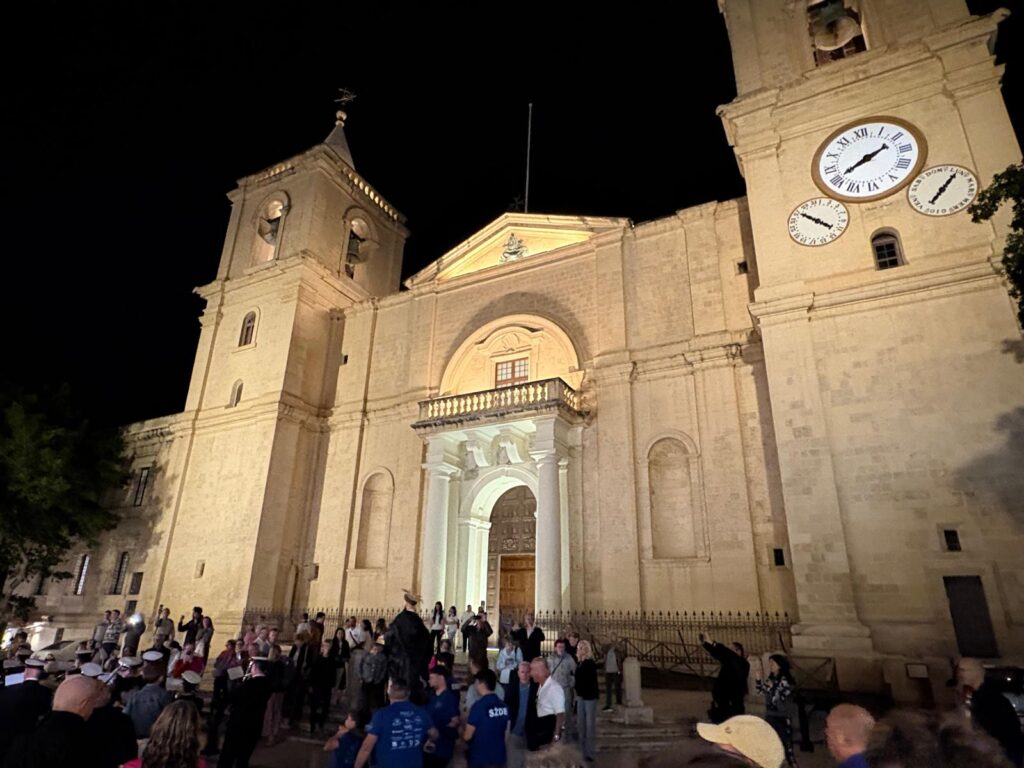
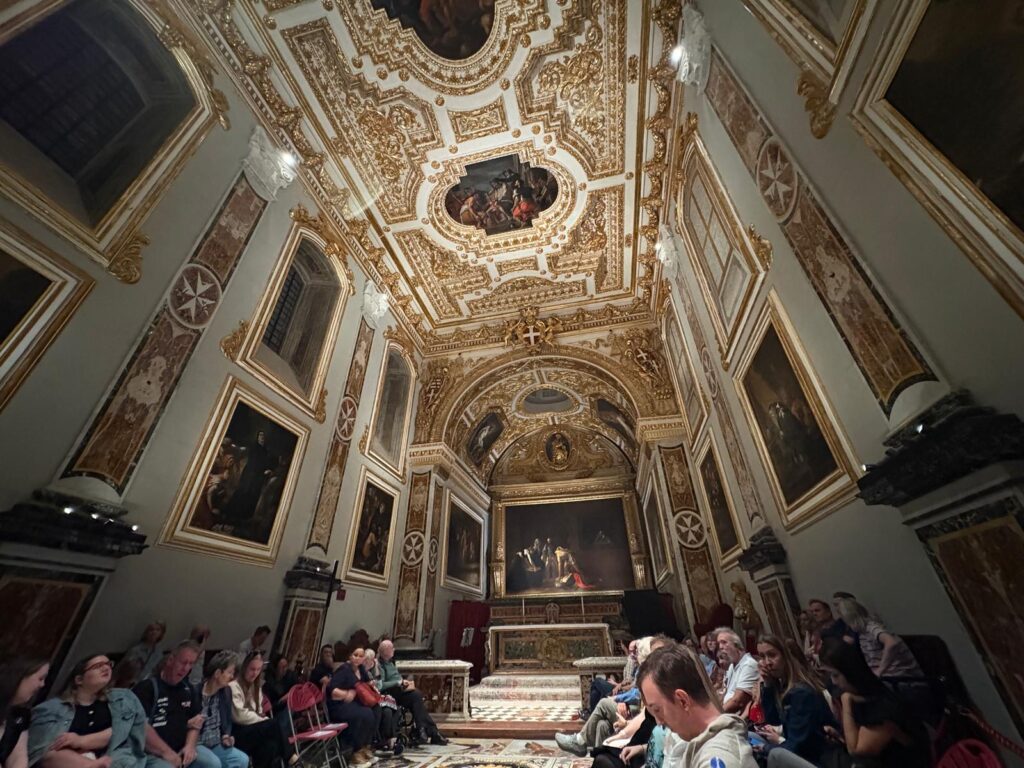
- St John’s Co-Cathedral. Why co-cathedral? What’s the ‘co’? It goes back to Malta having dual religious authorities: Knights Hospitaller and the local Catholic church. Today, the bishop’s seat is shared between this cathedral and St Paul’s in Mdina, hence being a co-cathedral. St John’s Co-Cathedral dates to 1573-78, and has a sumptuous Baroque interior. It also has not one but two Caravaggios. Turns out Caravaggio, in a spot of legal bother, became a Knight of the Order of St John for a time. Since you have to buy a ticket anyway, consider Valletta Resounds: the Caravaggio Experience if it’s on while you’re there. The VIP ticket includes a guided tour plus a theatrical/musical experience: a lovely experience.
- Museums. I mentioned a few more in my previous guide, like MUŻA – The National Community Art Museum or the Fortress Builders Interpretation Centre (the latter has limited opening hours).
- Find out what’s playing at the Pjazza Teatru Rjal, the ruined, now open air, theatre I mentioned earlier.
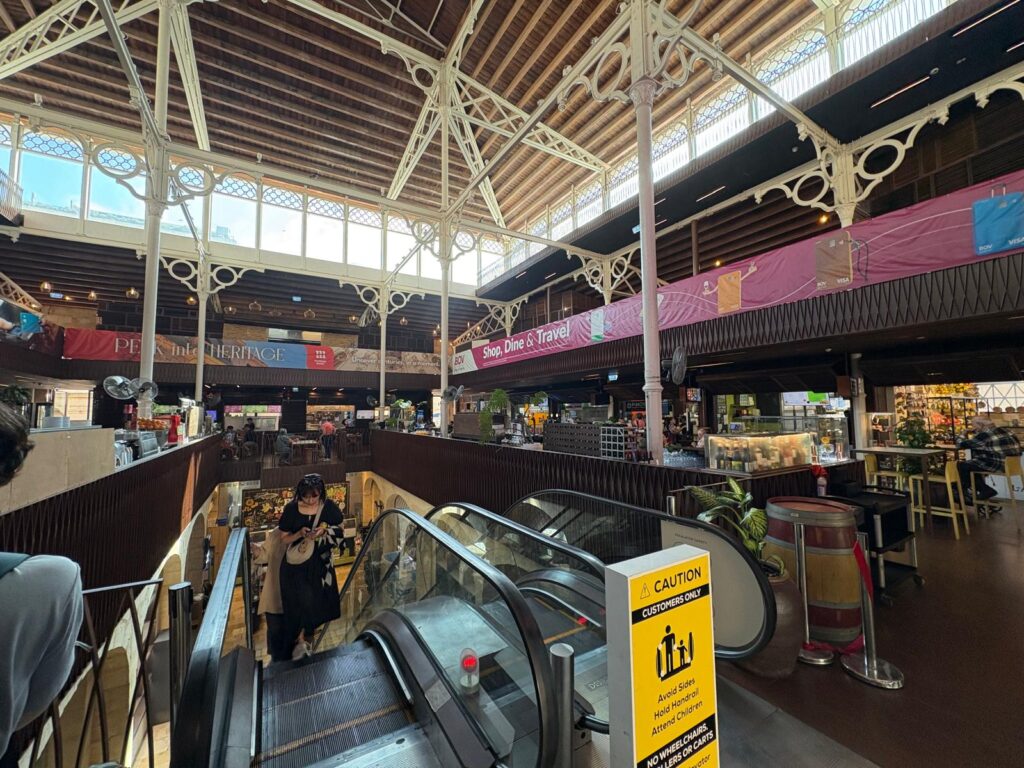
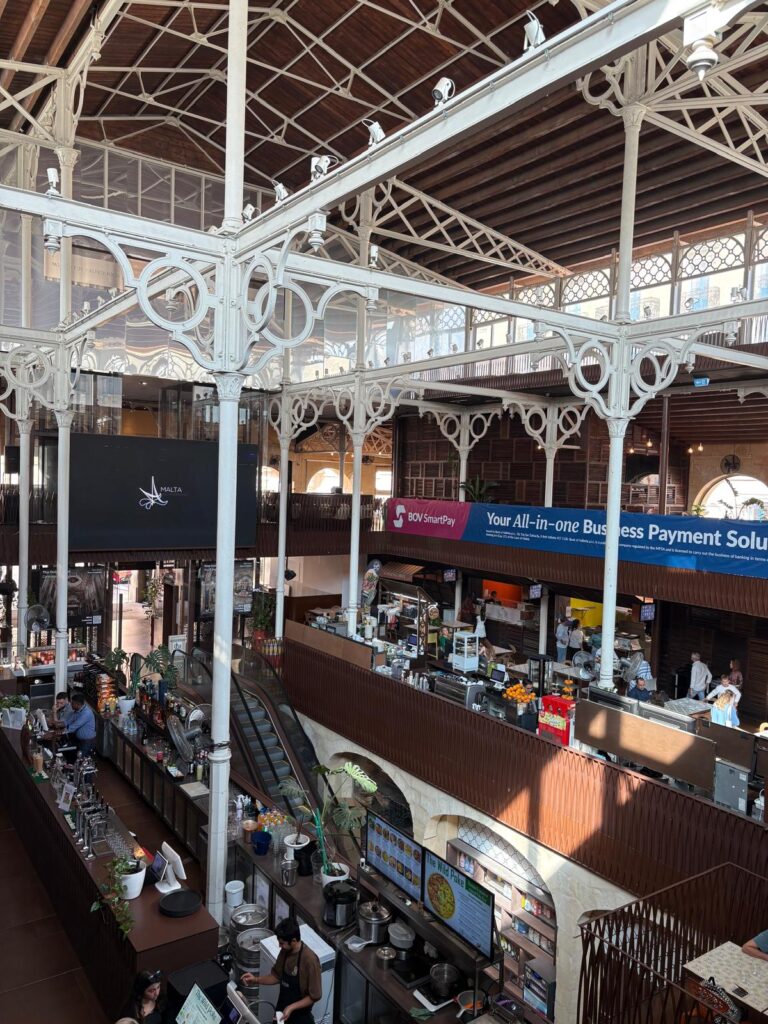
- Grab a bite to eat at Is-Suq tal-Belt, formerly Valletta’s municipal food market, today with food stalls to sample and original ironwork to admire.
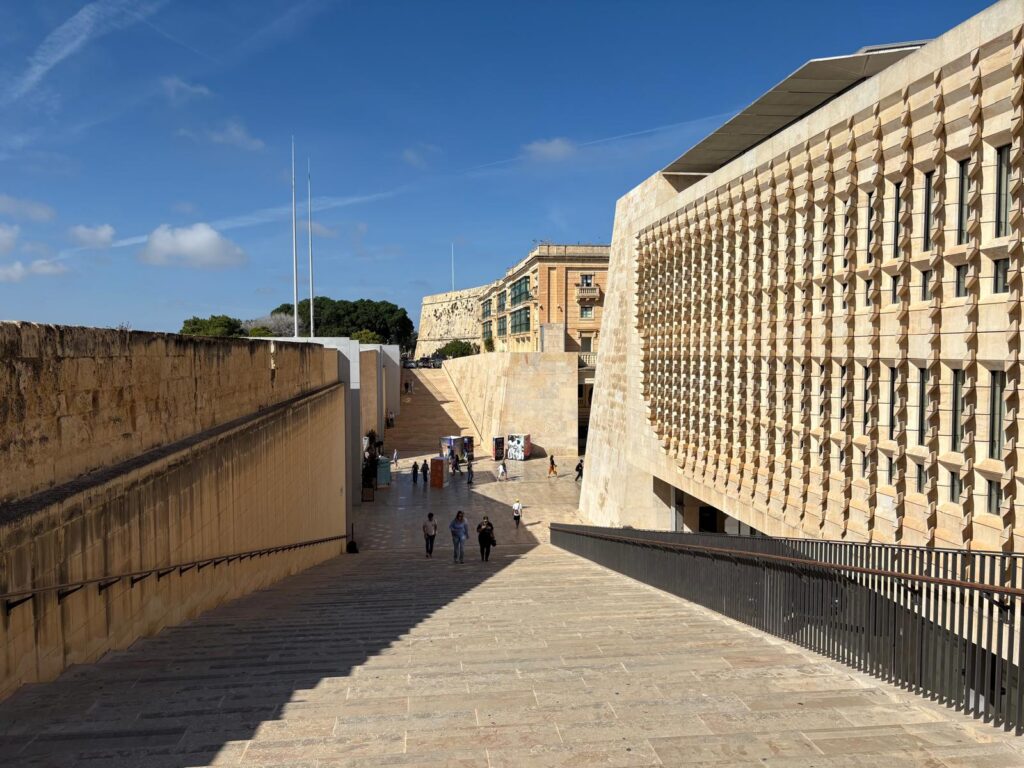
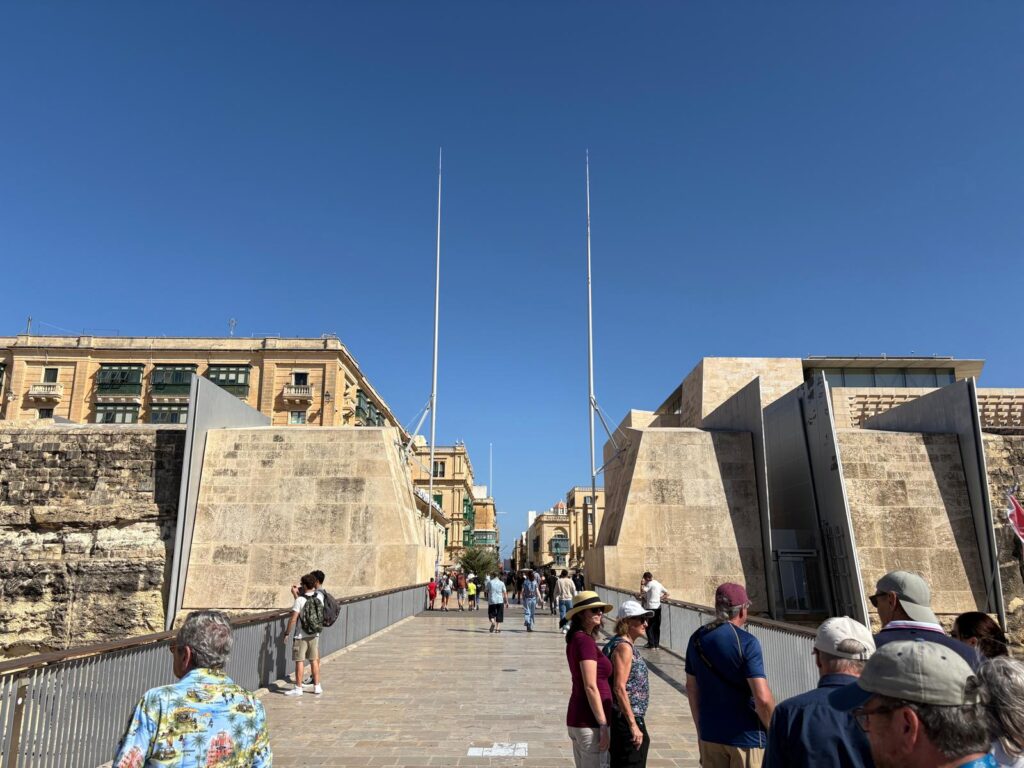
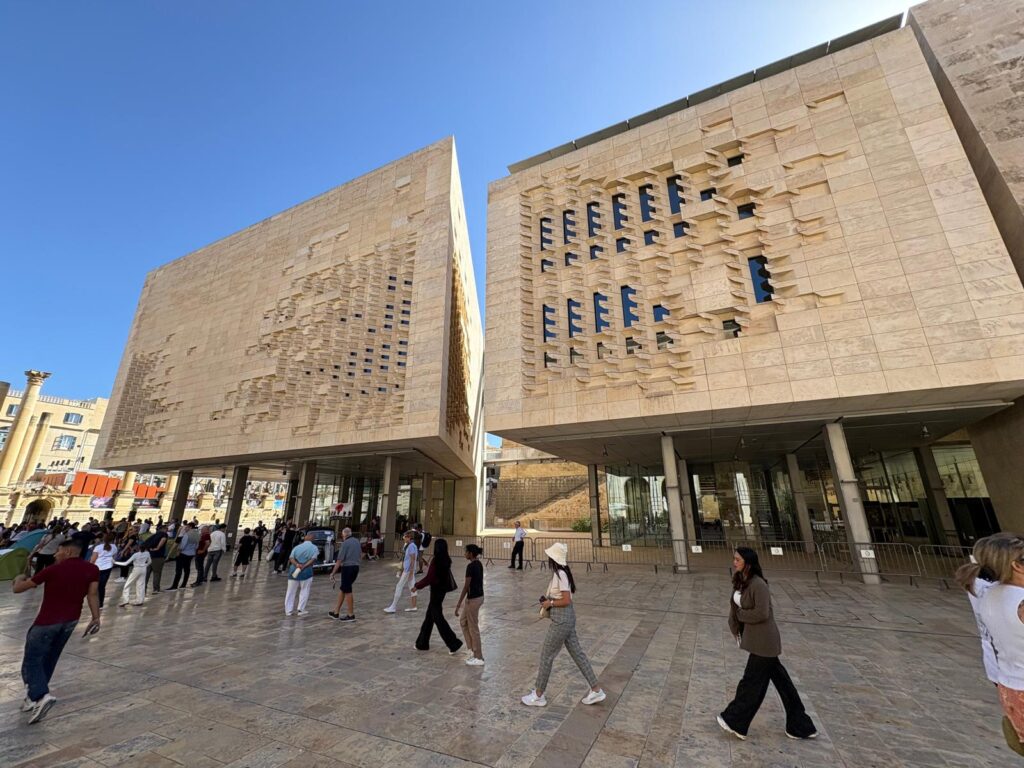
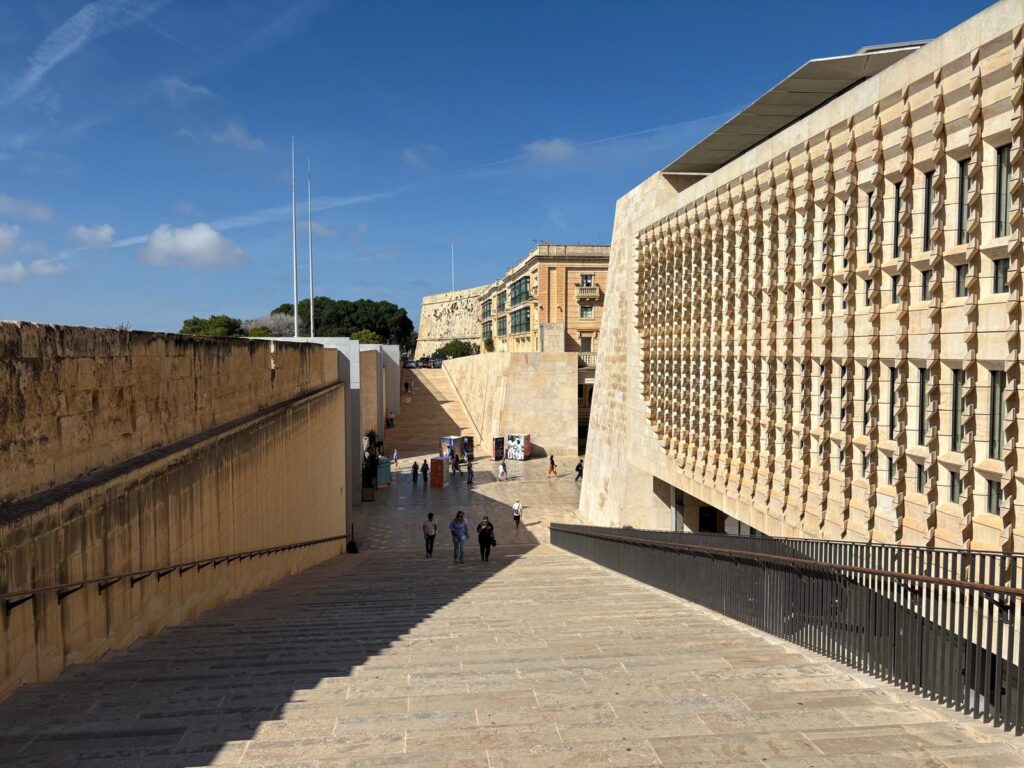
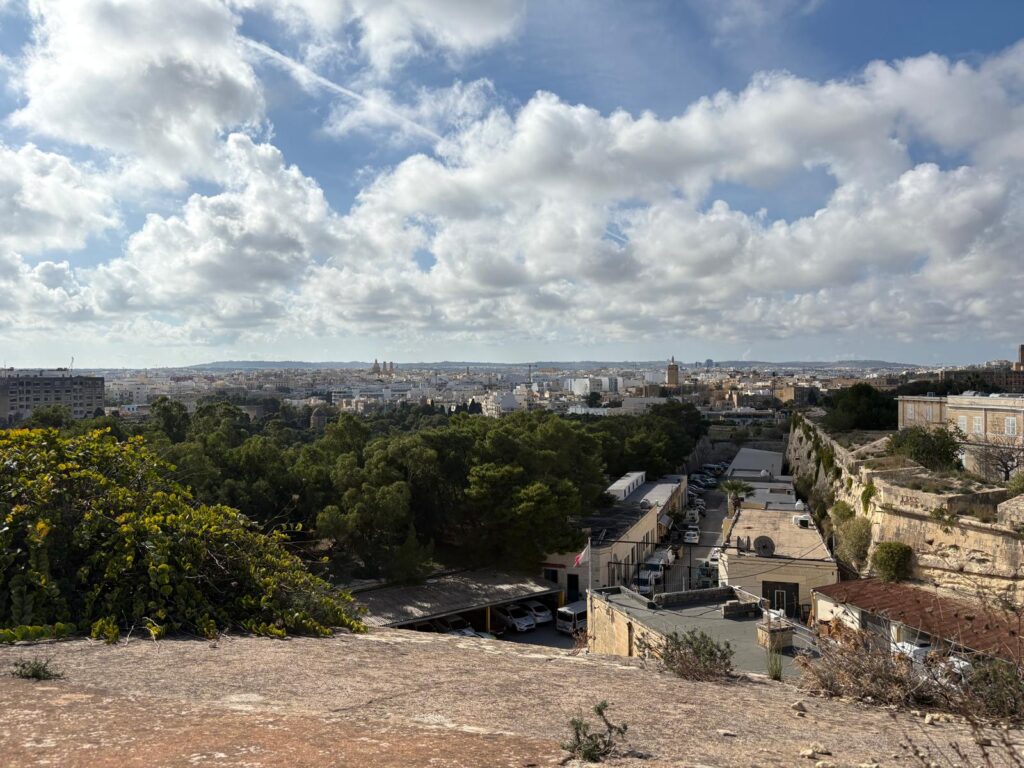
- Walk the Walls. Well, not quite walk the walls, but walk the perimeter of the city. It’s a relatively short loop, and you’ll get to see all those neighbouring towns and cities, plus the ferry terminal, Fort St Elmo, and the Renzo Piano City Gate complex.
A History of Floriana and What to See and Do
In a future post I’m actually going to take you on a walking tour of some sights around Floriana, so we can keep this section fairly brief!
Floriana’s development is tied to that of Valletta through two major phases in Malta’s history. It was founded in 1636, during the time of the Knights Hospitaller. That was the year that construction on the Floriana Lines, an outer line of defenses for Valletta, commenced. Floriana sounds like it would mean ‘city of flowers’ or something like that, but is actually named for Pietro Paolo Floriani, the military engineer who designed the defenses. Construction continued until the 18th century, and the residential aspect of the town began to grow. It also housed the Grand Master’s summer house. During the British period in Malta Floriana became a garrison town, with large barracks. Then, in the 20th century, several gardens were laid out, bringing Floriana closer to being that city of flowers after all.
What to See and Do
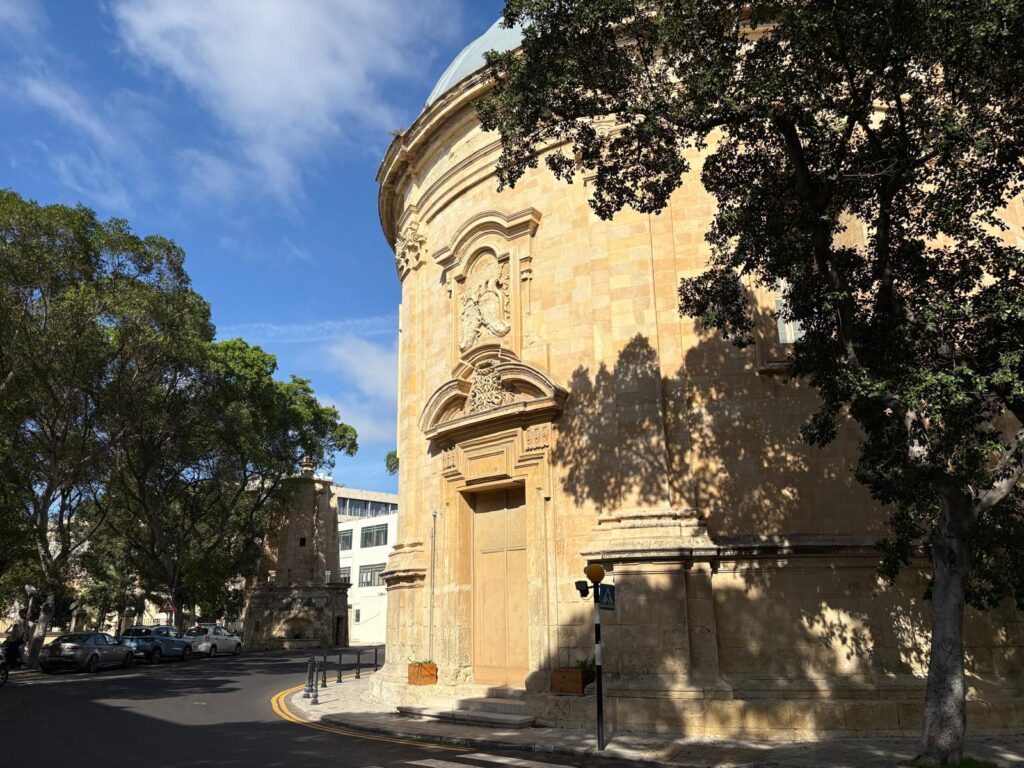
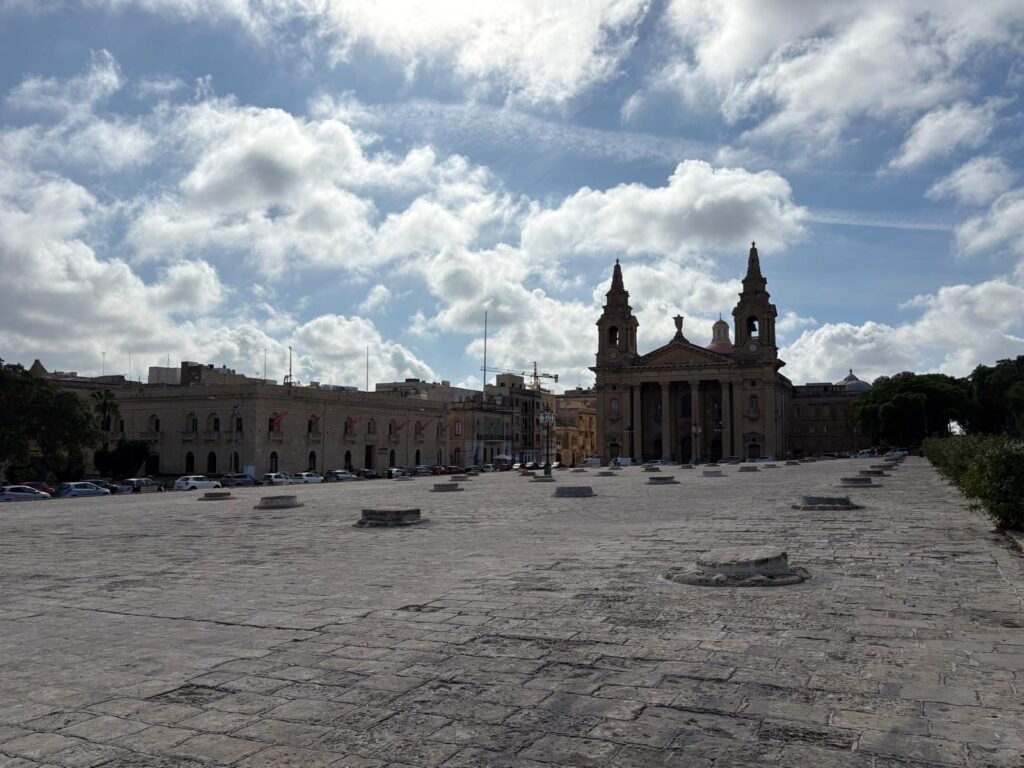
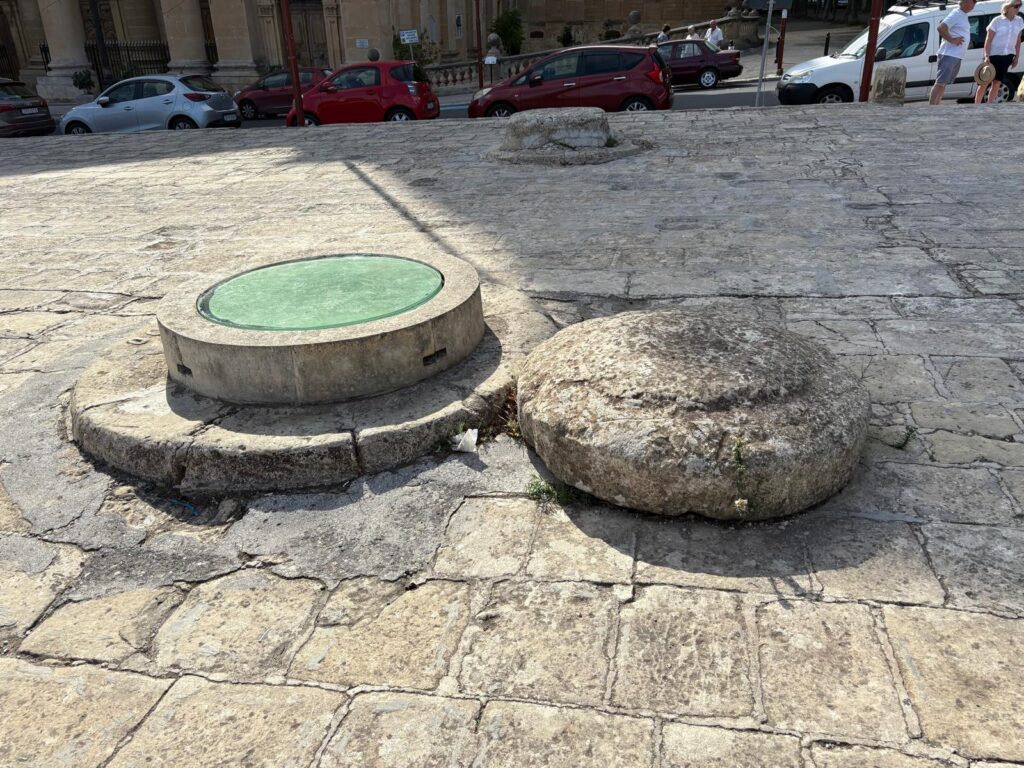
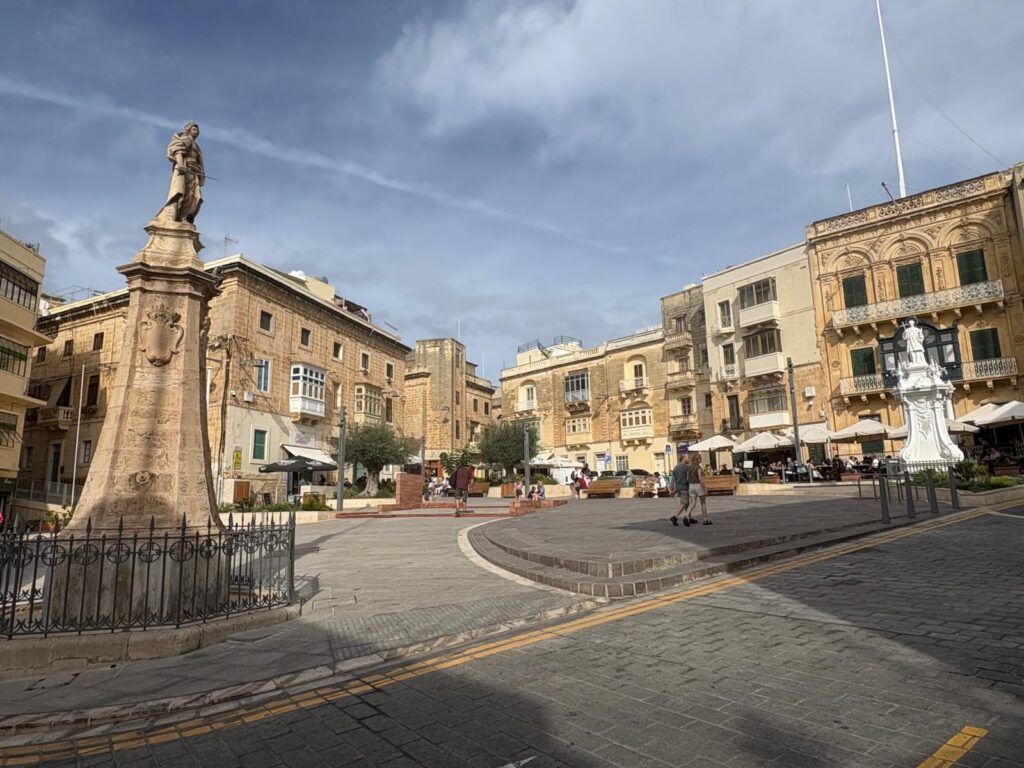
- St Publius Square and St Publius Parish Church. As you walk beyond Valletta’s city walls, this is one of the first sights you’ll come to. St Publius was the first Maltese saint, converted to Christianity by St Paul himself. The square in front of this neoclassical church is vast, and was the site of a mass held by Pope John Paul II in 1991. Note what look like the bases of columns: these are actually covers for grain stores, and can also be seen in front of Fort St Elmo, among other places. Inside the church is a 1773 altarpiece depicting the martyrdom of St Publius.
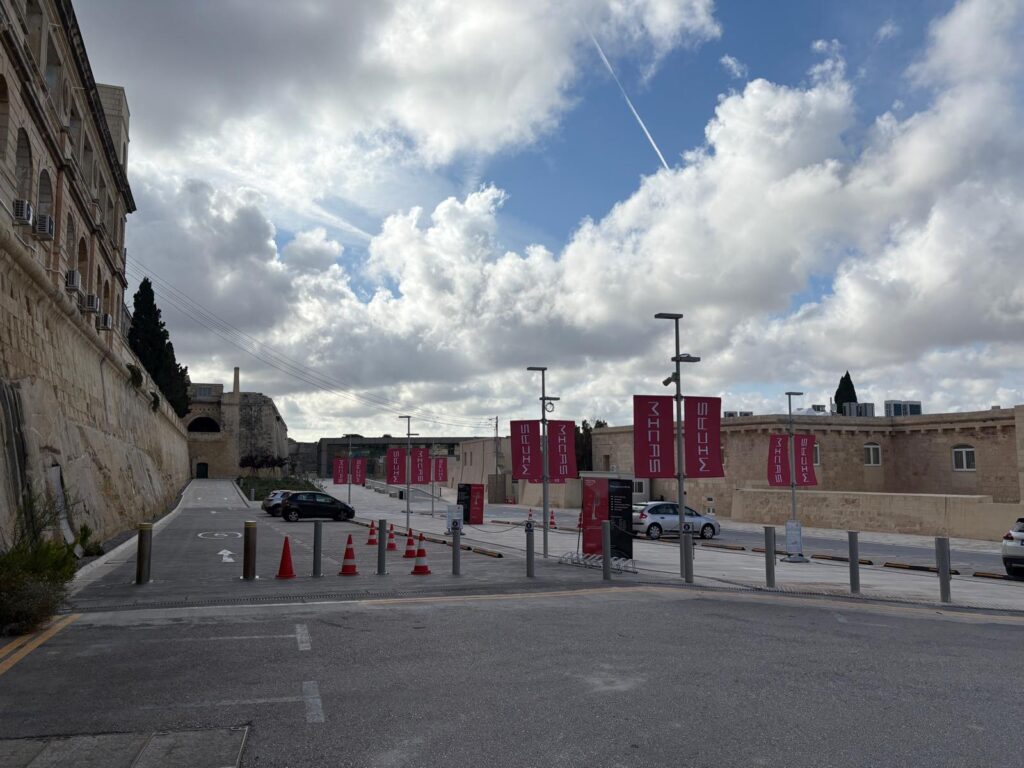
- MICAS – Malta International Contemporary Art Space. A brand new art space in a historic location. MICAS is a great art space in its own right, with a contemporary feel and great international programming. It’s also worth seeing for the historic elements. The gallery is built right into some of the bastions of the Floriana Lines. The complex also includes the former Ospizio, an institution dedicated to caring for the destitute and mentally unwell.
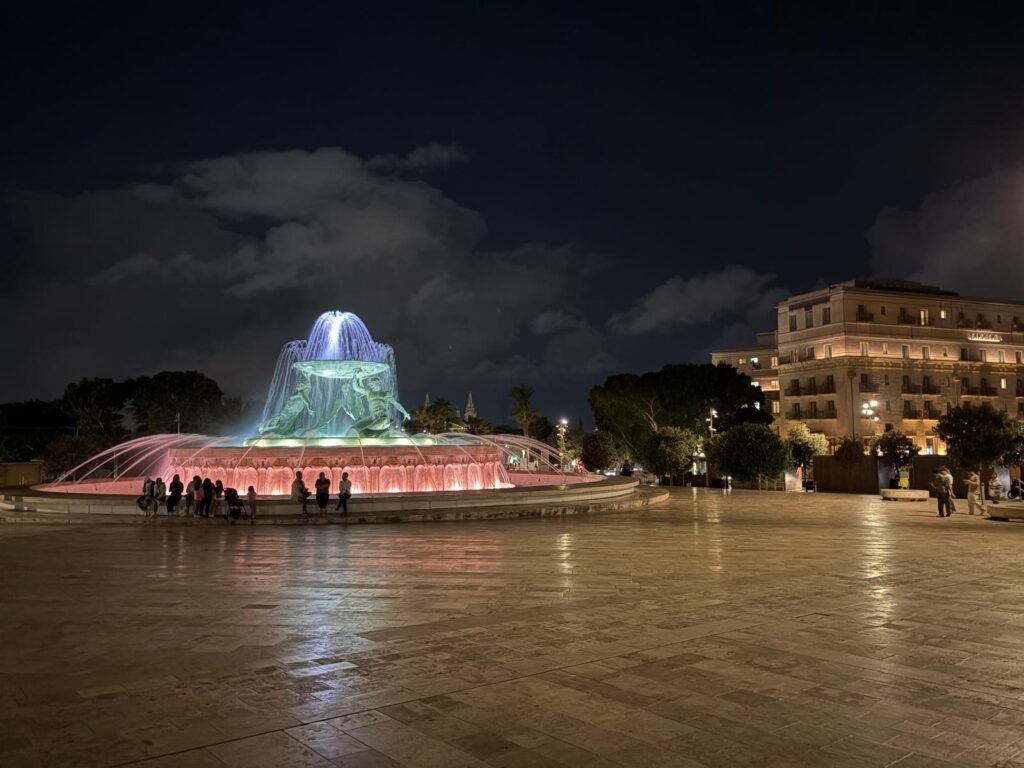
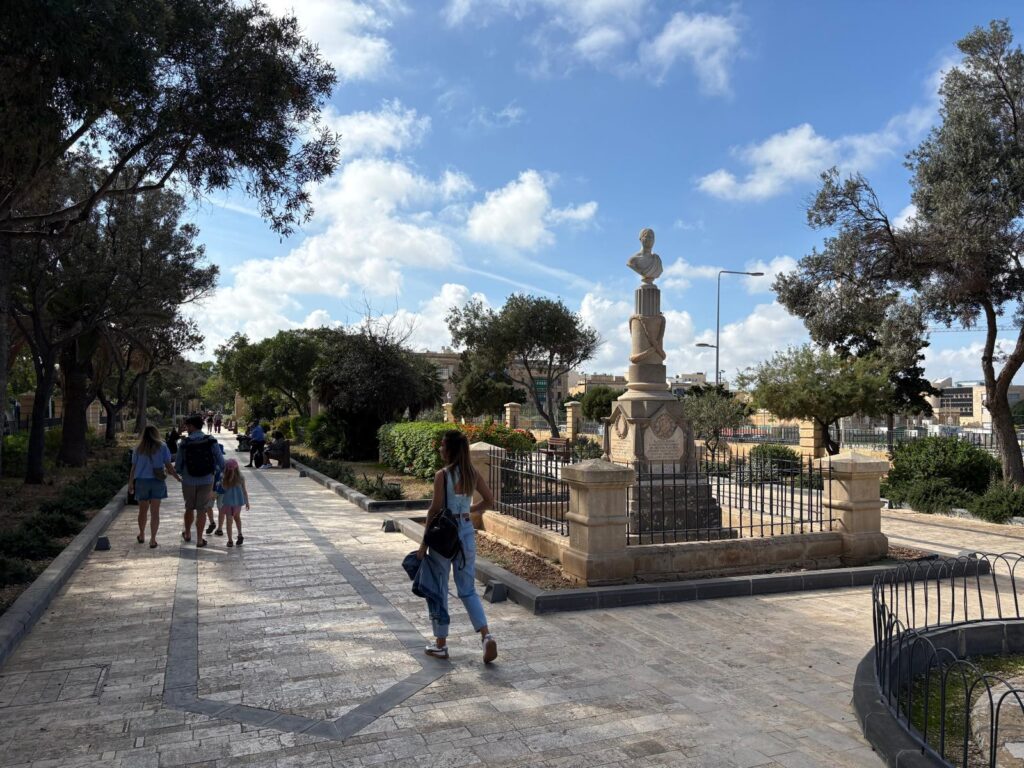
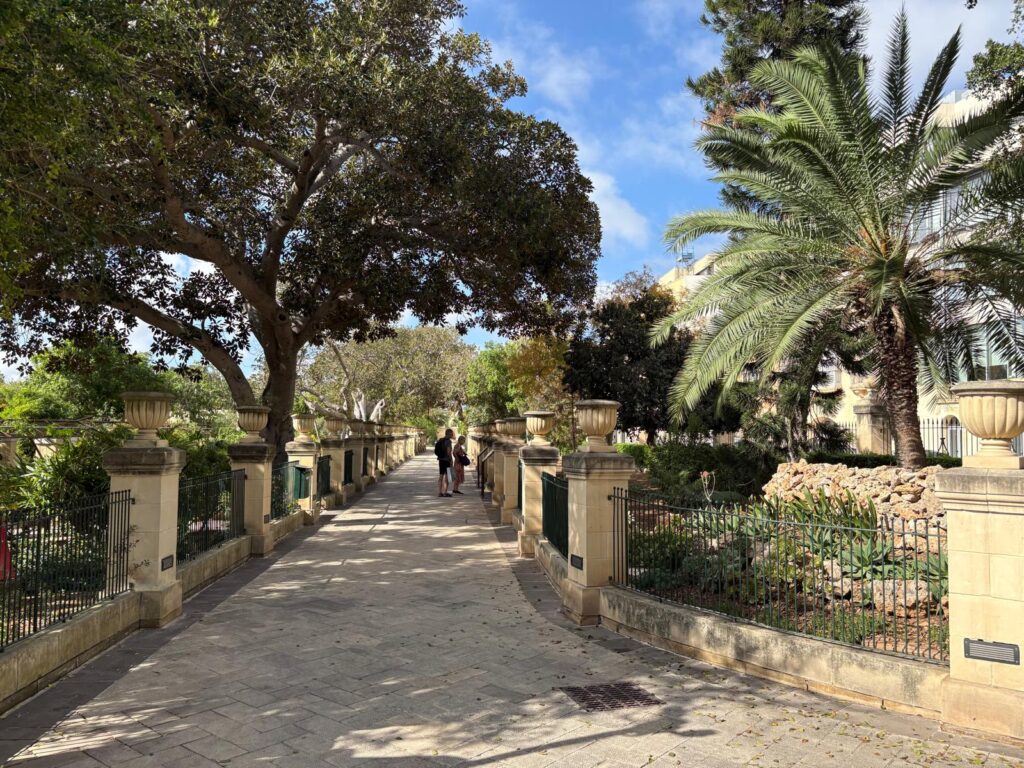
- Gardens. I mentioned before a lot of gardens in Floriana. I enjoyed wandering through them on my walk around the city. You might try Ġnien tal-Mall / Maglio Gardens, an orderly garden with many small monuments running from just below the Triton’s Fountain outside Valletta’s city gate, to St Publius Parish Church. Or there are the Argotti Botanic Gardens, built into the distinctive pointed shape of a former bastion. Or, near MICAS, there is Msida Bastion Historic Garden. This last one has limited opening hours, but nice views. It incorporates a former Protestant cemetery in use in the first half of the 19th century.
A History of the Three Cities
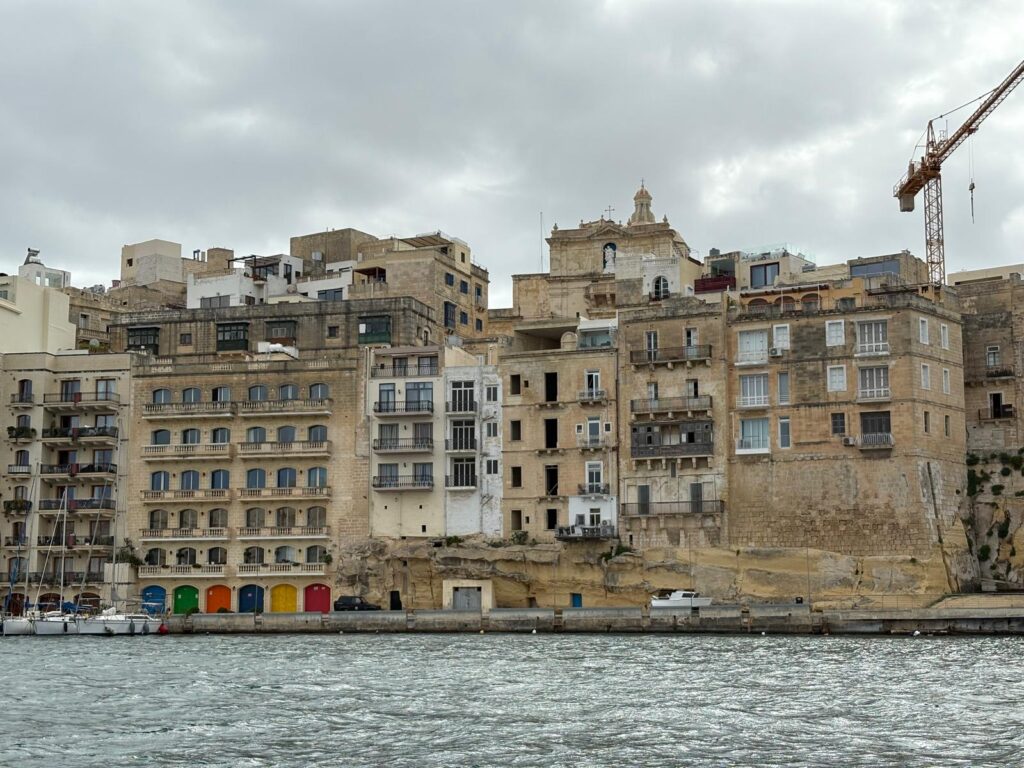
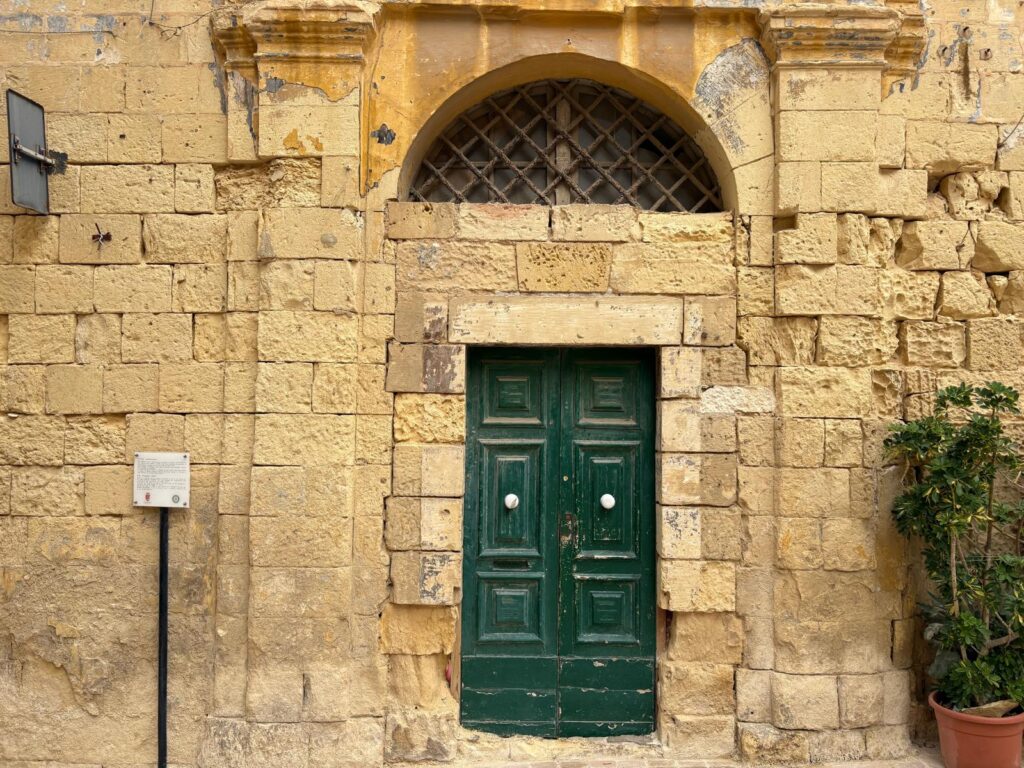
The last place we’re talking about today actually has by far the oldest history. But first, a quick recap on names. Vittoriosa = Birgu; Senglea = Isla; Cospicua = Bormla. I’m going to use the Maltese names for this section. Birgu, Isla and Bormla, together the Three Cities, all sit within the Grand Harbour, a now substantially-modified natural harbour. Birgu is the oldest settlement, starting out as a Phoenician trading post. It was the main settlement on the Grand Harbour when the Knights Hospitaller arrived in 1530, and became their capital, taking over from Mdina. Bormla had been the main port area in the region also since Phoenician times, while Isla had been part of Bormla (formerly Birmula) since the Middle Ages.
The arrival of the Knights Hospitaller meant many changes. Firstly, the Knights replaced an earlier Castrum Maris (castle by the sea) with Fort St Angelo. They also started to make themselves at home, building their auberges, or inns, by nationality. As we learned above, after the Great Siege of Malta in 1565, the Knights decided to build on and fortify the Sciberras Peninsula: Valletta became their capital in 1571. They continued to fortify the Three Cities, however, by means of the Cottonera Lines (after Grand Master Nicolas Cotoner). The Cottonera Lines were a very extensive enceinte with plenty of bastions.
In more recent times, the Three Cities suffered heavy bombing during WWII, as did much of Malta. Around extensive rebuilding in the 1950s and 60s the population shifted to become more working class. A number of regeneration projects, particularly since the 1990s, have sought to redress the inequalities stemming from high population density and unemployment.
What to See and Do in the Three Cities
The Three Cities make a perfect daytrip from Valletta. Or you could base yourself here, and see even more of Birgu, Isla and Bormla!
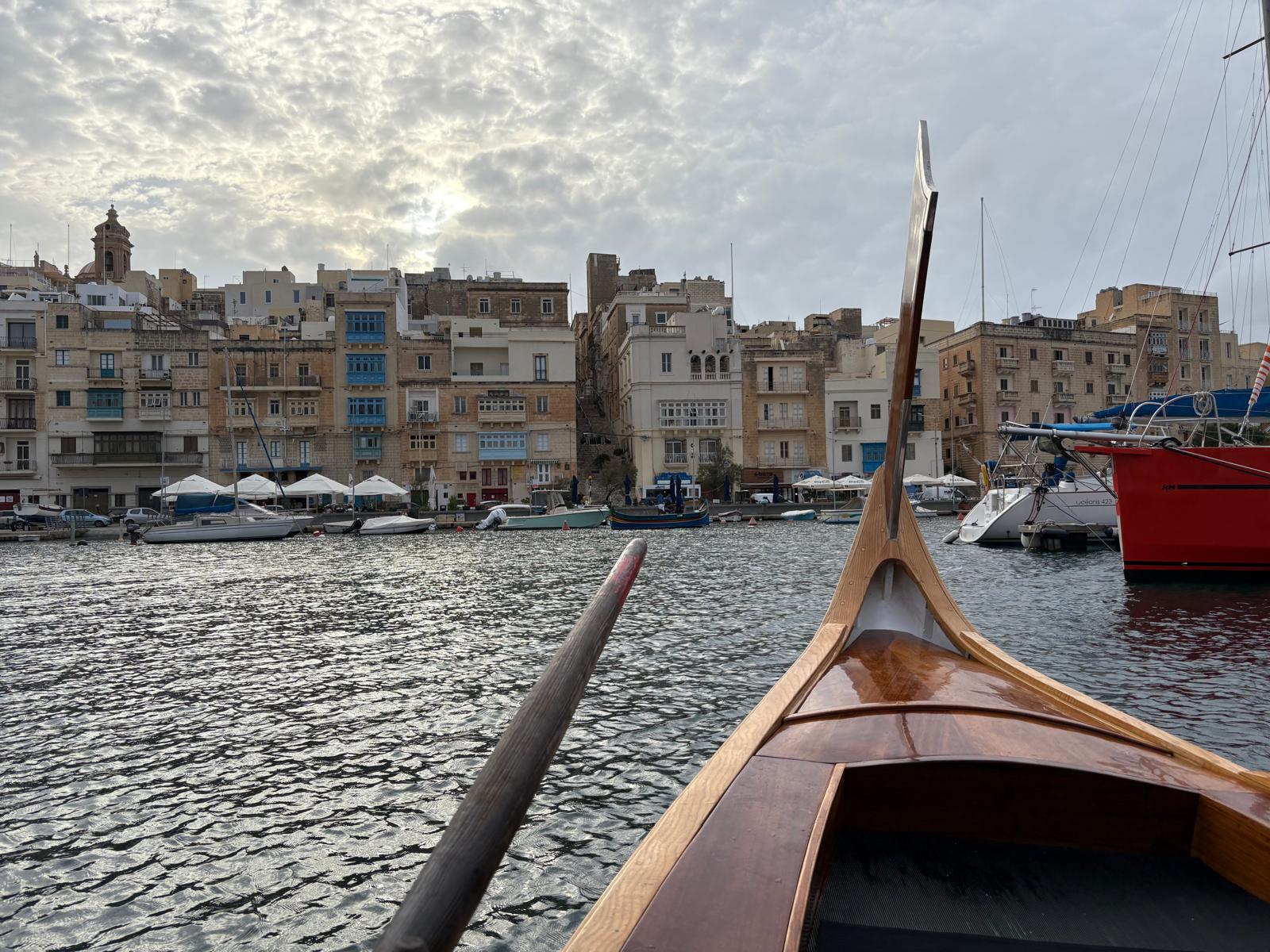
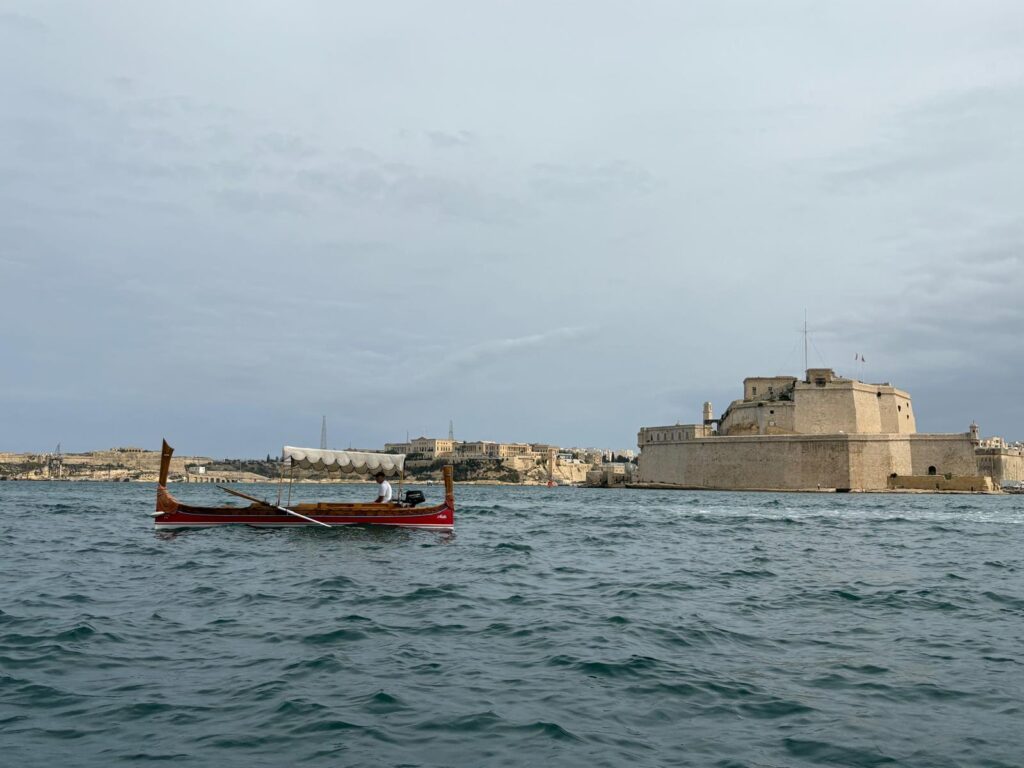
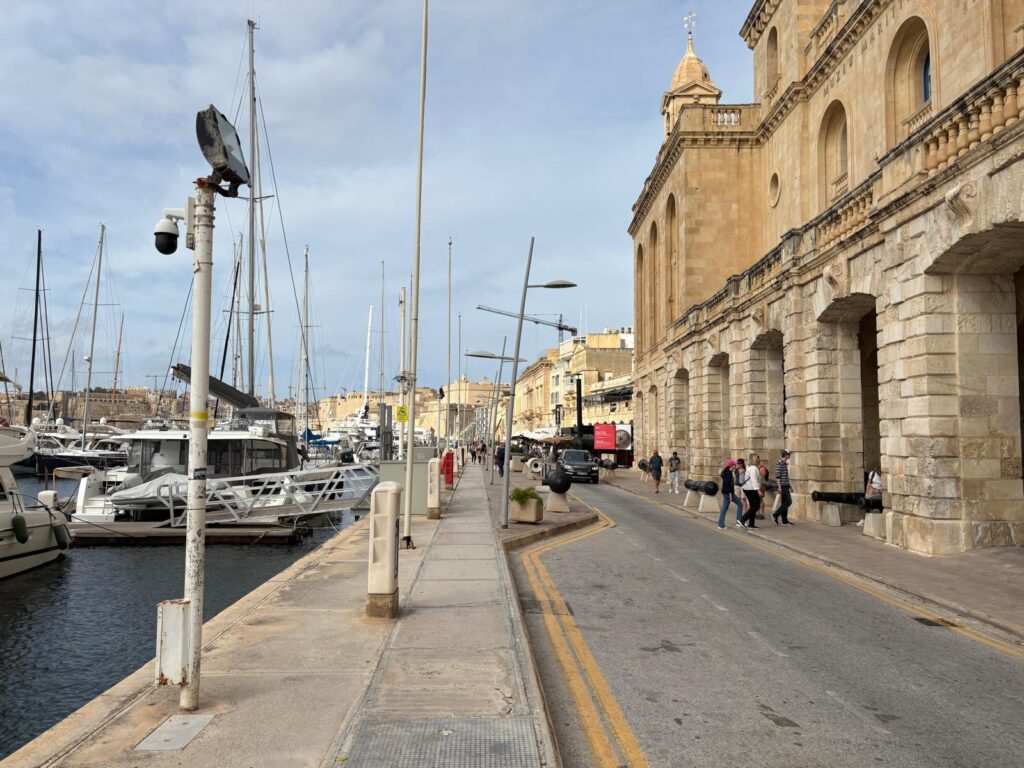
- Not so much a sight as a mode of transport, but I highly recommend taking a dgħajsa from Valletta. These traditional boats line up at the ferry terminal near the bottom of the Barrakka Lift, and head off once full. Although they have a motor, they still use an oar to do the fine positioning work at the other end. These water taxis arrive in Birgu right by the Malta Maritime Museum. Otherwise there is an option of a ferry from which it’s easier to reach Isla and Bormla.
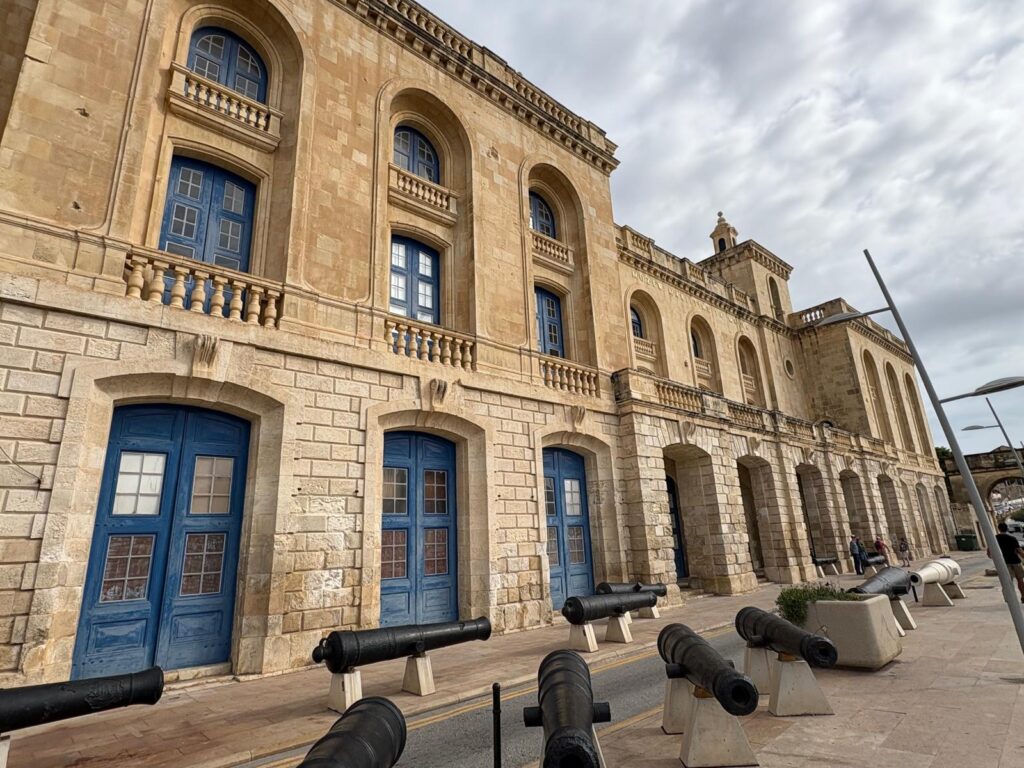
- Speaking of the Malta Maritime Museum, this would normally have been a recommendation except that it was undergoing renovations when we visited. It’s in the 1840s Royal Naval Bakery.
- While we’re on museums, Birgu is also home to the Malta at War Museum
- Fort St Angelo is another top pick, particularly if you haven’t visited Fort St Elmo in Valletta.
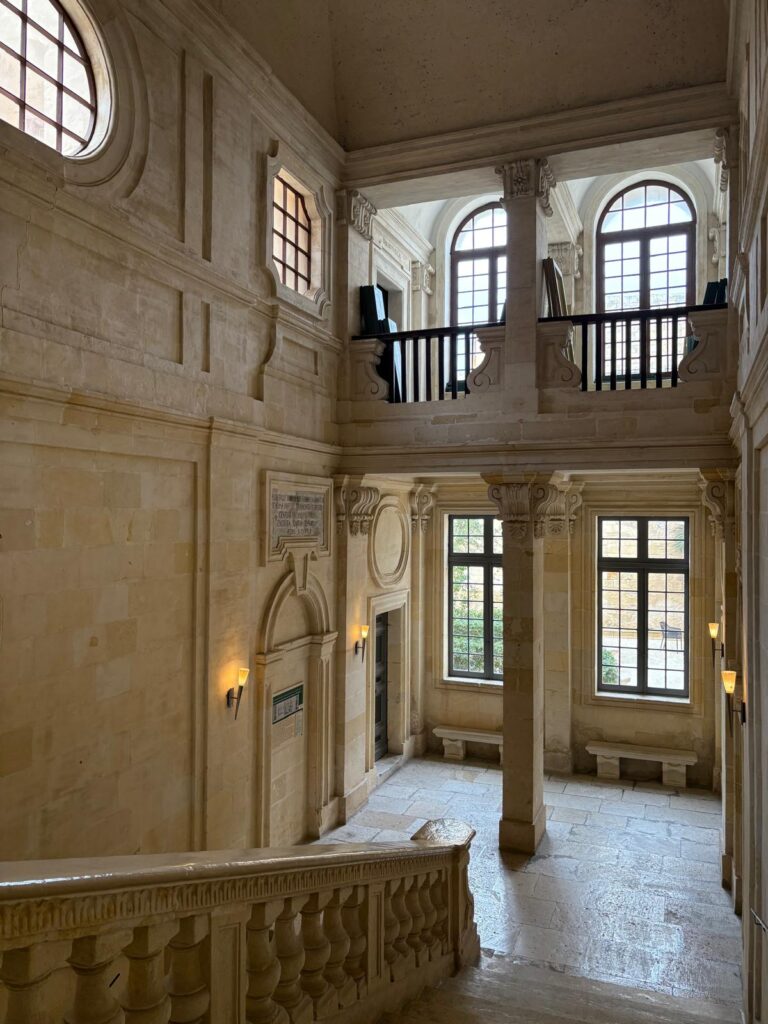
- Also in Birgu is the Inquisitor’s Palace, part of the Roman Inquisition and the only inquisitor’s palace in the world that you can visit.
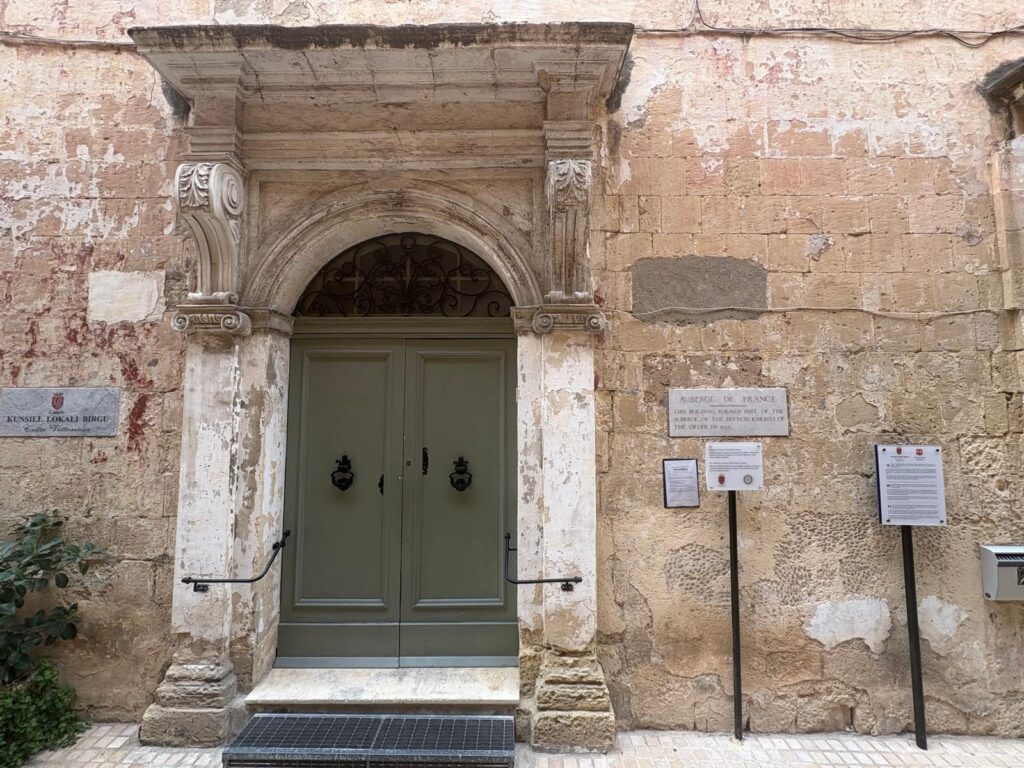
- Don’t forget the auberges, although you can also see these in Valletta or in Mdina. Most can just be admired from the outside.
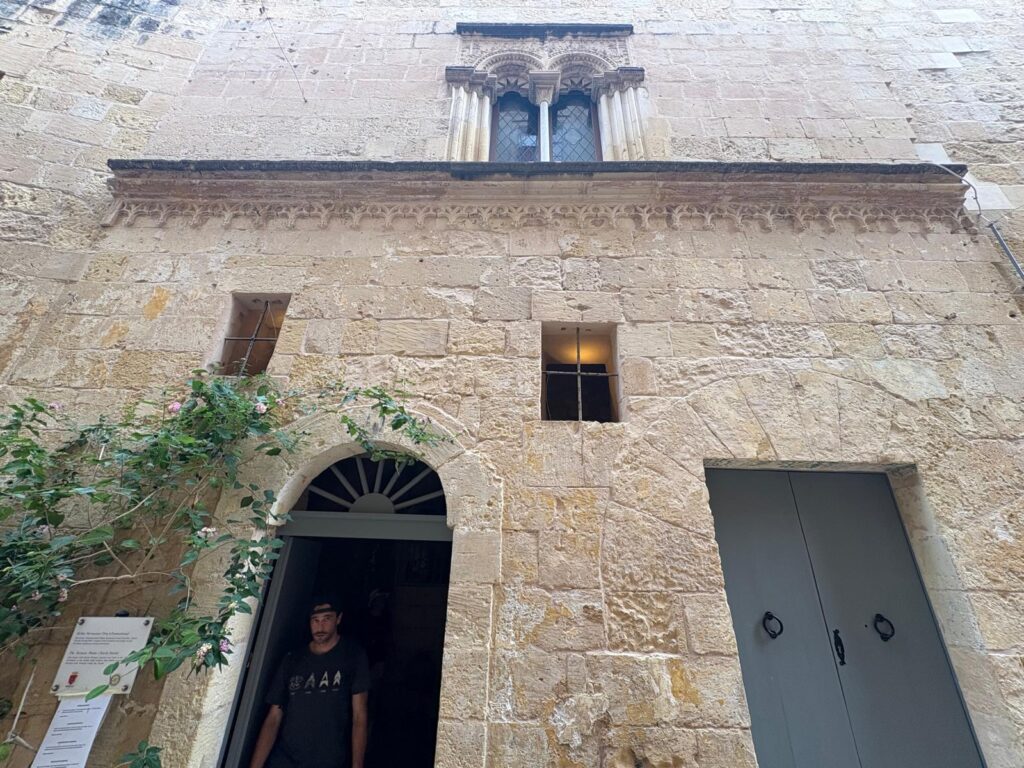
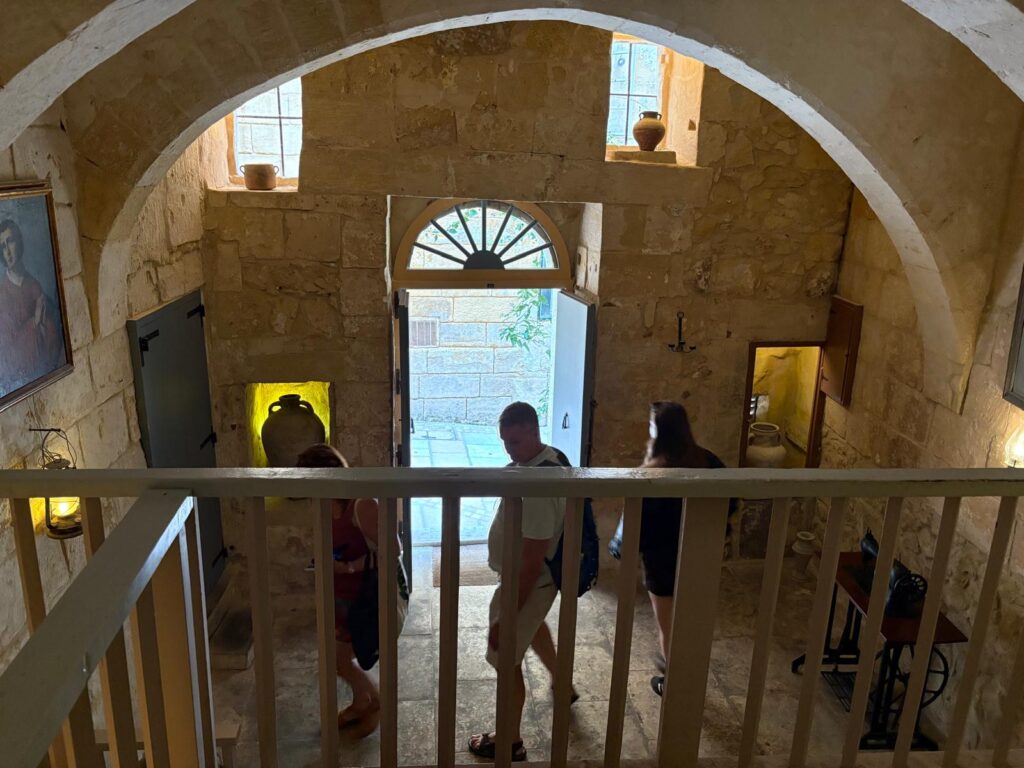
- But if you fancy entering an even older building in Birgu, look for the Norman House. Dating to the 15th century, the Norman House is open to the public as a free-to-visit museum.
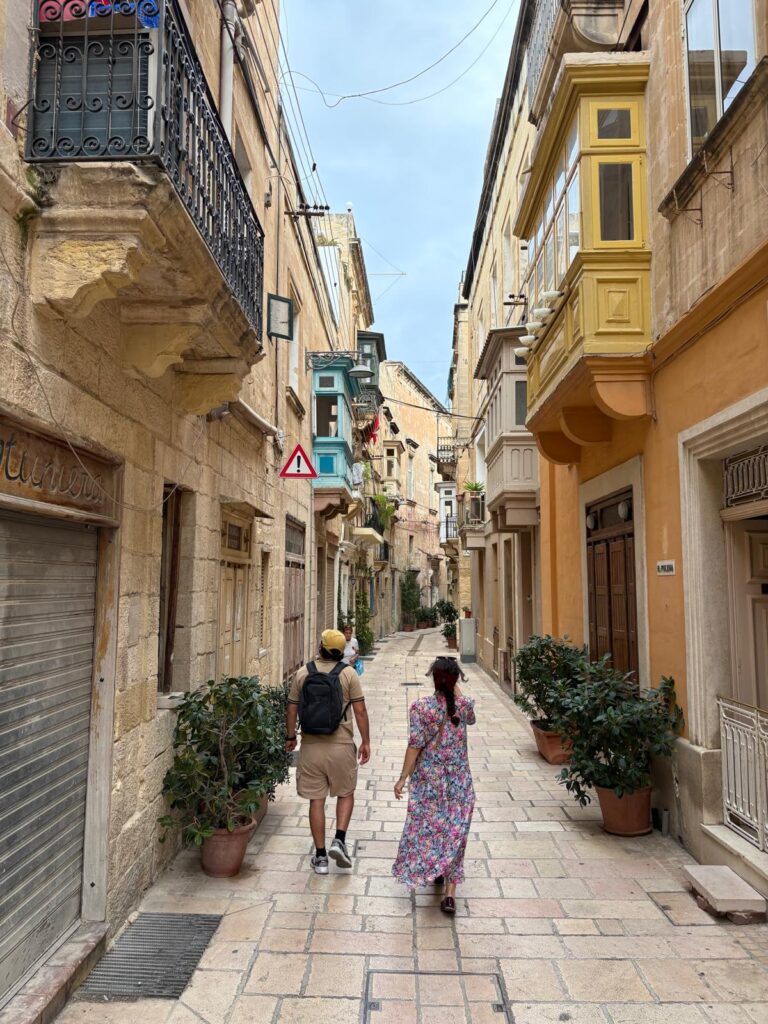
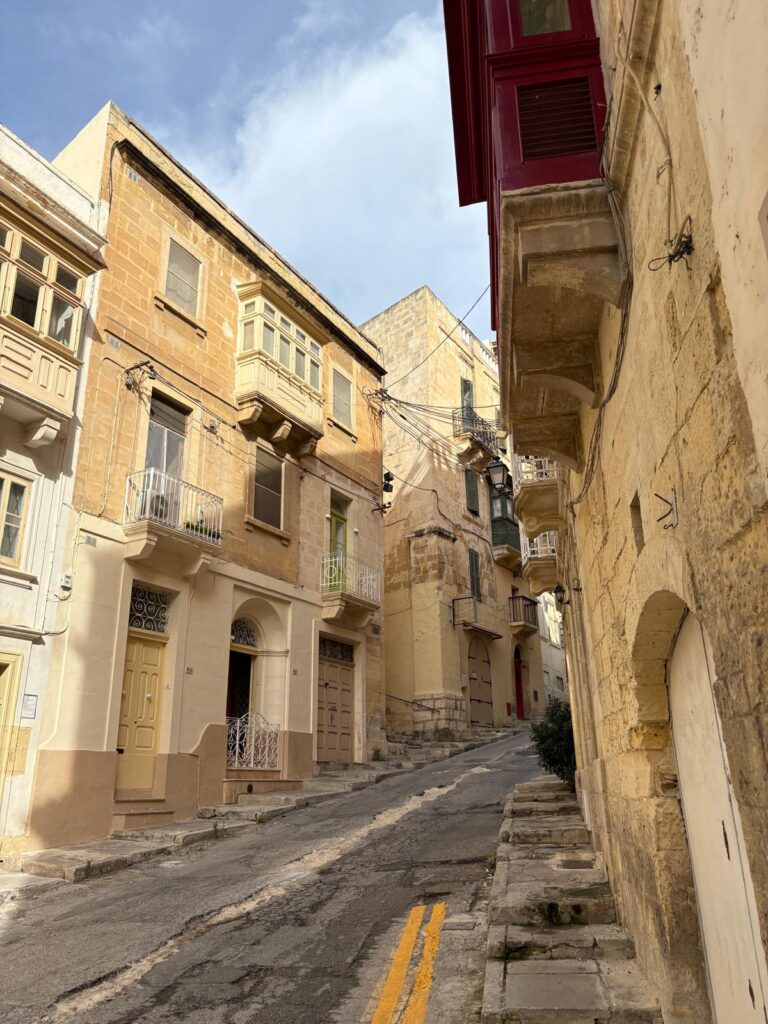
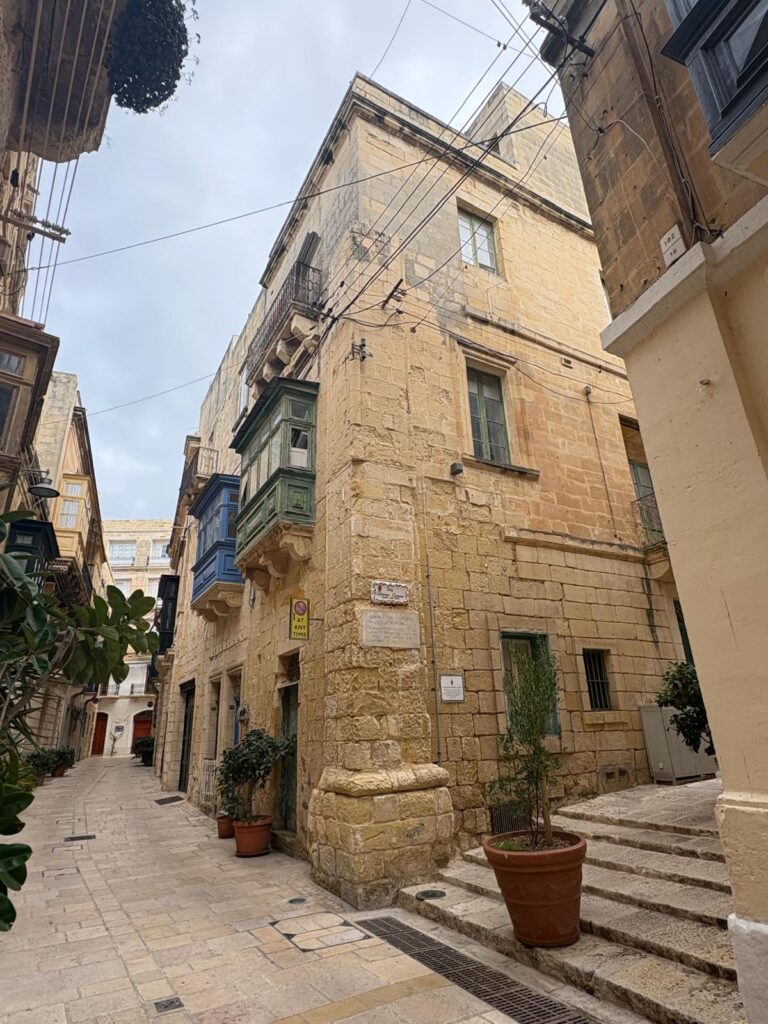
- Isla is a nice place to wander, soaking up the atmosphere of its narrow streets. Along the way, you might like to visit the Senglea Basilica, or Gardjola Gardens.
- And finally in Bormla, the museum-lovers amongst you might want to check out the Bir Mula Heritage Museum, an independent social history museum showing the development of Maltese houses through the ages.
- Also in Bormla you can visit various churches including the 1730 Our Lady of the Immaculate Conception or the architecturally interesting Church of St Paul, or see parts of the former defenses including the Santa Margherita Lines.
There we have it! I hope you enjoy your own visit to Valletta, and include some time in Floriana and the Three Cities while you’re there. More posts on some of the specific places I visited on my trip will be coming soon.
Trending
If you see this after your page is loaded completely, leafletJS files are missing.