
48 Hours in Gozo – A Guide For Culture Lovers
A visit to Gozo is a great idea for those spending a week in Malta. The pace of life is a little slower, but there is still plenty for culture lovers to see and do.
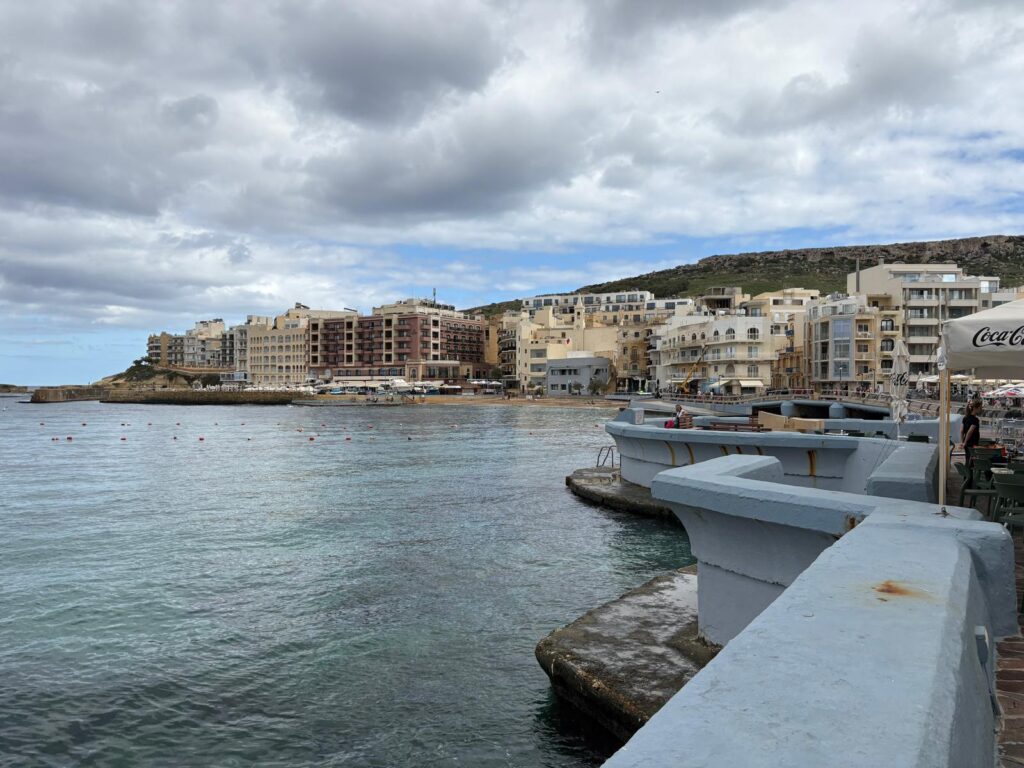
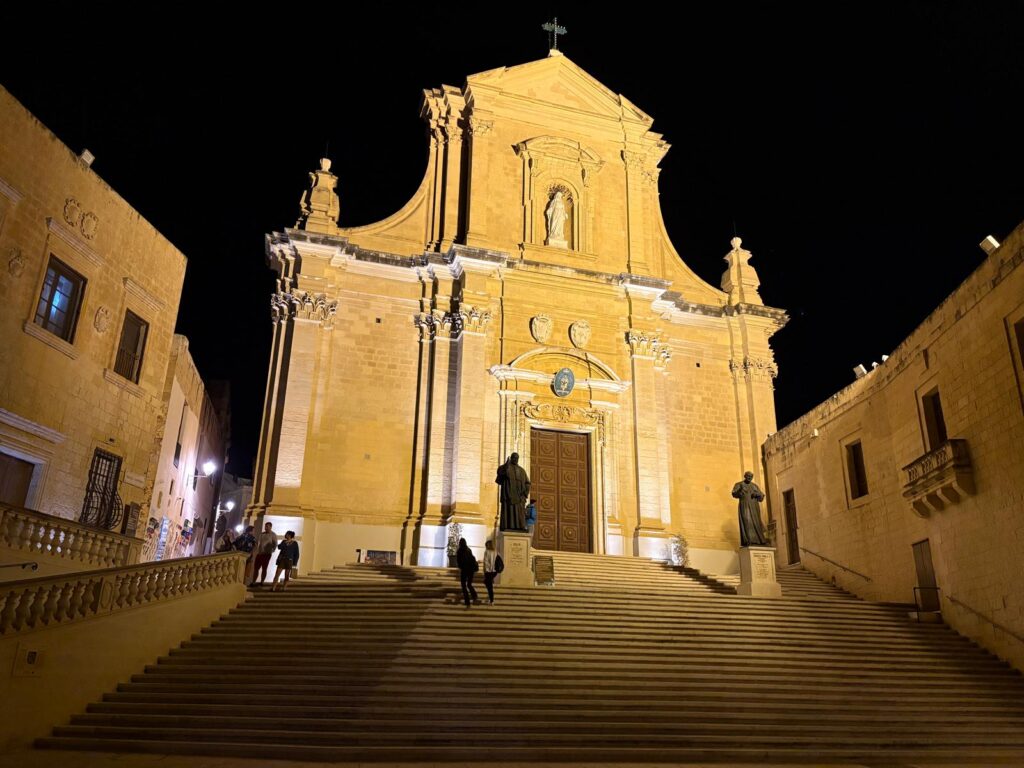
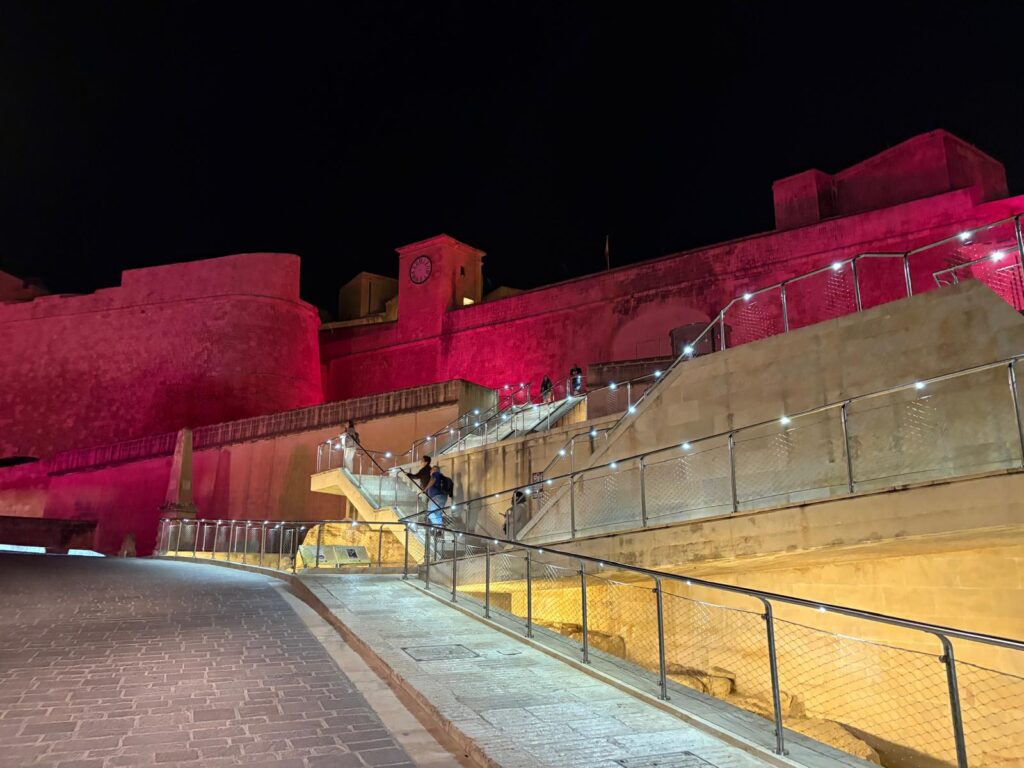
An Introduction: A Short Stay in Gozo
I recently had the opportunity to spend a week in Malta. As I wrote in my guide to Malta, this small Mediterranean island nation hadn’t been on my travel radar previously. And I really don’t know why, because I had a great time and would happily do a return trip!
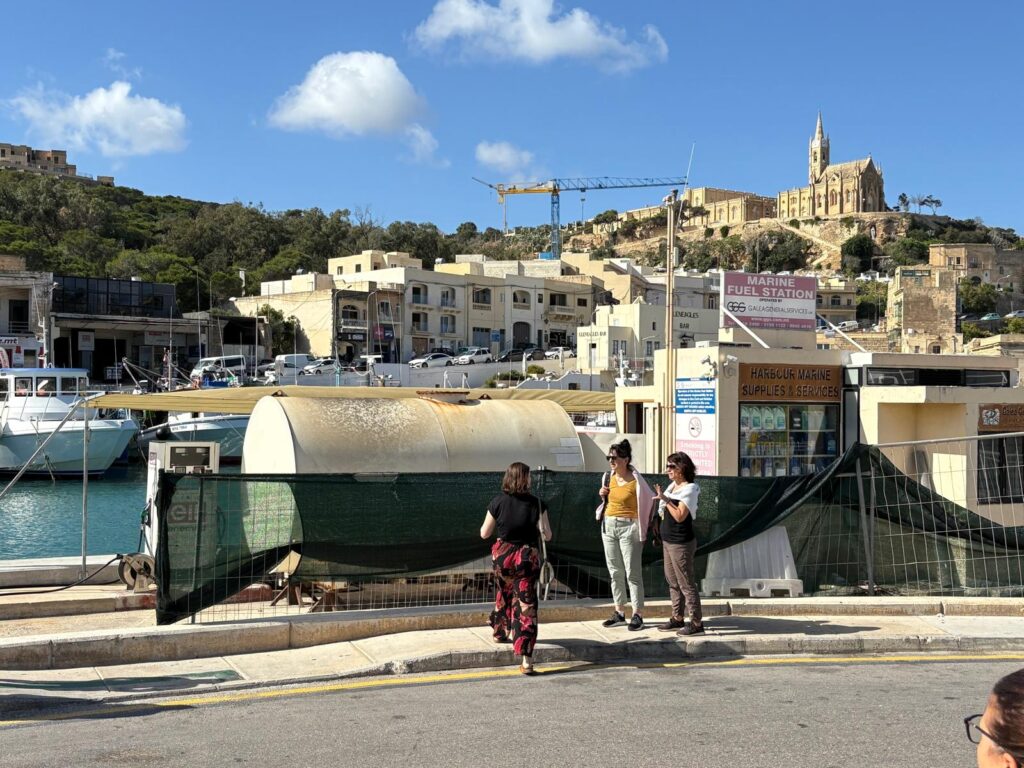
With a week in Malta, we decided not to base ourselves in one spot, but to move around a little. And Gozo, Malta’s second biggest island, drew our attention. Rather than doing the full London>Malta>Gozo (or vice versa) run at either end of our holiday, we bookended our stay with visits to Valletta and Floriana, and went to Gozo in the middle. There are a couple of options to get there, either a car ferry from the top of Malta, or a fast passenger ferry from Valletta. We took the latter, and found it very convenient. From there we took a taxi to our accommodation in the suburb’s of Gozo’s capital Victoria (Ir-Rabat in Maltese).
Like Malta in general, getting around is very simple. Taxis or ride-sharing apps abound, there’s a bus network with flat fares, and at a push, for the fit and healthy, you can get just about anywhere on foot. You won’t fit much in that way, though, and there is plenty to see. Below, after a brief history of Gozo, we’ll go into some of the natural, cultural and archaeological heritage on offer. In a following post, I’ll go into detail on Victoria and its citadel.
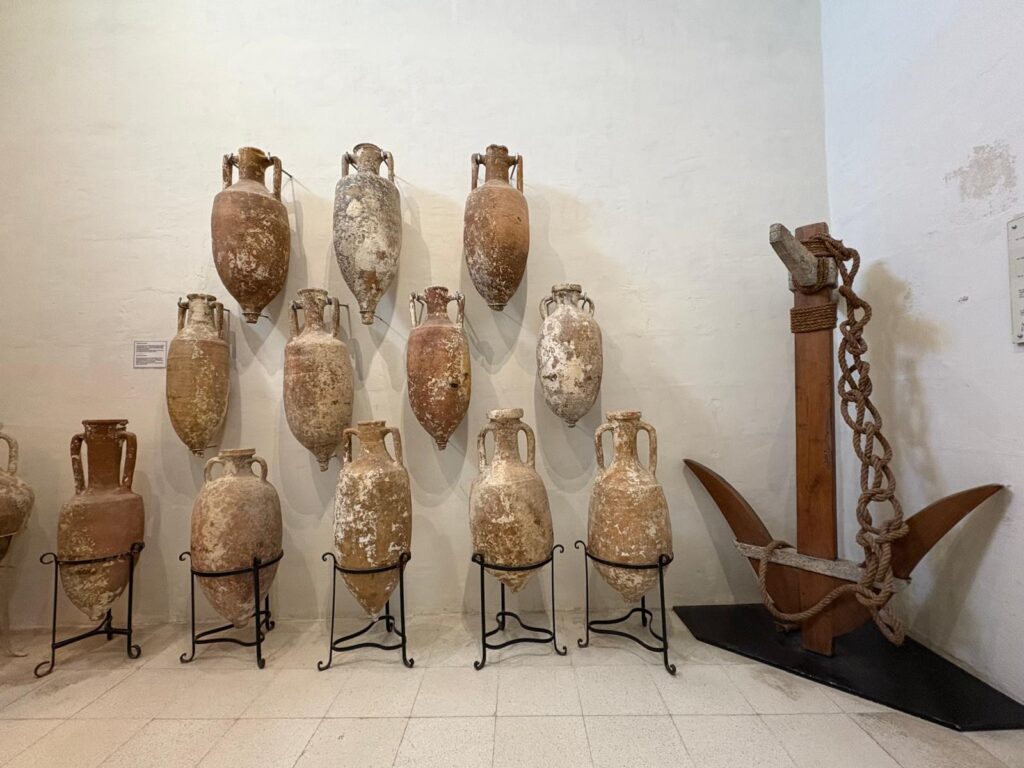
A Brief History of Gozo
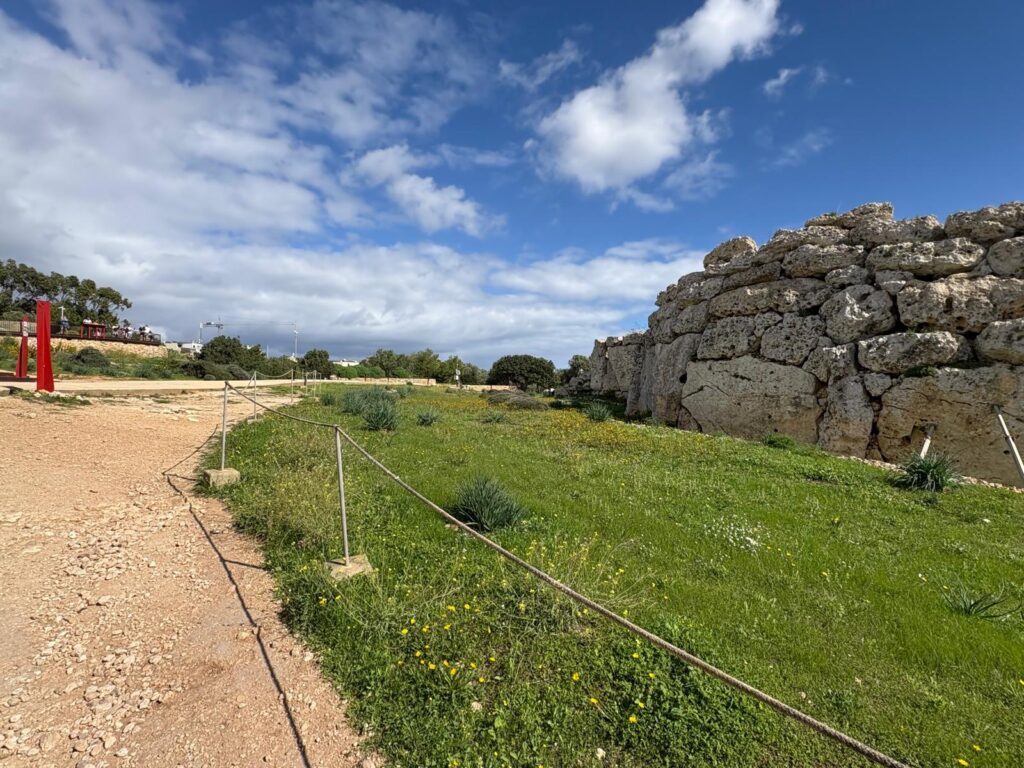
The history of Gozo is, unsurprisingly, largely in line with the history of Malta in general. With at least one, very unfortunate, exception. Farmers moved here from Sicily around 5000 BCE. The Temple Builders followed during the Neolithic period. They built the Ġgantija temples, an incredibly important archaeological site, amongst the world’s oldest religious and free-standing structures. The name sounds like ‘gigantic’ because in Gozitan folklore it was a giant who built the temples. There are other archaeological sites in Gozo: you can read more soon in my guide to Neolithic Malta. Another folkloric tradition states that Gozo was the island Ogygia, home to the nymph Calypso in The Odyssey. The cave historically associated with the legend is no longer stable enough to visit, but the connection persists.
From the Bronze Age onwards Gozo changed hands frequently, as Malta did. First the Carthaginians. Then probably the Greeks, followed by the Romans. Historic events meant Roman rule turned into Byzantine and then Holy Roman Empire rule. In 1530, Holy Roman Emperor gifted Gozo, along with Malta, to the Order of St John, then homeless after being turfed out of Rhodes by the Ottomans. It was as a result of an Ottoman invasion in 1551 that the unfortunate event I referenced above occurred. Ottoman forces ravaged the island and took almost its entire population of 5,000 into slavery. The Knights Hospitaller had to repopulate the island between 1565 and 1580.
Gozo again followed Malta in succumbing to French rule then British, in 1798 and 1800 respectively. The only difference was a brief Gozitan surrendering of French forces to the British in October 1798. Gozo was autonomous under French rule, then part of a British Protectorate and later Colony. Its next brush with self-direction was the setting up of local government in 1961. This lasted until 1973 when it was abolished under a referendum. A Ministry of Gozo followed in 1987.
Today Gozo has a population of around 40,000. Major industries include agriculture, manufacturing, construction, and tourism.
What to See: Historic Sites
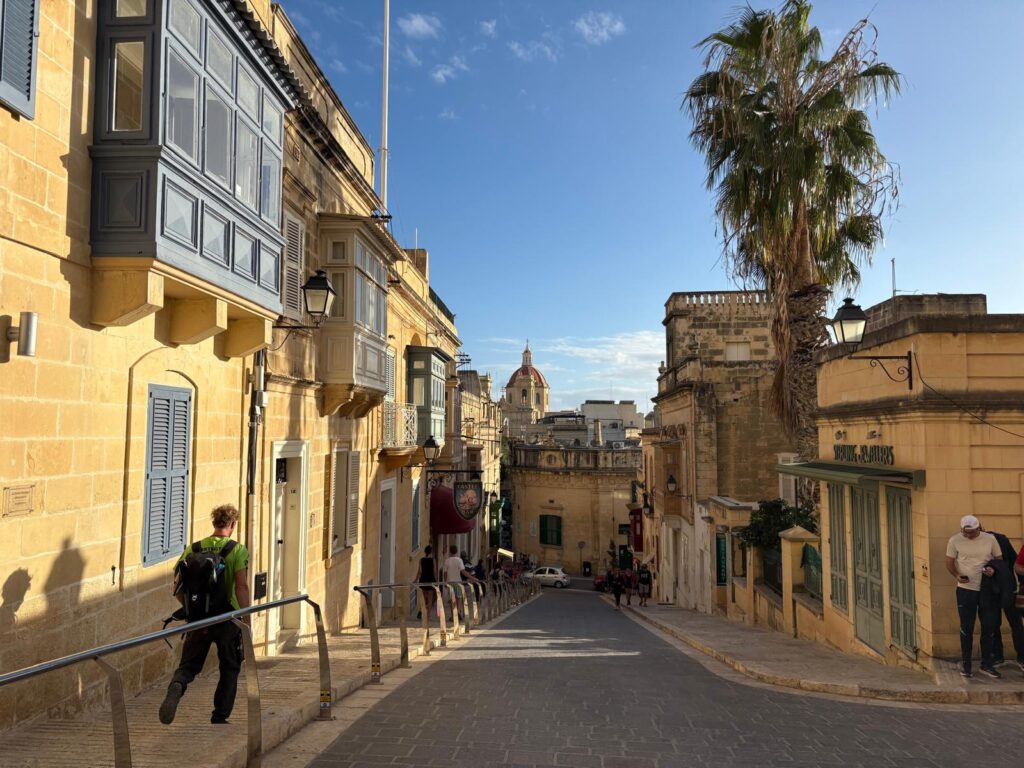
Let’s start investigating the specifics of a culture lover’s trip to Gozo by looking at some of its historic sites. Not archaeological: those are coming next. For now we’re sticking to the historic era. And if you’re based in Gozo’s capital, Victoria, there’s plenty to see. Victoria dates back to prehistoric times, mind you. Before it acquired the name Victoria to honour Queen Victoria’s Golden Jubilee in 1887, it was known as ir-Rabat. Still is, locally.
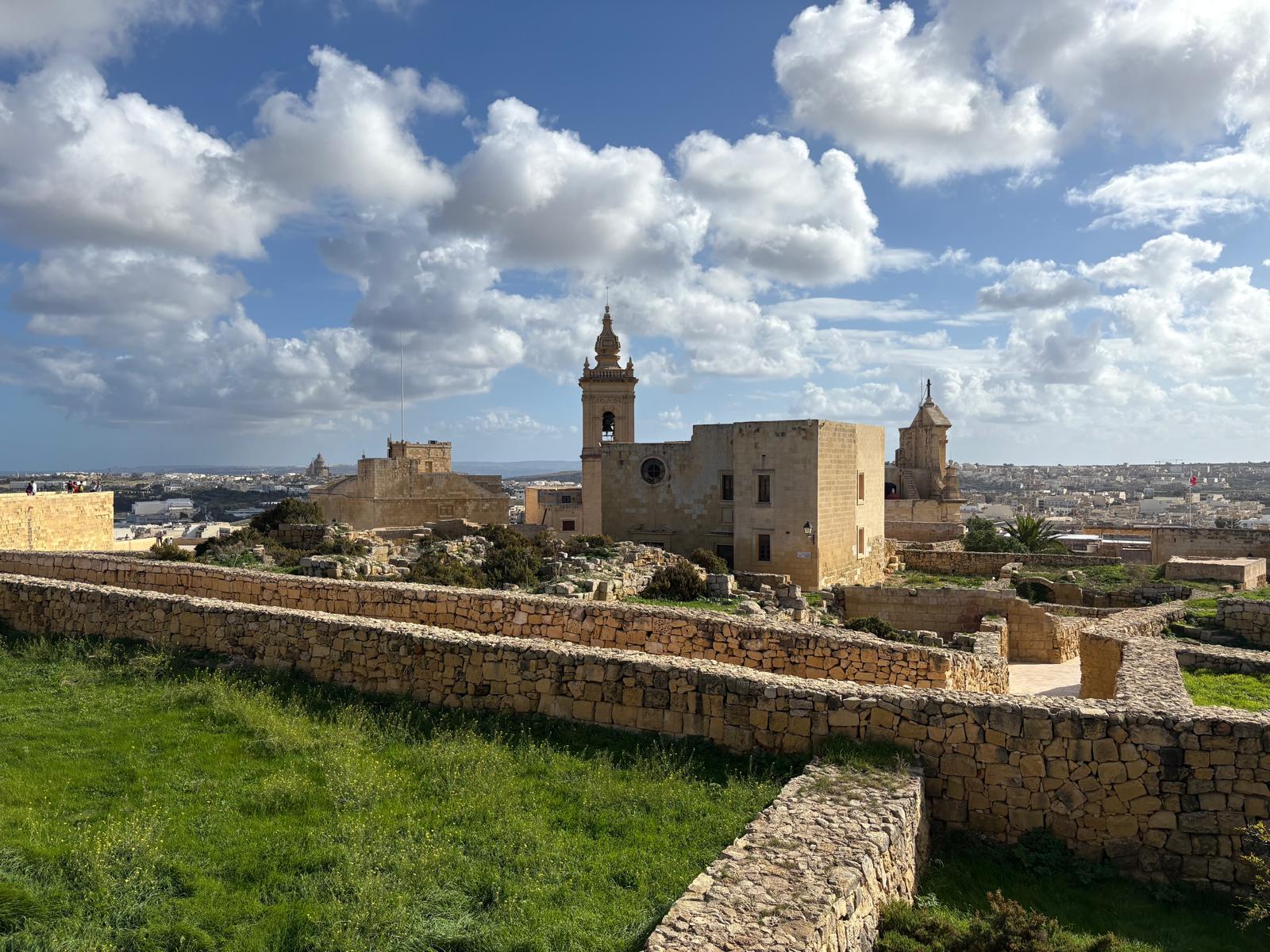
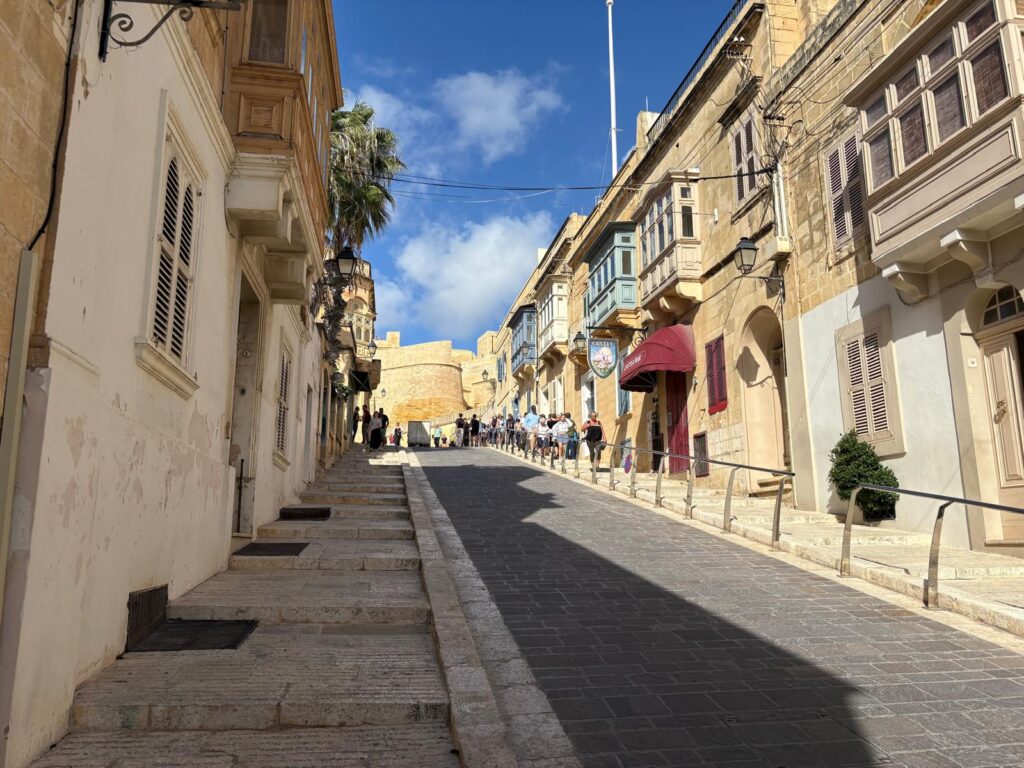
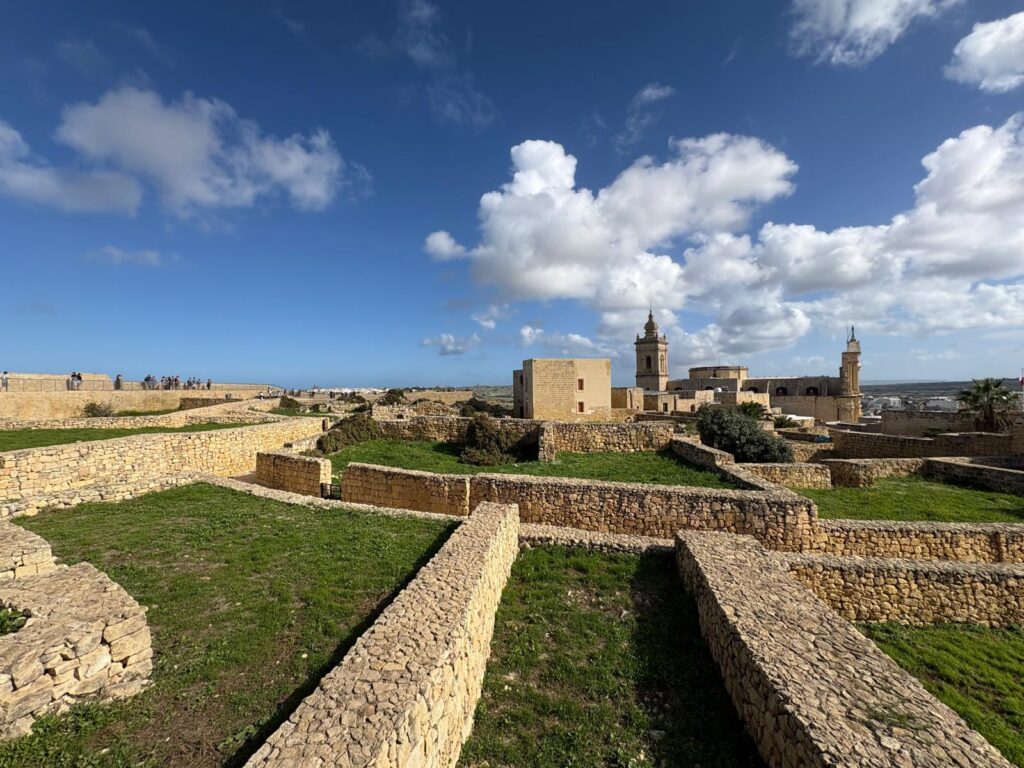
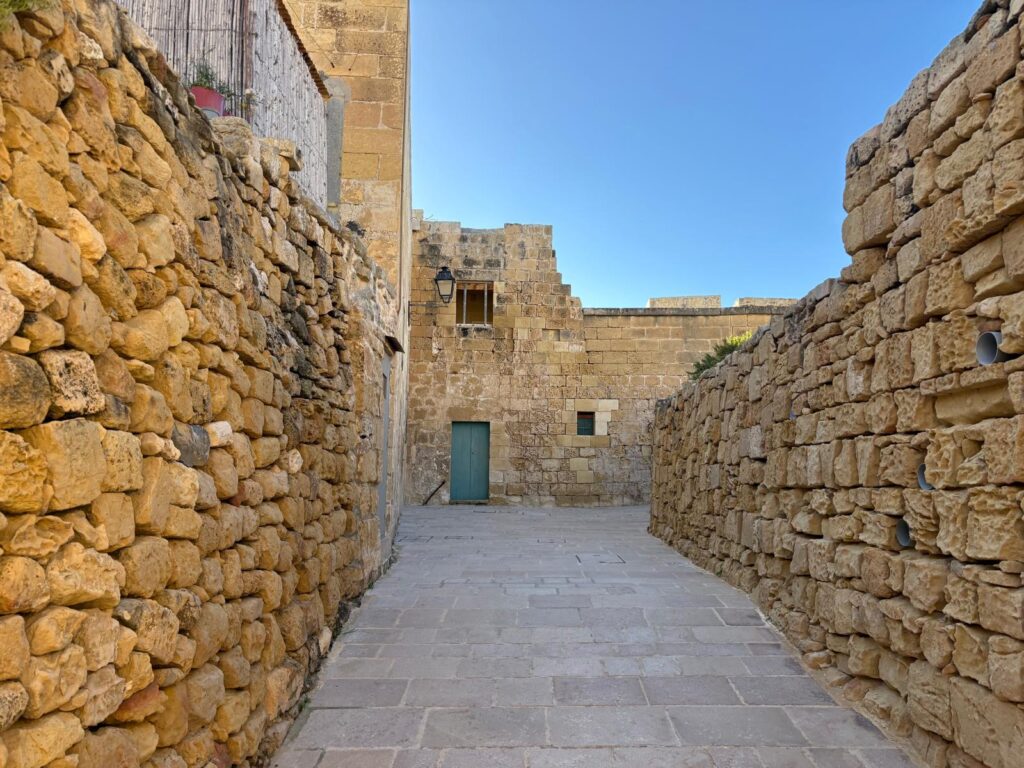
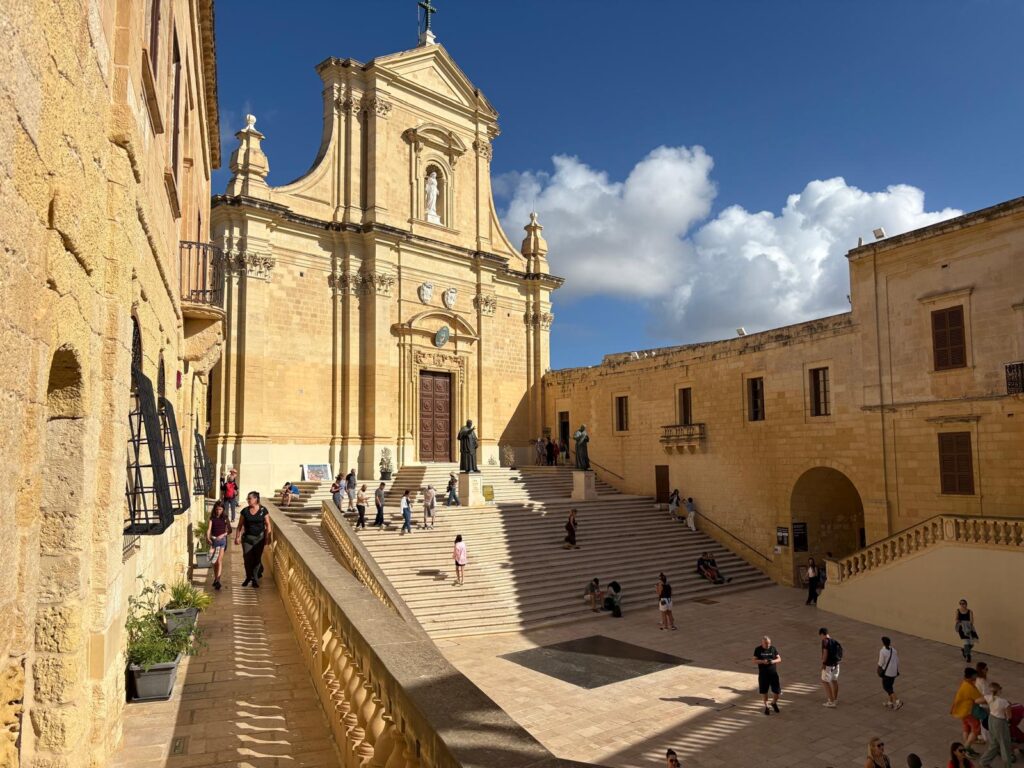
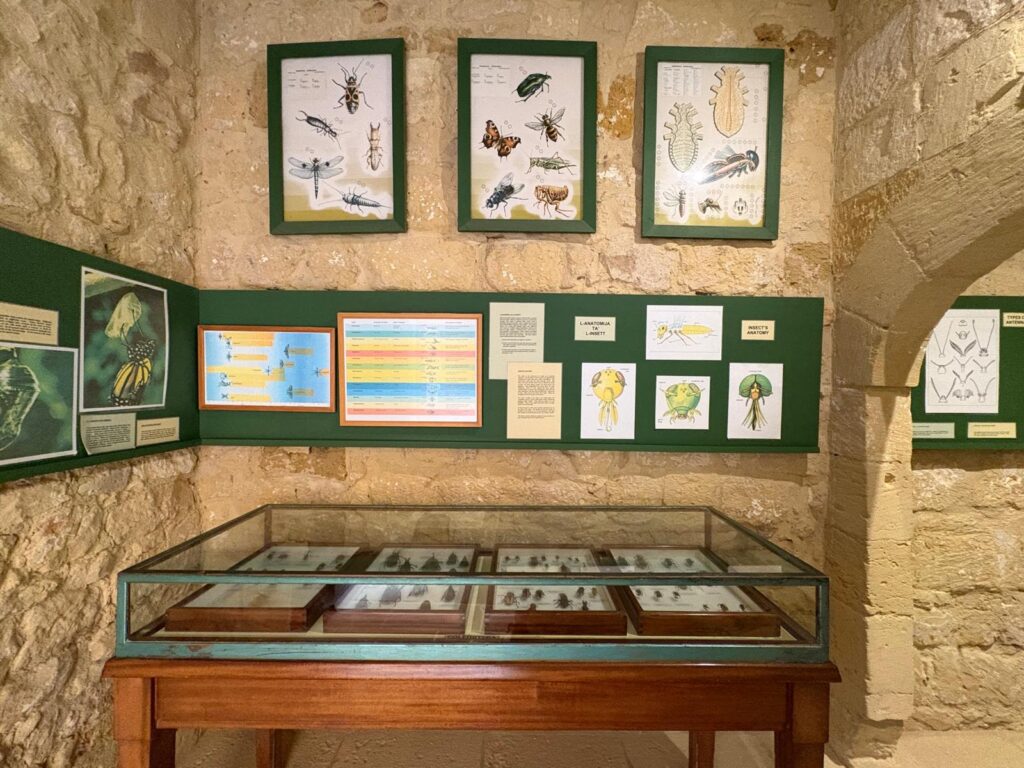
The first sight to see is Victoria’s Cittadella (Citadel). It’s been inhabited since Neolithic times, and fortified since the Bronze Age. The current version is partly Aragonese and partly the work of the Knights Hospitaller. Or reconstructed by them, in any event, after the devastating Ottoman raid in 1551. The Cittadella is nice just to wander around in. You can also get a ticket for the Heritage Malta museums: there’s no option just to pay for one, so you may as well see them all! More on this in my next post. There’s also a cathedral here by Maltese architect Lorenzo Gafà. It has a famous trompe-l’oeil ceiling: I didn’t have cash on me for the cathedral entrance fee so cheated and saw a replica in the Cittadella Visitors’ Centre.
As well as Victoria’s Cittadella, there’s plenty more to see:
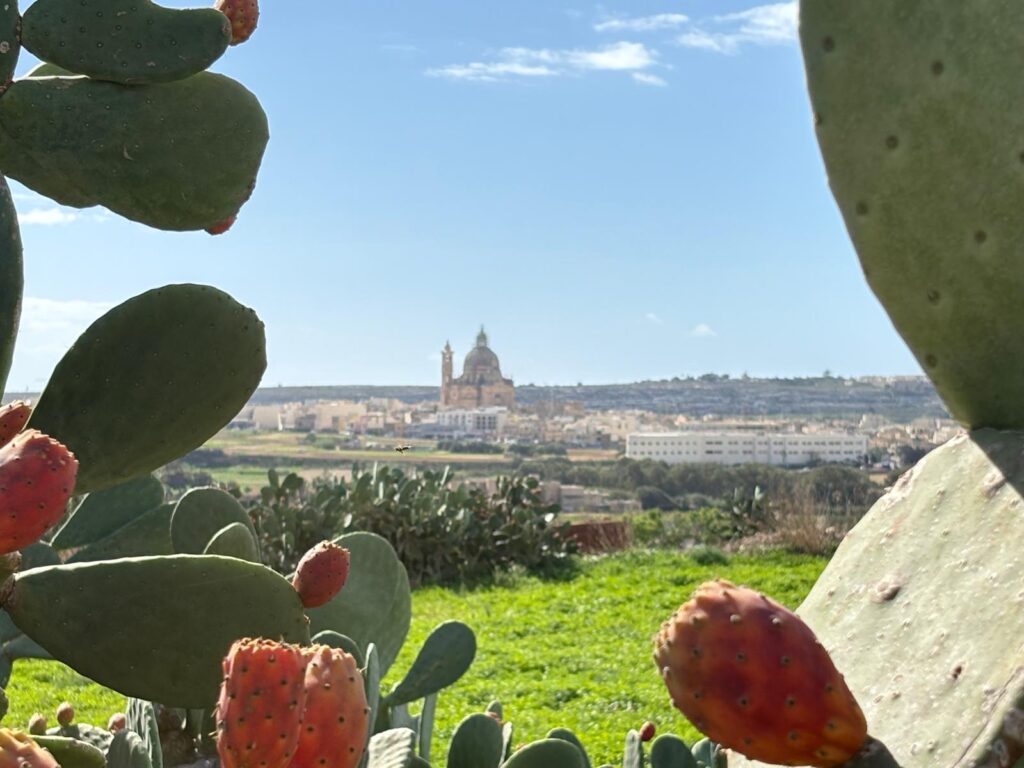
- Churches: Ta’ Pinu Basilica dates to the 1930s, built on the site of an older church and a major pilgrimage site. St George’s Basilica is easy to visit as it’s in Victoria. Santa Cecilia Chapel is the oldest in Gozo, dating to 1544. The Rotunda of St John the Baptist in Ix-Xewkija is a recent addition (second half of 20th century) but features the world’s third-largest unsupported dome!
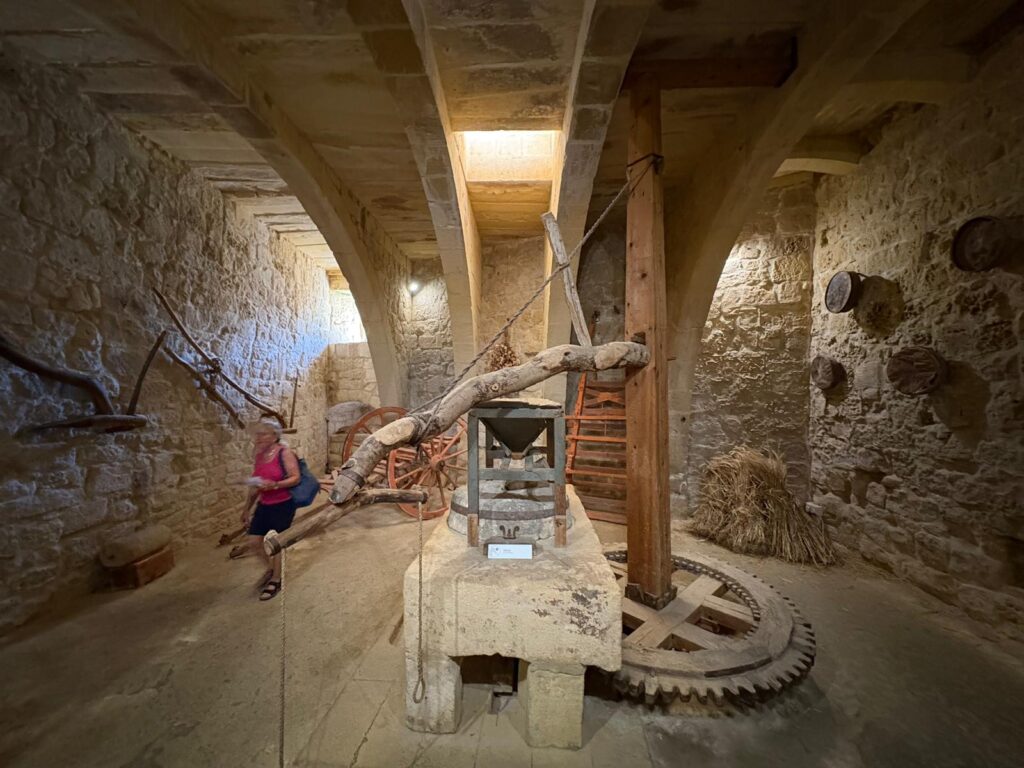
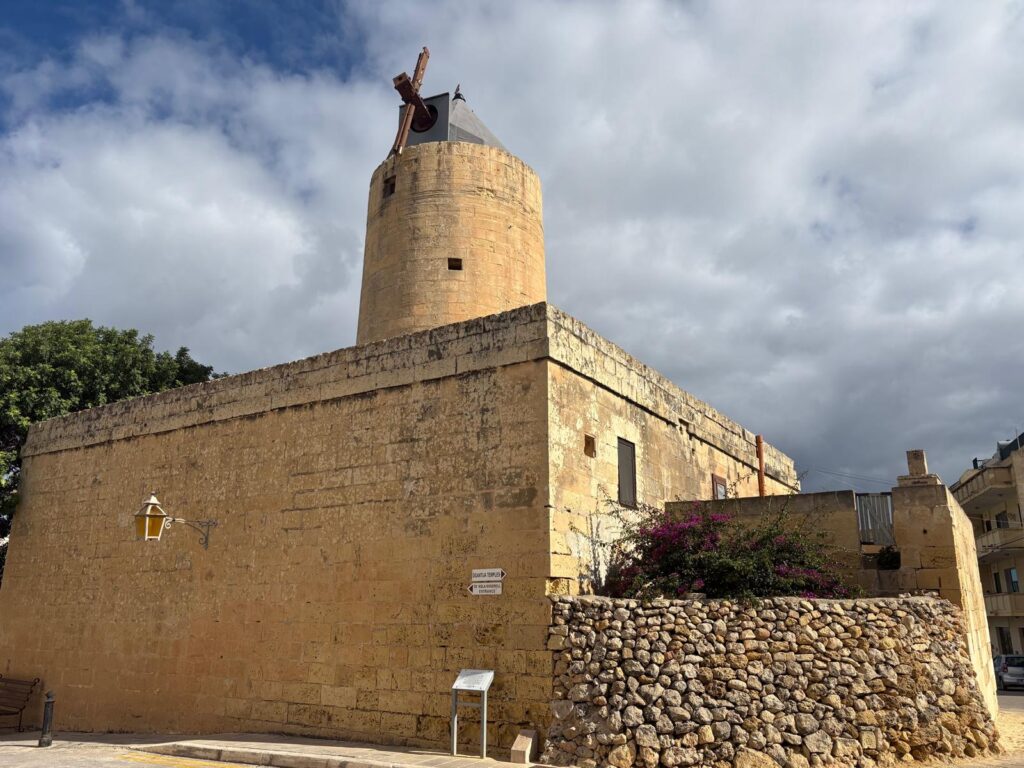
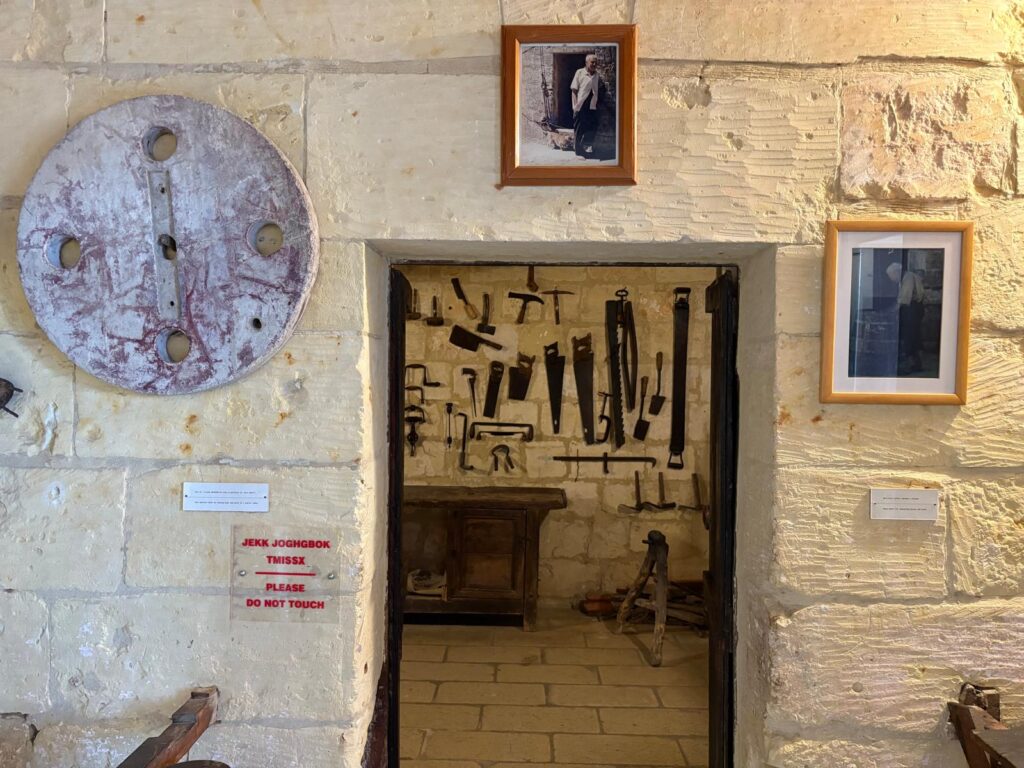
- Windmills: there are a few, but the easiest to visit must be the Ta’ Kola Windmill just a stone’s throw from Ġgantija. It’s about 300 years old, and was inhabited and in use until the second half of the 20th century.
- Watch Towers: including the one at Xlendi which dates to the mid 17th century. This was one of ten built during the tenure of Grand Master Lascaris. It was in use until 1871 and then used as an observation deck during WWII.
- Museums: as well as those in the Cittadella, there is a Heart of Gozo Museum (Il-Ħaġar) in Victoria, and the Gharb Folklore museum, which gives a glimpse into traditional lives, activities and traditions.
What to See: Archaeological Sites
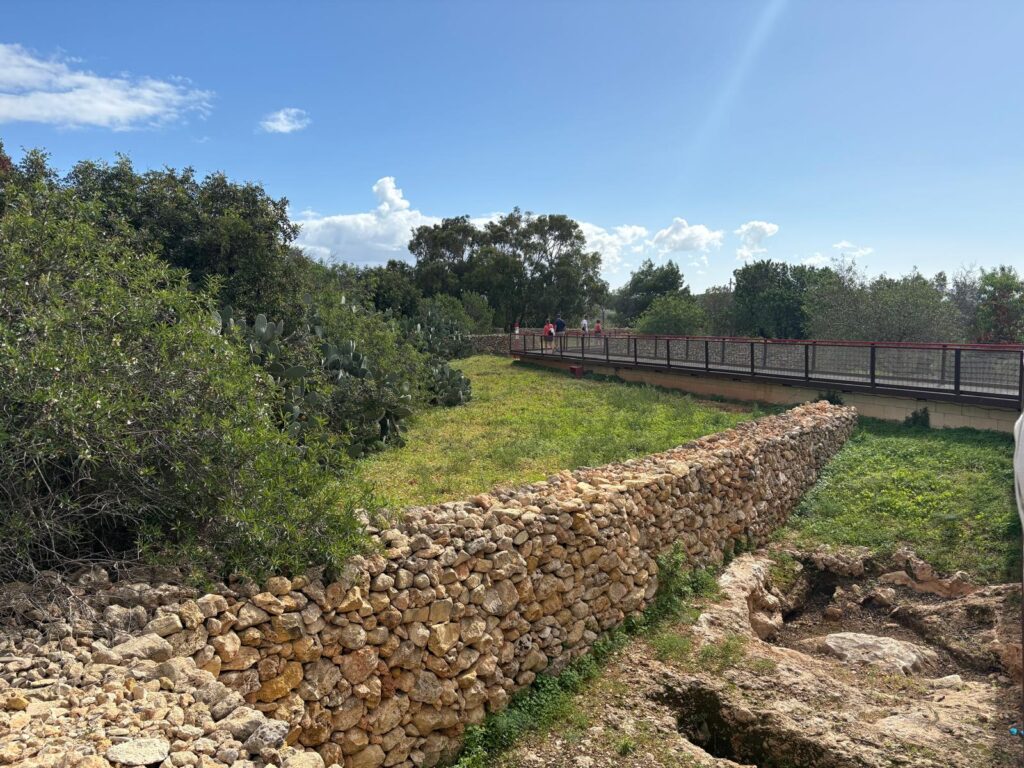
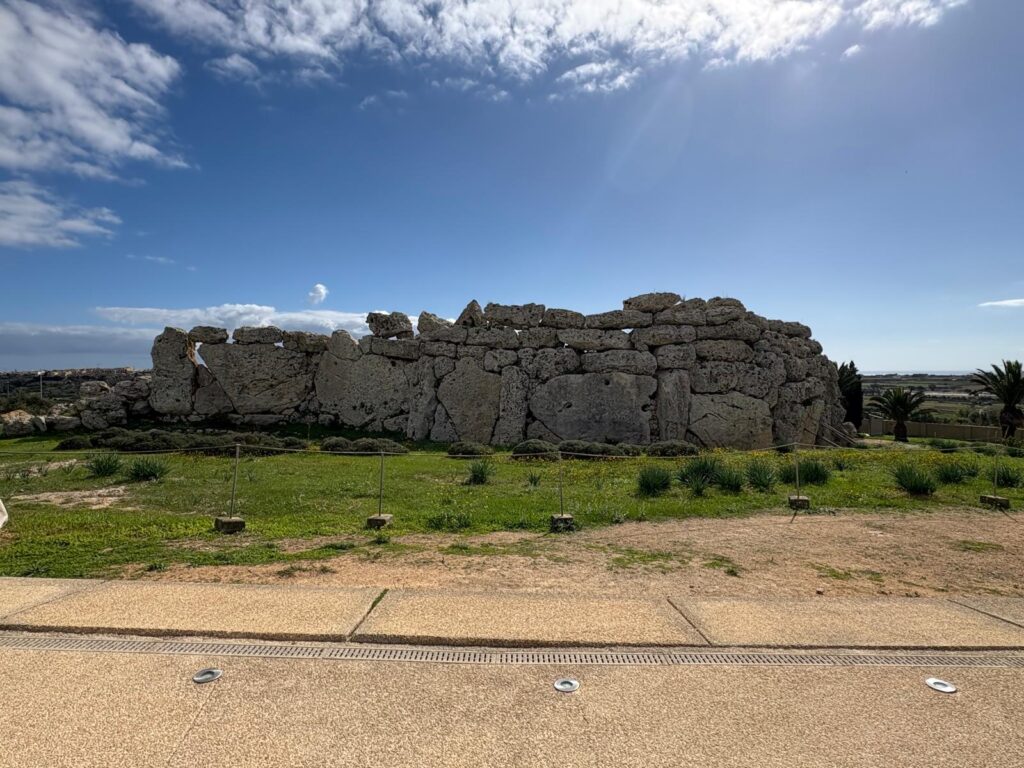
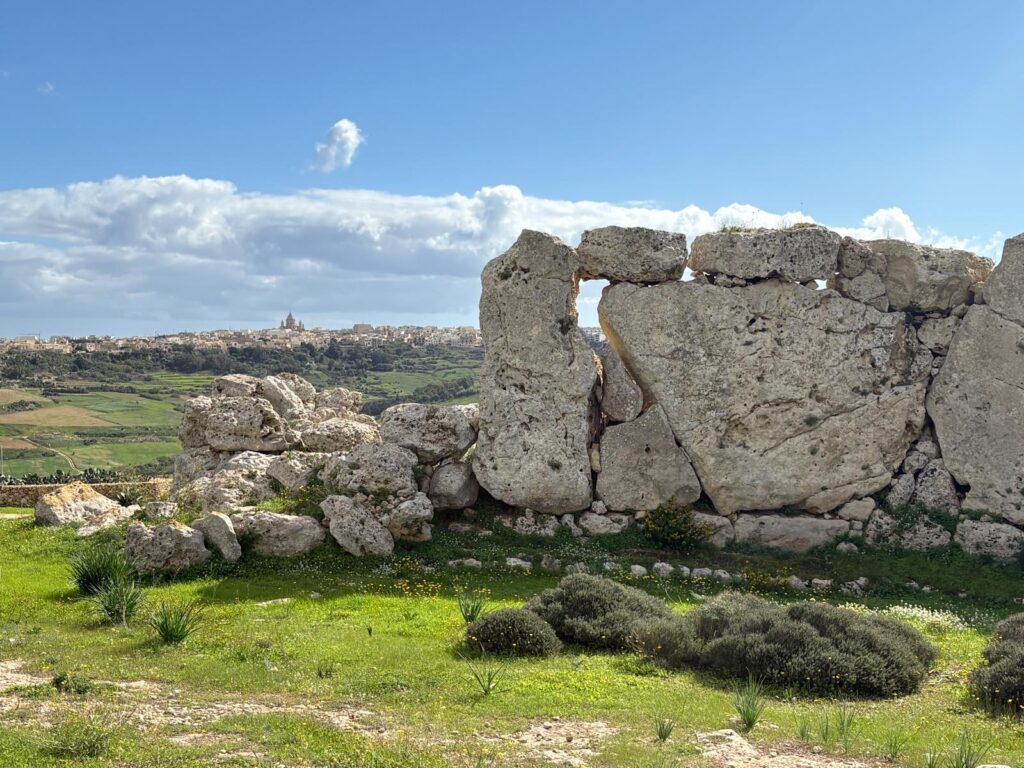
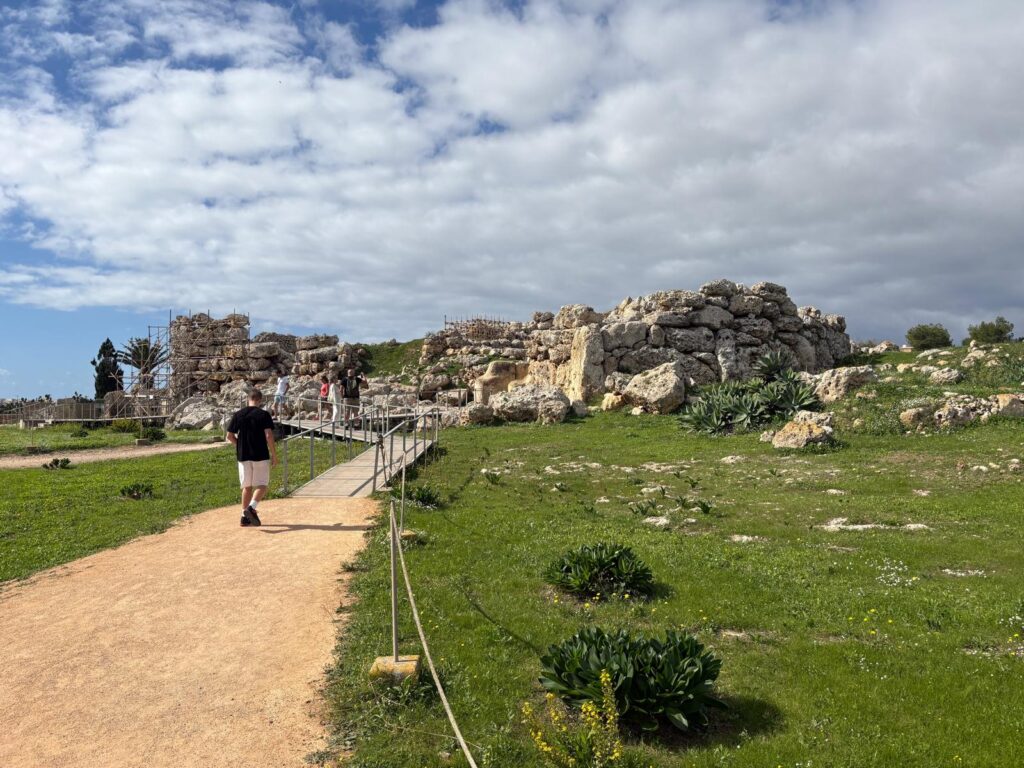
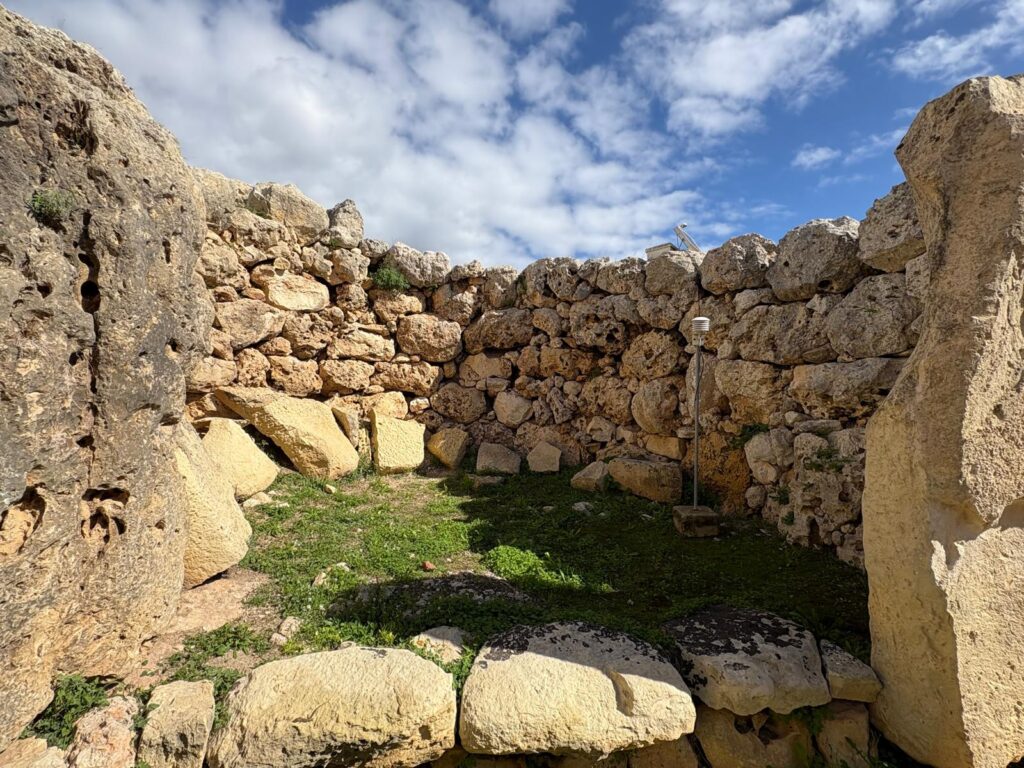
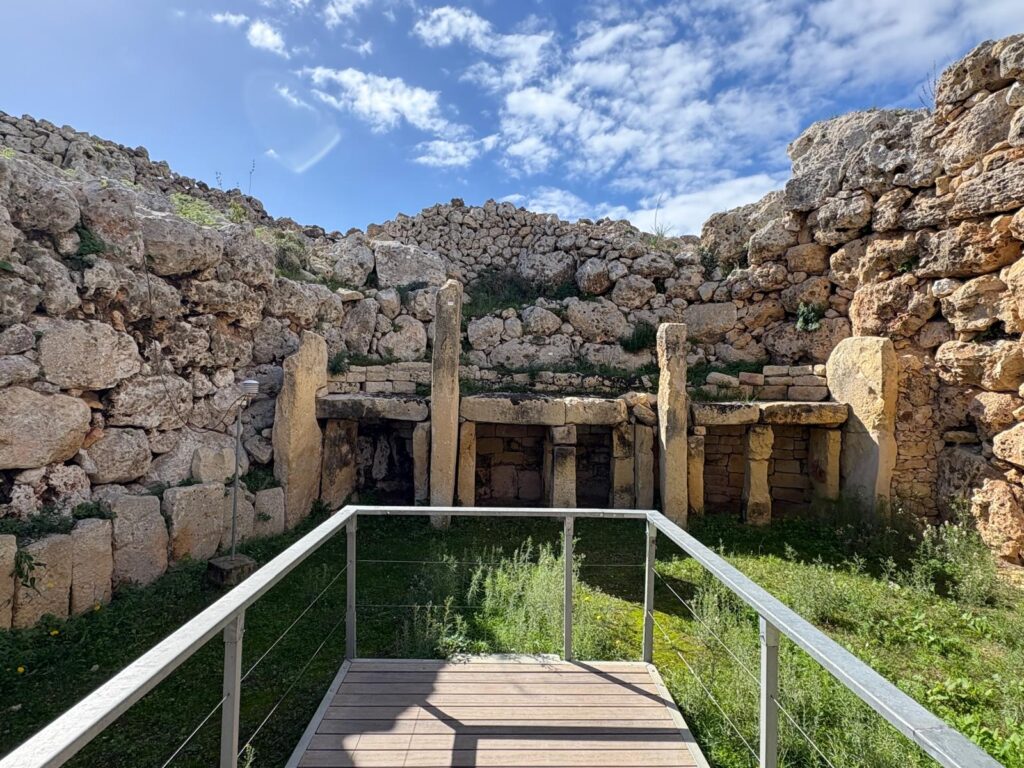
There is definitely a main event in terms of archaeology in Gozo. That is Ġgantija, one of the most important Megalithic temples in Malta, which is full of Megalithic temples. Ġgantija dates to the Neolithic era, making the temples older than the pyramids in Egypt. They were constructed by Malta’s so-called Temple Builders, who you will hear more about in an upcoming post. Unlike some of Malta’s other ancient sites, Ġgantija has been partly visible for centuries. This is actually the reason for its name: a legend grew up that the site was the work of a female giant, Sansuna. Some travellers on the Grand Tour would come to Gozo to see her work. Today the site is completely uncovered, and has a good visitor centre and museum to orient visitors. It’s one of my top picks for archaeology anywhere in Malta.
Other archaeological sites in Gozo:
- Xagħra Stone Circle: this is near Ġgantija, but is not open to the public except by appointment with Heritage Malta. The Temple Builders commonly buried their dead in communal spaces underground, and this is one such example: a set of natural caves extended over time to accommodate even more burials. The limestone is unstable and has partially collapsed.
- Ta’ Għejżu Cave: also near Ġgantija, and may have been another temple complex. You can look into it from the perimeter: honestly it doesn’t look that exciting from the photos on the website, but is so close to Ġgantija it may be worth a side trip.
- Il-Ħaġra ta’ Sansuna (Sansuna’s Rock): Sansuna, as you’ll remember, is the name of the giant who built Ġgantija in Gozitan folklore. Sansuna’s Rock, which is also in Xagħra, is just that. A big rock leaning on some smaller rocks, looking like maybe a giant left them there. Archaeological evidence here is slim, and it may be part of a Bronze Age dolmen.
What to See: Natural Sites
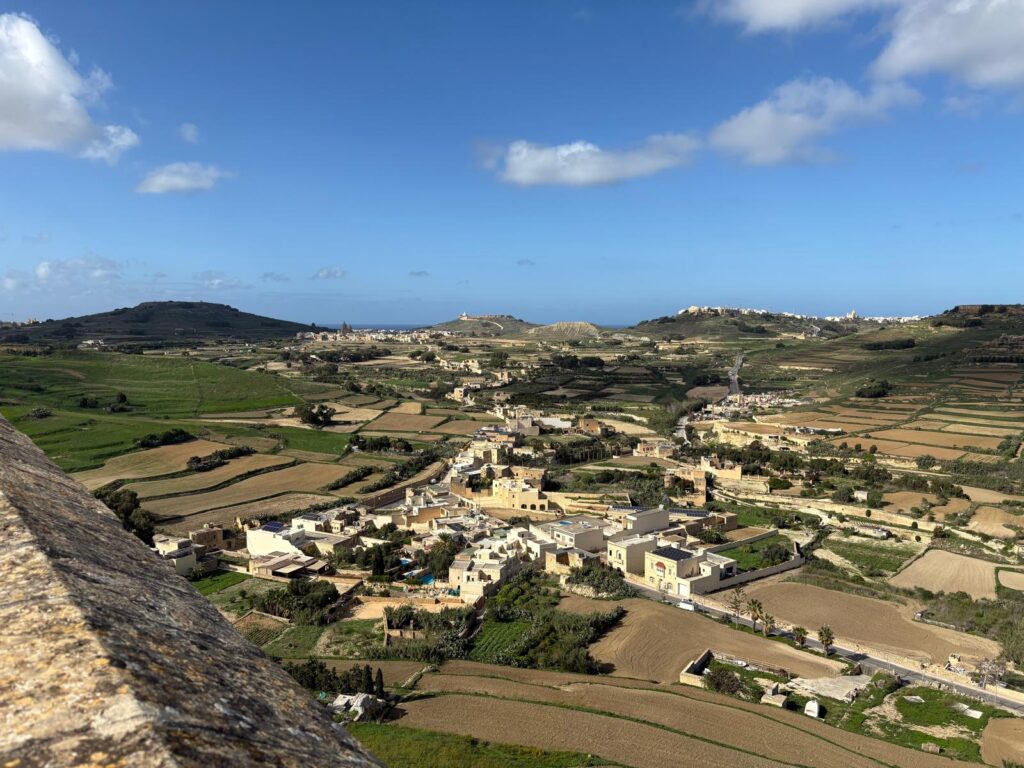
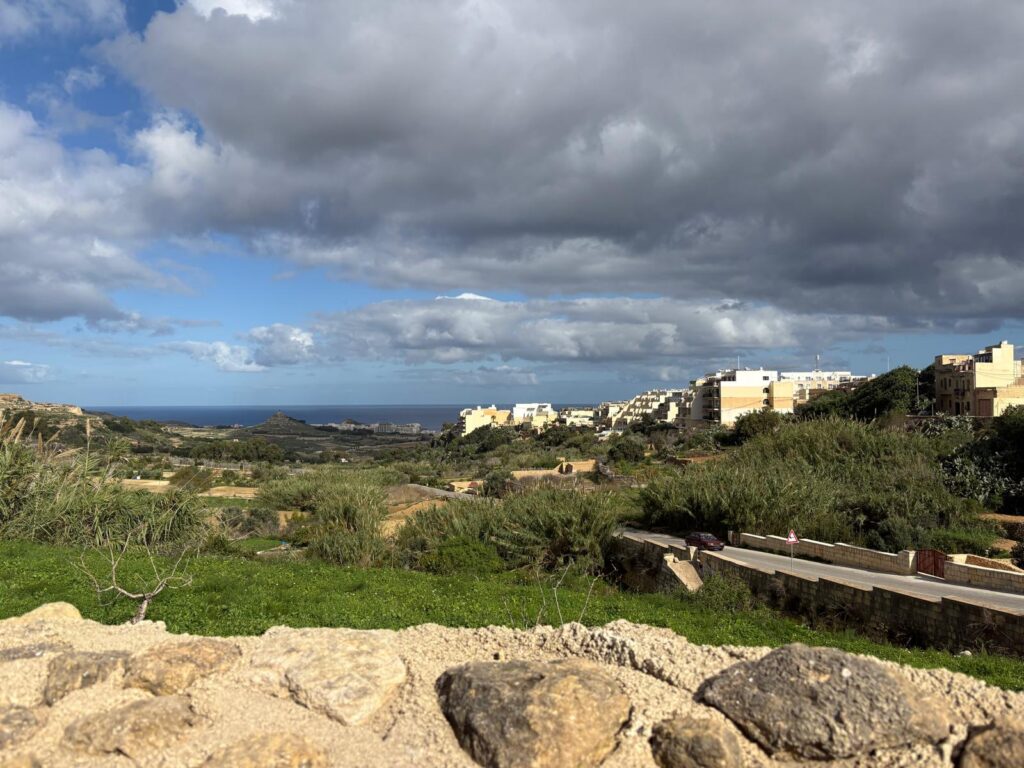
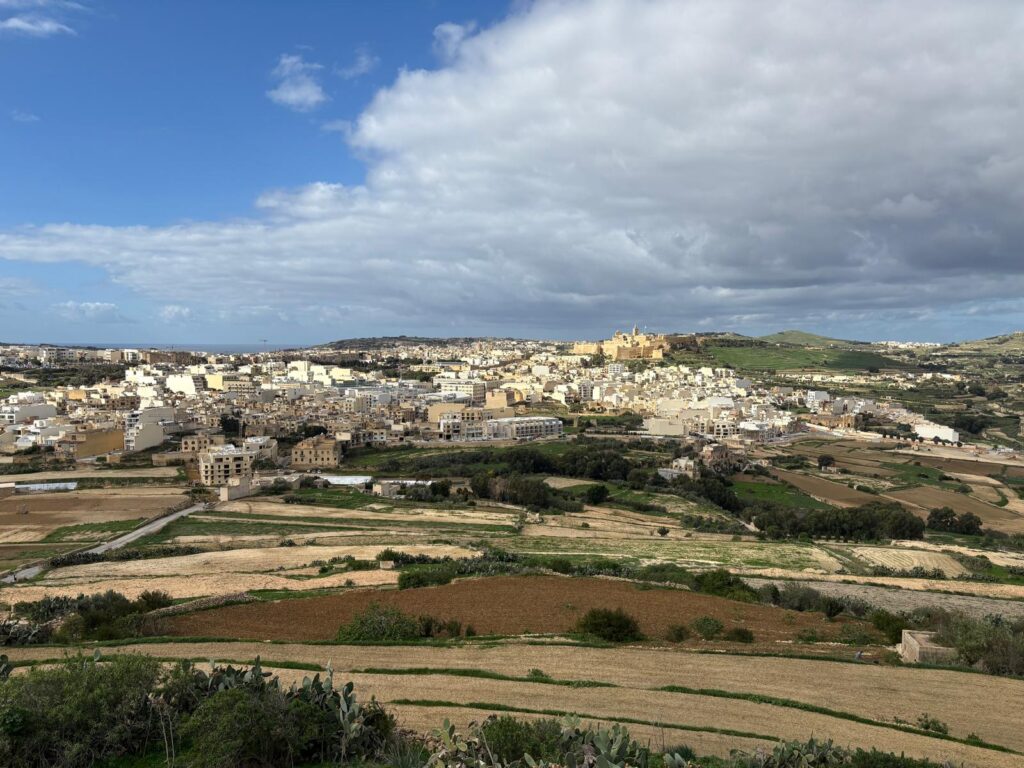
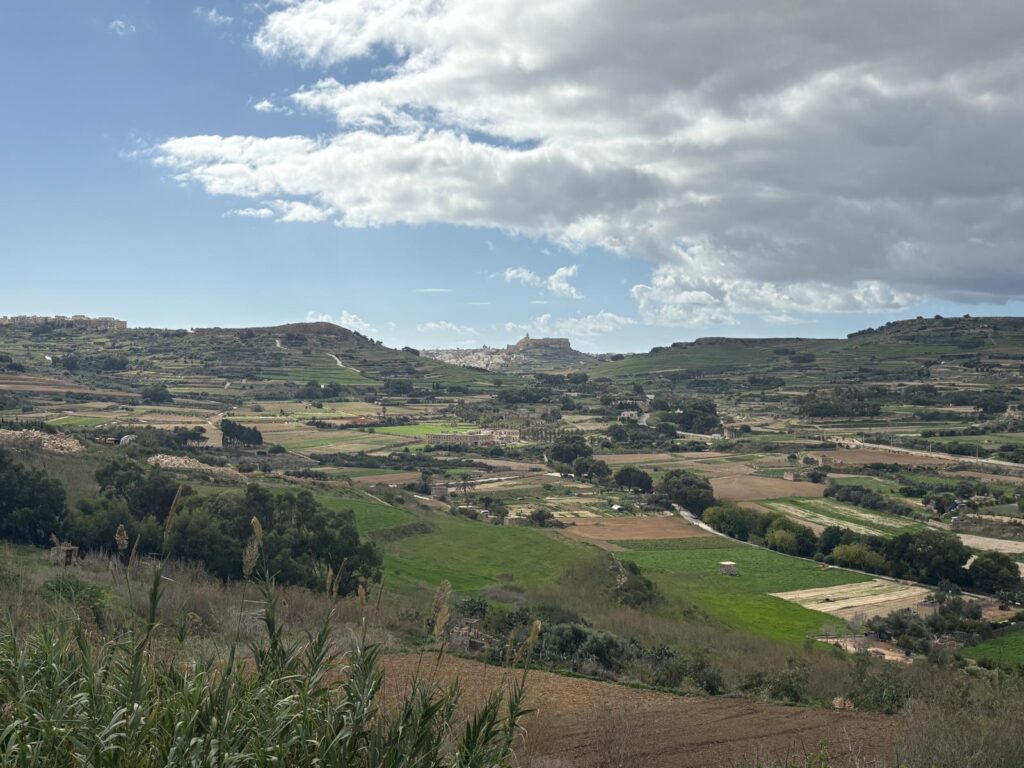
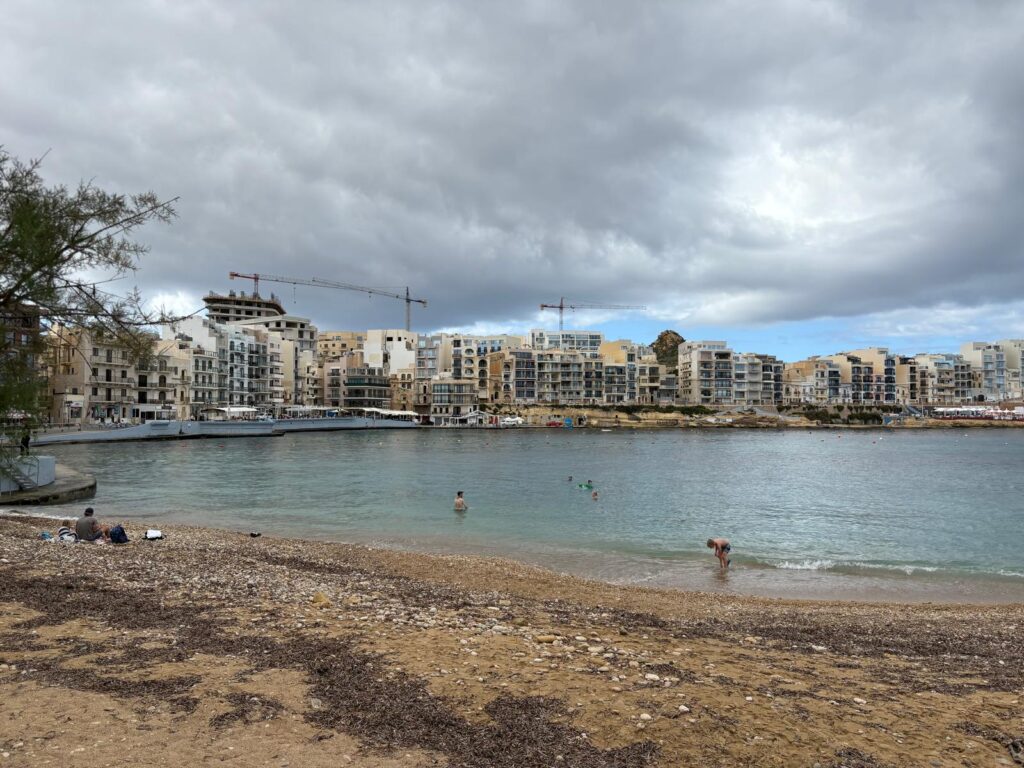
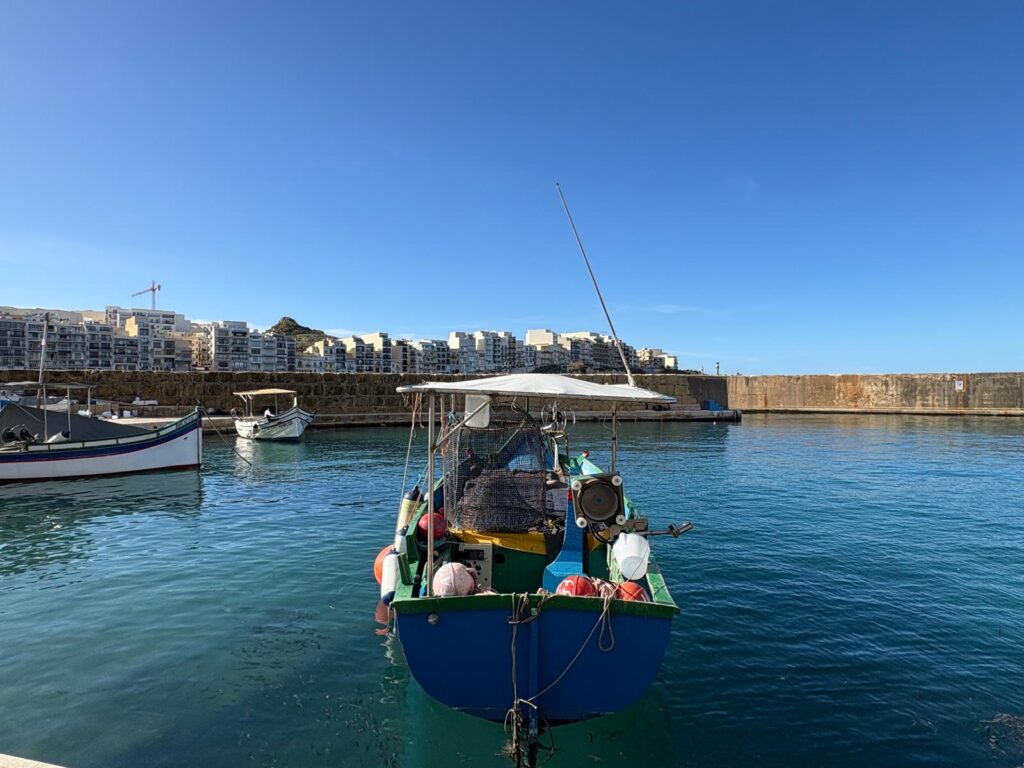
And finally, there are plenty of natural sites and beauty spots to see in Gozo. Although, as perhaps you can tell from my photos above, this wasn’t something I prioritised on my own trip. Perhaps I should have, as there is plenty to see. Gozo is also a top spot for divers if that’s what you’re into.
- Dwejra Bay: one of the top spots in Gozo, even after the famed Azure Window rock formation collapsed in 2017. This is where you can see the Inland Sea, a natural lagoon connected to the Mediterranean by a narrow tunnel.
- The Ta’ Cenc Cliffs: towering limestone cliffs, a great spot for walking and spotting different flora and fauna.
- Ramla Bay: a beautiful golden sand beach.
- Xerri’s Grotto and Ninu’s Cave: I slightly regret not going to one of these, as they seem so unusual. Both, again not far from Ġgantija, are natural cave structures discovered by local residents digging cisterns or other subterranean features under their houses. Both contain various stalagmite and stalactite formations. You still have to enter through houses to get to either, making them a very unique sort of visitor attraction.
And with that, our quick overview of what to see and do in Gozo is complete! I hope it’s useful for planning your own trip. It’s certainly got me thinking about what I would do on a return journey.
Trending
If you see this after your page is loaded completely, leafletJS files are missing.