
Palazzo Falson, Mdina
Palazzo Falson is a remarkable historic house museum in Mdina, which tells a story stretching from the Middle Ages to the 20th century.
Visiting Palazzo Falson
Today we arrive at the penultimate post from my recent trip to Malta, and our last one from Mdina. I’ve described already a few ideas for a daytrip to Mdina and Rabat, and have gone into detail on St Paul’s Cathedral and the Mdina Cathedral Museum. We visited that museum more or less on a whim, encouraged by a combo ticket to museum and cathedral. But there was one place I had spotted on the map of Mdina and had in mind to visit during my time there.
That place is the subject of today’s post: Palazzo Falson. I was interested in it as a historic house museum. I worked in one such place in my university years, and find their blend of personal and general history fascinating. The description in my guidebook was also intriguing, with a quick overview of the building’s history, and a promise that “paintings, furniture and other everyday articles [would] demonstrate family life played out over the centuries.”
And so this was our next pick for our daytrip to Mdina and Rabat. It ended up being the highlight of the day for me, so more than lived up to expectations. I’ll catch you up on the palazzo’s history below, before we look at its more recent history and the visitor experience.
A Palazzo of Many Names
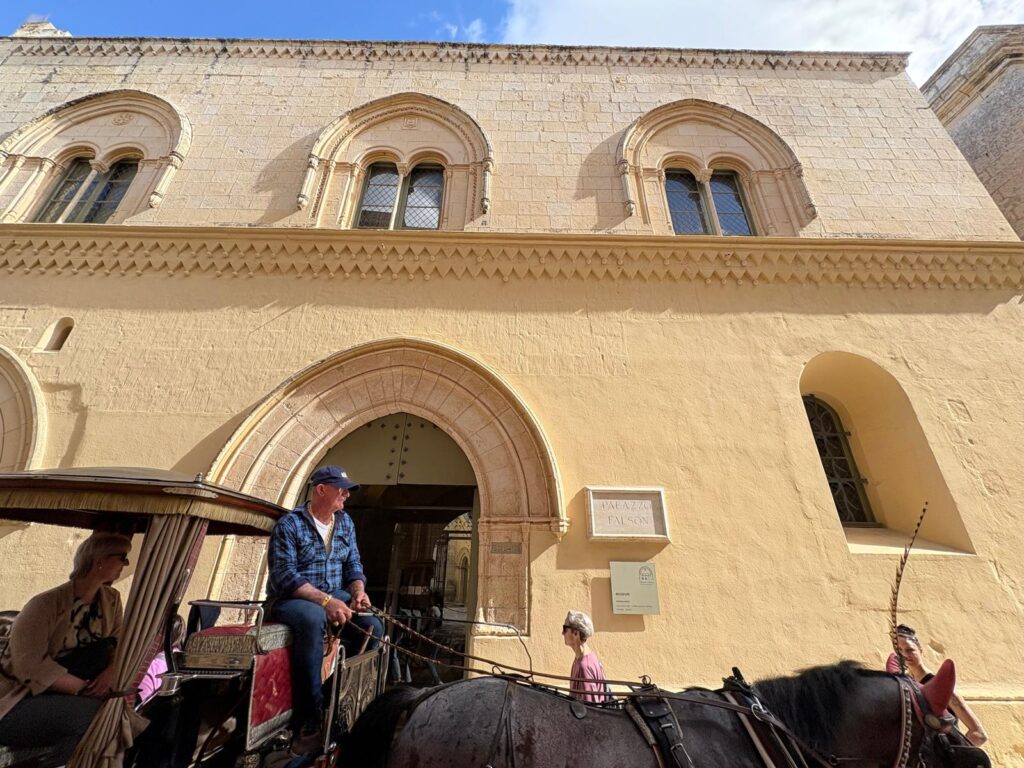
Palazzo Falson was not the name its last resident, Captain Olof Frederick Gollcher, knew it by. He called it the Norman House. One of several names this building has had over the years, this one gives a clue to its earliest origins. The first building on this site was called La Rocca. In the 13th century there was a single-story house here, and a synagogue. Parts of these earlier buildings may have been incorporated into this incarnation, a residence for the noble Falsone family, dating to around 1495. That makes it one of the oldest buildings in Mdina. The earliest reference to the Falsone family dates to 1299.
The building has several typical Siculo-Norman features (Siculo-Norman meaning of the period of Norman occupation in Sicily from the 11th to 13th centuries). So the Norman House makes sense as a name, as does Palazzo Falson. Another name, the Palazzo Cumbo-Navarra, links it to another noble family. There is an argument that they, rather than the main branch of the Falsone family, were the building’s original owners. Things get a bit clearer by the 16th century, when we know it was owned by Matteo Falson, who fled the Inquisition due to his Lutheran views. The Inquisition seized the palace, but later allowed it to pass to the Cumbo Navarra family. So the Palazzo Cumbo-Navarra is another name for the Palazzo Falson.
In any event, the building continued to change hands over the centuries. We won’t go into the minutiae of it. Different residents made changes to it as a matter of course, including separating it into different residences. By the 1920s one part belonged to Count Francesco Palermo Navarra Bonici. It was from this gentleman that Olof Gollcher and his mother bought part of the palace in 1927. He bought the remainder in 1938. He lived in the reunited Palazzo Falson, which, as we learned above, he called the Norman House, until his death in 1962.
Introducing Olof Gollcher
But just who was Captain Olof Frederick Gollcher, OBE? Well, to begin with, he was born in Valletta in 1899, to Gustav and Elisa, parents of Swedish descent. The Gollchers owned a shipping business that still operates in Malta today as the Gollcher Group.
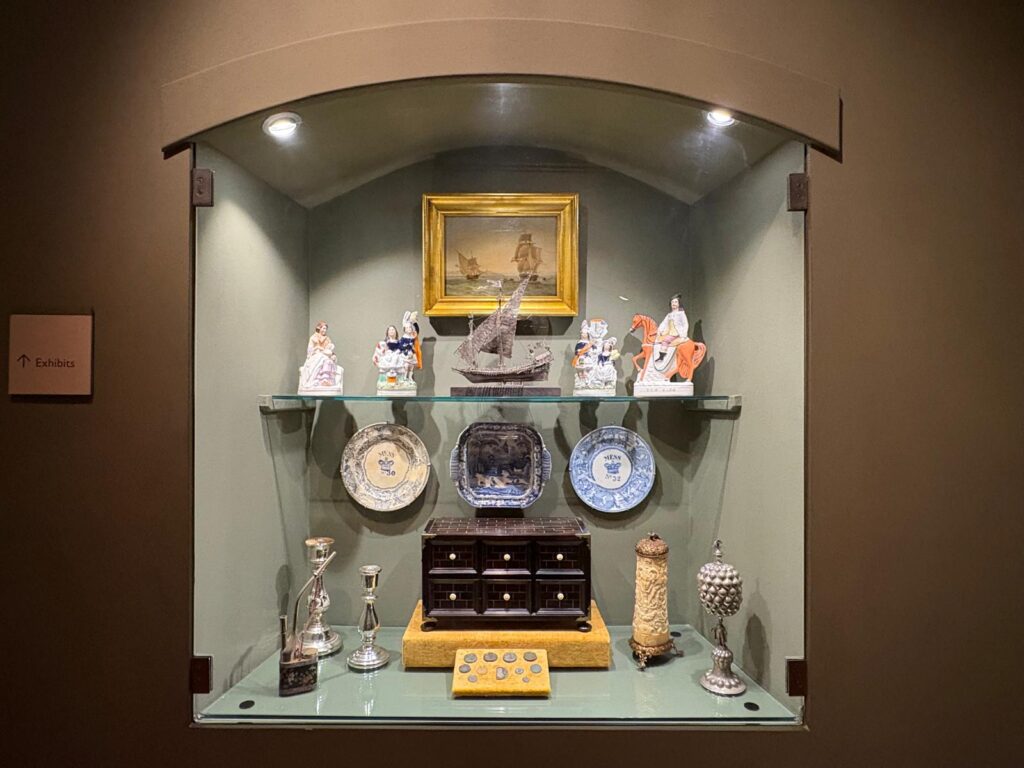
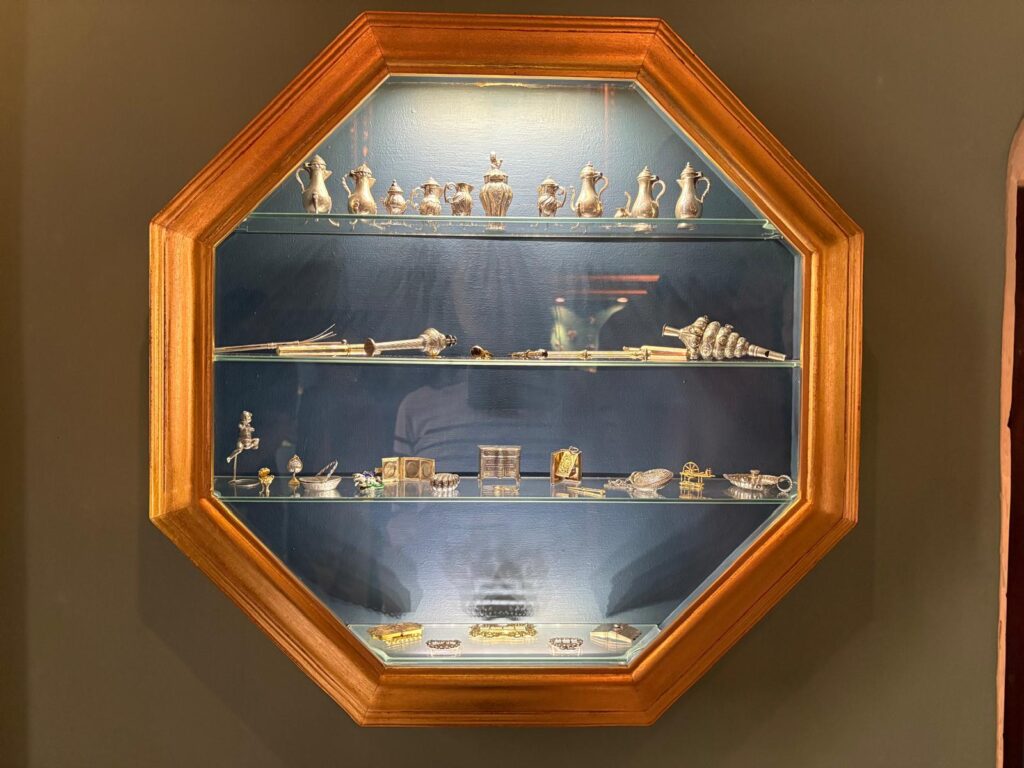
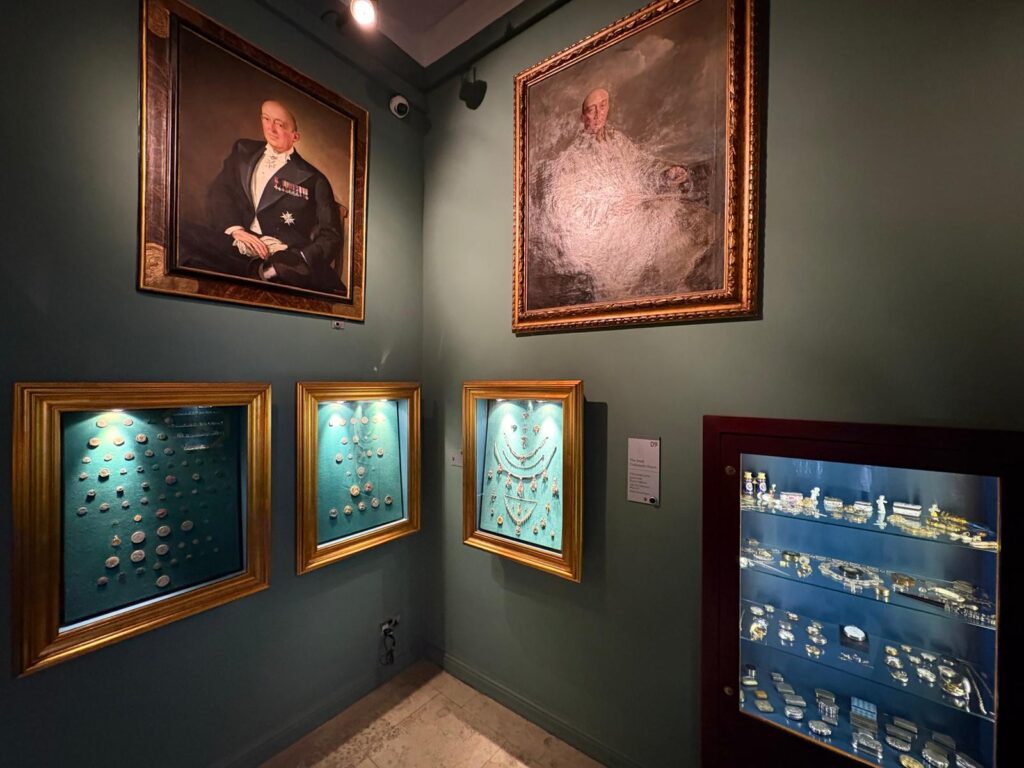
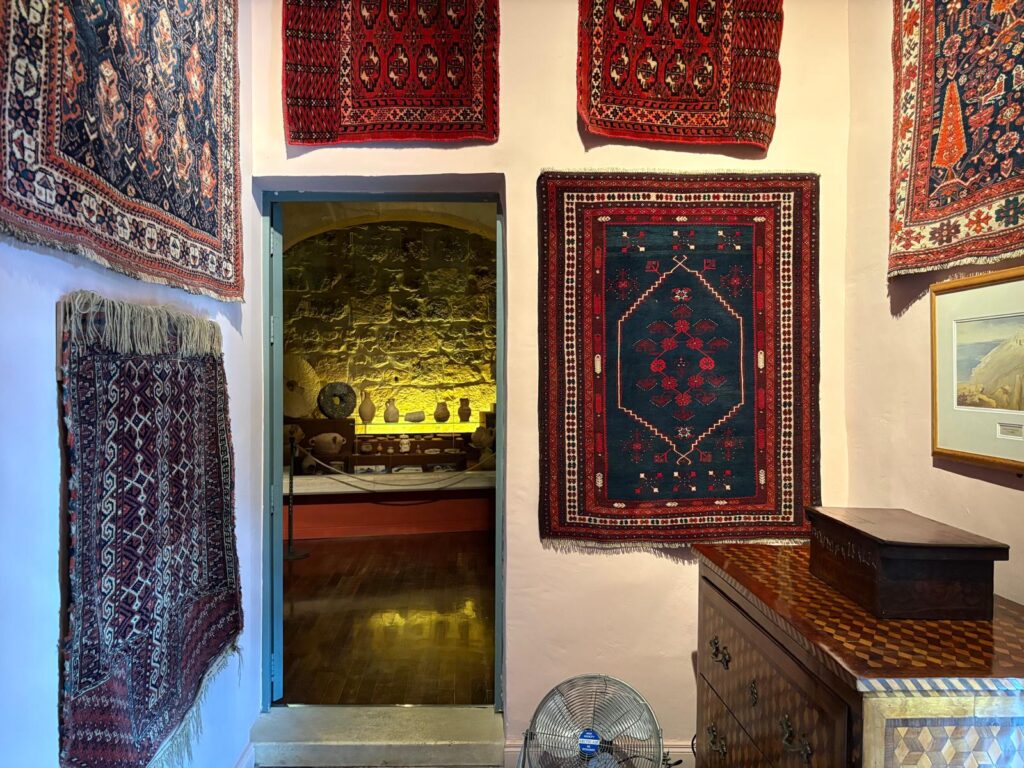
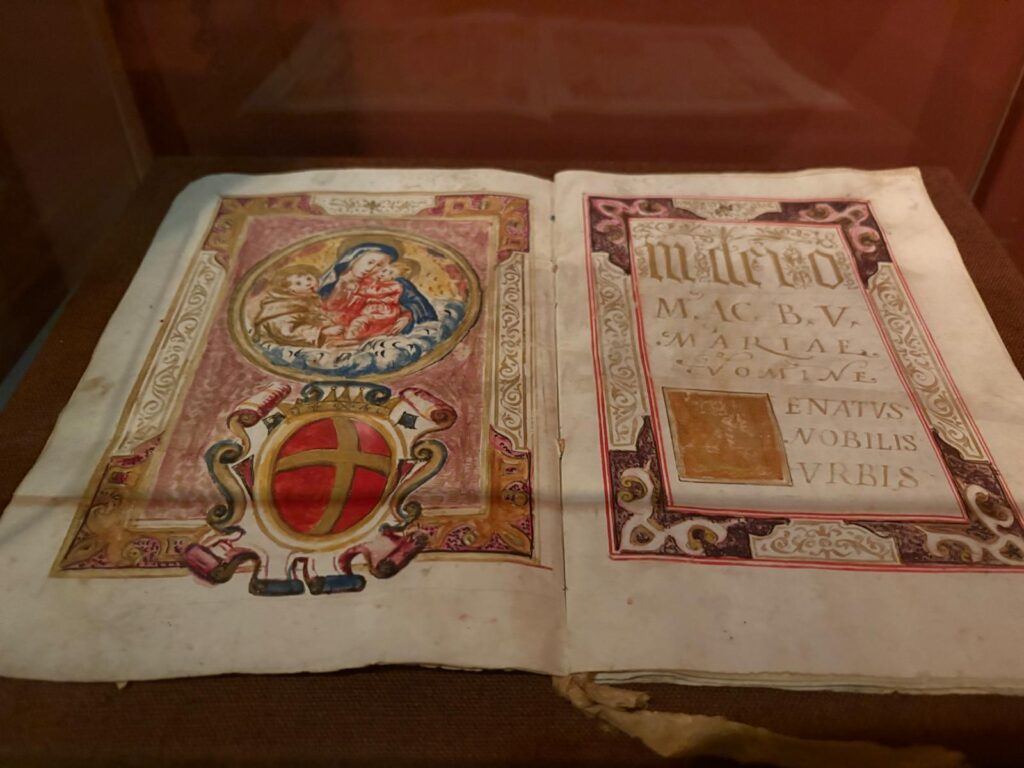
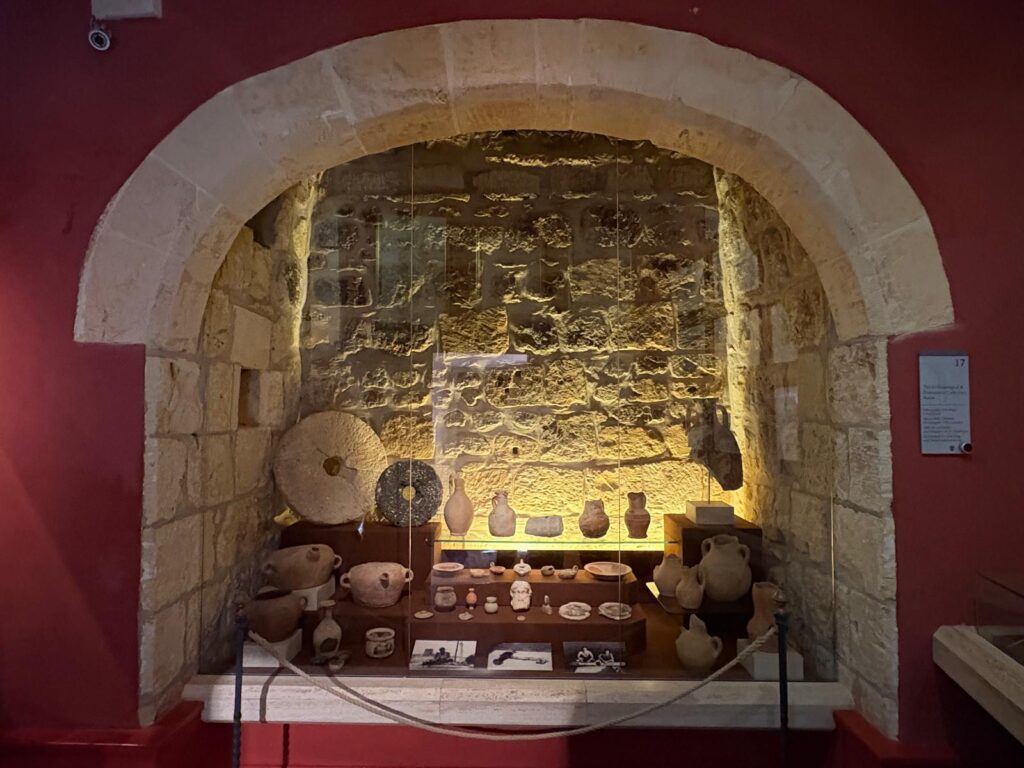
Olof Gollcher served in both World Wars, and was recognised doubly as a Knight of Grace by the Order of St John, and with an OBE. It is not as a soldier that his story interests us, however, but as a collector. Gollcher turned his substantial buying power towards amassing collections in various categories, including paintings, furniture, carpets, silverware, and books. He was also keenly interested in archaeology, and acquired several artefacts for his collection. He was a member of Malta’s Antiquities Committee and secretary to the International Institute of Mediterranean Archaeology and the Malta Underwater Archaeology Branch.
Gollcher collected, at least in part, with a future public in mind. It was his intention that his house and collection be opened to the public after his death, and he therefore endowed a Captain O F Gollcher OBE Art and Archaeological Foundation to manage it. It was not until 2007, however, more than 40 years later, that the Palazzo Falson opened to the public as its owner had wished.
From a Home to a Historic House Museum
Despite doing a small amount of investigation, I’m not quite sure why the house took such a long time to become a museum. Perhaps insufficient endowment of funds to manage the upkeep? Or complications to do with it being a historic building?
Because complications there certainly were. Exacerbated, inevitably, by the house lying dormant for so long. You can read about the extensive renovations here if you want the full picture. But suffice it to say there was damage to the walls, the roof, the wood, the stonework. Pretty much everything by the sounds of it.
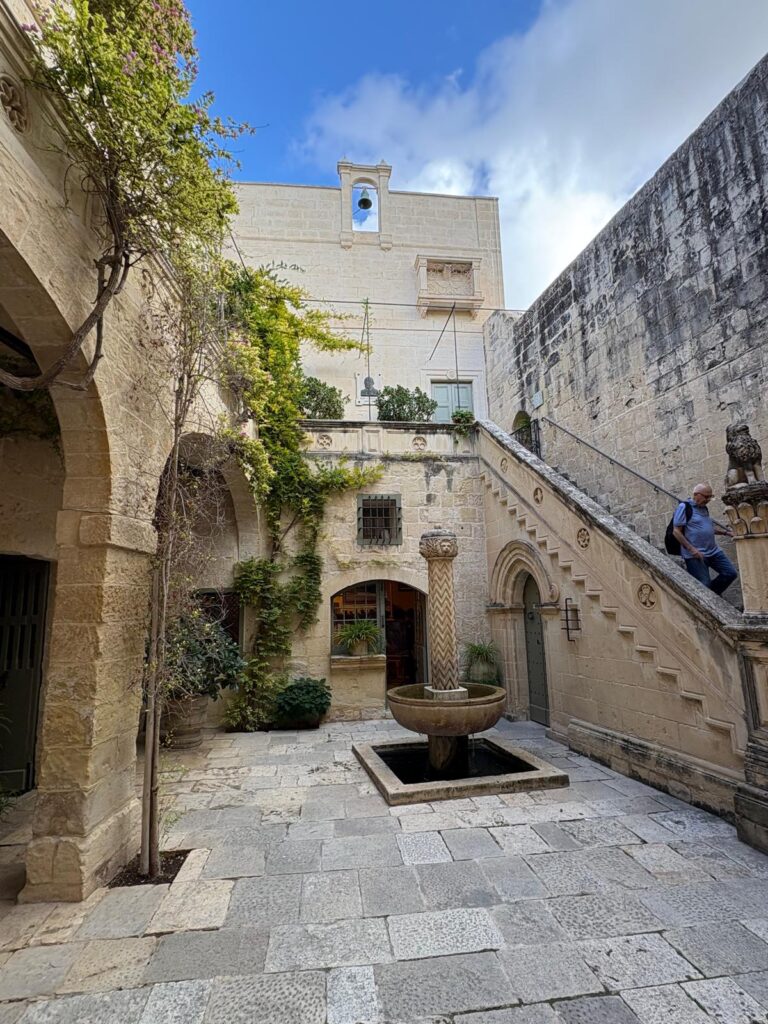
Restoration began in 2001, with the support of the Fondazzjoni Patrimonju Malti, who still manage the museum today in an agreement with the Gollcher Foundation. They shored up the building, replacing what was necessary structurally and sympathetically restoring the rest. Some of Gollcher’s own modifications remain, including a Renaissance-inspired staircase in the courtyard, a faux Siculo-Norman fountain, and the pointed arch he added to the doorway to match the windows of the main façade.
Visiting the Palazzo Falson
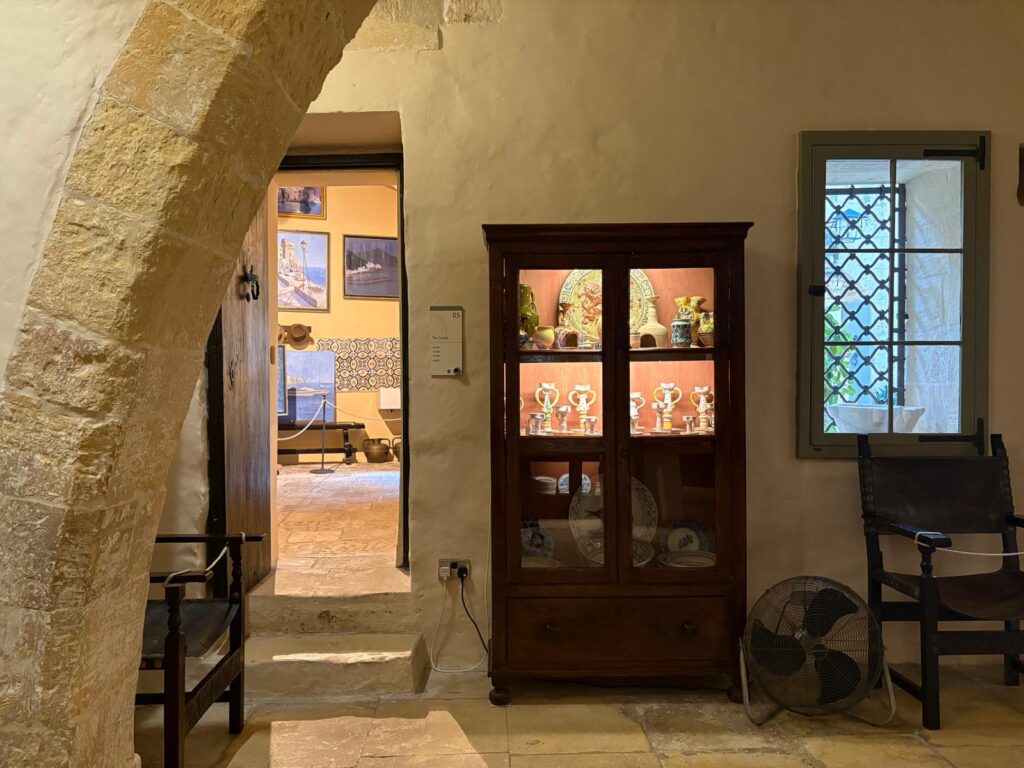
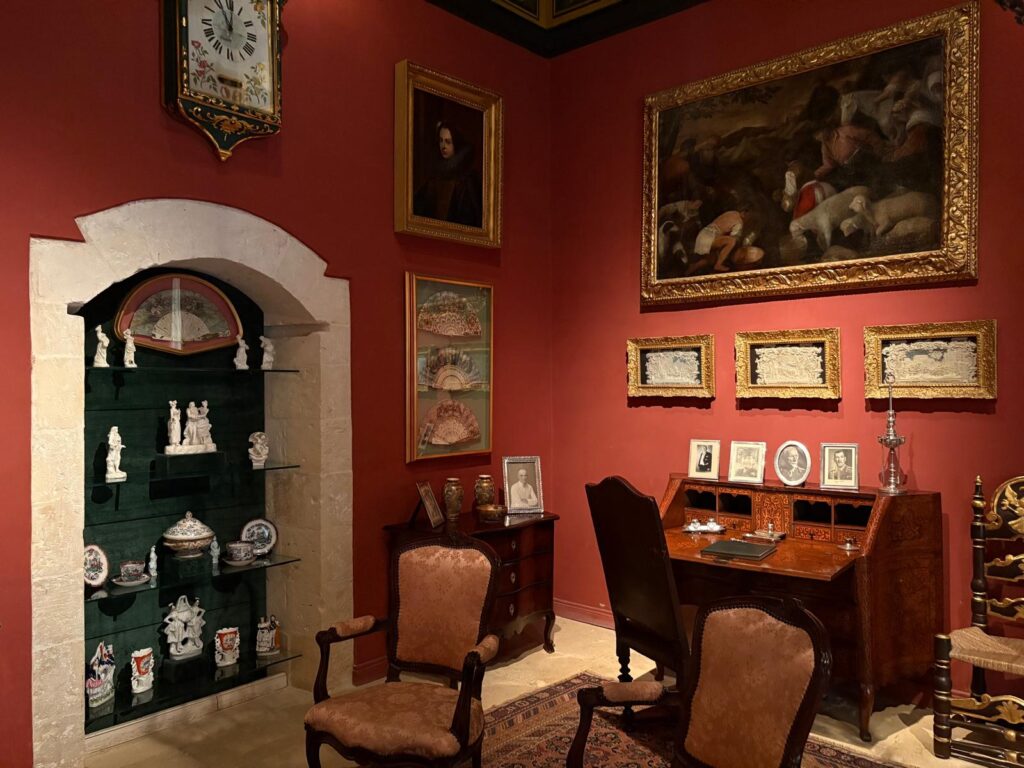
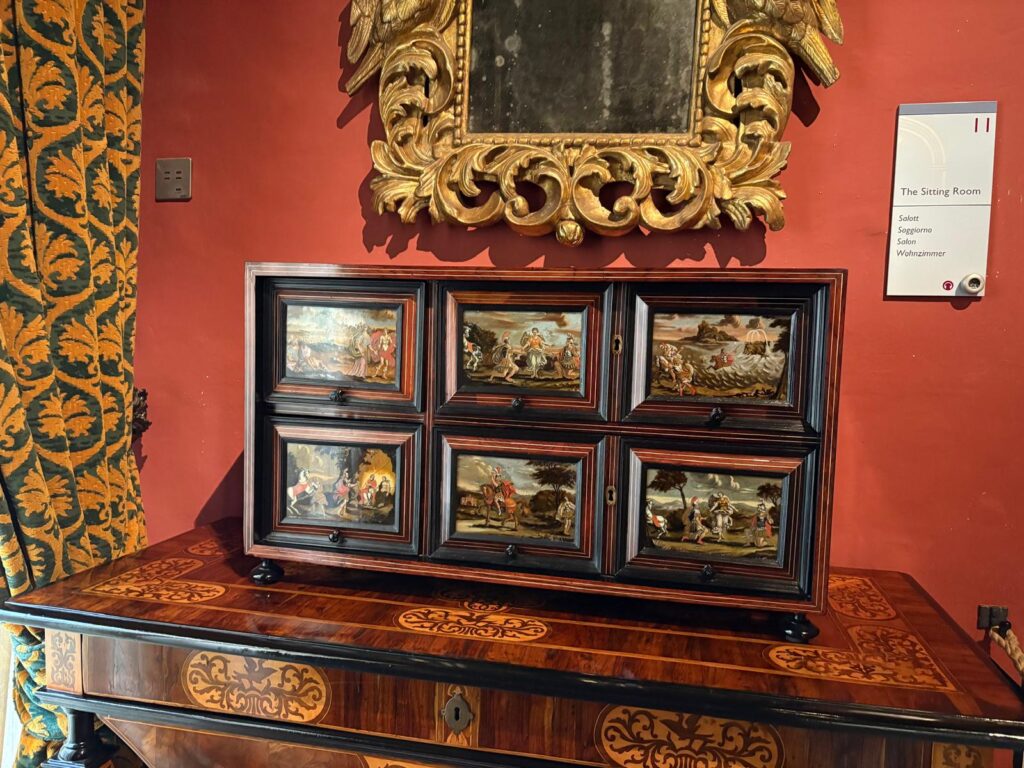
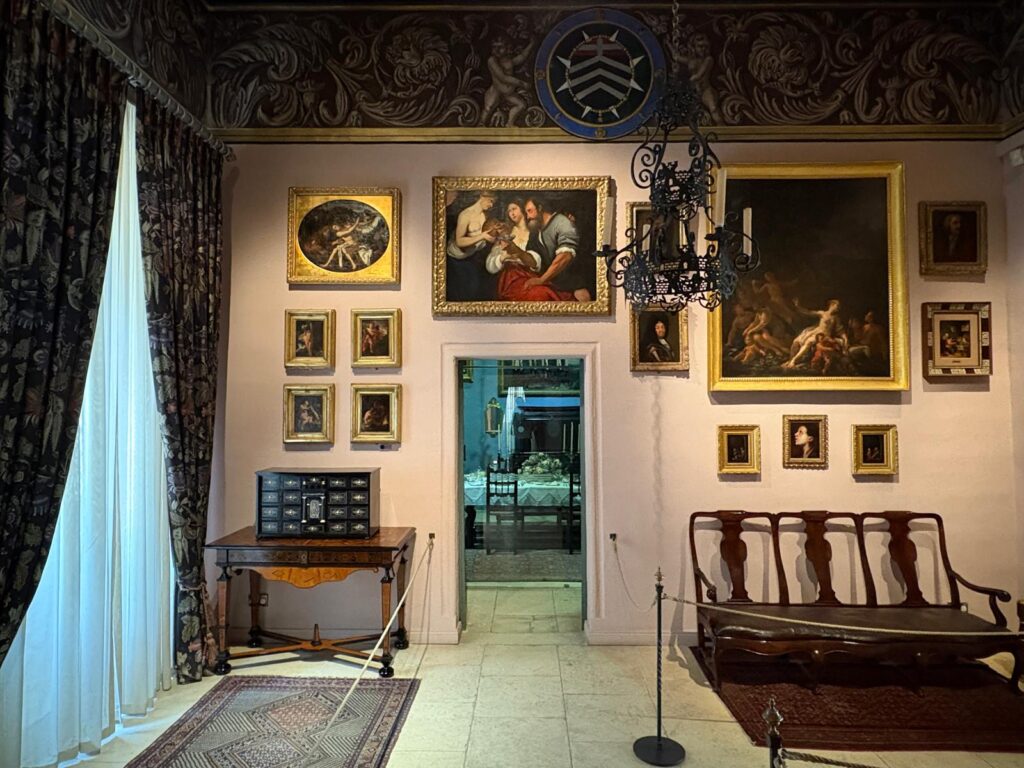
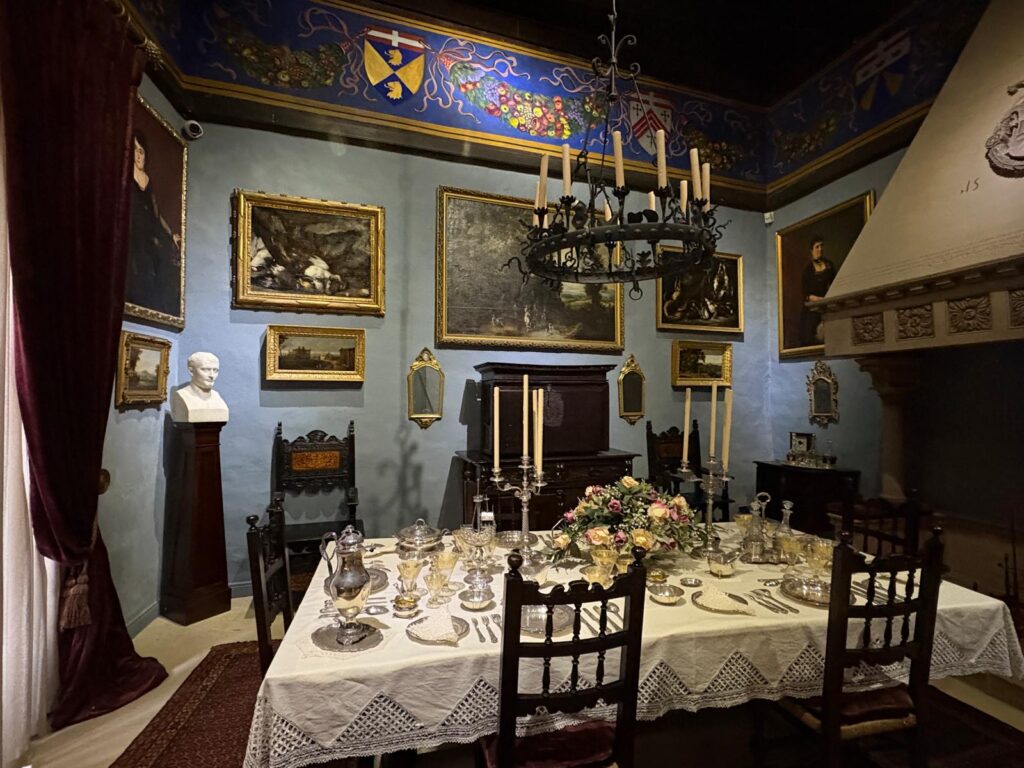
From images I’ve seen on the Palazzo Falson’s website, the historic house museum today is rather different than its appearance during Gollcher’s time. The collection is of course the same, but a contemporary presentation has it looking its best to modern eyes. Gone is the mid-century floral upholstery. Painted walls offset the art and antiques, with the appearance of natural or historic pigments.
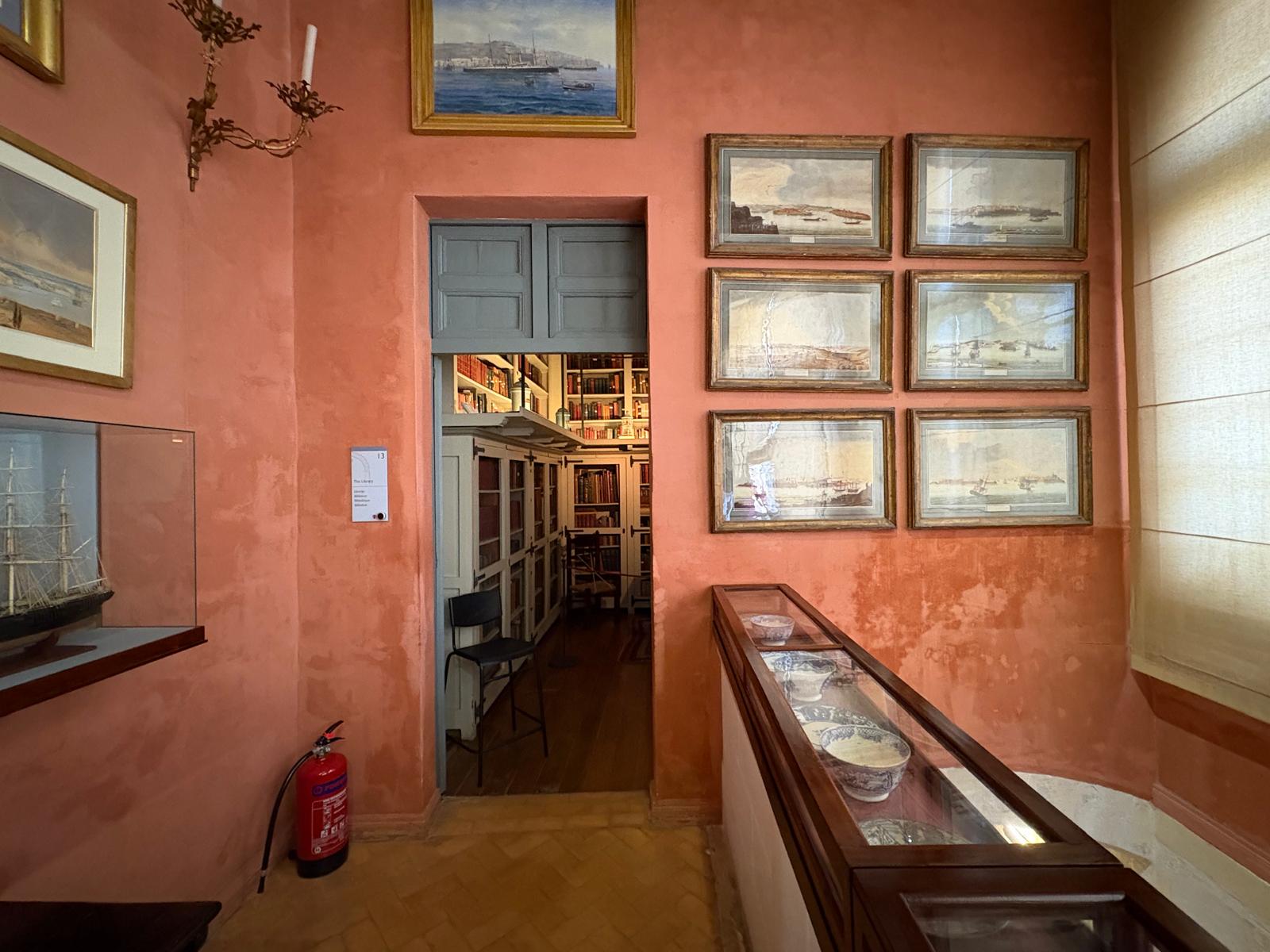
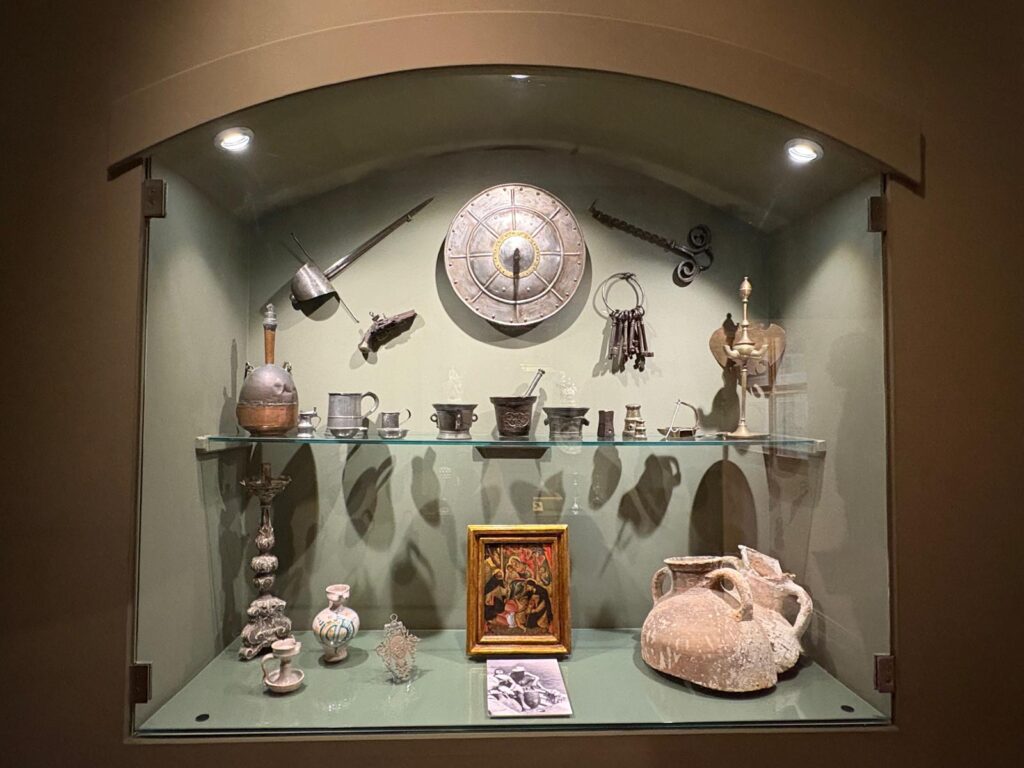
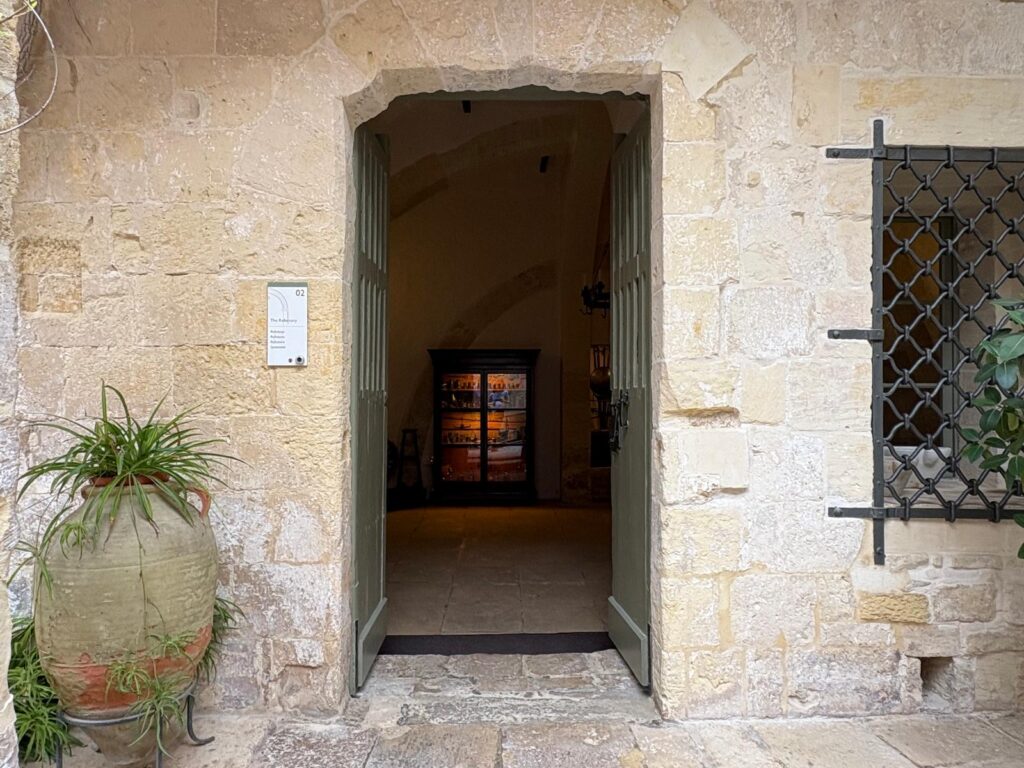
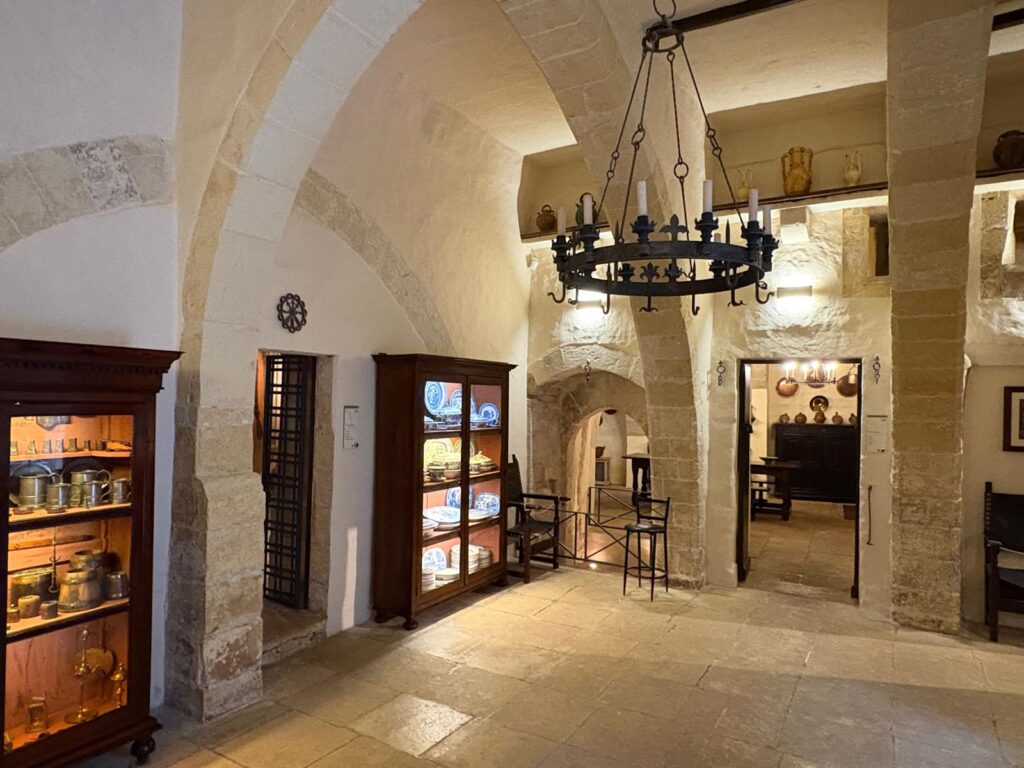
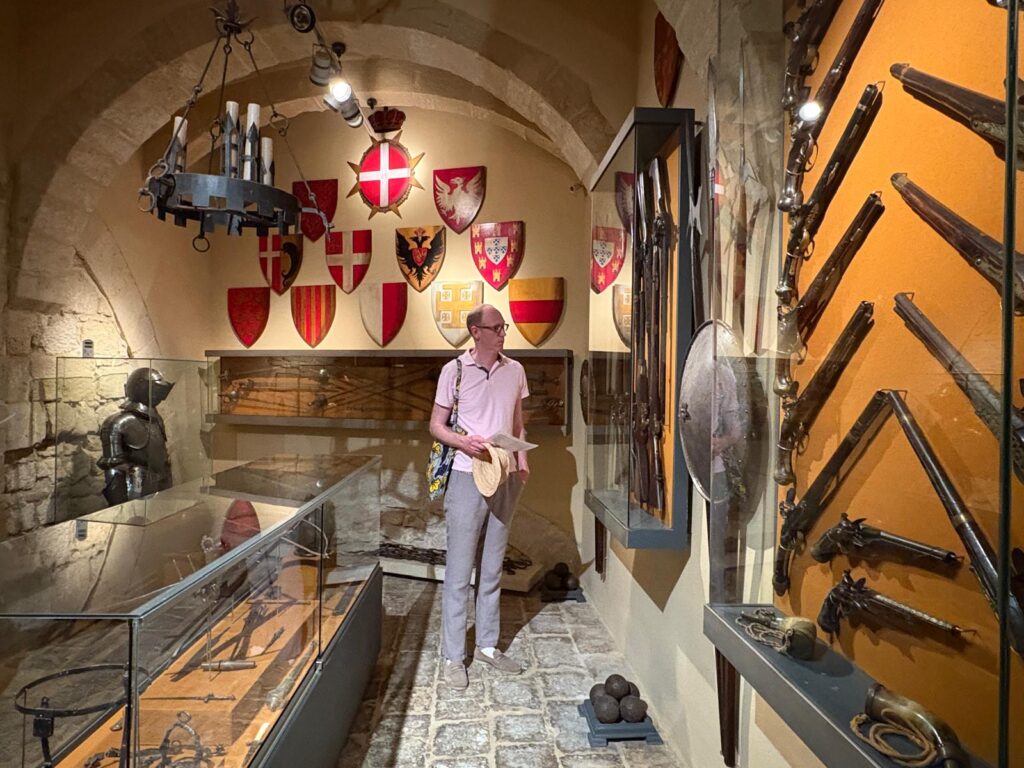
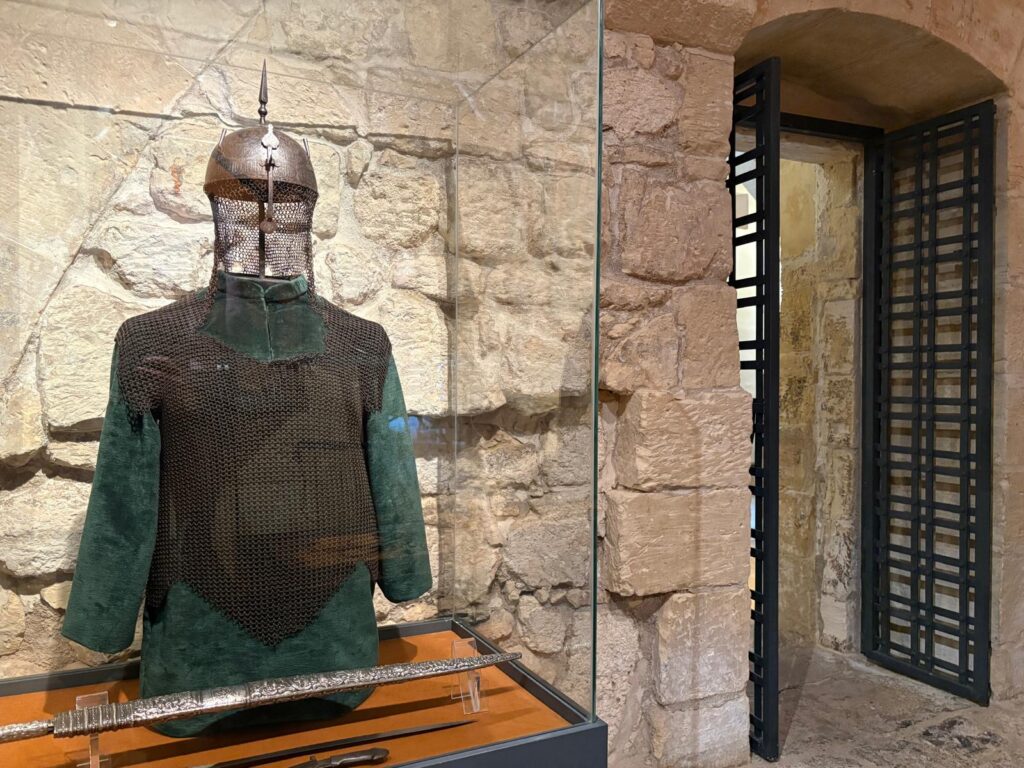
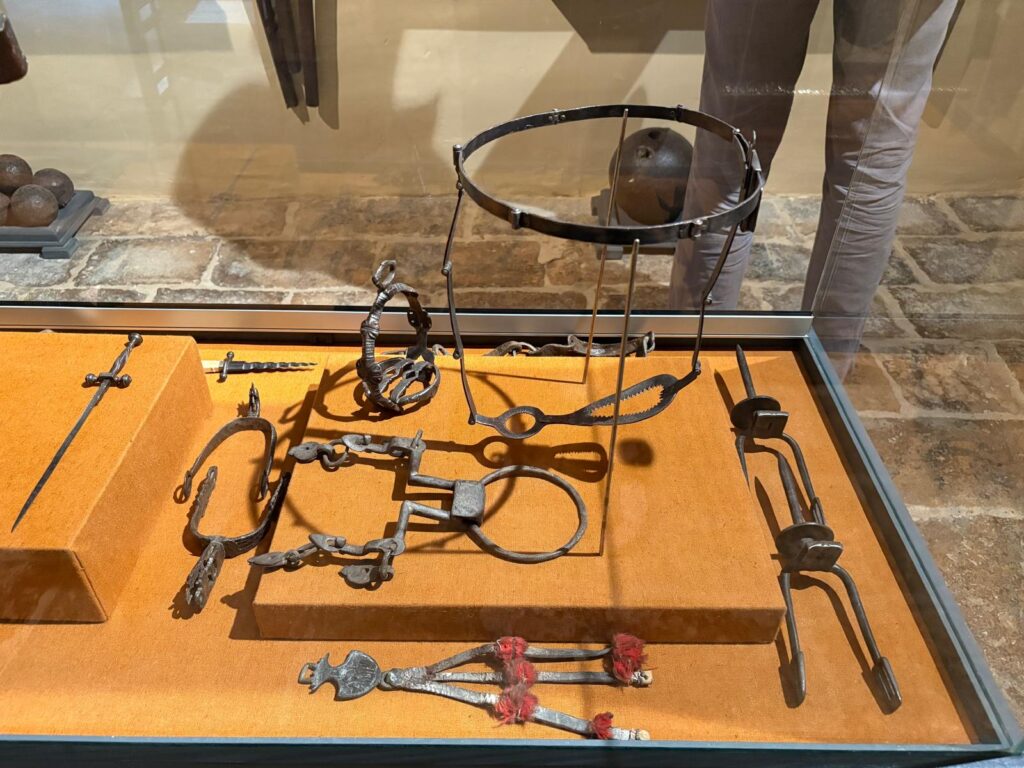
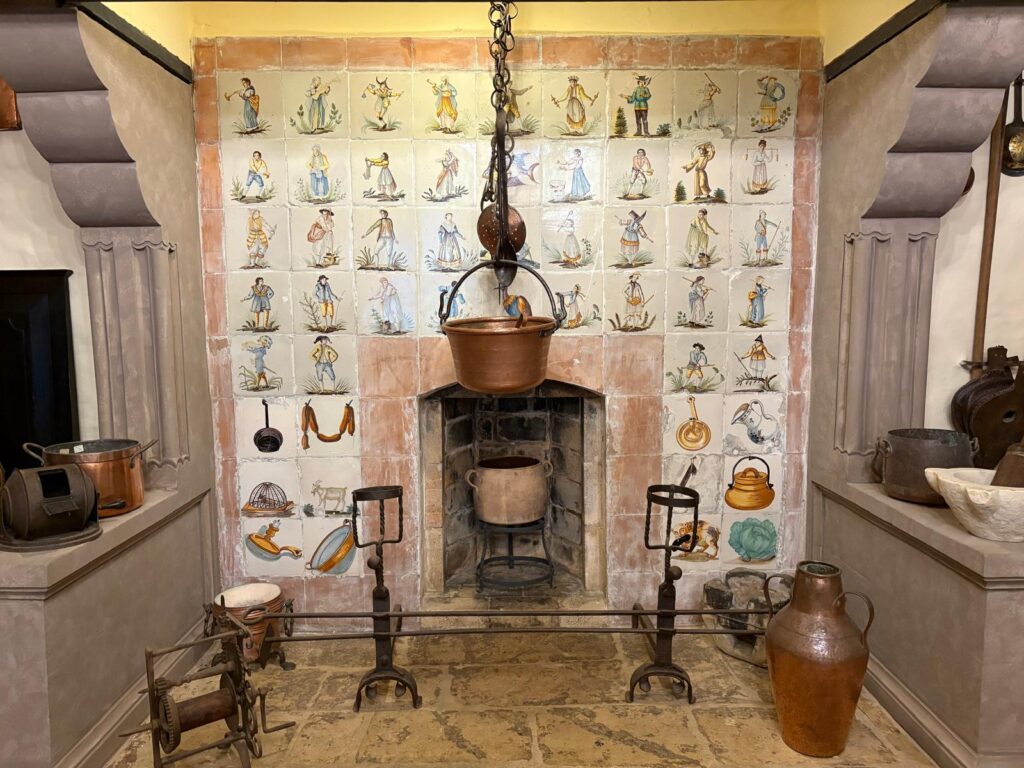
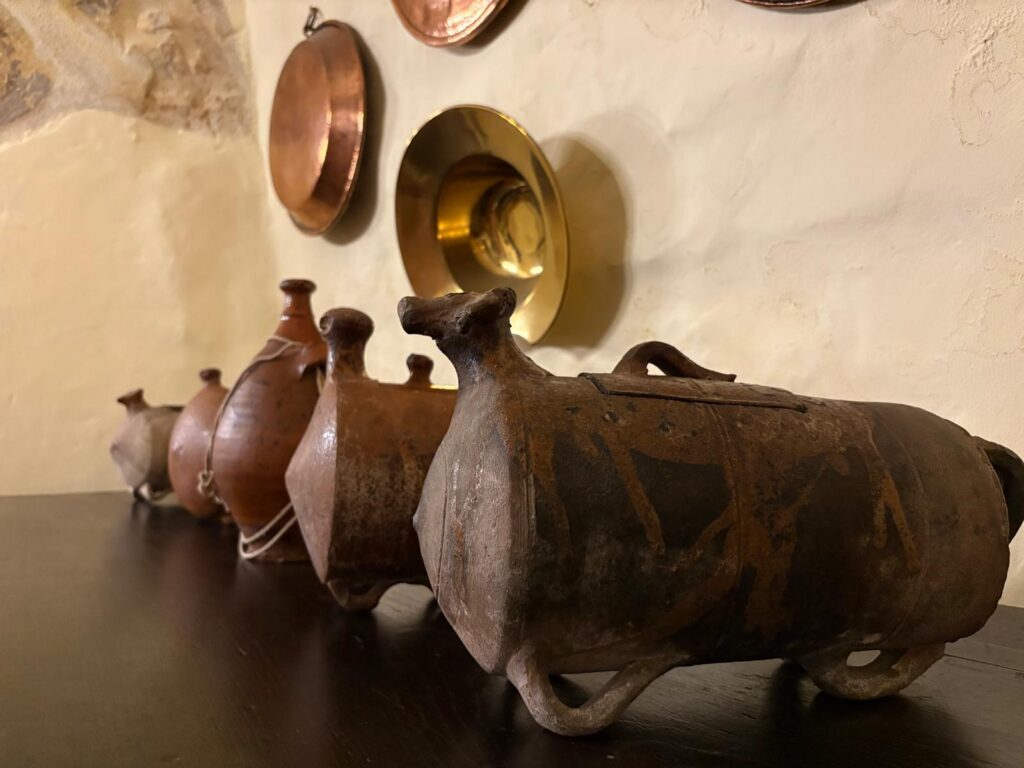
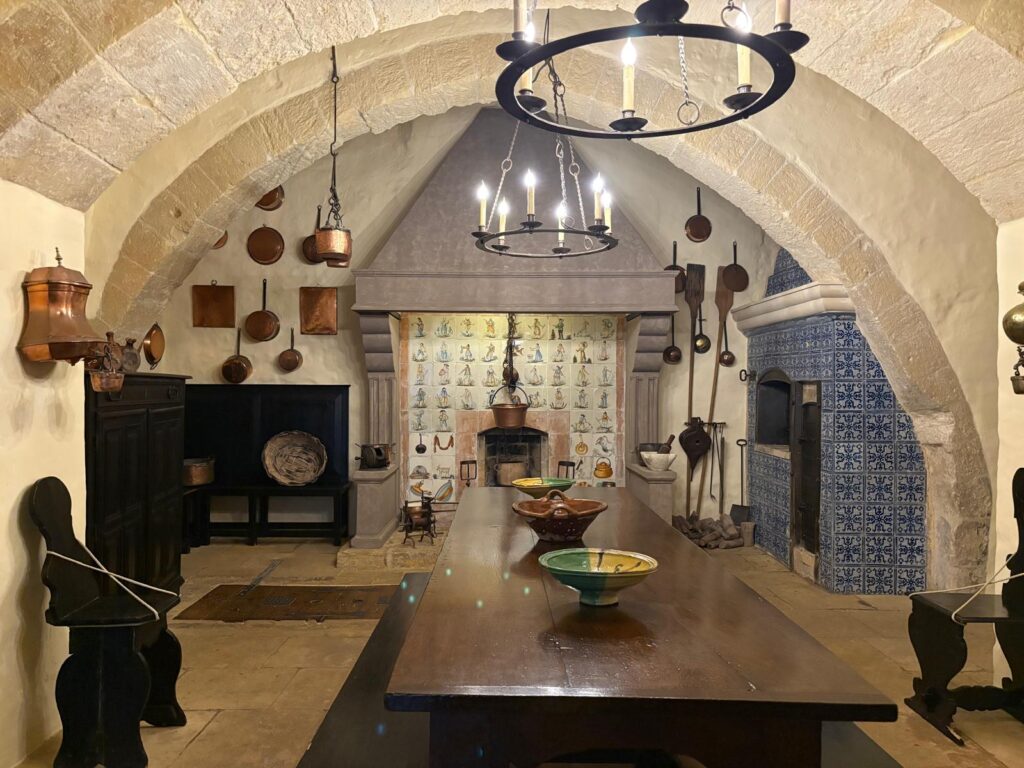
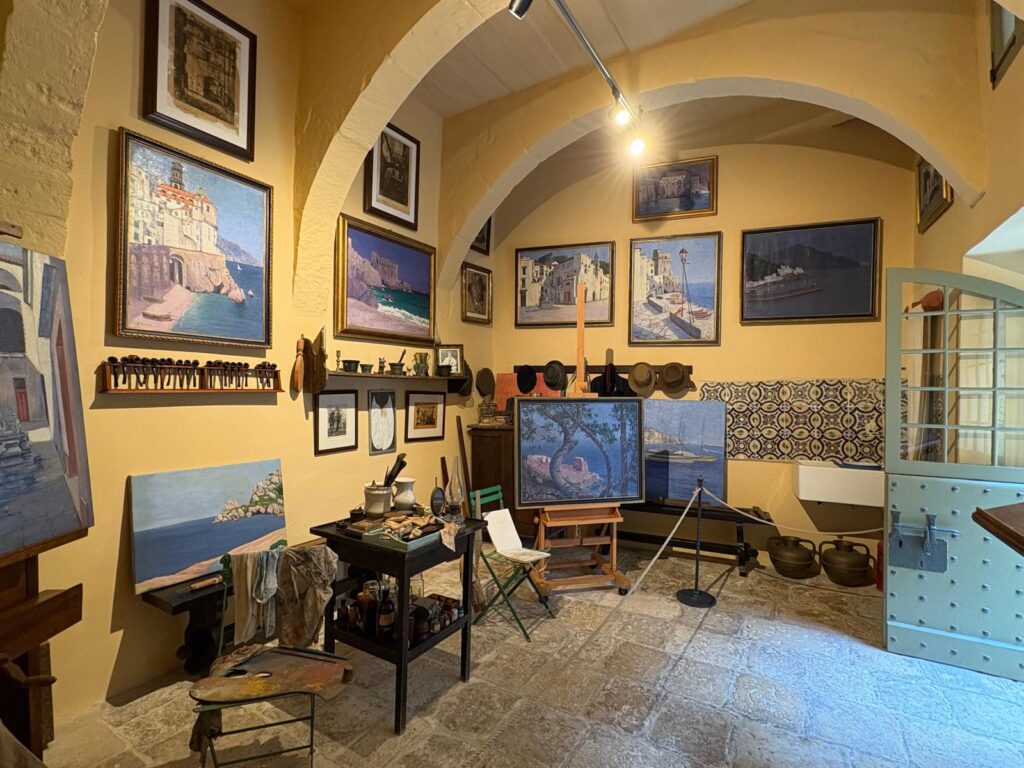
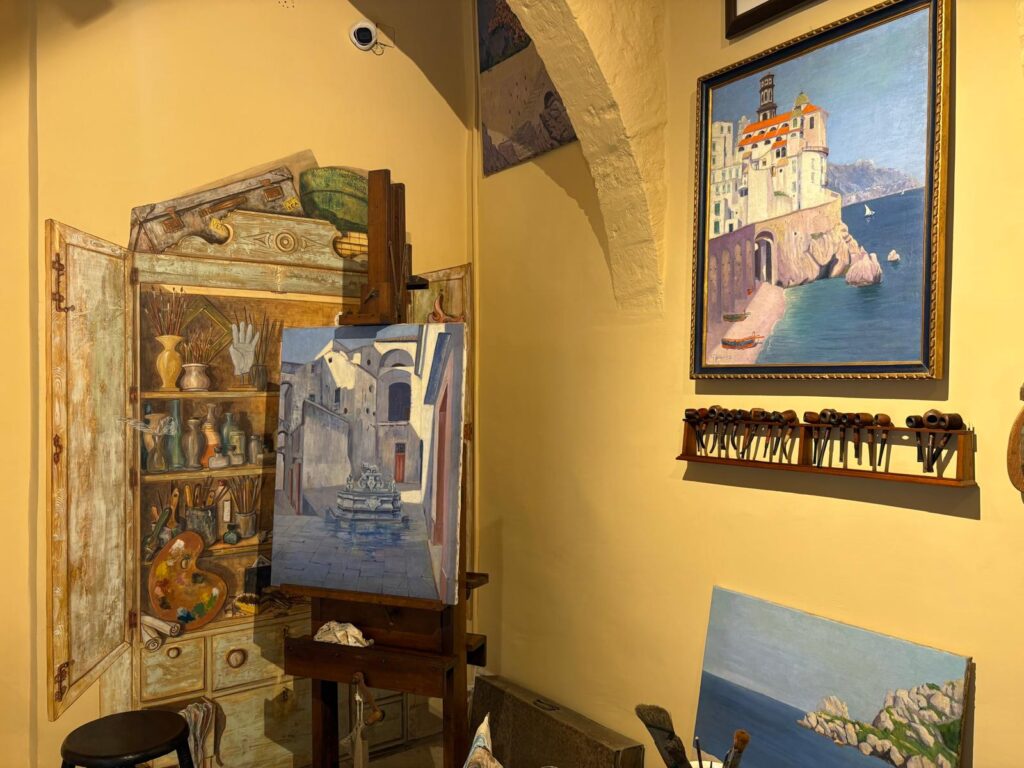
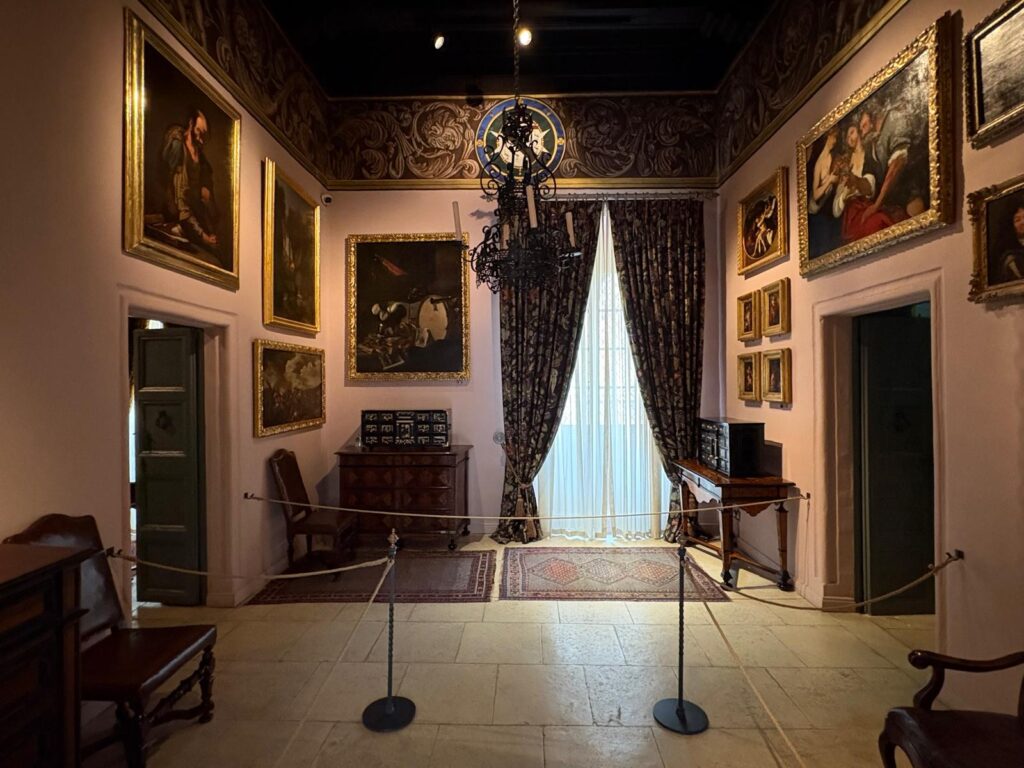
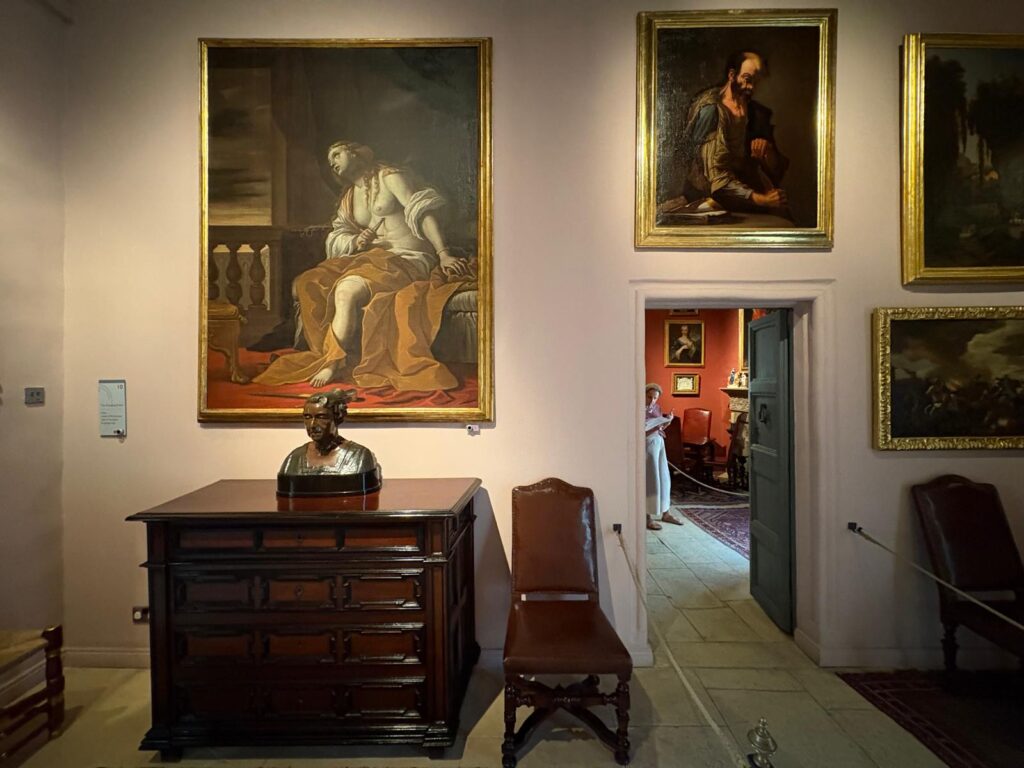
The seventeen rooms balance form and function, presenting grouped objects to tell a tale of Maltese history while also respecting the narrative about Gollcher’s time living here and building his collection. Visitors meet some real curiosities early on, including a purported chastity belt. This is part of a ground floor room otherwise housing arms and armour. Nearby, the kitchen is the main event on this level. It still has echoes of being a busy working kitchen, while displaying painted tiles, and examples of il-baqra, an animal-shaped vessel used to cook rabbit stew and affectionately known as a ‘cow’. There is also an artist’s studio: Gollcher was a painter as well as collector.
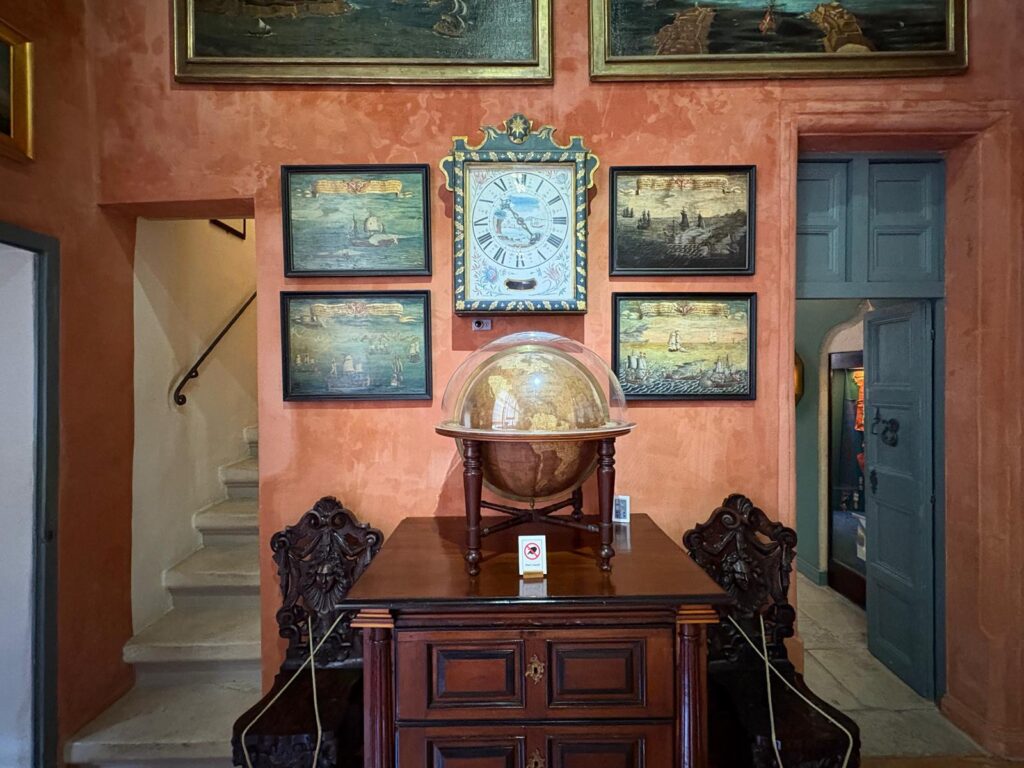
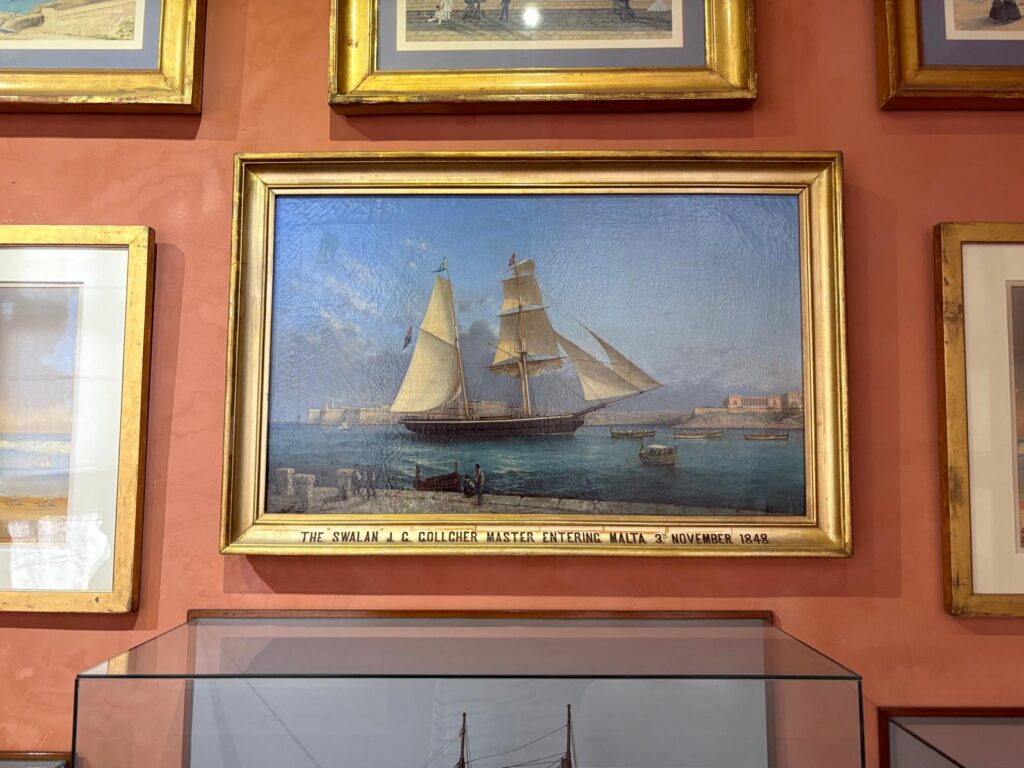
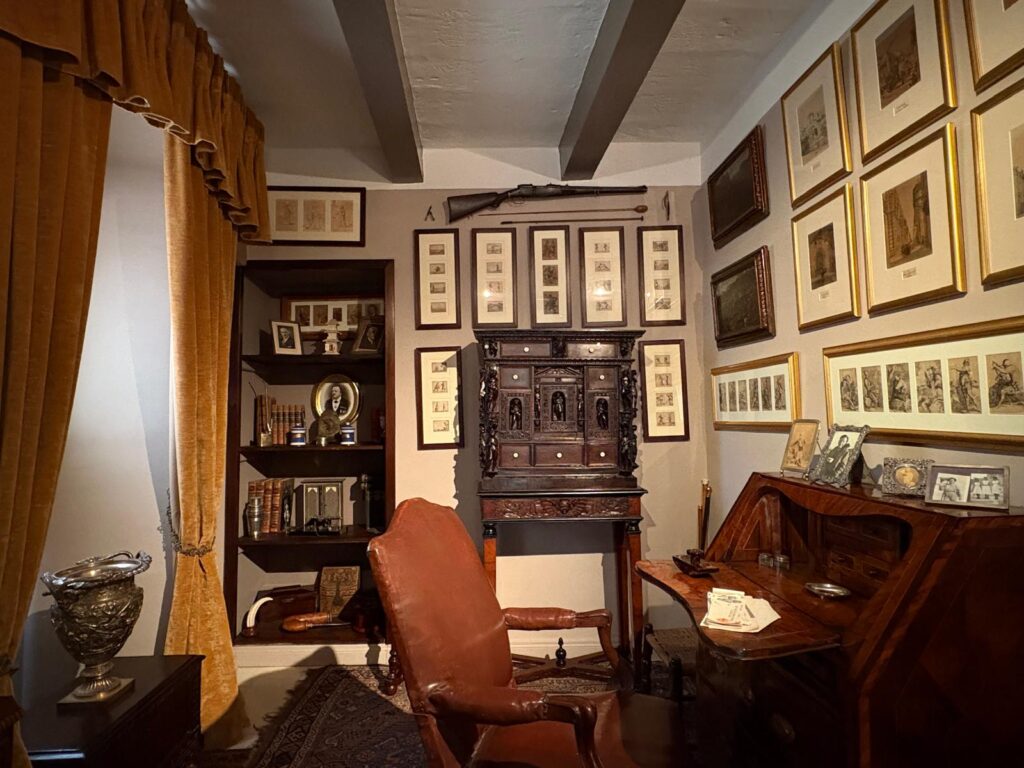
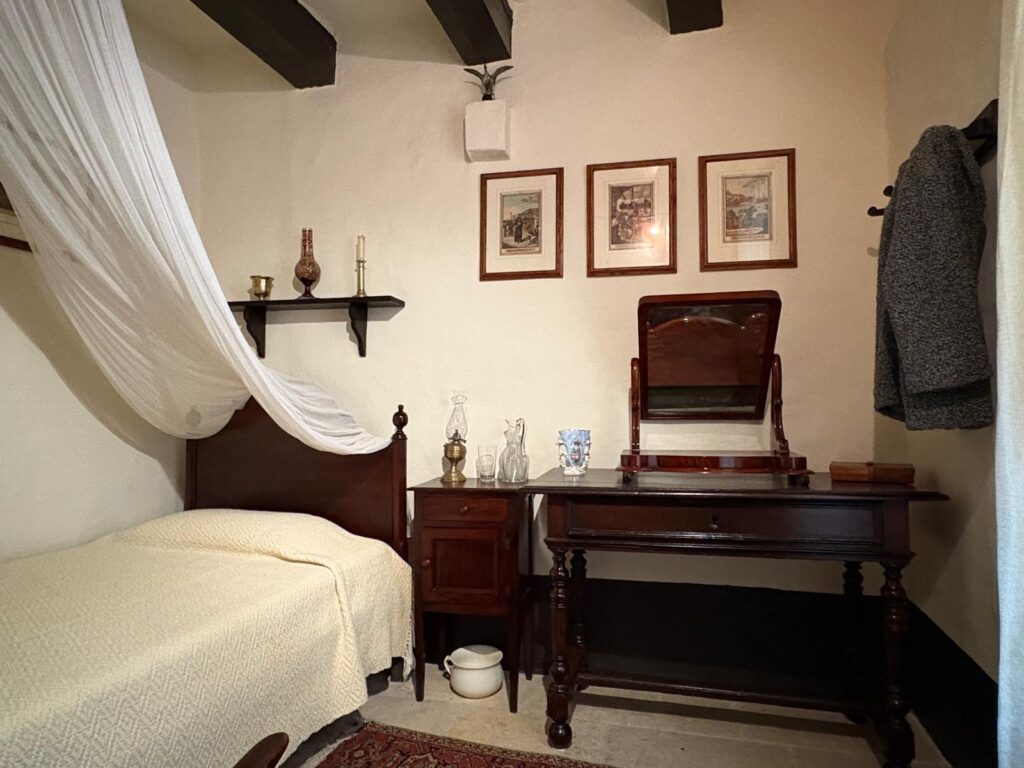
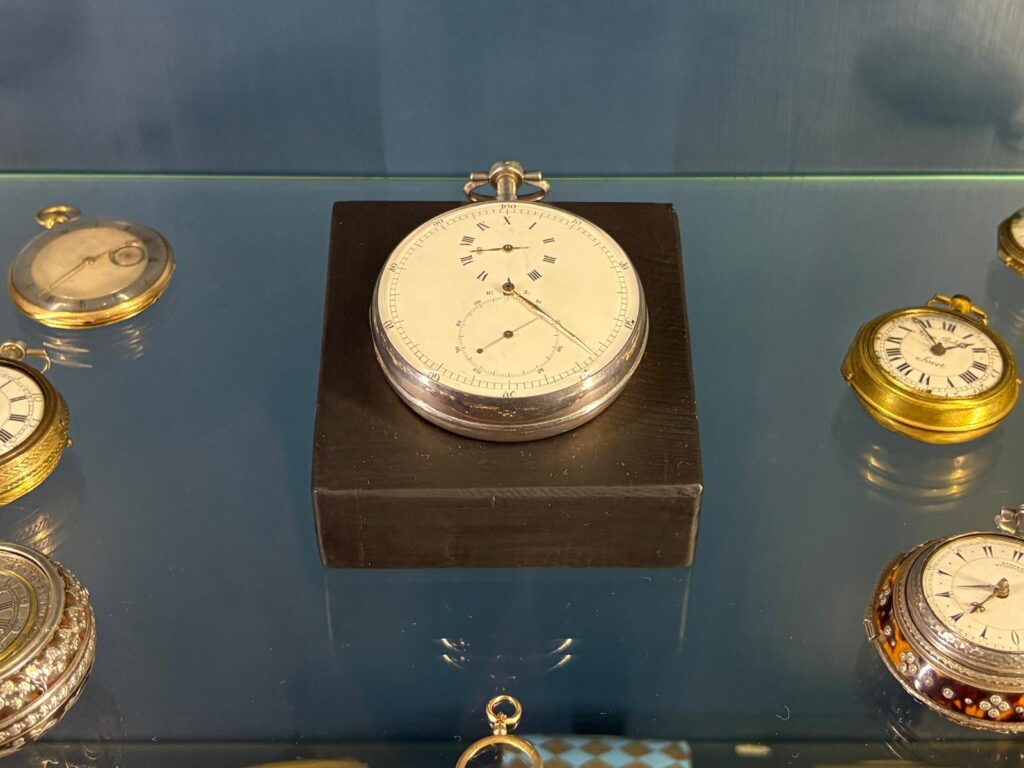
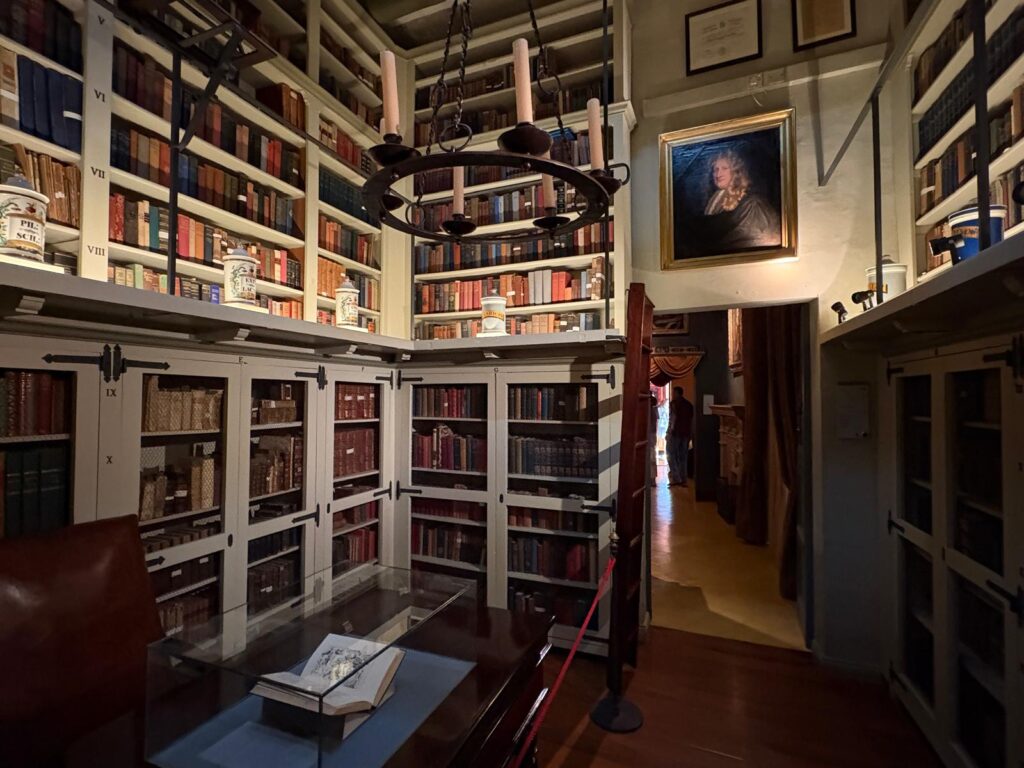
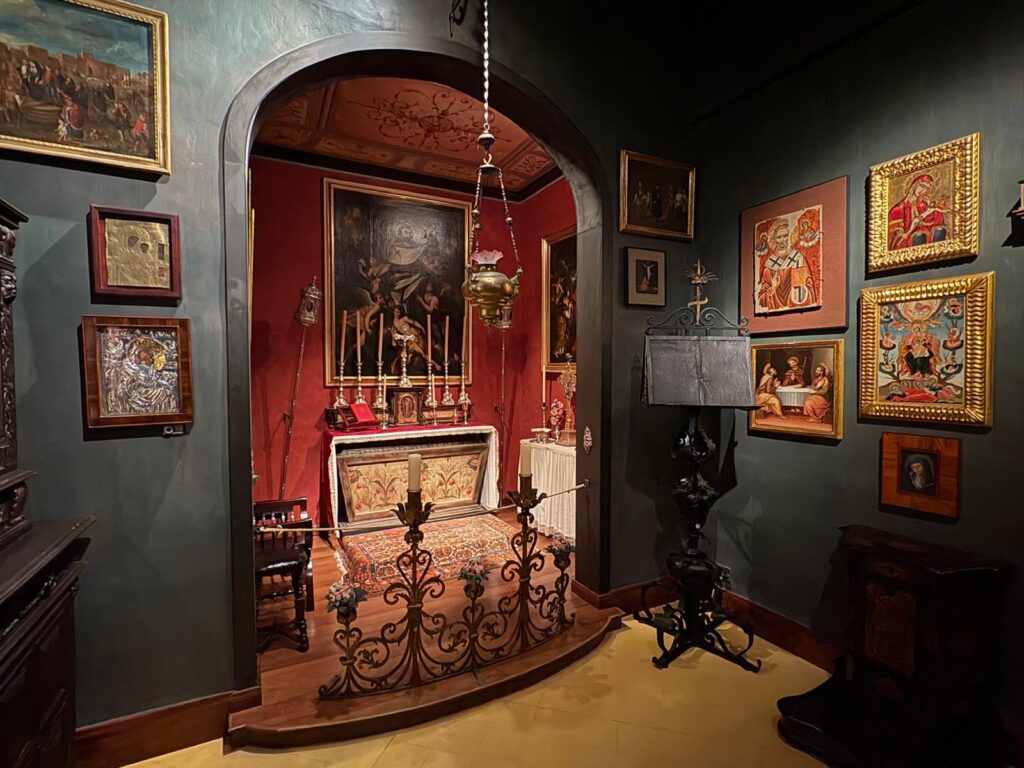
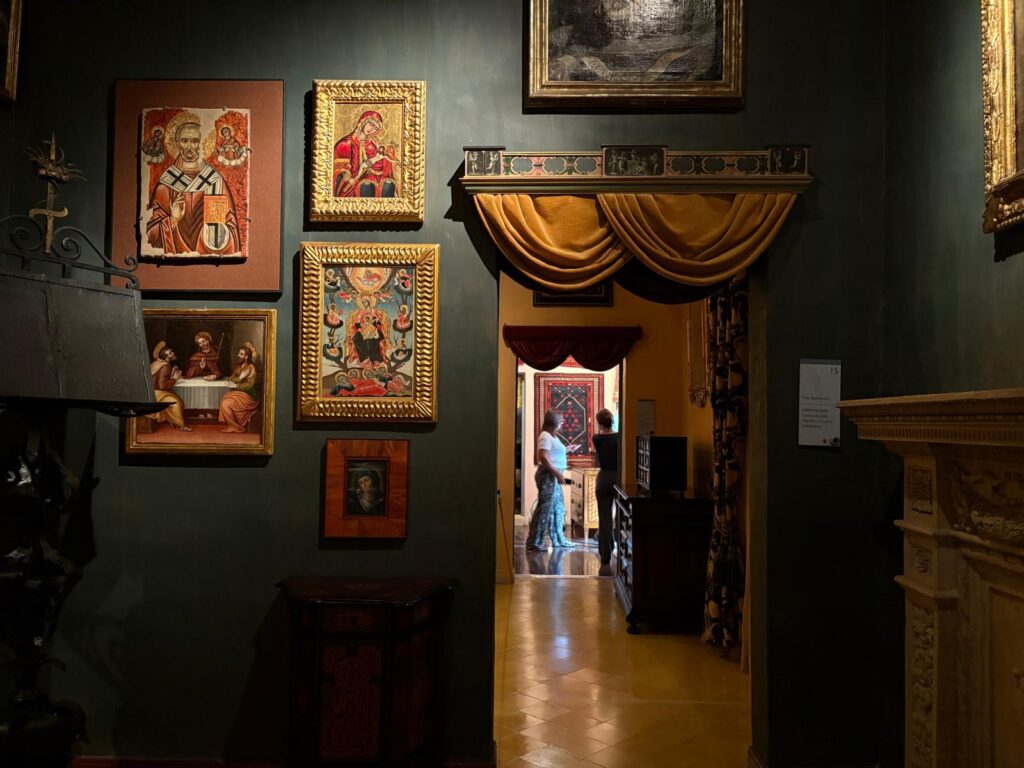
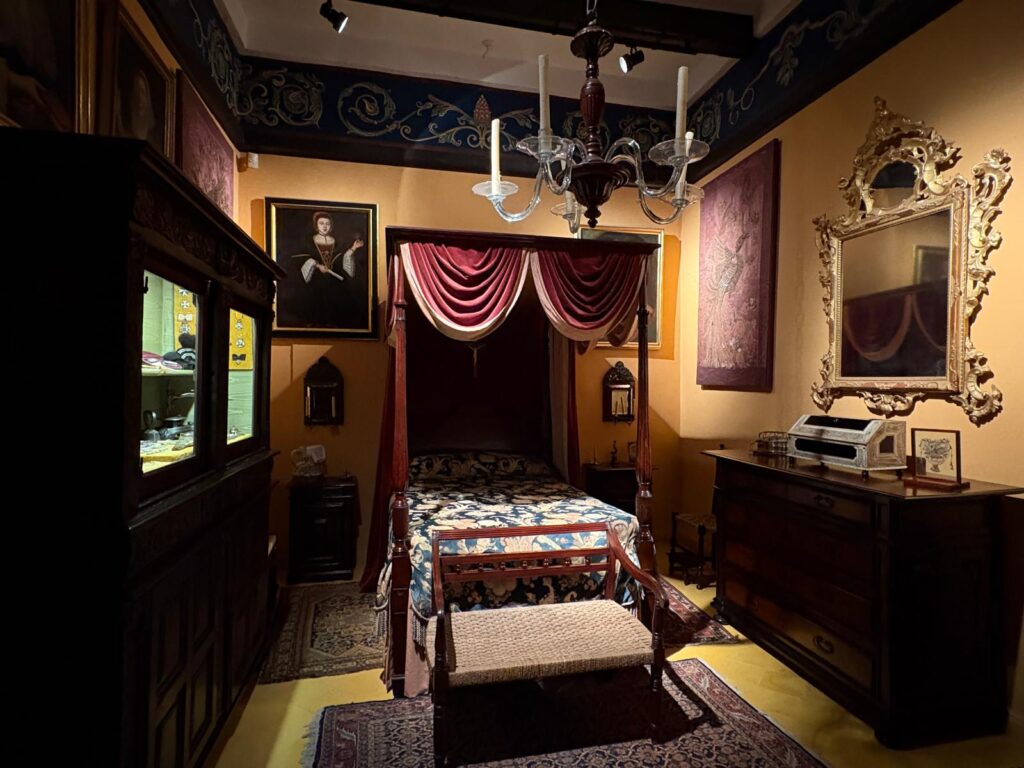
Upstairs, things start to look a little more refined. There are clusters of paintings – religious, maritime scenes, topographical – and rooms arranged by function: dining room, study, bedroom. There’s a most wonderful library: Gollcher’s collection of books was amongst his finest. But this is a museum that rewards curiosity and checking out the labels, when you spot them. I wouldn’t otherwise have clocked (excuse the pun) that the pocket watch in front of me measured the 10 hour day of Revolutionary France.
My Mdina Pick
It was the little stories like that one, of the watch, that made the Palazzo Falson my pick of Mdina’s attractions. It’s a lovely little museum. The collections of those who love the objects they assemble always stand apart from those who collect for value. Despite the gulf of time between us and Captain Gollcher, his home and his possessions transmit something of this deep love for history, and for Maltese history specifically.
It’s also a fascinating building. Very compact: a palazzo as a townhouse. Wandering around and wondering which period each element dates to is an interesting pastime. The sympathetic decoration brings out the palazzo’s best, and helps jog your imagination as you step back out into the streets of Mdina and pass other historic façades, wondering what’s behind them.
It often takes a person who places passion above practicality to save spaces like this for posterity. In the 1920s, when the Gollcher family entered the Palazzo Falson’s story, it was divided, a shadow of its former self. A century on, we can visit it as a beautiful house museum, complete with a rooftop cafe with splendid views. I’d like to think that Olof Gollcher would consider it worth the wait.
Trending
If you see this after your page is loaded completely, leafletJS files are missing.