
Victoria (Ir-Rabat) And Its Citadel, Gozo
Get to know Gozo’s capital, Victoria, and the many museums of its imposing and historic citadel.
Getting to Know Victoria (Ir-Rabat)
In my last post, we looked at ways to spend 48 hours in Gozo, Malta’s second-biggest island. The pace of life is slower here, but there’s still plenty to see and do, from archaeological and historic spots to getting out into nature. But chances are you will spend time in Gozo’s capital, Victoria, known to locals as ir-Rabat, or simply Rabat. If you recall from earlier posts, the word rabat comes from Arabic, showing the long influence of Malta’s Arab period on its language. It means either ‘fortified town’ or ‘suburb’.
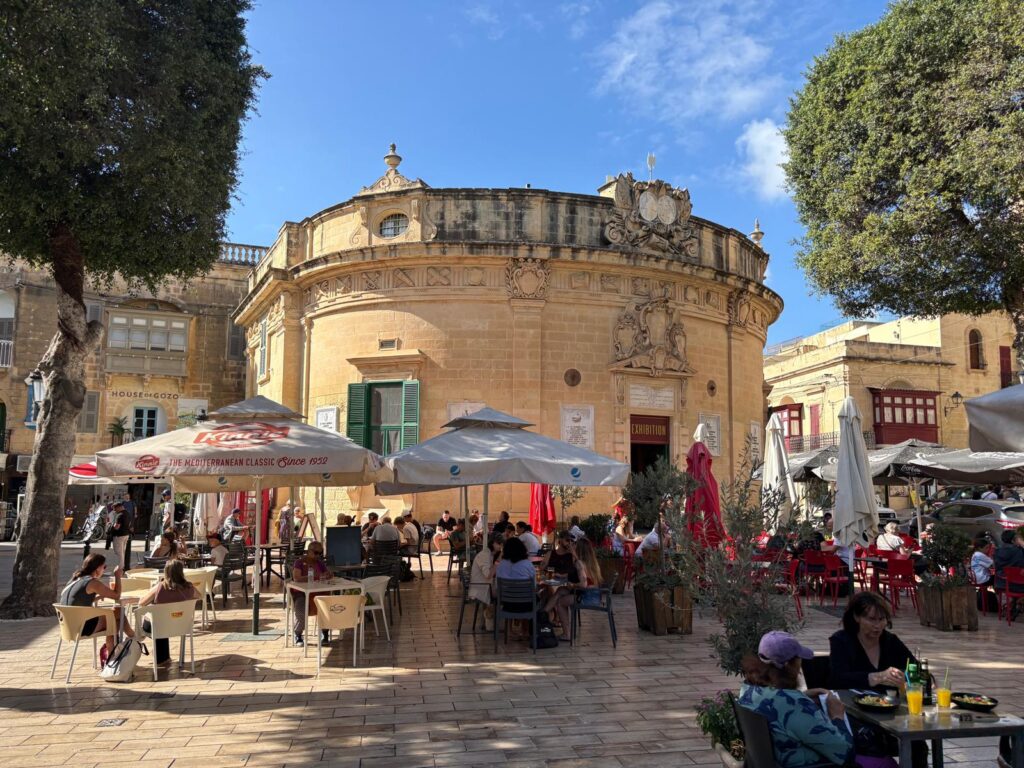
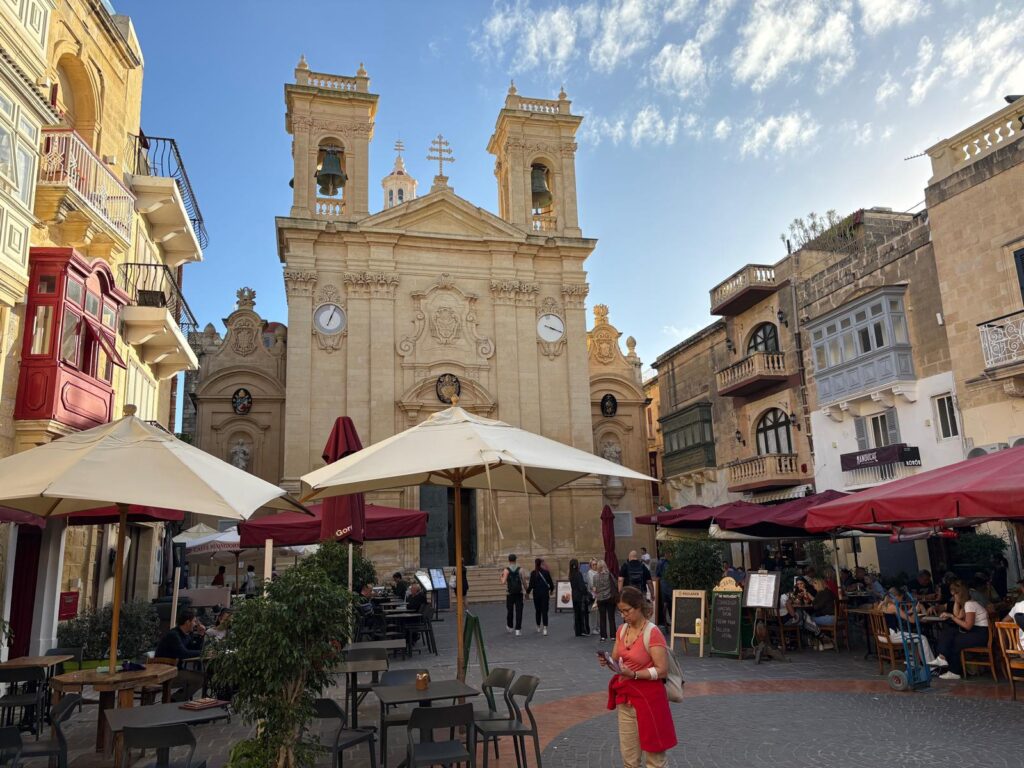
During our own trip to Gozo, we stayed in a residential part of Victoria. Once we arrived by fast ferry and dropped our bags off, we headed off to explore the town. After some quick refreshments on Pjazza I-Indipendenza (Independence Square), we headed off to explore the Cittadella, or citadel.
Victoria is more than its citadel, and the final section of this post will explain more about the other things to see and do. But as the Cittadella is a key landmark in Victoria, as well as having the highest concentration of visitor attractions, it is worth exploring it in depth. Before we begin that, however, let’s learn a little more about the history of Victoria and its citadel.
A History of Victoria (Ir-Rabat) and its Citadel
Citadels, as we learned when we visited the one in Lindos, Rhodes, are fortresses on high ground. Easily defensible, as the defenders have the advantage in terms of seeing the enemy coming, and fighting a downhill rather than uphill battle. Good natural spots on high ground are thus frequently amongst the first inhabited places in a given area.
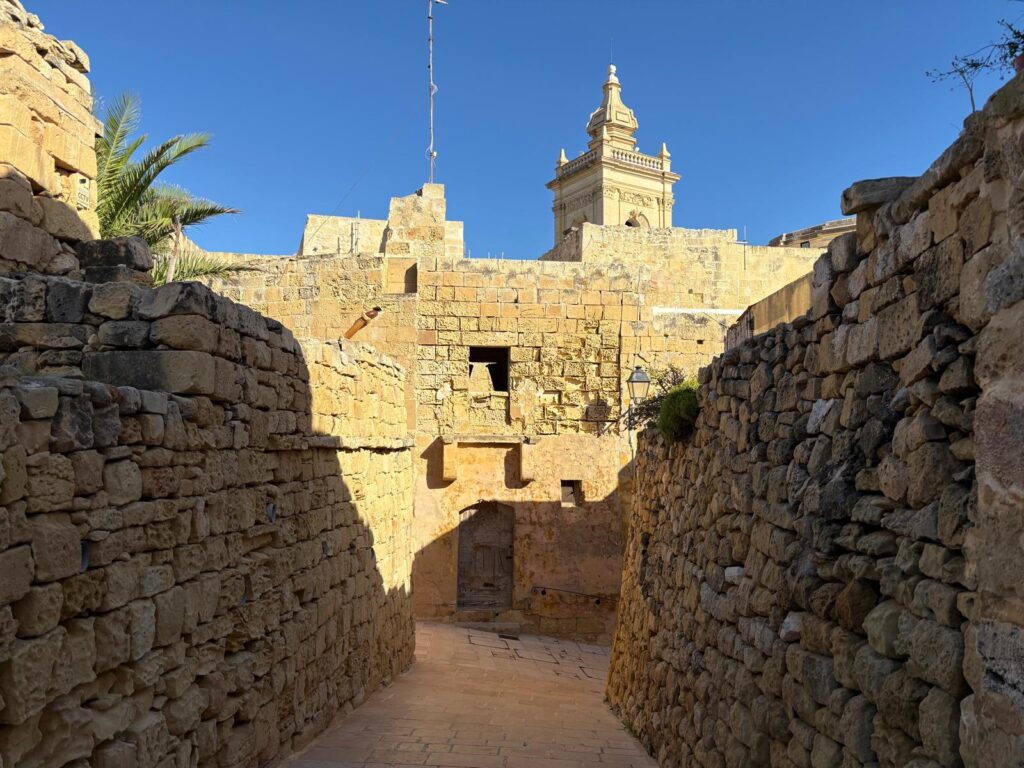
In the case of Victoria, the inhabitation of this spot somewhat precedes its fortification. It’s known through archaeological records to have been a site of activity on the island since Neolithic times, but was probably first fortified in the Bronze Age. Like the rest of Malta, Gozo changed hands frequently, and so the Phoenicians, Romans, Aragonese and others had a go at extending the site’s fortifications according to their own needs. In 1551 Gozo suffered a horrific incident, in which Ottoman forces invaded, and took almost the entire population of the island (around 5,000 people) into slavery. The Knights Hospitaller, as well as managing repopulation of Gozo, rebuilt the damaged parts of the Cittadella between 1599 and 1603.
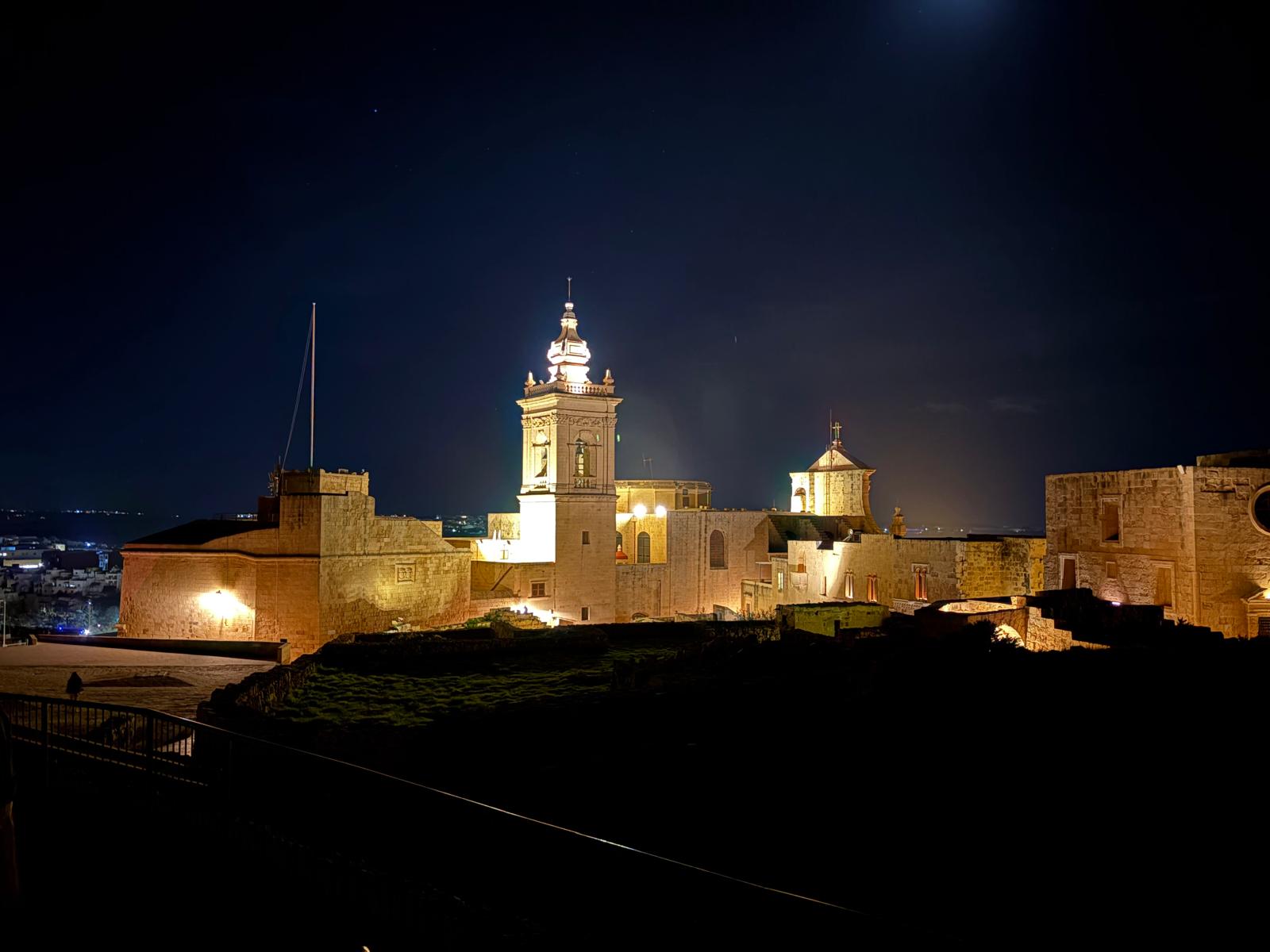
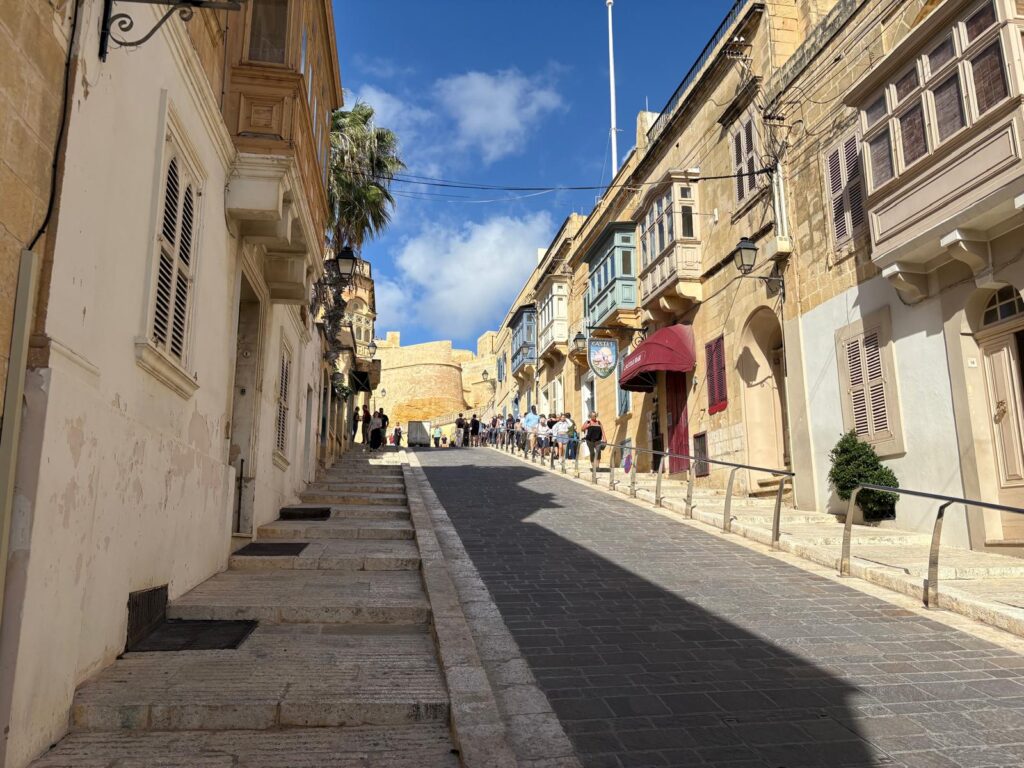
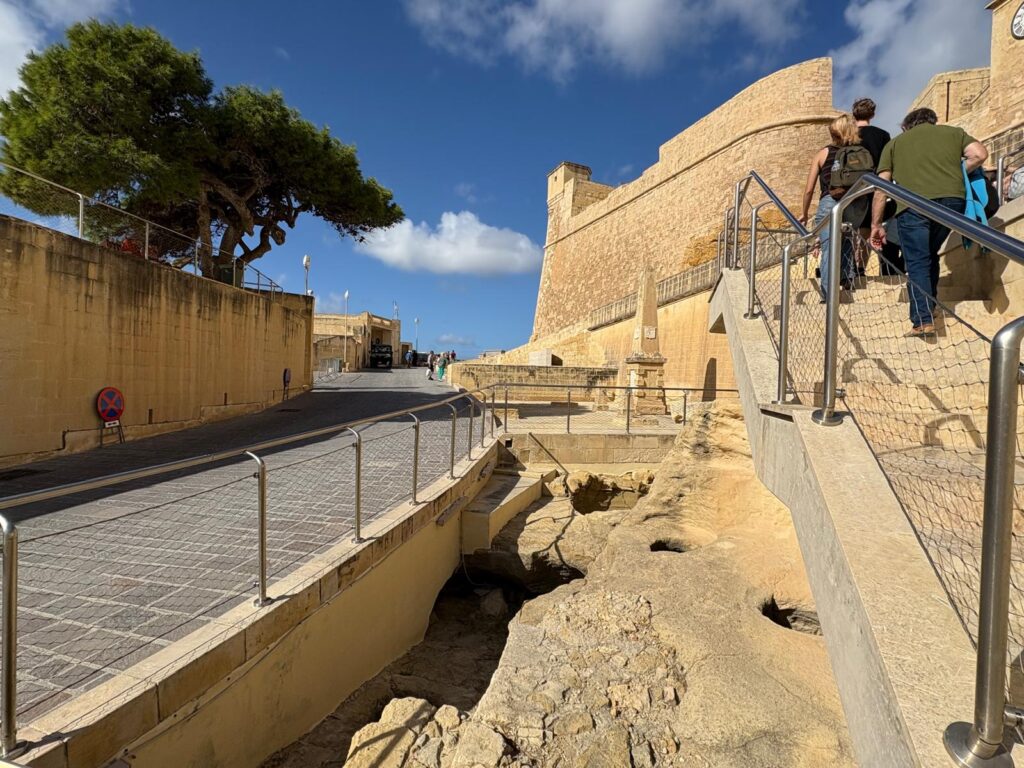
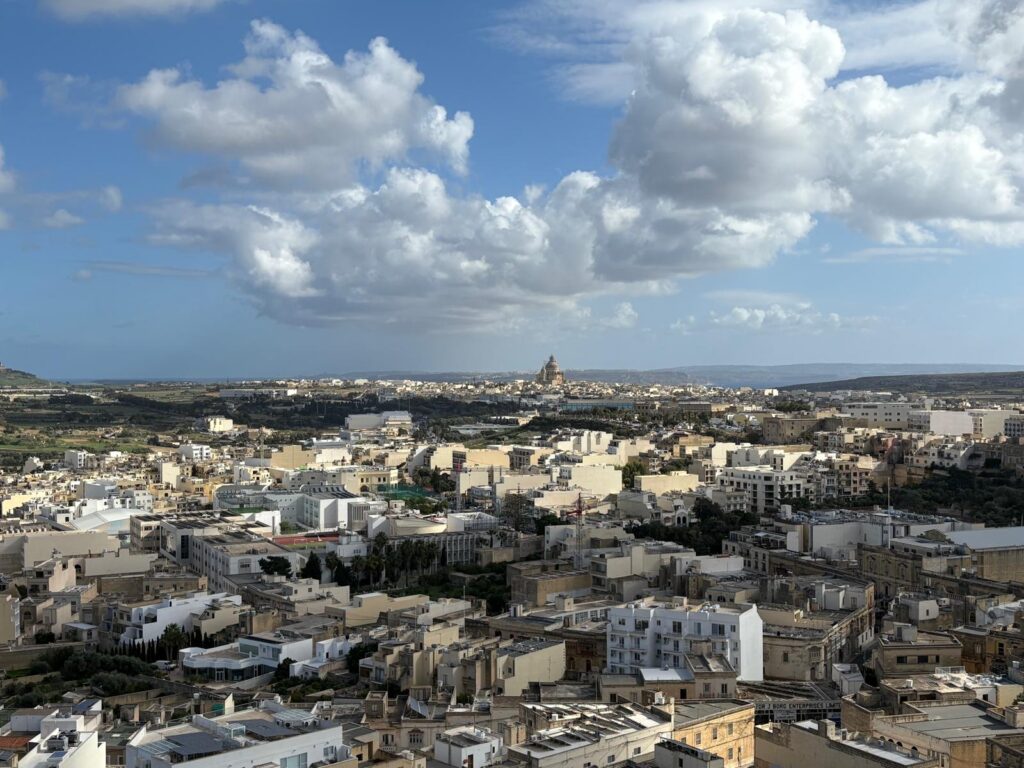
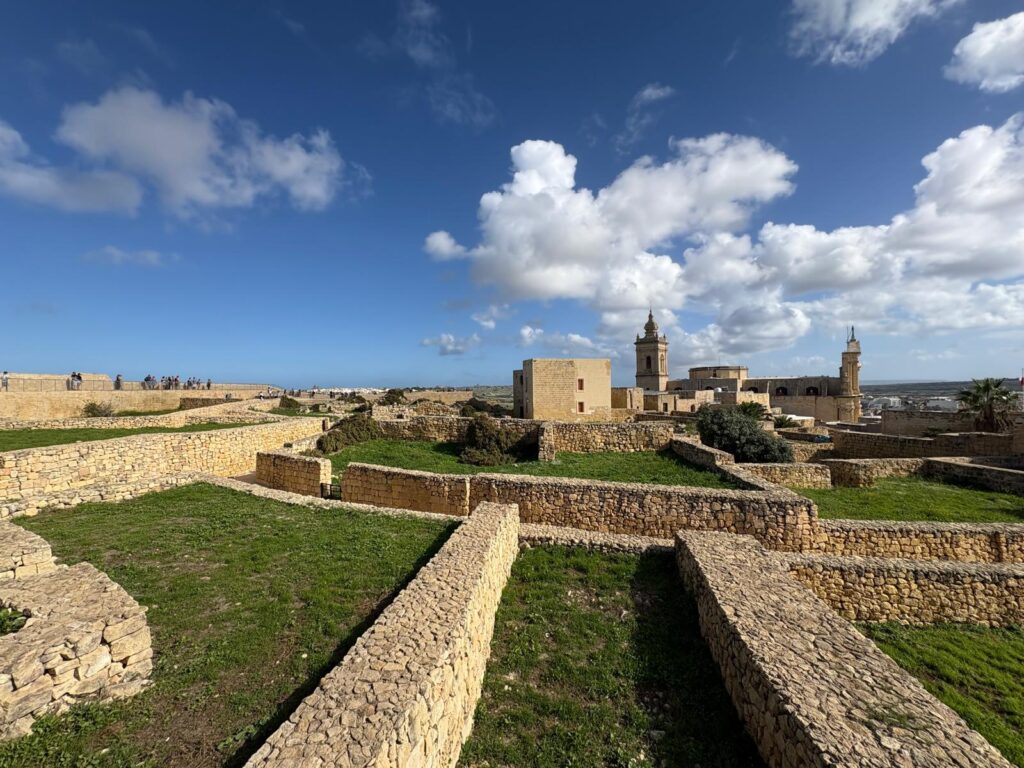
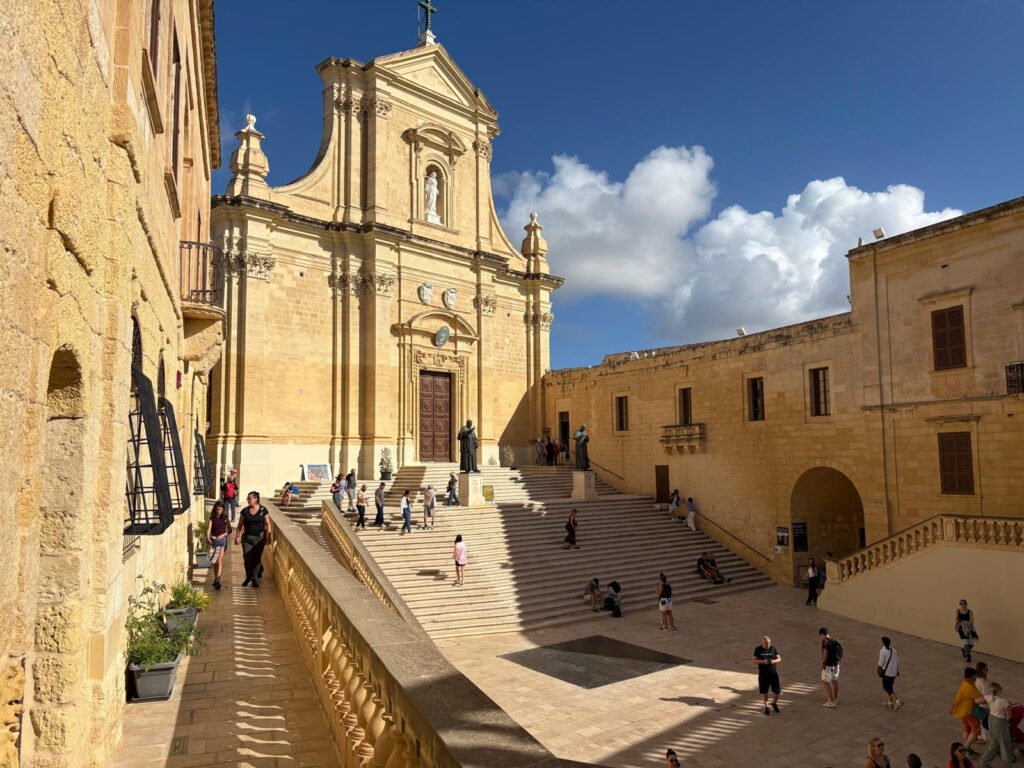
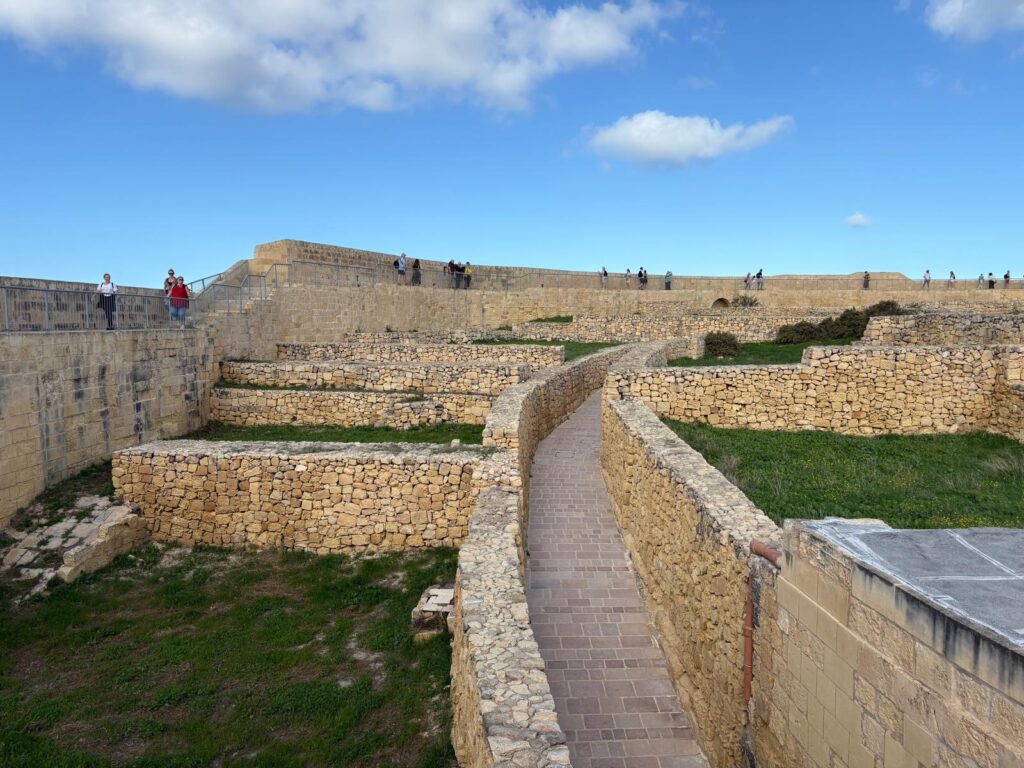
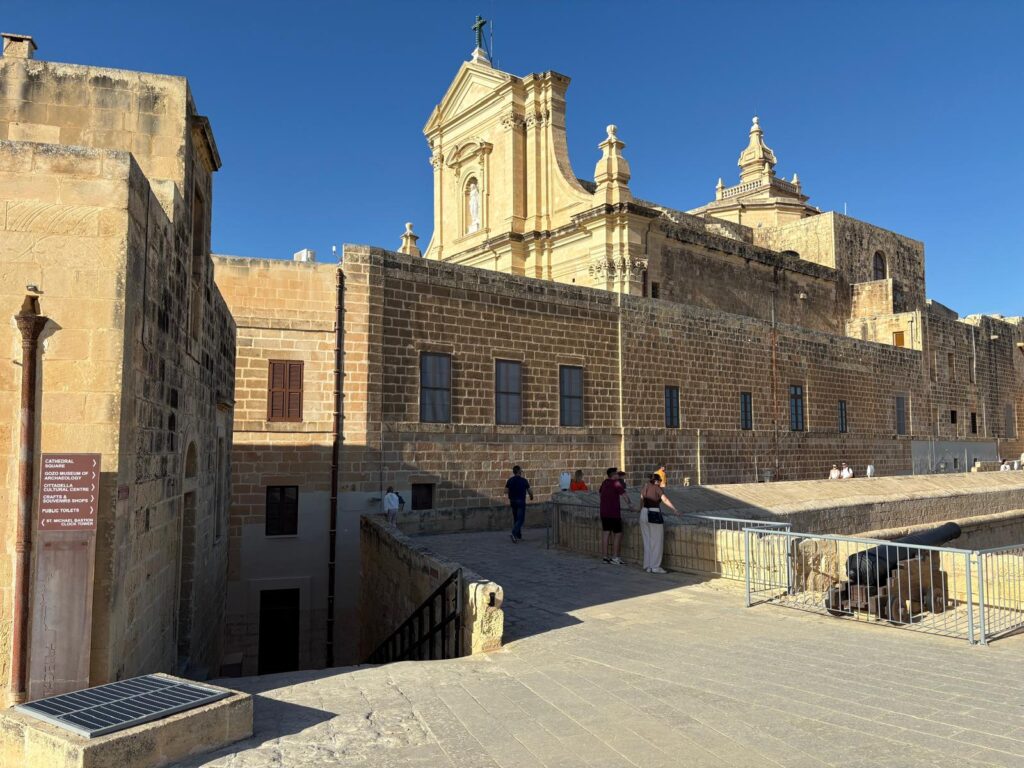
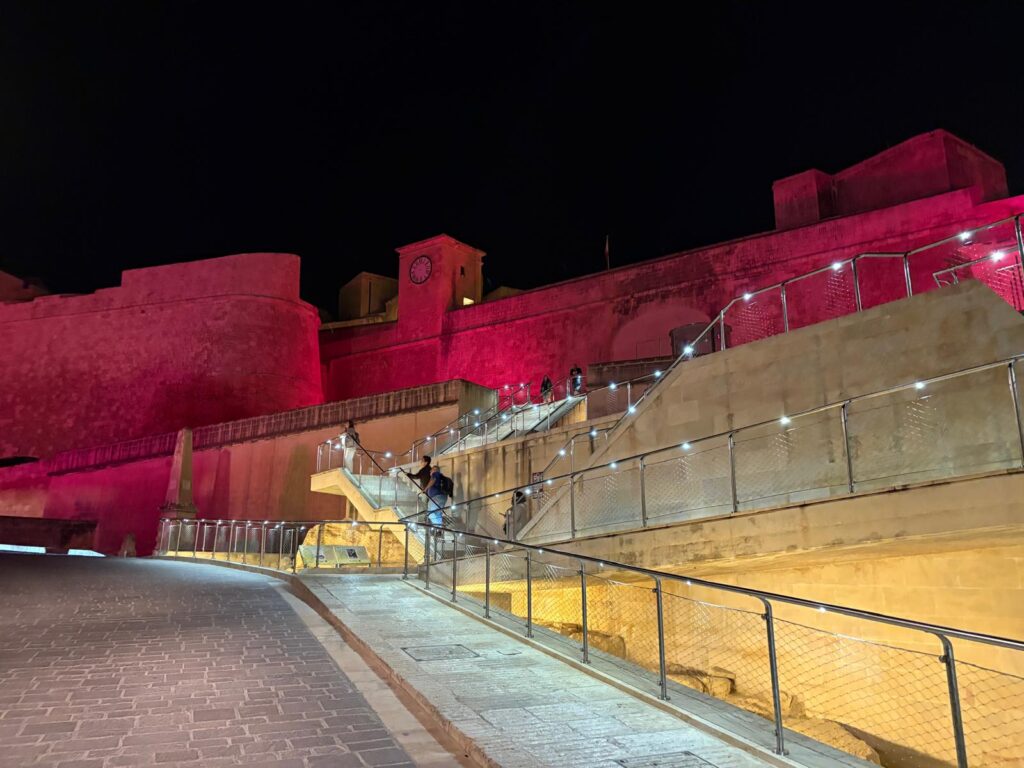
Today, the citadel retains the feel of a fortified town, even if it is now barely, if at all, residential. It’s a short climb up the hill from Victoria, with a couple of restaurants, some museums (which we will look at below), and views of the town and surrounding countryside from the walls. Coming through the walls, you’ll first arrive in Cathedral Square, home to Maltese architect Lorenzo Gafà’s 17th century Cathedral of the Assumption, on the site of earlier churches and before them a Roman temple. Let’s have a look now at what else we can see within the citadel’s walls.
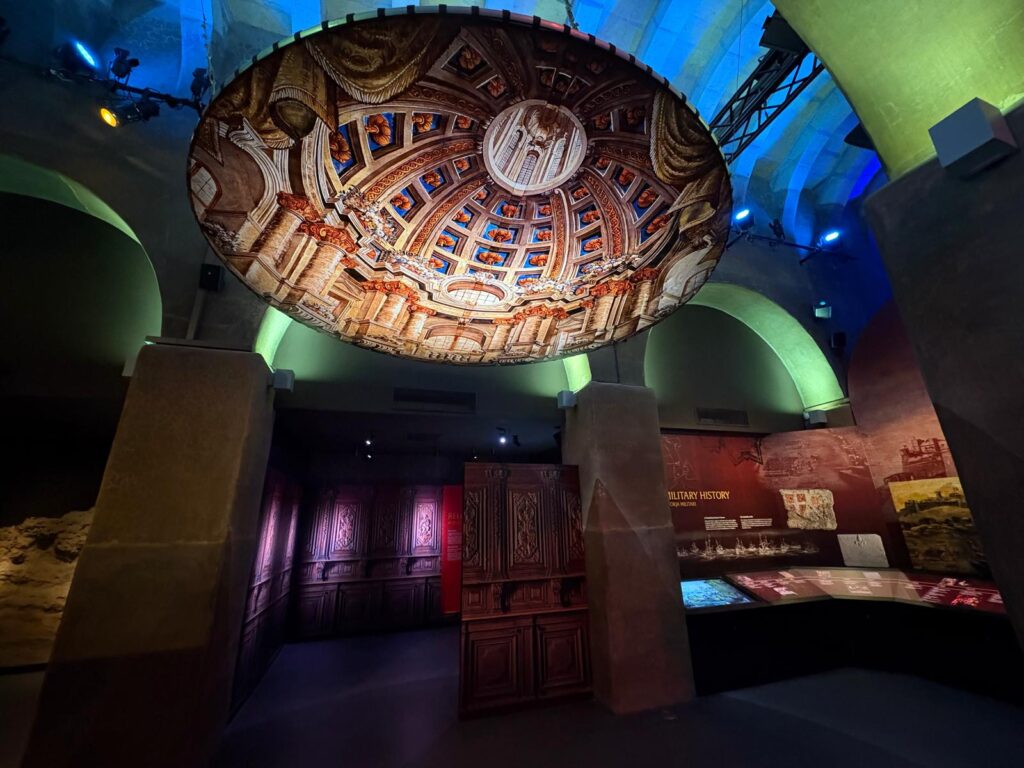
Cittadella Visitors’ Centre
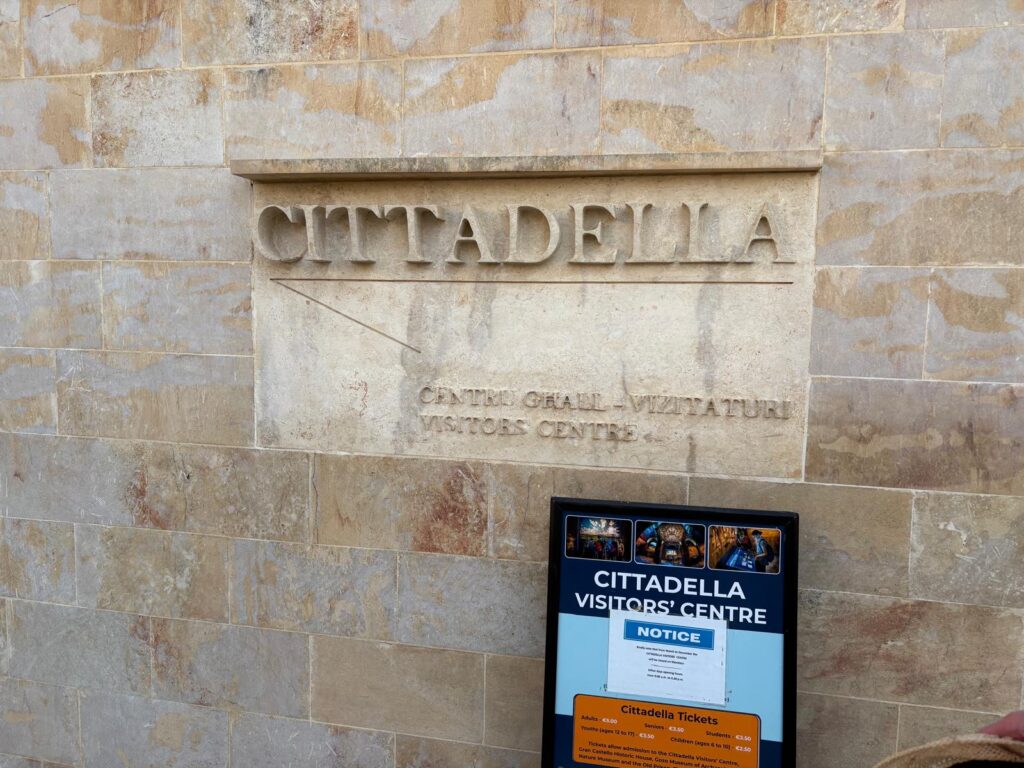
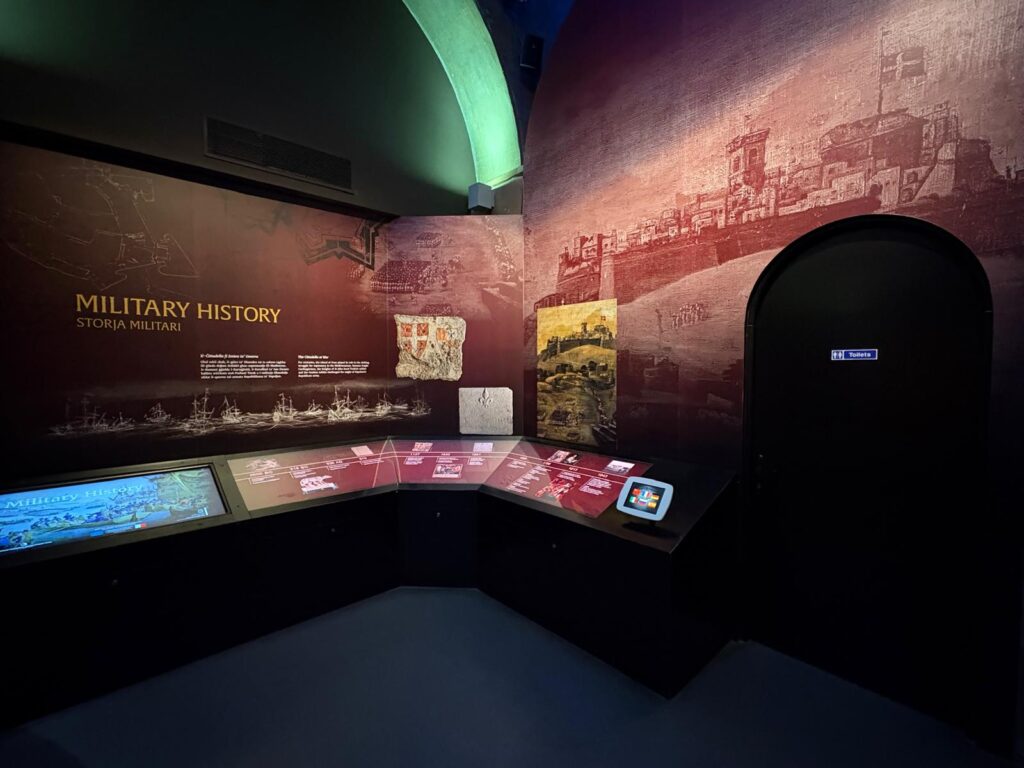
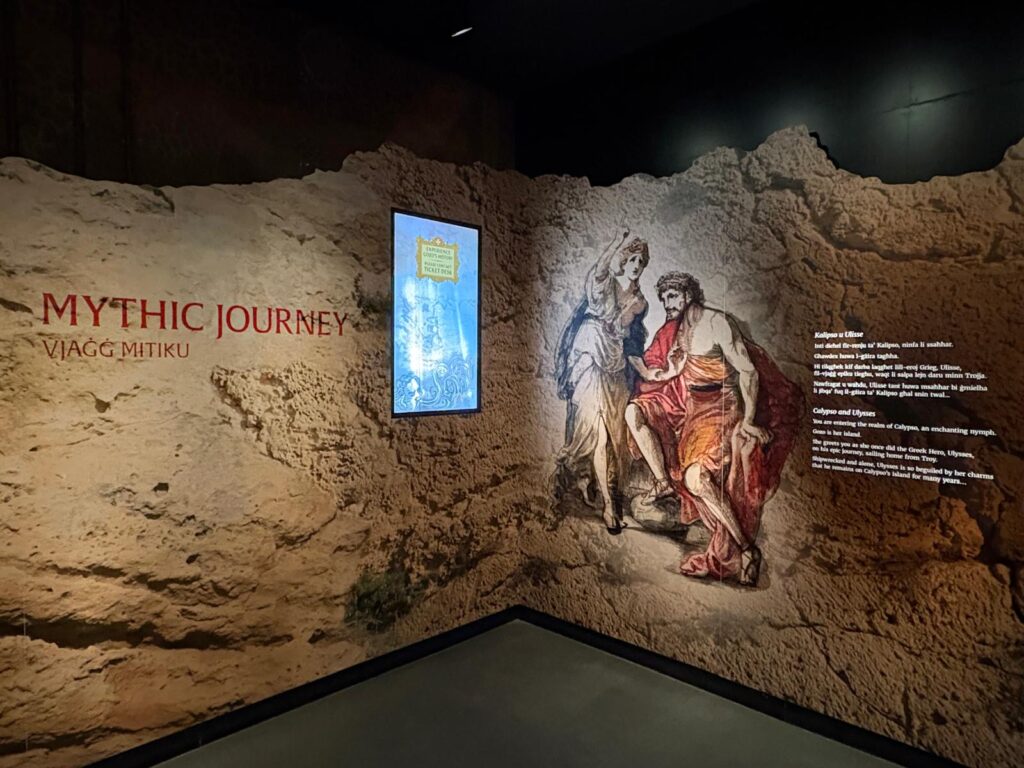
This was actually the last of the sights we visited in Victoria’s citadel, but should have been the first, so I’m remedying that here. The Cittadella Visitors’ Centre is at the bottom of the citadel complex, housed in two 1870s water reservoirs. One of these reservoirs has information on different topics as well as interactive screens, while the other has an immersive surround theatre screening an 8 minute film covering the salient points ahead of your visit. Or at least it’s meant to: this bit didn’t seem to be running when we visited.
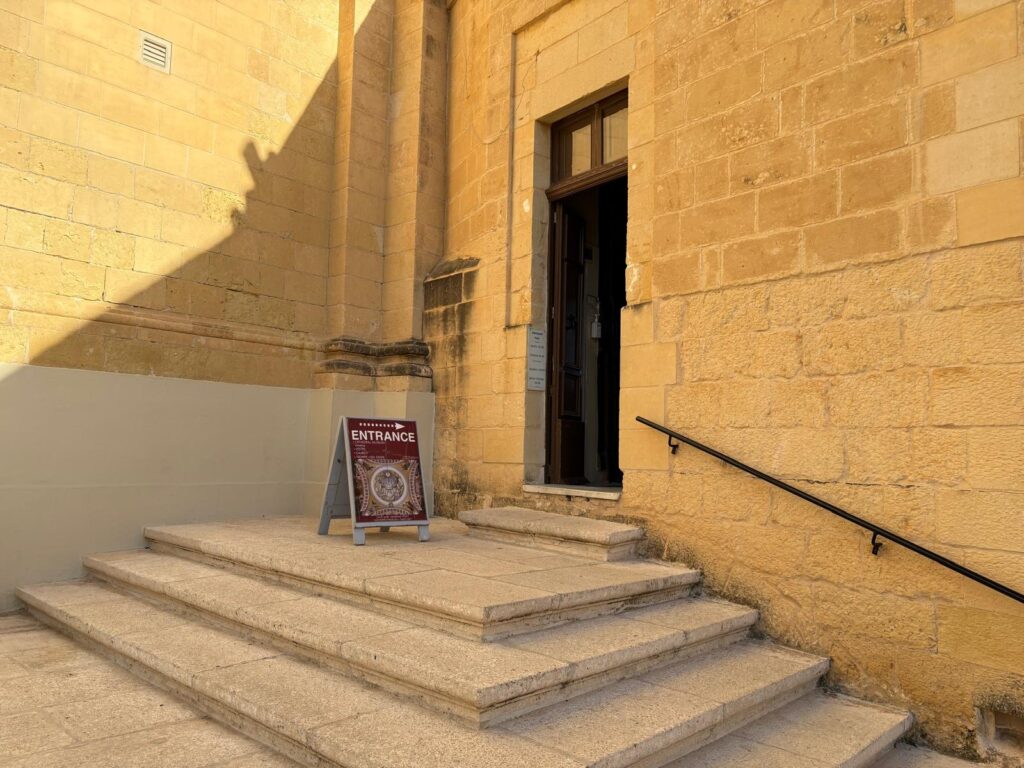
The Cittadella Visitor’s Centre does give a good overview. Plus if you, like me, are planning to skip a visit to the Cathedral of the Assumption, you can see a replica of its famous trompe-l’oeil ceiling here. Not quite the same, but at least it’s something. The five sites of the citadel (Cittadella Visitors’ Centre, Gozo Museum of Archaeology, Gran Castello Historic House, Gozo Nature Museum, and The Old Prison) can only be visited on a combo ticket, there’s no individual entry to the museums. But at only €5 for an adult ticket when we visited, or €1 per site, you can’t really complain. You can purchase tickets here at the Cittadella Visitors’ Centre, or at the other sites. It’s valid for one visit per site within 30 days.
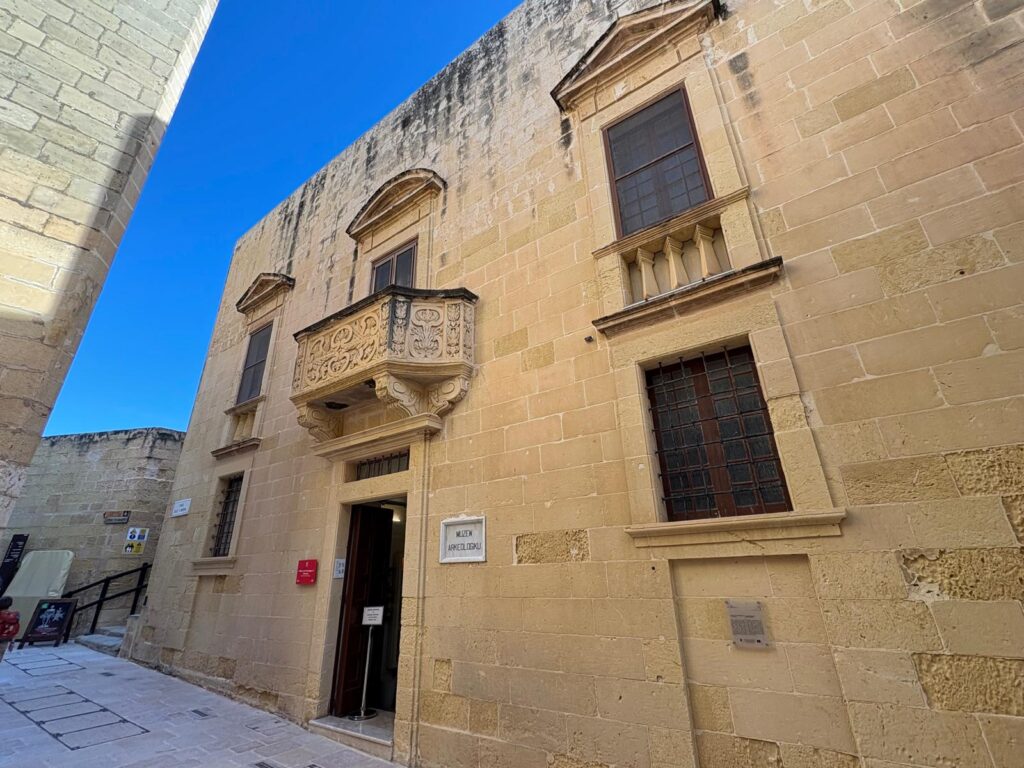
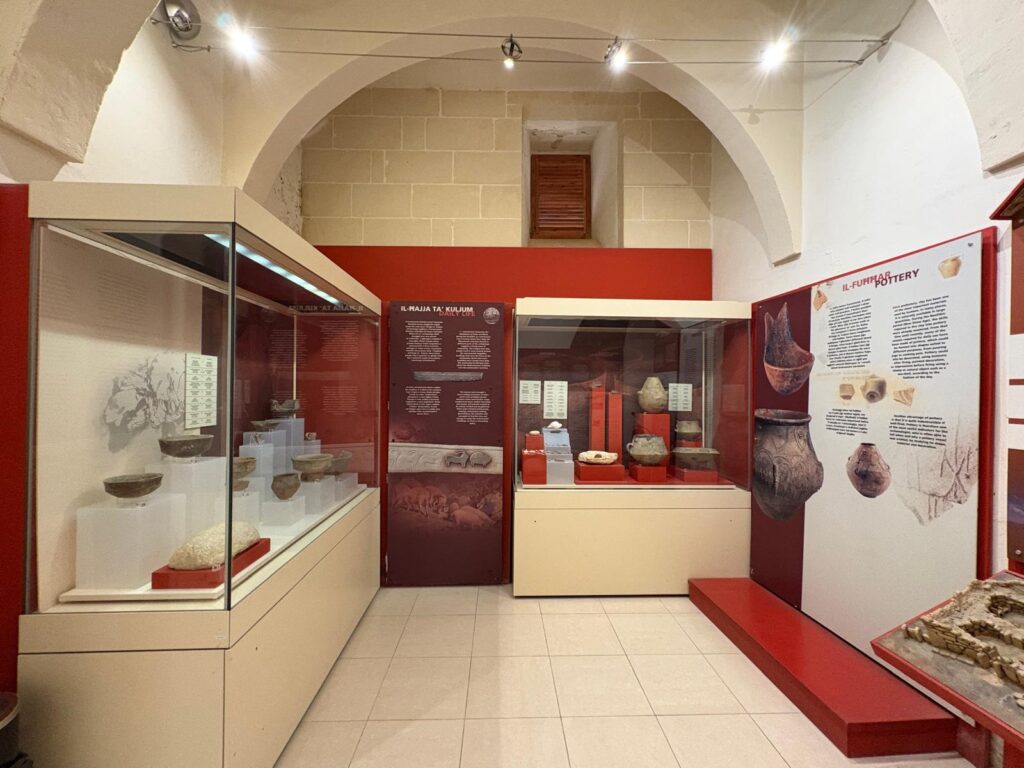
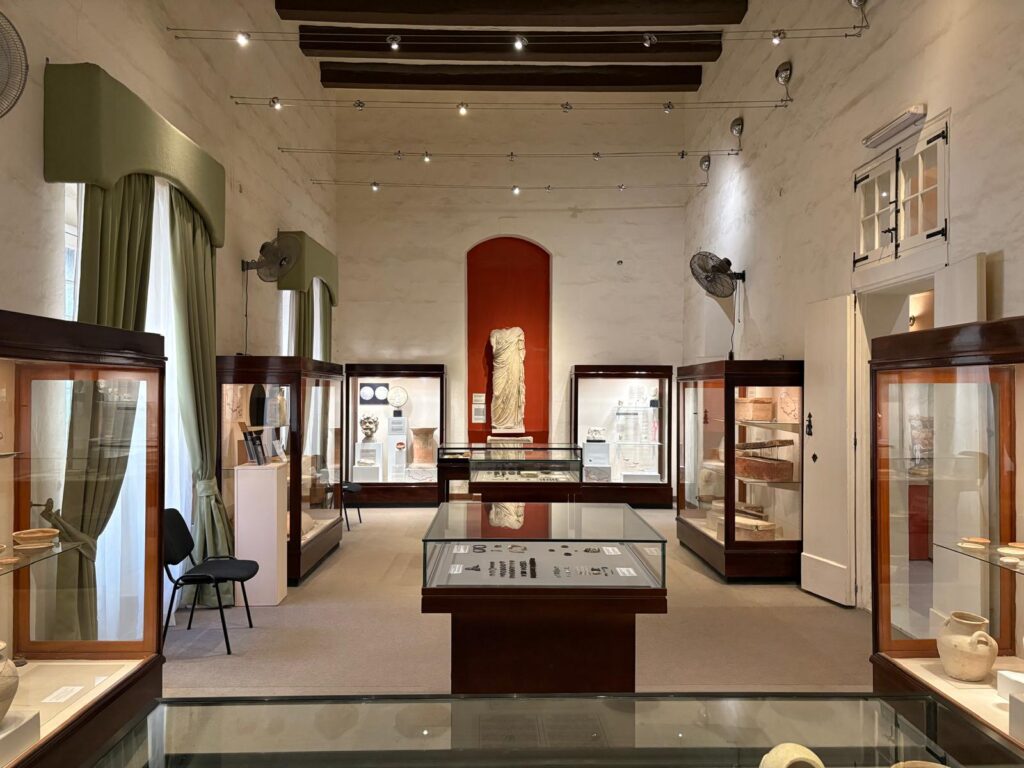
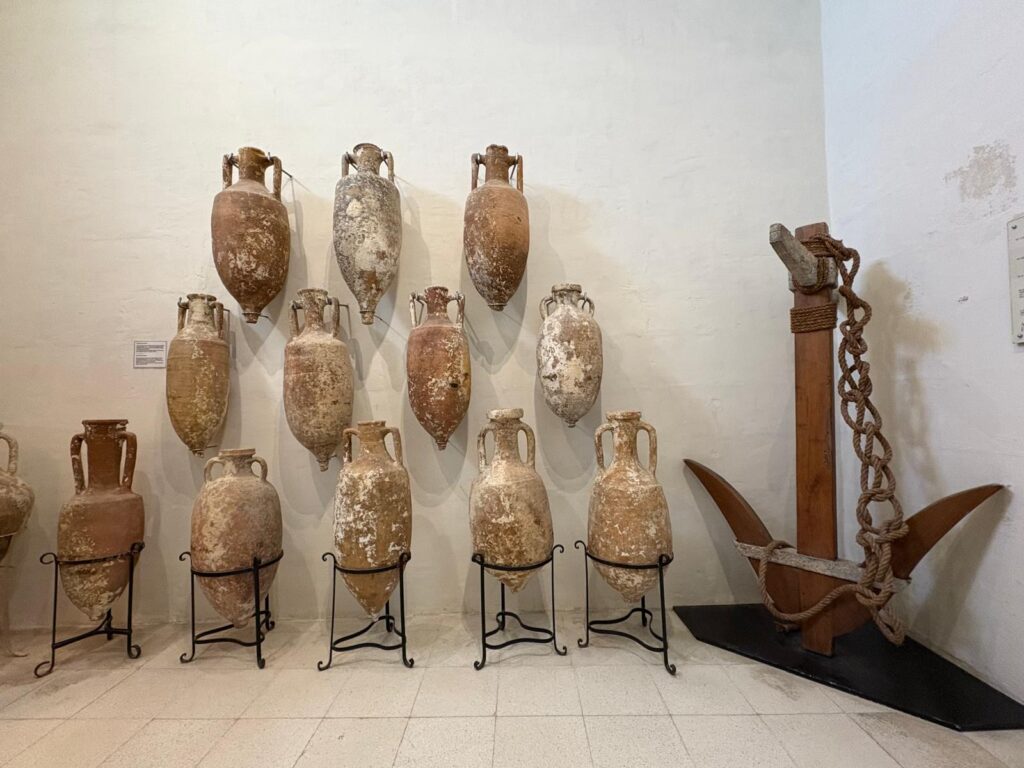
Gozo Museum of Archaeology
I knew of the Gozo Museum of Archaeology before I visited, because it is one of two places where you can do a complicated manoeuvre to buy next-day tickets for archaeological site Ħal Saflieni Hypogeum if you didn’t book in advance. Having been both here and to Fort St Elmo, the other place you can get your hands on such tickets, I recommend the latter as seeming slightly easier.
But anyway, that’s not why we’re here. We’re here to actually see the museum! The Gozo Museum of Archaeology is near the citadel’s original gateway, in a 17th century townhouse. Once belonging to the Bondì family, it fell into disrepair before being restored in the 1930s by Sir Harry Luke, Lieutenant Governor of the Maltese Islands. It opened as an archaeological and ethnographic museum in 1960, before shifting its focus to archaeology alone in 1986.
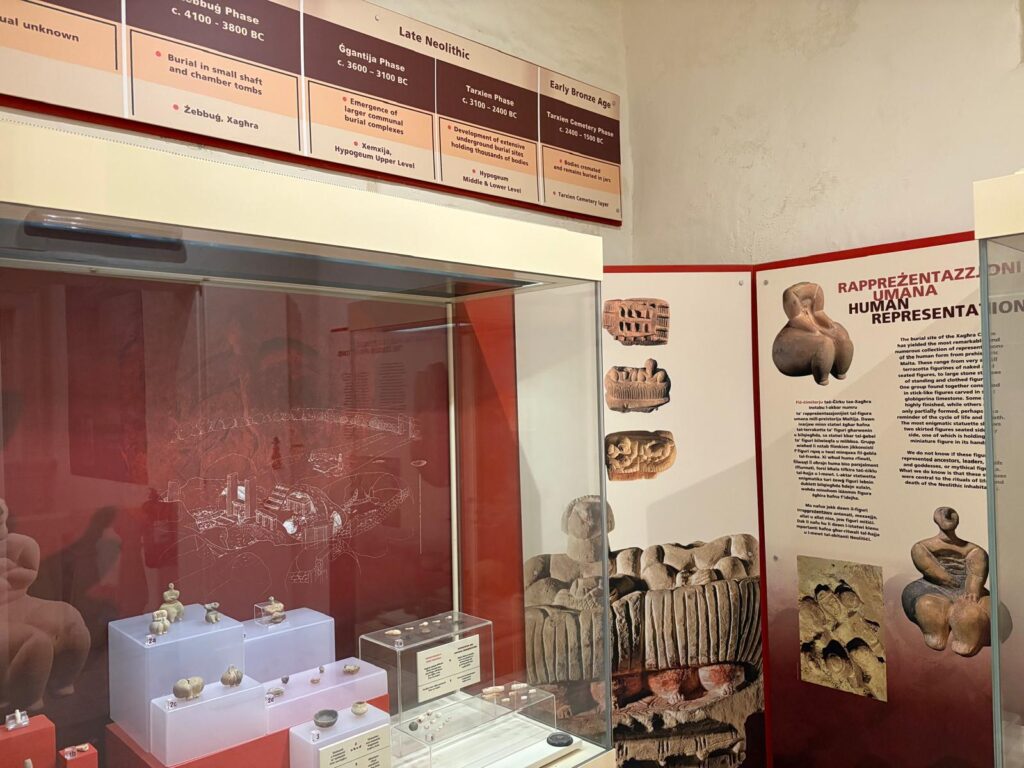
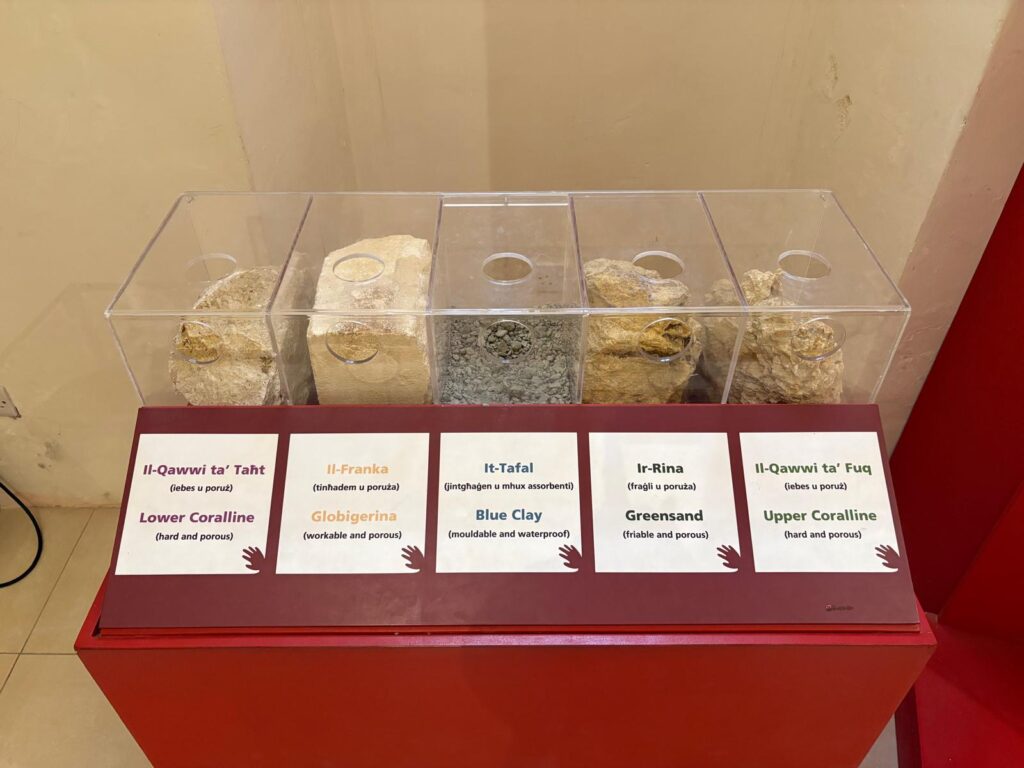
The museum covers the island’s archaeological history from prehistoric times to the Early Modern period. It’s thus a wider archaeological snapshot than even the National Museum of Archaeology, which more or less stops with the Phoenicians. Each of the Prehistory, Classical and Early Modern sections tells stories about life on Gozo (and Comino) through artefacts. It covers topics including subsistance and farming, religious beliefs, and natural resources. It’s small, and not particularly modern, but charming in its own way. Of the places on your combo ticket, this one is definitely worth a look.
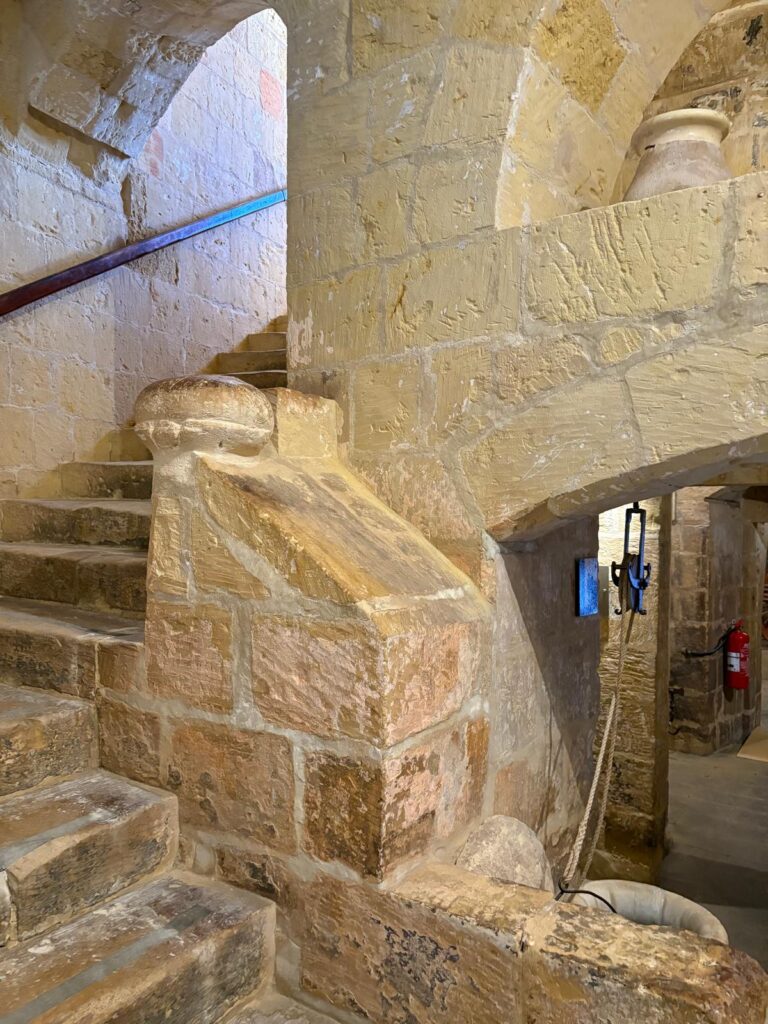
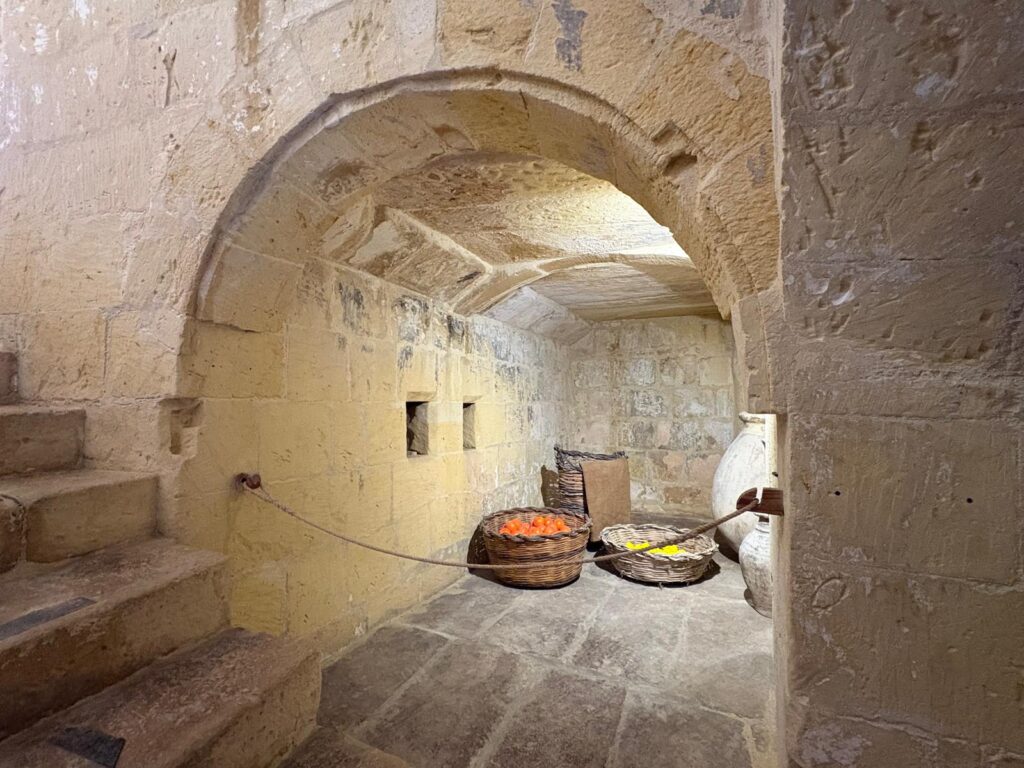
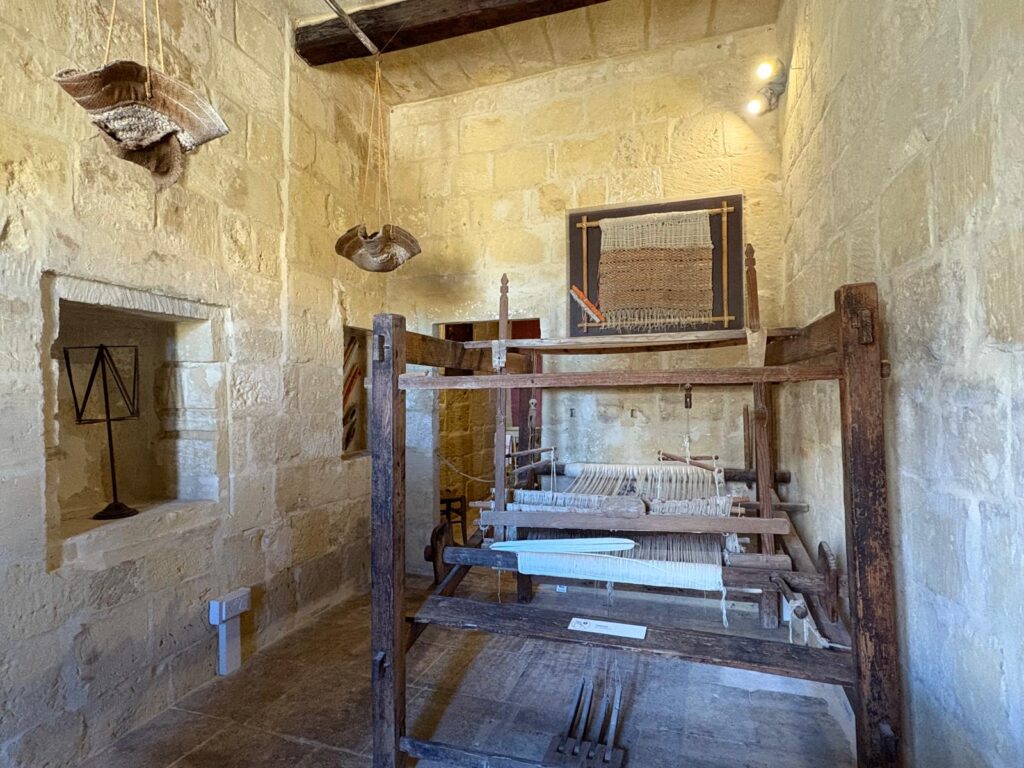
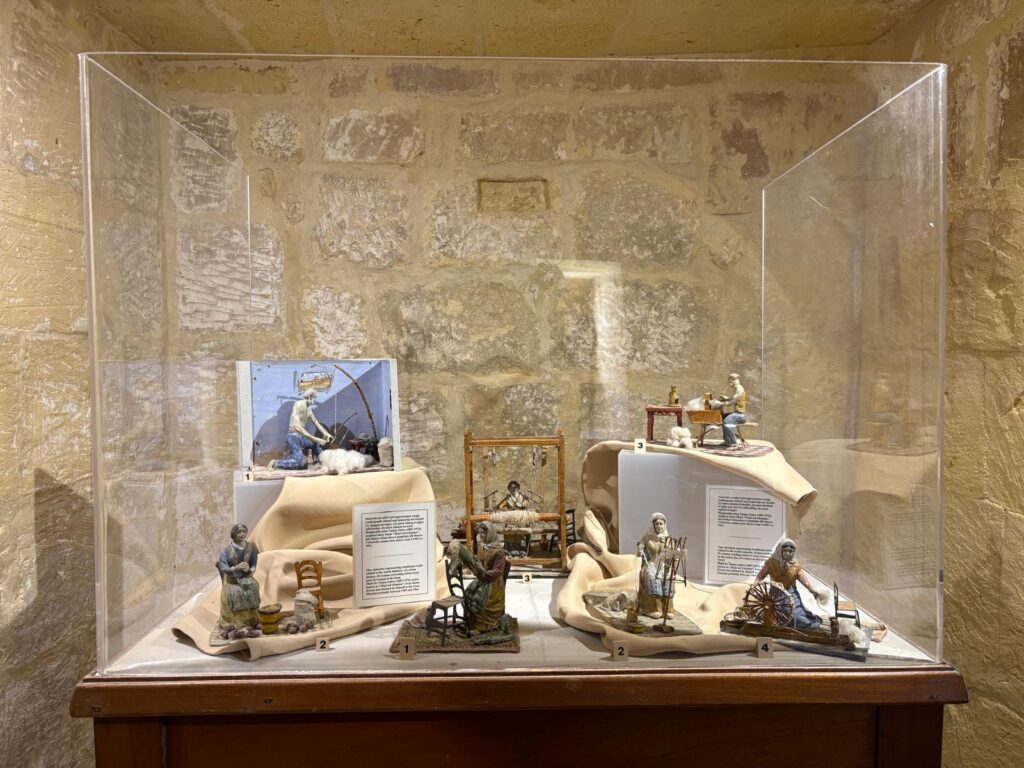
Gran Castello Historic House
This was the first of the citadel’s museums that we visited, and where we bought our tickets. Part of the museum is currently under renovation and thus closed off, but it’s still substantial and we didn’t feel the loss of an additional wing.
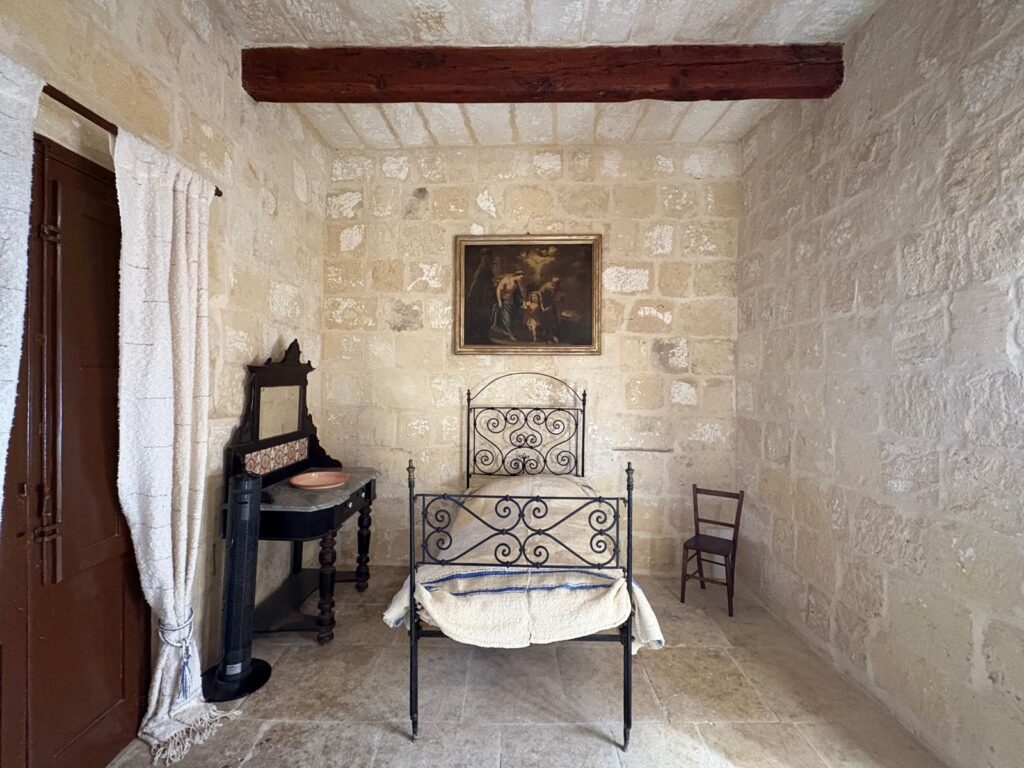
The Gran Castello Historic House is actually a cluster of interconnected houses. A museum since 1983, I suspect this is where the ethnographic collections moved when they vacated what is now the Gozo Museum of Archaeology. Like the Inquisitor’s Palace, this is ethnography in the sense of local customs and traditions rather than other cultures. The museum is currently in the process of transforming itself to tell a more specific tale: that of a typical 18th century urban environment.
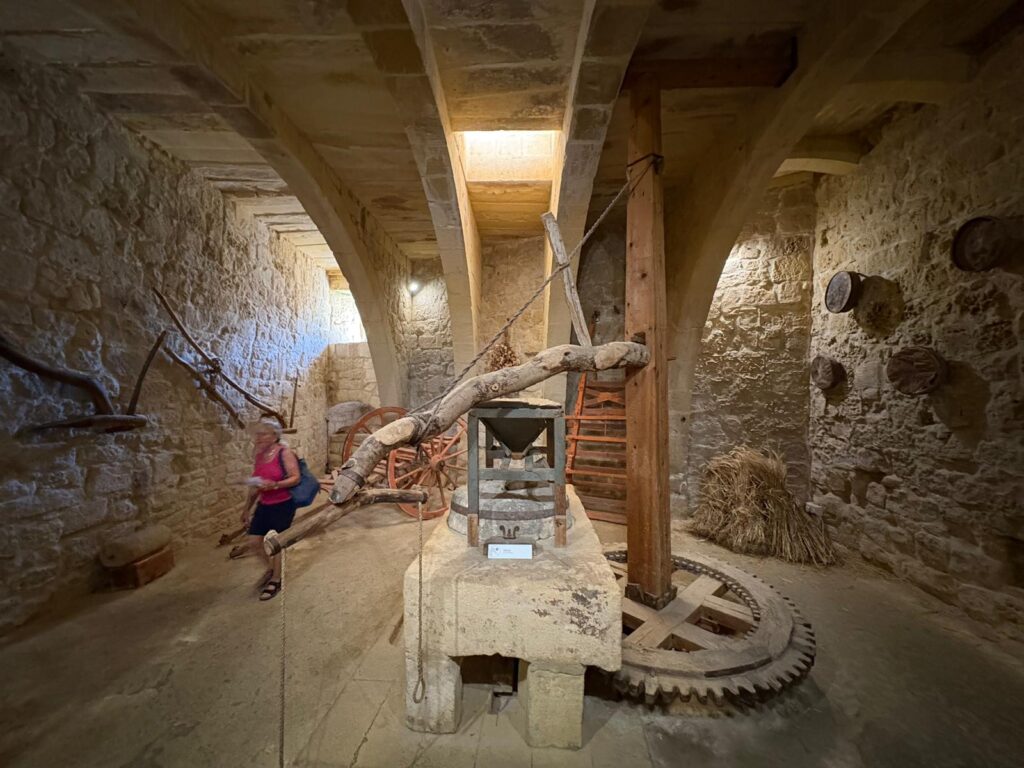
Because this is a cluster of houses, there are different architectural influences evident within: Sicilian and Catalan, as well as late Gothic. The ground floor is divided between reconstructed work and living spaces for domestic workers (ie. kitchen etc.), and information about rural trades and agriculture, including an impressive mill that would have been driven by a donkey or mule. Seeing such a thing inside a house (in turn inside a citadel) was not something I had expected. The first floor shows the life of a wealthy family, as well as domestic crafts like lace-making and spinning.
This is again a relatively interesting museum. It complements the Gozo Museum of Archaeology well, in telling the story of local life after the Early Modern period. It’s also quite fun poking around the various buildings and following twists and turns to discover different spaces.
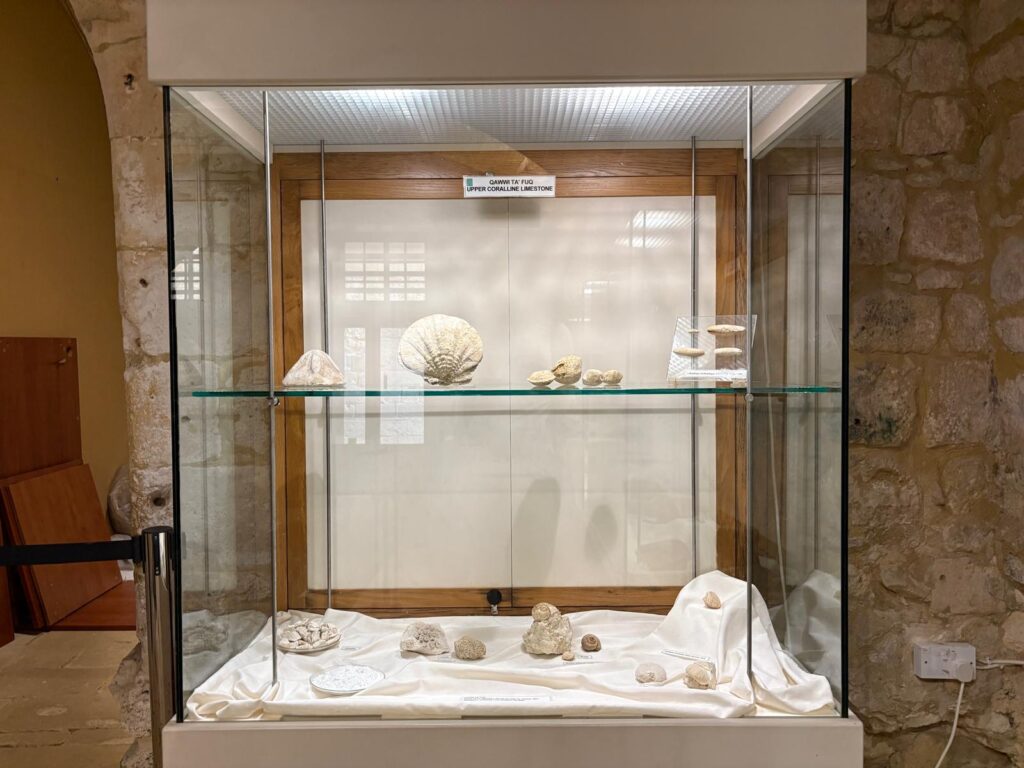
Gozo Nature Museum
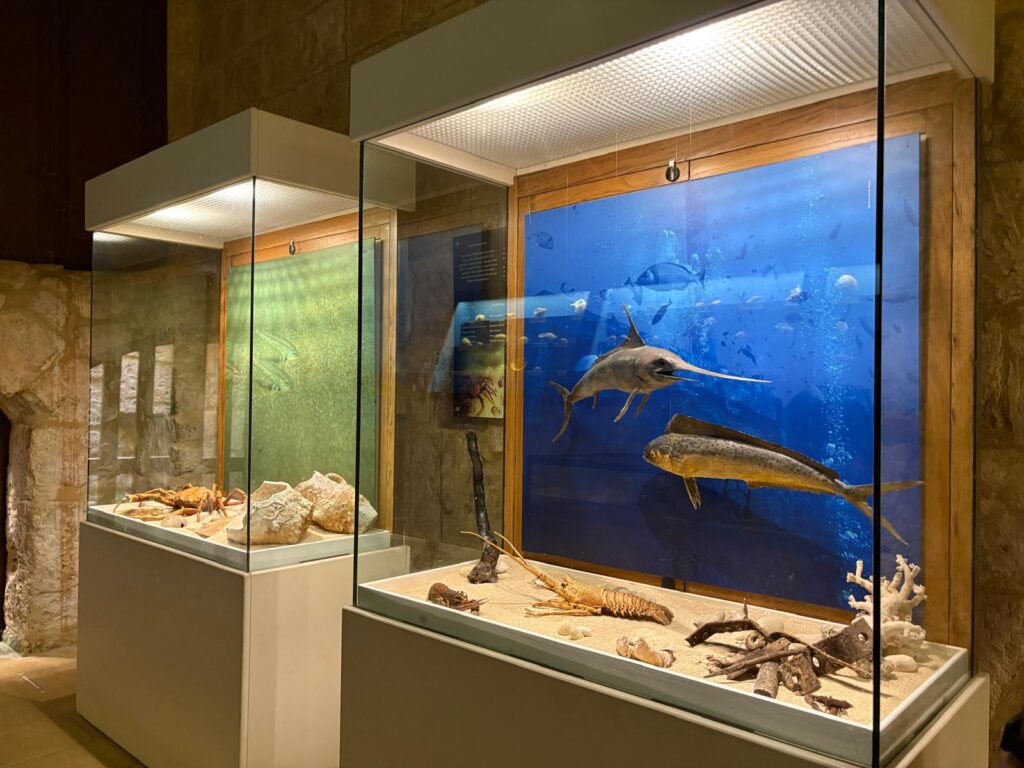
Now the Gozo Nature Museum is probably one I wouldn’t have visited without a combo ticket. But, seeing as I had free entry, or rather had already paid my entry, visit I did. The museum is in another cluster of interconnected buildings, dating to the 1600s. After domestic use, the buildings later served as an inn.
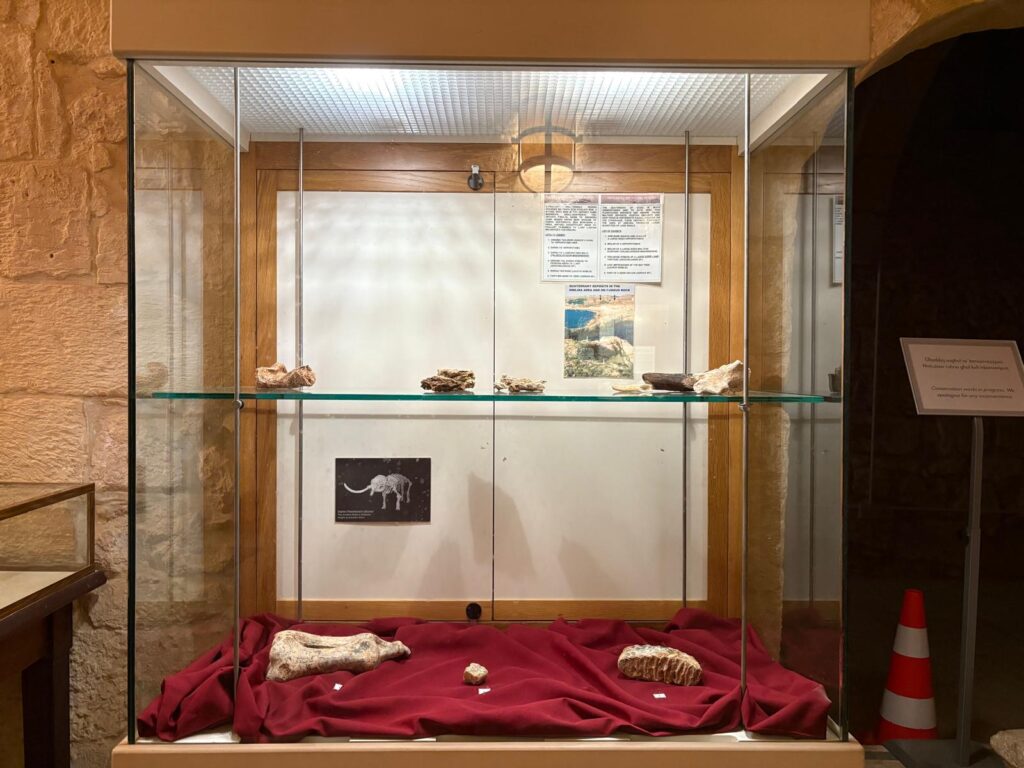
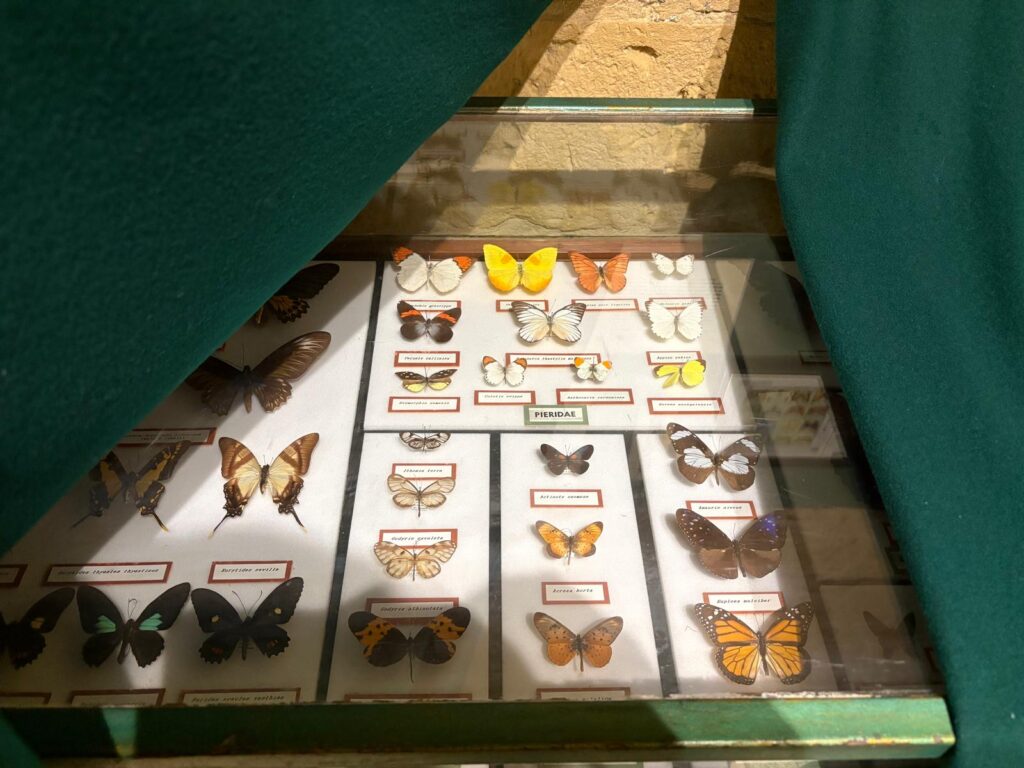
The exhibits in the Gozo Nature Museum have a sort of old-fashioned charm. They cover geology, minerals and marine life on the ground floor, and insects and Maltese ecosystems upstairs. The glass display cases look a little half-filled and tired, particularly those with taxidermied specimens. But there is nonetheless a fair amount to see, and read, and learn. Rather peculiar are the lunar specimens Richard Nixon donated to the Maltese people. Did he do this for every country?
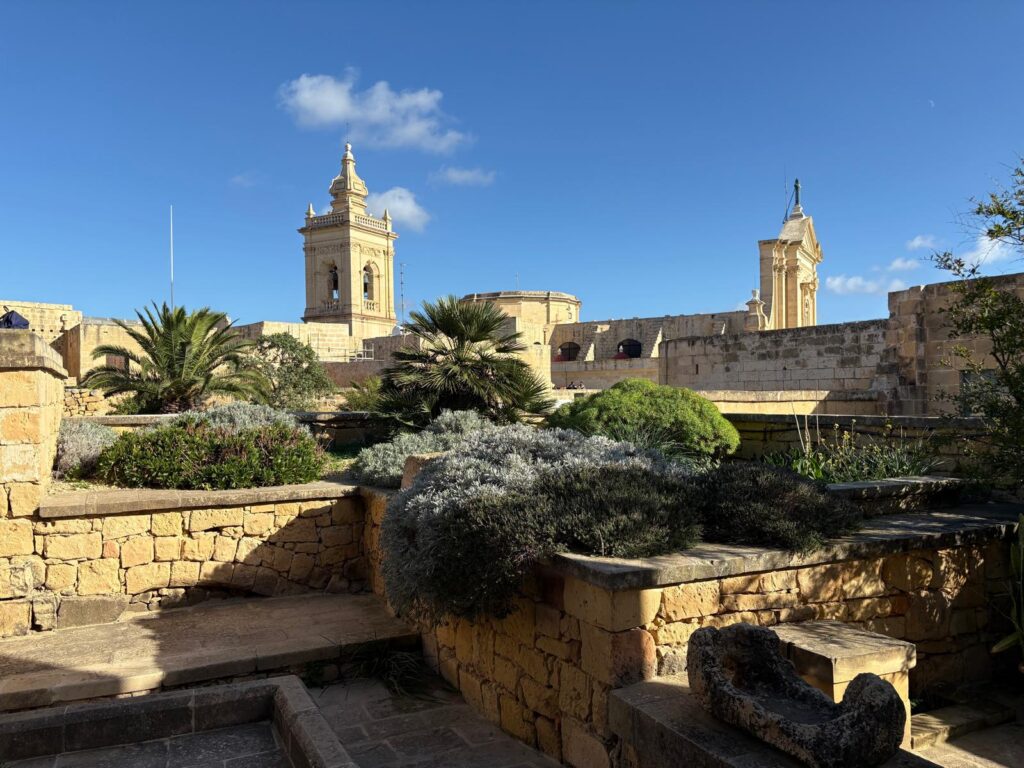
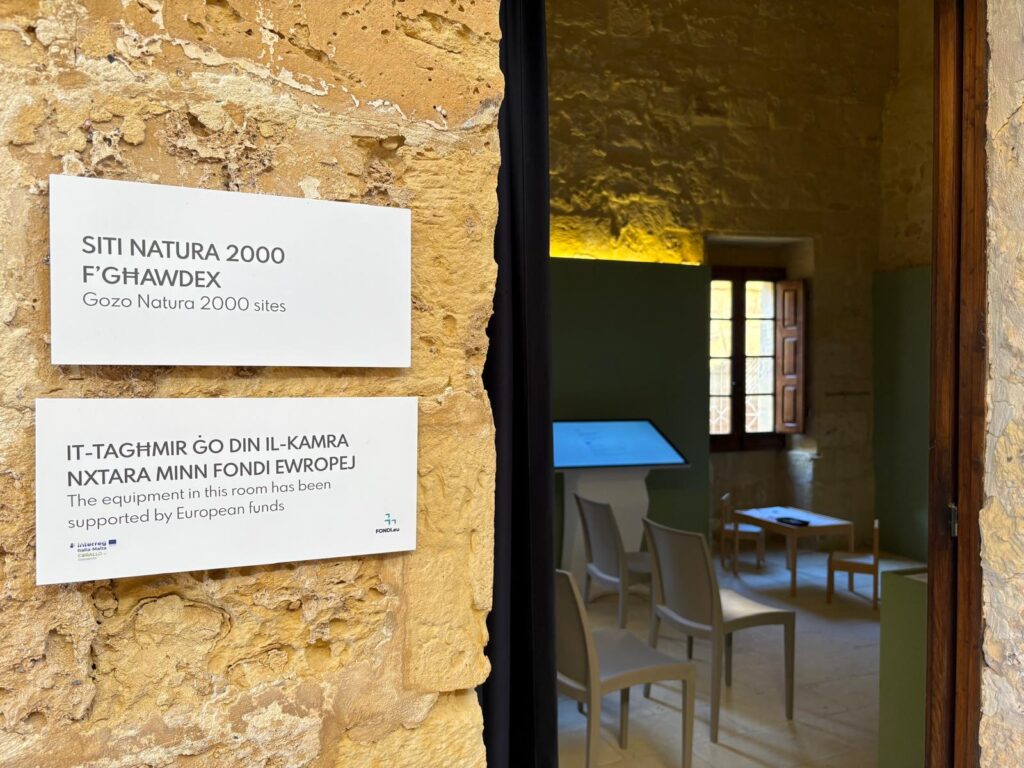
There are two good reasons to come to the Gozo Nature Museum (if you already have your combo ticket). The first is the great view of the cathedral from a leafy upstairs courtyard, home to a garrigue habitat with local flora. The second are the videos, also upstairs, which look at Malta’s natural heritage. This is part of the work of Natura 2000, an EU network of preservation and biodiversity sites.
The Old Prison
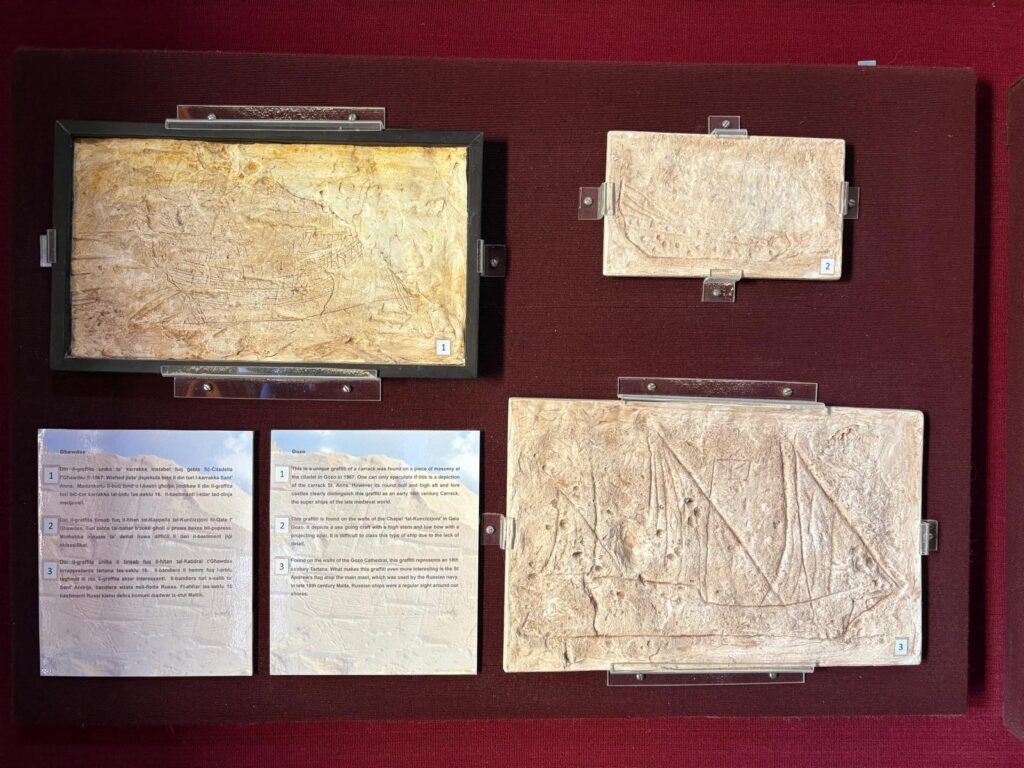
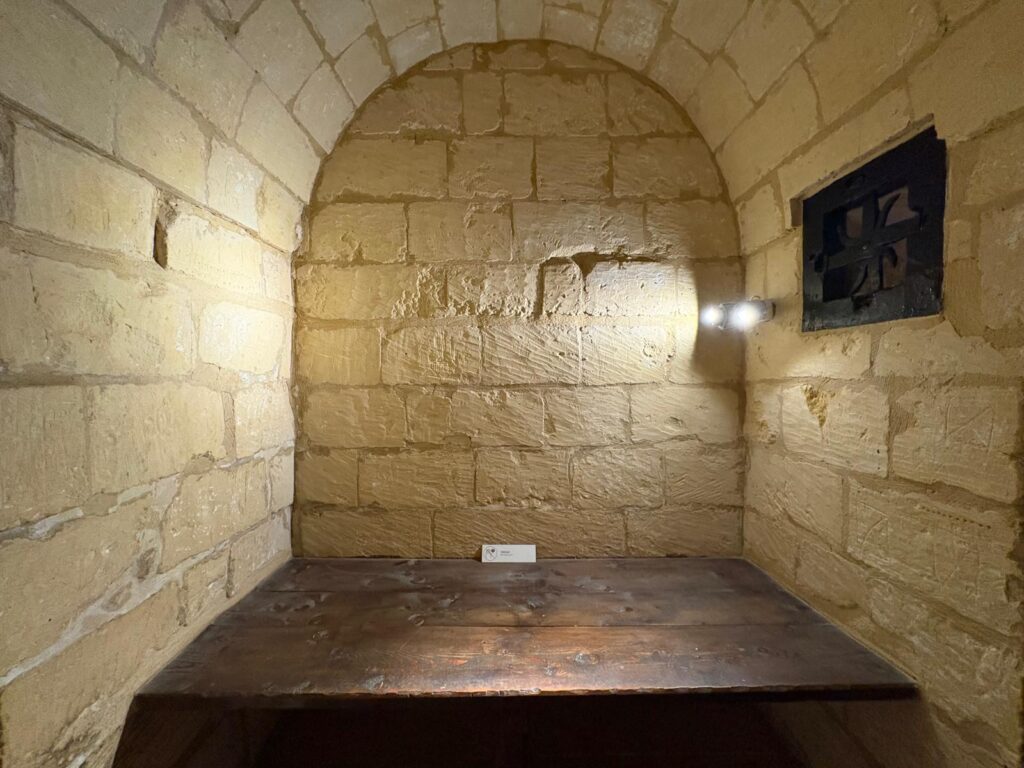
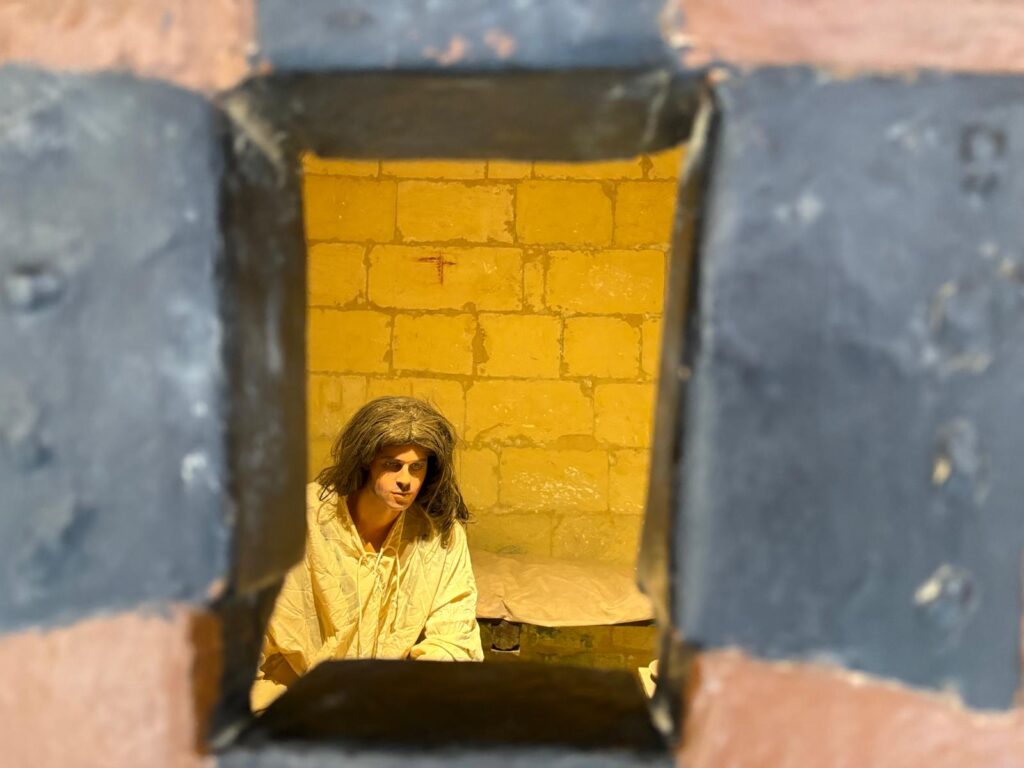
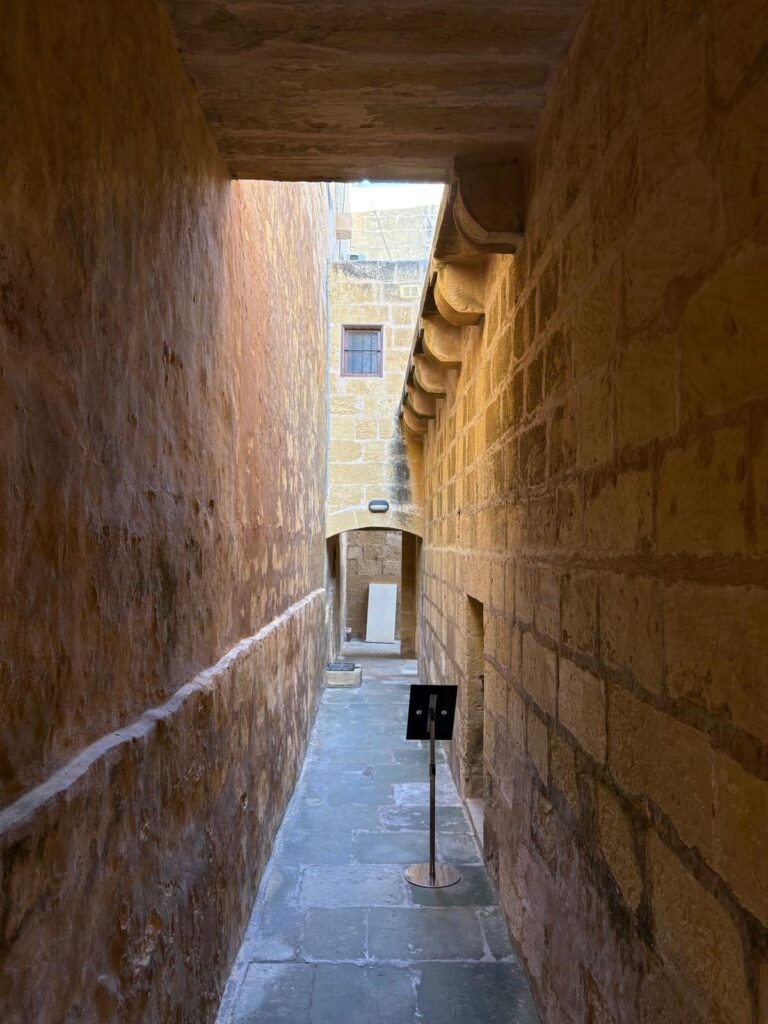
Finally, in terms of Cittadella museums forming part of the Heritage Malta combo ticket, we have The Old Prison. Again, at a pro-rated price of €1, it’s worth a quick visit. The prison, perhaps unsurprisingly, is next to the Courts of Justice, and was once connected to them. It consists of an entrance hall, where the focus is historical graffiti, and a block of six cells. Some you can enter, while mannequins while away the hours in others.
The Old Prison is indeed the oldest surviving prison in Gozo. It has seen some notable inmates over the years, including future Grand Master of the Order of St John, Jean de la Valette. He spent four months here in 1538 after attacking someone. The prison was in use from the mid-16th to early 20th centuries. Do take a look at the graffiti if you visit. You can see the palm prints, religious symbols, figures and other images left by those held here over the years.
Other Things to See and Do in Victoria
That’s it for the museums on the joint Cittadella ticket. But there’s still more to see in Victoria.
- Immersive Experiences: these were quite popular around Malta when I visited in October 2025. Gozo 360 is one such experience on offer in Victoria, at the Citadel Cinema.
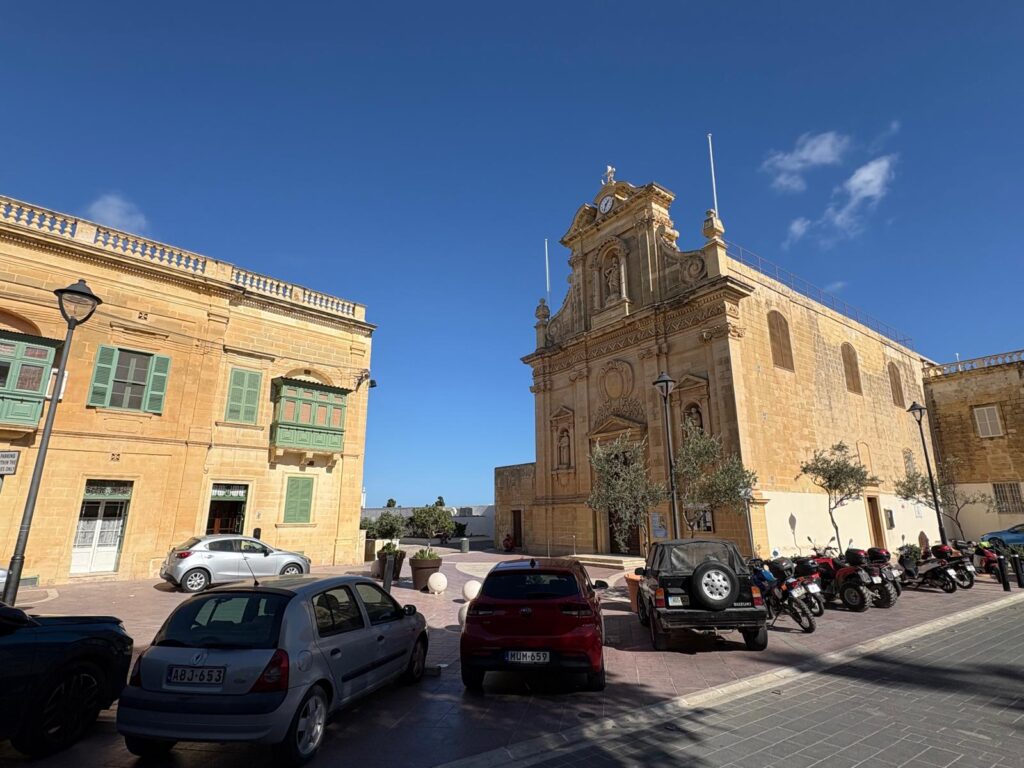
- Churches: St George’s Basilica is a very old church indeed. Well, it started as a Roman temple, actually, before becoming a church in the 4th century, dedicated by a Greek missionary to St George. The church followed the Byzantine rather than Roman tradition until 1575. The current building dates to the 1670s. There’s also the Conventual Church of St Francis of Assisi nearby. This dates back to 1492 originally, with the present church being just a decade or so older than that of St George. And let’s not forget the cathedral in the citadel which I did not visit because tickets are cash only. I mentioned a bit about its history and its famous trompe-l’oeil ceiling (painted because a planned dome never eventuated) above.
- Il-Ħaġar | Heart of Gozo: I did want to visit this museum, but just ran out of time. The heart of the Heart of Gozo Museum, so to speak, is the collection of St George’s Basilica. It’s much more than a cathedral museum, however. An expanded collection covers other topics as well, and the museum hosts exhibitions, talks, and other cultural events. There’s also apparently a rooftop bar with great views, so I will definitely be stopping in there on any return visits to Gozo.
- Banca Giuratale: look out for this attractive, circular building on Pjazza I-Indipendenza. There are a lot of false friends in Malta though, linguistically speaking. A Banca Giuratale isn’t a bank, first of all, but a Town Hall. It’s the seat of the Università of Gozo, which is not a university, but a local government. The fine Baroque building, by French architect Charles François de Mondion, dates to 1733. There are sometimes art exhibitions inside.
Aside from these activities, Victoria is a nice place to sit and watch the world go by on a cafe or restaurant terrace. It’s also a handy base for getting to other parts of the island, on foot or from the bus station. I hope if you visit you will enjoy it as much as I did!
Trending
If you see this after your page is loaded completely, leafletJS files are missing.