
Emergency Exits: The Fight for Independence in Malaya, Kenya and Cyprus – Imperial War Museum, London (LAST CHANCE TO SEE)
In Emergency Exits the Imperial War Museum tackle head on the British approach to independence movements in the 1950s, citing three different case studies to build a robust picture.


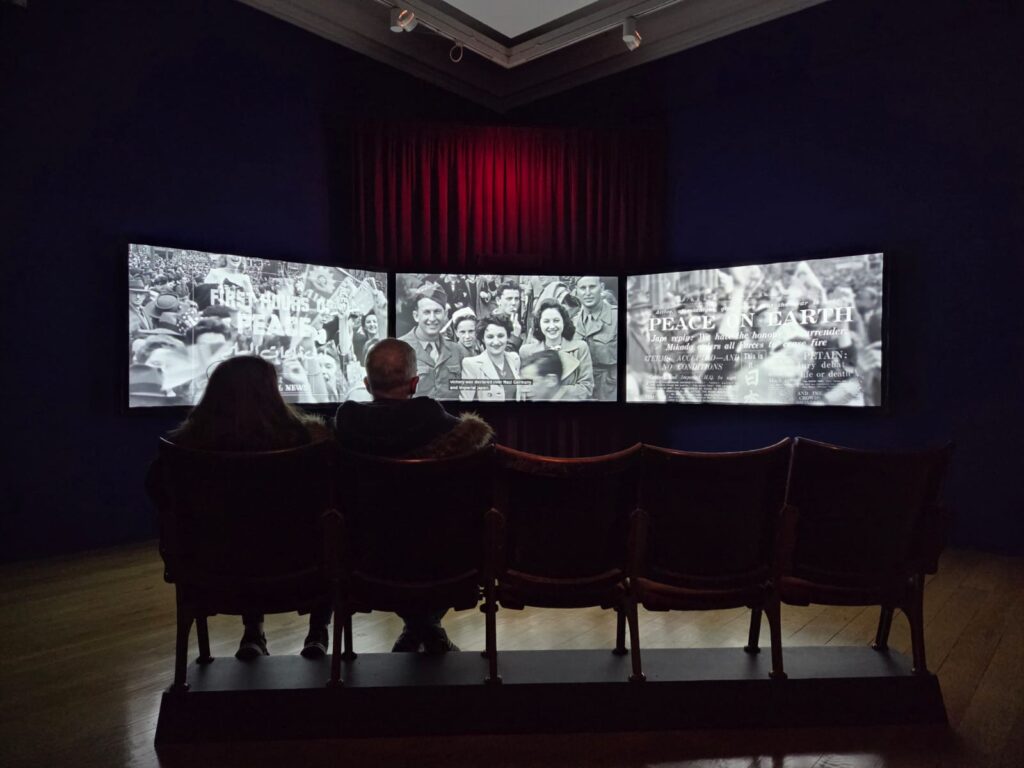
Emergency Exits
Flitting around London’s museums, as I do, it’s a useful exercise to think about their origins, and their position in the world (and the UK’s cultural scene) today. So much has changed since a lot of them were established. London as the centre of a vast empire had a very different agenda to today’s London, clinging to relevancy as a financial power and the memory of being a global decision maker.
I’ve written before about how some institutions thus attempt to reposition themselves. The National Portrait Gallery comes to mind here – the recent rehang shows their efforts to be less of a pantheon of the great and the good, and to represent a diverse population more inclusively. The British Museum probably struggle a little more with this – if anything they are defined by displaying everything that is not British. And I have sometimes noted that the King’s Gallery (formerly the Queen’s Gallery) can hardly take a critical stance on anything royal when they are in fact an extension of the royal collection.
The Imperial War Museum is another institution that must have had to grapple with what it means in today’s Britain. The clue is in the name. And the time of its creation. Founded in 1917, the Imperial War Museum was a monument to the military and civilian war effort of a vast empire. Specifically during WWI. Since then its remit has expanded to include all other conflicts (since 1914) involving British or Commonwealth forces.
The point that I’m coming around to (slowly) is that Emergency Exits: The Fight for Independence in Malaya, Kenya and Cyprus perfectly illustrates how far this particular institution has shifted. In clear terms, it outlines how Britain ran its empire in its own interests, and responded to independence movements likewise. The ultimate aim, once independence was unavoidable, was to create the best ongoing outcomes for Britain. The cost, as is often the case, was paid by local independence movements and civilians. Not a stance the original iteration of the Imperial War Museum could easily have taken.
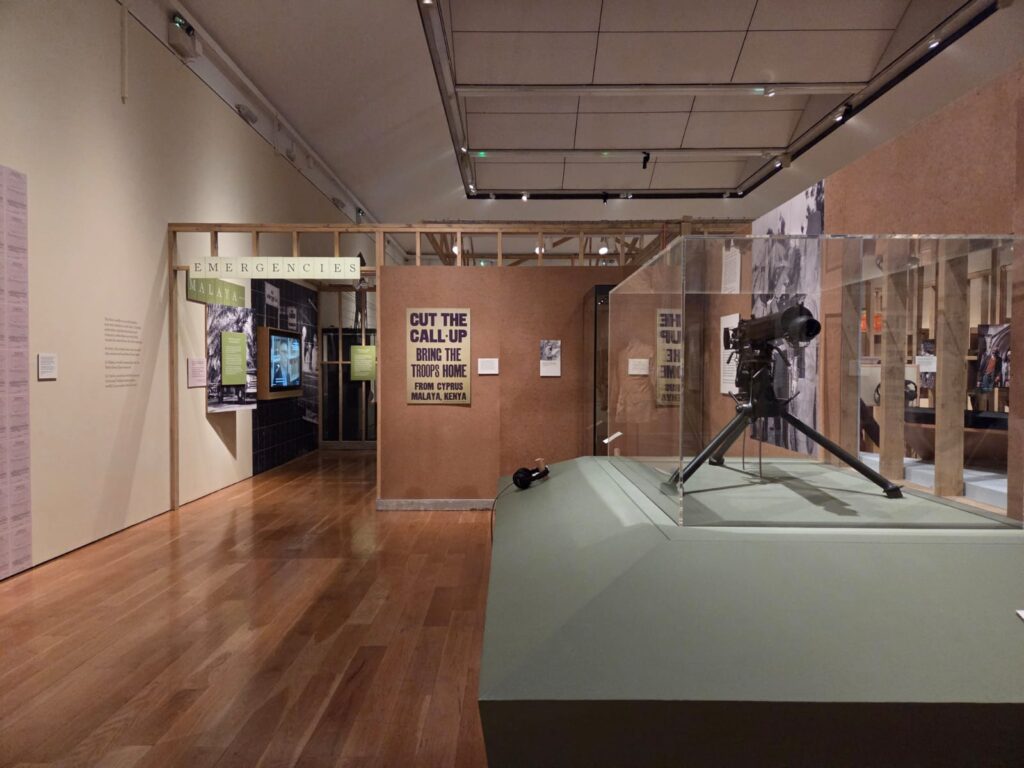

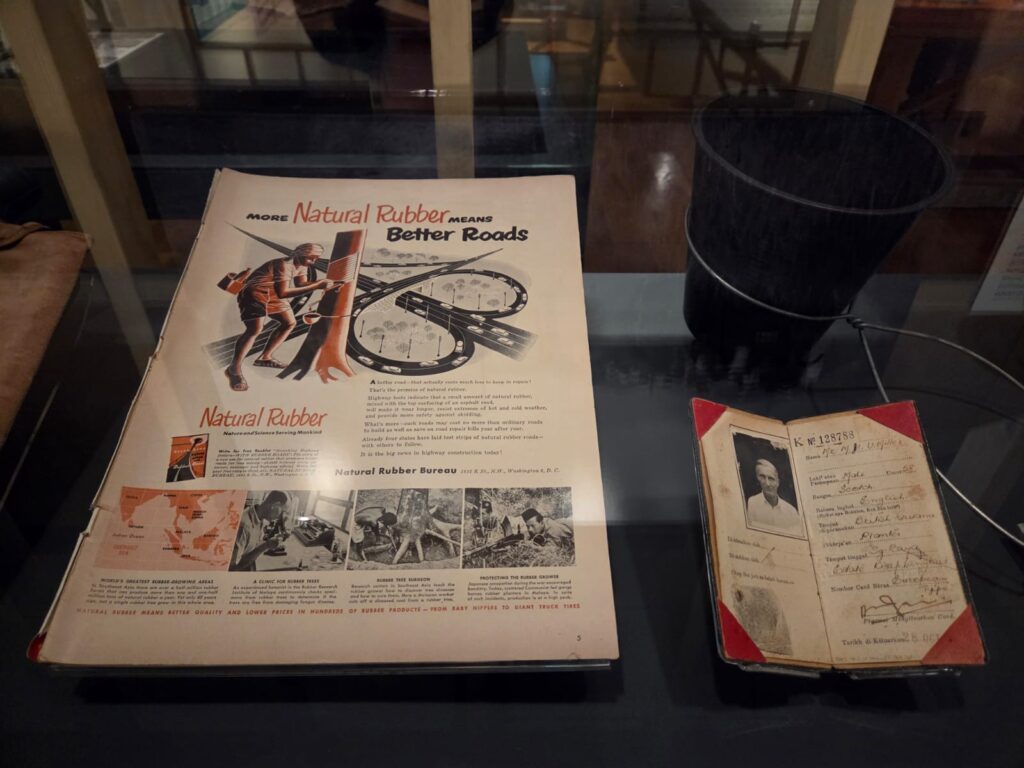
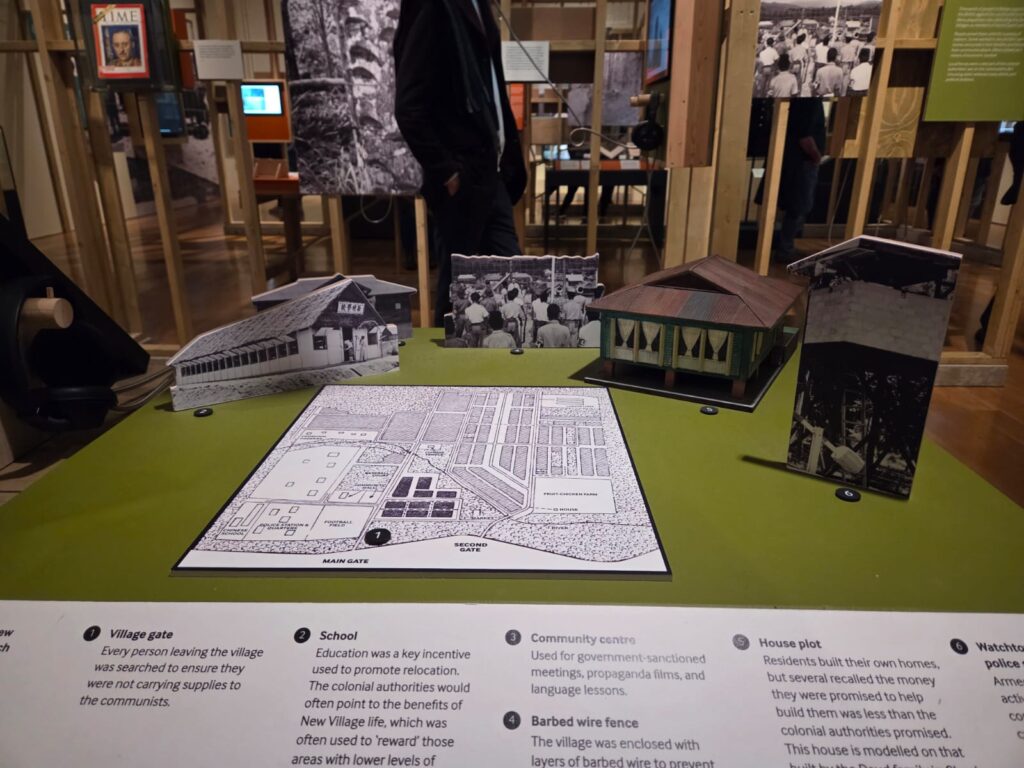

Three “Emergencies”
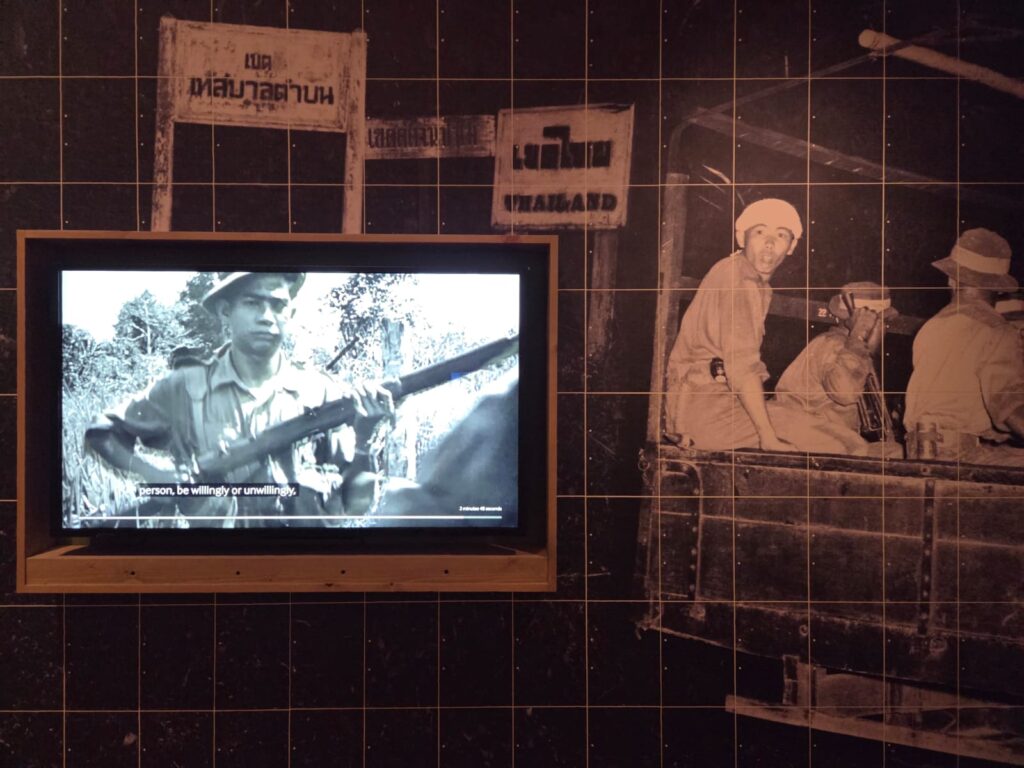
Emergency Exits centres on three different struggles for independence: those in Malaya (now Malaysia), Kenya and Cyprus. All took place in the 1950s, during the final decades of the British Empire. The British government called them “Emergencies”, a word that softened the reality of violent colonial wars.
The Malayan Emergency lasted from 1948 to 1960. British forces fought the Malayan National Liberation Army, the armed wing of a communist movement seeking independence. Much of the conflict took the form of guerrilla warfare in jungle regions. The colonial authorities tried to separate civilians from the insurgents, a ‘hearts and minds’ effort aimed at eroding support both political and practical. Over half a million people were moved into tightly controlled “New Villages”, surrounded by barbed wire and checkpoints.
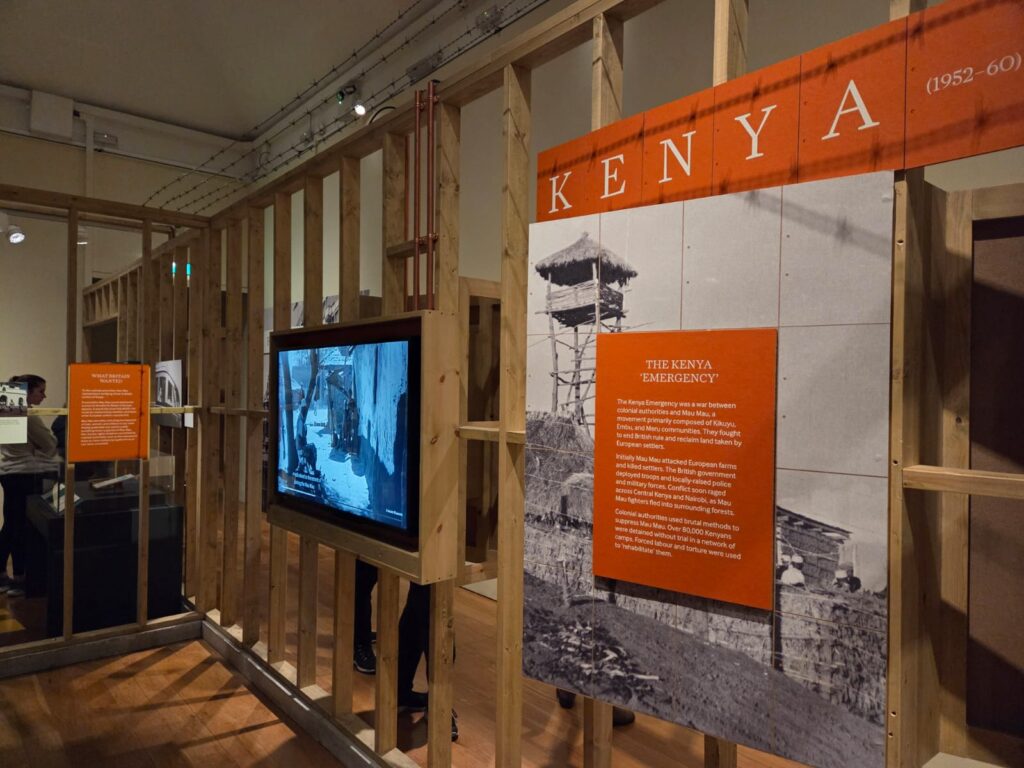
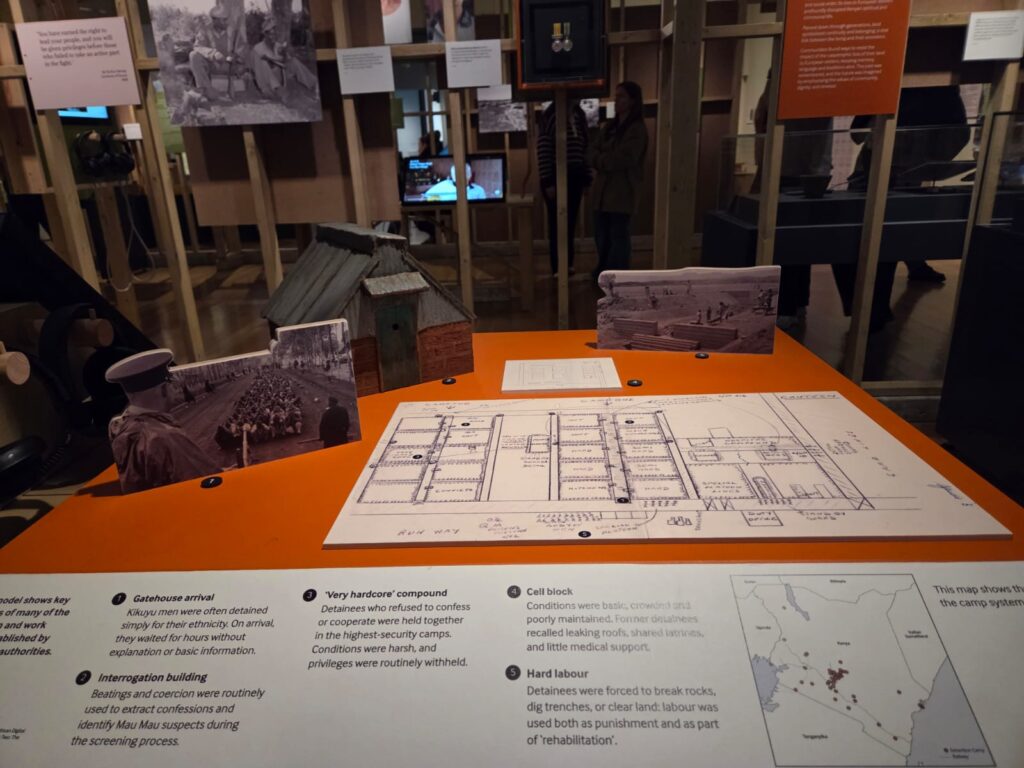
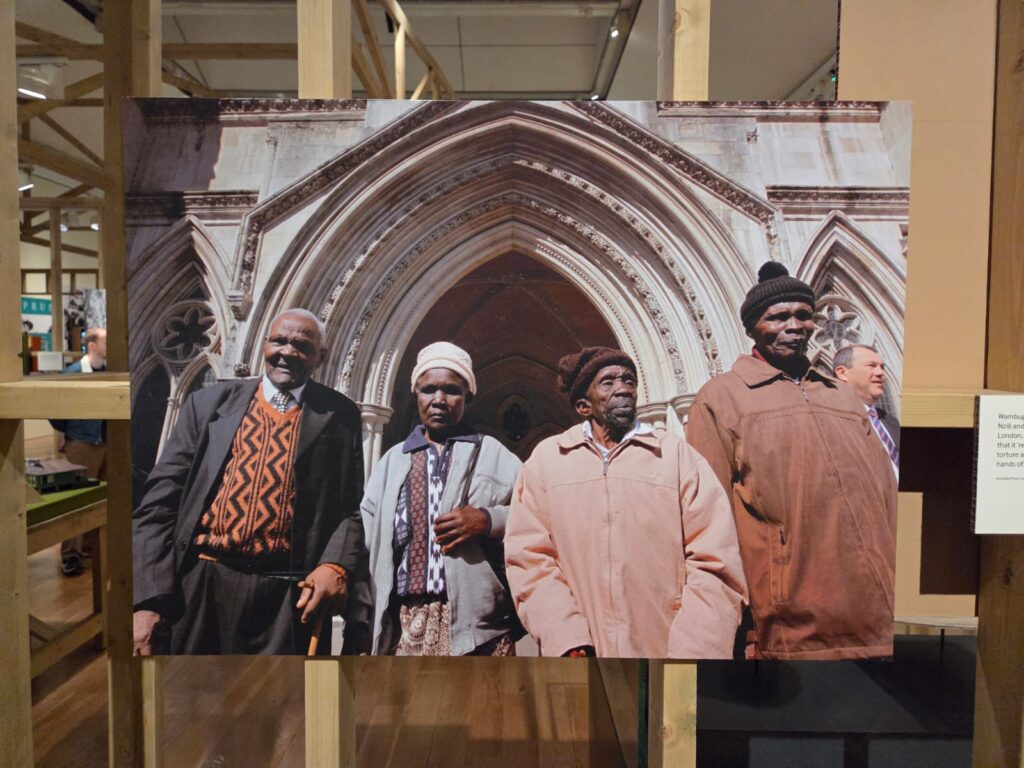
In Kenya, the conflict ran from 1952 to 1960. The Mau Mau movement, drawing largely from the Kikuyu community, fought to end British rule and reclaim land taken by European settlers. The British response was severe. Tens of thousands of Kenyans were detained in camps, and many suffered brutal treatment during interrogation and imprisonment.
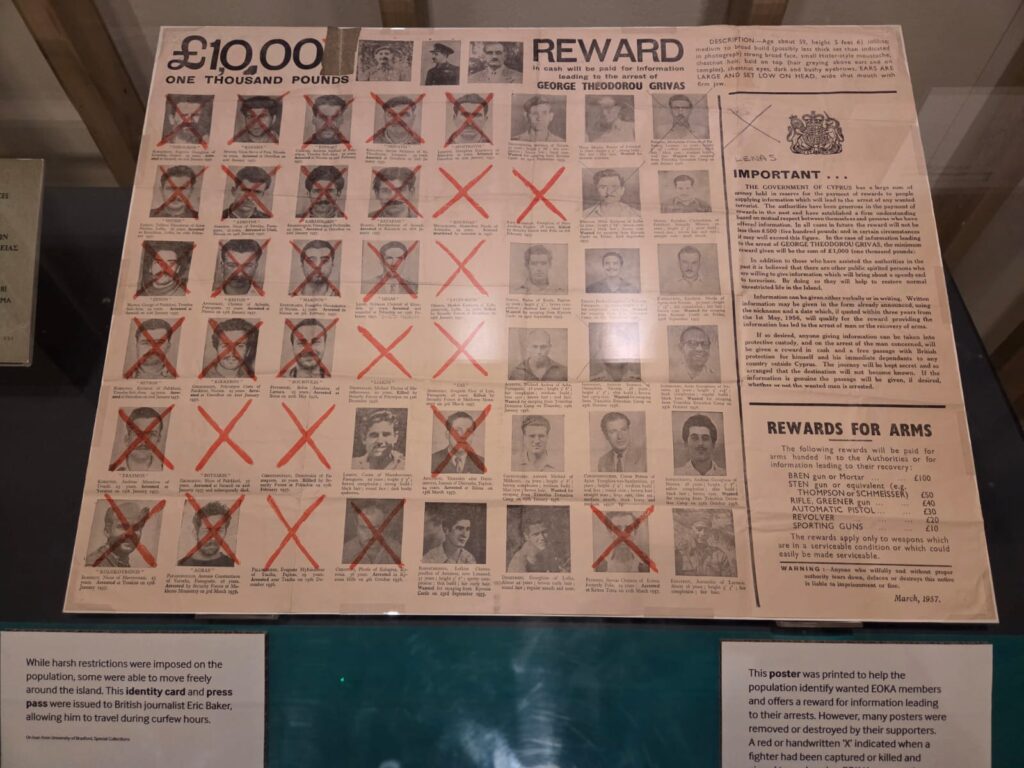
Cyprus saw a shorter but intense conflict between 1955 and 1959. The Greek-Cypriot organisation EOKA launched an armed campaign against British rule. Its aim was enosis: union with Greece. Britain responded with large troop deployments, curfews and collective punishments aimed at controlling the population.
Taken together, these three examples work well. They span South East Asia, Africa and the Mediterranean. They also show different forms of resistance, from communist insurgency to nationalist revolt. Most importantly, they demonstrate that independence movements did not all seek the same future. The end of empire meant very different things in each place.


The Exhibition
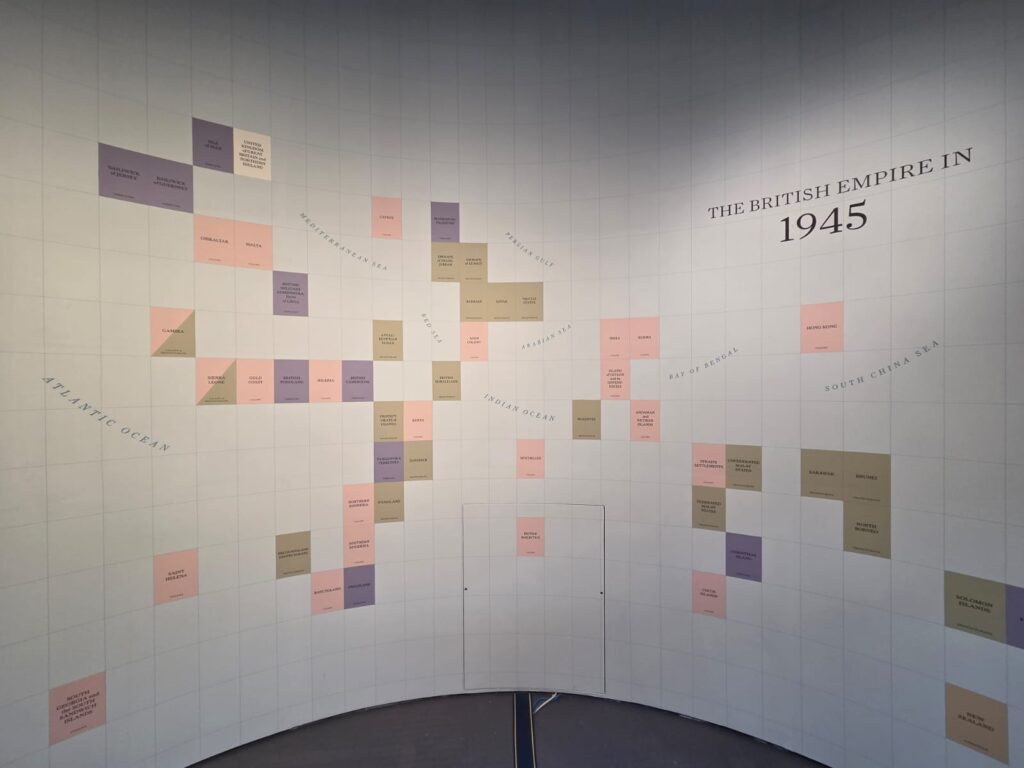
The curatorial team do an excellent job of setting the scene before the visitor even reaches the three conflicts themselves. The exhibition opens with a large map and interactive display explaining the scale of the British Empire after the Second World War. It is a useful reminder of just how extensive Britain’s global reach still was. It also hints at the scale of the changes that would follow, as independence movements gathered momentum across many colonies.
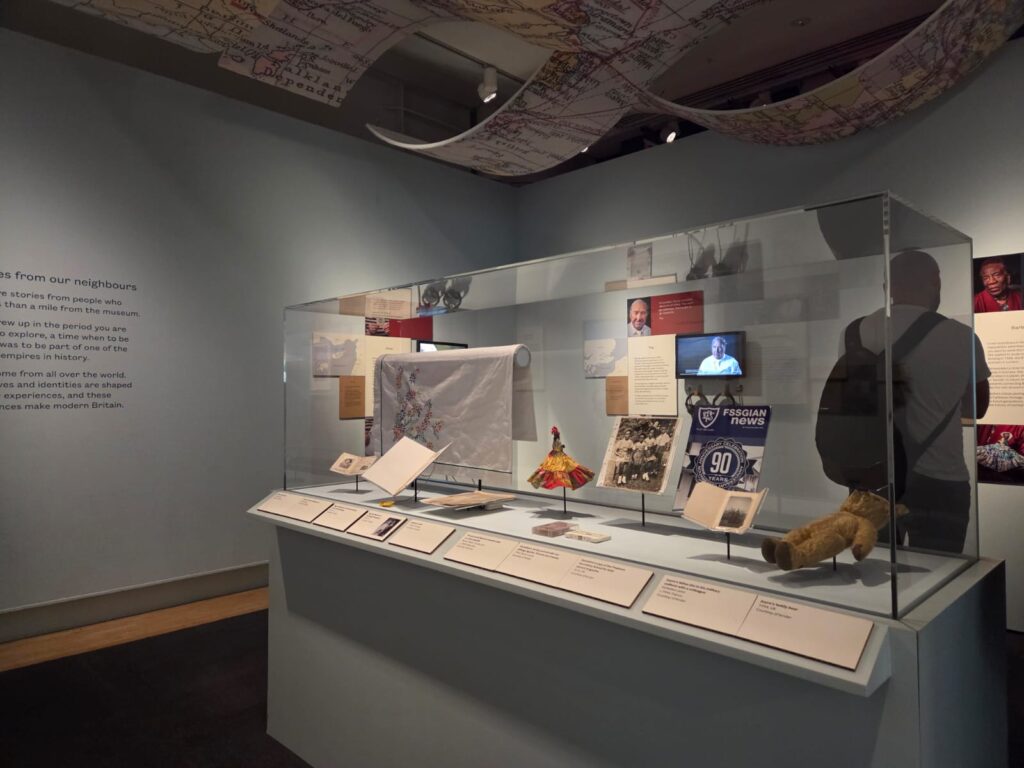
From there, visitors move into a gallery built around personal testimony. Interviews with members of communities local to the museum introduce the idea that empire’s legacy is not abstract or distant. It continues to shape lives in Britain today. Some interviewees have direct connections to the countries under discussion. Their stories are accompanied by personal objects.
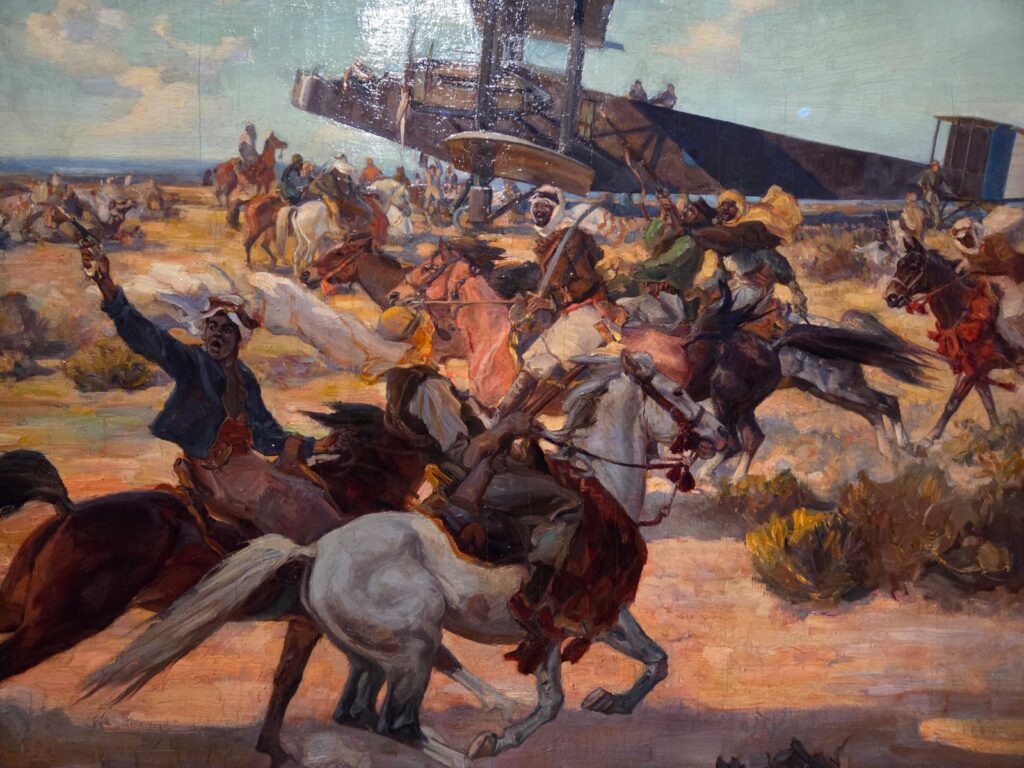
The next space dismantles the more heroic imagery traditionally associated with empire. The room resembles an office, complete with desk, chair and framed artworks. Portraits of imperial figures such as T. E. Lawrence and Lord Kitchener hang on the walls. Another painting showing mounted troops in Palestine alongside a modern (1918) bomber. Together, the displays begin to question the myth of imperial heroism and reveal the racial hierarchies that underpinned colonial rule.
Along the far wall, reproductions of posters make Britain’s motivations even clearer. They describe how colonies supplied raw materials and manpower. Empire was an economic system that Britain depended on, especially in moments of crisis such as war.
After a short corridor filled with patriotic music and colonial flags, the exhibition turns to the impact of the Second World War. The war had mobilised millions across the empire. Shared sacrifice, changing political ideas and Britain’s economic struggles all helped fuel demands for independence. The point that even the 1947 Labour government planned to fund its social policies through colonial wealth extraction is an interesting one.
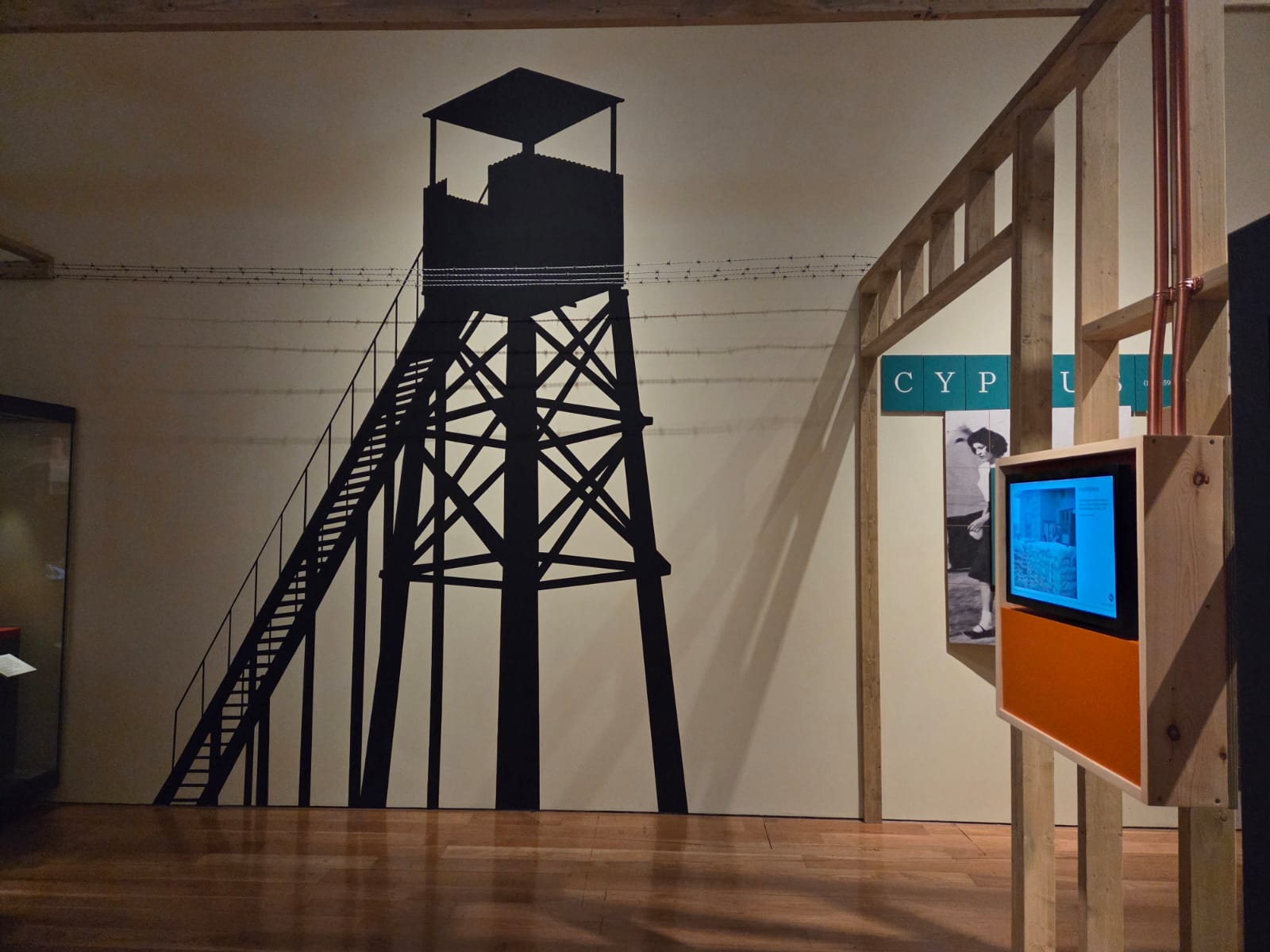
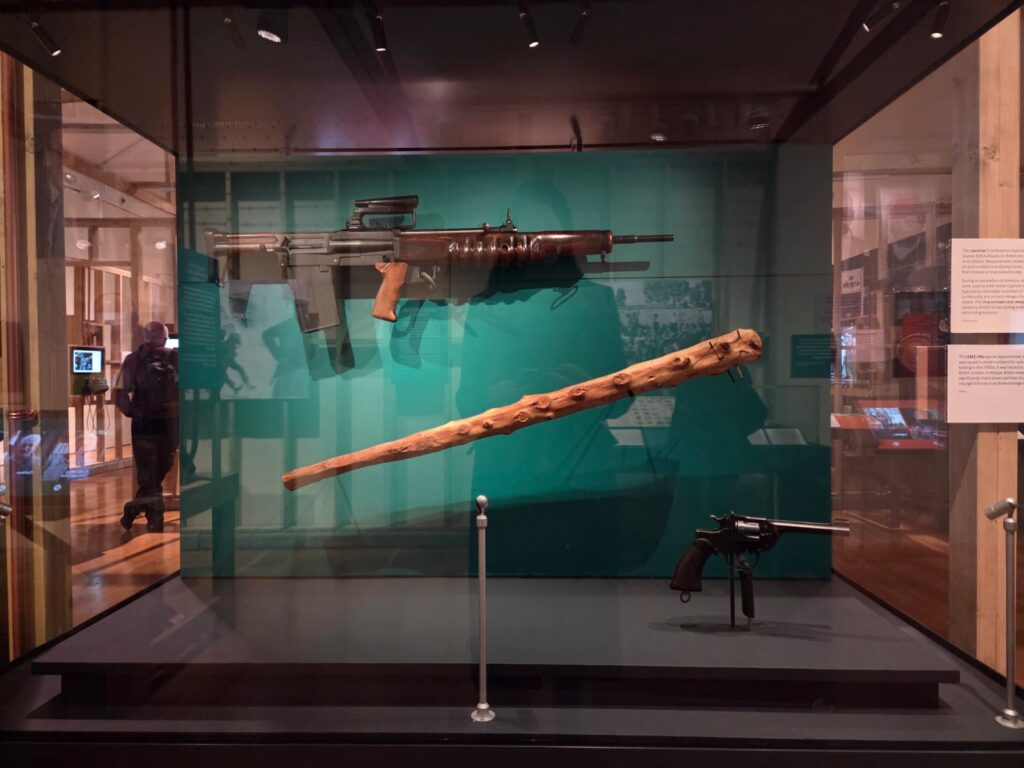
Only then do visitors reach the three case studies. The design here is stark and effective. Simple wooden structures topped with barbed wire create a sense of confinement and repression. Within each section are documents, weapons and propaganda films from the period. These sit alongside interviews with historians and contributors from Malaysia, Kenya and Cyprus. The result is a clear explanation of how each conflict unfolded, and what outcome the British government hoped to achieve.



The Aftermath
The other thing the exhibition does well is to remind us that history is not simply something we have left behind. The final section, titled Aftermath, looks at the continuing effects of this period, both in the newly independent nations and in Britain itself.
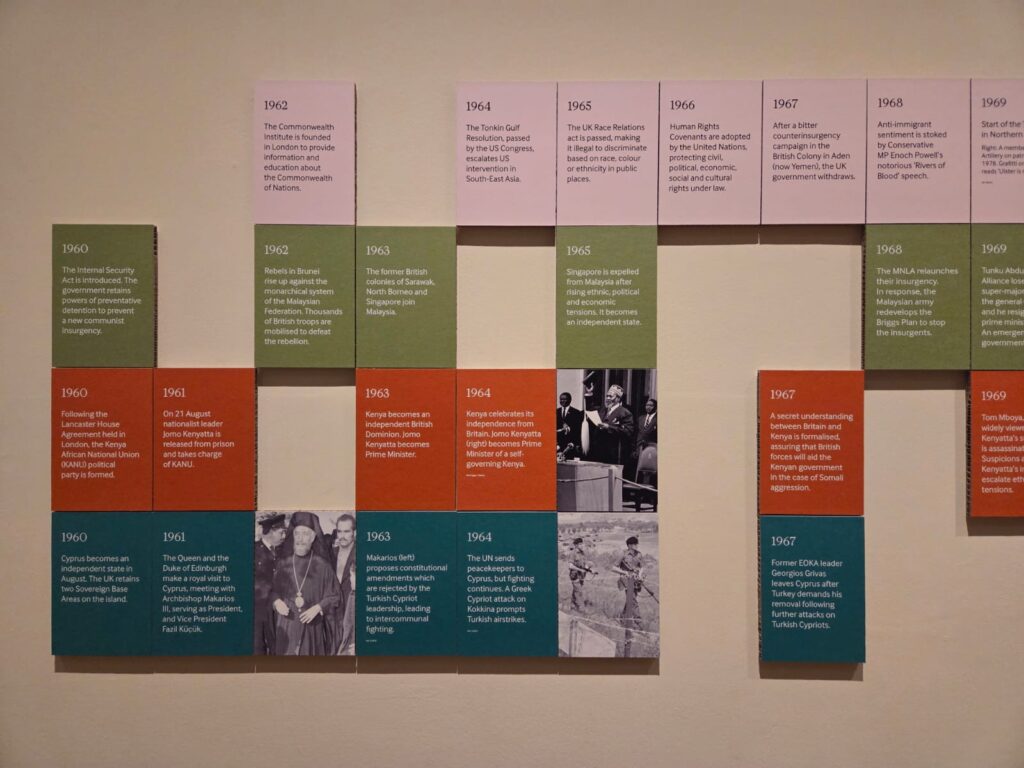
A timeline running along one wall places events in Britain alongside those in Malaysia, Kenya and Cyprus. It makes clear that independence did not neatly resolve the tensions created during the colonial period. Malaysia soon faced its own internal fracture when Singapore was expelled in 1965. Cyprus remains divided following conflict between Greek and Turkish communities. Meanwhile in Britain, immigration from former colonies became an increasingly charged political issue, represented here by events including Enoch Powell’s infamous 1968 “Rivers of Blood” speech.
Other displays look at the remembrance and representation of these conflicts. Popular culture has often framed them as examples of British success in counter-insurgency warfare. The exhibition suggests that this reputation has endured, shaping how Britain understands its military expertise even today.
The exhibition closes with a particularly striking subject: Operation “Legacy”. As Britain withdrew from its colonies, officials secretly removed or destroyed large quantities of archival material. Documents relating to colonial abuses and other ‘sensitive’ topics were either destroyed or quietly taken back to Britain. The government only acknowledged the existence of thousands of these files in 2011. The evidence they contained helped some claimants in their long search for justice, while others were left without the closure they had hoped for.
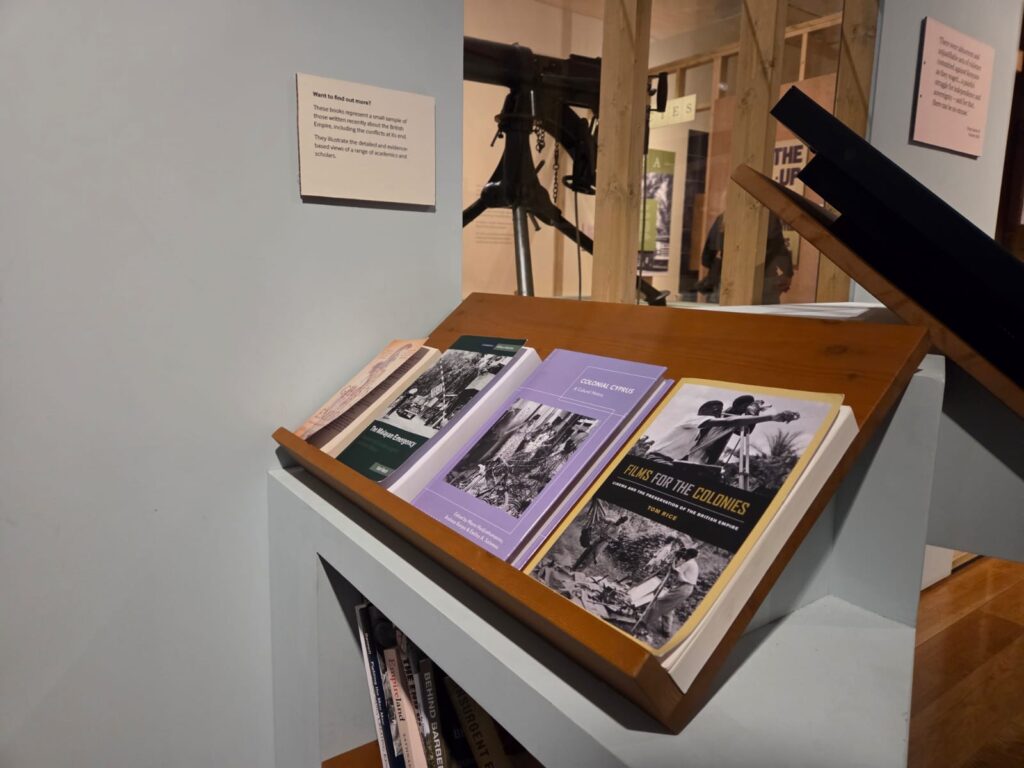
Overall, Emergency Exits is an important exhibition. It reminds us of the lasting legacy of empire, both for the colonised and the colonisers. Its explanations are deliberately clear and accessible, which means that some complexities (such as the Cold War context of anti-communist policy) are only lightly touched upon. Even so, it offers a refreshingly direct and critical look at a chapter of history that many visitors are probably not very familiar with.
Salterton Arts Review’s rating: 4/5
Emergency Exits: The Fight for Independence in Malaya, Kenya and Cyprus on until 29 March 2026.
Trending
If you see this after your page is loaded completely, leafletJS files are missing.