
Grenada Nutmeg Museum
No trip to Grenada is complete without exploring the story behind its most iconic export, and the Grenada Nutmeg Museum in Victoria tells it beautifully.

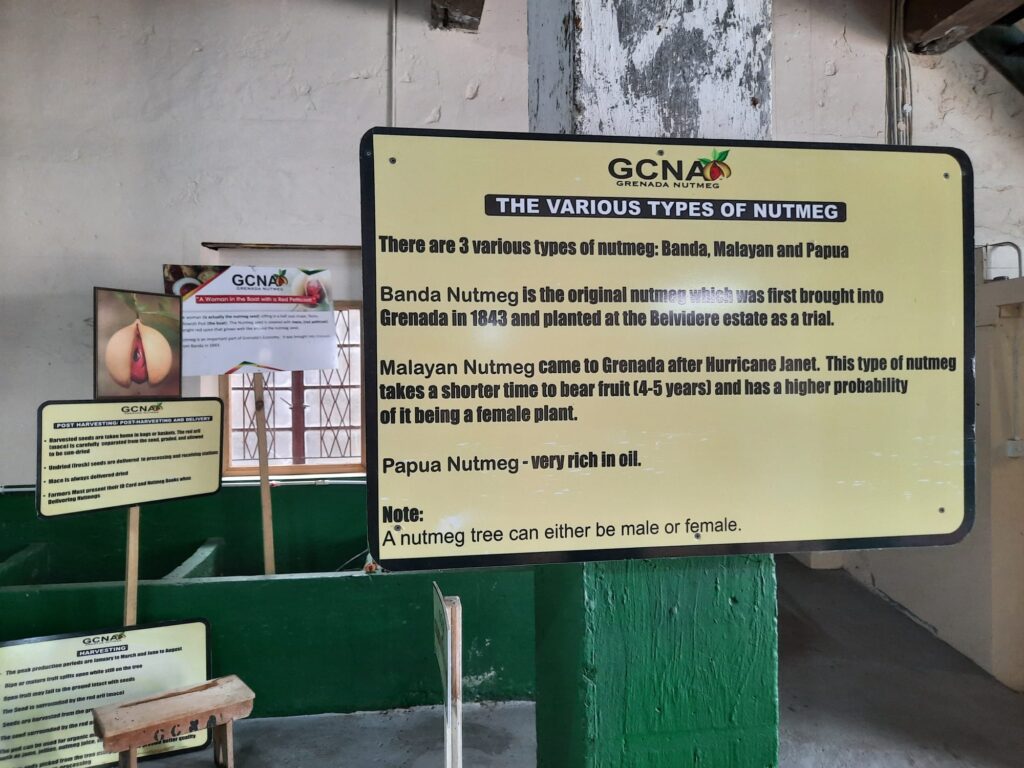
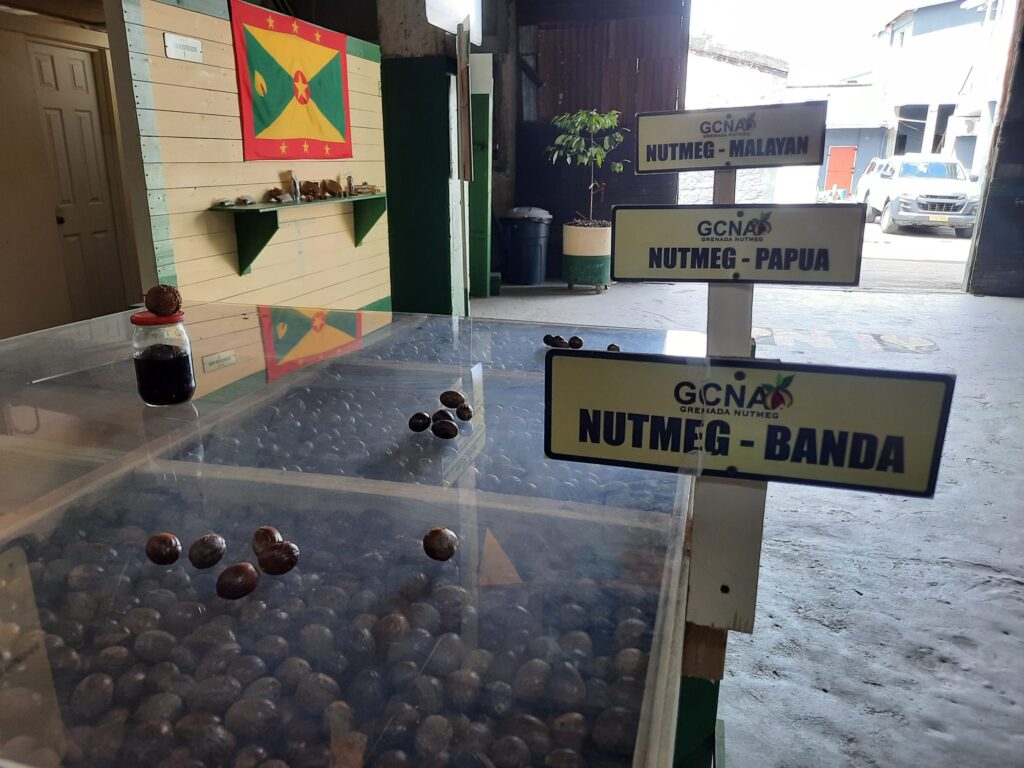
Spice of the Island: A Short History of Nutmeg in Grenada
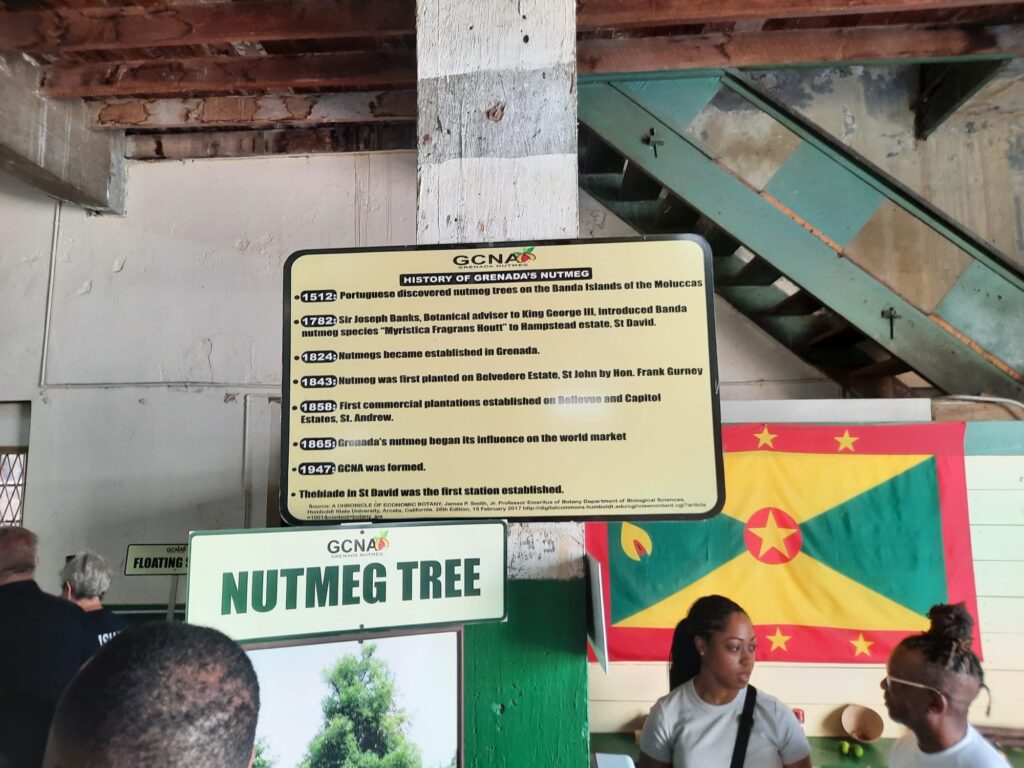
After exploring the Grenada National Museum in St George’s, I couldn’t pass up the chance to dive deeper into one topic close to Grenada’s heart: nutmeg. It’s such a point of national pride that it even appears on the flag. Nutmeg isn’t native to Grenada, it originates from the Banda Islands of Indonesia. But it’s hugely important to this small Caribbean nation. And with the town of Victoria, home to the Grenada Nutmeg Museum, within walking distance of our hotel, it was a perfect match. Let’s have a bit of background first though on how this connection between Grenada and nutmeg formed.
It was Sir Joseph Banks who first proposed introducing nutmeg to Grenada. Not only was the soil perfect for it, but it was a lot closer to ship spices from the Caribbean to Europe. The economy was based at that time on sugar (and enslaved labour), however, so there wasn’t much motivation to diversify. Until, that is, the abolition of slavery in the 1840s. Nutmeg thus arrived in earnest in Grenada around 1843. Although Banks had died two decades earlier, his influence on Britain’s botanical imperialism laid the groundwork for nutmeg’s arrival. Grenada’s climate and rich volcanic soil indeed turned out to be ideal for the crop, and before long, nutmeg was growing in abundance.
By the mid-20th century, Grenada had become one of the world’s top nutmeg exporters, second only to Indonesia. Nutmeg and its lesser-known cousin mace (which comes from the same fruit) were key to the island’s economy. They were ingredients not just for culinary purposes, but also for medicine and cosmetics. The industry supported thousands of farmers, traders, and cooperatives.
But in 2004, disaster struck. Hurricane Ivan tore through the island and destroyed about 90% of the country’s nutmeg trees. The loss was devastating. Nutmeg trees take seven to eight years to mature, so recovery wasn’t going to be quick. It’s been a slow process. Visiting the Nutmeg Museum in Victoria, on Grenada’s west coast, gives insight into how this industry rose, fell, and is rising again.
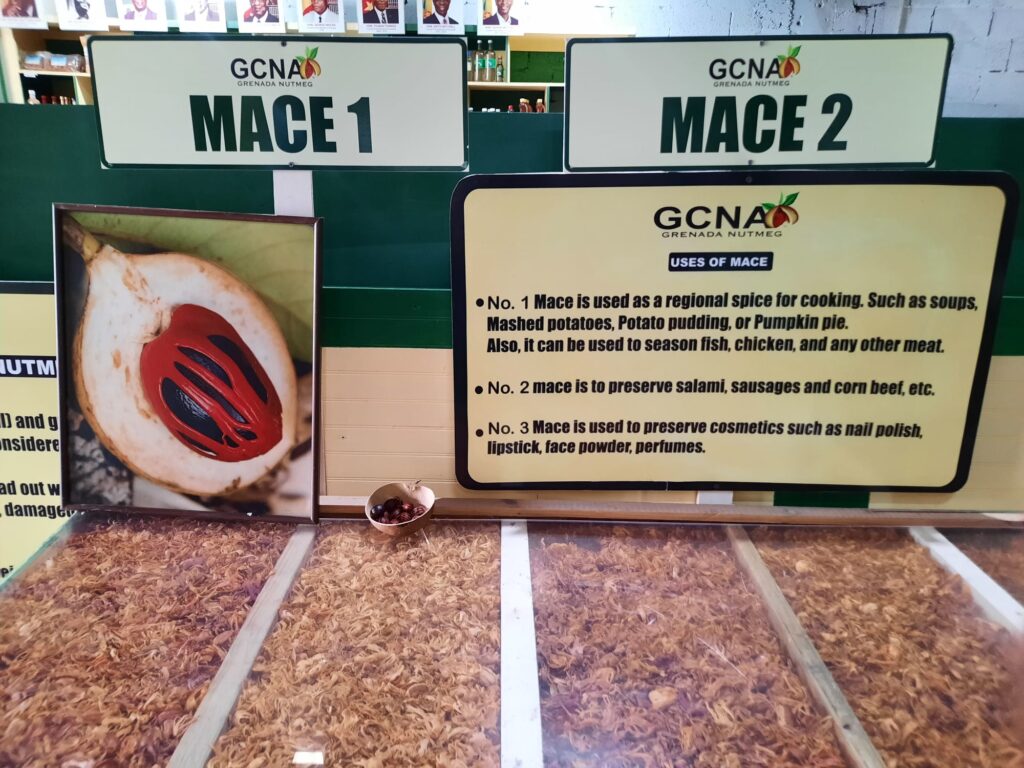
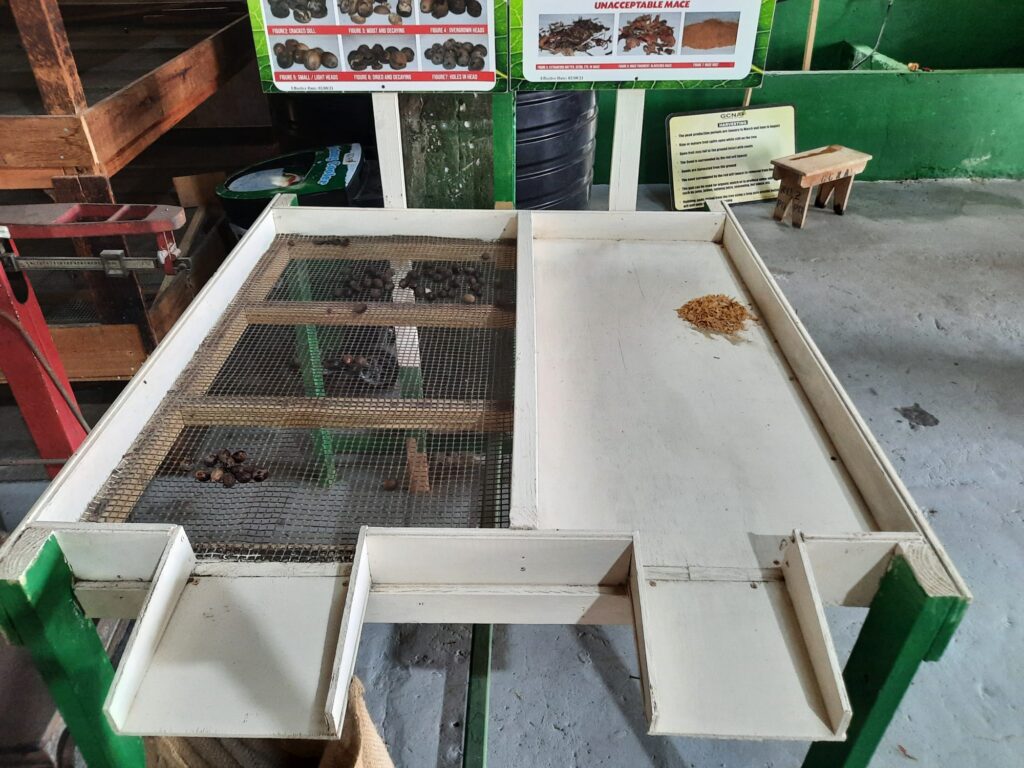
From Harvest to Export
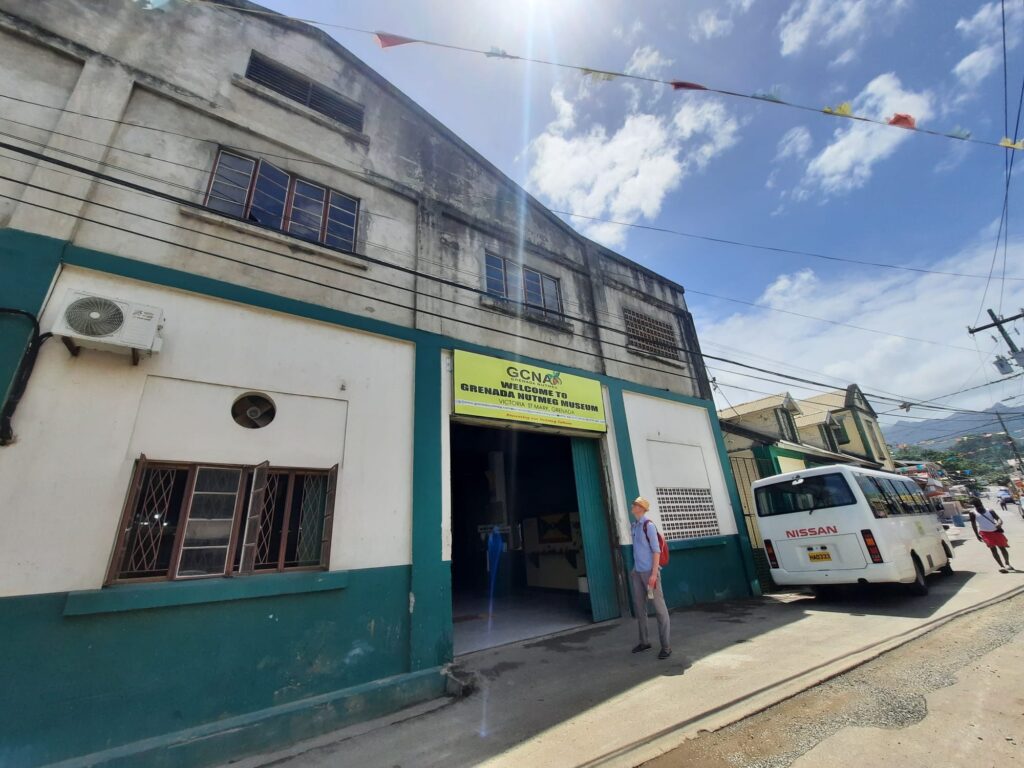
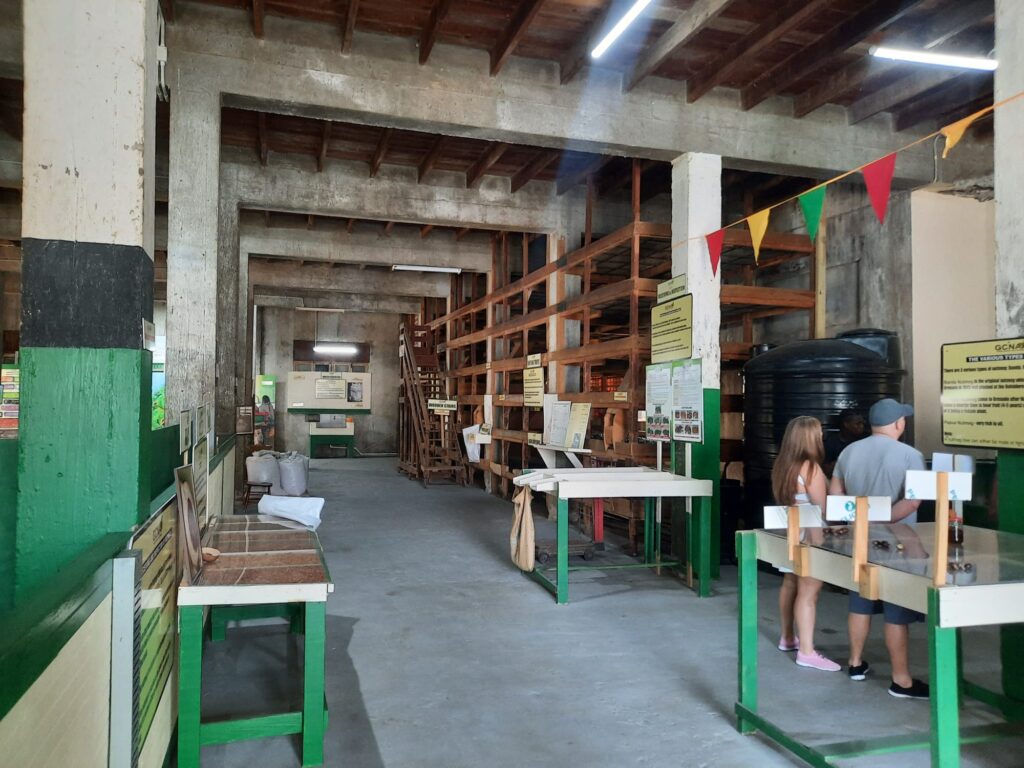
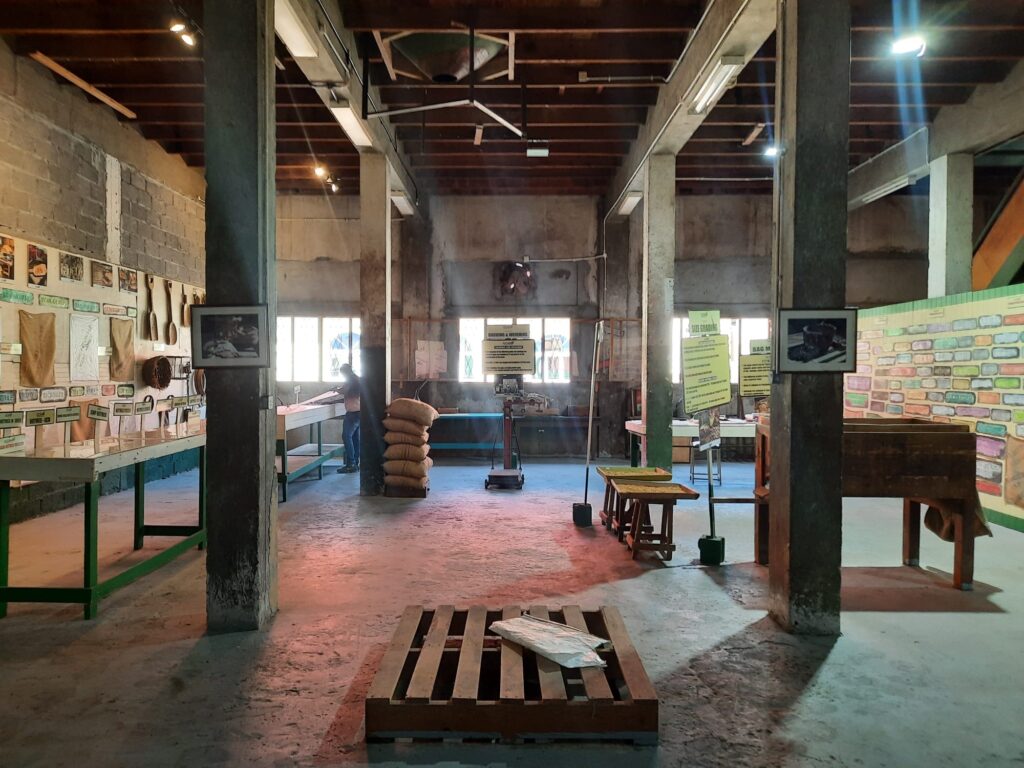
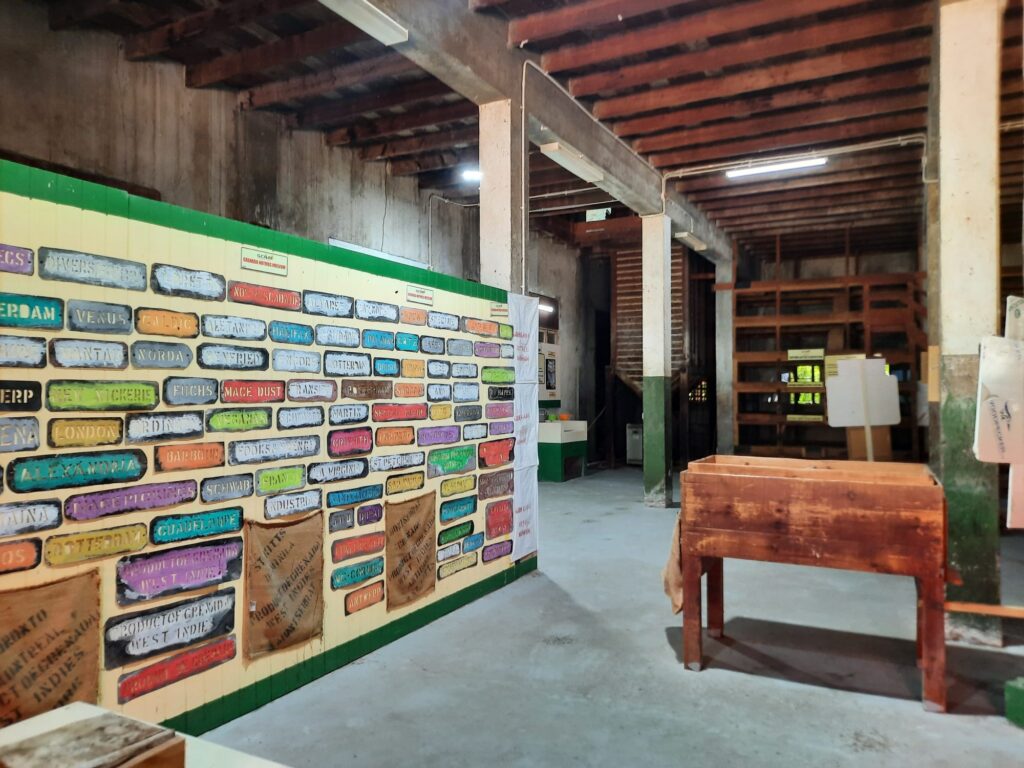
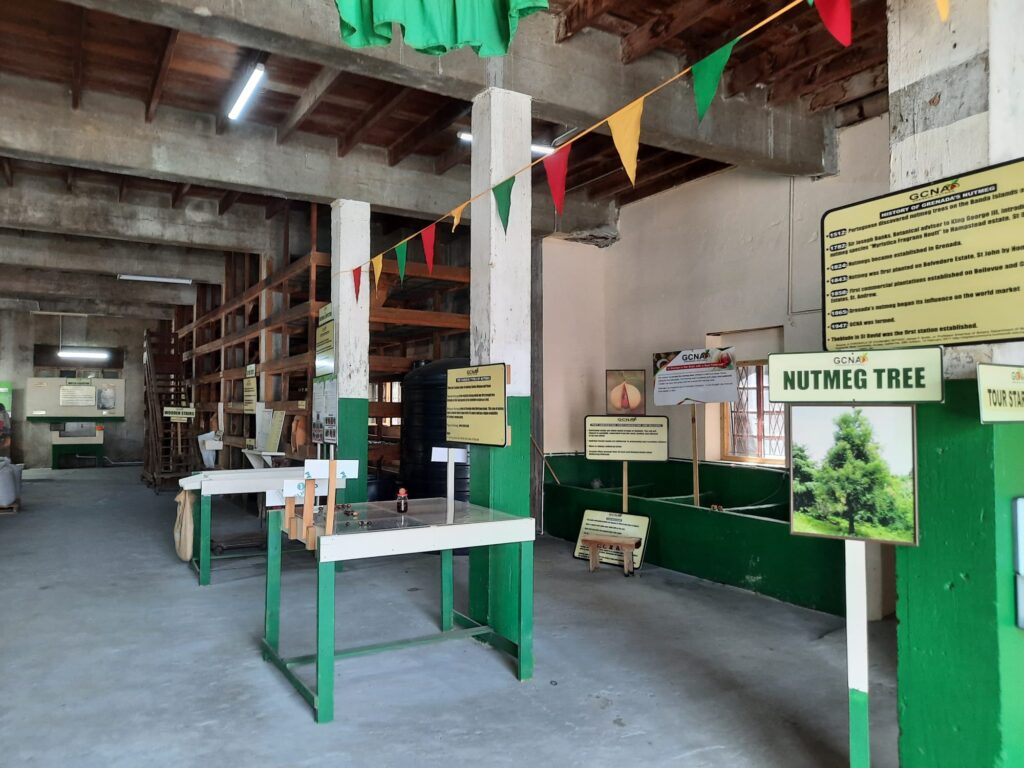
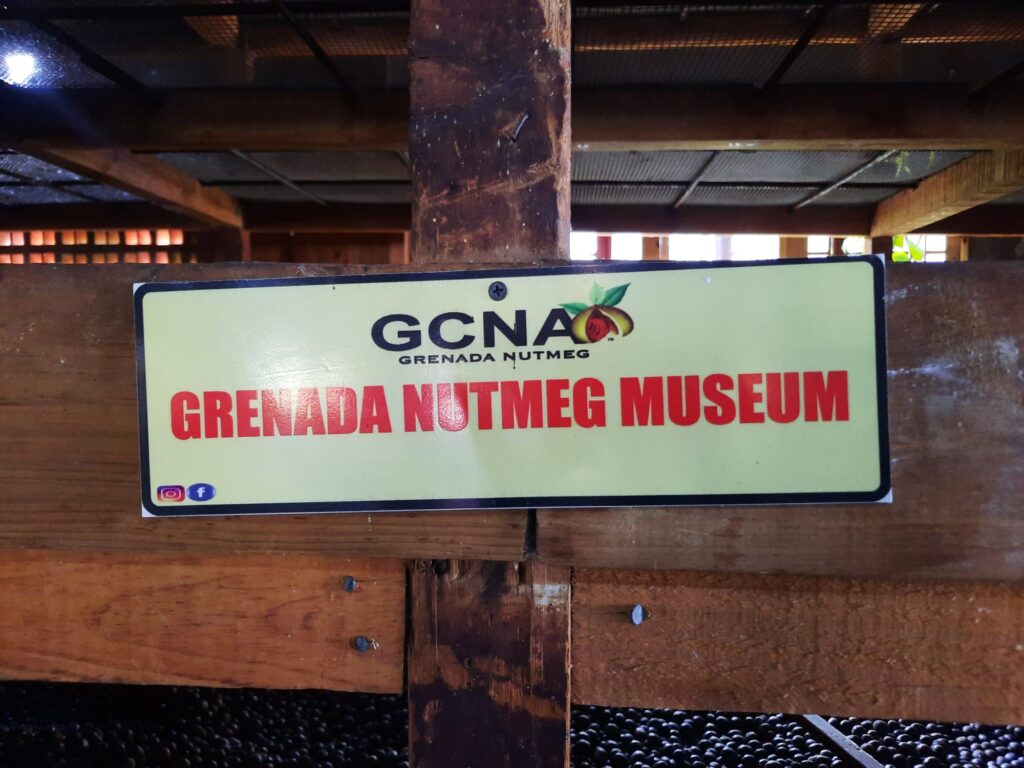
The Grenada Nutmeg Museum is in what’s known locally as a pool: a nutmeg processing station. Or a former one at least. It’s a large building in downtown Victoria, set just back from the main street. The exterior is unassuming, but inside, the large, airy space is cool and welcoming, a perfect escape from the midday heat. We were quickly met by staff who offered a friendly smile and an invitation to take a guided tour. There’s too much detail to miss here to have visitors wandering around on their own. Soon, we were immersed nutmeg as a spice, a livelihood and a national legacy.
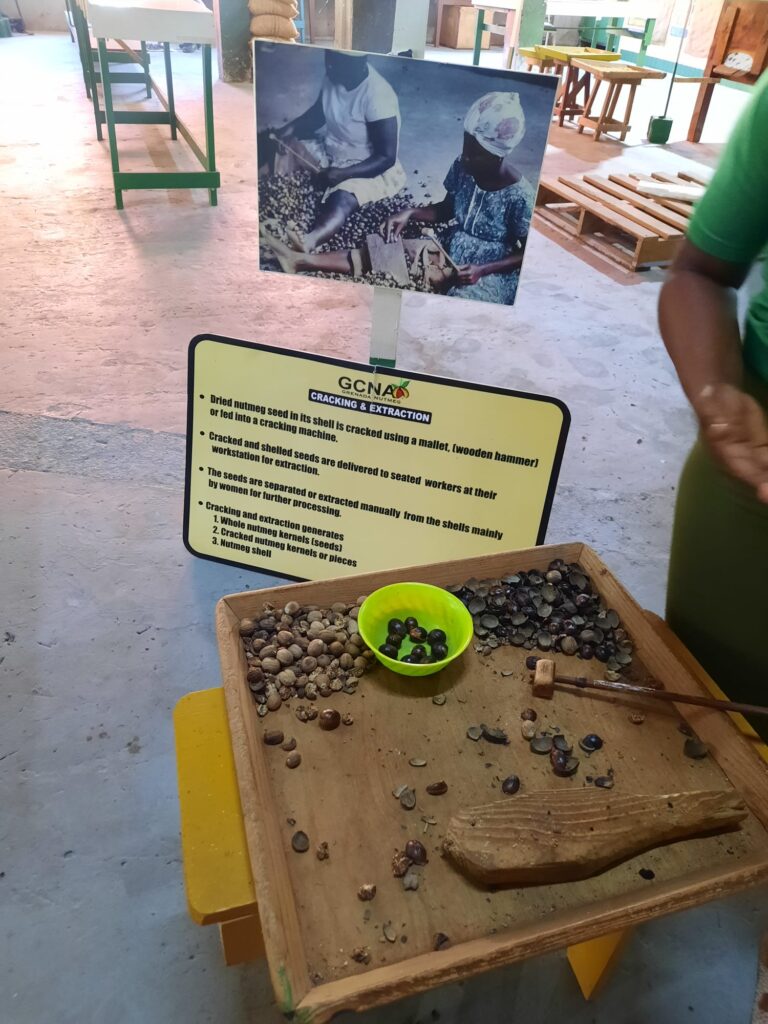
The process begins with separating out the different parts of the fruit. The mace and nutmeg seeds are the commercial crops, while the fruit itself has only secondary uses (although do try the refreshing nutmeg coolers from the museum shop if you get the chance). We learned about the careful separation of mace, the lacy red covering that clings to each nutmeg. Mace is delicate, fragrant, and prized in its own right. It’s dried separately, often in the same space but on different racks.
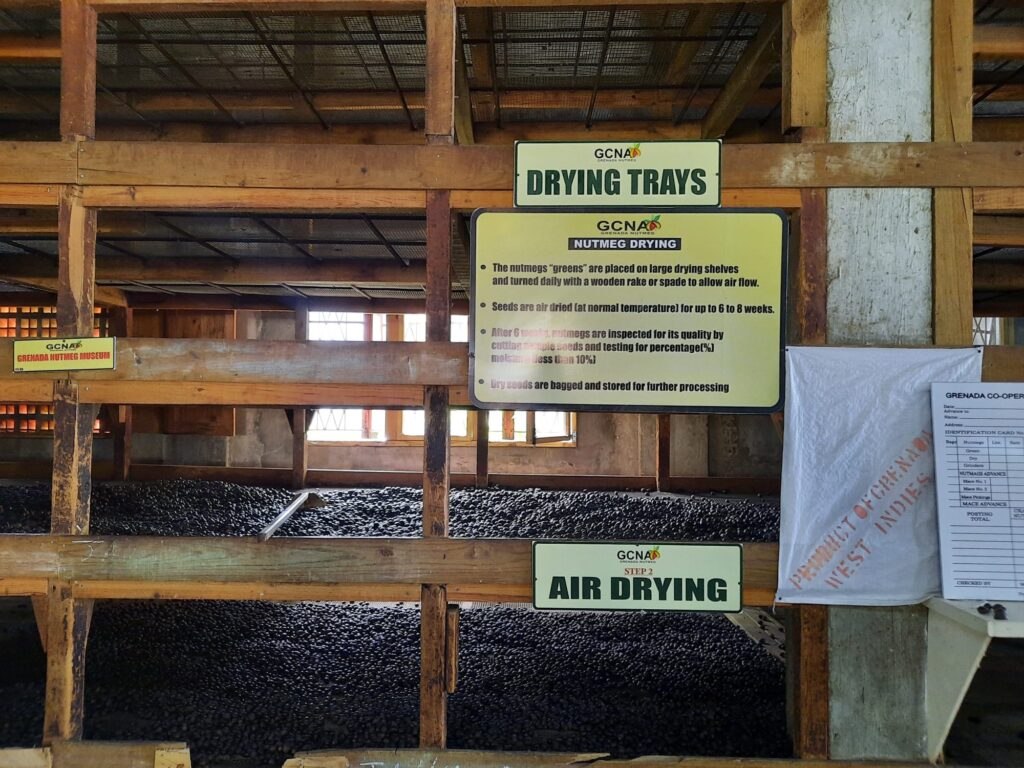
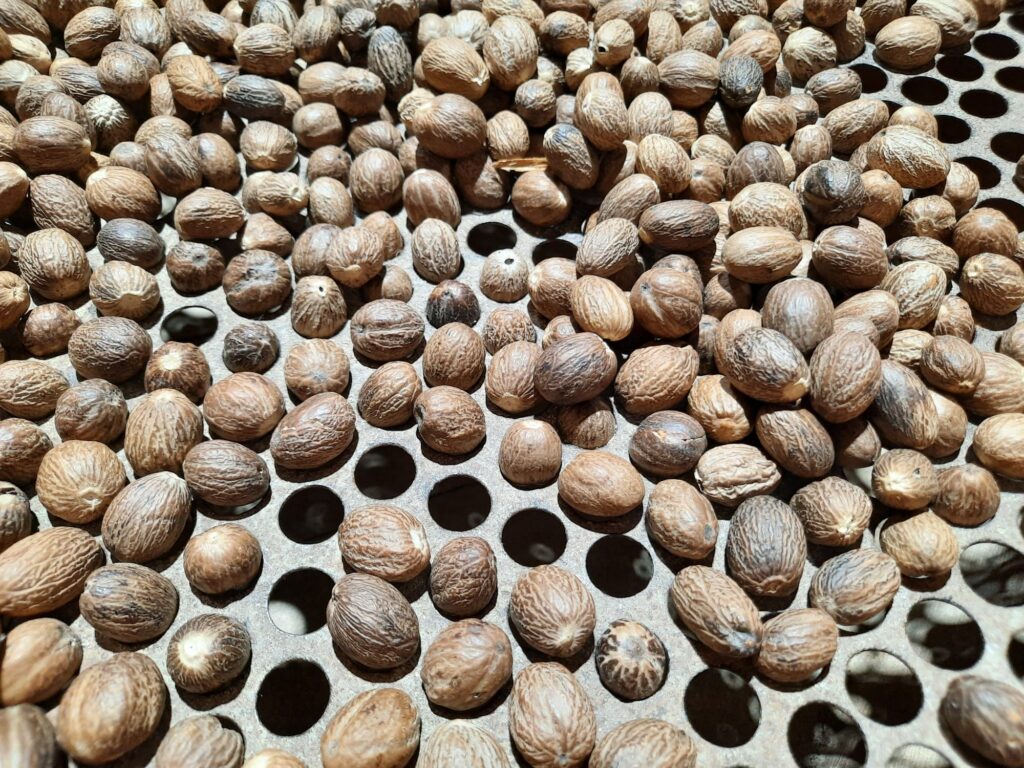
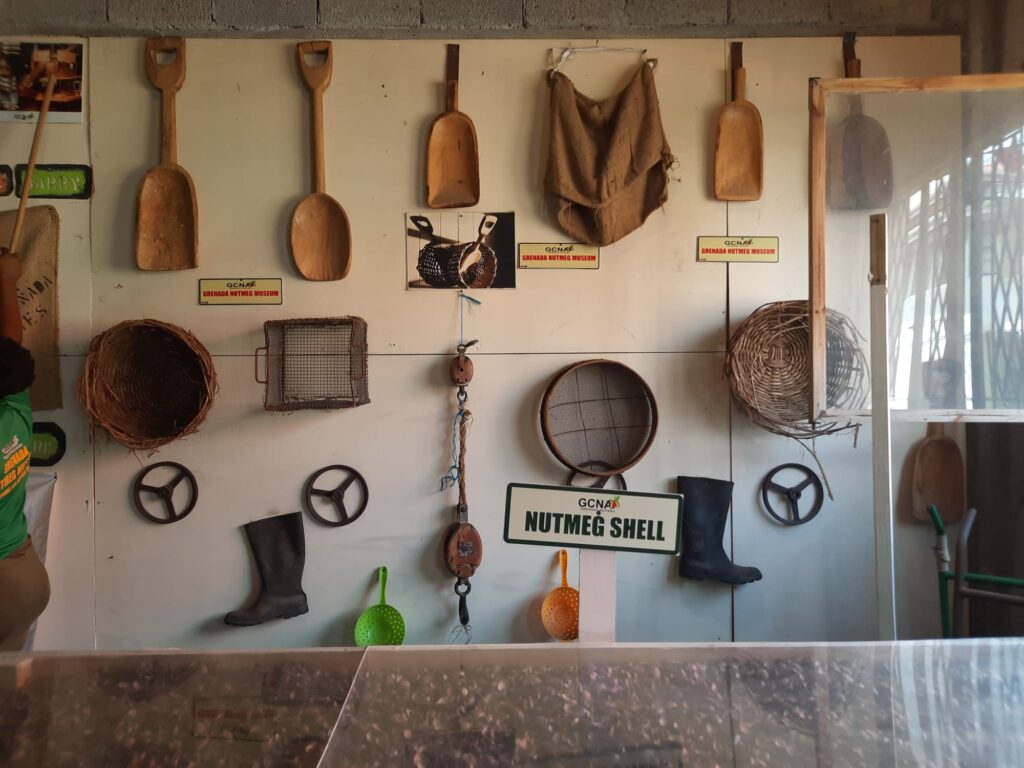
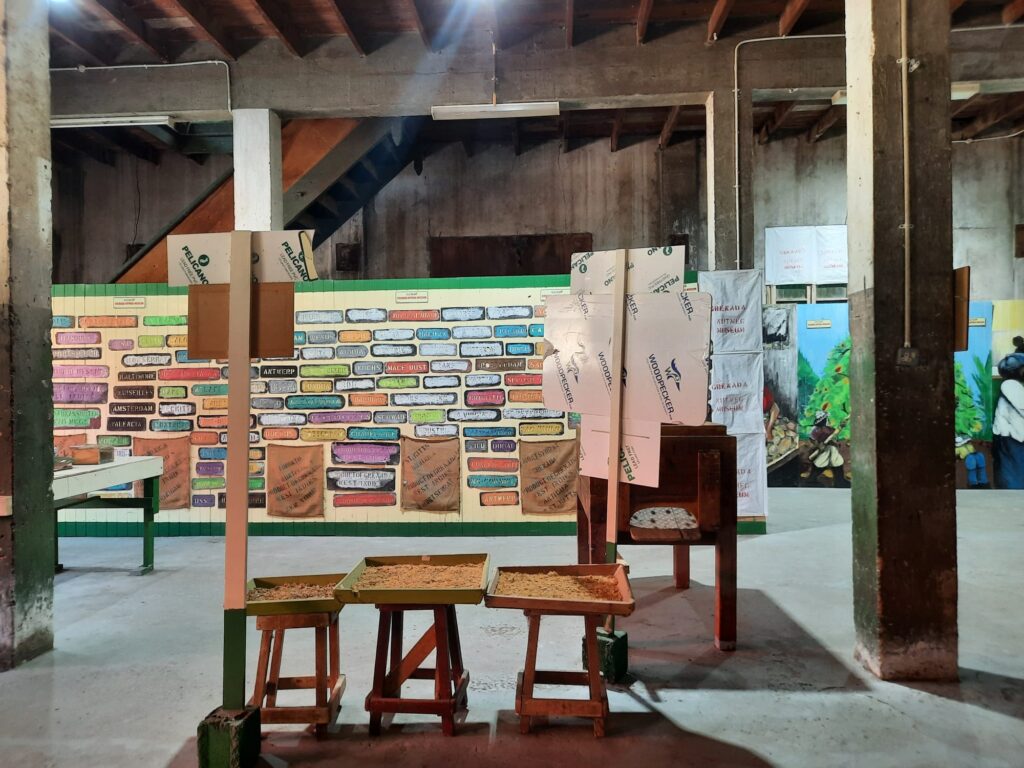
For the nutmeg seeds, the process begins with drying. Hundreds of nutmegs once lay spread across the wide, wooden slatted floors, benefitting from the warm Caribbean air. Racks could be slid open or shut to adjust to the weather, and the workers would frequently turn the seeds by hand. Cocoa and other spices required a similar set up, and it’s a visible legacy across Grenada: our hotel accommodation was in a converted spice drying shed.
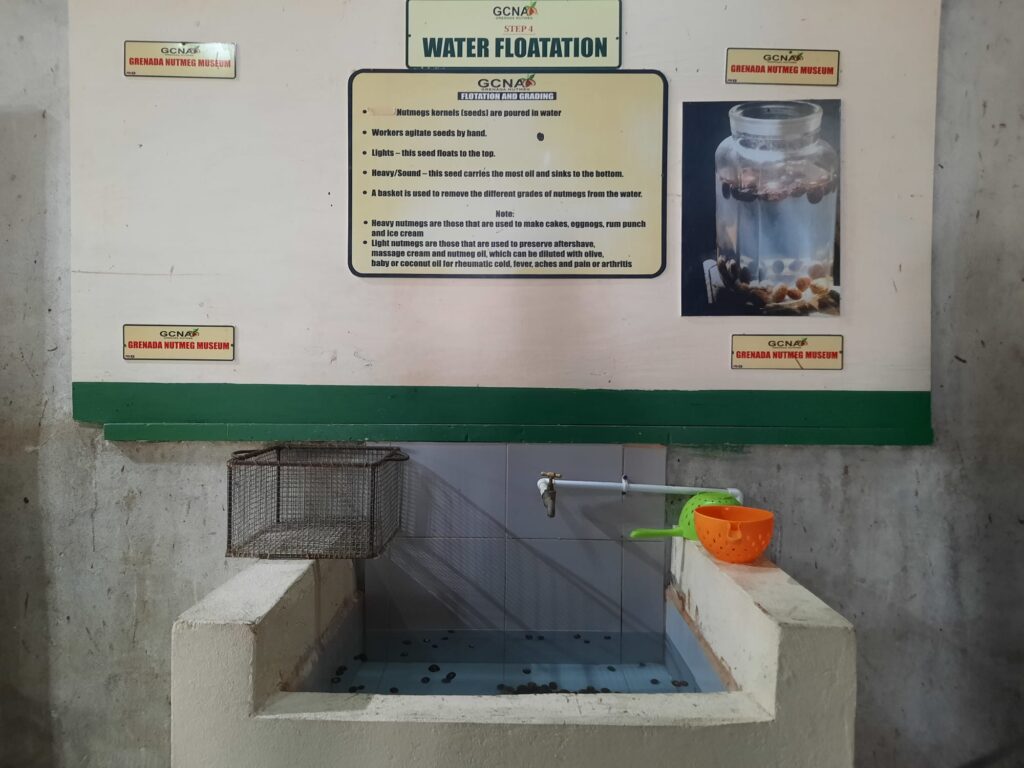
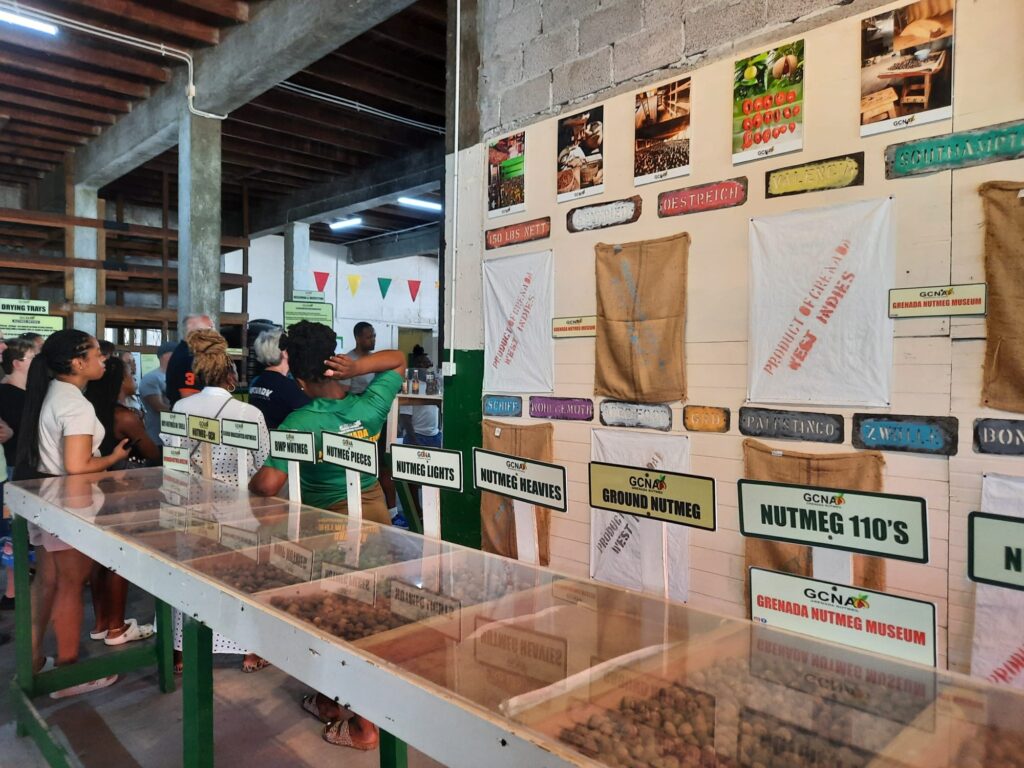
Next comes sorting and grading. Our guide demonstrated how workers would test each nutmeg by hand and by ear. A good nutmeg makes a clean, solid sound when shaken. A bad one rattles or sounds hollow. Cracked ones are rejected. Flotation is another method to separate the good from the bad. Then depending on the grade, workers would take some from their shells for grinding or other processing. There’s something satisfying about how tactile the traditional process is: no fancy machinery, just well-trained eyes and hands.
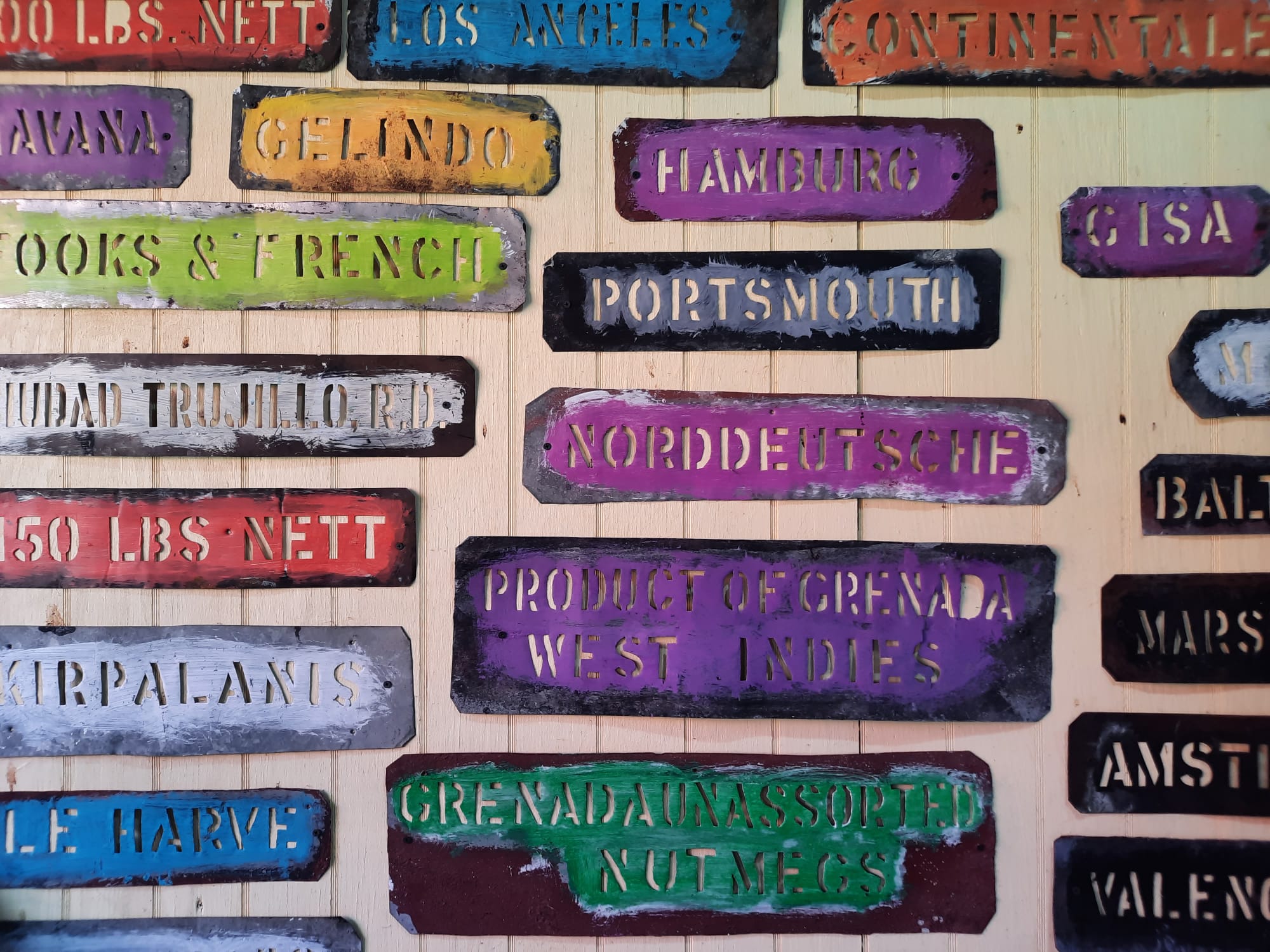
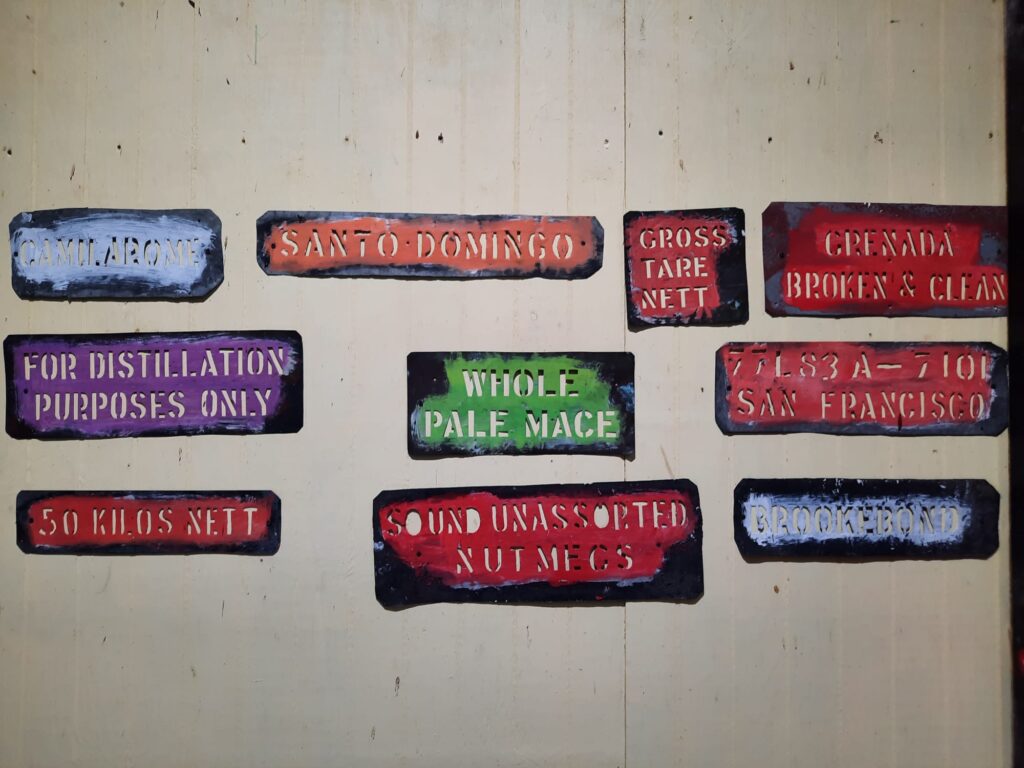
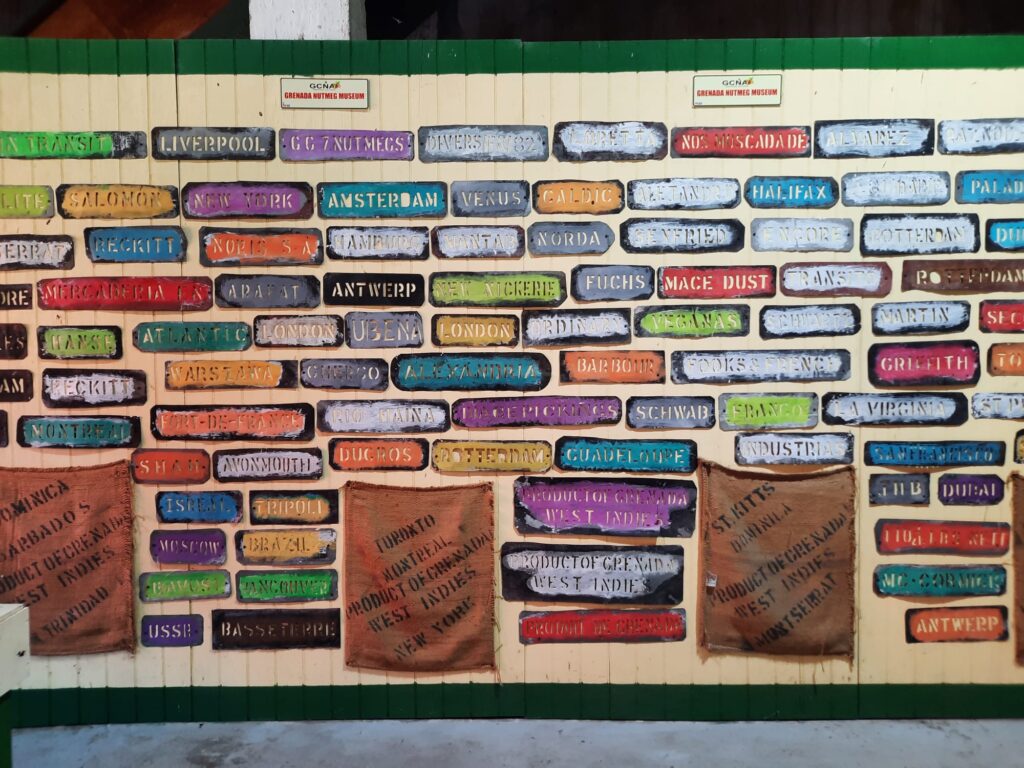
At the end of the tour, we saw the finished products: whole nutmeg and ground, dried mace, and secondary products. Around us were paint-splattered stencils showing where Grenada’s nutmeg exports have travelled to: London, Amsterdam, USSR, New York. This pool once connected a small Caribbean town to the entire world.
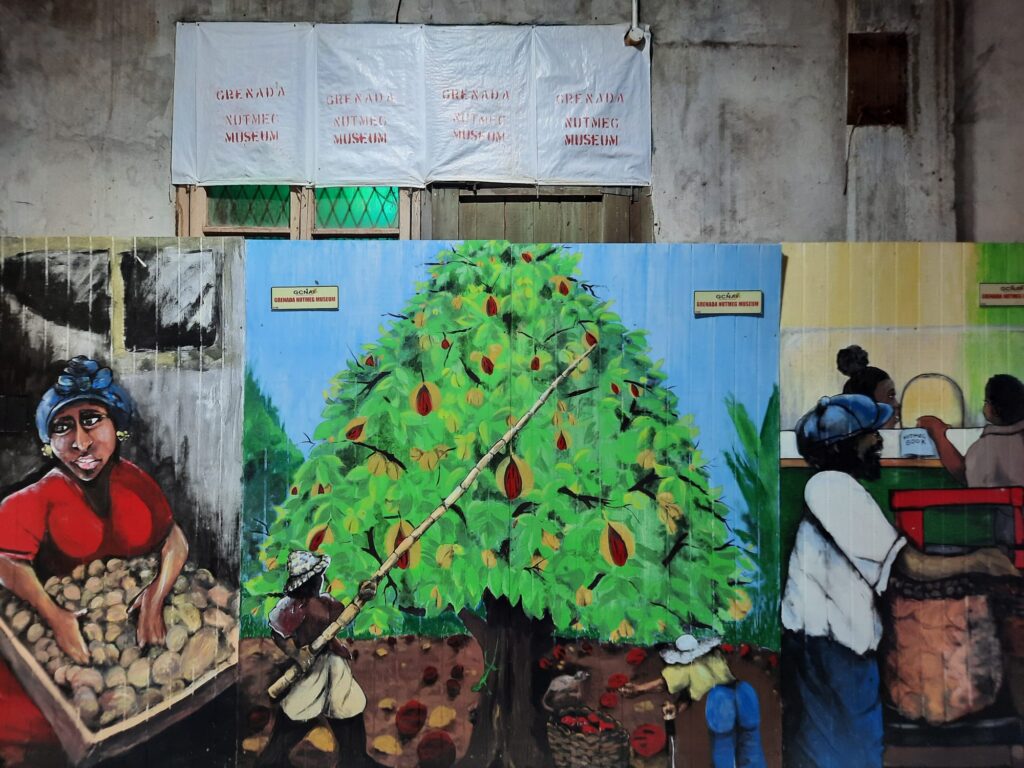
From Pool to Museum: Keeping the Story Alive
This nutmeg pool in Victoria no longer processes nutmeg at scale. You can still see the old infrastructure in place, and farmers do still drop off their harvests here. But the drying, sorting, and shipping now happens at the nearest active pool in Gouyave, just down the coast. What’s fascinating, though, is how this space hasn’t been left to fade away. Instead, it has a second life as a museum. Rather than falling into disrepair, the building is full of people: curious travellers and their guides, and presumably school groups at other times. It’s busy in a different way now.
Nutmeg is so integral to Grenada’s identity that I’m sure visitors almost expect a dedicated museum. And the Grenada Nutmeg Museum fills that niche perfectly. It’s on the map for cruise ships and island daytrips, and is an important part of both. People come here not just for souvenirs but to learn. They leave knowing something they didn’t when they arrived. But more than that, it supports the local economy. The museum creates jobs for guides, shop staff, and maintenance teams. It gives farmers a visible place to show how their work connects to the wider world. And it keeps Victoria relevant in the nutmeg story, even if it’s not the production centre it once was.
Tourism can’t replace an industry, but it can honour one. Museums like this one keep a community’s story front and centre. They remind both locals and visitors that the nutmeg trade isn’t just historical, it’s ongoing, and worth supporting. In doing so, they help preserve both livelihoods and heritage. This building may no longer echo with the daily shuffle of drying nutmeg, but its heart is still very much beating.
The Grenada Nutmeg Museum: A Sensory Experience
Visiting the Grenada Nutmeg Museum was a great part of our trip. It was educational, but also deeply sensory. You can touch the nutmeg pods, smell the warm, earthy spice and, if you make the most of the the gift shop, even taste it in jams, syrups, or chocolate. There’s something grounding about seeing where a spice you’ve used countless times actually comes from. It was also, quite simply, a friendly place. The staff were welcoming, and generous with their knowledge. The nutmeg coolers were so refreshing that we stopped in more than once: first for the tour, and then later to say hello and stock up on supplies.
Victoria may feel a bit off the beaten track if you’re staying in St George’s or Grand Anse, but the journey is worth it. The drive along the west coast is scenic, and the museum offers a window into a piece of Grenadian life that feels authentic and alive. If you can, time your visit to coincide with Victoria’s monthly Food Fest, an excellent way to sample local dishes and meet more of the community. Or just stop by a nearby bar or restaurant. We had some of our best afternoons doing just that.
Grenada is known for its beaches, but places like Victoria show you another side to the island. This museum might be small, but it offers something very memorable. For history lovers, spice fans, or anyone curious about the island’s identity, it’s one not to miss.
Salterton Arts Review’s rating: 3.5/5
Trending
If you see this after your page is loaded completely, leafletJS files are missing.