
Museum of the National Academy of Arts. T. Sadykova (Музей национальной академии художеств им. Т. Садыкова), Bishkek
A chance decision to visit the Museum of the National Academy of Arts. T. Sadykova (Tinibek Sadykov) leads to a unique museum-going experience as well as a lesson in Bishkek’s, and Kyrgyzstan’s, history.
Museum Visits: Sometimes Bloody-Mindedness is the Key
Something that I think everyone should understand is that a lot of the content on the Salterton Arts Review (or non-theatre review content at least) comes about because I get an idea in my head. A walk I want to do, a desire to squeeze in some culture during a work trip, that sort of thing. And once an idea is in my head, I am a purposeful sort of person (the Urban Geographer says stubborn). So the plan usually comes to fruition.
When I was in Kyrgyzstan recently, mainly for a hiking trip, I had a couple of days spare in Bishkek. And so I consulted my guidebook for ideas of things to do. My free days were a Monday and Tuesday, and Mondays in many parts of the world are not good museum days. So I booked a tour for the Monday, with a plan to visit a museum if I got back in good time.
But which museum to visit? My options in terms of museums open on Mondays, according to my guidebook, included Toktogul Literary Museum. Potentially an option, but trying to absorb foreign literature in a foreign language is a big ask on a short museum visit. Or there was the Zoological Museum, but that didn’t sound like what I was looking for. So I settled on what my guidebook described as the Tinibek Sadykov Museum, dedicated to the work of a local sculptor. When selecting this museum, I was thinking back to my trip to Iceland, where a random pick of a local sculptor’s house museum ended up being a memorable excursion.
The challenge came when I tried looking up the Tinibek Sadykov Museum. Very little online presence, at least in English. To the point where, my guidebook being printed before the COVID-19 pandemic, I was unsure whether it was still open. There were a few references to a Museum of Graphic Arts/Tinibek Sadykov. Was that it? I couldn’t even find it on Google Maps. But I’d got it in my head that this was the museum I wanted to see, and so when I arrived back in Bishkek early Monday afternoon, I headed for where my guidebook said I would find it.
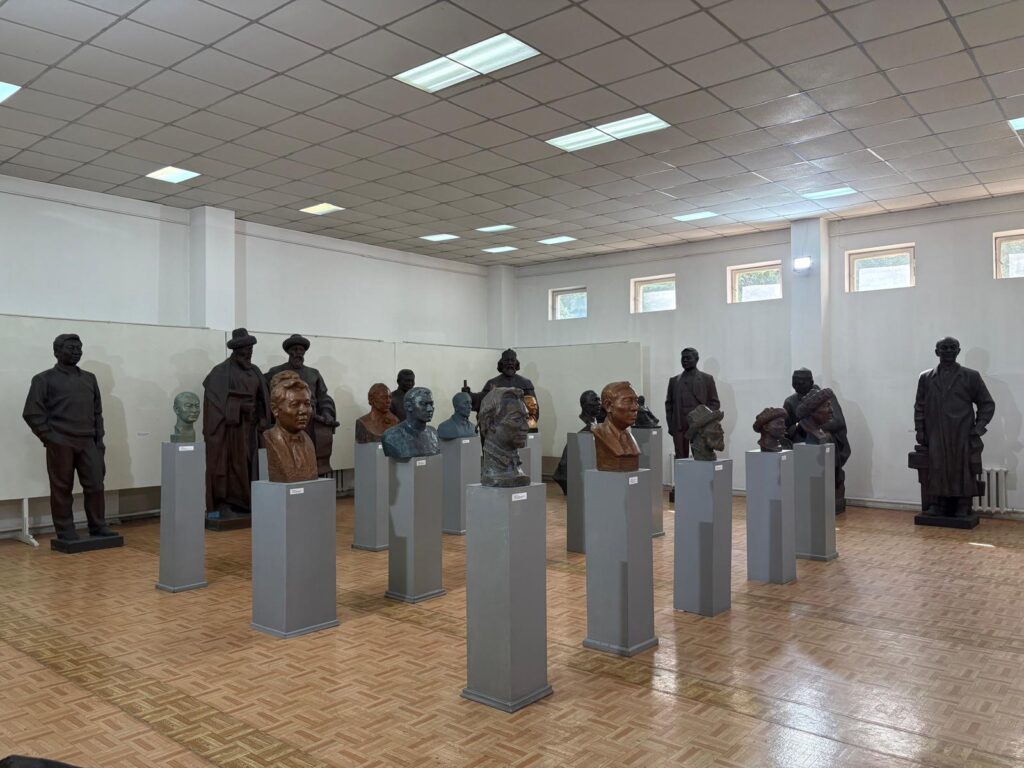
A Most Unusual Museum Experience
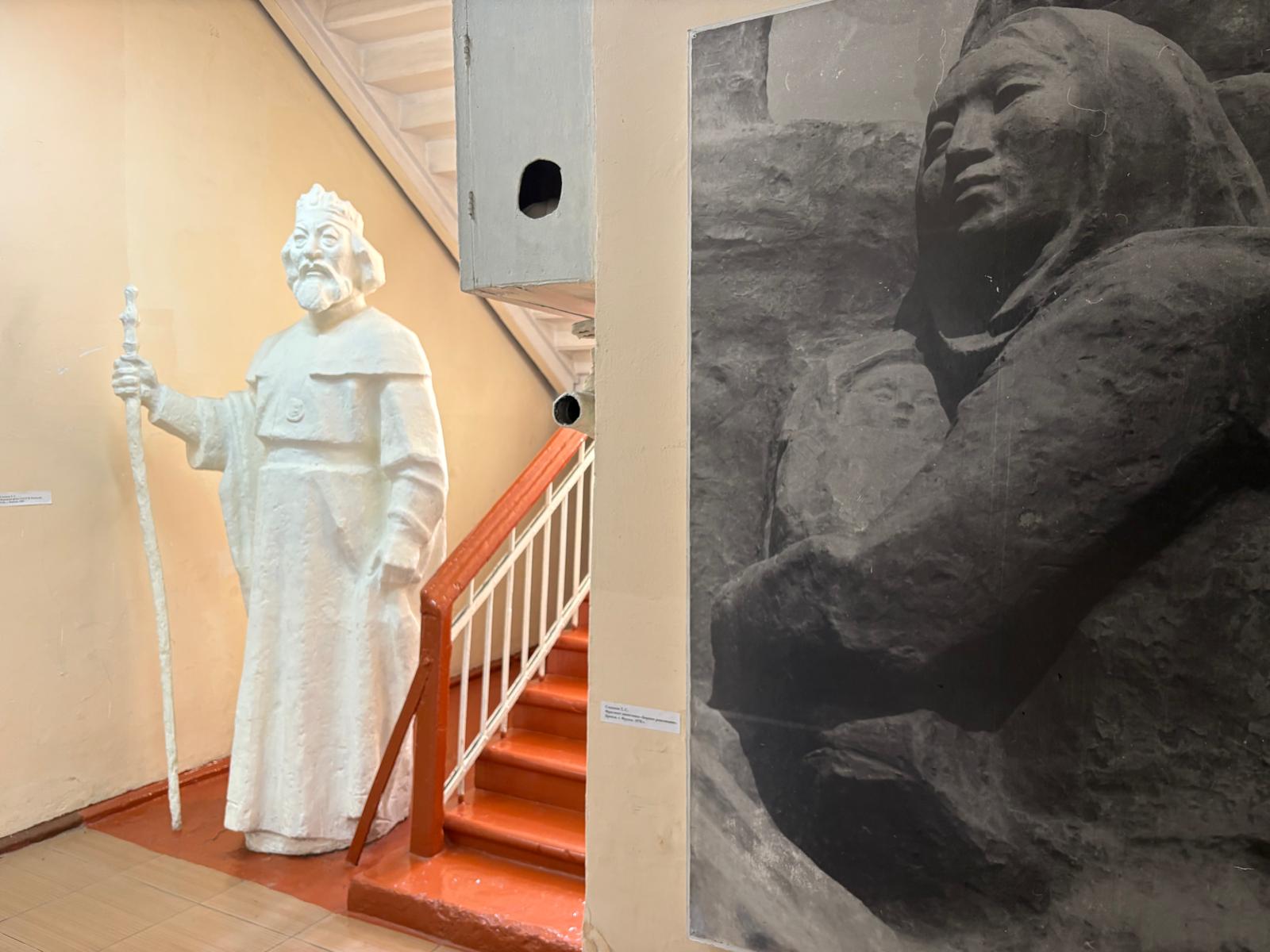
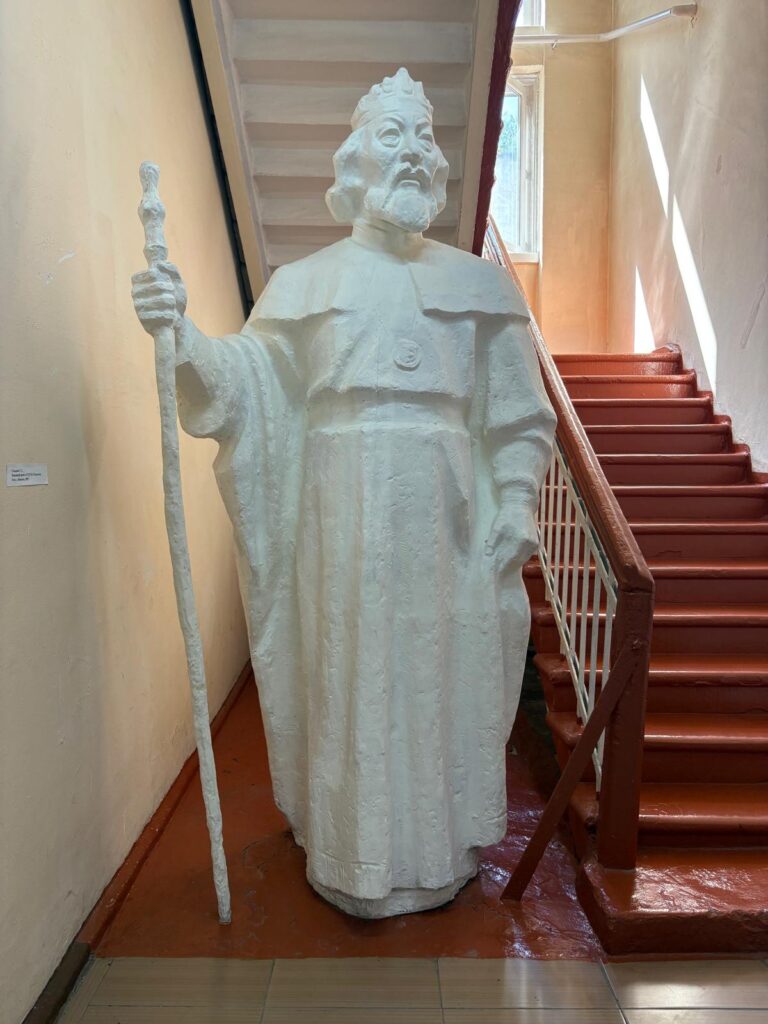
Eventually, I found the place. Or at least I thought I had. There wasn’t a lot of signage, and it didn’t seem particularly inviting. Was it open? Was this the place? I summoned my courage and walked through the front door to find… nobody. There was a desk next to the entrance, but nobody there. A big sculpture, though, so this seemed like the place. I poked my head into the corridor and called out a greeting. Still nobody. So I started wandering, figuring the worst that would happen would be being chased out of the museum, pleading ignorance.
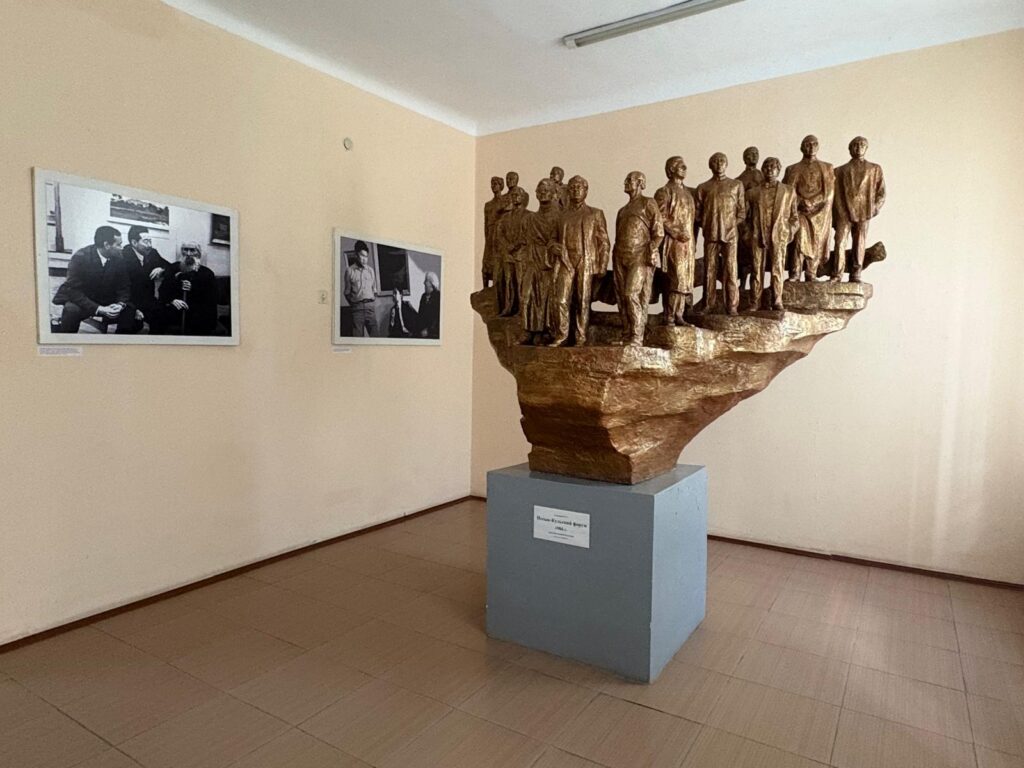
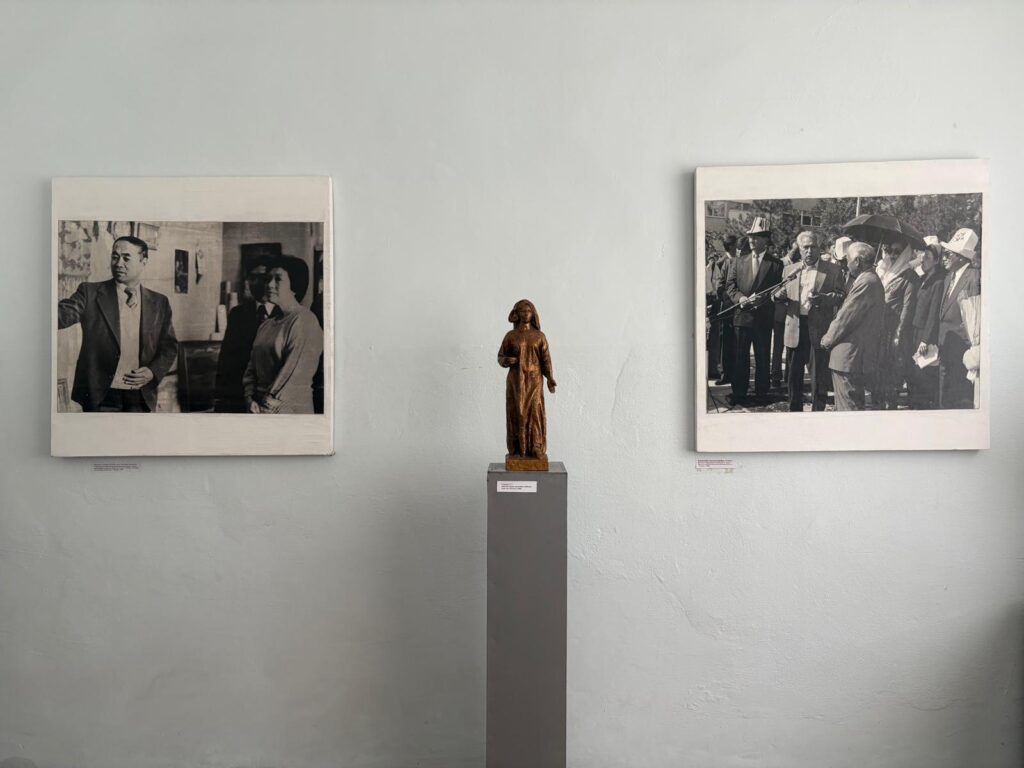
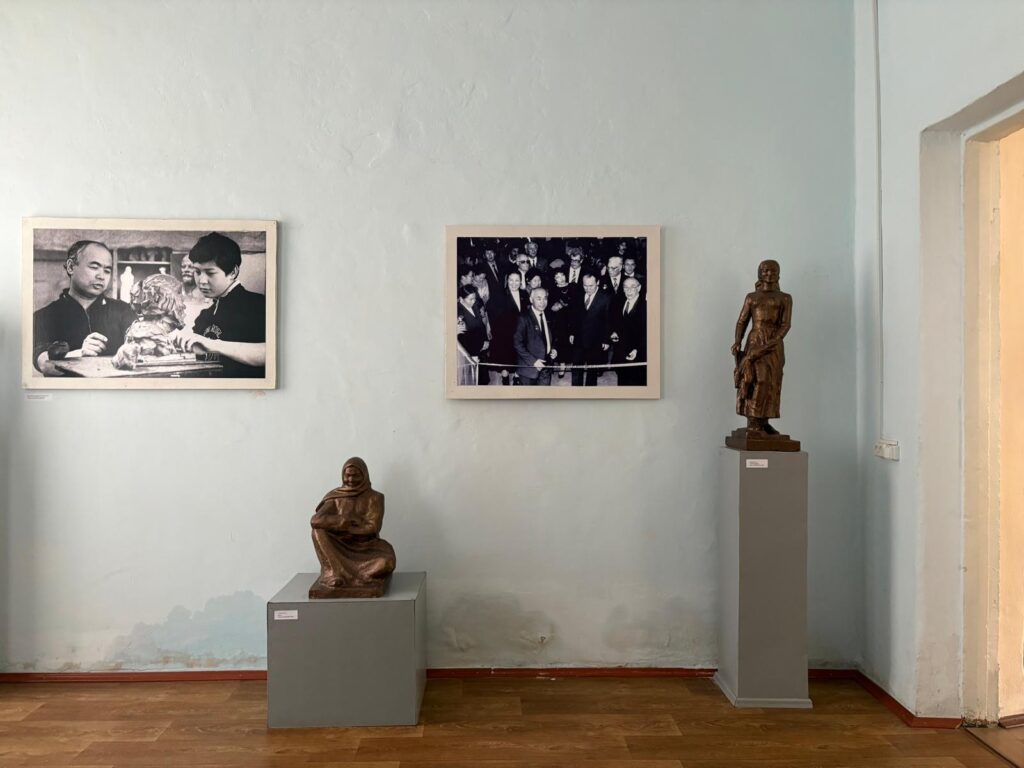
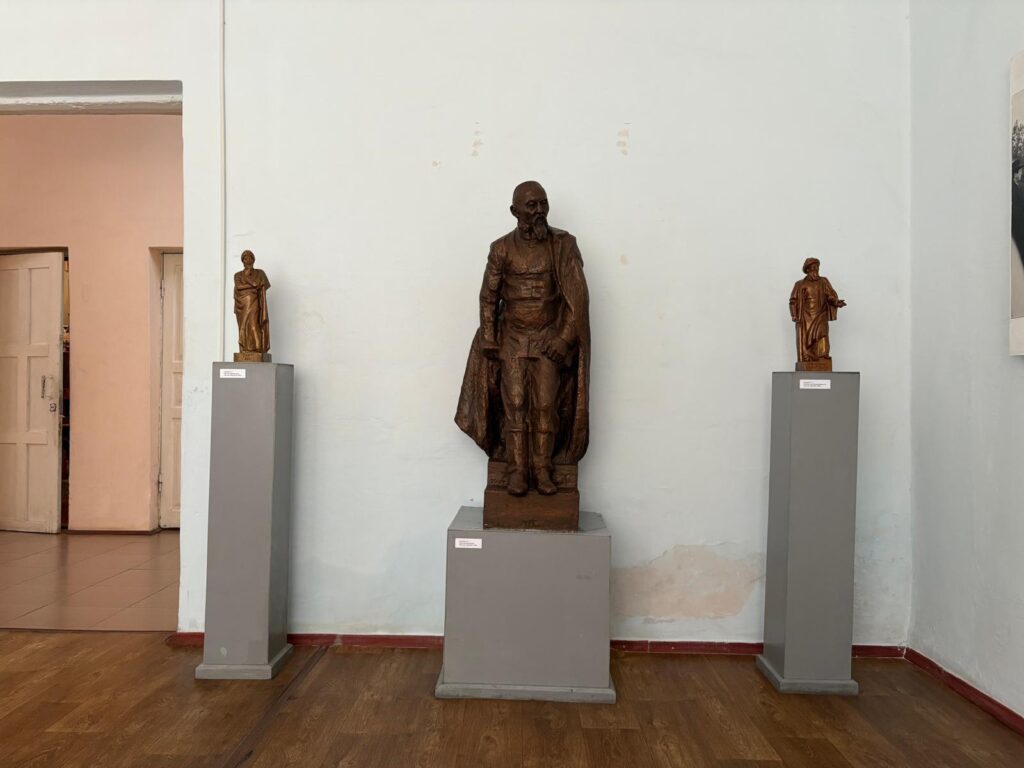
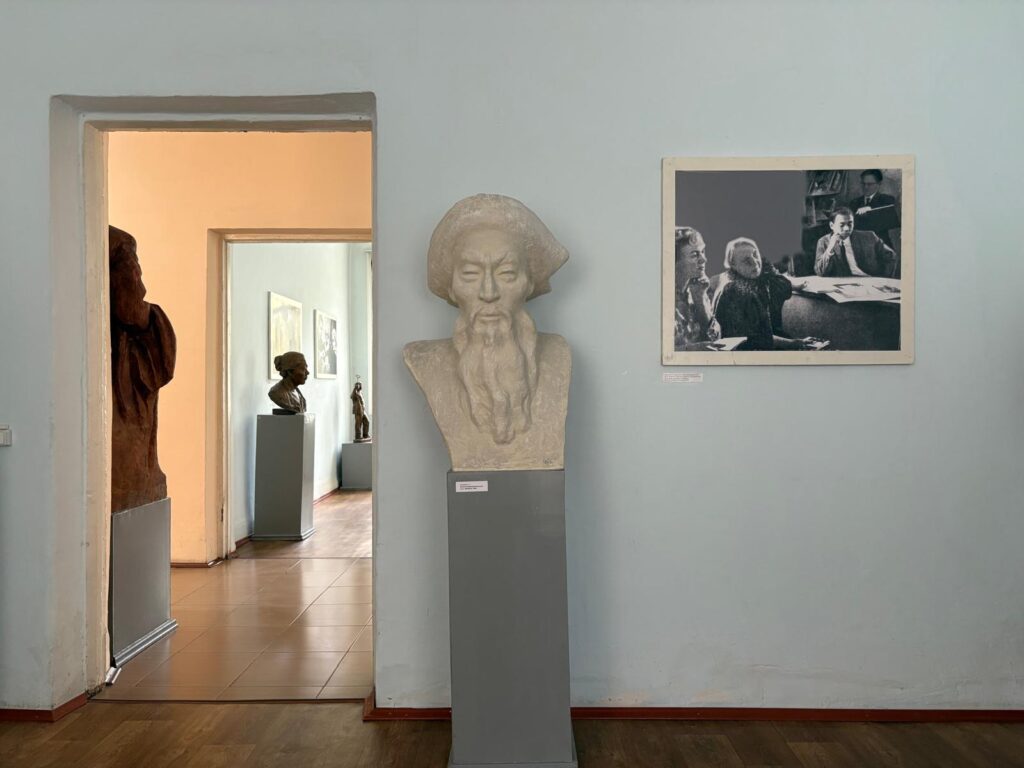
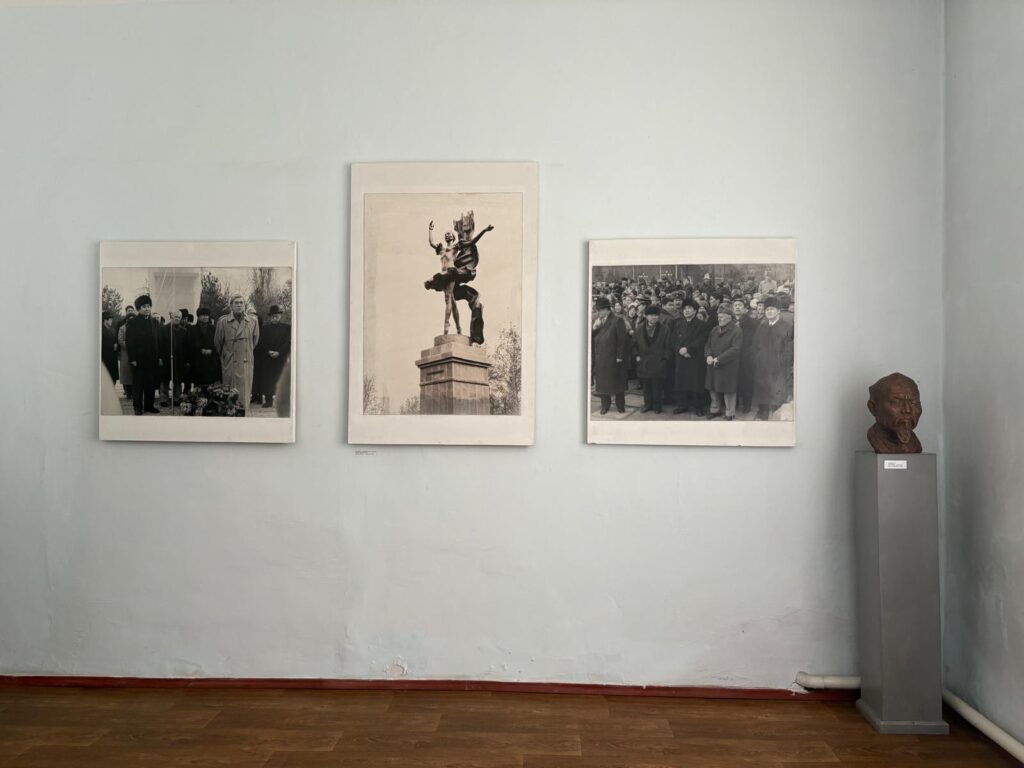
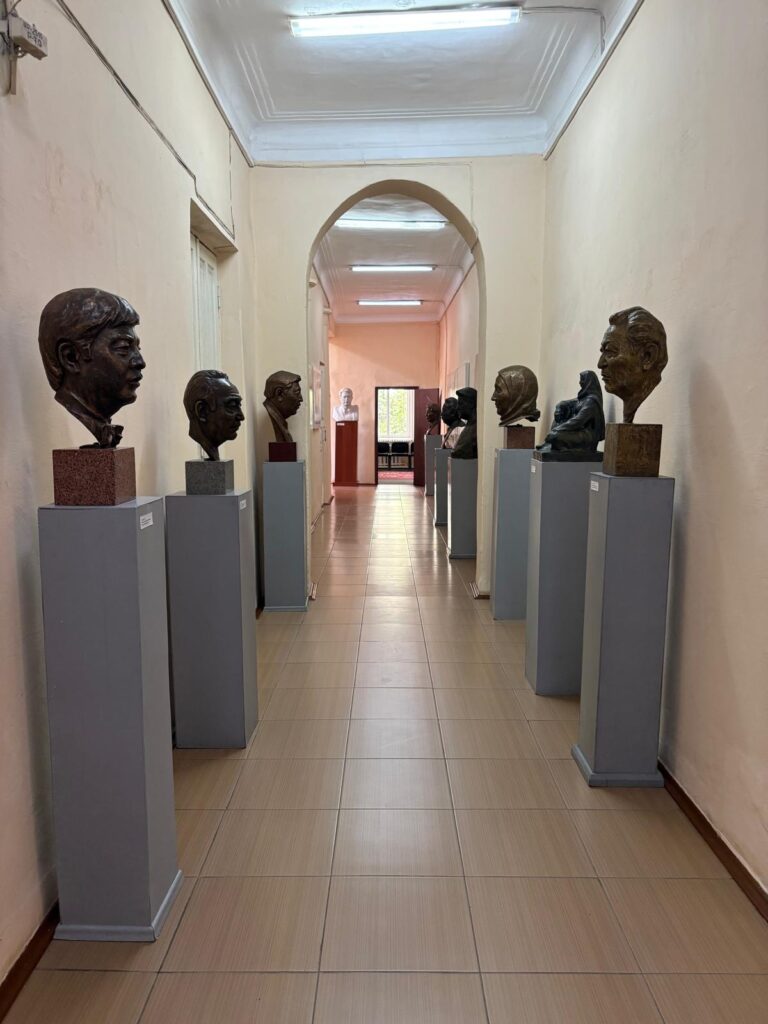
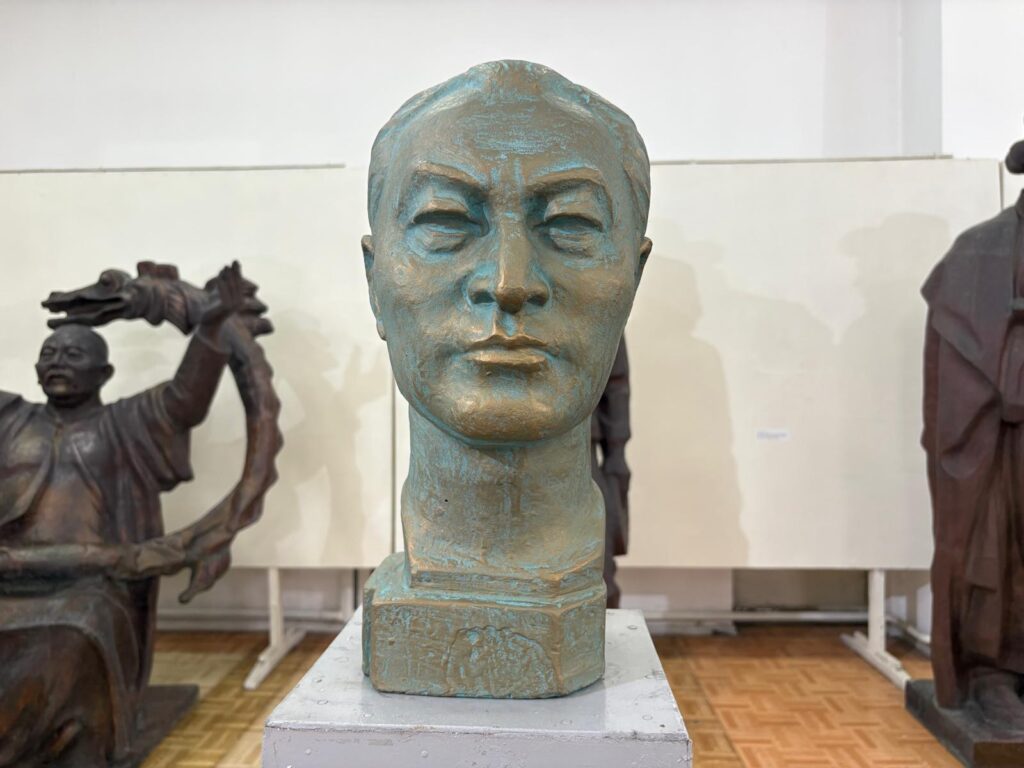
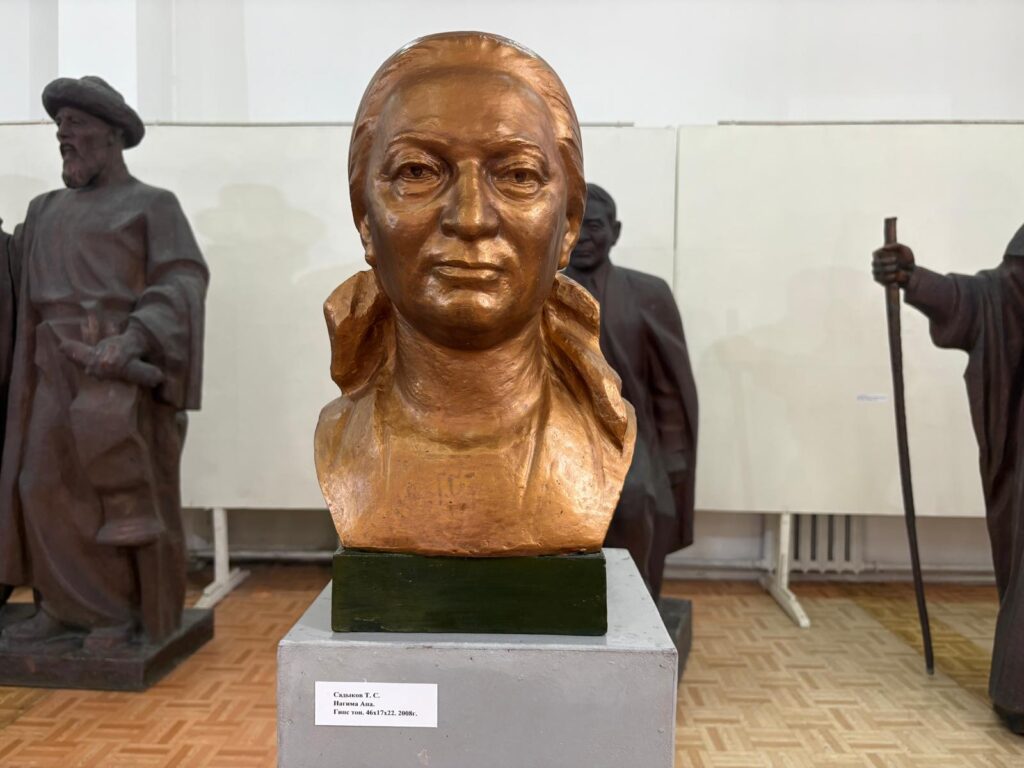
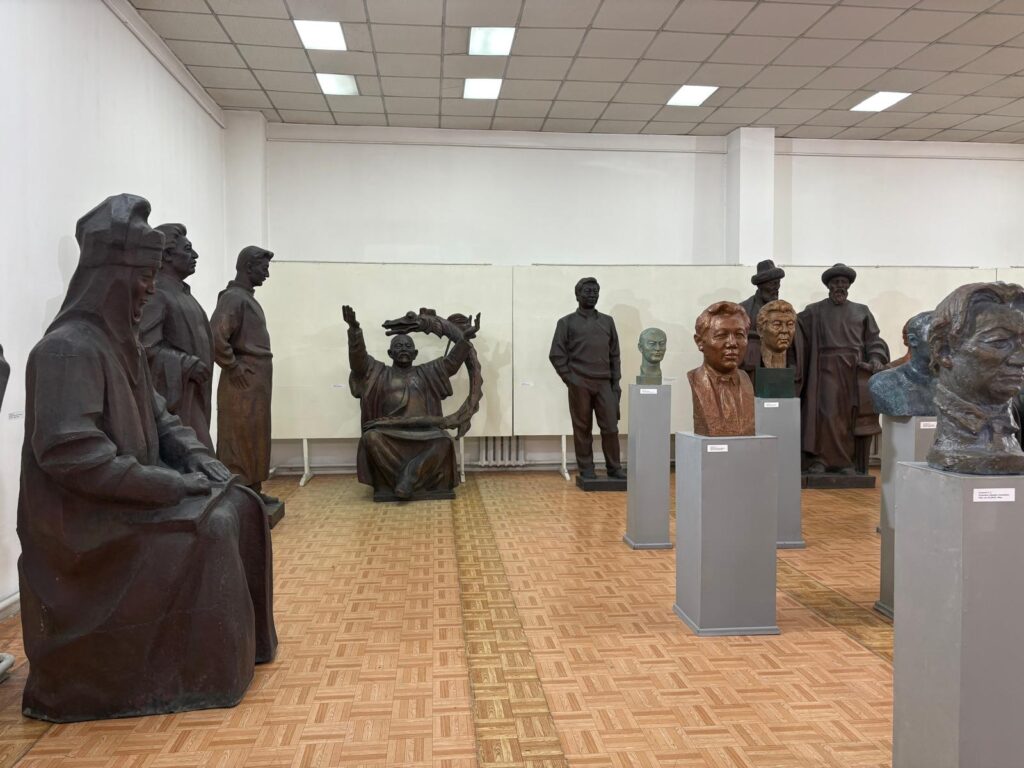
I got through a room or two on my own. Well, aside from some sort of worker (maybe security or maintenance) poking his head out of a small room and seeming to give me tacit permission to continue. The rooms were filled with sculptures and models, as well as archival images. The text, aside from titles and dates, were in Russian or Kyrgyz (Cyrillic, in any case). Very interesting. I had a good look at the works, took it all in, moved on to the next room. About three rooms in, a lady appeared with a guest in tow. She seemed to be giving him a tour. Was he an important visitor? Over the next few minutes I understood that no, the way of visiting this museum is to receive a guided tour. I’d just skipped that bit by arriving when she was already busy.
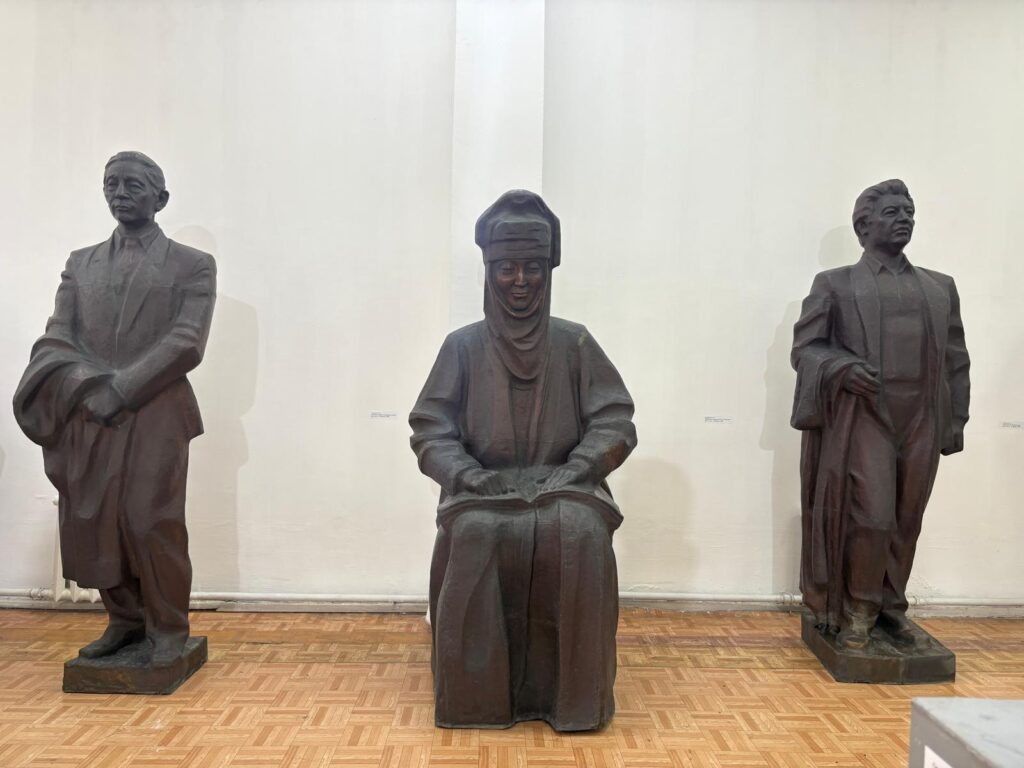
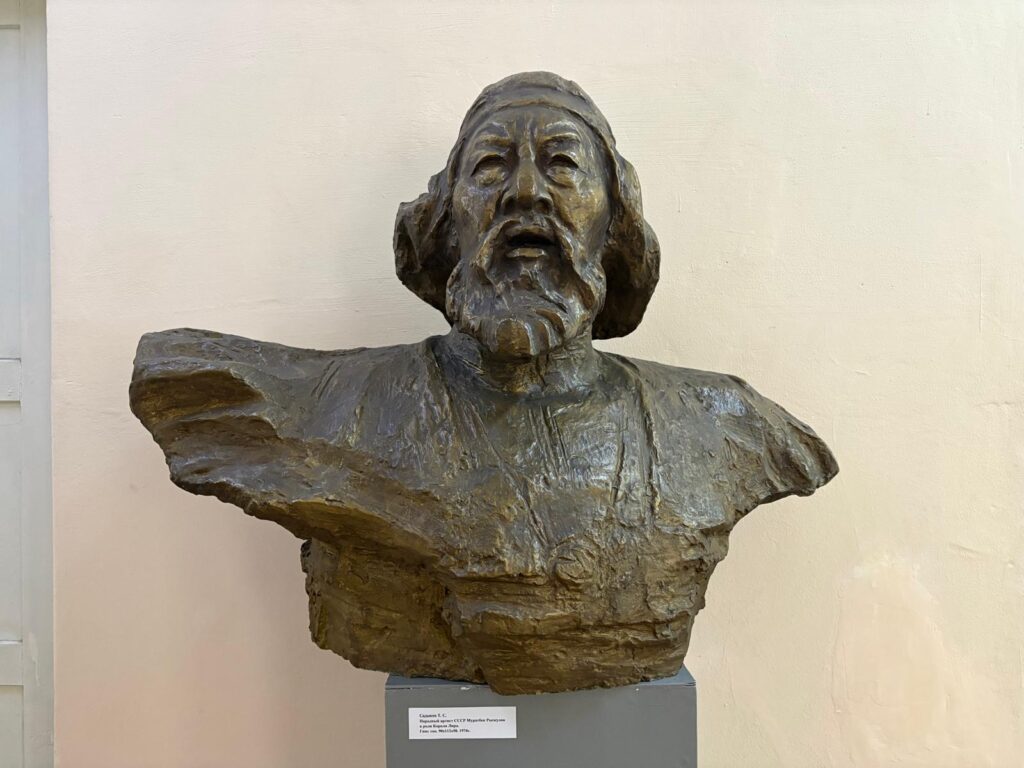
The beginning of our tour was stilted. We established that, unfortunately, we didn’t have any languages in common. She started giving me a simplified tour, and I picked out words I recognised and repeated them, like “opera” for a work that was for the Kyrgyz Opera and Ballet Theatre. Then we went through to a large room with a number of busts and larger sculptures. I had an idea. I got my phone out, and used Google Translate to ask her a question: which was her favourite?
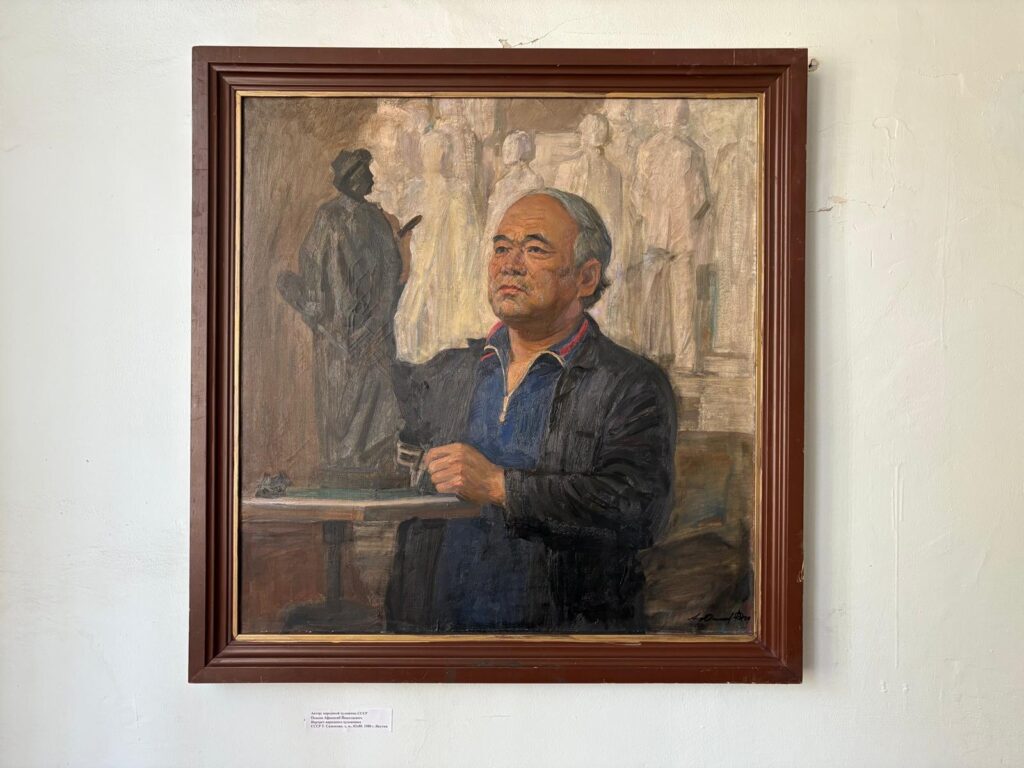
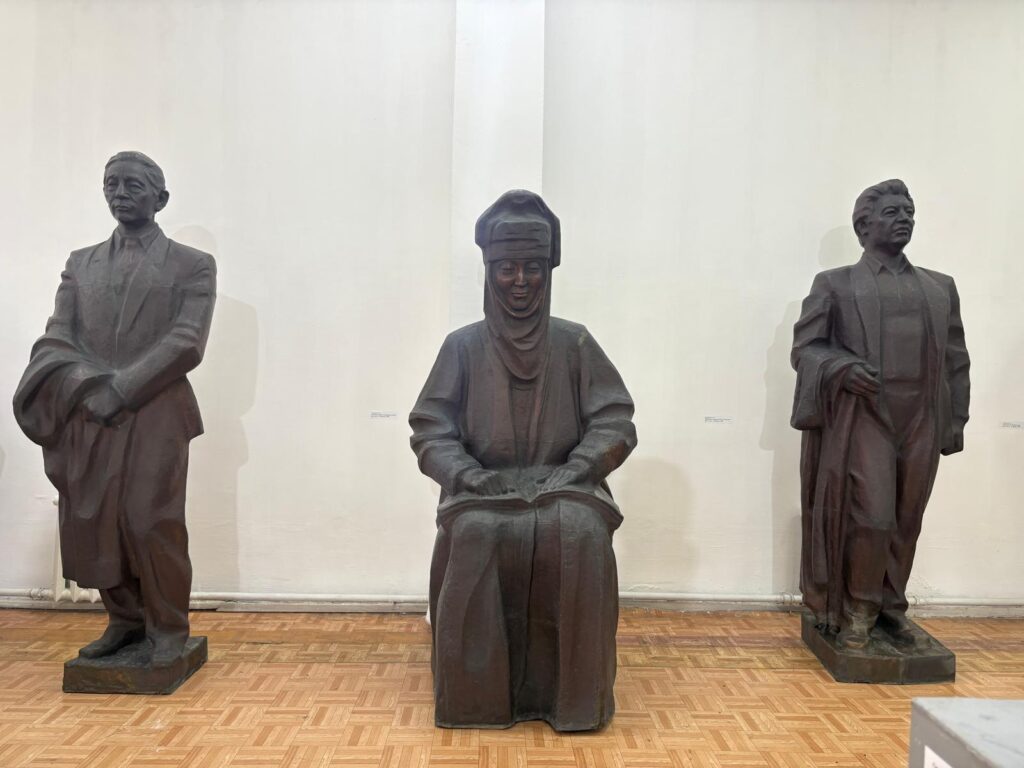
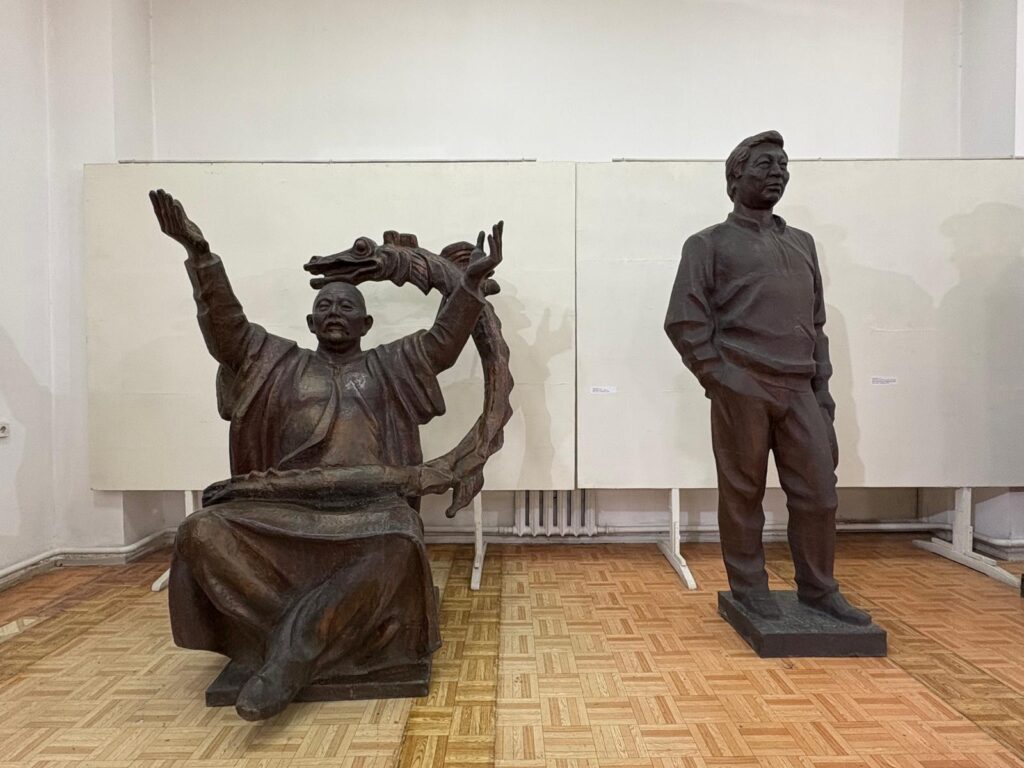
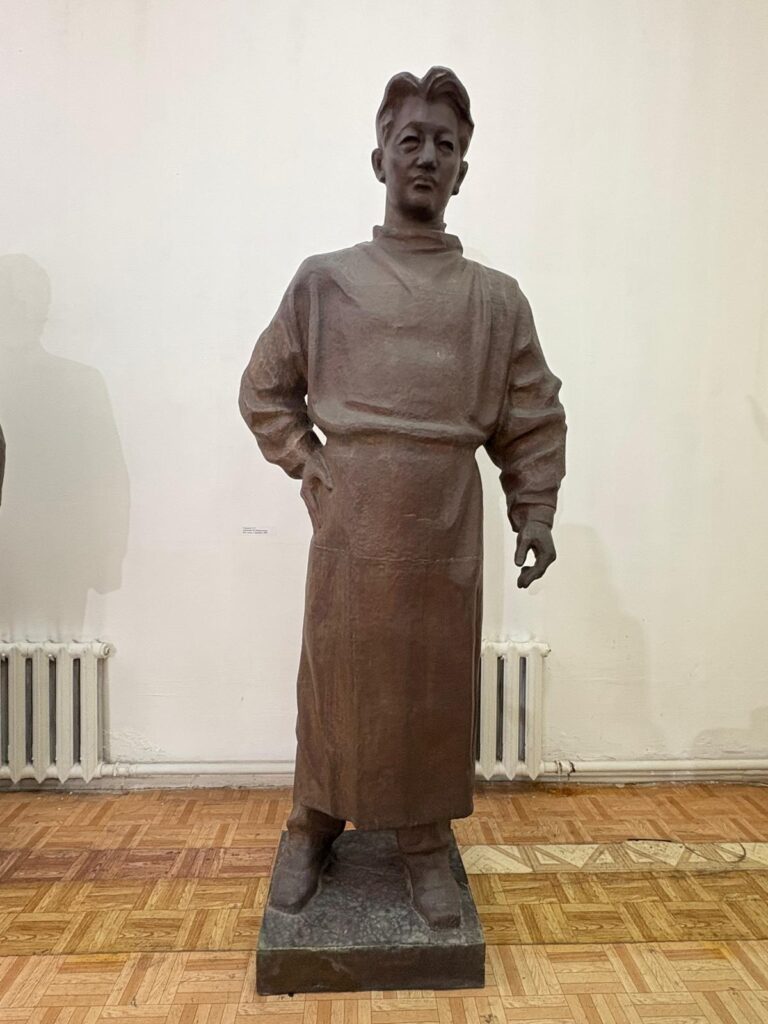
This brainwave unlocked the whole experience. She went and got her phone too, and we started a real conversation. She was, it transpired, a senior researcher at the museum. I learned about Sadykov – still actively involved in the museum and the Academy of Arts, it turned out. I even saw his office. We discussed the different people Sadykov had sculpted, where the final works can be found, his techniques and media. We also discussed our own backgrounds, how I came to visit, and my interest in art and museums. I went to sign the visitors’ book, and then headed back out to continue my exploration of Bishkek. One of my next stops was the square in front of the Kyrgyz National Philharmonic, where I immediately recognised some of Sadykov’s work.
A Memorable Connection
We give technology a hard time, sometimes, when it comes to connecting with others. And it can be a way to retreat from real world interactions, certainly. But this was such a genuine and unexpected moment, unlocking a conversation that we couldn’t otherwise have had. I felt buoyed by the visit, and so glad I’d persevered despite the museum’s small online footprint and my resulting uncertainty.
What of the art itself? Well firstly, let me say that I have no idea why this museum comes up online sometimes as a Museum of Graphic Arts. Maybe there’s another section somewhere that I missed, but what I saw was exclusively sculptures by Tinibek Sadykov. I can still tell you little about his biography – even when I search online for his name in Kyrgyz, there are few results (although I finally found a good one here if you want further reading).
But judging from his work, he is a sculptor of now advanced years who has an important place in Kyrgyz art, particularly of the 20th century. This naturally means that a lot of his work was in a style broadly aligned with Socialist Realism. Hardly abstract sculptures, in any case. Sadykov sculpted (and has continued to sculpt until recent years, at least) people. Historic figures from Kyrgyz history, everyday heroes like doctors, notable figures in various fields. A lot seem to have been public commissions, and he won various honours through his career, including the All Union Lenin Prize, Hero of Socialist Labour, and Hero of Kyrgyzstan.
Once you know what you’re looking for, Sadykov’s legacy is all over Bishkek, as well as in this museum. Kyrgyzstan seems to have integrated its Soviet past into its modern identity, so a lot of Soviet era monuments remain. Works by Sadykov are also part of the collection of the Kyrgyz National Museum of Fine Arts. This museum is a good place to understand more about the city, Kyrgyzstan’s artistic scene, and how past and present come together here. If you too, fancy a visit, you can find the museum here, and should consider having access to mobile data to make the most of it (unless you happen to speak Russian or Kyrgyz).
Trending
If you see this after your page is loaded completely, leafletJS files are missing.