
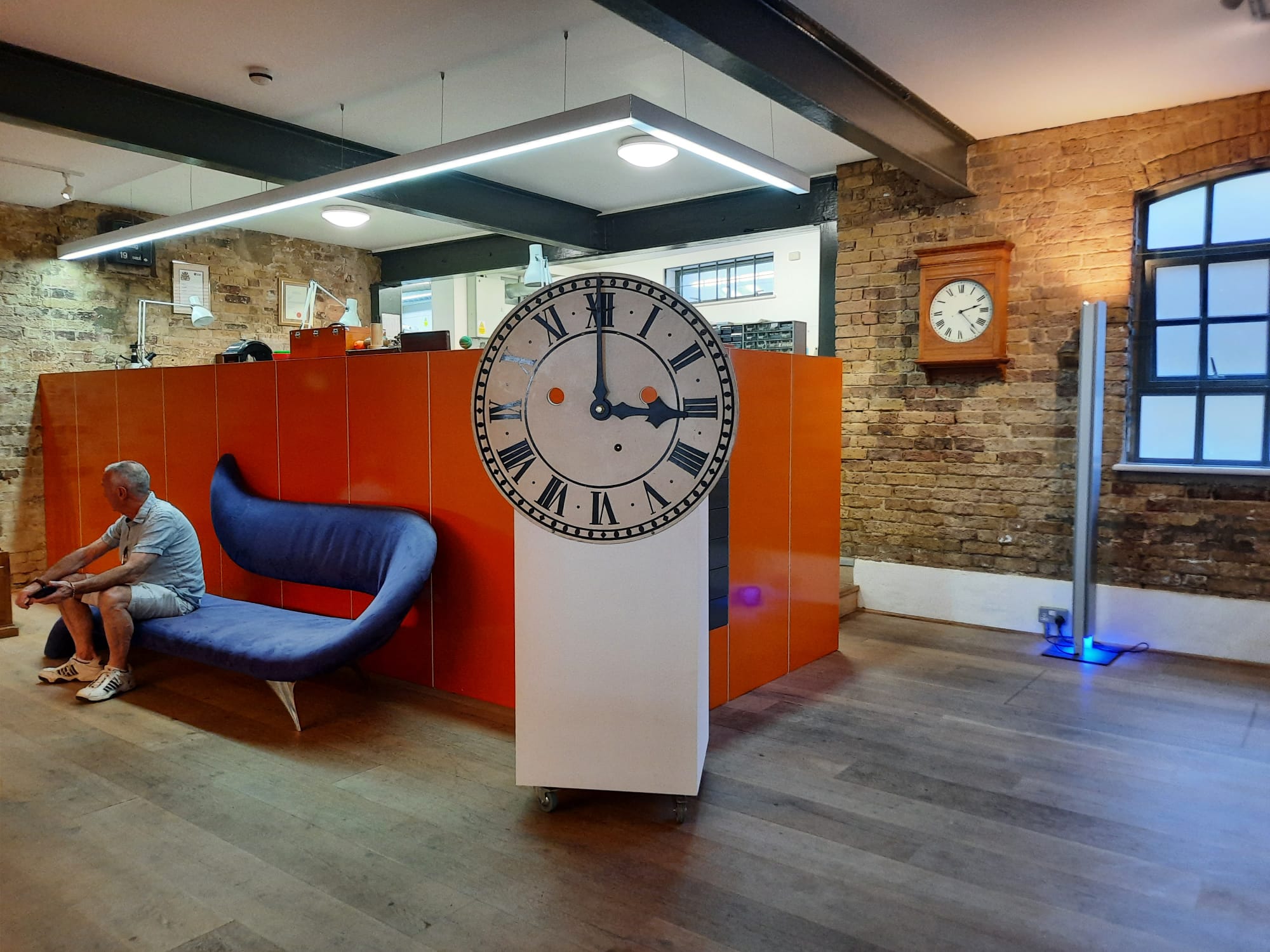
The Clockworks, London
On an outing to the Clockworks as part of Open House London last year, I learned more than I bargained for about the history of electrical horology.
A Visit to the Clockworks
As I relayed recently (OK, not so recently) in my post on Open House London 2025, I spent more time in South East London than in previous years. If you’re not familiar with Open House, it’s a long-running architecture festival where members of the public can enter places they don’t normally have access to. Or rarely have access to, in some cases. Today’s topic of discussion is in the latter camp.
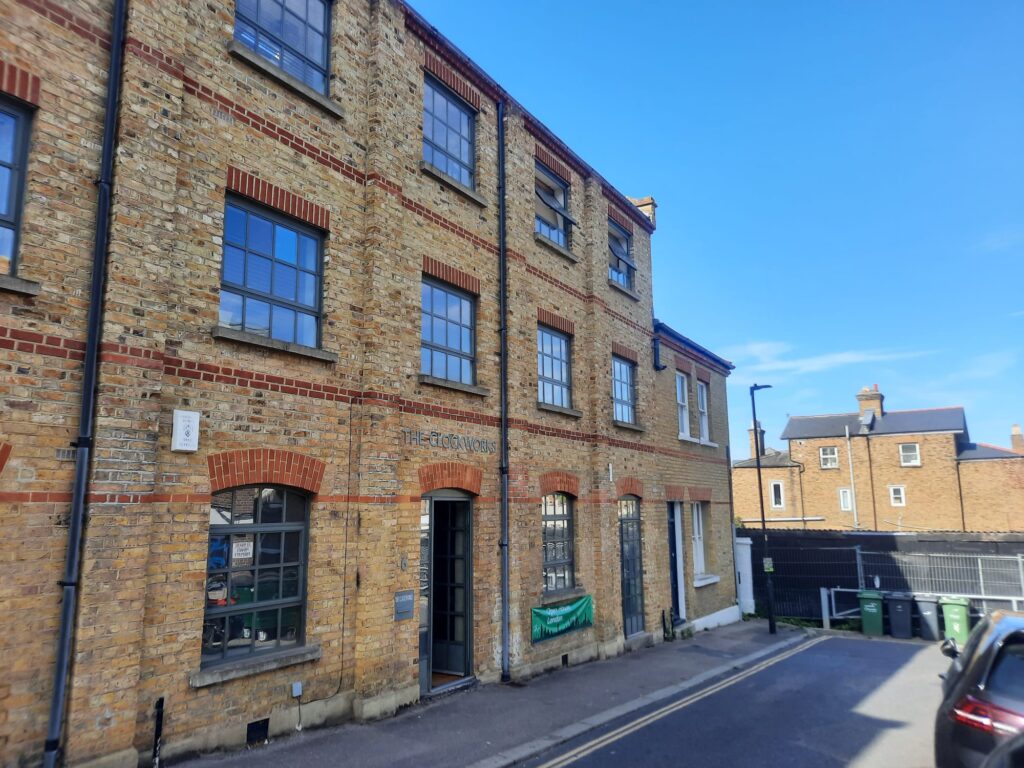
The Clockworks is a private museum in West Norwood. As I was saying, I saw a number of places in South East London during this year’s festival. Handy, as I also live in South East London. But West Norwood is simple to get to in any case, with trains from Victoria and London Bridge. The Clockworks is close to the station, on a pleasant back street off the main road, called Nettlefold Place. The name commemorates a Mr. Nettlefold who gave land for a library. This little dog leg runs behind the old library building. It has the feel of somewhere that’s always been industrious: before the museum was here it was a printworks.
But as I was saying, this is not one of those Open House places that is otherwise closed to the public. In fact you could drop by any Friday lunchtime for a curator’s talk. But otherwise it’s open by appointment, Monday to Friday. You can visit on your own or as a group, but believe it or not (given all the museums I visit) the Salterton Arts Review can be a little shy, so this option didn’t entirely appeal. Open House gave me a perfect opportunity to not only visit but get a guided tour as well.
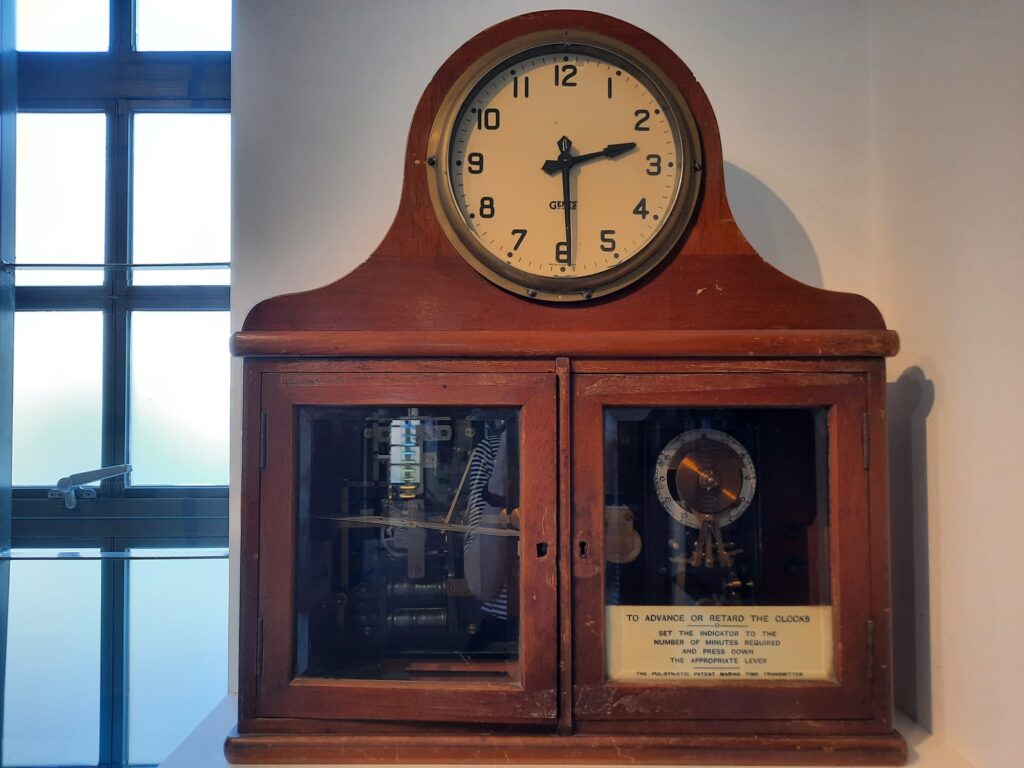
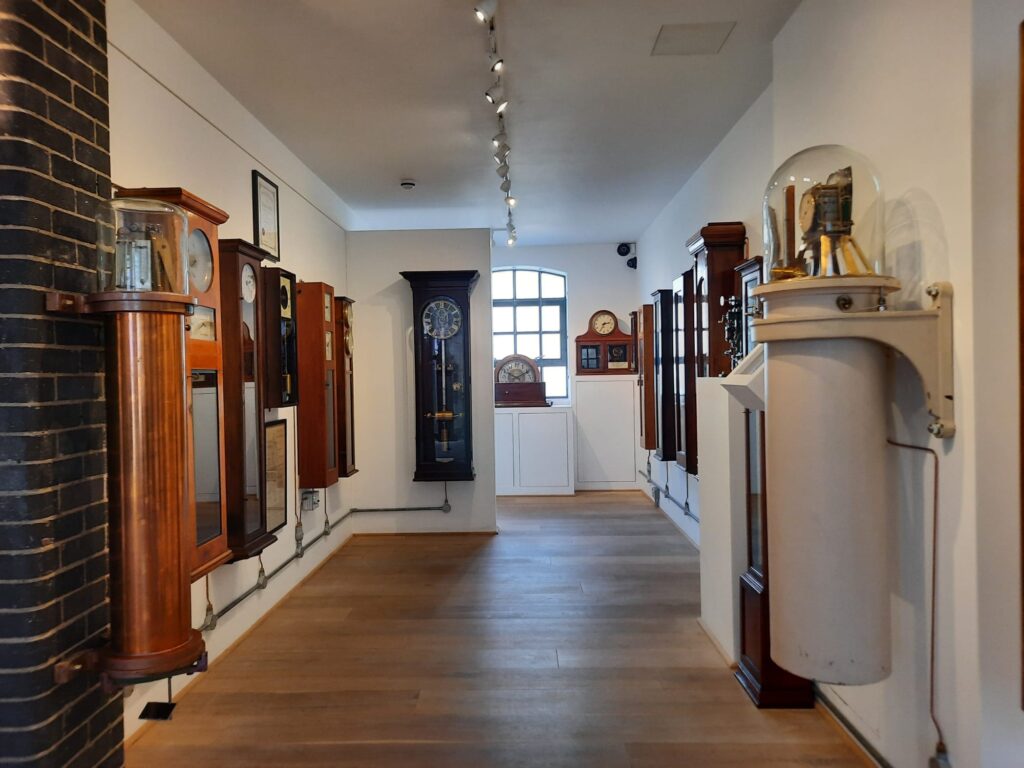
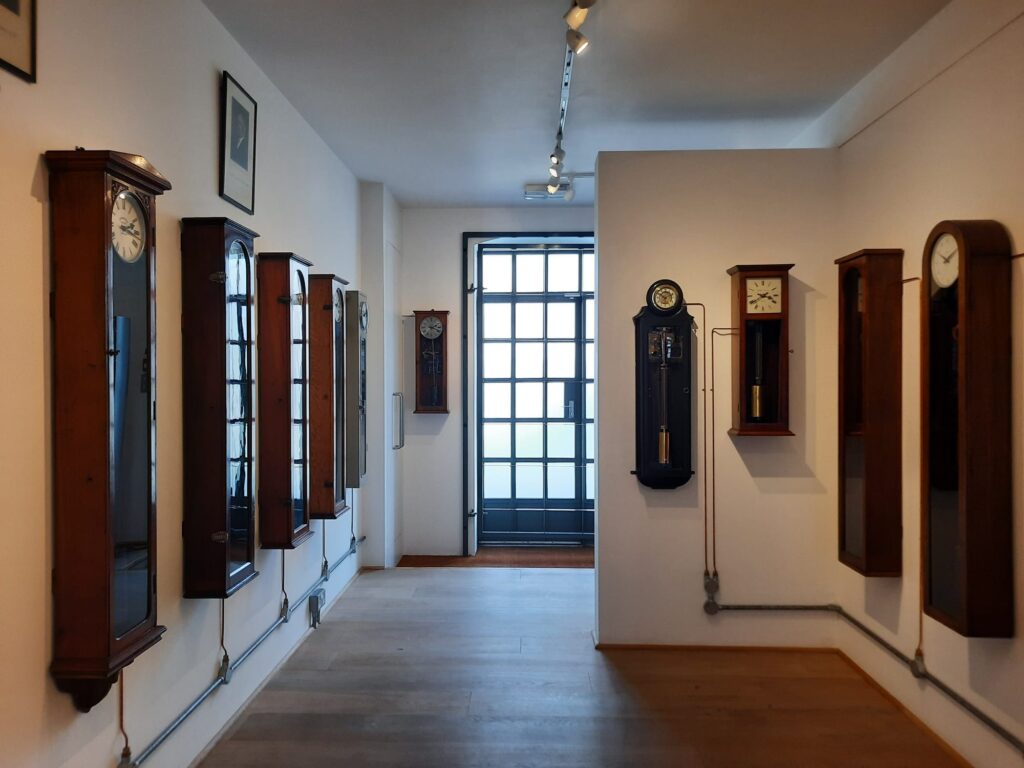
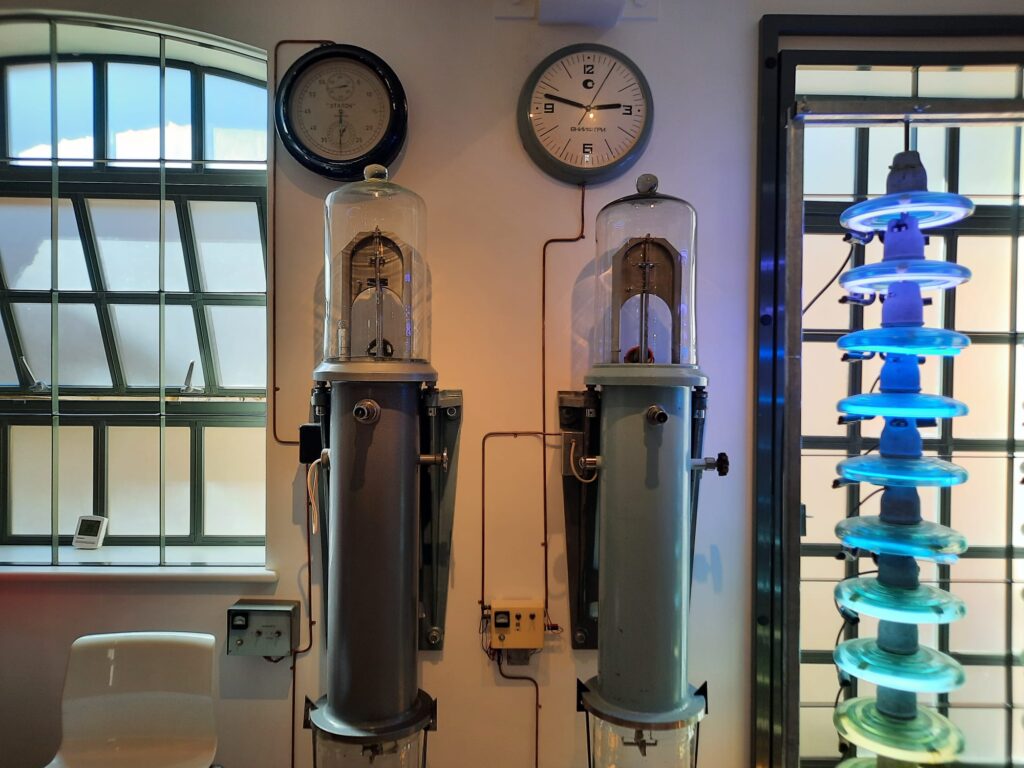
Synchronised Timekeeping
We take it for granted now, in an age when you’re not even sure if Daylight Savings is this weekend because your devices (and everyone else’s) just handle it, but exact, shared timekeeping is a relatively recent phenomenon. Firstly, for pretty much all of human history, it wasn’t possible to measure the time precisely. The move from sundials to mechanical clocks to pendulum clocks improved things immensely. But even when people did try to keep to the same time, this could vary from city to city. And in pre-industrial societies it didn’t really matter. People lived by the sun, and the seasons. The church bells marked the key points during the day. Surely that’s enough?
Not in an industrialised society. To take just one pressing reason for synchronising time and ensuring it’s exact, think of a railway timetable. You can’t have trains crossing whenever they feel like it, or following a time that’s slightly off. And so in the Victorian period many intelligent people applied themselves to solving this problem. How could they build precise clocks? And better yet, how could they network clocks together so they shared a time?
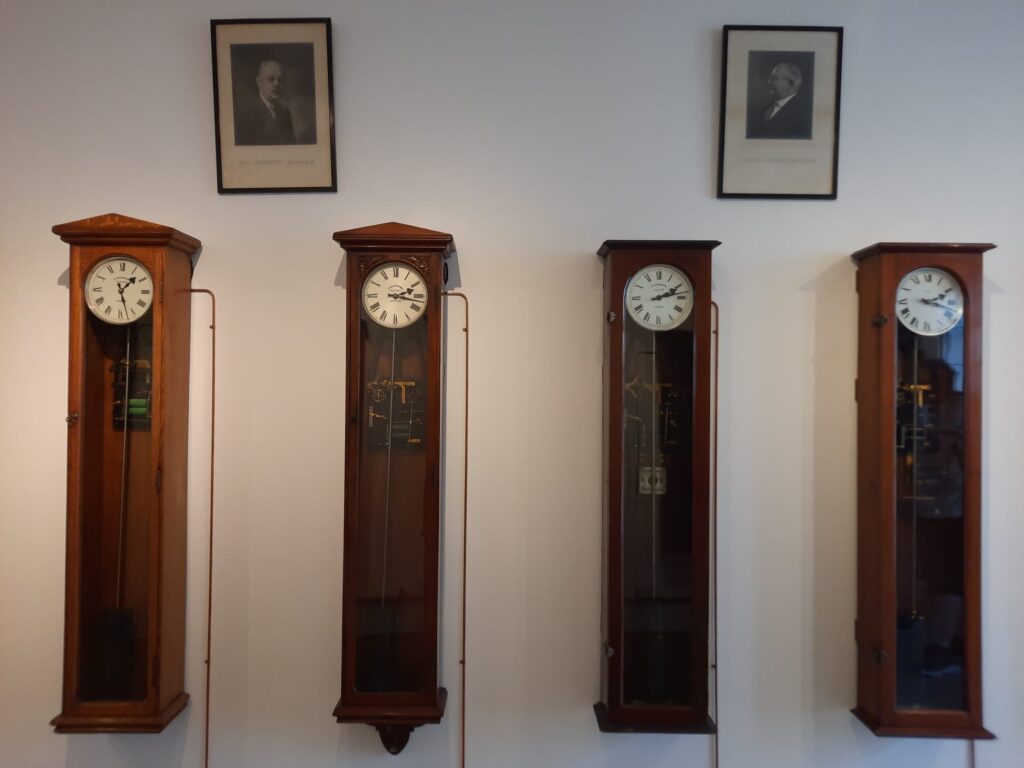
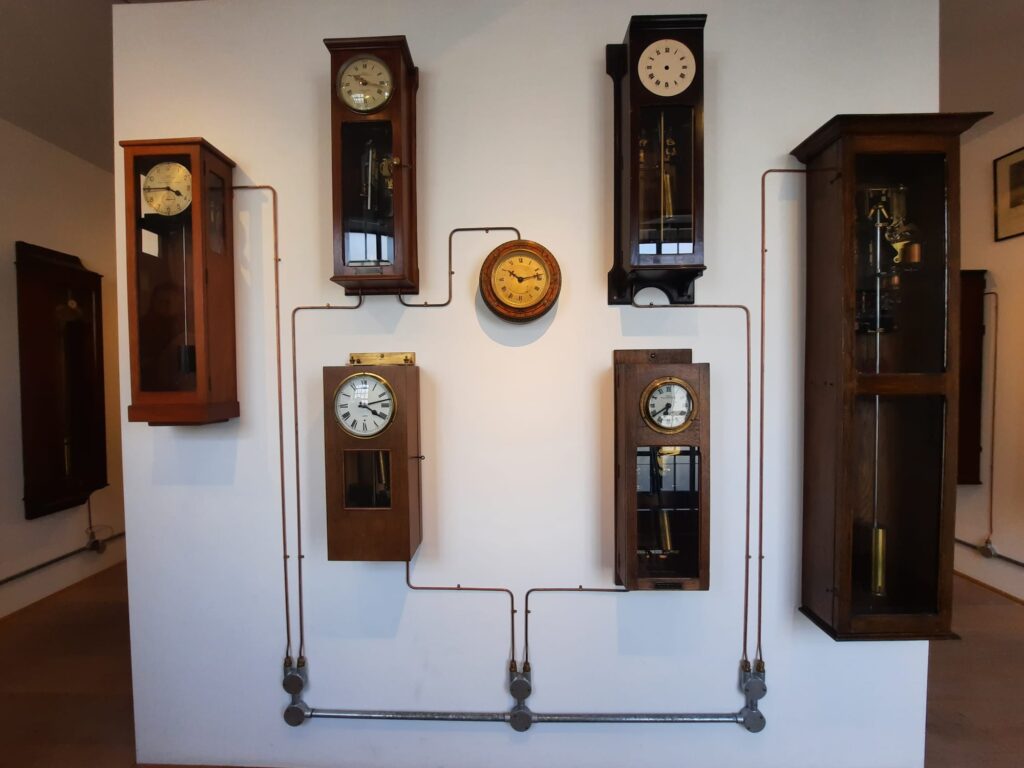
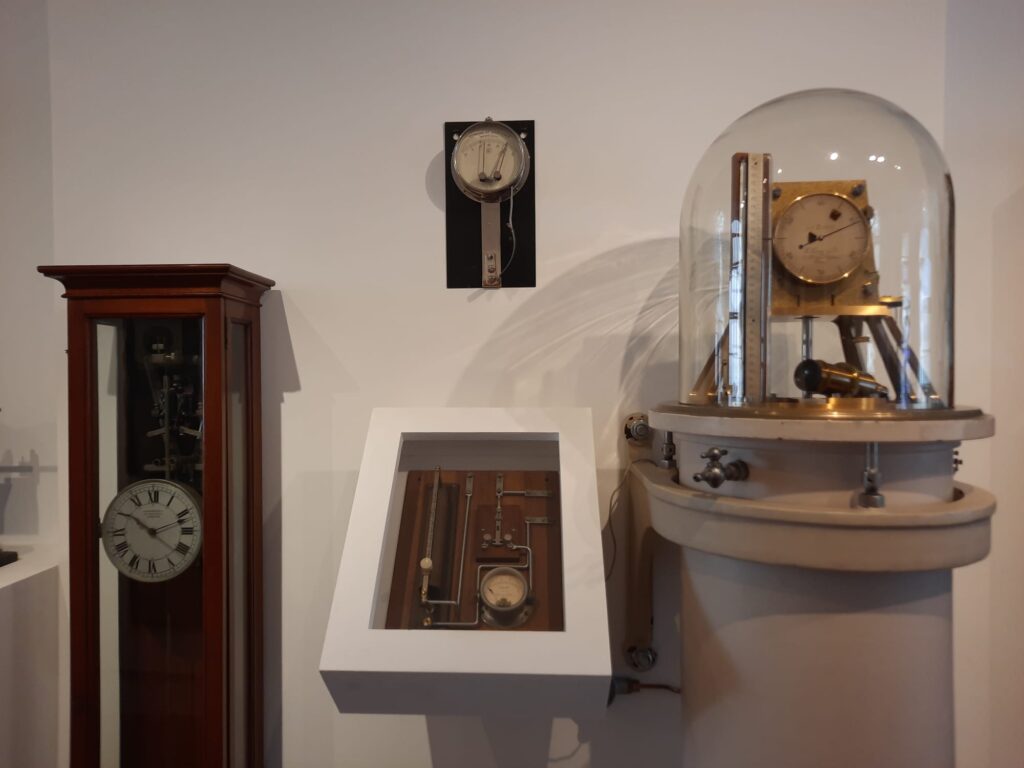
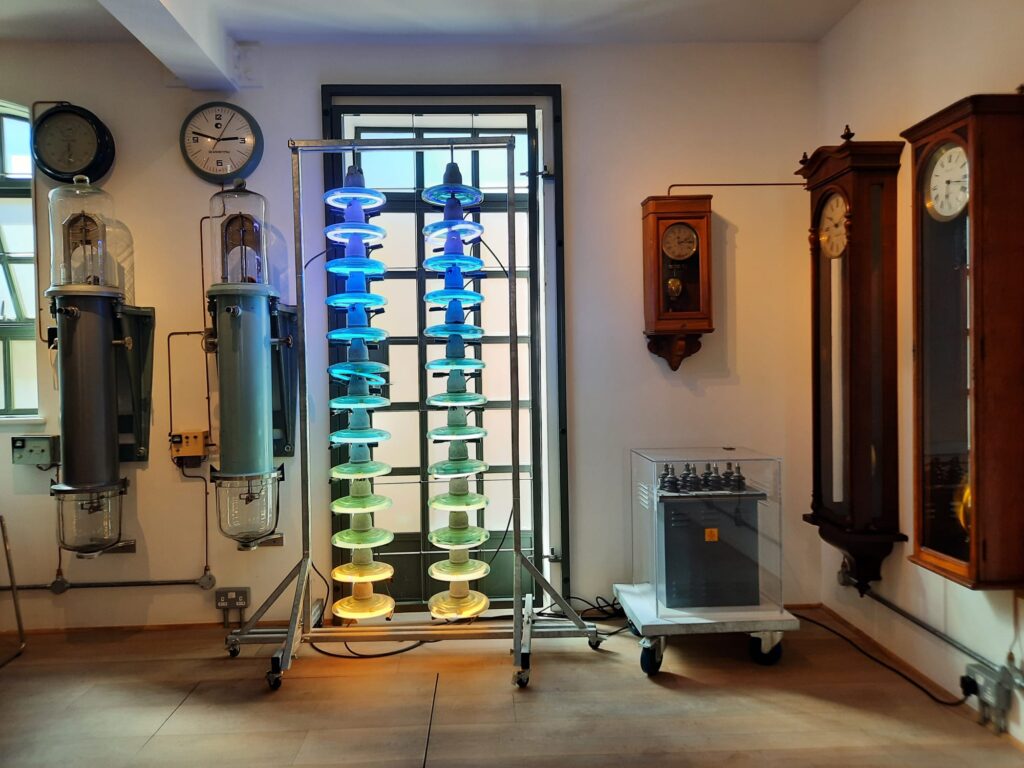
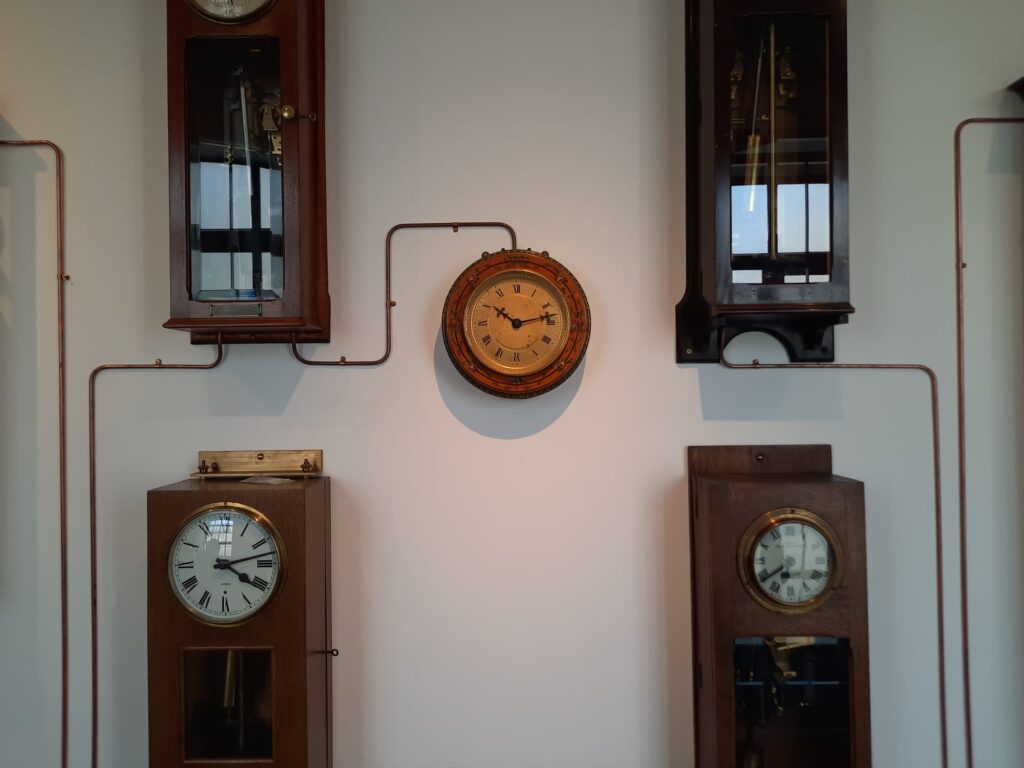
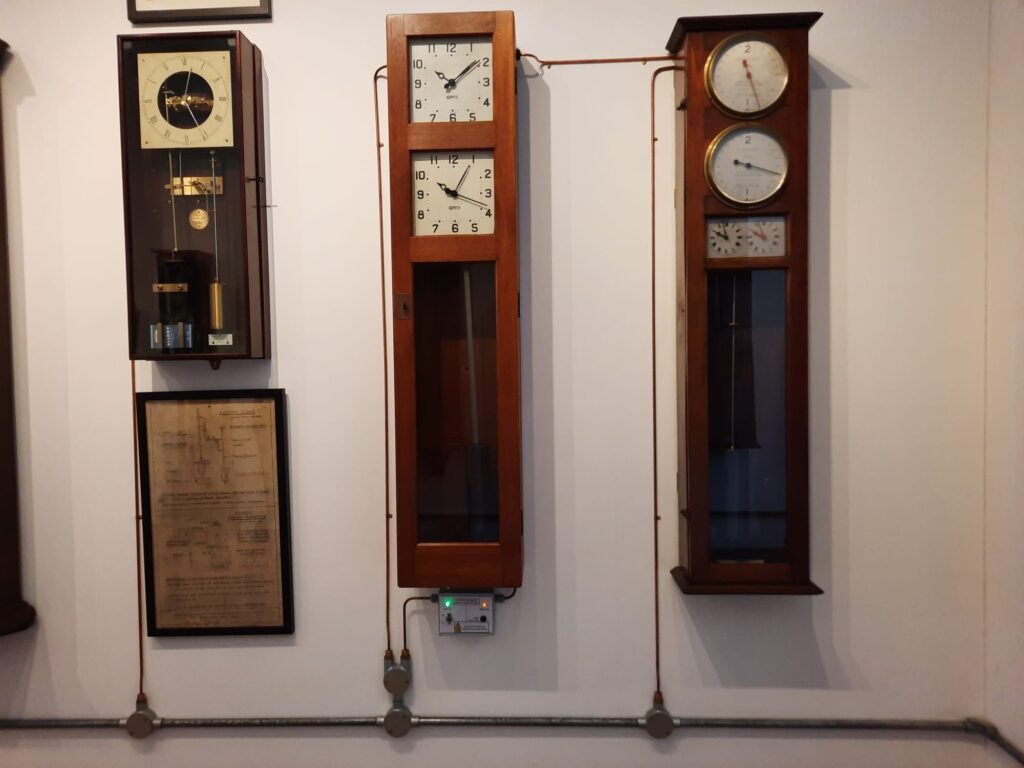
It wasn’t just electricity that solved the problem, although that was part of it. The first electric clock was invented by Alexander Bain in 1840. Then there were other problems to solve, namely clocks losing time because of momentum and friction. Vacuums and magnets were among the solutions applied. Other clockmakers incorporated precision instruments into their clocks so they could be kept as accurate as possible. An important time-saver (is there a pun there?) was the advent of distributed timekeeping, where one central clock pushed out the time to a number of others, so was the only one that had to be kept accurate. By the end of the Victorian period accurate timekeeping was the norm, GMT had become the standard from which everyone worked, and factories, railways, pubs, and even lawyers executing contracts could work from a standard understanding of what the time was.
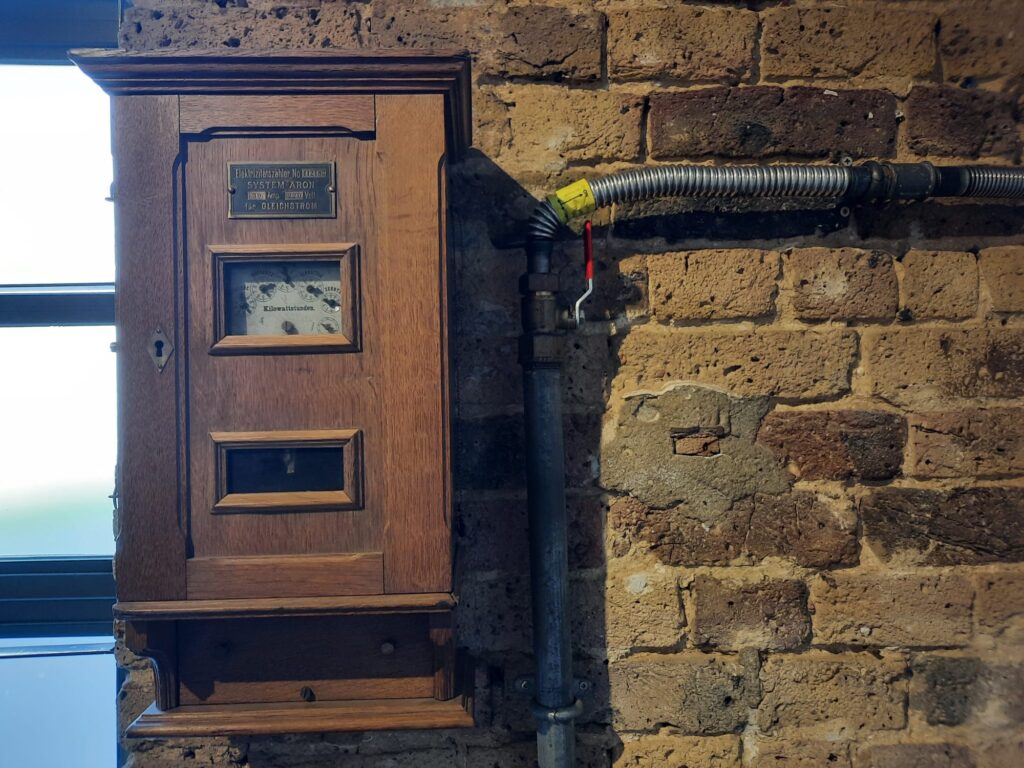
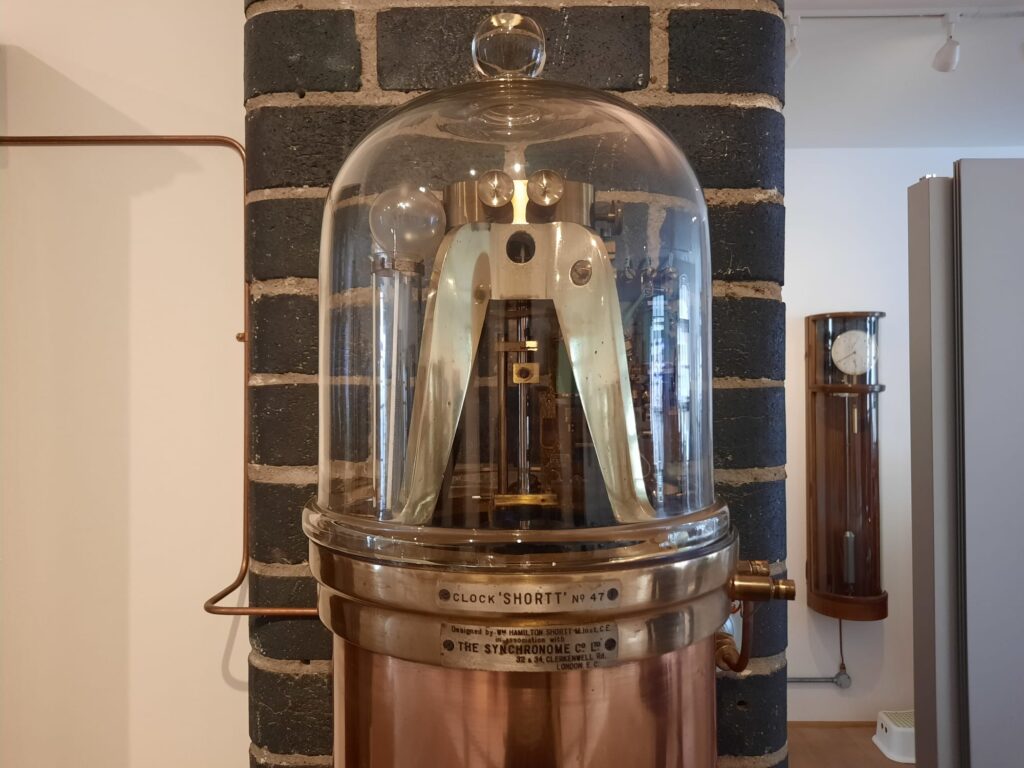
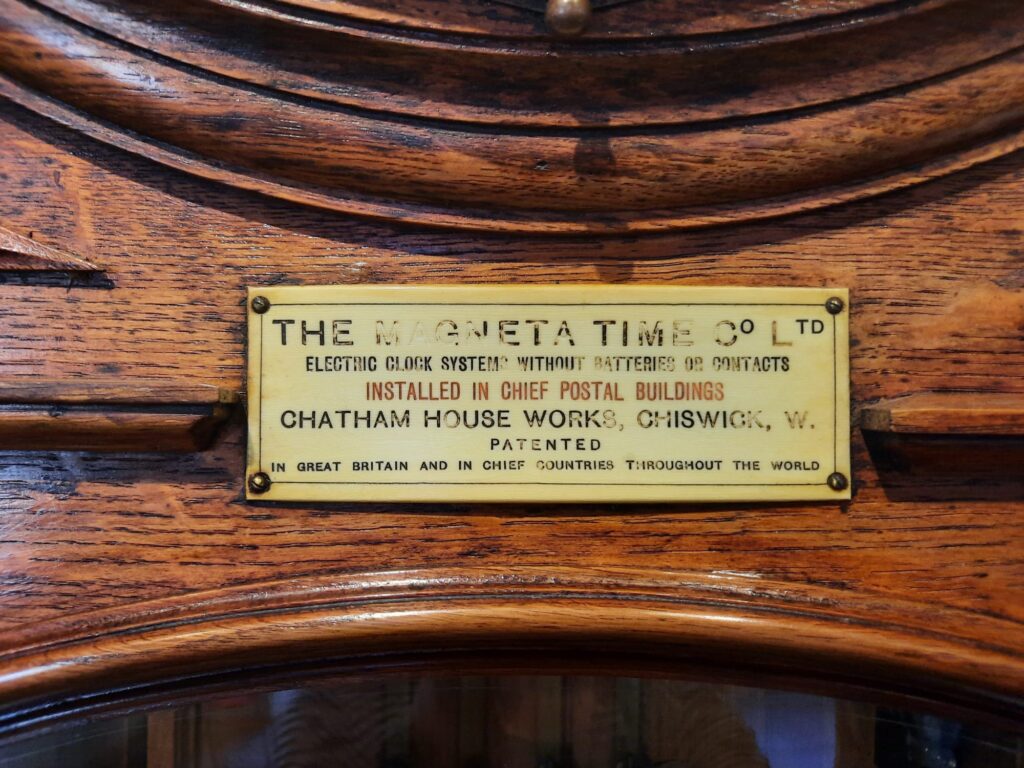
Visiting The Clockworks
The previous section was a very amateurish explanation of electrical horology. For a proper explanation, might I suggest you go to one of those lunchtime talks on a Friday? The staff certainly know their stuff. The Clockworks employs both a curator, and a conservator in residence. The former is the inaugural curator Dr. Kirsten Tambling, and the latter, at least when I visited, is Alex Jeffrey. Both were there for my Open House tour, as was founder Dr. James Nye. Nye has a profound interest in horology, and built up an expansive collection of ‘electric time artefacts’ over many years. Having seen his passion project find a home in the Clockworks, he has set it up as a charitable trust, ensuring its independence and hopefully longevity.
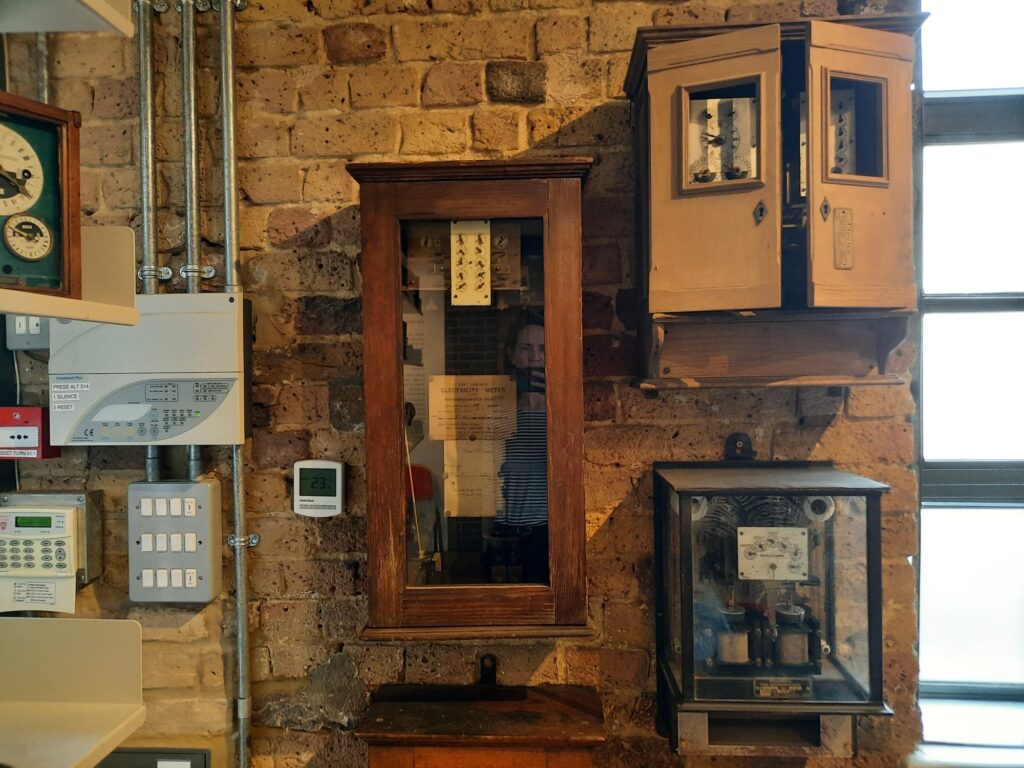
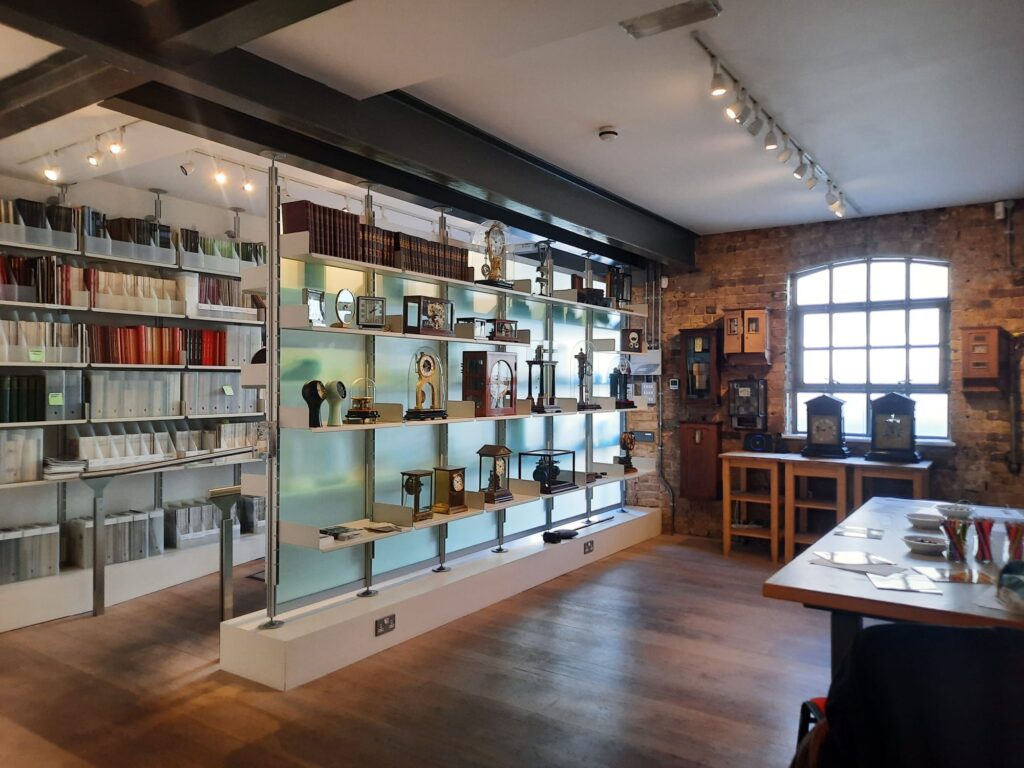
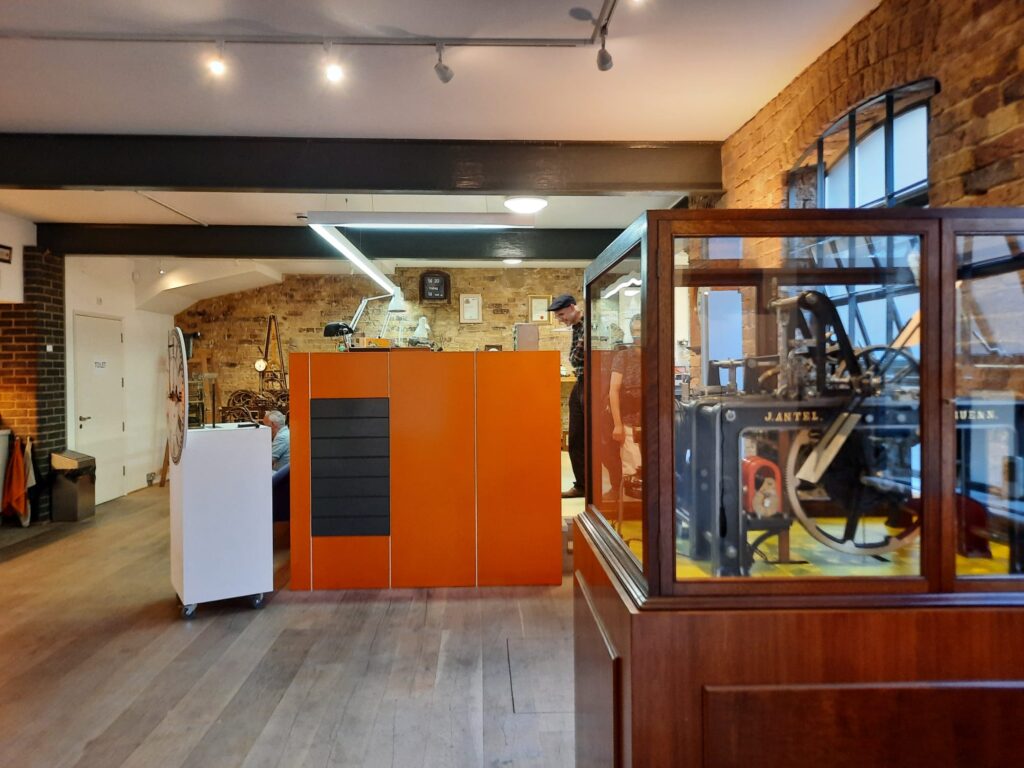
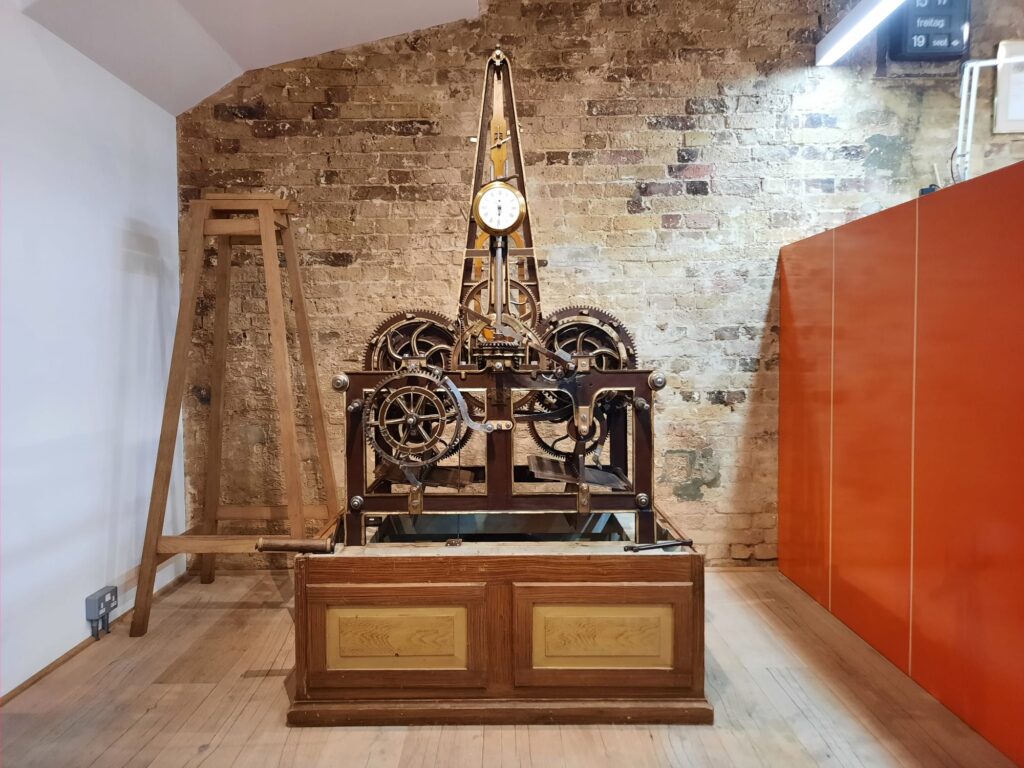
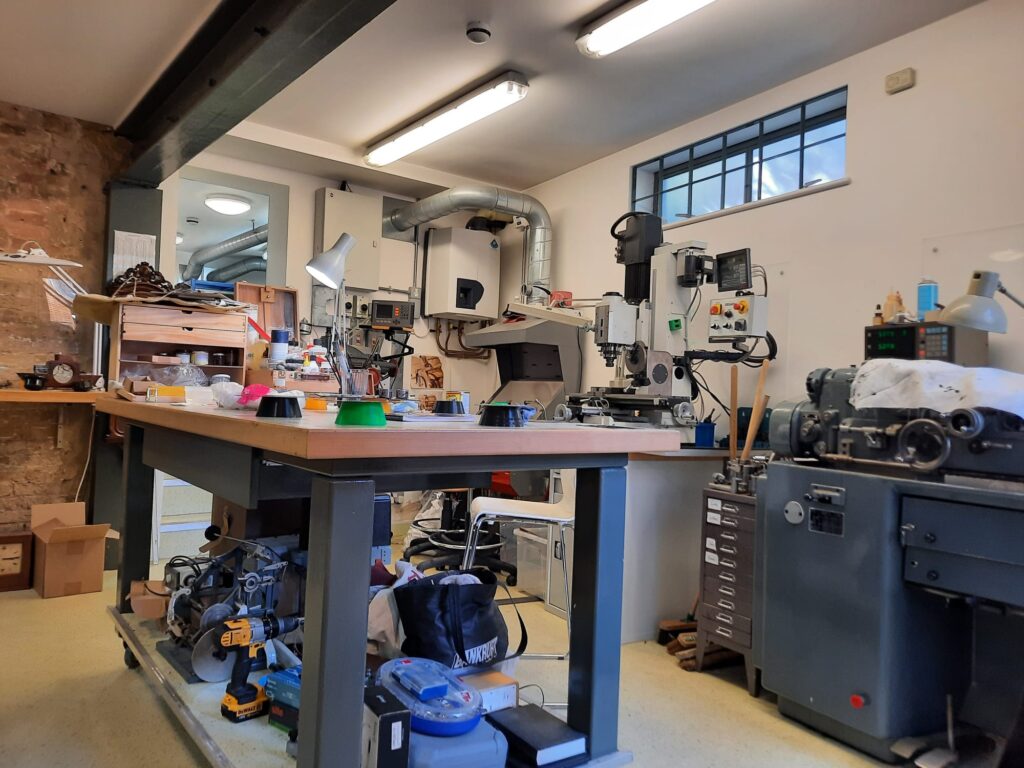
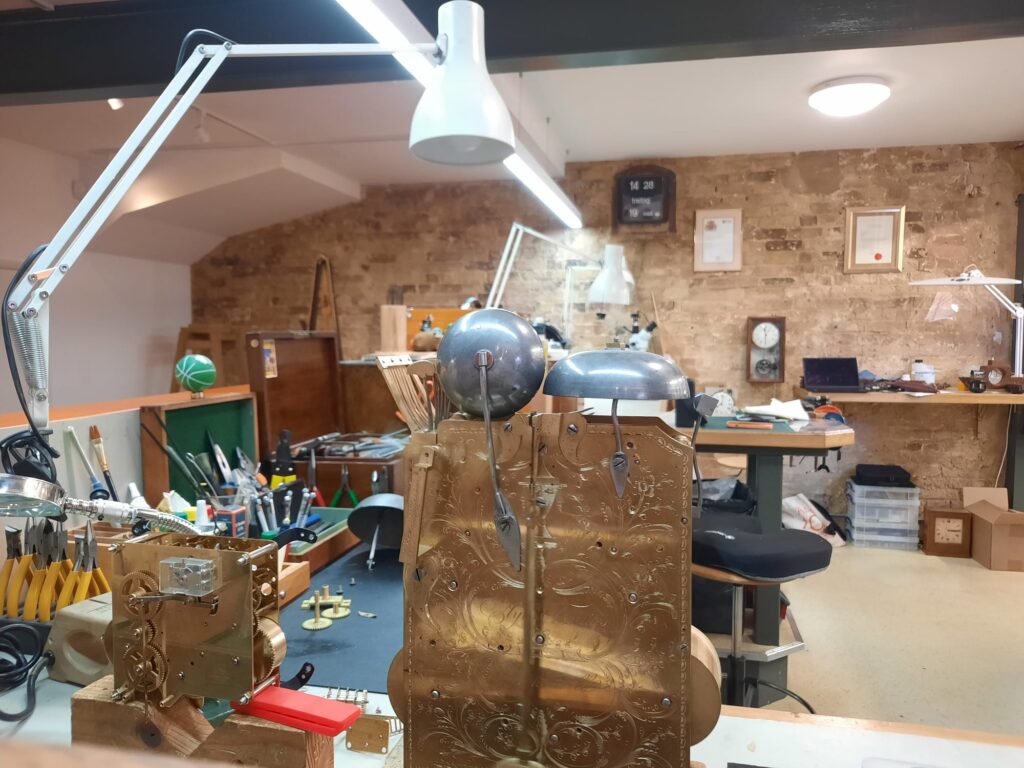
For the Open House visit we were split into two groups, and I joined Nye for a tour. He spoke passionately about electrical, accurate and distributed timekeeping, which is where I learned much of what I attempted to repeat above. Towards the end he recalled that Open House is theoretically all about architecture, and spoke about the space the museum occupies. A refitted printworks, as I said. It was important to the project that the skills involved in clockmaking and restoration be living ones, and the workshop thus takes pride of place. When you enter the main space of the museum it is raised up, spacious and clearly utilised. To an outsider, all the minute and skilled work that goes on in there is fascinating.
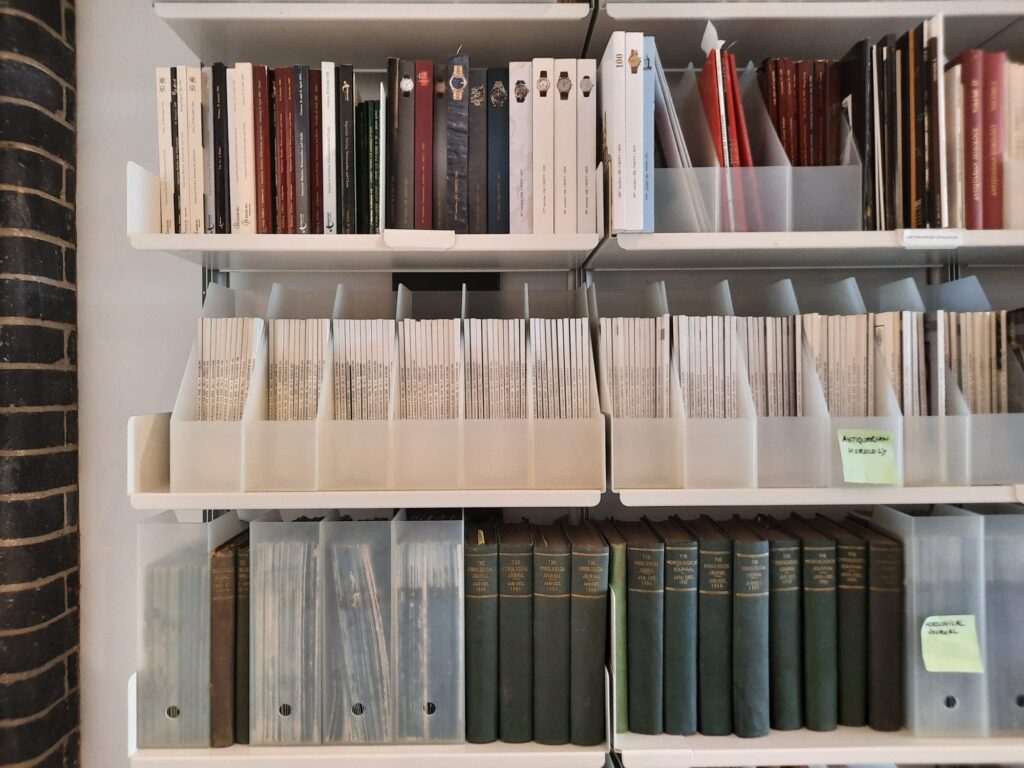
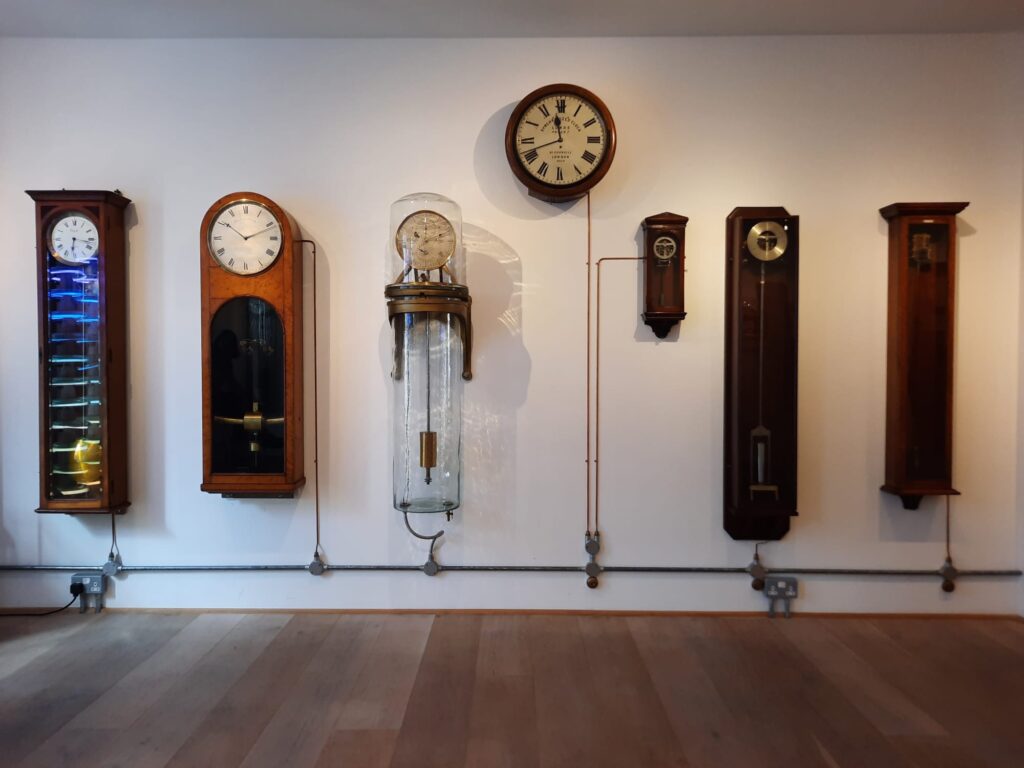
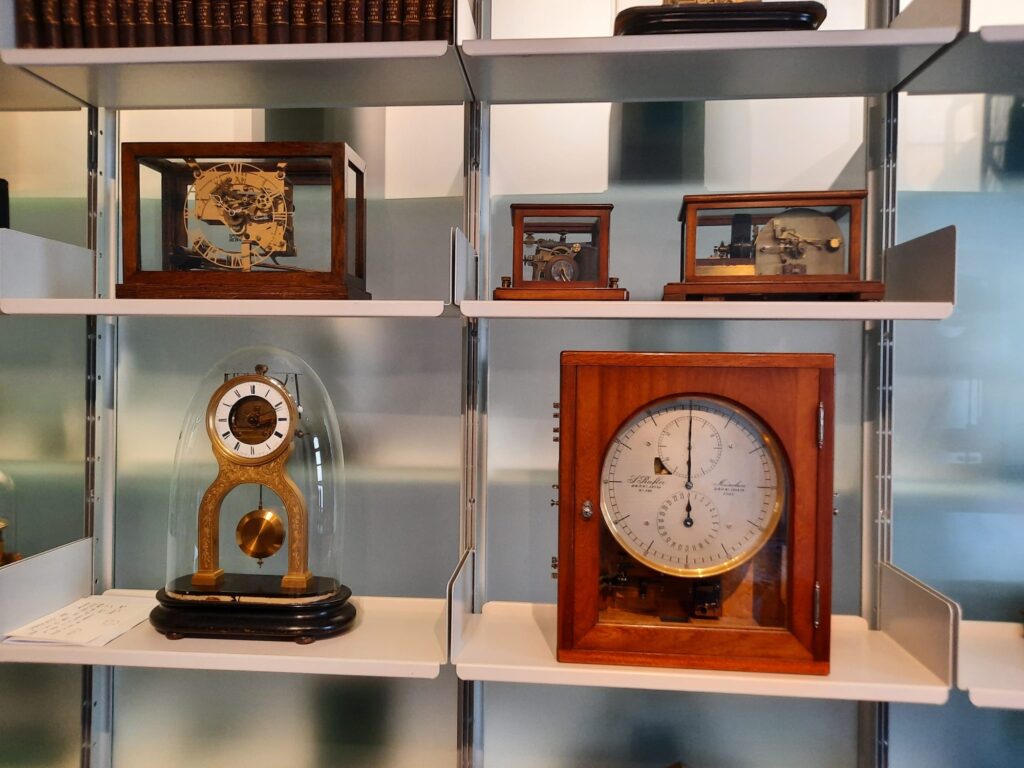
And the rest of the museum is taken up with, well, clocks. Aside from a space for a library, and some functional areas including a kitchenette. The constant tick-tick-ticking of the clocks must fade into the background after a while. Being historic objects now they’re maybe not all keeping time as accurately as they once did, and so they strike the hour as they please. Some have been stripped back to show off particularly clever mechanisms, for self-winding for instance.
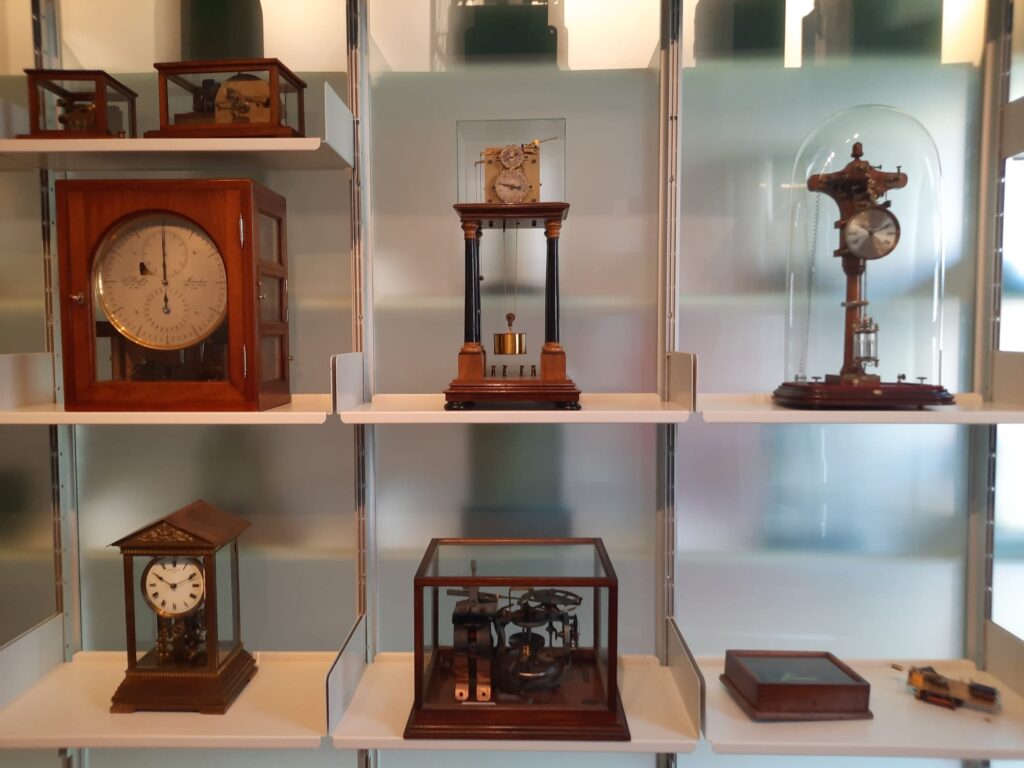
Very Much Worth a Trip to West Norwood
I am very much of the opinion that any topic that’s new to me, and is explained with enough passion and storytelling skill, is going to be interesting. The Clockworks is a great case in point. I hadn’t even really thought about the application of electricity to timekeeping before, why accurate clockmaking emerged when it did, or any other number of subjects we covered on our tour. But I found it fascinating.
You do need a person to bring it to life, though. There are no labels in the museum, and you don’t have much hope of picking out the oldest or most interesting or rarest clocks without a bit of help. With that additional input, though, it’s very engaging. And there are so many angles to come at it from. I had the collector’s view, which I have to say does often appeal to me. Collectors are a passionate and often idiosyncratic bunch. There’s also the curator’s view: how to tell a story using the objects in the collection. Or the conservator’s view. Jeffrey was formerly part of the in-house clock team of the Palace of Westminster (again, not something I’d ever thought about before), so I’m sure has some interesting stories to tell.
And this continues to be what I love about Open House. People all over London open up their homes or workplaces or passion projects, and share them with others. It’s definitely a nice time to visit, but if you can’t wait until September you may just have to be braver than I am and make an appointment to visit the Clockworks. You can find more information here.
Trending
If you see this after your page is loaded completely, leafletJS files are missing.