
Malta For Culture Lovers
With historic sites spanning millennia and a vibrant visitor experience, Malta is a perfect getaway for culture lovers looking to blend activities and relaxation.
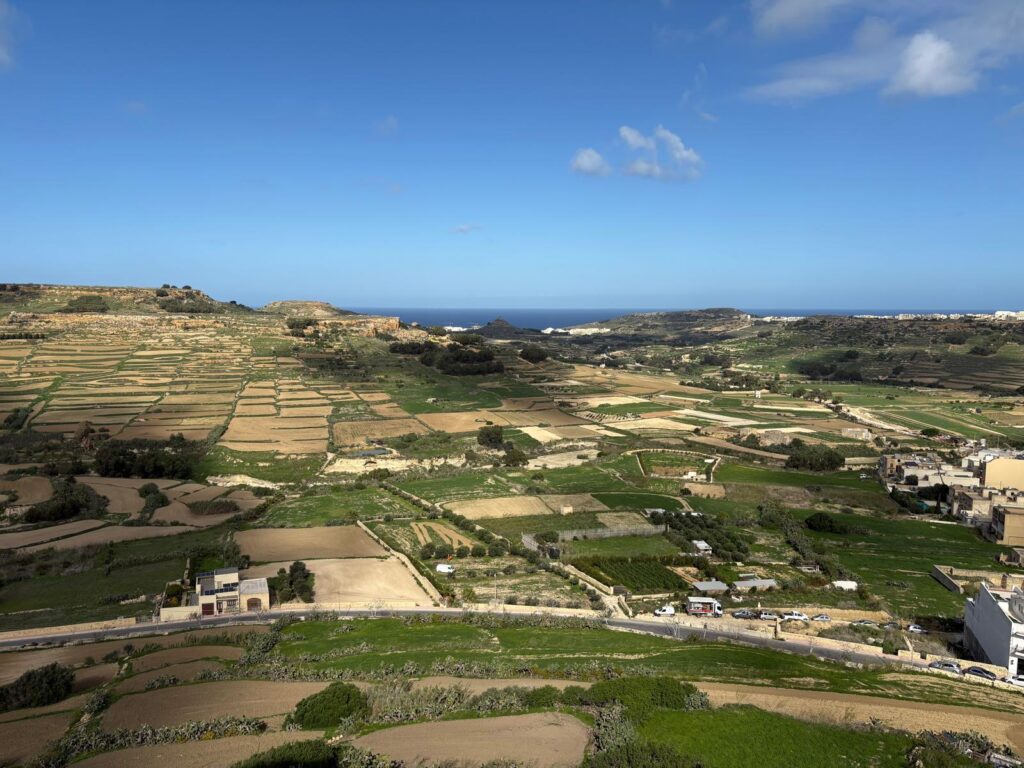
A Week in Malta
For some reason, Malta had not previously been on my travel radar. Which is perhaps surprising: I normally love a small European country (like Andorra, for instance). But I just didn’t know that much about it. Most of what I did know, if I’m honest, came from this play, which was primarily about Malta’s then-blanket abortion ban, but also gave a crash course in this Mediterranean nation. But I don’t mean to start this post on a serious or divisive note.
So why Malta? Well, it partly came down to the time of year. The Urban Geographer and I were planning to go to Italy in early October. We didn’t organise ourselves in time, and so needed somewhere to go in late October/early November instead. I had flashbacks to a very rainy Halloween weekend in Lisbon, and didn’t want to repeat the experience. And so I had a look online to get inspiration for European destinations that might still have reliably good weather that late in the year.
The Canary Islands came up, of course. But they’re only technically Europe, so it felt a bit like cheating. Plus I’ve been before, so it didn’t feel exciting. But Malta? Hmmm, intriguing. So I looked into it a bit more. I remembered there were lots of Neolithic sites, which for me is a big plus. I checked out the average temperature and rainfall. And, as you can tell from this post, I was sold. We started planning a week in Malta, starting and finishing in and around Valletta, with a couple of days in Gozo in the middle.
Readers, Malta is so good for culture lovers that a one-week trip has spawned over a dozen posts in total. Yes, you read that right. And I could happily go back and spend another culture-filled week there. Below I am going to talk you through some of the best parts of Malta for culture lovers, as well as slicing things by activity type: museums, historic sites and so on. I hope it’s useful – happy reading!
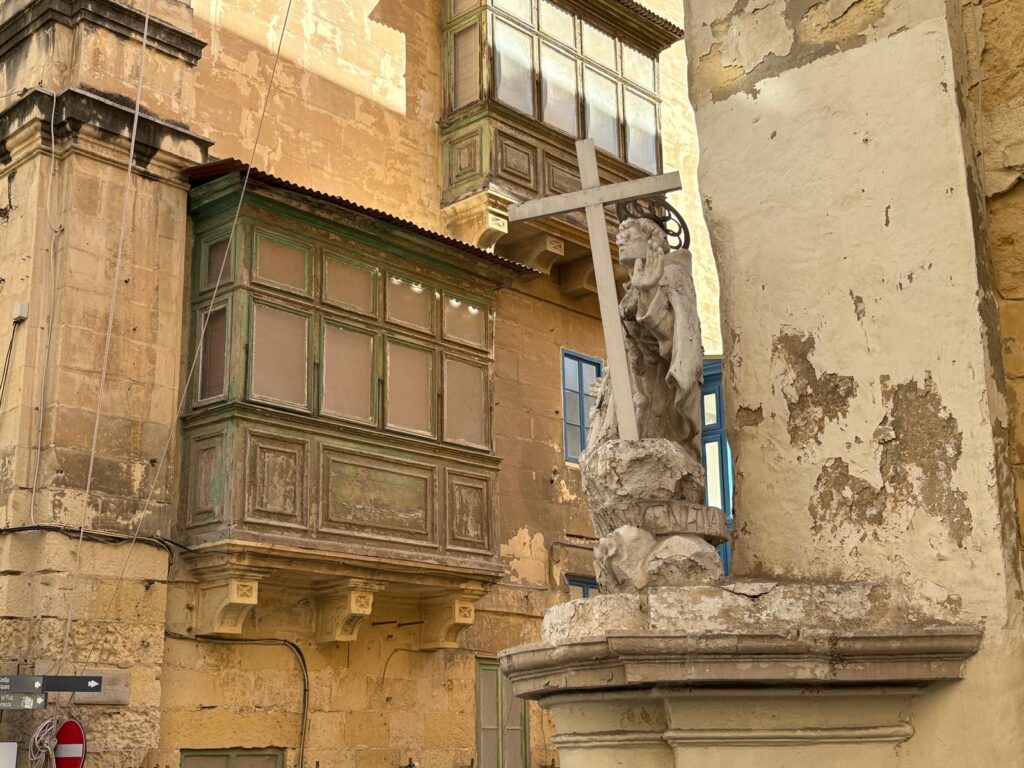
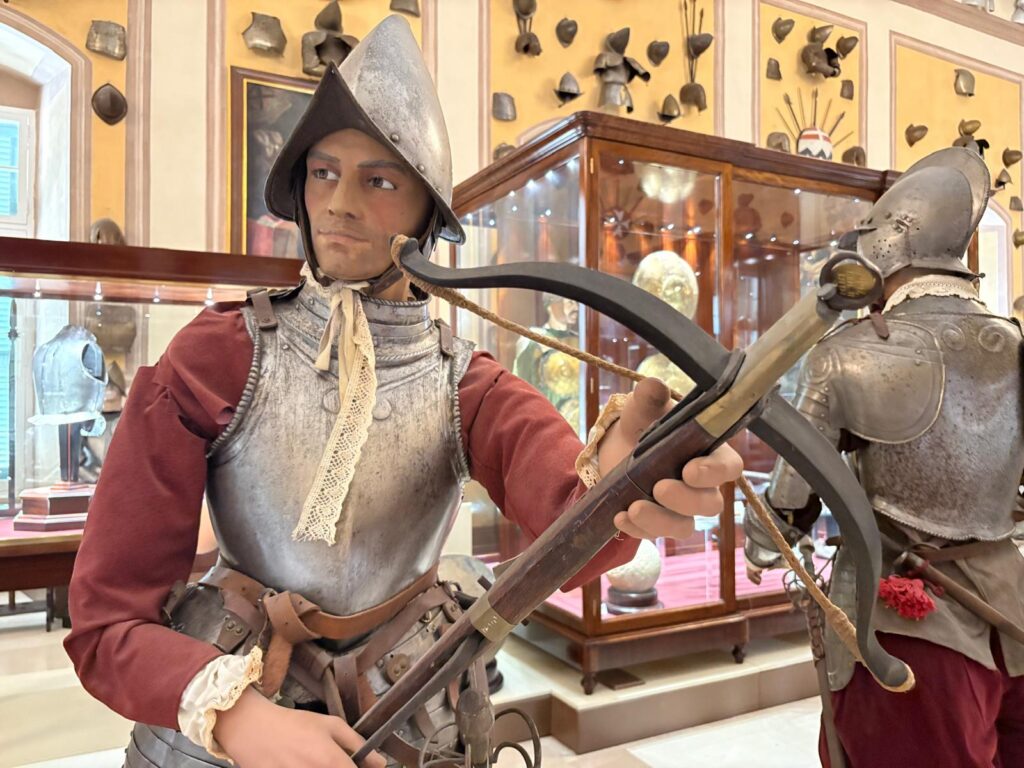
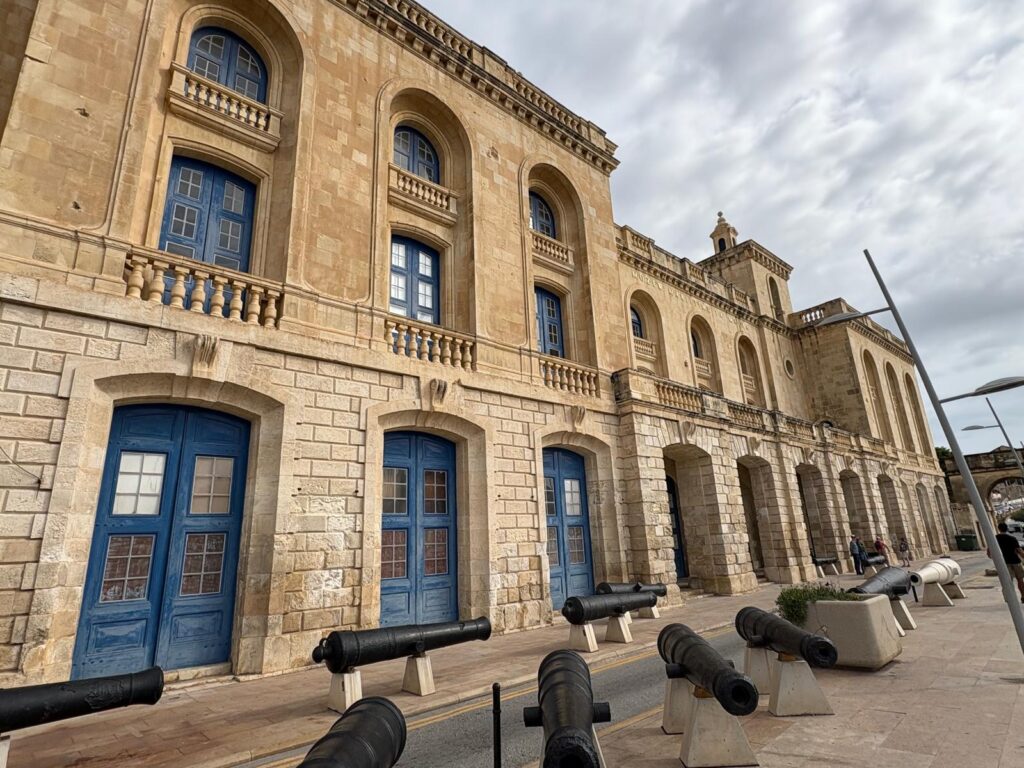
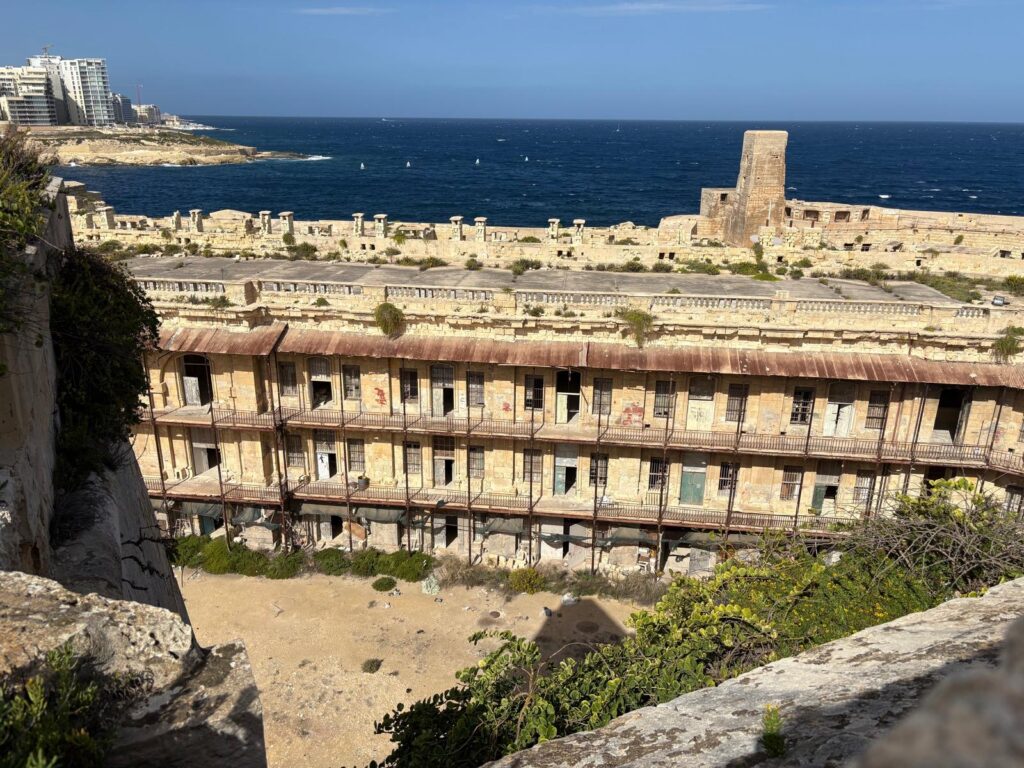
A Brief History of Malta
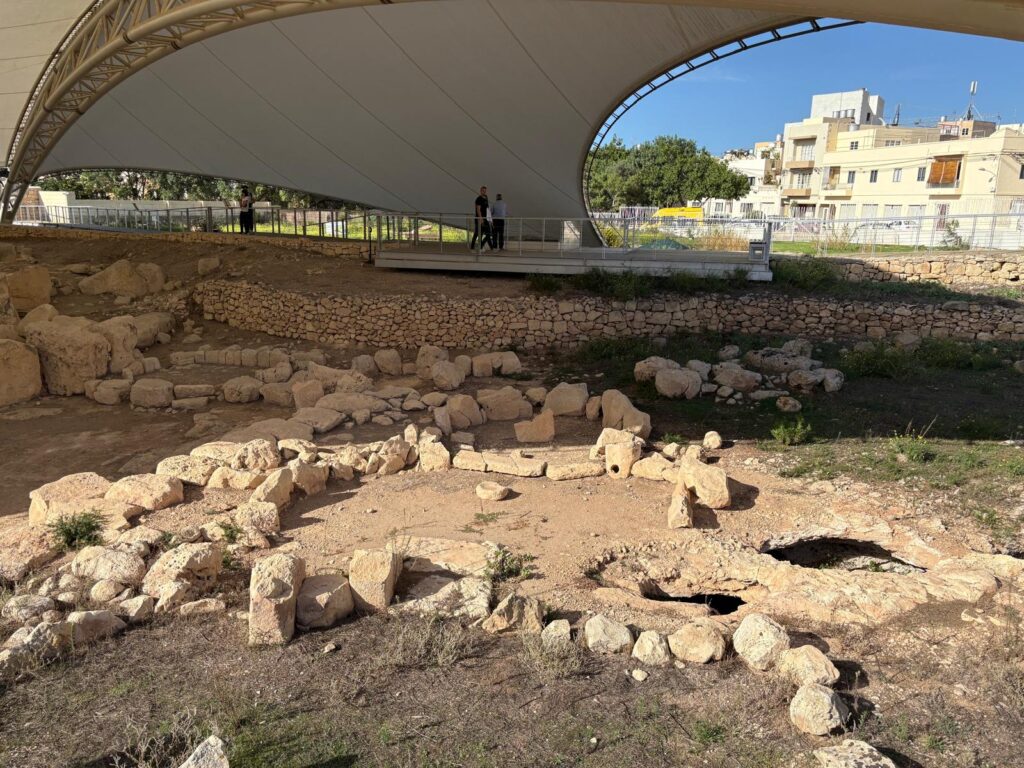
As you can tell from the mention of Neolithic sites, Malta has been inhabited for a long time. Since about 6400 BCE. Until more or less the historic period, this was successive waves of habitation rather than a continuous culture. A Mesolithic (Middle Stone Age) people were the ones who arrived around 6400 BCE. Neolithic Sicilian farmers took over around 5400 BCE. Then a civilisation who from around 3850 until 2350 BCE built Malta’s megalithic temples. Then Bronze Age warriors, which more or less brings us to the end of the prehistoric period.
As we enter the time of historic records, Malta’s history is a bit more continuous, and also consistently one of successive dominant cultures claiming the islands. First the Phoenicians, then the Romans. The Byzantines got Malta in the Roman Empire divorce. Next up were Arab rulers, then the Normans (in the form of the Kingdom of Sicily). That led to various feudal rulers, ending with the Spanish. The Order of St John, then homeless, were given the islands in 1530. The Ottoman Empire had a go at taking over sometime later, but were repelled. Finally there was French First Empire (Napoleonic) rule for two years from 1798, followed by the British. The British connection, as well as Malta’s strategic location, meant they had a terrible time during WWII. Malta has been independent since 1964, and joined the EU in 2004.
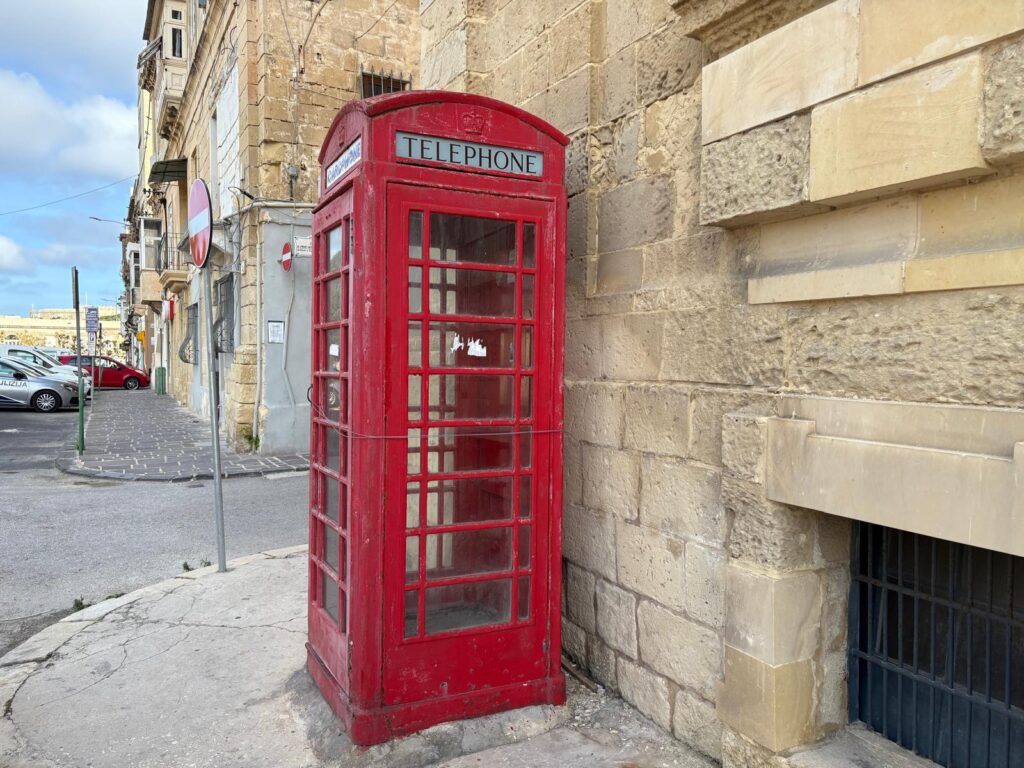
All, or most, of these successive colonisations and occupations have had an impact on the Malta we see today. Some stronger than others. Although the Arab period dates back some time now (11th century), for instance, there’s still a discernible Arabic influence in the Maltese language. And because it’s more recent and lasted quite a while, the British influence is in evidence as well. It’s strange seeing red telephone and post boxes in an otherwise very Mediterranean context. And did you know Queen Elizabeth II lived here from 1949 to 1951?
Keep an eye out for visitor attractions from many of these periods in the subsequent sections of this post!
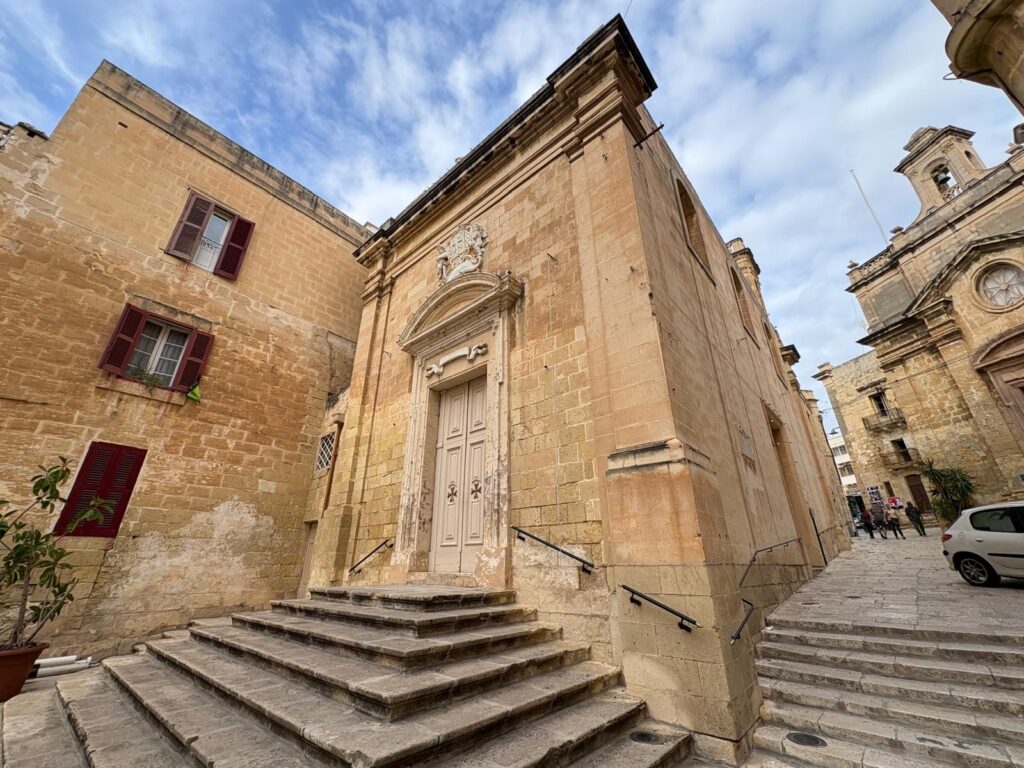
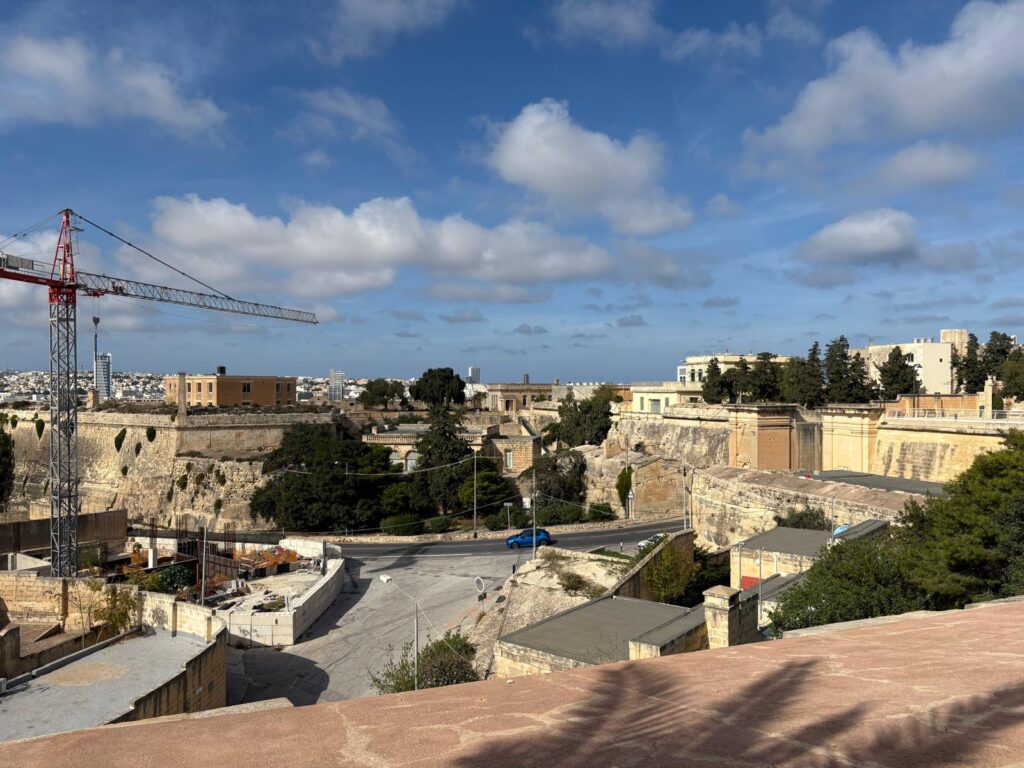
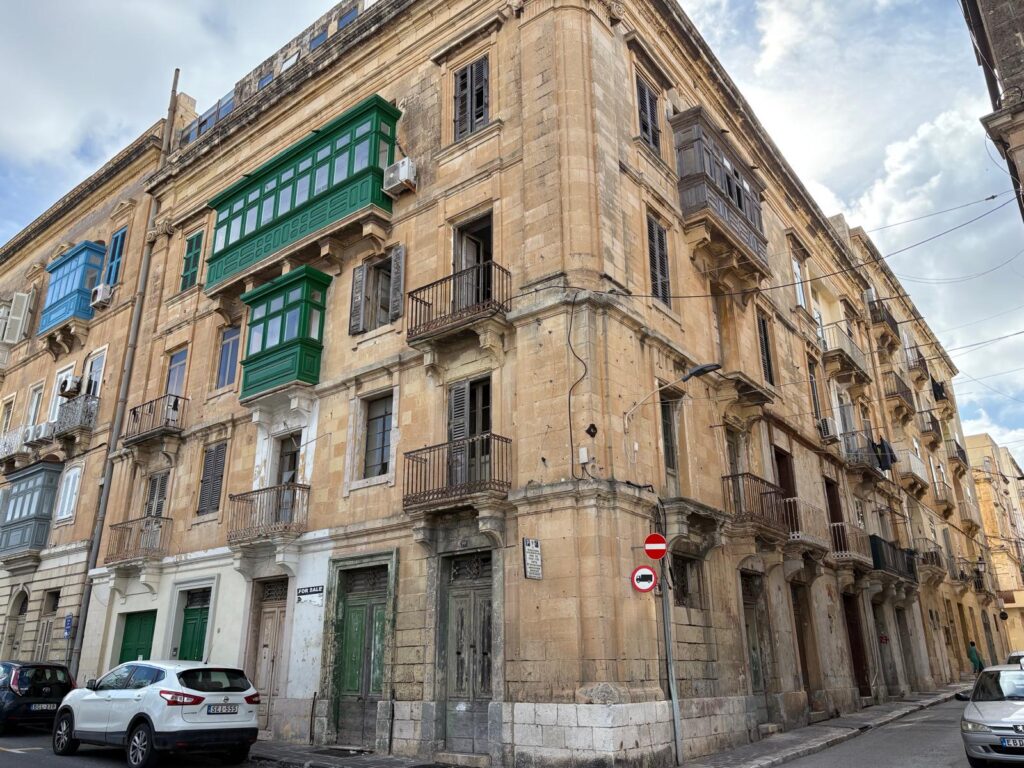
Valletta, Floriana and the Three Cities
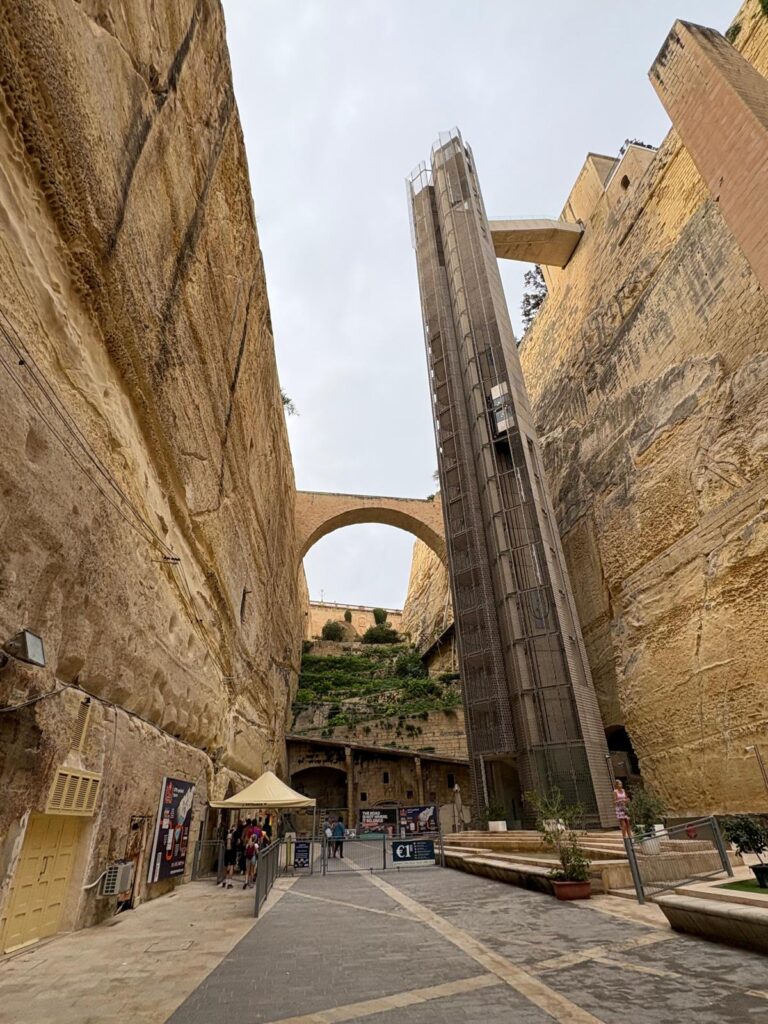
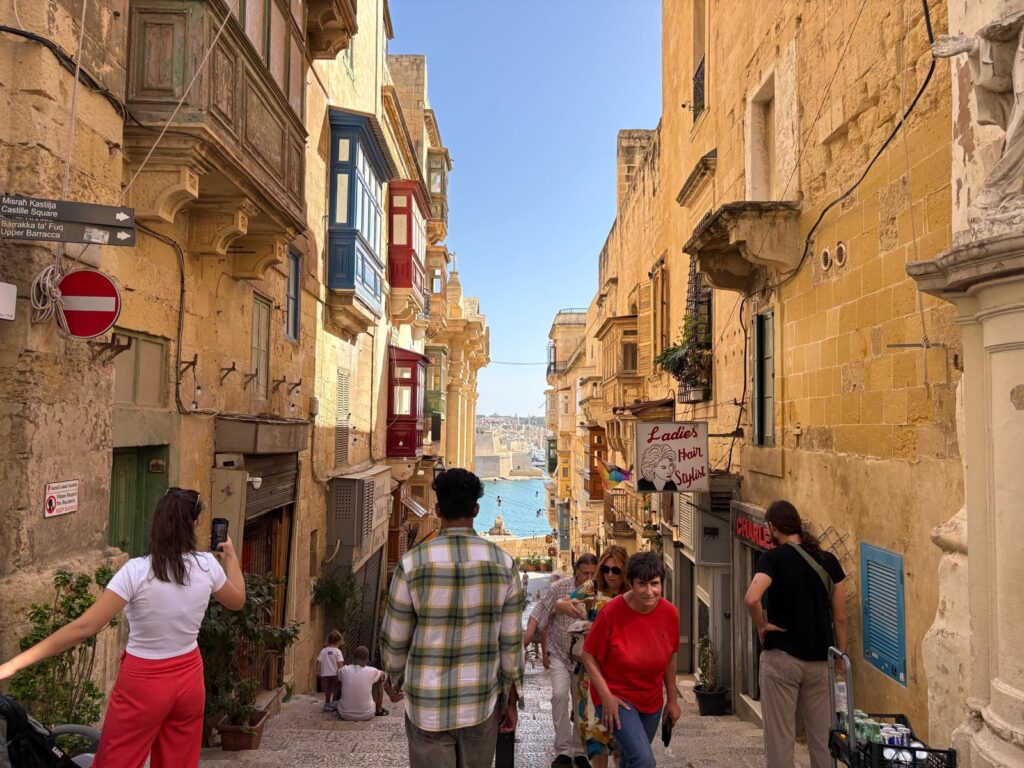
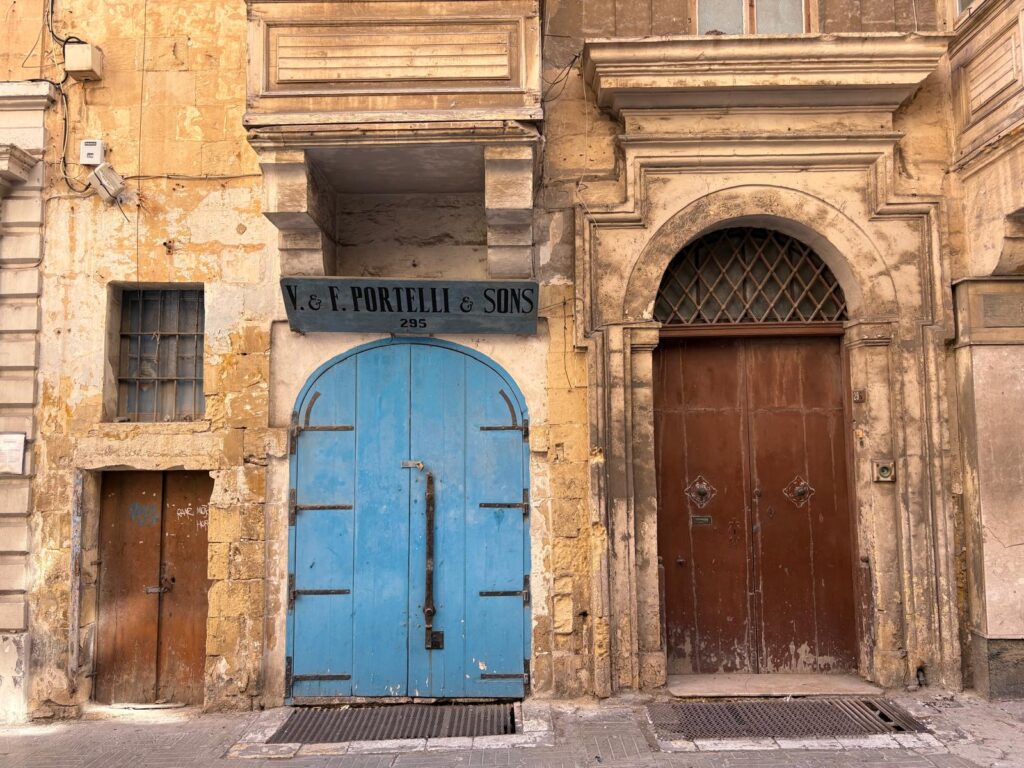
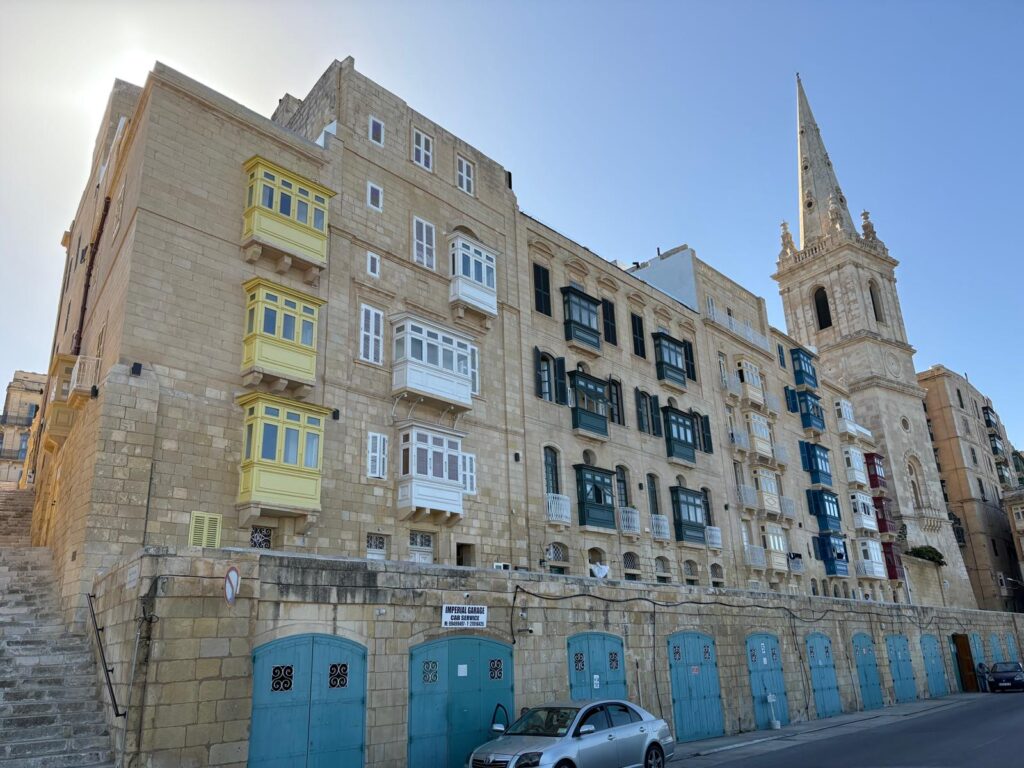
Valletta, Malta’s capital, may well be where you base yourself during your time in the country. It has a lovely Old Town, comfortable hotels, and a greater concentration of fancy restaurants than I think I’ve seen just about anywhere.
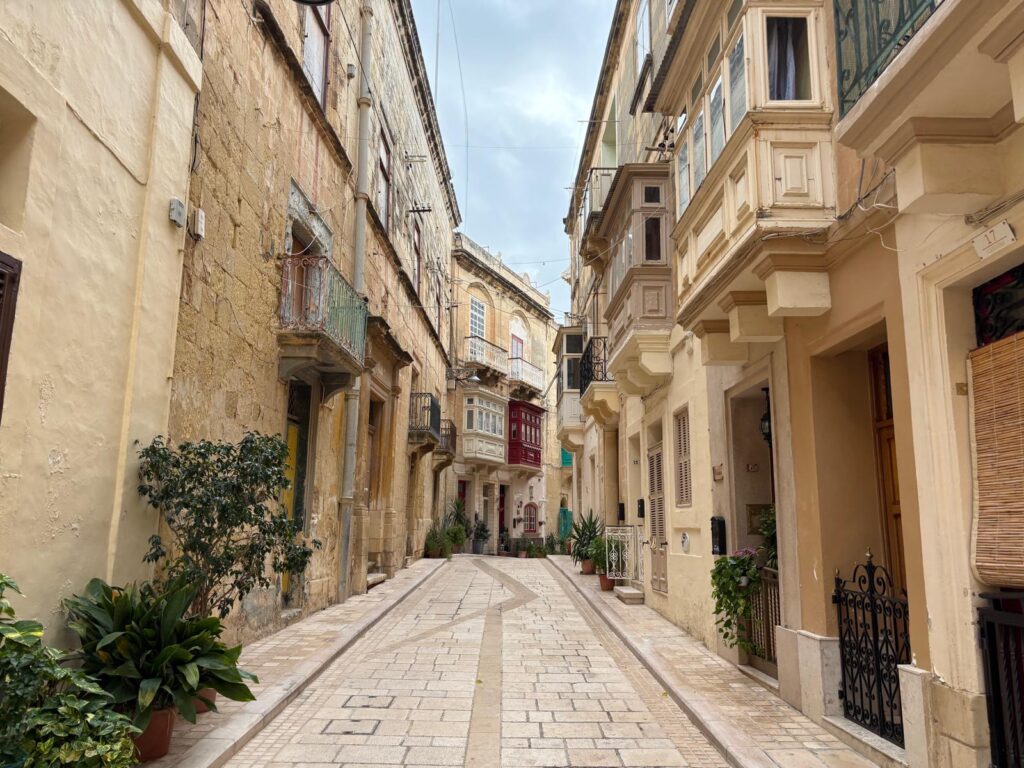
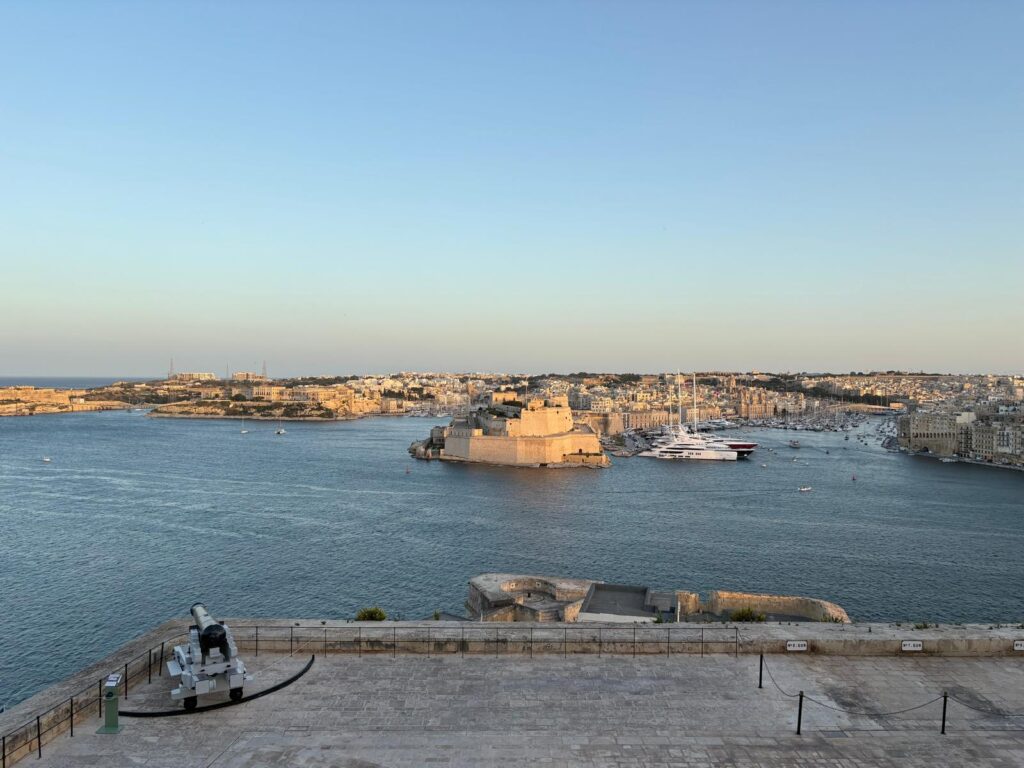
Valletta is, however, only one part of a bigger urban conglomeration. And not the oldest part. That honour goes to the Three Cities: Vittoriosa, Senglea, and Cospicua (Maltese names Birgu, Isla, and Bormla). This is where the Knights Hospitaller set up their capital, shifting it from inland Mdina. They learned a tough lesson in 1565, though, when the Ottoman Empire attacked, and found it easy to bombard Fort St Elmo at the end of what is now Valletta from higher ground. Once the siege was over, the Knights decided to build on and properly fortify the area, and made it their capital. Valletta is named for Jean de la Valette, the septuagenarian hero of the Great Siege of Malta. Here you will find churches, museums, an open air theatre, Fort St Elmo, the Grand Master’s Palace from the Knights Hospitaller days, souvenir shops, restaurants, and more.
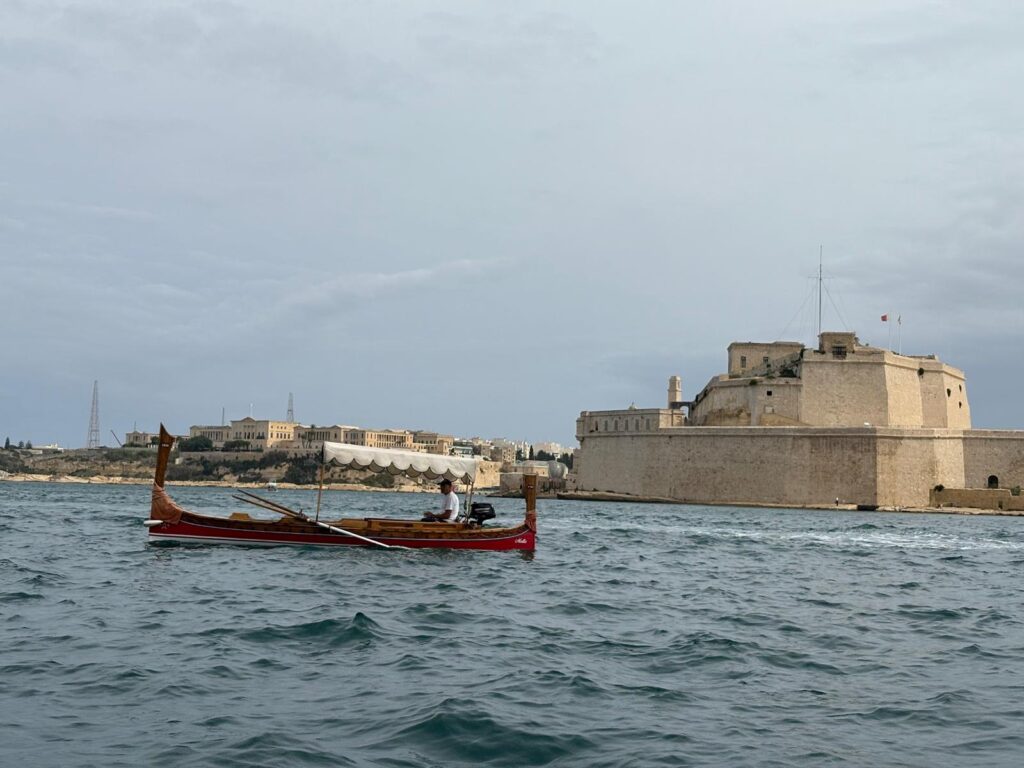
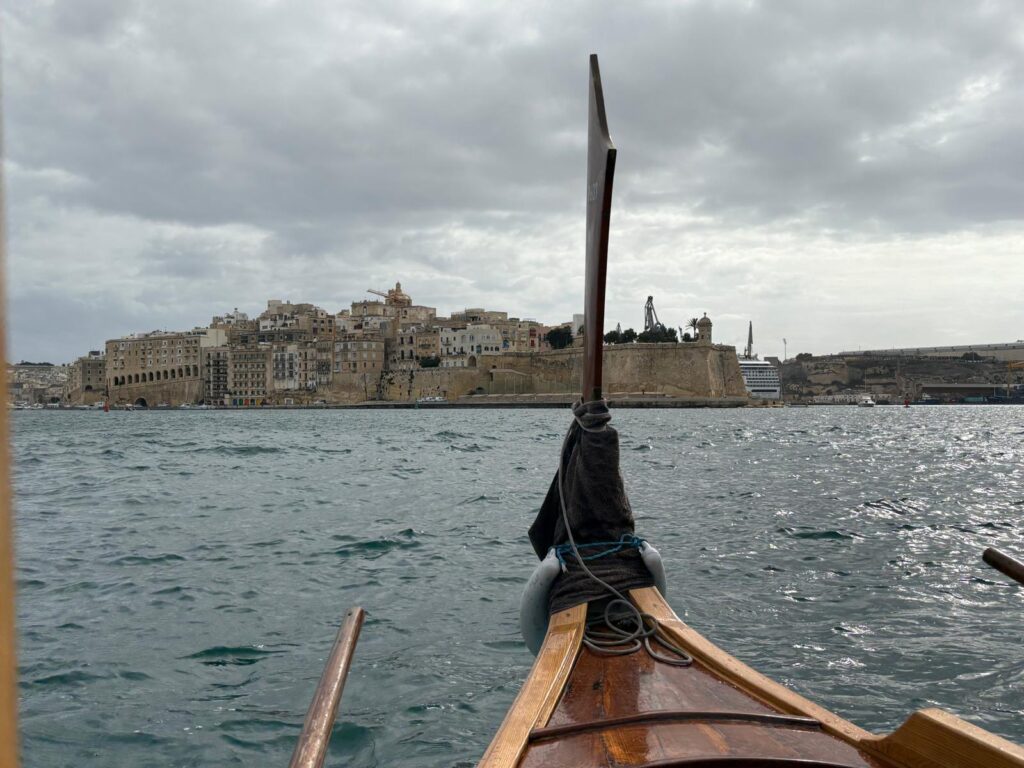
The Three Cities are protuberances into a harbour, and can be easily reached from Valletta by boat: either a proper ferry, or traditional dgħajjes, which motor across and then row into position at the other side. We took the dgħajsa option, and can recommend it. We spent a pleasant afternoon in the Three Cities, popping our heads into Fort St Angelo, before spending time visiting the Inquisitor’s Palace. The Maritime Museum, normally another draw in this area, was closed when we visited. Both Valletta and Vittoriosa/Birgu have auberges (inns), which were the homes of the different langues, or nationalities, of the Knights Hospitaller. A few can be visited, while some are private.
And lastly Floriana. Floriana is essentially the area beyond the city walls of Valletta. It dates to 1636 when Pietro Paolo Floriani, a military engineer, began work on the Floriana Lines: an outer defensive system for Valletta. There are fewer tourist attractions here, but it is home to a church with a large plaza where Pope John Paul II celebrated a mass in 1991 (it’s a very Catholic country, tens of thousands attended), a contemporary art museum, the bus station, and a nice hotel we stayed in.
Unless yours is a flying visit, you’ll probably visit some of these different places. Do try to get out of Valletta itself, as you’ll see a different side to Malta in each of the cities/towns I’ve mentioned, and more besides (like fishing village turned wealthy resort Sliema).
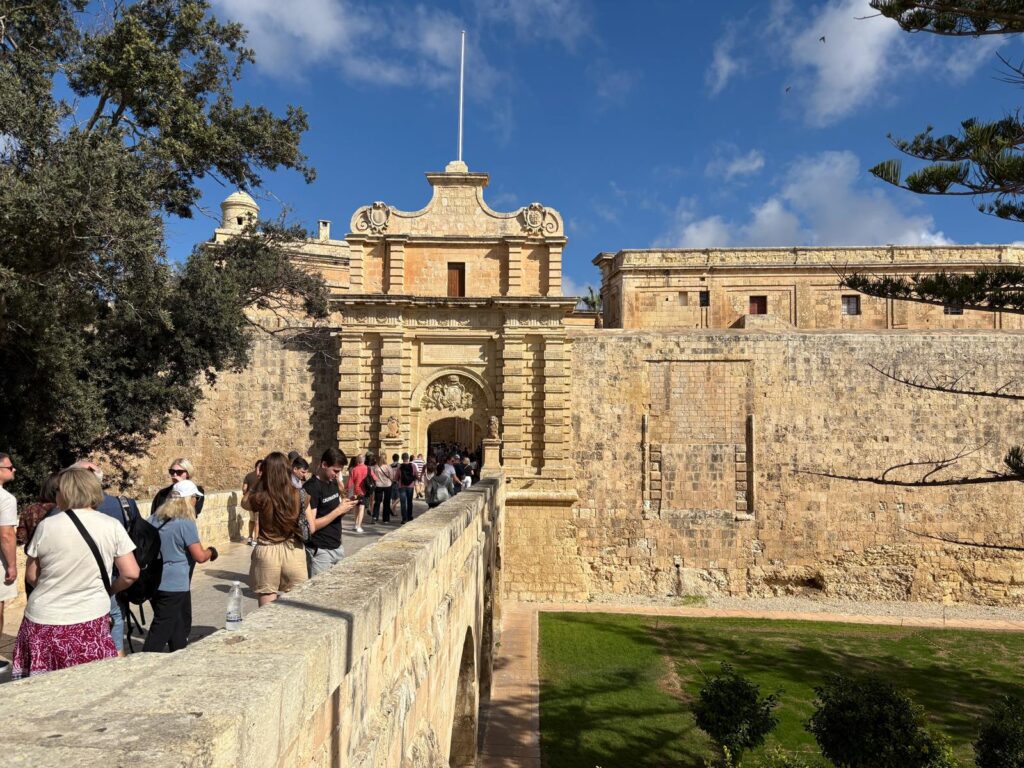
Mdina and Rabat
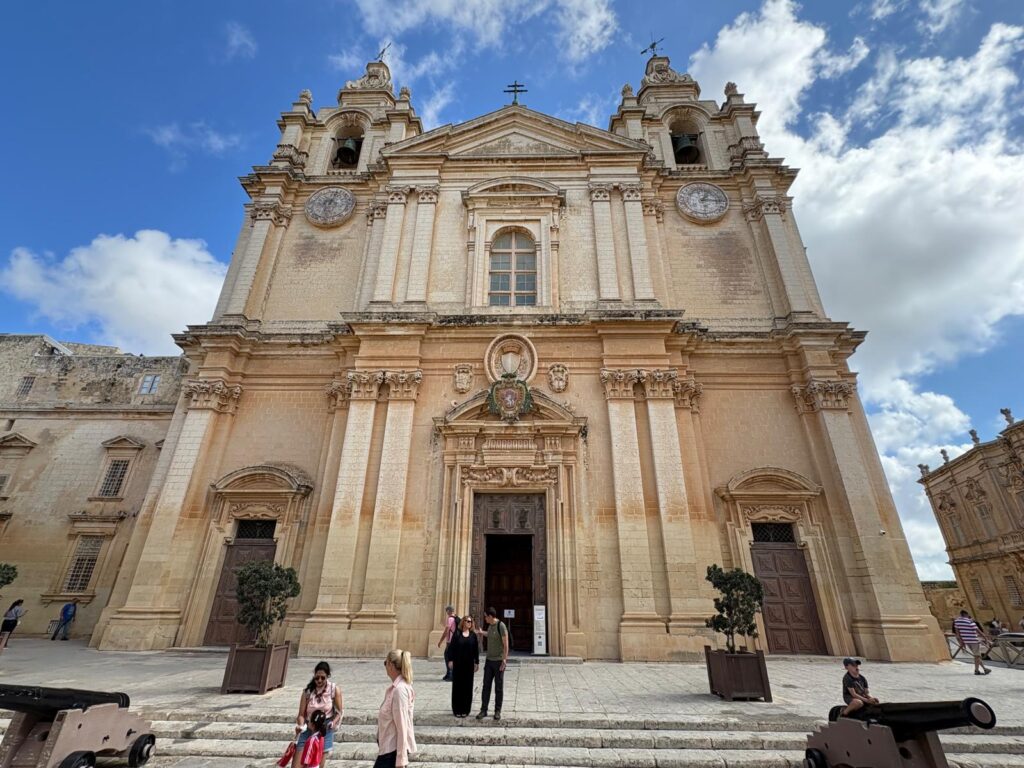
I mentioned Mdina above as the capital of Malta before the Knights Hospitaller moved it to the Three Cities and then Valletta. Mdina and Rabat can easily be visited on a daytrip from… well, anywhere in Malta, it’s a small country. We got there on a bus from Valletta/Floriana, or could also have used a ride-sharing app.
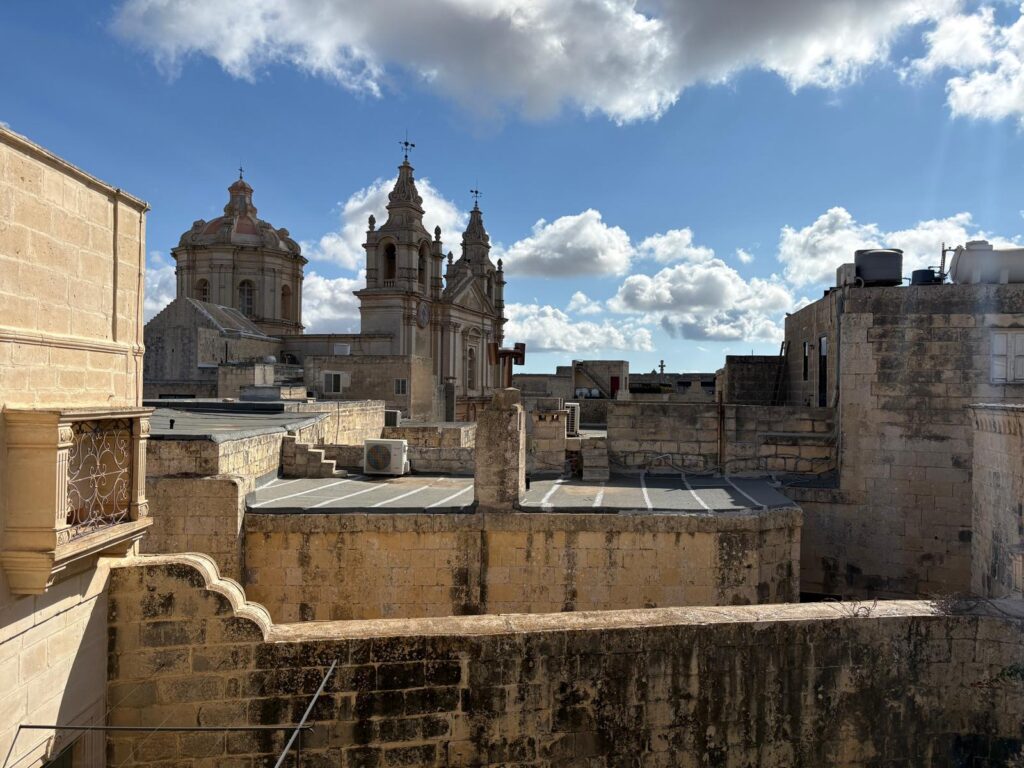
Mdina and Rabat are one of the ways in which Malta still shows that Arabic influence. Madina in Arabic means ‘city’, and rabat means a stronghold or fortification. Today the names seem to be in reverse. Mdina is a citadel, still contained within its city walls, while Rabat is the town beyond. I’ve also seen rabat translated as ‘suburb’, which makes more sense. Mdina was the country’s capital for many centuries before the arrival of the Knights, and remained the centre of the Maltese nobility and religious authorities thereafter (the Knights had competing religious authorities).
As I mentioned before, Mdina is another place you can see auberges, earlier than those in Birgu or Valletta. As well as just wandering around soaking up the atmosphere, you can visit the cathedral and its museum, the 13th century Palazzo Falson, or various immersive experiences (these are quite popular in Malta but I gave them a miss). Try the cafe atop the Palazzo Falson for lunch with a view.
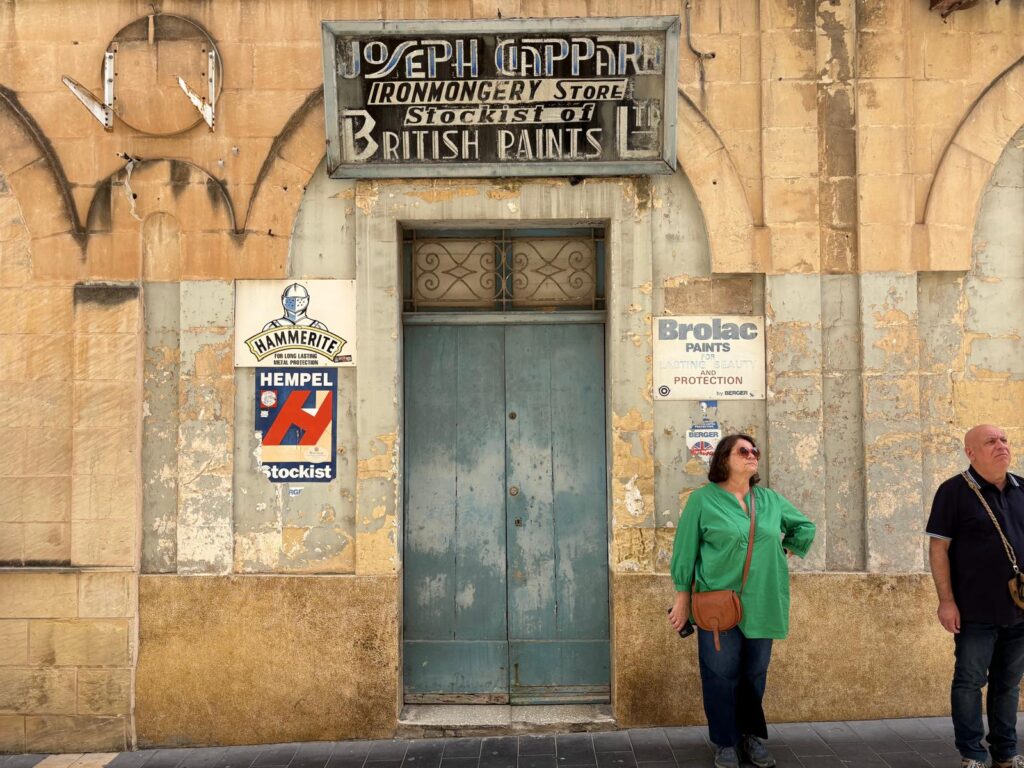
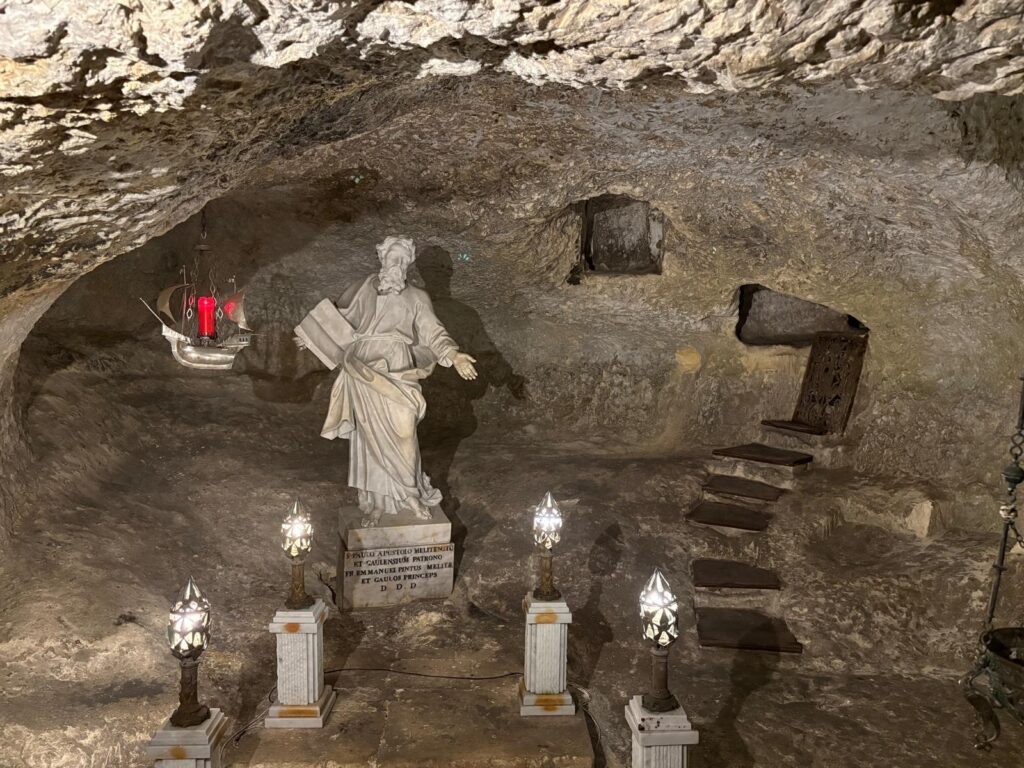
Rabat feels a lot less frozen in time. And its main attractions seem to be underground. There are multiple early Christian catacombs (St Paul’s and St Agatha‘s). Speaking of St Paul, by visiting the Wignacourt Museum you can see the grotto in which he apparently lived after being shipwrecked in Malta around 60 CE. At the Mdina end of Rabat there is also Domvs Romana, a Roman villa complete with mosaics. Other than these sights we didn’t find a whole lot else to do in Rabat, so were content to head back to Valletta.
Gozo
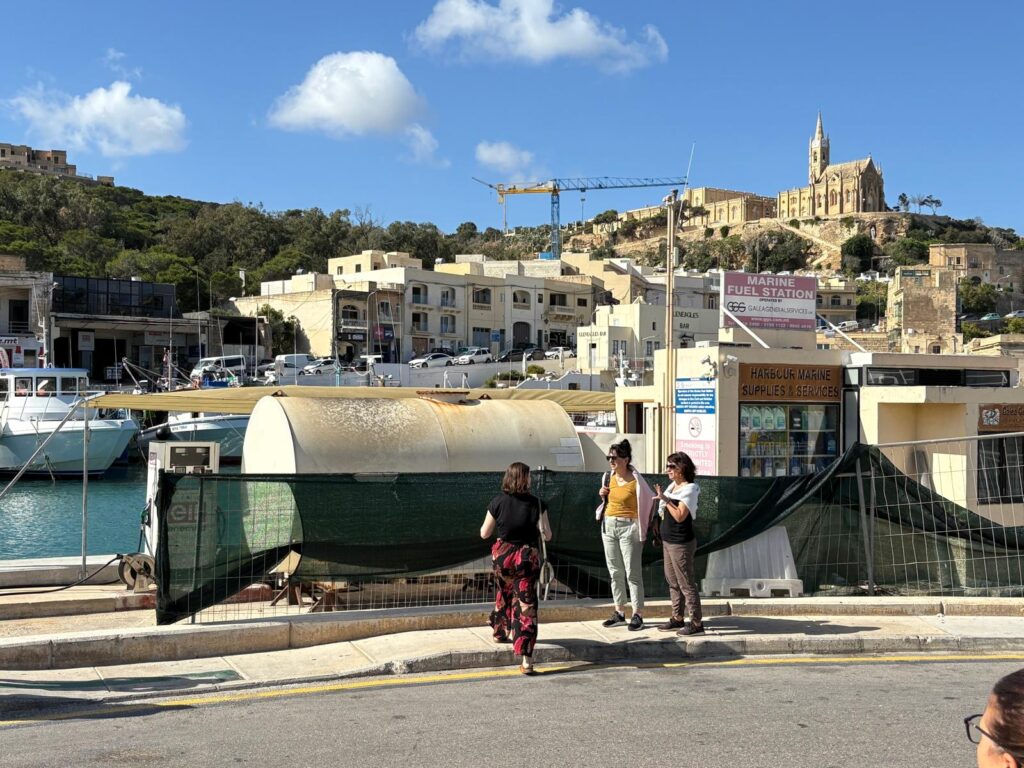
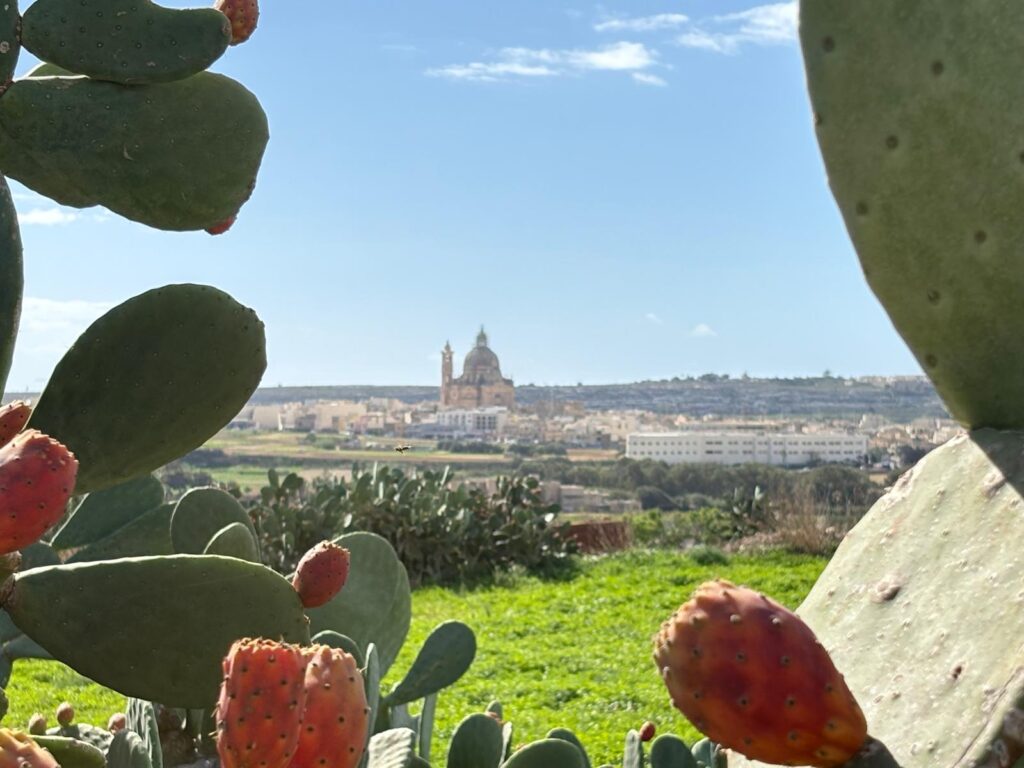
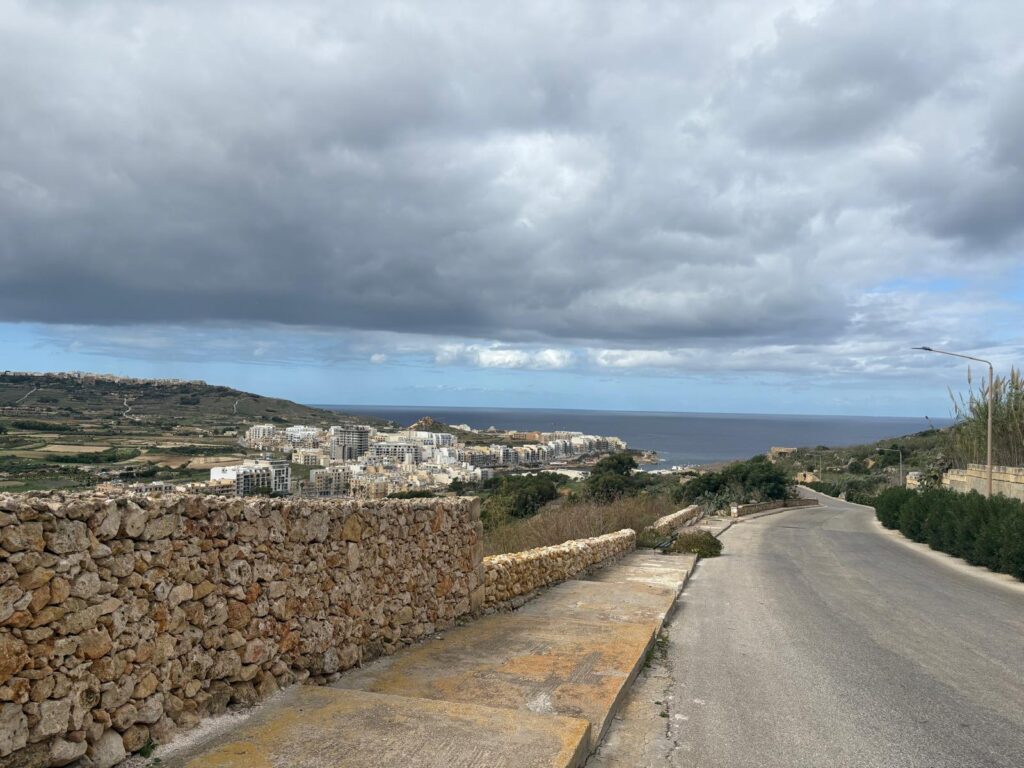
You could easily fill a week in Malta on the island of Malta itself. But the country is actually made up of five islands: three inhabited (Malta, Gozo, and Comino) and two uninhabited (Kemmunett and Filfla). I’m sure some people visit Comino, but I think it’s more likely you will visit Gozo. You can either take a short car and pedestrian ferry from the North of Malta, or a fast ferry from Valletta.
Gozo is small enough that you could almost walk anywhere (if you like walking: I’m talking within a few hours). You will arrive in the harbour town Mġarr , but may well be staying in or near the main town of Victoria (or Ir-Rabat). The pace of life is slower here, the restaurants less trendy, and the drinks offering more limited (I speak from experience). But we enjoyed our couple of days here, and found there was plenty to do.
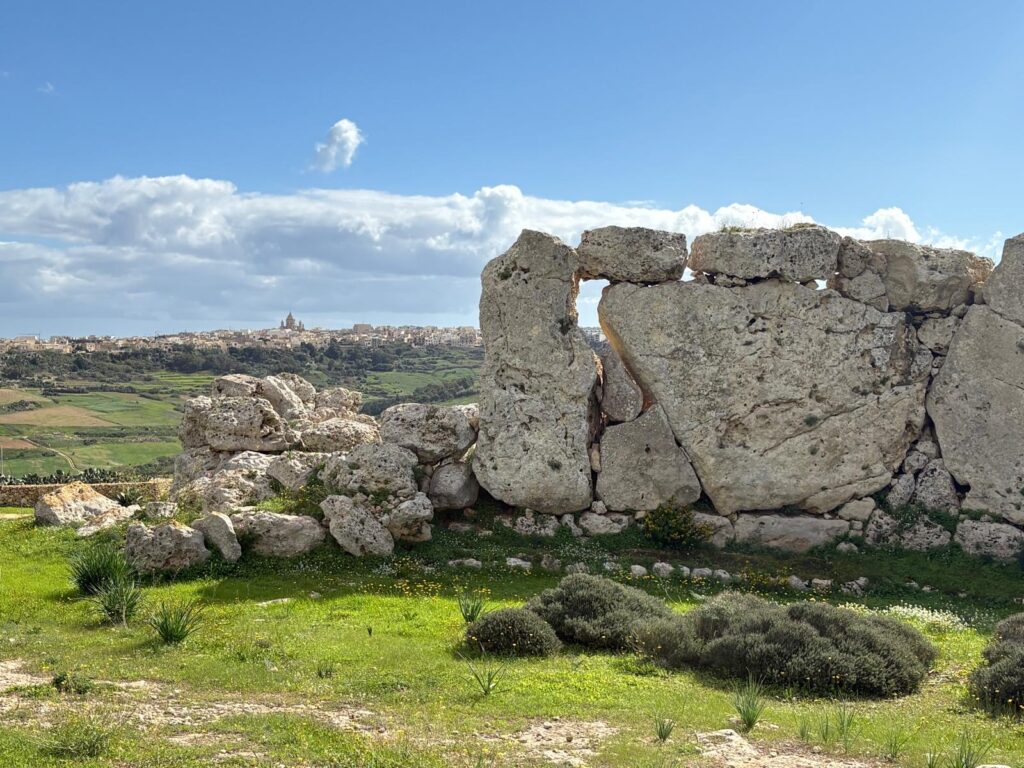
Gozo is like Malta in miniature. You can visit a walled city at Victoria. One of Malta’s most famous Neolithic sites is here – Ġgantija. There are landscapes you’ll want to see, like Dwejra Bay. Or you might want to brush up on your Greek myths and legends at Calypso’s Cave. That latter one you can’t visit any more, but the area around it seems quite nice. If you fancy wandering into someone’s house to see the incredible things they’ve found in their basements (not a trap as far as I know), try Xerri’s Grotto or Ninu’s Cave.
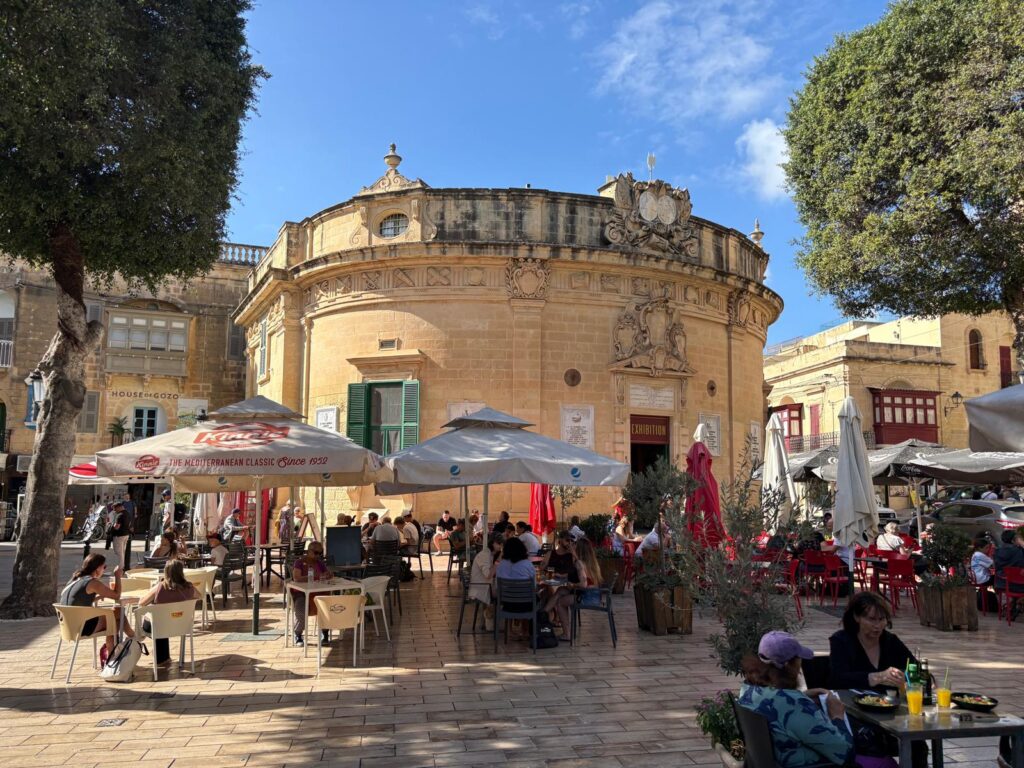
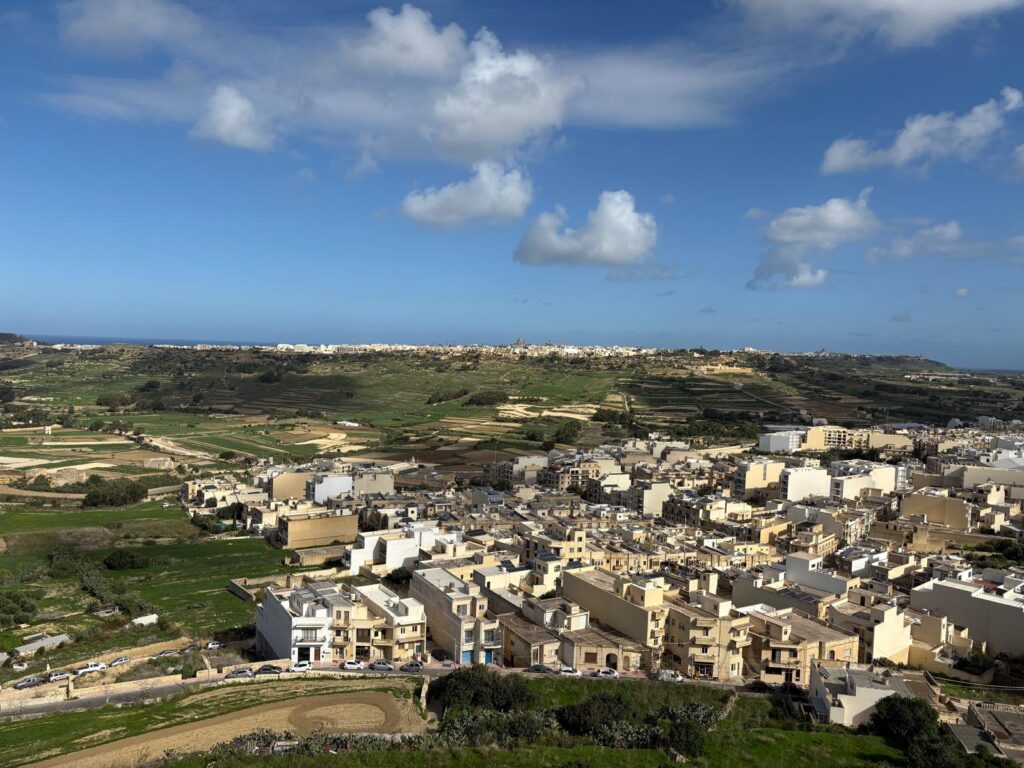
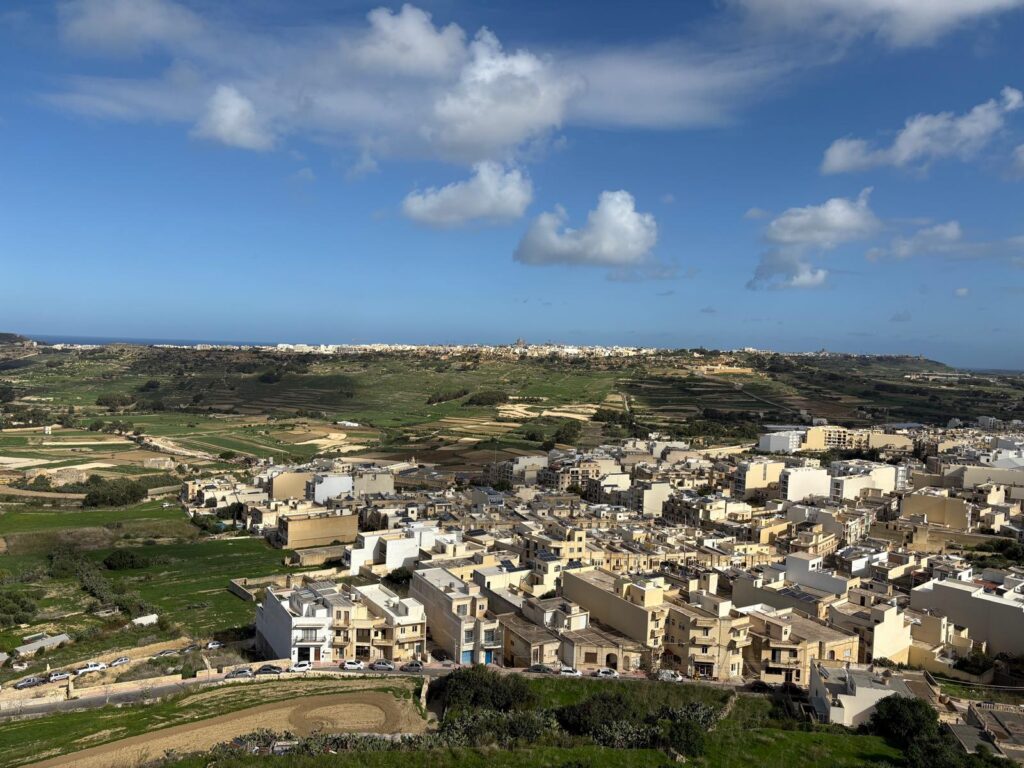
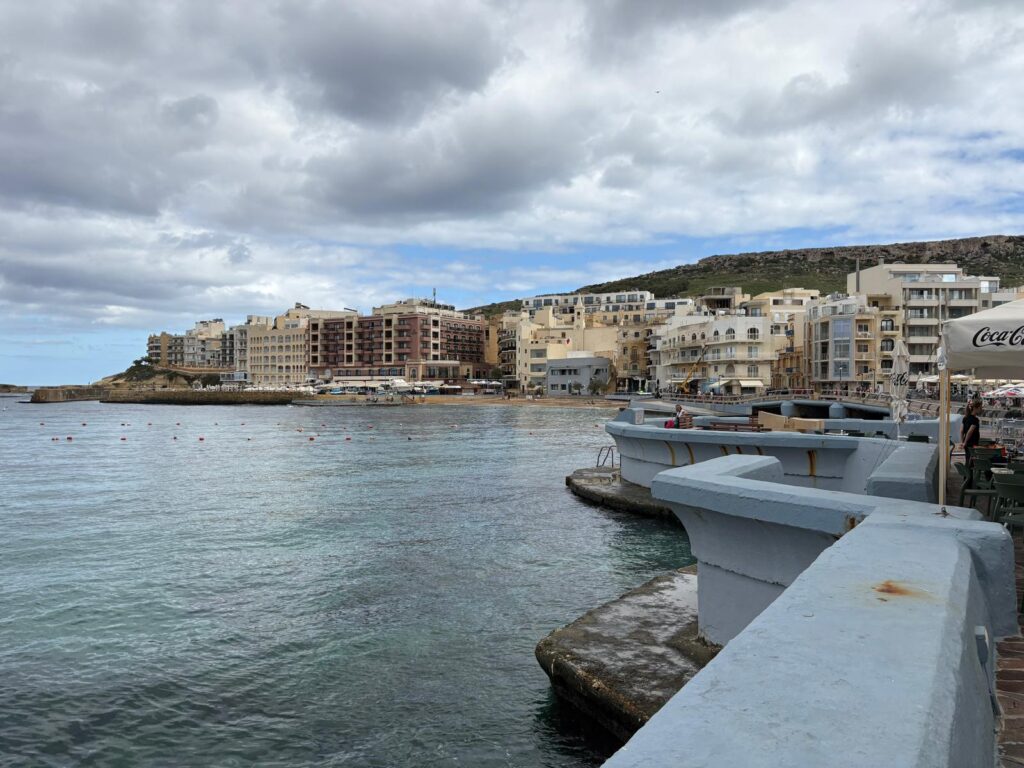
We had about a day and a half on Gozo, and sampled a selection of its attractions. We first headed to Victoria, had some lunch on Pjazza I-Indipendenza (Independence Square), then went up to the citadel and checked out the views and museums. The next day we walked from our hotel in Victoria first to Xagħra, where we visited Ġgantija and a windmill, then continued to Marsalforn and had lunch with a view of the sea. A late afternoon spa date in our hotel helped us match Gozo’s peaceful pace. And then the following morning it was back to Valletta on the ferry. Public transport is also easy on Gozo (and Malta generally) with flat fares for buses on a timed ticket in case multiple routes are needed.
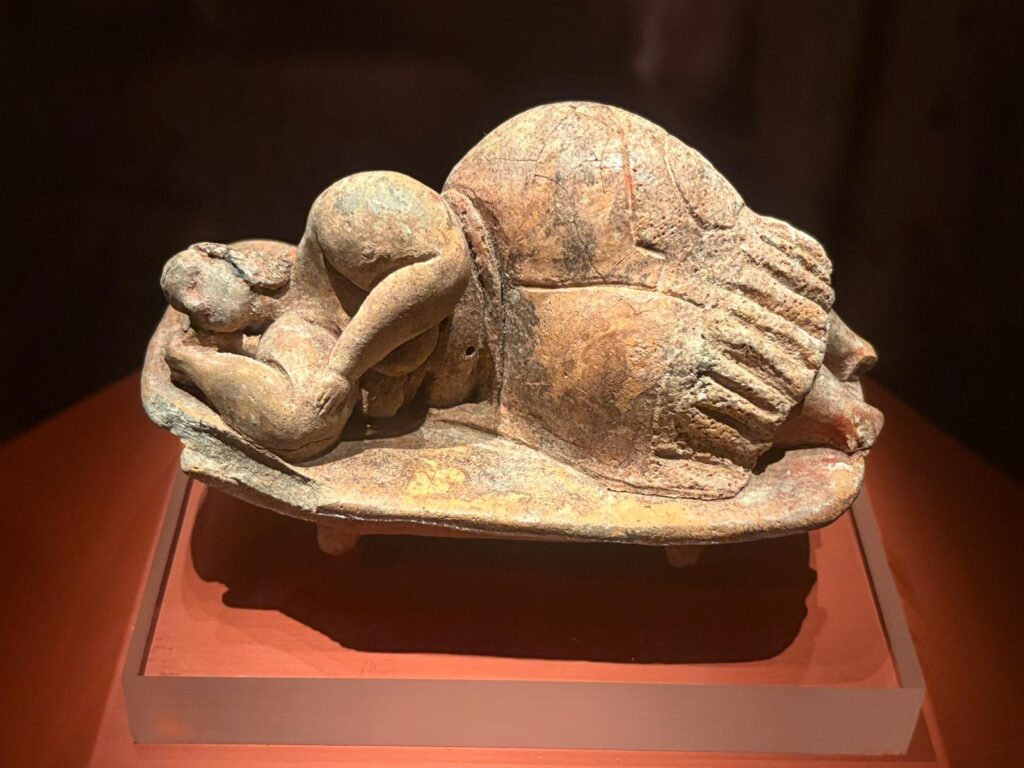
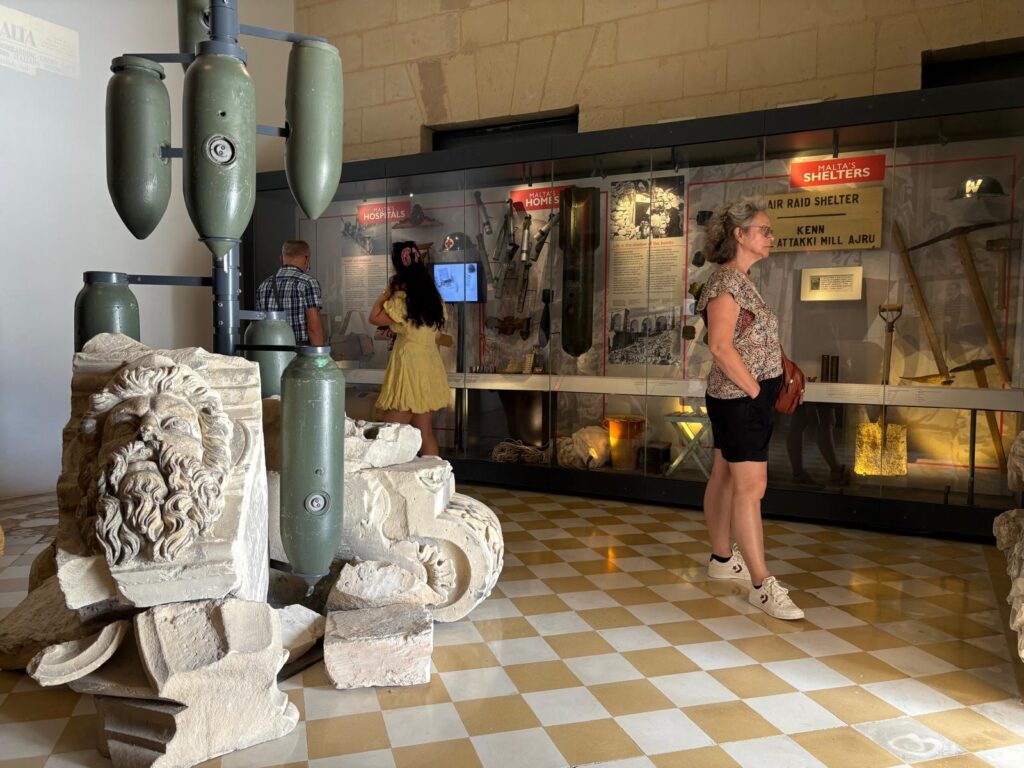
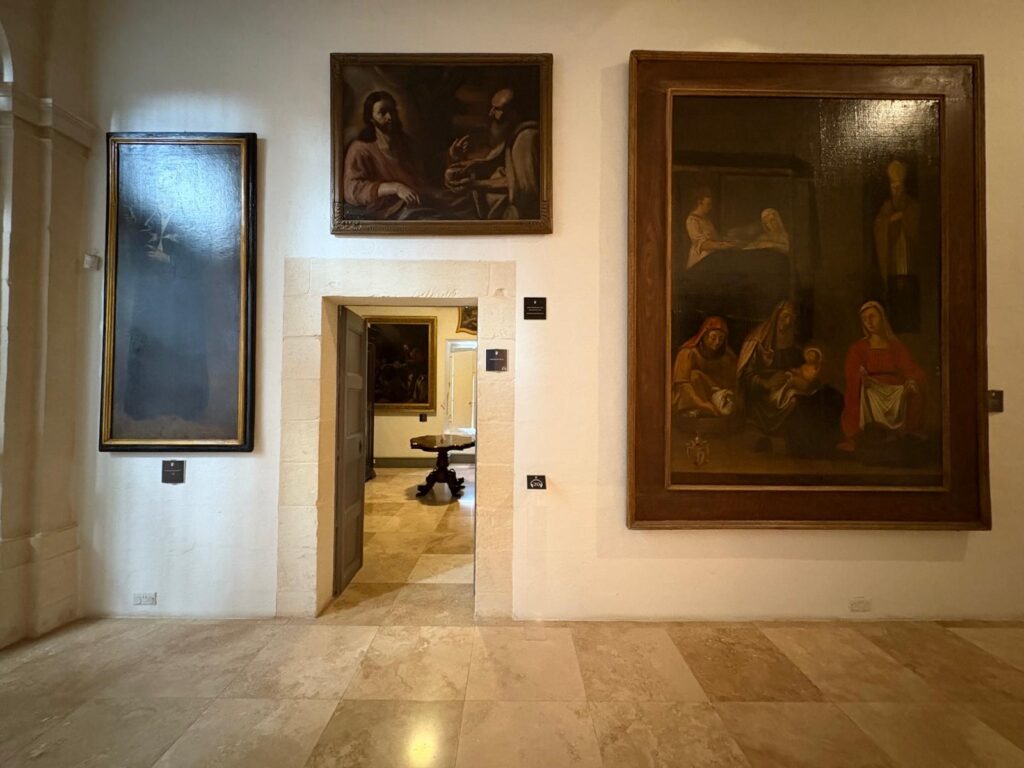
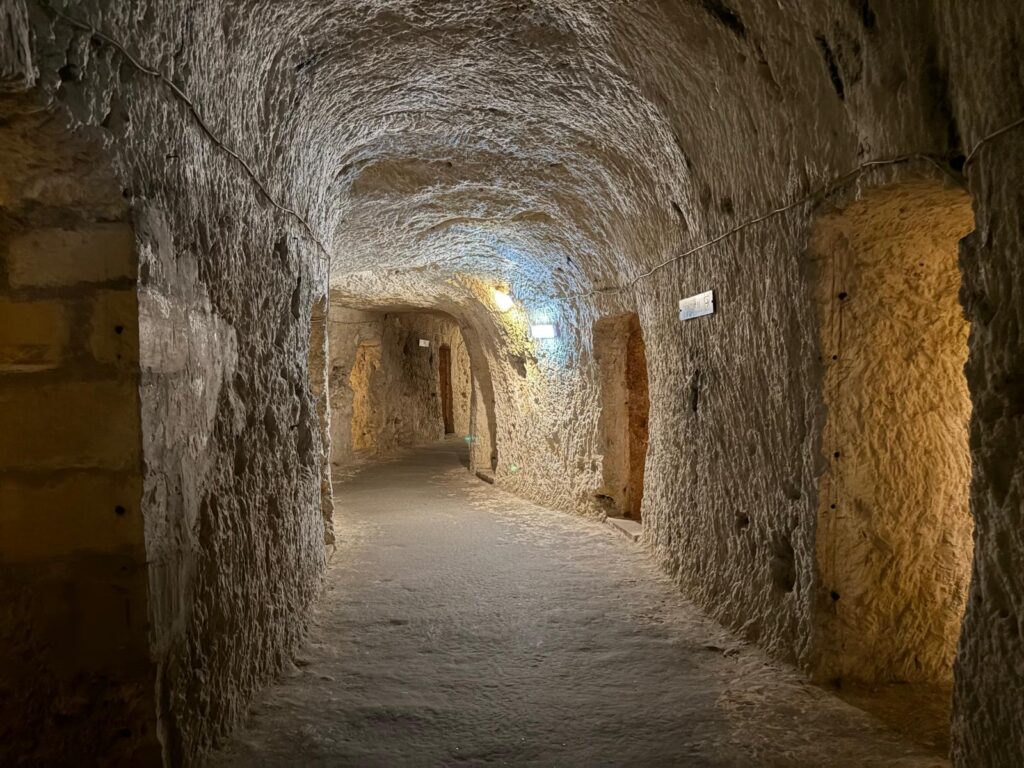
Museums
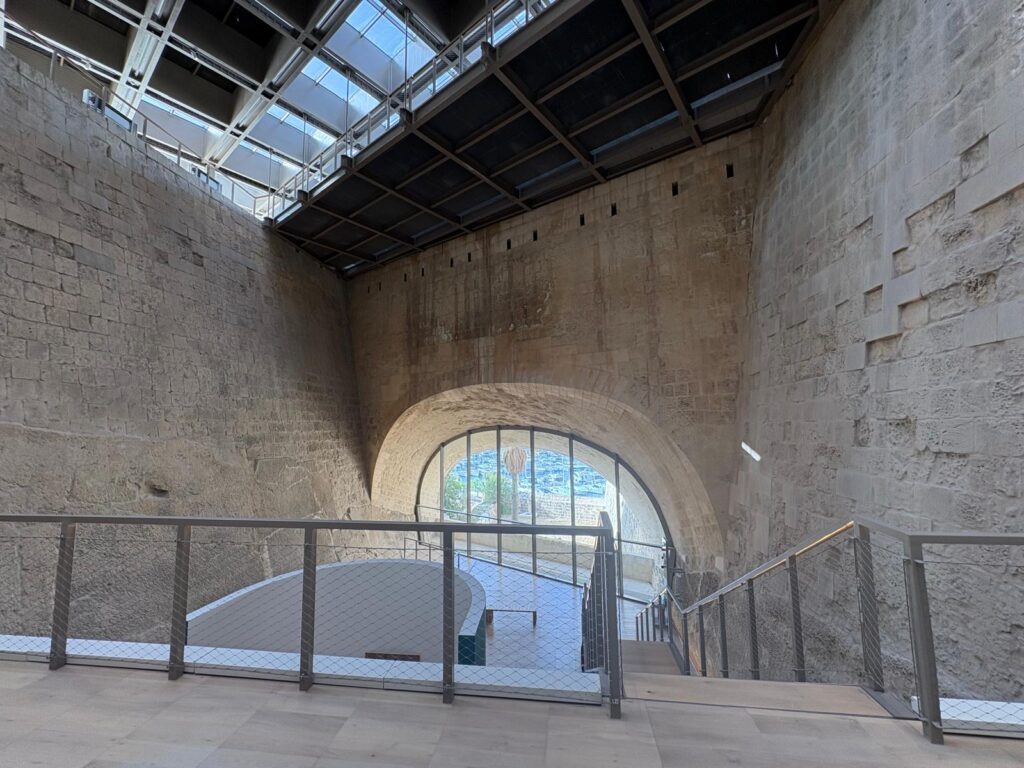
I’ve mentioned a few museums already, but I think they deserve their own section so you can prioritise what you might like to see. This one I’ll do by location, while the next section will be a bit more chronological!
- Valletta:
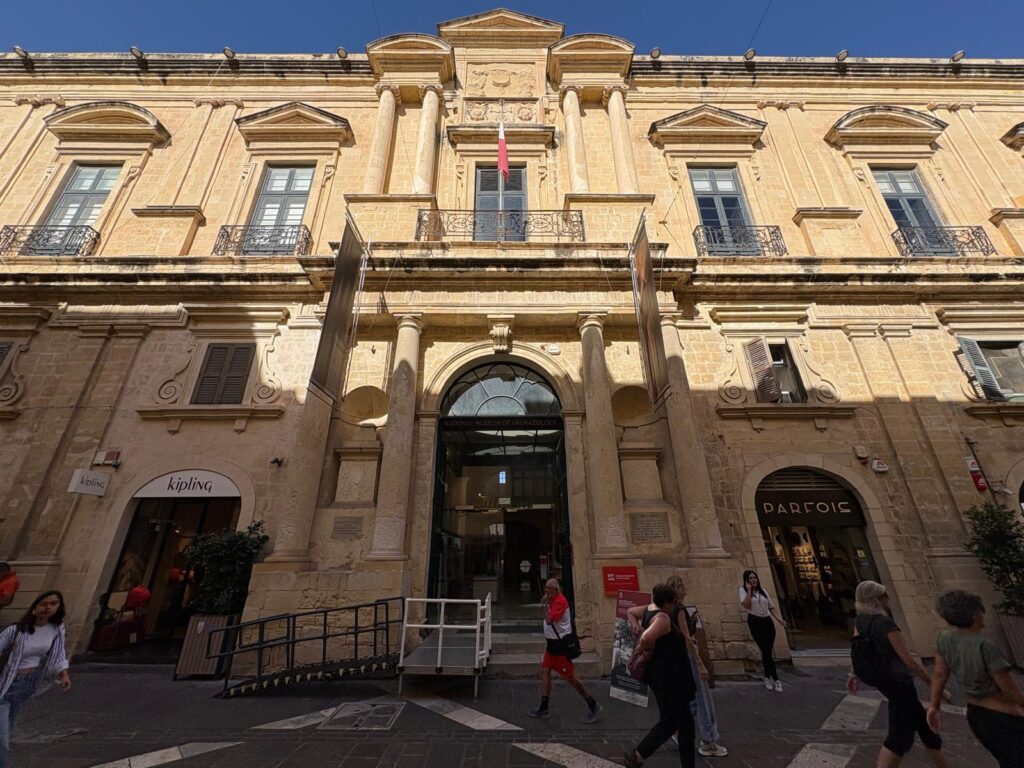
- The National Museum of Archaeology is a must: it has some of Malta’s most famous artefacts, and is in a former auberge of the Knights Hospitaller
- The National War Museum is part of the complex at Fort St Elmo
- MUŻA – The National Community Art Museum. The name speaks for itself, really
- Fortress Builders Interpretation Centre – best for those with an interest in military history. Limited opening hours so check in advance
- Floriana:
- MICAS — Malta International Contemporary Arts Space. Hosts temporary exhibitions in a great new space built into the Floriana Lines defences
- The Three Cities:
- Malta Maritime Museum – currently undergoing renovations but meant to be good
- Mdina and Rabat:
- National Museum of Natural History – in an 18th century palace in Mdina
- Domvs Romana – mosaics and other remains of a Roman villa, and a piece of conservation and museum history as well
- Wignacourt Museum – a bumper visitor experience in Rabat, comprising the museum itself (paintings and applied art), St Paul’s Grotto, and extensive catacombs
- Gozo:
- Victoria’s citadel does a 5-in-1 ticket for its museums: the Gozo Museum of Archaeology, The Old Prison, Gran Castello Historic House, Gozo Nature Museum, and Cittadella Visitor Centre. They’re alright, not spectacular. Actually, the latter is free, but I imagine the joint ticket encourages more people to visit
- Il-Ħaġar Gozo Museum, or Heart of Gozo, covering Gozitan heritage and Christian culture
Heritage Malta manages the vast majority of these museums. They do various combo tickets, so take a look in advance to see if it’s worth purchasing one. We probably should have, but hadn’t planned our itinerary extensively so just bought tickets as we went.
Historic Sites: Neolithic to WWII
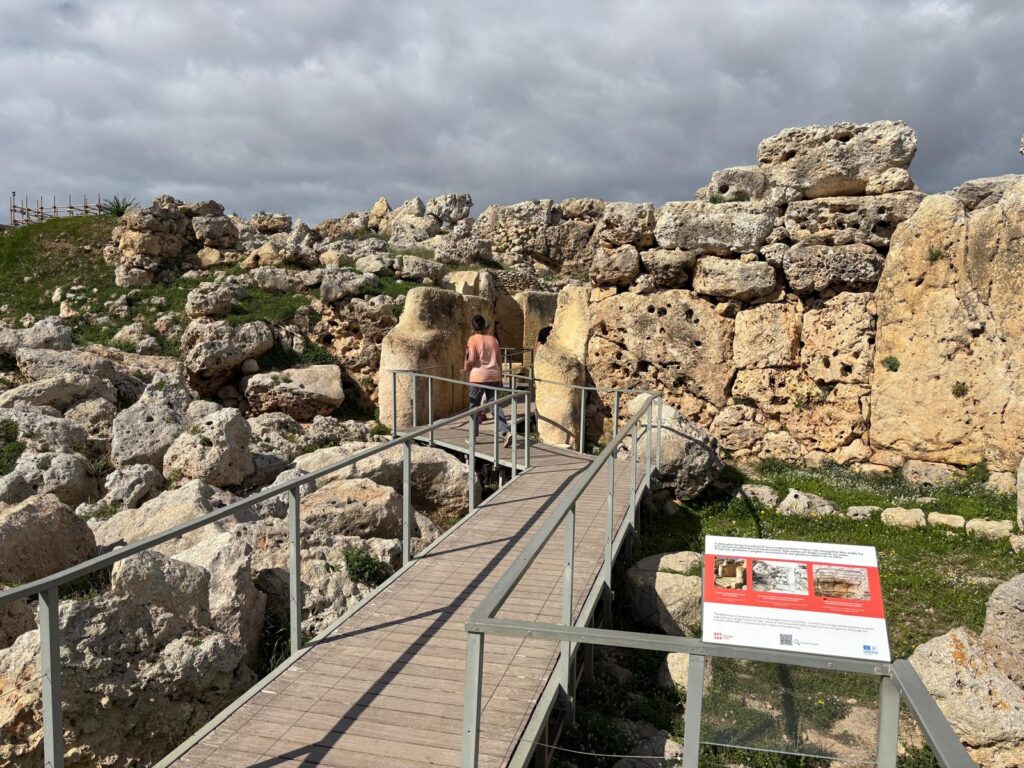
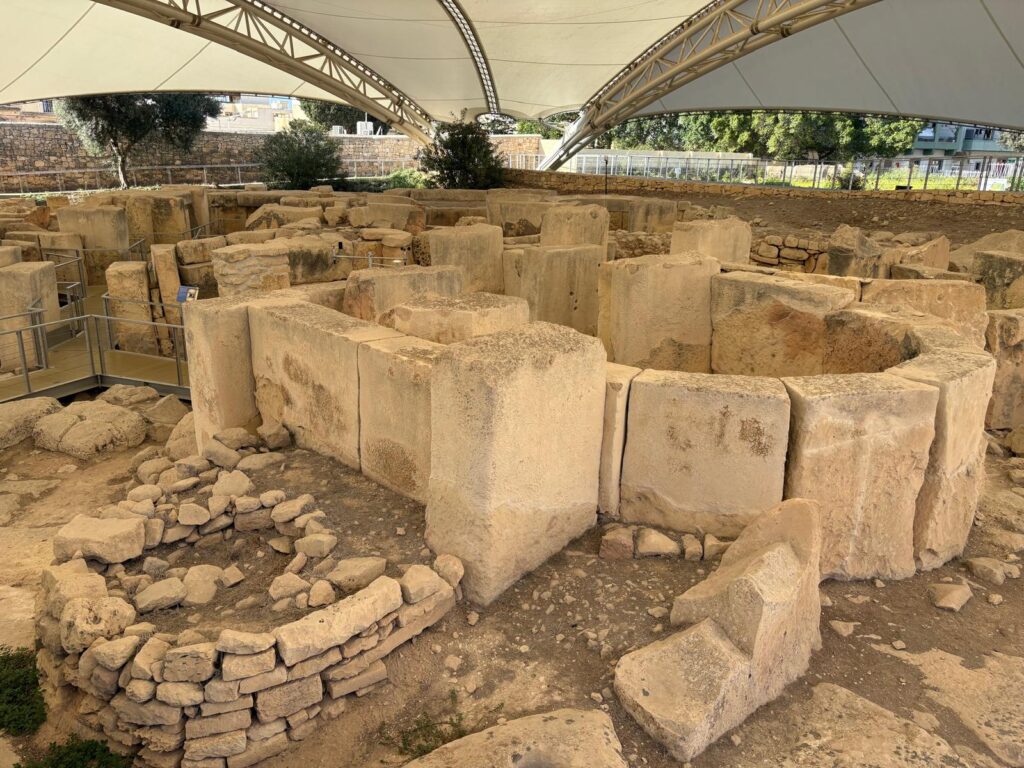
As well as museums, I packed a lot of historic sites into my visit to Malta. And they weren’t all Neolithic (although several were) but spanned a lot of the different cultural influences I mentioned in the section on Malta’s history. This list is not extensive, and please also consider a Heritage Malta pass before your trip as they manage many of the sites.
- Neolithic:
- Ħal Saflieni Hypogeum: the hottest archaeological ticket in Malta. Definitely book well in advance if you can (like a couple of months in advance) or you’ll risk a more expensive next-day ticket buying process. The Hypogeum was an underground burial complex in use between 4000 and 1500 BCE. Guided tours only
- Ħal Tarxien Prehistoric Complex; Ħaġar Qim and Mnajdra Archaeological Park; Ġgantija Archaeological Park; Skorba Prehistoric Site – take your pick! There are several impressive Megalithic sites around Malta. These are the easier-to-visit ones, there are others open only by appointment
- Għar Dalam: this is one site I would prioritise on a return visit. Malta’s oldest prehistoric site, and an underground rather than Megalithic one. It also has a Victorian-style display of ancient animal bones in Joseph Baldacchino’s Hall, part of the on-site museum
- Roman and Early Christian:
- Domvs Romana – as above
- Catacombs: Ta’ Bistra; St Paul’s; St Agatha’s; others open by appointment. Like Ħal Saflieni Hypogeum, these are mostly underground burial places
- Medieval to Early Modern: Arab, Knights Hospitaller, Maltese nobility
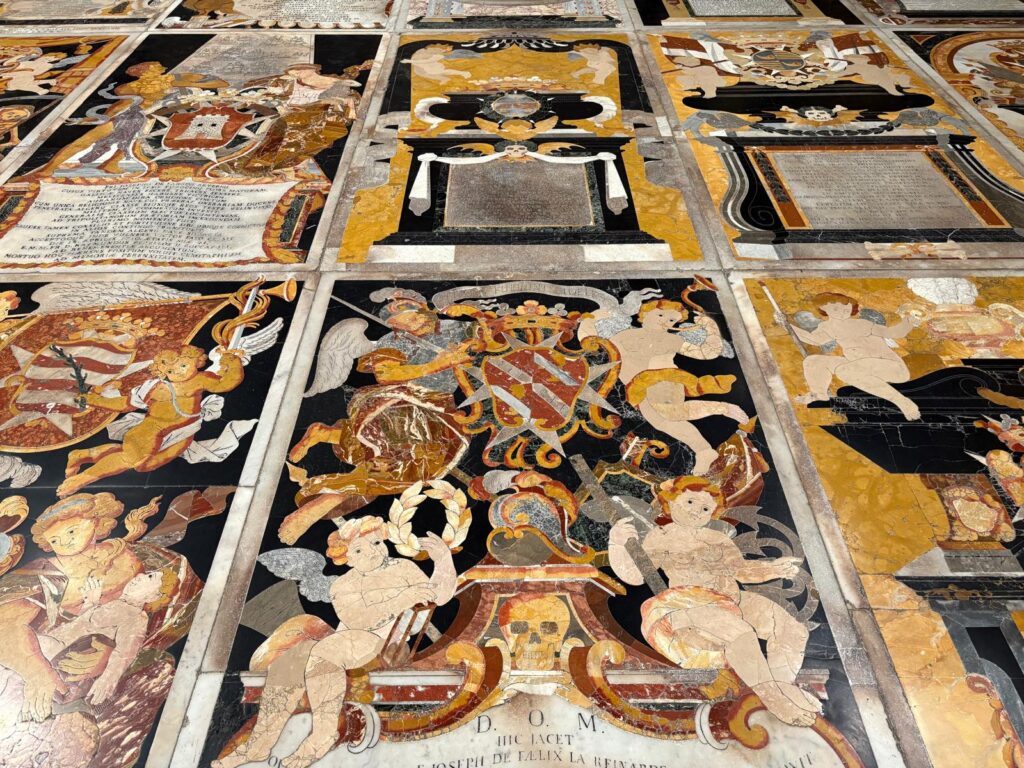
- St John’s Co Cathedral: a co-cathedral because of those dual Catholic and Knights Hospitaller religious authorities in Malta. Go there to see the incredible works by Caravaggio, the amazing floor made up of decorative tombstones, and for the Baroque decoration in general. An alternative way to experience the cathedral is with a tour and performance: Valletta Resounds: The Caravaggio Experience
- Casa Rocca Piccola, a 16th-century palace in Valletta
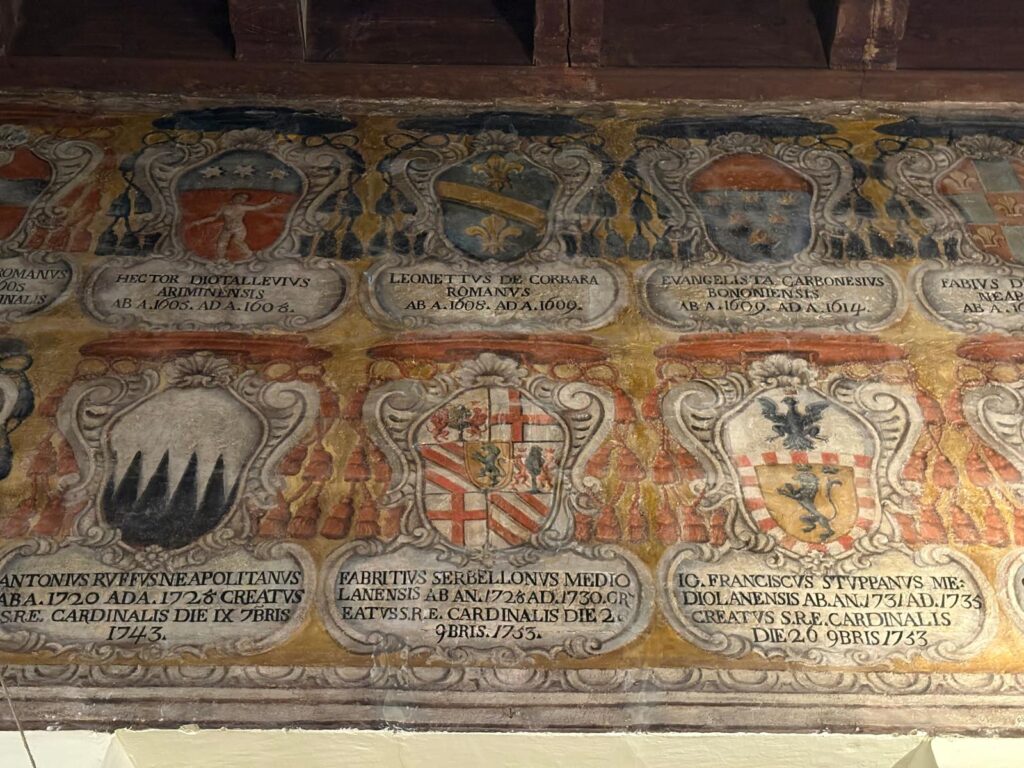
- Inquisitor’s Palace, Birgu/Vittoriosa: the only Inquisitor’s Palace in the world that you can visit. Did you know there was a Roman as well as a Spanish Inquisition?
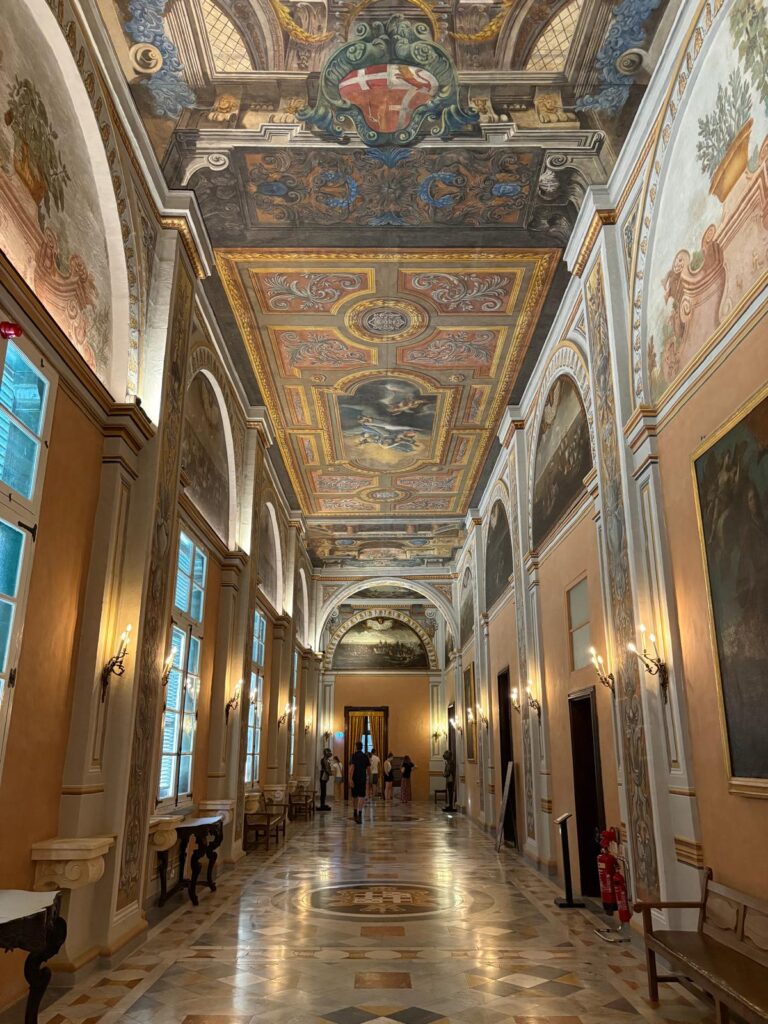
- Grand Master’s Palace, Valletta: a sumptuous residence for the leader of the Knights Hospitaller, showing just how far they ventured from their humble origins. It’s also current the seat of the Office of the President of Malta. The armoury is a highlight.
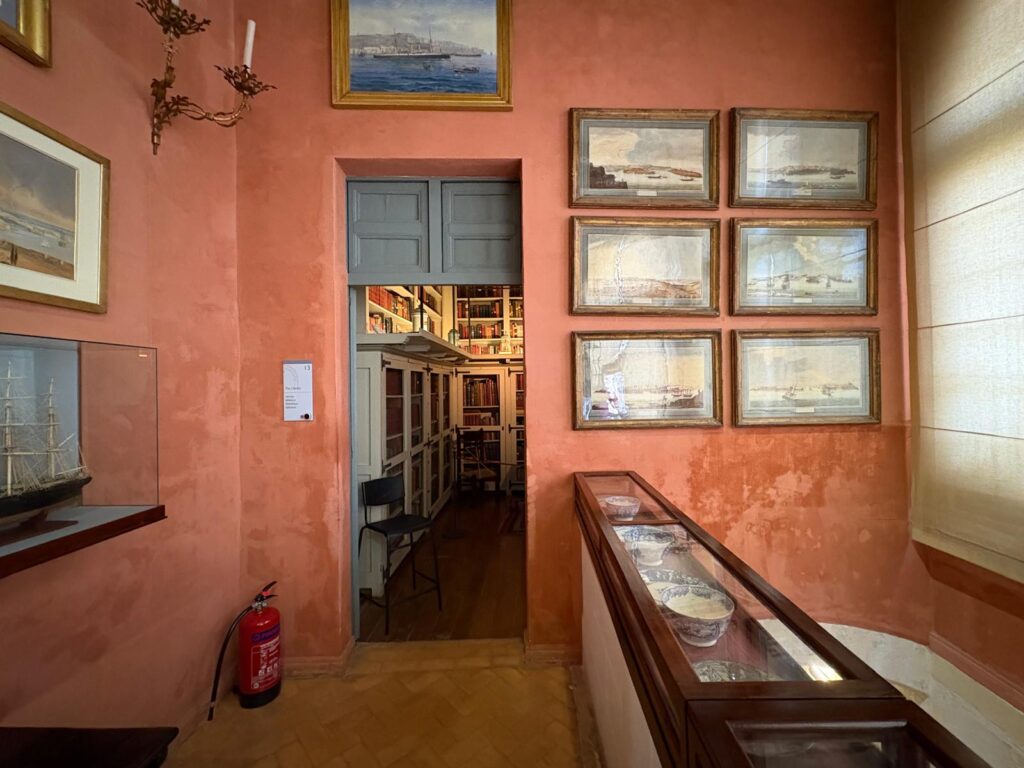
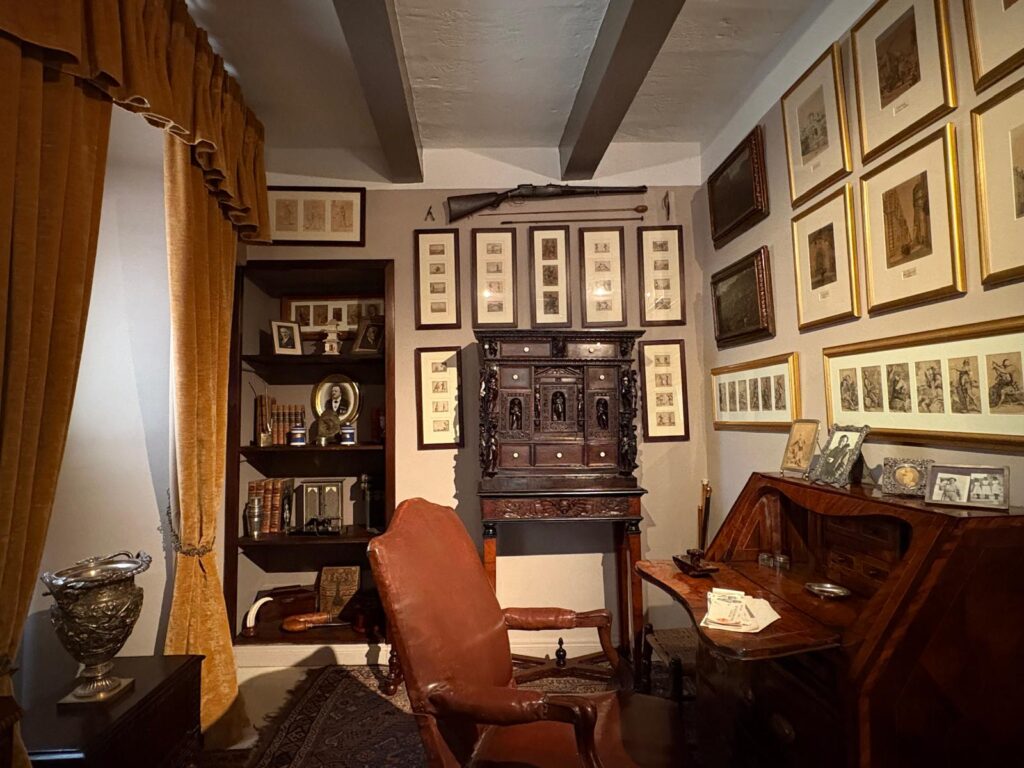
- Palazzo Falson: a 13th century palace, also home to the collection of Captain Olof Frederick Gollcher OBE (1889-1962), so a historic hybrid. My pick of activities in Mdina.
- Fort St Angelo: headquarters of the Knights Hospitaller after 1530
- Modern to Now:
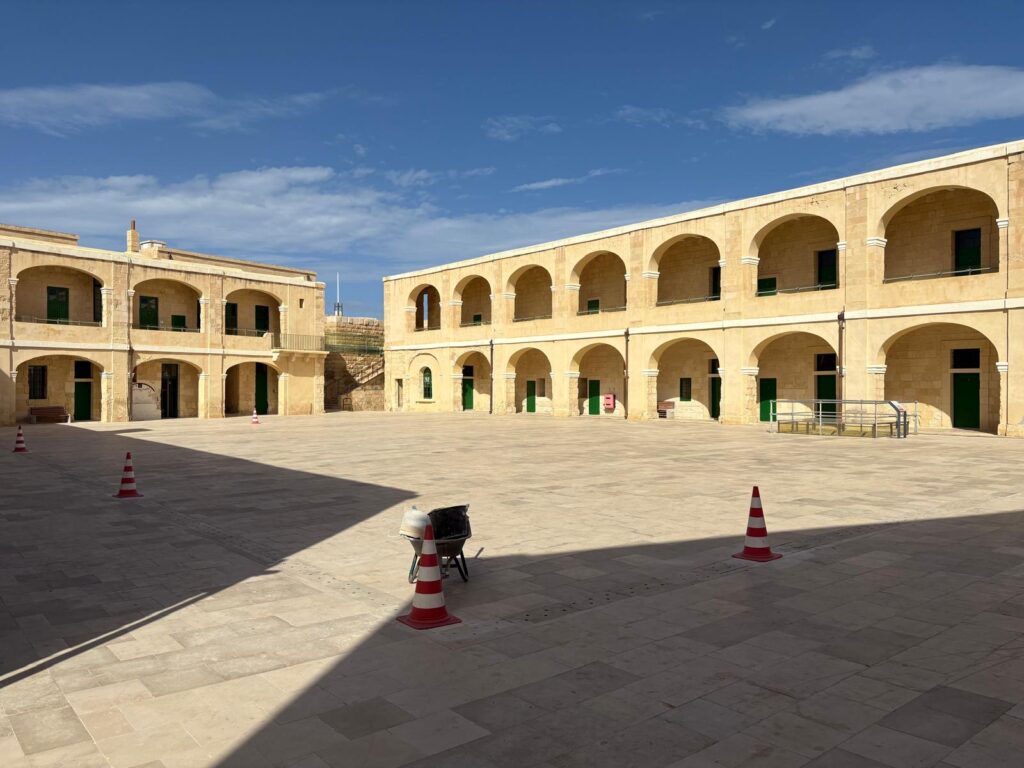
- Forts: Fort St Elmo has a much older history, but gives good insights into 20th century Maltese history
- Likewise the Lascaris War Rooms
- And also Underground Valletta, which again has a longer history but shows some of the wartime hardships in Malta
Other Activities
OK, you’ve been to more than enough museums and historic sites for a week in Malta. What else should you be doing? Plenty!
You may be thinking at this point: this is a Mediterranean island, I’m heading to the beach! You wouldn’t exactly be wrong to think that, but you might have to do more planning than you’re expecting. Malta is a little like Grenada, where sandy beaches are relatively few and far between. There aren’t any around Valletta, although we did have a sheltered dip in the sea when we stayed at the Grand Hotel Excelsior in Floriana. And for November, by that point, that wasn’t bad going. If you visit during the warmer months, you can check out beach recommendations here.
There are also plenty of other outdoor activities. Snorkelling, kayaking, or simply heading to a beauty spot like the Blue Grotto. If you like walking or hiking, you’ll be able to get out and see the landscapes.
For those wanting a local experience, I’ve been told going to a water polo match is a lot of fun. It’s one of the most popular sports in Malta. But in general, we found there were far more festivals and events than we could work our way through within a week. At the very end of the summer season, we encountered a jazz festival, and a series of late-night cultural events through Heritage Malta. We also did the guided tour and Caravaggio experience I mentioned: check out theatre and immersive experience company Udjenza for this and other offerings.
So basically you can have whatever type of week in Malta you fancy! You can race around seeing as much as possible. You can relax and enjoy the Mediterranean sun. Or you can blend the two: maybe an activity in the morning, some downtime in the afternoon, then a well-chosen event in the evening before or after a leisurely dinner. Sounds pretty perfect to me.
Food and Drink
Speaking of dinner, let’s finish up, as we often do with these cultural guides, talking about food and drink. What better way to experience a place than through sampling local delicacies?
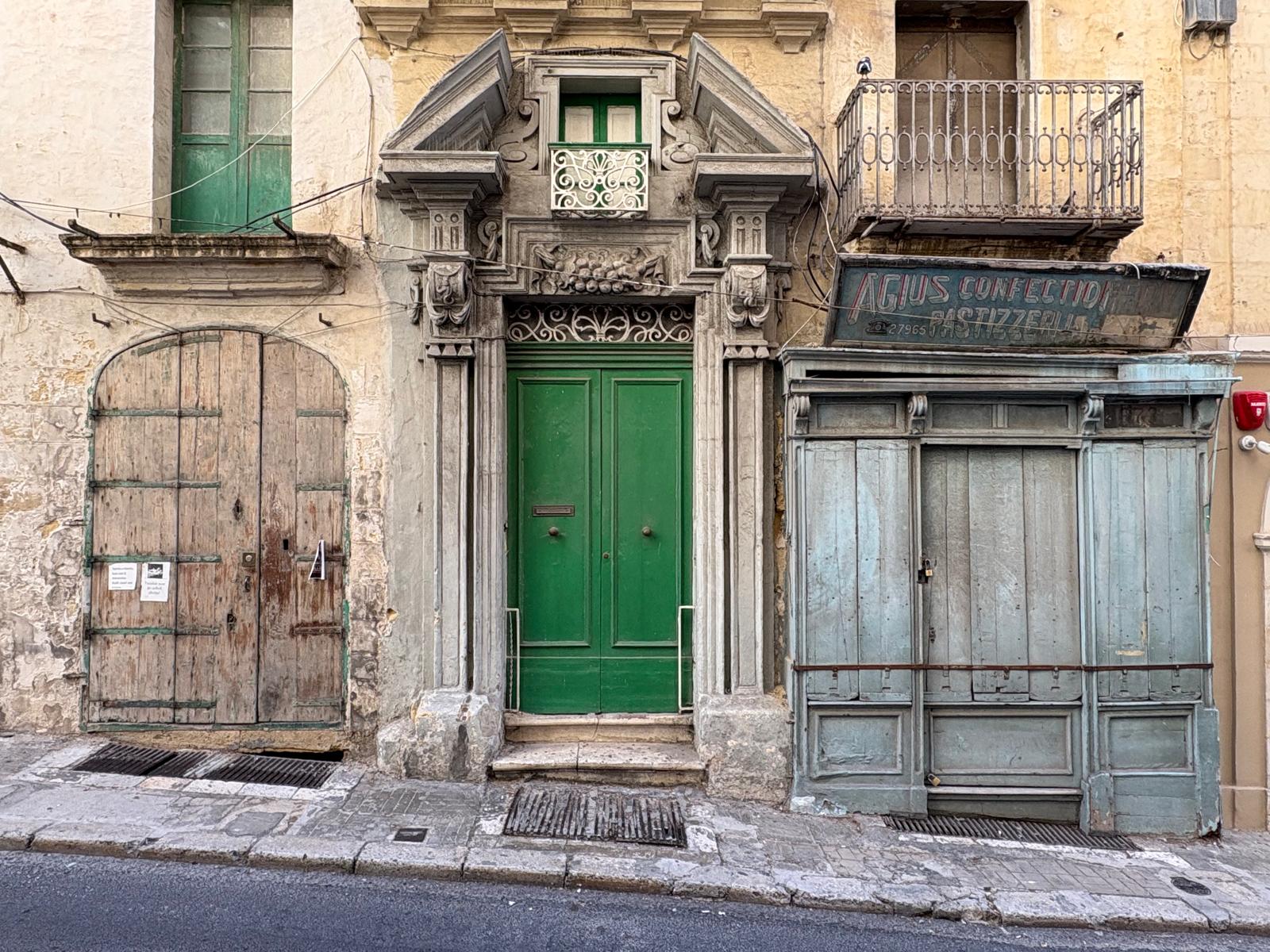
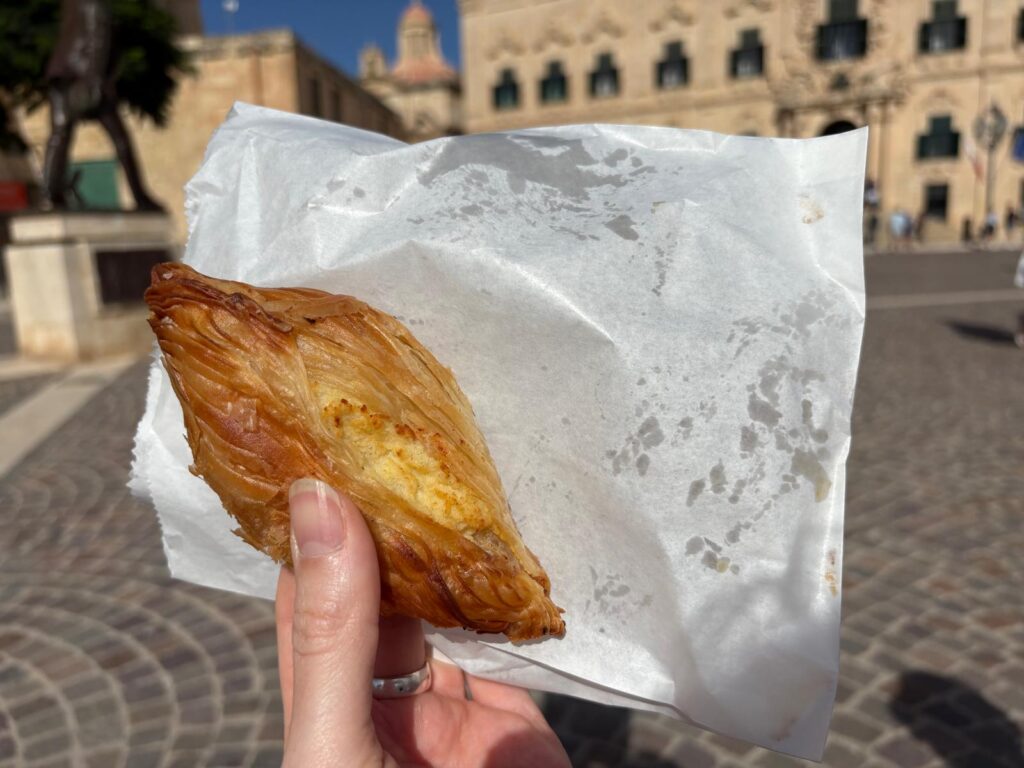
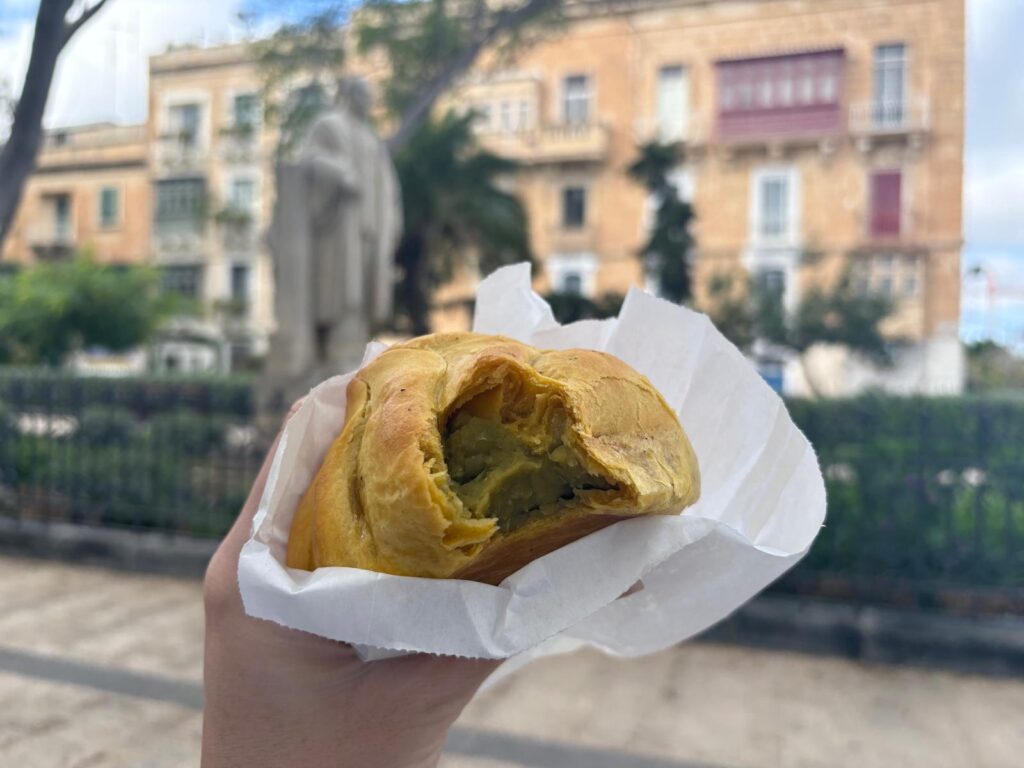
Malta’s food culture ranges from the very informal all the way up to Michelin-starred restaurants. At the informal end of the scale, I definitely recommend you try out a pastizzeria – a pastry shop. Malta does a range of traditional pastizzi with crispy, flaky pastry, or doughier qassatat. You can get various pastizzi fillings, but we particularly liked the classics: ricotta or pea puree.
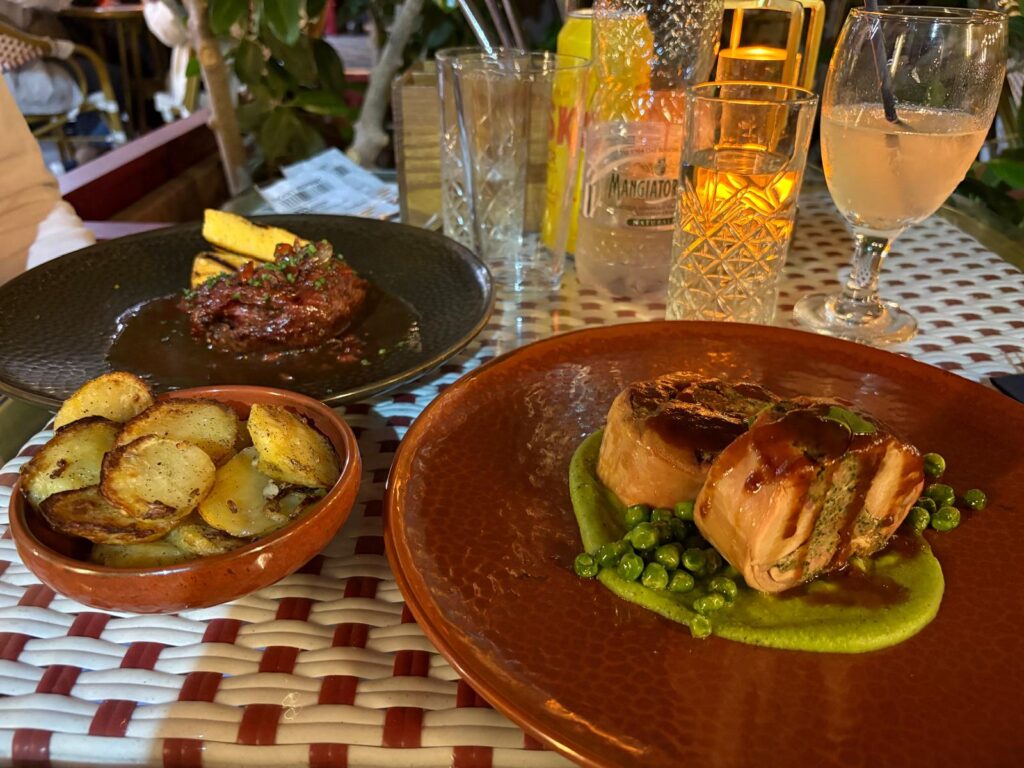
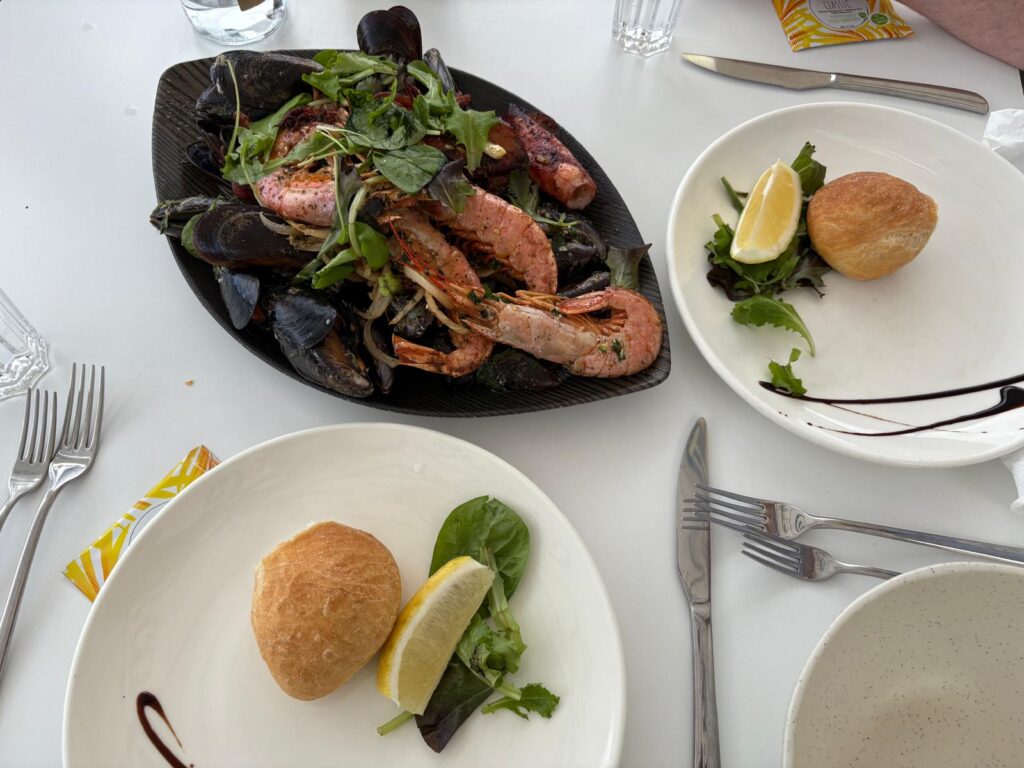
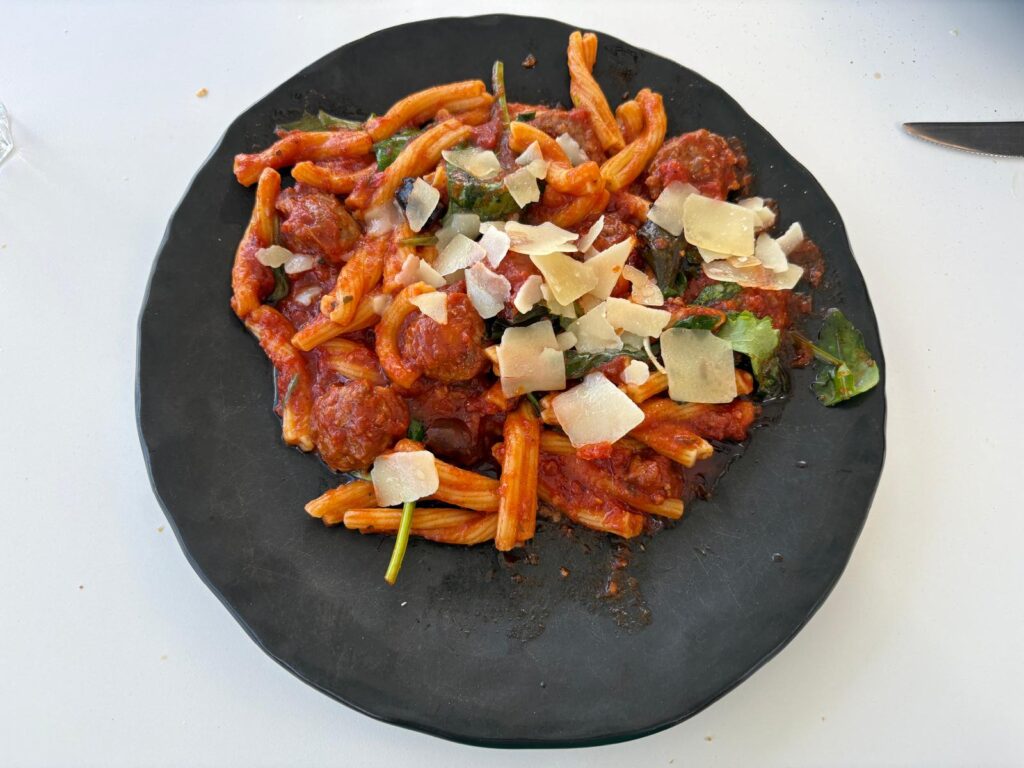
In the middle of the scale, there are a lot of places doing hearty, traditional fare. Human activity and a changing climate and geography mean Malta has little fresh water, which has kept the vegetation and local fauna relatively low. Rabbit thus features heavily on the menu in traditional restaurants. We had it stuffed and fried, and enjoyed both. There are also lots of Italian restaurants, as you might expect this close to Sicily, or you can try out other cuisines. We enjoyed a Filipino restaurant in Valletta – the large population of guest workers in Malta have brought their own food culture with them.
And at the top end of the scale, there are loads of fine dining restaurants in Malta. Seven of them have Michelin stars in 2025. The cuisine is often an elevated version of some of what I’ve described already, often with more international influences.
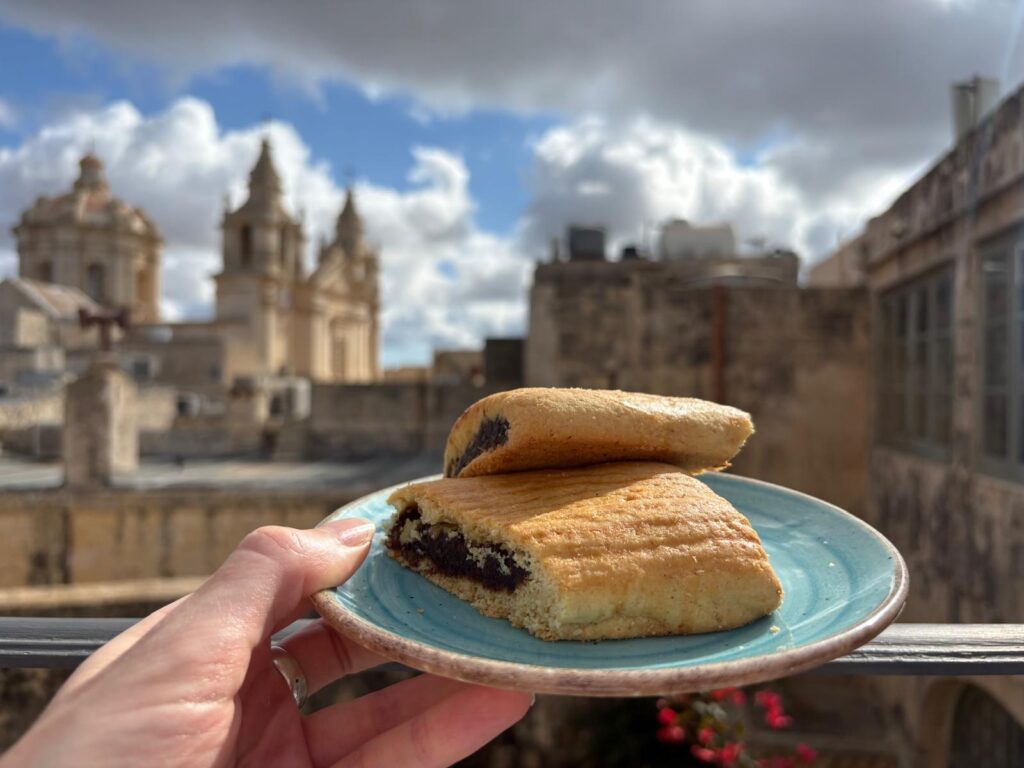
Between meals, if you’ve had your fill of pastizzi, there are other Maltese delicacies to try. Why not a traditional Maltese ice cream, with flavours like almonds, candied fruit, orange, cinnamon, and cloves. Or, revealing an Arab influence once more, there are imqaret (like the North African maqrout), a date paste with spices and citrus encased in a thin layer of pastry. These foods, as well as boosting your strength before the next archaeological site, remind us of all the layers of history that co-exist on this small island nation.