
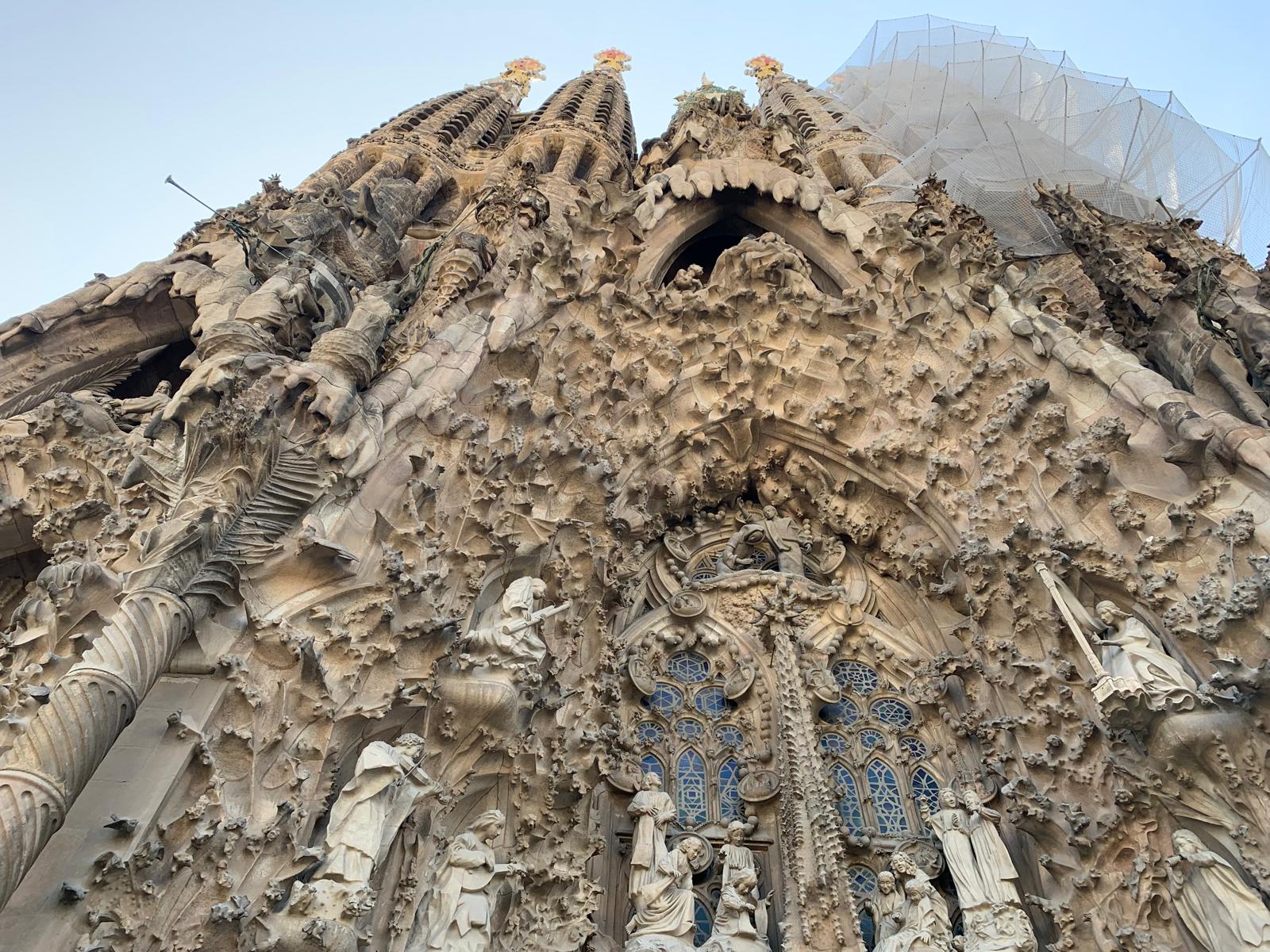
Museu del Temple Expiatori de la Sagrada Família (Museum of the Church of the Sagrada Família), Barcelona
Returning to the Sagrada Família 18 months after my first visit offered a new perspective as I explored the museum beneath the church.
Returning to the Sagrada Família: A Second Look, A Deeper Focus
Revisiting a major landmark on a return trip is something I rarely do. I tend to seek out new places and experiences rather than repeat past ones. But every rule has its exception, and this time in Barcelona I found myself once more at the Sagrada Família. The opportunity arose thanks to the conference I was attending, which included a talk by none other than the current architect of the church. Hearing directly from someone immersed in continuing Gaudí’s legacy was reason enough to go back. And of course, this isn’t a static building. It’s in constant flux, still under construction after more than 140 years. While it hadn’t changed dramatically since my previous visit (about 18 months ago), even subtle progress is striking in a space so architecturally distinctive.
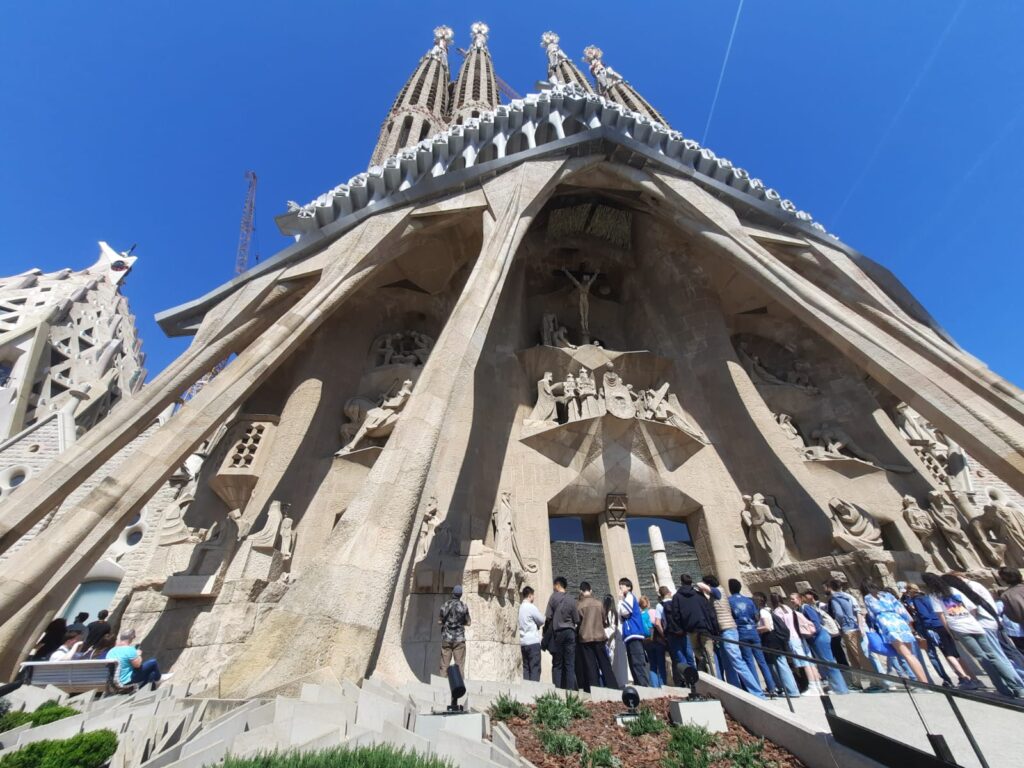
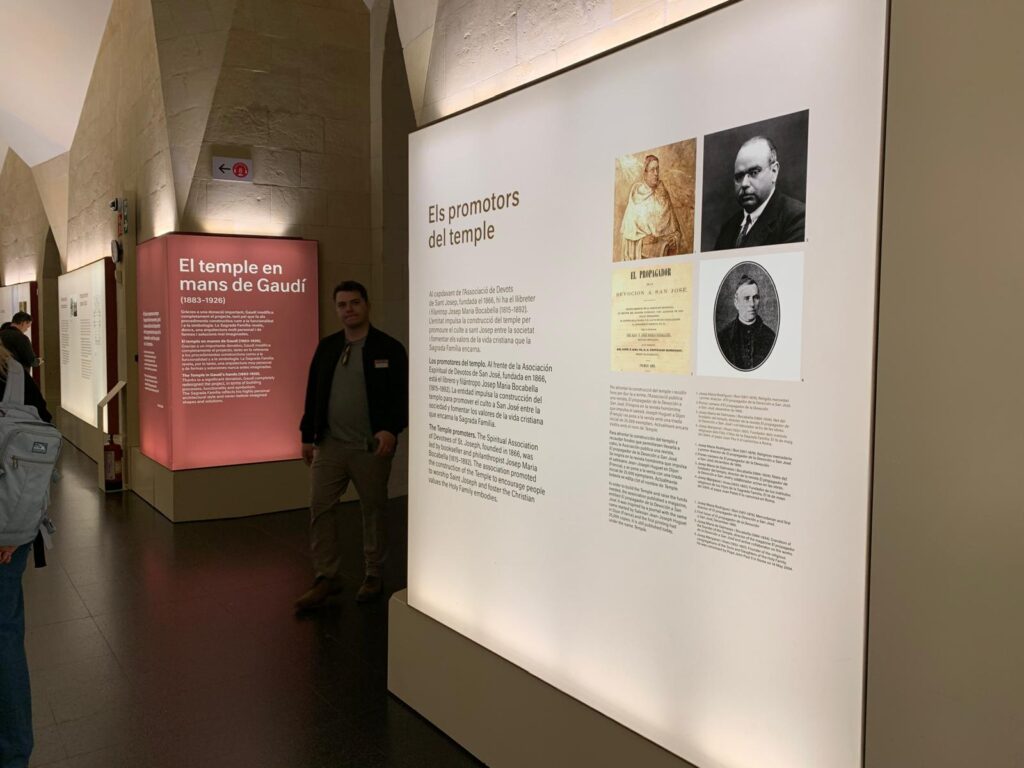
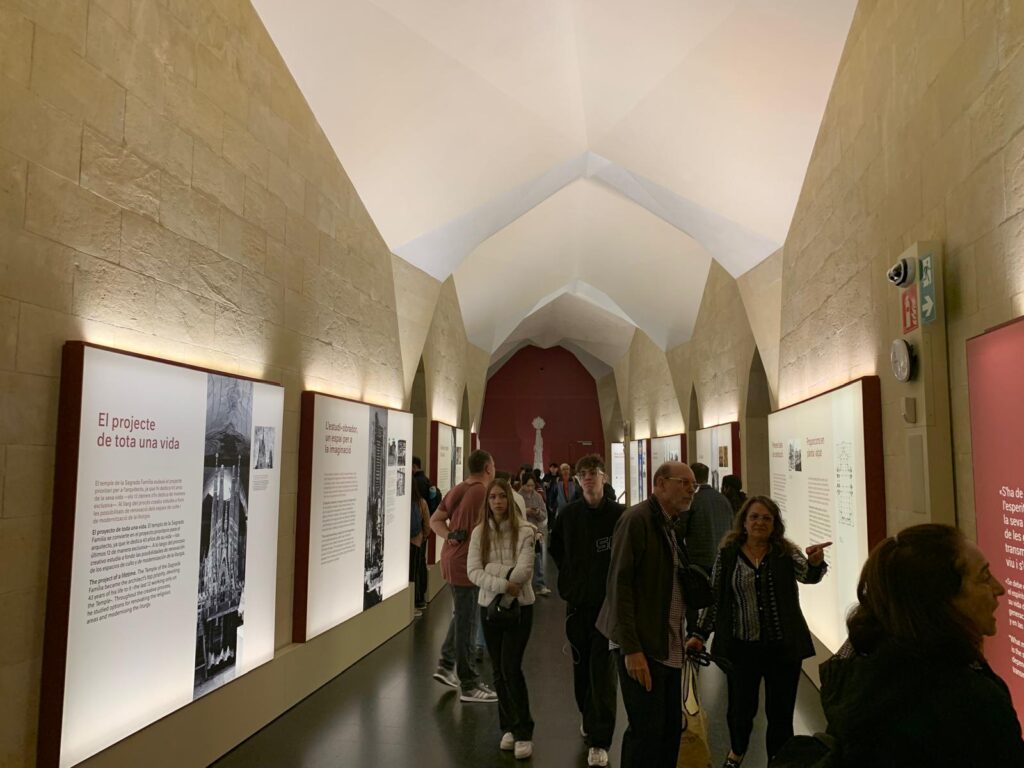
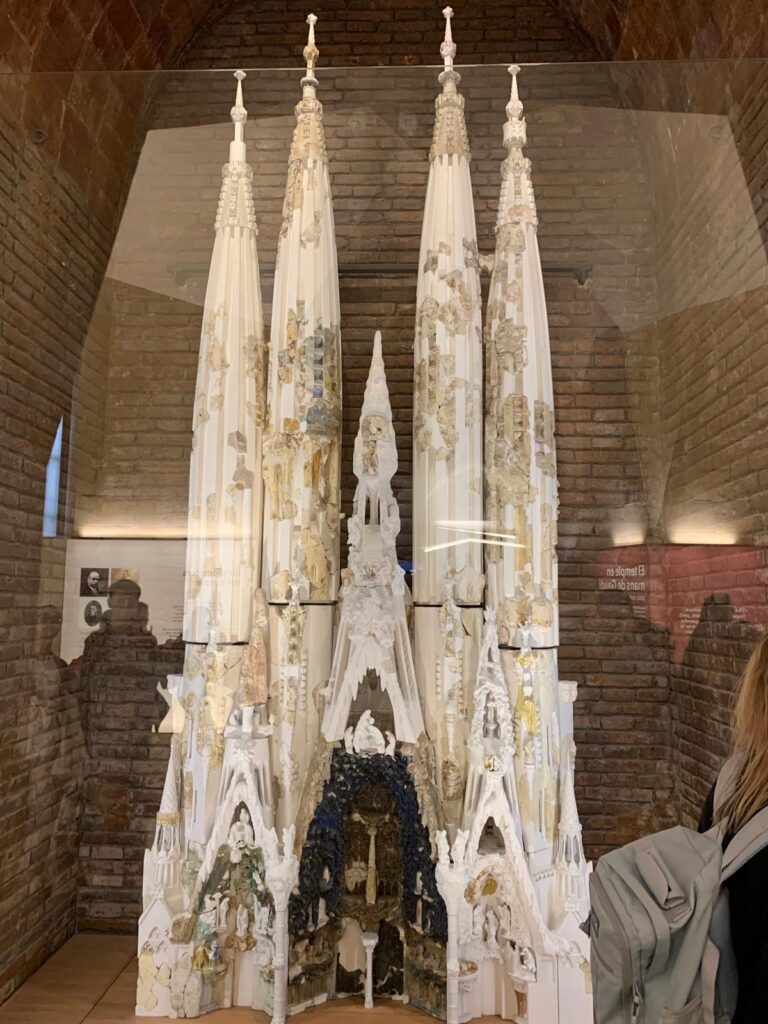
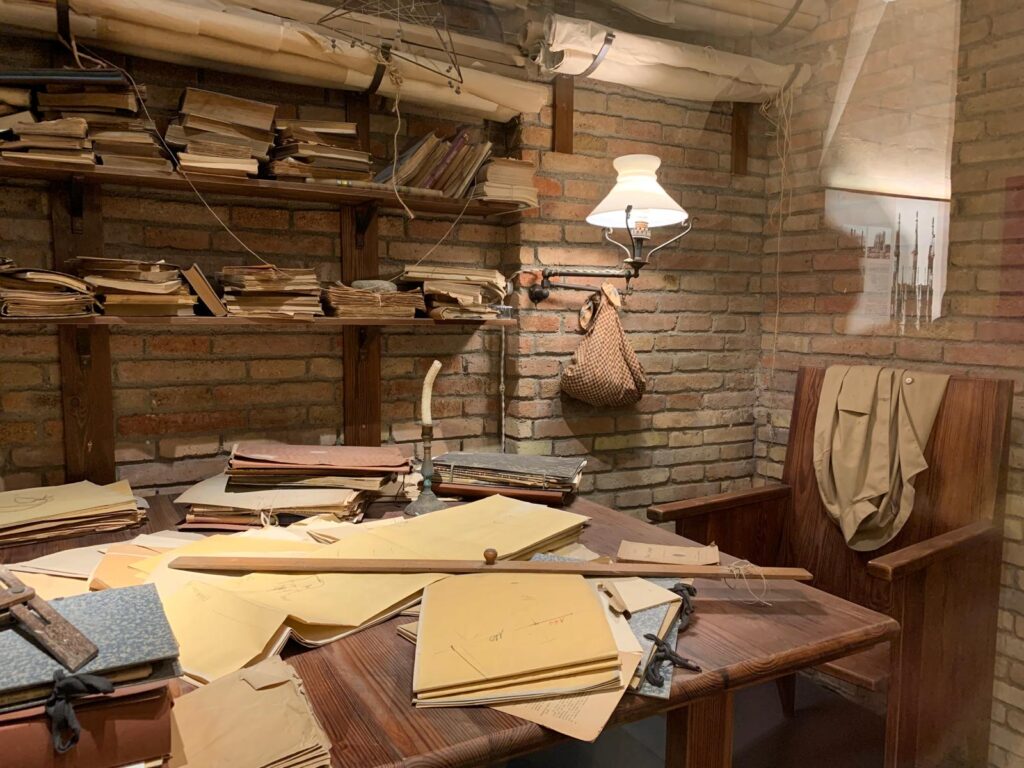
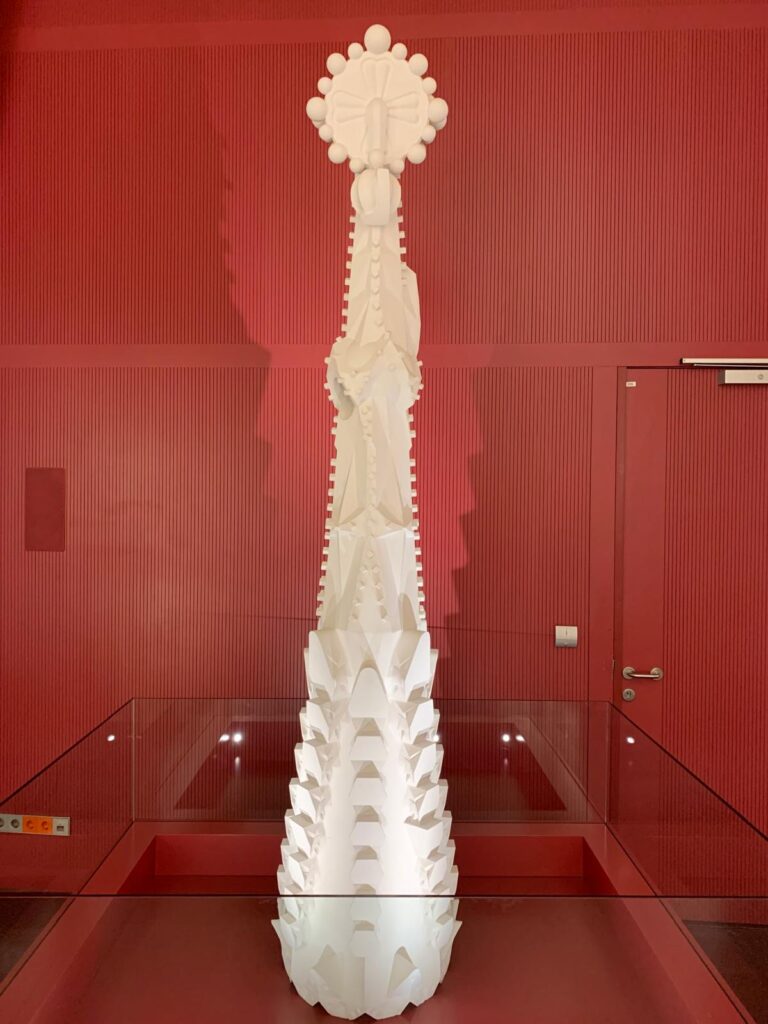
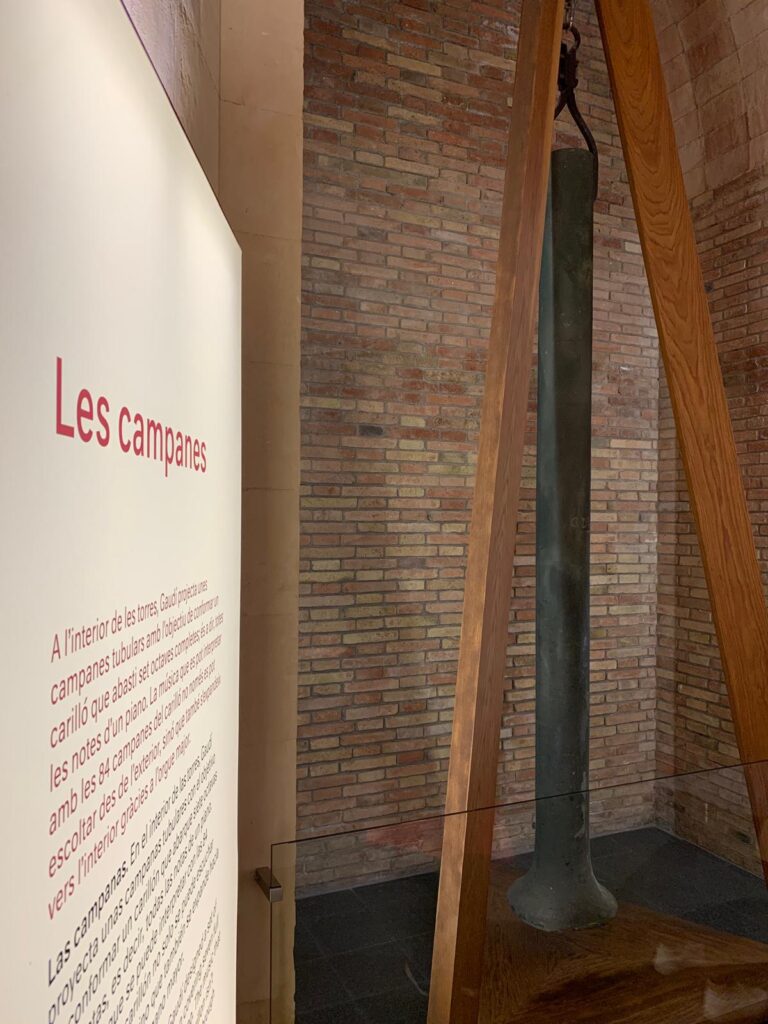
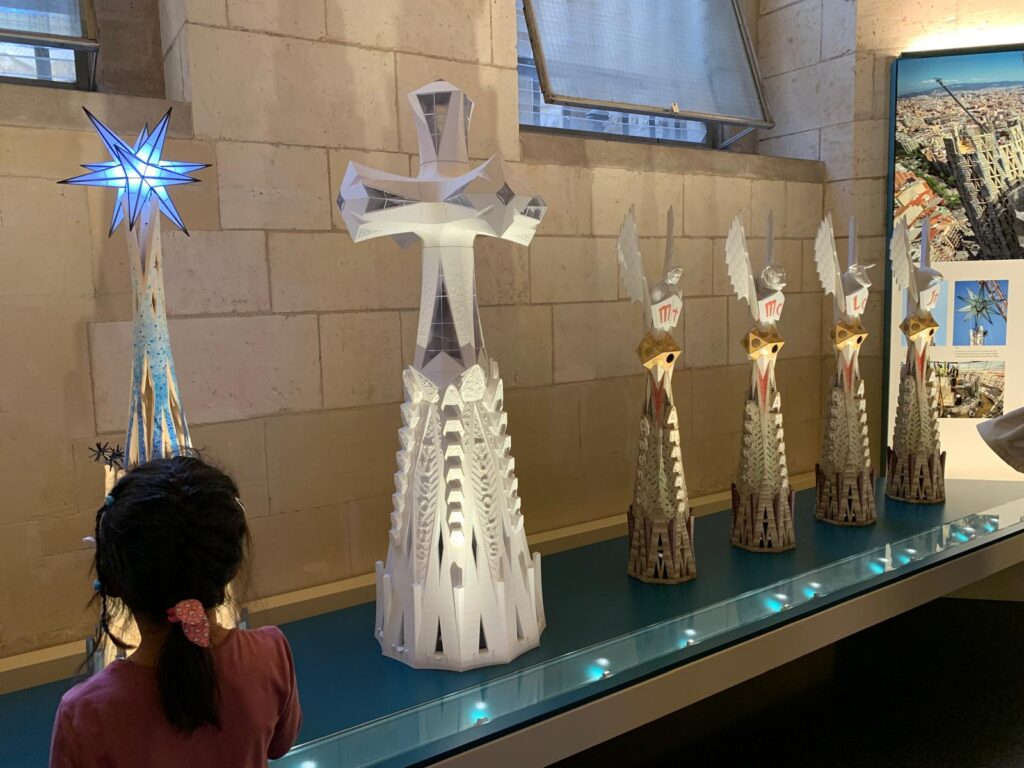
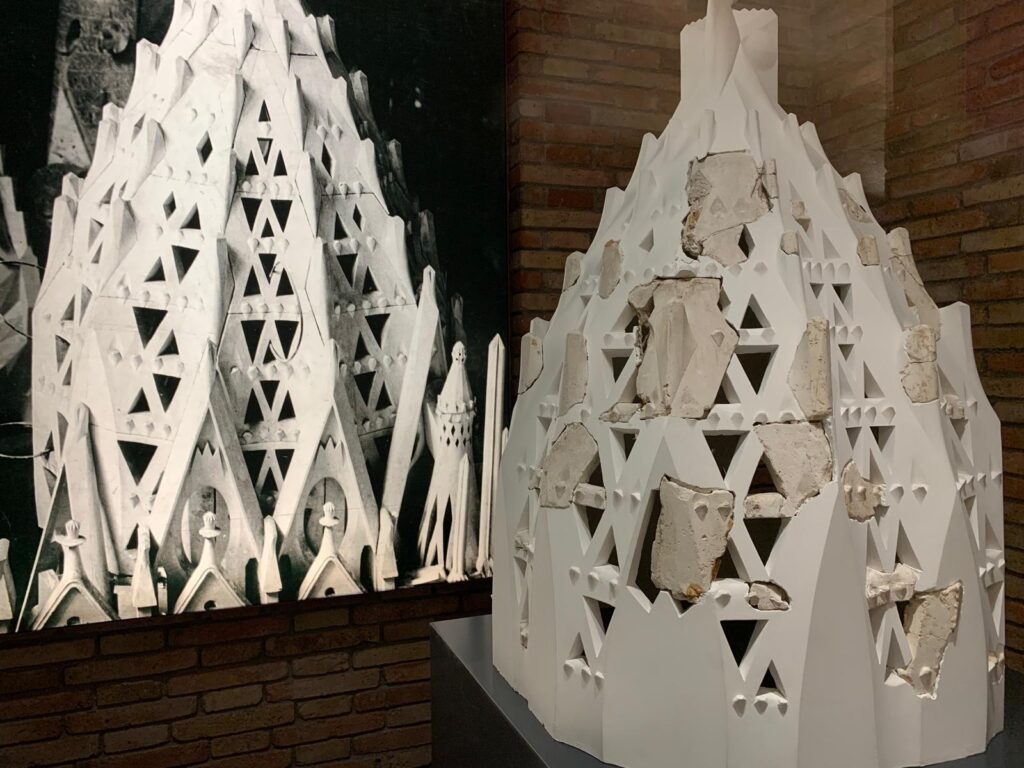
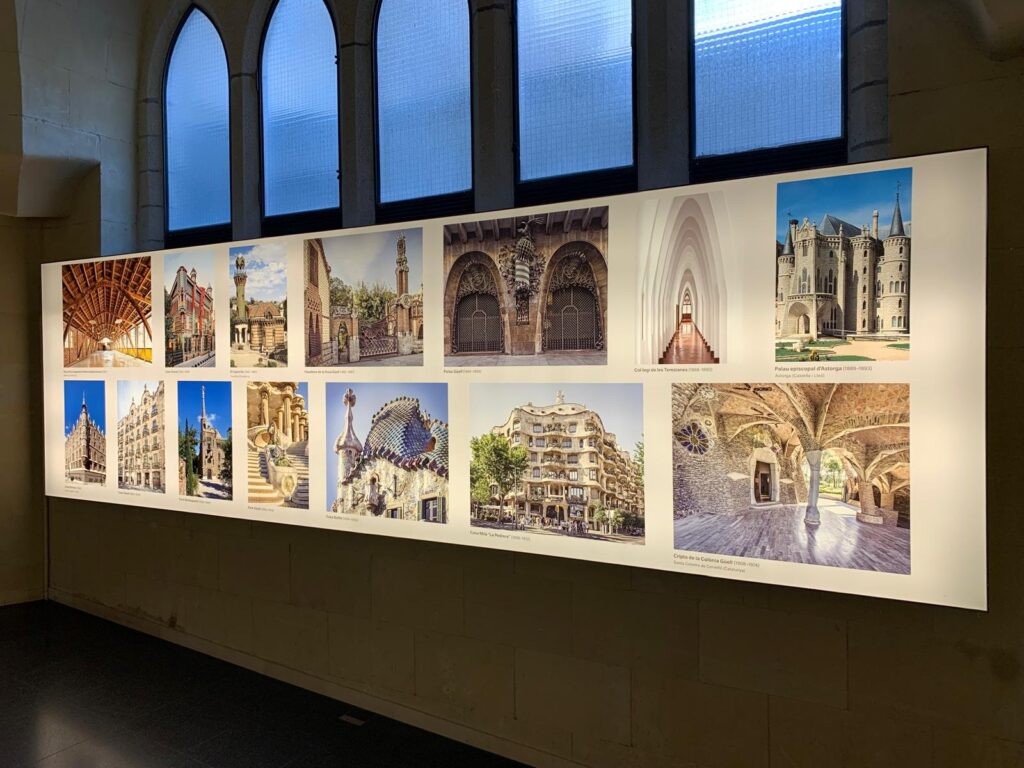
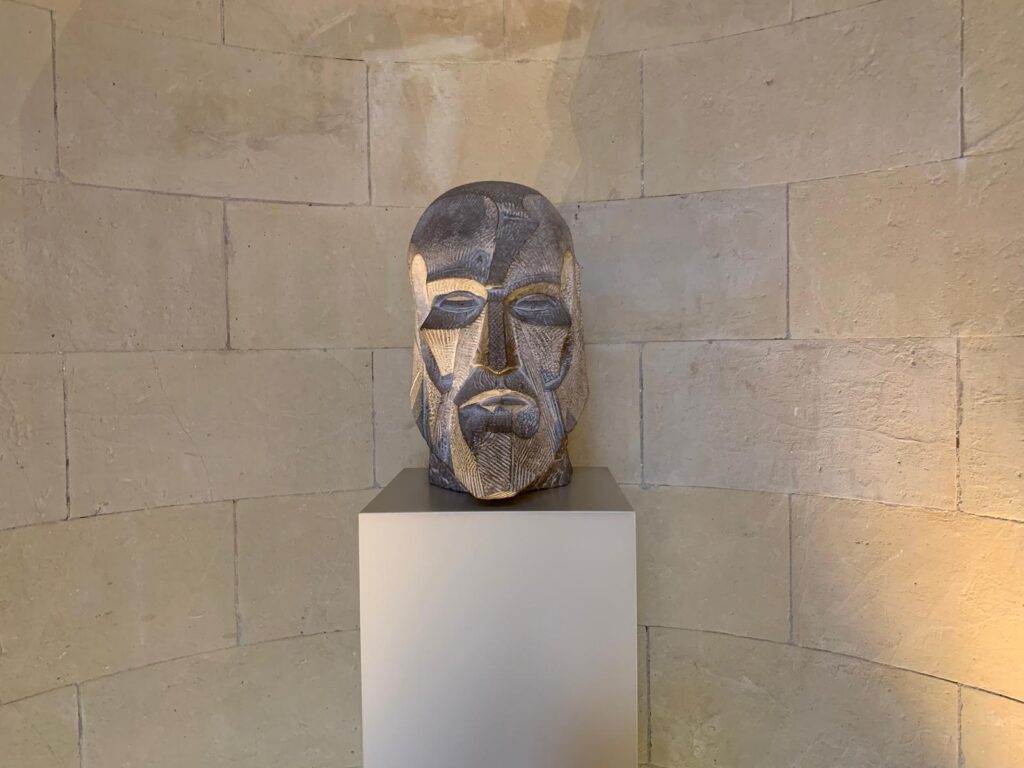
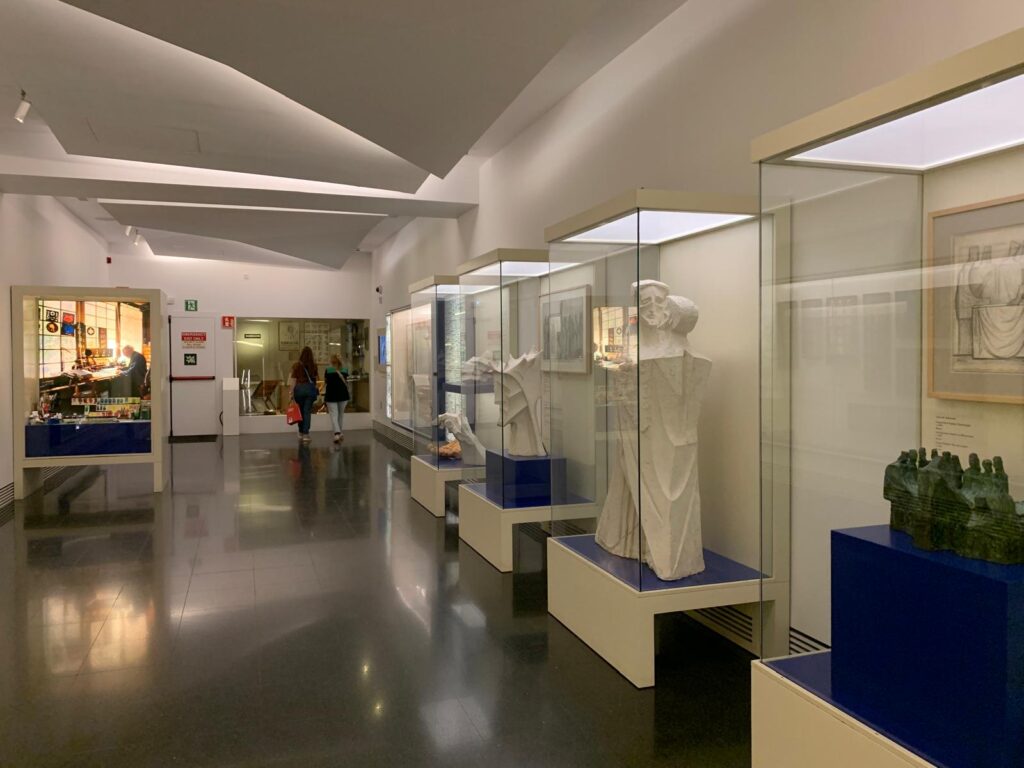
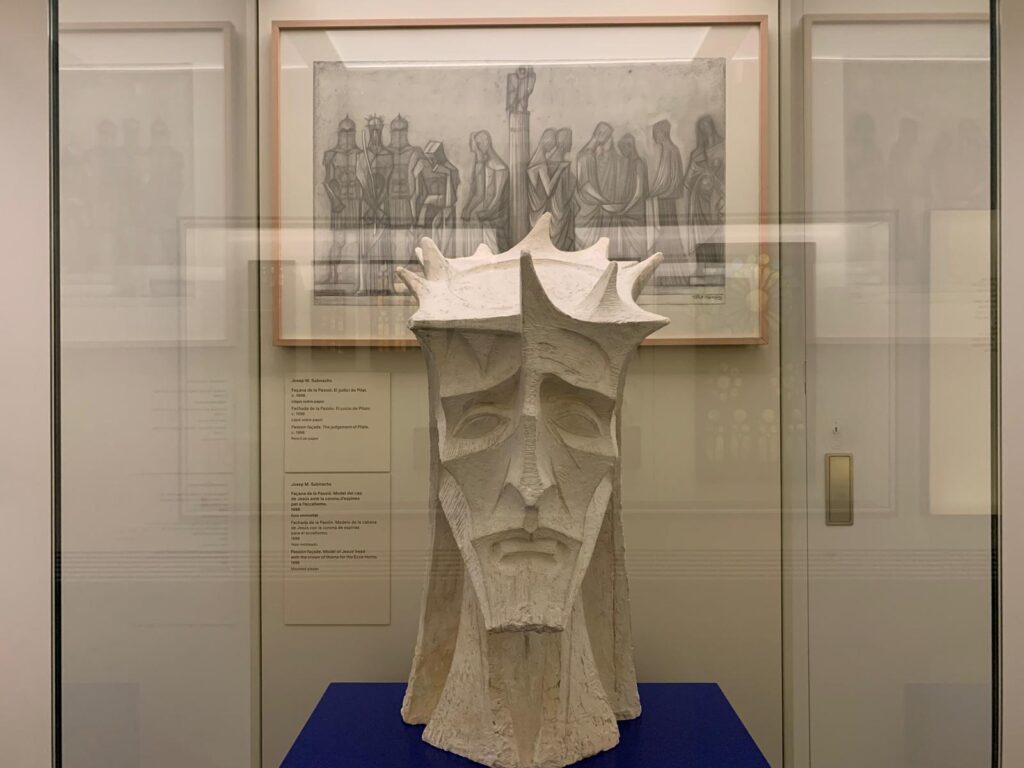
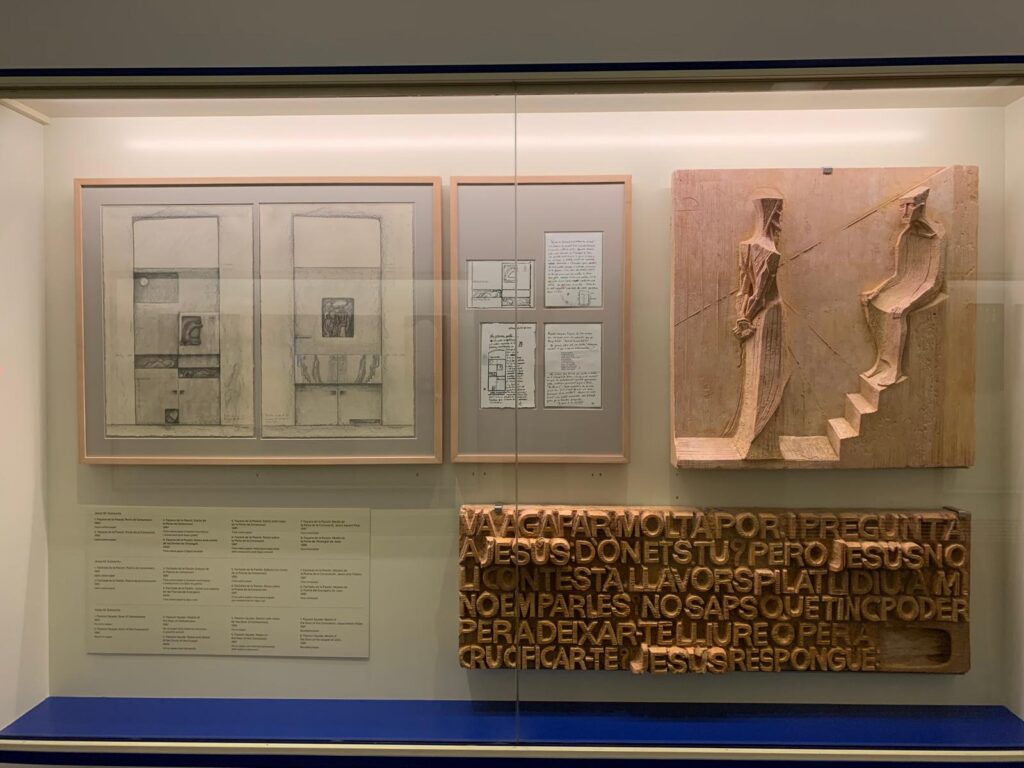
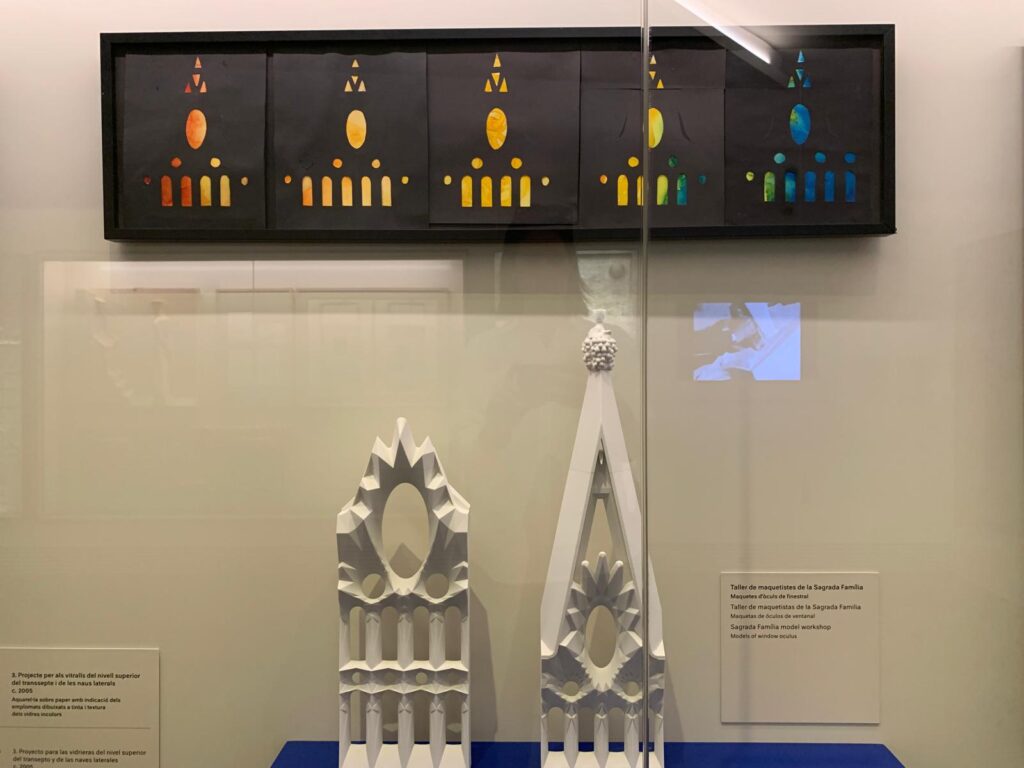
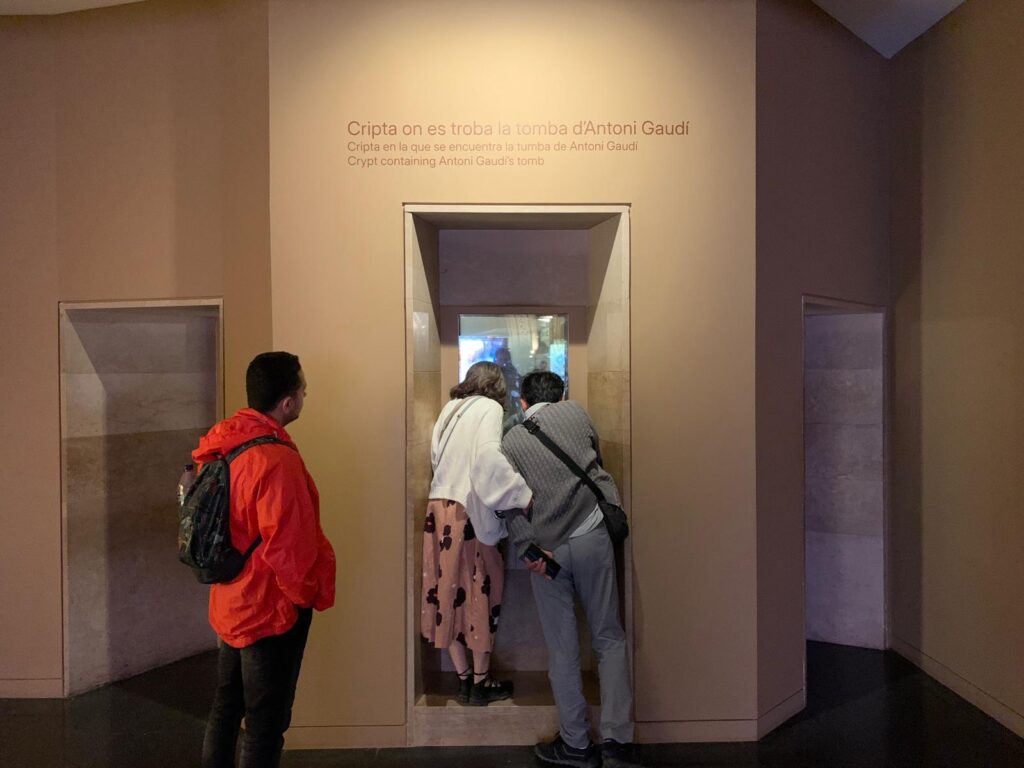
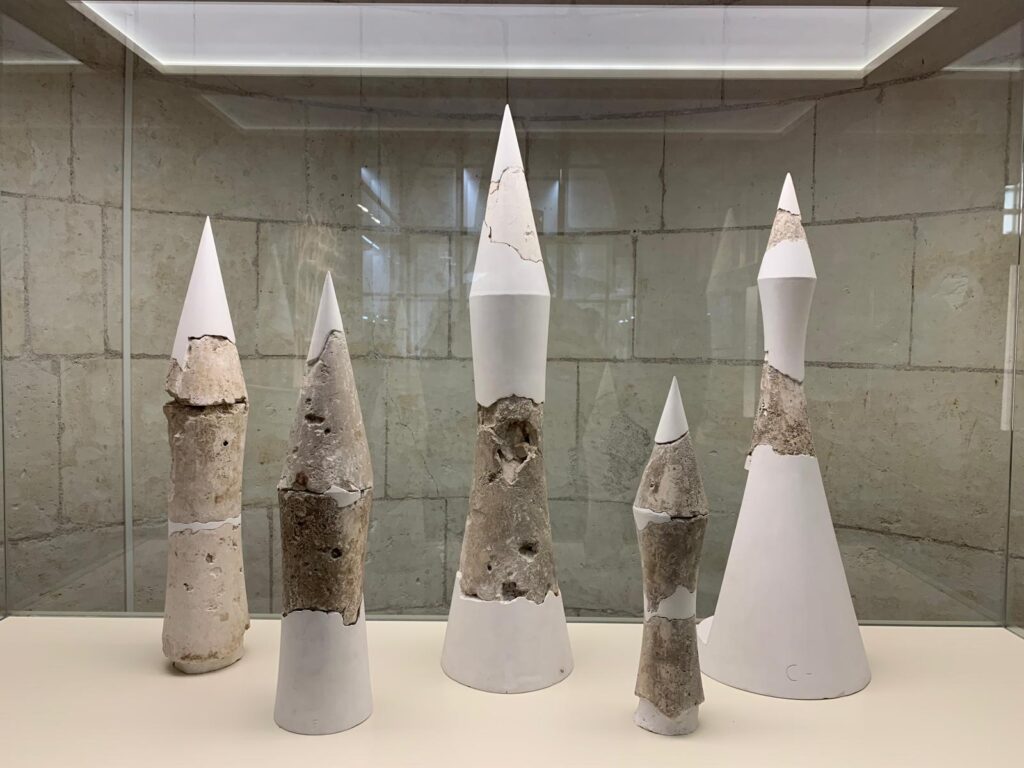
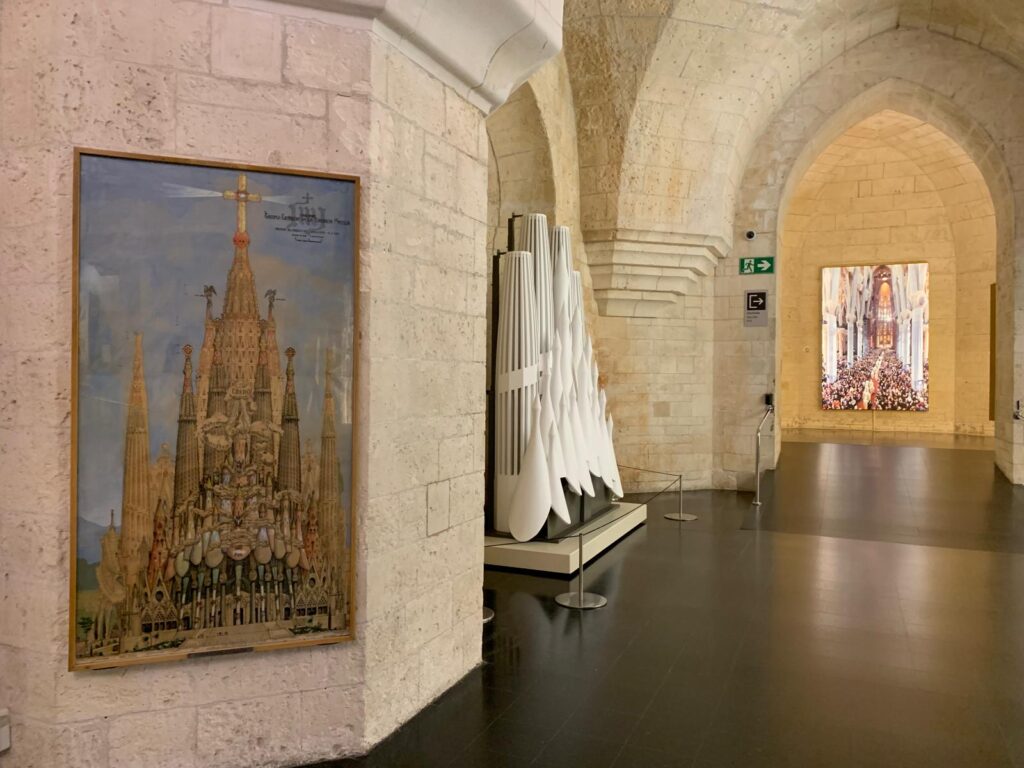
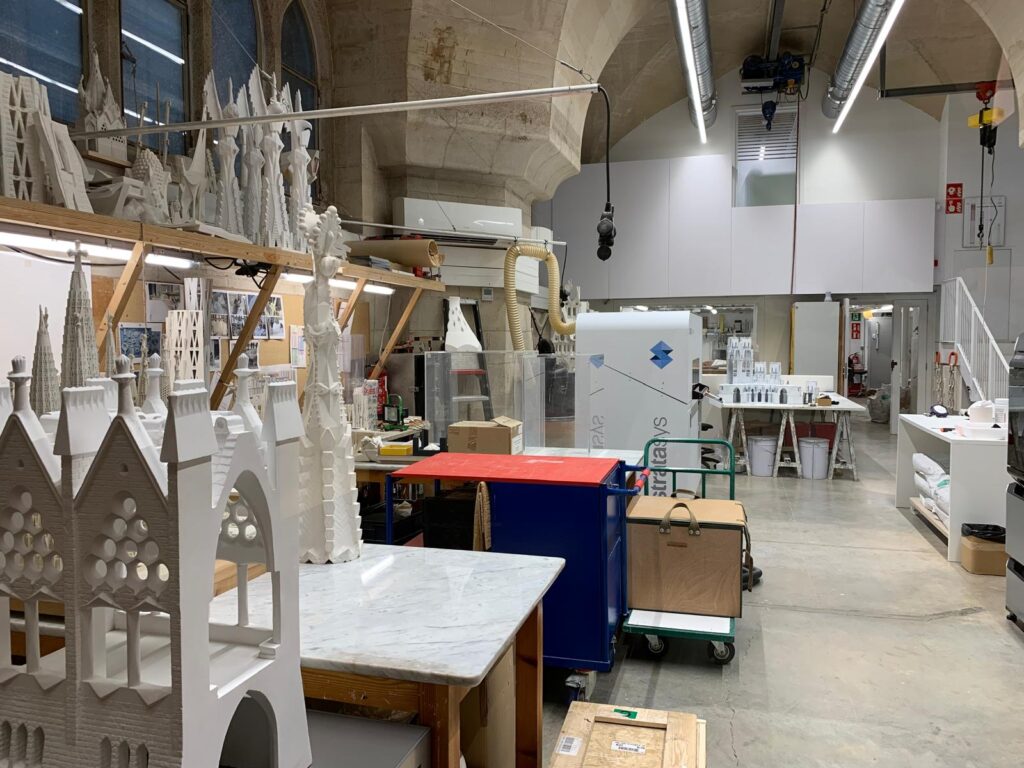
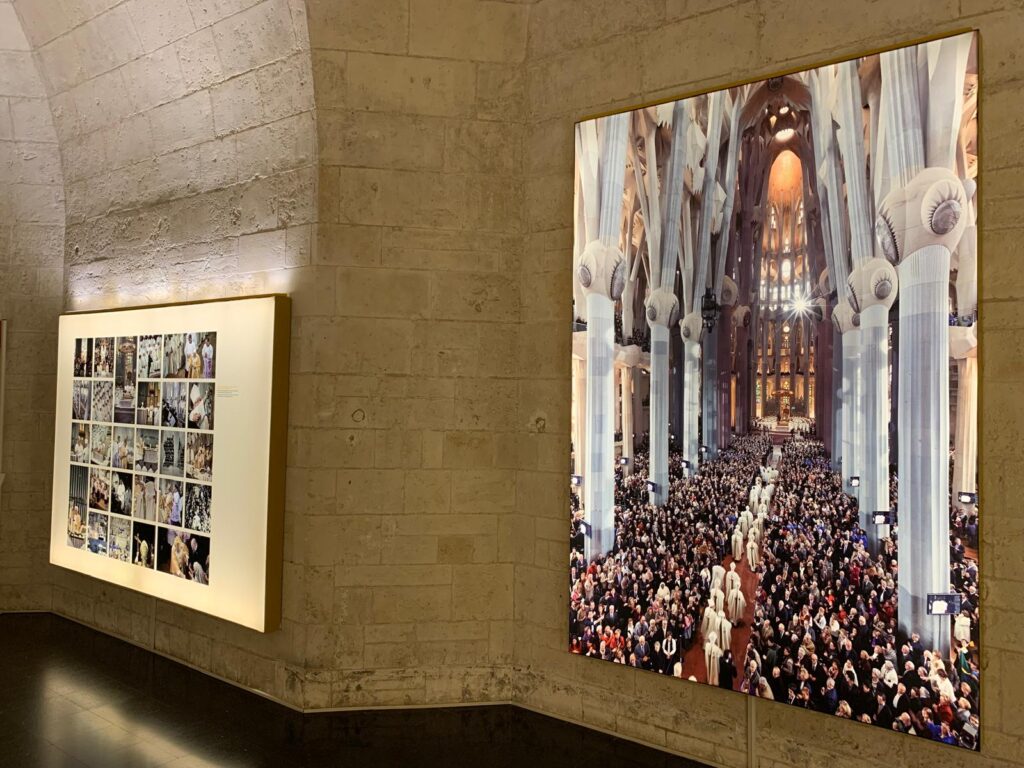
That slight sense of déjà vu gave me the freedom to look more closely at parts I hadn’t fully appreciated before. Last time, overwhelmed by the soaring structure itself and keen to rush off and see more sights, I didn’t linger much in the museum section underneath. This visit, I made it a priority. And I found that it offers a rich layer of insight into both the building and its maker. The museum sits beneath the Passion façade, showcasing everything from plaster models and architectural drawings to the tools and techniques used to bring Gaudí’s vision to life.
And not long after I visited Barcelona this time around, Pope Francis took the first formal step toward Gaudí’s sainthood. Although this wasn’t on my mind at the time, it feels fitting now to be contemplating the life and legacy of a man whose work continues to inspire awe not just spiritually, but structurally.
An Ever-Unfinished Masterpiece: A Short History of the Sagrada Família
The Temple Expiatori de la Sagrada Família is not a cathedral. It has never been the seat of a bishop. Rather, it is, as its full title reminds us, an expiatory temple: a place intended from the outset to be built entirely through donations, as an act of faith and penance. The idea of an expiatory temple was already somewhat anachronistic when the foundation stone was laid in 1882. But that very timelessness has contributed to its singular status in the architectural world.
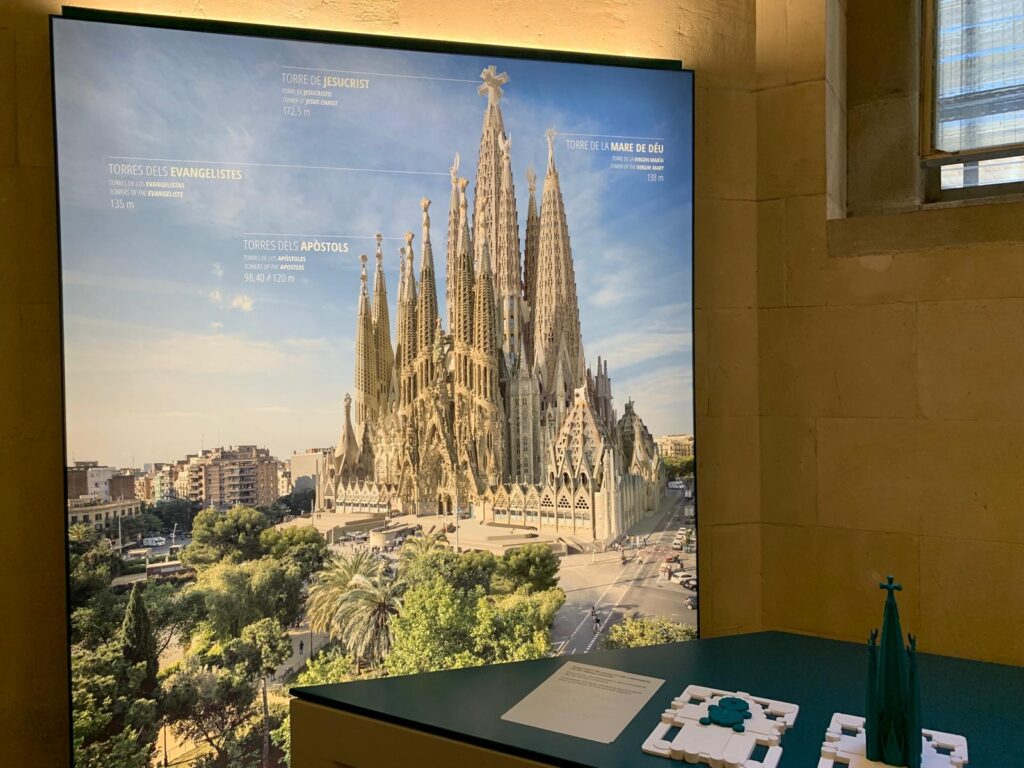
Work began under Francisco de Paula del Villar in 1882. Within a year it had passed to the then little-known Antoni Gaudí, who transformed the project completely. Gaudí devoted over 40 years of his life to it, the last 15 almost exclusively. By the time of his death in 1926, only a fraction of the structure had been completed. The Spanish Civil War further interrupted progress. During this time, many of Gaudí’s plans and models were destroyed. Construction continued slowly through the 20th century, often debated, sometimes doubted.
But donations and new technology helped bring it back to life. Today, digital modelling allows builders to interpret Gaudí’s complex designs with remarkable precision. And the ongoing support of both the faithful and the curious mean the project continues to move forward, each year’s investment based on the previous year’s donations (a portion also goes to charity). The current goal is to finish the main structure by 2026, marking the 100th anniversary of Gaudí’s death.
Whether that target is met or not, the end now feels within reach. As I wrote in a previous post, the Sagrada Família is a collaboration between generations. That remains true, and with every new stone Gaudí’s vision becomes more realised.
A Sacred Space or a Cultural Landmark? Reflections from the Museum Below
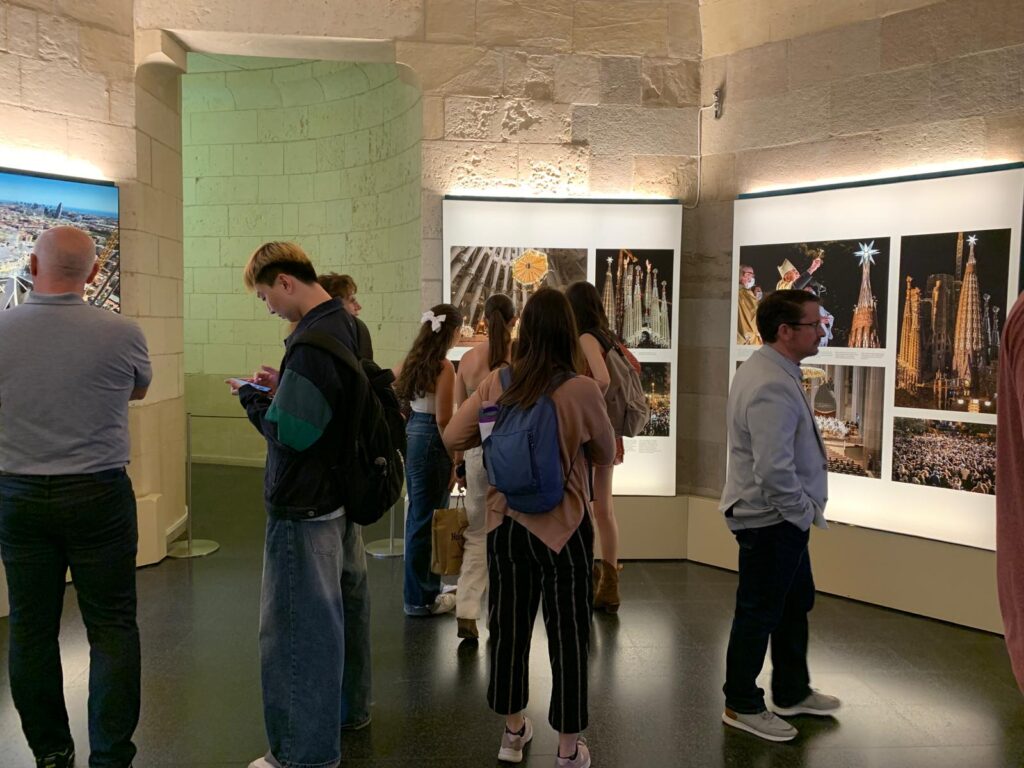
Descending into the museum beneath the Sagrada Família feels like entering a slightly quieter, more contemplative layer of the site. It’s here that you can step back from the worst of the crowds above and begin to understand the immense thought behind every curve, spire, and shaft of light.
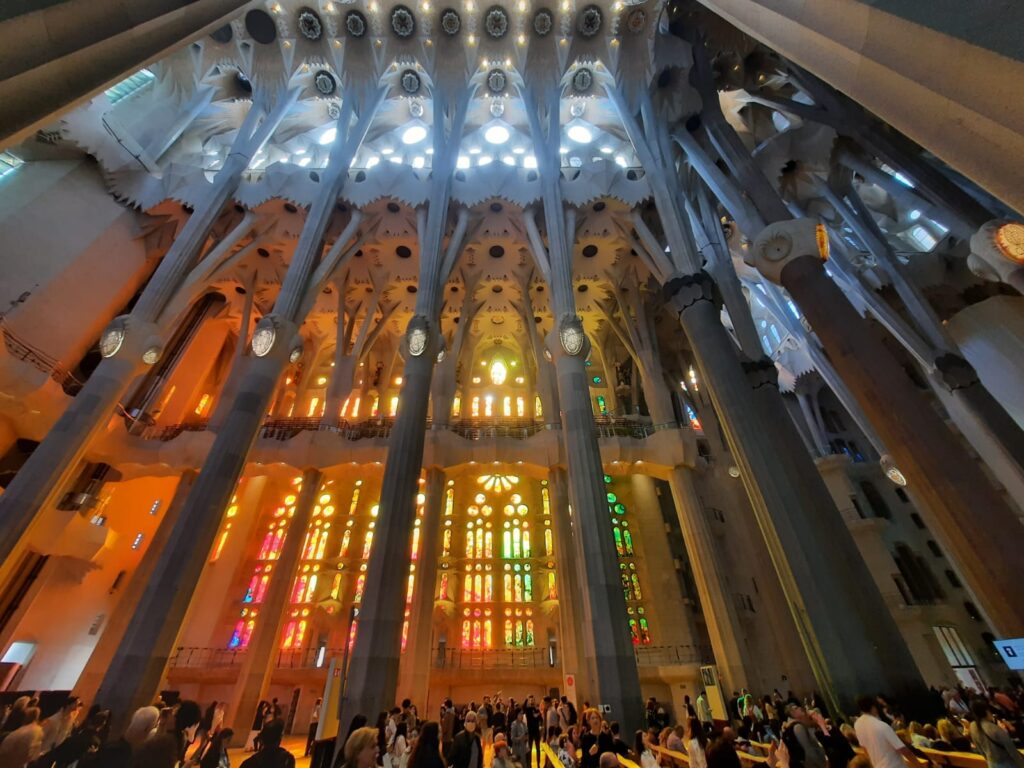
Gaudí’s church is, without doubt, a masterpiece. A work of sacred geometry and organic form, drawing from nature’s logic to create a structure of divine beauty. But as I walked through the museum and looked again at his meticulous models, I found myself thinking: what would Gaudí make of all this? Because today, most visitors aren’t there to commune with God. They’re there to photograph a landmark, to tick off an icon of world architecture. The basilica floor is filled with selfie poses and the murmur of tour groups. It’s not irreverent, but equally it’s not peaceful.
And yet, I understand. The entrance fees likely keep the building going, alongside private donations and international admiration. The museum itself does a fine job of encouraging deeper reflection, even while reinforcing the site’s identity as a cultural, rather than solely spiritual, destination. What to do? Perhaps nothing. Maybe this dual role is the cost of a sacred space built in the public eye. If I could offer one tip, it would be this: go first thing in the morning. On my previous visit I did, and found an illusion, however brief, of peace.
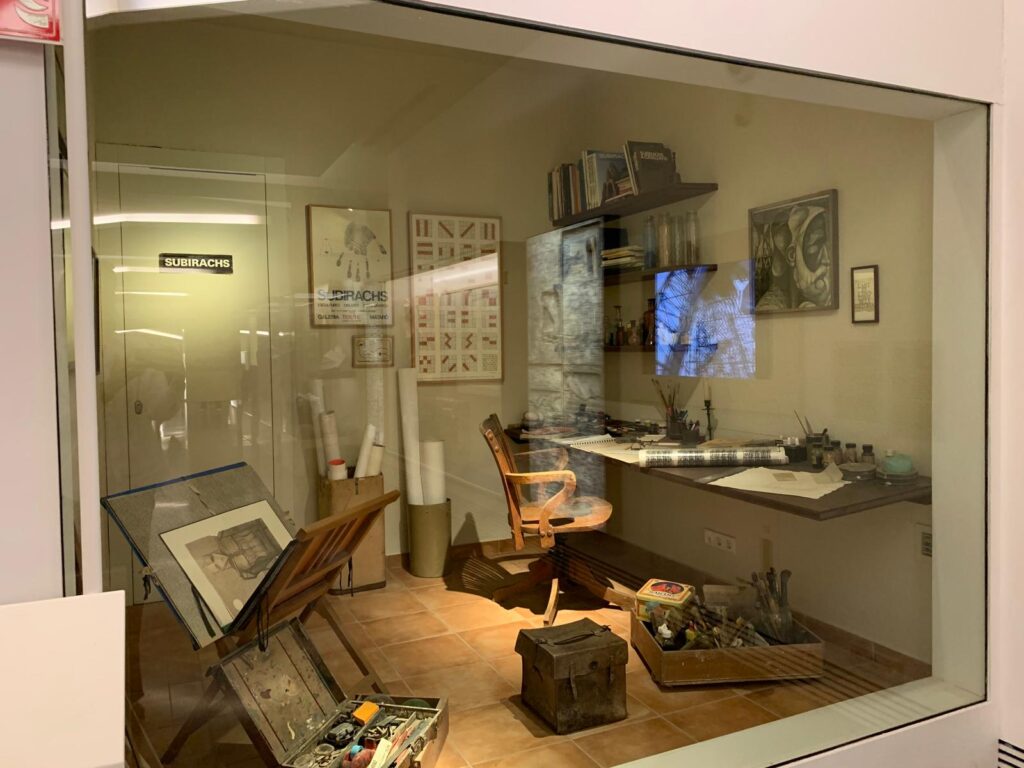
A Vision for the Future: Gaudí’s Method, Not Just His Design
If I had to make a suggestion about what might bring the visitor experience and the site’s religious intent a bit closer together, I would focus on the extraordinary way Gaudí planned for the future. Towards the end of his life, knowing he wouldn’t live to see his project finished, he pivoted away from the next stages of construction. Instead, he concentrated on something more lasting: a method, not a blueprint. A philosophy of design. A way of building that others could carry forward.
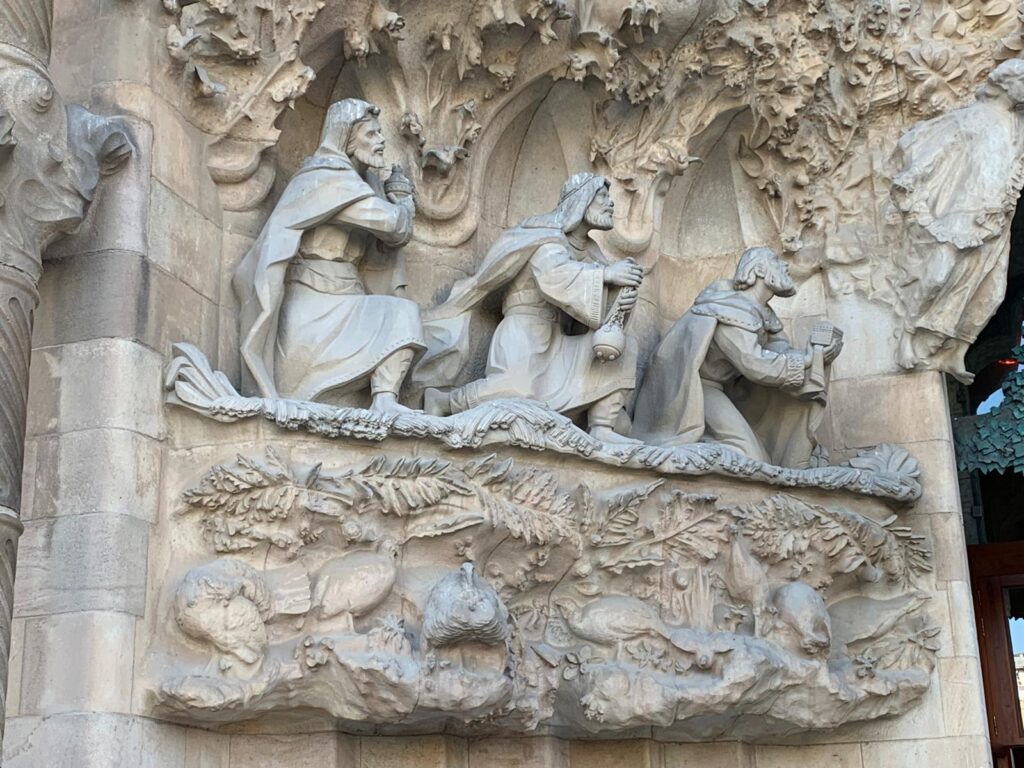
This wasn’t about leaving behind exact plans, but creating a visual and spiritual framework that would allow for adaptation. You see that clearly when you look at the Passion façade, sculpted in the mid twentieth century. Its stark, angular figures are nothing like Gaudí’s original ornamentation, and yet they feel right. They suit the space. They honour the themes of suffering and sacrifice.
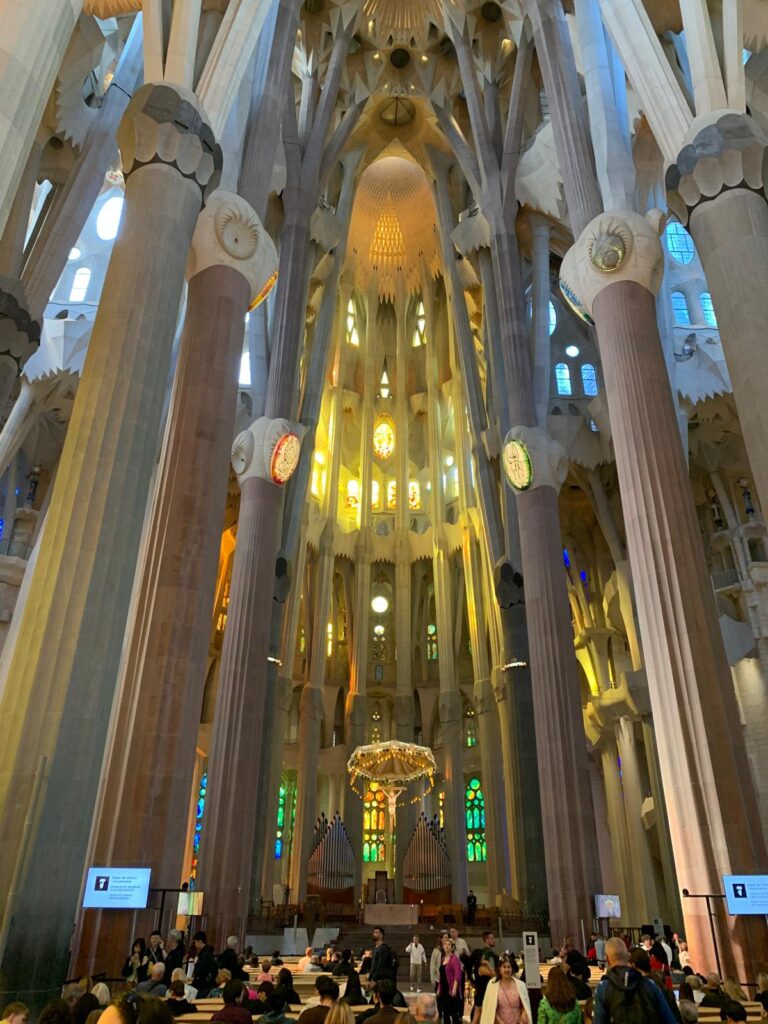
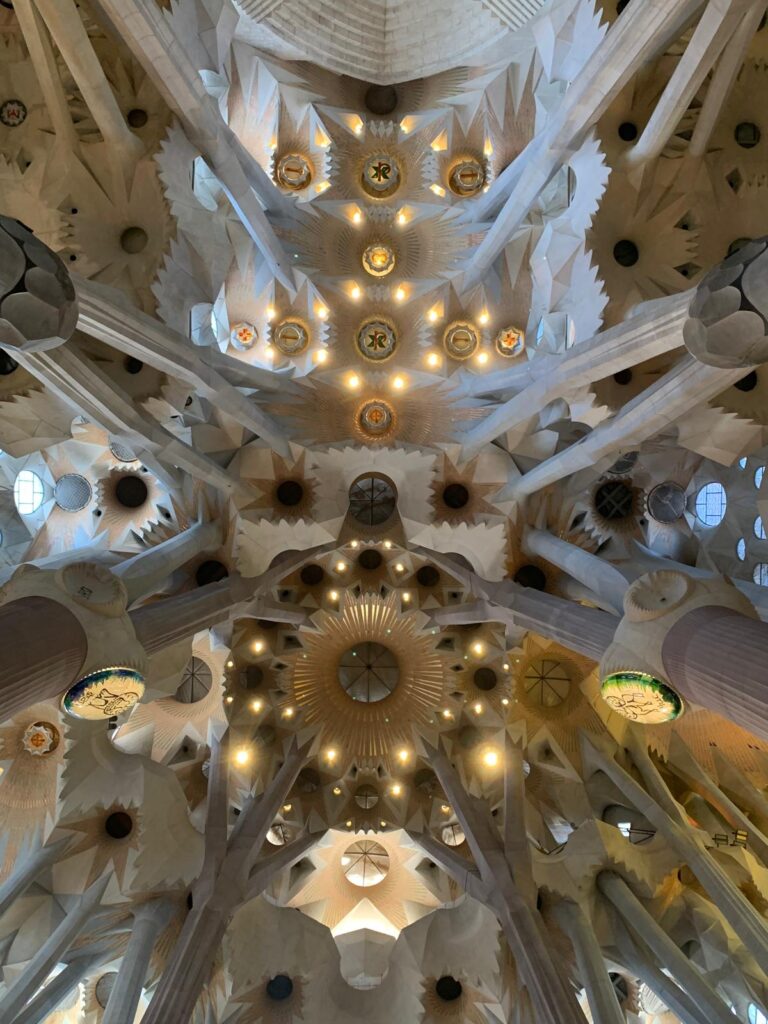
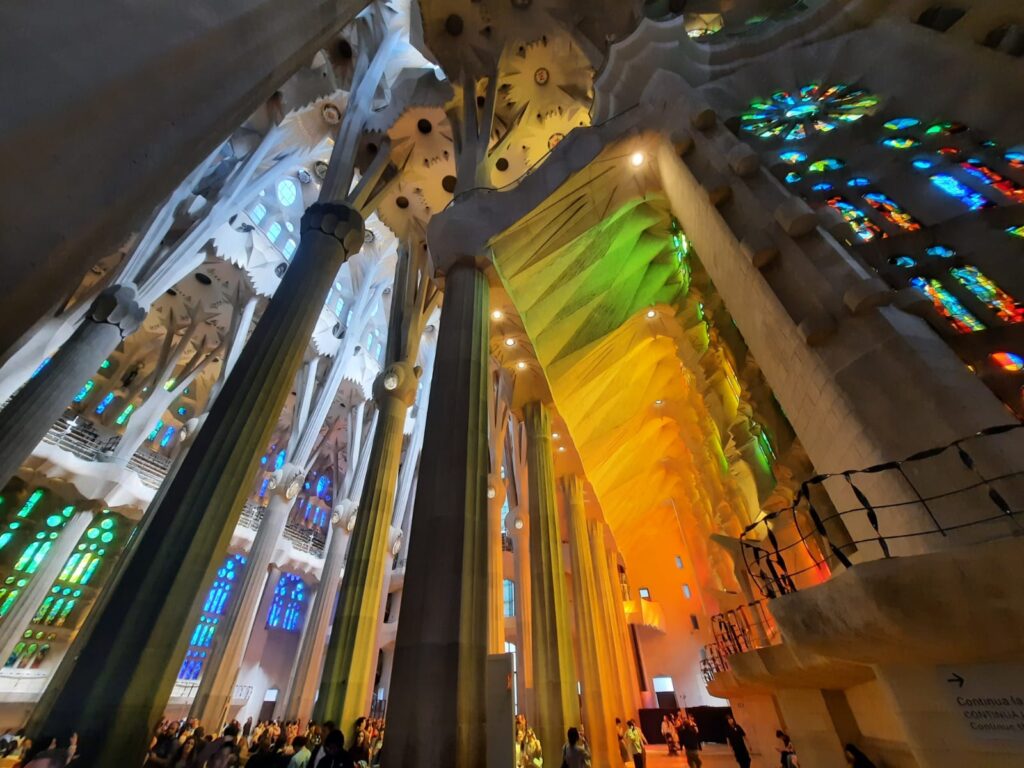
The same is true in the structure itself. Some of the vaulted ceilings now reach higher than Gaudí had originally envisioned. That’s thanks to new materials and modern engineering techniques. But it doesn’t disregard his concept, it extends it. This approach means that each generation of builders leaves a mark. But if they follow Gaudí’s method, the church continues to feel unified. And that in itself is a kind of miracle. It means that even now, with tourists flowing through daily, the space can still feel sacred. At least in the quieter times
But knowing that generations of tourists will continue to come here regardless of their religious beliefs, perhaps the way to refocus attention on its religious importance is by honouring the vision that continues to grow in stone.
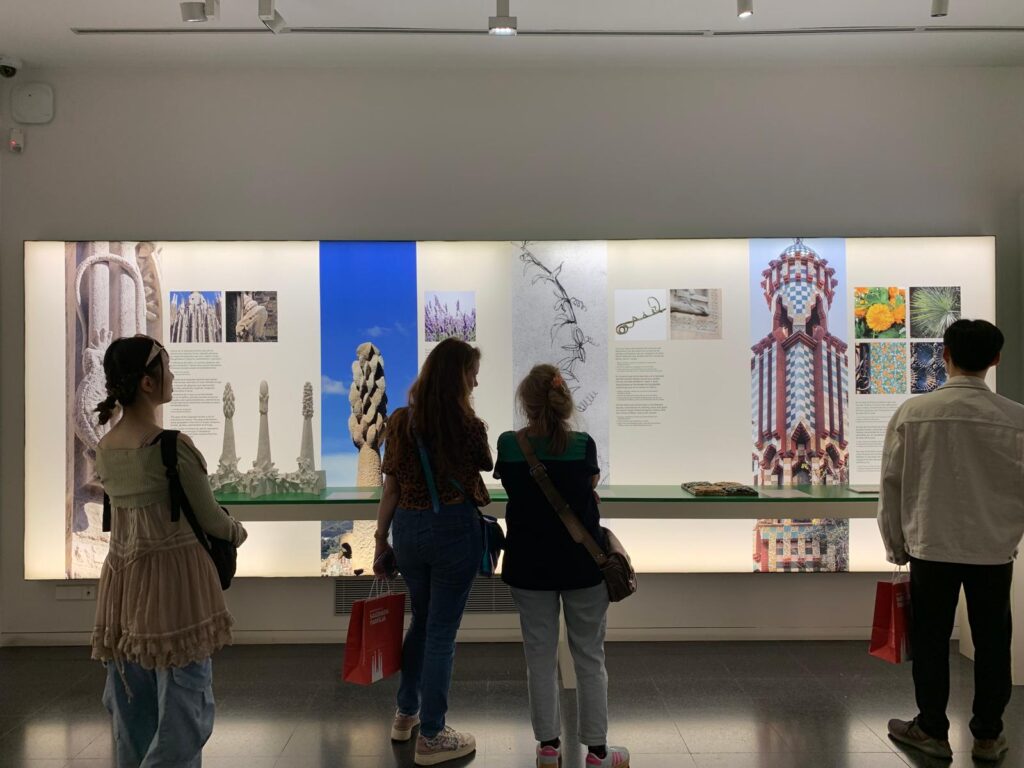
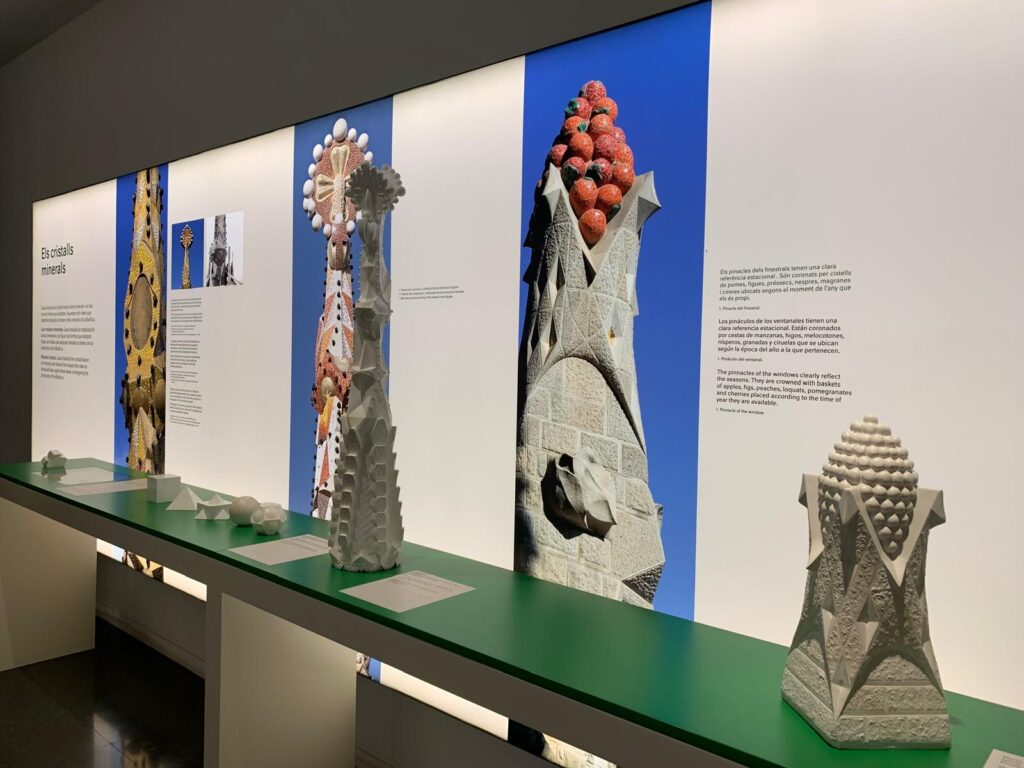
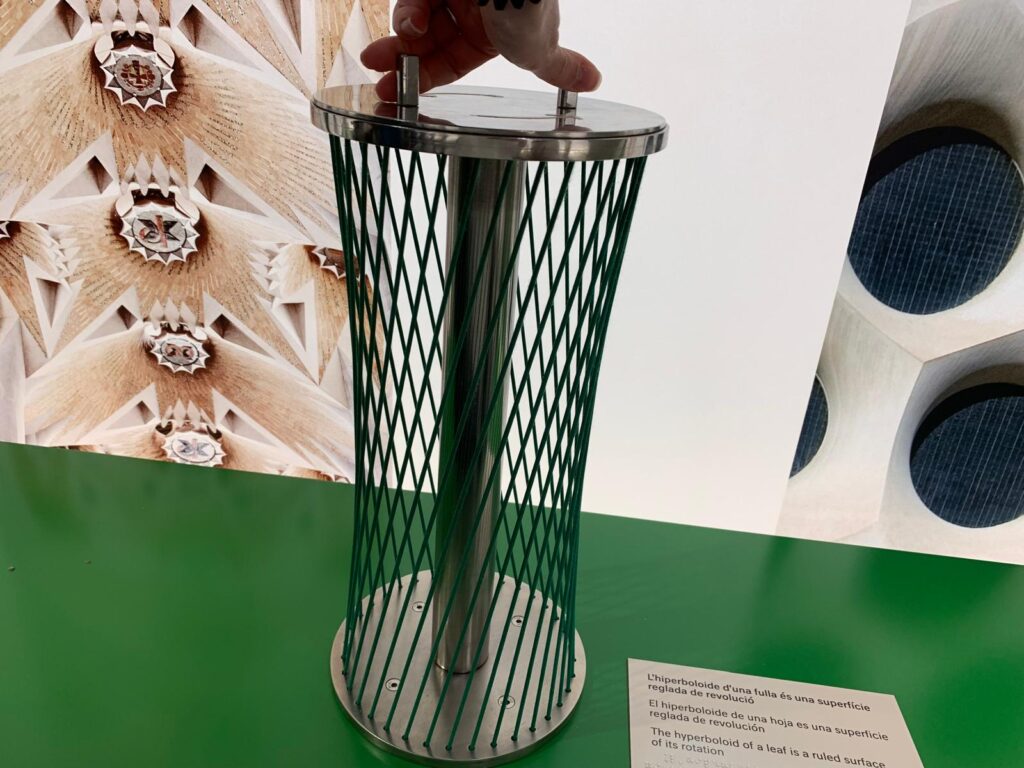
A Few Highlights
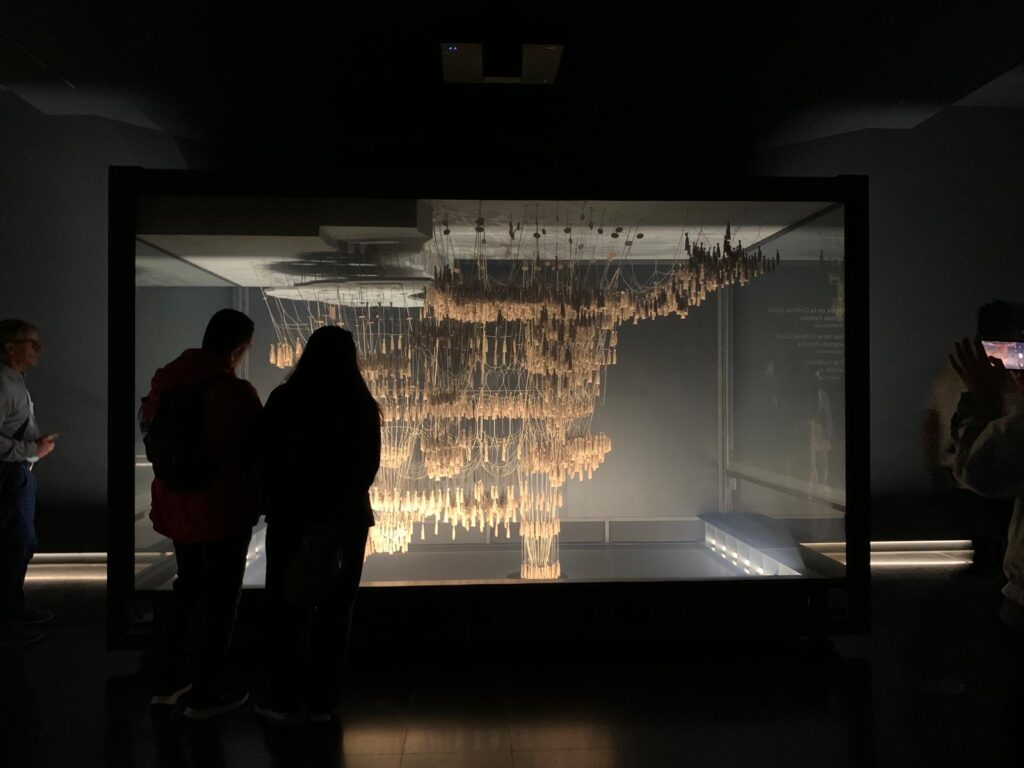
Many details in the museum caught my attention, but a few deserve special mention. One was a model of Gaudí’s parabolic arches. Gaudí made this to inform his work: physical structures made from string and weights, hung upside down to reveal perfect forms. Gaudí then inverted the curves to create stable, gravity-informed arches. The museum has a simple model in plastic and string which visitors can get their hands on, learning in this way that nothing in this or Gaudí’s other works was left to chance. It’s all taken directly from nature. It feels like entering his creative process.
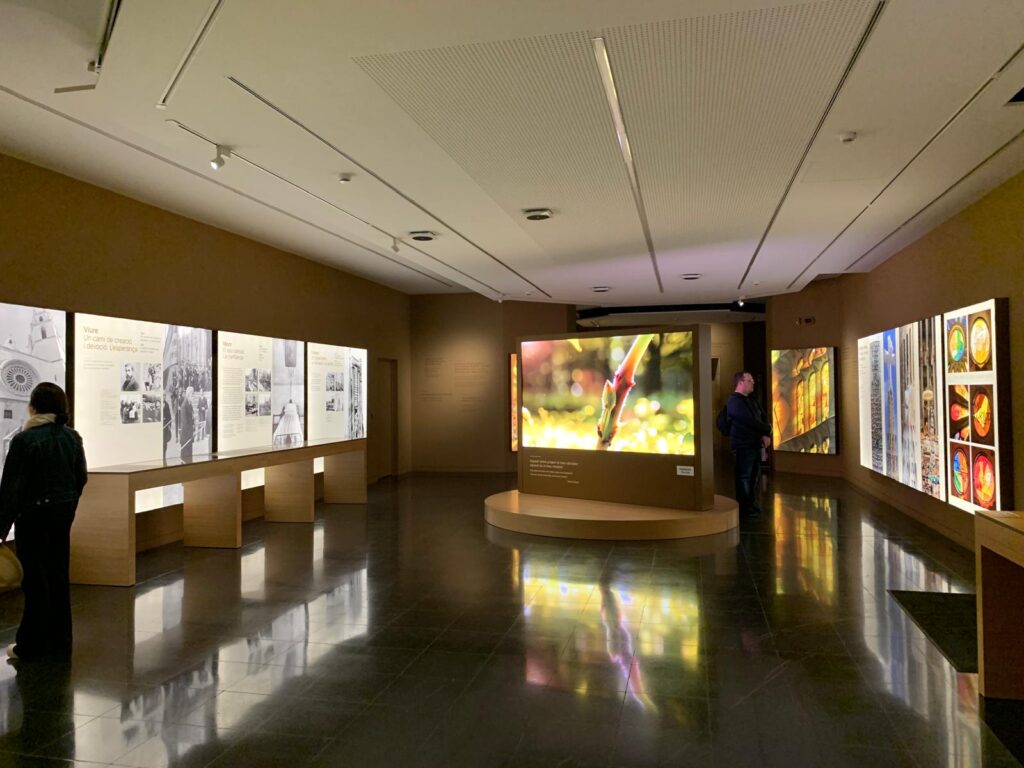
I was also fascinated by the comparison between natural forms and architectural elements. There are tree trunks next to columns, honeycombs beside vaults, and seashells shown alongside spiralling staircases. It’s both visual reference and philosophy. Gaudí saw divine order in nature, and reproduced that order in stone. The museum shows this clearly and convincingly.
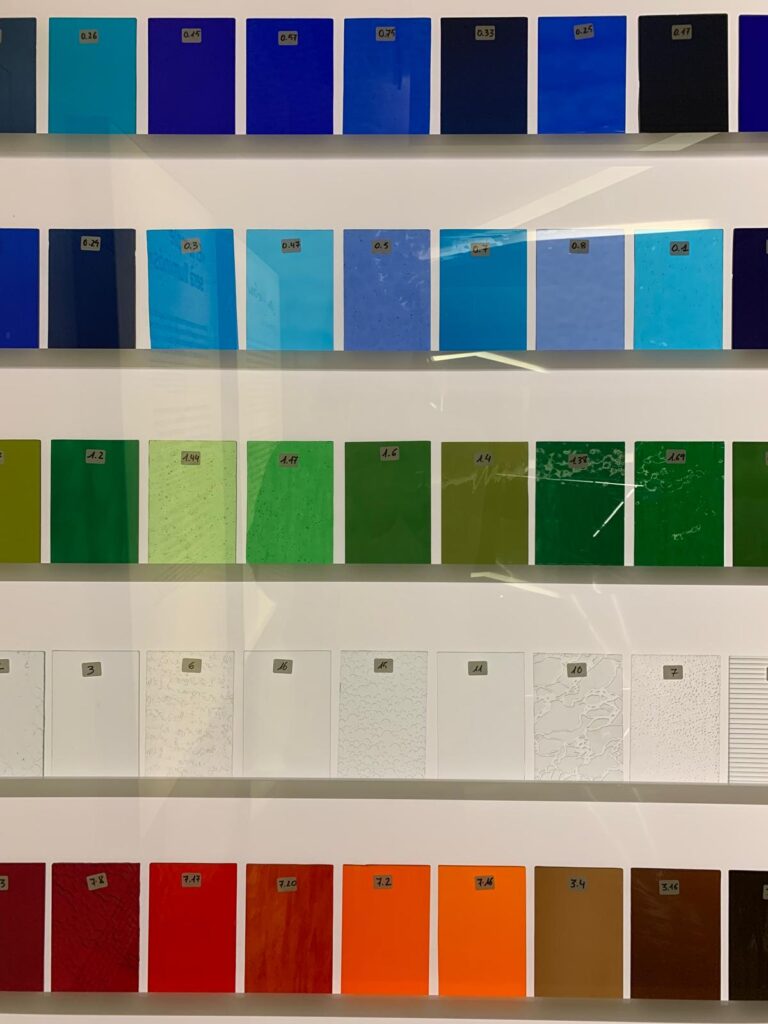
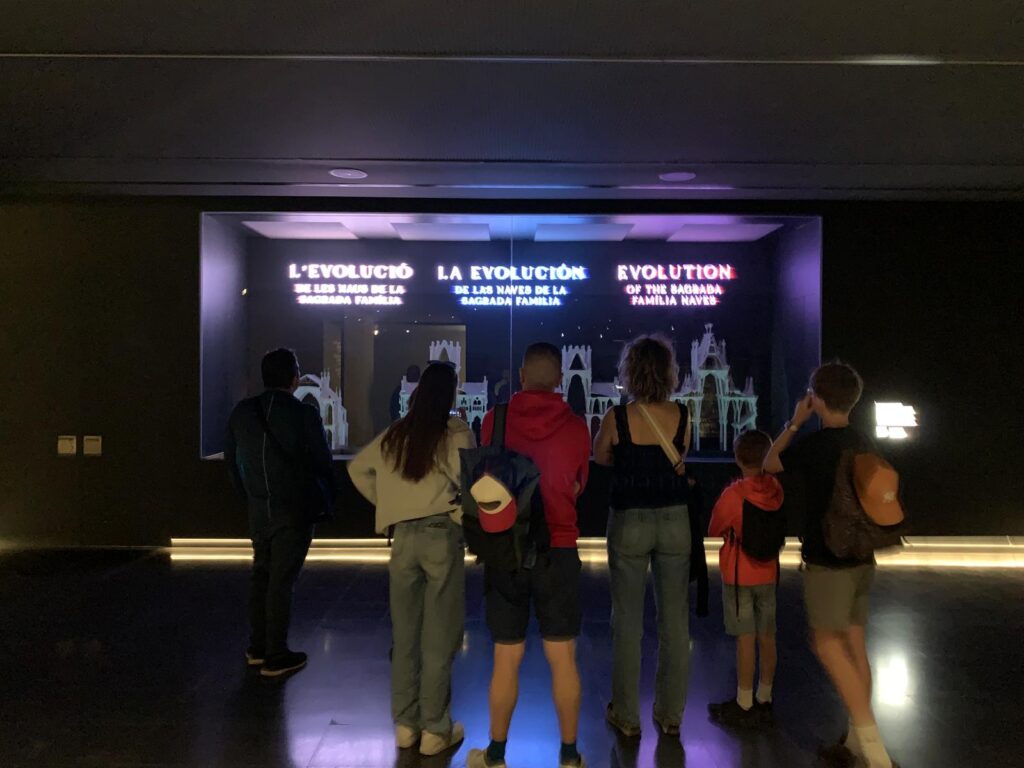
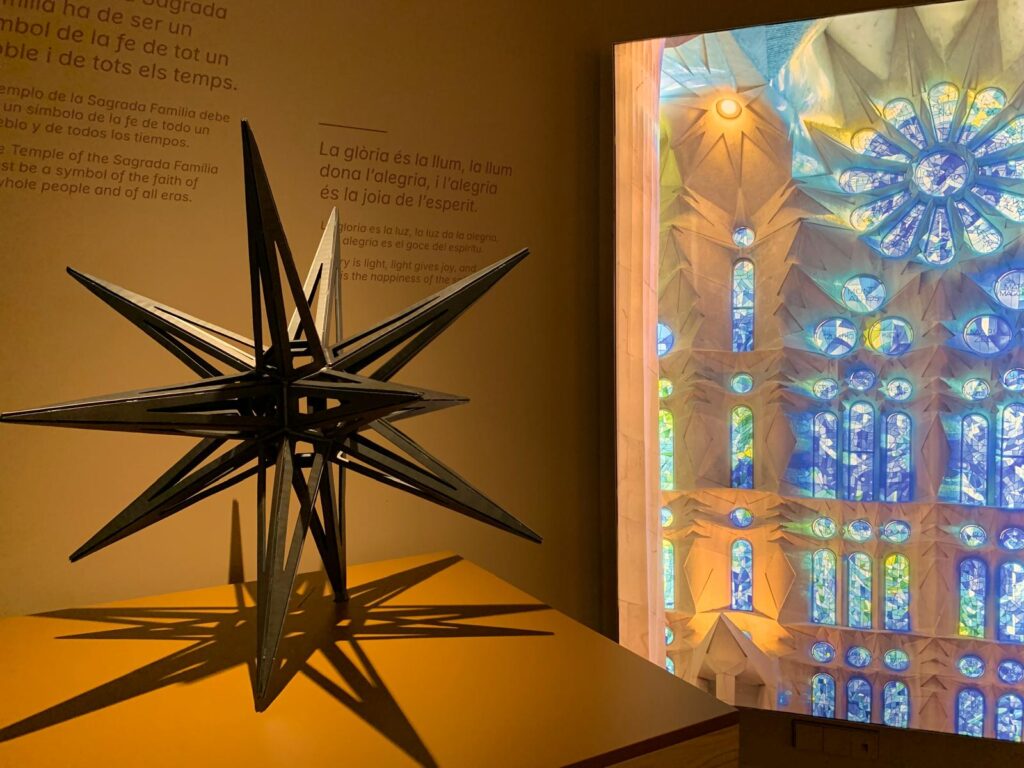
The exhibits on material choices, particularly the use of light, are also worth pausing over. The fact that the Sagrada Família floods with colour and warmth is no accident. Gaudí planned the colour temperature of every window. One side of the church glows in warm reds and oranges; the other, cool blues and greens. Another section I enjoyed showed images of construction through time. This included multi-media elements, but also still images and other archival sources. They remind you how many generations have worked on this site. Despite delays, wars, and political upheaval, the vision has remained intact.
Throughout the museum, there is clear presentation of a huge ambition, grounded in extraordinary thought and detail. If you stop and look, it rewards you with greater understanding of the magnificent space above.
A Second Look Worth Taking
I hadn’t expected to return to the Sagrada Família so soon. But a few stars aligned: a trip for a conference, an architect’s talk, and an opportunity for a guided visit. And glad they did. The museum turned out to be the perfect way to revisit Gaudí’s church from a new angle.
Seeing the Sagrada Família again, even just a year and a half later, reminded me how much a place can evolve. Not just physically (though there are always new stones in place), but in how you understand it. Last time, I was overwhelmed by my first glimpse of the amazing exterior and interior spaces. This time, I saw more of the thought, the intention, the faith. A space this ambitious can never be fully grasped in one go.
Yes, it’s crowded. Yes, it’s expensive. And yes, it walks a strange line between museum and sacred site. But if you let yourself move beyond the crowds, there’s still awe here. Still mystery. Still prayer carved into every stone. If you’re planning a visit, remember what I said earlier and go early. Morning light through the stained glass is breathtaking, and the quieter hours allow space to think.
Salterton Arts Review’s rating: 3/5
Trending
If you see this after your page is loaded completely, leafletJS files are missing.