
A Daytrip To Mdina And Rabat – A Guide For Culture Lovers
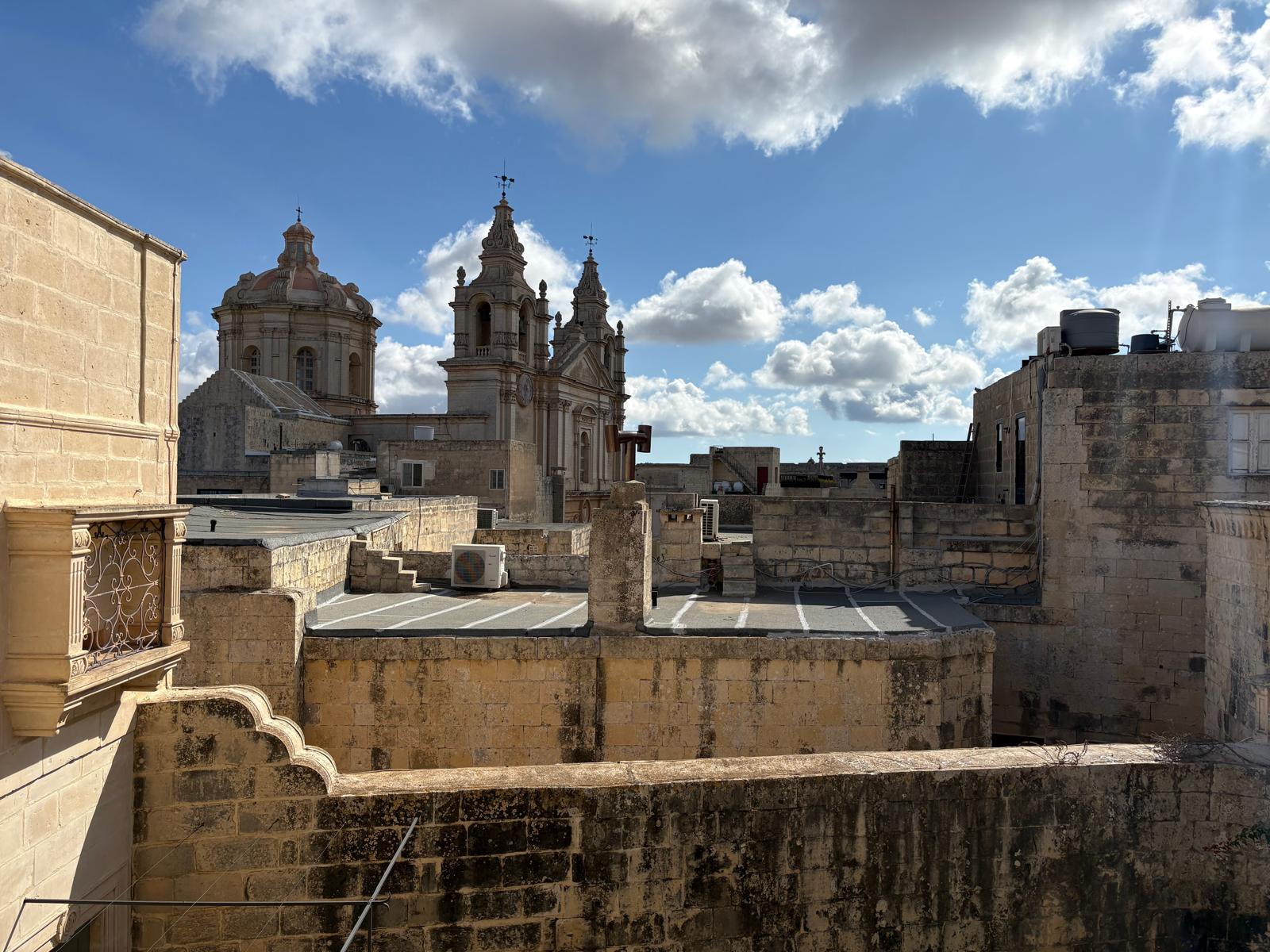
Malta’s historic capital Mdina is a great daytrip location for culture lovers, particularly combined with a few highlights from outside the city walls in Rabat.


A Daytrip to Mdina and Rabat
Mdina and Rabat are our last city stop on this tour of Malta. Today’s post gives an overview of things you might like to see and do there, then we will deep dive into a couple of places the Urban Geographer and I visited while we were there. The Maltese content on the Salterton Arts Review isn’t quite done after that, though. There will be one last hurrah, in the form of a post all about Neolithic Malta.
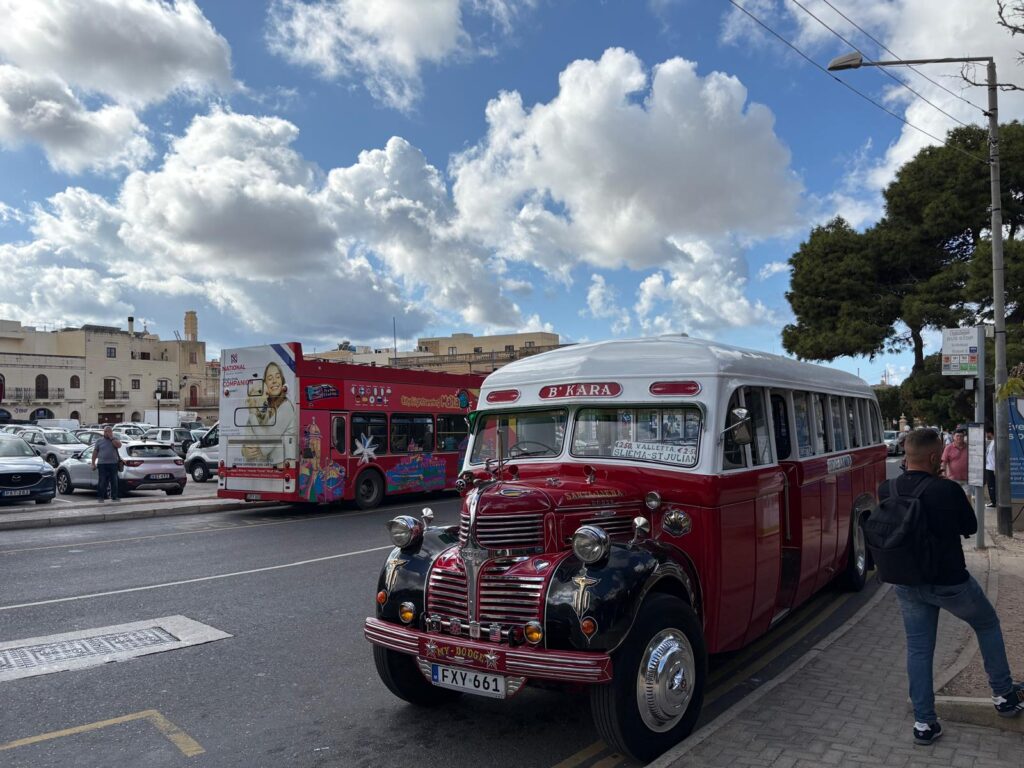
But today we are talking about Mdina and Rabat. We did this daytrip late in our week in Malta. We were getting to that point in a holiday where you could spend another day in the local area, but you’ve seen the things you really wanted to see, and are interested in what else is out there. And everything is so easy to get to in Malta, making it a perfect for daytrips. To get to Mdina we went to the bus station in Floriana (just outside Valletta’s city walls) and paid the flat fare. It was an interesting journey, taking us first through Floriana and then the countryside. Long stretches of the road follow the 17th century Wignacourt Aqueduct (which we saw part of on our tour of Floriana), meaning the history starts before you’ve even arrived.
And once there, Mdina and Rabat make for a pleasant day out. You can get a good sense of them within a daytrip: I’m sure they bear repeat visits to really get under their skin. And it doesn’t particularly matter what order you visit them in. We are following the same order as my own visit below: starting in Mdina and then moving on to Rabat.
A Brief History of Mdina
Mdina, despite having a teeny-tiny population of around 250 today, has been an important place in Malta since ancient times. It has prehistoric roots, and seems to have been the capital of the island of Malta since the Phoenicians (who named it Ann) in the 8th century BCE. The Romans, when they acquired it, named it Melite, after the Greek and Latin name for the island. It was actually larger then, and shrunk during subsequent Byzantine or Arab rule. That’s the reason that sites associated with St Paul*, and the early Christian catacombs, lie beyond the walls in Rabat. They were within Melite at the time. Between the 9th and 11th centuries the city was largely uninhabited following a massacre. When it was refounded it was as Madīnah, which is where the current name comes from. The Arabic word quite simply means ‘city’ or ‘town’.
Mdina was the capital of Malta all the way up to the arrival of the Order of St John. They took over in 1530, the territory being a gift from the Holy Roman Emperor after they lost Rhodes following an Ottoman siege. Ottoman sieges were very much on the mind of the Knights Hospitaller, who decided to move their capital to Birgu (Vittoriosa) on the Grand Harbour. Mdina remained the centre of the Maltese nobility and religious authorities, but otherwise went into decline. A revival in the early 18th century means it, like much of Malta, is rich in Baroque buildings.
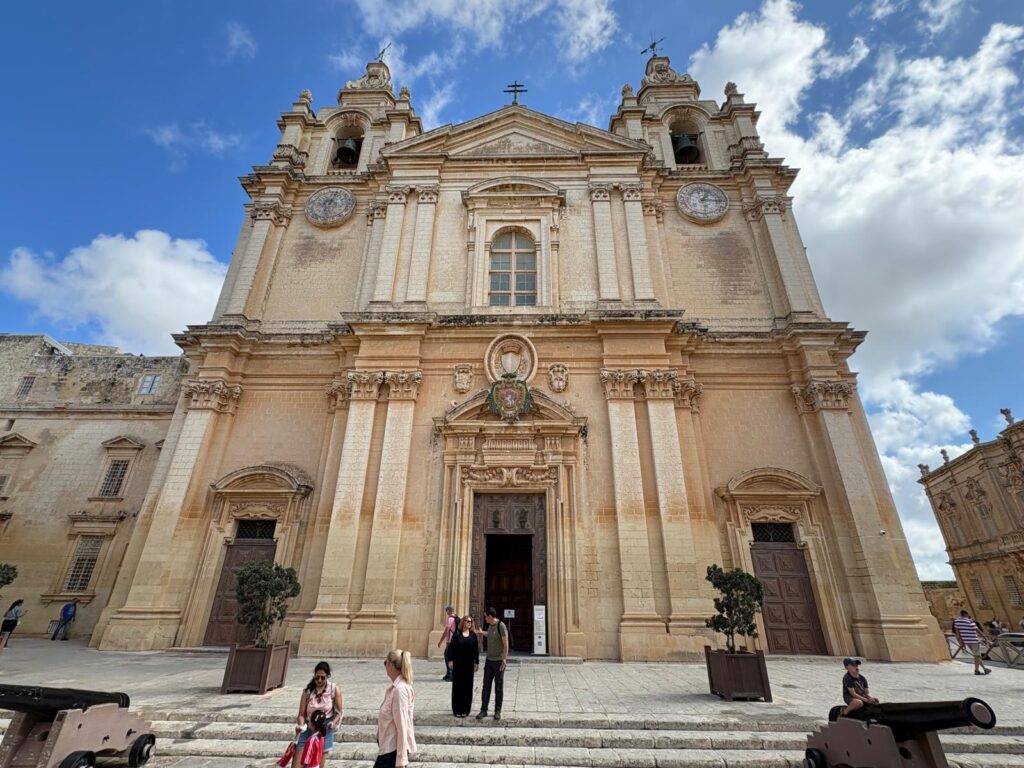
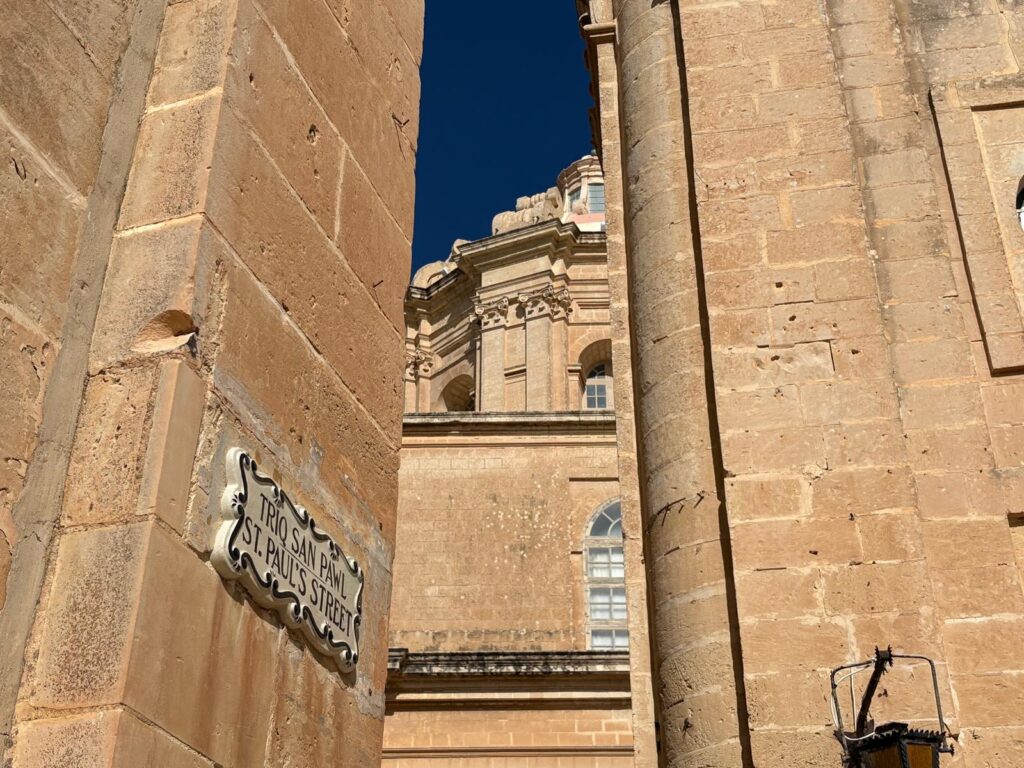
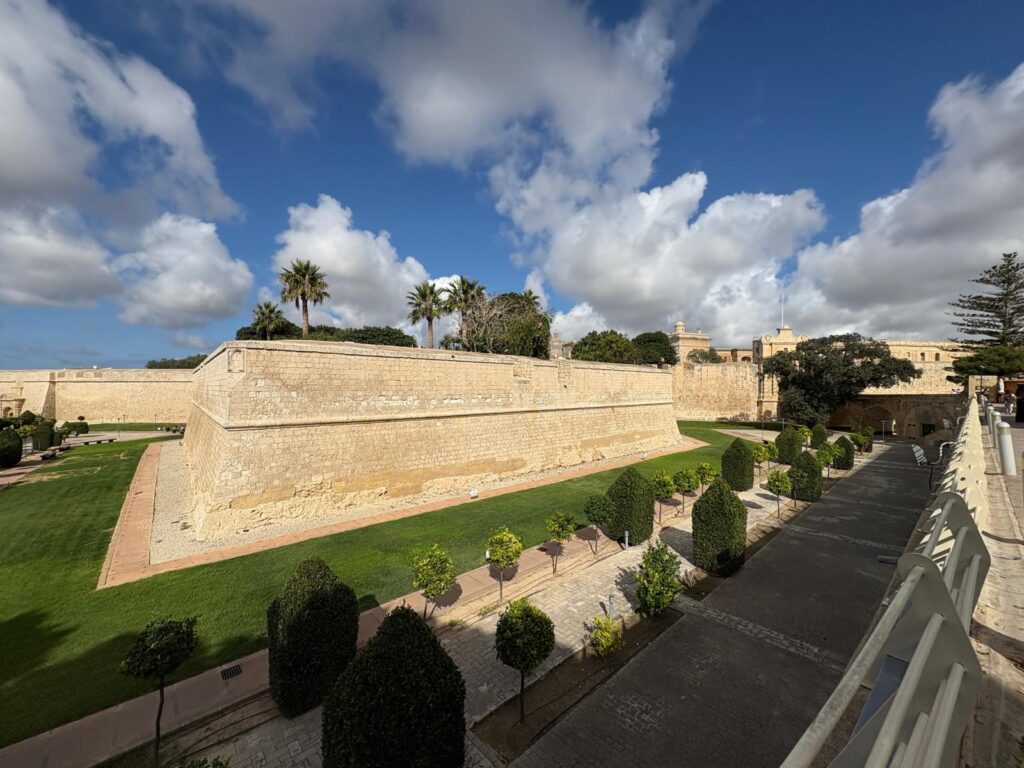
Mdina’s defences continued to be strengthened over the years, so they didn’t tend to fare too badly in times of war. There was substantial damage from a major earthquake in 1693, however. The 13th century Cathedral of St Paul was thus rebuilt by Maltese architect Lorenzo Gafà between 1697 and 1703. You’ll remember him from my post on Gozo, as he was also the architect of the Cathedral of the Assumption in Victoria’s citadel.
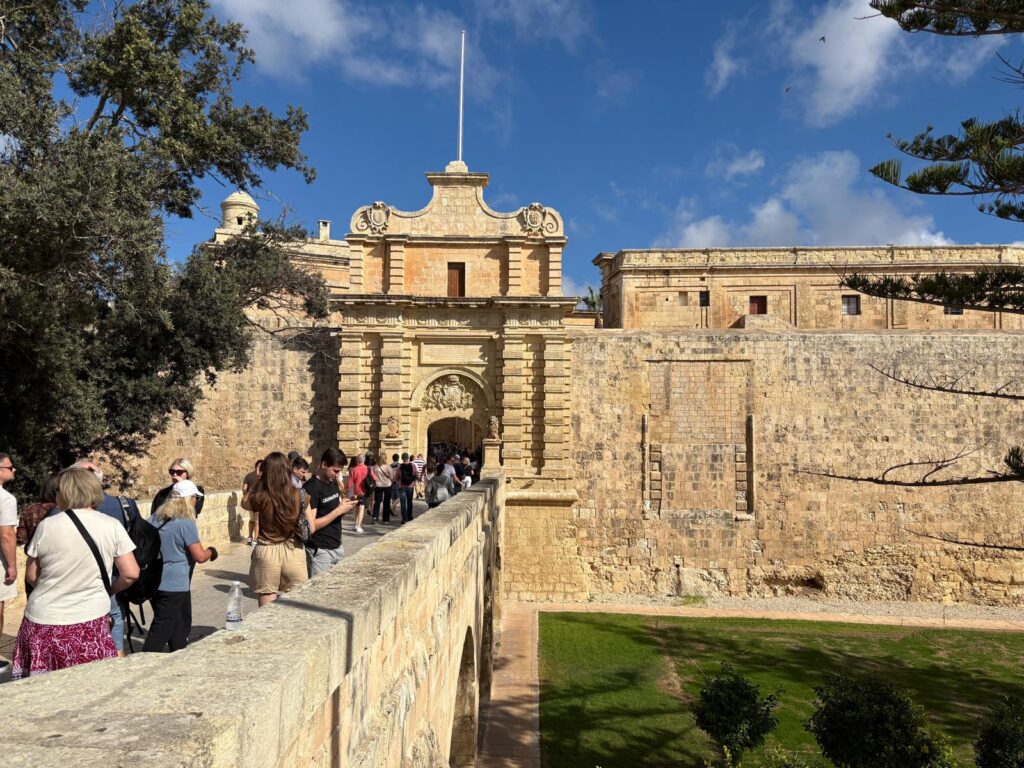
In 1722 then Grand Master António Manoel de Vilhena ordered the restoration and renovation of Mdina. This meant a Baroque facelift by architect and military engineer Charles François de Mondion; the building of a Grand Master’s summer palace, Palazzo Vilhena; and a new city gate. You might also recognise de Vilhena’s name: he was the one who started the residential settlement of Floriana. Another major restoration between 2008 and 2016 has helped Mdina to become one of Malta’s most popular tourist attractions.
*St Paul had a busy time here circa 60 CE: after being shipwrecked he stayed in a grotto, performed miracles, helped Malta’s first saint Publius on his path to holiness, and converted many people to Christianity.
What to See in Mdina
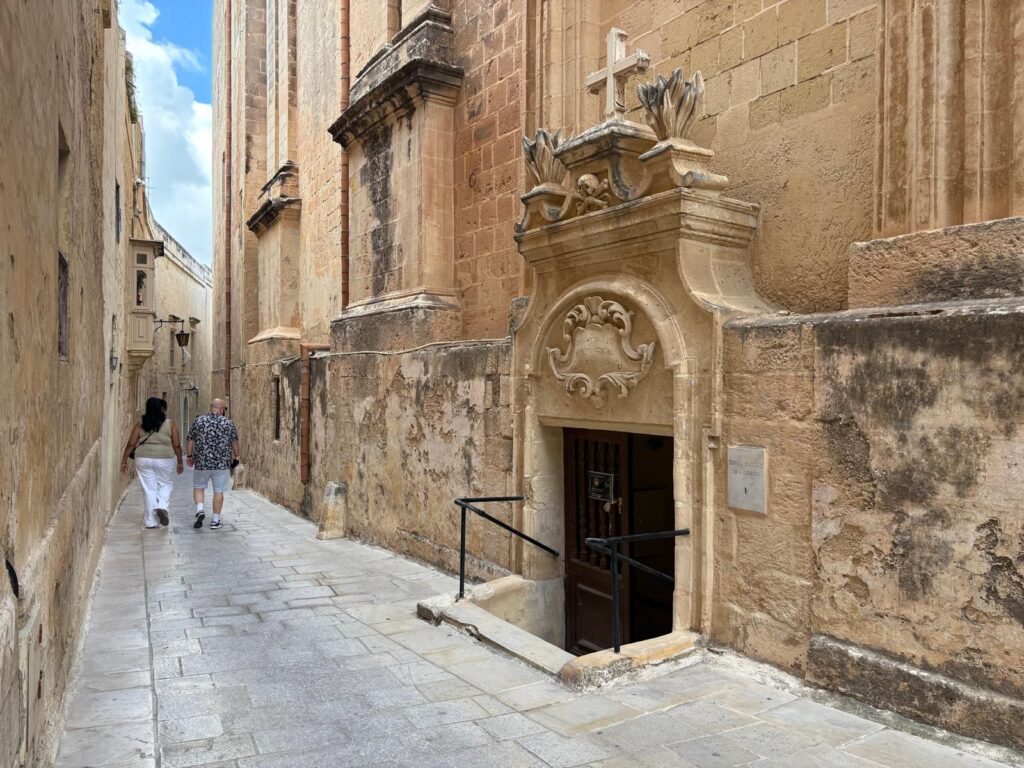
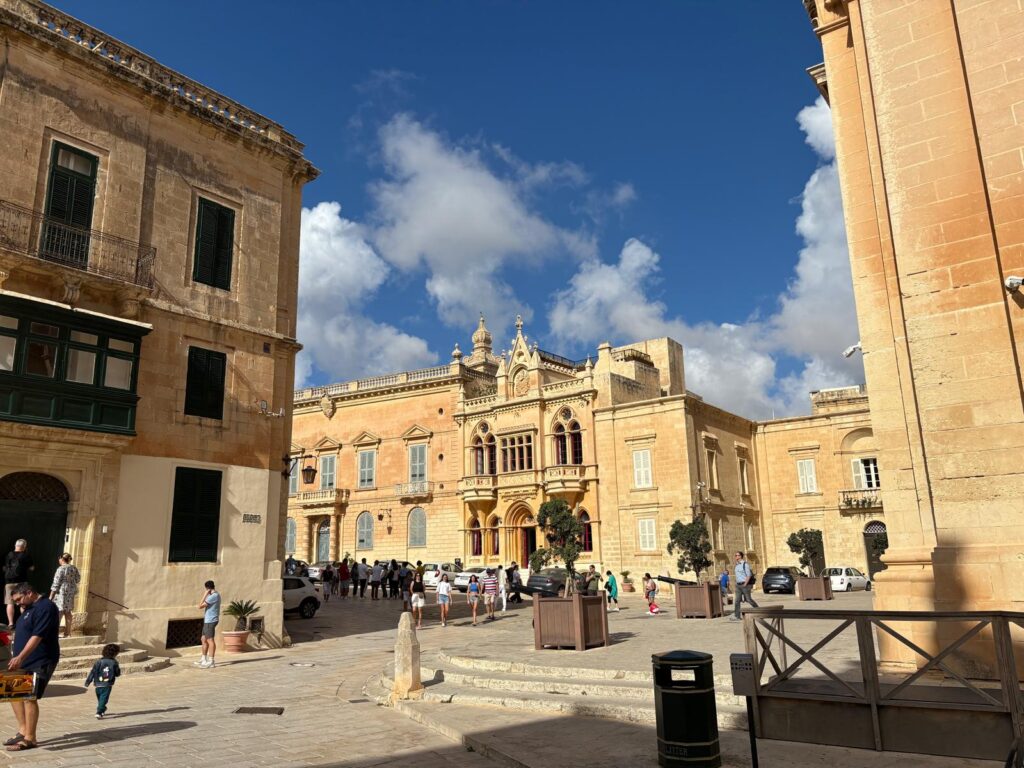
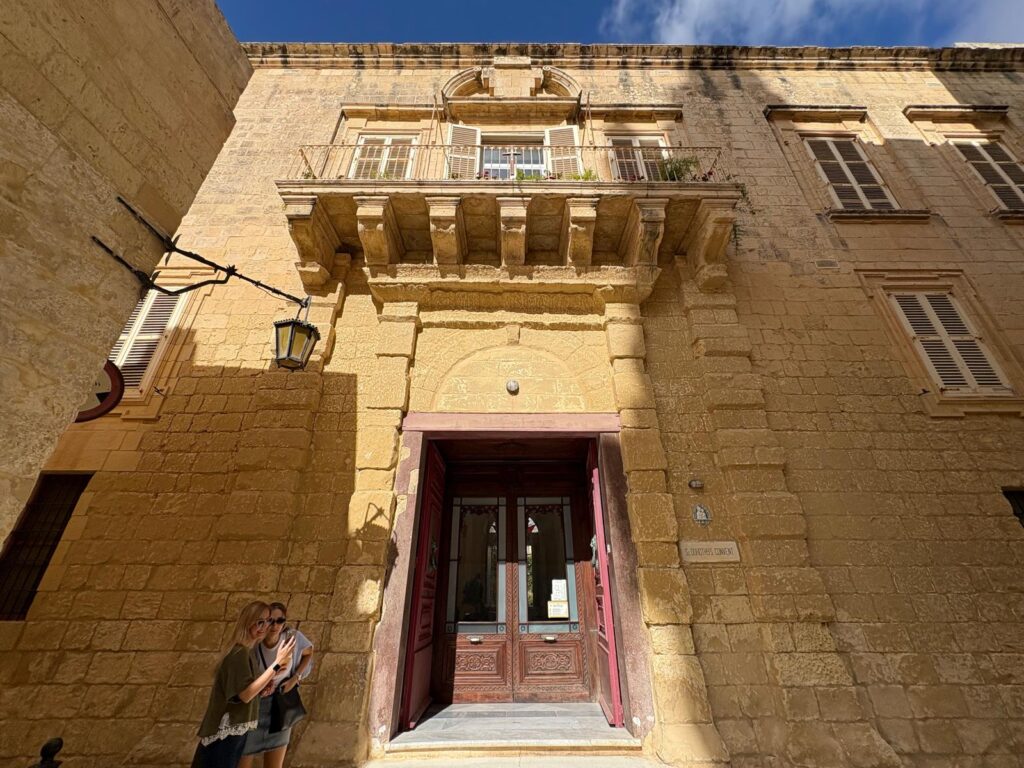
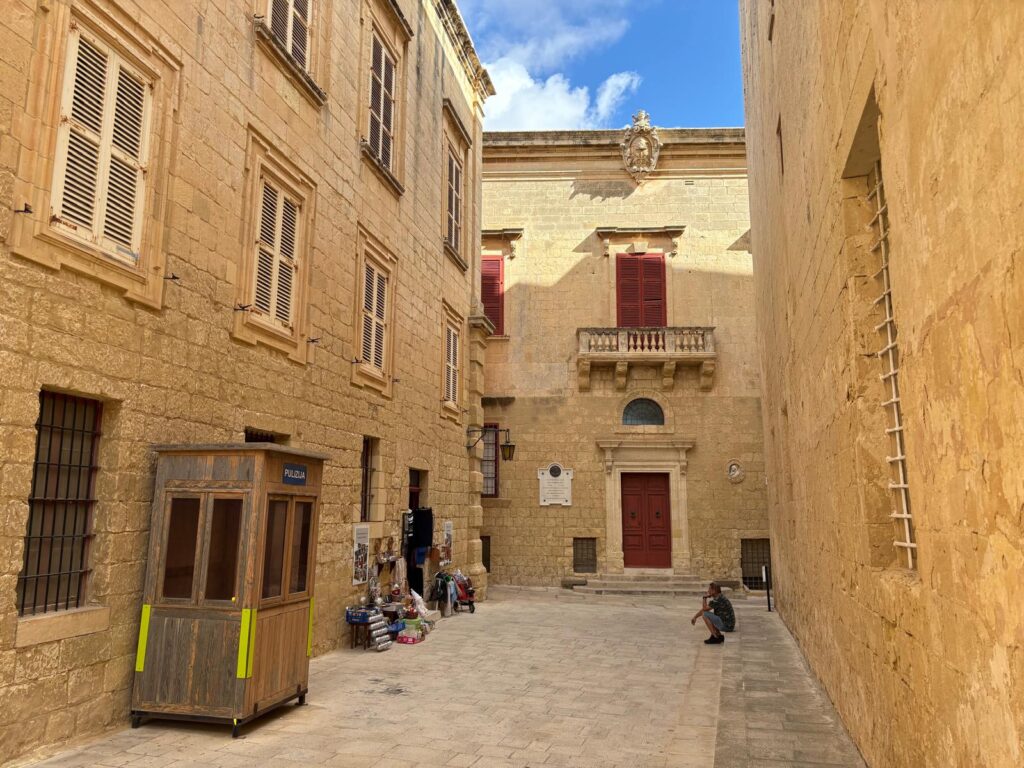
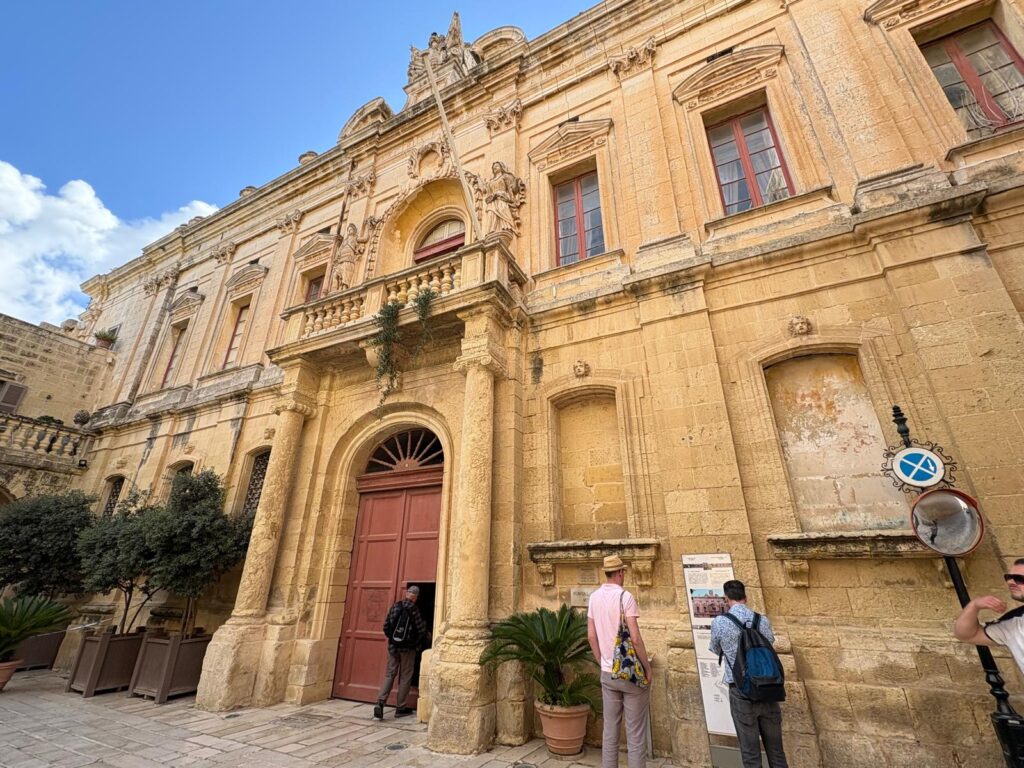
With such a lot of history, it’s no wonder there’s plenty to see in Mdina. Firstly, the city itself is well worth wandering around in. You can really feel those different influences, between the Norman and Baroque architecture, and the narrow, winding layout that shows an enduring Arab influence after all this time. It’s also pleasant to stroll about its car-free streets. You can see auberges which, as I’ve mentioned almost endlessly in recent posts, were the ‘inns’ housing different nationalities of Knights Hospitaller. There are more in Birgu, and in Valletta. And once you’ve got a sense of the place, here are a few things you might want to do:
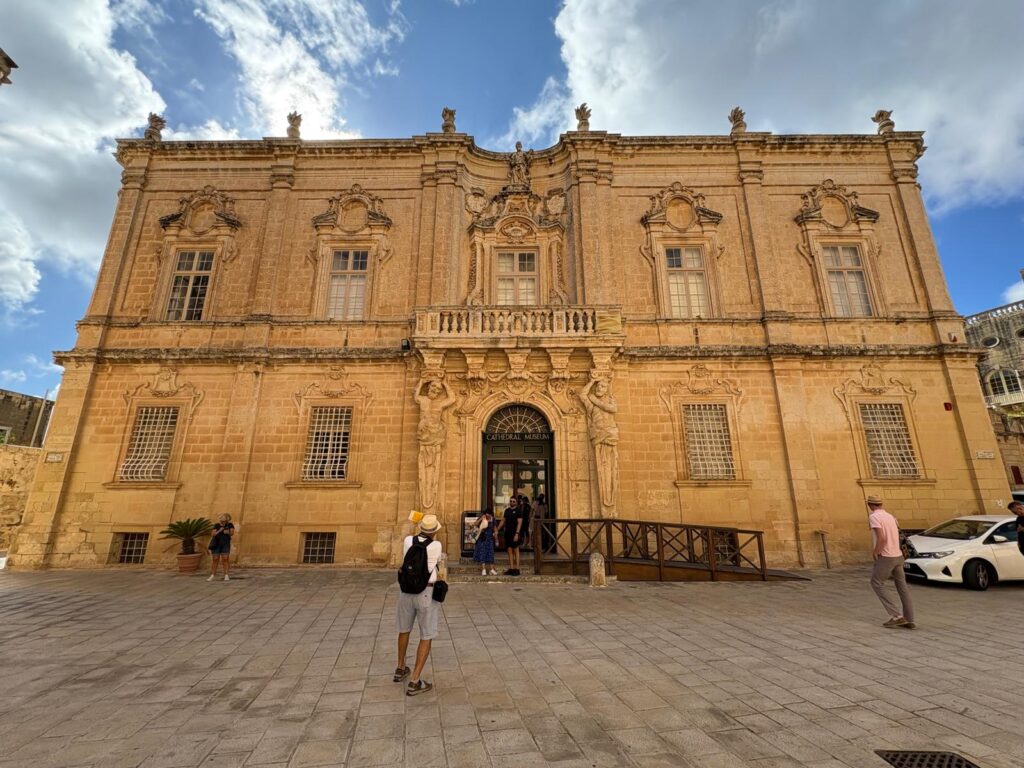
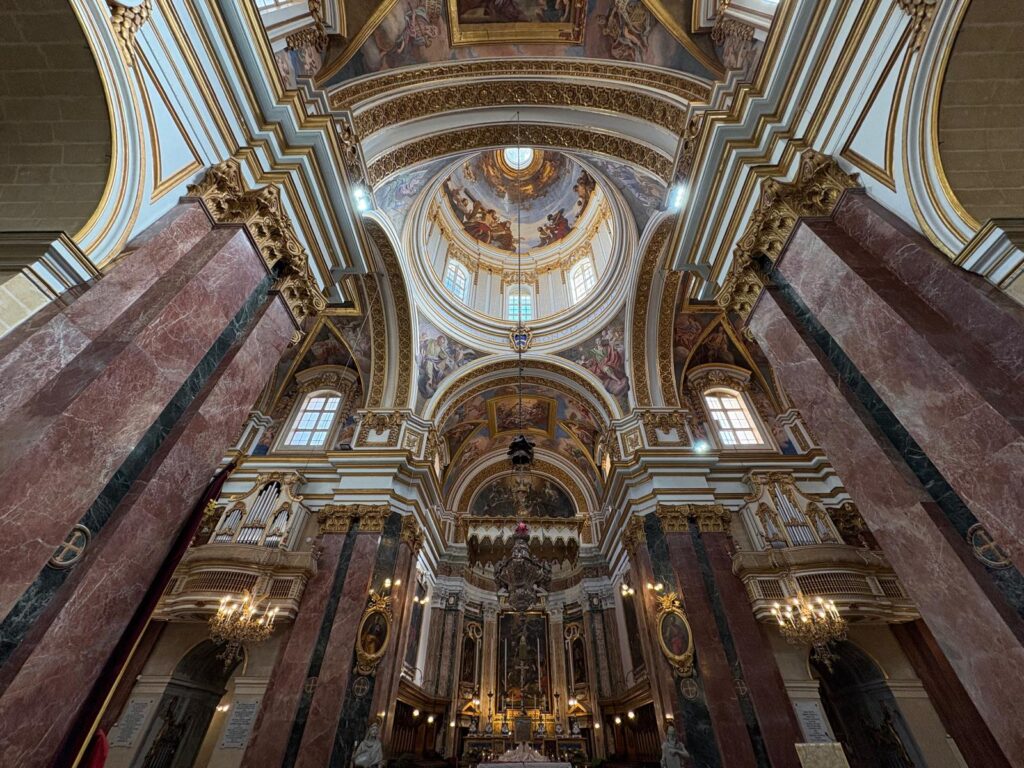
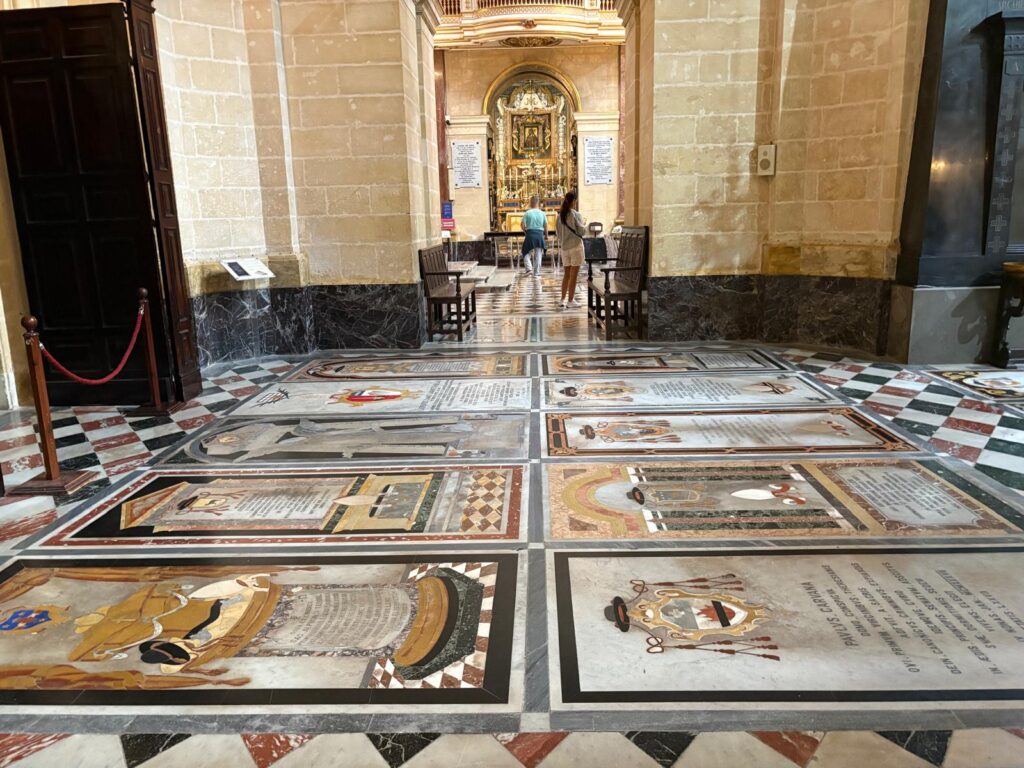
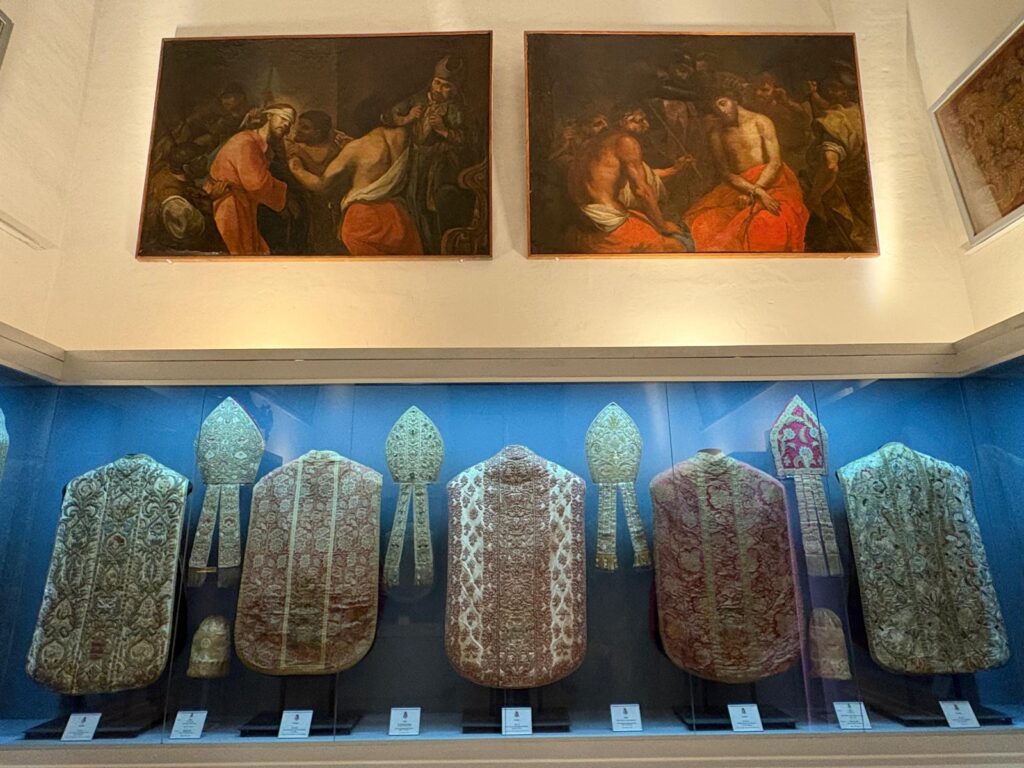
- St Paul’s Cathedral and Mdina Cathedral Museum: as Mdina remained, the centre of Maltese religious authority, this isn’t a bad place to start. A lot of churches and cathedrals in Malta have ticketed entry, including this one. So you may as well get a ticket for both the cathedral and its museum, which has an interesting collection and gives a good overview. Like St John’s Co-Cathedral in Valletta, St Paul’s Cathedral has an astonishing interior, with colourful inlaid tombs at floor level.
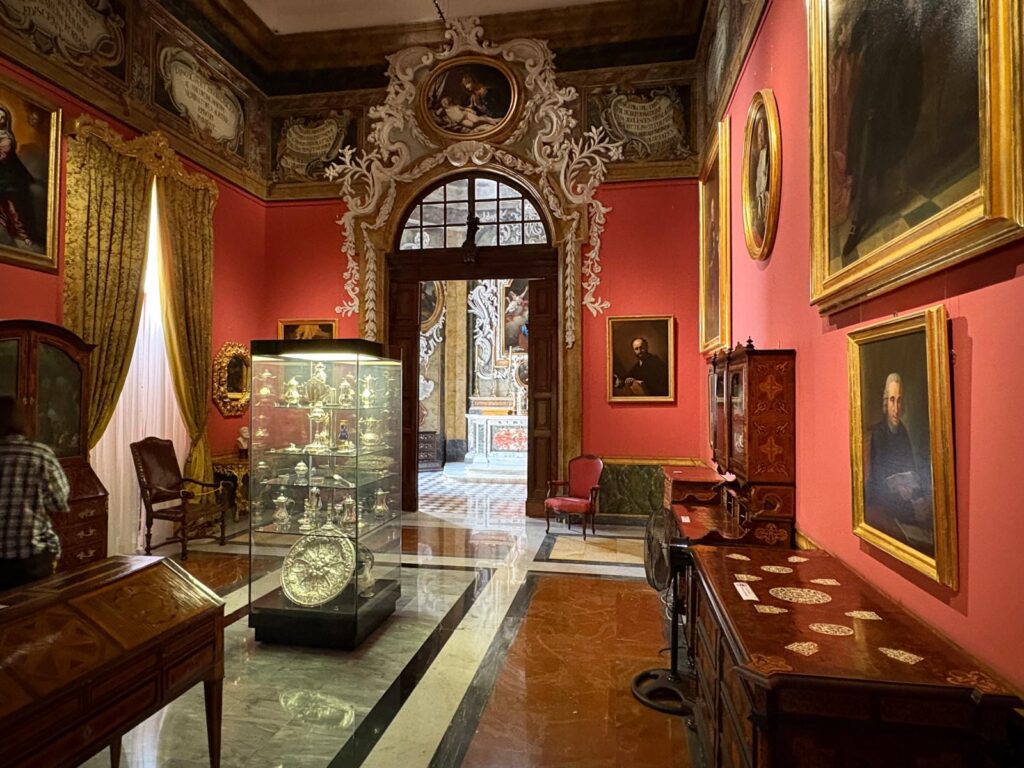
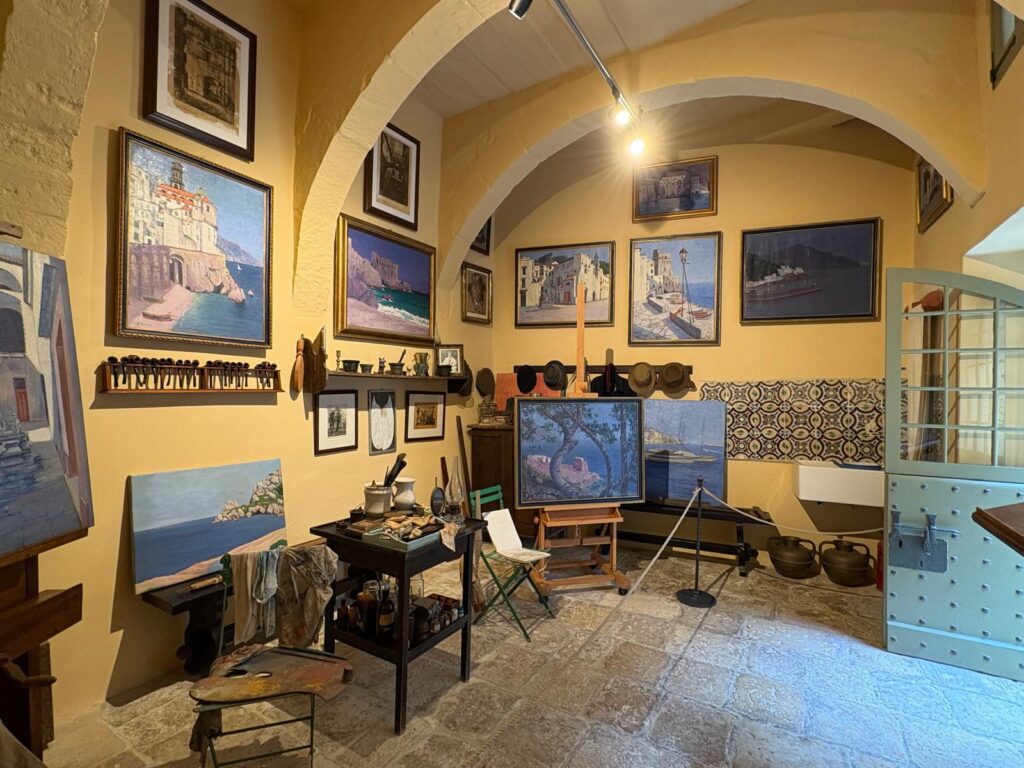
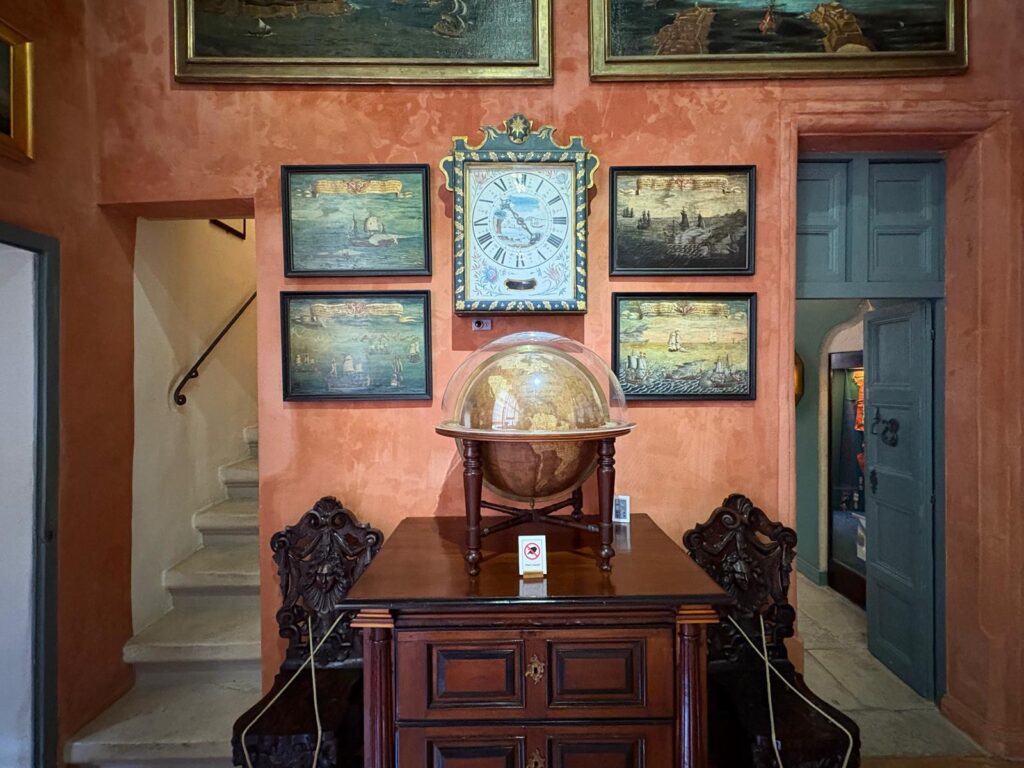
- Palazzo Falson: there’s a post coming up with more info on this. The Palazzo Falson is a 13th century palace, which was home to a sea captain in the 19th century. It tells an interesting tale of historic continuity and change.
- National Museum of Natural History: housed in an 18th century palazzo built by our friend Grand Master Antonio Manoel de Vilhena. Has an extensive collection with a focus on local flora and fauna.
- Mdina Dungeons: a bit touristy, a bit morbid. You know the type of place: lots of mannequins and recreations of torture. We didn’t go here, but I include it so you can make up your own mind.
- Tales of the Silent City: markets itself as a museum, but I think is more of a tourist attraction. Difficult to find reliable information online, but it’s something to do with exploring history through art.
- Carmelite Priory: I wish I had known about this sooner. Mdina has a Carmelite priory you can visit by prior appointment. But it’s an email rather than online booking situation, so not a last minute option. If you are planning a trip to Mdina and think this sounds interesting, you can find more information here.

A Brief History of Rabat
Let’s first of all bring together a few facts we’ve learned in this and previous posts. Firstly, the name Rabat (or Ir-Rabat) comes from Arabic. It means ‘fortified town’, or in this case ‘suburb’. And secondly, what is today the town of Rabat has at some points in history been part of Mdina. Or at least the Northwestern part has.
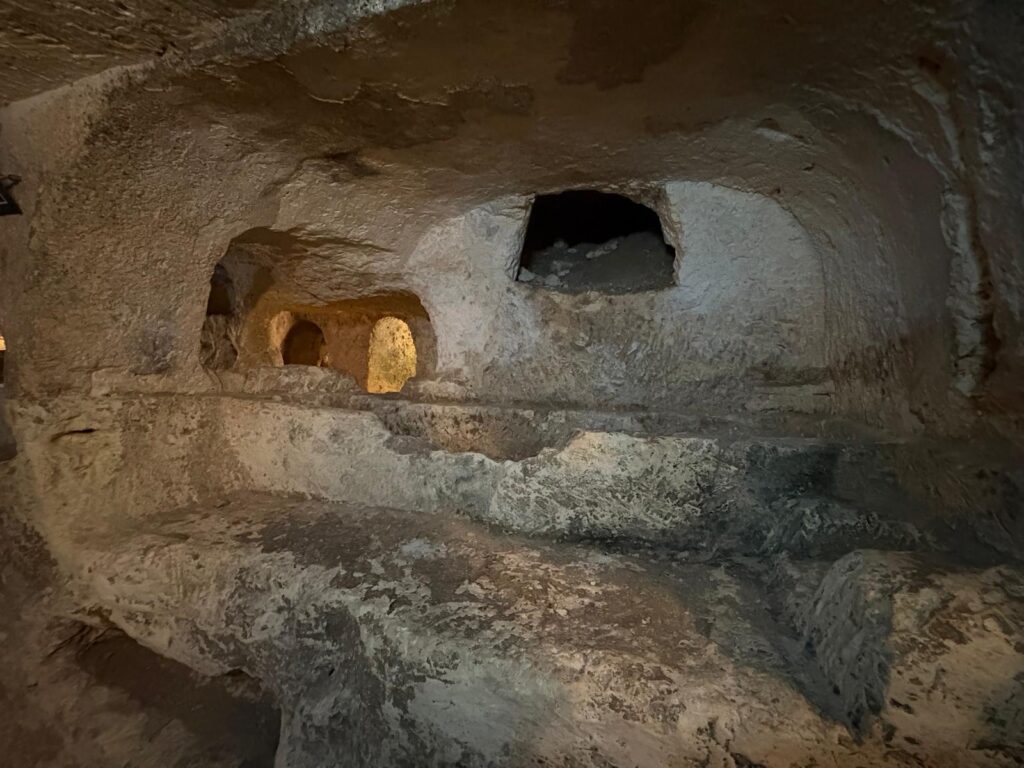
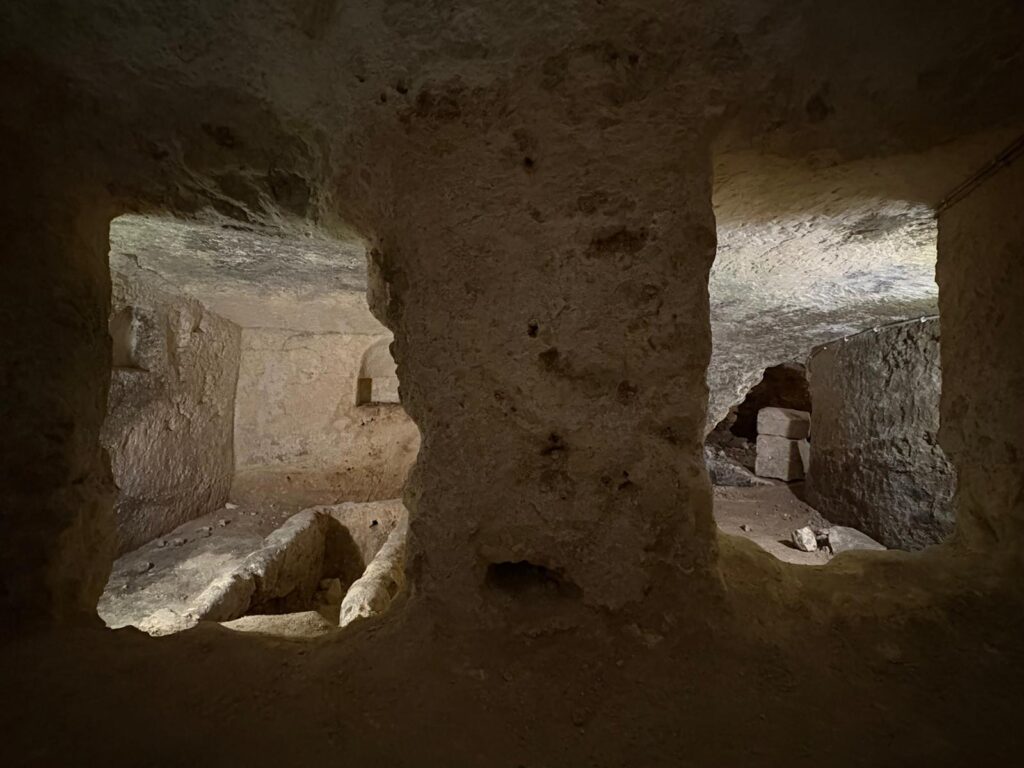
This earliest part of Rabat dates back to Roman times. This includes the early Christian period, when there was a lot of activity in the area. Don’t forget, St Paul personally converted the population to Christianity! Early Christians, not unlike the Neolithic people of Malta before them, buried their dead underground. There is thus ample opportunity to visit catacombs in Rabat. More on this below.
It was during the Byzantine or Arab period that Mdina reduced in size, and Rabat came into existence as a result. Rabat was a vital settlement next to the fortified city. It continued to trade on its proximity to Mdina, sites of religious importance, and agricultural richness over the period of the Knights Hospitaller. Today it is perhaps not quite as charming as Mdina, but is nonetheless part of a rich and interesting daytrip from wherever your base in Malta may be.

What to See in Rabat
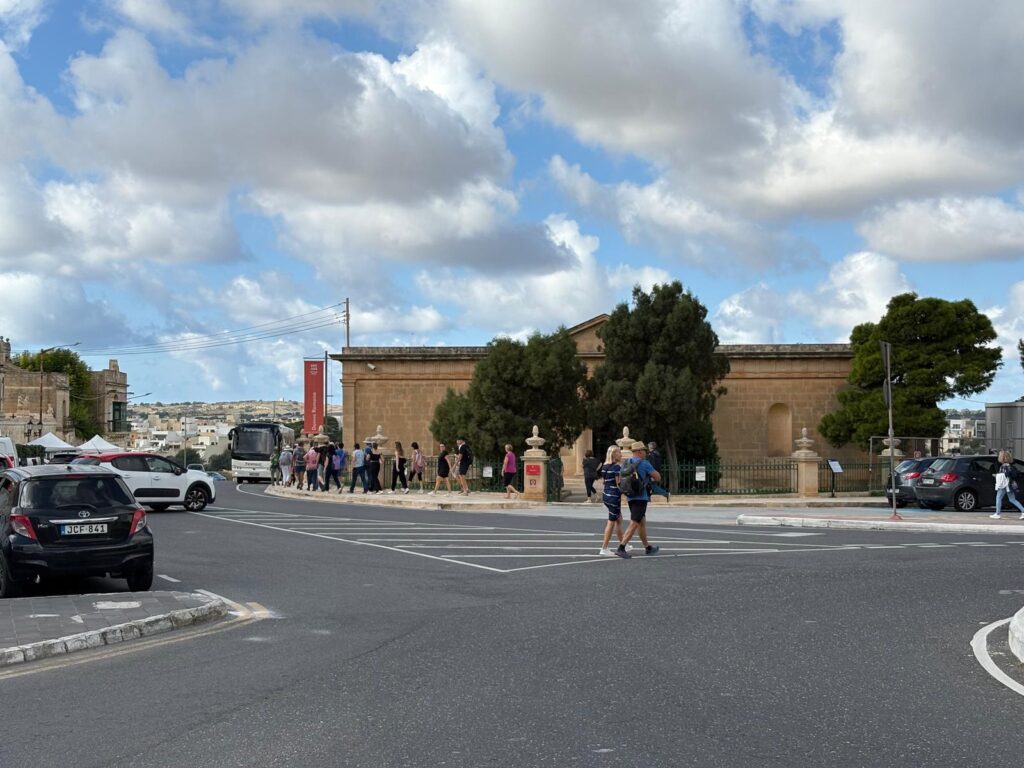
Spending time in Rabat may take a bit more planning, as it’s not quite as compact as Mdina. You’ll need to move with a bit more purpose. There are nonetheless several interesting places for lovers of history and culture. Here they are in rough chronological order!
- Domvs Romana: the scant remains of a Roman villa, this was the first purpose-built site in Malta to protect and house an archaeological site and its collection, after its discovery in 1881. The mosaics are meant to be worth seeing. The museum tells the story of a Roman aristocratic family and their household.
- St Paul’s Catacombs: associated with early Christians, but actually older, dating to the 4th-3rd century BCE. At the time, burials took place outside the city. They remained in use until as late as the 8th century CE, and a part of the catacombs was reused as a shrine during the re-Christianisation of Malta in the 13th century. The name comes from a myth that these catacombs once connected to St Paul’s Grotto: see the Wignacourt Museum below.
- St Agatha’s Catacombs: again Roman, with later Christian associations. In early times, these catacombs contained sections for the burial of pagan and Jewish bodies as well as Christian.
- Casa Bernard: a 16th century Palazzo, still a private home but open to visitors. The building has Roman foundations, was a watchtower before becoming a palace, and has Baroque features. Visits are by guided tour.
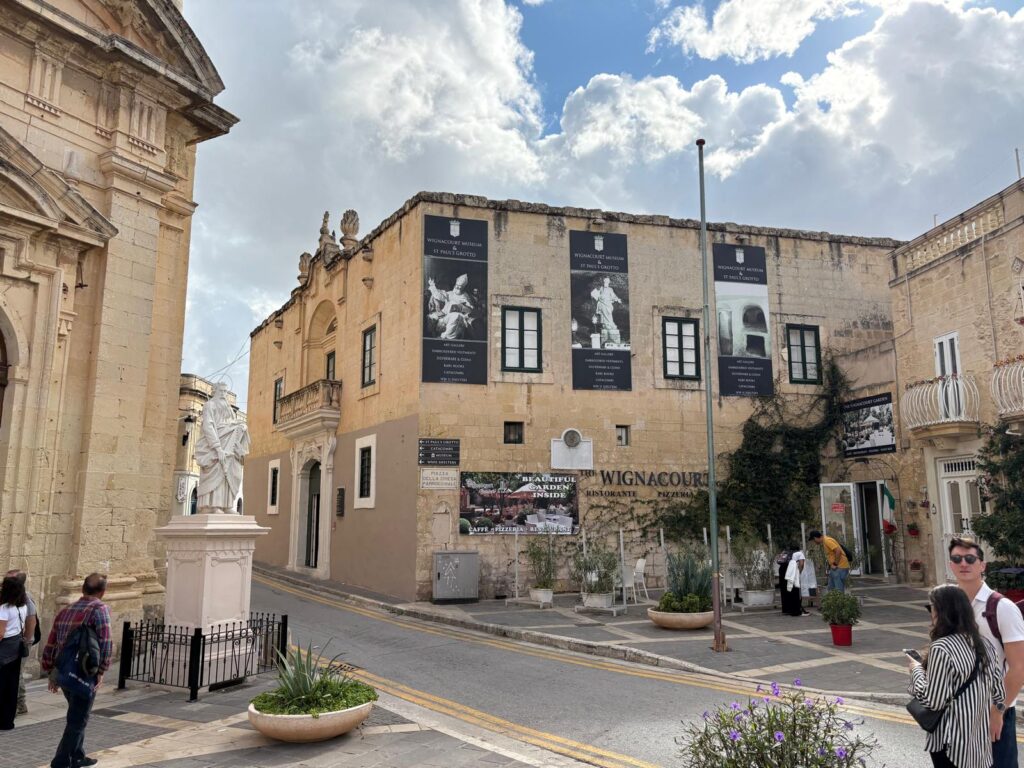
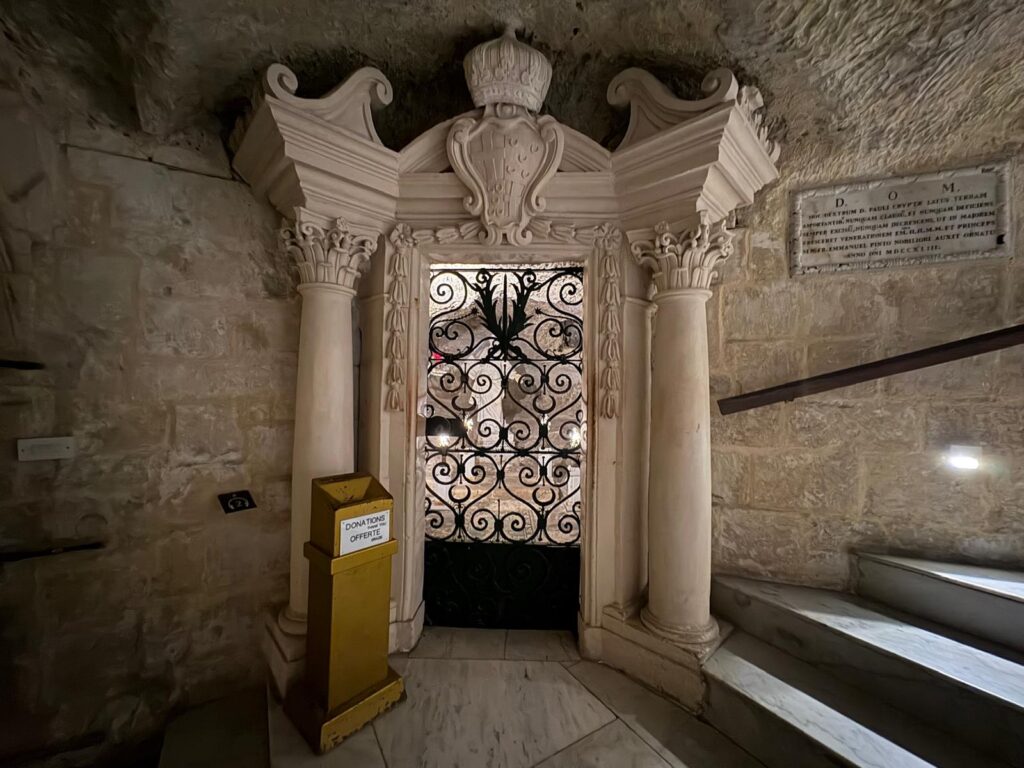
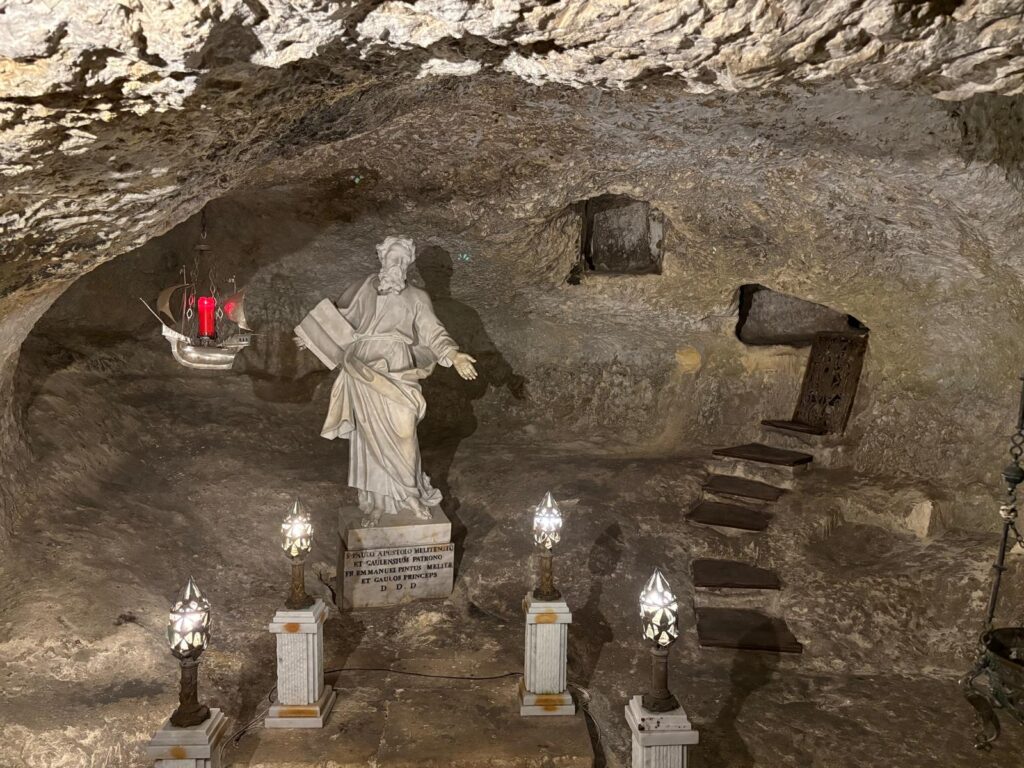
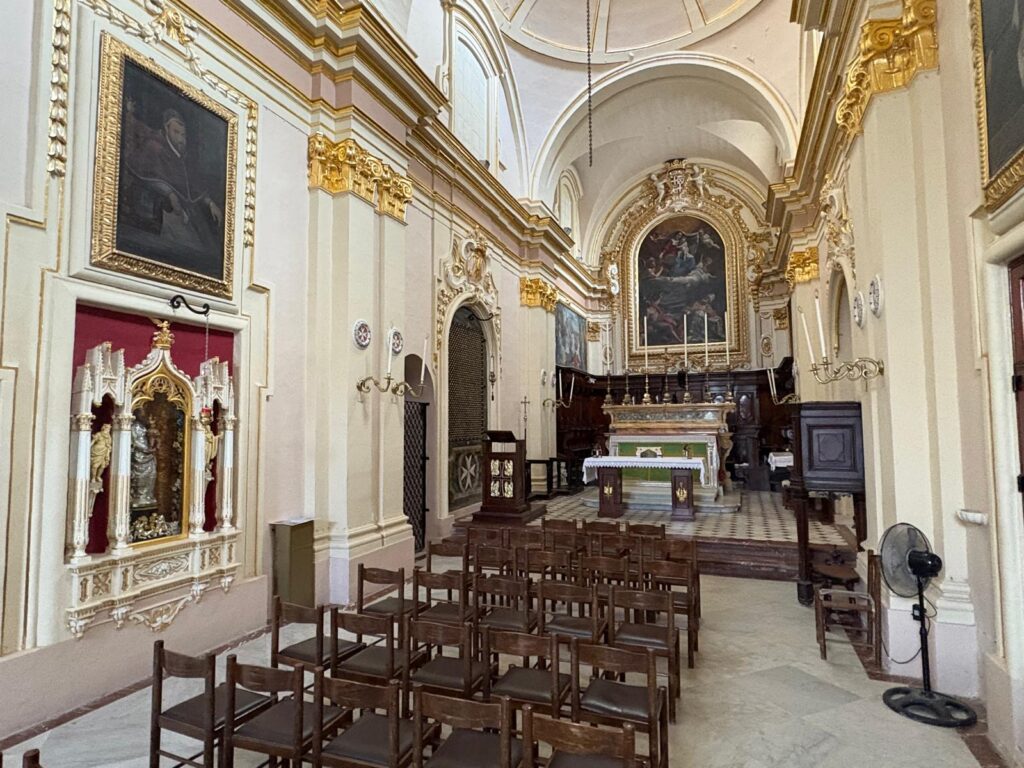
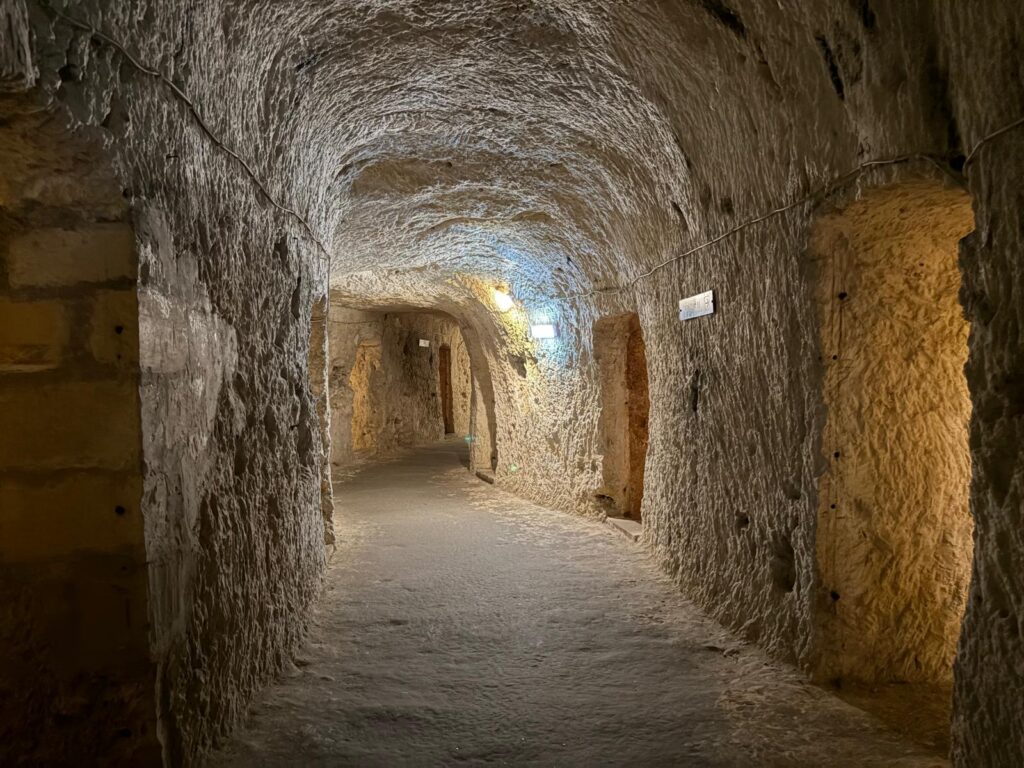
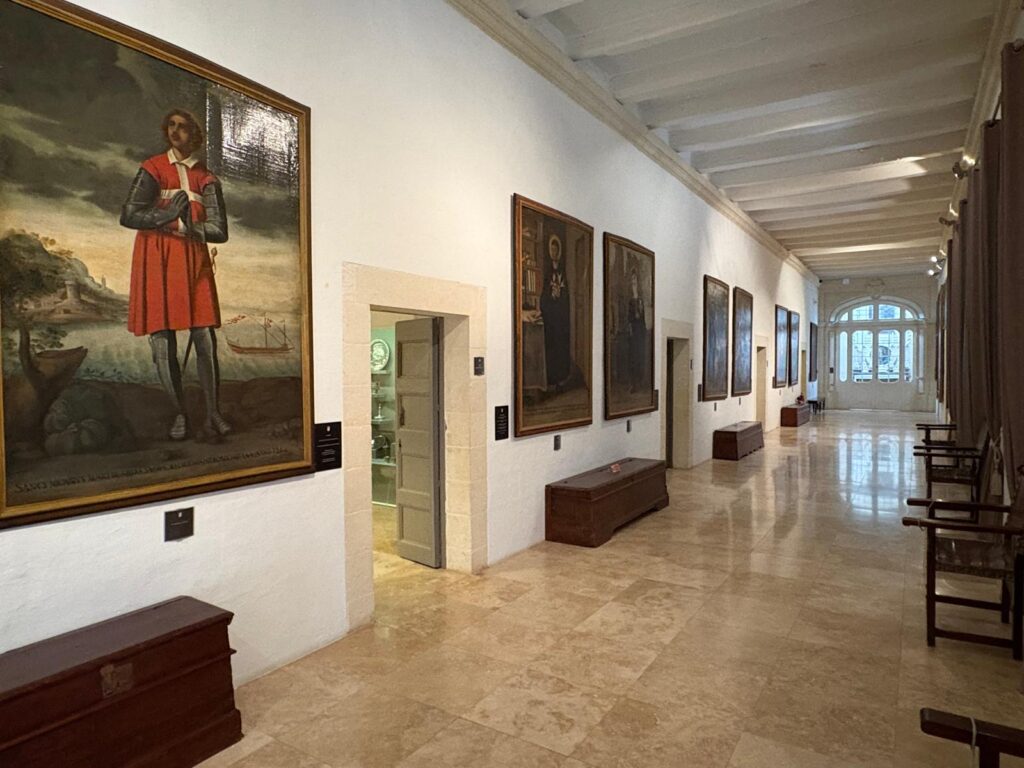
- Wignacourt Museum: the heart of the museum is St Paul’s Grotto, where the Apostle is believed to have stayed after being shipwrecked in Malta. A pilgrimage site, it came under the control of the Order of St John, and Grand Master Alof de Wignacourt ordered a college to be added to the church above it in 1619, thereby raising its status to collegiate church. The museum building, dating to 1749, housed this collegiate. Like almost everything in Malta it is Baroque. A museum ticket gives access to displays of art and objects within the former college, St Paul’s Grotto, and extensive underground spaces. These latter are a mix of Roman and early Christian burial spaces, and WWII-era air raid shelters.
So there we have it! Plenty to see and do in Mdina and Rabat, within easy reach of… pretty much anywhere in Malta. This is such an attractive as well as historic spot, I do hope you set aside a day to go and see these twin settlements on your own holiday.
Trending
If you see this after your page is loaded completely, leafletJS files are missing.