
Grenada for Culture Lovers
The tri-island nation of Grenada is a great spot for holiday-makers who enjoy a good helping of history and culture with their beaches and rum punch.
Grenada for Culture Lovers
A couple of years after our very successful trip to Antigua, the Urban Geographer and I were looking for another destination for a week or so’s vacation, combining beaches and sun with culture and history. Although this blog is primarily London-based I always take my dear readers with me when I travel, to help me to think about the places I’m visiting more critically, and help you to glean some (hopefully) useful information ahead of any trip you might take there yourself.
So why Grenada? Well it’s a few fortuitous circumstances that brought us here, really. We had some miles from a certain airline with red livery which shall remain nameless. Which led us to examine their Caribbean destinations. Previous trips have taken us to Antigua & Barbuda, as I said, and to Cuba. We shortlisted St Lucia and Grenada based on available flights and our sense of getting a lot out of the destination in a week or so. What swung it in the end was the Urban Geographer’s interest in Grenada’s turbulent 20th century history.
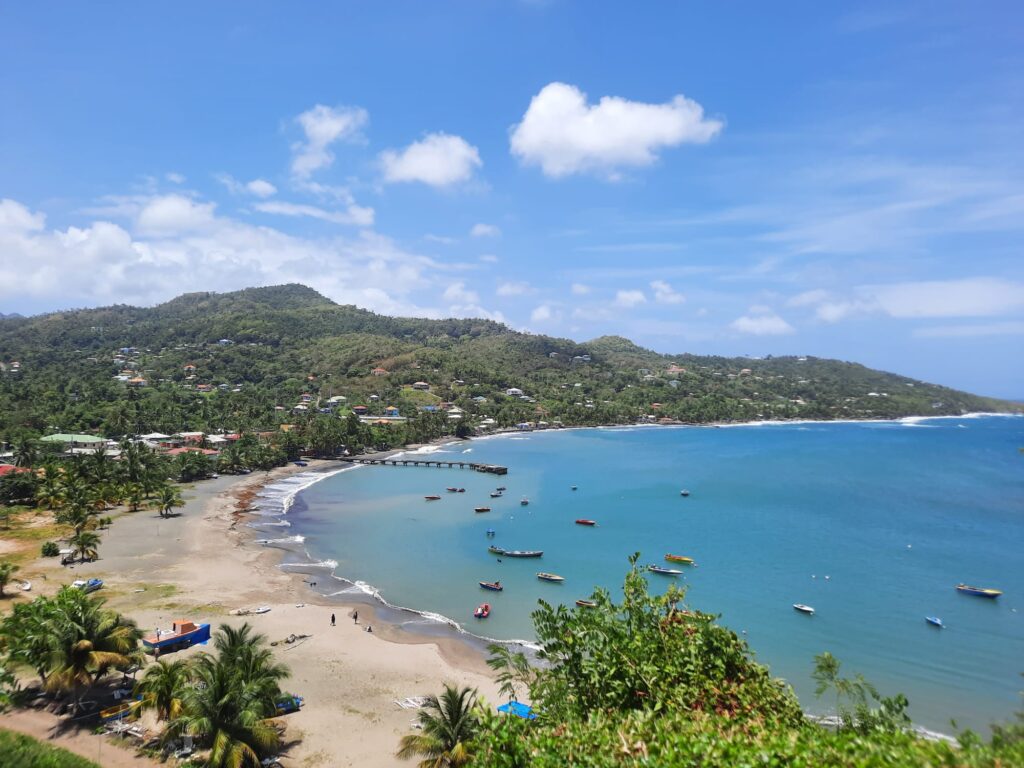
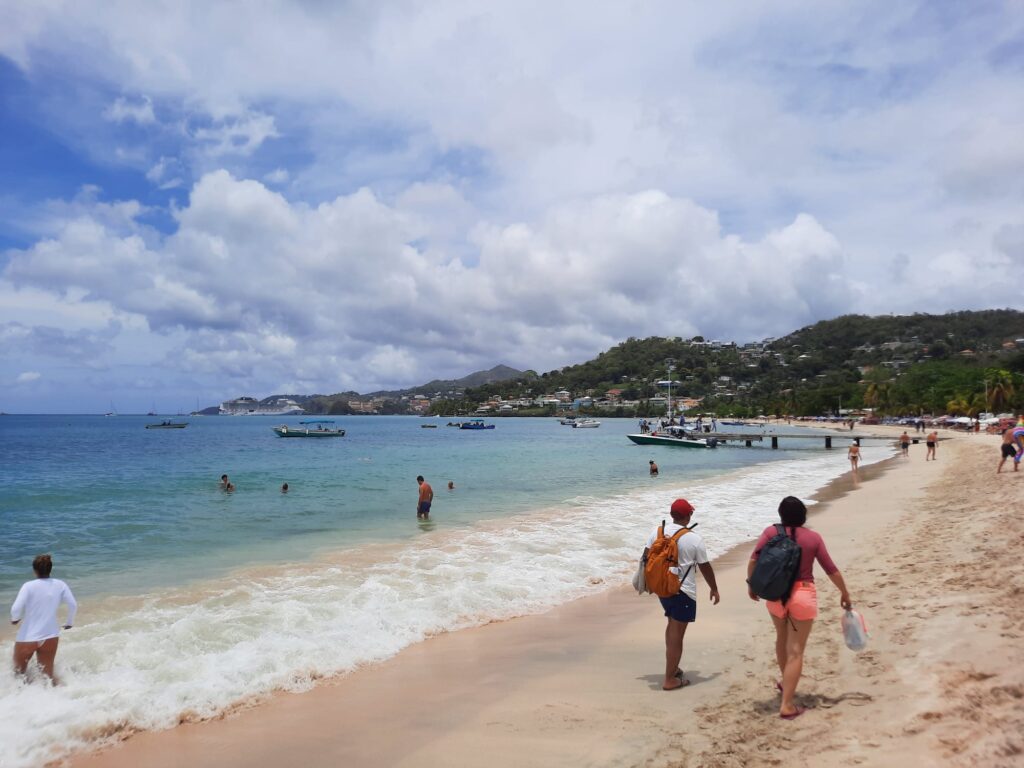
Not that it’s turbulent now. Grenada today is a safe and welcoming tourist destination. Whether you’re at one of the resorts at Grand Anse beach or a little further off the beaten track, be ready to bid a hearty “good morning!” to everyone you encounter. But the islands nonetheless retain the memories of all the phases that have gone before, from that revolution I alluded to right back to settlement by indigenous American peoples. Which of these layers of history you care to delve into will depend on your preferences, where you visit, and how much time you have available. The guide below should be a good starting point!
Grenada: A Brief Overview
Unlike Antigua, which had been abandoned due to lack of fresh water at the time Europeans arrived in the Caribbean, Grenada had a long history of continuous settlement. Different ethnic groups settled the islands at different times, primarily from the Carib and Arawak language groups. Columbus reportedly sighted Grenada on his third voyage, named it “La Conception,” and left again without visiting. By the 1520s it was known as La Granada (after the city in Spain), when the French were in power it became La Grenada, and then was finally anglicised as Grenada (gre-nay-da rather than grah-nah-da).
This flip-flopping of names is reflective of colonial history in Grenada as a whole. There was a failed English colony first, then the French took control in 1649. Then the English again. Then the French again. And so on. The indigenous people survived in Grenada until 1654, when their last resistance was crushed, and the remaining followers of Chief Kairouane threw themselves off a cliff in the north of the island. The town there is still named Sauteurs (‘Leapers’). Unhappy origins to say the least.
All of this back and forth in terms of controlling Grenada was because it was quite a productive island. The native plants cleared, conditions were great for growing sugar. Many enslaved people were transported from Africa to do just that. After Emancipation in 1834 (the last enslaved people were freed in 1838) the plantation owners bemoaned their loss of profit, and shipped in indentured workers from India to plug the gap. Grenada still has a sizeable population of Indian origin today. But sugar was on the way out, to be replaced by cocoa, coffee, and spices. There isn’t much coffee grown here today, but spices and cocoa abound.
The 20th century in Grenada was marked by hurricanes, and changes in political regime. Hurricane Janet in 1955 decimated much of the island and its nutmeg crop. Hurricane Ivan in 2004 did likewise. Just last year Hurricane Beryl flattened the island of Carriacou and damaged Grenada and Petite Martinique, too. In terms of politics, the 20th century saw Grenada move towards independence, which it achieved in 1974. Just five years later, the Leninist-Marxist New Jewel Movement launched an armed revolution and installed a People’s Revolutionary Government. It was another four years before infighting led to Prime Minister Maurice Bishop’s house arrest, followed by him being freed by supporters, then executed in the subsequent confusion, opening the door to a US invasion.
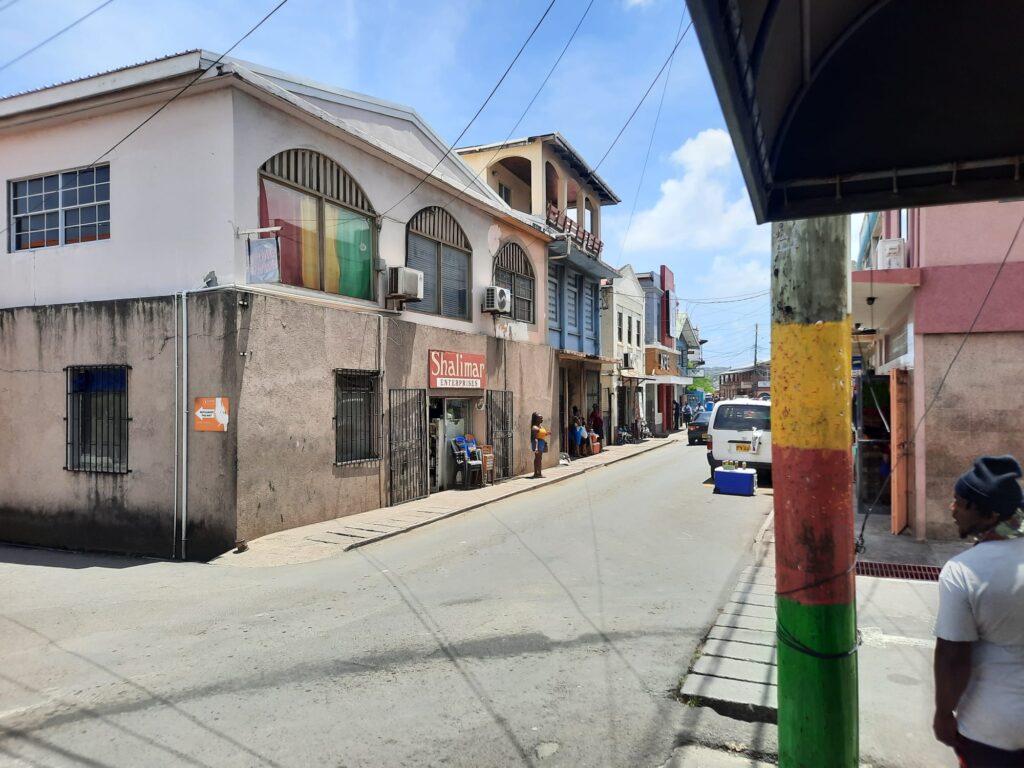
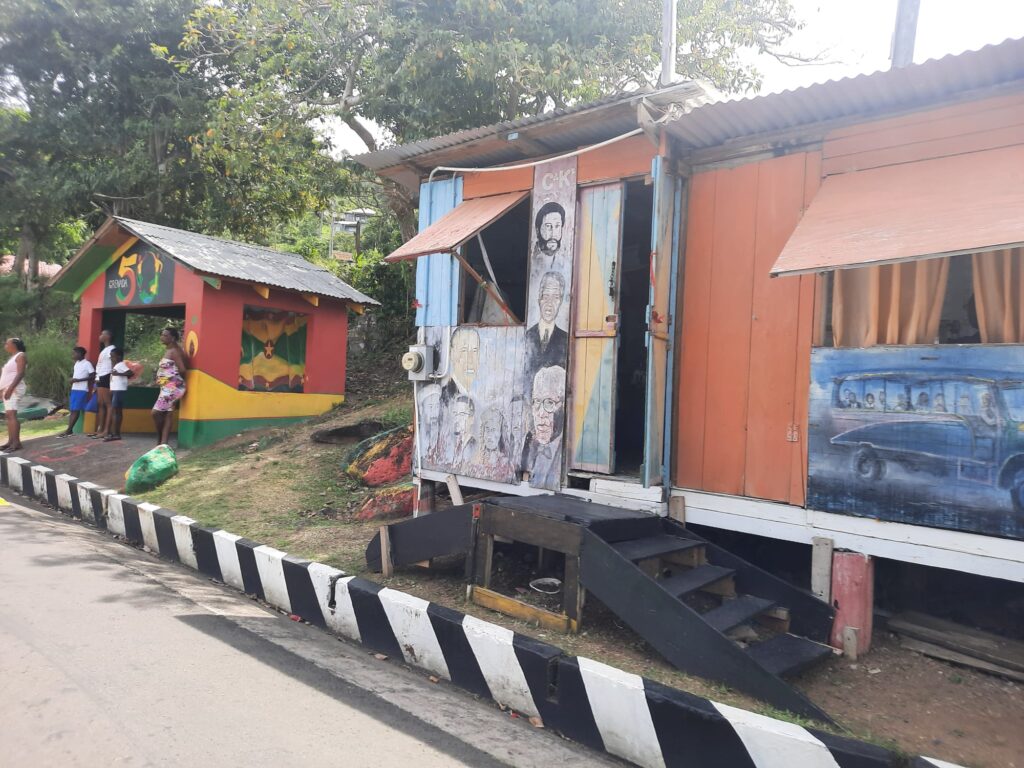
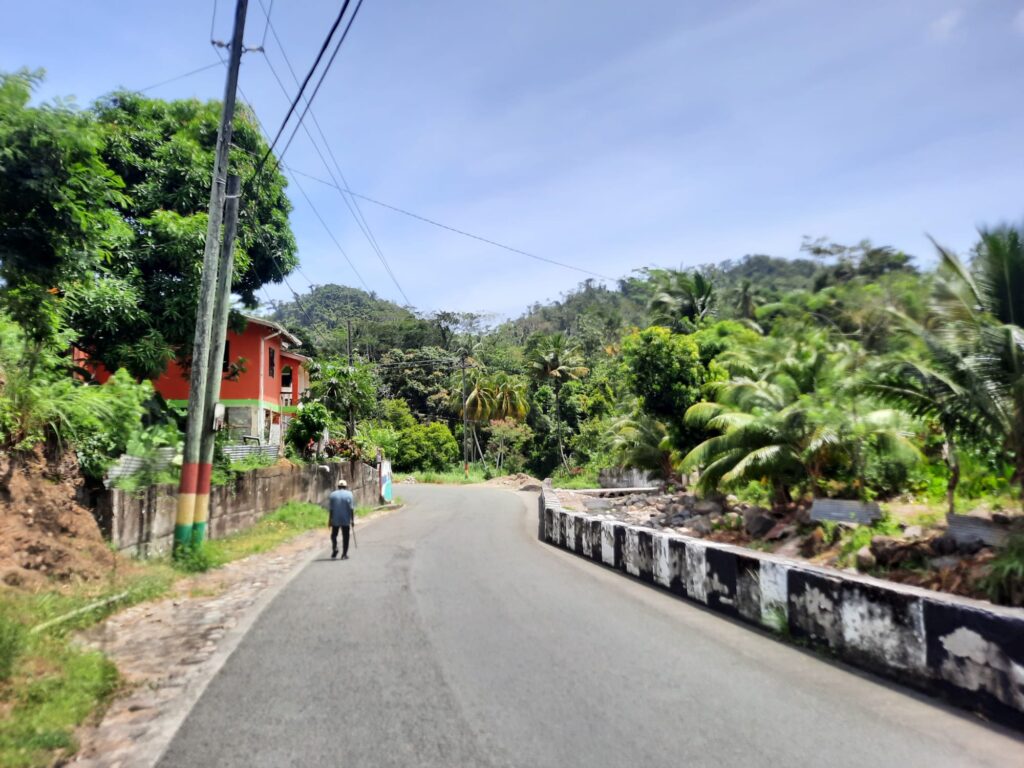
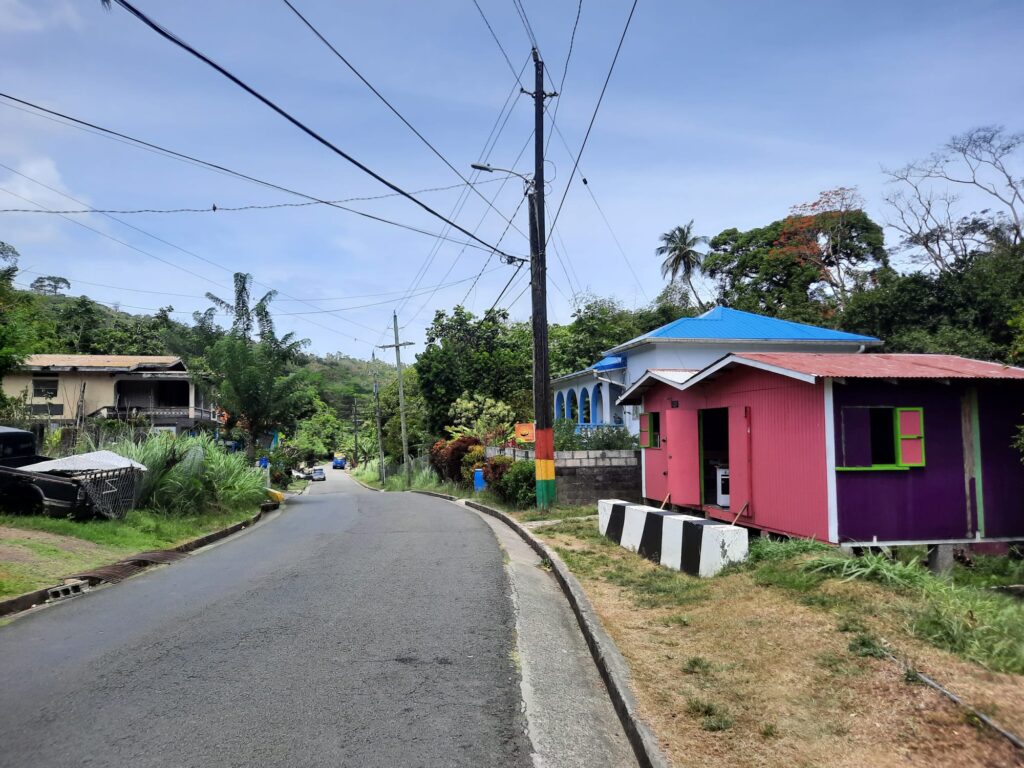
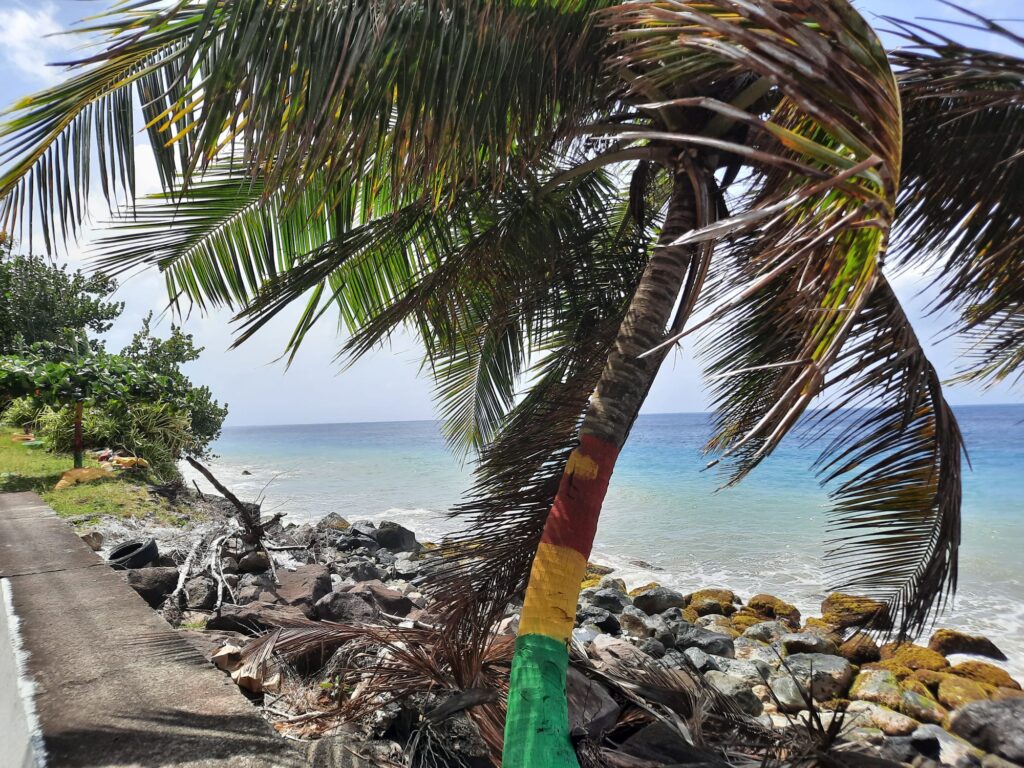
It’s been a long process since then to understand and reconcile with that volatile period. But, as I said earlier, Grenada today is a safe and stable tri-island nation. You’ll see the Grenadian colours painted everywhere – the recent 50th anniversary of independence was an opportunity for an outpouring of nationalism. You’ll also see remnants of all that history if you know where to look.
Things to See and Do: Colonial and Modern History
Let’s start with that history, then. I am consciously excluding the pre-contact history here, as I’ve got a section on that below. To set the scene we are going to start with colonial and modern history.
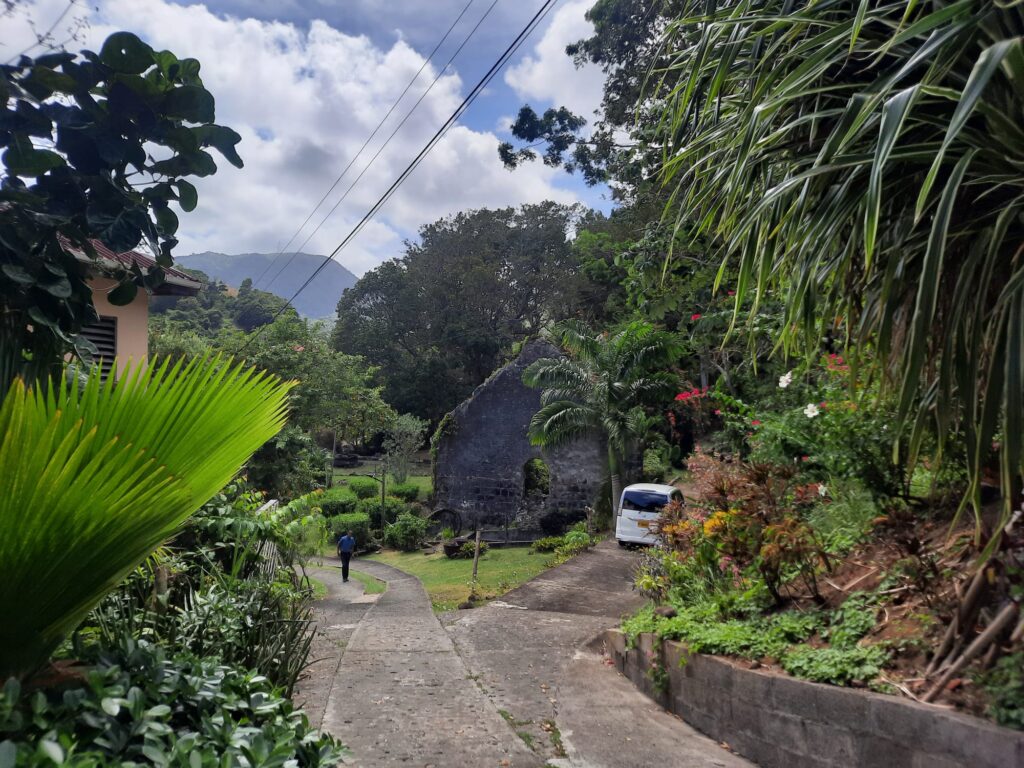
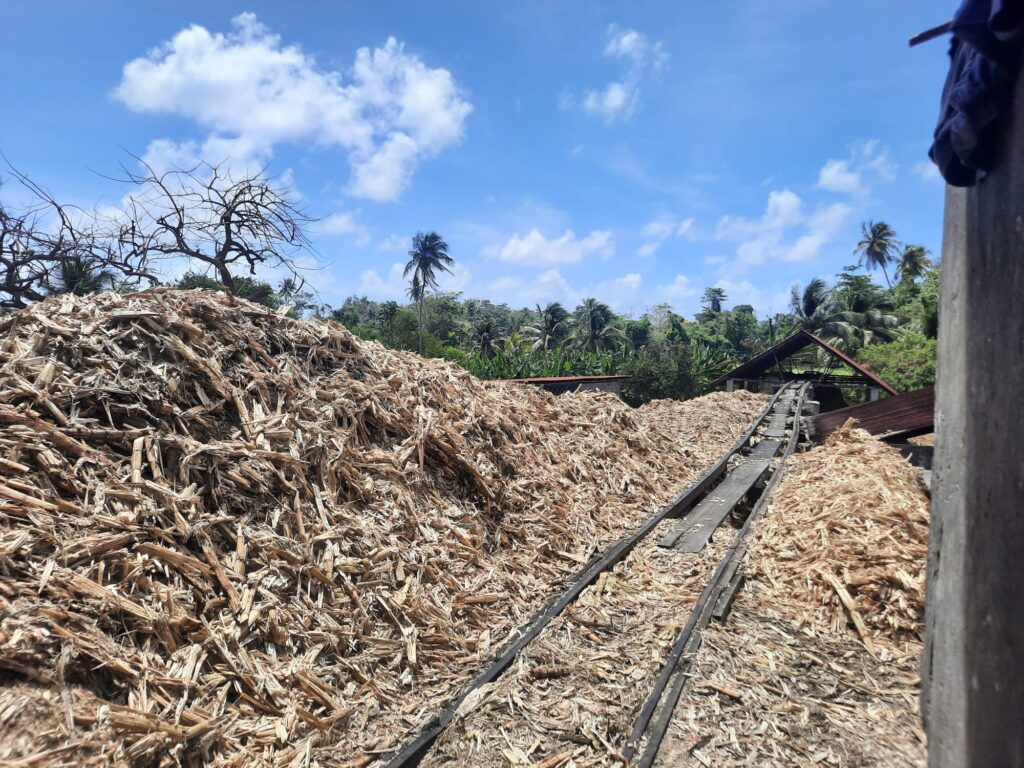
One very tangible remnant of Grenada’s colonial history are the traces of its plantation economy. Some of the estates are still largely intact and in operation. In others, workers settled on or near the land they used to work, and those towns that bear the plantation names (like Beausejour).
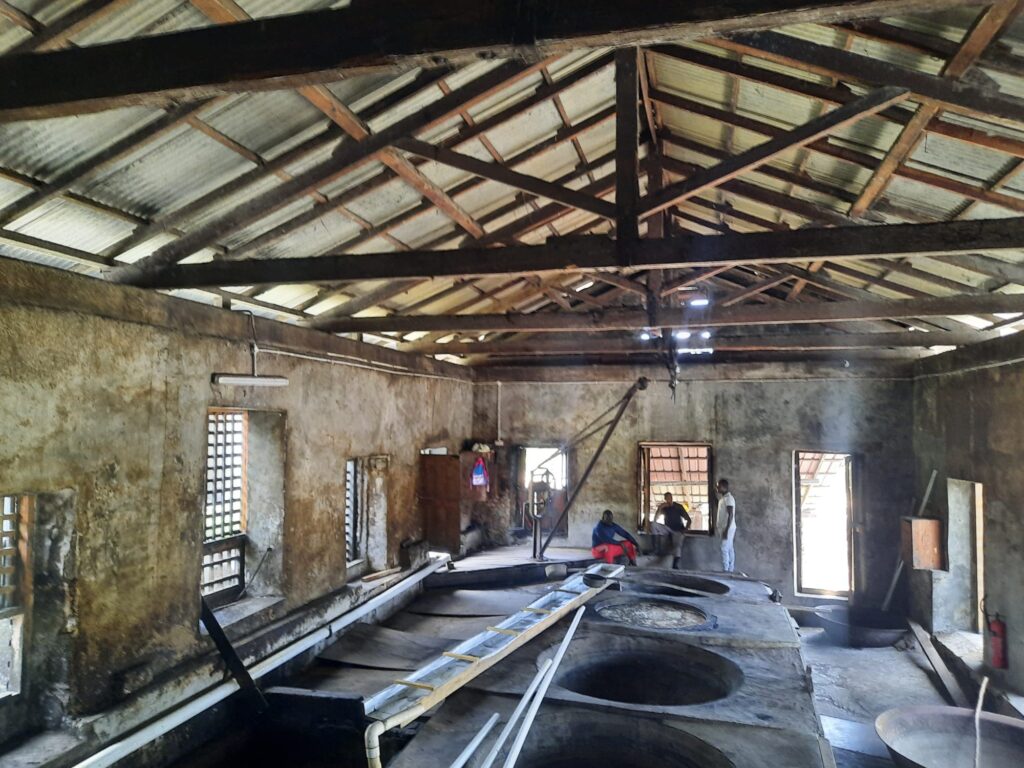
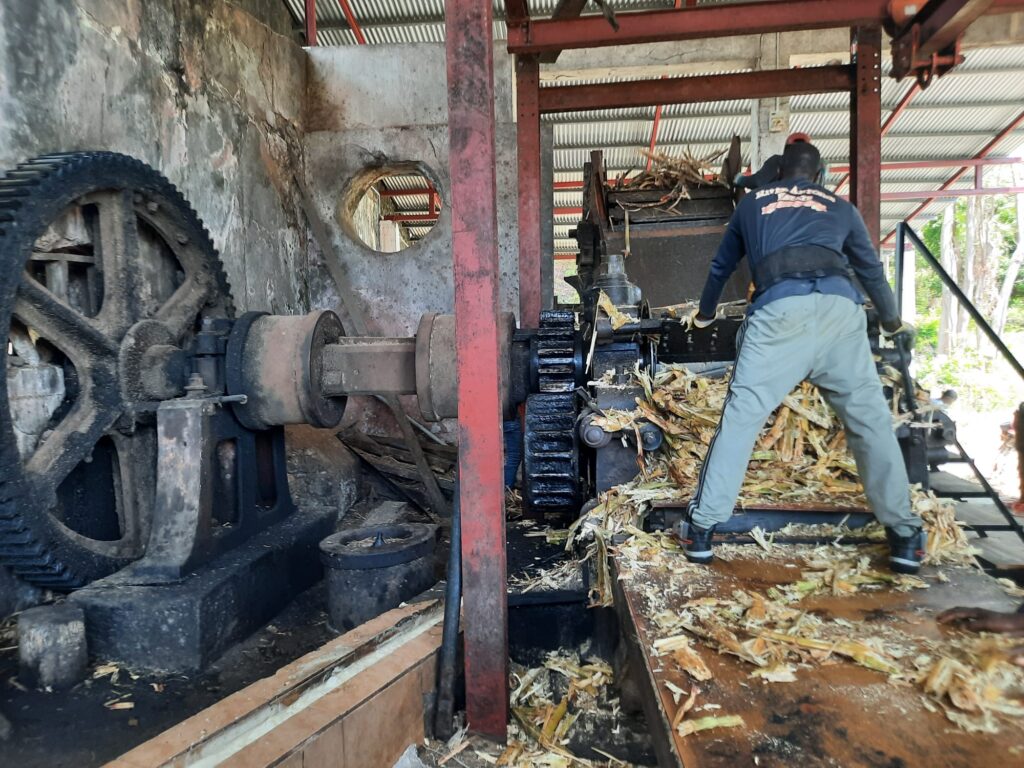
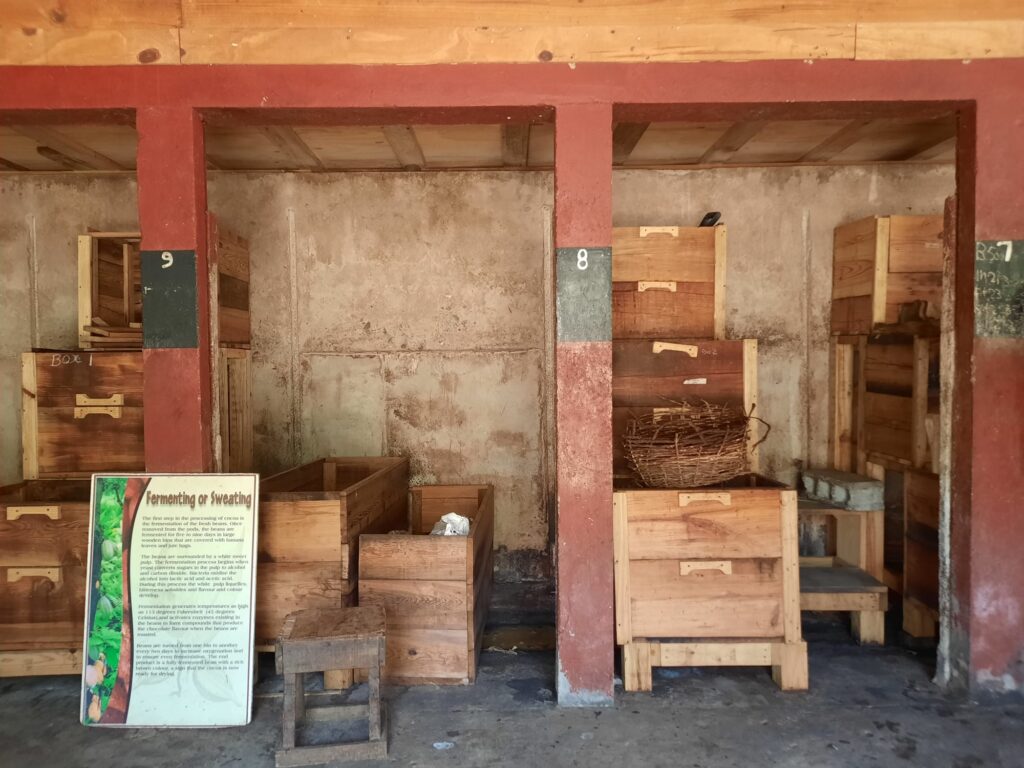
Remarkably, it’s actually still possible to see machinery in action at River Antoine Rum Distillery that is almost two centuries old. A massive water wheel still helps to crush sugar cane, but today the end result is a fiery and high-proof rum. It’s worth stopping in for a tour there, and at nearby Belmont Estate. Belmont is now a cocoa plantation, the first in Grenada to be owned by a family descended from indentured Indian workers. We had a pleasant lunch after our tour, overlooking the cocoa drying shed. I won’t pretend it’s not jarring on occasion to be spending a nice day out in a place that once saw so much misery, but a lot of Grenada’s remaining estates seem to be big contributors to the local economy and labour market.
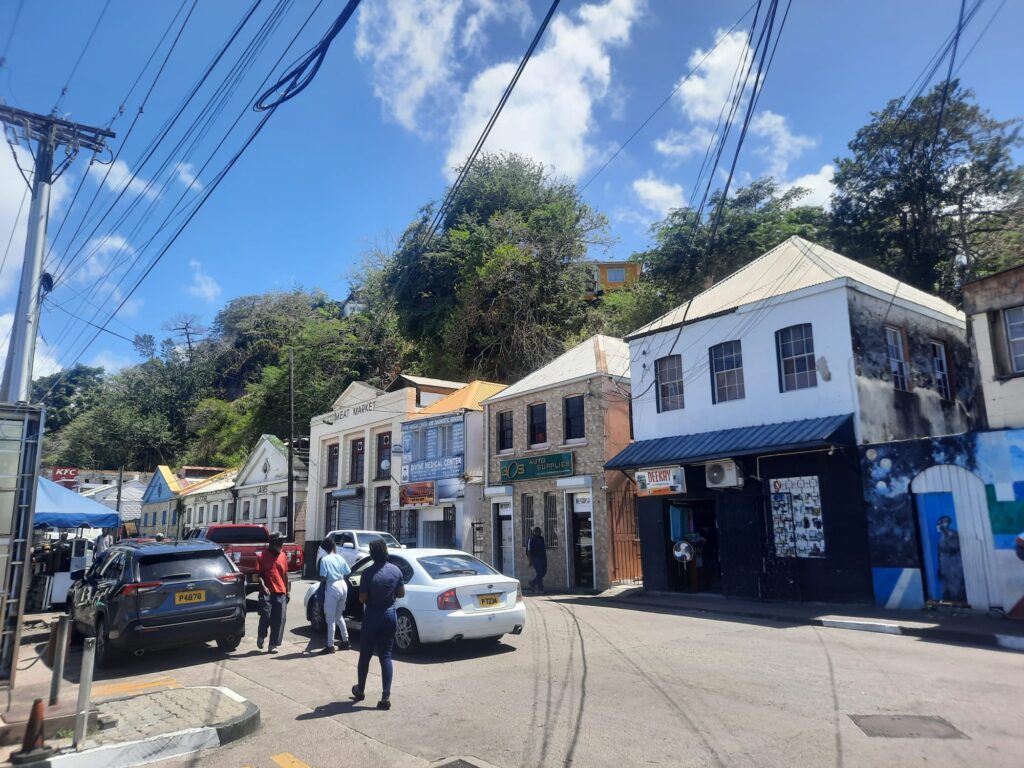
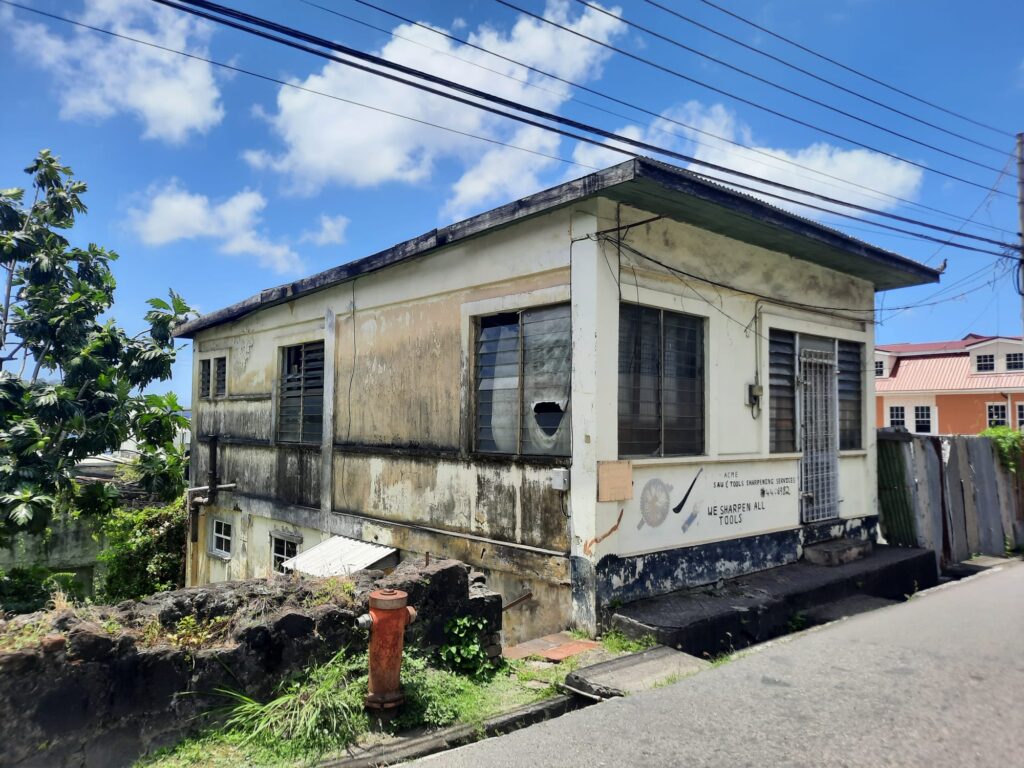
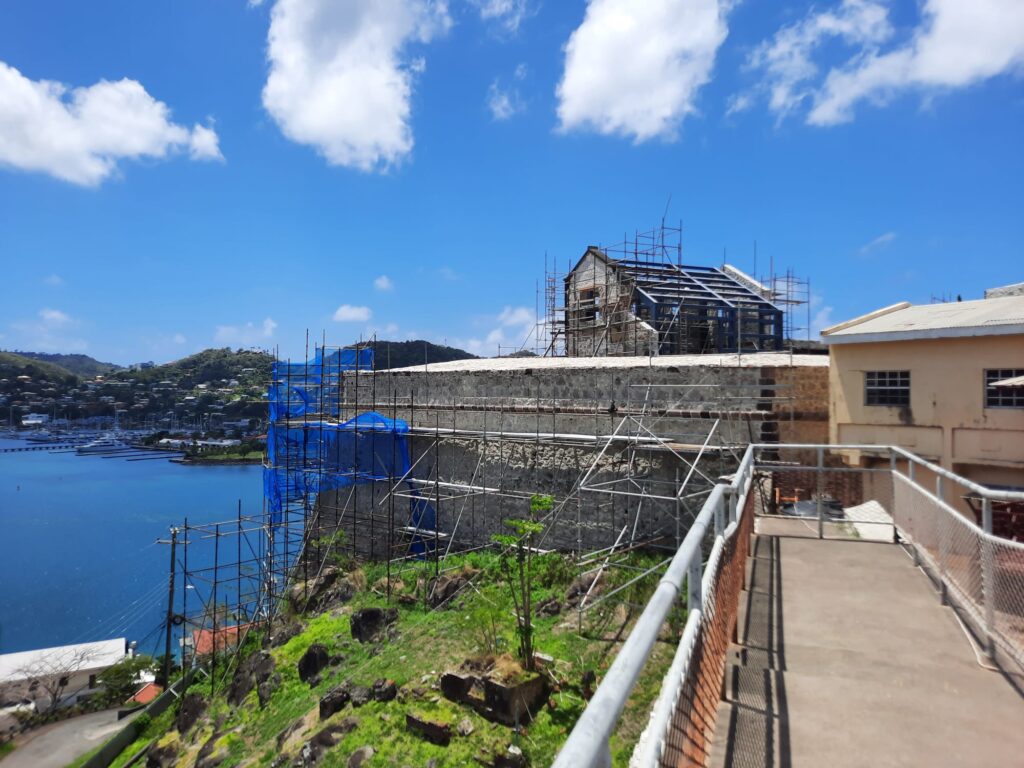
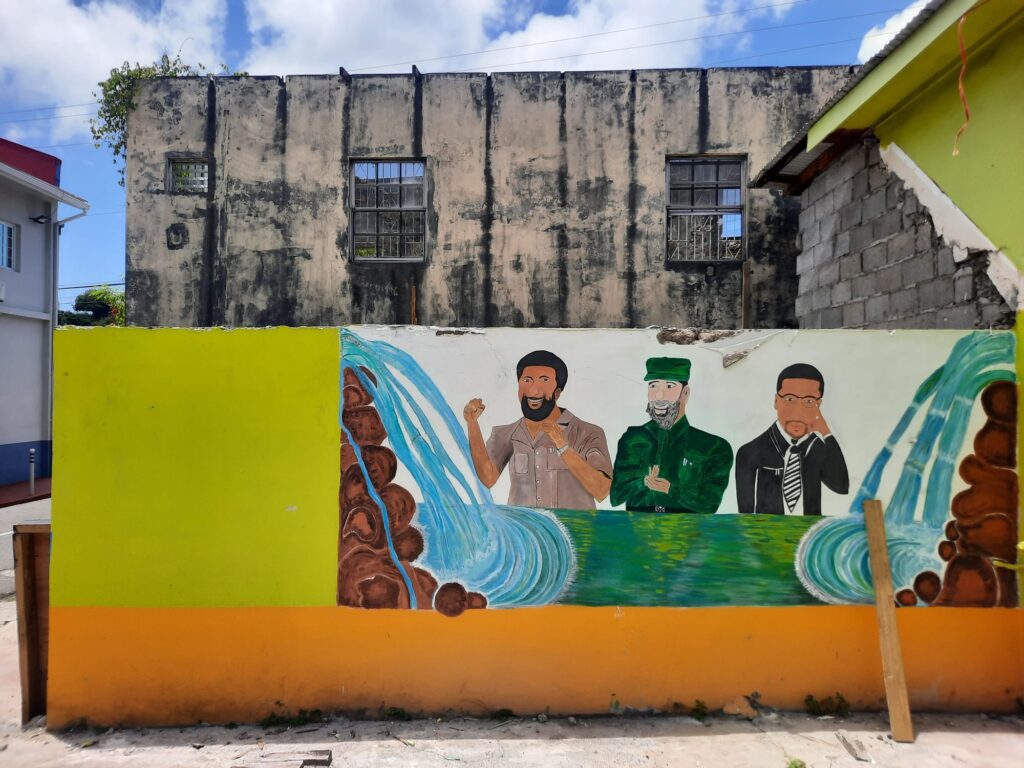
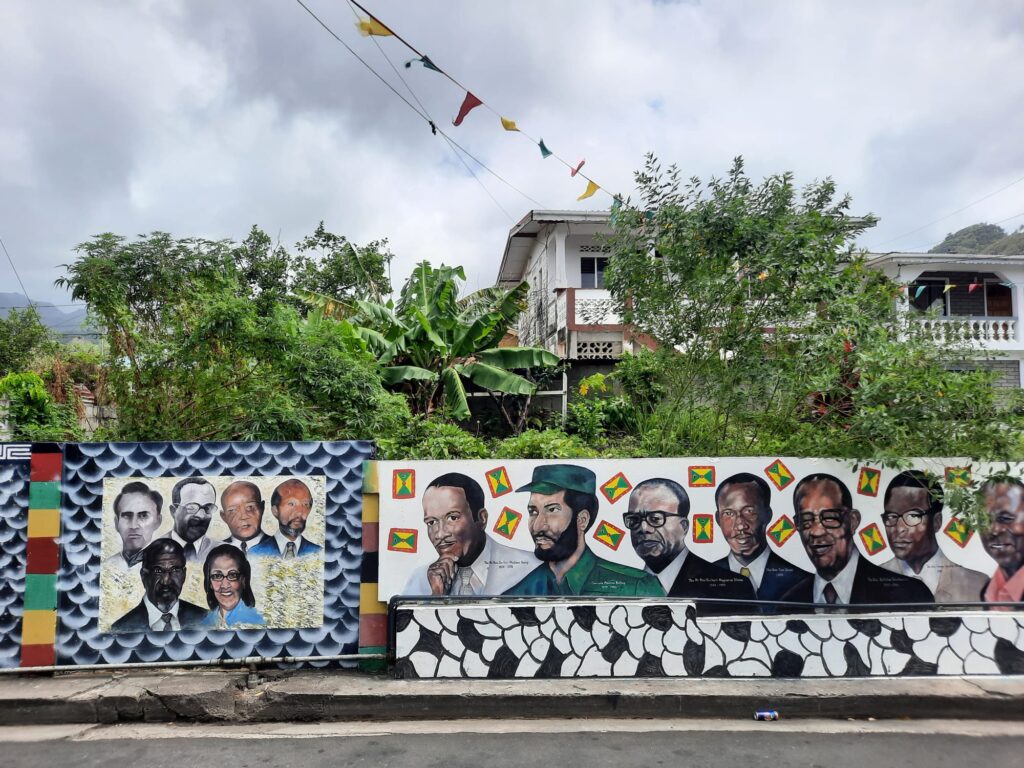
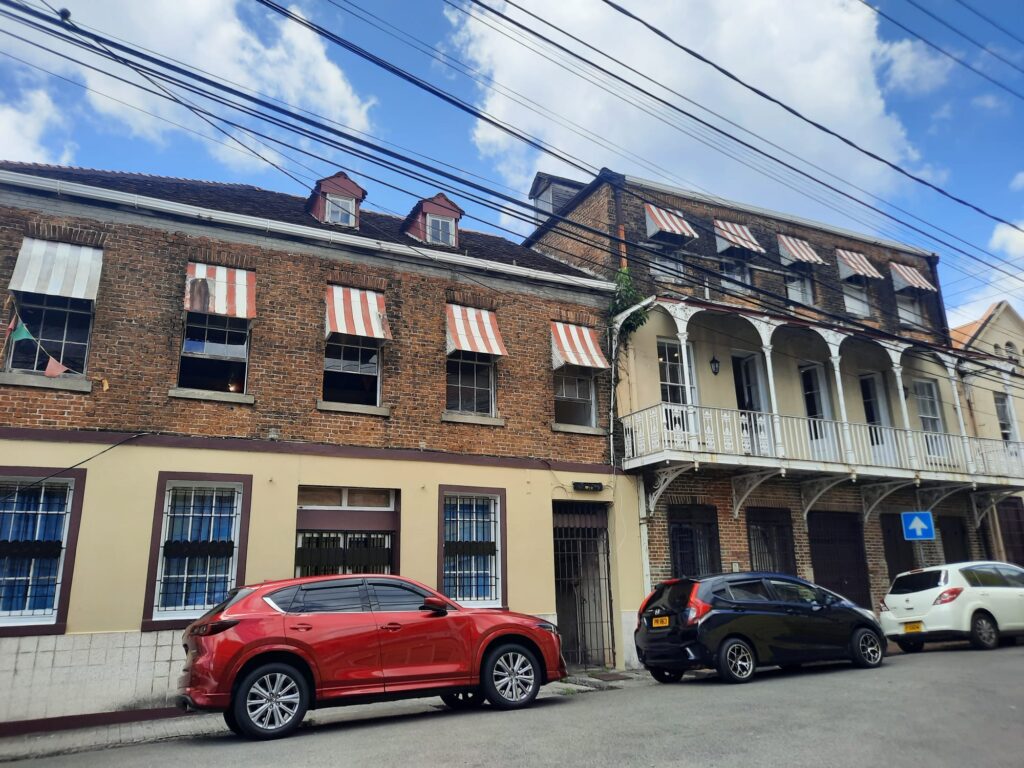
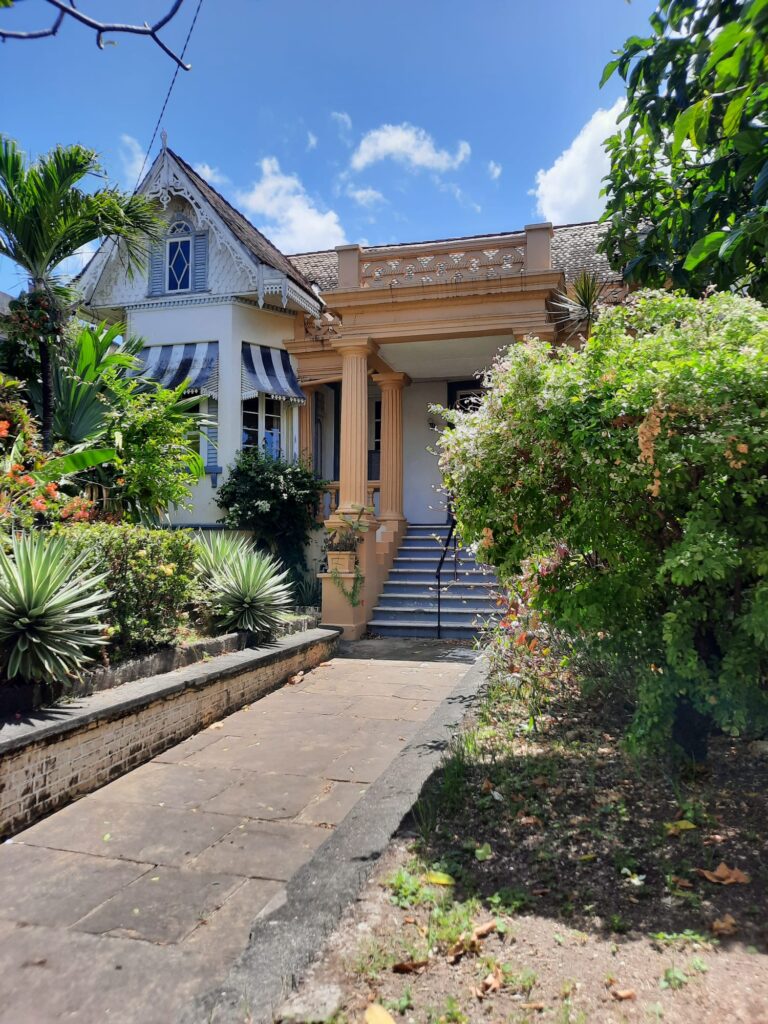
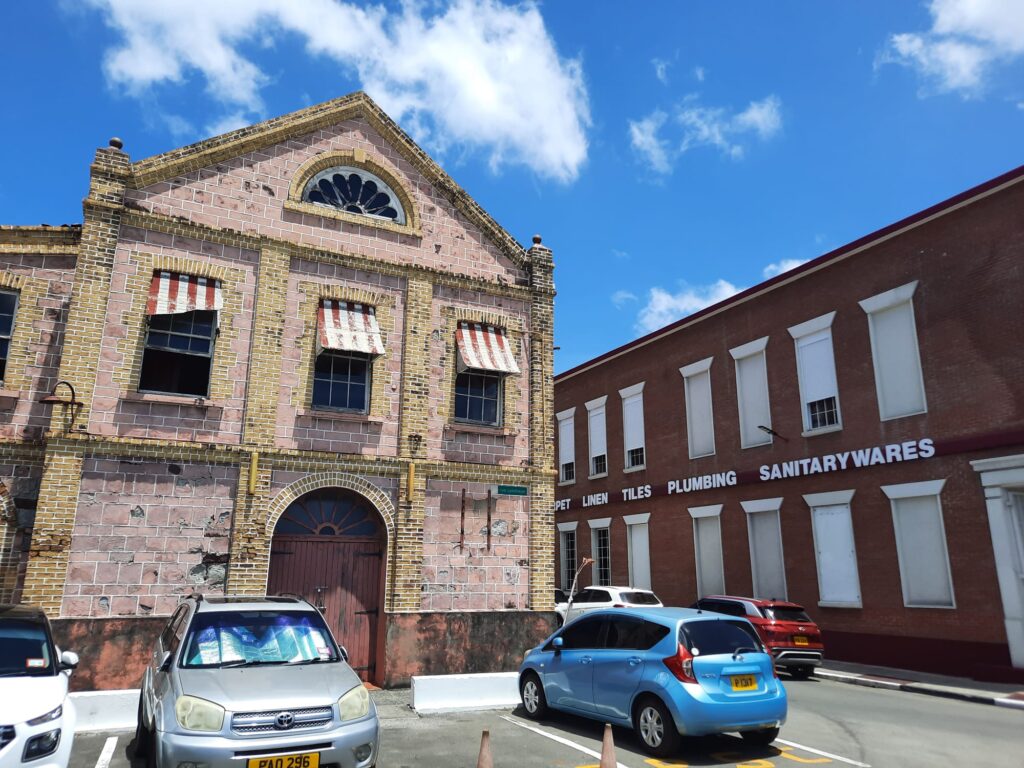
There is still plenty of colonial architecture to be seen, too. The capital St George’s has a lot of historic buildings. As do towns like Grenville, and Gouyave (pronounced ‘gwav’). One intersection between colonial and modern history are the forts in St George’s. You wouldn’t know it today looking at Fort George, but it’s the site of those executions in 1983 that ended a revolution. Other traces of that period include monuments to the fallen of different sides (including a remarkably ugly one at the airport to American marines), and images of Maurice Bishop in hand-painted murals.
Things to See and Do: Museums
We went to three museums while we were in Grenada. Is that a lot? Depends. It’s a lot fewer than we would normally go to on a week’s vacation. But for Grenada, it was quite a lot. And even involved hiring a driver to get us to the one which I’ve marked out as a wildcard below. Whether or not you’ll want to visit any or all of these museums will depend on your interest level in both Grenada and museums, so read on and then make your mind up.
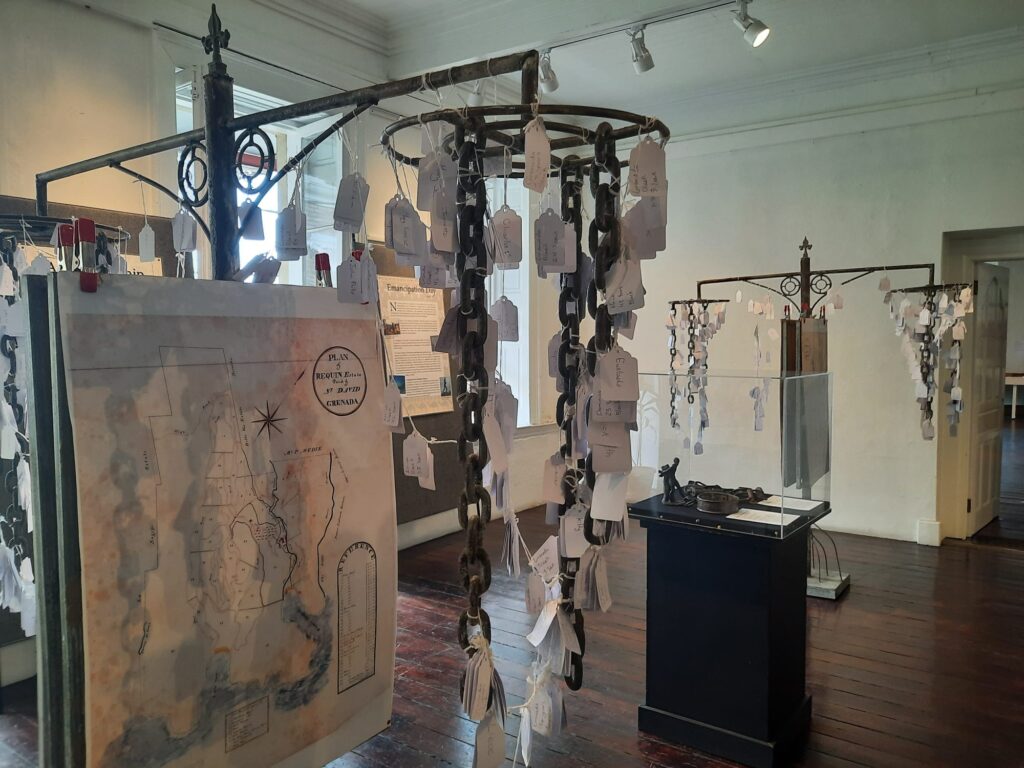
- Grenada National Museum. This museum, in a historic building in St George’s, is not quite what you might expect from a small country’s national museum. And the contrast with the description in my 2023 guidebook suggests the Grenada National Museum have made significant changes in recent years. The focus now is mostly on new research and exhibitions. We saw a very interesting display reclaiming the names and stories of enslaved people. I also appreciated the small display of Carib and Arawak artefacts.
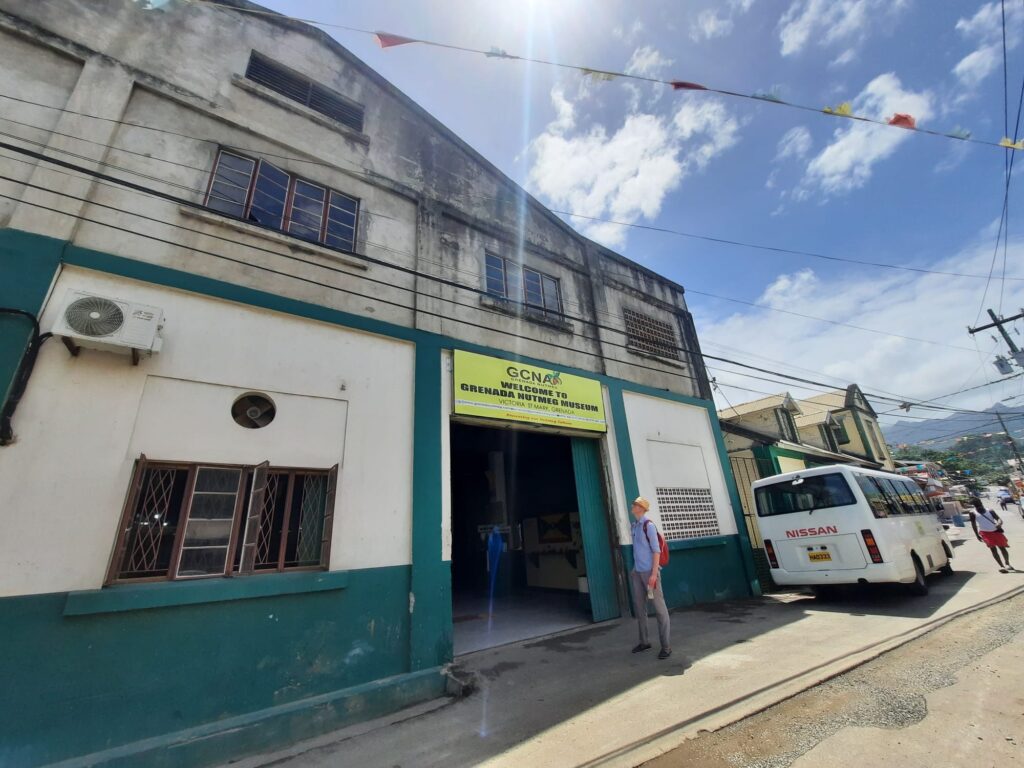
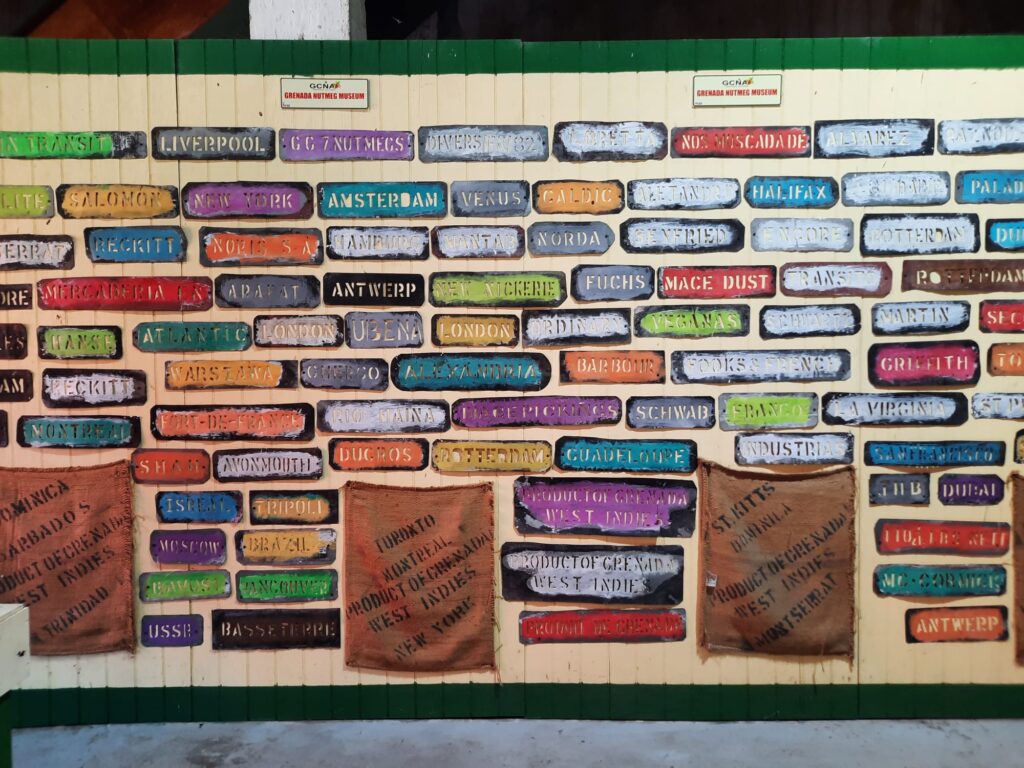
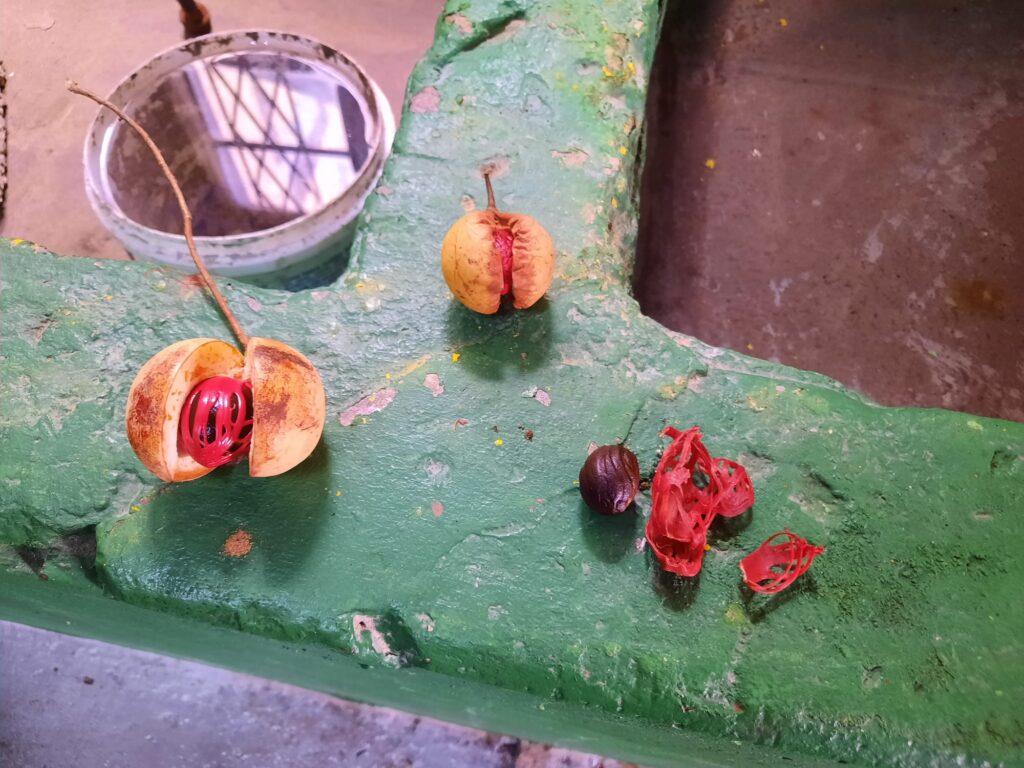
- Grenada Nutmeg Museum. Further north in Victoria, the Grenada Nutmeg Museum is a great example of adapting to circumstances and refocusing a community asset. When hurricane damage reduced the yield of nutmeg in Grenada, not all of the processing plants (or ‘pools’) were needed any longer. This one, in Grenada, is still a collection point for farmers in the local cooperative. But the rest of the space has become a museum explaining nutmeg growing and processing to visitors. It’s a popular part of daytrips for cruise ship tourists, but you’ll still be able to visit on demand. My tip: stock up on refreshing nutmeg coolers in the shop at the end of the tour.
- Carriacou Museum. We would have loved to visit this on our trip to Carriacou, but sadly it’s still closed almost a year after Hurricane Beryl.
- House of Chocolate Museum. We did go here, but I don’t count it as a museum I visited, because it’s really a shop. A nice shop, but a shop. It’s listed on various Grenada websites so I include it here in the interests of thoroughness.
And now for the wildcard…
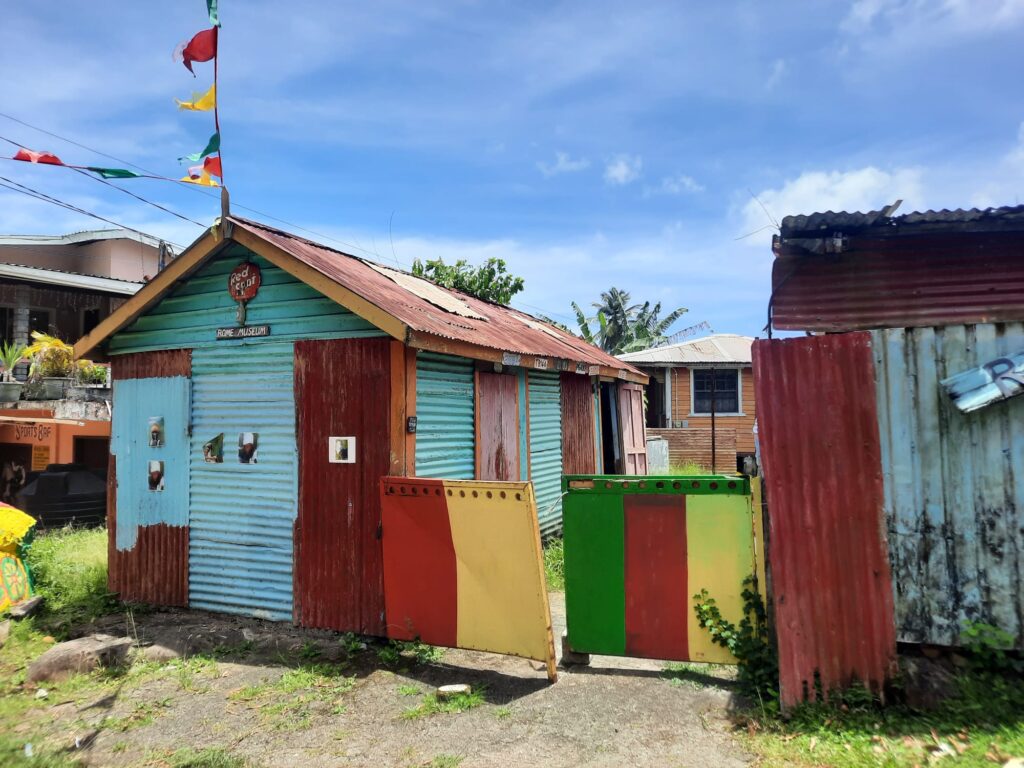
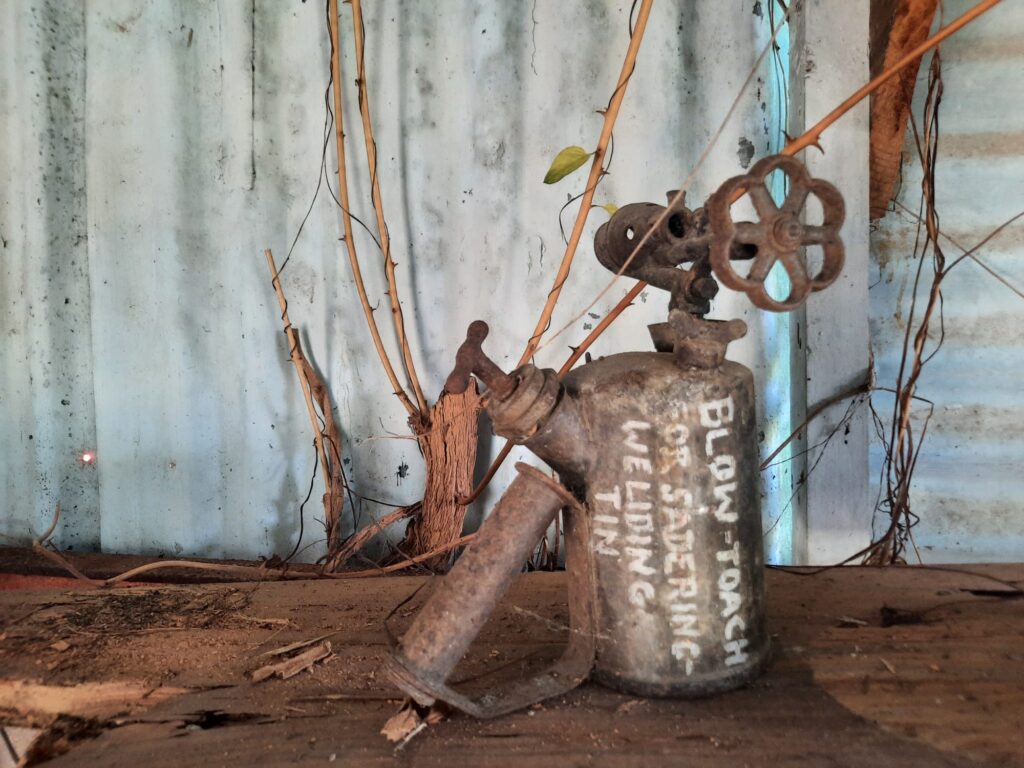
- Rome Museum. I came across Rome Museum doing the type of slightly obsessive research I like to do to make sure I haven’t missed anything. I found it on this page. Rome Museum is far off the beaten track – I’m still not quite sure of the name of the village it’s in. But the museum is on Google Maps, and when you get close enough, locals will guide you the rest of the way. It’s a labour of love by Joseph Rome, and packed full of relics of days gone by. Mr. Rome preserves tools, appliances, household objects and more. Often the objects bear hand-written legends explaining their use or significance. Although we missed Mr. Rome on our visit (he was away at an appointment), his sister kindly showed us around this charming private museum. This is one for the museologists, or lovers of the eccentric and unusual.
Things to See and Do: Nature, Flora and Fauna
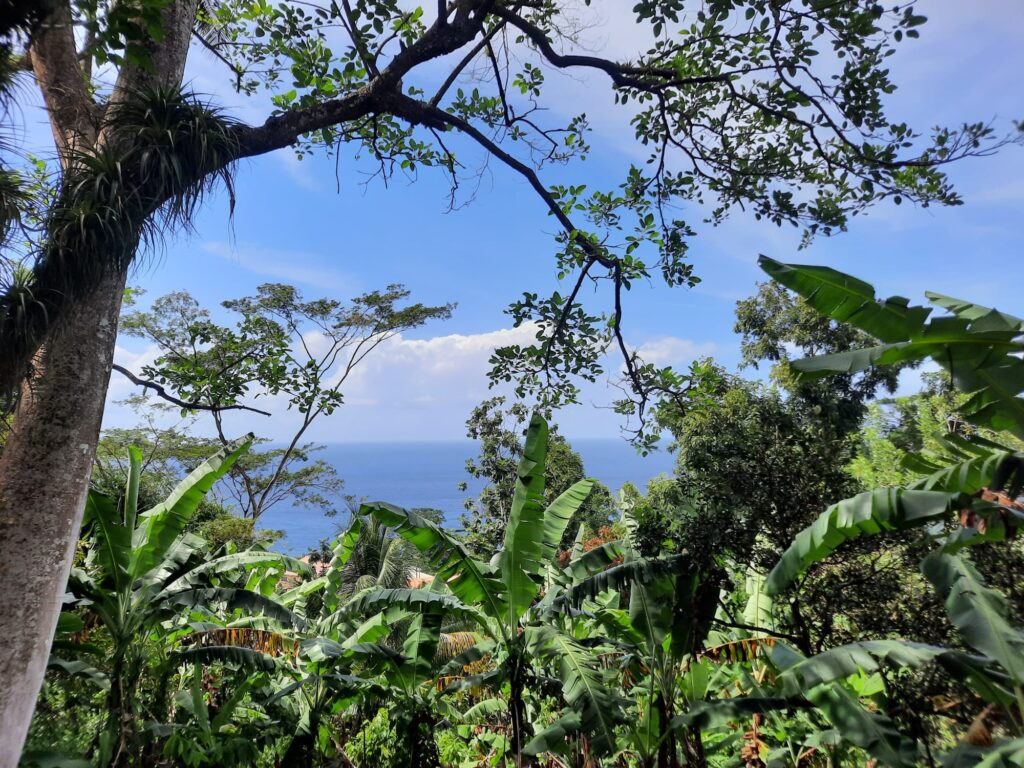
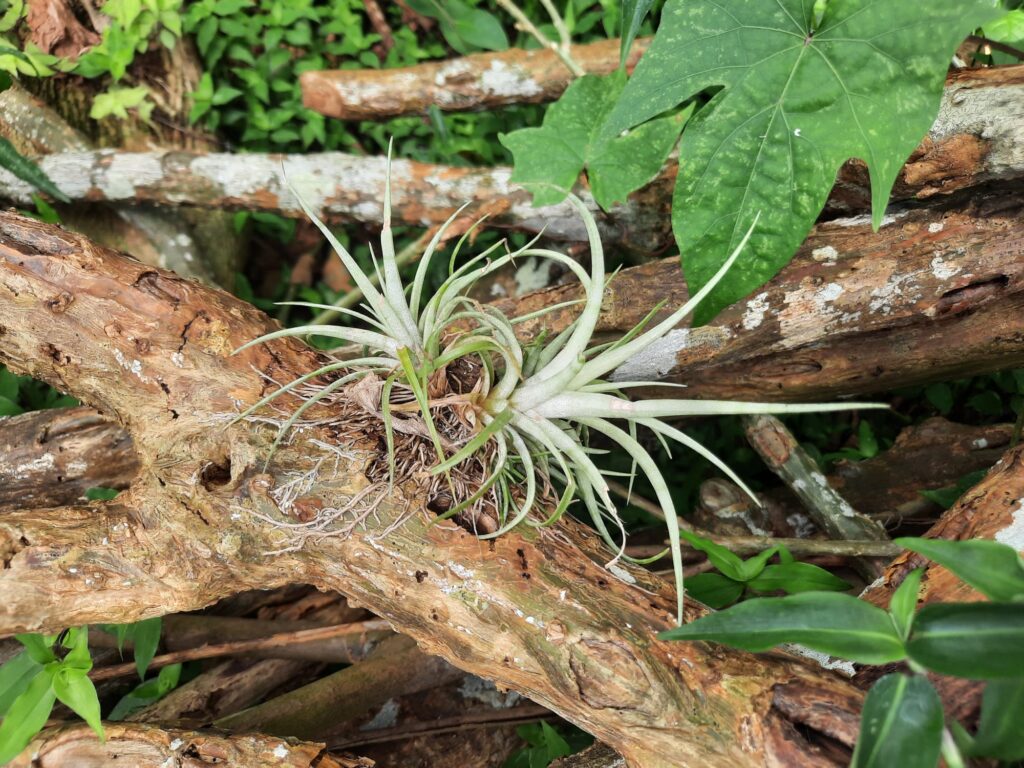
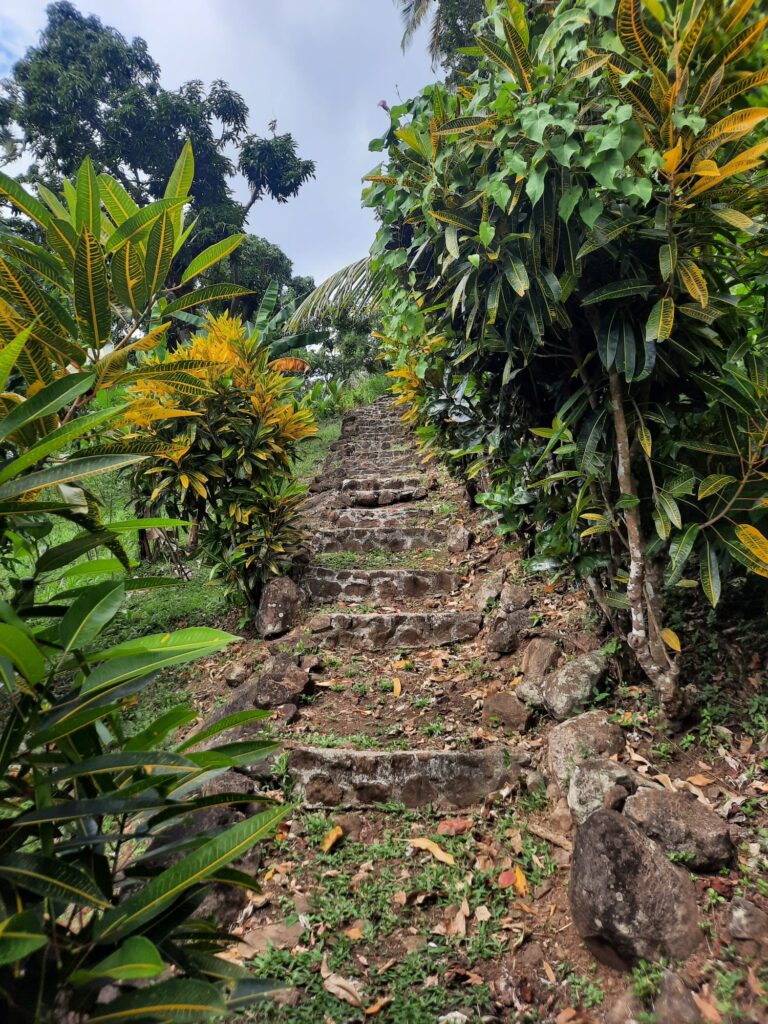
Natural heritage is valued alongside cultural heritage here on the Salterton Arts Review. And if I have a regret from my visit to Grenada, it might be that we didn’t get more time for hiking. Grenada’s lush, hilly terrain make for great hiking. There are plenty of waterfalls, the odd sulphur spring, and Grand Etang National Park to visit. Some places you can get to easily: for Concord Falls it’s as simple as following the path. But track maintenance is apparently lacking, so for most places you will want to hire a guide. If you’re interested in remote historic sites like Fédon’s Camp, a guided hike is a way to include them on your itinerary.
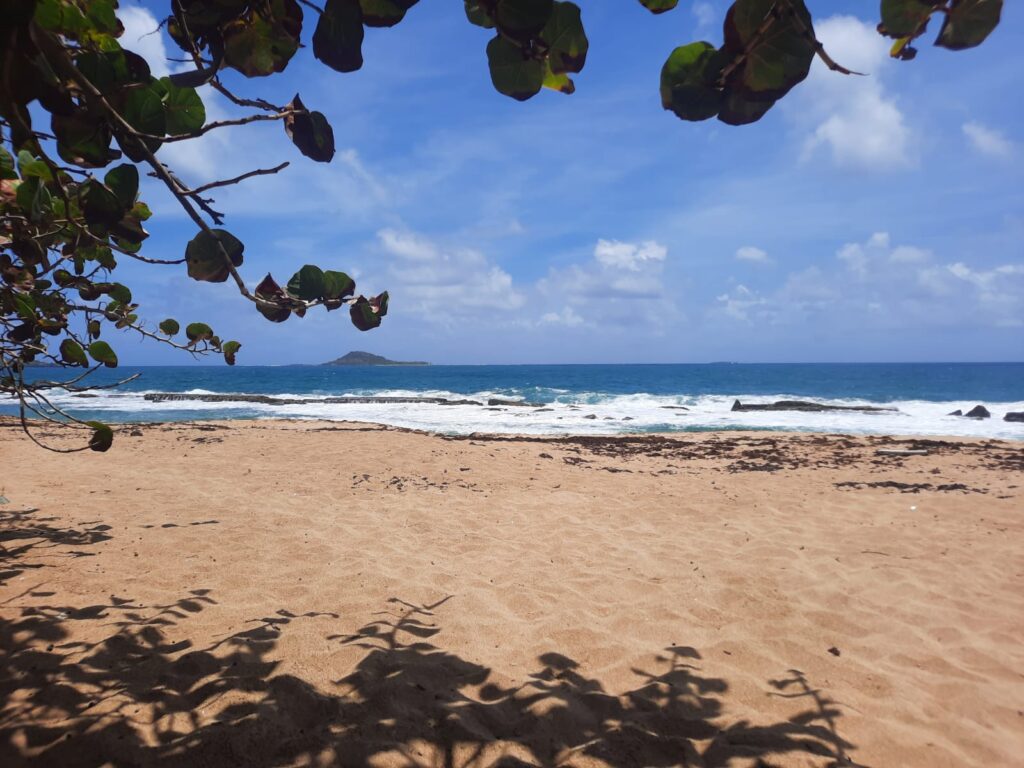
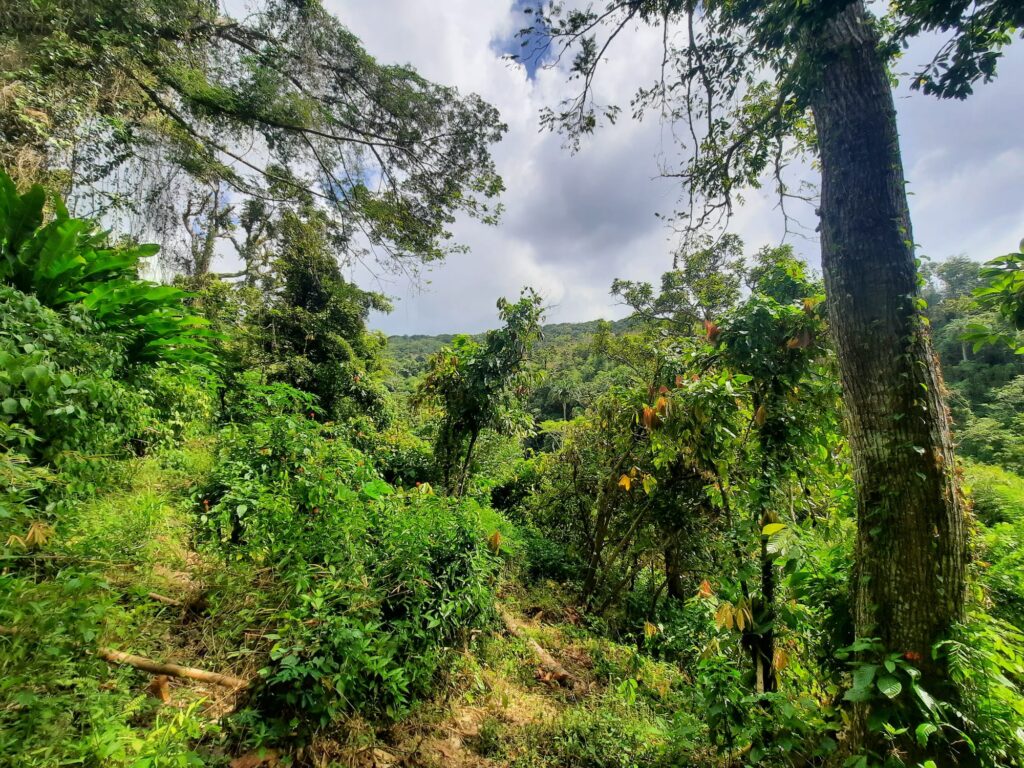
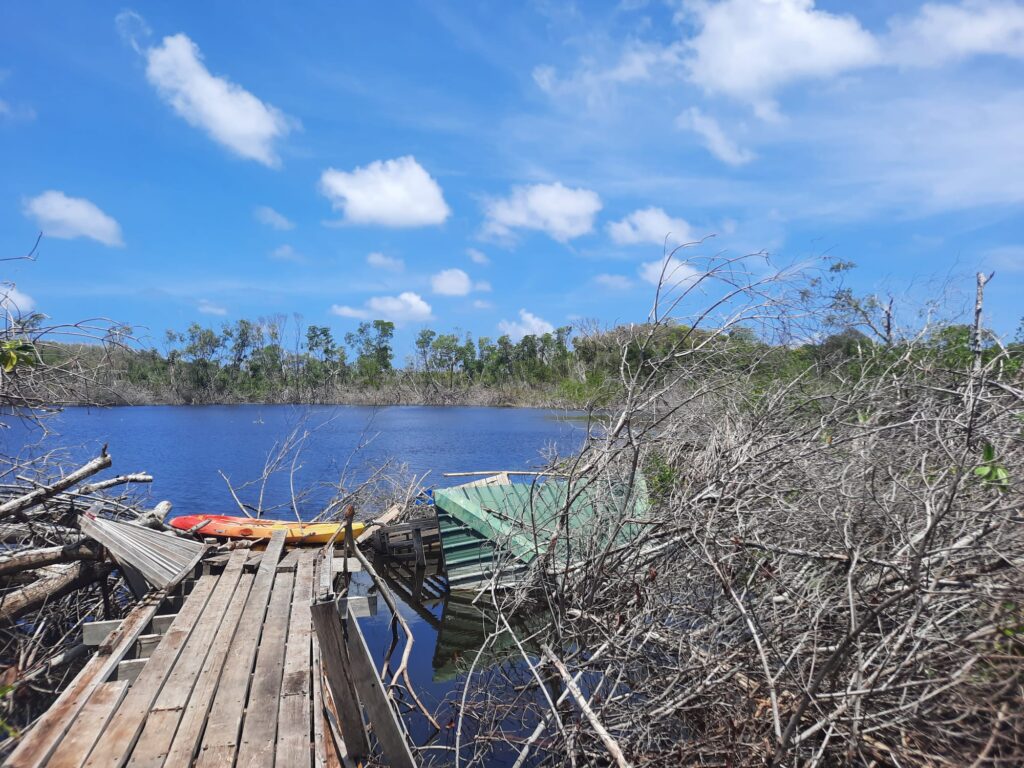
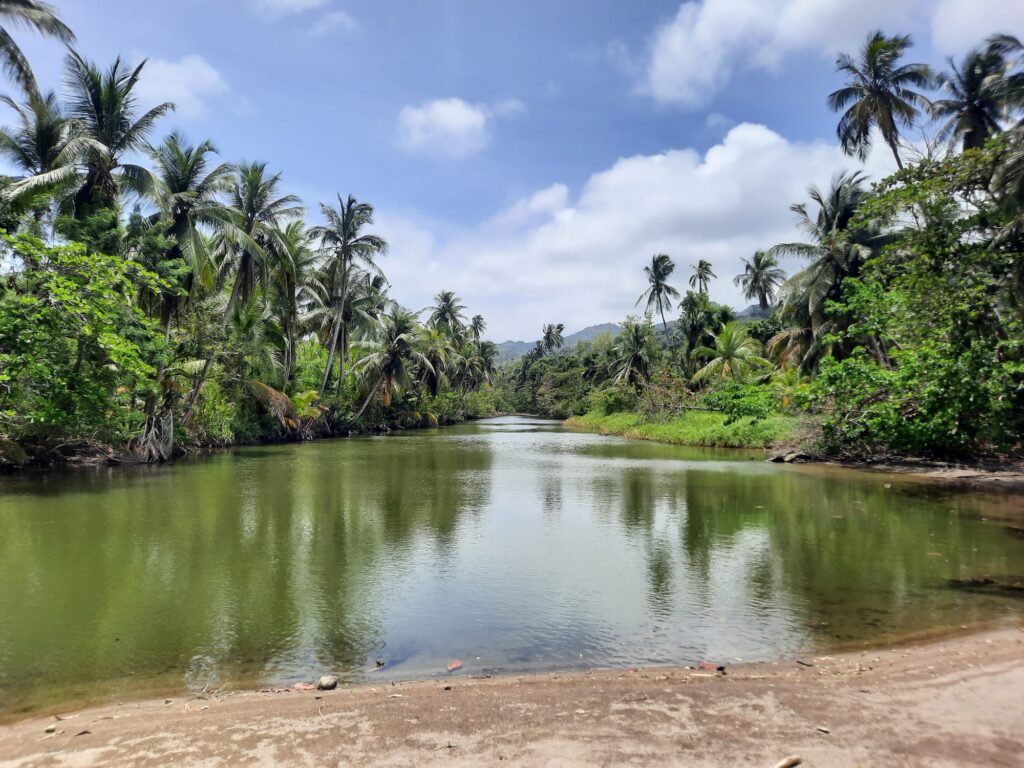
Unfortunately, natural heritage is very susceptible to hurricane damage, a worrying prospect given the Climate Emergency. When we visited Bathway Beach we continued to the internationally important and protected mangrove swamp at Levara, but were sad to see how much damage it had sustained (third image above).
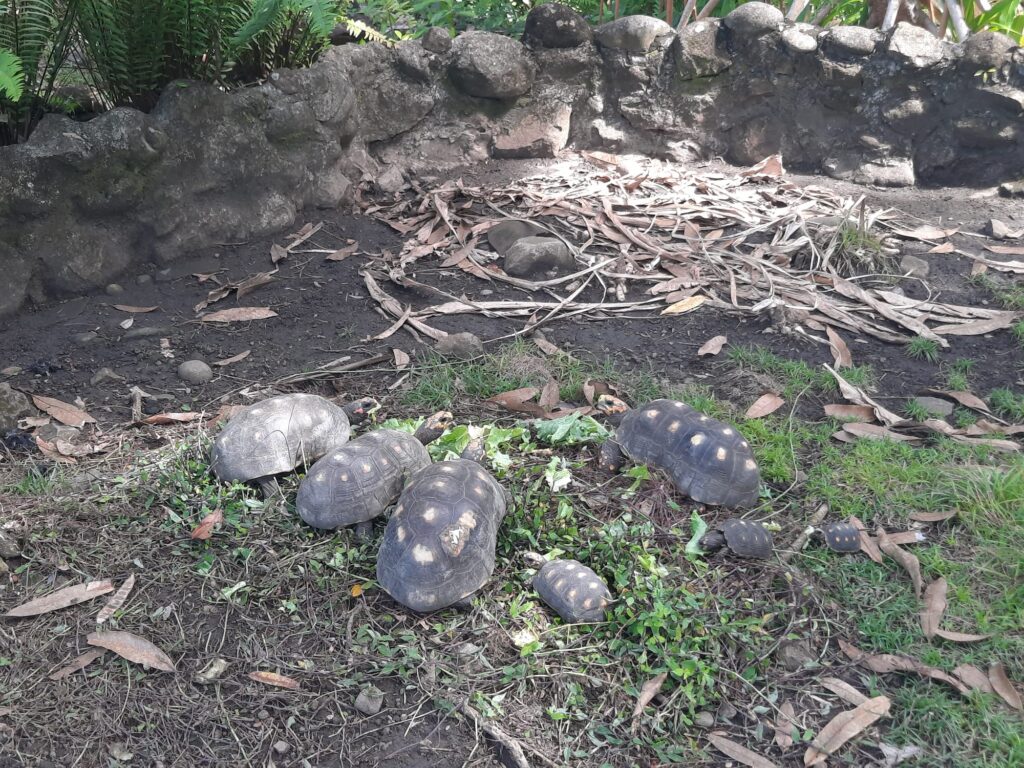
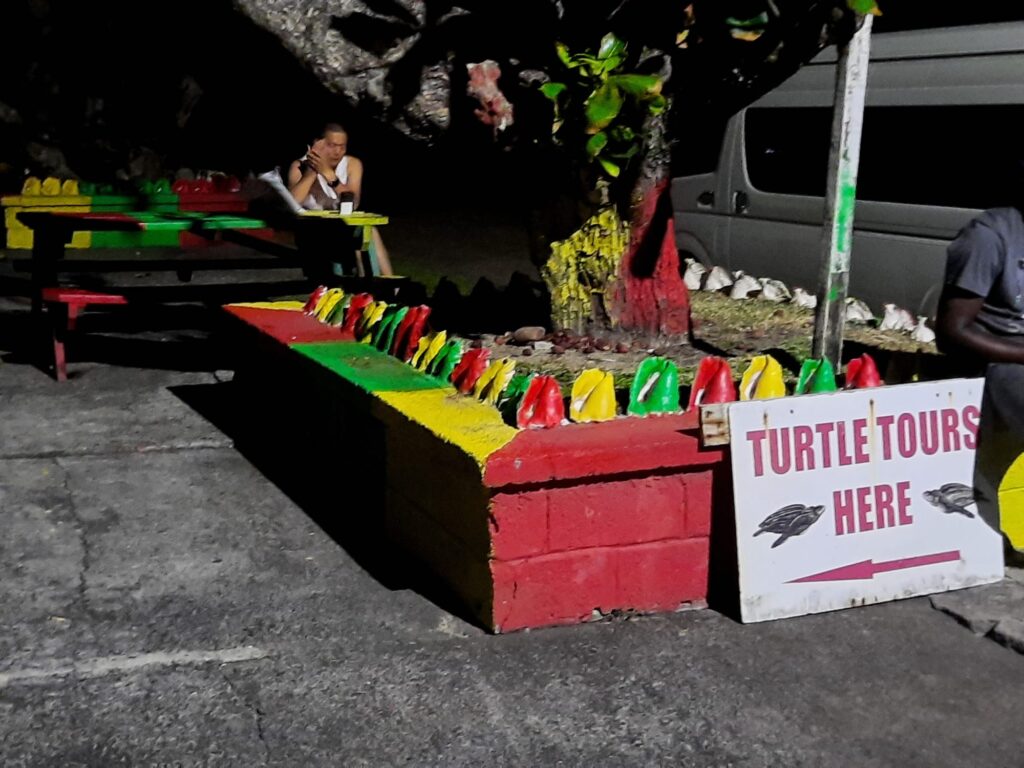
If you do enough walking and hiking, some of the fauna will undoubtedly find you. Even just on the walking trails around our hotel, we became accustomed to spotting big black millipedes. If you like your nature with fewer legs, there are also red-legged tortoises or mona monkeys to be found. The latter are an introduced species who may have arrived on a ship transporting enslaved people. Lastly there are tours to see some of the rarer wildlife. Late March/early April may not be the best time though: both our turtle-watching tour and the dolphin-spotting tour of a family we spoke to were unsuccessful. I can say the turtle tours are run to very high conservationist standards by SPECTO, however.
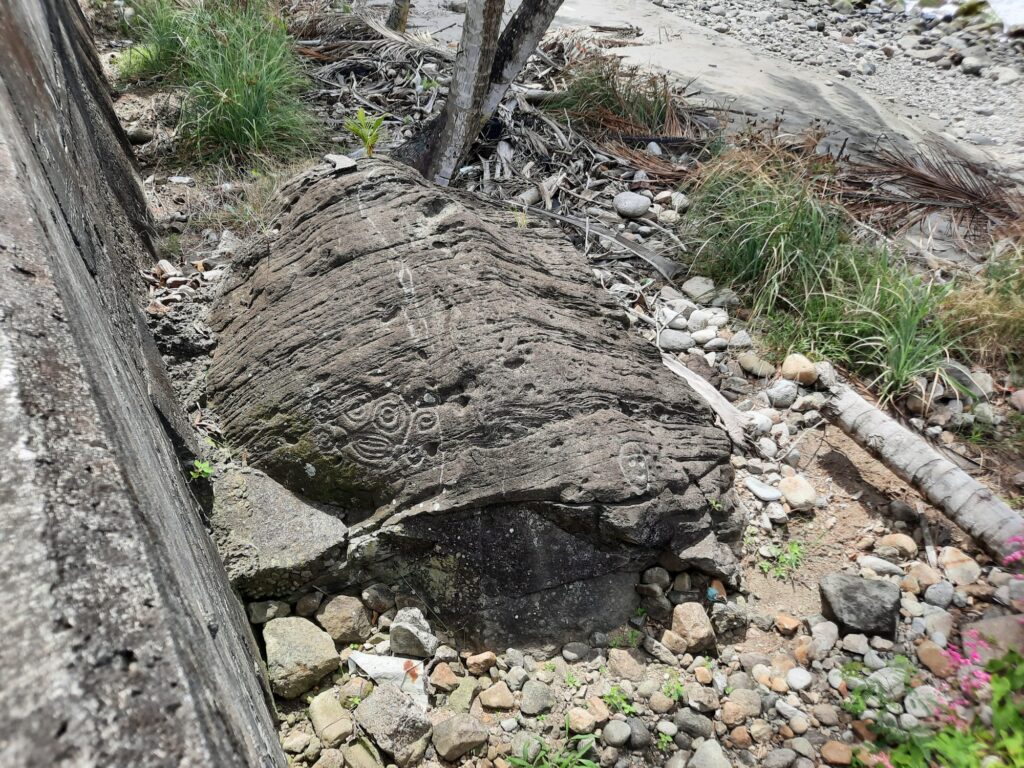
Things to See and Do: Petroglyphs
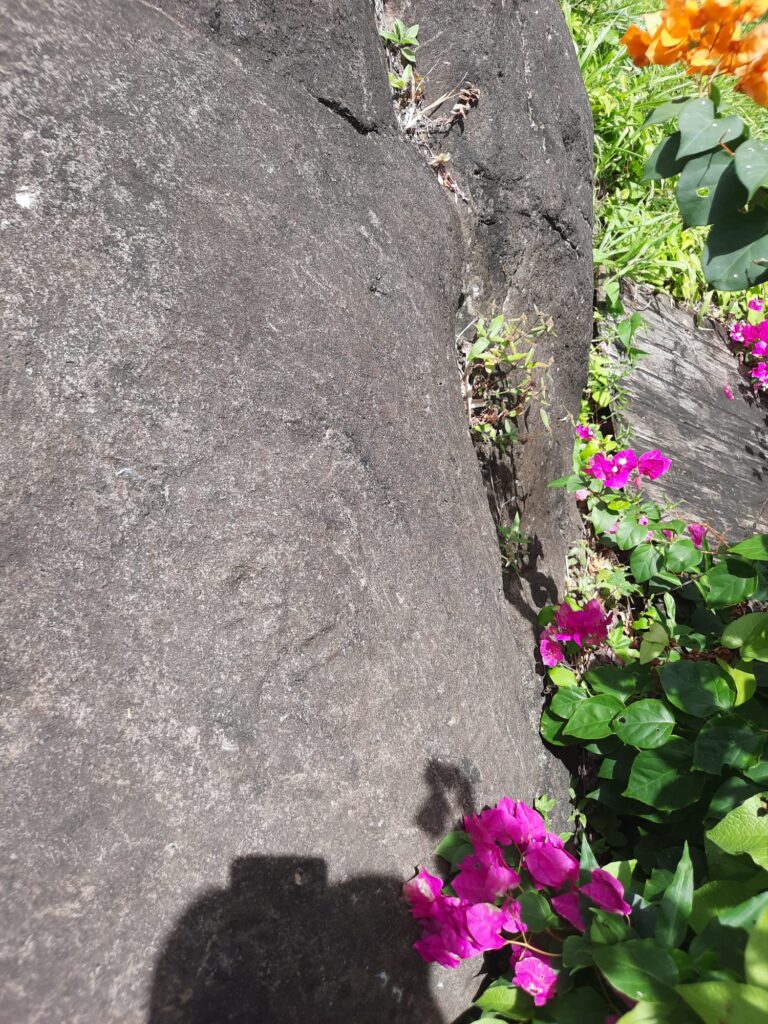
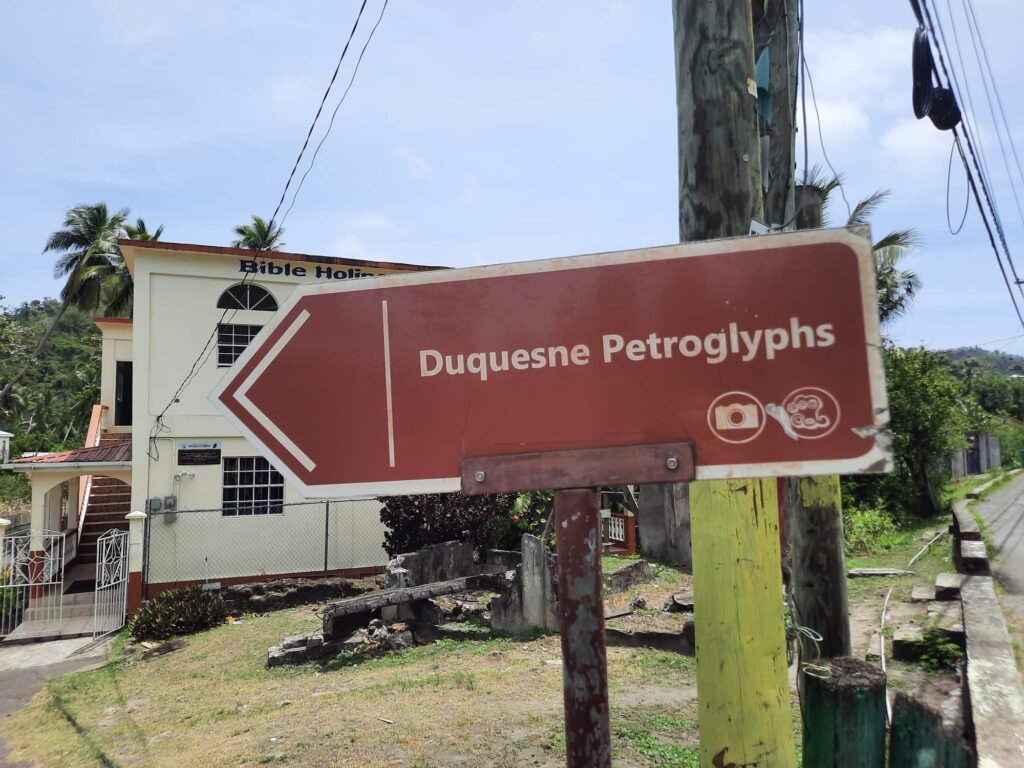
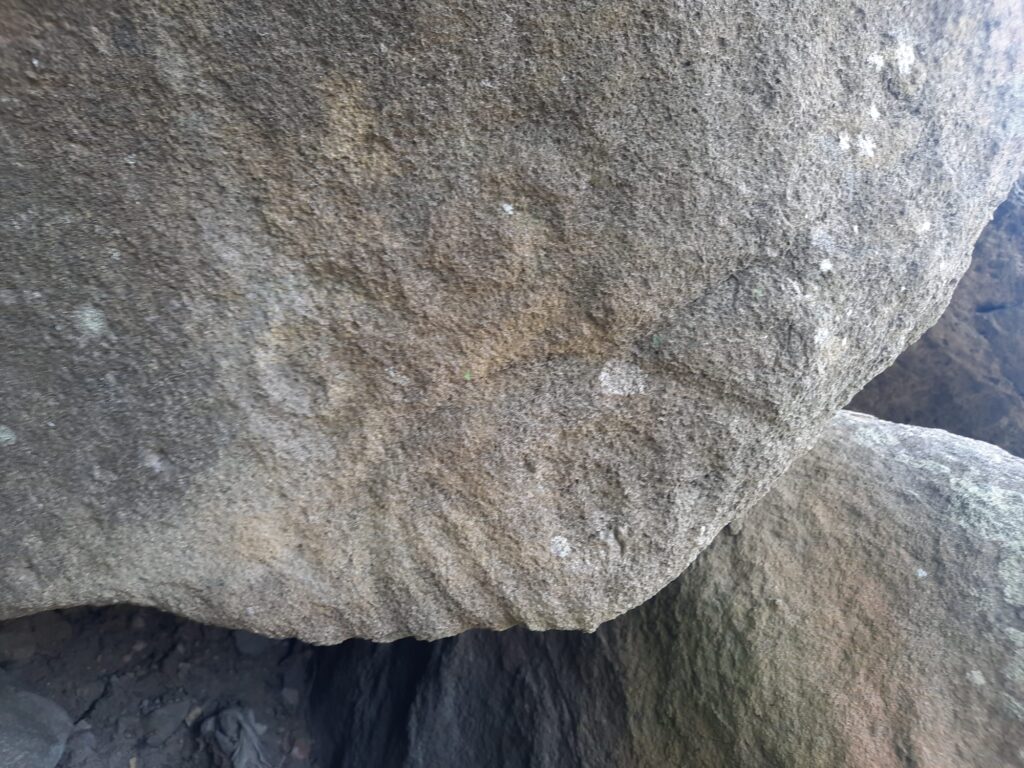
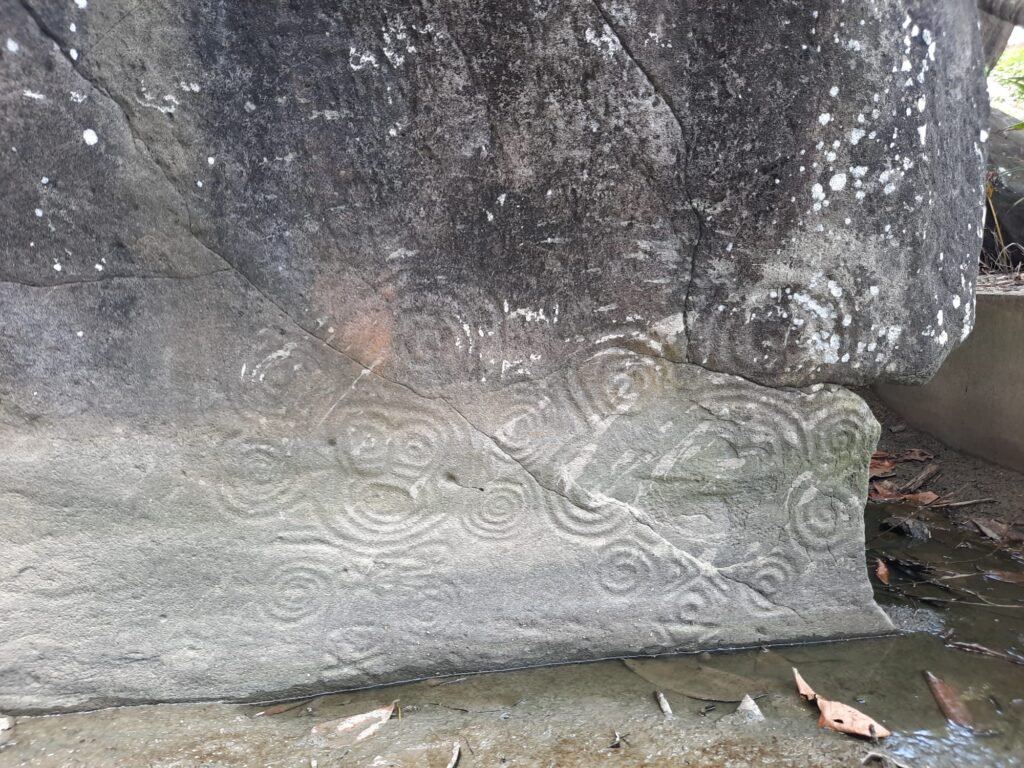
Right, here’s a test to weed out the archaeology-lovers amongst you. Can you spot the petroglyphs in all six images above? Even the single face in the second image? If so, congratulations! You’re ready to go petroglyph hunting.
I said above that I’d deliberately excluded pre-European contact history from the history section. And that’s not because I’m drawing any arbitrary distinctions between ‘history’ and ‘prehistory’. It’s because the petroglyphs of Grenada, more or less the only tangible traces of Amerindian* settlement you’ll come across, require some dedication and getting out and about. If yours is a beach holiday at a resort in Grand Anse, read no further.
If you’re still with me, hooray! I loved spotting petroglyphs in Grenada, and even dedicated a morning to it. Those listed below are all reachable by car, and all but Mount Rich by Grenada’s bus network. They are the ones I saw during my trip: we used this guide which has good images of the petroglyphs themselves but sometimes insufficient instructions on how to find them, so I’ll attempt to bridge the gap.
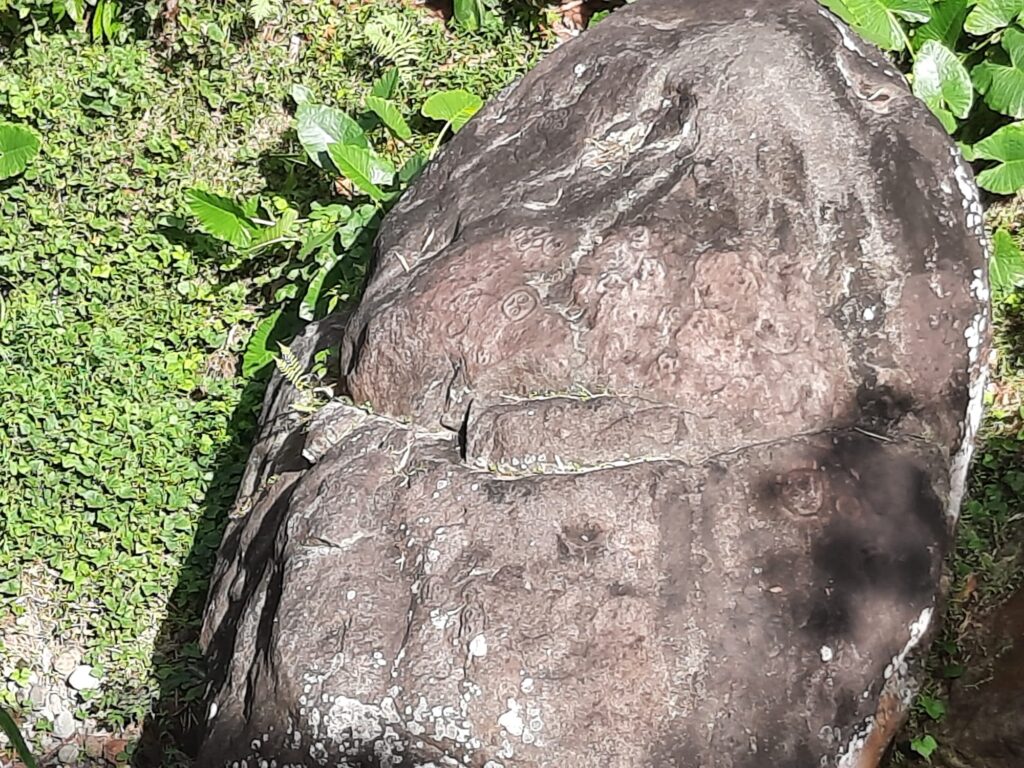
- Mount Rich. This is the most significant single site, consisting of a large boulder with multiple petroglyphs. You might see mention of a visitor centre in guide books/websites but that has been and gone. Pull off the road where Google Maps tells you too (not far from Belmont Estate) and look down into the gulley. Top image above.
- Dusquesne Bay. Probably my pick of the sites. Go down to the beach and turn left, the petroglyphs are at the end. The site didn’t look its best when we visited (damage from Hurricane Beryl) but a local fisherman came to make sure we found them all. He even splashed water on them for us to heighten the contrast and allow us to see them better. What a gent. Images 3-5 above.
- Victoria. We spent ages trying to find this one. From Victoria, walk south out of town. Immediately after the sea wall, look down to the beach and you should see a rock with two faces. It’s possible to climb down for a closer look. Final image above.
- Union. This is for real archaeology lovers only (and the long-suffering Urban Geographer). In the town of Union, you will see a sign for Amerindian Petroglyph on the main road. The single petroglyph (image 2 above) is on the boulder immediately next to that sign. It just took us a long time to make it out, and we almost gave up. But I’m glad we didn’t – we met some tiny frogs while we looked.
Just a final note: the other trace today of Grenada’s pre-European contact population is in placenames, the Dusquesne of Dusquesne Bay, and the Antoine of River Antoine among others. These names bear the evidence of European contact, but they are of real, historic Kalinago individuals.
*It’s a controversial term I’m slightly uncomfortable using, but it’s the term widely in use in Grenada and what you’ll see on some petroglyph signage.
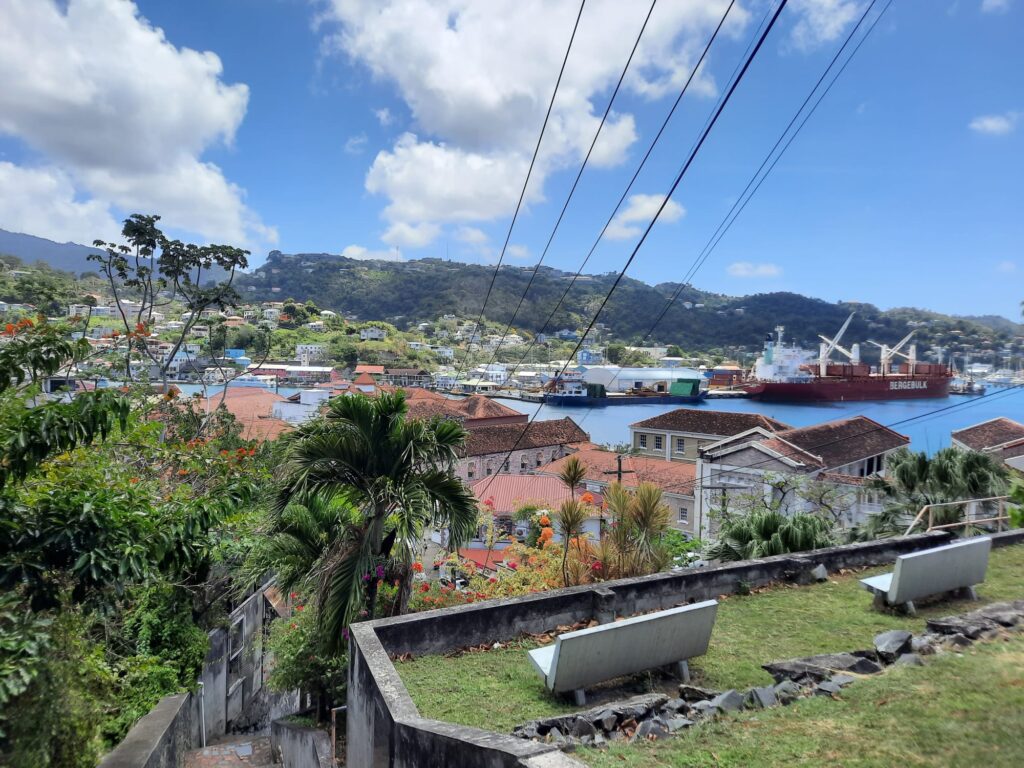
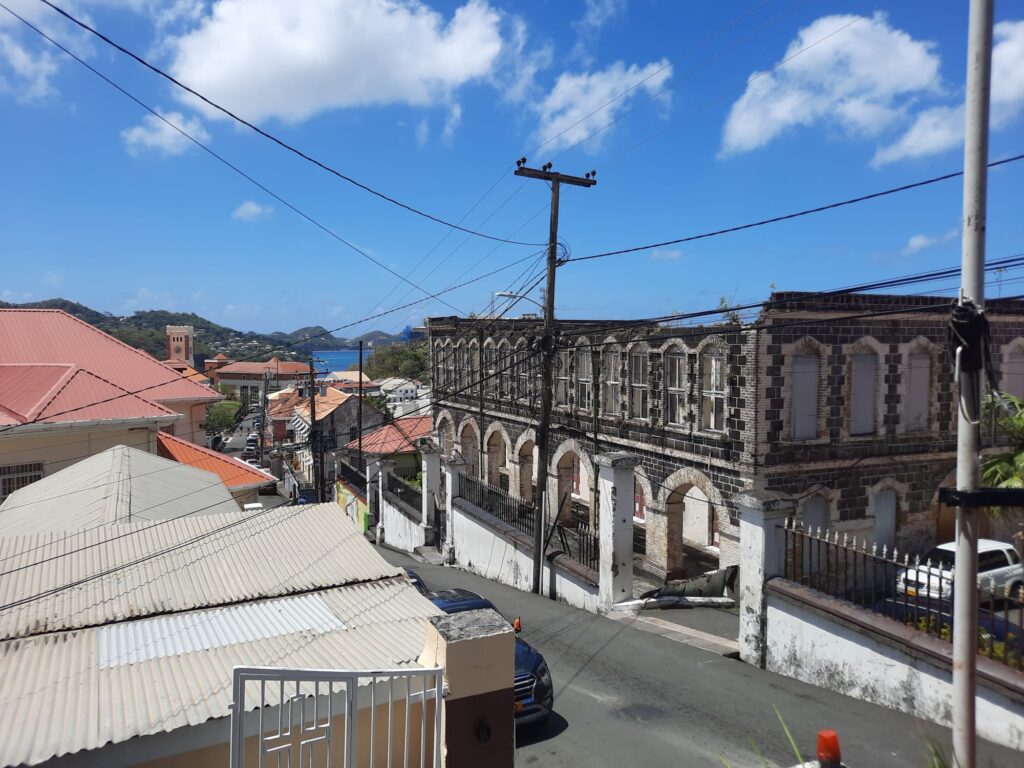
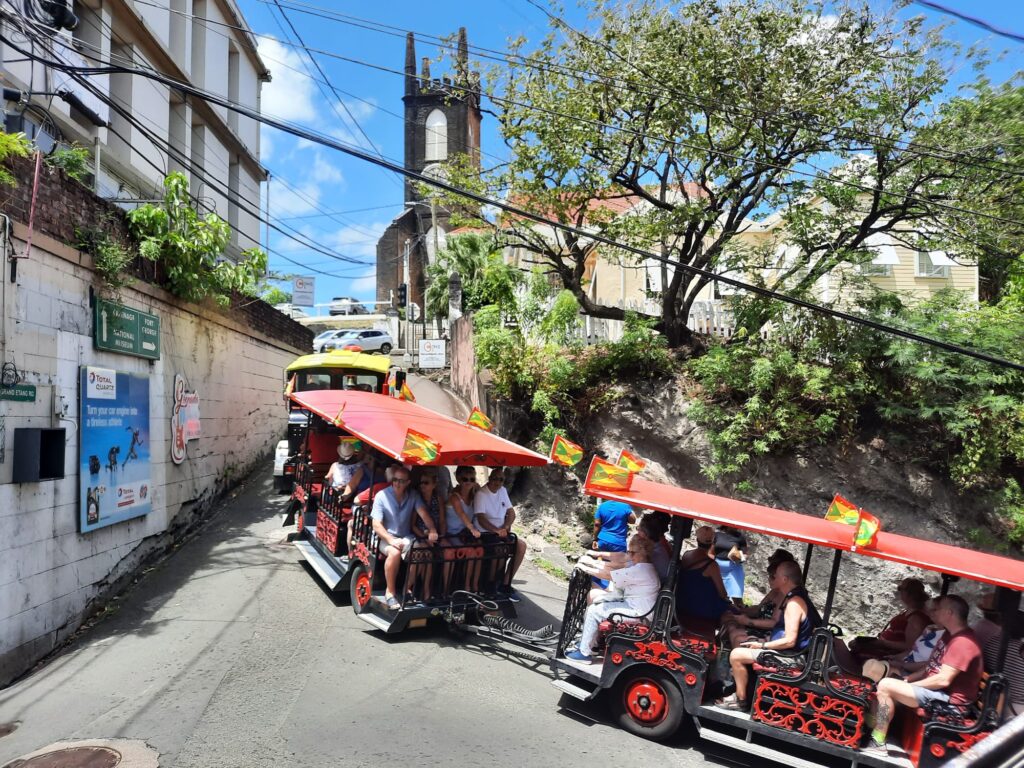
A Day in St George’s
The settlement at St George’s dates back to the French occupation of the island around 1650. In 1666, they built a wooden fort overlooking the natural harbour, named Fort Royale. They replaced this with a stone fort by 1710. This location was slightly more salubrious than the malarial spot at the edge of the harbour they had named Saint Louis, so the inhabitants moved to a new town called Ville de Fort Royal. After the Treaty of Paris in 1763 the English renamed the town and fort St George’s and Fort George, respectively.
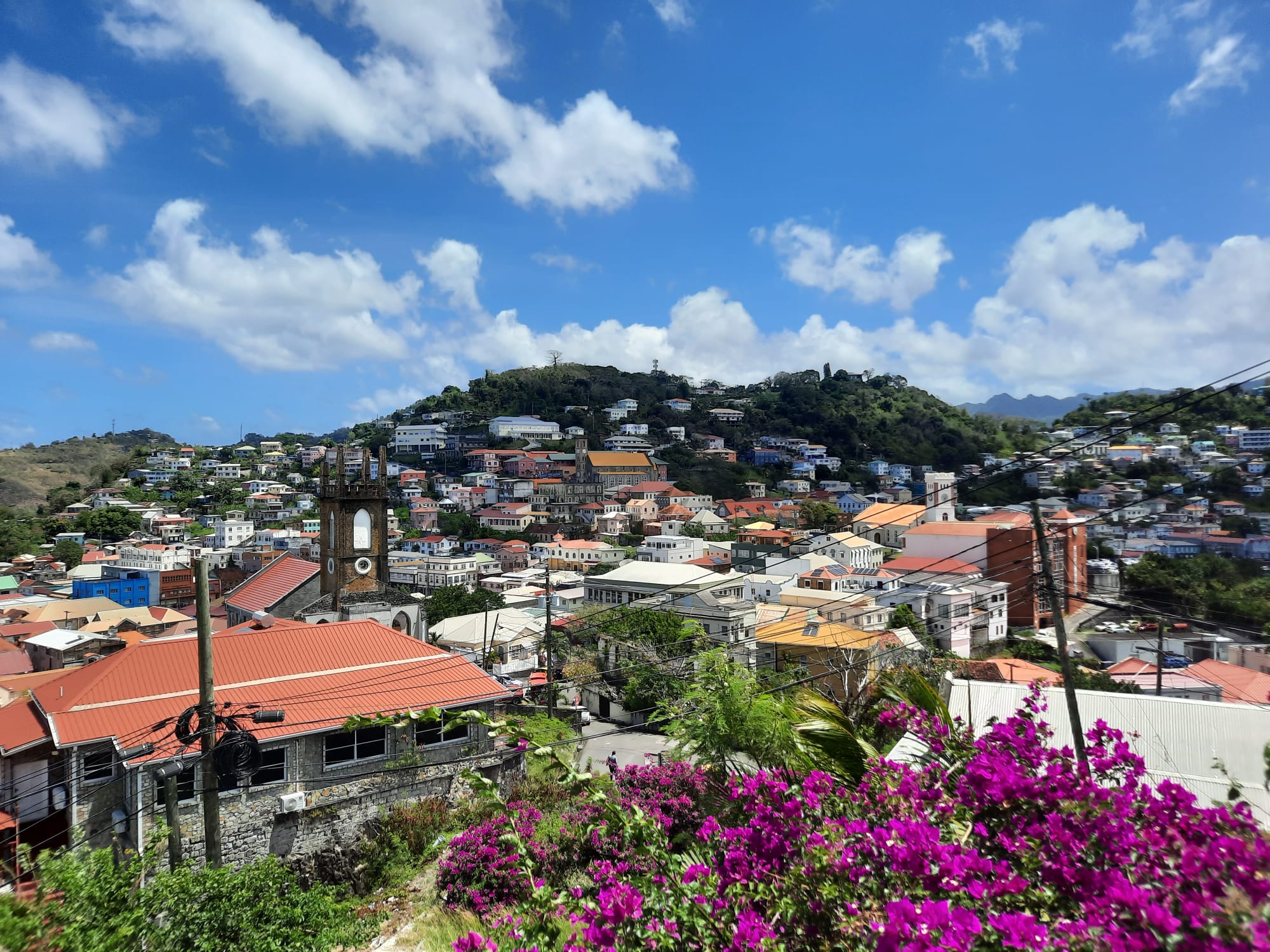
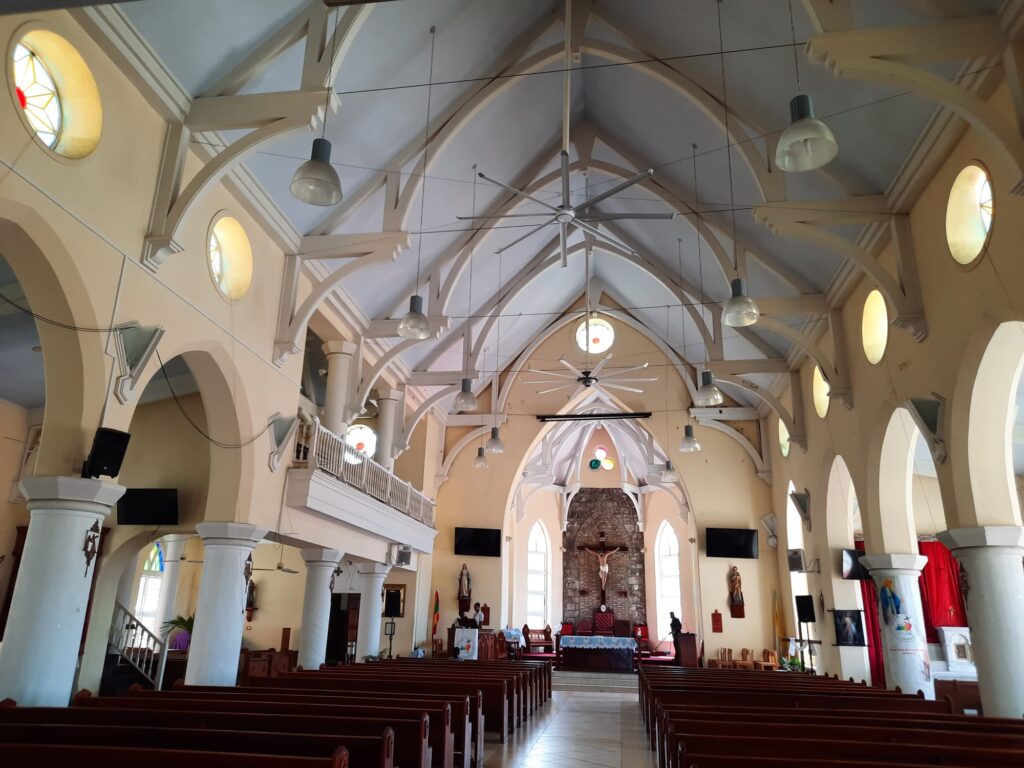
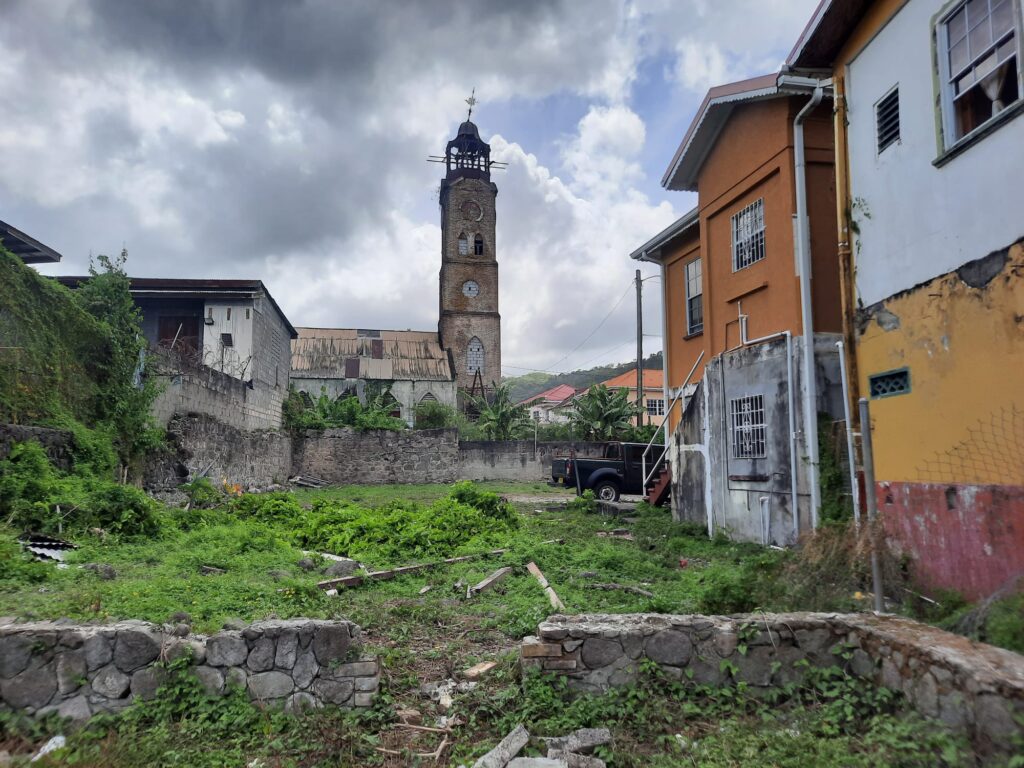
Today St George’s is a pretty town, with hills rising steeply above the Carenage which winds around the harbour. Like much of the island, it’s been subject to hurricane damage over the years. The churches mostly have roofs back on after Hurricane Ivan in 2004, which shows what a long process rebuilding can be. Tourists will mostly arrive at the bus station or the cruise ship terminal, which are next to each other. From there you can take a walk uphill to the Cathedral of the Immaculate Conception, or make your way to Fort George. Both have good views of the town, but note Fort George was closed for renovations at the time of writing (Spring 2025).
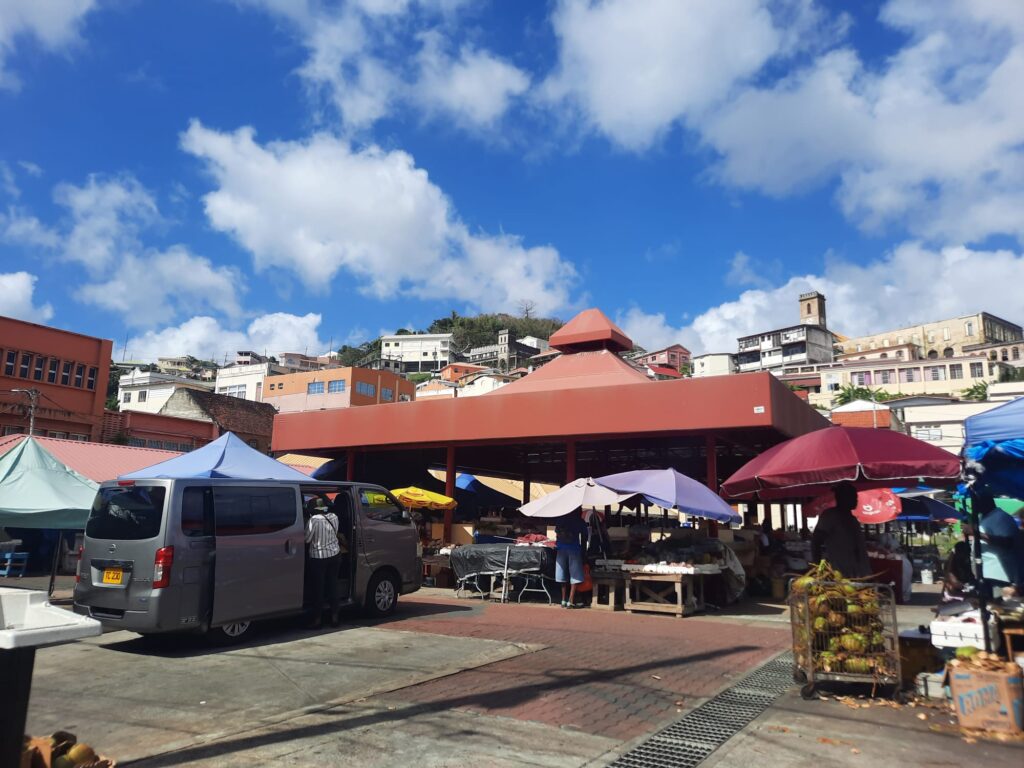
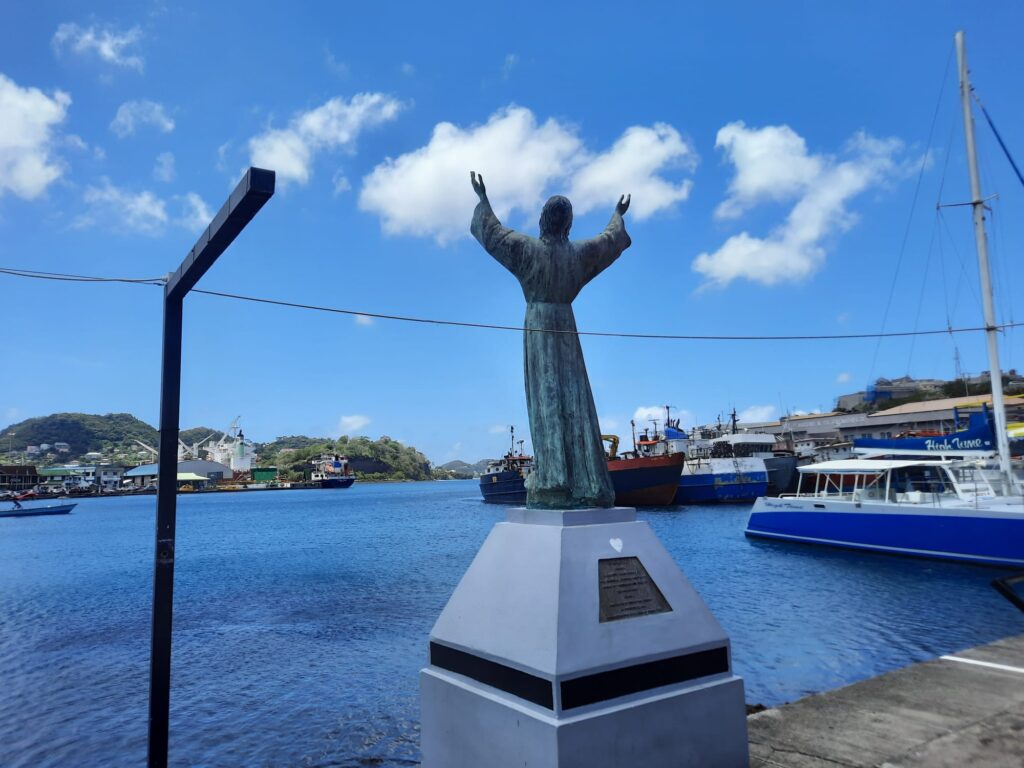
We very much enjoyed our tour on foot. But if all those hills aren’t for you, there’s also the option of a tourist train. We spotted historic buildings, passed the busy market, and stopped in at the Grenada National Museum and House of Chocolate next door. Just up the street is Art Fabrik which I recommend for something handmade to take home. Back at the Carenage, take a look at Christ of the Deep, a replica of a sculpture by Guido Galletti in Genoa. This version is in recognition of the heroic efforts of the Grenadian people when the cruise ship Bianca C sunk in 1961.
And after that, you’re more or less done! At a push, you can “do” St George’s in a half day, and spend the other half at nearby Grand Anse beach if you fancy. We took our time, had a leisurely lunch at BB’s Crabback Restaurant (try the curry goat) and took a bus back to our hotel mid-afternoon. Even with frequent cruise ships, St George’s feels like a lived-in town rather than being overrun by tourists.
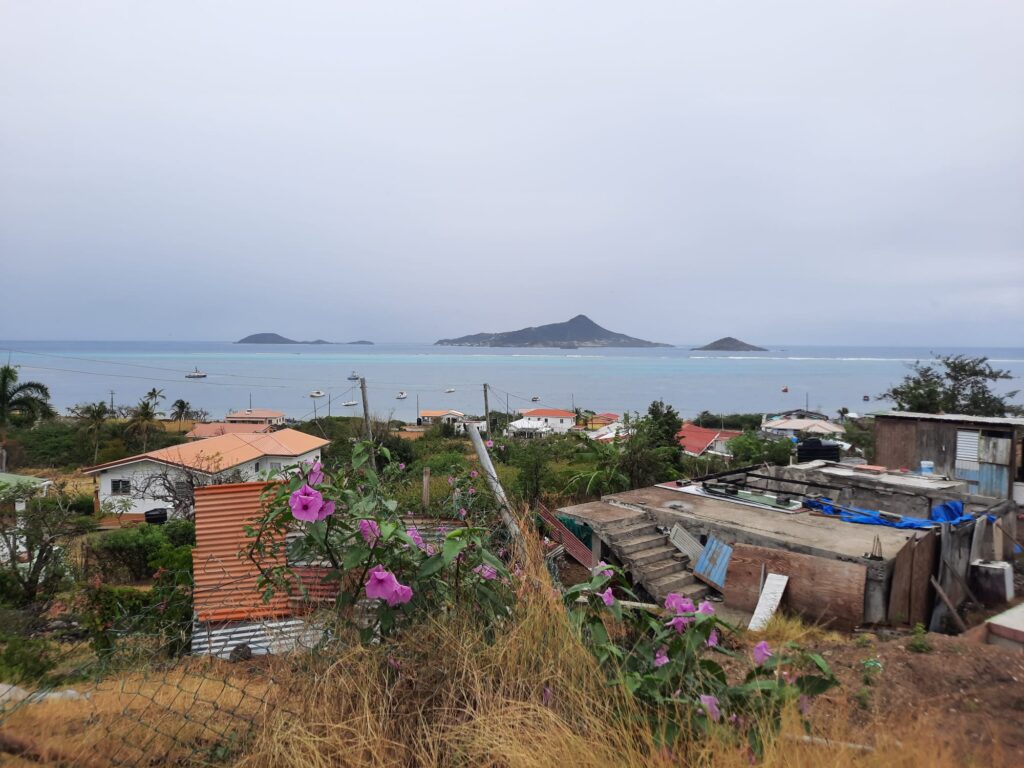
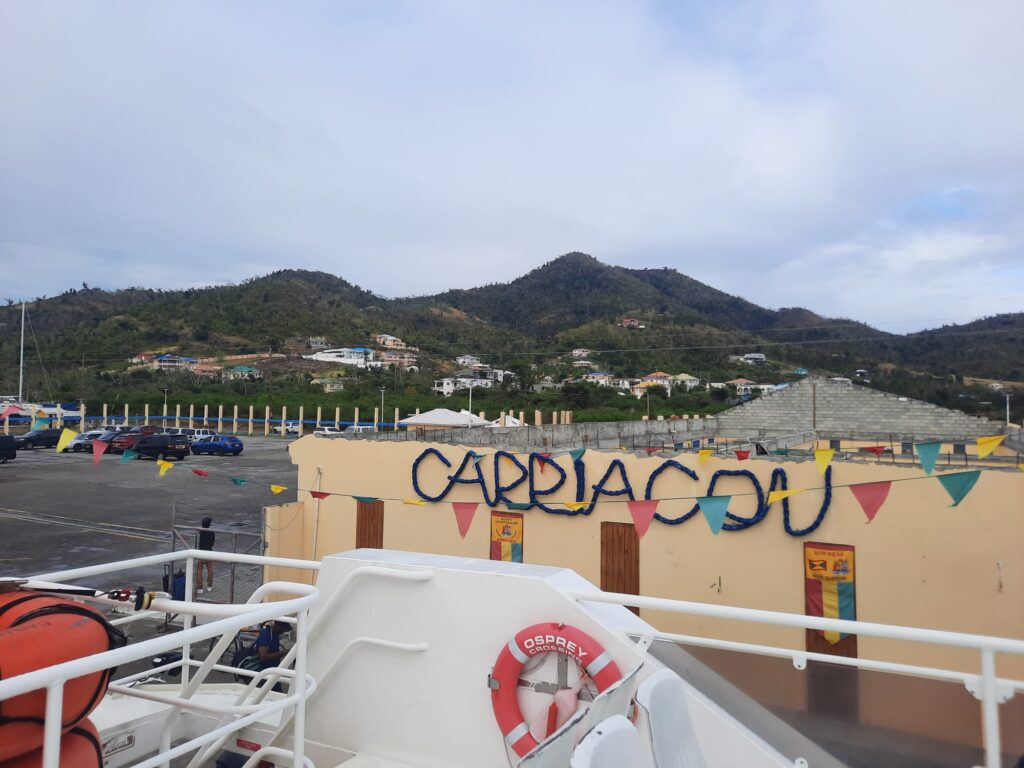
A Daytrip to Carriacou
After the success of our daytrip to Barbuda when we visited Antigua, we were in the market for a similar daytrip to Carriacou during our time in Grenada. In the end this trip was more expensive for fewer activities, but I’m still glad we went.
Carriacou is the largest of the Grenadines chain of islands. But rather than being part of St Vincent and the Grenadines, it’s Grenada’s second largest island. Petite Martinique makes up the tri-island state. The name comes from the Kalinago Kayryouacou. It’s home to 6,000 people, most living in the capital, Hillsborough. Perhaps our first indication there would not be an overwhelming itinerary to get through.
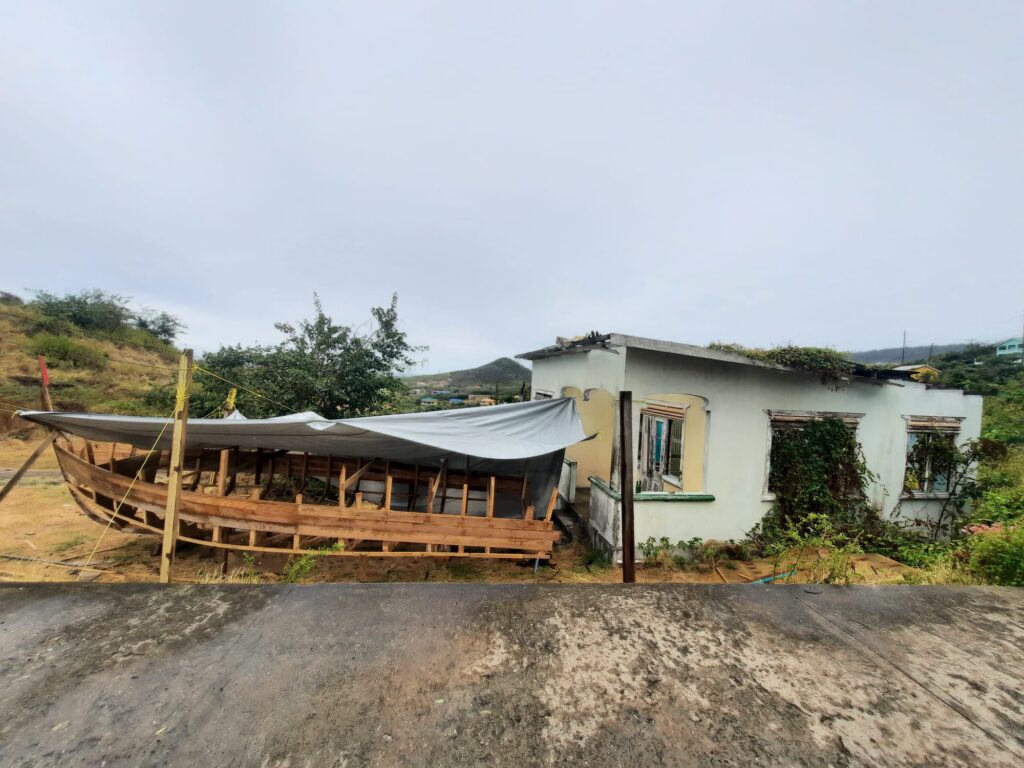
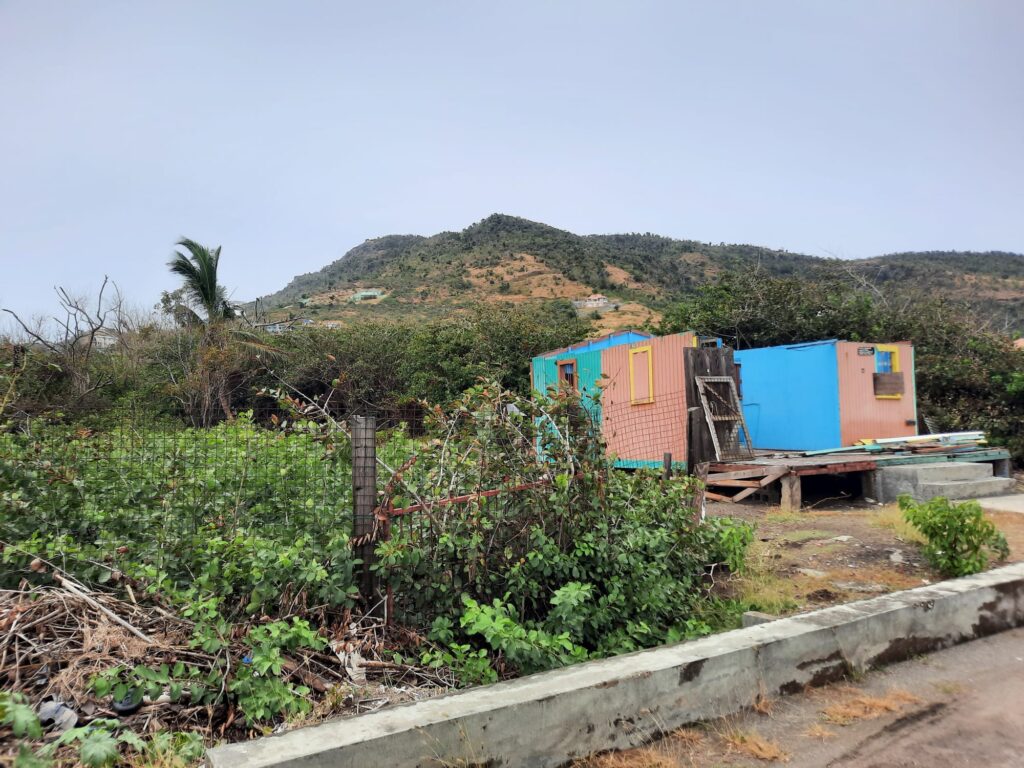
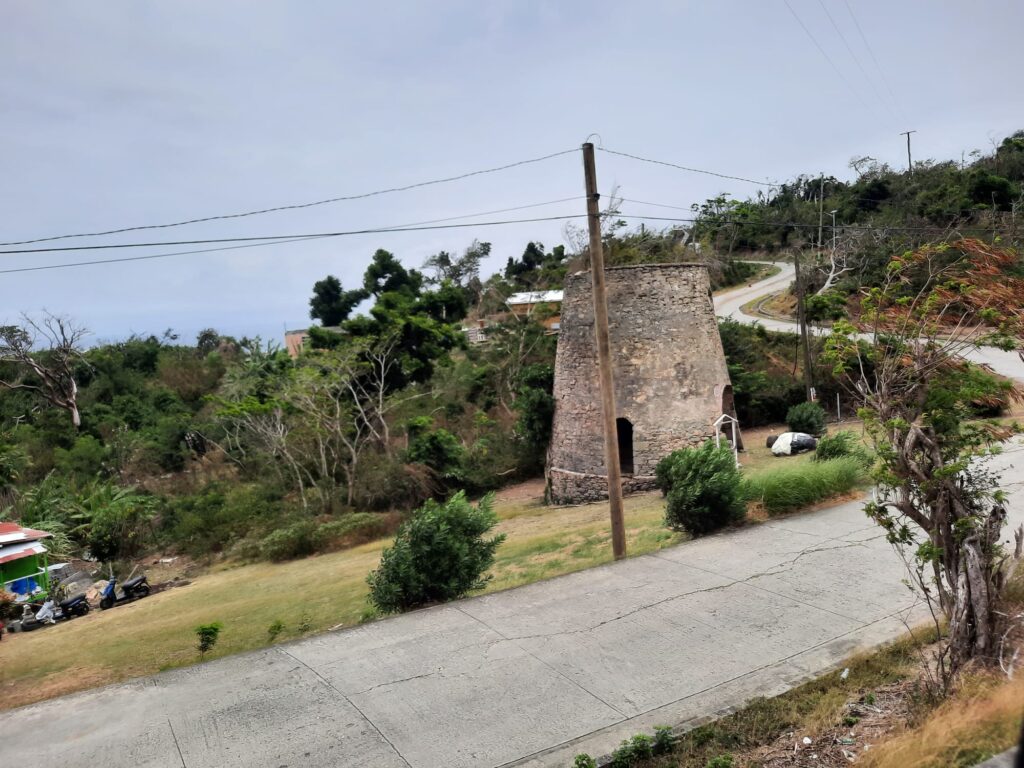
Our tour included a brief morning flight to Hillsborough airport, where the very welcoming Junie of Junie’s Taxis and Tours met us. Junie showed us around his island, of which he is immensely proud. I do like the charm of a tour where the sights and key facts are on a local scale – I came away knowing the schedule at the local daycare, among other tidbits. But in terms of things I would write home about, it was the ship-building village of Windward (originally settled by Scottish immigrants), the views from the hospital at the top of the hill, and Paradise Beach. There would have been Carriacou Museum, too, but it’s still closed after Hurricane Beryl. In fact, a lot of what Junie showed us was the aftermath of this Category 4 hurricane.
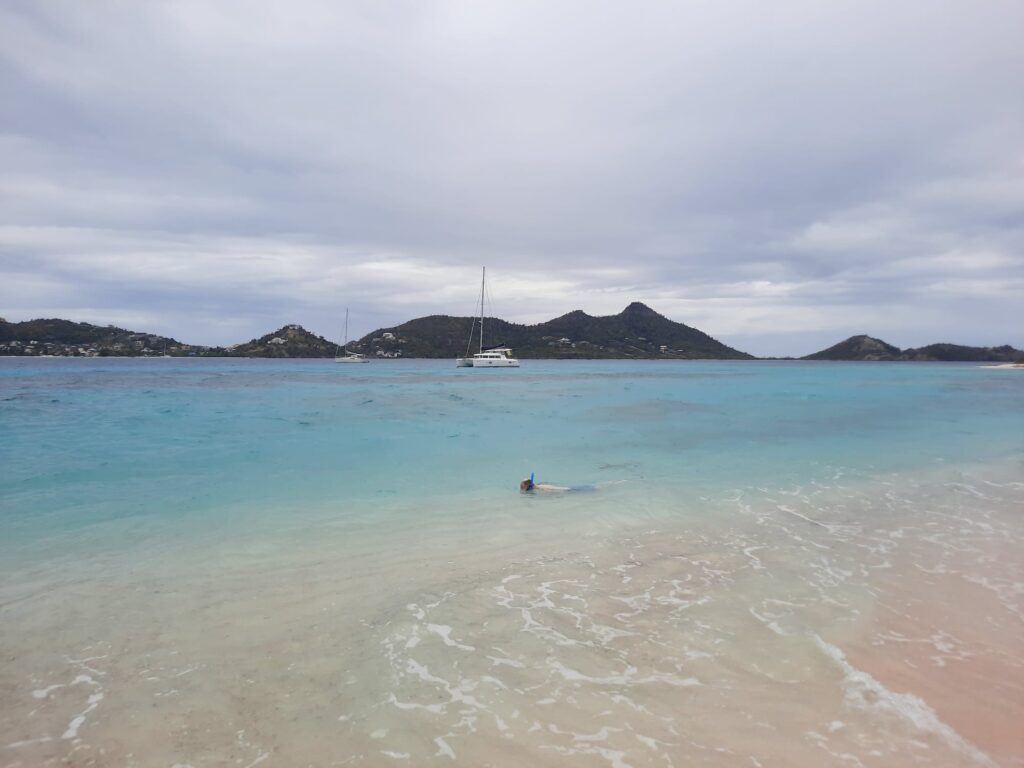
Once we’d seen the sights, we had lunch at Paradise Beach Club (a superb spot), followed by an optional water taxi over to Sandy Island. I think Sandy Island is also not what it once was, so wouldn’t miss too much by staying at the Beach Club for longer. Sated by snorkelling and cocktails, we got the ferry back to Grenada along with the rowdy Friday evening crowd.
If you time it right, it sounds like it would definitely be worth heading to Carriacou for Carnival or their Maroon & String Band Music Festival. The Carriacou version of Carnival even includes competitive recitations of Shakespeare which reportedly sometimes end in brawls. A unique cultural experience, one might say!
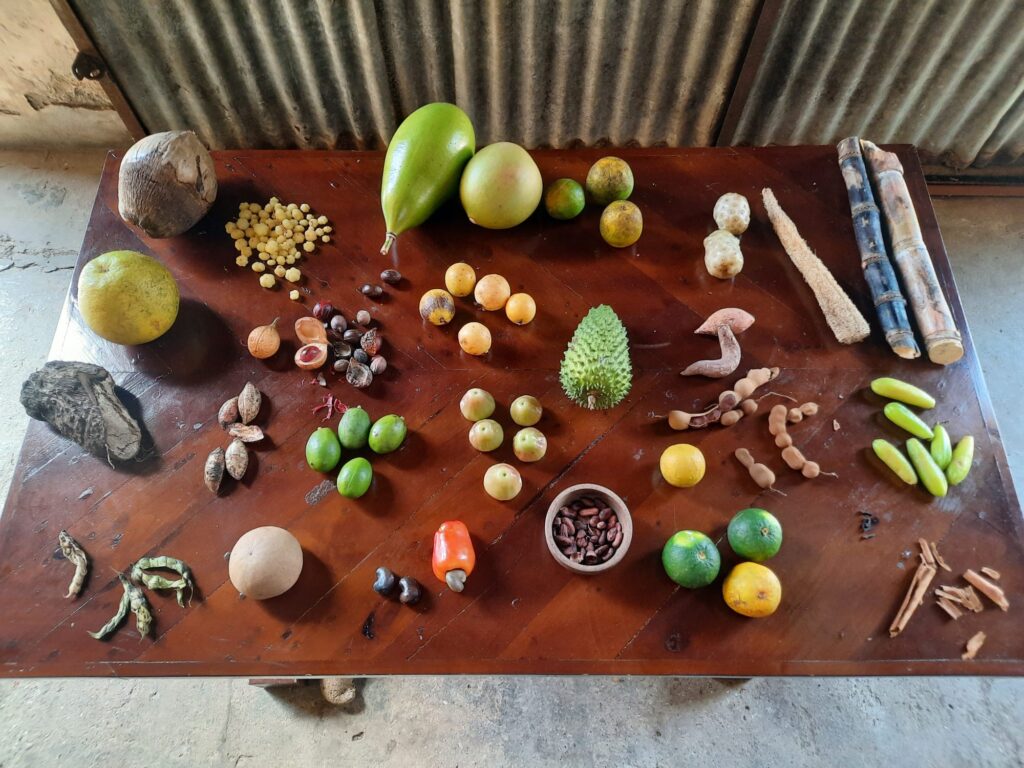
Food & Drink
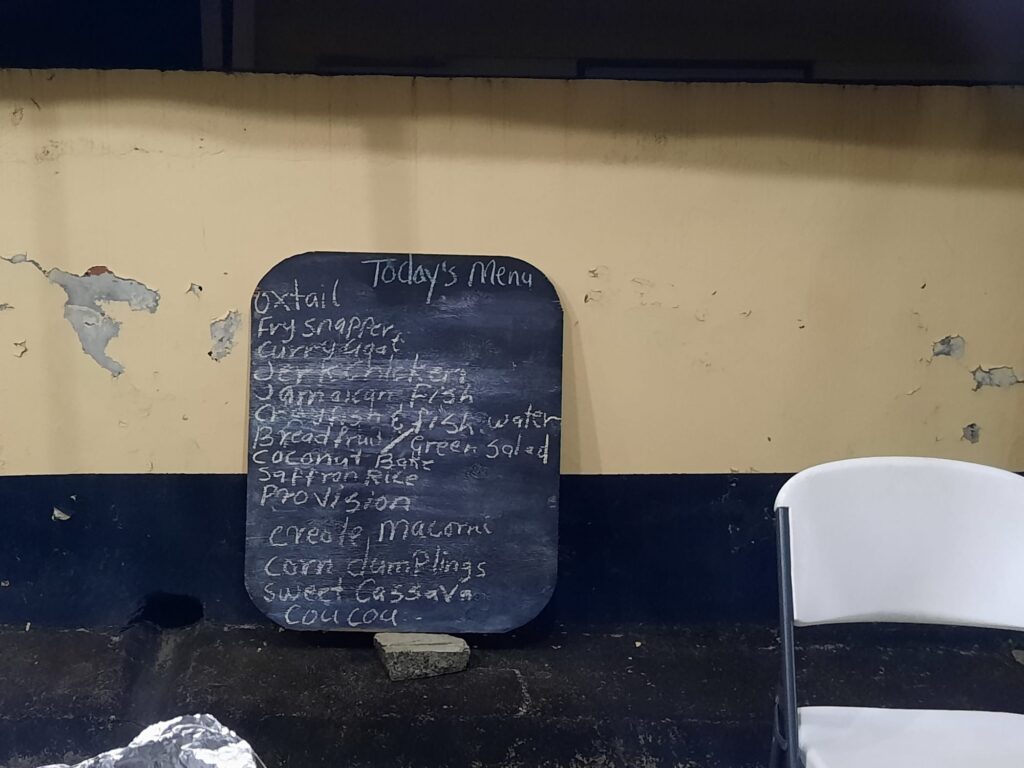
When I was writing about my visit to Antigua, I bemoaned the lack of truly local cuisine. There’s nothing like being able to try out new dishes you’ve read about in preparation for your trip. We had no trouble doing just that in Grenada.
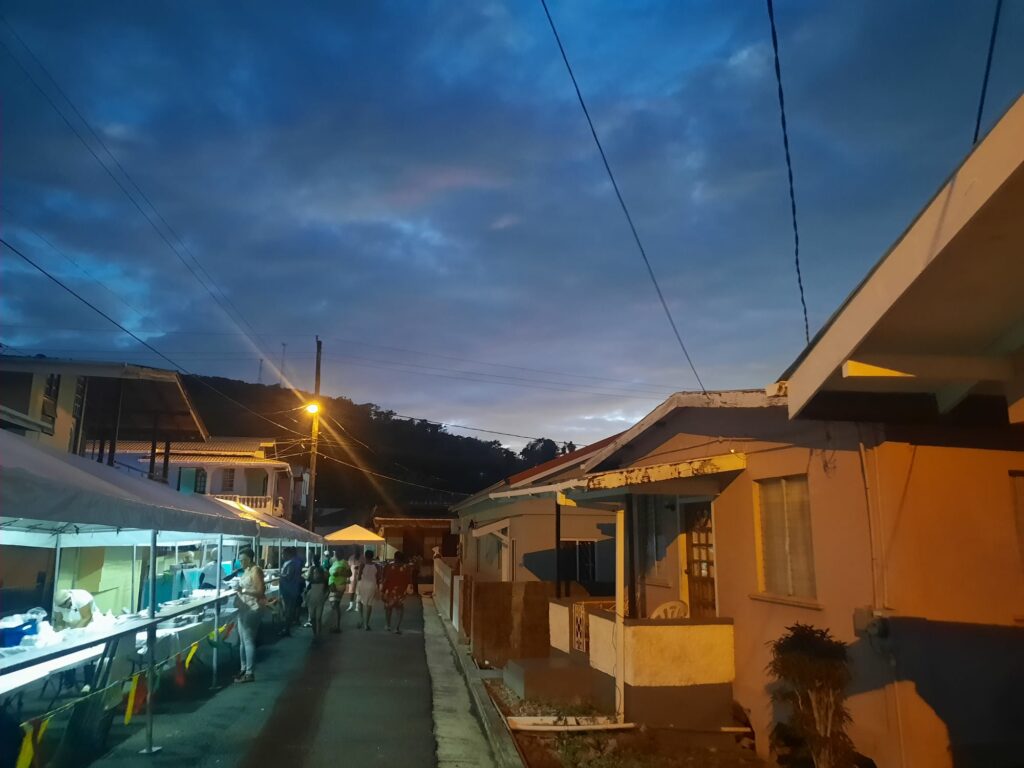
Partly this culinary experimentation is facilitated by two towns which hold regular food nights for locals and visitors alike. One is Gouyave and their Fish Fridays. Apparently there was an effort at rebranding this to Street Food Fridays, but most locals still refer to Fish Fridays and fresh seafood would be the main draw for most hungry visitors.
A bit further north in Victoria, there’s a Food Fest the last Saturday of every month. We were within walking distance of Victoria and the dates worked in our favour, so we attended. The number of stalls wasn’t huge, but each had a variety of dishes. We had local crayfish, deep-fried breadfruit, fish, macaroni pie and more. But we were intrigued by something being ladeled out of a huge pot, which seemed extremely popular. In the end we had to try it. And tania log, a porridge made from grated root vegetables flavoured with condensed milk and spices, was worth the hype. Delicious!*
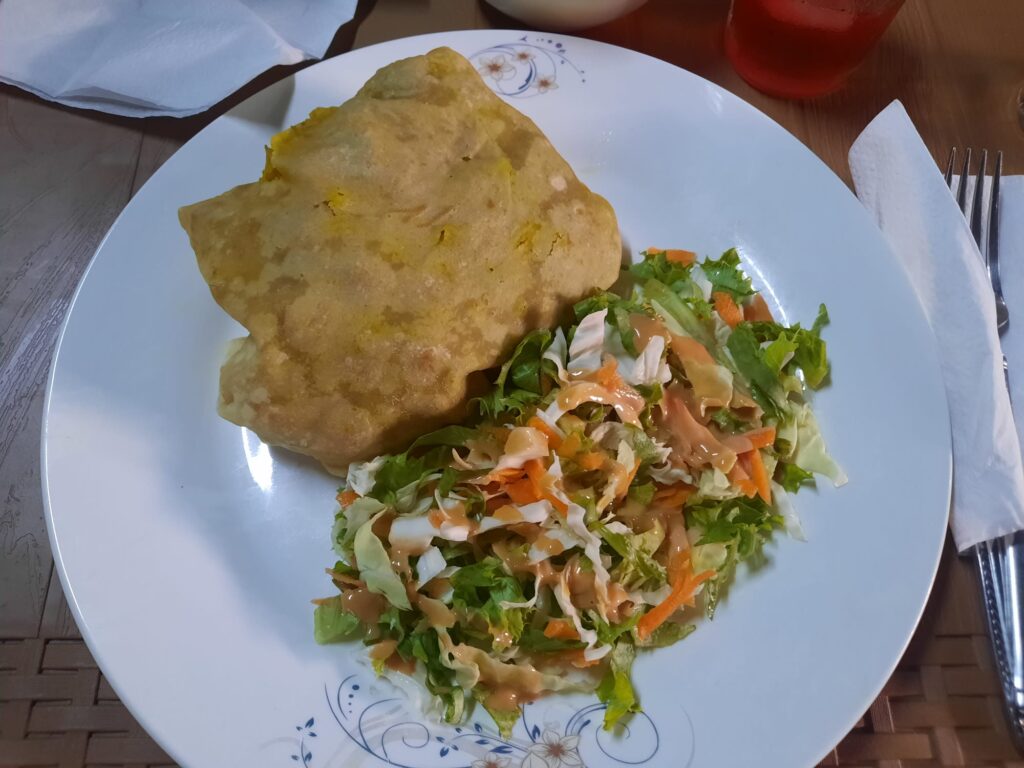
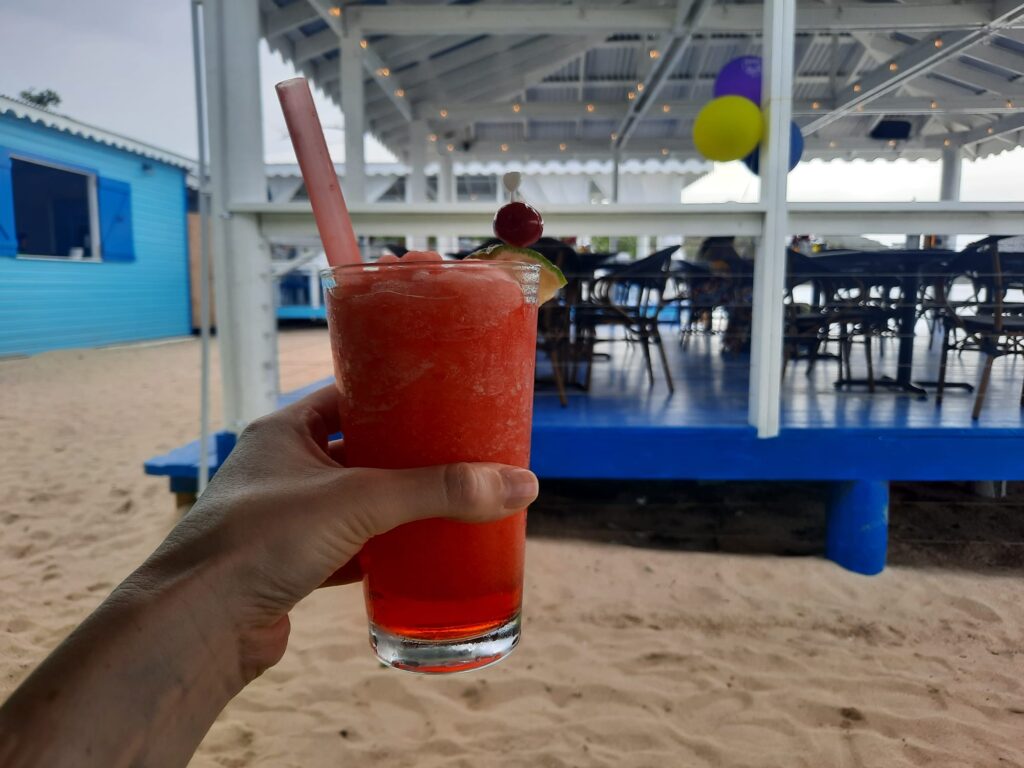
If you’re not able to get to either of these evenings, never fear. There’s good food to be had all over Grenada. Our hotel, Mount Edgecombe, has a restaurant with a small menu focusing on estate-to-plate hyper-local ingredients. As does Belmont Estate. I’ve already mentioned BB’s Crabback Restaurant in St George’s. Or you can try out foods and drinks common across the Caribbean, like Trinidadian roti (always tasty) or rum punch. Sometimes familiar menu items will come with a Grenadian twist: a good grating of fresh, local nutmeg. Try it on a piña colada some time!
*Despite having the precise consistency of phlegm. Just warning you: I would nonetheless eat it again in a heartbeat!
A Few Final Practicalities
That sadly brings me to the end of my culture lovers’ guide to Grenada. I just want to share a few final practical tips before I leave you. These are based on my experience: please do your research as well before you visit. But I hope these will be useful and will set you up for a successful, relaxing, and culturally fulfilling vacation!
- Do bring a decent supply of cash, either East Caribbean Dollars or USD. There’s no ATM at the airport, and sometimes the only ATM in a town will be out of order. You can use either currency everywhere.
- Do try out Grenada’s local bus network. It consists of privately-owned vans, which go at breakneck speeds around winding roads. Prices are cheap: just signal the driver for a pick up, and knock on the window when you want the bus to stop.
- Do bring your manners with you. Grenada is a friendly place, and a ‘good morning’ or similar greeting is a common courtesy to most people you meet or even pass in the street.
- Don’t be too cavalier about walking on Grenada’s roads. As I said, there are buses and other drivers doing breakneck speeds! Take a torch at night. When done right, though, you’ll see some beautiful landscapes up close.
- Don’t have your heart set on seeing endangered wildlife. I mentioned earlier that our turtle trip and a dolphin trip we heard about were both unsuccessful. If possible, plan these towards the start of your time in Grenada so you can try again if needed.
- Don’t spend all your time at Grand Anse. It’s tempting: close to the airport and one of very few swimming beaches. But there’s a big island to see, and many sights you won’t want to miss!
Trending
If you see this after your page is loaded completely, leafletJS files are missing.
Good day
I am looking for pictures showing the damages of St George city/Grenada caused by Hurricane Ivan September 2004.
I’m sorry, I don’t have a good source for those, and not sure the hurricane damage is visible in many of my own pictures.