
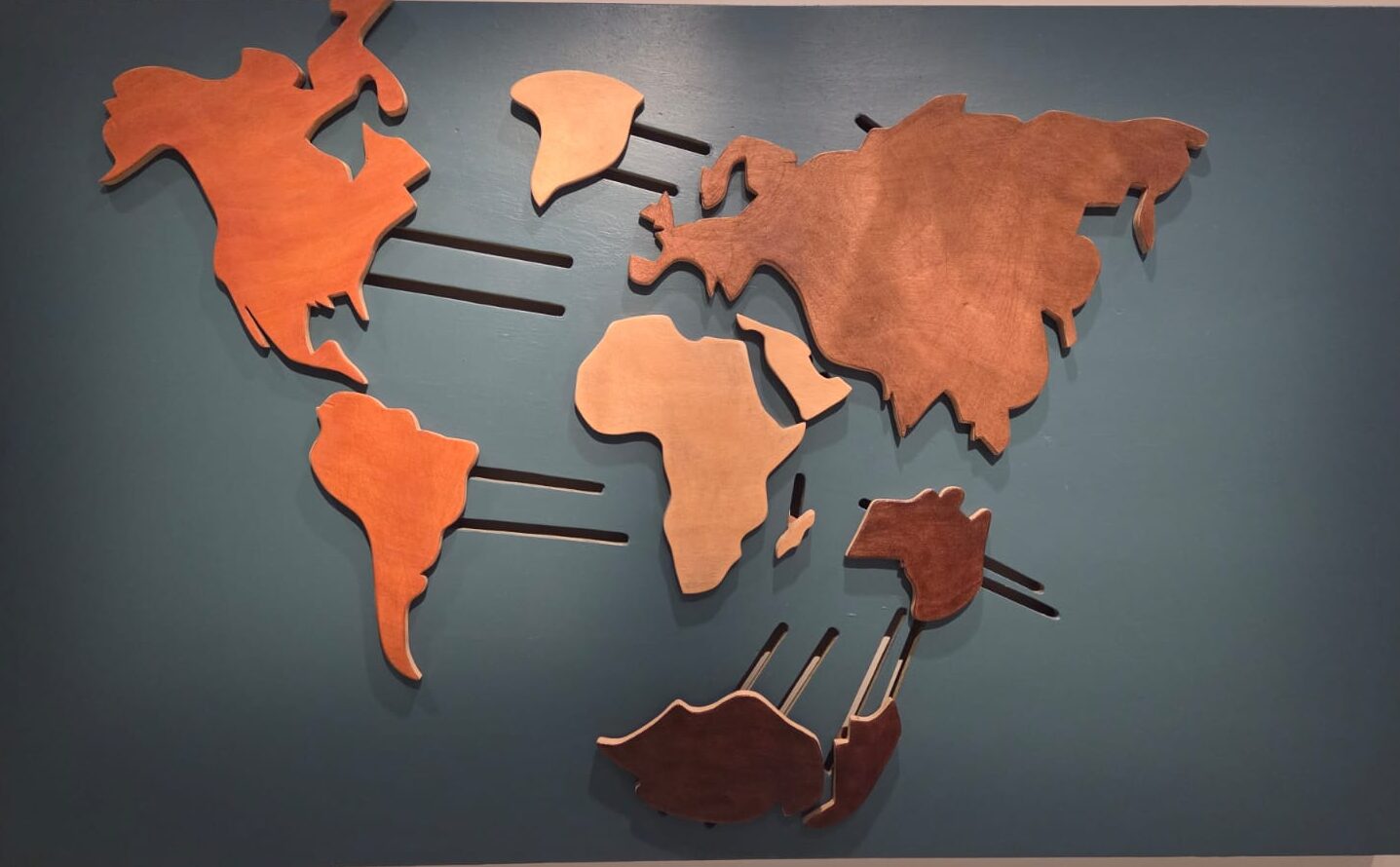
Project A Black Planet – Barbican, London
Imagined geography and a real history of colonialism, imperialism and resistance collide in Project a Black Planet at the Barbican.
Content warning: this exhibition, and review, contains some outdated terminology.


Connections Between Exhibitions
It was only a short time ago that I mentioned Marcus Garvey, in the context of Hurvin Anderson at Tate Britain. Anderson references Garvey fairly frequently in his work, and I was saying that I wasn’t familiar with him as a historic figure, but the Urban Geographer was and had enlightened me. That was good homework, as it turns out, for Project a Black Planet, which I saw recently at the Barbican. In fact, he’s about the first person mentioned in the exhibition, in the context of the Universal Negro Improvement Association and African Communities League, which he founded. We’ll talk a bit more about this in a second.
Another recent connection was Franz Fanon. I was more familiar with Fanon than with Garvey, previously, having picked up one of his books a while back. Fanon, born in Martinique, was a psychiatrist and political philosopher. He came up on the blog recently in the context of l’Institut du Monde Arabe in Paris. One of their temporary exhibitions was on the therapeutic art made by patients at Blida-Joinville Psychiatric Hospital in Algeria in the 1960s. Fanon was then one of the doctors at Blida-Joinville, and promoted a progressive approach to understanding and treating psychiatric illness which recognised the impact of colonialism and its violence – including psychic.
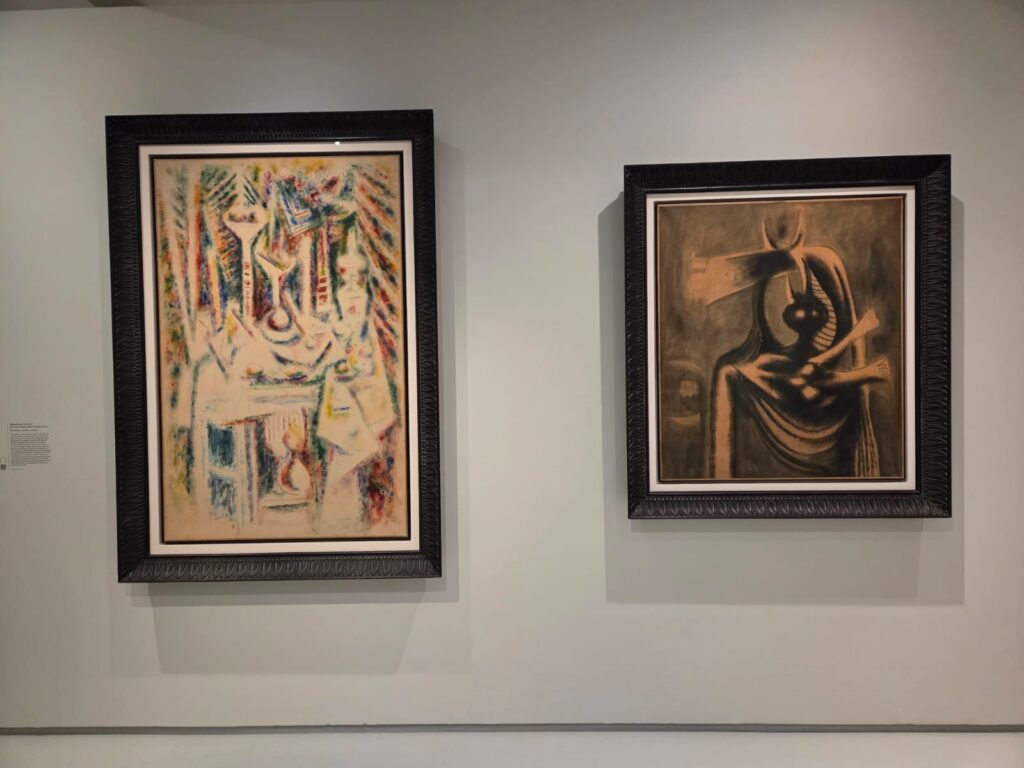
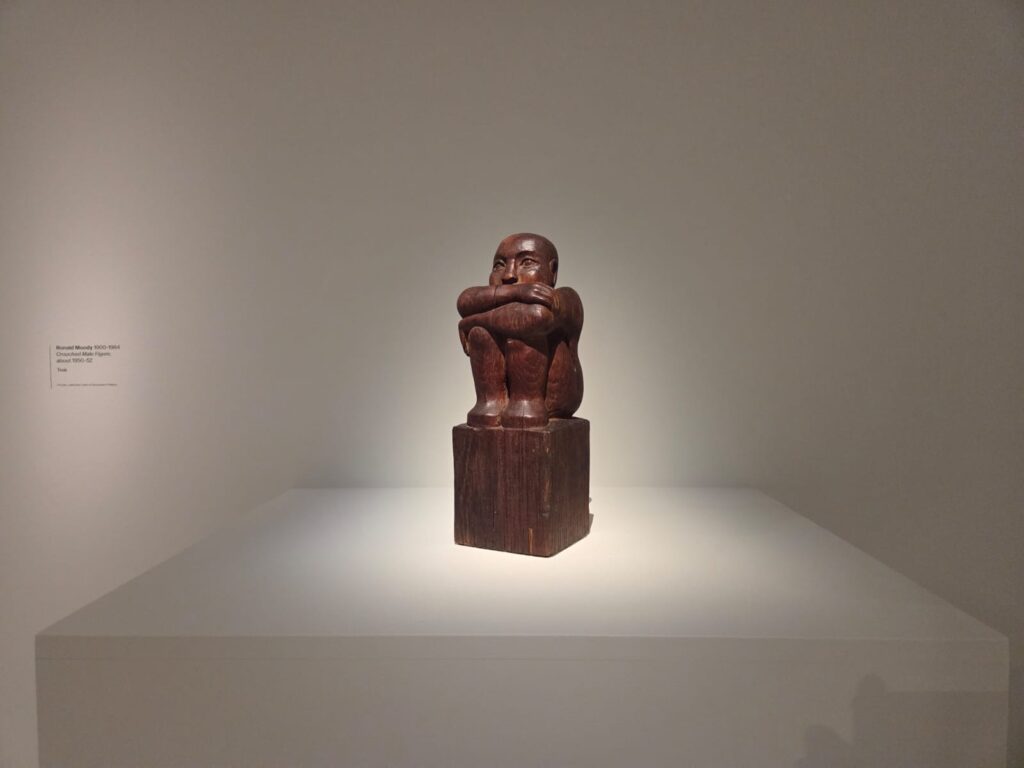
There were many more artists whose work I recognised in Project a Black Planet. Artists such as Ronald Moody, Magdalene Odundo, Wifredo Lam, Lubaina Himid. London and its art world, used right, are basically a tool for learning through repetition. You encounter someone (or something) new, read about them, see them again in another exhibition. Before long, they are added to your mental repertoire.
That’s more than enough about me and what I got from the exhibition, though. What this little story of serendipity tells us is that I still have a lot of self-educating to do about Black history, Black artists, and Pan-Africanism. And probably that I centre myself even when a topic doesn’t need me in the middle of it. Something to reflect on as we get stuck into a bit of background and then the exhibition itself.
A Small Primer on Pan-Africanism
“Climb ye the heights of liberty and cease not in well doing until you have planted the banner of the Red, the Black and the Green on the hilltops of Africa.”
Marcus Garvey – https://ibw21.org/black-world-history/50-marcus-garvey-quotes/
Pan-Africanism, in a nutshell, is a movement which encourages solidarity between all indigenous African people and people of African descent, in order to secure economic, social and politic progress through unity. It is a belief in a common history and a common destiny, a need for “collective self-reliance”. It is also a belief that unity and empowerment within Africa and the African diaspora would shift power to the extent that a reallocation of global resources would become necessary. The movement aligns to some degree with socialism. Critics accuse it of homogenising the experiences and interests of very diverse people.
Pan-Africanism emerged as a political movement at the start of the 20th century. The very first Pan-African conference was organised by Trinidadian barrister Henry Williams in 1900. The First Pan-African Conference in London also took place in 1900. The movement’s roots go back much further, though. Historic figures such as Toussaint Louverture, for instance, with his creation of an independent Black republic, were both forerunners of and inspirations for what was to come. Various Pan-African political organisations have been created over the years, including the Organisation of African Unity (later the African Union), and the African Association (later the Pan-African Association).
This is where Marcus Garvey enters the scene. Born in Jamaica in 1887, in 1914 he founded and became the first President-General of the Universal Negro Improvement Association and African Communities League. In 1916 he moved to the US and set up a branch of the UNIA in Harlem. His ideas, known as Garveyism, included a unified Africa as a one-party state, enacting laws to ensure racial purity. He was a committed member of the Back-to-Africa movement and even founded a shipping line, the Black Star Line, to this end. His ideas put him in opposition to other civil rights activists who promoted racial integration rather than separatism. He was a controversial figure, certainly, but also an important one, who influenced later movements such as the Rastafari, the Nation of Islam, and the Black Power Movement. He died in 1940.

Pan-Africanism in Art
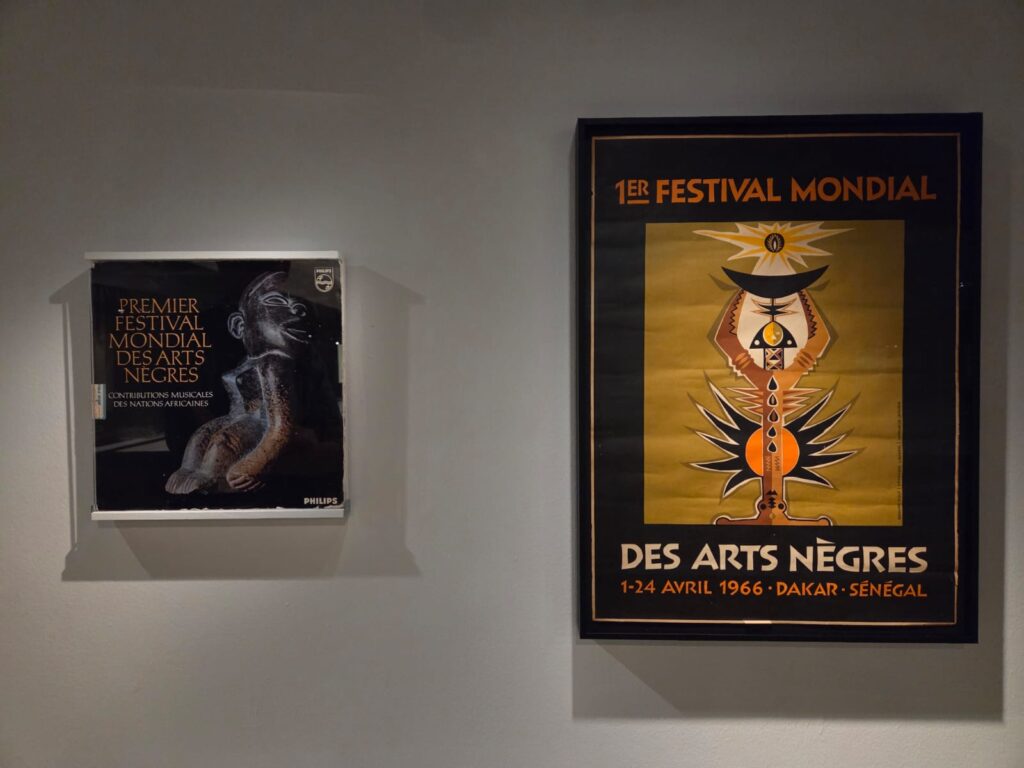
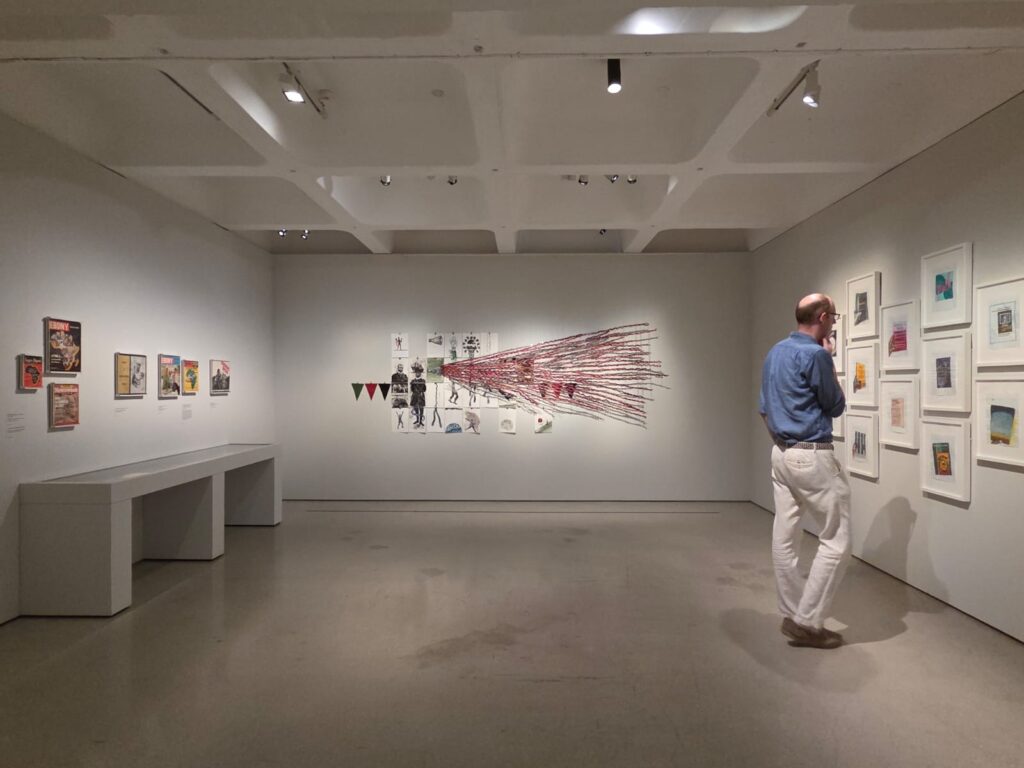
Garvey was but one figure in a broad and varied movement. I included a bit more detail about him firstly because I didn’t do so when I initially came across him at the Tate, and secondly because the very first text in this exhibition is accompanied by reproductions of a poster from a 1945 Pan-African Congress in Manchester, and a 1920s hymnal card produced by Garvey’s UNIA.
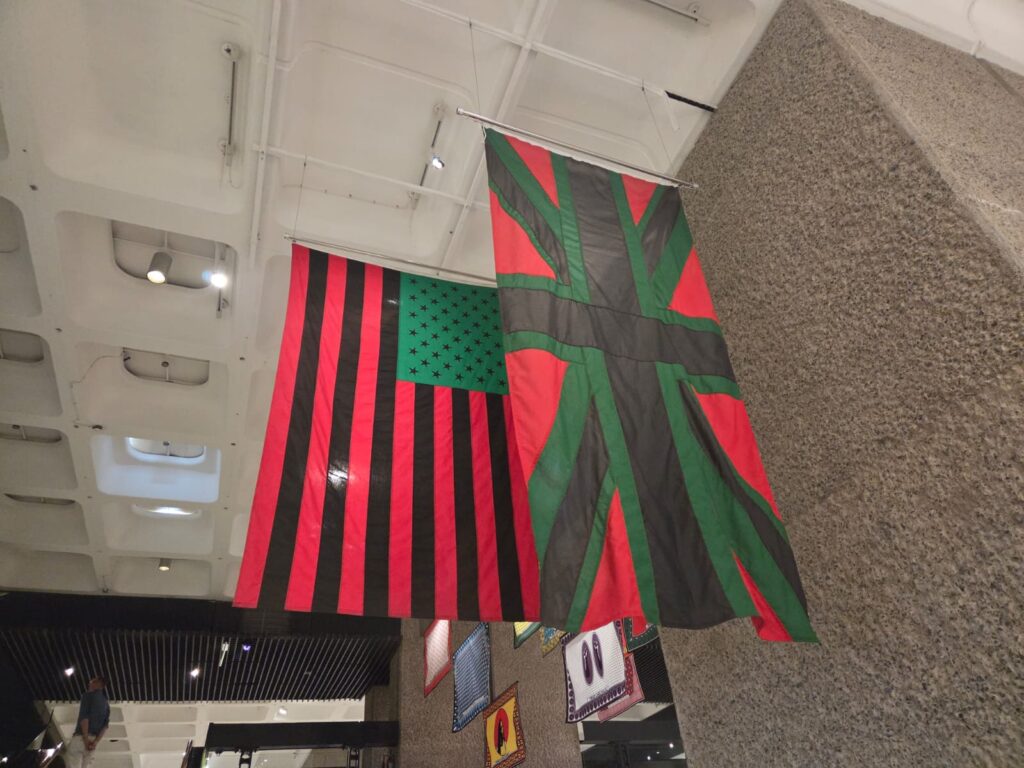
This hymnal card, and the two flags that hang above the exhibition’s starting point, introduce the first thread that weaves its way through the exhibition. The red, green and black of the Pan-African flag. Red for the blood shared by those who have African ancestry. Black for people of African descent who assert their right to sovereignty. Green for verdant Africa. But the two flags are not the Pan-African flag, so straight away we see how artists have drawn inspiration from this political movement (or movements). David Hammons in 1990 and Chris Ofili in 2003 have respectively translated the Pan-African flag’s colours into the familiar designs of the Stars and Stripes and the Union Jack. We come back to these colours in the very final room, where a selection of works by Lynette Yiadom-Boakye use a red, black and green palette (see the final image in this post).
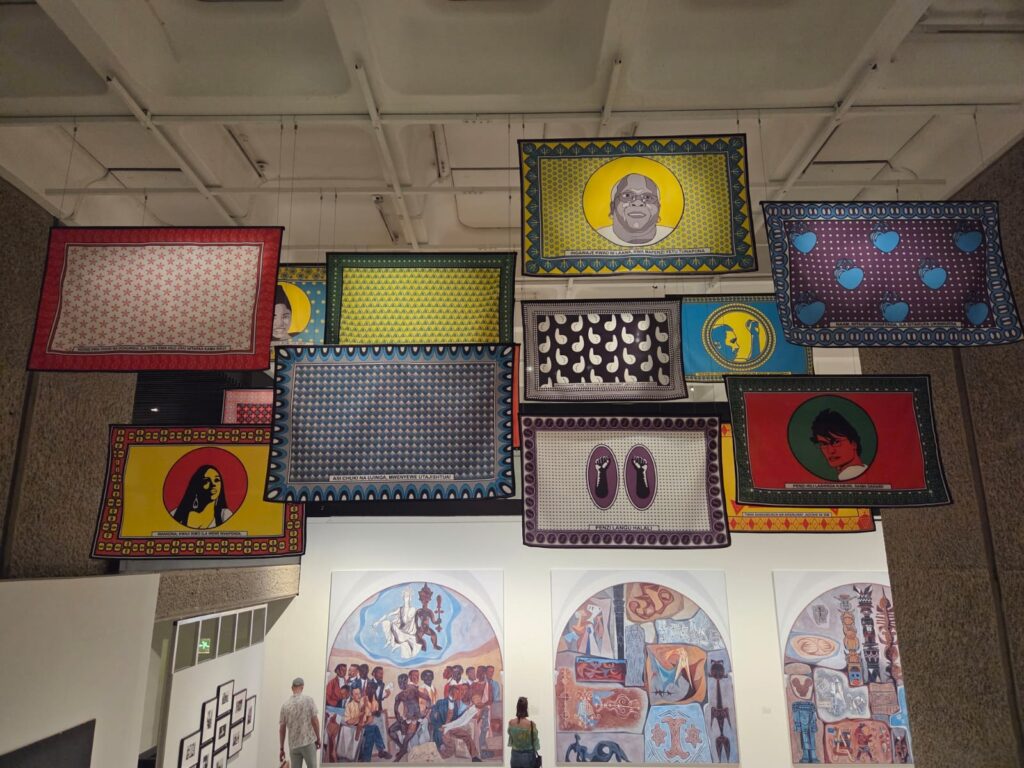
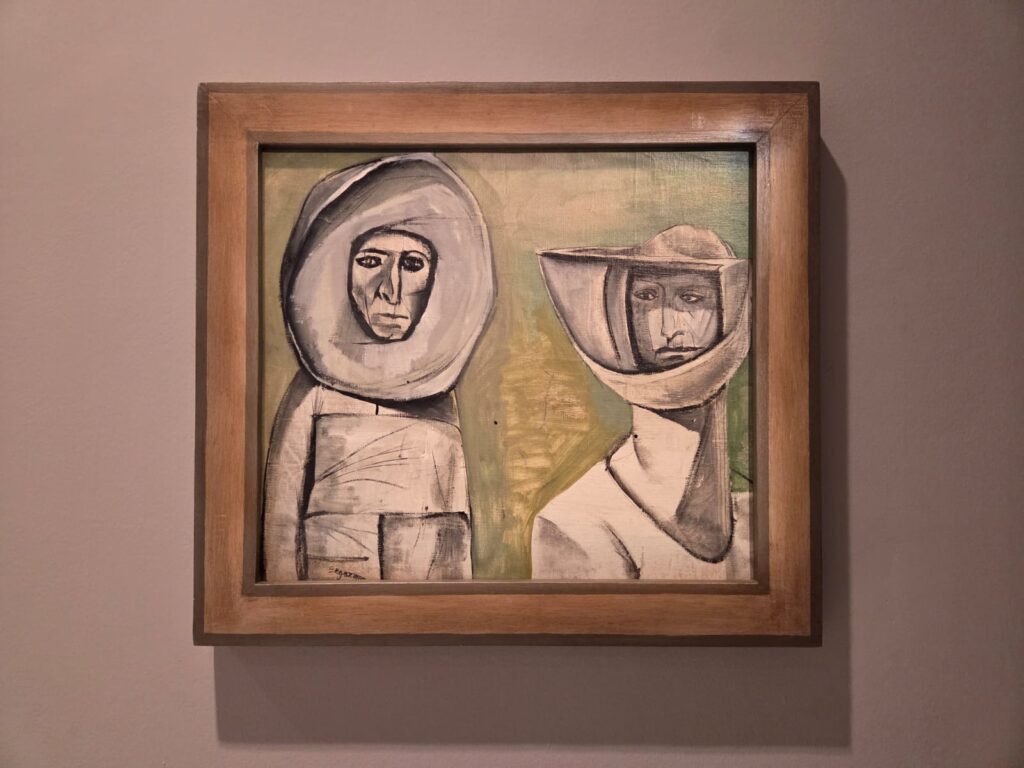
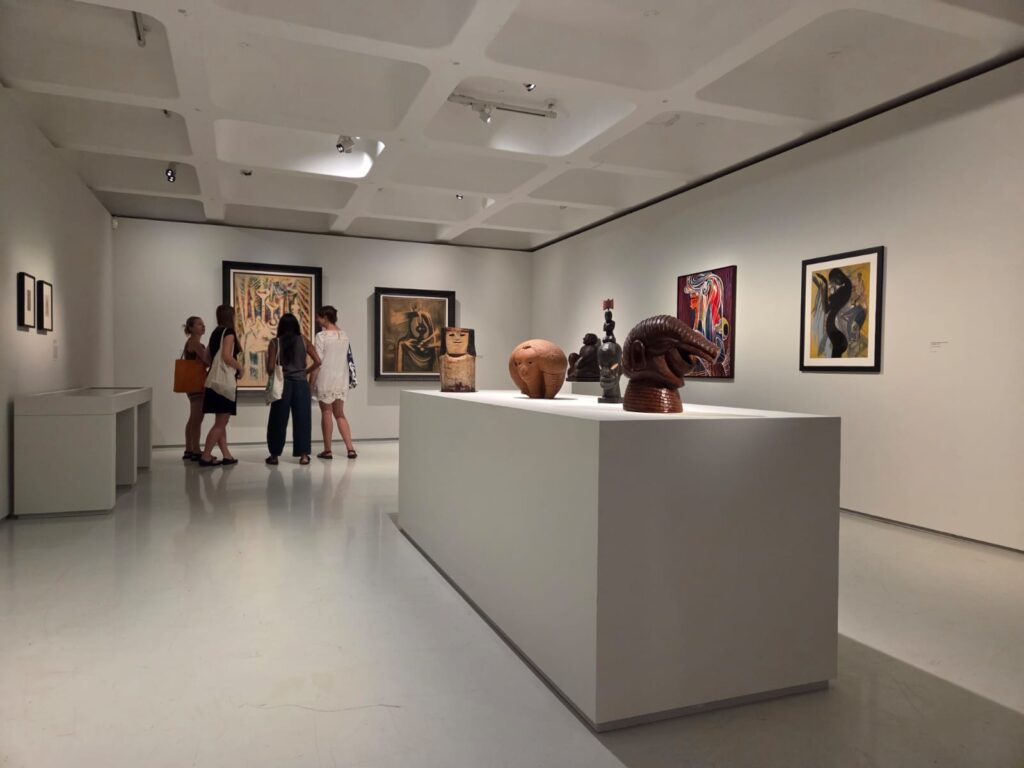
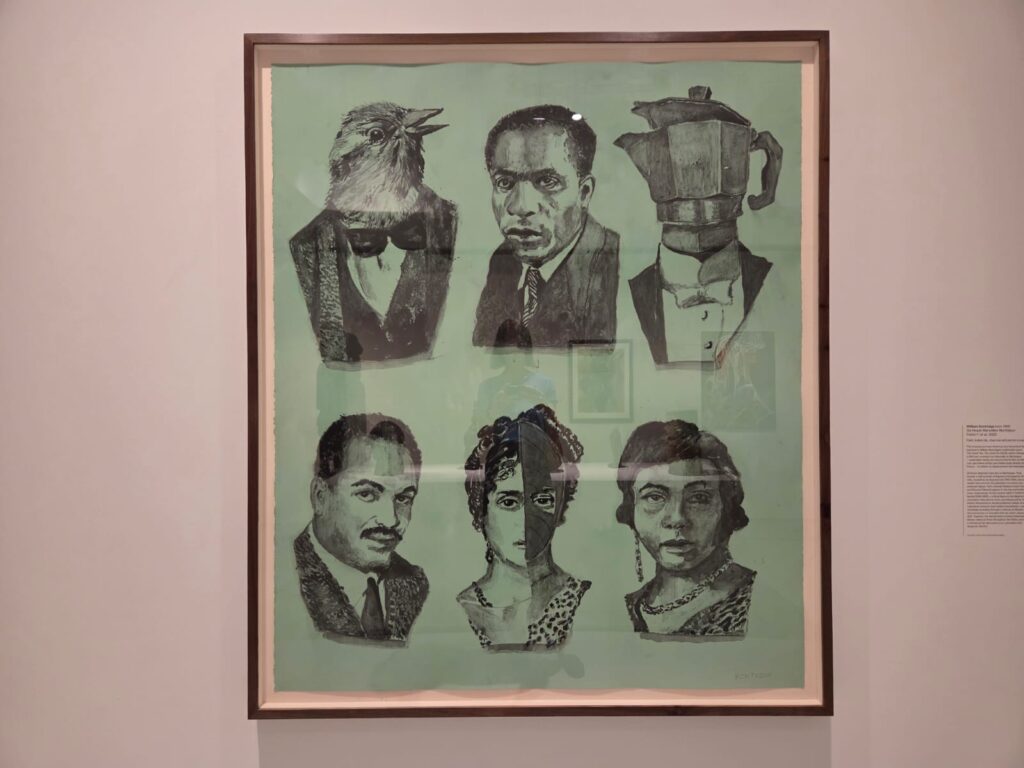
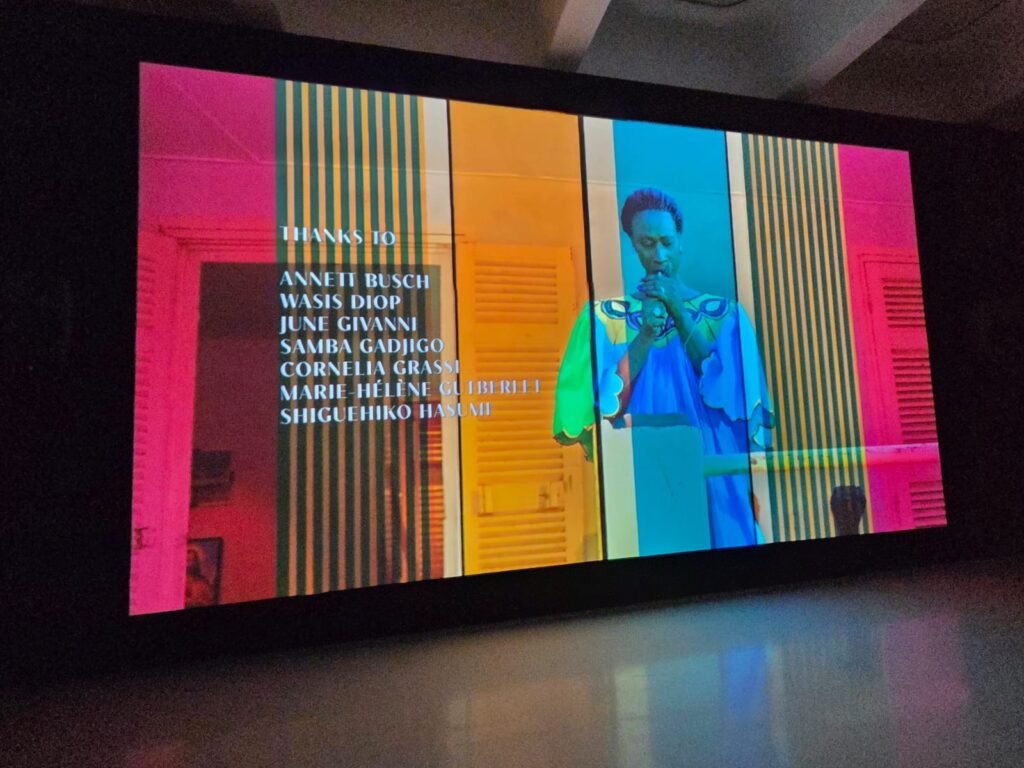
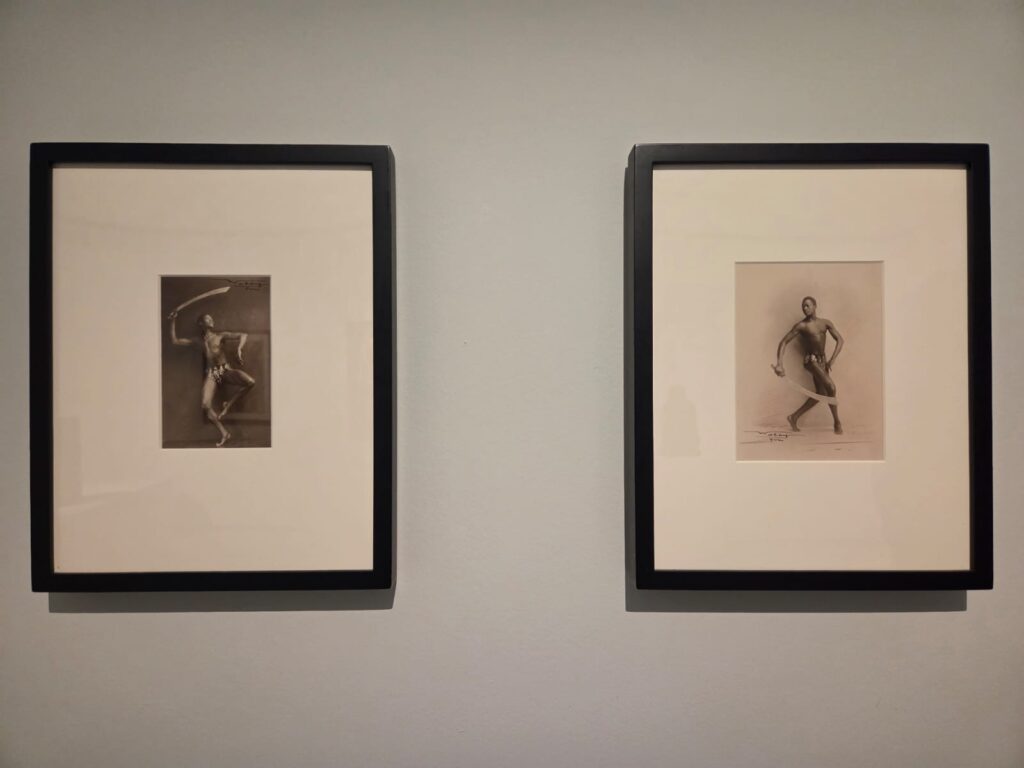
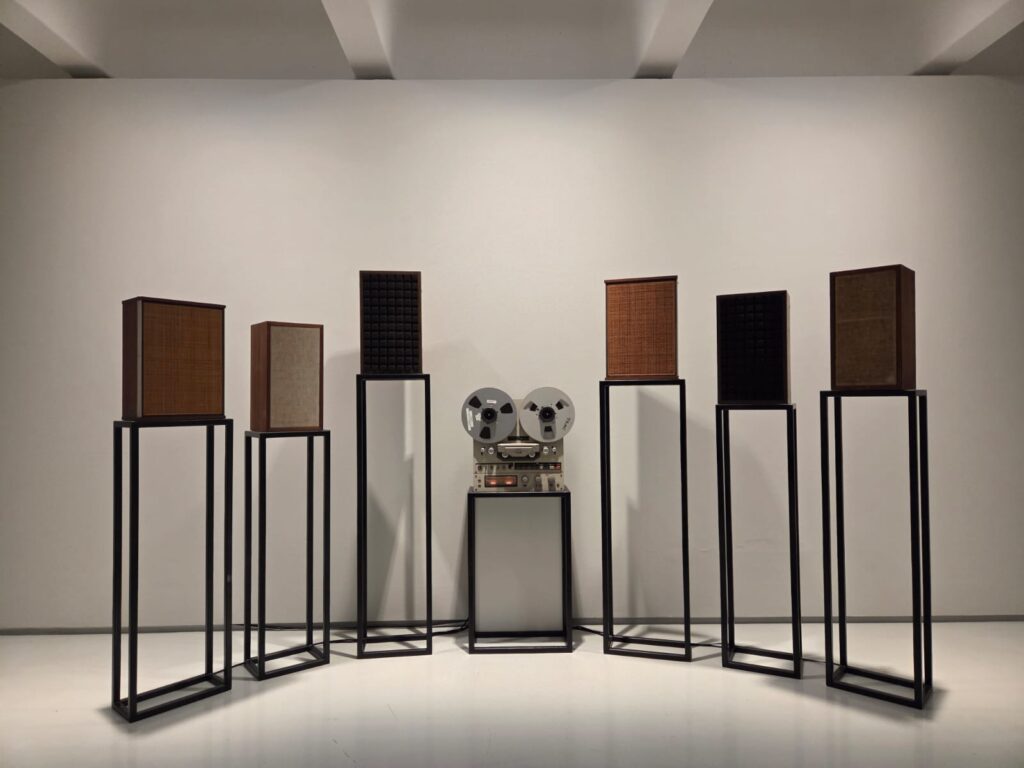
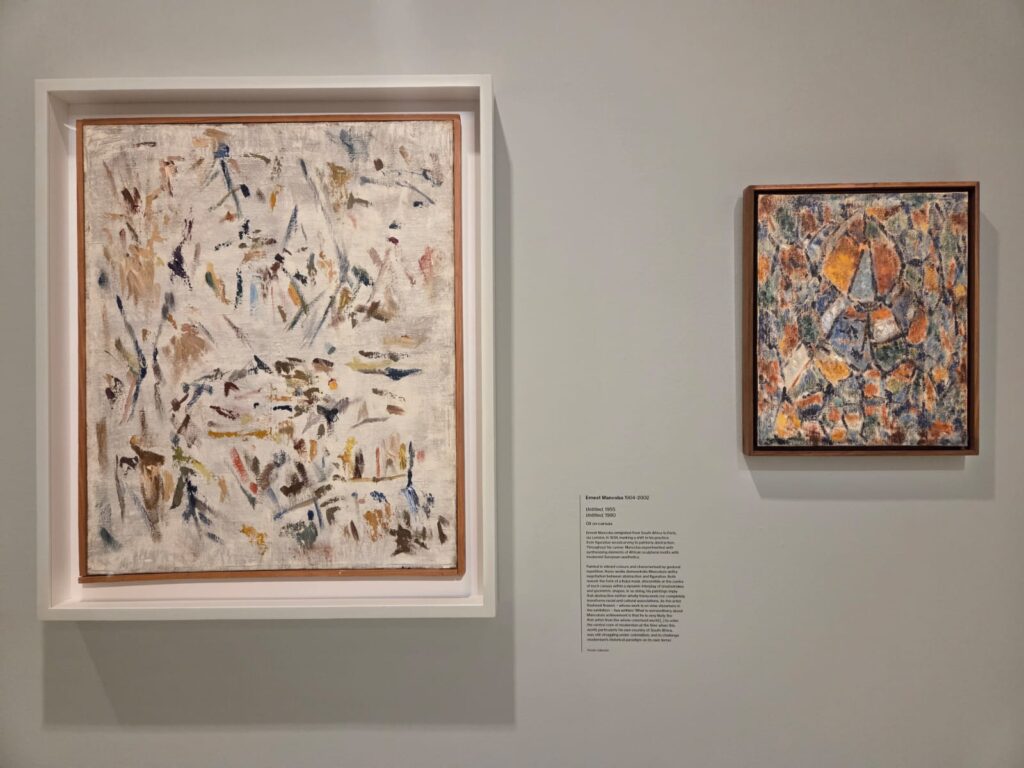
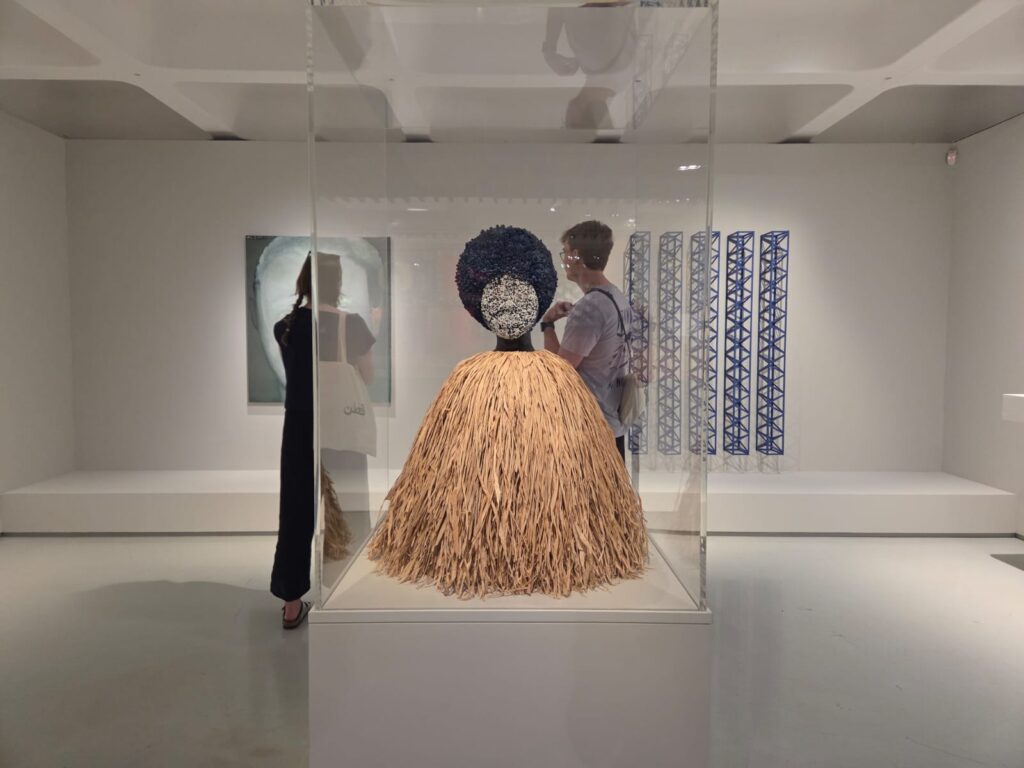
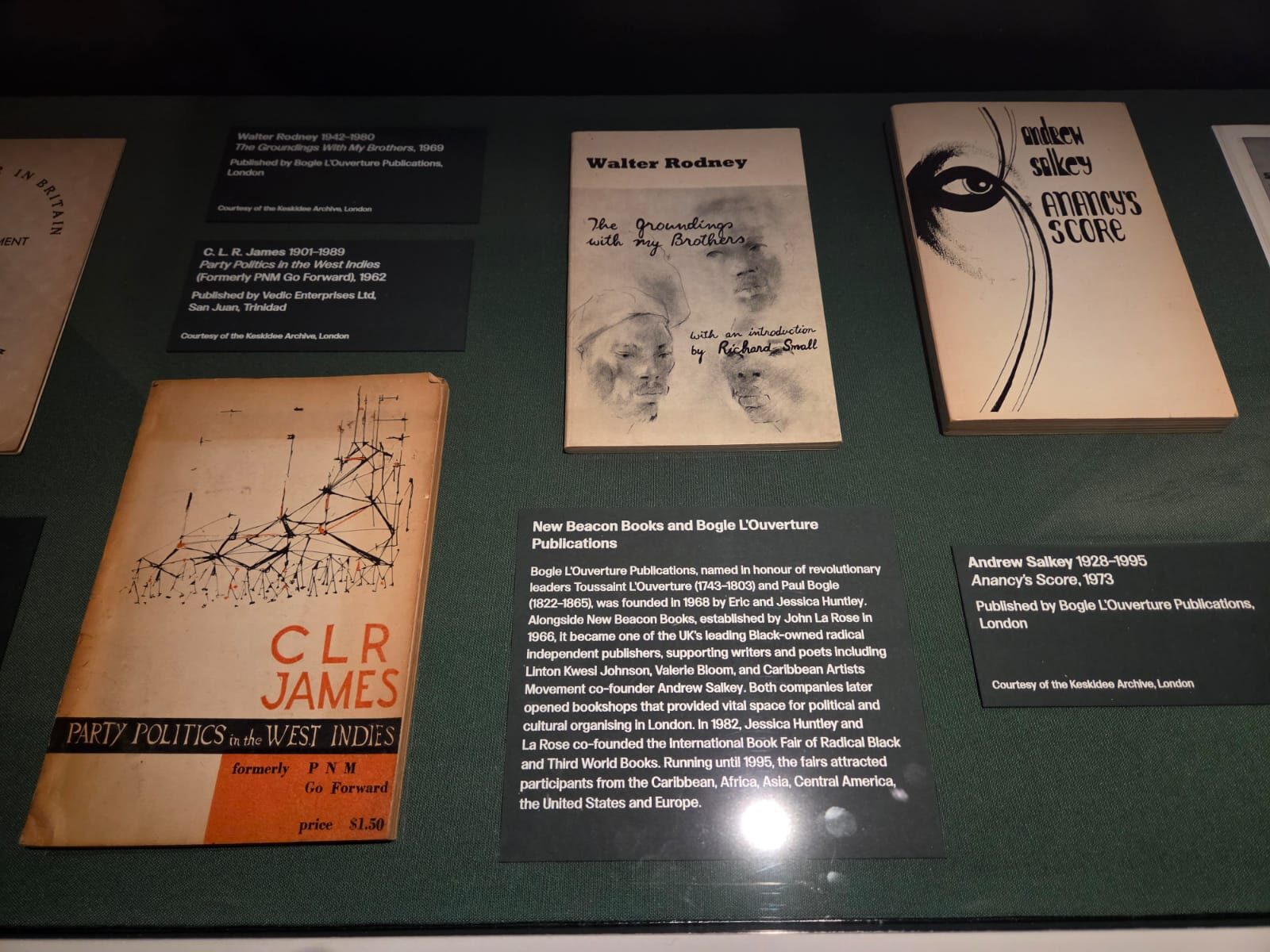
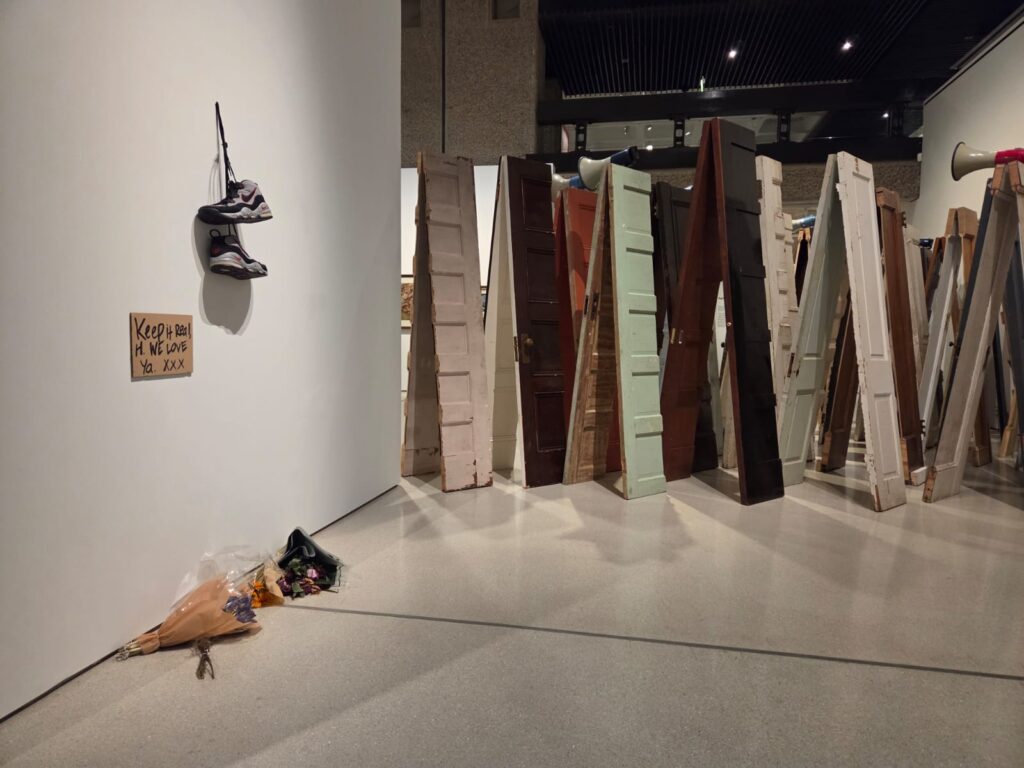
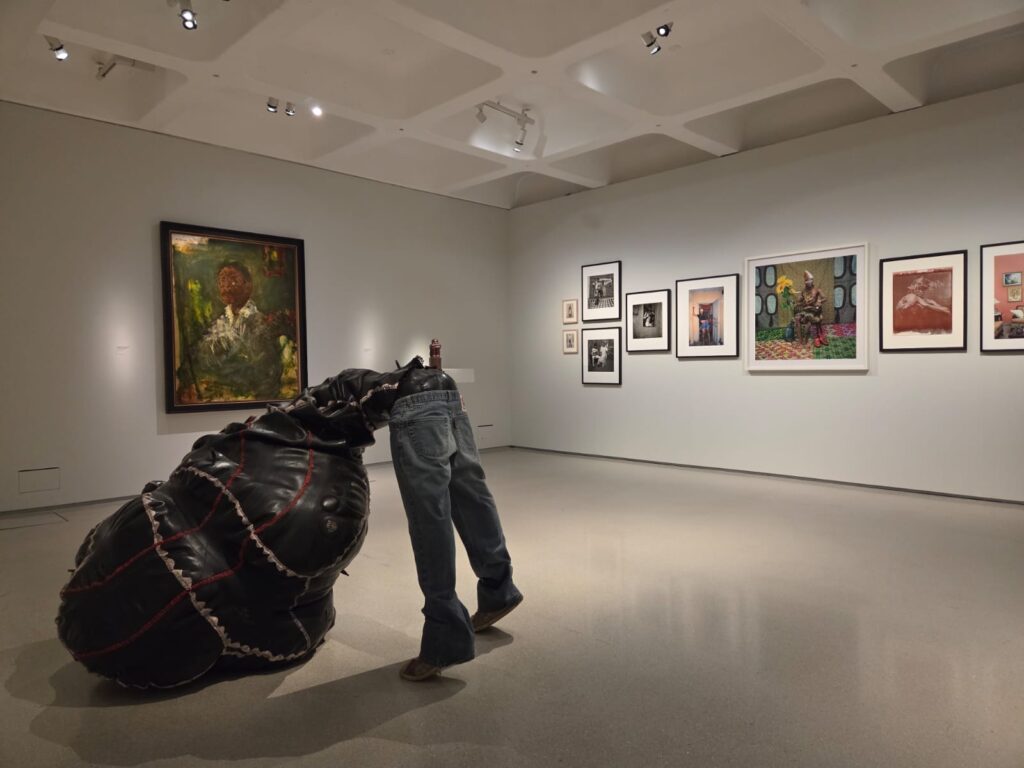
The point of this exhibition, however, is not so narrowly focused as this. It is instead to show the ways that the Pan-African movement(s) have influenced artistic and cultural production. We thus see paintings, sculptures, prints, works on film, photographs, books, posters, installations – a hugely varied selection. Contributors come from across Africa and the African diaspora. They represent movements and ideas including geography and cartography, Franz Fanon’s bodily schema, Négritude, autonomy and self-determination, and historical reckoning. The art in the exhibition tends to lean towards the contemporary, whereas the other cultural expressions of Pan-Africanism (like books, treatises, posters) are a little earlier.
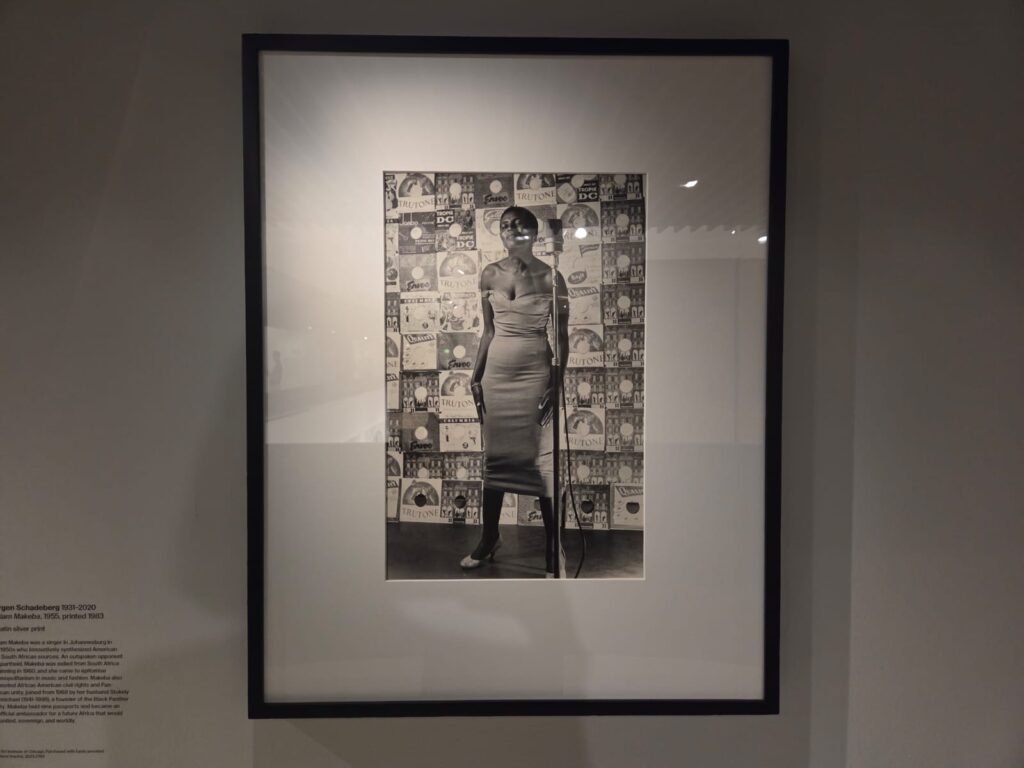
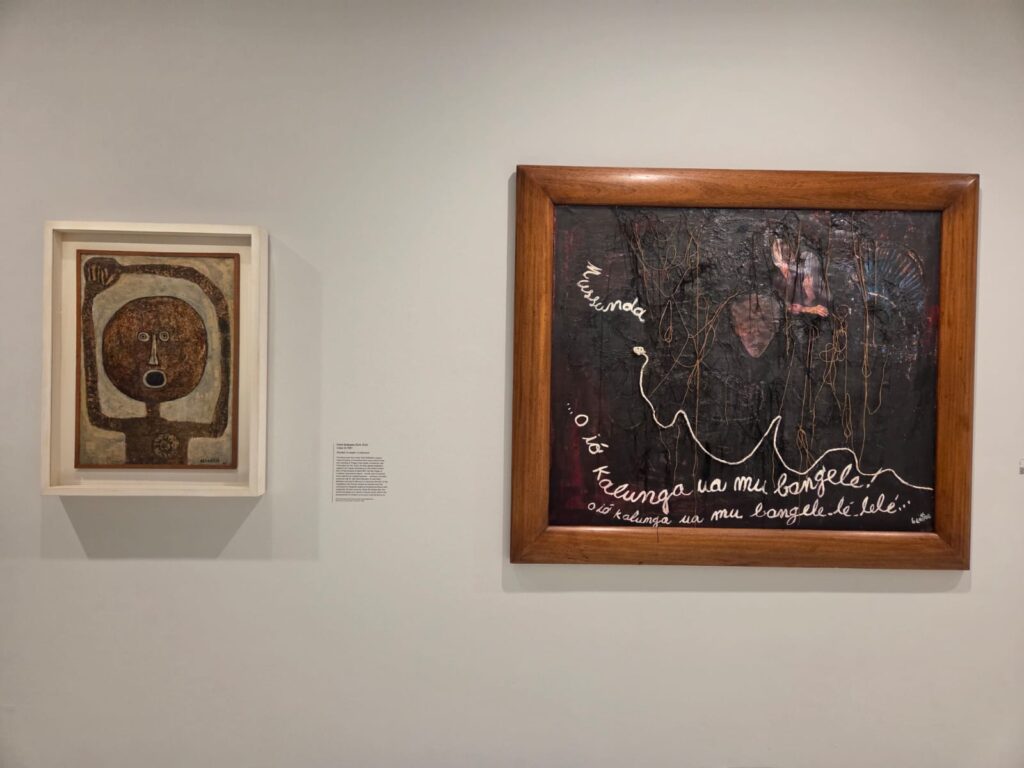
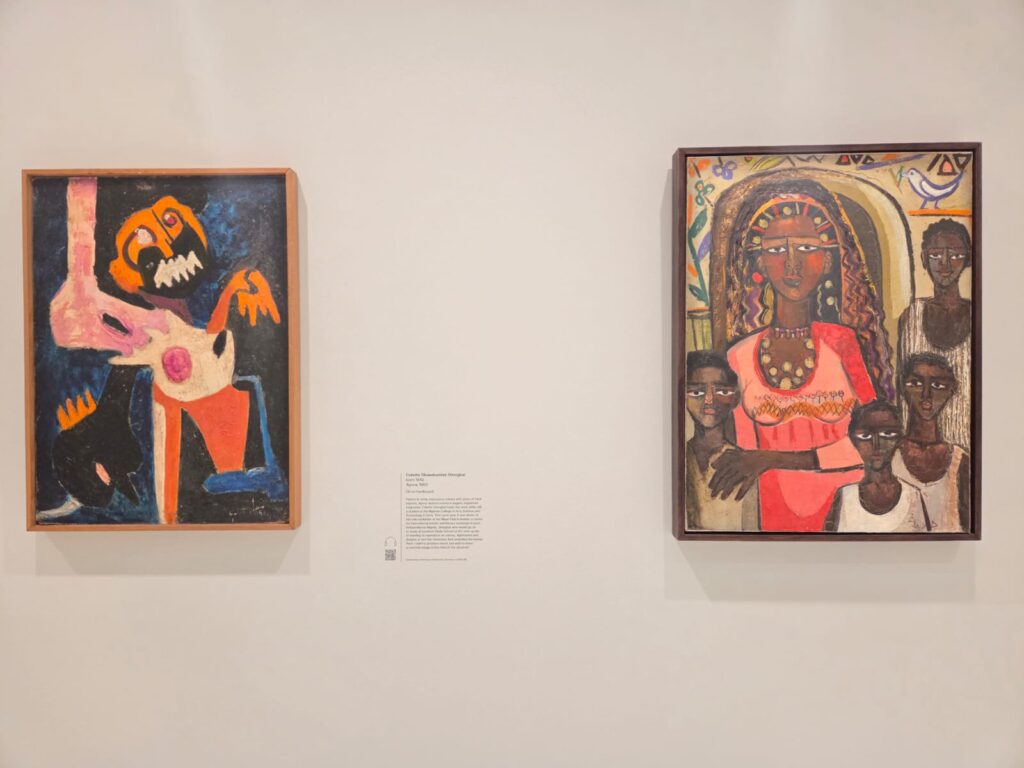
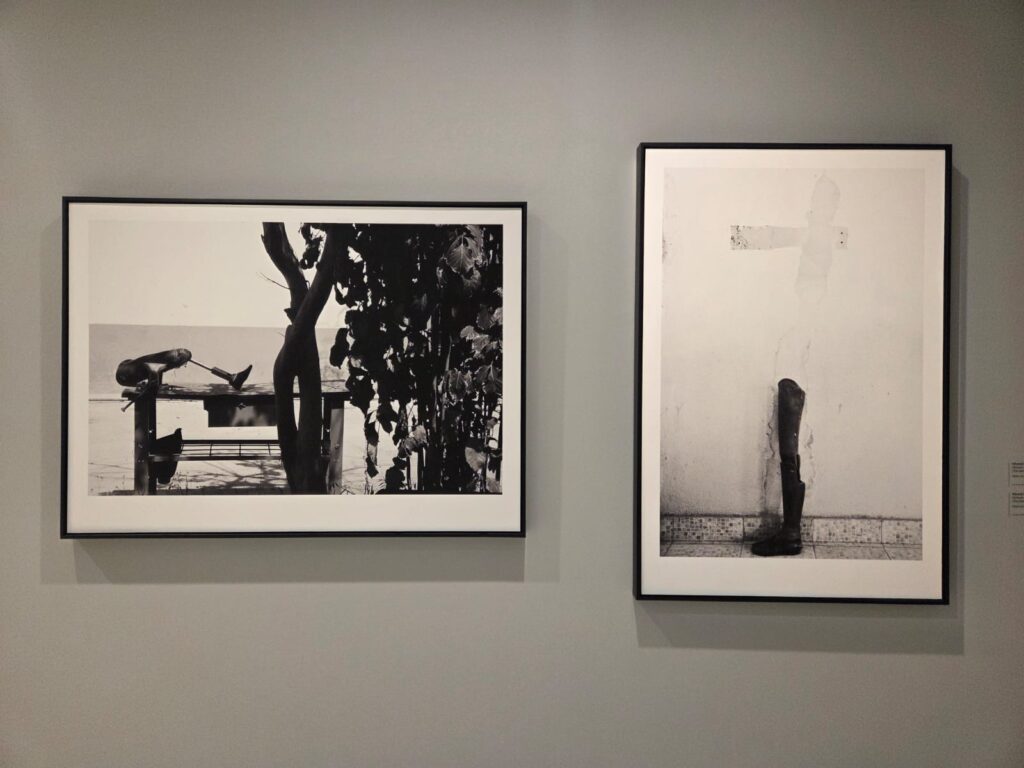

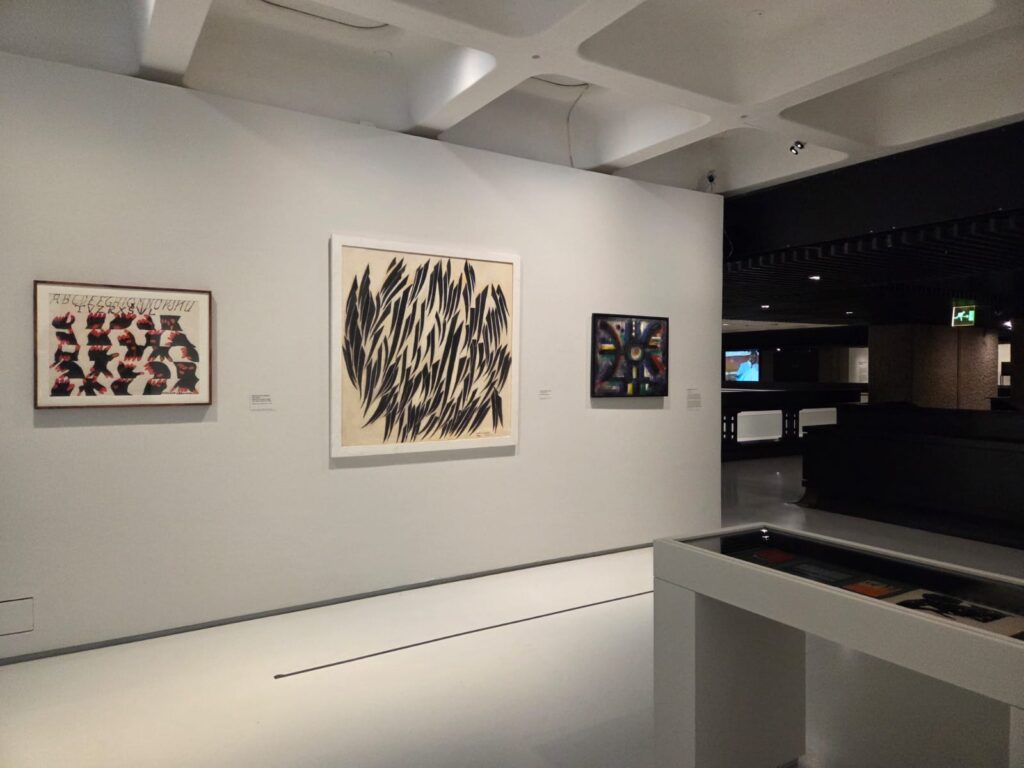
Cultural Outputs Spanning Decades and Geographies
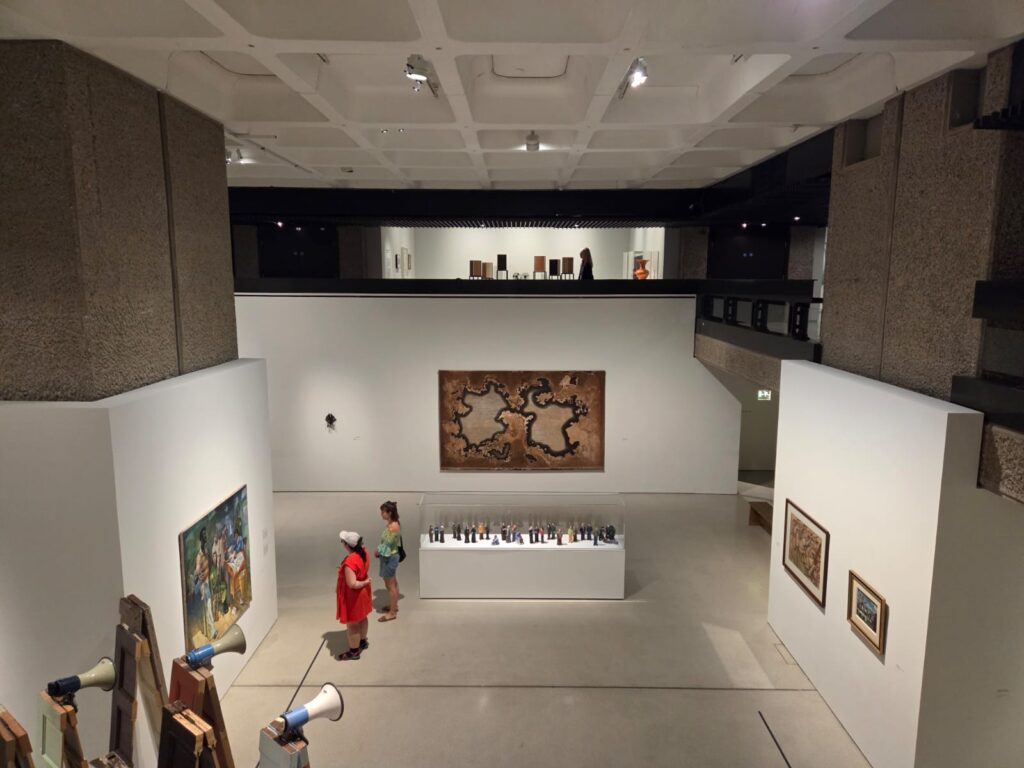
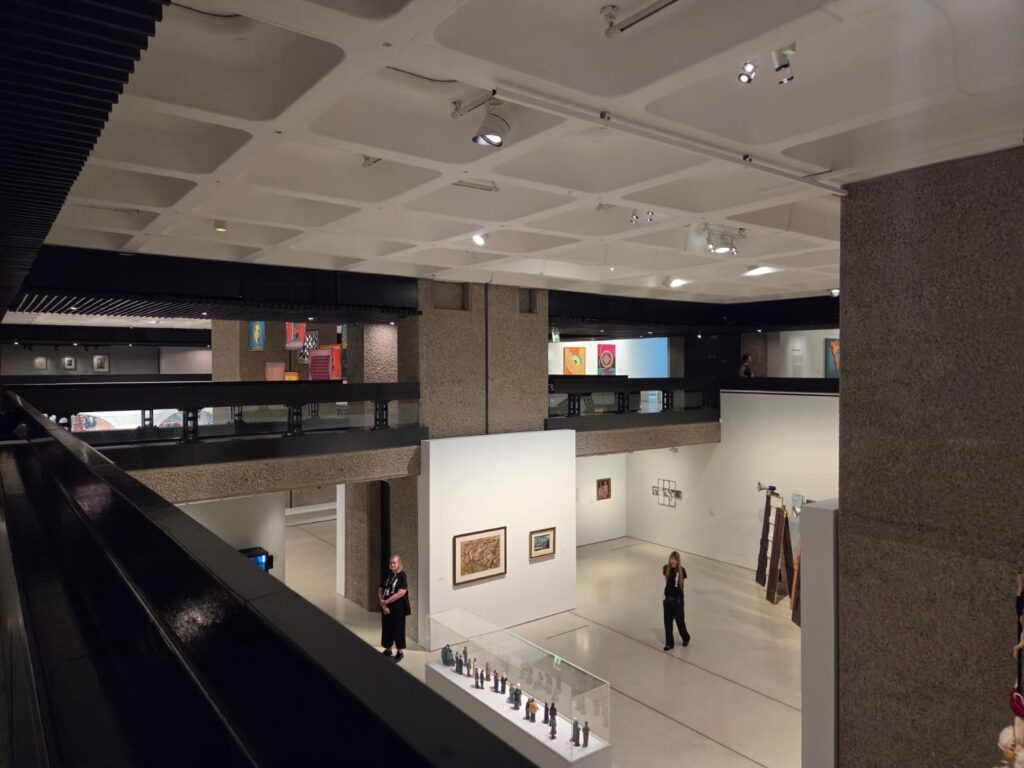
The Barbican Centre’s exhibition space really lends itself to good exhibitions that are easy to follow. Typically speaking, visitors head around the mezzanine level first. This is made up of small spaces that are ideal for presenting different topics. You make your way around, learn a few things, probably sit for a couple of minutes to watch a film. Then you head downstairs, where the huge, open space is an excellent backdrop for large-scale artworks. This is where all those things you learned upstairs come into focus. Then there are a final couple of small rooms for a nice conclusion, before you exit through the gift shop.
Such is the format of Project a Black Planet. The organisation of the exhibition is thematic rather than chronological, meaning that artworks by different artists and from different times are in dialogue under headings like ‘World-Making’, ‘The Language of Blackness’ and ‘Agitation’. The other outputs, such as books, are a little less well integrated. They typically take up liminal spaces between exhibition rooms, in vitrines along the edge of the mezzanine. Very interesting, and adding something to the overall picture, but less well integrated.
The breadth of the exhibition is a real strength. The Barbican is actually a secondary location, by the looks of it. The Barbican website says the exhibition is co-organized by the Art Institute of Chicago and MACBA Museu d’Art Contemporani de Barcelona in collaboration with Barbican London, and KANAL-Centre Pompidou Bruxelles. This institutional reach has resulted in a great selection of works from public and private collections. I wonder if there are as many Black British artists in each location. Or is that a feature of the London iteration of the exhibition?
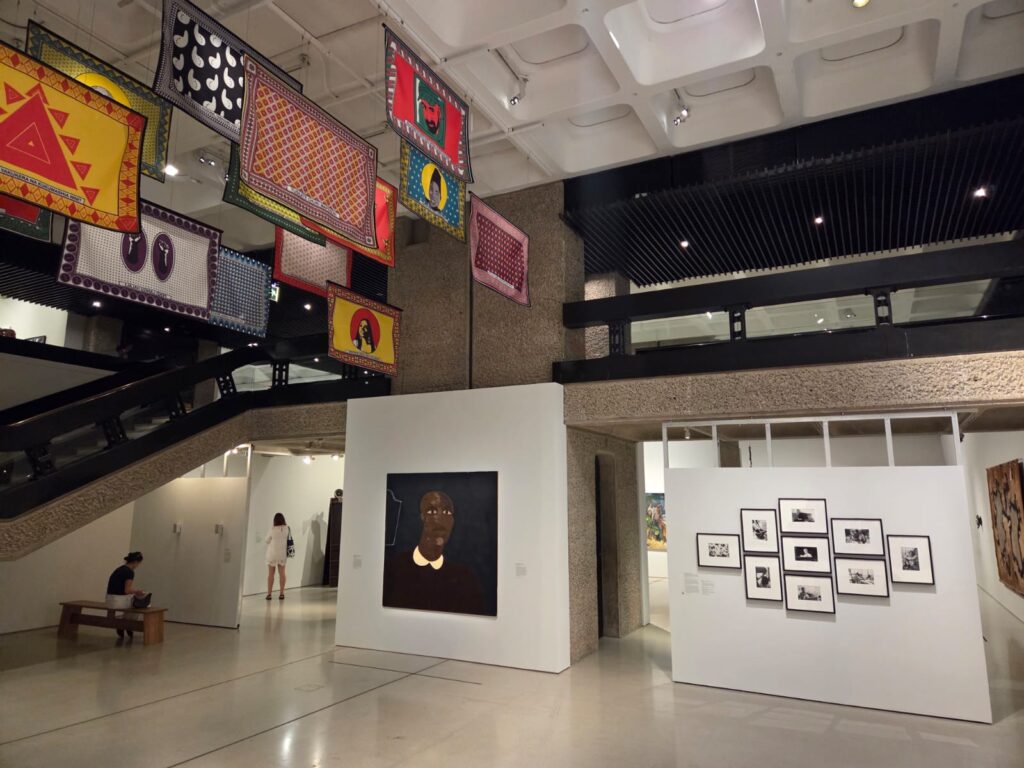
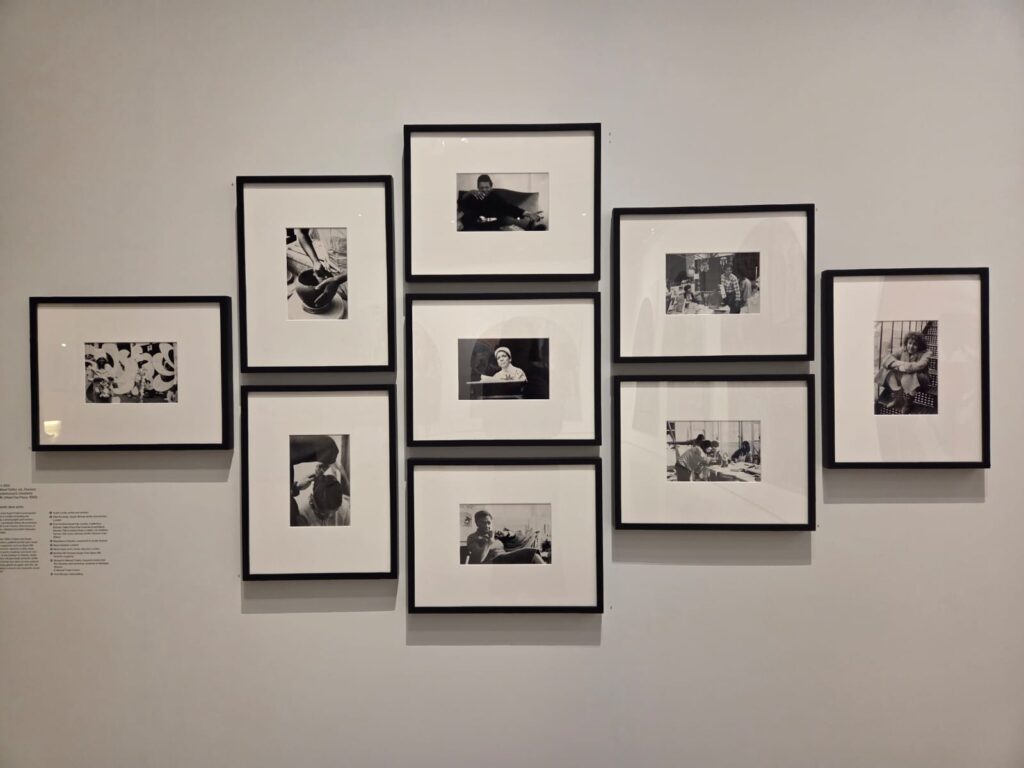
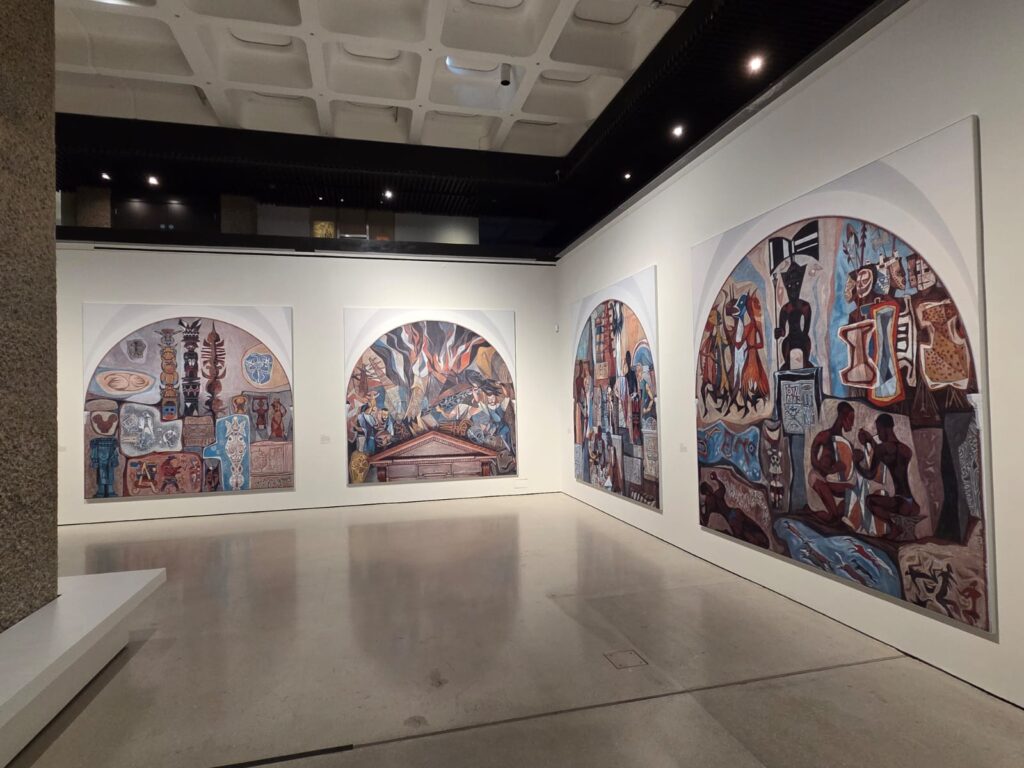
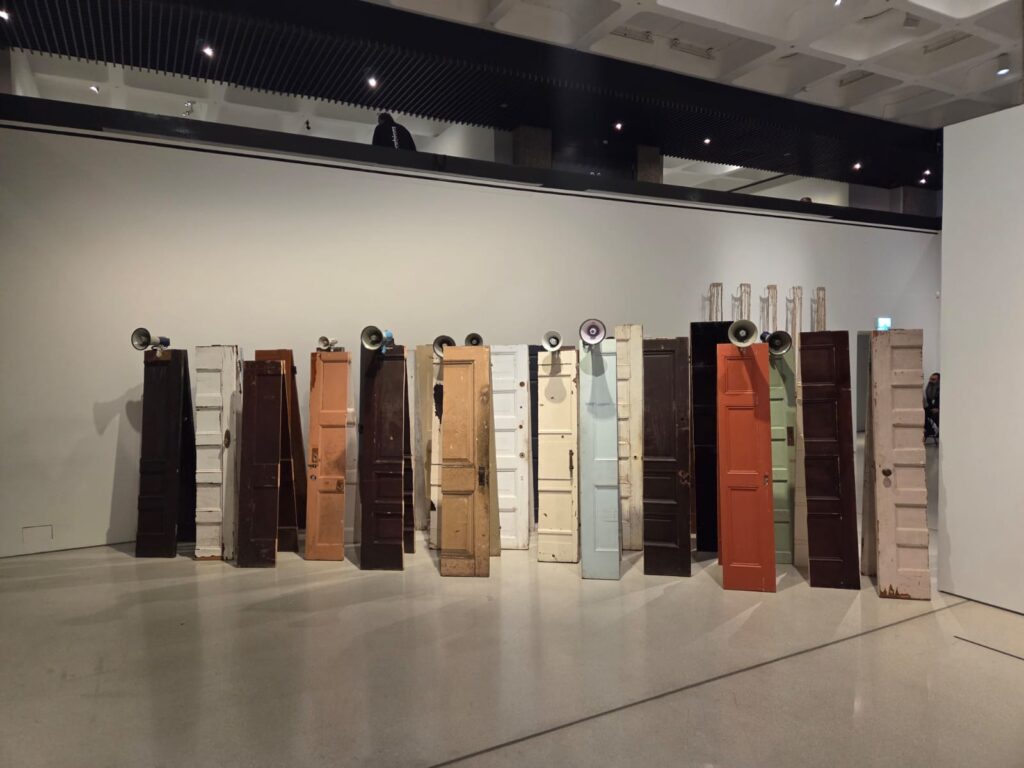
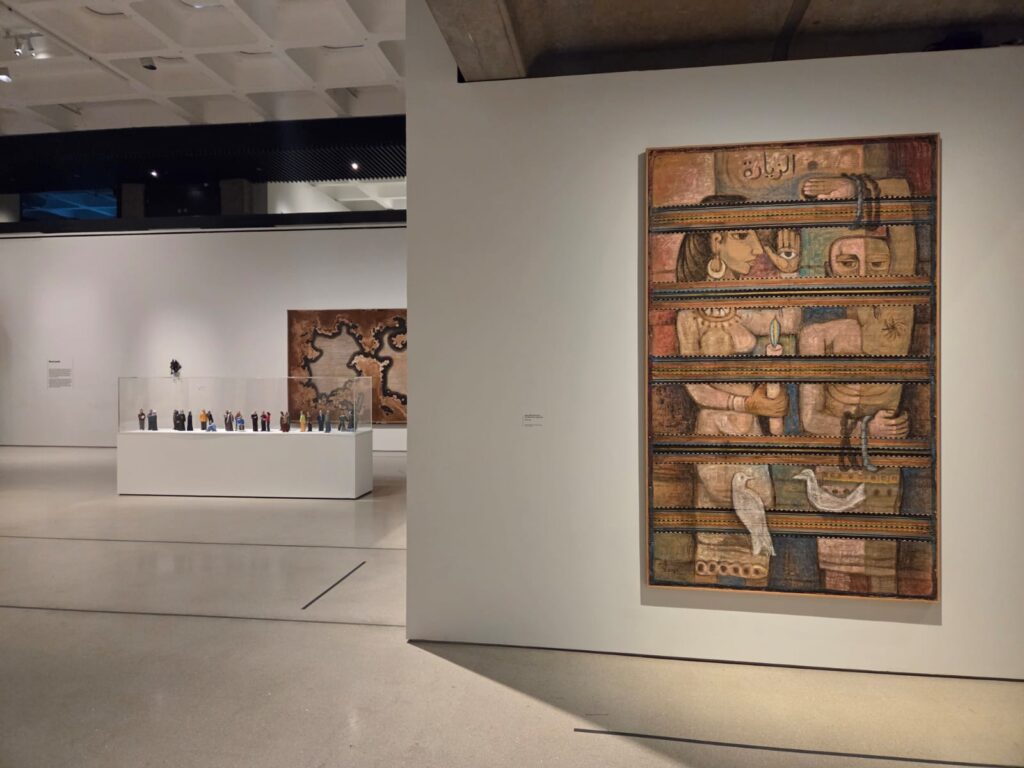
Entanglements
As ever, matters concerning politics and art are not straightforward. I found myself pondering some of the complexities inherent within this exhibition as I moved around it. The thesis of the exhibition, first of all, is that Pan-African is an artistic and cultural movement as well as a political one. Some of the works that form part of the exhibition seem, more than others, designed to further political aims. Some of the writing and graphic design, in particular, advocates explicitly for transnational solidarity and anti-colonial resistance. Other works actively participate in imagining, contesting, and constructing the movement(s). A key consideration, then, is that Pan-Africanism is a place of collective inspiration and imagination, but also debate and dissent.
Coming back to the point that I centre myself sometimes where I don’t need to (look, this is my personal blog, OK?), I was also thinking about this art in the context of a predominantly white art world and art market. Sure, things are shifting (also sometimes regressing), but progress is slow. As a result, one of the contradictions of the art world is that Black artists rarely have an opportunity to create work separate from white institutions, audiences or collectors. Artists can reject the white gaze, strategically engage with it, or accept the contradictions. We nonetheless end up in a position where a work can critique capitalism while commanding a high price at auction. Or can call for liberation while relying on a system of patrons and institutions.
I don’t have answers to any of these questions, or thoughts. But to me it says that Project a Black Planet is a historically interesting exhibition, which is coming at a critical moment. No better time, some might say, to be reflecting on borders, identity, and resistance. No better time to think about who belongs, and whose history counts. As an example of a movement that attempted to think across nation-states towards loftier goals, there’s probably a lot we can learn from here.
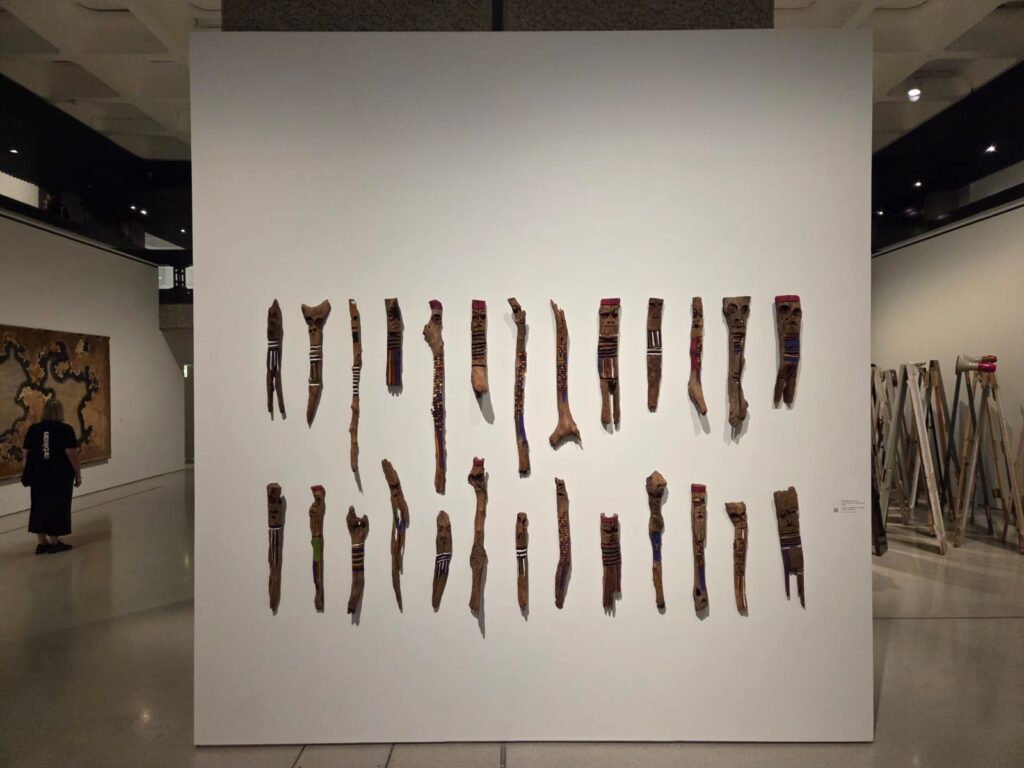
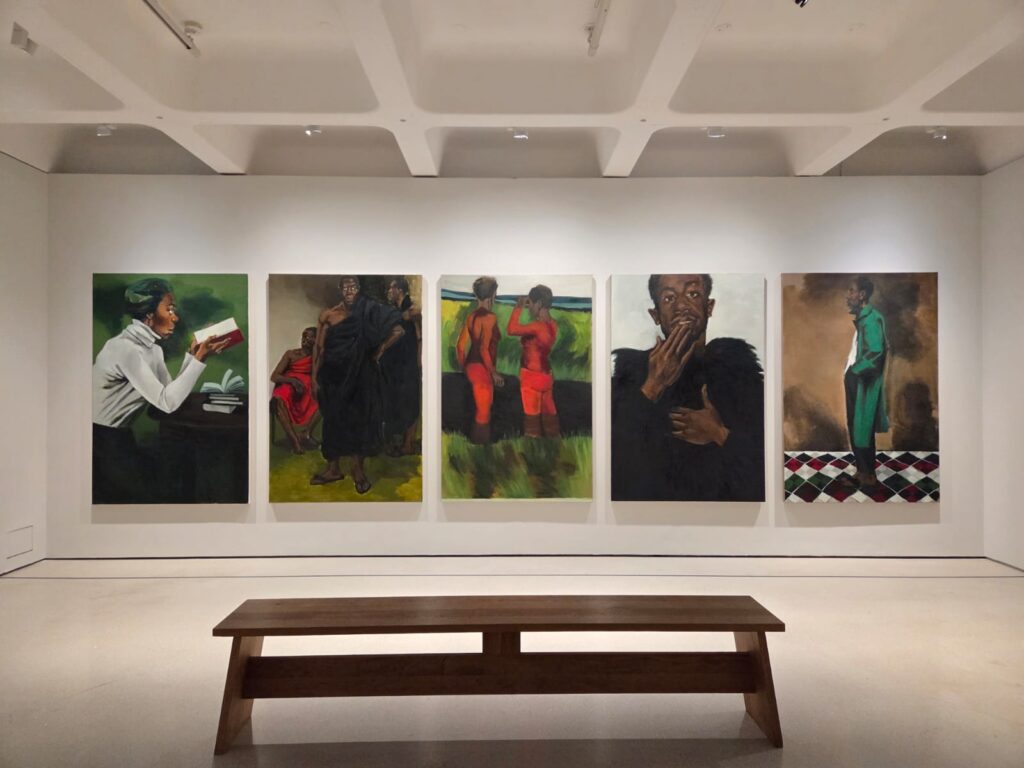
And Now To Finish
Another important thing we can take from Project a Black Planet is that things aren’t simple. Pan-Africanism was never one single thing. Inherent within it are different positions on socialism, internationalism, religion, feminism, visions of development, post-colonial identity, and critiques of power. To go back to Marcus Garvey, he was a divisive figure at the same time as being a unifier of people of African heritage. Pan-Africanism has always been a movement that has grappled with Black political identities forming in very different historical circumstances. As much as social media and news cycle sound bites are training us to think of everything in reductionist terms, it’s just not always possible.
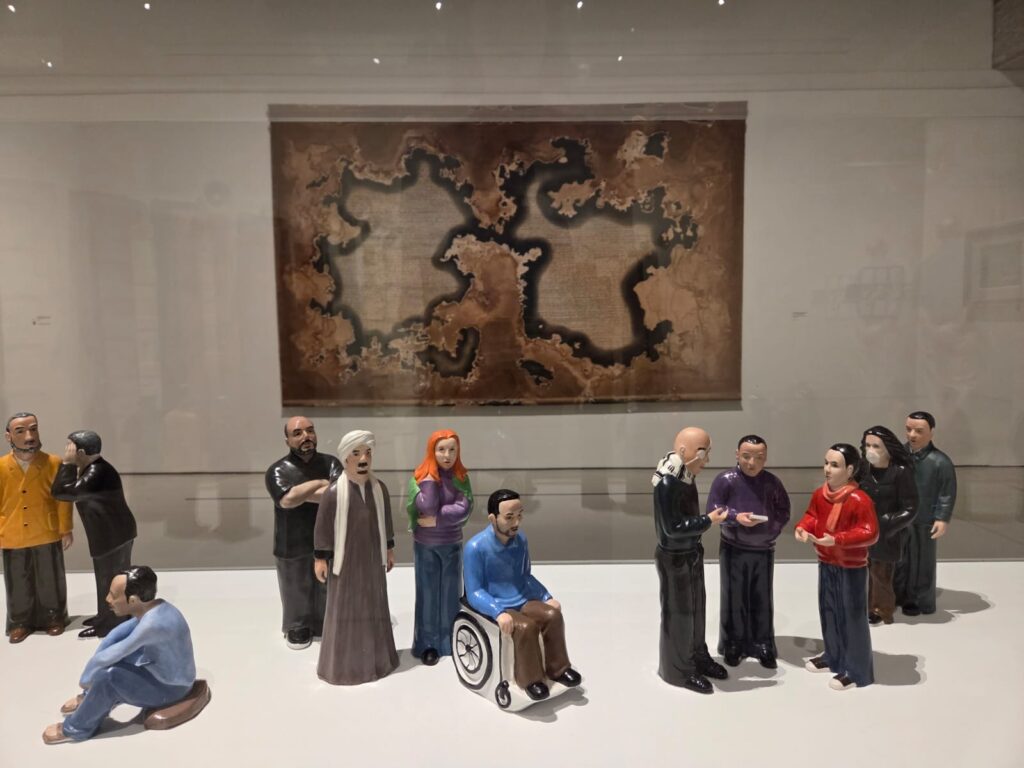
And this is borne out in the art. Project a Black Planet is a wonderful, complex, thought-provoking exhibition. It crosses a huge variety of artists, styles, nationalities, views on Pan-Africanism, and views on many other topics, too. In one exhibition you can see high-quality recreations of Hale Aspacio Woodruff’s inspiring 1952 Art of the Negro, snippets from the experimental films of Ousmane Sembène and Djibril Diop, and ceramic figures of participants in the Egyptian Revolution in Moataz Nasr’s Elshaab (The People), 2012. And that’s just taking three examples. I suggest that you put aside a good amount of time to visit this exhibition properly. It’s not one you can absorb in a cursory glance.
I look forward to the next set of connections this exhibition will spark. The artists I have encountered here, and will meet again. The historical figures who have entered my consciousness. To truly be art, an artwork has to be more than aesthetics. In that regard, Project a Black Planet is a masterclass.
Salterton Arts Review’s rating: 4/5
Project a Black Planet on until 6 September 2026.
Trending
If you see this after your page is loaded completely, leafletJS files are missing.