
Le Musée Visionnaire, Zurich
Before leaving Zurich I have time for one final stop at Le Musée Visionnaire, a private museum dedicated to visionary art. This post includes a description of the temporary exhibition Listed Lives, which runs until 20 December 2026.
My Final Stop in Zurich: Le Musée Visionnaire
In my last few posts I’ve covered the places I visited during a recent weekend in Zurich. I was there to see an exhibition at the Kunsthaus, so my first two posts were about that. I then fancied something different, and found this audio tour which introduced me to Harald Naegeli, the Sprayer von Zürich. Between this tour and a map that documents the sites where this now octogenarian has contributed to Zurich’s urban landscape, I had a great time. It also took me to the vicinity of the Naturhistorisches Museum der Universität Zürich, the subject of my last post.
The Sprayer von Zürich audio tour was a project initiated by le Musée Visionnaire, a private museum dedicated to visionary art. What is visionary art? Let’s hear from le Musée Visionnaire themselves:
“We deliberately refrain from using the term Art Brut, coined by Jean Dubuffet. We recognize its historical significance and its role in bringing to visibility artistic practices that had long been overlooked. At the same time, we understand Art Brut as a concept closely tied to Dubuffet’s specific context and his curatorial and collecting practices. From our perspective, it therefore functions less as an open artistic paradigm and more as an art-historically situated category that no longer fully aligns with contemporary discourse.
Similarly, we do not employ the term Outsider Art, introduced by Roger Cardinal in 1972, as it tends—particularly from today’s vantage point—to produce positions that demarcate rather than connect.
With regard to self-willed and impulsive art, we use the term visionary art. By this, we mean art that deviates subversively and instinctively from the conventional, without boundaries. We do not intend to refer to surreal or psychedelic art.”
https://www.museevisionnaire.ch/en/about/
Aha, one of my personal museological/artistic interests! I do go back and forth on terminology myself – I think I most recently landed on ‘spontaneous artists’. But for the purposes of this post we will use ‘visionary art’. Either way, given I’d already done their audio tour and the museum was a stone’s throw from my hotel, squeezing in a visit before I headed back to the airport was a no brainer.
A Little Background on the Museum
I saw when doing some reading for this post a claim that le Musée Visionnaire is Switzerland’s only museum with a permanent focus on visionary art. Given that I’ve also visited la Collection de l’Art Brut in Lausanne, which contains Jean Dubuffet’s own collection, I think this could only be true if we’re getting back into the semantics of art brut vs. outsider art vs. visionary art. But the claim doesn’t come from the museum’s own website, so is irrelevant as far as we’re concerned here!
Anyway, even if not unique, its focus makes it a rarity. The museum was founded in 2013 by Susi Brunner and Dr. Jörg Furrer, as a non-profit organisation. As well as exhibitions, the museum has focuses on engagement: tours, programmes for different audiences, and workshops. And, presumably, content like the audio tour which drew me here.
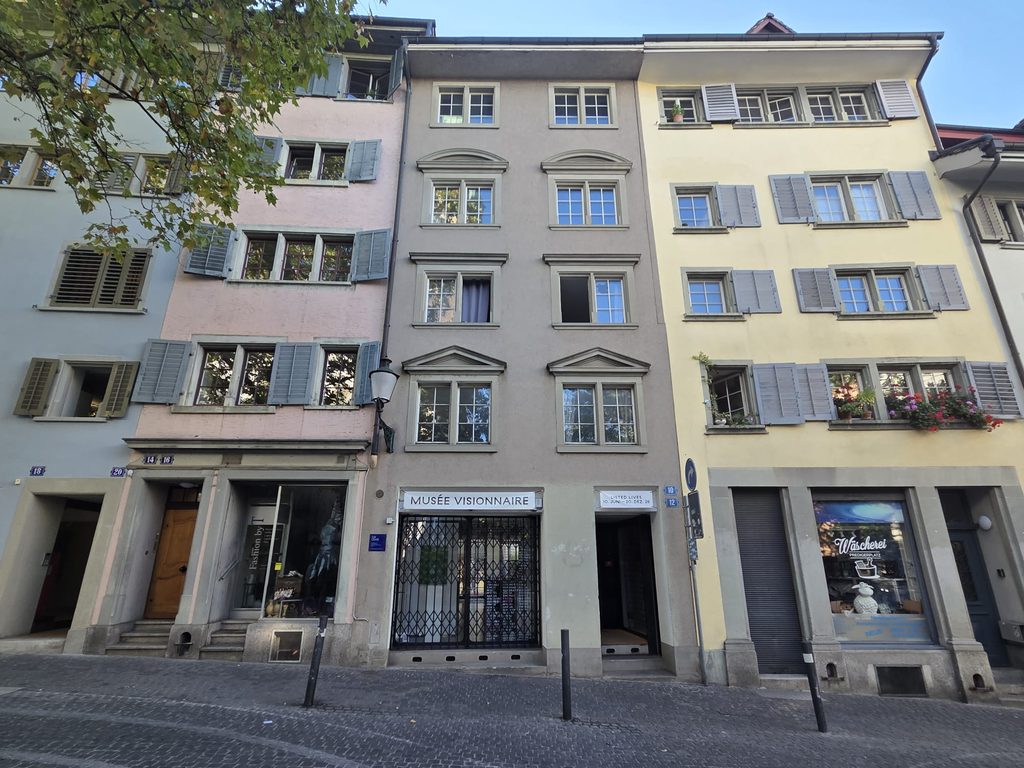
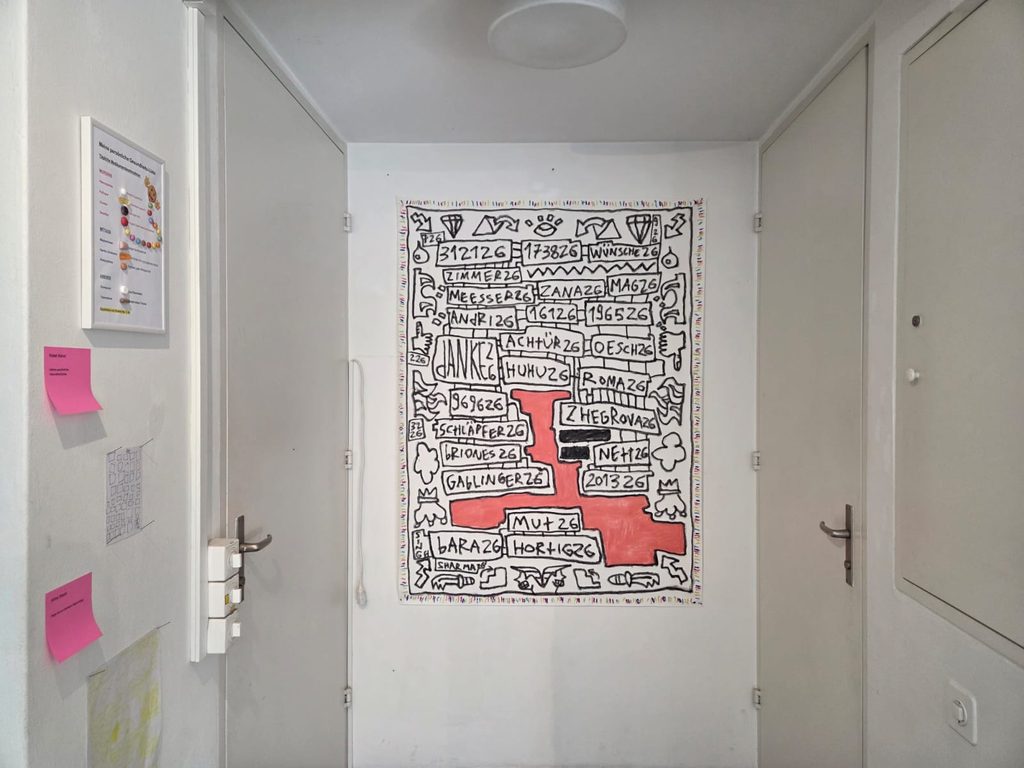
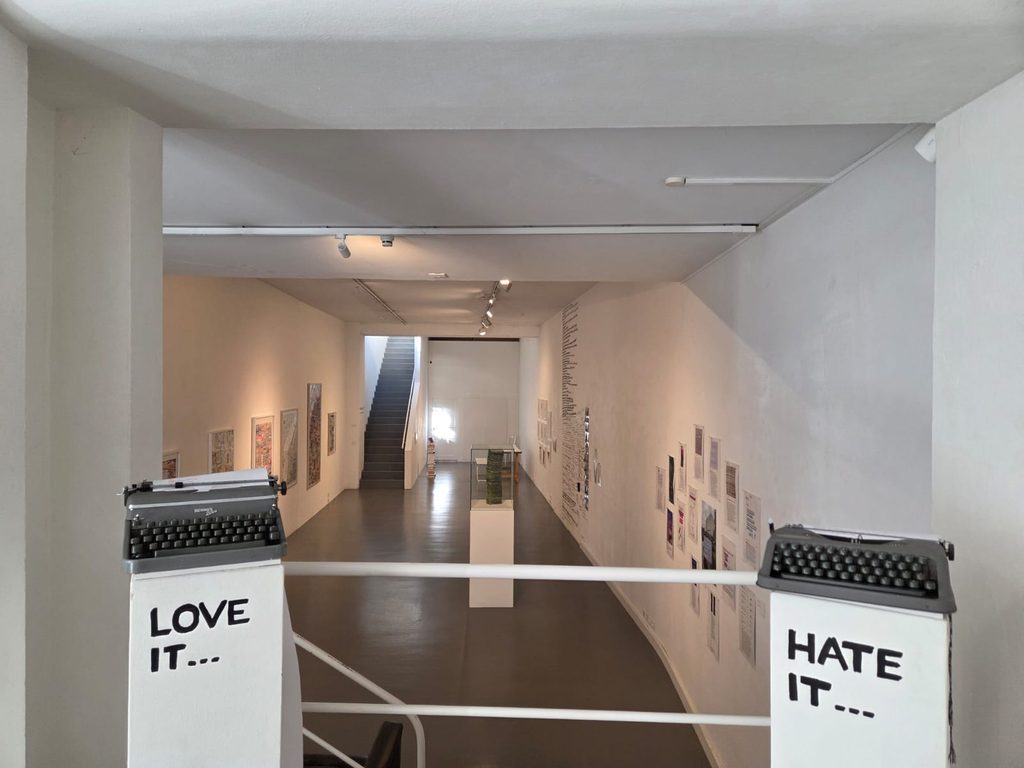
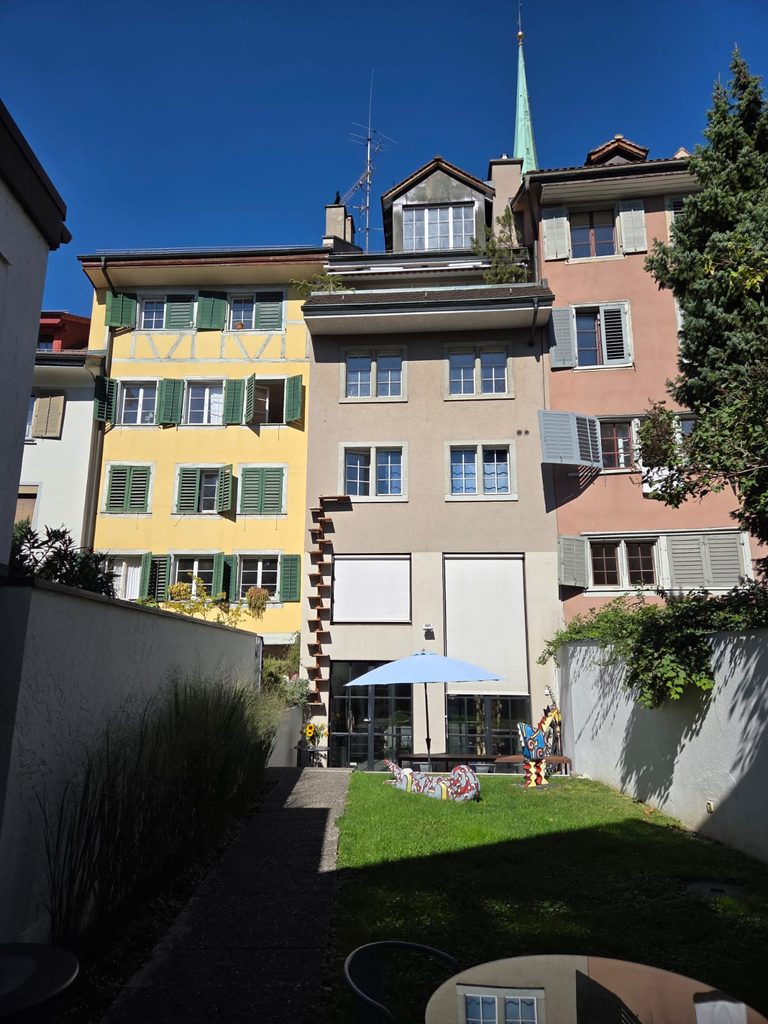
The museum has a lovely space in a building on Predigerplatz in Zurich’s Old Town. In 1968 Zurich architects Trix and Robert Haussmann extensively remodelled the space, retaining the historic footprint and exterior. There is a nice flow today with a ground floor level reception, then galleries downstairs extending all the way to the back of the site, before you pop up in an annex at the back and walk across a little courtyard garden to get back to the entrance.
The museum does have its own collection, but when I visited a temporary exhibition filled the space. As far as I can tell it didn’t include works from the collection. The collection now numbers in the hundreds of works, though, and the museum seem to have a generous approach towards loans. Putting their money where their mouth is in terms of their mission, I suppose!
Listed Lives (10 June – 20 December 2026)
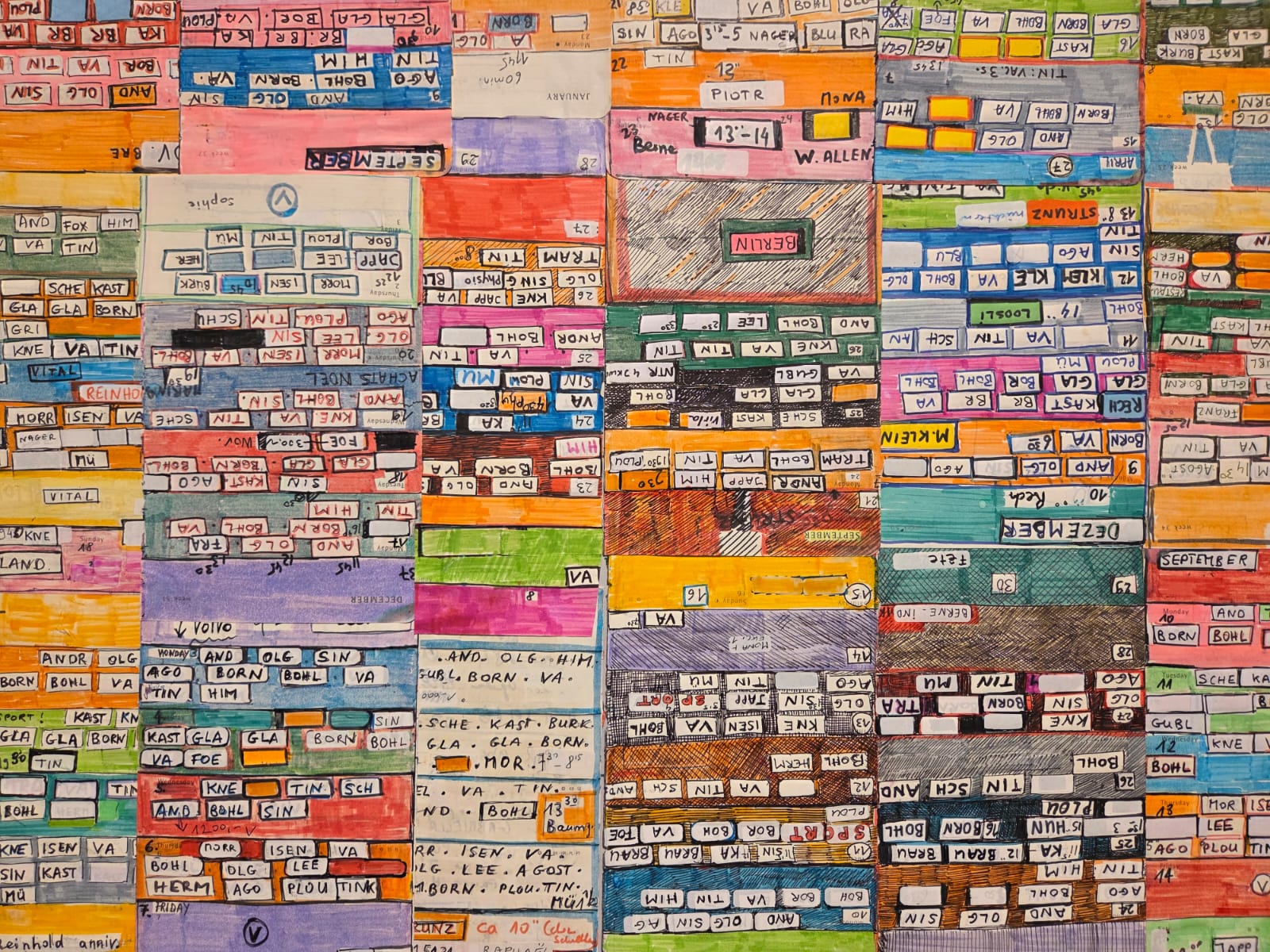
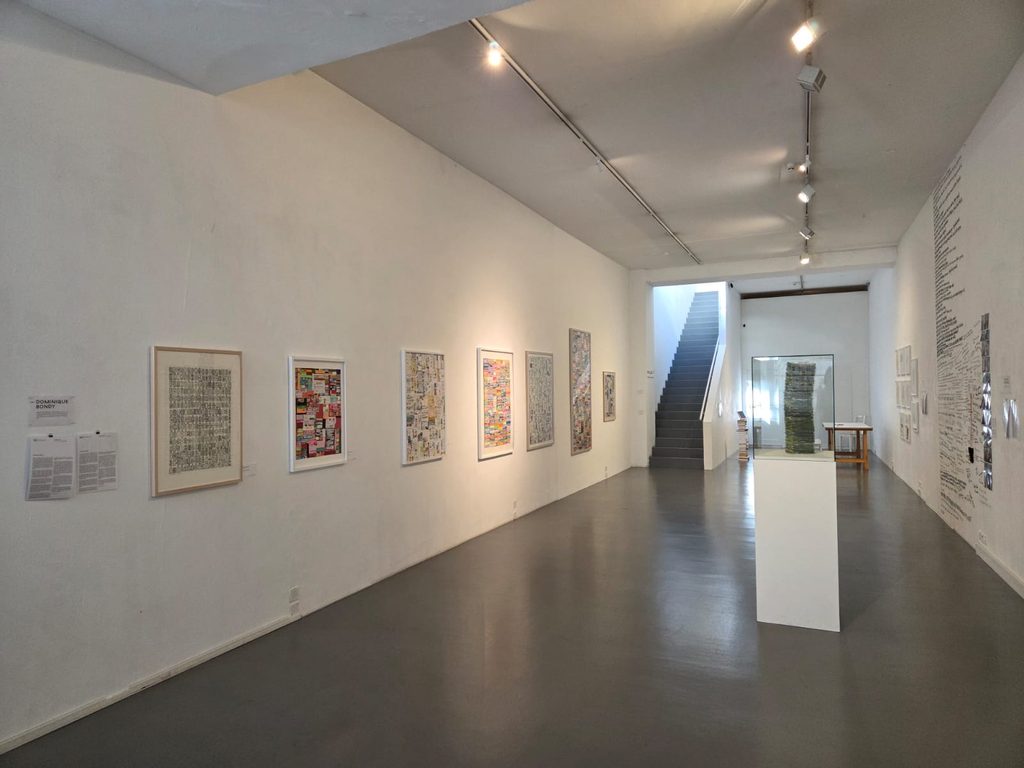
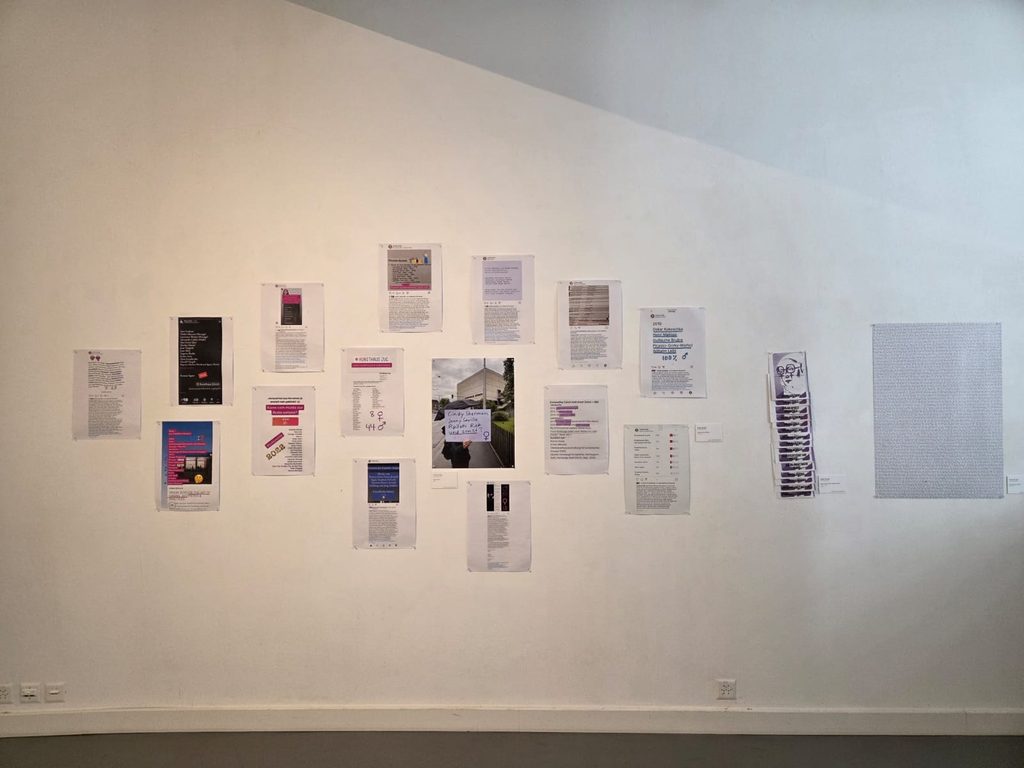
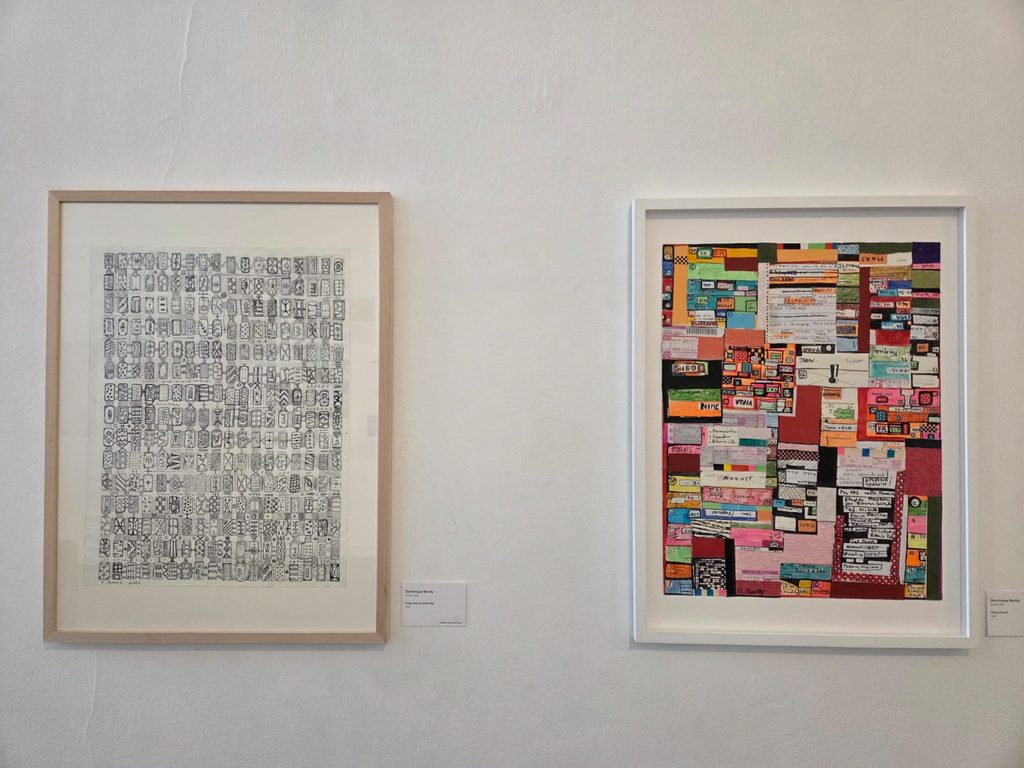
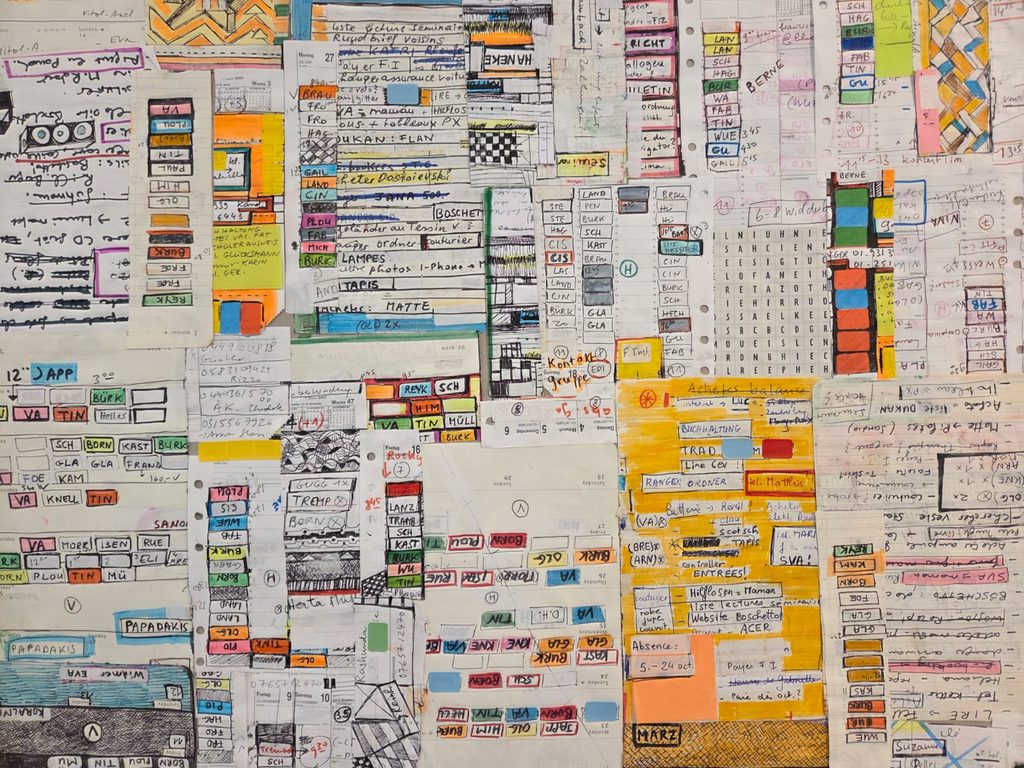
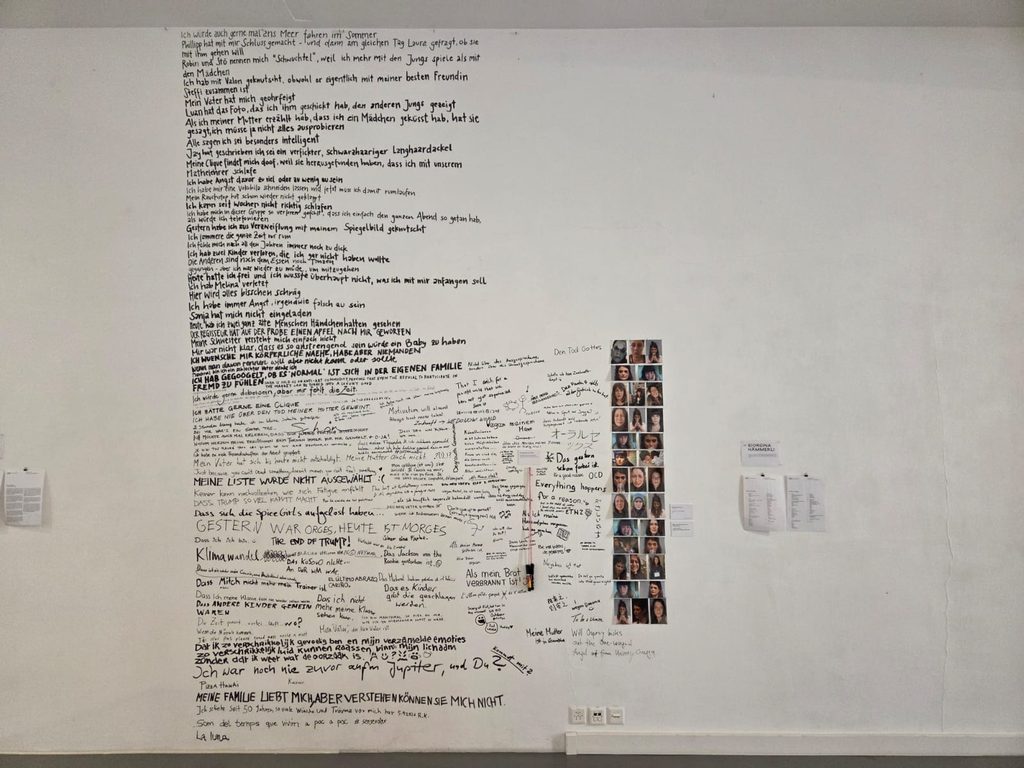
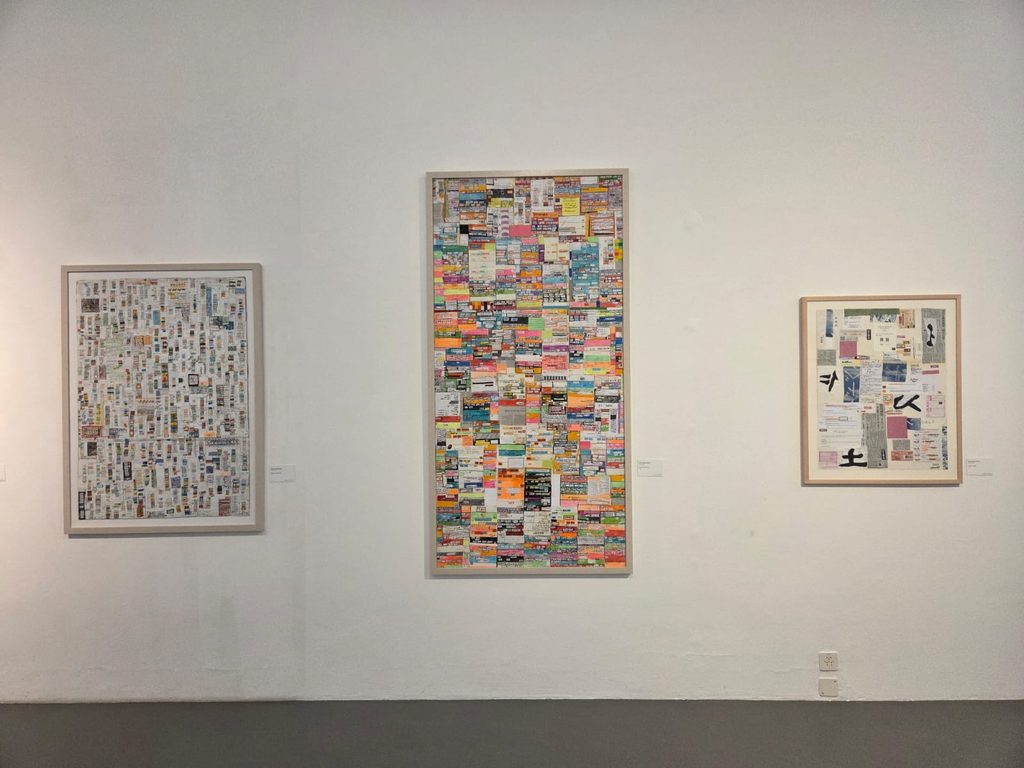
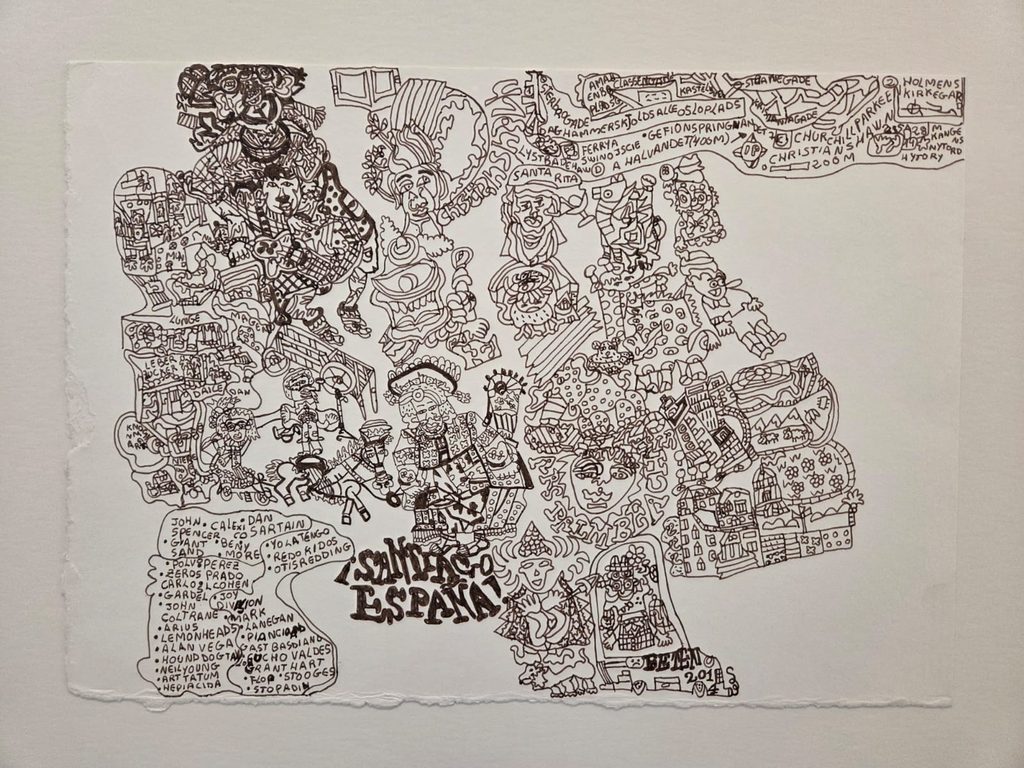
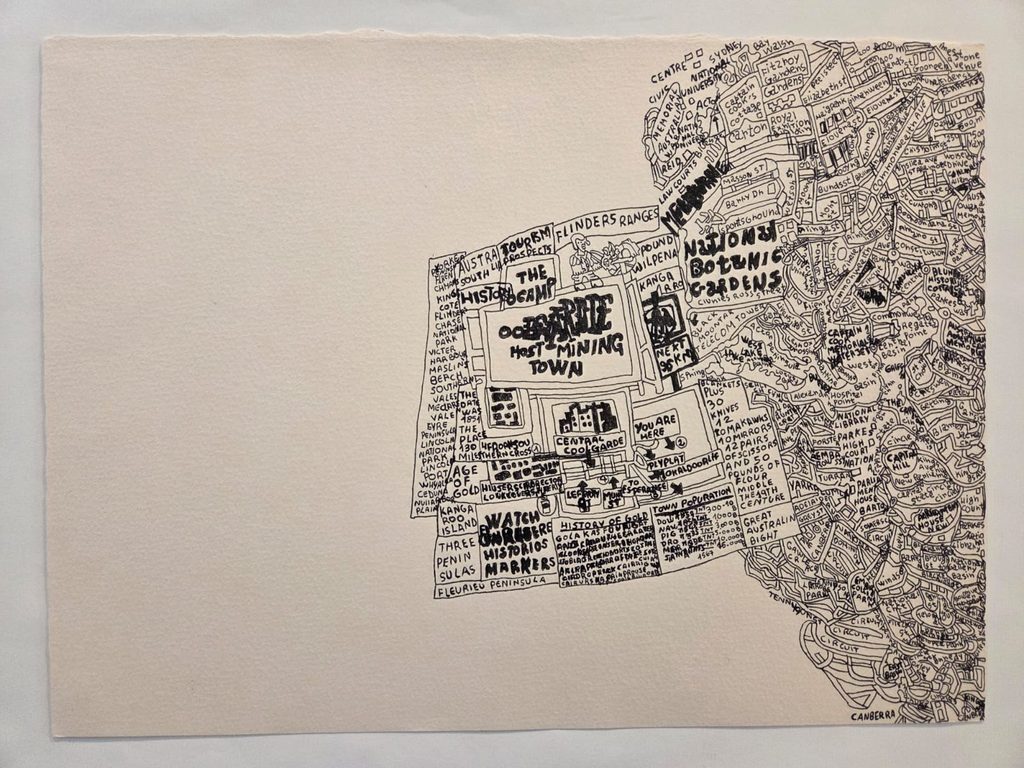
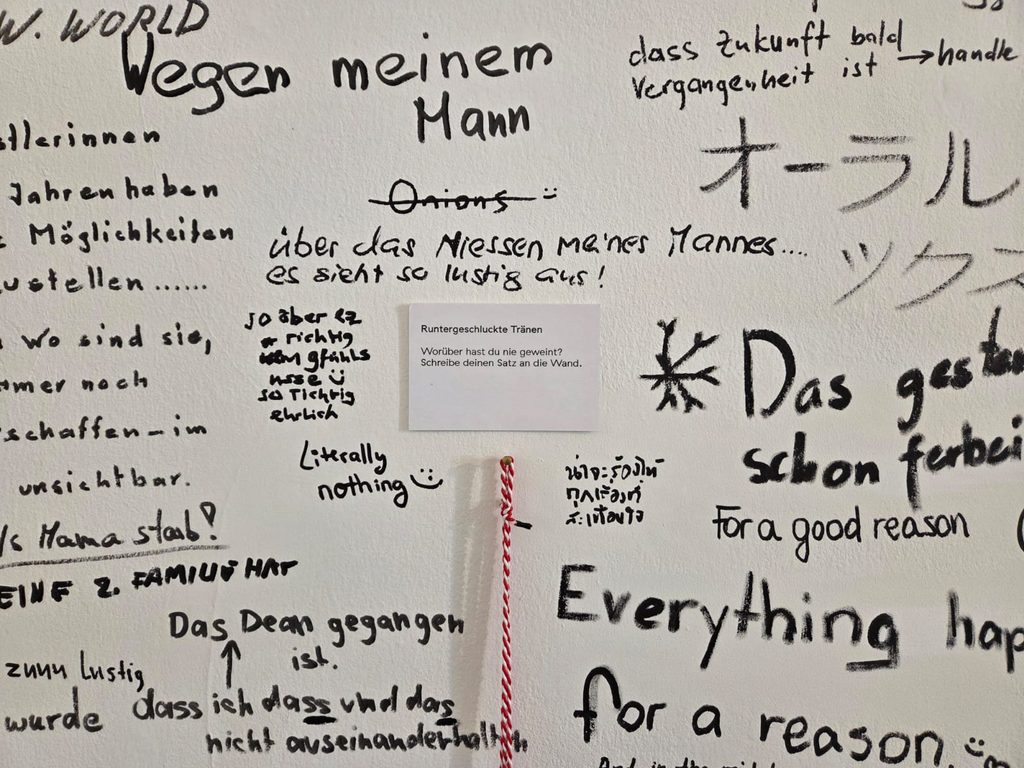
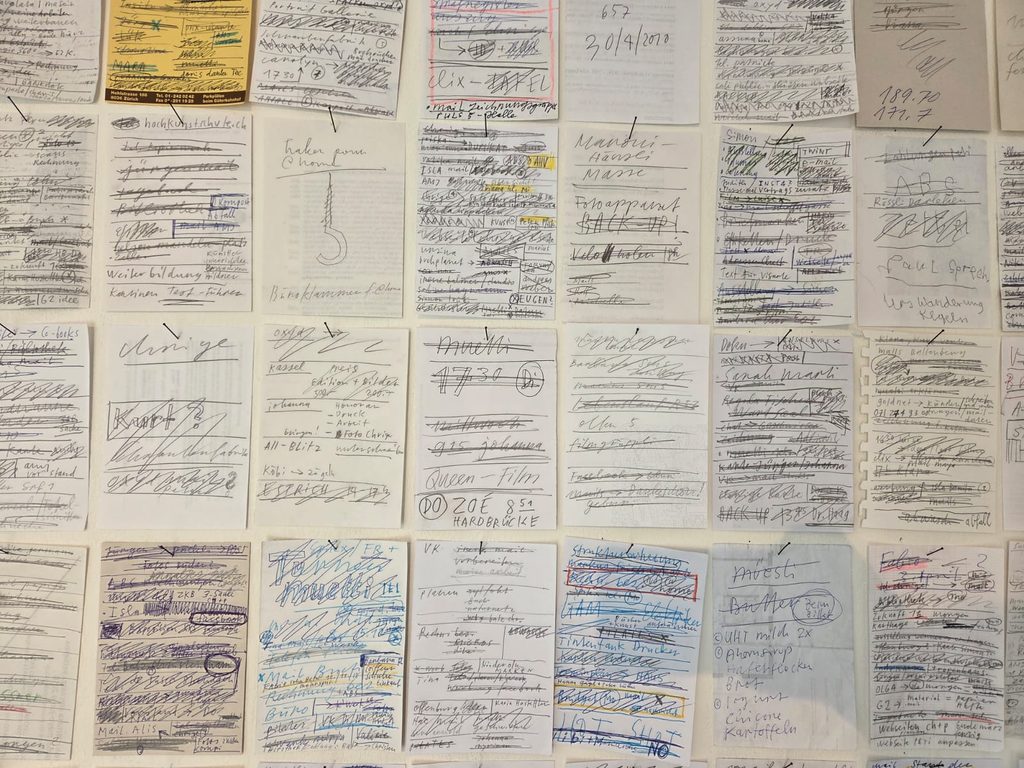
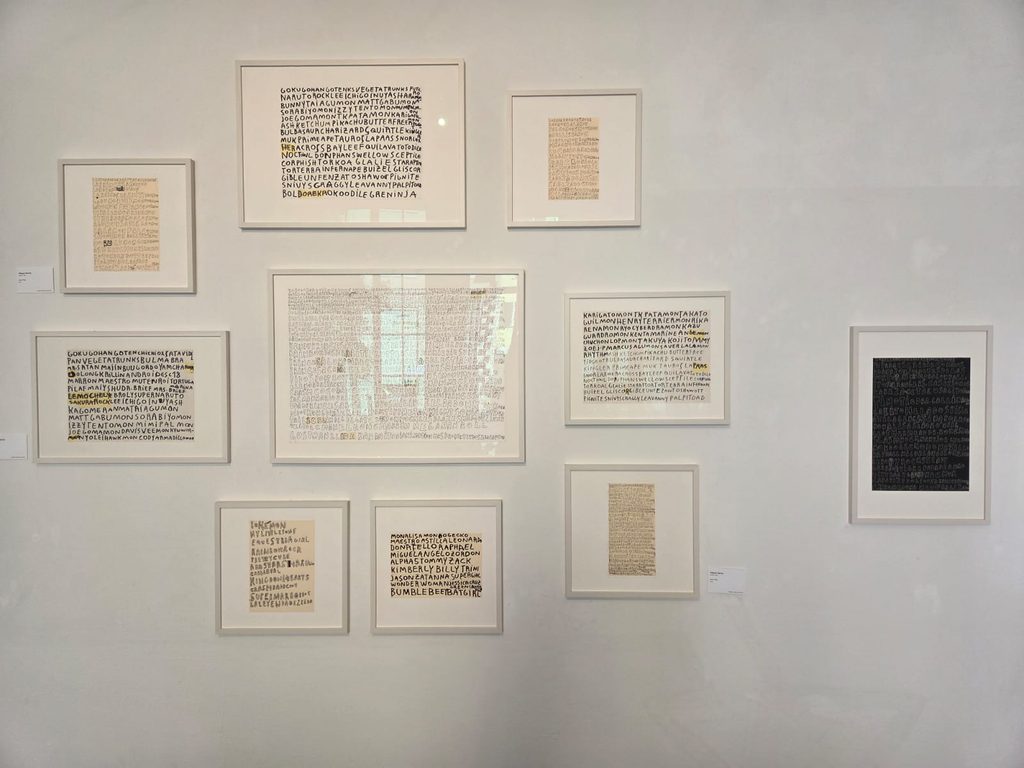
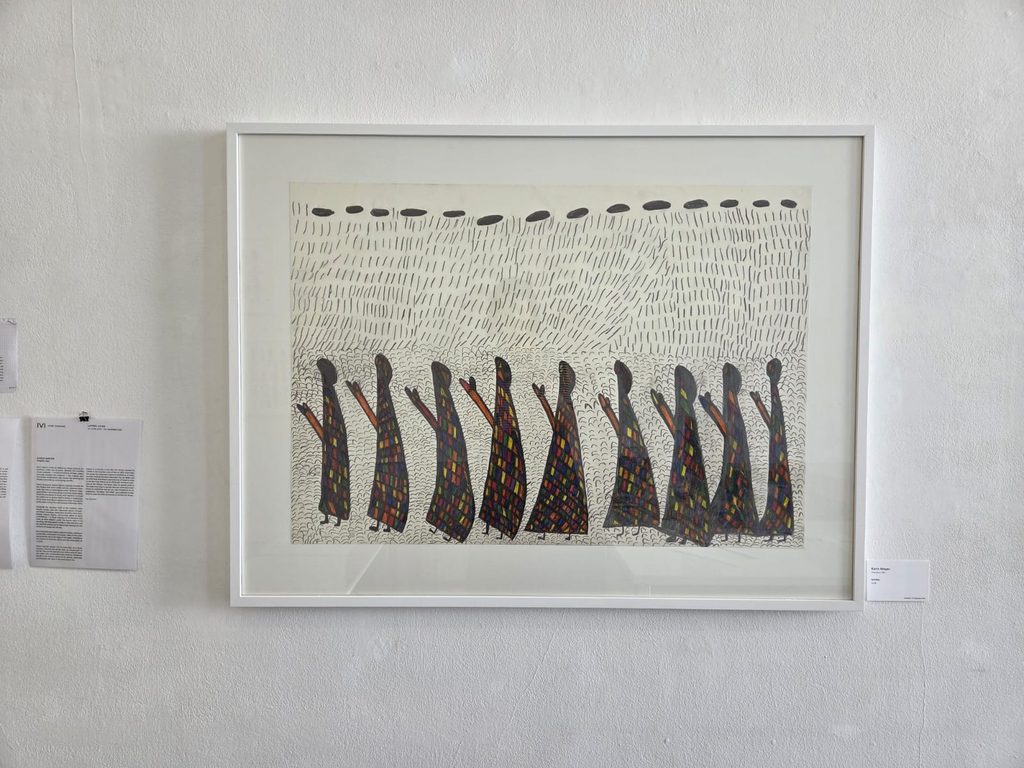
The concept behind Listed Lives is simple: lists! Lists as tools that have a big impact on our lives, helping us to organise, make sense of and structure the world. The exhibition brings together work by visionary artists who in some way connect with this idea of list-making and repetition.
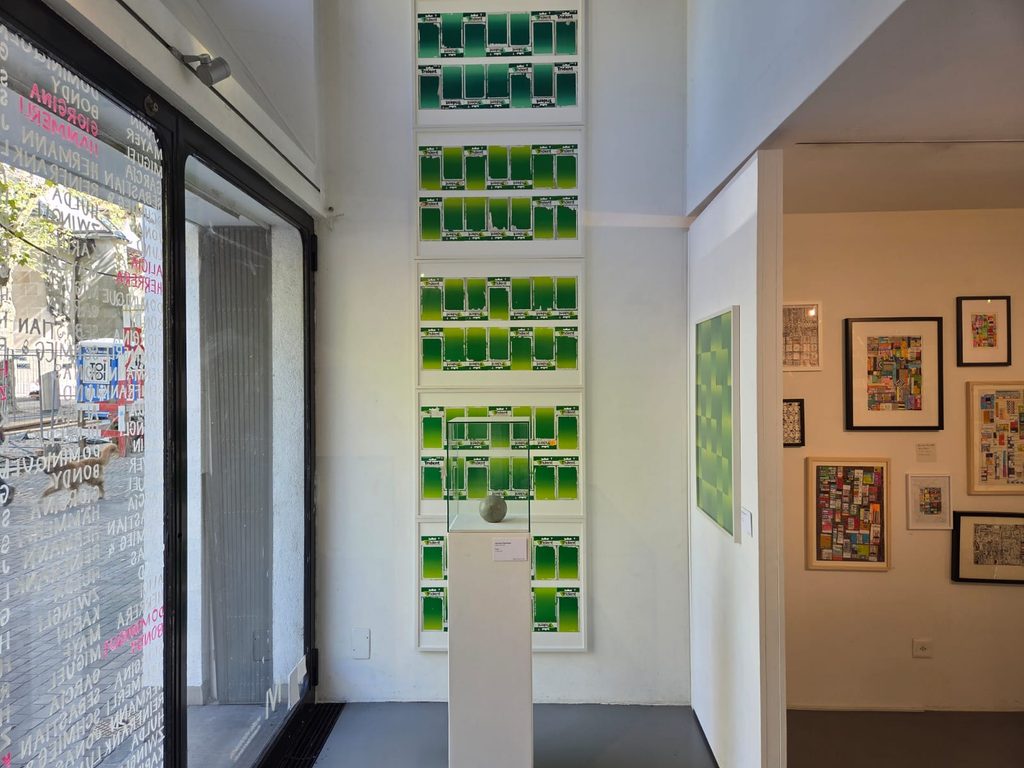
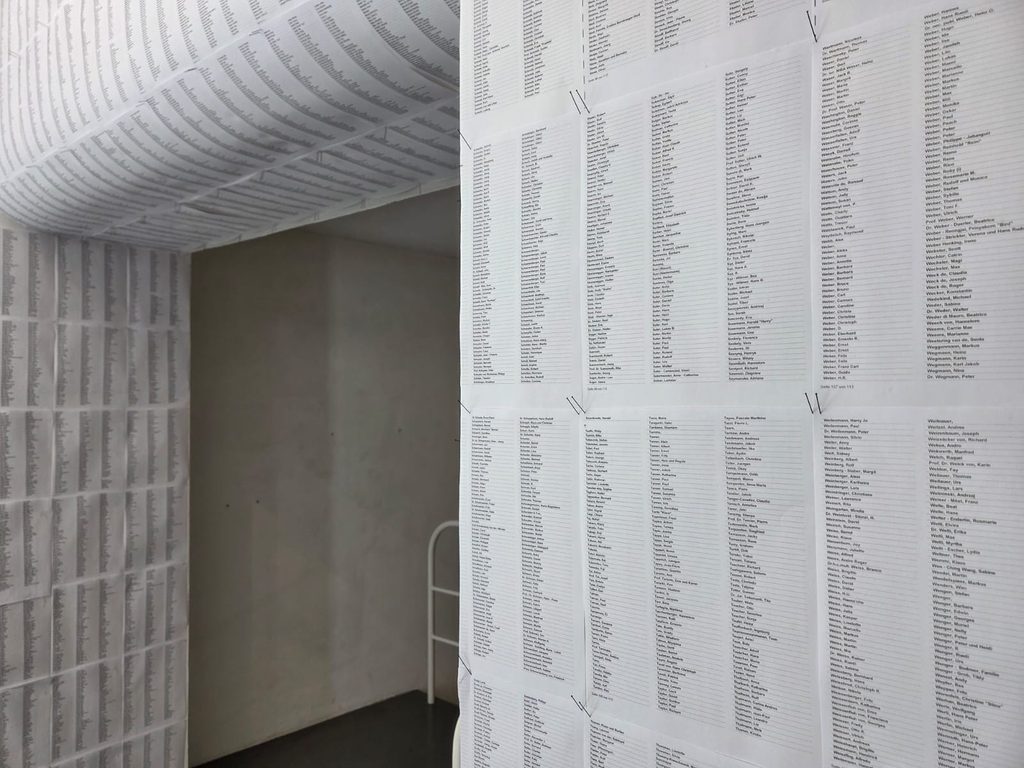
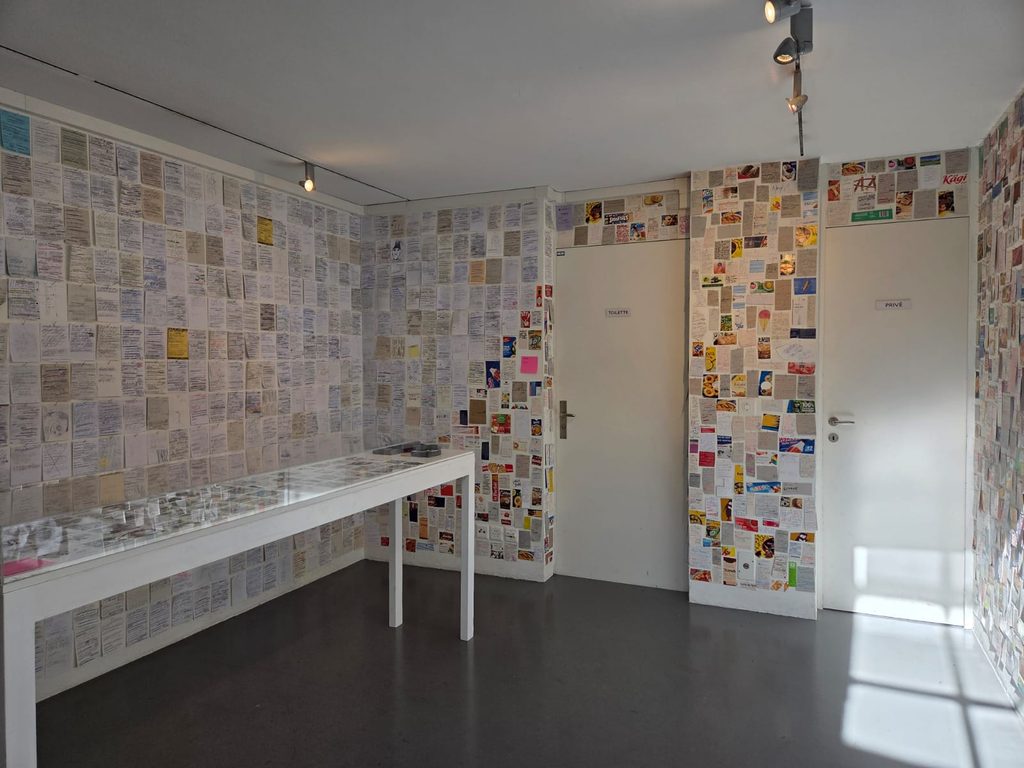
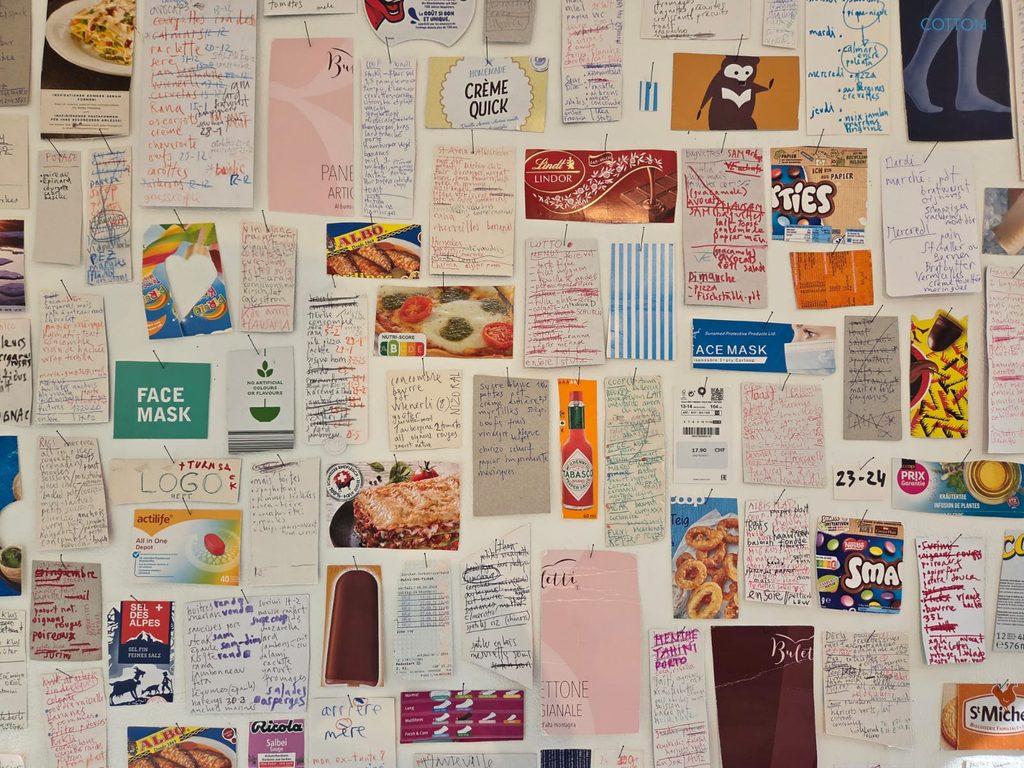
Aside from being an interesting space architecturally, the exhibition space of le Musée Visionnaire is otherwise a white cube, and thus a clean backdrop for the various works. This is helpful, as many of the works require extensive display space. There are Rolf Wäber’s collected Alltagslisten (Everyday Lists), for instance – mostly shopping lists written on repurposed materials – all carefully pinned to the wall. Or Niklaus Strauss’s Alle Personen A-Z (All People from A-Z), a list of 25,000 figures from the art and cultural sphere.
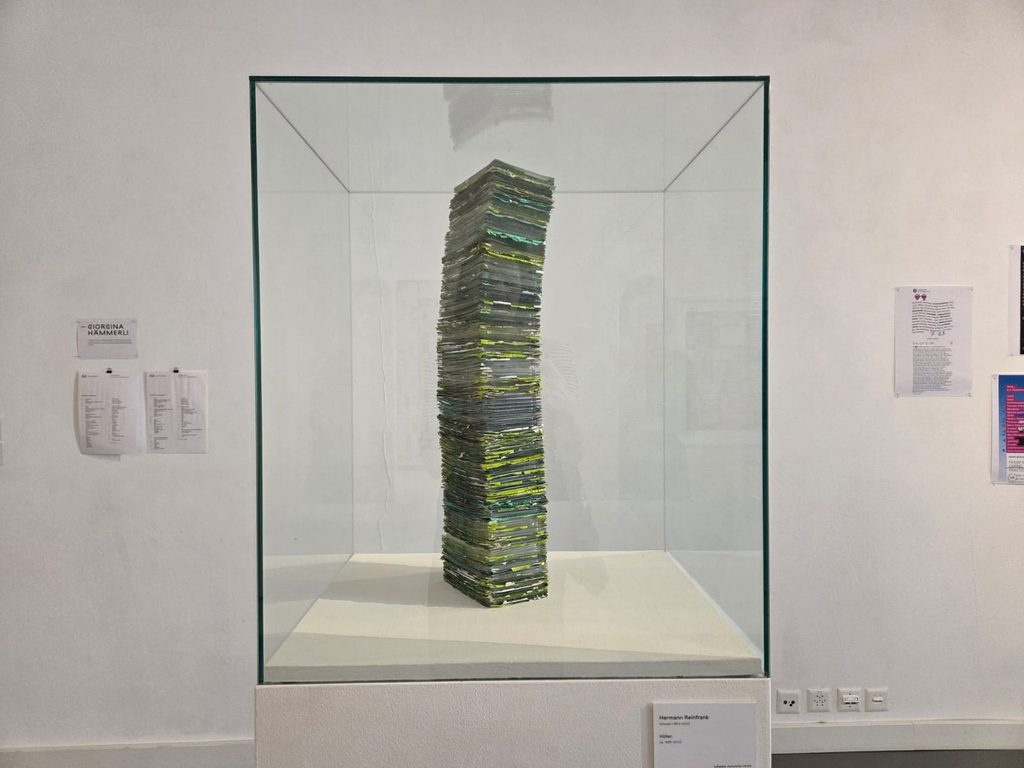
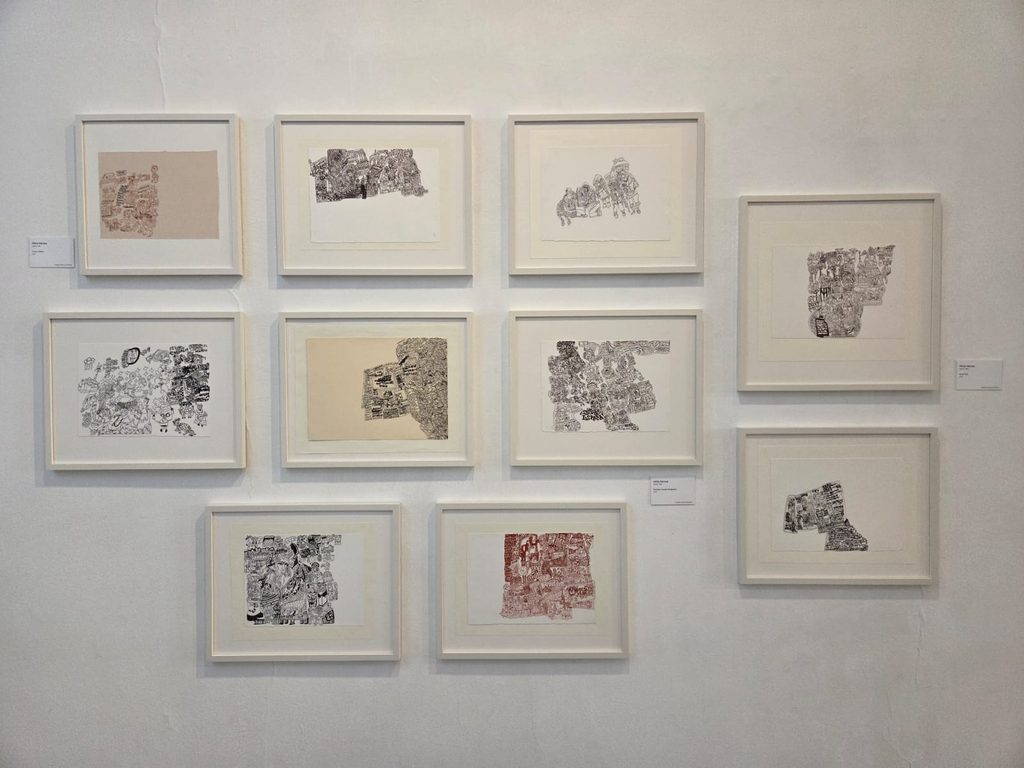
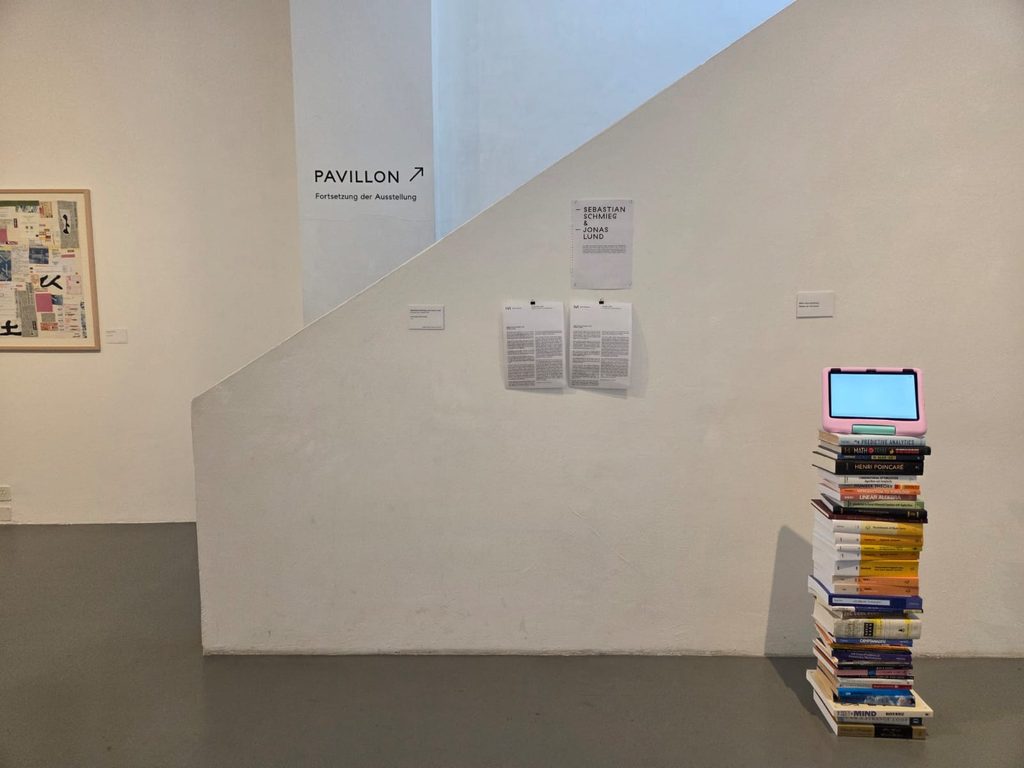
Other works take the concept of a list in interesting directions. Sebastian Schmeig and Jonas Lund, for instance, have written a programme which starts with one item in an Amazon basket and continues adding related items until they number in the thousands. When I was watching it, it was gathering egg-related kitchen items. Or there are the works that are more about repetition than a list per se. I include in this category Hermann Reinfrank’s Hüllen (Casings), a stack of identical, discarded objects the artist collected while working as a bus cleaner. Likewise Alicia Herrera’s densely populated drawings, which start in one corner of a piece of paper and spread outwards.
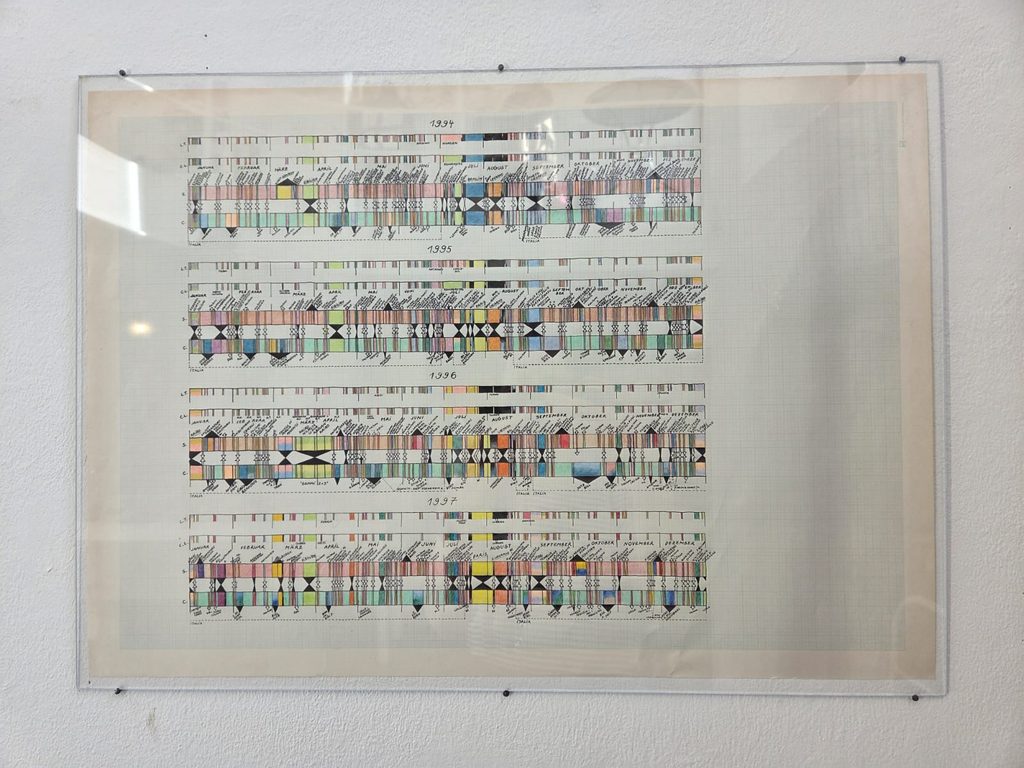
For me, a key takeaway from the exhibition was a reflection on how each of us attempt to manage the world around us. I might not give 1mm per day to my Lebensplan (Life Plan) like Serena Kiefer does, but I do have certain conventions as to how I write things down in my diary. My own bit of order in the chaos that is life, meaningful only to me. With interesting essays on some of the artists, clear labelling, and a participatory element, I thought this was an interesting and thought-provoking exhibition.
Goodbye to Zurich
It was almost time now for me to head to the airport and back home to London. This little interlude at le Musée Visionnaire, however, was definitely worth my while. I always enjoy exhibitions and institutions dedicated to visionary art (or whatever name you choose for it). The closest counterpoint, I think to le Musée Visionnaire, is London’s Gallery of Everything. Both are private initiatives, which mostly host temporary exhibitions. Both are accessible (conceptually at least), and inclusive of a wide variety of artists. And per the Musée Visionnaire’s comments above, both focus on connection rather than demarcation or labels.
I like that I can turn up in a city that I’ve been to multiple times before and find so many new things to discover. I’m glad I stumbled upon le Musée Visionnaire’s walking tour. Although it was only a block from my hotel, I’m not sure I would otherwise have found the museum. Proof that internship and apprenticeship projects are valuable, in a way that can far outlive the apprenticeship itself.
Le Musée Visionnaire also showed me another side of Zurich. I spoke in my Sprayer von Zürich post about how I had almost ignored the evidence of graffiti and spray art in the city, because it didn’t fit my preconceived ideas. The museum’s audio tour had me looking differently at the urban landscape around me. And similarly, for me, visionary art collections and exhibitions are all about challenging myself to see and think differently. Le Musée Visionnaire did not disappoint in this regard.
Trending
If you see this after your page is loaded completely, leafletJS files are missing.