
Kunsthaus Zürich
A brief weekend trip where my primary object is an exhibition at the Kunsthaus Zürich is the perfect opportunity to acquaint myself with one of Switzerland’s top art museums.
Kunsthaus Zürich
If I’m honest, this isn’t even the first time I’ve travelled internationally for an exhibition. As an art lover, and as someone with a nerdy art hobby which means there are certain works I want to see, you have to take the opportunities as they present themselves. And, on this occasion, I’d spotted a painting I wanted to see at an exhibition at the Kunsthaus Zürich.
I toyed with the idea of just seeing the exhibition and then leaving. It was a lovely day, and I fancied doing something other than spending all weekend in museums. Shocking, I know! In the end, I did find that balance. I went to two more museums somewhat accidentally, but I also went on a boat trip on Lake Zurich, and a very unusual walk around the city which I’ll tell you about. But an exhibition ticket also includes permanent collection entry, and so I decided to do what I always call ‘a quick whip-round’.
In the end it was not so quick, even though I whipped around. Because the Kunsthaus Zürich, you see, is rather large. Two buildings, in fact, each of which is a large museum on its own. I don’t believe I’d been here on previous visits to Zurich. I think I would have remembered that much museum. But it was worth it in the end, as the museum’s scale, and approach to presenting its collections (and several private collections) impressed me. I’m going to start with a bit of background, though, before we get into the art.
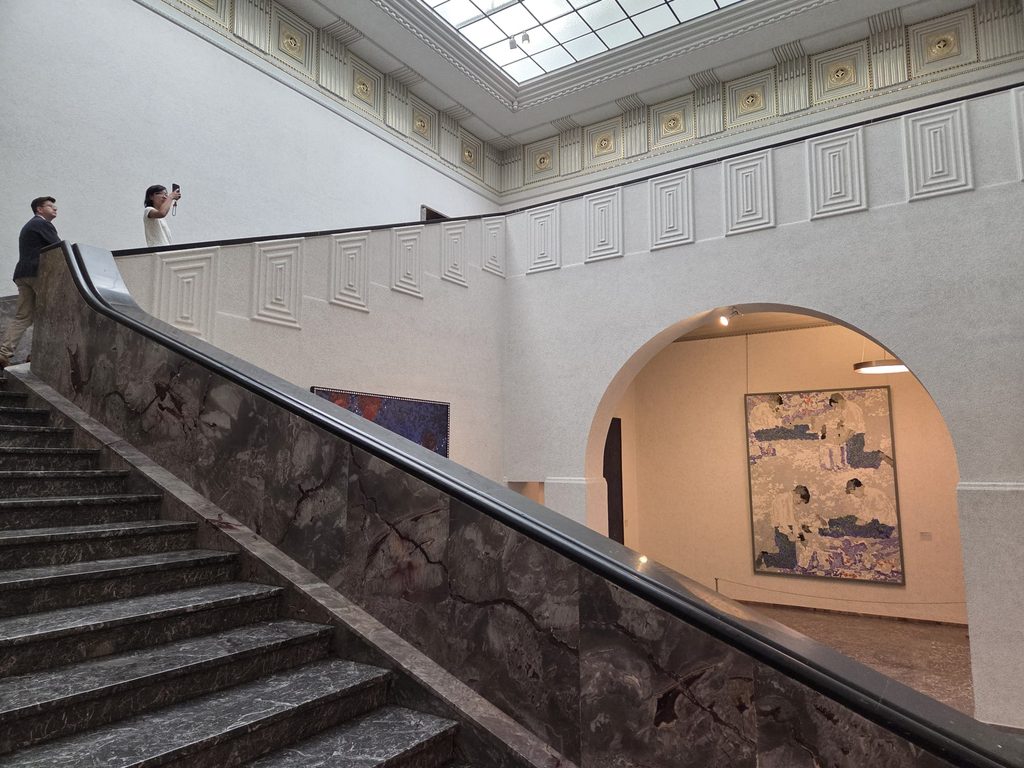
A Brief History of the Kunsthaus Zürich
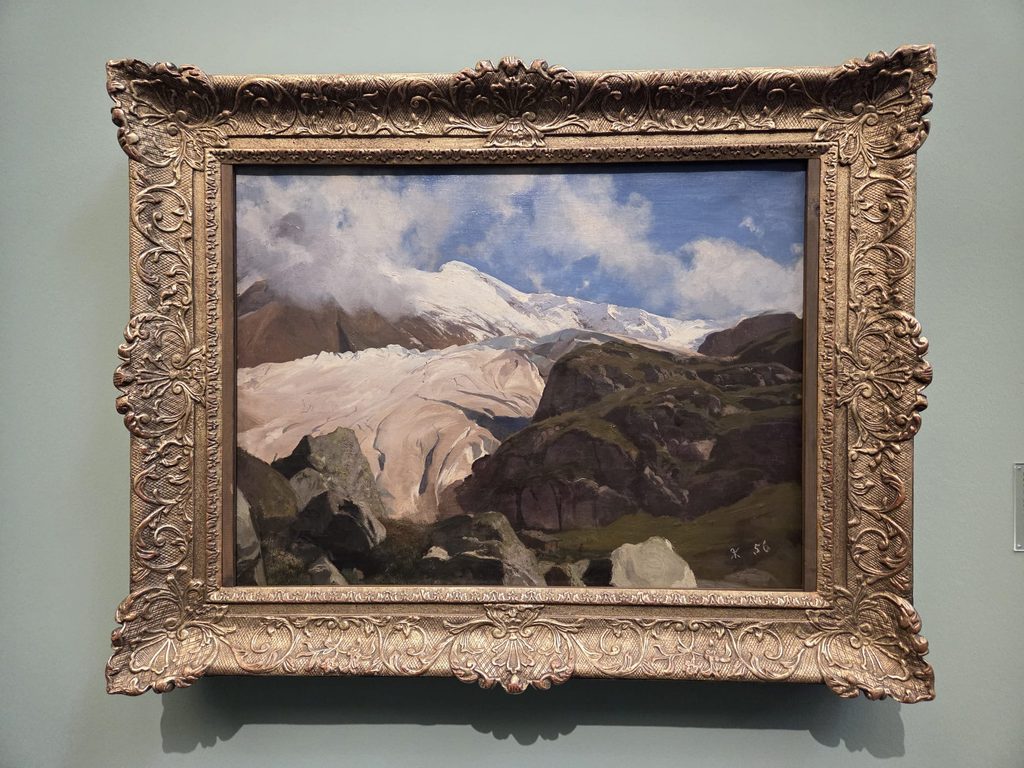
A lot of the European art galleries we visit on this blog seem to have their origins in royal collections. The Staatsgalerie Stuttgart, for instance, the Kunsthistorisches Museum in Vienna, or, if you squint, the Musée d’arts de Nantes*. But the Kunsthaus Zürich is different, in a way that seems to me rather Swiss. Rather than being a royal or noble collection at the outset, this museum began life as a small group of artists and art lovers. The Künstlergesellschaft (Society of Artists) was founded in 1787, and began collecting art in 1794. Members donated works of art by their own hand or another artist’s, contributing to a Malerbuch, or artists’ book. In 1812 they secured funding to acquire premises. While this was at first just a club house, in 1818 they opened the Gessnerische Gemählde-Cabinet – a display of idyllic landscapes and drawings by Salomon Gessner.
The success of this model continued to grow. From 1840 they were doing regular rotating exhibitions, and soon needed bigger premises. These came in the form of a small gallery annex designed by Gustav Albert Wegmann. For a long time the annex mostly displayed the collection of local paintings of Colonel Keller zum Mohrenkopf. There is an interesting link here to the gallery today, which we will come back to.
The initial focus of the Society and its collection was Swiss art. But through the 20th century both the model and the focus changed. A Vereinigung Zürcher Kunstfreunde (Society of Zurich Friends of Art) was founded in 1917, and continues today to fund major acquisitions. And important collections added new categories of art, such as Hans Schuler’s Impressionist collection. Different directors and donors each had their passion project, from living Swiss artists to Dutch Old Masters.
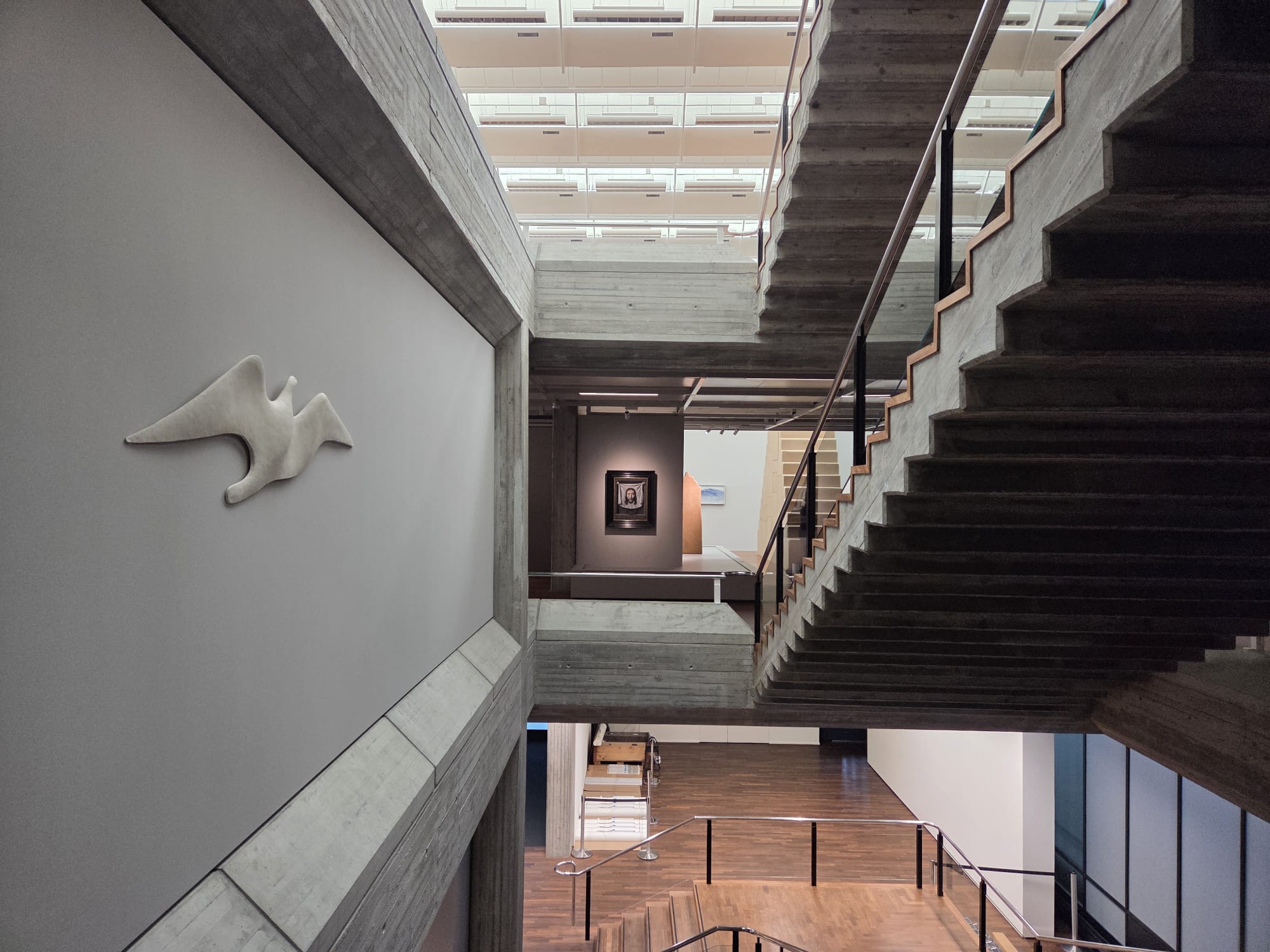
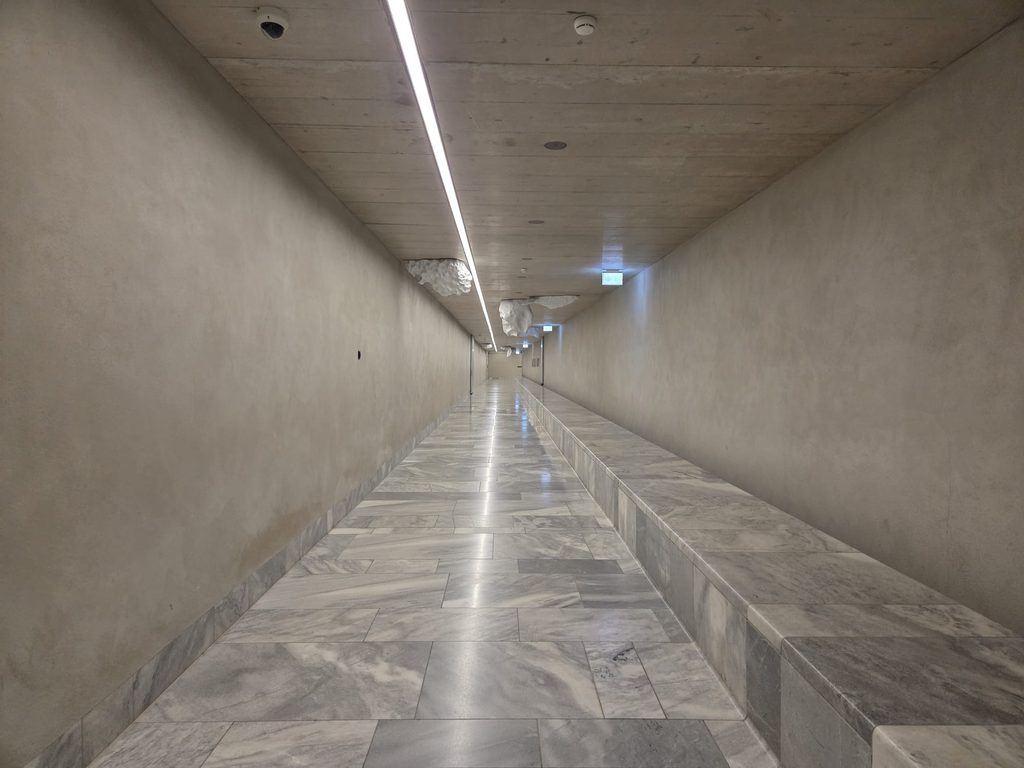
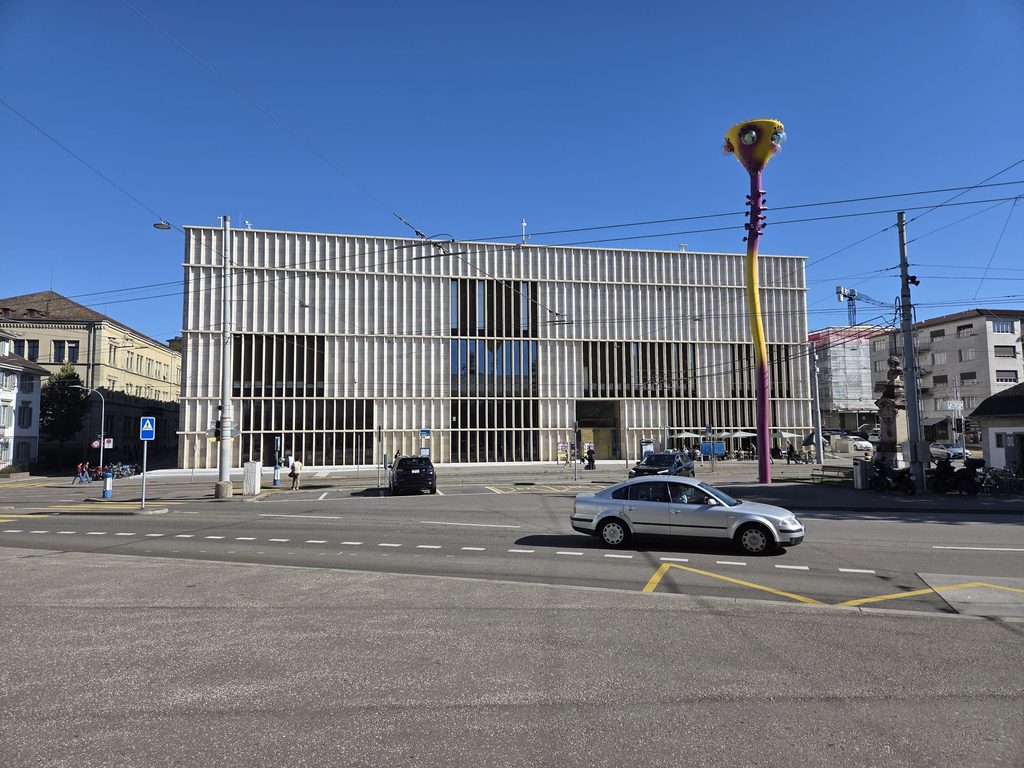
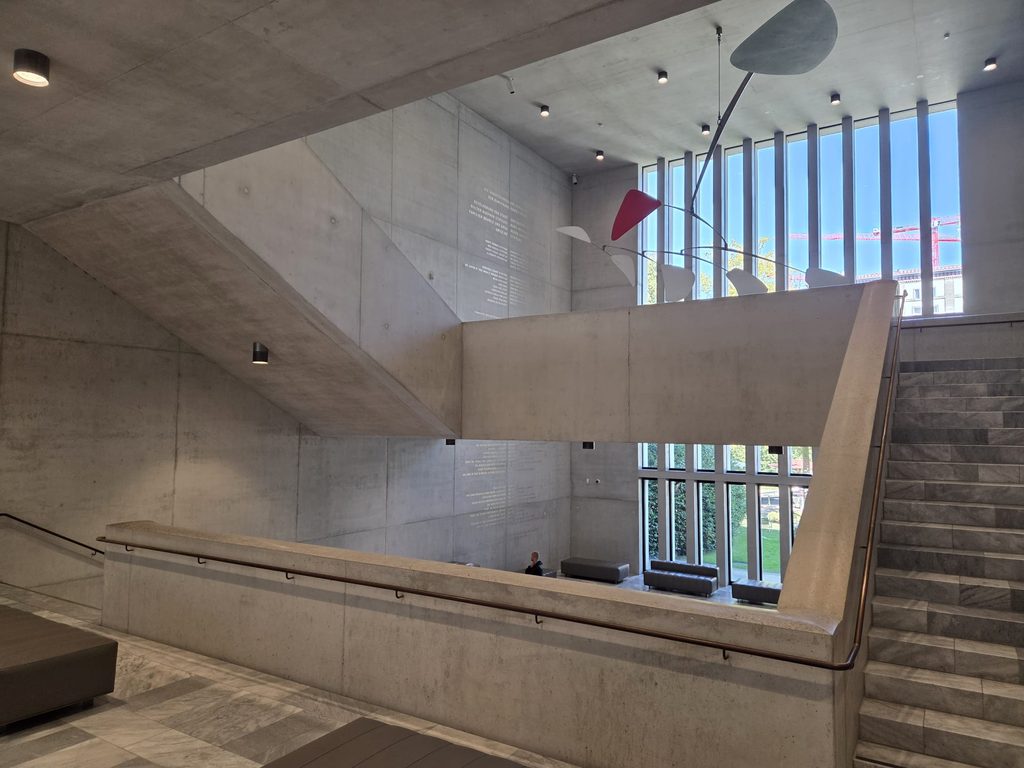
In 1910 the growing collection moved into a big, new, purpose-built gallery, designed by Karl Moser. Extensions in 1958 and 1976 continued to expand gallery space and allow for things like an auditorium and restaurant. British architect David Chipperfield designed the 2020 extension which stands opposite the 1910 building on Heimplatz. The two are linked by an underground passage with art by Olafur Eliasson. The new building, which to me echoes the glamour of the Rockefeller Centre, houses art from modernism onwards, several collections, and some temporary exhibitions.
The Kunsthaus Zürich is now Switzerland’s largest art gallery. But to come back to my original point, its origins amongst citizens, outside of any governmental or noble collection, feels to me very Swiss indeed.
*In that several museums in France got their start by reallocation by the Revolutionary or post-Revolutionary government of works from the Louvre/French royal collection.
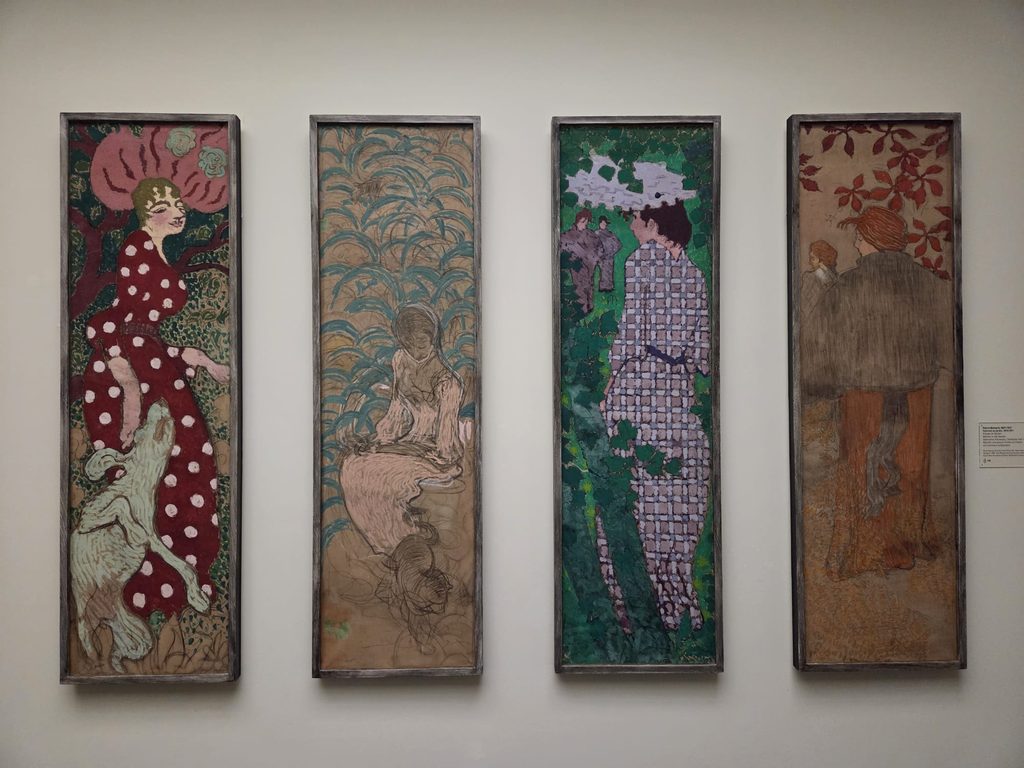
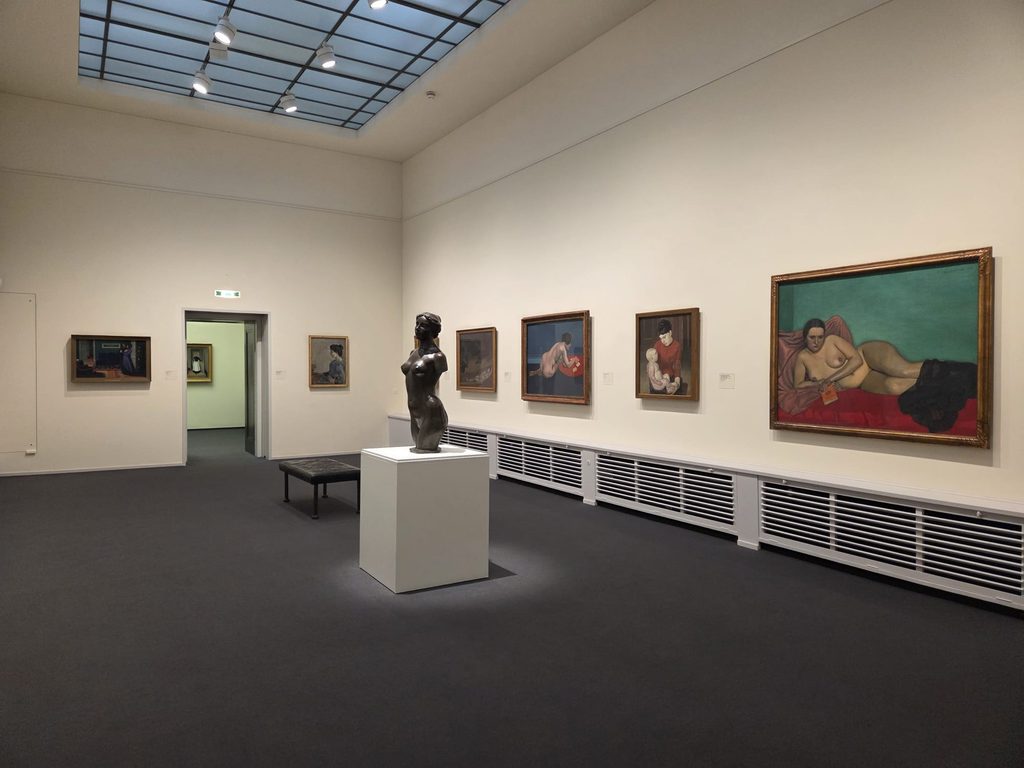
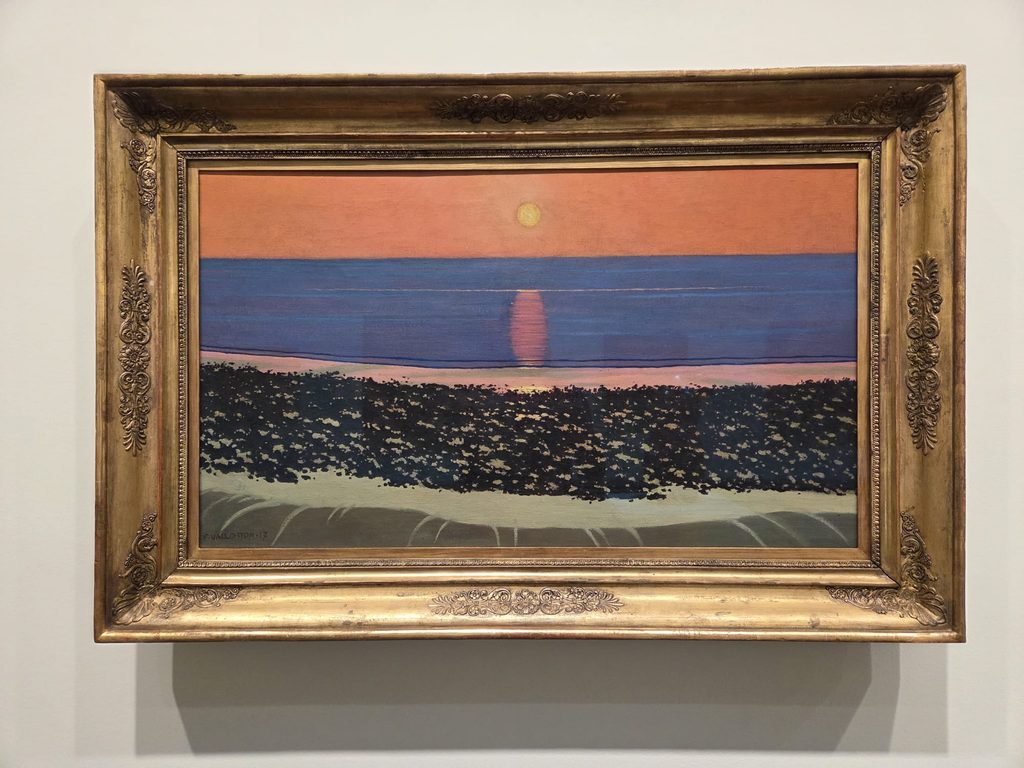
The Original Building: What’s On View?
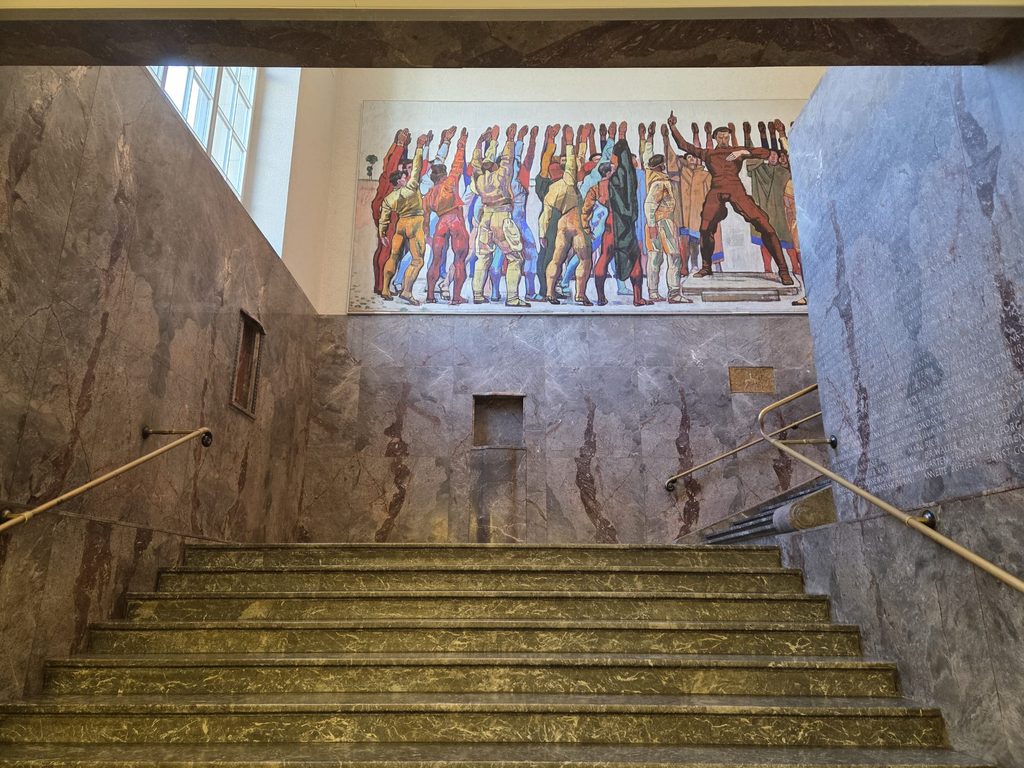
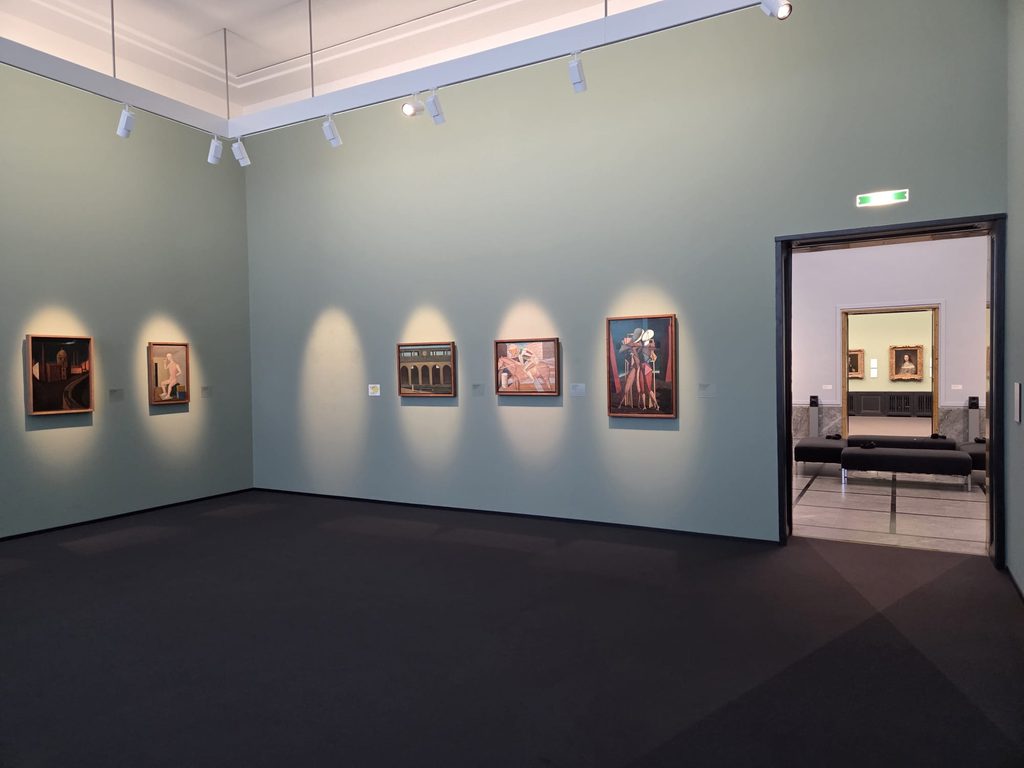
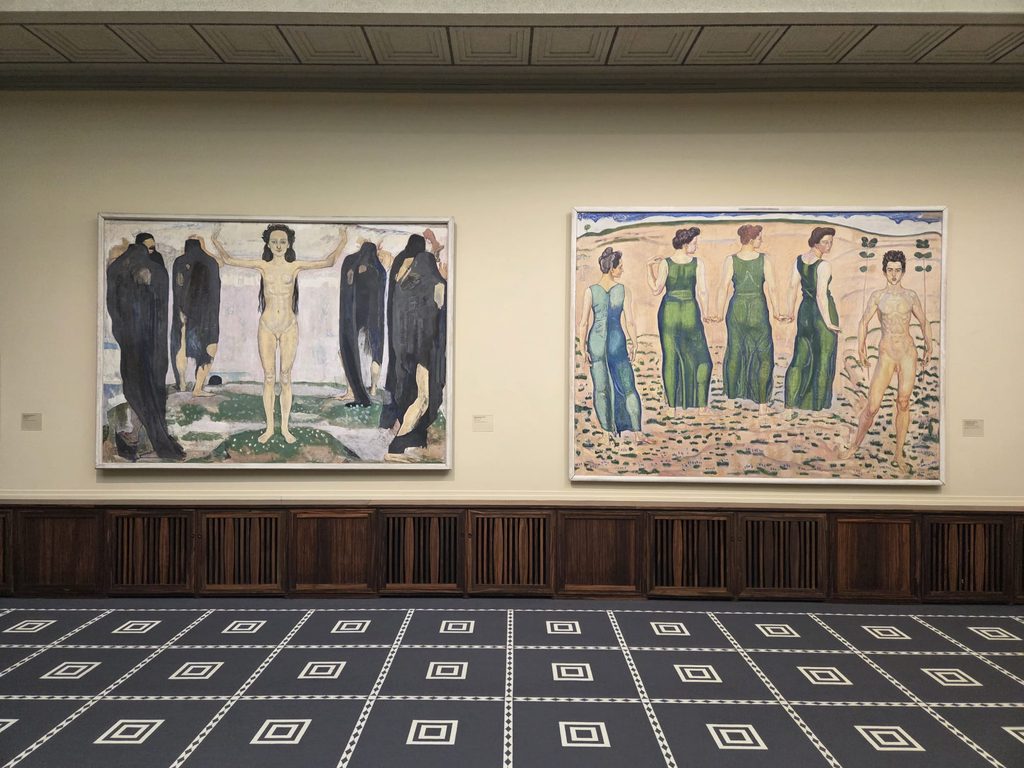
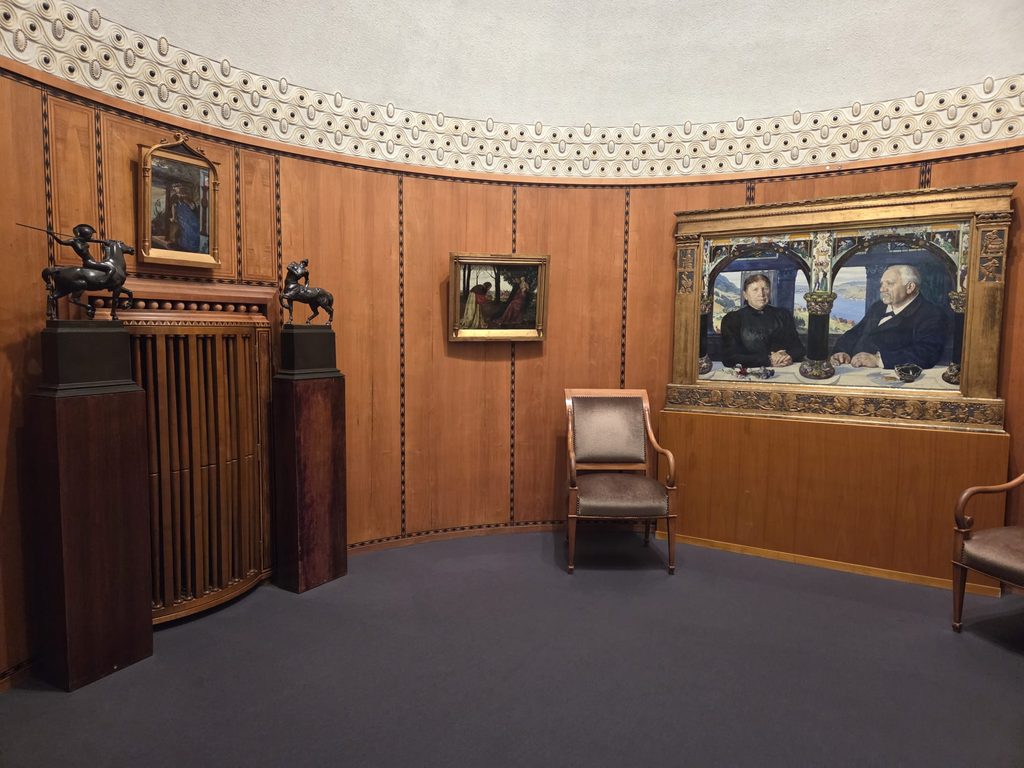
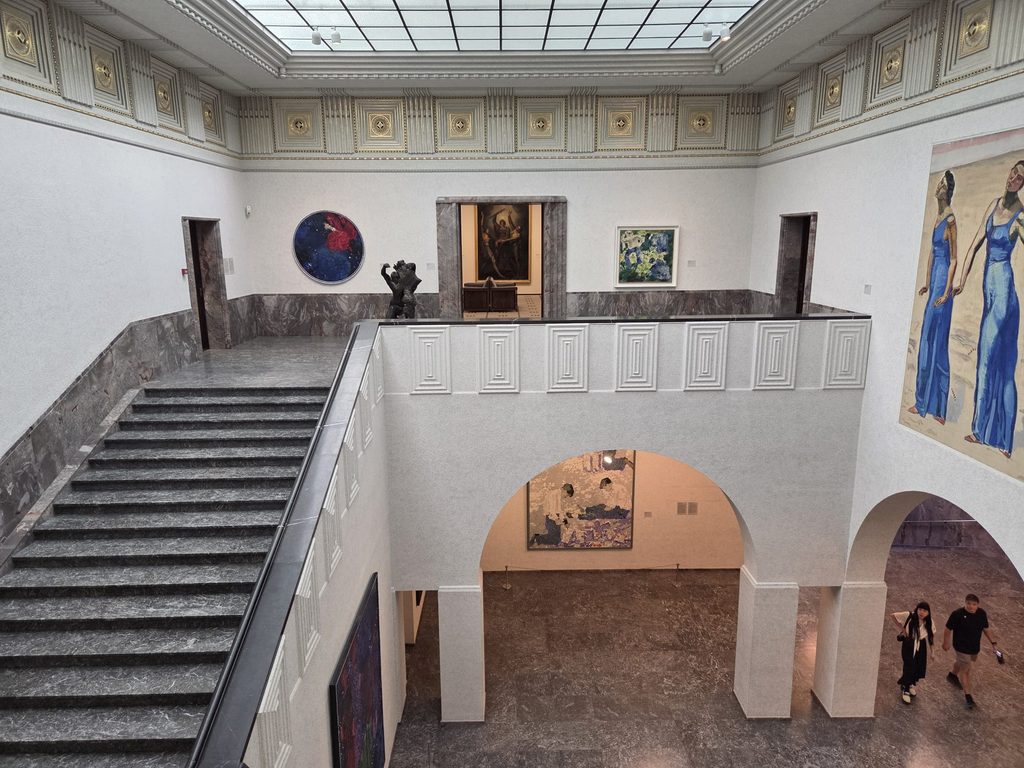
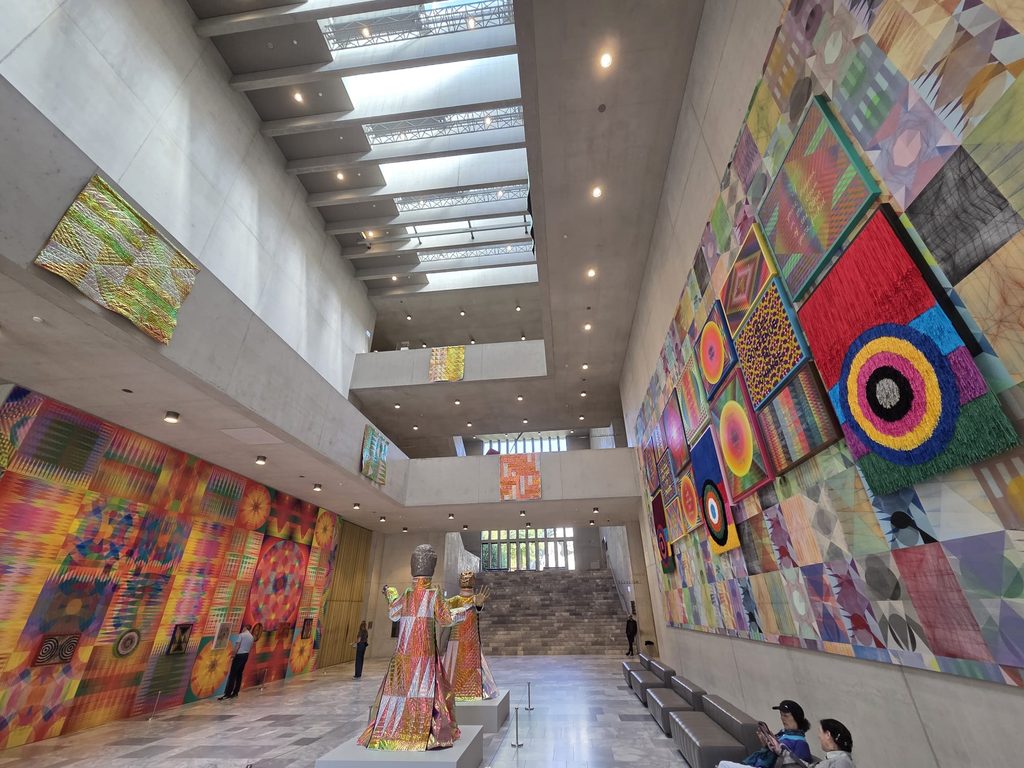
So, not really having planned to visit the permanent collection at all, what did I find when I did? The exhibition I wanted to see was in the original Moser building, so I started there. And when I headed upstairs, after admiring the large-scale murals, the Old Masters collection seemed like a good place to start.
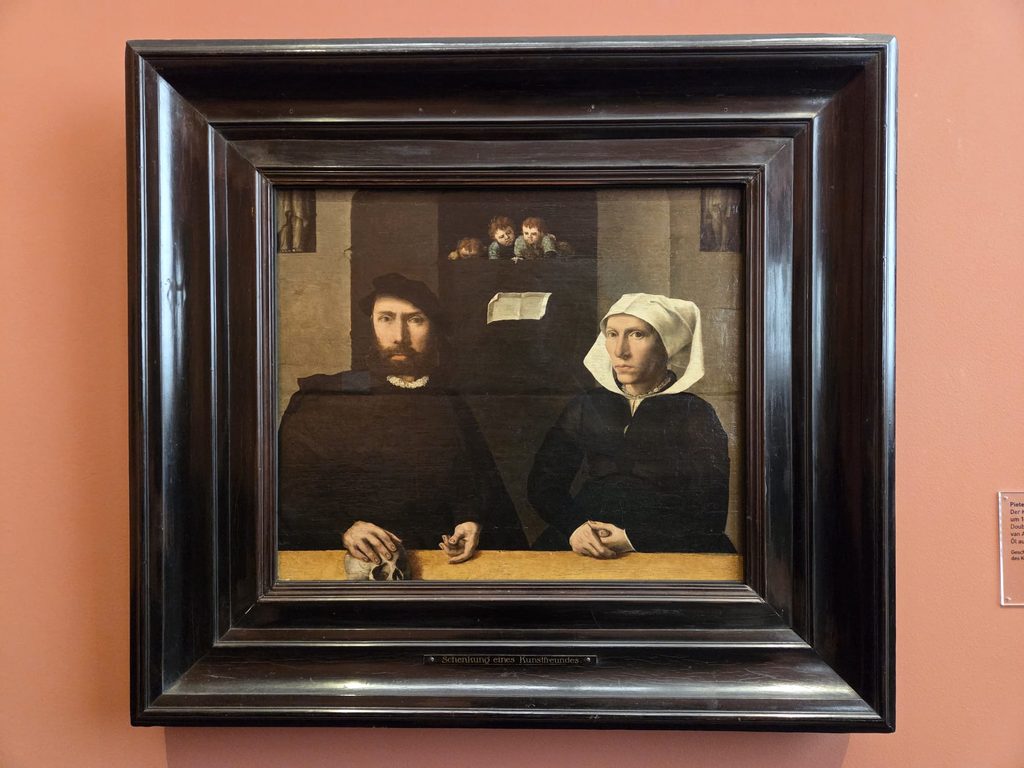
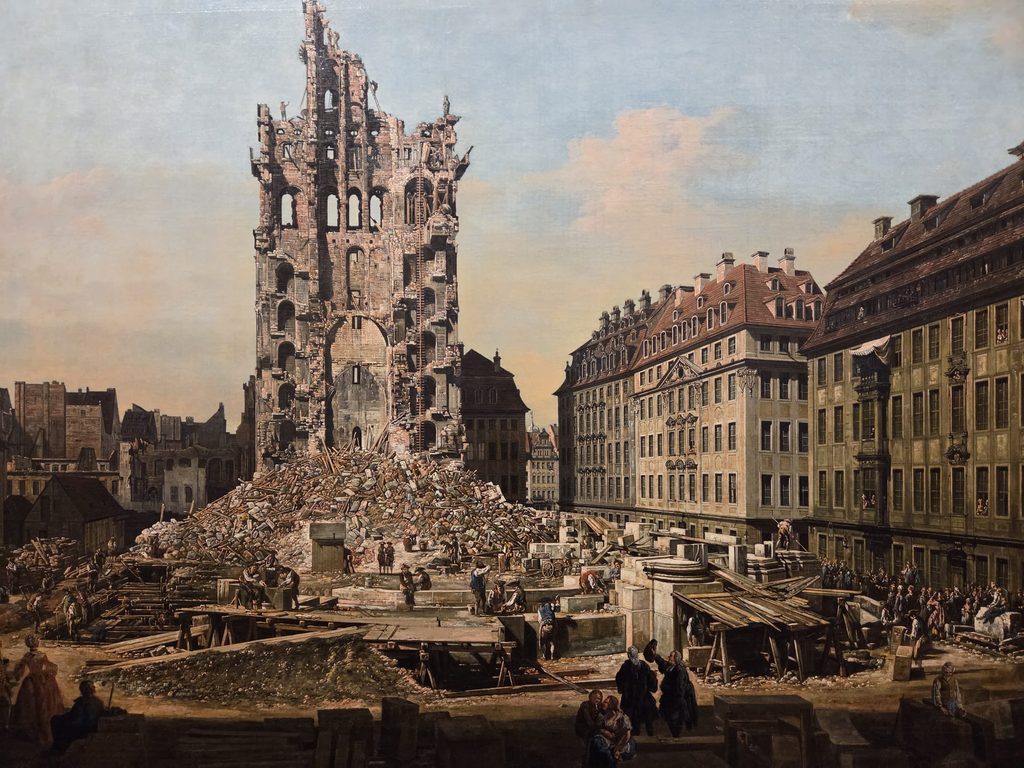
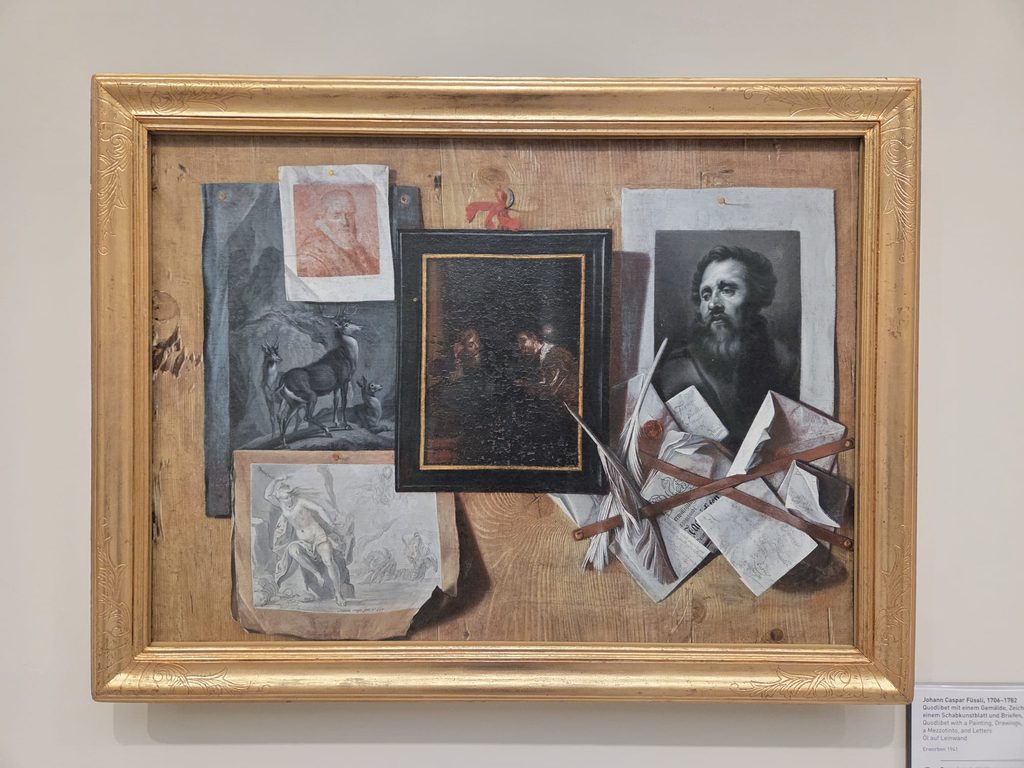
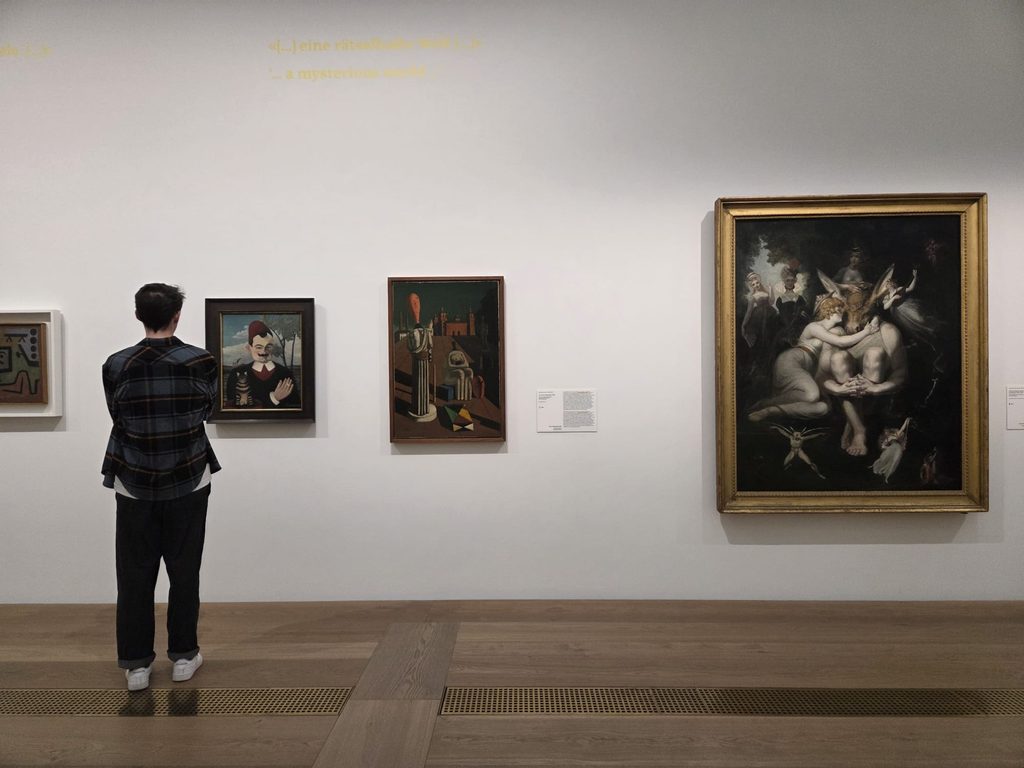
The hang here was chronological, with a few more modern works mixed in to create a dialogue between periods. There were some nice Dutch portraits, a fantastic Bellotto showing the ruins of the Kreuzkirche in Dresden, and a private collection of small-scale works which I liked. But as a museologist, one thing that immediately piqued my interest was the museum’s traffic light approach to provenance. Many, but not all works, feature a loupe icon under the label text which has one of four indicators as to its provenance*. These range from green for Not Looted Art, to red for Looted Art. The two statuses in the middle are ‘No indications of being looted art’ and ‘Indications of being looted art’. I liked this transparency, which extends to additional information about what the indications of looting are.
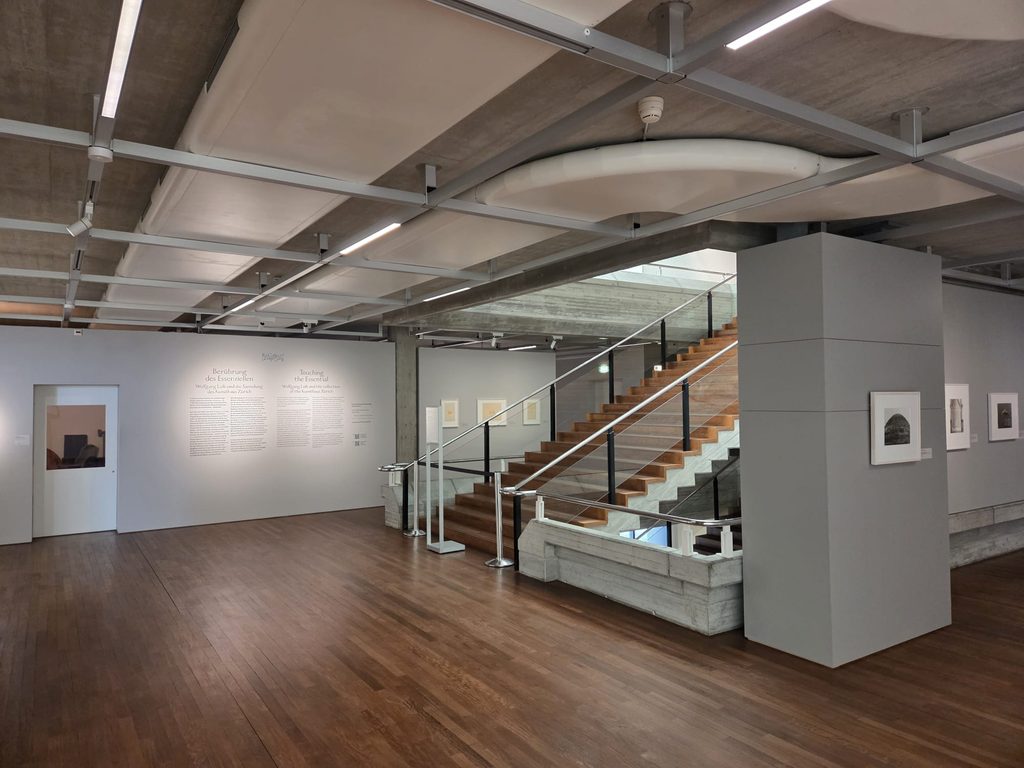
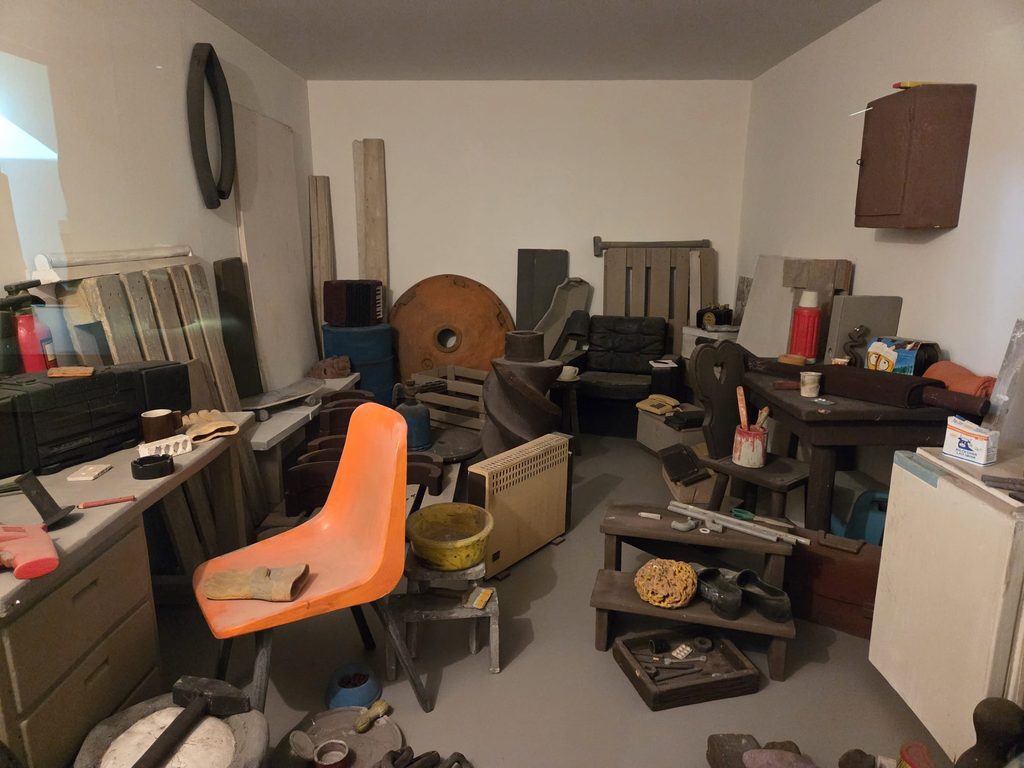
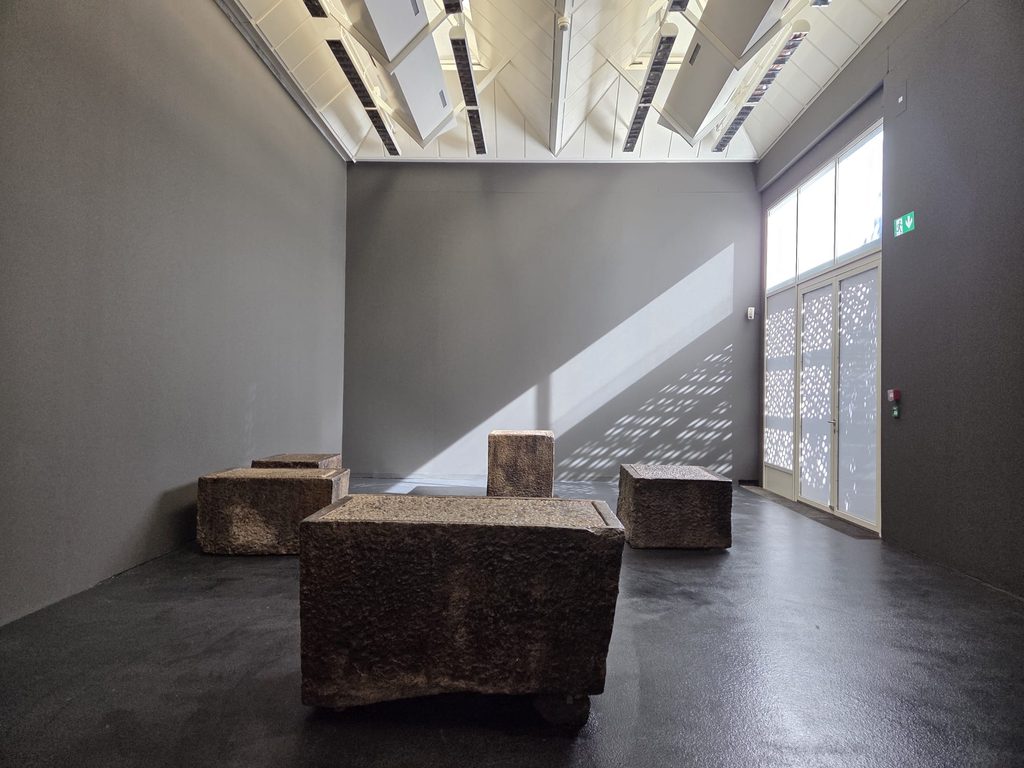
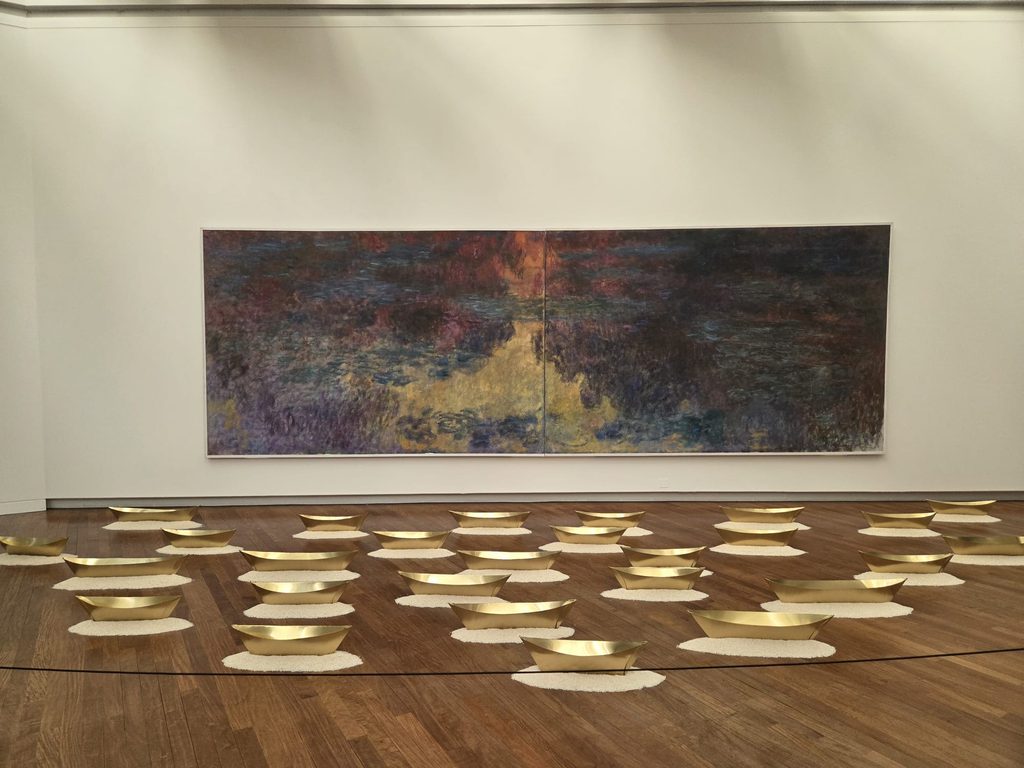
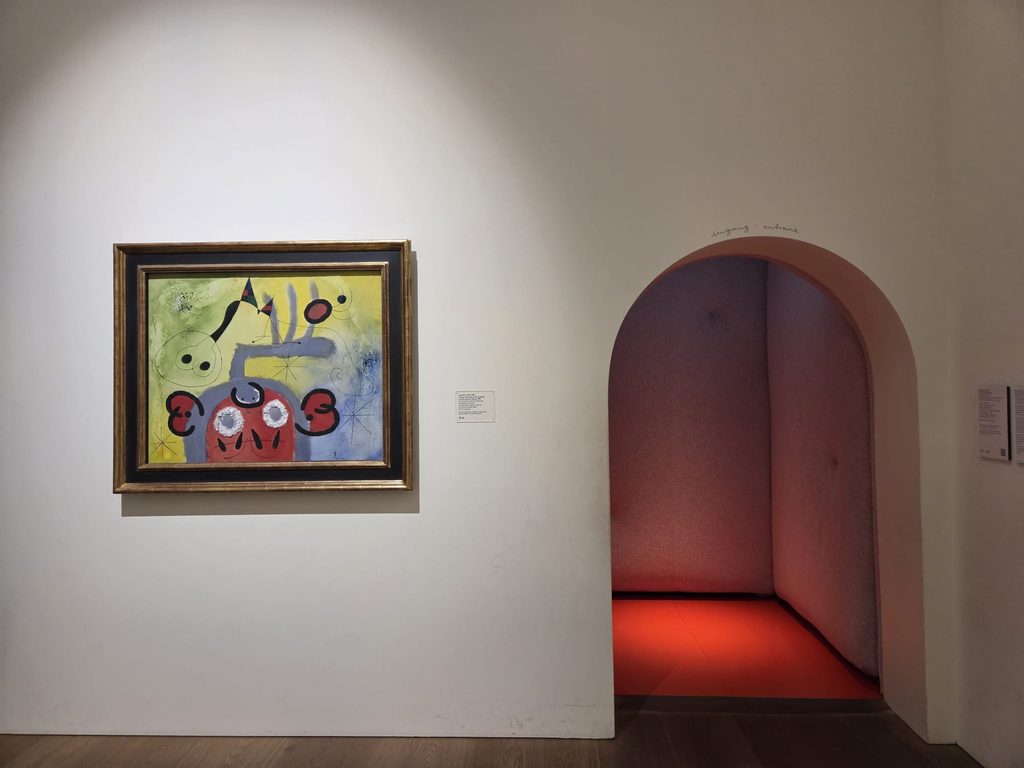
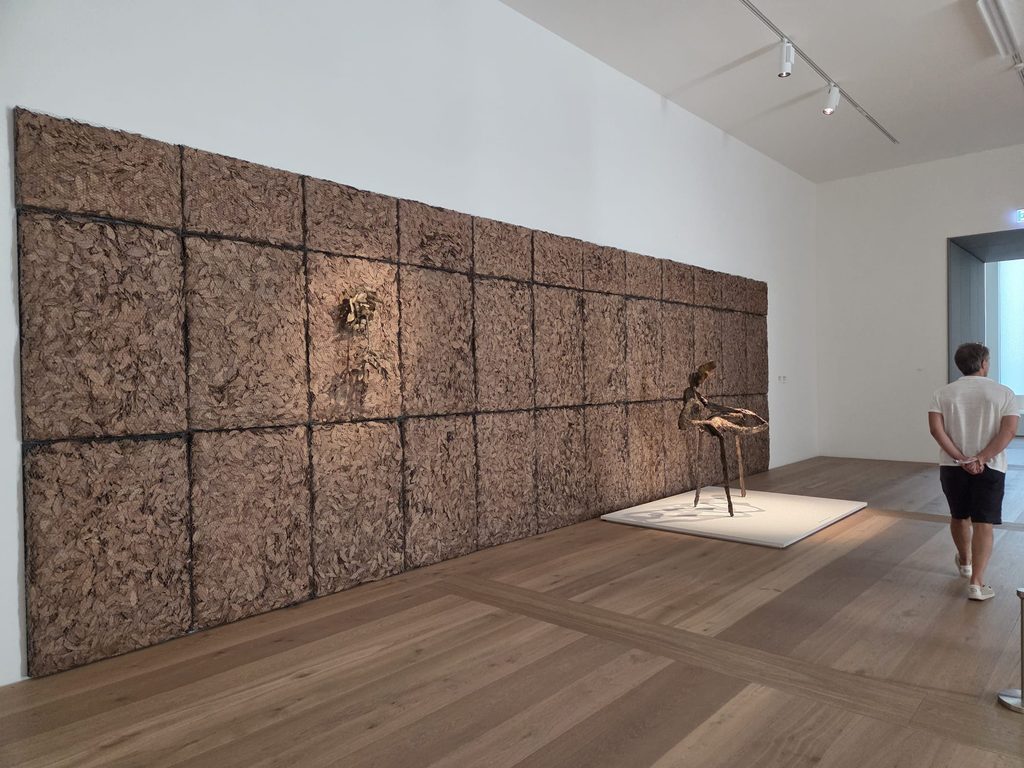
Museum nerdery aside, there was a lot more to see. I continued on to Wu Tsang, La montaña invertida (The Inverted Mountain), which was an intervention by artist Wu Tsang combining works from the permanent collection with a new sound installation by collective Moved by the Motion (MBTM). I thought this was an interesting way to reimagine permanent collection display and bring relatively traditional galleries to life. Another intervention in the same ReCollect! series brought together works by Wolfgaing Laib with others from the collection. His work reminded me a little of Joseph Beuys – if it’s still there when you visit, don’t miss the wonderfully calming experience of breathing in Laib’s beeswax room.
*Meaning, as an educated assumption, its WWII provenance. As in, was it looted, sold under duress, etc.
The New Building: What’s On View?
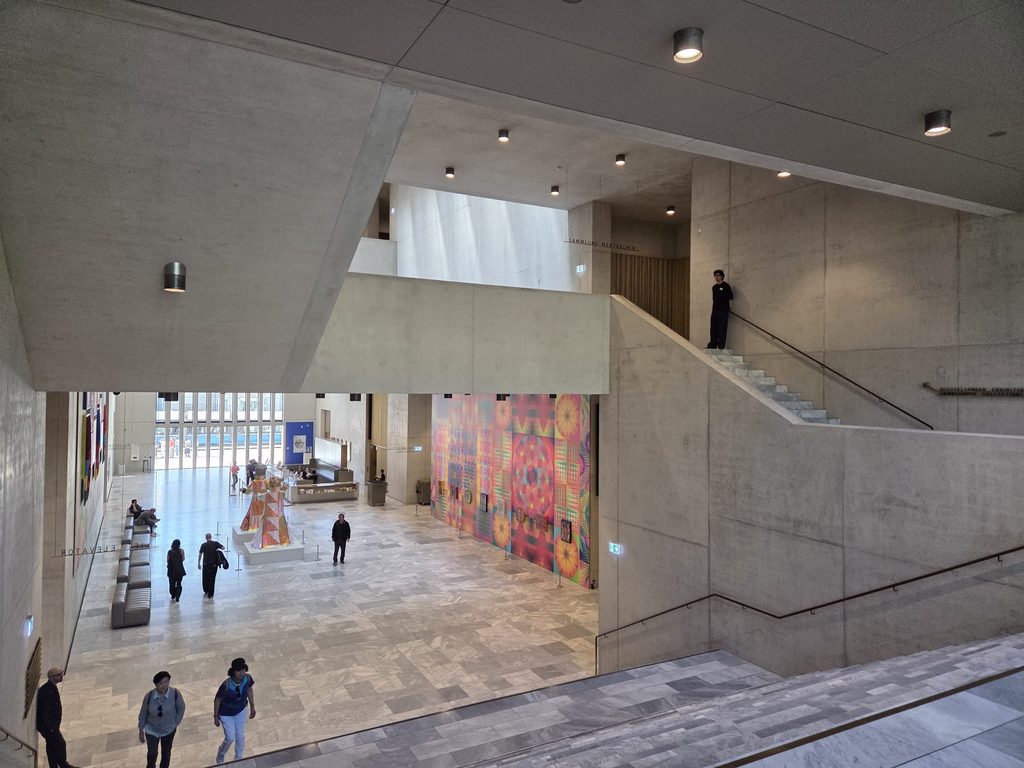
And then it was time to head through the tunnel to the David Chipperfield extension. Until I was doing the research to write this post I didn’t realise how new it was. I honestly thought it was a repurposed mid-century building. This is what happens when I don’t bring the Urban Geographer on tour: I get the architecture all wrong. But I stand by the fact that the limestone cladding, brass detailing, straight lines, and emphasis on light, are from the Modernist handbook.
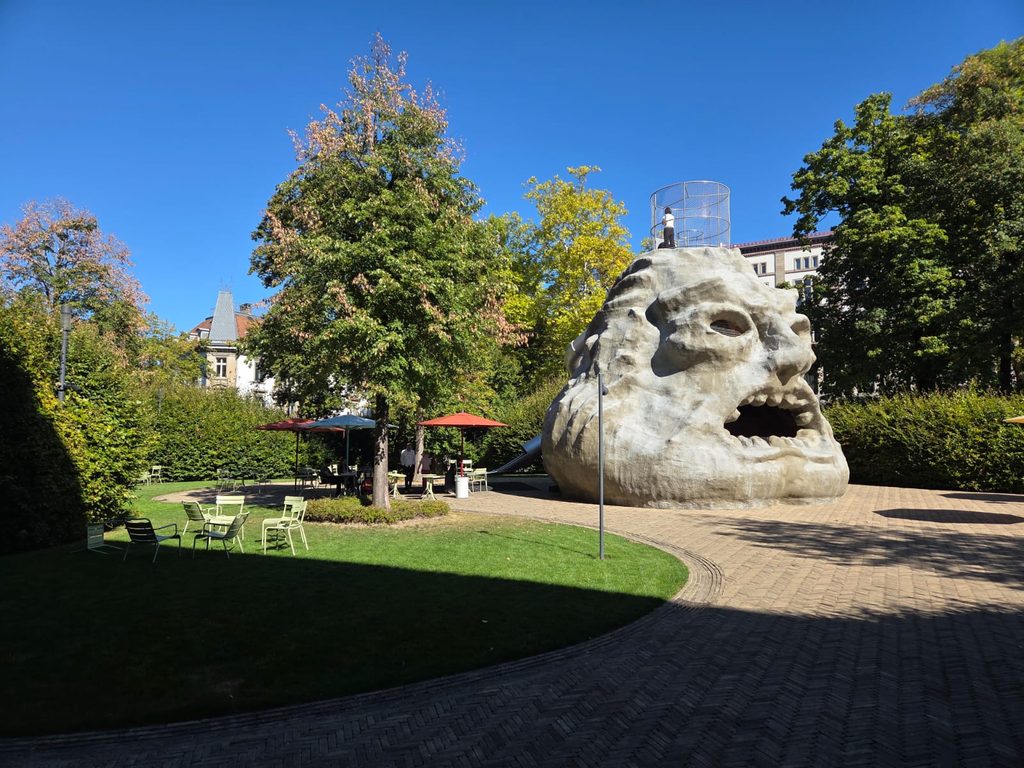
Anyway, I was there to see art, not architecture. The architecture is stunning though, I was momentarily astounded as I entered the central hall. So much so that I headed out to the garden to gather my thoughts in front of Monster Chetwynd’s eight metre tall sculpture of a head. And then it was time for more art.
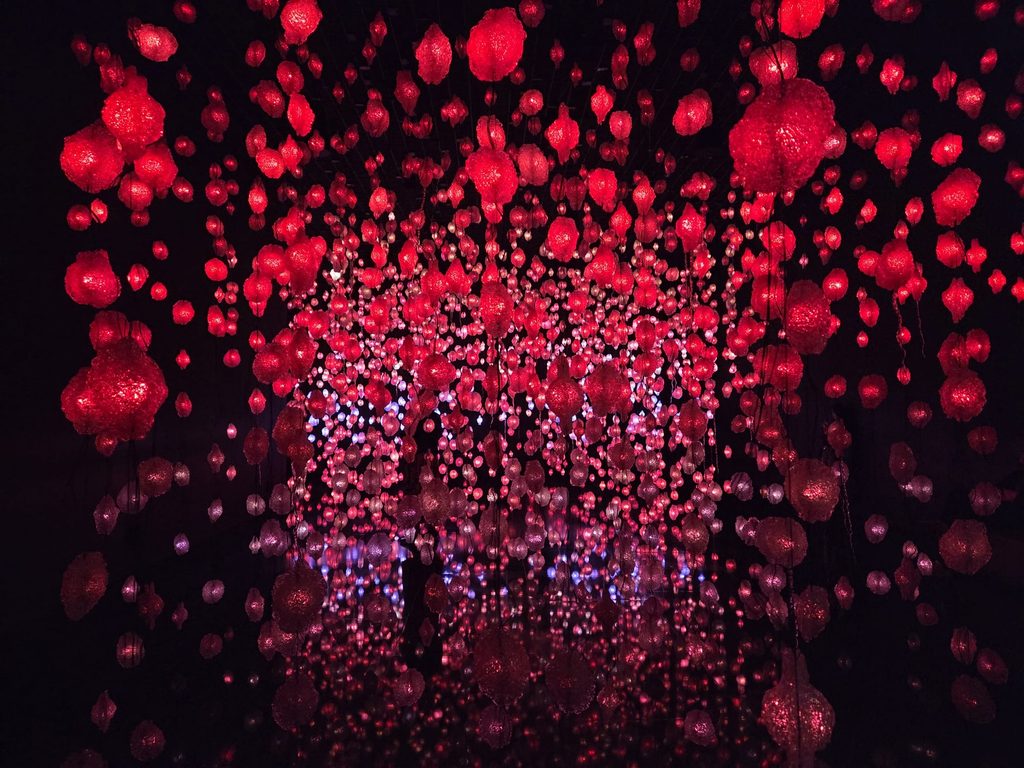
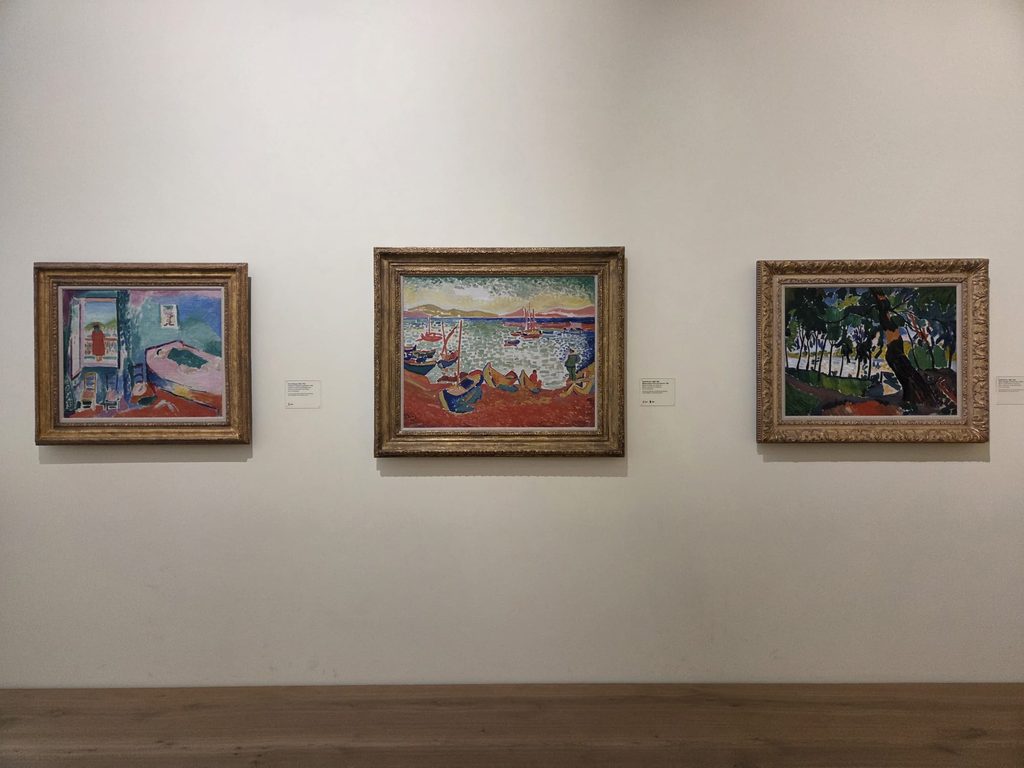
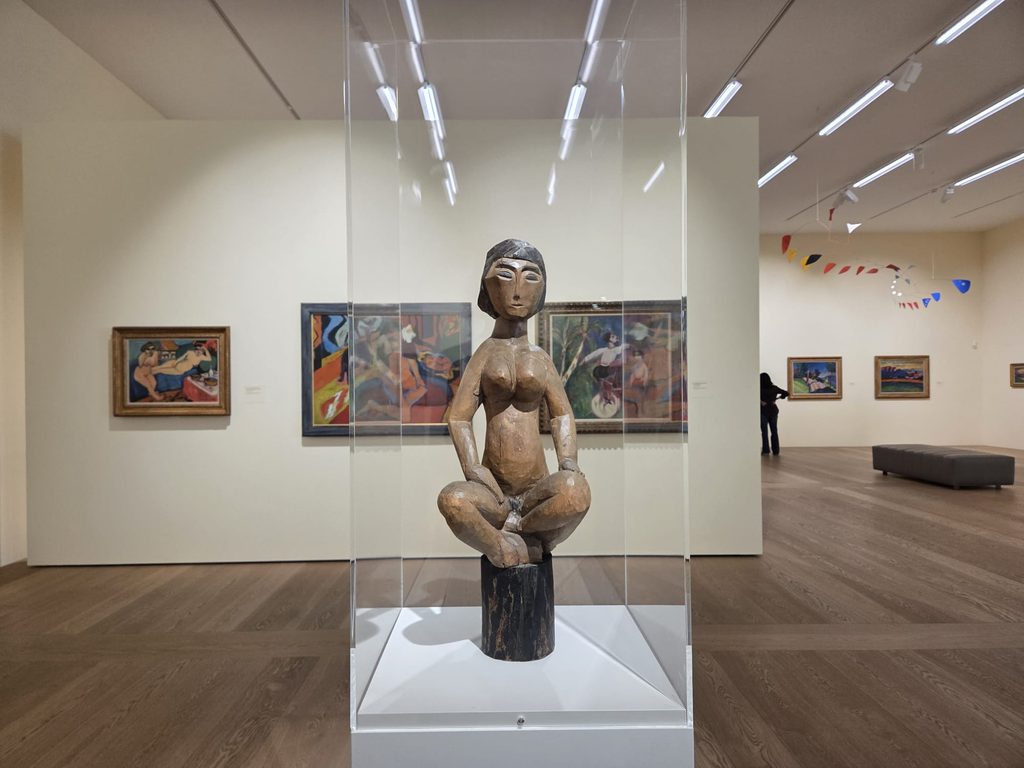
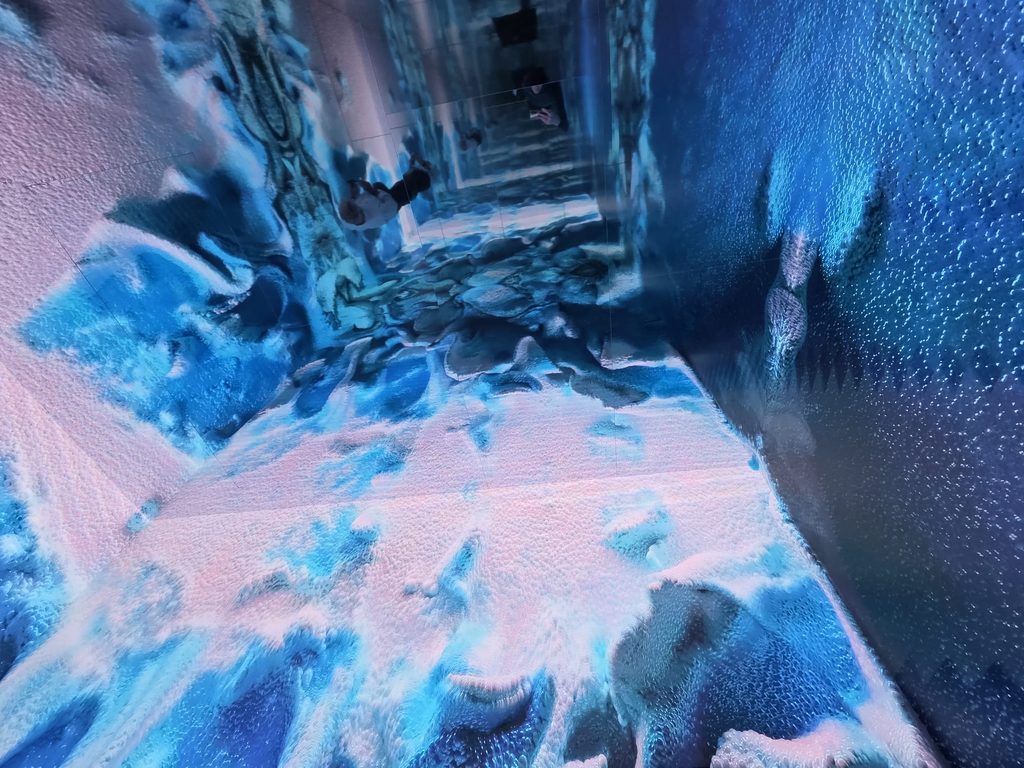
I was immediately confronted with more private collections, starting with the Merzbacher Collection. This collection, built up over decades by Werner and Gabriele Merzbacher, has been on view at the Kunsthaus since 2018. Werner Merzbacher, who was sent by his parents to Switzerland during WWII (their own attempt at escape was unsuccessful), was originally denied Swiss citizenship but ultimately returned to run his wife’s family’s fur trading business. They built up a notable collection of Fauvist and Expressionist works which are a riot of colour in the galleries. The collection is bookended by similarly colourful but very different, contemporary, works. Pixel Forest by Pipilotti Rist and Walk, Walk, Walk: Freeform Canvas by teamLab are both immersive installations, one using LED lights and the other digital screens.
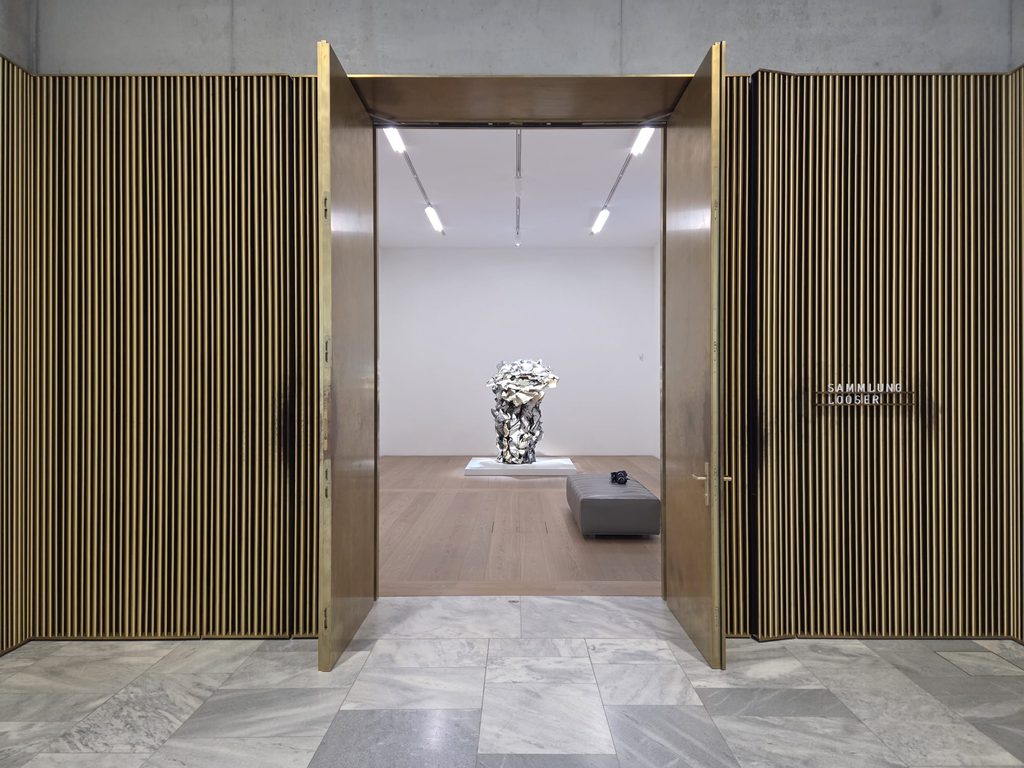
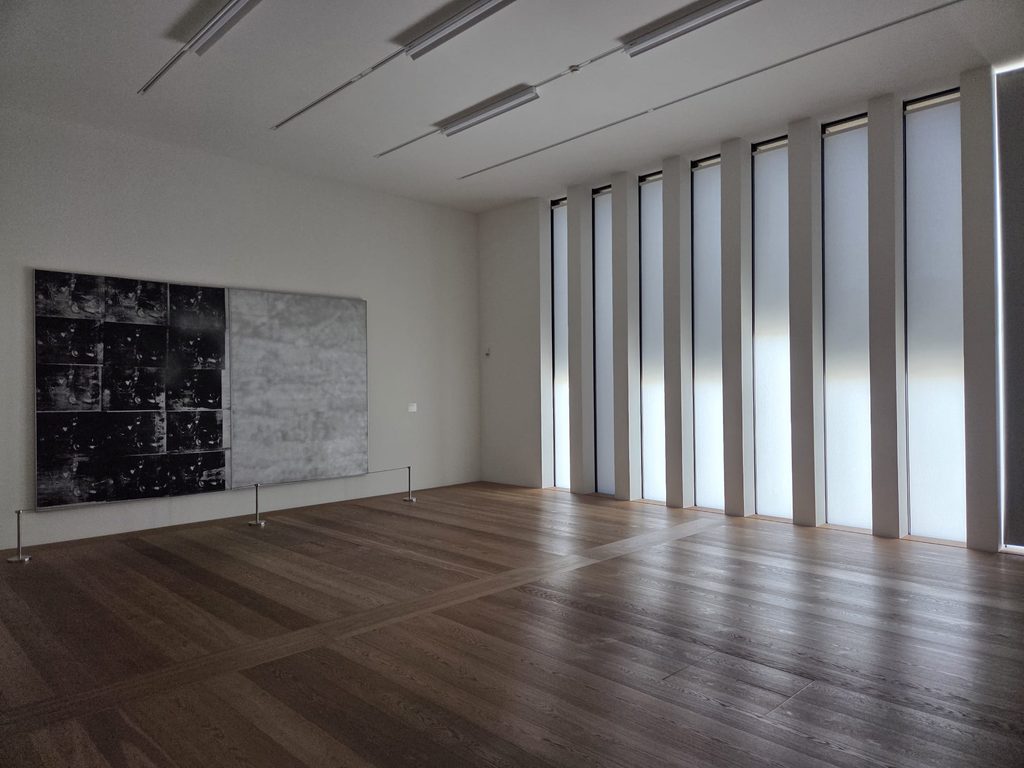
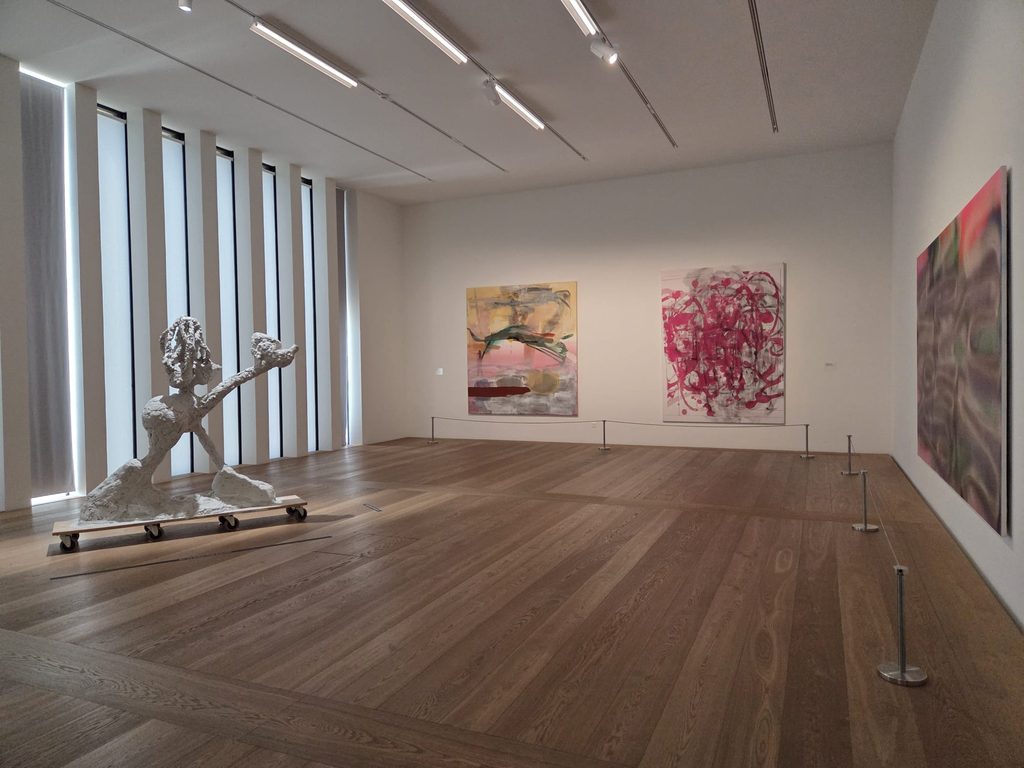
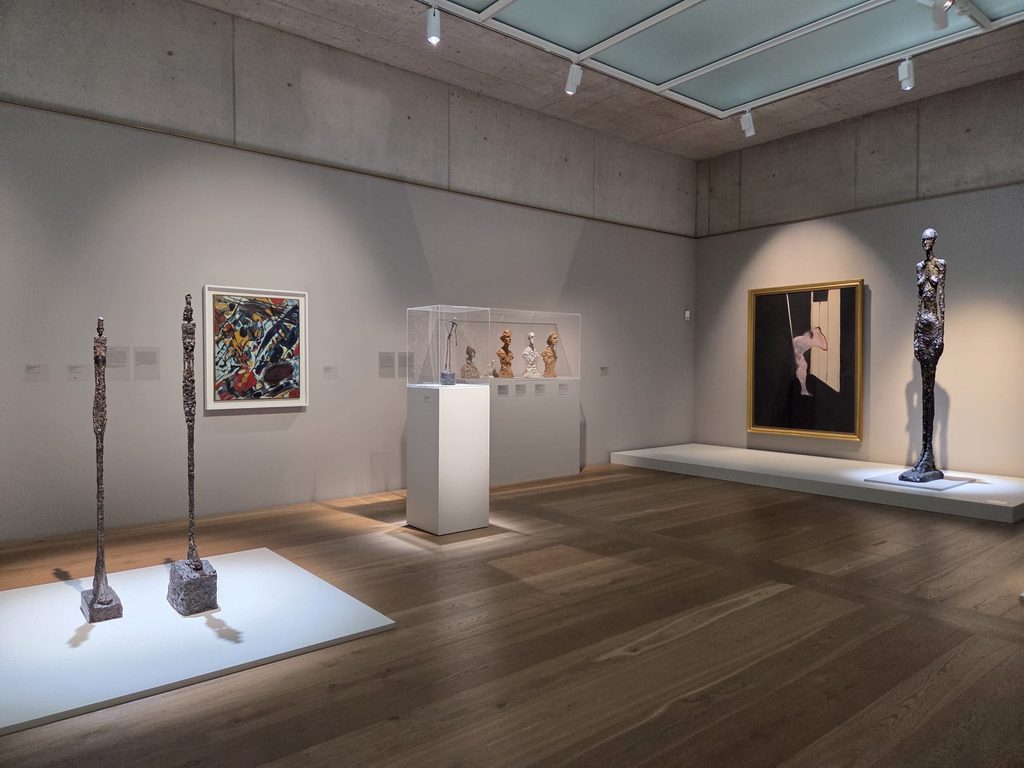
Continuing on, I saw works from the Herbert Looser Foundation (post-1945 European and American art), an exhibition of ‘treasures’ from the permanent collection with texts from local residents on why they love them, works by Alberto Giacometti, and works from the Bührle Collection. This last is particularly interesting, and we will come back to it. But suffice it to say, I got my full money’s worth from a ticket I’d initially intended only to serve me for the temporary exhibition.
A Focus on Private Collections
So as we have seen, the Kunsthaus Zürich has several private collections on view. Some of these, like the one of small-format Old Masters, it incorporates into the permanent collection. Others get top billing and their own spaces.
In many ways, this is in keeping with the museum’s origins. Before the Kunsthaus was a Kunsthaus, members of the Künstlergesellschaft donated works from their own collections to the artists’ book. Once they had an exhibition space, that Colonel’s collection was soon on view. And again, in the context of Switzerland, it makes sense to me that this has continued. Private donors and collectors have remained a very important part of the art ecosystem here, giving institutions who collaborate with them a reach they might not have if they were acquiring the art themselves.
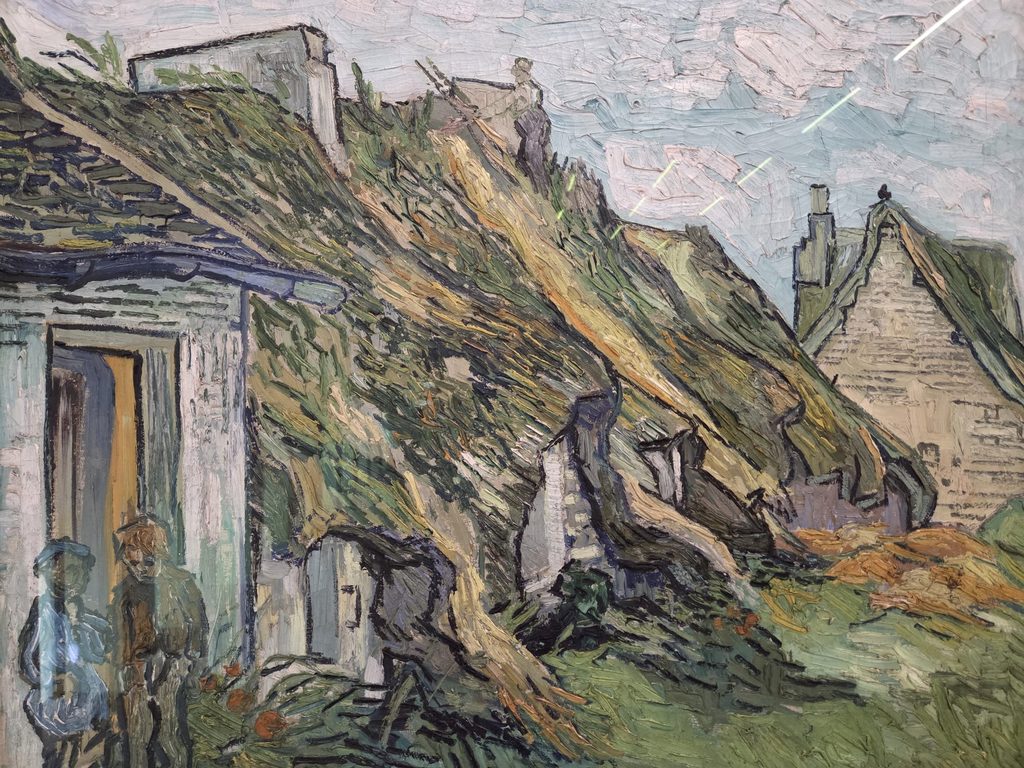
On the other hand, there is a risk that collaborating with private collections puts constraint’s on the institution’s curatorial choices. Agreements can include certain provisions about how the collection is presented or discussed. Although we have an example here which somewhat undermines that assumption. Since the Chipperfield extension opened in 2021, one of the collections on display has been that of the Foundation E. G. Bührle. The 205 works in the collection range from Old Masters to Impressionists, with notable works by Van Gogh, Renoir, and Gauguin.
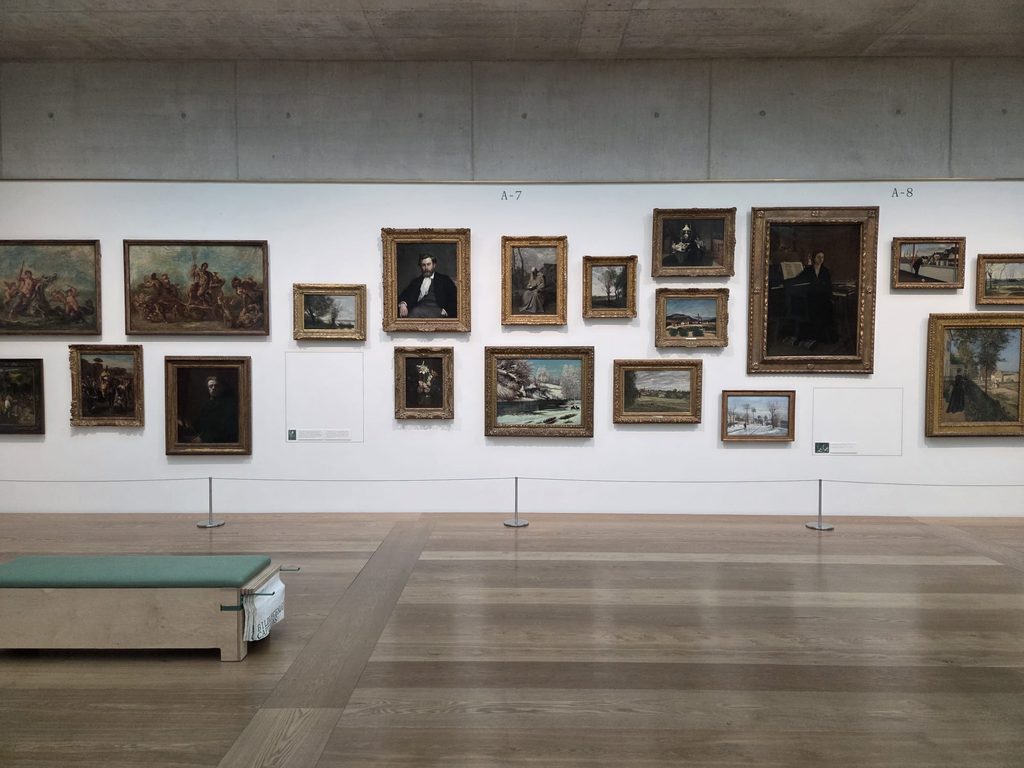
The trouble with the Bührle Collection is twofold. Firstly, Bührle was an arms dealer, and profited from sales to Nazi Germany. Secondly, he purchased works from the collections of persecuted Jewish owners. This has naturally led to criticism of the collection, and of the Kunsthaus’s decision to display it. The Kunsthaus has responded relatively thoughtfully to this criticism, in my opinion. They have firstly undertaken to properly research the collection’s provenance (earlier provenance research by the Bührle Collection itself has been critically received). And they have also rehung the entire collection, except for those works with known problematic provenance, which are represented in outline with a note. It gives an idea of the scale of the problem. But only real restitution efforts would actually go towards righting the wrongs of the past.
Final Thoughts on the Kunsthaus Zürich
So, from coming to see an exhibition, I actually had a very nice art-filled morning at the Kunsthaus Zürich. I didn’t know the scale of what I was getting into. If I’d known I had two big buildings to see, maybe I would have headed off to do something else. But, in the end, I really enjoyed myself.
Like a lot of significant European art galleries, the Kunsthaus Zürich firstly marries art and architecture in interesting ways. Even a functional tunnel to get from one place to another is an opportunity for an artist’s imagination (in this case Olafur Eliasson) to run wild. The buildings each say a lot about museums and their relationship with the public at the time of their creation. The older one comes across as more conservative and pedagogical. The newer one is a statement building which aims to impress. And does so.
And in terms of the art, while the collection isn’t what I would call representative, it is interesting. If you contrast it with the Musée d’arts de Nantes, for instance, the latter does a fairly straightforward hang from early religious art to the contemporary. The Kunsthaus Zürich, on the other hand, does a bit of that, but mainly plays around with its collections. It invites artists in for interventions and installations. It gives plenty of room over to single artists, collections, and thematic displays. As a visitor it can feel difficult to get a feel for the gallery as a whole, but it does keep things interesting.
The Kunsthaus Zürich is only a short walk from many of the city’s other sights. Once I’d done my ‘whip-round’, I headed down the hill for a boat ride on the lake. Or the Old Town is only a few minutes’ away. What I’m saying is, it’s easy to incorporate into pretty much any Zurich itinerary. And comes with a Salterton Arts Review seal of approval.
Trending
If you see this after your page is loaded completely, leafletJS files are missing.