
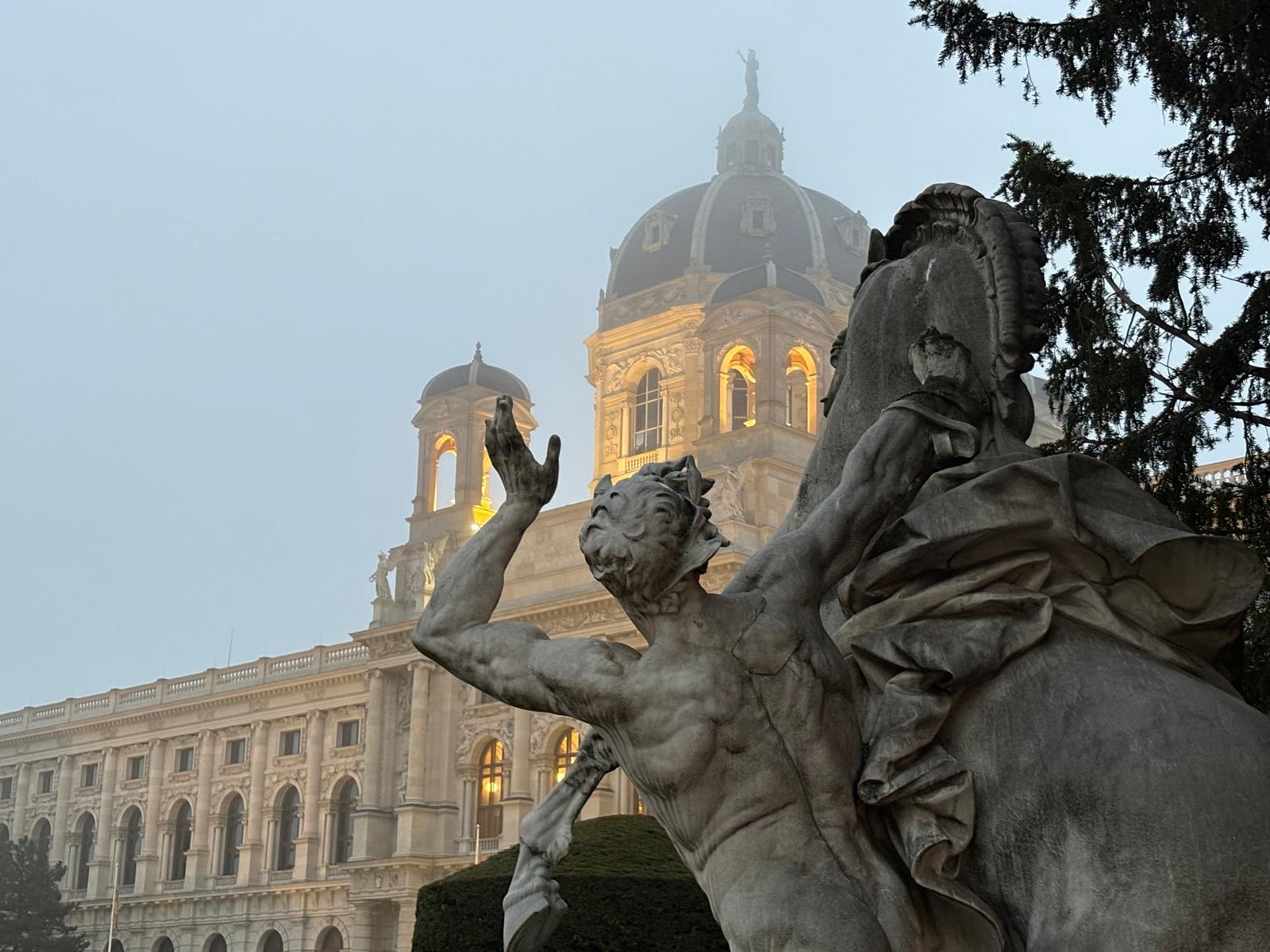
Kunsthistorisches Museum, Vienna
The Habsburgs’ Imperial collection is the basis for the Kunsthistorisches Museum, a great first stop for visitors who want an introduction to art, history and power in Vienna.
What to Pick First in Vienna?
Late last year, the Urban Geographer and I decided that we needed some Christmas markets in our lives. Or I decided, really, and informed the Urban Geographer of said decision. Either way, we picked Vienna, and headed there for a long weekend. The Christmas markets lived up to expectations: numerous, not too crowded, and with a variety of food, drinks, and trinkets. A good time was had by all. Some time ago now, admittedly, but at least I’m telling you about it now.
I was never just going to go for the Christmas markets, though. Any long weekend is an opportunity for some cultural experiences. And so the question was which of Vienna’s many institutions we would visit. My only other visit to this important city looked a little different. I was a lot younger, for a start: this is going back almost 20 years. And I didn’t have the experience the Salterton Arts Review does now. I was actually on my way to start a museology degree, so was less of an expert than I am today. But I loved museums and historic places just as much back then.
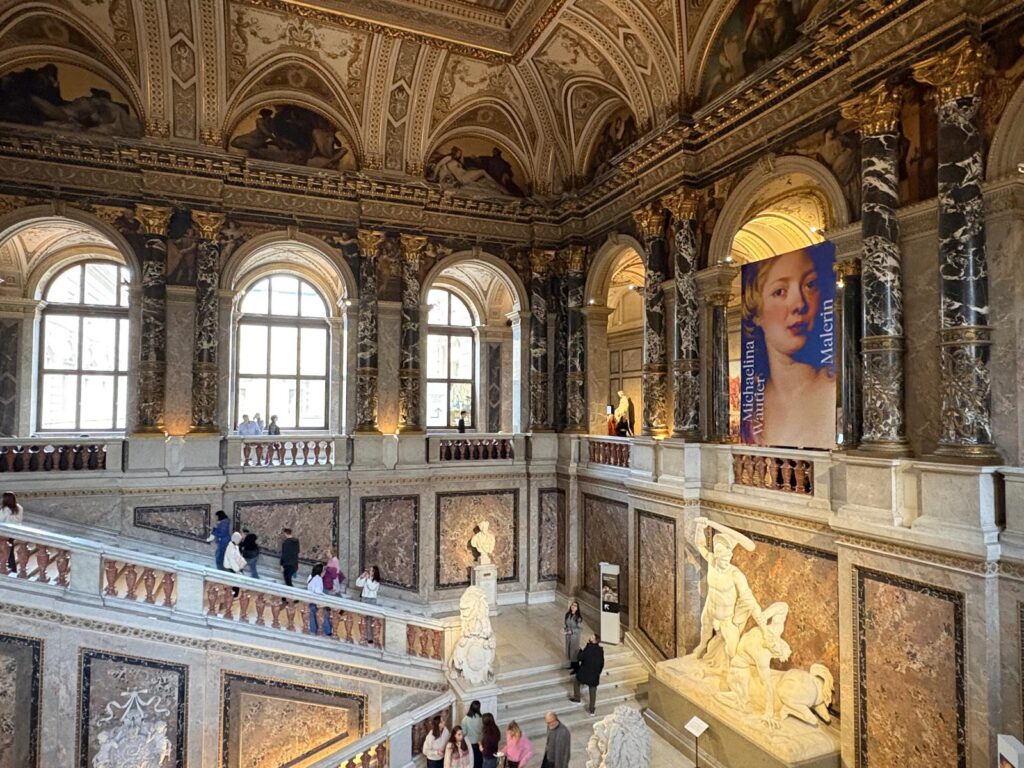
I remember that early visit in fragments: warm weather, palaces, an unfortunate pickpocketing incident… I also had a memory of the Kunsthistorisches Museum: the building more than the art. This trip was the Urban Geographer’s first time going to Vienna, so we landed on this impressive institution as the first stop of a loosely planned weekend. What better place to learn about the city’s imperial history and see some lovely things at the same time?
The Origins of a Collection
I’ve referred to the Kunsthistorisches Museum Wien as part of the fabric of imperial Vienna. But what do I mean by that? Firstly, of course, that Vienna was once the capital of an Empire. First the Holy Roman Empire (a loose confederate of territories on a crusade – sometimes literally – to rule Christendom), from 1558 until 1806. Holy Roman Emperors were chosen through an electoral process rather than succession, or at least that was the idea. They were actually almost always Habsburgs. Originally, various noble German families held the title. But with the election of Frederick III in 1452, the Habsburgs began to cement their power. They had been skirmishing over power in Austria and Vienna for a while, with characters like Leopold the Fat, Albert the Magnanimous, and Ernest the Iron. But the 1450s were when things really got going for them as Holy Roman Emperors.
Anyway, I’m going to have to speed up this historic section a bit if we’re going to get to the museum. The Habsburgs were Holy Roman Emperors for a couple of centuries, with brief interruptions by other families. The Holy Roman Empire itself fell in the early 1800s, due to fragmentation and Napoleon Bonaparte. In 1804 the Austrian Empire was formed. Guess who was running it? Yes, Habsburgs. So not that different, really. And when the Austrian Empire became the Austro-Hungarian Empire in 1867, there were even more Habsburgs in charge. I think we all know, however, that the end to all this imperial Habsburg rule came after WWI.
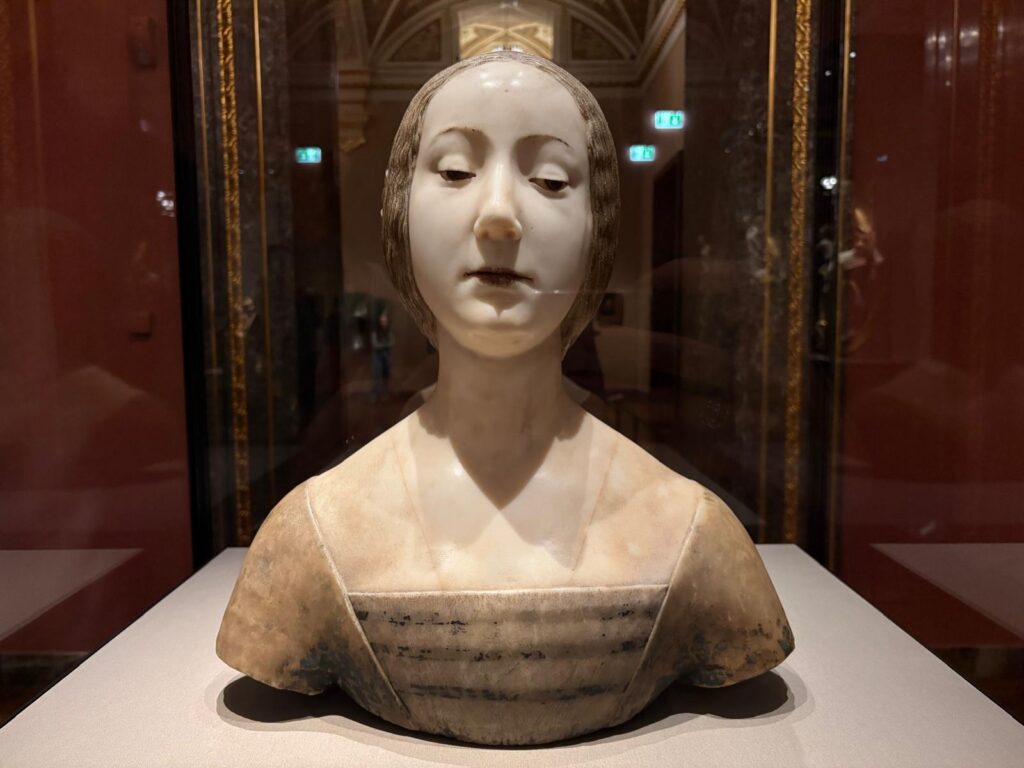
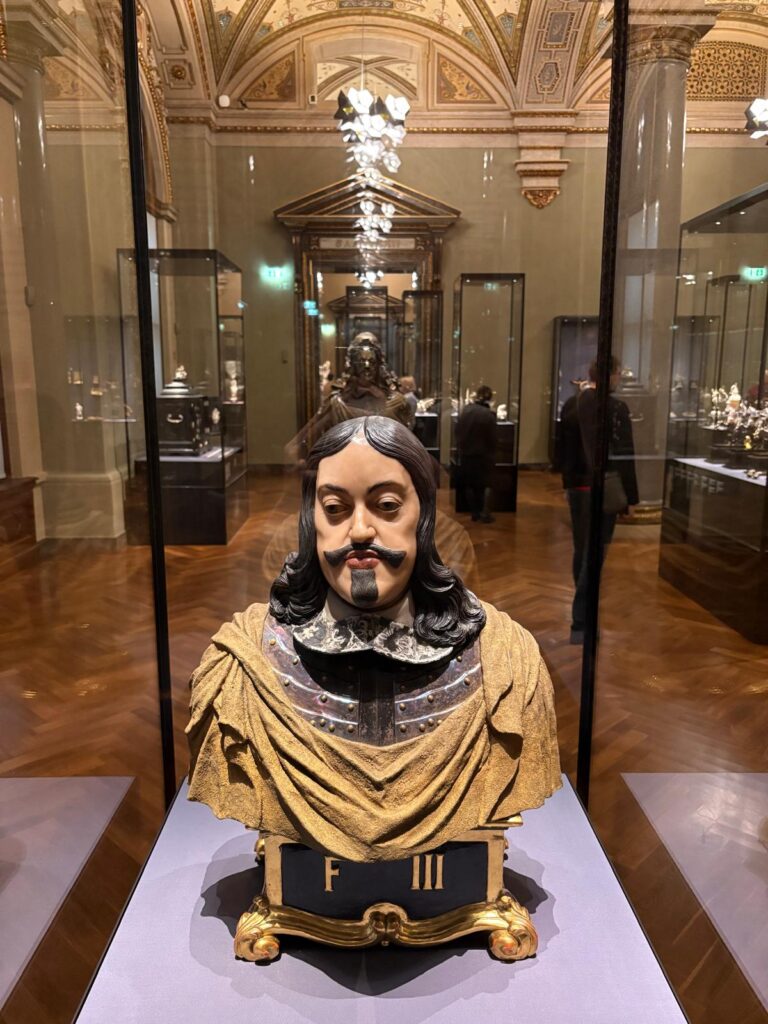
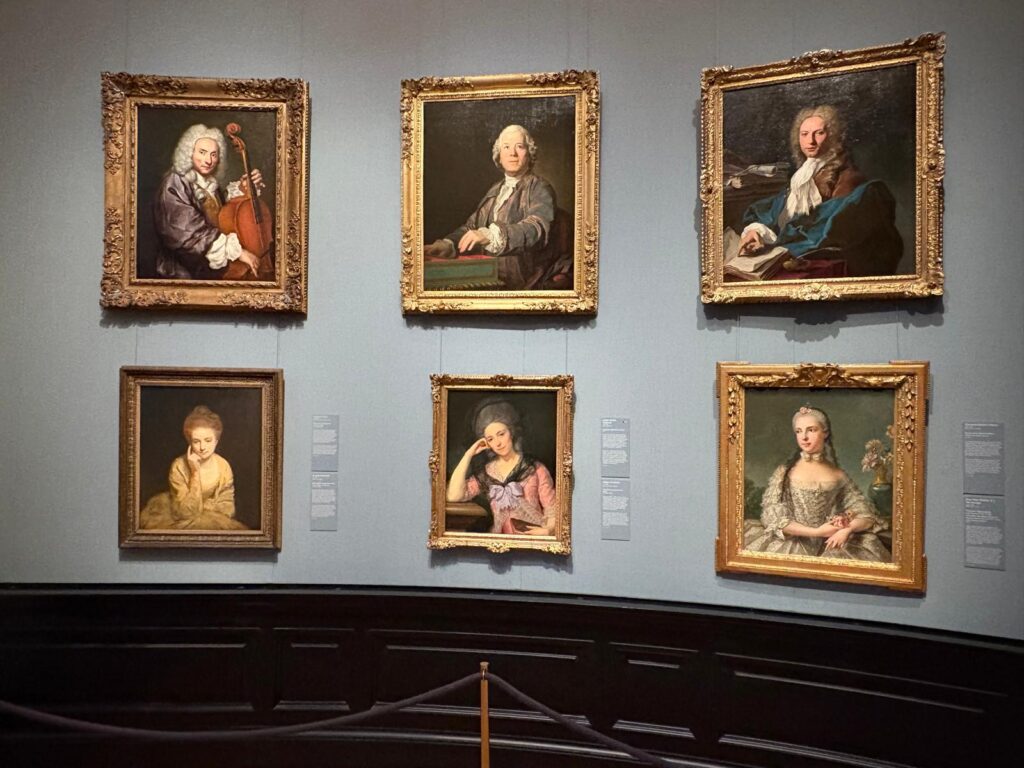
So that’s a lot of political manoeuvering and ruling. There was also some fun to be had as a Habsburg Emperor. A lot of them were art collectors as a hobby. And let’s not forget, the Habsburgs weren’t just in Austria-Hungary. Over the centuries they ruled in a lot of places, including Spain and the Netherlands. This means that the collection we’re going to see today is actually a lot more comprehensive in terms of European art movements than most royal collections. Another hobby of the Habsburgs was intermarrying to consolidate power. This meant that they captured an ever-diminishing gene pool in the portraits they commissioned: recording, for instance, the ‘Habsburg jaw‘. Scroll back up to the last image to see an example.
The Origins of a Museum
Right, we know now how the Habsburgs built their wealth and power, and that they used some of this wealth and power to build art collections. How did this turn into the museum we’re visiting today? The key to this transition was Emperor Franz Josef I. And we need to understand the museum in the context of his transformation of the city.
Vienna by the mid-19th century had outgrown the space available to it. Its 16th century walls were militarily obsolete, and a hindrance to becoming the type of modern city the Habsburgs wanted to showcase their power. The Emperor ordered the destruction of the walls in 1857. They were to be replaced with wide boulevards, connecting the inner city to the expanding suburbs, but also allowing the rapid movement of troops should any citizens get ideas about uprisings. The area was rebuilt in monumental style, and contains many important buildings like the Opera House, Parliament, City Hall (Rathaus), and the Burgtheater. And, of course, the imperial museums.
Because museums there are: a pair of them. Close to the Hofburg (an inner-city palace), Emperor Franz Josef I ordered the building of two museums, facing each other. The Kunsthistorisches Museum and Naturhistorisches Museum stand on opposite sides of Maria-Theresien-Platz. Literally meaning the Art Historical Museum and Natural History Museum of Vienna, between them they give a platform to the formidable Habsburg collections, both natural and man-made. The collections were previously scattered across various locations: these new museums were a more suitable home. They also made the collections available to the public.
The Collection: Kunstkammer
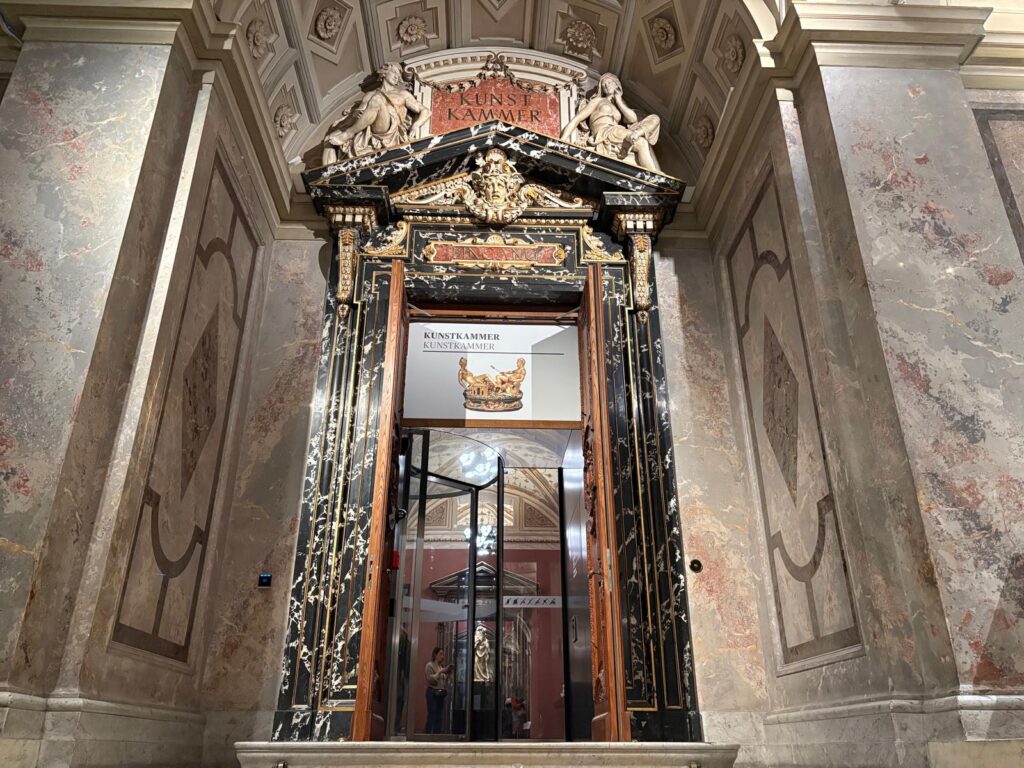
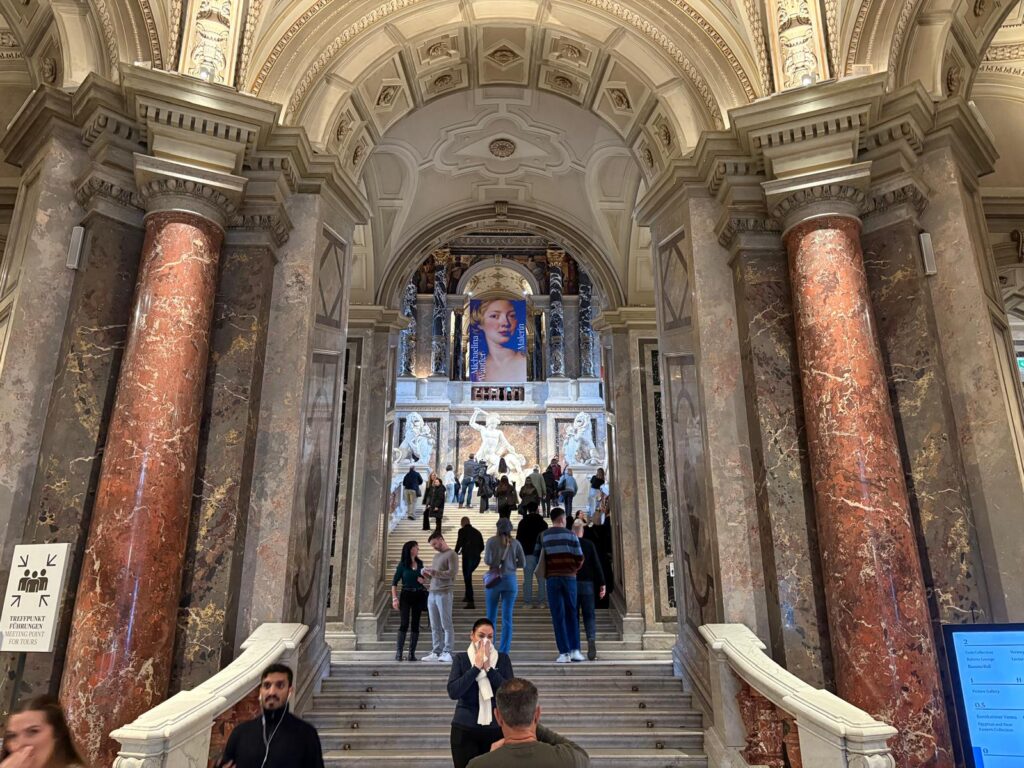
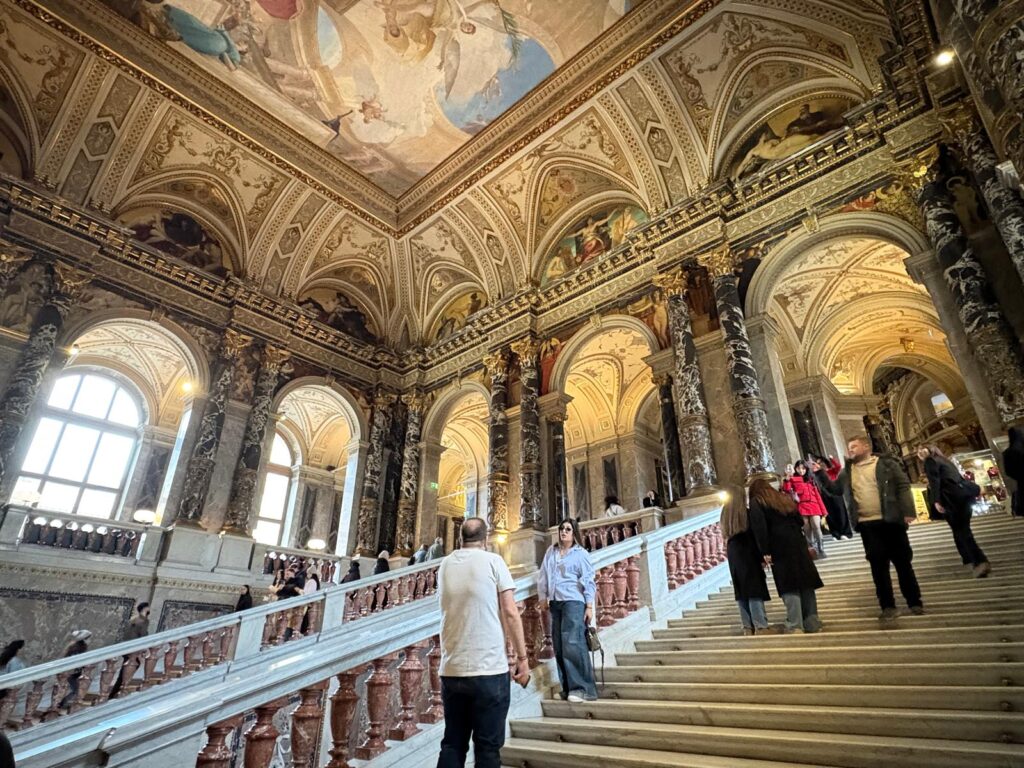
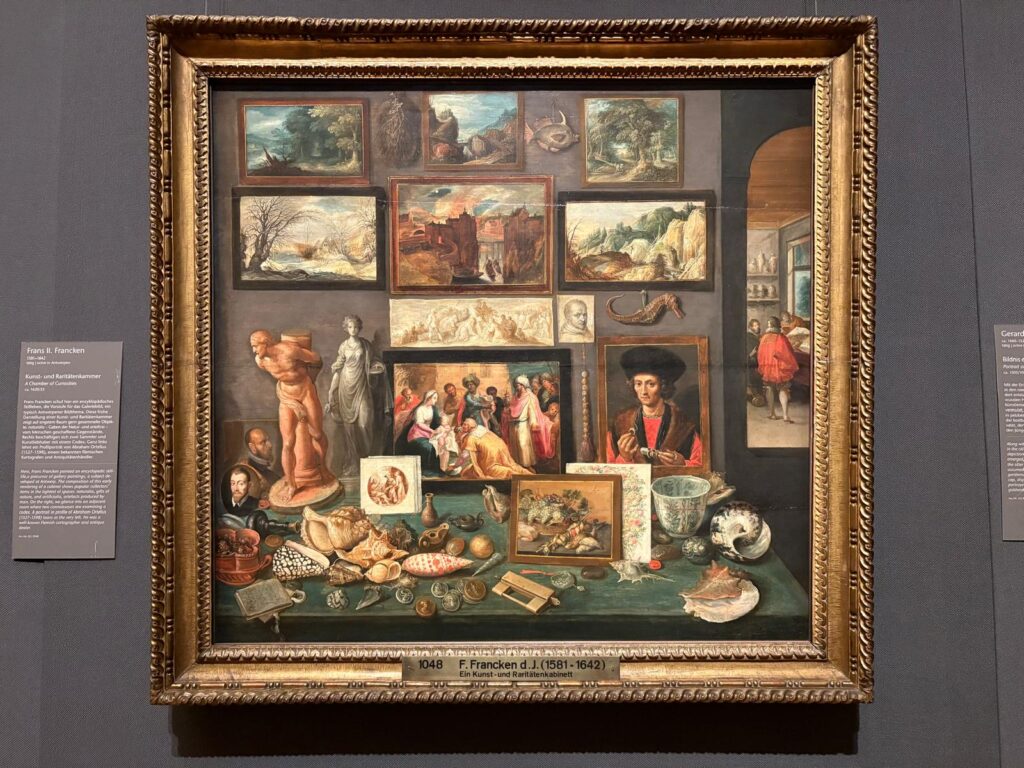
We absolutely love a Kunstkammer here at the Salterton Arts Review. So this is where we started our journey, after buying our tickets and marvelling at the lavish Neo-Renaissance interior. But what is a Kunstkammer? It translates, literally, as Art Room. You might know it as a Cabinet of Curiosities, or a Wunderkammer (Wonder Room). Kunstkammer were forerunners of museums. They emerged during the Renaissance, when the firm categorisations of the Enlightenment hadn’t yet emerged. They blended natural and man-made wonders: frequently specimens from natural history, geology, archaeology, and art. With the occasional hoax, like a taxidermied mermaid, thrown in. Kunstkammer were reflections of their owners’ curiosity, wealth, and reach, and were to wow visitors as much as to learn from. As such, some of the best Kunstkammer originated in royal collections.
We can see the Habsburgs’ Kunstkammer collecting as the heart of the twin museums today. Between figures like Margaret of Austria, Archduke Ferdinand II of Austria, Emperor Rudolf II, and Leopold Wilhelm, they built a collection of ‘naturalia’ and man-made objects that is still globally significant today. Much of the naturalia, presumably, is over at the Naturhistorisches Museum. At the Kunsthistorisches Museum, there are about 2,200 objects on display in the Kunstkammer section.
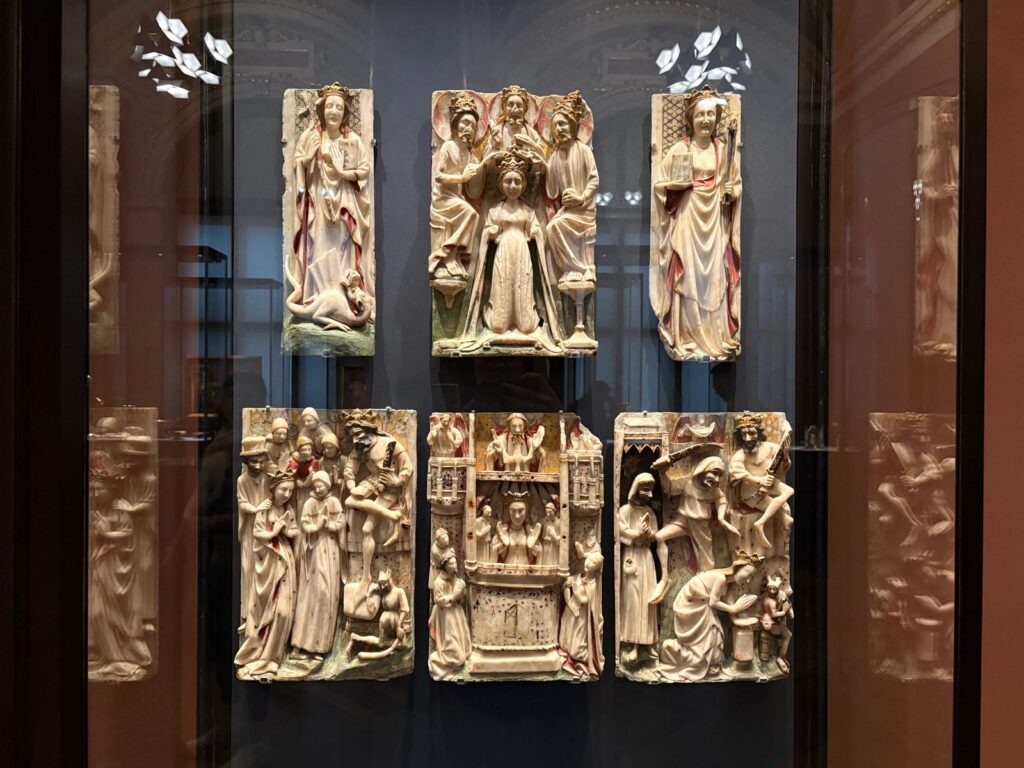
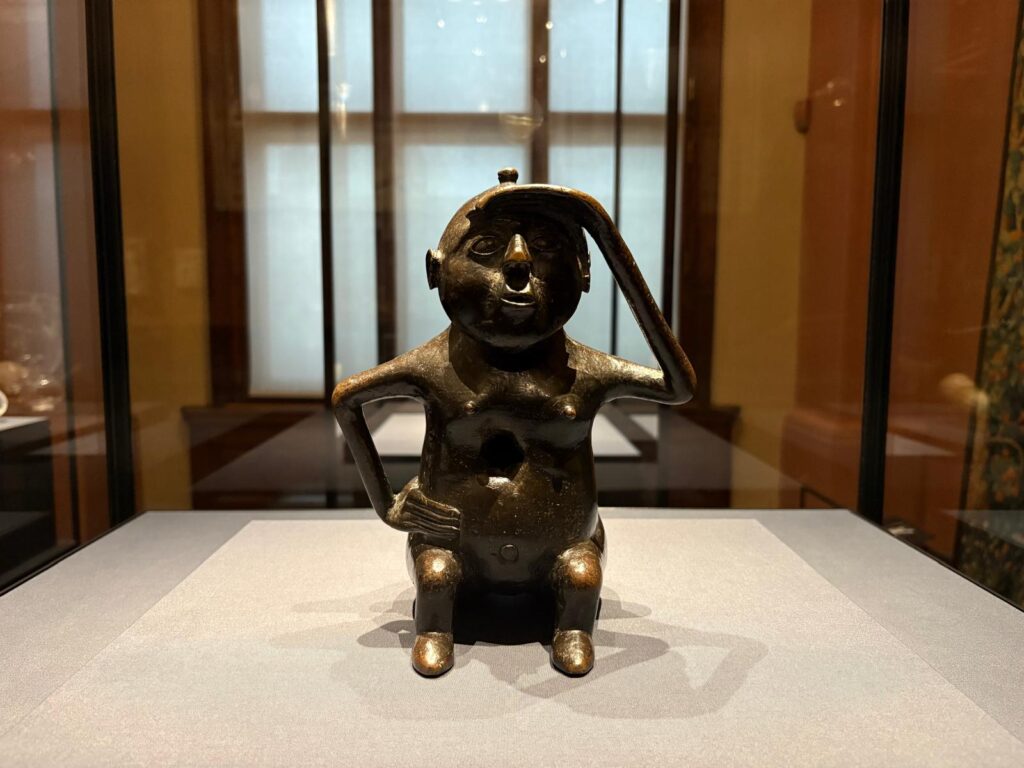
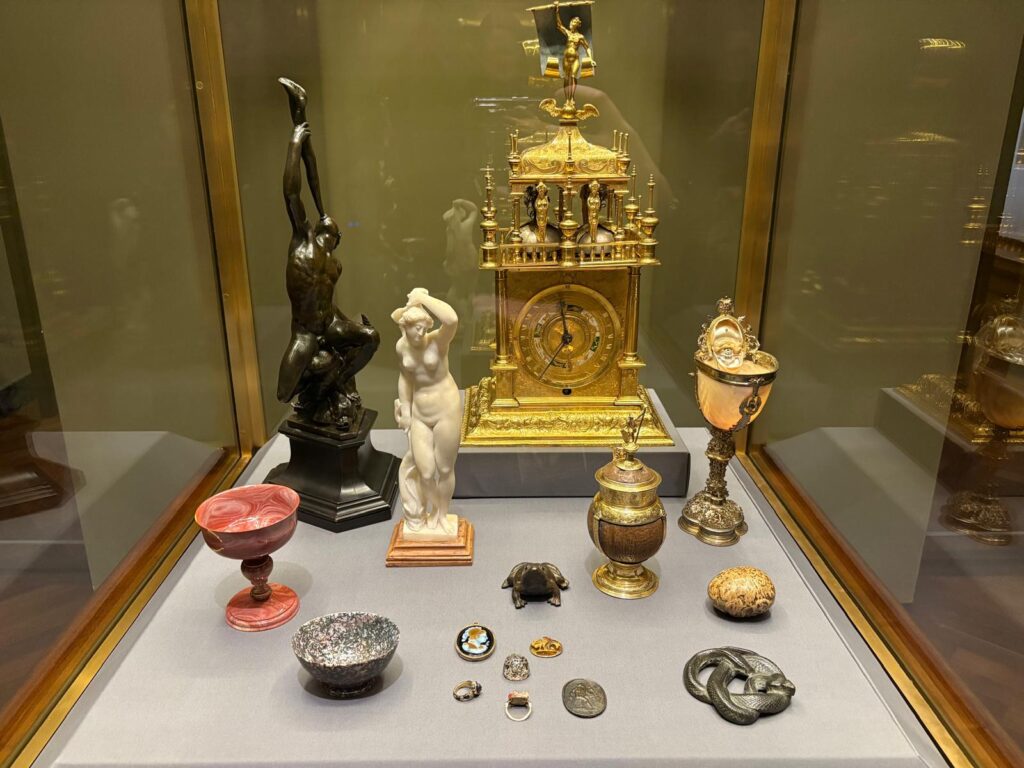
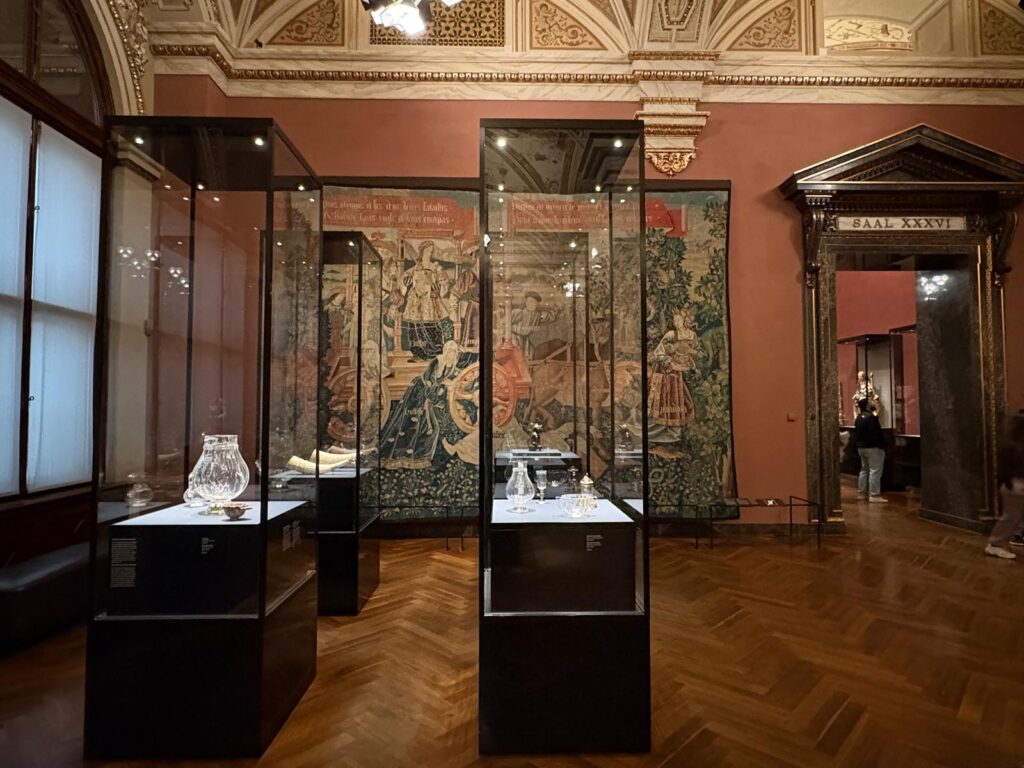
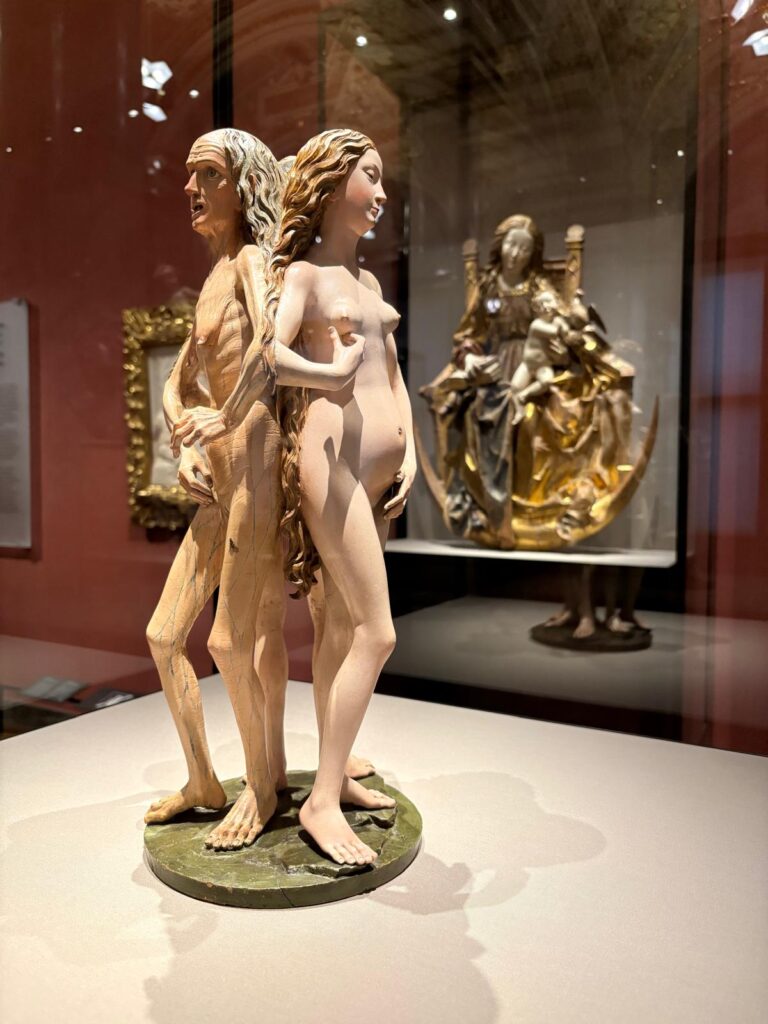
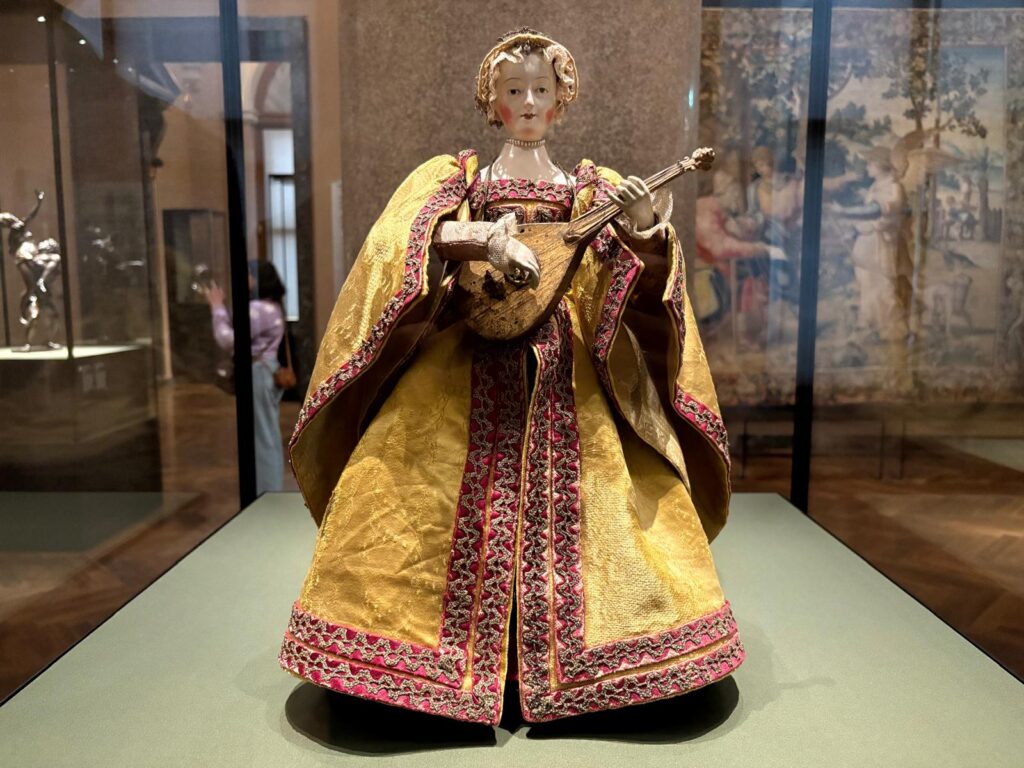
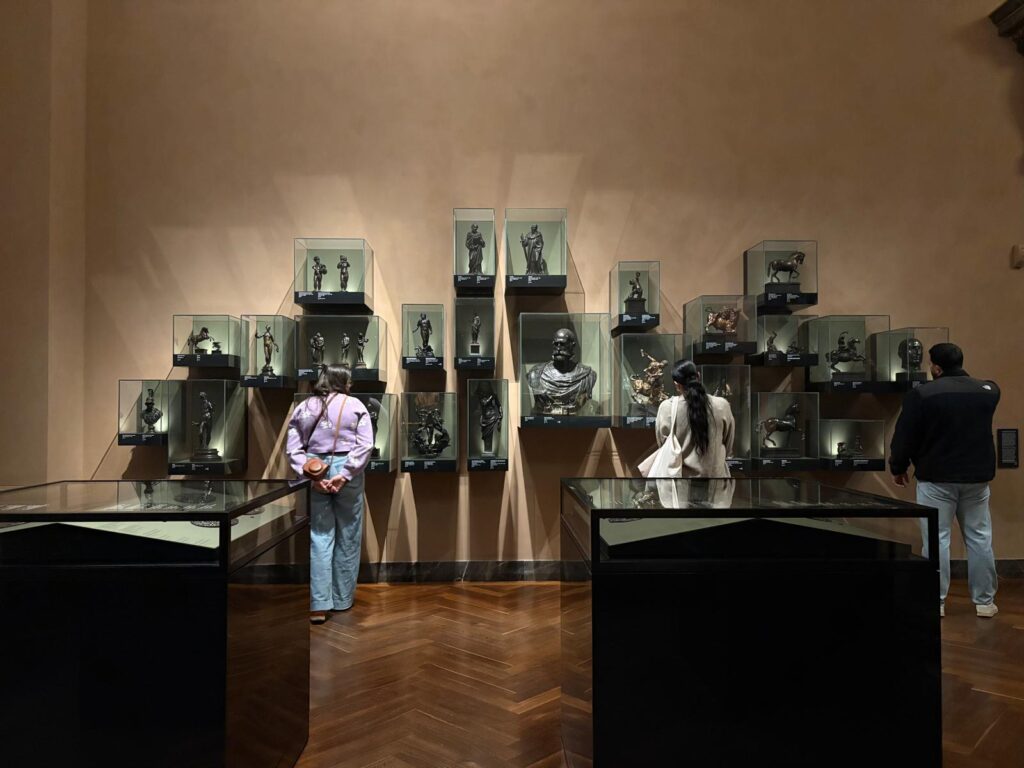
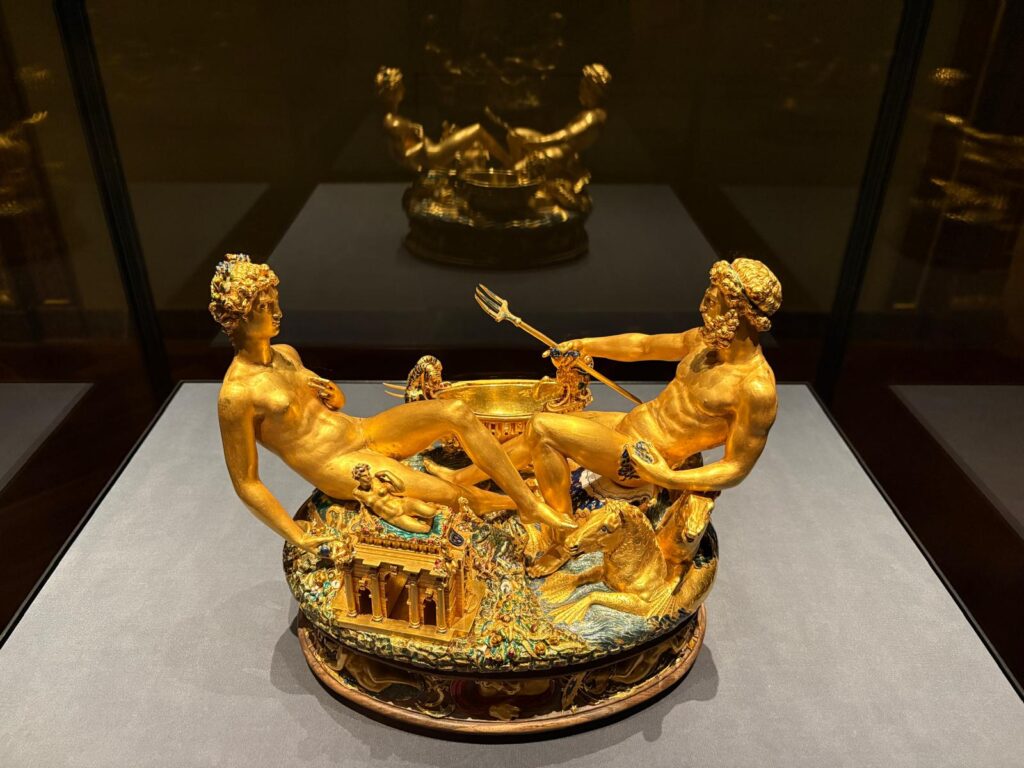
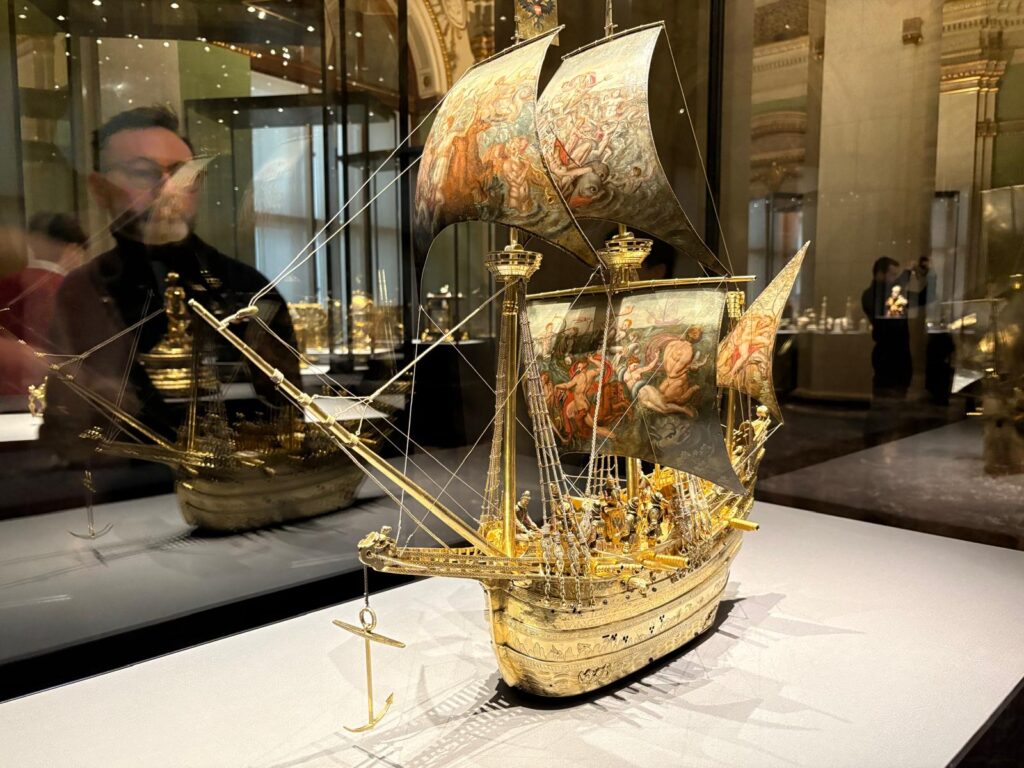
These are wonderful, and I probably need a third visit some day to properly take it all in. Just the Kunstkammer section of the KHM would make a decent-sized museum in its own right anywhere else. Sometimes the objects are grouped by material (eg. alabaster, bronze), but mostly they are mixed, which brings the original cabinet of curiosity concept to life. I particularly loved the incredibly intricate boxwood sculptures, the automata, and some of the devotional religious objects. Take a look at the first two sets of images above to get an idea of the collection.
The Collection: Antiquities
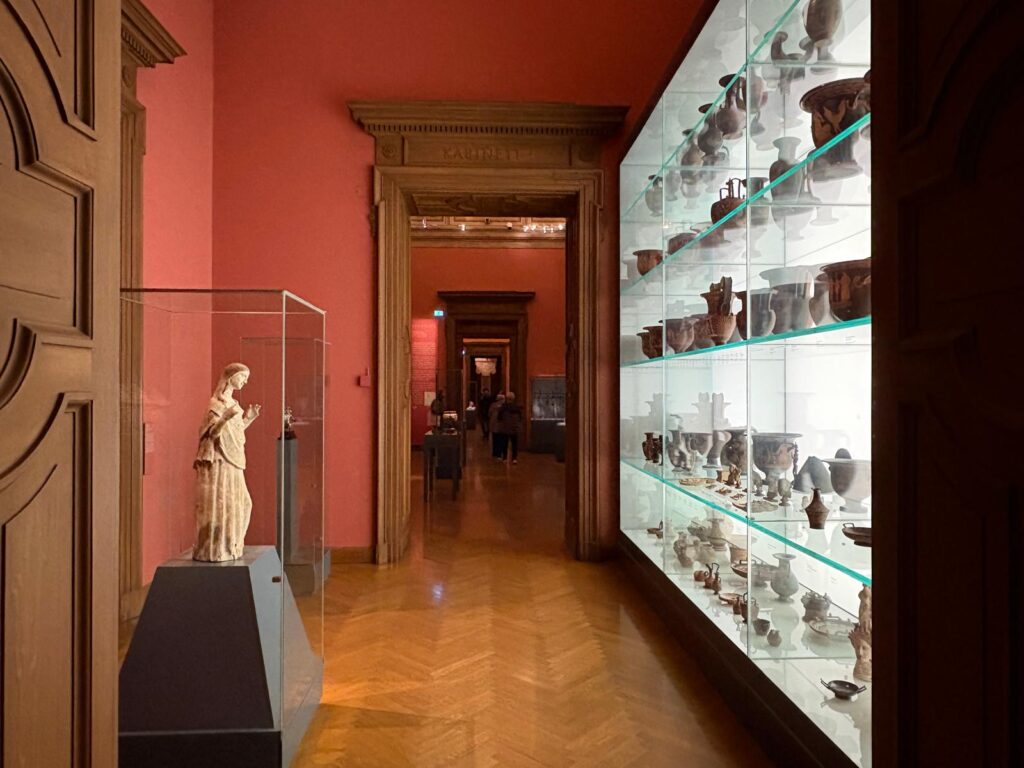
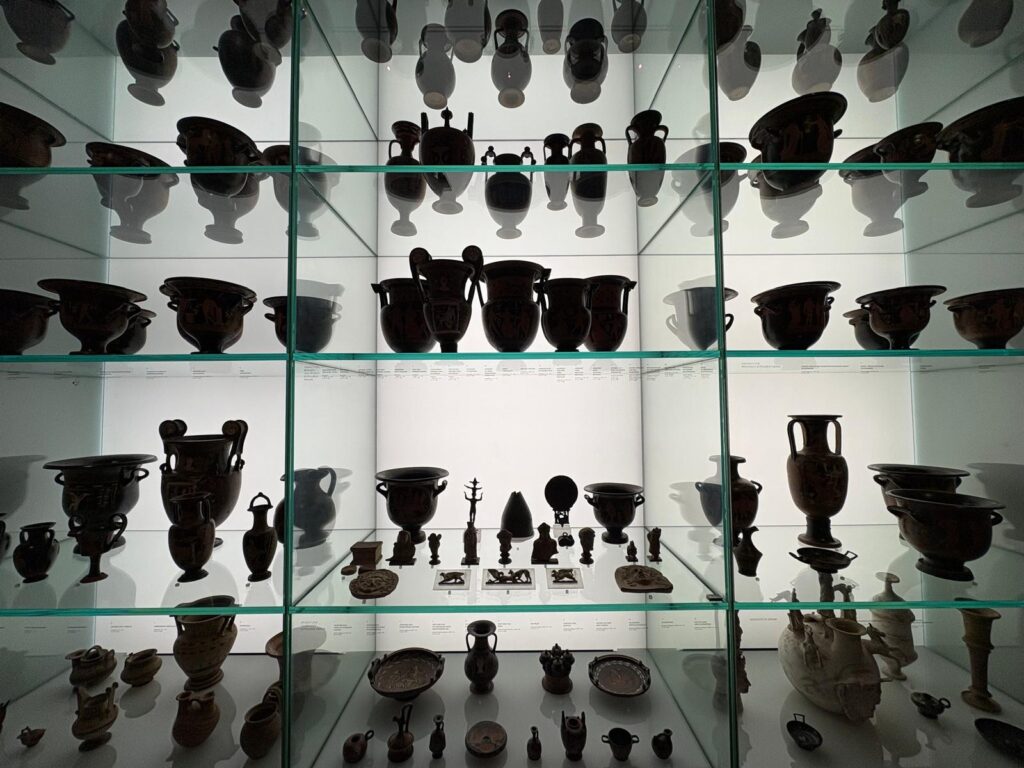
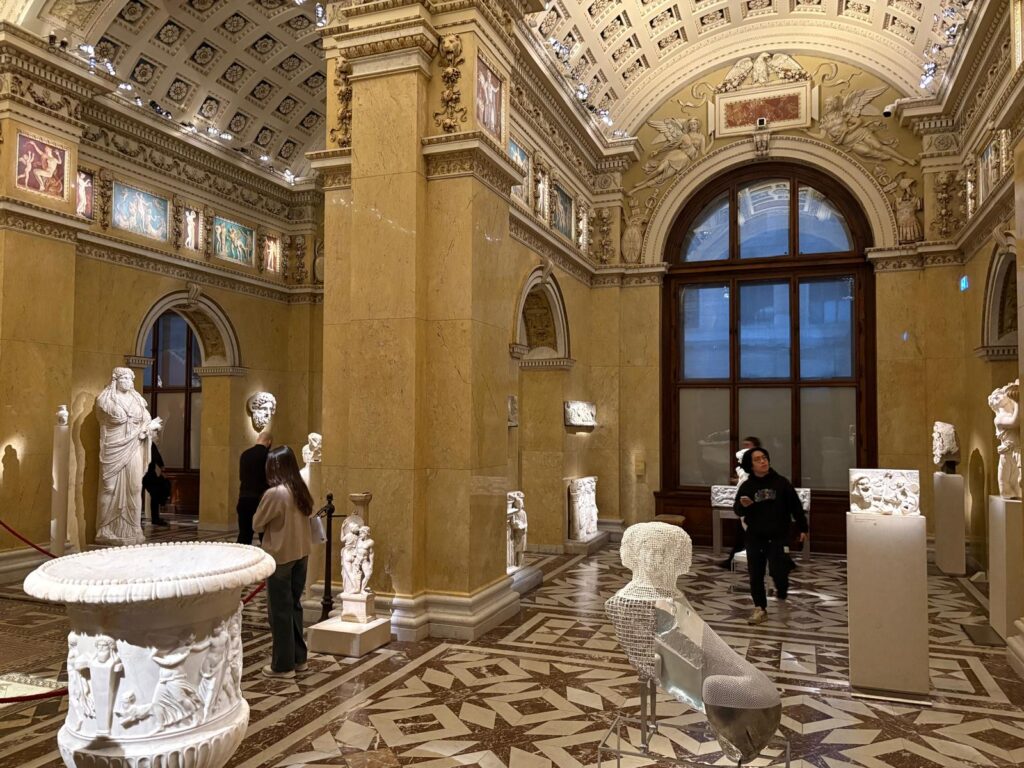
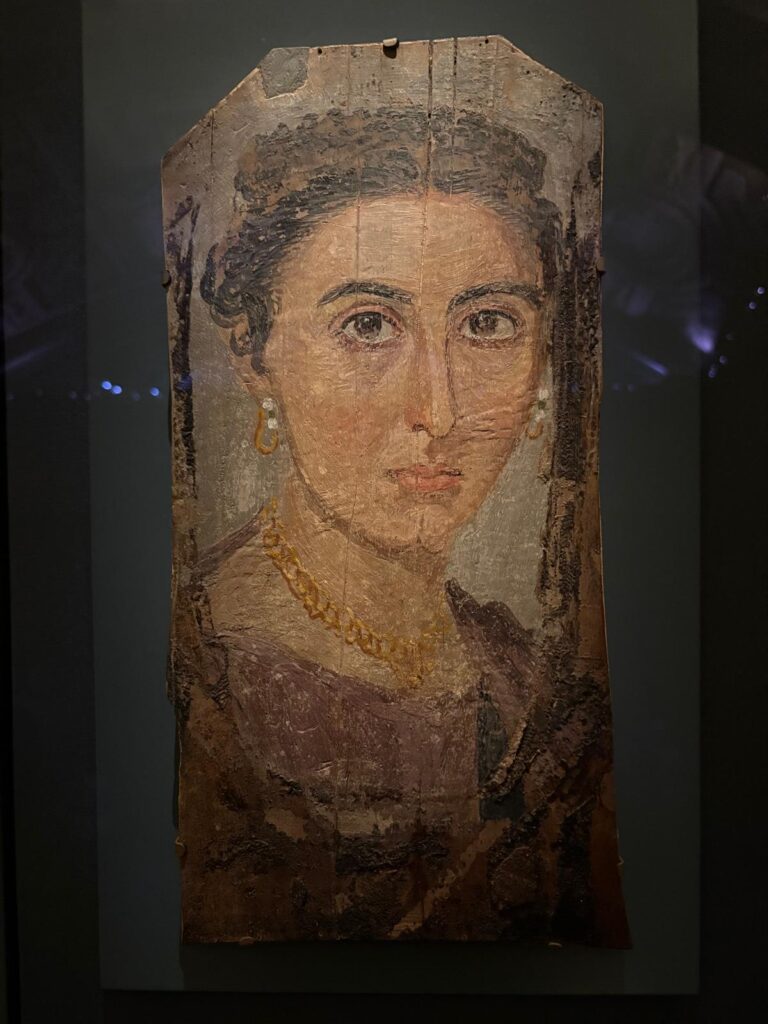
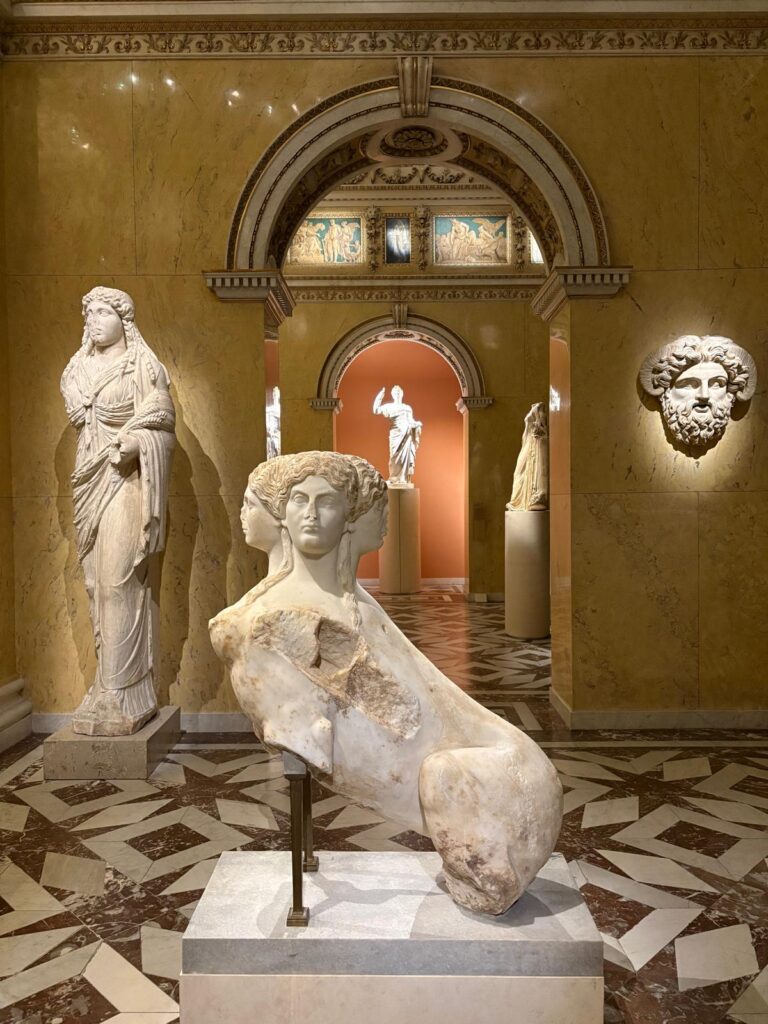
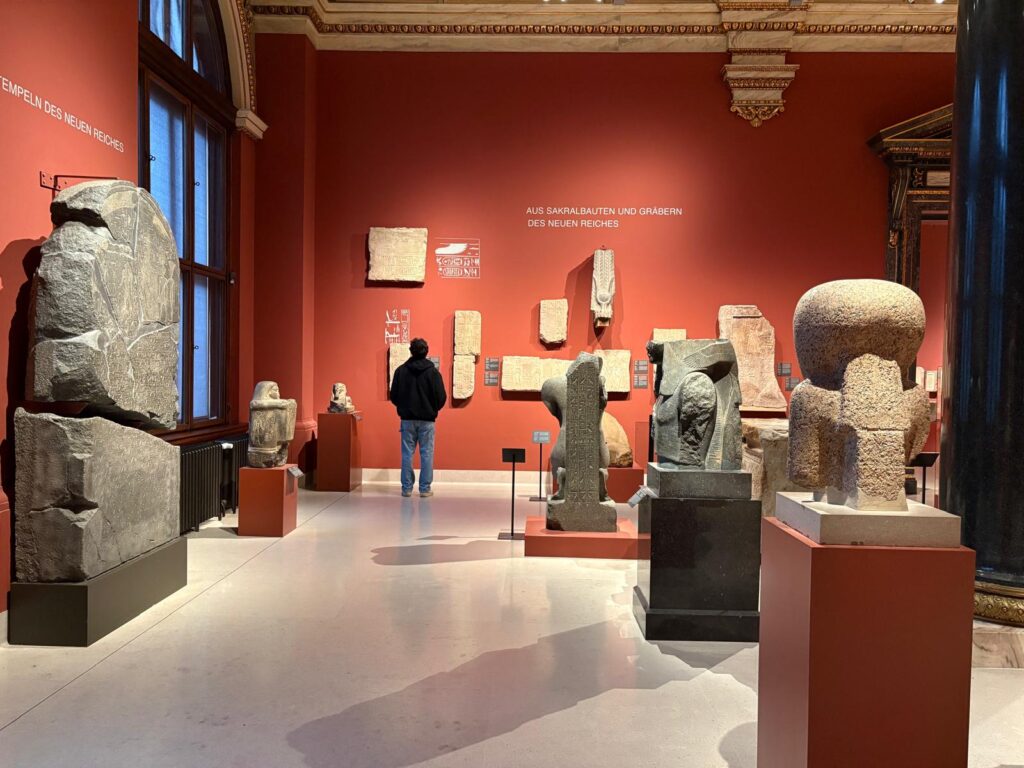
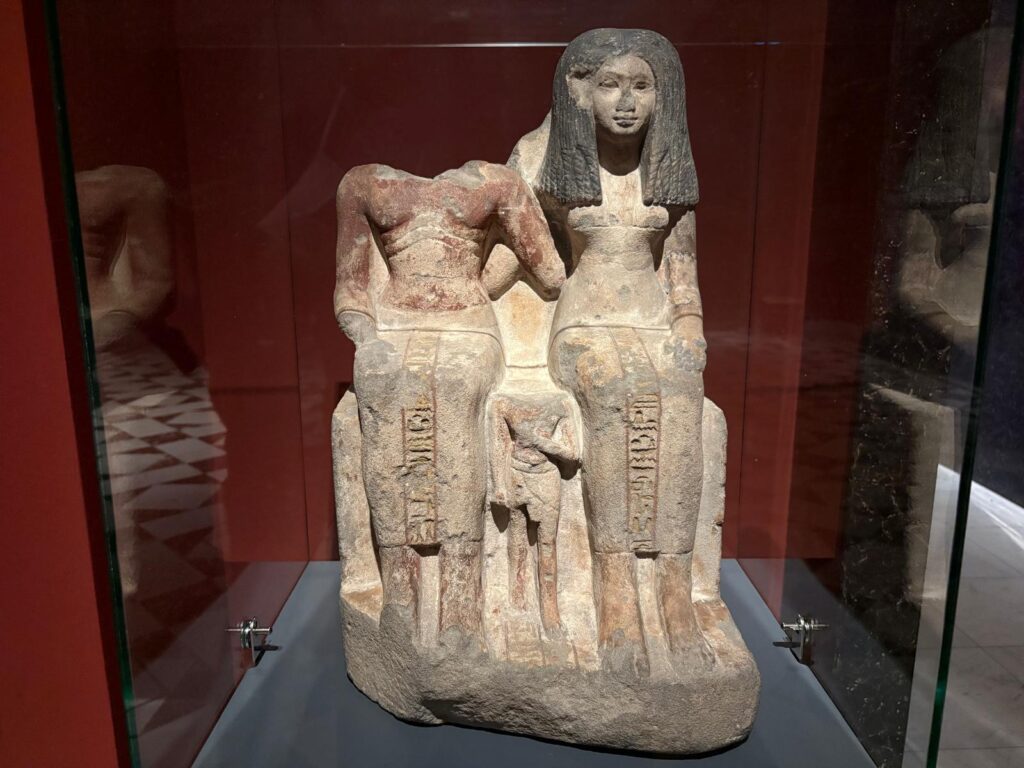
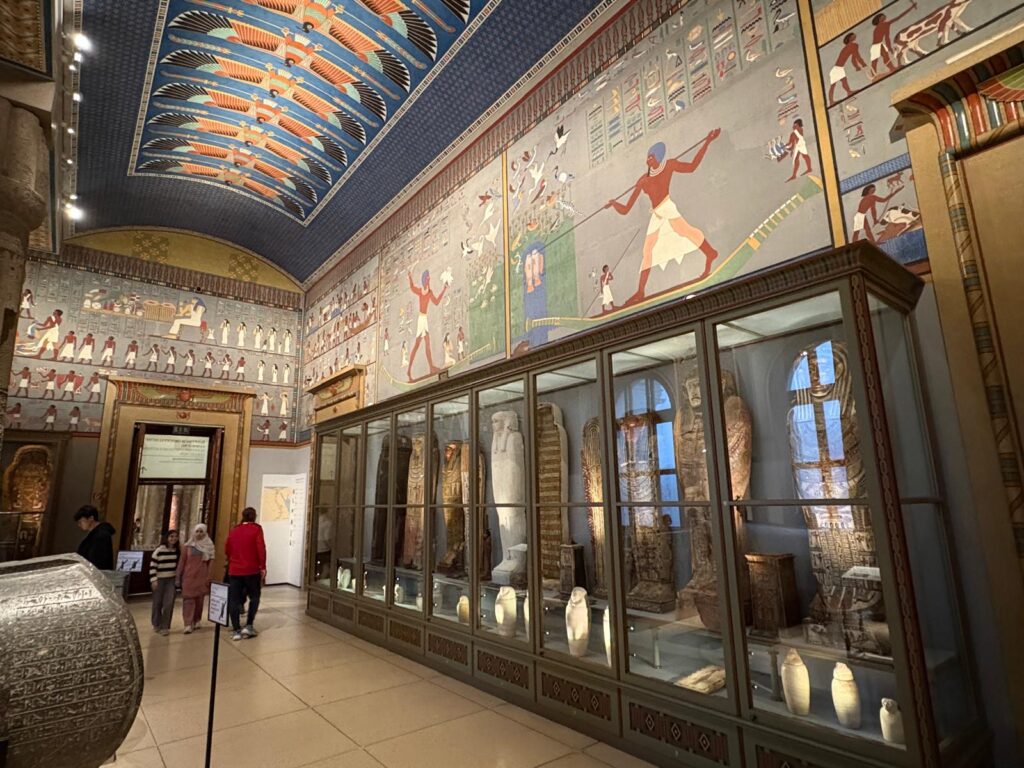
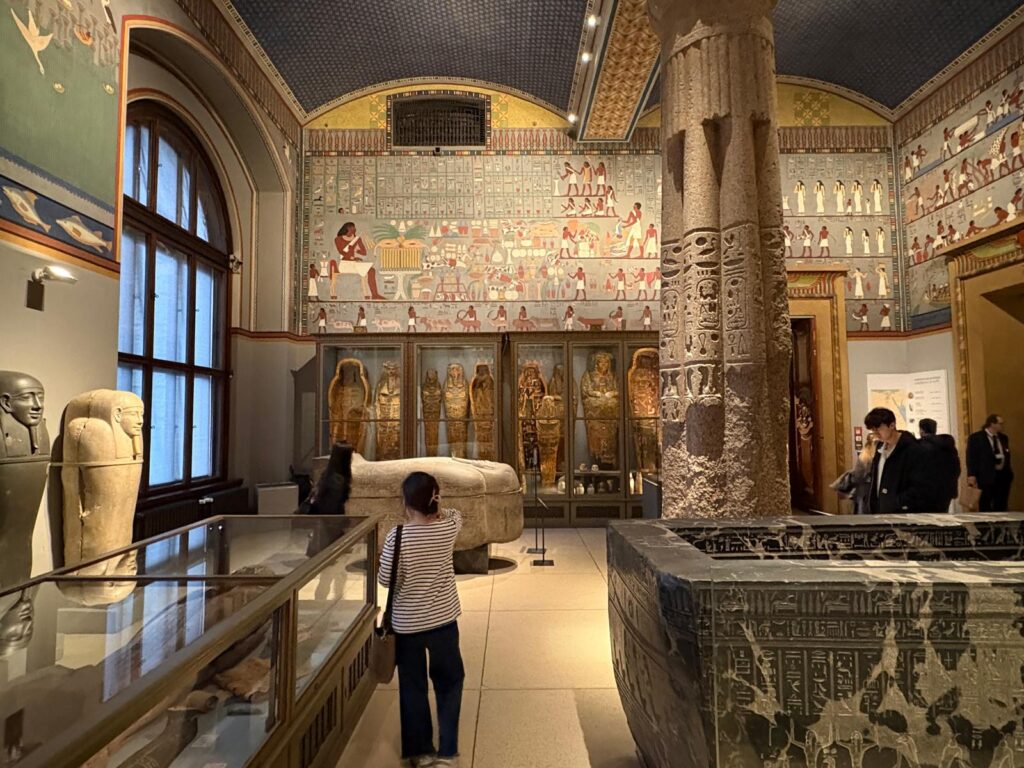
Next up, the Urban Geographer and I decided to visit the museum’s antiquities collection. As we discovered above, antiquities often formed part of a Kunstkammer or Cabinet of Curiosities collection. But this collection is much bigger than that. It’s divided into Greek and Roman, and Egyptian and Near Eastern antiquities.
And this time, it was more about later fashions and building up a suitable Imperial collection than about royal taste. We know that famous antiquarian Johann Joachim Winkelmann was quite disparaging about what he found in Vienna when he visited in 1763. A bit later that century, director of the Imperial and Royal Cabinet of Coins and Antiquities, Franz de Paula Neumann, began to collect a bit more seriously. When Egyptian antiquities became popular in the 19th century, Crown Prince Rudolf, the son of Emperor Franz Joseph I (he whose dramatic life story is the subject of Mayerling) got on board. The death of another family member, Archduke Ferdinand Maximilian, meant his collection was added to the Imperial holdings rather than going to Mexico where he was Emperor.
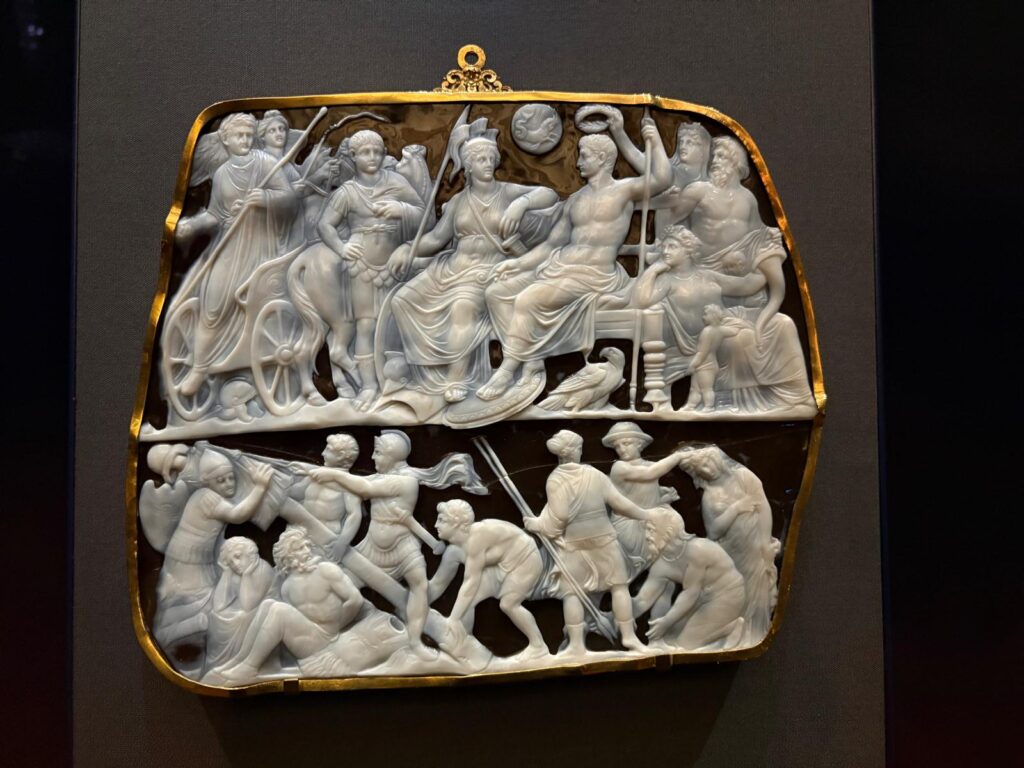
The sum of all this collecting (and death) is a fairly good collection, but not quite on the same level as the Kunstkammer. The rooms are laid out in a way that’s aesthetically pleasing, and easy to navigate. There are a few great objects: I liked the cameo you can see above, for instance, and the mummified animals. The Egyptian rooms are quite charming due to the painted murals on the walls, while the Graeco-Roman rooms are much more Neo-Classical. All in all, this could once again be a museum on its own, but as part of a larger institution is less of a highlight.
The Collection: Pictures
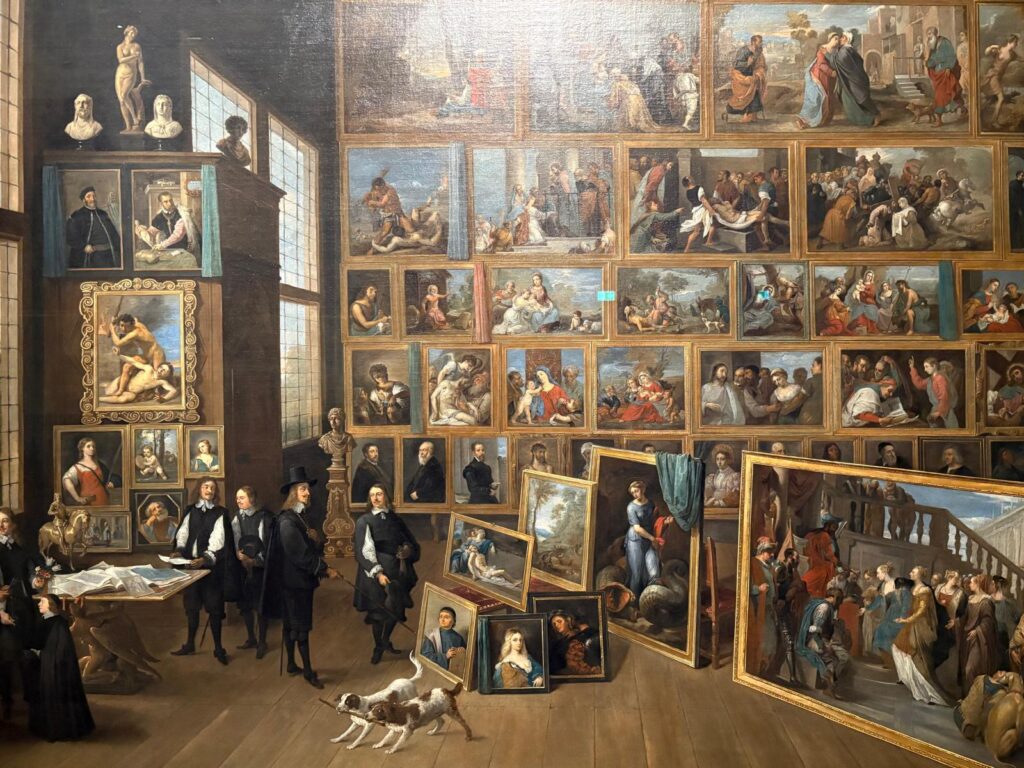
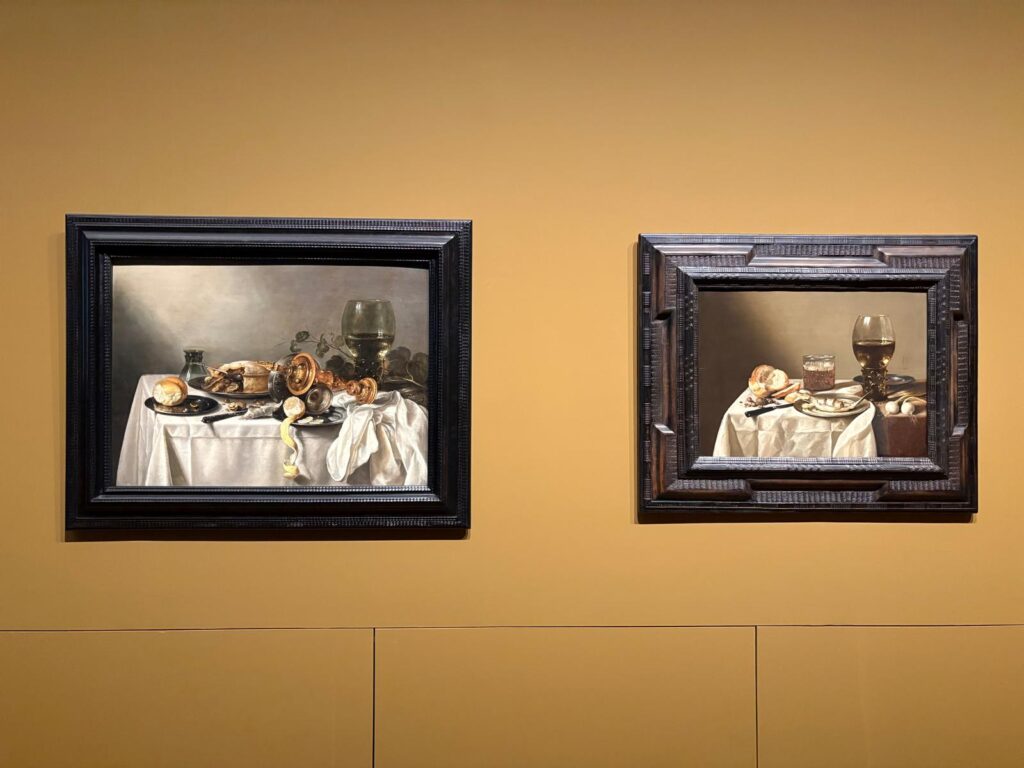
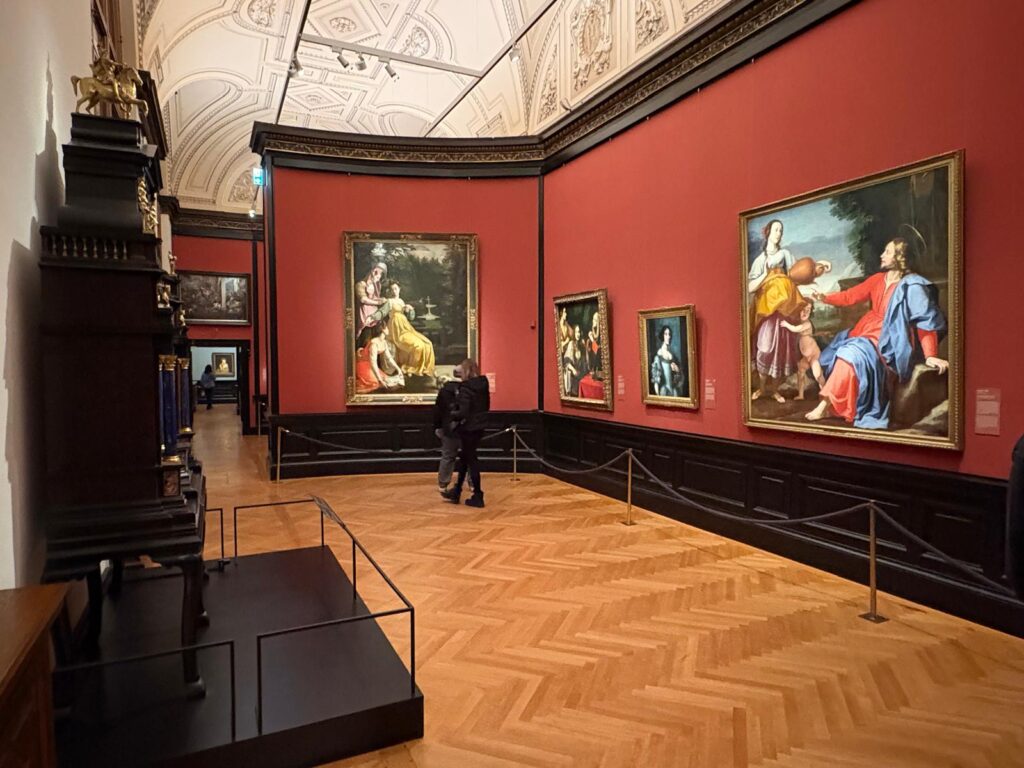
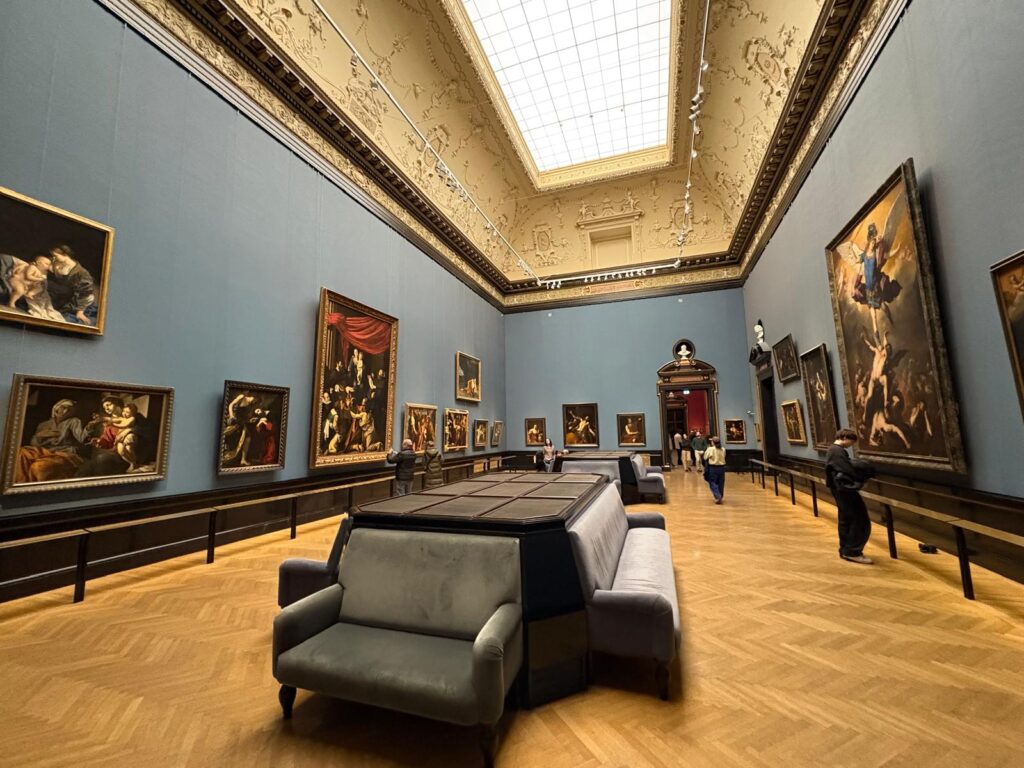
As I mentioned earlier, the Habsburgs’ reach in Europe means that their painting collection is unusually comprehensive amongst royal collecting efforts. In fact, it’s one of the world’s largest and most significant collections of European painting. And its story tells us a lot about the Habsburg family and their changing fortunes.
An important early collector amongst the Habsburgs was Emperor Rudolf II (1552-1612). Based in Prague, he acquired works by artists like Pieter Bruegel the Elder, Albrecht Dürer, and Italian Mannerists. However, Swedish troops looted and scattered his collection in 1648, and only a small part remains today. Next up amongst important Habsburg collectors was Archduke Leopold Wilhelm (1614-1662), Governor of the Spanish Netherlands. He picked up collections that came onto the market due to events like the English Civil War, and brought 1,400 paintings with him from Brussels to Vienna in 1656. Then there was Emperor Charles VI, who decided to unify the Habsburg painting collection in the 18th century, displaying it within the Hofburg Palace complex. Empress Maria Theresa and Emperor Josef II, 50 years later, moved it to the Belvedere, reorganised it, and opened it to the public.
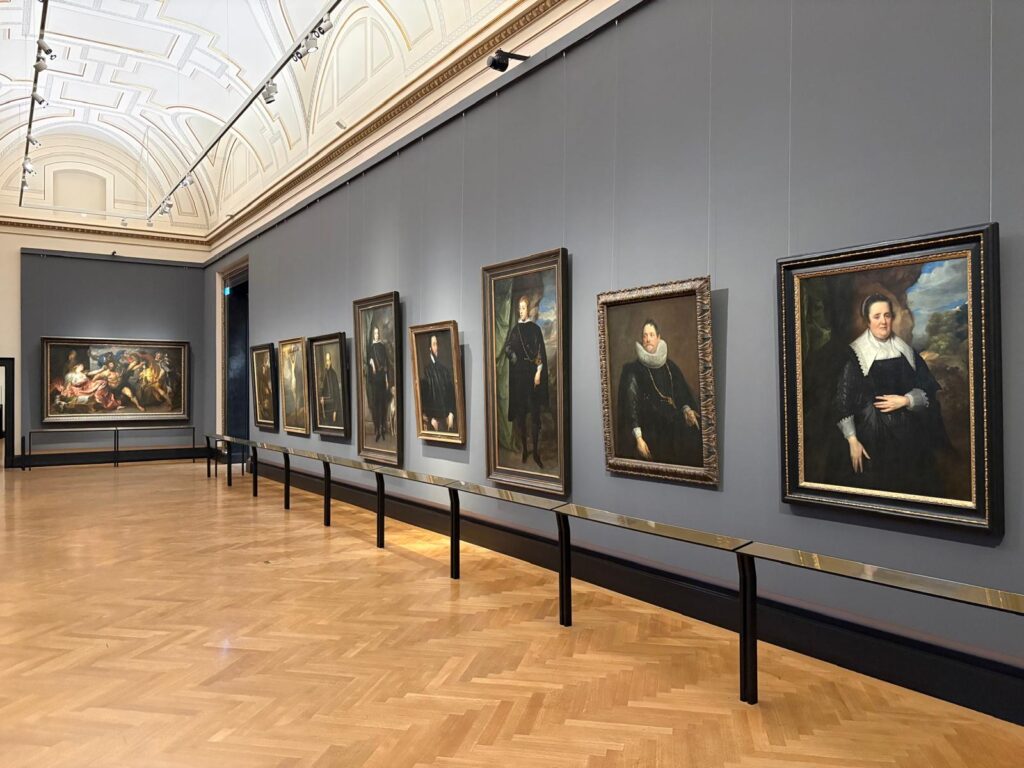
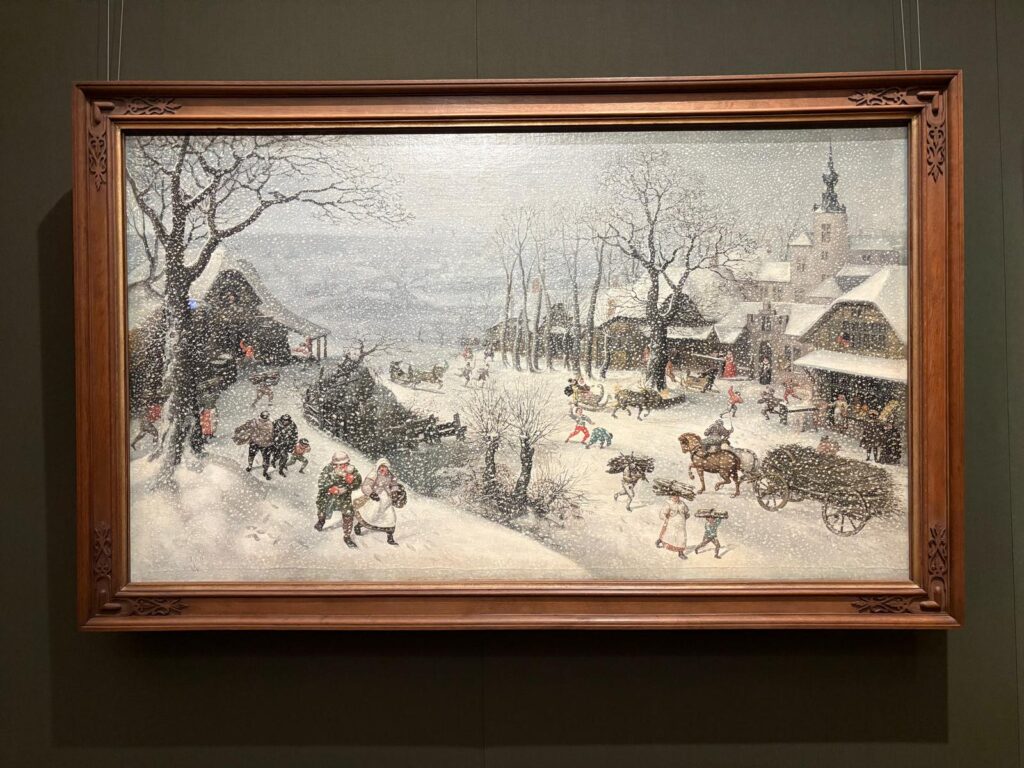
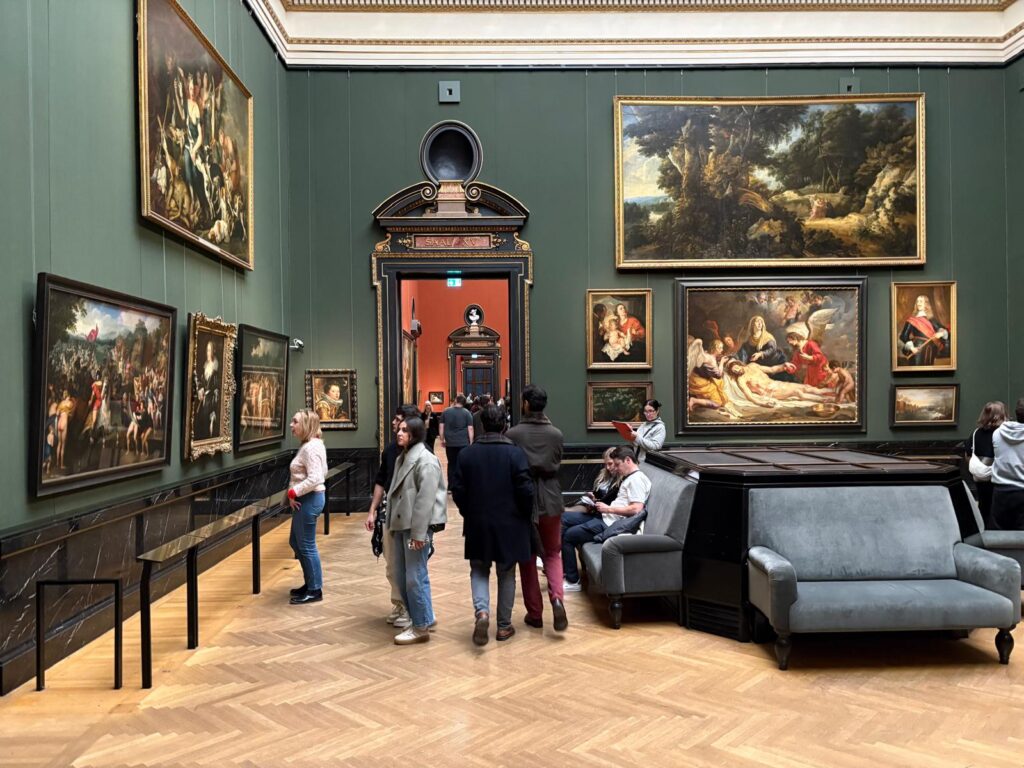
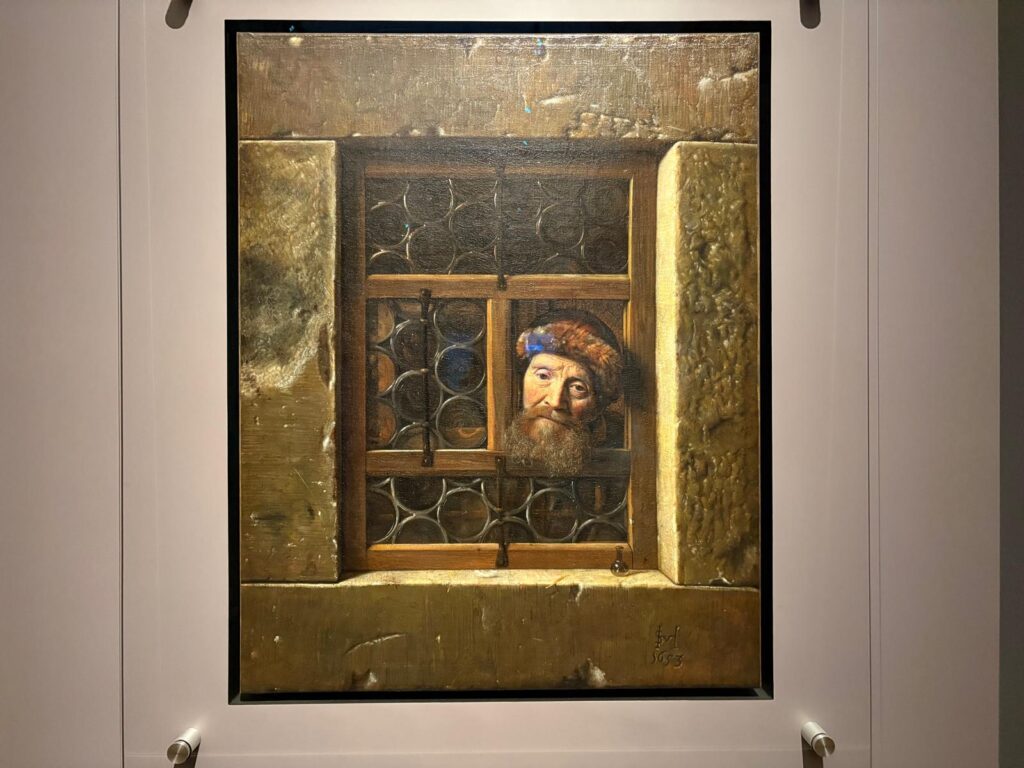
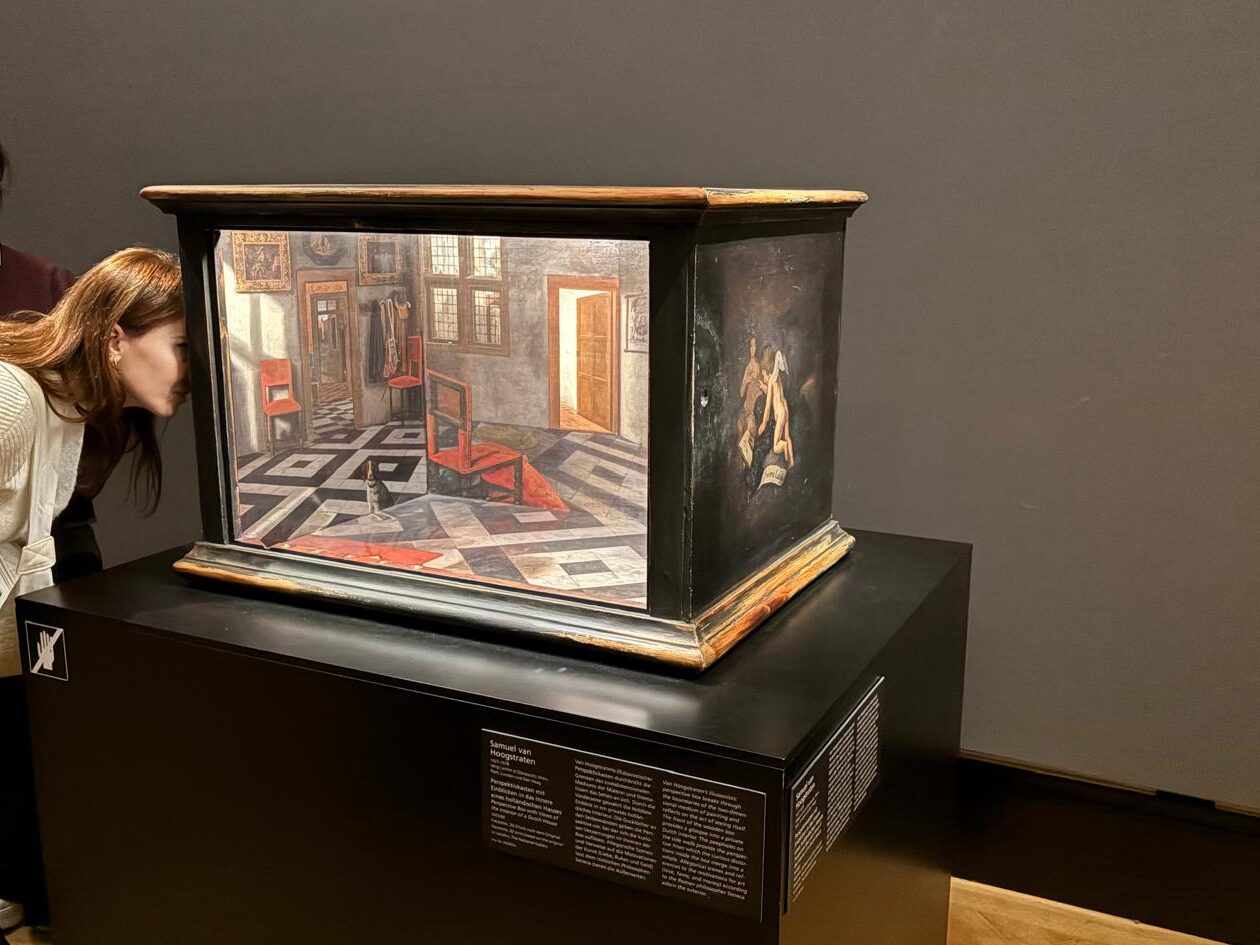
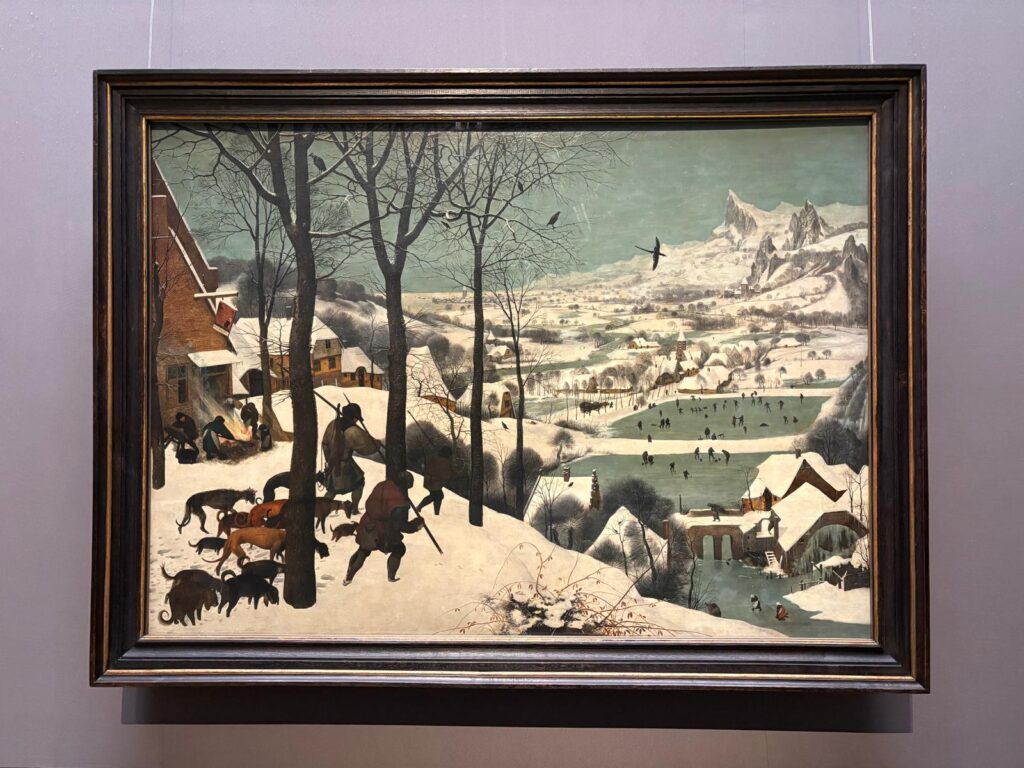
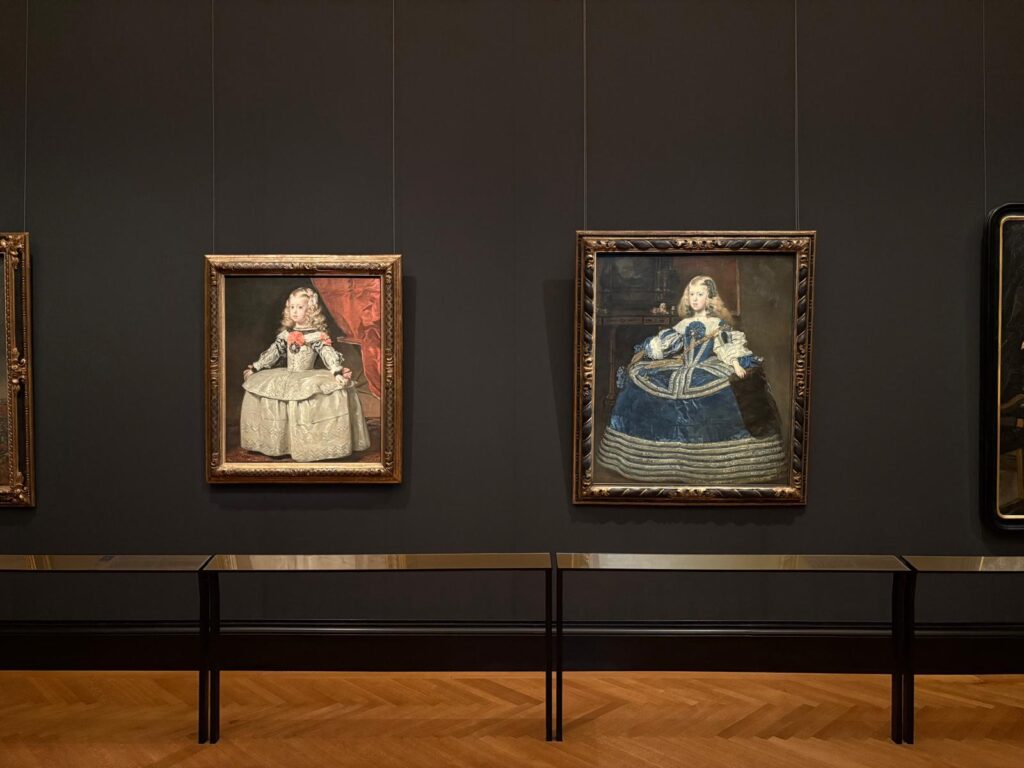
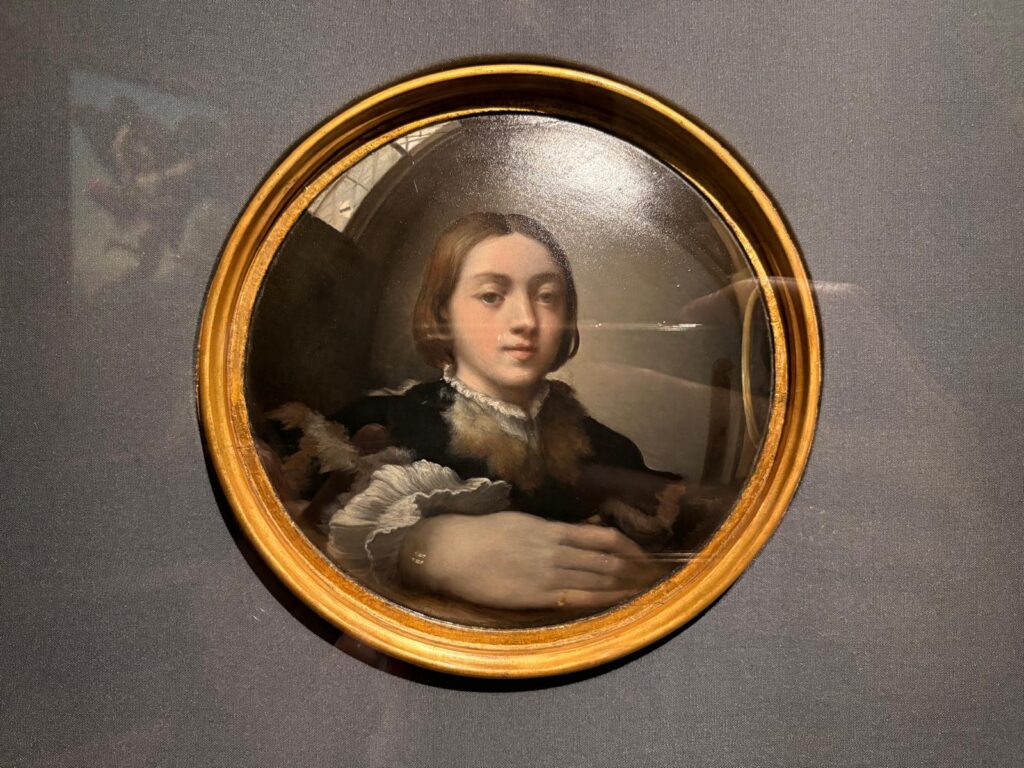
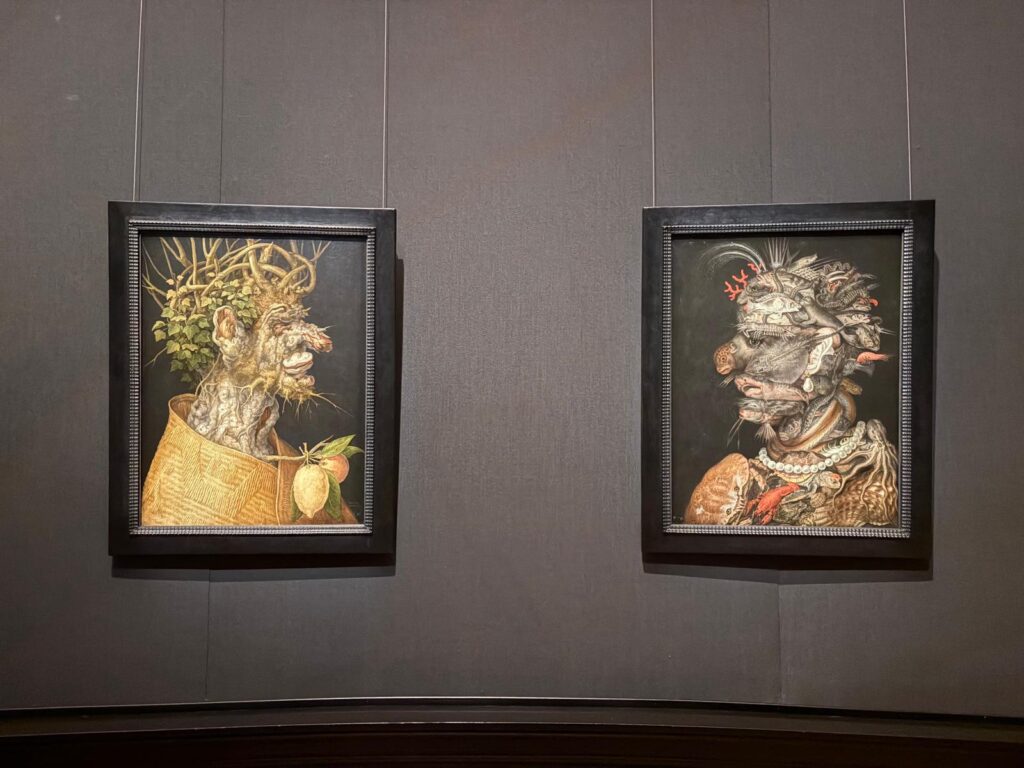
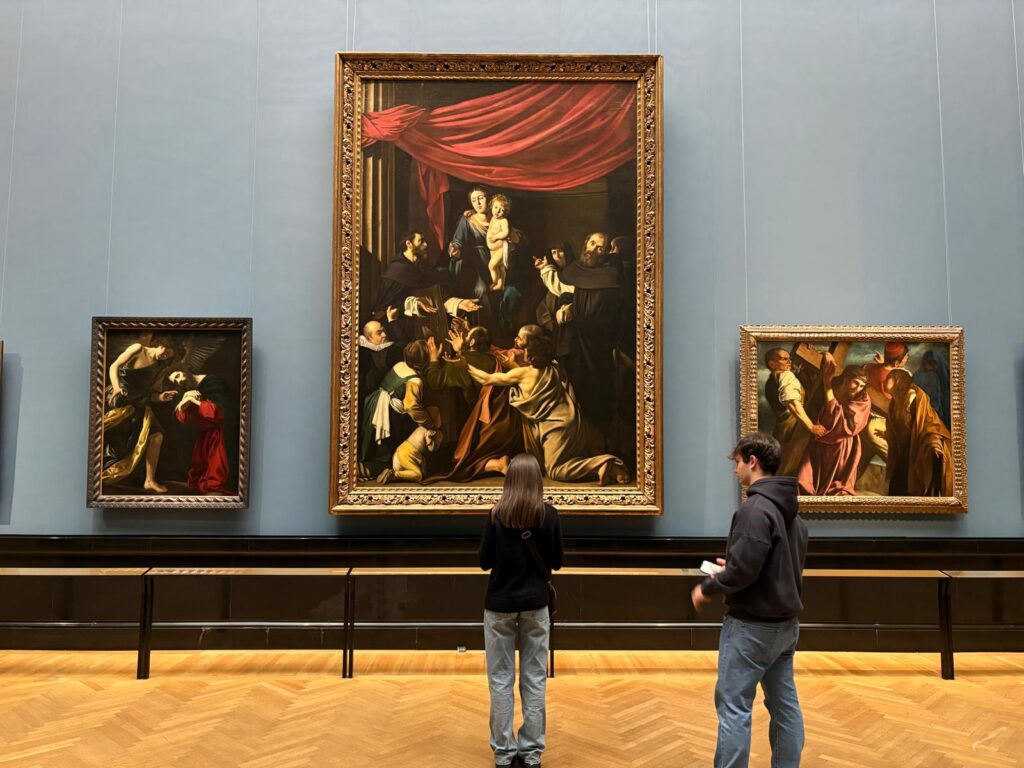
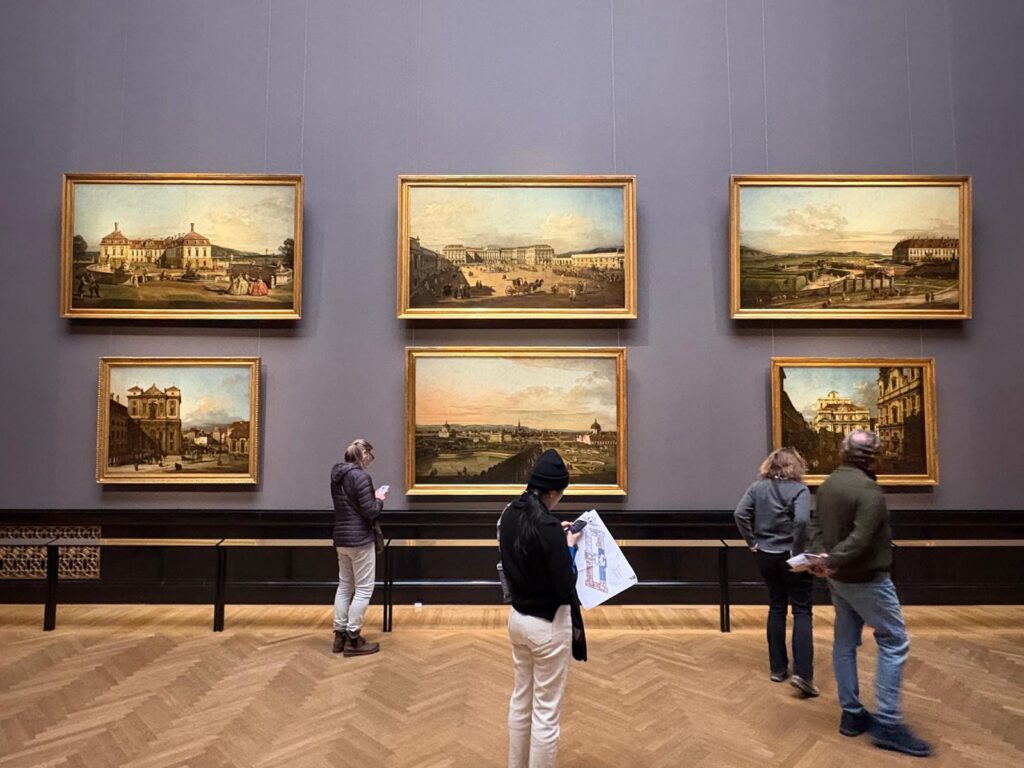
In essence, the bones of today’s collection were already there by the end of the 18th century. Today about 770 works are on display in the Kunsthistorisches Museum. There are so many highlights it’s difficult to take them all on. But let’s try! Firstly the works by Pieter Bruegel the Elder, the largest single collection anywhere, are not to be missed. There are also the Infanta portraits of the Spanish branch of the family by Diego Velázquez, and a very nice Vermeer. Don’t miss the views of Vienna by Bellotto: I did, and had to double back. Some of the less famous names are equally interesting: a portrait of a man peering out a window was likely originally installed as a trompe-l’oeil in a palace somewhere.
If you’re in a hurry, the Kunsthistorisches Museum do very clear sign-posting of major works. Just look for the signs bearing artists’ names and follow them to see an incredible selection of paintings.
Final Thoughts on the Kunsthistorisches Museum
To really do the Kunsthistorisches Museum justice, you’ll want to set aside most of a day. The Urban Geographer and I are museum pros and like to pack a lot into a day, so ours was a whirlwind tour over a long-ish morning. This meant we probably missed some things we would have loved, and didn’t spend sufficient time with others. But there are only so many hours in a day, and a lot to see in Vienna!
In terms of prioritising your time in the museum, I would definitely recommend spending time in the Kunstkammer and paintings collections rather than the antiquities rooms. Not that these aren’t good, but they’re definitely not as memorable. You might also want to check out what temporary exhibitions are on while you’re there. They require a separate ticket: we didn’t go for this option during our visit as we had enough to see as it was. And the cafe seems to have become a lot busier than it was when I last came here. I seem to remember getting a table quite easily, whereas this time around the queue was extensive. Bear this in mind if your plan is to spend longer here and use the cafe to refuel.
At the end of the day, the Kunsthistorisches Museum is one of the world’s great art museums for a reason. The sprawling, powerful Habsburg family commissioned and collected artworks by the major artists from the Renaissance to the Enlightenment. Now owned by the public, they are a wonderful look into art history as well as telling the story of a family, their taste, and their fortunes. A good first pick when in Vienna, to get your bearings and a taste for Imperial splendour.
Trending
If you see this after your page is loaded completely, leafletJS files are missing.