
Herschel Museum of Astronomy, Bath
Sometimes a weekend away is an opportunity to discover hidden gems – such as the Herschel Museum of Astronomy in Bath.
The Herschel Museum of Astronomy
Google Maps is becoming quite a good museum-spotting tool in my repertoire. When we visited Stuttgart, a chance glance at the map lead us to the Weissenhof Museum in the Le Corbusier House, part of a pioneering modernist estate. And when the Urban Geographer and I went to Bath, I had a look for anything in the vicinity of our hotel. Cultural activities were not the primary purpose behind this excursion – the Salterton Arts Review does have other hobbies, 10K races being one of them. That’s the reason we were in Bath on this occasion. But a hotel that was in a good location for the run turned out to have a museum icon temptingly close by.
That is the story – fascinating I’m sure – of how we ended up at the Herschel Museum of Astronomy. Right off the bat, it ticked a lot of boxes for me. Learning new information (who’s Herschel, for a start?). A house museum. And a small museum – I love going somewhere I can explore in depth without it becoming overwhelming. And so, between the run and the return train journey, that is where we headed.
If you’re looking for a more obvious place to visit in Bath, you can try the Roman Baths. Or even the Holburne Museum. But if what I’ve already described sounds appealing, read on.
William and Caroline Herschel
I was wondering to myself in the section above who exactly Herschel is, so let’s start by answering that question. Which is in fact a two-fold answer as there were two Herschels who are relevant to the museum.
The first is William Herschel. Or Friedrich Wilhelm Herschel as he was born, in Hanover, in 1738. He was one of ten children of Isaak Herschel and his wife, Anna. Isaak was an oboist in the Hanover Military Band. George II, at the time, had united the crowns of Great Britain and Hanover. William and his brother Jakob, who had followed their father into the Hanover Military Band, also as oboists, went to England by order of George II in 1755, and then back again when war with France loomed in Hanover. When the French army prevailed at the Battle of Hastenbeck, Isaak sent his sons to seek refuge in England. William was technically a deserter at this point, but George III pardoned him in 1782.
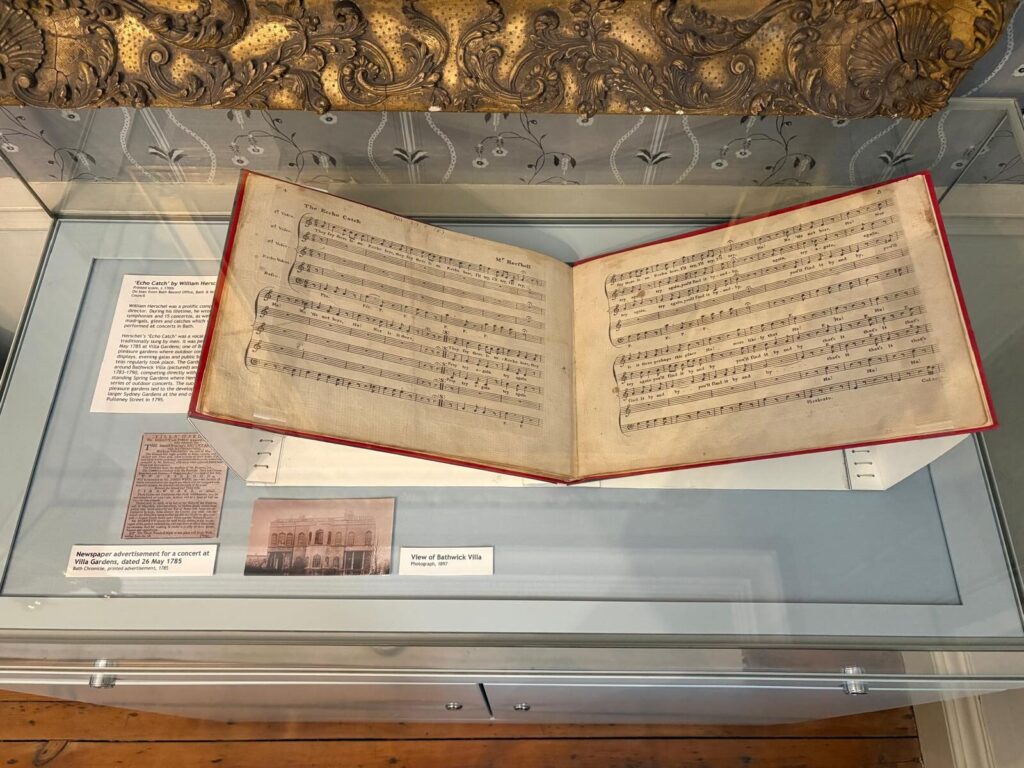
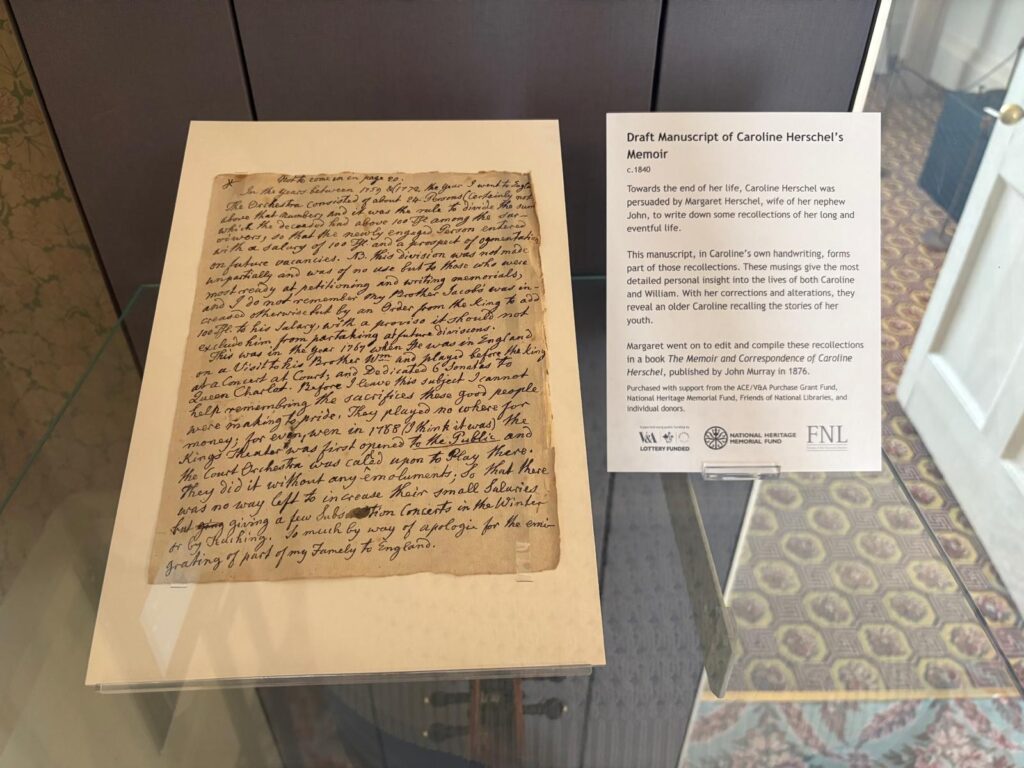
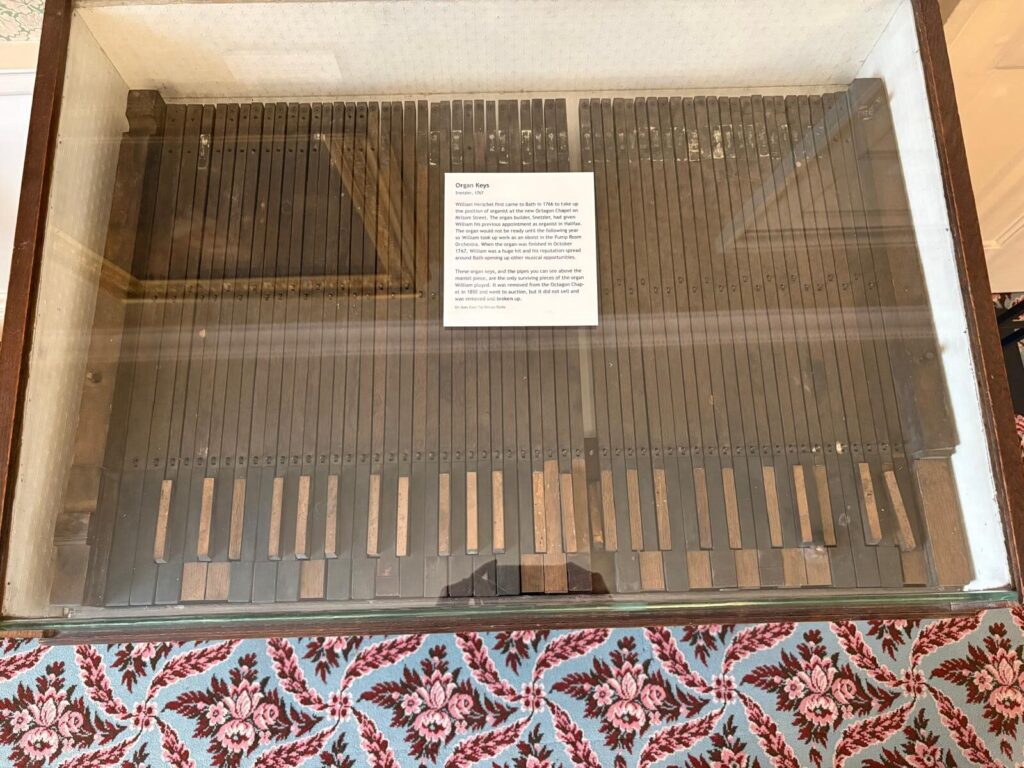
So a part of the Herschel family was now established in England, and it is at this time that Friedrich Wilhelm anglicised his name to Frederick William Herschel. Jakob, less committed to this new home, stayed for a couple of years and later returned for another couple of years in 1779. William continued to make a living through music. He played the violin, harpsichord and organ in addition to the oboe, and held positions as the head of the Durham Militia Band, first violin and soloist for the Newcastle orchestra, first organist at St John the Baptist church in Halifax, and organist of the Octagon Chapel, Bath – playing his own compositions on occasion. While in fashionable Bath, Herschel was also Director of Public Concerts and, from 1780, director of the Bath orchestra. Various Herschel brothers came over from Germany at times and appeared as Bath musicians.
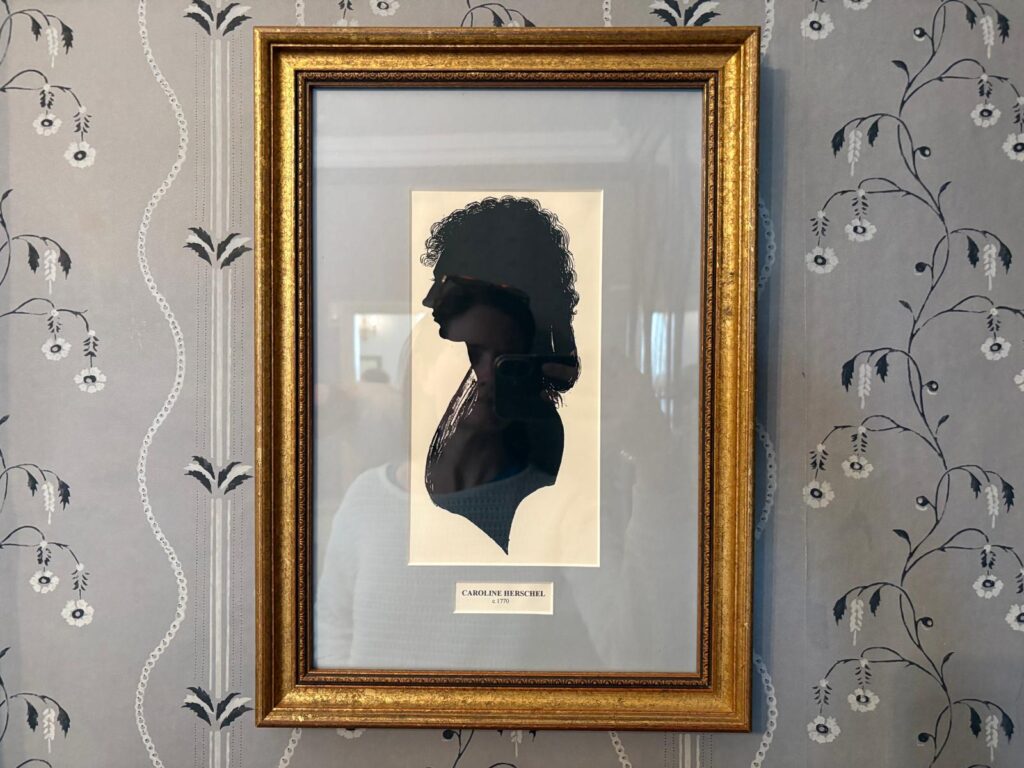
Caroline Herschel – the second relevant Herschel – was the family’s eighth child, born in 1750. One of only two daughters, when her elder sister married her childhood became one of household responsibilities and drudgery. A bout of typhus had a lasting impact on her health, and her parents disagreed on whether she should be prepared for life as a servant (her mother) or was worthy of some attempts at an education (her father). After her father’s death, her brothers William and Alexander proposed she join them in England. She arrived in August 1772. She probably had a happier life running her brothers’ household, and took up singing professionally.
William and Caroline Take Up Astronomy
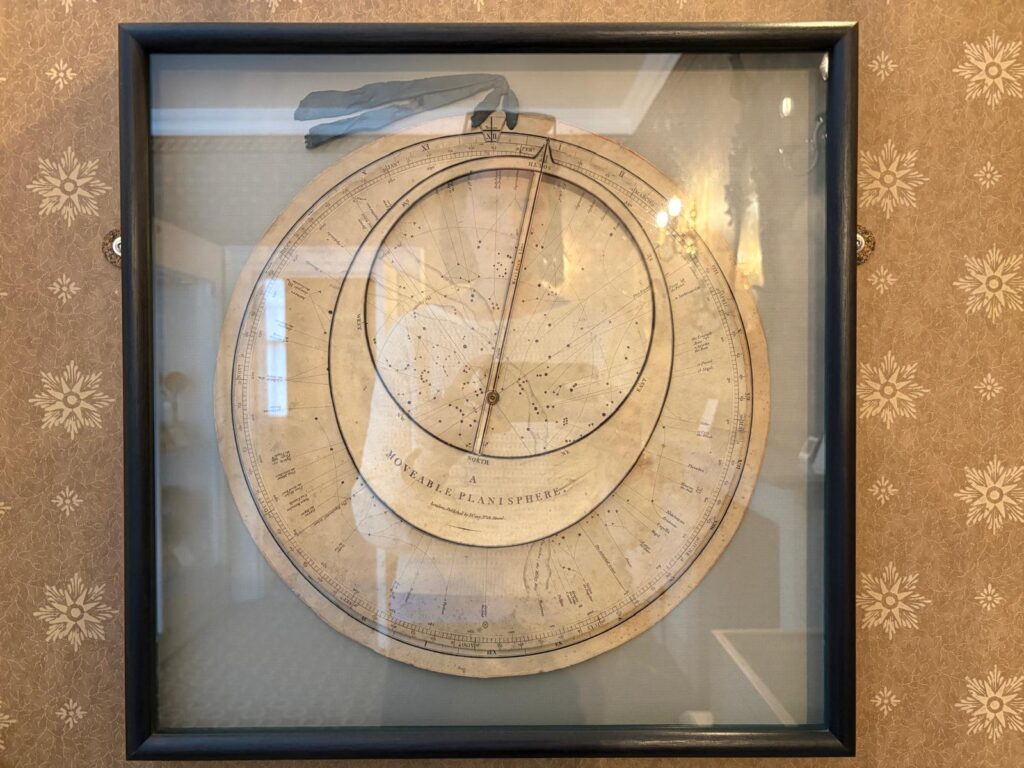
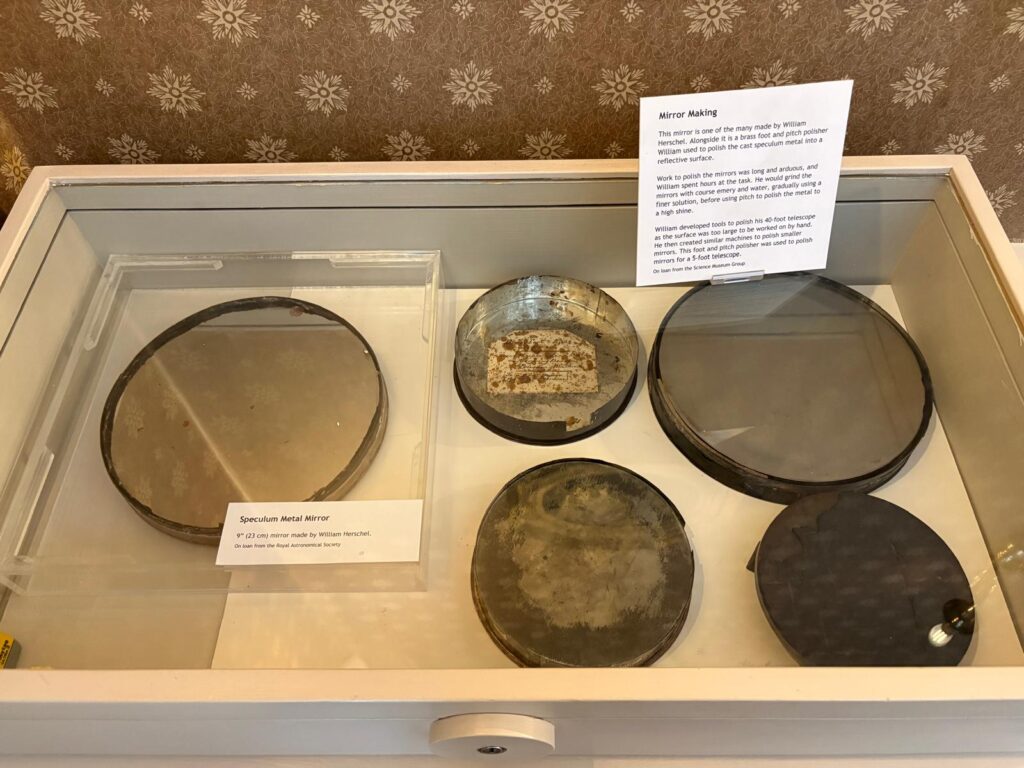
Interestingly, after all this talk of music and bands and singing and compositions, it’s not music for which the Herschels are best known, but astronomy. William Herschel had an interest in scientific advancements, and took up astronomy in the 1760s or 70s. He read the available books on the matter, took lessons from a local mirror… man? What do you call someone who makes mirrors? Anyway, he took lessons from one of those, and then started making his own telescopes. He made connections in astronomical circles, and started recording observations. It was in 1781 that he became an astronomical star though (ha!), when he discovered a brand new planet: Uranus. This was the first discovery of a planet since antiquity.
That same year, Herschel won the Copley Medal, and became a Fellow of the Royal Society. In 1782 he was appointed the King’s Astronomer, which is apparently different from the Astronomer Royal. He continued with his work, documenting thousands of new objects in the night sky, and pioneering astronomical spectrophotometry. He was the first President of the Royal Astronomical Society.
And through it all, Caroline was right there with William. At first in a supporting role, spending hours polishing mirrors, and recording the observations he shouted down while at his telescope. But then she started to make her own discoveries. She found eight new comets, discovered nebulae, and corrected earlier astronomy texts. She continued to help William in his work, and it was as an assistant that George III started paying her an annual salary of £50.
I do somewhat subscribe to the Finkbeiner Test (which is about not reducing women’s achievements, for example by describing their family arrangements or how they were the ‘first’ to do so-and-so)*. However, Caroline’s firsts are very impressive. She was the first known professional female astronomer, was the first woman to hold a government position in the UK, the first woman to publish findings in the journal of the Royal Society, and the first woman, with Mary Somerville, to be named an honorary member of the Royal Astronomical Society.
*I did, on the other hand, describe Caroline above in terms of her position in two households. Combined with the fact I then listed her ‘firsts’ anyway, I should try harder. I do think, though, that an 18th century woman’s achievements reflect more on her, whereas if a women is breaking new ground today, that often says more about society. Feel free to continue this in the comments.
The Herschel Museum
The Herschels left Bath in 1782, moving first to Dachet, then Windsor, and finally Slough. Their home in Slough, Observatory House, was unfortunately demolished in 1963. William Herschel also married in 1788, causing some tension between the siblings. Caroline was so worked up about it, she destroyed her journals from the period. She moved out of the shared home and lost some of her responsibilities in that regard, but continued to work together with her brother. In fact she continued her own astronomical work even after William’s death in 1822. Caroline Herschel died in Hanover in 1848.
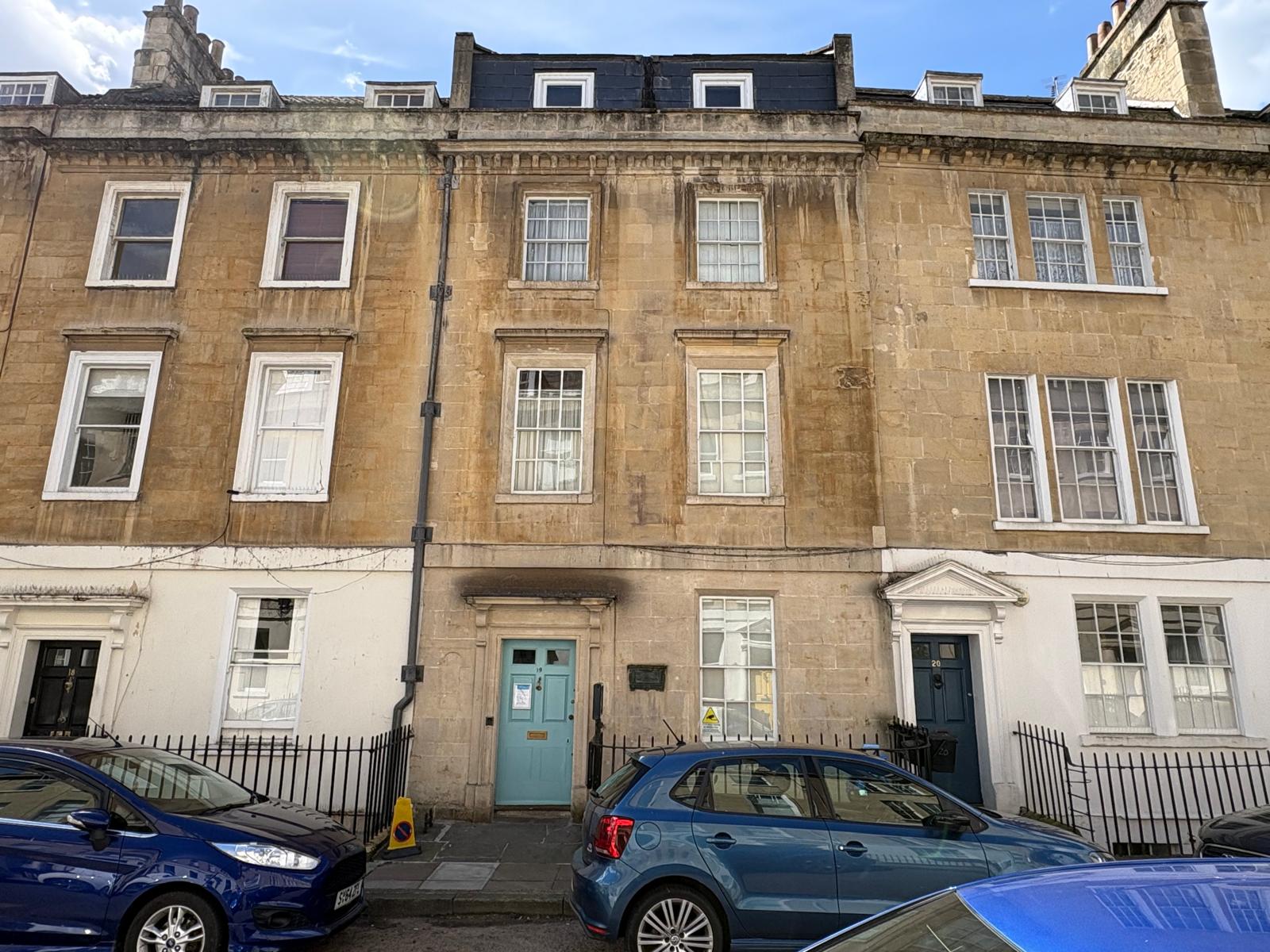
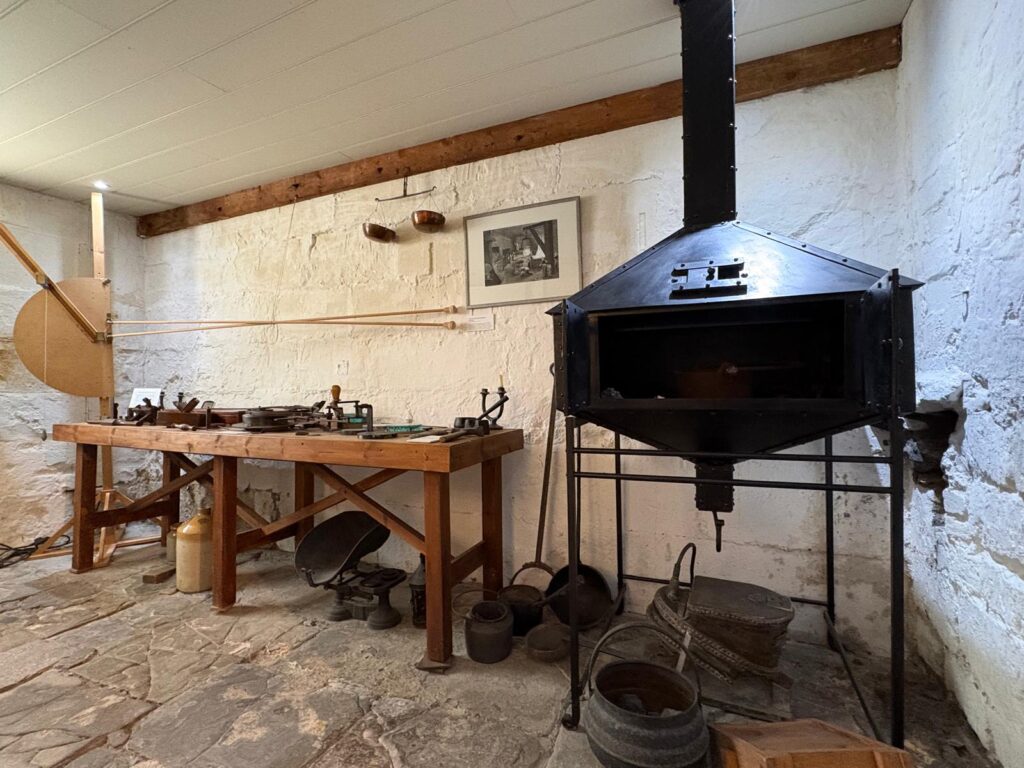
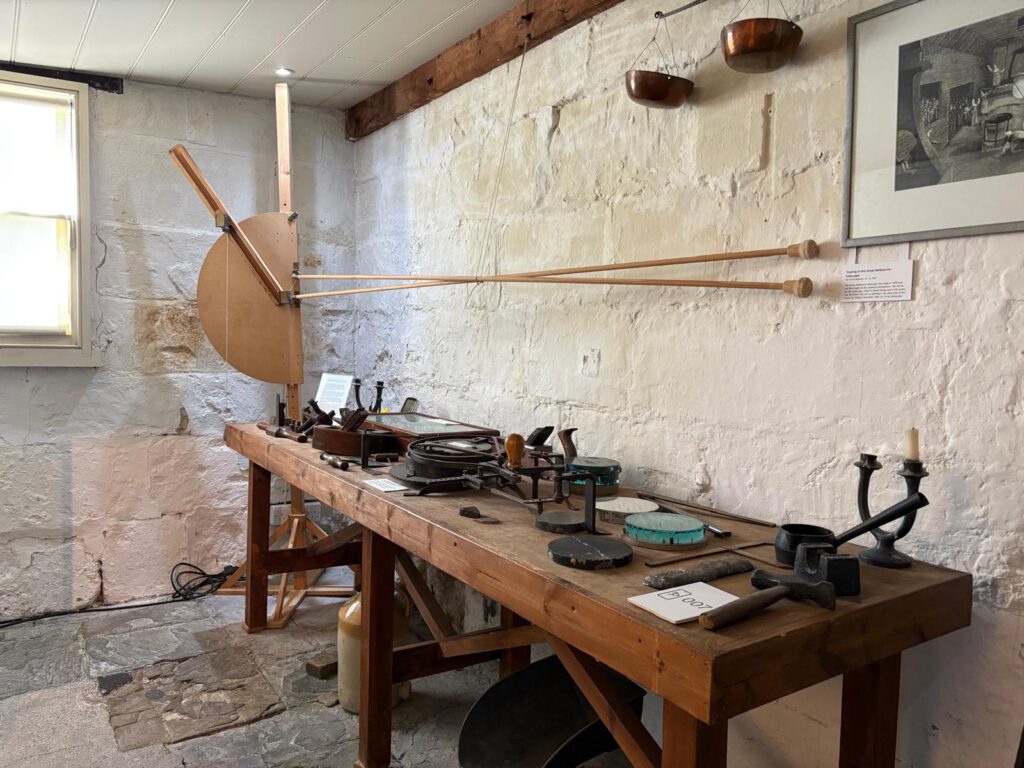
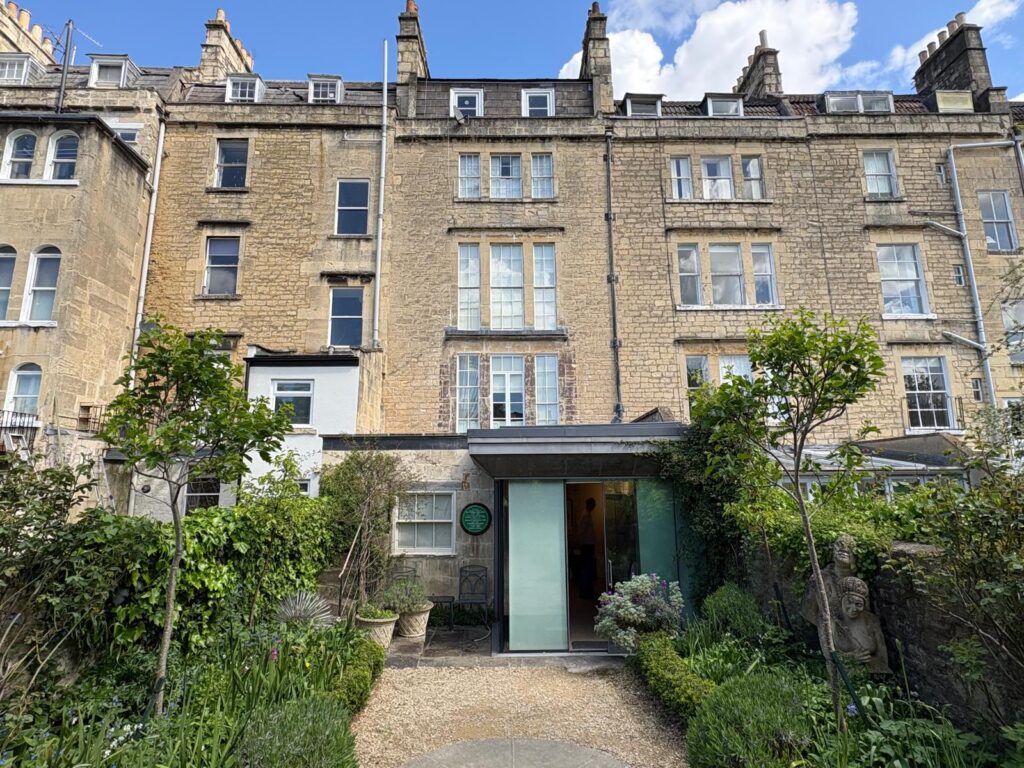
We now turn our attention back to the siblings’ house in New King Street, Bath. The terrace dates to around 1764-1770, and is typical of homes for artisans and tradesmen at the time. The Herschels moved in in 1777. They were only in the house for a few years, therefore, but they were years of important discoveries, including that of Uranus in 1781. Caroline remembered that almost every room was a workshop during their time here.
After the Herschels departed, the building continued as a private residence. By the 1970s it was at risk as a heritage site, which led to the William Herschel Society being set up to save it. The Society purchased the building in 1981 with the help of Doctors Leslie and Elizabeth Hilliard, saving it from demolition. A Wikipedia page for the museum says it then opened as a museum in March 1981, which would be a remarkably quick turnaround. The museum operates as a charity, with Brian May as its patron since 2013.
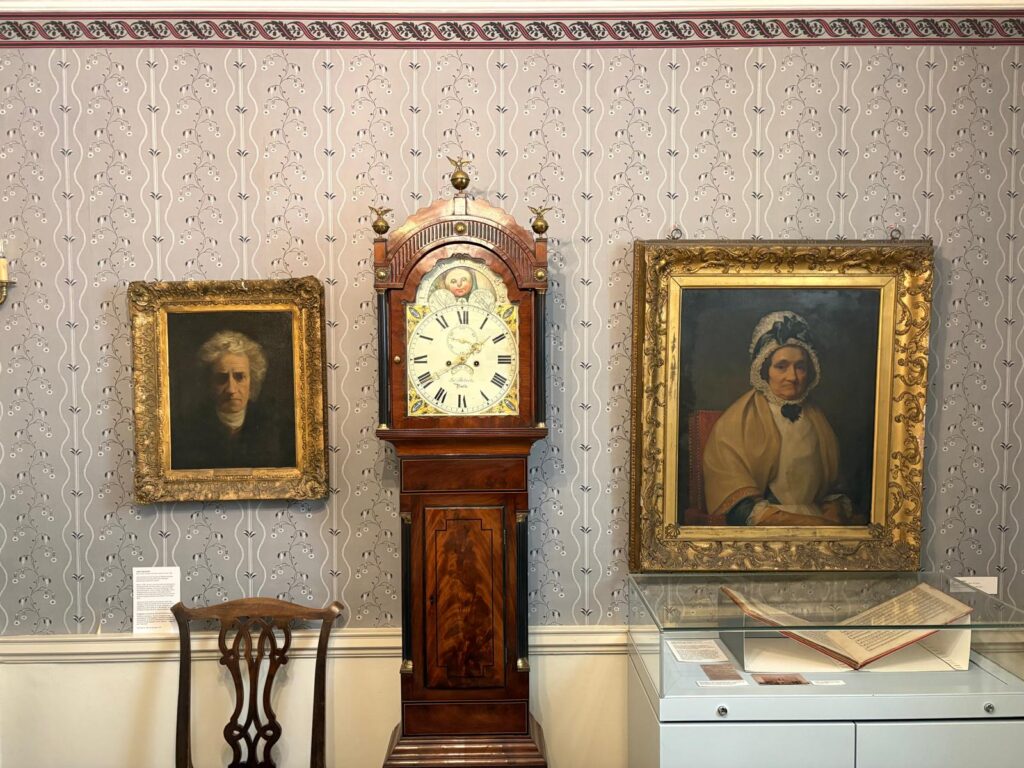
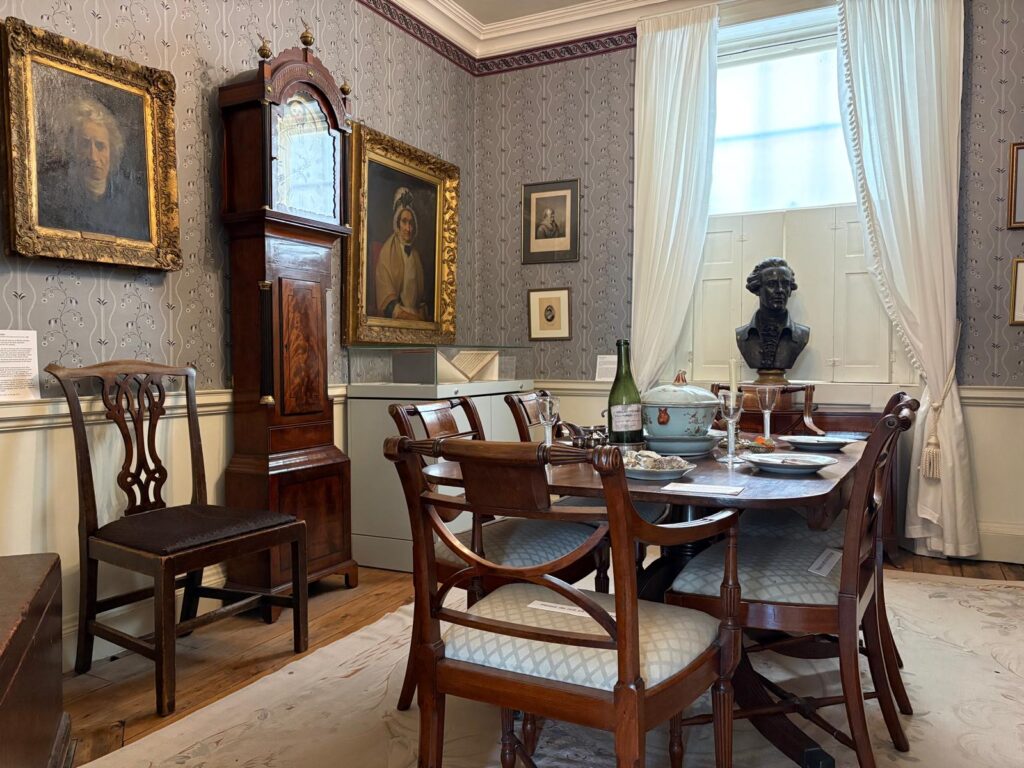
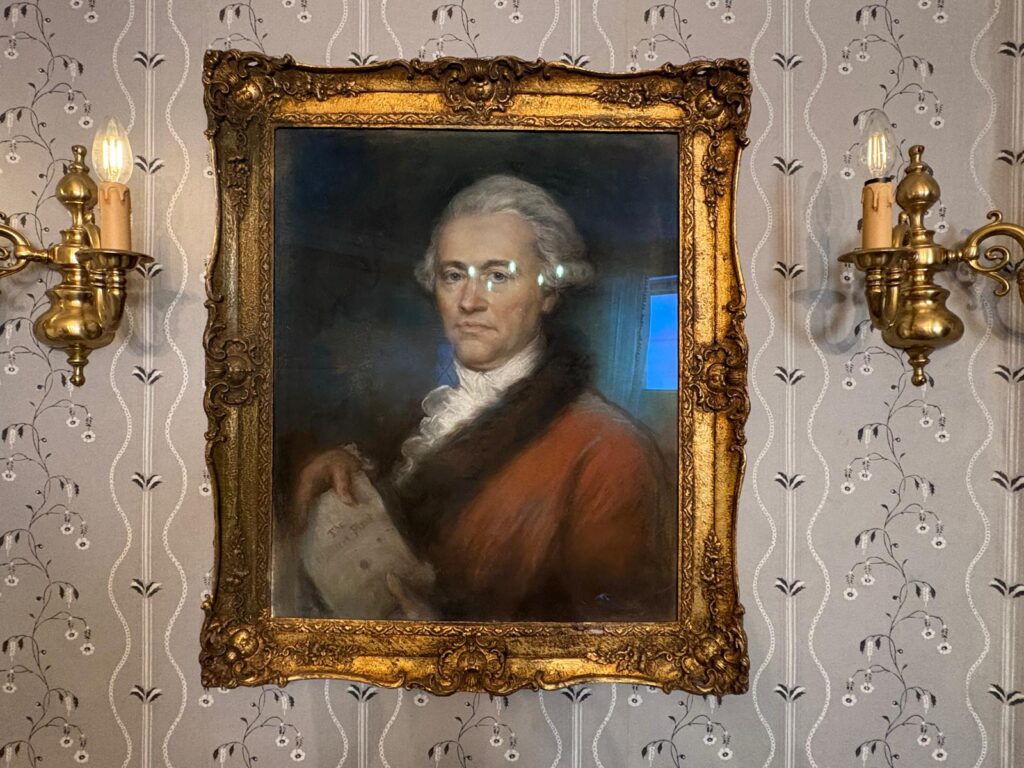
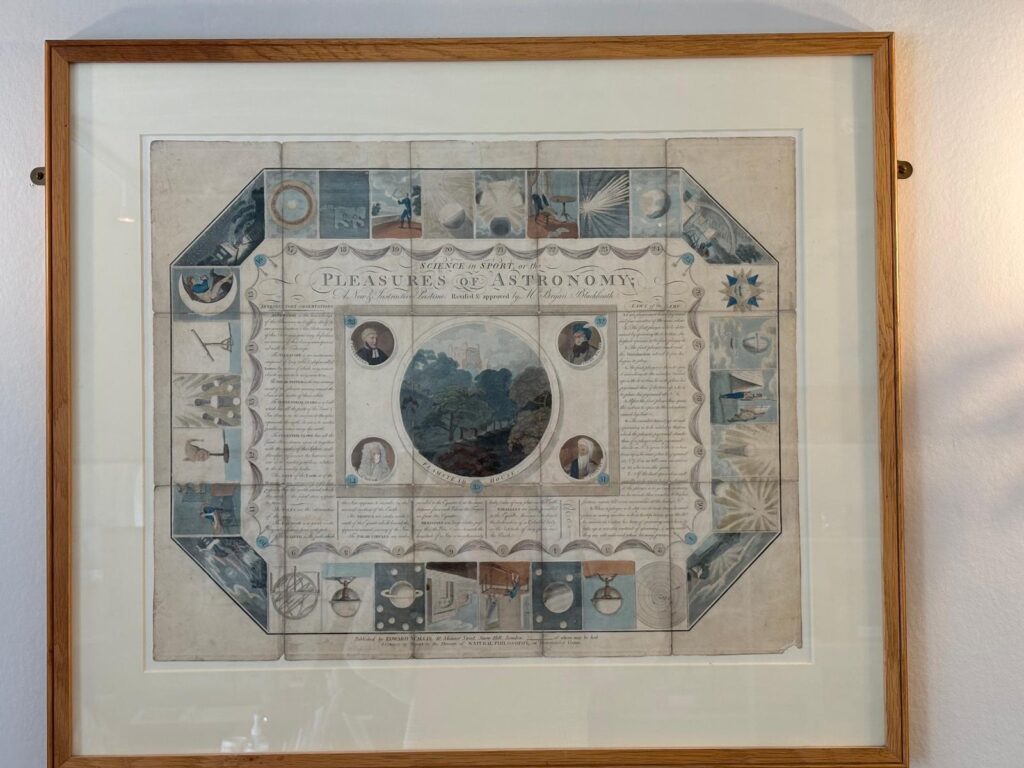
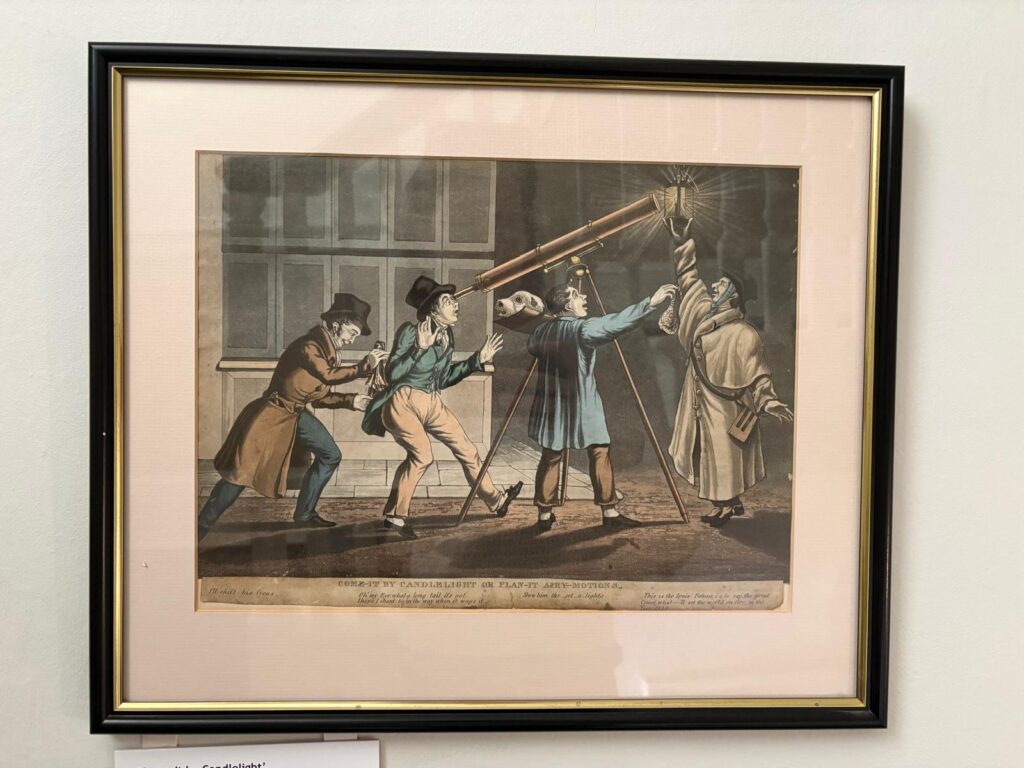
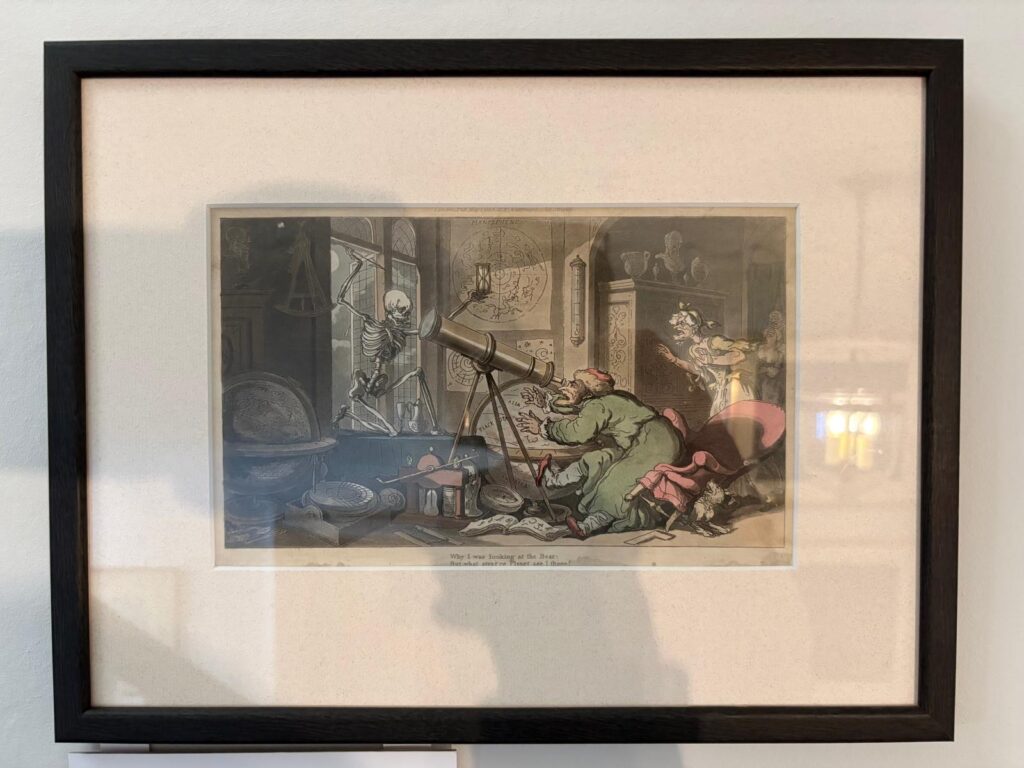
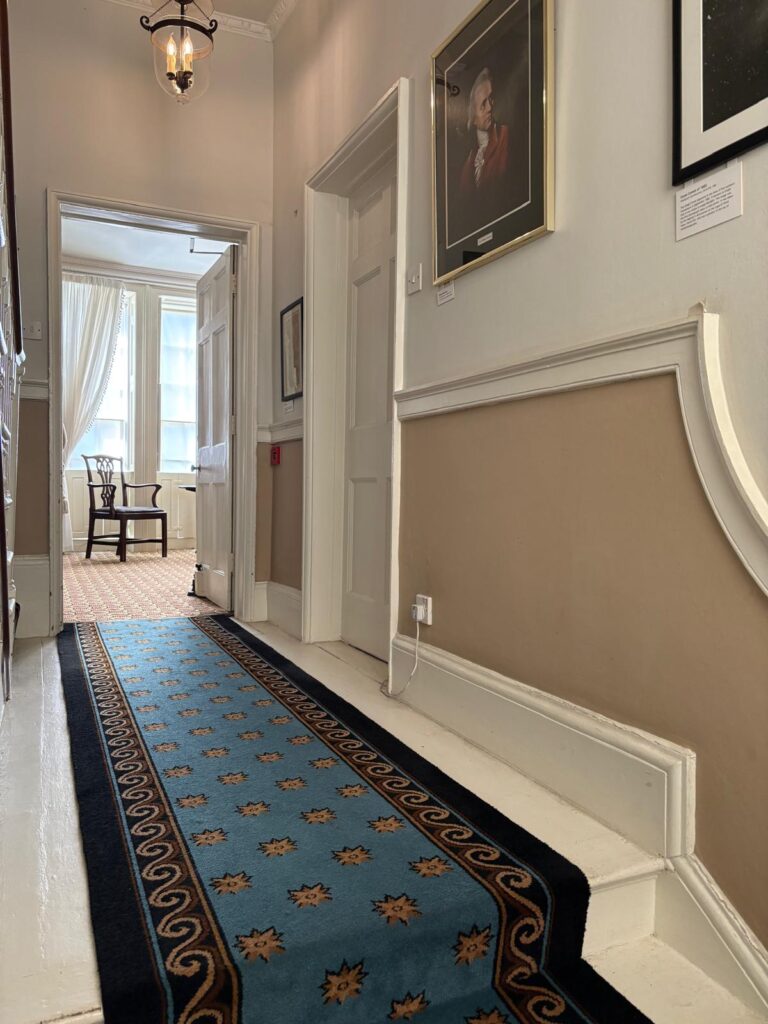
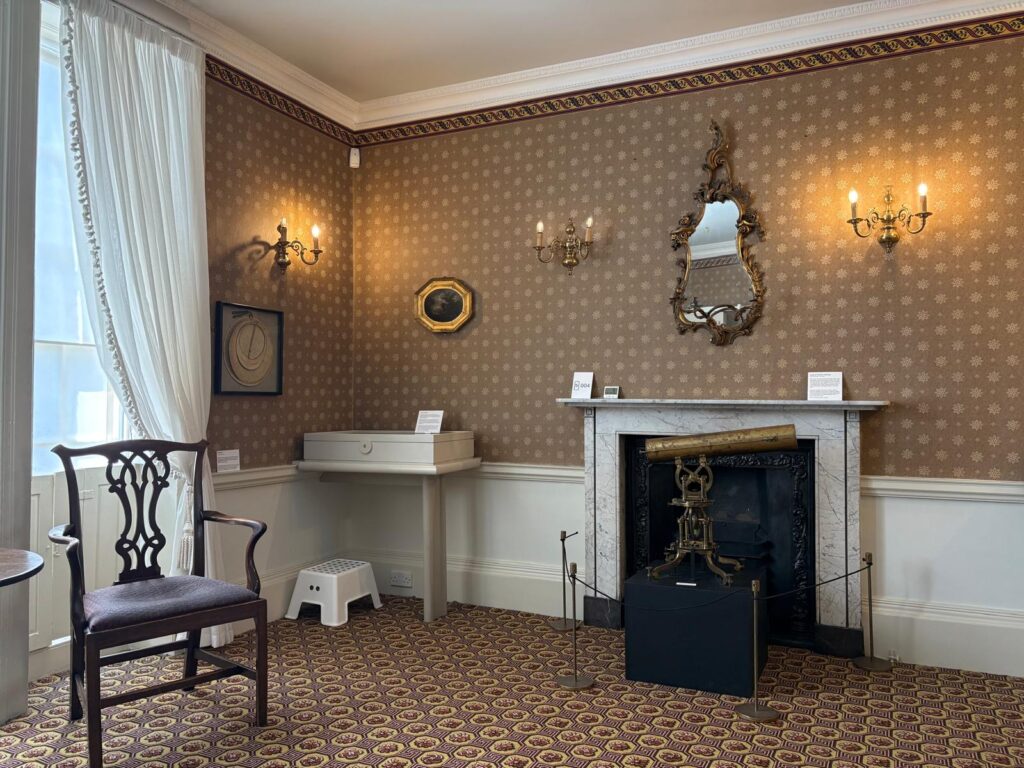
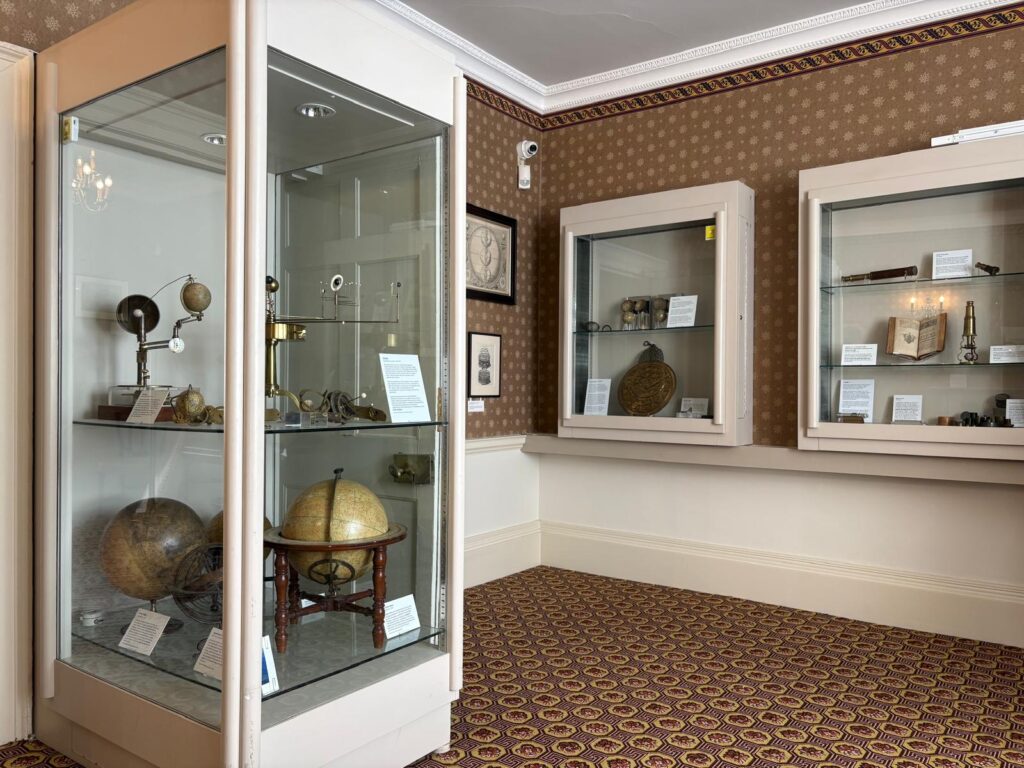
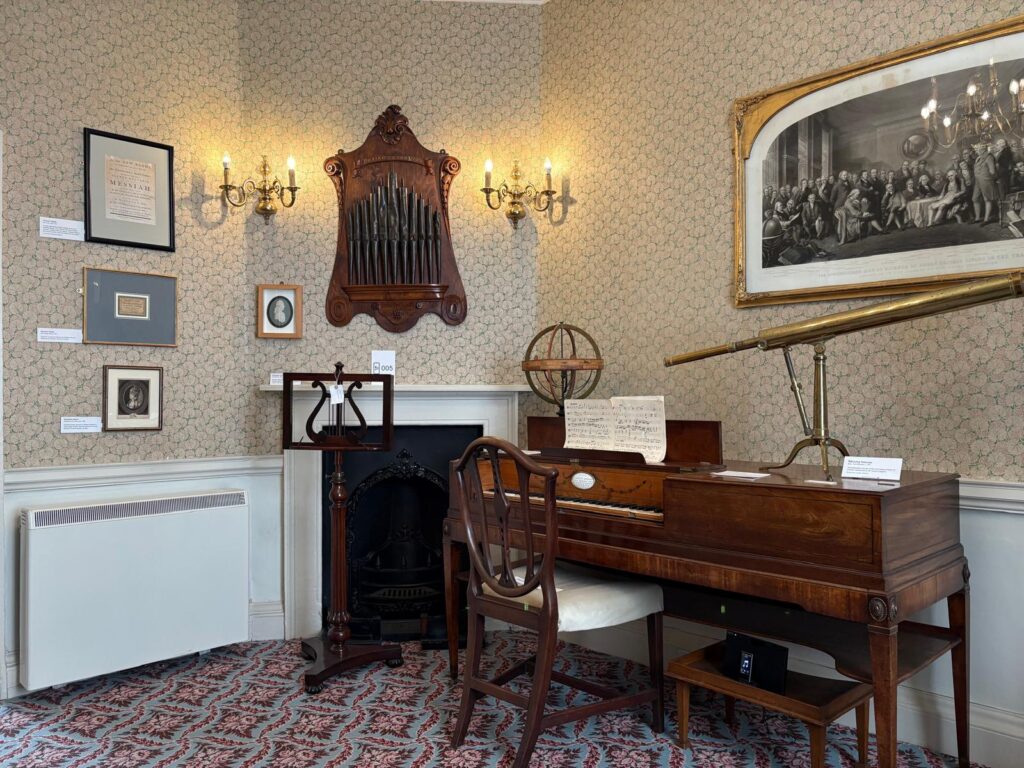
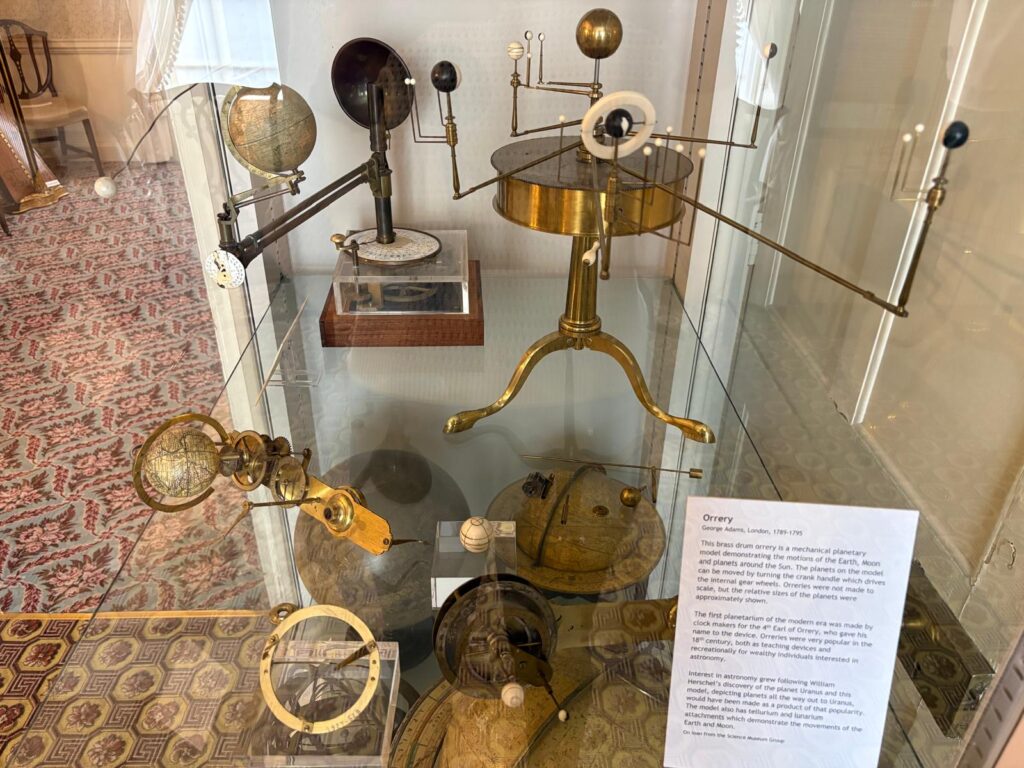
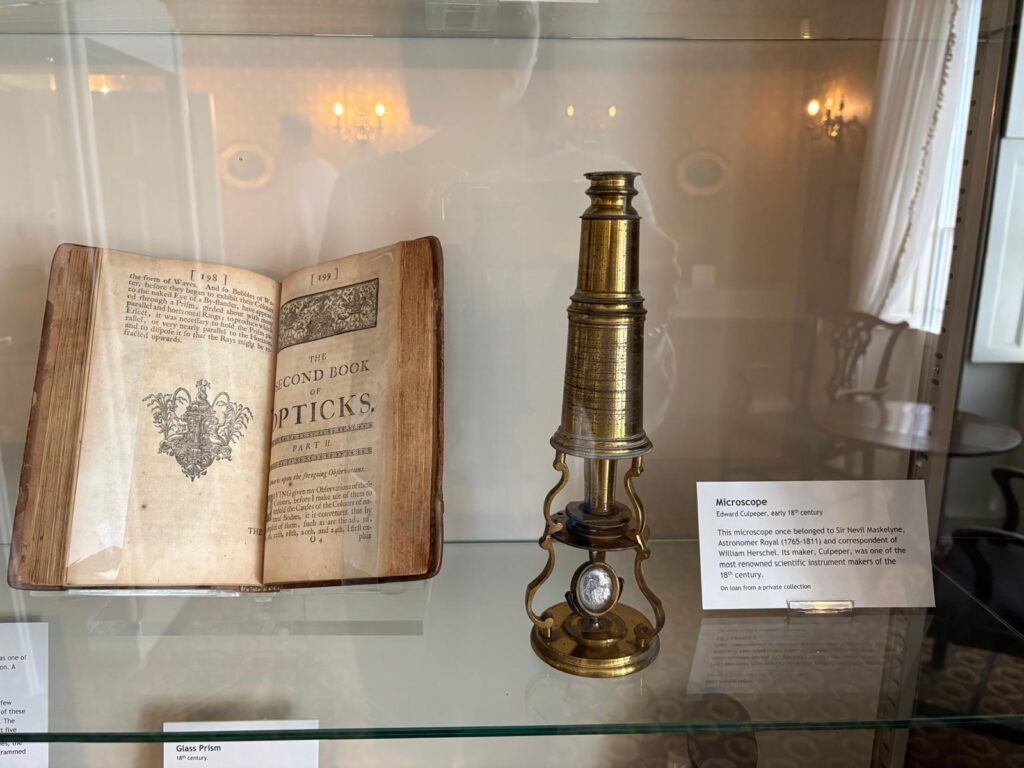
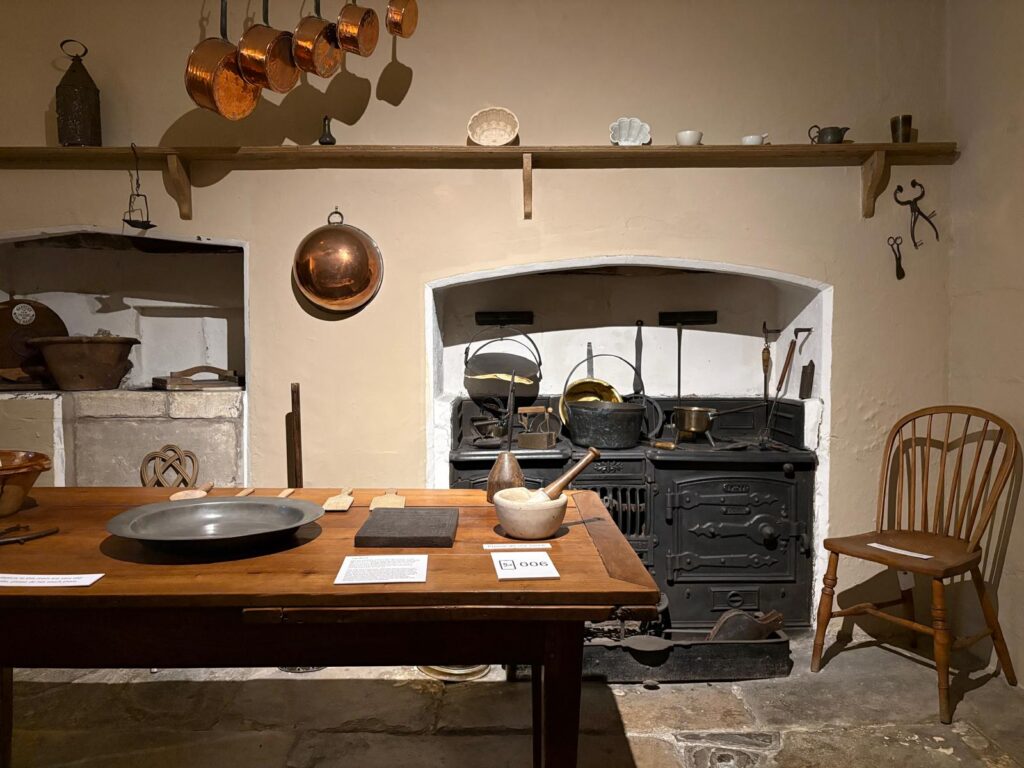
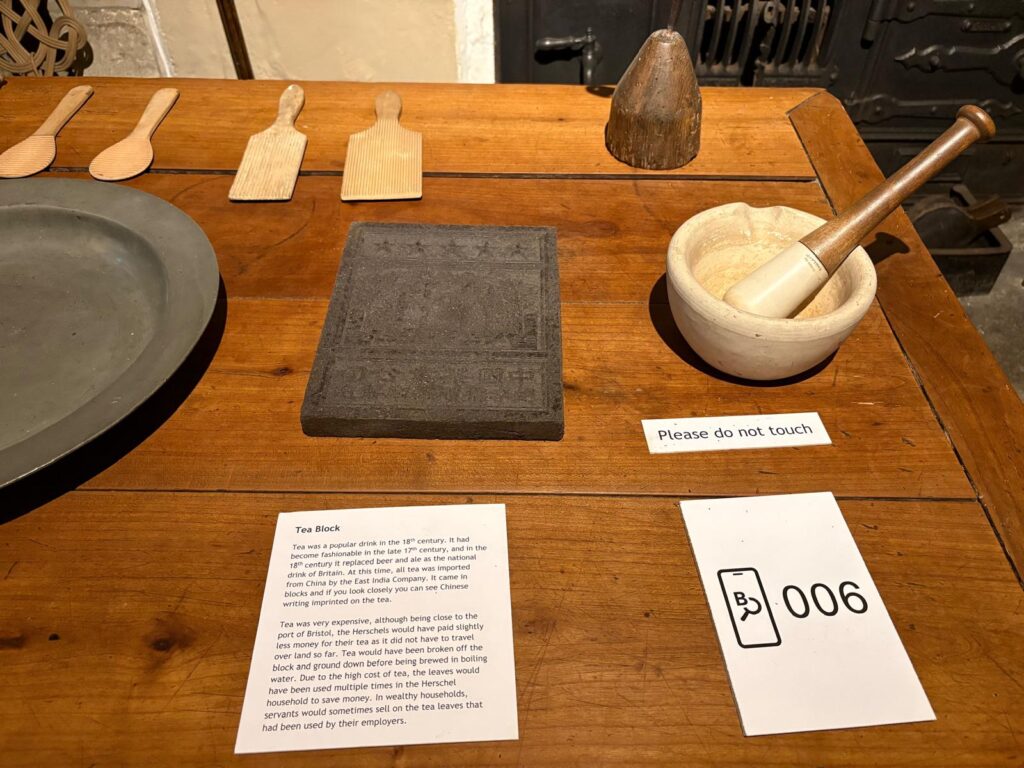
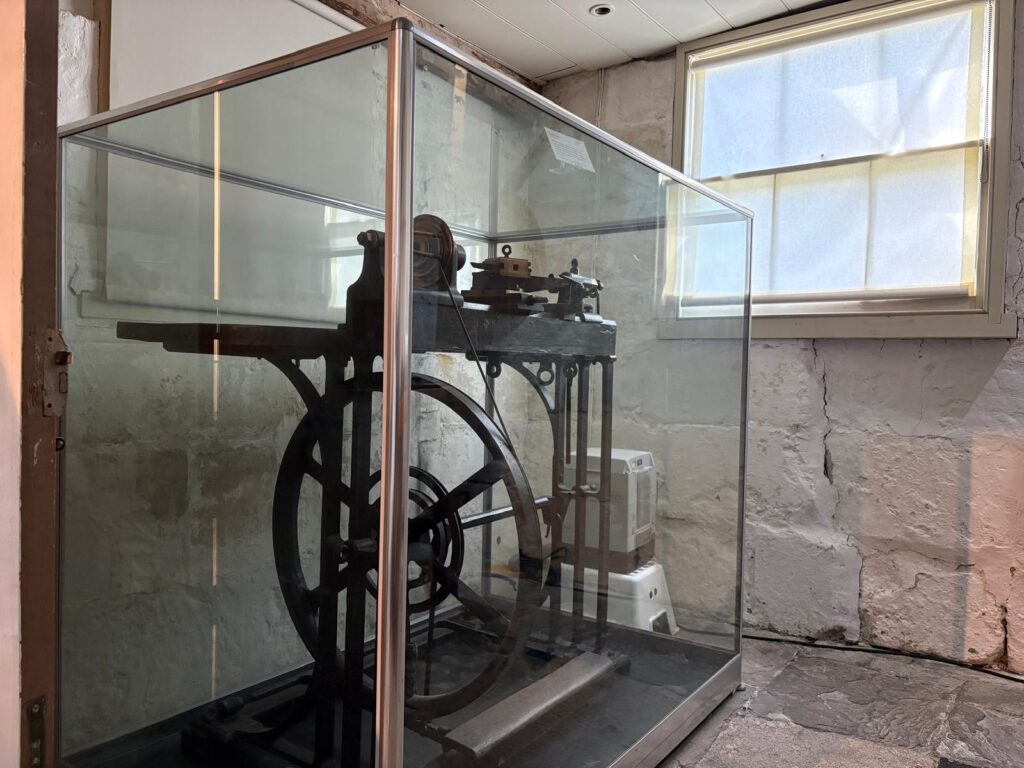
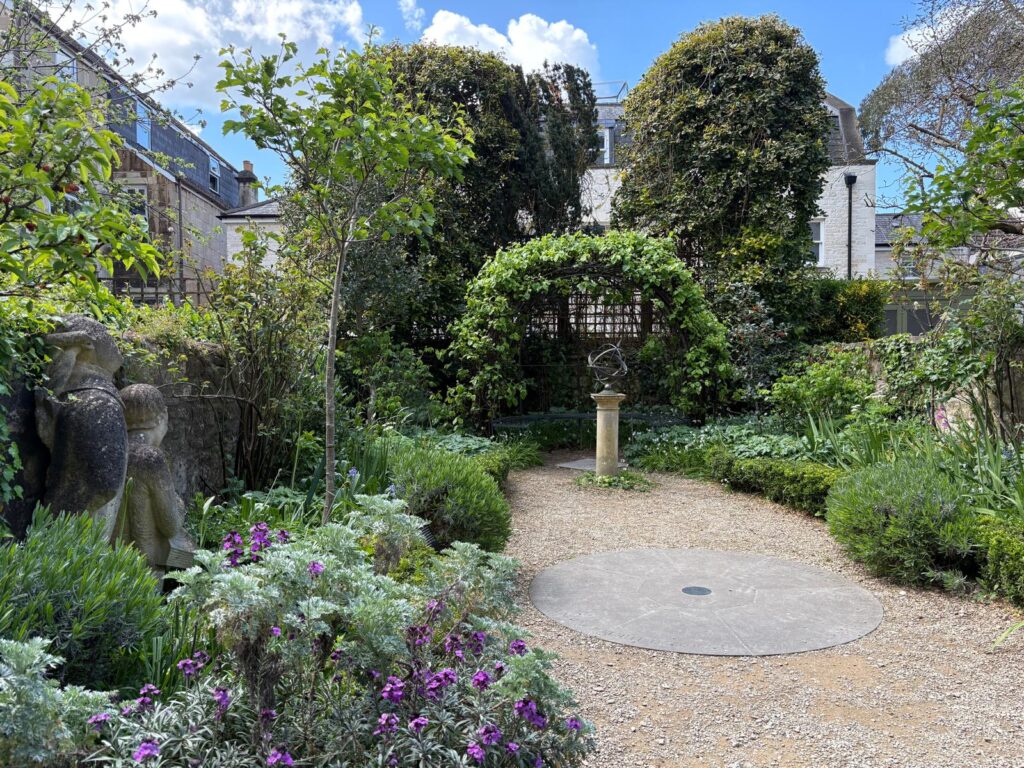
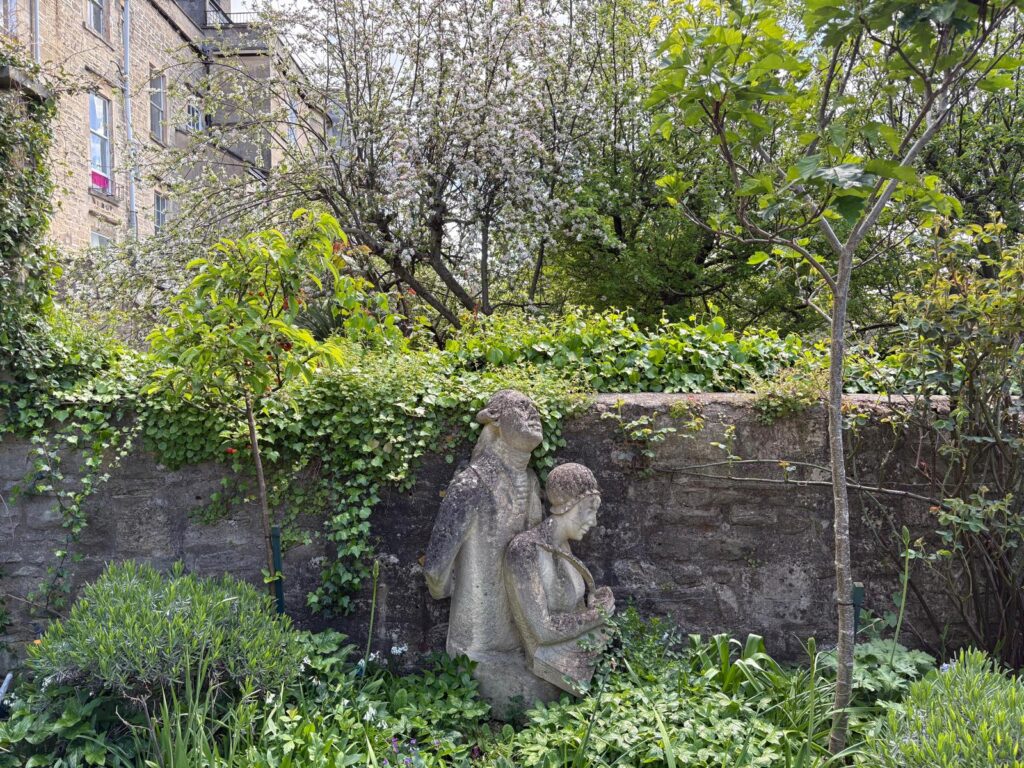
Inside and outside, the Herschel Museum of Astronomy still looks very much like a Georgian townhouse. After an initial restoration in 1981, another in 2000 brought it back to a Georgian appearance, using period-style wallpaper and carpets. This was a feature I noticed on my visit – I like it when you can tell decoration is authentic because it’s not what people would pick today. The displays tell the story of the Herschels and their careers in music and astronomy. There’s also a nod to what some rooms would have been initially. Visitors generally start on the ground floor before working their way up, and then down to the kitchen and garden. There is period furniture and objects, objects formerly owned by the Herschels, scientific instruments and materials, and a good selection of cartoons from the period.
The Music of the Stars
I very much enjoyed my visit to the Herschel Museum of Astronomy. As I said earlier, I didn’t know anything about them before visiting. I thought the museum did a good job of balancing their stories as individuals with the wider themes of Georgian society, and astronomical discovery. It’s also very pleasant when in Bath to visit the interior and garden of a restored Georgian townhouse.
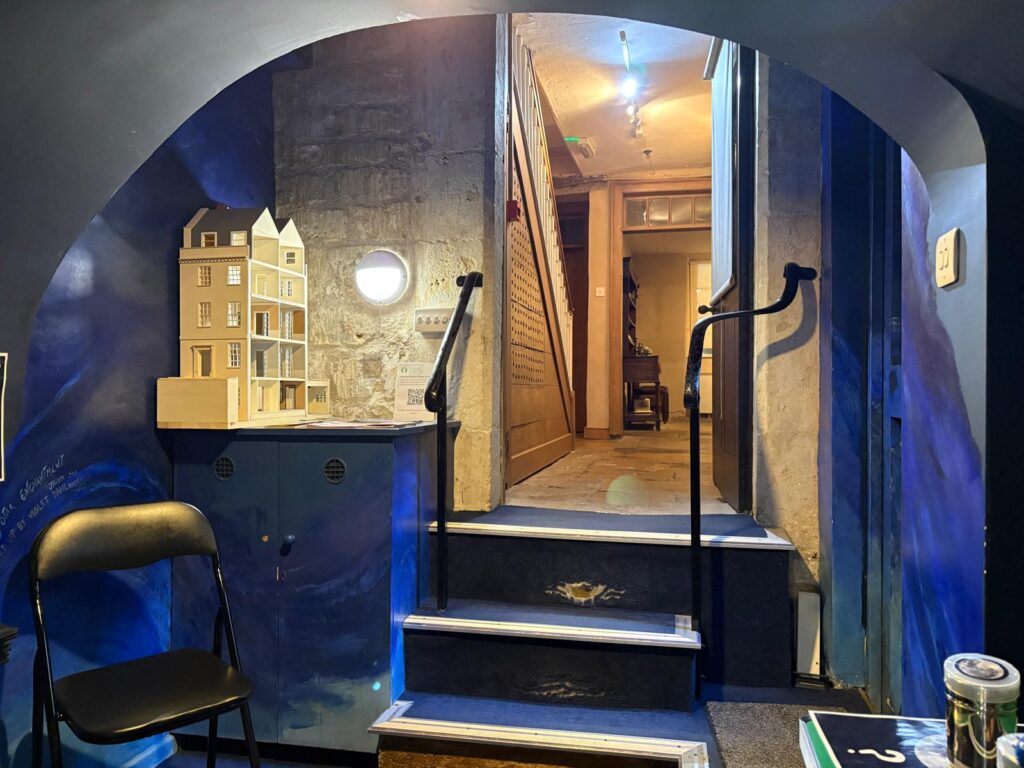
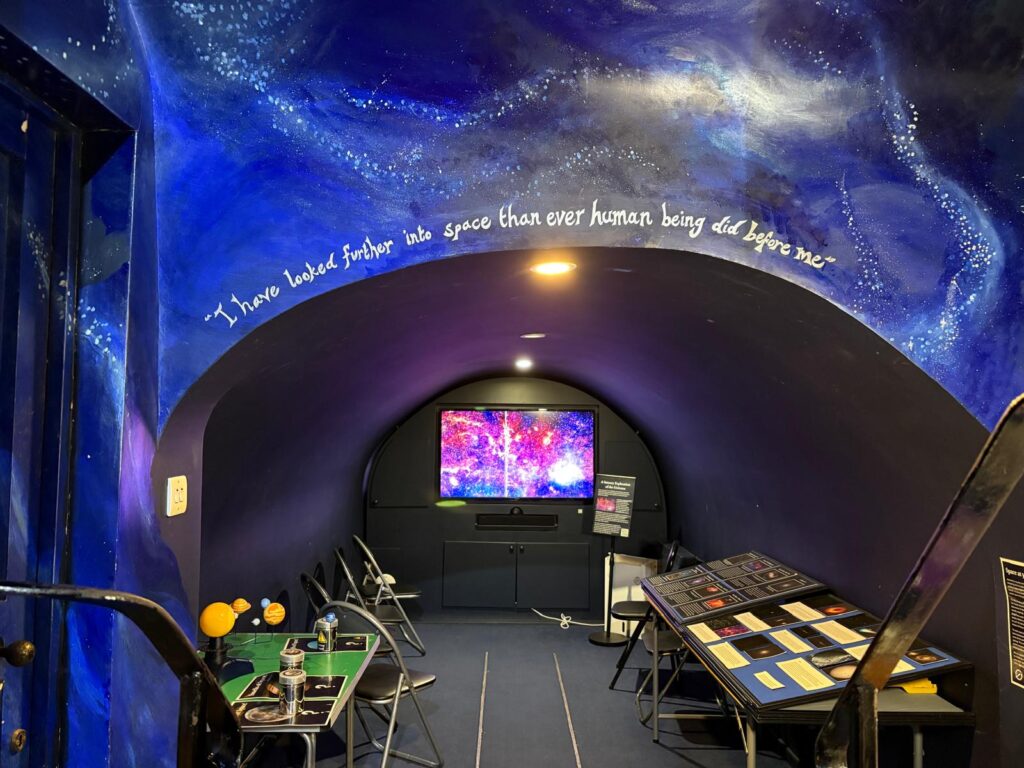
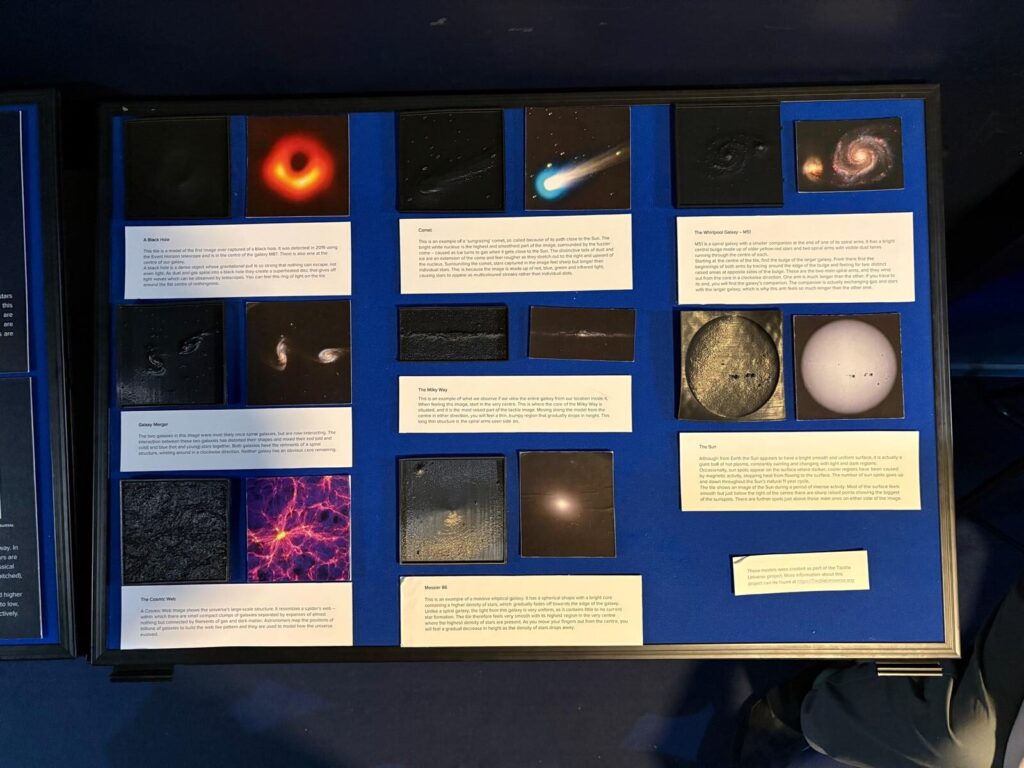
One of the last rooms I visited was perhaps my highlight. This is a basement room, immediately different from the rest of the museum. The decoration scheme is not Georgian, but deep space. Above the entrance is a quote from William Herschel: “I have looked further into space than ever human being did before me.” And the content of this room, according to an information panel, is ‘a Sensory Exploration of the Universe’. What this means, in effect, is a bringing together of the museum’s musical and astronomical strands. Visitors can experience a series of ‘sonifications’. What is a sonification? Good question. It is the process of turning visual data into sound, so it can be understood by hearing as well as by sight. In this instance, it means a series of deep space images turned into music. I recommend having a listen for yourself, here.
It was a perfect way to finish. I came to learn new things, and I have never heard the stars before. It also gave me a sense of how much there is still to know about the universe. A sense of wonder and possibility I shared, if only for a moment, with the brother and sister who lived in this house centuries before my visit.
Trending
If you see this after your page is loaded completely, leafletJS files are missing.