Long-time London resident and avid museum and theatre-goer. I started this blog in 2014, and got serious about it in 2020 when I realised how much I missed arts and culture during lockdowns. I go to a lot more events than anyone would think is sensible, and love sharing my thoughts in the forms of reviews, the occasional thought piece, and travel recommendations when I leave my London HQ.
Exploring Hong Kong’s Heritage V: Fisherfolk in Lamma and Aberdeen
16 mins
Making use of Hong Kong’s ferry network, I spent my free day in Hong Kong exploring Lamma and Aberdeen, where aspects of fisherfolk culture are still in evidence.
Hong Kong’s Fisherfolk
I was explaining in my last post that my primary purpose in visiting Hong Kong this time around was not tourism, but I nonetheless squeezed in a few cultural experiences around my work obligations. I started by stretching my legs after a long flight walking around Wan Chai. And the next day, I wanted to make the most of good weather by getting out into nature.
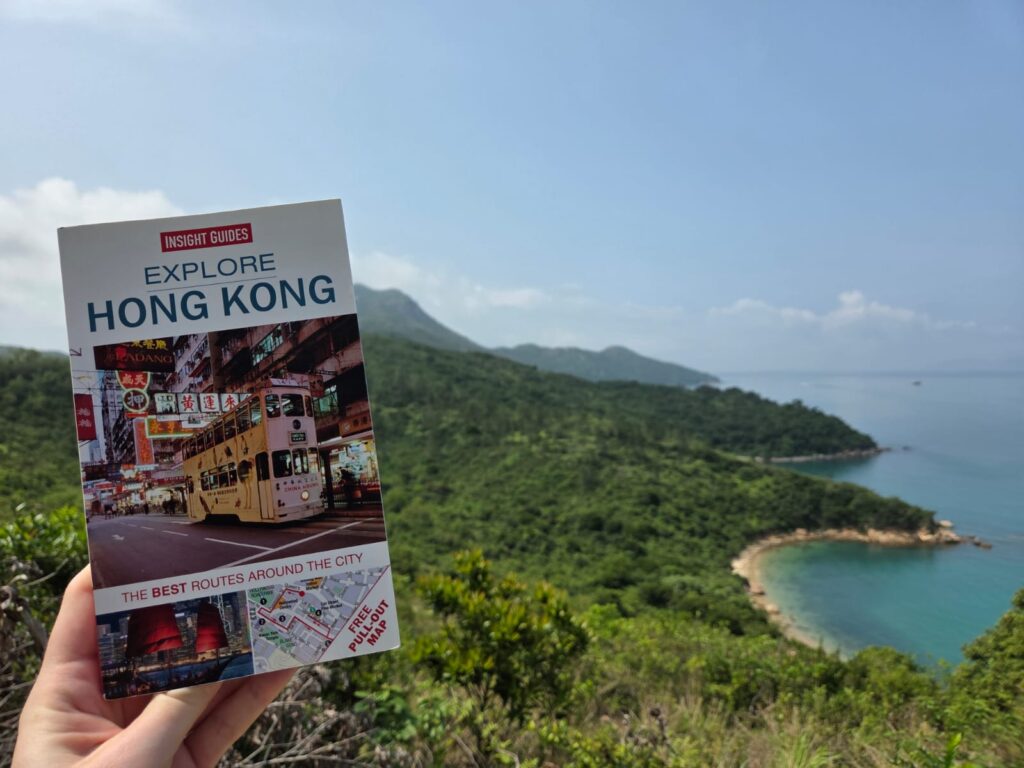
I quickly set my sights on Lamma, one of Hong Kong’s outlying islands which I hadn’t previously visited. As with Wan Chai, I spent ages trying to find a self-guided walk online, only to remember late in the day that I had a book with plenty of self-guided walks – the 2014 Explore Hong Kong by Insight Guides. And the one in Lamma was exactly what I was looking for. Lamma has two ferry ports, one in Yung Shue Wan and the other in Sok Kwu Wan. I wanted a walk that would take me from one to the other, and point out interesting sights along the way. As my plan solidified, I decided I would get a ferry from Sok Kwu Wan not back to Central, but to Aberdeen, another corner of Hong Kong I hadn’t previously visited.
What unites Lamma and Aberdeen is that they have each, in some way, preserved some of Hong Kong’s fisherfolk heritage. On my last trip to Hong Kong, we learned about how salt was an important early industry (see here and here). So was fishing. Many of Hong Kong’s neighbourhoods started life as fishing villages – including Wan Chai. Today, the local fishing industry provides about 20% of seafood consumed in Hong Kong.
But life for those working in Hong Kong’s fishing industry is not what it once was. Knowing that Lamma has a Fisherfolk’s Village and Aberdeen a musealised fisherfolk houseboat, I decided to see what traces remain of this way of life, and what else I would learn about these areas along the way.
We Make Our Way to Lamma
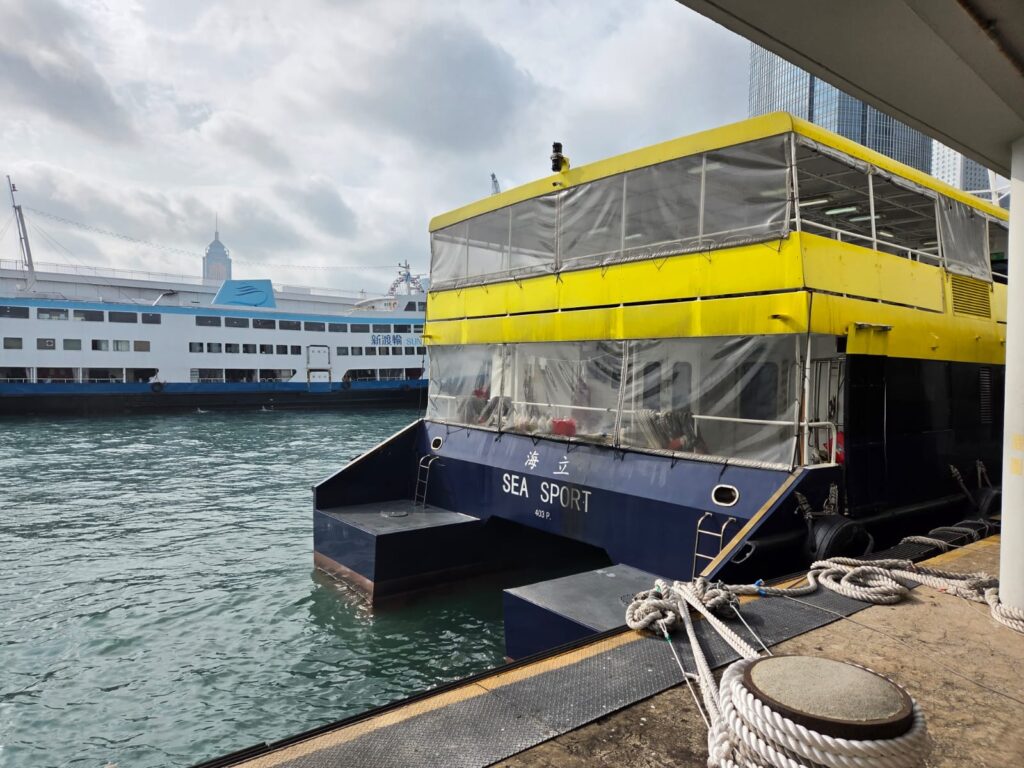
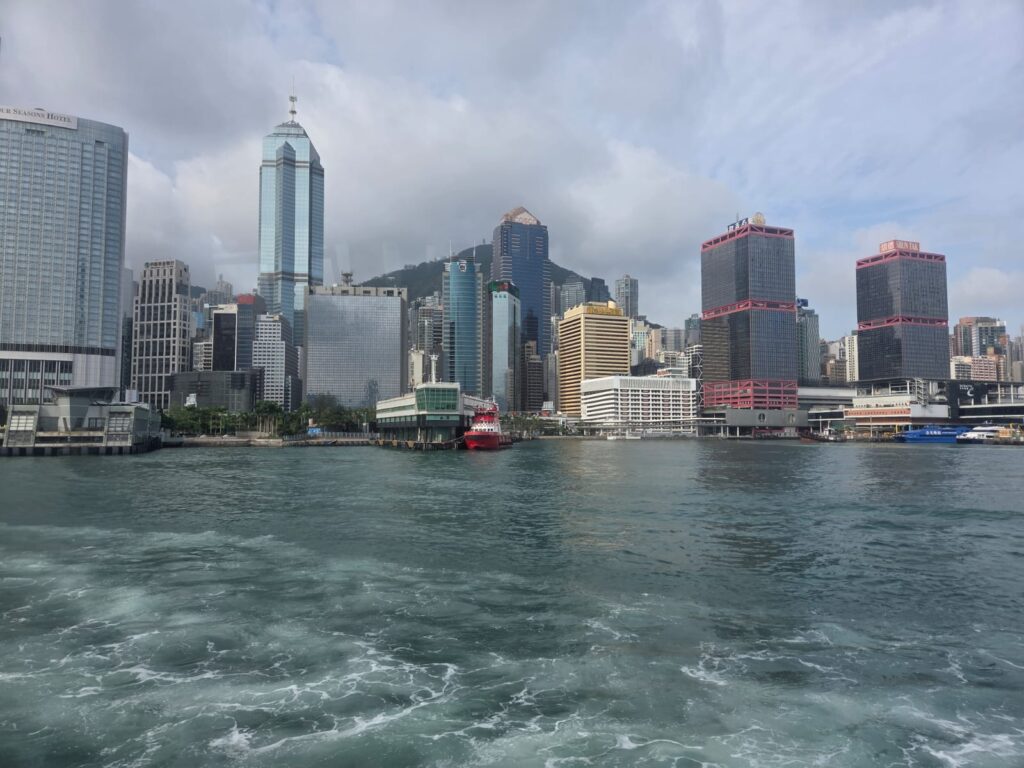
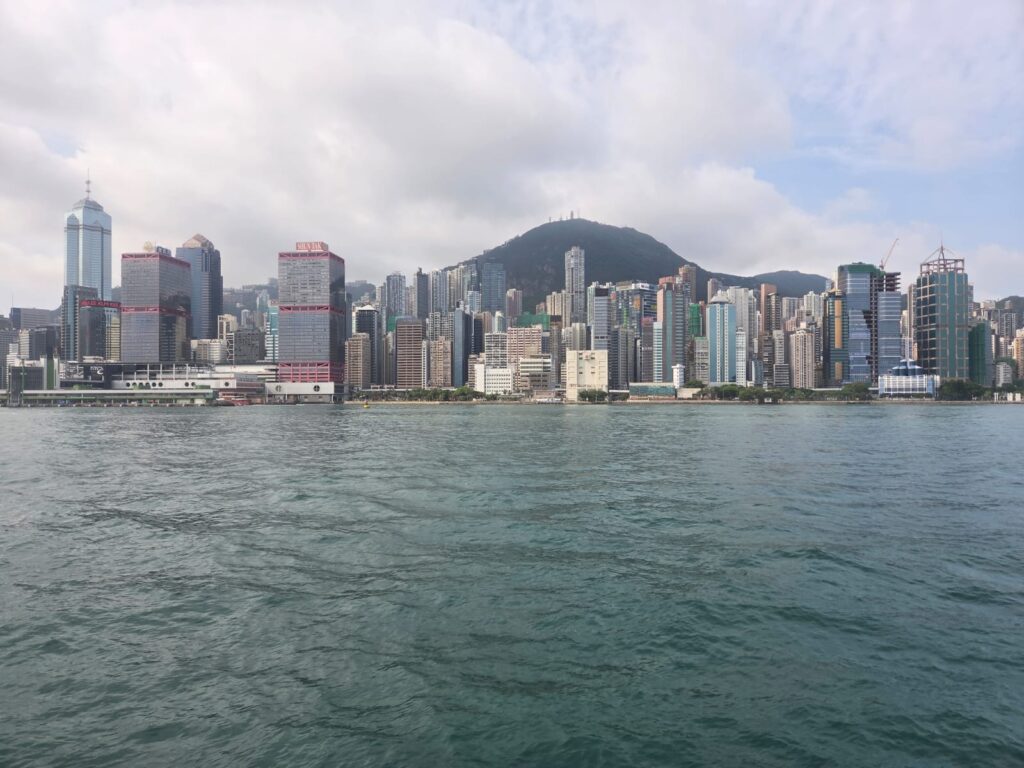
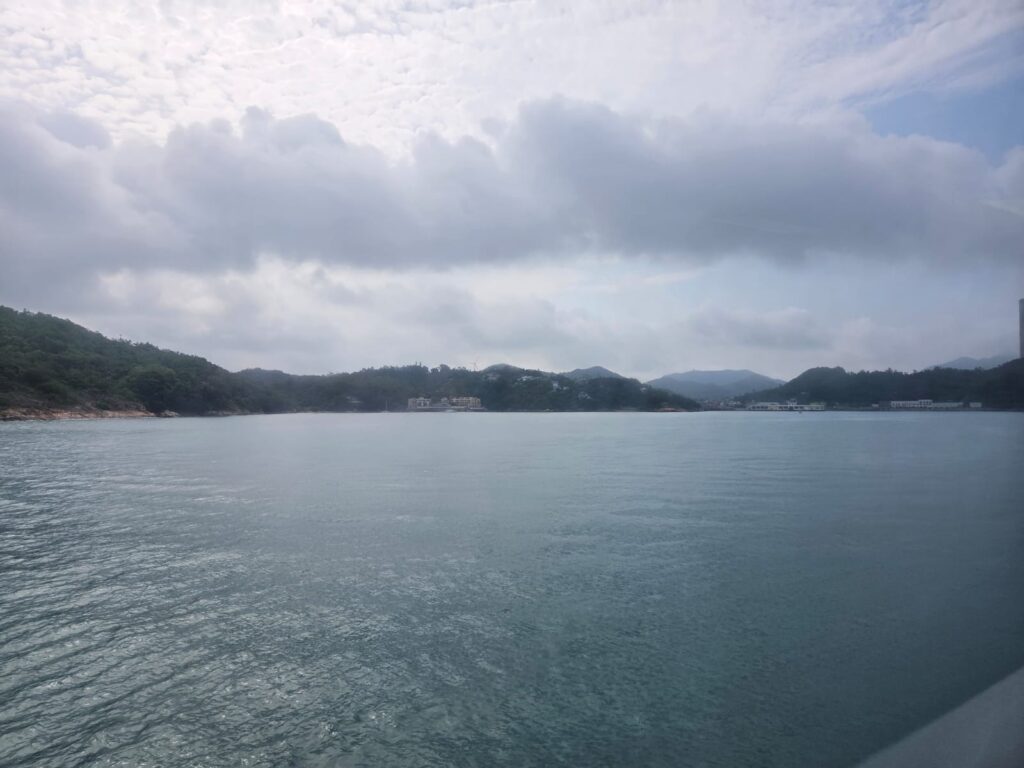
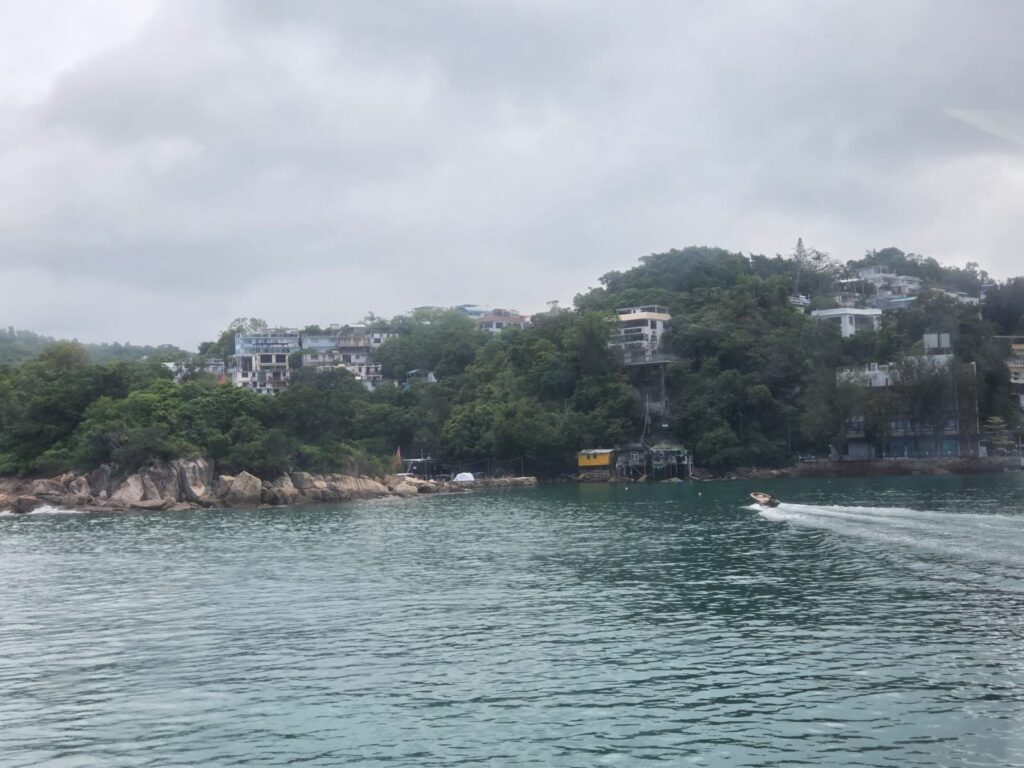
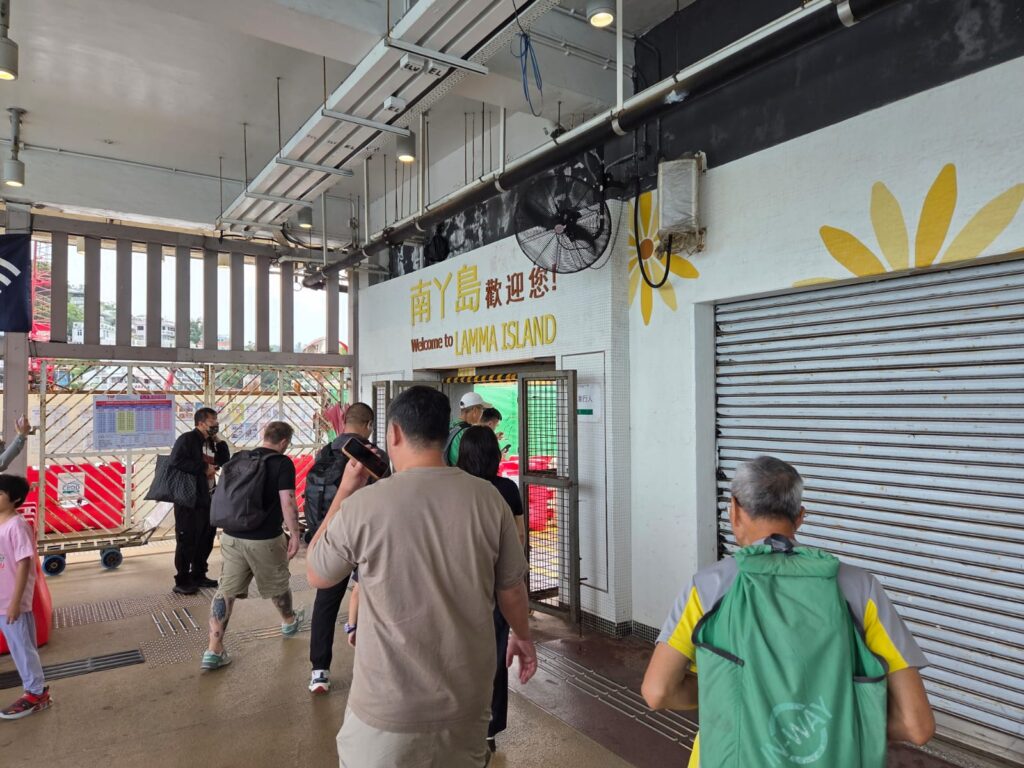
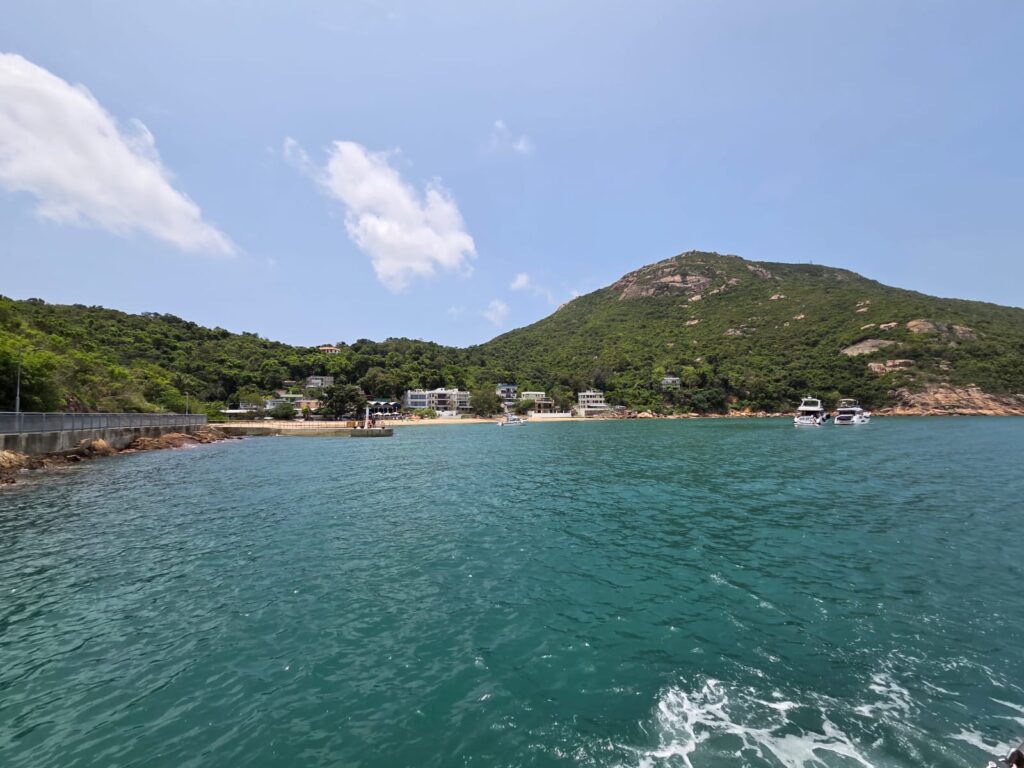
The first thing I had to do was get to the Outlying Islands Ferry Piers in Central, from my hotel in Wan Chai. An easily walkable distance. What I had not factored in, despite struggling with it the day before, was the 3D nature of navigating Hong Kong. It took me a while to work out how to get over to the ferry terminal, and I had to run part of the way. It was that or a 30 minute wait, but I was keen to get underway.Hong Kong’s extensive ferry network is a great way to get around, and to get a different perspective on the city. It’s like that guy who went to the Eiffel Tower every day because it’s the only place you can’t see the Eiffel Tower – you can’t really appreciate Hong Kong’s soaring skyscrapers whilst you’re amongst them.As we continue on the roughly 30 minute journey to Lamma, the landscape opens up. Approaching Yung Shue Wan (Banyan Tree Bay), there are already traces of a fisherfolk way of life, like these houses on stilts. There is a whole village on stilts at Tai O, which is not on today’s itinerary. This style of dwelling is most closely associated with the Tanka people, who call them pang uk.We’ve arrived! Time to disembark the ferry.
First, a Quick Yum Cha Pitstop
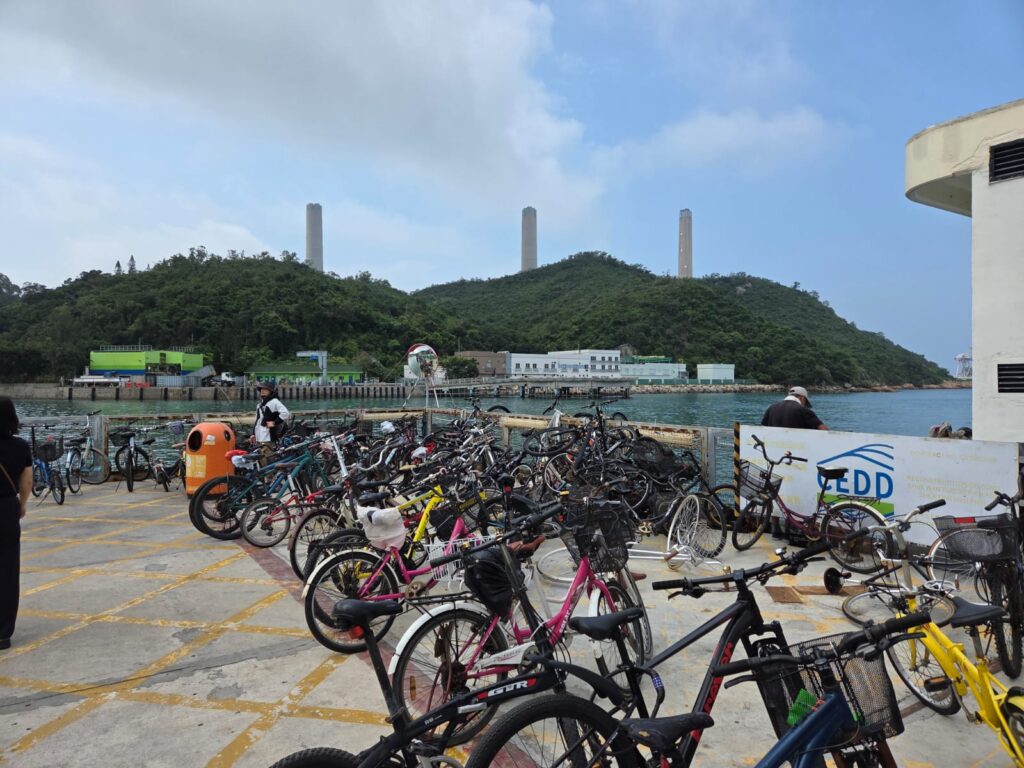
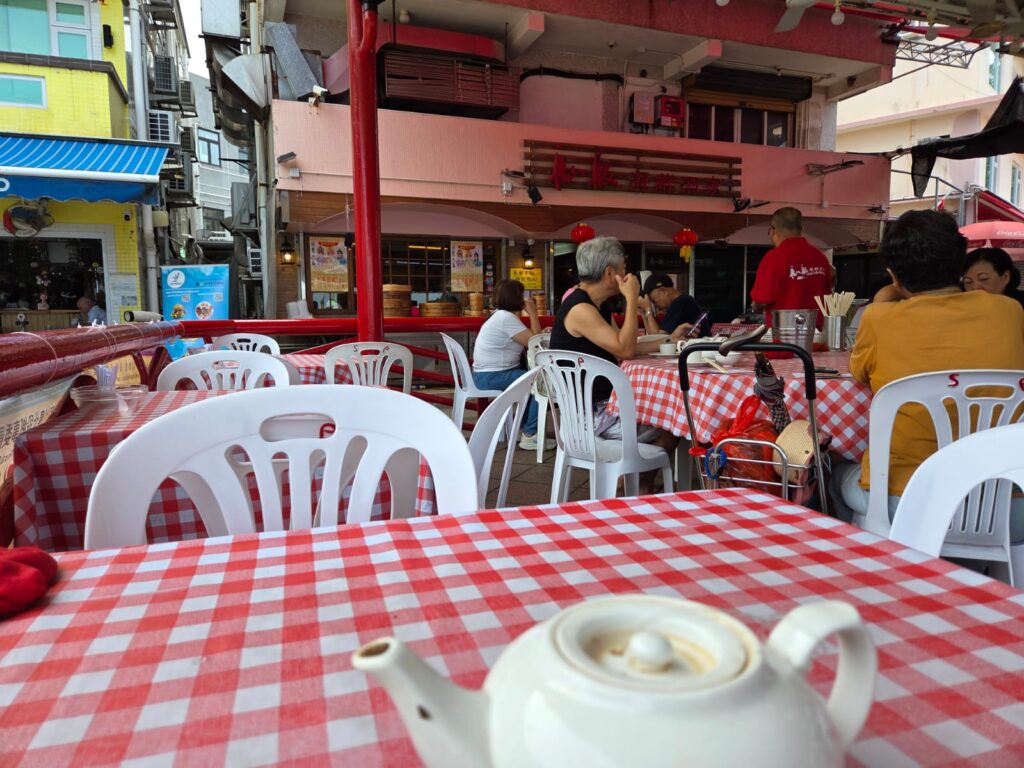
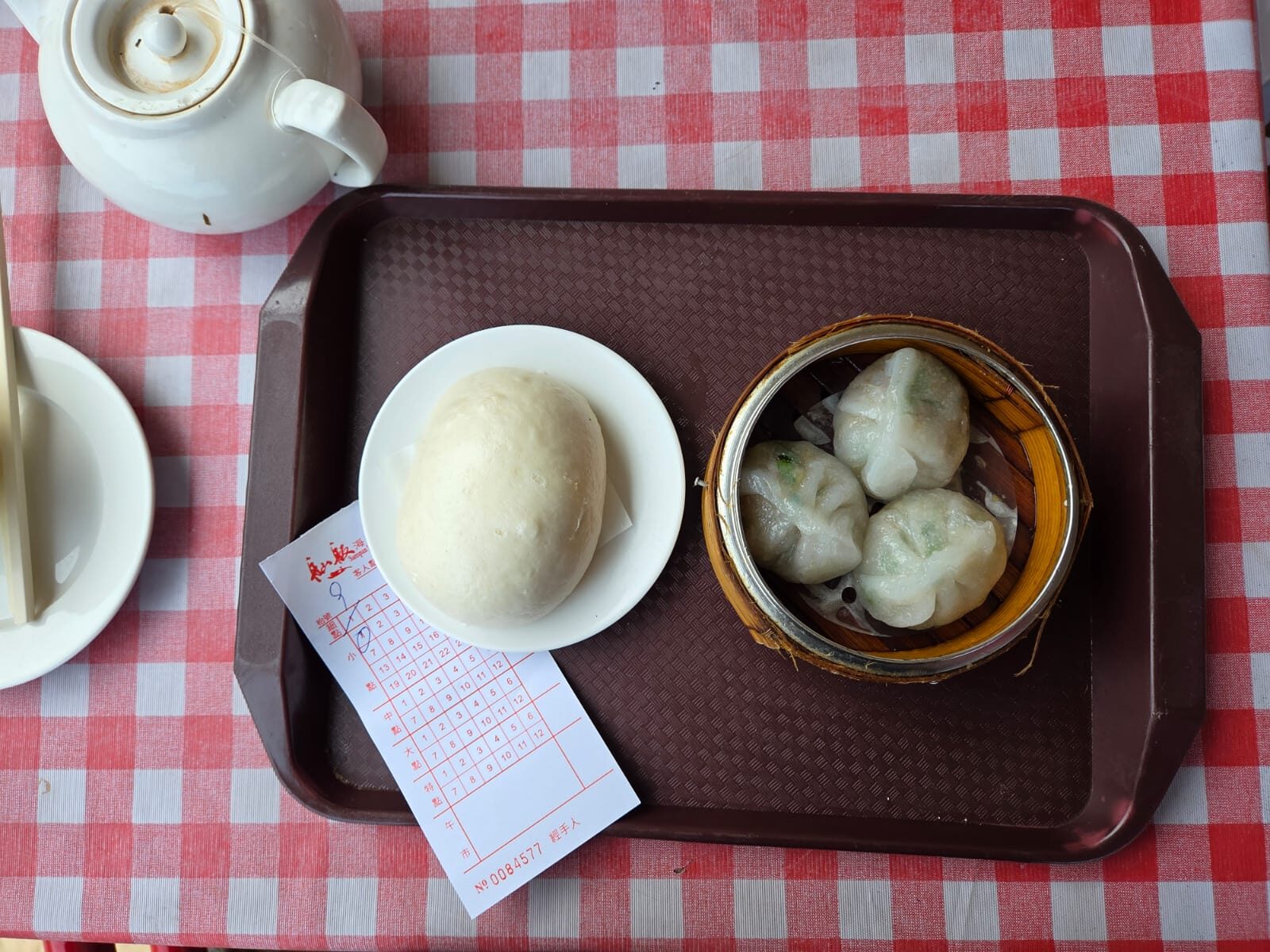
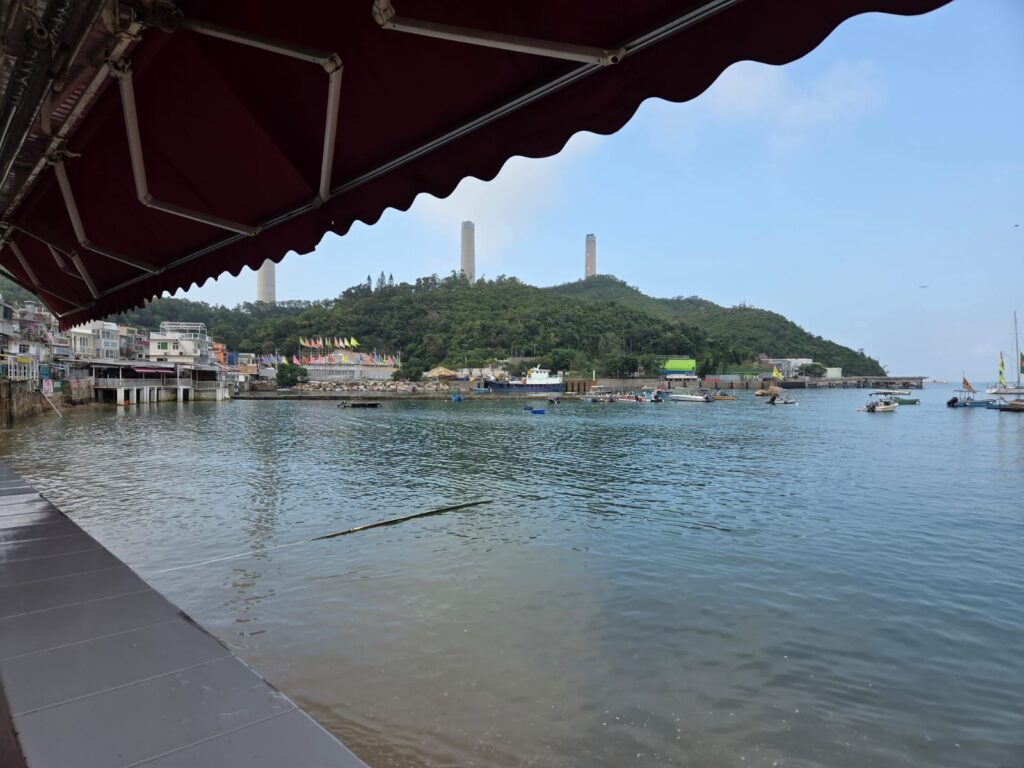
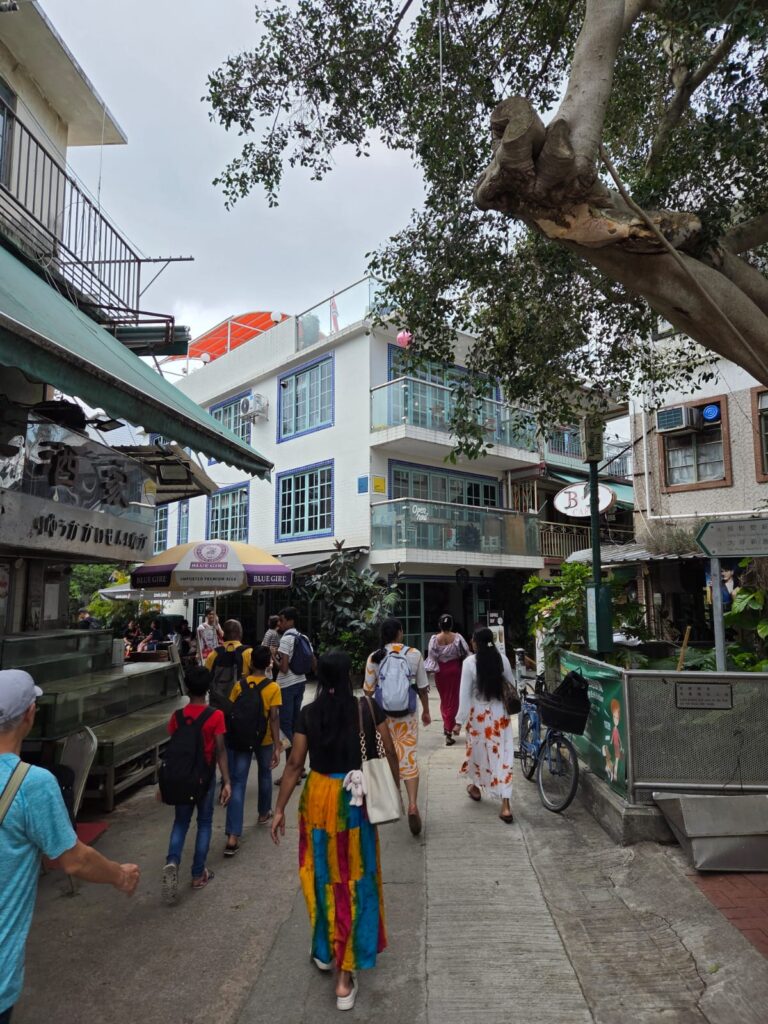
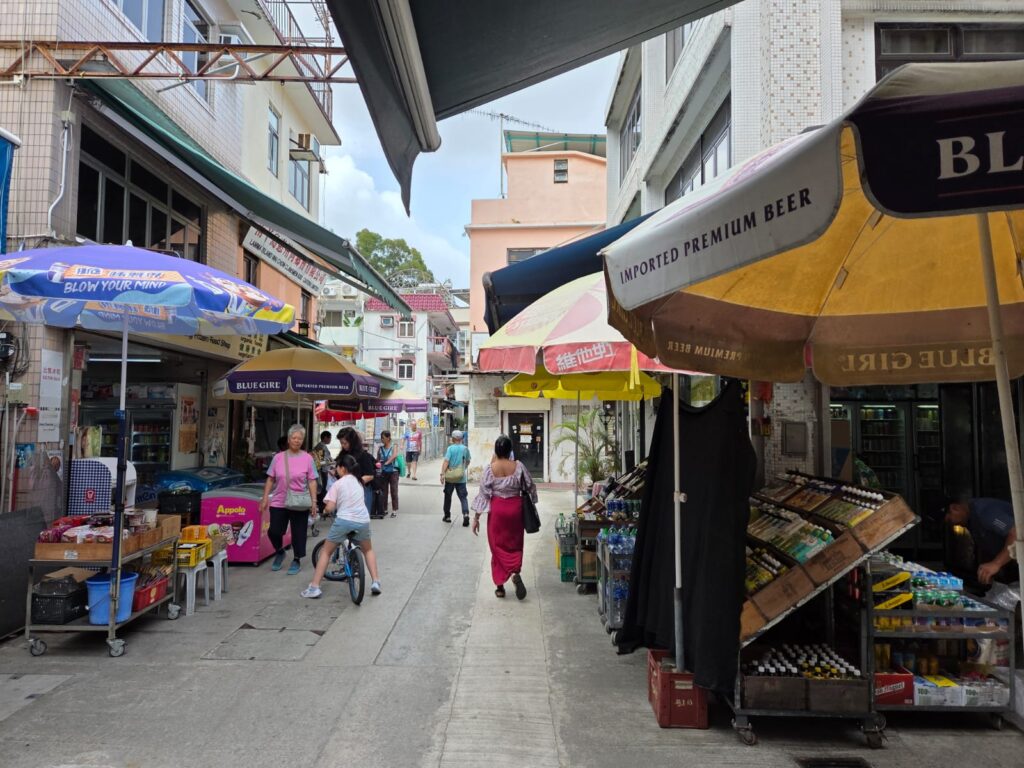
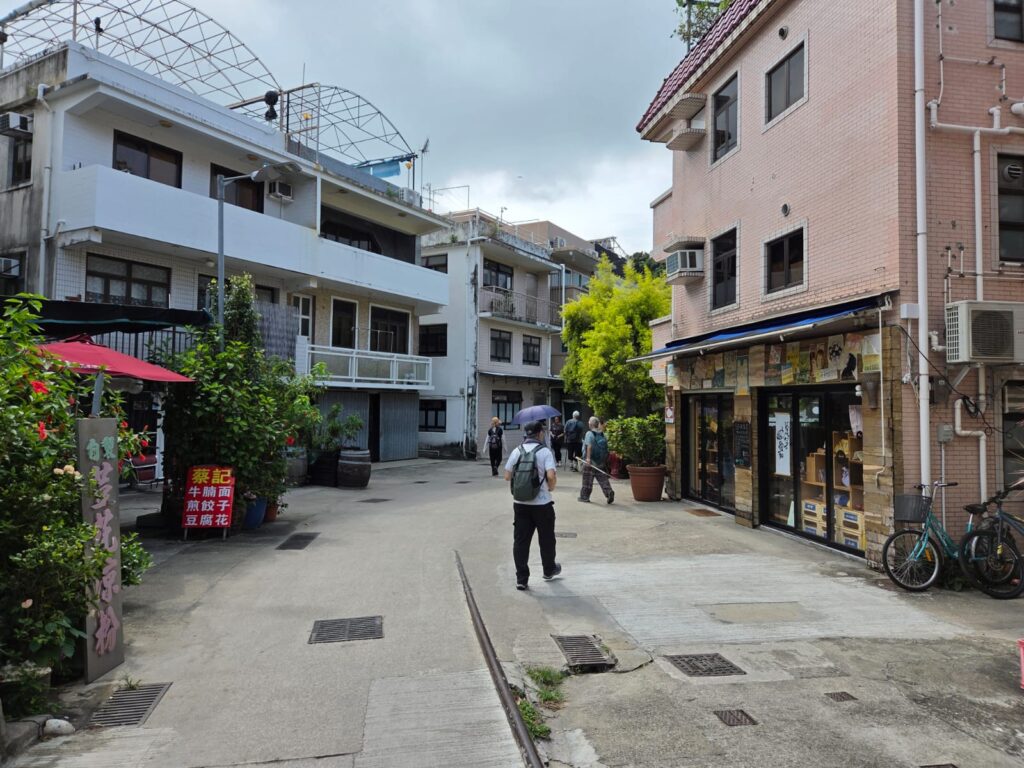
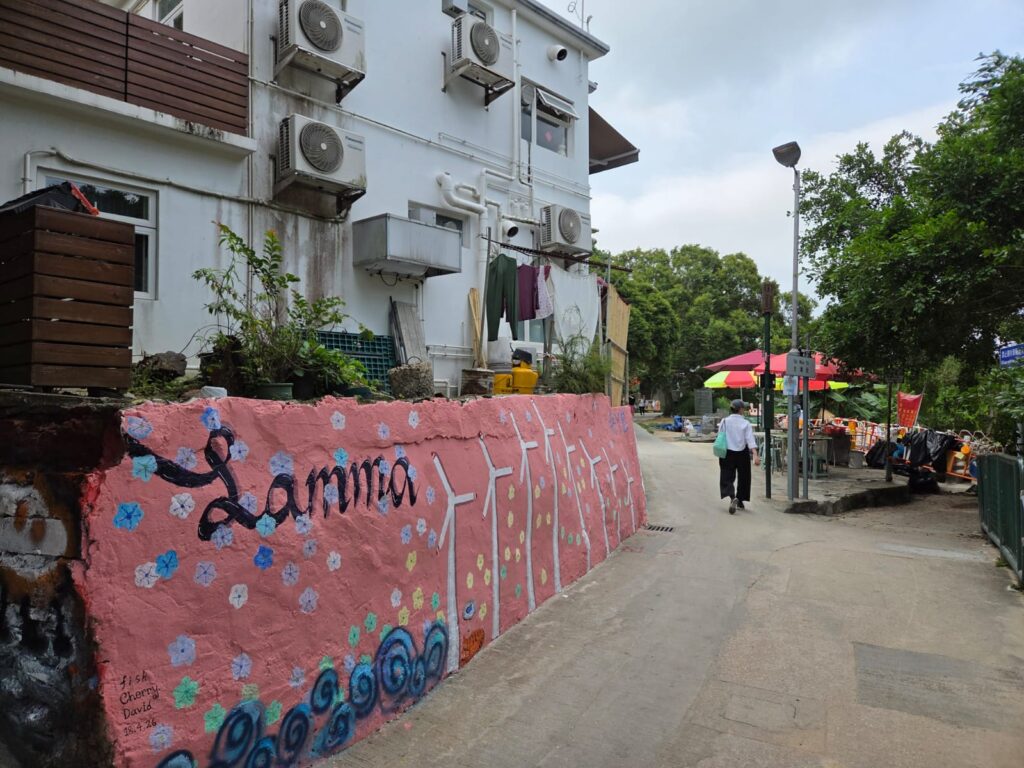
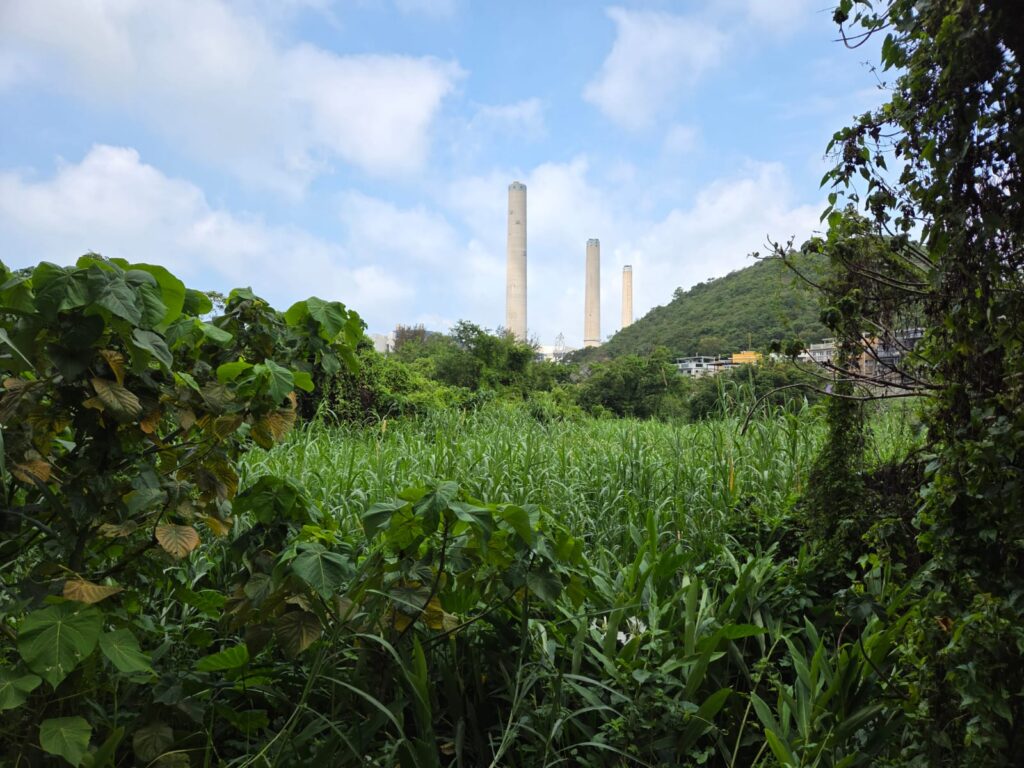
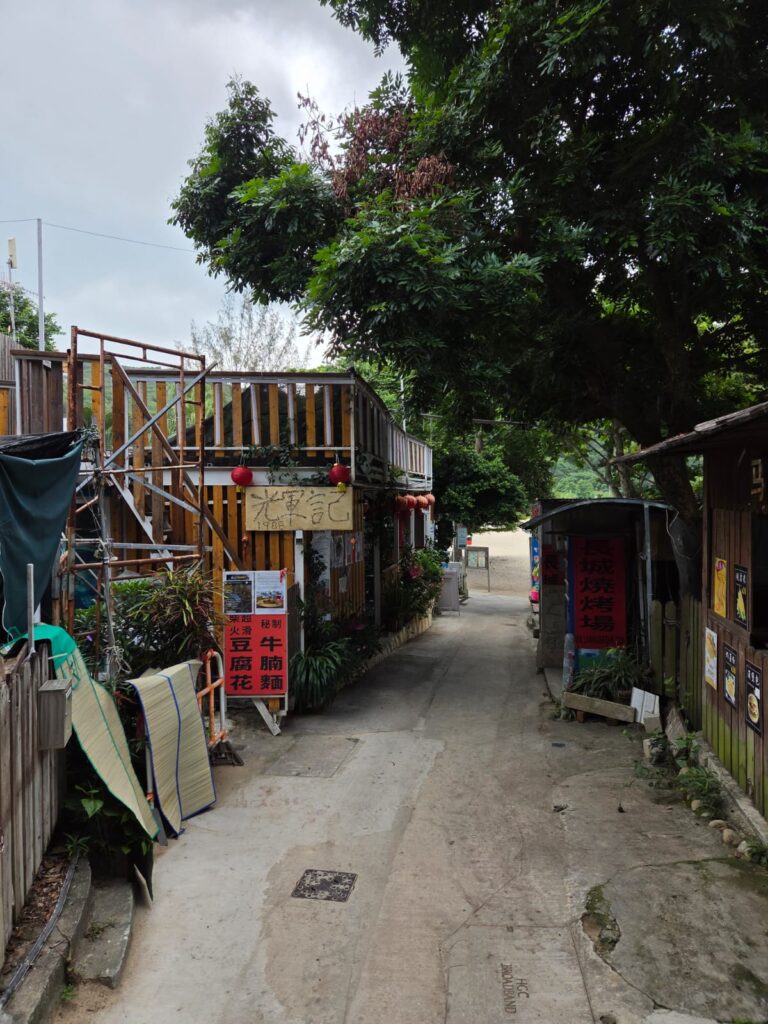
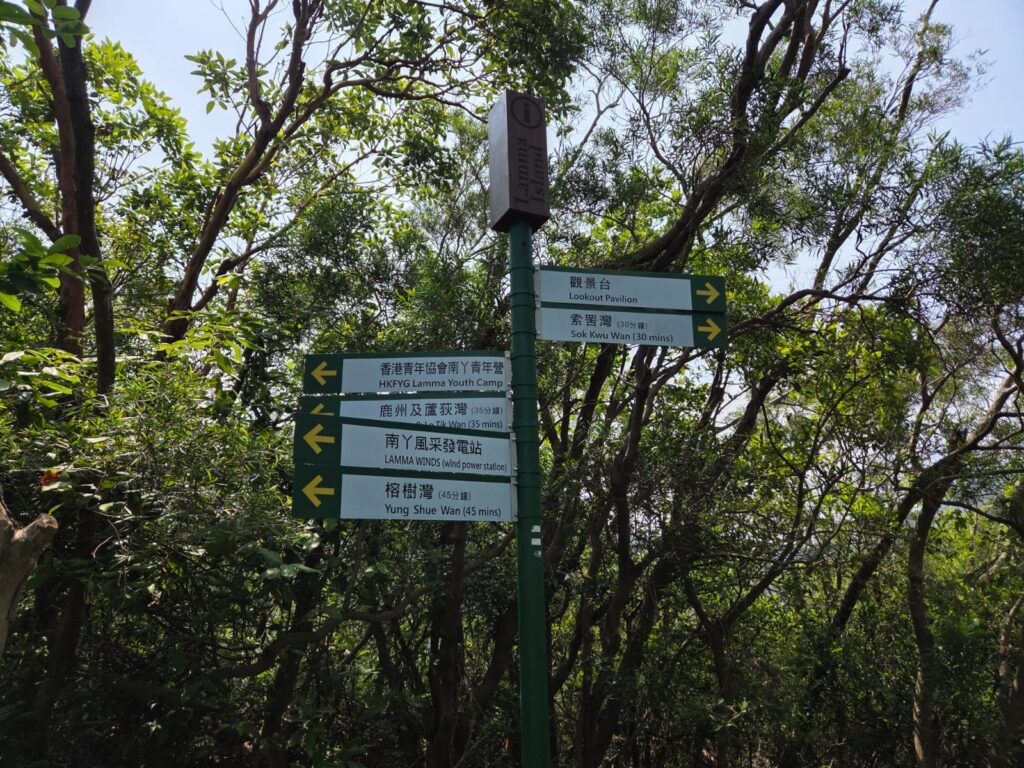
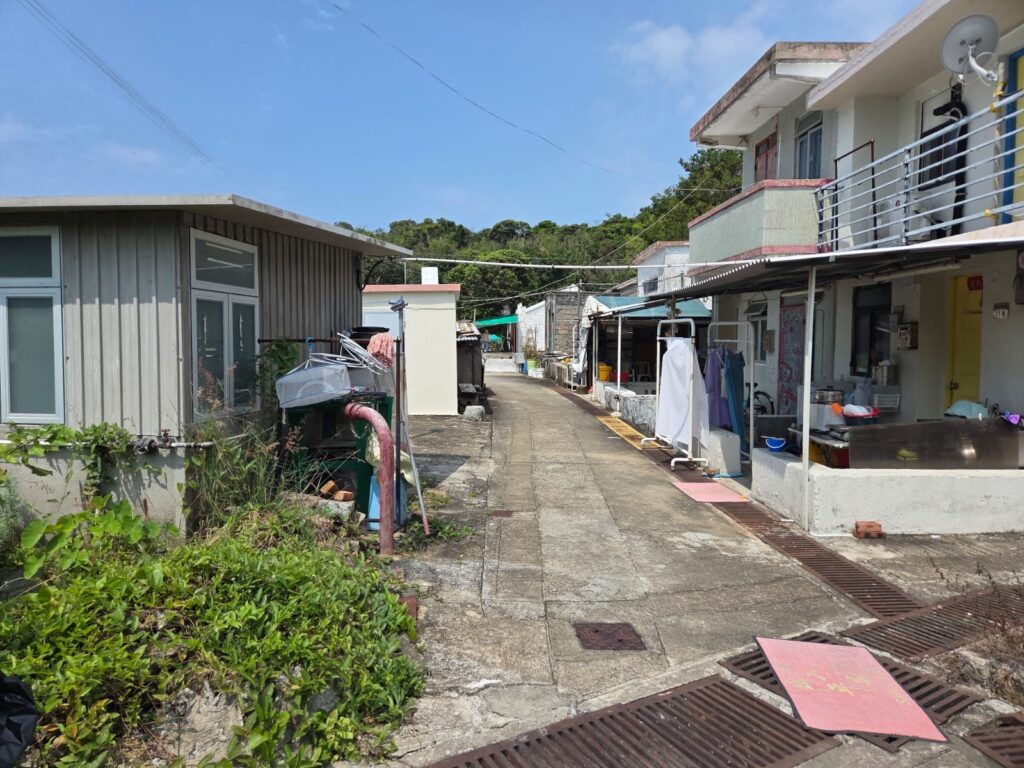
I noticed a couple of things right off the bat. Firstly, the number of bicycles. Lamma is a car-free island, and only allows little service vehicles. As a secondary point to this, I noticed how most of the bikes had a simple lock on them, and were not chained to anything. Rather different to the precautions in most European cities. Next, I noticed the three towers of Hong Kong Electric’s power station. We will continue to see these as we cross the island.Given that I had made the early ferry, my first order of business in Yung Shue Wan was to do as my guidebook instructed and stop for breakfast at Sampan Seafood Restaurant. Sampan serve al fresco dim sum until around 11am daily. You take your slip of paper up to the counter, select your food from baskets, and a server marks off what you’ve had. Dim sum is always better shared, but my selection was nonetheless tasty and filling.Plus I had a view of the bay while I ate.Now that I’ve refuelled, it’s time to explore. We first make our way through Yung Shue Wan village, which has a nice small town feel and is lively for a Sunday morning.The weather here is conducive to open shop fronts, which are interesting to catch a glimpse of as we walk by.
Opera Houses, Temples, and Villages
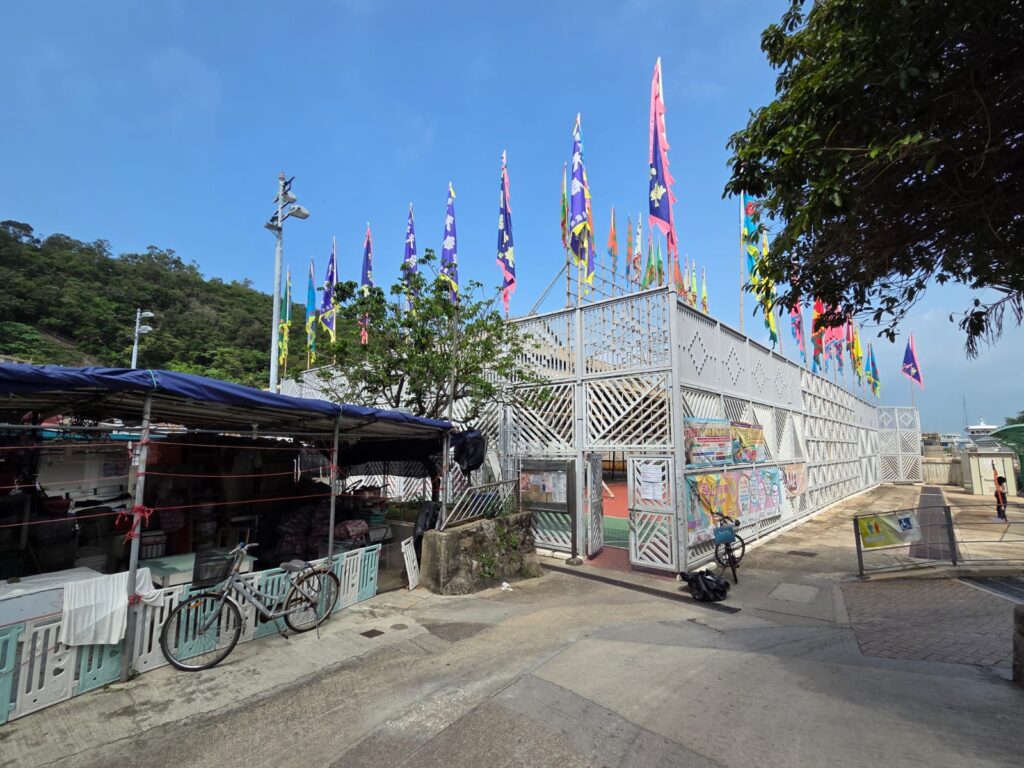
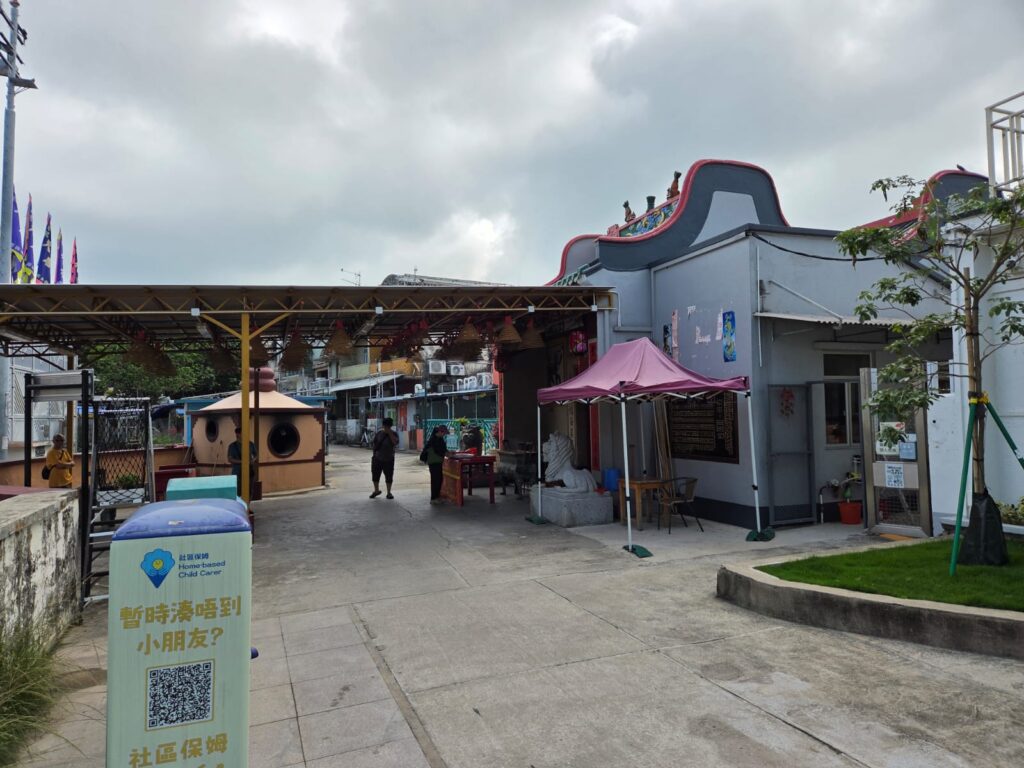
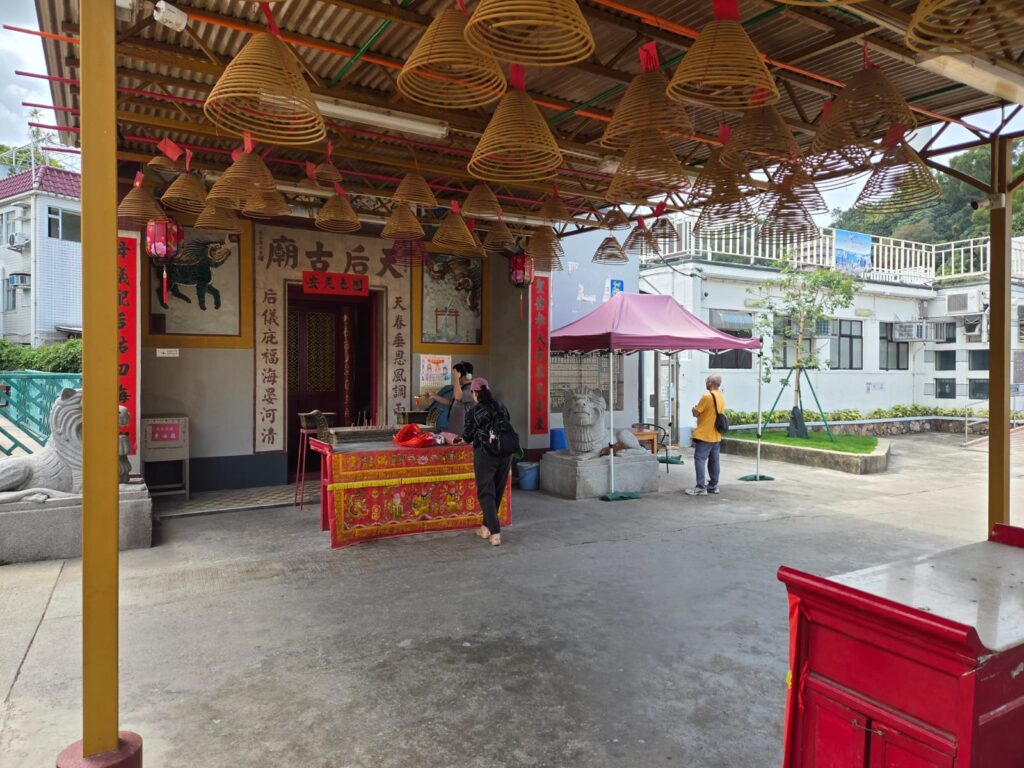
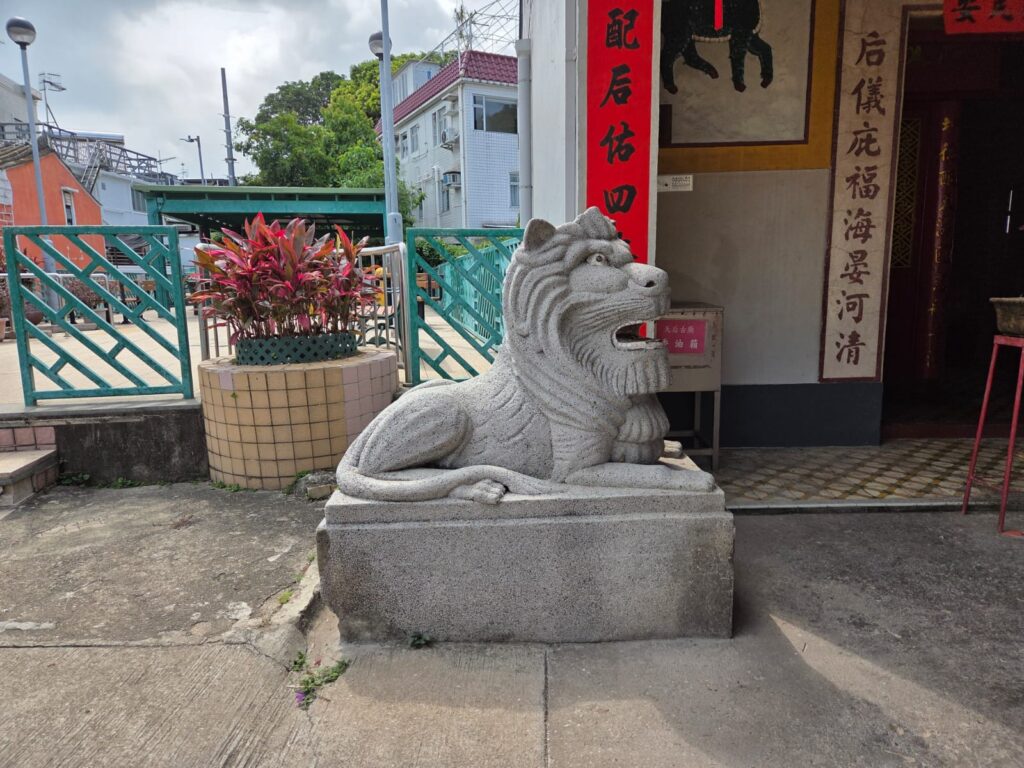
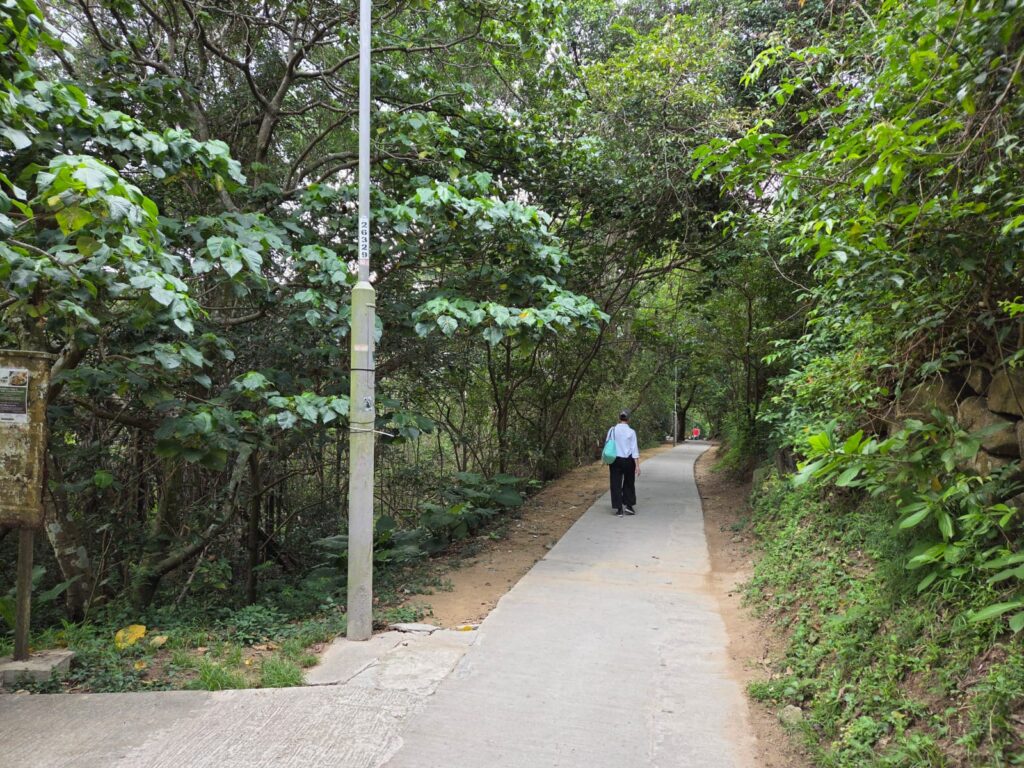
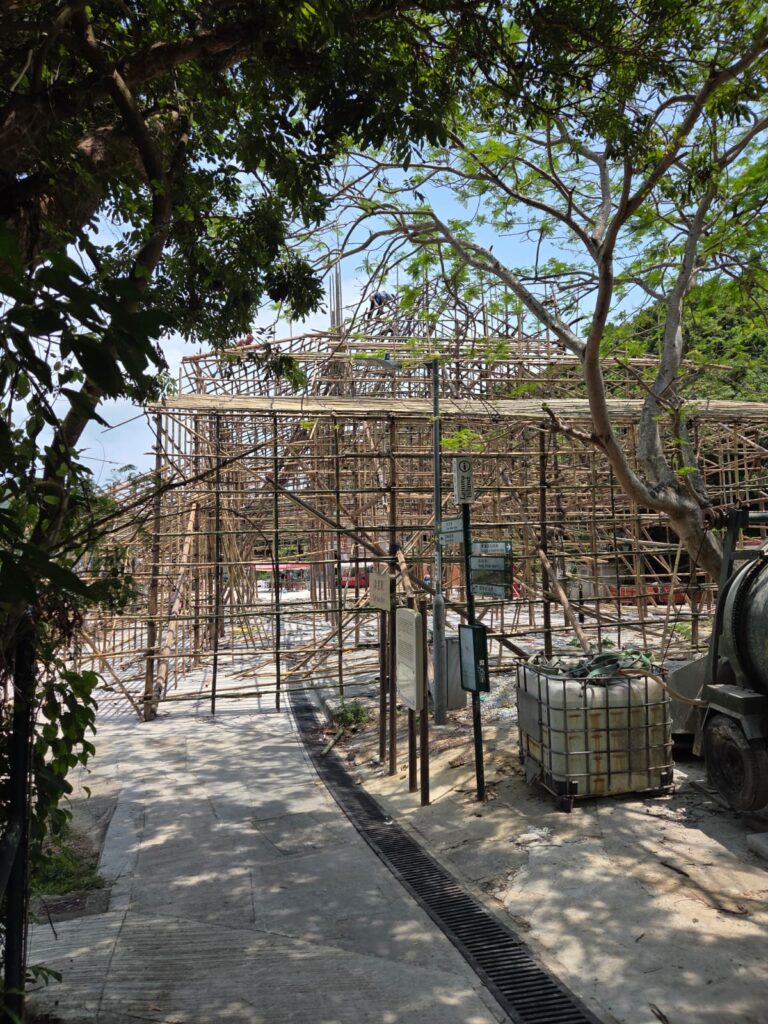
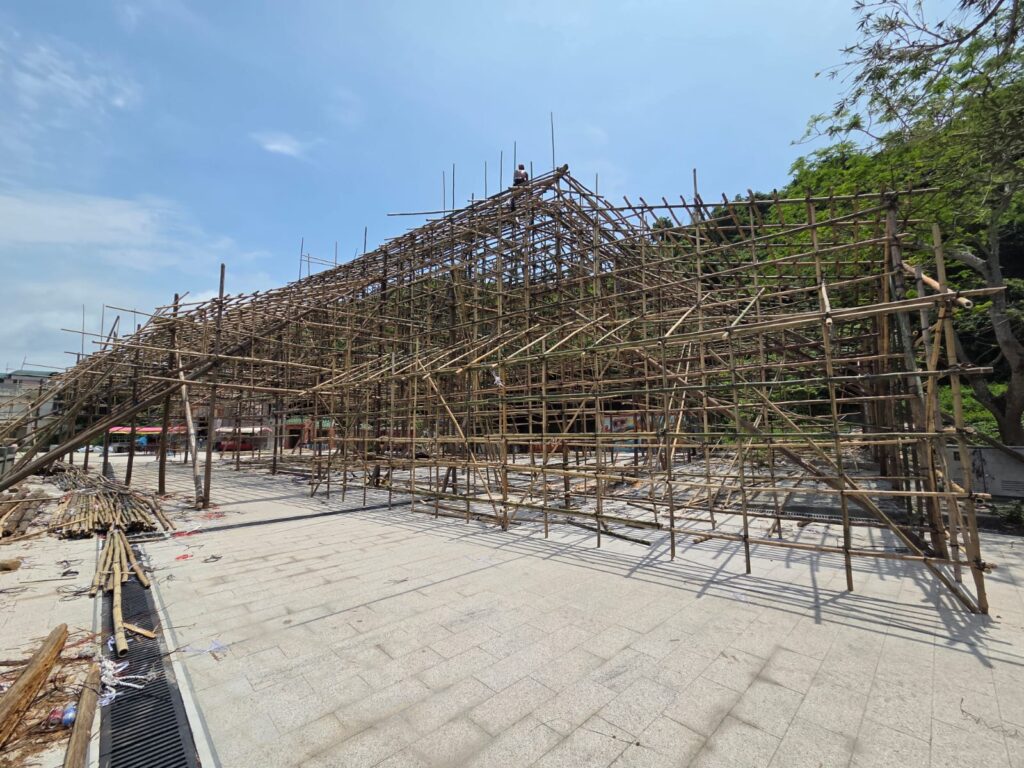
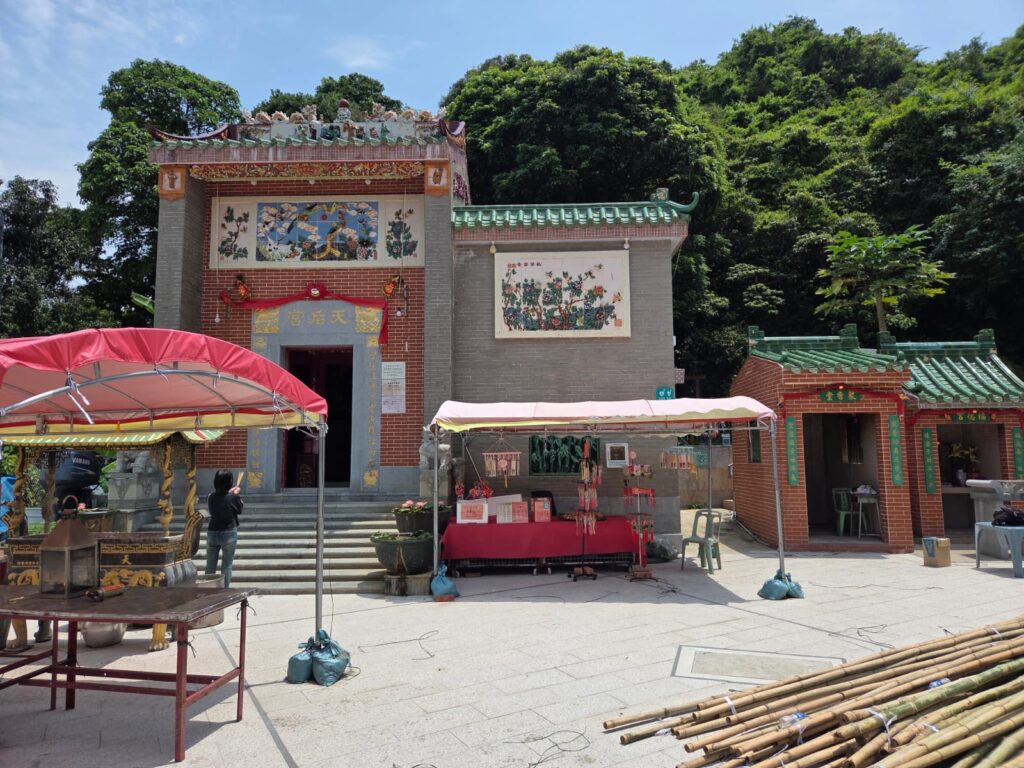
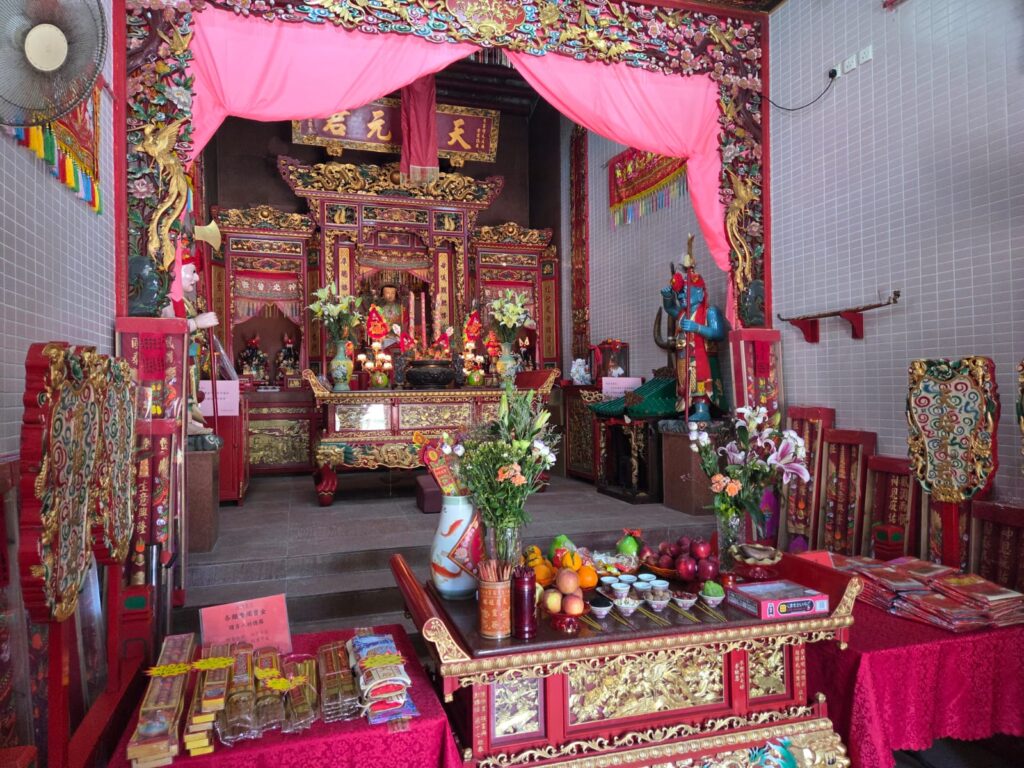
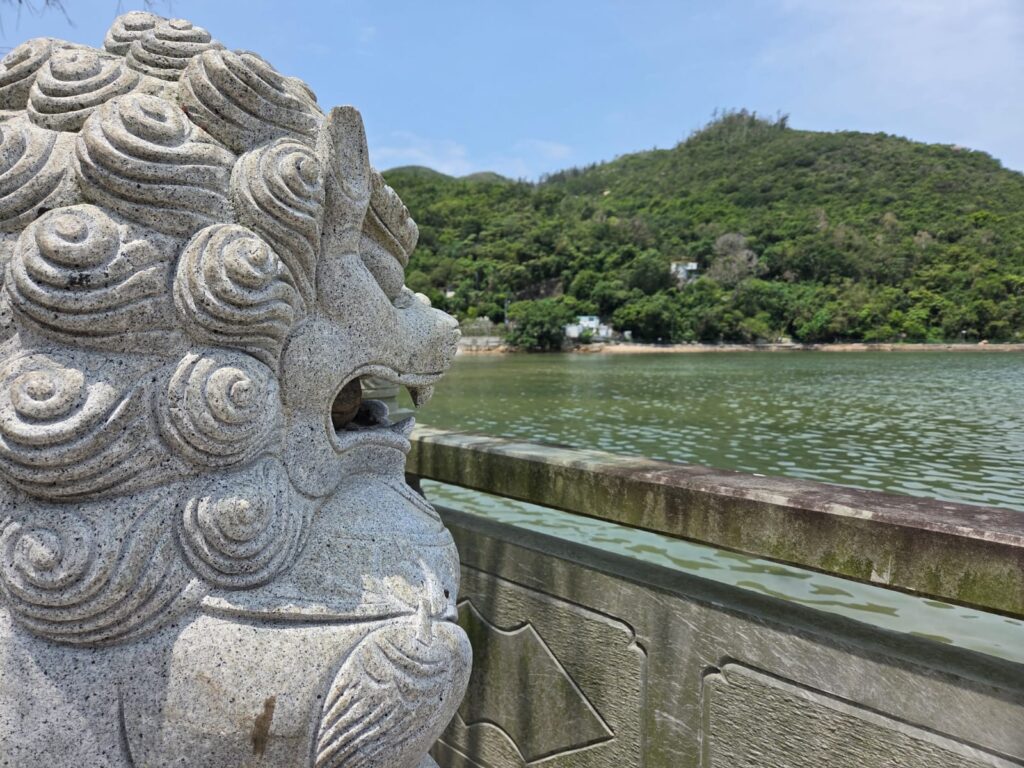
Our guidebook takes us on a quick detour to see a temple. This has the added benefit of introducing us to an interesting aspect of local culture. The residents of Yung Shue Wan, although most of them don’t make a living on the sea any more, continue to celebrate the birthday of fishermen’s protector Tin Hau every May or June. They do this through dragon boat races, lion dances, temple ceremonies, and a week of Cantonese opera in a temporary bamboo opera house. This latter was in the process of being erected when I visited – you can just about make it out behind the metal fences. We’ll see another example close up a bit later.The temporary opera house is right next to the Tin Hau Temple, which features this charming lion, and dates to the 1870s. I love the spiral incense in Hong Kong’s temples.Now we head back to the village and towards a trail that will take us ultimately to Sok Kwu Wan.Ah yes, this is looking likely.We will pass through several small villages on today’s walk, and get an insight into daily life in the Outlying Islands today. Lamma is Hong Kong’s third biggest island. Its name comes from a chart-reading muddle. An early Portuguese chart noted ‘lama’, meaning muddy, here. Scottish geographer Alexander Dalrymple mistook it for a place name. By the time an extra ‘m’ was in the mix, it was easy for the etymology to be forgotten. Lamma was previously called Pok Liu Chau.
Heading for the Hills
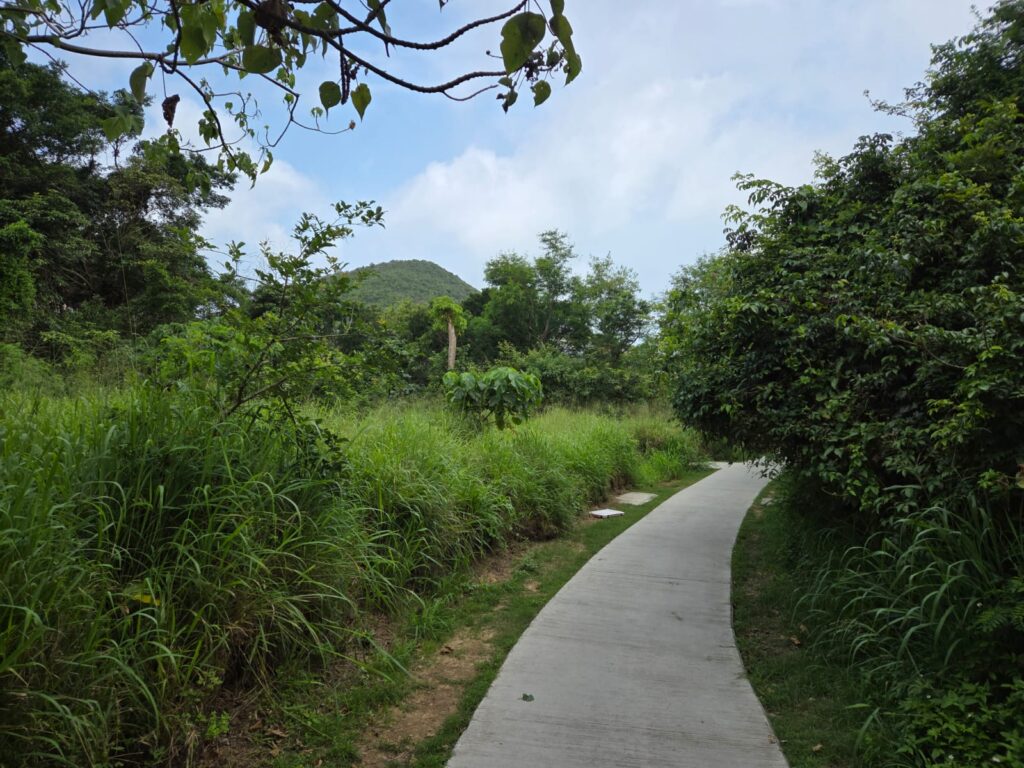
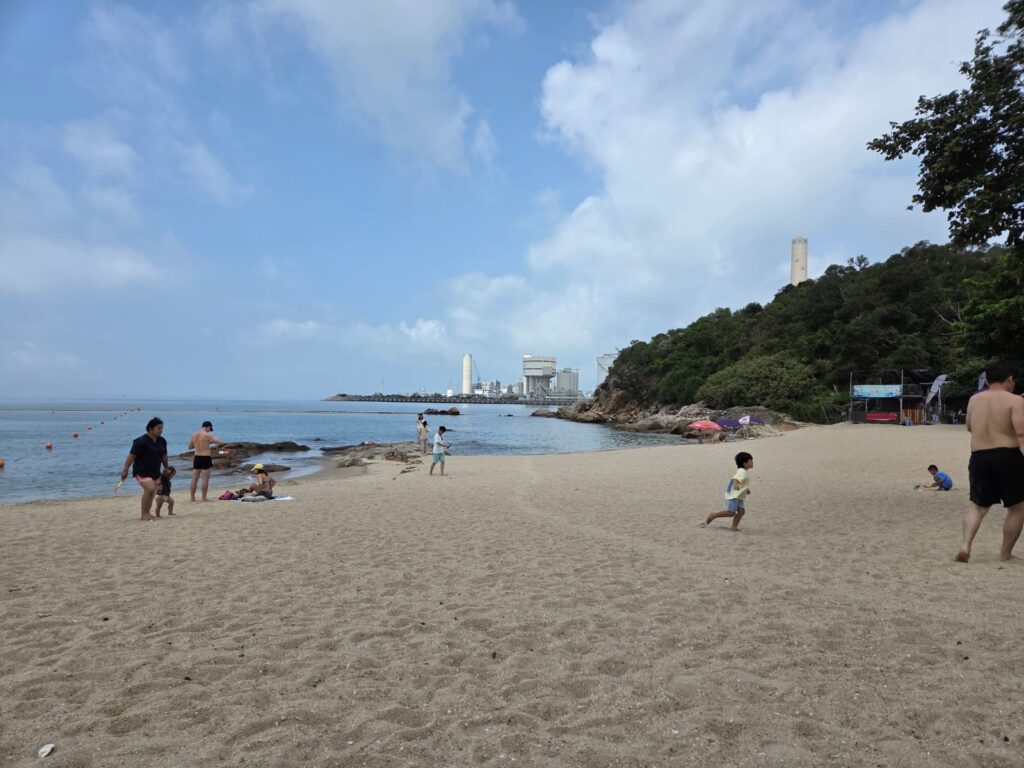
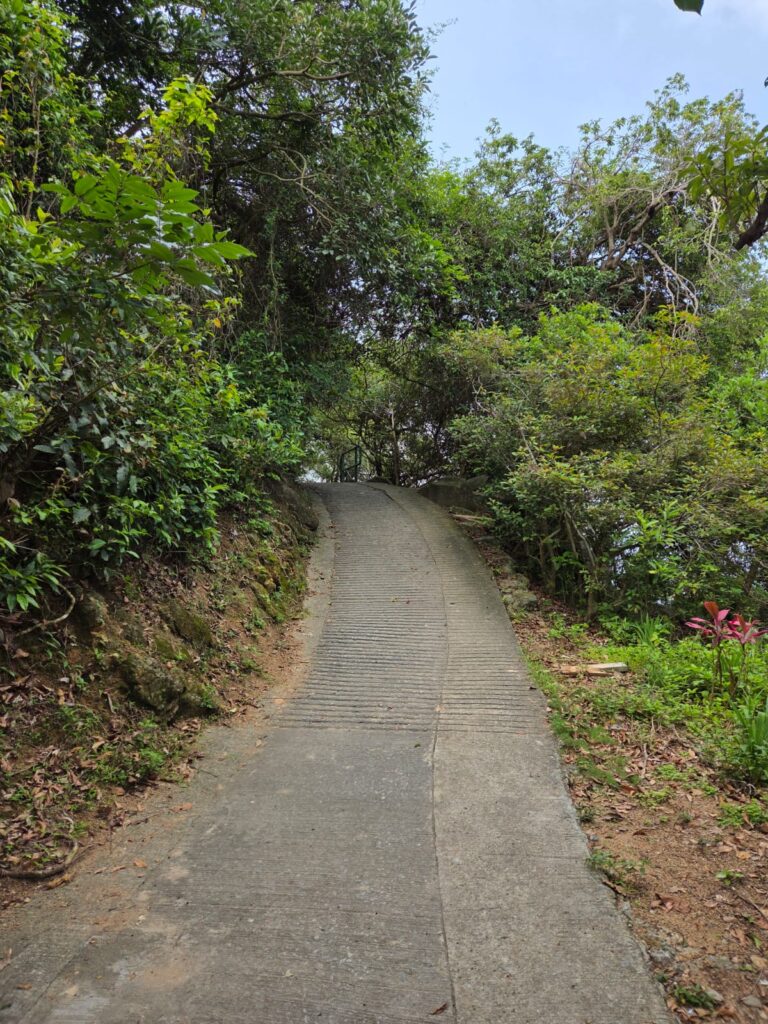
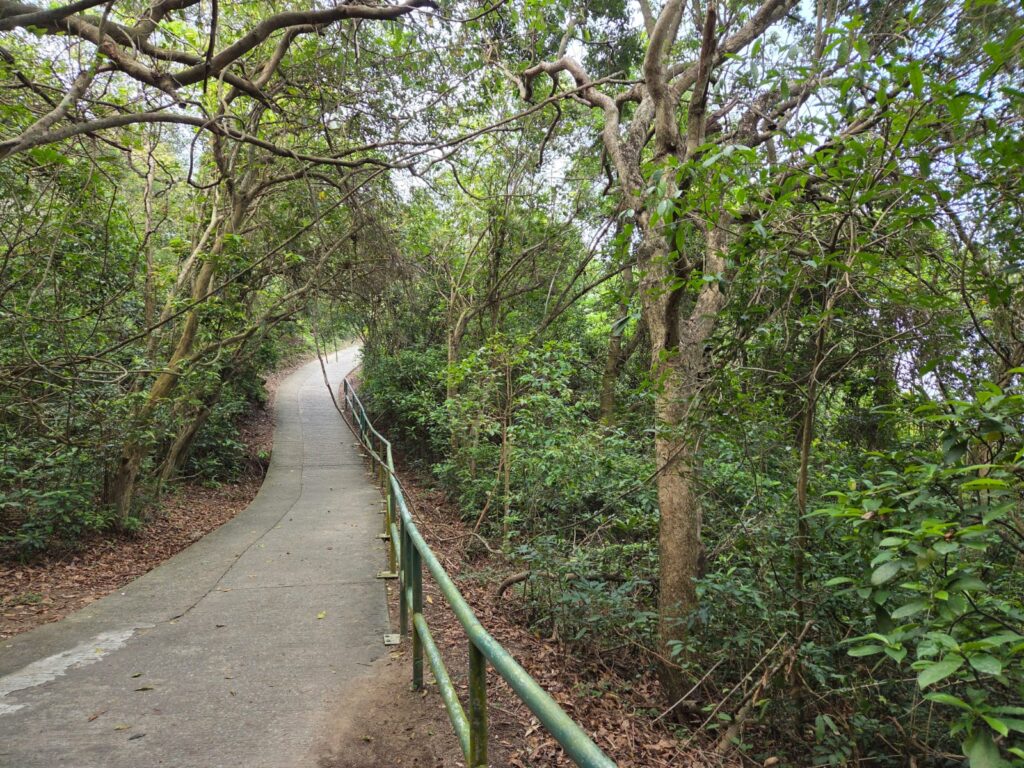
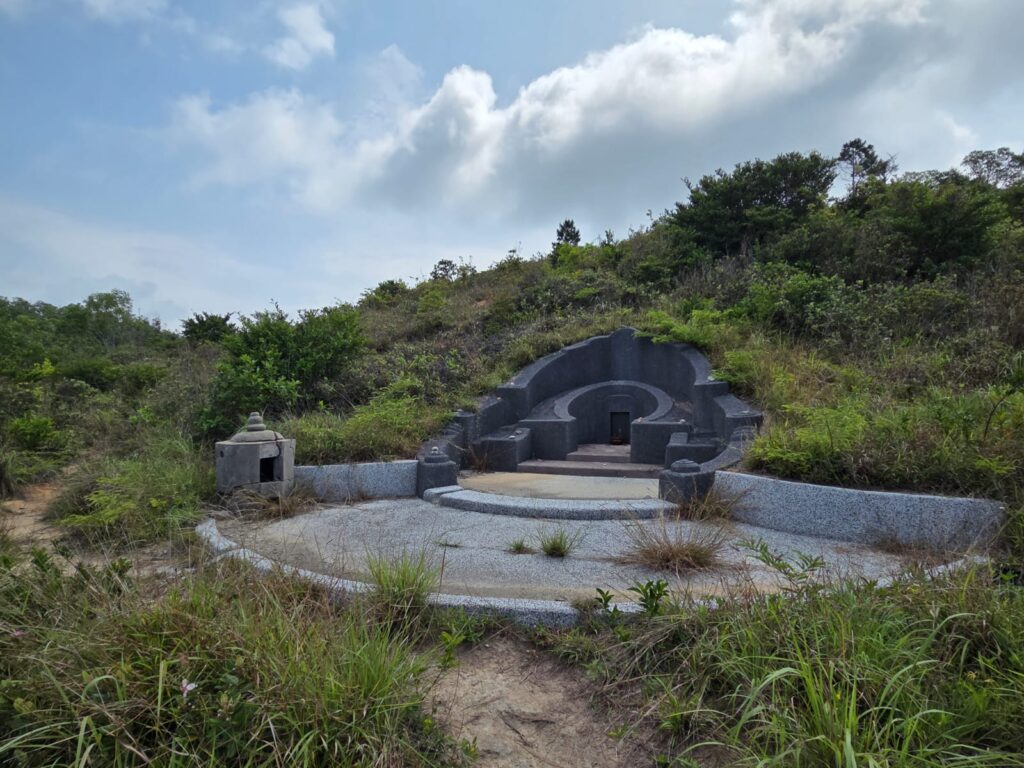
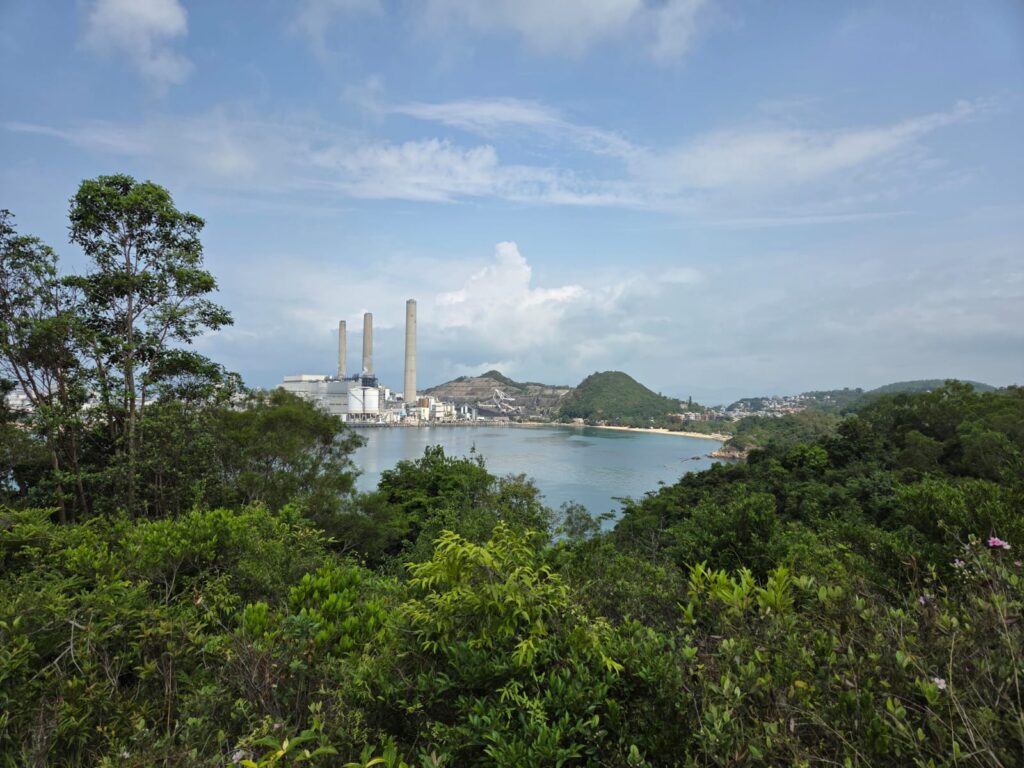
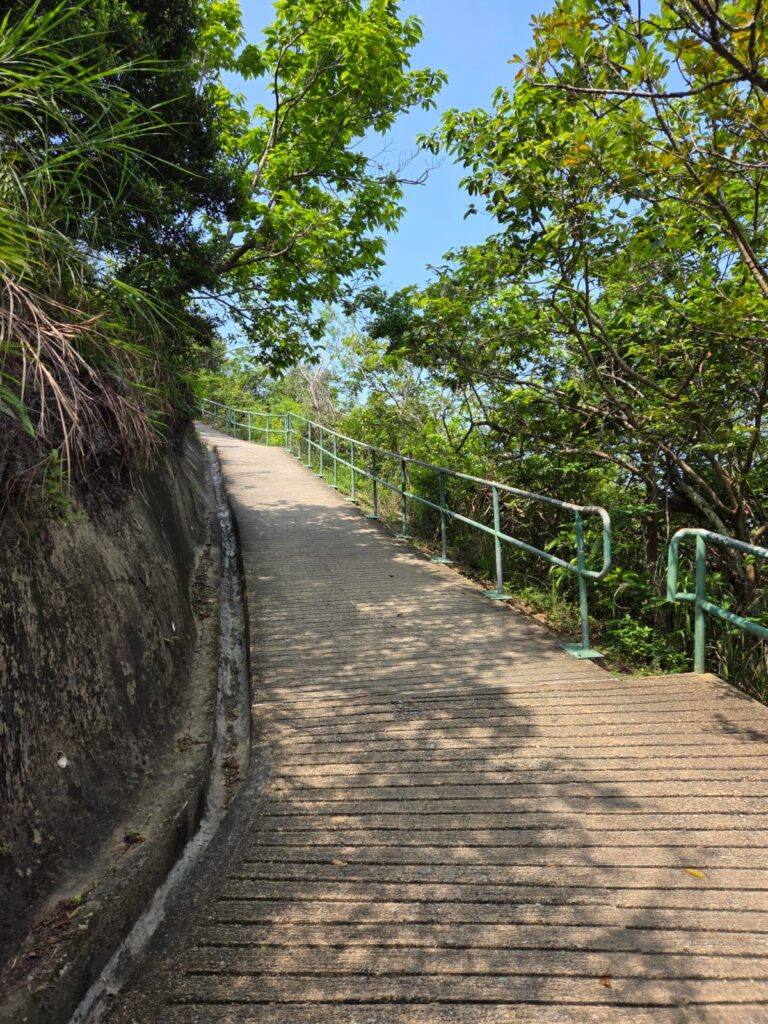
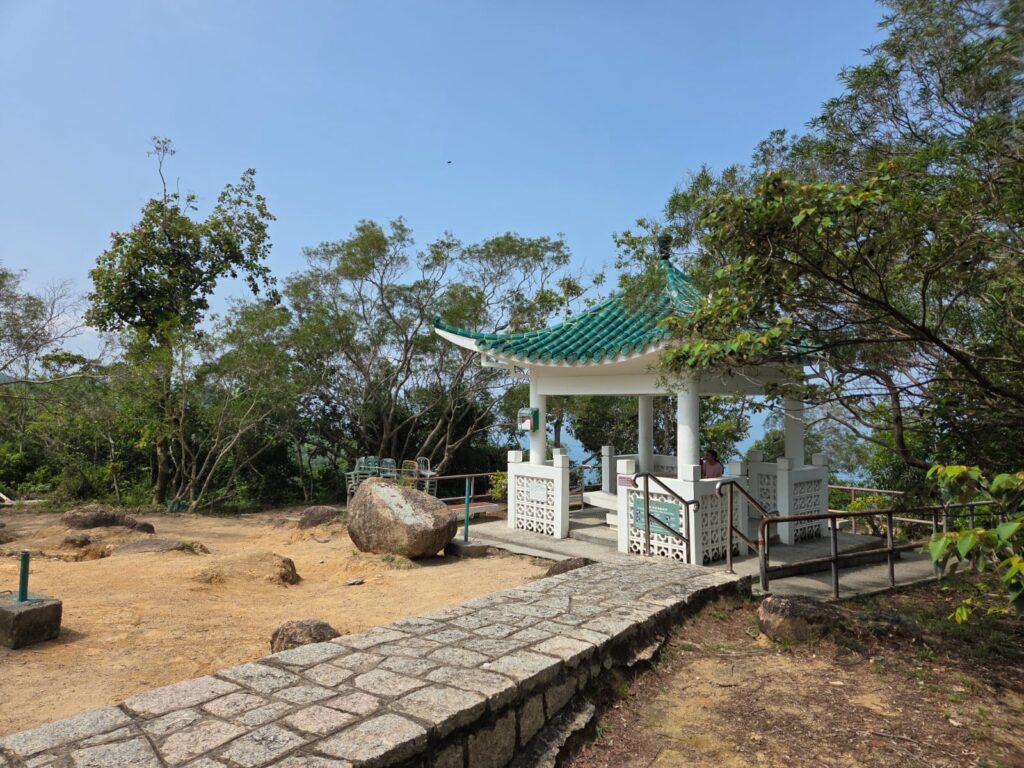
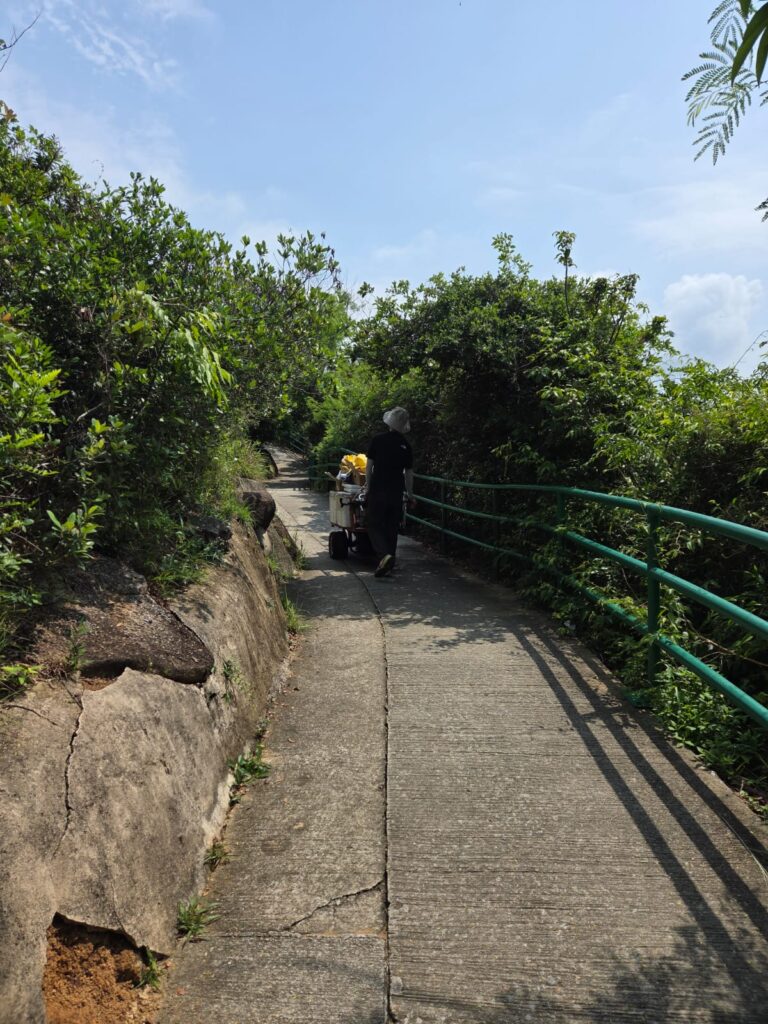
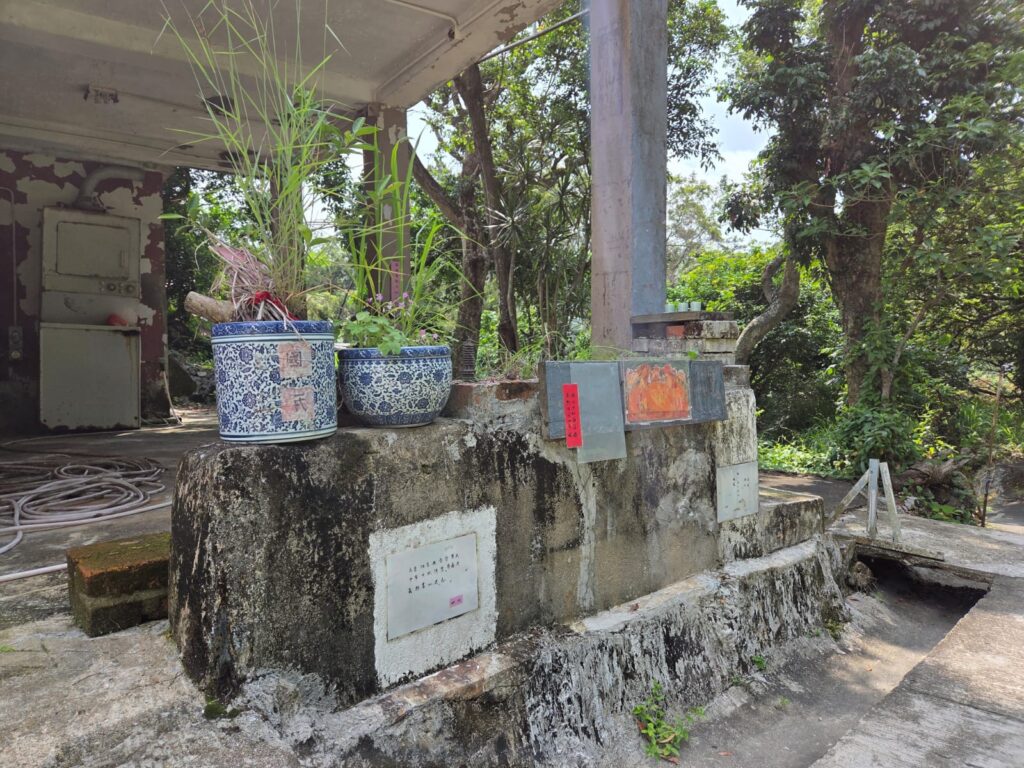
Another view of that power station. But you can see how much the landscape is opening up already as we head towards the hills. Opening in 1982, the power station is coal-fired, and also has a solar farm. Nearby is Lamma Winds, the island’s first wind turbine.It’s not long before we’re approaching our next settlement, aroung Hung Shing Ye beach.Hung Shing Ye is Lamma’s most popular beach. It’s not hard to see why – as well as its views and soft sand, it’s the easiest to reach for daytrippers. It’s not my favourite, though – we will see that a bit later. Hong Kong’s beaches generally have good facilities, with lifeguards and changing rooms readily available.After Hung Shing Ye, the path starts to climb more steeply.I haven’t been able to find much information online about this specific monument. But I do know that the style is called a turtleback tomb. Originating in the Song Dynasty, turtleback tombs can be found in Hong Kong and southern China, Japan, and Vietnam.A last look back at Yung Shue Wan and the power station before we continue towards Sok Kwu Wan.For those who fancy it, it’s about time for a rest stop. Our guidebook provides hardly any information between Hung Shing Ye and the following beach, so let me fill in the gaps. And, although we’re up in the hills now, let’s turn our attention back to fisherfolk.
Thanks to the climate and abundant marine life in the South China Sea, people have eaten a seafood-rich diet, and made fishing a way of life, since prehistoric times. The ethnic groups we might call fisherfolk, including the Tanka and Hoklo, migrated to Hong Kong centuries ago. Their semi-nomadic life, living in houseboats, originated as they were prohibited from owning land. As time went on, a culture grew up around this necessity. In the latter half of the 20th century, as well as changes to the fishing industry, government plans to settle fisherfolk in villages saw this way of life changing. Today, houseboats are a rarity rather than a common sight.
Towards Sok Kwu Wan
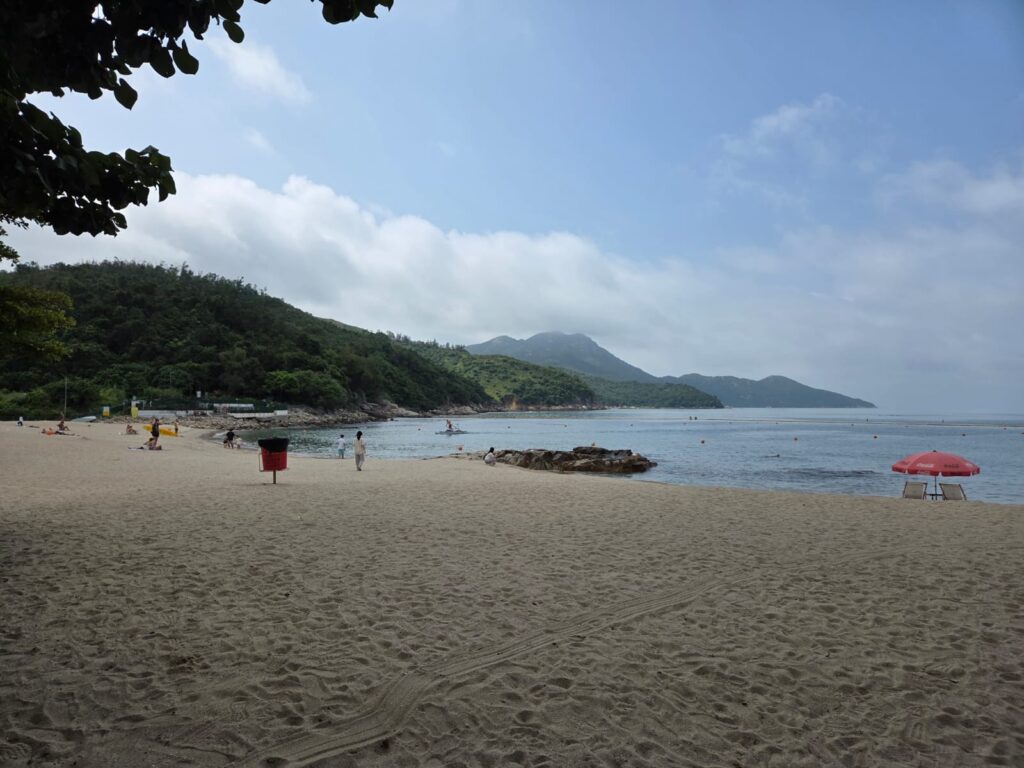
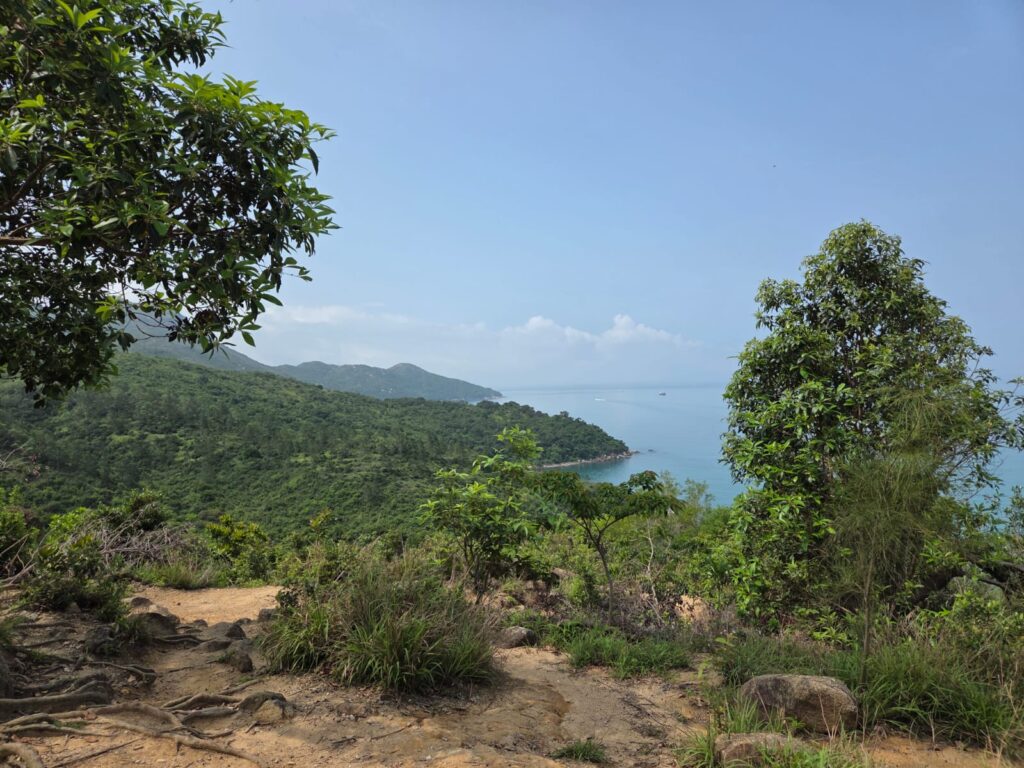
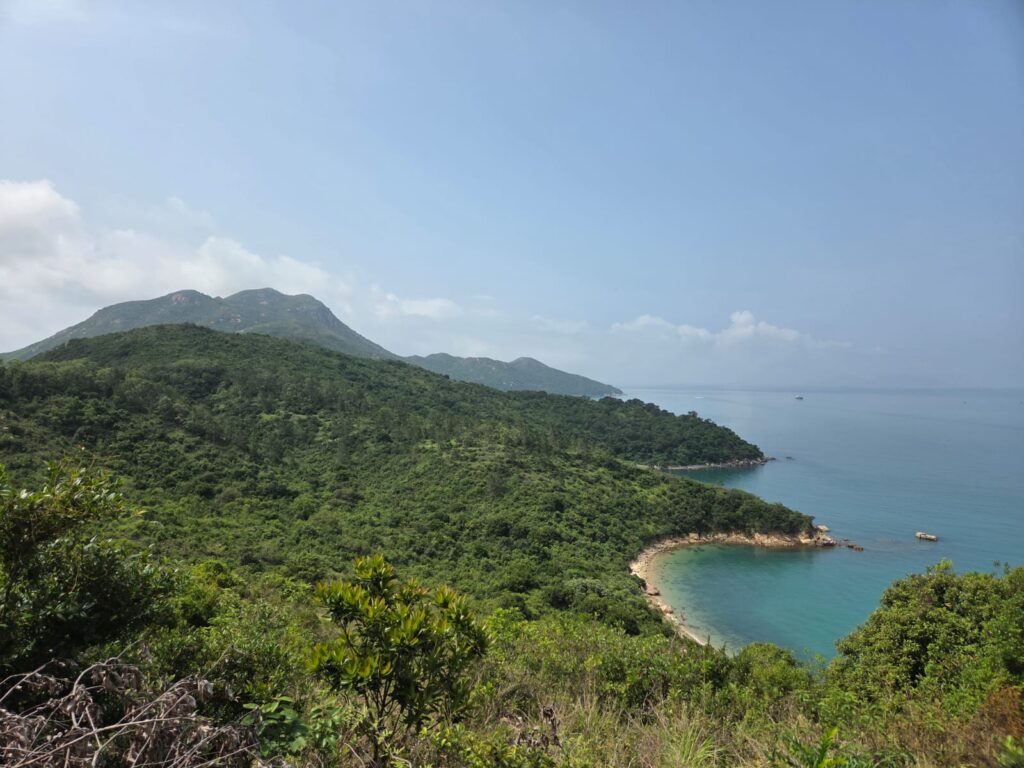
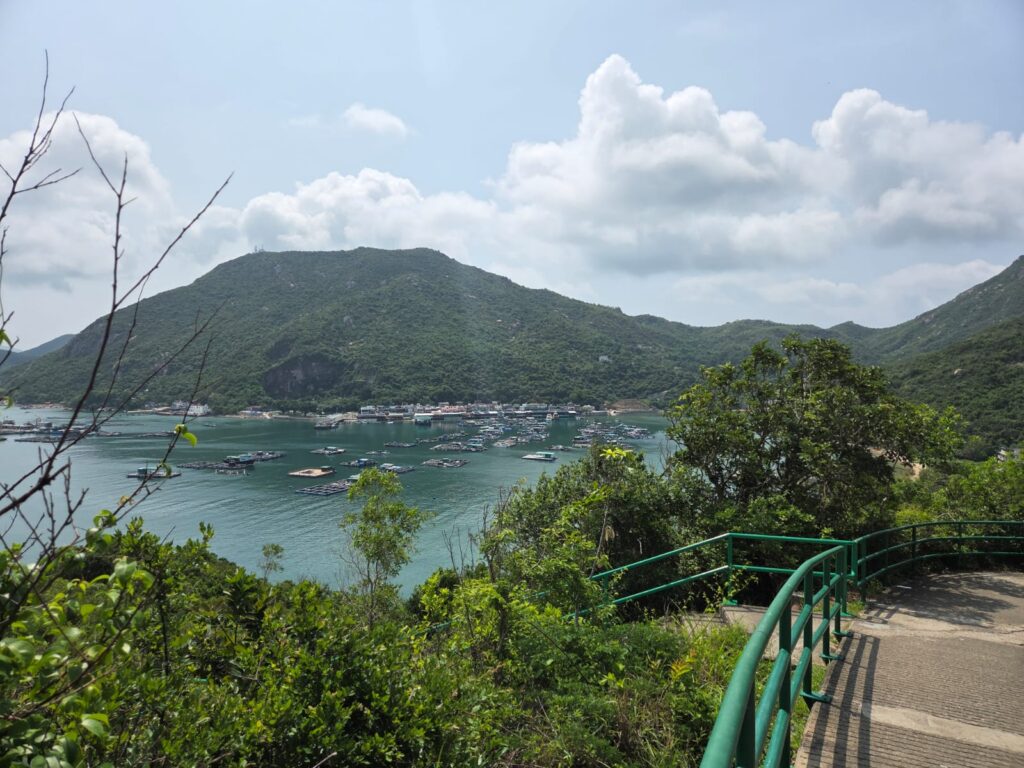
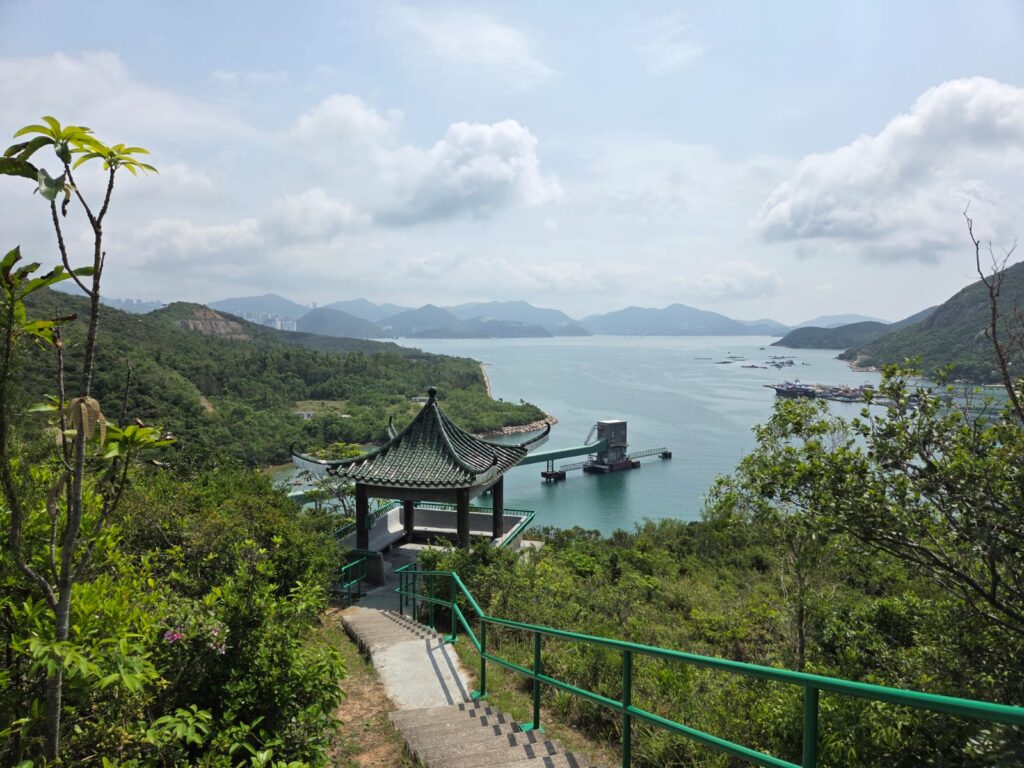
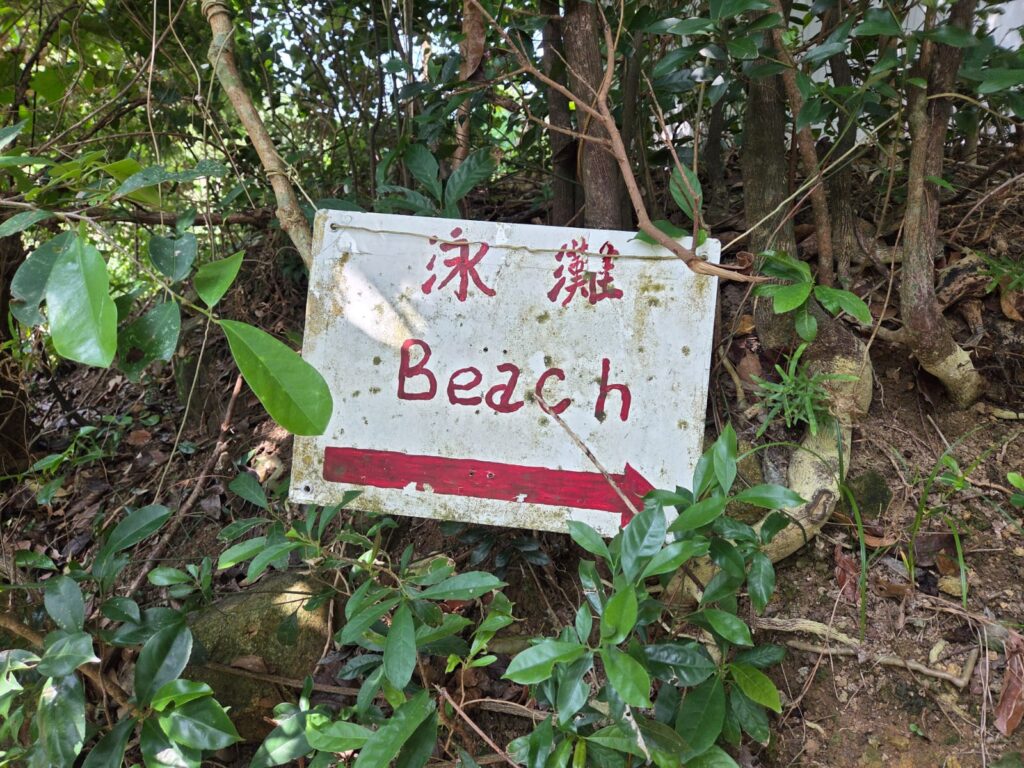
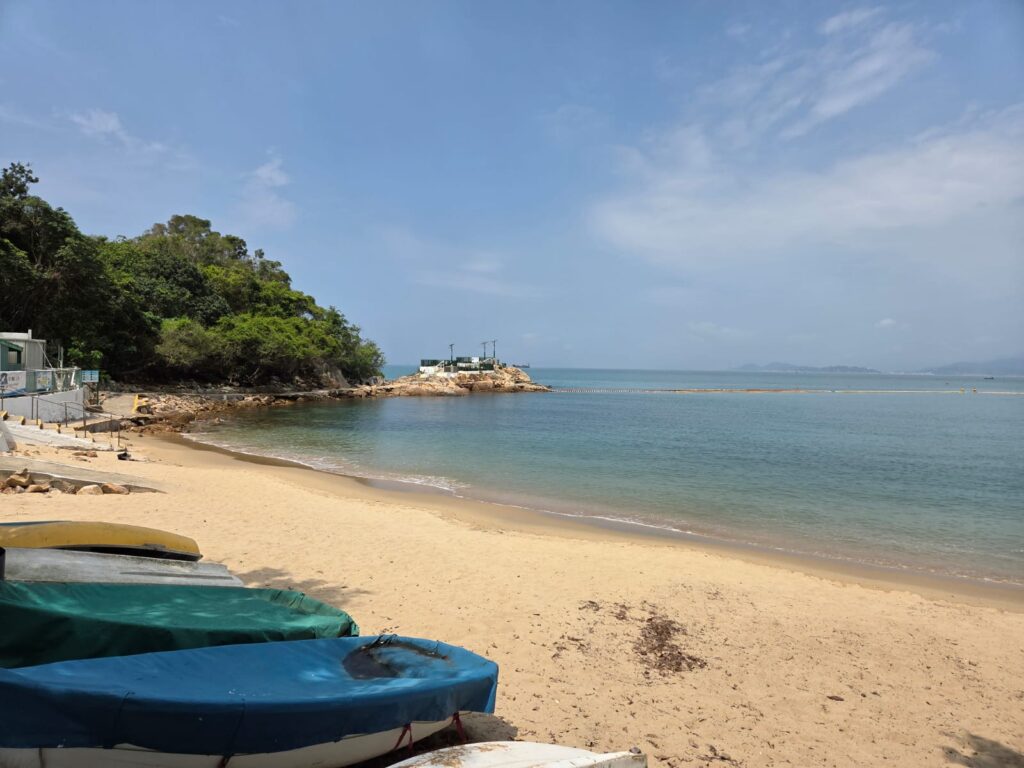
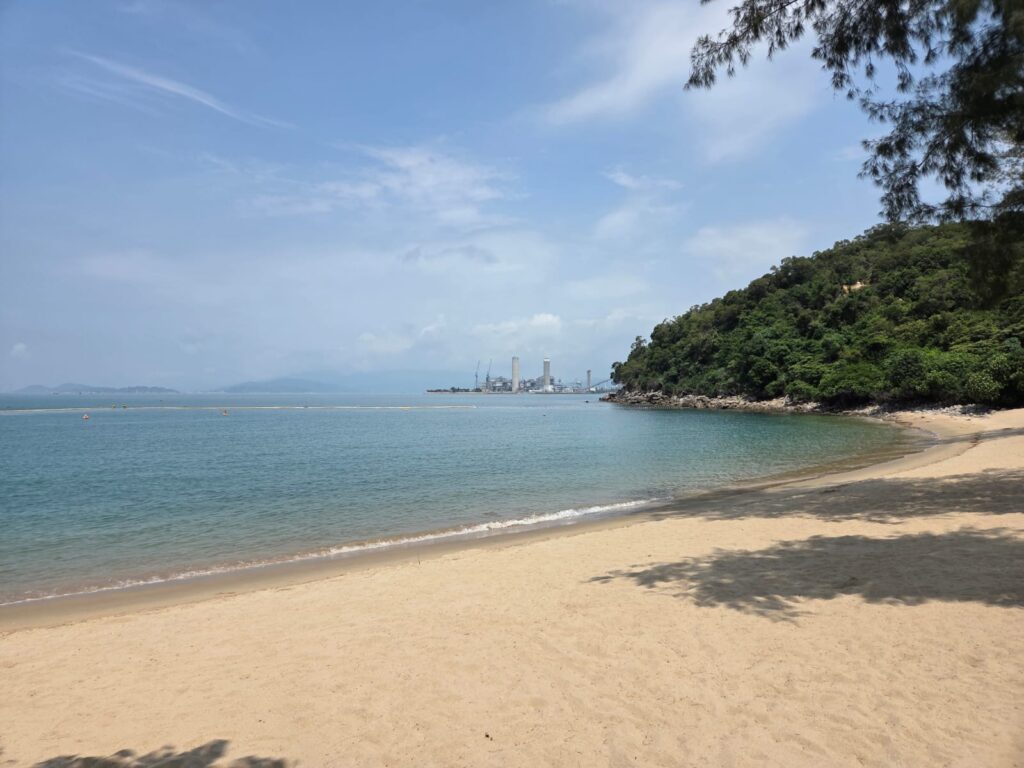
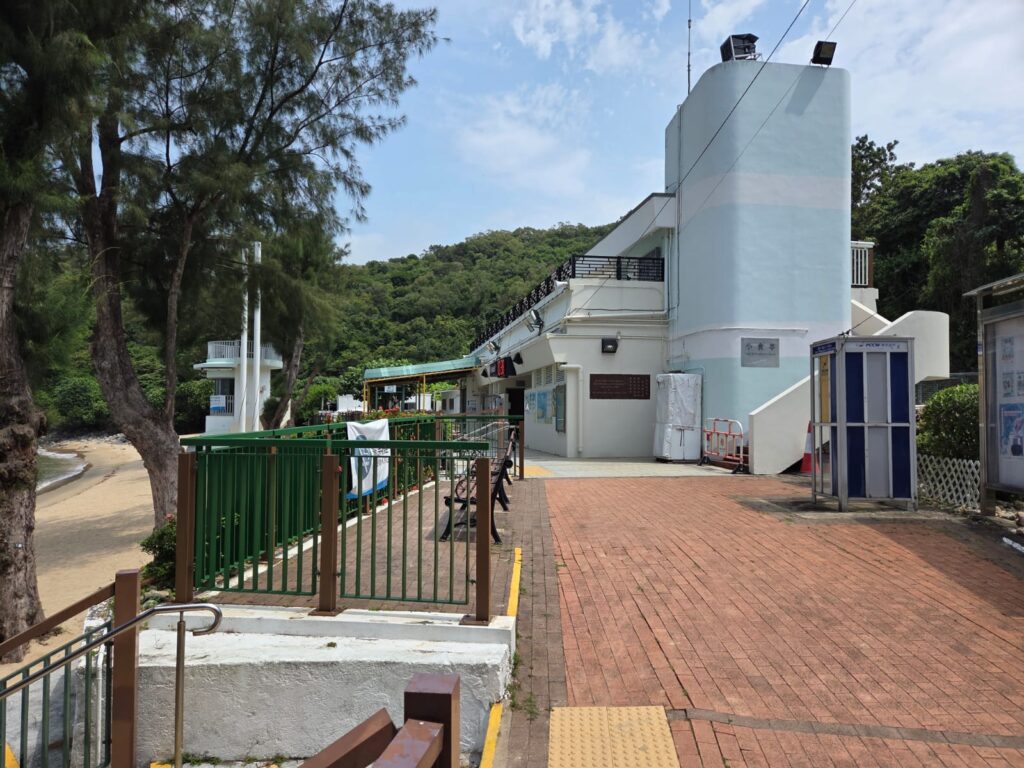
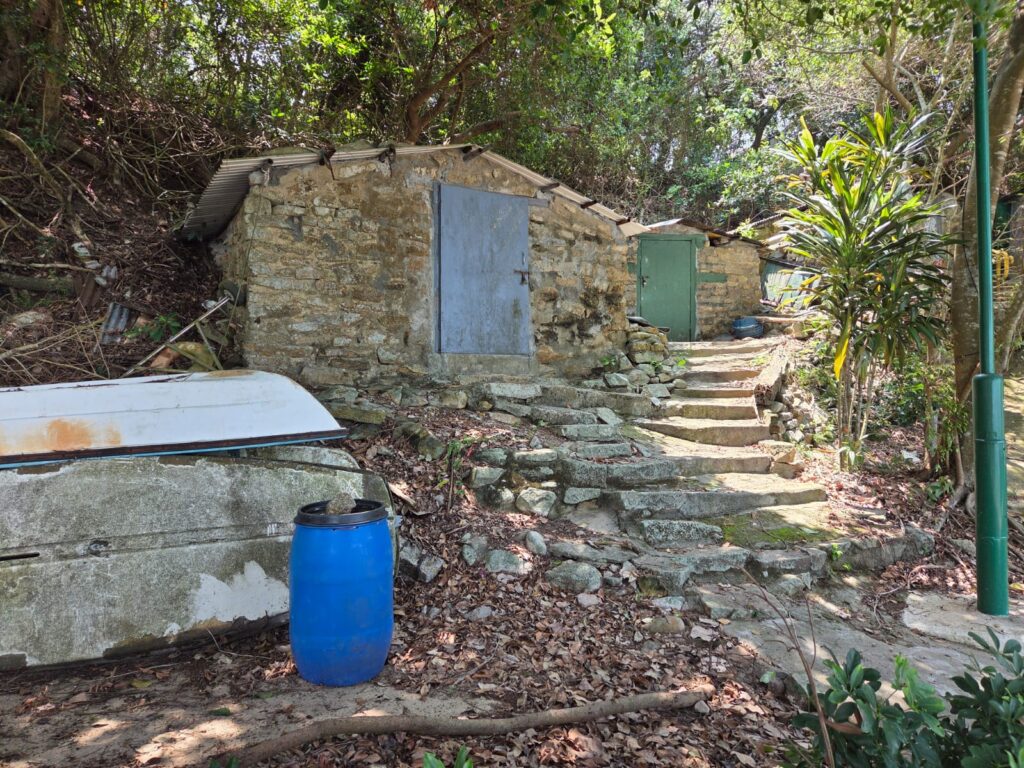
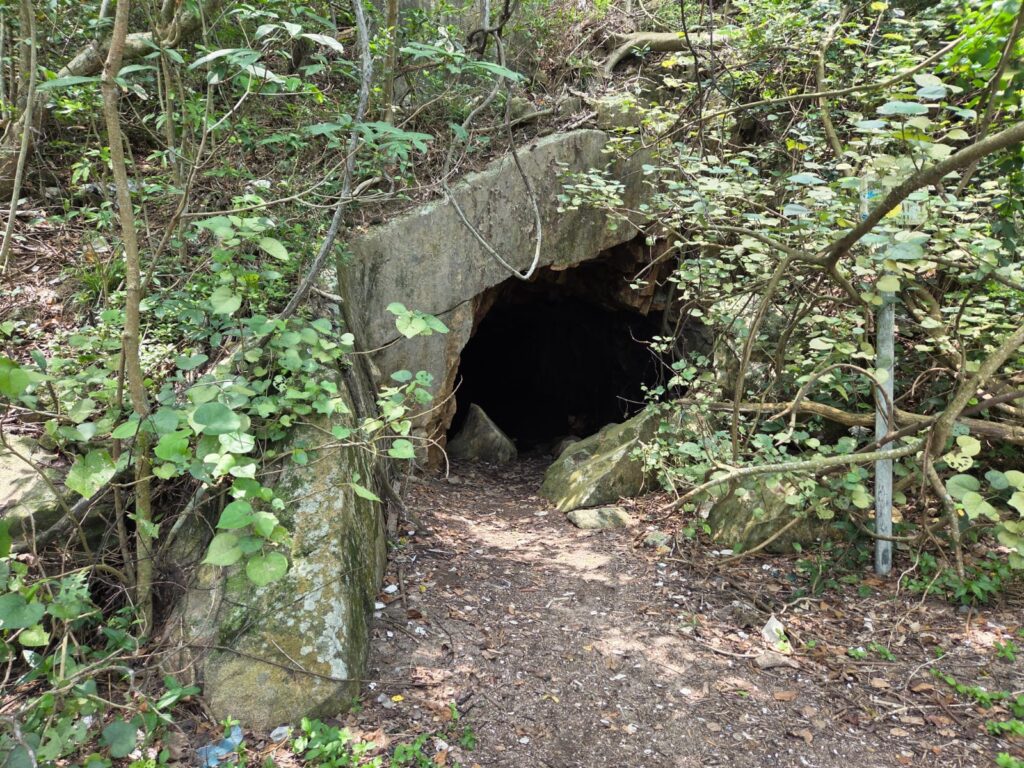
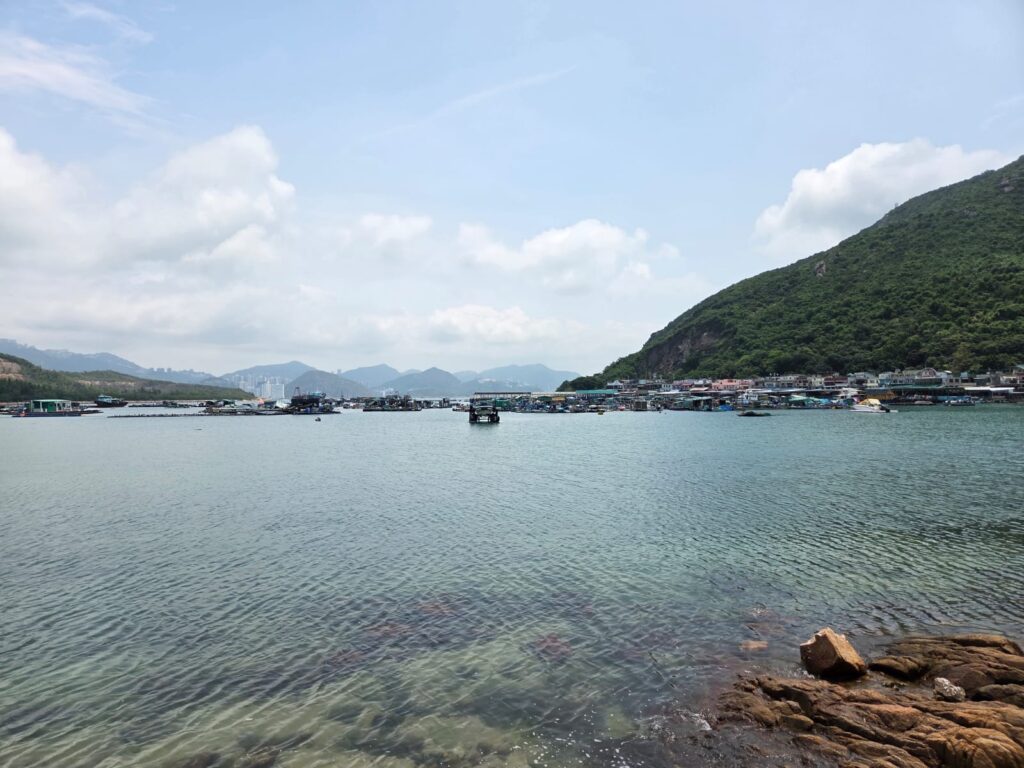
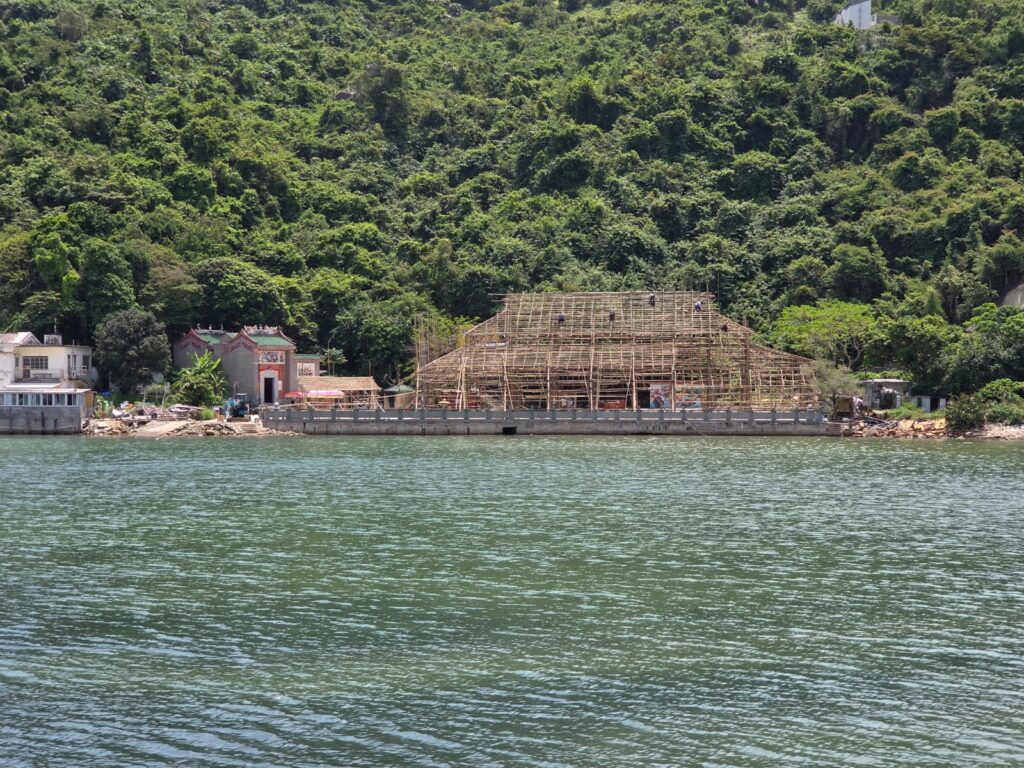
Alright, break over, let’s continue our walk.And soon we get our first glimpse of Sok Kwu Wan, from which we will catch a ferry to Aberdeen.What a beautiful setting! You can just about make out the buildings of Hong Kong Island tucked behind Lamma Island’s bays.Just one of the creative ways that people get by here without cars.And now we turn off the main trail at Lo So Shing and head towards So Shing Beach.Yes, we are definitely heading the right way.And here we have it – possibly my favourite beach I’ve ever visited in Hong Kong! It could have been that I was hot and sweaty by this time in my walk, and a dip in the sea sounded perfect. Or it could have been that it was almost deserted, and apparently always is. But Sok Kwu Wan was a lovely interlude. Again it has good facilities, meaning I could change and refill my water as well as having a little swim.Back up the steps now before we rejoin the main path.And soon we find another spot of historic interest. Our guidebook doesn’t mention it, but I’d seen descriptions of it when I was looking for a walk online. This is one of several caves known as Kamikaze Caves, apparently dug out by Japanese soldiers during WWII to hide speedboats intended for suicide attacks. I’m not sure how true all that is.As we head closer to Sok Kwu Wan, we can make out another of the bamboo opera houses, under construction ready for the upcoming Tin Hau celebrations.
Mount Stenhouse, and More Preparations for Tin Hau’s Birthday
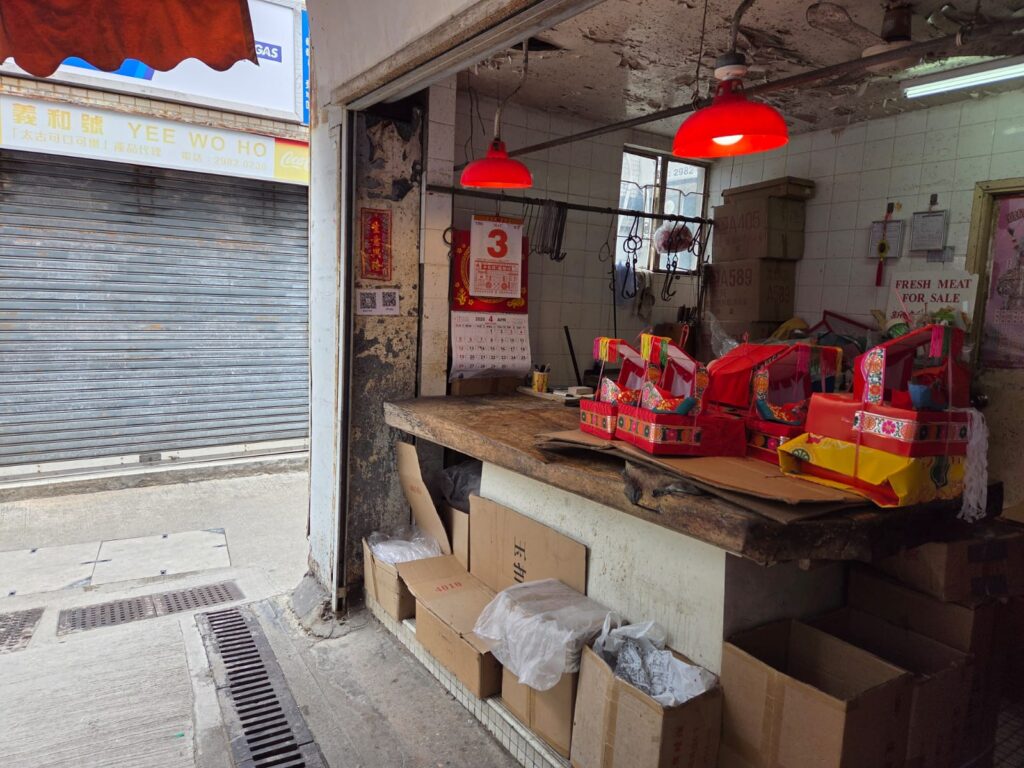
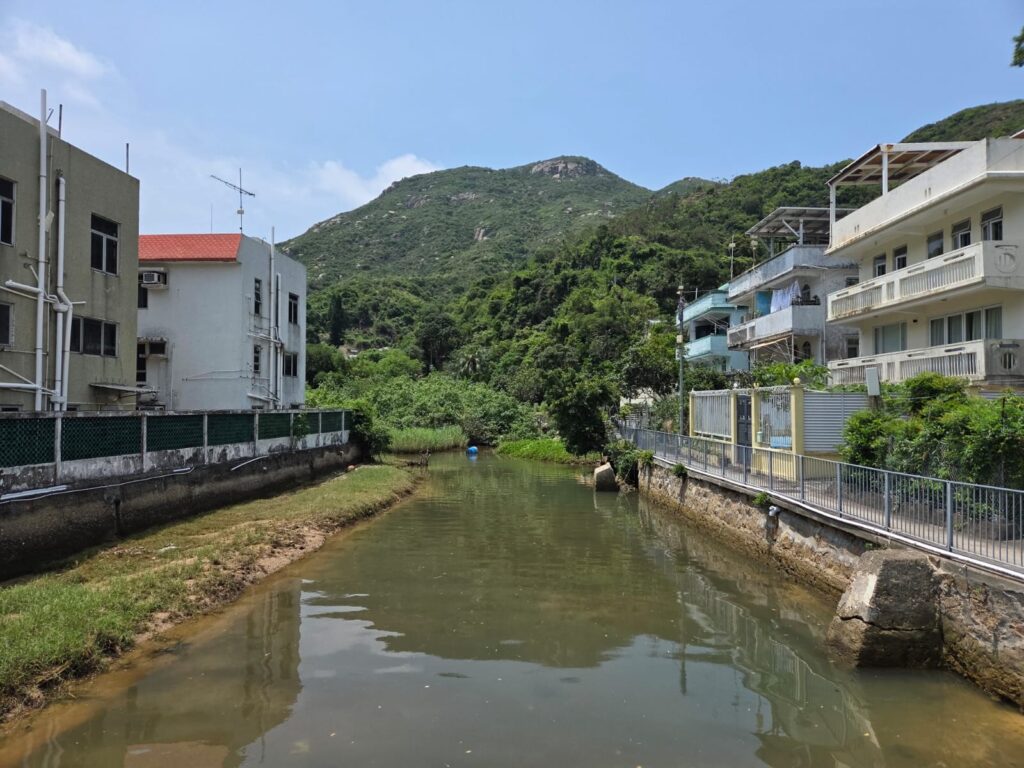
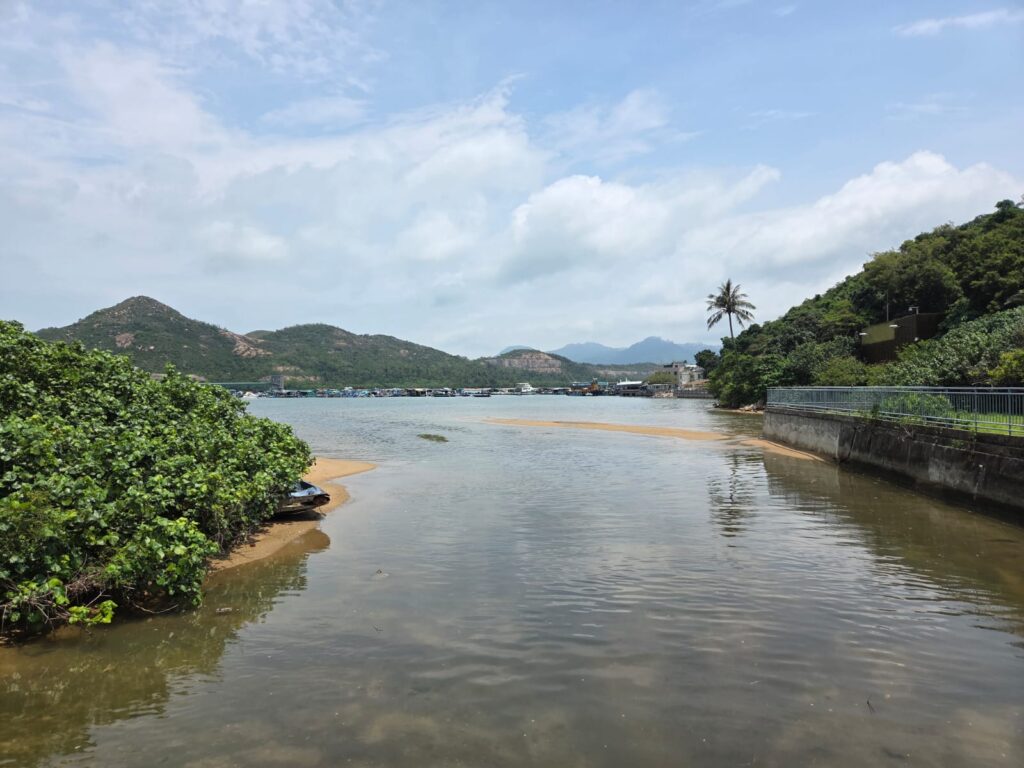
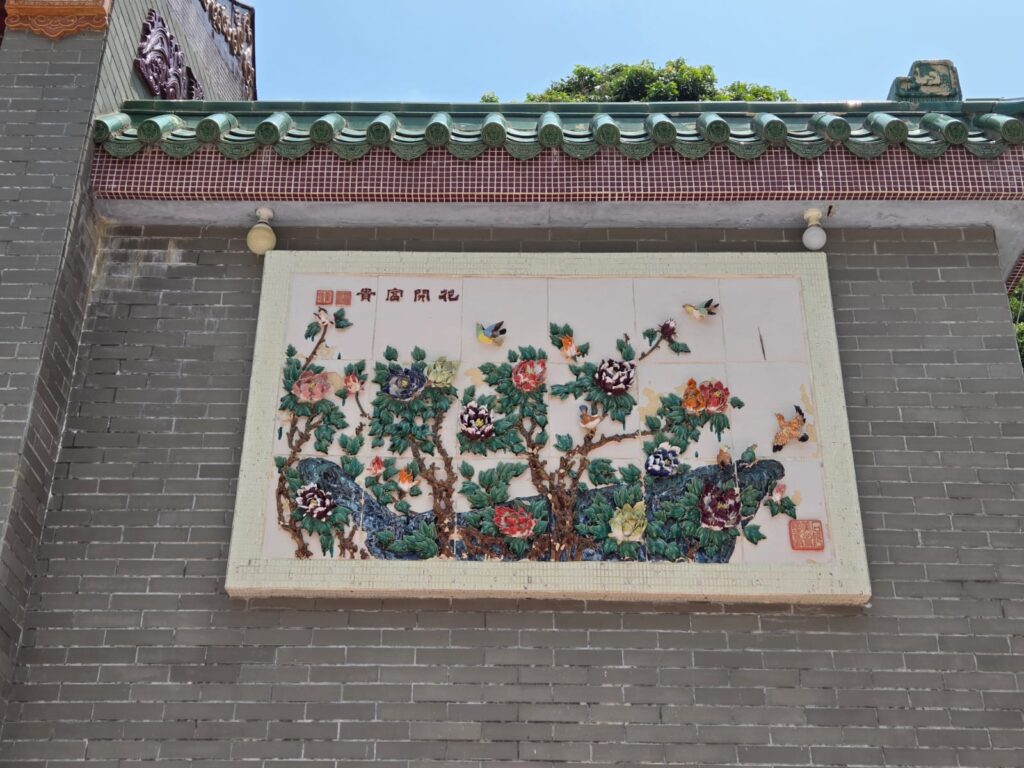
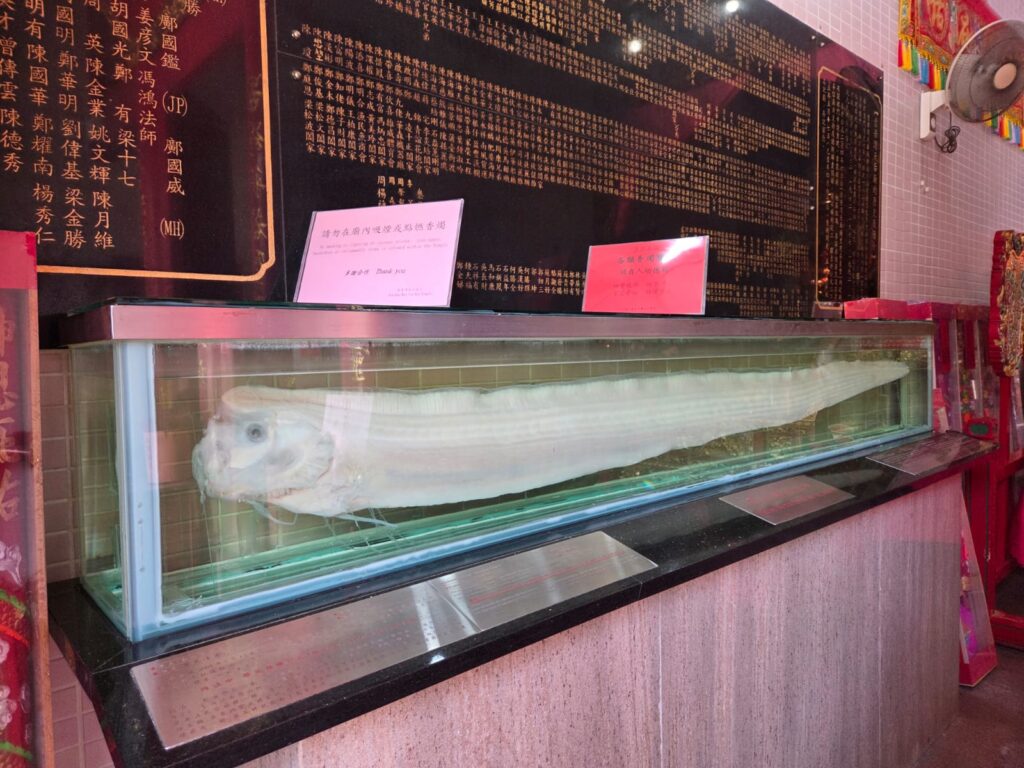
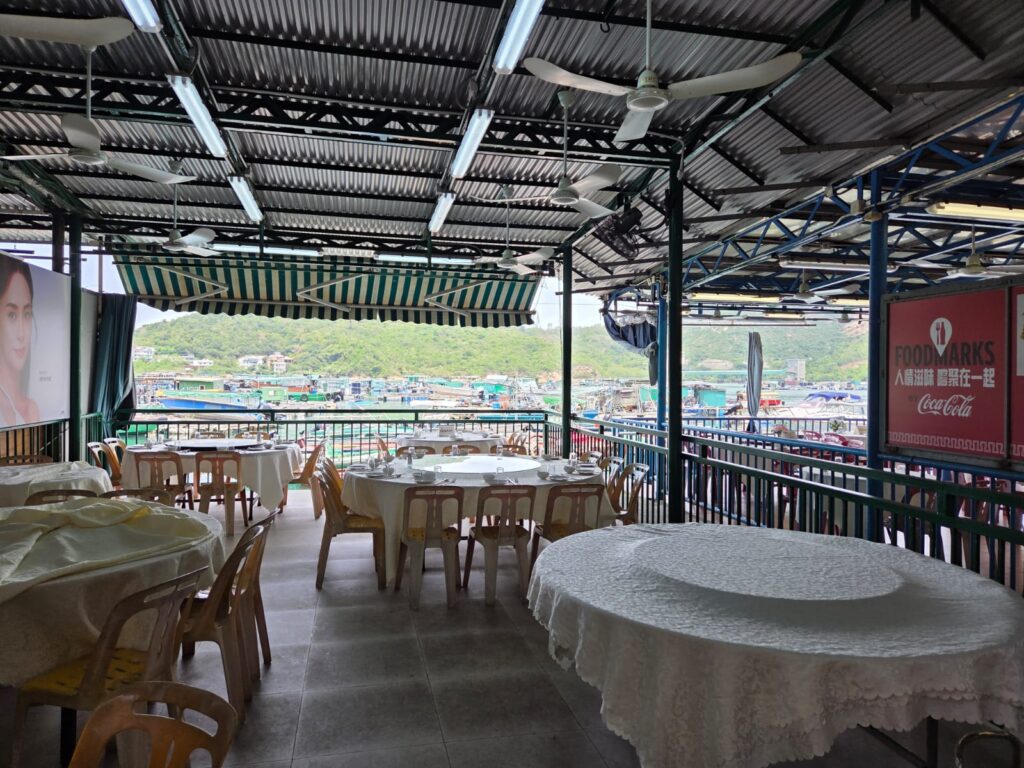
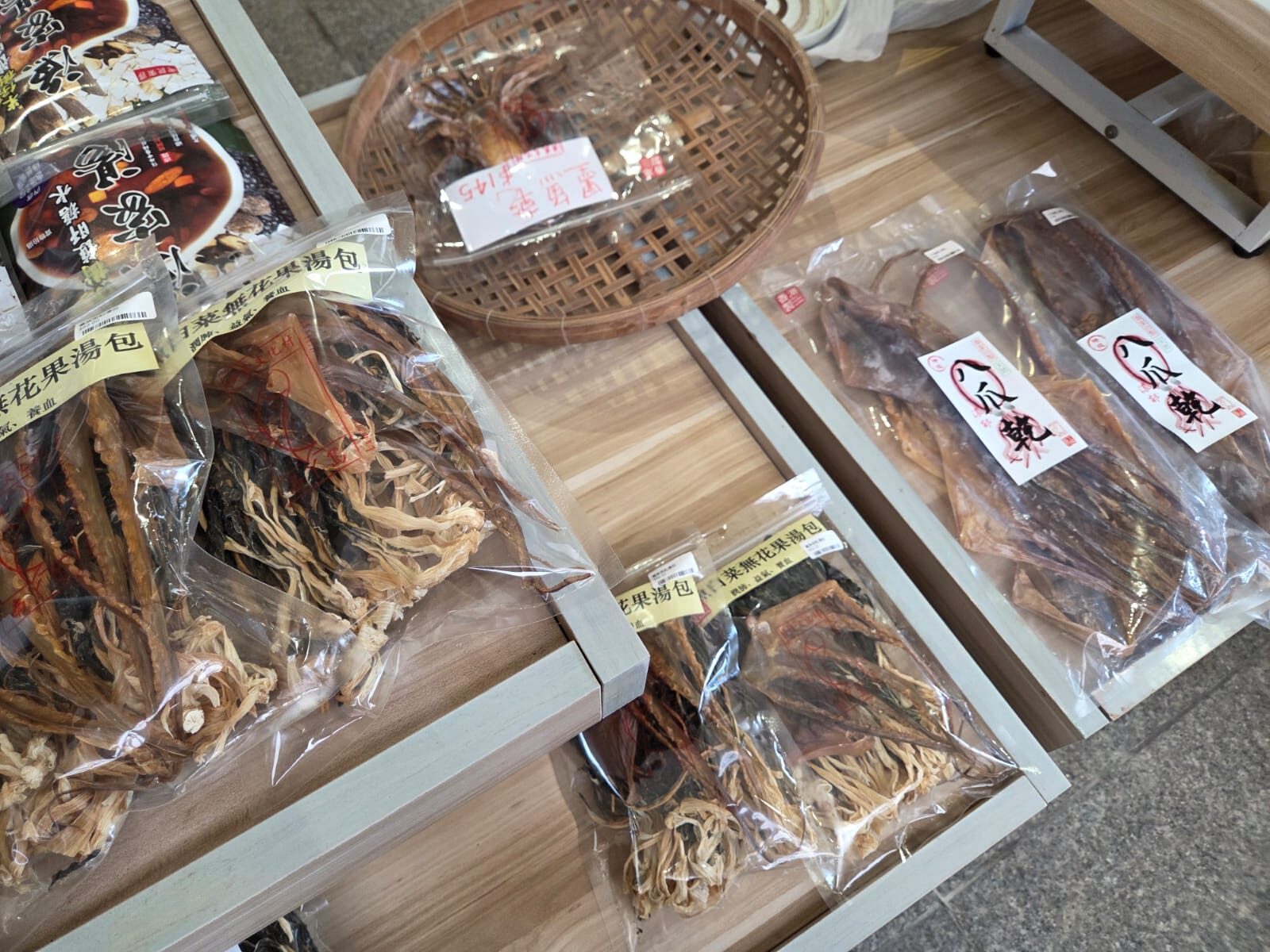
In the background here is Lamma’s tallest mountain, Mount Stenhouse. Clearly a colonial rather than local name. And interestingly, another case of confusion. The name probably comes from naval officer Sir Humphrey Fleming Senhouse, but acquired a misspelling over time. Standing at 353 metres, the mountain’s name in Cantonese is Shan Tei Tong.Looking back the other way, we can see Sok Kwu Wan’s estuary as it joins the sea.We get a nice close-up view of this opera house under construction. Cantonese opera has long been popular in Hong Kong, combining vocal techniques, stylised movements and costumes, and martial arts and acrobatics. We will learn more about it soon when we visit the Hong Kong Heritage Museum.As at Yung Shue Wan, the temporary opera house at Sok Kwu Wan is next to the village’s Tin Hau temple. This spot has long been important to local residents, originally fisherfolk. But the temple dates only to 2005, as its precedessor unfortunately burned down in 2004. This design is more like a modern village house than a traditional temple.I’m pretty sure this is my first time seeing a preserved oarfish in a temple setting. Oarfish are the longest bony fish in the world, and live deep under the sea. I guess actually that does make sense in a Tin Hau temple.Outside meanwhile this lion, a bit more refined than his Yung Shue Wan counterpart, stands guard.And now we continue on our way to Sok Kwu Wan village.My time here was somewhat dictated by the ferry schedule, which is less frequent than Yung Shue Wan’s. But I had enough time to walk past the many seafood restaurants, and pop into a shop to admire the selection of dried goods.
We Finish in Lamma, and Head to Aberdeen
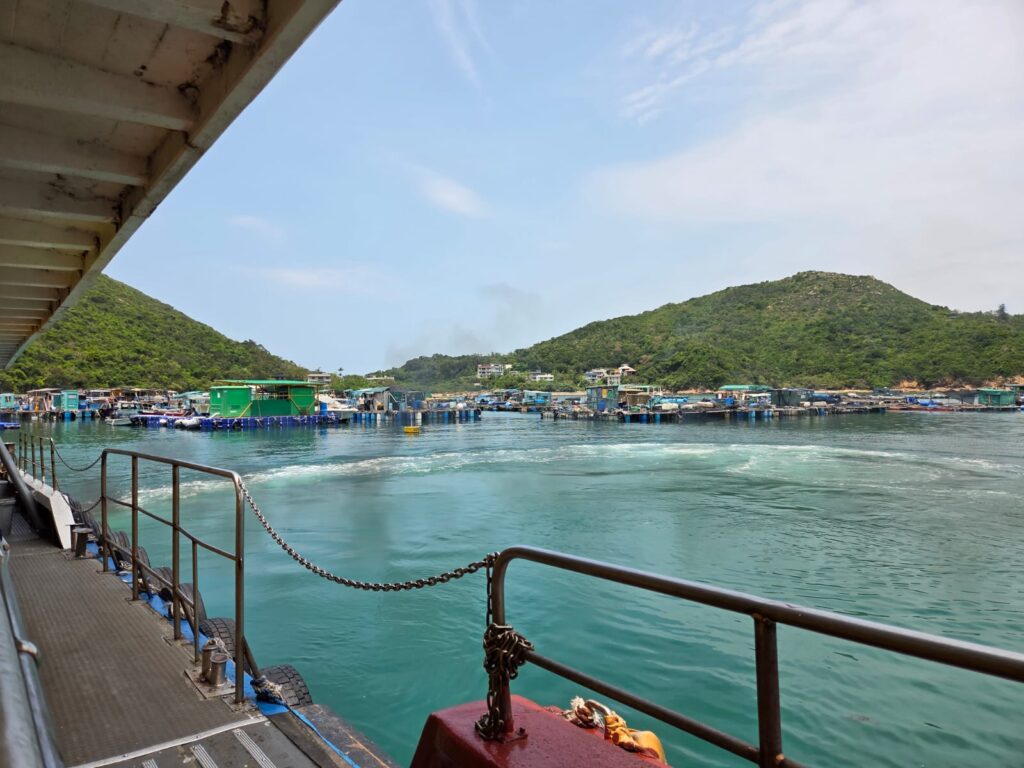
I had thought about trying to go to Lamma’s Fisherfolk’s Village, but actually couldn’t work out how I would get there. Maybe you need to be able to read Chinese. The website certainly suggests it’s more of a Chinese-language experience. But anyway, if you do speak Chinese (or figure out whatever I missed), the Fisherfolk’s Village is on a big fishing raft offshore near Sok Kwu Wan. You can play games that teach you about fisherfolks’ lives, as well as shop for local produce and dine. A blend of preservation and education to keep the fisherfolk story alive.But since we didn’t work out how to get there, we’re now on the ferry to Aberdeen. These seem to be fishing rafts, maybe it’s somewhere amongst this lot?Before heading to Aberdeen, our ferry stops in Mo Tat Wan, a peaceful village with a population of only a few dozen people.And then it’s onwards to Aberdeen!
We Arrive in Aberdeen
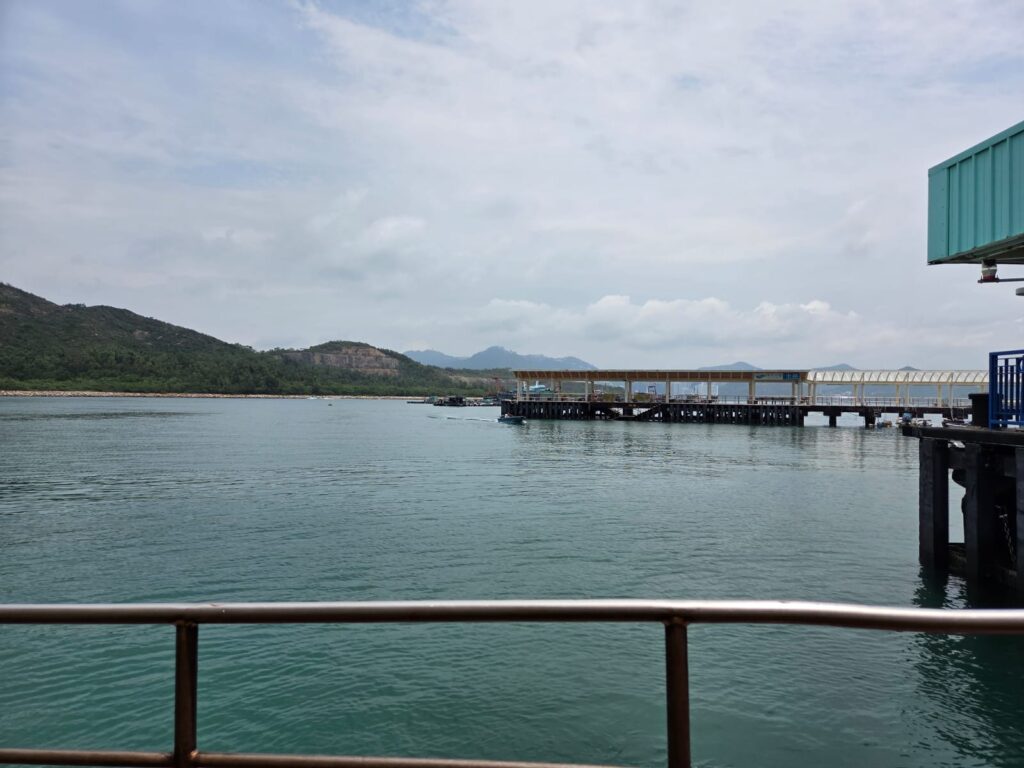
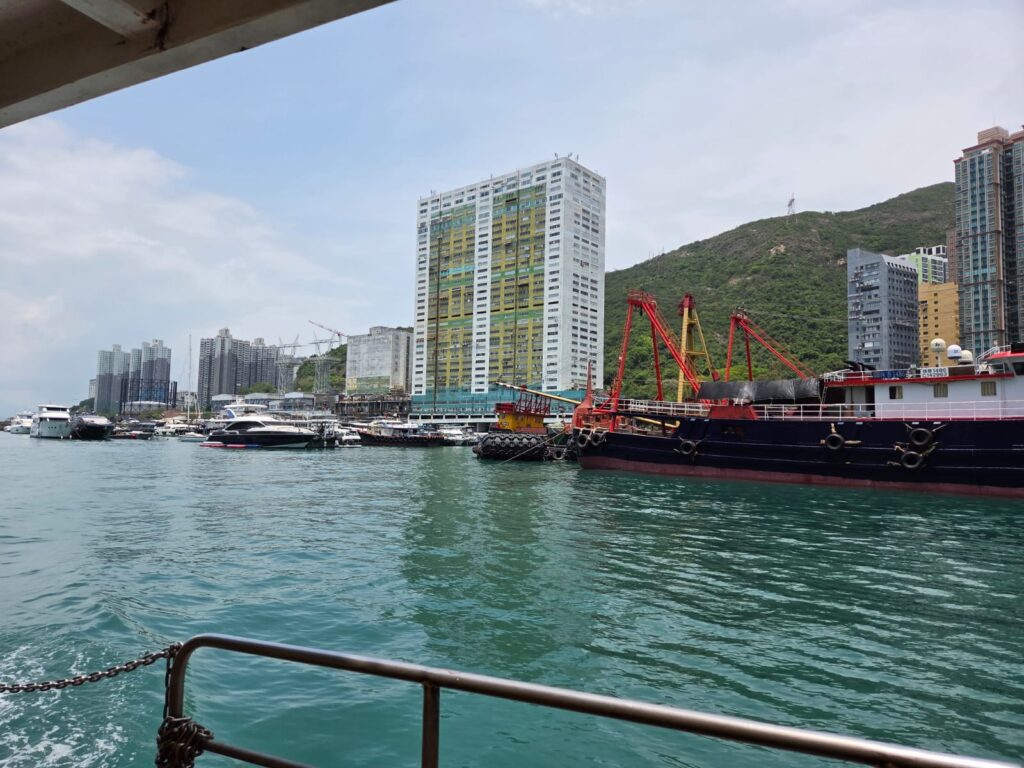
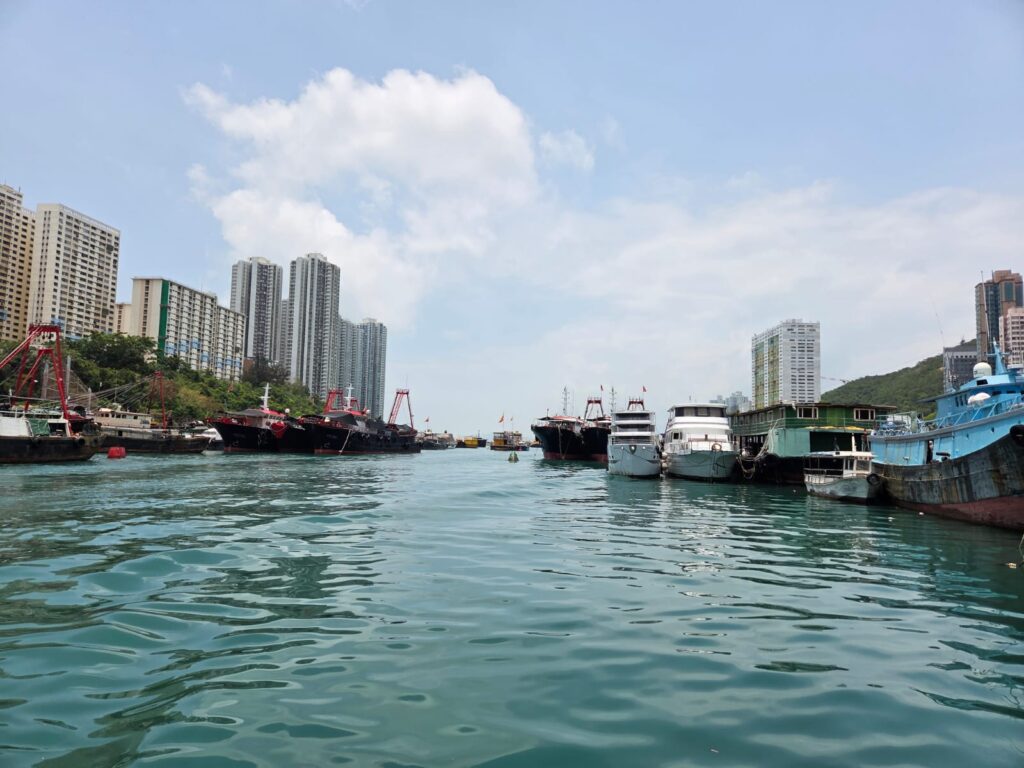
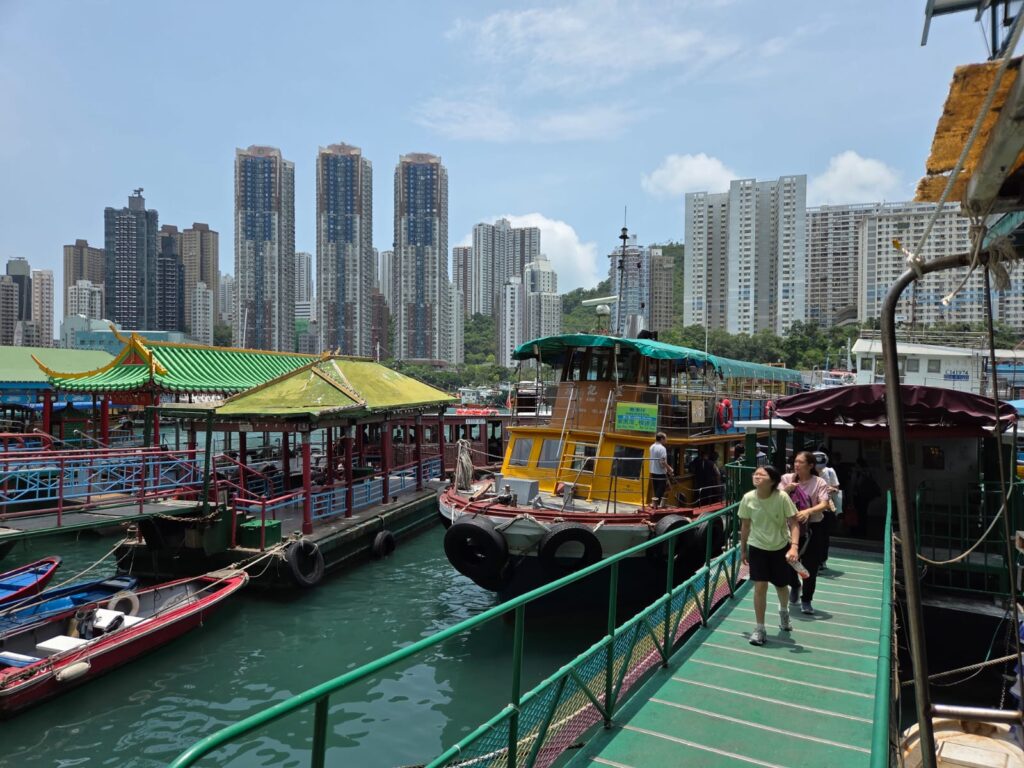
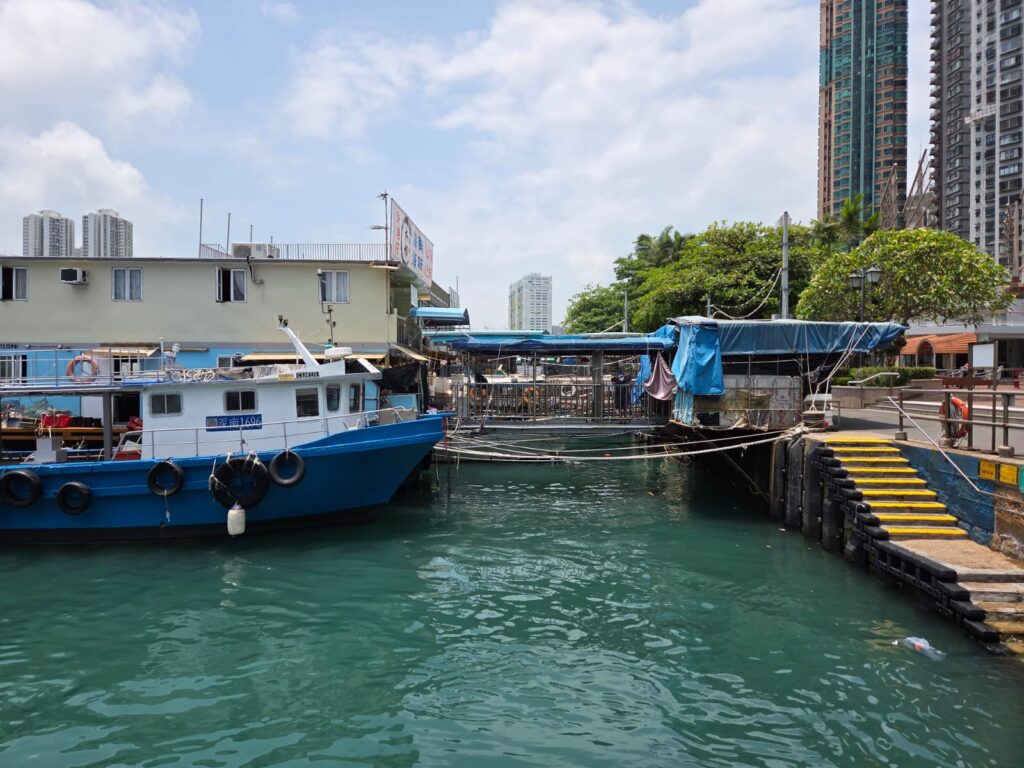
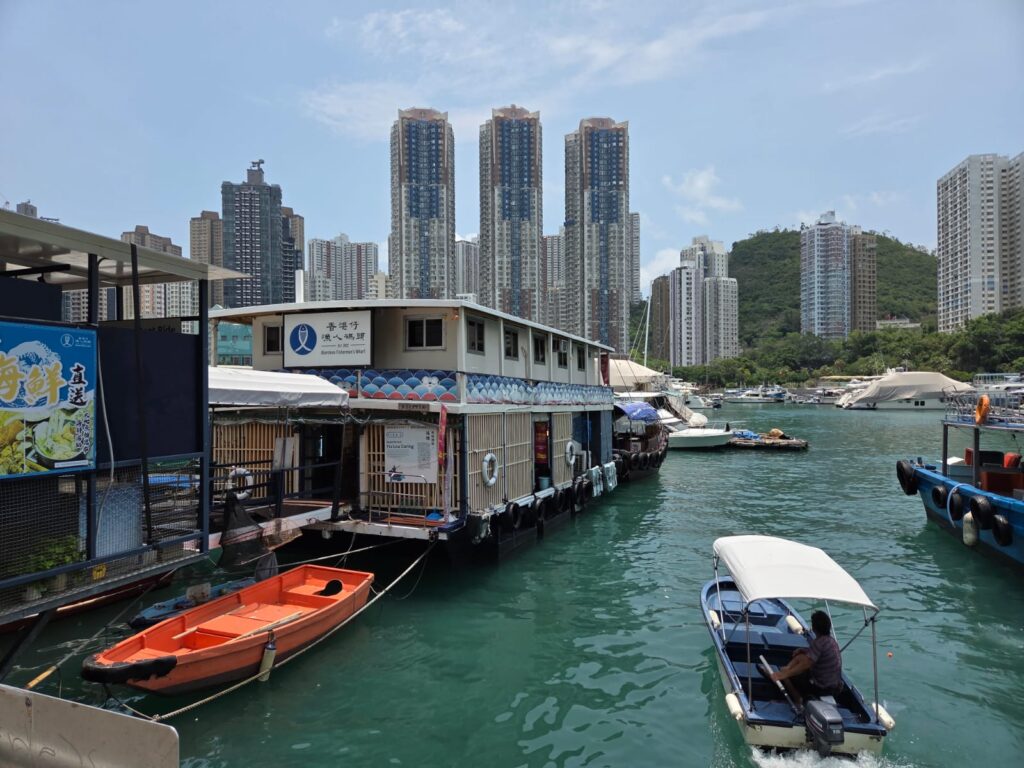
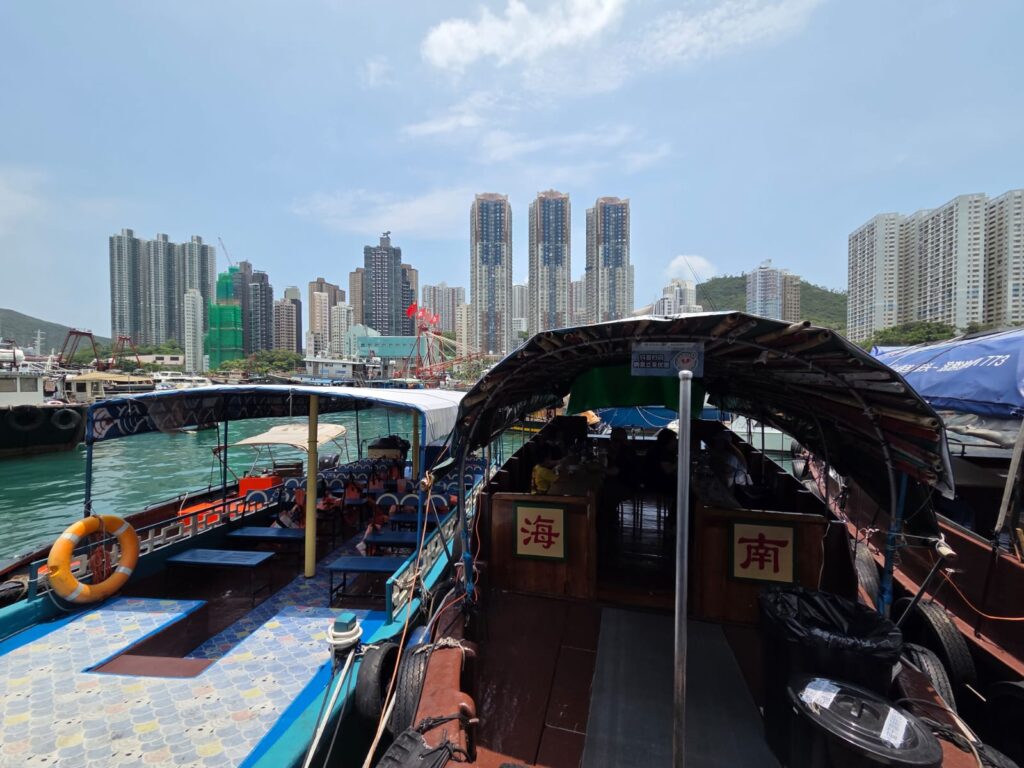
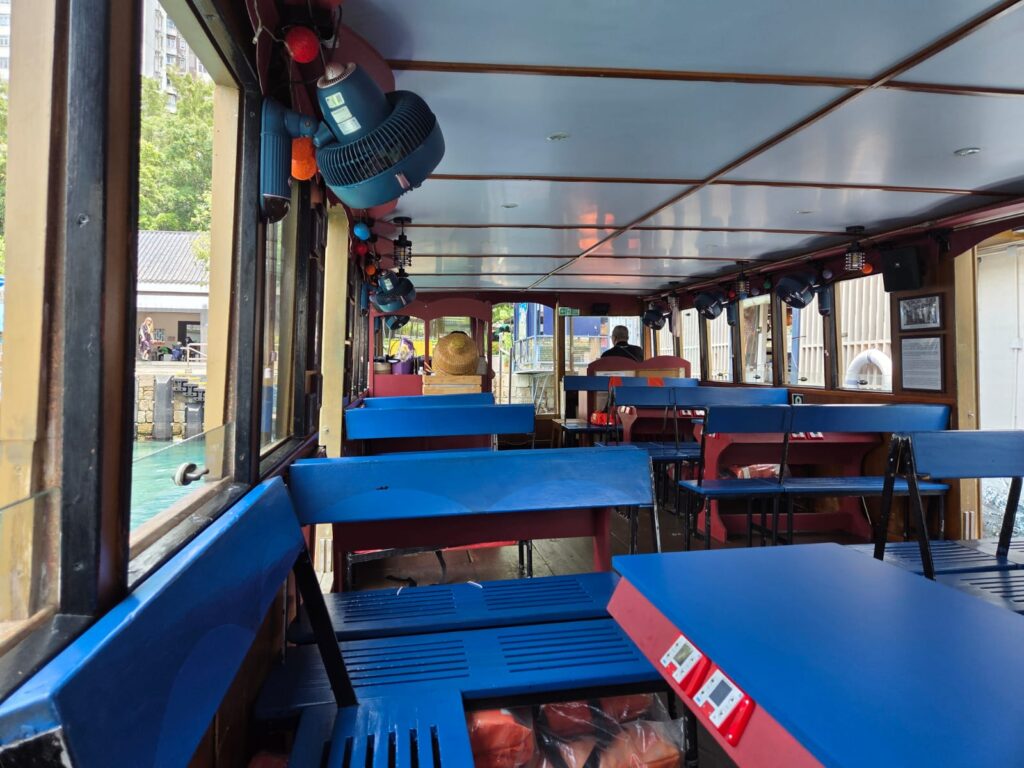
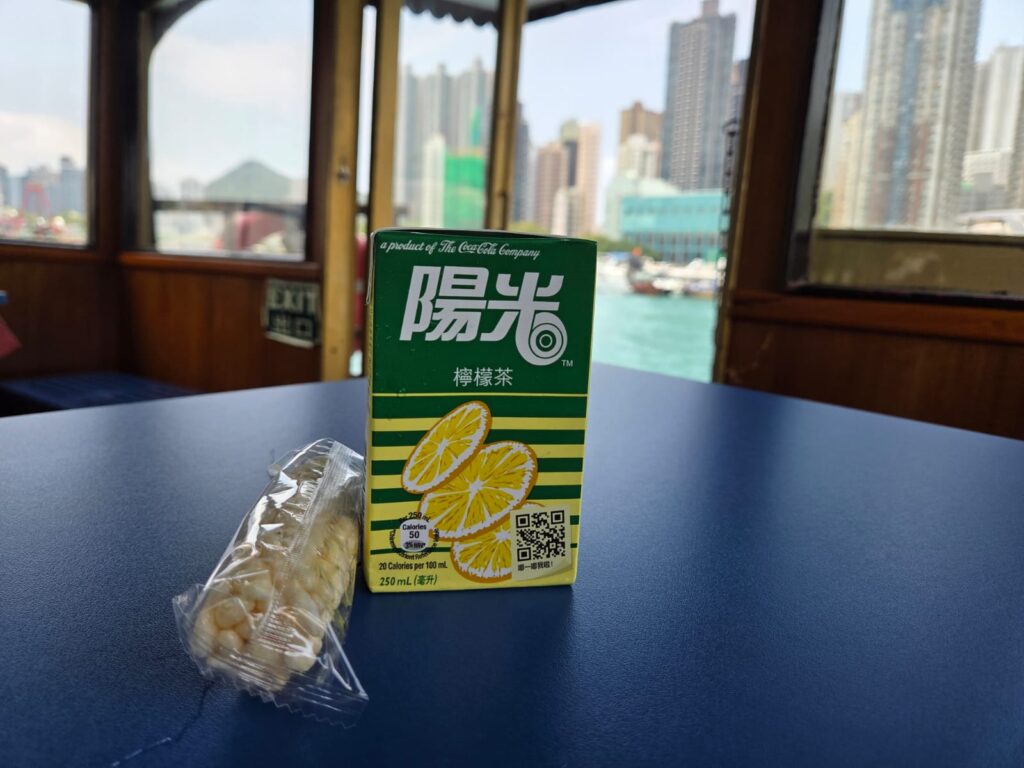
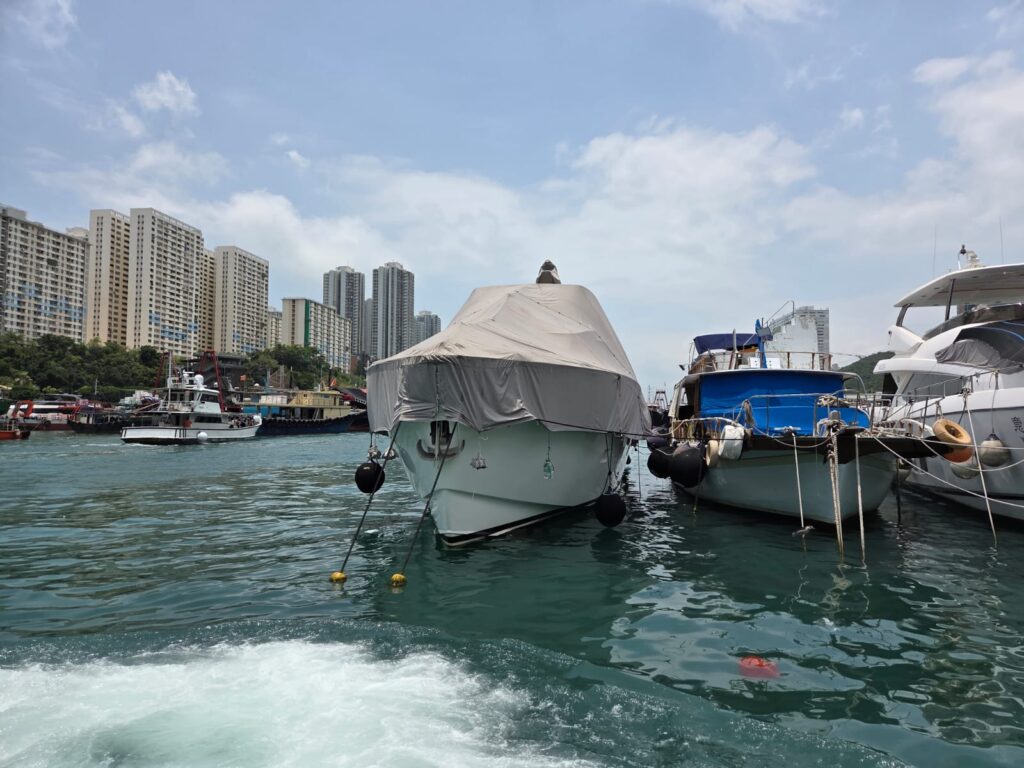
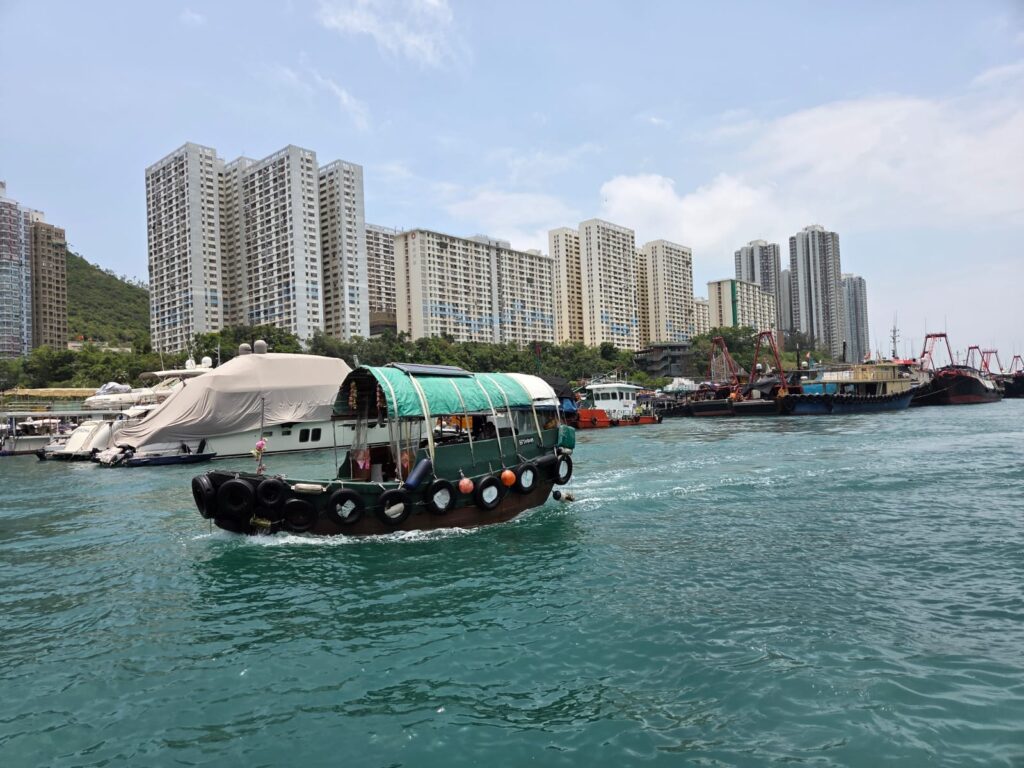
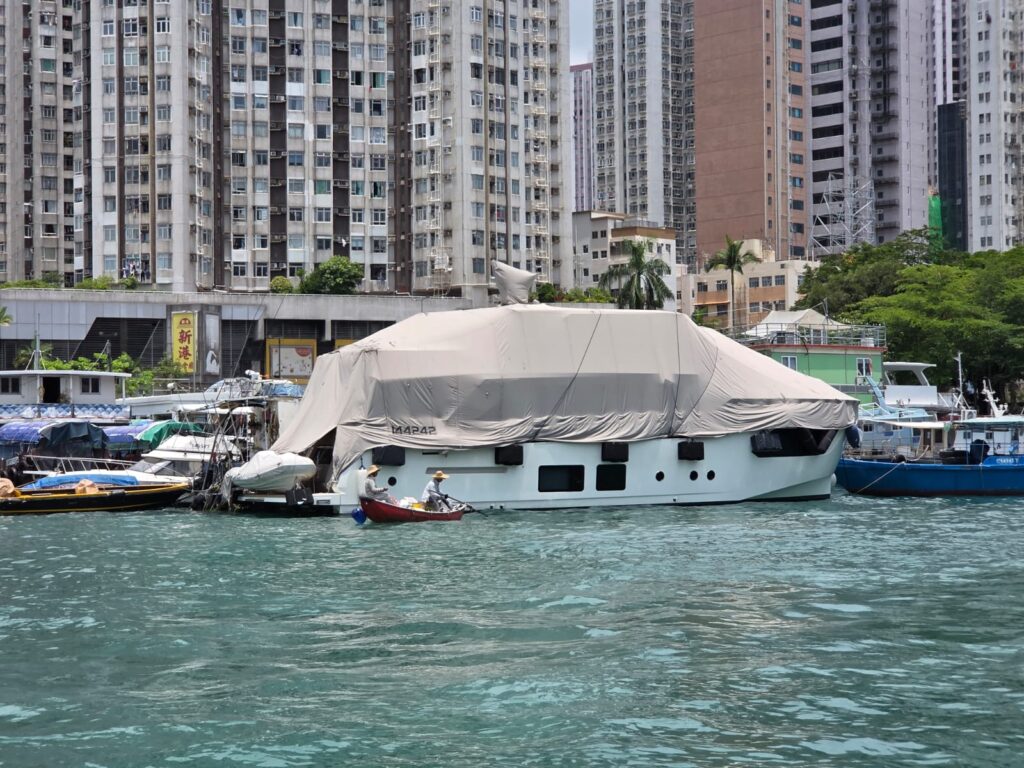
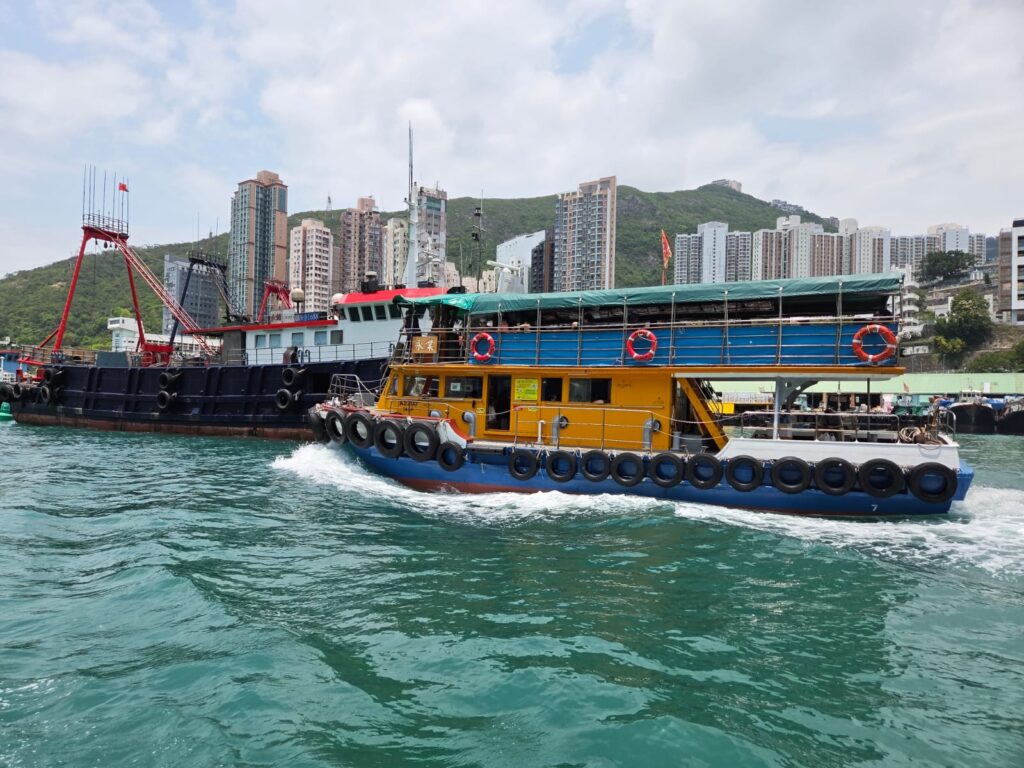
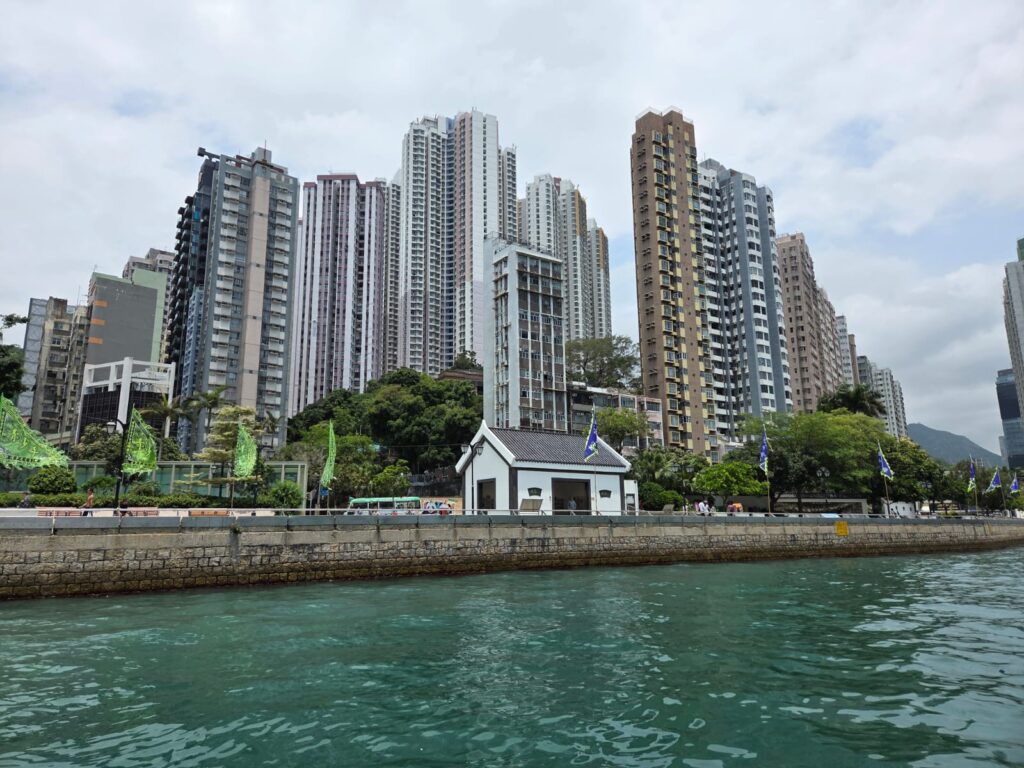
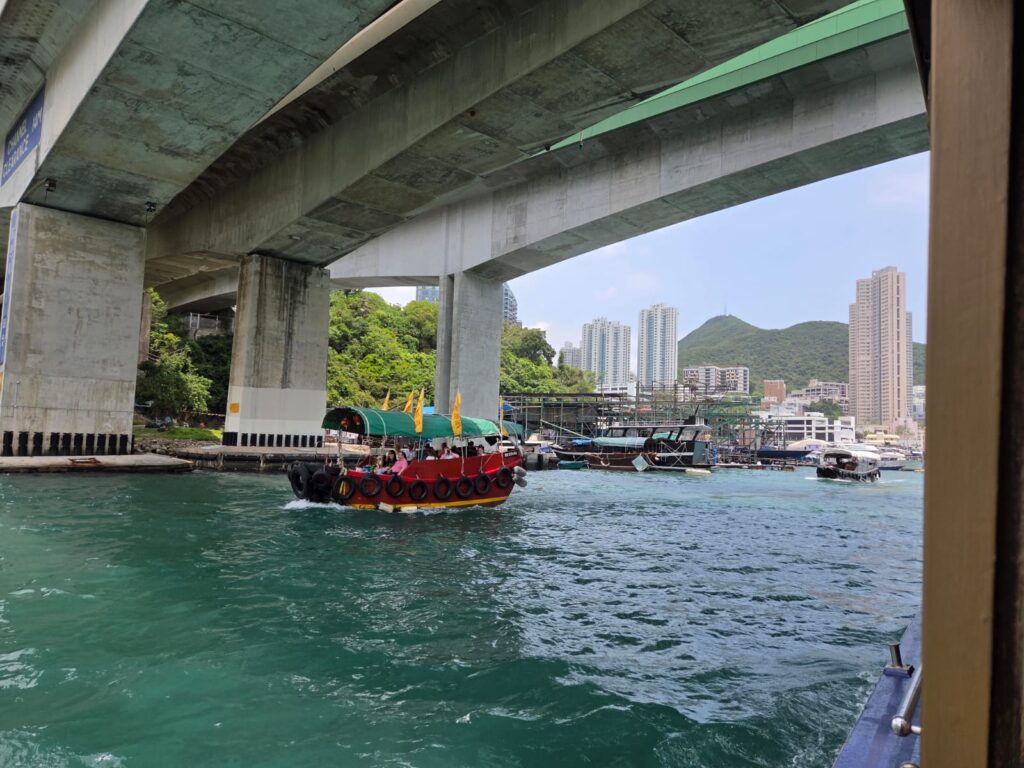
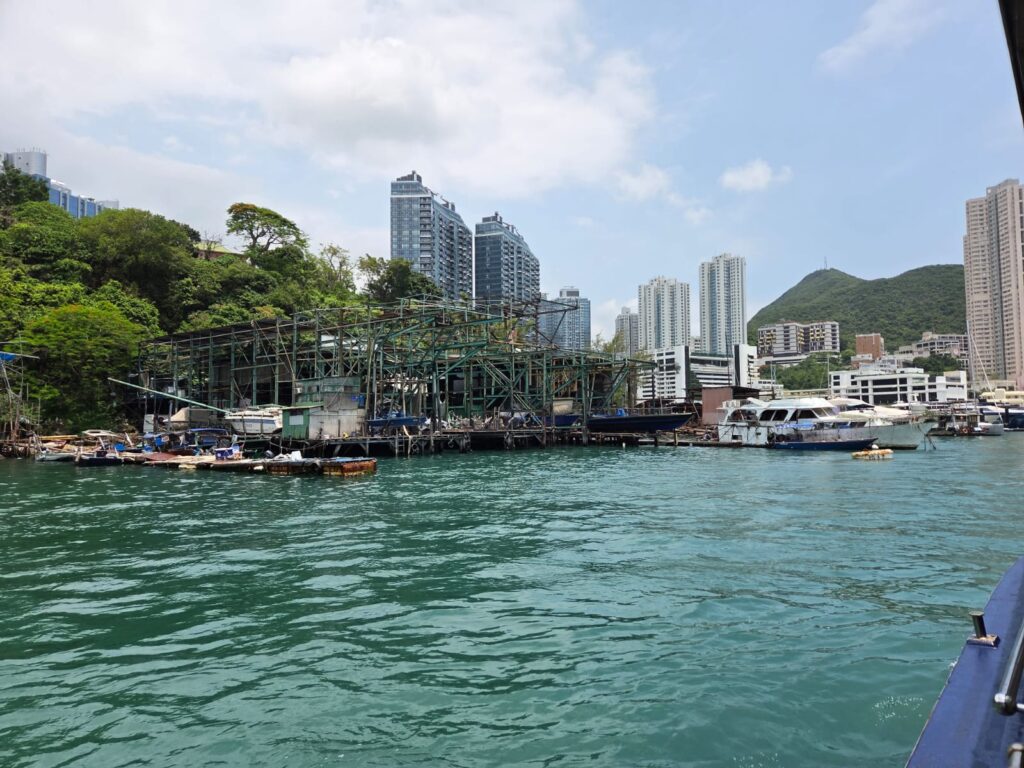
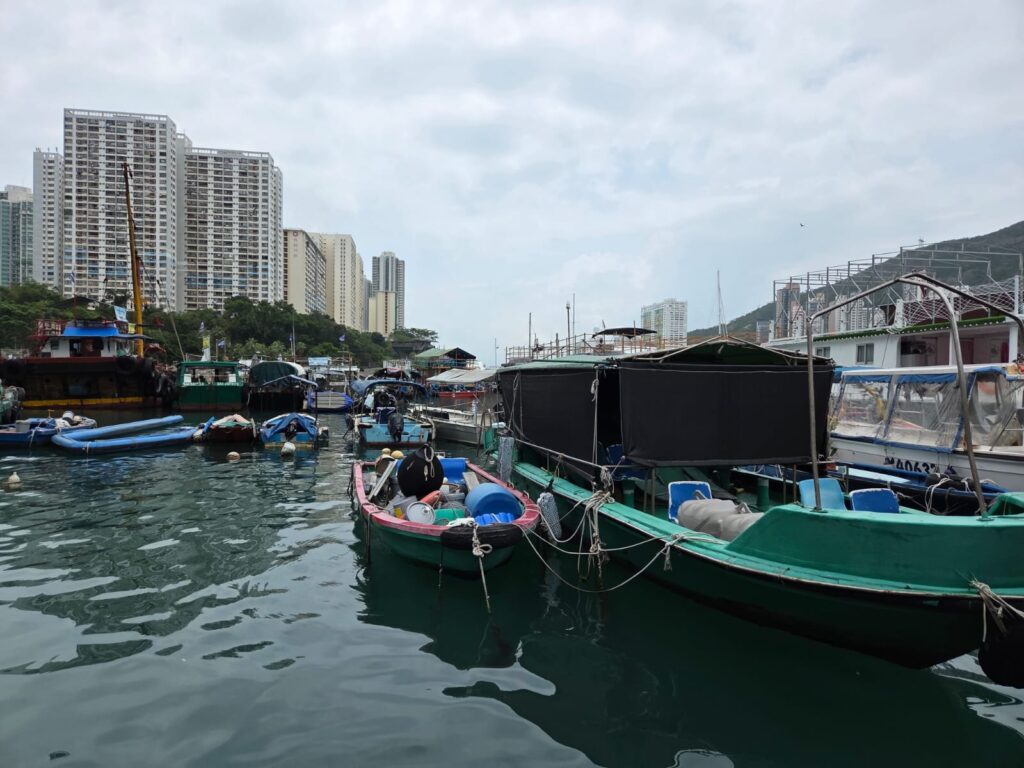
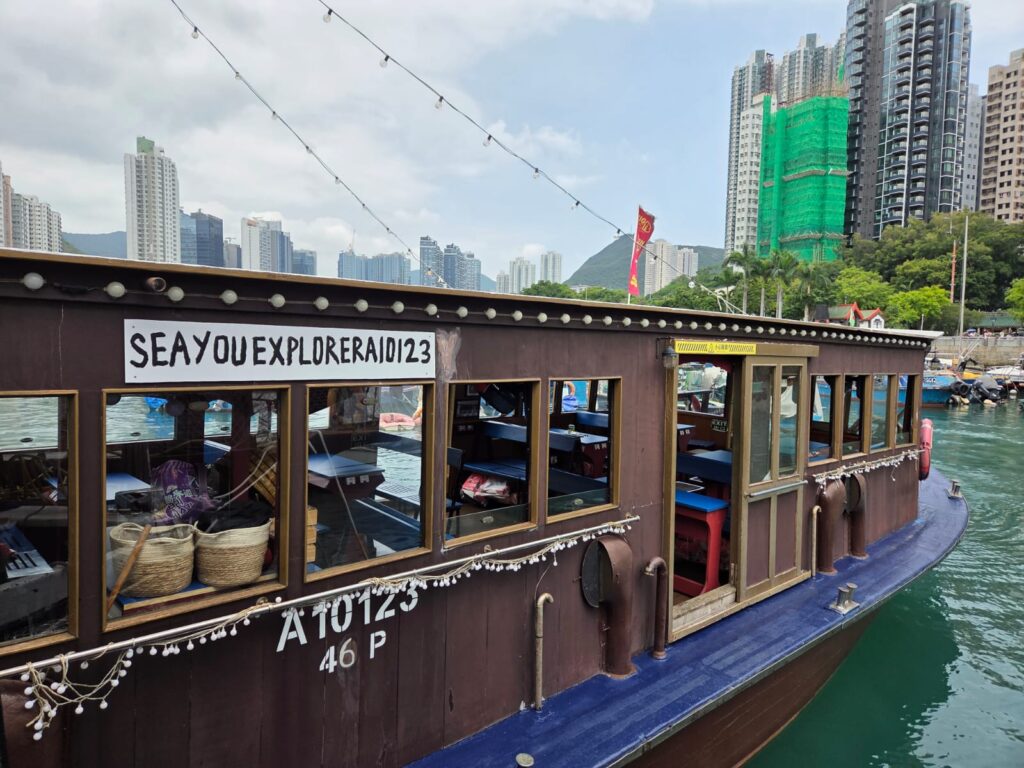
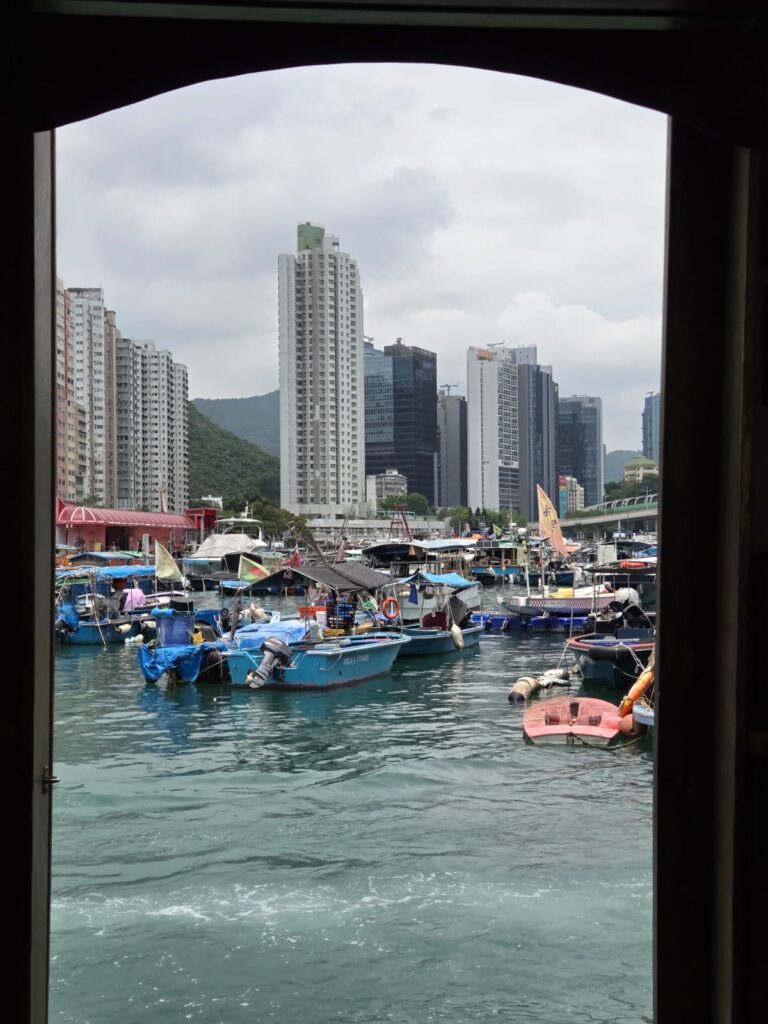
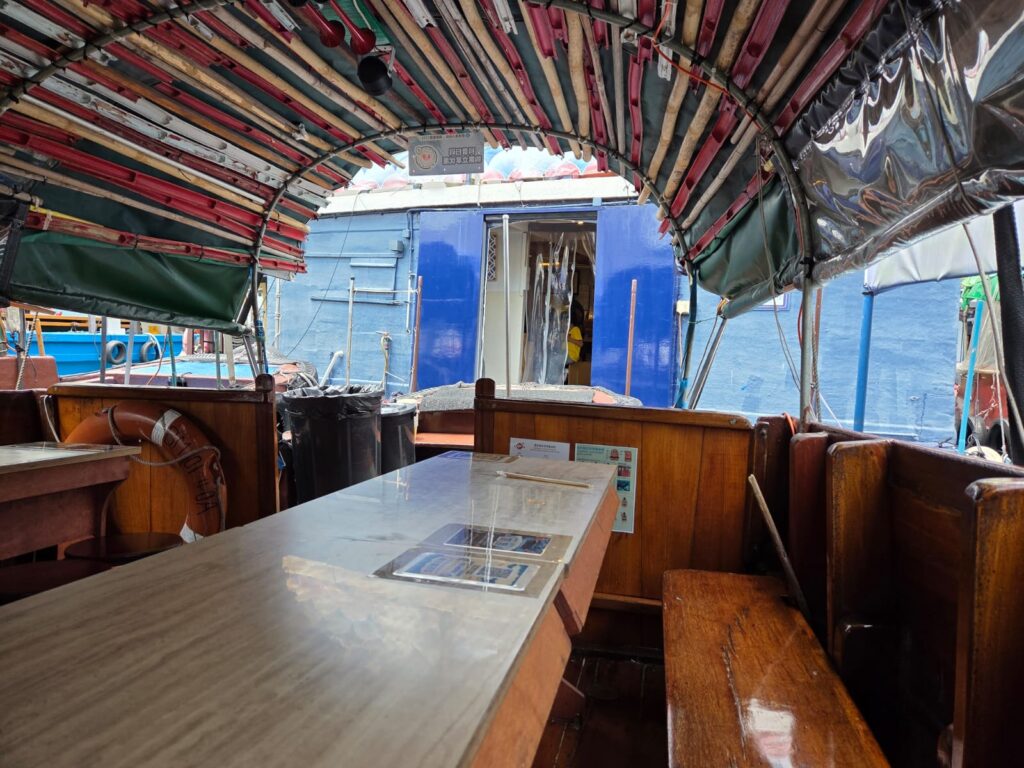
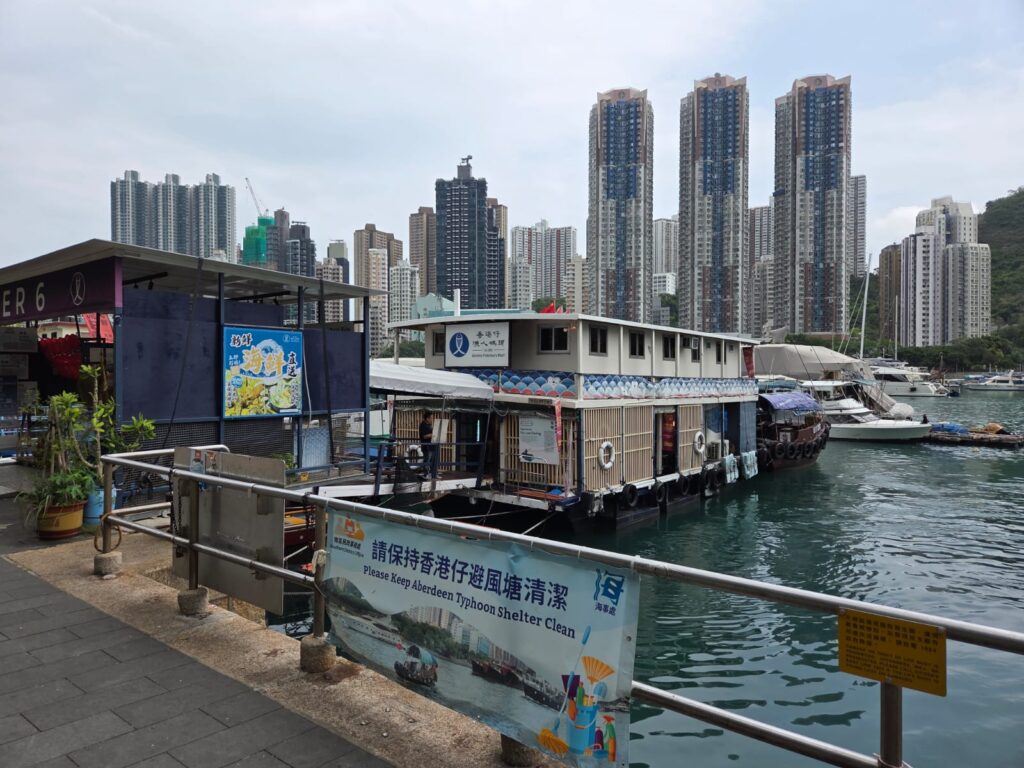
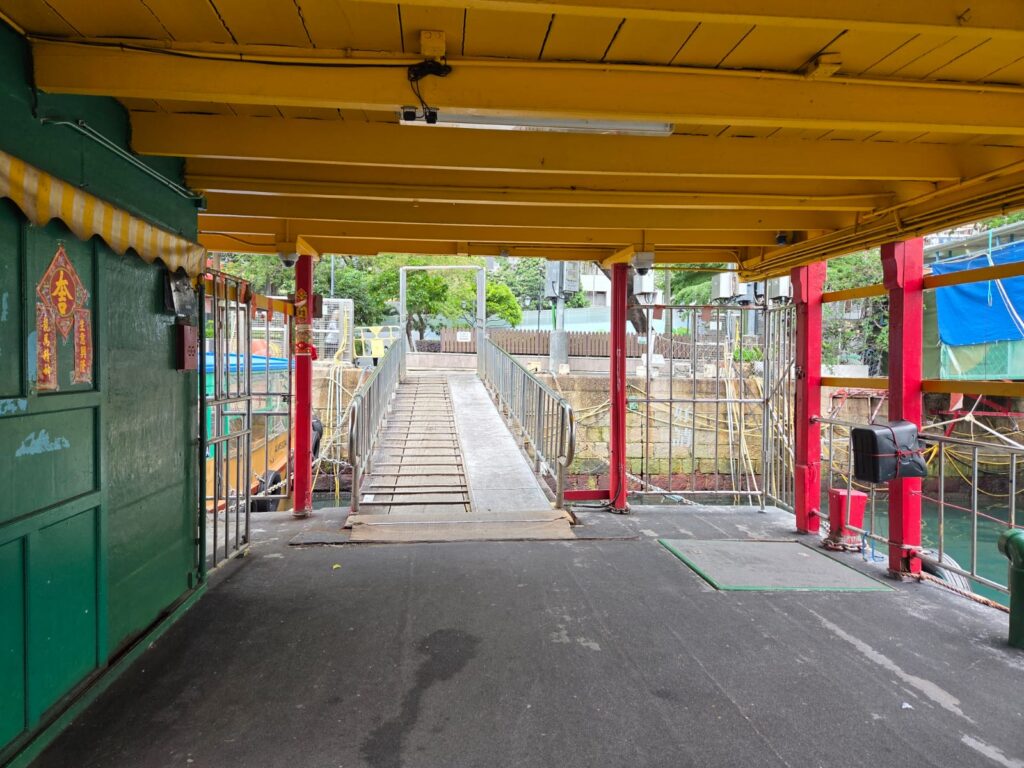
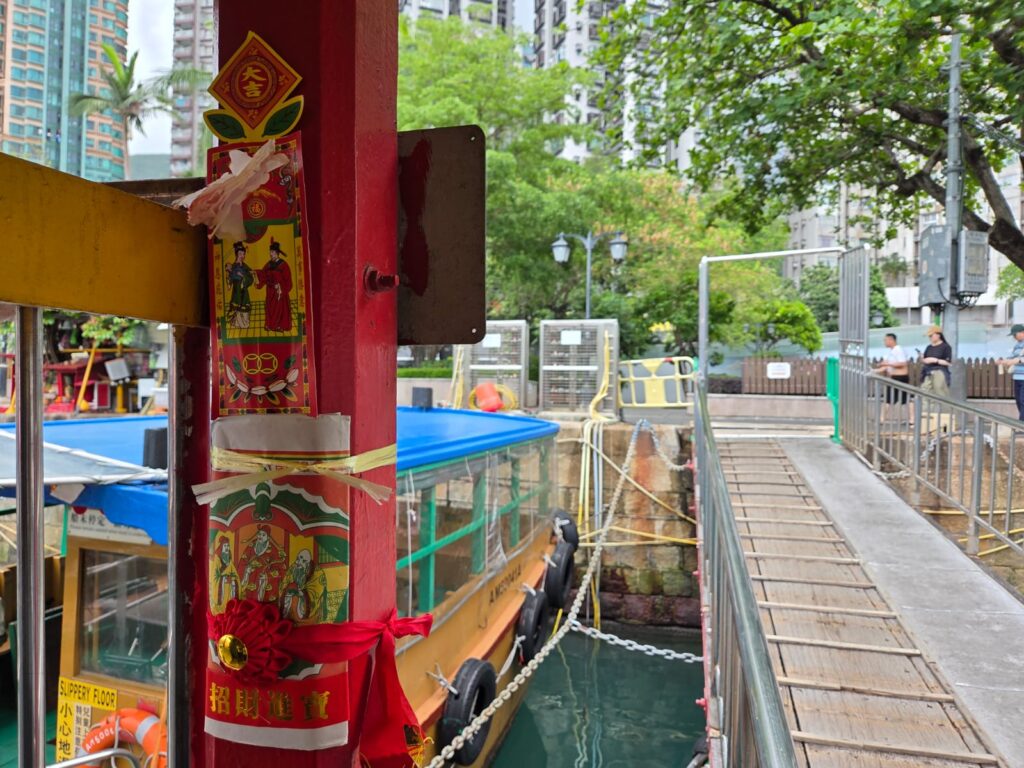
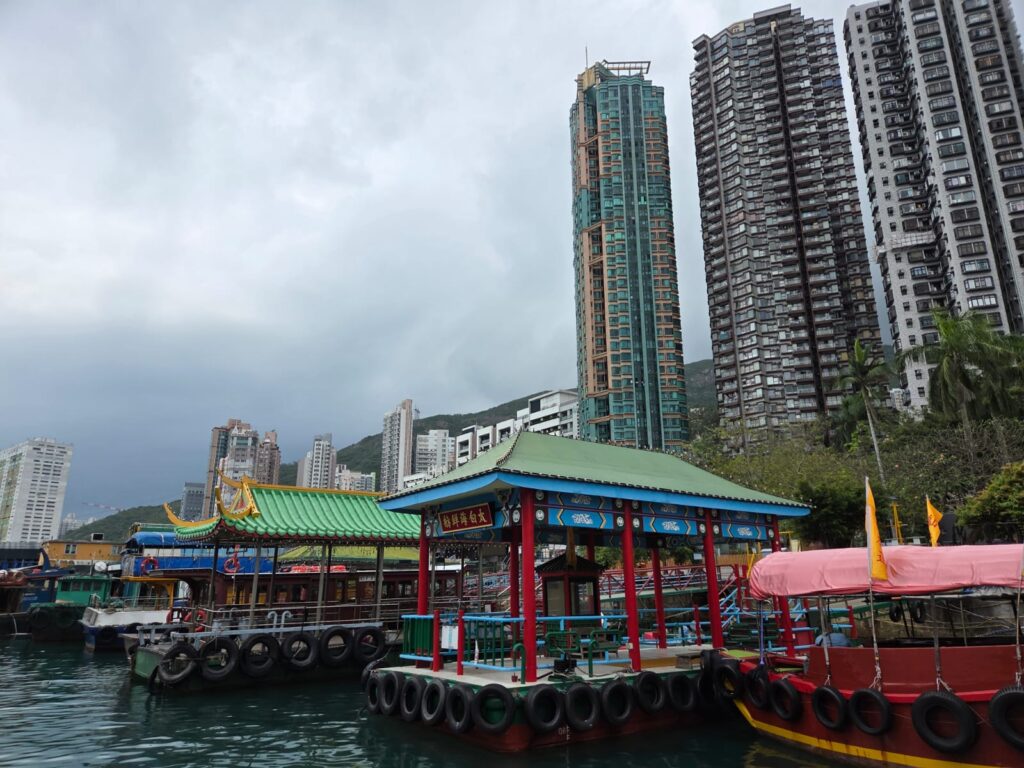
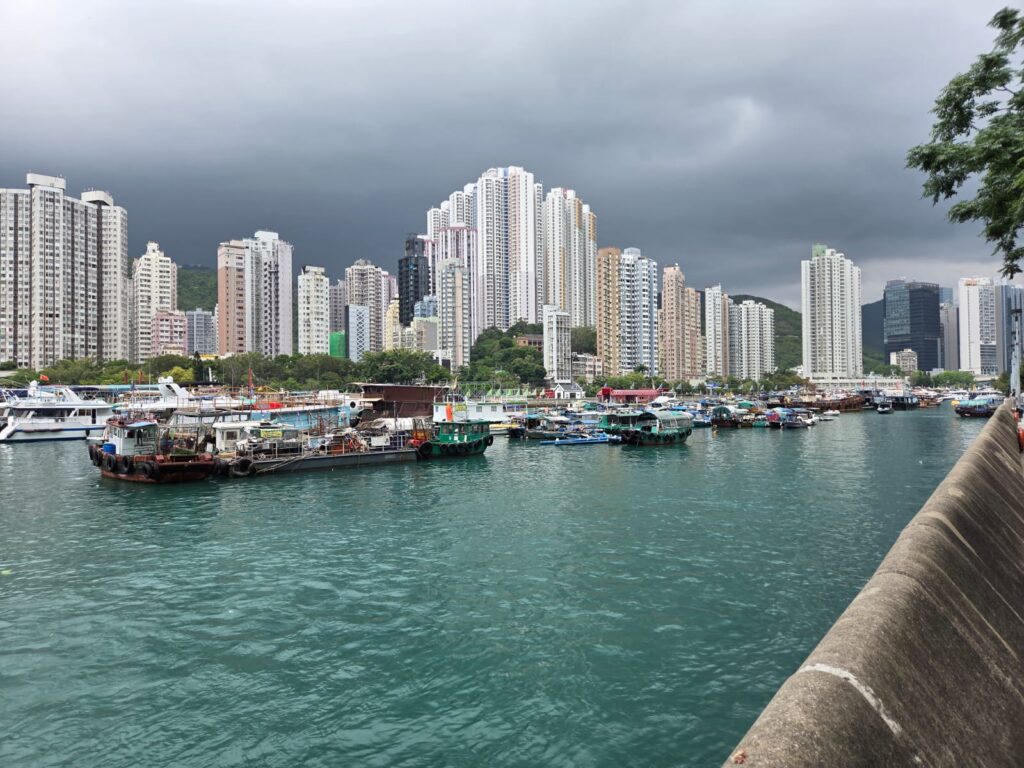
Aberdeen Harbour is a sheltered bay area between Aberdeen and Ap Lei Chau island. Before Aberdeen was Aberdeen, it was Shek Pai Wan, a Tanka fishing village. Its calm waters, which still shelter boats from extreme weather, made it appealing both to fisherfolk and to the British after they arrived in 1841. They named it Aberdeen after the Foreign Secretary at the time.I disembark my ferry.And then I was on the lookout for the pier in the lower image. This is Aberdeen Fishermen’s Wharf, a sort of information centre for the piers. Additionally, you can take a boat ride from here around Aberdeen Harbour, including a stop at a houseboat museum, with optional noodle lunch.Here are the restaurant boats, where you can try fisherfolk-style noodles.But luckily for me, there was a harbour tour about to depart when I arrived, so I climbed aboard.I even enjoyed some complimentary snacks.First we had to make our way past some smaller, modern boats.But we soon spotted a few more interesting examples, including ferries and this sampan. A sampan is a traditional, relatively flat-bottomed Asian style of boat. You can see one in the top image above. They often have a small shelter, and sometimes double as houseboats.We’re looking towards Ap Lei Chau here, and the small building in the forefront is a shelter for those waiting for the ferry back and forth to Aberdeen. It’s still the case in several parts of Hong Kong that the most convenient way to get somewhere is by water.We spot another sampan (this one repurposed as a tour boat), and then a sort of shipyard – a survivor from previously much more extensive infrastructure.
Floating Restaurants and Floating Houses
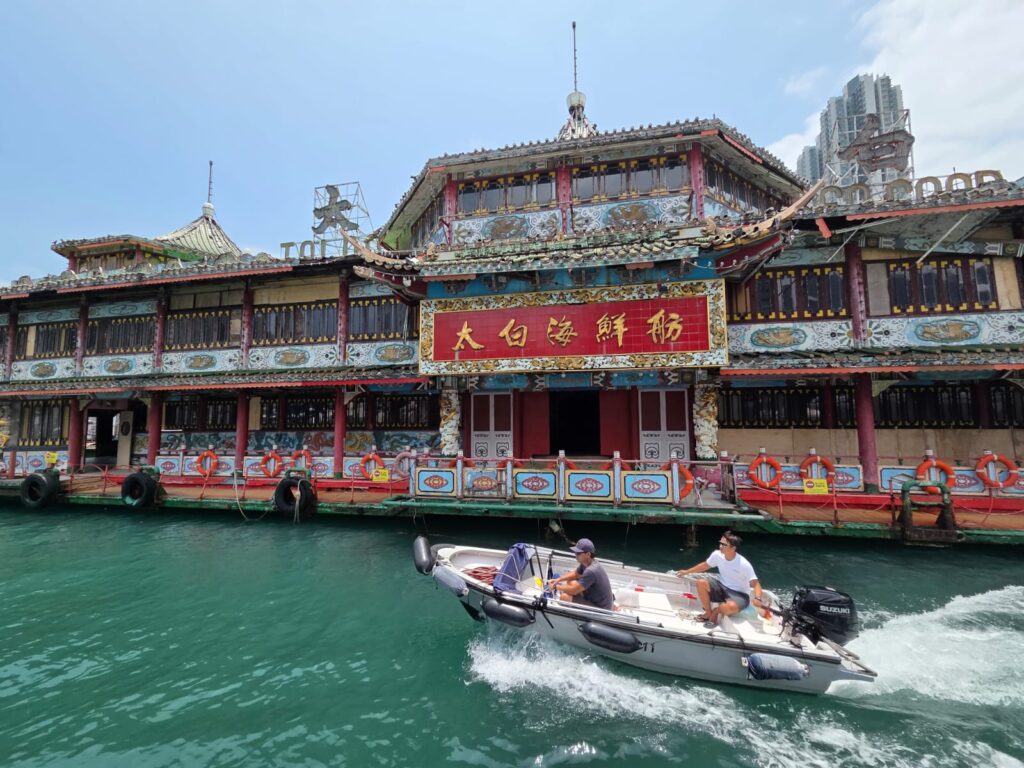
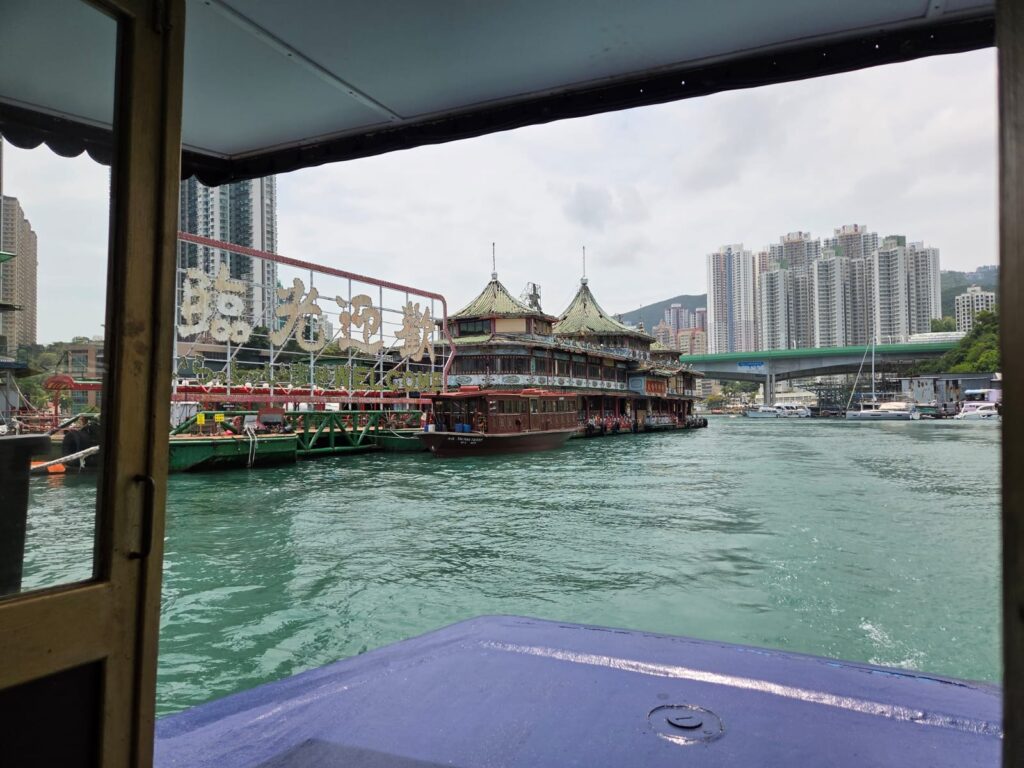
Here’s a famous Hong Kong sight. And it’s actually part of fisherfolk history. Floating restaurants developed from fishermen’s barges in the Pearl River Delta – stages and kitchens were added so families could host banquets and socialise without going on shore. The trend caught on in Hong Kong from the 1920s. At first they served the fisherfolk community, but soon became popular with local residents and then tourists. This restaurant, Tai Pak, opened in 1952. The idea of eating seafood on the water amongst moored boats soon became a ‘must do’ Hong Kong experience.
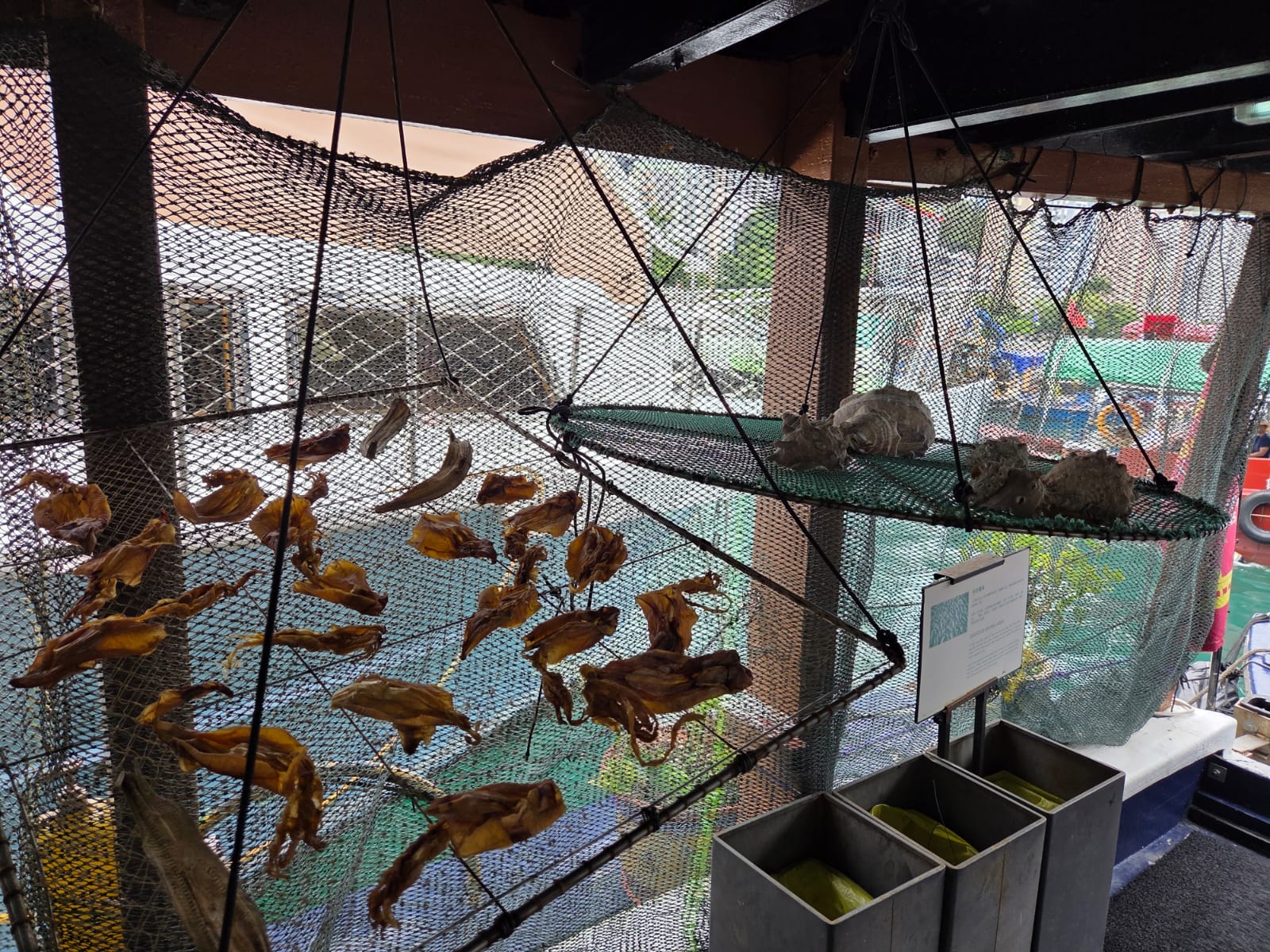
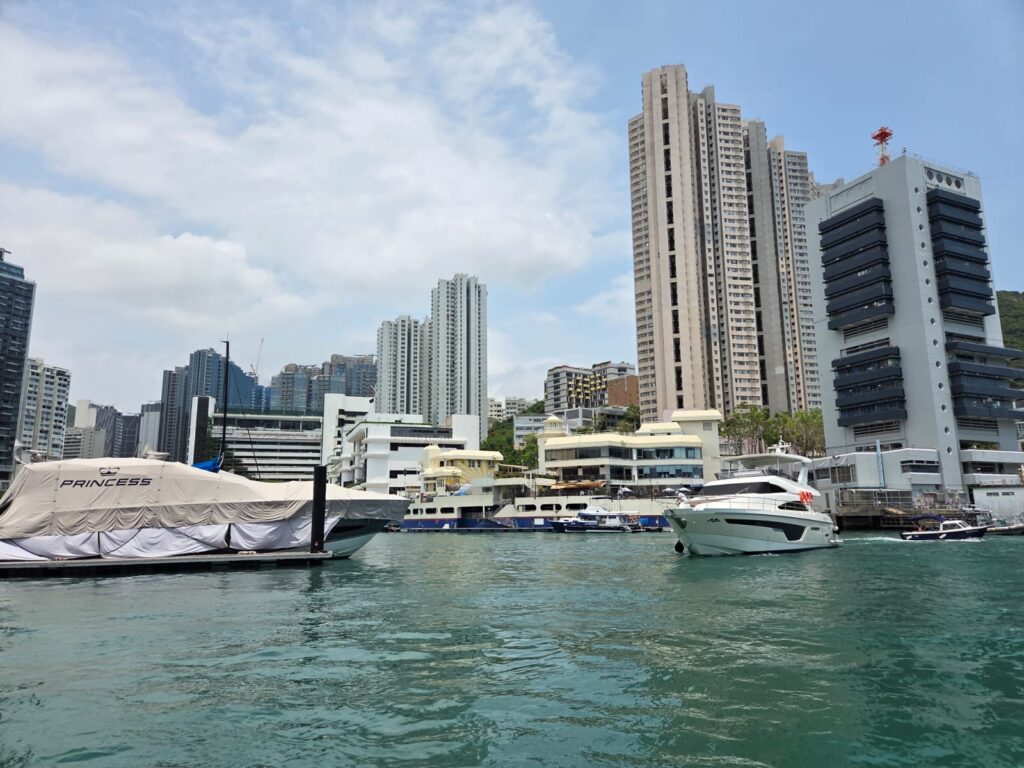
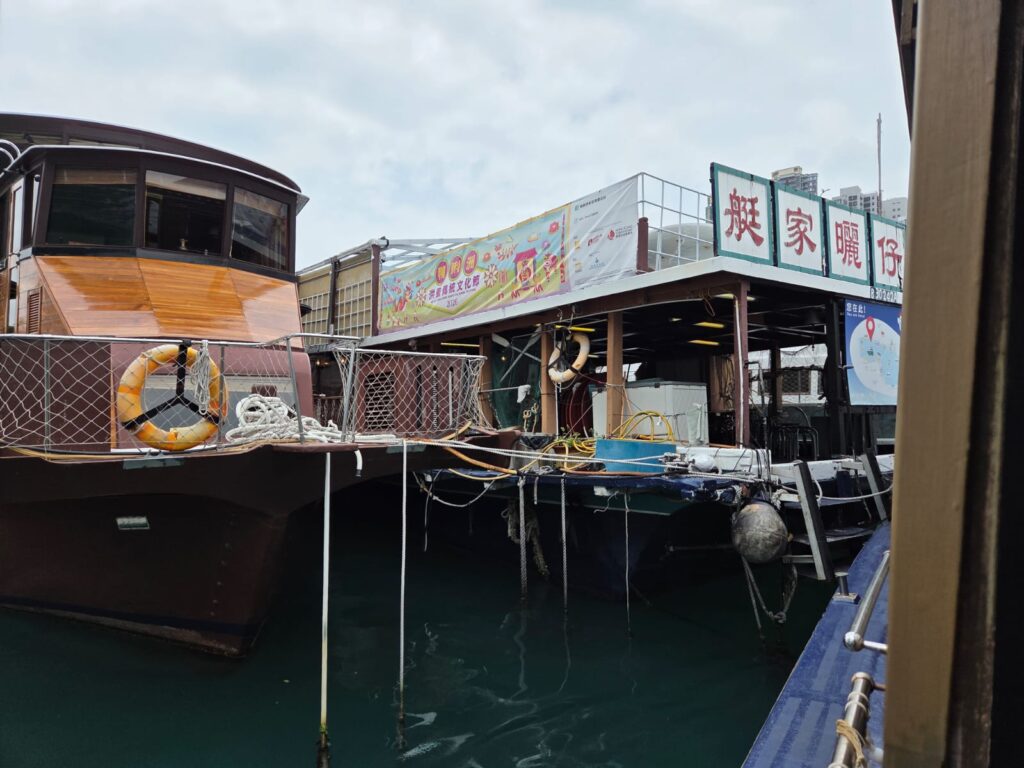
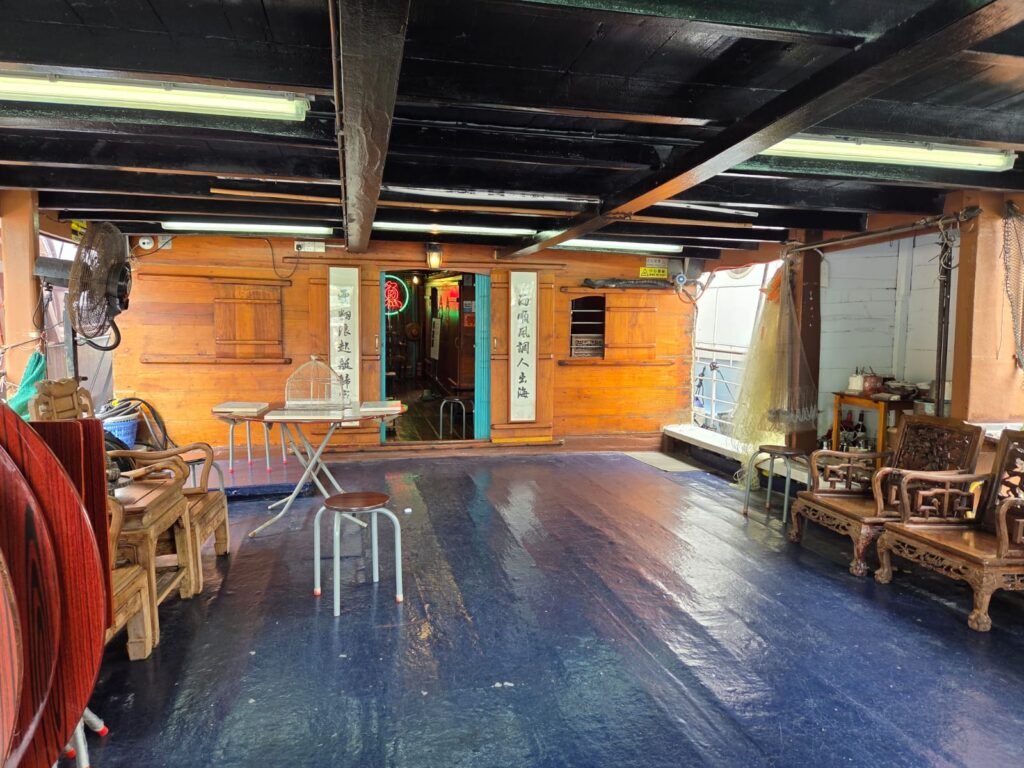
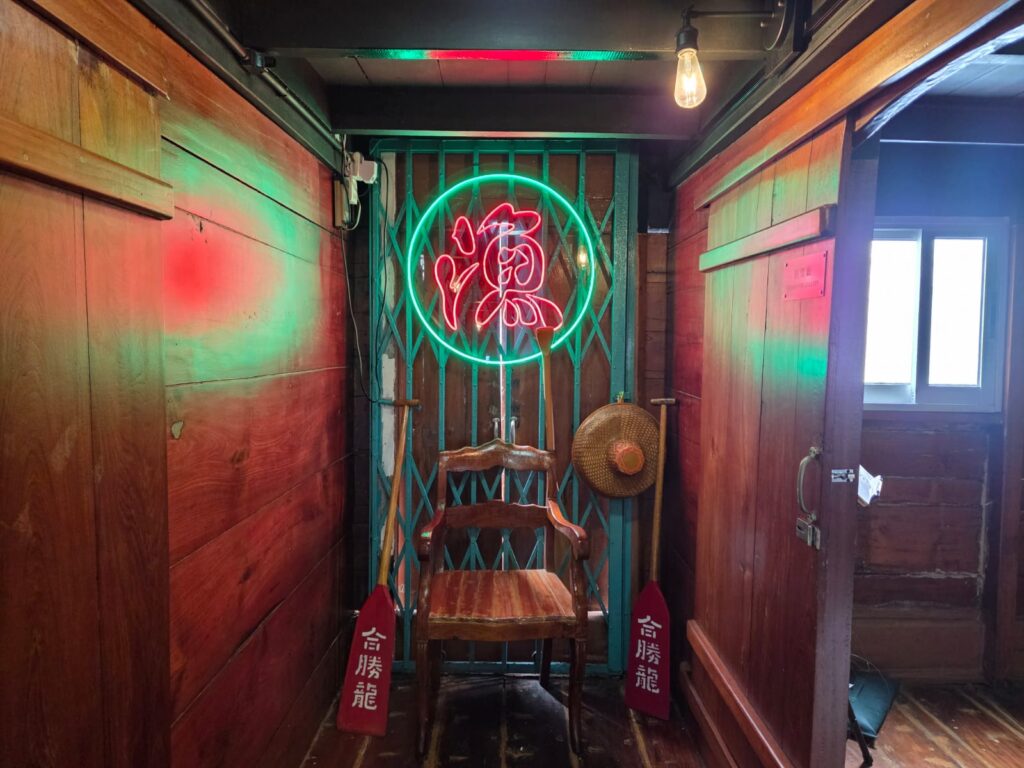
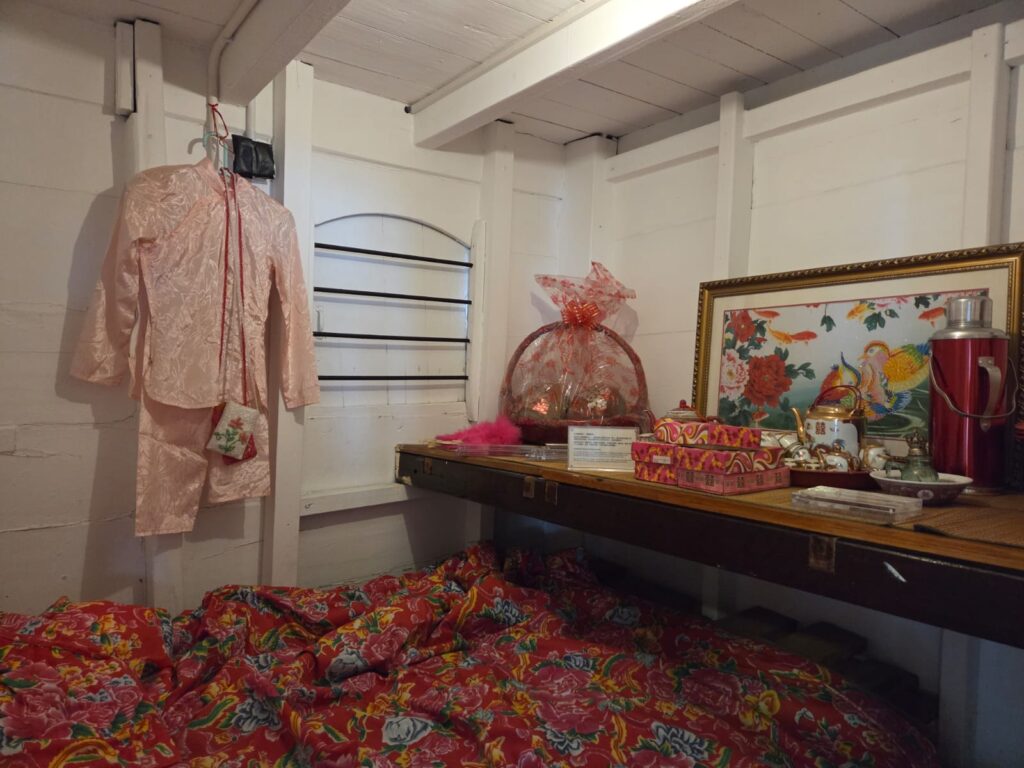
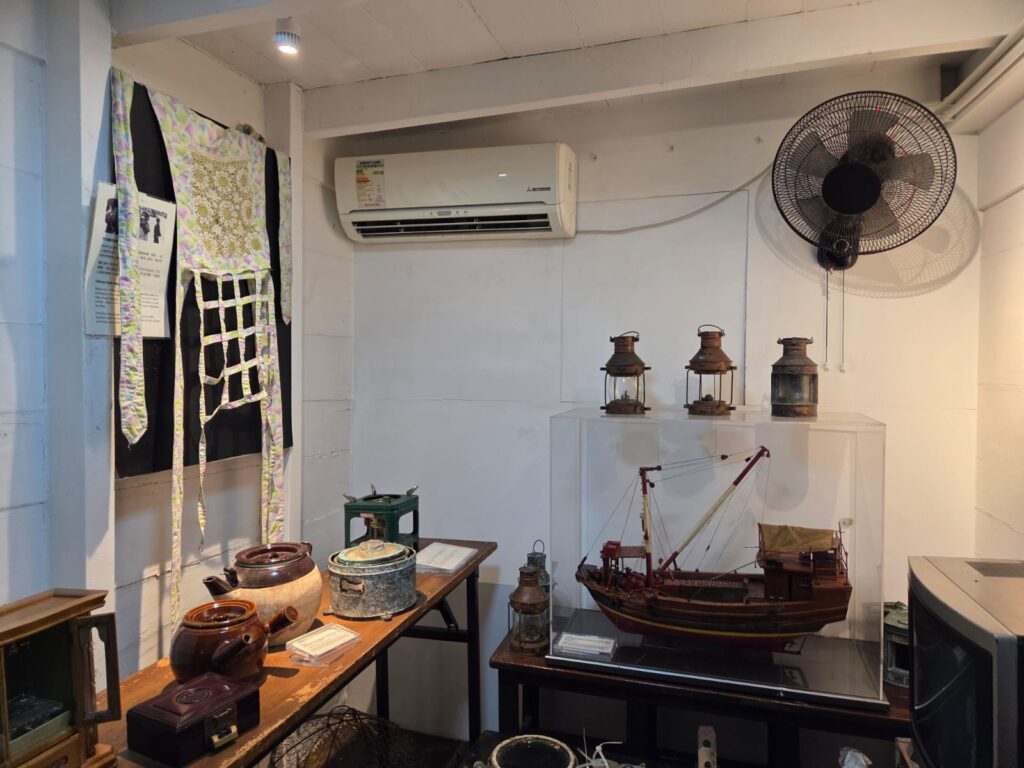
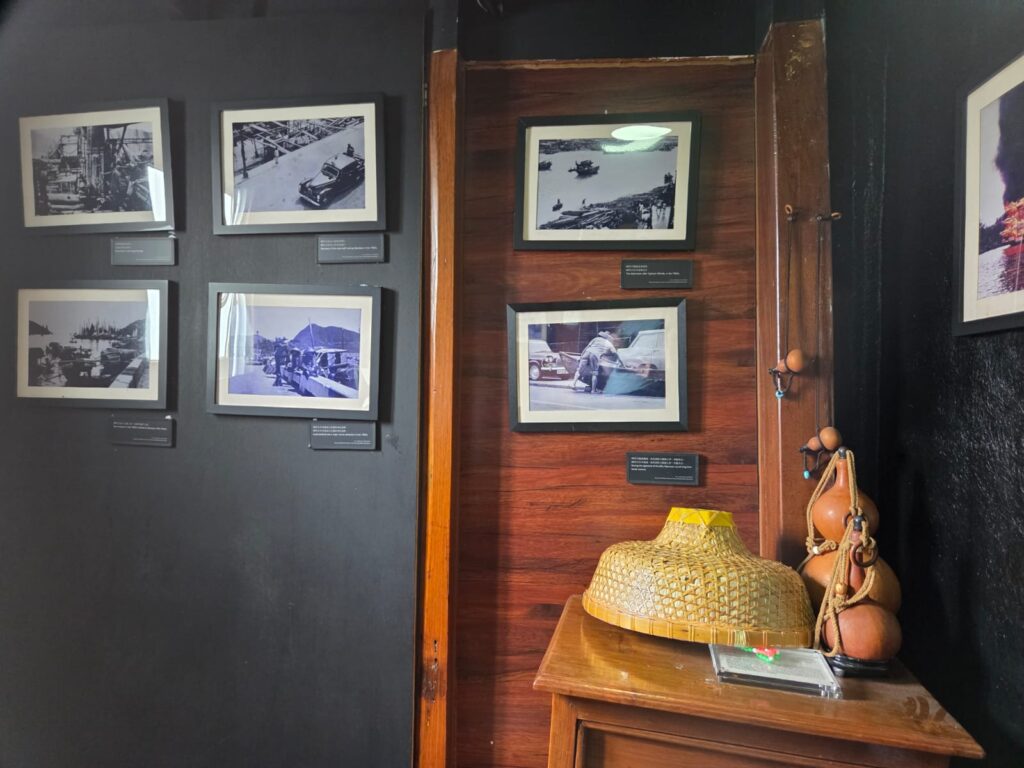
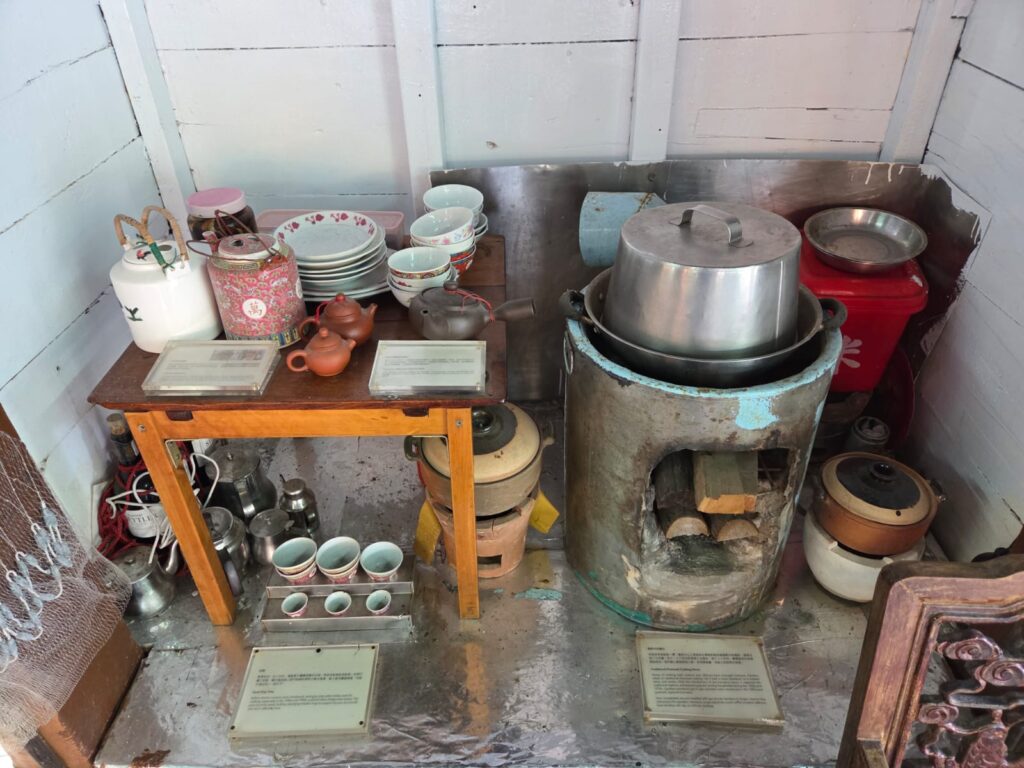
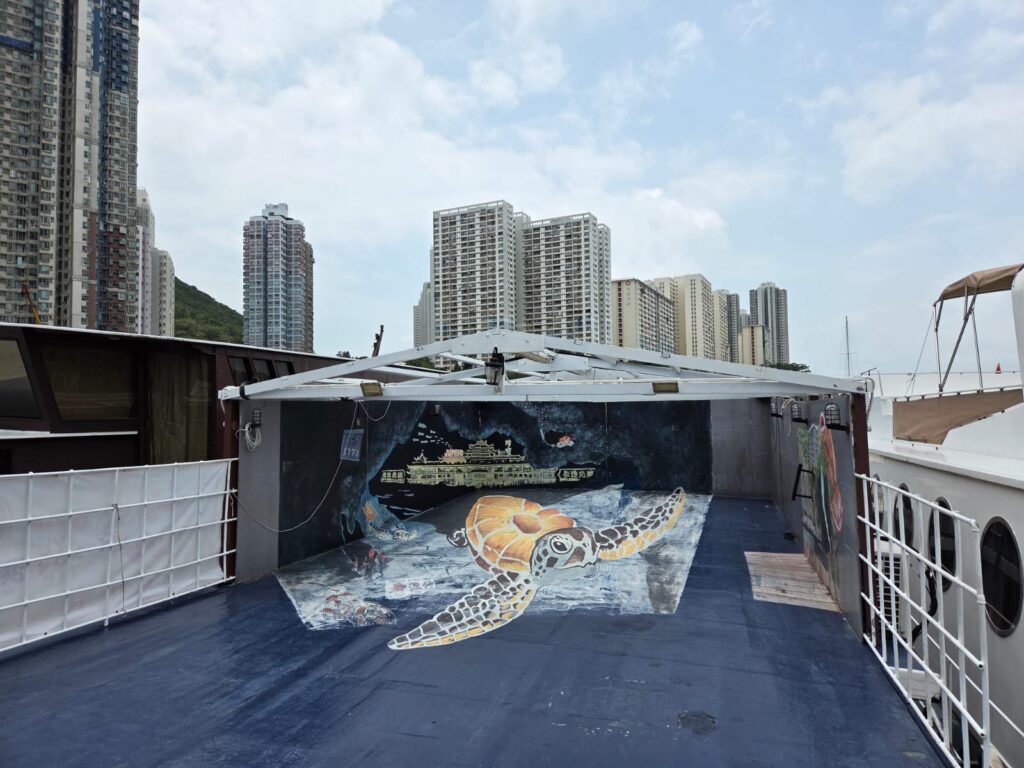
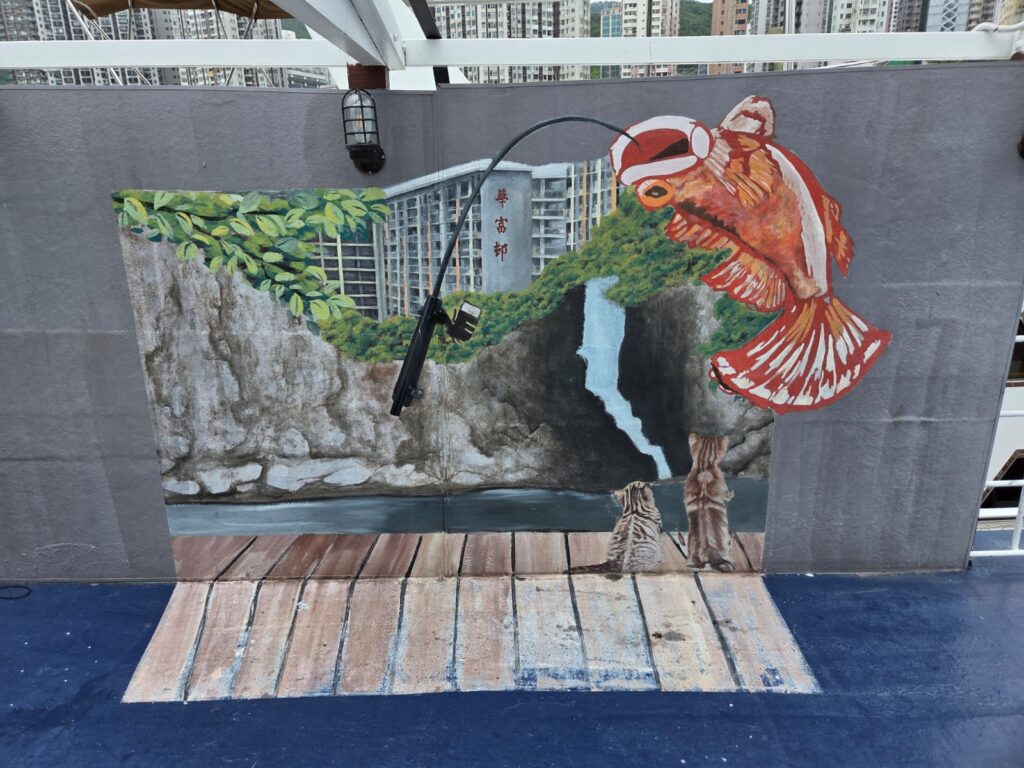
The most famous of the floating restaurants was Jumbo, which opened, after delays caused by a deadly fire, in 1976. Queen Elizabeth II even attended a banquet here. Although the floating restaurants were a good moneymaker for decades, a downward turn began in the 2000s. The 2019 protests and the pandemic were the end of Jumbo Kingdom (a combination of Tai Pak, Sea Palace and Jumbo restaurants), and poor old Jumbo faced the even greater ignominy of sinking to the bottom of the South China Sea while it was being towed to a new home. Although its operator somehow denies it has sunk. There may be plans to reopen Tai Pak.Our harbour tour continues on a bit further. We’re now at more the marina end of things.And then we turn back and head for the Houseboat Museum.This tour may be the only way to access the Houseboat Museum, or Floating Museum. Or at least it’s the only way I’ve seen. The houseboat shows aspects of how fisherfolk lived, with a roughly mid-century setting. It was from the 1950s through the 1980s that government resettlement schemes began to dismantle fisherfolk communities in Hong Kong. Families moved into early public housing schemes, and adopted more urban lifestyles.The museum has vintage photographs and documents, and typical household items. It’s a bit like the Hong Kong House of Stories in Wan Chai – not quite a museum, more of a memory store. An attempt to keep a connection between a physical location and a past way of life.The upper deck is not quite worth the climb, with just a couple of murals.
Boat Noodles, Then We Bid Farewell to Fisherfolk
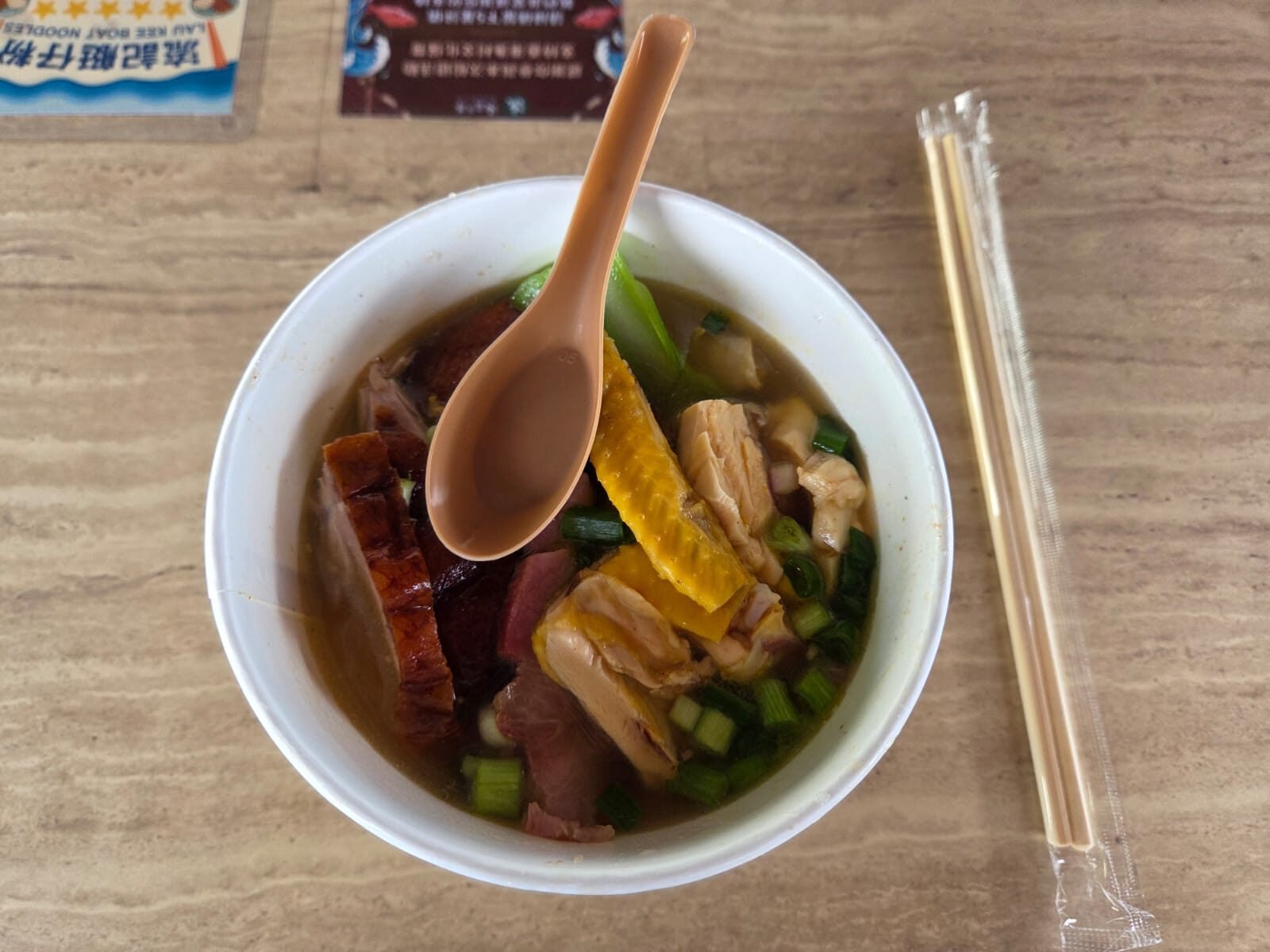
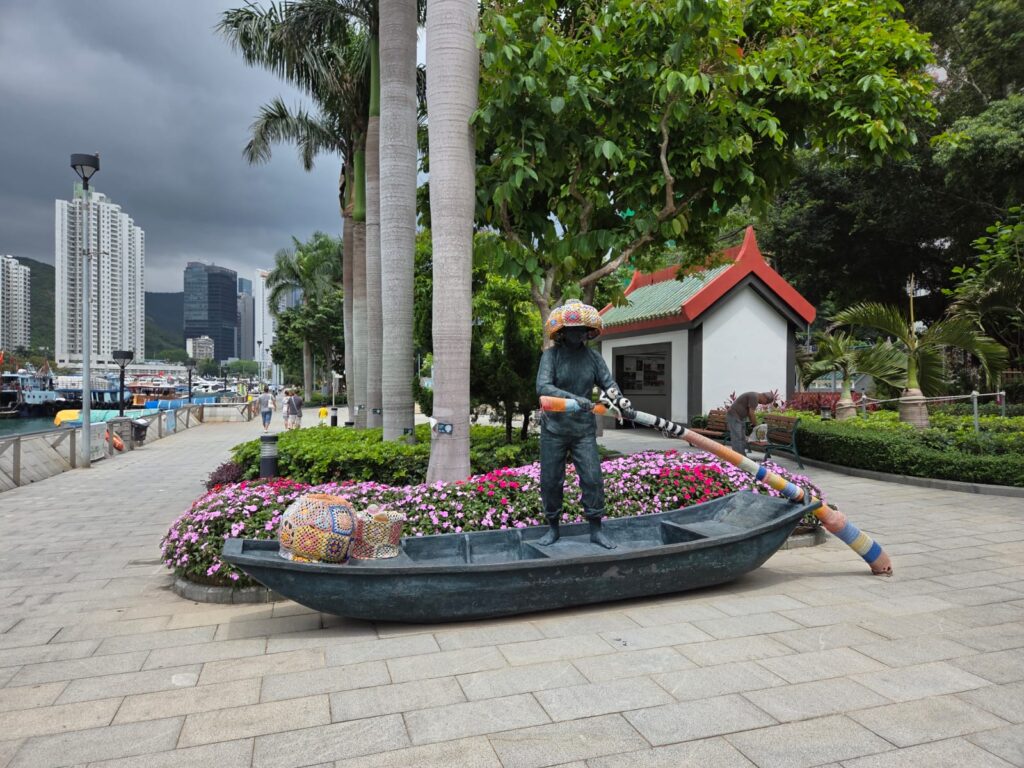
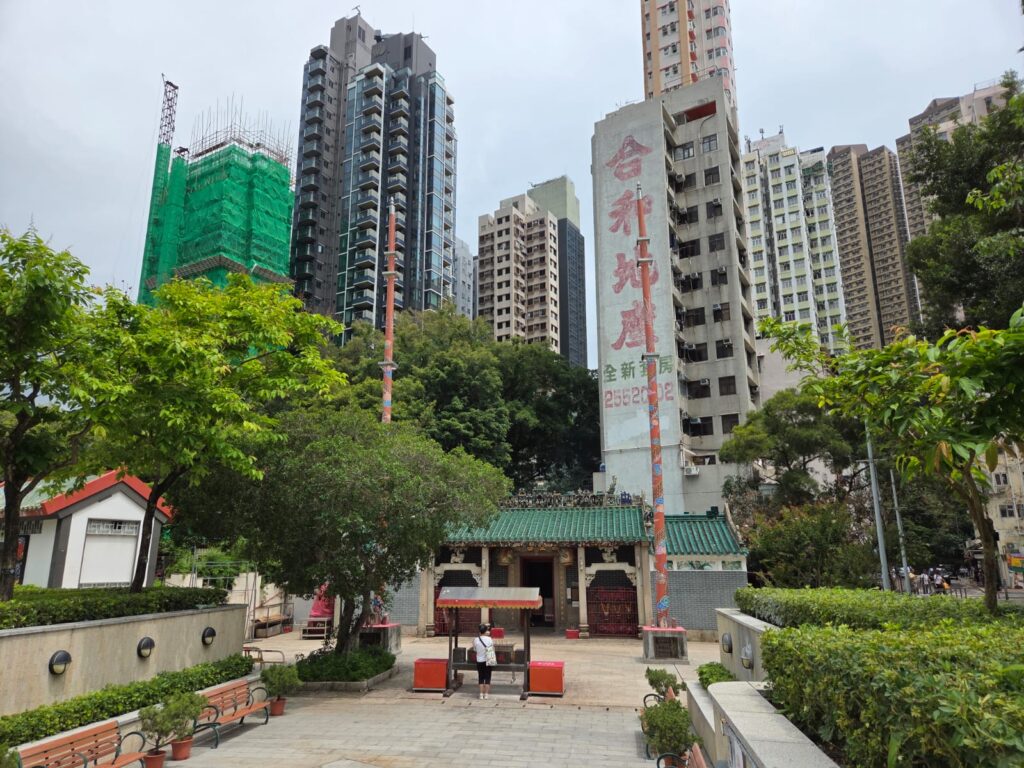
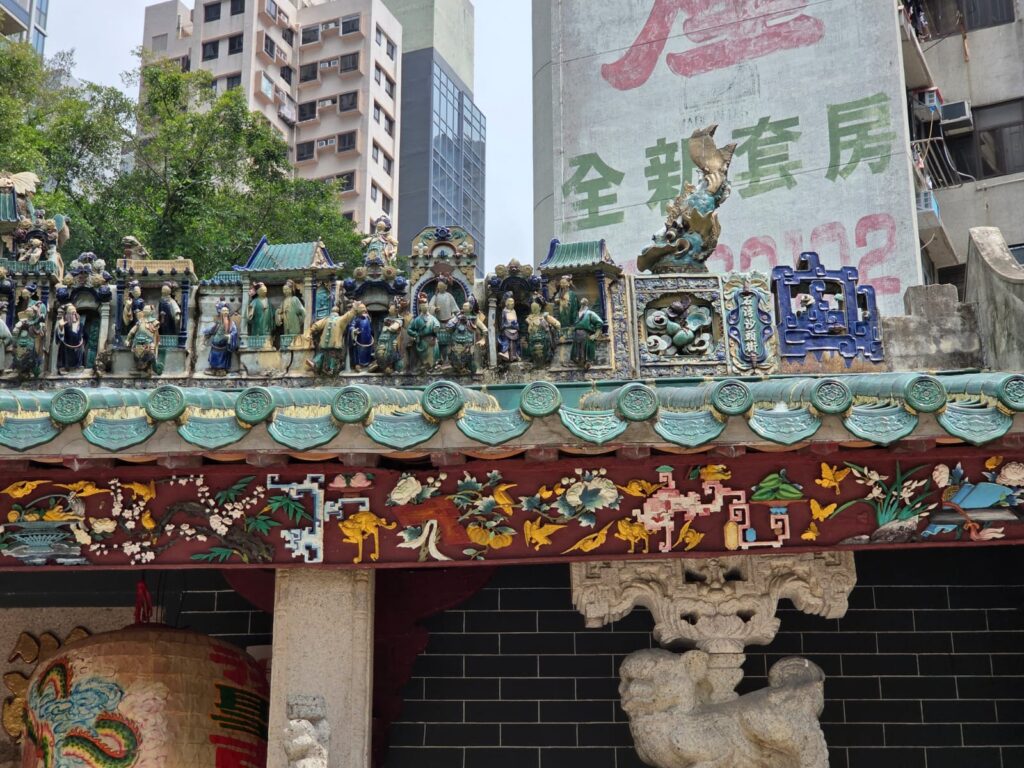
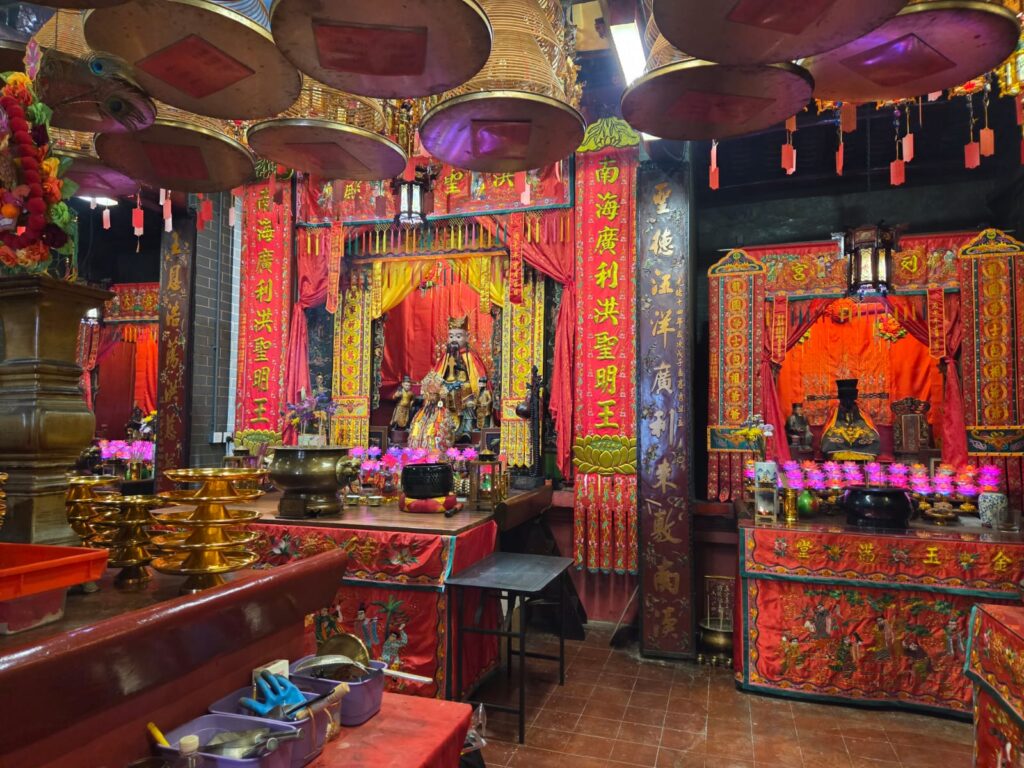
Time to get back on our tour boat. Aside from converted sampans, a number of the tour boats in Aberdeen Harbour are repurposed Jumbo Kingdom ferries. This might be the case here.A look out at vessels of all sizes as we head back to the pier.And now it’s time to take a seat and wait for my boat noodles. Very tasty – I highly recommend doing the tour option that includes food!Hunger satisfied, it’s farewell to Fishermen’s Wharf. It’s a great spot to learn about Hong Kong’s history through doing – a boat tour, an activity, or a meal.And now I go and wait for the ferry across to Ap Lei Chau. From there I can get the MTR back to Wan Chai and my hotel.And not a moment too soon, because that sky is starting to look very threatening. Perhaps I should stay here? Aberdeen Harbour is a typhoon shelter after all.Luckily, though, I know it’s just a rainstorm heading my way. Not quite yet, so I can pause to look at this statue. I can’t find much information about it online, but it clearly pays homage to the area’s fisherfolk history.And we also have time for one final temple stop before heading back. This is another Hung Shing Temple – we reminded ourselves on our last walk that Hung Shing is a deified Tang Dynasty civil servant. This is the oldest temple we’ve seen today, going all the way back to around 1773. Hung Shing was a popular protector of fishermen and maritime traders. It’s one of very few such temples in Hong Kong that retains its original outlook towards the sea, and thus its feng shui.And so it’s goodbye to Aberdeen! From our walk across Lamma to our tour of Aberdeen Harbour, it’s been a good day. We’ve learned a lot about Hong Kong: not just its fisherfolk history, but power plants, floating restaurants, WWII caves, and more. What a privilege to have had this day to explore!
Trending
Travelers' Map is loading... If you see this after your page is loaded completely, leafletJS files are missing.