
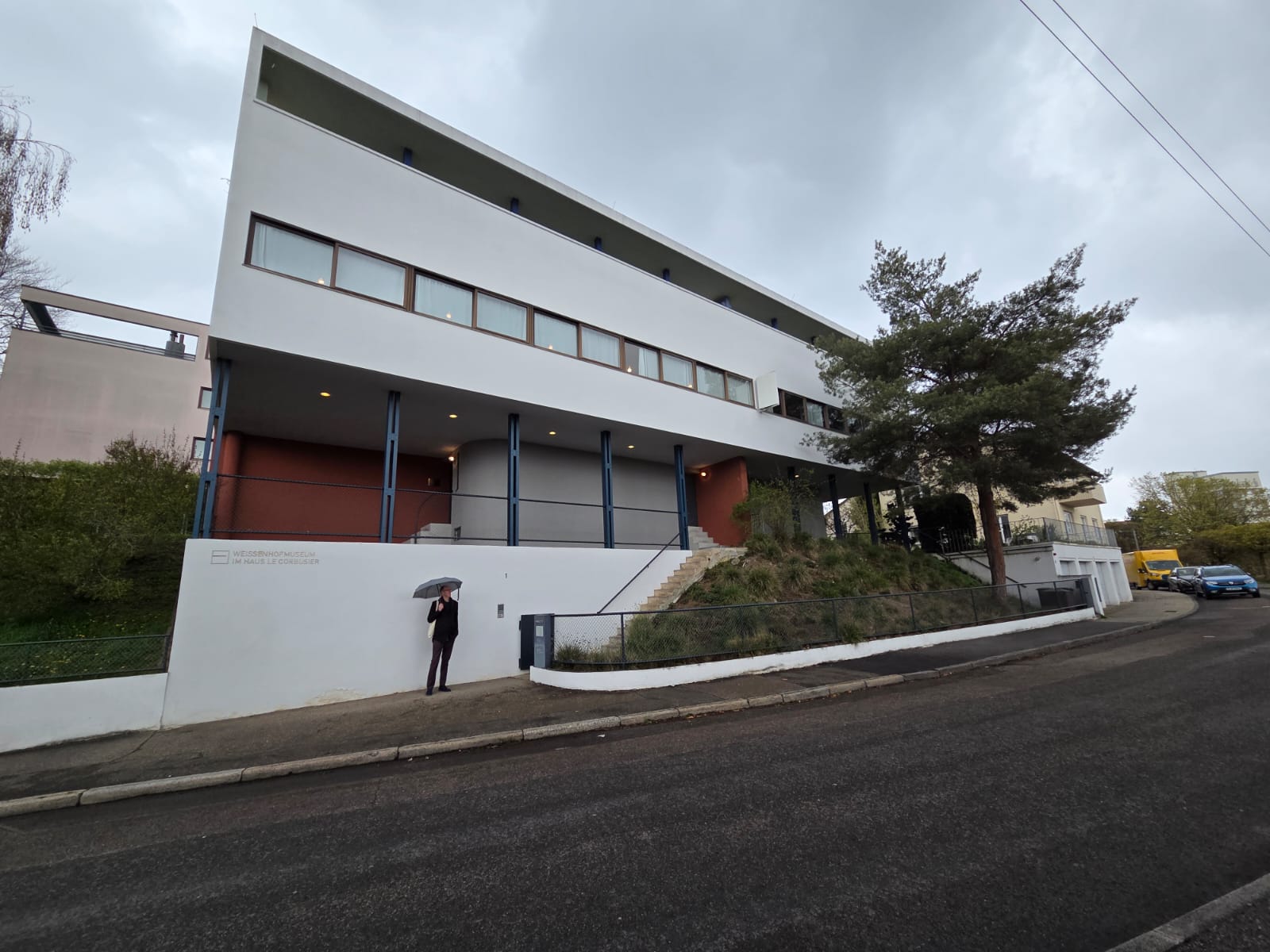
Weissenhof Museum in the Le Corbusier House (Weissenhofmuseum im Haus Le Corbusier), Stuttgart
A chance find on Google Maps leads us to Weissenhof and Le Corbusier’s contribution to a fascinating modernist project.
A Chance Find
As I wrote in my last post, on a recent trip to Stuttgart the Staatsgalerie was the only museum I was intent on seeing. With a day and a half to fill (by the time we were extraordinarily delayed, allowing me to sneak in this walking tour of Halle), that meant deciding what to do with the rest of our time. This was the topic of discussion over breakfast. But as I pulled out my phone to show the Urban Geographer where I’d been running that morning (it was the Unterer Schlossgarten, thank you for asking. Highly recommended for runs, walks and fresh air in Stuttgart), I noticed Google Maps’ museum icon somewhere I wasn’t expecting it. Zooming in, I read “Weissenhofmuseum im Haus Le Corbusier”.
How intriguing! The name Le Corbusier piqued my interest – I was on holiday with the Urban Geographer, as I said, and am myself interested in modernist architecture. But what is a Weissenhofmuseum, or a Weissenhof? A little further digging revealed that Weissenhof is a neighbourhood in Stuttgart-North. And the museum is the place to find out more about this neighbourhood, in a pair of homes designed by Le Corbusier.
I quite liked the idea of going off to an unexpected museum* and seeing something a little different. And the transport, we discovered, was not too taxing from the central city. Take an U-bahn line to its terminus, and then a short walk to the museum. So we waved goodbye to tentative thoughts of heading to one of Stuttgart’s automotive museums, and planned to head to the Weissenhofmuseum instead.
*It’s not as if I don’t look up the museums in a city before I visit – I always do. But for some reason this museum, and another institution in Weissenhof, don’t seem to come up on listings.
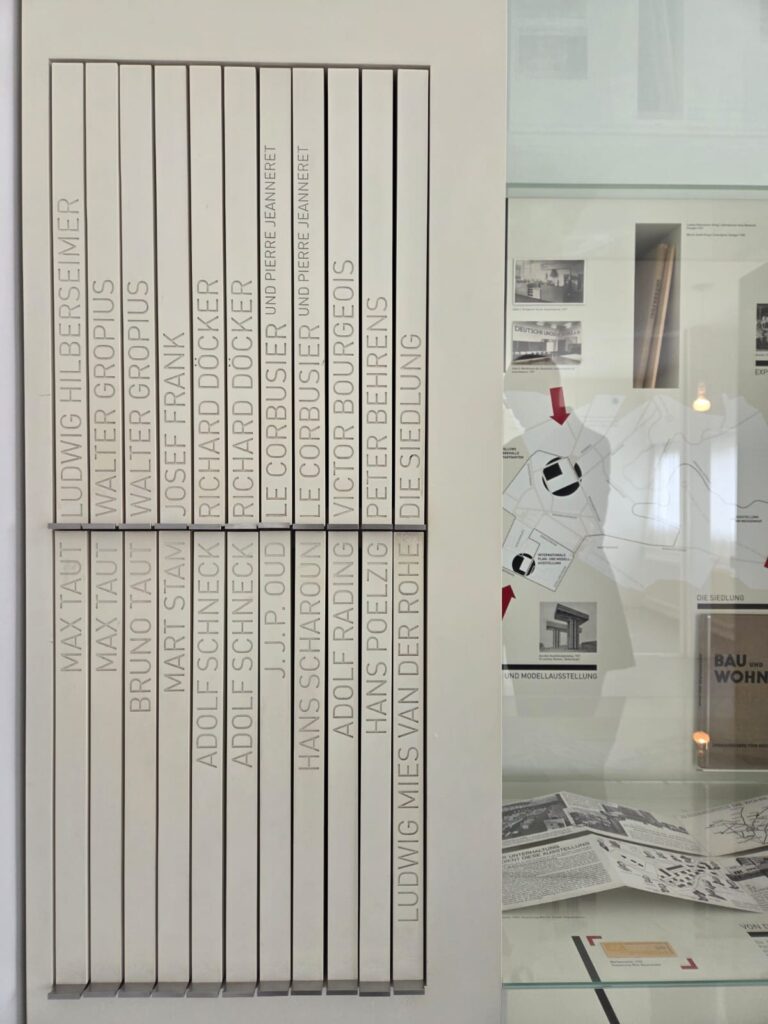
An Introduction to Weissenhof
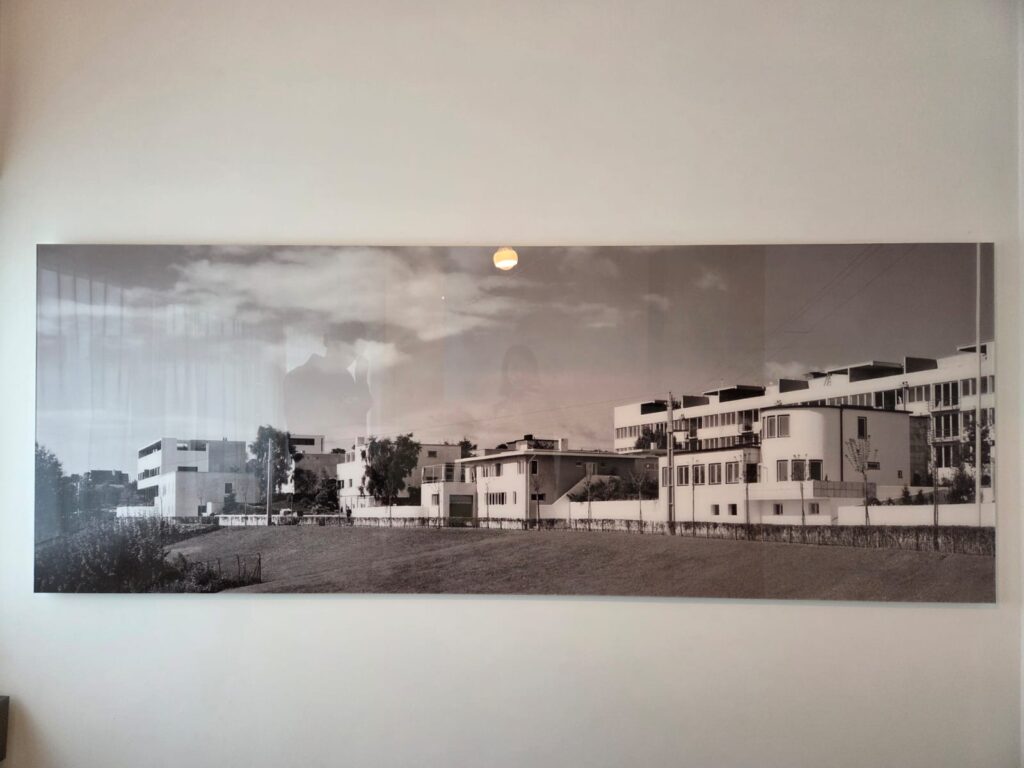
The Weißenhofsiedlung, or Weissenhof Estate, was built for the 1927 Deutscher Werkbund exhibition in Stuttgart. The Deutscher Werkbund, or German Association of Craftsmen, had been founded in 1907 and was important in the development of modernist architecture and industrial design.
The idea was simple: to showcase how modern architecture was a means to good quality, inexpensive workers’ housing. But like the Arts & Crafts movement before it, what the experiment mainly proved was that design of this type is not particularly efficient. And certainly not scalable to the point where it’s within the reach of ordinary folks.
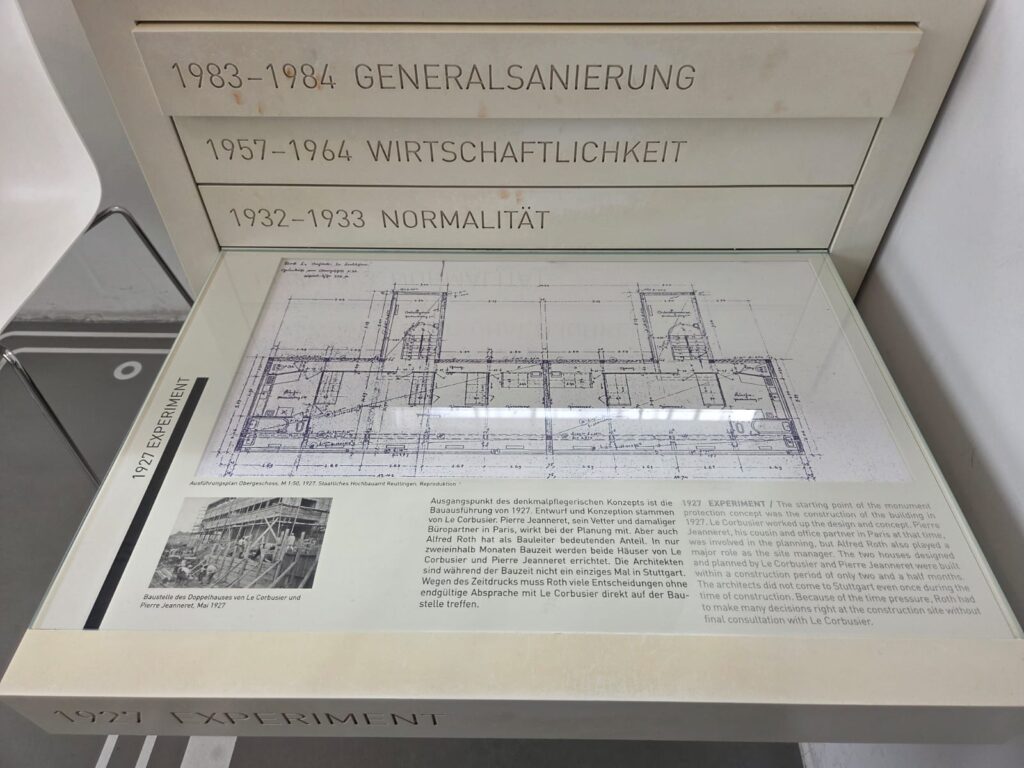
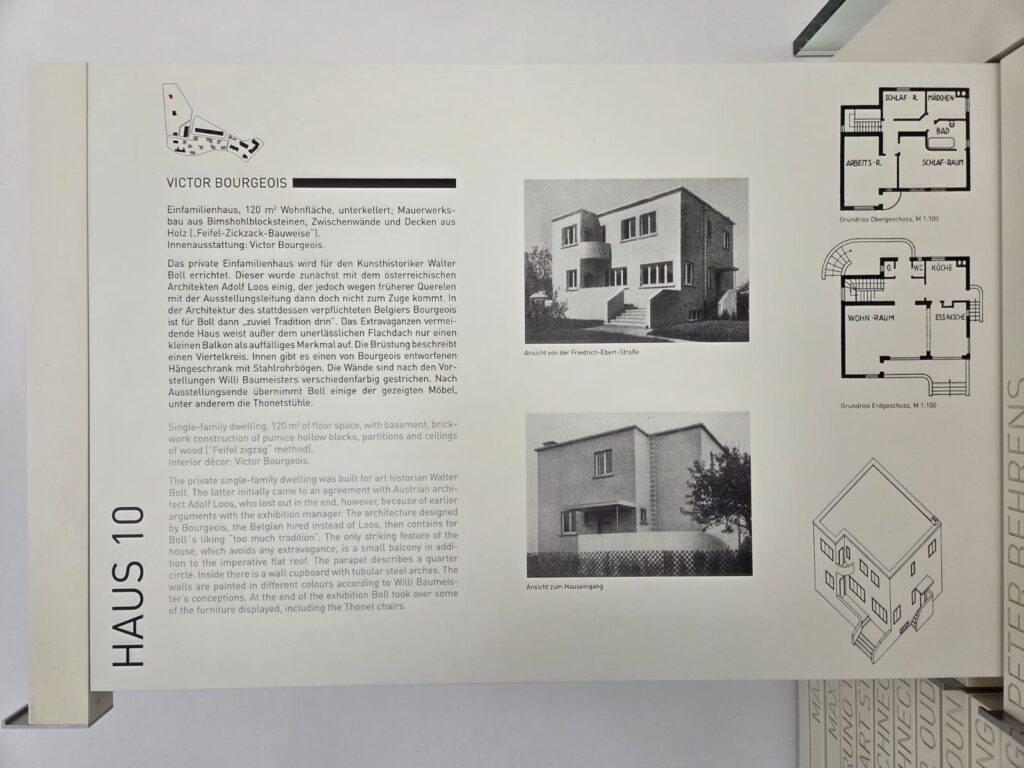
But anyway, we’re getting ahead of ourselves. The project included 60 dwellings across 21 buildings, designed by 17 architects who are more or less a Who’s Who of modernist design. Mies van der Rohe was appointed by the city to manage the overall project, and oversaw the selection process, budget, site and construction. The selected architects included Le Corbusier (of course) and Pierre Jeanneret, Mies van der Rohe (why not include yourself?), Walter Gropius, Victor Bourgeois, and others.
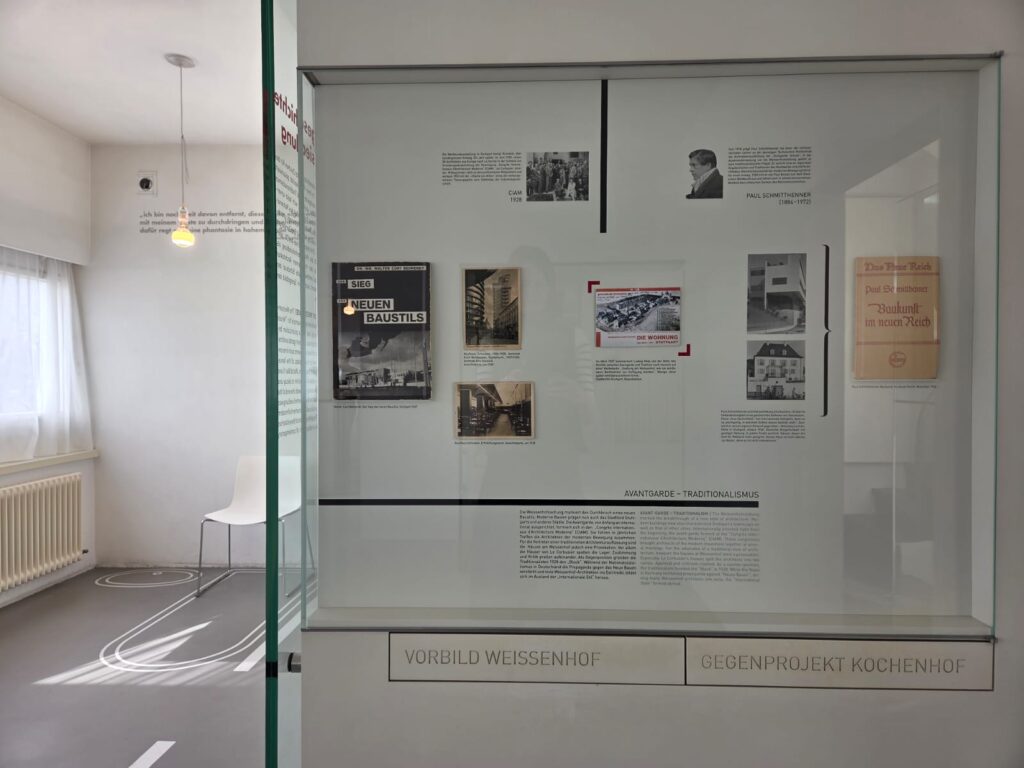
Once the selection process and planning was complete, the timelines for actually building the houses was very tight. The final products included apartments, terraced houses, and detached houses. They opened to the public on 23 July 1927, which was a year later than originally planned. The exhibition was controversial at the time, but in hindsight is a key, internationally-recognised moment for modern, industrial-age architecture. Five similar model estates followed elsewhere in Germany.
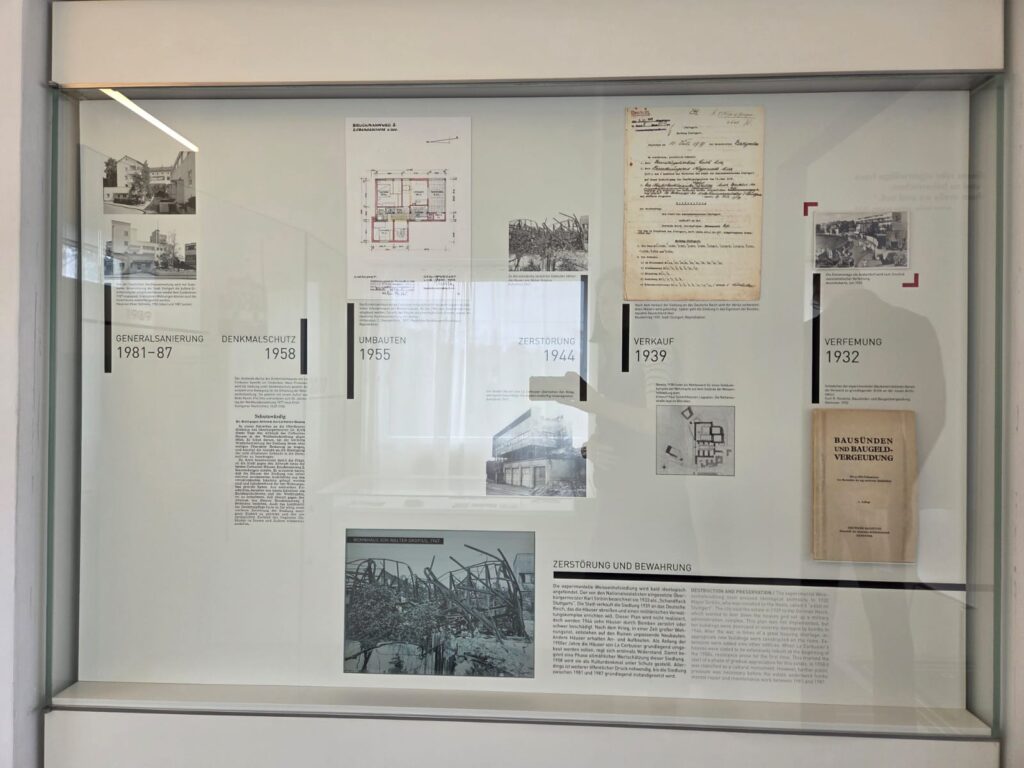
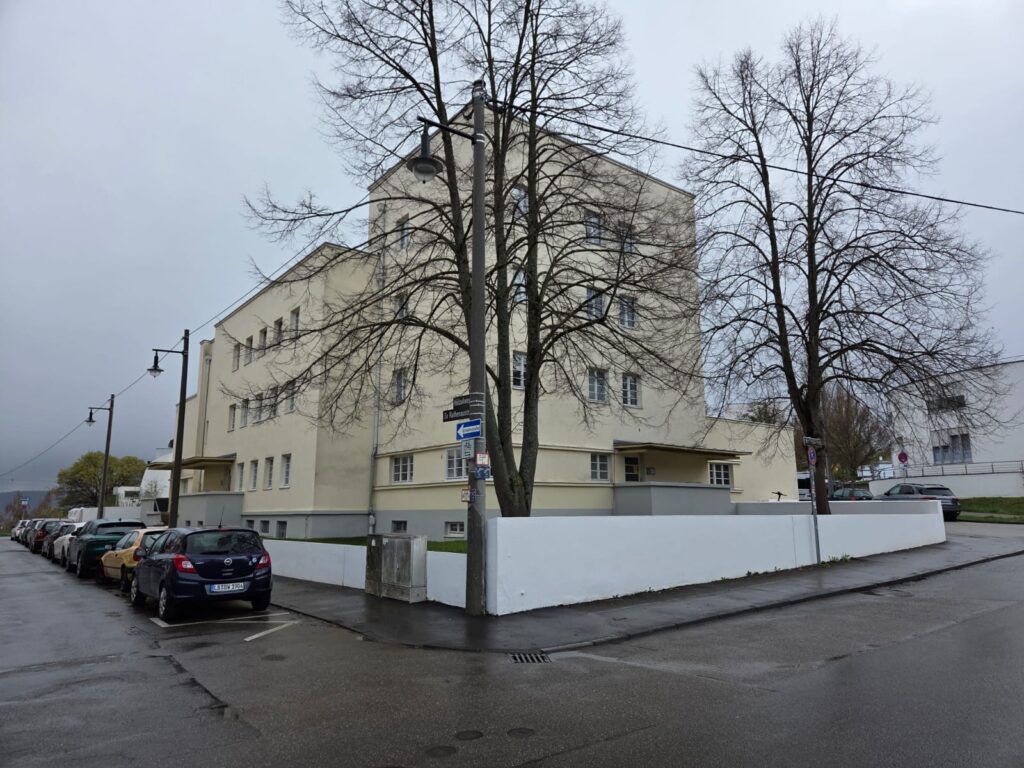
Of the original 21 buildings, 11 still survive. It’s lucky we have those – the Nazi regime despised this ‘un-German’ architecture and had plans to pull the whole estate down and build barracks in its place. In the end the estate survived, with individual buildings destroyed by bombing. Another couple of homes were knocked-down and replaced by more conventional architecture in the 1950s.
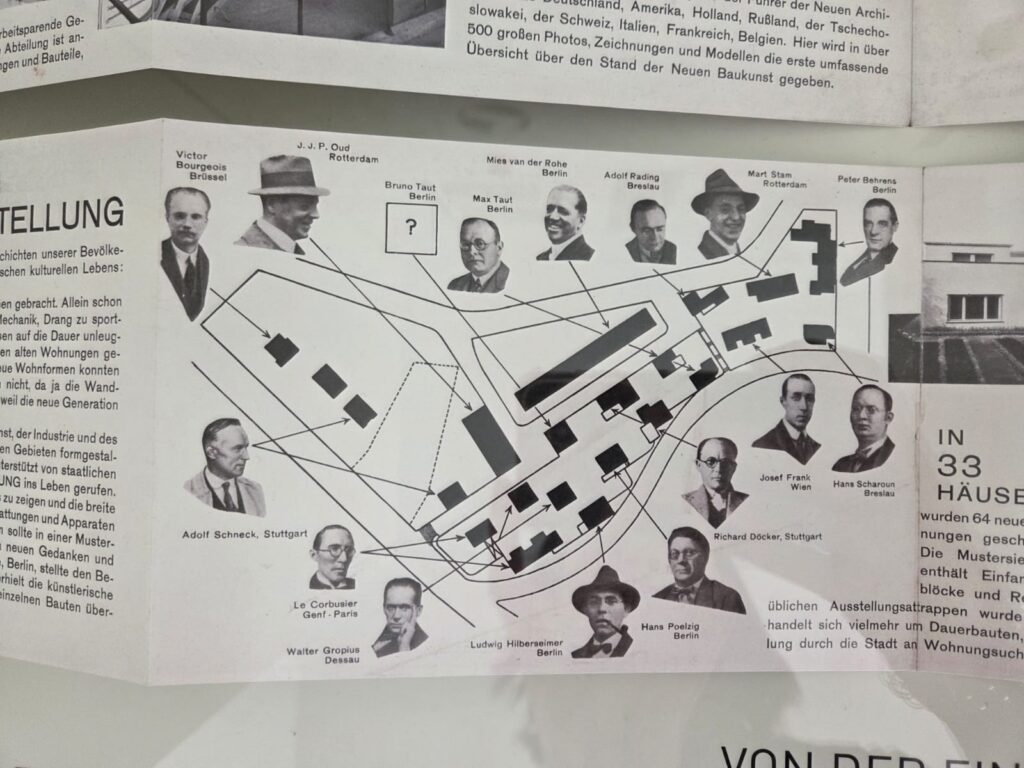
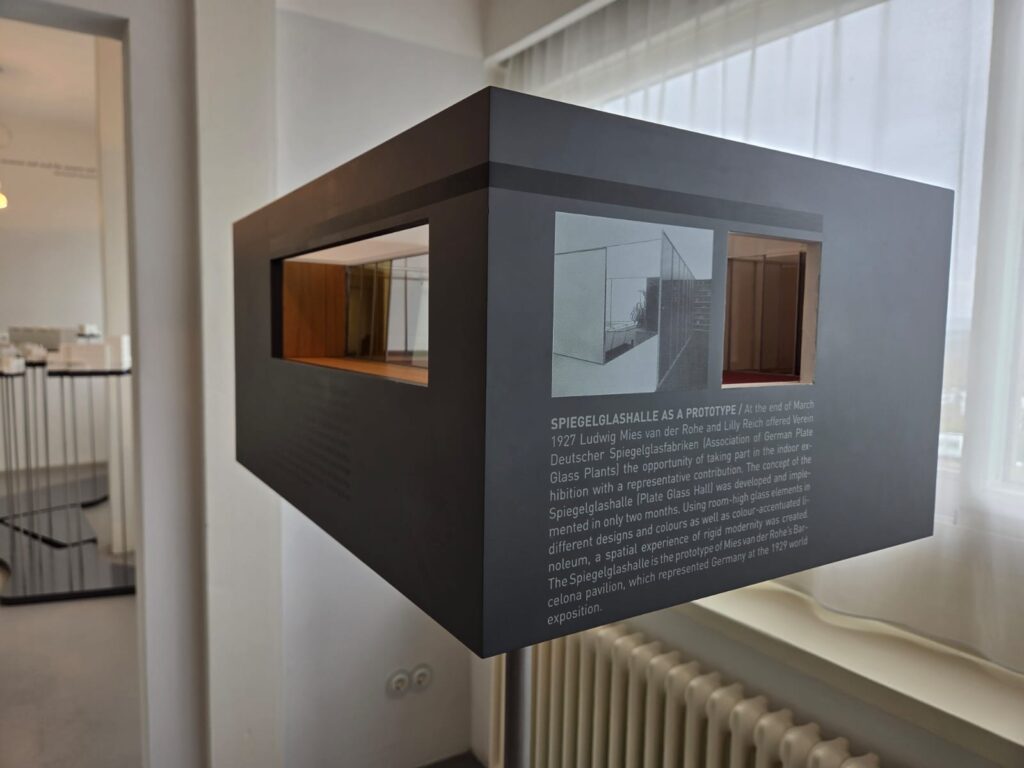
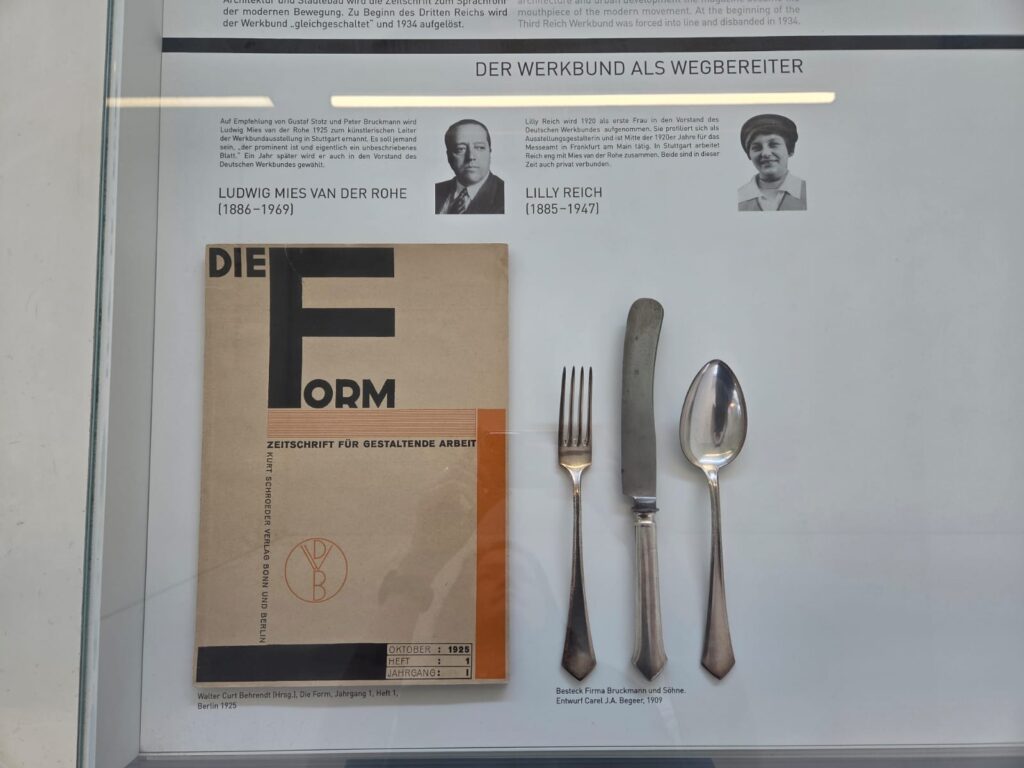
Le Corbusier’s Contribution to Weissenhof
Thankfully, Le Corbusier’s contributions to the Weissenhof Estate are amongst the survivors. There are two: a detached family home, and the homes which today form the Weissenhof Museum im Haus Le Corbusier. I can’t actually work out from conflicting online sources whether Le Corbusier designed one or both of these with his cousin and frequent collaborator Pierre Jeanneret.
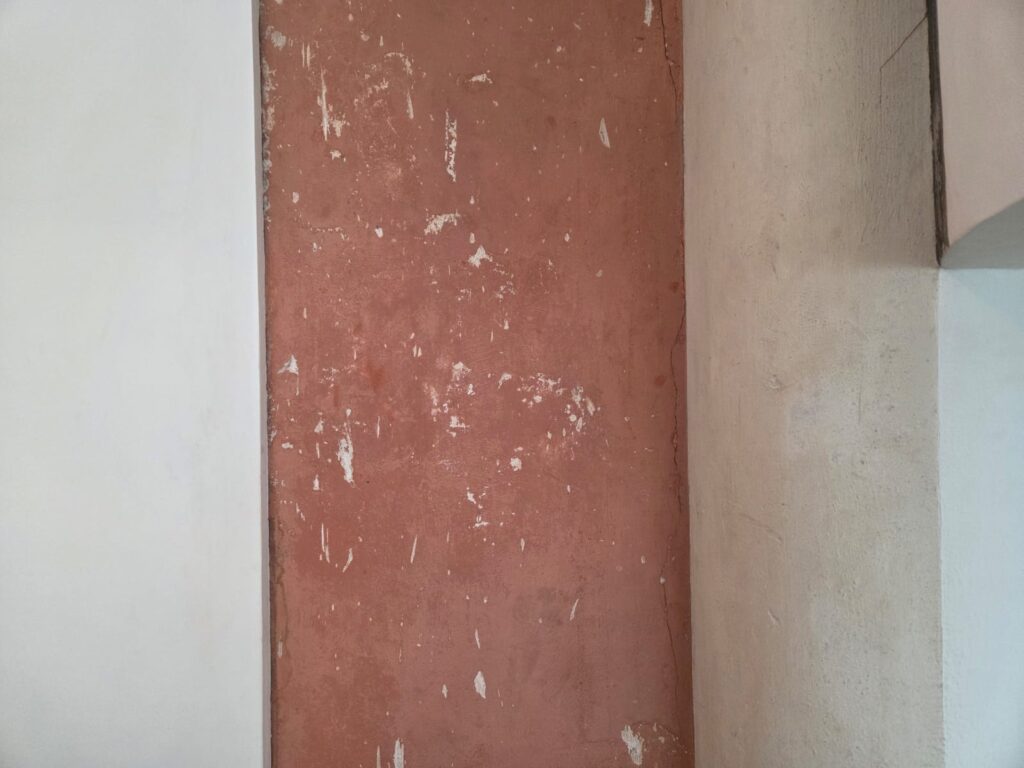
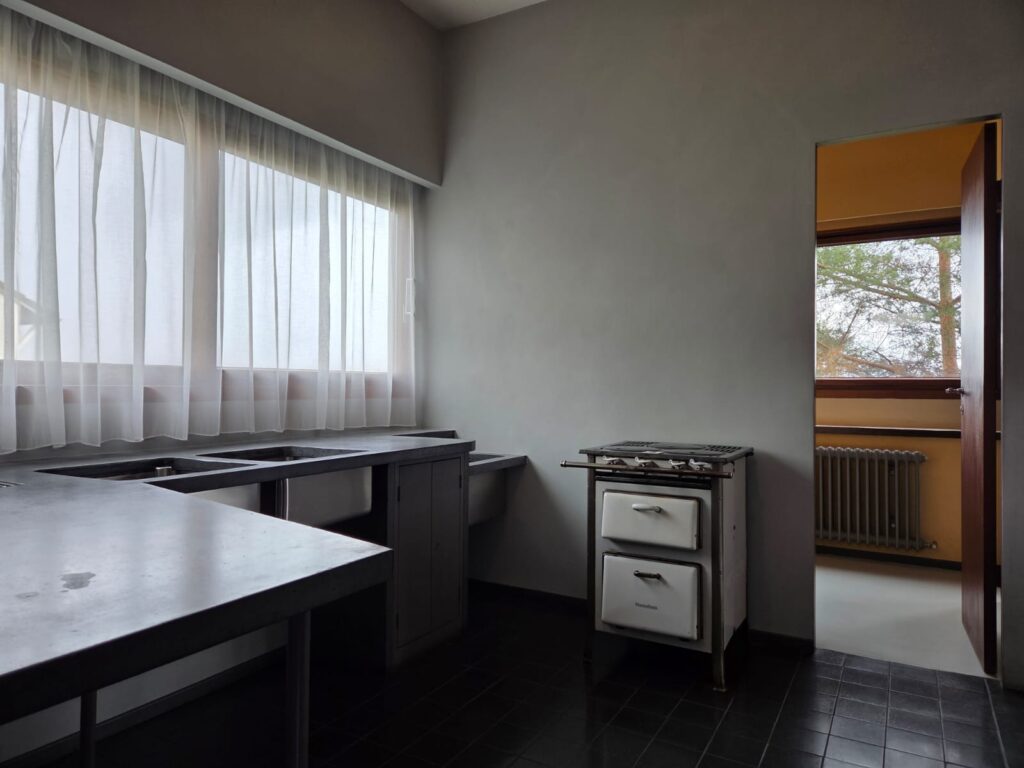
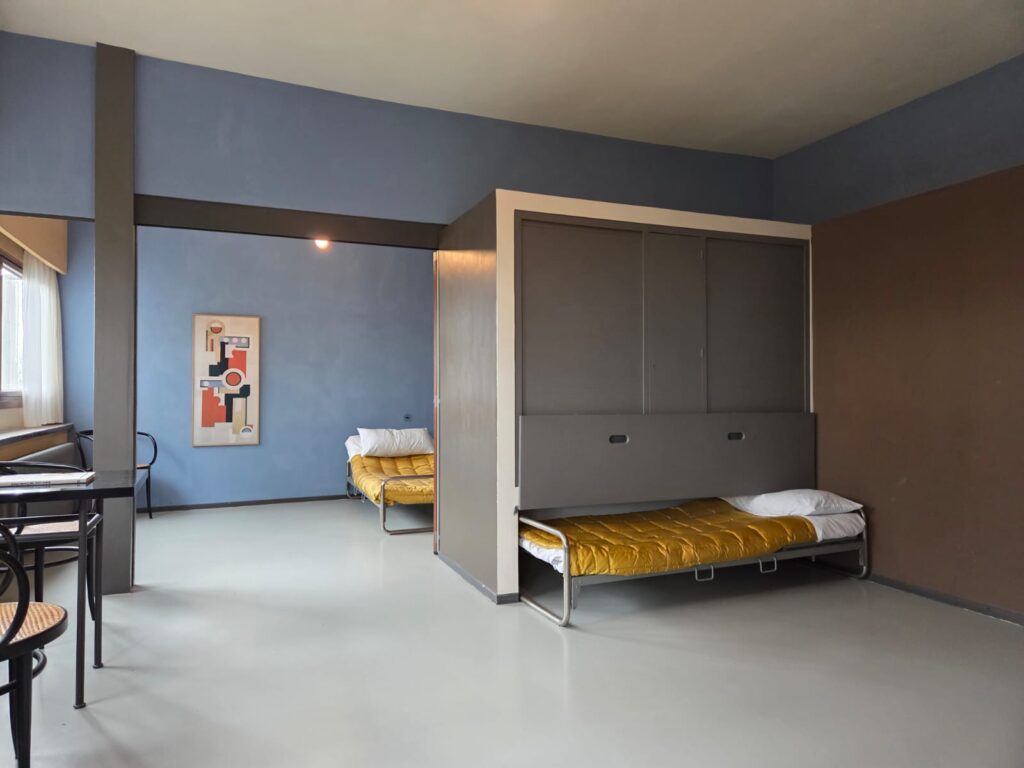
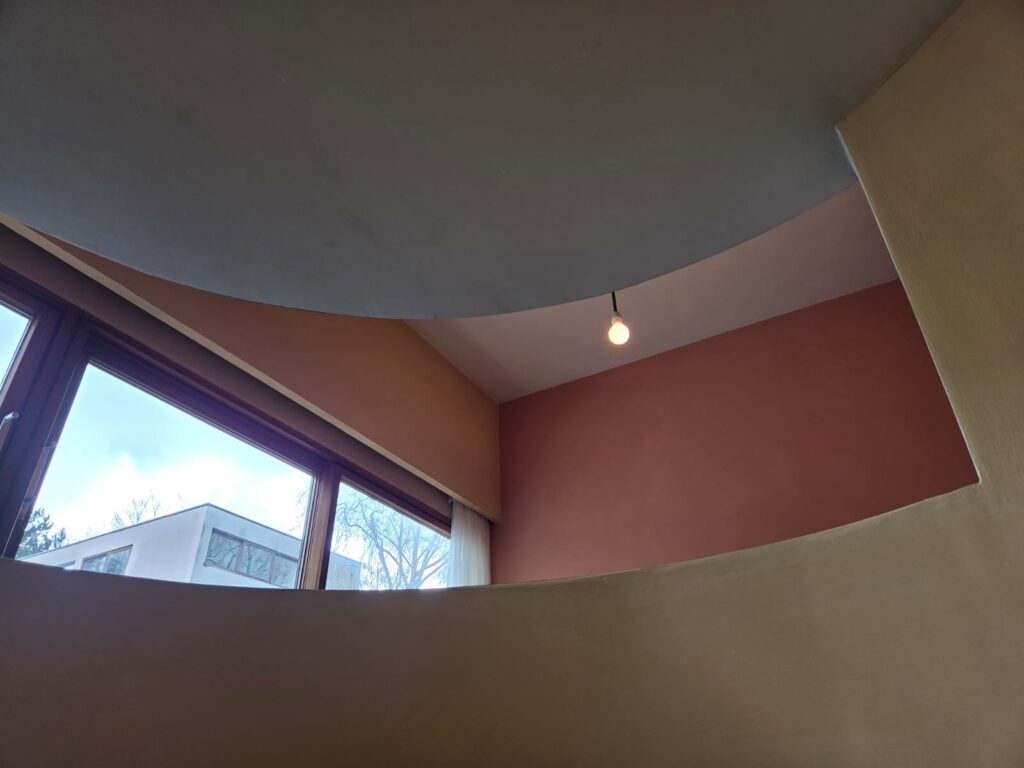
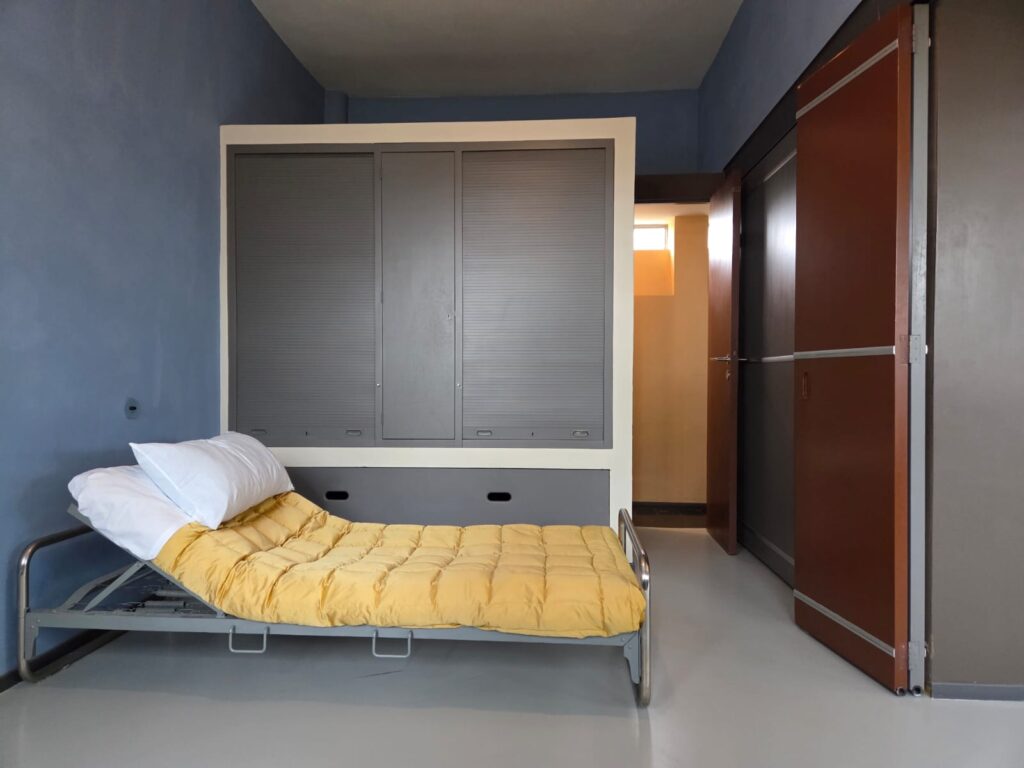
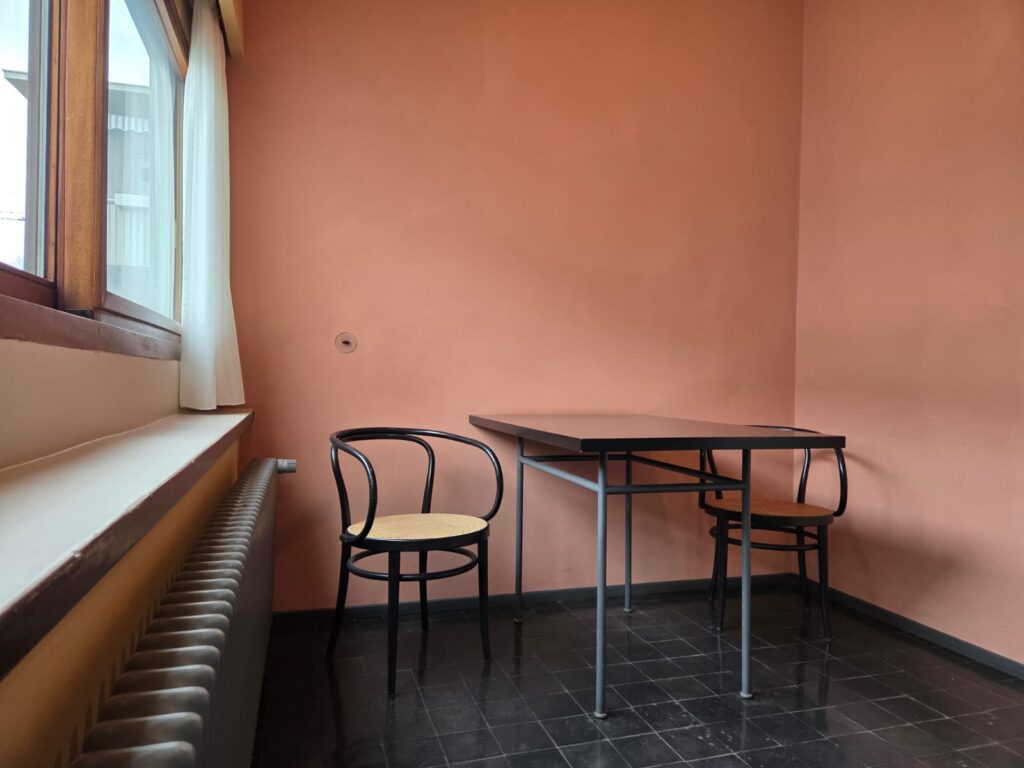
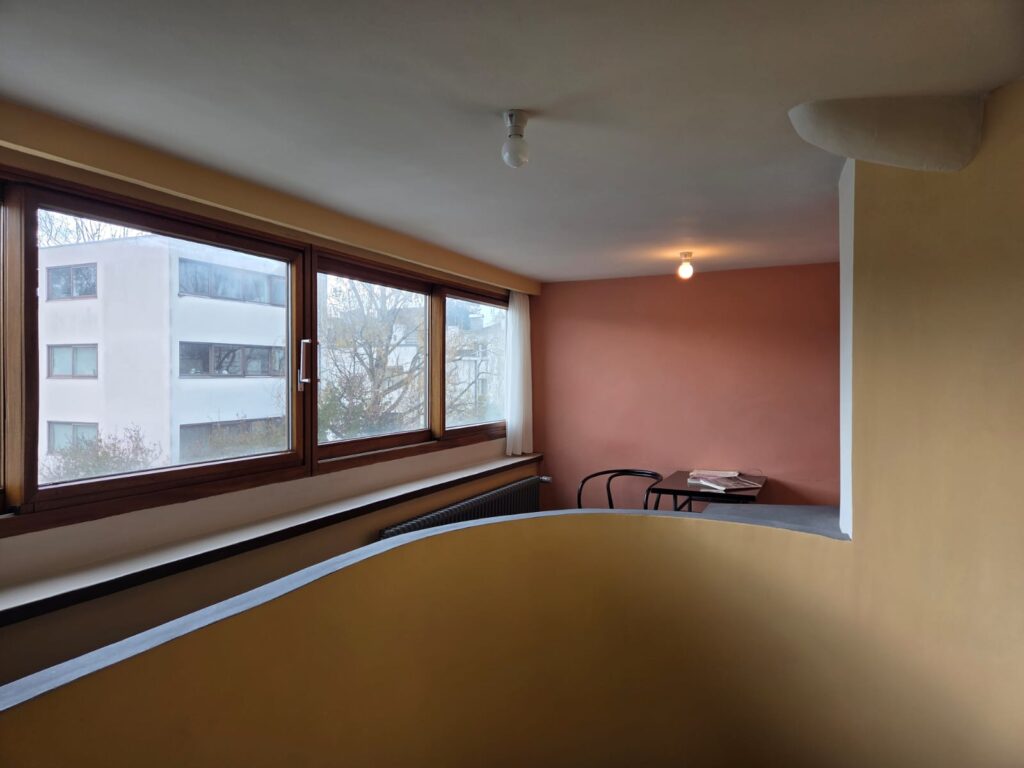
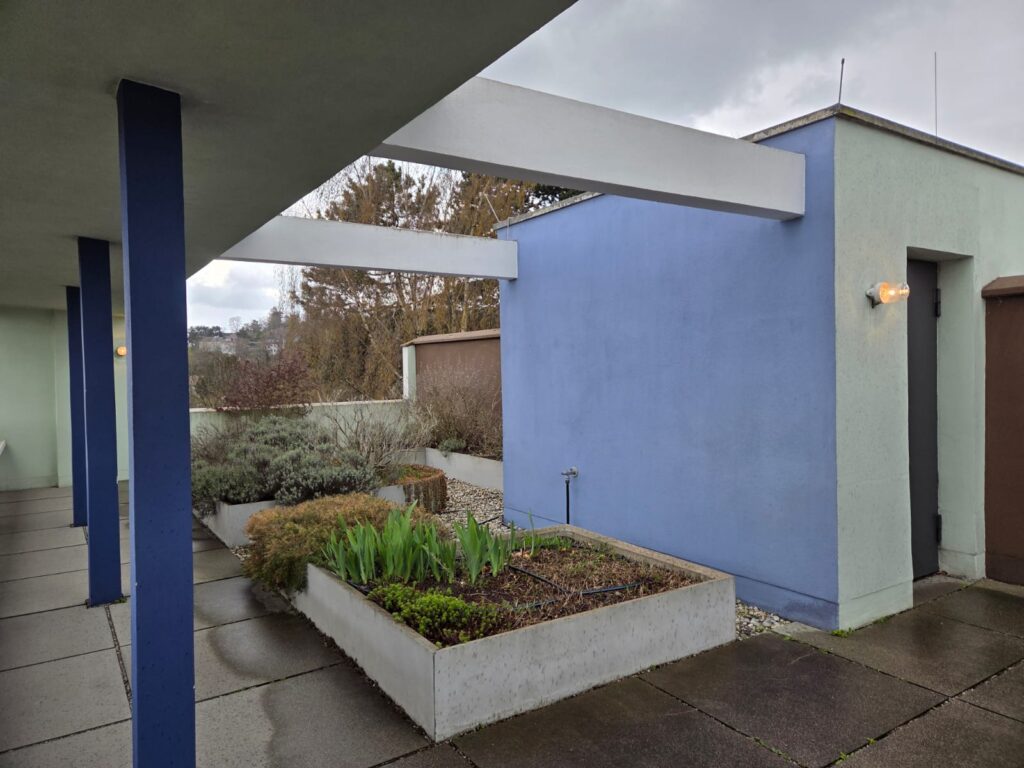
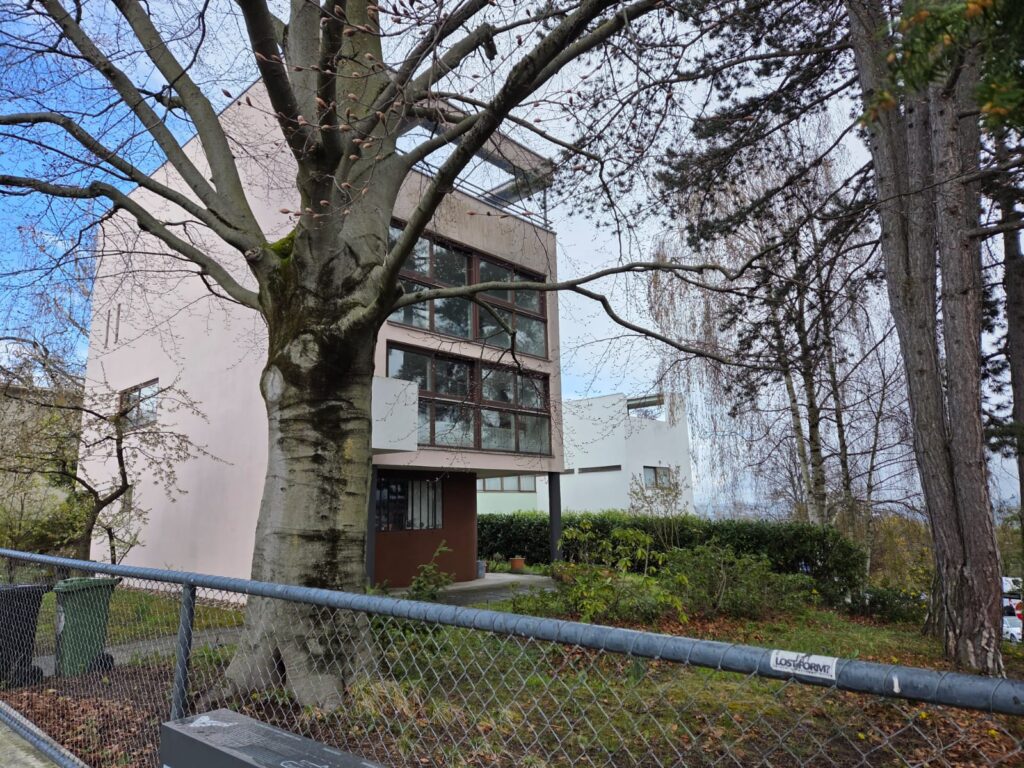
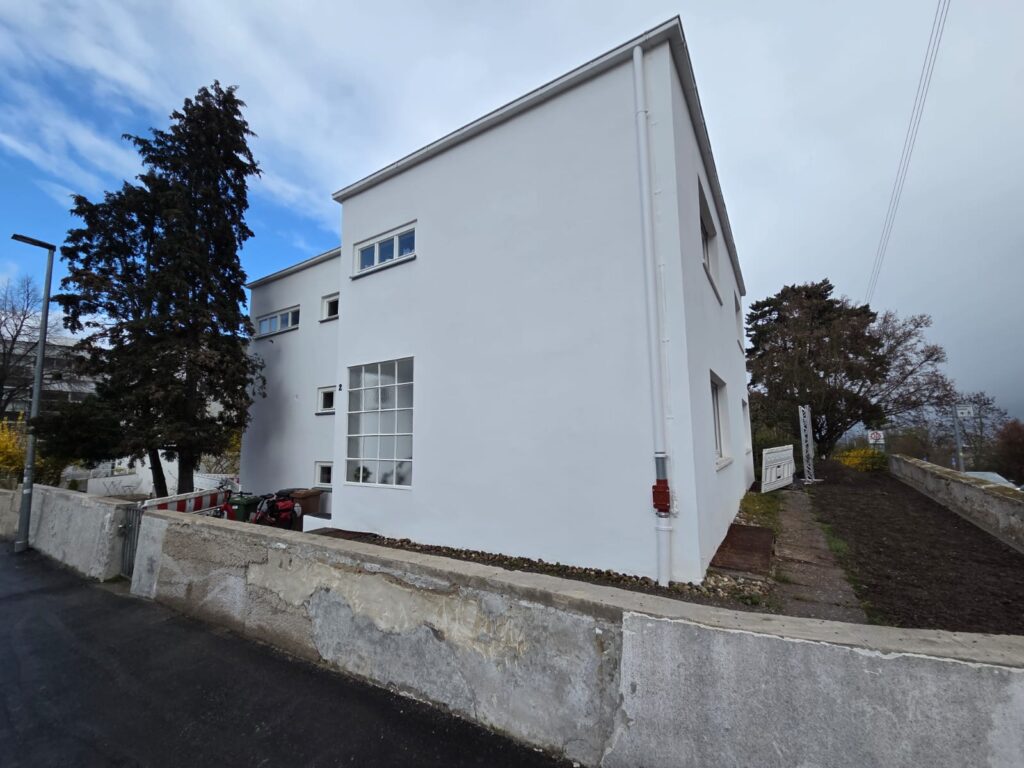
Le Corbusier was already one of the more renowned participants in the project. He thus benefited from two prime sites, facing the city, as well as a generous budget. As with other entries, his designs speak the language of modernism: flat roofs, strong horizontal lines (eg. bands of windows), and open plan interiors. Contrary to popular belief, however, not everything was painted in stark white. Le Corbusier and Jeanneret’s entry was originally white, blue, orange and green. It’s a bit like classical sculptures – the assumption of colourless purity came later.
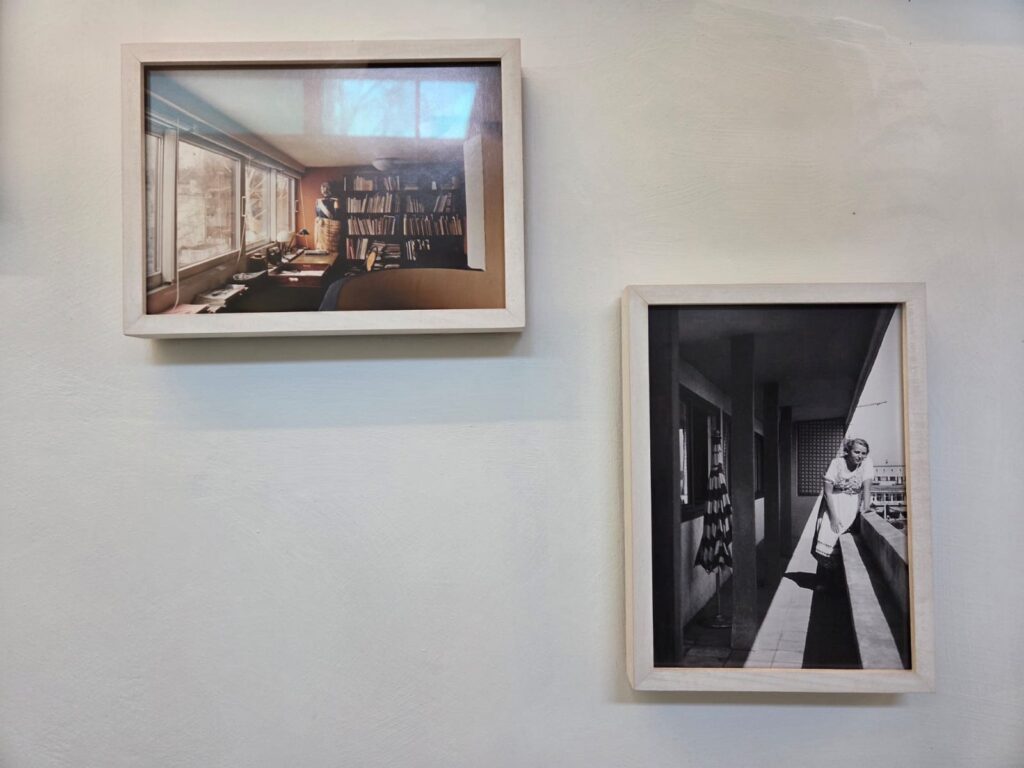
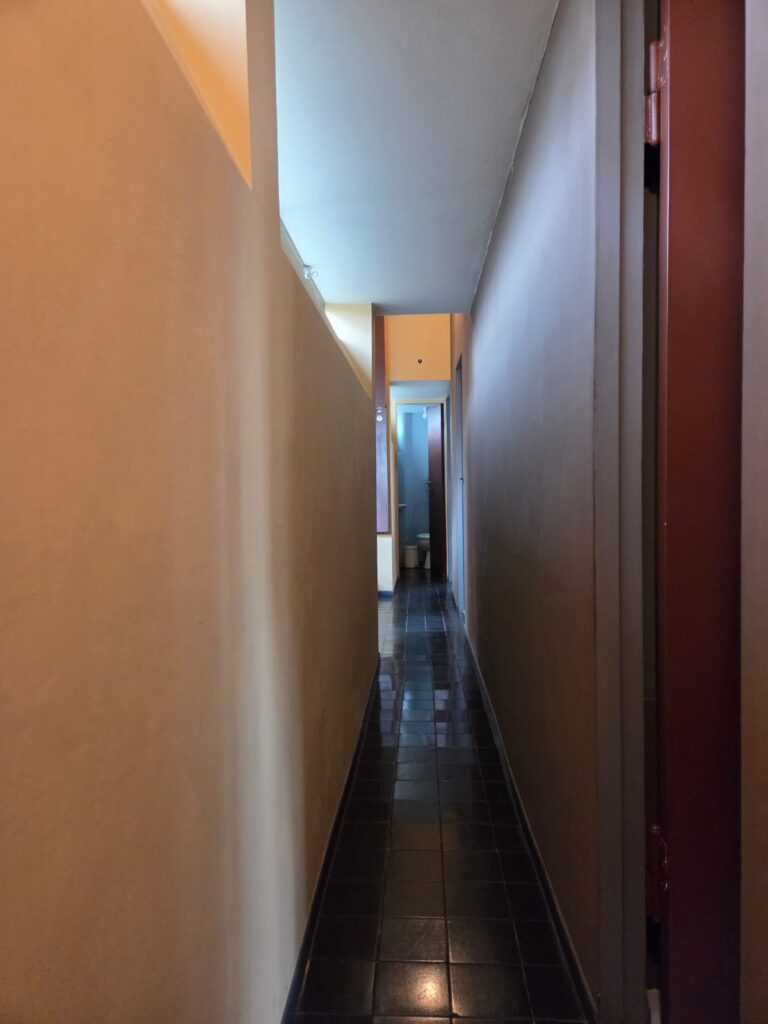
The semi-detached houses embodied two other features of modernism: prefabrication, and flexibility. Moveable partitions and retractable furniture meant residents could adapt the space to their needs. In theory, at least. In practice I think this also reflects a fact that seems to be common amongst star architects (I’m thinking of Frank Lloyd Wright here, too). They don’t like people actually living in their homes. Visibly, at least. Fold away beds and a lack of storage space are two manifestations of this that I’ve seen. The partitions and in-built furniture were seemingly some of the first things to go once people actually started living here.
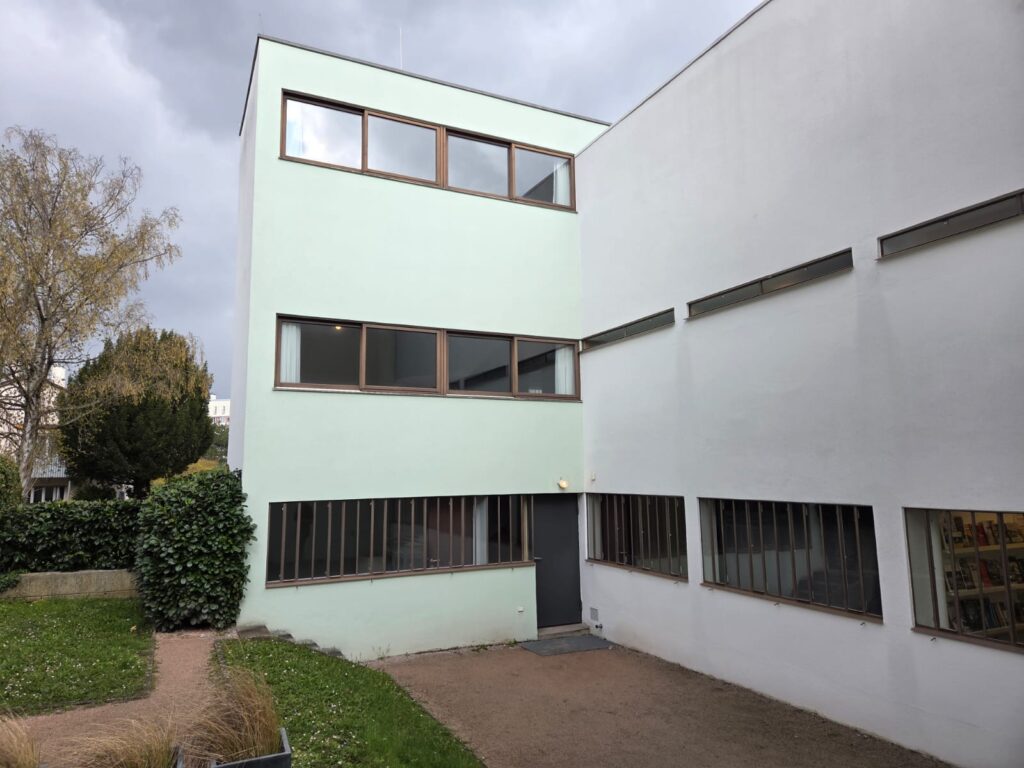
The Houses Become a Museum
After the 1927 exhibition, the city of Stuttgart rented out the homes of the Weissenhof Estate. Both halves of Le Corbusier’s (and Pierre Jeanneret’s?) semi-detached homes were rented by art professor Anton Kolig. Other tenants followed, before the German Reich purchased the estate in 1939 with plans for barracks as previously discussed.
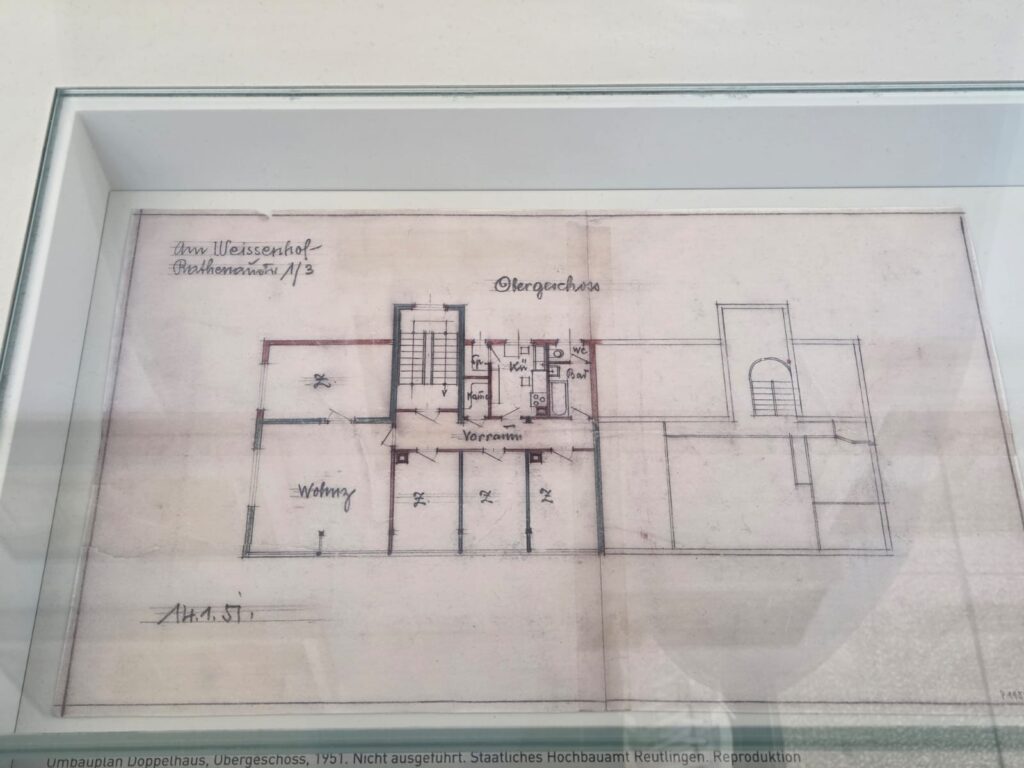
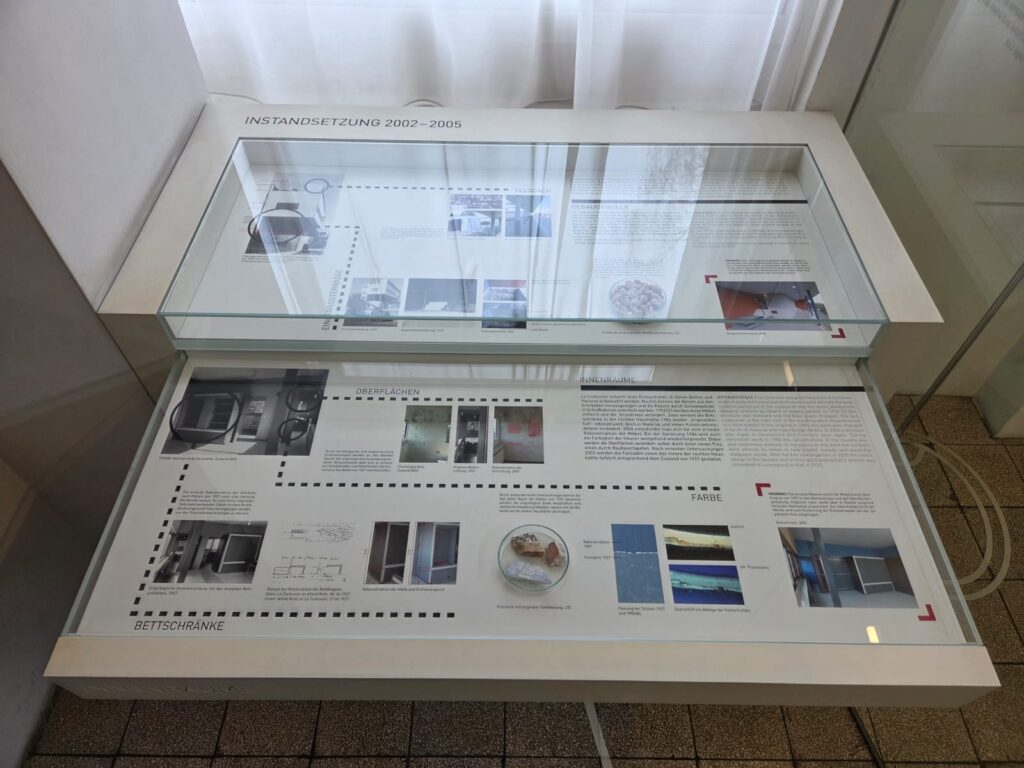
The Federal Government took over in the post-war period, and continued to rent the homes out. Rathenhaustrasse 1-3, the semi-detached homes, suffered from increasing neglect until a first restoration was undertaken in the 1980s. Or half of it was restored at least, seemingly to its original appearance. In 2002 the city was able to buy the homes back, and made preparations to turn them into a museum. The research and restoration this time was painstaking, and the museum opened in 2006.
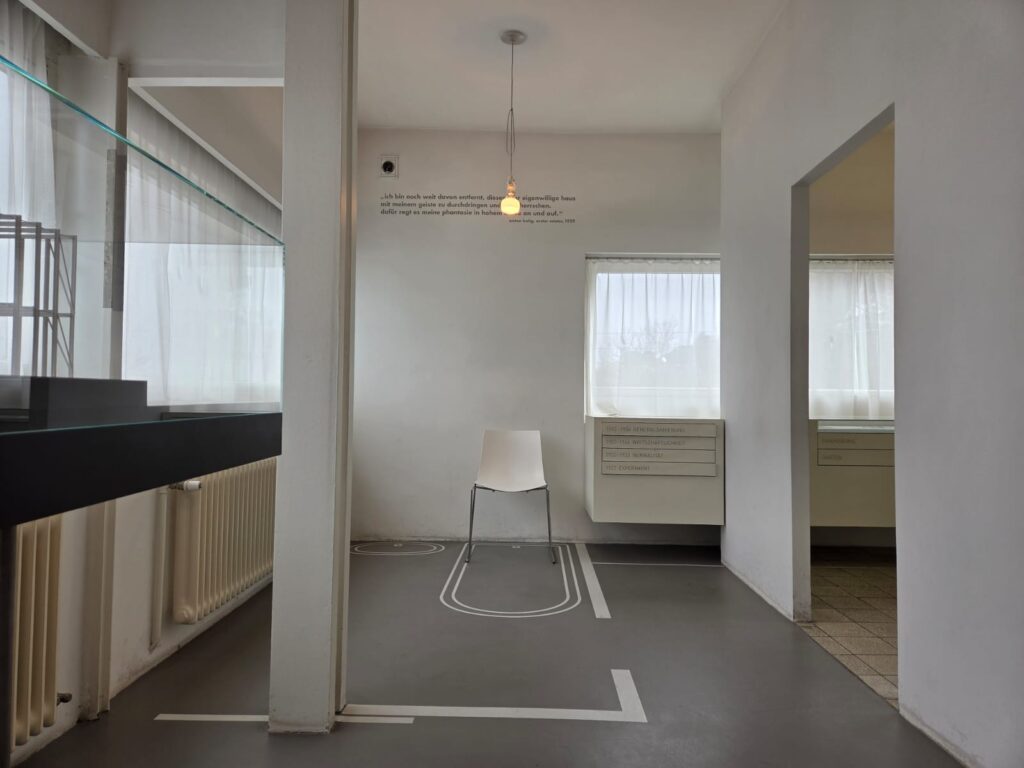
The fact that Rathenhaustrasse 1-3 consists of two matching homes opens up interesting possibilities for a museum. The side closest to the city (and transport links) hosts the infrastructure like ticket desk, cloakroom, shop, and context, while the other side shows Le Corbusier’s original vision for modern living. There are tours, but only in German.
Importantly, this isn’t the only part of the estate that has taken on a cultural rather than residential function. Nearby, in a house by Peter Behrens, is the Architecture Gallery at Weissenhof e.V. This seems to be more of an exhibition space than a museum about the house or estate.
The Visitor Experience
I’ll say at the outset that I think that, for visitors to Stuttgart, this museum is best for the architecture enthusiasts. We thoroughly enjoyed getting out of the central city, exploring the museum, then taking a quick turn around the neighbourhood. But I can see that it wouldn’t be for everyone. It’s also best for a confident museum-goer, as there’s an element of just needing to look around and figure out which bits are open to the public. And finally, if you’re a German speaker it’s ideal. If not, if you have access to mobile data you can use Google Lens (or similar) to translate the German-only texts. Key texts are in English as well, but a lot of the detail is not.
When we arrived, a guided tour (in German) had just begun. There’s an additional cost for these, and an option to take a tour of the Weissenhof Estate as well. We intended to visit on our own, so got on with that. In hindsight the spaces are fairly small, so we would have been better off heading to the other house first, and swapping over when the tour group arrived.
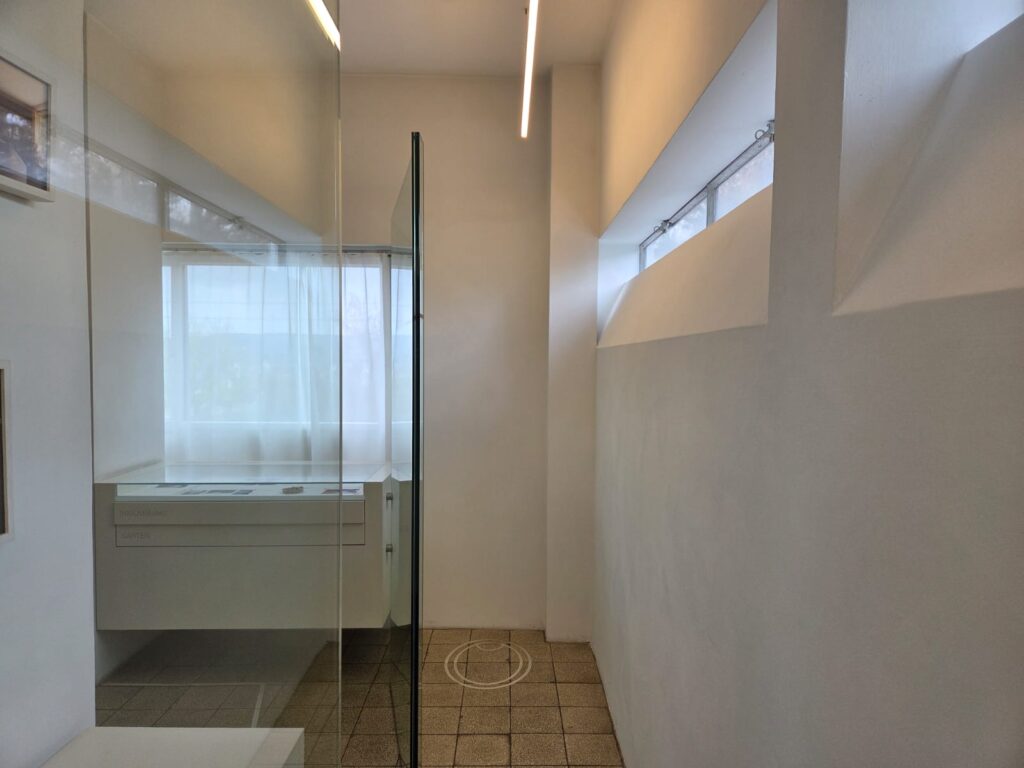
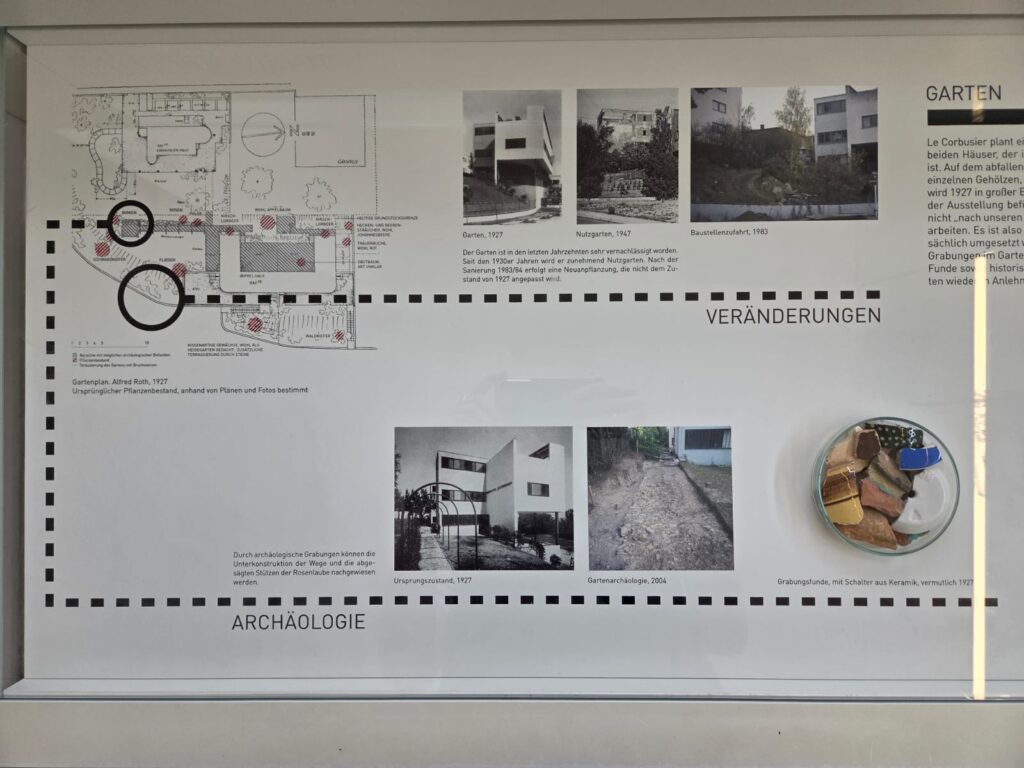
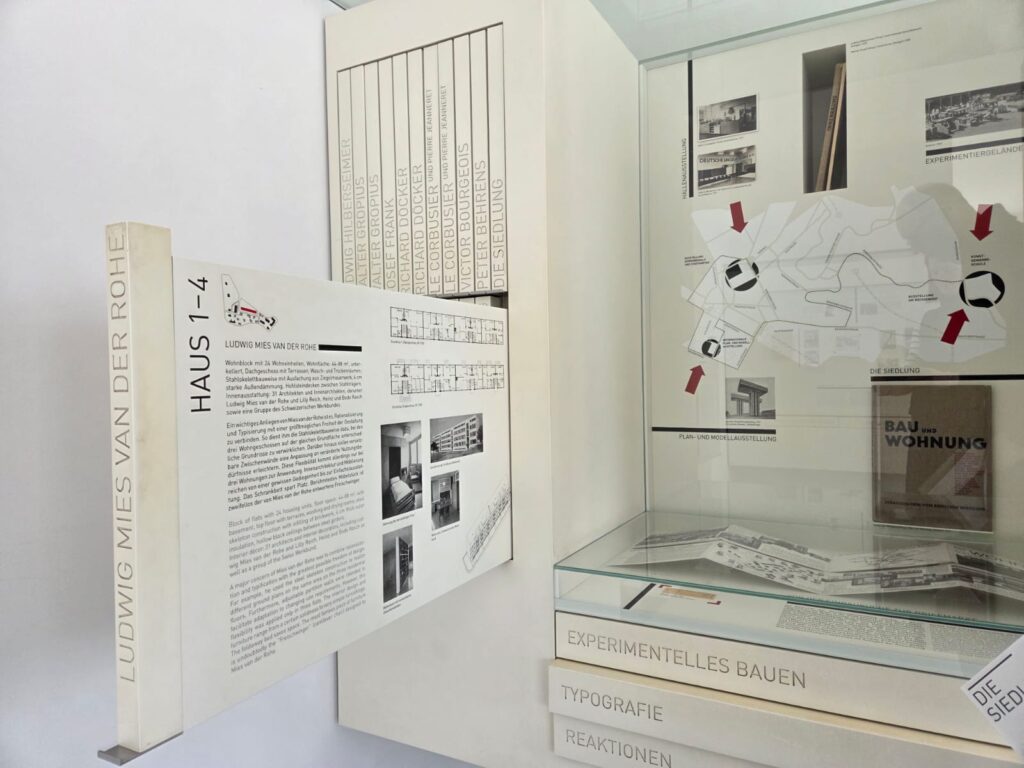
The Weissenhofmuseum im Haus Le Corbusier is very much a museum of two halves. The house we entered first has all of the background information, models, and explanations. I speak some German, but used Google Lens to translate as it was just easier. There were interesting things to read about the process of putting together the exhibition, the various houses, and the wider context of modernism in Europe and Germany. This house also uses markings on the floors and walls to show the original layout and where partitions once stood.
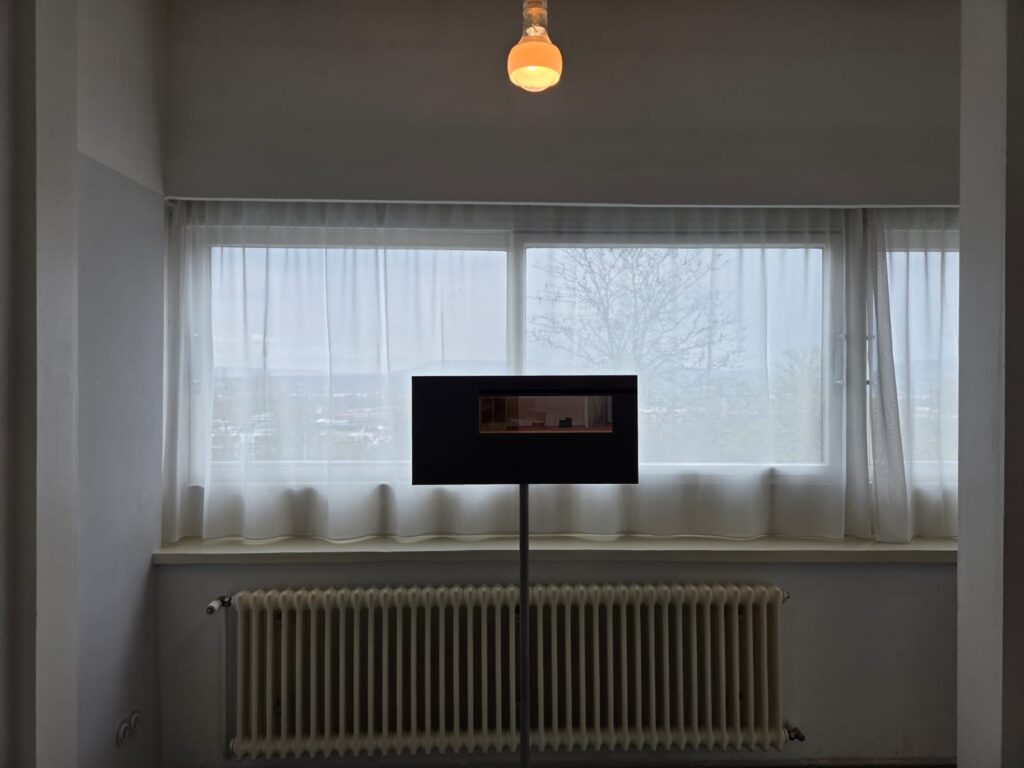
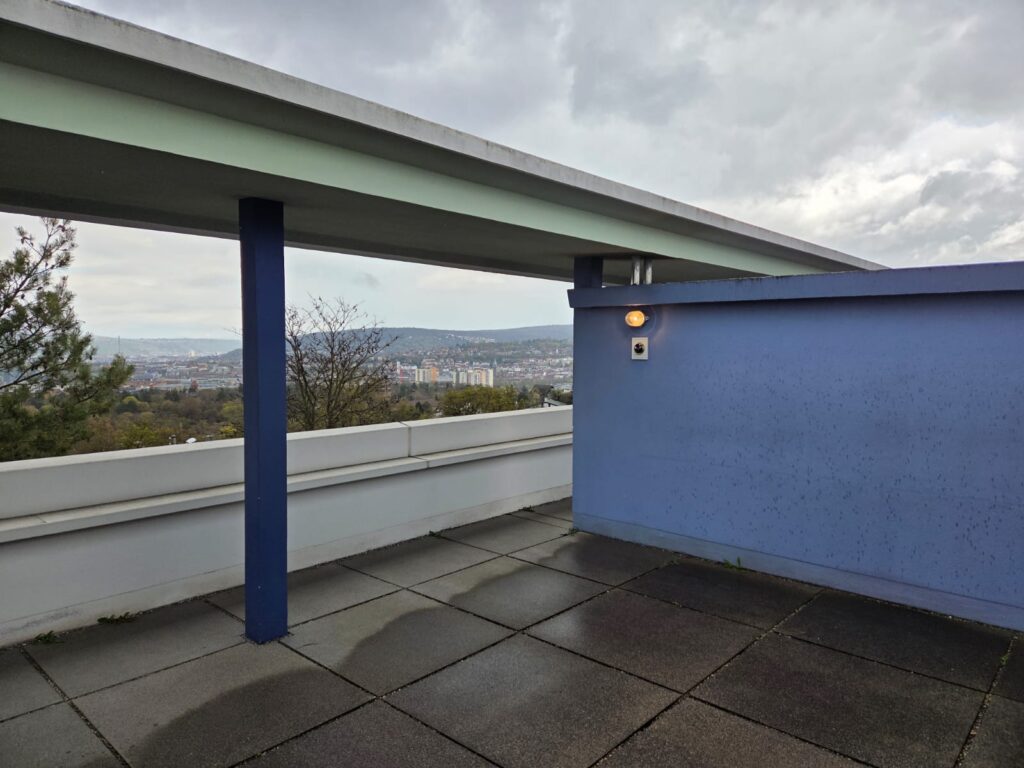
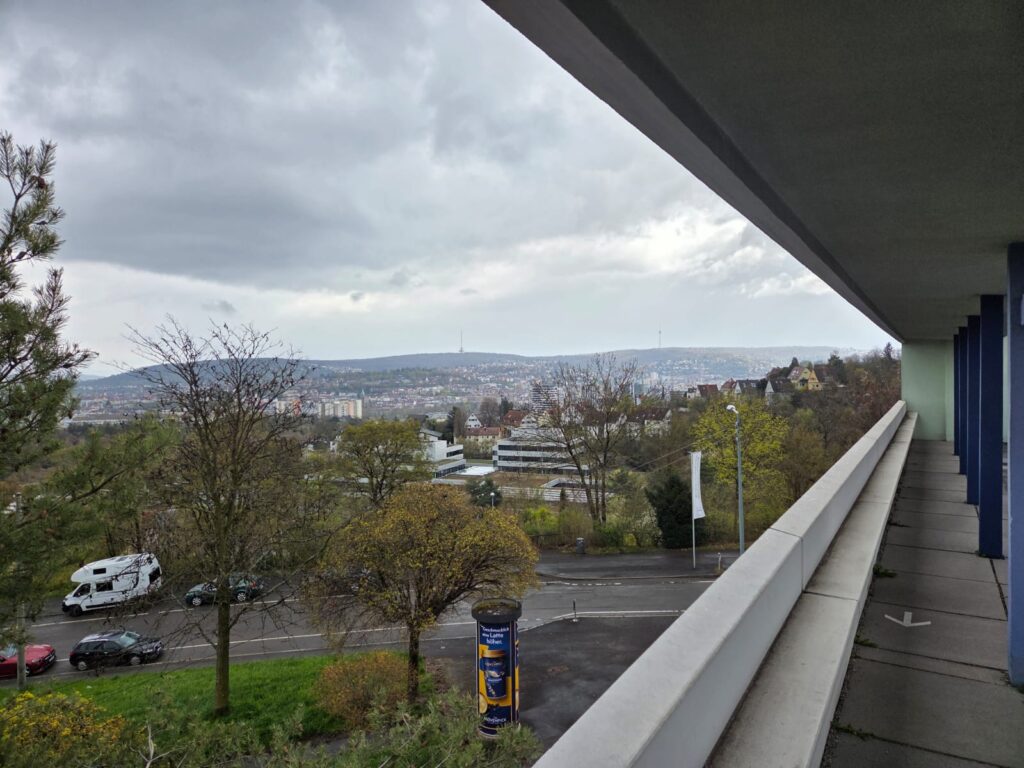
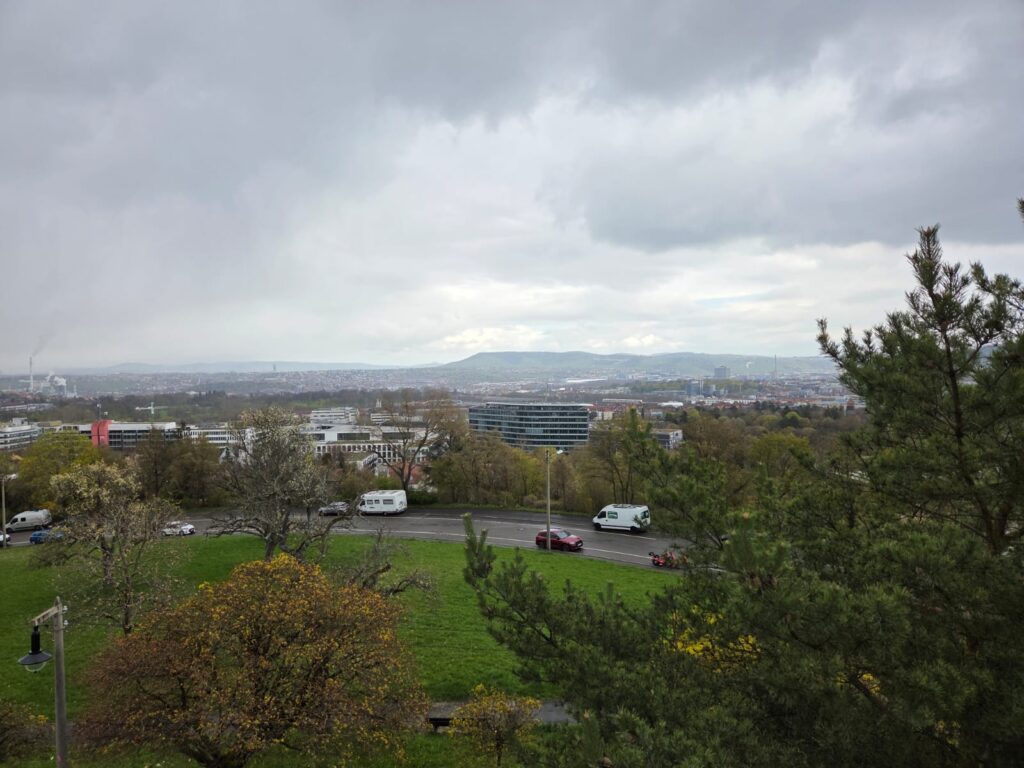
The second house brings everything to life. You see more or less the original layout, and colour schemes. You can really see how perfection for an architect would quickly become impractical for a resident. But it all seems worthwhile as you step onto the rooftop terrace for views of Stuttgart and its surrounding mountains.
Finally, a Walk Around the Weissenhof Estate
Did the Weissenhofmuseum im Haus Le Corbusier live up to expectations? I believe it did. Perhaps that’s not a surprise, given I’d only been forming those expectations since I discovered it existed that morning. But I really liked seeing this modernist suburb. A symbol of a time when technological advance and modern design were believed to be the keys to a better future for all. The houses, whether they are by Le Corbusier alone or also by Pierre Jeanneret, are good examples of modernism, and the duality of a museum-house and a restored house is clever and effective.
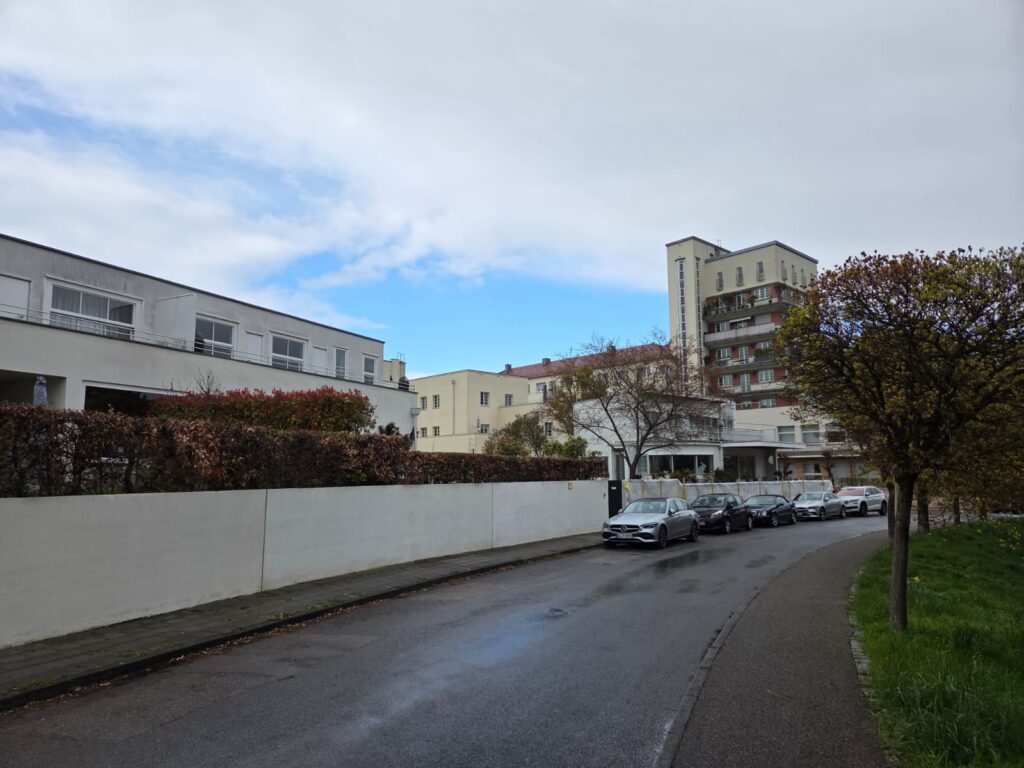
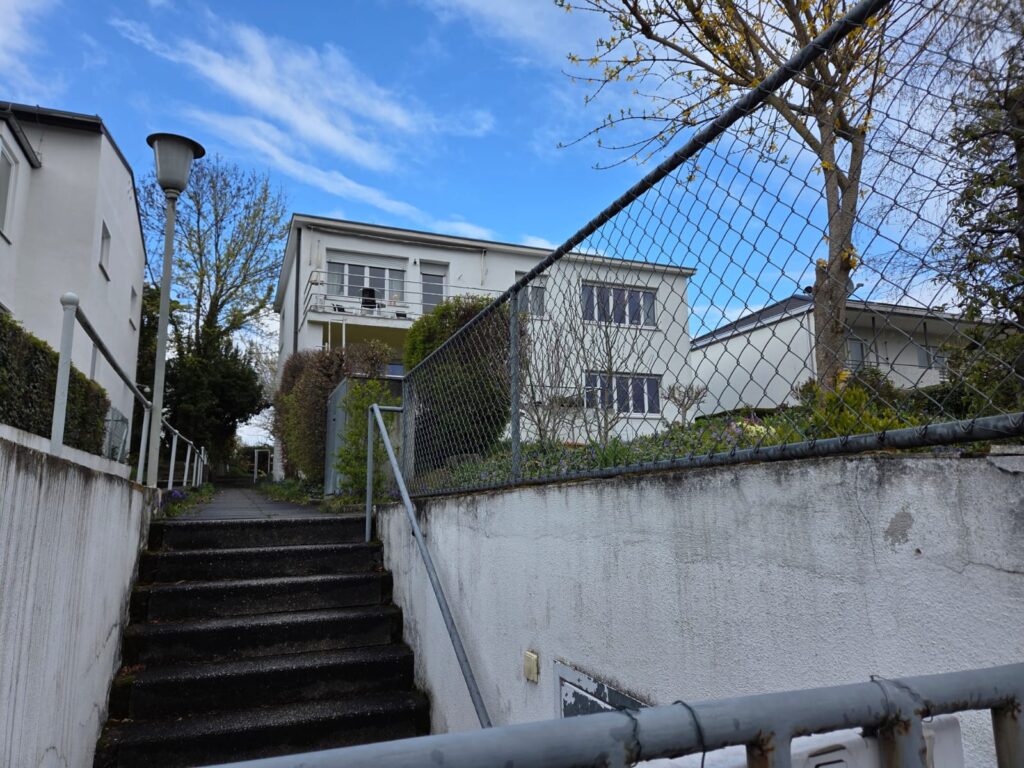
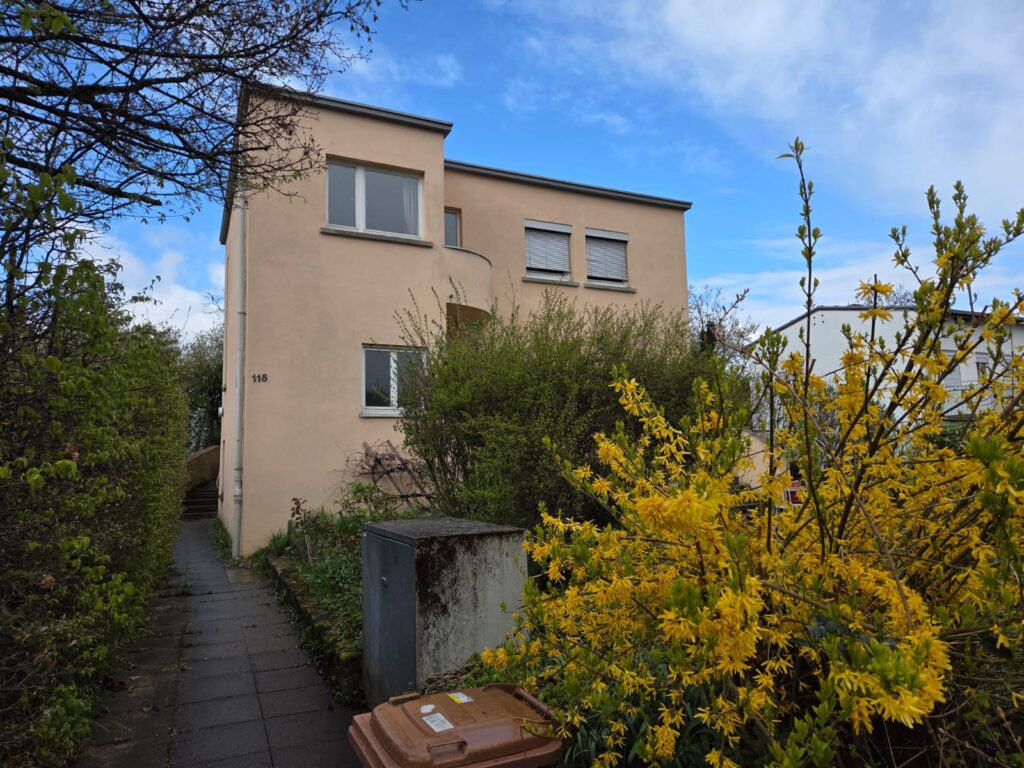
The weather was a bit changeable on the day we visited, but there was enough of a break between rain showers for us to take a quick walk around the Weissenhof Estate when we’d finished in the museum. We hadn’t had time to prepare ourselves properly with which of the buildings are original. So instead we wandered around and used clues to try to guess. Does it have a flat roof? Are there ribbon windows across the building? A few have plaques which indicate the architect. And we passed by the Architecture Gallery at Weissenhof, but felt we’d immersed ourselves sufficiently in the project for one day.
Somewhere near the beginning of this post I said that I think this museum is best for architecture enthusiasts. I still think that’s true (possibly also repeat visitors to Stuttgart). As well as enjoying the museum, we found that our trip to Weissenhof and back showed us a different side of the city. We got the U-bahn there, but waited for a local bus back to our hotel afterwards. As we drove through the hilly Stuttgart suburbs I felt privileged to have seen more of the city, and to have learned about a very interesting architectural project.
Heading
If you see this after your page is loaded completely, leafletJS files are missing.