
German Museum of Technology (Deutsches Technikmuseum), Berlin
The German Museum of Technology covers a lot of ground in its immense exhibition space, from horses and carts to networks to shipping, textiles, aviation, printing… If you can name it, as a technology, I’m pretty sure it’s here somewhere.
A Return Trip to Berlin
About two years after my last visit, I was lucky enough to return to Berlin. Last time I was here for a conference, with a little tourism thrown in (you know me, I can’t resist). This time I was here for something a bit more structured – a half marathon. Yes, I’ve become one of those people. So I didn’t actually have a lot of extra time, and didn’t want to wear out my legs covering as much ground as I did when I was here before.
And so, I turned myself over to Fate. Or the Urban Geographer, as it so happens. Since he was kind enough to accompany me, and fight the crowds to see the race and meet me afterwards, I thought it was the least I could do to let him pick how he wanted to spend his Saturday. I’ve trained him well, so he chose to spend his Saturday at a museum, visiting the Deutsches Technikmuseum, or German Museum of Technology.
This actually worked out quite well. I had to be at the former Tempelhof Airport in the morning to collect race stuff. On my last trip I went to the Tempelhofer Feld – one of the world’s largest urban parks formed from the former runways and suchlike. It was interesting seeing inside the airport this time. A lot of the infrastructure is still in place. I wish we still had more really central airports like that, but I guess they’re not practical and have been shut down for a reason.
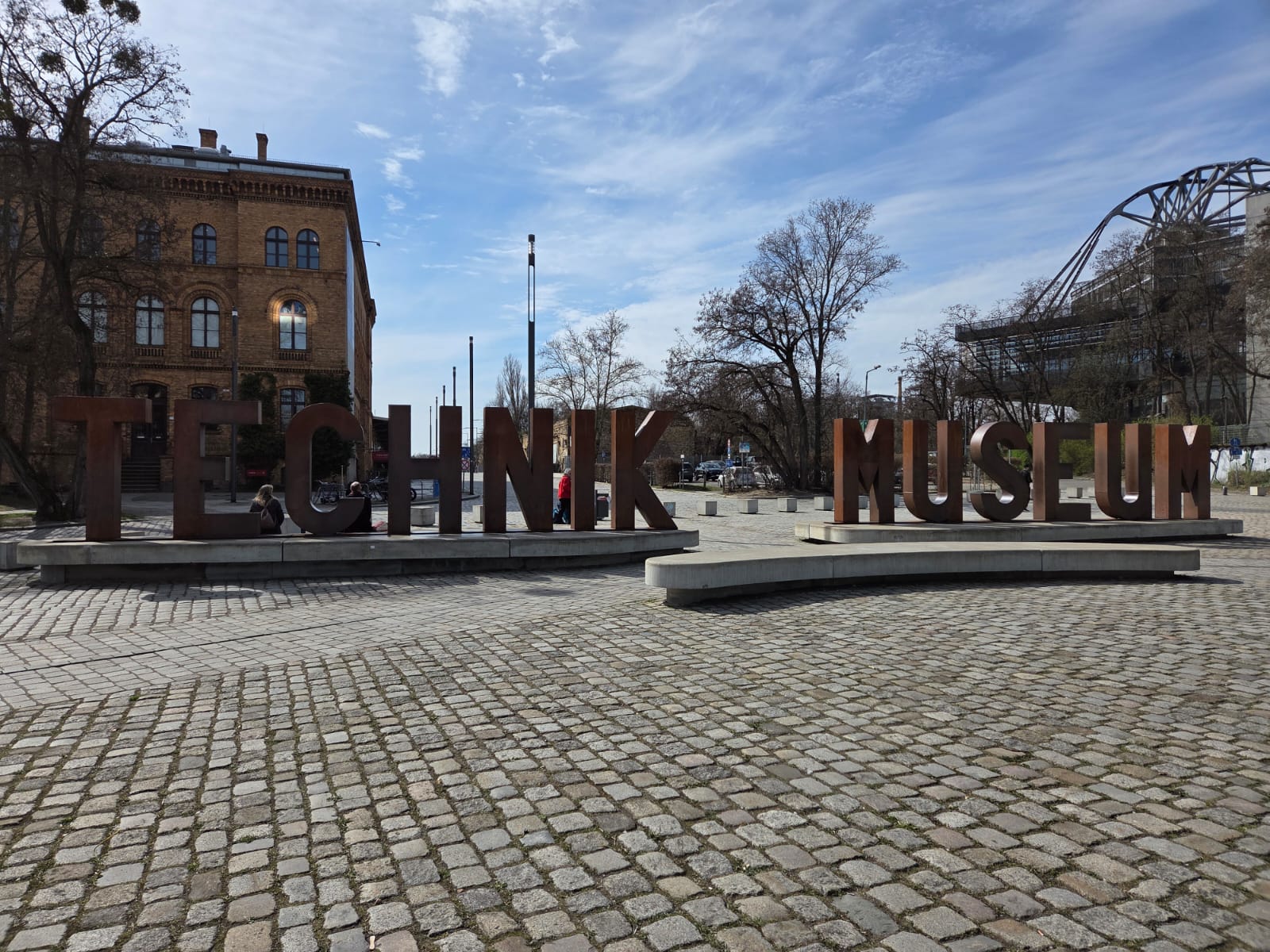
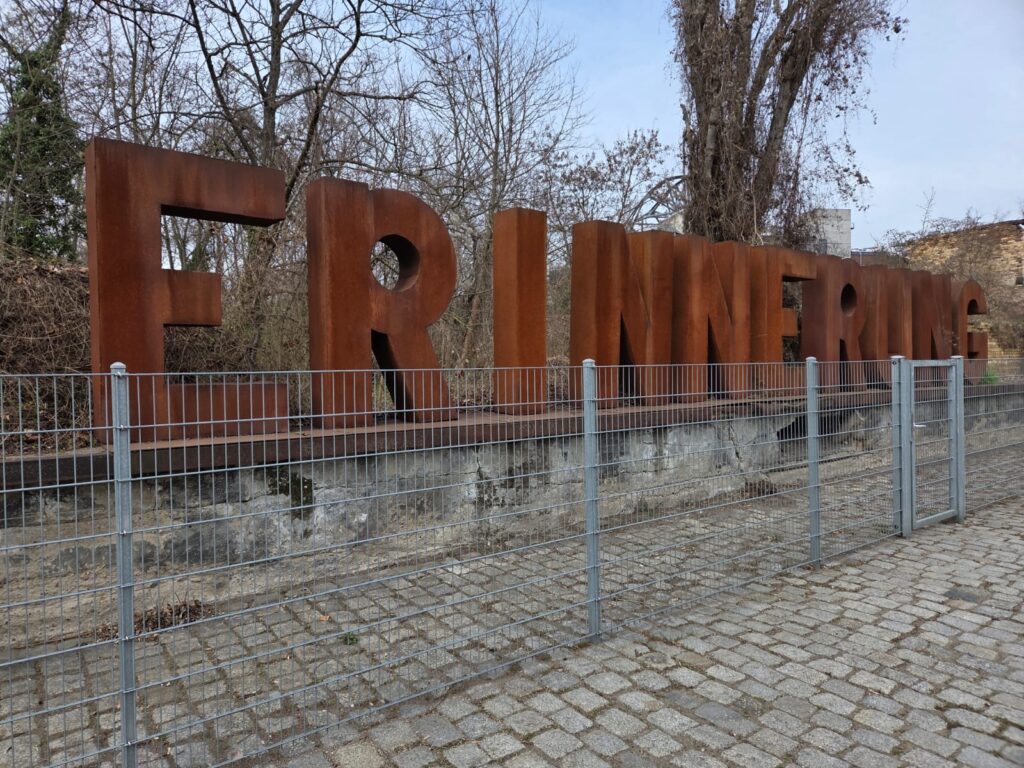
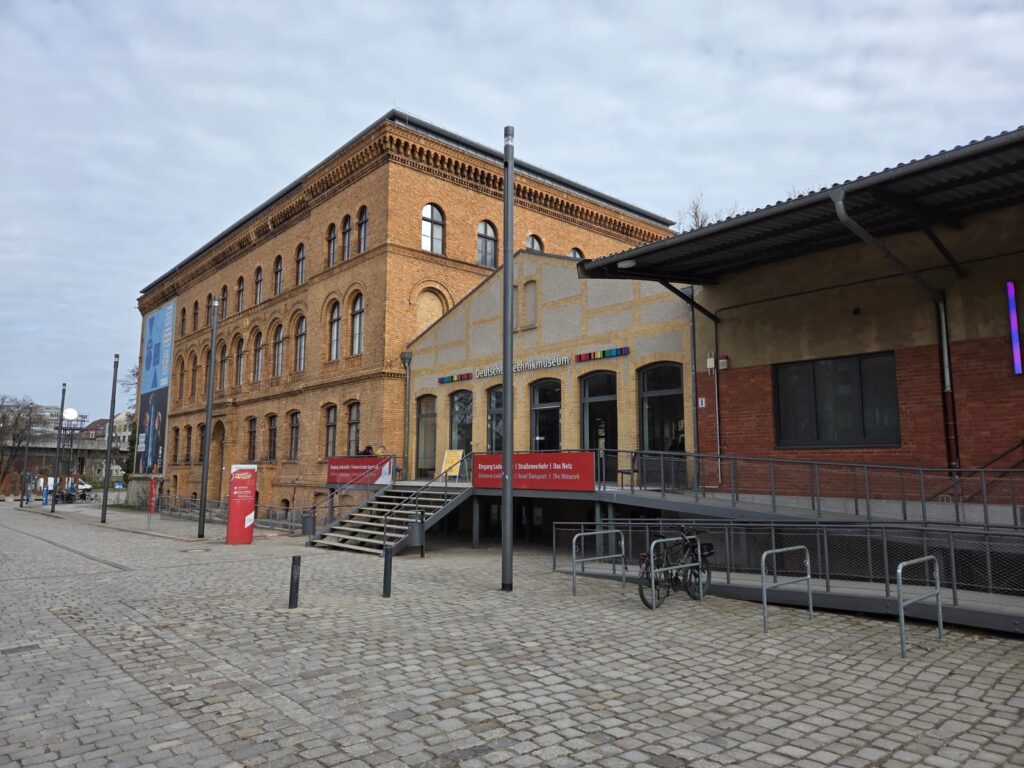
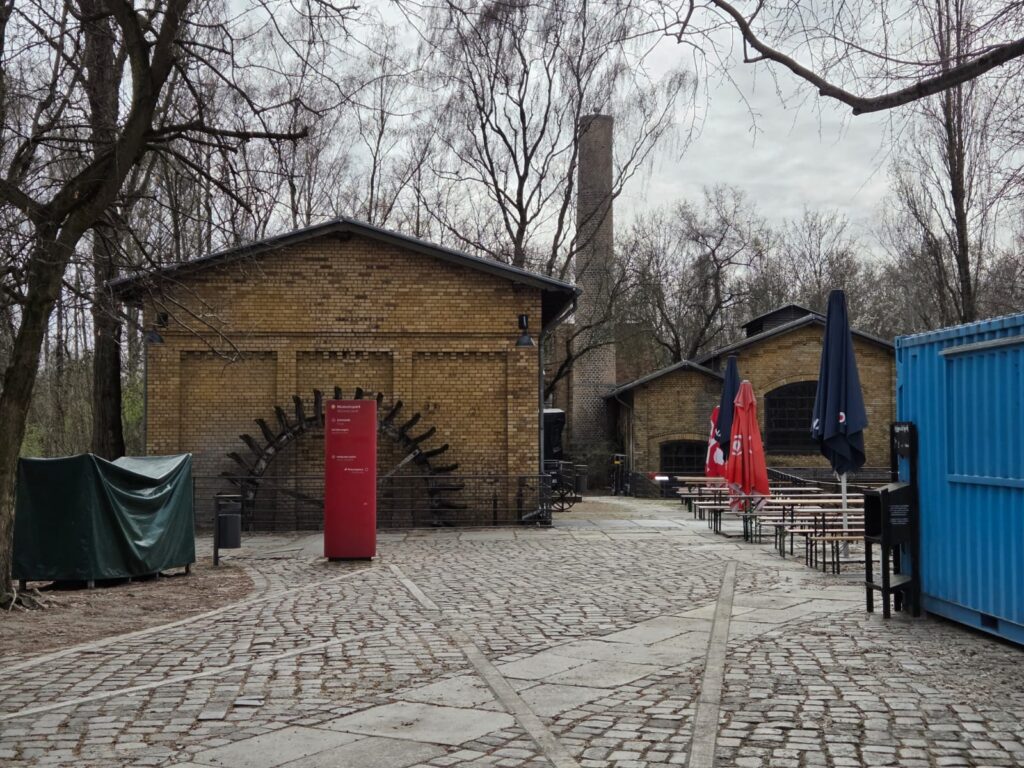
Anyway, from Tempelhof it was a pleasant walk to the museum in Kreuzberg. We had nice weather for it, too: cold but bright. On arrival we paused at the big TECHNIK MUSEUM sign to get our bearings. We little knew, at that stage, just how much museum we were in for!
A History of the German Museum of Technology
Before we get into it let’s all pause, mentally, in the spring sunshine outside the museum. A fabulous spot to learn some of the institution’s history. The German Museum of Technology (or Deutsches Technikmuseum) started life with a different name, and in a different location. A very apt location: the former Hamburger Bahnhof. Built in the 1840s, it’s one of Germany’s oldest station buildings, but hasn’t been used as a station since the 1880s. It first became an office and apartment complex, and then the forerunner of today’s museum in 1906. Since 1996 it’s been the Museum für Gegenwart (Museum of Contemporary Art), part of the Berlin National Gallery.
That forerunner museum was the Königliches Bau- und Verkehrsmuseum, or Royal Museum of Building and Transport. The first change was dropping the ‘Royal’ in 1918. It was a popular museum, necessitating two extensions to the main building. It was hit by Allied bombs during WWII but most of the collection thankfully survived. There was a complicated situation after the war, where the museum was in the British sector, but the East German Reichsbahn operated all the railways in Berlin and didn’t want to reopen a West Berlin museum. They transferred the building and collection to West Germany in 1984 (better late than never, I guess).
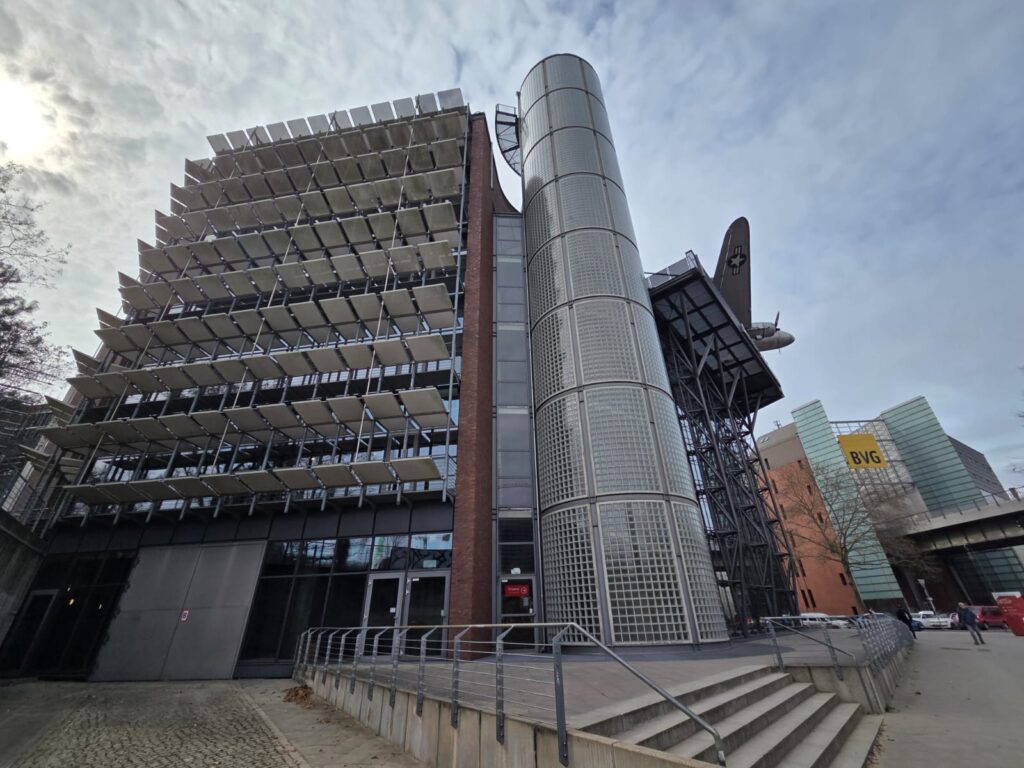
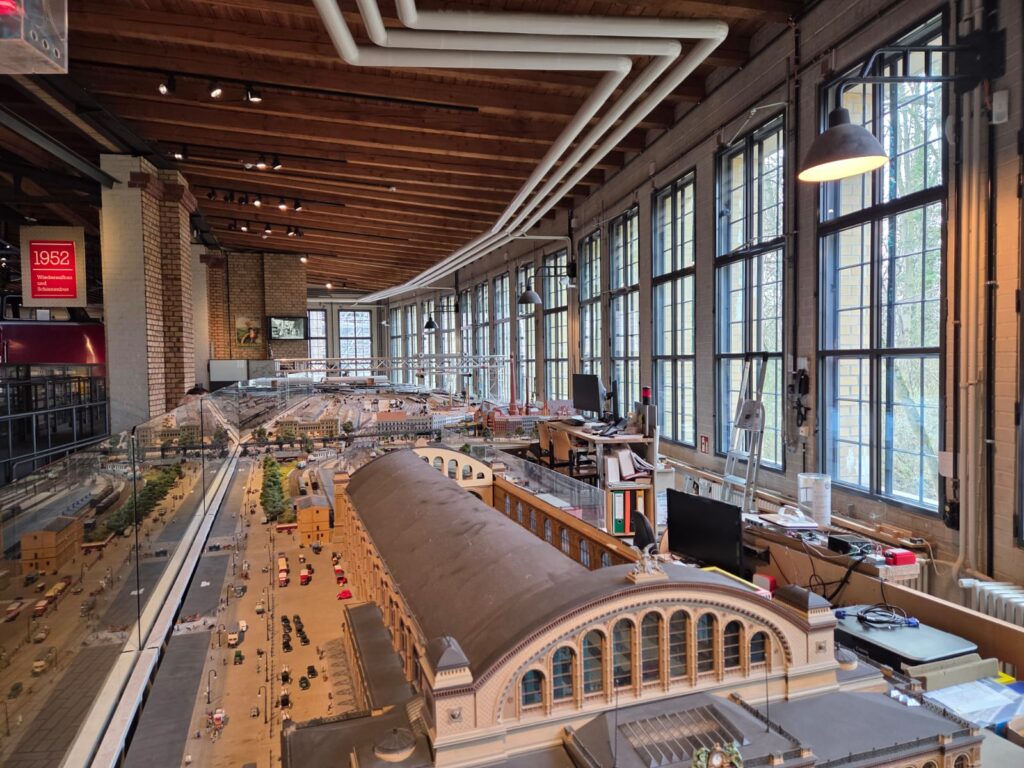
Meanwhile, a Museum für Verkehr und Technik (Museum of Traffic and Technology) had, in 1982, assumed the mantle of the former Royal Museum of Building and Transport. This institution was on the site of another former railway station, this time the Anhalter Bahnhof. This had been one of Berlin’s most important stations but was badly damaged in WWII and eventually demolished. The museum took over its former freight yard. A display of locomotives opened in 1987/88 in rebuilt historic roundhouses. The museum rebranded to its current name in 1996, and in 2003 opened a large extension which houses displays of shipping and aviation technologies. And that brings us more or less to the present day.
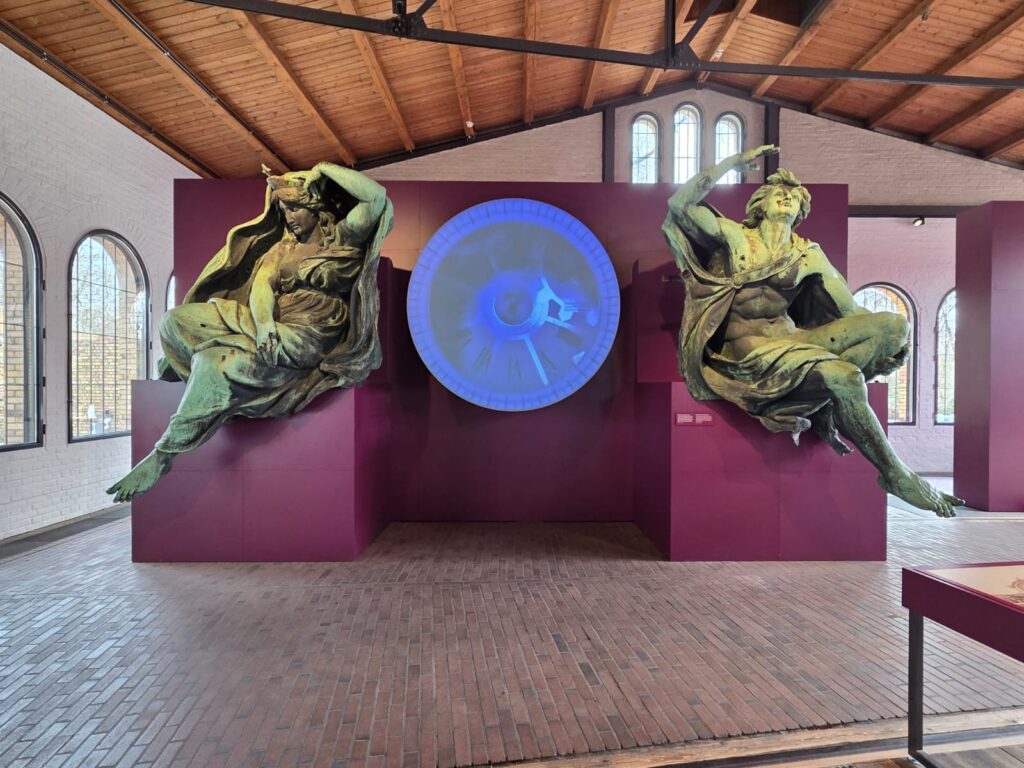
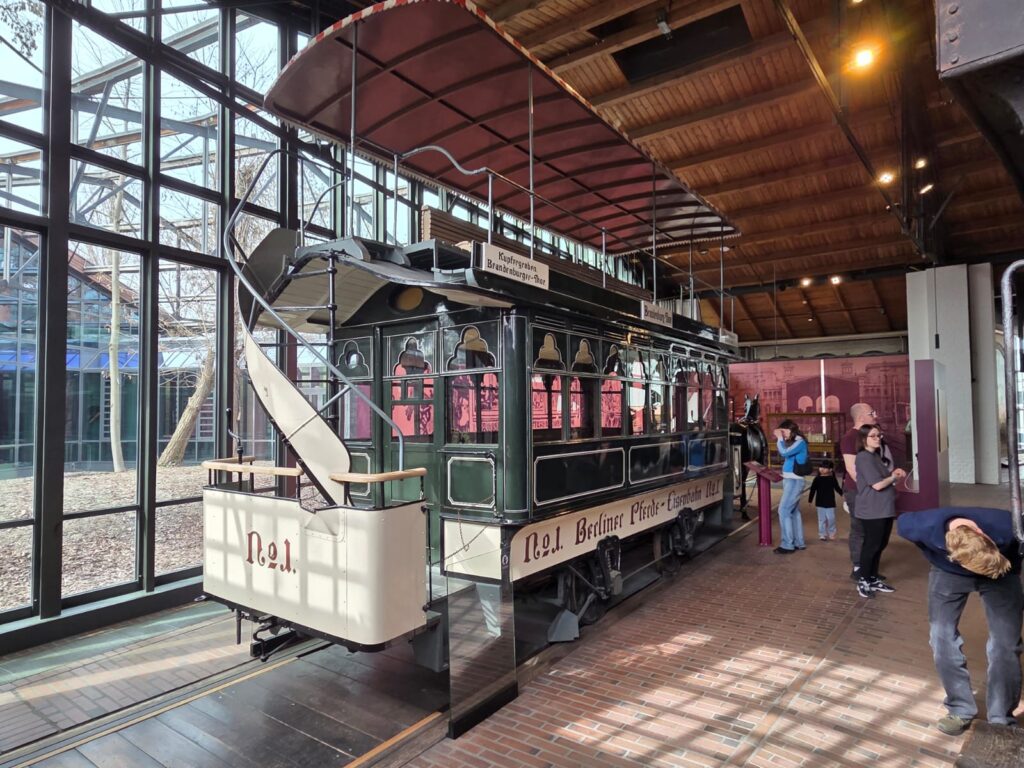
The Former Freight Yard: Road Transport and Communications
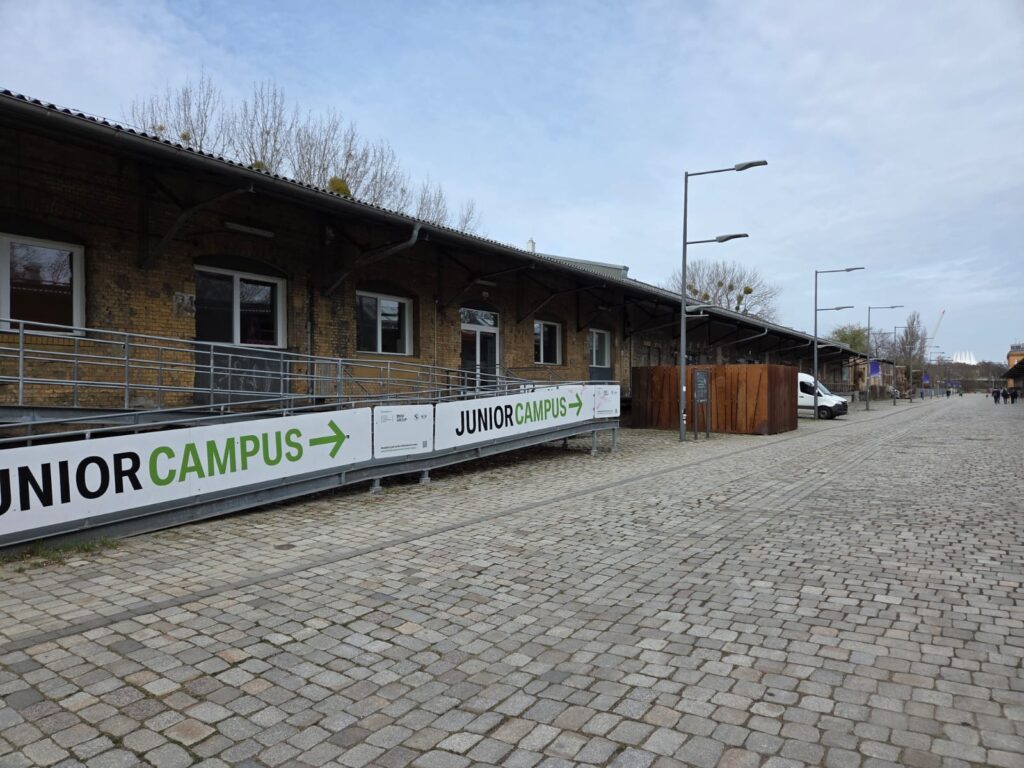
Not being familiar with the museum, we didn’t know that we should have probably started in the new extension. The exhibition space in there is immense, and it covers a lot of interesting ground. We saw there was a ticket office in the buildings of the former freight yard, and so started there.
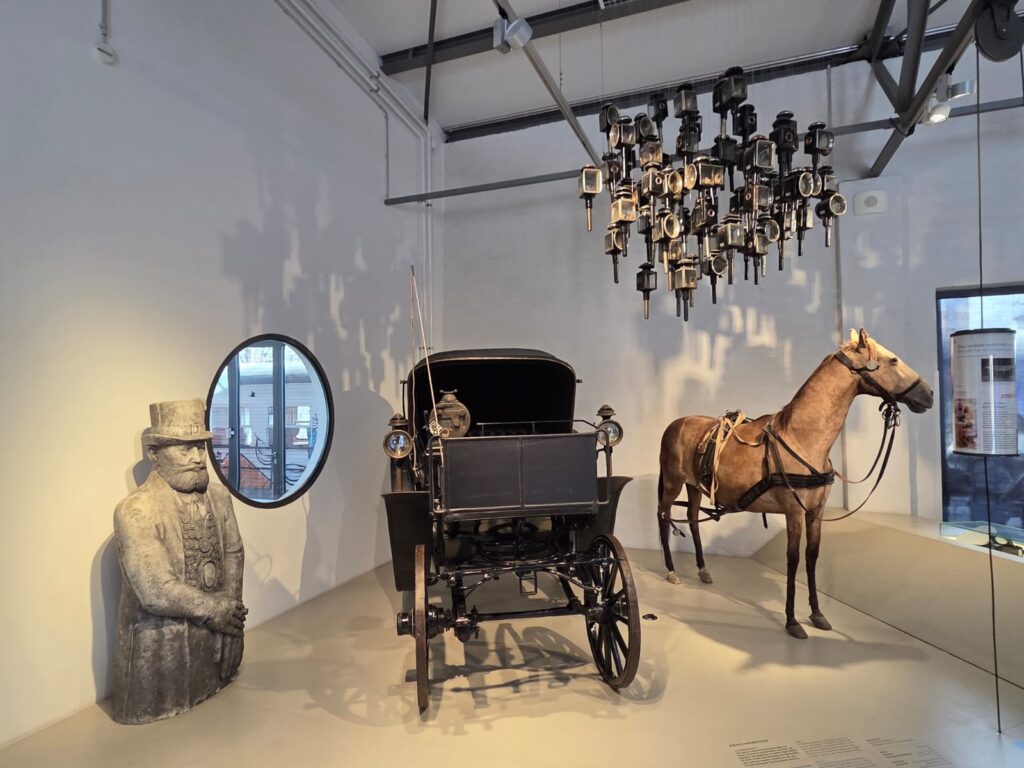
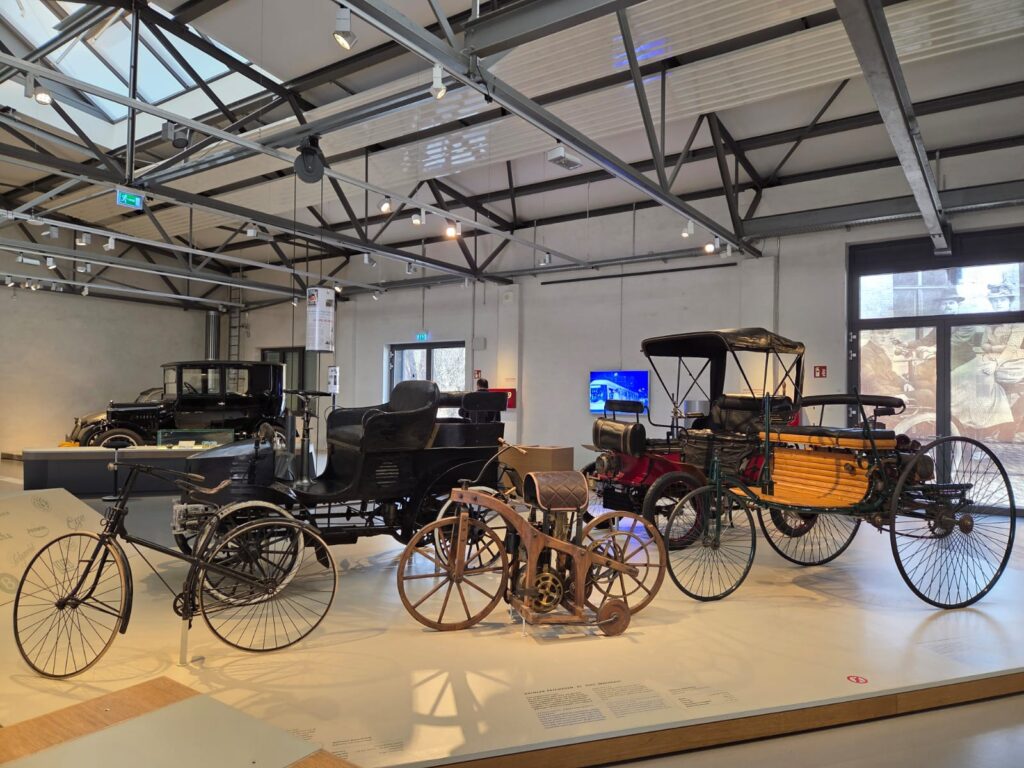
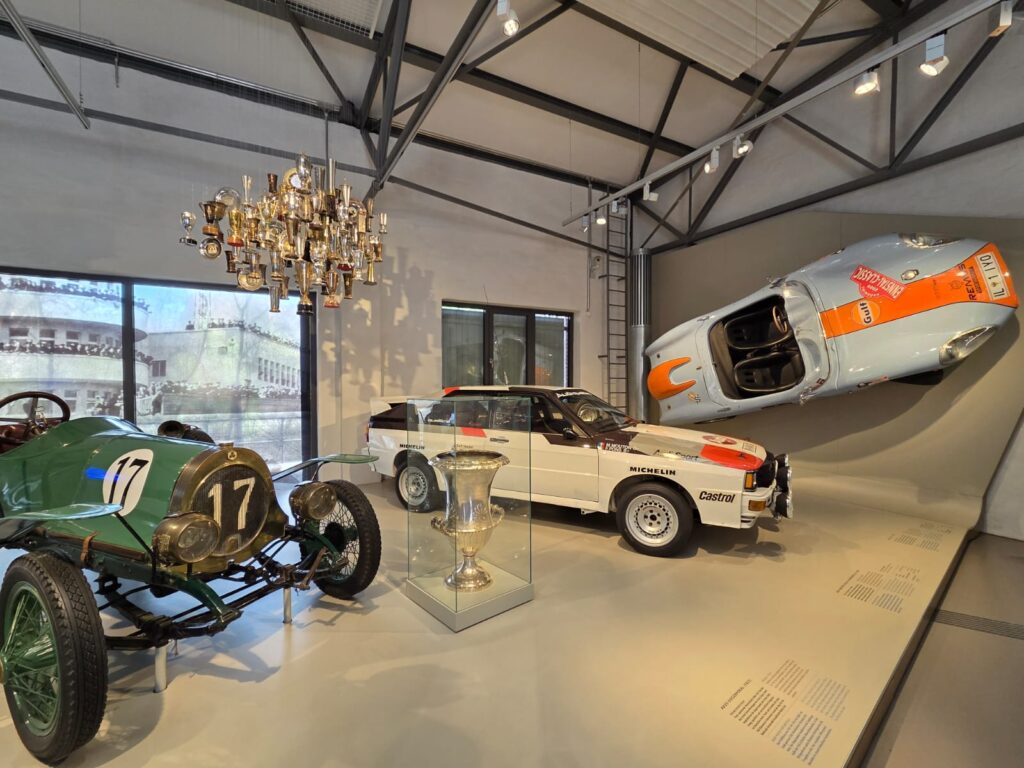
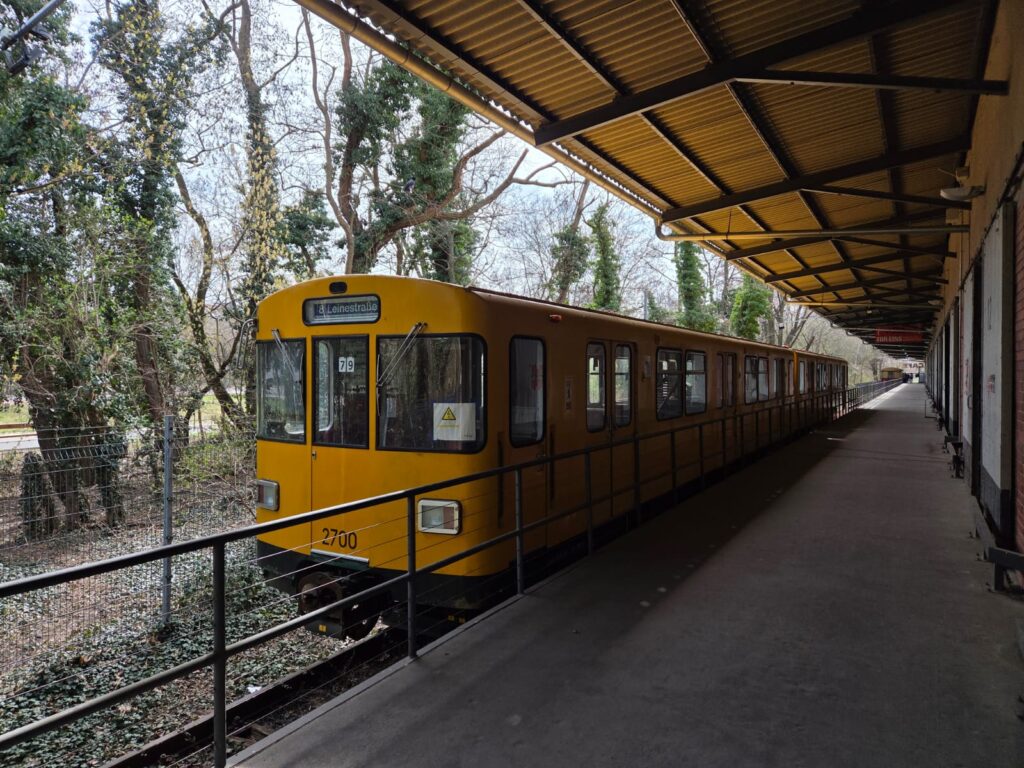
Imagine a building that’s long and narrow, running the length of a station platform (there is in fact a platform on one side with a train on it). That’s where we started our journey through the German Museum of Technology. The first section was transport. Visitors are eased into the technical developments to come by starting with models of a horse and cart and oxen and plough. OK, technology we can all get our heads around. We then move quickly through cars and bicycles. It’s astonishing, as always, to see just how many early experiments there were in electric automobiles. The Urban Geographer assures me there was a famous race car or two, but I’d wandered off by that point.
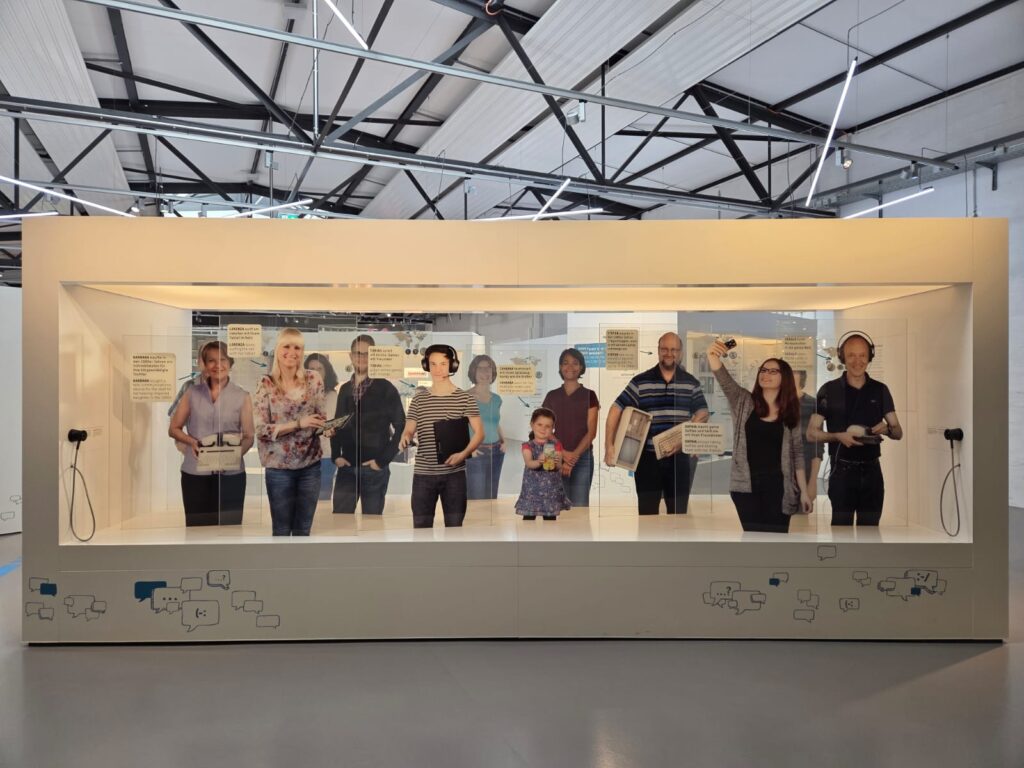
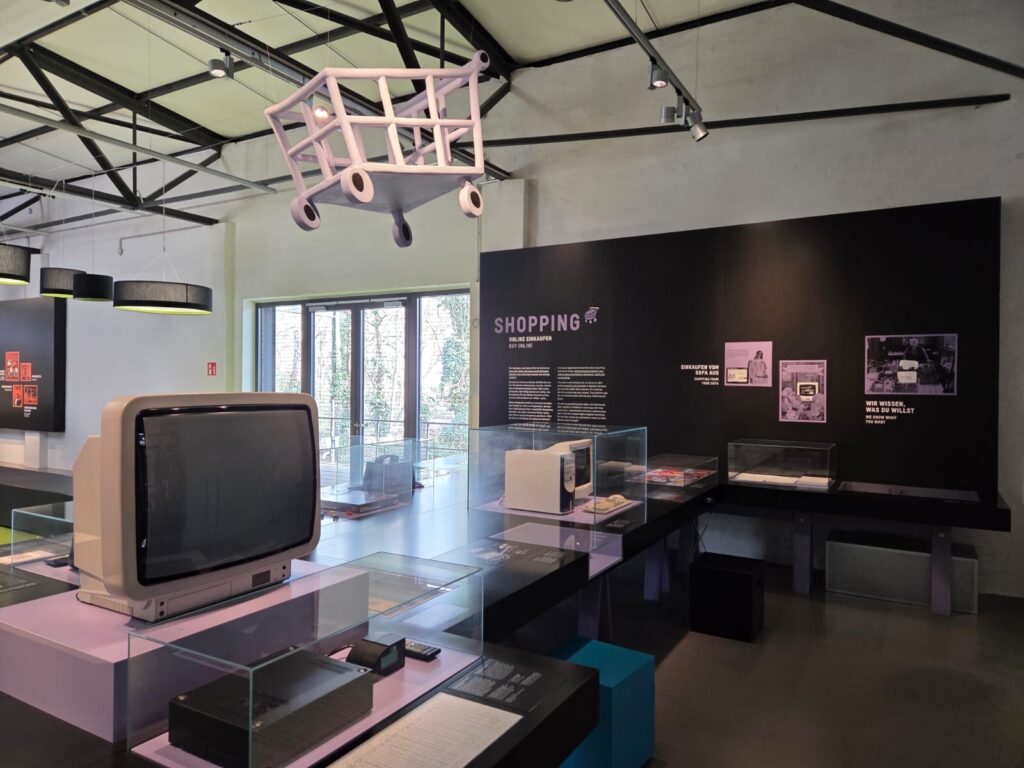
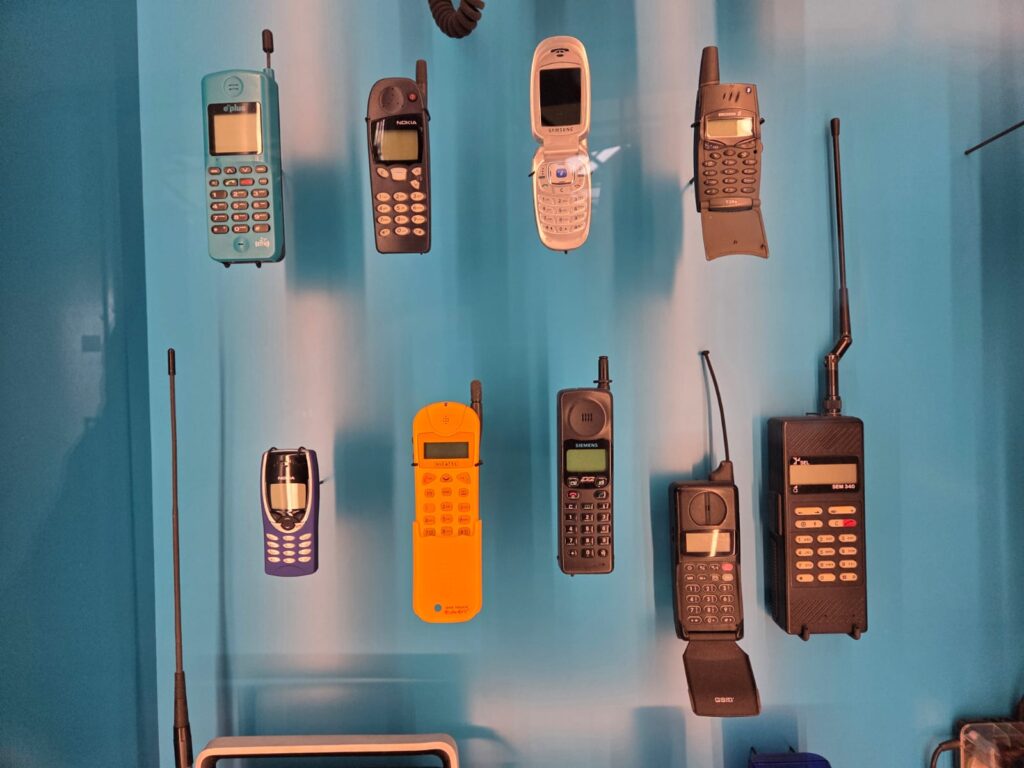
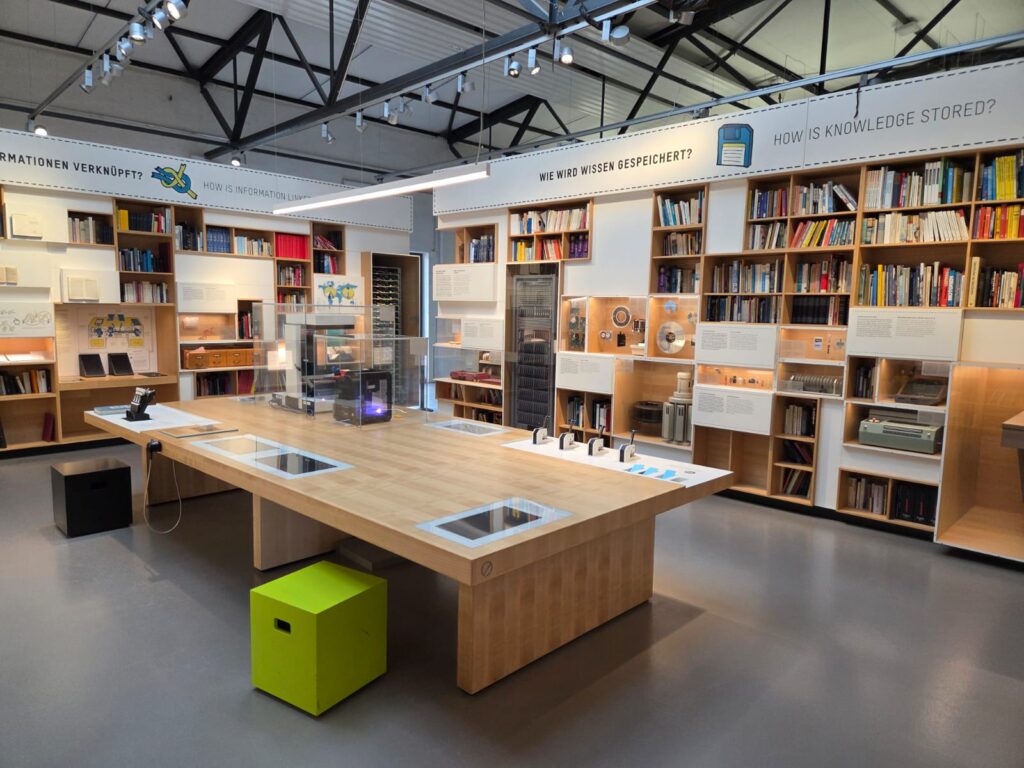
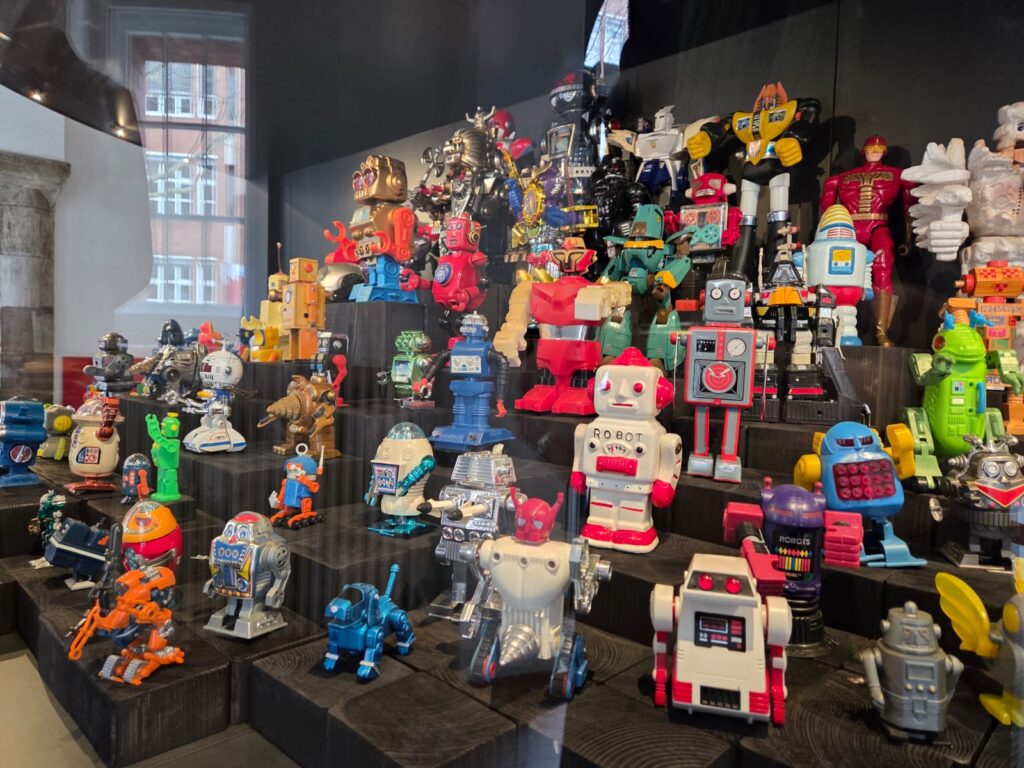
The next section was on networks and communication technology. I was slightly confused at first as the museum starts with networks from a human perspective, but I guess this is to set the scene. Then there are communications technologies. As an elder millennial one of my favourite bits here was looking at the early mobile phones and seeing which ones I owned or remembered. It’s funny when you get old enough to see your own past musealised.
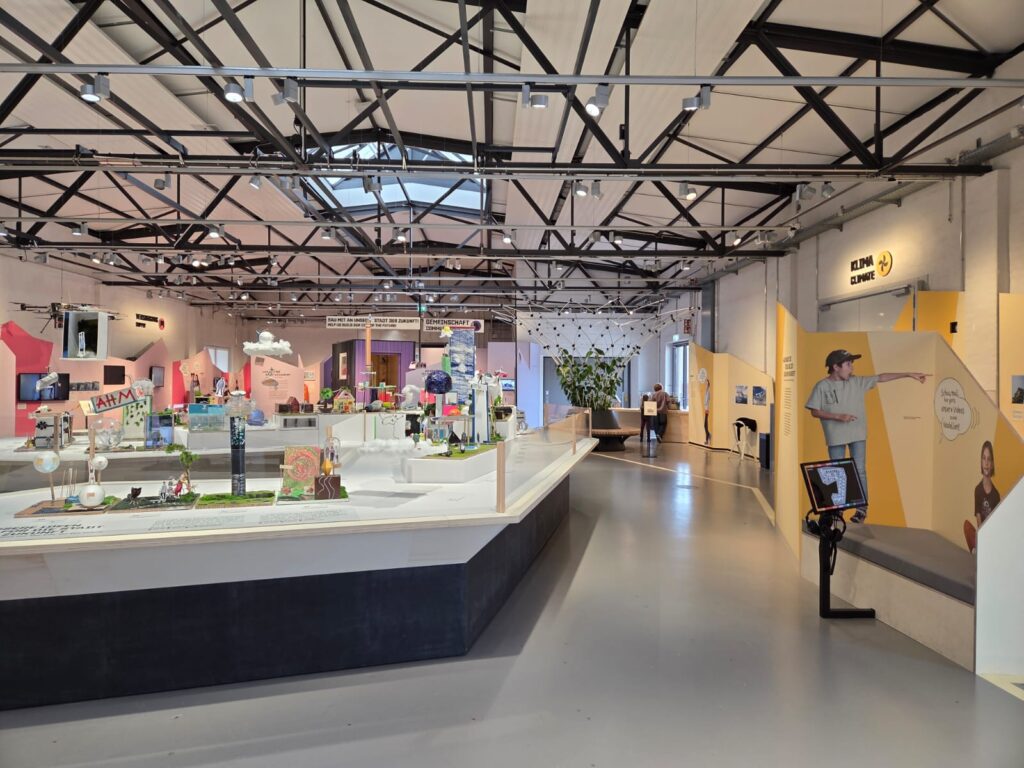
Finishing off this part of the museum, there was a temporary exhibition with children’s visions of the future. Then we backtracked a bit, exited onto the platform, and followed it up to the end of the building. No matter which side you start on, I recommend the café which looks out on Park am Gleisdreieck. It was a great spot to rest and refuel before we continued.
Oh, there’s also a science centre I forgot to mention – we weren’t there with kids so didn’t go.
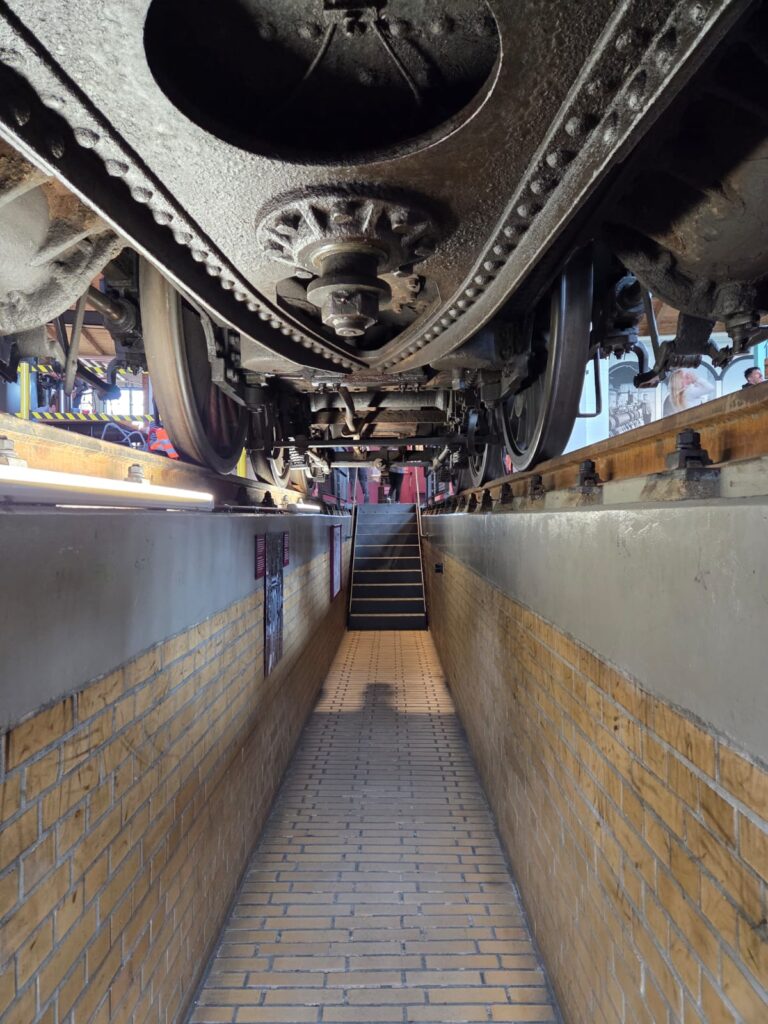
The Roundhouses and Extension: Trains, Planes, and… Textile Workers
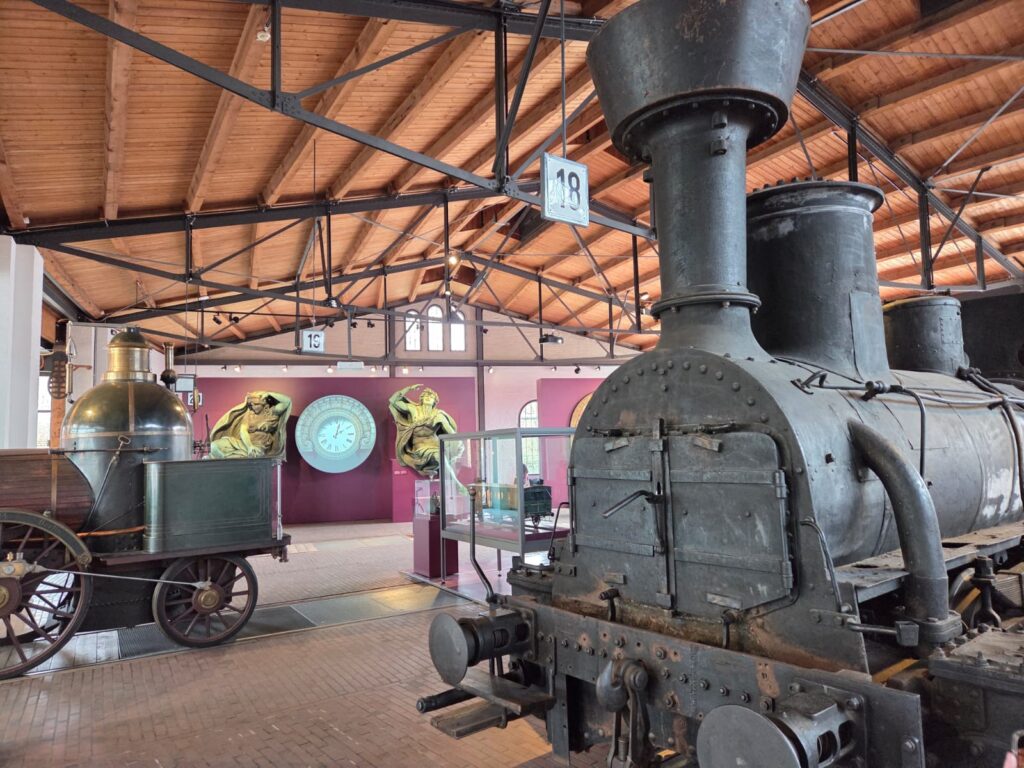
So now we headed back along the length of the freight yard and entered the other part of the museum. We turned right first, thinking the roundhouses would be quickly visited and then we could focus on the main museum building. How wrong we were. There are two of them, and they are massive. One of my favourite parts of the museum, though.
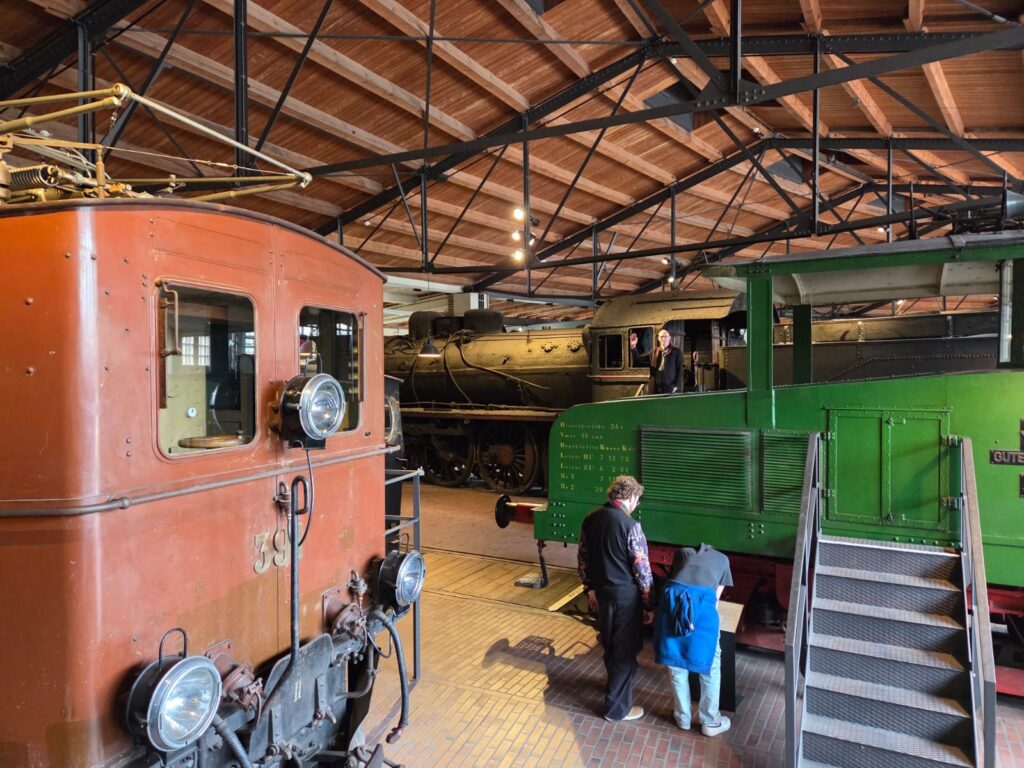
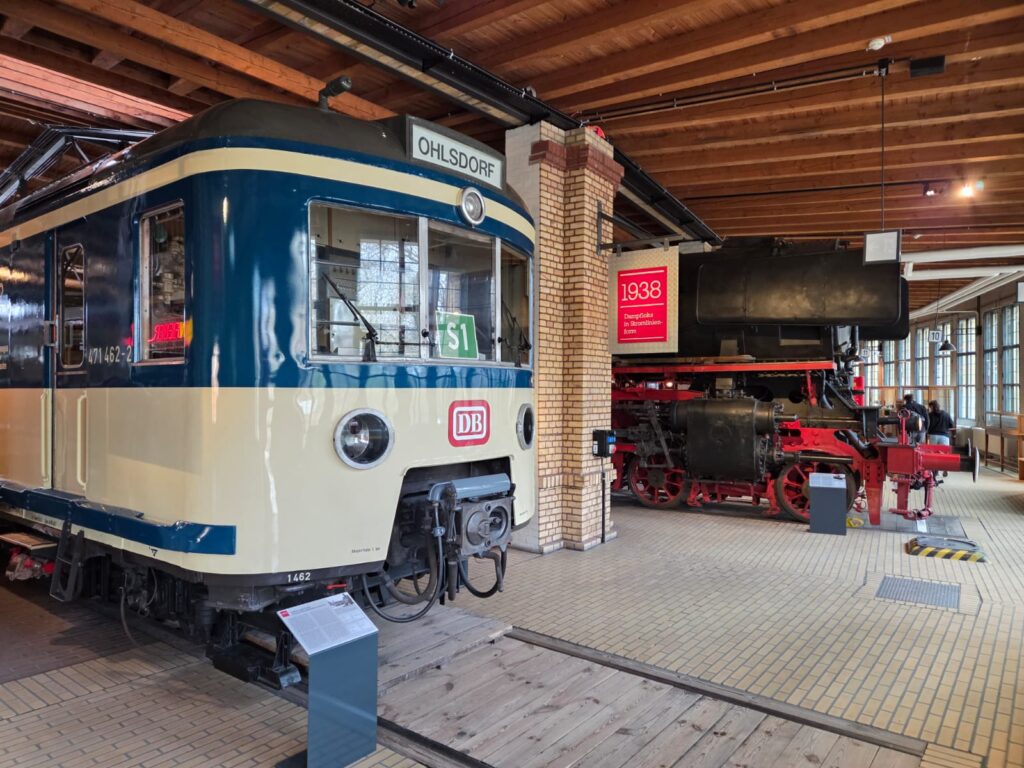
This is the locomotive section, naturally. It starts with a history of the Anhalter Bahnhof, then arranges a bunch of locomotives chronologically so you can see developments in railway technology. From steam to electric, there’s a lot to see. In a couple of cases the inspection pit or work pit is open so you can pass under the train and get an engineer’s-eye view. I don’t know if it’s the Urban Geographer’s influence, but I’m really starting to enjoy a museum where you can smell the engine grease.
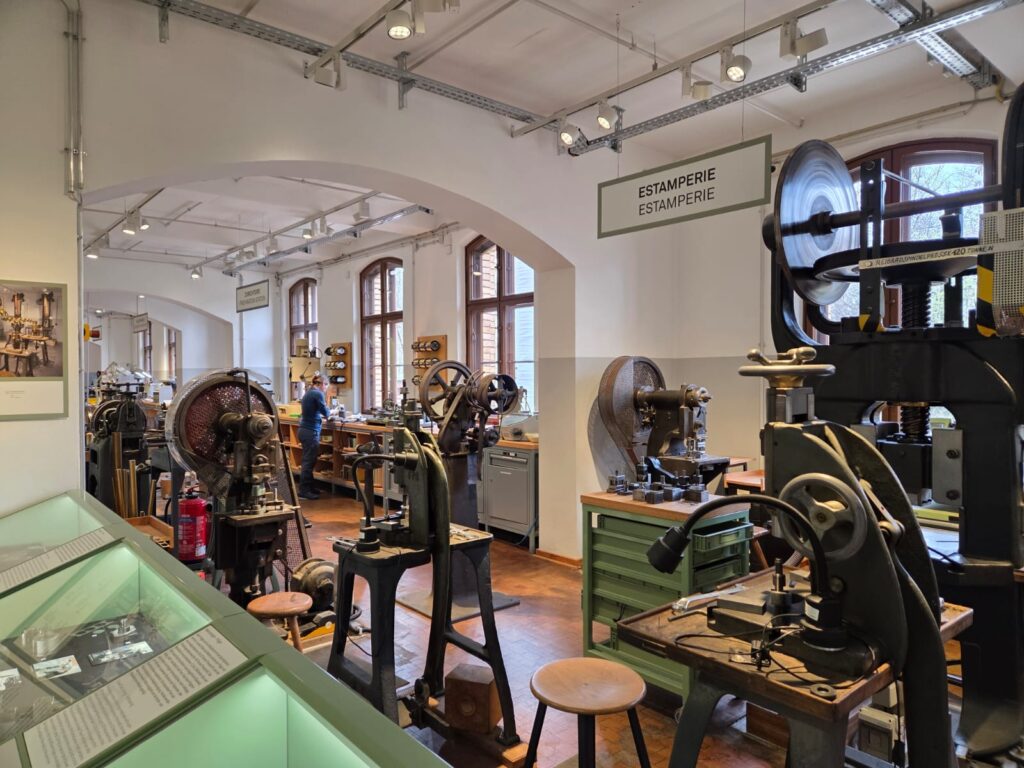
The space between the roundhouses has genuine workshops, with printers and goldsmiths and the like. Rooms behind them allow visitors to get hands-on with newer technologies and some of the concepts they’ve learned. Then after the second roundhouse we headed outside, where there are a few things to see like a windmill, and a historic brewery. Sadly we had to backtrack in the end to reach the new extension.
And so you see the problem. We’ve covered so much ground, so many technologies and so many centuries, and there’s still maybe half the exhibition space to go. Oh dear! To experience this museum properly I think you probably need to move to Berlin and get an annual pass or something.
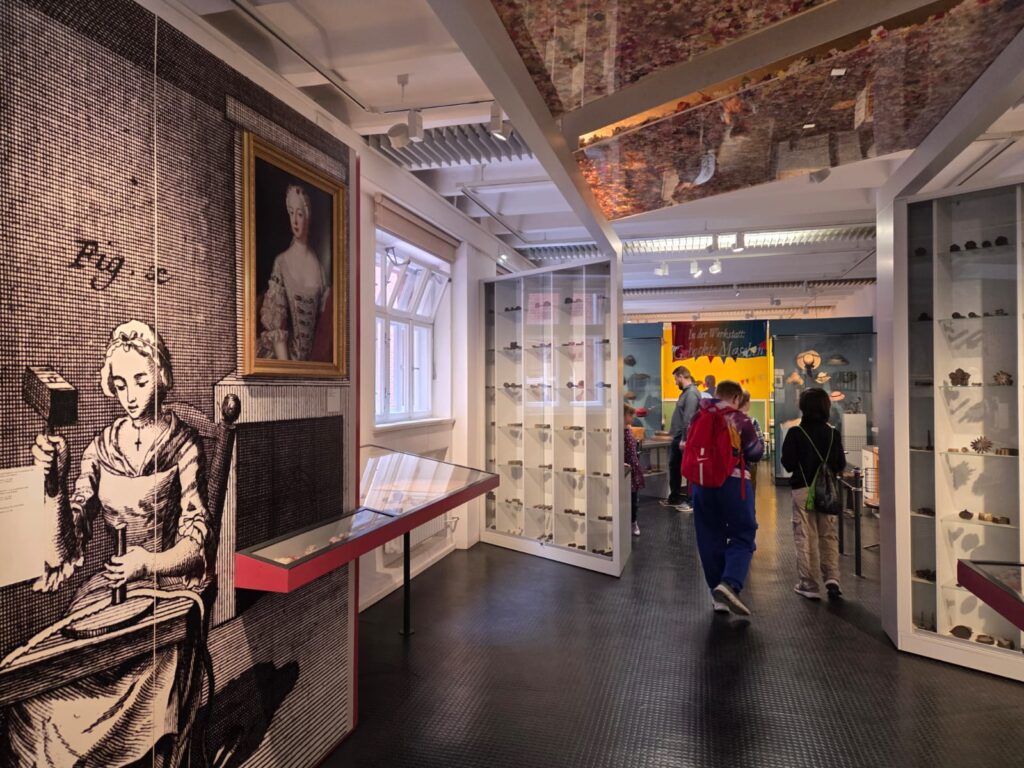
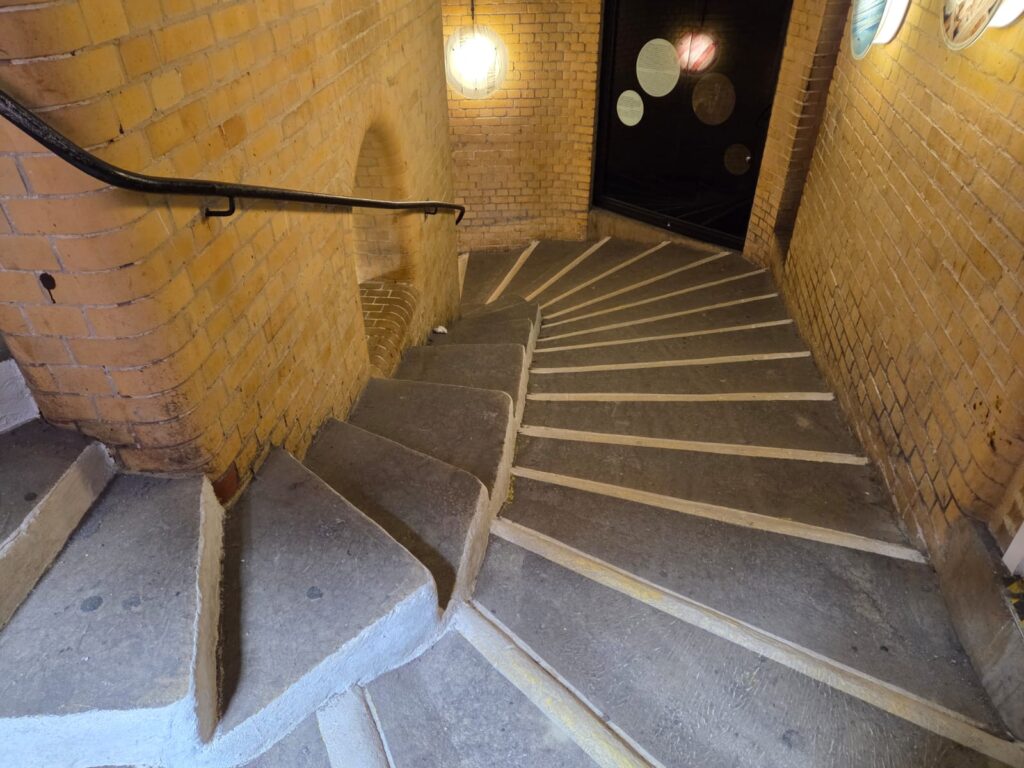
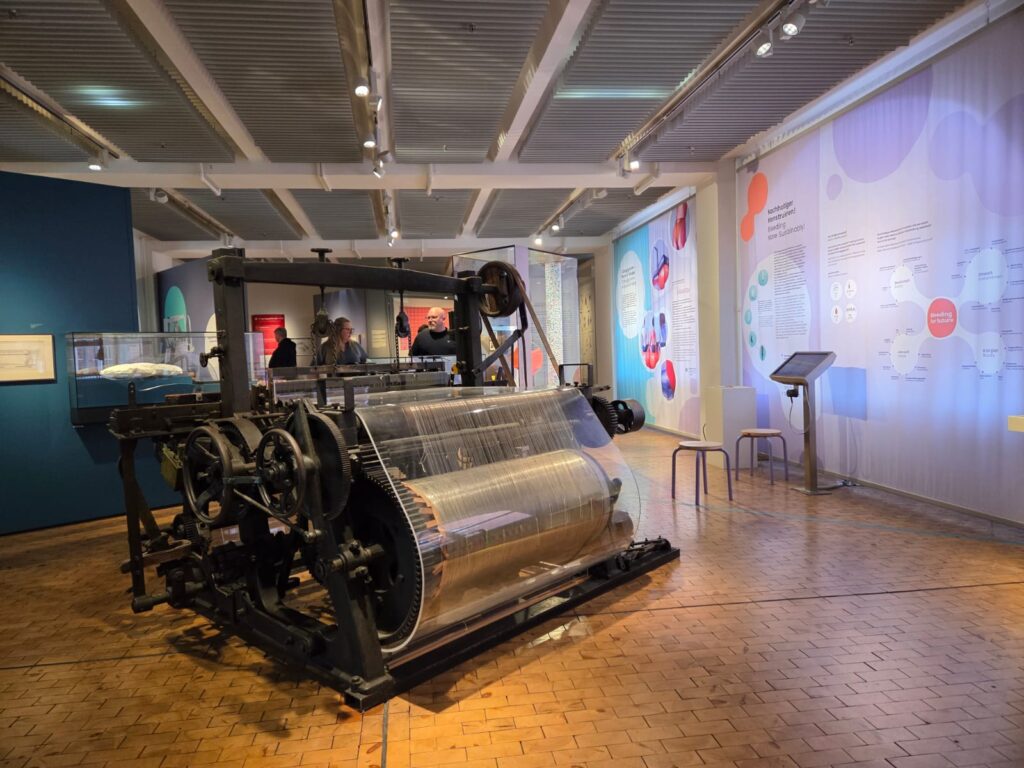
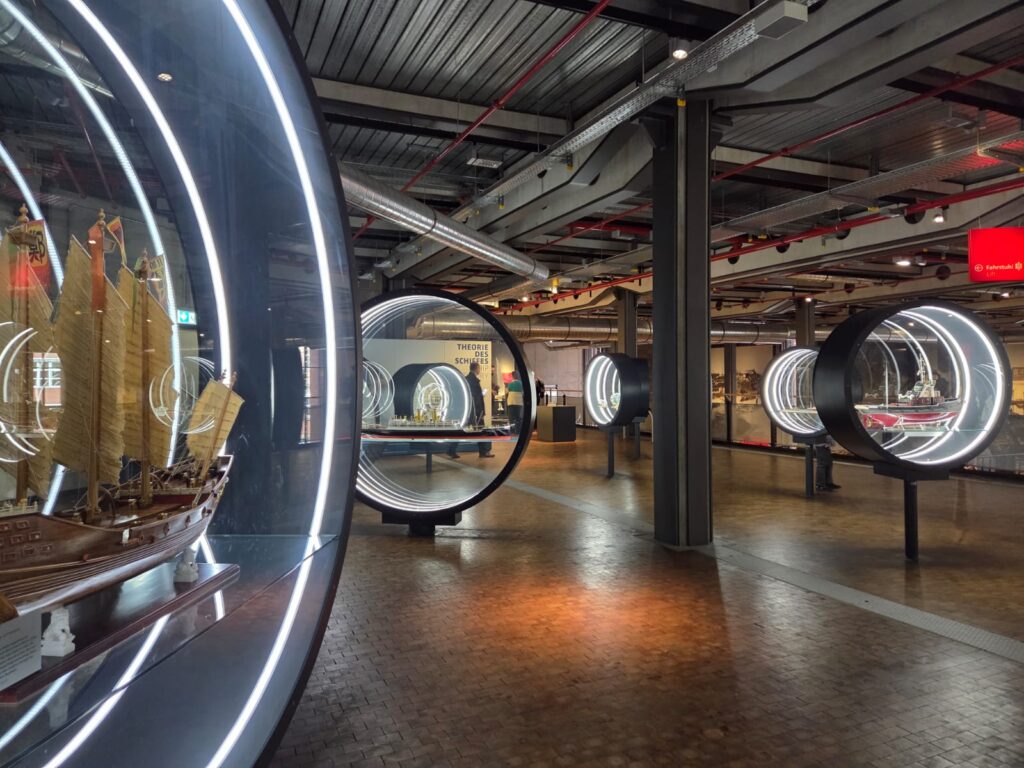
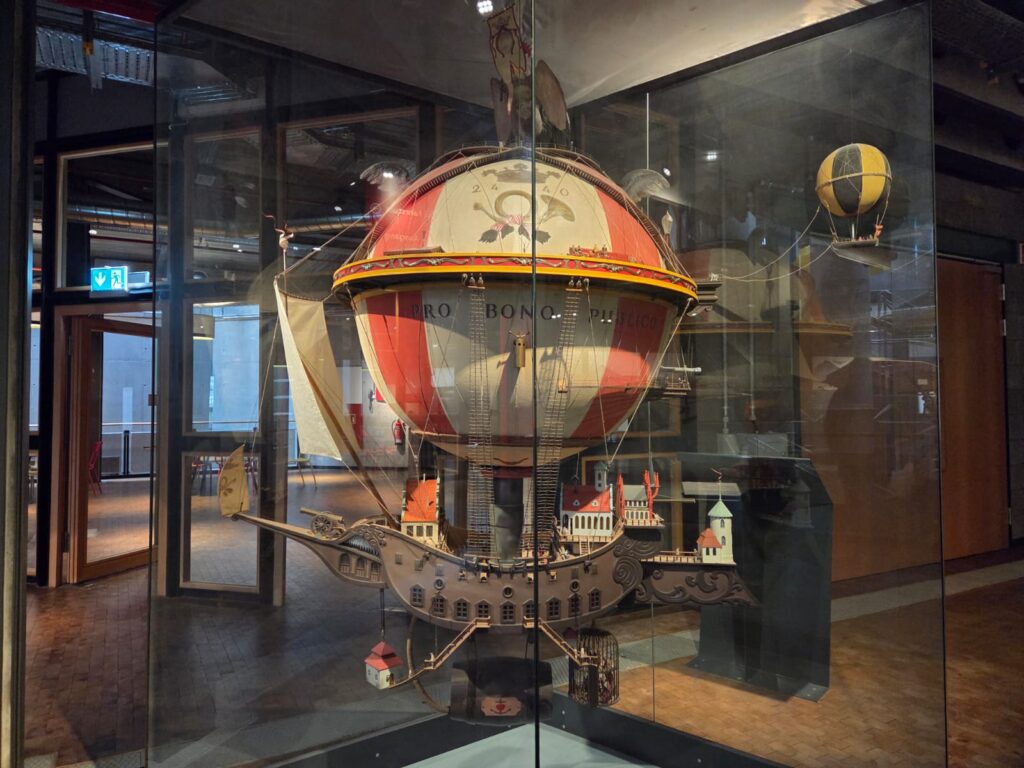
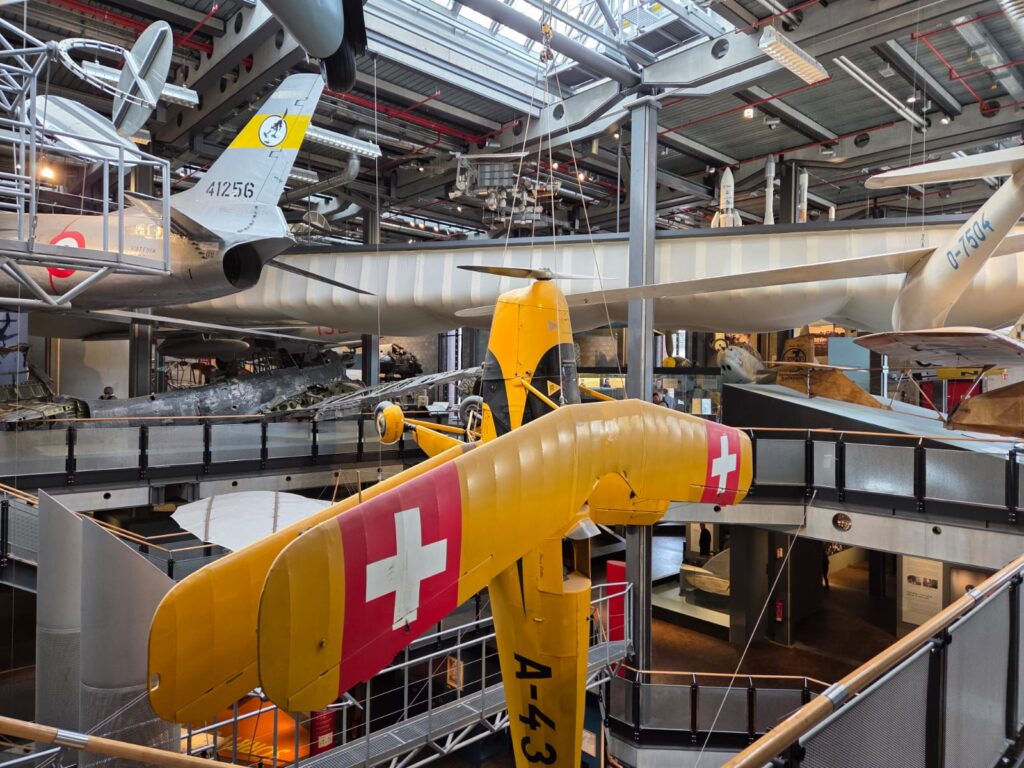
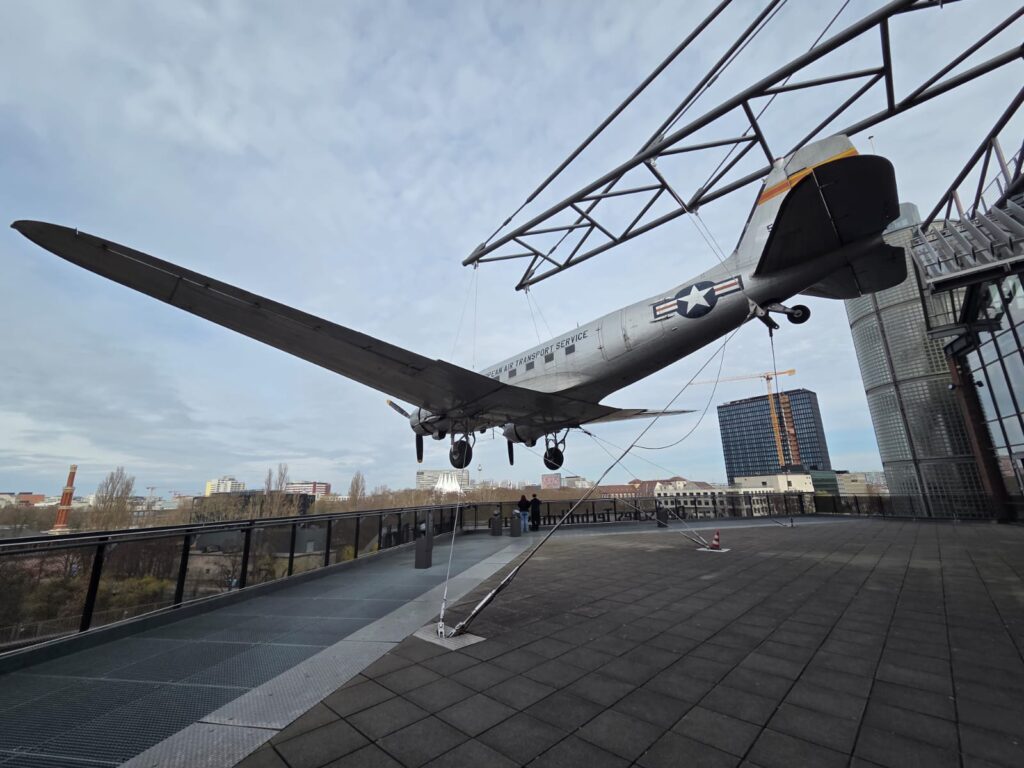
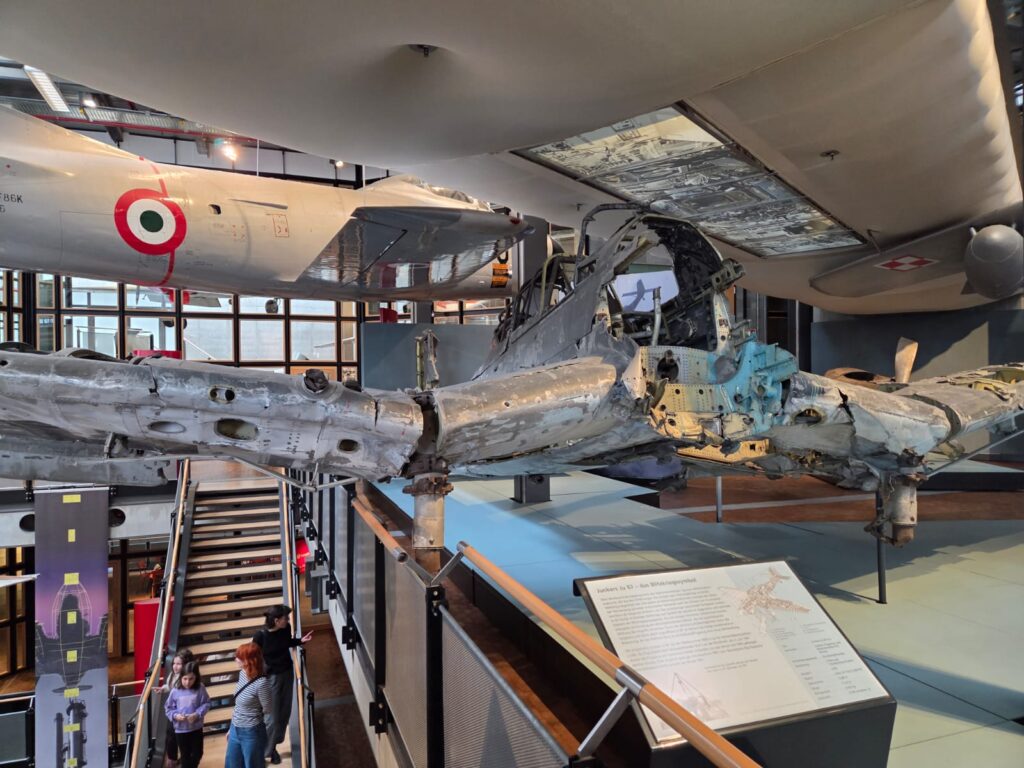
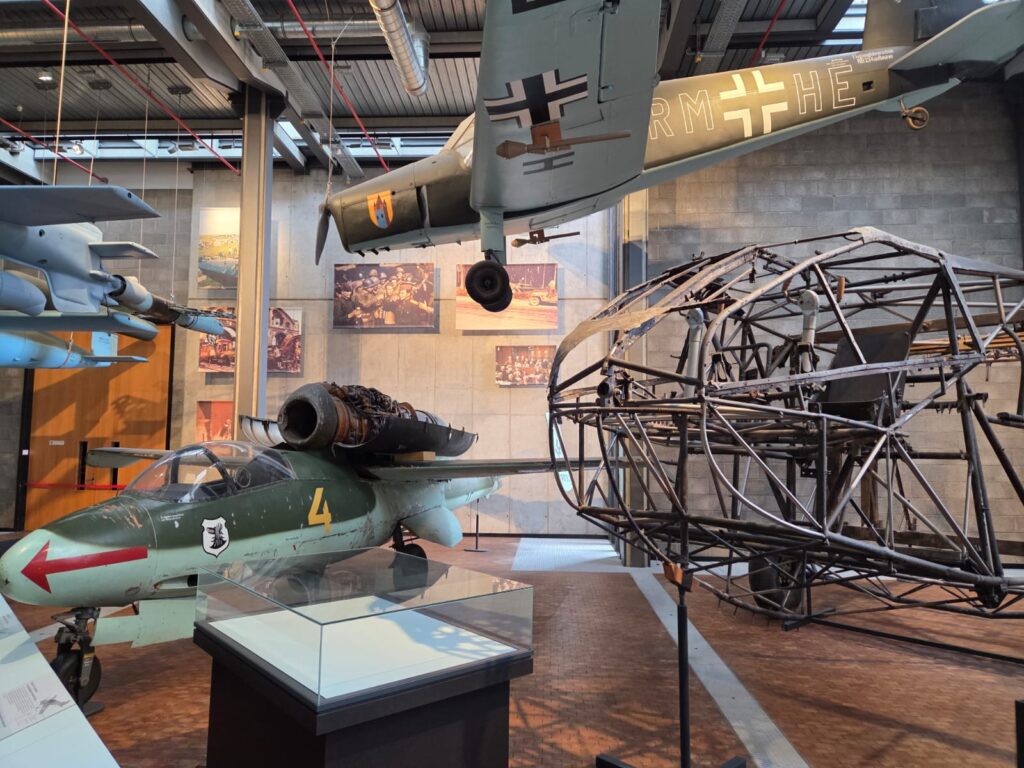
With my race day to think about, we sped up considerably for this final leg, which was a bit of a shame as there was a lot to see. There’s also just a limit to how much my brain can take in at once, though. So we poked our heads into textile technology, and discovered a staircase for horses (Why? Not sure!). Printing technology we skipped entirely. The Urban Geographer wanted to see the planes, so we only saw as much of the shipping section as we had to pass through to get to aviation. We had a quick look around, and then headed back to our hotel before we completely ran out of steam (ha, better switch to electric in future).
Wow, That’s a Lot of Technology
So I think you can probably foresee what we’re going to discuss next. How does one handle a museum that big? Should it be one museum? Comparing to the many other institutions I visit in a year, I feel that the first section we visited with the science centre, road transport and communications is one museum. The roundhouses would be another museum. The extension a third, really big museum, which you might want to visit over a couple of days. And actually the textile bit and presumably the printing bit could be smaller stand-alone museums.
Trying to see it all at once is an impossible task. Well, you could probably lay eyes on it all, but you can’t possibly really take it in. And with children you’d have to really pick and choose. On the way to the station afterwards I saw some families I recognised from the museum, children overtired and throwing tantrums. I wasn’t that far off joining them to be honest.
So, my advice, if you fancy visiting the German Museum of Technology, is to plan better than I did. Look at a map of the space online, if you can, and pick what you want to see. Resist the urge to try to cram it all in. And don’t forget that nice café for lunch.
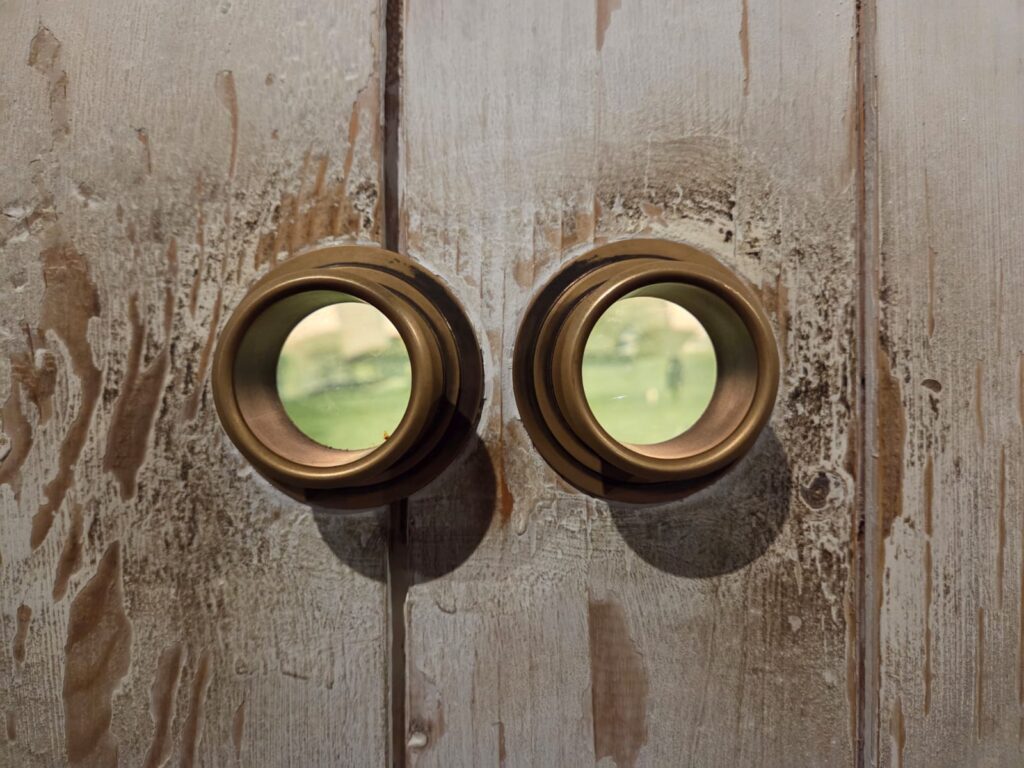
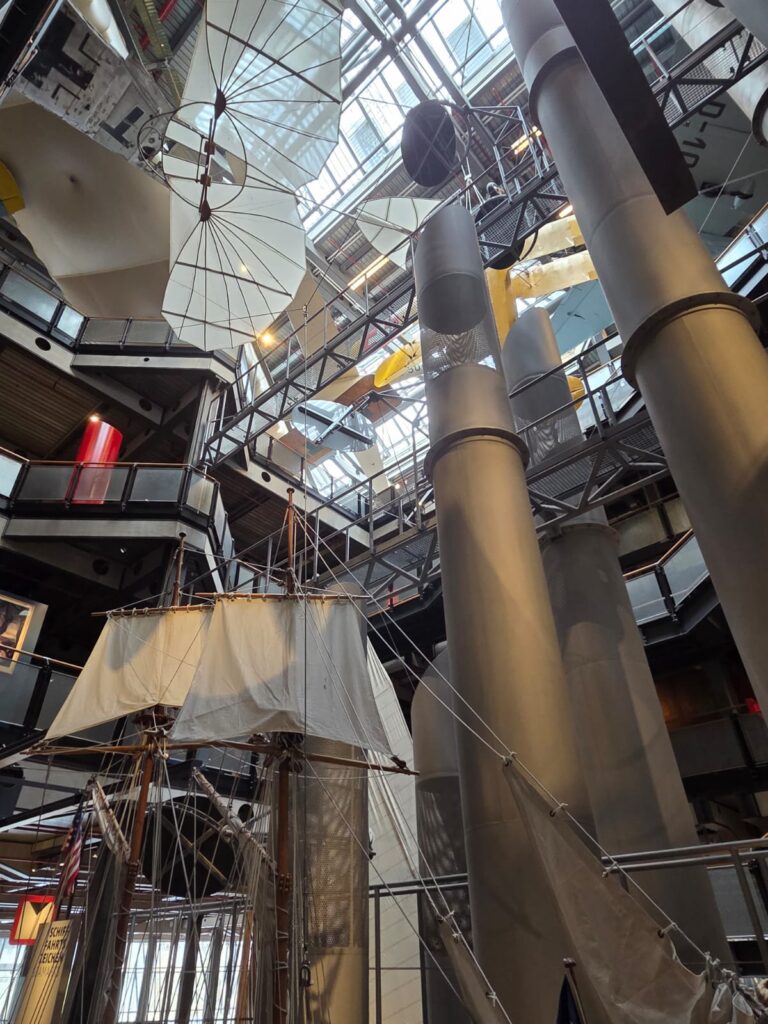
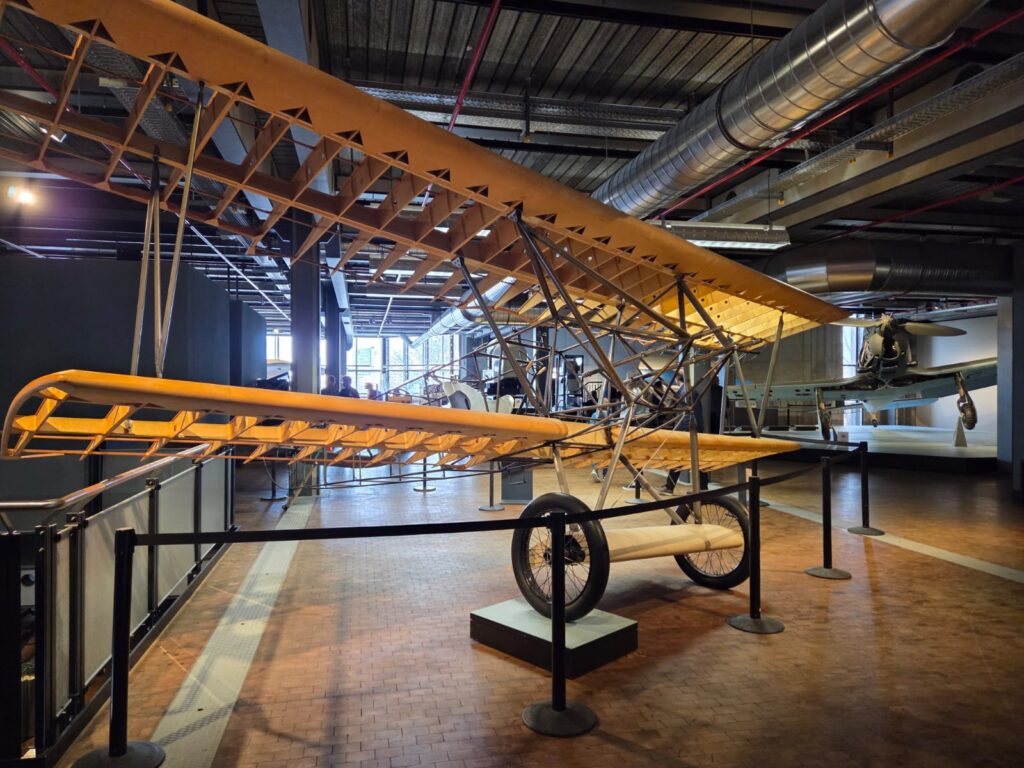
Had we planned better, I probably would have started in the new building. See the shipping and the planes, where the display is really impressive. Have fun with some features I rushed past, like stereoscopic slides imbedded into a wall where you could peer in and see images in 3D. Actually stop to understand what more of the planes were! And then after a break, I would head to the locomotives in the roundhouse, and spend some time exploring them. On a first visit, I would actually skip the building we started in entirely. As interesting as it was, those aren’t the mental images that will stick with me.
Final Thoughts on the German Museum of Technology
So, after all that complaining and garnering sympathy for my tiring museum day, what did I think? Was it a good pick, in the end? Did I enjoy it?
Yes, to both of those.* It was interesting to see the use to which this former railway space has been put. And to see the different display methods, from traditional to more contemporary. You can see how this museum began life focused on construction and transport, but how it has embraced a wider perspective and fuller picture of technology in all its forms.
Just one other brief thought. I’m interested to see, in various German institutions, how they handle their own and their nation’s history. A sort of historiographical interest, if you will. Because technology, after all, isn’t neutral. Who creates it, who it serves, and who it excludes or harms are all valid directions of enquiry. Generally speaking, this is an explanatory rather than investigatory museum. But it doesn’t shy away from history, either. There’s a wagon which tells the story of those transported to concentration camps during WWII, and a little display on the railways in the Nazi era. The latter not showcased, but not absent or hidden, either. A part of the story.
So for my money, the German Museum of Technology is not a pick for a first time visitor. Unless you’re visiting with transport-obsessed children, perhaps. For a third-time visitor such as myself it was a good pick. Not one I might have chosen on my own, but a lot of fun and really interesting to see.
*OK, there was a bit right towards the end where I was getting grumpy. But I promise I didn’t have a tantrum in the street afterwards.
Trending
If you see this after your page is loaded completely, leafletJS files are missing.