
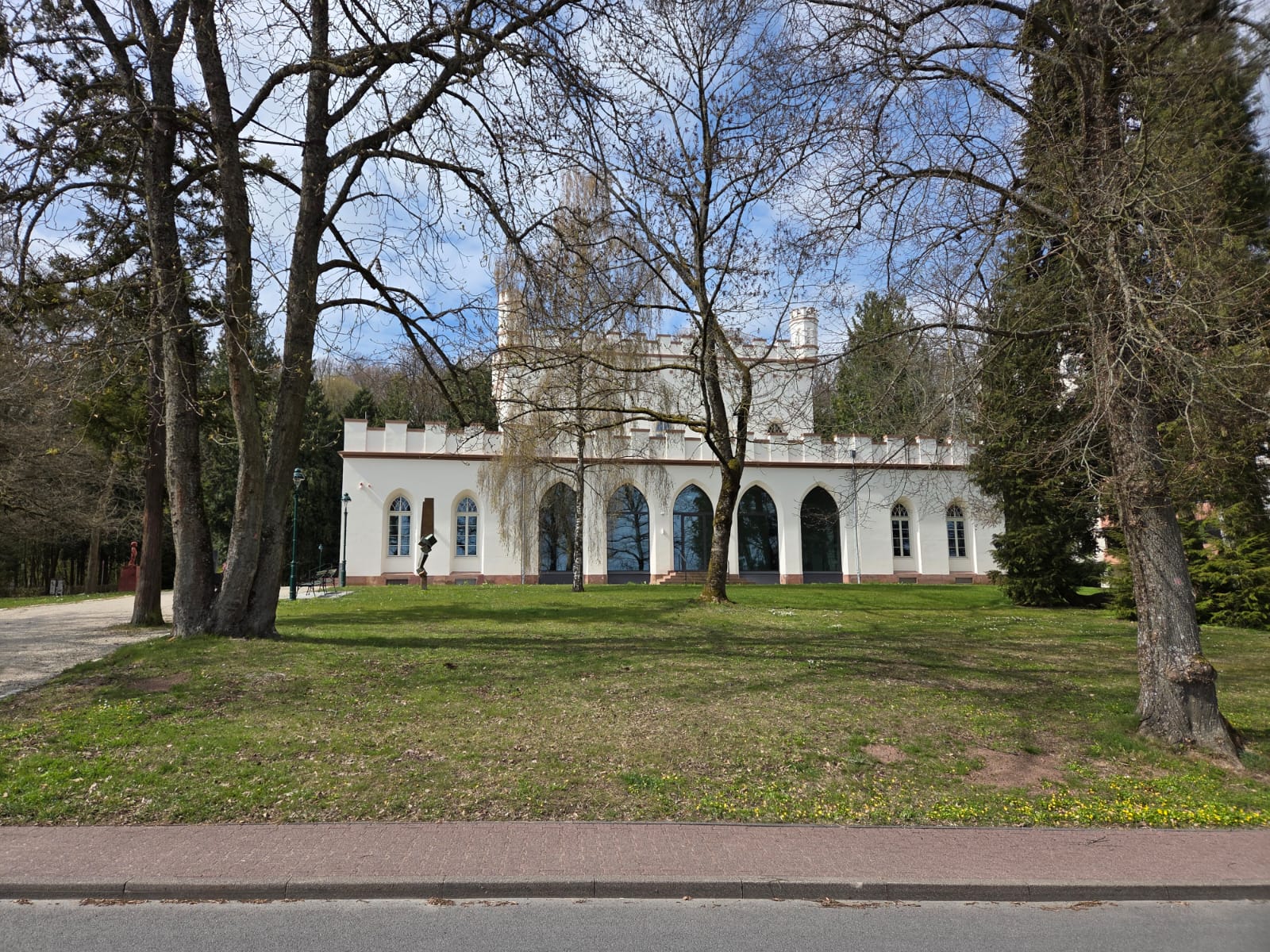
Gothic House Museum (Museum Gotisches Haus), Bad Homburg
Recent changes seem to have diluted the offering of the Museum Gotisches Haus as a city museum, but visitors can still build a nice day around a walk, a visit, and perhaps some cake from the cafe.
The Gothic House – a Noble Hunting Lodge
You might remember that, a couple of years ago, I wrote a guide for daytrippers to Bad Homburg vor der Höhe, near Frankfurt. Well, as you might have guessed from the subject of today’s post, the Urban Geographer and I made one final stop on our tour of Germany, and it was Bad Homburg.
I wrote then about how there are a few nice cultural offerings in Bad Homburg, if you’re done taking the waters. On our last visit we went to the Sinclair-Haus, and on a future visit we really must go to the Schloss. But this time we decided to go to the Museum Gotisches Haus. Why this one? Well firstly it was Easter weekend – Good Friday in fact – so it was a matter of what was open. And secondly, we were staying on the outskirts of Bad Homburg and this museum made for a decent walk.
We made our way there without too many expectations, but I have to say that even those were disappointed. To skip ahead a bit, I can’t in good faith recommend a visit to the Museum Gotisches Haus on its own, unless you are enamoured of souvenir glass, or want to see the artistic process behind some of Bad Homburg’s public art. I do think a specific pairing of walk and museum would be a perfect morning or afternoon, though, so read on for the details of that.
The Gothic House: A History
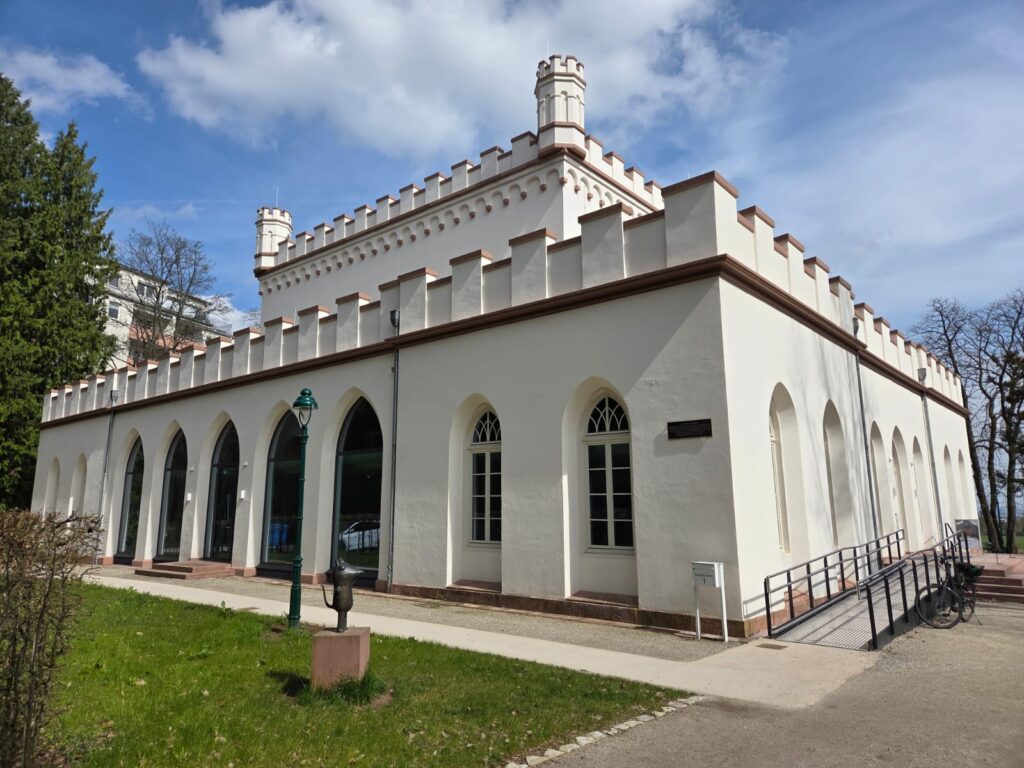
The first thing I should say is that the Gothic House is not a house at all. It is a hunting lodge. It was the work (the idea at least, not the actual work) of Landgravine Elisabeth, who commissioned it in 1823. A Landgravine is roughly equivalent to a Duchess. Elisabeth married into the title of Landgravine of Hesse-Homburg but was also an English princess, daughter of George III. She commissioned this hunting lodge for her husband, Landgrave Frederick VI. It was intended as a place for celebrations and entertainment. The architect is unknown, but could be Jeffry Wyattville, who had done some work on Windsor Castle.
The Gothic House began a period of mixed use from 1860, when it passed into the possession of the Landgrave’s Forestry Administration. In 1866, Hesse-Homburg became part of Prussia, with the Prussian royal court reserving part of the building for their use. In 1929, with monarchies a thing of the past, it became a hotel and restaurant. Over the next few decades the Gothic House was in decline: one can’t imagine it enjoyed life as the ‘Ponderosa Saloon’ discotheque. It was listed as a historic monument in 1977, just in time to save it from otherwise inevitable destruction. There was a fire in 1980, followed by a restoration and new life as a museum.
All this to say that it’s not surprising that there’s little or nothing inside the Gothic House that resembles the original interiors. The Wikipedia page for the building still points to a more fulsome museum display that existed before the most recent renovation, from 2020 to 2025. That version of the museum told the history of the Landgraves, the city, the spa, and had a hat museum (because, as I explained last time, the Homburg was once a very popular hat named for… Bad Homburg!).
The Museum Today, and a Walk in the Landgraves’ Garden Landscape
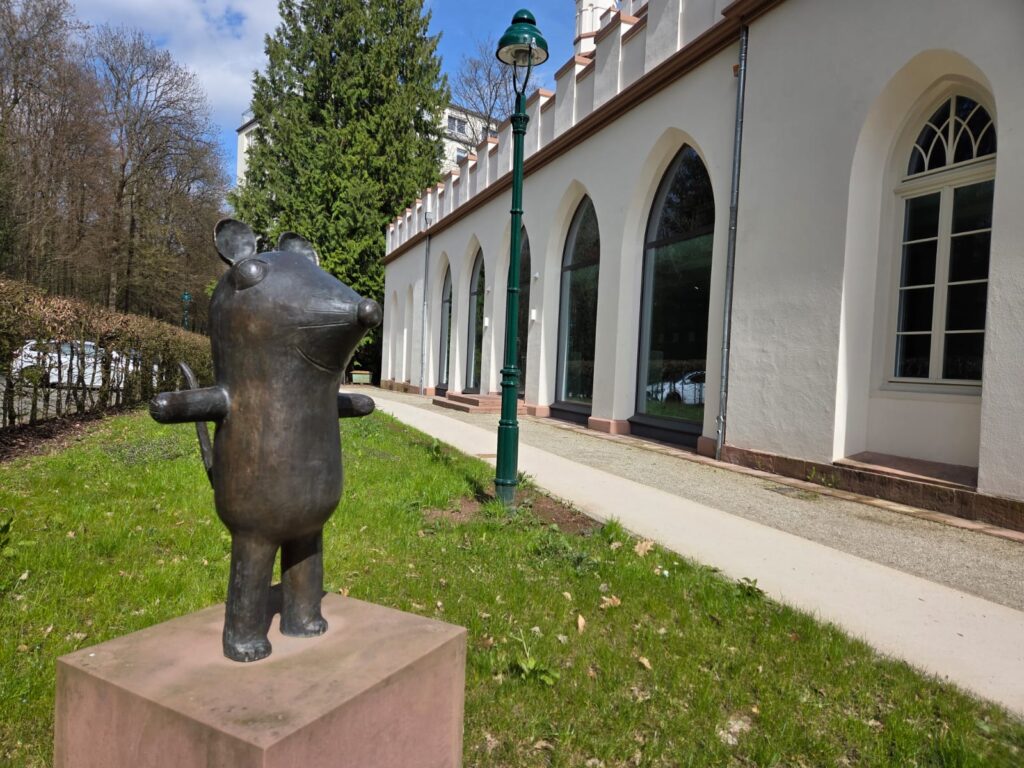
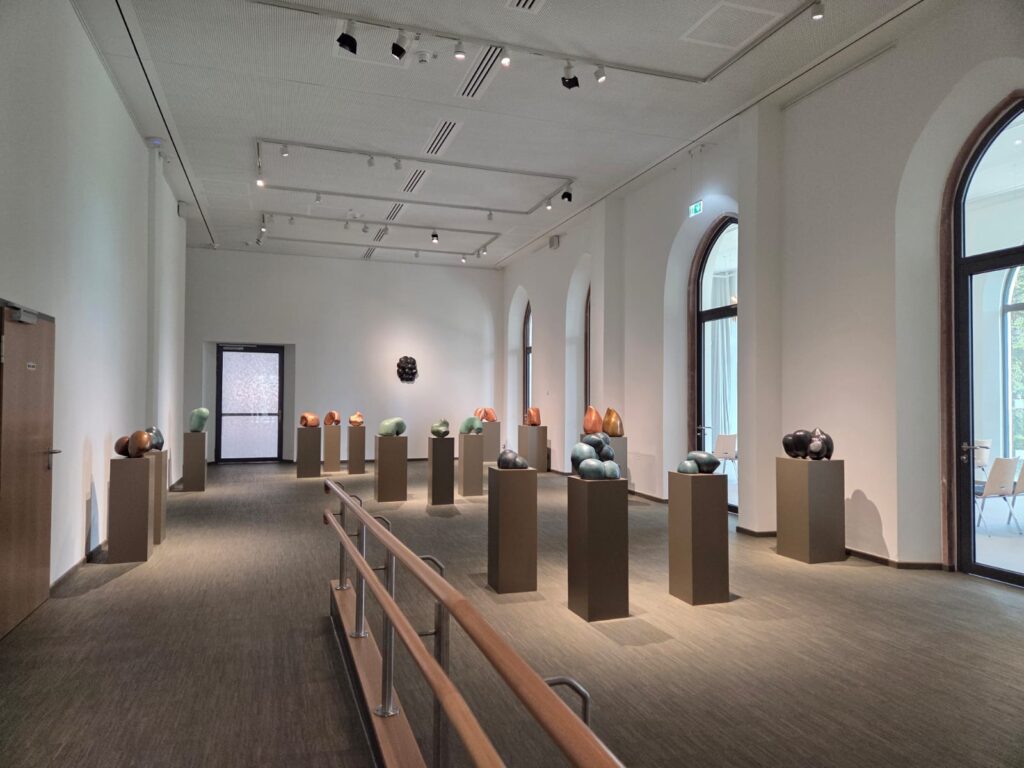
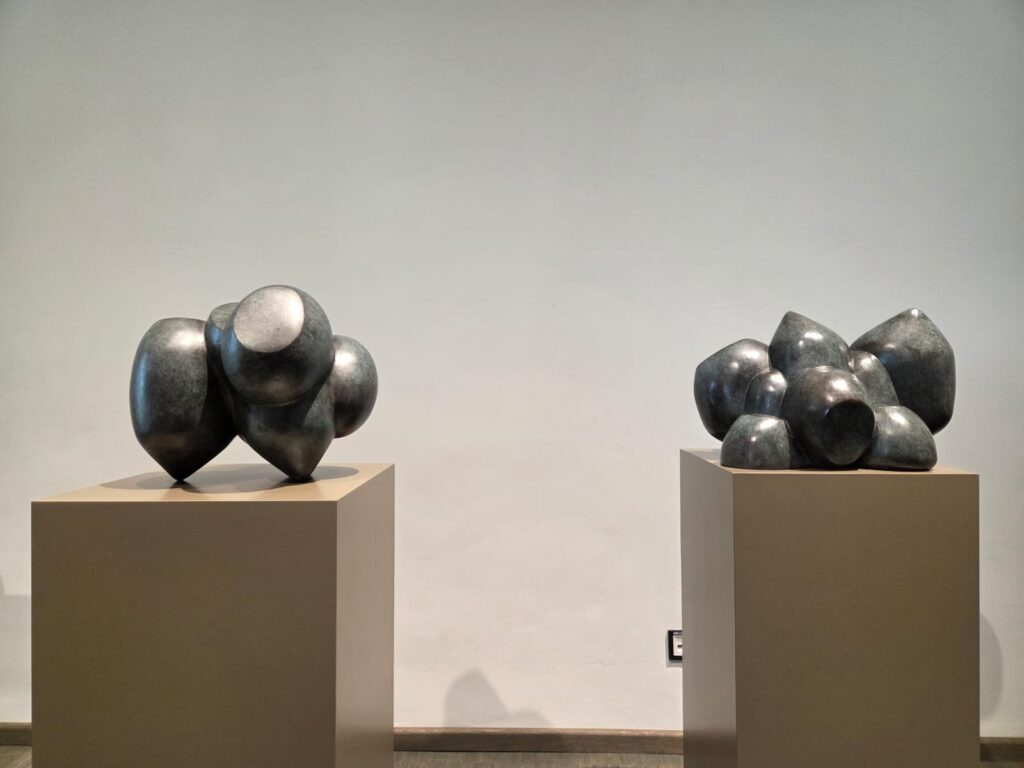
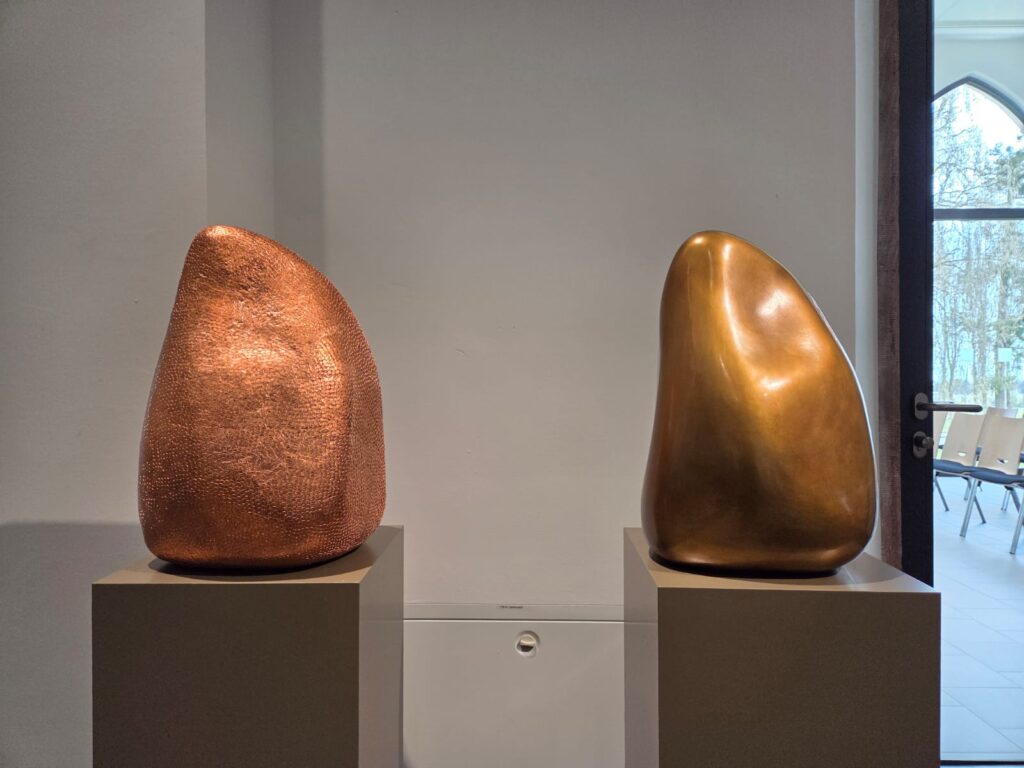
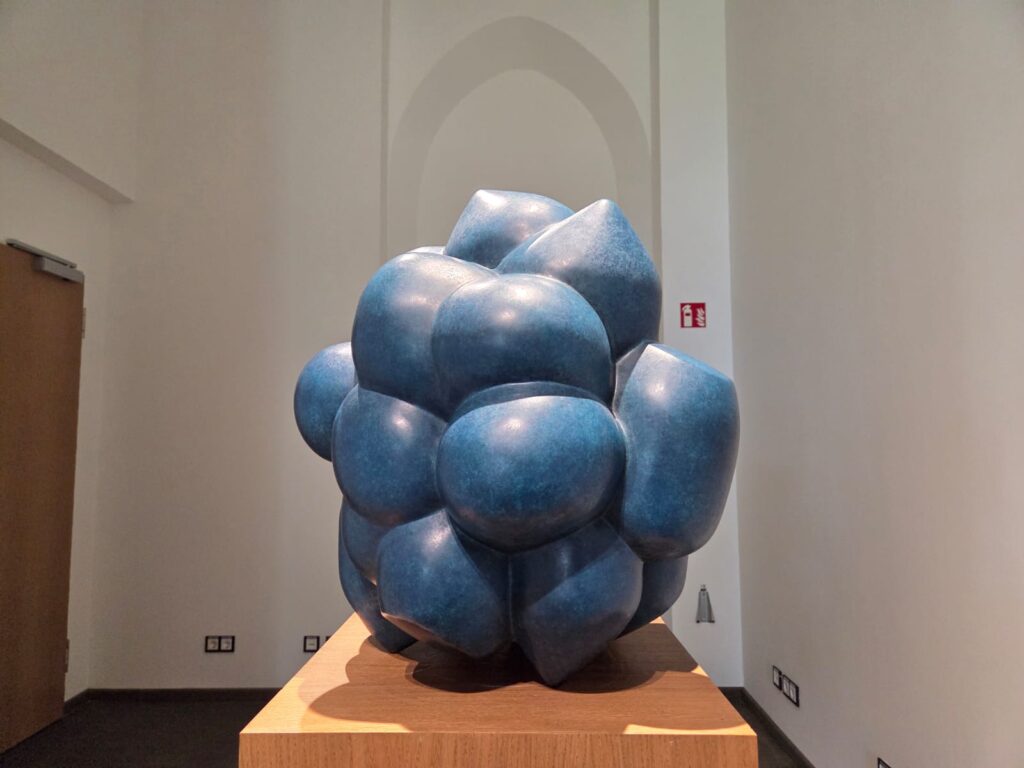
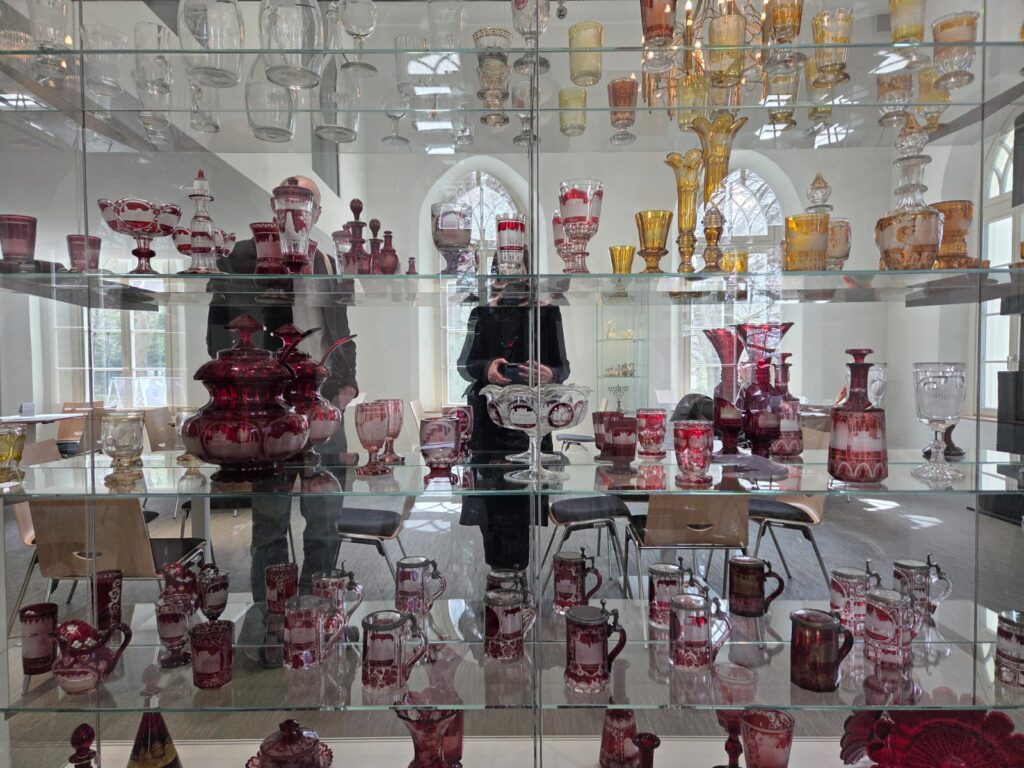
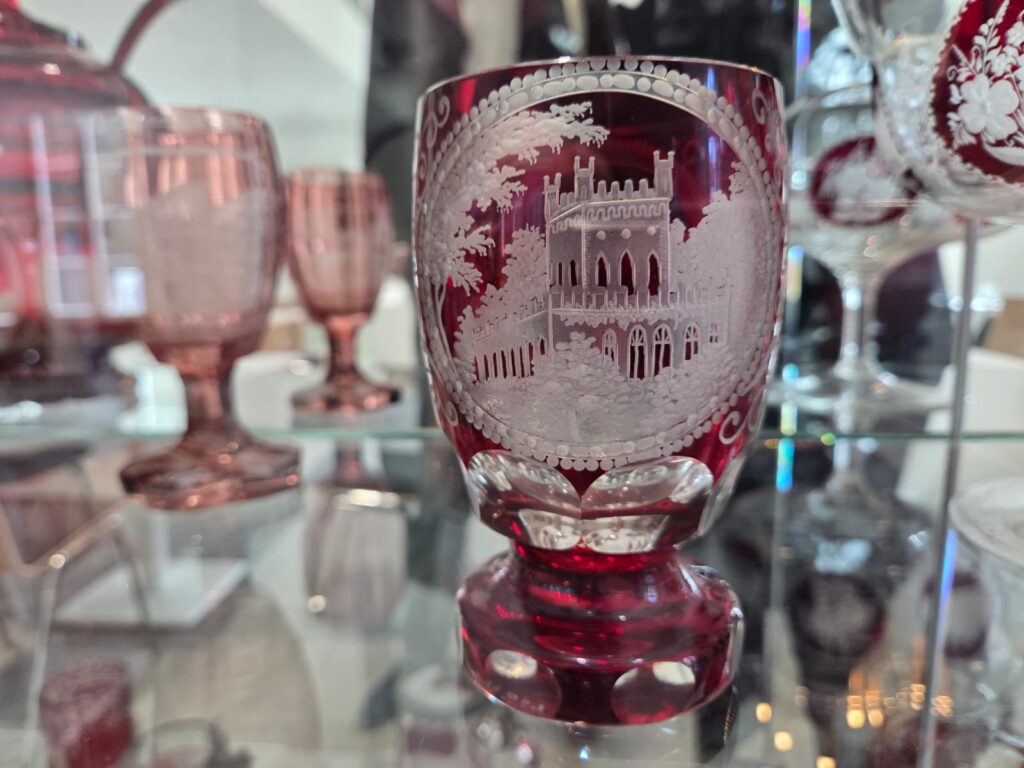
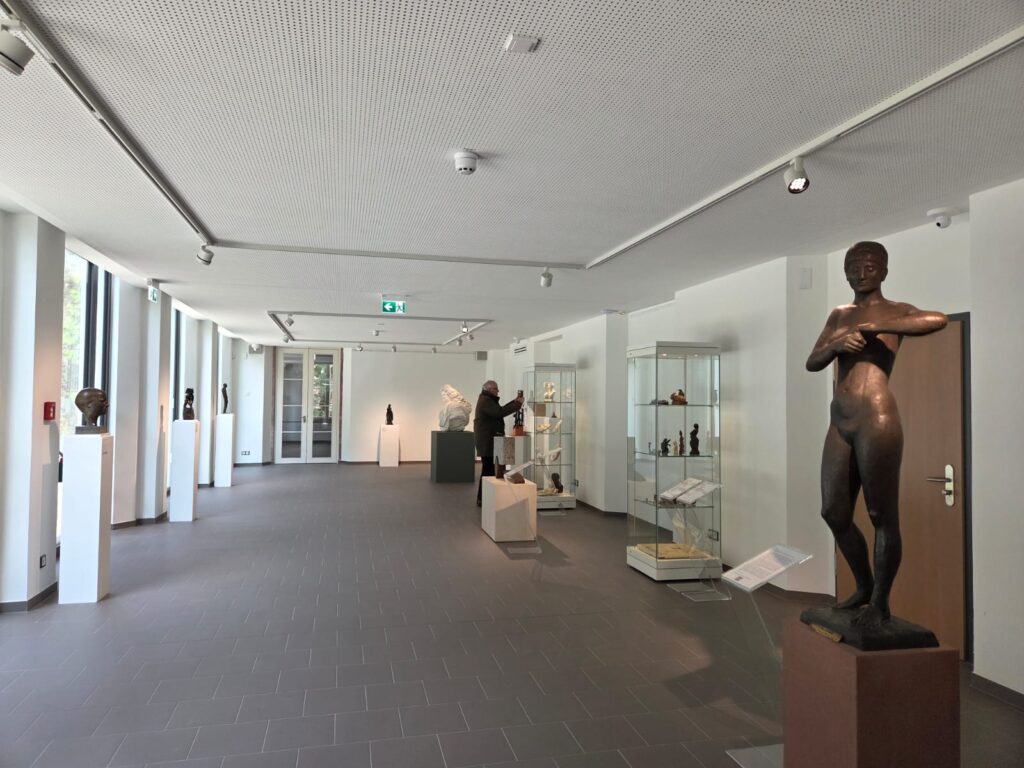
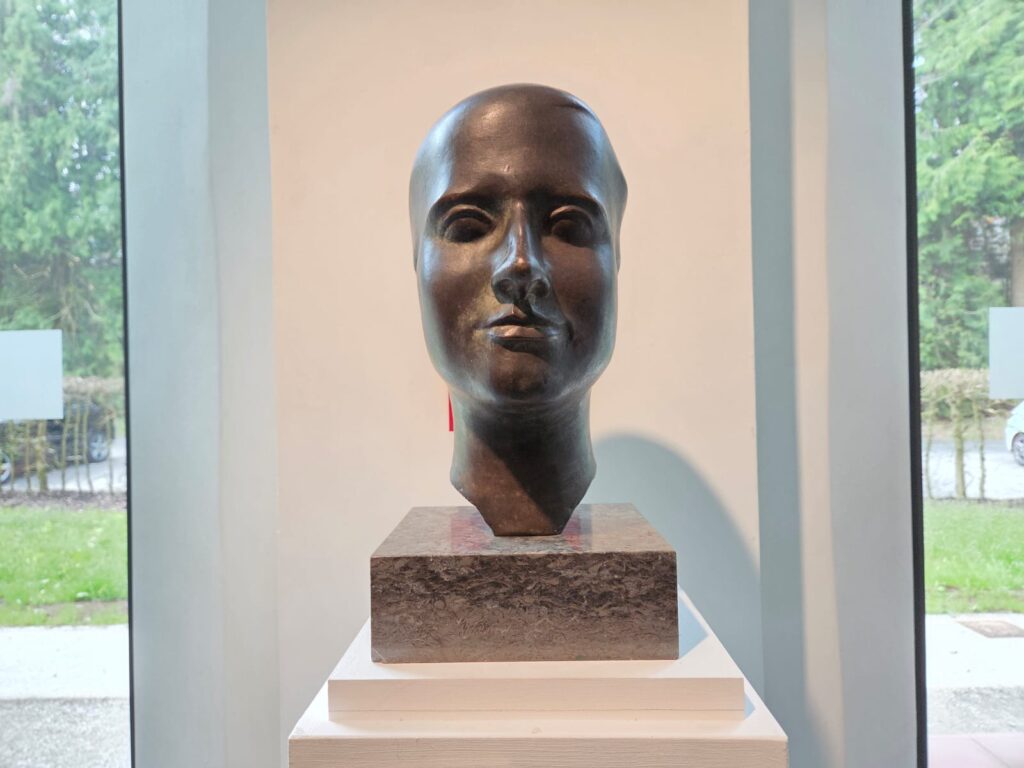
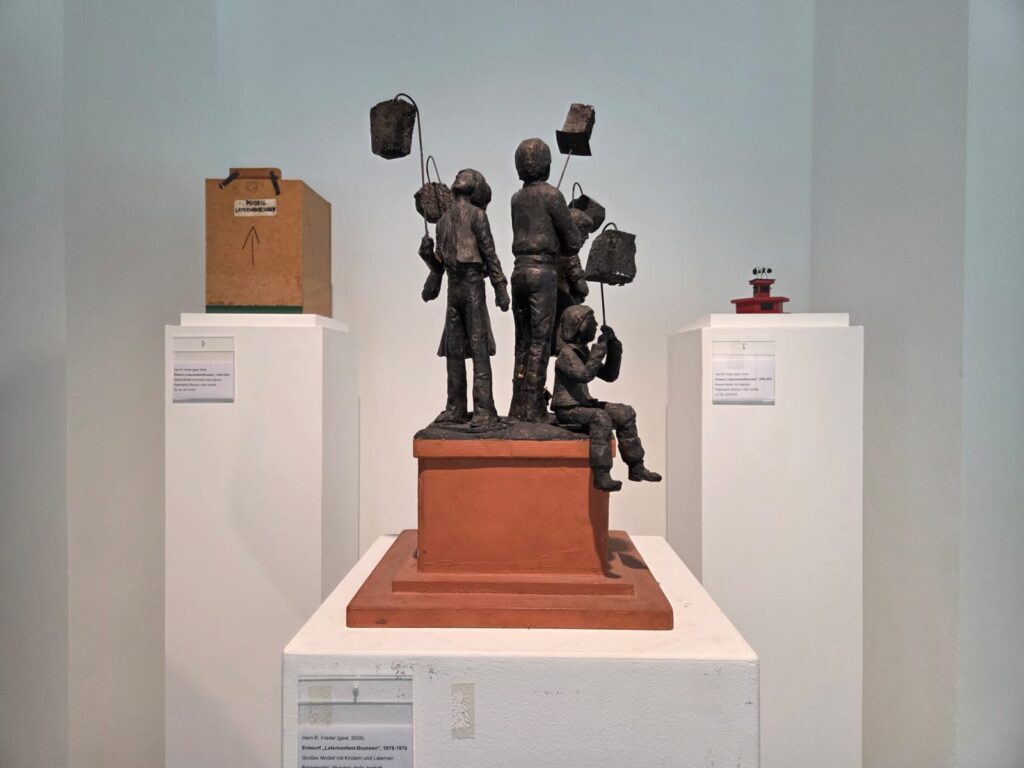
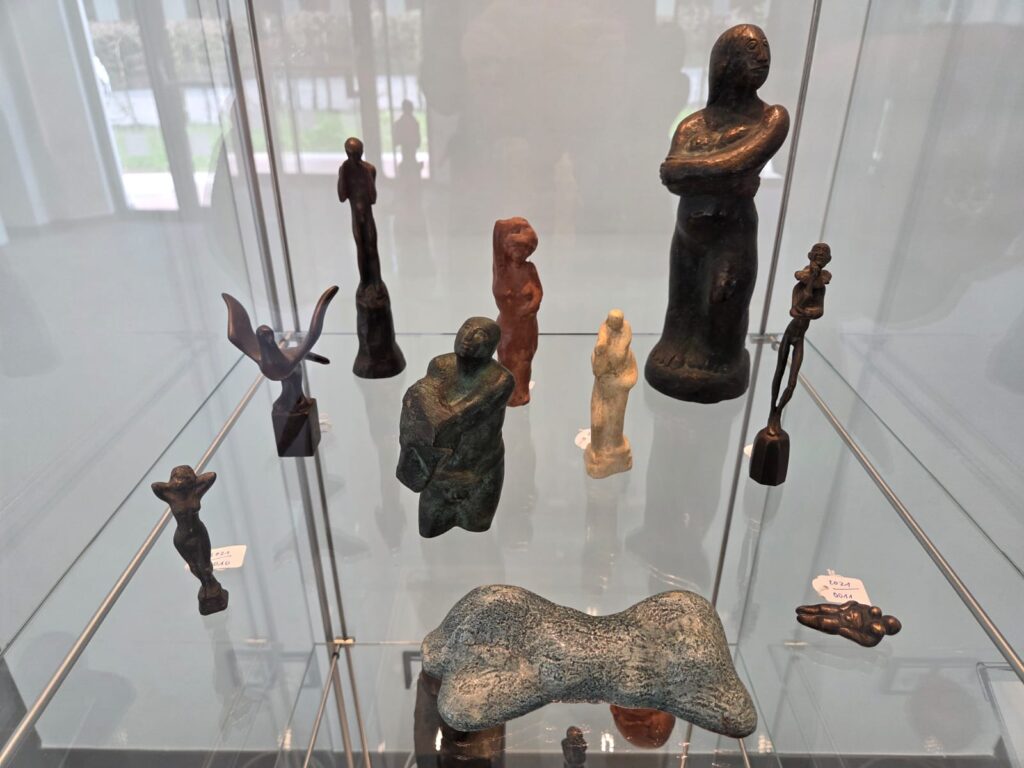
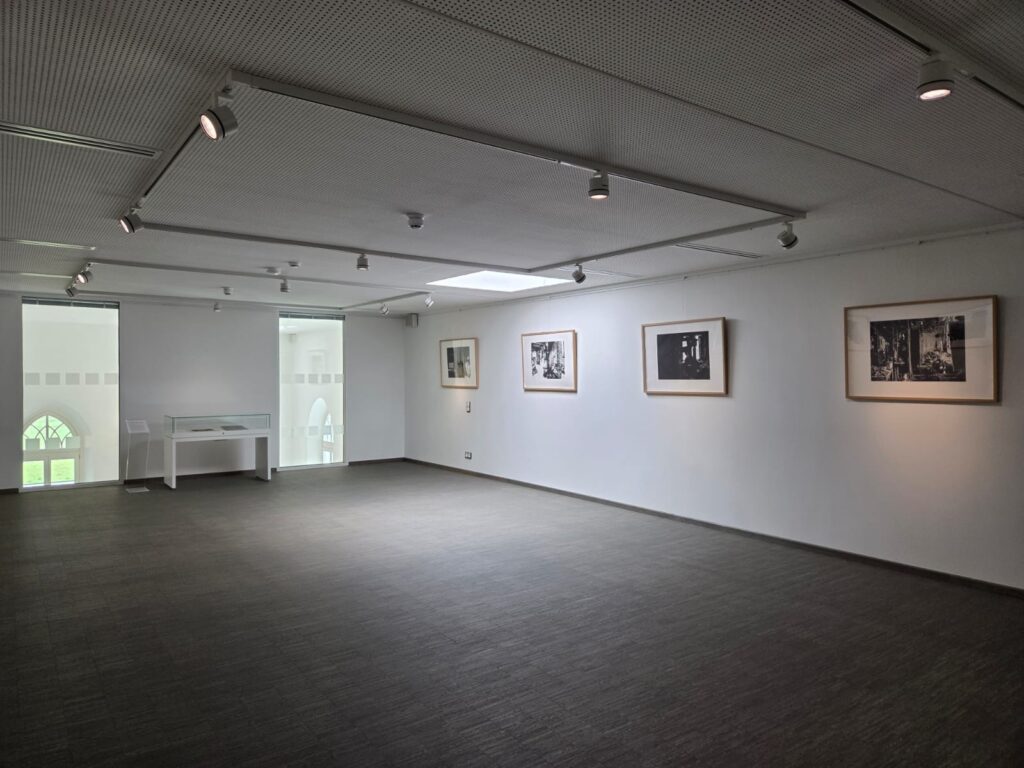
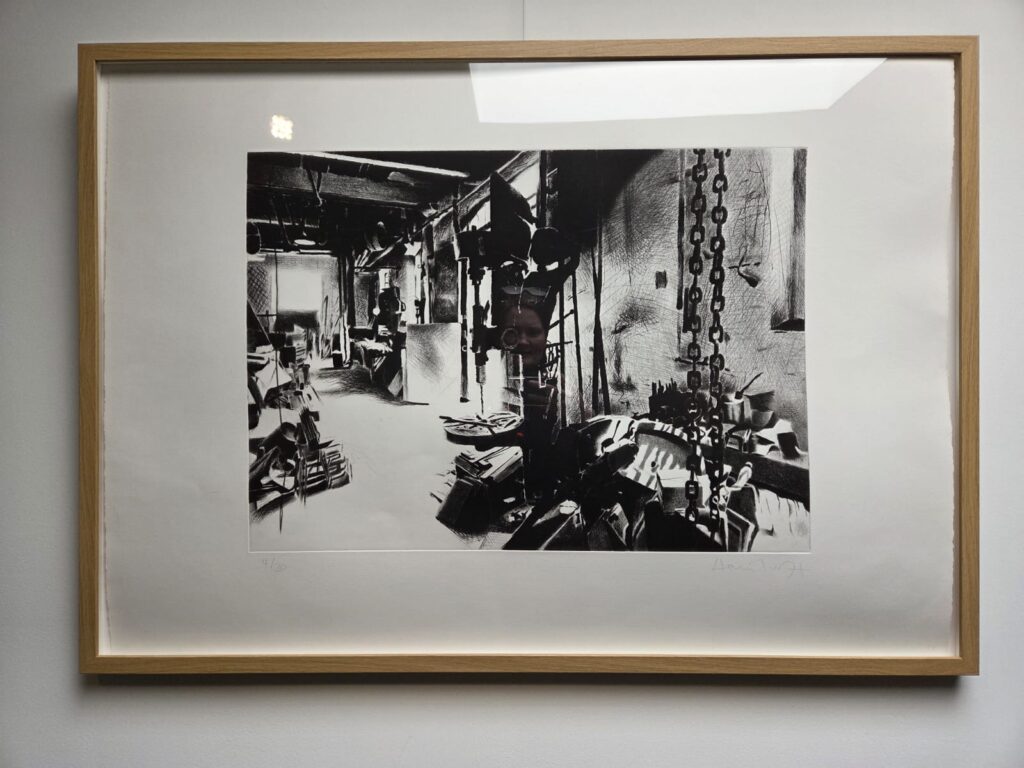
So what is in the museum today? Surprisingly little. The front part of the ground floor is now a temporary exhibition space. When we visited, the exhibition was Transformation – Sculptures by Rainer Hunold (finishes 29 May 2026). I liked the sculptures, which had interesting textures and uses of material. At the back of the ground floor is part of the city’s sculpture collection. We saw preparatory works for a number of public sculptures we knew from Bad Homburg, and a variety of other sculptures big and (mostly) small. Upstairs was another temporary exhibition, this time prints by Michael Heindorff (now finished). Which leaves only the downstairs cafe area, which displays engraved coloured glass.
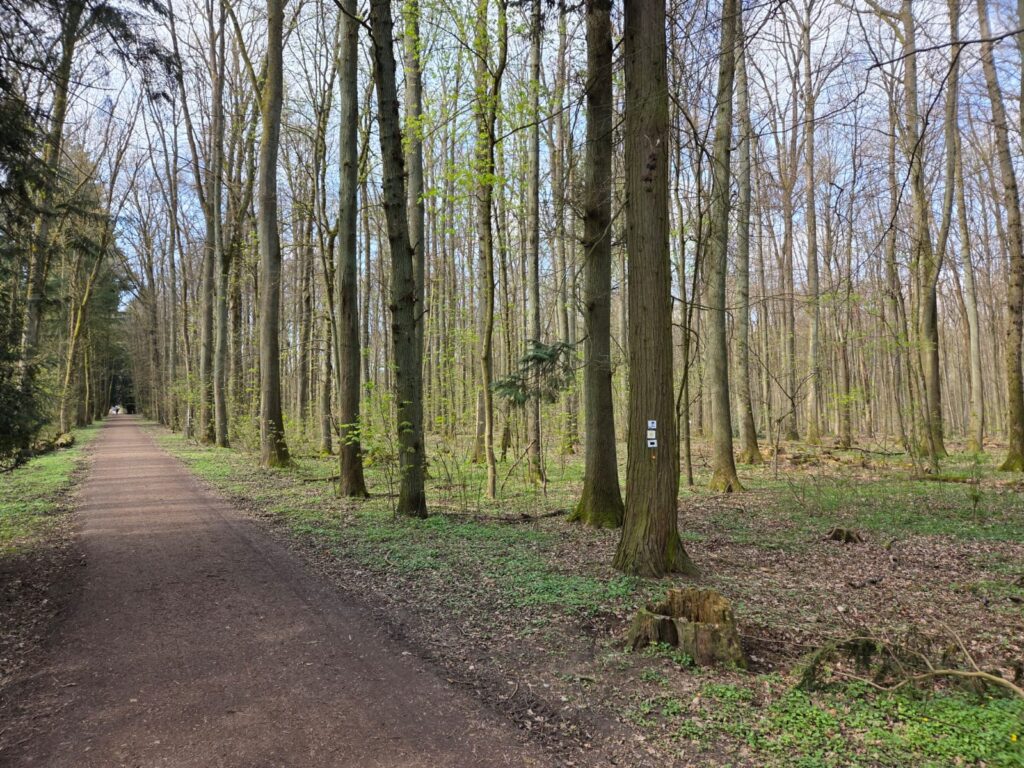
If it’s a museum you’re after, don’t rush to the Gotisches Haus. It’s alright, but I like the sound of the previous display more. And I think it’s a bit of a shame if Bad Homburg now doesn’t have a more expansive city museum. However, the Museum Gotisches Haus sits within an interesting landscape. It’s a direct line from here to Schloss Bad Homburg, along the Tannenwaldallee (Pine Tree Avenue). And around it is the Landgräflichen Gartenlandschaft Bad Homburg (the Landgraves’ Garden Landscape). There are quite extensive areas of garden and forest, so it would make a very nice half day out. In that context, stopping in at the museum for some art (and probably coffee and cake) makes sense.
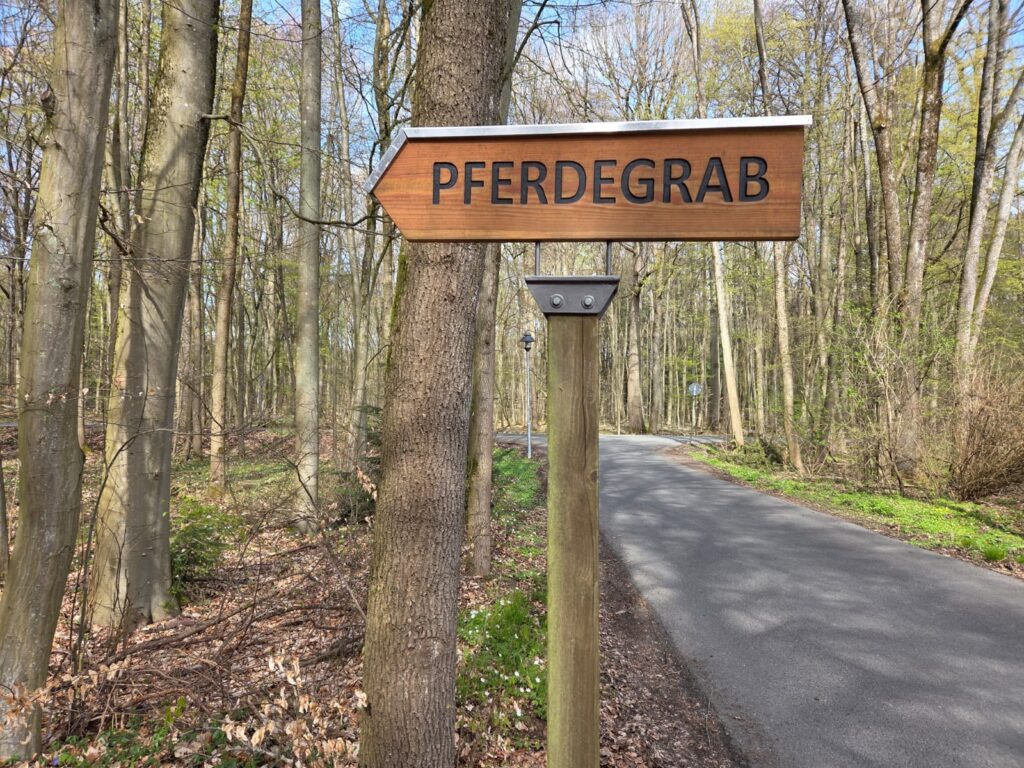
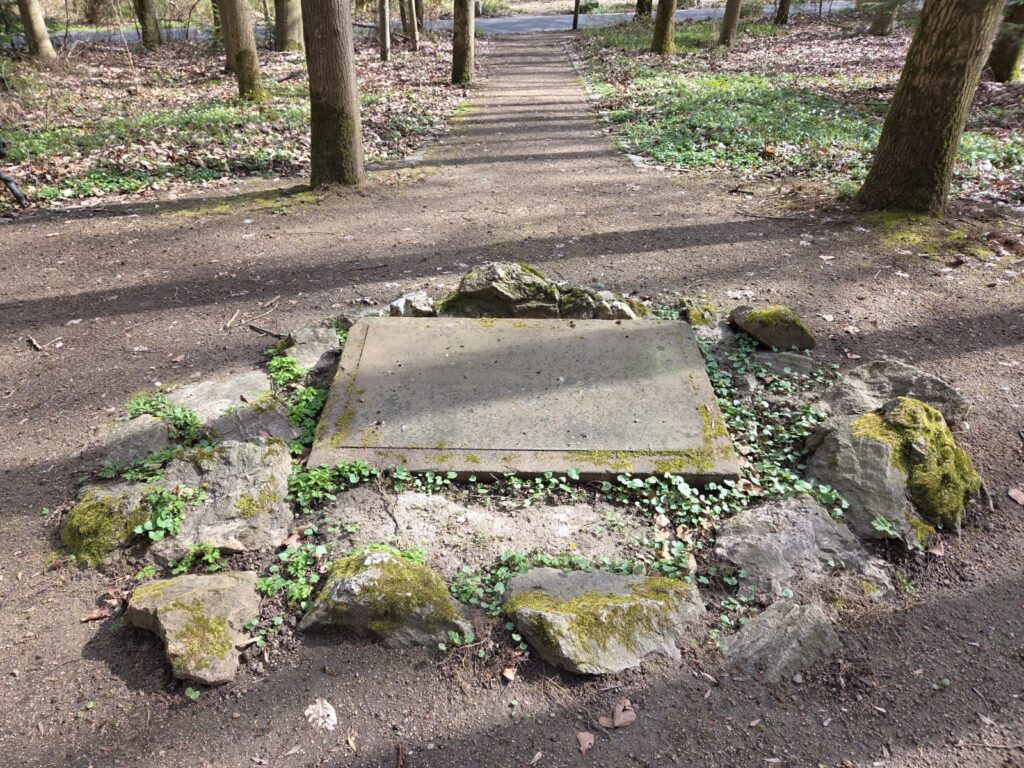
If you do visit, please look out for the Pferdegrab (Horse Grave) nearby in the woods. Landgrave Frederick V loved his horse Madjar so much that he created a memorial, complete with his own poetry:
“Here lies buried the most beautiful horse,
Pferdegrab Inscription
One that unites all virtues.
If one could be friends with animals,
Here would lie my friend.”
Trending
If you see this after your page is loaded completely, leafletJS files are missing.