
Culture House, London
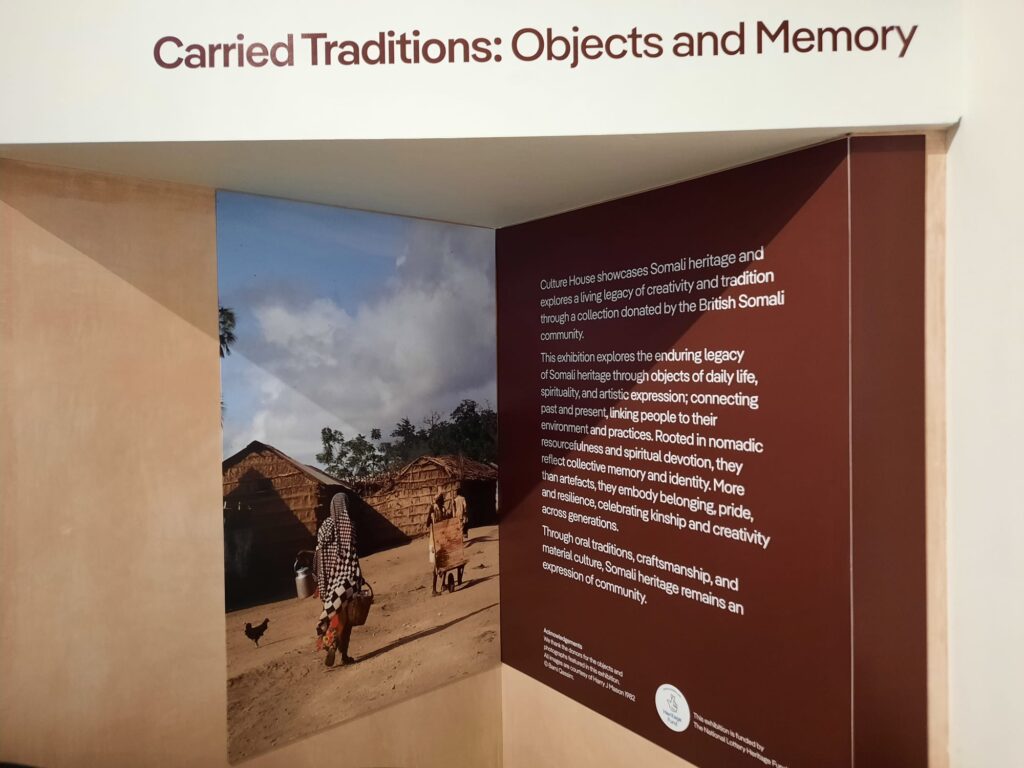
Today we take a look at Culture House, the UK’s first permanent space dedicated to showcasing Somali culture and giving a voice to the country’s Somali community.
Culture House: A Space for the Somali Community to Share Their Stories
Today’s post is my final deep dive from Open House London 2025 (I know, very overdue). It explores Culture House in Shepherd’s Bush, which I felt merited further consideration as a pioneering museum and interesting museological project.
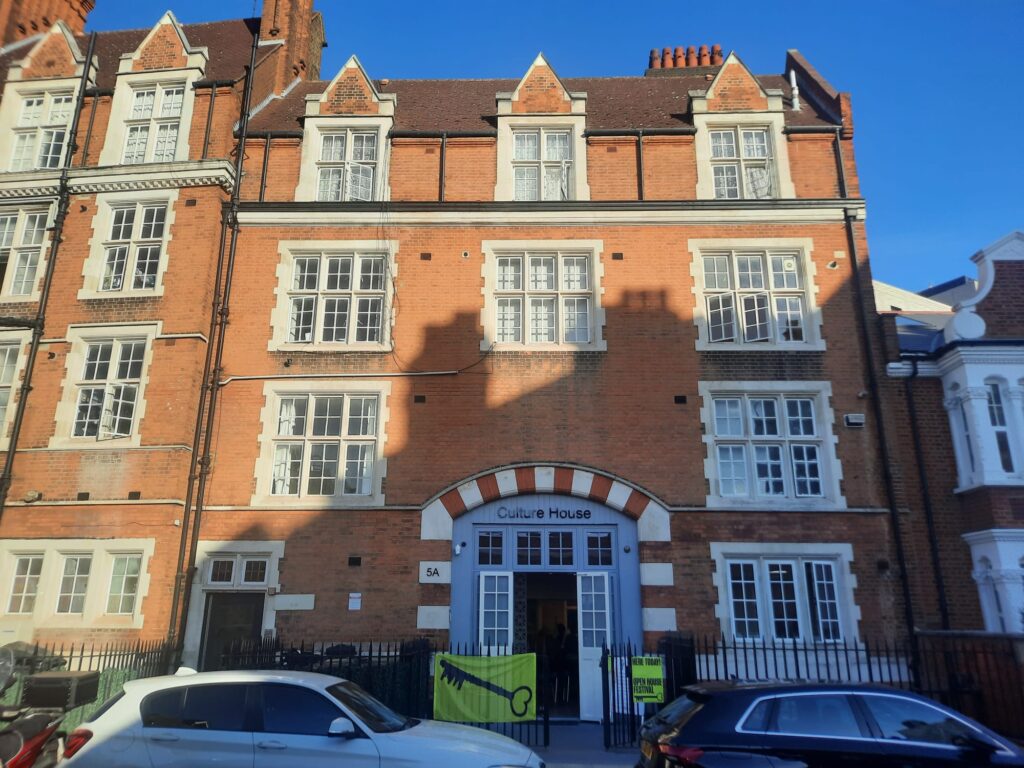
The building itself couldn’t look more like a typical Victorian London building. I’ve done some serious detective work on your behalf, and confirmed that it used to be a fire station. Source here, plus that big old brick arch at the front of the building. But inside is something that is currently unique in the United Kingdom: a permanent exhibition space dedicated to Somali heritage.
Culture House is part of the work of the Anti Tribalism Movement. Founded in 2010, the movement’s website explains that they are “combating tribal discrimination and promoting a fairer and more equitable society, by fostering tolerance, developing leadership, and advancing social justice.” I think possibly from an inception within the Somali community or Horn of Africa communities, they have since developed programmes aimed at reducing discrimination and hate crimes by tackling prejudice more broadly.
Culture House as an offshoot of the Anti Tribalism Movement has its origins in the COVID-19 pandemic. Although community members had been donating items of Somali culture heritage to the organisation for some time, the pandemic unfortunately saw the deaths of many elders within the community, and associated loss of history and stories. Knowing that many more objects were stored in homes, and perhaps thus not protected for future generations, the ATM had the idea to create a permanent exhibition space, thereby preserving both objects and remaining stories.
The Visitor Experience at Culture House
My visit during Open House was my first. But actually Culture House is conveniently located right near Shepherd’s Bush Market Station, and basically opposite the Bush Theatre. This, plus the generous opening hours (until 7PM some days) should help with return visits.
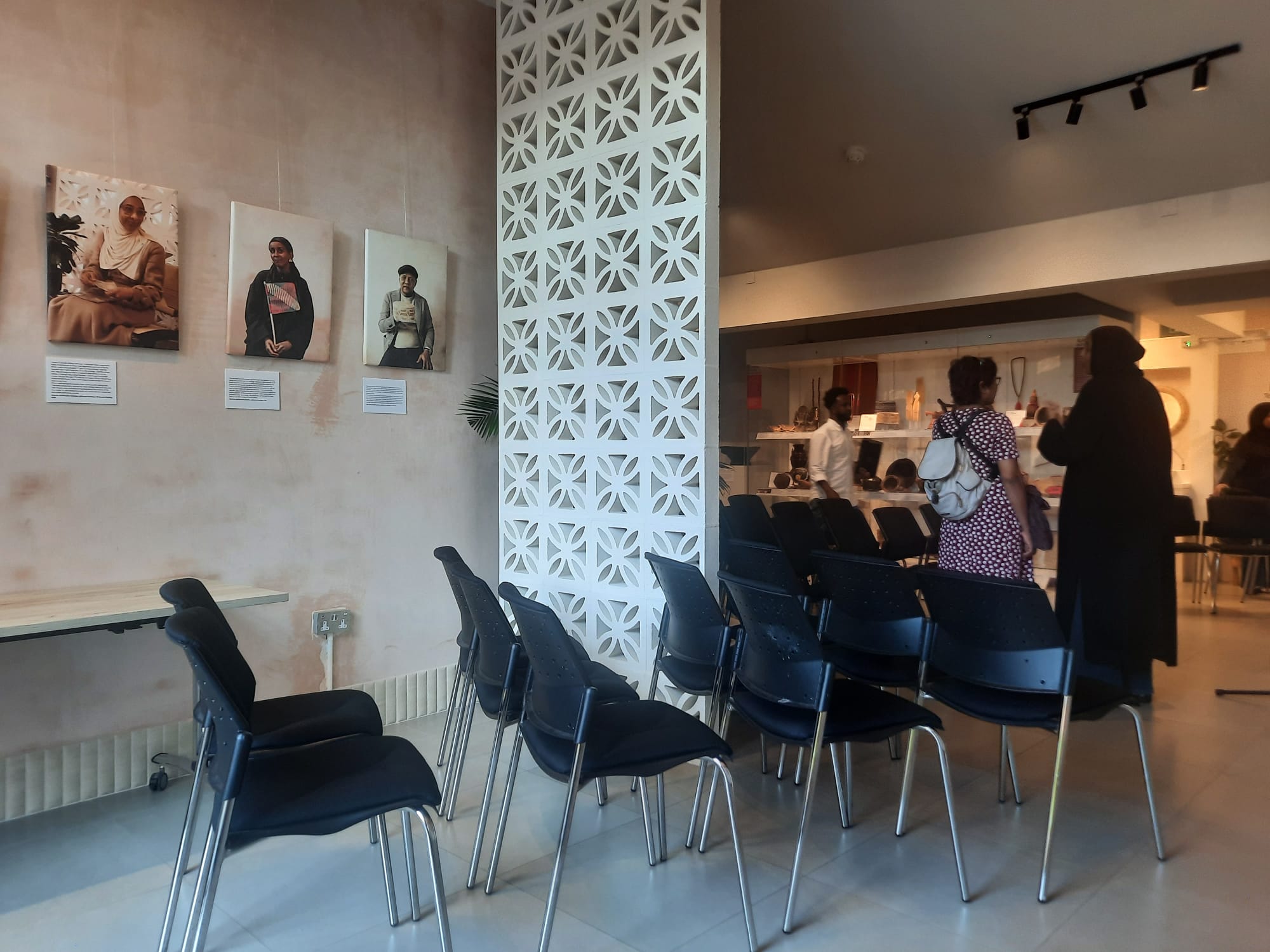
Stepping through the door in that big brick arch, I noticed the difference in architecture inside and outside. The transformation of the building into Culture House was undertaken by Freehaus, in collaboration with the ATM and local community. The design creates a number of useable spaces for exhibitions, events and workshops. It also brings into focus elements of East African design, particularly in the textures and tones. It’s a welcoming space which places an emphasis on cultural heritage.
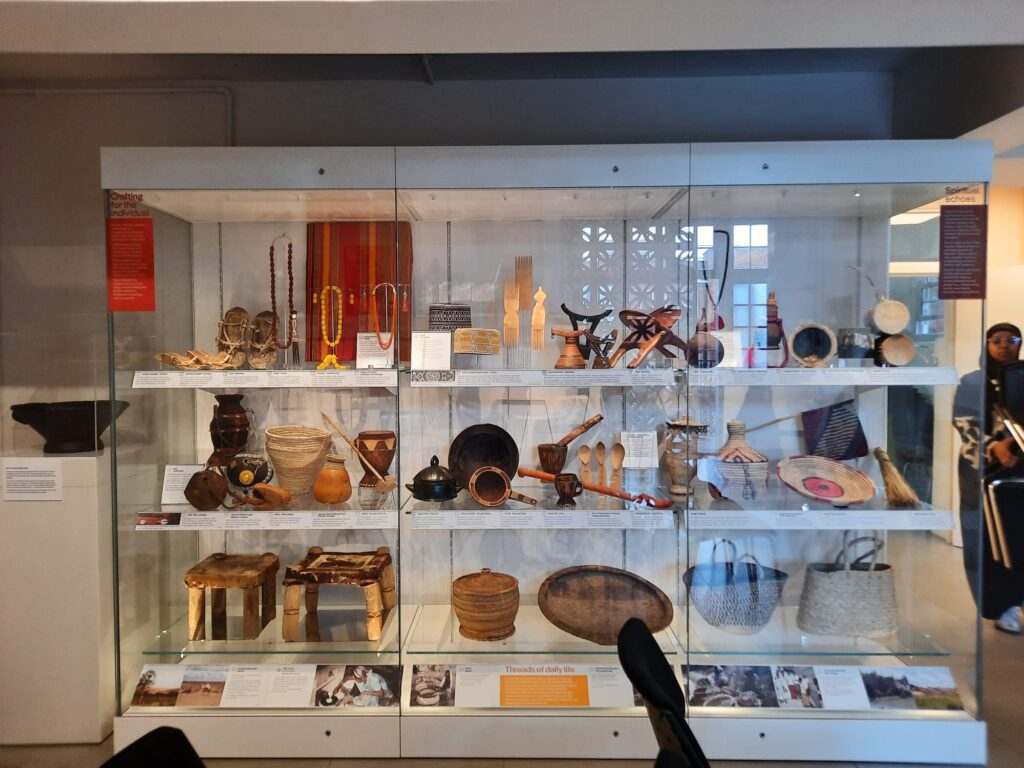
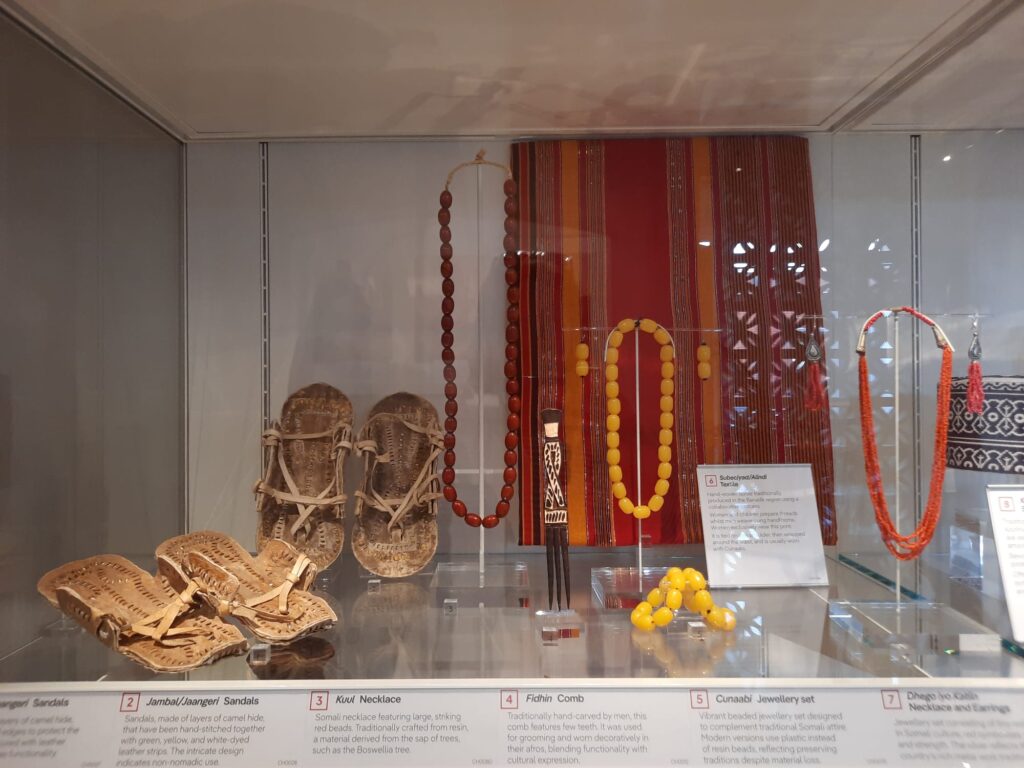
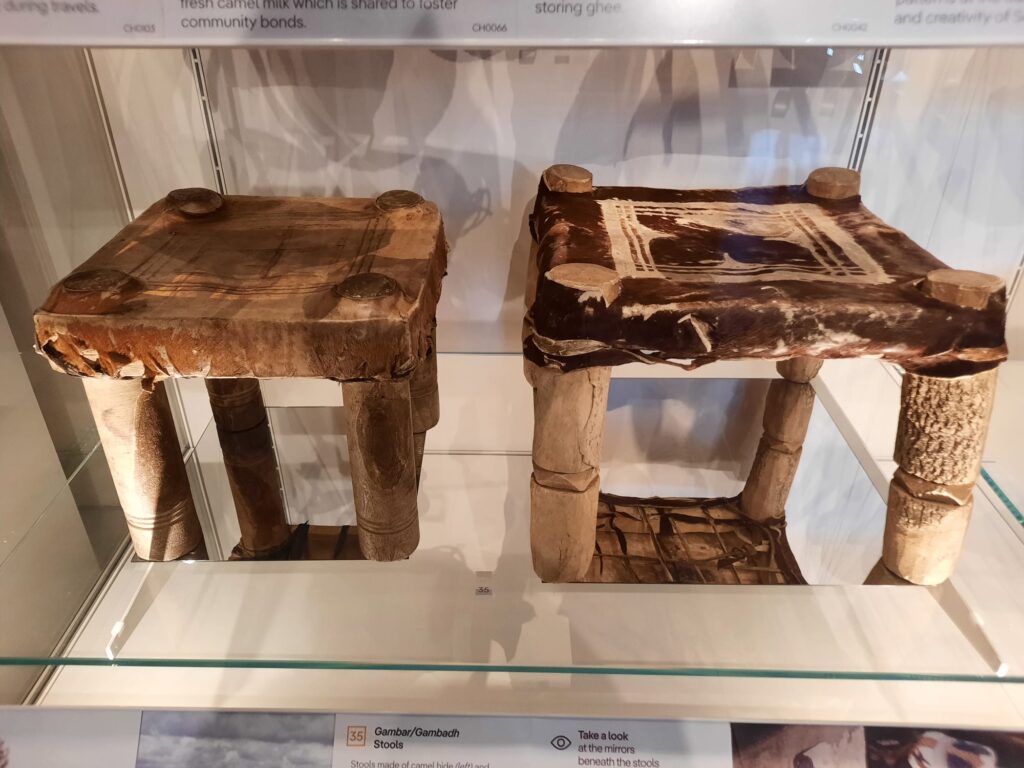
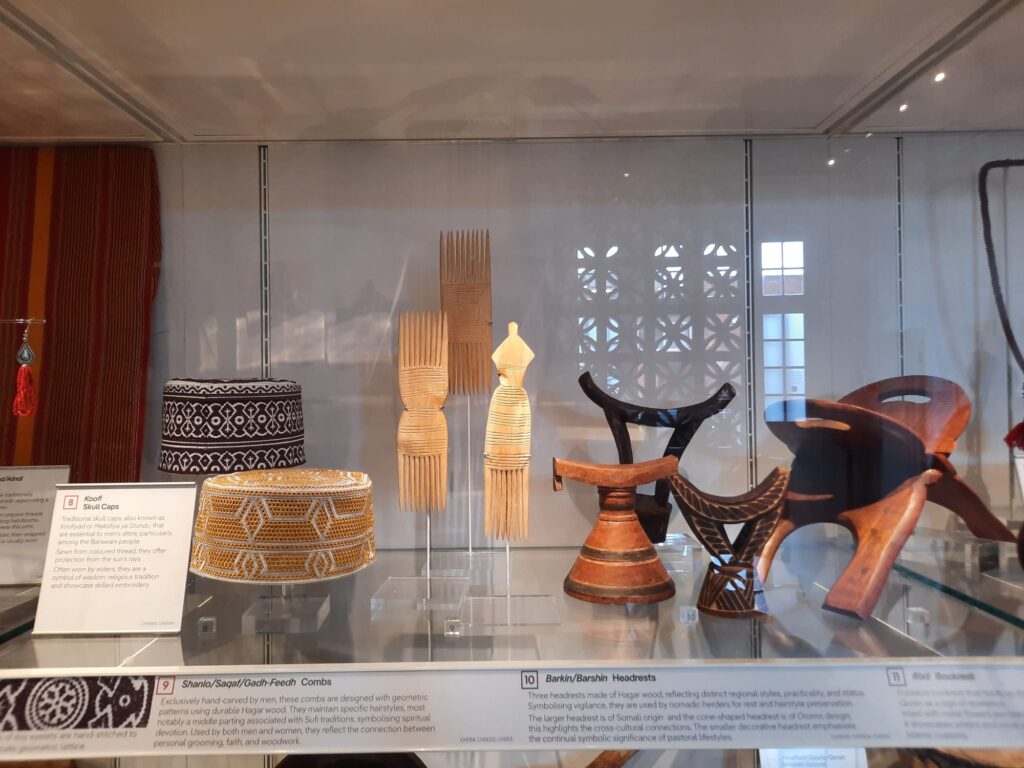
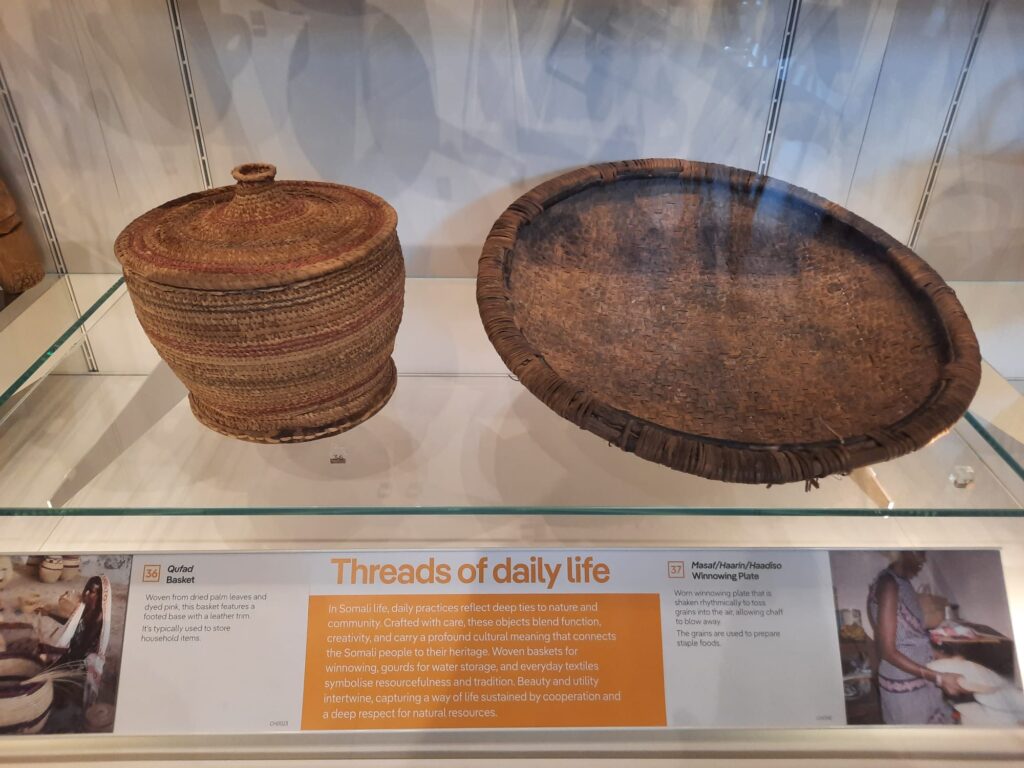
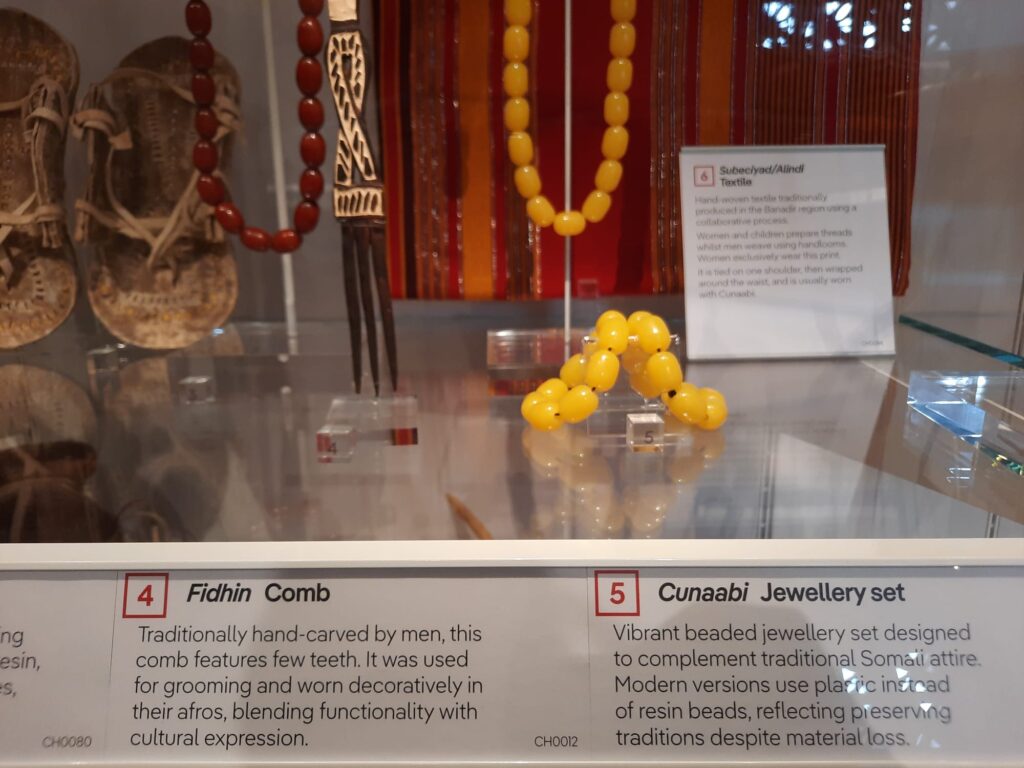
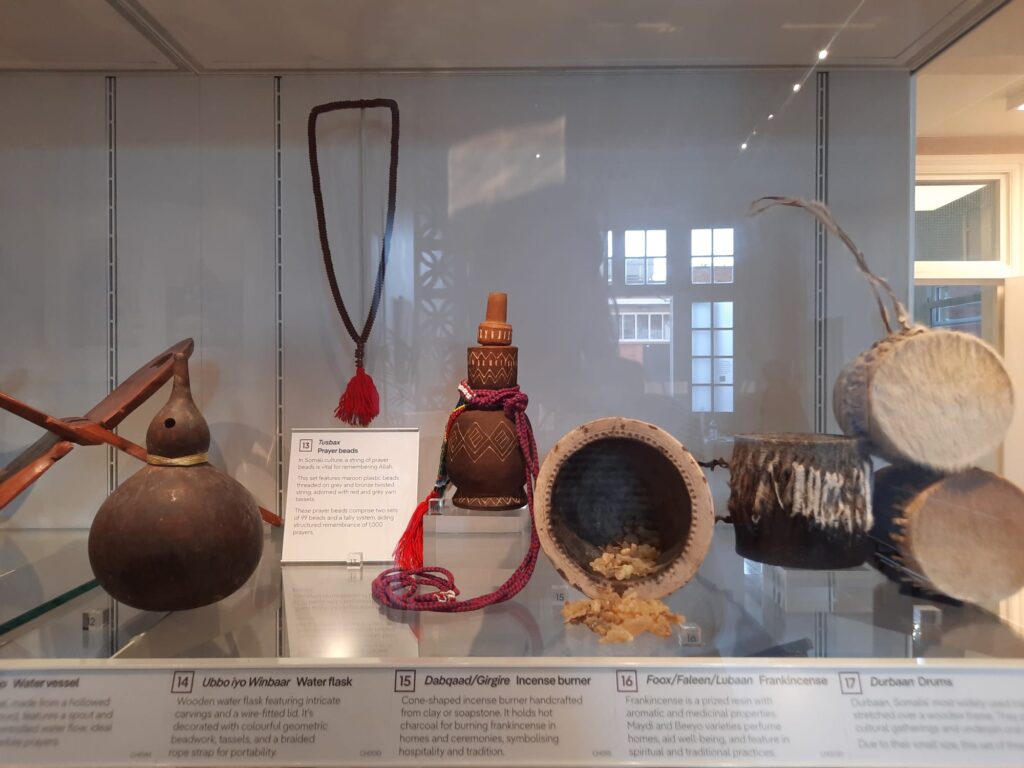
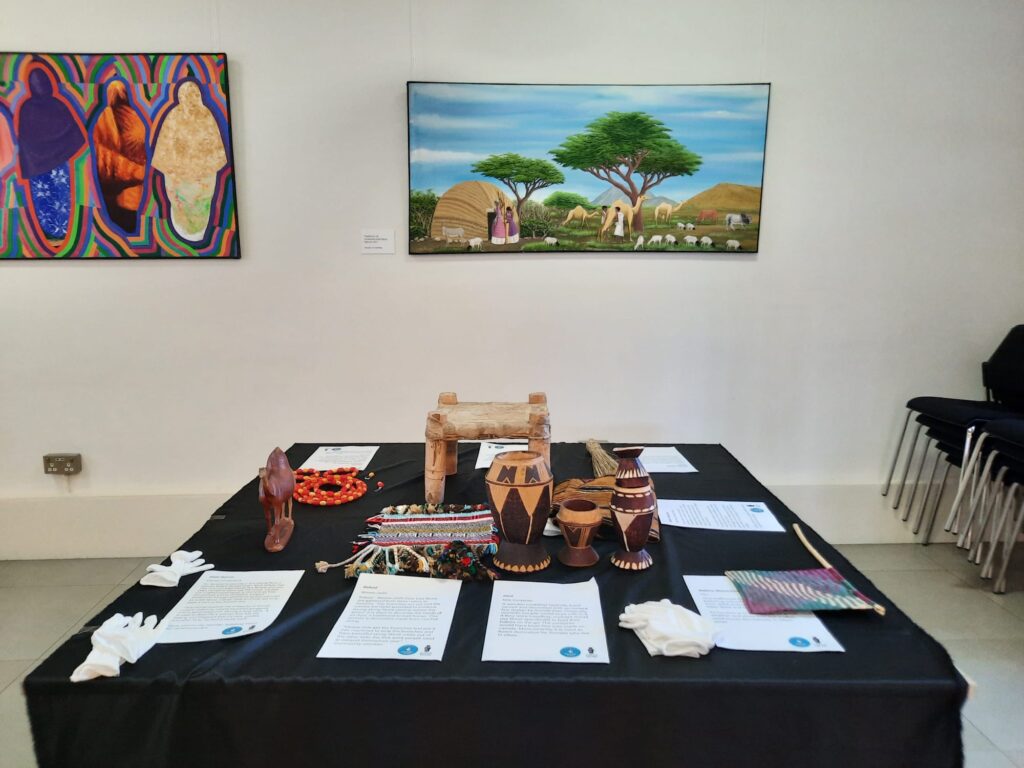
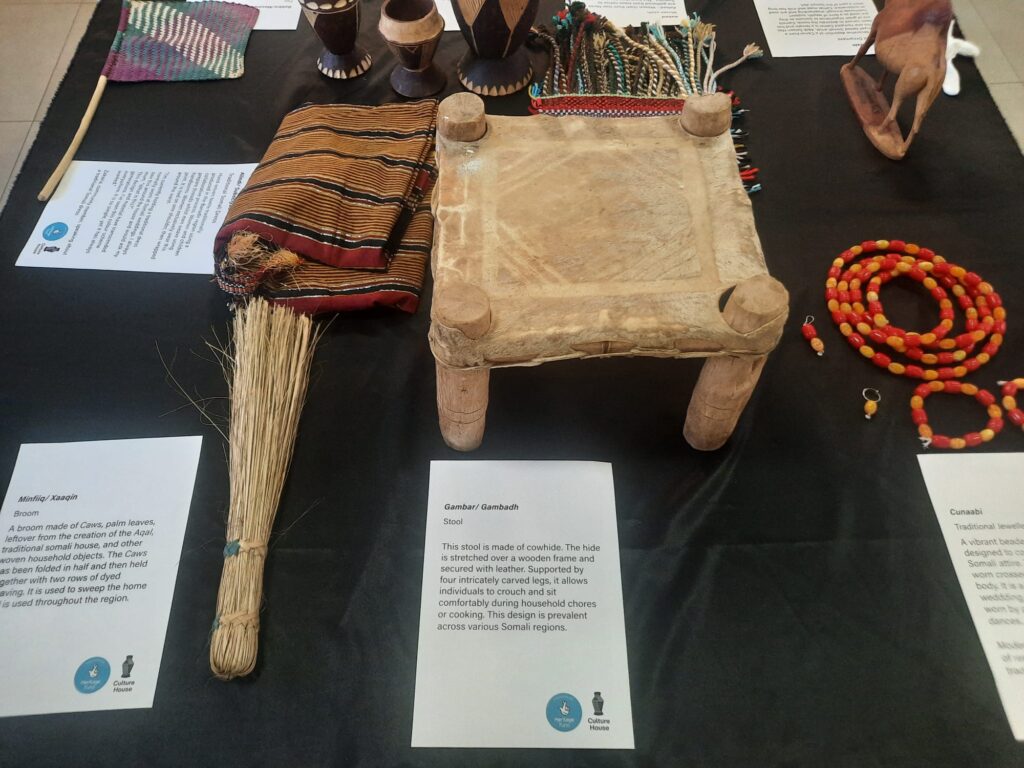
Moving further inside, you first encounter a semi-permanent exhibition of objects. These are arranged and displayed according to current museological practice. Sections like ‘Threads of Daily Life’ or ‘Spiritual Echoes’ distinguish objects for different purposes. Labels explain the objects’ functions and materials. Additional texts suggest subjects for further thought or discussion, for instance by pointing out what it is about a stool’s construction that makes it so durable.
As part of the Open House offering, the next room contained similar objects from Culture House’s collection, available for handling. After putting on gloves, I turned a stool over in my hands, feeling its weight and appreciating its design. The website suggests Culture House make their non-display collection fairly accessible.
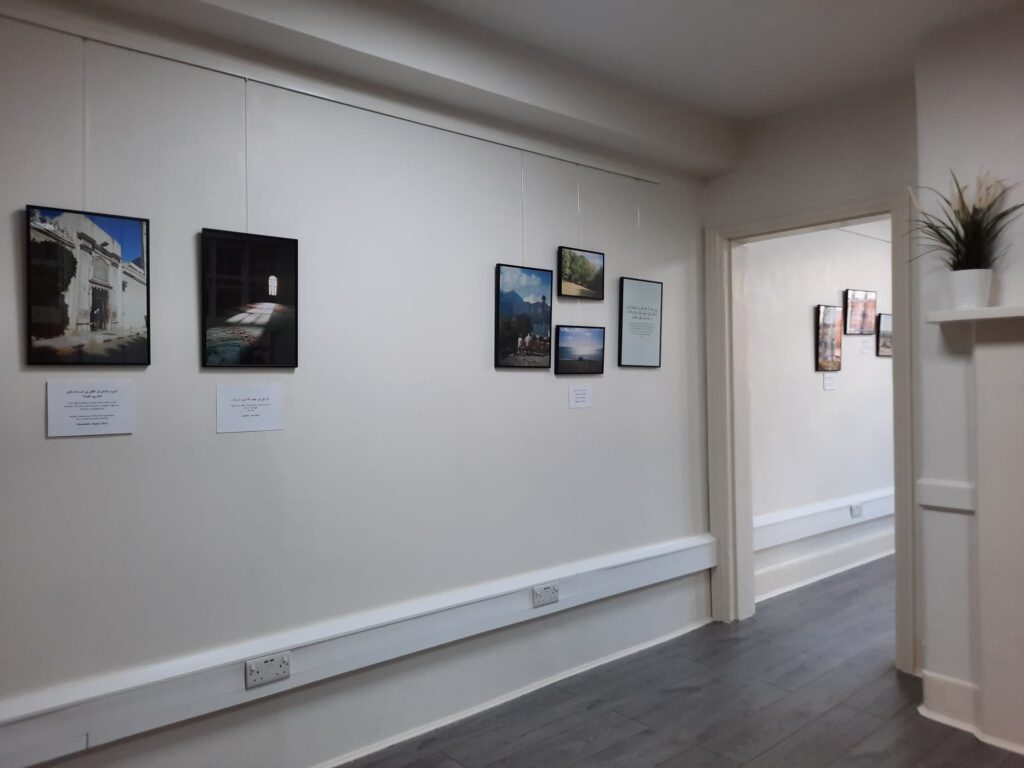
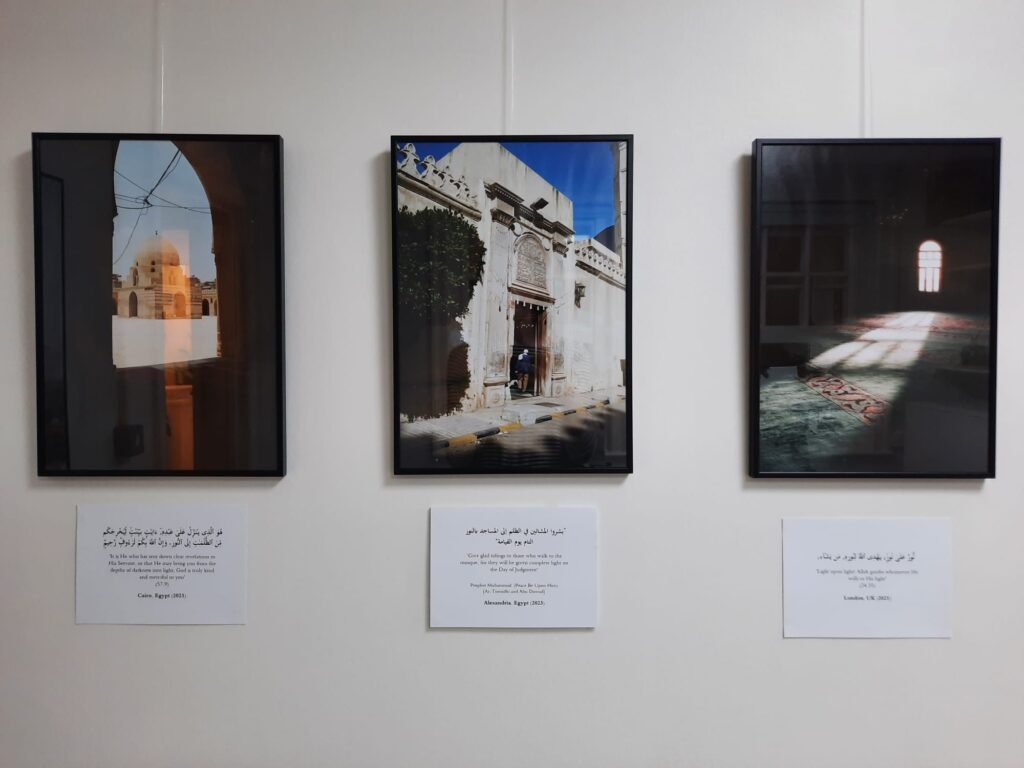
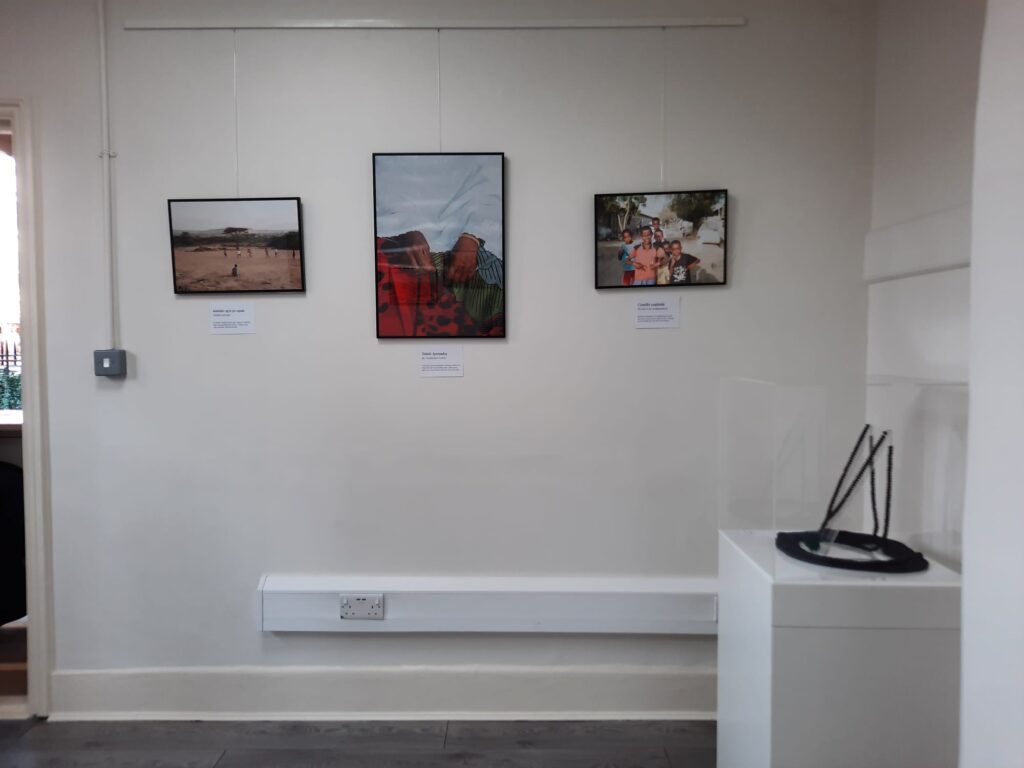
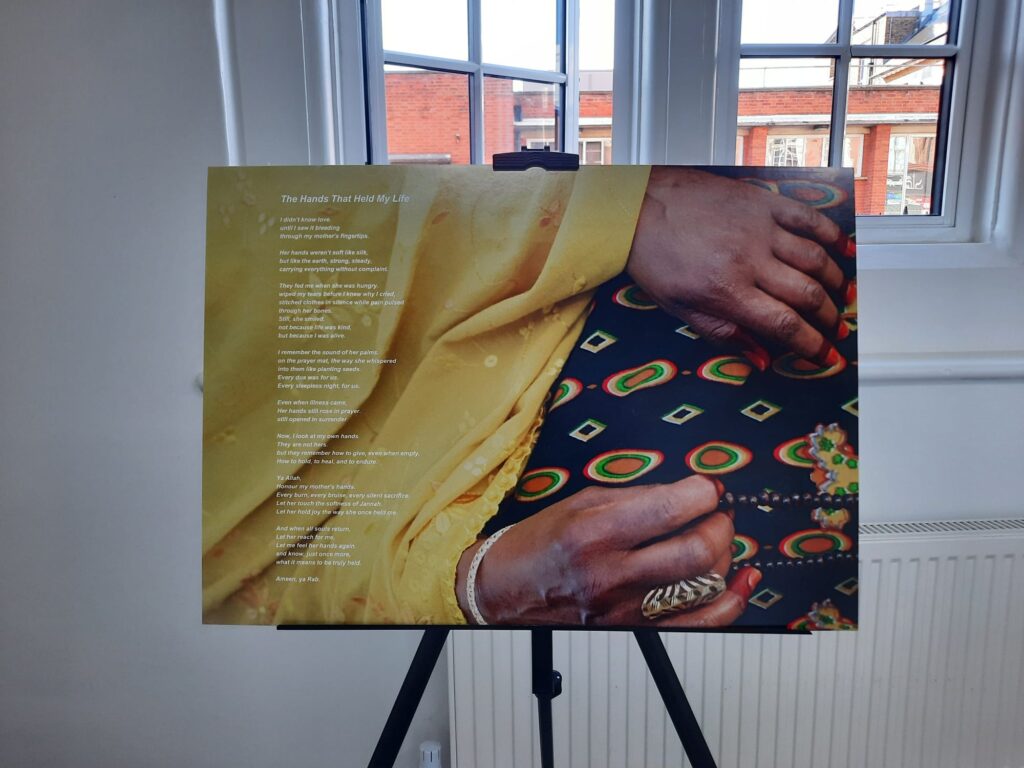
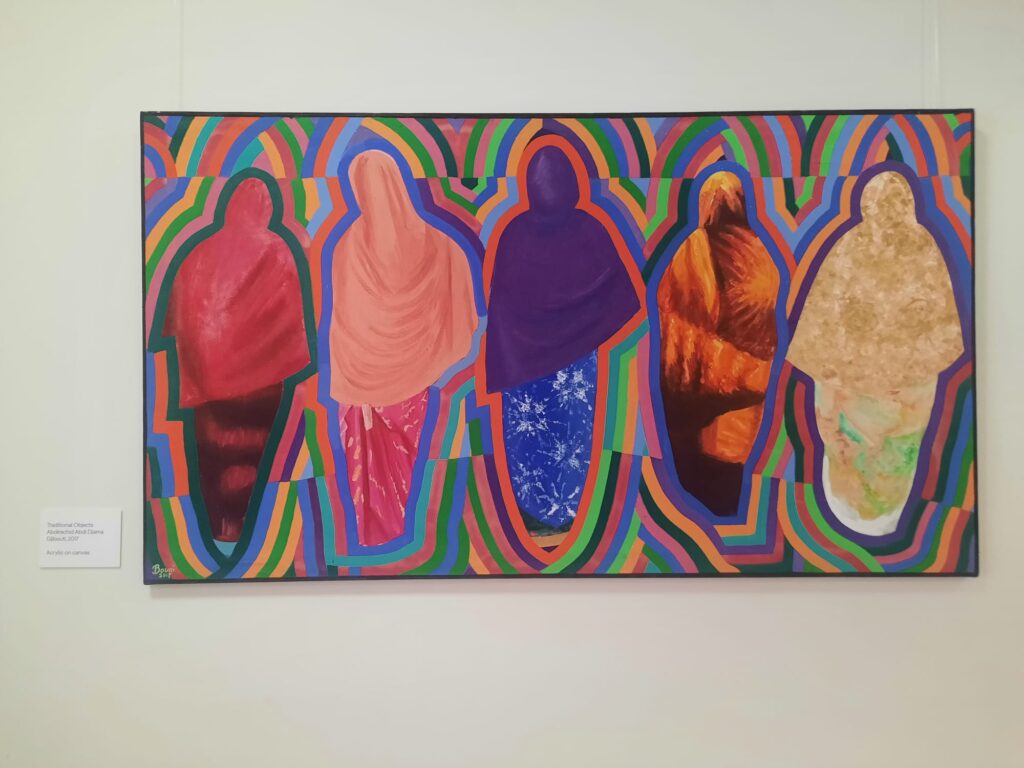
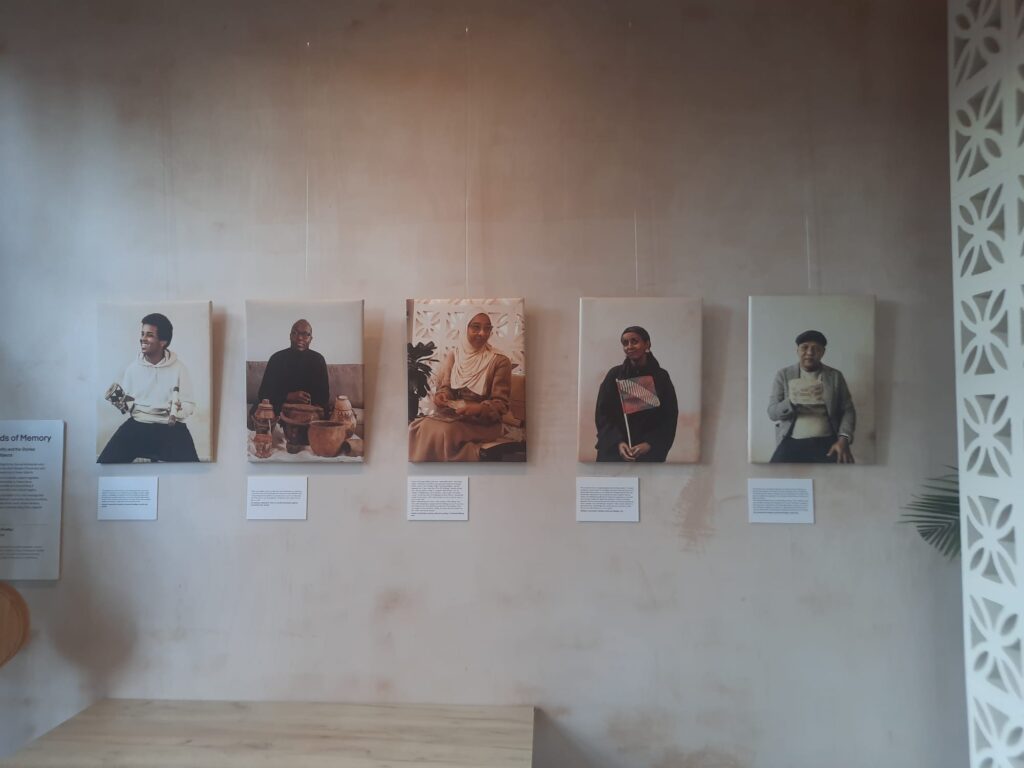
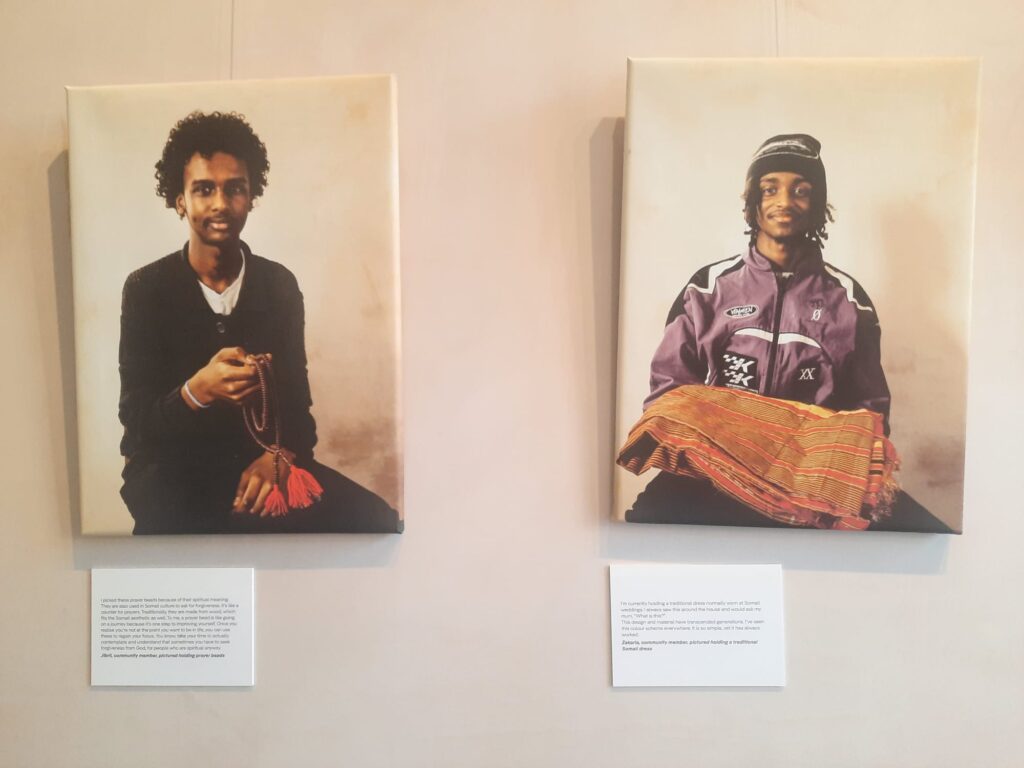
The rest of the exhibition space is for temporary displays, so the images on this post are already out of date. When I visited there were three photography exhibitions. The one that interested me the most was Threads of Memory. Photographs by Mahamed Mahamud showed community members alongside the objects they have donated. Texts accompanying the images captured important memories and associations. It’s a nice oral history project as well as a way of celebrating those who have contributed to Culture House. It’s also the ‘object as data carrier‘ model in full swing.
The Different Meanings of a Museum
The ‘object as data carrier’ model is all about the different meanings an object can have. There are its physical qualities: what it’s made of and so on. Its functional identity, too: what was it for? What did it do? But thirdly there are the intangible meanings it gathers over its lifetime. Connections to people who owned it, what meaning it had for them, a particular story or historic moment. The object is a carrier for those meanings even if we can’t see them with the naked eye.
Likewise, I think Culture House is really interesting for the different meanings it represents. Firstly, it is a resource for the local British Somali and East African community. It functions as a community space literally and figuratively through events, space hire, workshops, and the platform of temporary exhibition programming. It keeps objects donated by the community safe, and displays them. The architecture reinforces that this is a welcoming place built with community values in mind.
Secondly, Culture House uses a Western concept of the meaning and value of museums to claim a space and a voice for the British Somali community. There has been a lot of change in museums over the decades. But the fact remains that what is and isn’t put into a museum is one marker of meaning. Creating a ‘permanent exhibition space’ (essentially a museum in other words) sends a signal that the artefacts collected by the British Somali community have a generally understood value. A museum means that British Somali stories are part of a national dialogue, alongside other stories that have been elevated to a museum setting.
While this meaning of Culture House leverages Western rather than local concepts, I imagine this may resonate within the community as a source of pride, as well as creating a space outsiders like myself can easily understand and engage with because we’re familiar with the language, expectations and behaviours of a museum.
I feel like I’ve opened up a much bigger conversation just as I’m reaching the end of my post. The life of a blogger… I hope I will have the opportunity to return to Culture House to see more of their programming, and expand on some of these ideas in due course.
Trending
If you see this after your page is loaded completely, leafletJS files are missing.