
Le Musée d’Arts de Nantes
I continue my tour of the best French public art collections outside Paris with le Musée d’arts de Nantes.
Art and the French Revolution
So far in Nantes, you’ve followed along to get a taster of the 6th largest city in France, and then let your imagination carry you away with a visit to les Machines de l’île. But now we are going to do what I normally do first in a new city – seek out its best museum, and visit it. ‘Best’ is often subjective, of course. It partly depends what you like. But le Musée d’arts de Nantes has a reputation as one of the best French art museums outside Paris. When I started reading about the museum, I became interested in its origins in the French Revolution. And so that is where we’re going to start today.
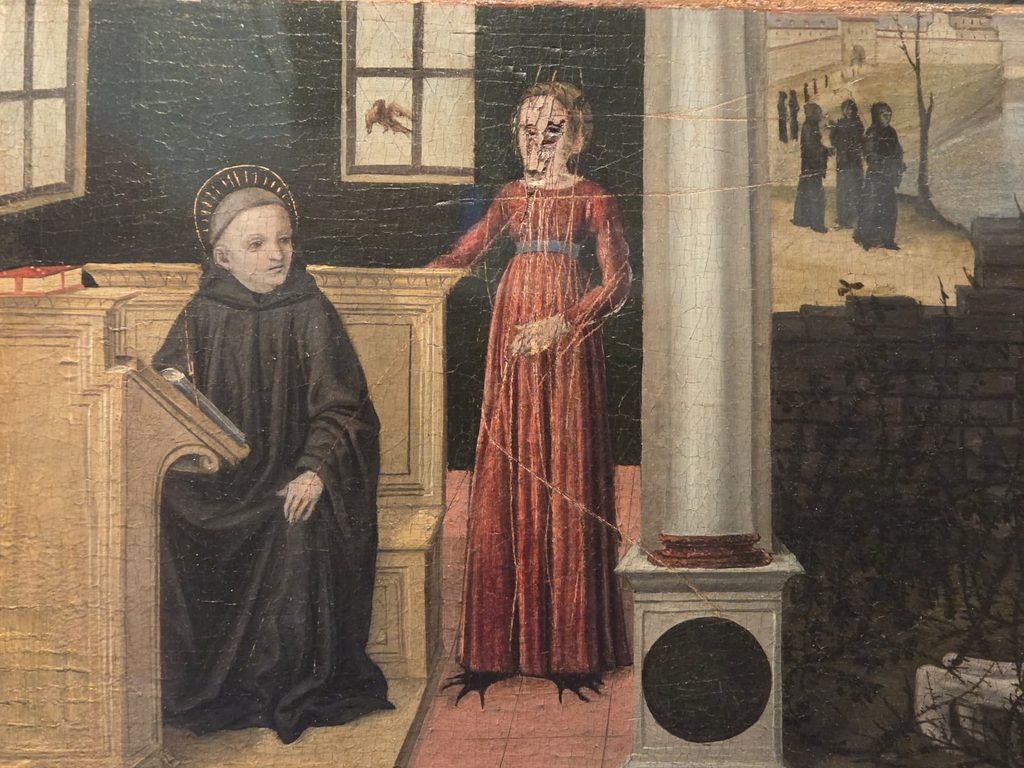
After the French Revolution in 1789, art wasn’t exactly the top priority (maintaining control and guillotining loads of people were higher on the list), but it was a priority. The revolutionary government had nationalised a lot of property formerly belonging to the royal family, aristocracy, and Catholic Church. They also had a lot of buildings on their hands like palaces, abbeys and convents. Some of these became storage depots and exhibition halls for the government’s newly-acquired cultural wealth.
But why was this a priority? A number of reasons, actually. By stopping any vandalism and protecting art, the revolutionary government hoped to legitimise itself. Vast public museums are surely a feature of sophisticated governments who are in control? They also saw culture as a critical political tool. They were in the business of taking wealth from the hands of the few, and putting it into the hands of the many. This included art. The Louvre palace opened as a public museum displaying royal treasures to the public in 1793. The revolutionary government then began expanding the concept to provincial cities, a policy that continued under Napoleon. They hoped to educate citizens, form a new national identity, and do a little propaganda at the same time.
A Museum Collection Comes Together
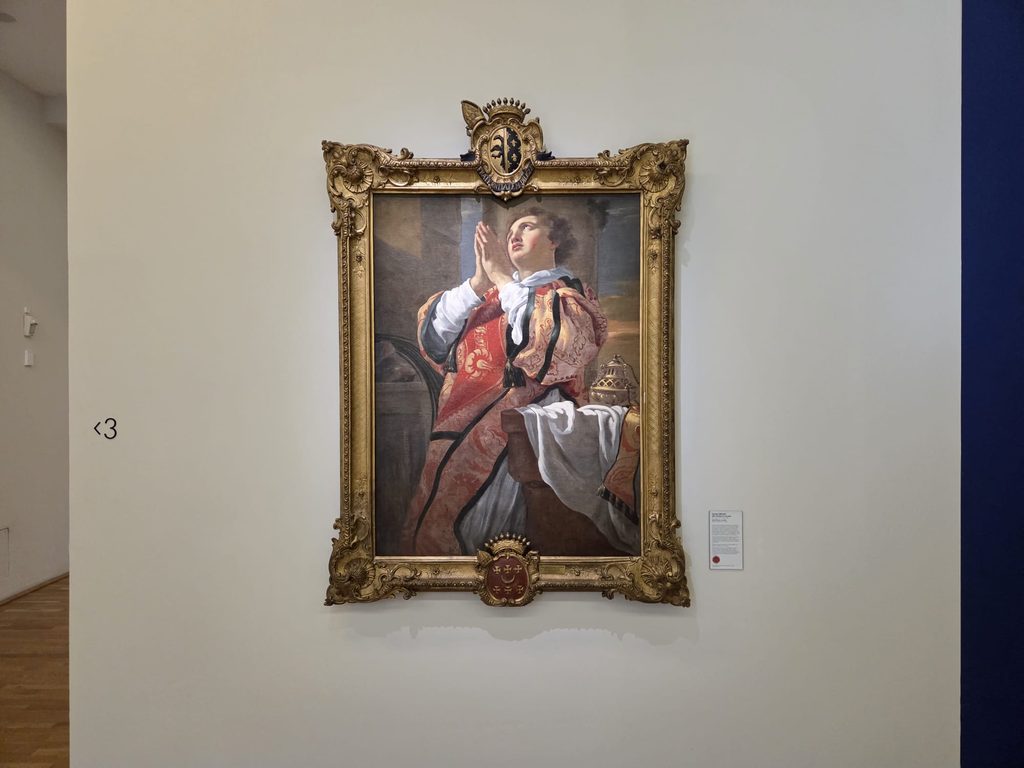
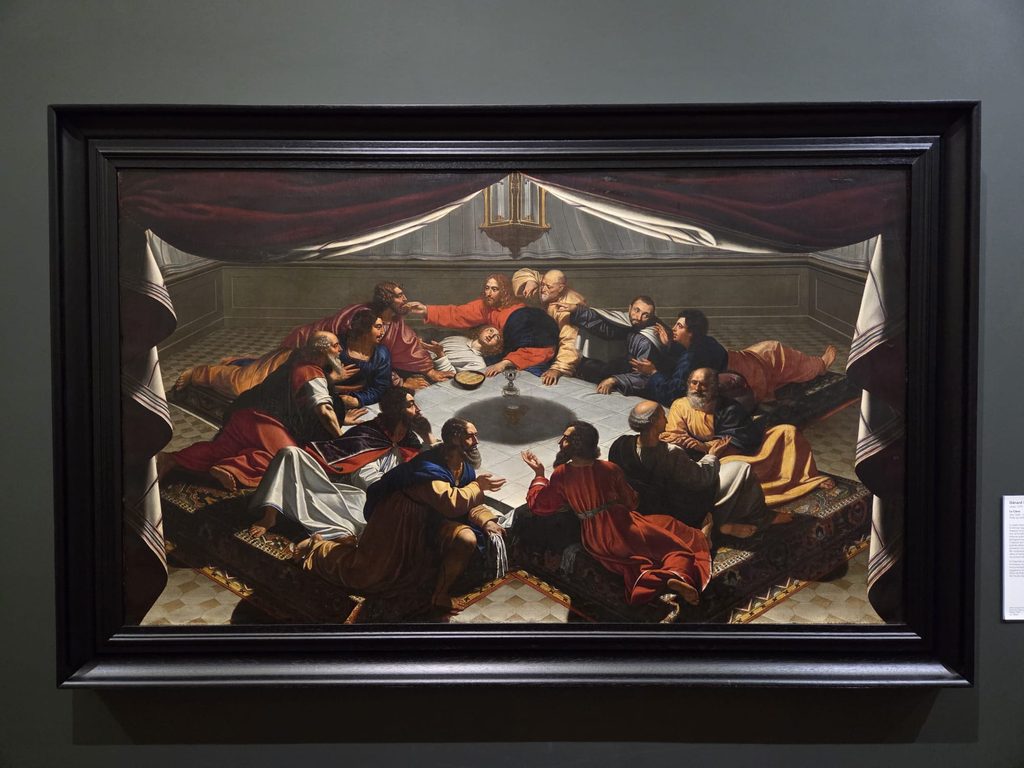
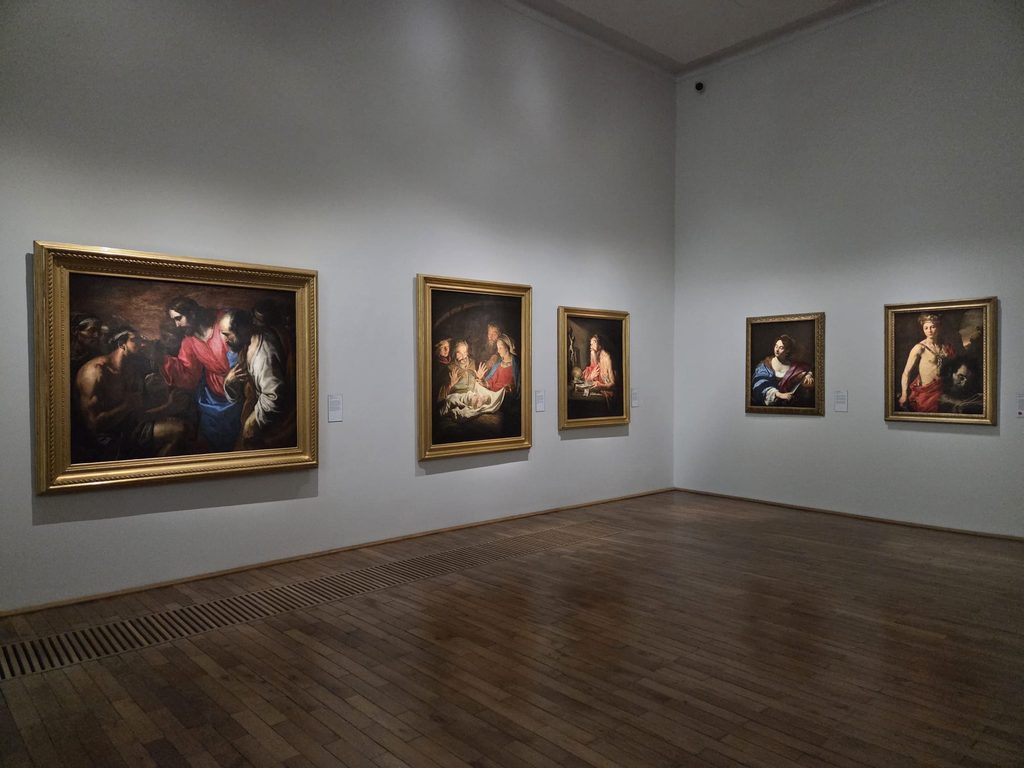
And so, on 14 Fructidor year IX*, the Musée des Beaux-Arts de Nantes came into being. As did 14 other provincial museums. By this point, however, the Revolution was over (for now) and Napoleon Bonaparte was First Consul. These provincial museums were, in effect, a continuation of the revolutionary idea that art confiscated or acquired by the state should be preserved, displayed, and made accessible to the public. To get the new museum started, the government sent 43 large-scale paintings in 1804 and 1809, by artists such as Simon Vouet and Peter Paul Rubens. Some of these came from the former royal collections in the Louvre, while others were purchases. But more important than this seed collection was the purchase by the city of Nantes of the collection of two brothers, Pierre and François Cacault.
The brothers were natives of Nantes. François Cacault had been a diplomat in Italy in the late 18th and early 19th centuries. He took advantage of being in Italy, and of the volatility created by the French Revolution, to put together a fairly representative collection of Italian and French art. After François returned to France, he settled in nearby Clisson with his brother Pierre, a genre painter. Together they founded a musée-école (museum-school) to help rebuild the region, educate its people, and spread artistic taste. After François died in 1805, Pierre struggled financially. He tried for some time to reach an agreement with the authorities to keep the educational project going. In the end the city purchased the collection in 1810 in return for a lifetime annuity. Sadly, though, Pierre died just two days after finalising the sale.
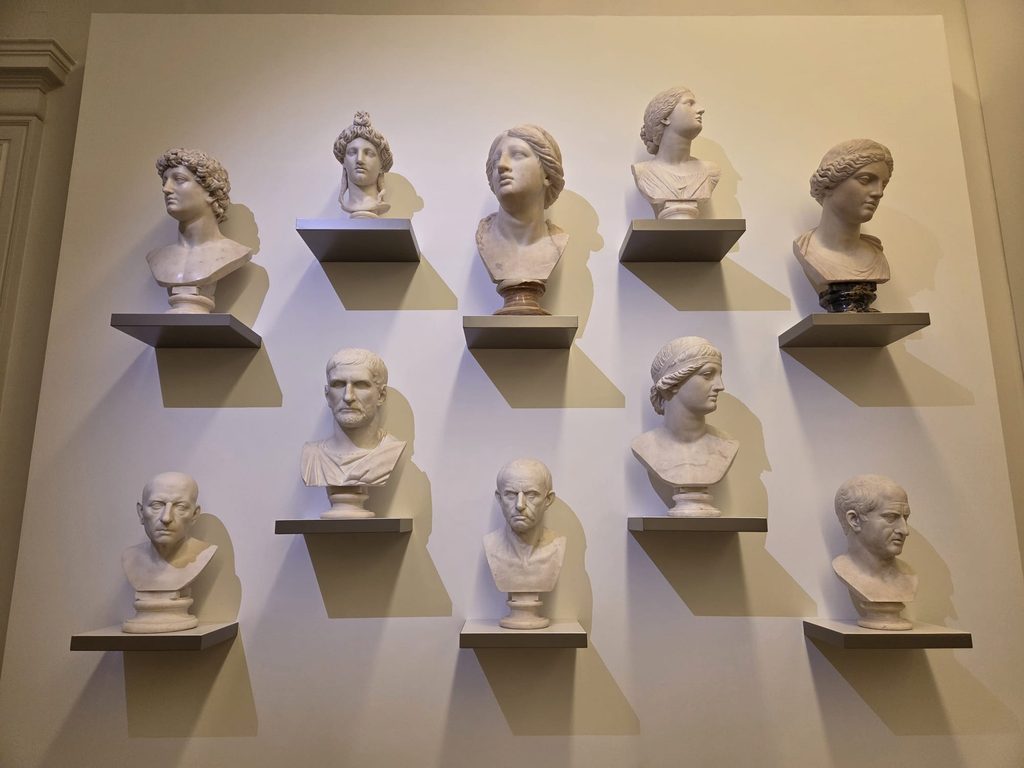
The Cacault collection was probably the most impressive outside of Paris at that time. It included 1,155 paintings, 64 sculptures, 134 folio volumes, and 6,370 engravings. I’m surprised François had any time for his day job. There wasn’t a museum per se for them to go into, though. The city dispersed the collection instead between the Town Hall, Prefecture, Civil Tribunal, and local churches. We’re going to talk more about museum buildings next.
*As I said before, I find revolutionary dates a little silly. Maybe it’s just that Fructidor is a funny word. It was the final month of twelve on that calendar, following Thermidor and followed by the five extra days on the calendar, les Sans-Culottides (the Days of the Breechless/Trouserless, basically Workers’ Days). But anyway, you might know that date as 1 September 1801. By then Napoleon was First Consul, so this particular museum was technically not revolutionary, but was part of its institutional legacy.
Followed by Somewhere to House It
While the museum collection was in temporary housing, the city authorities grappled with some financial difficulties and tried to work out a long term plan. A first attempt to build a museum around 1820, under architect Mathurin Crucy, failed. Mayor Louis-Hyacinthe Levesque renewed the focus on a permanent museum in 1828, observing that the collection was doing nothing dispersed around various offices. A first museum thus opened upstairs at the Halle aux Toiles. The Halle aux Toiles was a cloth market, a relatively new building at the time and also by Mathurin Crucy. It was a public building, and therefore cheap for the authorities to squeeze a museum in, too. About 1,500 paintings went on display when the museum opened in 1830.
As is often the case with museums, this one soon ran out of space. The museum first tried taking over more and more space at the Halle aux Toiles, in 1833, 1836 and 1846. Eventually it took over the entire top floor. And so it was time for new premises. The museum’s first purpose-built home is one of three buildings it still resides in today.
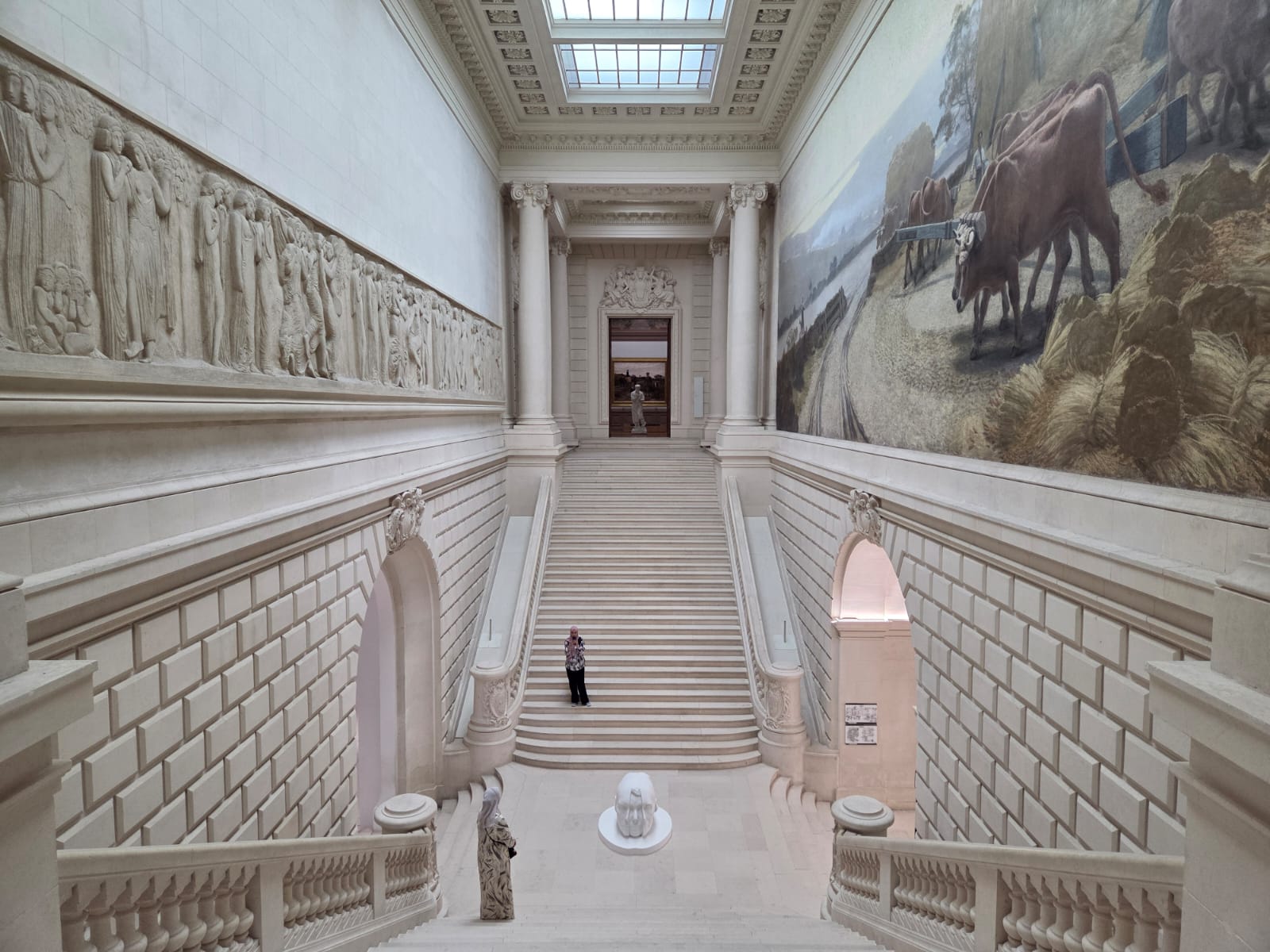
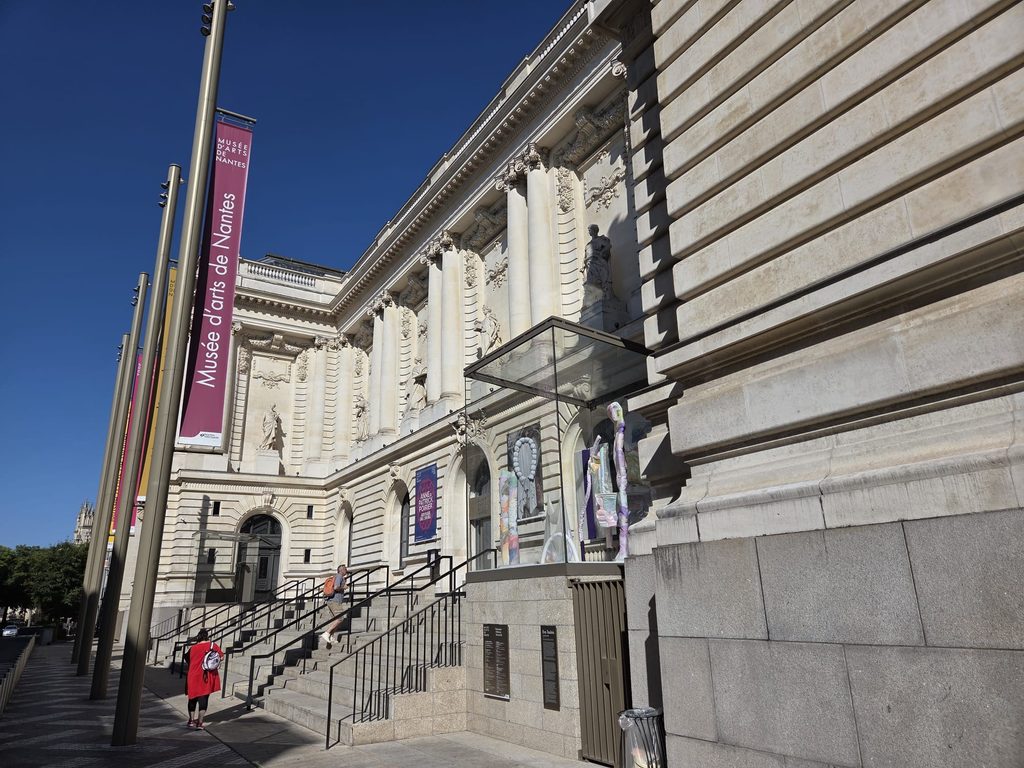
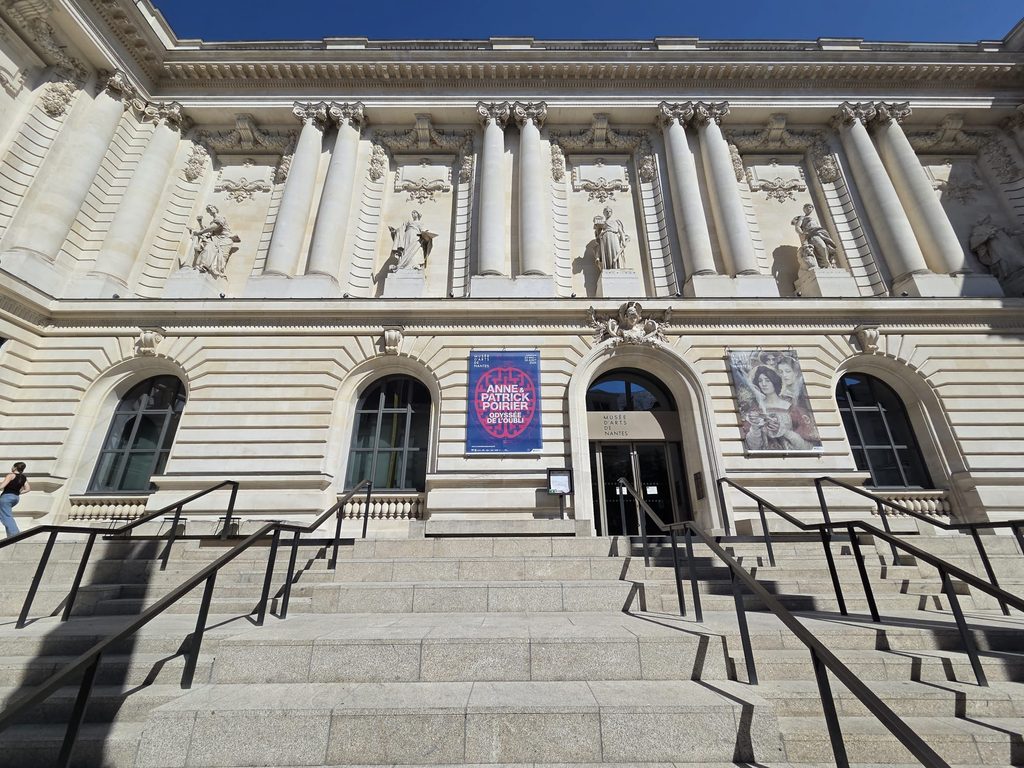
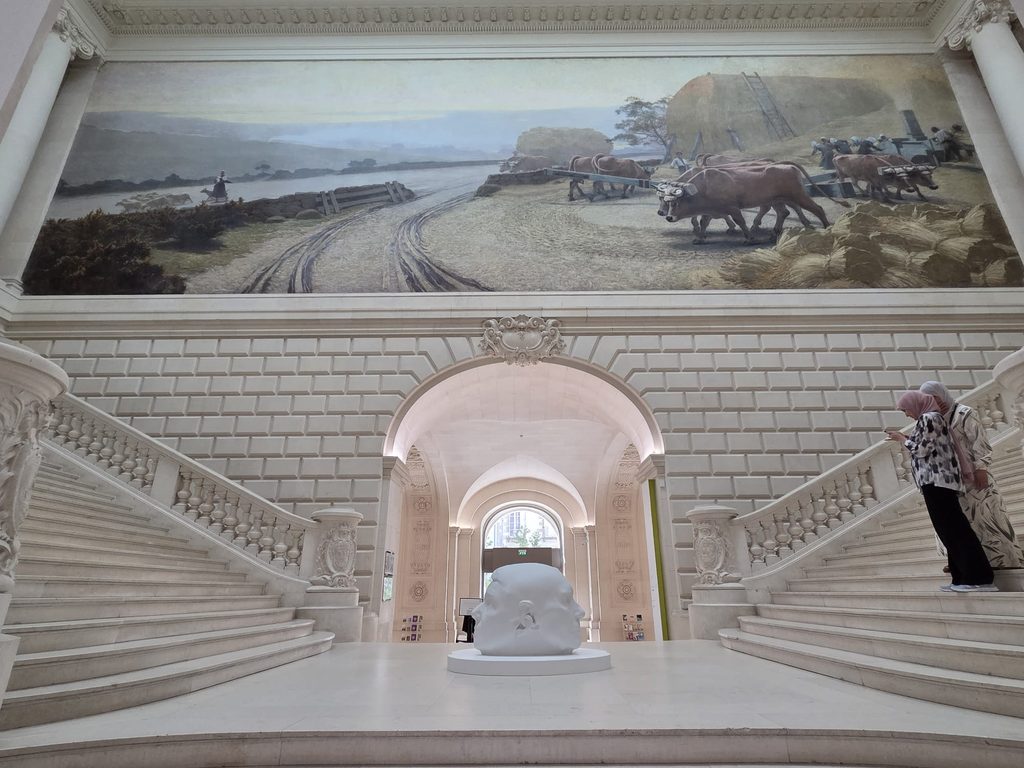
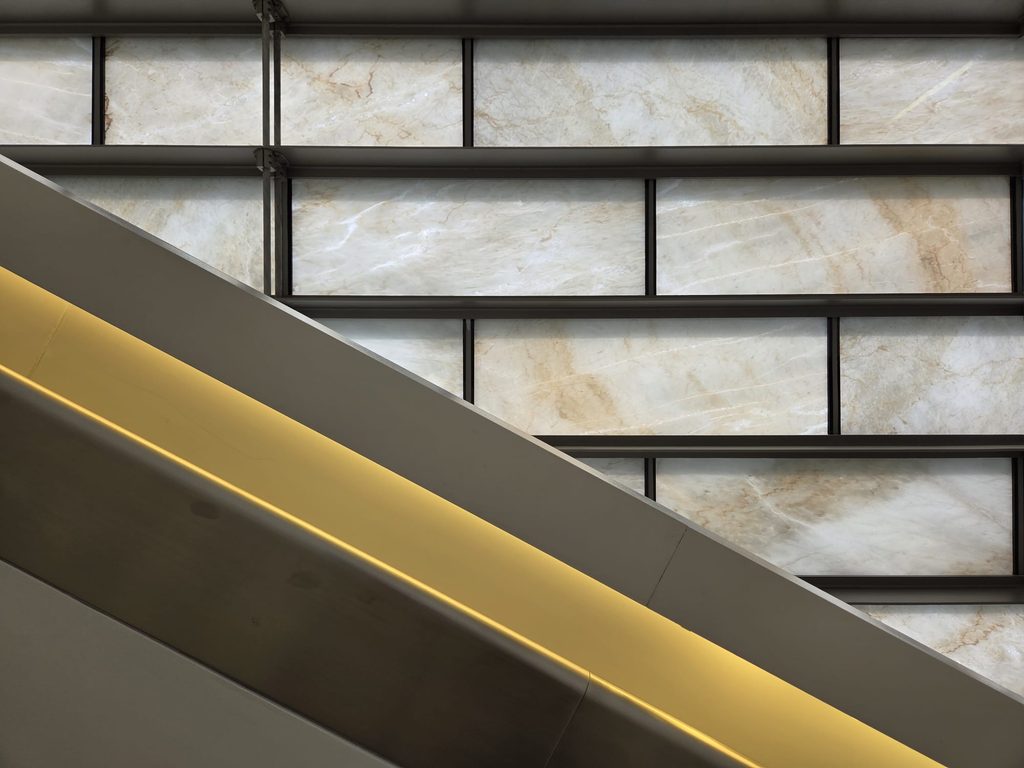
Local architect Clément-Marie Josso won the contest to design the new museum in 1891. It was to be known as the Palais des Beaux Arts (Palace of Fine Arts). His design was in-keeping with other new-ish Musées des Beaux-Arts, in Lille and Amiens. A shared feature, for instance, was a central courtyard with a glass roof to bring light into the galleries. Some of the more elaborate features of Josso’s design had to be abandoned due to budget constraints. There’s nonetheless a monumental staircase, which remains impressive today. The building opened in 1901.
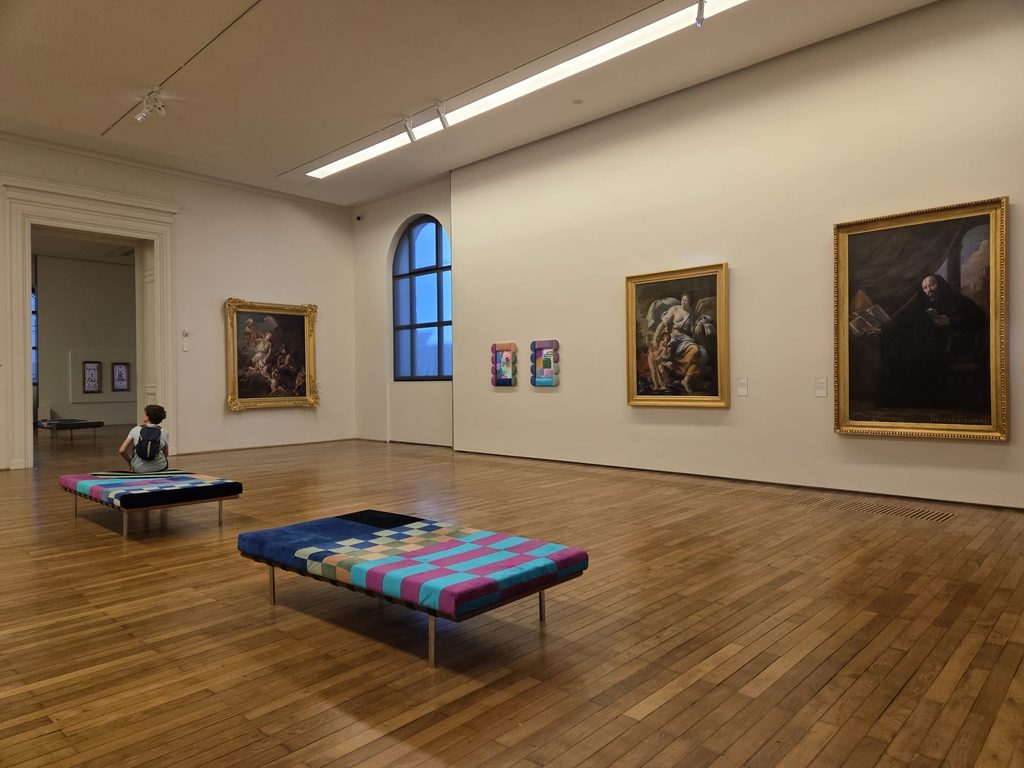
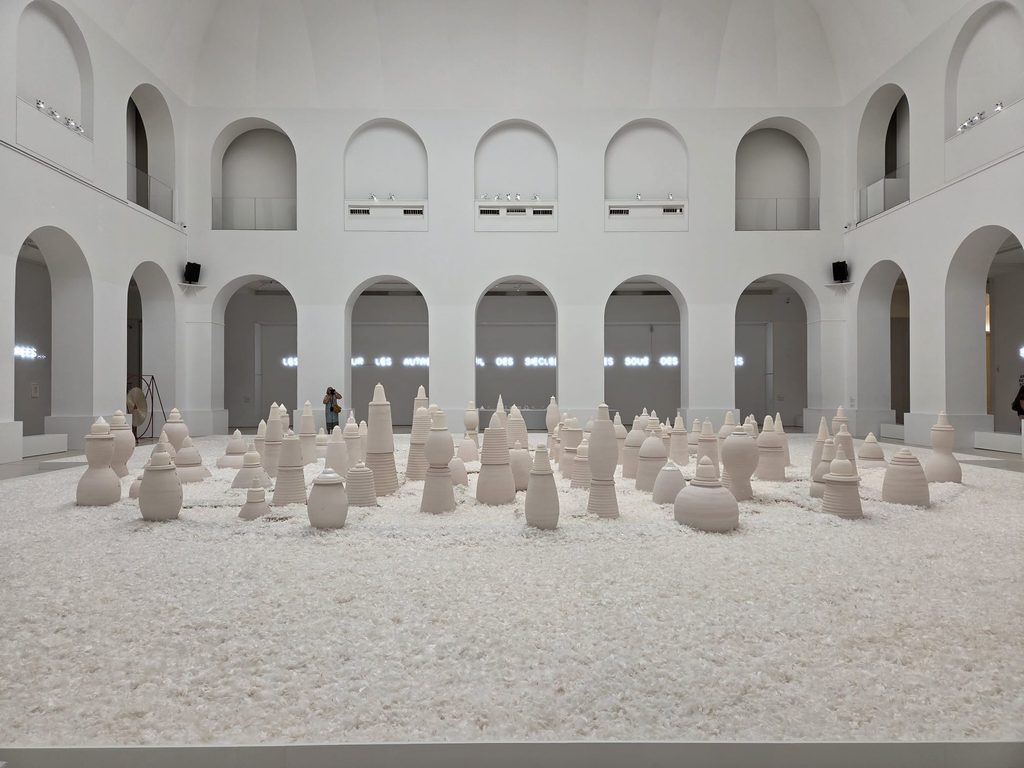
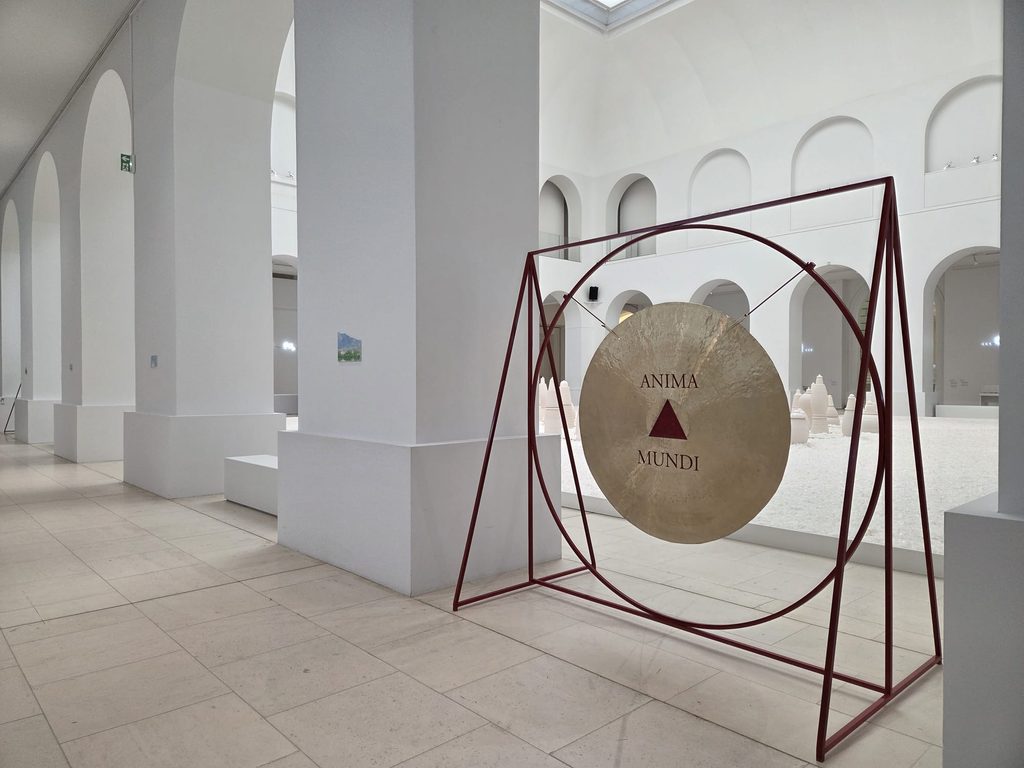
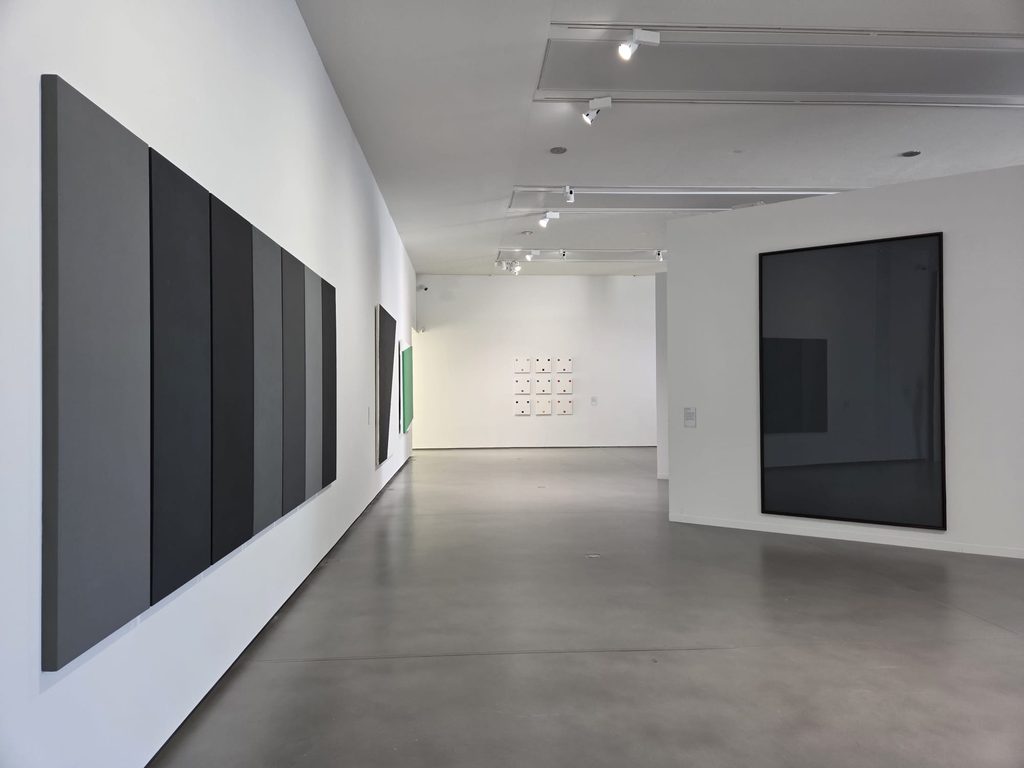
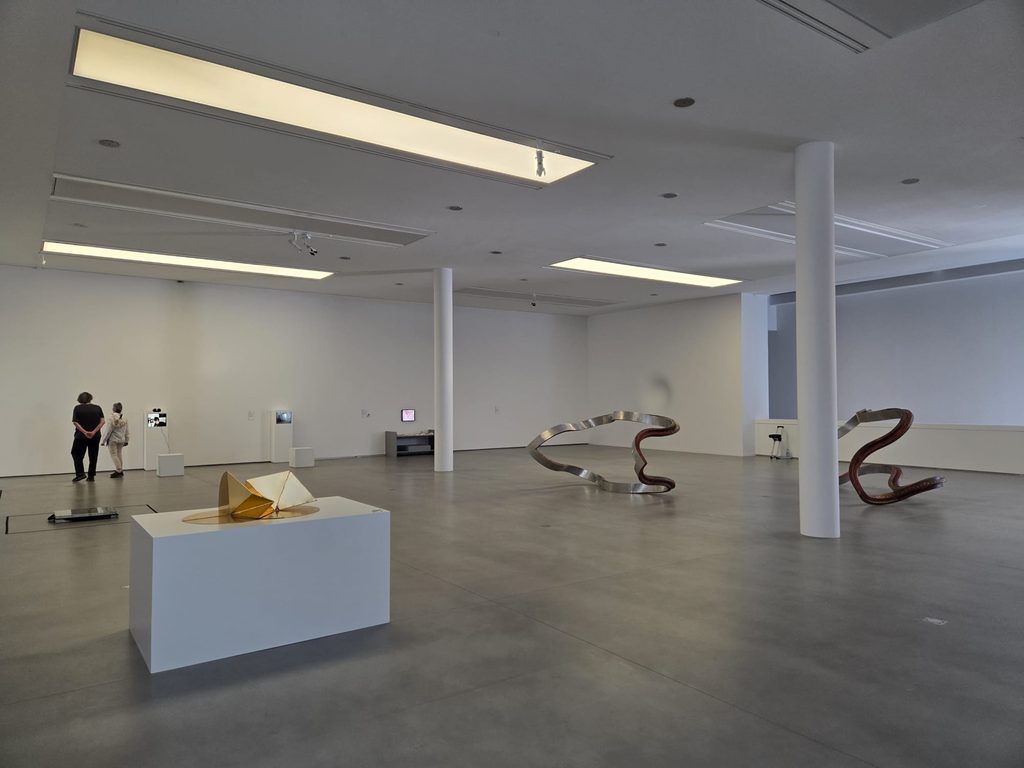
The next major chapter in the museum’s architectural history came in the 21st century. The city of Nantes tasked architect Stanton Williams with a major renovation project. His extension, known as le Cube, added more than 2,000 square kilometres of floor space, in which the Musée d’Arts de Nantes displays its contemporary art collection. The project also brought a 17th century oratory chapel, purchased by the city in 1963, into the museum as exhibition space. I wouldn’t say the three buildings feel entirely integrated today, but it nonetheless makes the museum a large and impressive space.
Collection Highlights – Old Masters and 19th Century Art
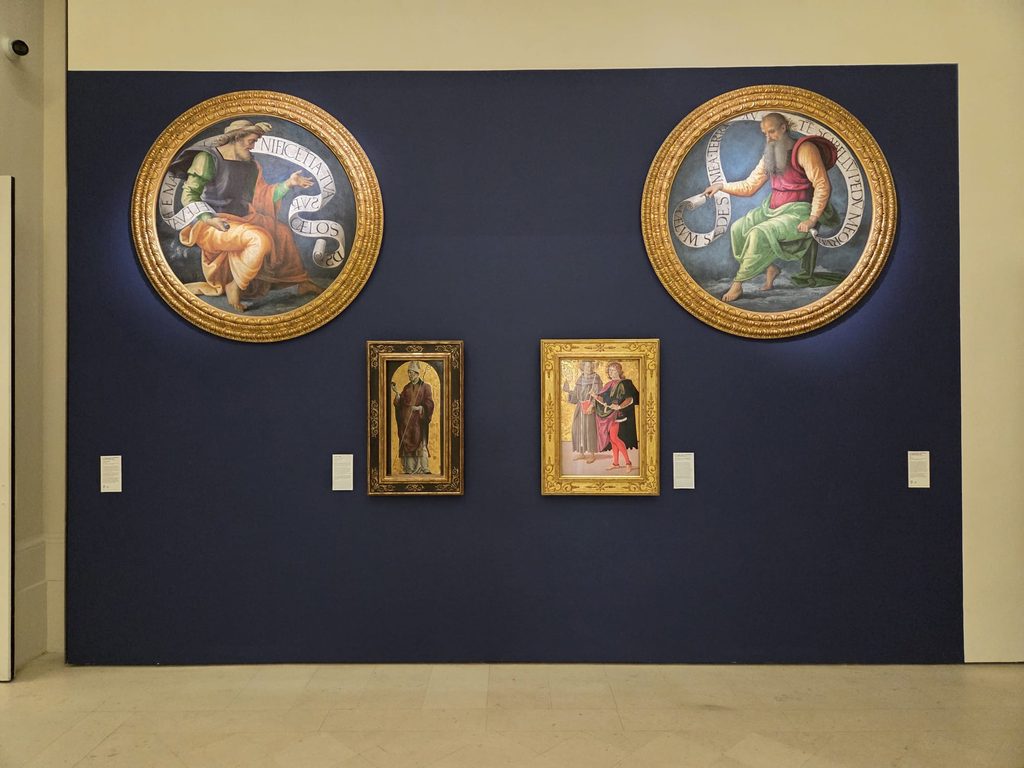
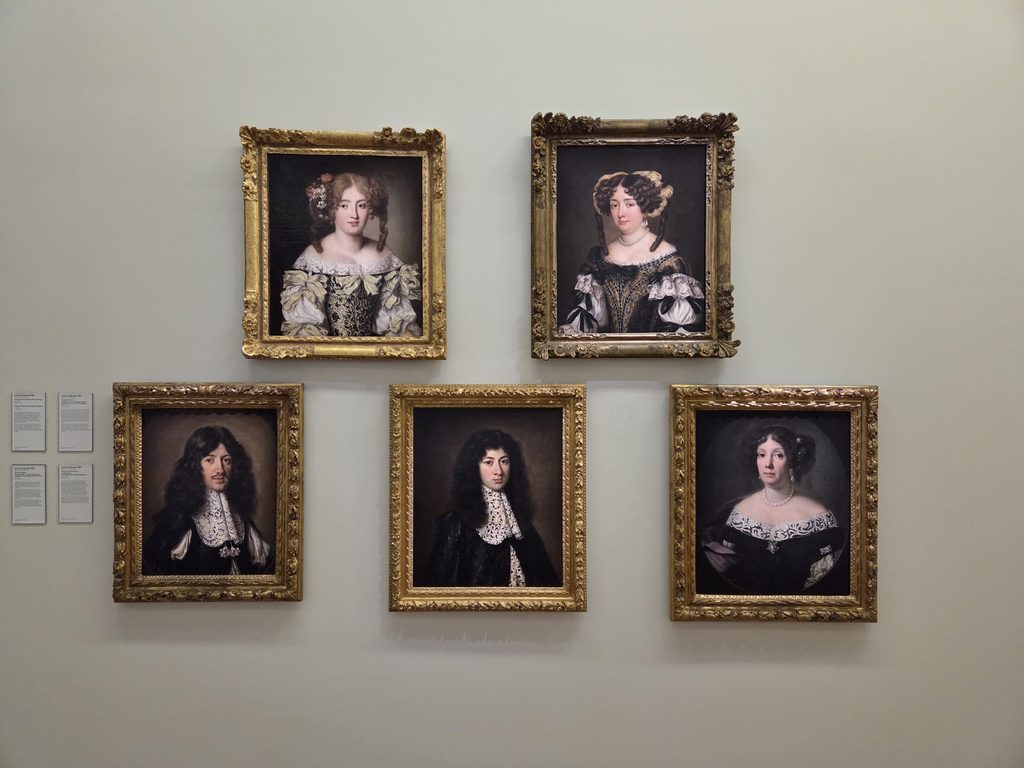
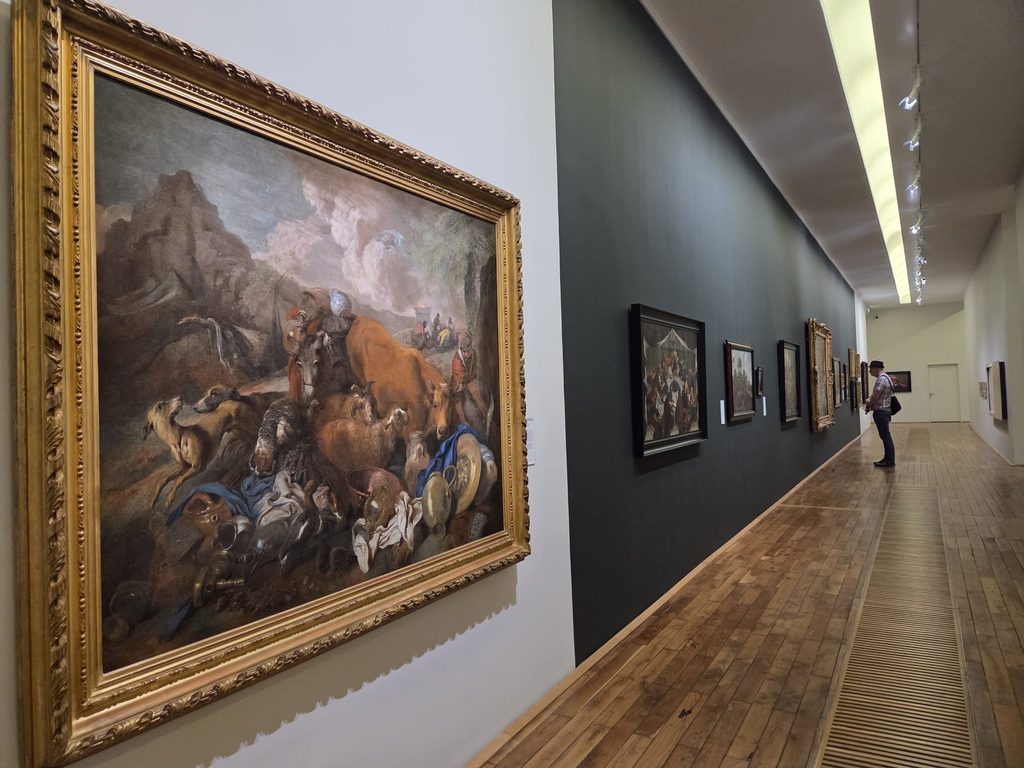
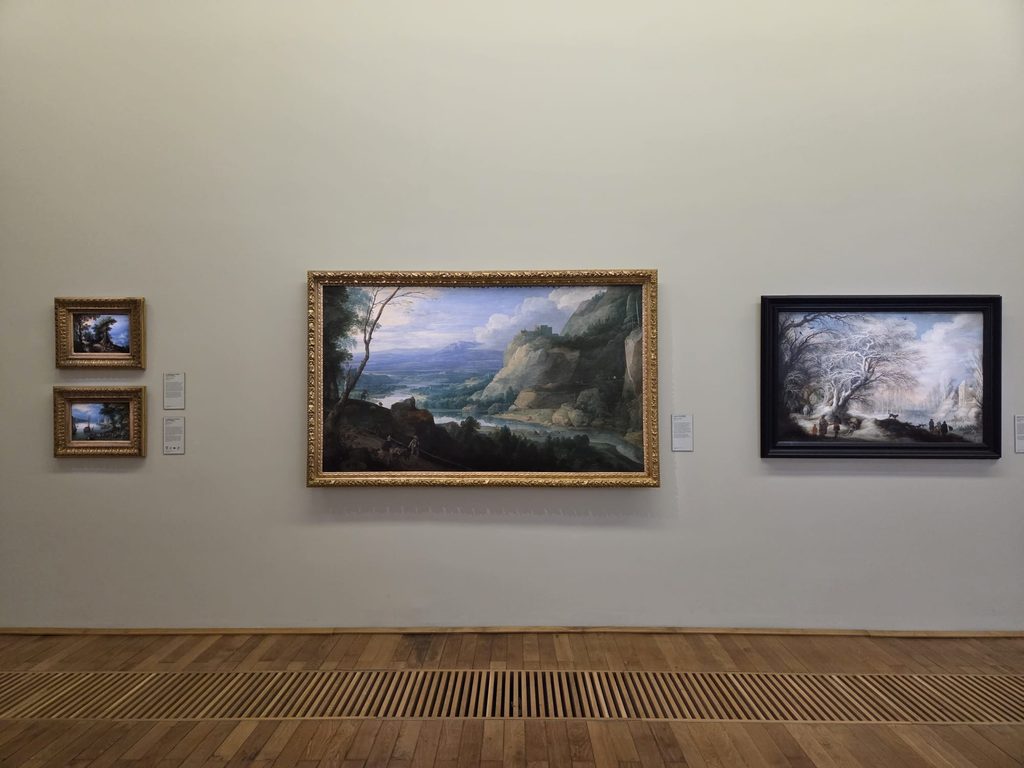
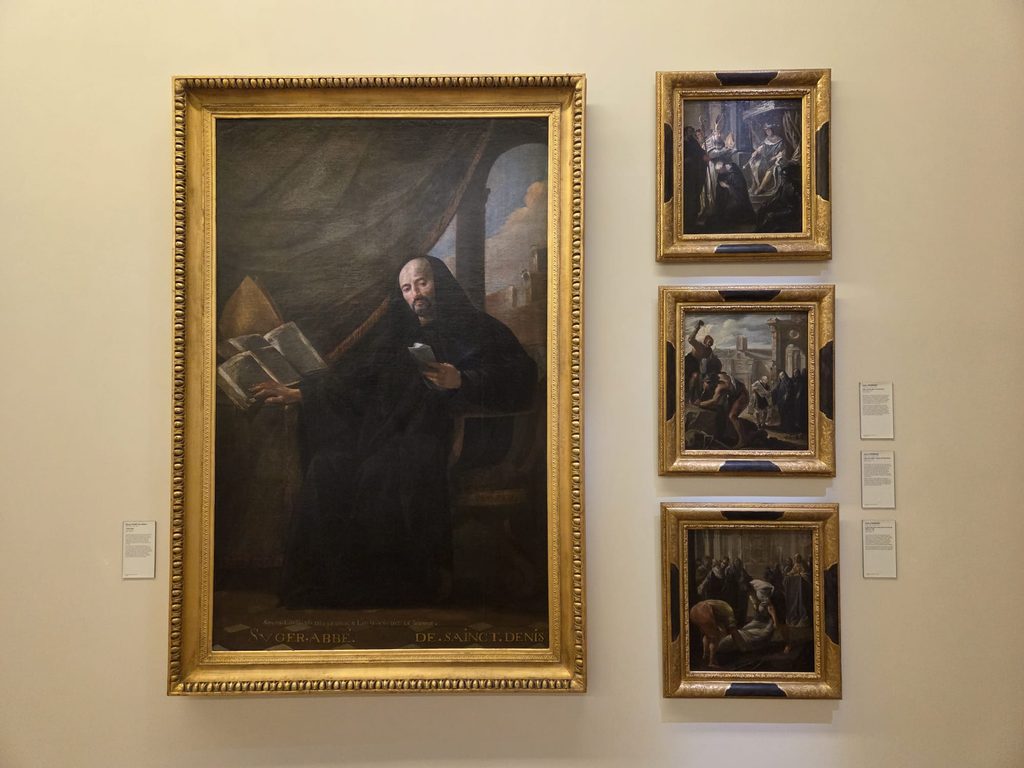
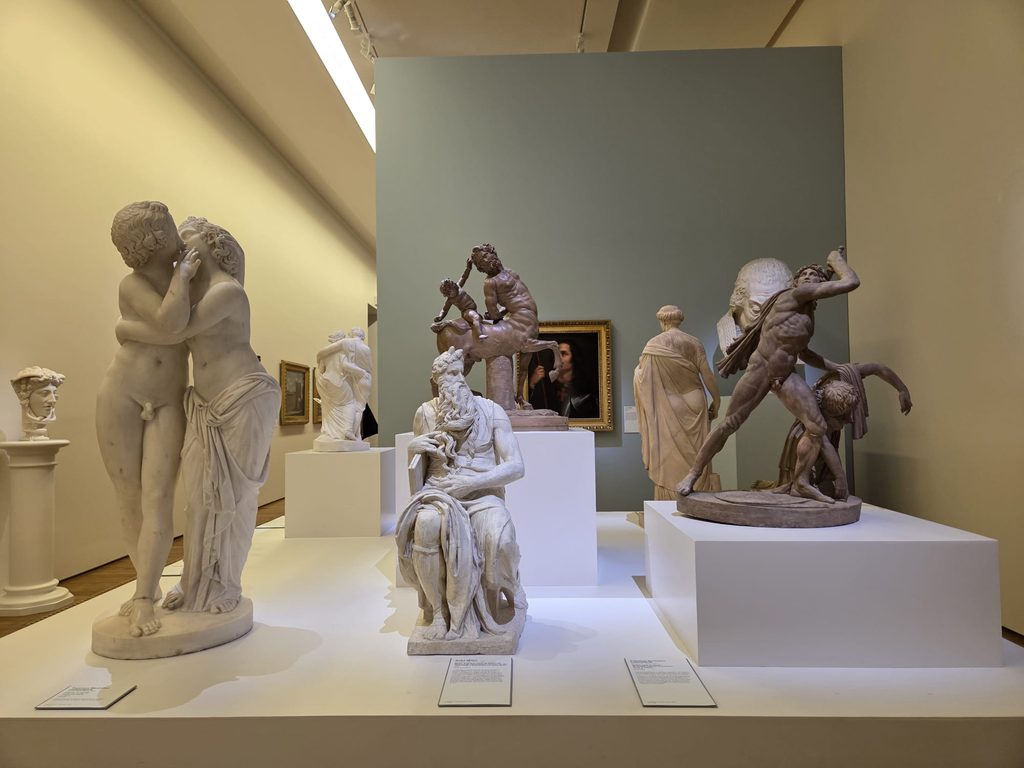
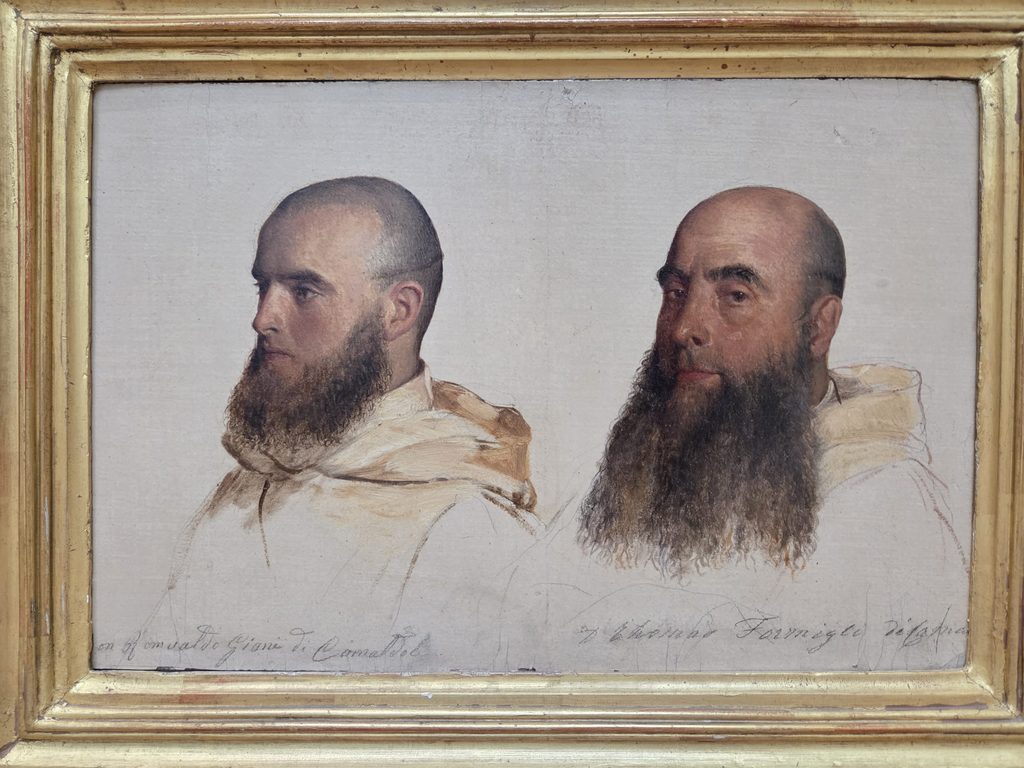
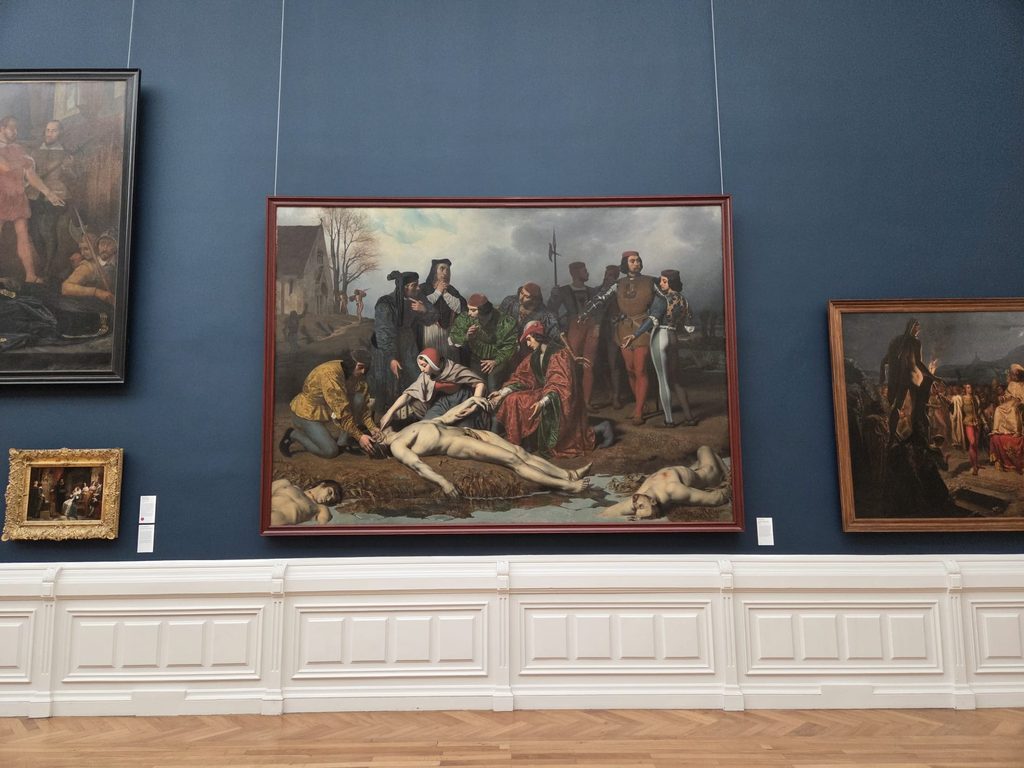
The collection of the Musée d’arts de Nantes consists today of more than 14,000 works. The Old Masters collection is still largely comprised of the works assembled by François Cacault, and is thus a testament to his discerning eye. The most representative assemblages are those of Italian and French painters, but there are notable Flemish and Dutch works too. Purchases have helped to fill gaps over the years, for example works by Orazio Gentileschi and the preparatory drawing for L’Allégorie de la Révolution à Nantes by Jacques-Louis David
In 2022, a major donation further boosted the museum’s Old Masters collection. The 34 paintings (and some drawings) from Jacqueline-Françoise Boejat’s collection focus primarily on the so-called Dutch Golden Age,* and 18th century French art. There’s a nice still life by Jan Davidsz de Heem, for instance, and landscapes by Hubert Robert. It’s an interesting blend – the serious and sombre Dutch works versus the frothier excesses of the Rococo.
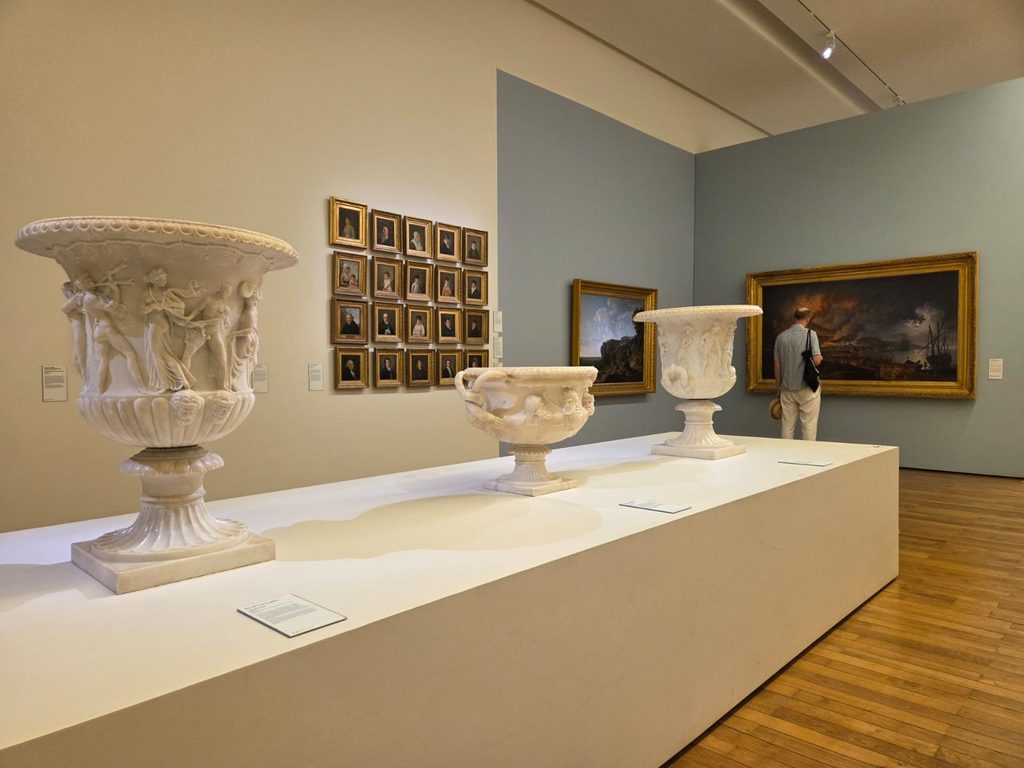
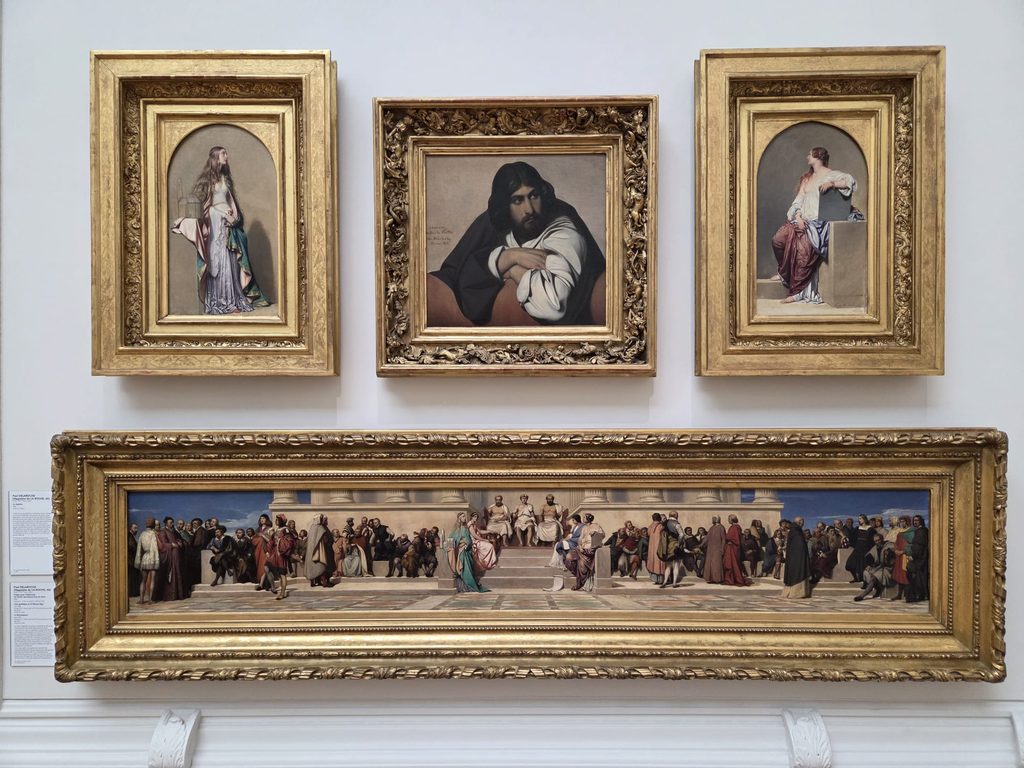
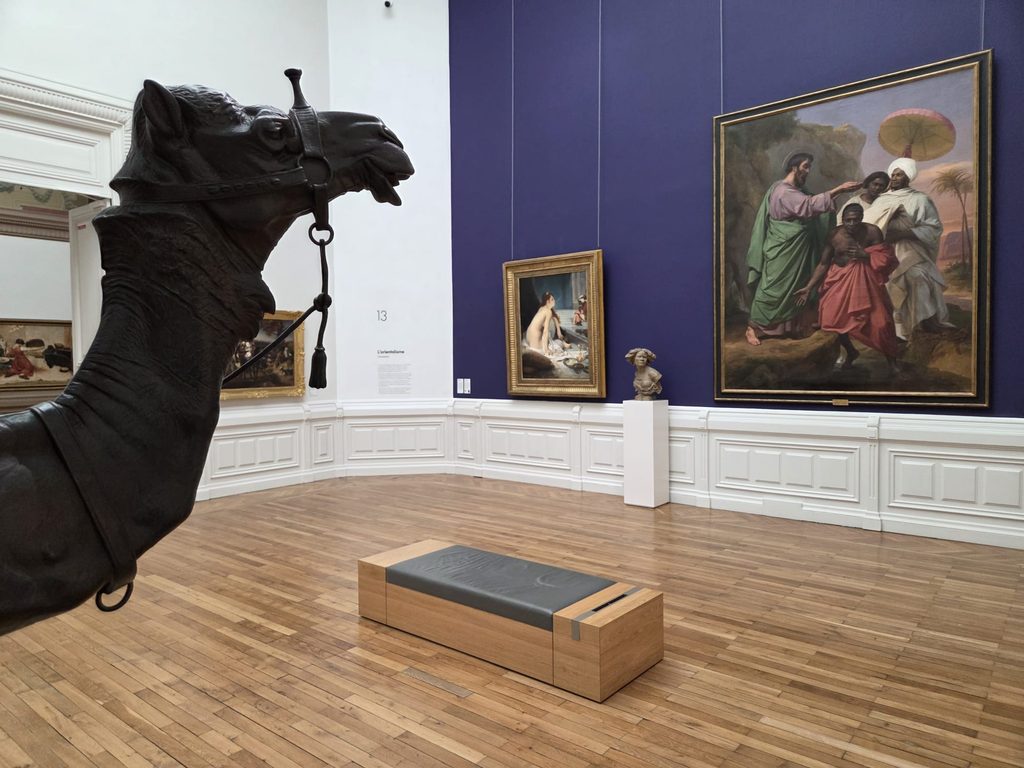
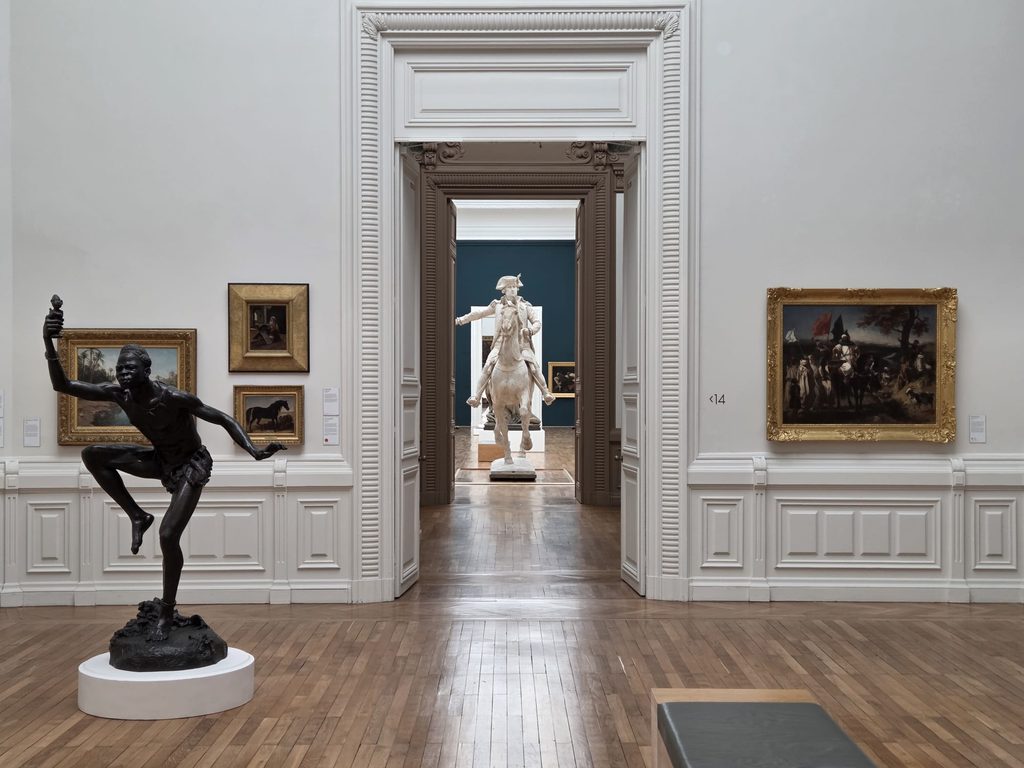
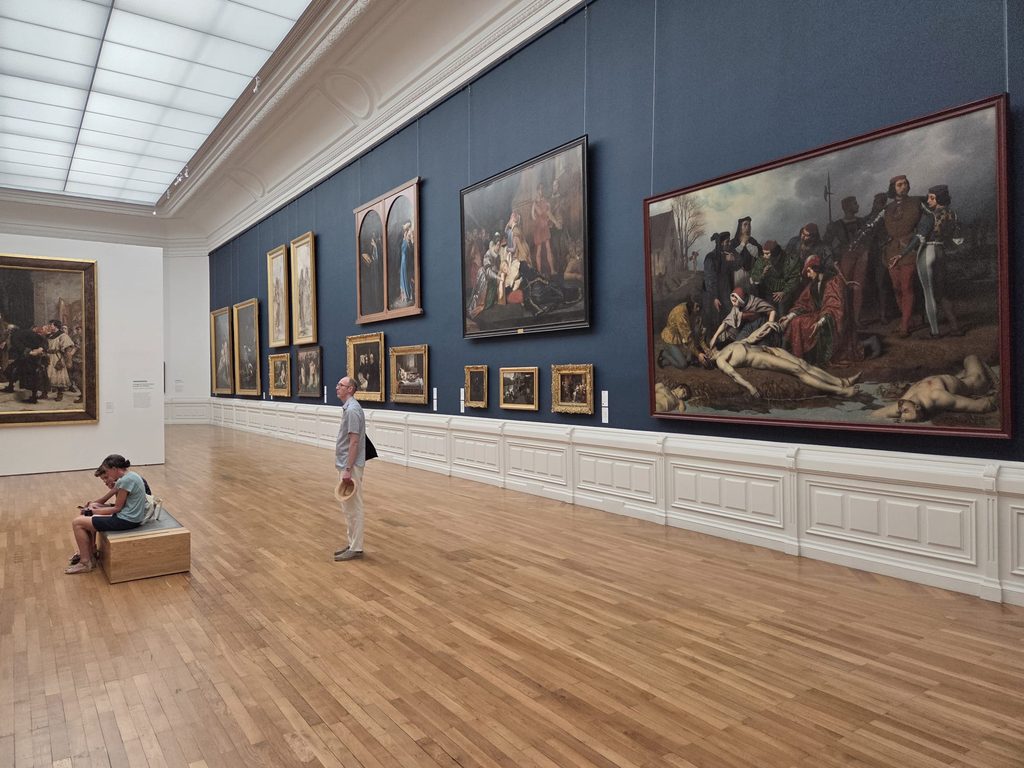
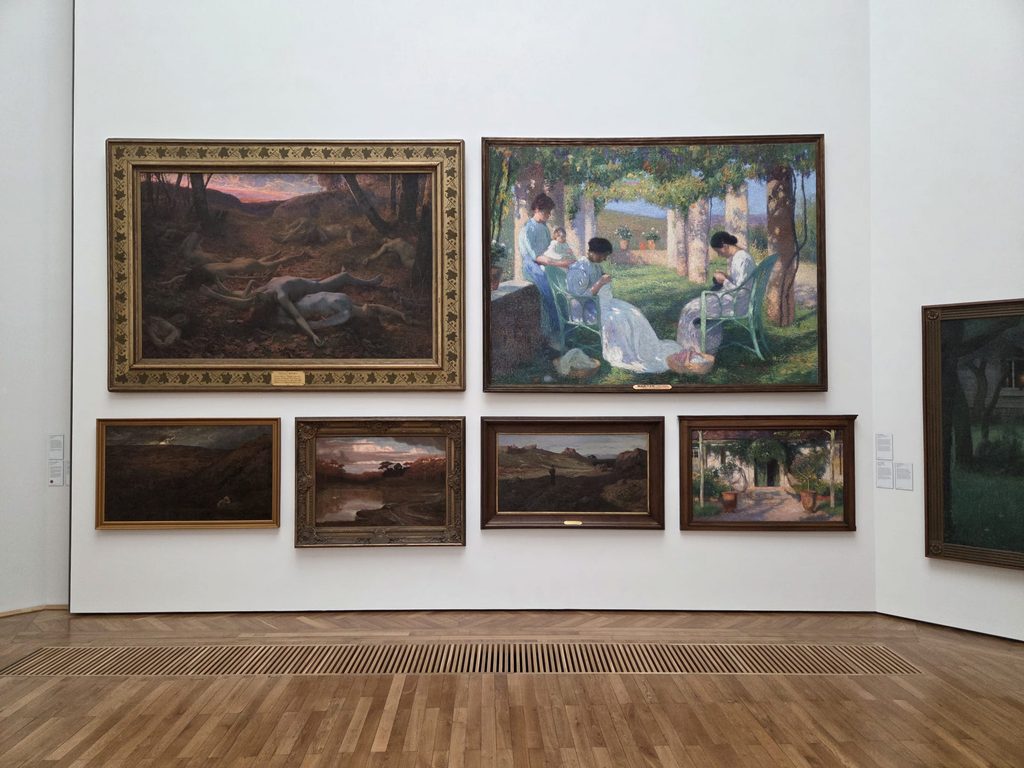
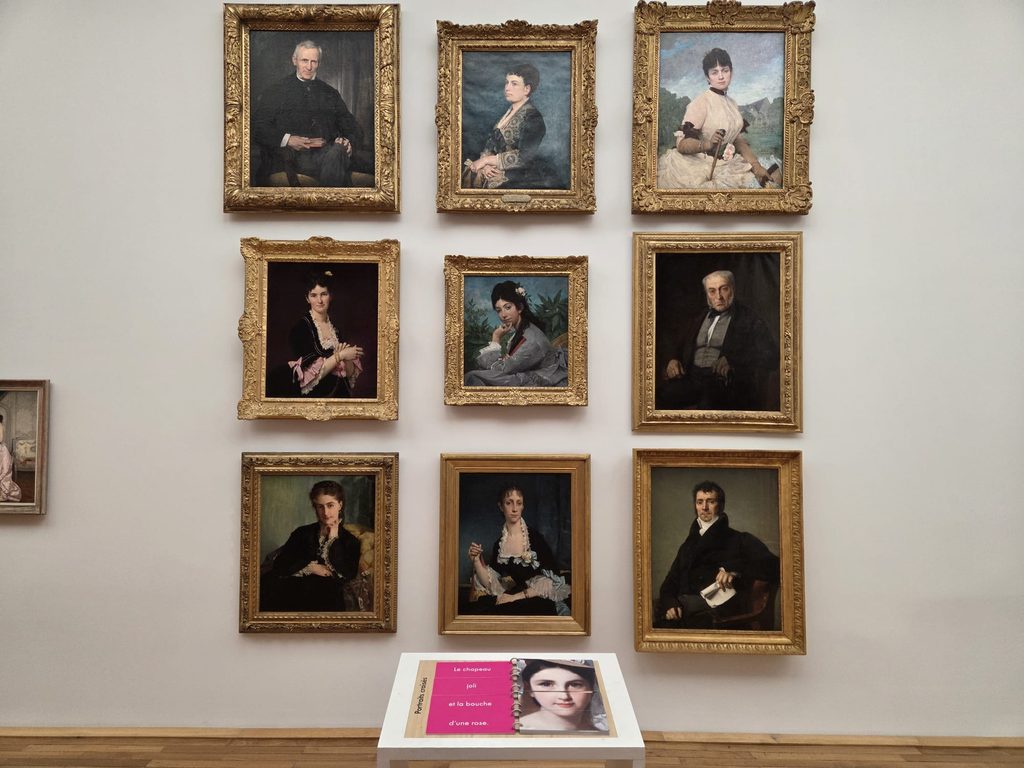
I quite liked the strength of the 19th century works in the collection. It isn’t always my favourite period, but there are excellent paintings here by Ingres, Delacroix, Courbet, Géricault, and so on. Some of these were fairly contemporary acquisitions, showing once more that someone had a discerning eye. The museum was in fact the first public institution in France to acquire a work by Gérôme. There are quite a few dramatic, large-scale history scenes, so I can see how the museum quickly ran out of space in the Halle aux Toiles. A number of works by Tissot show the more fashionable side of 19th century painting, while the Orientalist works show that fashions can also change.
*I say ‘so-called’ because it wasn’t a Golden Age for all, particularly the enslaved workers whose labour helped build fortunes.
Collection Highlights – Modern and Contemporary
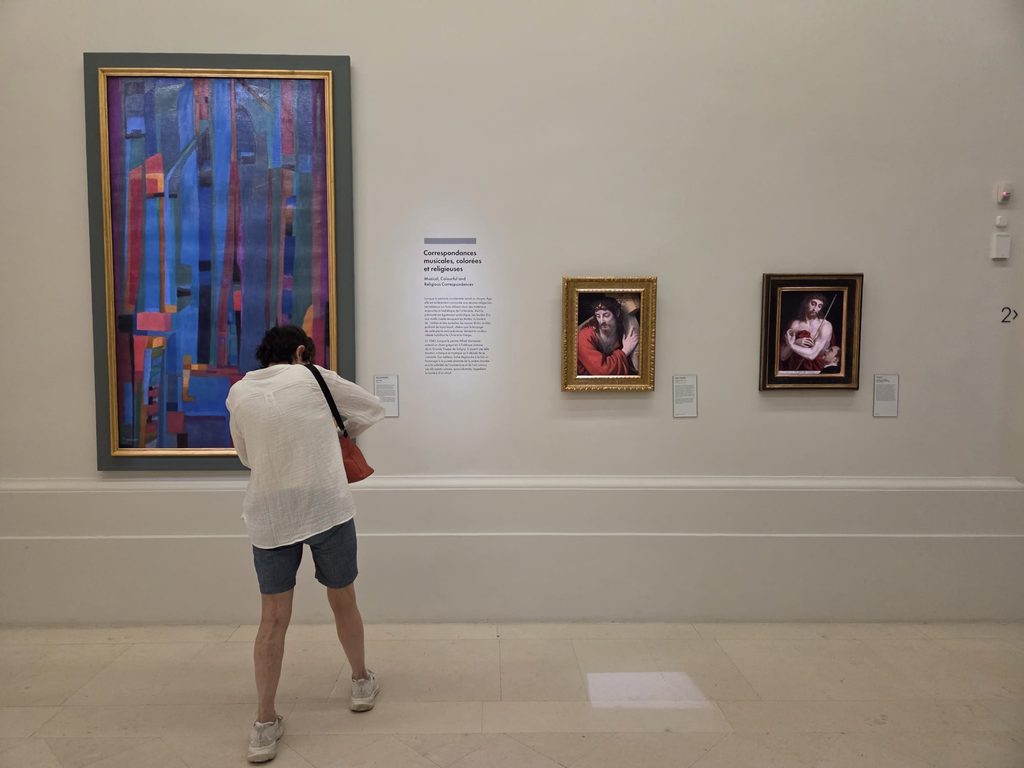
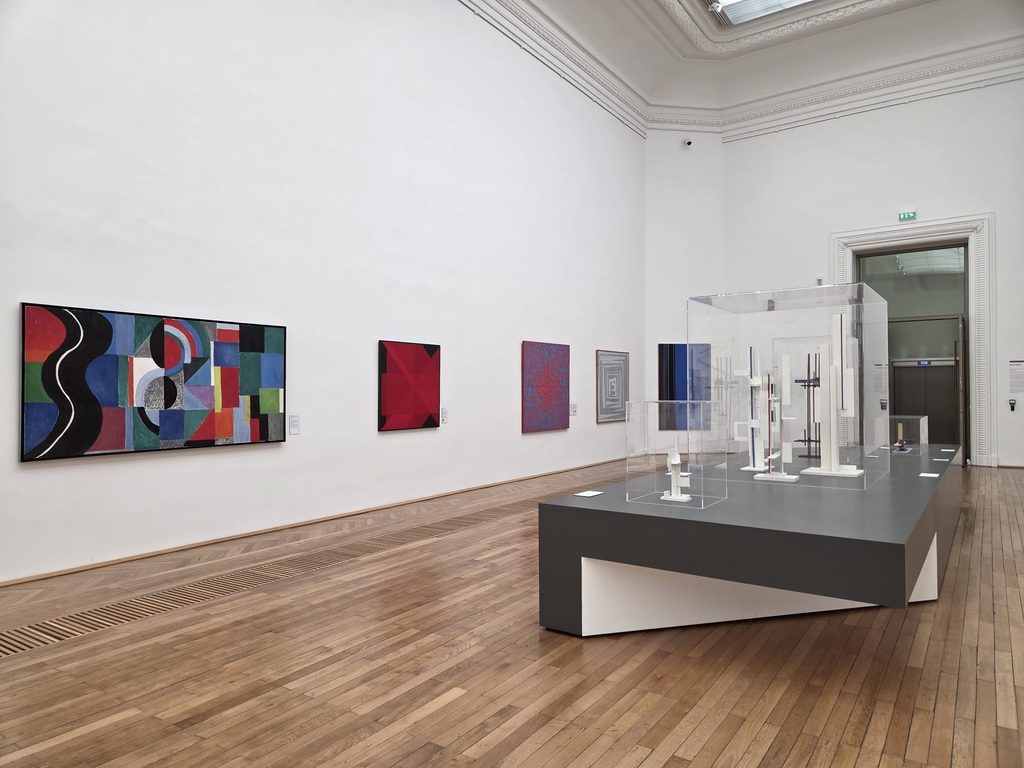
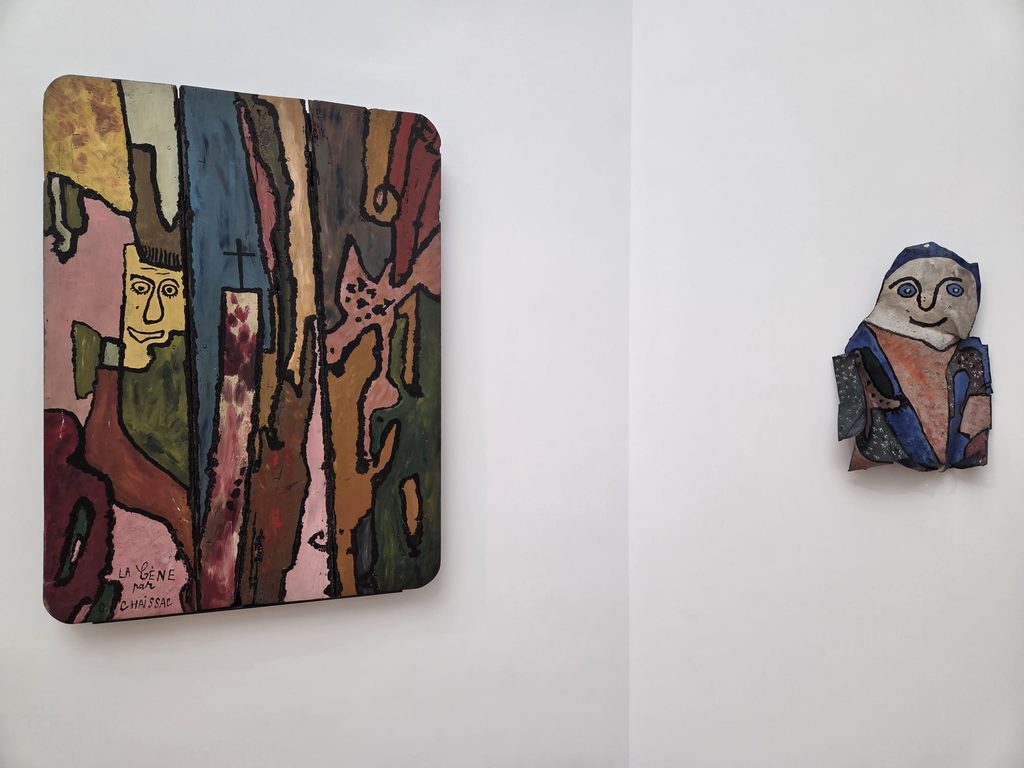
The Musée d’arts de Nantes continued to acquire fairly contemporary works as art looked towards the Impressionist and Post-Impressionist movements. A strong smattering of works by artists such as Signac, Raoul Dufy and Maurice Denis attracted high-profile donations, such as two Monets – one from the artist himself and one from his friend Georges Clemenceau. There followed works by Max Ernst, Sonia Delaunay, Claude Cahun, as art became decidedly modern. The museum acquired its first abstract work, by Alfred Manessier, in 1947.
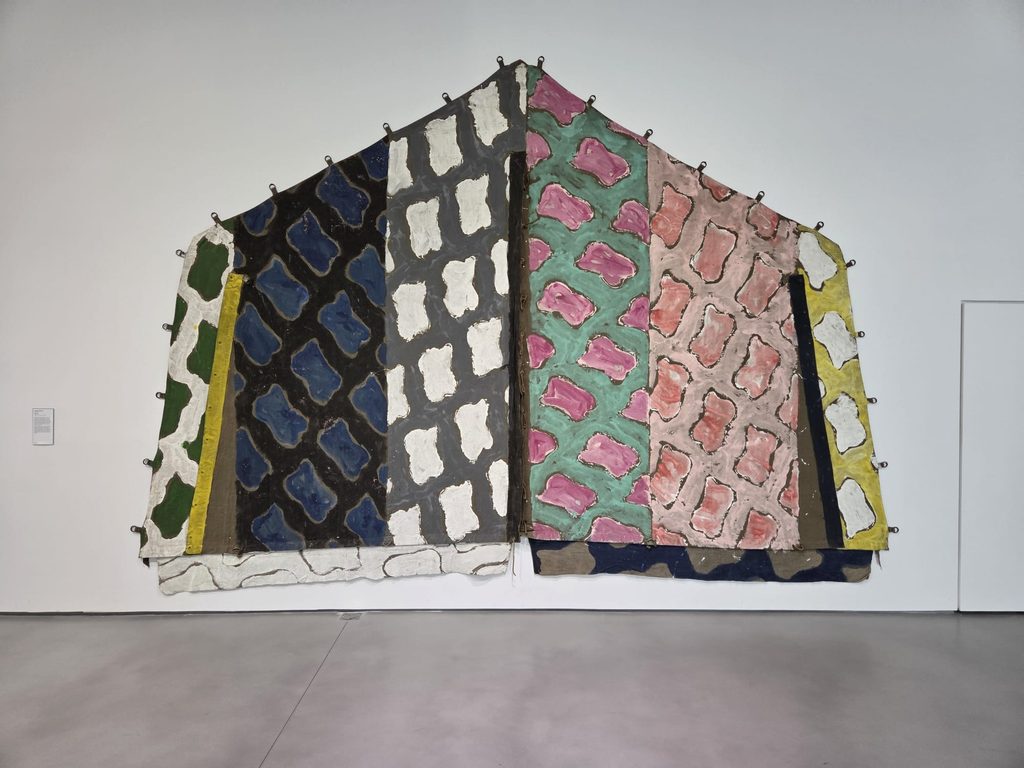
Donations and legacies have continued to support modern and contemporary acquisitions. Between them, donations by collectors Gildas Fardel and Anne Dehez added more than 500 abstract works to the collection between the 1950s and 1980s. A fund endowed by Docteur and Madame Léon Crivain has allowed purchases of works by Man Ray amongst other artists. In 2023 another 46 works were donated by Jeannette and Jean Branchet.
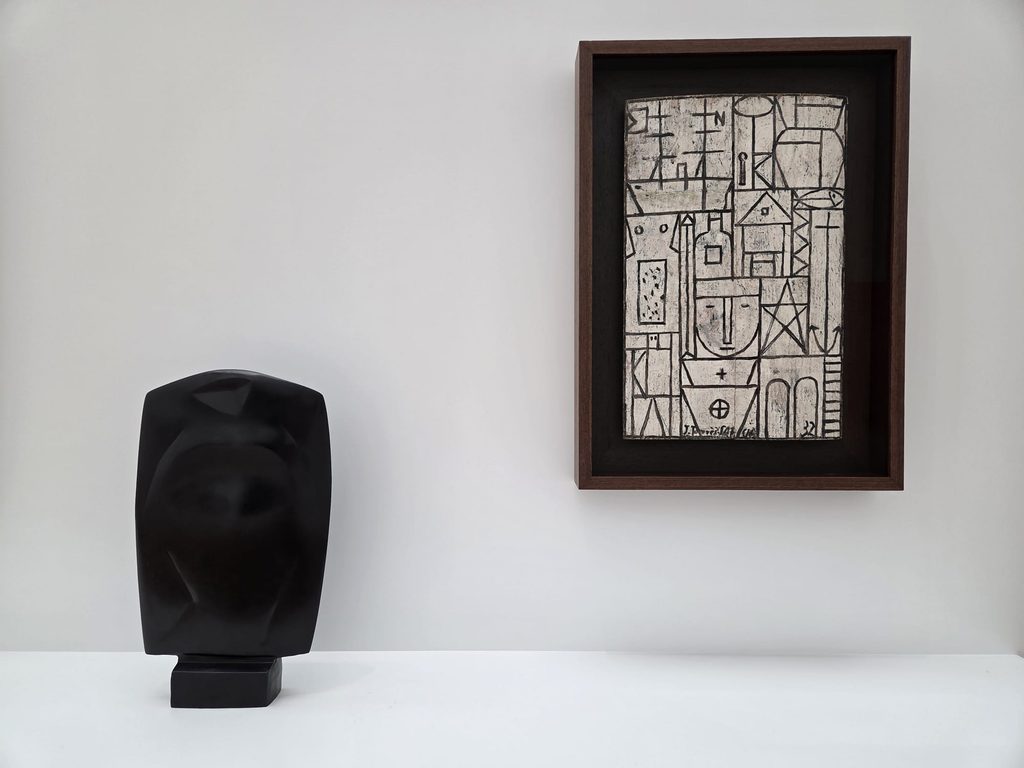
Like many long-established art museums, I found the Musée d’arts de Nantes’ contemporary offering a little weaker. Even large extensions don’t necessarily give the space that contemporary art requires, or at least the space to present a collection that feels representative. The museum has continued to acquire contemporary works, thanks in part to funding from the Fonds National d’Art Contemporain, but it seems their approach to contemporary art involves their temporary exhibition programming as well as permanent display.
Final Thoughts on le Musée d’Arts de Nantes
I’m enjoying my very slow tour of France’s best provincial art museums. Le Musée d’arts de Nantes is a great example of the genre. From its revolutionary origins to a recent extension that has increased its capacity to display contemporary art, le Musée d’arts de Nantes has almost always been at the forefront of things. We see that in its ambitions to make art available to all. And also its eye for keeping up with artistic trends in its acquisitions. It’s an interesting case study, including in terms of whether there are limits to one institution keeping up with art indefinitely. Are there ways to do this through exhibition programming, or do many institutions have a natural limit where a city starts to need a contemporary art museum as well?
I don’t know the answer to this, but it’s interesting to ponder. It was amongst the thoughts I had as I wandered around the various rooms of the museum. Speaking of various rooms, the extensions make it rather a large museum. Do set aside a decent amount of time to visit. Or you could divide and conquer like we did. At one point I went off for a quick look around le Cube, while the Urban Geographer continued to take his time in the Palais des Beaux Arts.
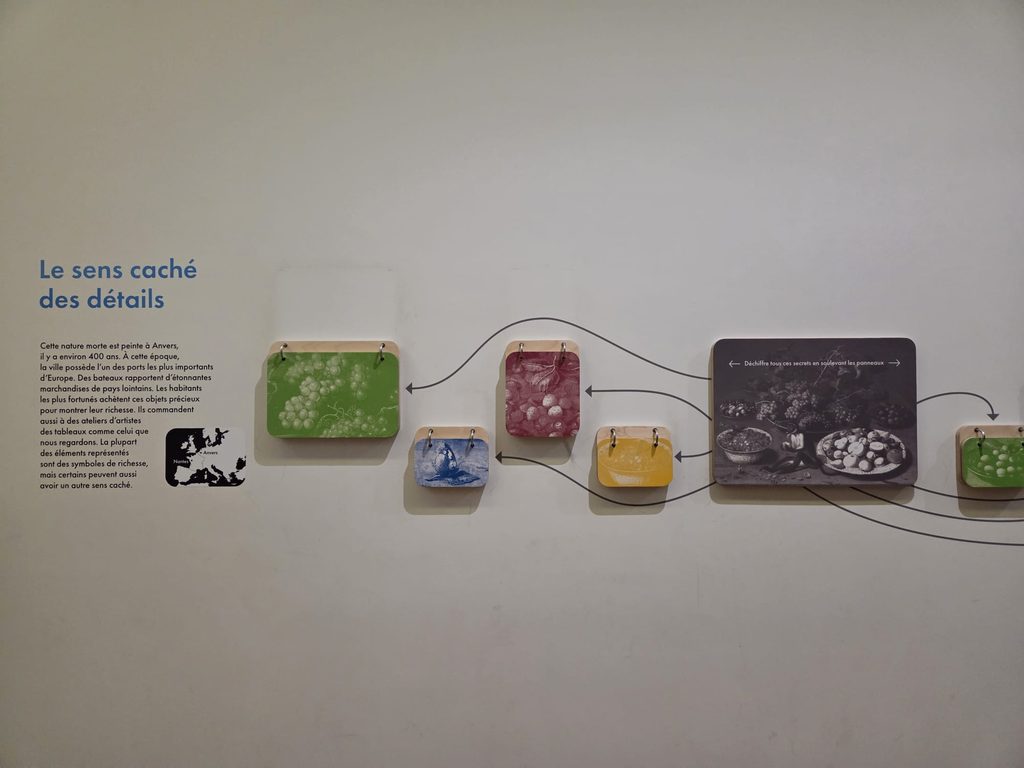
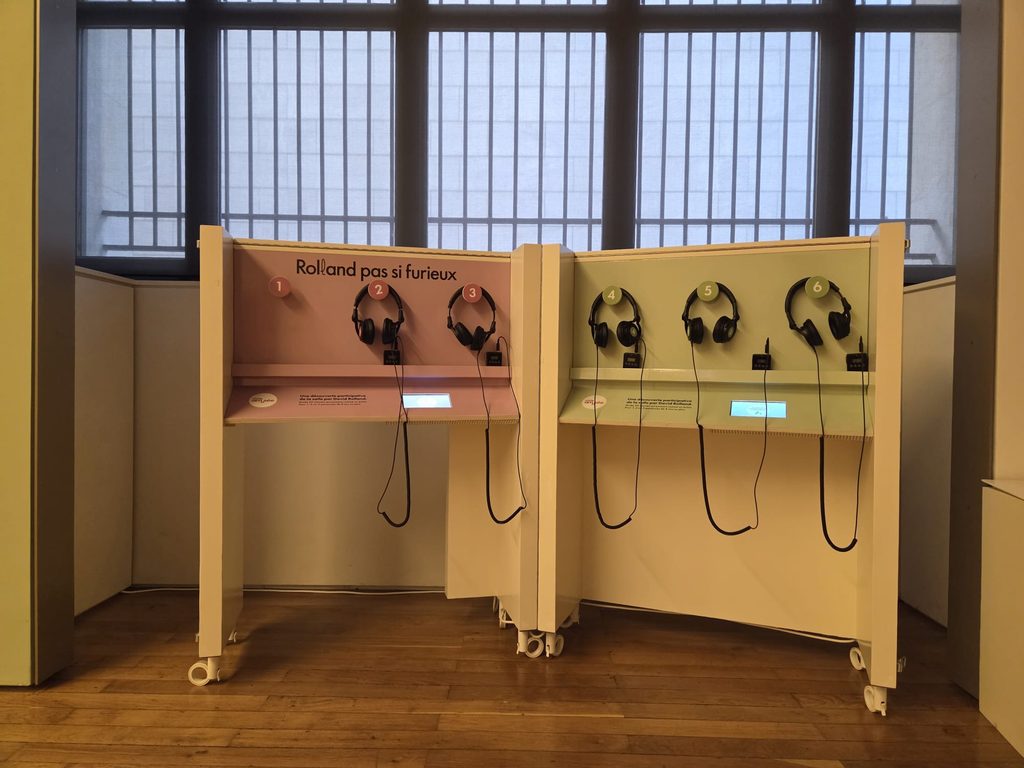
In the end, it’s generally the quality that wins out. Although there was enough ground to cover in the Musée d’arts de Nantes to induce museum fatigue, the high quality of the works balanced that out and kept me engaged. There are a lot of instantly recognisable works by notable artists, and interesting new discoveries as well. And the museum is playful in its approach to hanging the collection, and to the educational resources it puts alongside it. All in all, well worth a few hours out of your visit to Nantes.
Trending
If you see this after your page is loaded completely, leafletJS files are missing.