Long-time London resident and avid museum and theatre-goer. I started this blog in 2014, and got serious about it in 2020 when I realised how much I missed arts and culture during lockdowns. I go to a lot more events than anyone would think is sensible, and love sharing my thoughts in the forms of reviews, the occasional thought piece, and travel recommendations when I leave my London HQ.
Once a major port for transatlantic trade, Nantes is one of many cities reinventing itself as traditional industries and ways of living have declined. In barely 24 hours we saw history, art, and fantastical creations worthy of Jules Verne.
A Short Visit to Nantes
It’s becoming a habit of mine to do flying visits to French cities. Last year it was Montpellier. A couple of years ago Lyon. As I said in the case of Montpellier, which we passed through in order to get a flight back to London, I’d rather see a place briefly than not at all.
Nantes was similar. We were heading to see old friends in the Deux-Sèvres region of France. We’ve been (or certainly I’ve been) plenty of times before, but have almost always taken the train to Paris and then on to Saumur. Not bad, but long connection times on occasion, and still a decent drive from Saumur to our final stop. This time, we had the idea to fly to Nantes, hire a car, and drive the rest of the way. It turned out to be quite a nice way to do it, and worth repeating. Particularly as there’s plenty we have yet to see and do in Nantes.
Speaking of Nantes, let’s now learn a little more about it. Nantes is the sixth largest city in France, with a population upwards of 300,000 and more than 1,000,000 in the metropolitan area. It’s in the Loire Atlantique region, but for a long time was politically and culturally part of Brittany. Nantes is about 50KM from the coast, and has had a port since antiquity. It became France’s largest port during the colonial period, and was thus deeply involved in the trade in enslaved people. Shipbuilding and food processing remained important industries until the 20th century, when Nantes migrated towards a service economy.
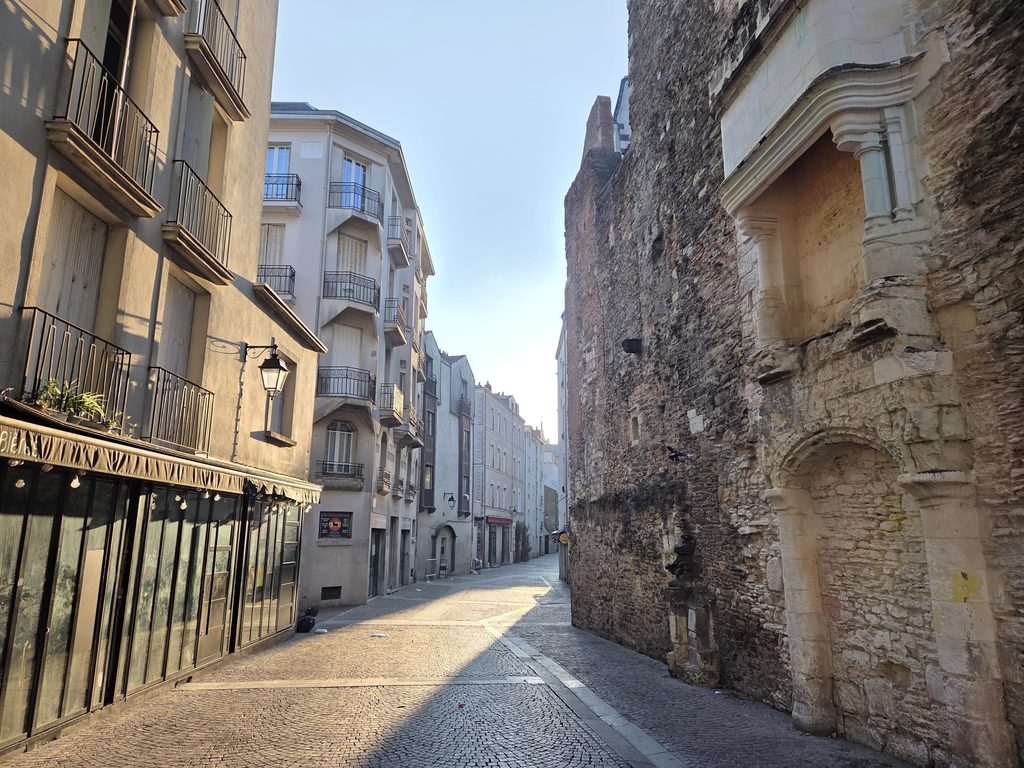
Visitors today will find more evidence of Nante’s recent history than its Bronze Age or Roman origins. Nantes has a striking historic centre: the wealth that a port city attracts and creates is still very much in evidence. A Memorial to the Abolition of Slavery is a reminder of the human cost behind that comfort. Visiting the city also provides a good opportunity to connect with famous residents like Jules Verne, and to see a different model for post-industrial regeneration.
An Afternoon Walk Along the Loire
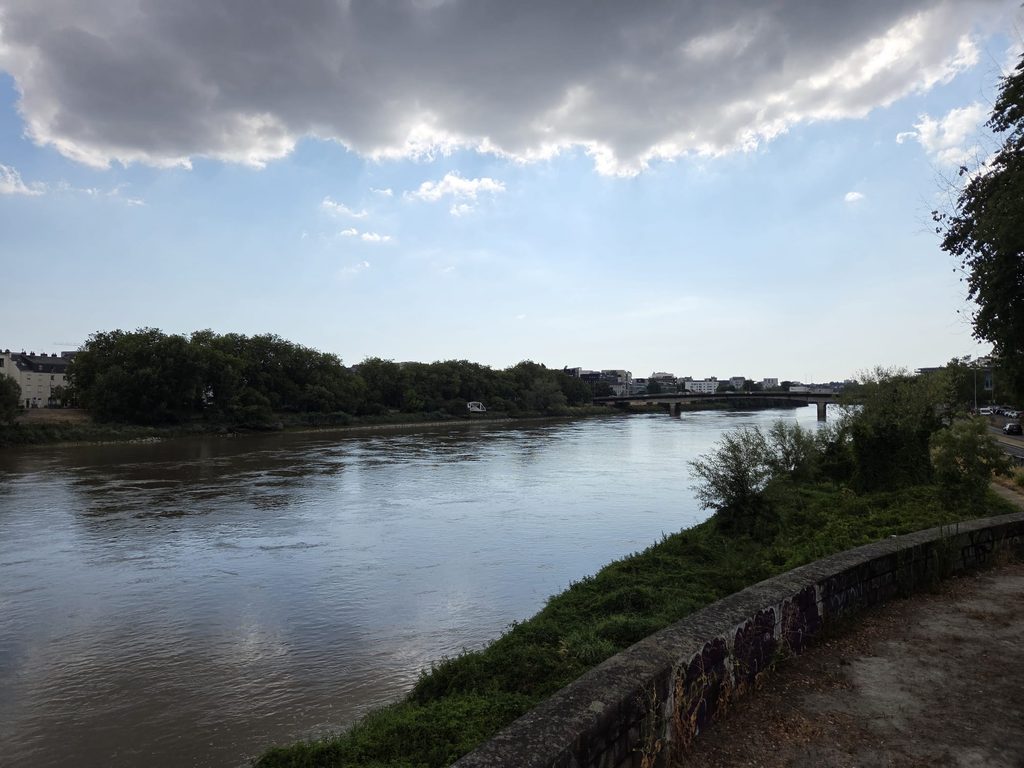
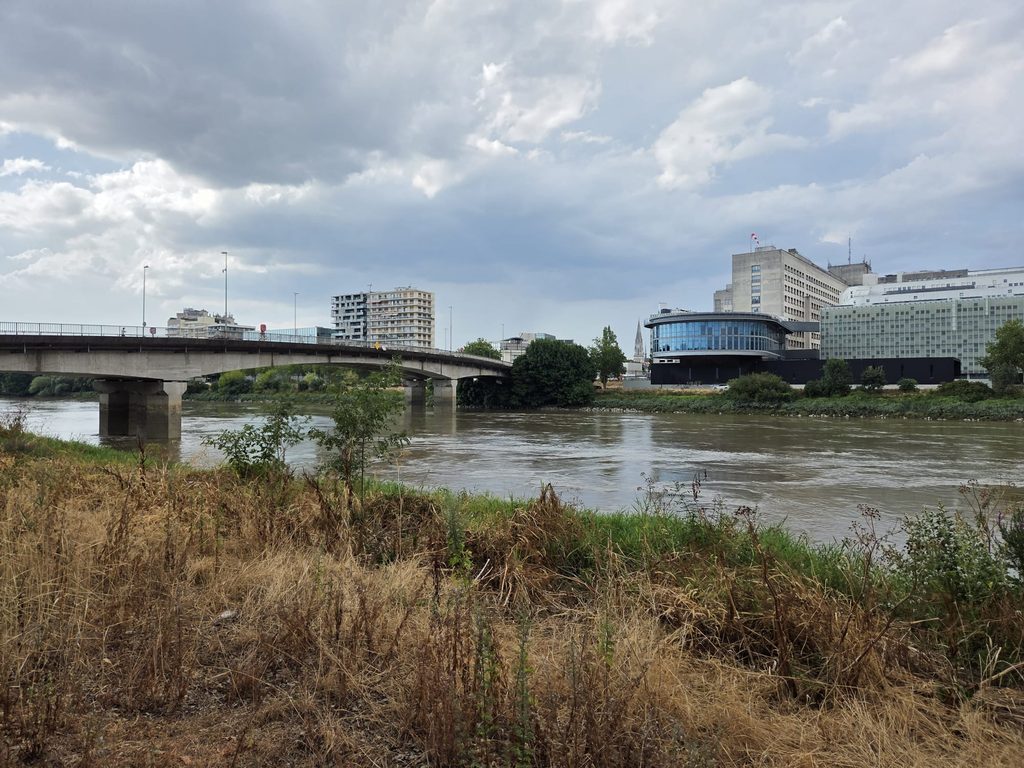
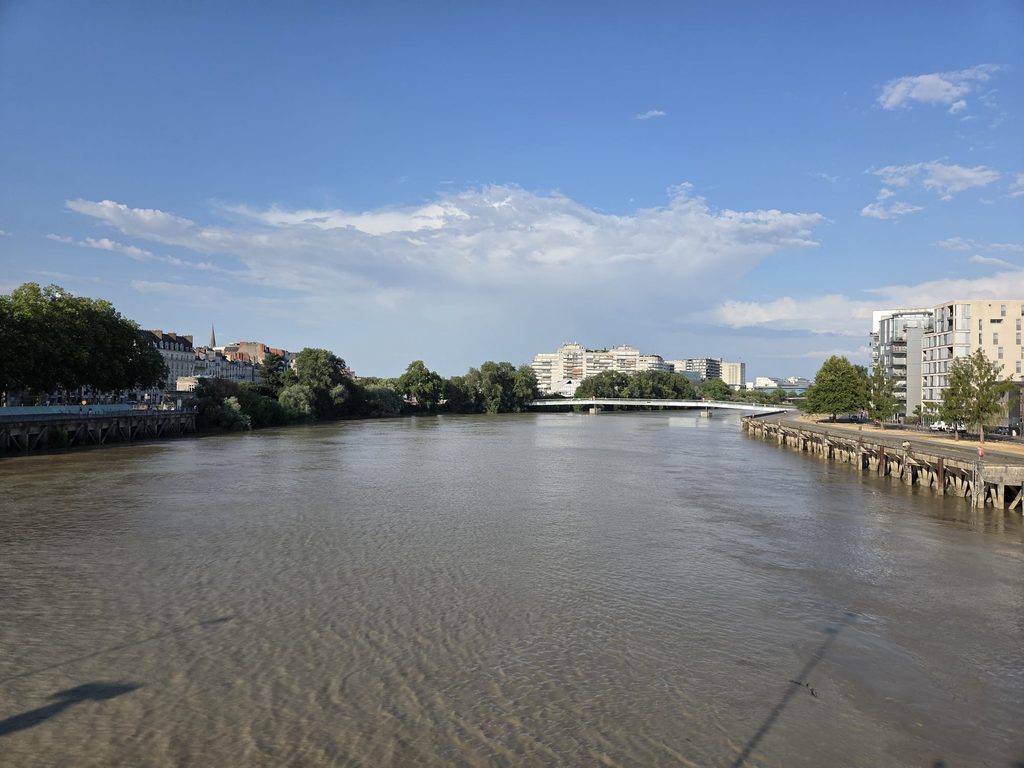
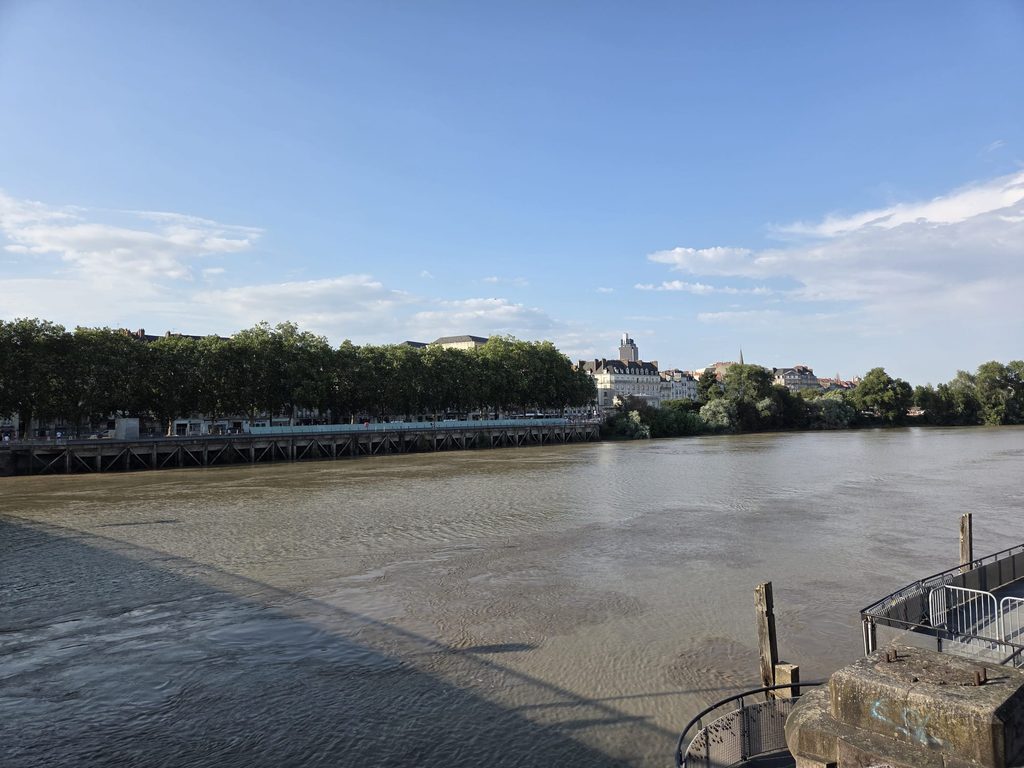
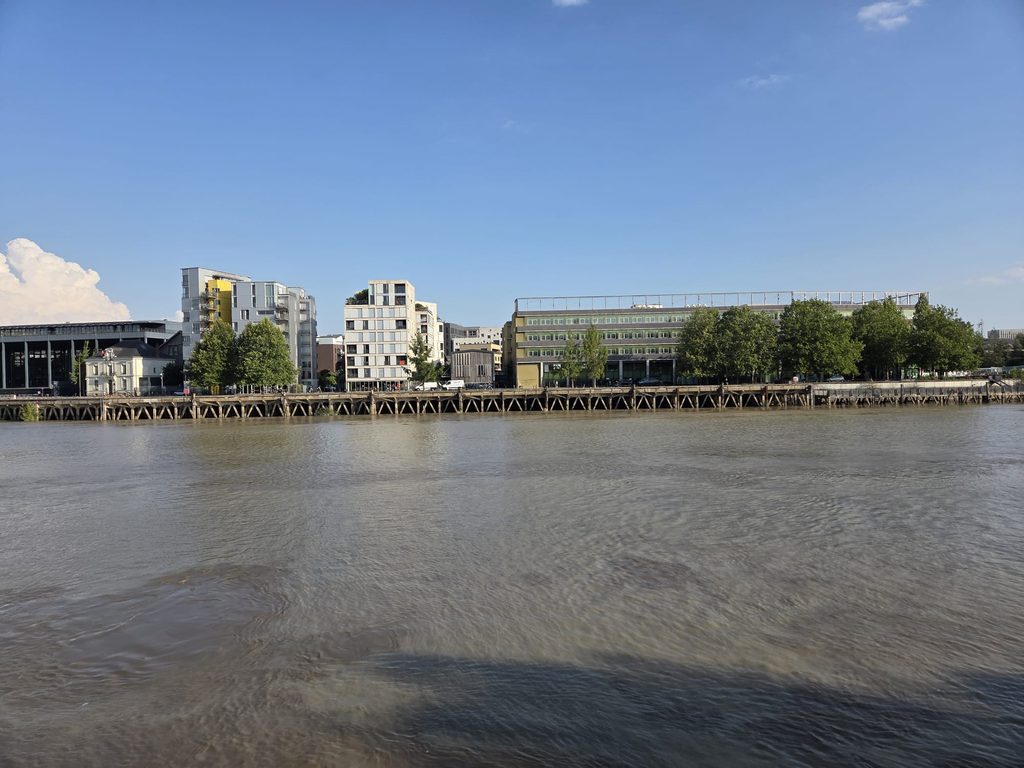
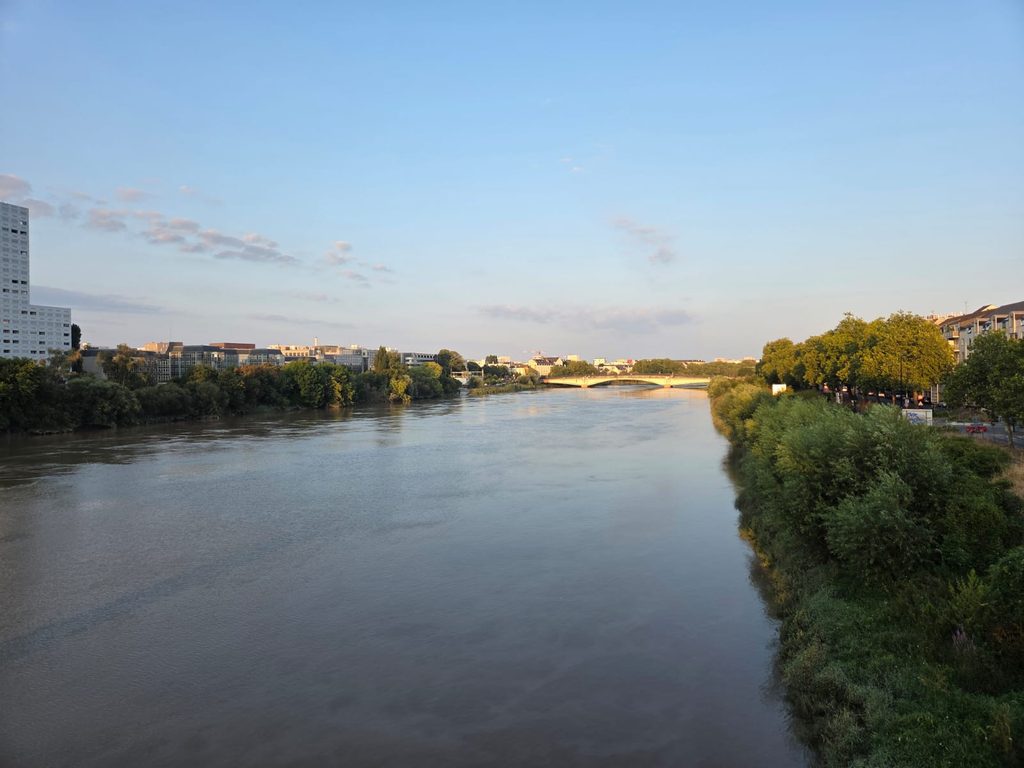
After arriving in Nantes, picking up our hire car, and getting to our hotel, we were somewhat on the clock. You see, I’d taken a punt that we would be able to get to les Machines de l’île in time for the timed tickets I’d purchased. More on this shortly, the net result is that we headed out pretty quickly to cross the river and walk along l’île de Nantes.L’île de Nantes is about 5KM long and 1KM wide. It’s surrounded by two branches of the Loire: the bras de la Madelaine, and bras de Pirmil. Originally there were a few islands close together (l’île Beaulieu, l’île Sainte-Anne, l’île de Petite Biesse, l’île de Grande Biesse, and several water meadows). The channels were filled in in the 19th and 20th centuries to create one island, which is one of eleven districts in Nantes today.The Loire is the longest river in France, at 1,006KM, and is the 171st longest in the world. The name comes from the Gaulish word liga, meaning silt or sediment deposit, via the Roman name for the river, Liger. Nantes is also a name of Gaulish origin, named for the Namnetes people who lived here. Their name may have Gaulish/Celtic roots meaning ‘men of the river’.
Onwards to les Machines de l’Île
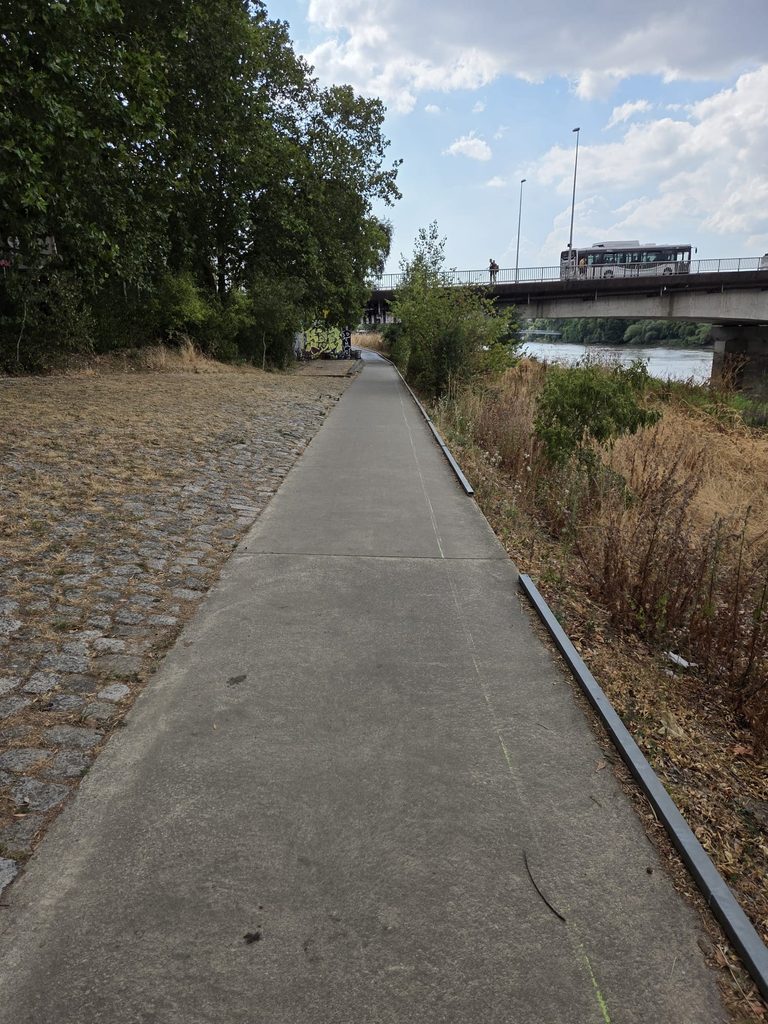
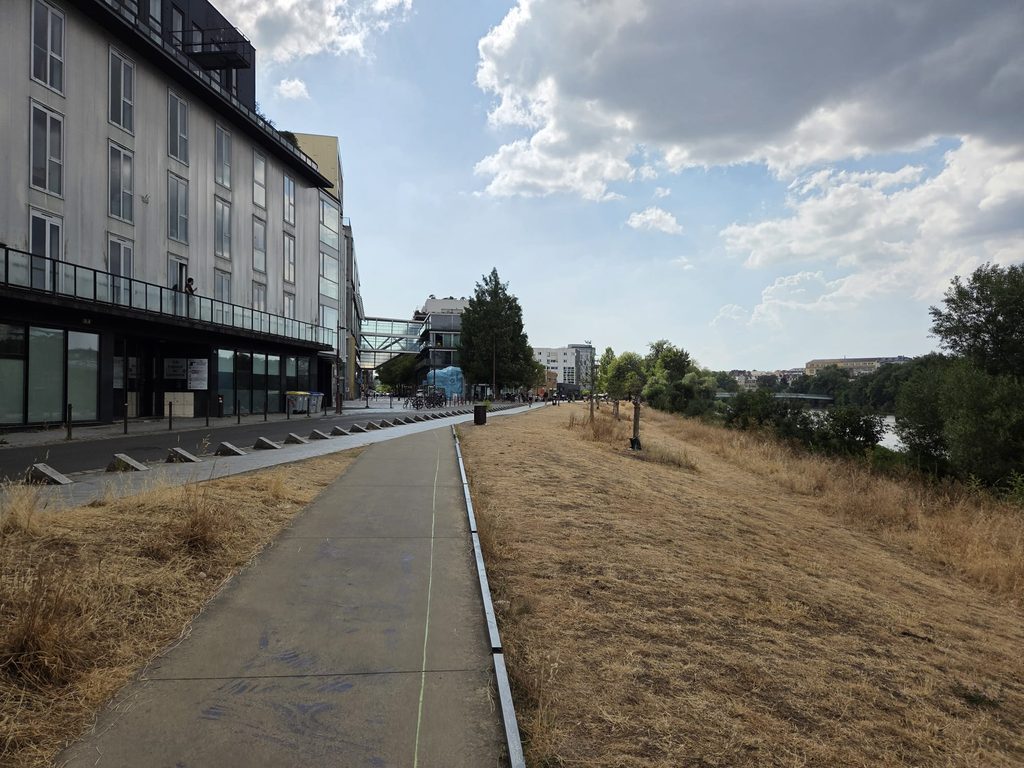
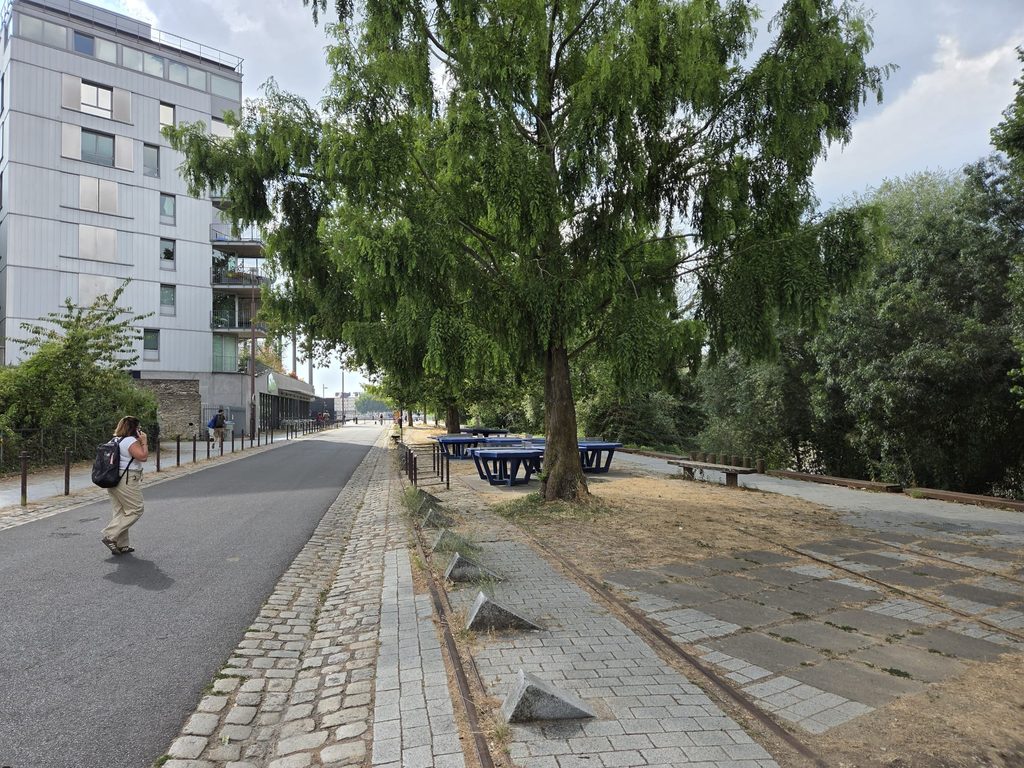
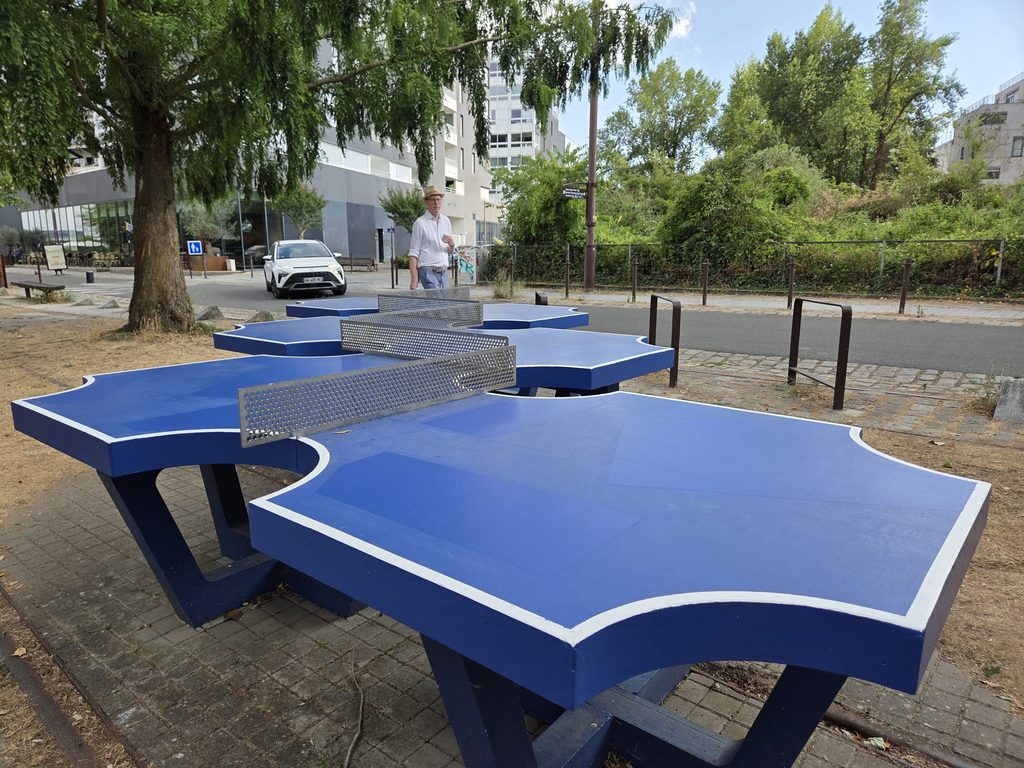
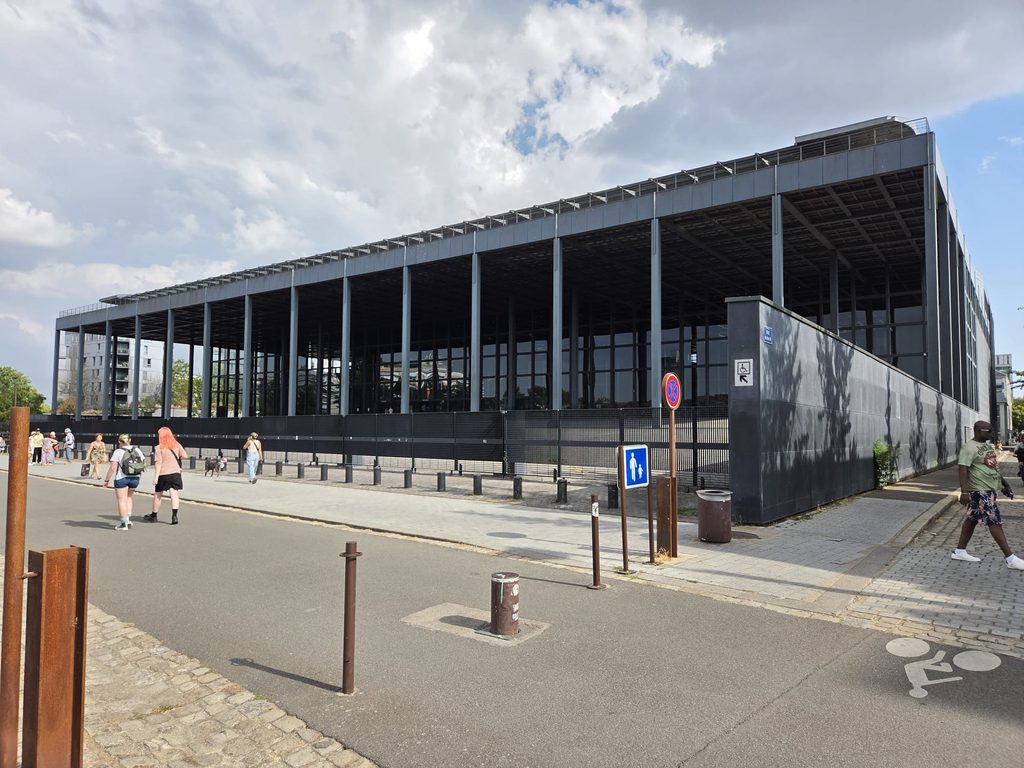
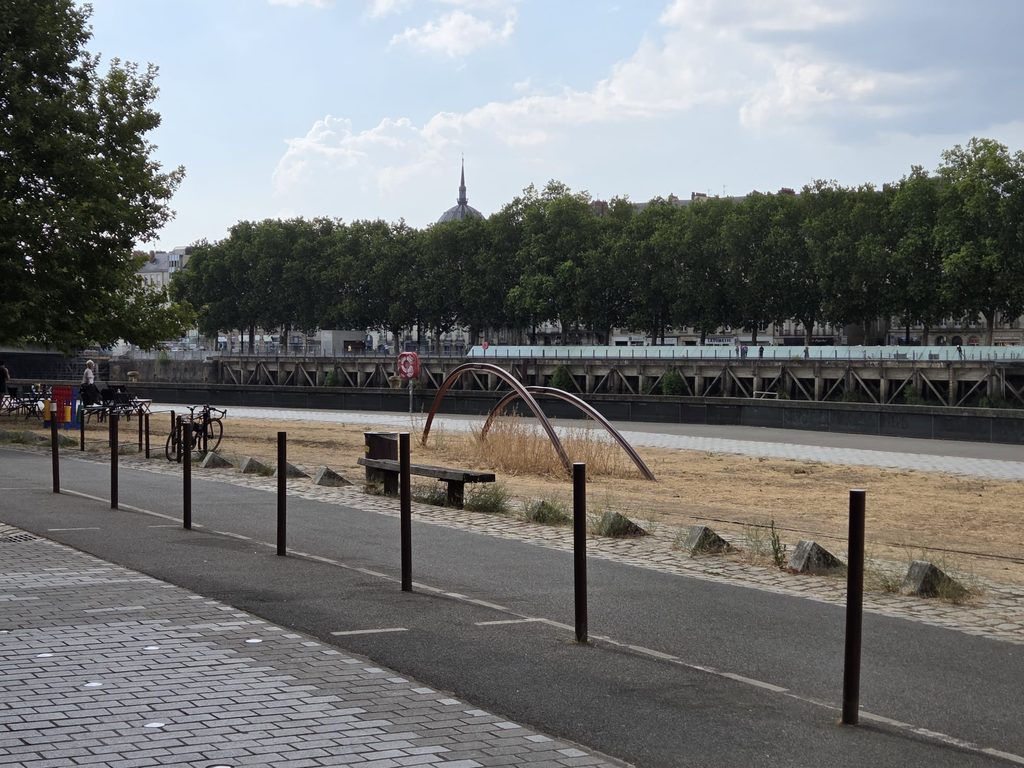
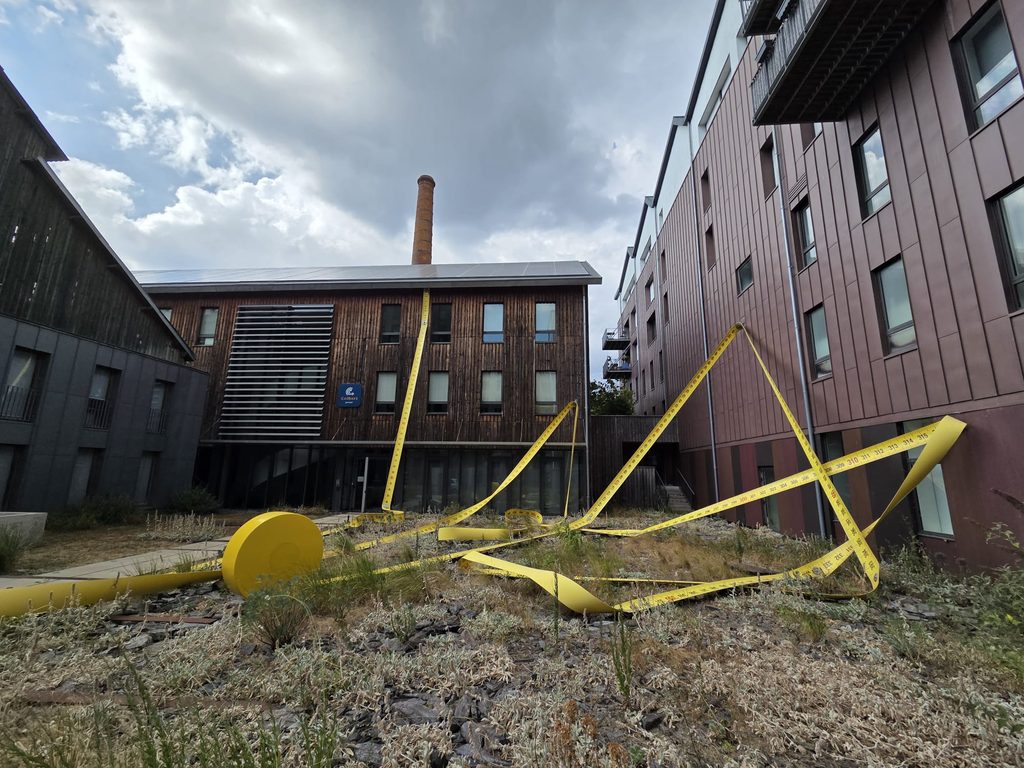
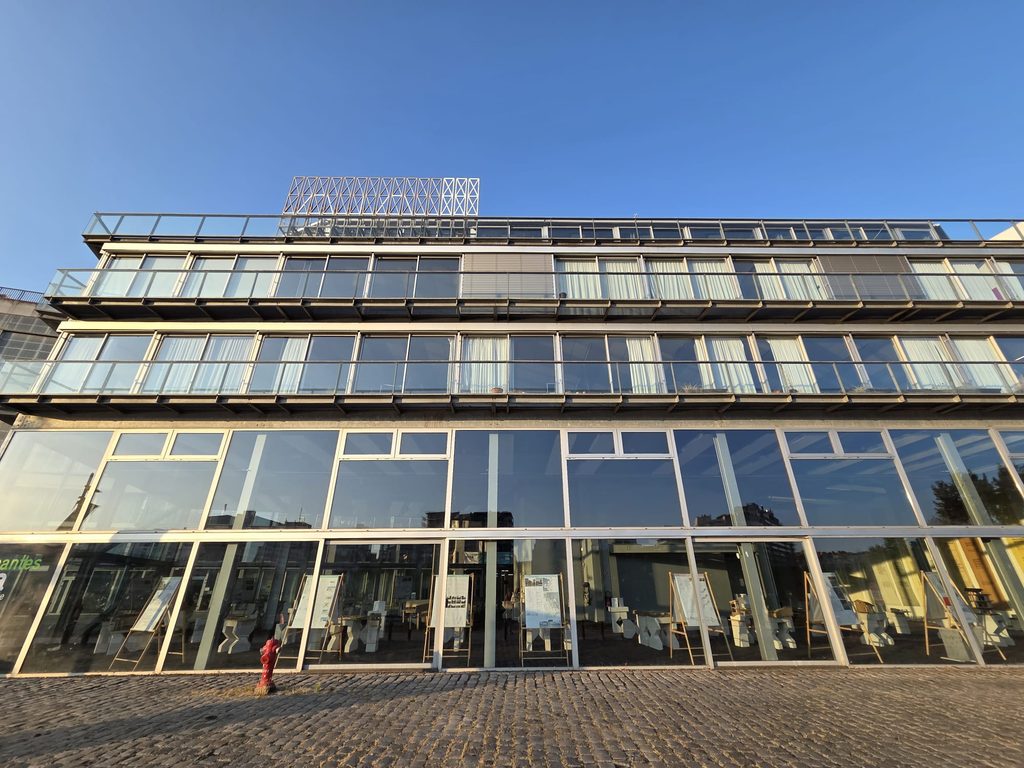
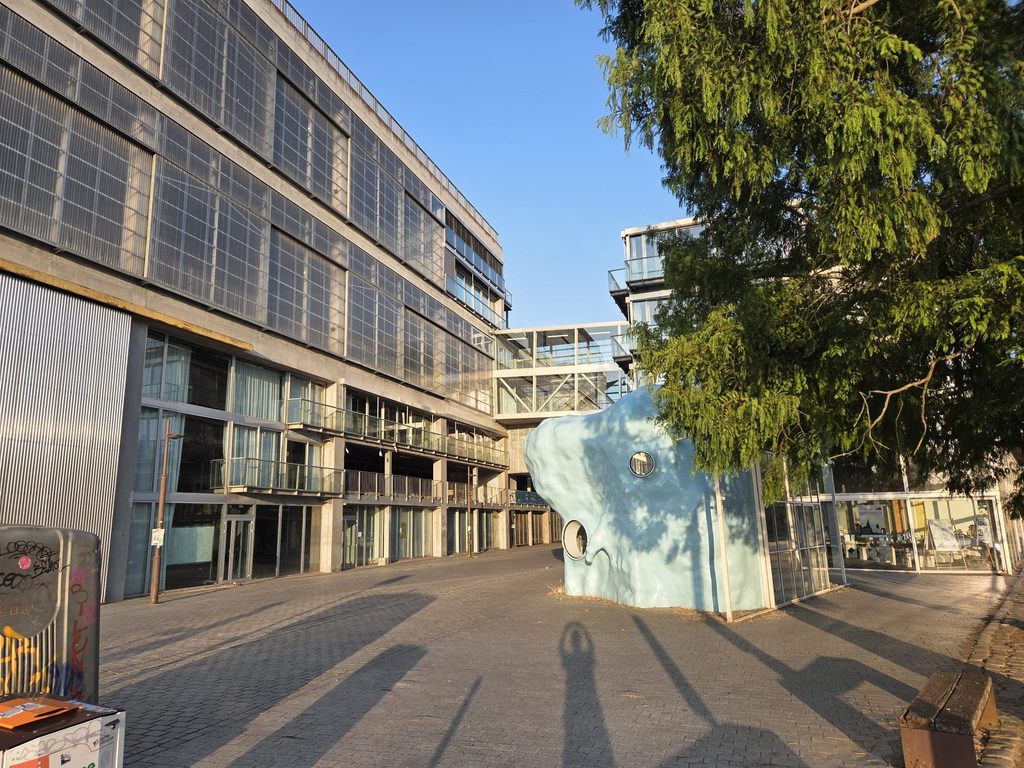
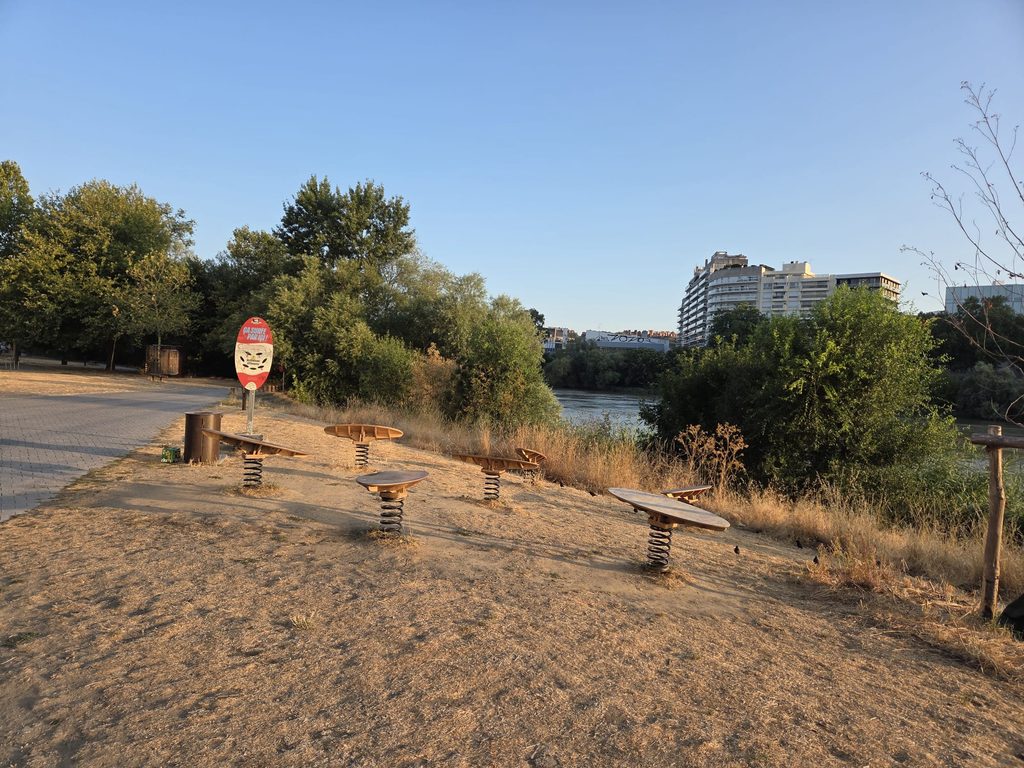
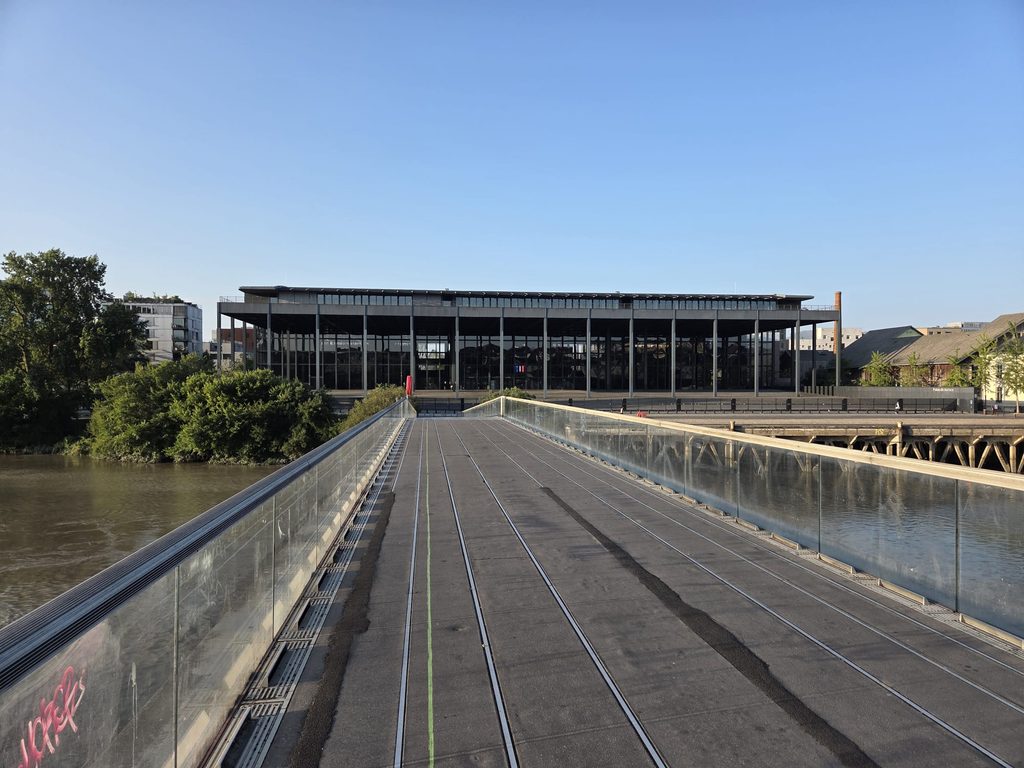
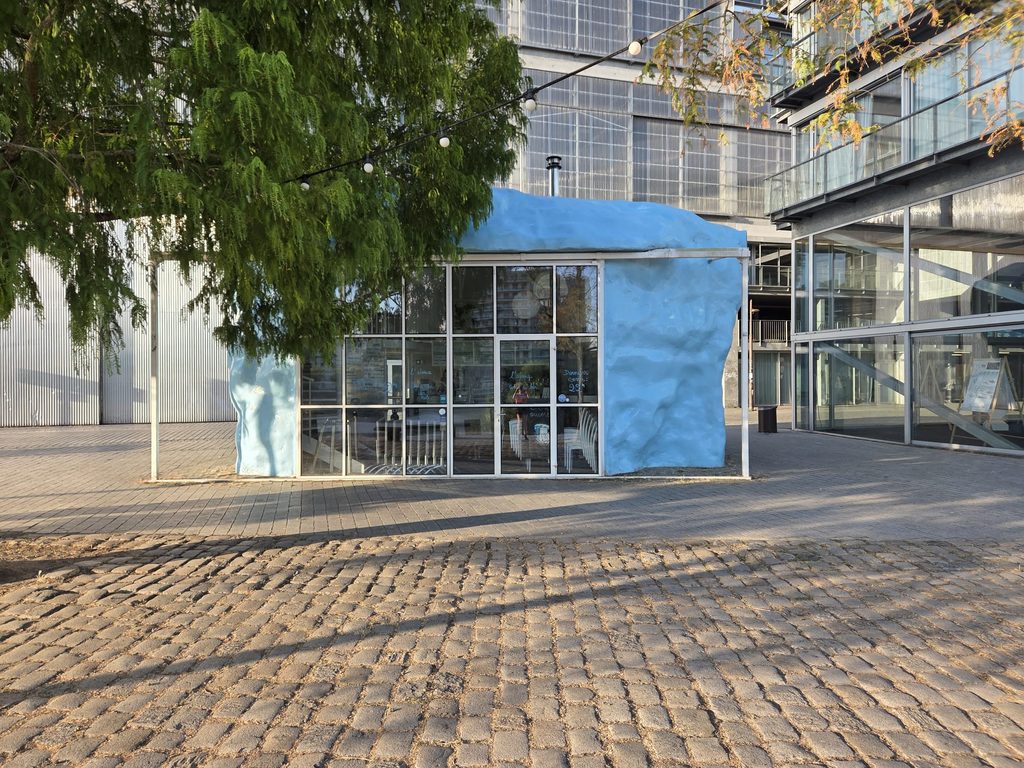
I was just getting going on a history lesson, but our walk is now interrupted by some contemporary art. Since 2012, Nantes has organised a number of cultural activities across July and August under the name Voyage à Nantes. Each year, a green line painted on the ground links around 50 locations. They are a mix of heritage sites, points of architectural interest, viewpoints, and contemporary art. This is one of the latter: Ping-Pong Park by Laurent Perbos.And we’re staying fairly contemporary with the Palais de Justice. This architectural statement building by Jean Nouvel was completed in 2000. It was an early anchor for the regeneration of this part of Nantes.Thirteen bridges connect l”île de Nantes with the rest of the city. Once an industrial area, the island today has mixed-use developments of residential, commercial and cultural spaces.As we walked around Nantes I was keeping an eye on the Voyage à Nantes map. My aim was to find some of the public artworks, but it wasn’t always easy. The map on the website really needs photos so you know what you’re looking for. Is the top image a public artwork? Maybe…? Is the bottom image a public artwork? Yes it is, this le Mètre à Ruban by Lilian Bourgeat.
A World of Pure Imagination
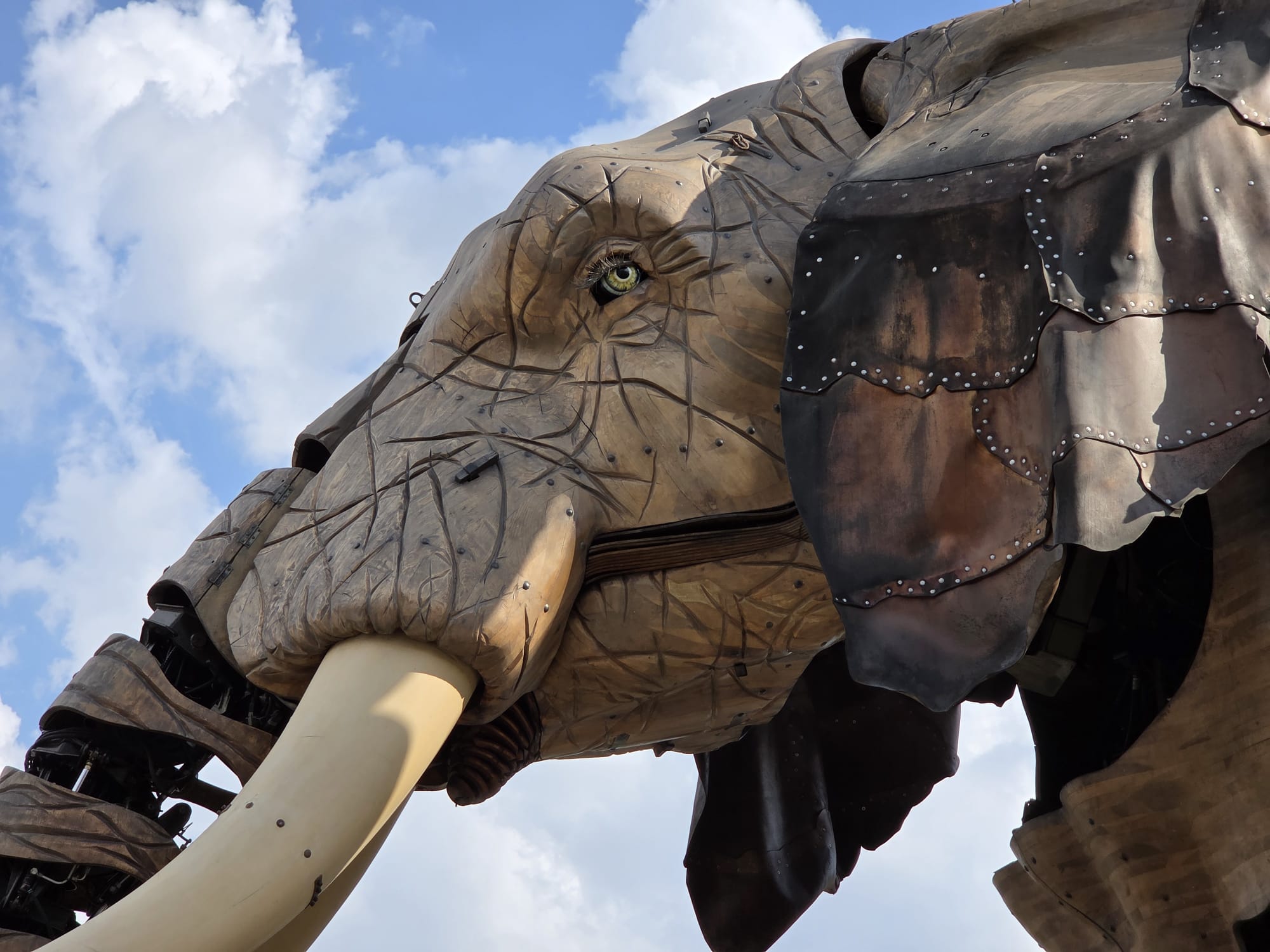
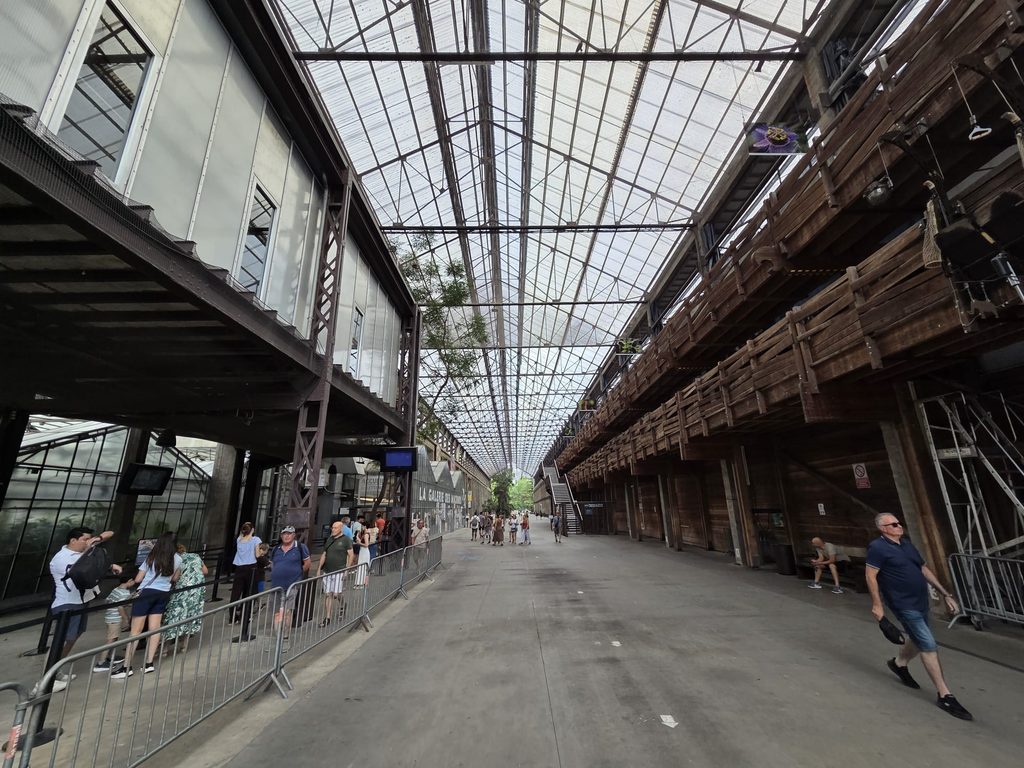
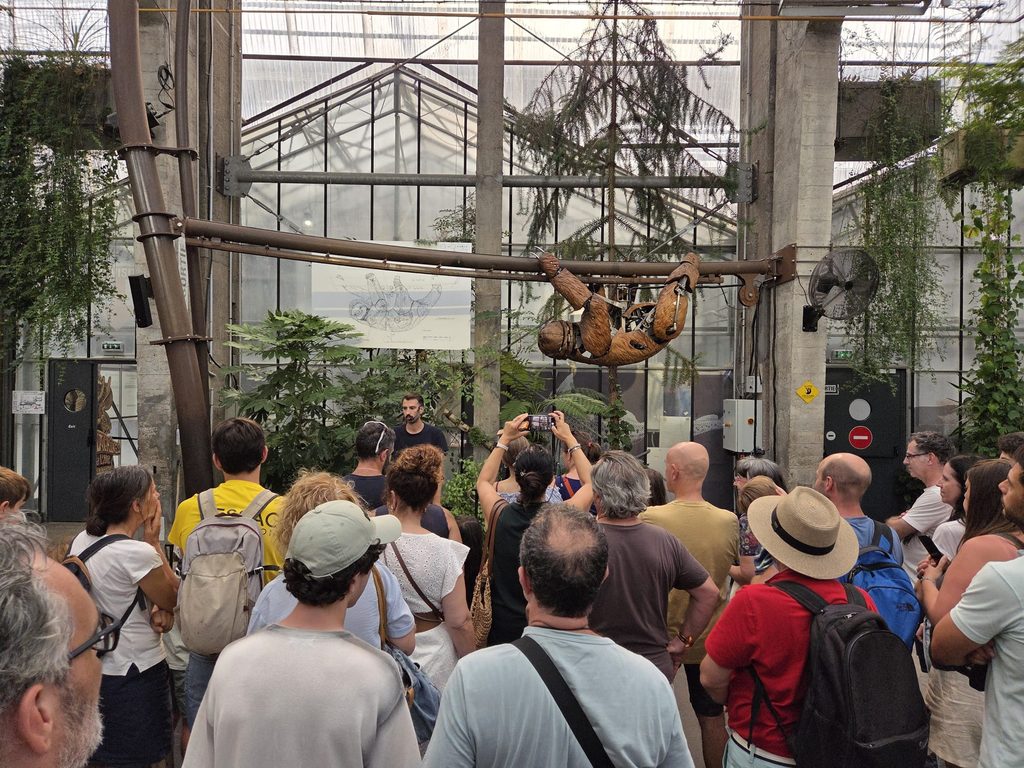
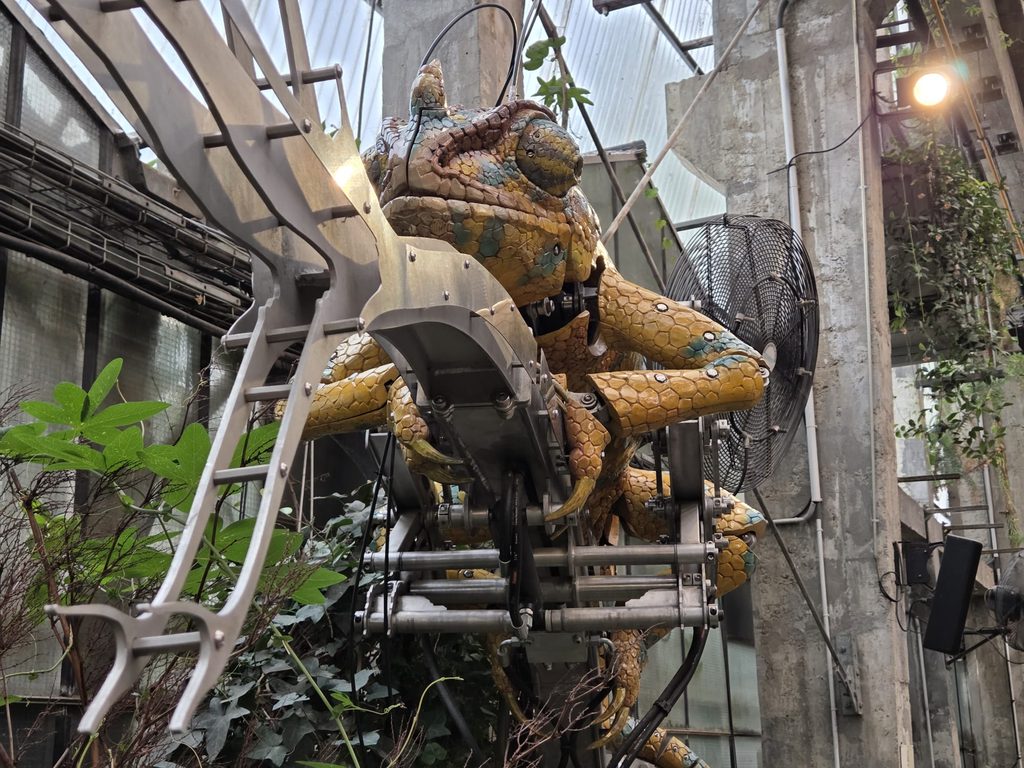
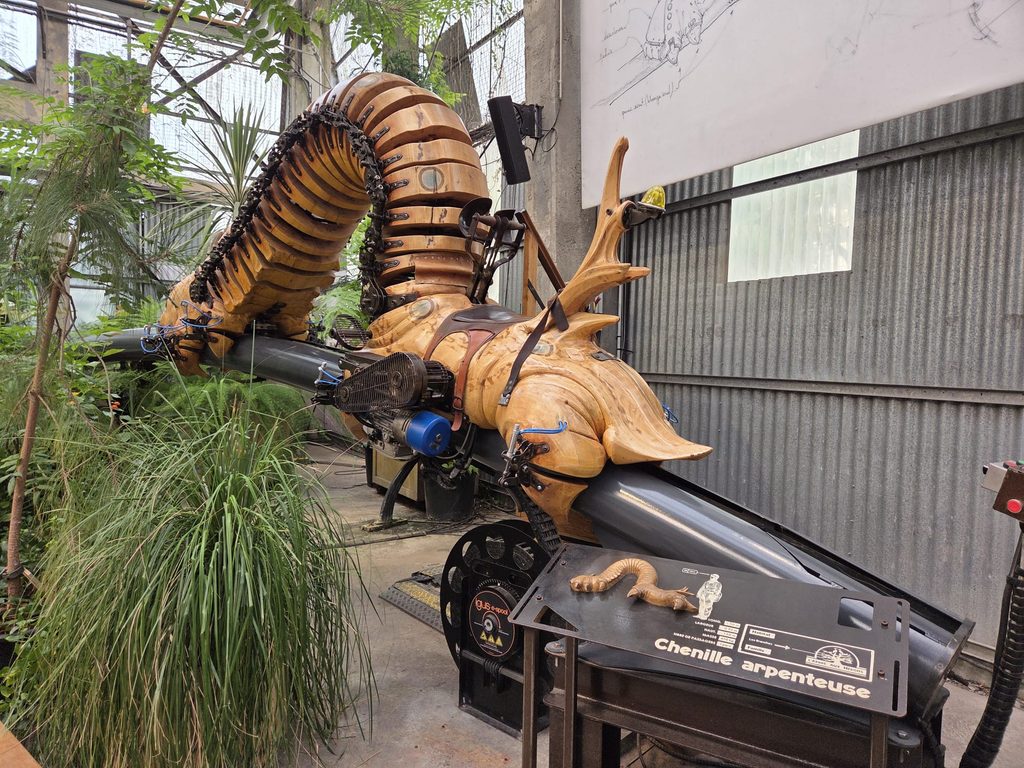
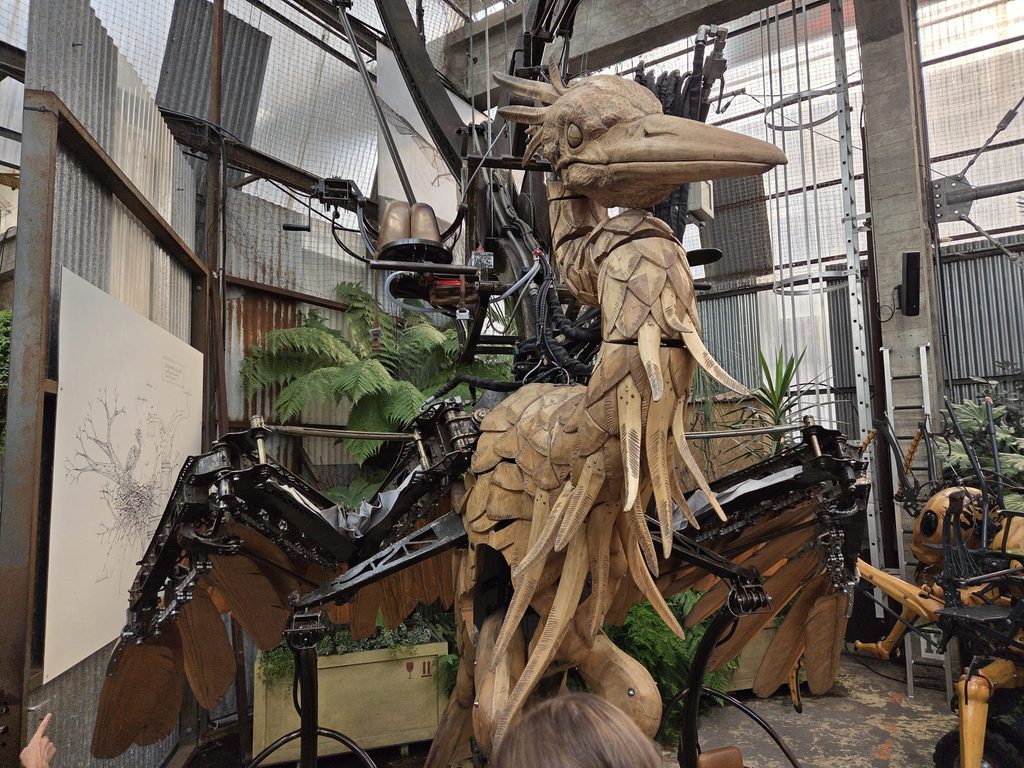
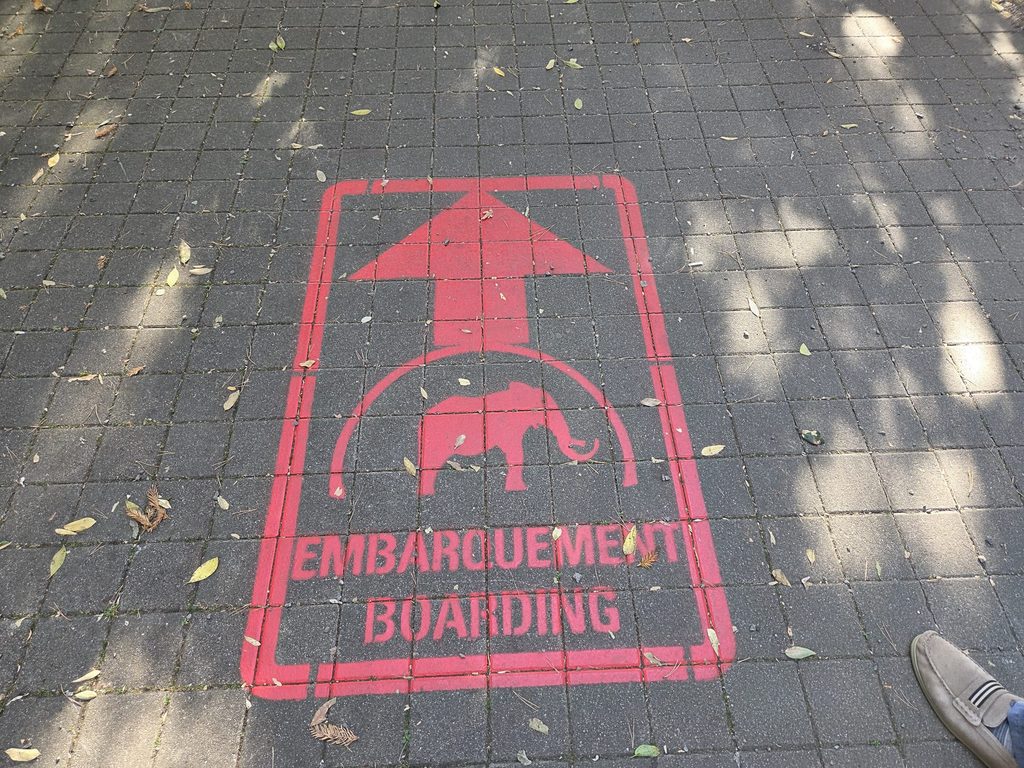
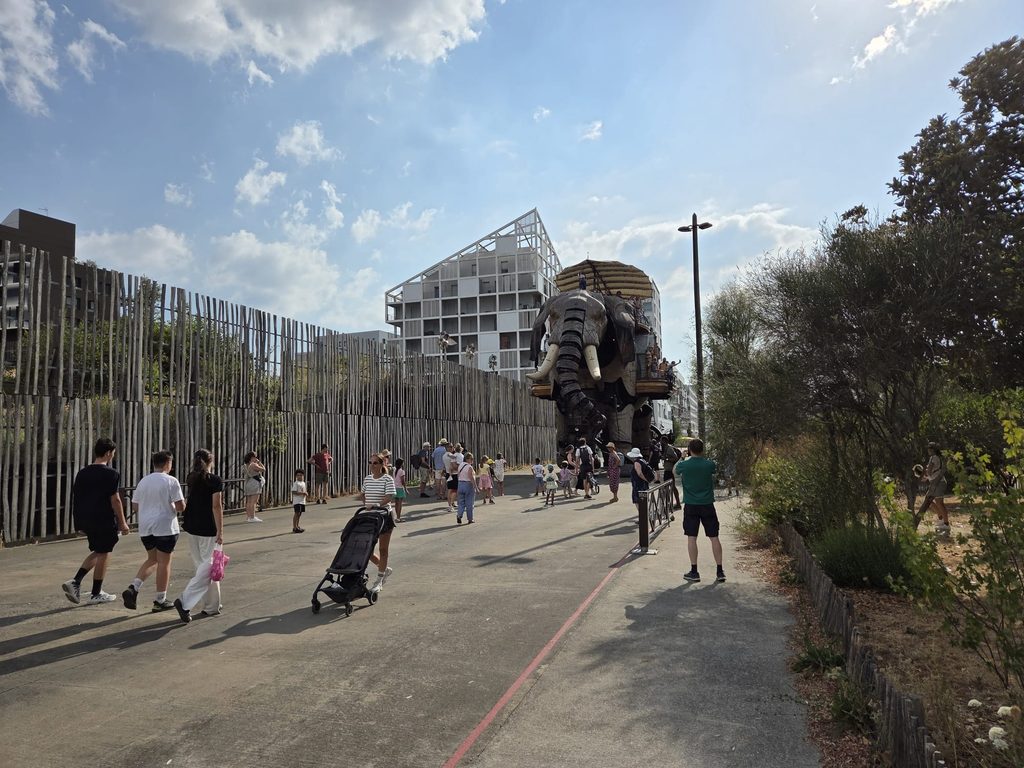
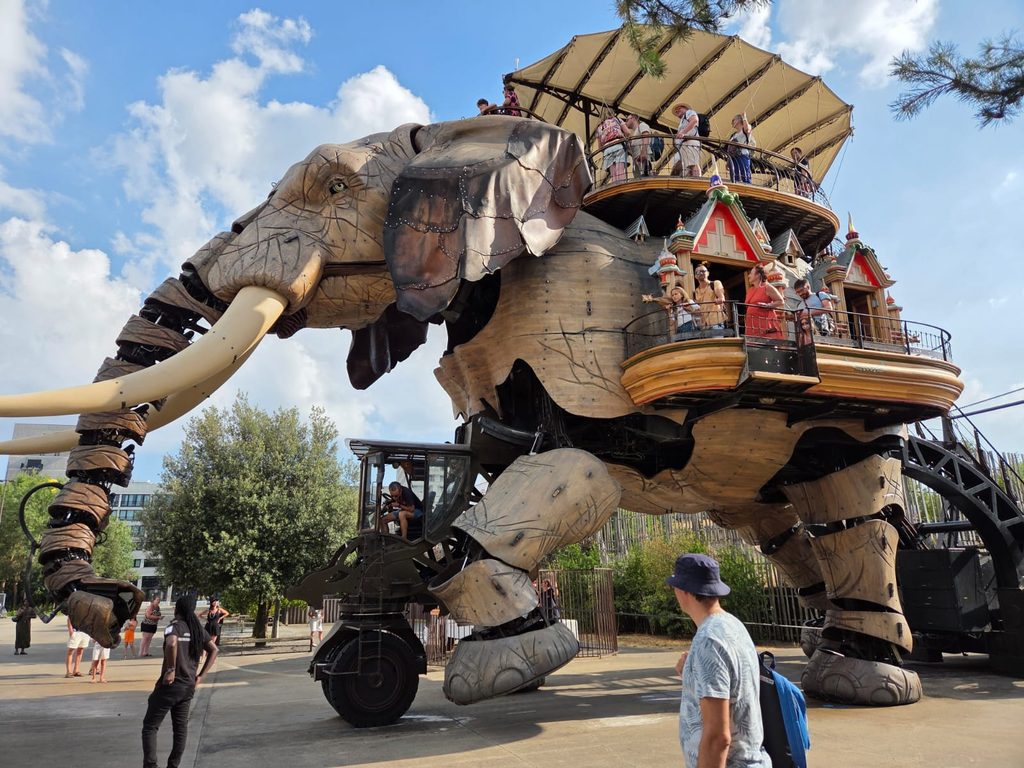
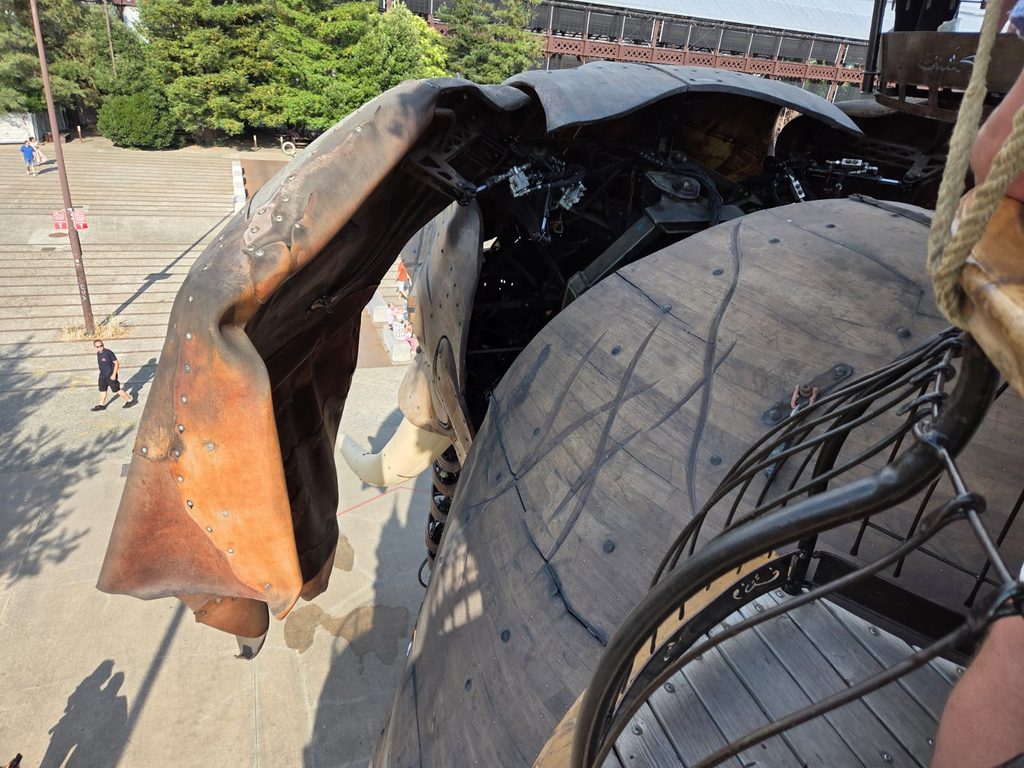
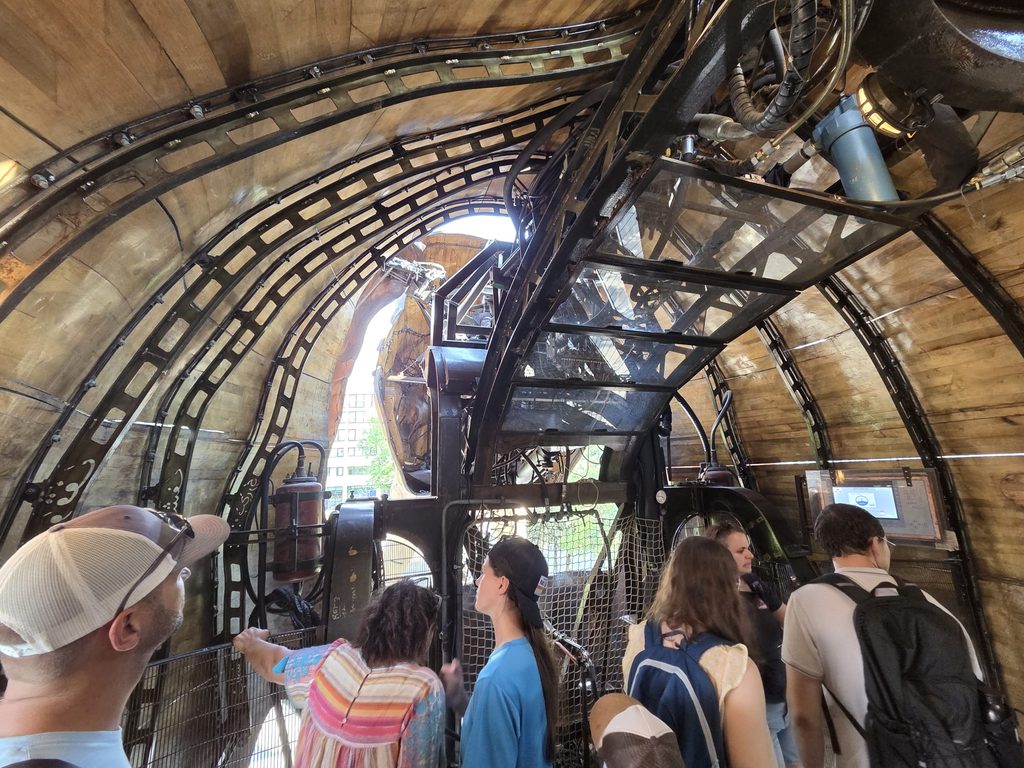
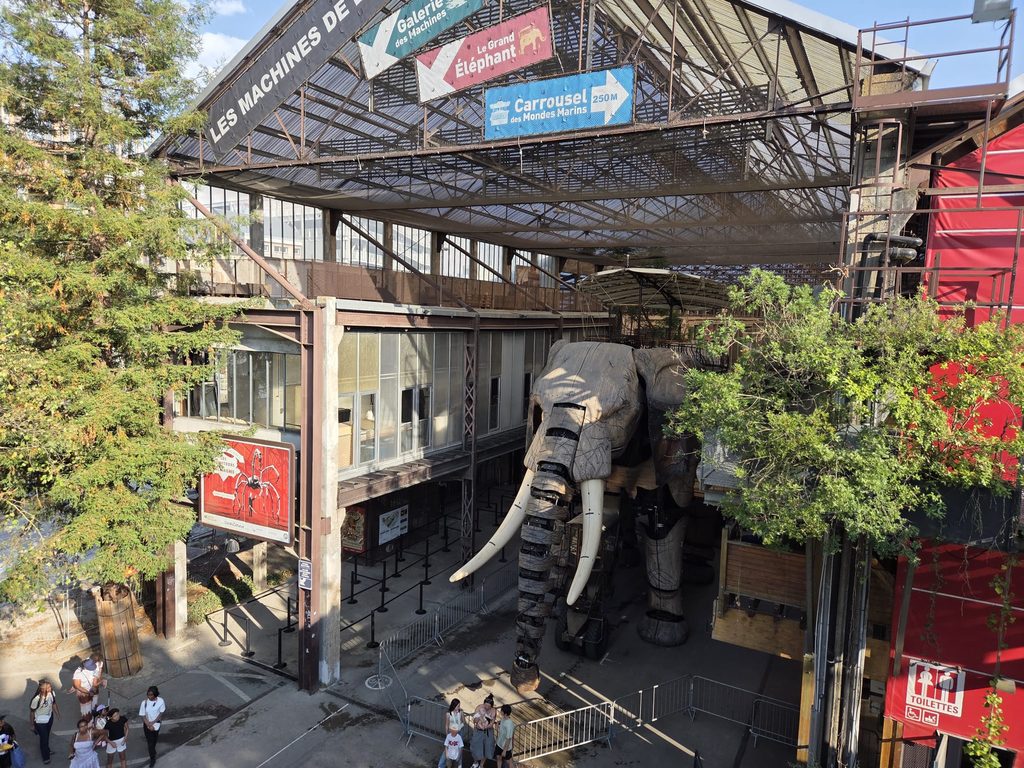
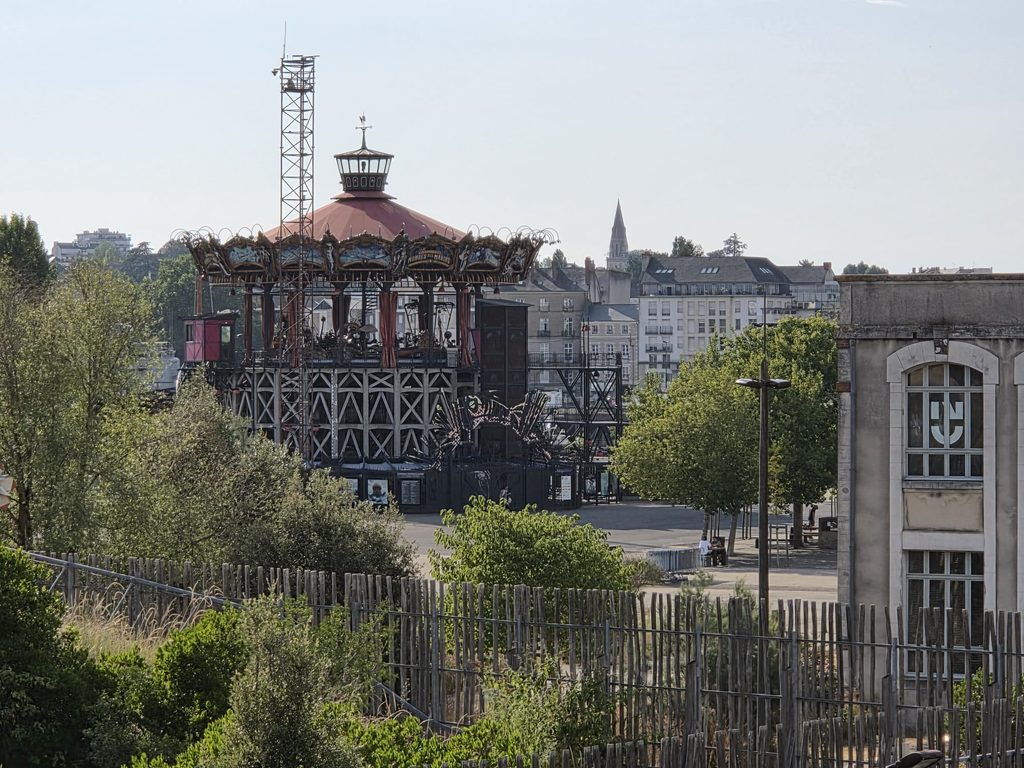
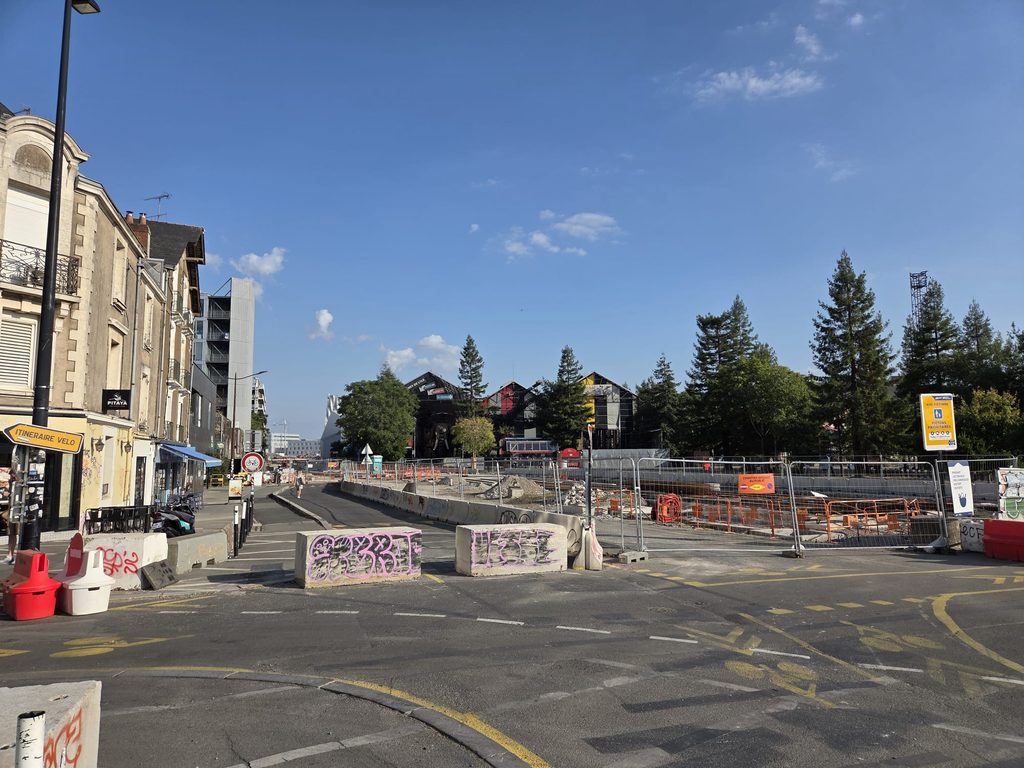
We’ve made it to les Machines de l’île! You can find a dedicated post on this here. But to orient ourselves quickly, les Machines de l’île is an important part of the regeneration plan on l’Île de Nantes. Housed on the site of naval shipyards that were decommissioned in 1987, it opened in 2007. Les Machines de l’île, the creation of François Delarozière and Pierre Orefice, is a fantastical place at the intersection of Jules Verne and Leonardo da Vinci’s creative worlds and machines, and Nantes’ industrial history.Without tickets there are still things to see and do at les Machines de l’île, but it’s best to book in advance to really make the most of the experience. We had two tickets, for la Galerie des Machines (the Gallery of Machines), and for le Grand Éléphant. More on the elephant shortly, as we’re starting in la Galerie des Machines. Visitors experience this on a guided tour – because we were a bit late, ours happened to be in Spanish. But even without a shared language, the various automatons are enchanting. Staff showed us the workings of different machines in turn: a chameleon, a sloth and a flying machine amongst others. Halfway through our tour, a family arrived, driving an ant. It’s genuinely a lot of fun for all ages.For me, however, nothing beats le Grand Éléphant (the Great Elephant). One of the original attractions of les Machines de l’île, the elephant is 12 metres high and weighs 48.4 tons. 52 passengers at a time climb aboard, and ride the elephant around one of two paths around the site. You can ride up top or in the belly of the beast, wave the elephant’s tail, and watch as it sprays passers-by with water (hopefully a summer feature only?).If I return to Nantes in future, I’d love to have a go on le Carrousel des Mondes Marins. The carrousel is Jules Verne-themed, with a choice of undersea figures. There are no overall entry controls or tickets for les Machines de l’île so you can dip in and out or come just for one ride.Making our way through a bit of a construction site, we are heading towards one of those thirteen bridges and away from l’Île de Nantes.
Le Mémorial de l’Abolition de l’Esclavage
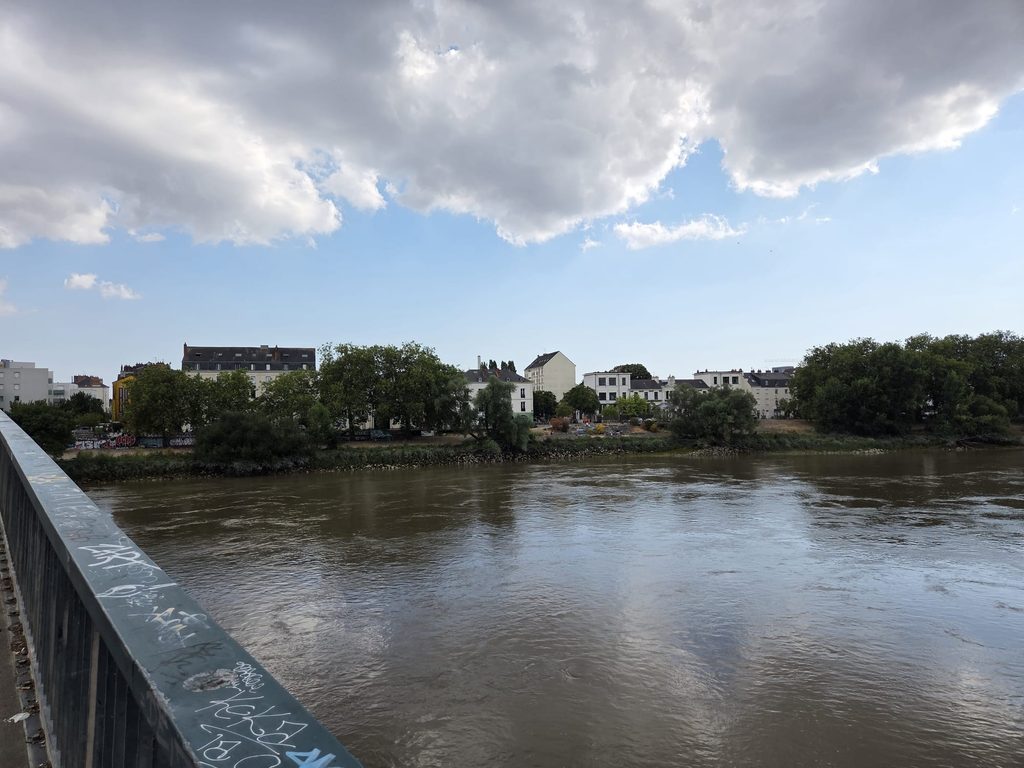
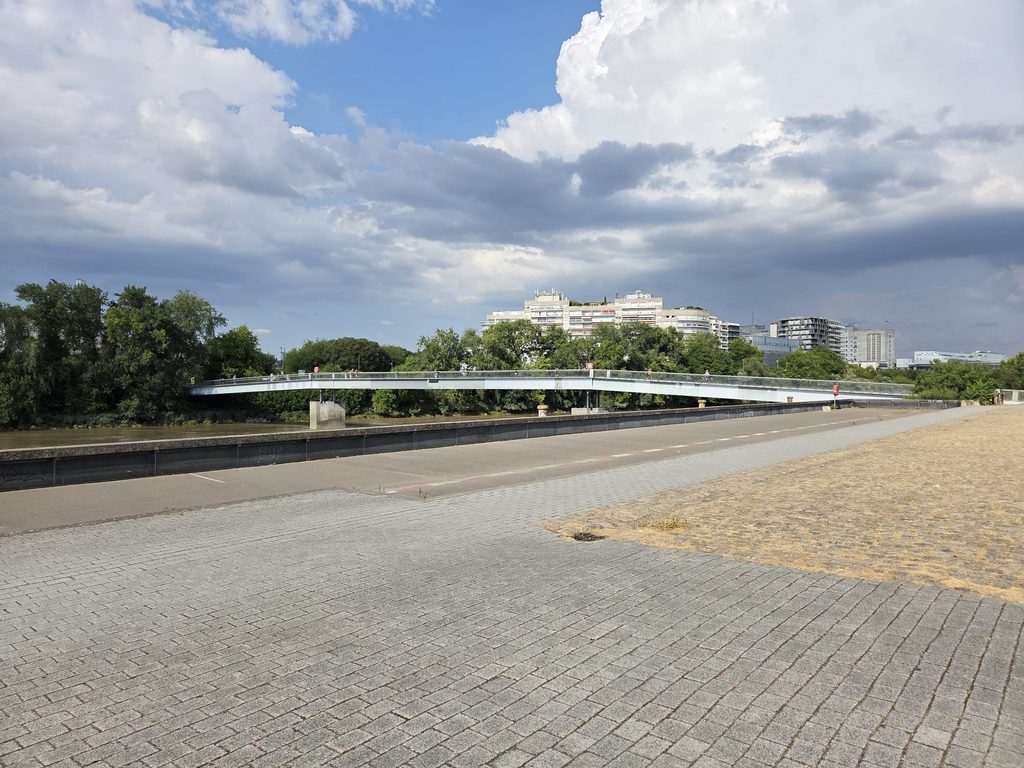
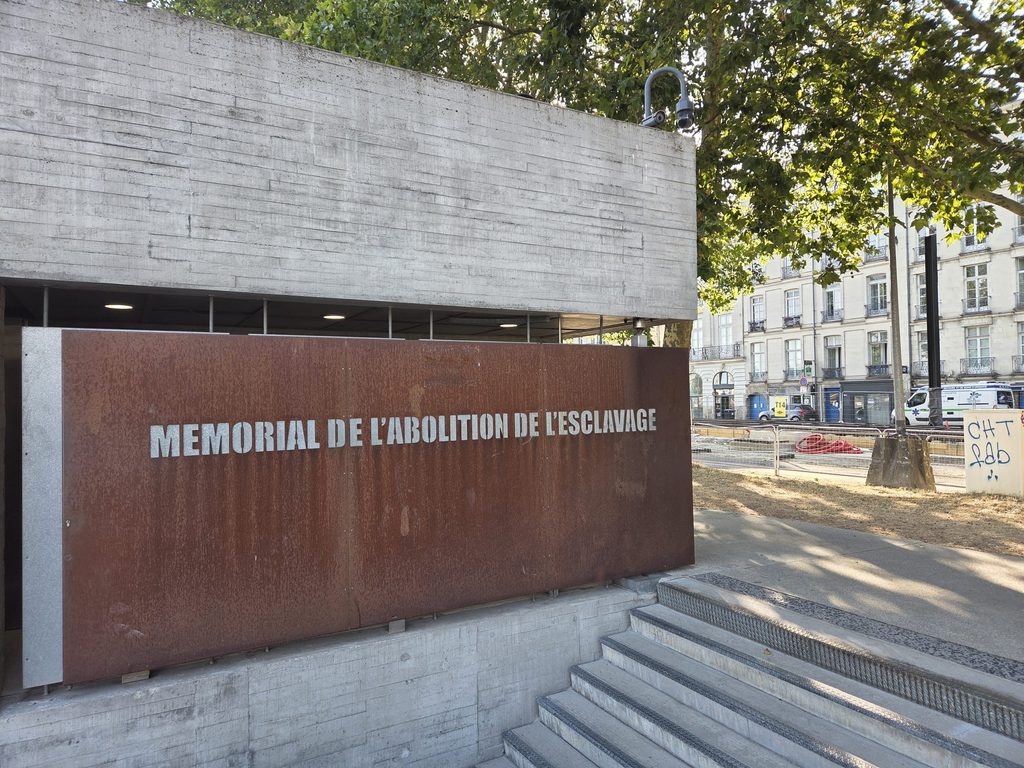
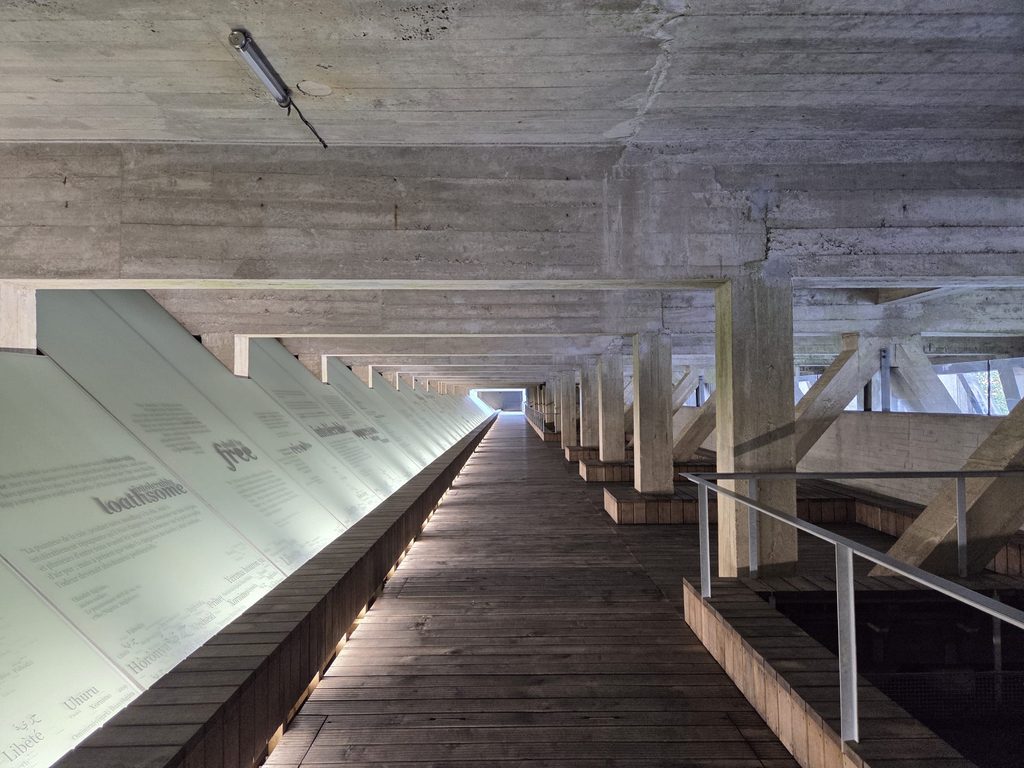
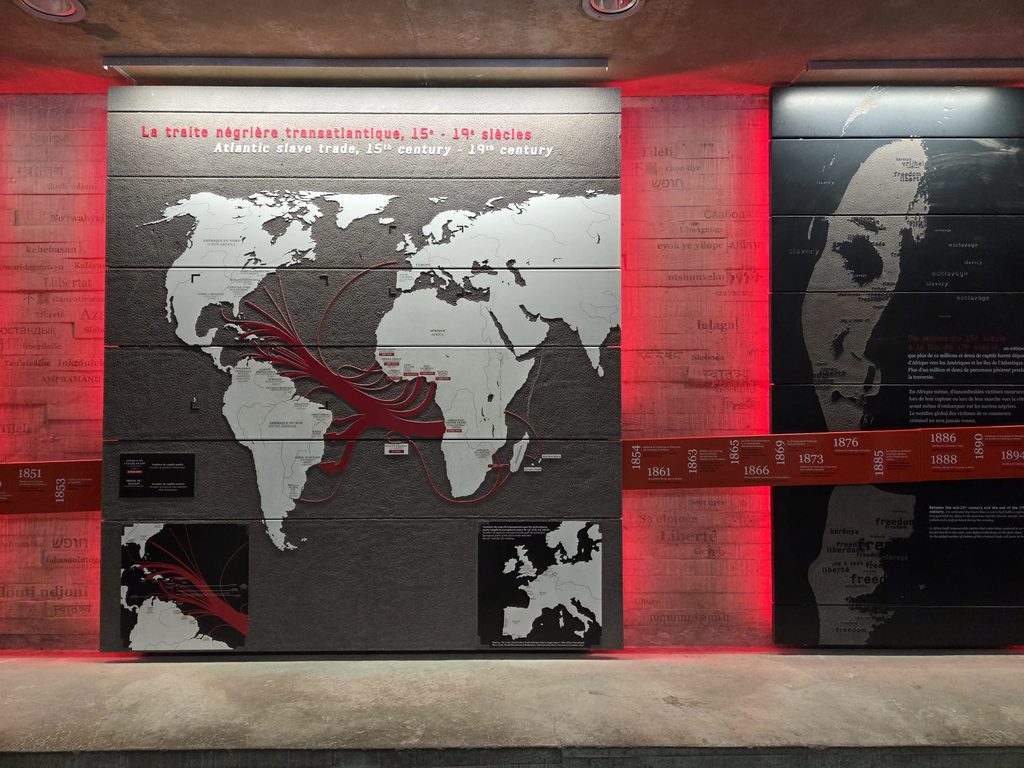
Looking across the river, we can already see our next stop, the Mémorial de l’abolition de l’esclavage (Memorial to the Abolition of Slavery). More than 500,000 enslaved African people passed through Nantes, mostly being sent on to the Antilles. Beginning in the late 17th century, more than 1,744 ships carried enslaved people on this route, ending in 1831 with the prohibition of slavery, ahead of its full abolition in 1848. Nantes was the principal port in the trade of enslaved people in France. A lot of the city’s wealth has its origins in this heinous industry.The memorial here replaces another one, created by student Lisa Marcault-Dérouard to commemorate the 150th anniversary of the abolition of slavery in 1998, but later vandalised. This official memorial is by Argentine–American Architect Julian Bonder and Polish artist Krzysztof Wodiczko. It extends between the Anne-de-Bretagne and Victor-Schoelcher bridges. Above ground level are 2,000 glass inserts. 1,710 of them carry the names of the ships involved in carrying enslaved people, and the dates of their Nantes voyages. The other 290 bear the names of ports in Africa, the Americas and the Indian Ocean.The memorial also extends underground. Here, closer to the water, visitors can read the Universal Declaration of Human Rights, quotes by figures like Martin Luther King, and the word “freedom” in 47 languages. It’s a thought-provoking space, particularly as we see evidence of some of the wealth of Nantes on our further explorations.
Towards the Old Town
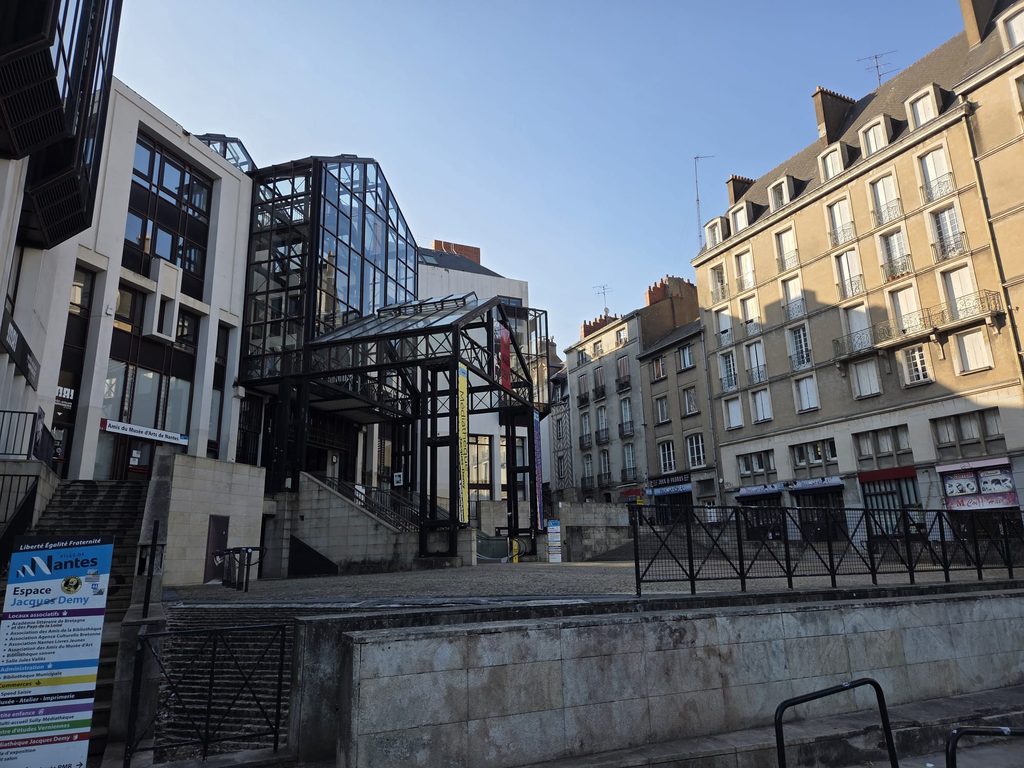
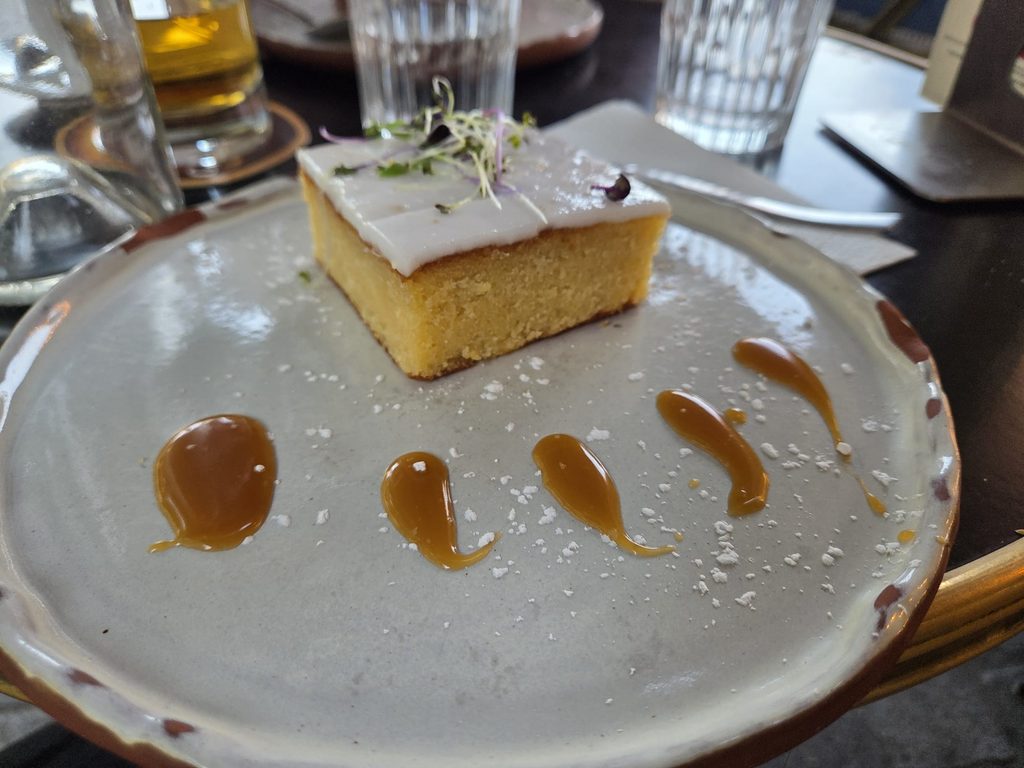
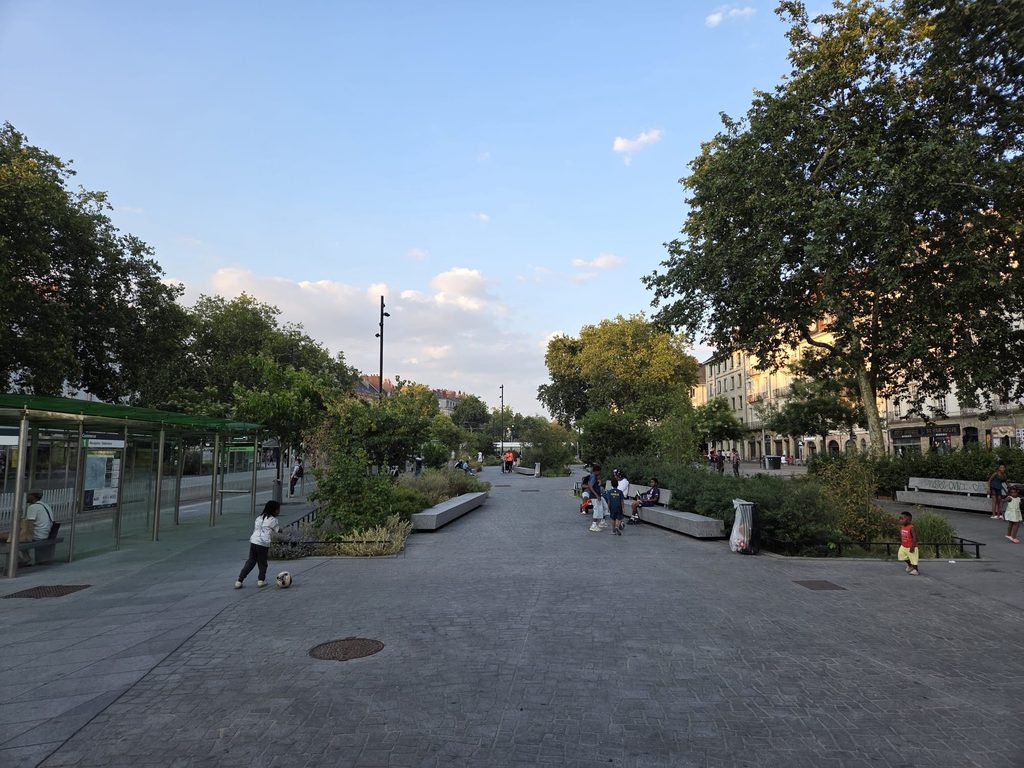
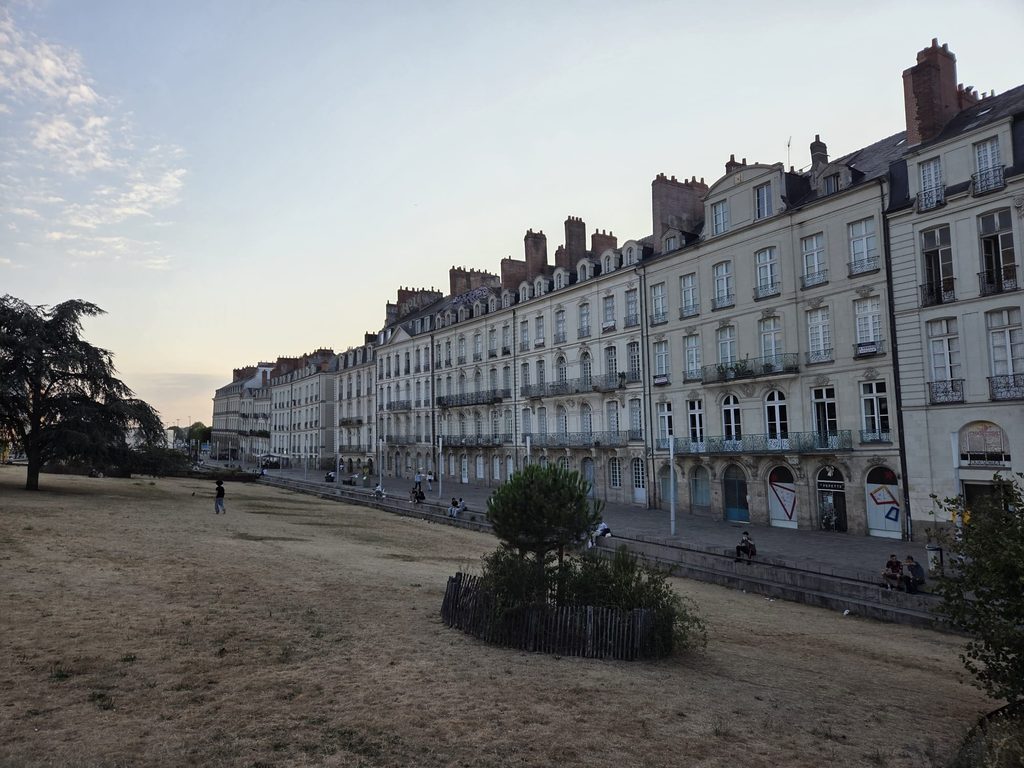
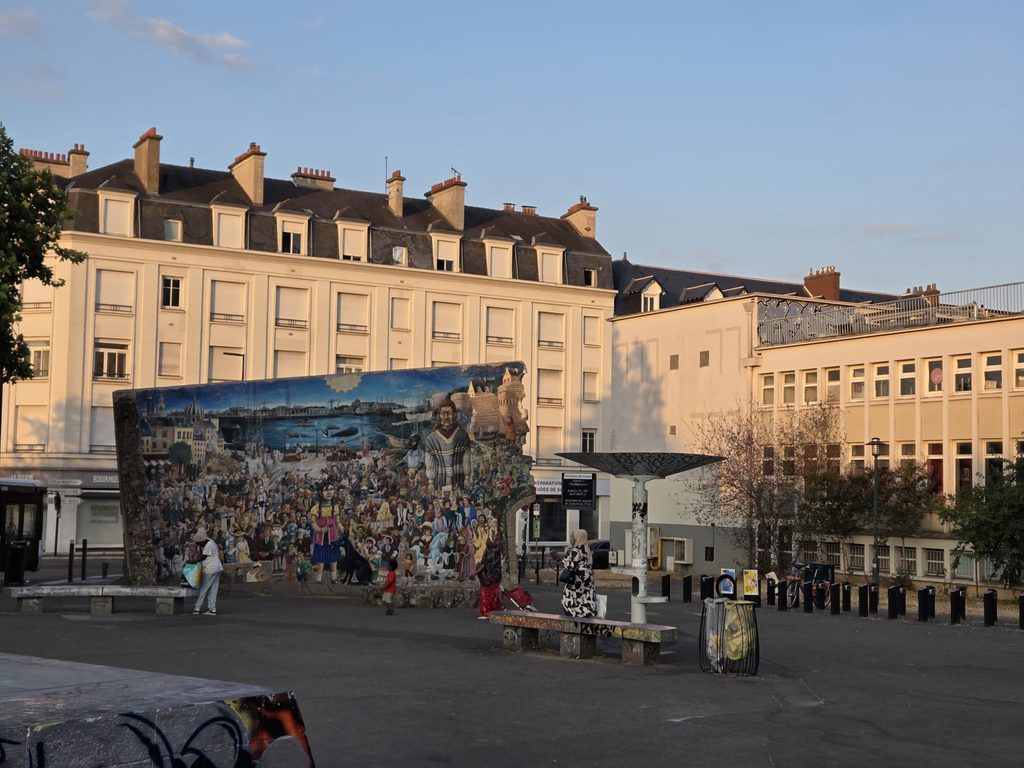
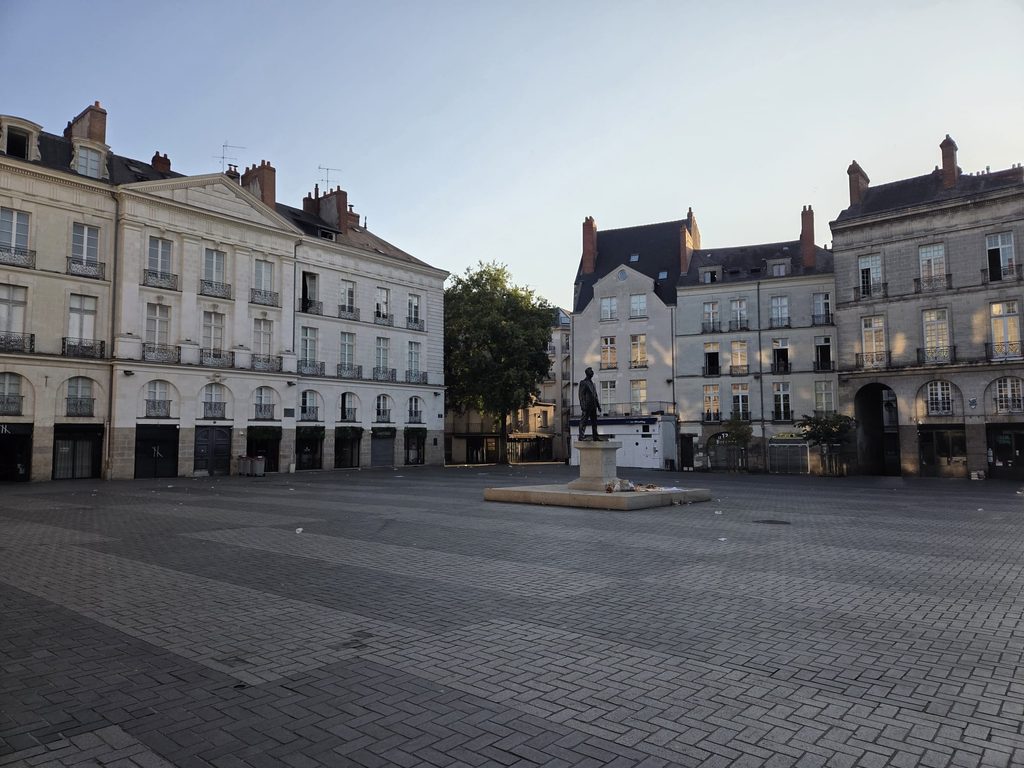
A quick (and slightly wonky) look back at l’Île de Nantes.This proudly Postmodern building on the left is la médiathèque Jacques-Demy (the Jacques Demy Multi-Media Library). Dating to 1985, it takes its name from local New Wave filmmaker Jacques Demy.It was time for dinner at this point, which we had at a restaurant on the Place de la Bourse (Stock Exchange Square). Evidently I was hungry, because I didn’t take a photo of our surroundings, but did of this cake. It’s a local speciality, le gâteau nantais, like a pound cake made with ground almonds.L’Île de Nantes isn’t the only place in Nantes that’s been benefitting from urban regeneration. This is the Espace Feydeau-Commerce, which was pedestrianised in a major urban transformation project a couple of years ago.Coming back to that point about wealth and its origins, these lovely historic buildings are 18th century shipowners’ houses along the Quai Turenne on the former Île Feydeau. The branches of the river surrounding this island were filled in between 1926 and 1946, to alleviate sanitation and siltation issues.As I mentioned earlier in the context of Voyage à Nantes, there is a real focus on public art. This is Le Mur tombé du ciel (The Wall that Fell from the Sky), created by David Bartex in 2011 for the Royal de Luxe street theatre company. Lots of nice street art, too. We’re almost back at our hotel now, so good night!
A New Day, and Much More to See
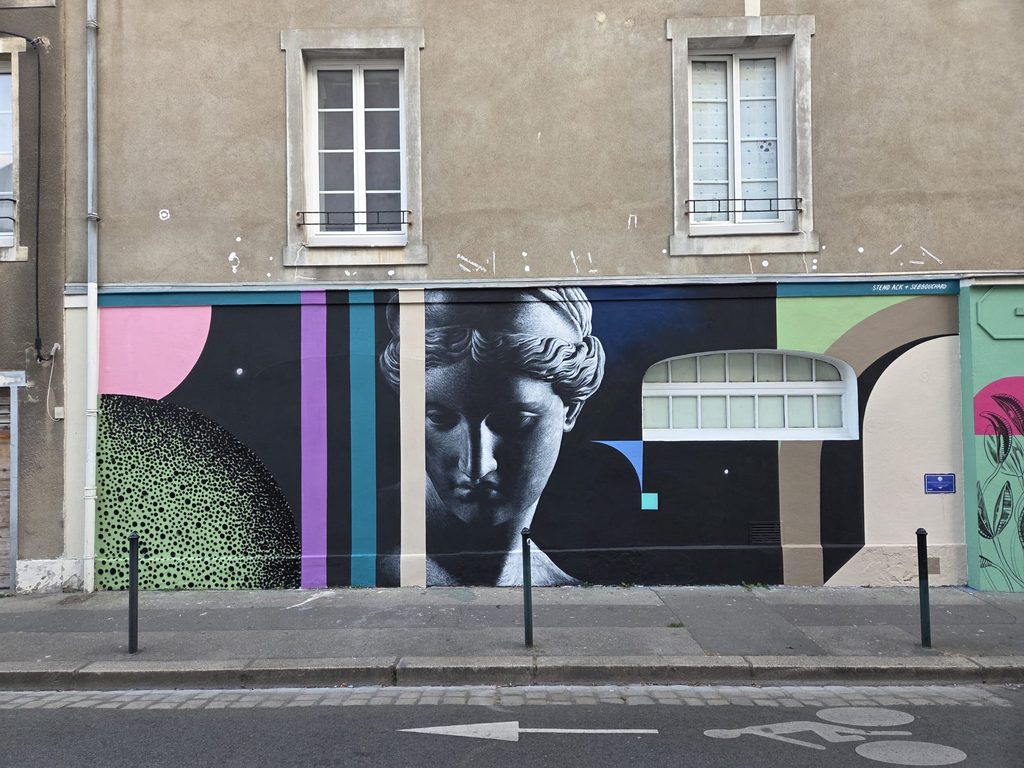
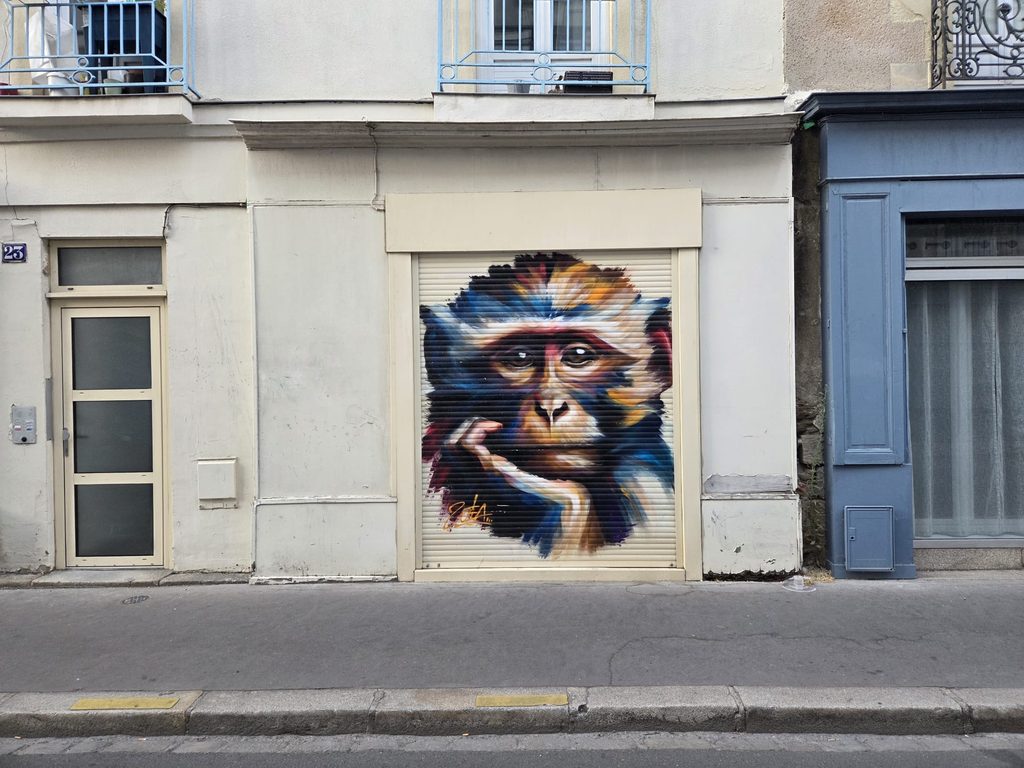
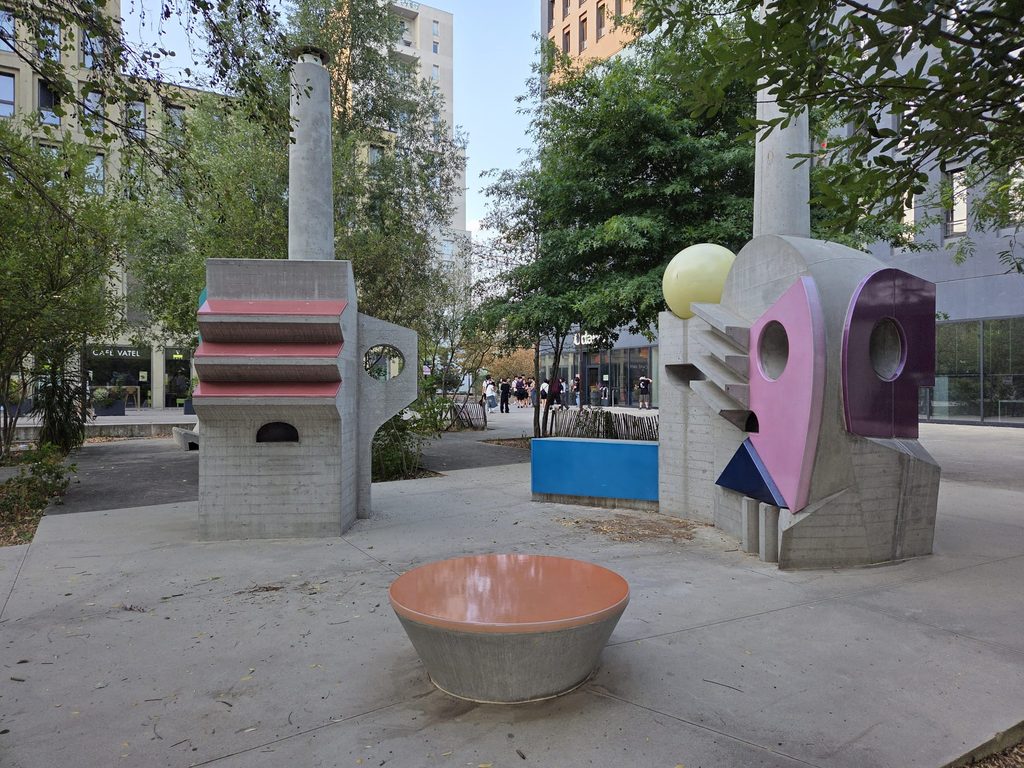
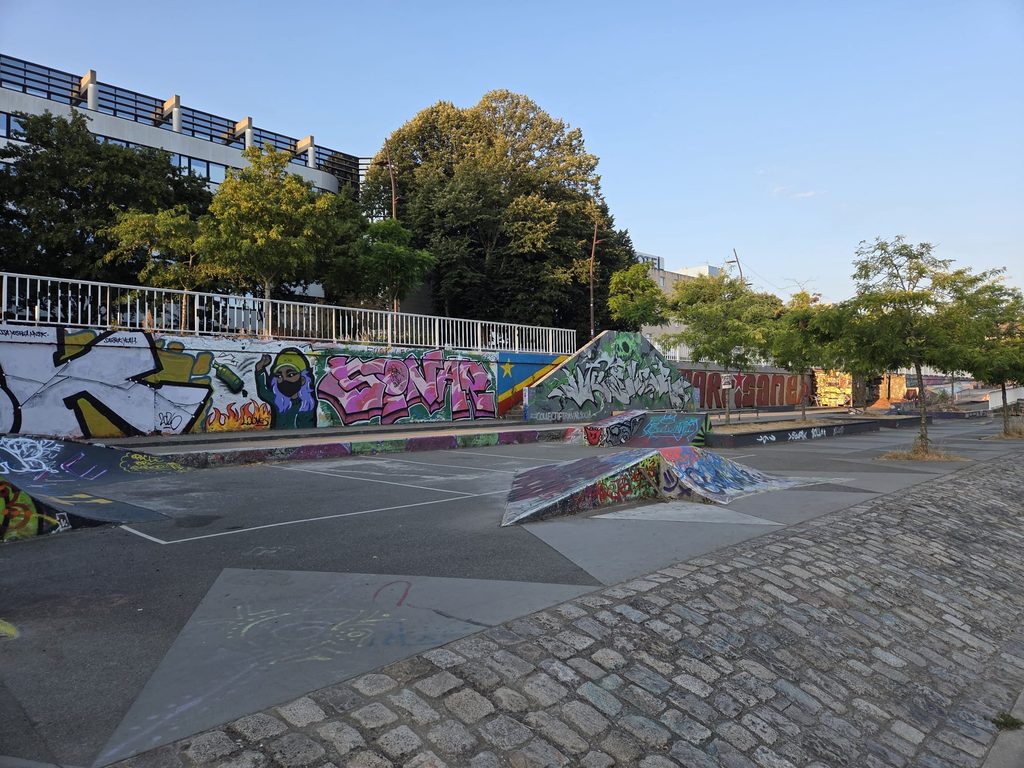
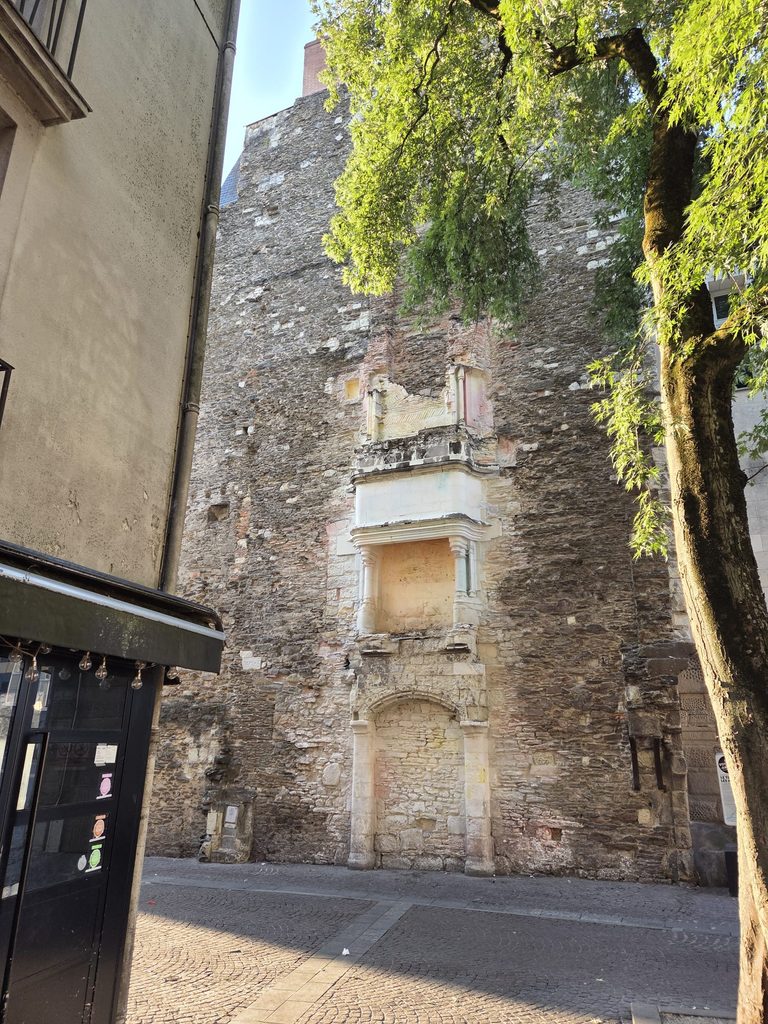
I’ve said in some other posts that outdoor exercise is a great way to explore a place. That could be a walk, playing sports, or going for a run. I started my day by doing the latter. I knew there were more stops on the Voyage à Nantes that I hadn’t seen yesterday, so I headed back to l’Île de Nantes.Here’s one of them! This is les Brutalistes, a permanent artwork in concrete by Martine Feipel and Jean Bechameil. They’re actually wood-firing ovens which have the potential to bring the community together.Nantes’ street art also looks good in the early morning light.Here are a few more public artworks on the Île de Nantes side. At some point, I decided to start following the green line on my run. Or what I thought was the green line. One of the downsides of using a green line every year is that sometimes you end up following an old one, that peters out!Following that green line (or attempting to), we’ve now crossed a bridge, gone through a market, and ended up in the Old Town. This is the Place du Bouffay, named for the Château du Bouffay which once stood nearby.Here’s another artwork, almost a folly. It’s Le Temps entre les pierres by Flora Moscovici. The traces of a chimney are an echo of the 15th century Maison des Echevins (House of the Aldermen) which once stood here. The building was destroyed in the early 20th century to make this road, and over time the artwork will fade away, too.
Towards the Museé d’Arts de Nantes
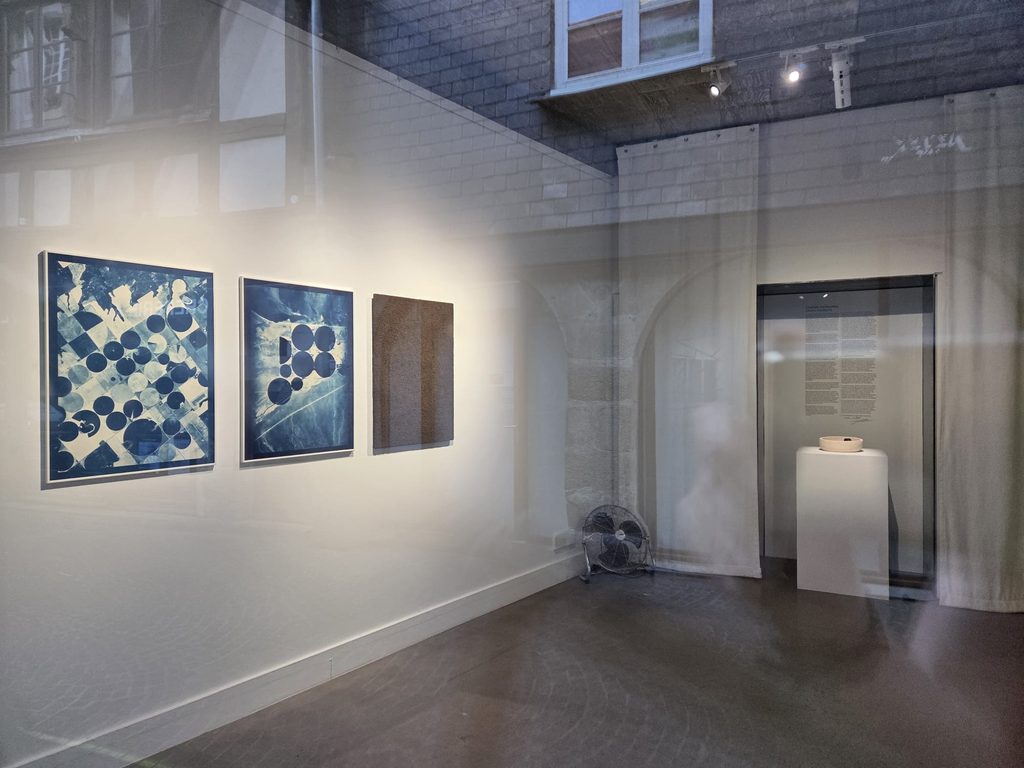
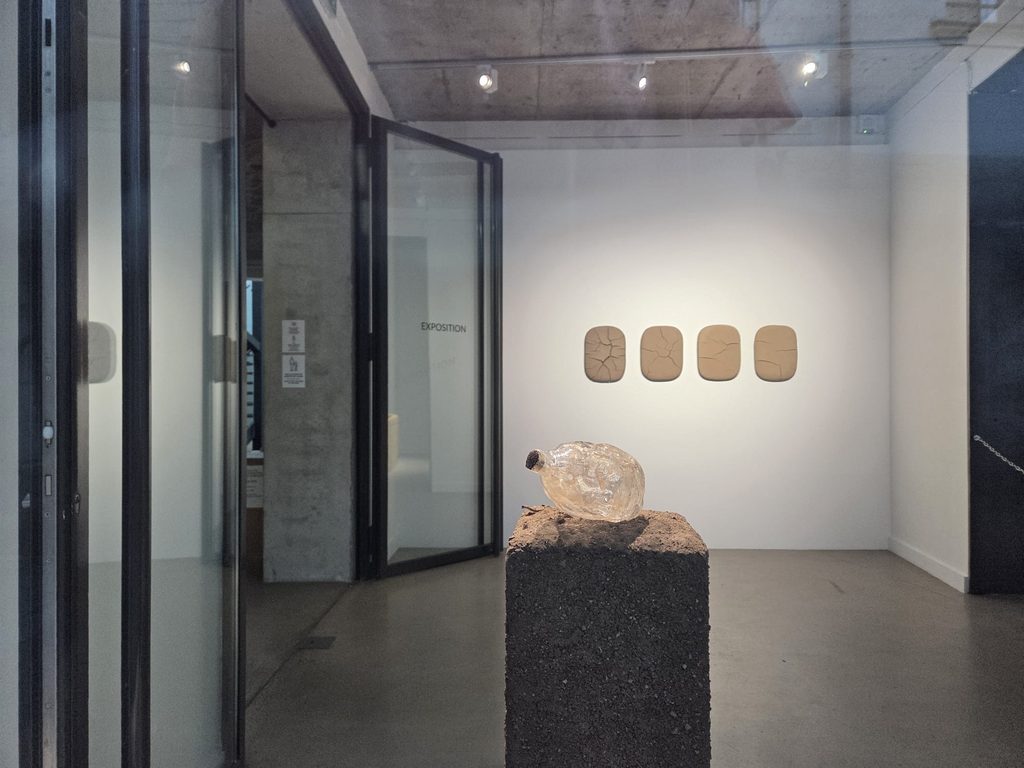
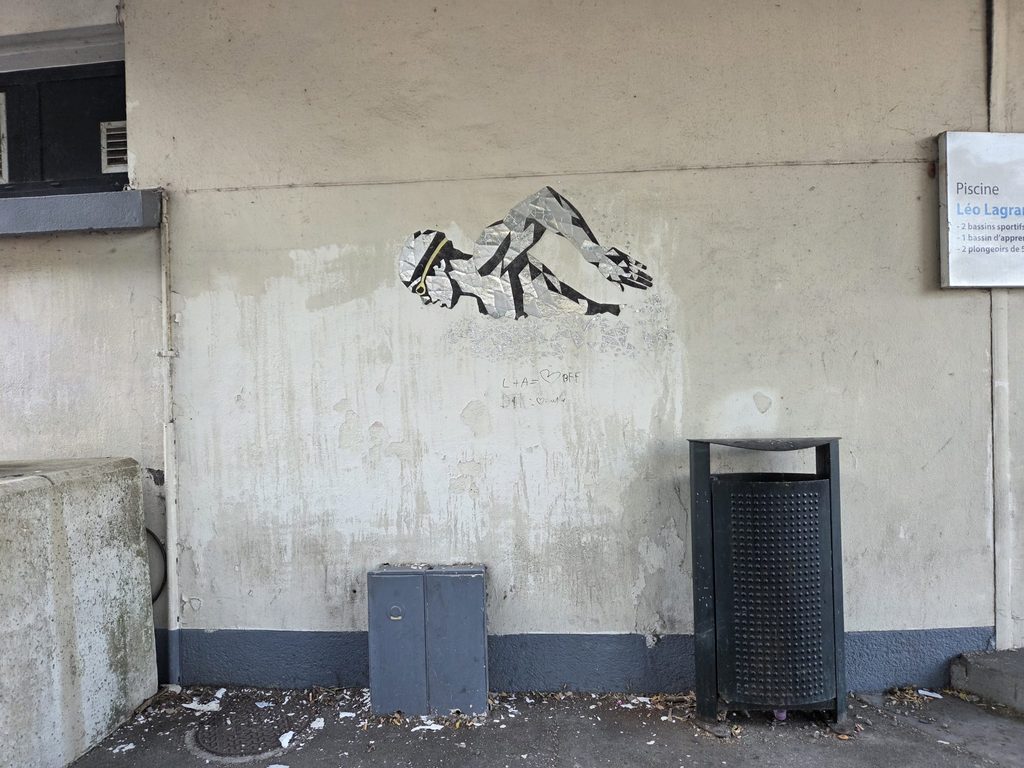
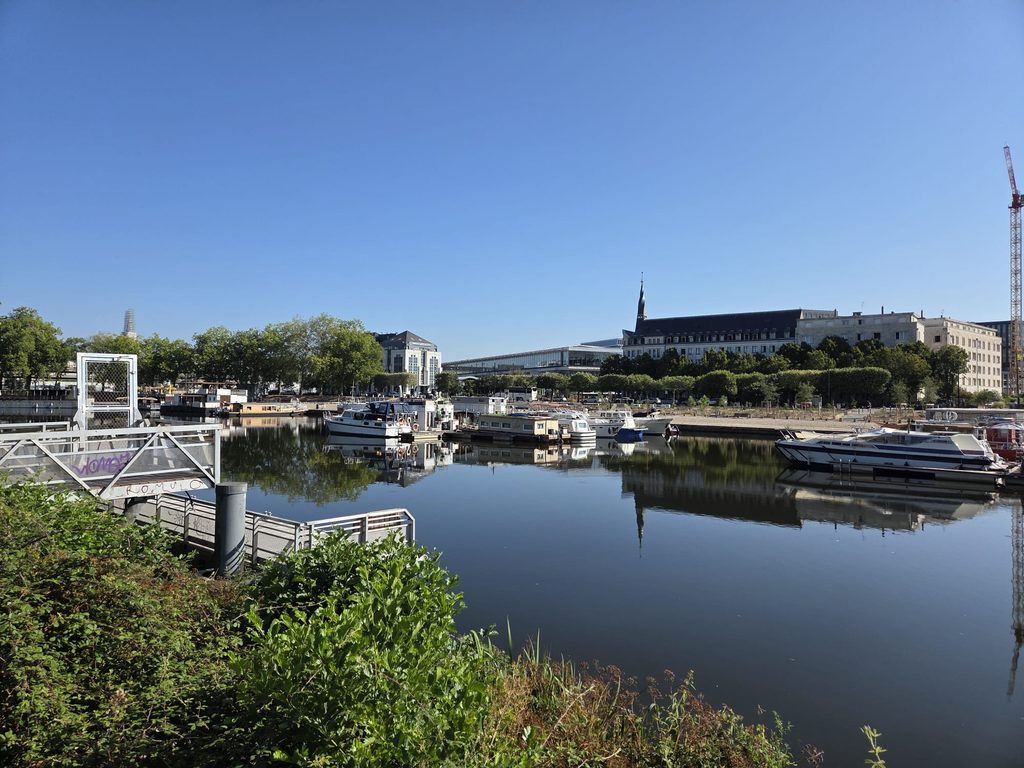
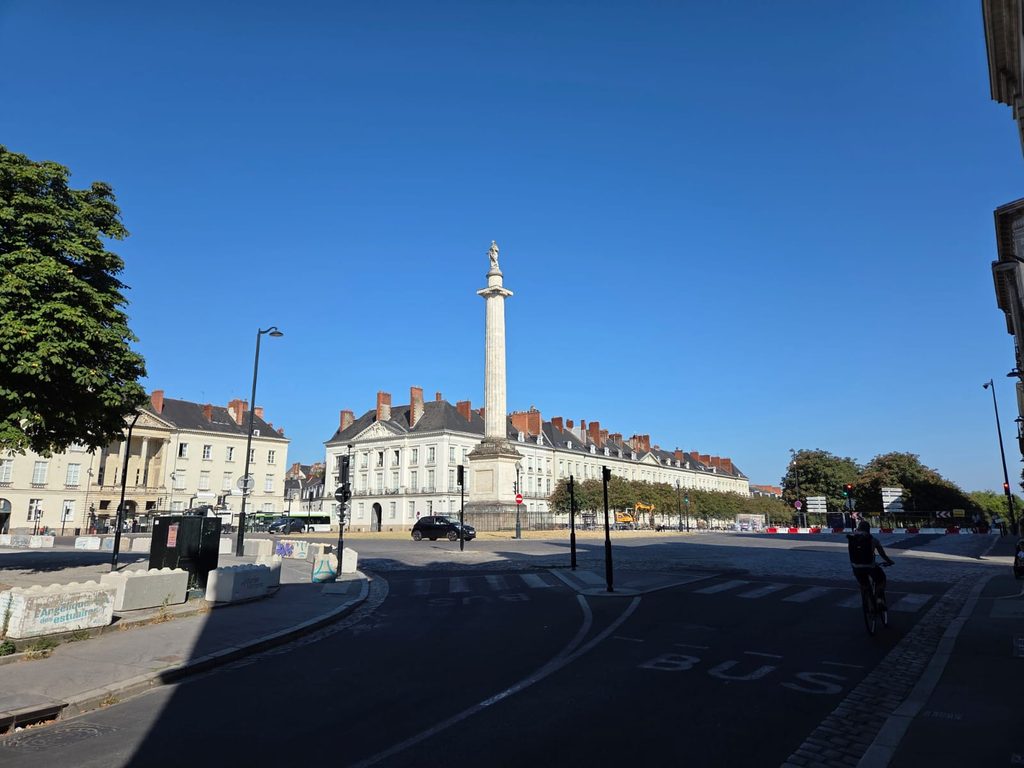
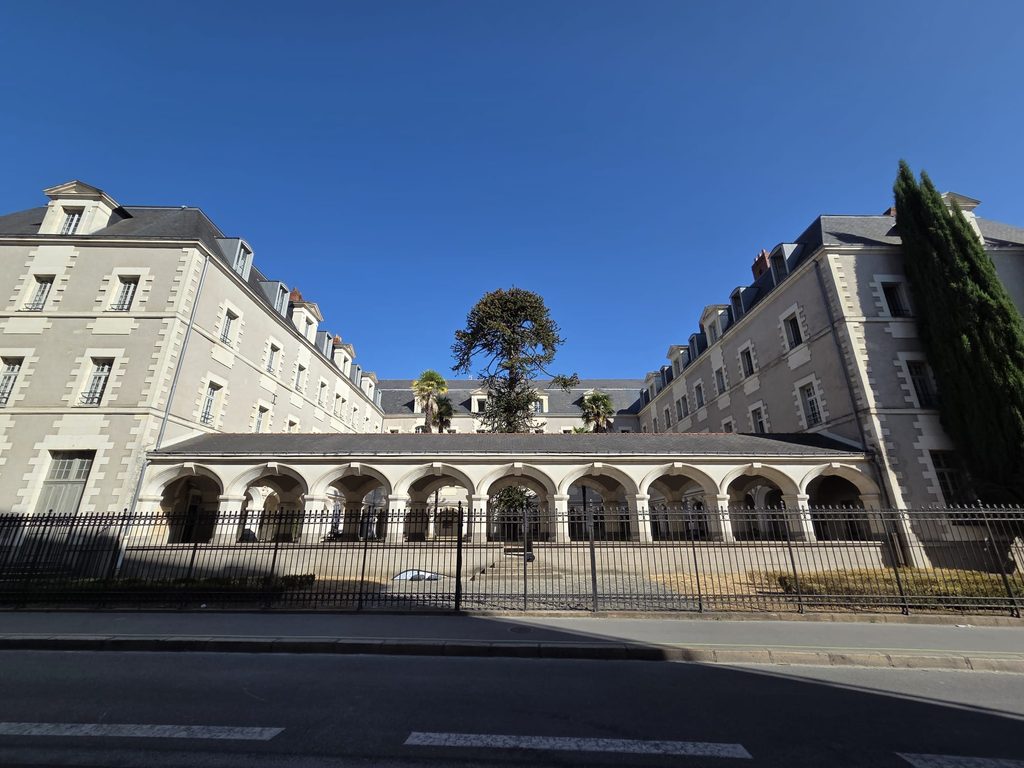
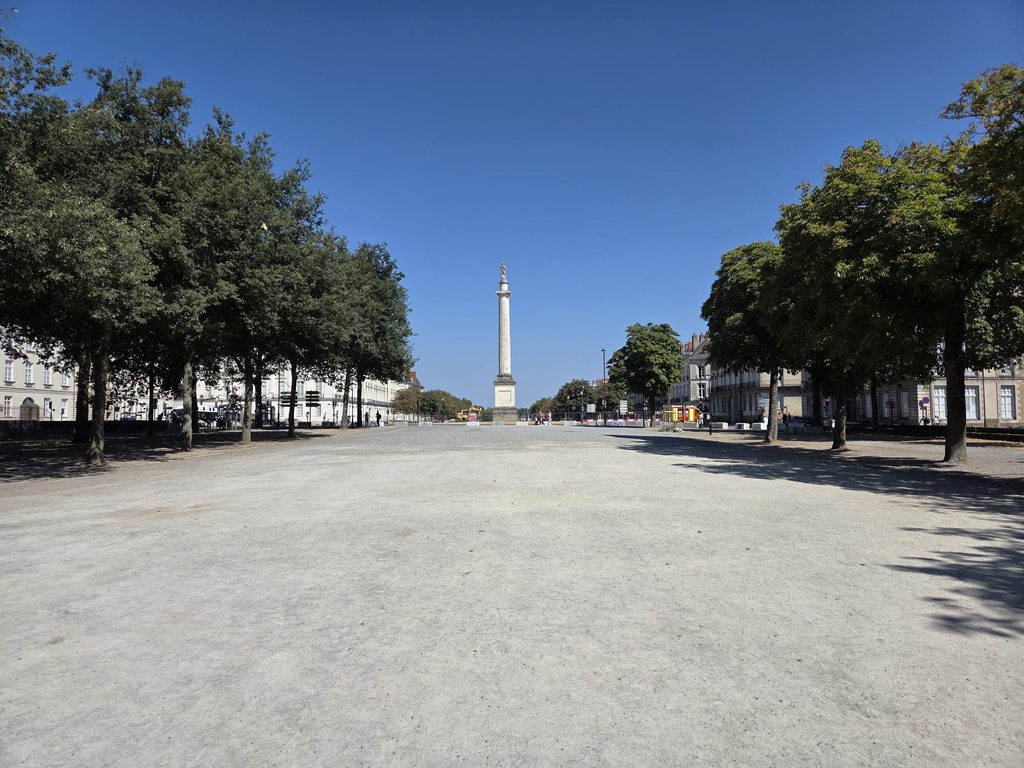
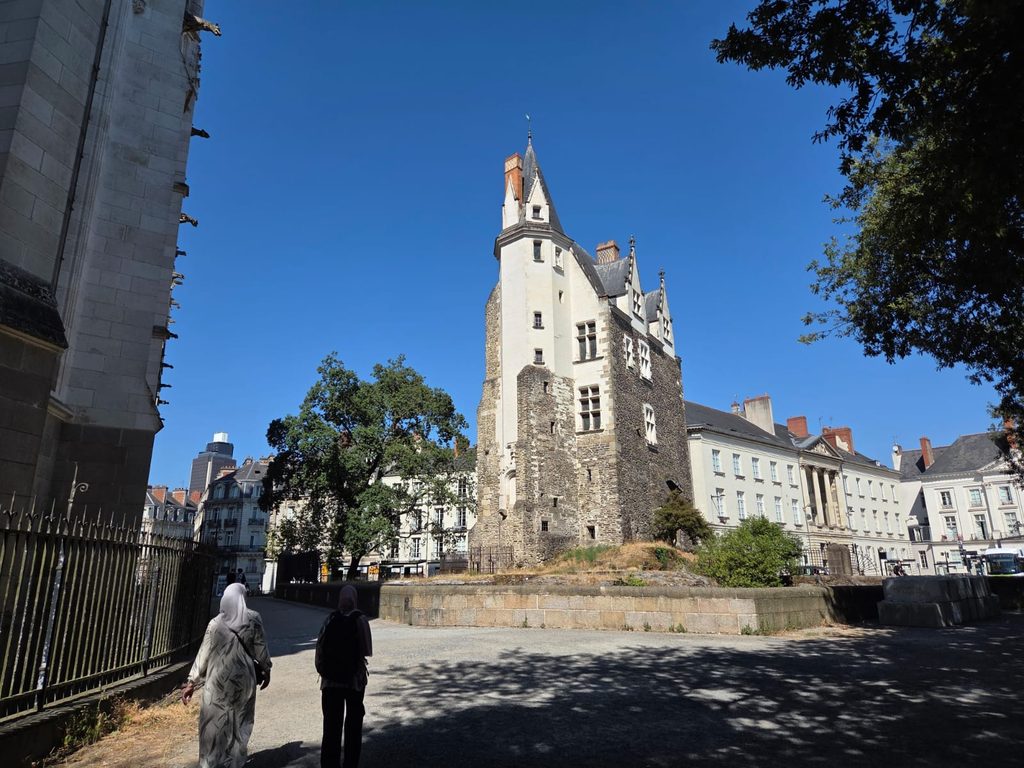
We’re still out for a run, but heading back the way we came now. It was too early for it to be open, but I had a good look through the windows of the Passage Sainte-Croix. Part shopping centre, part cultural centre, it opened in 2007 next to l’église Sainte-Croix (Church of the Holy Cross). The exhibition was Ce que la terre retient by Caroline Le Méhauté.Passing back near the market, I liked this appropriate little artwork on the side of a municipal swimming pool.And then over another bridge towards the Palais de Justice which we saw yesterday afternoon.There was one point on the Voyage à Nantes map which was absolutely stumping me. I could see where an artwork was supposed to be, but couldn’t find it. The return leg of my run was my last chance, so I stopped and did a Google image search to work out what was going on. And it turned out I’d passed by it several times but not realised this was l’Absence, a sculpture and public bar by the Atelier Van Lieshout. Worth the trouble? Maybe, just about.I’ve now been back to the hotel, collected the Urban Geographer, and we’re ready to enjoy our morning in Nantes. We were heading for the art gallery at this point, but did a bit of a detour via the Erdre. This little basin is its confluence with the Loire. The river crosses the Pays de la Loire region for about 100KM to get here.Some more interesting urban spots.Our first glimpse of the Château des ducs de Bretagne. Hold that thought, we’re coming back here shortly.And this is the la Place Maréchal-Foch. Formerly the Place Louis XVI, that is who is atop the column there. Maréchal Ferdinand Foch was a French military leader during WWI, and considered the Treaty of Versailles too lenient on Germany.Last stop before the art gallery is the Couvent de la Visitation. Built between 1616 and 1679, it was used as a hospital and military garrison after the French Revolution. These days it’s les Jardins d’Arcadie, a home for the elderly.
Le Museé d’Arts de Nantes
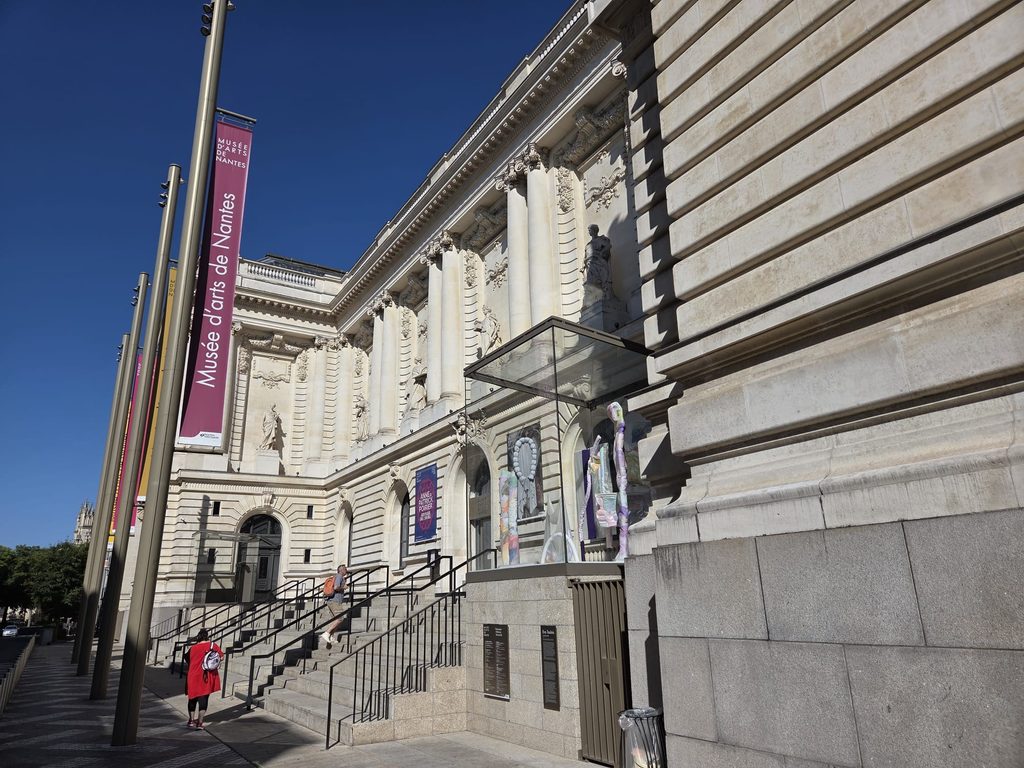
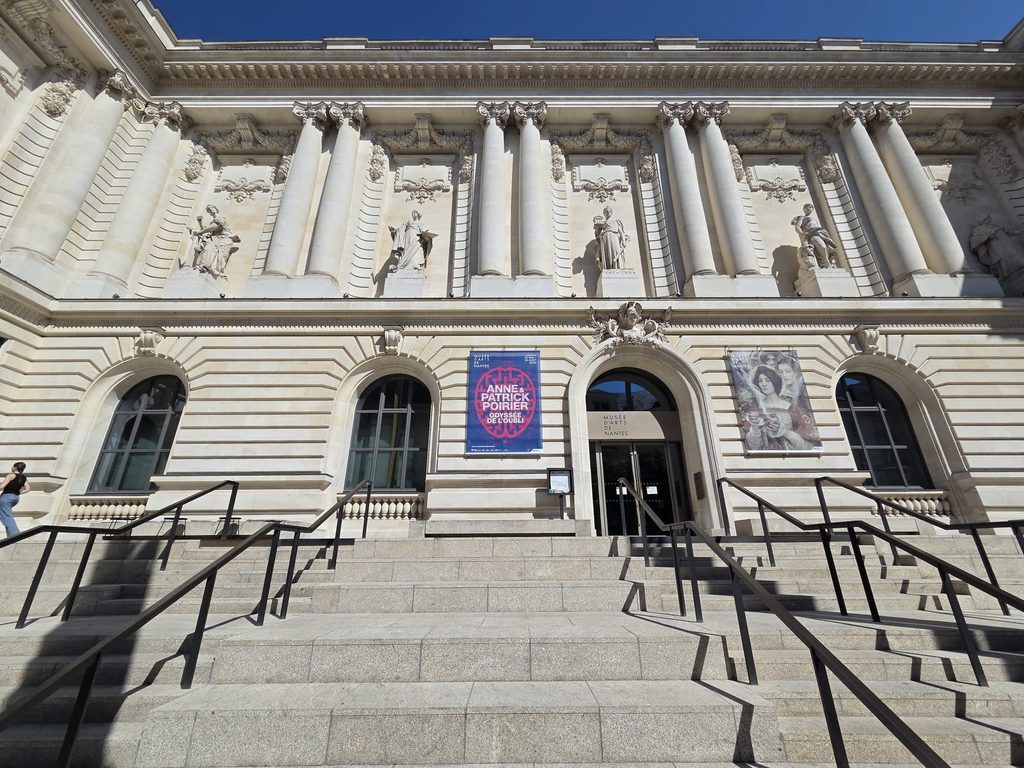
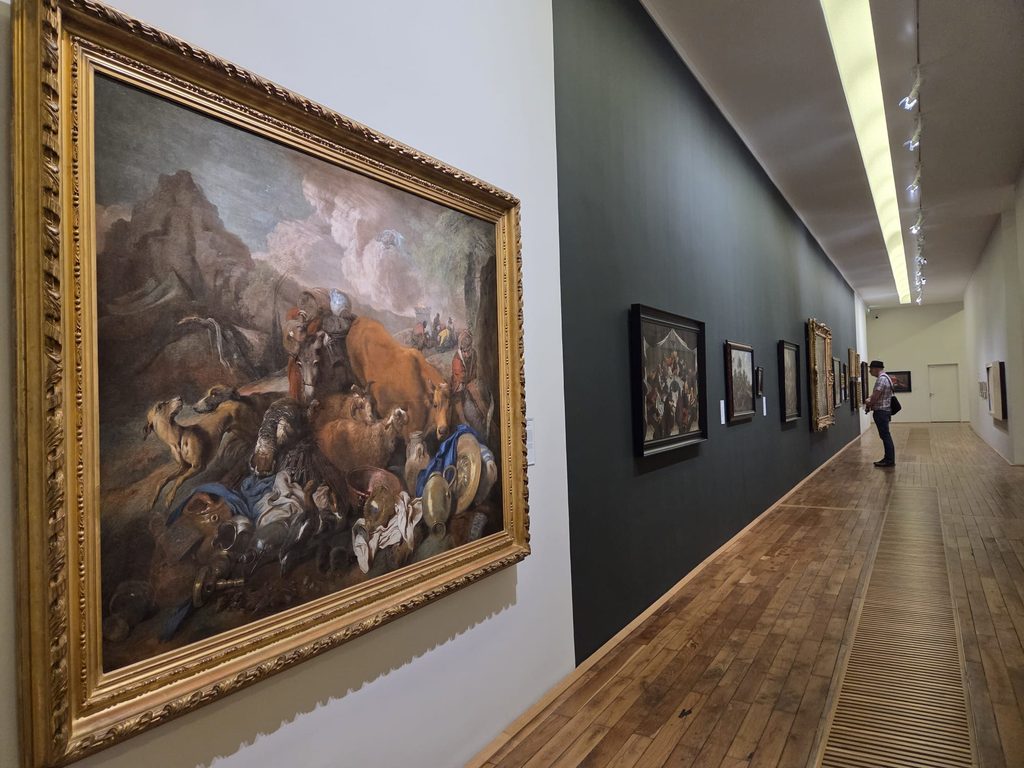
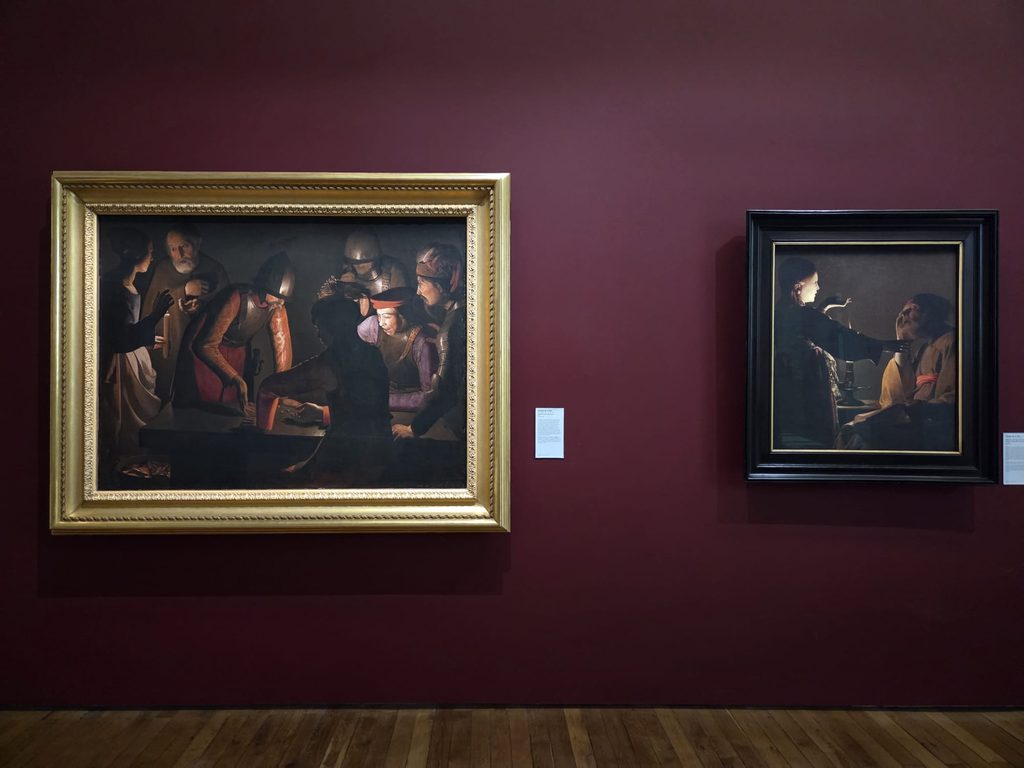
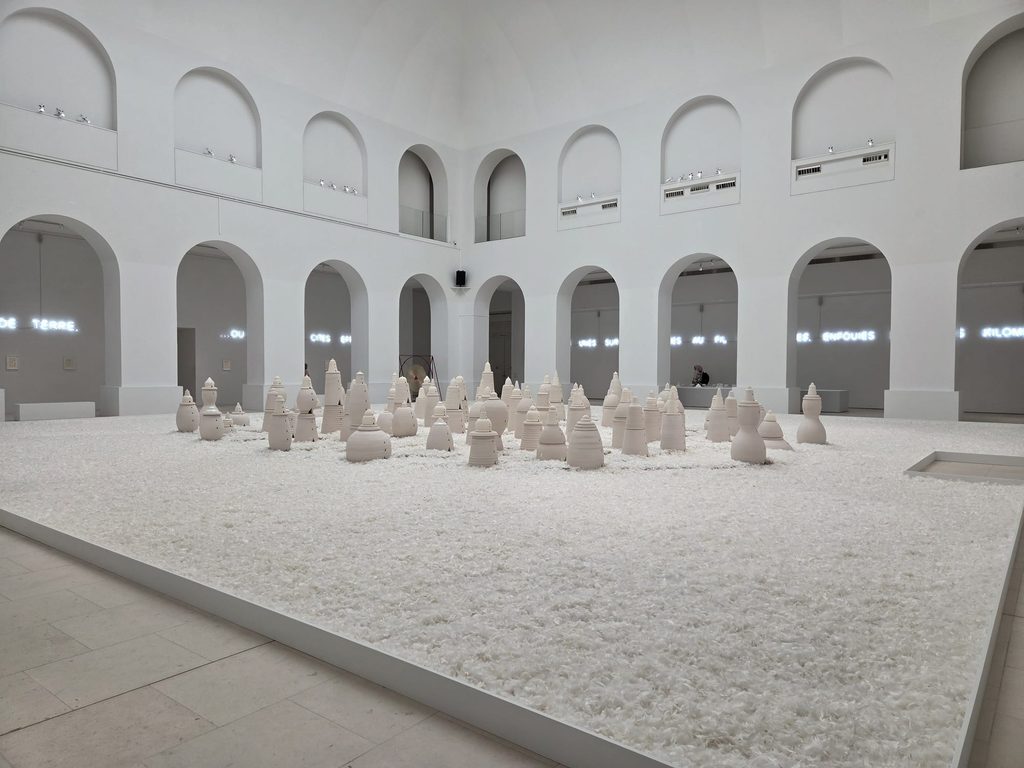
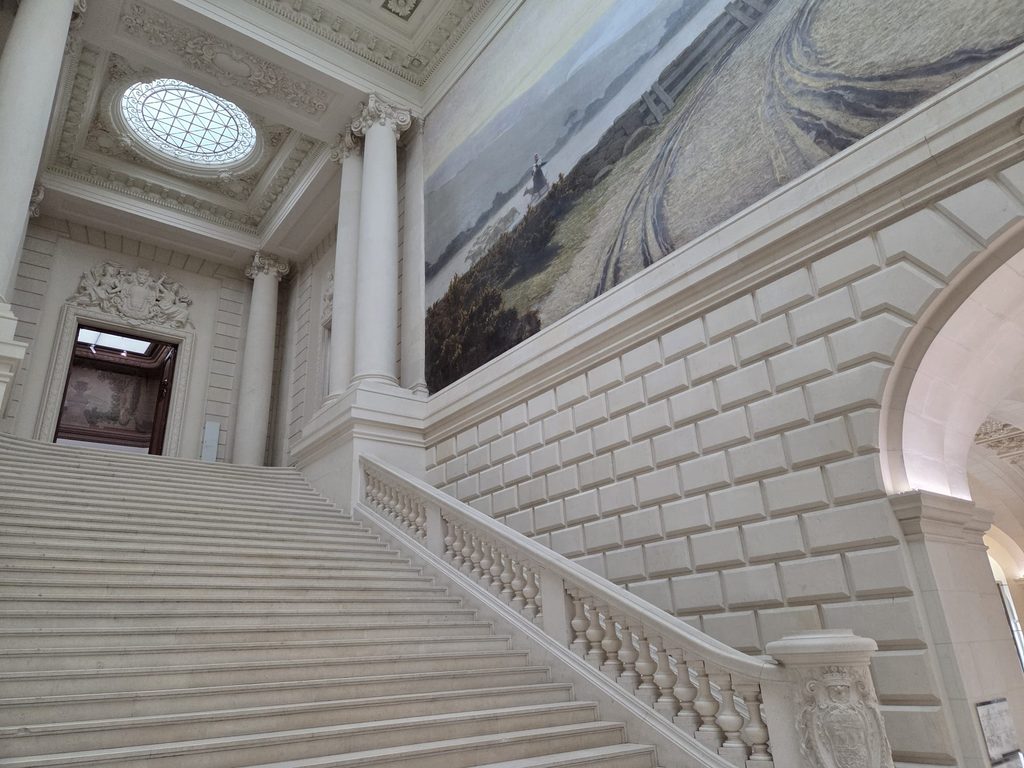
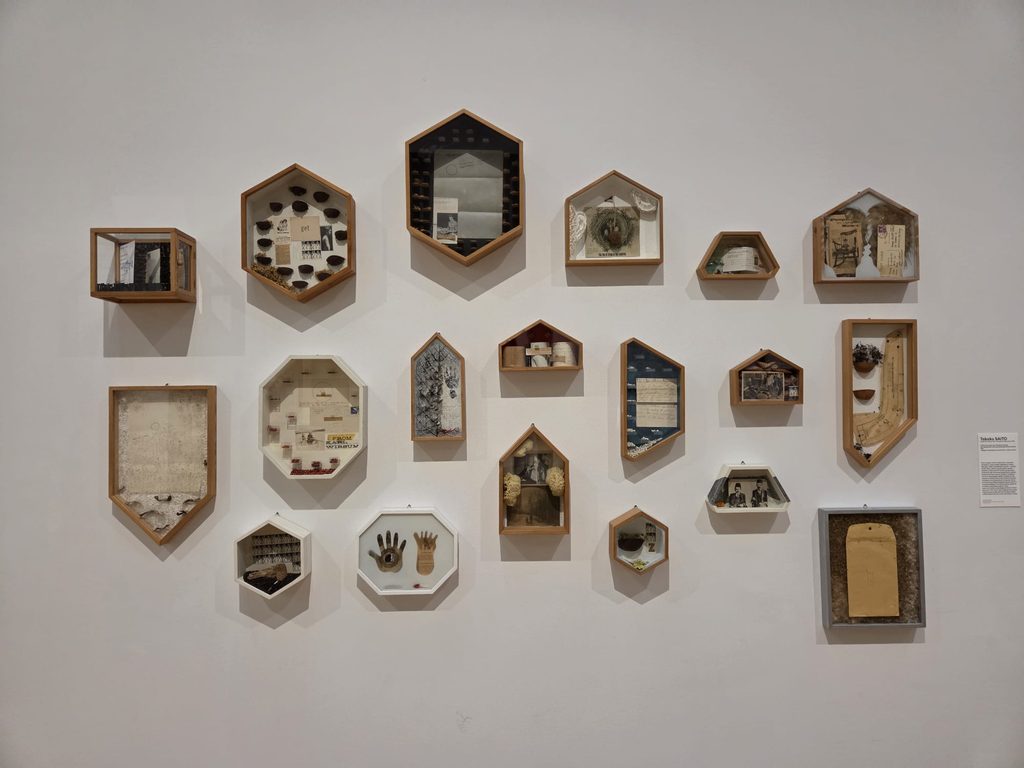
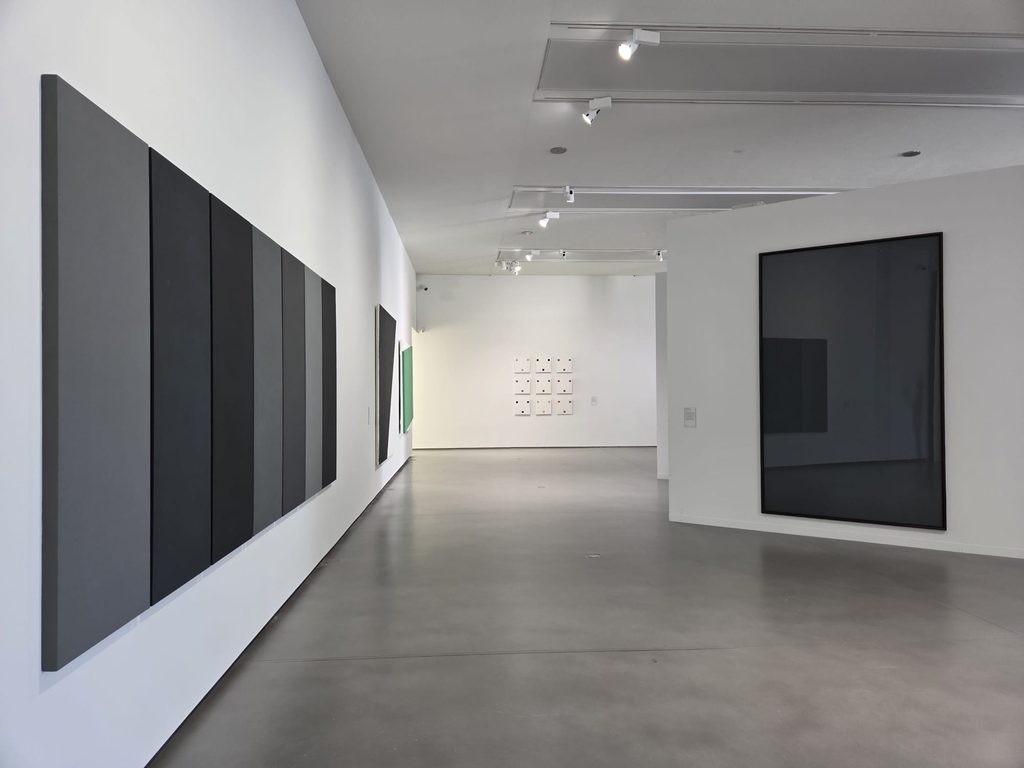
We have arrived! Other than les Machines de l’Île, le Museé d’Arts de Nantes was the one place I knew I definitely wanted to see. There is again a dedicated post here, but I can give you a quick sense of it here. The museum, formerly the Musée des Beaux-Arts de Nantes, was created alongside other provincial museums by order of Napoleon in 1801. Or, according to the revolutionary calendar, the 14 Fructidor Year IX (1 September 1801). French Revolutionary dates always sound a bit silly.Like the Musée Farbre, which we saw last year in Montpellier, the Musée d’Arts de Nantes has one of the best French public collections outside of Paris. It covers French and European art from the 13th century to the present. The origins of the collection were a blend of works purchased by the state and some from the royal collection (now the Musée du Louvre). In its very early days it received a significant boost when the city of Nantes purchased the collection of brothers Pierre and François Cacault. The museum continues collecting today, supported as is often the case by a Friends of the Museum association.The building itself is a late 19th century one, by Nantes-born architect Clément Marie Josso. It’s an example of eclecticism, organised around a central courtyard and with a monumental staircase. It has a metal frame, which allowed for a lot of windows. A significant extension by Stanton Williams opened in 2017. It incorporated the 19th century building and a 17th century oratory chapel into the museum space. Importantly, it also added 2,000 square metres of exhibition space.Onwards now, and another look at Louis XVI on top of his column.
In and Around the Cathedral
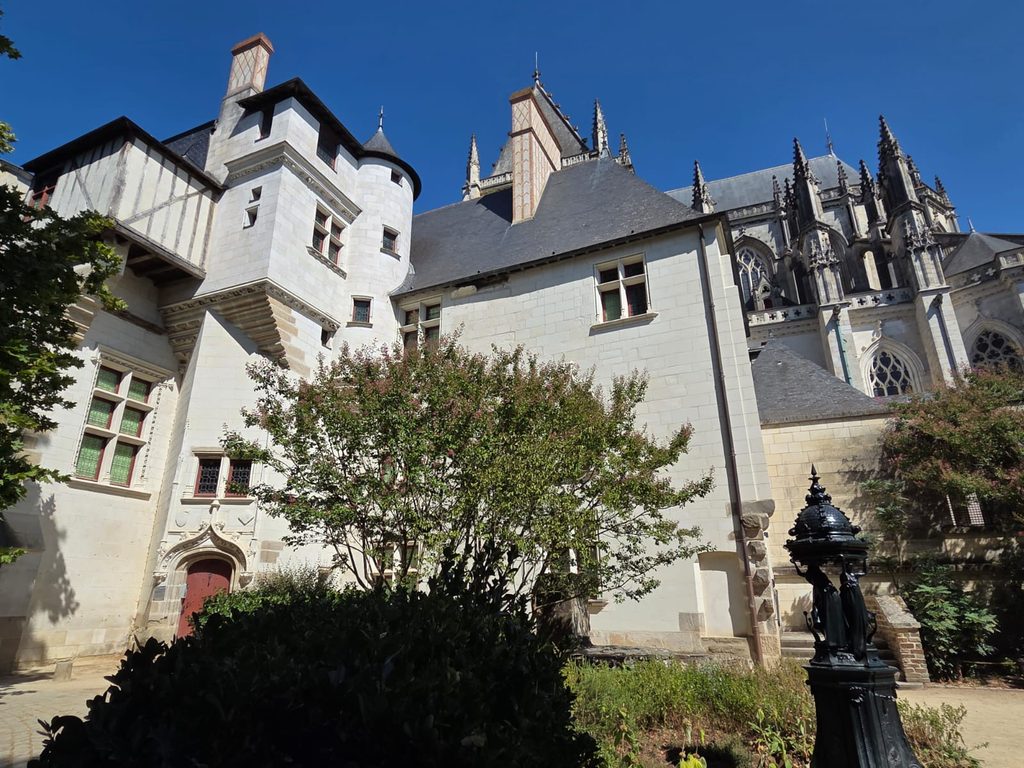
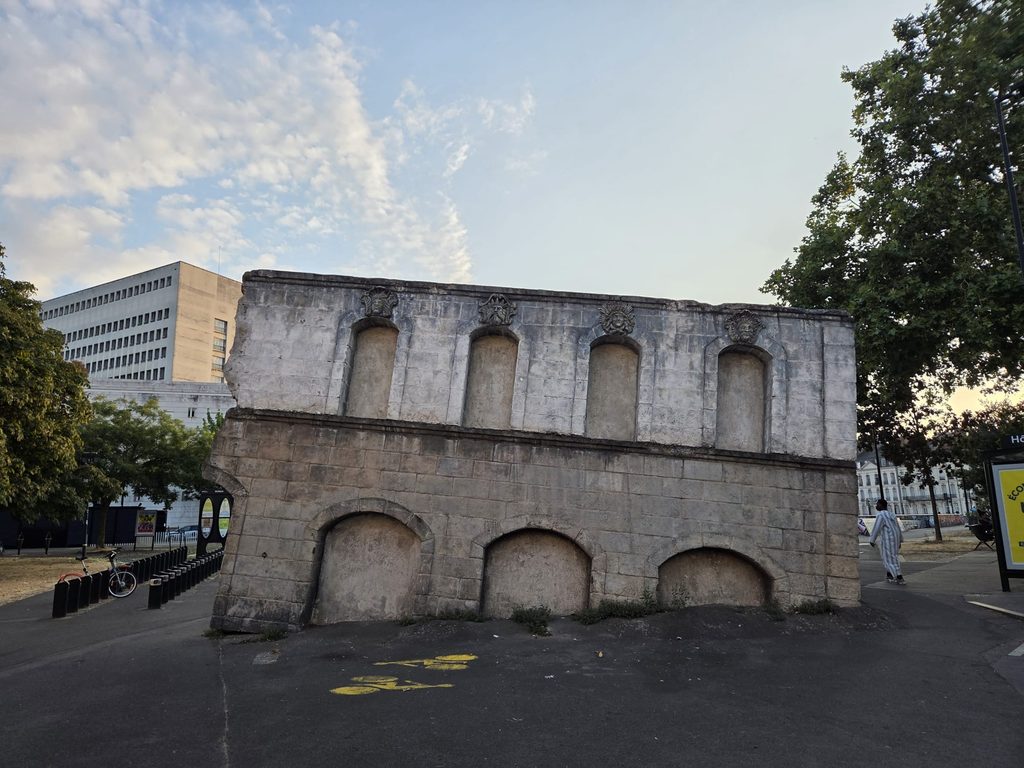
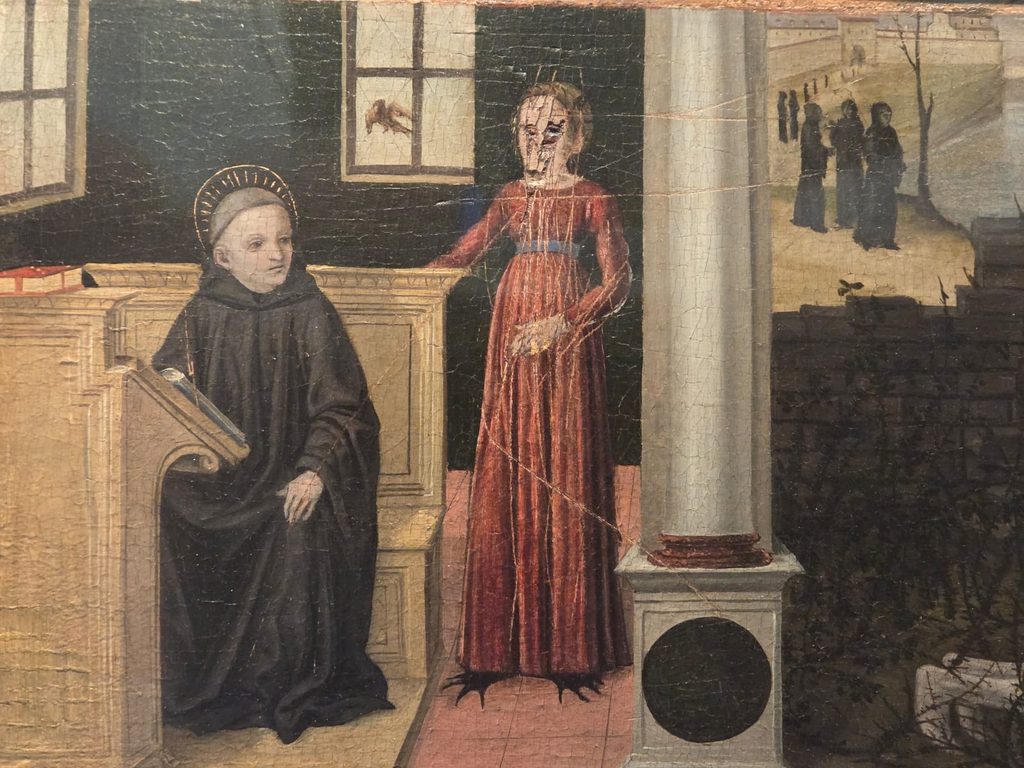
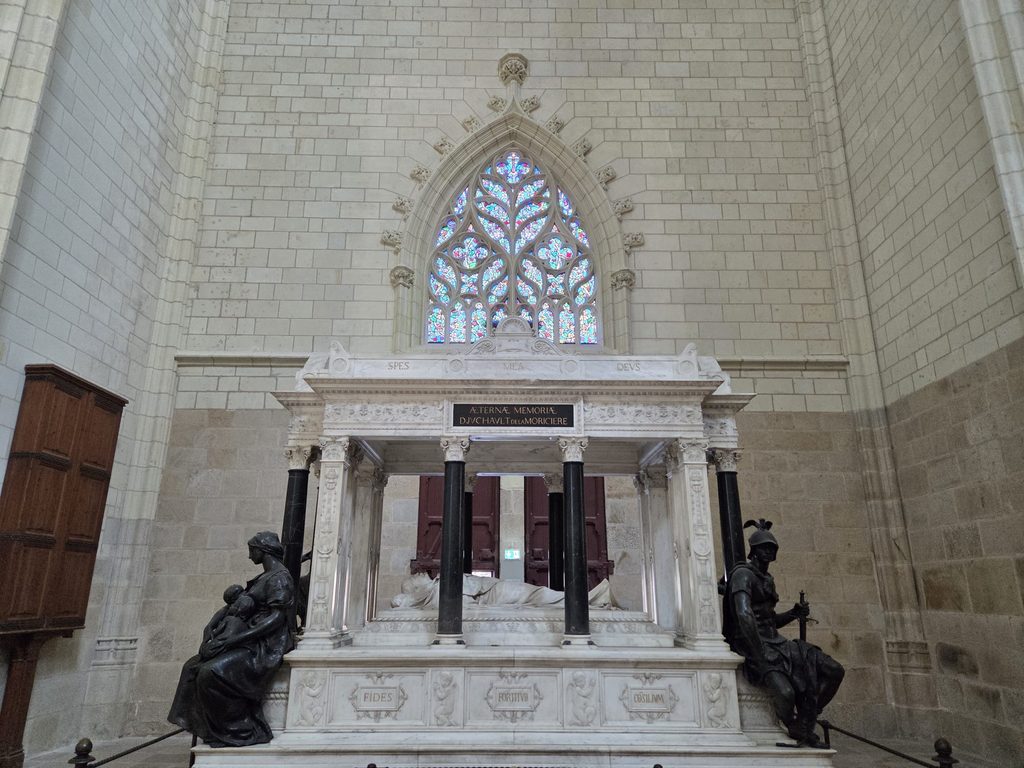
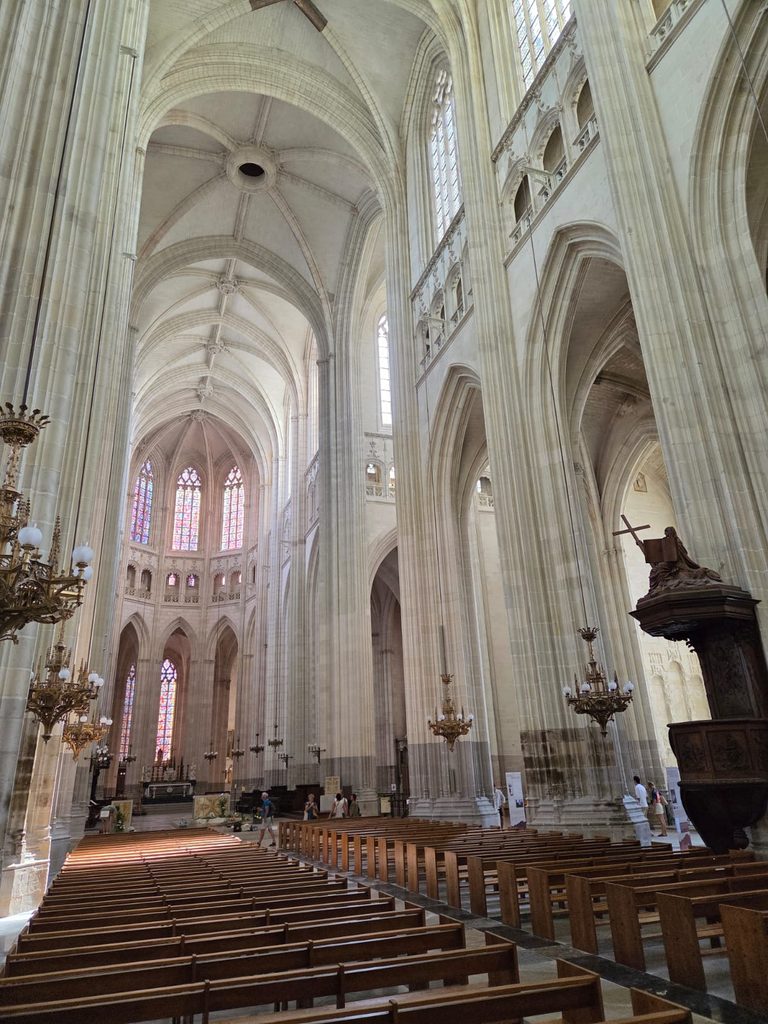
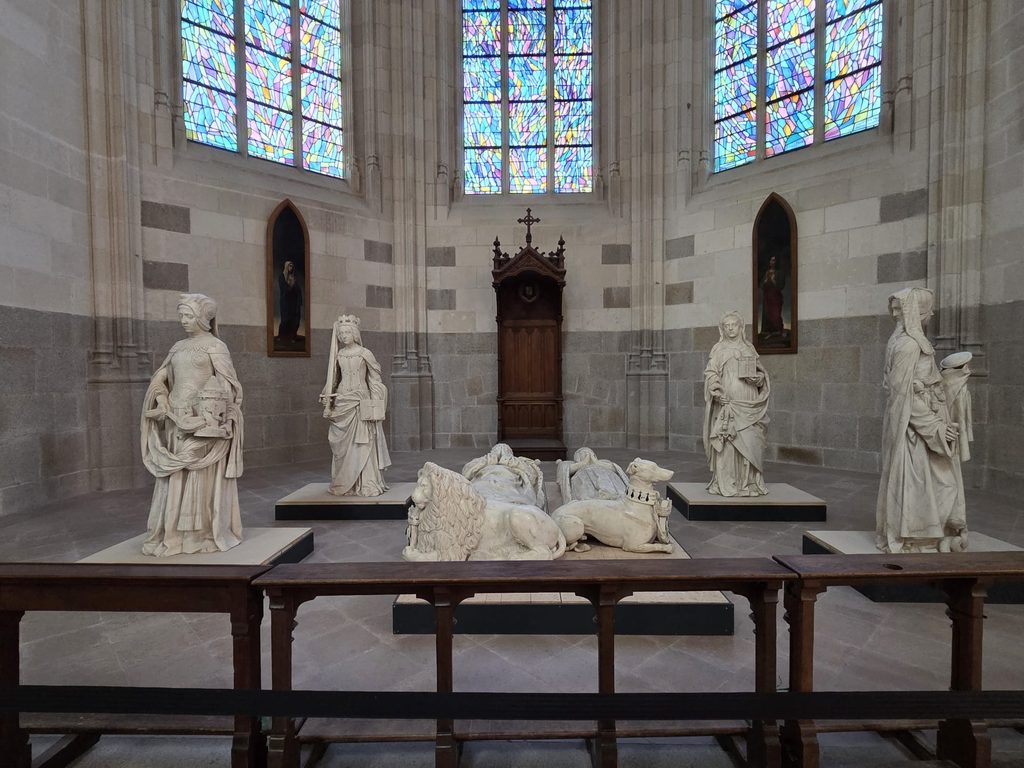
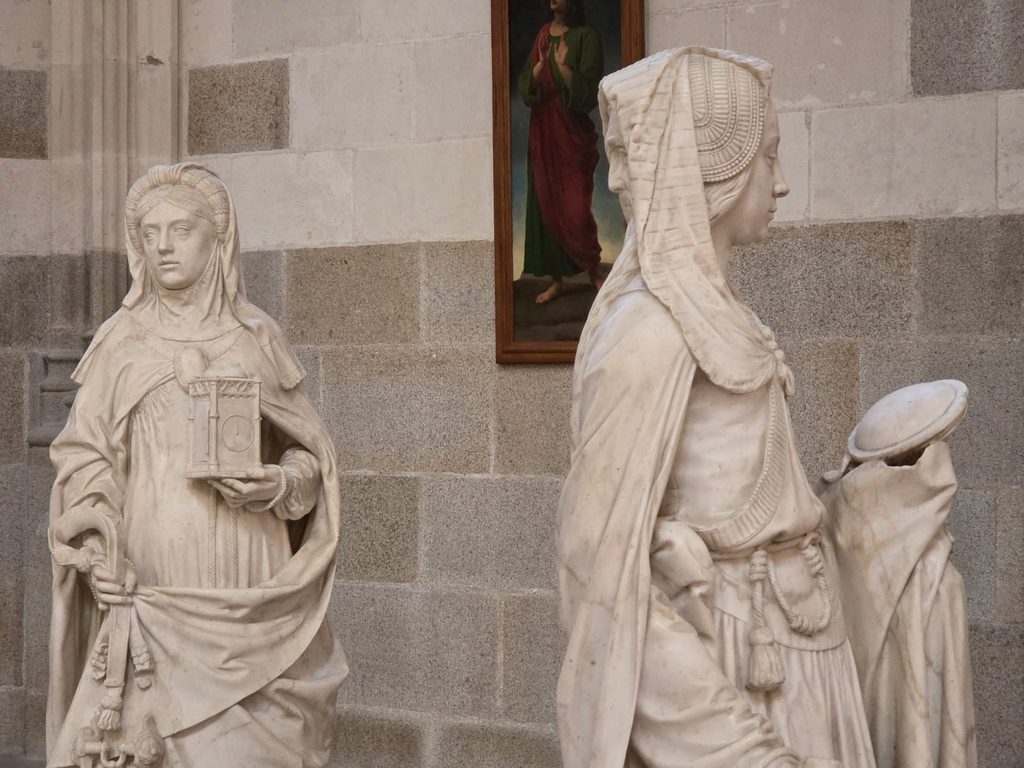
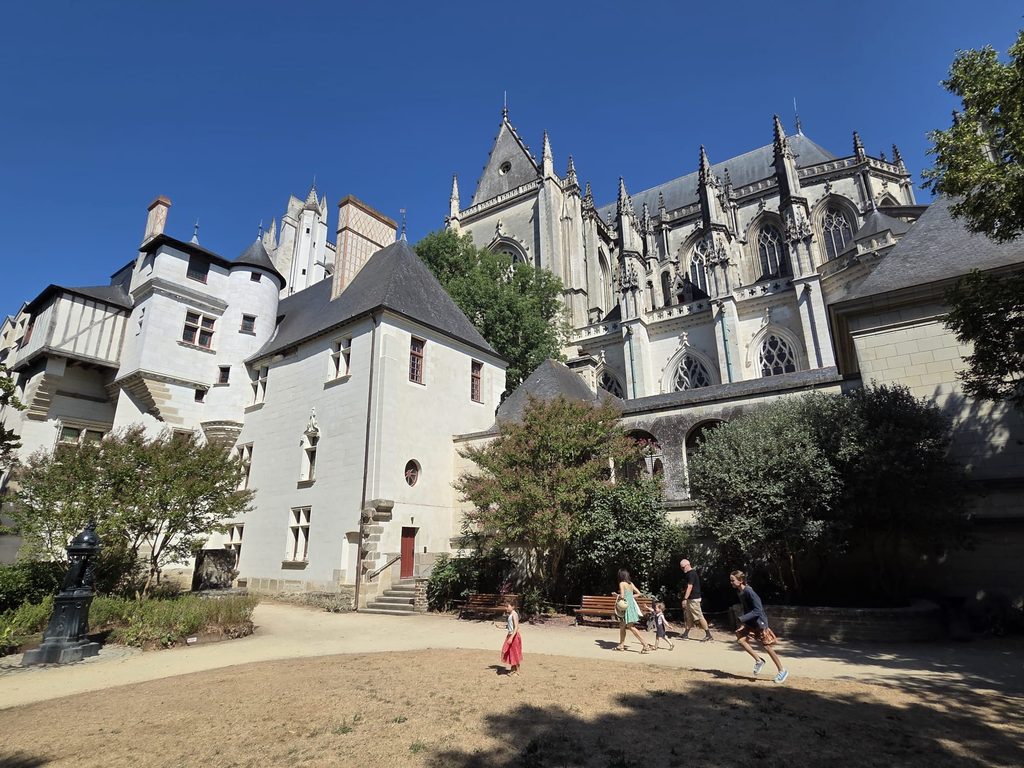
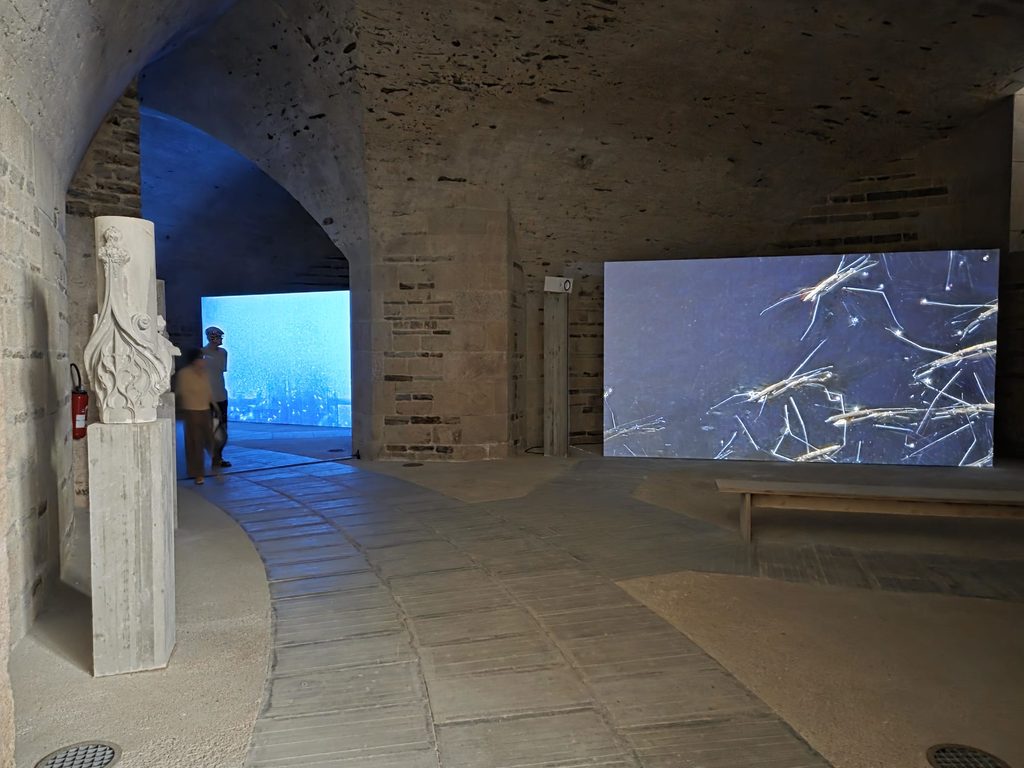
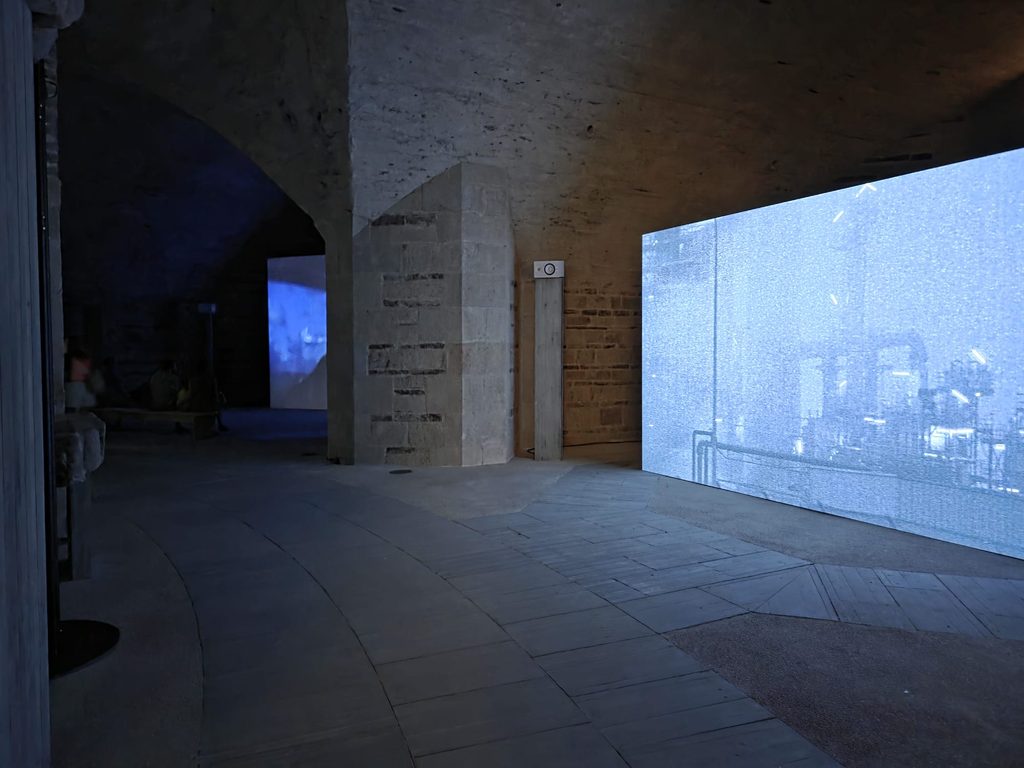
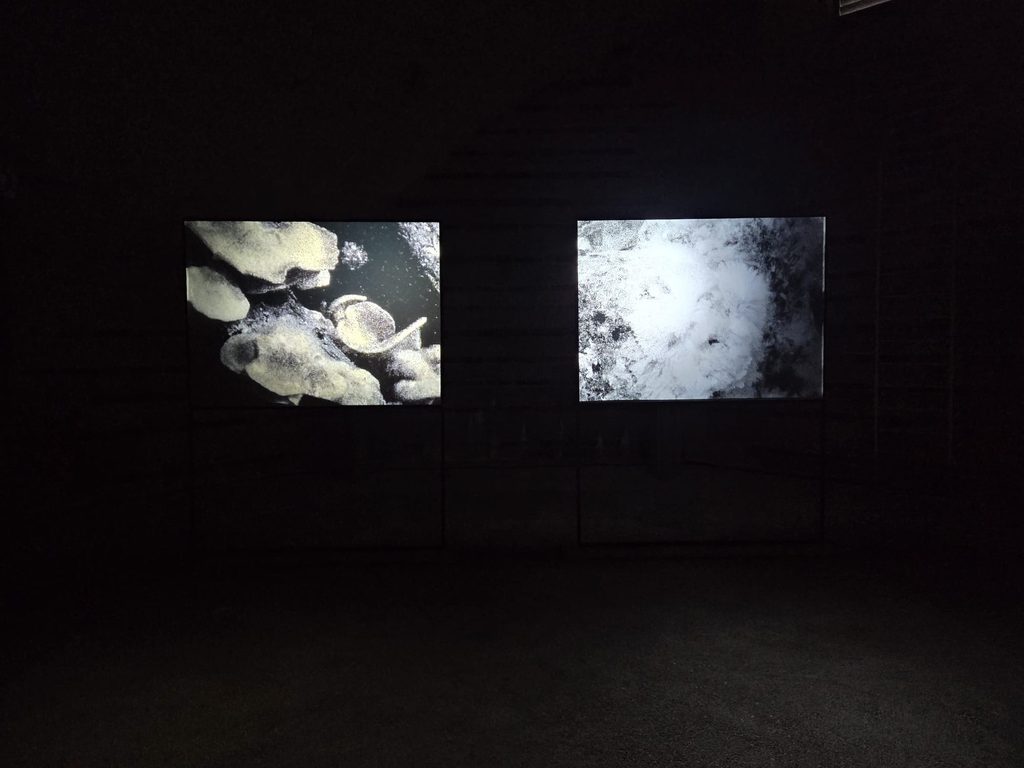
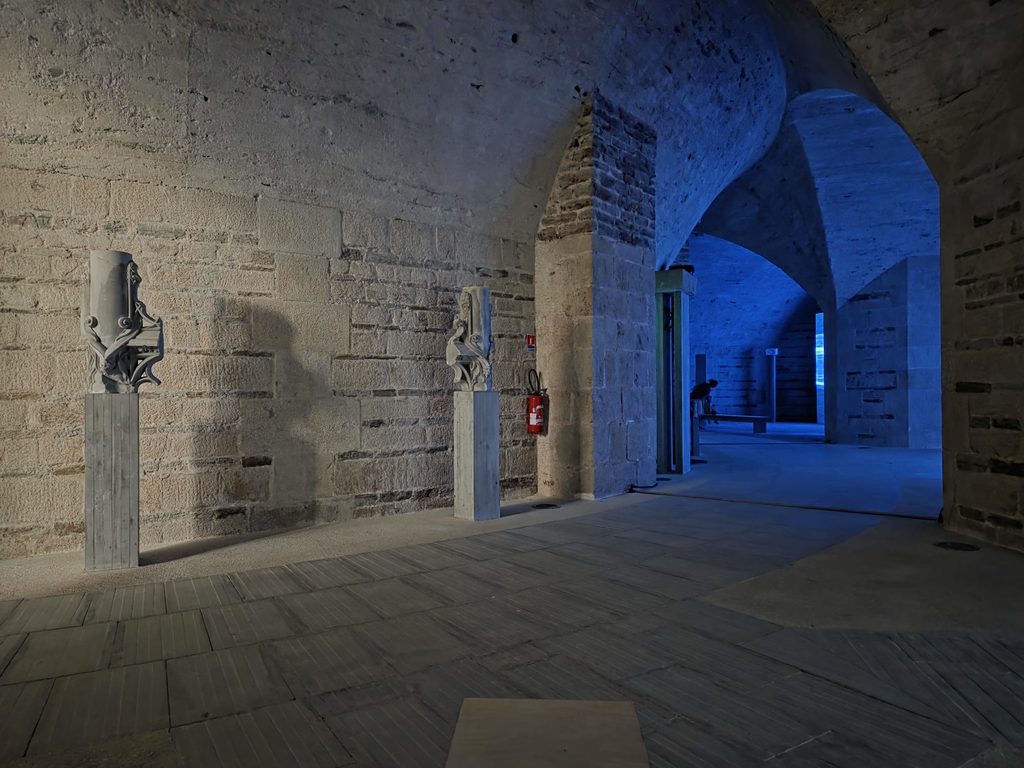
This handsome building is the Porte Saint-Pierre, a medieval city gate. It dates to the 15th century, and was once part of the fortifications that encircled Nantes. At the very left of the image you can see the edge of the Cathédrale Saint-Pierre-et-Saint-Paul de Nantes, which is where we’re going next.I don’t know why I didn’t take a proper photo of the exterior. But I didn’t, so there you go. The Cathédrale Saint-Pierre-et-Saint-Paul de Nantes took a very long time to build, from 1434 to 1891. It has a consistent style nonetheless, unlike the famous cathedral in Chartres with one Gothic and one Romanesque tower. The cathedral has suffered damage several times, notably during WWII, an accidental fire in 1972, and a deliberate fire in 2020. I particularly liked the sculptures on the tomb of François II, duc de Bretagne, by Renaissance sculptor Michel Colombe. Who is this (literally) two-faced Prudence? I’ve never heard of her! I also liked this ensemble of historic buildings. Behind is the cathedral we’ve just left. In front is la Psallette. A 15th century manor, it was originally the residence of the archdeacon of the Pays de la Mée. It’s now owned by the diocese of Nantes. The word ‘psallette’ refers to the singing school once attached to the cathedral. La Psallette also has a very nice garden.Passing through the garden of la Psallette, we came to the cathedral crypts. There was another free to visit artwork here, part of Voyage à Nantes. This was Vaisseaux (Vessels) by Anne-Charlotte Finel with Voiski. Finel’s work explores liminal spaces – between light and dark, between wild and man-made. Her various video works on view here were well-suited to the sombre, underground space, which encourages quiet and contemplation.
Le Château des Ducs de Bretagne
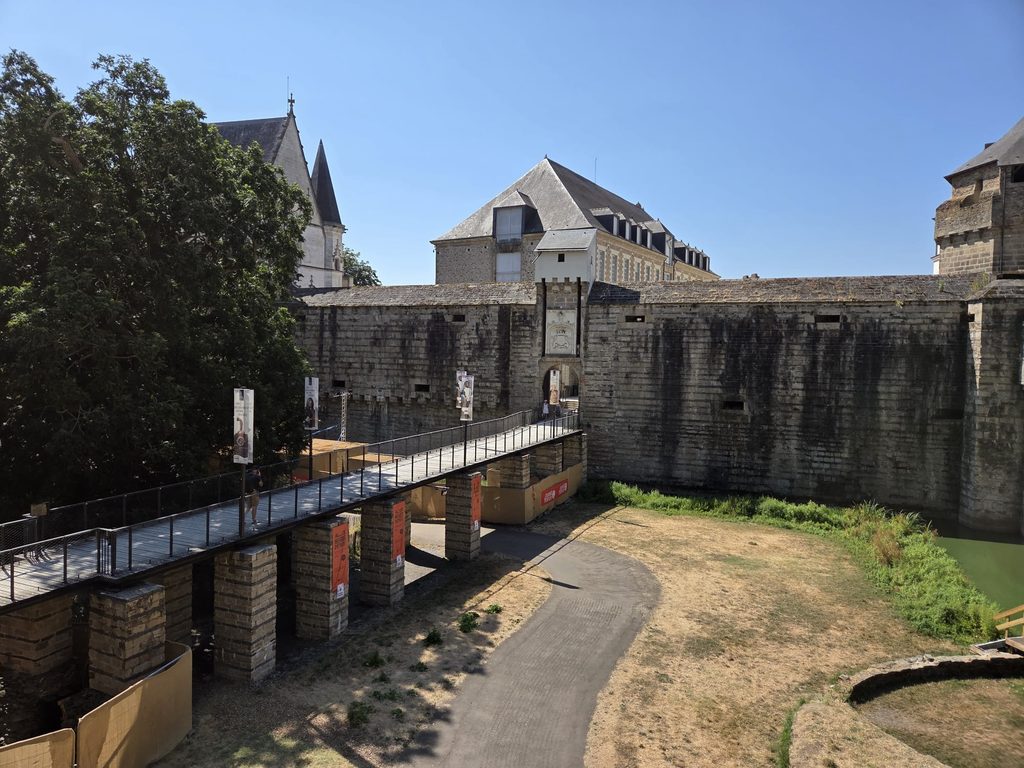
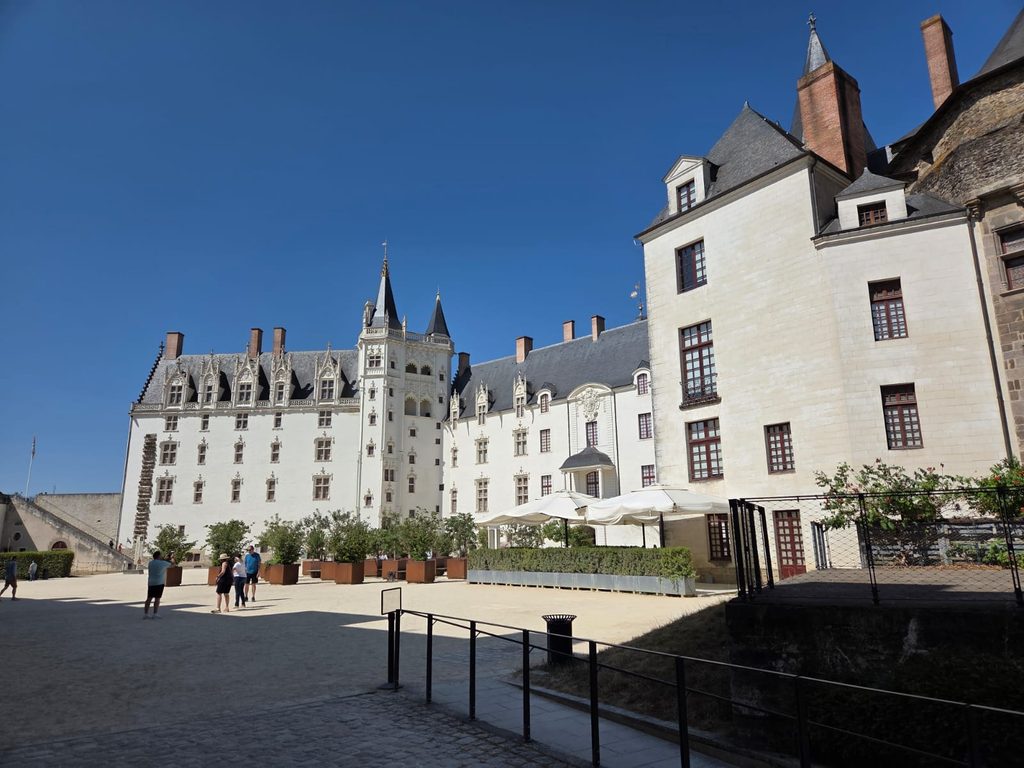
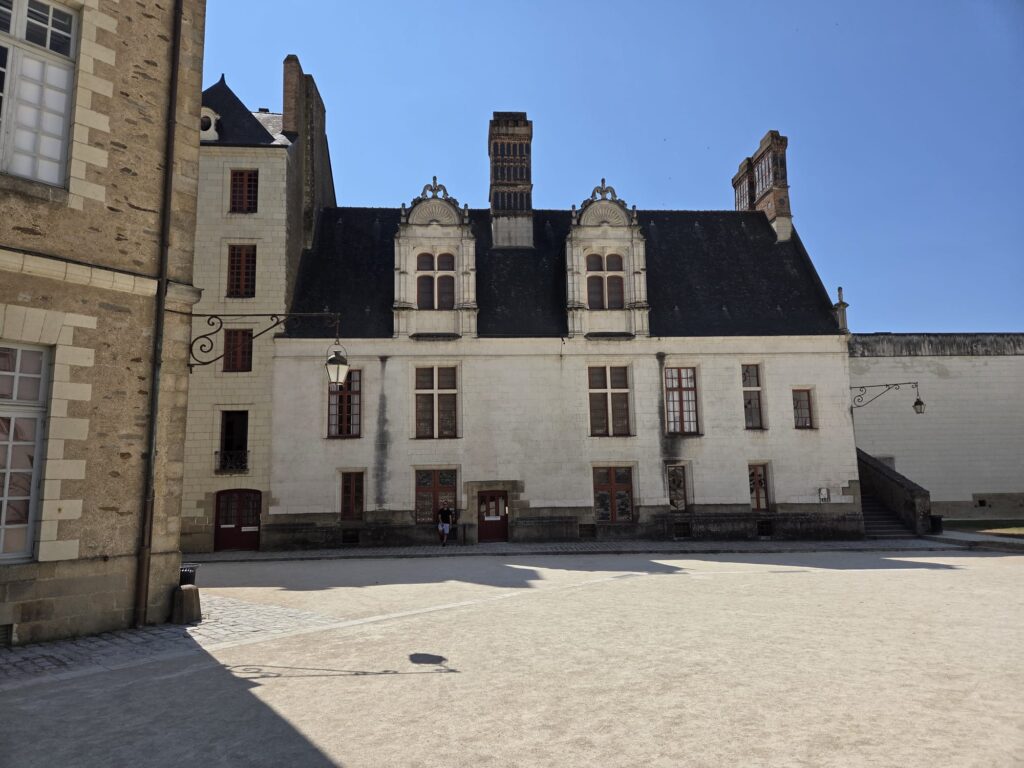
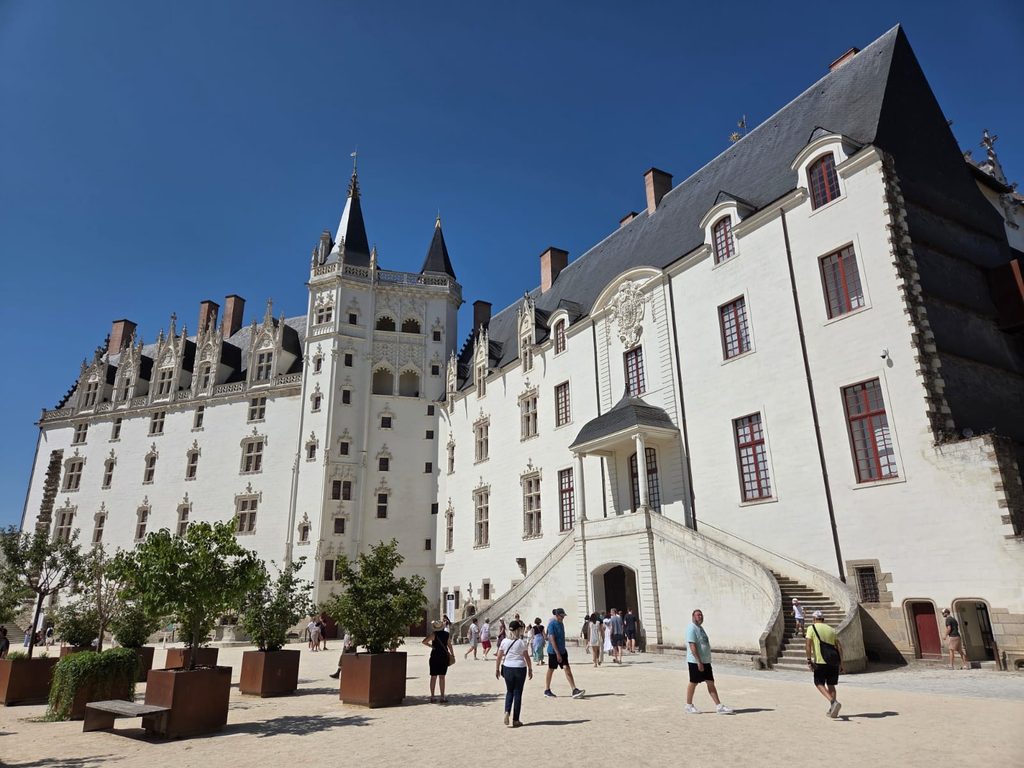
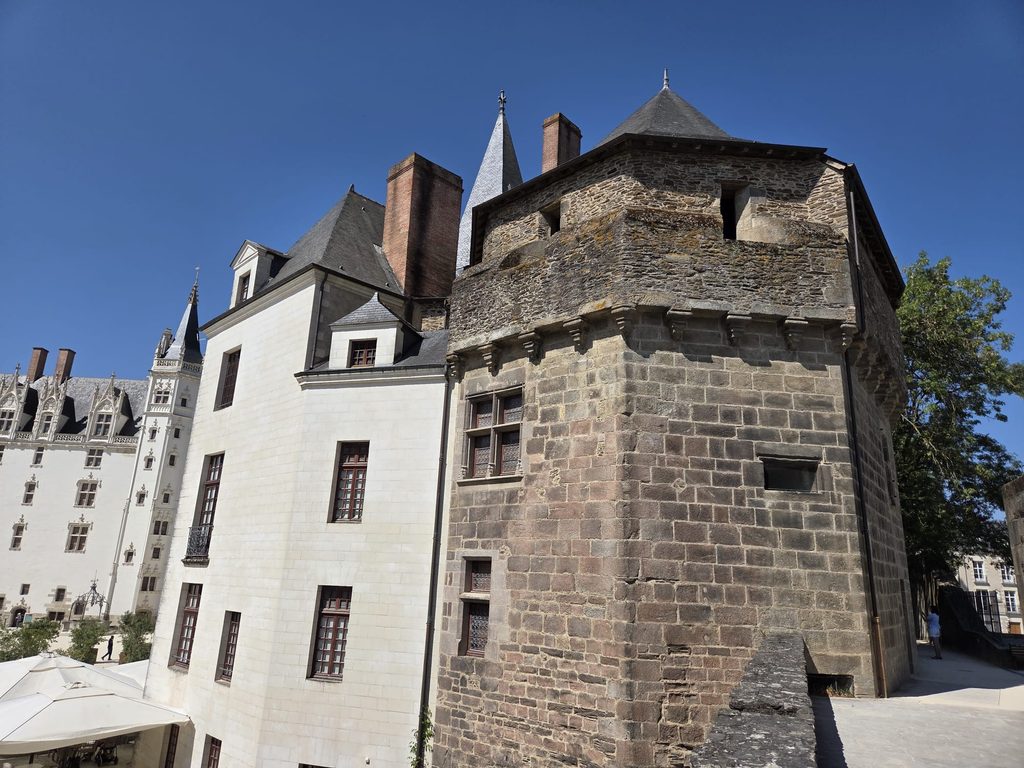
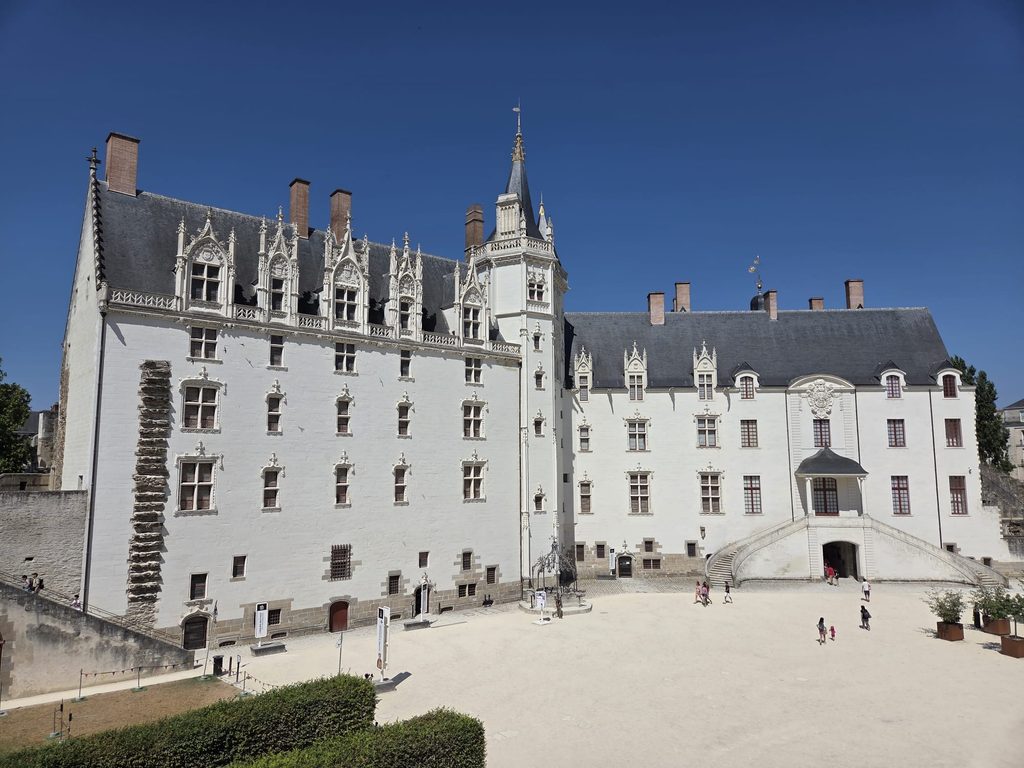
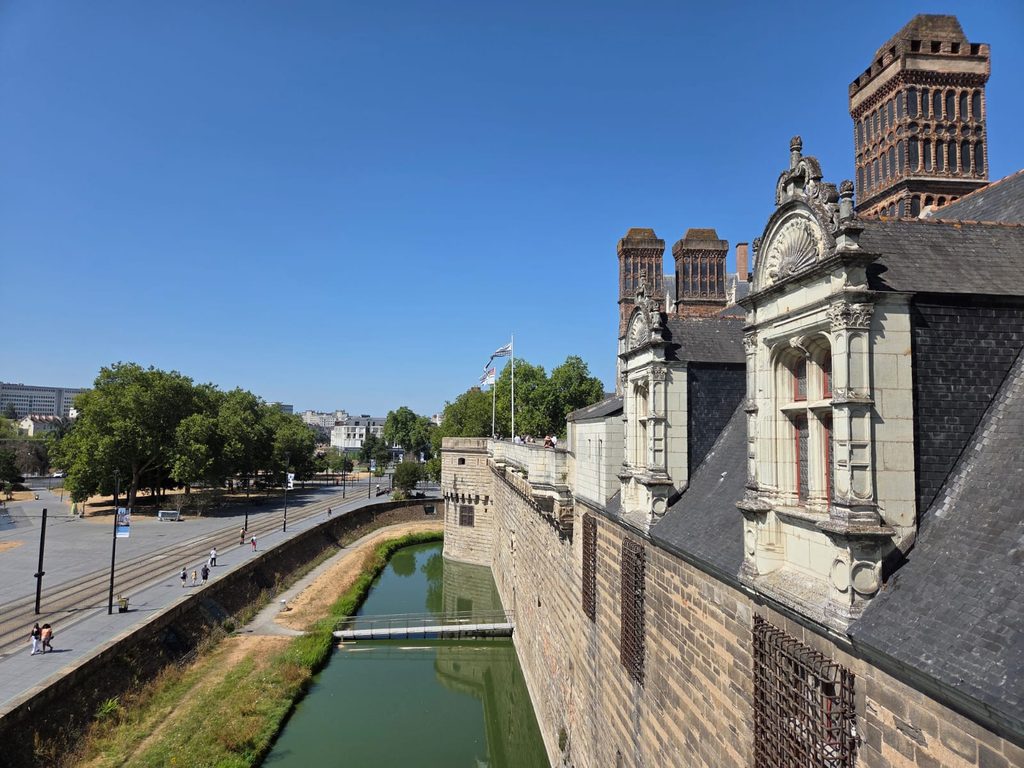
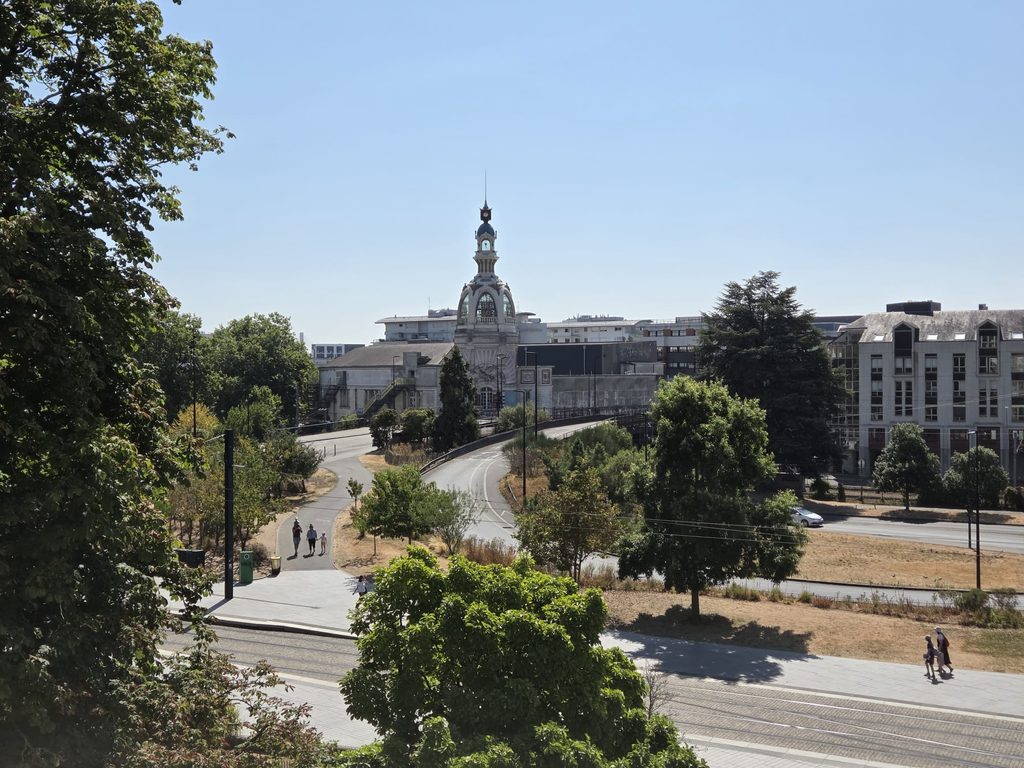
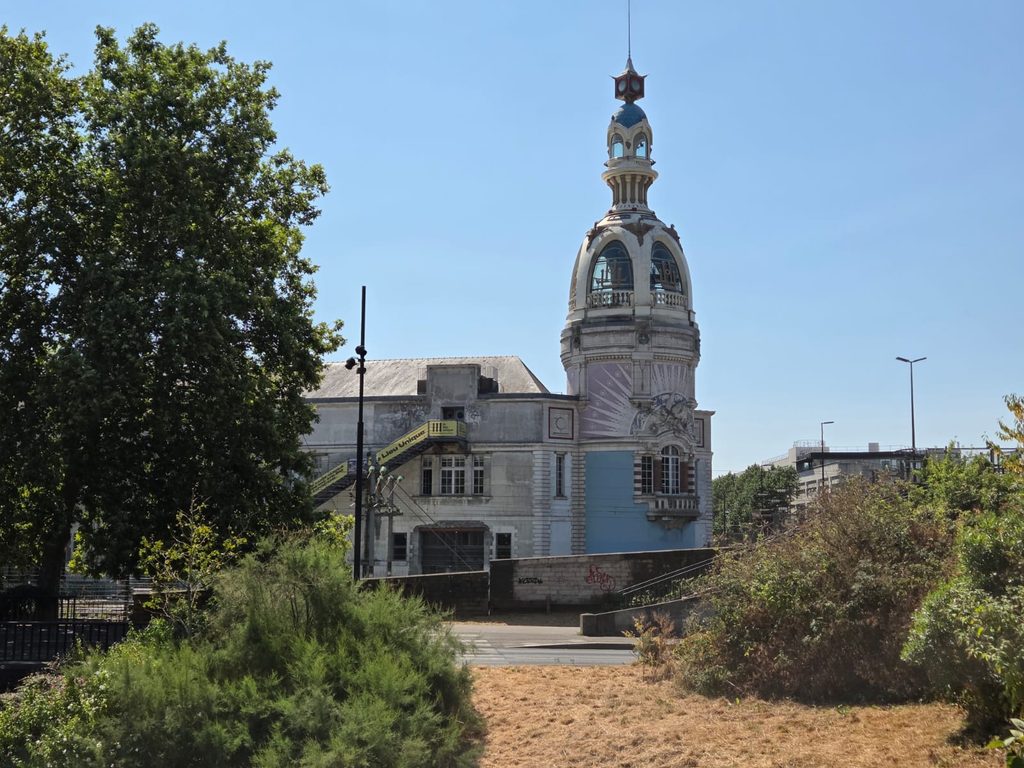
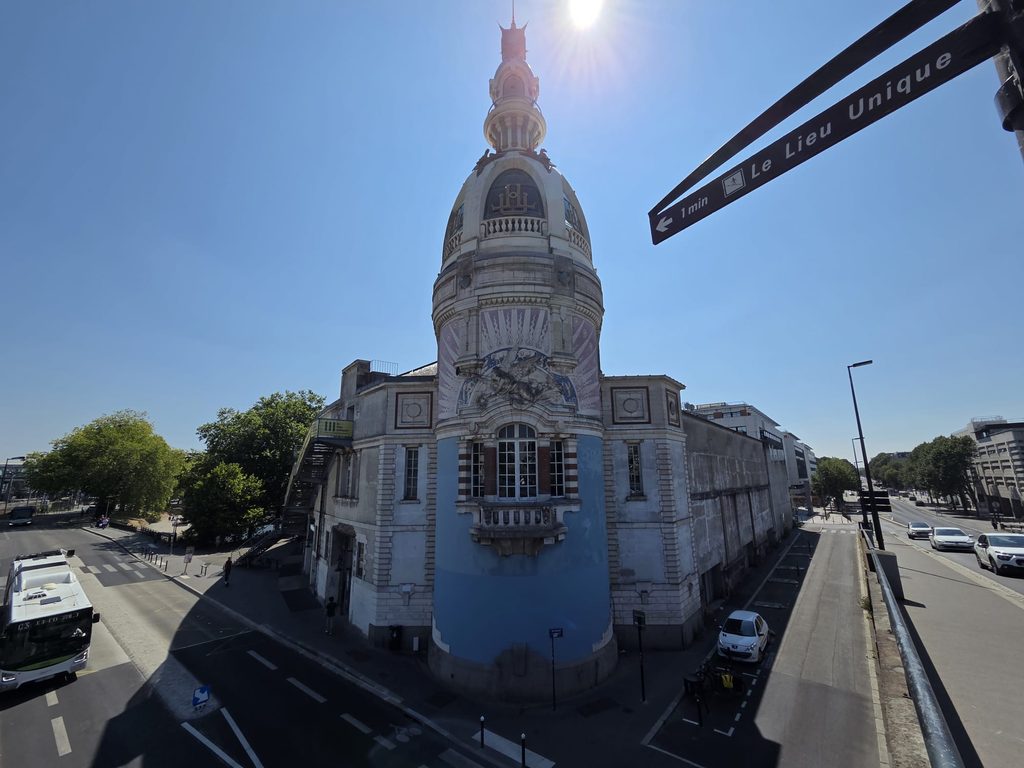
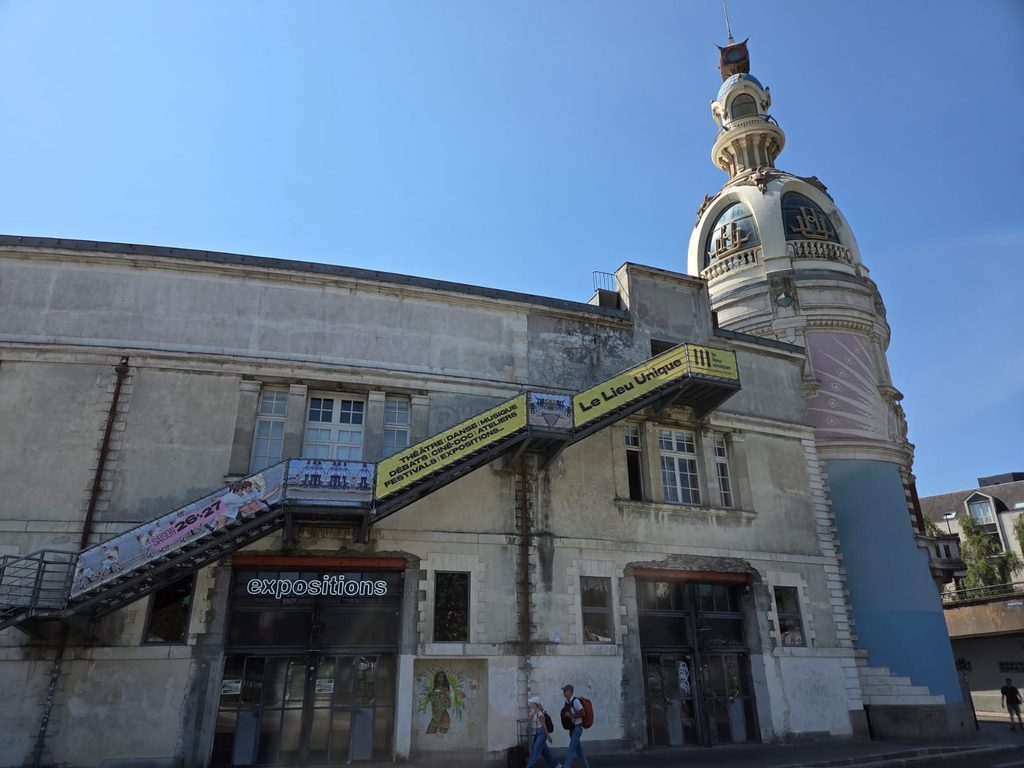
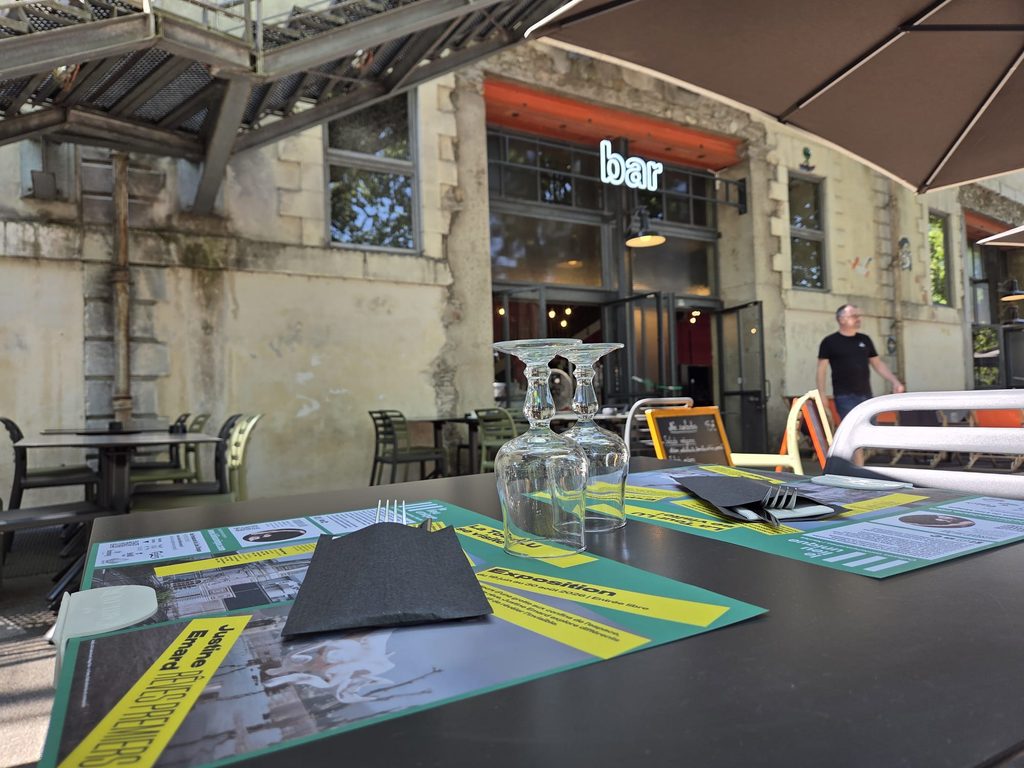
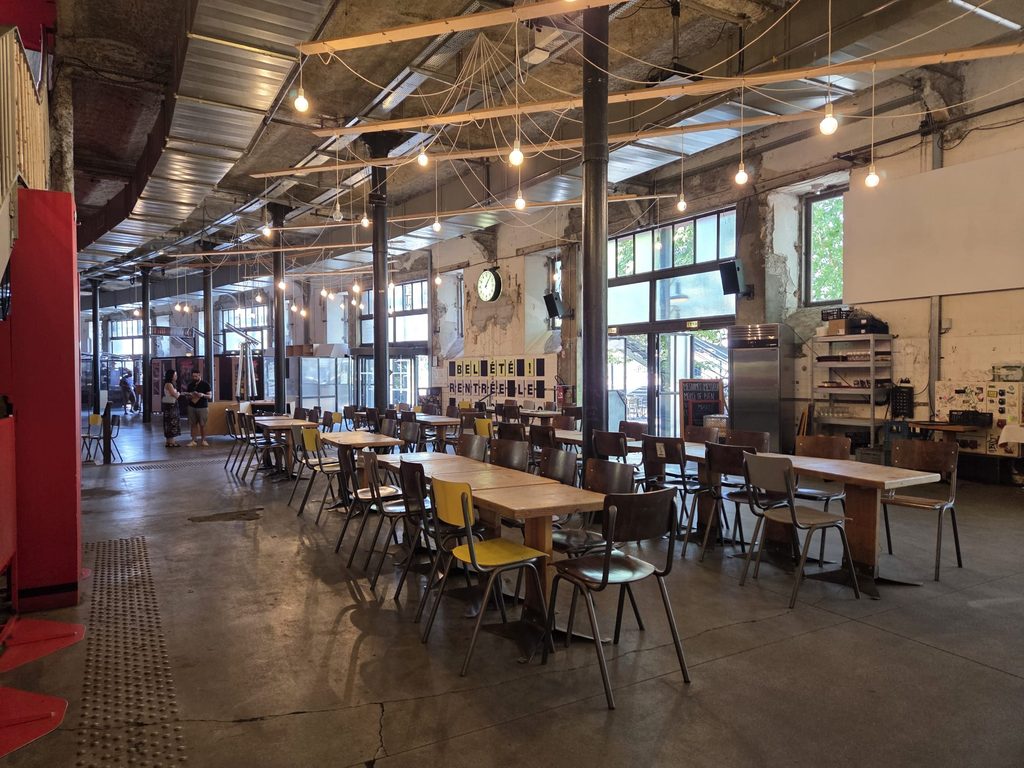
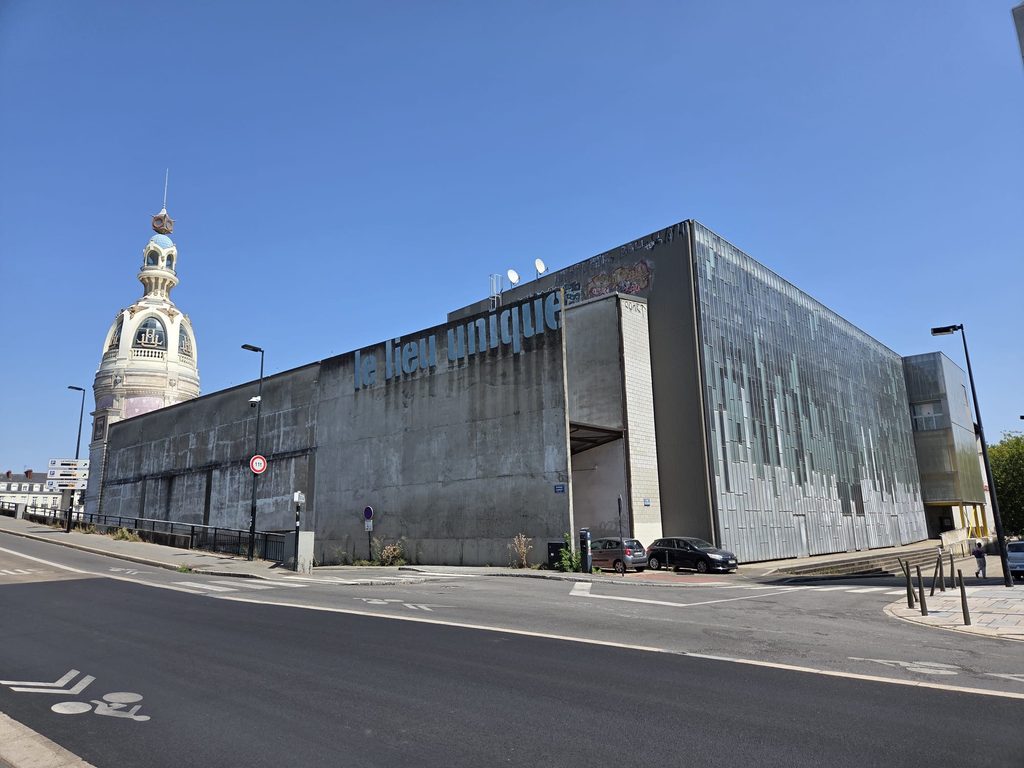
There’s one important thing about Nantes that we haven’t discussed yet. And that is that, historically, it was part of Brittany. The seat of the Dukes of Brittany, in fact. We’re now on our way to see their castle.Nantes was the main city in the historical province of Brittany, until the boundaries were redrawn in 1956. This is still somewhat controversial today. Notwithstanding, the château des Ducs de Bretagne remains in the heart of Nantes today. The dukes of Brittany lived here between the 13th and 16th centuries. It then became the Breton residence of the French royal family.Today, the château is home to Nantes’ history museum. That requires a ticket, but visitors can wander the courtyards and around the ramparts for free. I really liked that you could visit the exterior without paying, it makes it a great public space for the people of Nantes. The waters of the Loire used to feed the château’s moats.From the ramparts, I’ve spotted our final stop. It’s a unique place, some might say. We’re heading for that highly decorative cupola.I made a funny joke in the previous section. Because this, you see is le Lieu Unique, or the Unique Place. That is also a joke of sorts. The building was once part of a biscuit factory, LU. The brand is still going today, but not in this historic building. Lieu Unique is a play on LU. The building dates to 1895, but closed in 1986 and fell into disrepair. It quickly became something of a cultural centre, home to Royal de Luxe amongst others (you might remember them from the public art earlier). Major restoration work began in 1998 under Jean-Marie Lépinay and Patrick Bouchain.Le Lieu Unique opened as a cultural centre in 2000. Founded by Jean Blaise, its current director is Eli Commins. It’s a space for exhibitions and performances (theatre, dance, circus and music) as well as talks and debates, and artist residencies. On the more mundane side of things, it has a nice cafe and you can visit the tower if you time it right. We had a lovely lunch sitting outside.And then it was time to say goodbye to le Lieu Unique, and goodbye to Nantes, as we headed back to our rental car. This has been a great taster, but it’s definitely somewhere I hope to come back to. In the meantime, look out in the coming days for posts on les Machines de l’Île and le Museé d’Art de Nantes.
Trending
Travelers' Map is loading... If you see this after your page is loaded completely, leafletJS files are missing.