
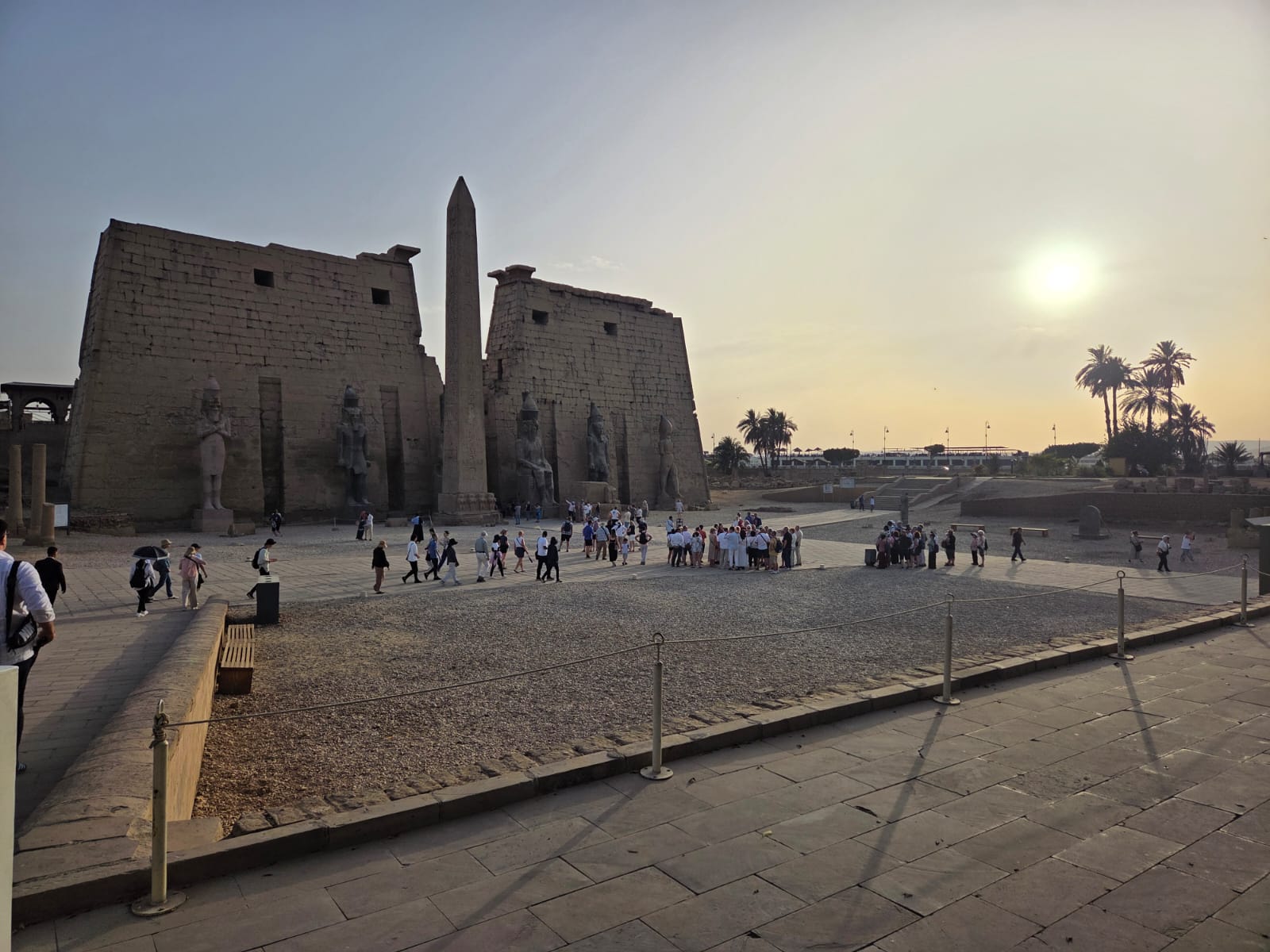
Luxor Temple
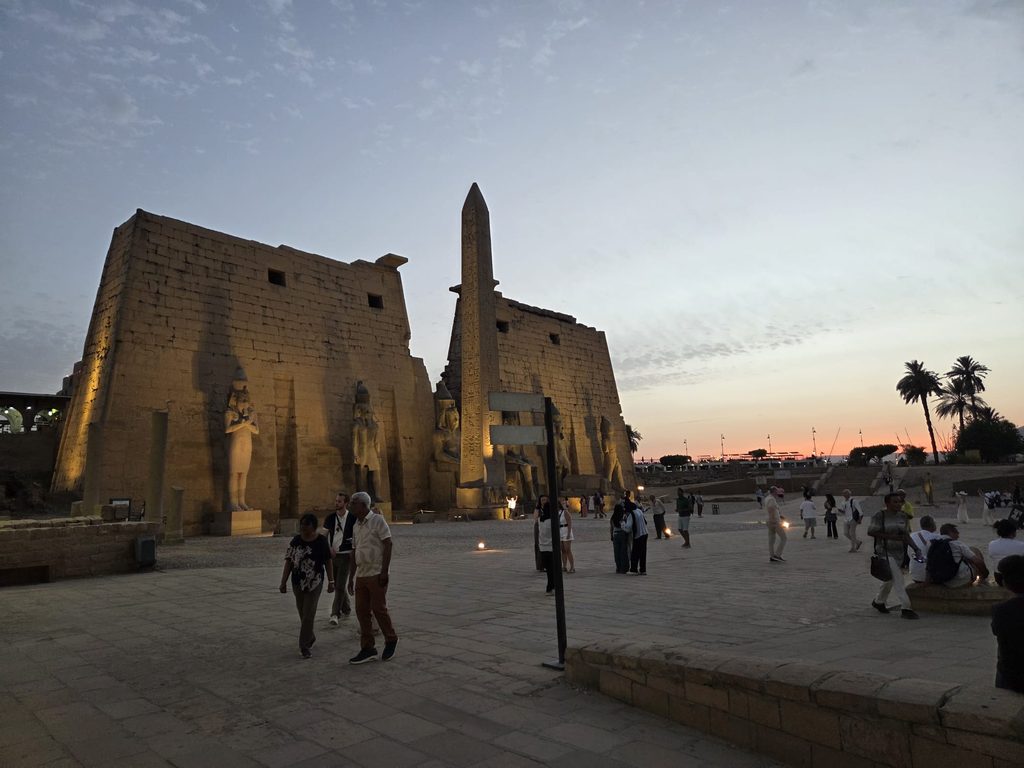
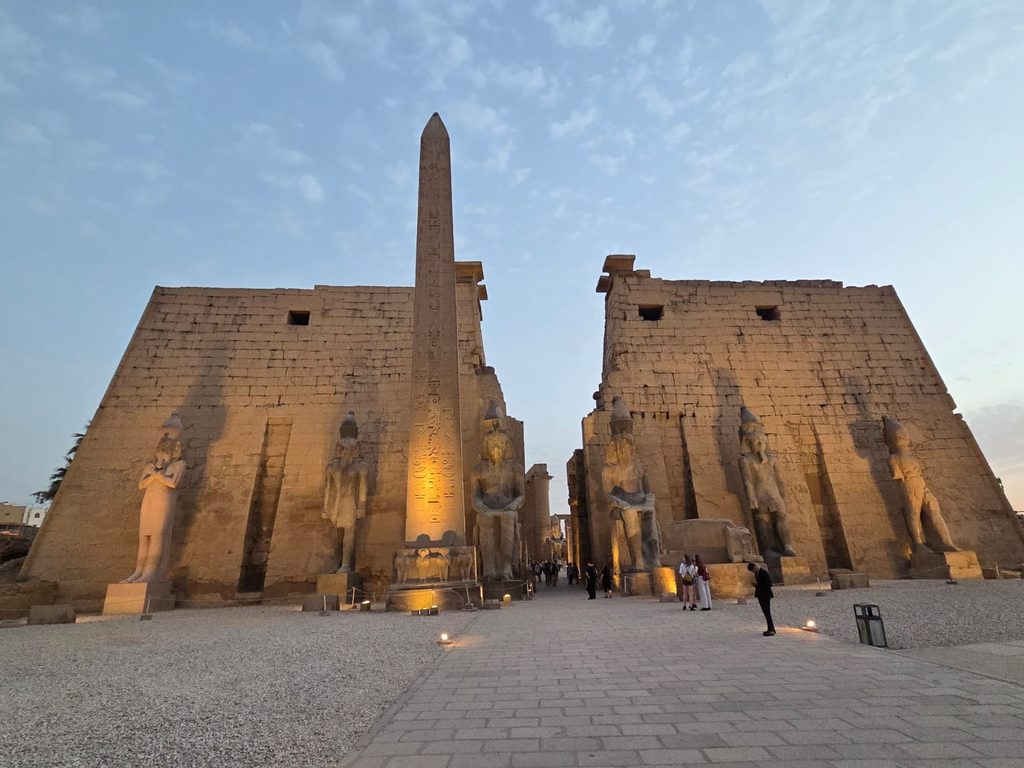
A sunset visit to Luxor Temple marked a spectacular final point on our tour of Egypt.
Wow, What a Way to Finish (Almost)
Thank you to my readers for following my tour of Egypt. In May of this year (2026), I had the great pleasure of joining this G Adventures tour, which took us around several highlights of Ancient Egypt in about a week. The Urban Geographer and I tacked on a day either side to account for any travel hiccups, and so we could add on one or two activities we might want to do.
My first batch of posts from Egypt included our additional activities in Cairo: the Egyptian Museum in Cairo, and al-Mu’izz Street. I’ve already mentioned somewhere that our final day in Luxor was a bit more relaxed: a decent amount of time by the hotel pool followed by a return visit to Karnak Temple for its Sound & Light Show, stopping off at the Luxor Museum on the way. The Luxor Museum will be the subject of my next post.
But the final stop on our group tour was Luxor Temple. This was after an already bumper day. We woke up on our dahabiya after two days cruising the Nile, headed to the Valley of the Kings and Mortuary Temple of Hatshepsut, then Karnak Temple in the heat of the day. You would think we might be done with temples by that point. Maybe some of our group were. But after a rest in the hotel and a change of clothes, I was ready to see one last ancient temple.
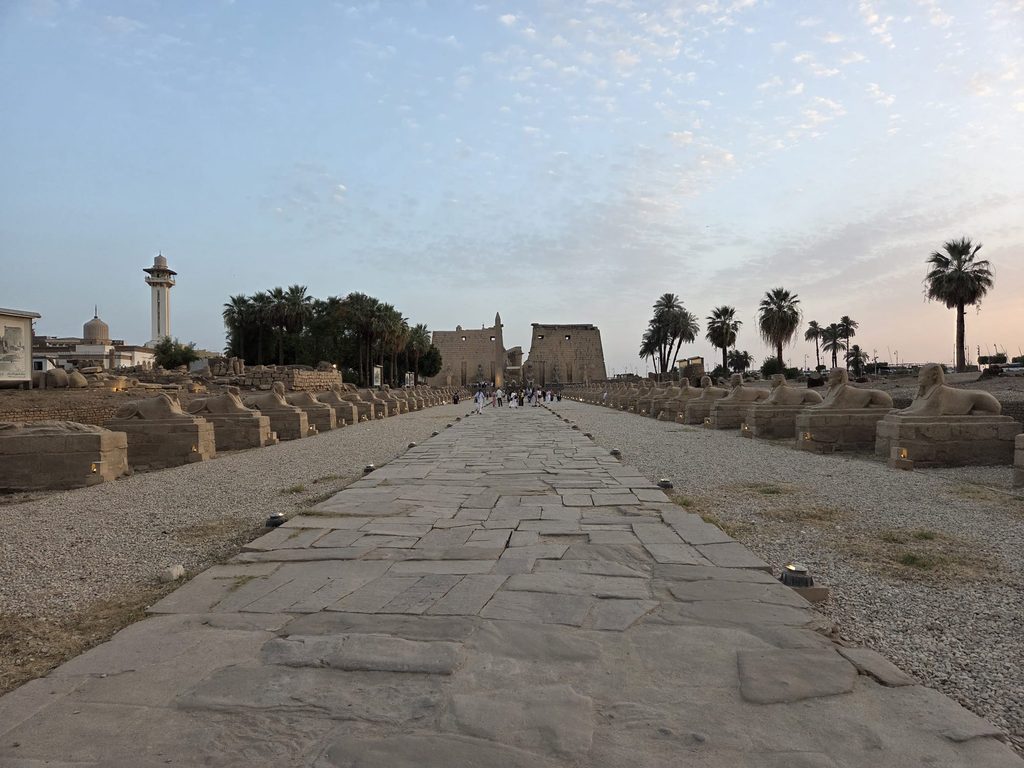
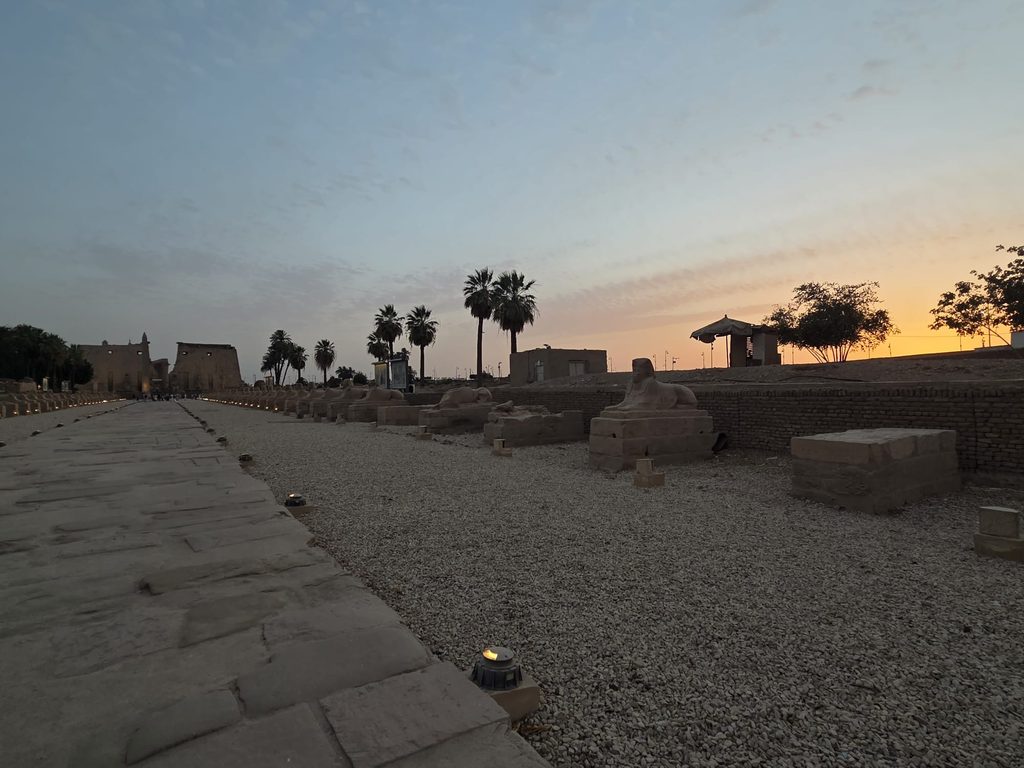
And if I have one recommendation to you, it’s to see Luxor Temple at sunset, like I did. Unlike some other temples we visited, Luxor Temple is very close to the Nile, making for beautiful sunset views. And you get such a nice view back to it from the Avenue of Sphinxes. Actually, though, my advice would be to see everything in Egypt either early in the morning or in the evening, at least if you visit in May like we did. The things I saw in the middle of the day I still enjoyed, but contending with the sun and the heat was definitely a bit of a distraction. Plus there’s a lovely quality to the light in Egypt early and late in the day.
But enough talk about when to visit. I need to tell you what you’re visiting. Let’s start with a quick history lesson.
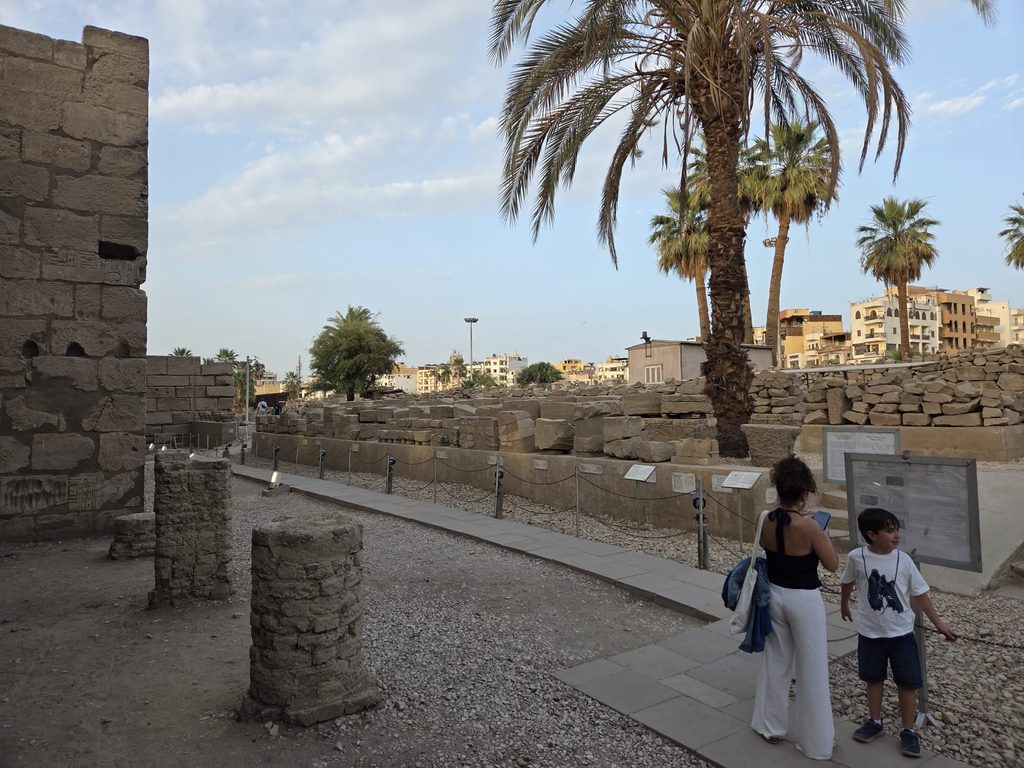
Luxor Temple: 3,400 Years of Religious Worship
I’ve already mentioned Luxor Temple within the context of Karnak Temple. It’s a little hard not to, especially as the Avenue of Sphinxes, a 2.7KM processional walkway, linked the two temple complexes. But what was at each end of the Avenue of Sphinxes was not the same. Karnak Temple is one of the largest ancient religious sites in the world. It had four distinct areas: the Precincts of Amun-Re, Mut and Montu, and the Temple of Amenhotep IV (who was later Akhenaten). It developed over many centuries, but became particularly important (and associated with the Theban Triad of Amun-Re, Mut and Khonsu) from the 18th dynasty.
Luxor Temple, known to the Ancient Egyptians as Ipet-resyt (the Southern Sanctuary) was a bit different. One theory, to be fair, is that it was also dedicated to the Theban Triad. Another is that it wasn’t for any deities in particular, but was more about the rejuvenation of kingship. It might have been where coronations took place. This theory is bolstered by the fact that Alexander the Great claimed to have been crowned at Luxor Temple but probably never actually went there.
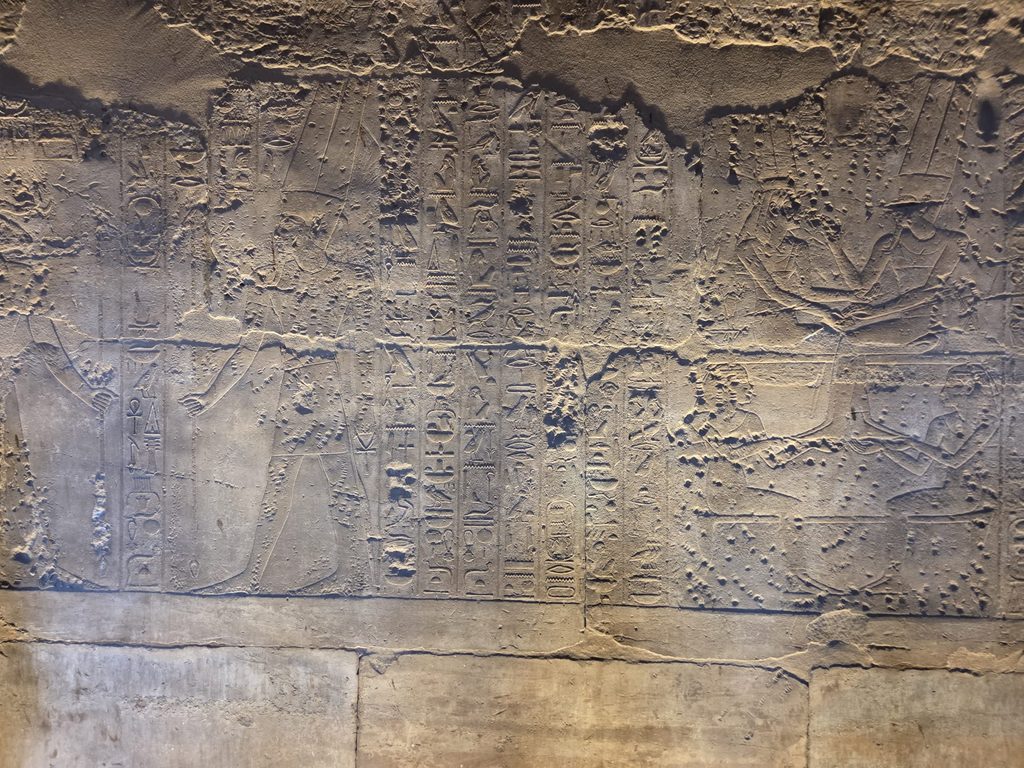
What we do know is that Luxor Temple was important in the Opet Festival. This was an annual festival during the Nile flood season. Worshippers carried statues of the Theban Triad along the Avenue of Sphinxes from Karnak to Luxor Temple, accompanied by priests, musicians and dancers. The pharaoh was there too, entering the temple sanctuary in a rite of renewal and exiting as the living incarnation of Amun-Re. You can still see images of the festival in reliefs within the temple complex.
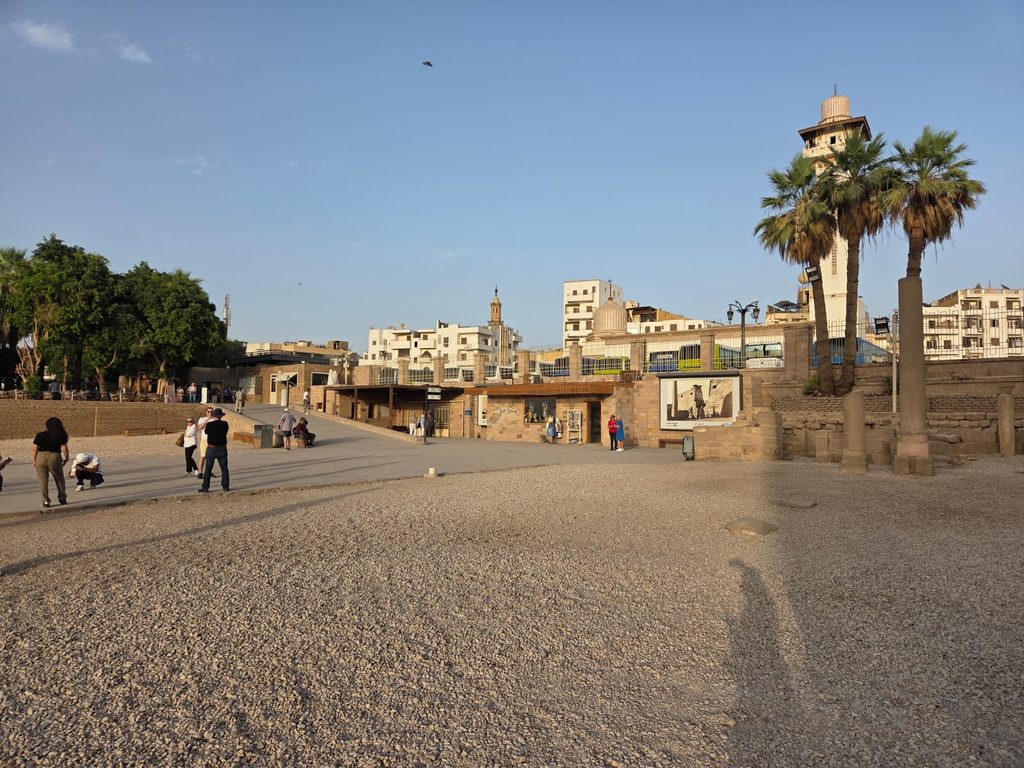
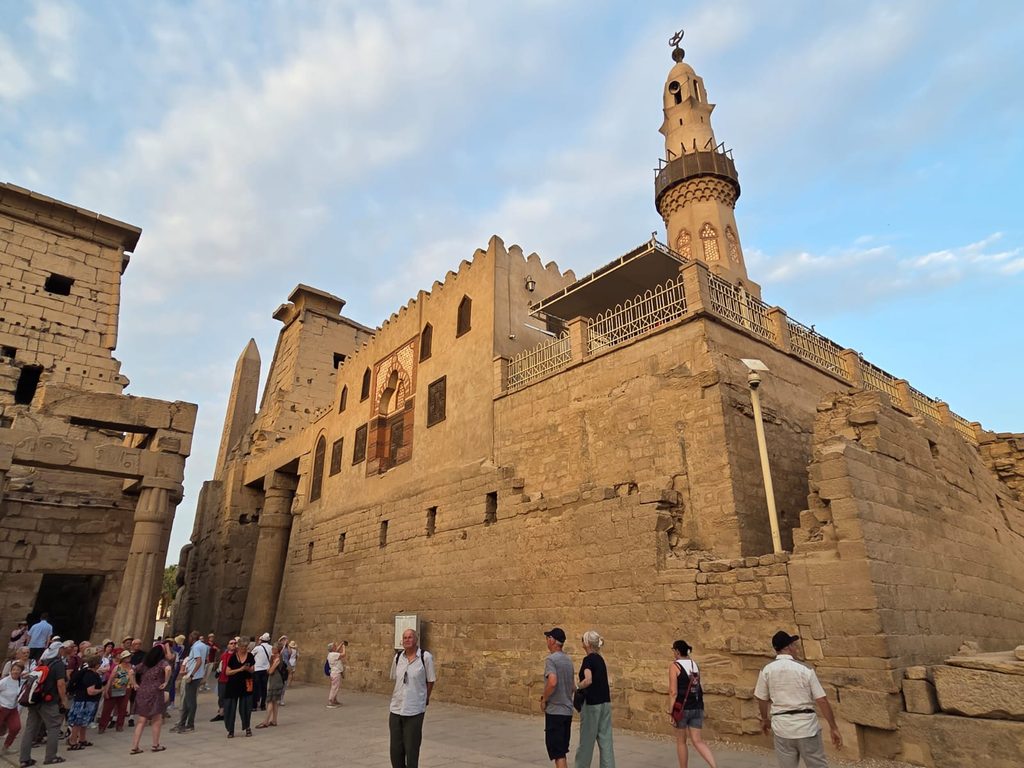
After the end of the Ancient Egyptian civilisation, the Romans moved in. They had their government headquarters here, and a corner of the temple became a church in 395 CE and then a mosque around 640 CE. It’s still a mosque today, built on a foundation of ancient columns. People also lived within and around the temple, leading it to be buried over the centuries under a literal mountain of rubble. It was excavated by Gaston Maspero from 1884.
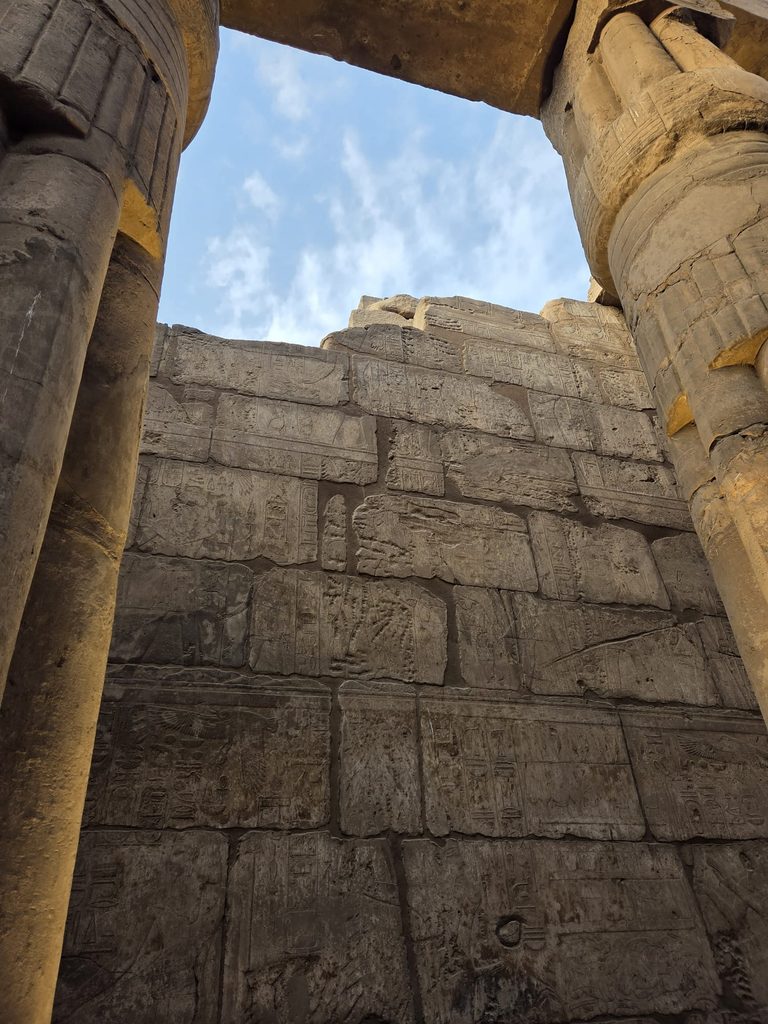
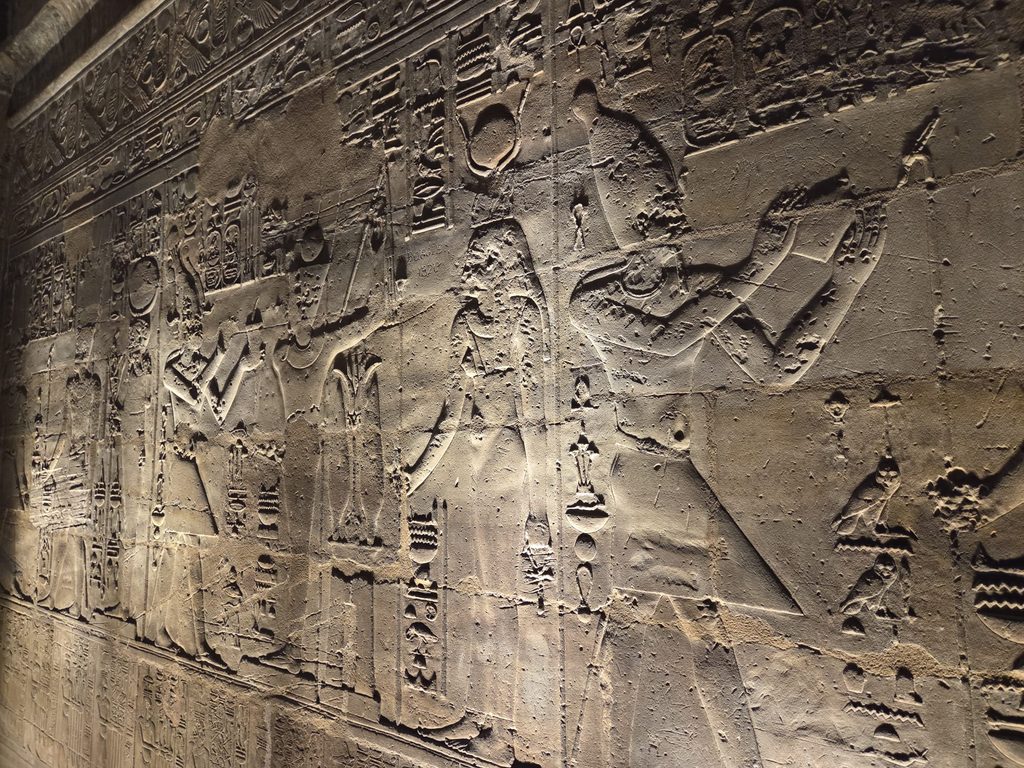
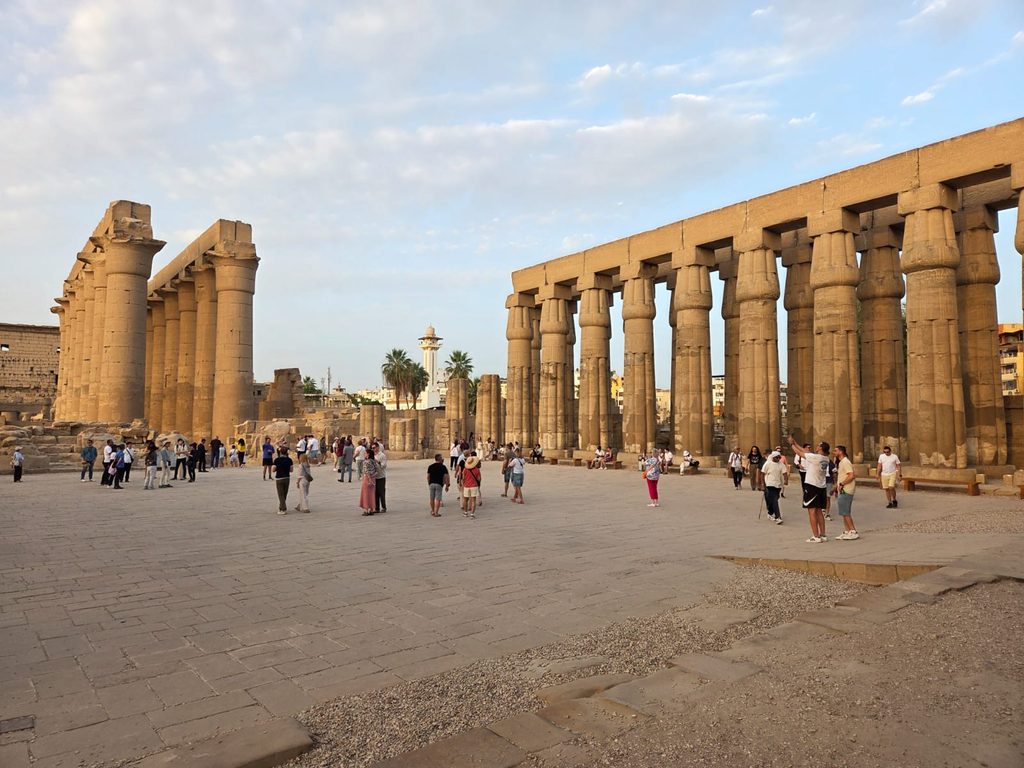
What to See at Luxor Temple
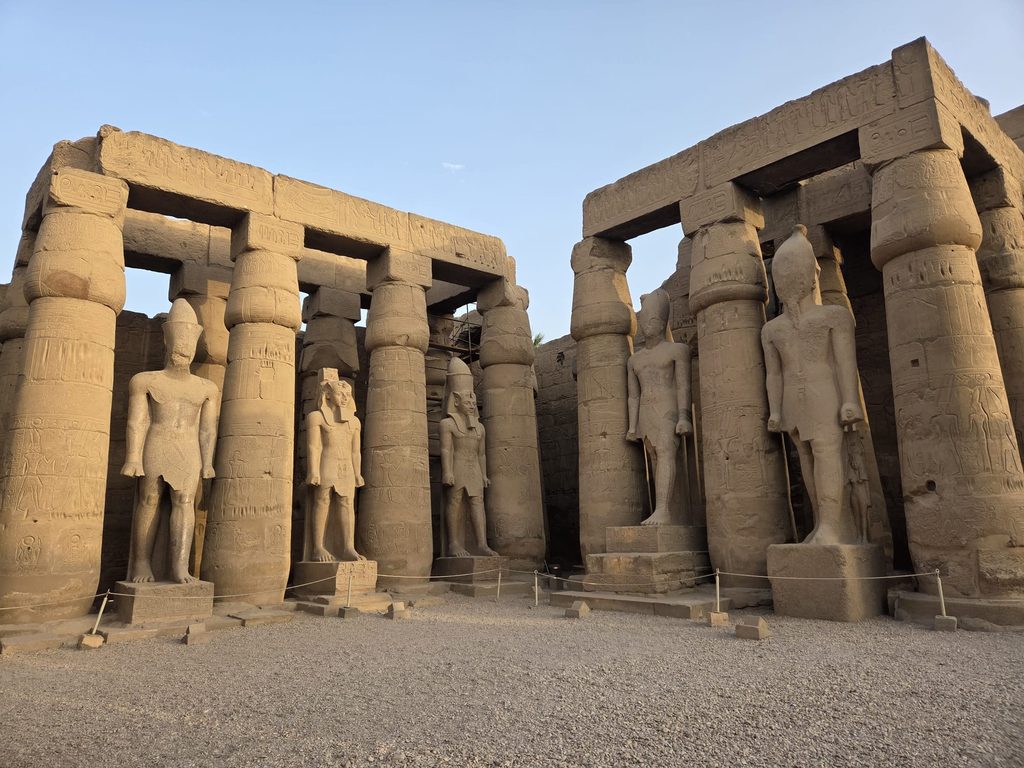
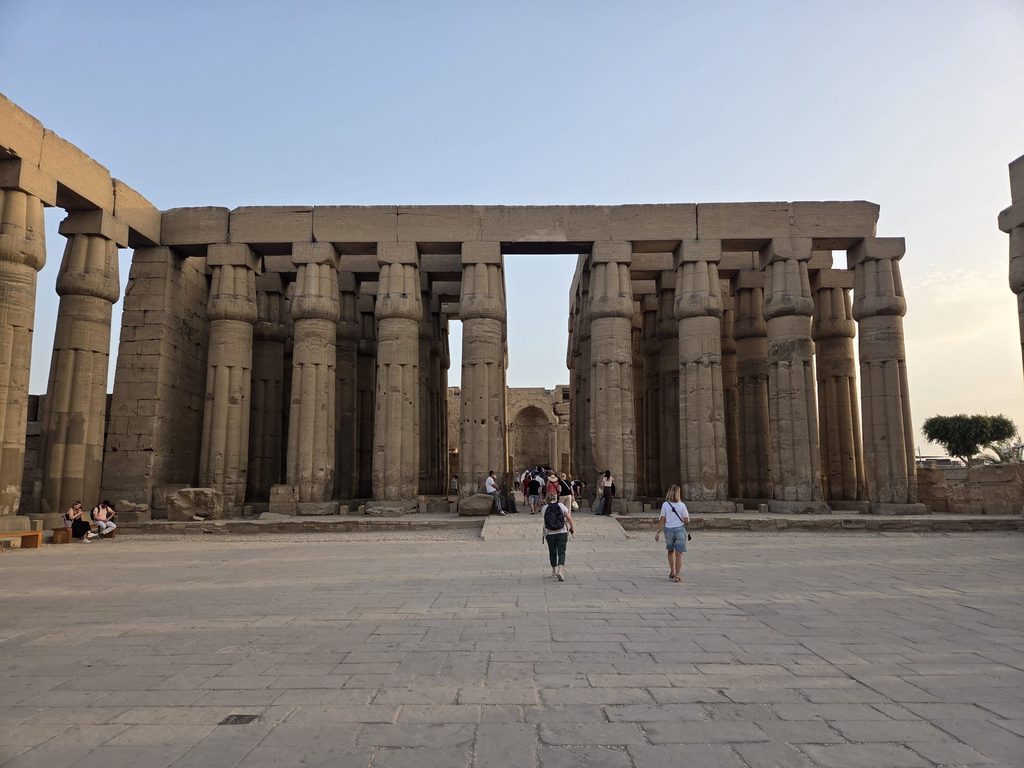
Luxor Temple is a fraction of the size of Karnak Temple. Maybe that’s a good thing – it certainly felt a nice size at the end of my busy day. There’s still plenty to see. Like Karnak, the sandstone for Luxor Temple comes from Gebel el-Silsila, about 100KM away. Also like Karnak, several different pharaohs contributed to the complex.
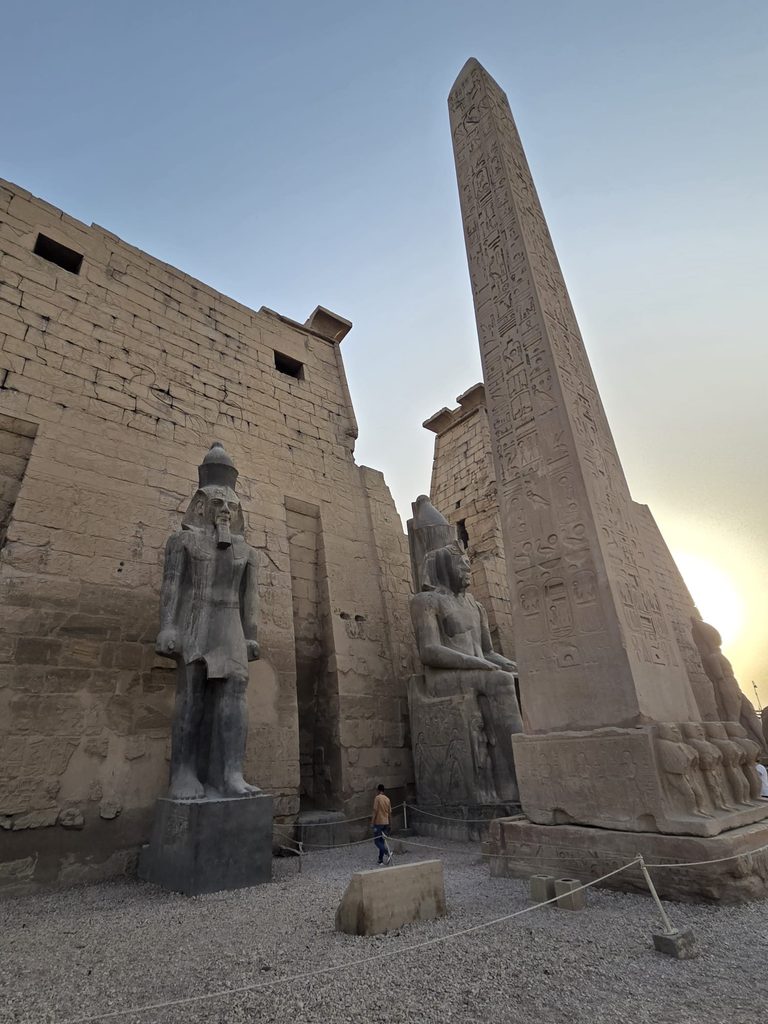
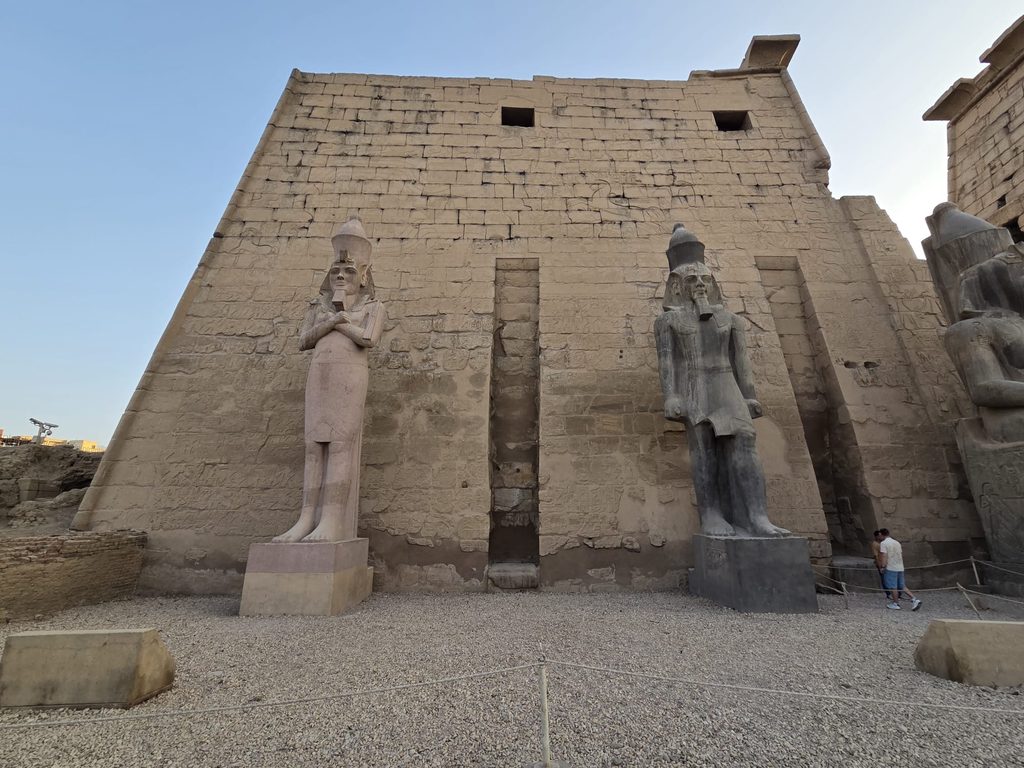
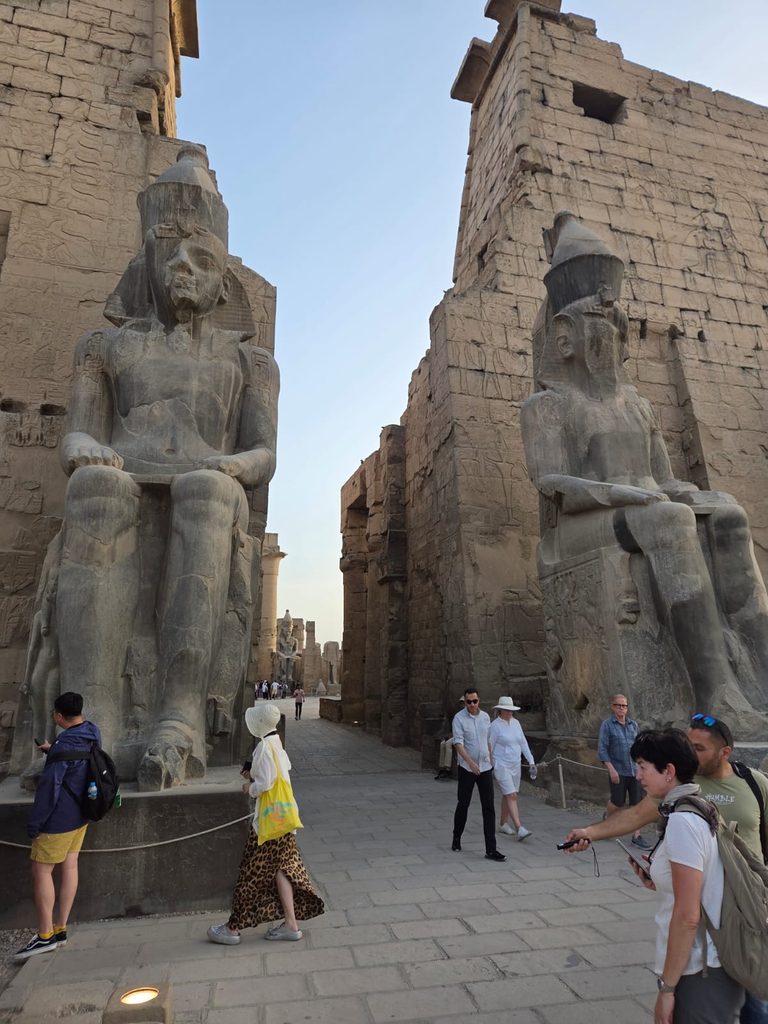
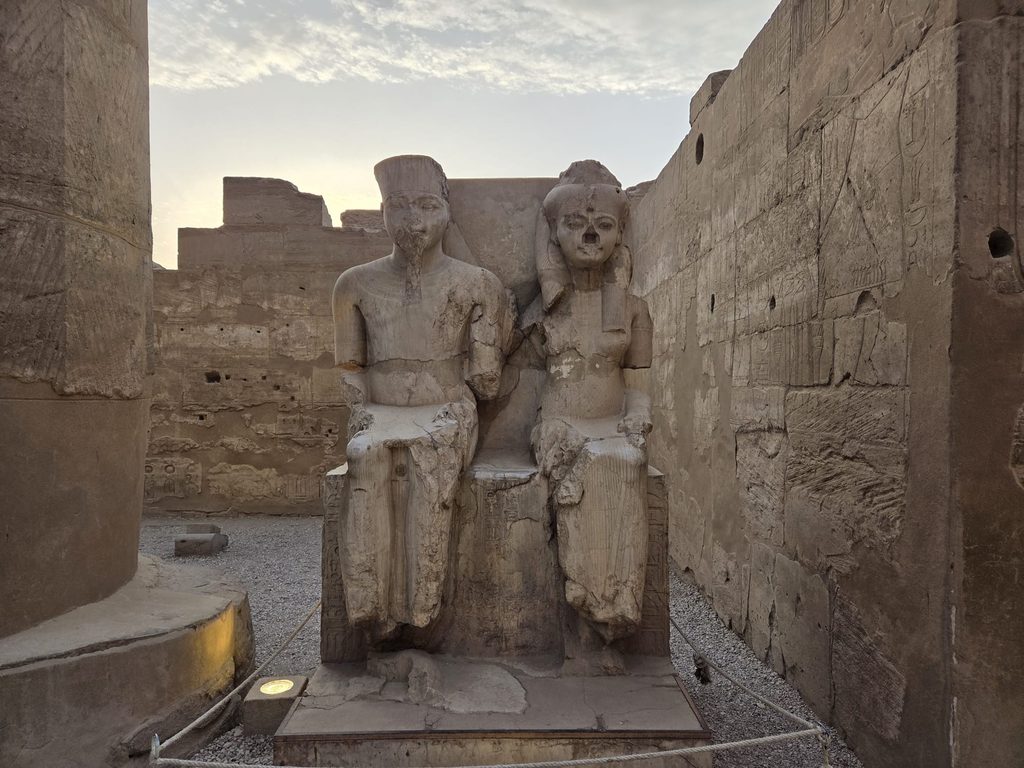
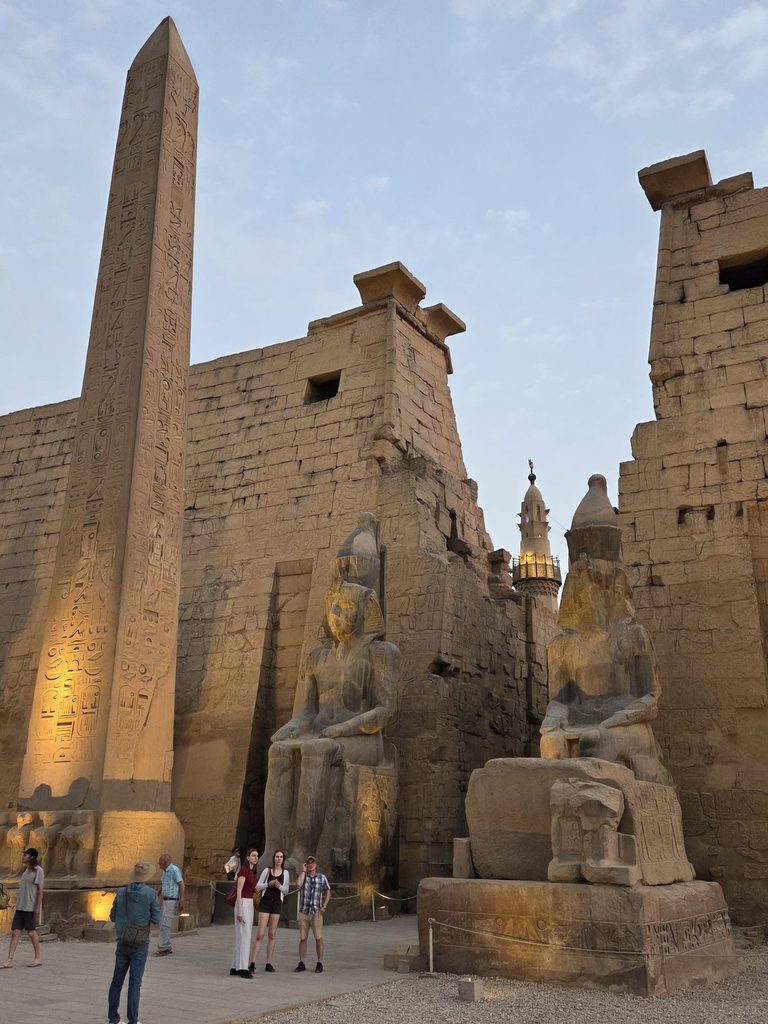
The first bit of good news is that, if you didn’t make it to Abu Simbel on your trip but did make it to Luxor, you can see some colossal statues of Ramses II. Not quite as colossal as Abu Simbel, but still impressive. What can I say? The man liked to see his own image! There are also chapels built by Amenhotep III, and some contributions by Tutankhamun. As you might be able to tell from these names (depends how good you’re getting at Ancient Egyptian history, I guess), Luxor Temple was developed mainly in the New Kingdom.
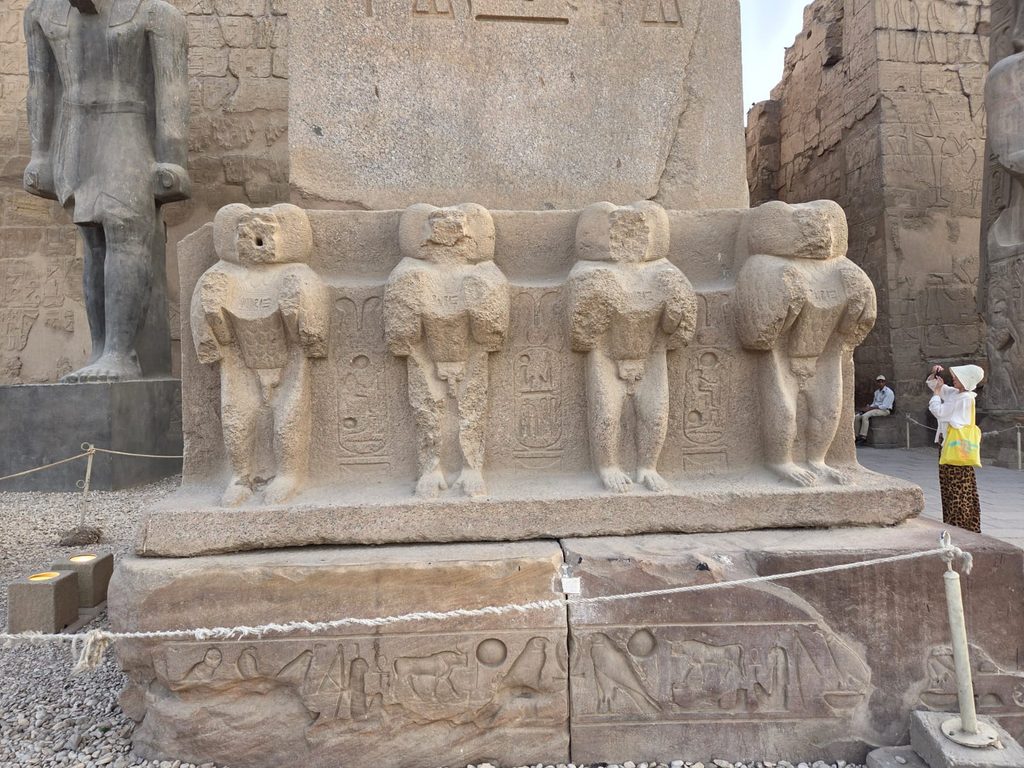
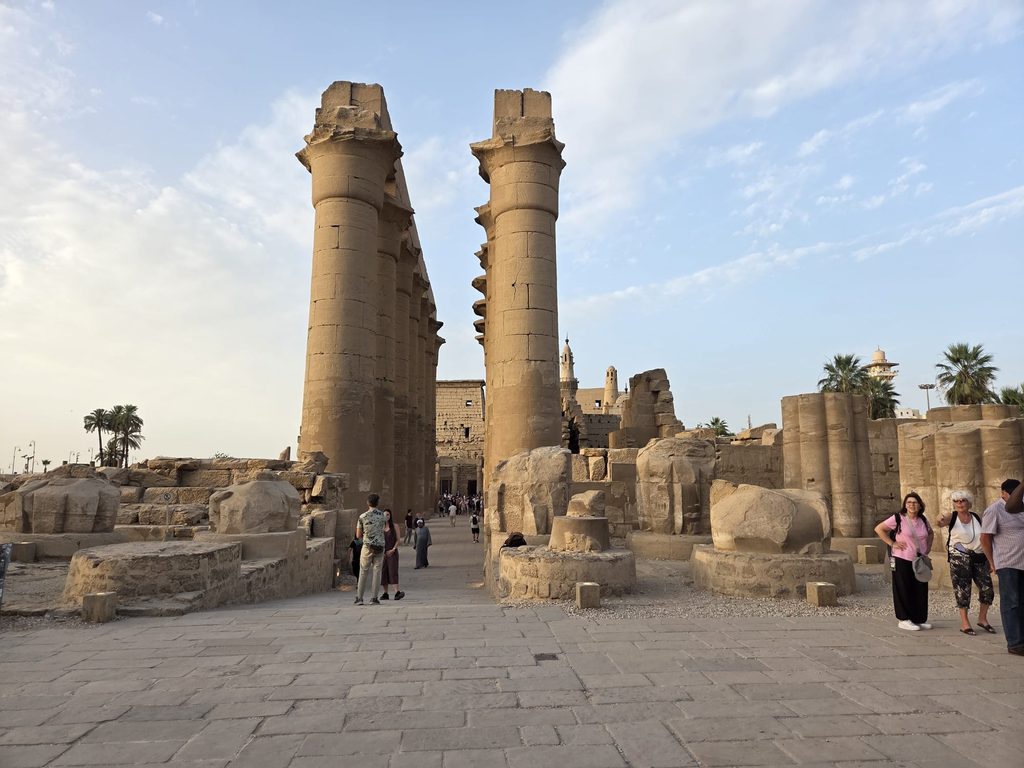
A concept we haven’t talked about yet it illusionism in Ancient Egypt. Basically what this means is that, for the Ancient Egyptians, if something looked like a certain thing, it was that thing. So if something looked like a god, it was that god. An example of how this applies to Luxor was its columns, or obelisks. They weren’t the same height, but the layout of the temple made it look like they were. Close enough! Style over substance, I guess. As an aside, if you’ve seen the Egyptian obelisk in the Place de la Concorde in Paris, it used to stand here. Today only one of the columns remains in situ.
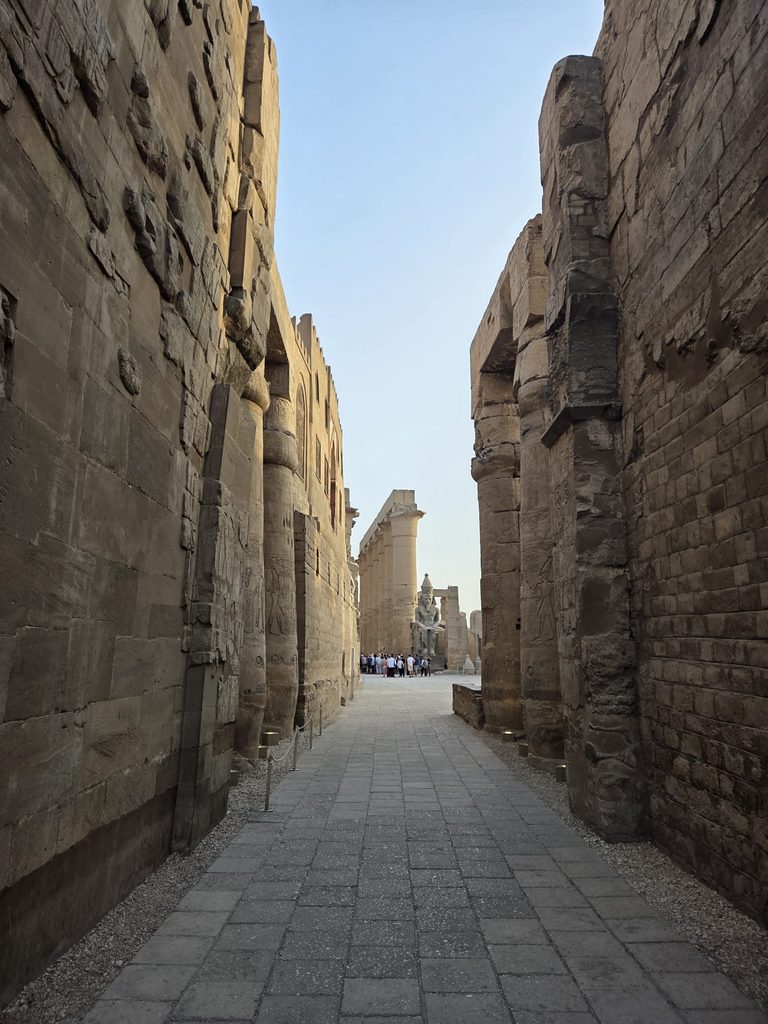
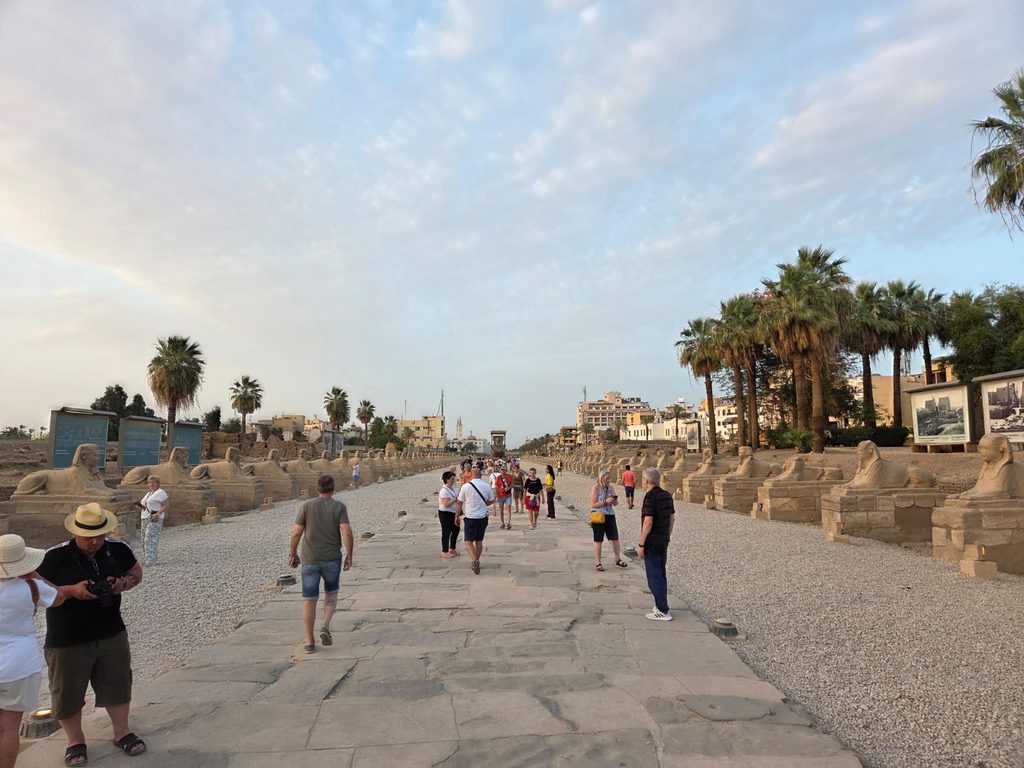
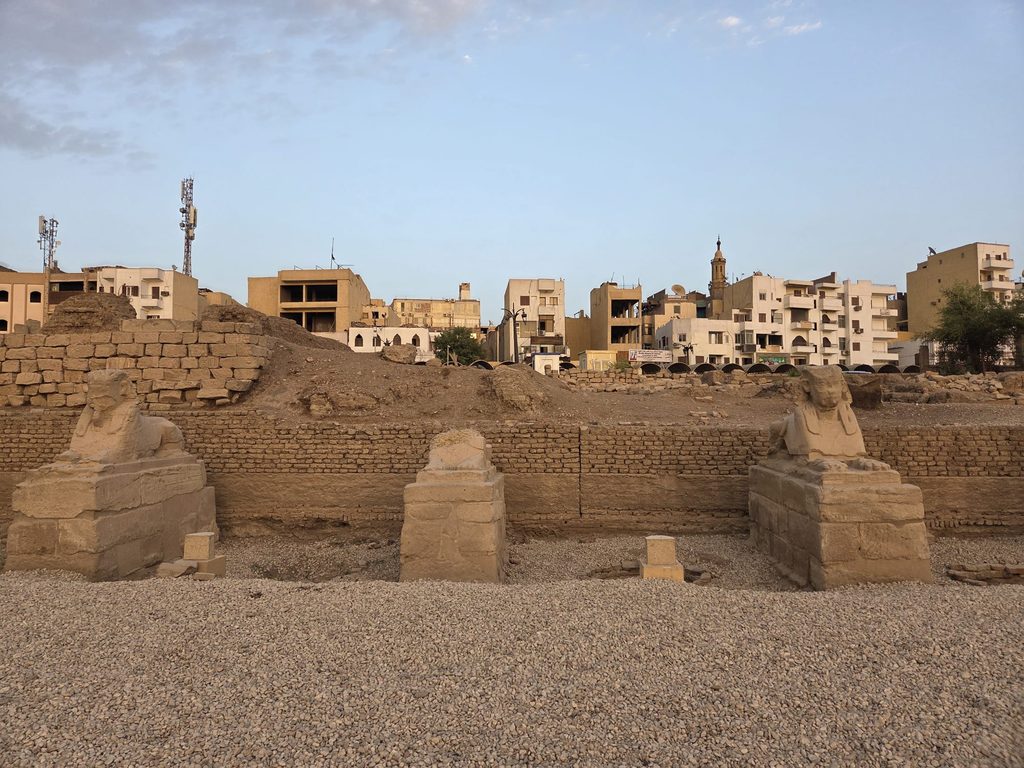
The other thing I wanted to talk about is the Avenue of Sphinxes. Supposedly, if you have a ticket for both Luxor and Karnak temples, you can walk the entire length of it. That’s fairly new, as the Avenue has been restored over many years. But at Karnak, while I saw some sphinxes, I didn’t see clearly how I could continue along an avenue. At Luxor Temple, it’s much clearer. The Avenue of Sphinxes was processional, lined along its 2.7 KM length with sphinxes with human heads. Along the way were six barque shrines, where the barques of the gods stopped during the Festival of Opet. Each shrine had a different function, like cooling the oar of Amun or receiving his beauty.
I might have felt differently if I’d visited during the heat of the day, but I highly recommend a walk along the Avenue of Sphinxes, at least part of the way. The seemingly never-ending sphinxes are still impressive, and it makes for a very impressive viewpoint back to Luxor Temple.
Goodnight, Luxor
And just like that, the tour part of our journey to Egypt was over. Just as our group was gathering near the entrance, free time over, the sunset call to prayer began. The voices of competing muezzins rang out from neighbouring mosques, including the one built right into the temple ruins. What a note to finish on.
From here, we walked a short distance to a restaurant, to mark our final dinner as a group. Looking out over the spotlit Avenue of Sphinxes, we shared our favourite moments from the trip. For me, it was the fulfilment of a childhood dream, and also the subversion of my expectations that, the older a site was, the more I would like it. As much as we had packed into the week, I loved all of our stops. And often the Ptolemaic temples, with their relief carvings and original pigment, made me feel close to the hands that had made them millennia ago.
For anyone hesitating about a trip to Egypt, do it! Particularly if you live in the UK. I don’t know why I waited as long as I did, given Egypt is just over the Mediterranean. And I hope I’ll be back to see some of the places I skipped on this trip. Alexandria, for one. More time at Aswan, including the Unfinished Obelisk and Nubian Museum. I know the Urban Geographer dreams of going through the Suez Canal – maybe one day. There’s so much more to see and do that we’ve only just scratched the surface. We’ll have one final post before it’s back to reality – covering the Luxor Museum. A very nice way to solidify my new knowledge of Ancient Egyptian kings and queens, rituals and daily life. But more on that soon.
Trending
If you see this after your page is loaded completely, leafletJS files are missing.