
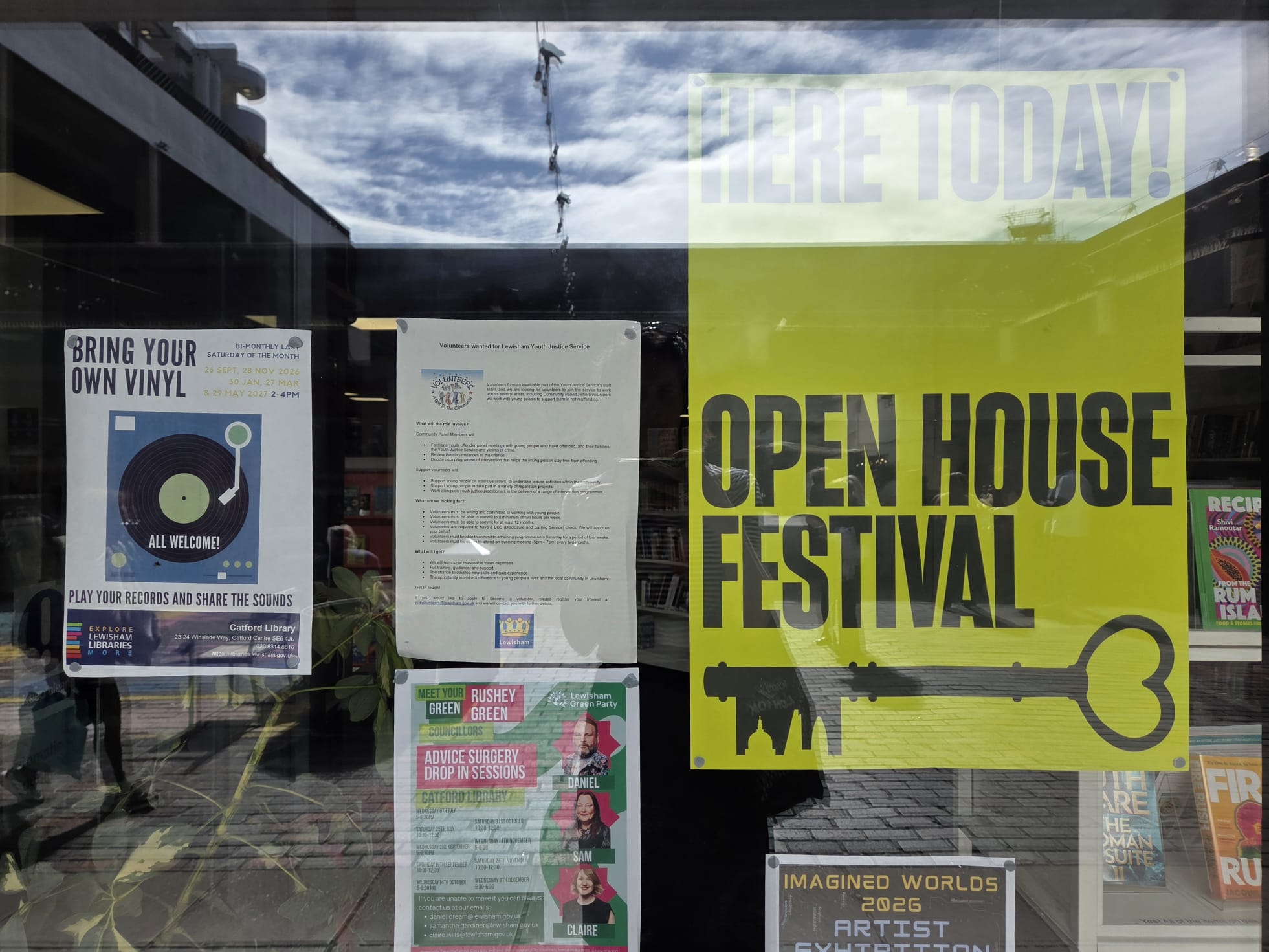
Open House London 2026
A smaller batch of Open House visits than usual is a good opportunity to focus on spaces closer to home.
Open House London 2026
In hindsight, I don’t think I’ll ever have another Open House haul like I had in 2024. If you’re a long-time reader, you might remember that I took a week off work and really had a blast. There was so much I broke my posts up into Part I and Part II. I was here, there and everywhere, all over London.
This year I saw a lot less of Open House, for a couple of reasons. Firstly, I’ve been so busy with travel this year I couldn’t take a week off. Secondly, I’m doing some of that travel this coming weekend, so have lost a weekend’s Open House programming. And thirdly, the Open House website didn’t cope at all well with the traffic when bookings opened. By the time it stopped crashing, almost everything I had wanted to book was gone. I was a bit disappointed, because I normally love doing some of the Open House guided walks and scheduled tours. I feel more secure knowing I have something booked rather than showing up to a Drop In and not knowing how many others will have done the same. And I like really getting a feel for a place.
But I only booked one thing in the end, which I will talk about below. The rest of my selection was going to have to be Drop Ins. And I decided to focus on those in my local area – South East London. On the Saturday we did a compare-and-contrast of two local libraries. And on the Sunday we ventured slightly further afield, but then back to the Old Kent Road to see a very interesting factory. Learning there is something so interesting just off my regular bus route into Central London is exactly what I love about this festival.
There is plenty of Open House London 2026 still to go. So if you fancy getting out there and seeing something for yourself, follow this link to see the programme.
South Norwood Library
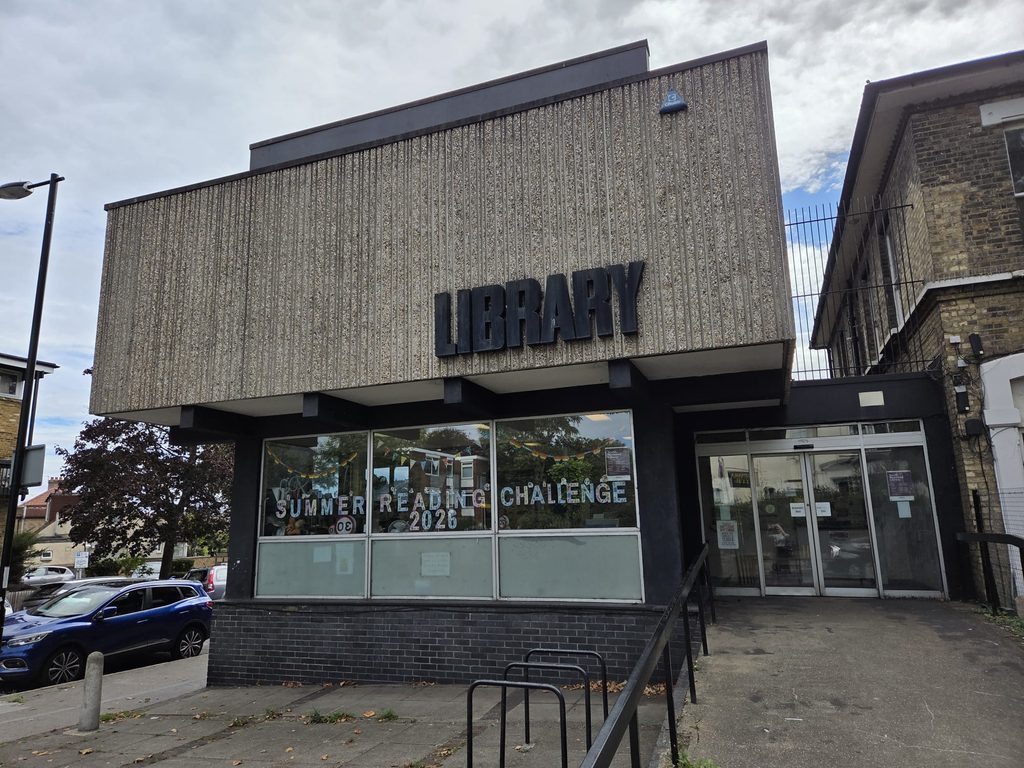
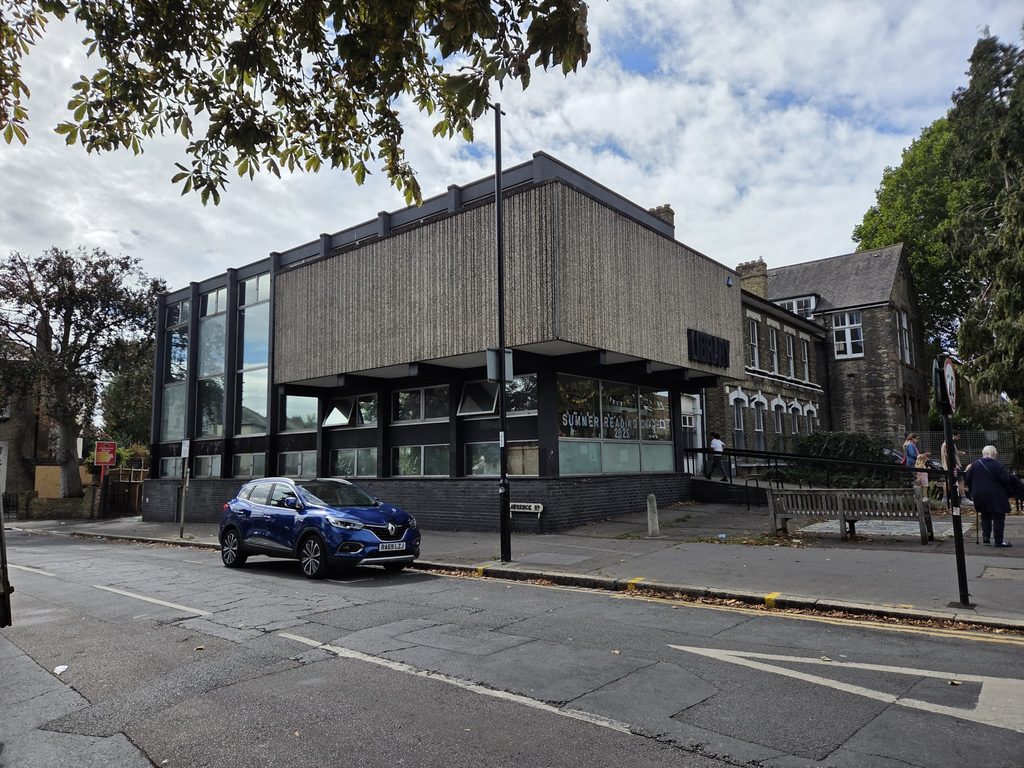
The first place we went to, on the first Saturday of Open House, was South Norwood Library. It was an easy trip for us, a short walk from Norwood Junction Station which is on the Windrush Line. In the end, this was probably also the most architecture-focused of our visits.
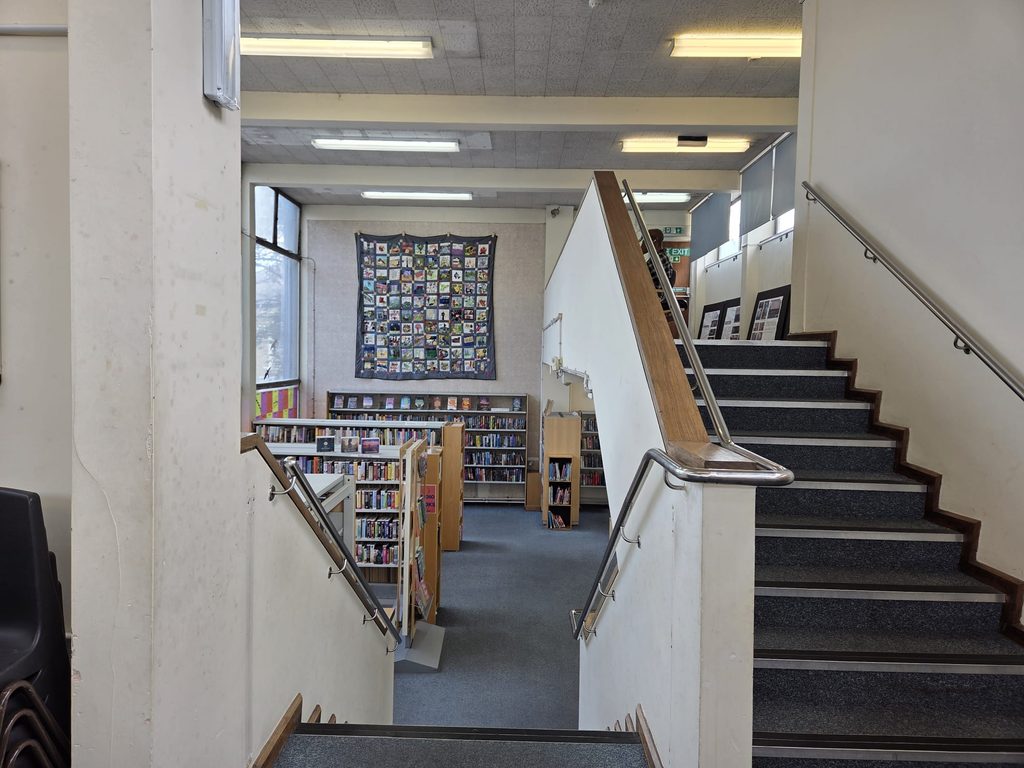
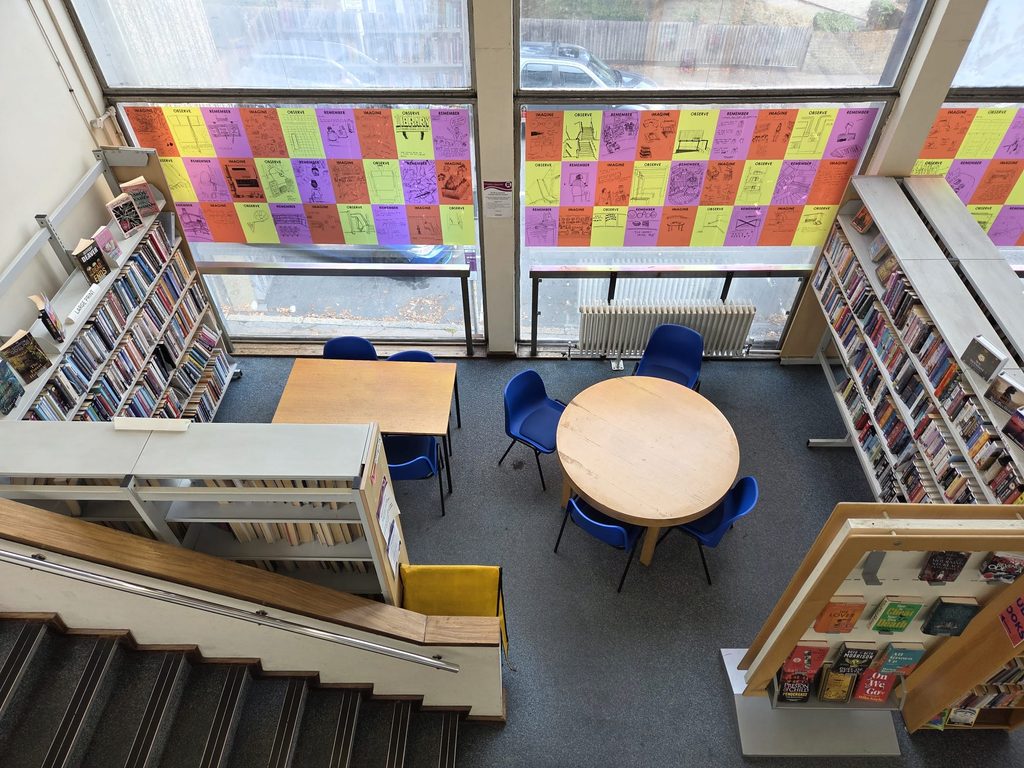
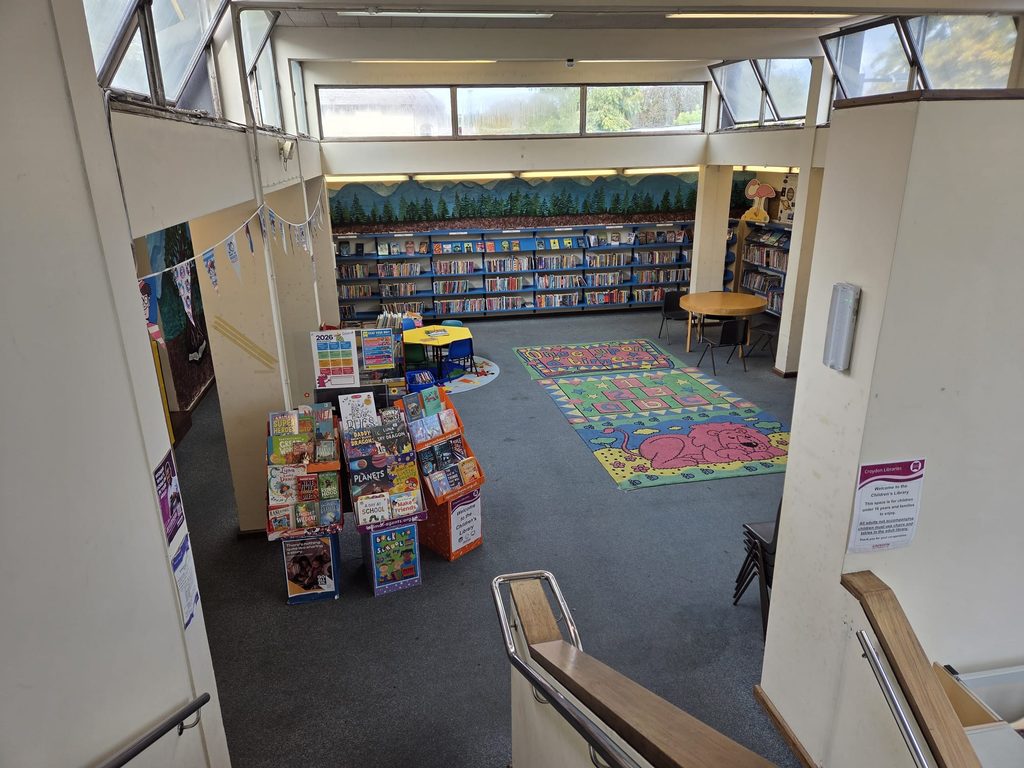
The South Norwood Library, built in 1968, was designed by Borough Architect for Croydon Council Hugh Lea. It’s very Modernist in its design, with a lot of horizontal lines and a focus on natural light. It’s also very Brutalist with its textured concrete cube. The ‘LIBRARY’ sign on the façade is original, using a bespoke typeface. As a purpose-built library, the interior is functional and welcoming. The children’s library now occupies the front of the building inside the concrete cube, lit by windows running along the top. There is a mezzanine above the main library space, and a downstairs that’s now used for computer access. There are original details inside as well, including wallpaper and handrails.
It’s really nice to see so much of the original concept still functional today and serving the local community. It’s a shame that local authorities no longer employ architects in this way, or have much ability to greenlight projects of such architectural merit. The site had been home to a library since 1897, but this new building created much more space. It is fairly unique within Brutalist libraries, and is locally but not nationally listed.
For Open House we were able to visit while the library was open for business as usual. We had a look around the interior, and read some panels on the upper mezzanine level about the building’s history and architecture. Library staff are particularly proud of its inclusion in Brutalist Britain by Elain Harwood. Our Open House London 2026 explorations were off to a good start.
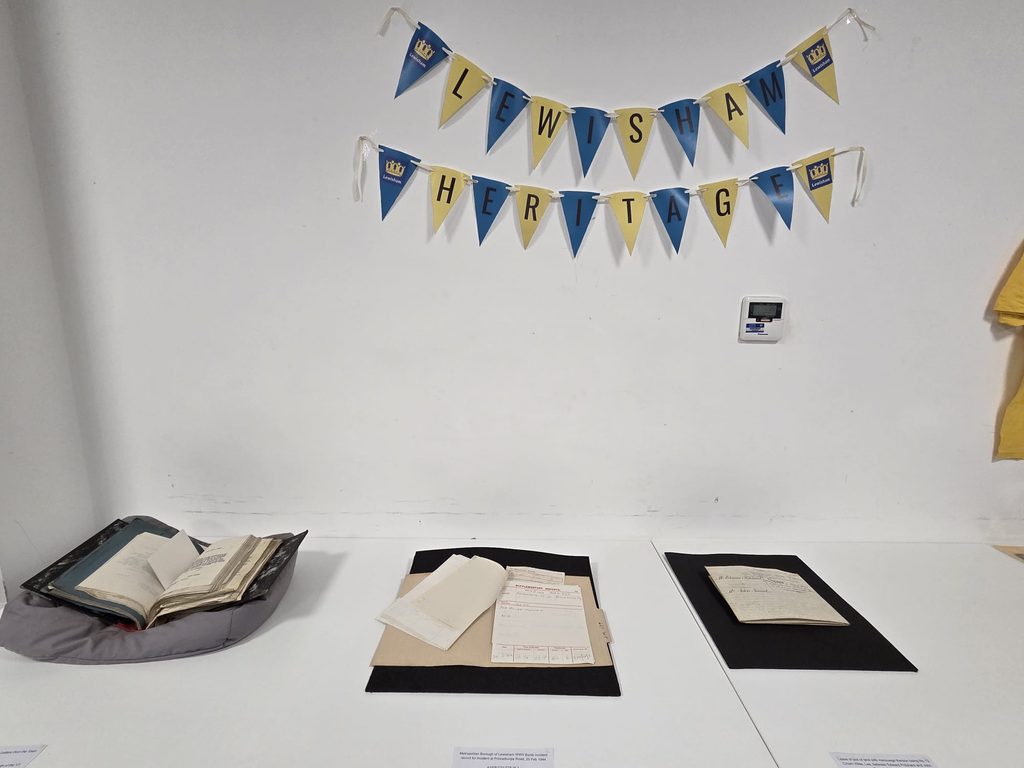
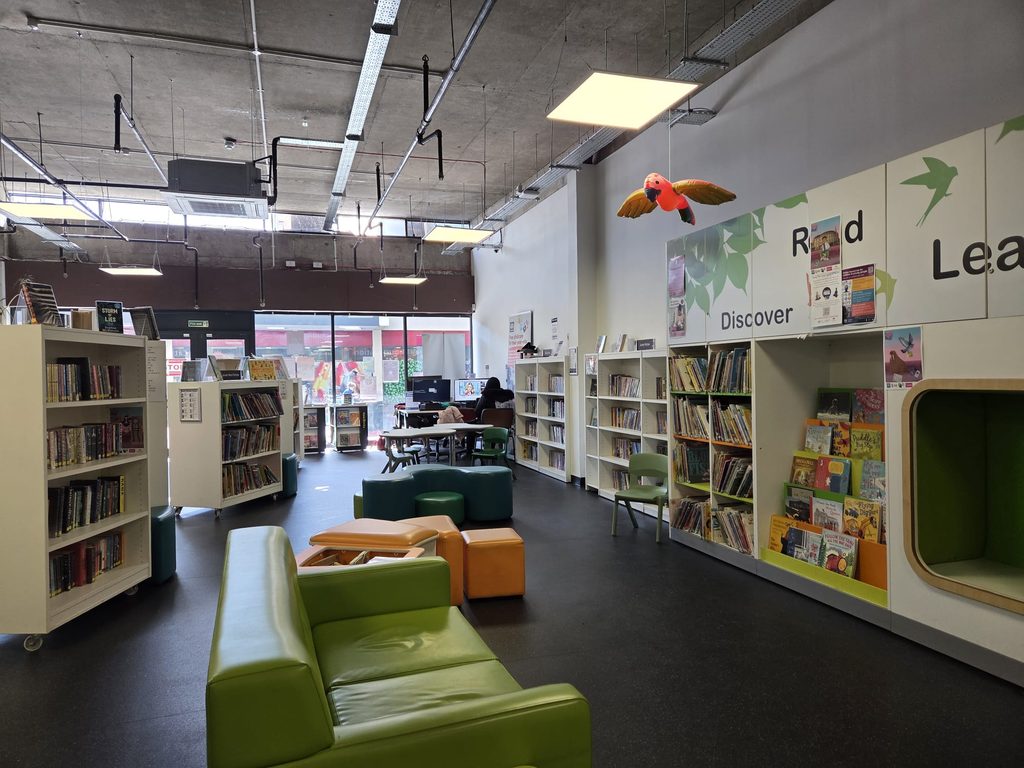
Lewisham Heritage at Catford Library
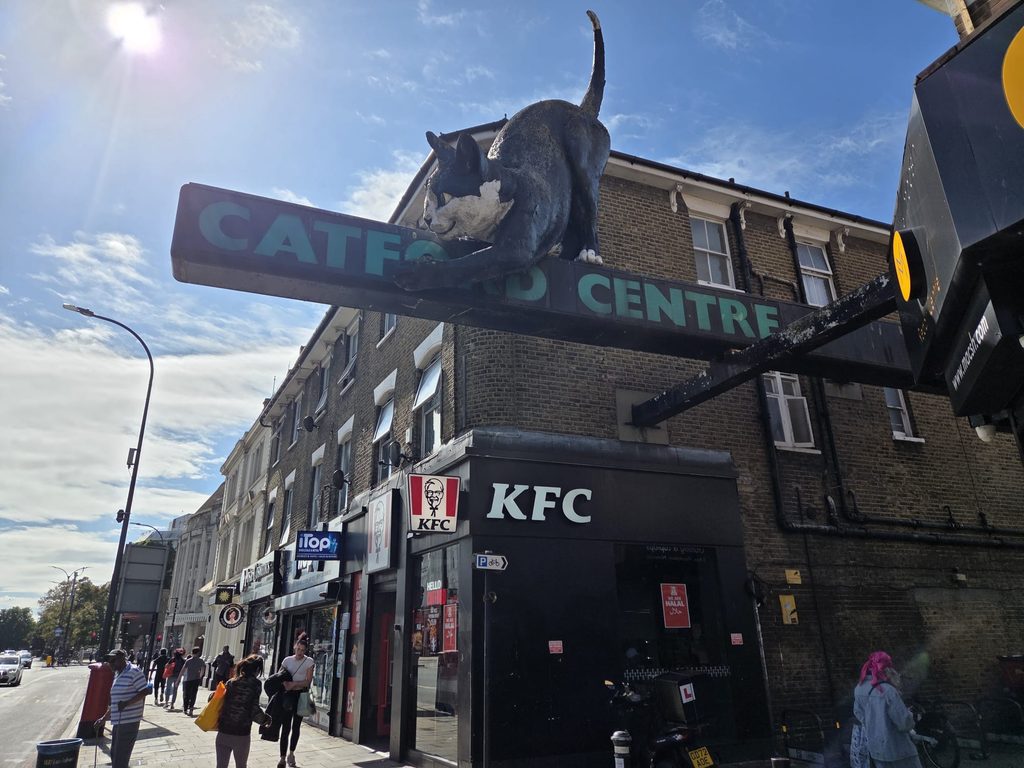
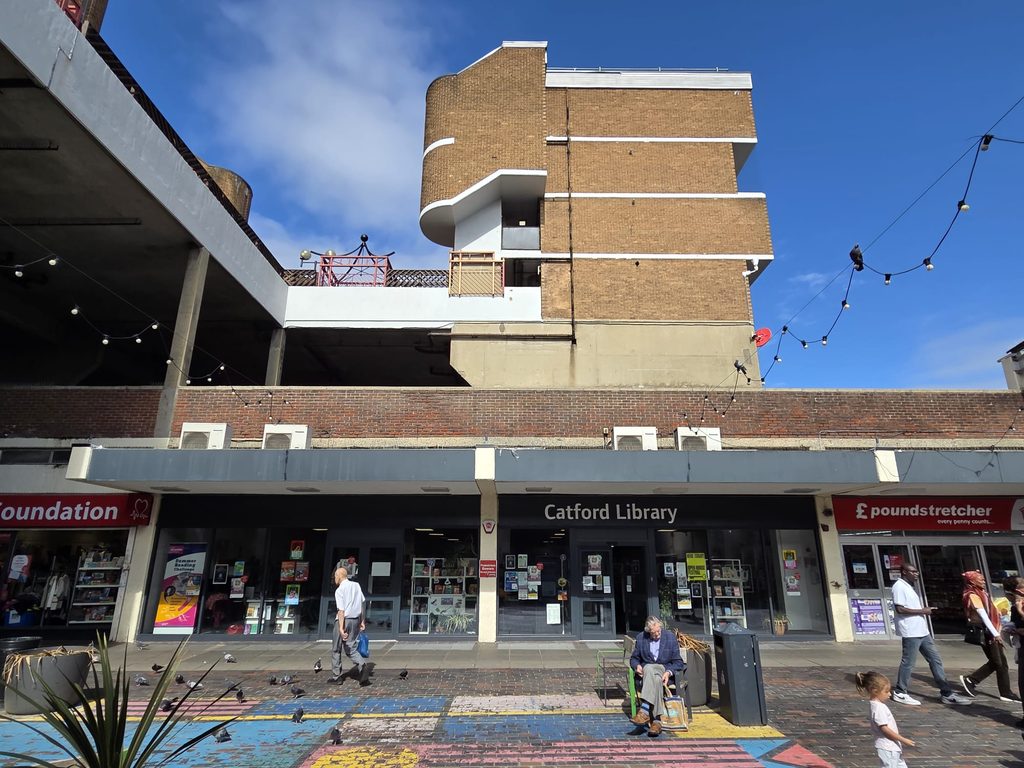
Our next stop amongst the libraries of South East London was Catford Library. The focus here was not so much architecture as local heritage. But it is also a story of urban reuse and renewal. Catford Library moved in 2022 to Catford Shopping Centre. Architecture firm McBains was appointed to the project as part of a wider regeneration scheme in the Catford area. The library is now more accessible, and has flexible community spaces, hybrid working spaces, and additional resources over two floors.
The library occupied an empty retail unit that was once a Woolworths store and then temporary storage for the council. It reminded me of the Migration Museum, which at the time I visited it was in a retail unit elsewhere in Lewisham (it’s now seeking to establish a permanent home). This reuse of empty retail spaces at the same time helps to rejuvenate struggling high streets, and meets people where they are at to lower the bar to engage with cultural and public institutions.
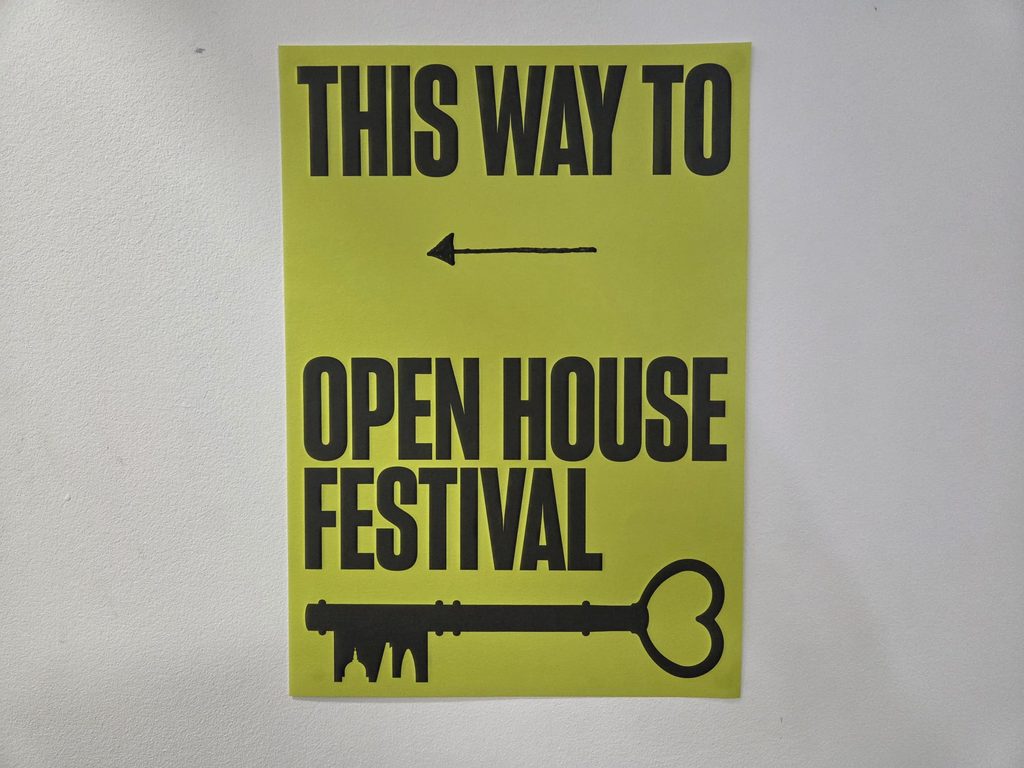
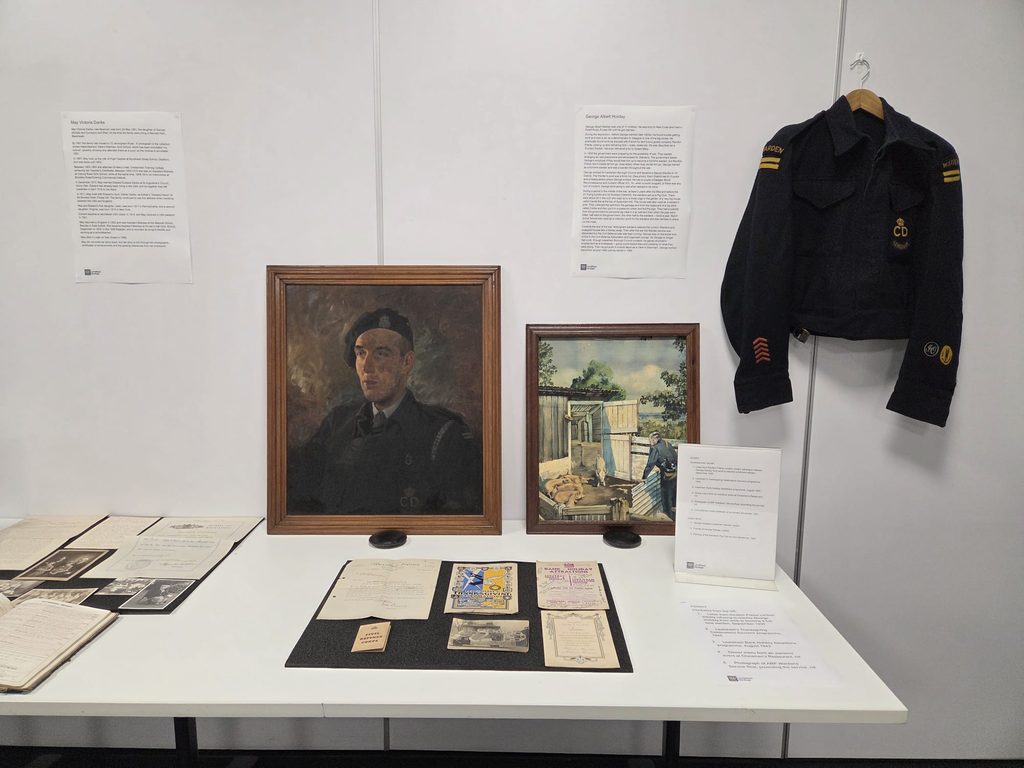
As part of Open House London 2026, Catford Library created an exhibition of archival material, showing the range of their collections particularly as they extend to Lewisham history. This exhibition was created by Lewisham Heritage, who make history and heritage available to Lewisham Council and Lewisham communities. The borough’s Heritage Reading Room is currently located at Catford Library while Lewisham Library is being refurbished. There were also tours of the Heritage Reading Room, but we didn’t join one of these. Perhaps most excitingly for me, there was a table with duplicate materials, free to take. I picked up a couple of local history guides and some old walking tour pamphlets which hopefully I will turn into posts for you one day!
There was one further South East London library we considered visiting, just a stone’s throw from Catford Library. There are still opportunities to see Corbett Community Library, but again the story seems to be more about community value (the library is now run by volunteers rather than the council) rather than specific architectural value of what was originally an Edwardian Carnegie Library.
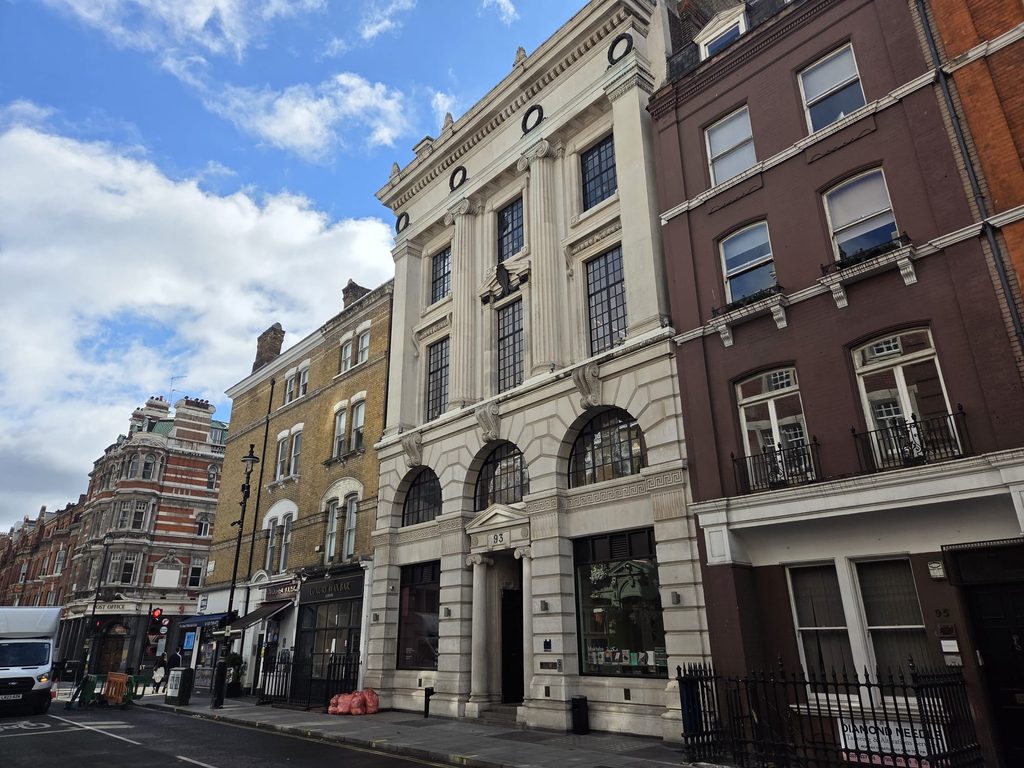
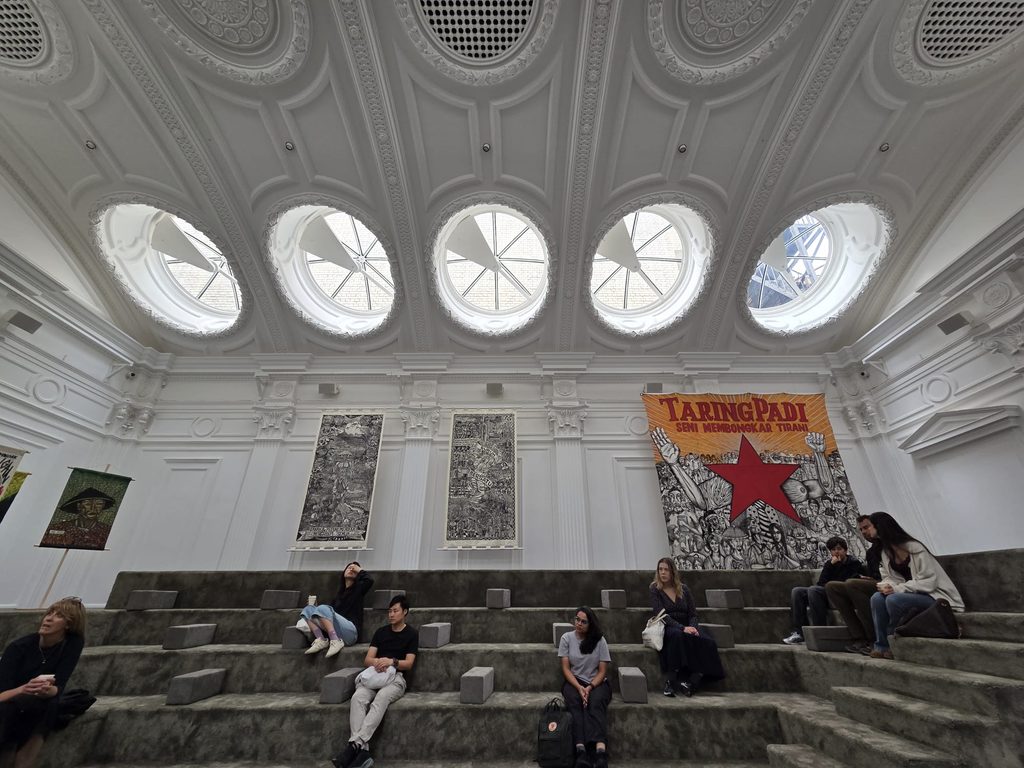
Ibraaz
Now we come to Sunday, and the one and only activity I pre-booked this year. Ibraaz is a cultural institution supporting artists and thinkers from the Global Majority. It began as an online platform in 2011 (the year of the Arab Spring), as an initiative of the Kamel Lazaar Foundation. Lazaar is a Tunisian-Swiss banker, entrepreneur and philanthropist, and Ibraaz is one way in which he has championed art and culture from Tunisia, the Middle East and North Africa, and beyond.
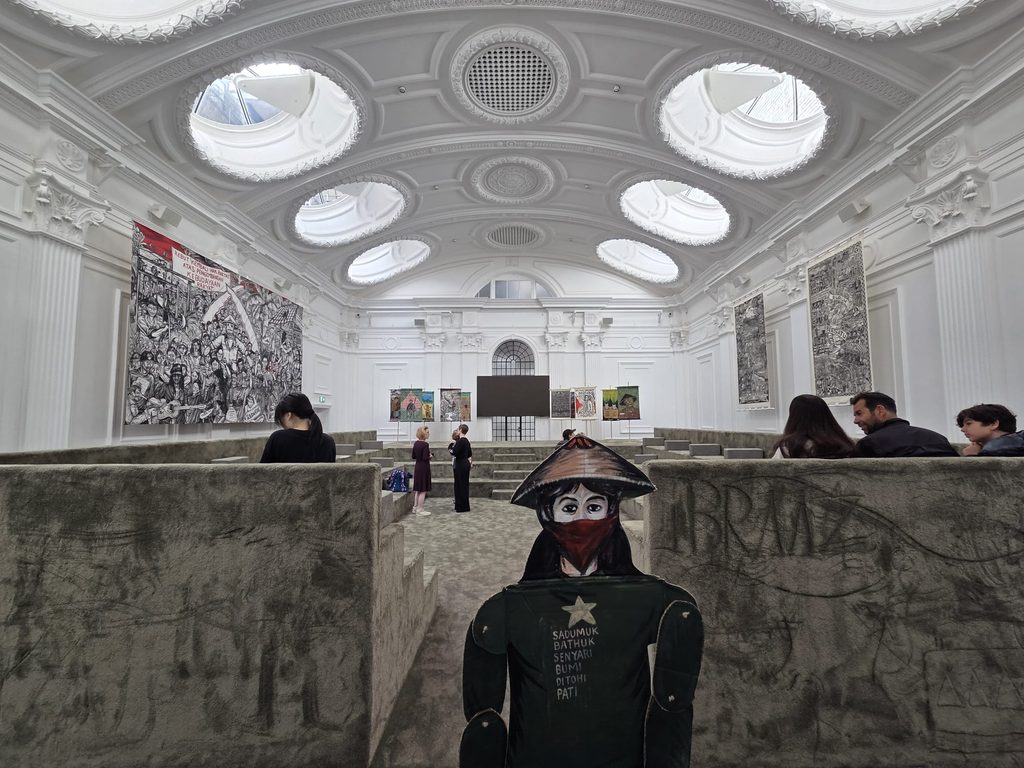
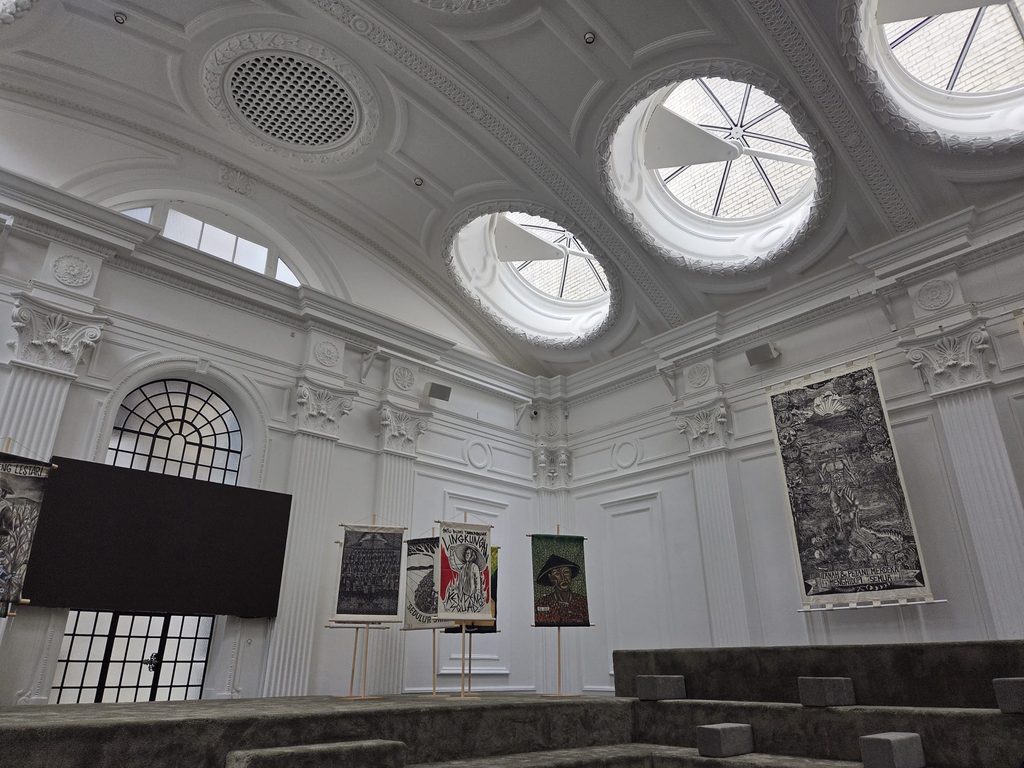
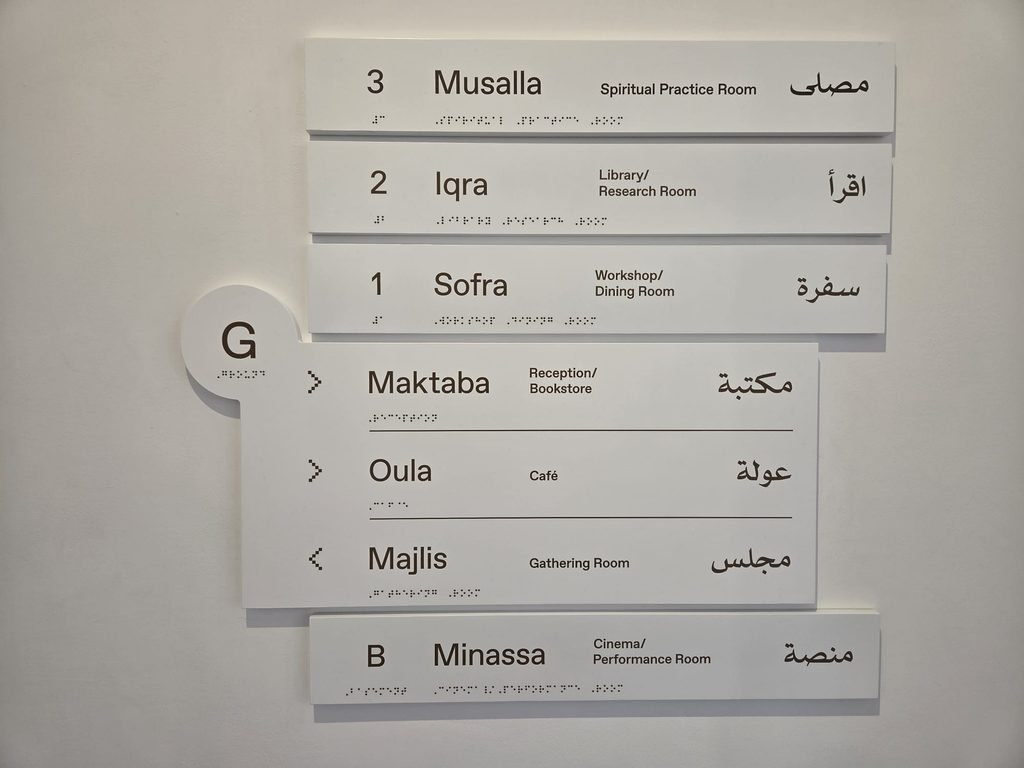
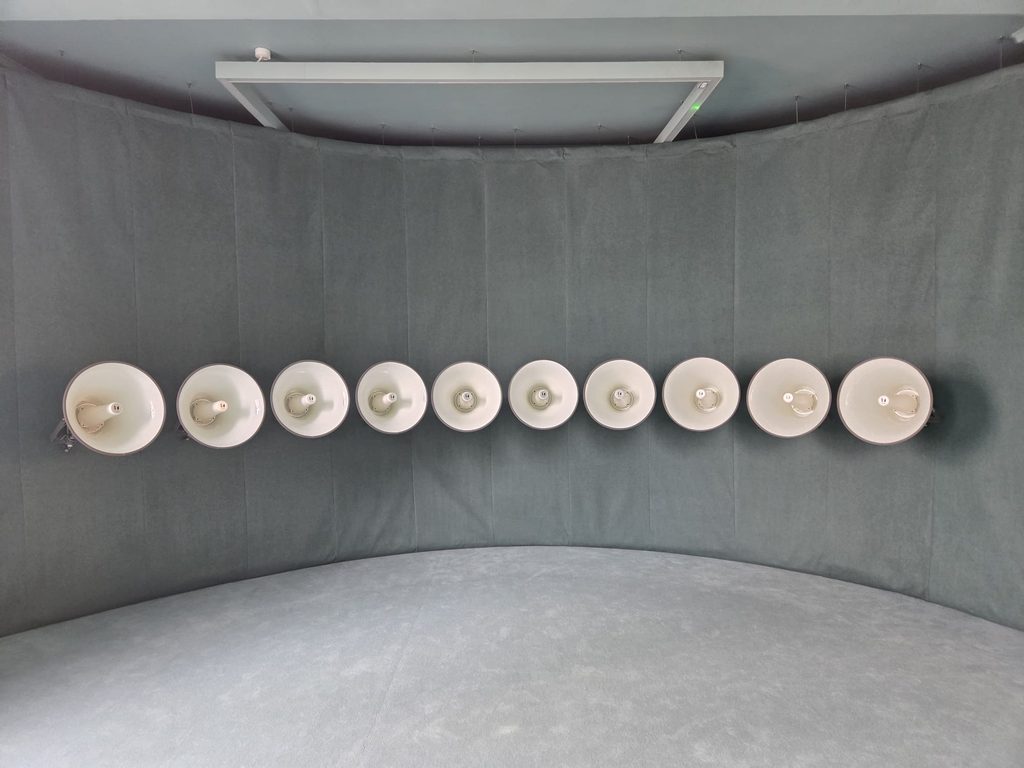
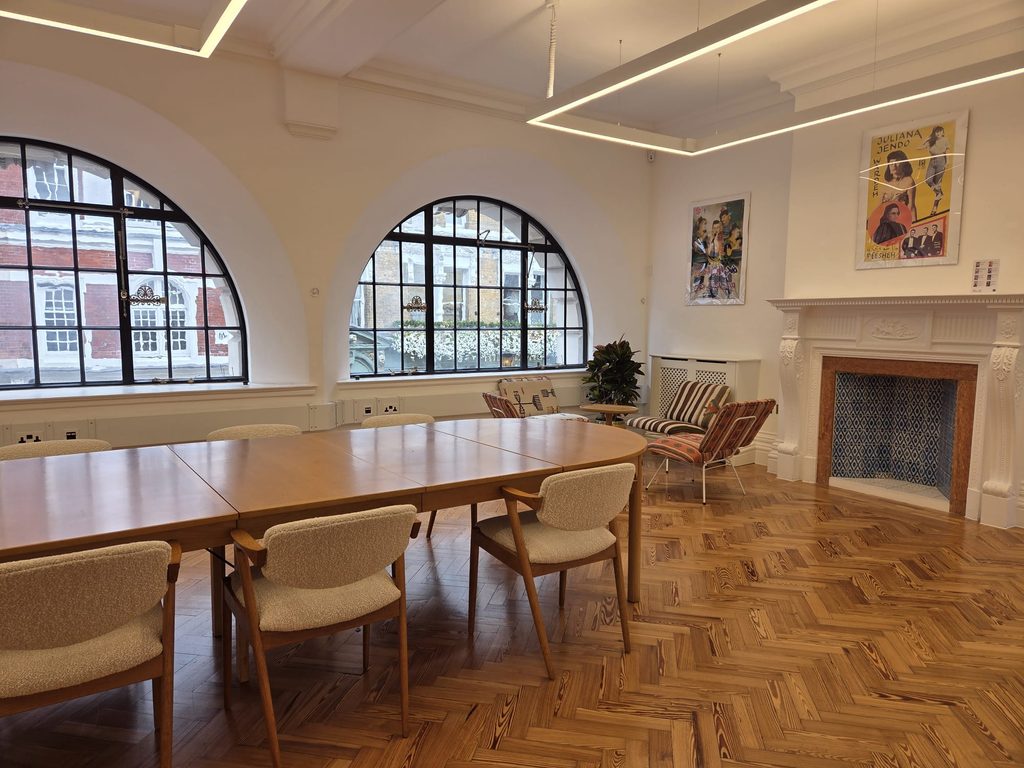
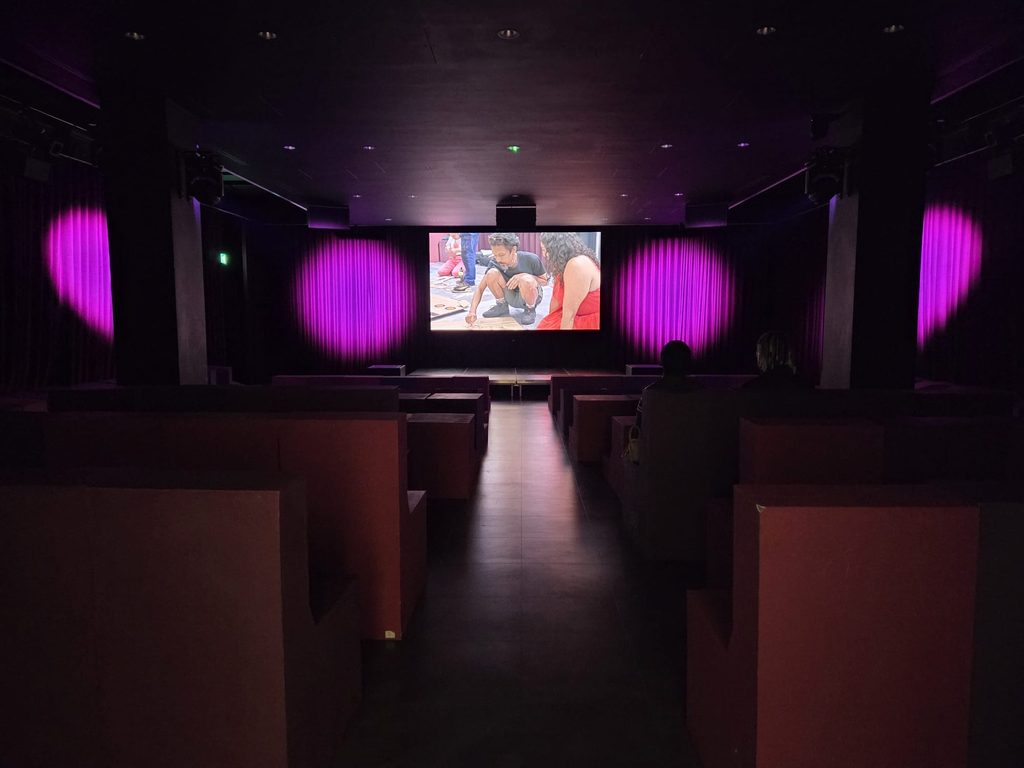
In its London home, I believe the only one the foundation has outside Tunisia, the focus is on lifting up a plurality of voices to participate in the city’s cultural conversation. Ibraaz’s home at 93 Mortimer Street (joined with a building on Great Portland Street) allows for this exchange to take place in multiple ways. There is an exhibition space with relaxed seating, a cinema, a workshop or dining room, a library, and a spiritual practice room. Each is an opportunity for Ibraaz to invite in those Global Majority partners. This also makes it a welcoming space. I wouldn’t necessarily feel at home in a spiritual practice room ordinarily, but I feel comfortable entering to experience Joe Namy’s Cosmic Breath, a sound installation featuring recordings of the adhan – the Muslim call to prayer – from different places and times.
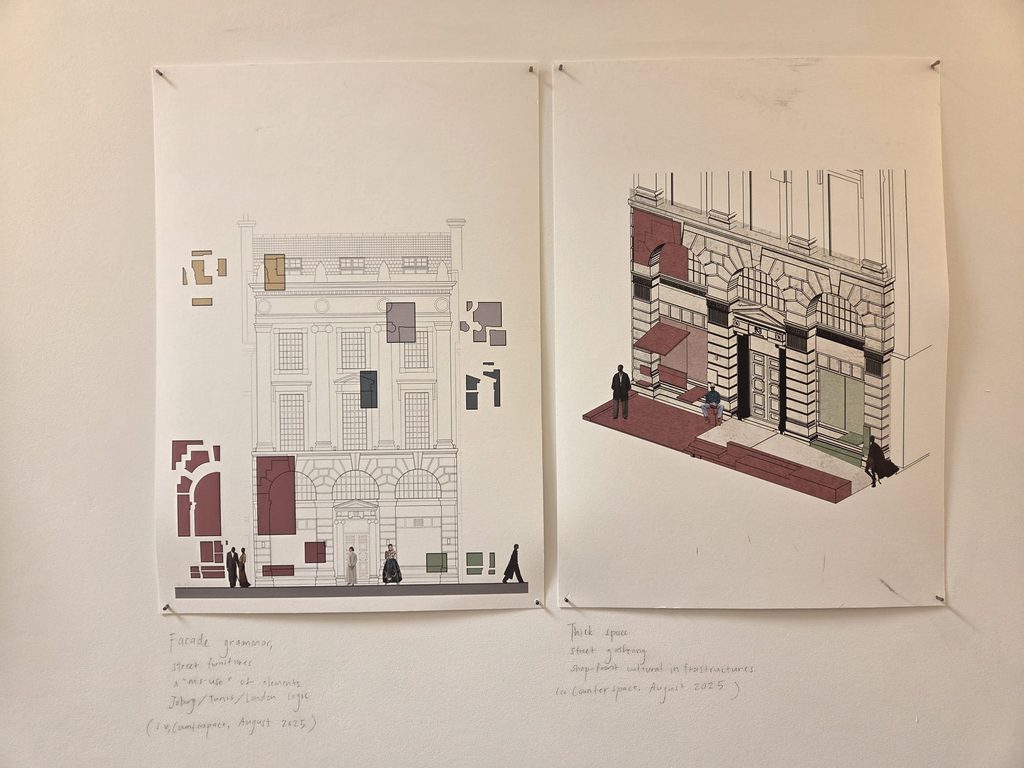
Let’s not forget the architecture, though. The talk we attended and Ibraaz’s website references the building starting out as a synagogue, but I haven’t found the source for this information so I’m not quite sure what part this applies to. It had a rich afterlife, though, as the London Galvanic Hospital (offering now discredited electrical treatments) and German Athenaeum (another cultural centre). It was even Wella’s London headquarters. After Wells it was empty for a few years. Architects Richardson Nyewood worked on bringing it back to life, and it now has its own architect in residence, Sumayya Vally, founder of Counterspace.
Ibraaz was a good discovery from this year’s Open House. It’s worth popping in to see the free exhibition by Indonesian collective Tarang Padi, or the sound installation I mentioned. If you do go, make sure you pop into the bookshop and Tunisian café Oula.
Kaymet Factory
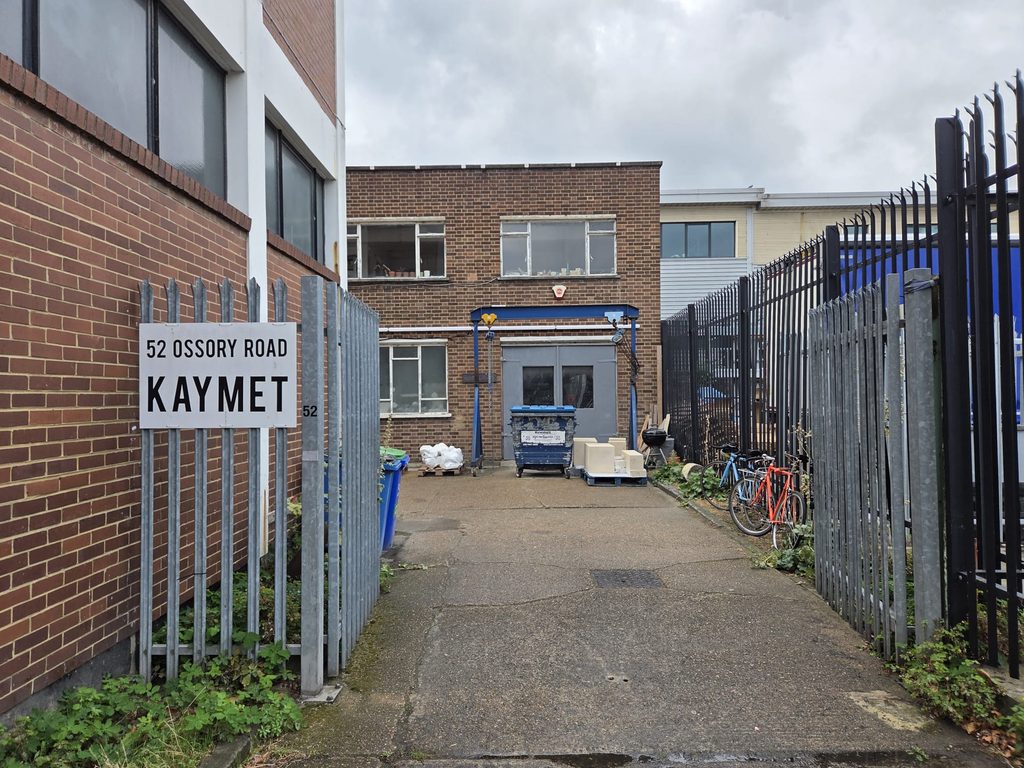
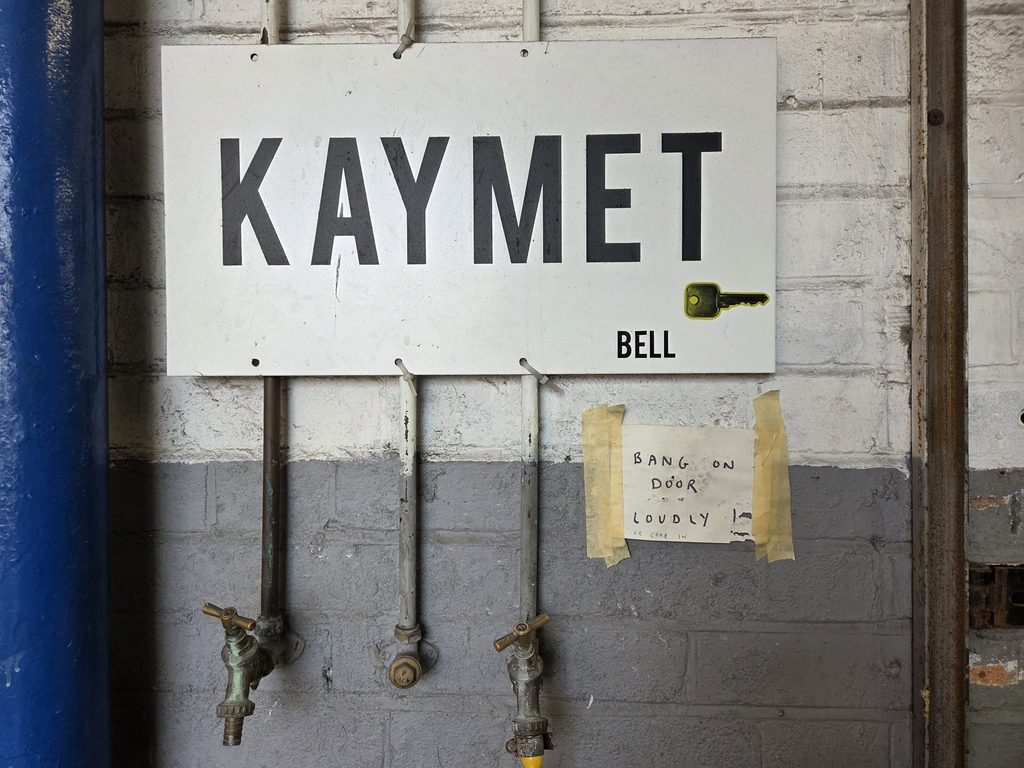
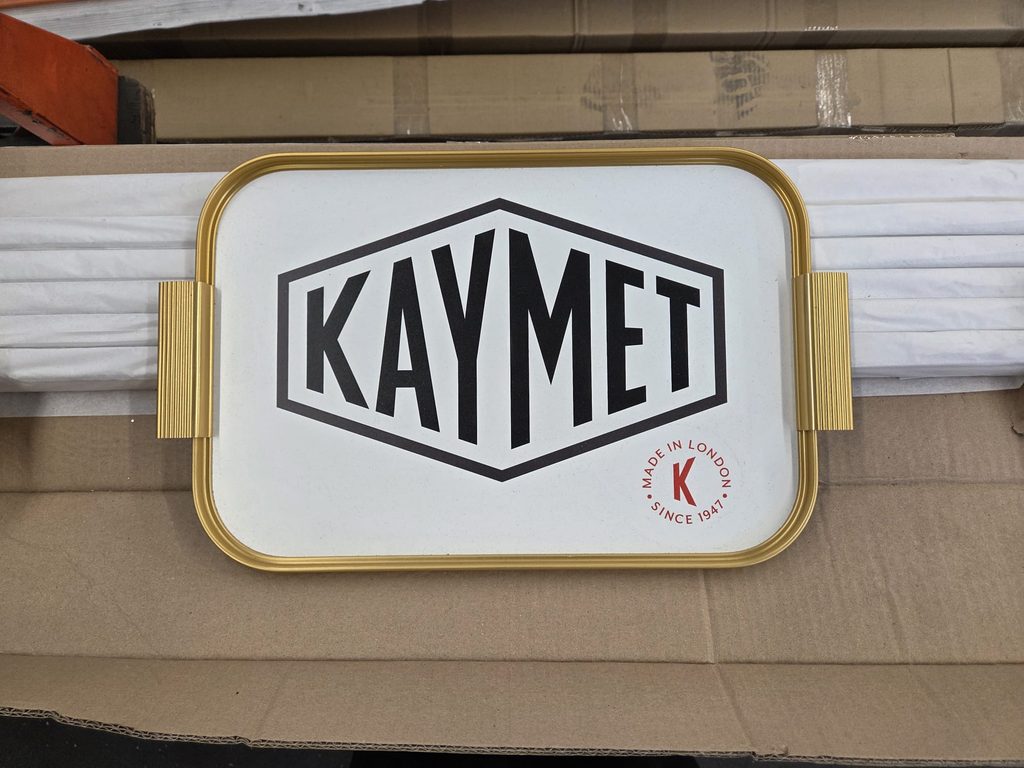
Last but not least, we have the Kaymet Factory. This was another Drop In listing, closer to home on the Old Kent Road. Kaymet have been makers of trays and trolleys since 1947. They have had various homes over the years – the current one is a 1950s building tucked behind Ossory Road.
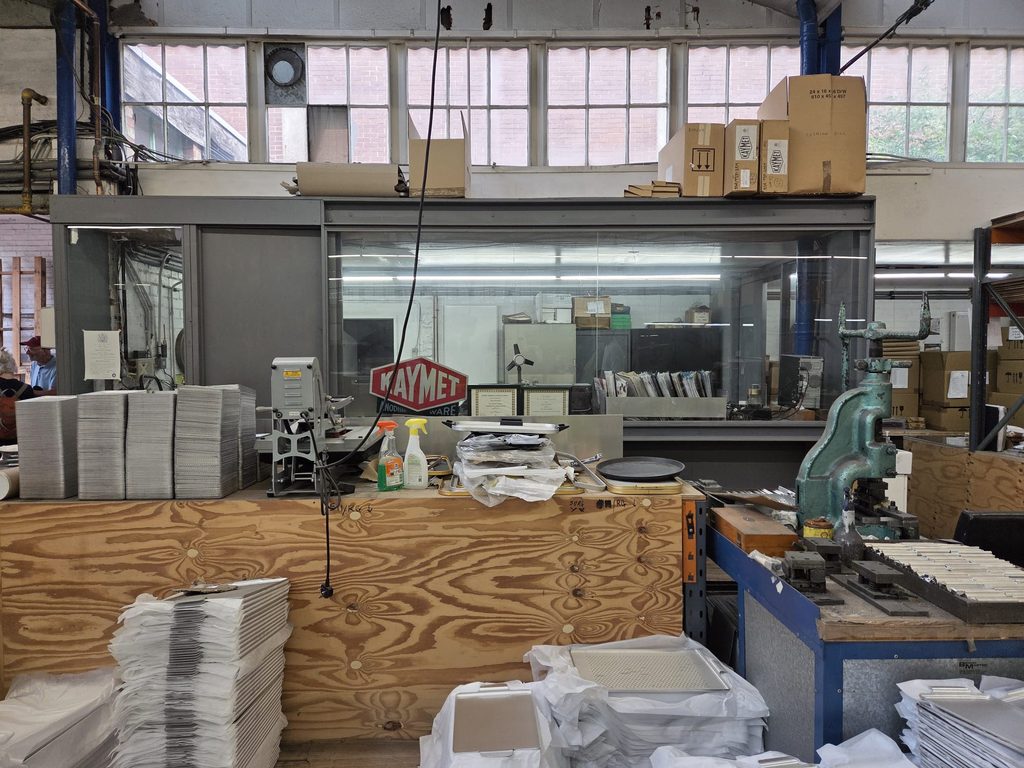
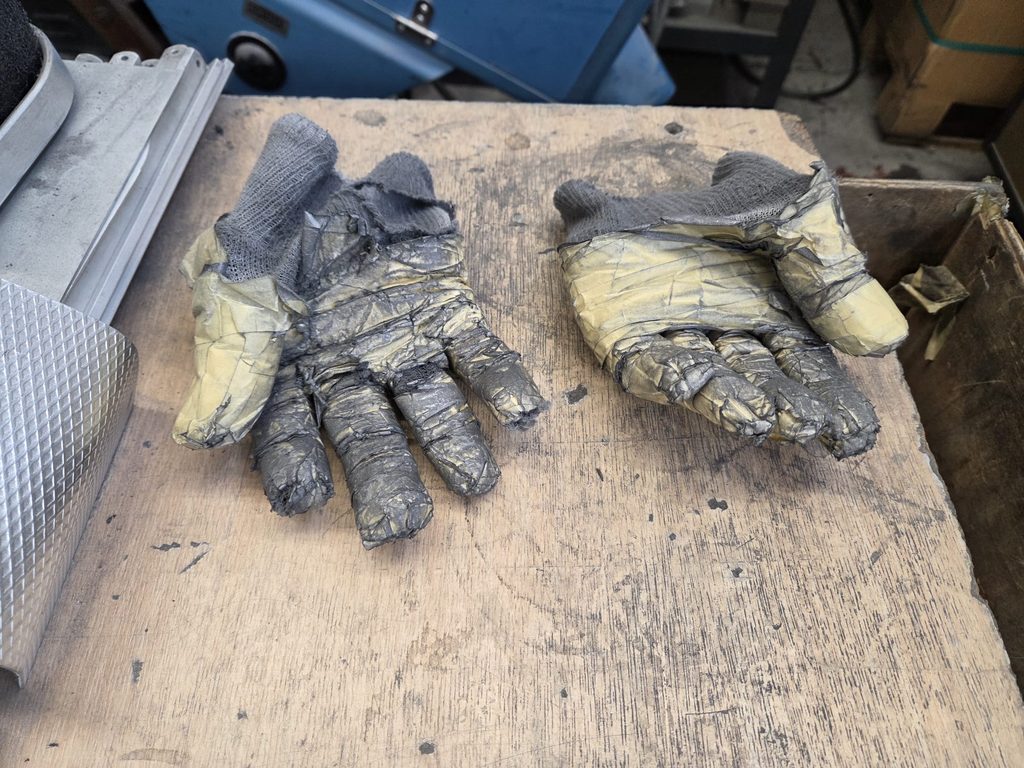
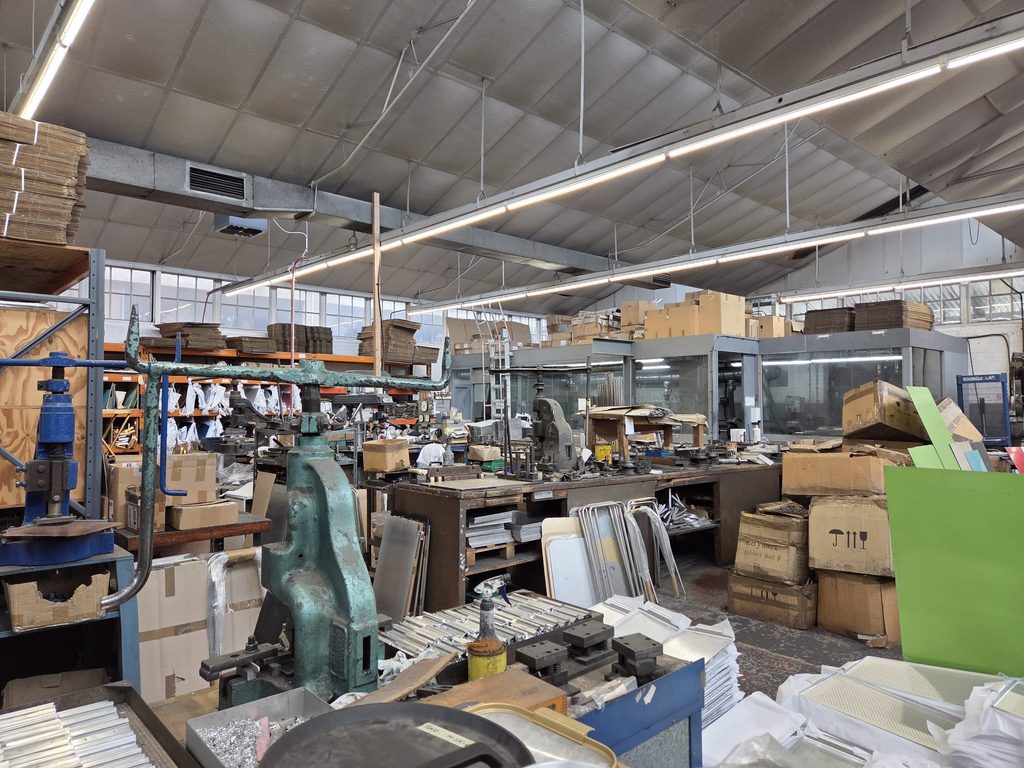
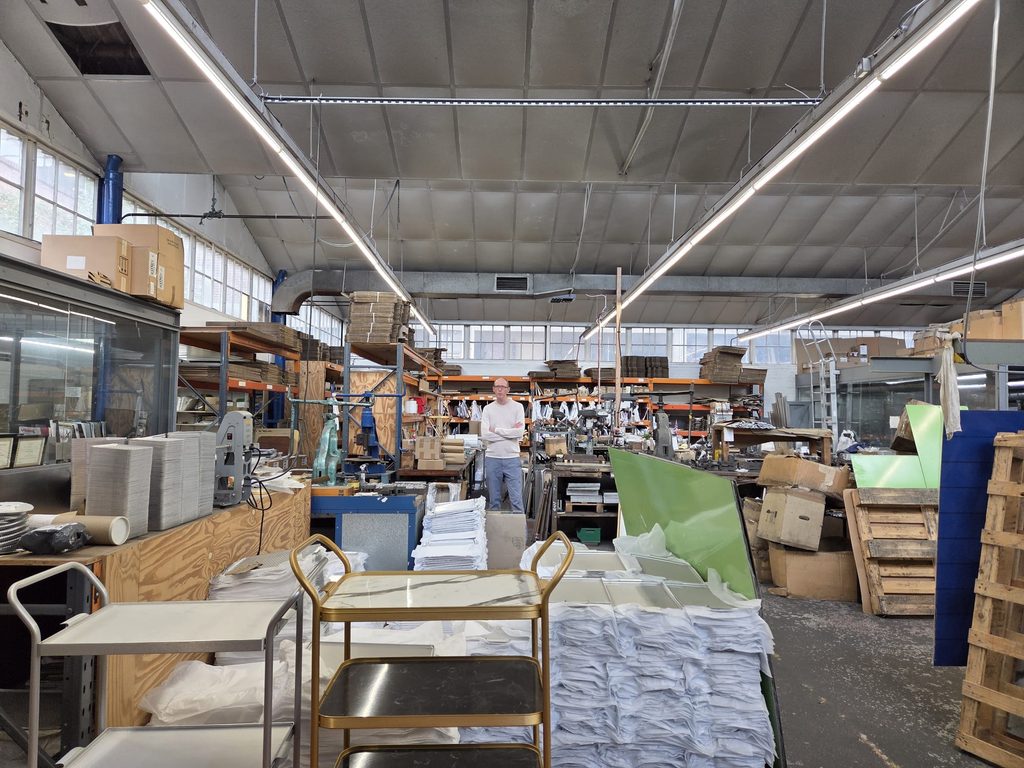
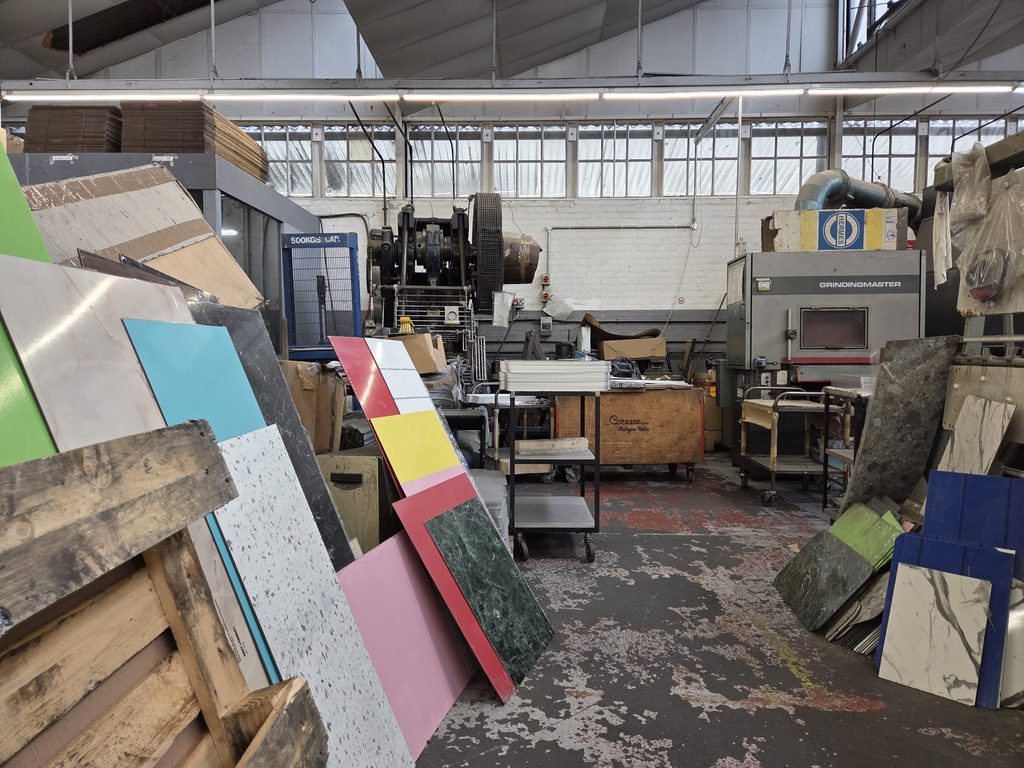
Within this workshop or factory space, Kayment work on some of the processes behind the 40,000 anodised aluminium trays they produce annually, along with a few trolleys and electric hotplates. Owner Mark Brearley gave us a tour, explaining production processes and how consistent some basic tray designs have remained over the years, while others have been added to suit evolving tastes and simplify production processes.
The size of the Ossory Road space is more geared towards hand-operated machines than a digitised production line. I loved seeing how some of the machines have been doing their specialised job for decades. If it ain’t broke, don’t fix it. Brearley explained topics as disparate as the sources of various materials and the process of obtaining a royal warrant. It’s like a little holdout. What this part of London used to be like, and still is to some extent despite encroaching blocks of flats.
The Brearley family are the second to shepherd Kaymet, and I hope they continue to do so with the same blend of product quality and human scale. I enjoyed my visit to the factory so much I even bought a tea tray to bring home. The Kayment Factory is open again next weekend as part of Open House London 2026 – definitely worth a visit as I can almost guarantee you won’t find another listing like it.
Trending
If you see this after your page is loaded completely, leafletJS files are missing.