
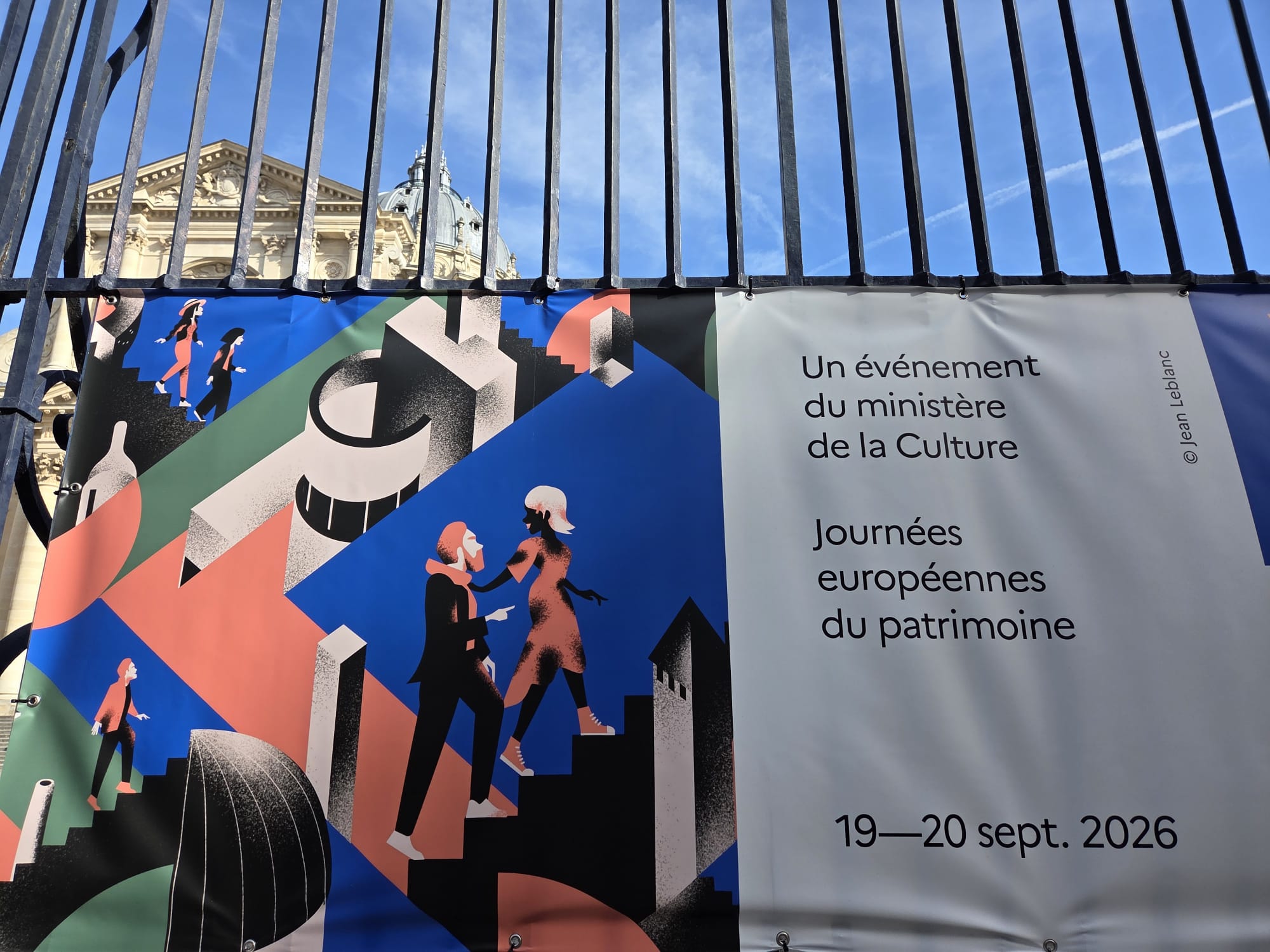
Journées Européennes du Patrimoine (European Heritage Days), Paris
Silver linings abound, as a weekend in Paris means I miss some of Open House London, but get to experience les Journées européennes du patrimoine instead!
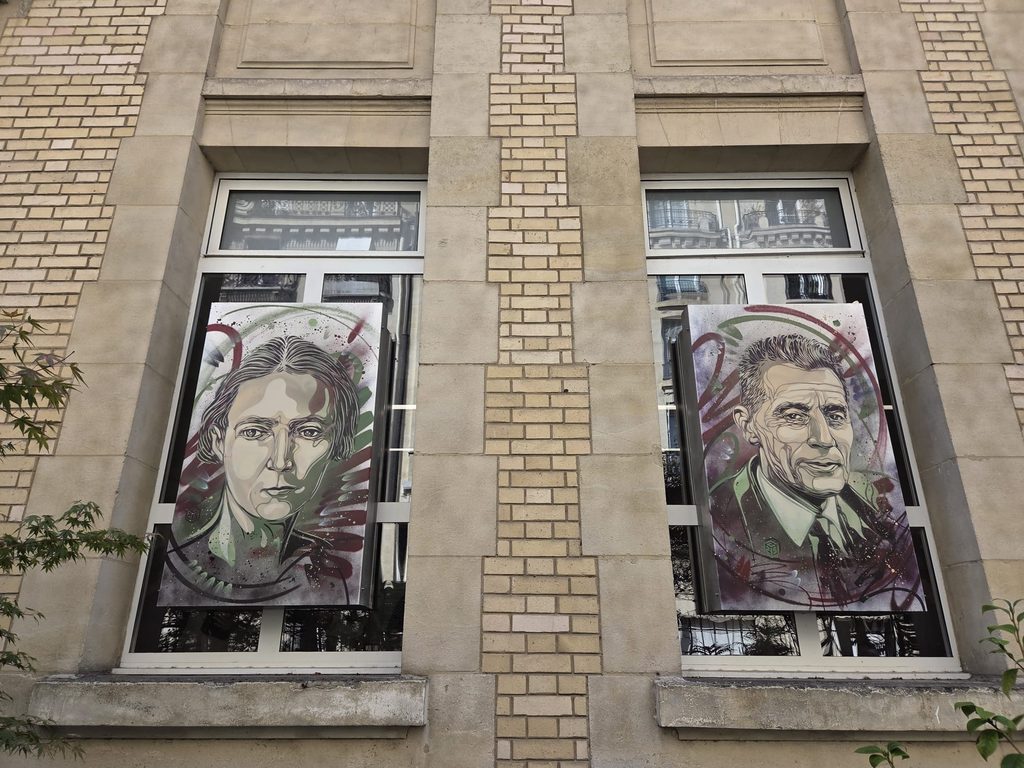
The Unexpected Pleasure of les Journées Européennes du Patrimoine
I wrote in my post about this year’s Open House festival that I hadn’t seen as much as usual. This was partly due to not being able to book anything as high traffic crashed the website on the day bookings opened. And partly because I was only in London for one of the two weekends of the festival.
Well, it turns out that instead of missing out on something, I got a whole new experience instead! I’m so focused generally on Open House that I don’t always remember the wider context. But the festival happens every year in parallel with a much bigger festival. It’s known in France as les Journées européennes du patrimoine (European Heritage Days) and in the UK as Heritage Open Days. This festival began in France in 1984, the idea being that different places normally closed to the public would open their doors for a single weekend. It’s now celebrated in more than 50 countries worldwide. Open House is a more architecturally-focused version of it. Or at least that’s the idea – over time I would argue it’s become more like its heritage-focused cousins. This year’s themes for the festival were Heritage in Danger, and the Heritage of Photography.
As I learned late that les Journées européennes du patrimoine was happening while I was in Paris, I once again didn’t have anything booked. I had a few hours to spare on the Saturday. So I decided to focus on the places within a radius of a few blocks of my hotel, in Paris’s 5th arrondissement, which didn’t require booking. There were so many of them, I saw far more places than I had at Open House the weekend before. They ranged from a library of bibles in a cellar, to the Panthéon, a monument to France’s most notable citizens. Let’s read more about them now.
Institut National de Jeunes Sourds de Paris (National Institute for Deaf Youth of Paris)
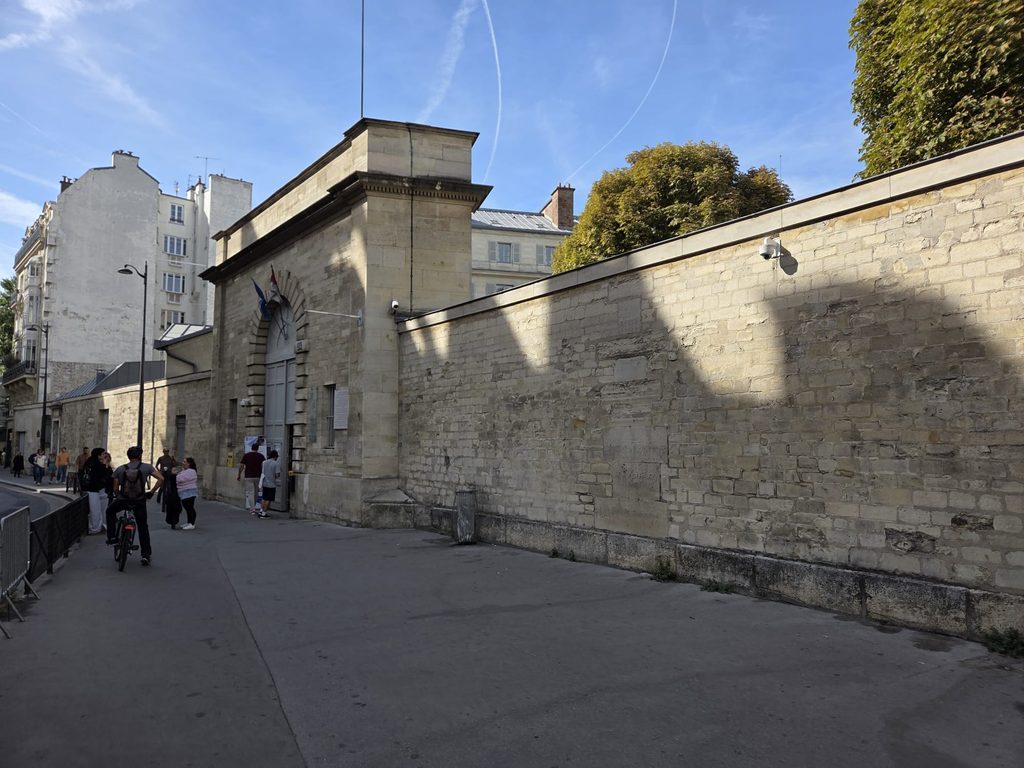
I’d actually walked past l’Institut national des jeunes sourds de Paris a couple of times without realising it. It was on the way between the RER and my hotel, behind a high wall. That, my friends, is precisely why I love these sorts of festivals so much!
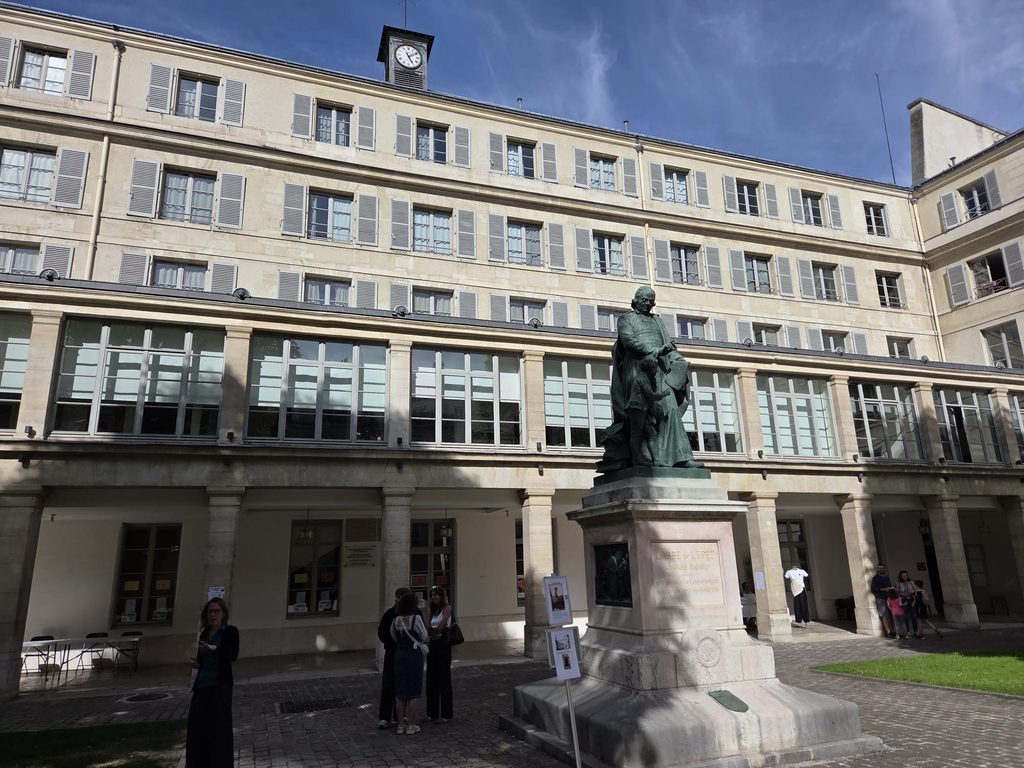
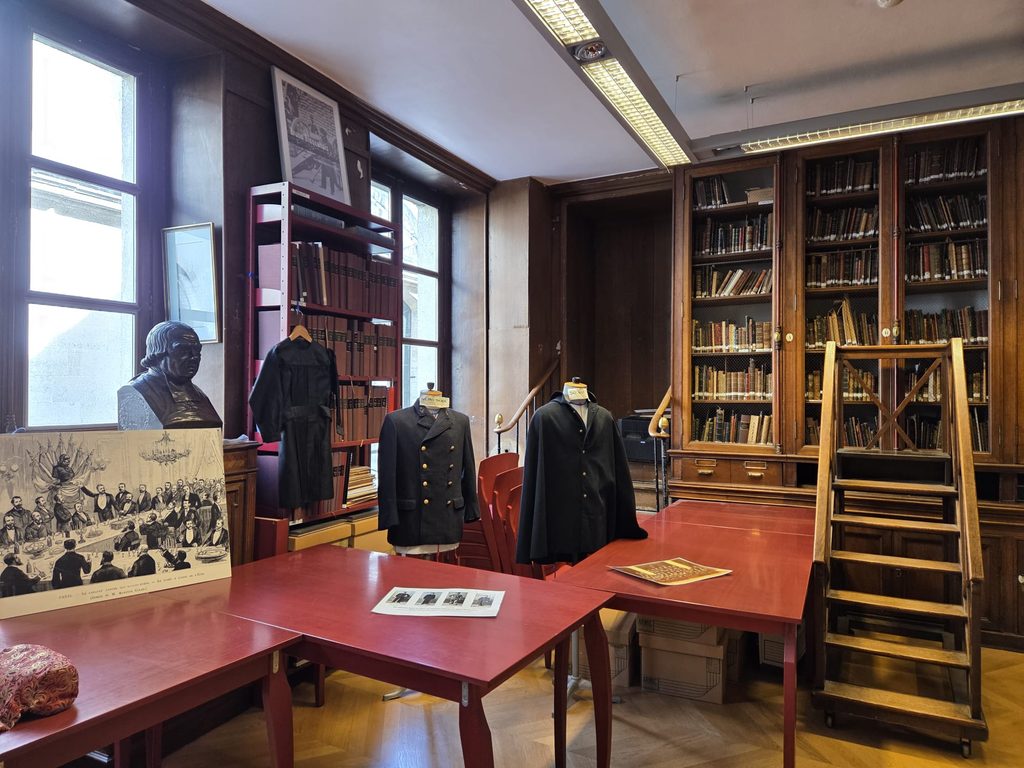
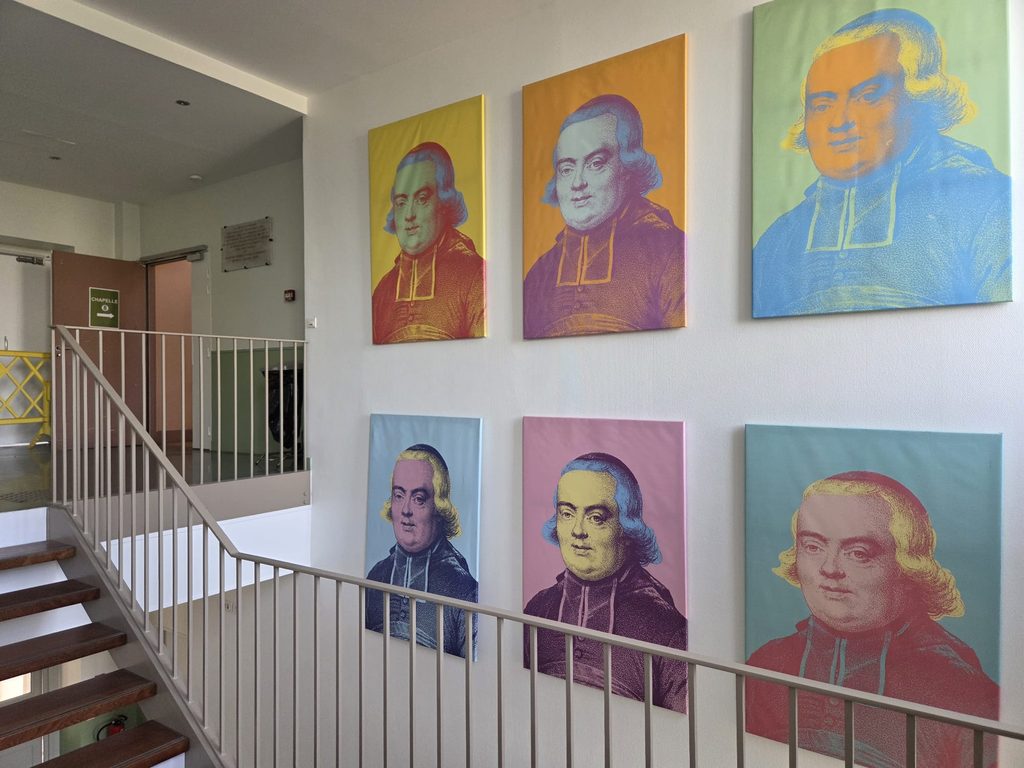
The site is a very old one. It began life in 1286 as a hospital for pilgrims on their way to Santiago de Compostela. It was later a Benedictine abbey, and then a seminary. Jean de la Fontaine, known for his fables, studied here. In 1760 l’Abbé Charles Michel de l’Épée opened a free school for deaf children in his home, teaching them a perhaps overly complicated version of sign language. The French Revolutionary government created l’Institution des Sourds de Naissance (the Institution for those Born Deaf) in 1791. They gave l’Abbé de l’Épée a former convent near l’Arsenal, and then in 1794 the current site, the former seminary. Thus the first public school for deaf children anywhere in the world was born.
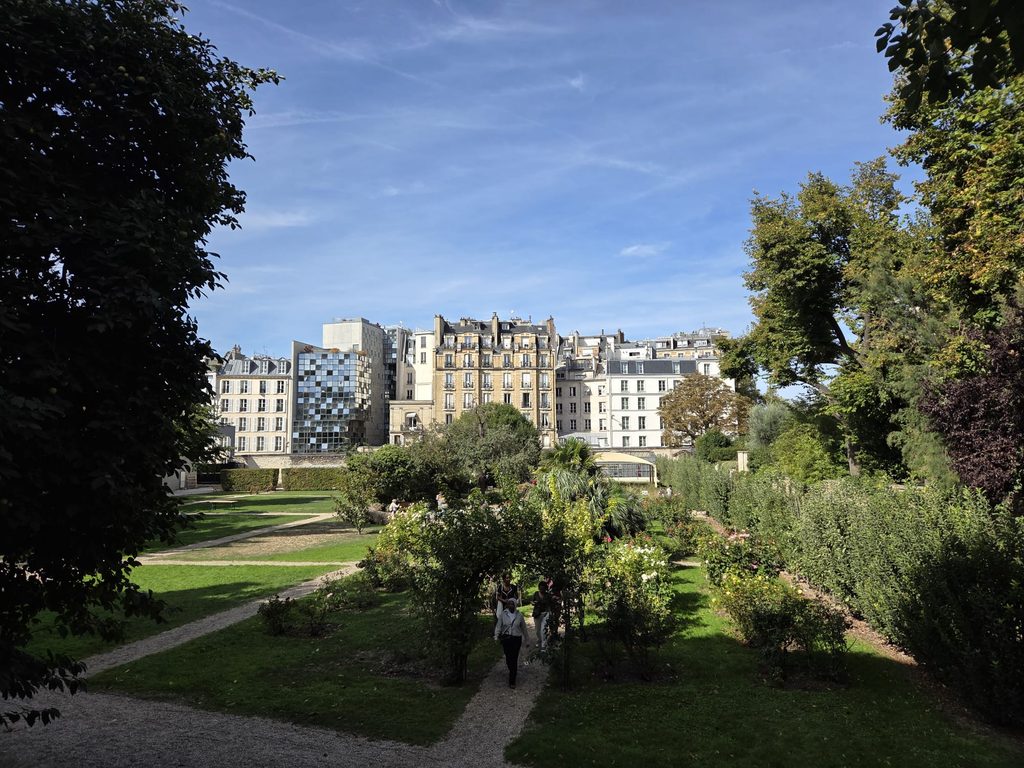
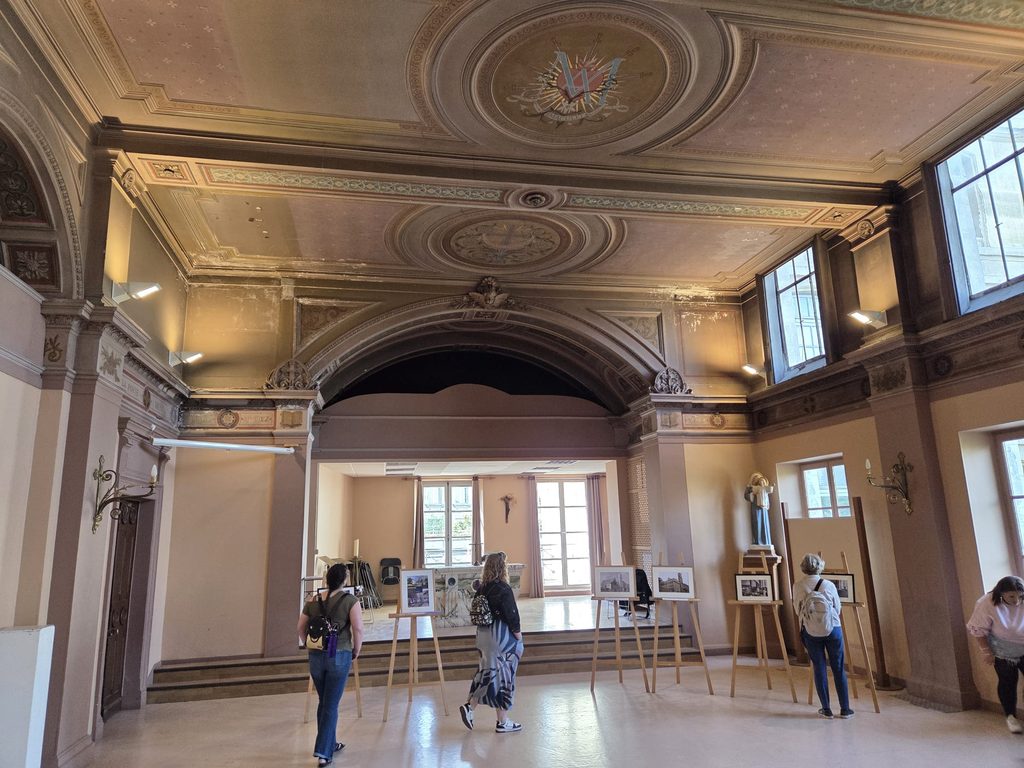
For les Journées européennes du patrimoine, the institute asked the question of whether French sign language is endangered. It was in full evidence on the day, with hosts greeting people and answering questions bilingually in French and French sign language. Visitors could see a few different places of interest within the site, from the library and director’s office to the garden (including a 300+ year old pear tree), a Gallo-Roman kiln, to a former chapel and former baths. The garden is like a little oasis within the city, a wonderful spot for the students to have access to. I enjoyed this small insight into France’s d/Deaf community, and their proud heritage.
La Maison Poincaré
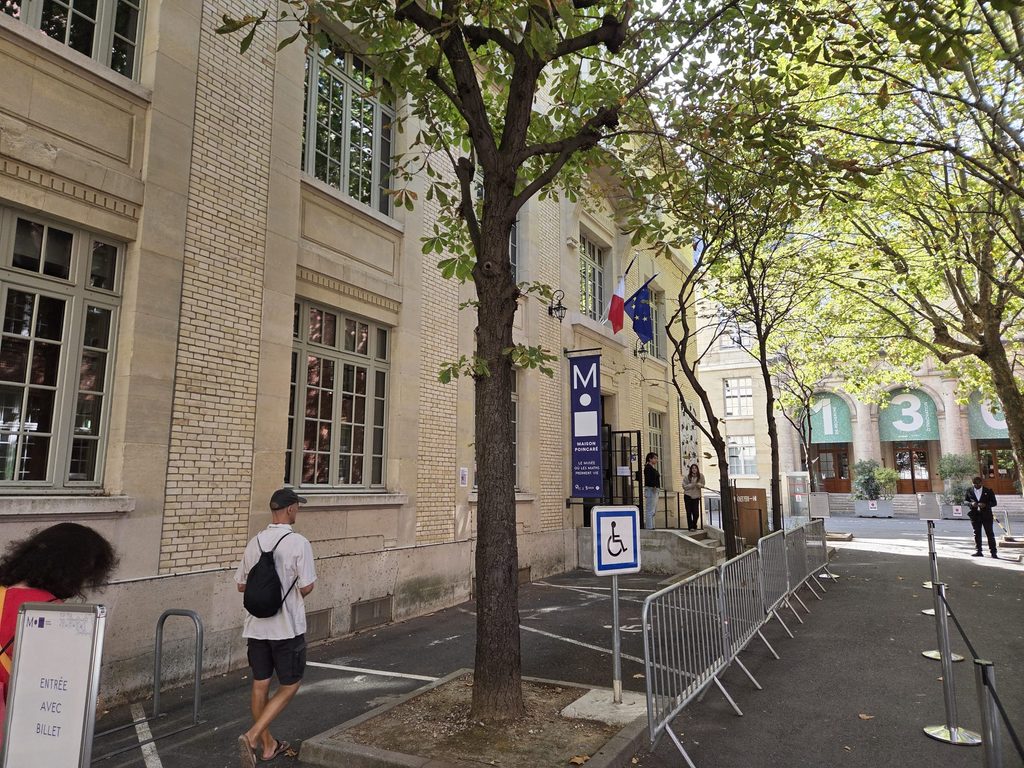
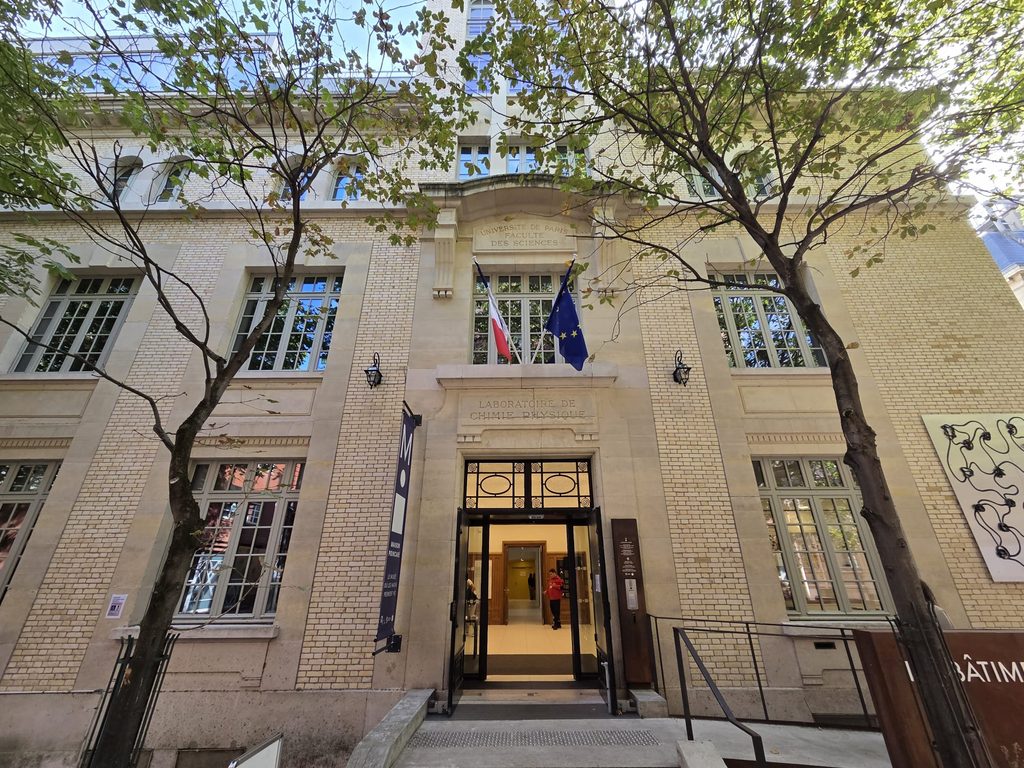
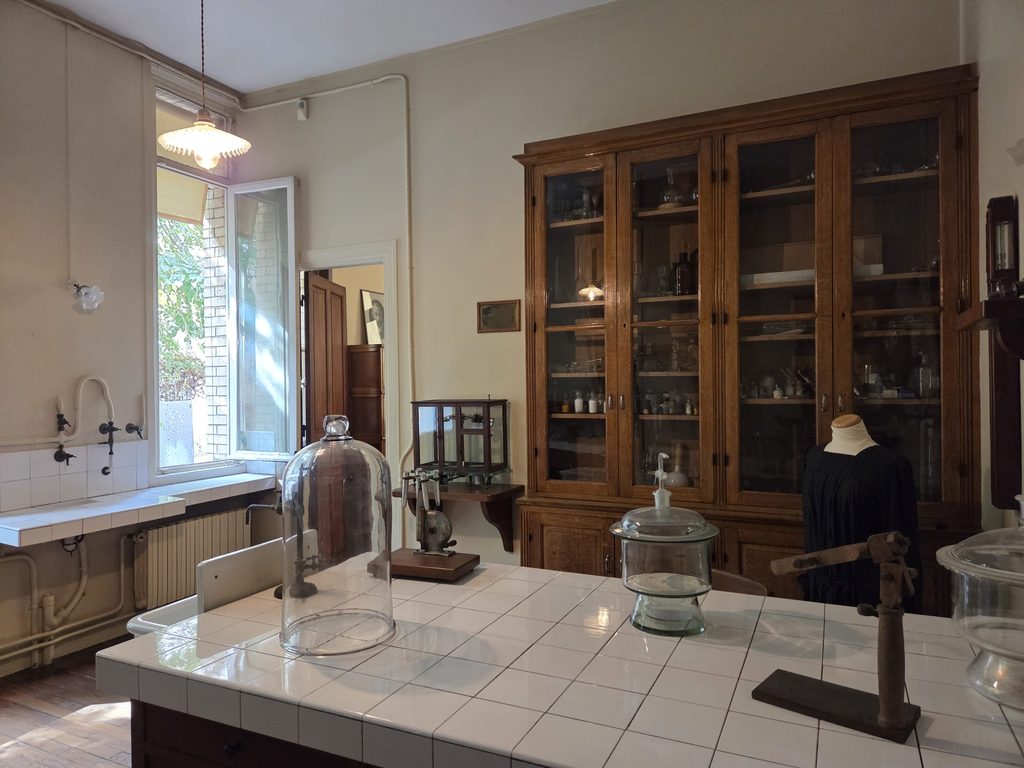
No photos allowed inside here, which is a bit of a shame. The Maison Poincaré calls itself ‘the museum where maths come to life’. It is within the ‘Curie campus’ of the Sorbonne. And it contains the former laboratory of physicist, chemist, politician and Nobel Prize winner Jean Perrin. It is named after French mathematician Henri Poincaré, who died in 1912.
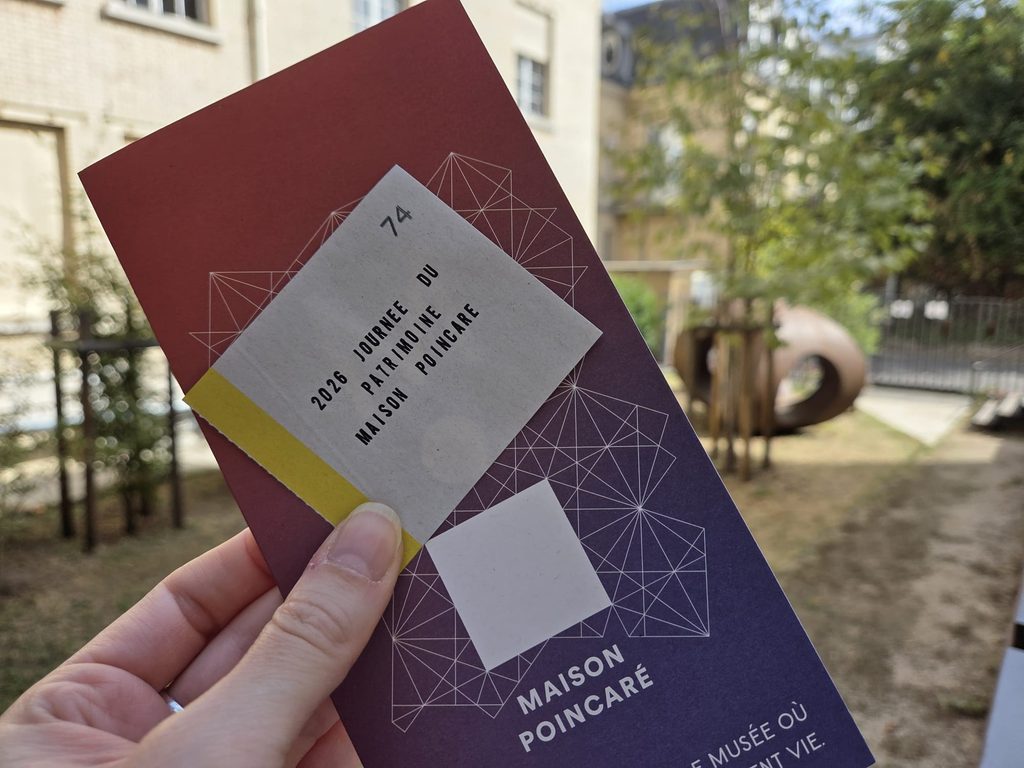
The Maison Poincaré is the first Parisian museum dedicated to mathematics, and opened in 2023. It aims to demonstrate the intrinsic link between maths, other sciences, and society. There are several different themes within the permanent exhibition, including Connect, Becoming, Invent, Model, and Share. Tickets are normally required, including for an experience subject to an additional fee, called ‘Holo-Math’.
This is an example of an institution which is normally open to the public, which participated in les Journées européennes du patrimoine by removing its entry fee. Even within the context of the festival I felt a little unsure about just wandering into a university campus, so I’m sure it helps the institution to gain visibility. Otherwise the museum is very interactive, and could be a good option for families with scientifically-minded children. I liked the historic laboratory/lecture theatre as well.
Le Musée Curie
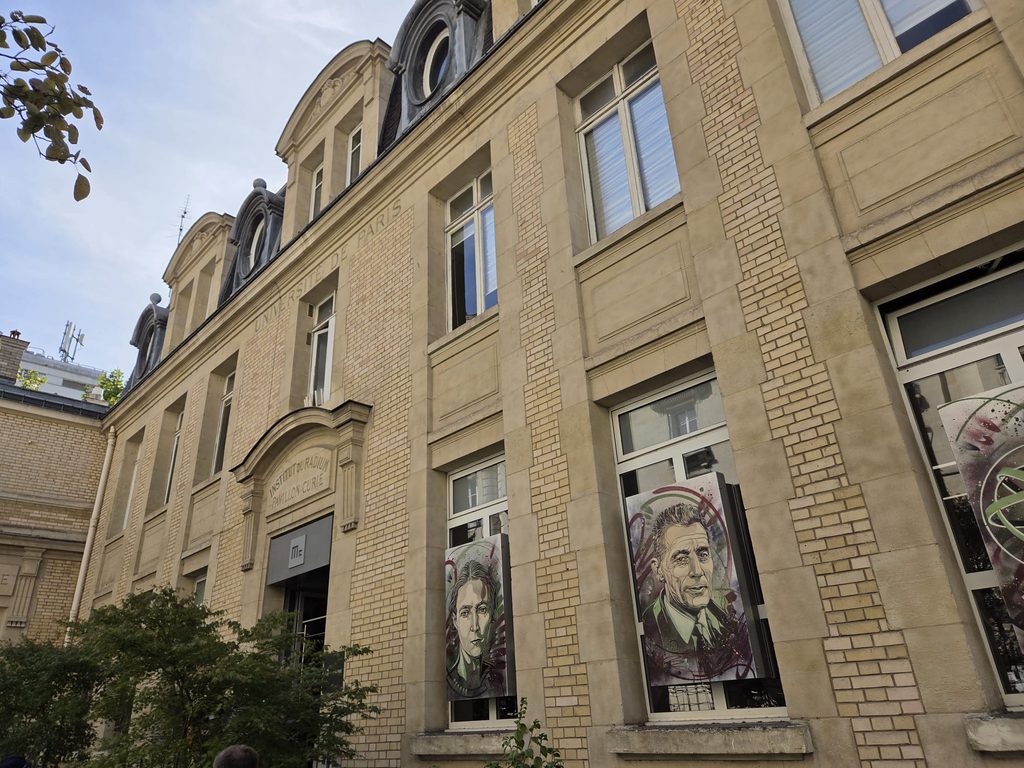
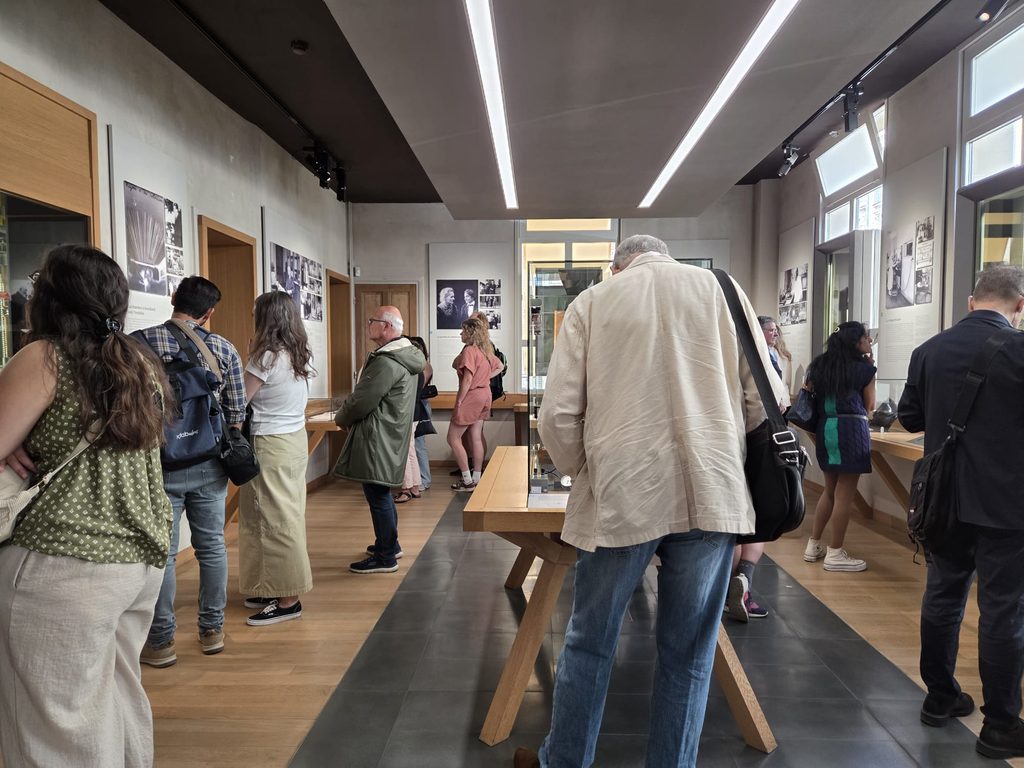
I didn’t even have to leave the Sorbonne’s Curie campus for my next stop, which was le Musée Curie. I suspect this museum gets more non-university traffic, as both the building and the subject are a bit more accessible. This museum is on the site of Marie Curie’s former laboratory, and opened very shortly after Curie’s death in 1934. A donation from Curie’s daughter Ève supported a renovation in 2012.
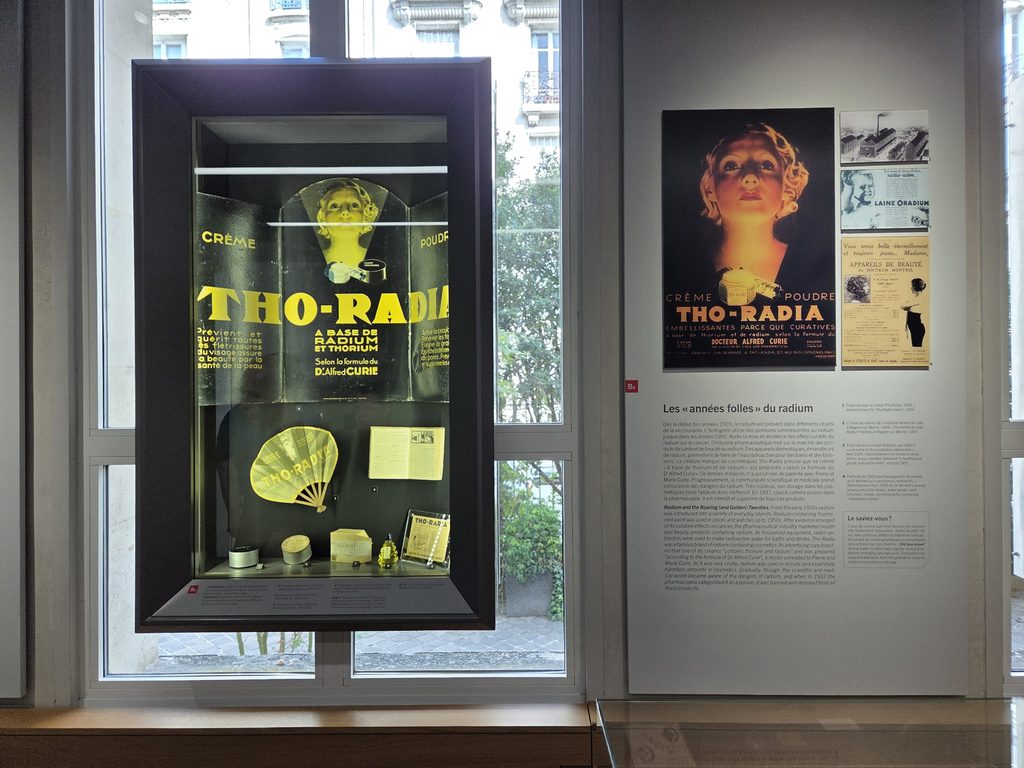
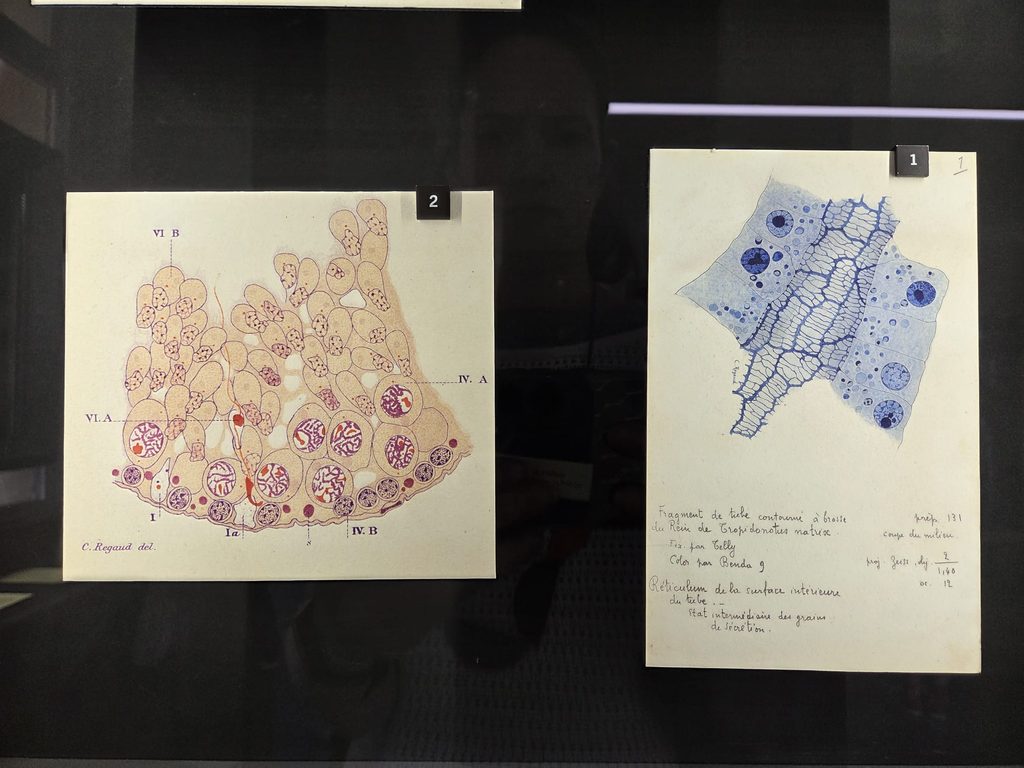
The museum itself is rather small, but admission is free. I would suggest that outside of les Journées européennes du patrimoine it’s probably best if you’re already in the area. Or, of course, if you’re a big Pierre and Marie Curie fan. Visitors first enter into a permanent exhibition space which explains radiological research, how the Curies discovered artificial radioactivity, the applications of radioactivity for example in medicine, and the radium craze of the early 20th century.
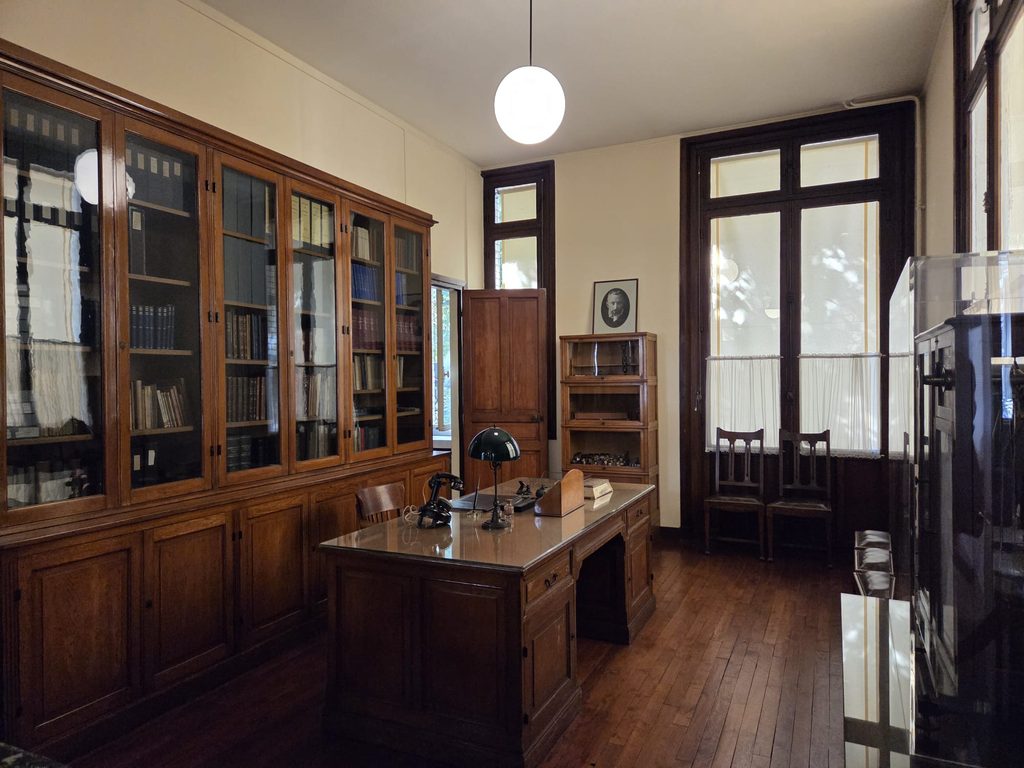
Visitors can also peer into Marie Curie’s office and laboratory. This latter retained some level of radioactivity until the 1980s, when it was pulled apart, decontaminated, and reconstituted. It’s a moving tribute to the Curies and the price they paid for knowledge.
Le Panthéon
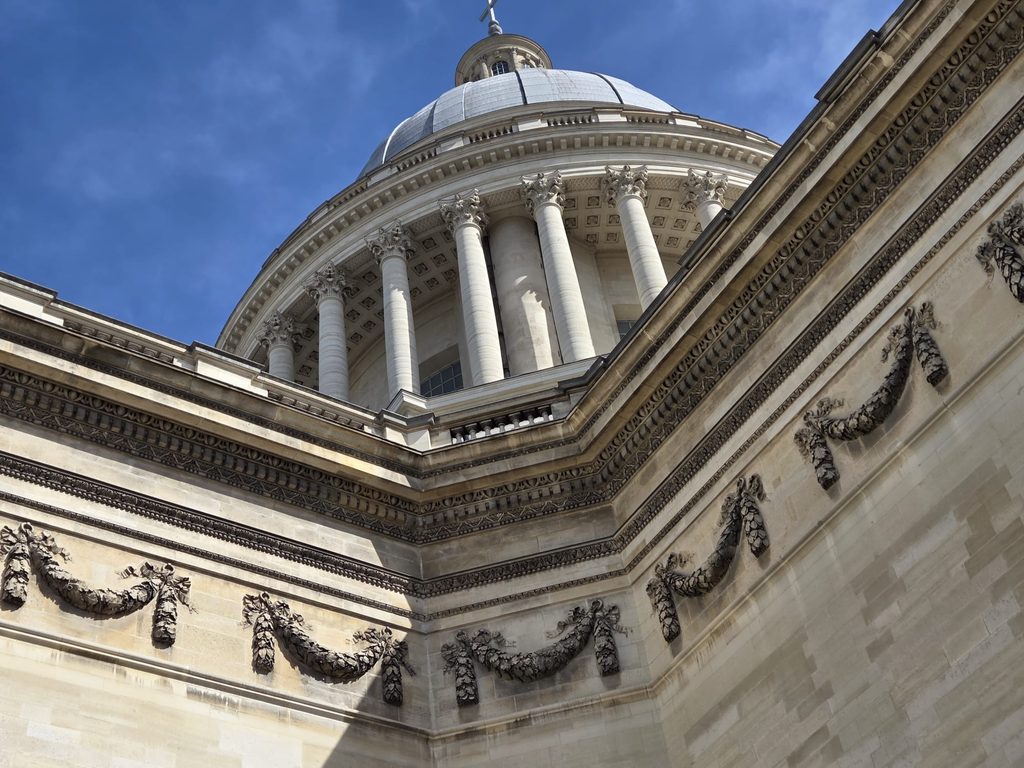
I went straight from one of the smaller institutions of the day to the largest. And the one with the longest queue. I spent about an hour making my way into the Panthéon. This is the only place I saw which I’d visited before, but not for about 20 years.
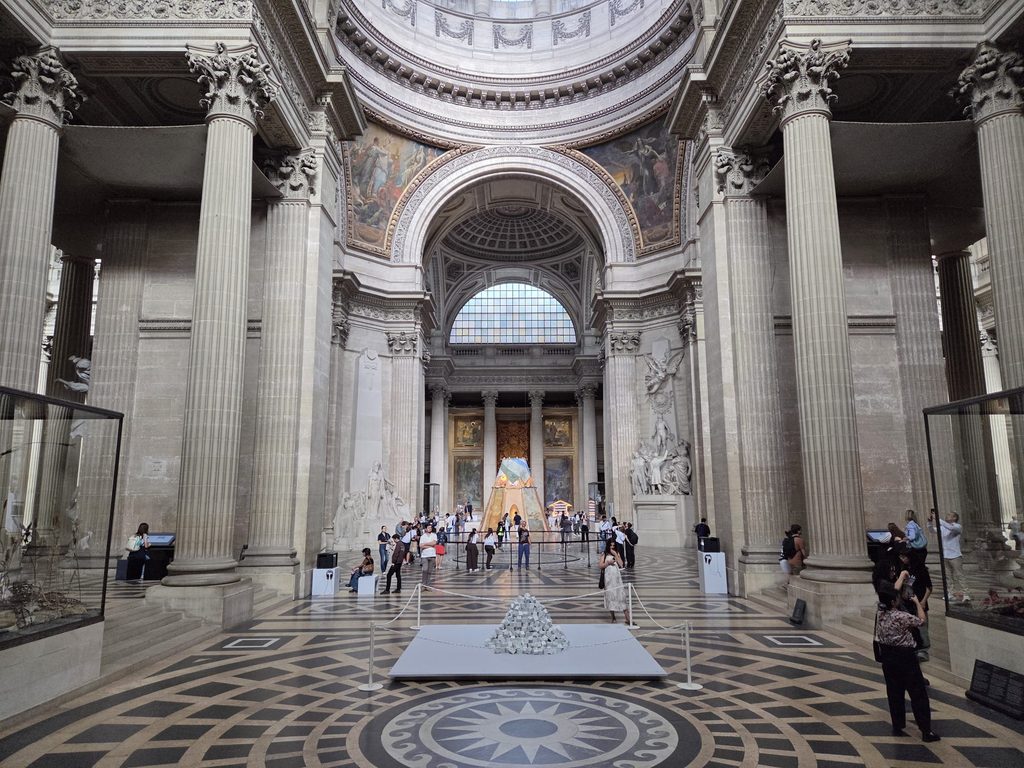
The Panthéon is an incredibly important place in the history of Paris. It’s on top of Mont Lucotitius, once the location of the forum of Lutetia, Paris’s Gallo-Roman predecessor. Clovis, King of the Franks, constructed a first church here in 508 after converting to Christianity. It was the burial place of Saint Genevieve, patron saint of Paris. An abbey on the site was an important centre of medieval religious scholarship. The current building dates to 1758-90, to designs by Jacques-Germain Soufflot at the request of Louis XIV. Louis XIV had intended it to be another church dedicated to Saint Genevieve. But we all know what happened in 1789, while construction was ongoing. The Revolutionary government voted in 1791 for the building to be a monument to notable citizens. It flip-flopped between mausoleum and church until definitely becoming a mausoleum in 1881.
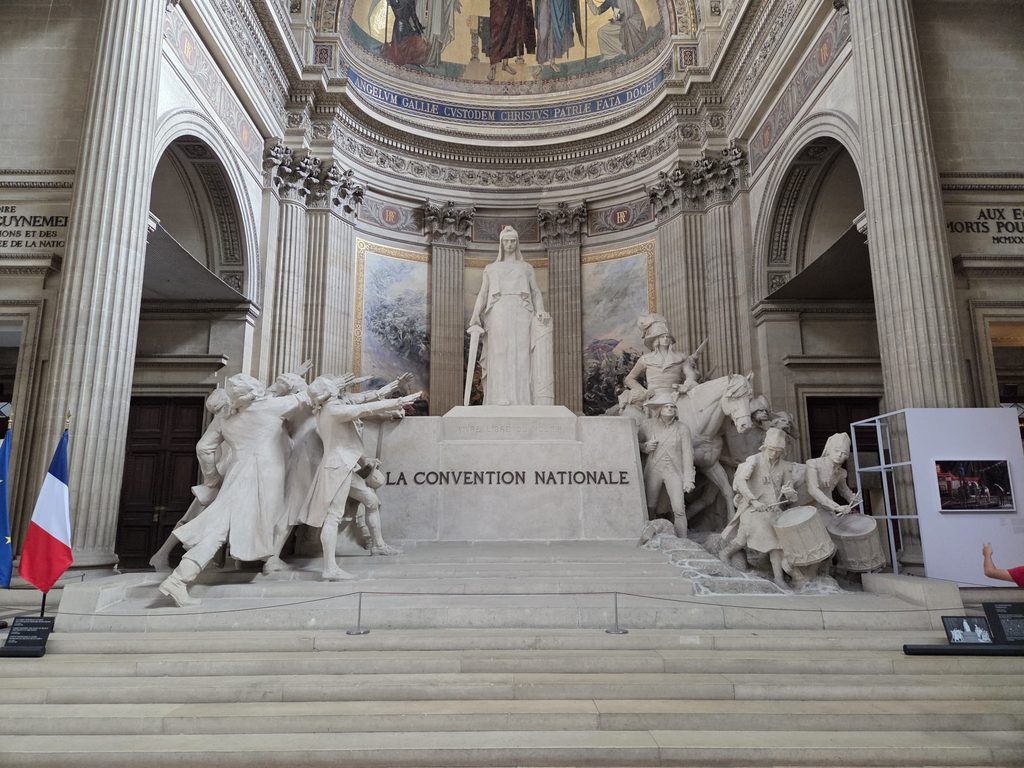
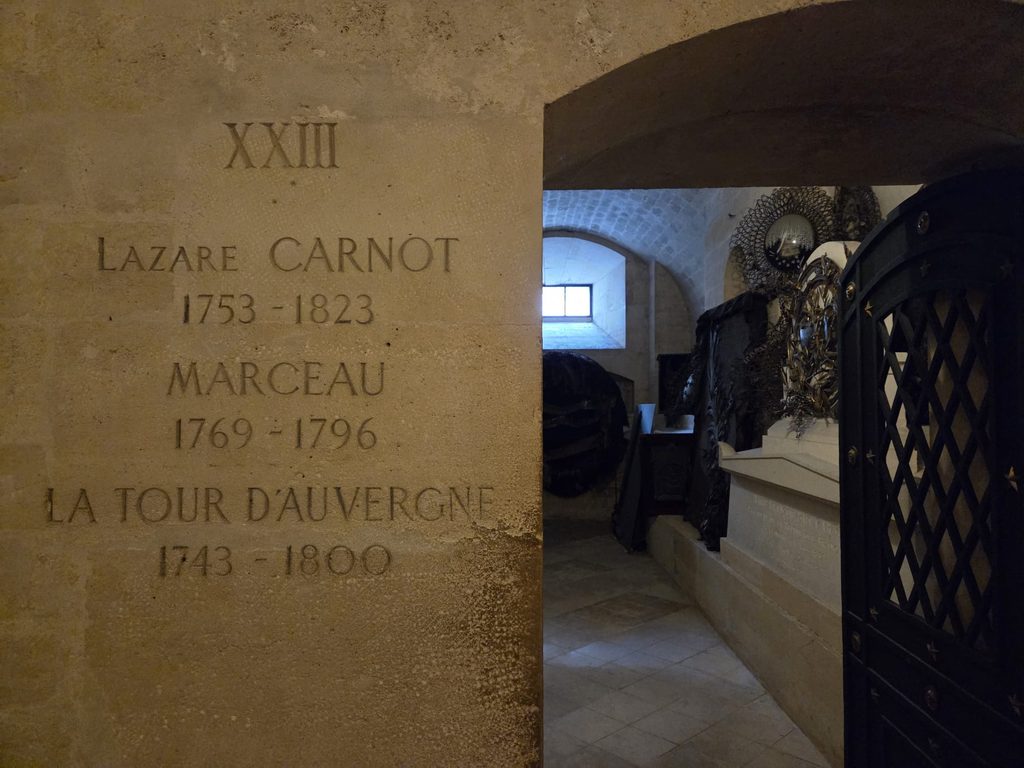
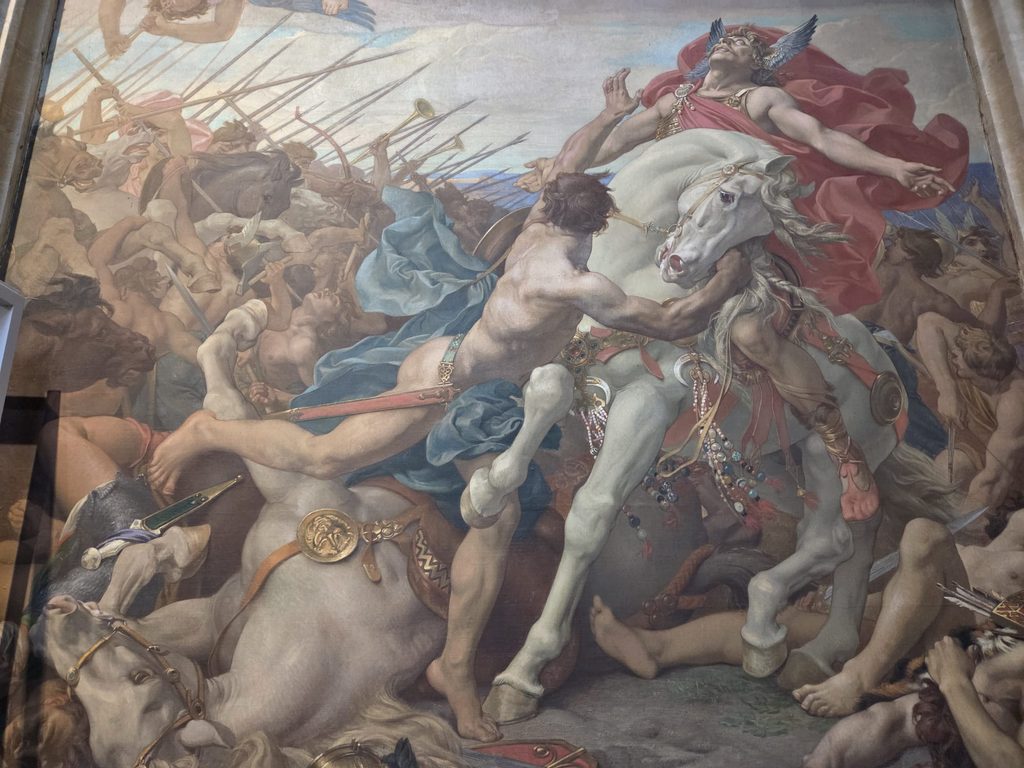
In actual fact, the building still reads very much like a church. There are paintings of the life of Saint Genevieve around many of the walls. And a monument to the National Convention where the altar would normally be. The great and the good are buried in the crypts, in the usual way of church burials. Rousseau and Voltaire have pride of place. Other burials are grouped more or less thematically according to their contributions to the country. Burials (or reburials) still take place here. There is a good multimedia exhibition on the latest arrival, historian and Resistance fighter Marc Bloch, who was executed by the Gestapo in 1944.
It was interesting to see the Panthéon again, but I did spend more time queueing than I did inside. I liked the contemporary art installations inside, which again are not unheard of in a church setting. It’s a place that tells us a lot about nationhood and memory in France, and was a good addition to my day of heritage.
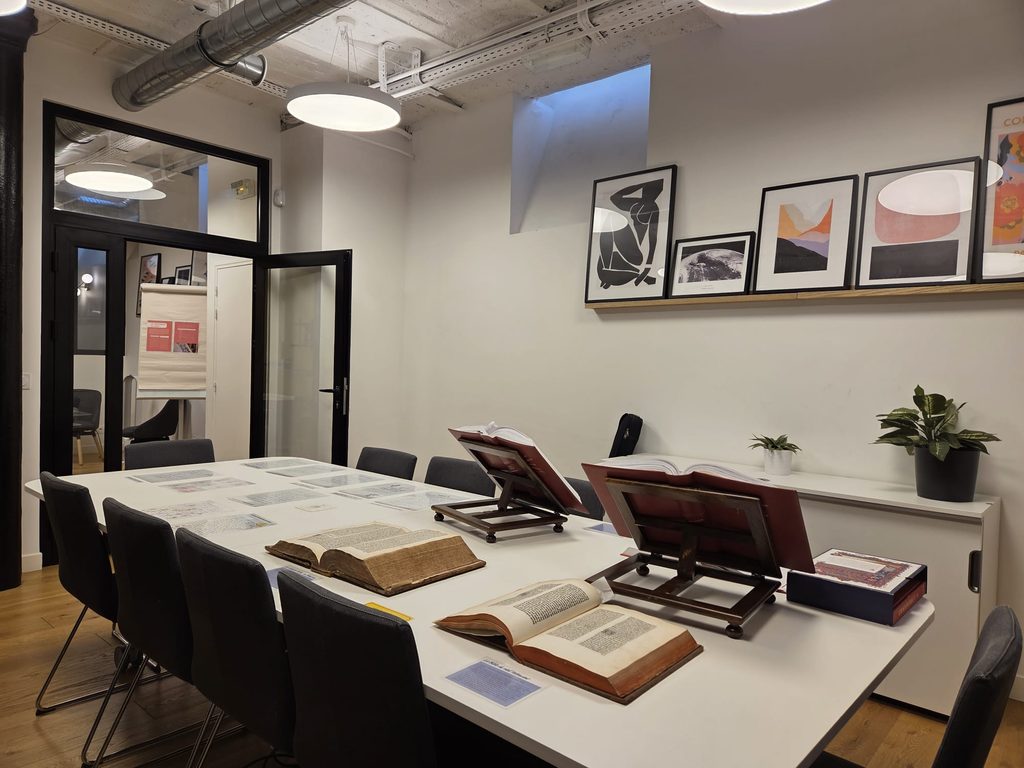
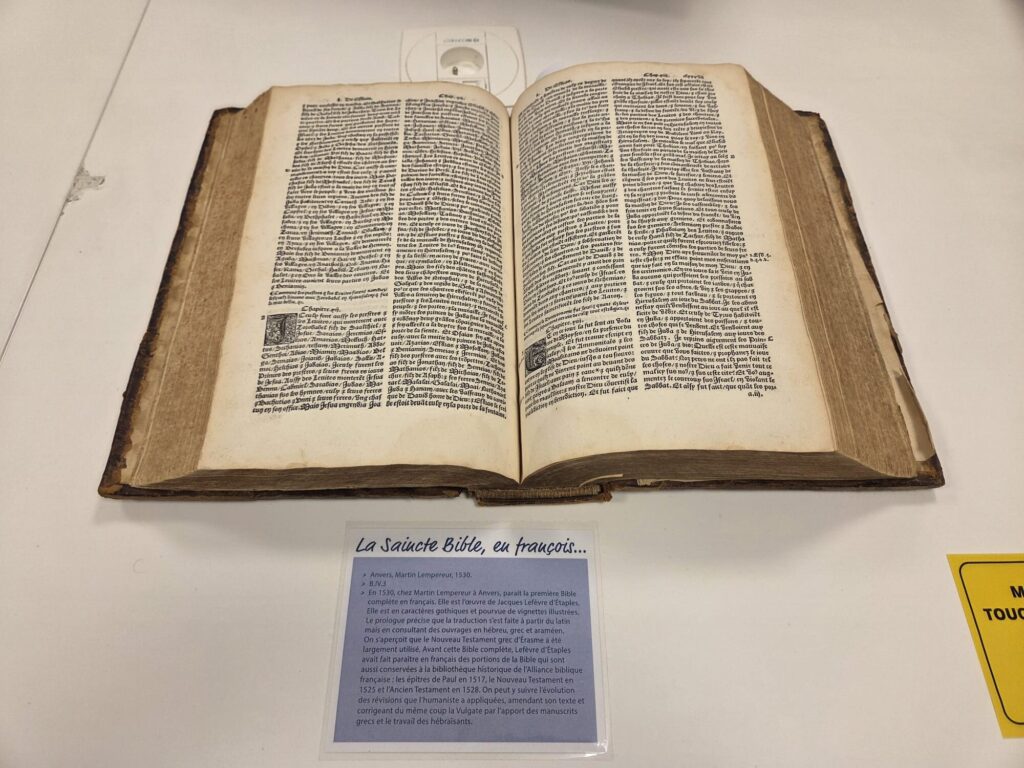
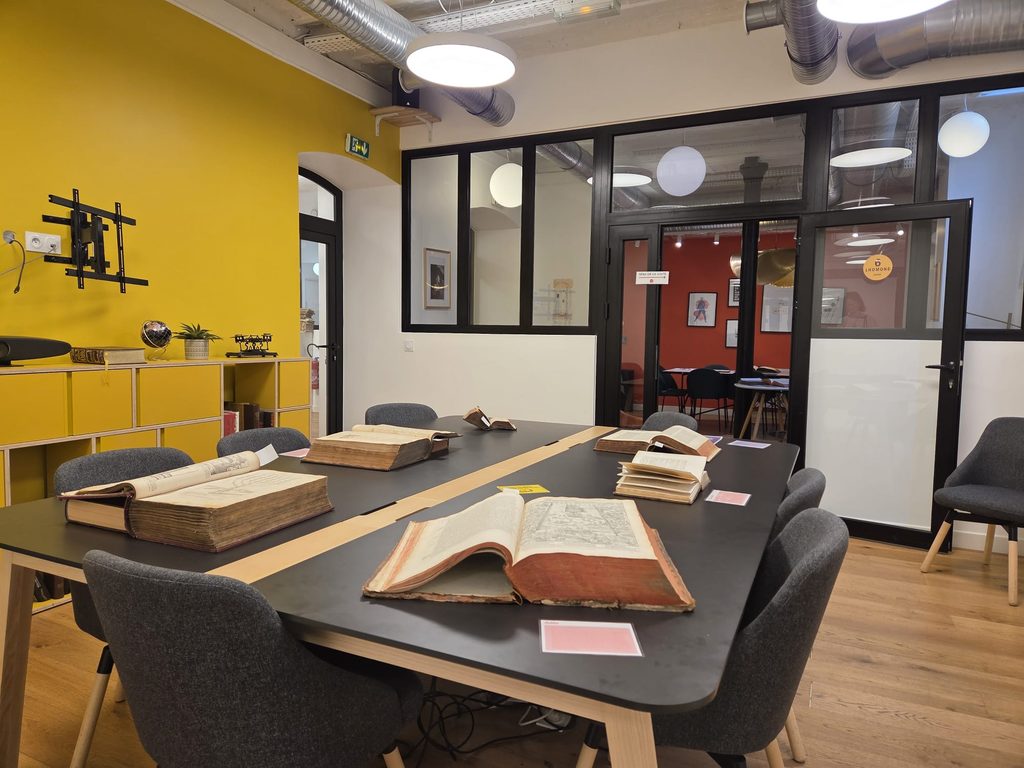
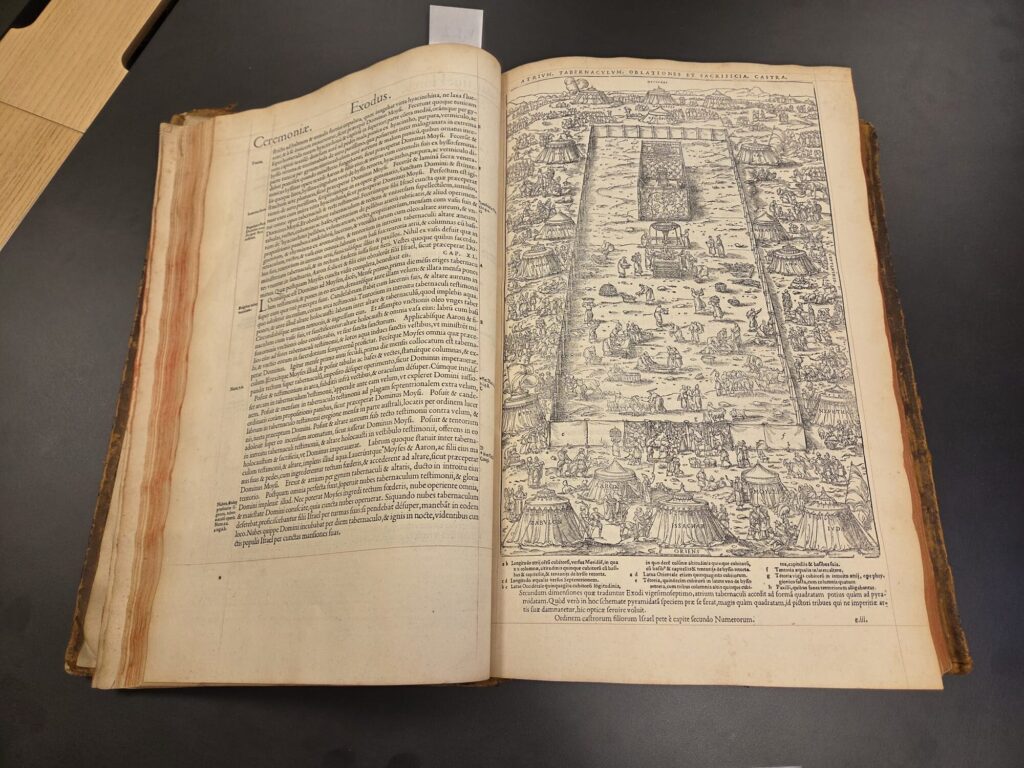
l’Alliance Biblique Française (French Bible Alliance)
Having already seen a few heritage institutions and queued for the Panthéon, I now needed a break and a bit of lunch. But as l’Alliance biblique française was on my way to that rest stop, I decided to pop in quickly.
L’Alliance biblique française emerged from several French bible societies founded in the 19th century. These included the Bible Society of Paris (1818), Bible Society of France (1864), and the French branch of the British and Foreign Bible Society (1820). These groups merged in 1947, and the Alliance biblique française is today a member of the Universal Bible Alliance.
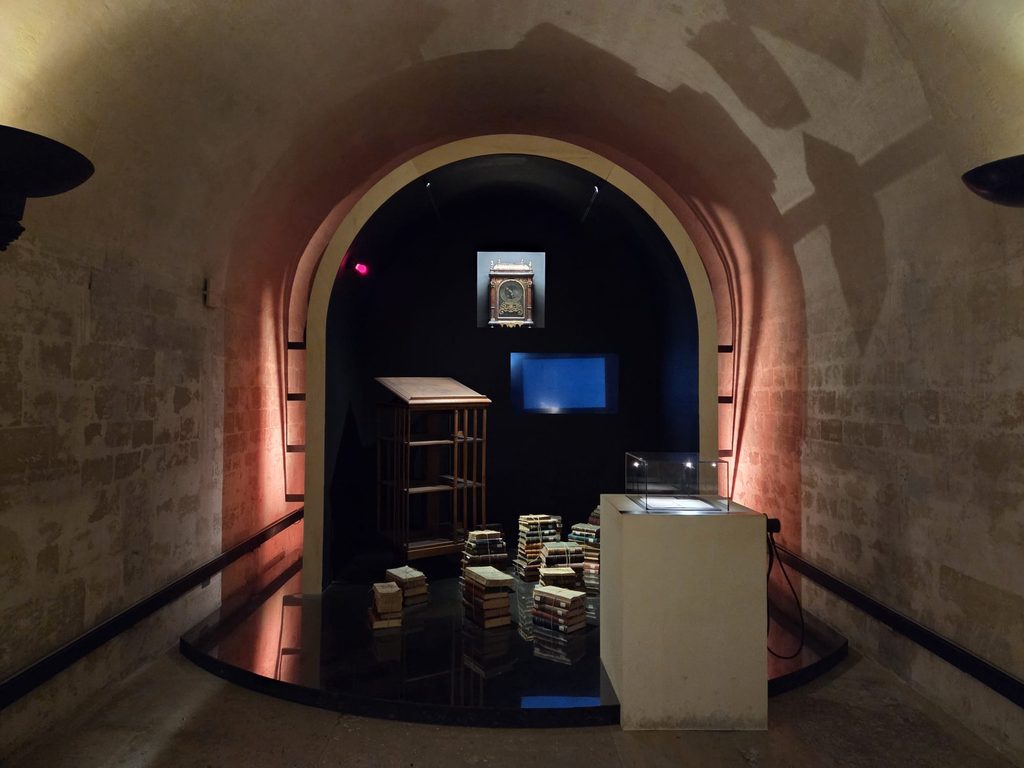
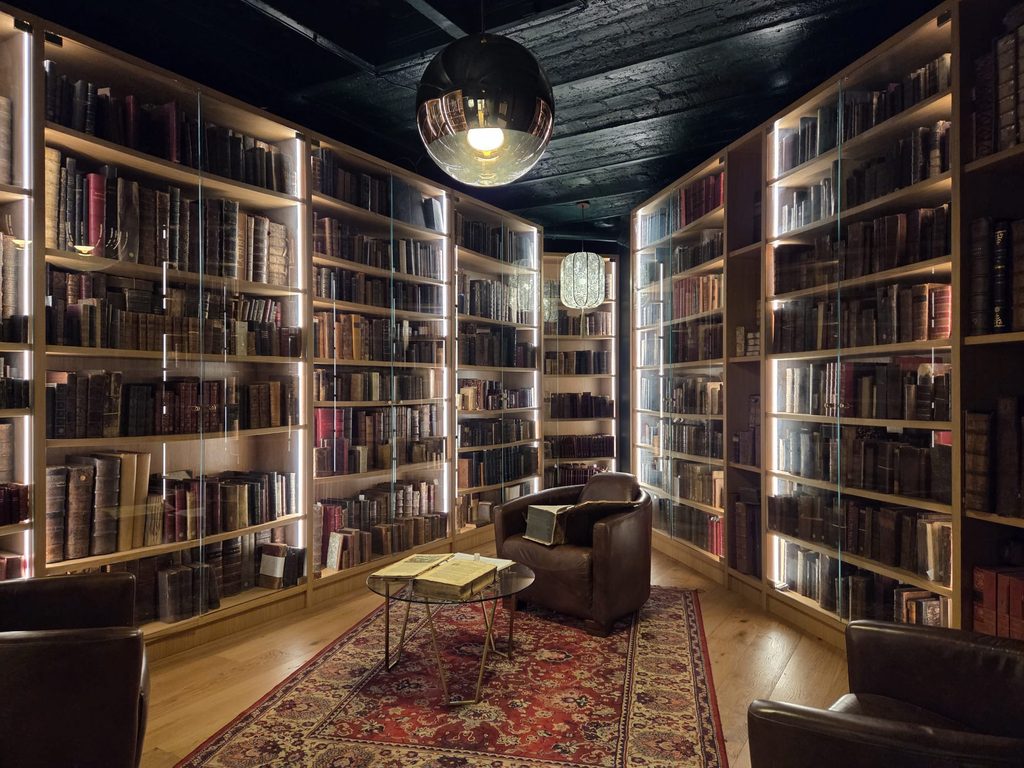
The Alliance’s offices on rue Lhomond are unassuming at ground floor level. There is a reception desk, small book shop, and study space. But for les Journées européennes du patrimoine they had created a one way flow through their basement space, where they had grouped examples from their collection of bibles by theme. There were even some activities like a spot the difference game, which was a nice touch. The ultimate stop on the tour was the Alliance’s library. The collection started with the first of those societies I mentioned above, in 1818. They now have more than 2,500 bibles, psalters, and other historic works including an 18th century Torah scroll.
The library itself is a lovely spot, and rather unexpected. There are comfortable chairs for reading, and a real sense of history and care for heritage. I also had a warm welcome here and chatted a little bit about the Alliance and its work. A very nice discovery.
Le Centre Culturel Irlandais (Irish Cultural Centre)
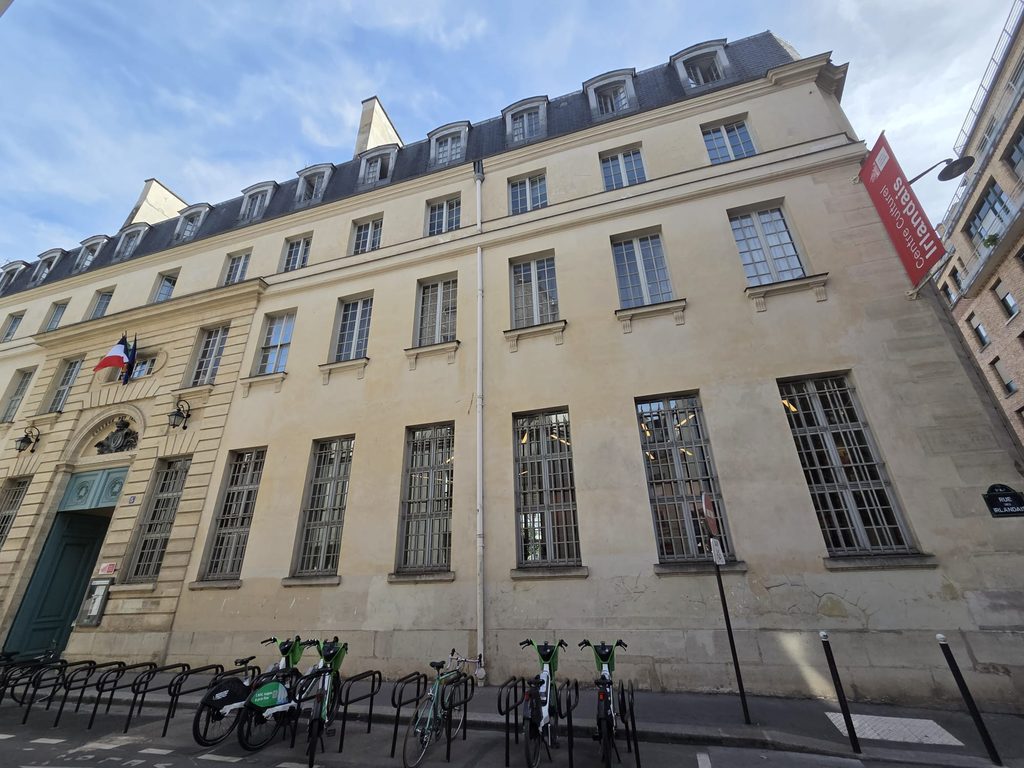
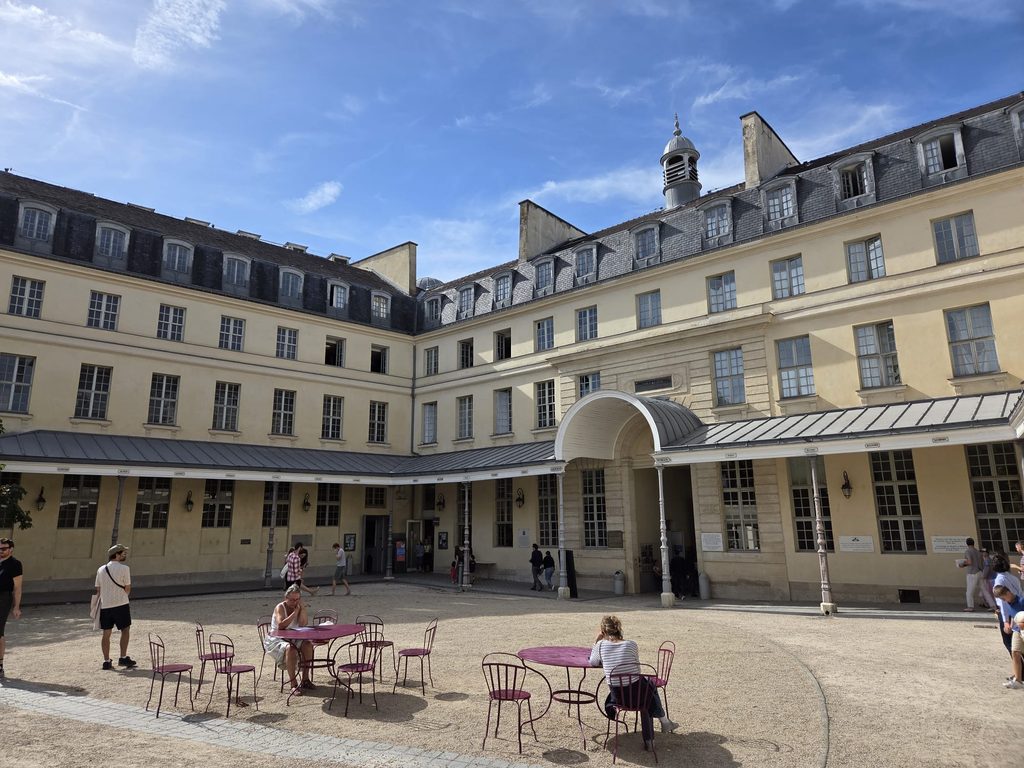
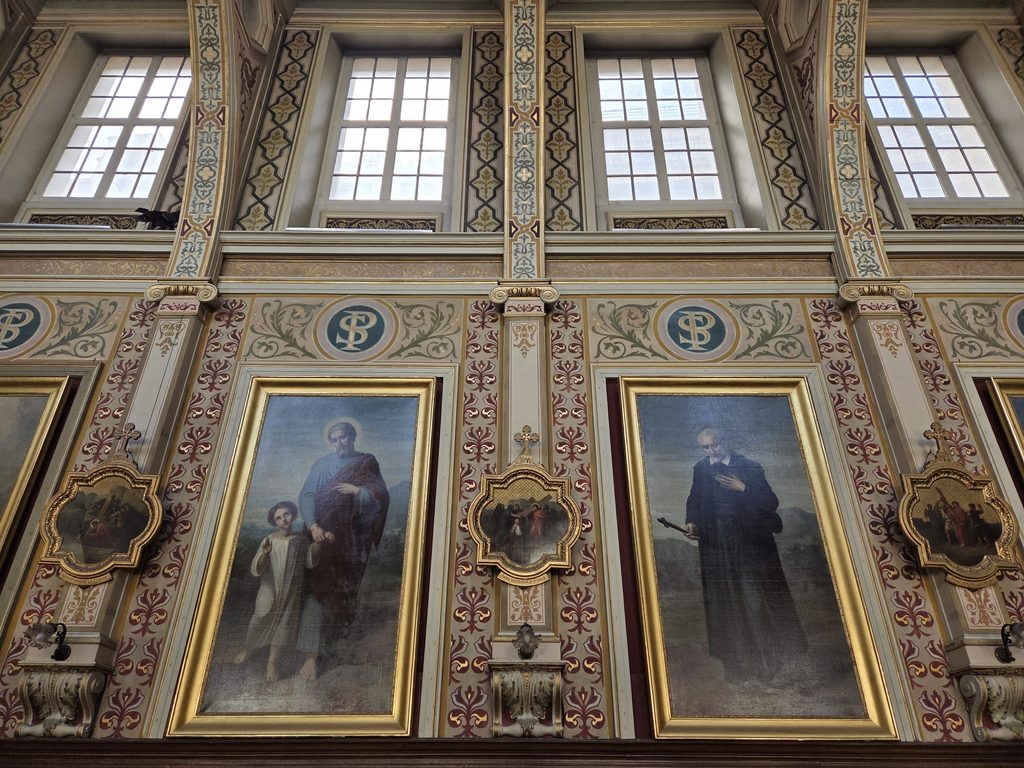
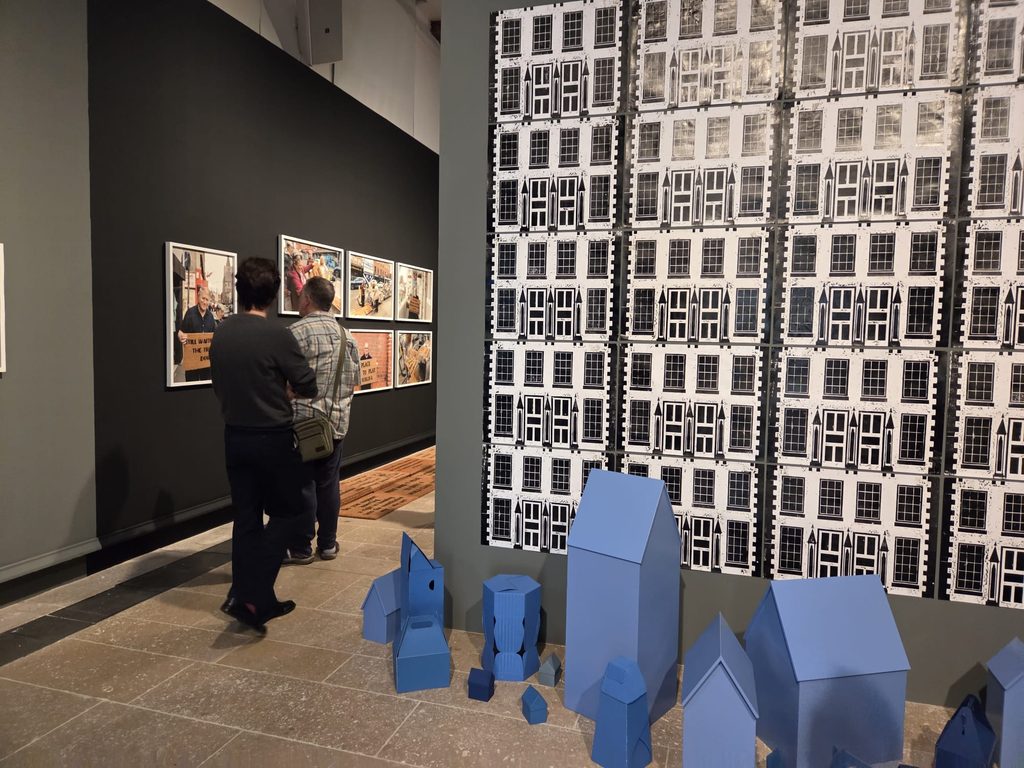
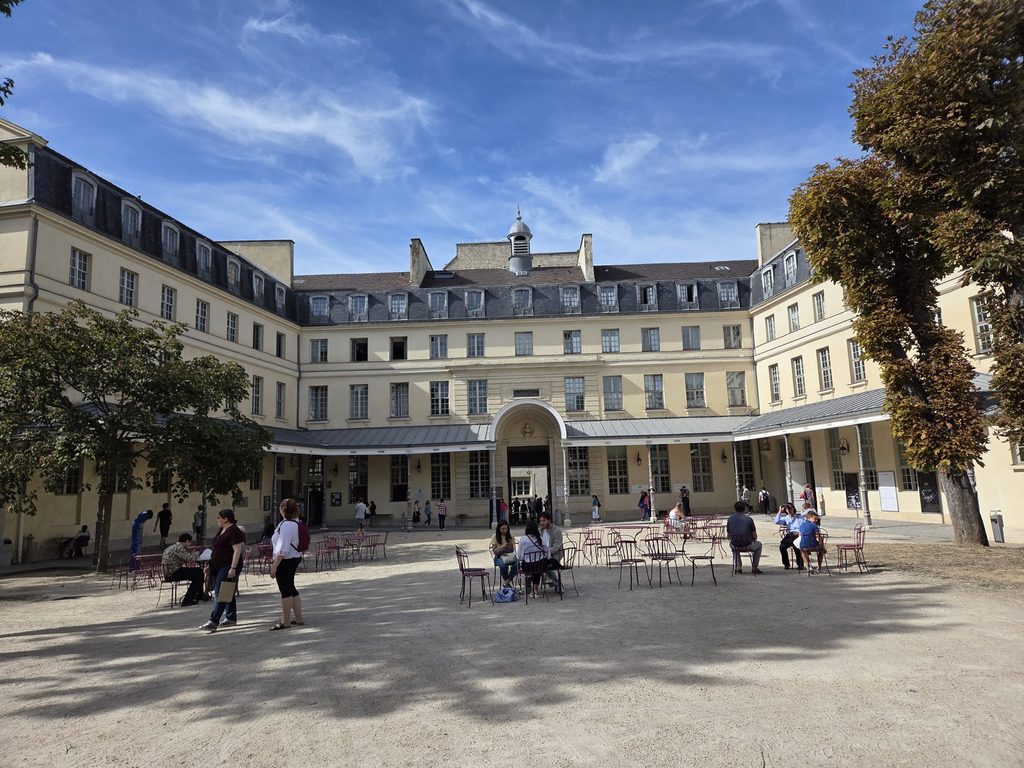
The Centre Culturel Irlandais is another hidden gem of the 5th arrondissement. Let’s go back to the 16th century. Anti-catholic restrictions in Ireland were the impetus for Irish colleges to be set up in France, Spain, the Netherlands, Italy and Poland, serving as refuges for monks and Catholic seminary students. Louis XIV granted le Collège des Irlandais de Paris the buildings of the former Collège des Lombards in 1677. About a century later in 1775 it moved to a renovated hôtel particulier (private townhouse).
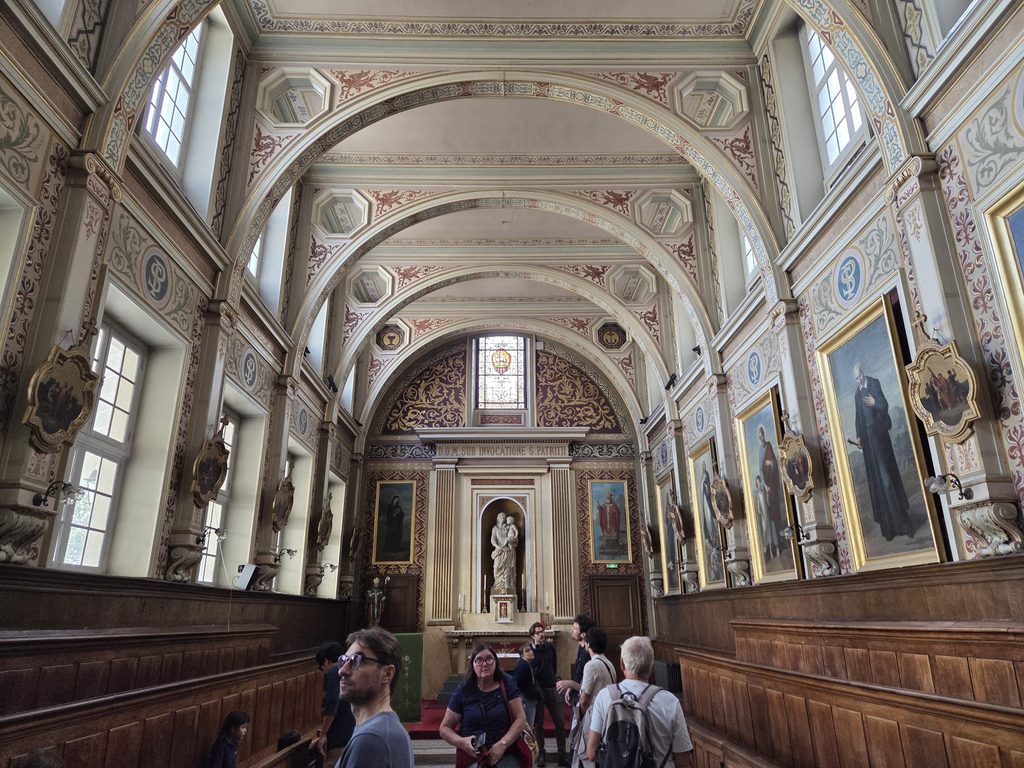
Like the Panthéon, the building flip-flopped in its usage after the Revolution, but eventually became a seminary for Irish students. It underwent extensive restoration in order to become the Centre Culturel Irlandais in 2002. The focus of the centre is on contemporary Irish culture, and Irish-French cultural exchange. This includes arts and artist’s residencies, music, cinema, literature, and other performing arts. There is also a resource centre and library for Irish cultural resources, a conference/performance space, exhibition spaces, and a chapel.
For les Journées européennes du patrimoine visitors were free to roam the complex and see the various cultural offerings, which included hourly concerts by soprano Eva Maria Kavanagh and pianist Siobhan O’Higgins. I was just in time to catch one of these, and enjoyed it very much. The complex, with its large garden and historic buildings, is another oasis within the city. Definitely a good resource for locals.
École Supérieure de Physique et de Chimie Industrielles de la Ville de Paris (The City of Paris Industrial Physics and Chemistry Higher Educational Institution)
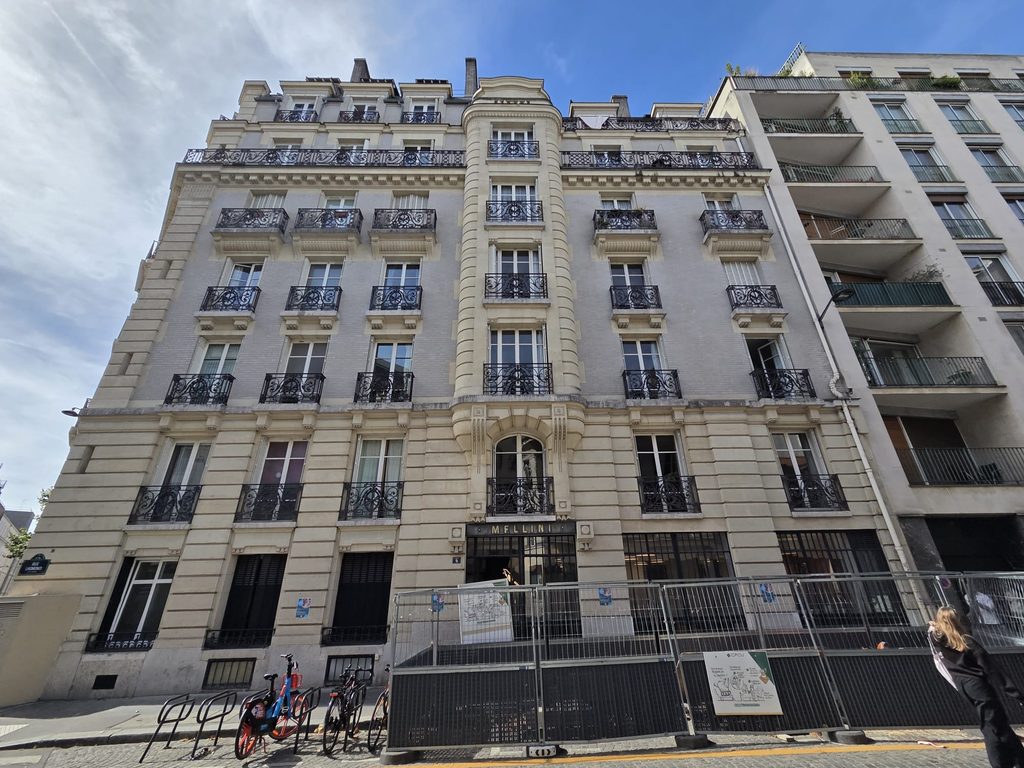
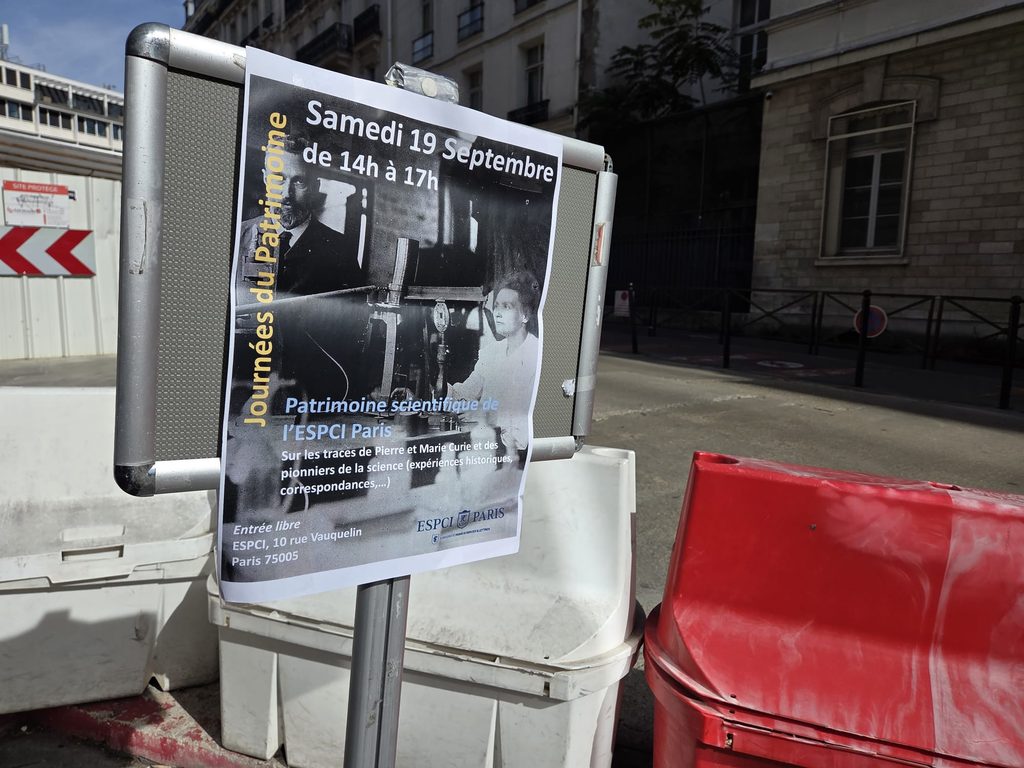
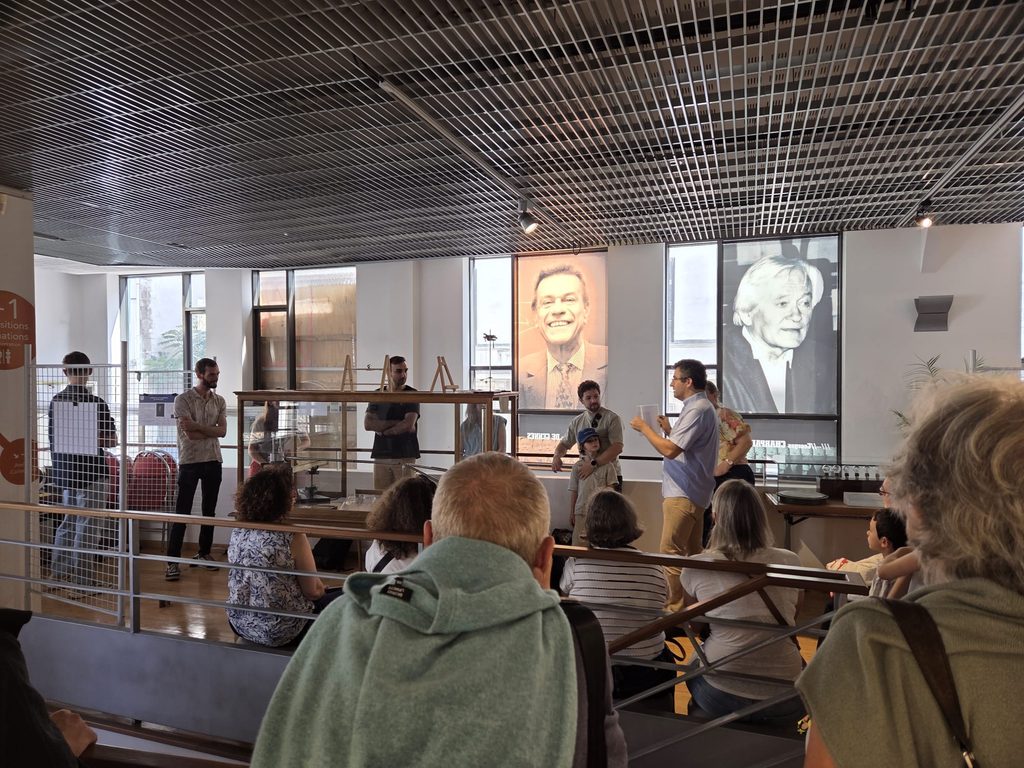
This was my third Curie-themed visit of the day (because I forgot to tell you I saw Pierre and Marie’s tombs in the Panthéon). The École Supérieure de Physique et de Chimie Industrielles de la Ville de Paris (ESPCI) is one of Paris’s grandes écoles, founded in 1882. Undergrads and postgrads can take courses in physics, chemistry and biology, two thirds of them by winning a place through a competitive examination.
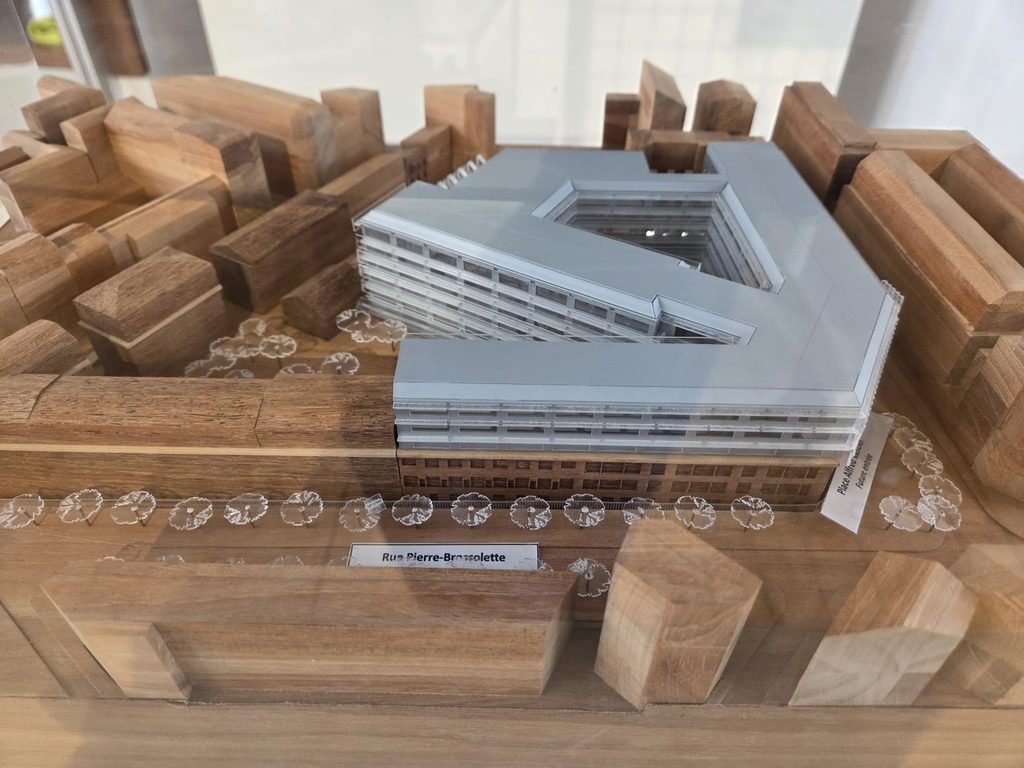
Since its formation, ESPCI (which has been its name since 1948) has attracted top scientists, and has Nobel laureates amongst alumni and staff. And to come back to my first point, this includes Pierre and Marie Curie who, along with Gustave Bémont, discovered radium and polonium in a laboratory on this site. The buildings have changed since then – a first one on this site in 1899, an expansion, some Art Deco additions, and now a big renovation project that’s been ongoing some years.
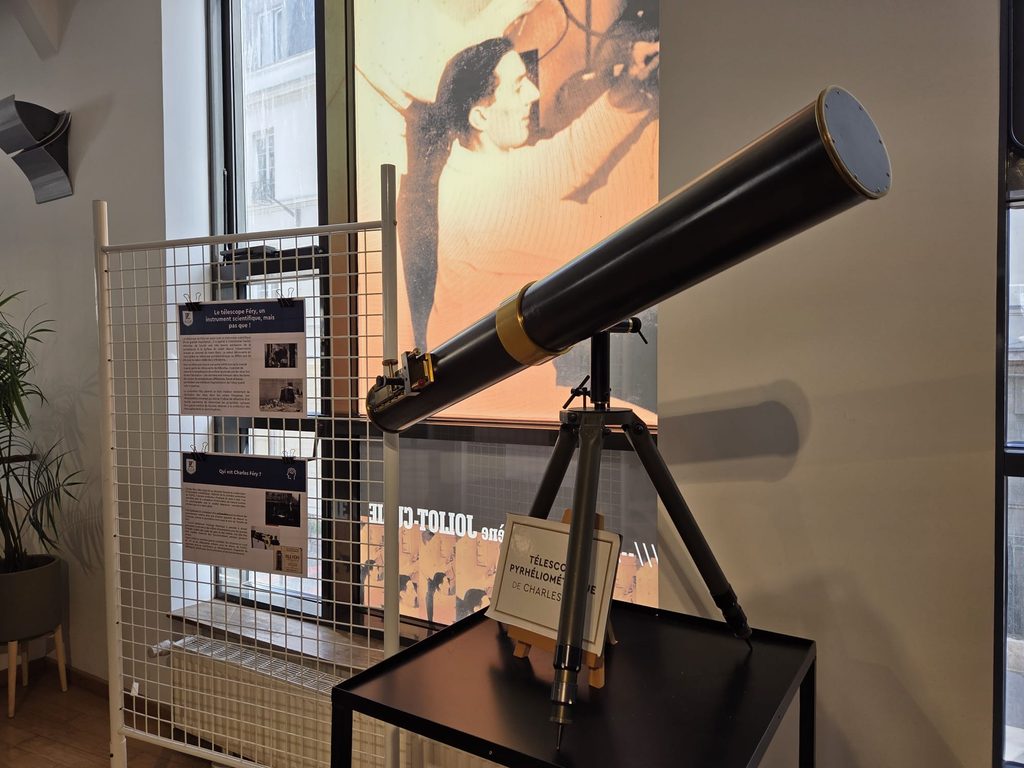
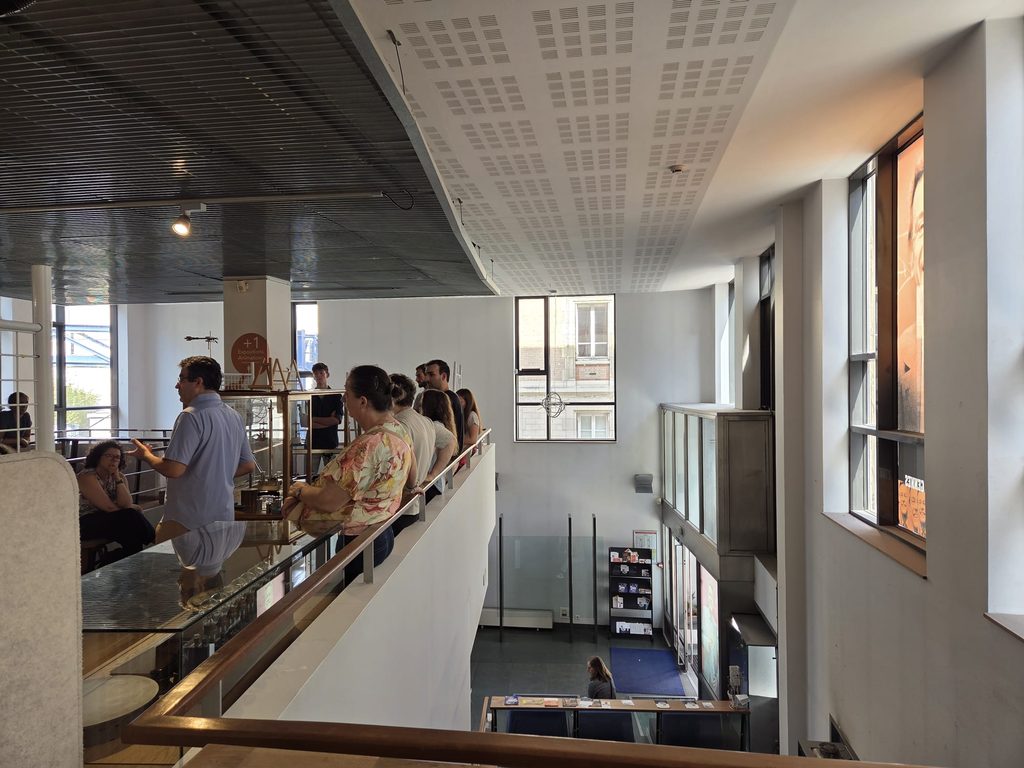
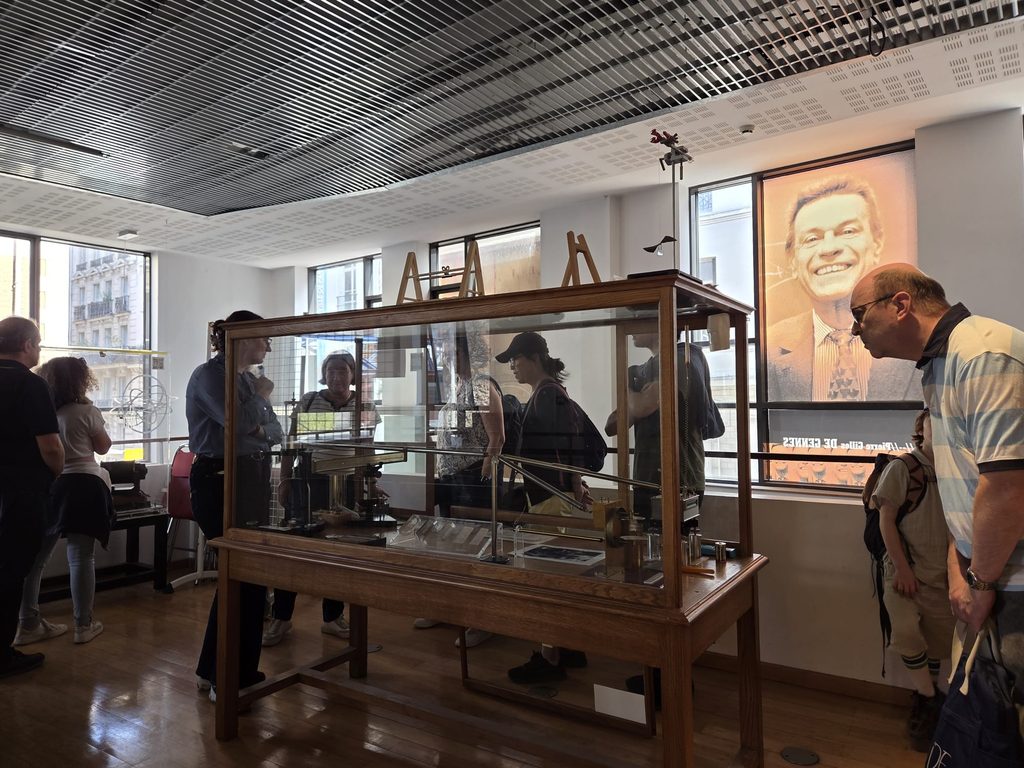
For les Journées européennes du patrimoine, ESPCI ran a drop-in format, but had a physicist doing demonstrations of some of their historic equipment relating to early radioactivity, sonar and magnetism work. He also talked about the experience of the Curies learning about the negative side of radioactivity, which was interesting. I liked the way this was somewhere between a talk you would pre-book, and something you could drop in and out of.
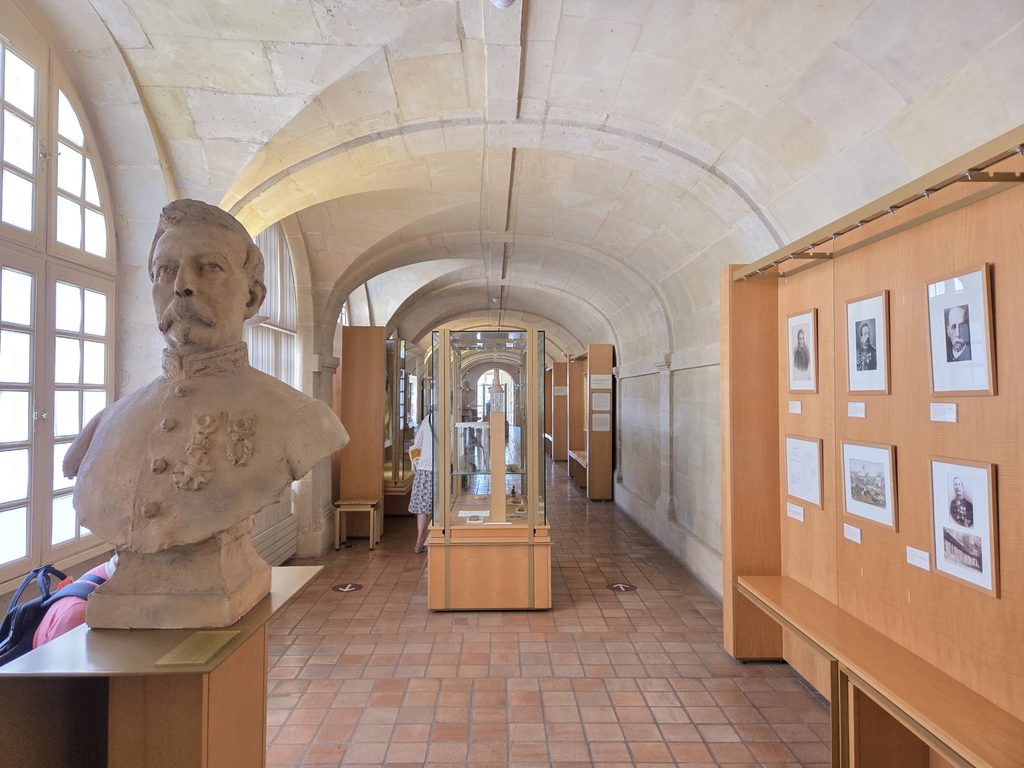
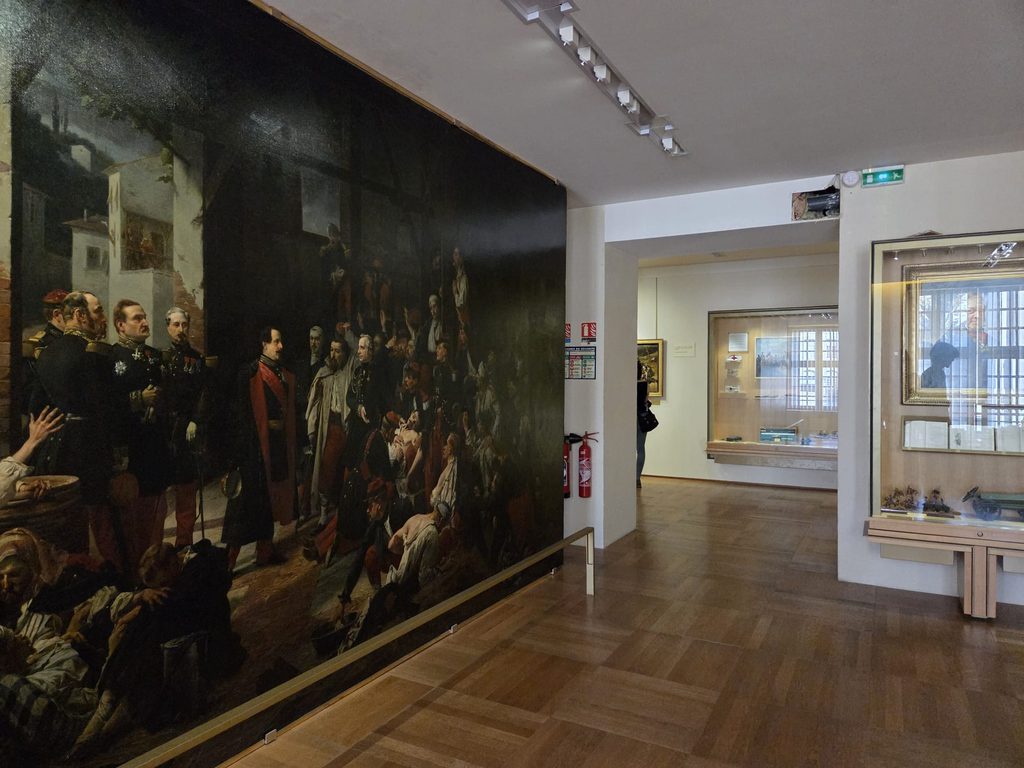
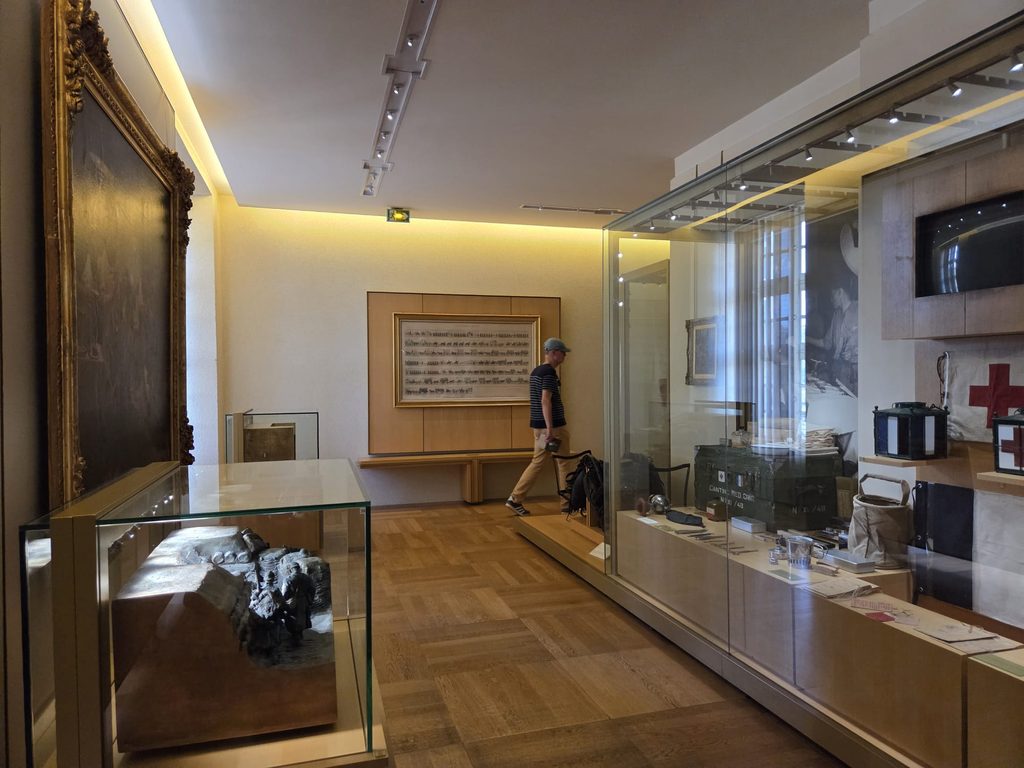
Le Musée du Service de Santé des Armées (The Museum of the Armed Forces Medical Service)
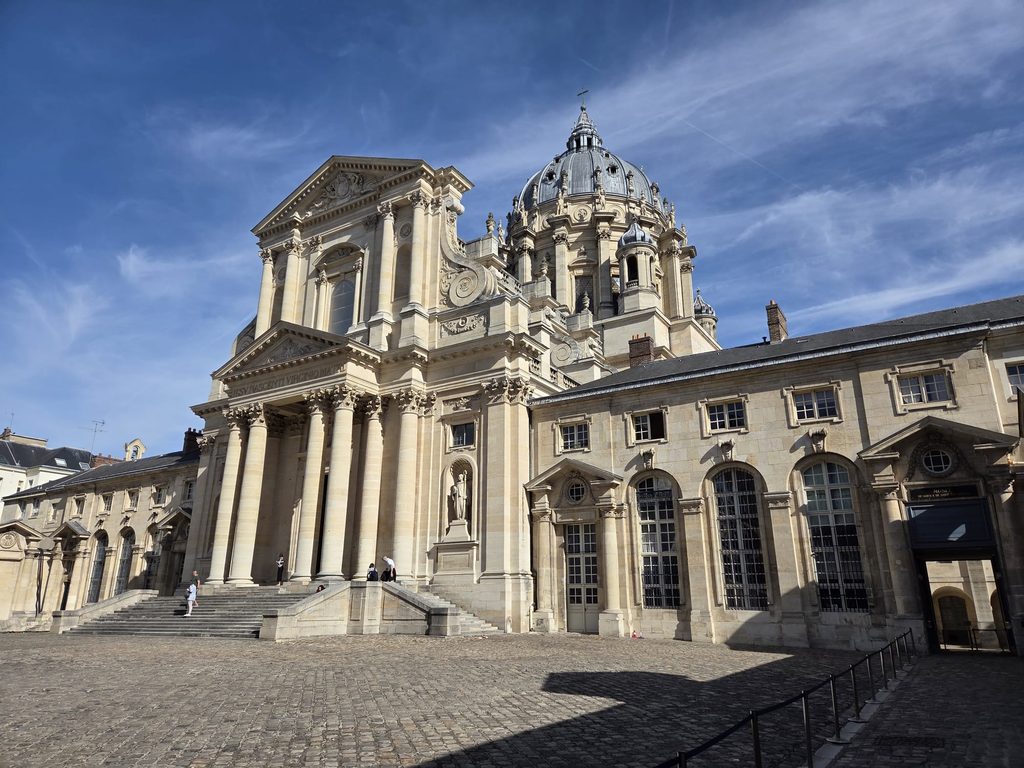
My final stopping point on Saturday was actually just down the street from my first (l’Institut national de jeunes sourds de Paris), but because of different opening times I had to circle back around to it. I’d walked past the building earlier on my trip, and felt a bit confused about why an army-themed museum looked so much like a church. Turns out it’s both. And actually such an interesting museum I think I’ll do a separate post on it at some stage.
But the history of this place started with the Church of Val-de-Grâce. Anne of Austria built it as part of a royal abbey to celebrate the birth of her son, Louis XIV, in 1645. It was also something of an excuse to move her favourite Benedictine nuns into Paris. Architect François Mansart took inspiration for the design from Saint Peter’s Basilica and the Church of the Gesù in Rome. Anne of Austria actually died here in 1666. The abbey and church became a hospital during the French Revolution, but the church is back to being a church today, part of the diocese of the French military.
The Service de santé des armées also has a long history, going back to an edict by Louis XIV in 1708 that established royal doctors and surgeons offices. The Revolutionary and Napoleonic periods necessitated formalisation and expansion of the service because of so many mobilisations, including the establishment of military hospitals like the one at Val-de-Grâce. Military medical schools opened in Bordeaux and Lyon in 1890. The museum opened in 1916, shortly after WWI, when the nature of medical service during warfare changed immensely.
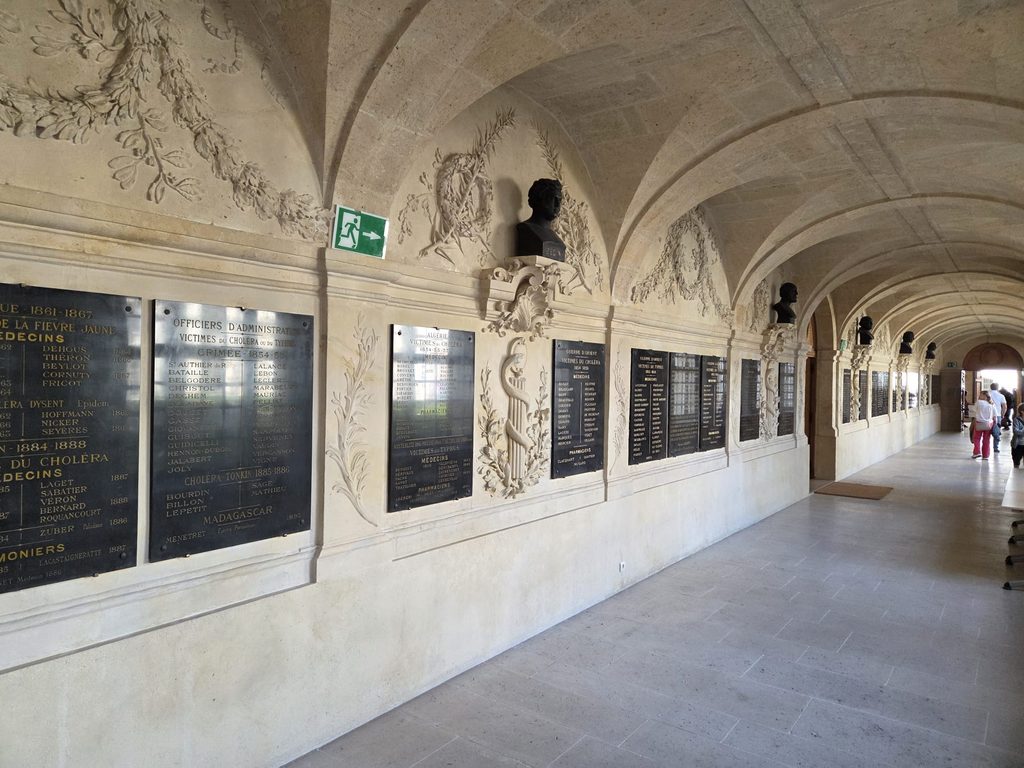
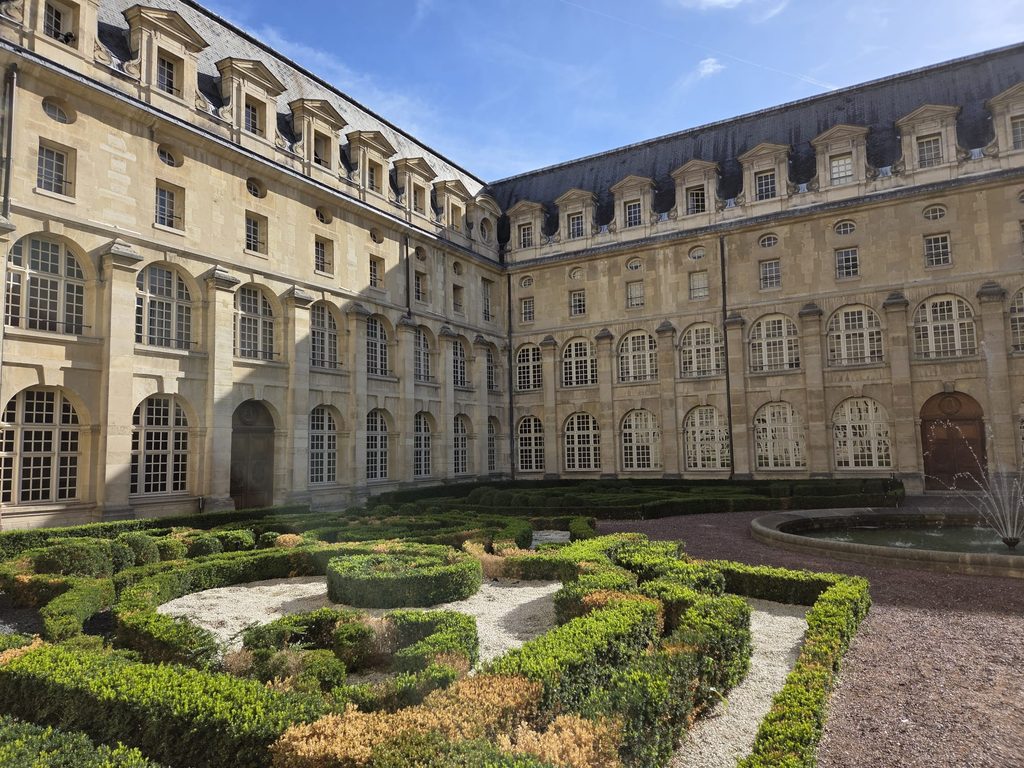
The museum is quite a large one, arranged around the cloisters of the former abbey. There are displays on the history of medicine, medicine in conflict zones, the Service de santé des armées, and a slightly iffy bit about how France’s colonies benefitted. Visitors could also see the church, which has an interior as impressive as its exterior. I’m so glad I got to see both!
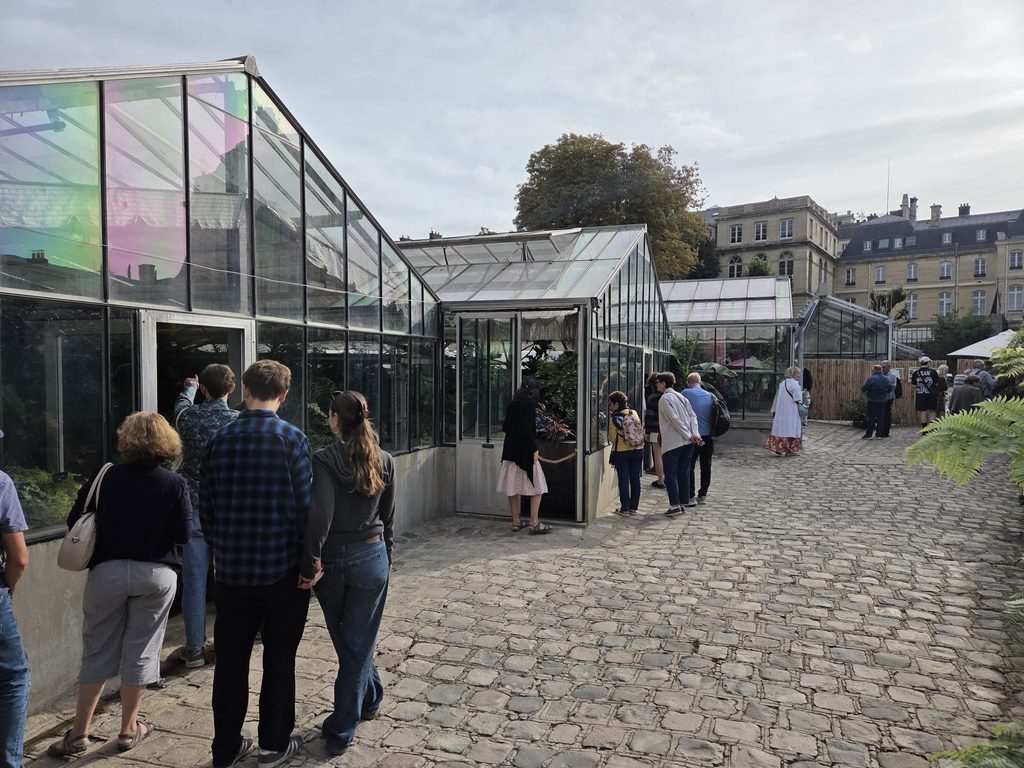
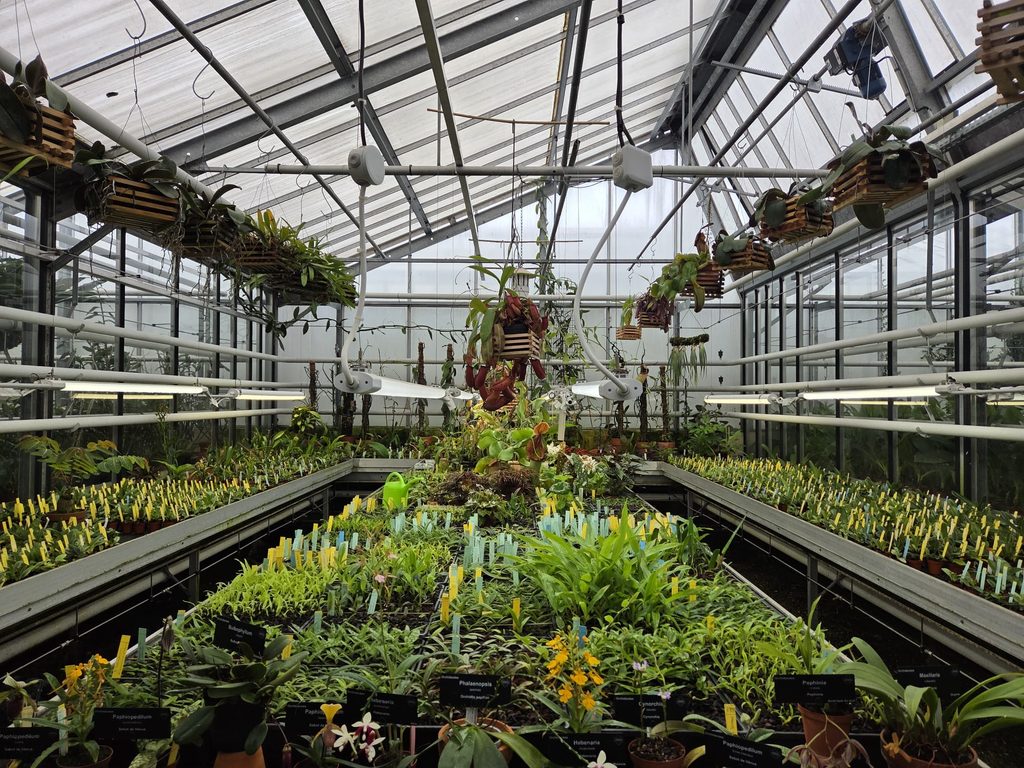
Les Serres du Jardin du Luxembourg (The Greenhouses of the Jardins du Luxembourg)
So it turns out that very busy Saturday, seeing a lot of sites in a compact area, wasn’t quite enough for me. I saw one more close to the hotel, and another on my way to the Eurostar. The hotel-adjacent one first of all was a visit to the greenhouses of the Jardins du Luxembourg. The Palais du Luxembourg was a royal residence which later became an administrative building and now houses the French Senate (and an art gallery). It also has lovely gardens.
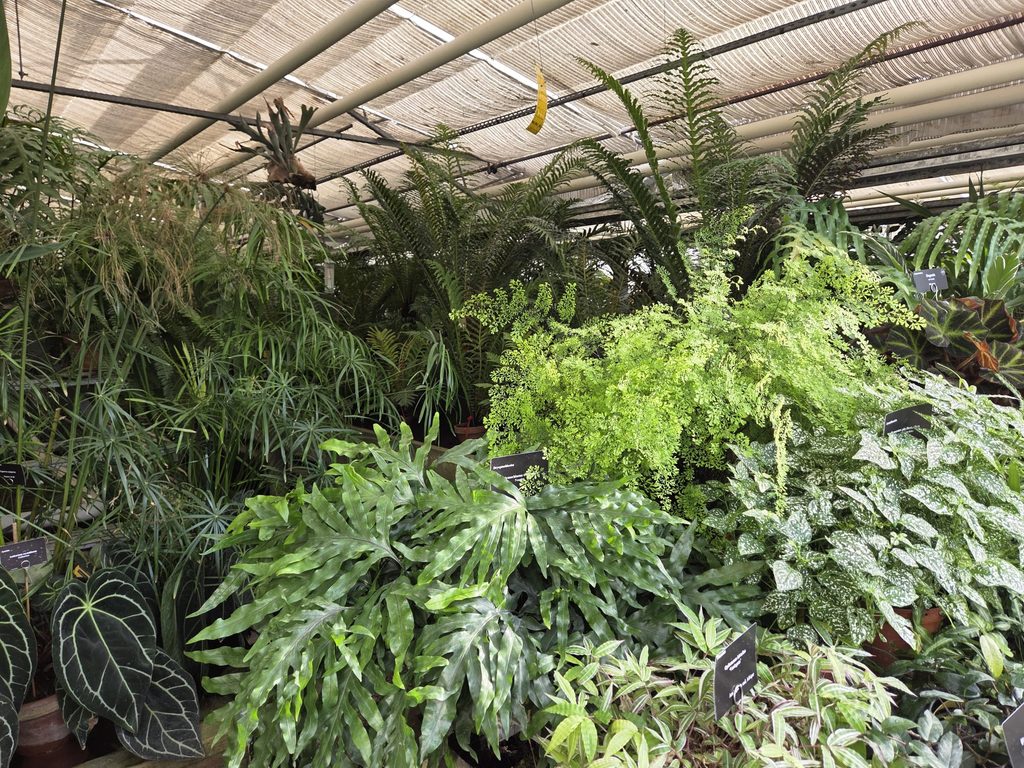
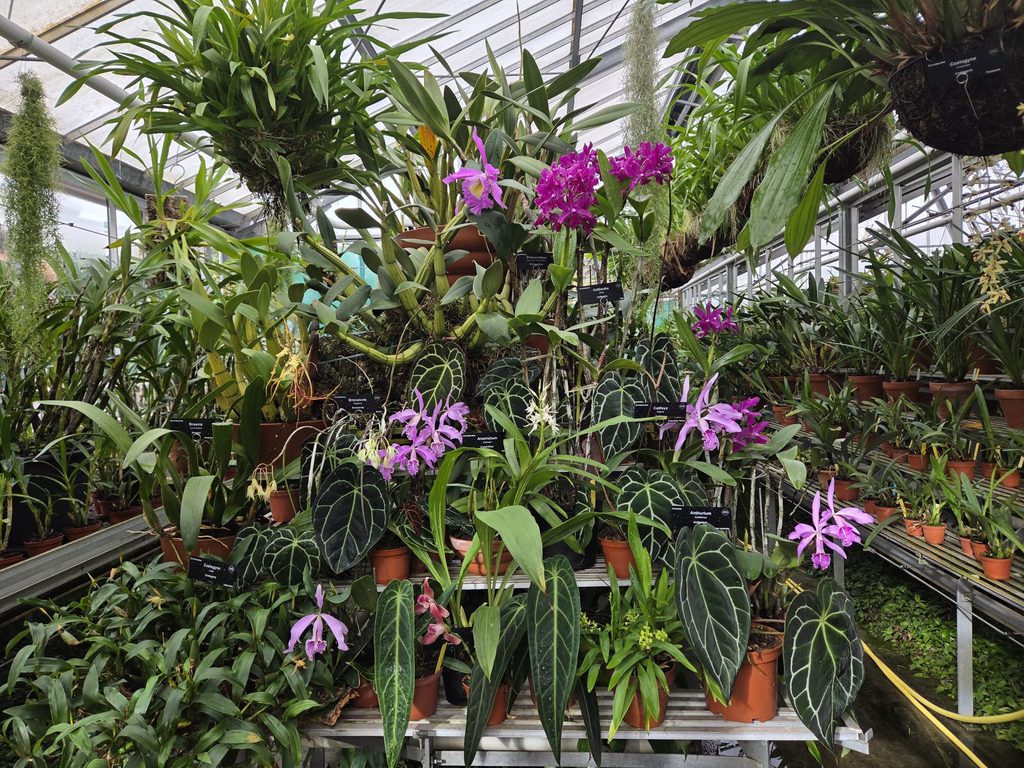
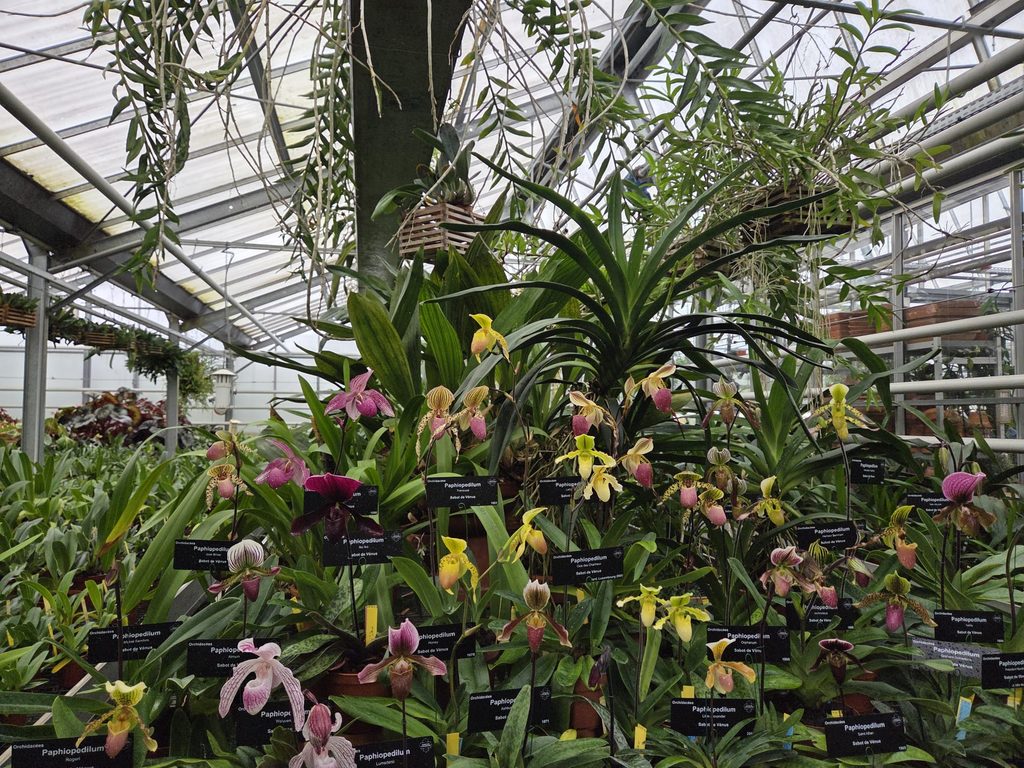
The greenhouses straddle a practical purpose and a heritage aspect. The gardens and the Senate need plants, and the greenhouses provide them. The buildings themselves aren’t particularly old, but they have some historic collections. There’s a collection of begonias, but the main collection is of orchids. The orchid collection has its origins in a shipment of orchids sent by the doctor of the Emperor of Brazil to Paris’s medical school in 1838 (this institution’s garden later became part of the Jardins du Luxembourg next door). From there, it’s grown to more than 1,200 species today. The orchids are grouped according to climate, from tropical to alpine. I vaguely knew that vanilla came from an orchid, but had no idea what that really meant until I saw some live examples.
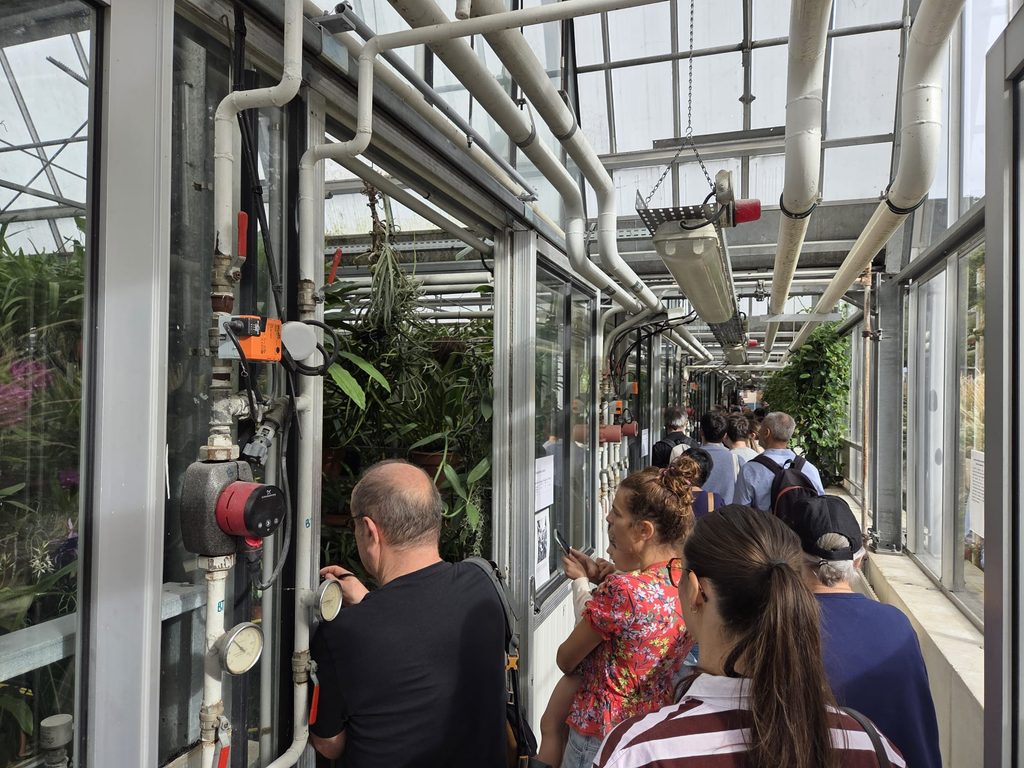
There was a bit of a queue to get into this site, mainly to help manage traffic at different stations manned by staff. At these, visitors could learn about topics as varied as the lifecycle of ferns, pests, and potting materials. I very much enjoyed seeing behind the scenes of a garden I’ve often visited.
l’Institut Métapsychique International (International Metaphysical Institute)
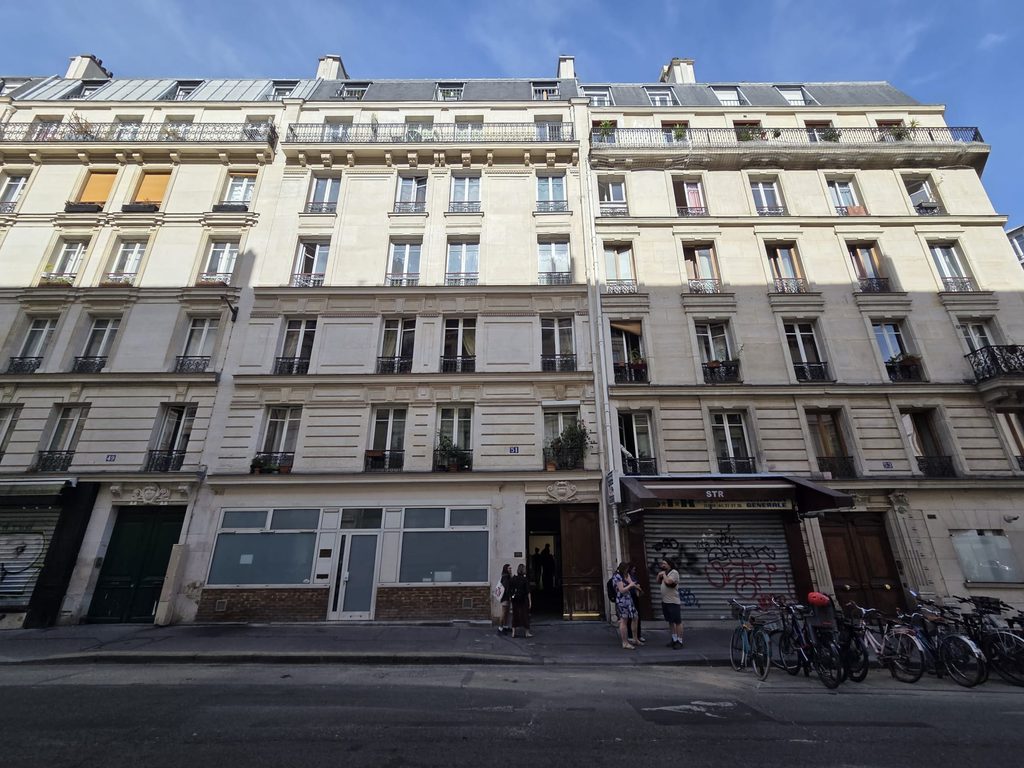
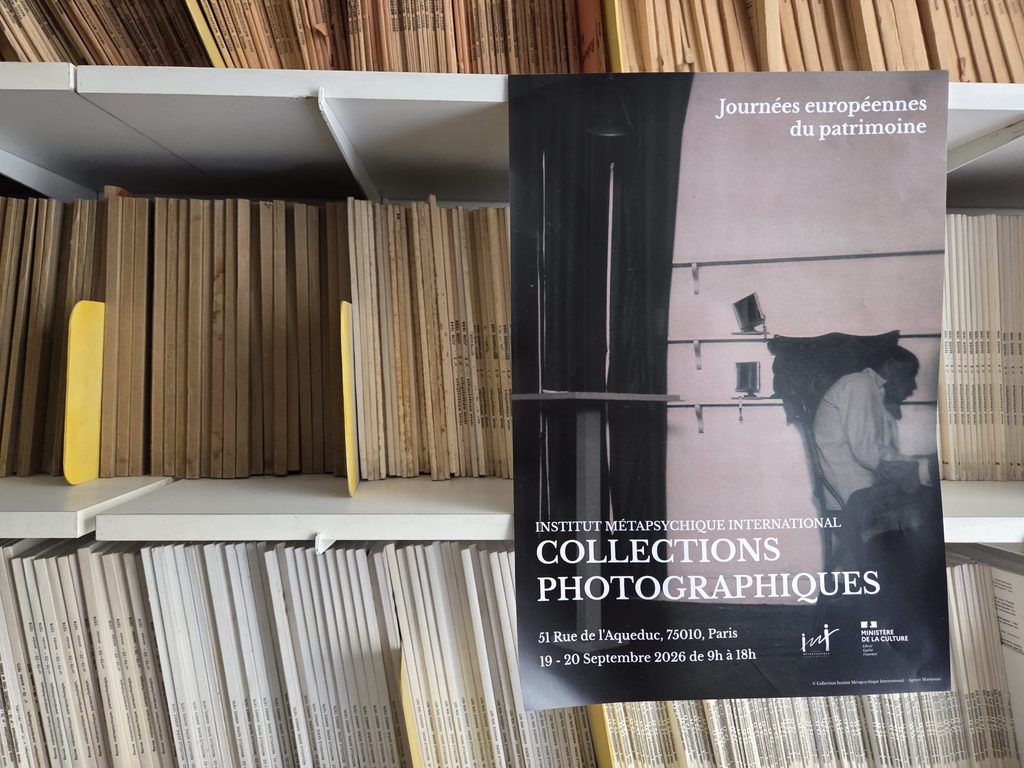
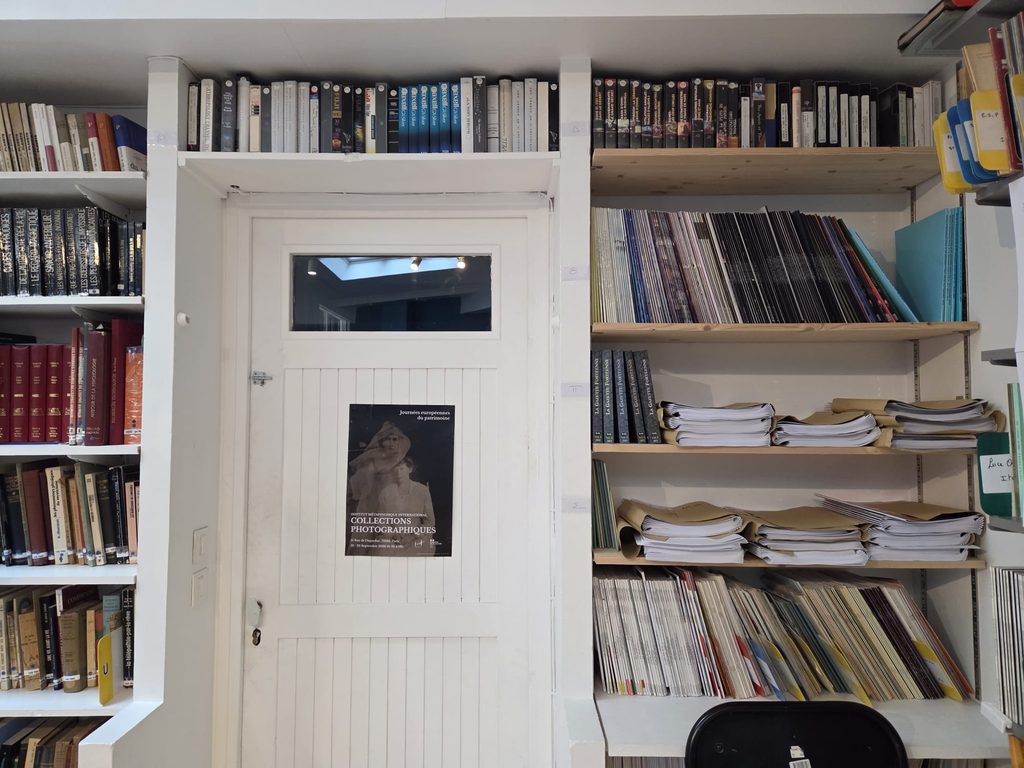
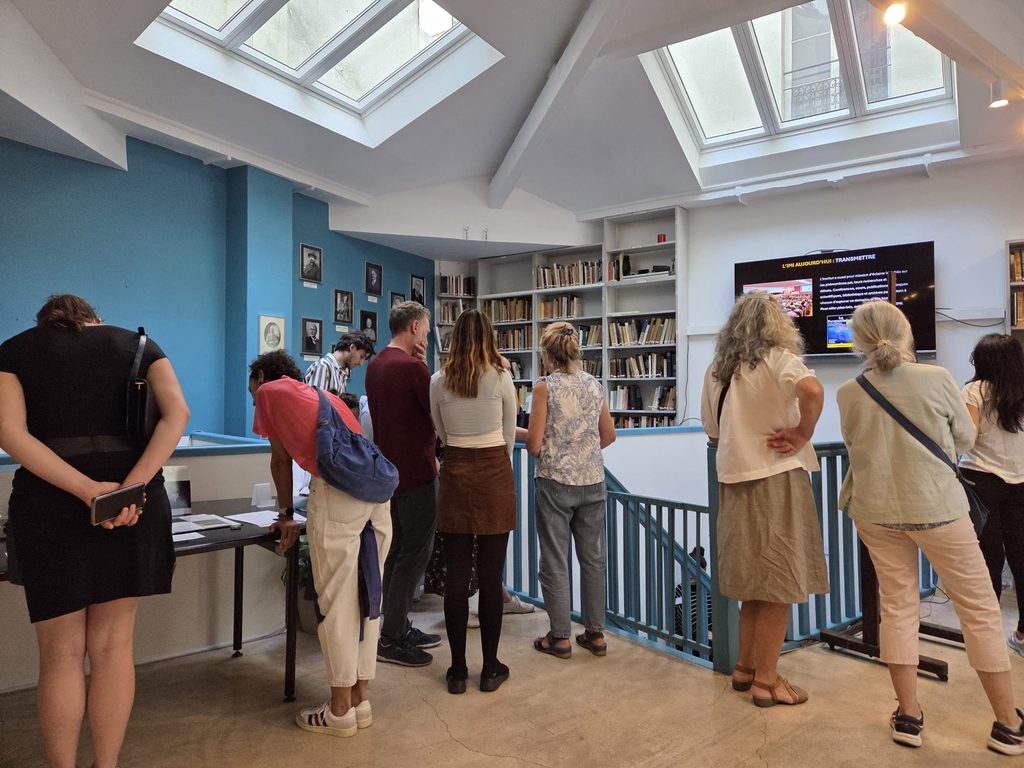
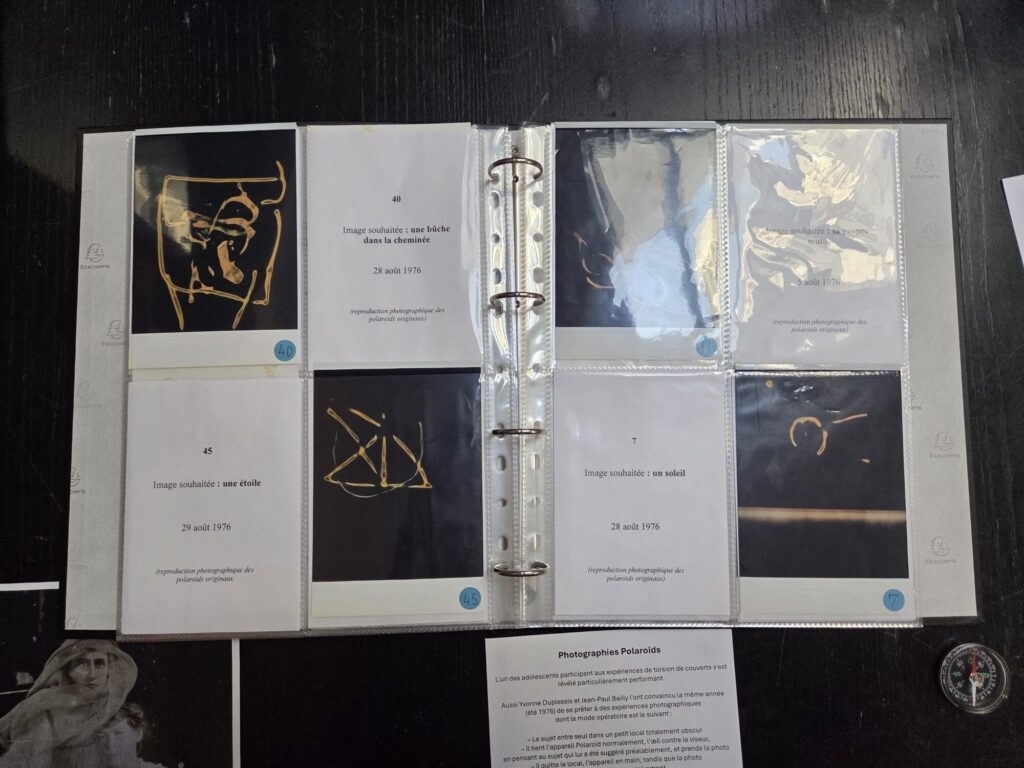
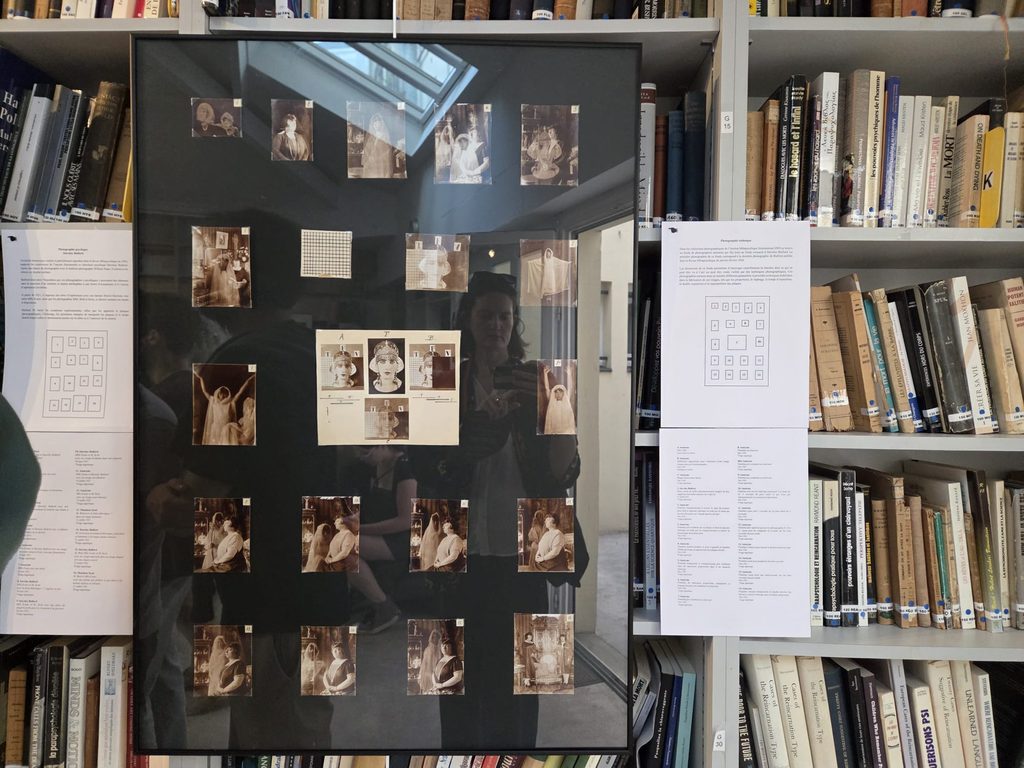
Last but not least (but in a different part of town) was l’Institut Métapsychique International. My reasons for visiting were twofold, Firstly, it was a 10 minute walk from the Gare du Nord, where I was catching the Eurostar back to London. Secondly, I am very much drawn to the history and art of parapsychology.* See this or this for earlier examples on the blog.
Scholars including Nobel Prize winner (in medicine) Charles Richet founded the IMI in 1919. It was the first institution to take a very systematic, research-based approach to psychic phenomena. The Institute published a French-language journal for over 60 years. Early investigations included ectoplasm and telepathy, with the telepathic studies reportedly later inspiring the US government’s remote viewing programme. From the late 1950s the IMI became less of a research institute, and more of a meeting point for like-minded people. From 1998, under a new president, the IMI refocused on education and research. It remains the only institution in France applying scientific research methods to parapsychology, and also gives lectures and supports external research.
For les Journées européennes du patrimoine, the IMI leaned into the Heritage of Photography theme. They had set up an exhibition of vintage spirit photographs, asking Peut-on rendre l’invisible visible ? (Can one make the invisible visible?). On the 200th anniversary of photography as a medium, these remarkable photos blend, depending on your point of view, invisible forces, an eye for composition, and innovative techniques like double exposure. Really fascinating works. I believe the exhibition continued downstairs, but there was a bit of a crush to get down there and I had to catch my train. My unexpected and yet wonderful tour of les Journées européennes du patrimoine was at an end.
*I say art, others would say evidence.
Trending
If you see this after your page is loaded completely, leafletJS files are missing.