
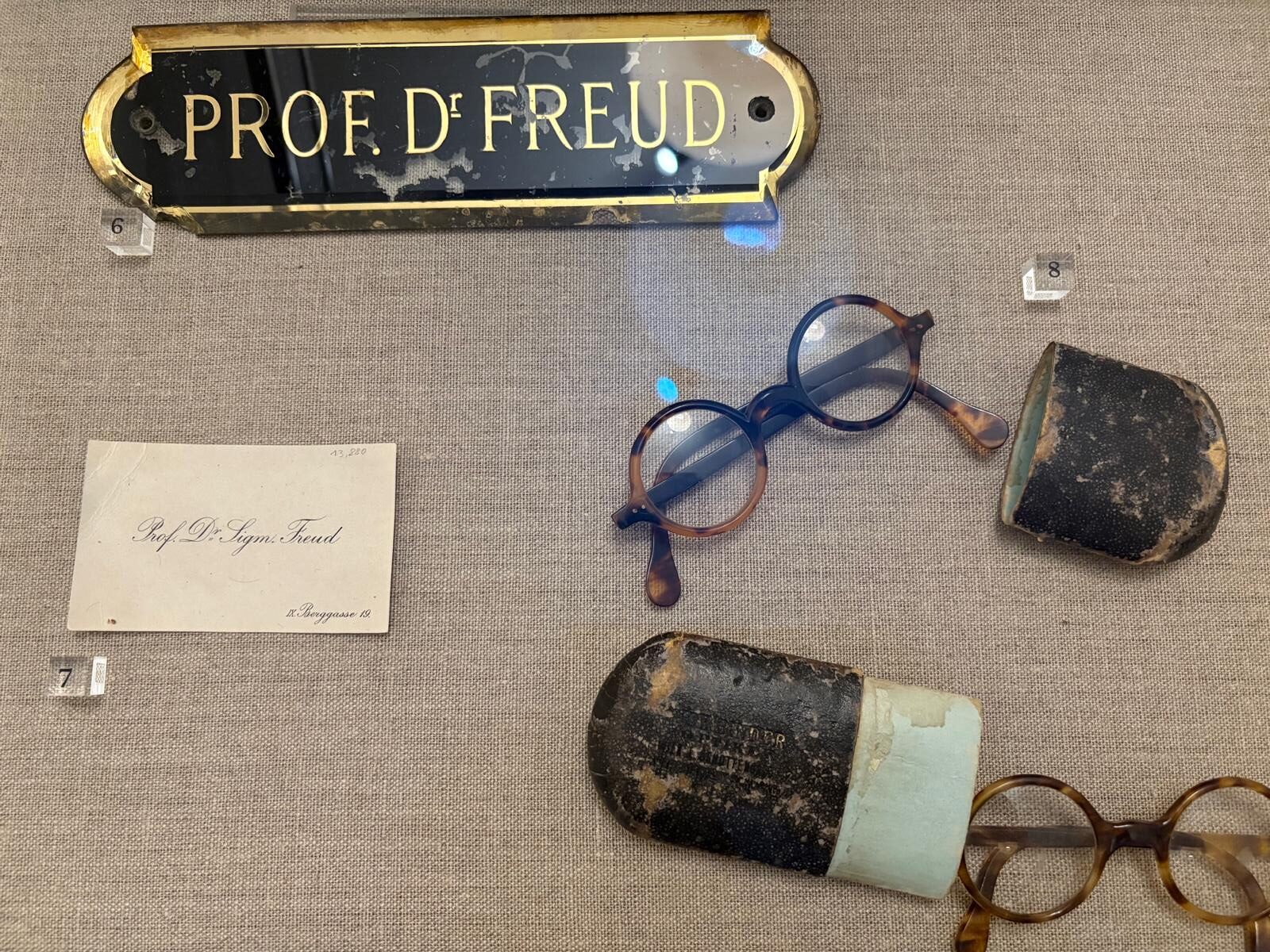
Sigmund Freud Museum, Vienna
A visit to Vienna provided an opportunity to compare the museums devoted to the life and work of Sigmund Freud.
Branching Out From the Habsburgs
The anti-imperialists amongst you can rejoice! After visiting the Kunsthistorisches Museum, the Kaisergruft and the Prunksaal (State Room of the Austrian National Library), we are done with Viennese cultural institutions with their origins in the Habsburg family. I didn’t realise how Imperial my tour of Vienna was, to be honest, until I came to write about it. But never mind, it’s a big part of Vienna and Austria’s history, and has resulted in some interesting places to visit. And that’s without a single visit to a palace!*
One place I had on my list to visit was the Sigmund Freud Museum. There were a couple of reasons for this. Firstly, a couple of years ago the Urban Geographer bought me a very interesting and slightly unusual book about house museums. The descriptions of them were so lyrical and personal that it made me want to visit several of them. And it was here I read about the museums devoted to Sigmund Freud in London and Vienna, before I’d been to either.
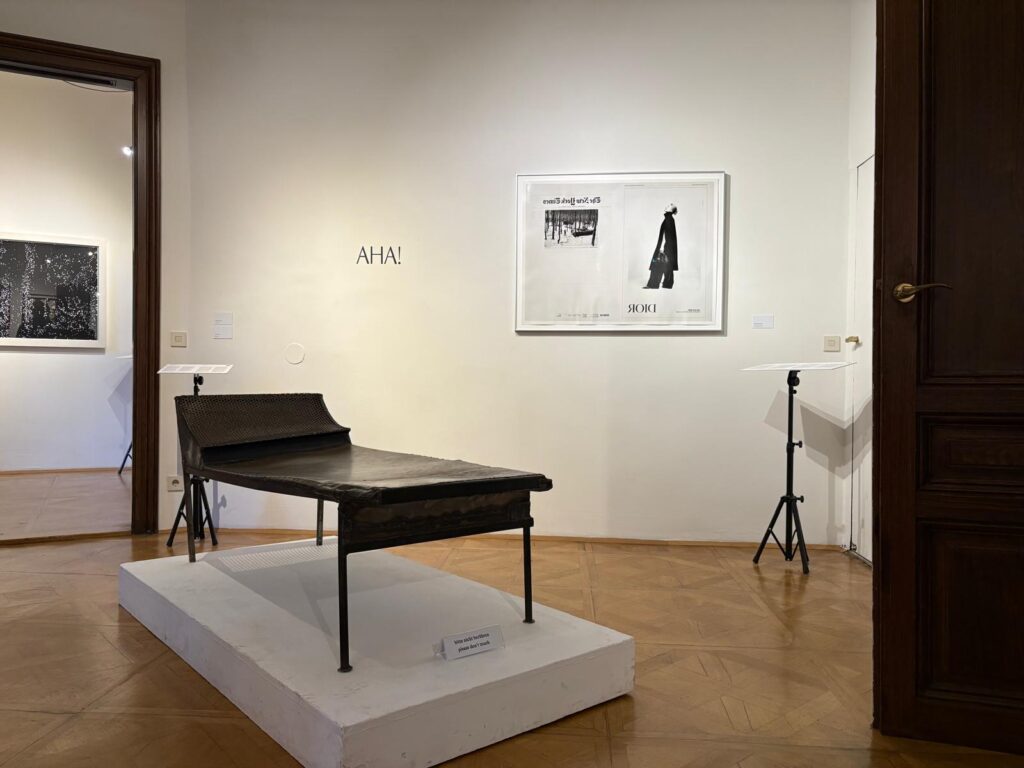
Since reading The Museum as Experience: An Email Odyssey Through Artists’ and Collectors’ Museums, I’ve had the opportunity to visit the Freud Museum in London. The family only spent a few months here before Sigmund Freud’s death in 1939. But this is the museum that has remained more authentically in the same state since Freud was here, particularly his treatment room with the original, carpet-draped couch. The story of why there are two museums, and why the second is in London, requires a bit of explanation. Let’s get into that now.
*Fine, you got me, the Prunksaal is part of the Hofburg, which is a palace. But it’s not the palace-y bit if you know what I mean. I did visit some of Vienna’s palaces many years ago and enjoyed them, but didn’t see any on this trip.
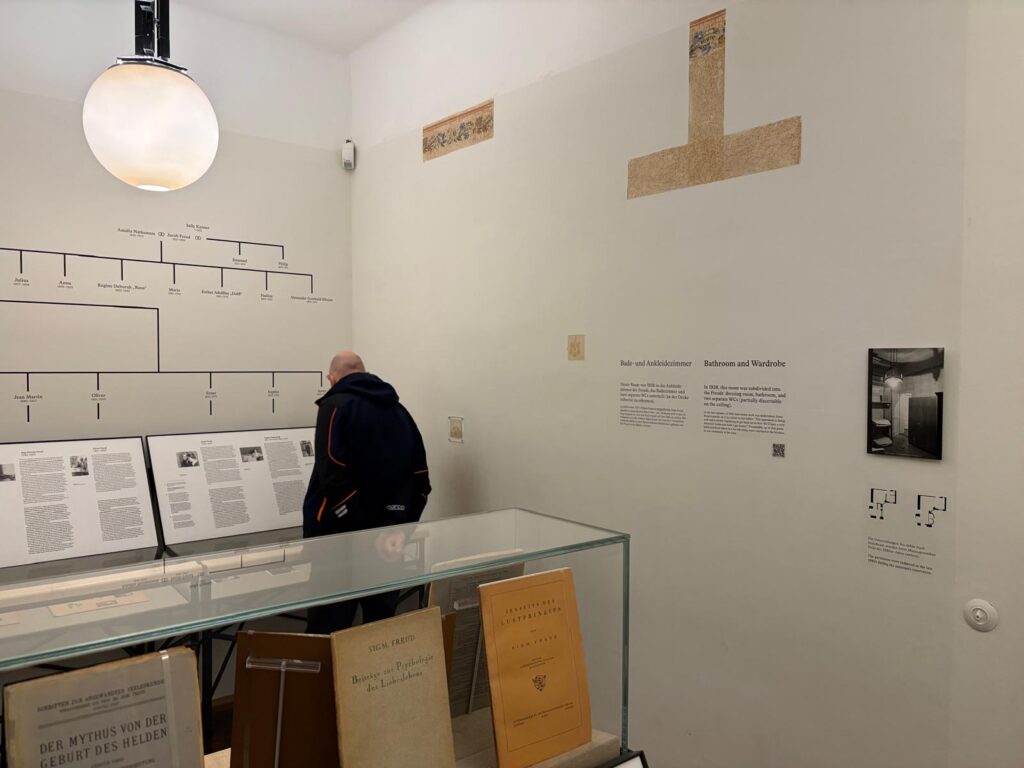
Freud: Life and Work
I wrote a bit about Freud’s life when I visited the London museum, but it’s been a while (and some of you are new here) so let’s do a little refresher.
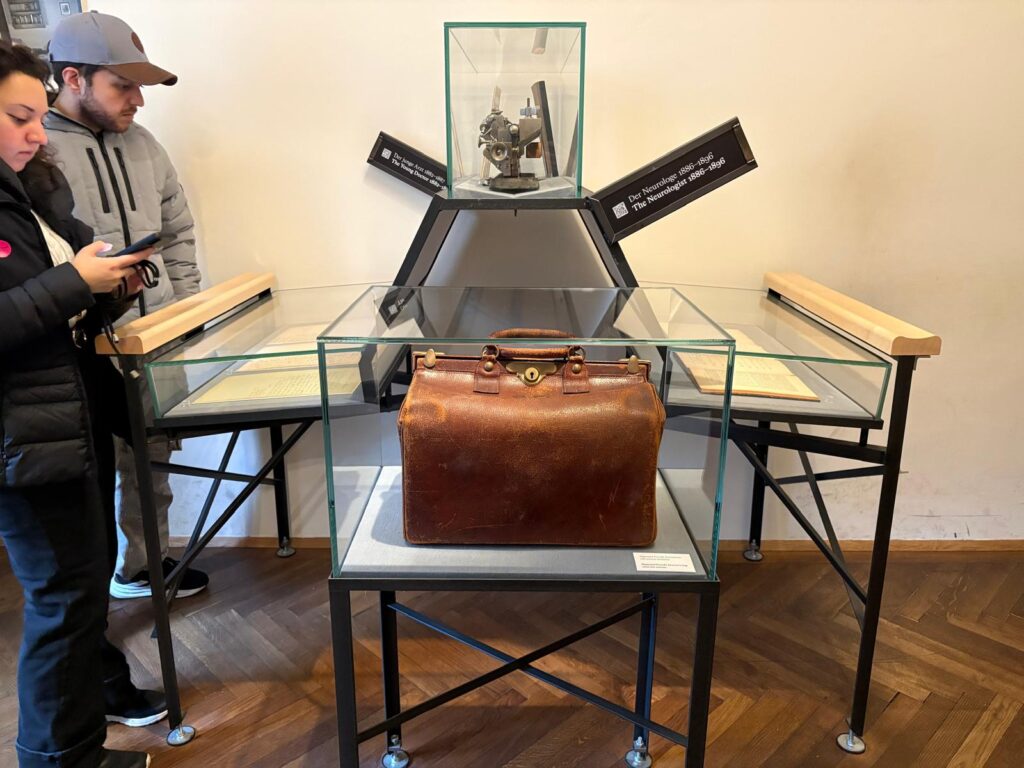
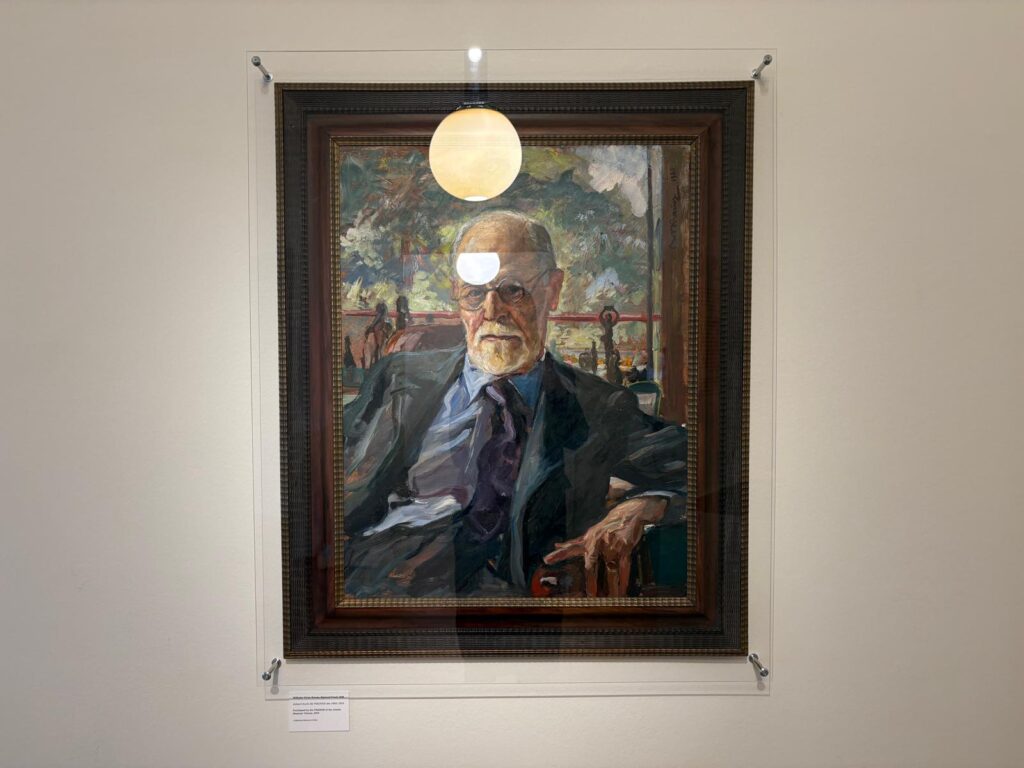
Sigmund Freud was born in 1856 in an area of the Austrian Empire that is now part of Czechia. His father Jakob was a wool merchant from Galicia. Freud’s mother Amalia was Jakob’s third wife. Jakob was known as a religious man, although he had moved away from the Hasidic tradition. The family struggled financially. Young Sigmund (actually born Sigismund) was a good student, and entered the University of Vienna aged 17. He studied medicine, and later worked in various departments of Vienna General Hospital. He became increasingly interested in psychiatry and clinical work, and became a lecturer in neuropathology in 1885.
Freud left the hospital for private practice in 1886, specialising in “nervous disorders”. He married Martha Bernays the same year. The Freuds had six children, and lived at Berggasse 19 from 1891 until they left Vienna in 1938. Martha’s sister Minna Bernays became a permanent member of the household from 1896.
Freud developed the idea of the unconscious mind, drawing on earlier works which began to theorise this concept. Freud himself was reluctant to associate his psychoanalytical theories with other writers, but was influenced by Nietzsche and others. Some of his theories were definitely pseudoscientific, such as a belief in a ‘nasogenital’ connection. Others continue to be highly influential and have permeated popular culture, for example the idea of an Oedipus complex or penis envy.
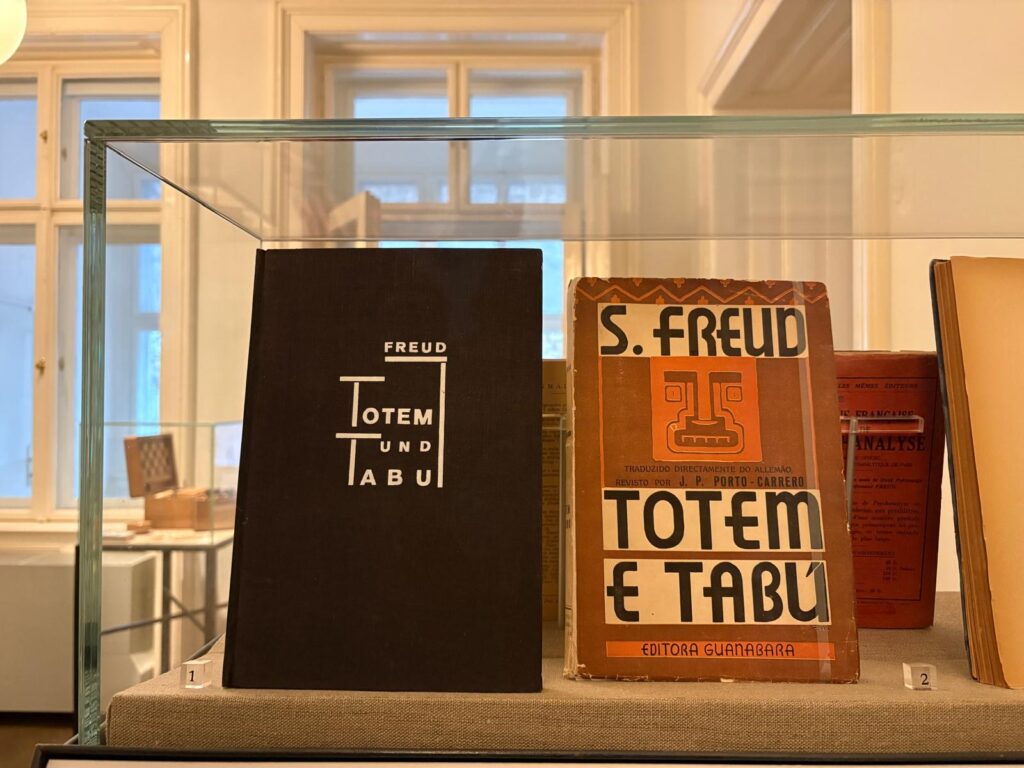
Freud anonymised case studies in his writings, although the identity of most patients is known today. He treated many of these patients over a number of years at Berggasse 19 which, as we will learn shortly, was both home and office. The inner worlds of several of these patients have been immortalised in Freud’s books, such as The Interpretation of Dreams (1899).
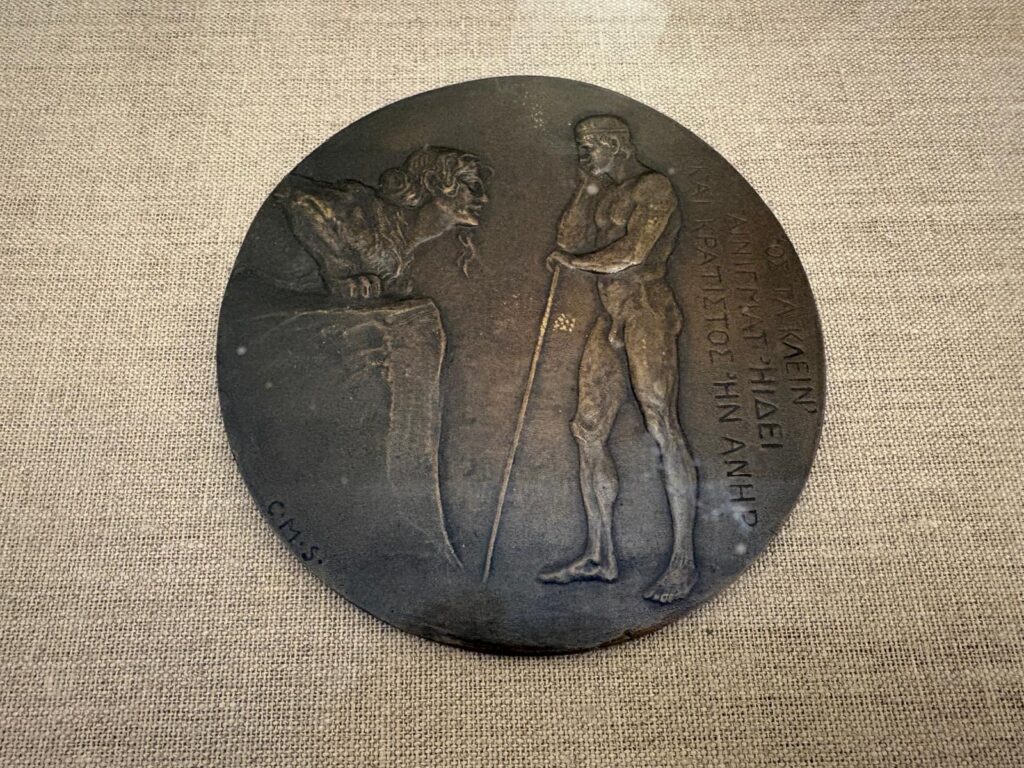
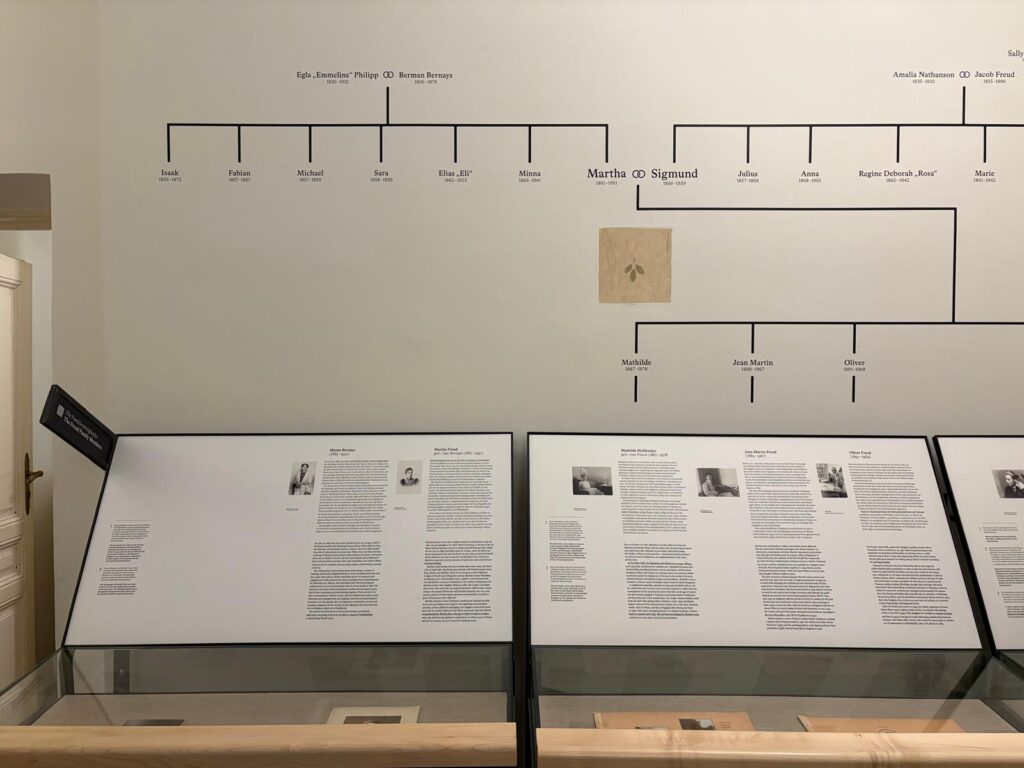
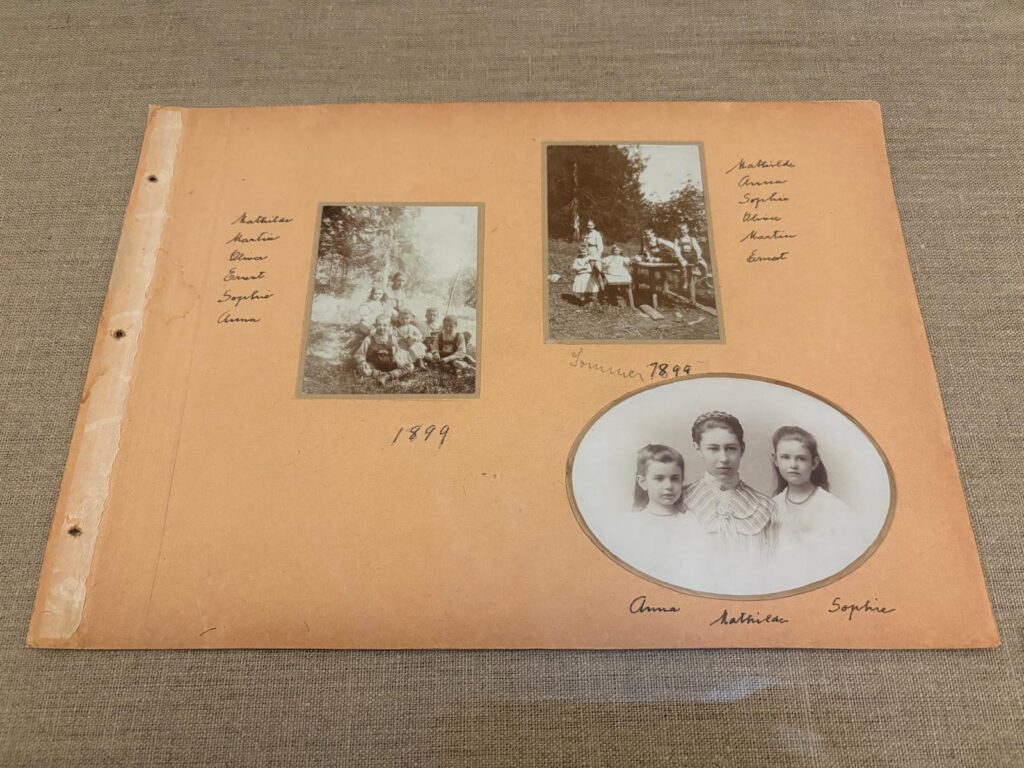
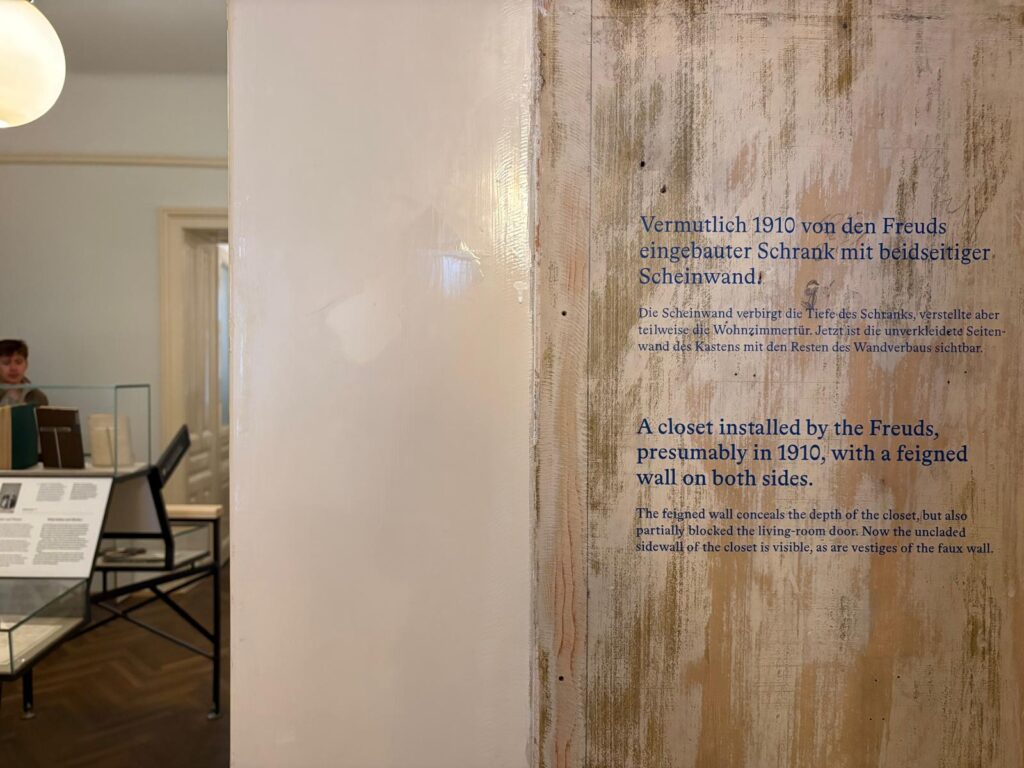
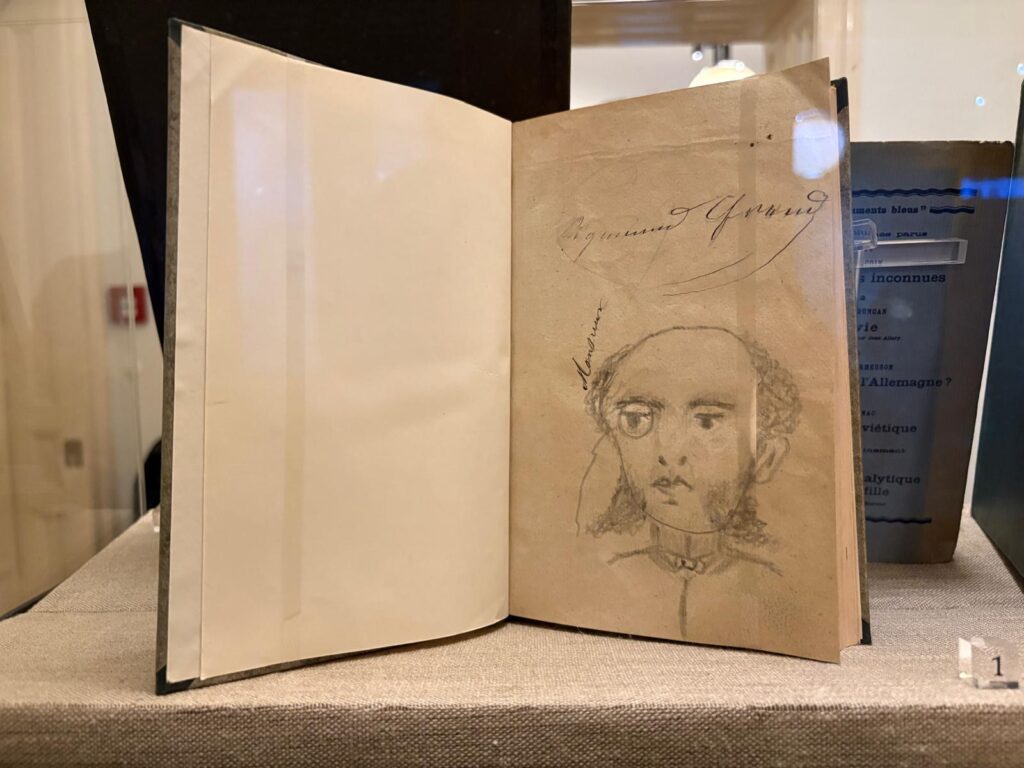
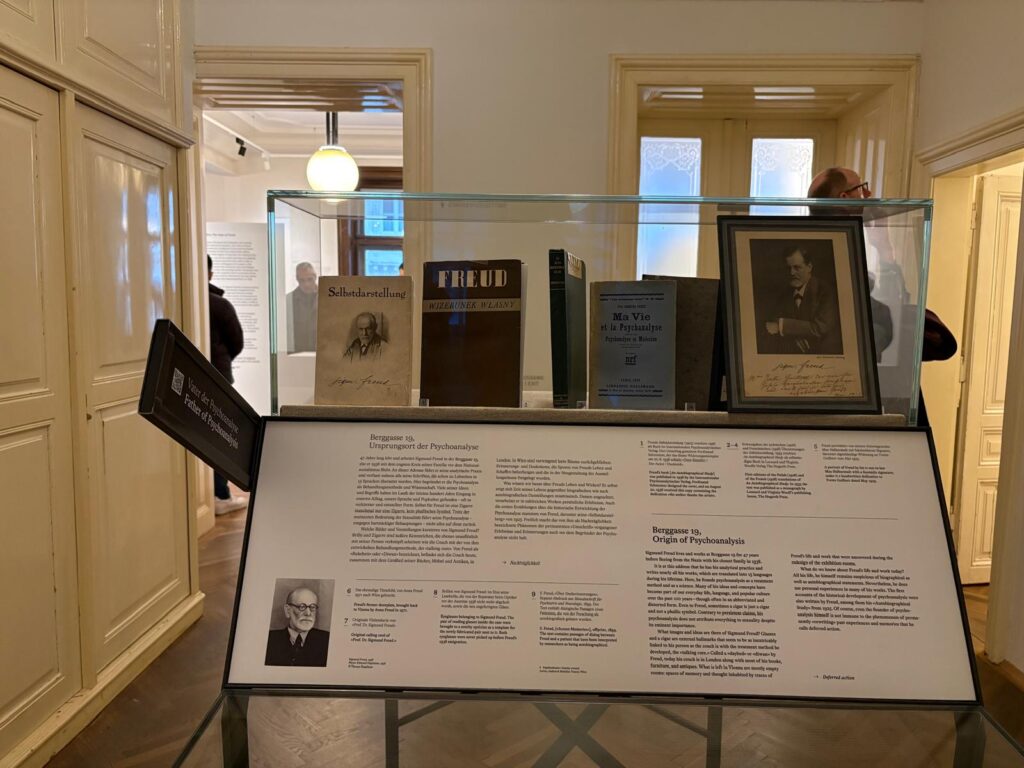
Leaving Berggasse 19 for London
By the time the Nazis came to power in Austria, following the Anschluss, or annexation, of 1938, Freud was already an old man, and a sick one at that. A smoker all his life, Freud’s first symptoms of oral cancer emerged in 1917, before a diagnosis in 1923. Doctors seemed reluctant to tell him the severity of the situation for some reason, and he continued smoking cigars as before. So at the time of the Anschluss he was 81 years old and in poor health.
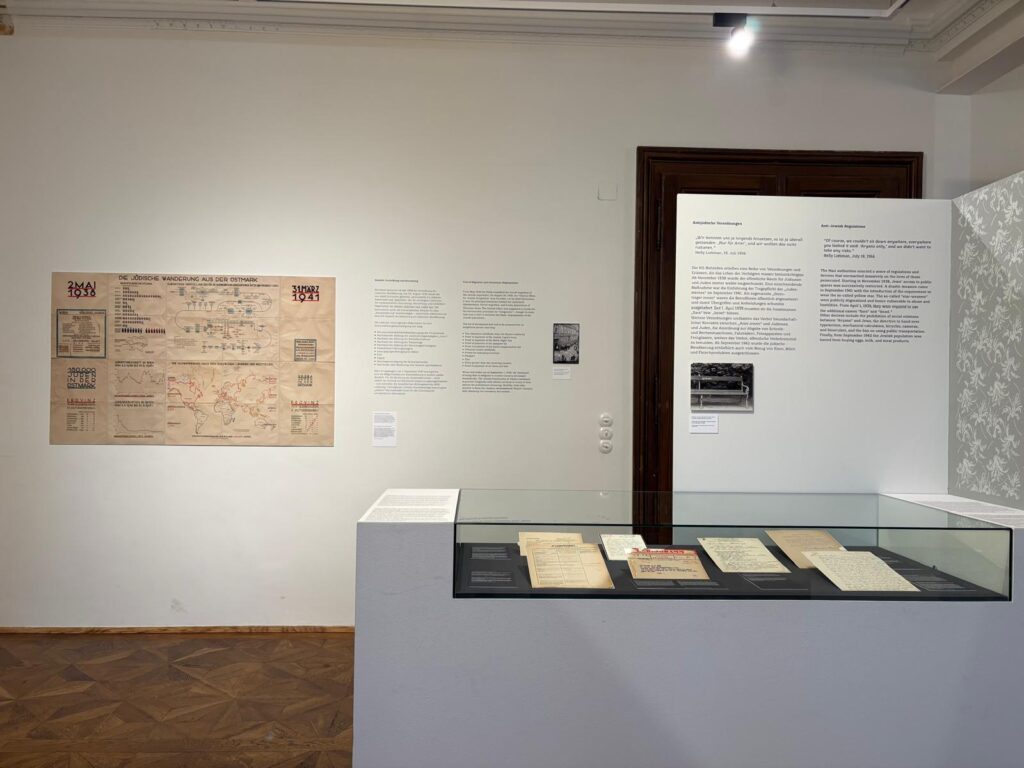
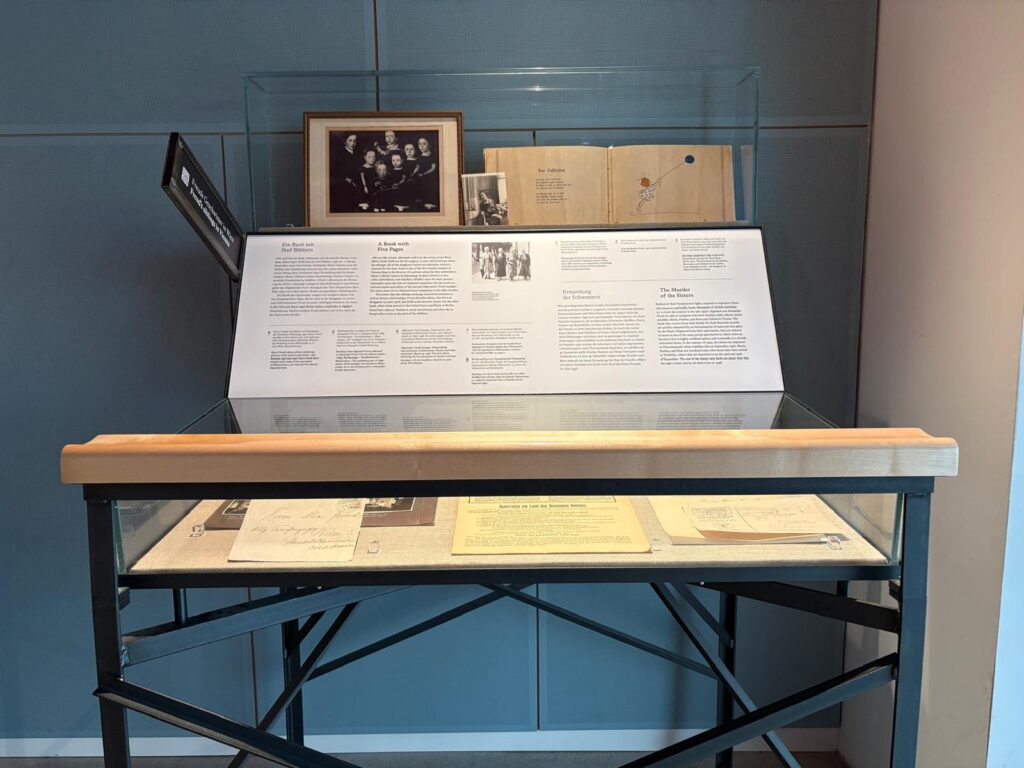
Freud underestimated the situation to begin with and intended to stay, despite the fact that his works featured prominently in book burnings. Within a few short days the necessity of leaving became apparent after the arrest and interrogation of his daughter Anna. Ernest Jones, president of the International Psychoanalytical Association, was amongst those working on an exit plan to England. Freud’s fame offered an opportunity of escape not open to most of Austria’s Jewish population. Several members of his family were able to leave throughout April and May 1938. Freud’s own departure was delayed while he negotiated the extortionate price of departure (the Flight Tax). He arrived in London on 6 June. Not all of the Freud family managed to escape, however: his four elderly sisters, for instance, died in concentration camps.
The Freuds settled at the house in Hampstead we visited previously. The house’s study and library were arranged to resemble the consulting area left behind in Vienna. Many notable people from different fields came to visit and pay their respects. Freud’s cancer continued to progress, however, and he died in September. I haven’t done extensive research but the family who emigrated mostly remained in London, including Anna, Martha and Minna. The family connection to Vienna was severed.
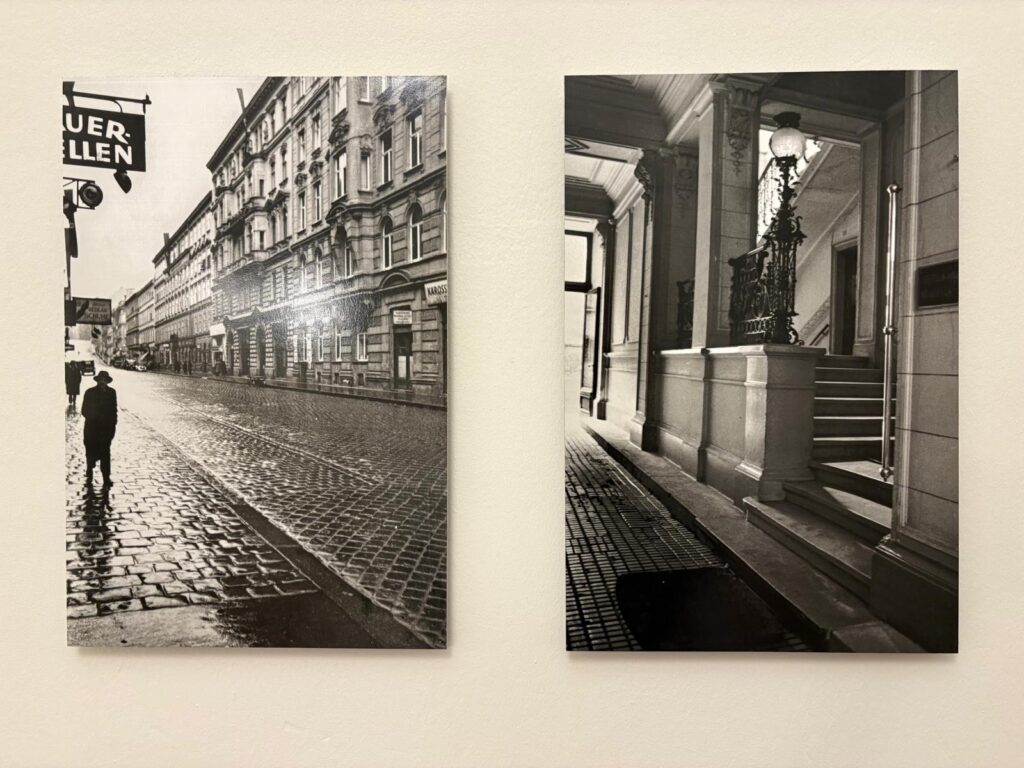
Berggasse 19 Becomes the Sigmund Freud Museum
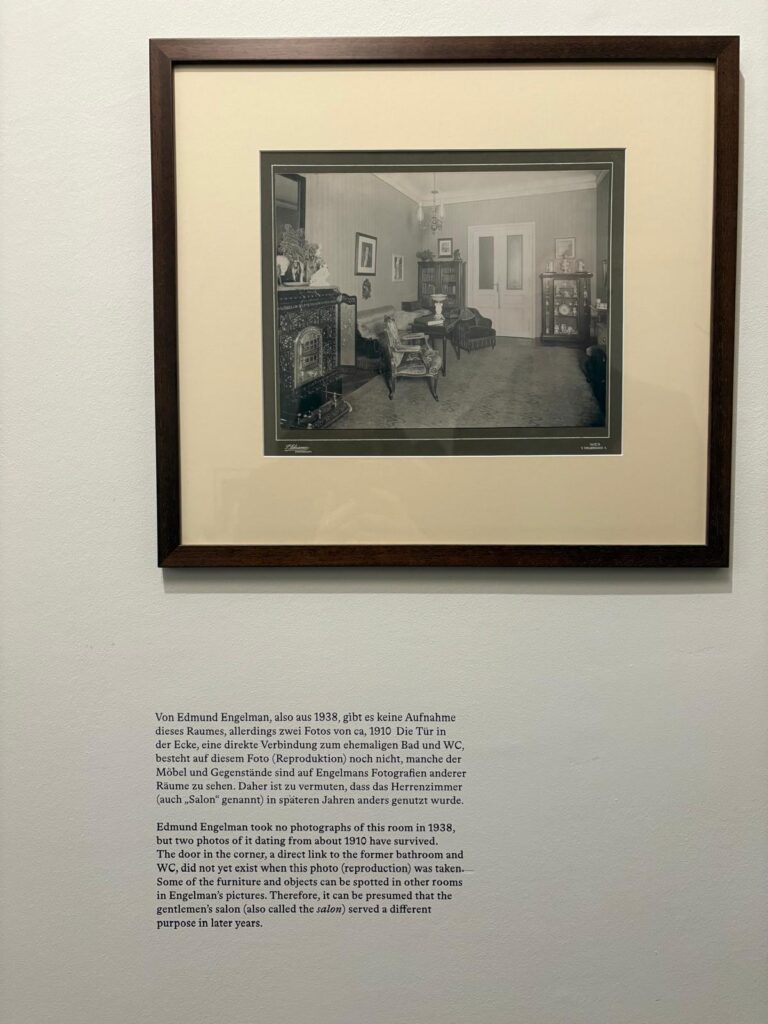
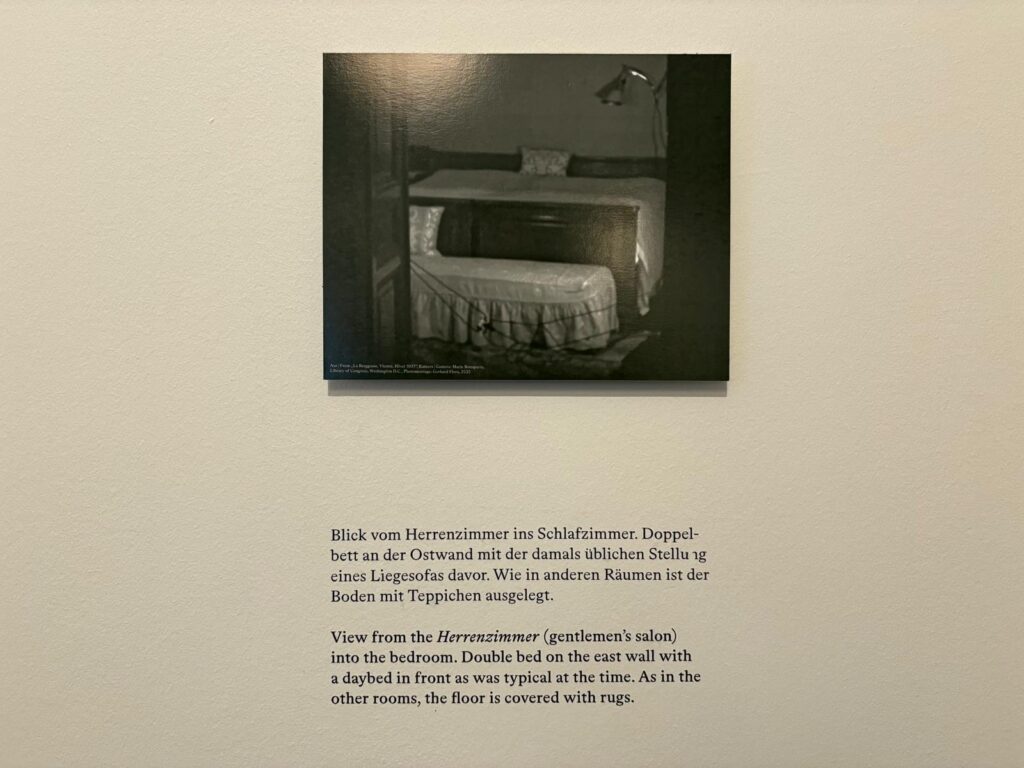
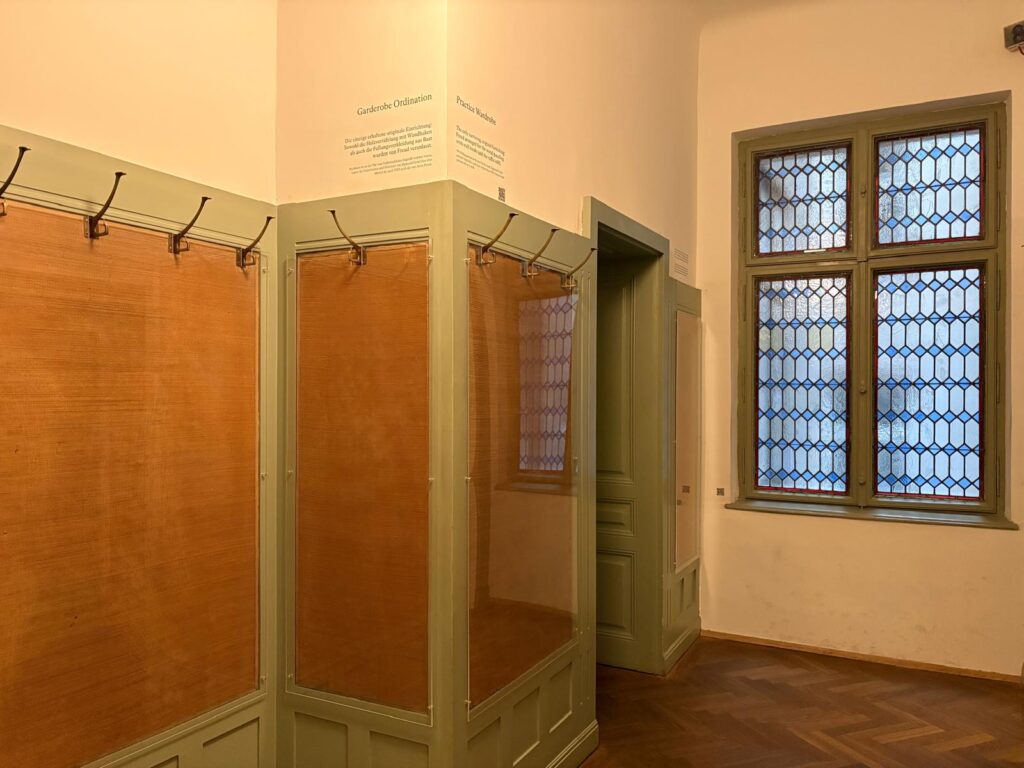
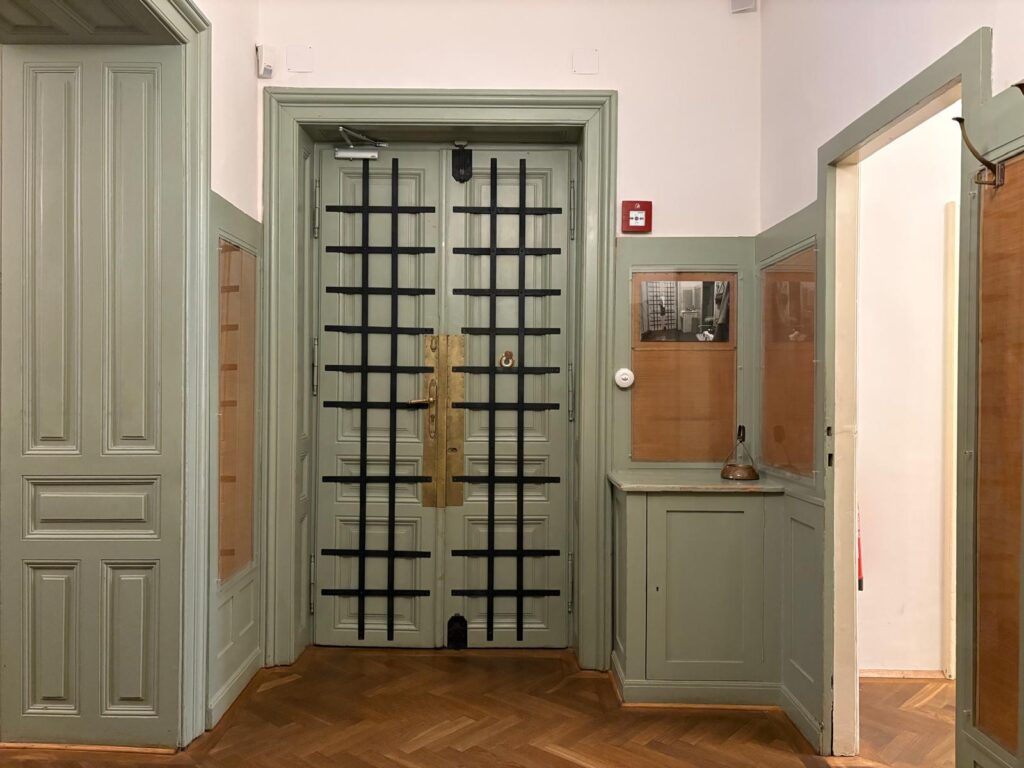
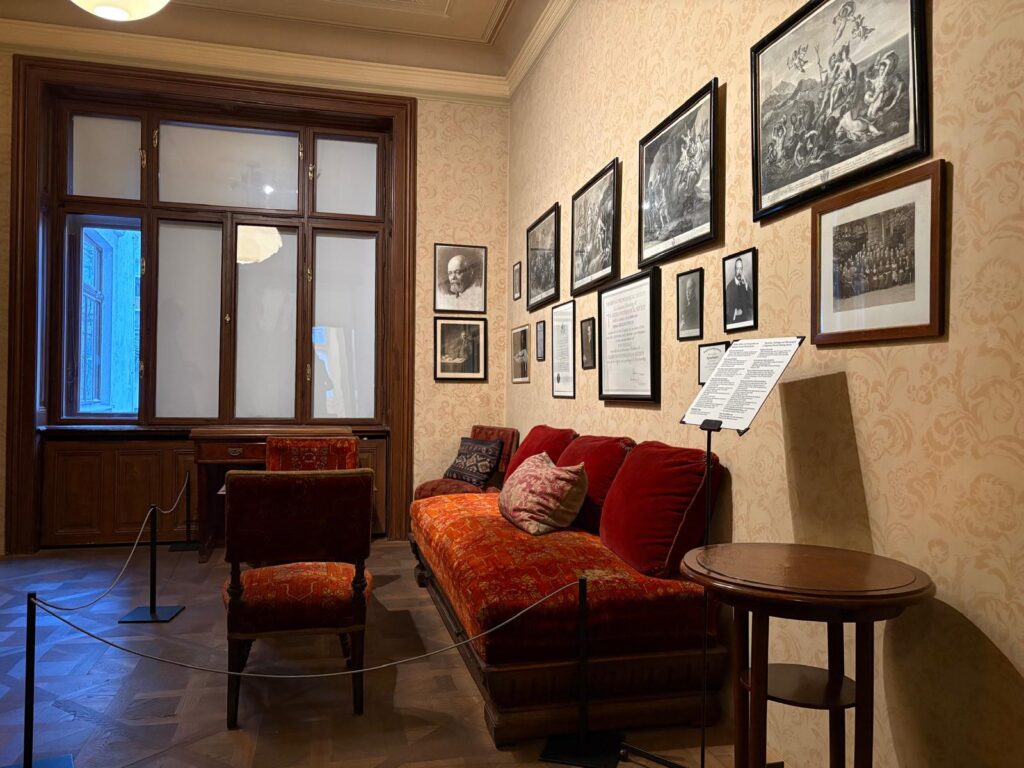
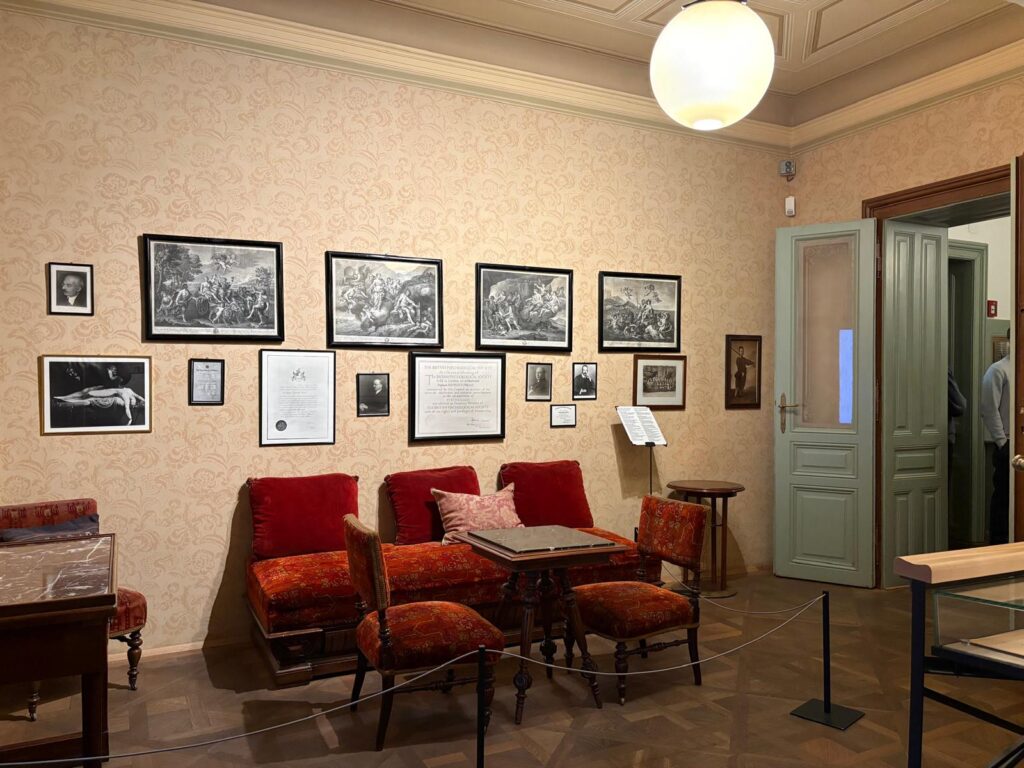
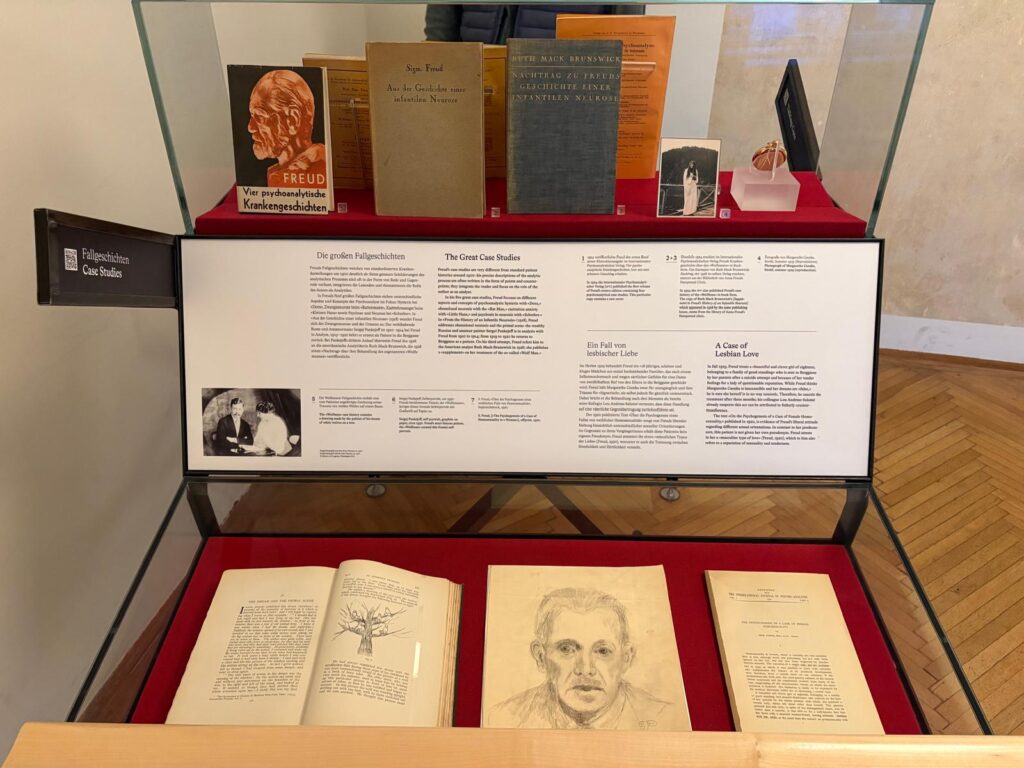
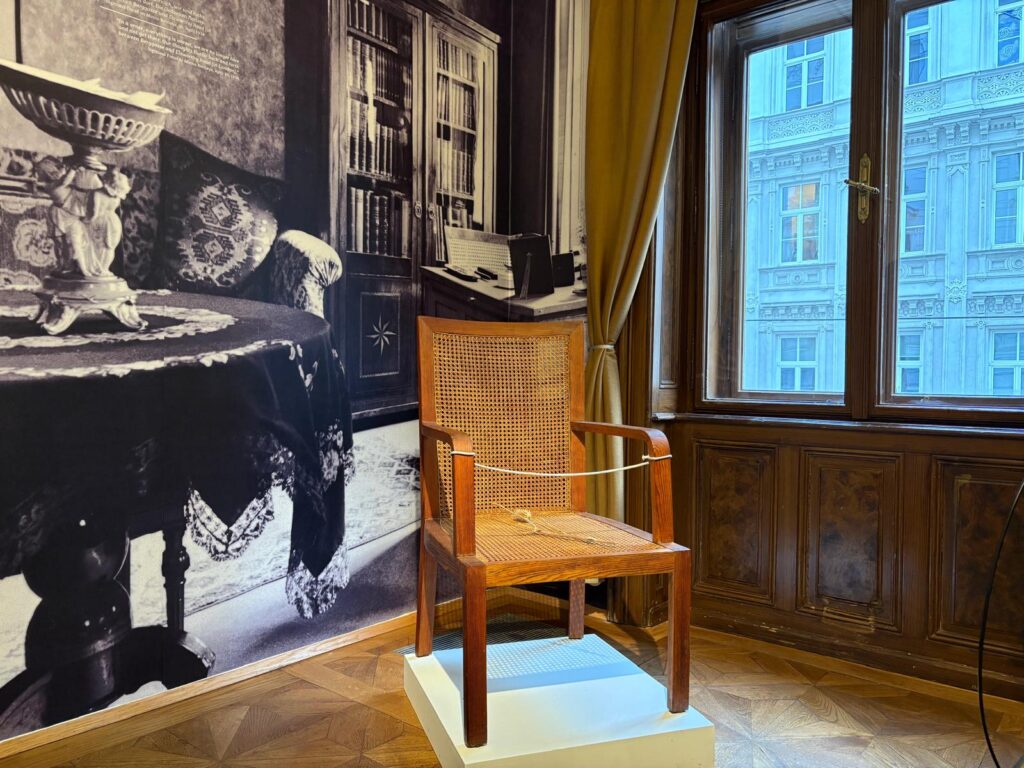
The Freuds eventually rented adjoining apartments at Berggasse 19, with half operating as a living space and half offices/treatment rooms for Sigmund and Anna. Apparently it was quite a free-flowing arrangement, where you might ring one doorbell and find the other door opened. We are very fortunate to have a thorough record of the apartments at the time the Freuds departed. Anna Freud’s colleague August Aichhorn asked a young photographer, Edmund Engelman, to photograph the apartments, with a future museum already in mind. In Nazi-occupied Vienna, it was a risky business. Although the museum today does not recreate the museum per se, these photographs have informed the display.
After the Freuds fled to London, other people moved in and rented the apartments. They became the Sigmund Freud Museum in 1971. The Sigmund Freud Foundation took over the museum in 2003, and has since received the entire building as an endowment. The Foundation also manages an extensive library and research institute for psychoanalysis.
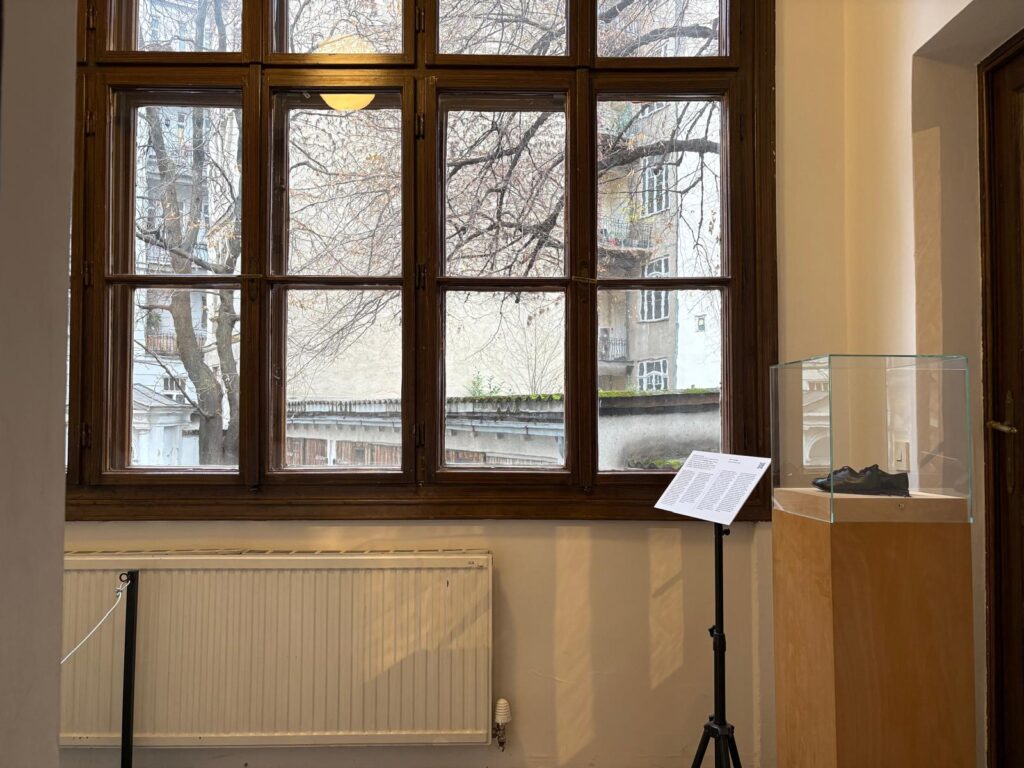
Because of the rupture of the Freud family’s departure, this museum is less ‘preserved’ than that in London. There are some donated items formerly belonging to Freud or his family, but the museum relies a lot more on archives and a reinterpretation of the past. The museum has undergone a couple of expansions and major renovations since 1971 to reach its current size.
The Visitor Experience
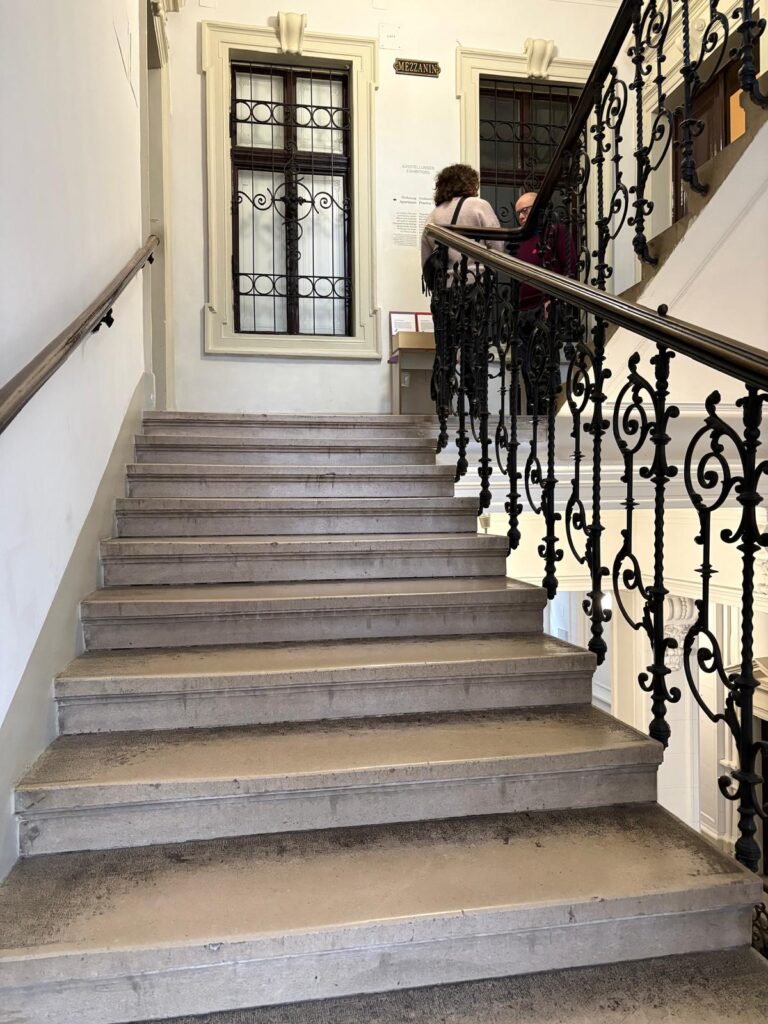
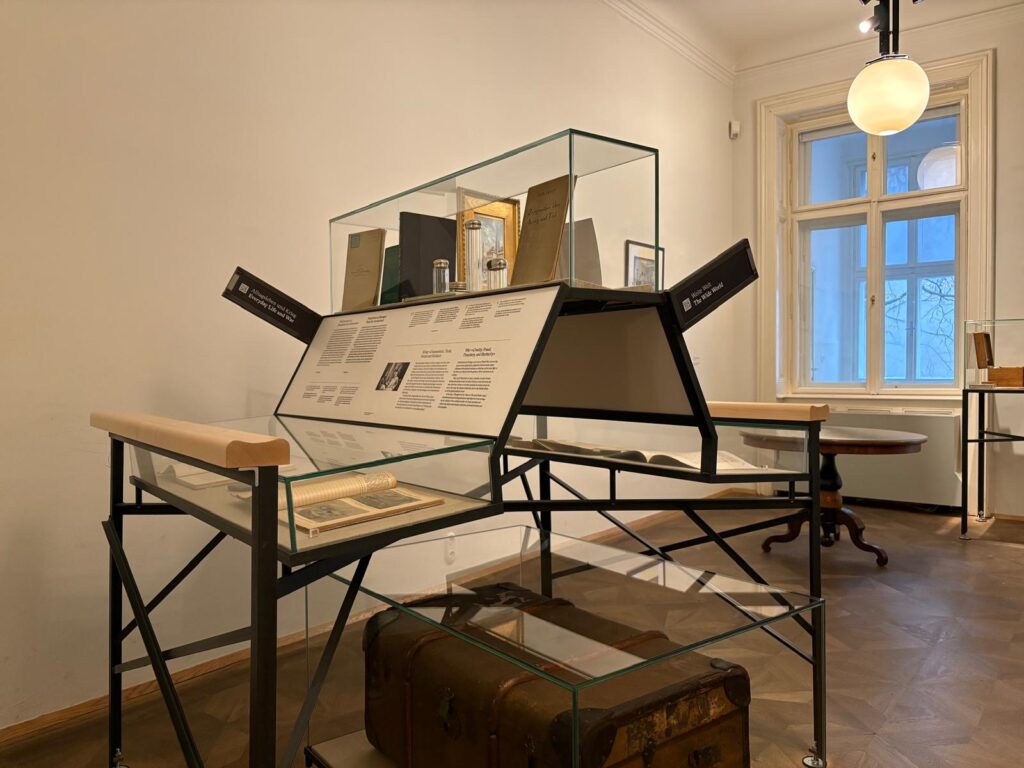
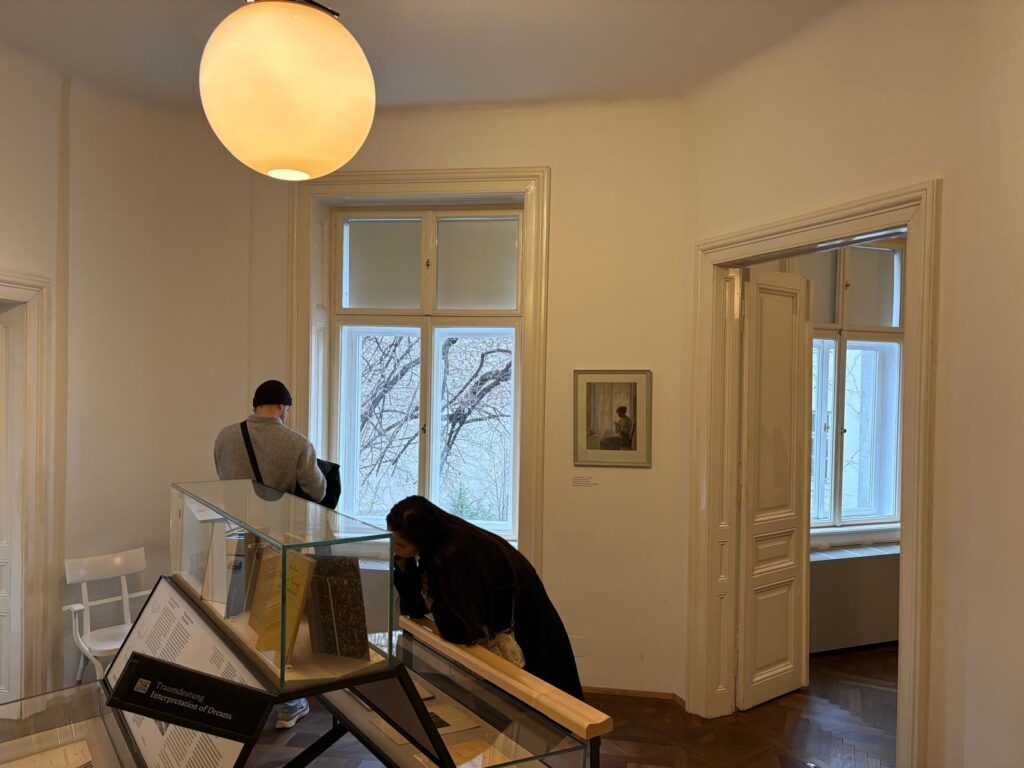
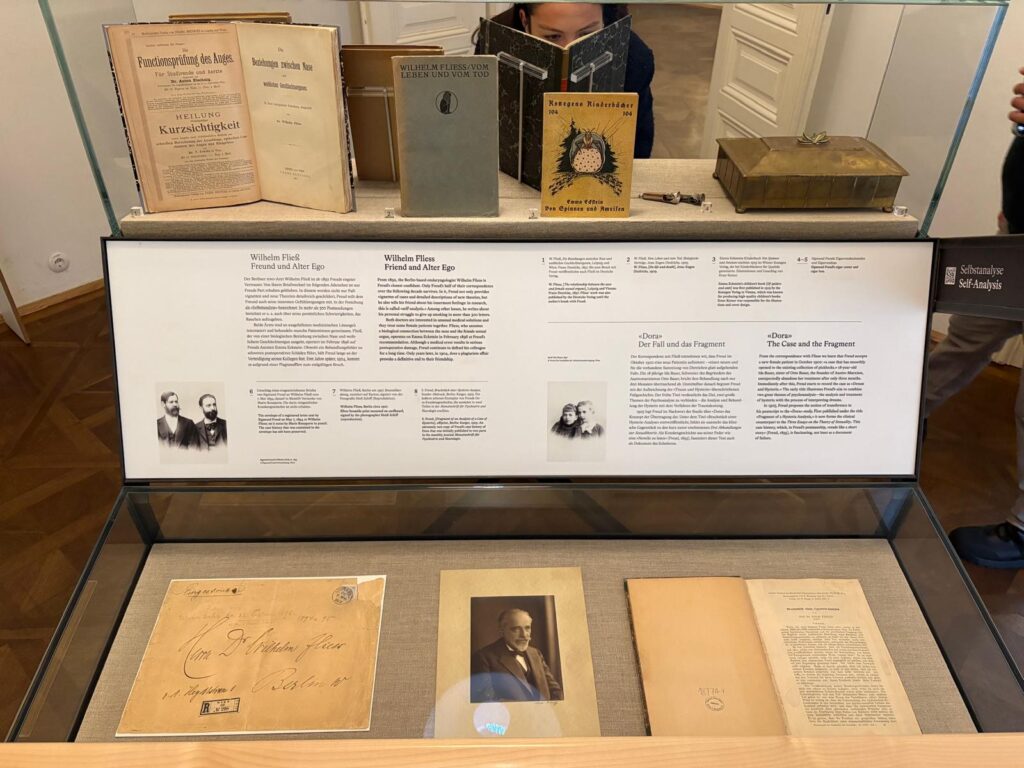
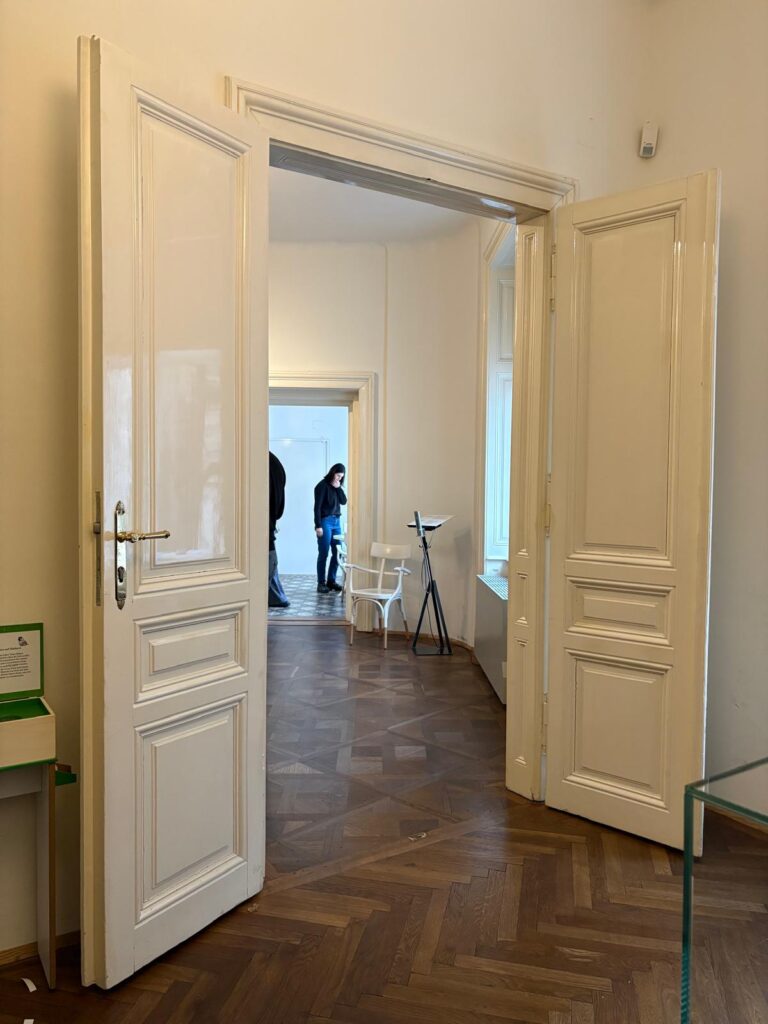
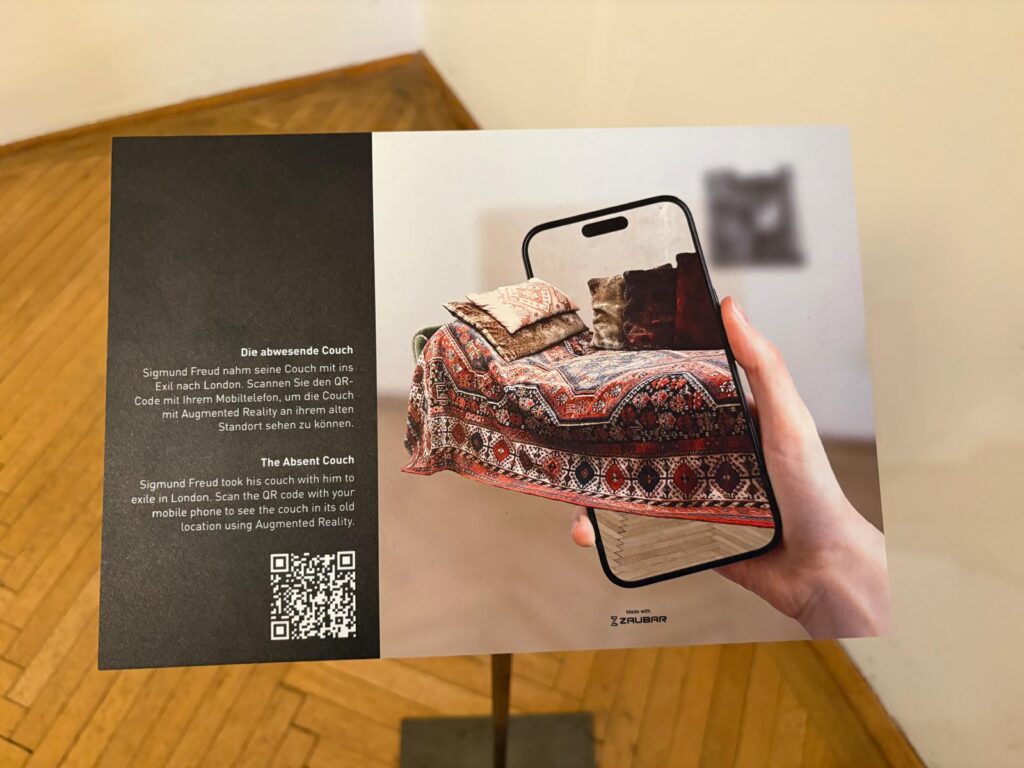
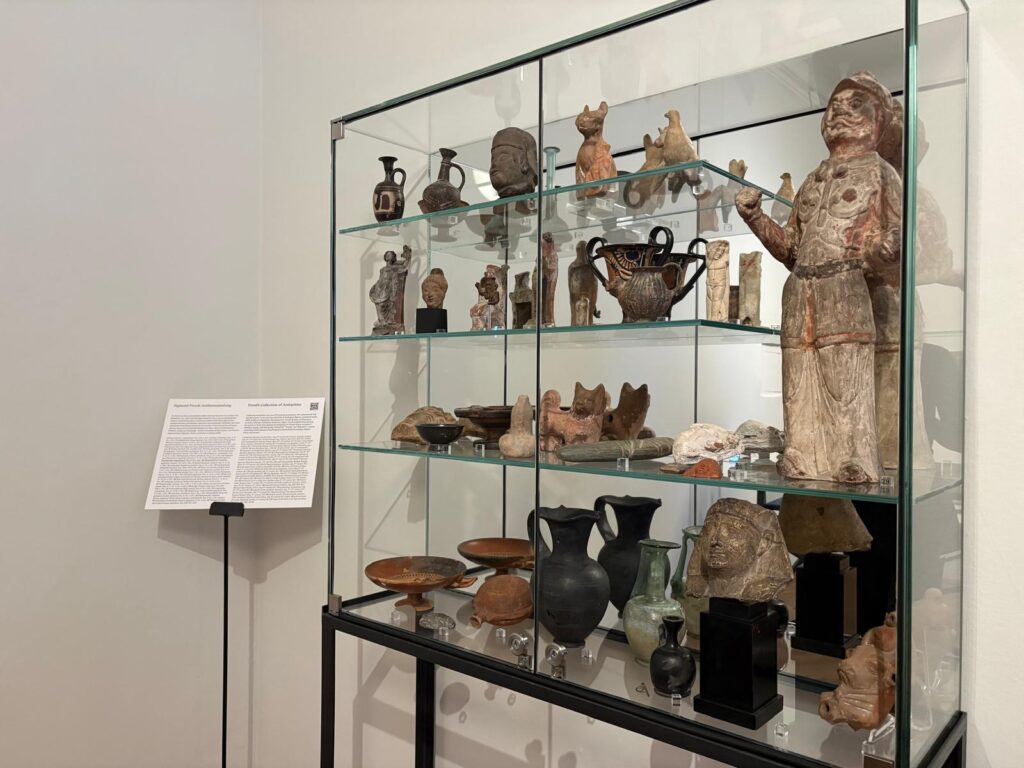
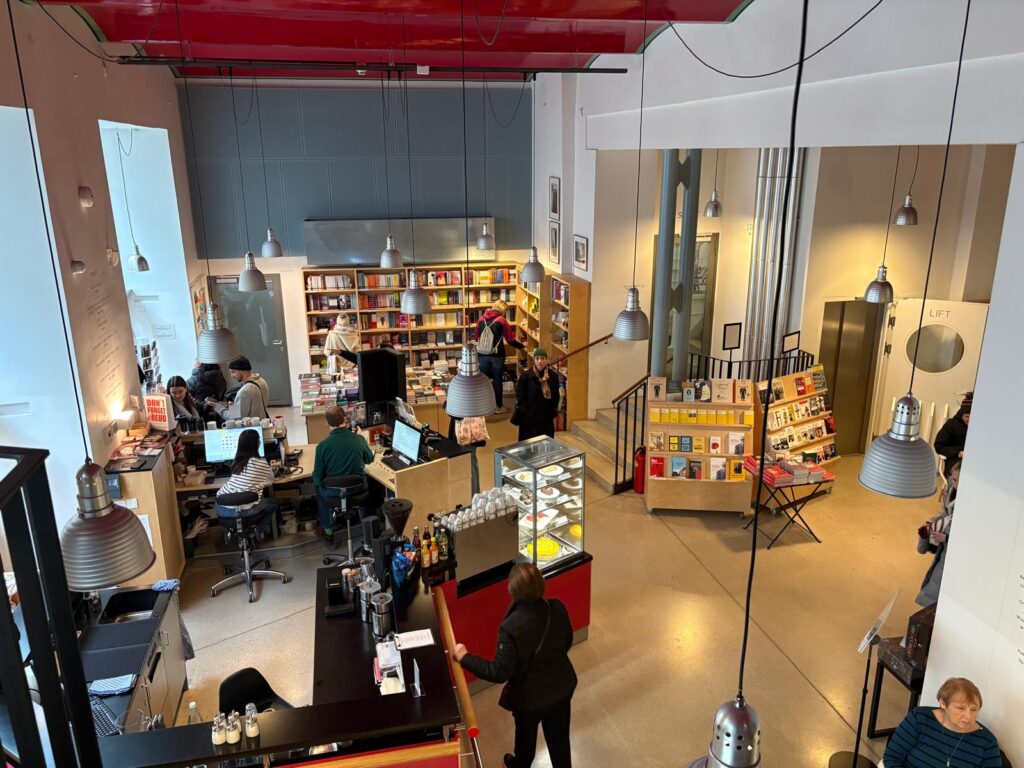
As I’ve already mentioned, the experience at the Sigmund Freud Museum is less about recreating the family home that was, and more about reinterpreting it. The introductory panel informs you that there is no set route around the museum. You can wander at leisure, focusing on the topics that interest you, following in the footsteps of the Freud family, their friends, and patients. In keeping with the Freuds’ nonchalant attitude towards their dual apartments, you can even decide whether to enter through no. 5 or no. 6.
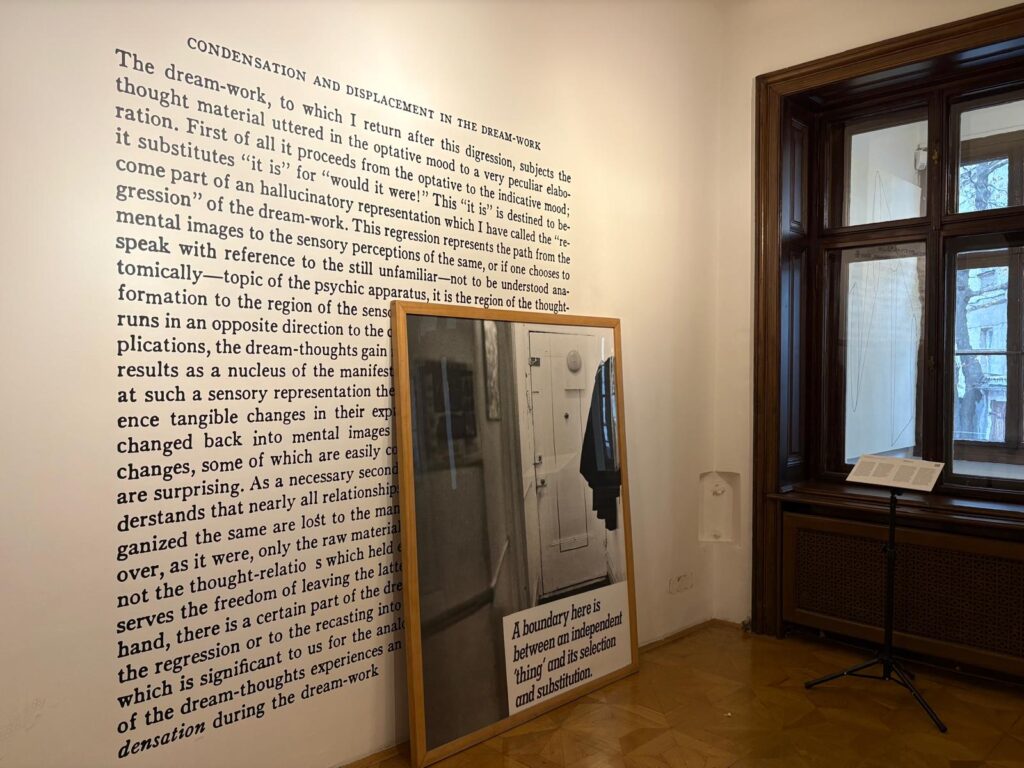
Once inside, there’s a lyrical quality to the curation. Whether this intentional, or me reading into it (which would be very Freudian), it feels a bit like a dream. Like the apartments have breathed a sigh of relief and settled back into the memory of their longest-standing residents. The non-authoritative approach to visitor routes is a part of this. But also the texts, which evoke the former uses for each room, sometimes accompanied by a reproduction of one of Engelman’s photographs.
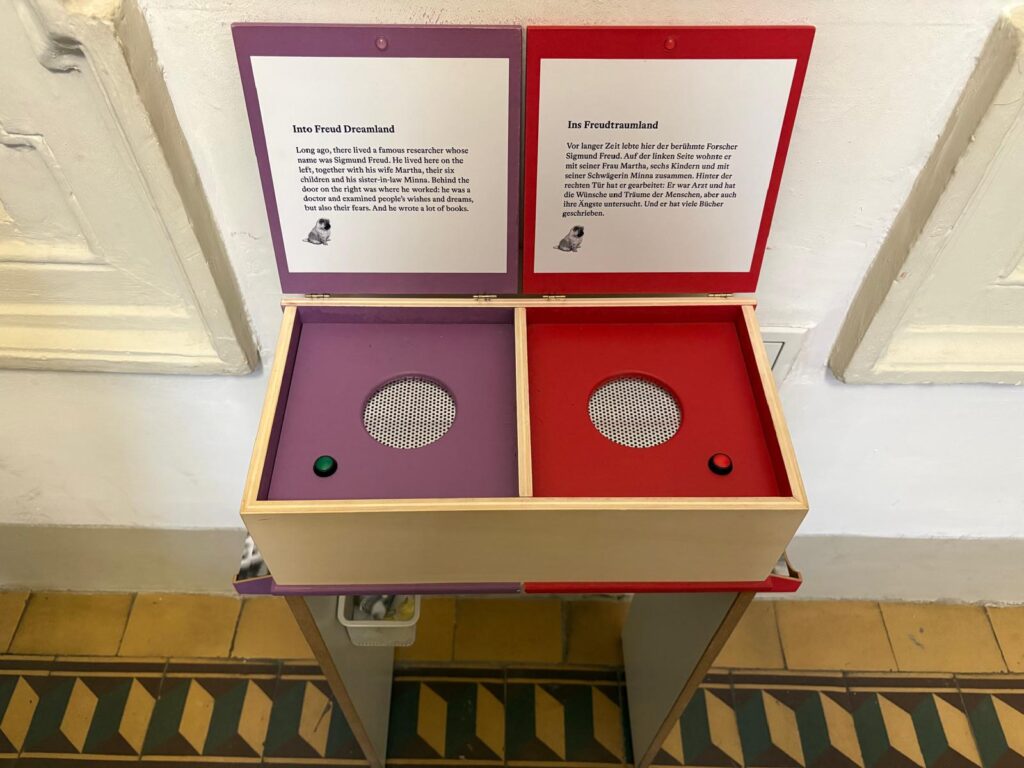
I’m not sure if this was a permanent feature, but when I visited there were also little stations in most rooms with a text in English and German from the perspective of the family dog. At the touch of a button you can hear the text in your language of preference. You can also collect a sticker – a fragment of a whole image. This definitely added to my sense of unreality.
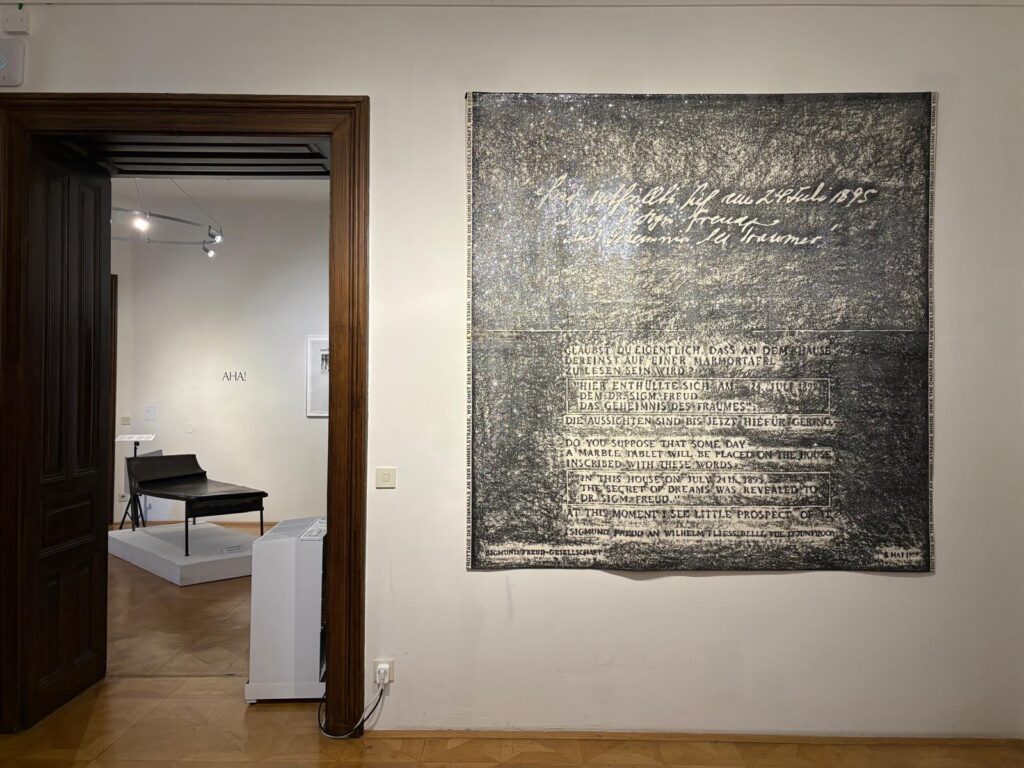
On the upper ground floor, where Freud once maintained a “medical apartment”, there is a permanent exhibition of contemporary art. Hidden Thoughts of a Visual Nature showcases work that is at the intersection of conceptual art and psychological investigation. For me it wasn’t the strongest part of the museum, but I appreciated the effort to engage with the themes of the museum in different ways.
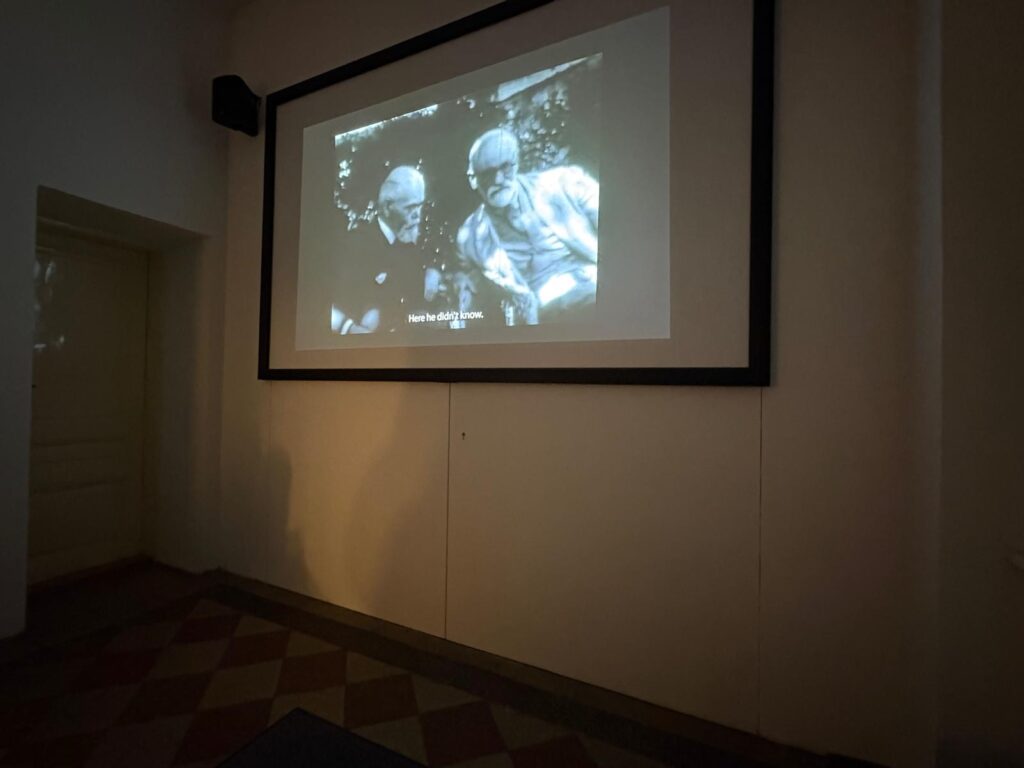
As well as the permanent exhibitions there are temporary exhibitions. There were a couple when I visited. The main one Documents of Injustice: The Case of Freud. It goes into detail on the Freud family’s last months in Vienna: the Flight Tax, and the sisters left behind. I found this last point particularly effecting, as was a film of a Freud family garden party with narration by Anna Freud: a memory of happier times. The exhibition continues until 9 November 2026.
Final Thoughts
I’m glad I had the Sigmund Freud Museum on my list to visit during my weekend in Vienna. It got me out of the immediate inner city, and showed me something different. In a way, it does link back a bit to the Habsburgs. I mean this in the sense of Vienna as an important city, the centre of an empire. Freud was only one of many important thinkers who lived here, alongside artists, academics, men of letters and of medicine. Vienna’s Jewish community of course contributed several of these luminaries.
Vienna today is a different place, which brings us back to the Sigmund Freud Museum as an embodiment of memory. Despite the lack of continuity in its history, the museum does a good job of bringing us back, imaginatively speaking, to the time when the Freud family lived here. It does so in a way that is not didactic, but leaves room for personal interests and exploration. It’s a very nice museological case study – a more thoughtful approach, I would argue, than somewhere like the Franz Liszt Memorial Museum in Budapest which also had to recreate something lost in the interim.
Taken together, the Sigmund Freud Museum in Vienna and Freud Museum in London are not so much a pair as… a couple? A matched set? One was a residence of choice, the other of necessity. Freud lived in one for decades, the other for mere months. One has been preserved, the other recreated. But together they provide insights into the life and work of a man whose writings continue to exert an influence on Western culture, 170 years after his birth.
Trending
If you see this after your page is loaded completely, leafletJS files are missing.