
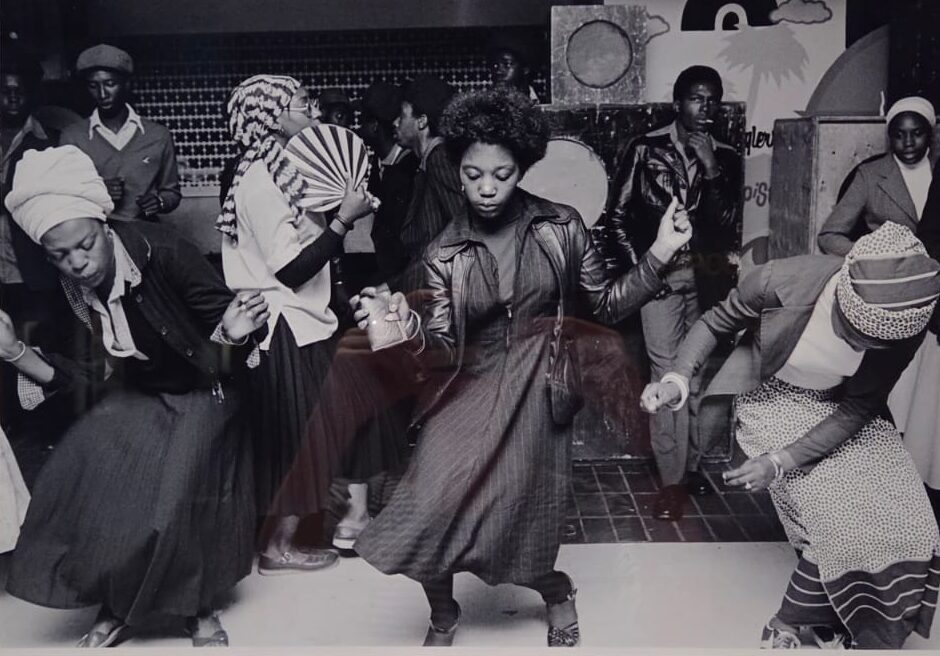
The Music is Black: A British Story – V&A East, London
Curator Jacqueline Springer addresses a historic imbalance by celebrating the importance and influence of Black British music. Come with me as we visit The Music is Black: A British Story.
The Exhibition Space at V&A East – the Museum’s Main Draw?
In my last post, I introduced the new V&A East museum at Stratford. A brand new building and branch museum which forms part of the cultural quarter in the former Olympic Park, the V&A East positions itself as an atypical museum. I wasn’t entirely sold on that when I visited. I thought it was progressive, engaging, and democratic. The V&A collaborated extensively with local people and creatives in developing the museum and its content. But for me there were two drawbacks. Firstly that I didn’t think its site made it as inviting as the intention. And secondly that the permanent exhibition spaces are quite small, with around 500 objects on view. I guess you can’t do everything, but it seems like a missed opportunity somehow.
If I was surprised the permanent collection spaces were small, I was also surprised at the large temporary exhibition space. My friend and I had come to the exhibition for something to do, benefiting from her membership to avoid the higher weekend ticket prices. We hadn’t set aside any particular amount of time, and thought the museum was closing fairly soon. We started off looking at everything in detail, reading all the texts carefully. It was only when I decided to go ask if I could find a toilet and return to the exhibition (I could) that I found out just how big it was.
That’s why I said in my last post that I thought I would be back to see other exhibitions here. It’s an expansive space, where the V&A can really tell a story in detail. Just be aware of this if you choose to visit. Leave plenty of time (or maybe don’t read everything in depth if you get tired easily), and perhaps think about a comfort break before you begin!
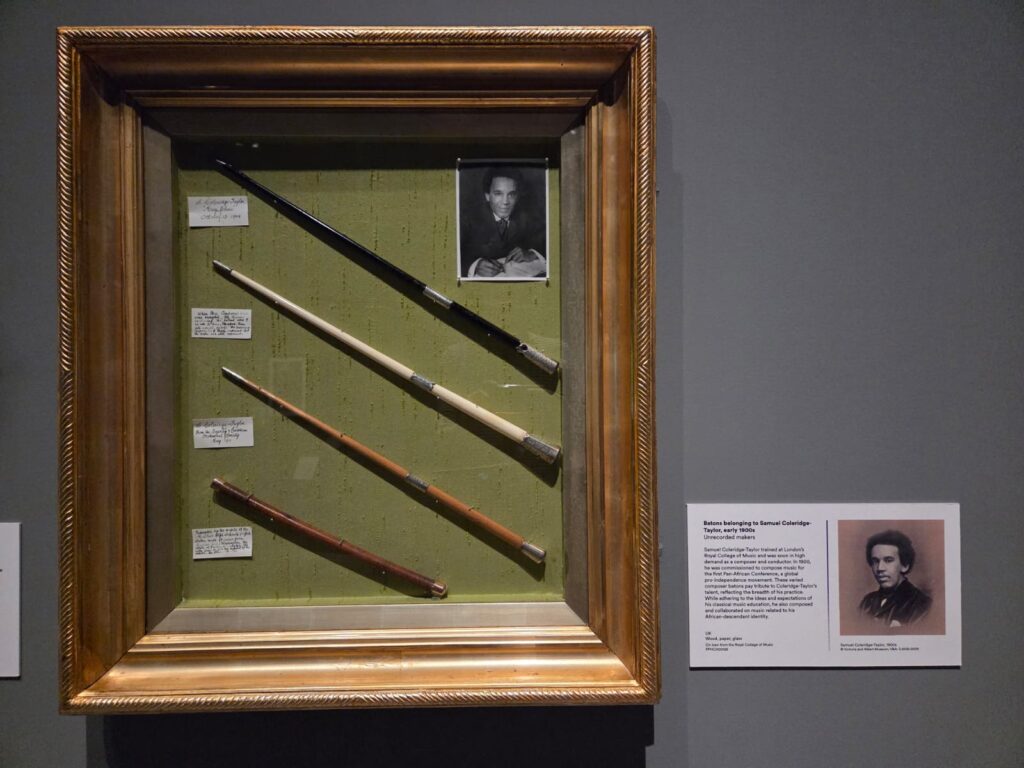
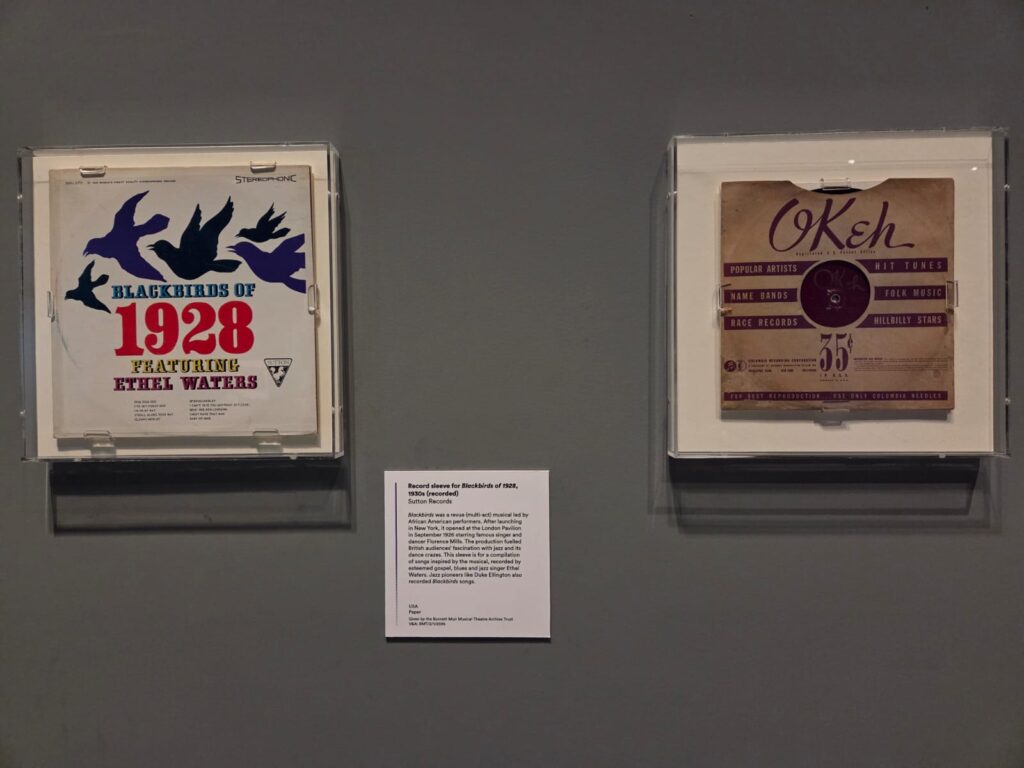
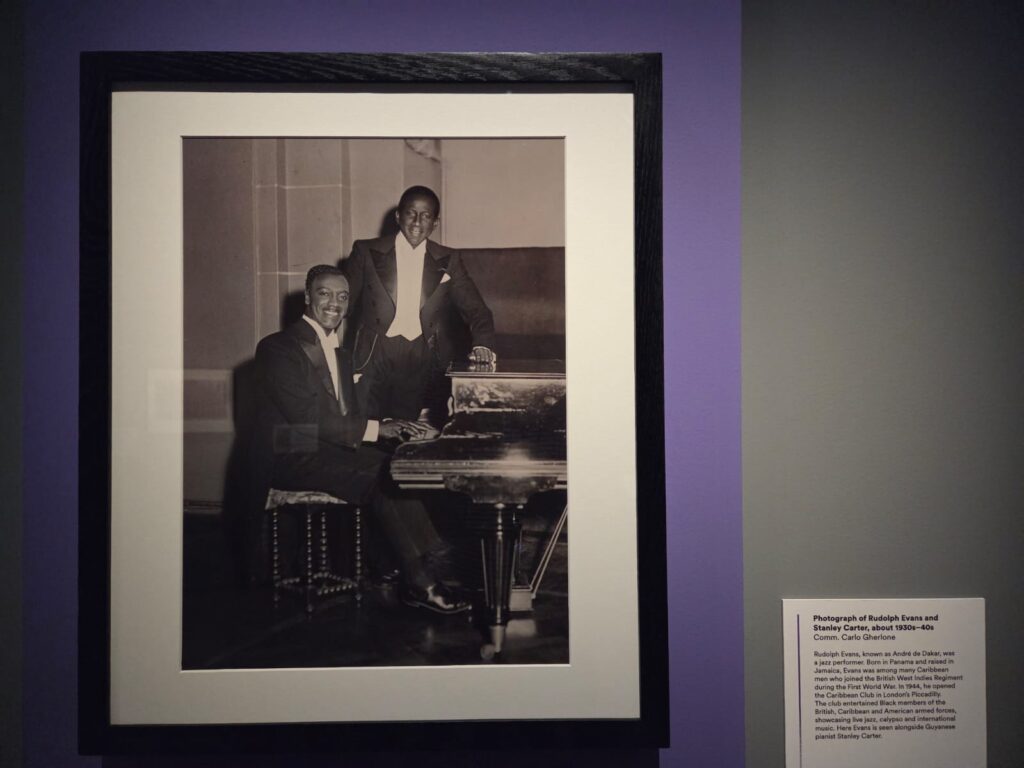
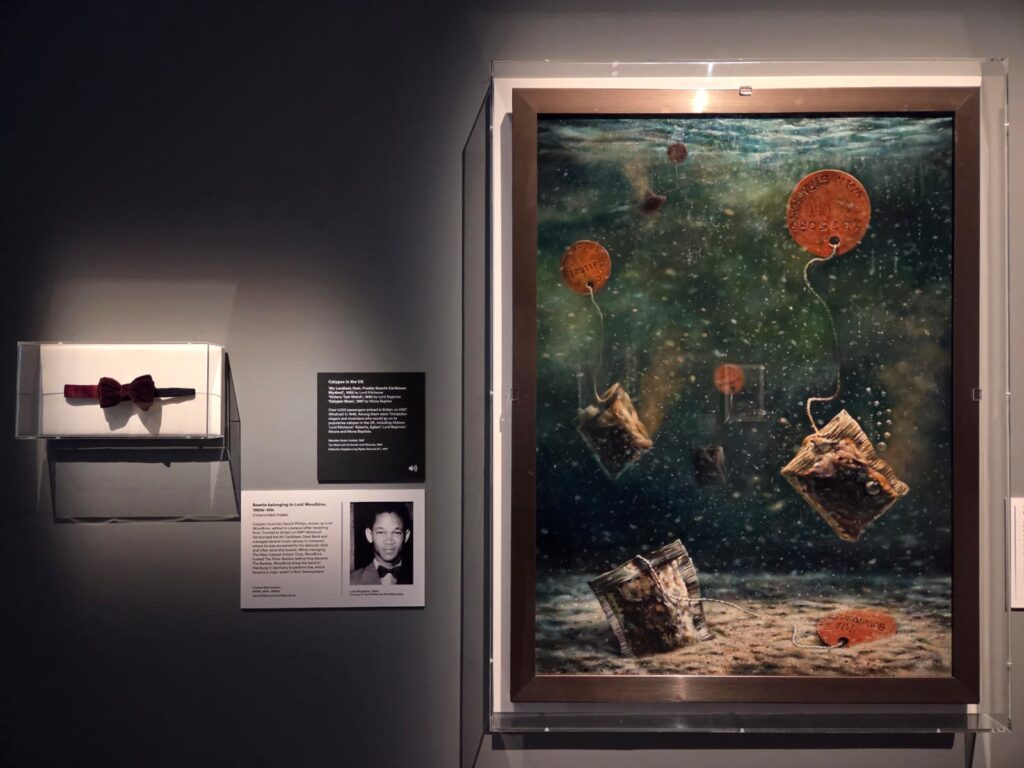
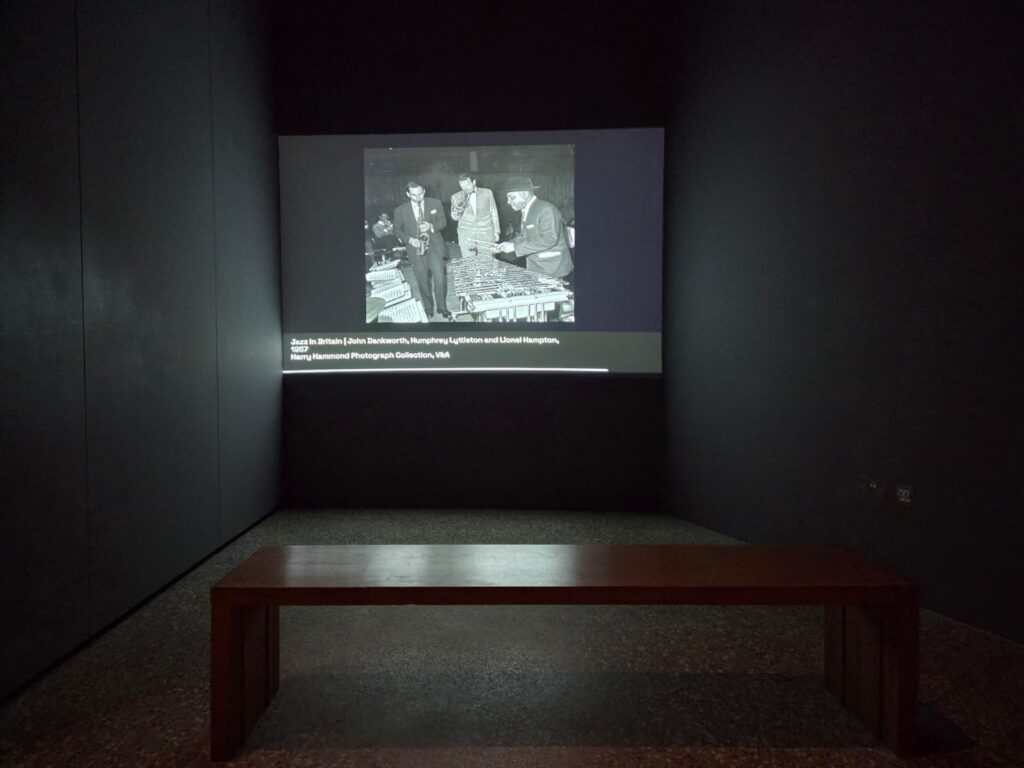
The Music is Black: A British Story
Given that I hadn’t specifically intended to come to this museum, I hadn’t read much about it. I don’t know about you, but I rather like discovering exhibitions as I go. Not just exhibitions, actually. I hardly ever read a synopsis of a work of theatre or opera if I don’t already know it. I prefer to take it as it comes.
But anyway – what’s this exhibition all about? The title tells us, more or less. This is an exhibition about innovation in Black British music, and its origins in African and diasporic musical traditions. There are eight genres included in the survey. Lovers rock, Brit funk, 2 Tone, trip hop/the Bristol Sound, jungle, drum and bass, UK garage, and grime. The exhibition looks at their cultural importance and the relationships between different genres. It also highlights different groups and artists through a combination of objects, fashion, photographs, interviews, quotes, and descriptions.
And that’s before we get started on the music. Just as they did over a decade ago in my favourite-ever exhibition, David Bowie Is, the V&A have partnered with Sennheiser to create an immersive sound experience. Visitors don headphones which pick up their location within the exhibition and play the relevant music automatically. We’ll talk a bit more about the technology towards the end. But for an exhibition all about music, this approach ensures visitors get the full experience without competing audio tracks becoming a cacophony.
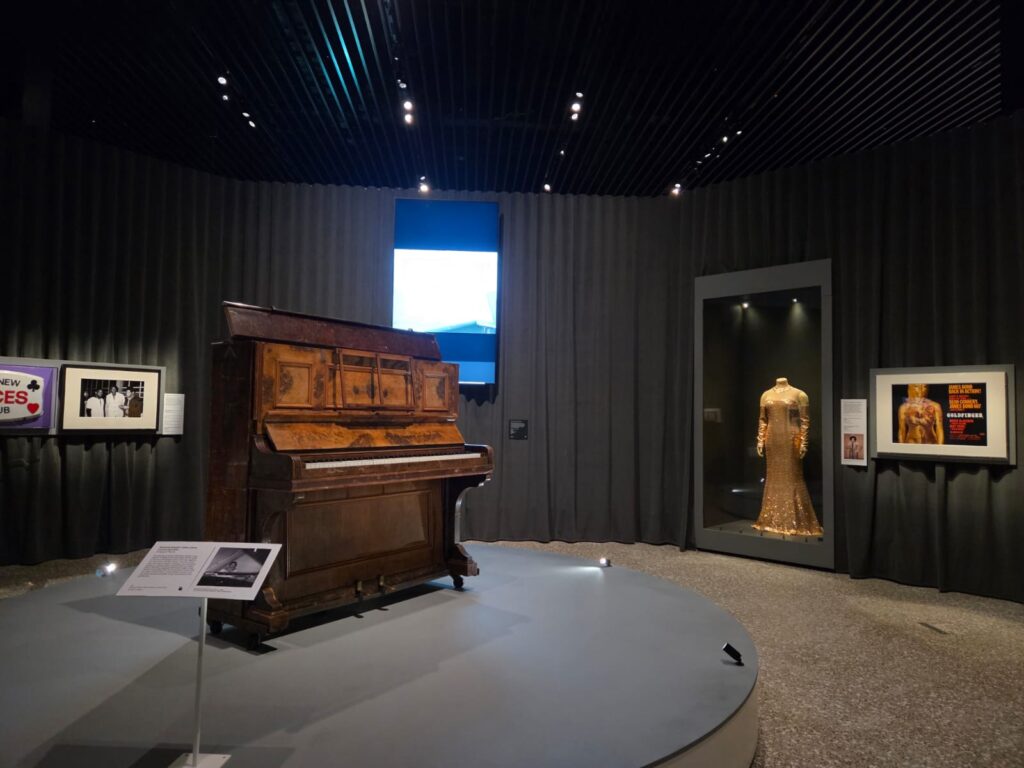
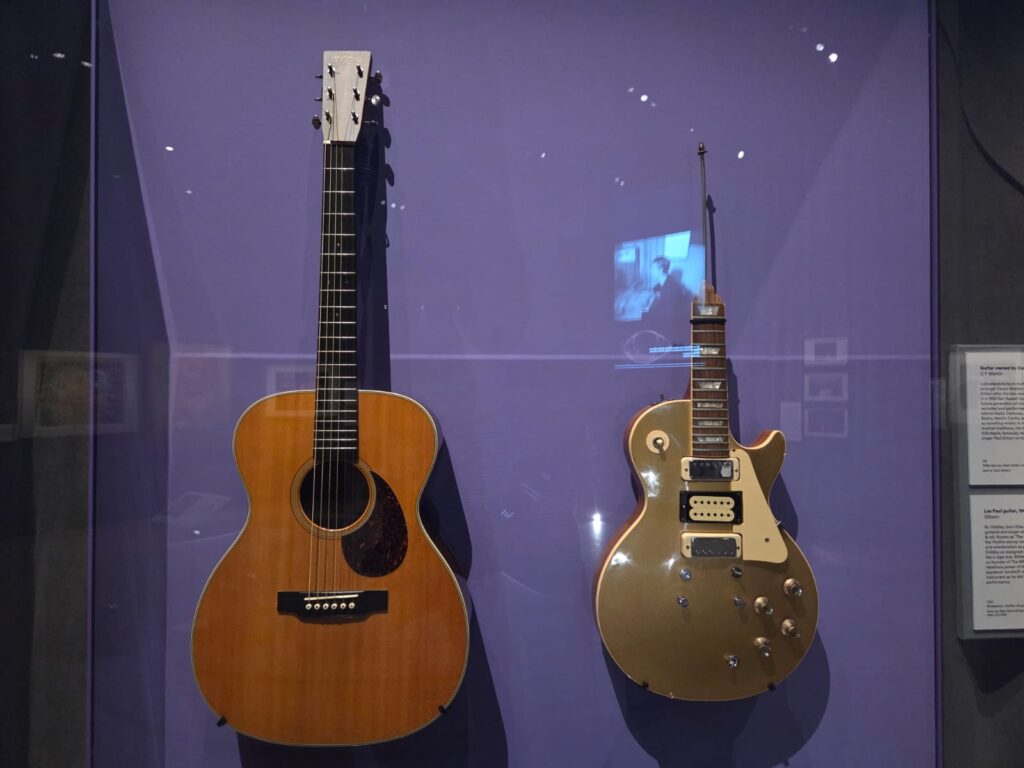
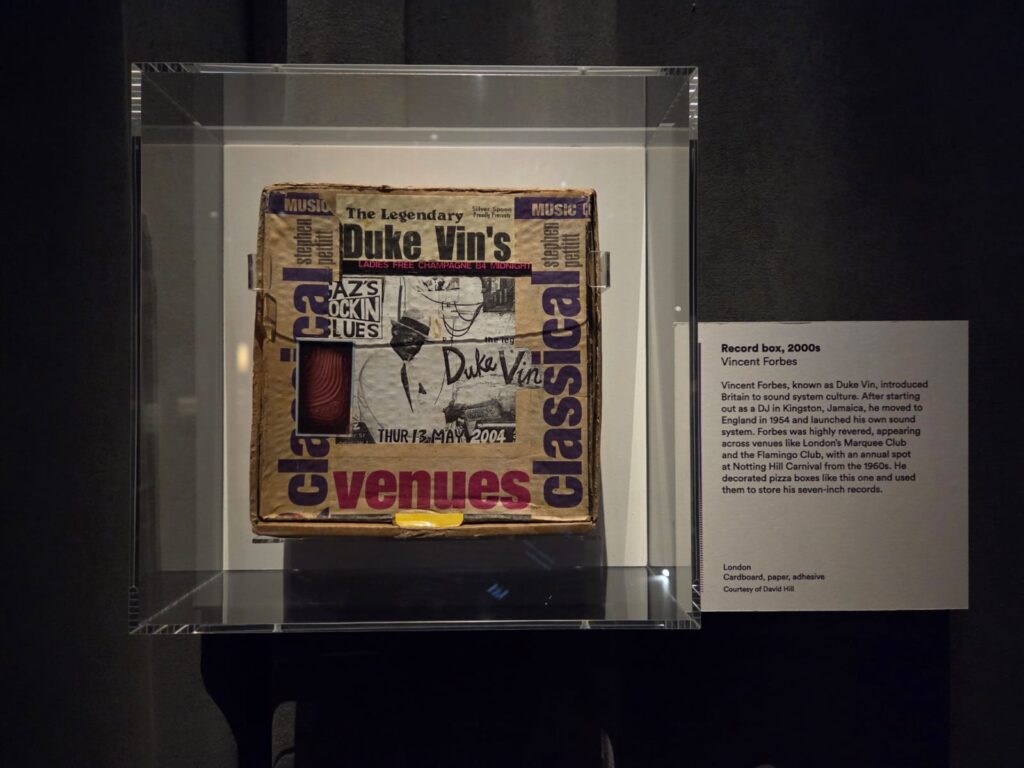
The Roots and Routes of Black British Music
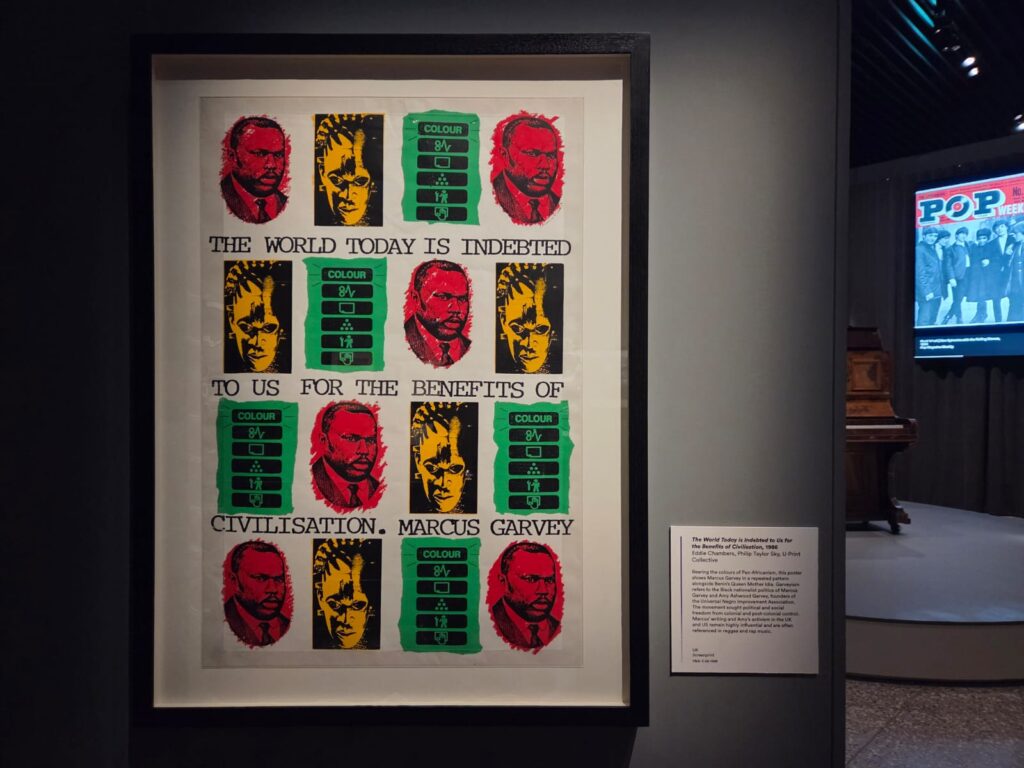
The Music is Black: A British Story opens by looking at the aspects of contemporary Black British music which have their origins in African musical practices. People have always made music, as the exhibition points out, to express their identities and respond to their environment. And so music changes in response to different societies, religions, languages, traditions, and locations.
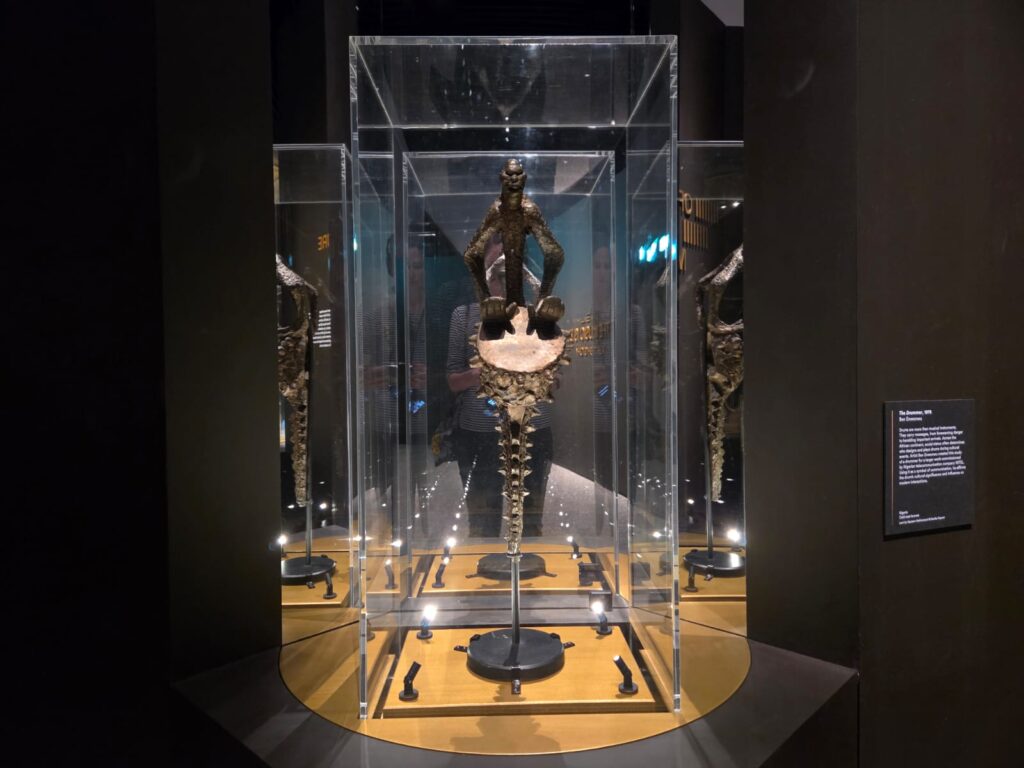
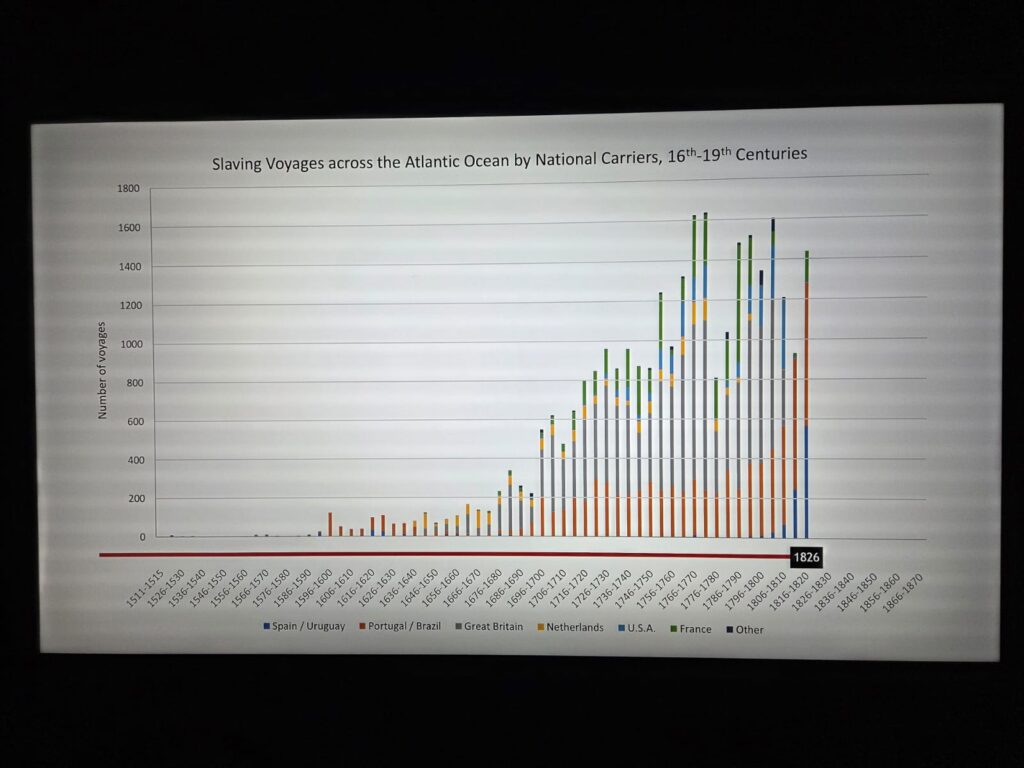
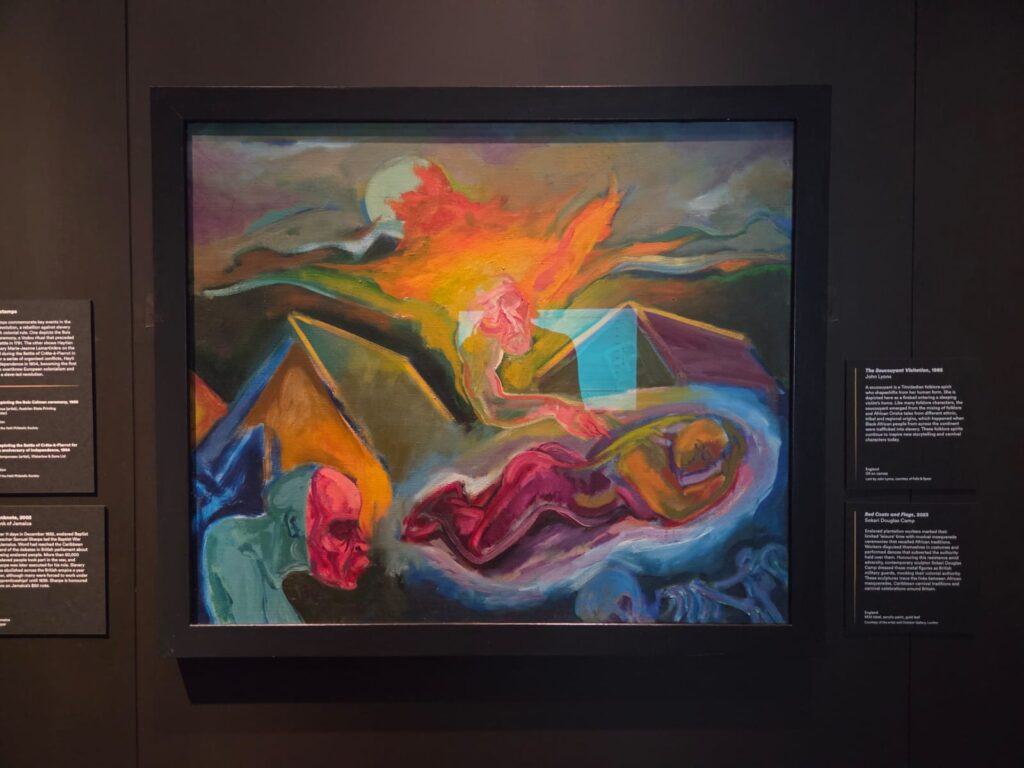
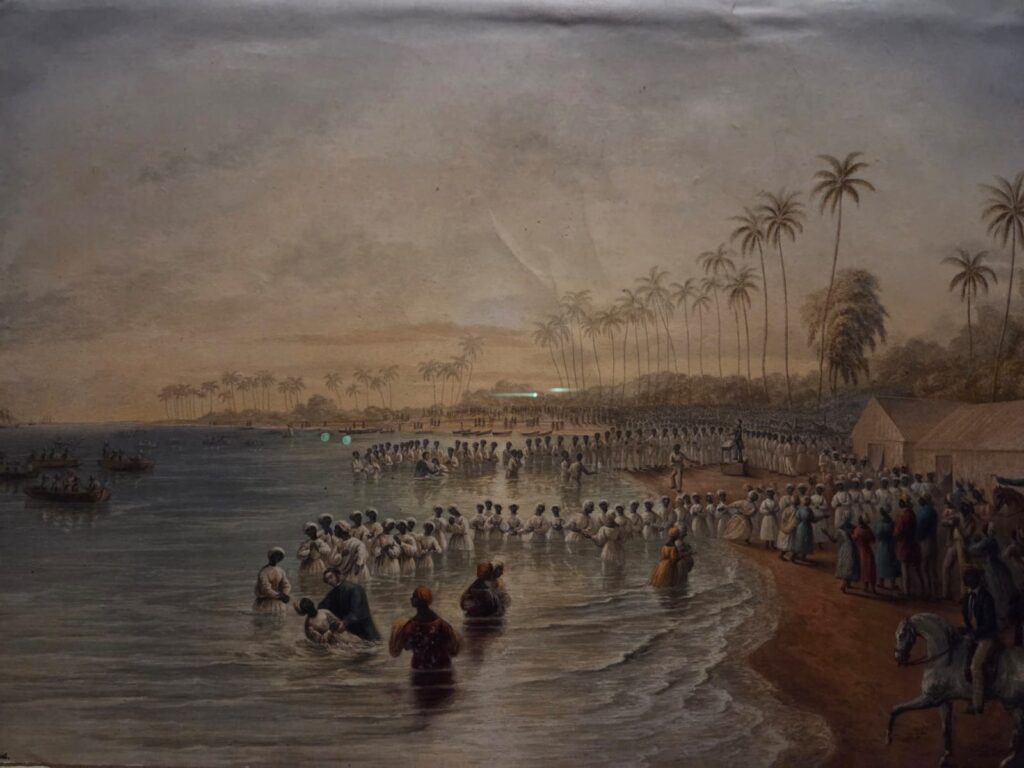
The first section of the exhibition looks at the trade in enslaved people across the Atlantic, and how this dispersal created a diaspora which brought with it cultural and musical identities from Africa. Interestingly, the inclusion of modern and contemporary art begins straight away. Almost the first object in the exhibition is The Drummer (1978) by Ben Enwonwu, a cast bronze study for a larger work the artist made for a telecommunications company in Nigeria. That thread, the lineage between old and new, is already in evidence. There are also traditional instruments, for instance from a musical bow from Zambia.
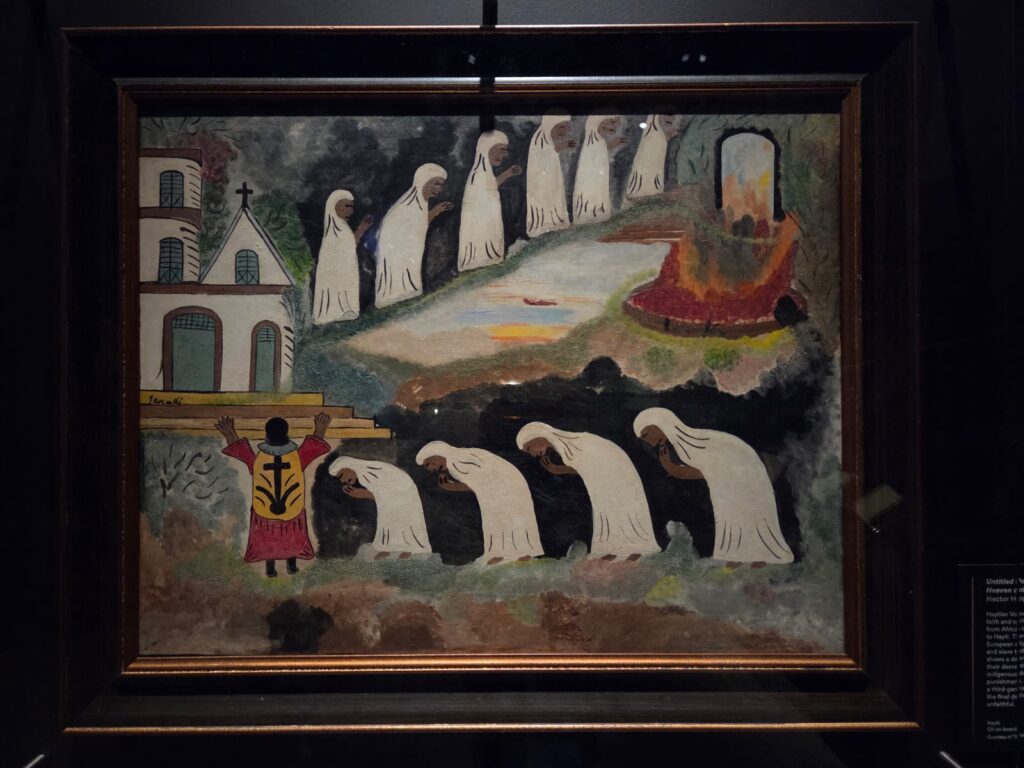
As the exhibition progresses, there is information about the trade in enslaved people, and the musical expressions and repressions they experienced in their new locations. New compositions by Bankey Ojo based on notation of music made by enslaved Nigerian people in Jamaica in 1688 are particularly powerful. Religion is noted as a powerful vector for both upholding colonialism, and for rebellion and hybrid faiths.
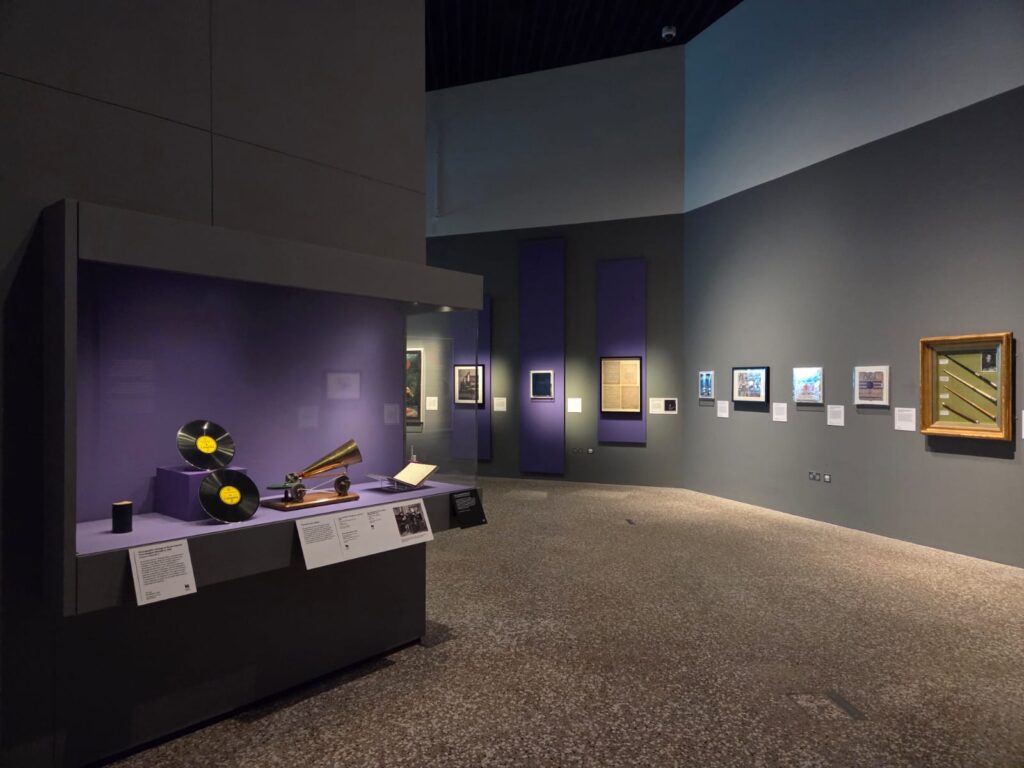
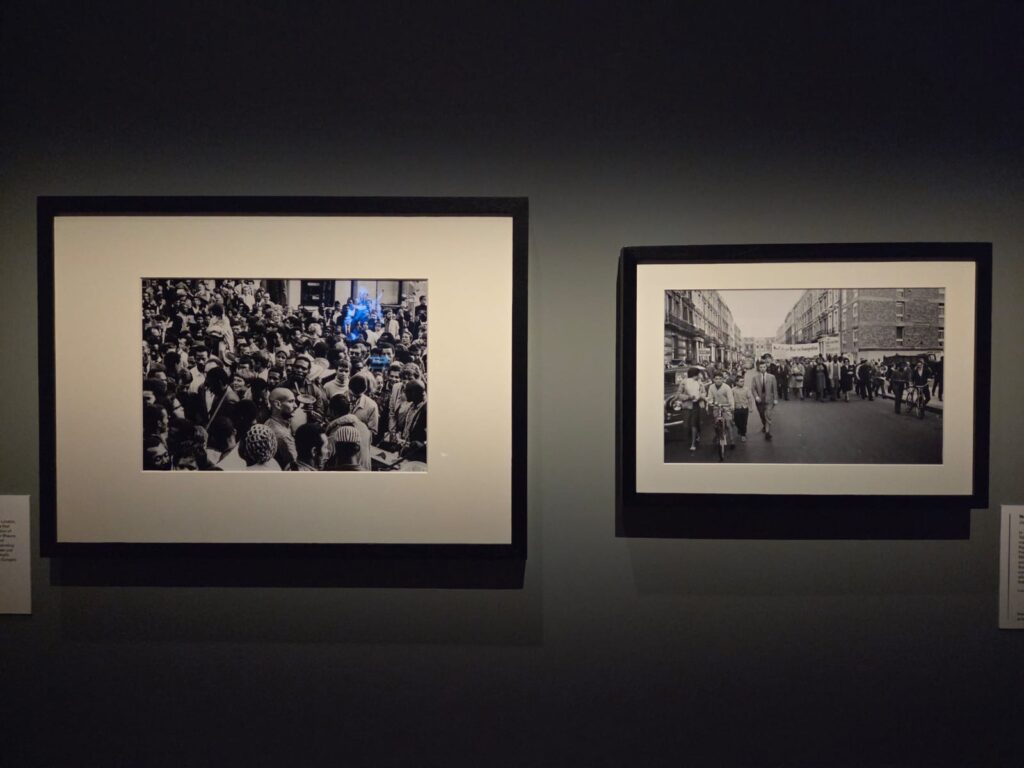
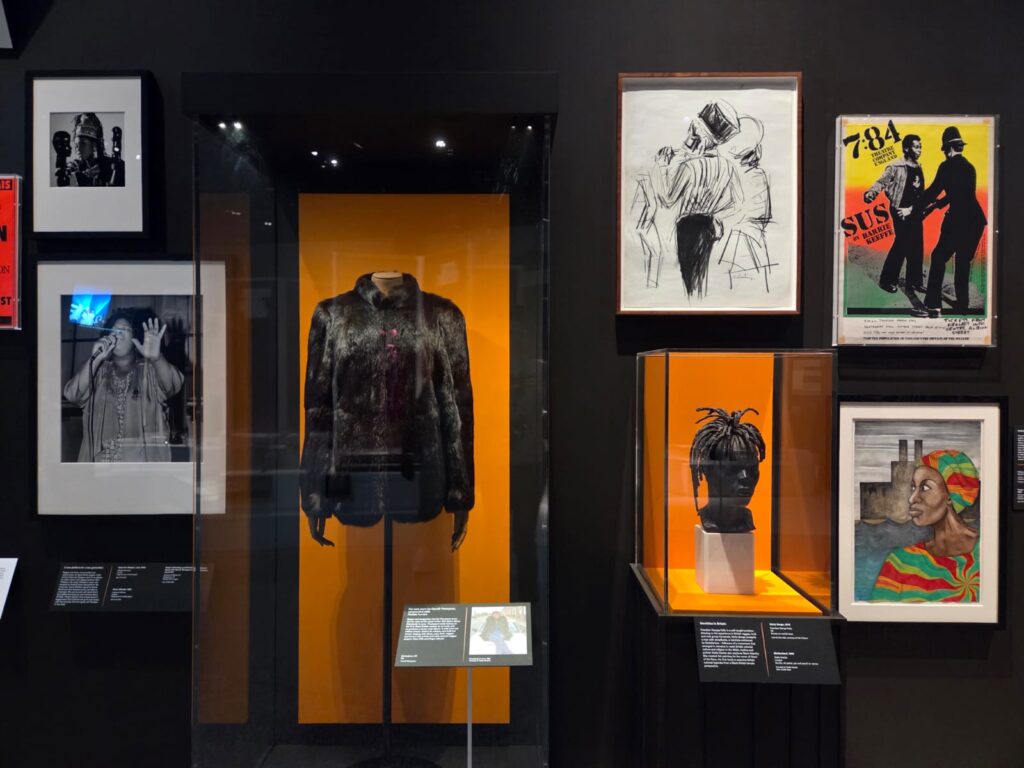
The next section looks at some of the musical traditions of the wider diaspora, and how they arrived in and influenced Britain. As capital of a global empire, it’s unsurprising that musicians and performers came from around the world to perform and record here. Recording is an important point, actually. Gramophones revolutionised access to music and helped to popularise new forms like jazz. Likewise cinema and television, although the process was continually disrupted by the events of the 20th century. The Windrush Generation popularised calypso in Britain, while the optimistic post-war period saw teenage rebellion and packed dancefloors. By the 1960s reggae and sound system culture were in the mix, and popular in Britain despite discriminatory policing and neglect by mainstream media.
British-Born Black Music
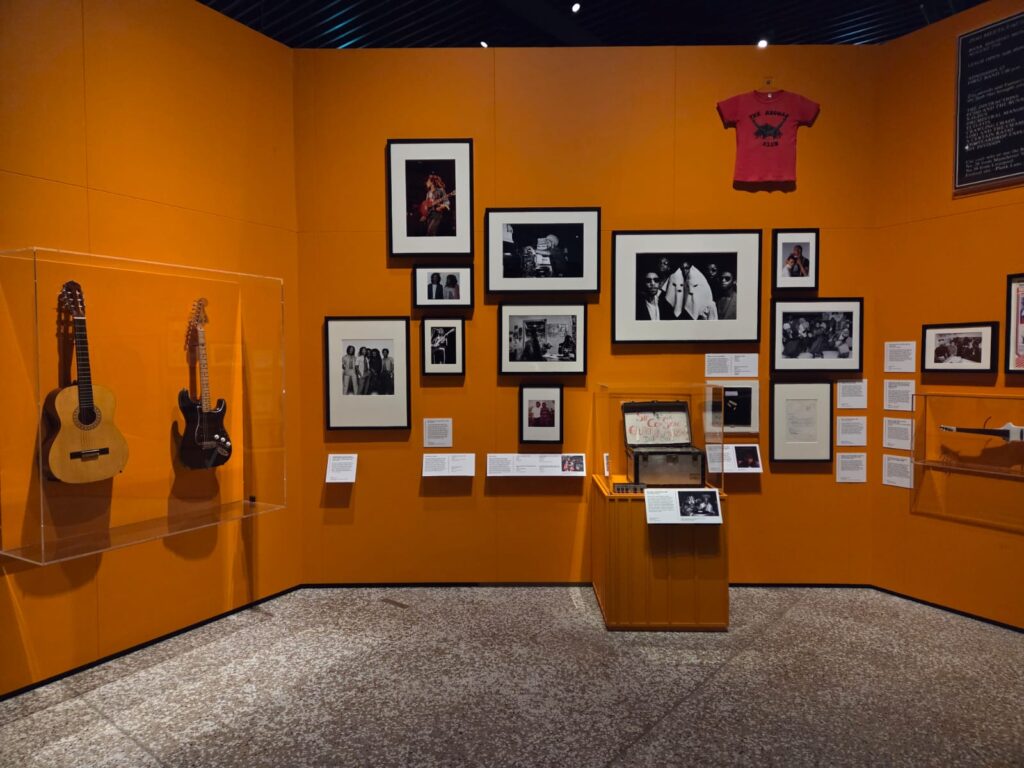
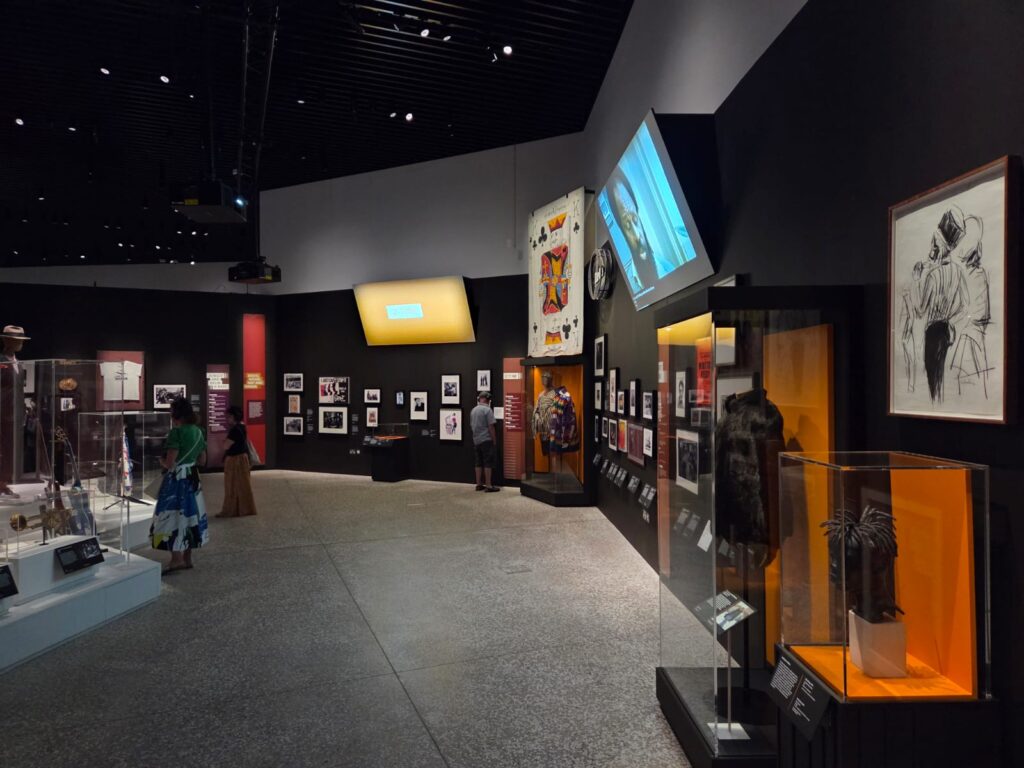
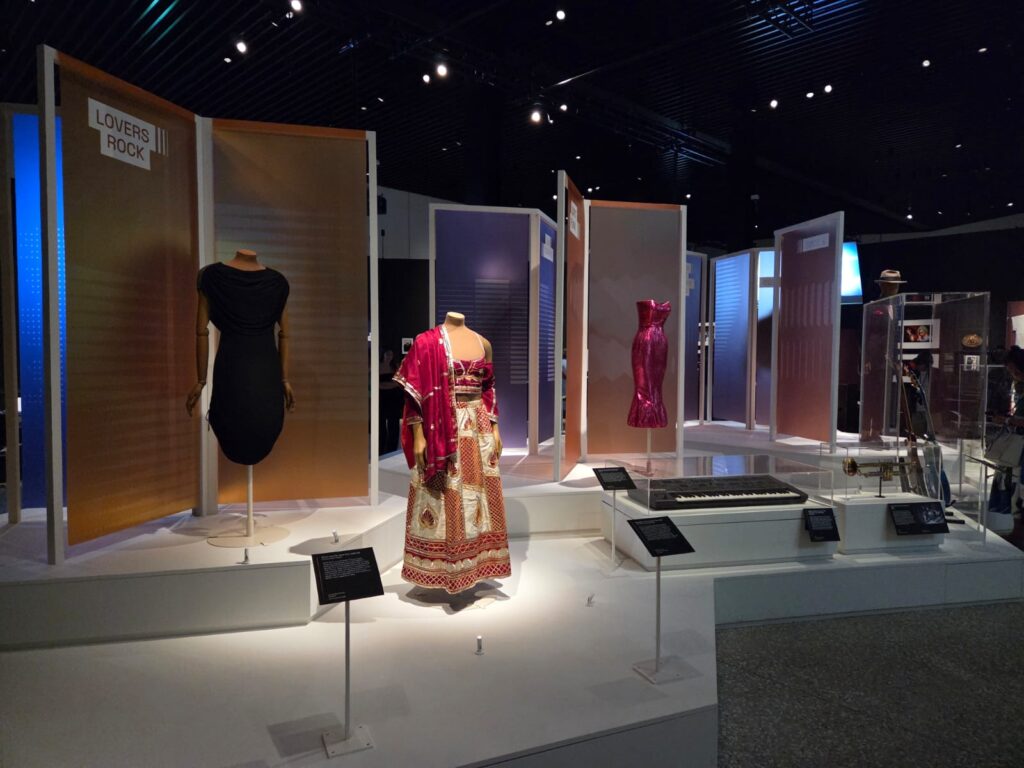
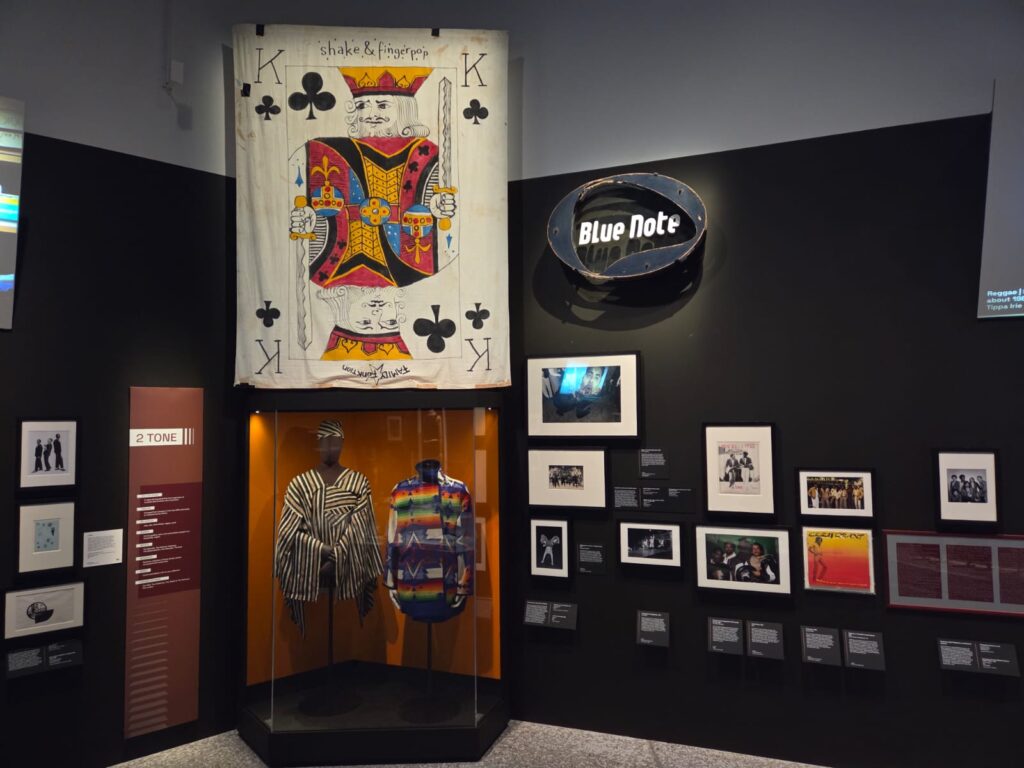
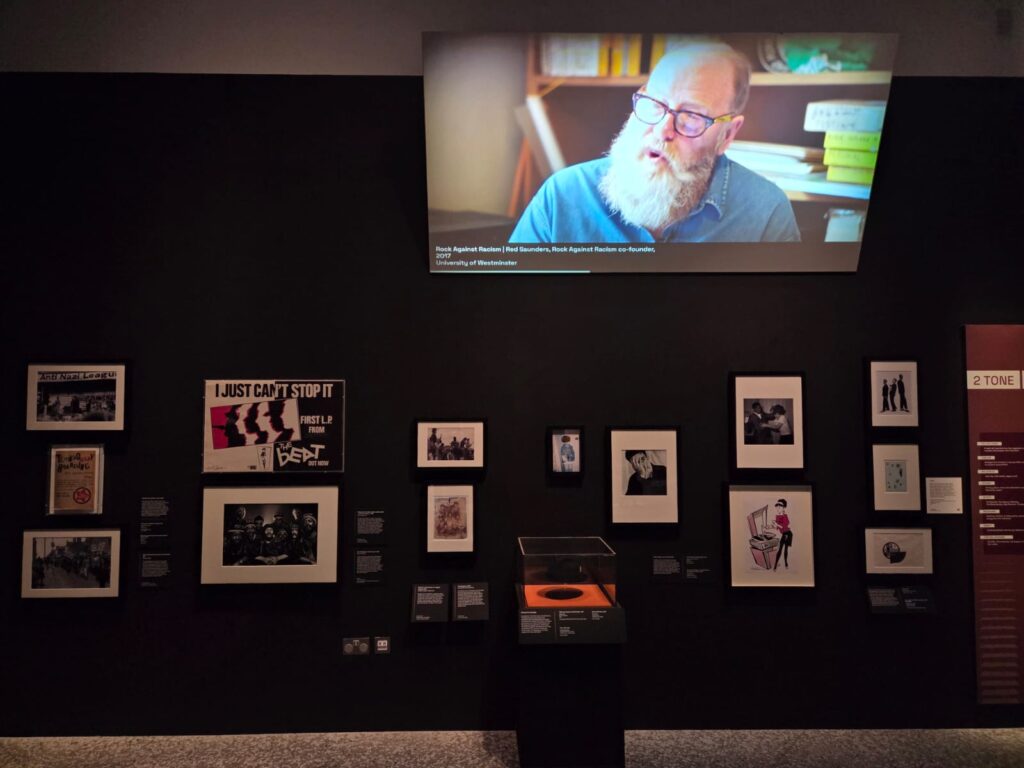
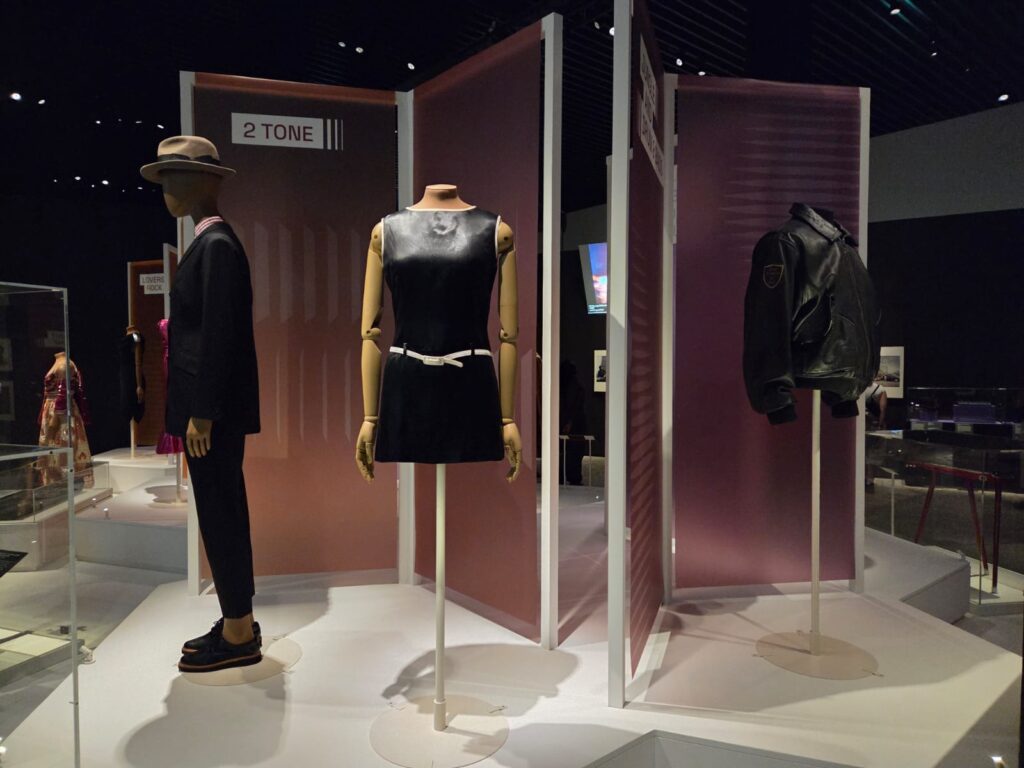
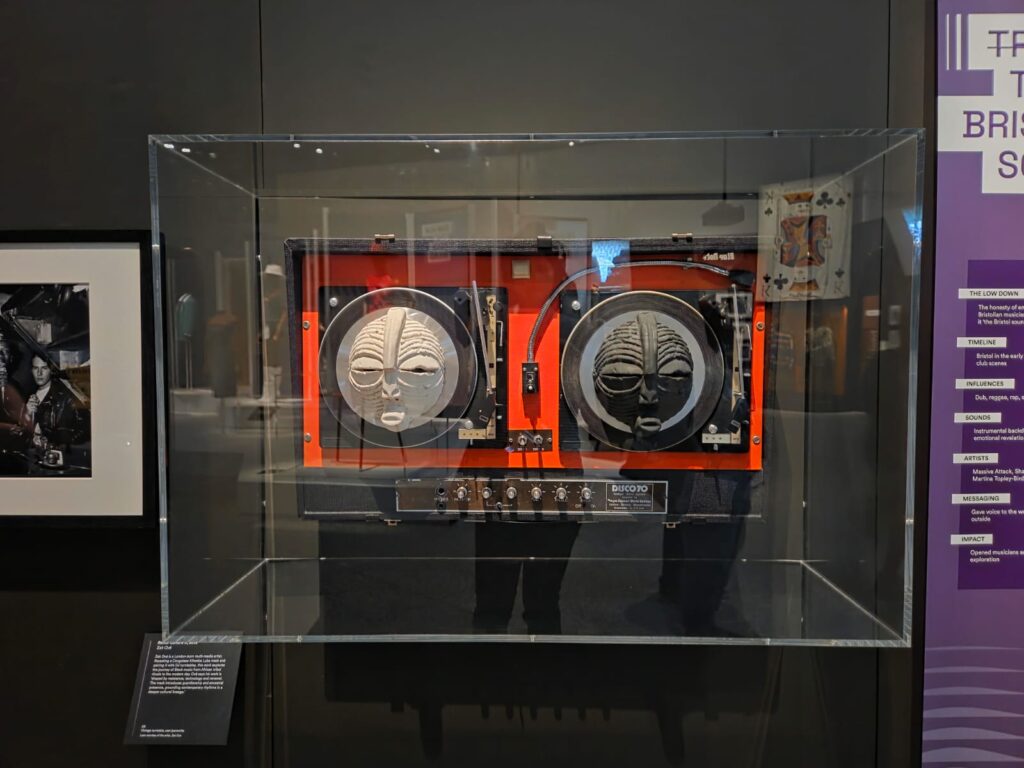
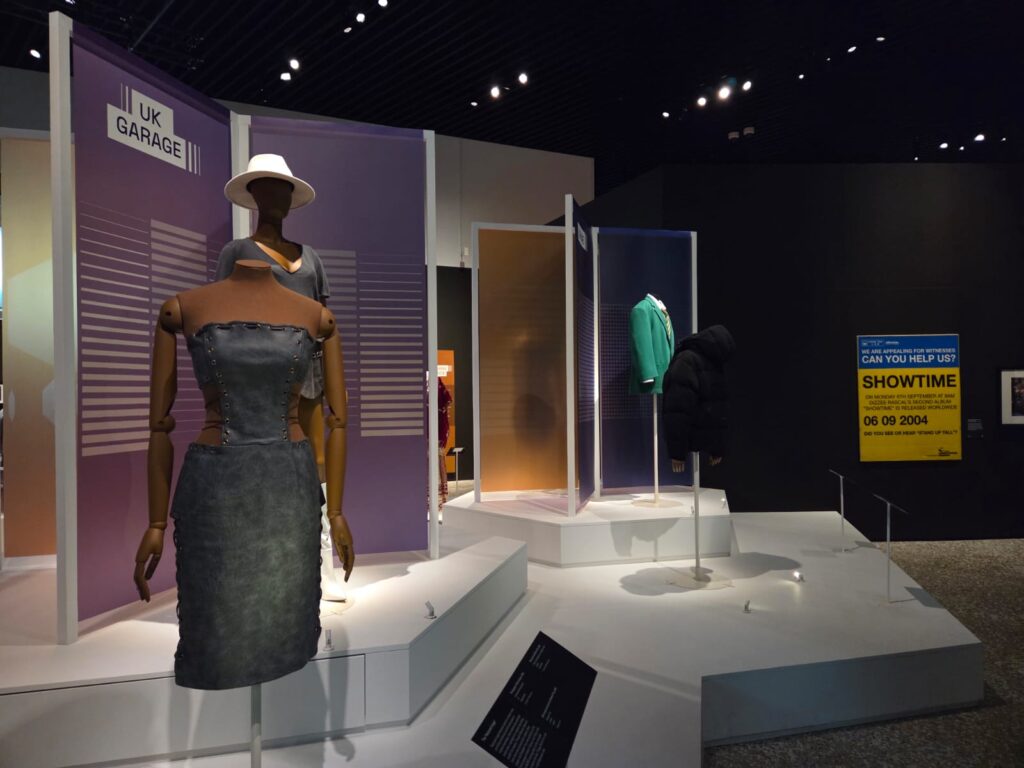
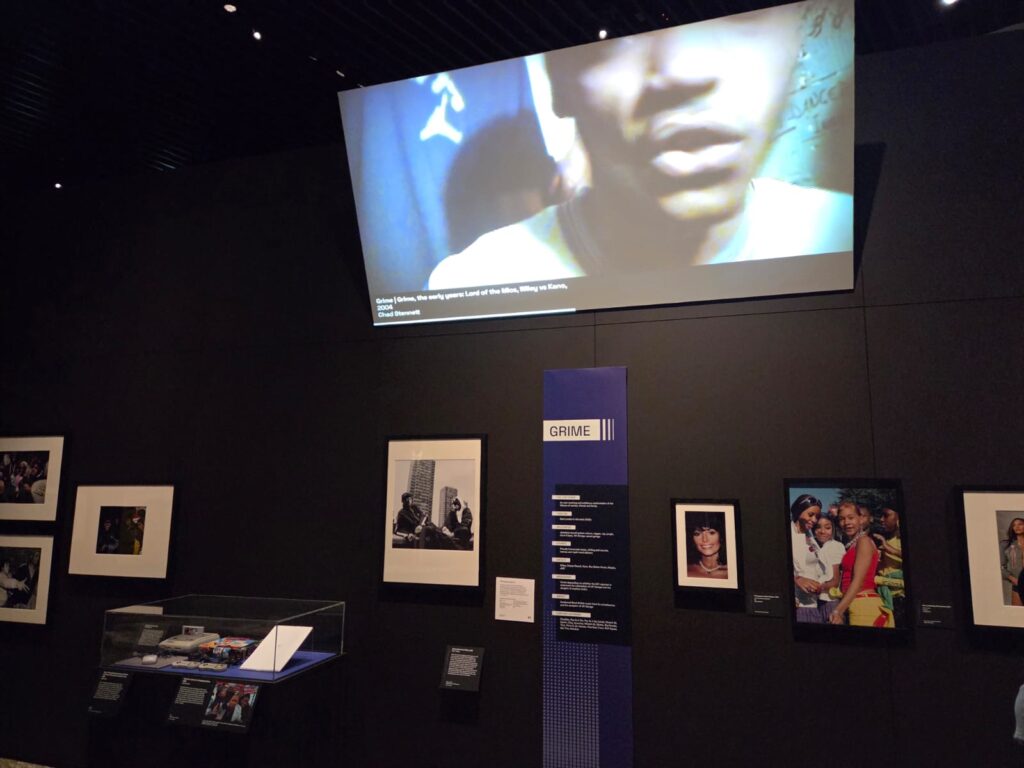
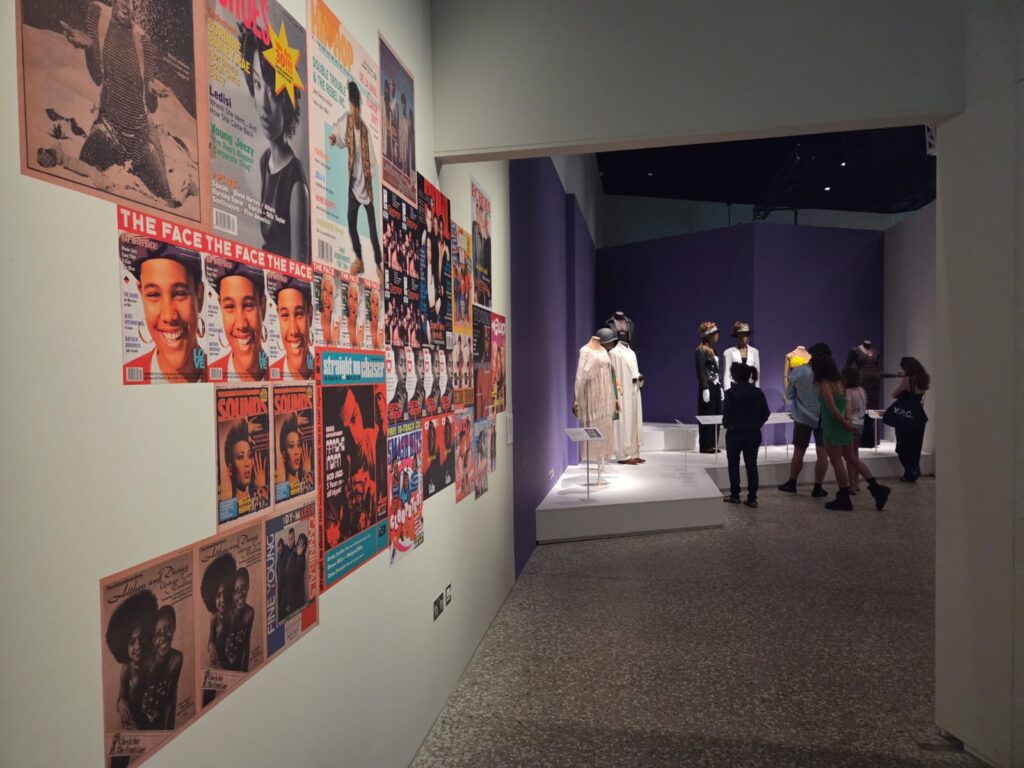
The exhibition now opens up into a large central space, entitled British-Born Black Music. This is where those eight genres I mentioned earlier are covered in chronological order, from lovers rock to grime. Each genre gets a panel which outlines different background information, from its timeline, to origins, to artists, to impact. The panels finish with suggestions for further listening. Lovers Rock, for instance, was “the first reggae subculture created outside of Jamaica”. It features slow rhythms, heavy basslines and ‘exquisite’ vocals, and is socially and politically observant while also being romantic and providing escapism. Trip hop, on the other hand, came from Bristol in the 1990s. It’s influenced by dub, reggae, sampling, soul, film, and TV. Artists include Massive Attack, Tricky, Shara Nelson, and Morcheeba. As a genre, it “gave voice to the wounds caused by the world outside.”
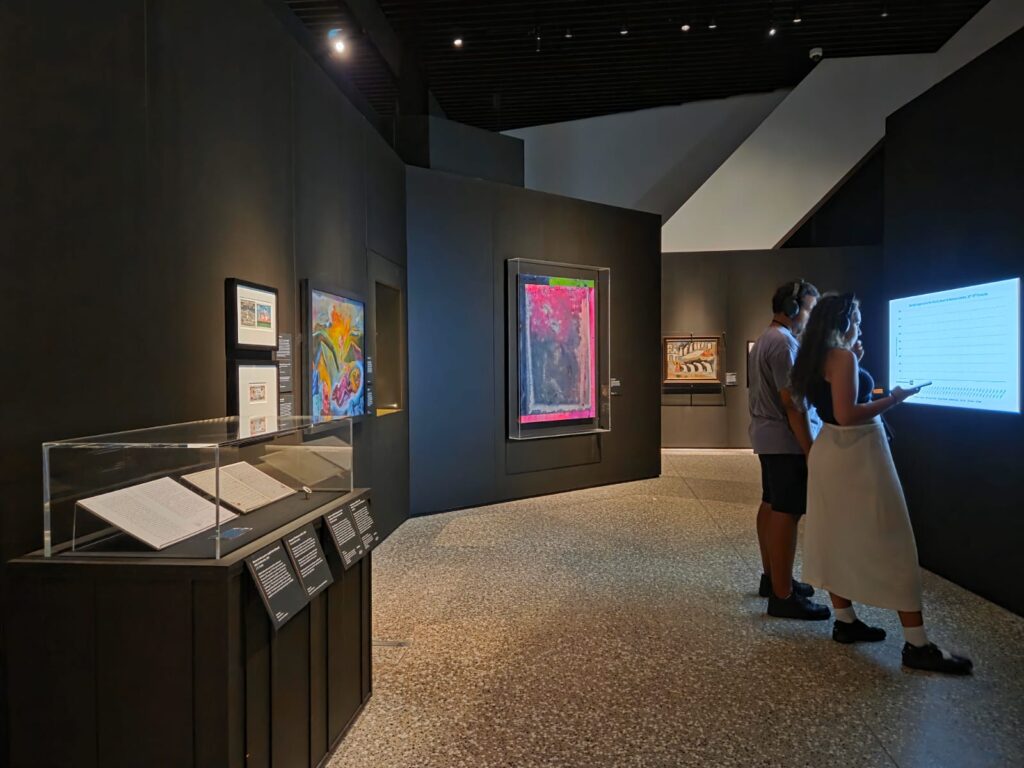
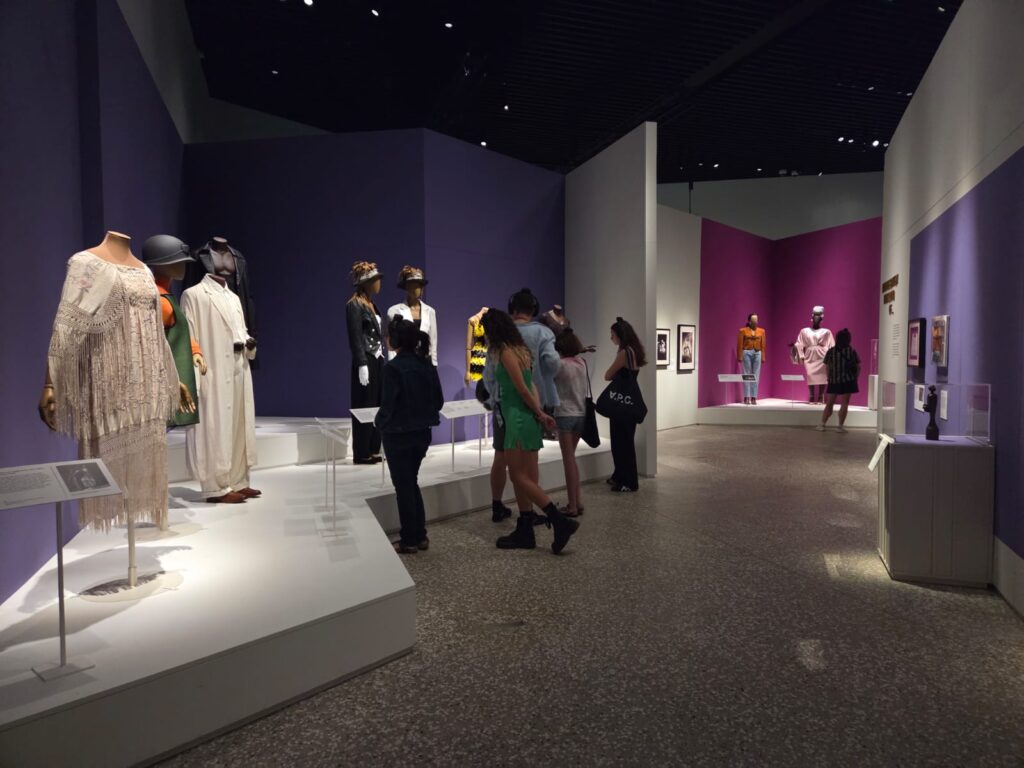
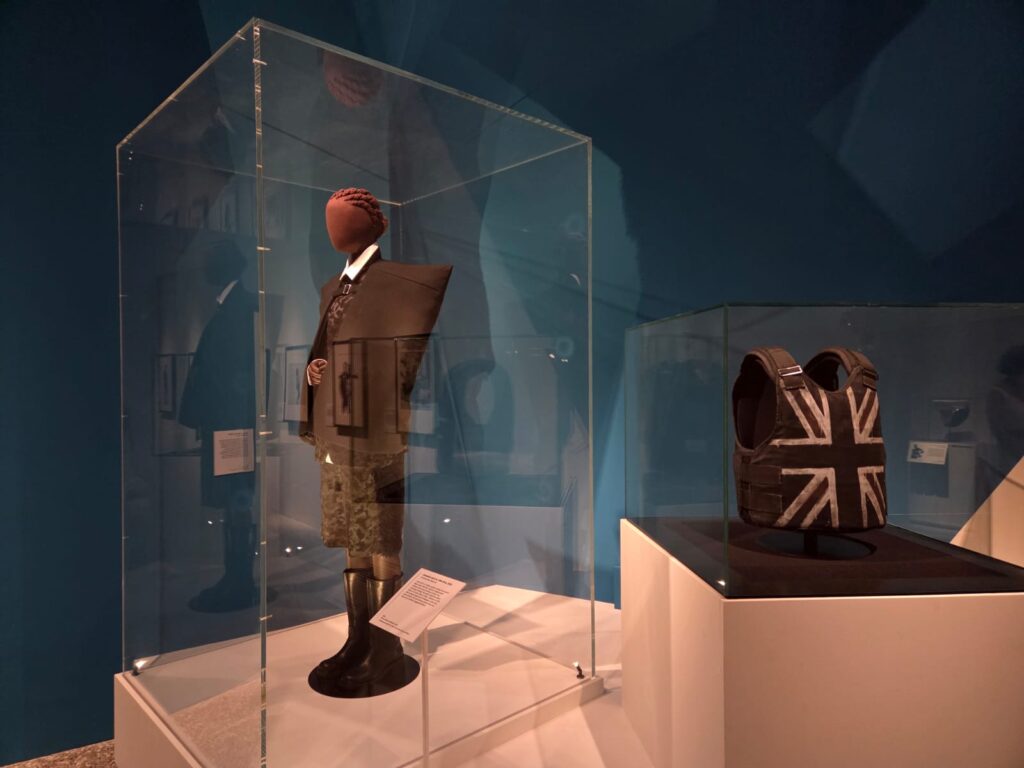
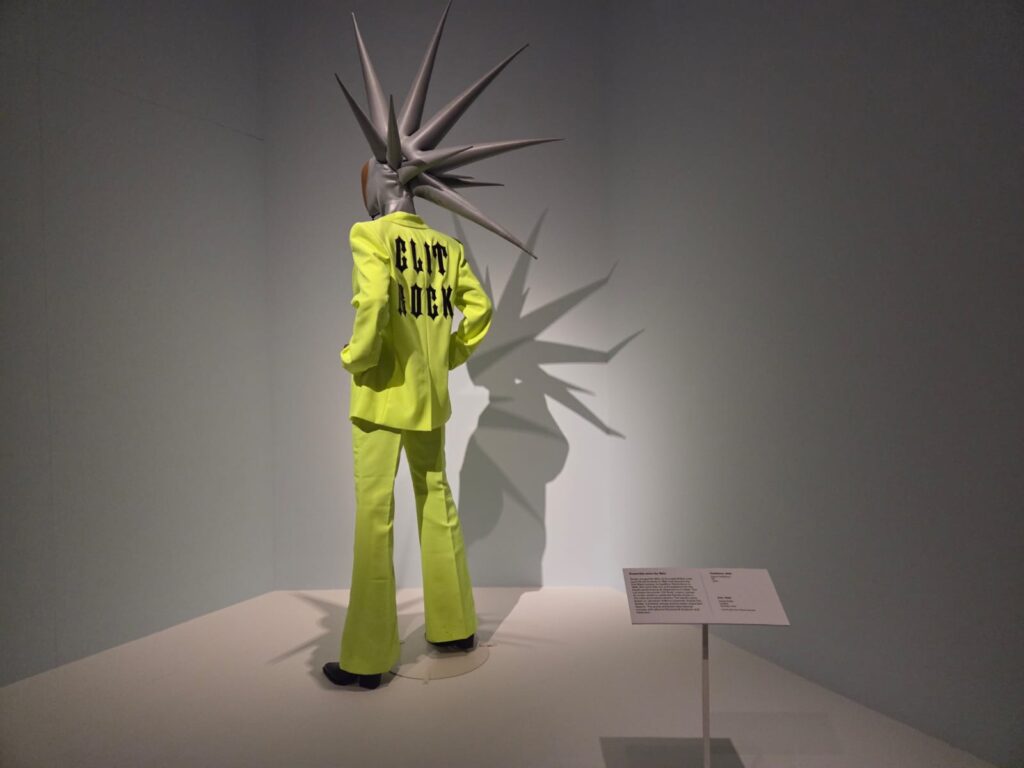
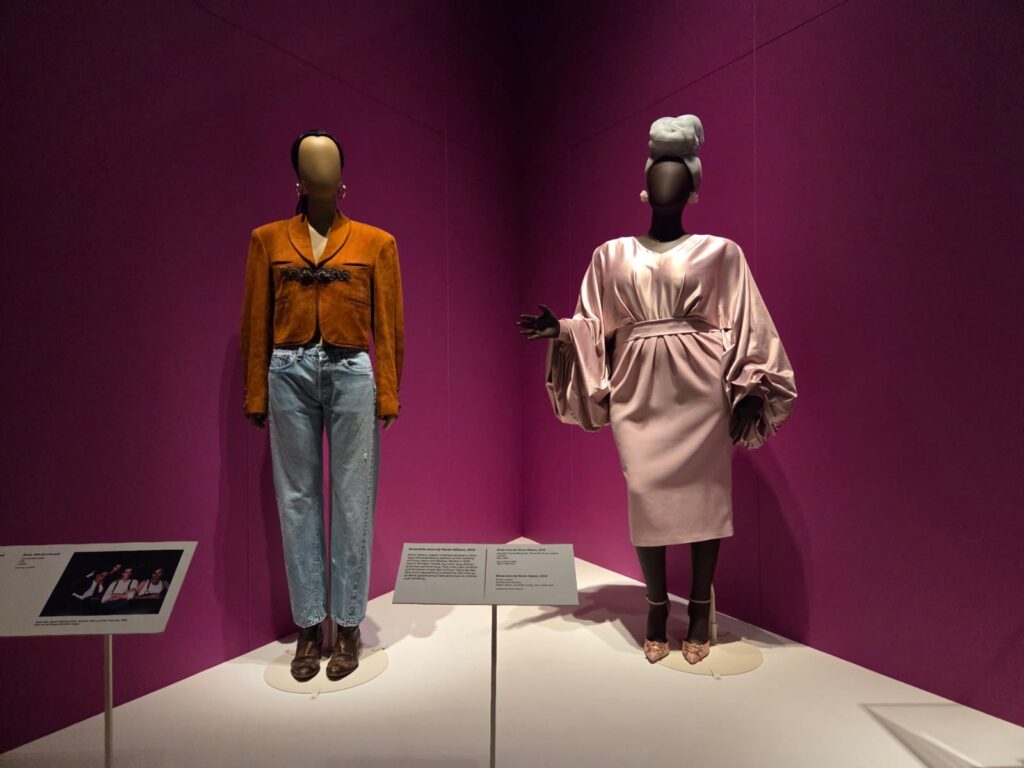
This background information is perfect for those visitors (like me) who are newer to some of this music. And as well as the factual information, there are objects and archival materials which give a feel for the genre. Generally speaking the two dimensional objects line the outer wall, while a central island in the middle has stage outfits and larger artefacts. Some of the objects are really fascinating, for instance the Super Nintendo and Mario Paint game used by grime MC Jme for early musical experiments. There is, again, contemporary art that complements the different genres.
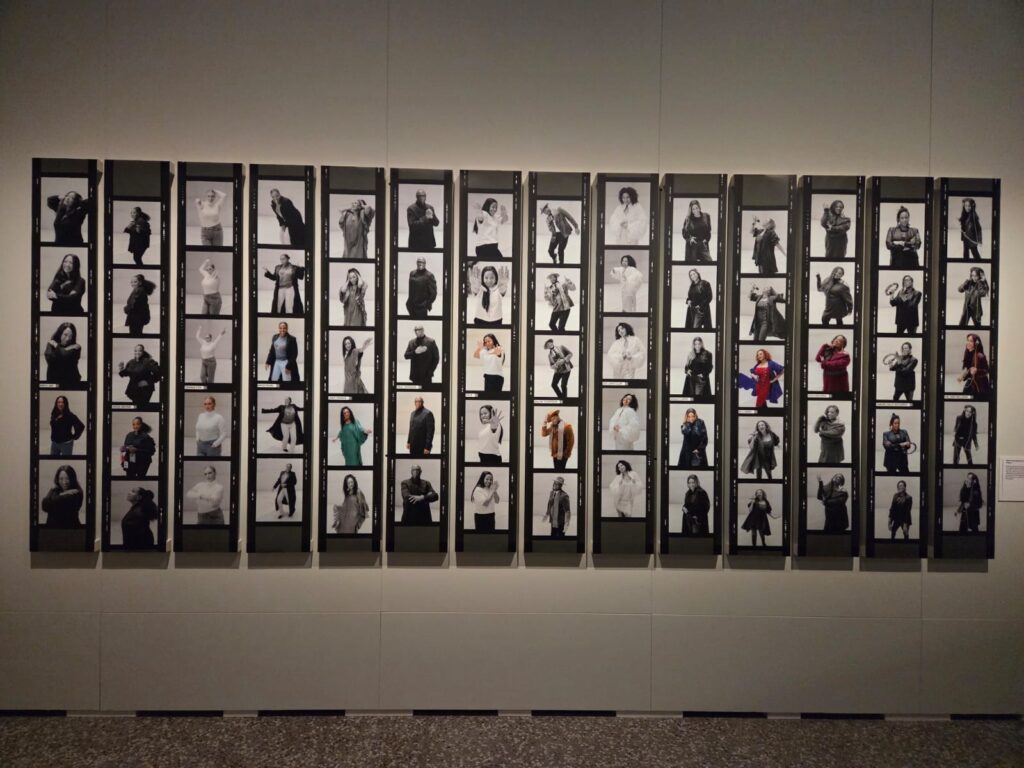
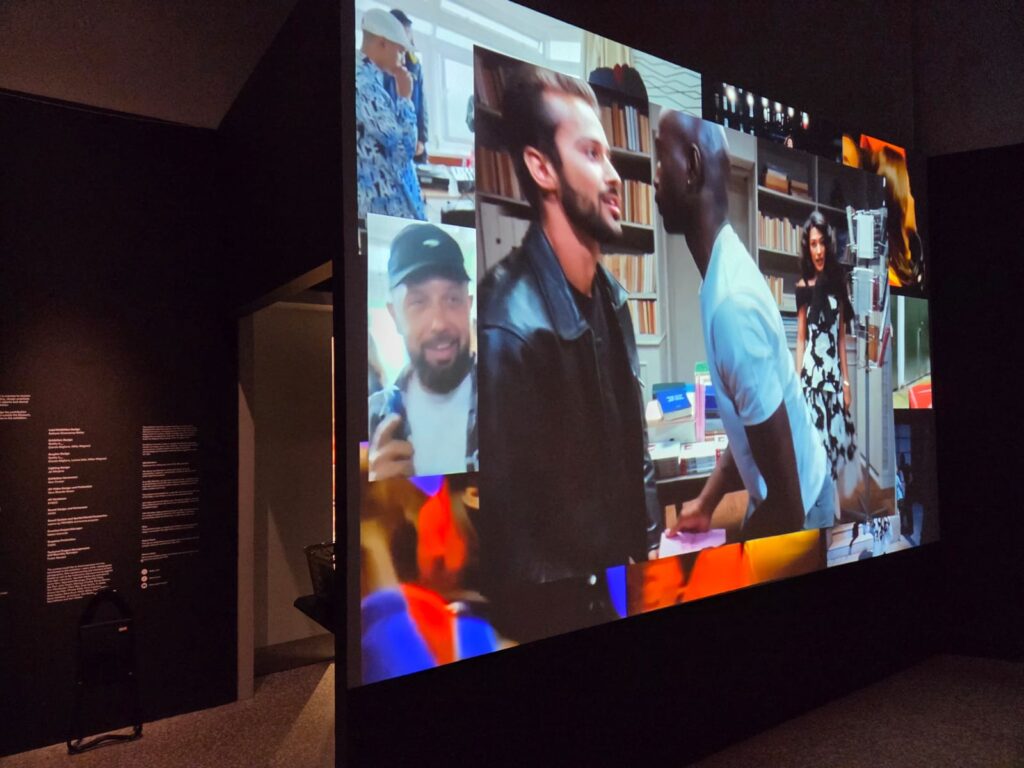
Next, the exhibition moves onto anglicised forms of international genres, from gospel to afrobeat. Some of the outfits are instantly recognisable, like Sade. Others I knew by name but not the specific looks – Skin from Skunk Anansie, for instance. The texts make some fascinating links here. For instance the masks used by drill artists as performance tools vs. earlier African and Venetian analogues. There’s still a bit more to go before the conclusion. Subjects include backing/featured singers (often less well known than their famous songs), and the backlash some musicians have faced. Just before exiting, there’s a large multimedia screen that draws a crowd, playing a broad range of clips by Black British artists across all genres.
Thoughts on the Exhibition Design
So, as I warned you at the outset and have now explained in more detail, this is a very large exhibition. Given that there are around 200 objects here, and 500 across the smaller permanent spaces downstairs, it feels immense. Those ratios also mean the objects have room to breathe. And I think that was my overall impression of the exhibition design. It feels like somewhere you can take your time, listen to the music, pause to watch a video. It’s only when you realise how large the space actually is that you need to make a decision about how much time you have to spend and whether you need to speed up (or slow down).
Size aside, the exhibition flows very well. The early section, which deals with the difficult topic of enslavement creating the the diaspora and subsequent dispersal of musical traditions, is sombre and clear in its explanations. It sets a good foundation for what is to come. Separating off the early international genres also makes the cognitive distinction about what the true subject of the exhibition is. When you step into that central hall, you’ve arrived. As I said above, the information about each genre is clear, and the selection of objects interesting. And without being an expert in any sort of music, it feels like there is a good cross-section of artists who have made their mark.
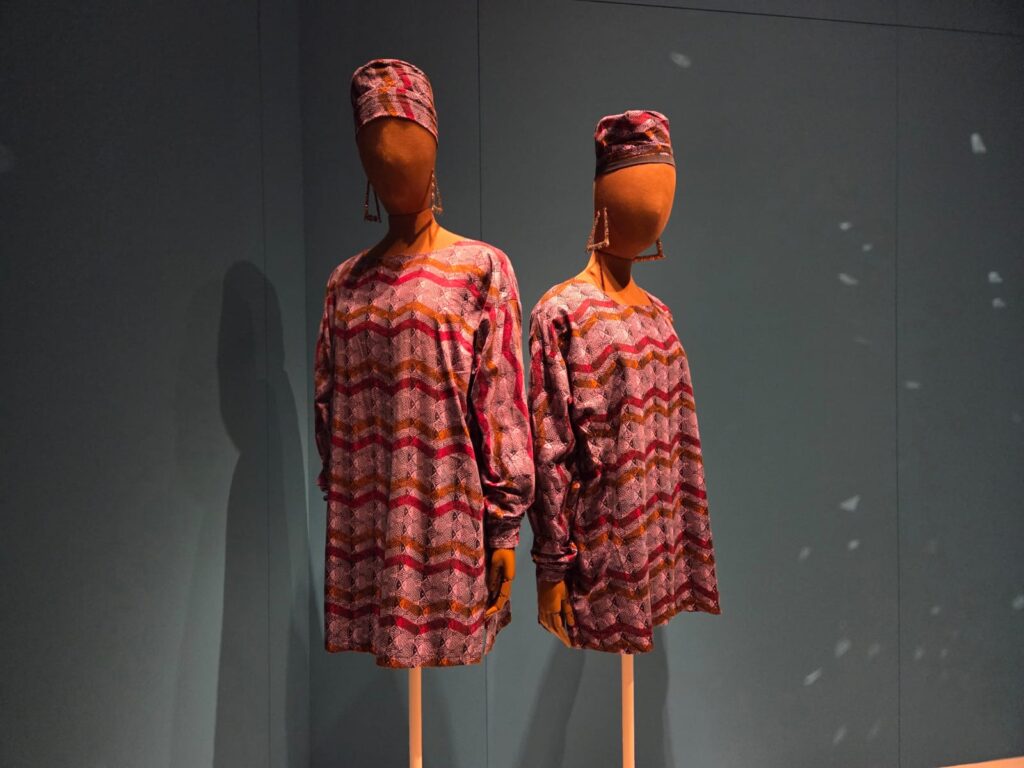
The contemporary art feels well-integrated. It’s there from the start, and always well-chosen to say something about the section it resides in. Some of the artists represented, like Sonia Boyce or Frank Bowling, have been pioneers in their own work just as much as some of the musical artists present here. The exhibition is a real celebration of something Britain should be rightly proud of.
Final Thoughts on The Music is Black: A British Story
I said I would come back to the technology, and this seems to be my final opportunity. So let’s talk about it. One thing that struck me as a visitor to this exhibition was that the technology seemed identical to what I remember of David Bowie Is. Which is to say, great quality headphones, way more immersive than ‘sound showers’ or similar, but not flawless. As you move around, one bit of music fades out and the next one fades in. I found myself on multiple occasions catching a second of something and not being able to find the right spot to hear it again, or having to pause in a funny position so the headphones would stay on the thing I wanted to listen to. Overall it works really well, but the sensitivity isn’t right in all areas.
Another thing to comment on before I wrap up is how the V&A have taken the exhibition outside the museum’s walls. They have partnered with Olympic Park neighbours BBC Music, and the BBC have put together a season of content across channels. There’s a playlist, a selection of which is available on BBC Sounds. And there is an accompanying festival. The website says that it’s across eight months but also that it’s between June and September, so the math isn’t quite mathing. But there are four weekends of live music, in a programme of events that involves the other institutions from the East Bank cultural quarter, like Sadler’s Wells East. Two are still to come at the time of writing, in August and September.
So, then. Is this exhibition and the programming around it one of the ways that the V&A East will be more than a museum? We talked about that in my last post and I didn’t quite comprehend the vision. In some ways I still don’t – largely the fact that this is a very normal kind of exhibition, with ticket costs that price some people out. Hopefully there’s some sort of community access routes – I haven’t looked into it. But a weekend music festival sounds just the sort of thing to bring in young people, East London communities, and those who haven’t traditionally felt comfortable in a museum setting – the museum’s target audiences.
Either way, this is a great exhibition. I learned loads, had a little boogie while listening to some tracks, and enjoyed it immensely. There’s plenty of time to see the exhibition, but less if you want to enjoy one of those festival weekends. Don’t miss out!
Salterton Arts Review’s rating: 4/5
The Music is Black: A British Story on until 10 January 2027
Trending
If you see this after your page is loaded completely, leafletJS files are missing.