
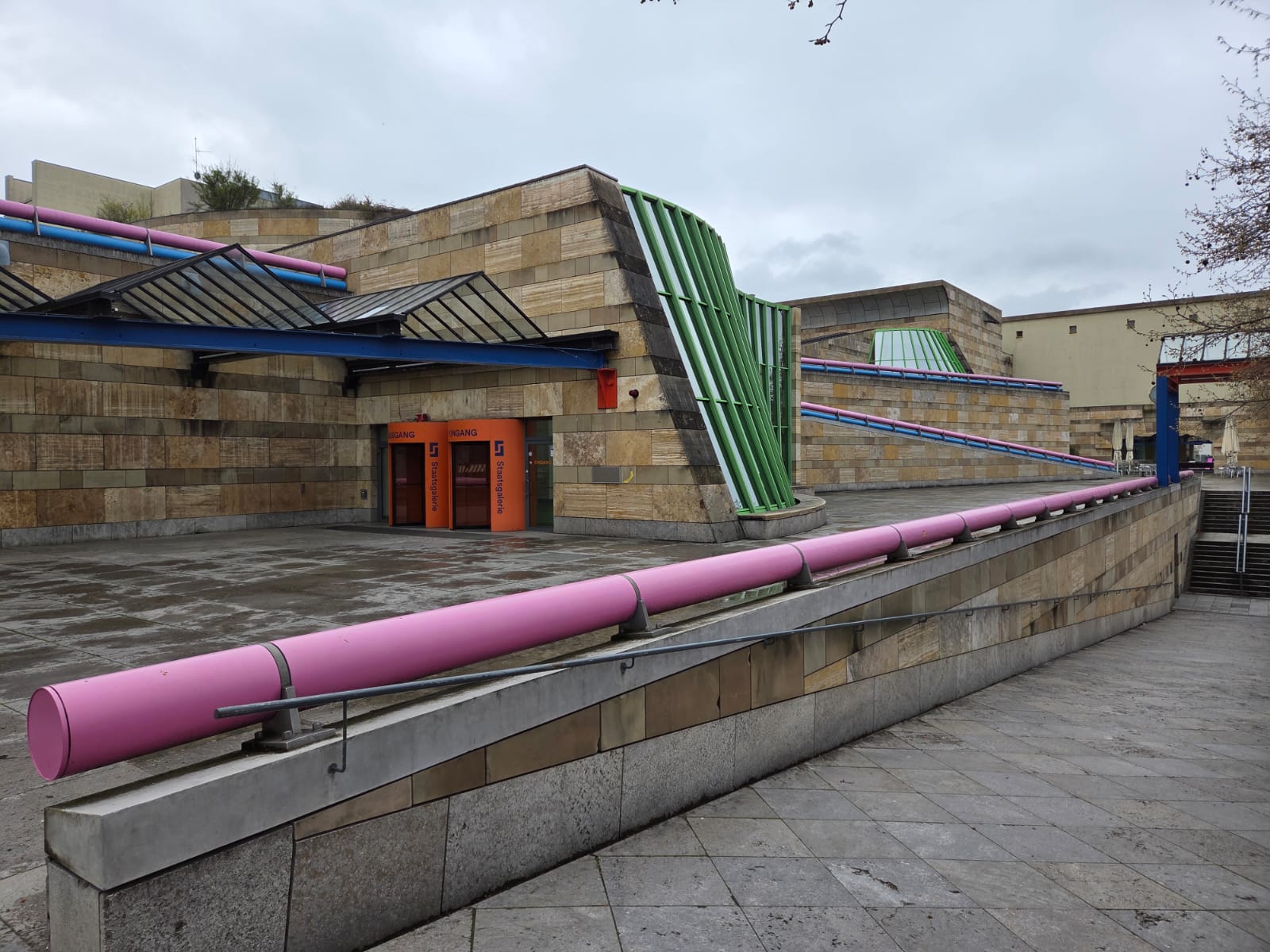
Staatsgalerie Stuttgart
The Staatsgalerie Stuttgart was the main draw for me in coming to the capital of Baden-Württemberg. Did it live up to expectations? Read on to find out.
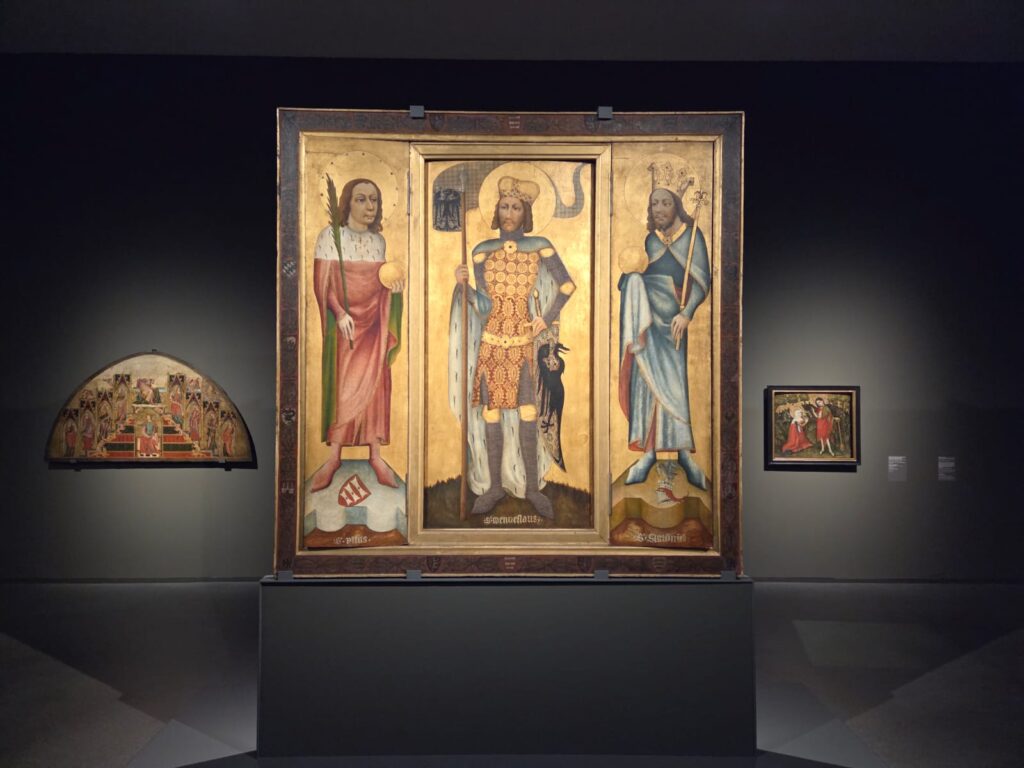
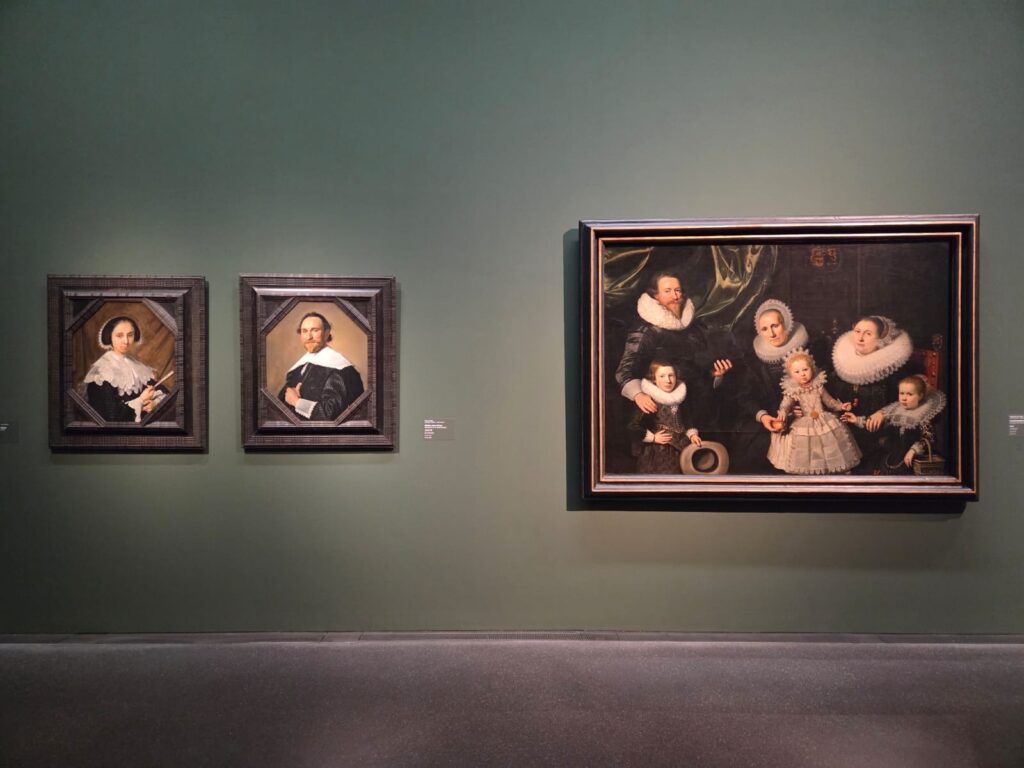
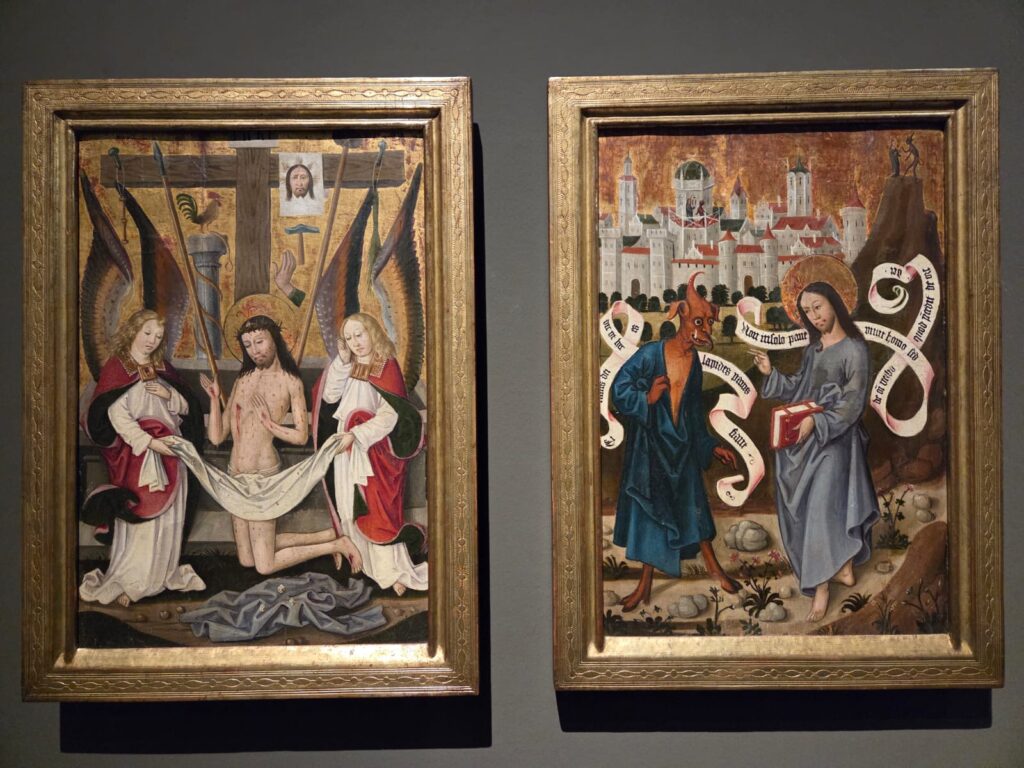
A Museum-Focused Visit to Stuttgart
I got around a bit on my recent trip to Germany. Starting in Berlin for a non-museological event, I made time to see the Deutches Technikmuseum (German Museum of Technology). I then set out for Stuttgart. But had such a long delay along the way I managed an entire walking tour of the city of Halle. If life gives you lemons, and all that!
But Stuttgart was a fun part of the trip. A new city to explore, and some wonderful museums to choose from. The question, as always, was how to spend our time. We were staying near the central train station, which is currently undergoing massive renovation works. Not the best way to get your bearings in a city. There’s a cluster of museums around the Schlossplatz – maybe one or two of them? Or the other option in Stuttgart is to take in its automotive heritage. The Porsche Museum and Mercedes-Benz Museum offer in-depth history and in some cases a modern day driving experience. A little further out of town, but perhaps an interesting choice.
The one place I knew I wanted to see was the Staatsgalerie Stuttgart. The Urban Geographer and I actually agreed on this. I wanted to see it for the art, and he wanted to see it for the architecture. And so this was the first place we set out for on our full day in Stuttgart. We had to locate it first, between those far-reaching renovation works and the similarity of the Postmodern buildings along one side of the Schloßgarten. But find it we did, and got down to the serious business of art appreciation.
A Brief History of the Staatsgalerie Stuttgart
In Europe there are two sorts of countries.* Those which consolidated fairly early and had one monarchy, and thus tend to have one big city and then the provinces. I’m thinking England and France. Then there are those which held onto smaller monarchies for longer, and have more of a distributed model of cities, wealth, and culture. Here I’m thinking Italy and Germany, amongst others. The point of starting my history lesson here is that in Germany it is fairly common to run into good regional art museums with their origins in royal collections. See my trip to Dresden, for instance.
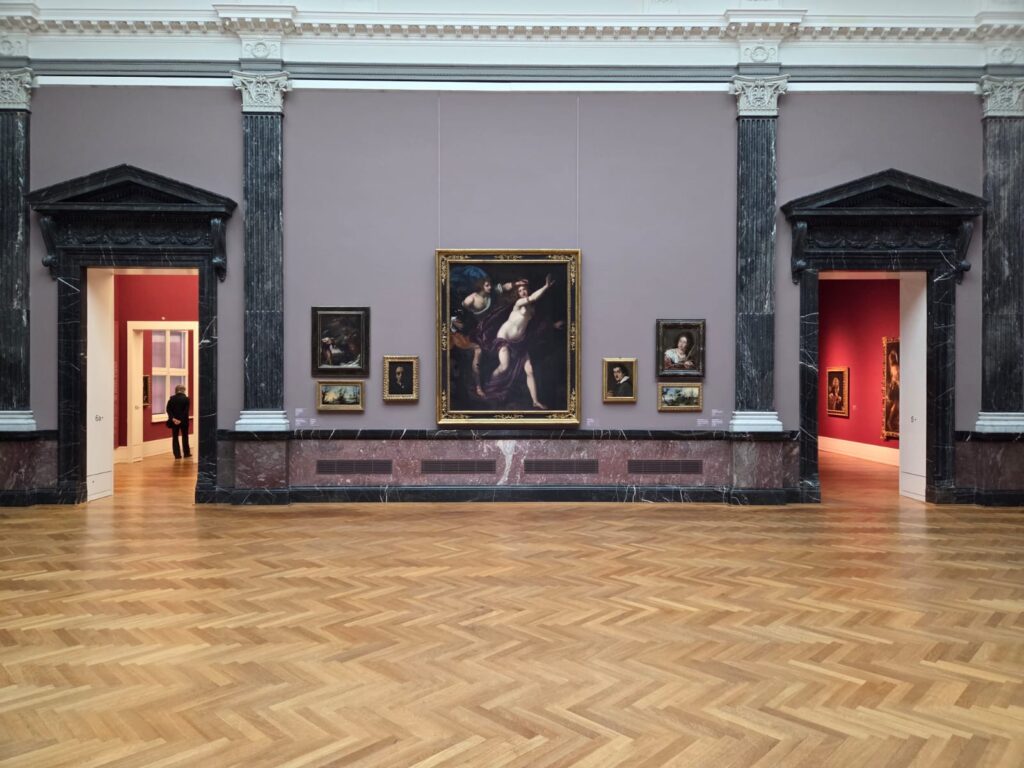
The Staatsgalerie Stuttgart, as you may have deduced, is one such museum. It was in the late 1830s that King Wilhelm I of Württemberg had the idea, and commissioned architect Georg Gottlob Barth to design a Museum der Bildenden Künste (Museum of Fine Arts). It opened to the public in 1843. The museum got an extension, and an equestrian statue of the King, in the 1880s. Württemberg had a monarchy up until the end of WWI.
This royal collection, then, is the core of today’s museum. The collection has, however, continued to expand. As early as 1906 the Stuttgarter Galerieverein (the museum’s society of friends) formed, purchasing a nice Monet to mark the occasion. They have assisted with the acquisition of more than 1,400 works since. Personal bequests have also helped to grow the collection and send it off in new directions. A bequest by Heinrich Scheufelen, for instance, focused on Early German and Baroque works. More recently, lottery funds have supported major purchases.
*Massive oversimplification – forgive me.
More Brief History of the Staatsgalerie Stuttgart
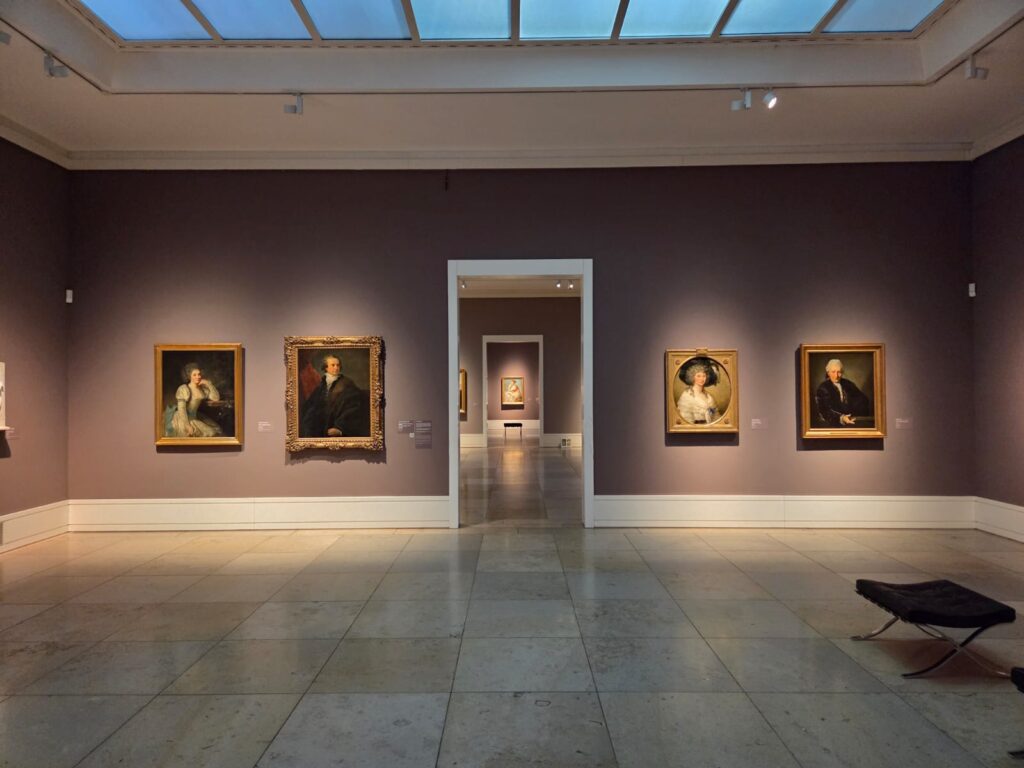
As with so many institutions, the Staatsgalerie Stuttgart (its name, more or less, since the end of WWI) was largely destroyed during WWII. Not the collection, thankfully. But the building was not ready to open again until 1958. As the rebuilding followed the original design, by the late 1970s it found itself running out of space. James Stirling, Michael Wilford & Associates of London won a competition to design an extension.
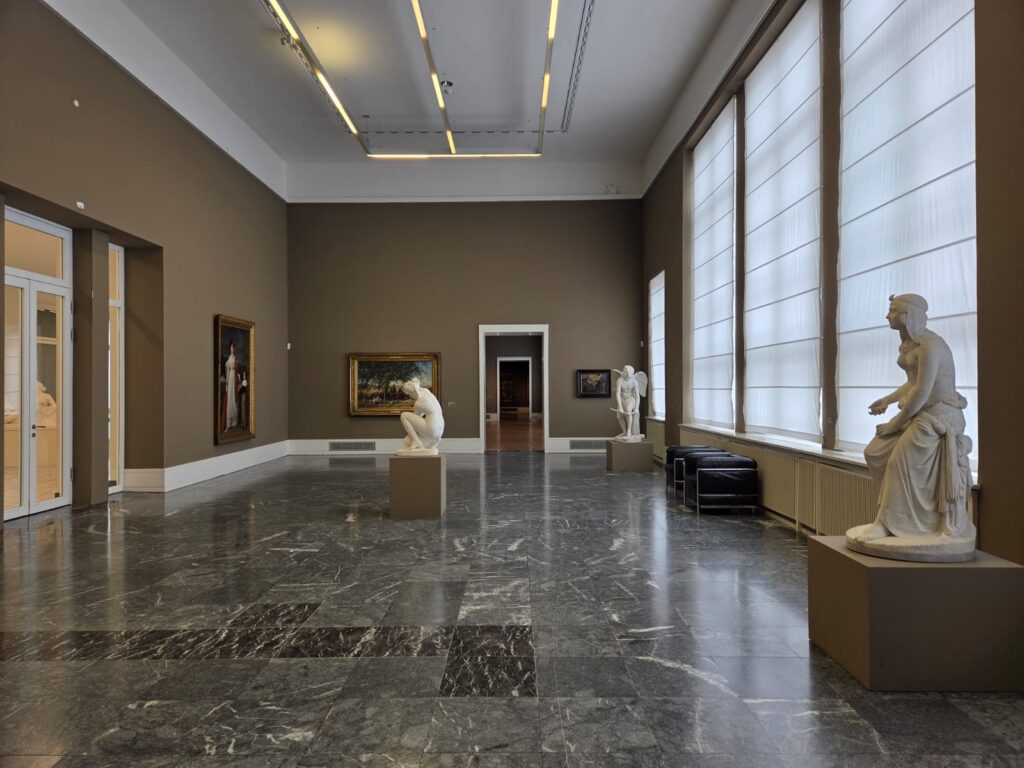
As is usually the case in these situations, Stirling’s extension is now considered a masterpiece of Postmodern architecture in Germany, but was controversial at the time. Having a non-German firm probably injected a freedom that wouldn’t have otherwise been possible: Postmodern architecture is all about reflecting and transforming historic features, but historicising and monumental architecture was still a bit taboo in Germany at the time. The Neue Staatsgalerie plays with the footprint of the original gallery – interconnected sides around a central open space – but does so very colourfully and with interesting shapes and materials. The extension transformed the Staatsgalerie Stuttgart, making it one of the most significant art museums in Germany. A further extension, this time to the Alte Staatsgalerie, from 2000-2002, increased the space available to display the museum’s prints and drawings collection.
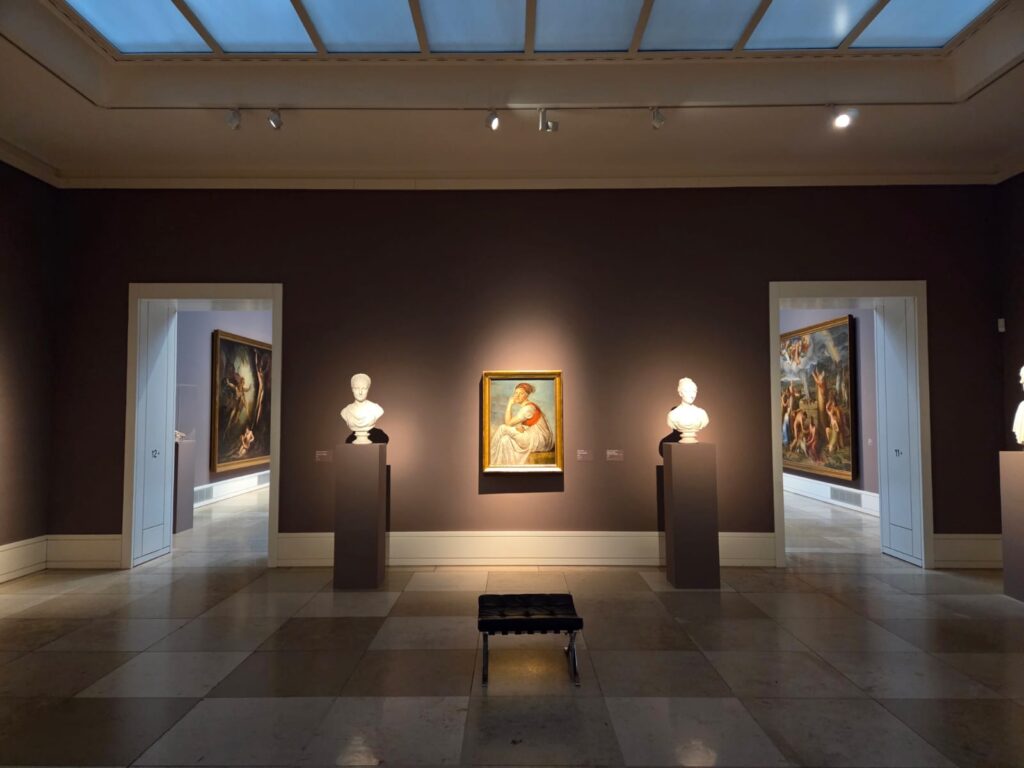
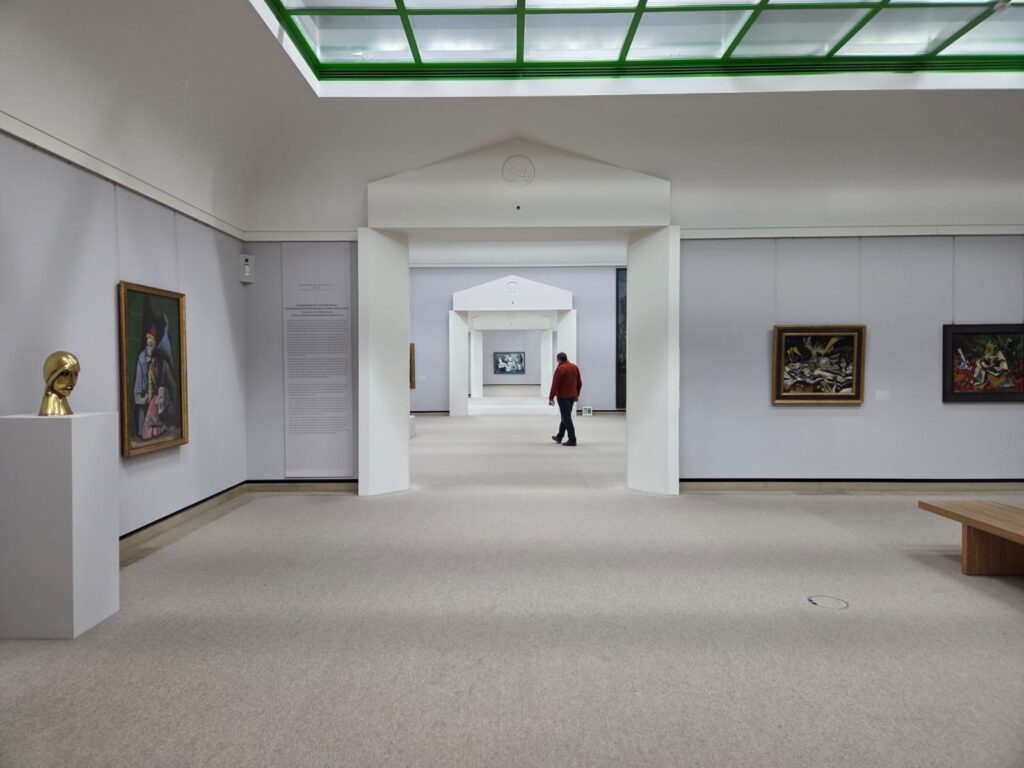
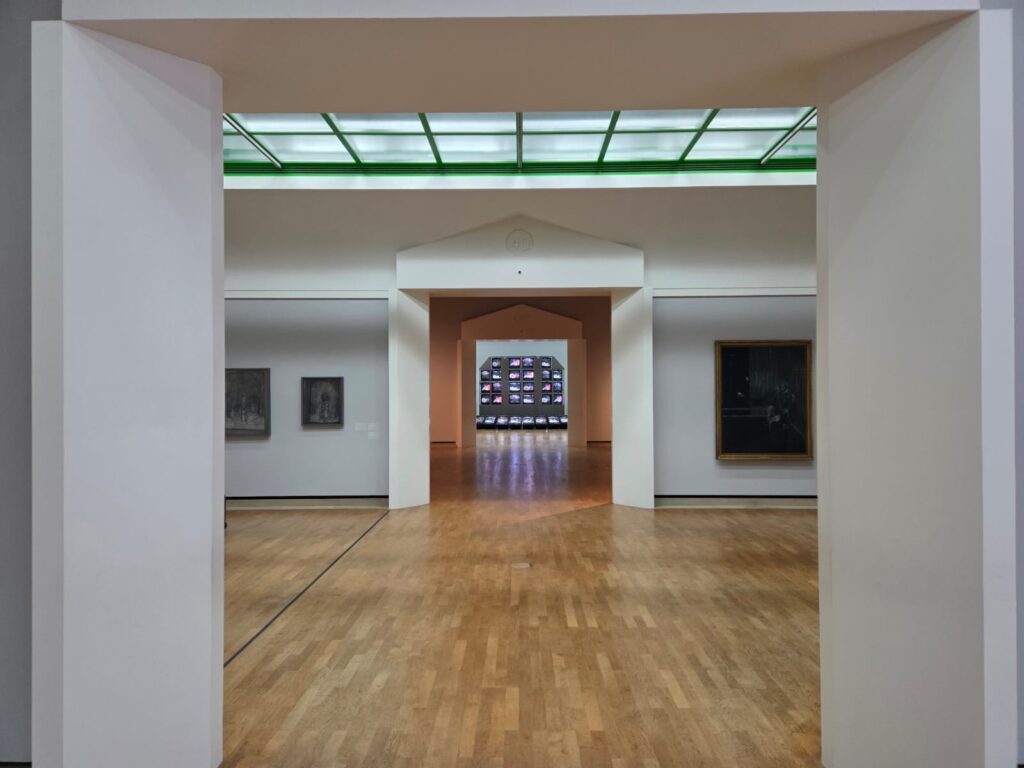
One thing about the Neue Staatsgalerie, which houses the museum’s infrastructure like ticket desk and lockers so is the starting point for visitors, is I found it hard to understand how to actually get into the gallery itself. On the one hand, there are multiple ways in and I guess they don’t have to have a heirarchy. On the other hand, the collection display is chronological, and we emerged into the museum between modern and contemporary art. I’ve corrected that in the image galleries for this post, putting things back into chronological order. Our actual experience of the museum was more of a jumble.
The Visitor Experience
I’ve given you one hint about the visitor experience already: it’s not necessarily straightforward. If you did want to see things in chronological order, you’d need to go to the old gallery, start downstairs, make your way around the rest of the Alte Staatsgalerie (a bit of backtracking but not too bad), then over to the Neue Staatsgalerie (a similar amount of backtracking over here). This is really down to the sort of U-shaped buildings in both cases. A lot of museum buildings are a bit confusing, but generally they do a bit more signposting.
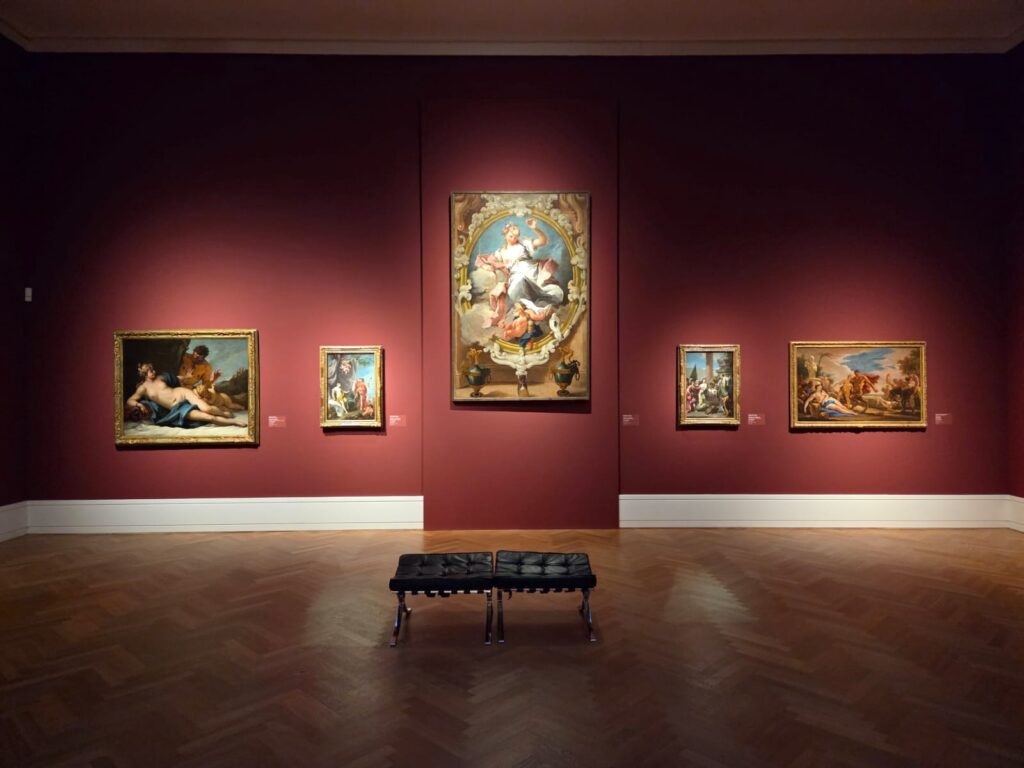
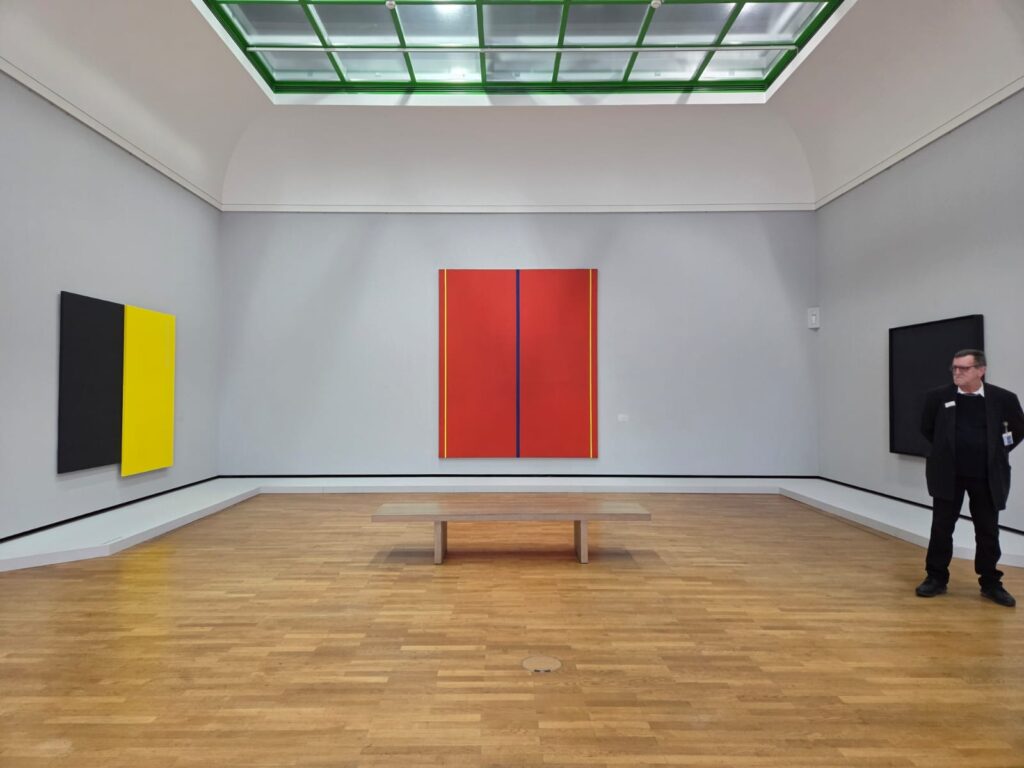
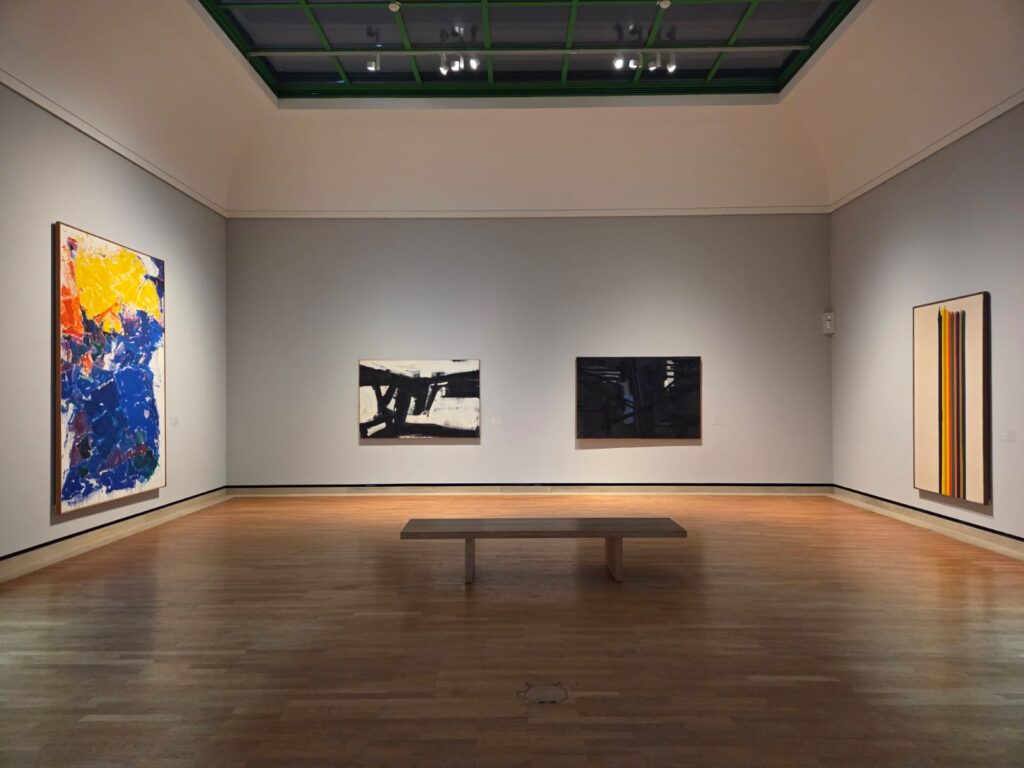
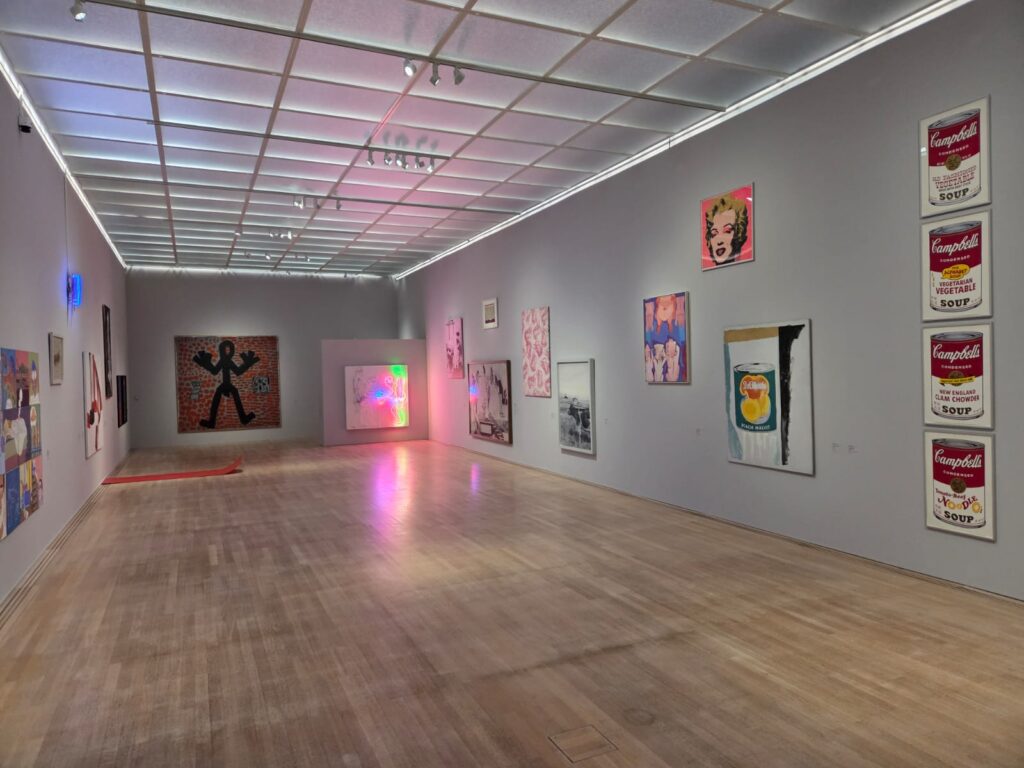
It’s not really the end of the world, though. The exhibition space means the collection has plenty of room, with the modern and contemporary art in particular hung very nicely. There are informative labels explaining some of the artists and artworks, in both German and English. Other information panels give background information on the gallery and its collection.
Perhaps my favourite part of the visitor experience was how calm it was. Living in London, I’m used to any important museum always being busy. Even outside of temporary exhibitions (where I often complain about crowds), it’s just always busy. It was nice and relaxing to visit the Staatsgalerie Stuttgart with a sense of calm and wellbeing that can only come from not continuously being jostled and having to peer over strangers’ heads to see the artworks.
Thoughts on the Collection
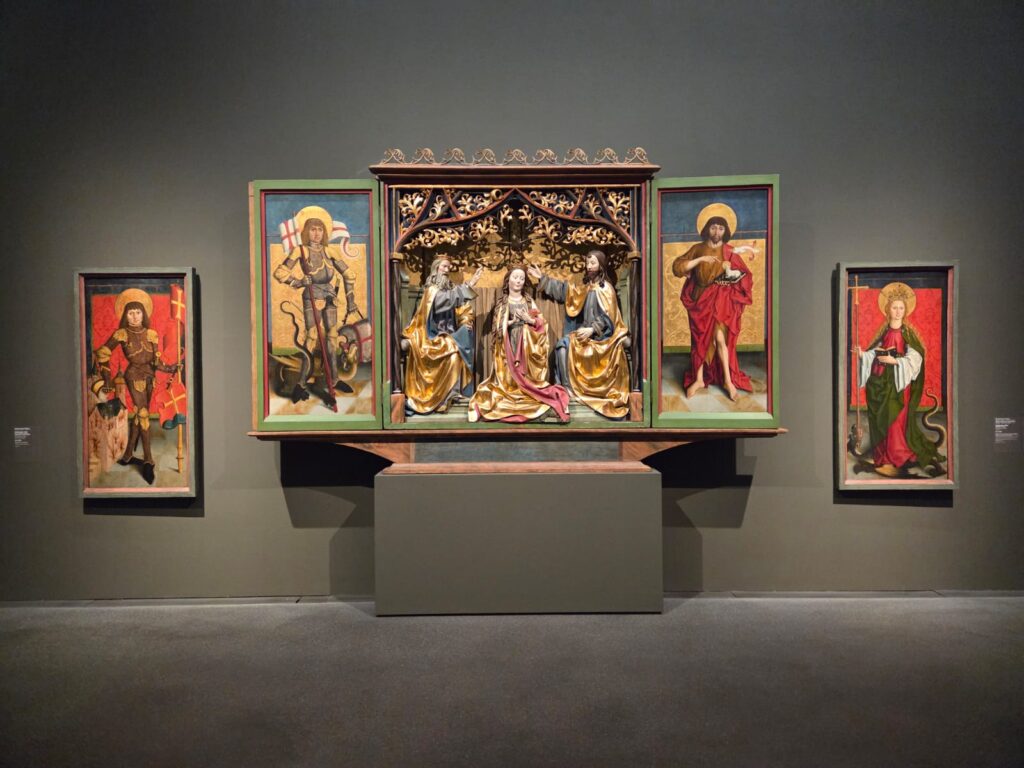
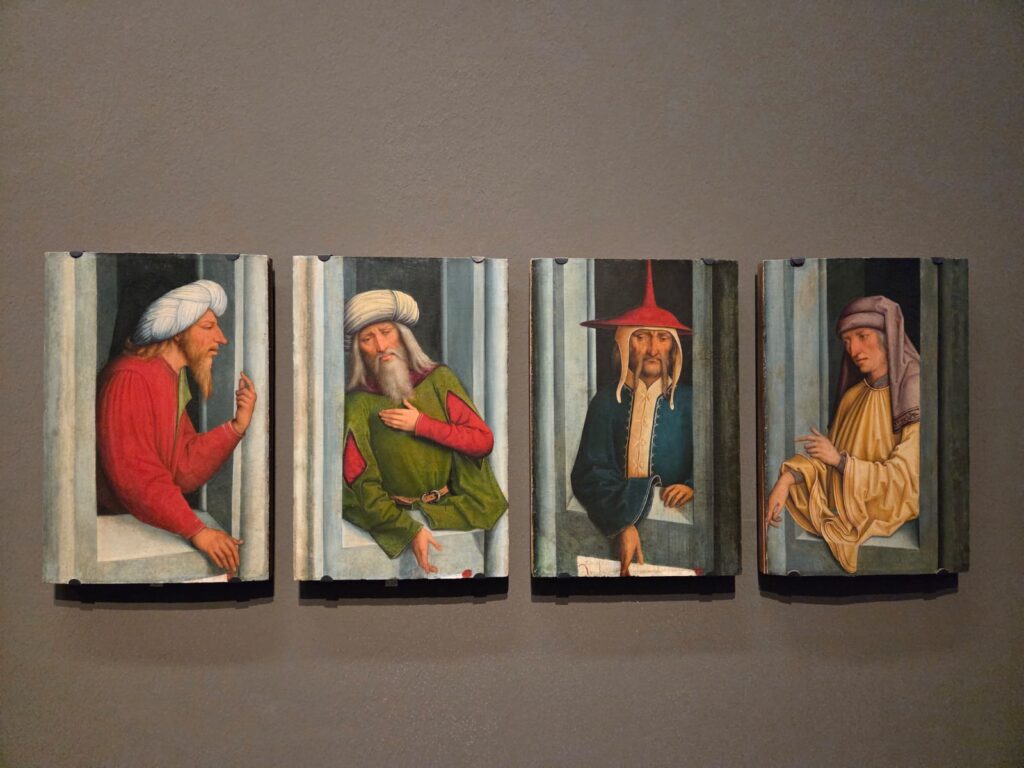
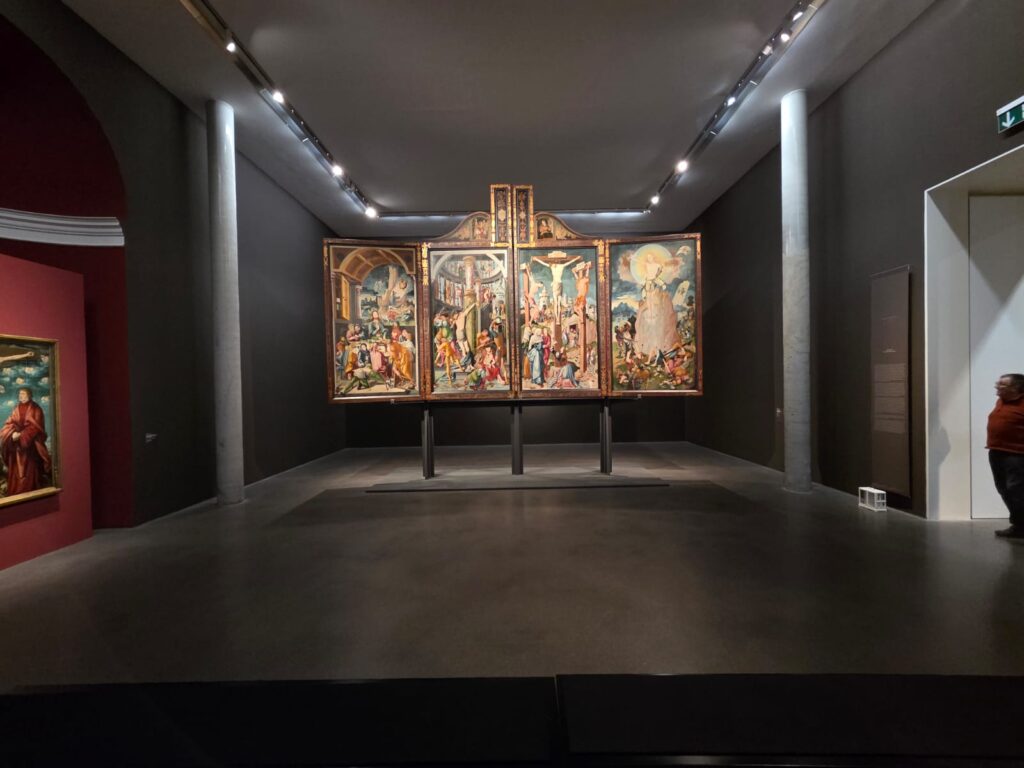
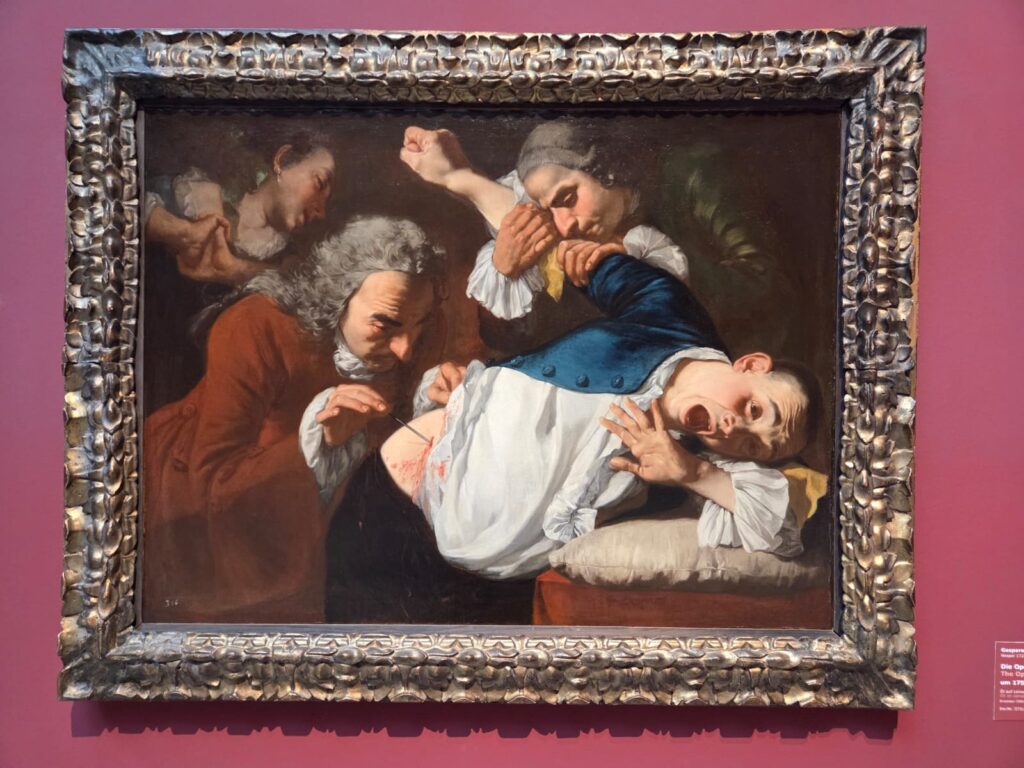
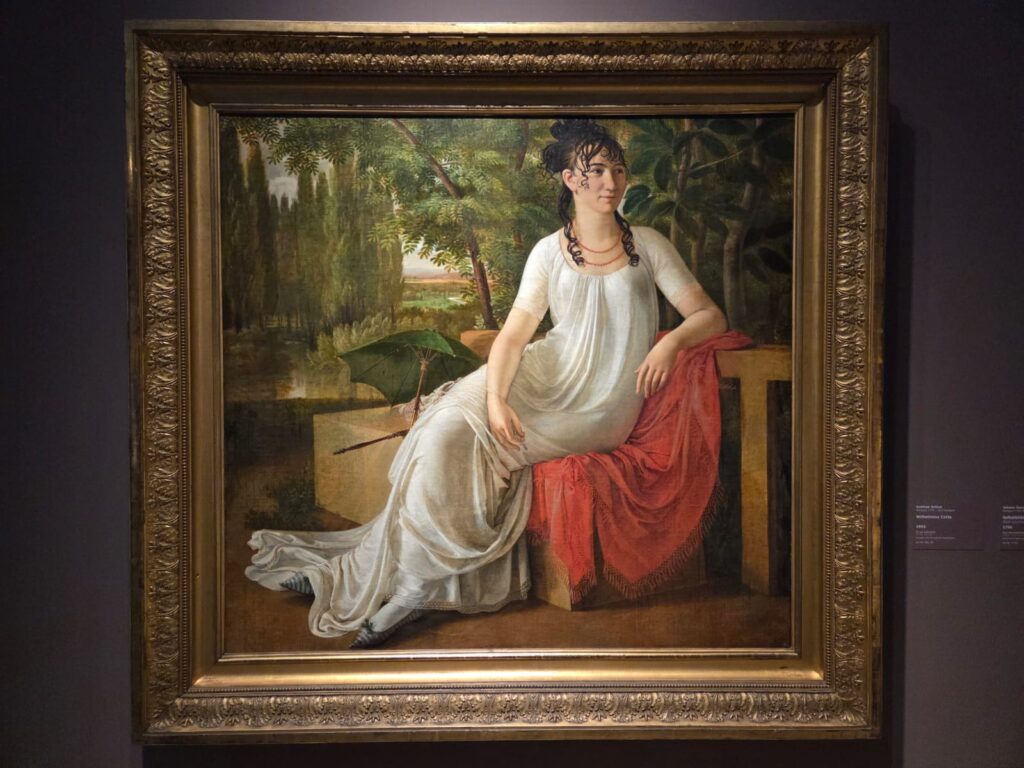
The history of the collection, as I described it earlier, means there are a few particular focuses within it. Let’s go chronologically, even though that’s not the order I saw everything in. I liked the early German paintings very much. There are some great works, many of them showing the sense of humour of the period. Plus I always like seeing works by the Cranachs. There are also altarpieces, some of local origin, which look great in the galleries. The Dutch and Flemish paintings contained some nice individual works, but as a group I could take them or leave them.
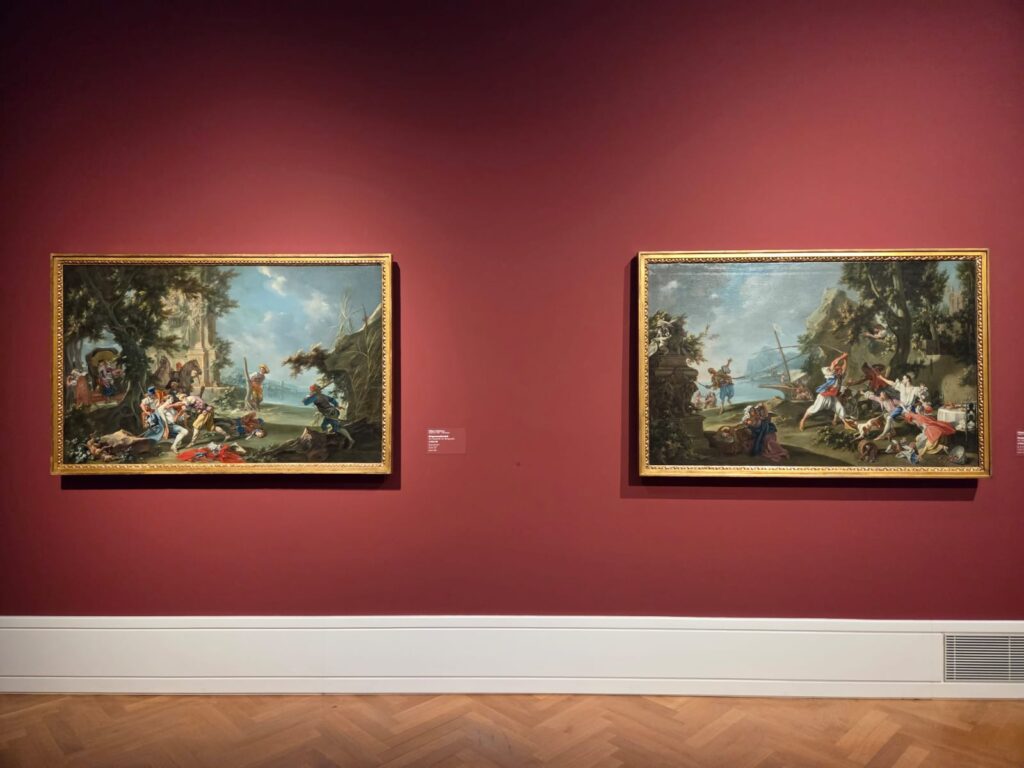
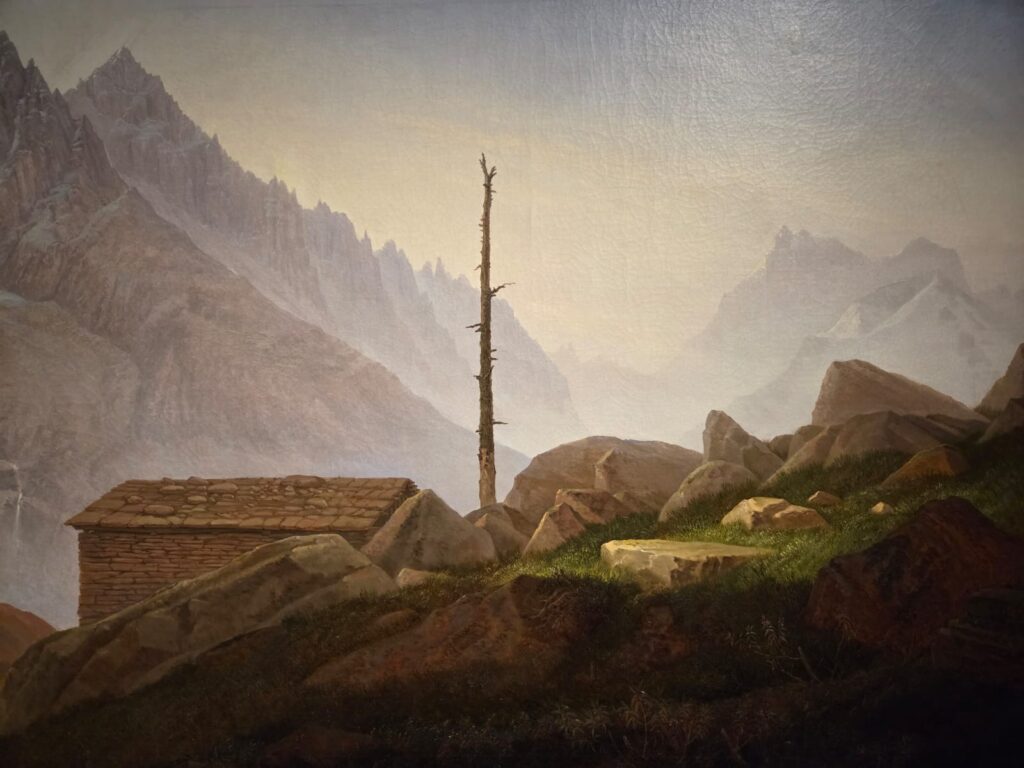
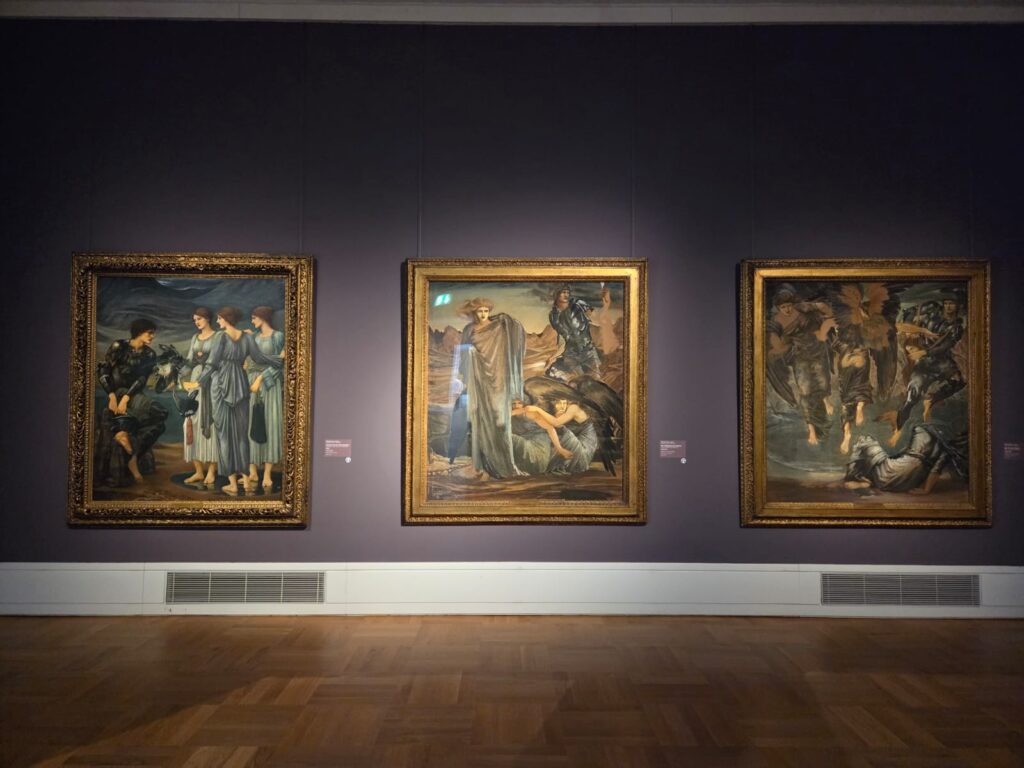
The later Old Masters are not necessarily my thing, but I did like the Baroque and Romantic paintings. A nice landscape by Caspar David Friedrich is exactly the sort of thing you’d hope to come across here, and the Staatsgalerie Stuttgart doesn’t disappoint. Likewise a mysterious landscape by Swiss painter Arnold Böcklin. As we move towards the modern period, an important yet unfinished series by Edward Burne Jones is a bit of a surprise. What’s it doing here? There’s no explanation, but the artist’s depiction of the Perseus myth is evocative, with the mood nicely heightened by the dark walls and dramatic lighting.
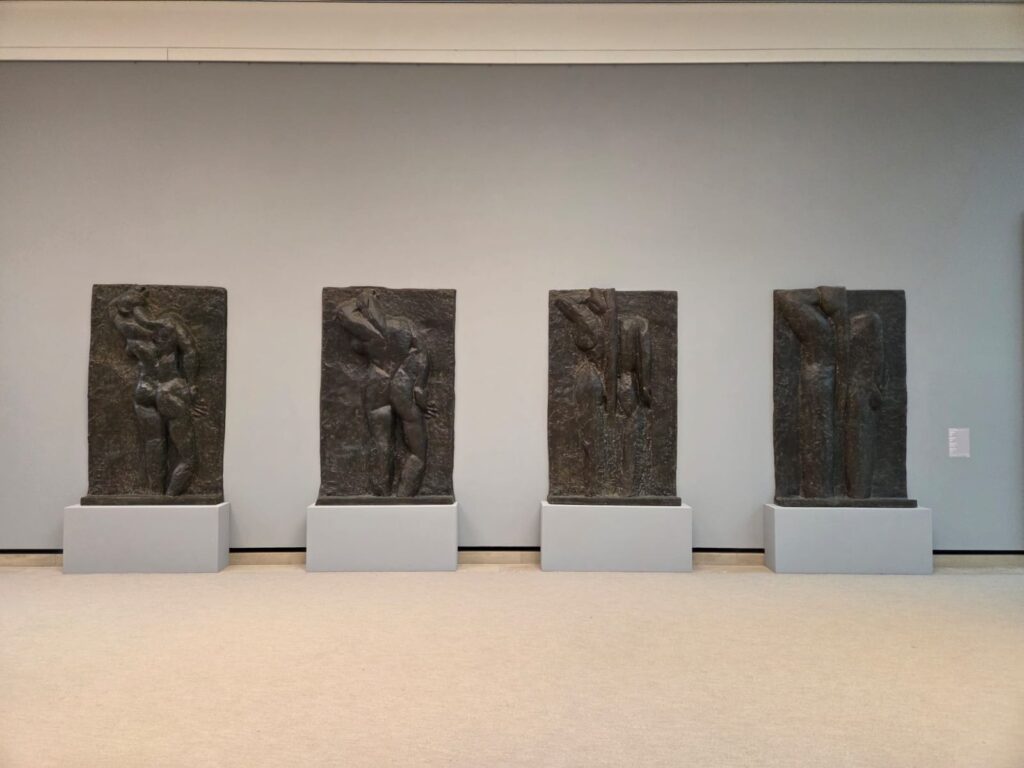
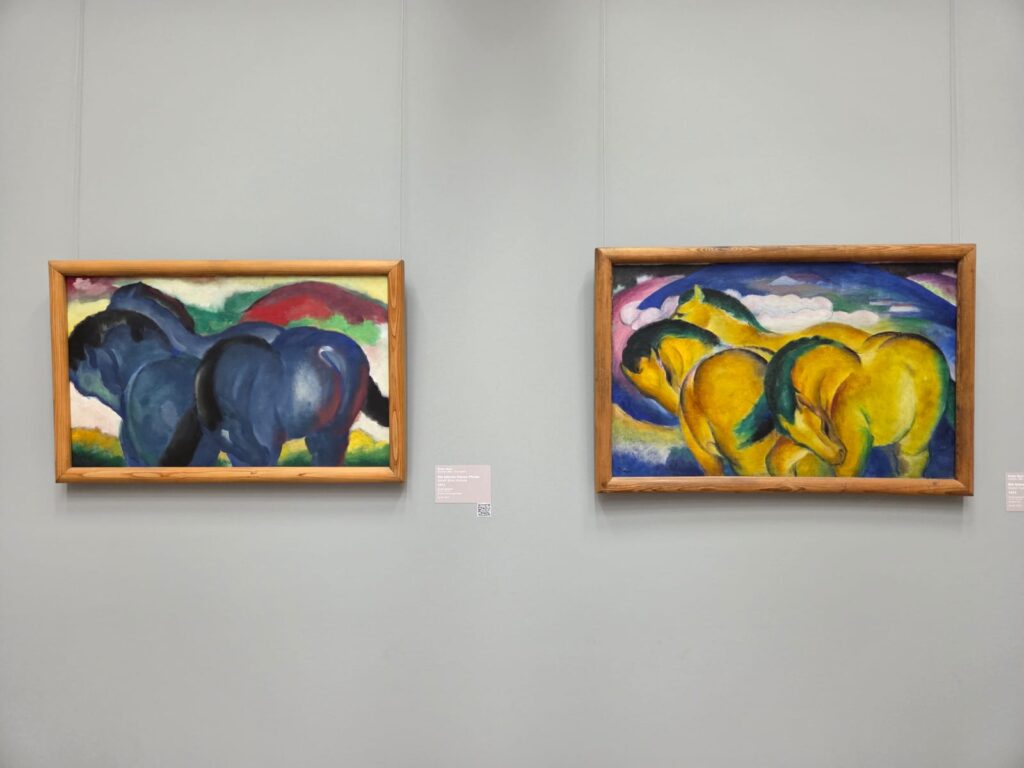
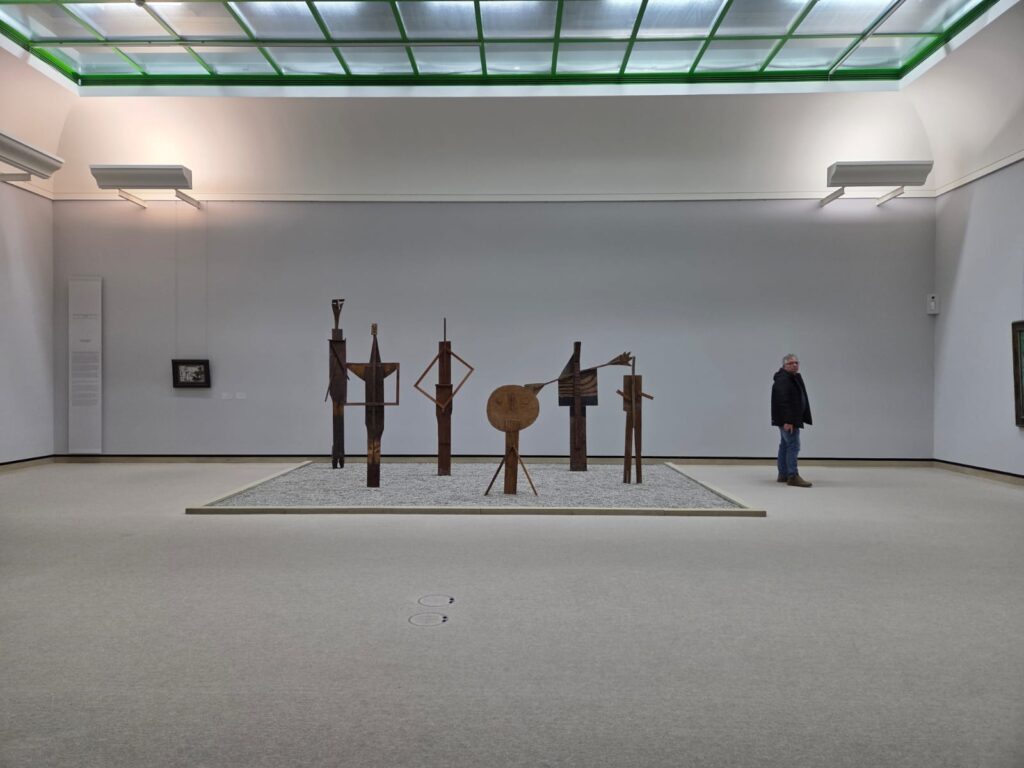
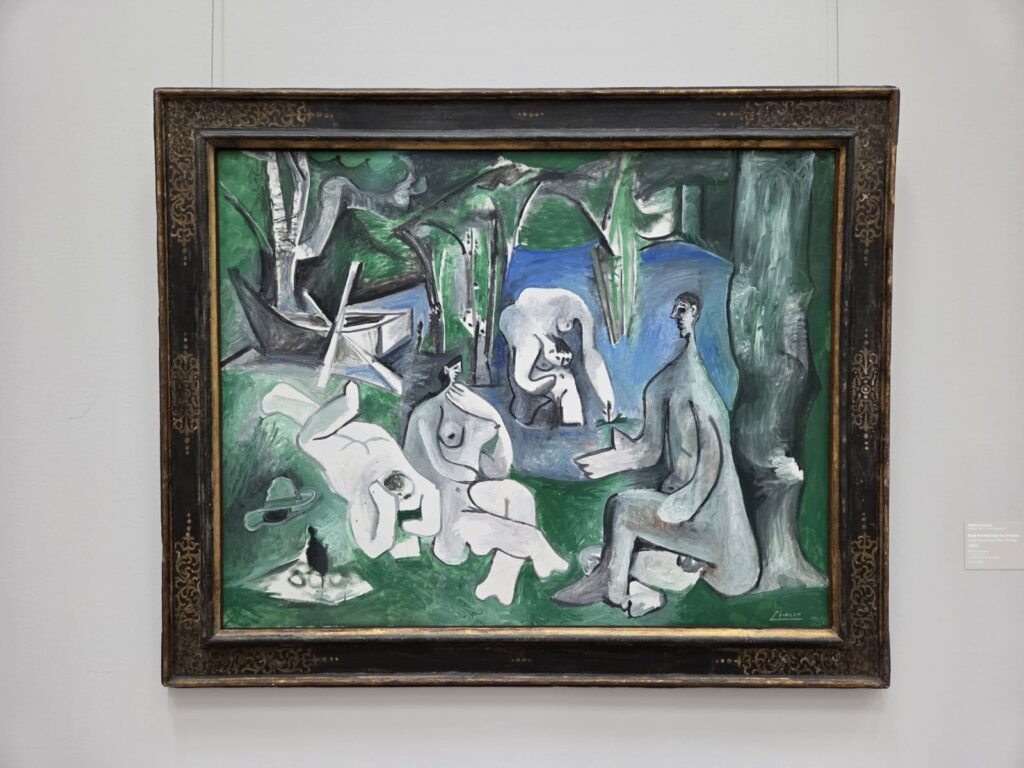
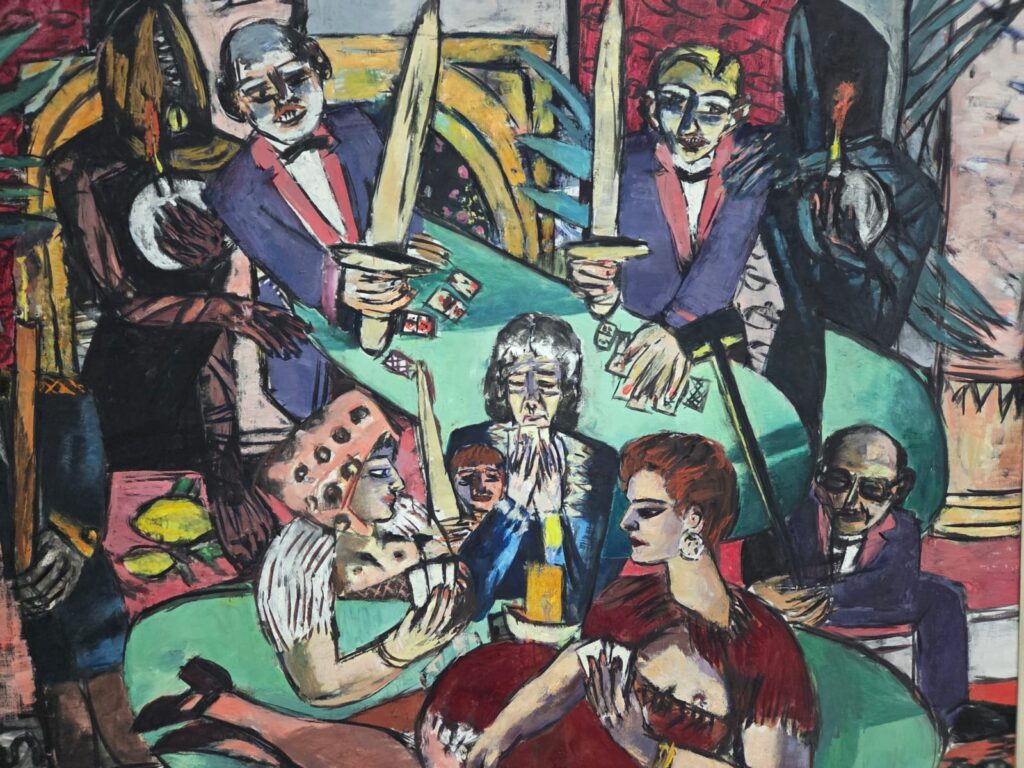
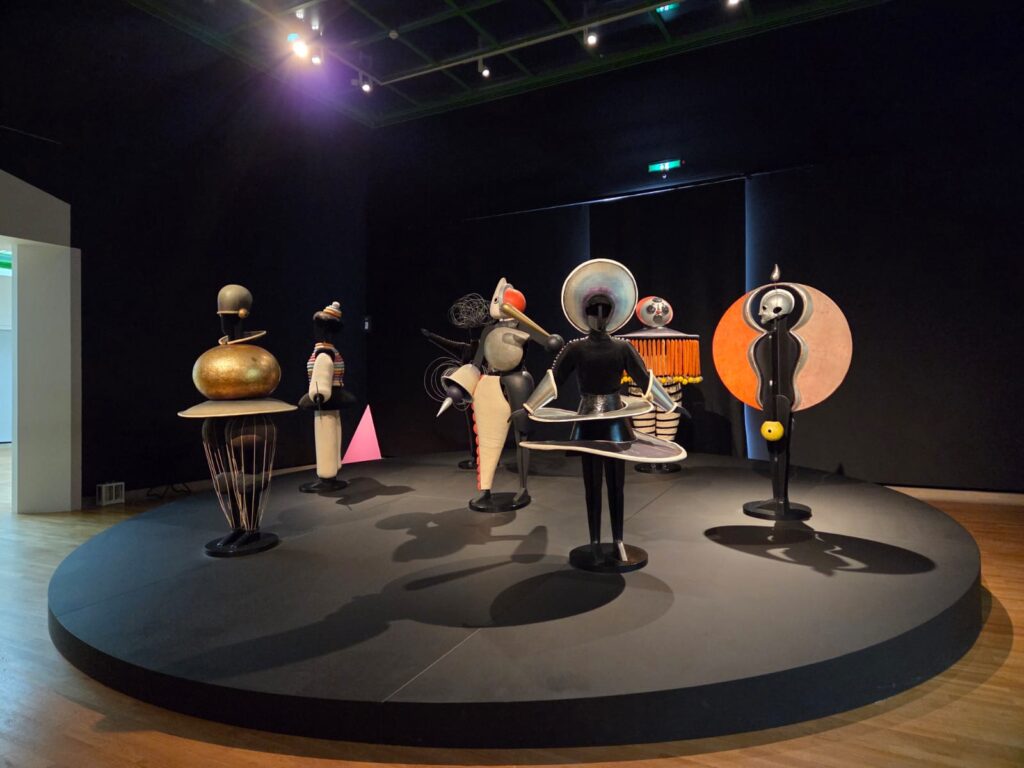
In terms of modern art, I feel like the collection becomes a bit more representative. A couple of nice Matisses and Picassos. A notable Schiele. I was here for the German Expressionists, and they are excellent. There are some great works by the Blaue Reiter group in particular. It’s not all a who’s who of modern art, though. There are some local discoveries to be made, too. More or less the first thing I encountered in the museum were the costumes for Oscar Schlemmer’s 1922 Triadic Ballet, a gloriously strange (and seemingly impractical) Gesamtkunstwerk which premiered at Stuttgart’s Württembergisches Landestheater.
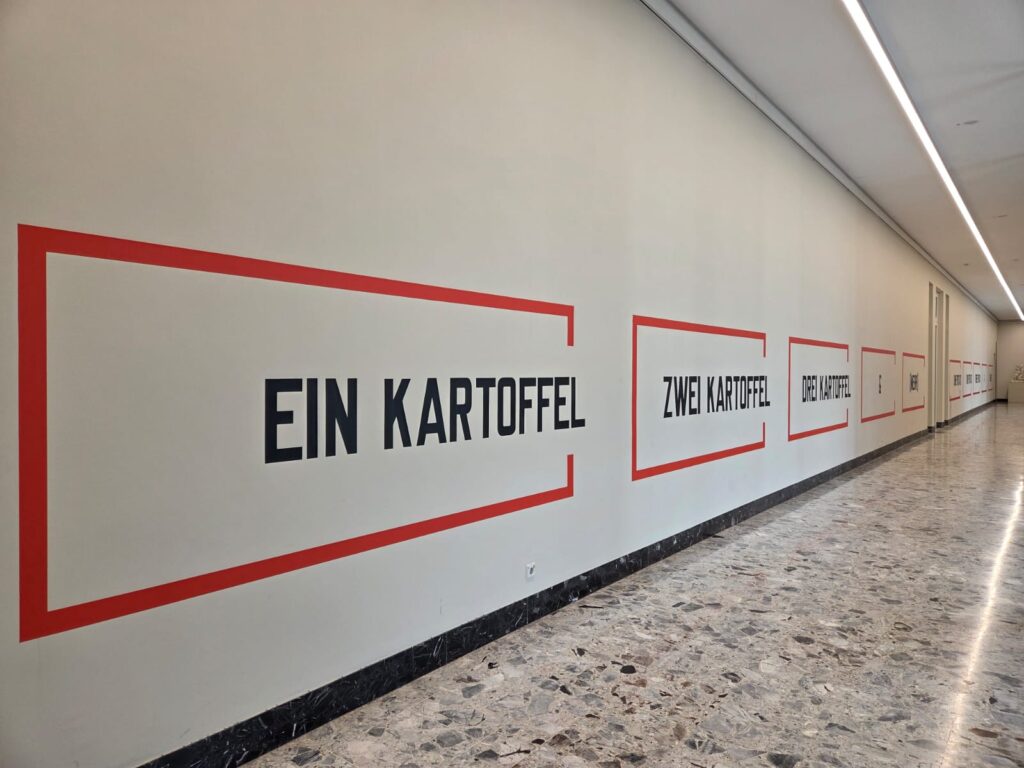
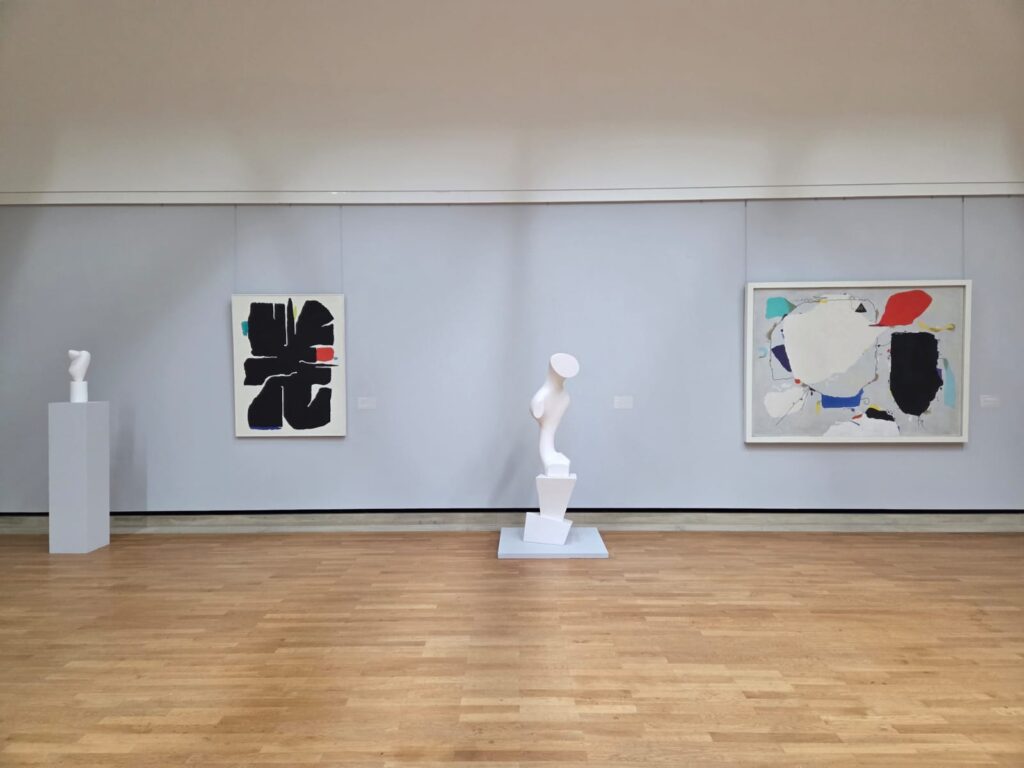
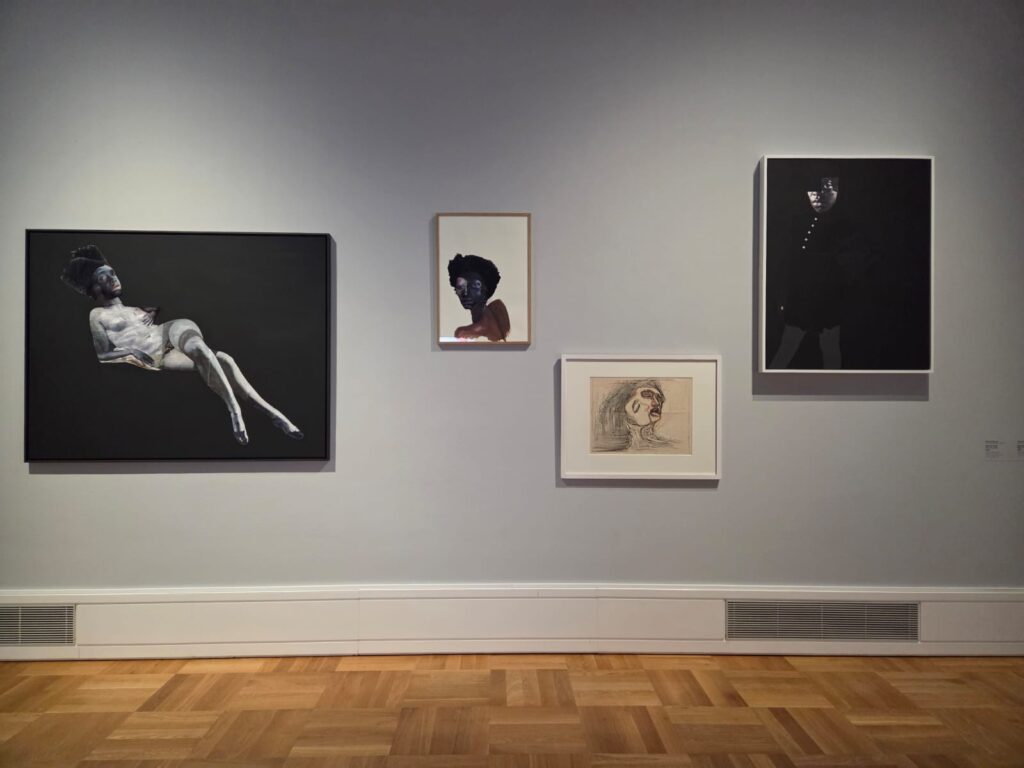
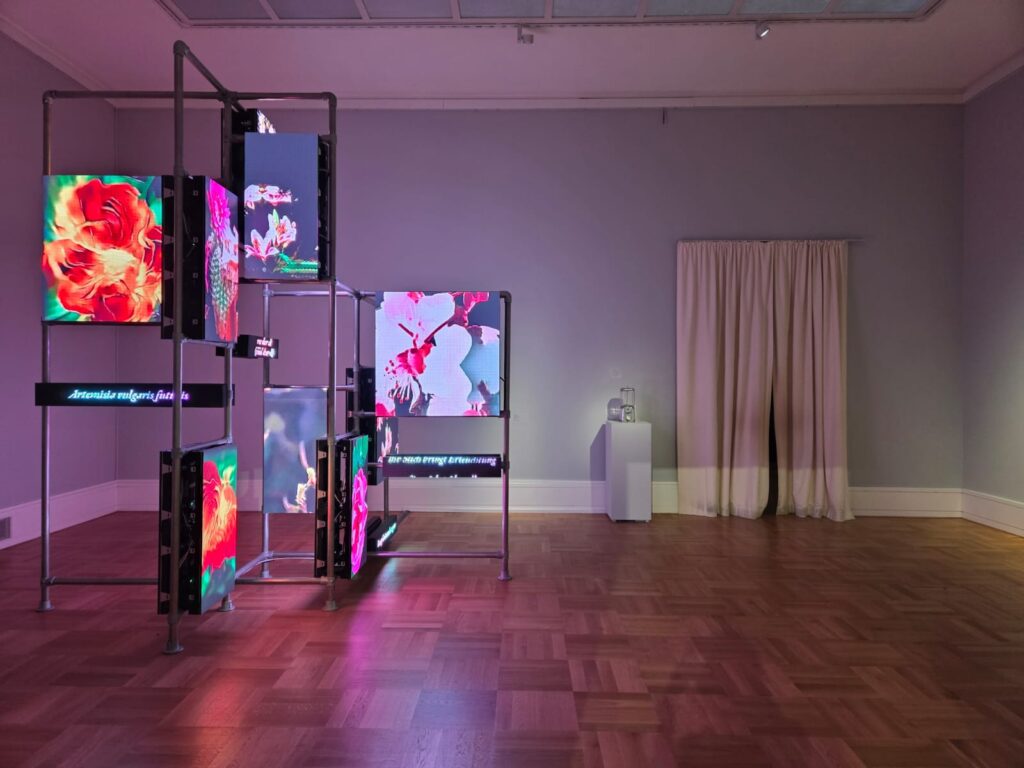
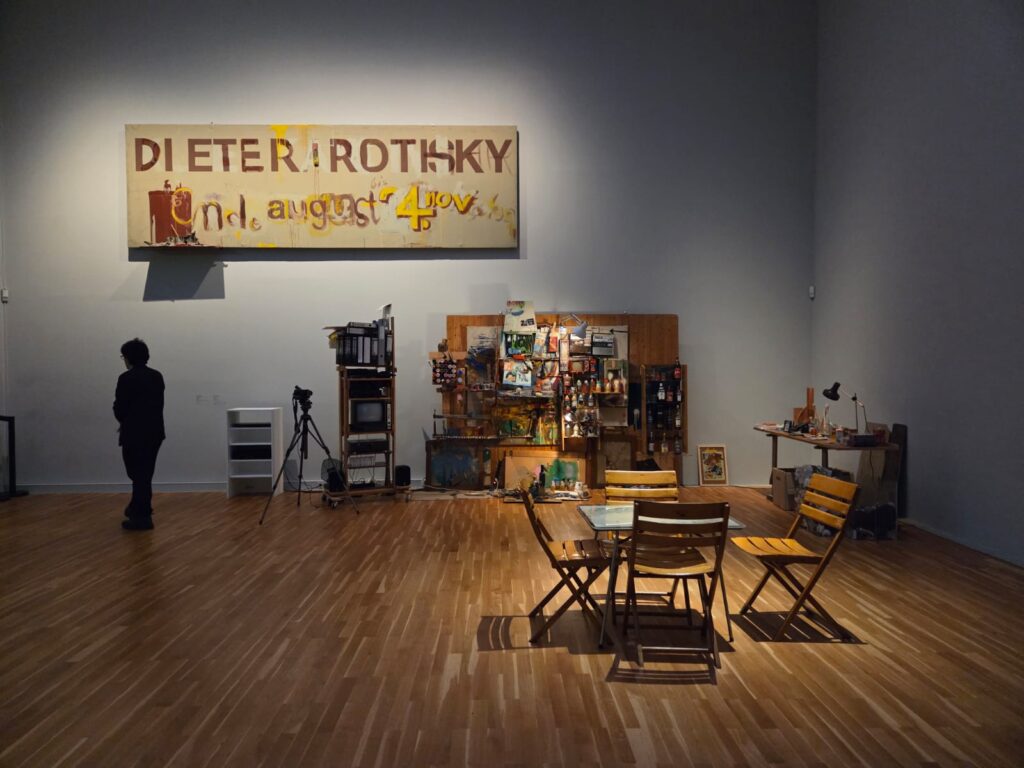
If there was anything I felt was a bit less successful, it was probably the contemporary art. There are a few rooms devoted to it, but it doesn’t feel like enough to really get under its skin. I left feeling like either contemporary art should be for a different museum in Stuttgart, or perhaps a more radical approach was necessary – interspersing it with the historic collection, for instance. There’s one example of this in the gallery – a pair of Old Masters amongst the contemporary art – and I thought it worked well.
Final Thoughts
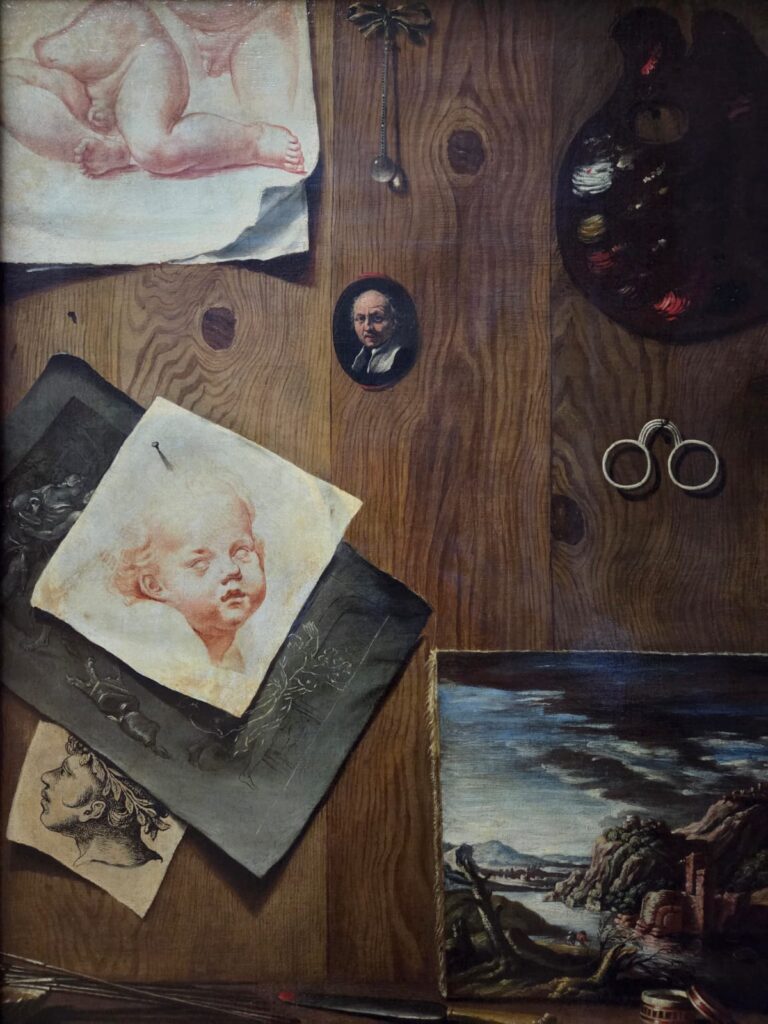
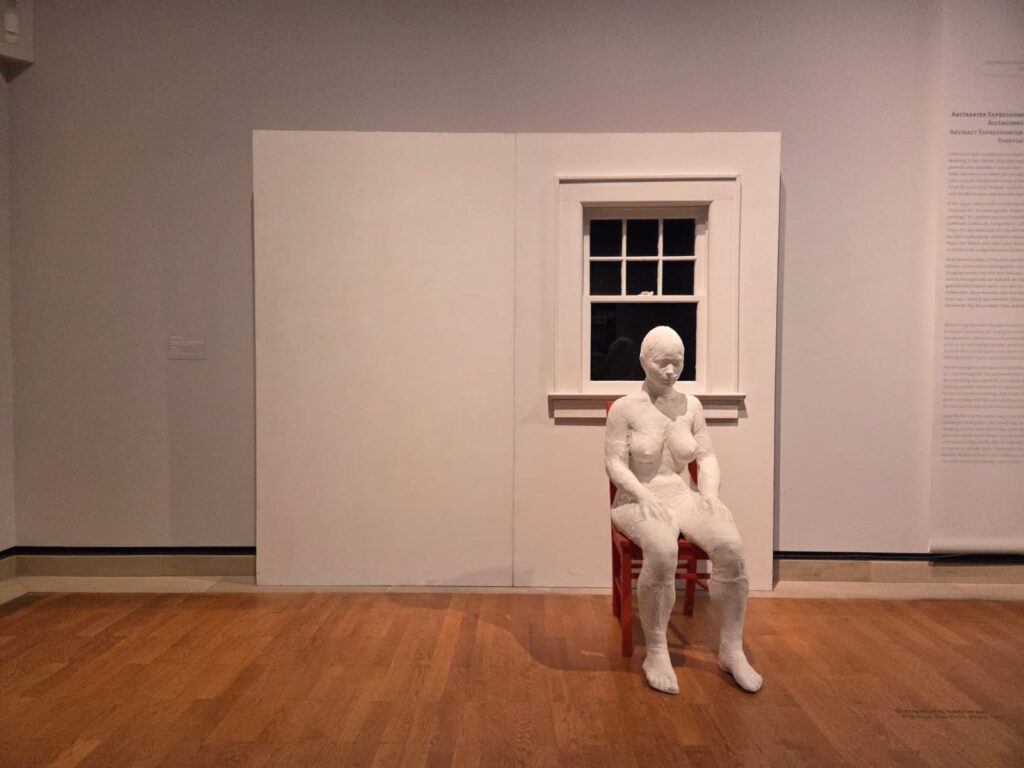
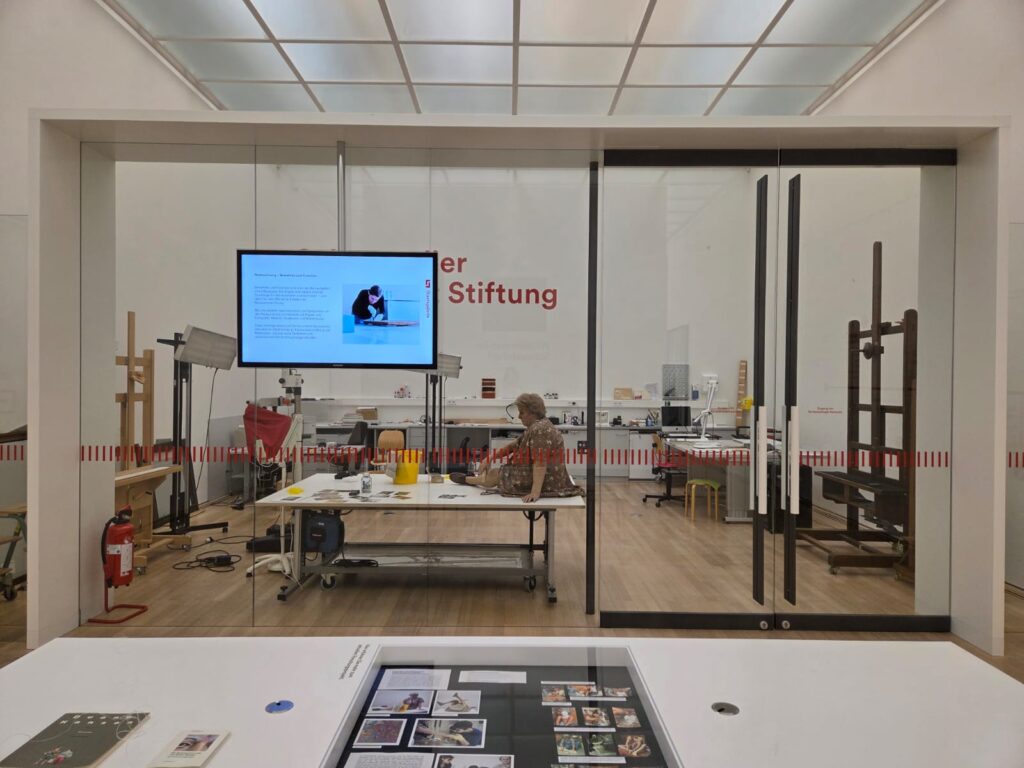
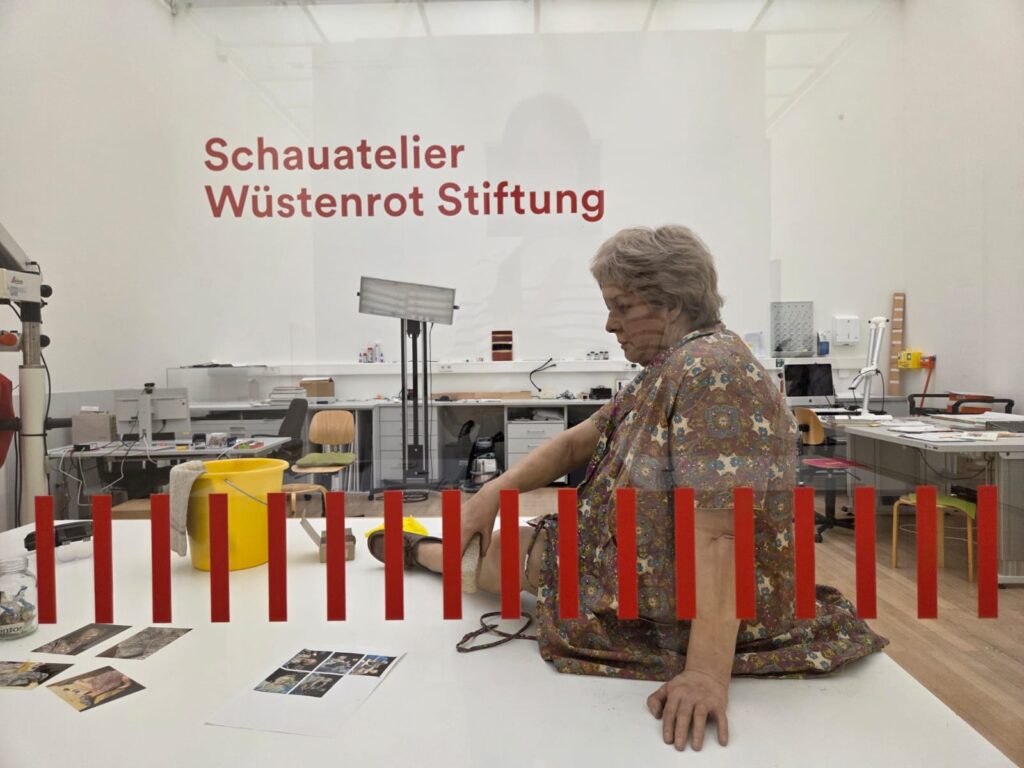
Overall, I found my decision to come to Stuttgart with only the Staatsgalerie firmly on my ‘must visit’ list a good one. The collection is great, and the architecture a highlight (if confusing). For me, a little more signposting would have made for a slightly better experience. There was one point, for instance, where there was minimal signage pointing to a conservation studio. Getting there from one direction meant passing through two sets of automatic doors. If you didn’t have the confidence to go investigate, it wasn’t very clear if it was open at all. The reward for poking around was encountering a hyper-realistic sculpture ready for conservation (see final image above).
Thankfully, I was in my element, so did all the poking around and backtracking and investigating necessary to see the full collection. The only thing we skipped was a temporary photography exhibition. On a first visit, with a lot else to see in a new city, the Urban Geographer and I tend to skip exhibitions entirely.
The Staatsgalerie Stuttgart is an example of an important German regional museum. From royal origins, the collection has grown to serve the local community over the years, providing access to international movements and artists as well as focusing on art from closer to home. For a tourist such as myself, it was a great place to spend a morning, taking in the art and architecture and then discussing what we’d seen over local specialties in the museum café. I recommend a stop at both during your own trip to Stuttgart.
Trending
If you see this after your page is loaded completely, leafletJS files are missing.