Long-time London resident and avid museum and theatre-goer. I started this blog in 2014, and got serious about it in 2020 when I realised how much I missed arts and culture during lockdowns. I go to a lot more events than anyone would think is sensible, and love sharing my thoughts in the forms of reviews, the occasional thought piece, and travel recommendations when I leave my London HQ.
A chance to rediscover an artist almost lost to history: Michaelina Wautier at the Royal Academy.
Who Is Michaelina Wautier?
When was it that I was writing about the serendipity of missing an exhibition in London, and then finding I have a second chance when I meet it on holiday somewhere? Was that Switzerland, maybe? I don’t remember, despite having a look just now on my blog. But it has happened to me before and is always a pleasant surprise. On this occasion, however, it was the reverse. When we went to Vienna’s Kunsthistorisches Museum I even wrote about how the Urban Geographer and I had skipped the temporary exhibition because we had enough to see as it was. So imagine my delight when I found out the same exhibition was on at the Royal Academy and I hadn’t missed out on anything after all!
The exhibition in question is Michaelina Wautier. No need for a second part to focus the title, because the miraculous thing is that we are able to see an exhibition of this artist’s work at all. Wautier has been more or less plucked from obscurity by art historians – Belgian art historian Katlijne Van Der Stighelen in particular – eager to put the right name to her highly skilled canvases (and add another female name to the ranks of Old Masters).
We do know a few details about Wautier’s life. Her name, for a start, was not Michaelina but Michelle. Michaelina is the Latin form with which she signed some of her works. Not all, though. Some of the works attributed to Wautier in this exhibition are so attributed on the basis of style. Anyway, I’m getting ahead of myself. Wautier was born in 1614 in Mons, now in Belgium. A difficult time to forge a career as a woman full stop. Being an artist was at least a possibility, but it typically required a family member as an ‘in’ to the art world and patrons. In the case of Artemisia Gentileschi and Angelica Kauffman, it was their fathers. For Michaelina Wautier, it was her brother, Charles.
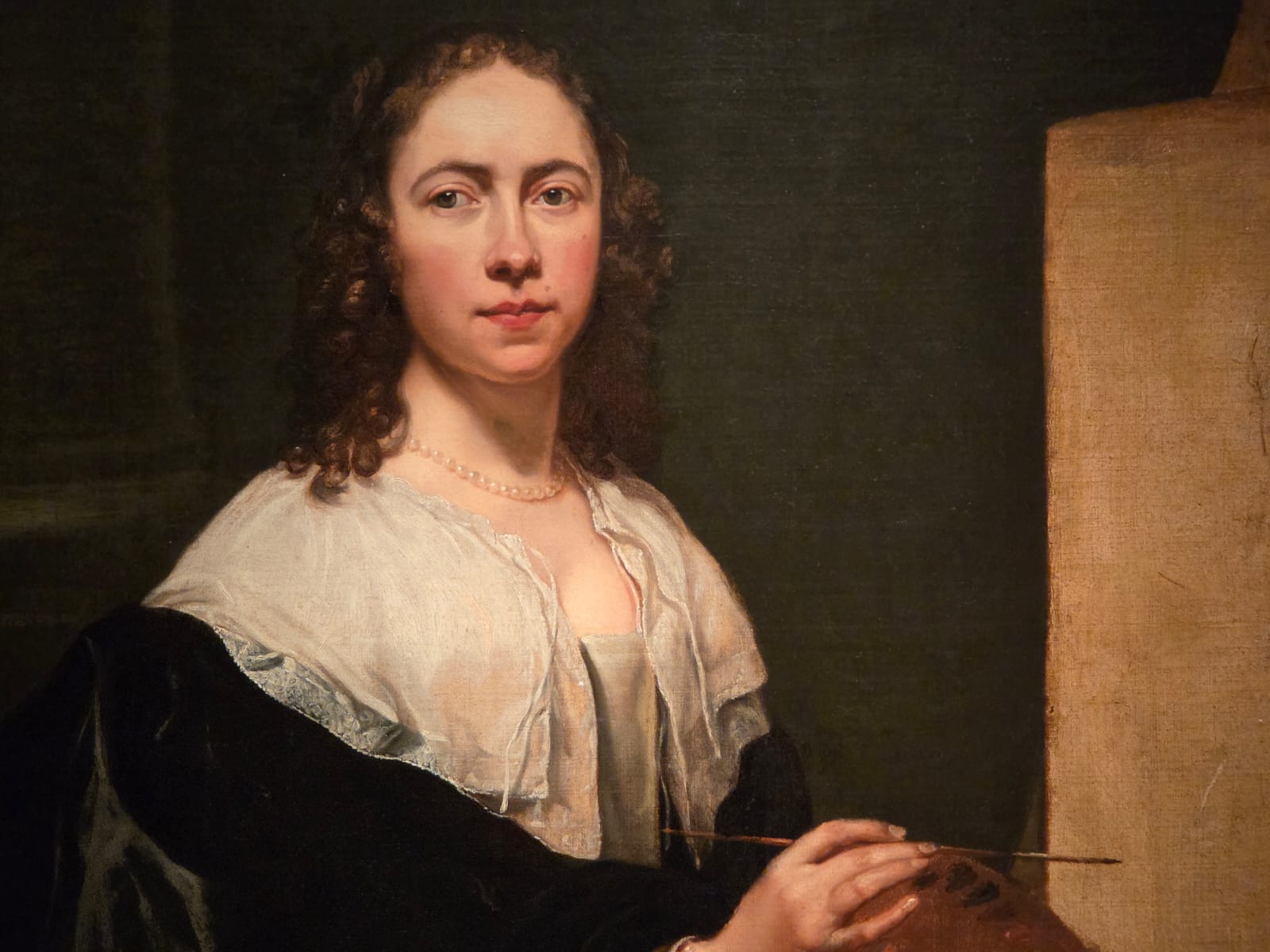
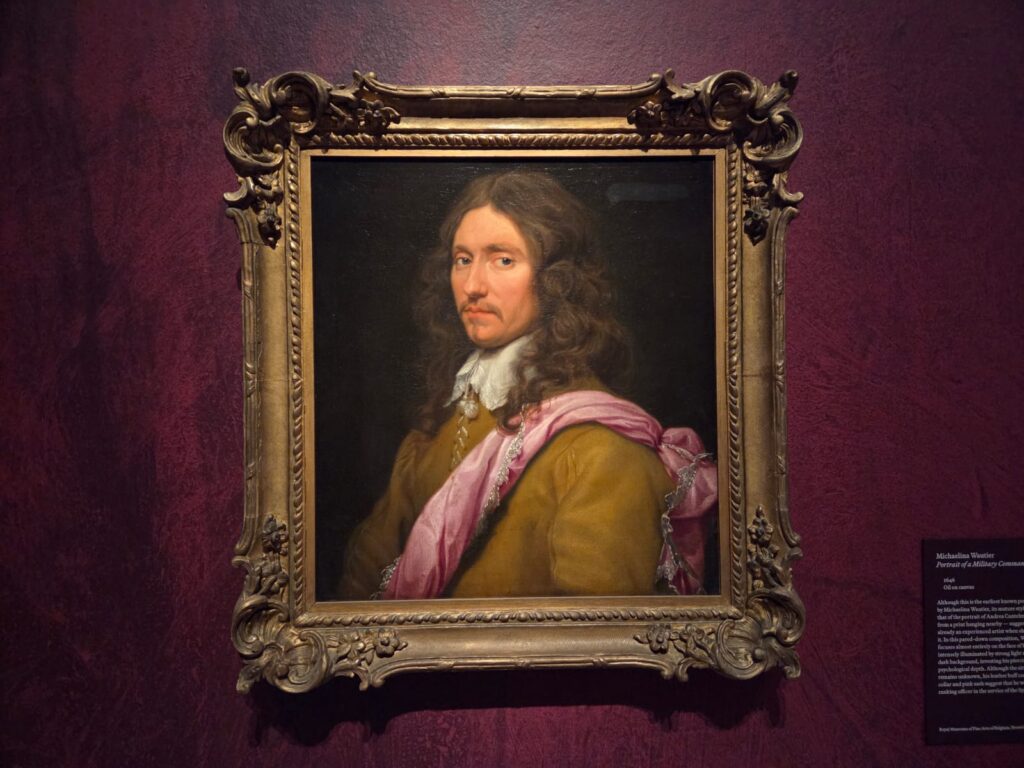
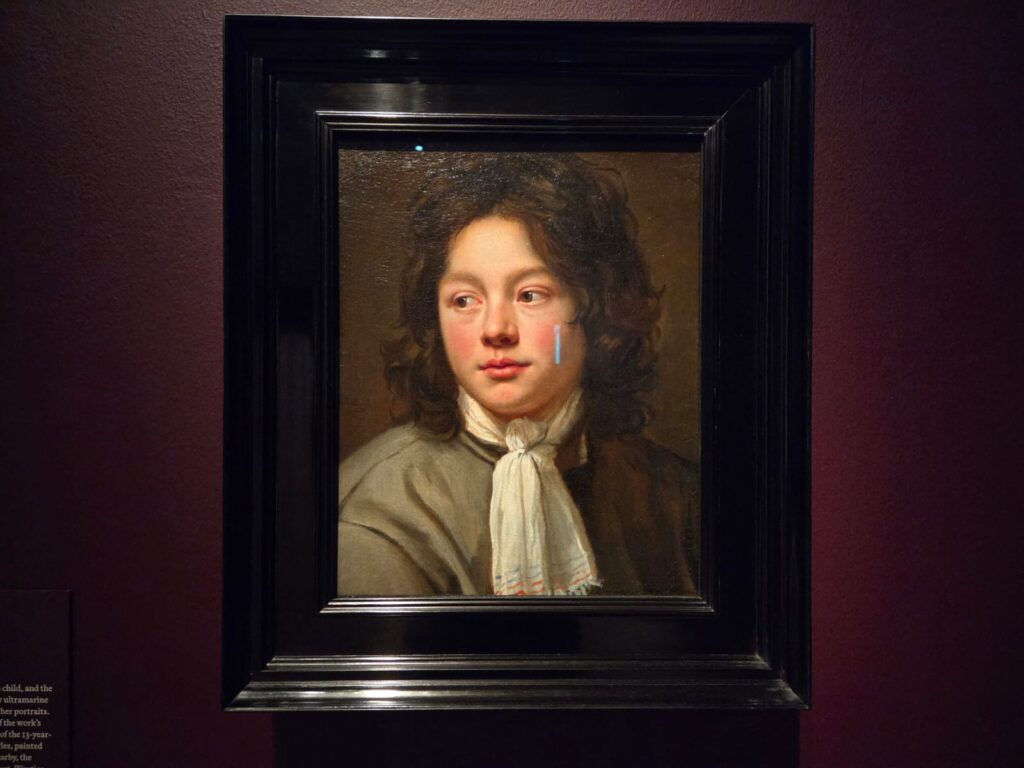
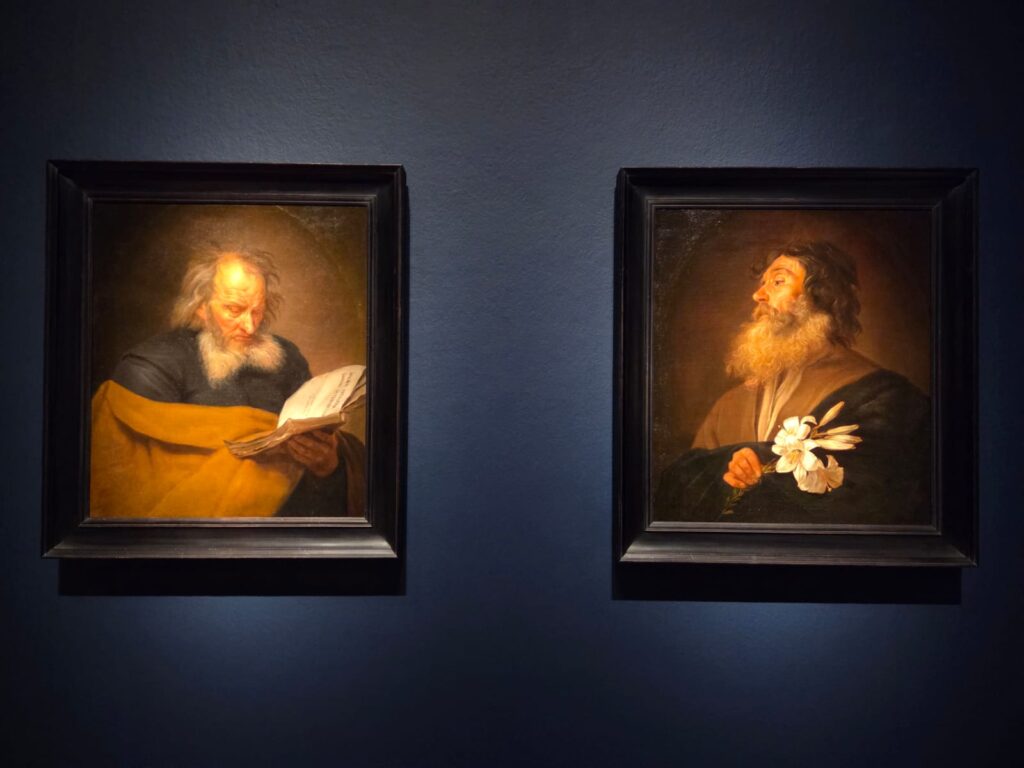
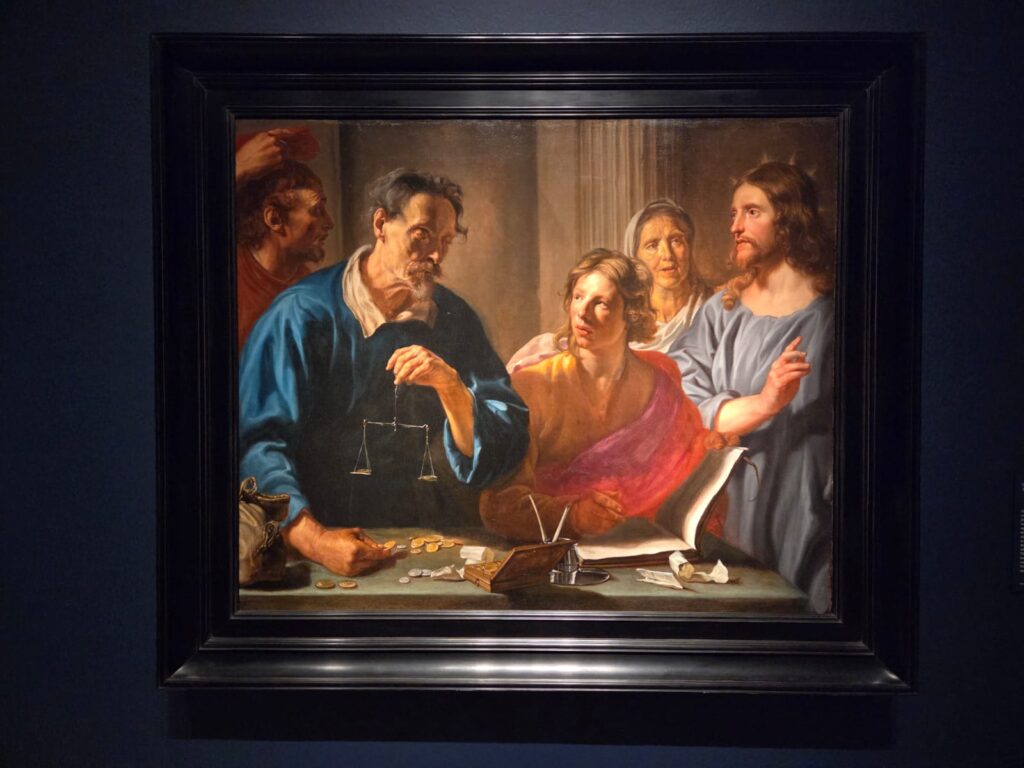
It’s unclear where the siblings learned to paint, though. Just one of many mysteries about Michaelina Wautier. We don’t know much about the family’s background. Michaelina was one of two girls amongst nine children in total, and we can draw the conclusion that they may have been relatively well off from the knowledge of classical mythology and symbolism her works display. She seems to have taken up painting in her late 30s, and is notable for the wide range of subjects she painted. When you think of historic female artists, they were often portrait painters, particularly portraits of women and children. Think Élisabeth Vigée Le Brun or Berthe Morisot, that kind of thing. Wautier, on the other hand, painted religious, mythological and historic scenes as well as decorative works and portraits. Ironically, perhaps, her talent shines most strongly in this exhibition in her portraits, particularly of children.
An Important Exhibition
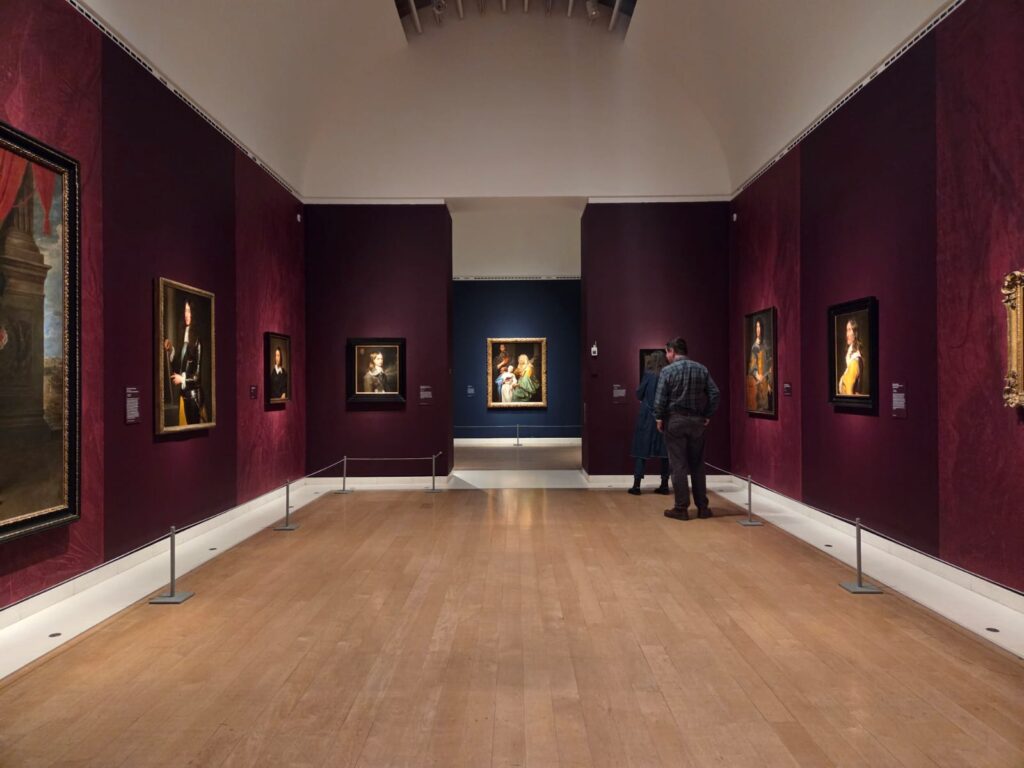
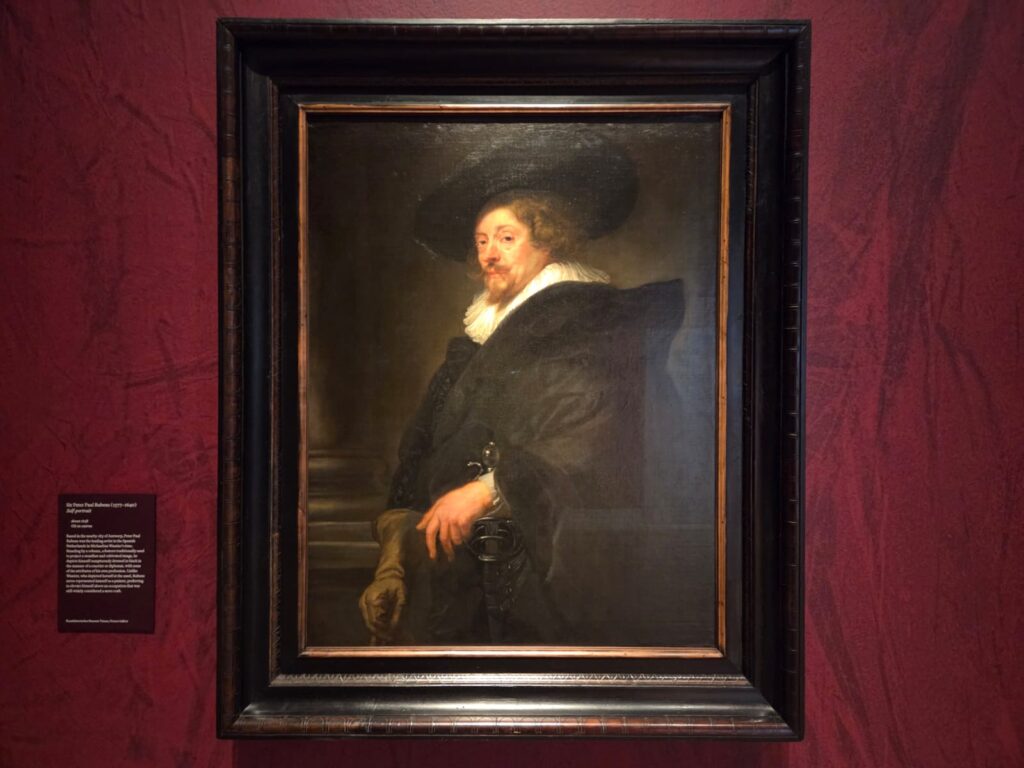
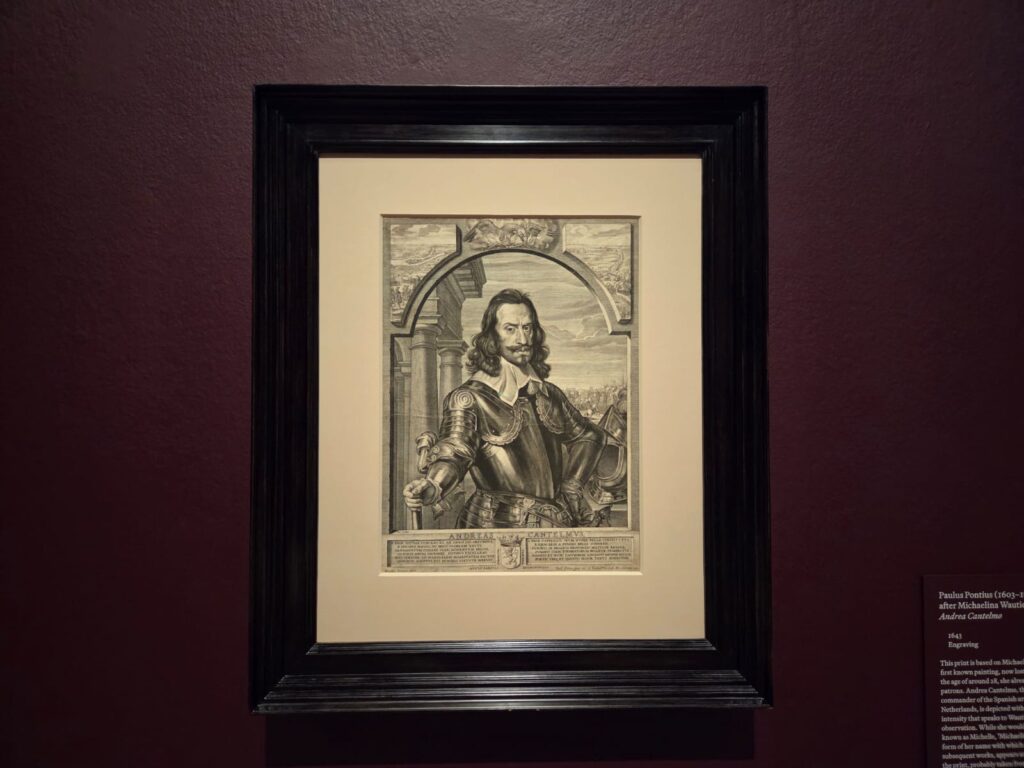
The unusual nature of some of Wautier’s subject matter is probably part of the reason the attribution of many of her works was lost over the years. The credit went instead to male artists, including her brother. Hence the need for close scholarly research to right this wrong. Because there are still so few works attributed to Wautier, however, there is a bit of padding in the exhibition despite being jn one of the RA’s smaller spaces. This comes mostly in the form of paintings by Charles Wautier, but there are other additions like an engraving by Paulus Pontius of a lost Wautier work.
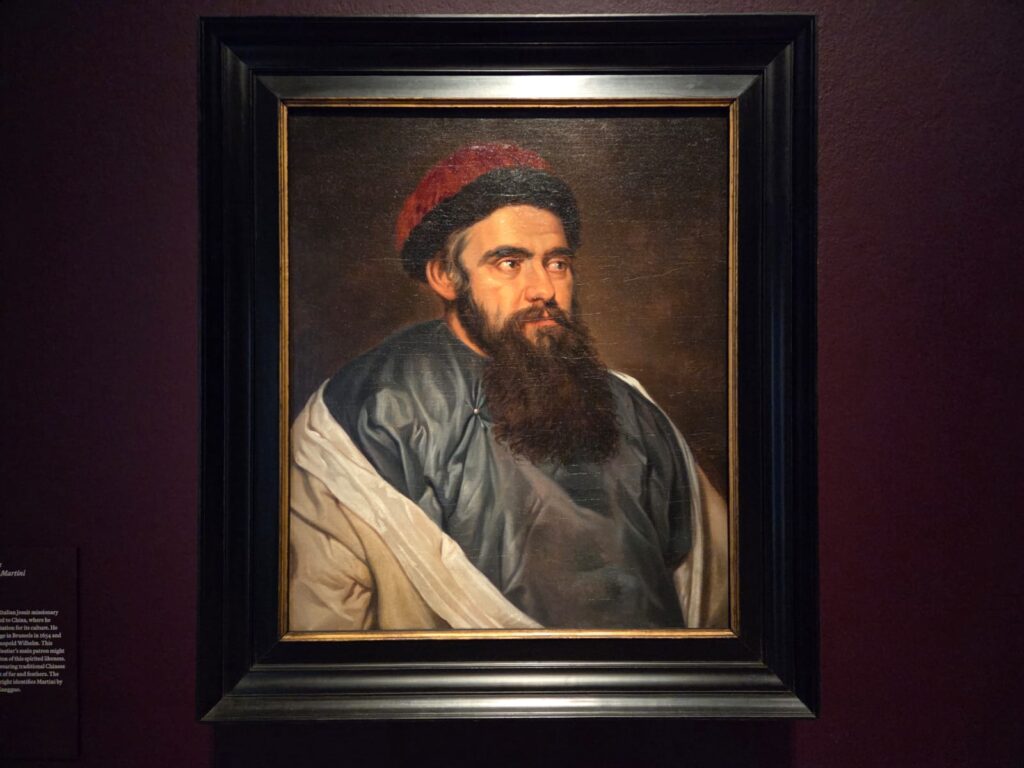
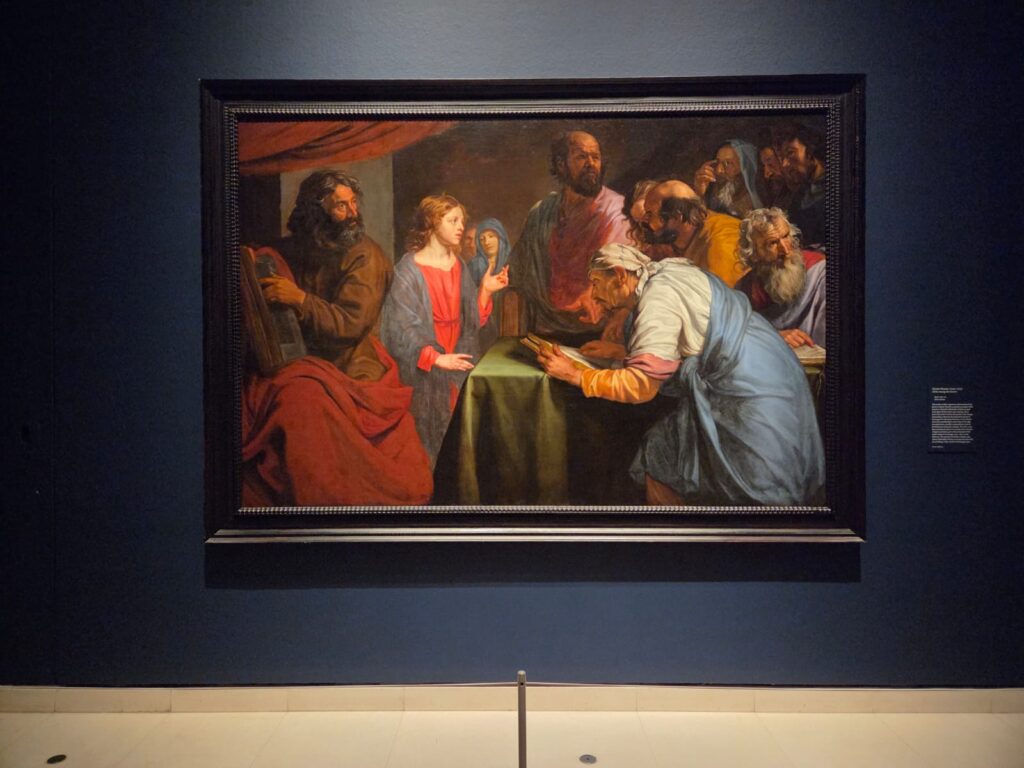
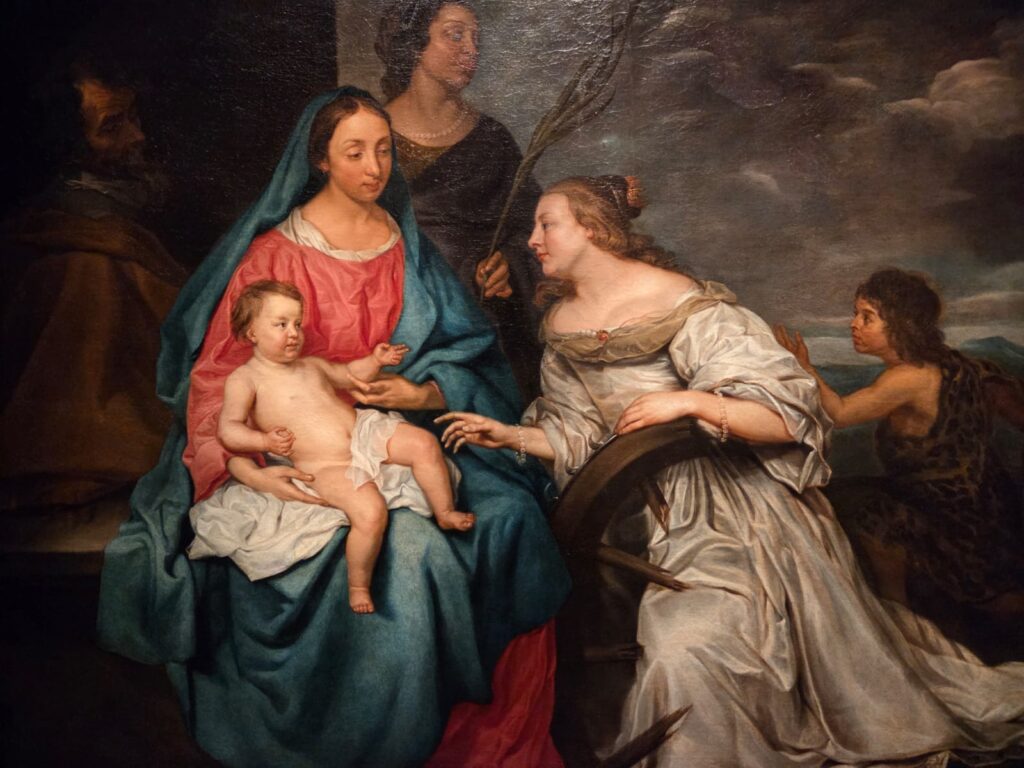
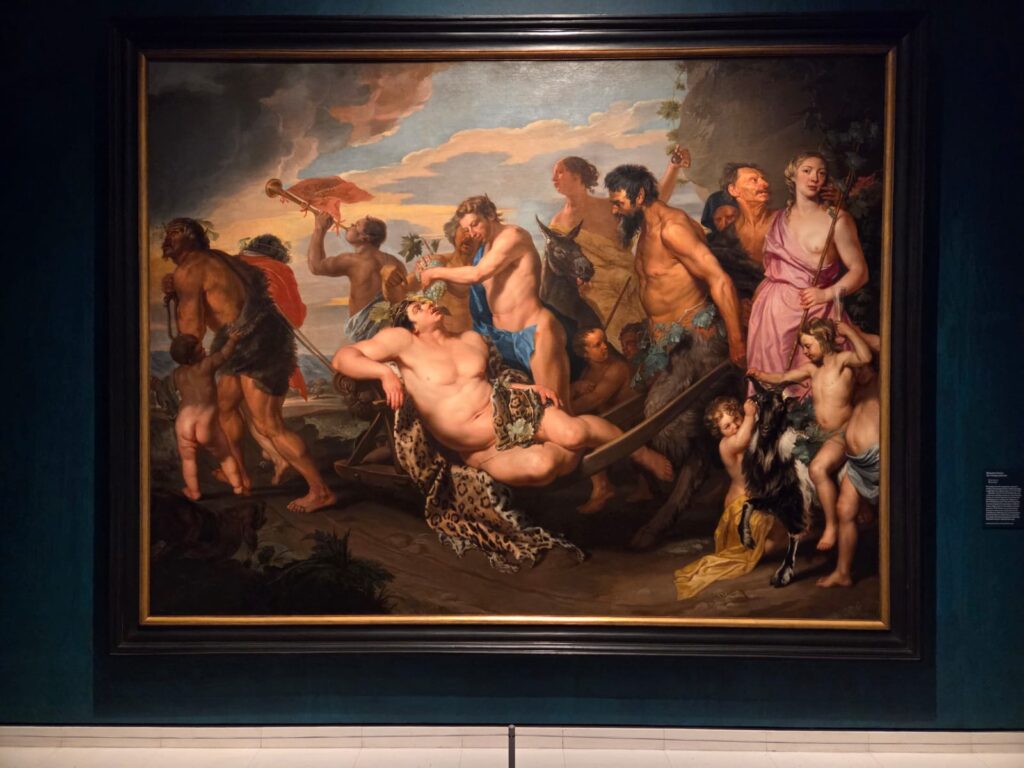
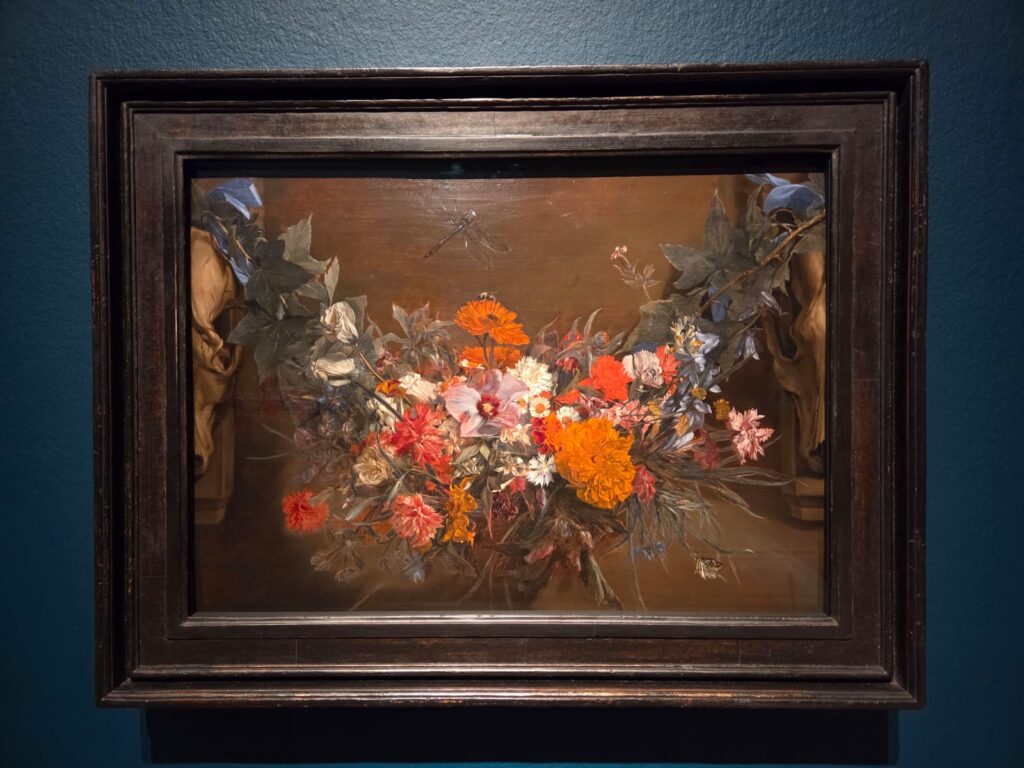
Otherwise, the works are largely curated by genre. Portraits come first, which is where we see what I think are some of the loveliest examples of Wautier’s work. She imbues her subjects with a real sense of their character. Moving into the next room we have religious works. The ambition for a female painter at this time is what I found the most striking, although the attribution is a little less straightforward here, and some canvasses may be the work of more than one artist. The third and final room contains more portraits, before culminating in The Triumph of Bacchus from the Kunsthistorisches Museum collection. This painting, flanked by decorative floral works, is impressive. Michaelina Wautier clearly knew her way around male anatomy and how to paint it, an impressive achievement that would be hard for female artists to match for centuries.
I think, despite the relatively small size of this exhibition and the woolly nature of some of the information, it’s important. Important firstly to take another 17th century female artist seriously, and disseminate what knowledge we do have about her. And as we learned recently at Rose Wylie: The Picture Comes First, the RA has some catching up to do to redress gender balance in its exhibitions. This one – focused, interesting and covering new ground – is a good contribution. How fortunate to have had this second chance to see it.
Salterton Arts Review’s rating: 4/5
Michaelina Wautier on until 21 June 2026
Trending
Travelers' Map is loading... If you see this after your page is loaded completely, leafletJS files are missing.