
Le Bioparc de Doué-la-Fontaine
Our final stop in France (this time around) is le Bioparc de Doué-la-Fontaine, a charming zoo in the unique setting of a former quarry.
We’re Going to the Zoo Bioparc
We’ve had a busy old time in France. Starting in Nantes, we rode an elephant (sort of) at les Machines de l’île, and did some art-appreciating at le Musée d’arts de Nantes. Then we continued on to our ultimate destination in the Deux-Sèvres region. We were impressed to find multiple contemporary art exhibitions to visit, and then set our sights a little further afield with a visit to le Parc Oriental de Maulévrier in the Maine-et-Loire. Today we’re going to be sticking in this latter department.
I was saying in my last post that our French friends always have a few ideas up their sleeves of new places to visit. Le Bioparc de Doué-la-Fontaine is another one I’d never been to. But I like a zoo. Or at least one that has high welfare standards for its residents. I also like coming back to this question of which places I can approach from a museological point of view. Museums? Yes. Galleries? Yes. Zoos, aquariums and gardens? I think so. It’s not quite as clear cut, but all of these types of places have an overarching historic genesis as well as their own individual heritage, just like museums and galleries do. And so today’s post will be in the tradition of others like this one or this one.
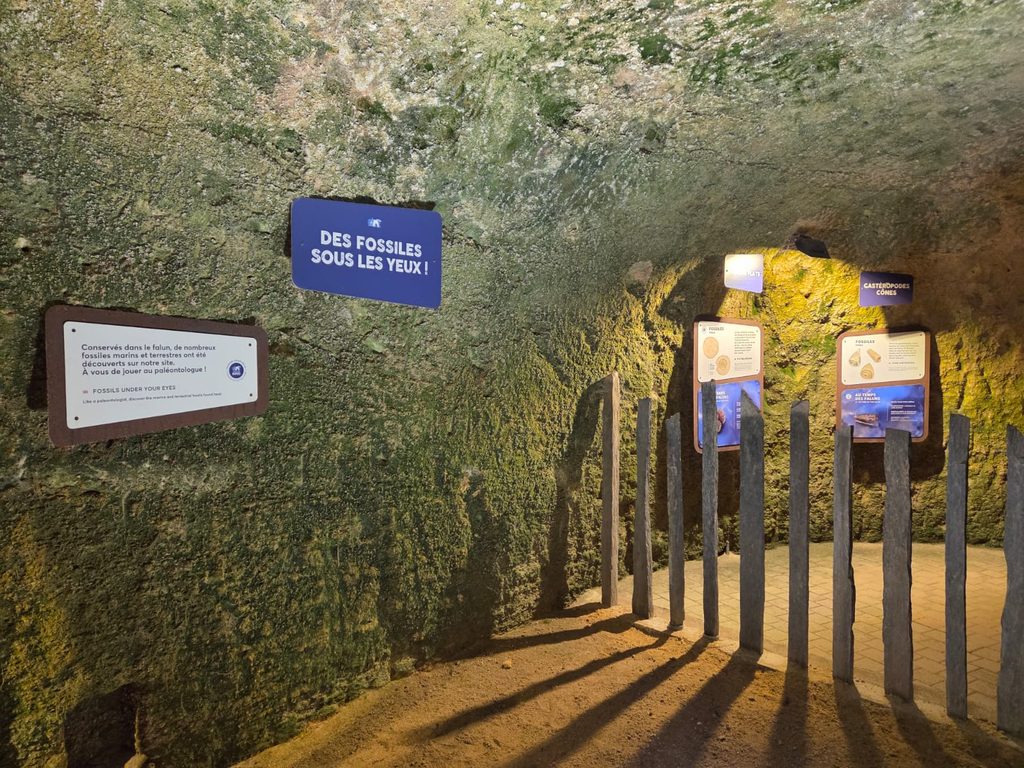
It will also be in the tradition of this post. A ‘lost in translation’ moment before our previous visit to this part of France led our friends to design a troglodyte-heavy itinerary for the Urban Geographer. The region is rich in falun, a soft rock rich in fossilised seashells (it’s basically made up of what were once seabeds) that could be dug out to make residences or other spaces, or burned for lime. We’ve seen farms and restaurants, and even a sarcophagus workshop using falun. The Bioparc de Doué-la-Fontaine shows yet another use for falun, in the form of habitats for animals.
Le Bioparc de Doué-la-Fontaine: a Brief History
At the beginning, the Bioparc leaned into its falun quarry origins, calling itself le Zoo des Minières. That was in 1961, and continued to be its name until the 1980s when it became le Zoo de Doué-la-Fontaine. In 2011, for its 50th anniversary, it changed once more, becoming le Bioparc de Doué-la-Fontaine. This latter name is a nod to its increasing focus on conservation and the protection of endangered species, over and above the entertainment of visitors. Coming back to what I was saying about the museological aspects of zoos and aquariums, this is definitely a trend as these institutions redefine themselves according to current ideas about our place in the natural world.
But anyway, back to the Bioparc. It is a private institution, now in the care of the third successive generation of the Gay family. Louis Gay was its founder, while Pierre and François Gay, his son and grandson, are its current directors. The family also own the Zoo des Sables in the Vendée. From small beginnings, Louis Gay reinvested profits into acquiring more land, and extending the zoo. When Pierre came on board in 1972, he suggested that fewer species with more space would ultimately be a more successful model than continuing to increase the number and variety of animals. Quality over quantity turned out to be the right decision.
From its early days, the Bioparc has had a focus on conservation, both within and outside its walls. Early on, a visit to Gerald Durrell’s zoo on Jersey provided inspiration for how endangered species could be protected. For its 40th anniversary in 2001, the Bioparc contributed funding to 40 Projets Nature (nature projects) around the world. The Bioparc was the first French zoo to become a member of the European Association of Zoos and Aquaria. It’s also a member of the World Association of Zoos and Aquariums.
What to See and Do at the Zoo Bioparc
Le Bioparc de Doué-la-Fontaine is a popular visitor attraction. Attracting around 200,000 visitors per year, it’s actually one of the top tourist sites in the whole Maine-et-Loire department. And with about 17 hectares to cover and around 1,900 animals belonging to 130 species, there’s a lot to see.
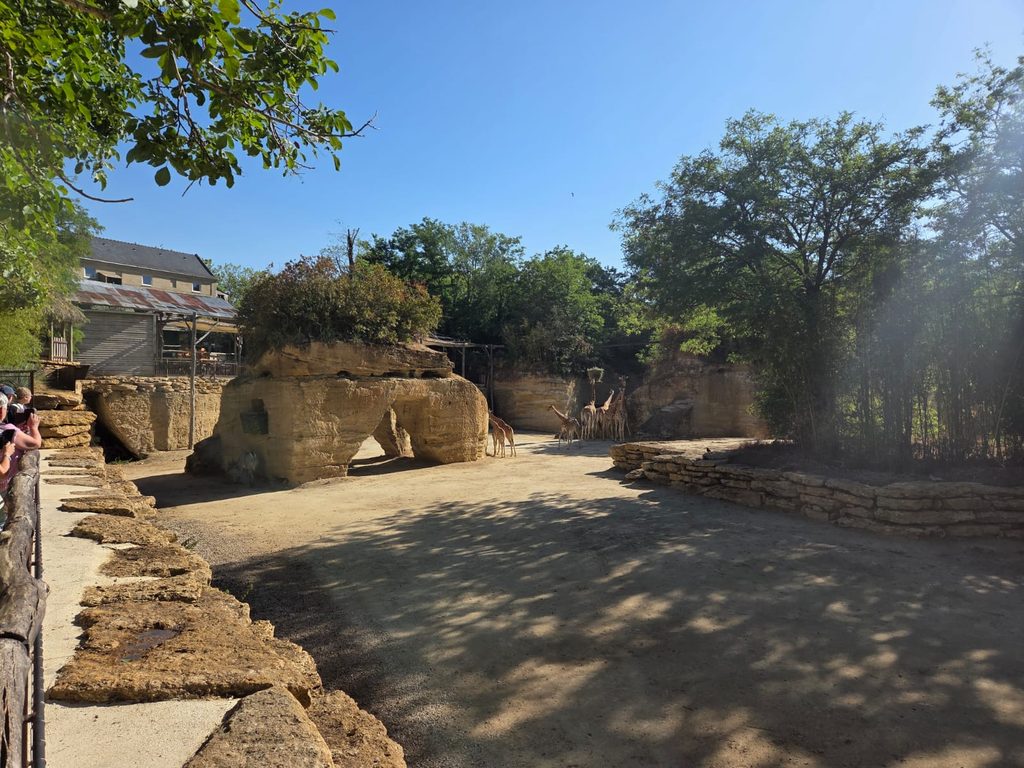
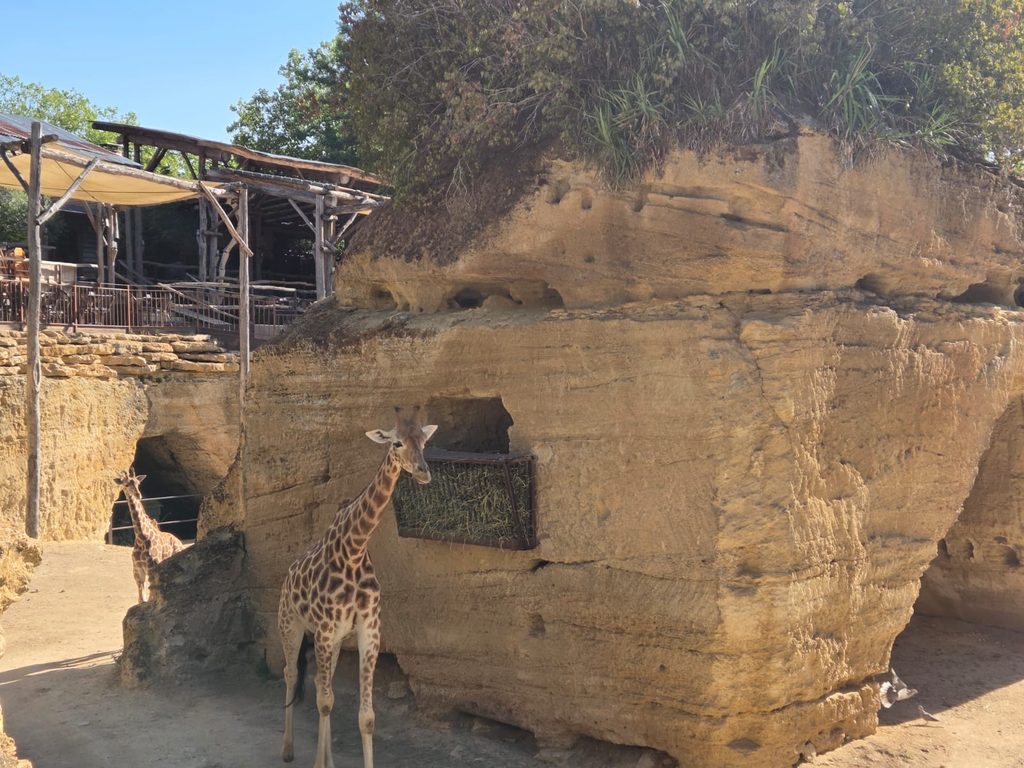
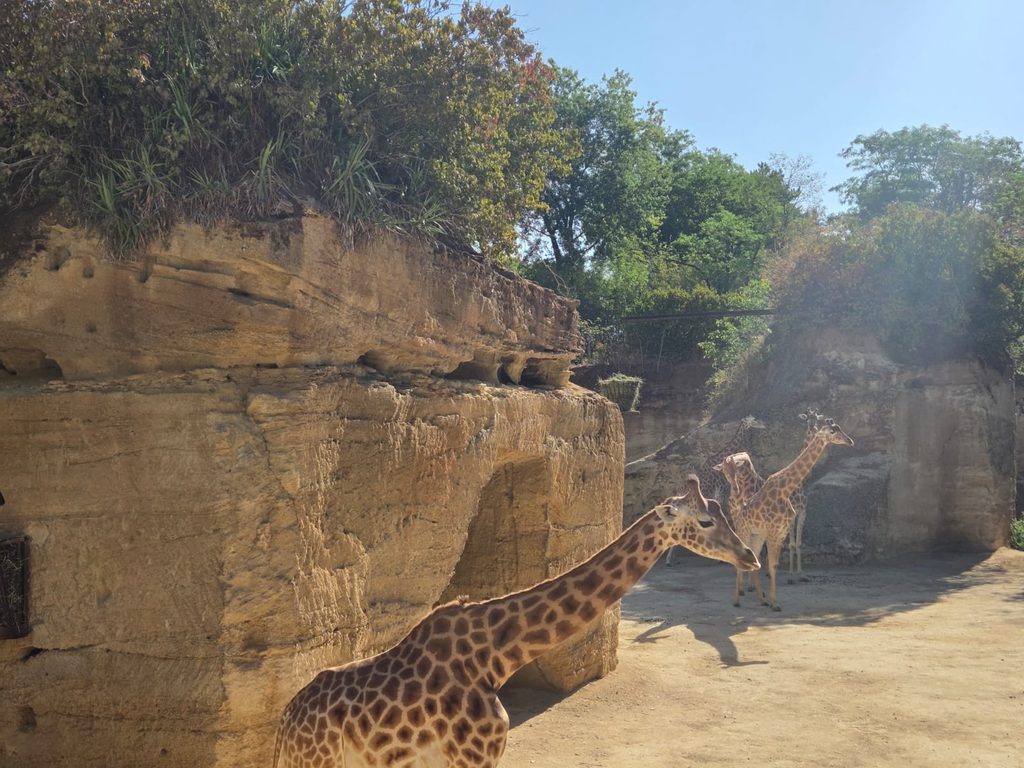
Like many zoos, the Bioparc is organised into different zones which are either geographical (like a South American Aviary) or zoological (like a vivarium). Like many zoos, some of the attractions are crowd favourites. At le Bioparc de Doué-la-Fontaine, one of these star attractions is right near the entrance. Le Camp des Girafes allows visitors to have lunch or a snack overlooking a 4,000 square metre enclosure with giraffes and zebras. For an additional fee, you can feed the giraffes their own leafy snack. This is also one of the few zoos in France to have a population of black rhinoceros, who live together with gazelles and African birds. Added in 2005, their enclosure was the biggest extension in the park’s history.
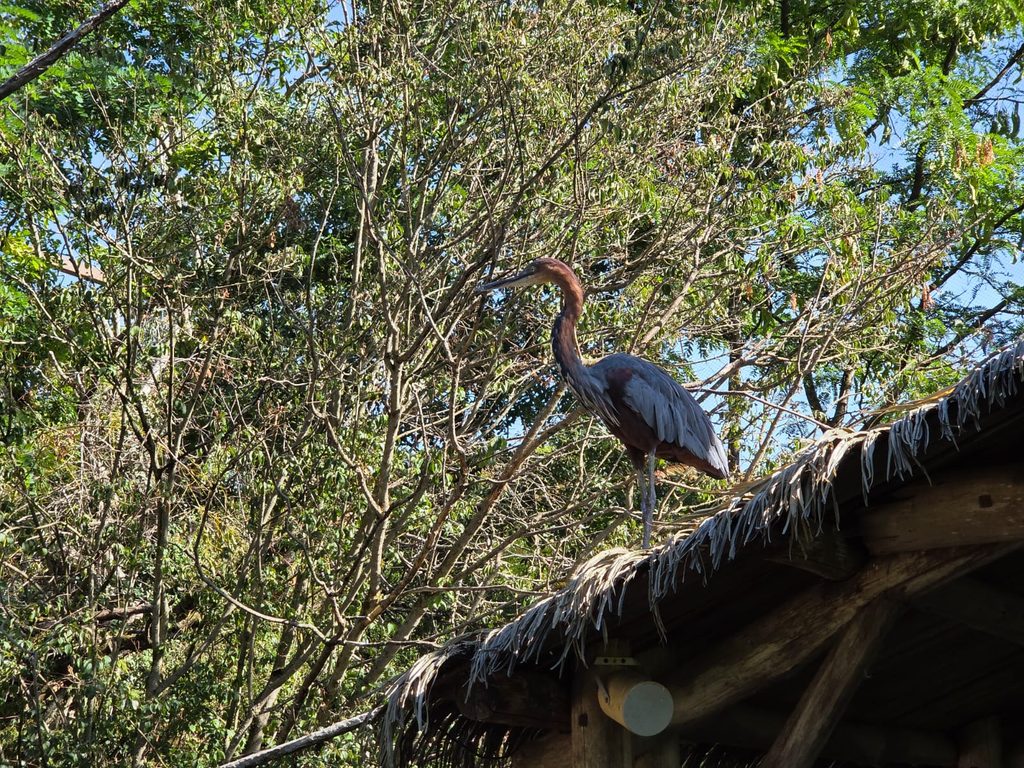
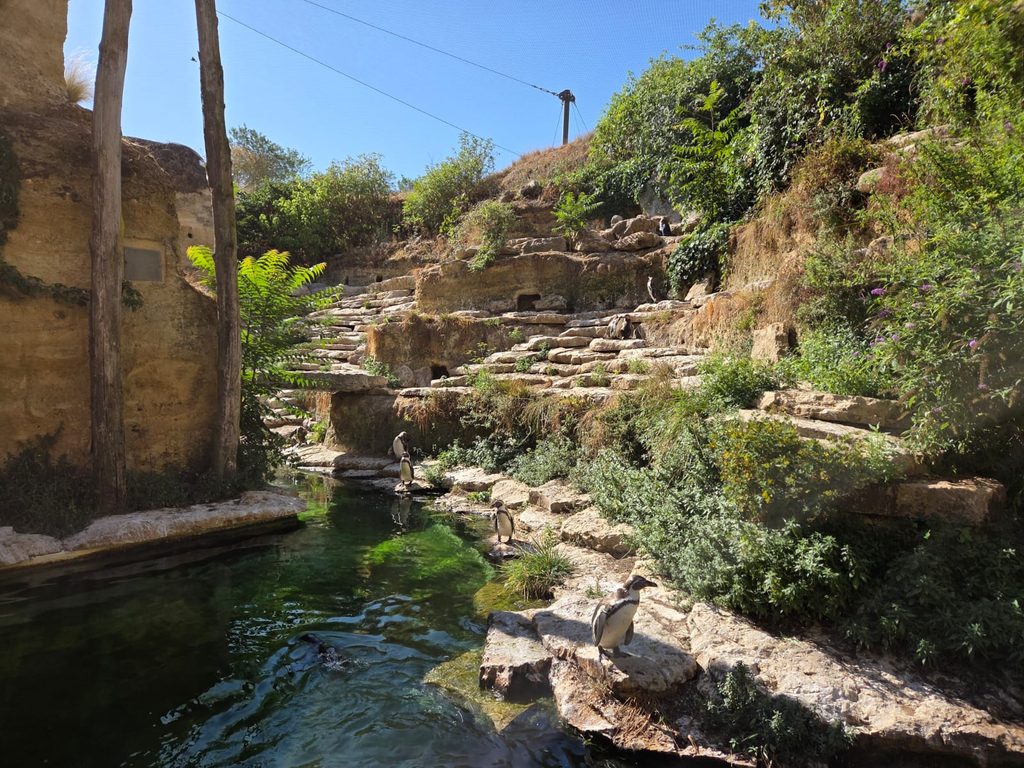
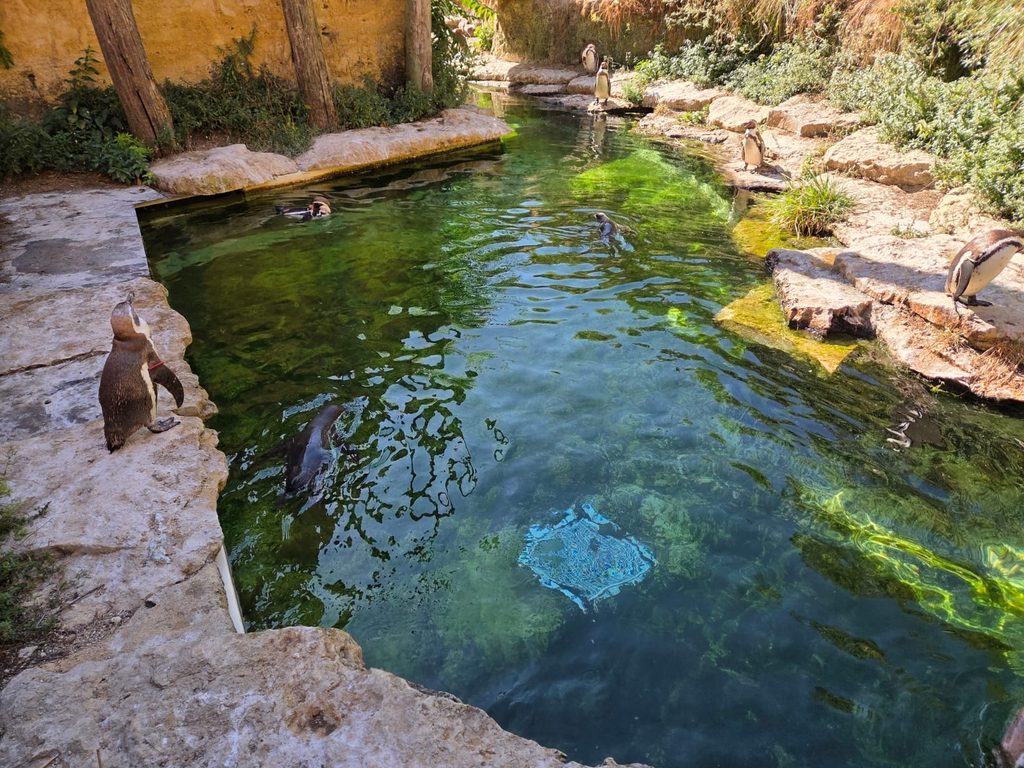
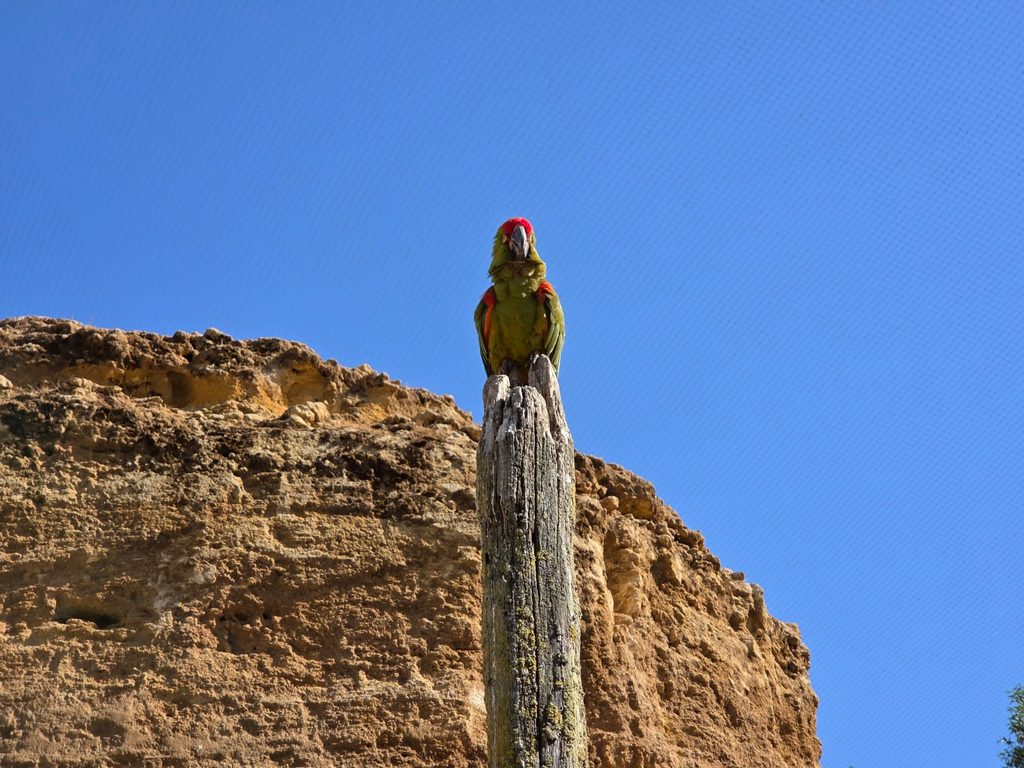
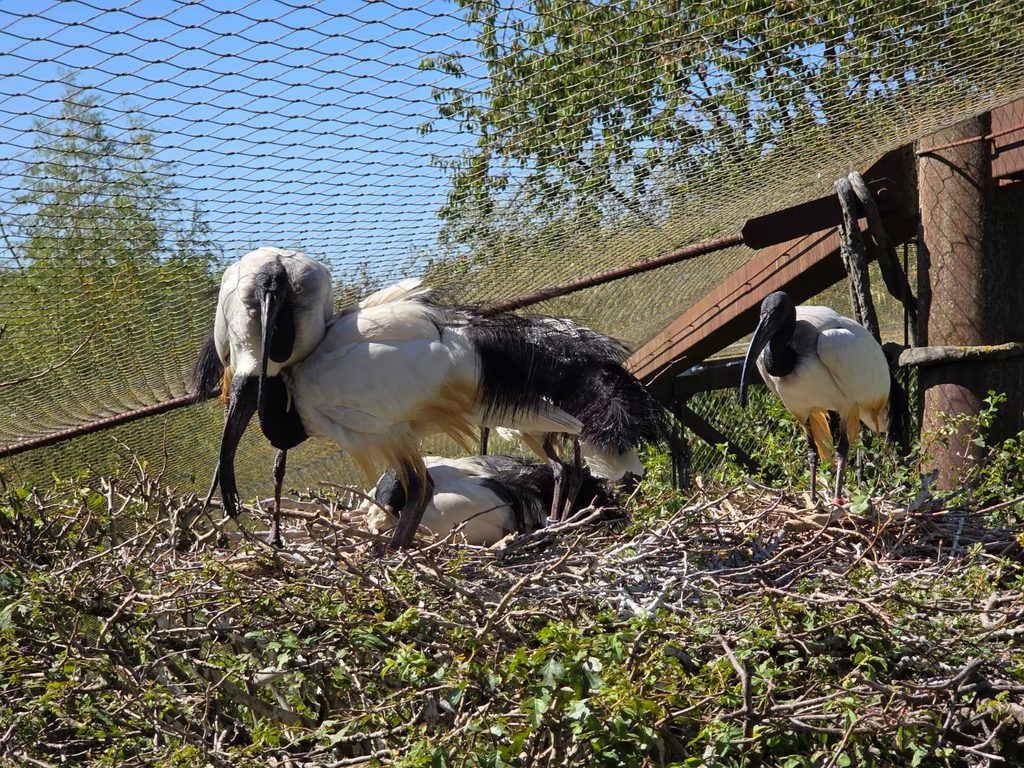
I actually found the aviaries one of the most impressive features of the Bioparc. There are a couple – divided into South American, European and African species (as well as a vulture enclosure). The din and the colour of the South American Aviary is impressive and overwhelming. That it’s one of the largest aviaries in Europe does not surprise me. There are about 30 different species, each flying around or chattering away to each other. If you time your visit right, you can see them being fed. There’s even a pool with penguins.
The vulture enclosure is another interesting space, and an example of the Bioparc’s conservation goals in action. The Bioparc takes in each year injured vultures which would no longer be able to survive in the wild. They care for them, and have a breeding programme which returns their chicks to live in the wild in sites in France and Bulgaria. It’s a great way to keep up a diverse gene pool, and to use the Bioparc’s resources to give injured animals a home and the best treatment. The vulture chicks are amongst about 150 births at the Bioparc each year.
A Historic Quarry and a Modern Zoo
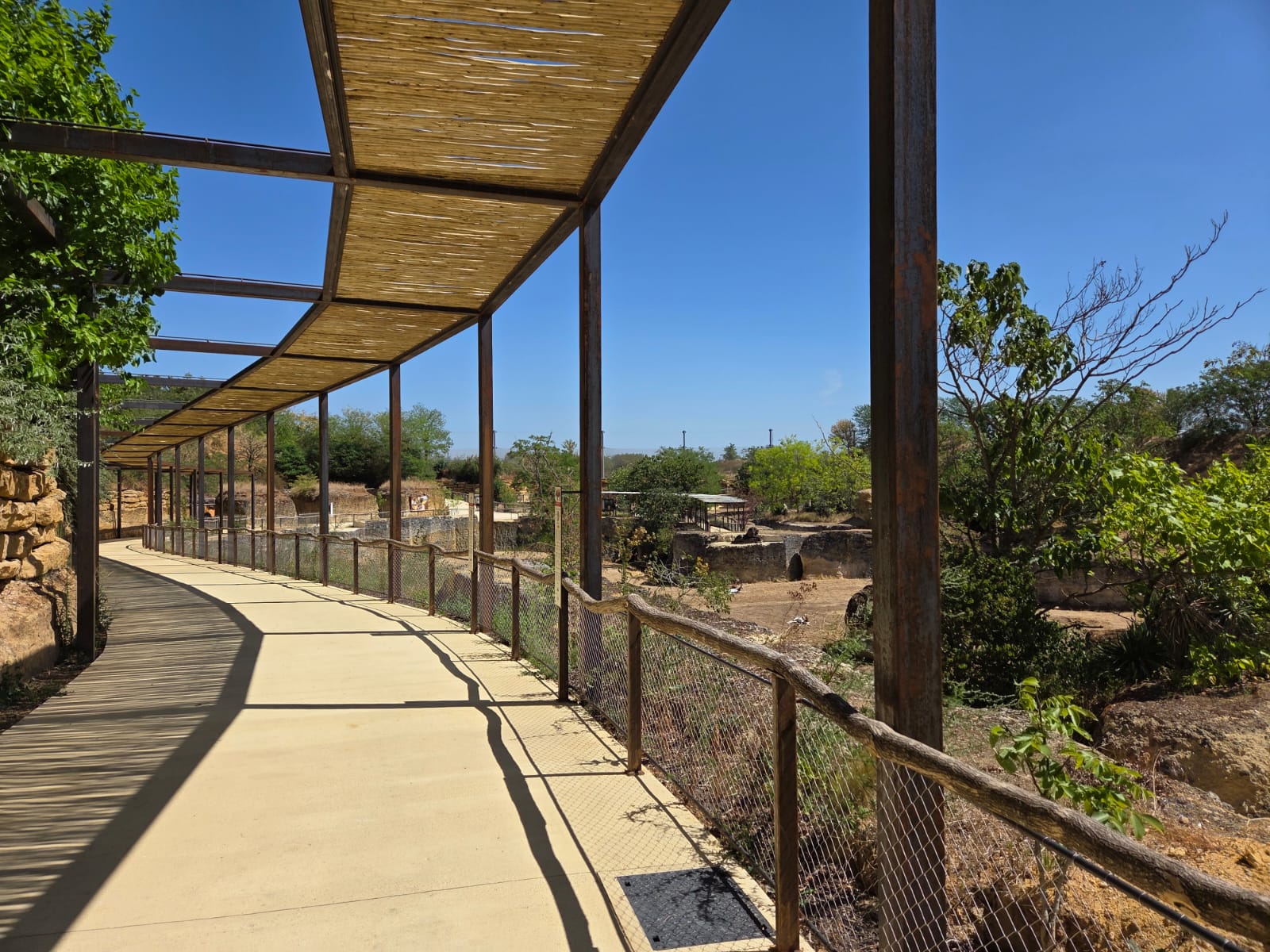
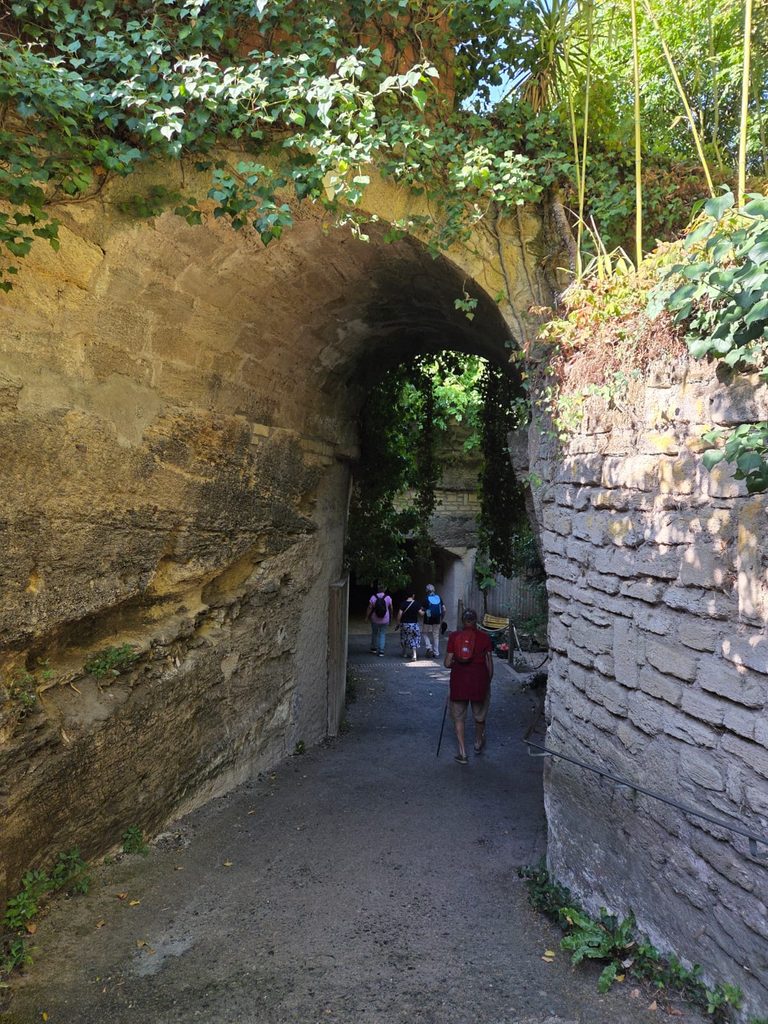
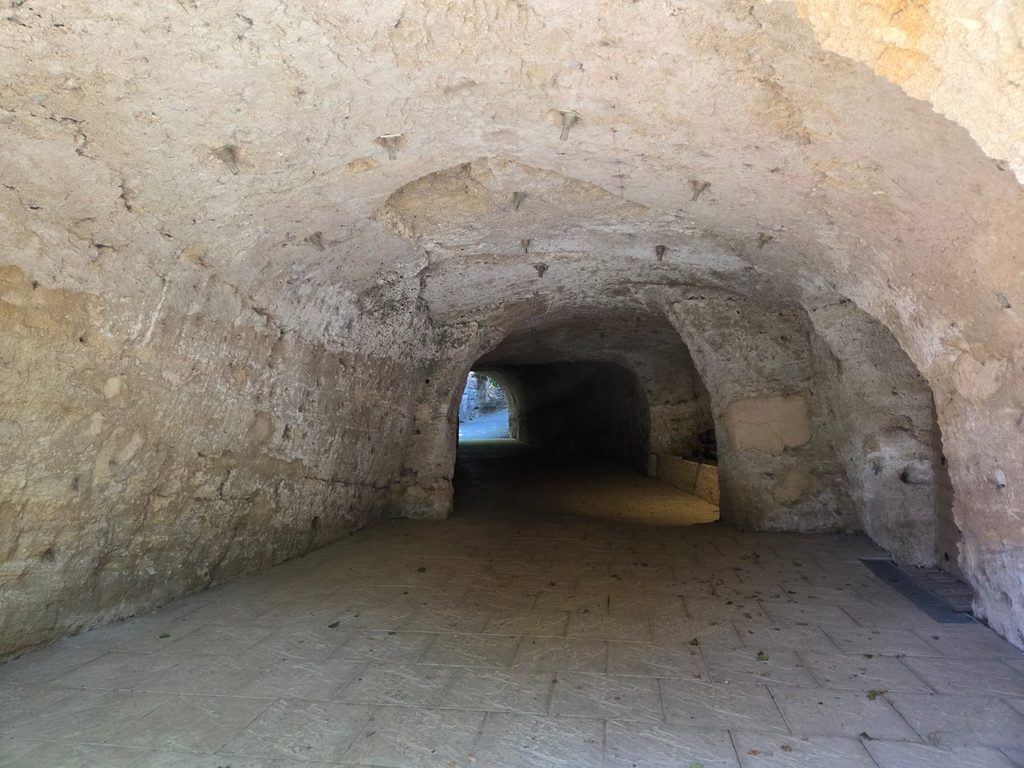
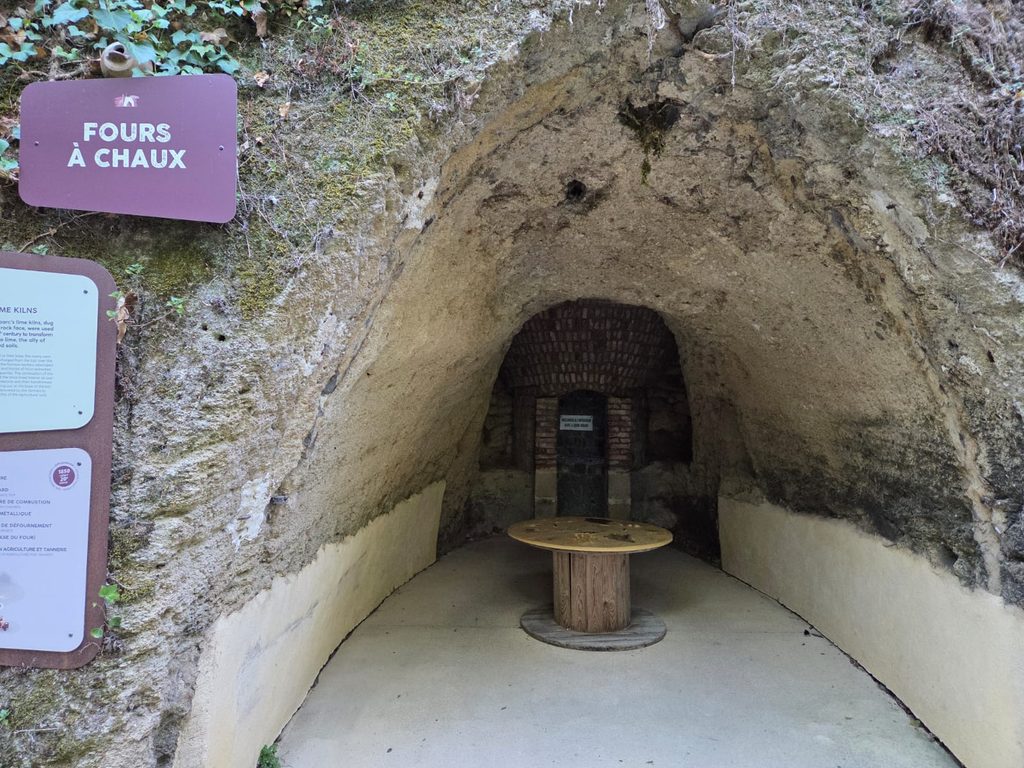
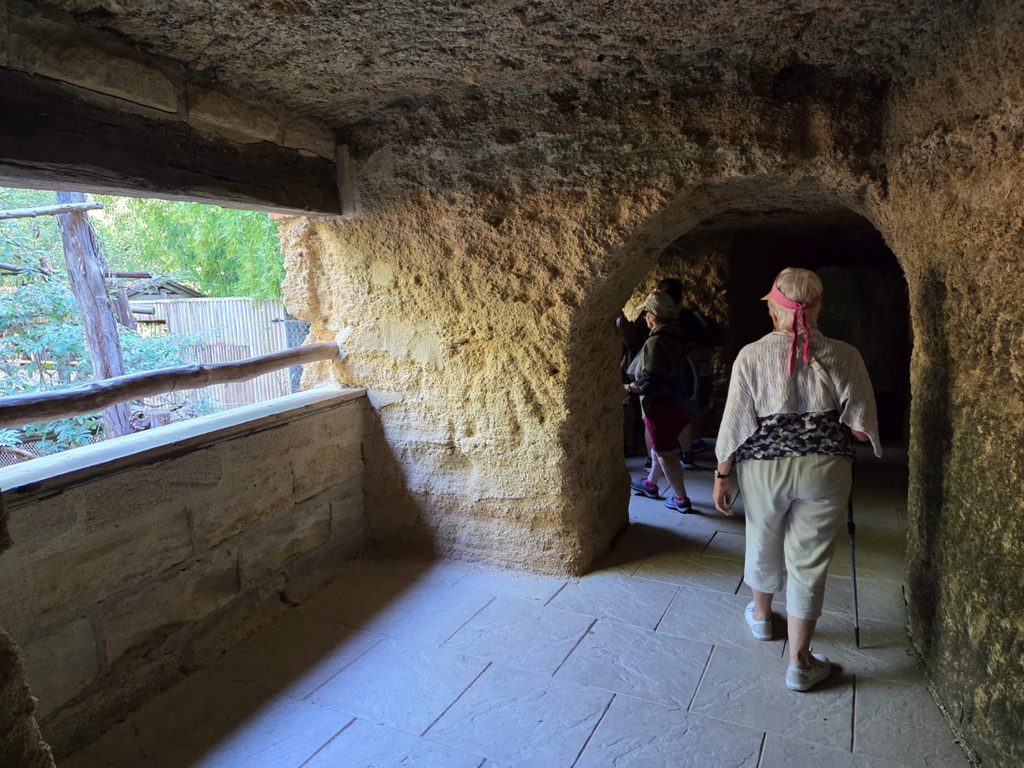
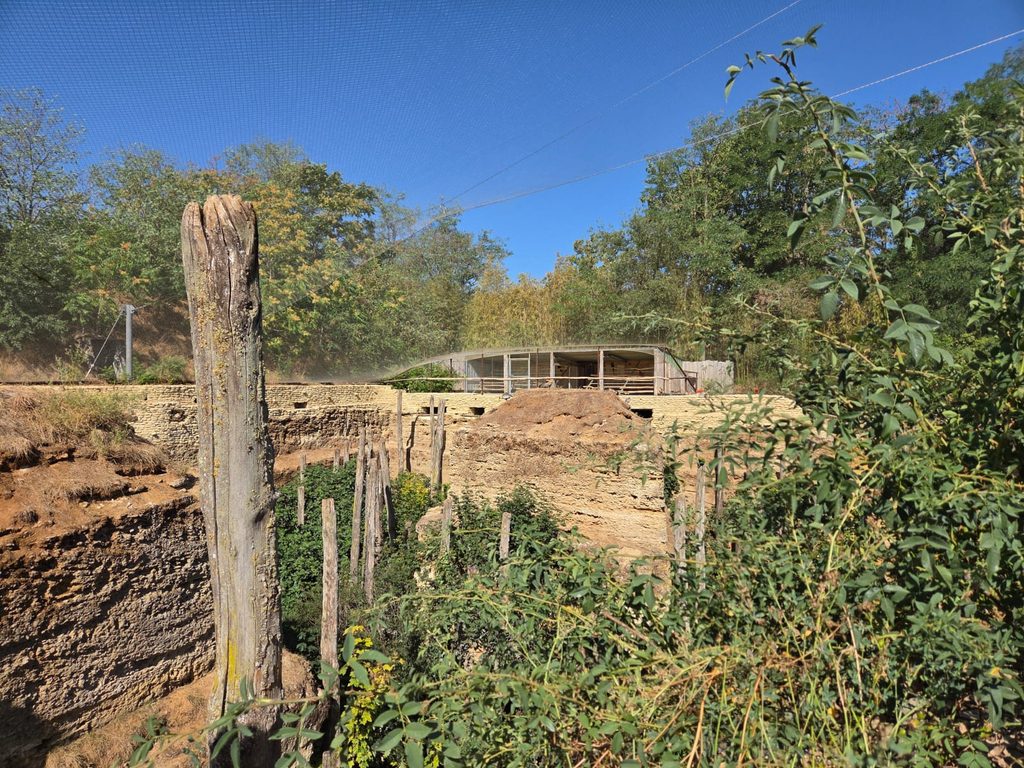
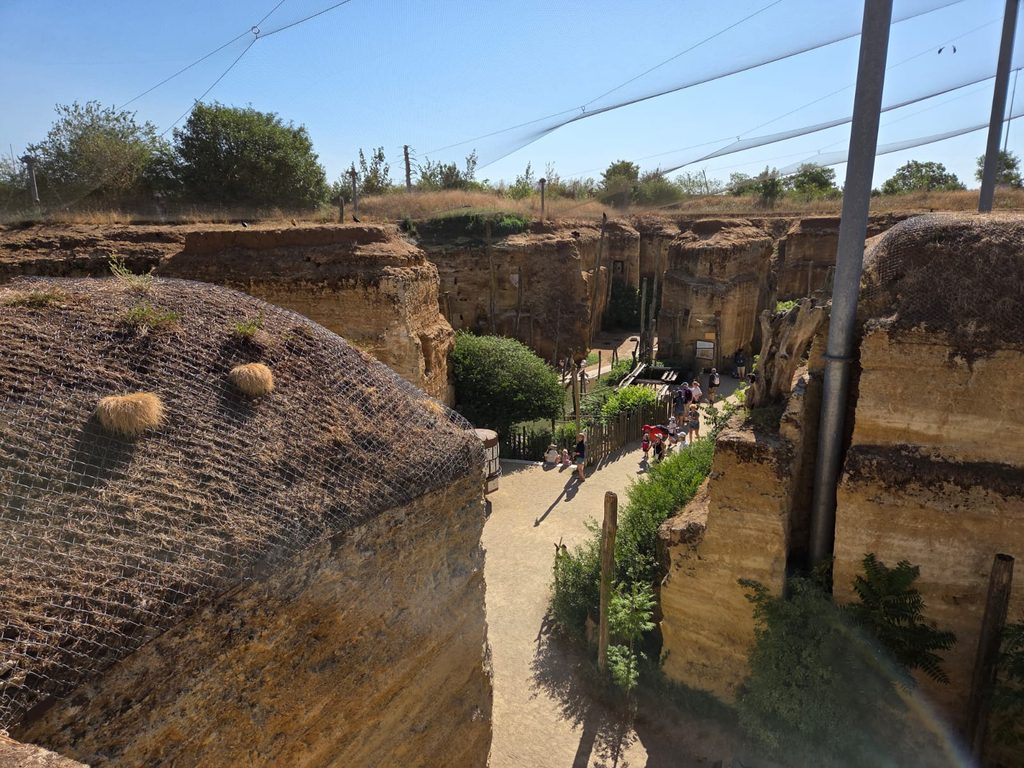
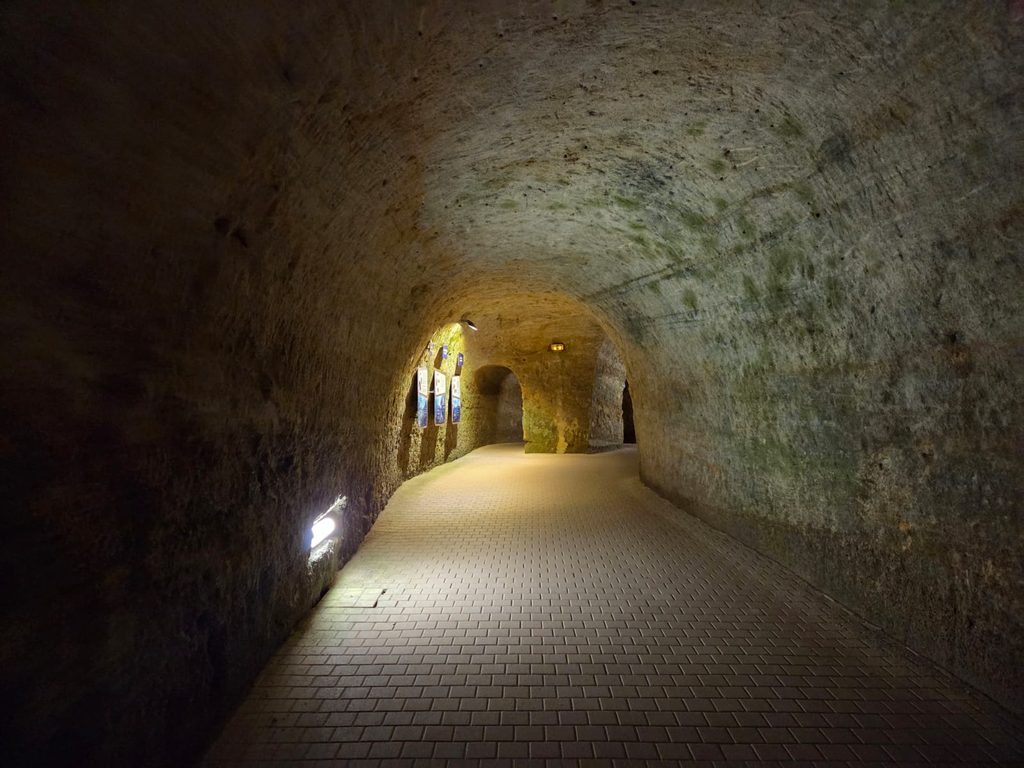
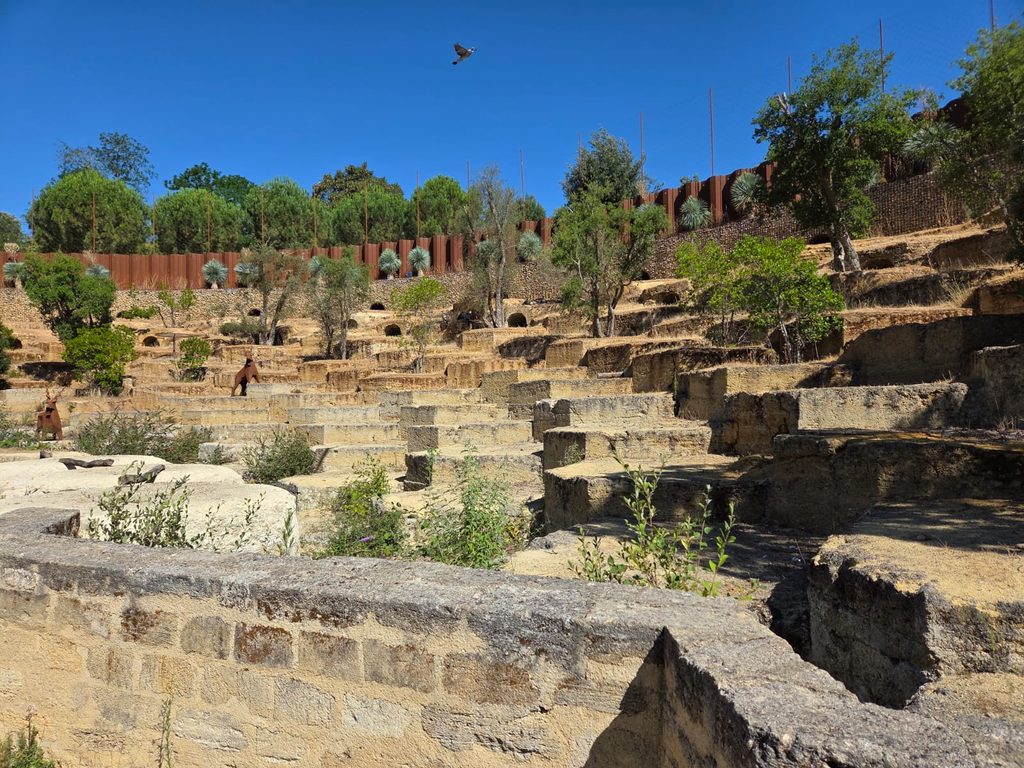
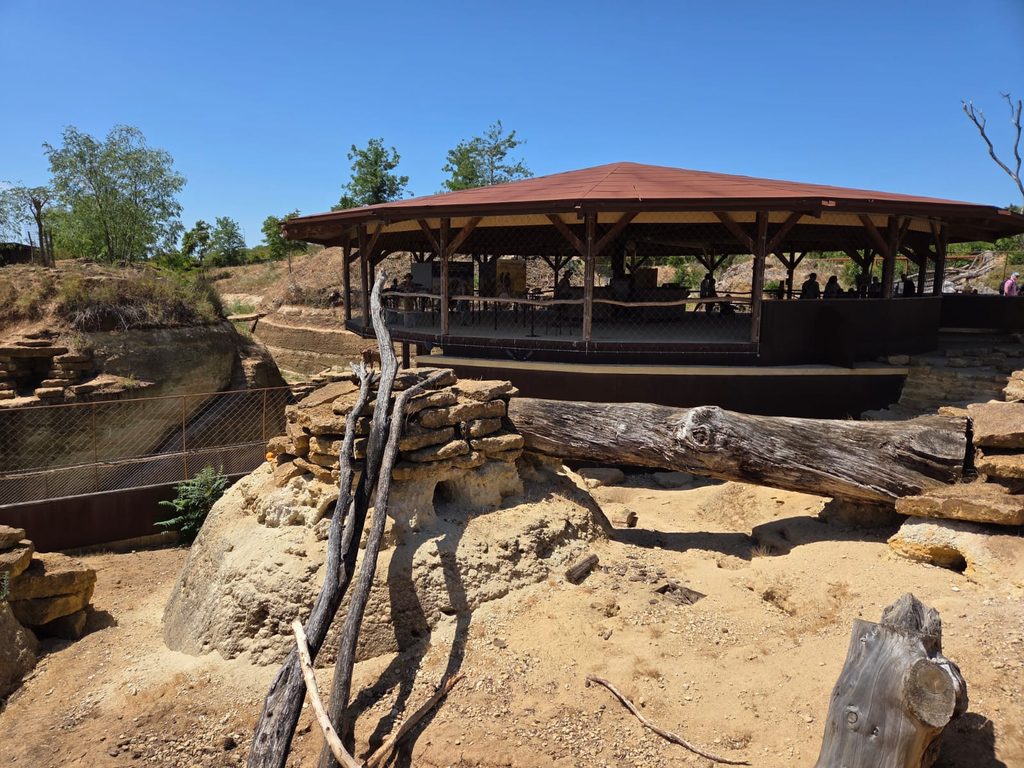
Back to this interplay between heritage, geography and zoology. Falun has been extracted in the region since antiquity (for instance for those Merovingian sarcophagi I mentioned). But the activity at this particular site was most intense between the 15th and 19th centuries. Initially local farmers would dig here in the winter to earn supplemental income, before the industry became a bit more professional. Often, farmers were digging beneath their own fields, making distinctive bell-shaped spaces as they removed stone and falun for lime. Here, think of it a bit more like open-cast mining. A series of open-air pits, with some underground galleries, and some spaces connected by tunnels.
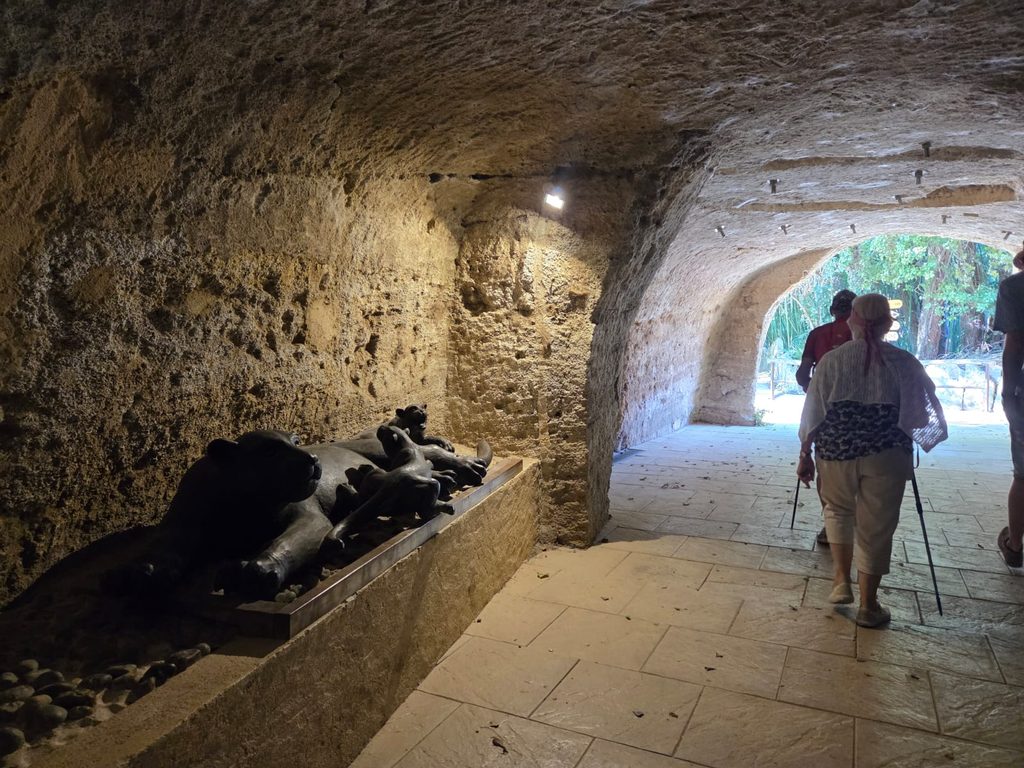
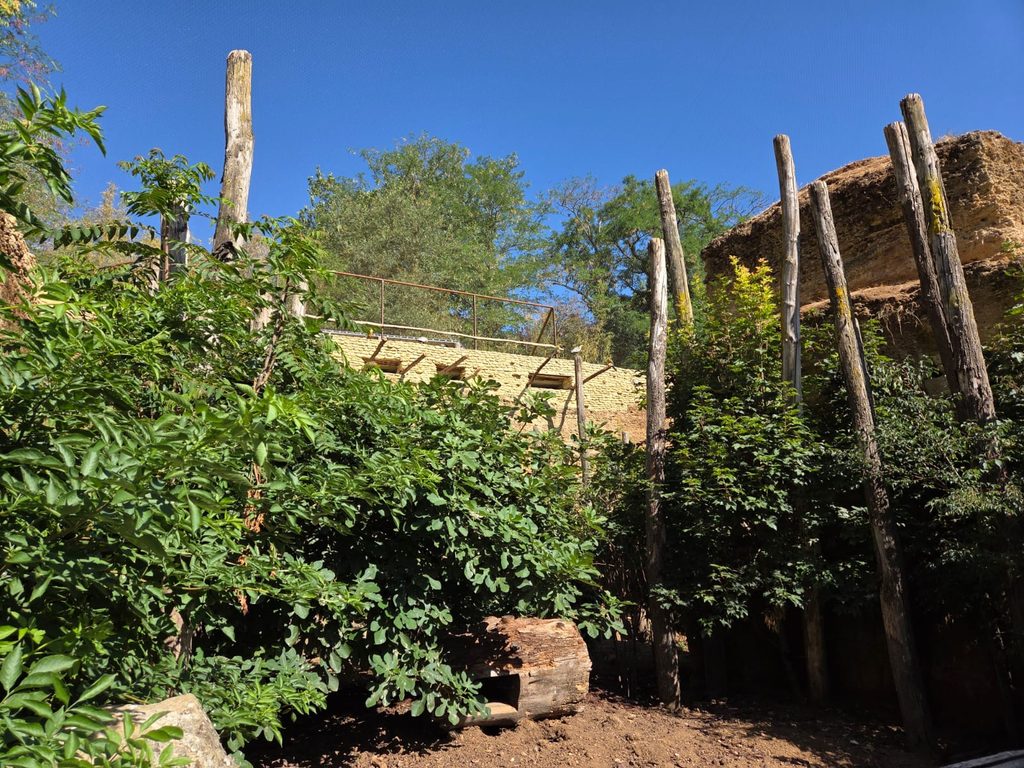
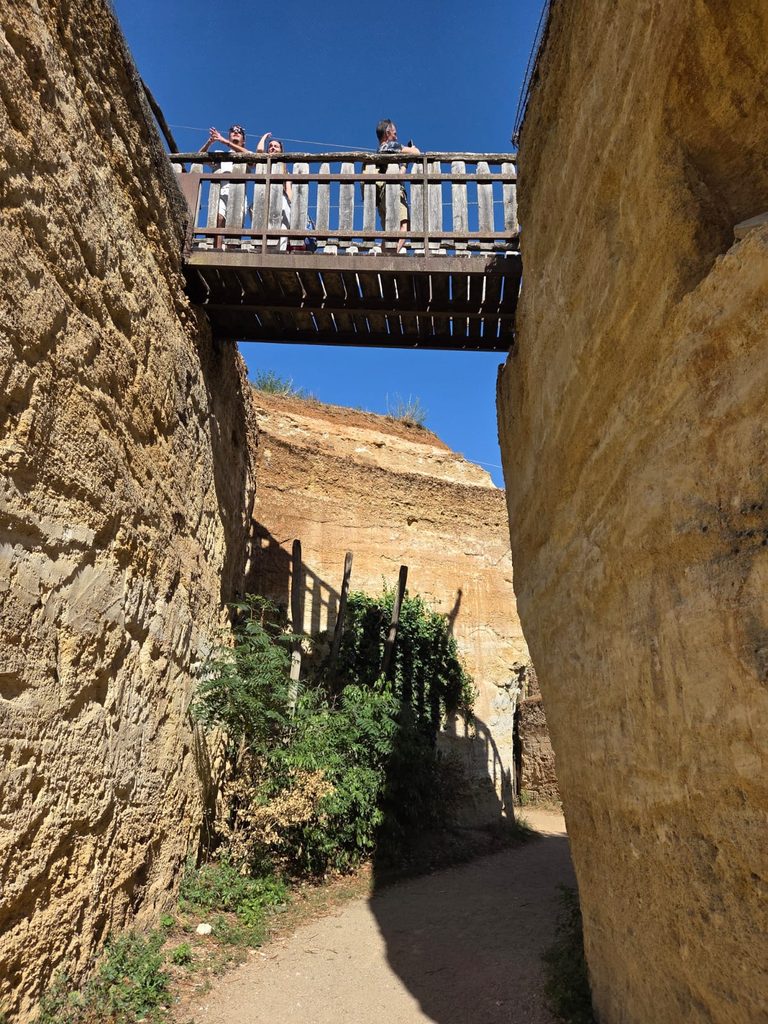
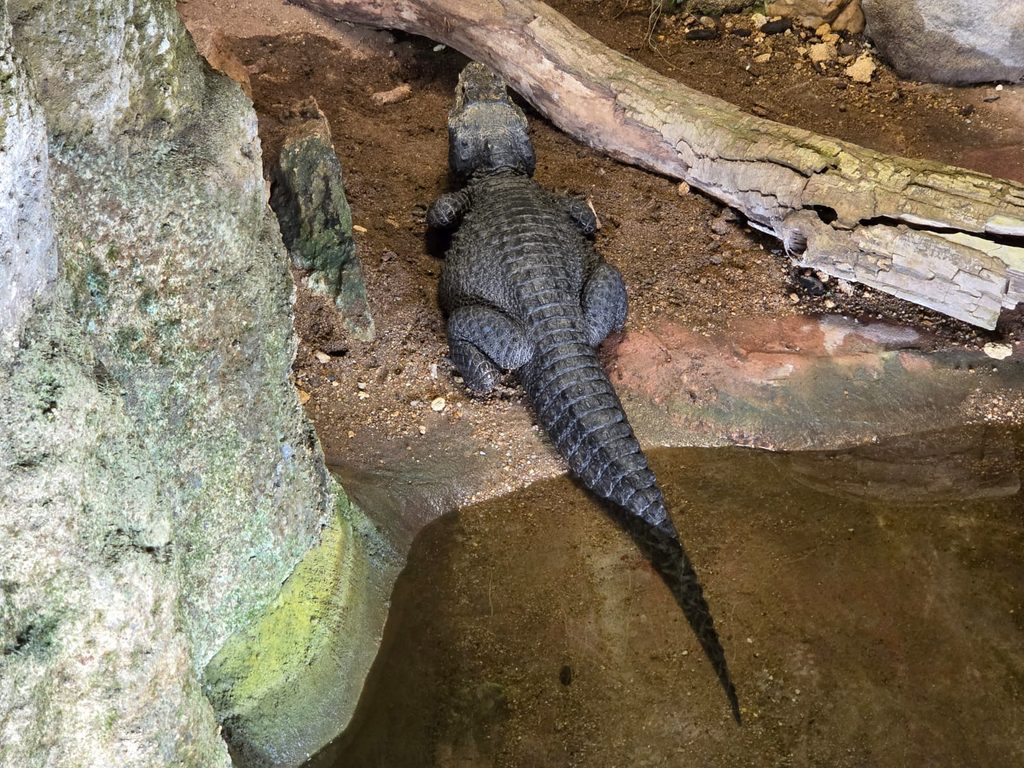
The actual historic quarry was only about one hectare when Louis Gay purchased it in 1961. But the subsequent extensions apply the same principles – sunken enclosures rather than cages, with their own microclimates and organic rock barriers that mimic wild habitats. There are many benefits to creating a zoo in such a place, including the natural sound absorption, protection from extreme weather, microclimates which encourage dense plant growth, and the complexity of the spaces. Zoos spend a lot of time on enrichment programmes for animals these days, but the natural arches, caves and ledges of the Bioparc do some of the heavy lifting. The rock also helps to regulate temperatures, keeping enclosures cooler in the summer and warmer in the winter.
Of all the uses to which I’ve now seen the falun landscape put, this is perhaps the most interesting. I like the repurposing of a historic land usage, but I also like the fact that the Gay family have not restricted themselves only to the historic quarry or its existing shapes, but have taken the concept and run with it. Not everything needs preservation in perpetuity, and this is a good example of how a memory of a place can sometimes be preserved rather than the historic fabric of it. Visitors to the Bioparc can learn about falun from information panels inside, and even have a dig in some and take away a few fossils.
Final Thoughts on le Bioparc de Doué-la-Fontaine
All in all, le Bioparc de Doué-la-Fontaine was a good day out, and a good addition to my knowledge of this region. I like the idea of someone seeing an abandoned quarry, and picturing a zoo. And the fact that it has grown to become a leader within France in terms of conservation and integration into international networks, is also impressive.
I likewise enjoyed learning more about the history of the site. This falun landscape is such a unique one. Turning stone so soft you can crumble it in your hand into an advantage seems symbolic of overcoming adversity. Although the original quarry was small, it sparked an idea that has become much bigger than itself. I wonder what other troglodytic sites are out there that I haven’t yet discovered?
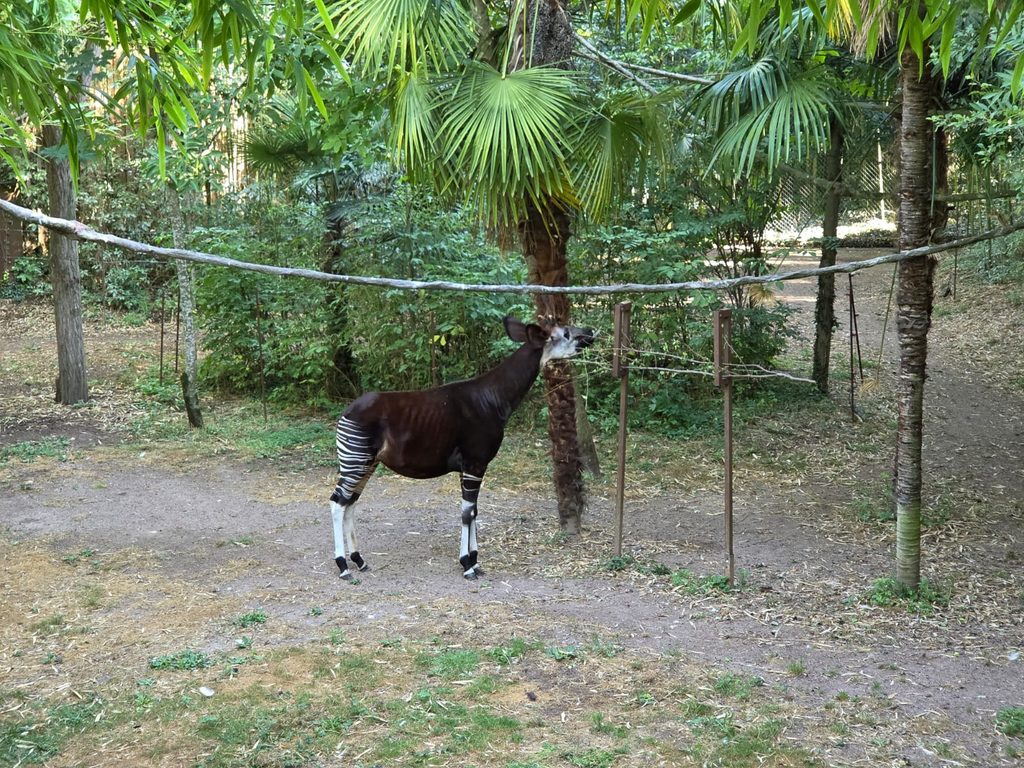
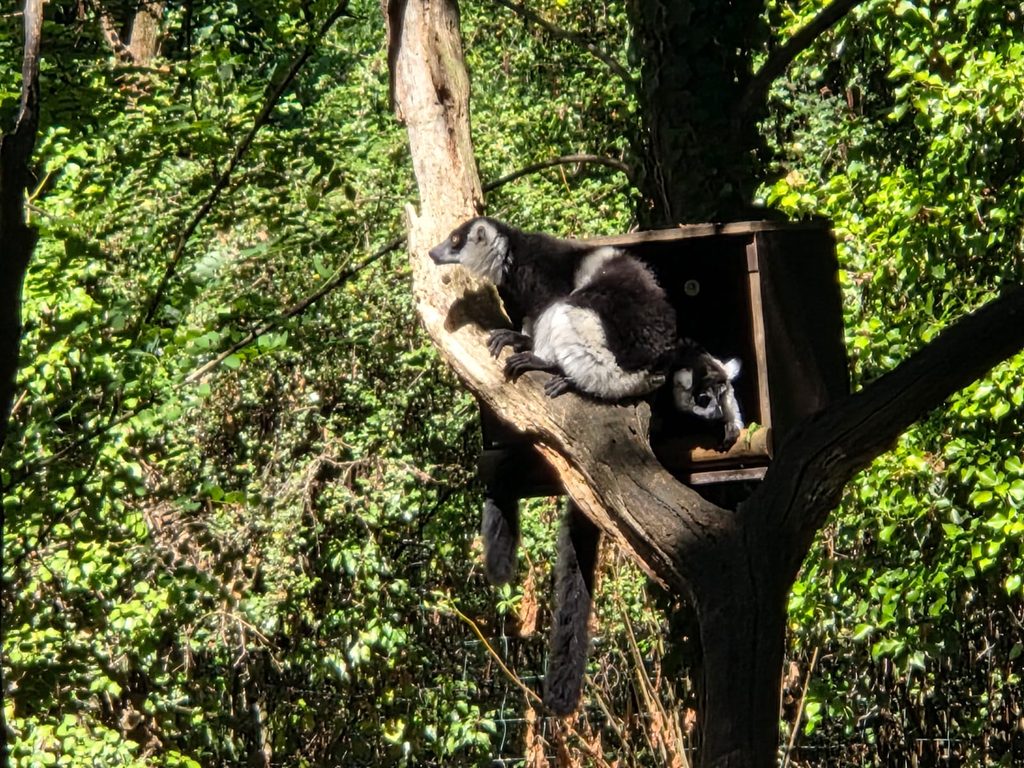
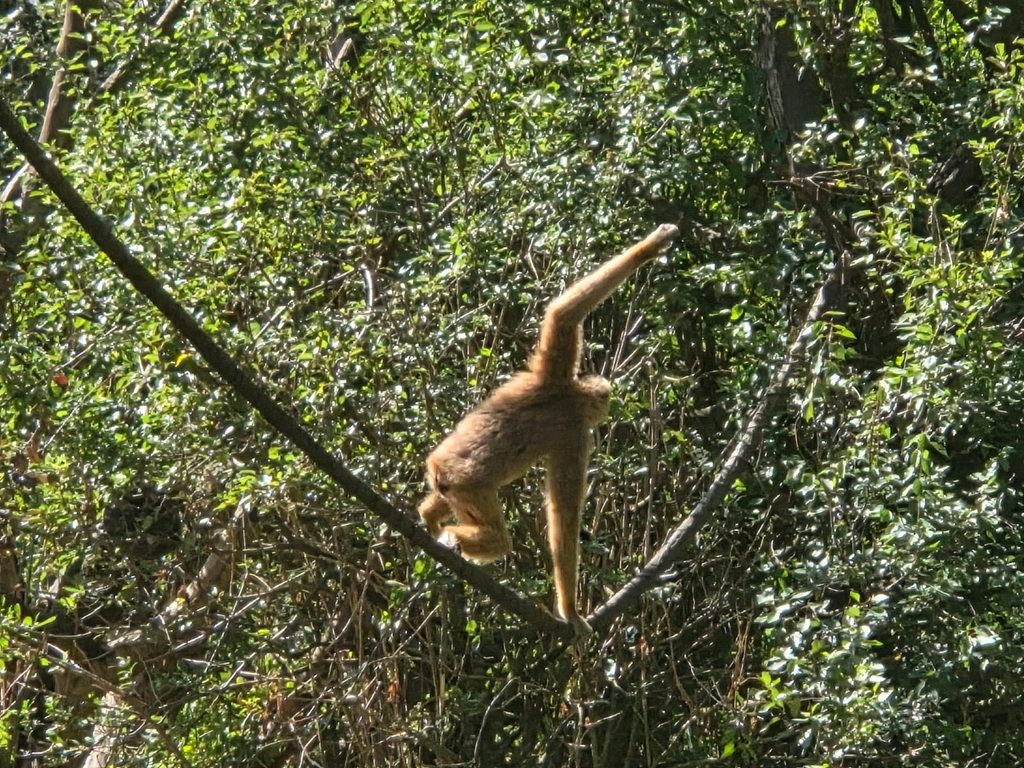
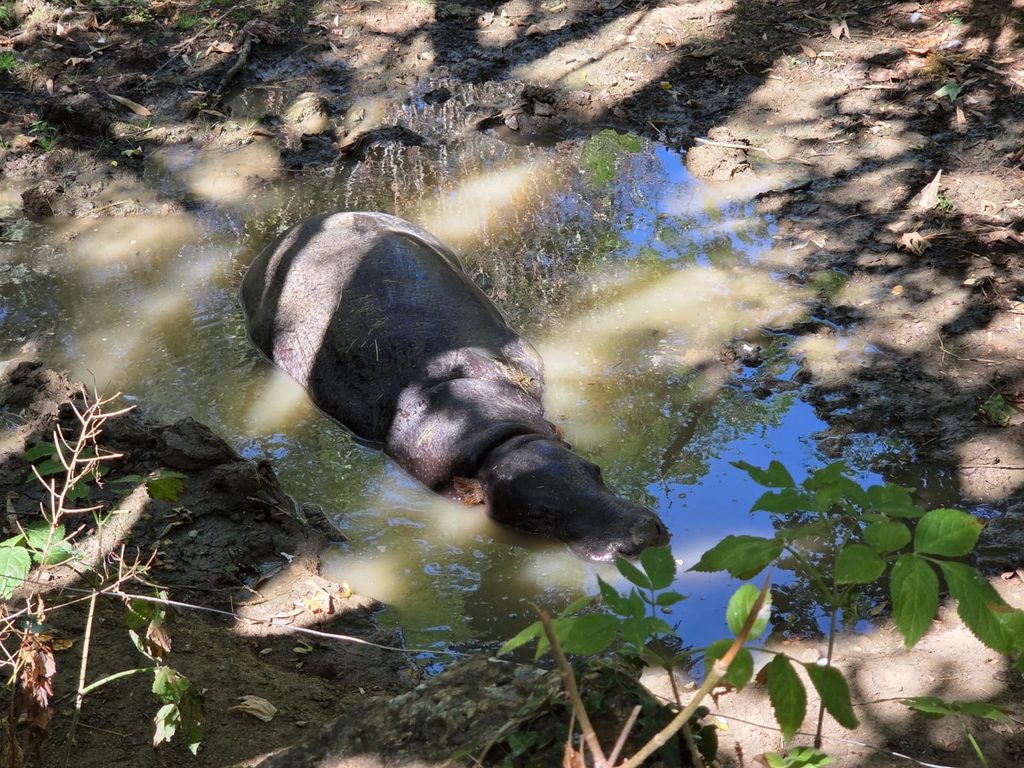
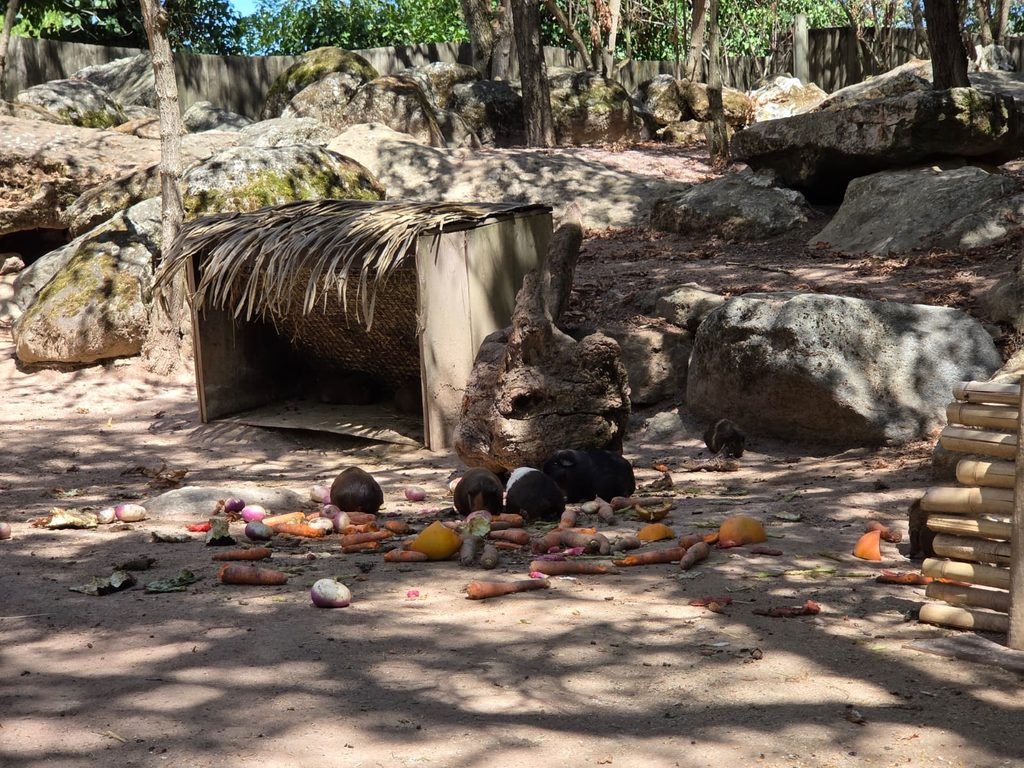
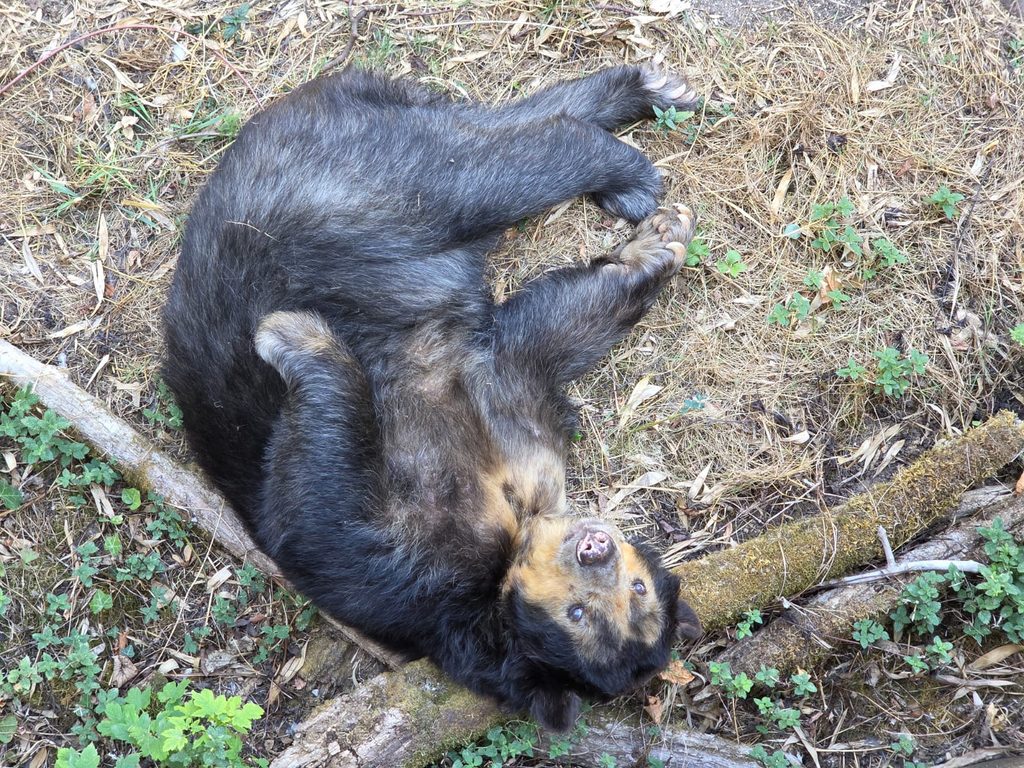
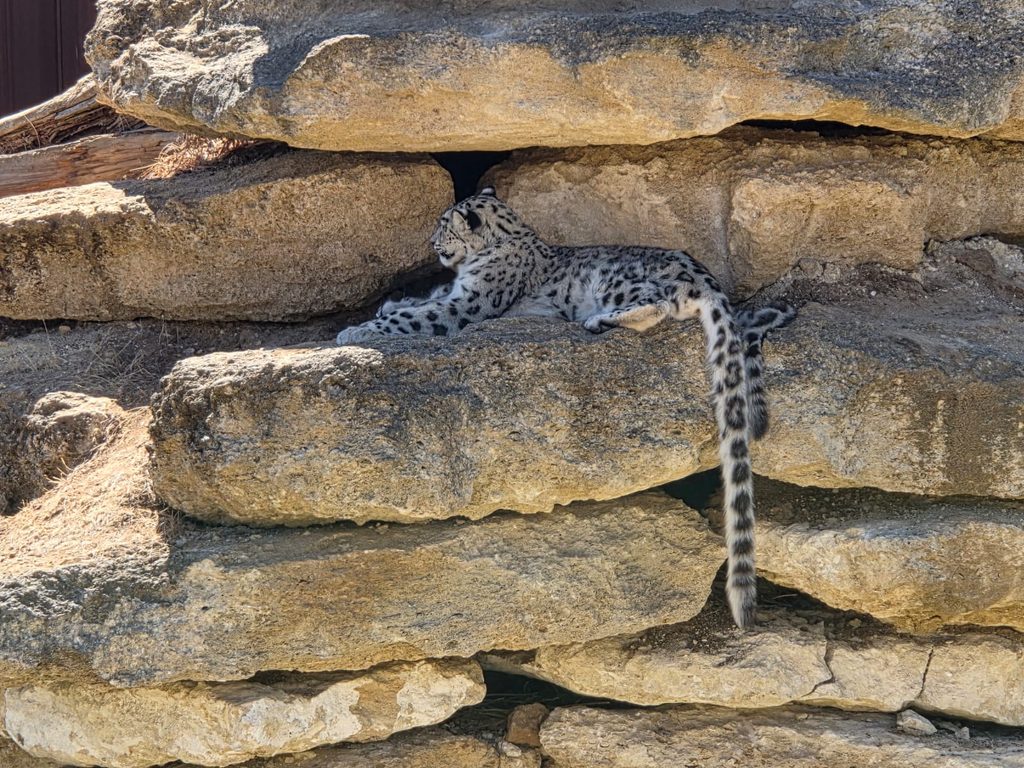
But, as with all zoos, I had most fun seeing the animals. I liked seeing the giraffes and zebras eating their snacks. The pygmy hippopotamus was napping, while the birds were anything but. The spectacled bear had found a cosy spot against the side of its enclosure. There were monkeys busy climbing ropes and trees. It took us a while to find the lions, while the cheetahs can often be spotted from the road. While there is still something a little uncomfortable about seeing animals in enclosures, in modern zoos I like the fact that sometimes you can’t find them at all because they’re taking a little time for themselves.
I wonder how long a zoo can remain in one family, and how many different forms it can take? It will be interesting to see how the Bioparc continues to mark its anniversaries and evolve its mission. Definitely a very singular family business.
Trending
If you see this after your page is loaded completely, leafletJS files are missing.