
Dr. Anastácio Gonçalves House Museum (Casa-Museu Dr. Anastácio Gonçalves), Lisbon
Just enough time to squeeze in a final museum visit in Lisbon! The Casa-Museu Dr. Anastácio Gonçalves is a survivor from the expansion of Lisbon’s suburbs, when architects competed to build the most beautiful house.
One Last Lisbon Museum
Over the last couple of posts on the blog I’ve taken you with me as I got reacquainted with Lisbon. Enjoying much better weather than I had on my first trip, I spent the day walking from my hotel in the upper suburbs of the city, down to the waterfront. Along the way I visited the Museu Medeiros e Almeida and its decorative arts collection, as well as the Convento do Carmo. On this second trip I was able to get a better feel for the city. I went back to some places I’d visited previously, but also discovered some new spots. When I ran out of steam, I headed back uphill to my hotel.
But (because there is always a but) I didn’t quite leave it there. Because, you see, there was a museum right outside my hotel. Taunting me with its proximity. Giving me FOMO, because how likely am I ever to stay at this hotel again in future? How could I not make the effort to visit?
And so, inevitably, I did go. Not to the Banksy Museum, which if anything was closer to my hotel but not on my mental list of authentic Lisbon experiences. To the Casa-Museu Dr. Anastácio Gonçalves (Dr. Anastácio Gonçalves House Museum). This meant that my second trip to Lisbon was strangely weighted towards house museums and private collections. But sometimes that’s the way it goes. And the concentration of unique buildings with interesting histories in this corner of Lisbon also reveals something about the city. We’ll get onto that a bit later. For now, let’s learn a bit more about Dr. Anastácio Gonçalves, his house, and his museum.
The Casa Malhoa
When we explored the Museu Medeiros e Almeida, we started with the collector, António de Medeiros e Almeida. In a competition between collector and building for which is the most interesting, Mr. Medeiros e Almeida wins. With all due respect to Dr, Gonçalves, I think this order is reversed in the case of today’s museum. So we will start with the house.
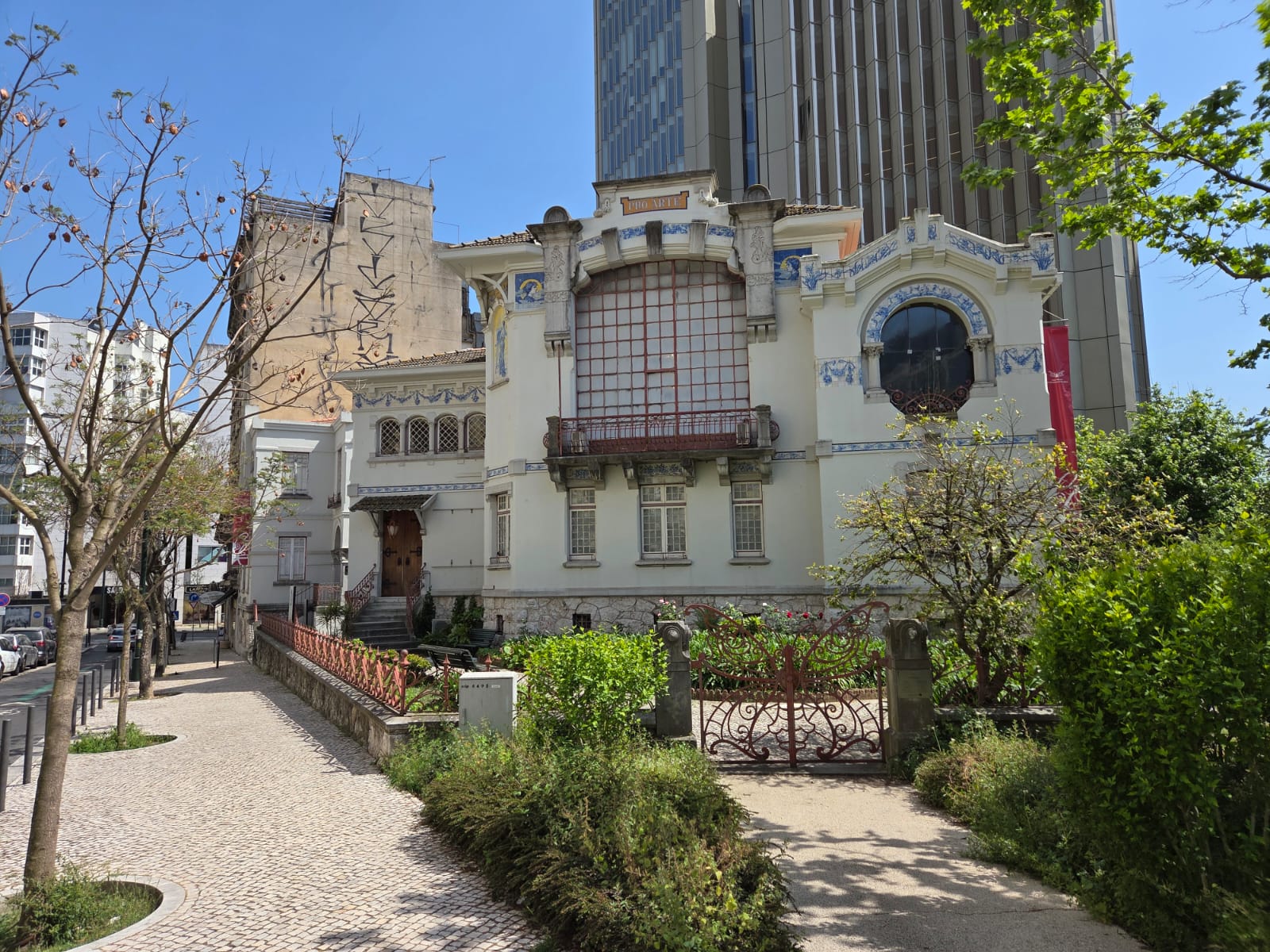
The house is part of the Avenidas Novas (‘New Avenues’) district of Lisbon. This is a 19th century expansion of the city northwards. There were few building restrictions, so wealthy families were free to choose how to use their plots of land. Many single family homes were designed by architects in the Art Nouveau style. Approval to build on this particular plot of land was granted in 1904. Civil engineer Frederico Ribiero wanted to be the first to construct a purpose-built artist’s home in Lisbon, and worked with architect Manuel Joaquim Norte Júnior to this effect.
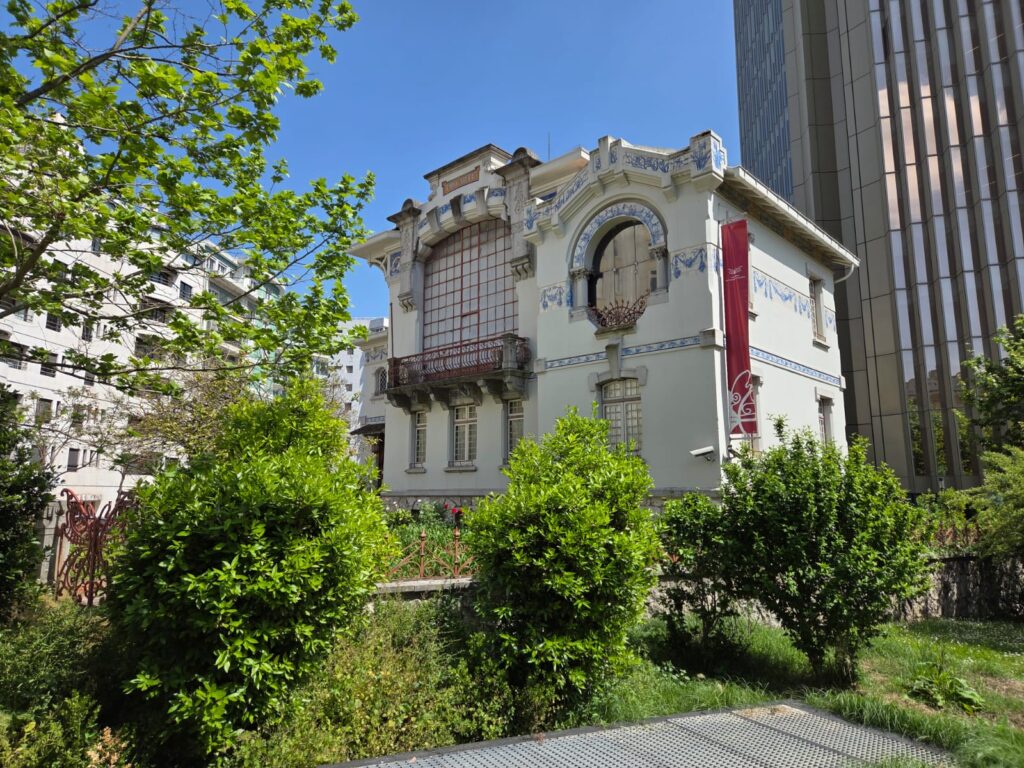
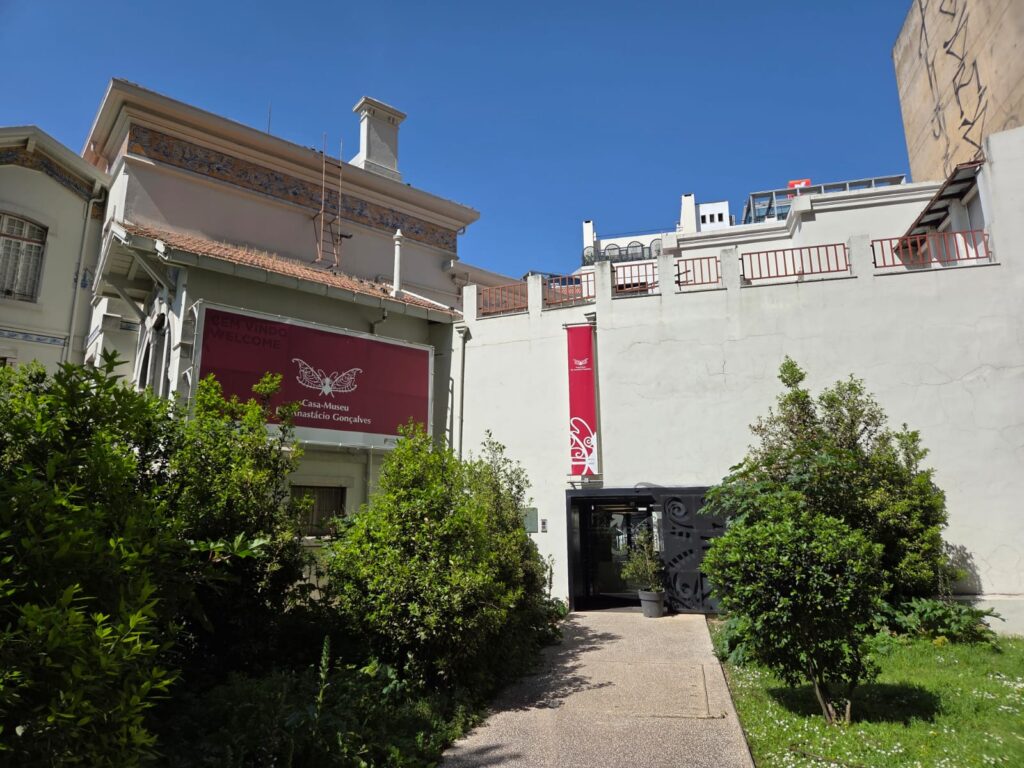
The Oficina Pró-Arte (‘Workshop For Art’), as it was first known, was later called the Casa Malhoa, after artist and first owner José Malhoa. It features three distinct sections on its façade, which nonetheless make a harmonious whole. The painter’s studio sits in the middle, with a large window to capture the light. As well as Art Nouveau elements, there are neo-Romanesque and classic Portuguese elements. The house won the Prémio Valmor (for the architectural quality of new buildings in Lisbon) in 1905.
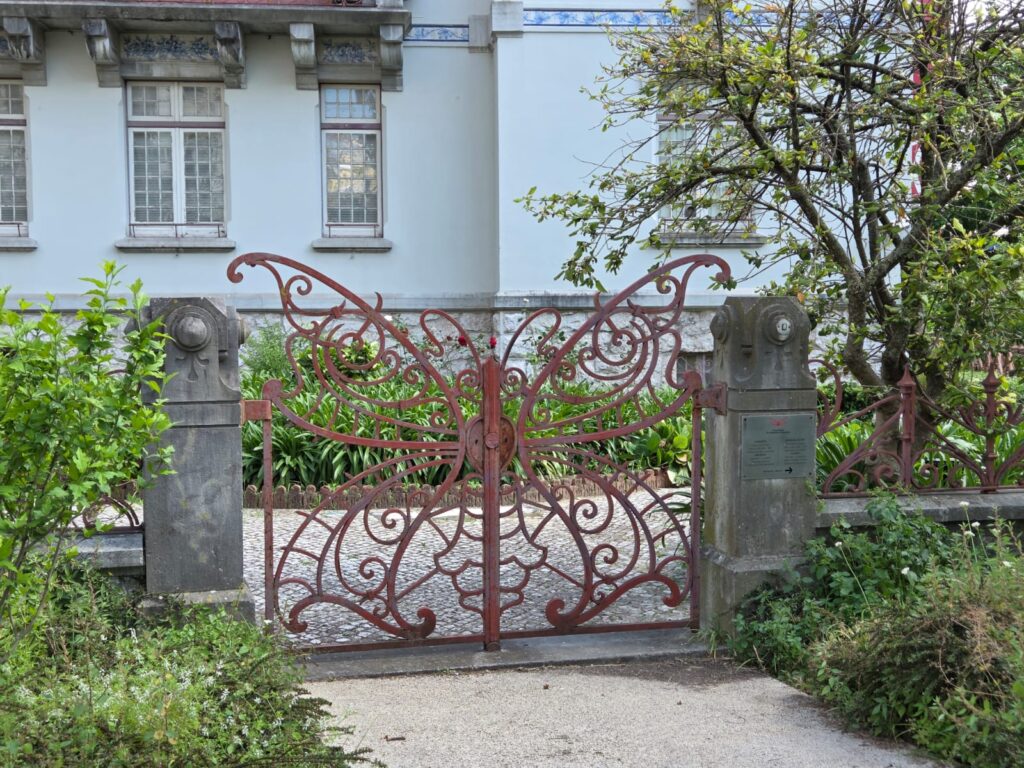
There have been various changes to the house over the years: adding space, moving rooms around, and so on. An adjacent house was also annexed to the property in the 1990s to provide space for museum operations. Nonetheless, the house retains a lot of its original charm, and even a nice garden setting. If you squint, you can just about imagine what the neighbourhood looked like when it was all single family homes.
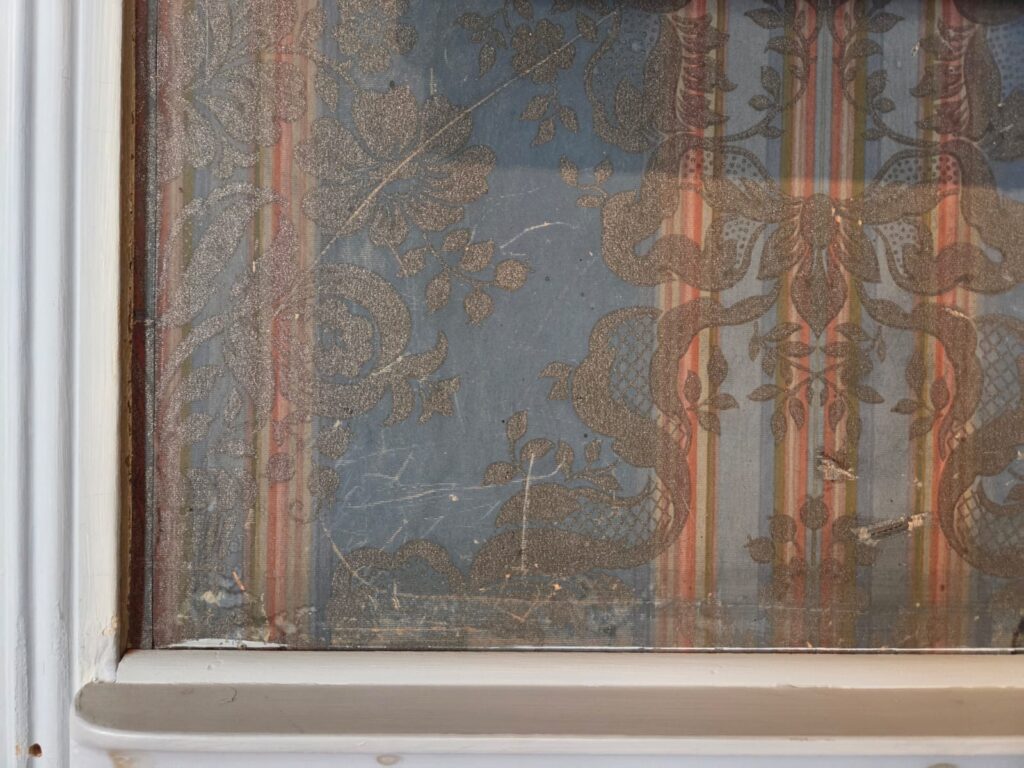
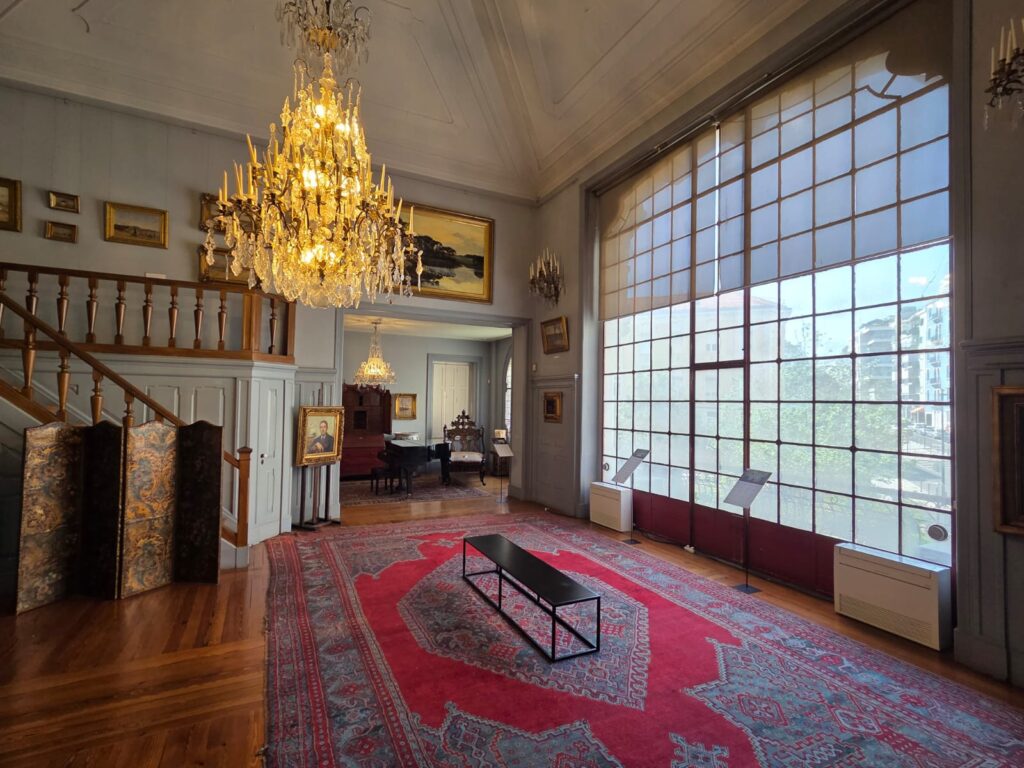
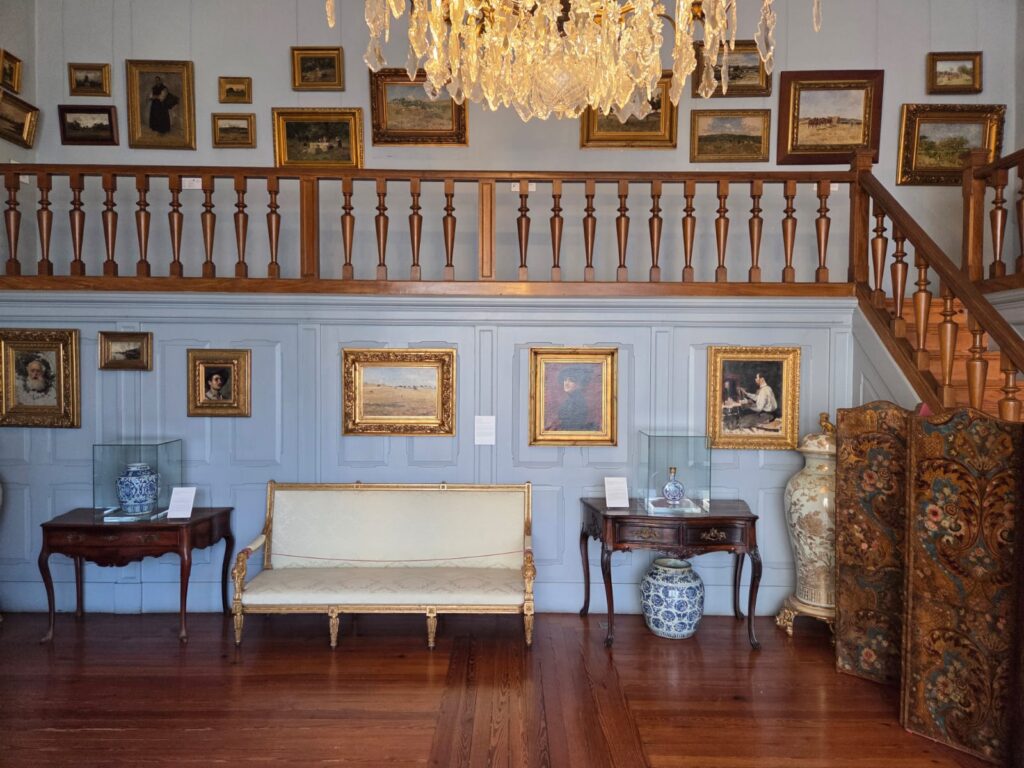
José Malhoa and Dr. Anastácio Gonçalves
Let’s now turn our attention to the two most important individuals in the history of this house museum: José Malhoa and Dr. Anastácio Gonçalves. José Vital Branco Malhoa, born in 1855, was the first resident, in 1905, of this purpose-built artist’s house. He was a leading naturalist painter (who occasionally dabbled in Impressionism) in 19th century Portugal. There is a José Malhoa Museum in Caldas da Rainha. See here for an example of Malhoa’s work

Malhoa lived in the house until his wife’s death in 1919, after which time he moved to Praça da Alegria. The house had two interim owners before our second important person pops up in 1932. This was ophthalmologist Dr. Anastácio Gonçalves, born in 1888. Despite having more of a scientific bent in his day job, Gonçalves was an art lover and collector. He worked for a while in Paris, where he met influential cultural figures including Calouste Gulbenkian.
Like António de Medeiros e Almeida, Anastácio Gonçalves made plans for his collection to form a museum after his death. When he died in 1965, he left his house and collection to the state. Some items were redistributed to other museums or sold, while about 3,000 artworks and objects form the collection today. It opened to the public as a museum in 1980 (remember what I was saying about these things taking time?).
As I was saying earlier, the next door house (the Casa António Pinto da Fonseca Mota) was annexed in the 1990s to the Casa-Museu Dr. Anastácio Gonçalves, providing much-needed additional space for a shop, cafeteria (which I don’t remember seeing) and exhibition space.
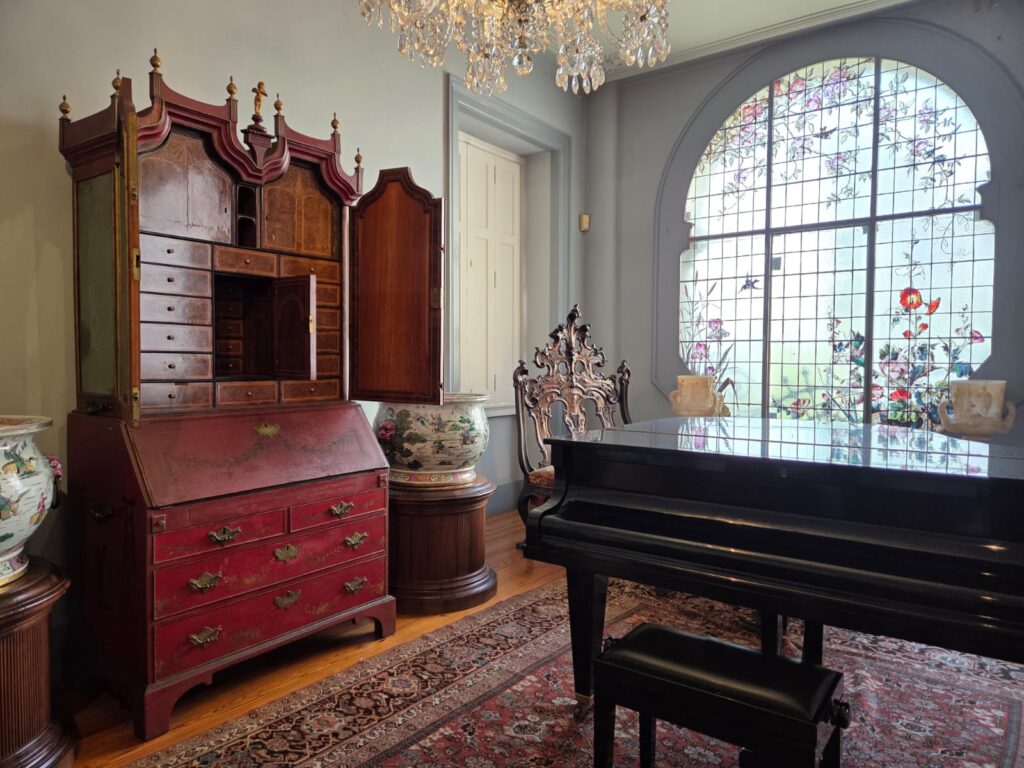
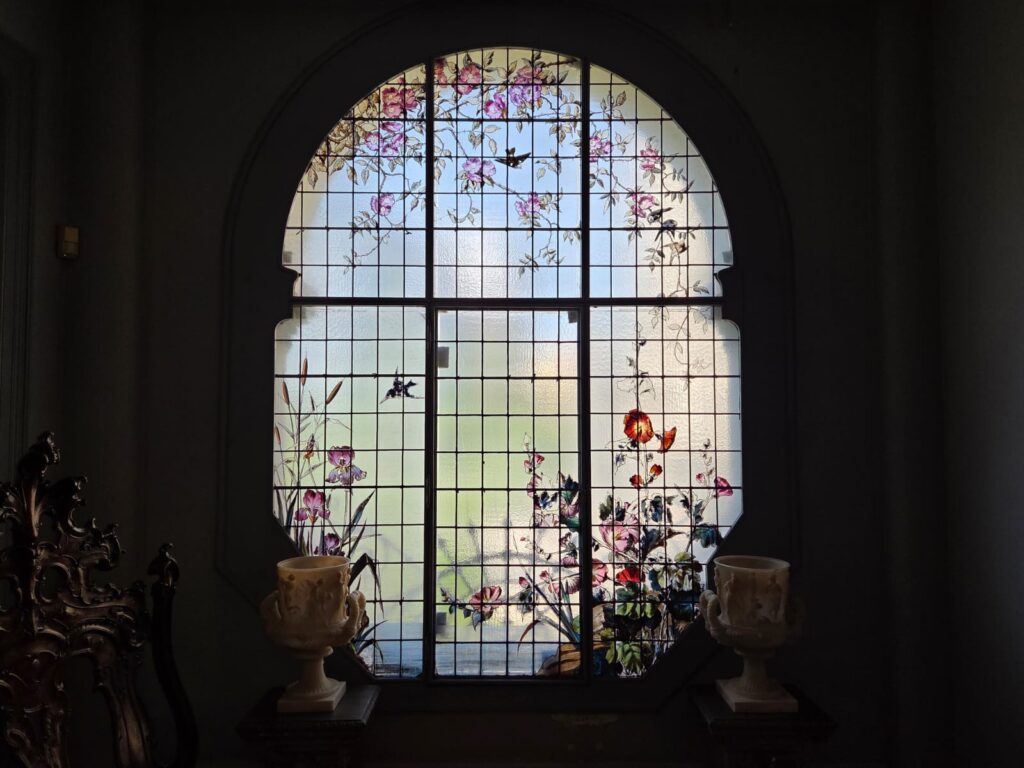
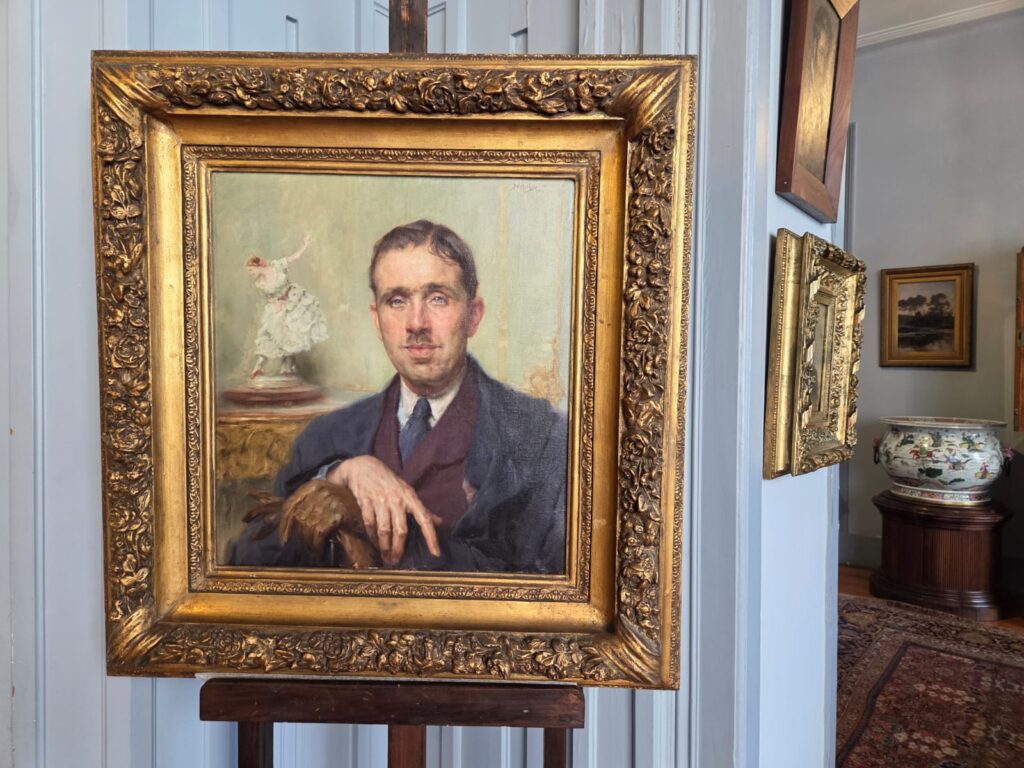
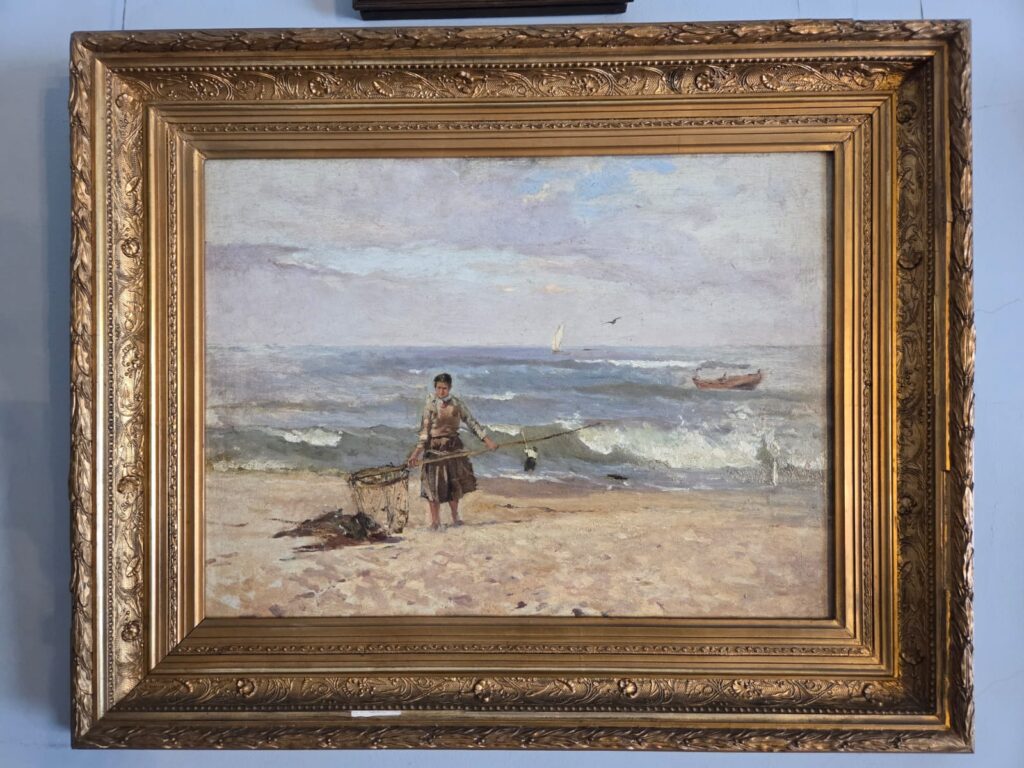
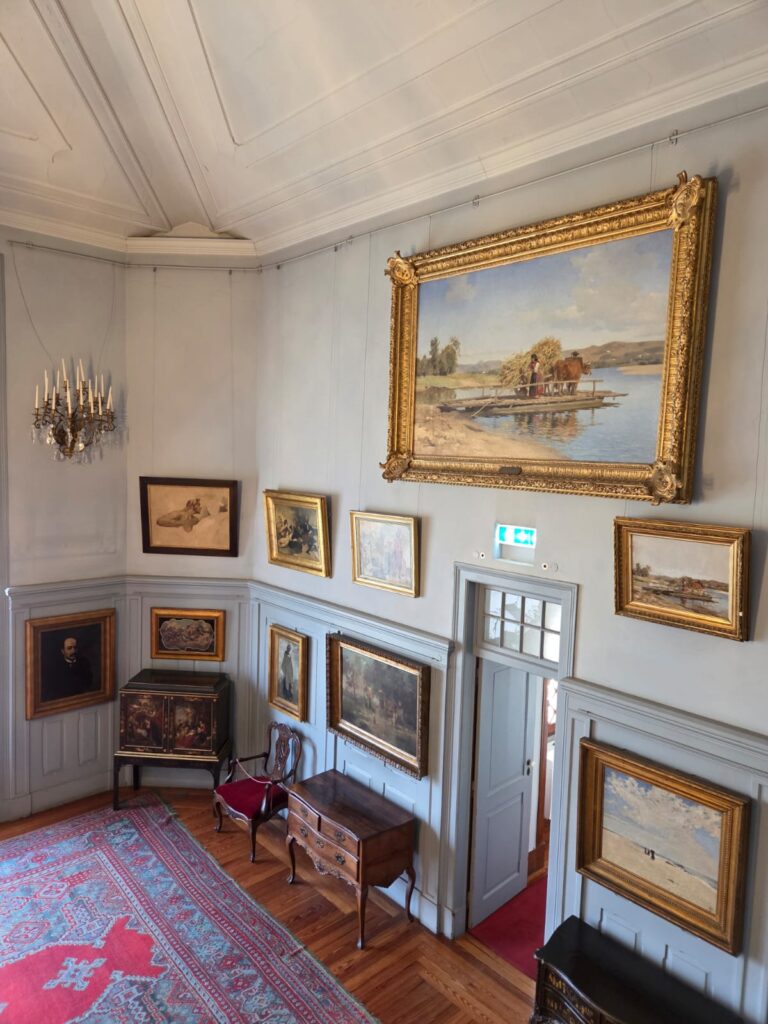
The Casa-Museu Dr. Anastácio Gonçalves
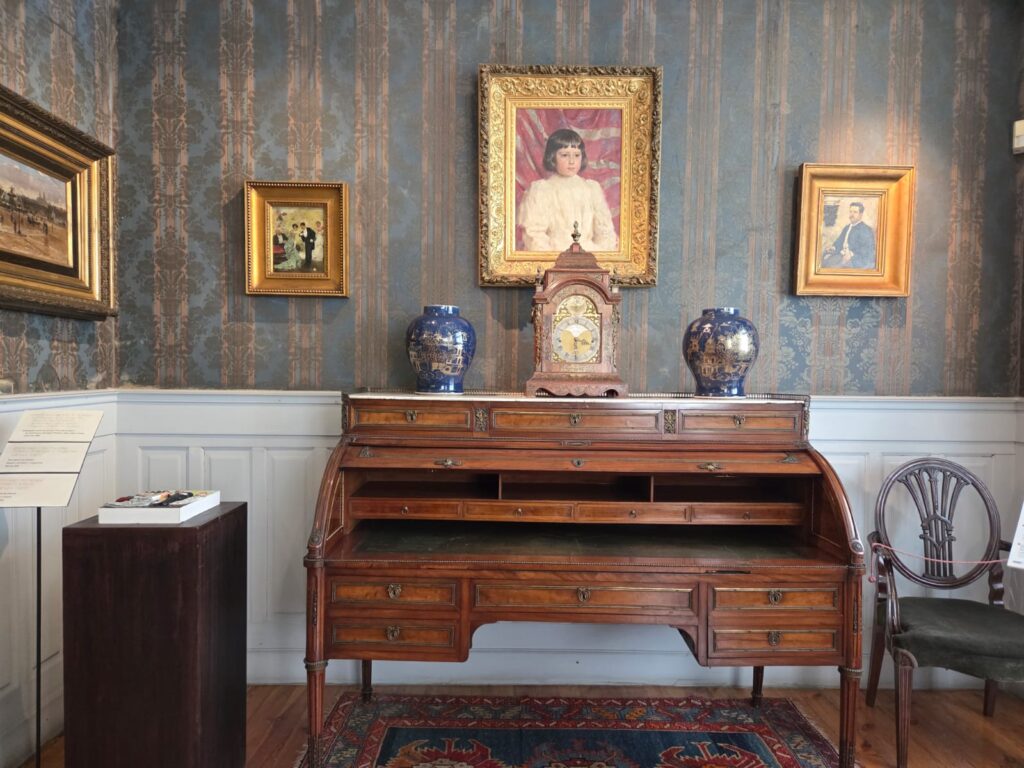
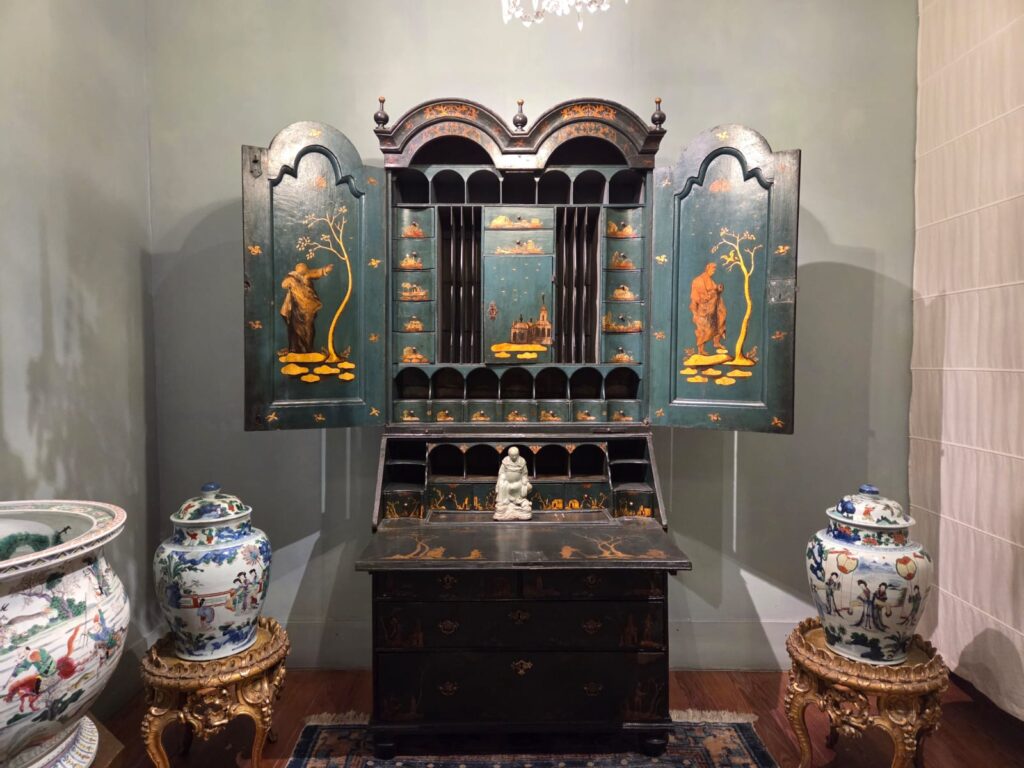
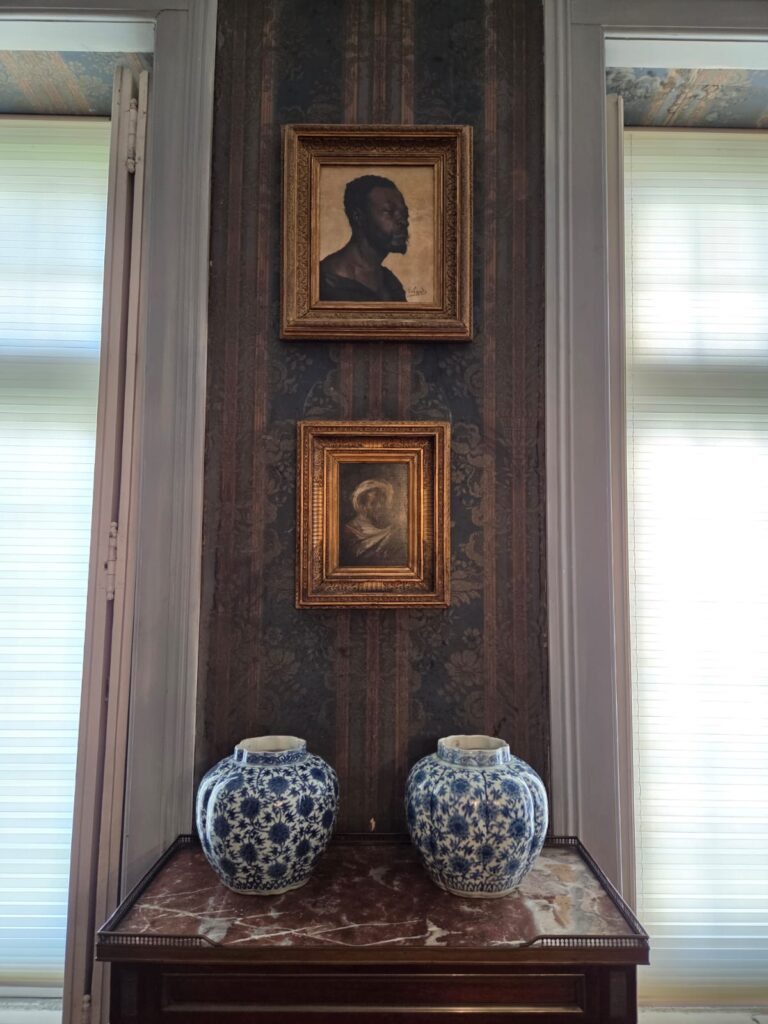
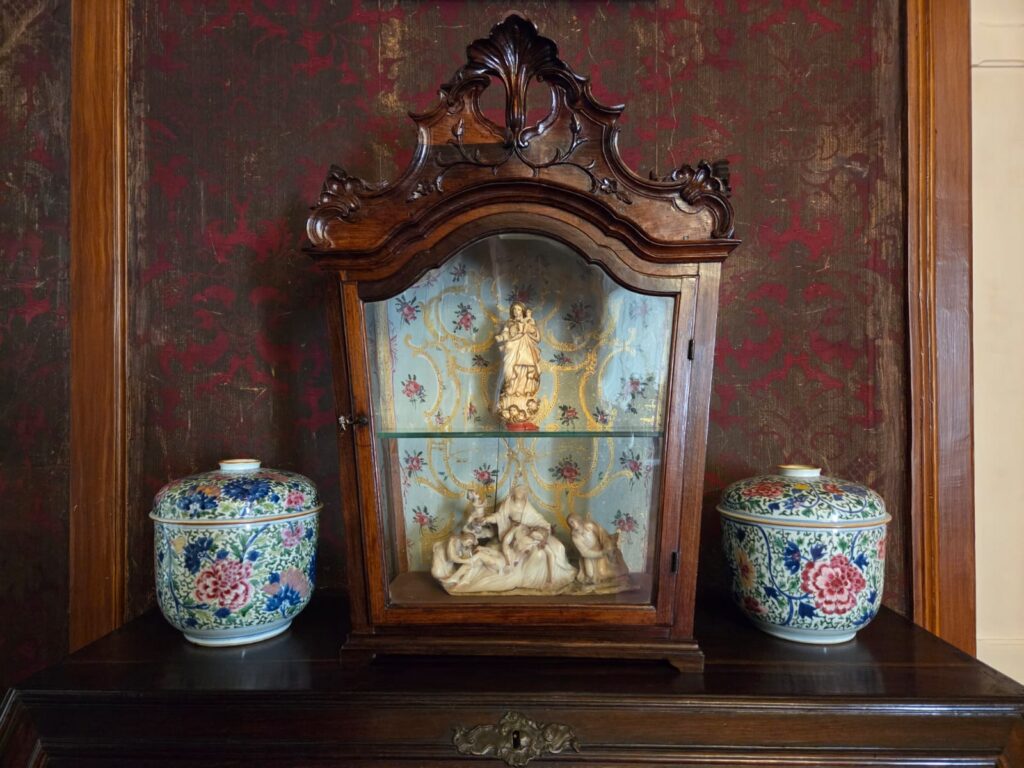
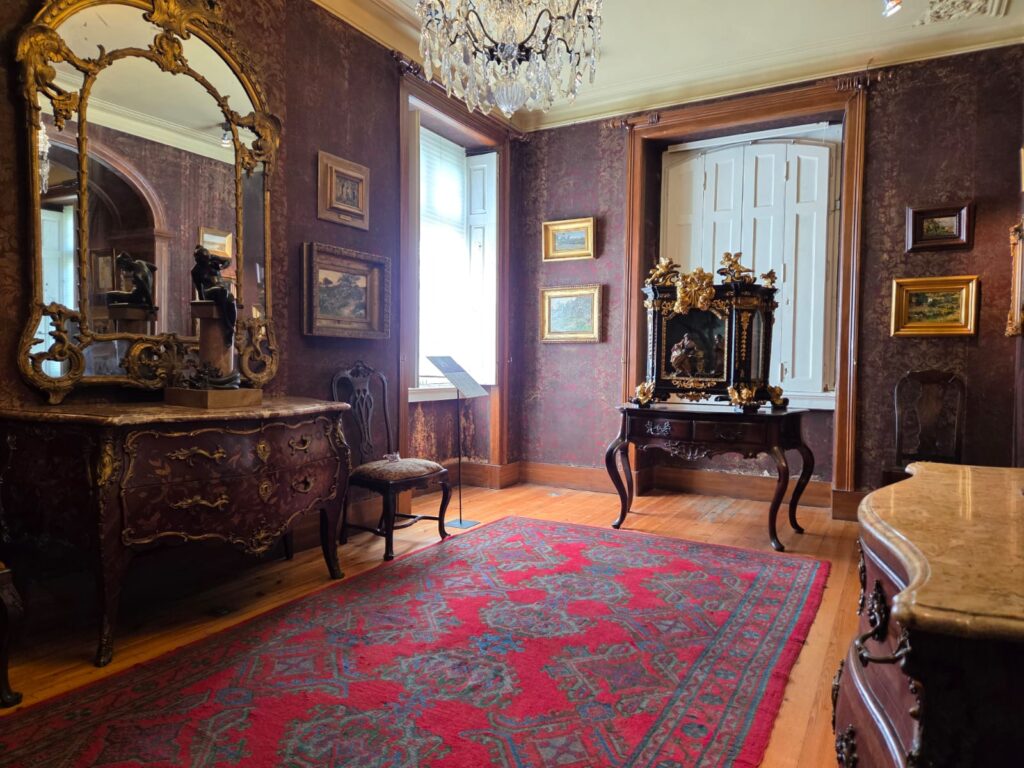
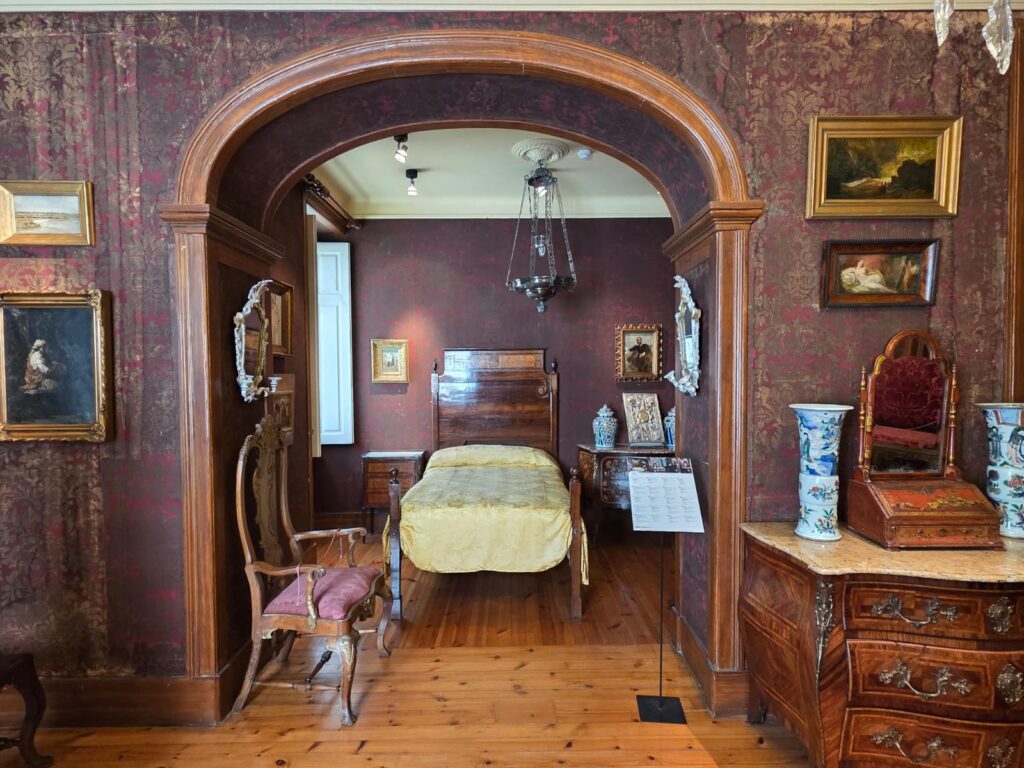
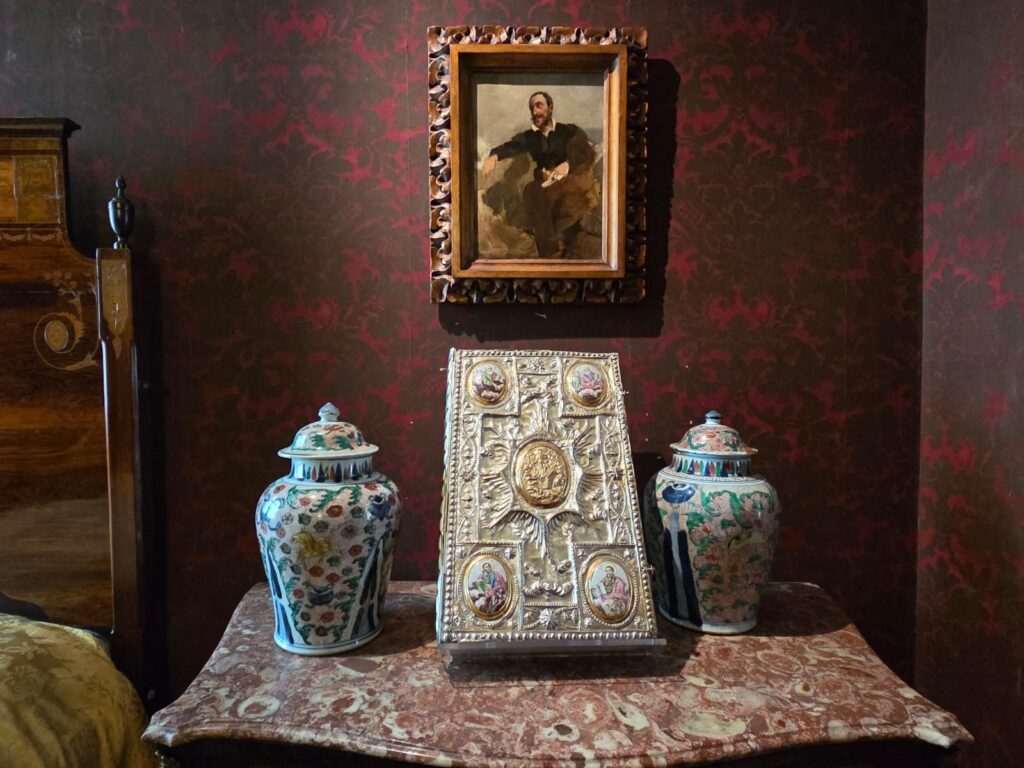
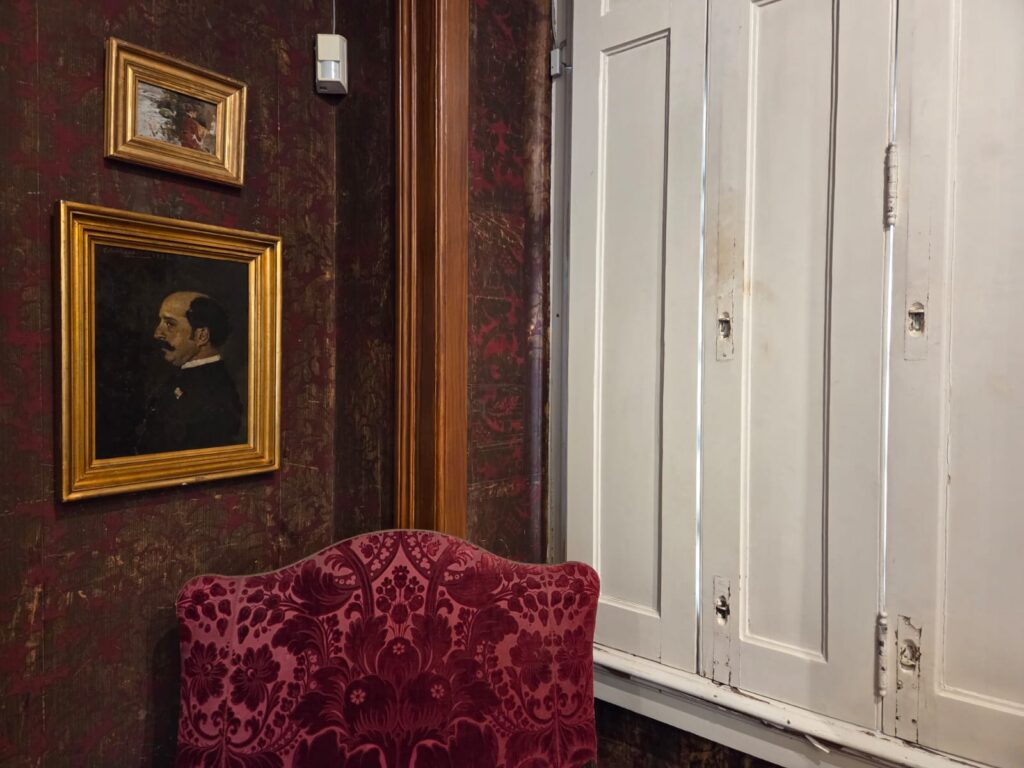
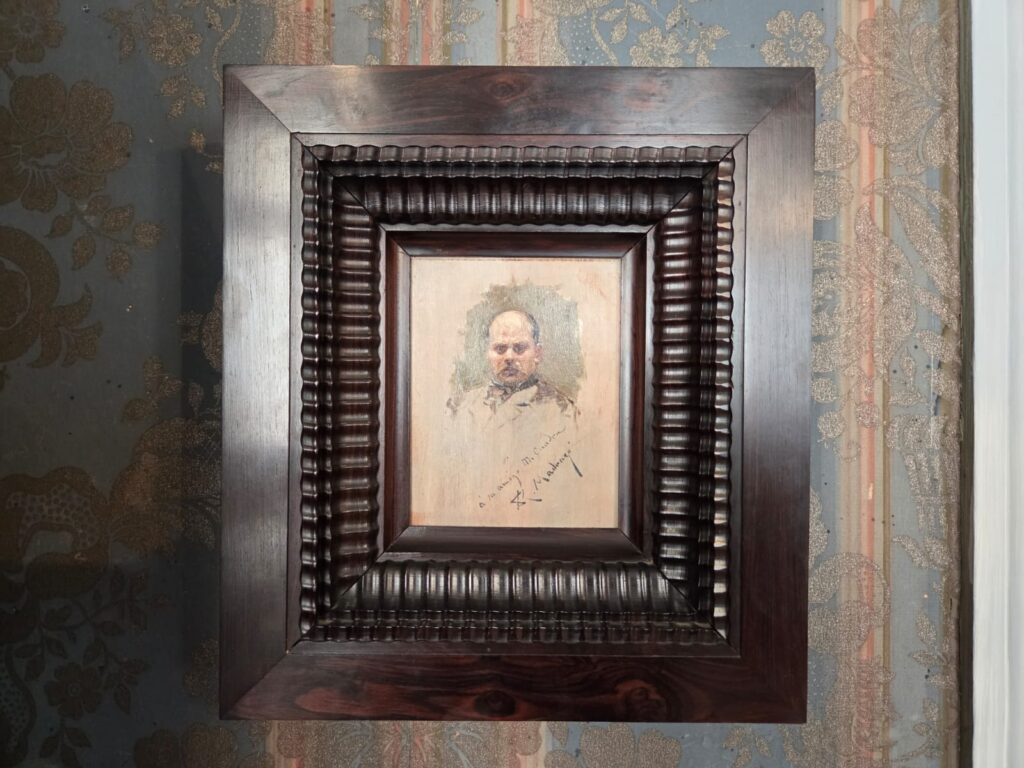
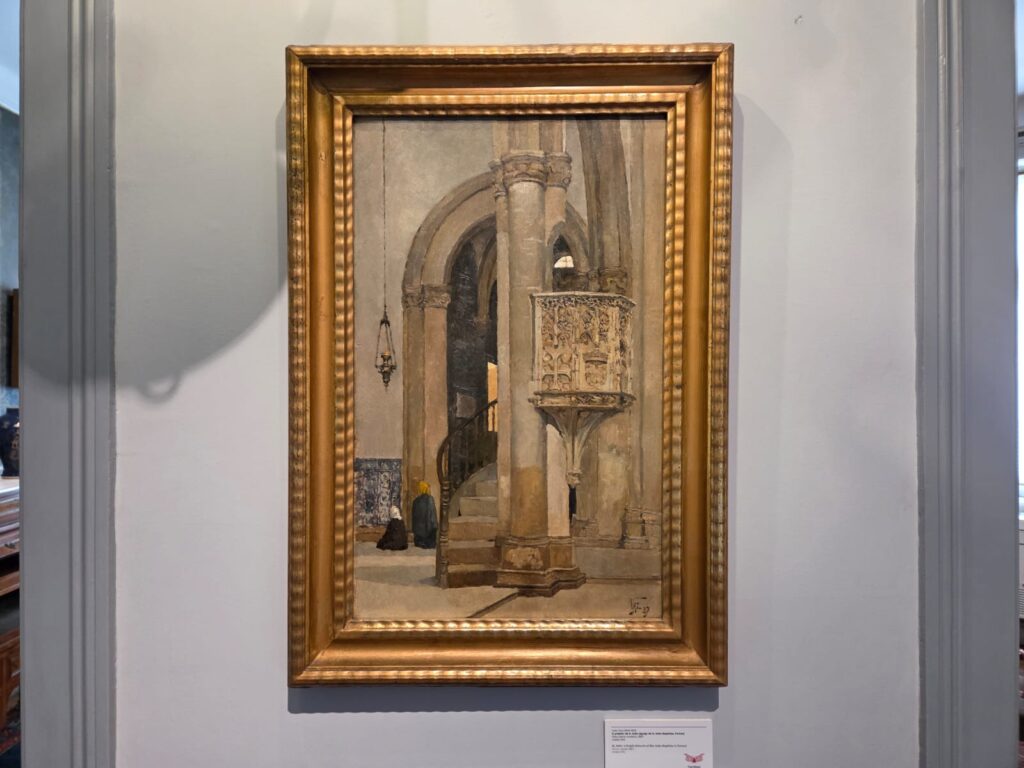
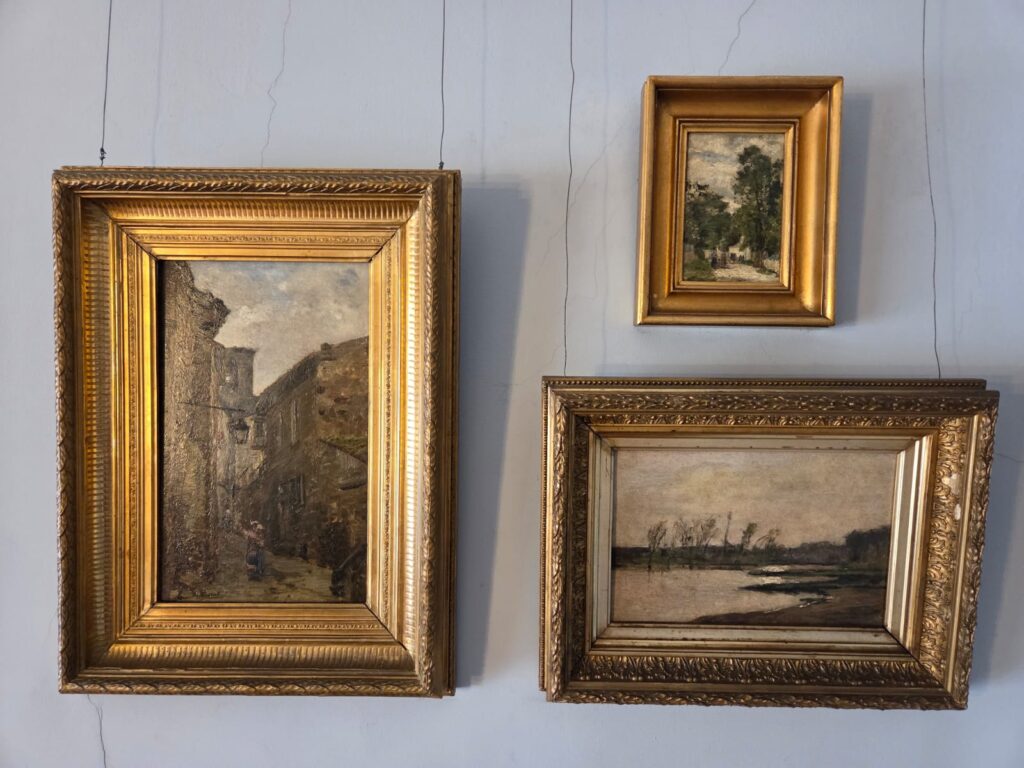
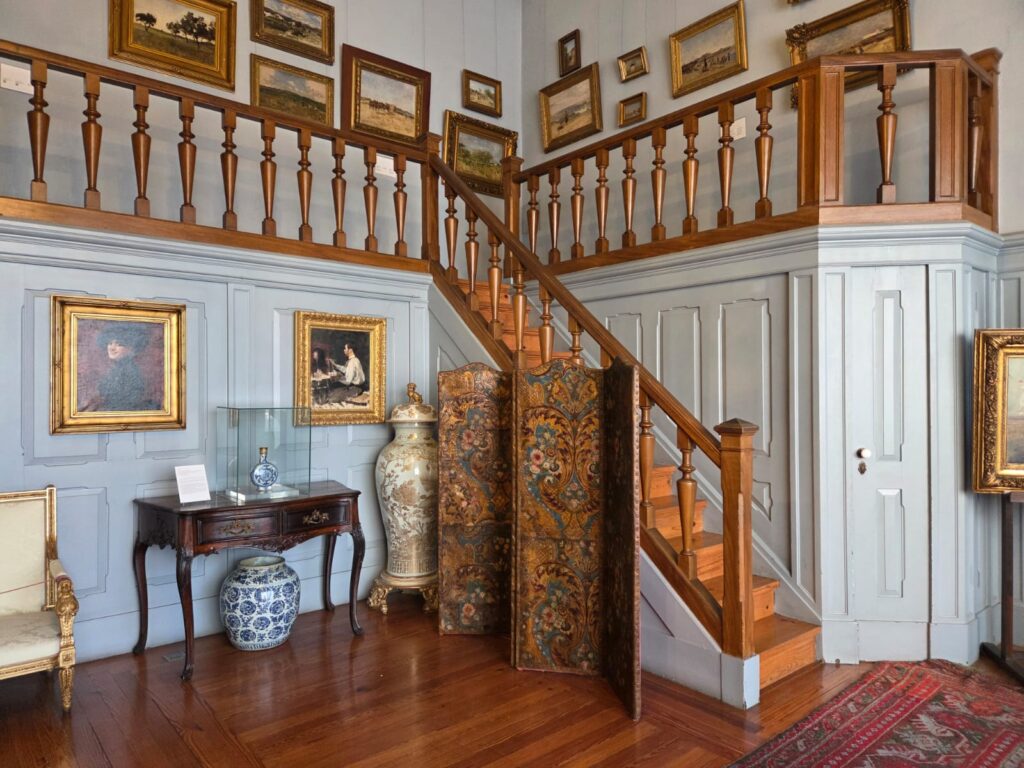
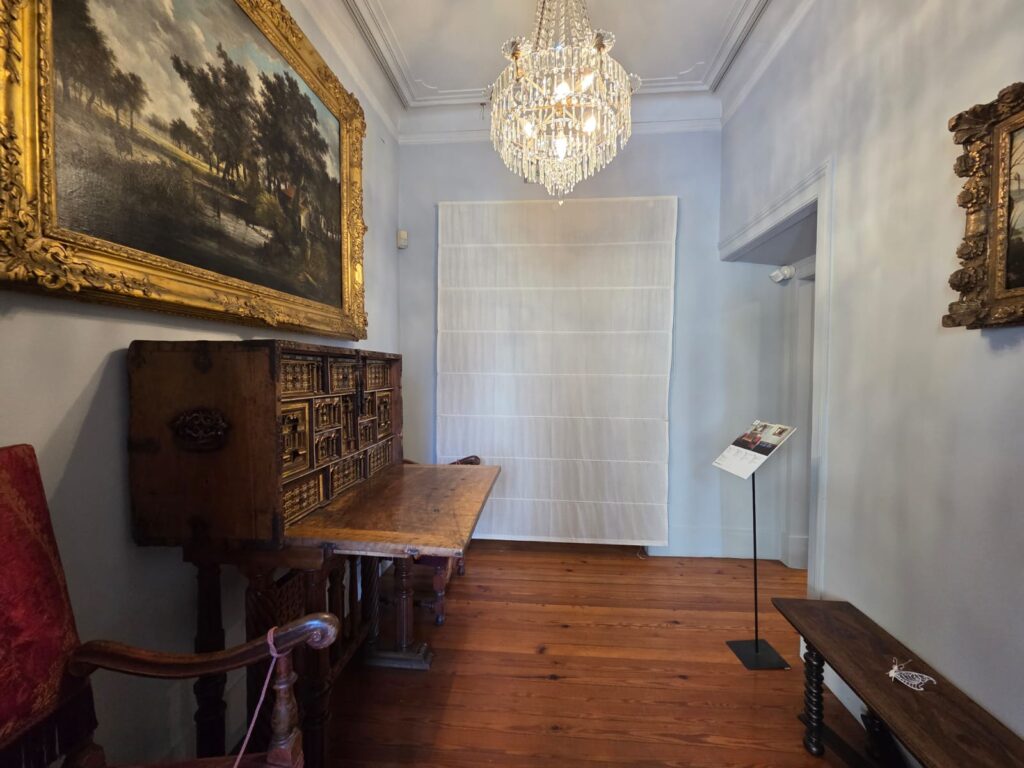
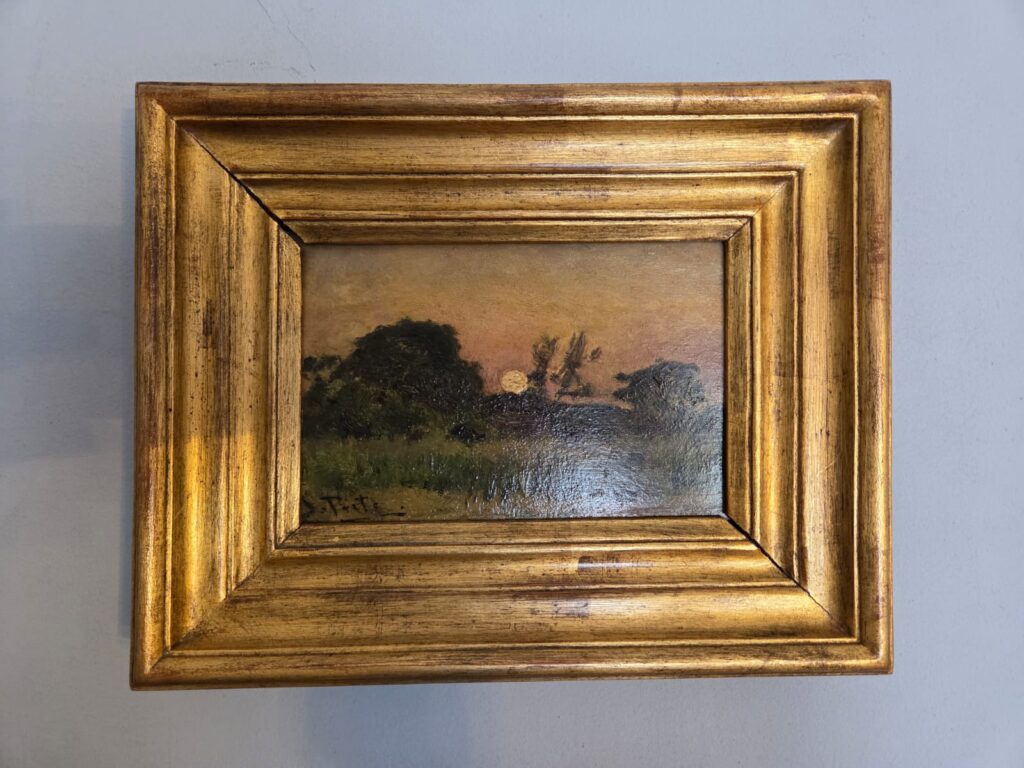
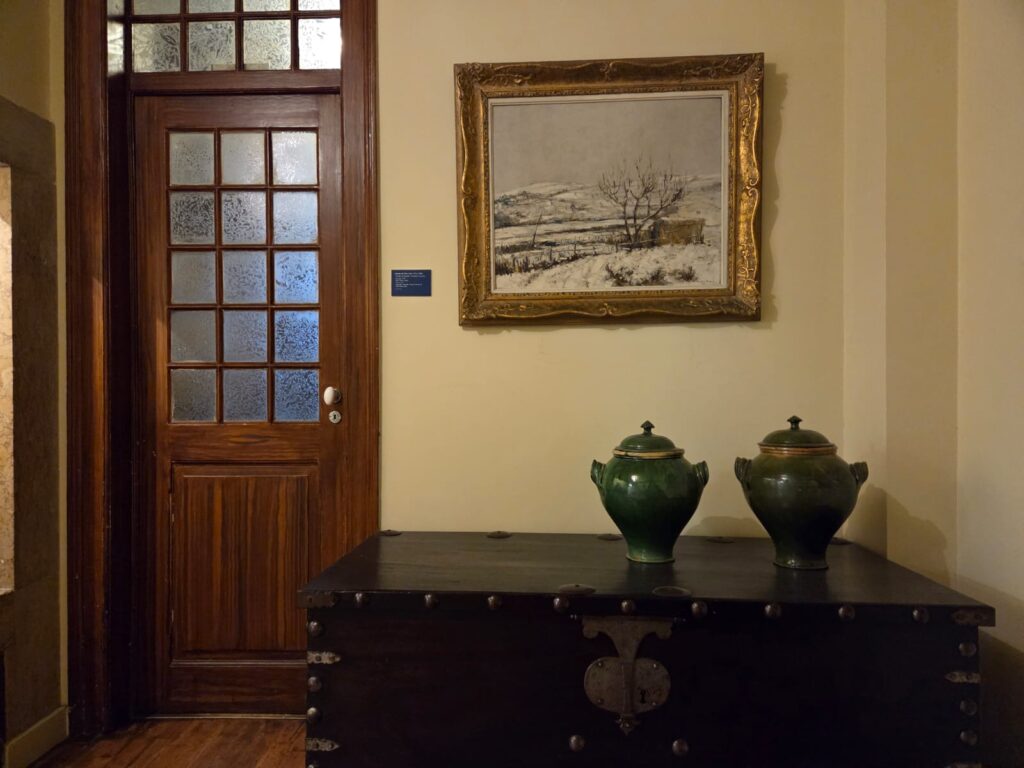
Gonçalves’s collection – or at least the bits of it that are still together – comprises three main areas: Portuguese painting, Chinese ceramics, and furniture including Portuguese examples. There are also other types of decorative arts, from ceramics to textiles to coins to jewellery to glassware to clocks and watches. For some reason (I’m assuming personal taste), painter Silva Porto is heavily represented in the collection, in the form of paintings, works on paper, archives, and artefacts that belonged to him.
Despite both being house museums with lots of decorative arts, the visitor experience here and at the Museu Medeiros e Almeida couldn’t be more different. There I was wandering around by myself, with not even museum attendants to cramp my style. Visits at the Casa-Museu Dr. Anastácio Gonçalves are by guided visit only, running on a fixed schedule. I didn’t know this and arrived when a tour had just left. Luckily the guide was gracious enough to let me join, and then juggle languages to catch me up on what I’d missed.
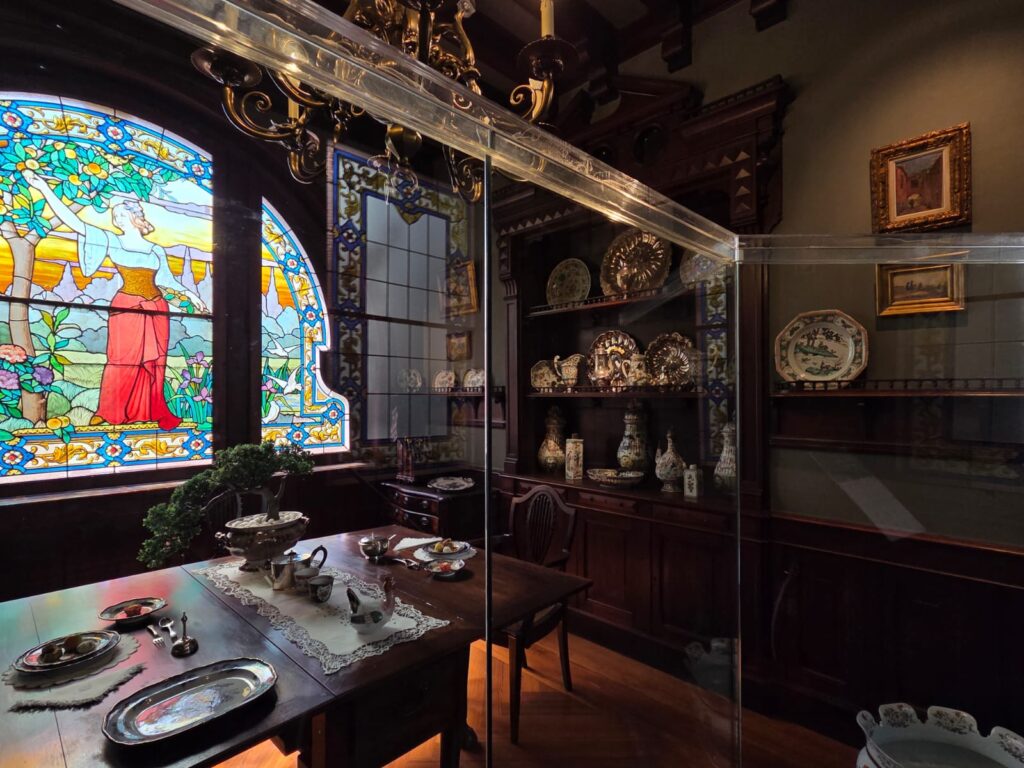
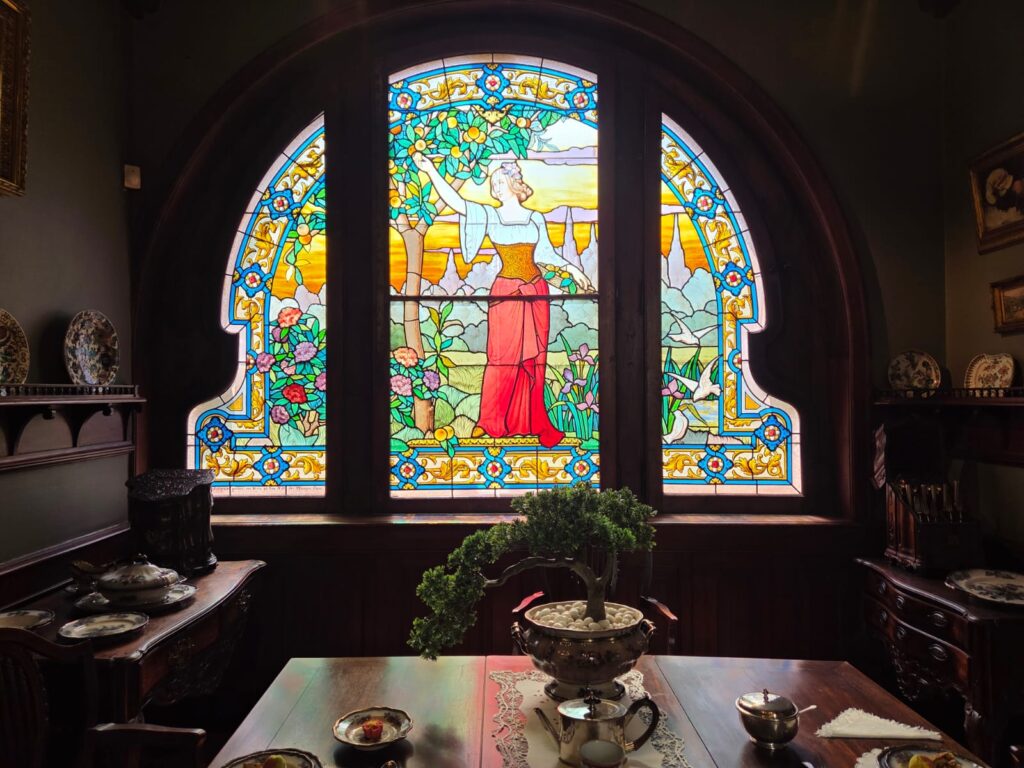
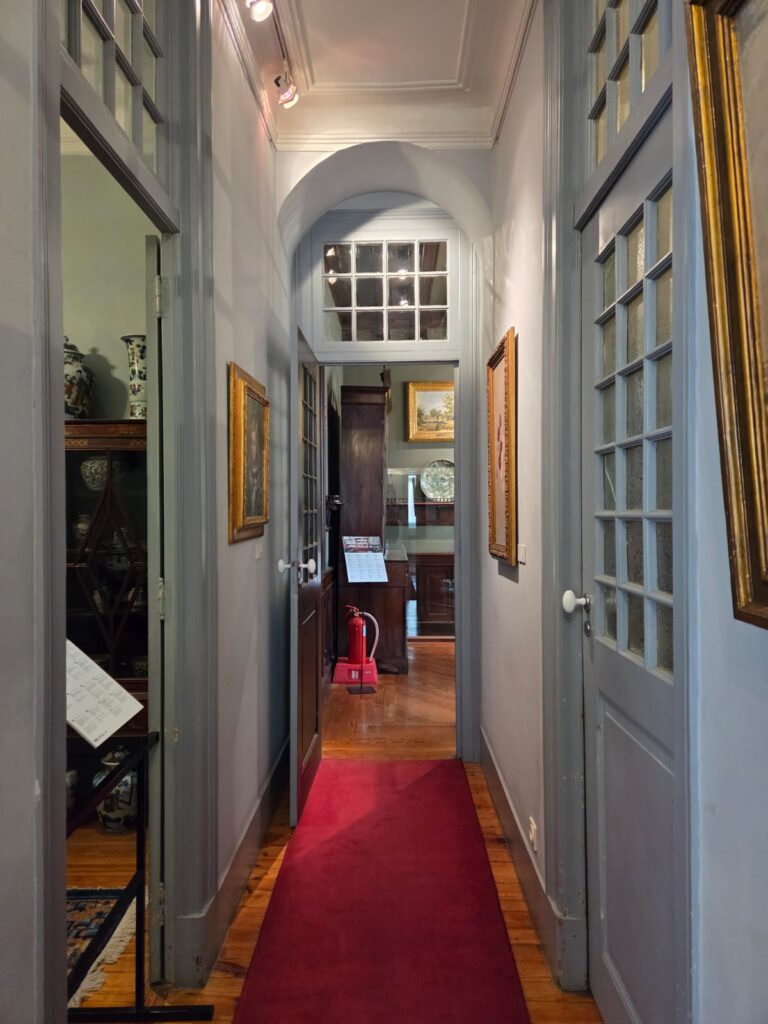
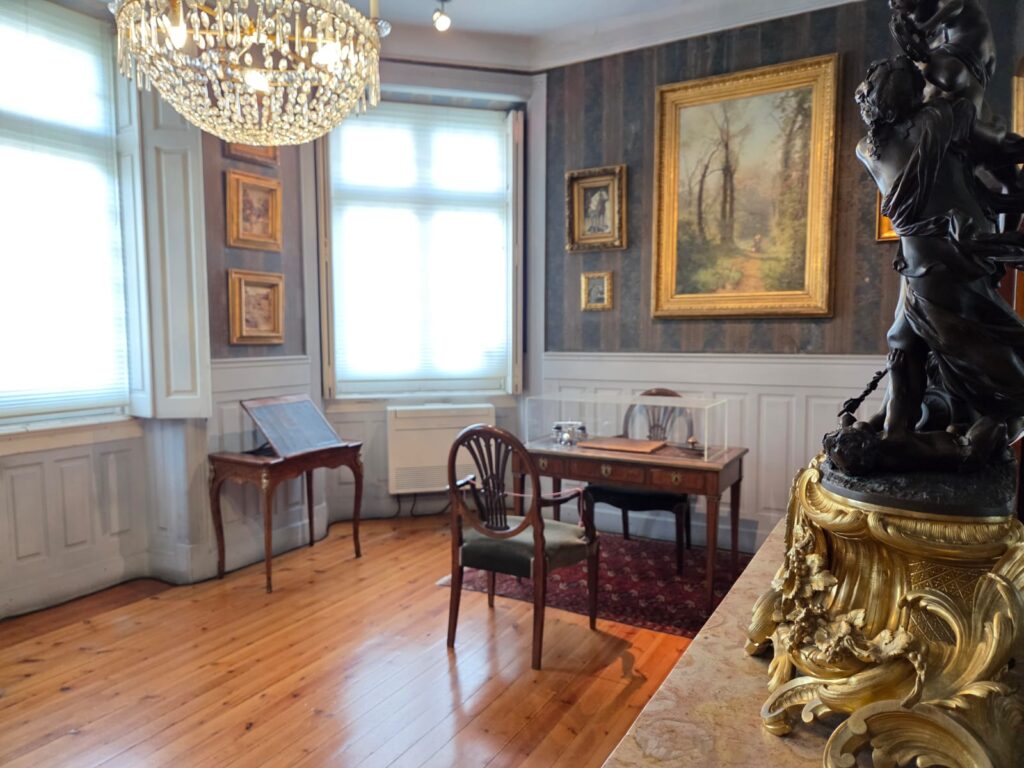
I have to say, I like the free-form visit a bit more. It was good being able to ask questions of my guide, but I couldn’t move at my own pace. The Casa-Museu Dr. Anastácio Gonçalves feels much more like a house than the museum I had visited earlier. The rooms are still recognisably bedroom, kitchen, study, and so on. The studio is beautiful, with its big windows and elegant mezzanine. Although nothing in the collection feels remarkable, it’s a nice assemblage – an insight into mid-century collecting as well as earlier 19th century tastes.
The Casa Malhoa as Nail House
Have you heard of ‘nail houses’? Not nail salons, but nail houses – a Chinese term for homes where the owner refuses to move for property developers, and ends up a relic in the middle of a changed environment. Although the Casa Malhoa still has its neighbour, it feels a little like this. The Avenidas Novas district was once full of these unique, architect-designed homes. Now they are rarities, surrounded by modern shops and office blocks, or soaring towers like the hotel I was staying in. Like I was saying before, if you squint, you can just about imagine what this corner of Lisbon used to be like. I think I would have liked it.
This was the subject of the temporary exhibition when I visited. The development of this neighbourhood, and some of the houses that have survived or are now gone. I saw some of them as I was out and about in Lisbon over the next few days, and paid more attention than I think I would have without having this context. It’s funny how fast the cycle can be from farmland to suburbs to city.
For visitors to Lisbon, I would recommend this museum mainly if you, like me, are staying in the area. It’s otherwise nice but not particularly remarkable. Unless, perhaps, you really love Art Nouveau or purpose-built artists’ homes. For me, it felt like a nice compare-and-contrast between house museums. The collecting impulse, what collectors choose to focus on, and how they turn their passion into a legacy. Always an interesting subject, at least for this museum lover.
Trending
If you see this after your page is loaded completely, leafletJS files are missing.