
Flagstaff House Museum of Tea Ware, Hong Kong
A final museum visit in Hong Kong takes me to Flagstaff House and its Museum of Tea Ware, a mix of colonial architecture and Chinese tradition.
A Final Museum Stop in Hong Kong
Thank you for joining me as I packed in as many cultural activities as possible during my recent trip to Hong Kong. Tourism was not the objective of my trip, which just goes to show you what you can do through a determination to squeeze every last opportunity from travel! We’ve walked around Wan Chai, Lamma Island and Aberdeen, and Sha Tin, visited M+ and the Hong Kong Heritage Museum. That still left me with several hours before I headed to the airport. I didn’t quite have the motivation to trek across to the farther reaches of Hong Kong, so thought about options closer to my Wan Chai hotel instead.
It was partly my stomach which led me to the Flagstaff House Museum of Tea Ware. It’s not too far from the offices I had spent the week at. And some colleagues had taken me on Friday to LockCha Tea House. As well as a branch at Tai Kwun, LockCha Tea House has a restaurant within Flagstaff House. It serves delicious vegetarian dim sum and a huge range of different types of tea. I can’t urge you enough to combine a trip to this museum with a booking at the restaurant.
I didn’t quite take my own advice, though. On the Friday, as I say, I had been to the restaurant. I thoroughly enjoyed it, but didn’t have time to look at the museum before heading back to work. I also realised I’d never spent time in Hong Kong Park. This almost 9 hectare park opened in 1991 on the site of the former Victoria Barracks. During my free time on Sunday I wandered around the gardens, admired 530 species of birds in the Edward Youde Aviary, and remarked on the fact the gardens and aviary are free to the public. So too the museum, to which I now turned my attention.
A Brief History of Flagstaff House
One of the reasons I wanted to see this museum is I knew that it was an example of colonial architecture. And as a historian and museologist I am interested in how colonial history is treated in different contexts – in this case post-Handover Hong Kong.
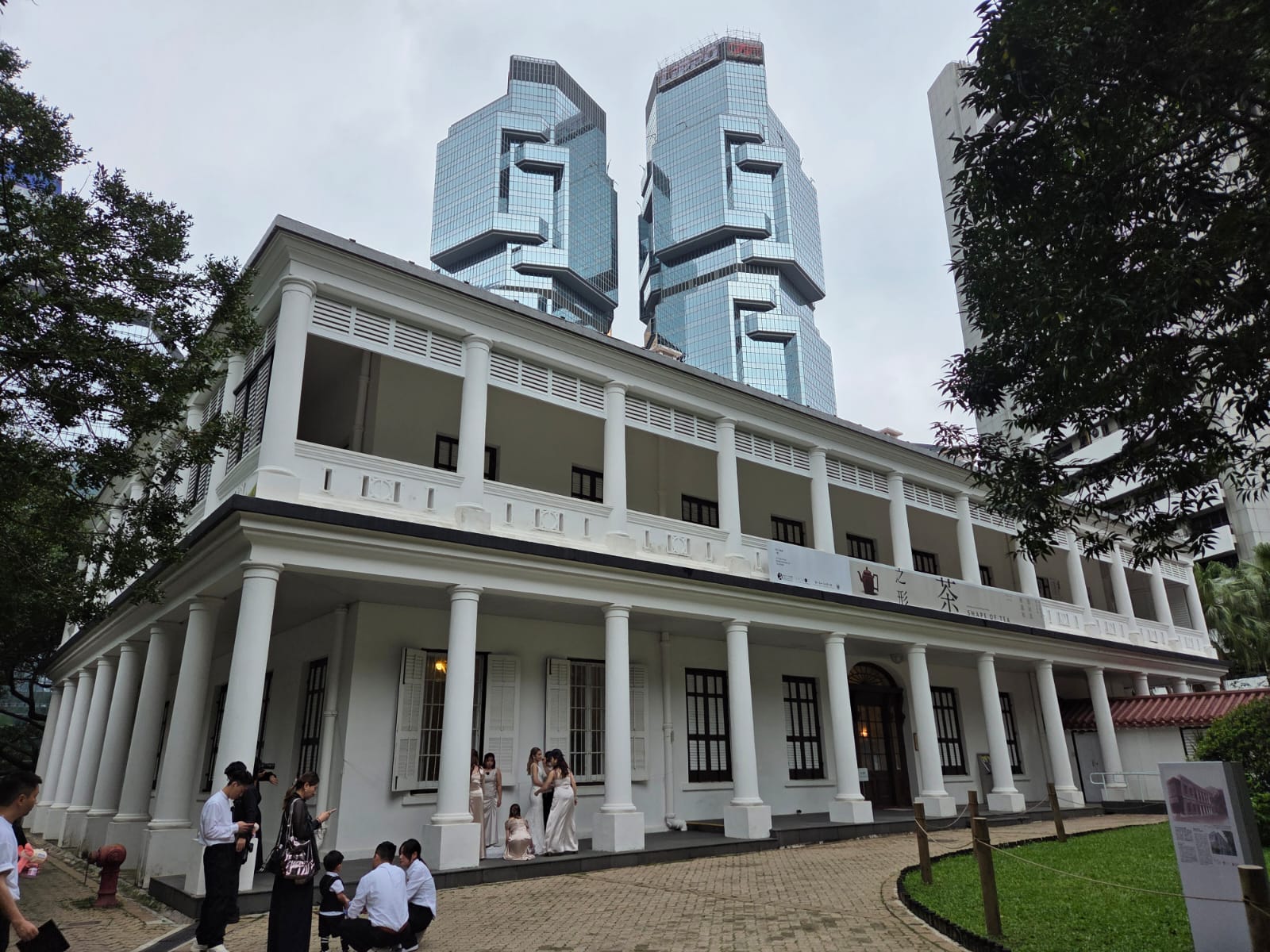
Anyway, it turns out that Flagstaff House is not just a colonial building, but the oldest remaining colonial building in Hong Kong, dating to 1846. Until 1932 it was Headquarter House, and residence of the Commander of the British forces in Hong Kong. It suffered damage during the Japanese invasion during WWII, which was quickly repaired so it could serve as residence for the Japanese Commandant. After the war it once again became the residence of the Commander of the British forces. It remained so until 1978, when the holders of this title decamped to a new purpose-built residence. When the Hong Kong Government took over the Victoria Barracks, Flagstaff House was part of the deal. It was restored as far as possible to its original appearance (also structurally reinforced) so it could serve as a museum, and declared a monument in 1989.
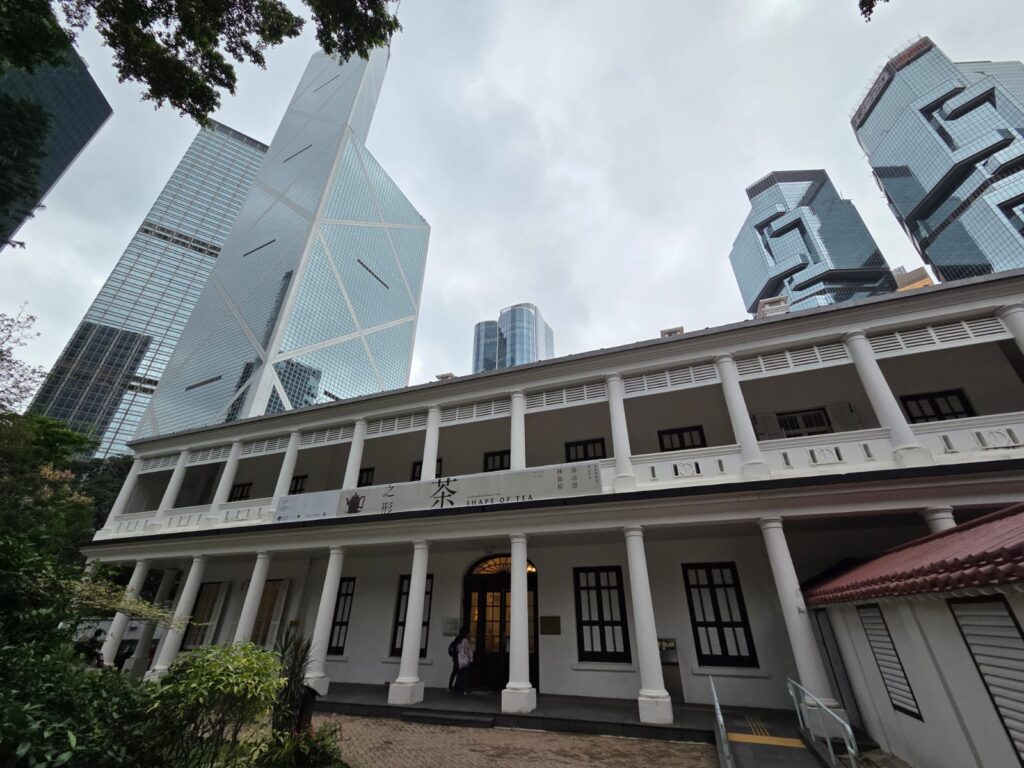
In terms of its architecture, Flagstaff House is designed in Greek Revival style. The architect is unknown, but likely to be either Murdoch Bruce (Inspector of Buildings at the time) or Lieutenant Bernard Collinson of the Royal Engineers. The first occupant was Major-General George Charles D’Aguilar. At that time, nearby Queens Road was at the waterfront, so this would have been a pleasant spot. Today, Hong Kong’s skyscrapers dwarf Flagstaff House.
The Museum of Tea Ware
Flagstaff House became the Museum of Tea Ware in 1984. It is the only branch museum of the Hong Kong Museum of Art. I can see why they have separated off this part of the collection. I’ve never been to the Hong Kong Museum of Art, but from their website alone it feels like this mostly historic collection is quite a departure.
And historic it is! The Flagstaff House Museum of Tea Ware collection includes the world’s oldest-known extant teapot. An early Ming unglazed Yixing zisha clay teapot, it dates to around 1513, and is the work of master artisan Gongchun. However, I did not know that this was something to look out for, and missed it! It’s a bit like Indiana Jones when he has to identify the Holy Grail – the oldest teapot is also the most unassuming. I might need to do a return visit some time just to lay eyes on it.
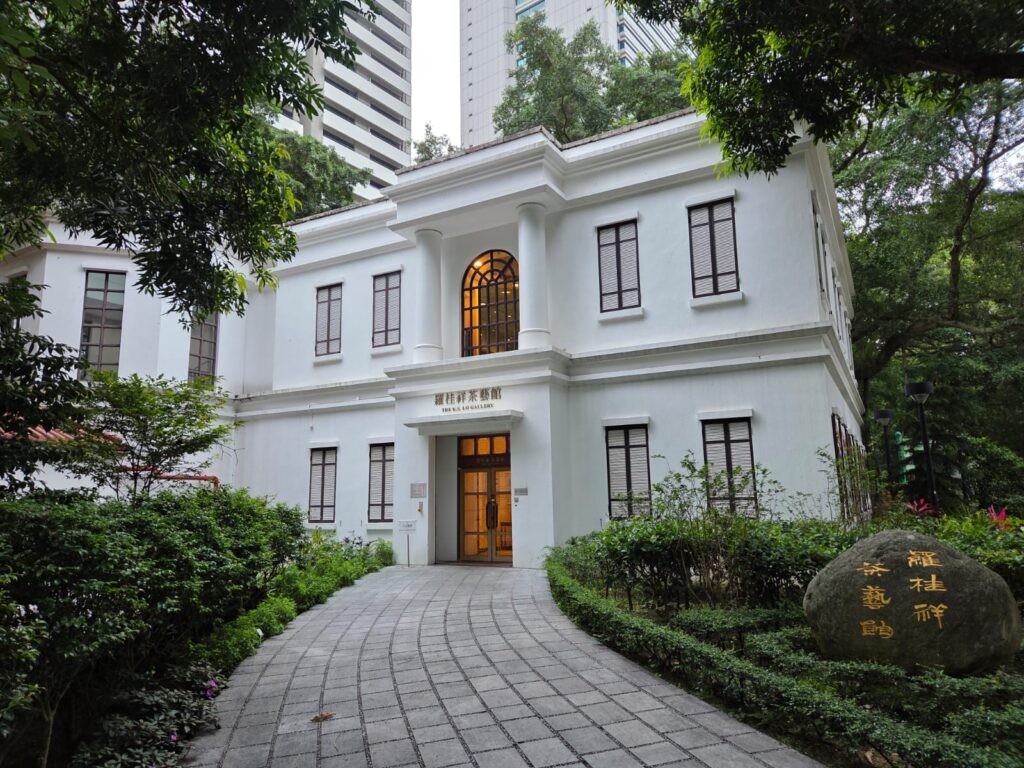
Aside from this one object, the Flagstaff House Museum of Tea Ware is dedicated to the collection, display and study of tea ware and its related culture. It received a significant boost even before opening in the form of a donation of around 600 objects from the collection of Dr. K.S. Lo (founder of Vitasoy). The K.S. Lo Foundation donated a further 25 ceramic articles and more than 600 seals in 1994, and a K.S. Lo Gallery opened in the museum in 1995.
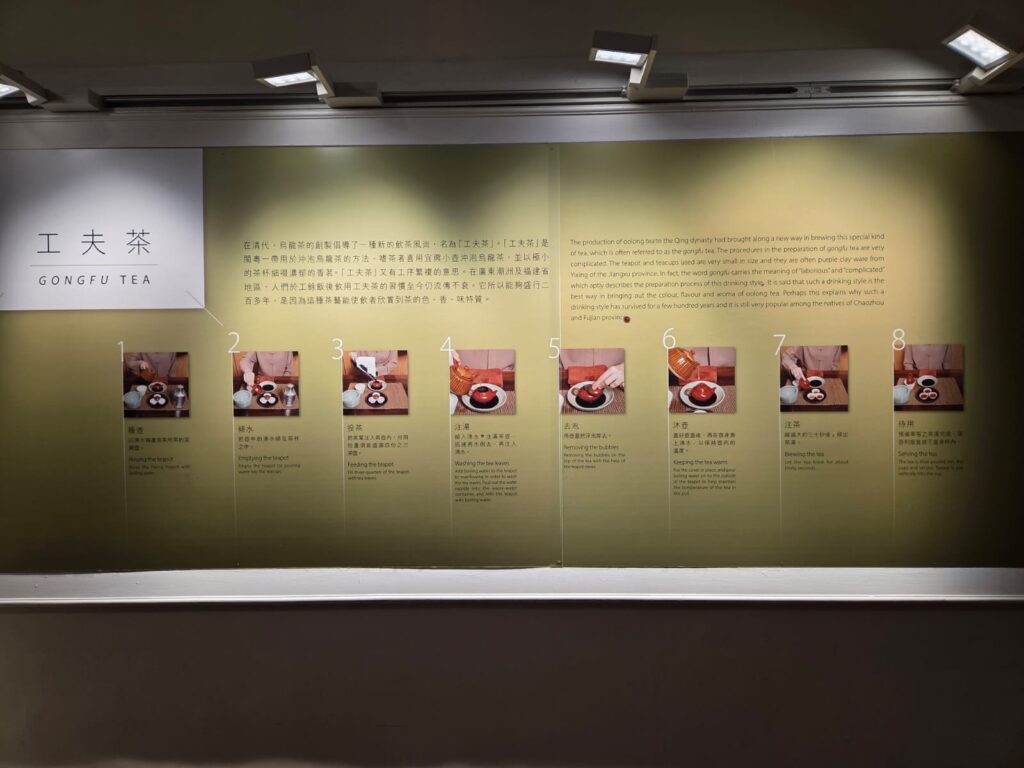
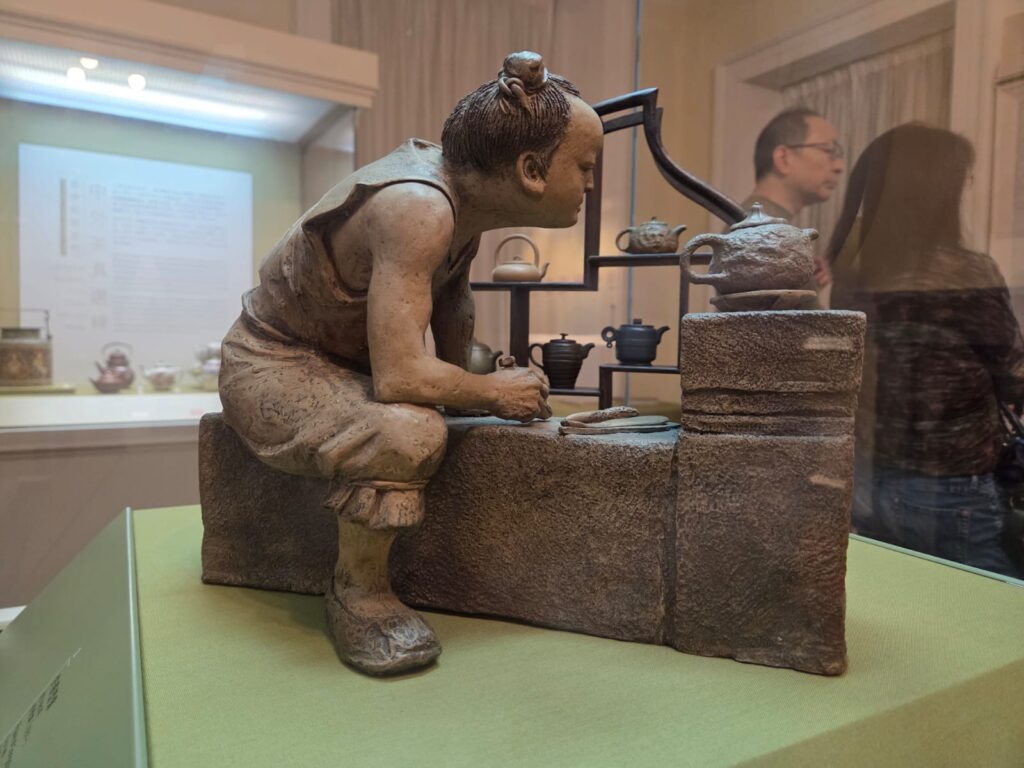
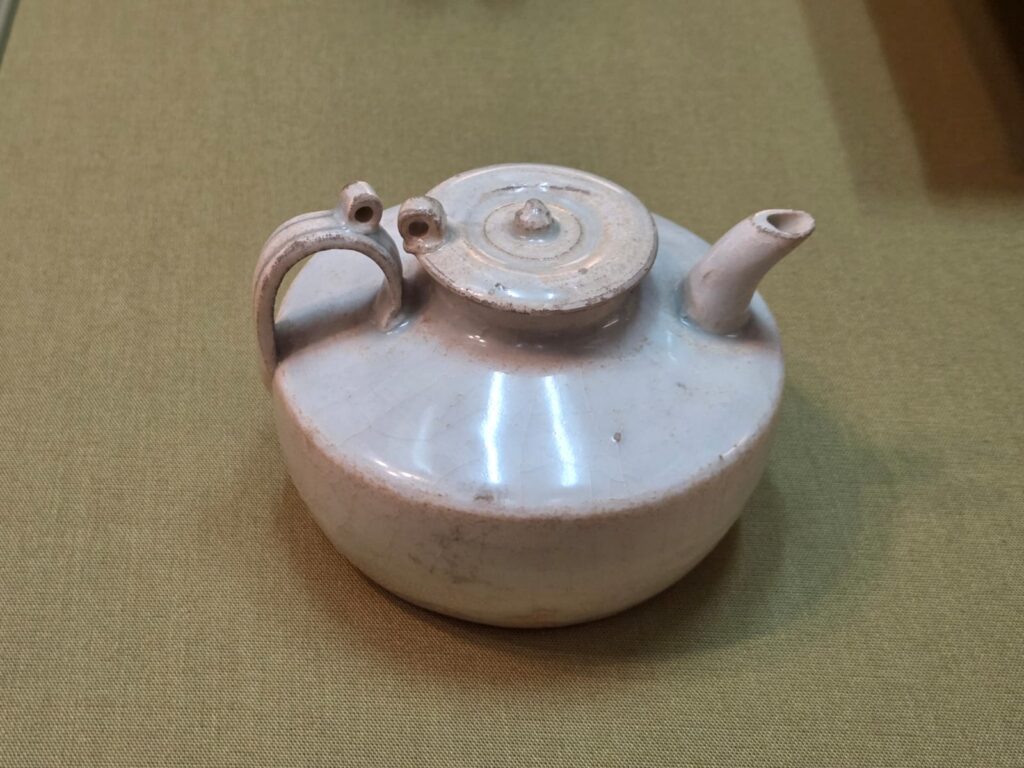
Tea ware, as a category, includes equipment for brewing, serving and drinking tea. It is as varied as the varieties of tea and rituals surrounding its preparation and drinking, with specialised tea ware evolving over time to suit different needs. There are often regional differences, and preferences for different materials such as earthenware, ceramics, and bone china. The Flagstaff House Museum of Tea Ware also helps to keep the skills associated with tea ware alive by incorporating displays of contemporary tea ware into its galleries.
My Experience as a Visitor
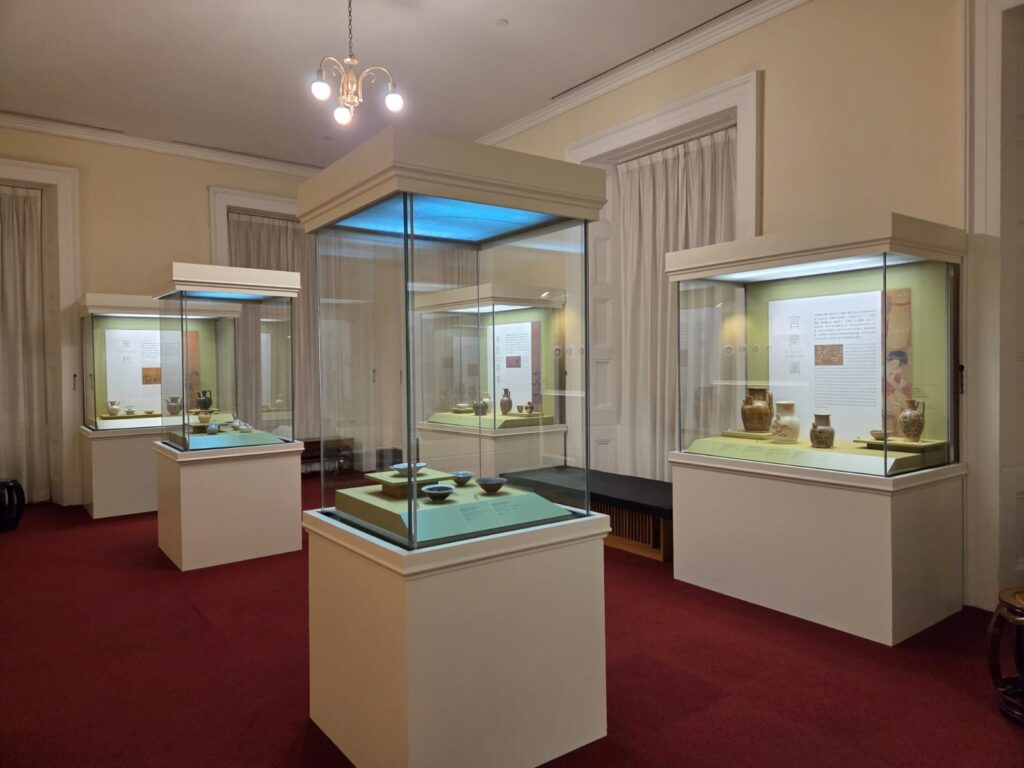
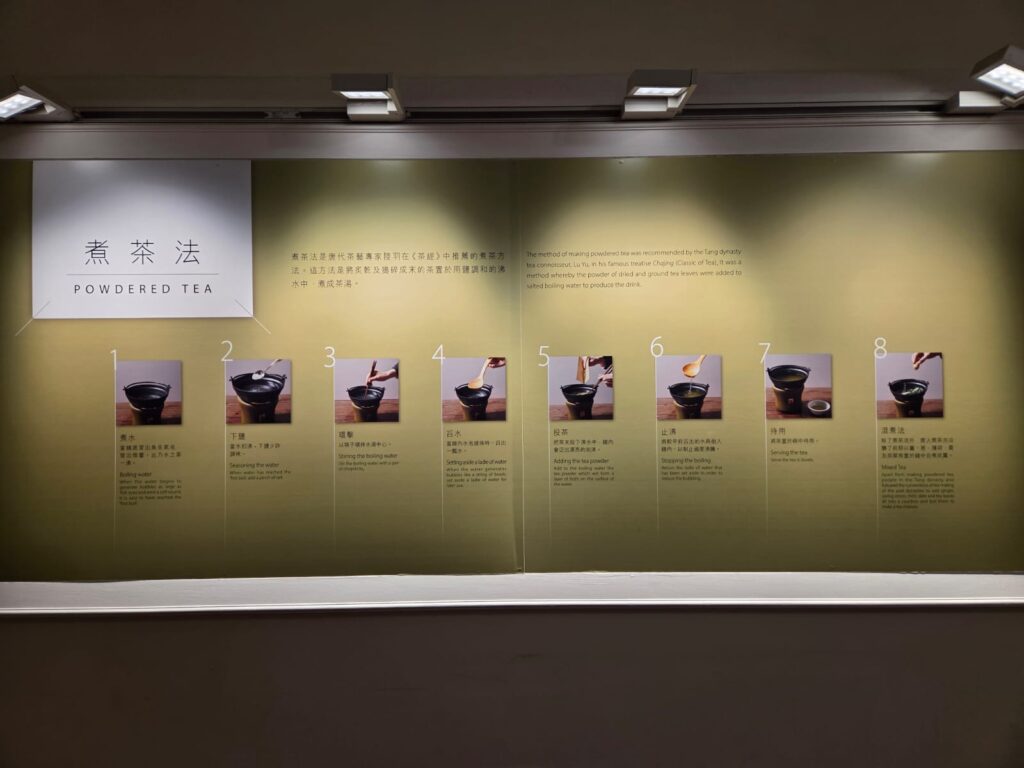
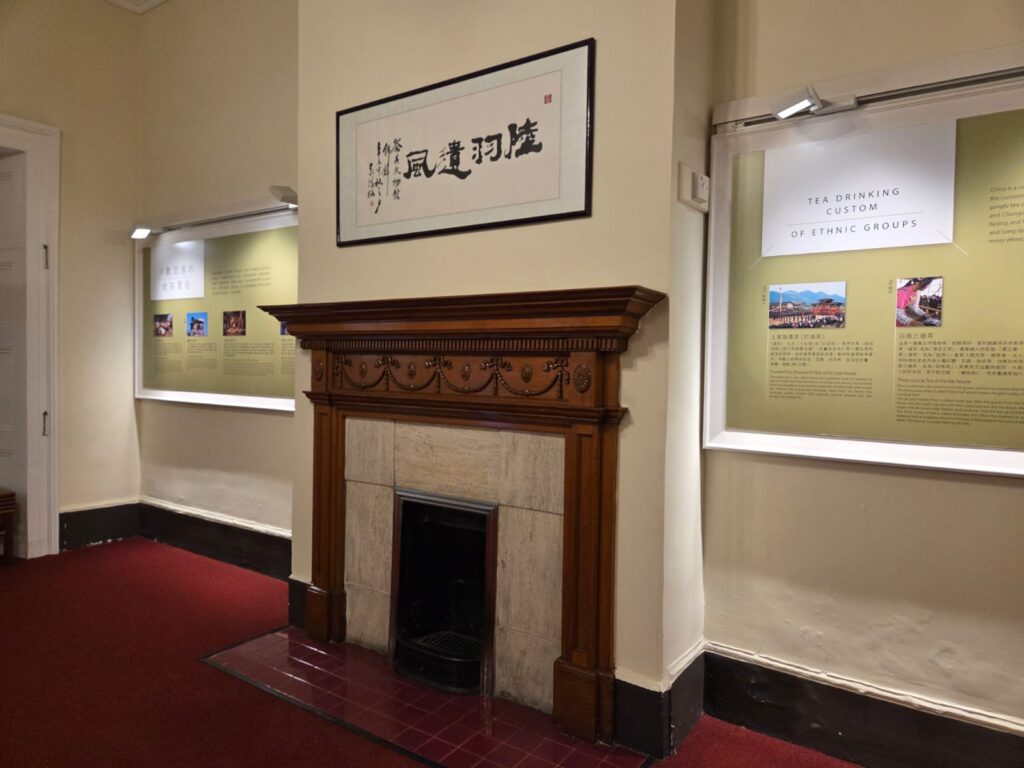
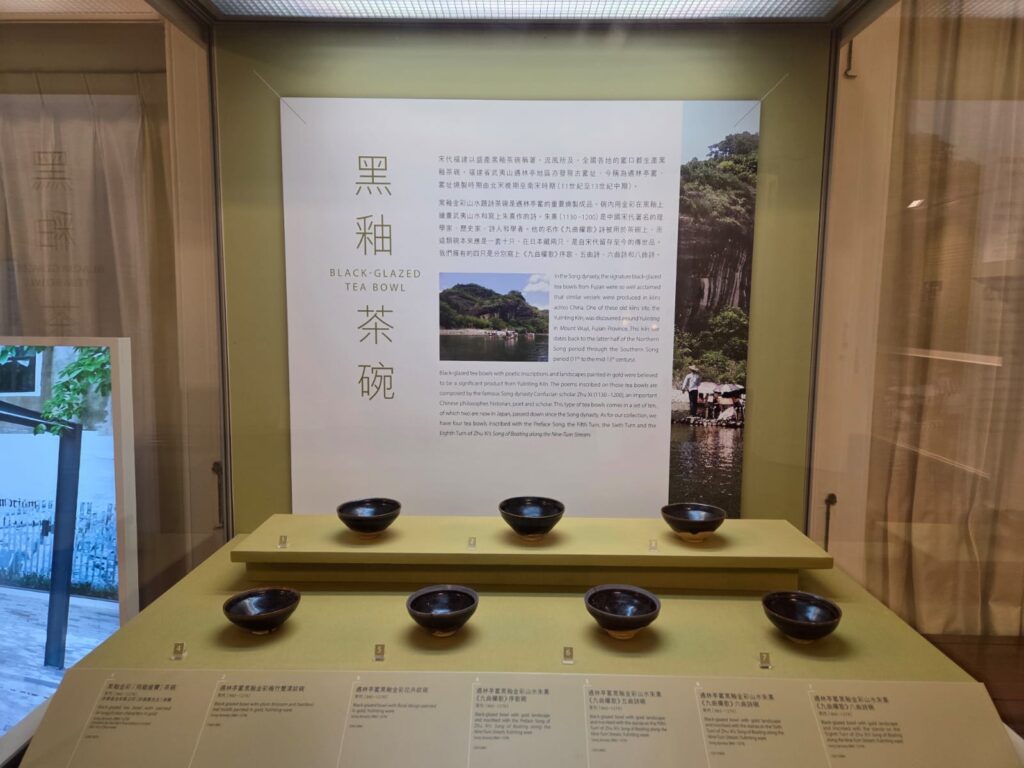
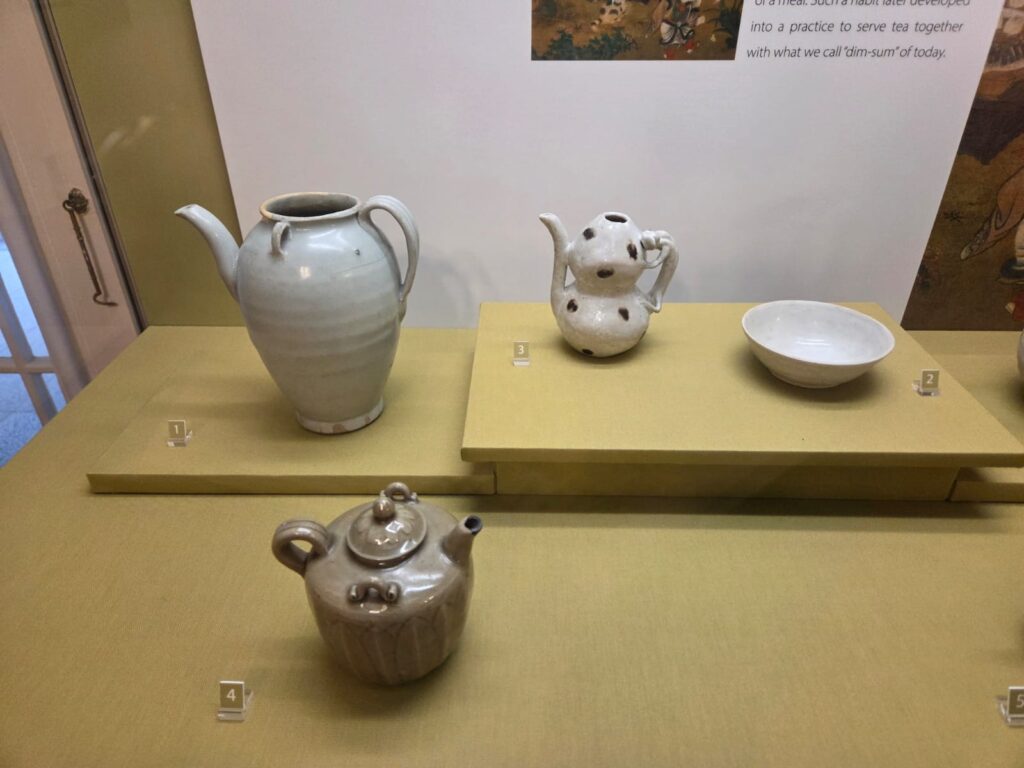
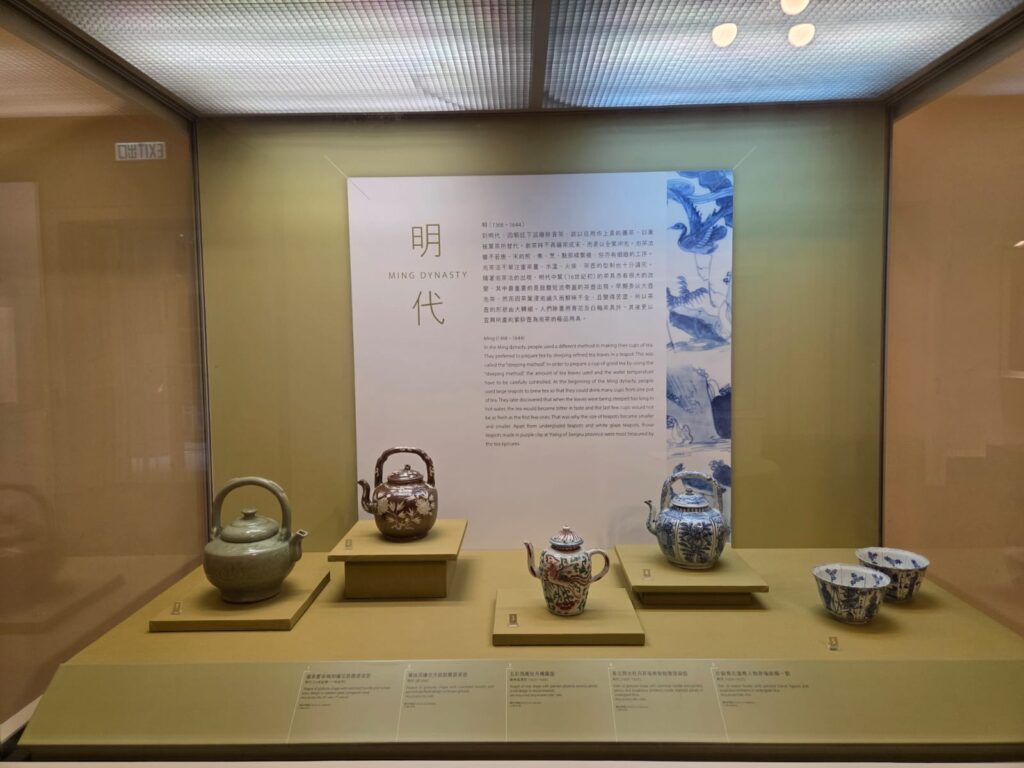
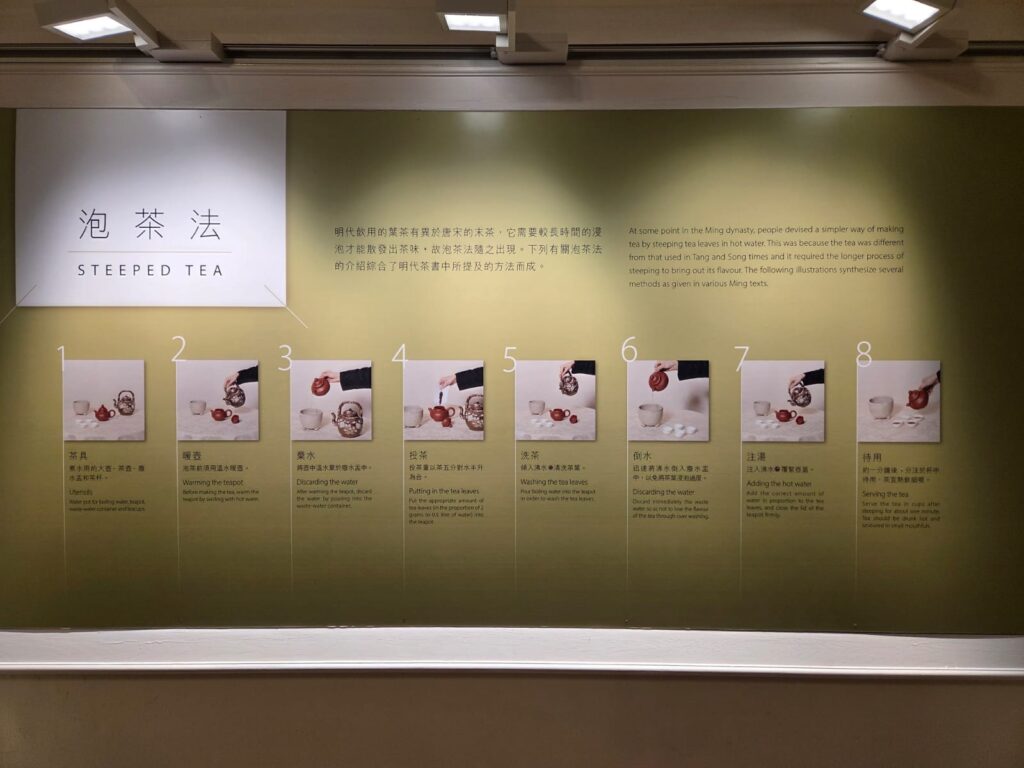
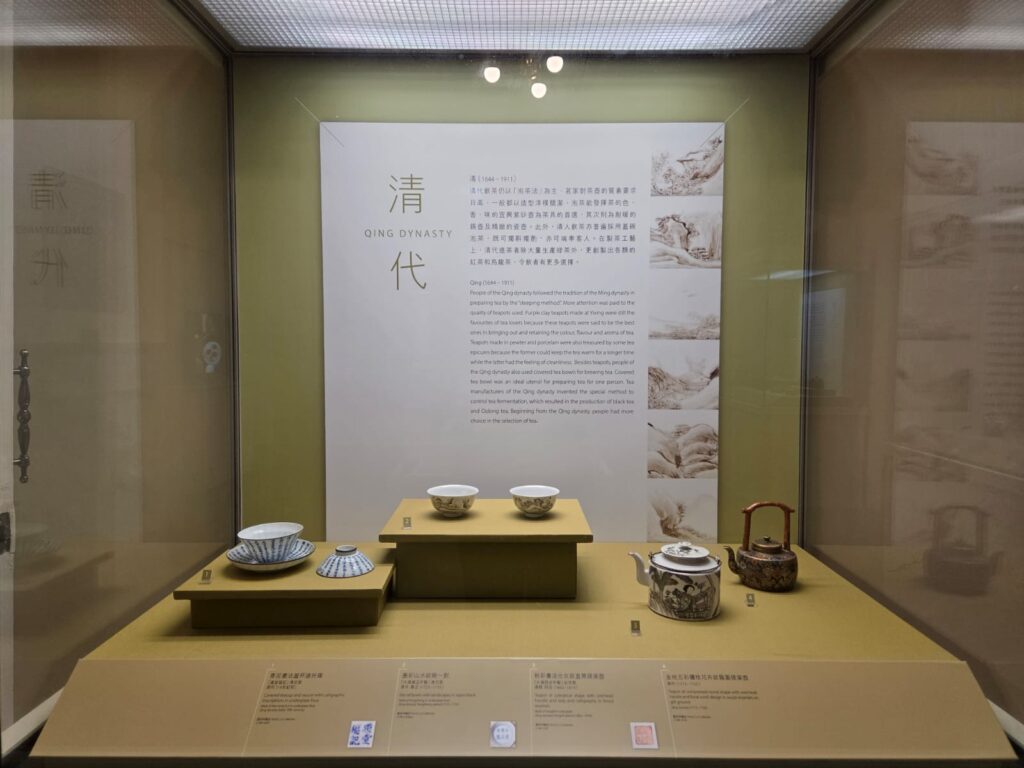
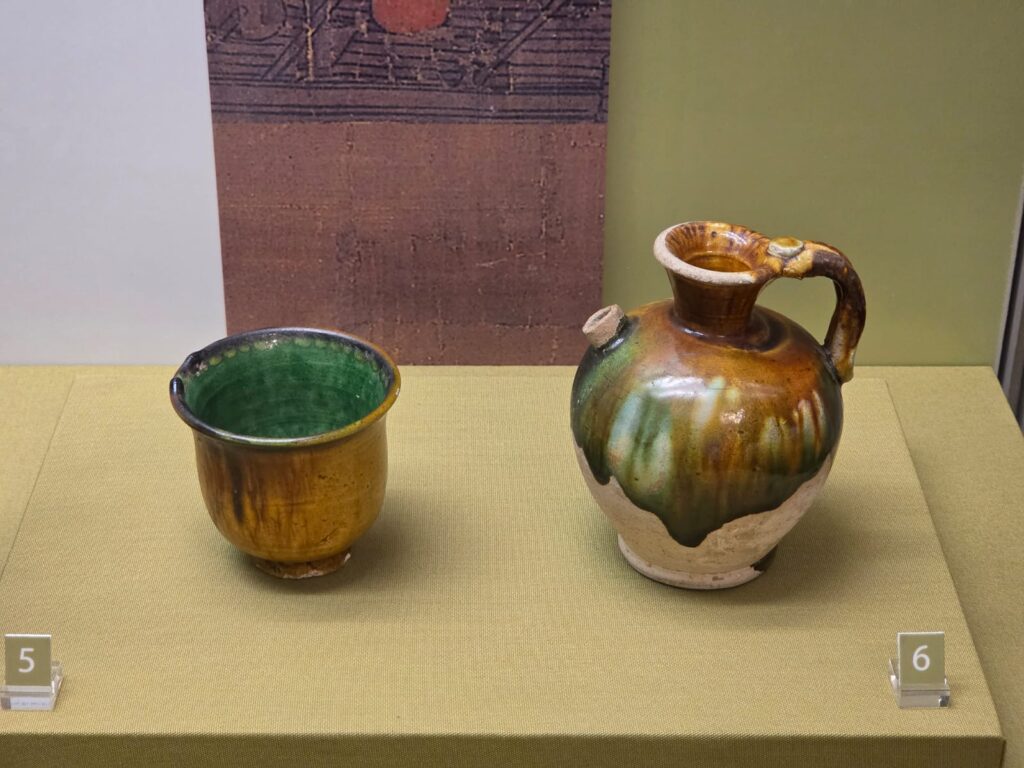
We’ve established already that I’m not a tea ware connoisseur, as I didn’t even spot the oldest extant teapot at Flagstaff House. So what did I see, and what did I learn? A fair amount, to be fair. As well as the objects themselves, the Museum of Tea Ware includes a lot of information panels. Several of these cover different ways to prepare tea (powdered tea, steeped tea and so on). Each group of tea ware also has information about its manufacture, for example purple clay teapots, Ming Dynasty ware, or export ware and its foreign imitations. Finally, other panels cover niche topics like floral teas, or the tea-drinking customs of ethnic minority groups.
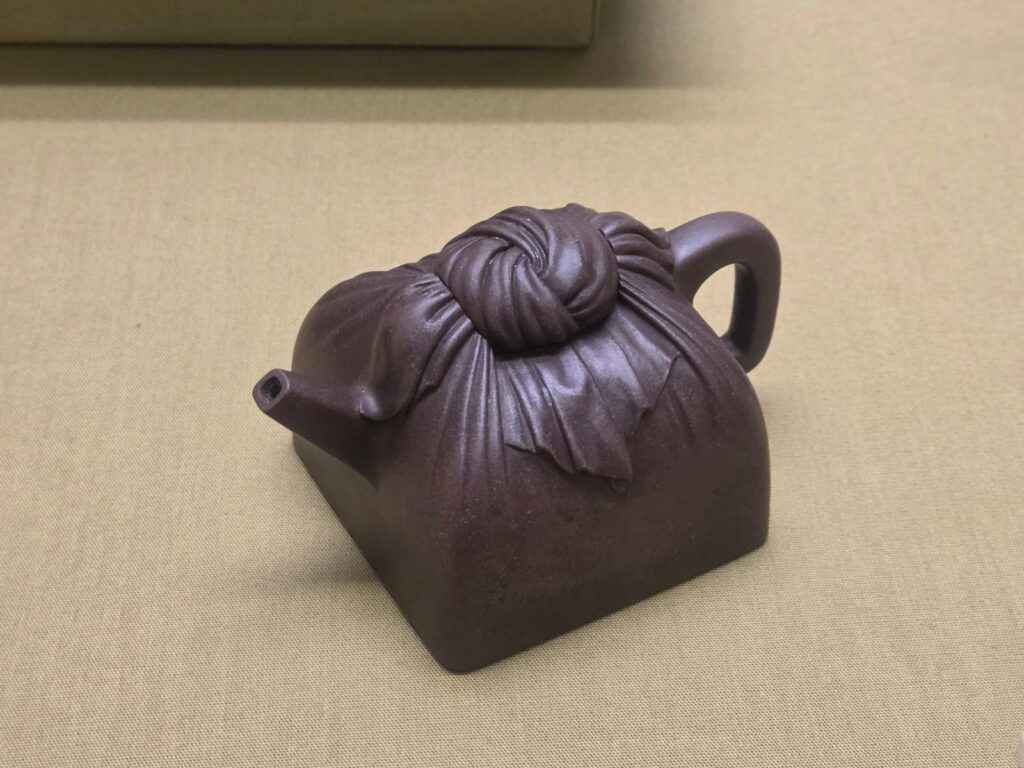
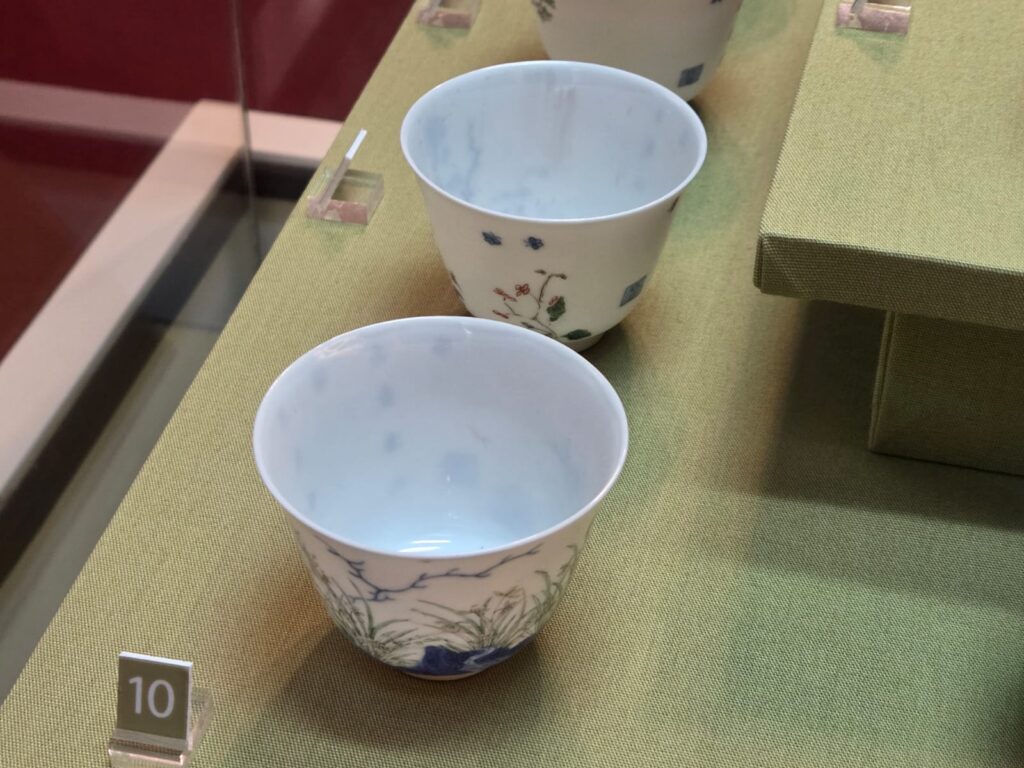
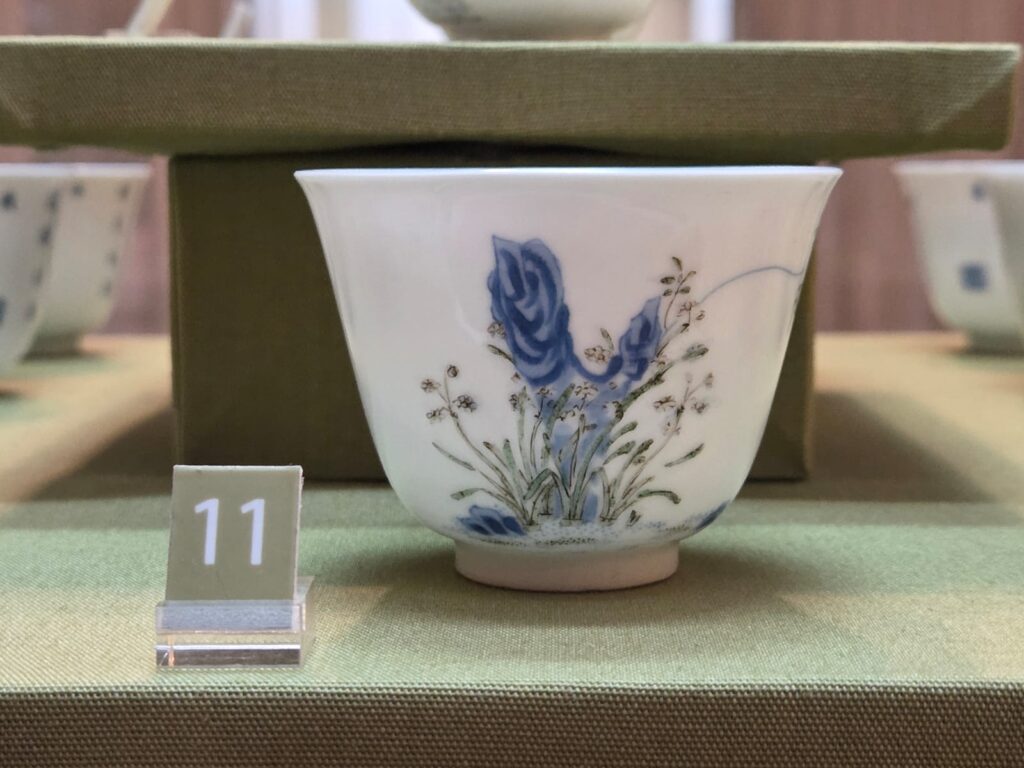
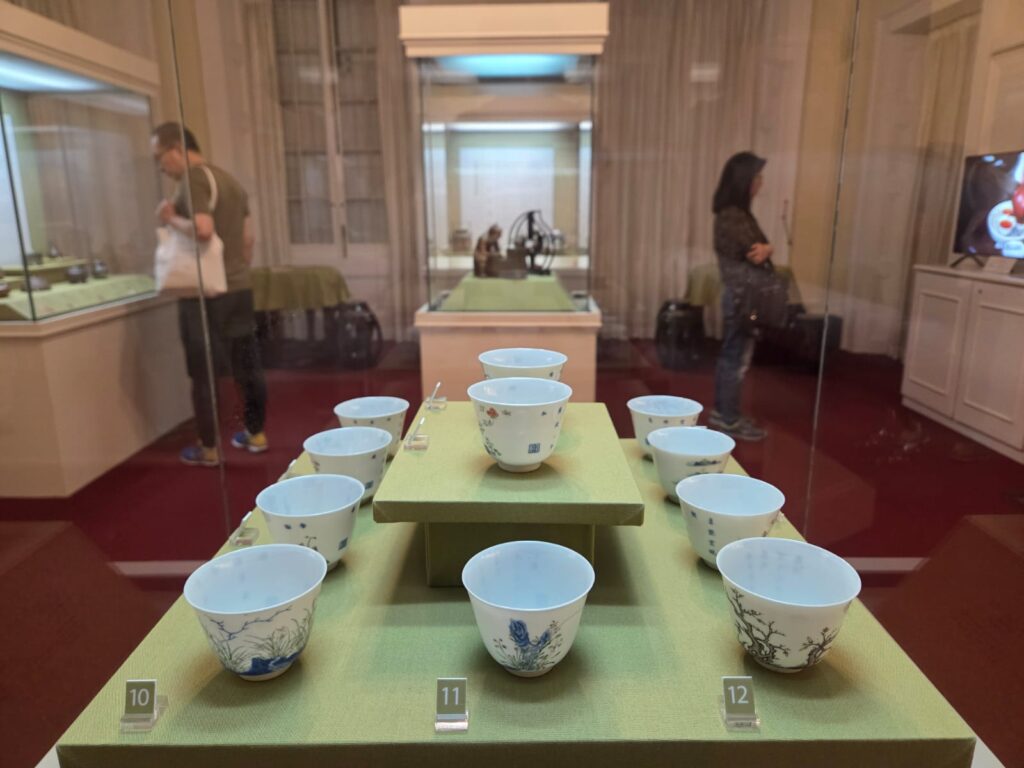
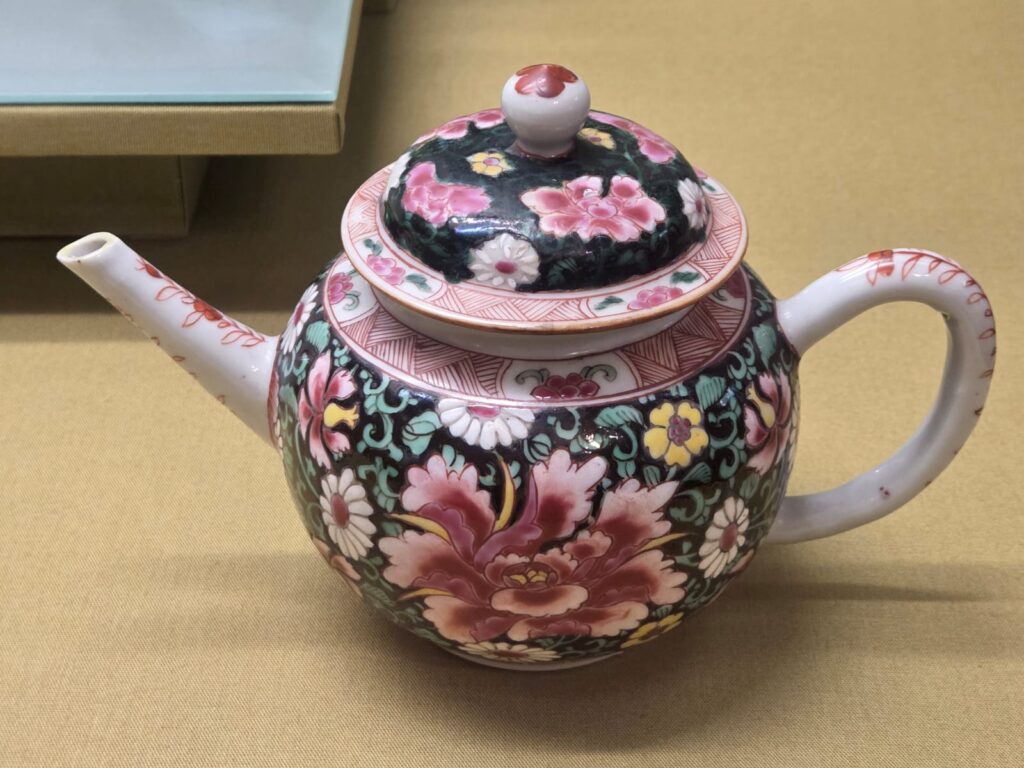
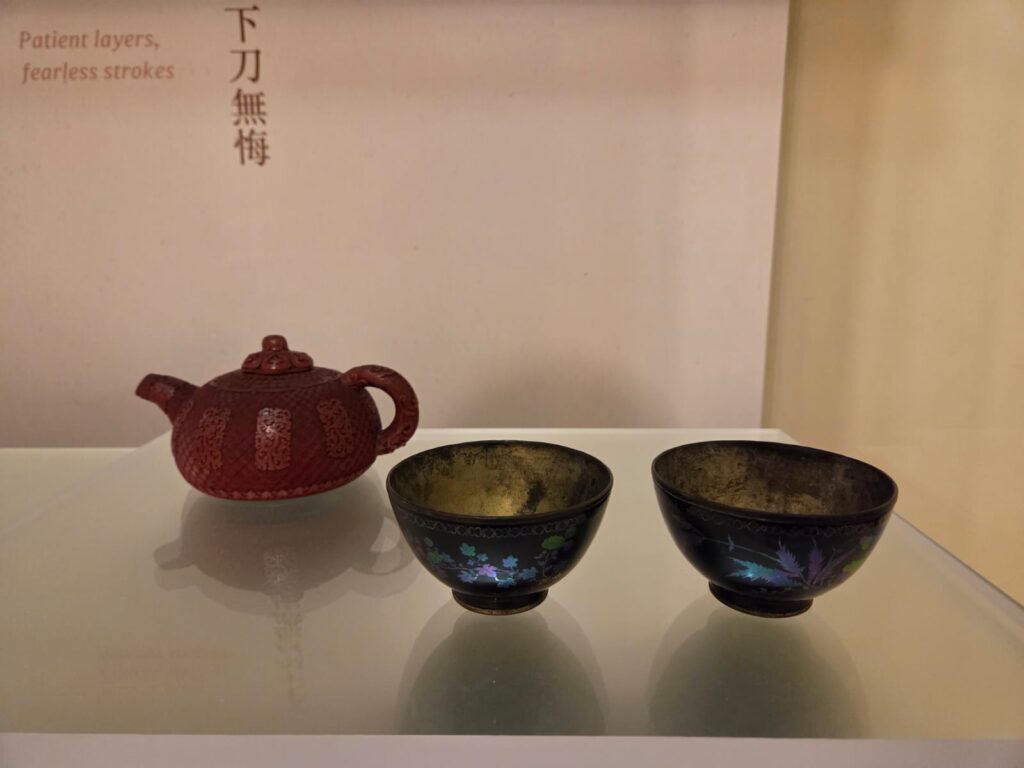
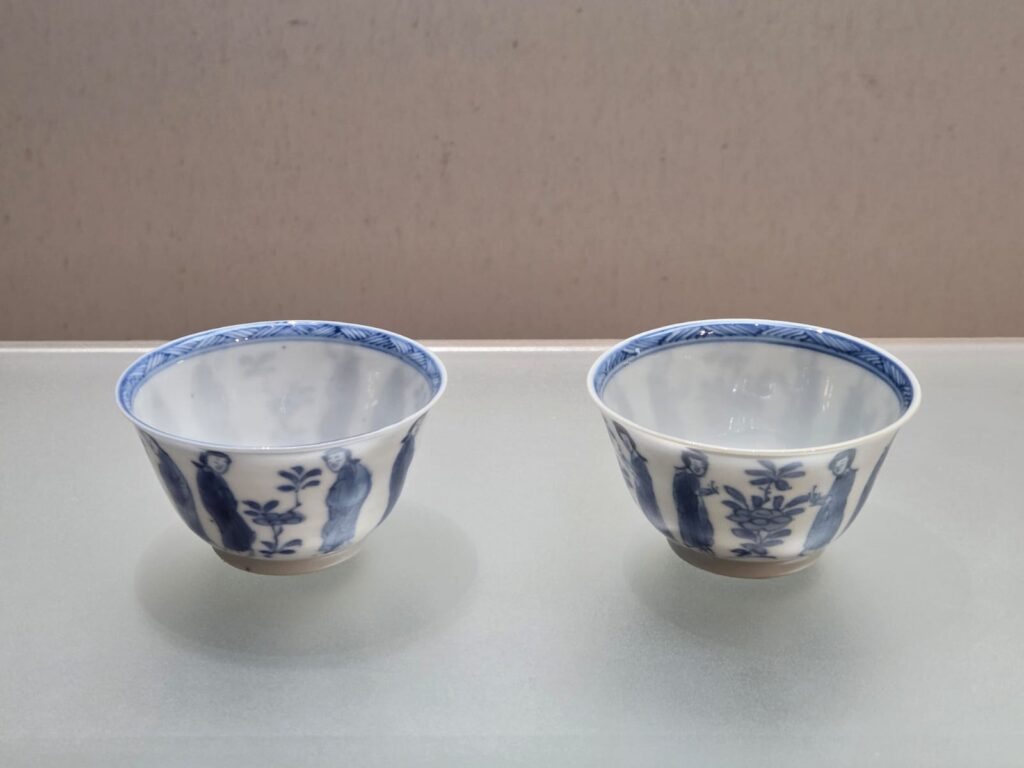
As you’ve probably understood, the items of tea ware are grouped largely by type. The materials largely determine their appearance – clay objects give the sense of forms perfected over generations, while china allowed for colourful glazes and overpainting (and later transfer patterns). There’s that thing about good porcelain being so thin you can see daylight through it, and I must say I was particularly impressed by a set of twelve “Flower God” Qing Dynasty cups in this regard. Other than that, I actually tended to prefer the simplicity of the purple and brown clay vessels.
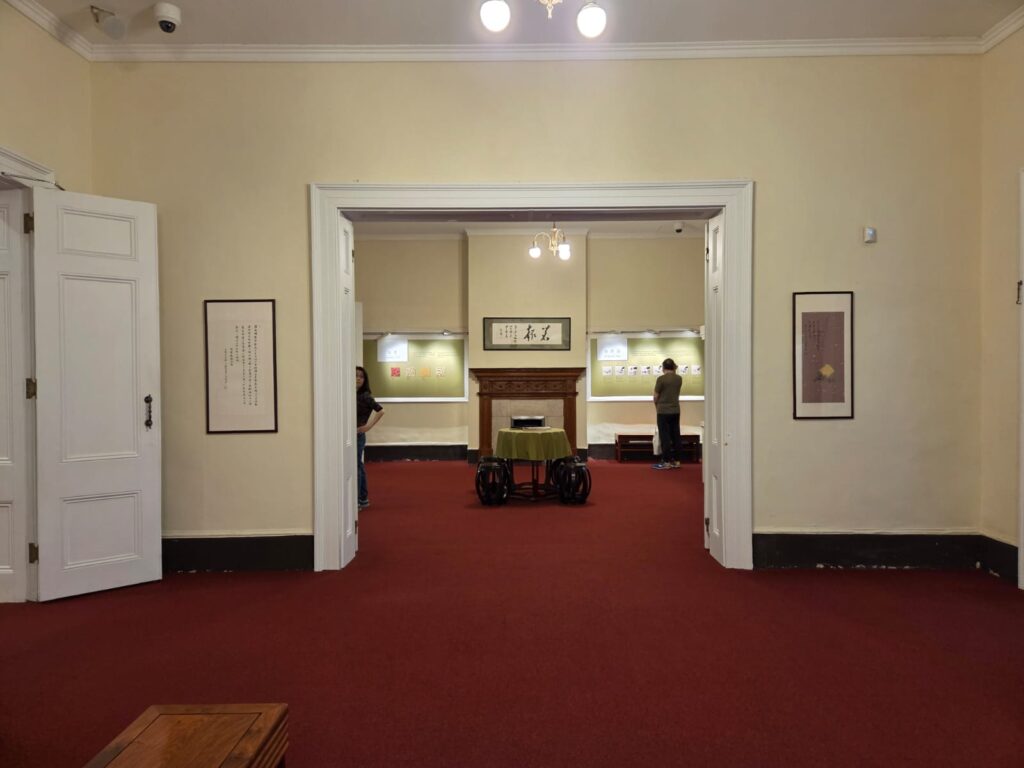
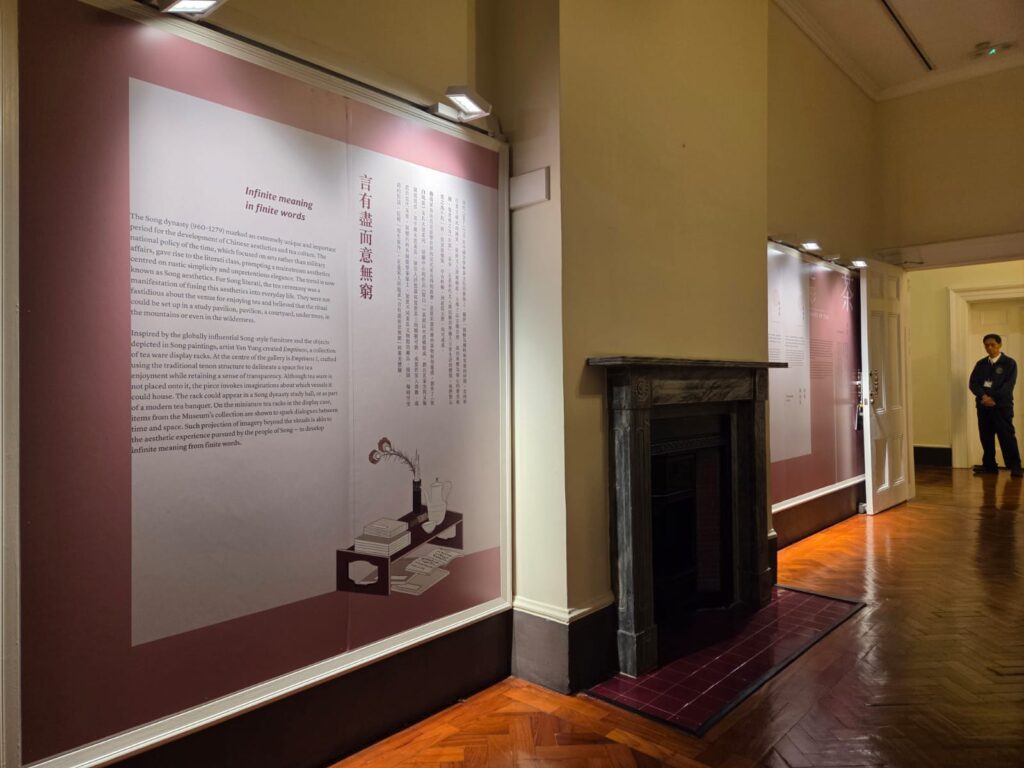
I had also wanted to see the interior of Flagstaff House, and how effective the restoration had been. Mixed results, in my opinion. I suppose they’ve probably returned it to more or less the original layout. But there’s not much of a period feel. Light coloured walls give off more of a museum than a historic architecture vibe. And there are very few, if any, period features outside of the fireplaces. In my own personal opinion, the museum could lean a little further into historic decoration without detracting from its collection.
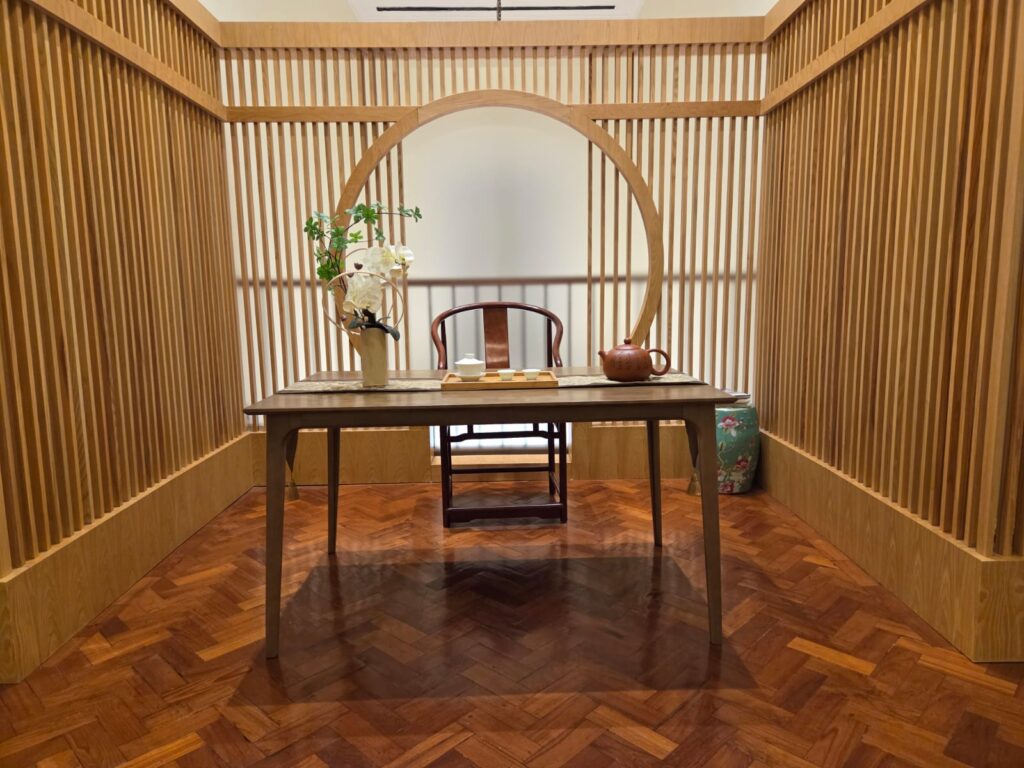
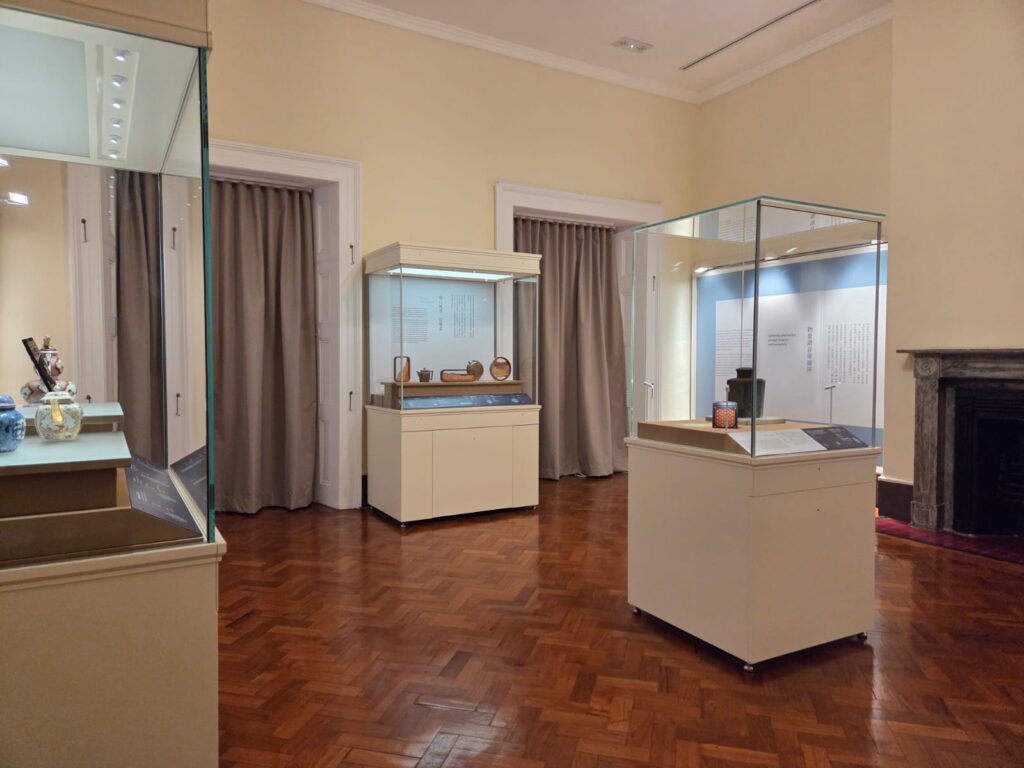
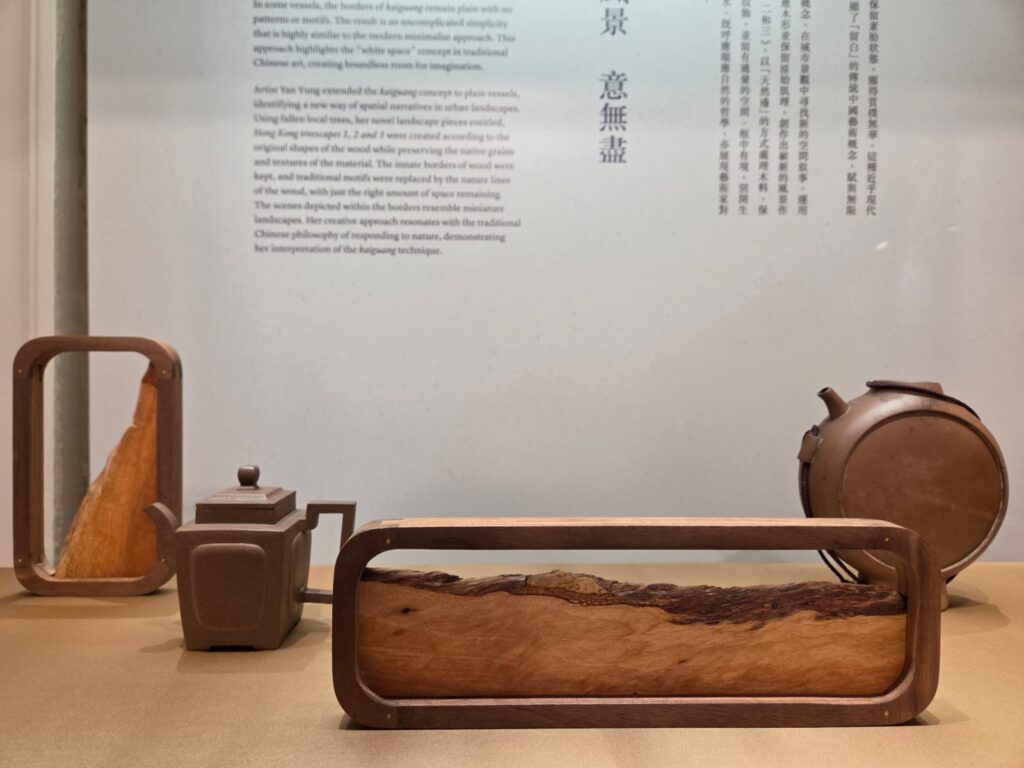
Hong Kong Artist Dialogue Series: Shape of Tea
Now, I am not often in the position where I can tell you when an exhibition started, but not when it ends. That is, however, the case with Hong Kong Artist Dialogue Series: Shape of Tea. It started in November 2025, but no mention anywhere I could find of when it finishes. So if you happen to read this post, and your interest in the dialogue between contemporary art and tea ware is what entices you to Flagstaff House, I would suggest checking the museum website before visiting.
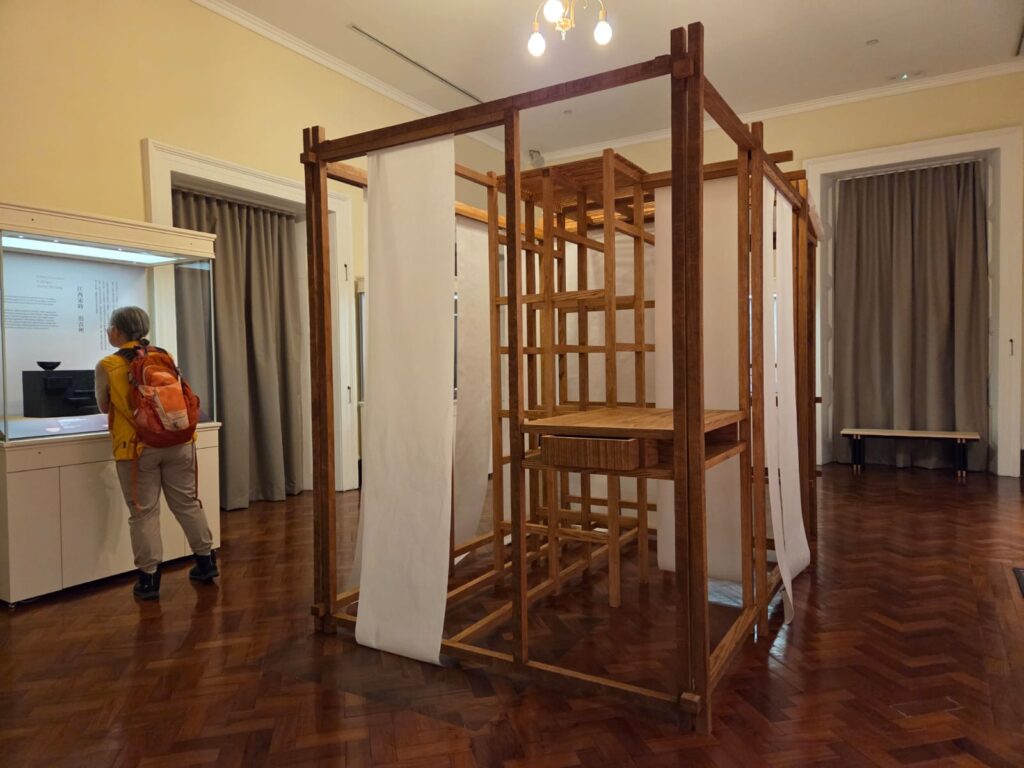
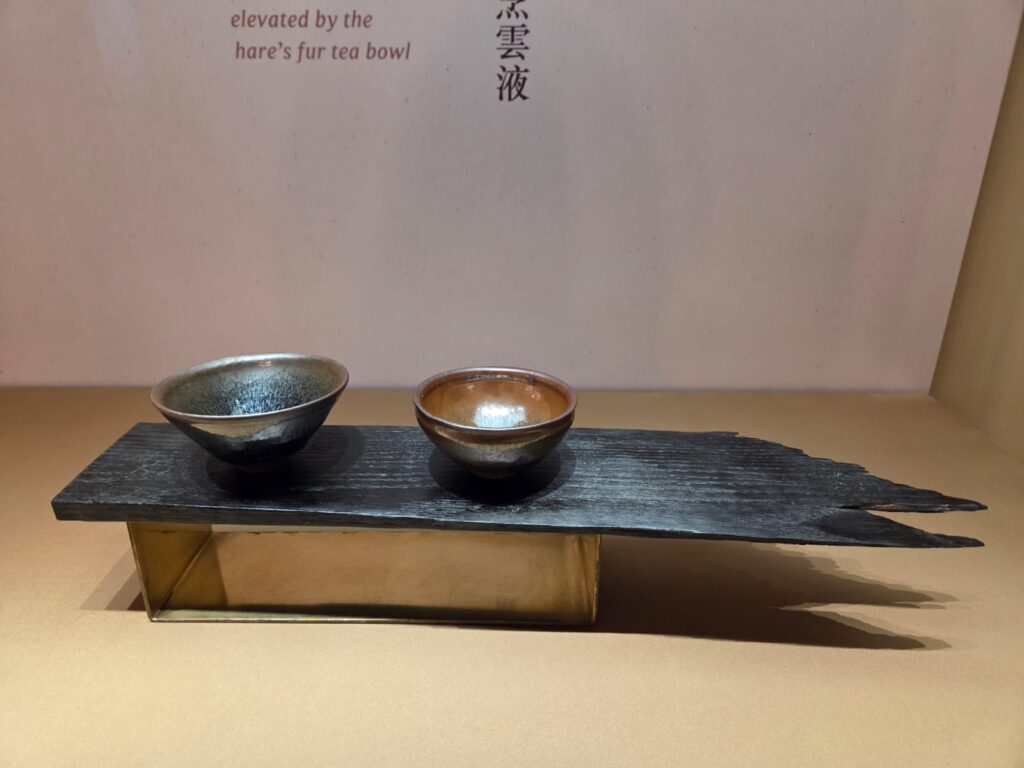
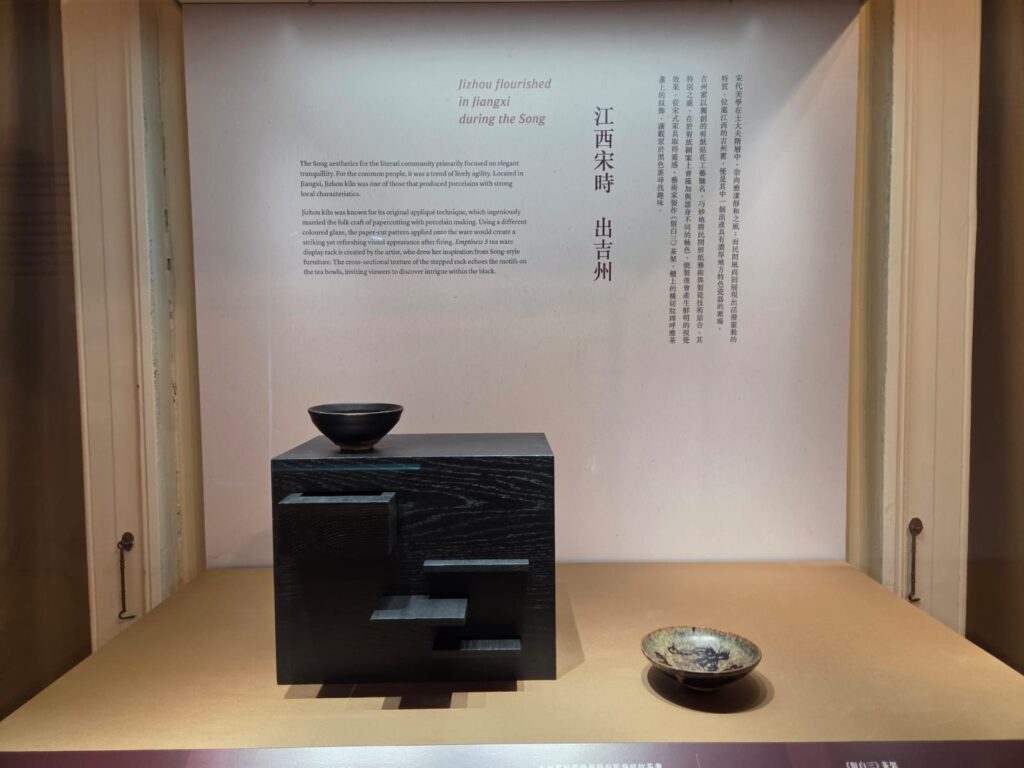
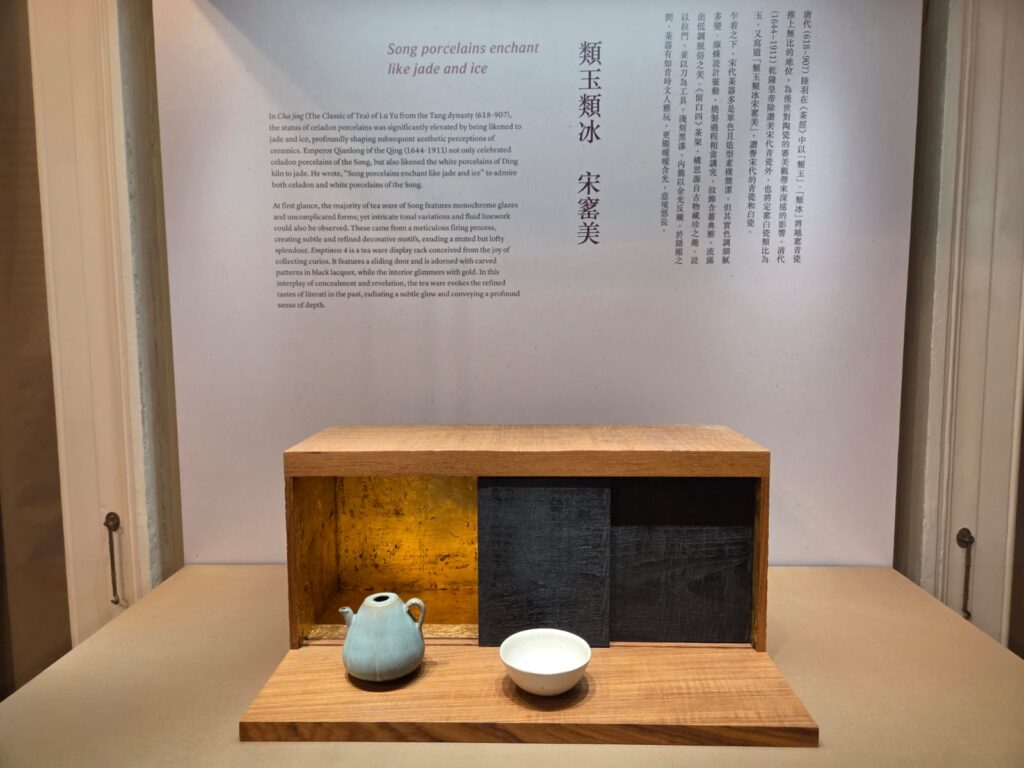
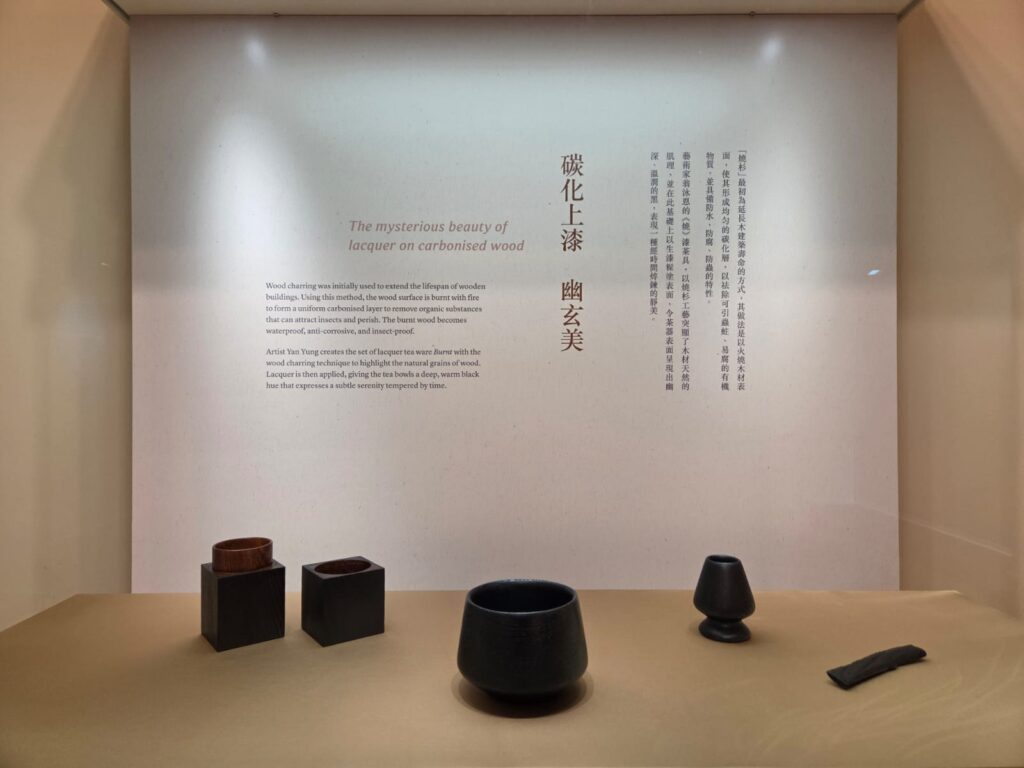
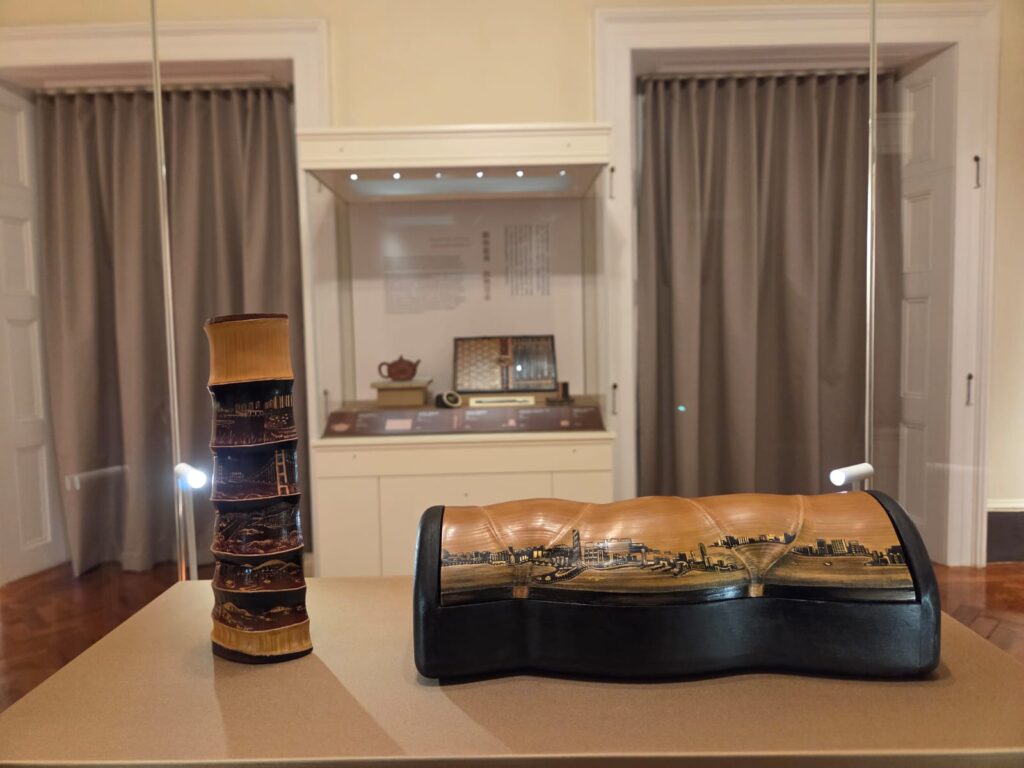
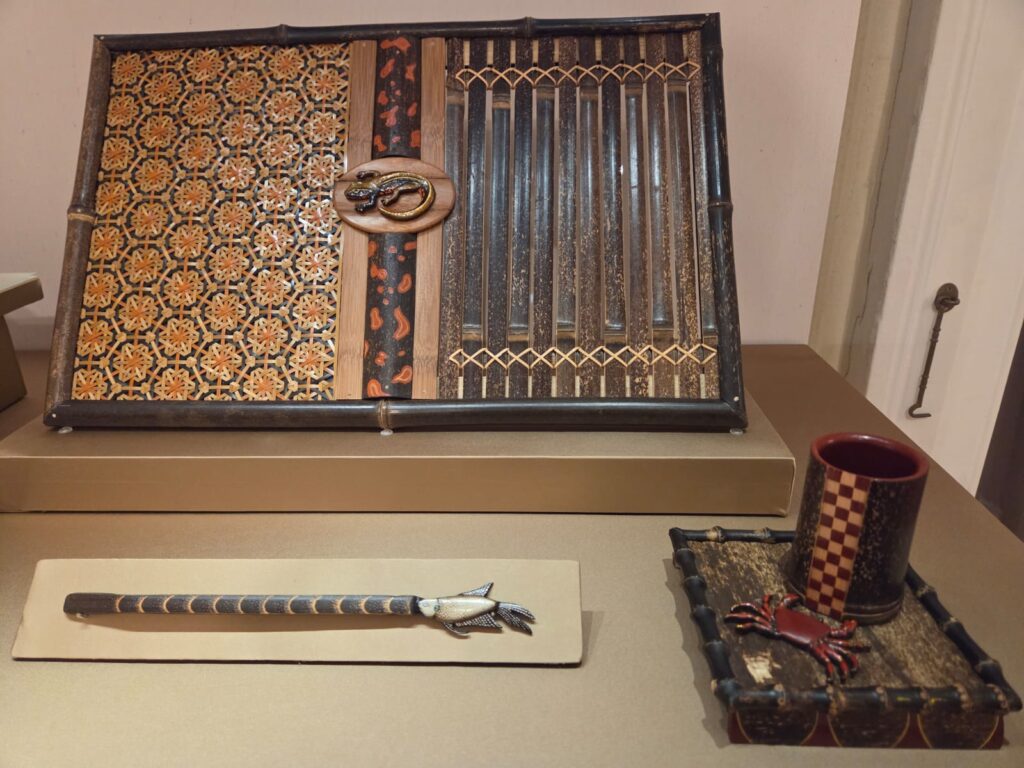
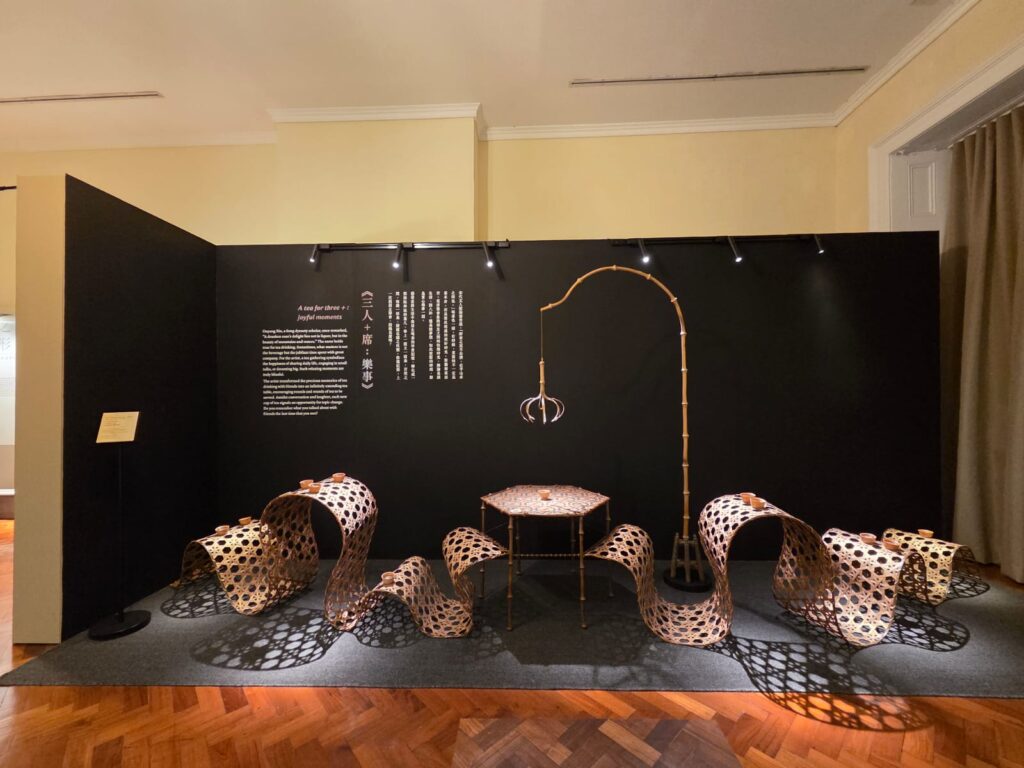
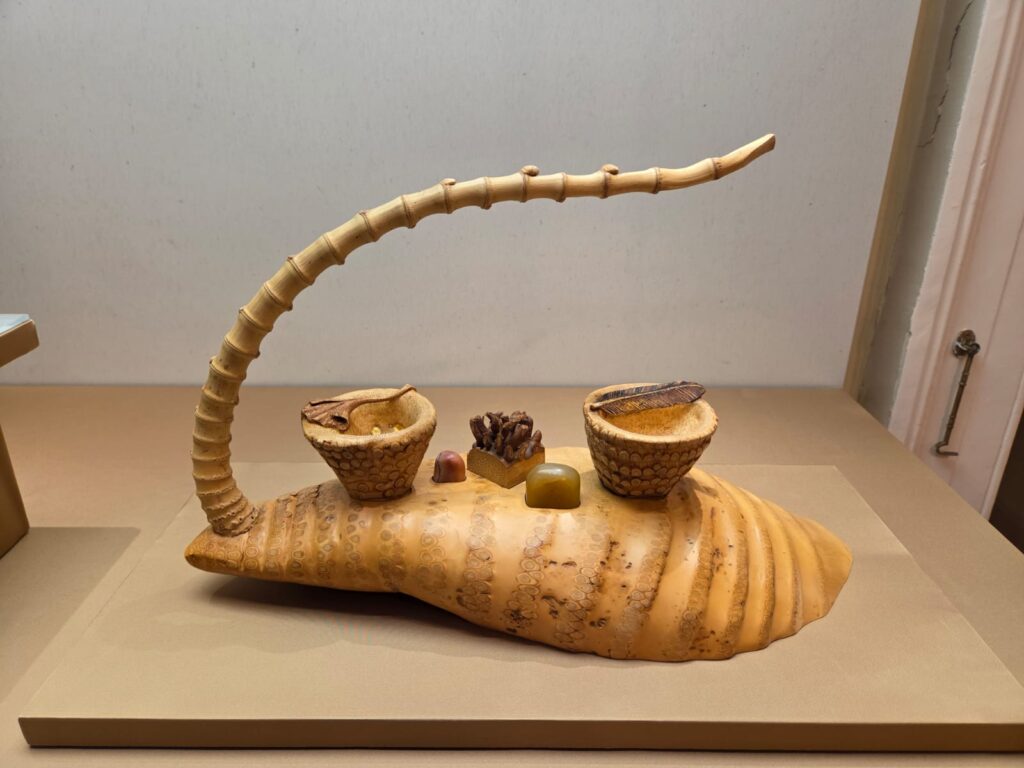
Shape of Tea combines work by two Hong Kong artists, Yung Wing-yan and Lam Ka-yu, with objects from the permanent collection. It is a departure from the rest of the display, partly because of the contemporary nature of their work, and partly because of the media they work in: Yung in wood and Lam in bamboo. Both have been inspired here by the aesthetics of the Song Dynasty to create works that reflect on tea culture. These range from small tea bowls to tea racks and tables that are 2-3 metres in size.
I liked the blend of historic sets of tea ware with these contemporary works. There is a simplicity to Yung and Lam’s work that belies the immense skill that goes into it. The artists have also connected their new creations to Hong Kong, for example by drawing inspiration from flora and fauna named after the territory. Particularly for those visitors like myself whose interest in historic tea ware is, shall we say, modest, this is a great way to introduce variety and encourage close looking at objects both old and new.
Check the Flagstaff House Museum of Tea Ware website for the closing date of Shape of Tea.
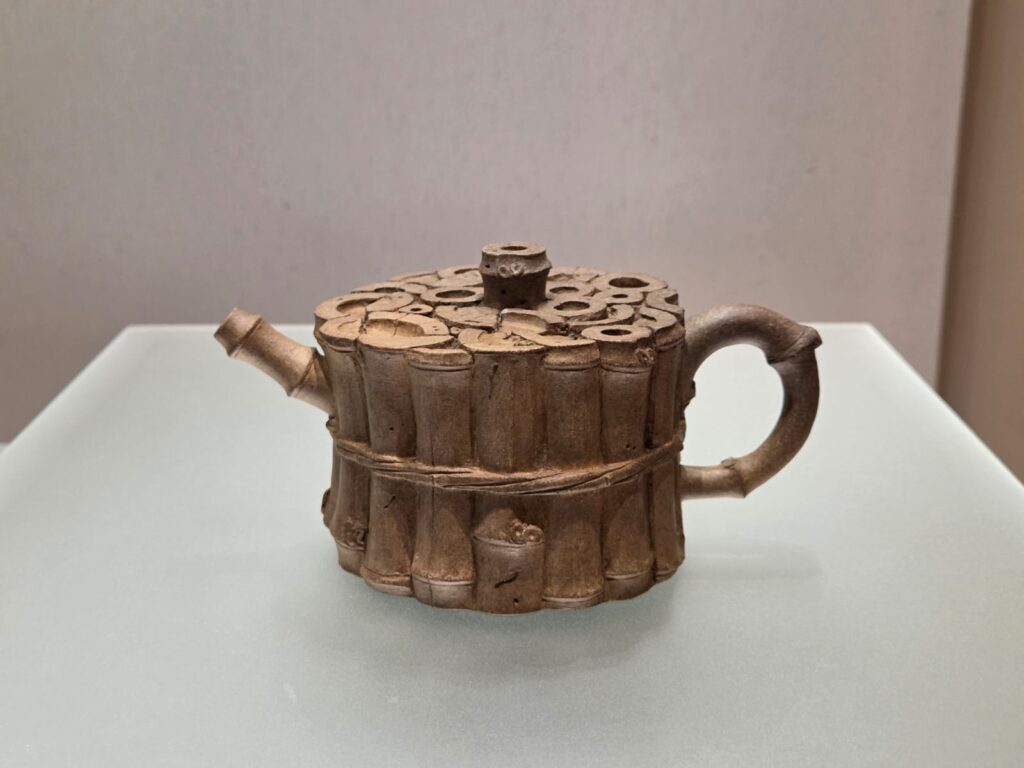
Final Thoughts on Flagstaff House Museum of Tea Ware
Writing this post almost two months after my visit to the Flagstaff House Museum of Tea Ware, what are my final thoughts? Firstly, that Hong Kong Park is a nice place to spend a couple of hours. Between this museum, the park itself, the aviary, and maybe a visit to LokCha Tea House, it’s quite a relaxed space. I don’t know why I’d never been before, given how close I’ve generally stayed to this area, but I hope to be back.
Coming to the museum more specifically, I would say it met my expectations. I was mildly interested in seeing Hong Kong’s oldest remaining colonial building, and it was mildly interesting. Not too historic from the inside, but a nice architectural contrast from the outside. And the collection was certainly educational. Mostly in the sense of understanding how much I don’t know about tea. I had the feeling it was a connoisseur’s game, and so it certainly seems to be. The culture and ritual around it, the science behind brewing tea, the different cultural traditions. All that before you even get to the tea ware itself. Then you have different materials, matching those to different types of tea, the decoration, the forms, the accoutrements. Such a lot to learn, and I really only scratched the surface.
Finally, this museum visit felt like a suitable way to bid goodbye to Hong Kong (for now). A mix of Chinese tradition and colonial history. Private benefactors within a public heritage framework. All things we have seen, in different guises, throughout our time in Hong Kong. I can’t wait to see what else I uncover on my next visit!
Trending
If you see this after your page is loaded completely, leafletJS files are missing.