
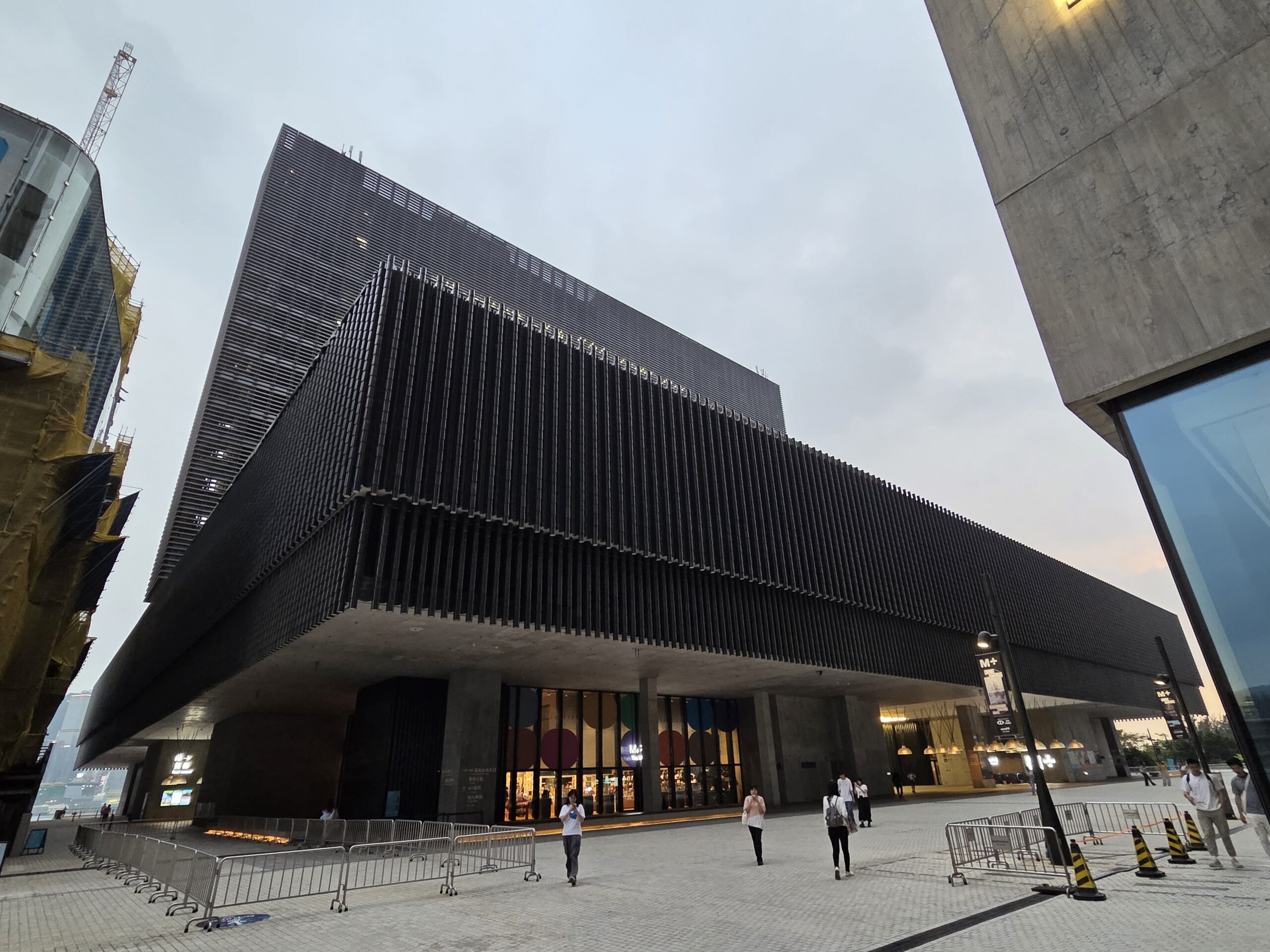
M+, West Kowloon Cultural District
I get to know more of the West Kowloon Cultural District with M+, built to rival the great museums of modern and contemporary art.
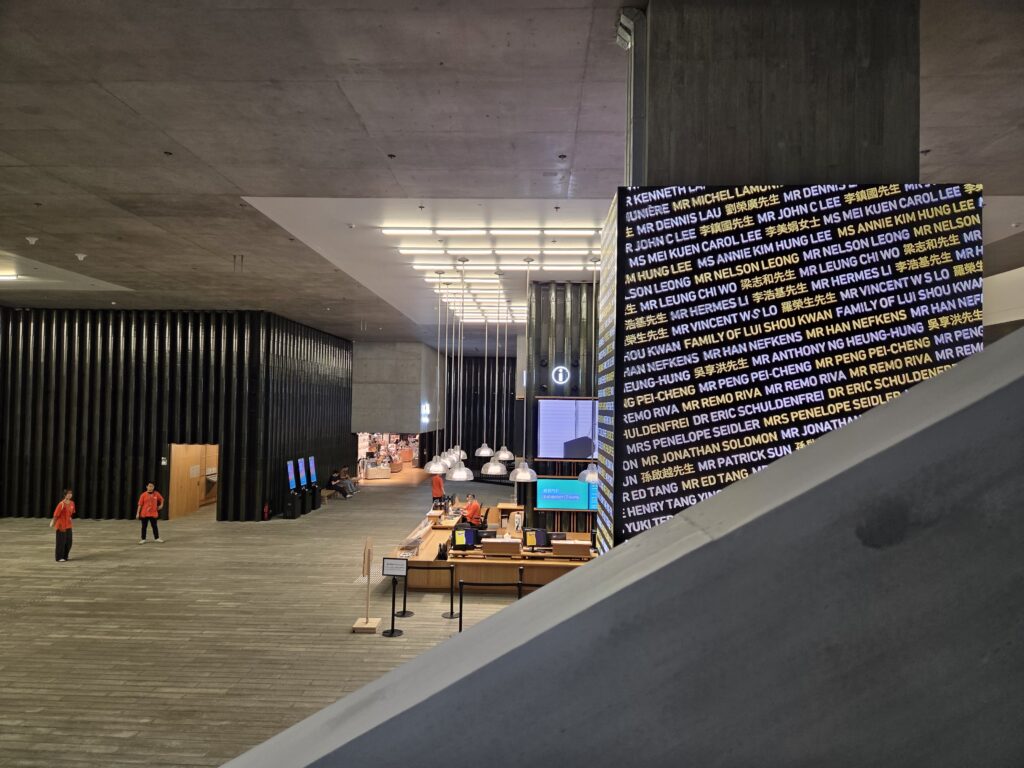
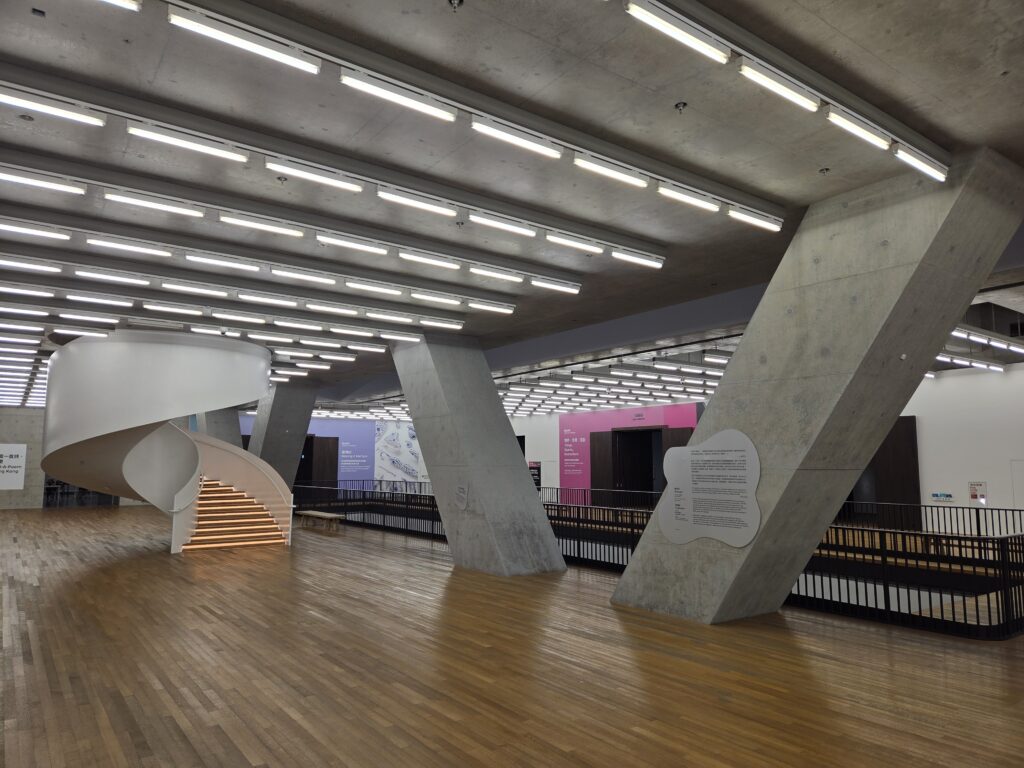
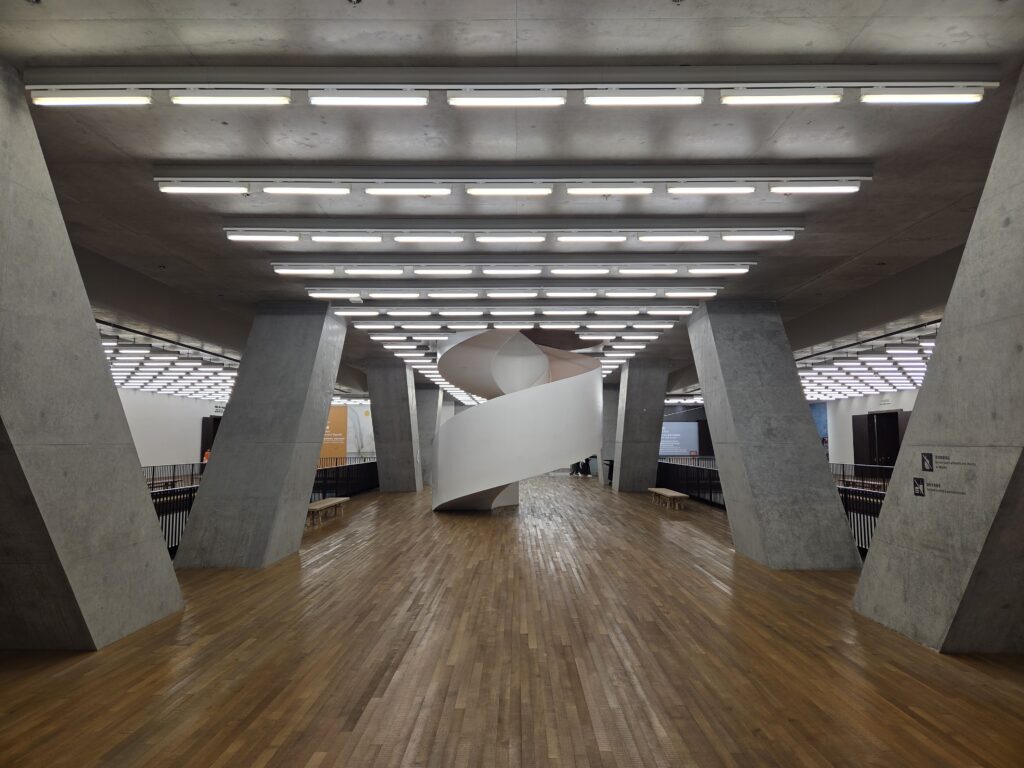
A Visit to M+
In recent days you have joined me for three walks in different parts of Hong Kong, where we explored aspects of the territory’s history. We started in Wan Chai, before catching ferries to Lamma Island and Aberdeen, and finally checking out Sha Tin and Ten Thousand Buddhas Monastery in the New Territories. Those were all the walks I fitted into my week in Hong Kong – not bad for a trip that was not about tourism. But I also managed to get to a couple of museums.
In the case of M+, I was aided by late opening hours. M+ is open until 6PM most days, but stays open until 10PM on Fridays (note: it’s closed on Mondays). I thought that gave me ample time for an after-work visit, but actually by the time I got there, looked at the architecture and all the exhibitions, I was a little rushed. Well, rushed in part because I’d decided to get a fairly infrequent ferry back to Central from West Kowloon Cultural District. I had plenty of time before museum closing. But the ferry is pretty convenient so I do recommend it if the times line up.
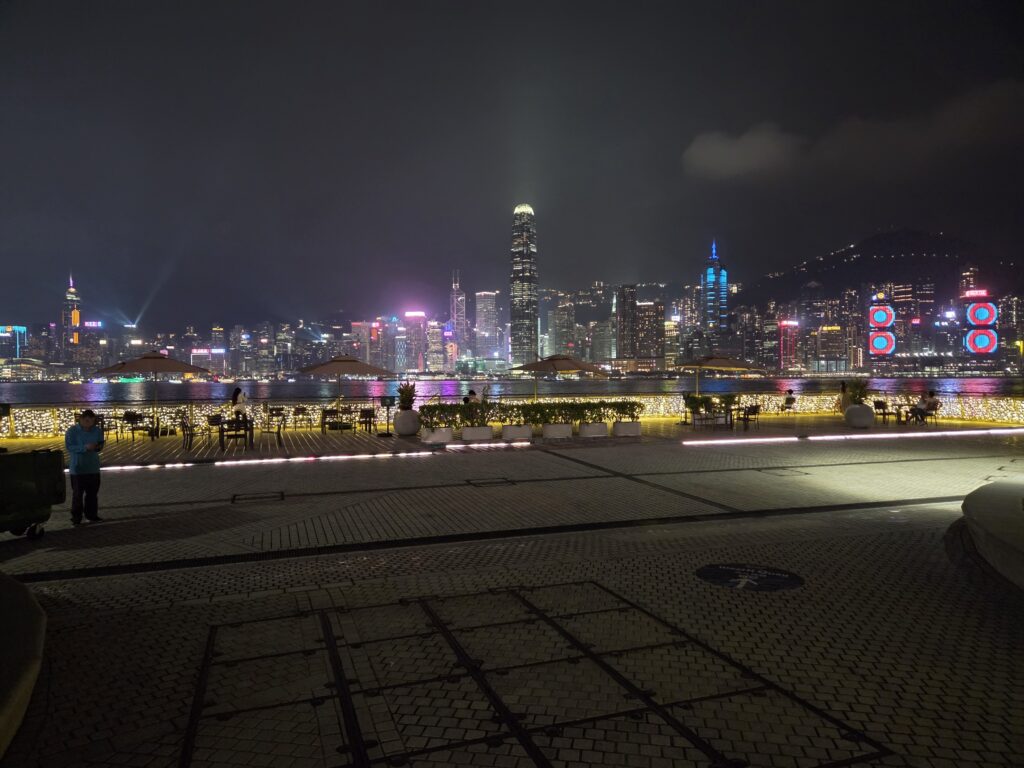
And if the West Kowloon Cultural District sounds familiar, it’s because I’ve been here before. My previous trip to Hong Kong coincided with HKPAX, the inaugural Hong Kong Performing Arts Expo. I came to the West Kowloon Cultural District to see a mix of perfume bottle collection, dioramas, music and scent – Time in a Bottle by Leon Ko. The West Kowloon Cultural District is a new and still evolving arts quarter in Hong Kong. I’ll be honest: it’s not the easiest to get to. Either that ferry, or MTR and a long-ish walk (I got lost this time around). But it’s full of interesting cultural venues, and also a nice spot for sunset views. I’ll hopefully be back at least once more in future as I’d like to see the Hong Kong Palace Museum, if nothing else.
But let’s focus ourselves back on M+ now, starting with a bit about the institution’s history.
A Short History of a New Museum
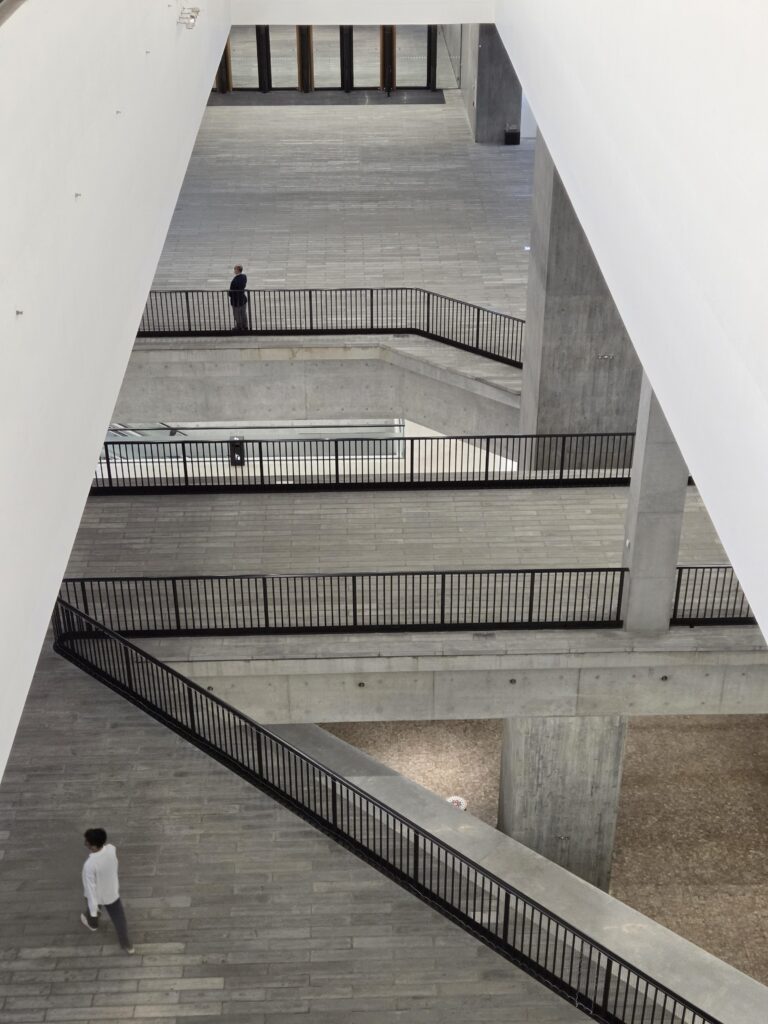
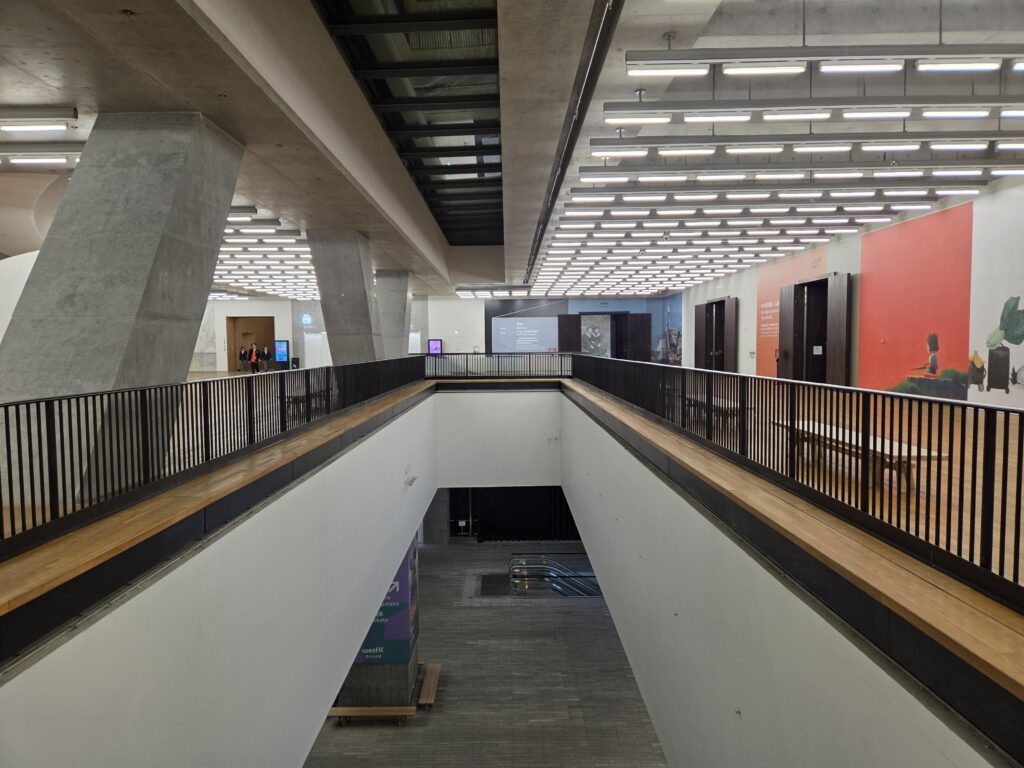
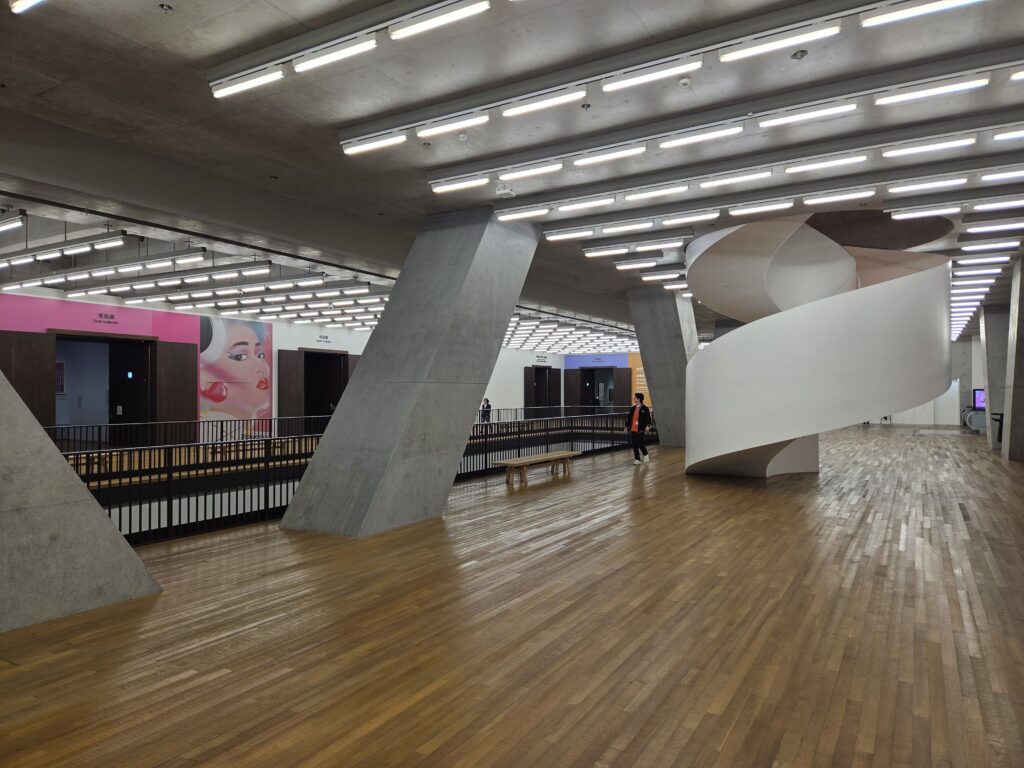
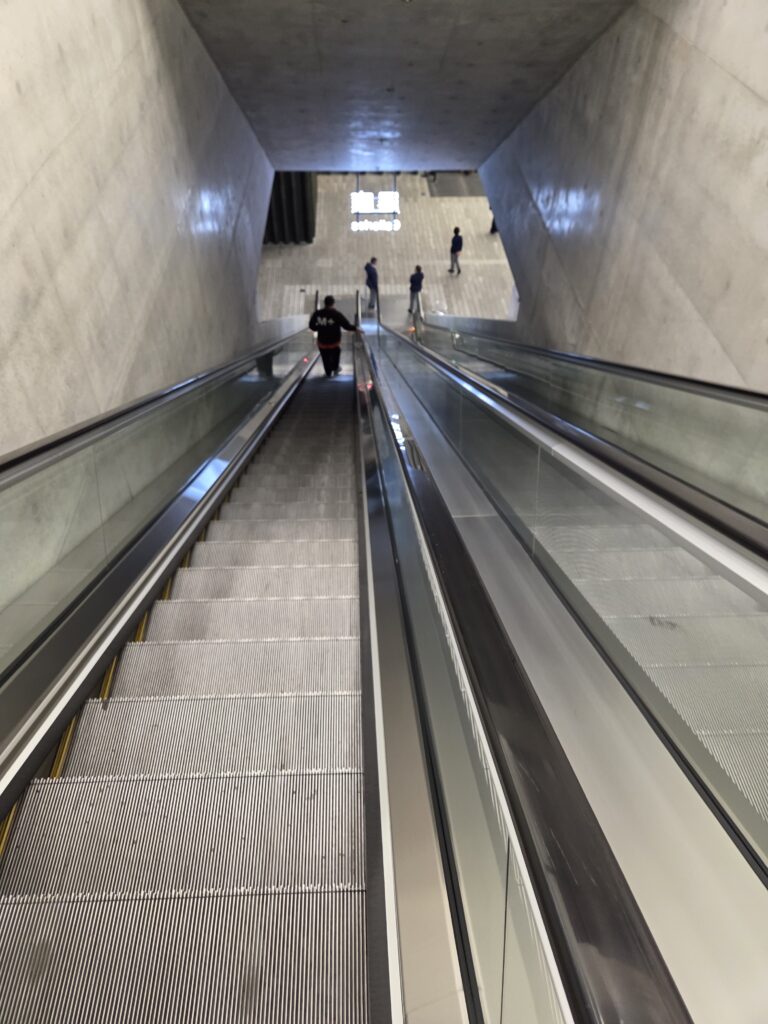
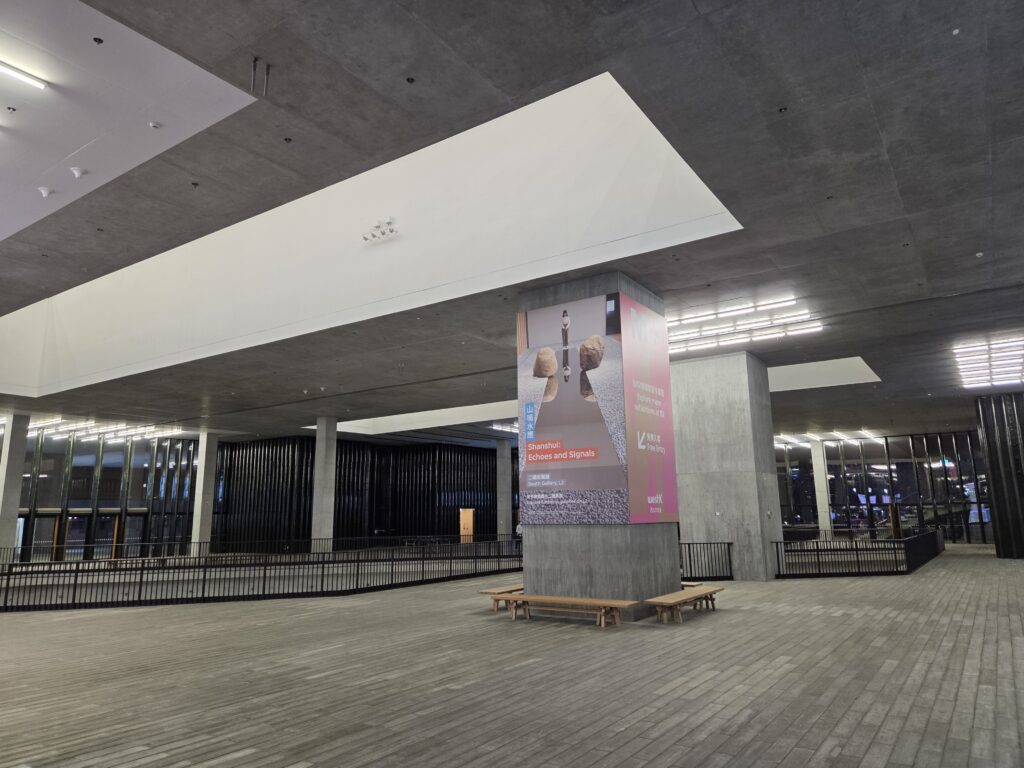
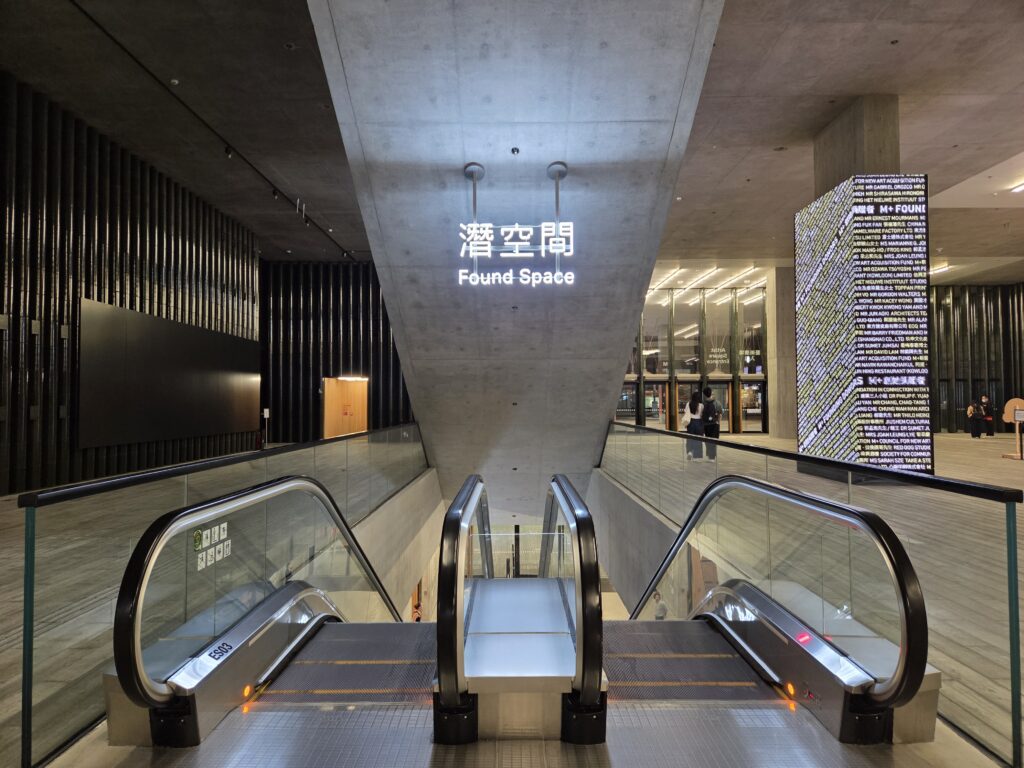
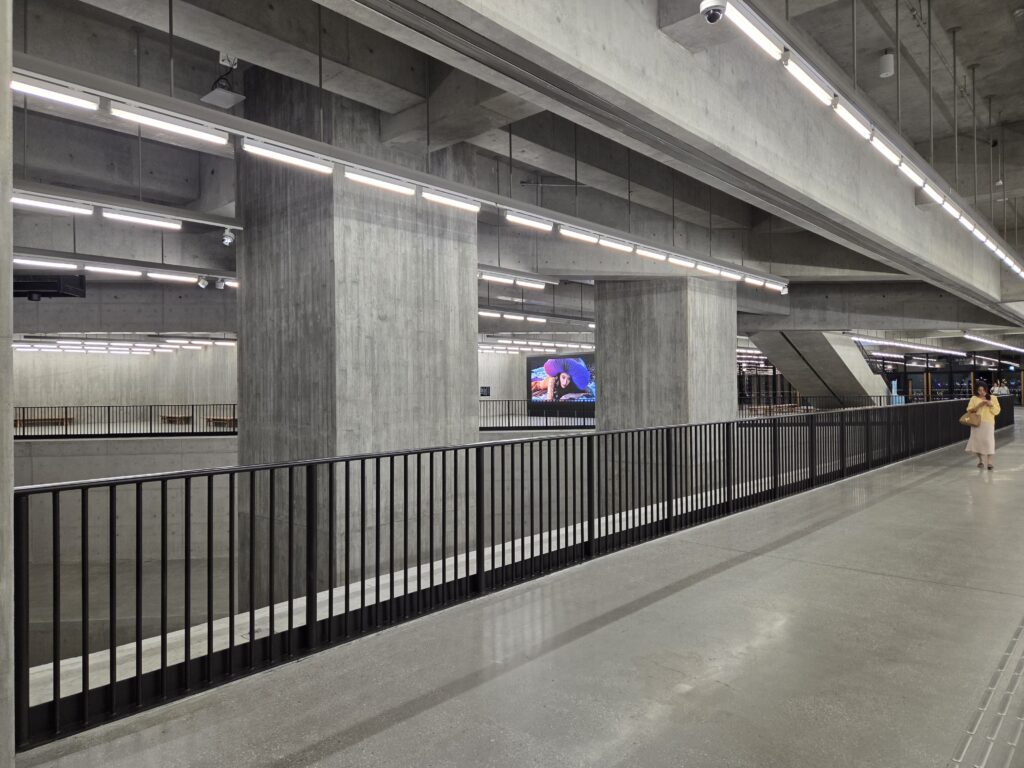
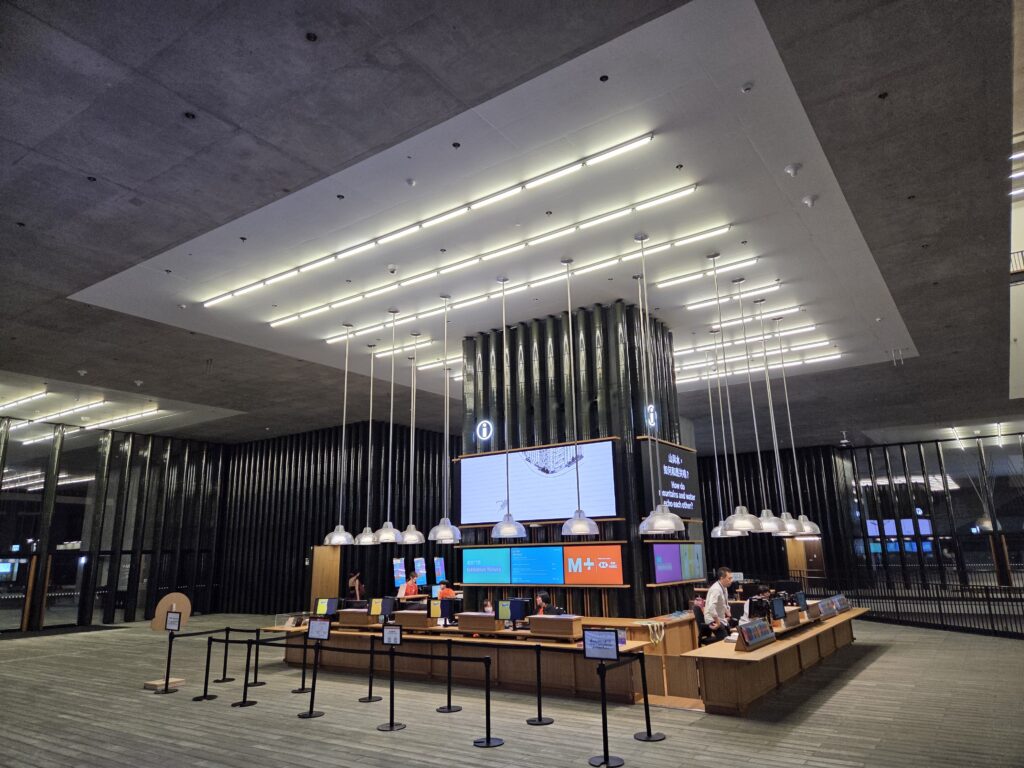
So M+, as I said, is a new museum. Part of West Kowloon Cultural District, whose master plan is the work of Foster + Partners architecture firm. The competition to design this specific building was won by Herzog & de Meuron and Farrells in 2013. Construction was completed in 2020 (not the best timing!) with a programme of extramural events and commissions building anticipation before then. The building allows for pedestrian circulation beneath with offices and businesses above, and makes use of underground space around the tunnels of the airport railway. I didn’t know when I was passing back and forth to the airport that I was travelling underneath this museum!
According to inaugural director Lars Nittve, the name M+ refers to it being a ‘museum and more’. The intention is for its collections – spanning visual arts, architecture, “intangibles”, film, video games, etc. – to rival the big contemporary art museums like Tate Modern, MoMA, and so on. Not an easy task when those other institutions have such a head start.
Luckily for M+, it got a boost in 2012 (yes, long before the physical museum existed). Swiss collector Uli Sigg announced he was donating his collection of contemporary Chinese art, almost 1,500 works by over 300 artists, to the museum. Sigg even purchased another 47 items for M+ as part of the arrangement. He chose M+ over other options in China in the hopes that more sensitive works in the collection (like those by Ai Weiwei) would be exhibited a bit more freely. This does not seem to have been entirely the case.
From this generous beginning, the collection has now grown to several thousand works. It seems acquisitions first focused on Asian artists and visual culture, before shifting to encompass international trends. In 2019, for example, M+ acquired the archives of British architecture collective Archigram.
Although M+ has this fairly strong, and growing, permanent collection, its approach to presentation is very much exhibition-based. It reminded me a little of visiting Fotografiska in Stockholm. The remaining sections will go over each of the exhibitions I saw when visiting in May 2026.
Lee Bul: From 1998 to Now
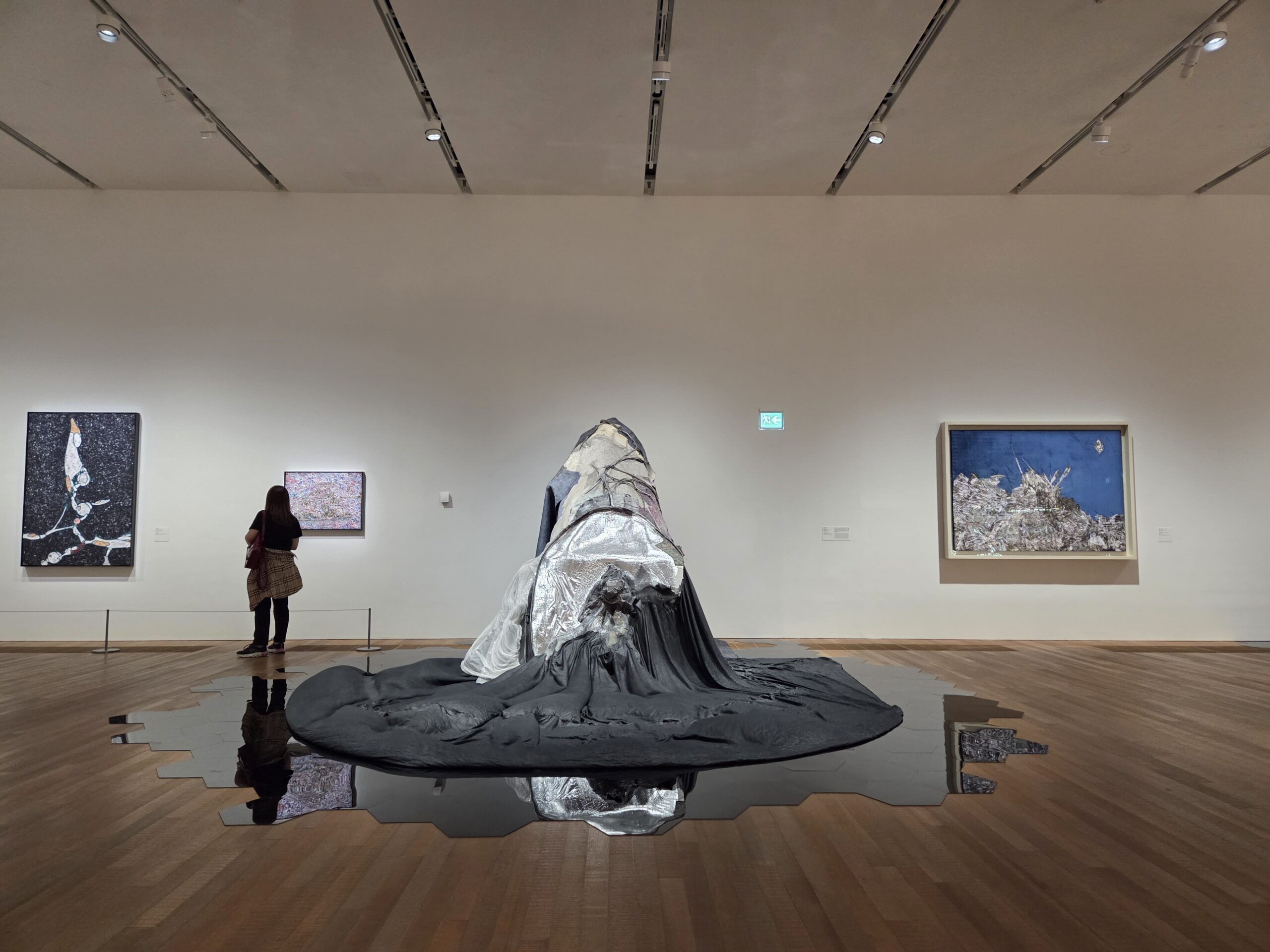
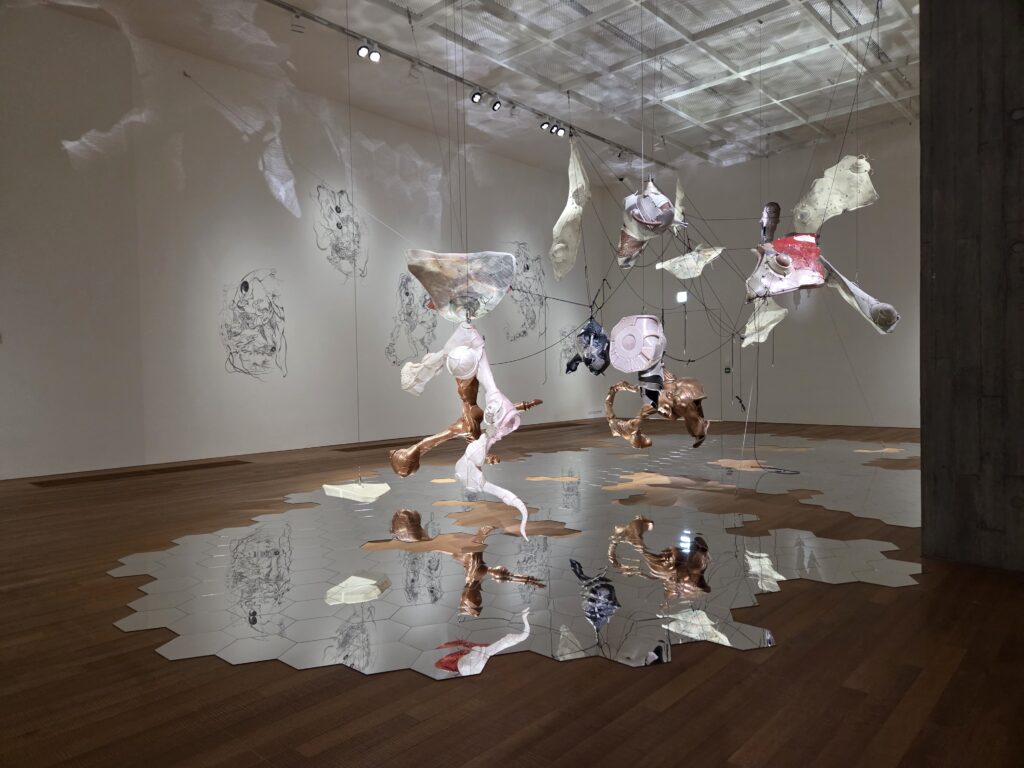
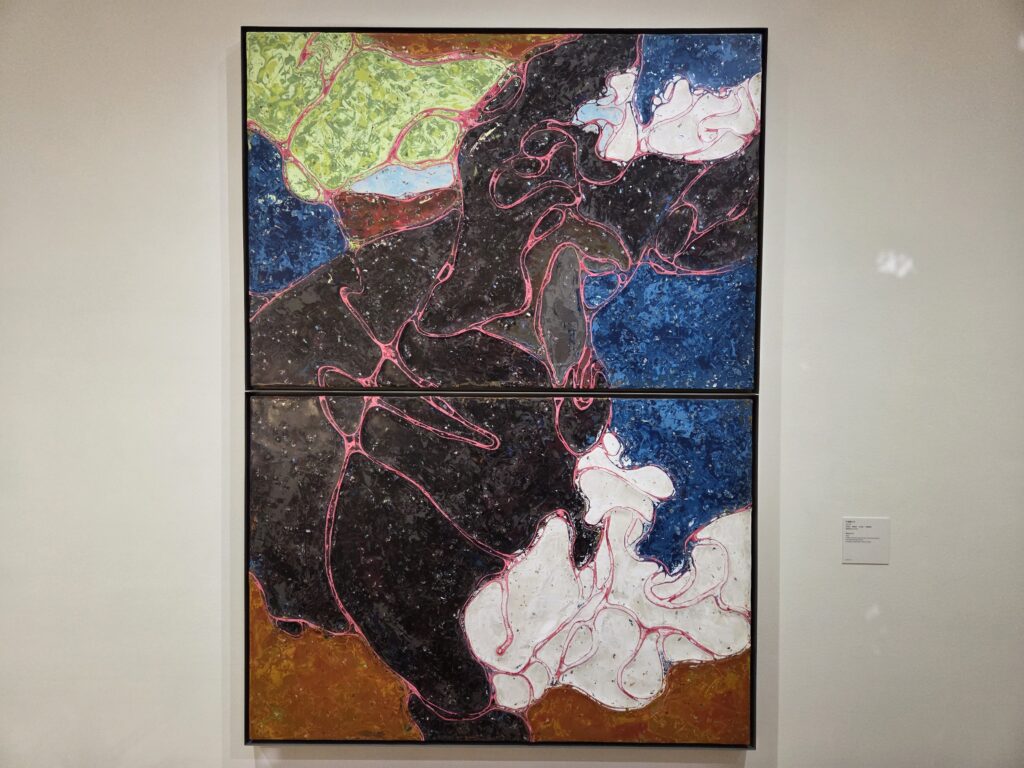
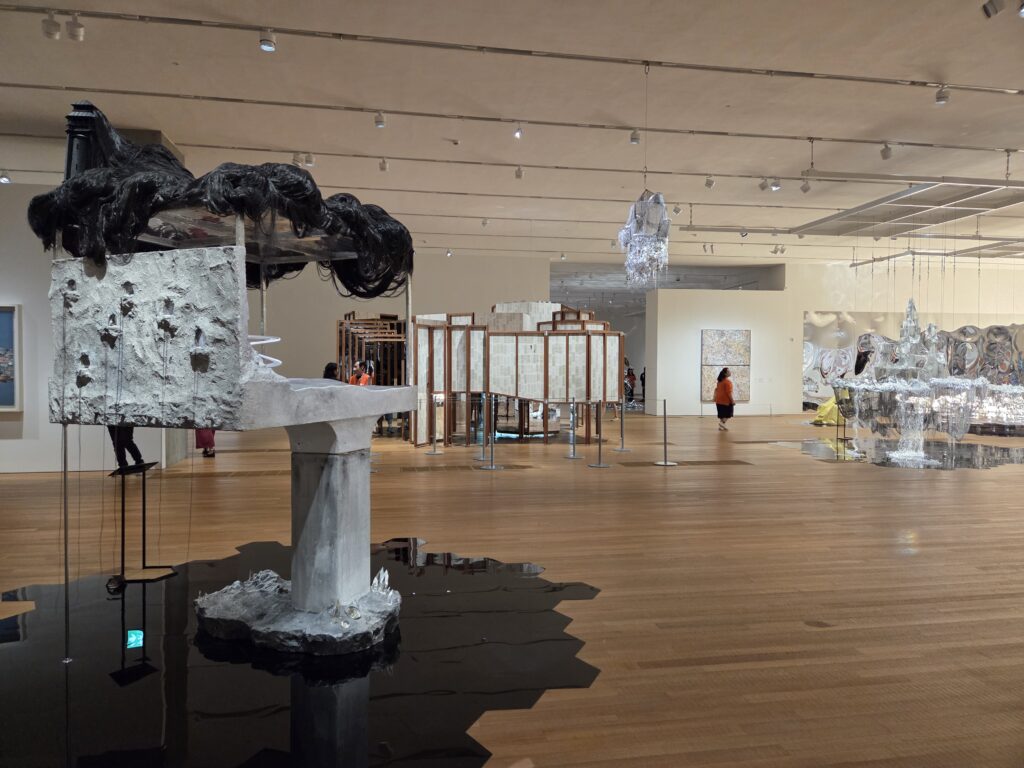
I made a strong start at M+ with Lee Bul: From 1998 to Now. Lee (이불 in Korean) is a South Korean artist, born in Yeongju in 1964. Her biography actually reminded me a little of Haegue Yang, particularly the fact that both were born to politically engaged parents during a time of repressive governments, and came of age during a time of immense change in South Korean society. Lee, however, has remained living and working in Korea since her training at Hongik University.
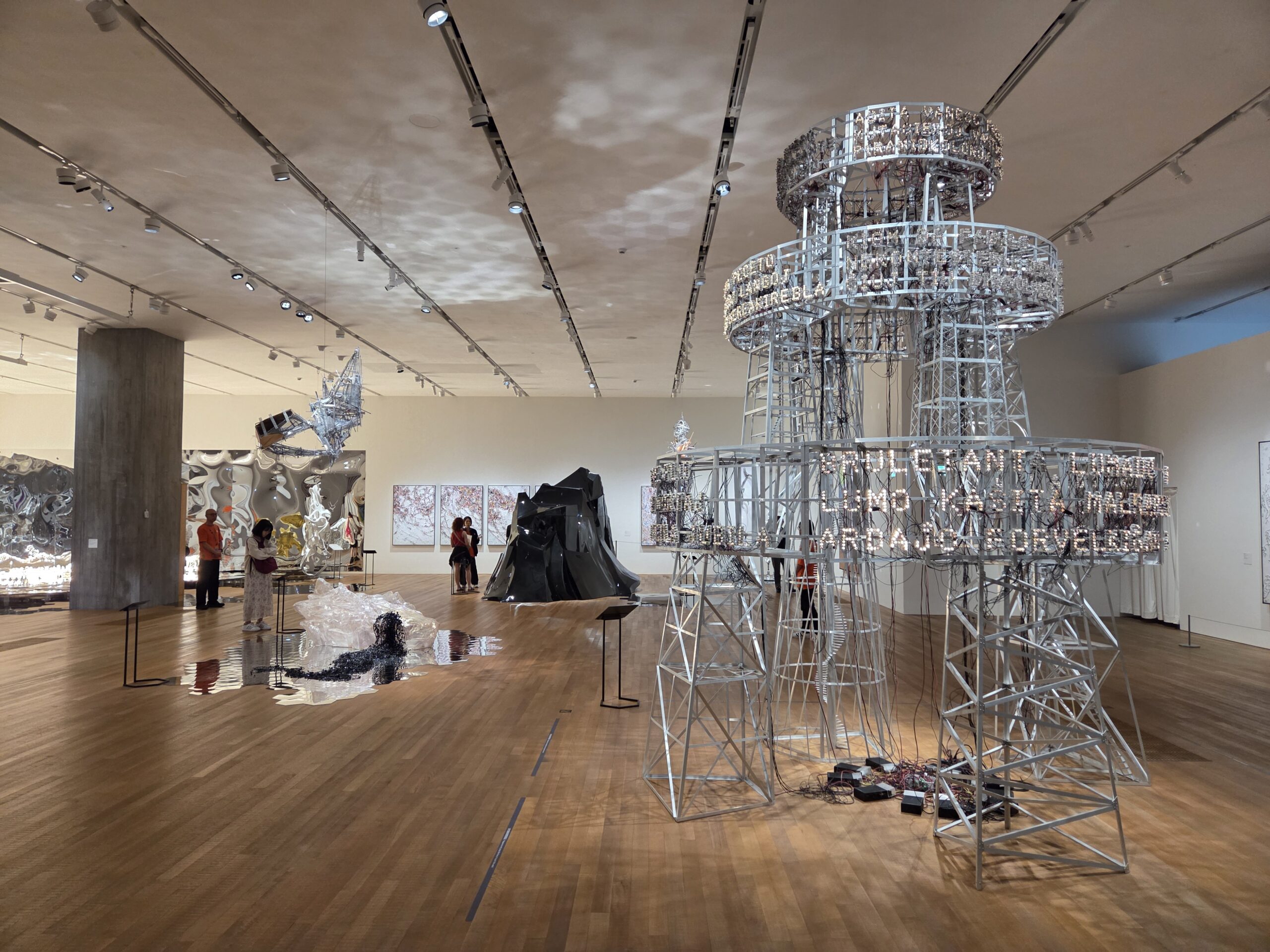
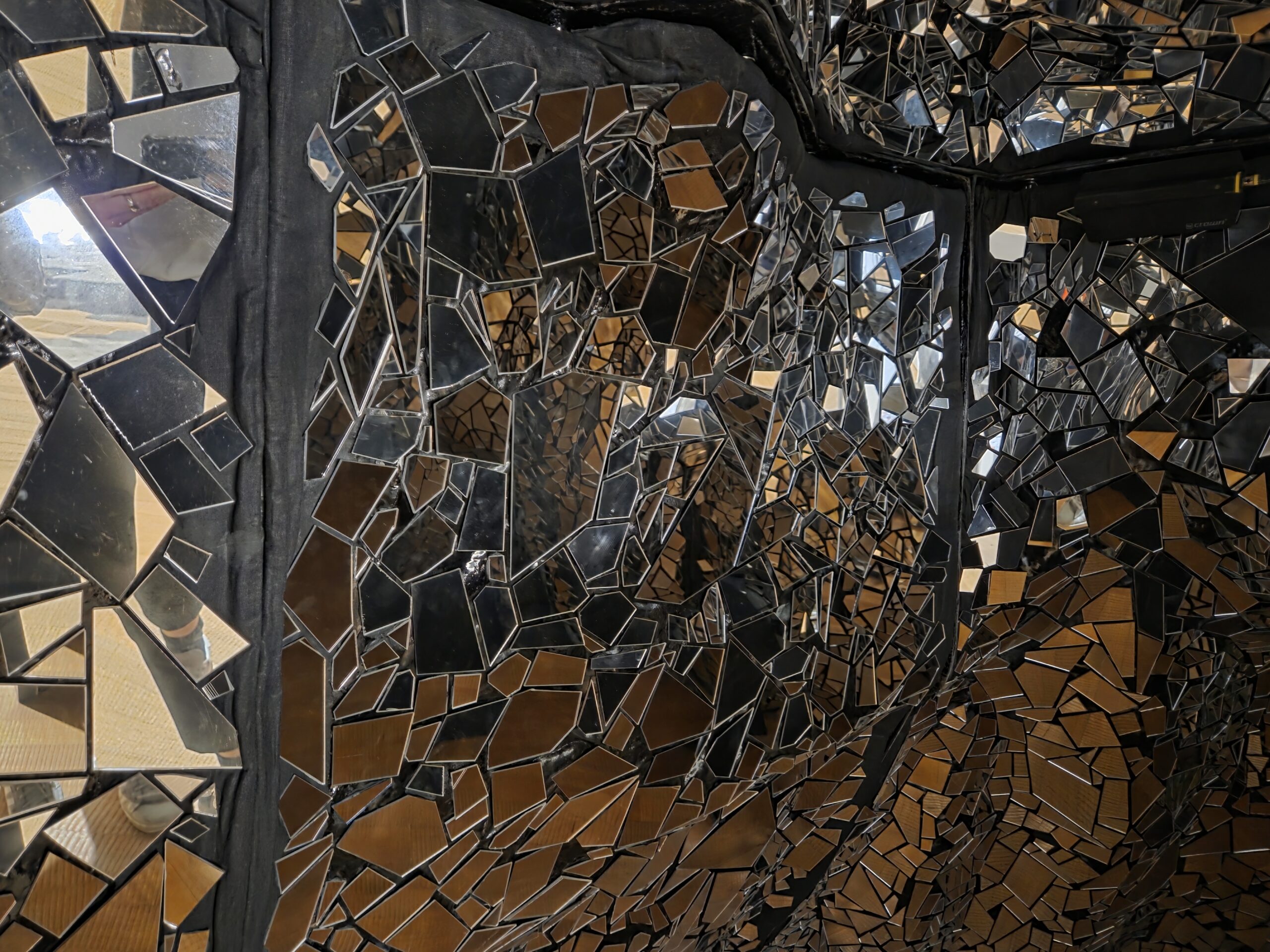
The exhibition is a mix of paintings and installations, some of them immersive. M+’s visitor hosts took a friendly and proactive approach to orienting visitors, explaining the best direction of travel, and how to get to the most from the immersive pieces. I had fun in something a bit like a fairground hall of mirrors, and moved around to create sound in another work.
Perhaps unsurprisingly given the changes Lee has witnessed in her lifetime, her work explores the human condition against a backdrop of rapidly increasing technology. Utopias are held up to the light and found to be wanting, but still a key part of discourse. Lee shows us how hollow the belief in progress and technology truly is. There is commentary on South Korean politics, and Proustian references in her Perdu series of paintings, in which countless layers of paint are sanded back to reveal unexpected patterns. I recommend watching the video of an interview with Lee, and spending time in the section devoted to working process.
This exhibition is a travelling one. It started at the Leeum Museum of Art in Seoul and will go on to Europe and North America. Definitely one to catch if you can.
Lee Bul: From 1998 to Now on until 9 August 2026.
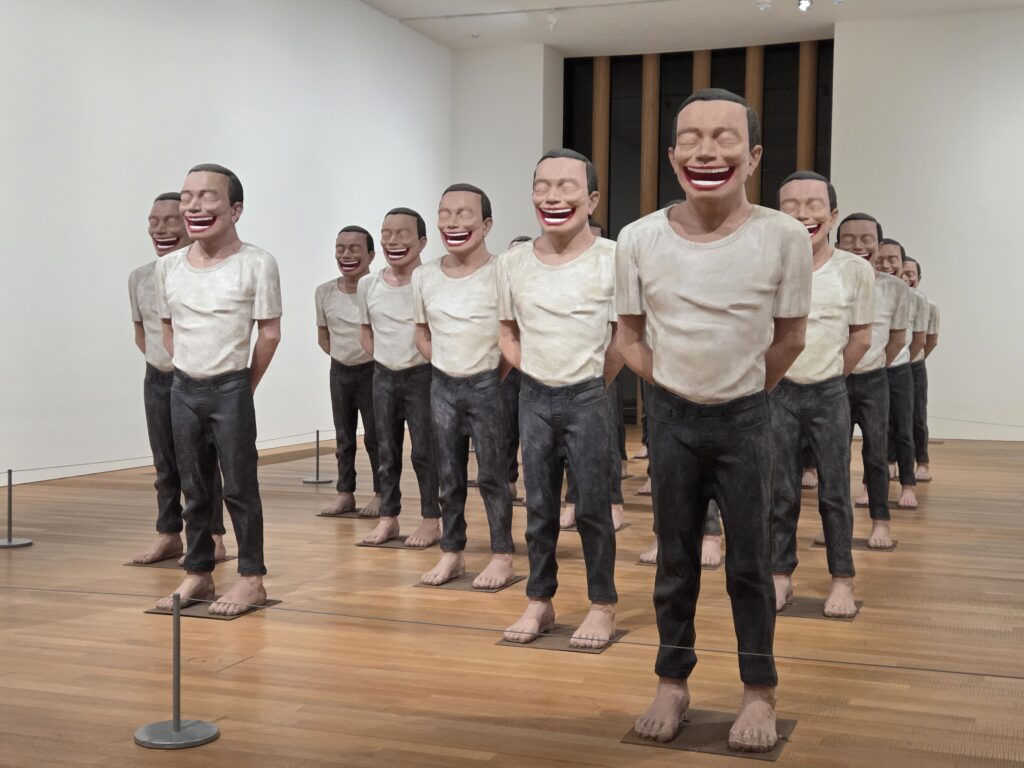
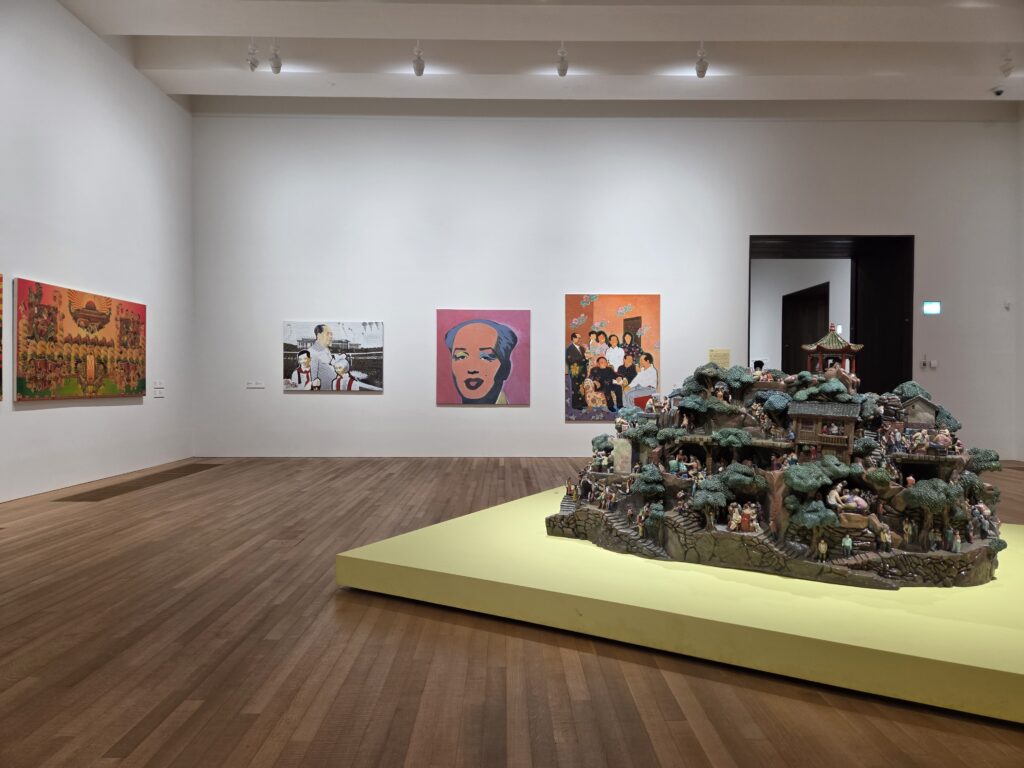
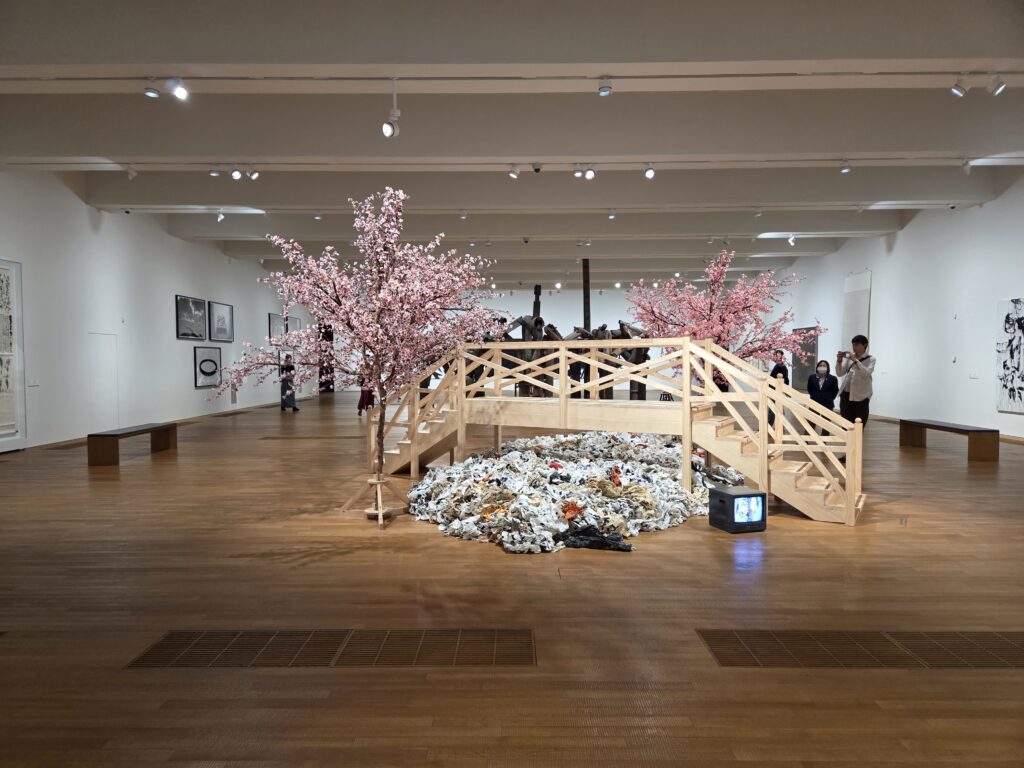
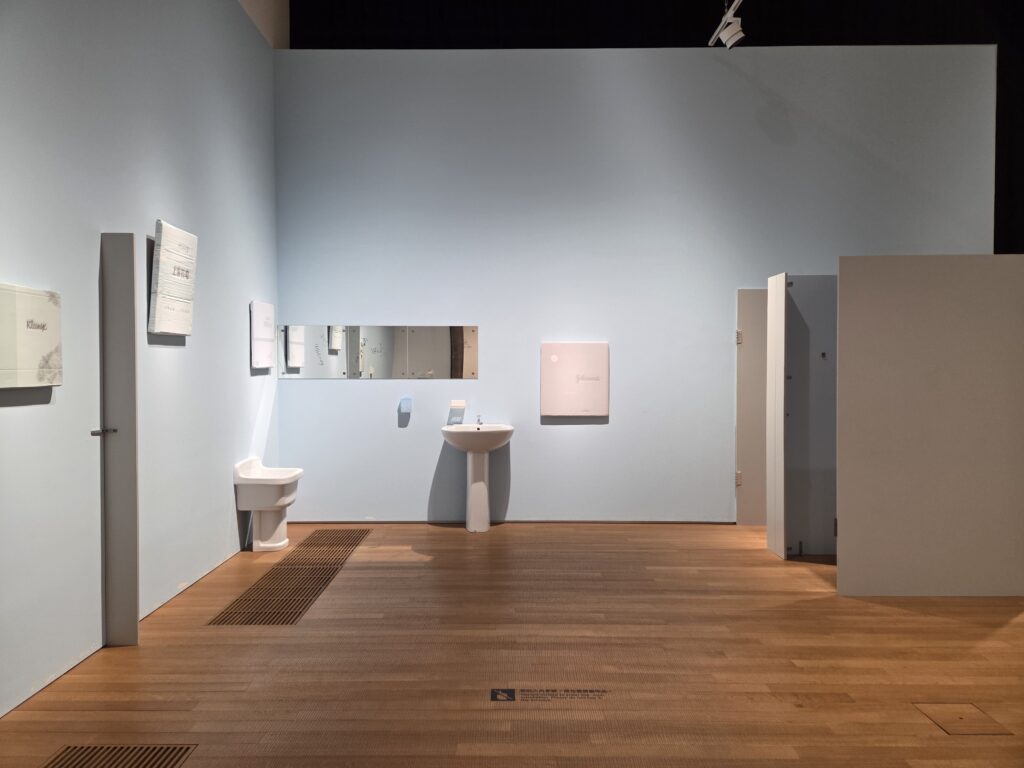
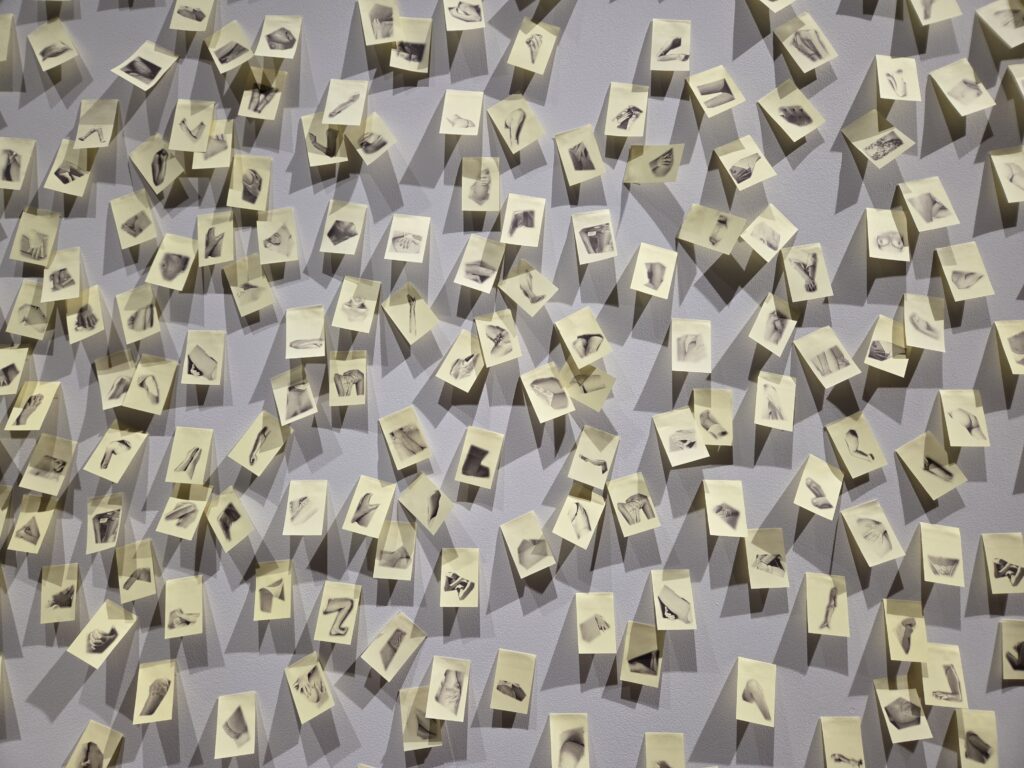
M+ Sigg Collection: Inner Worlds
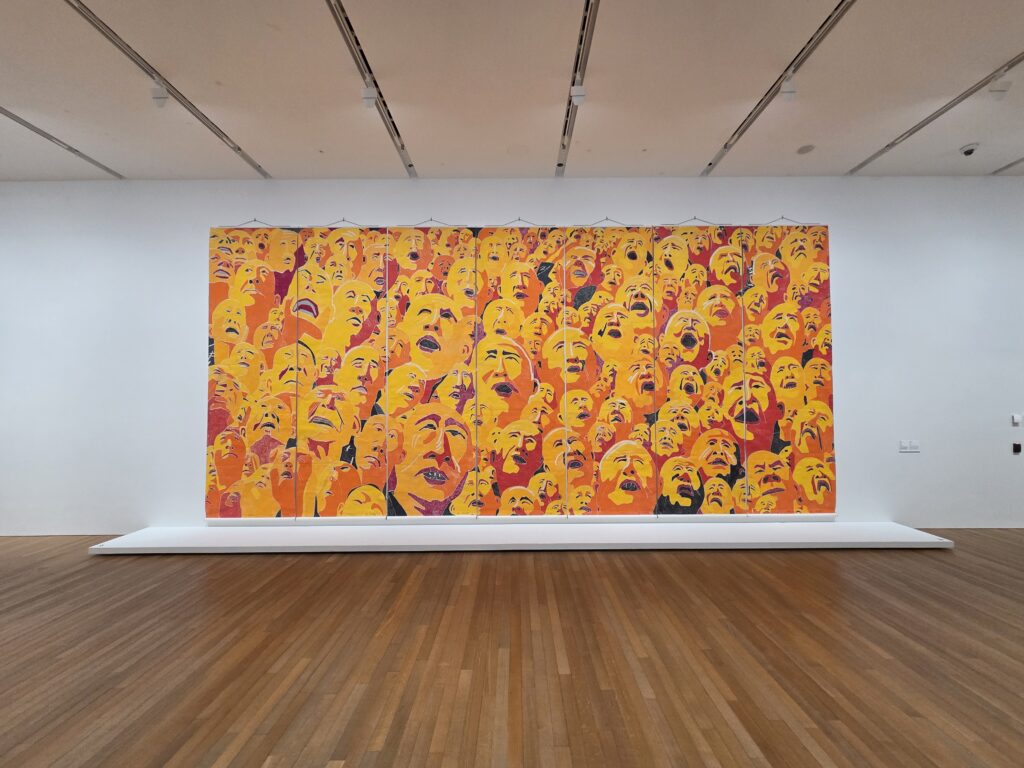
The next exhibition is of works from the Uli Sigg collection, discussed earlier. One of the conditions of Sigg’s donation was that his collection be displayed “in isolation” at the museum’s opening – this is the third exhibition of the M+ Sigg Collection, so dedicated exhibitions seem for now to be an ongoing strategy.
The M+ Sigg Collection, as we’ve established, is of contemporary Chinese art. As we know from other exhibitions, China is another country where artists have grappled with the subject of rapid technical advancement and the disruption of traditional ways of life. In recent decades, Chinese artists have also become more embedded in the global art world, participating in international exhibitions and so on. Inner Worlds look at how 38 artists have responded to these changes, through the lens of emotional expression.
This is an interesting premise for an exhibition. Works are grouped by the emotion the artist hopes to evoke in the viewer:things like Wonder, Doubt, and Anxiety. This does largely come across, and makes for valuable dialogues between different artists and pieces. Some of these artists I was previously familiar with. Others were new to me. I particularly liked how the generous gallery spaces in M+ gave them all room to breathe, and allowed for the installation of some fairly large works without letting them dominate. There’s a nice little interactive space towards the end which allows visitors to get involved. All in all, a good exhibition.
What I find interesting, though, is how M+ will evolve their use of the Sigg Collection. At the moment, it’s contemporary. As time passes, it will become more of a capsule collection of a certain period in Chinese art. Still many possibilities for canny curators.
M+ Sigg Collection: Inner Worlds is an ongoing exhibition.
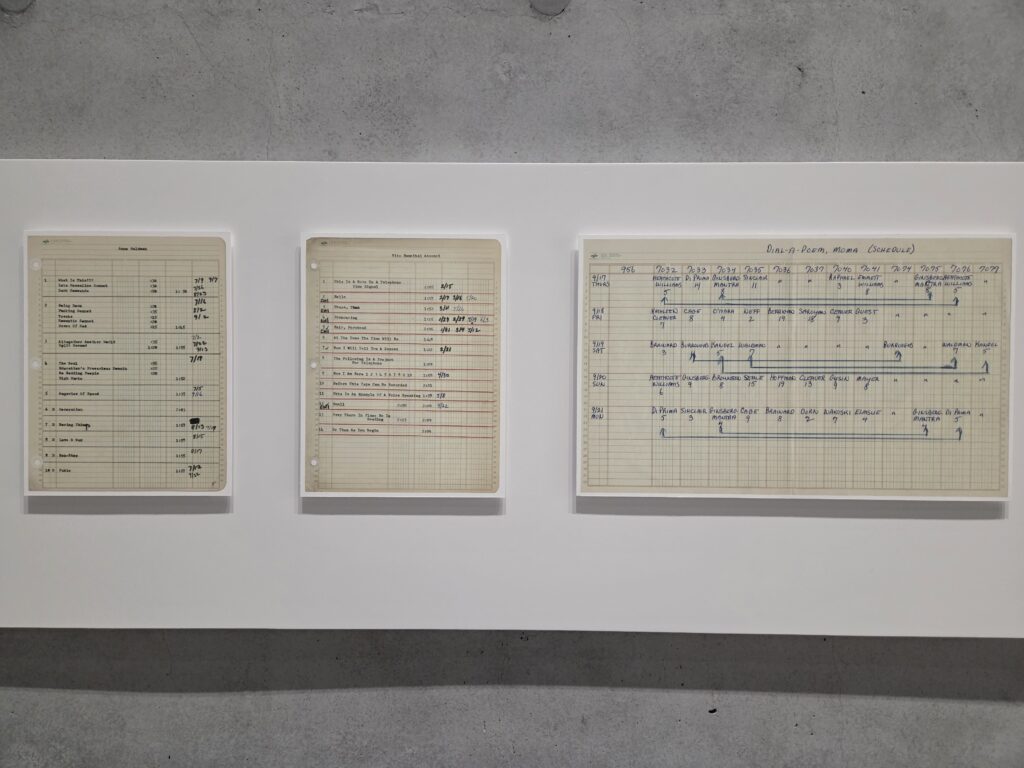
Dial-a-Poem Hong Kong
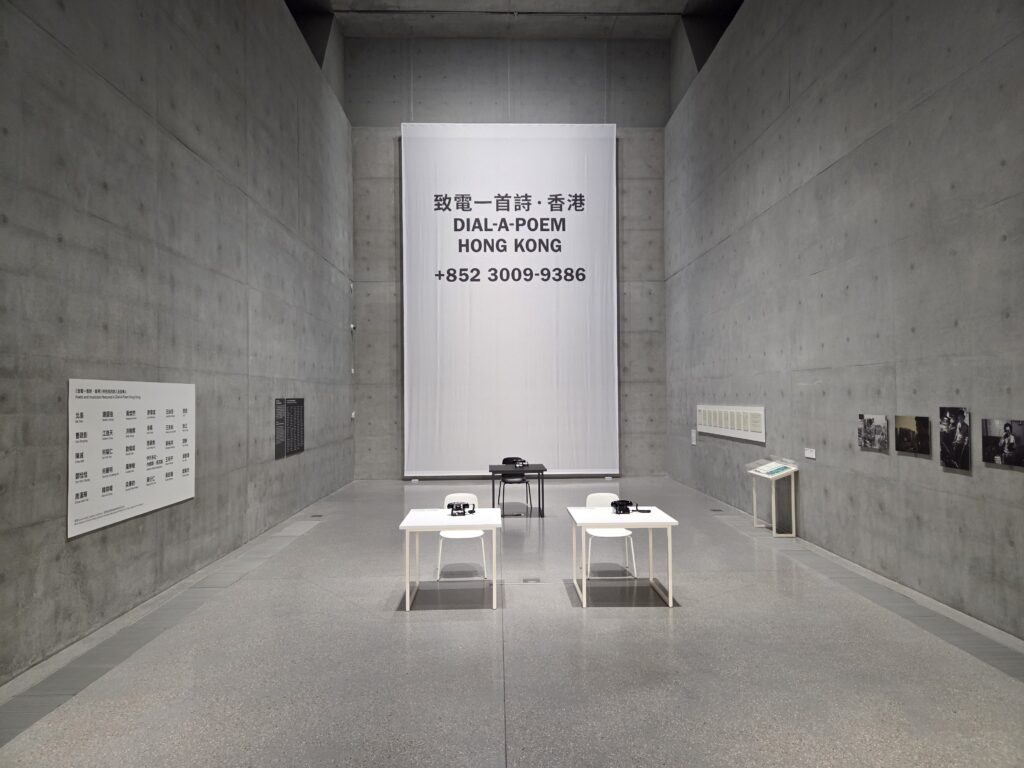
This exhibition – or project, maybe? – is a small one physically, taking up just one room at M+. But it is also a big one conceptually, spanning decades and languages, and accessible outside the museum walls.
Poet John Giorno first started Dial-a-Poem in 1969. His aim was to make poetry accessible in everyday life, by inviting writers, musicians and artists to contribute poems that anyone could listen to by dialing a hotline. Contributors include Alan Ginsberg, Nick Cave, Patti Smith, and many more. The original project included a lot of counter-cultural content (like the Black Panthers), and was shut down by the FBI in 1970. It has had a long afterlife, though, and from its intangible origins, has evolved to include installations of telephone sculptures such as we see at M+.
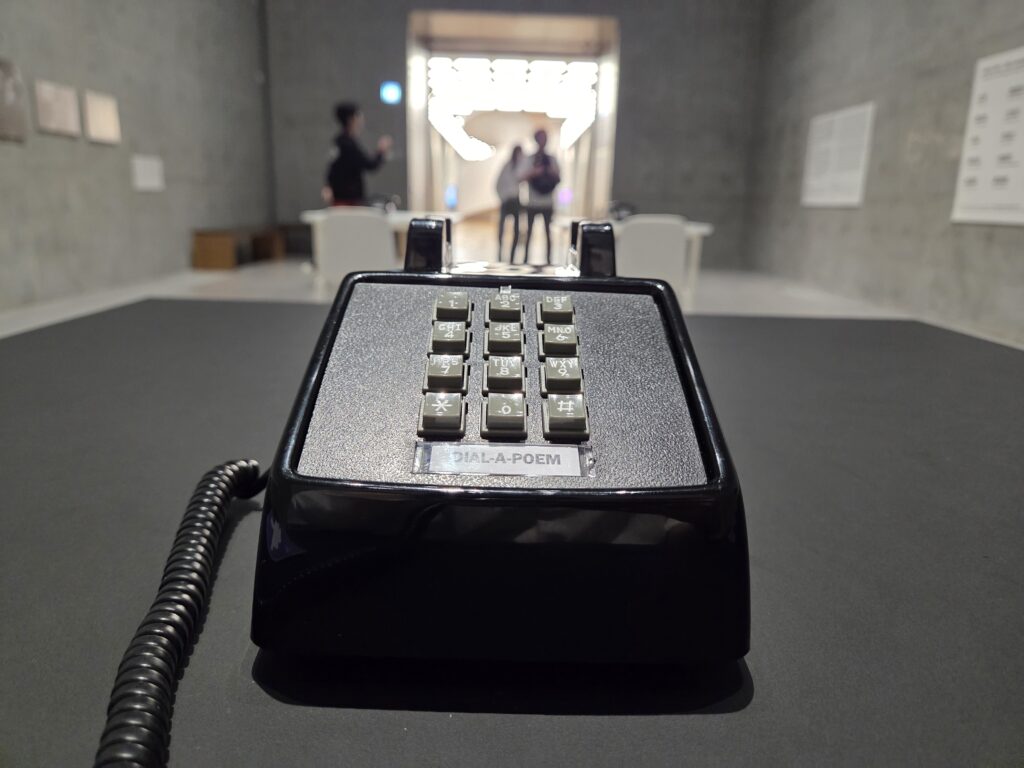
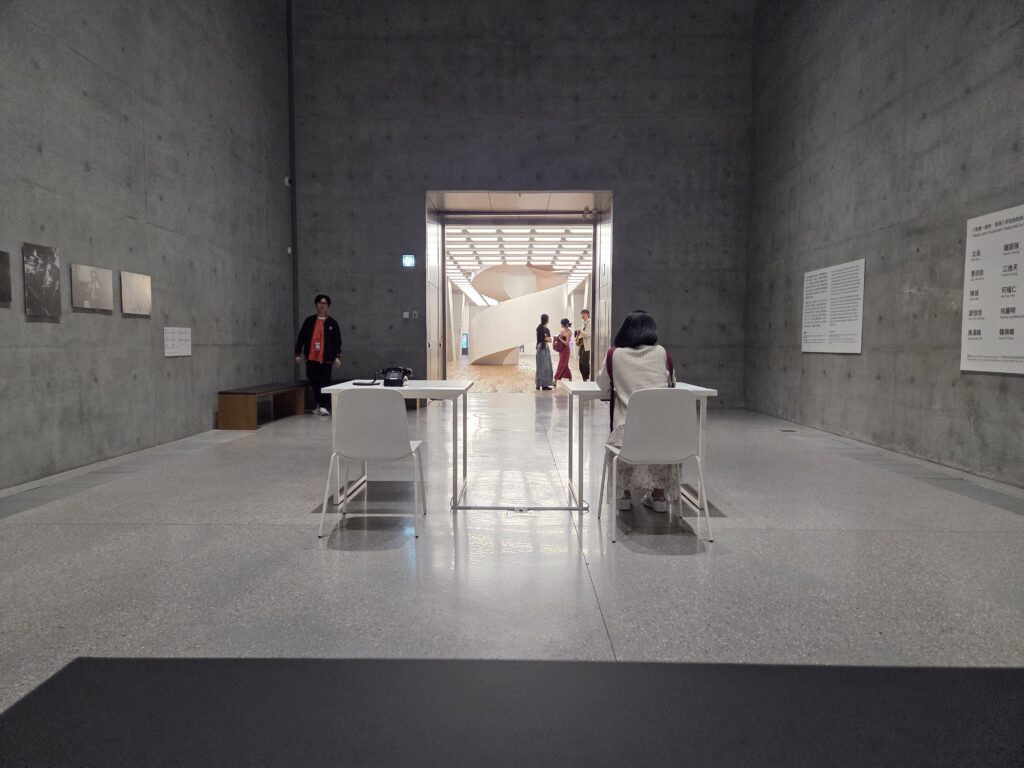
The set up in M+ is fairly austere. A high-ceilinged concrete room contains three desks with telephones (two white, one black), and some documentation and archival resources on the walls. The two white desks are connected to the Hong Kong version of Dial-a-Poem, for which new material has been recorded by thirty local poets in Cantonese, Mandarin, and English. The black desk connects to English-language content. Visitors can listen to a random poem by picking up the receiver, or from anywhere by dialing +852 3009 9386.
As a project, Dial-a-Poem feels to me very ‘of its time’. Something about that period and the democratisation of culture outside the mainstream, and a hopefulness as well. But it’s nice that it continues to live on, in different places and different languages. It was a nice break within my otherwise visual-art-heavy visit to M+.
Dial-a-Poem on at M+ until 30 August 2026 (I’m unsure if the phone line continues beyond then).
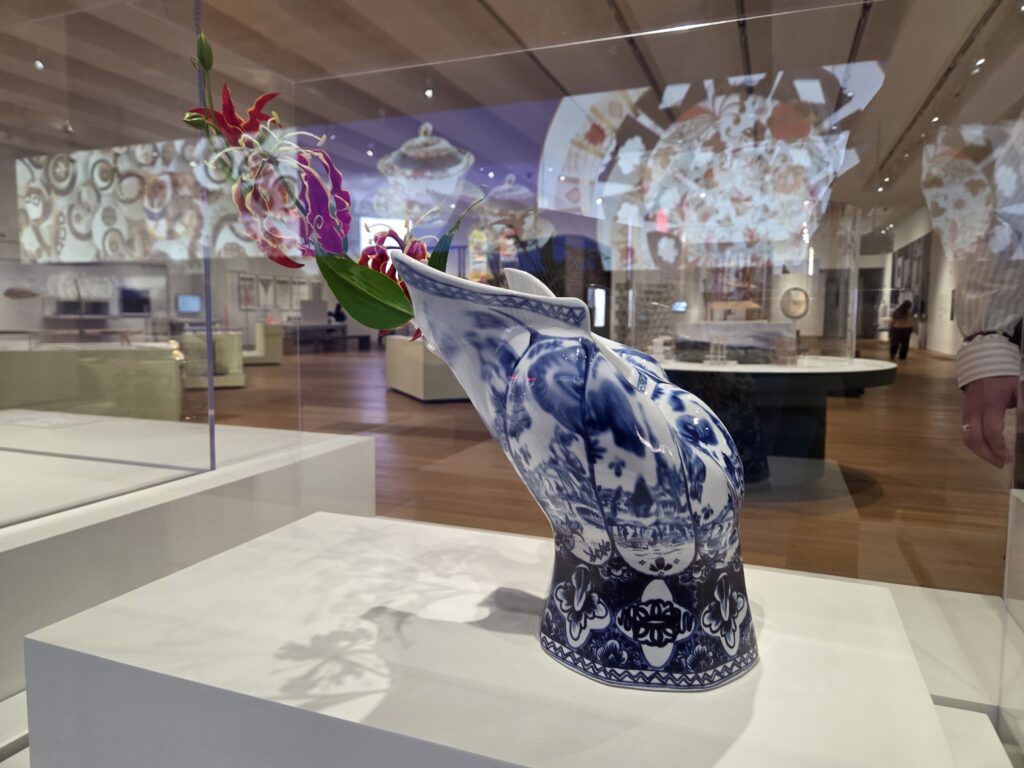
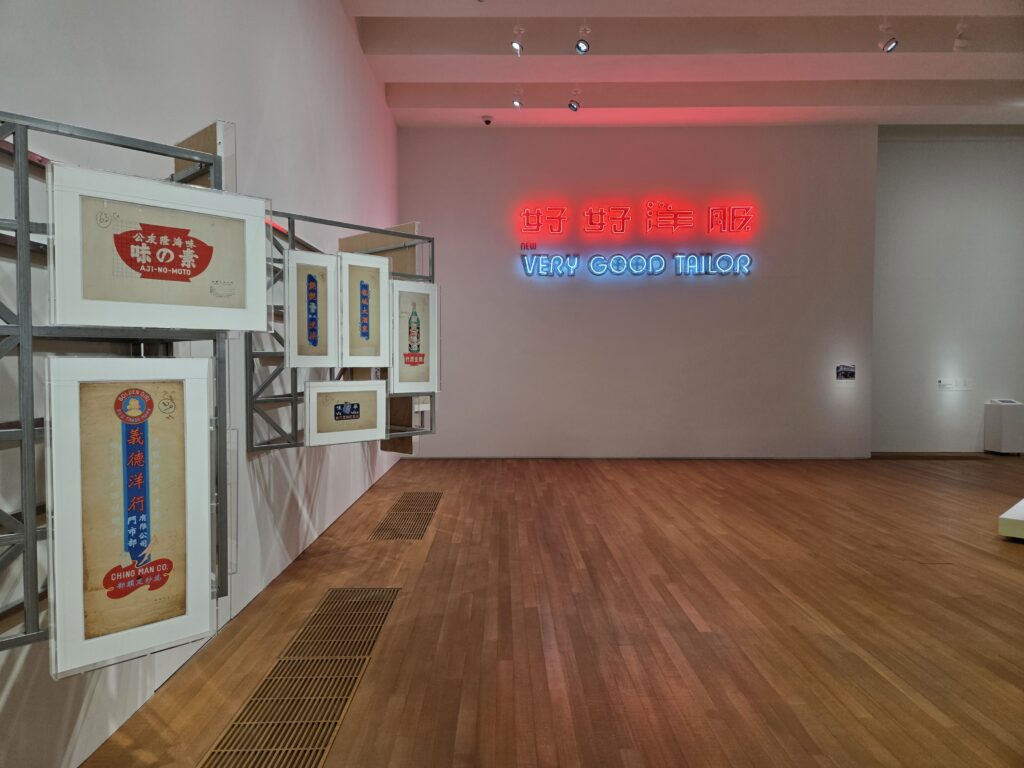
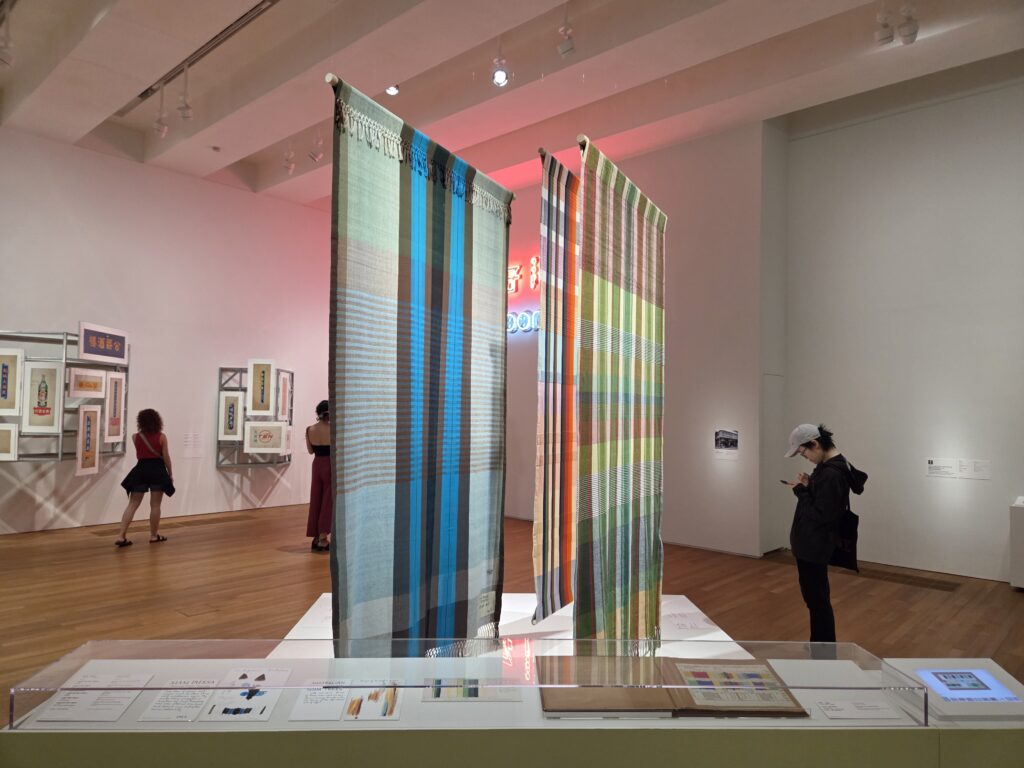
Making it Matters
Now this next exhibition was a little confusing. Not because of its content or presentation, but largely because of the exhibition space. M+ has an odd, double-ended exhibition space – imagine as you read this section and the next that you’ve entered one display, seen it beginning to end, and only realised belatedly that you’ve also seen a second exhibition from end to beginning.
But let’s taking Making it Matters on its own merits. This is another ongoing exhibition which draws largely on M+’s permanent collection. In this case the focus is design, from initiation to fabrication, as well as the social processes underpinning design. There are a number of interesting objects across different media, and information about techniques, usage, and sustainability. The first focus is on ceramics, looking at changes in value and perception. There’s another focus on innovative materials and how they support rethinking older object types and ways of doing things. The other thematic sections look at how technology has changed the design process, and the impact of consumerism.
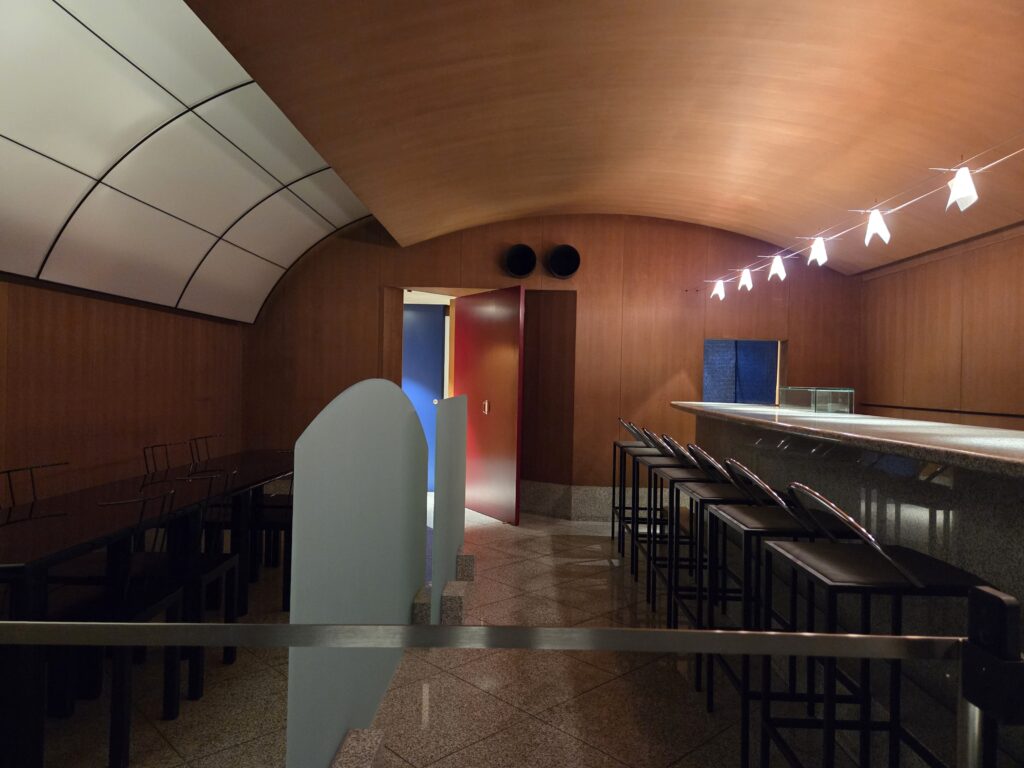
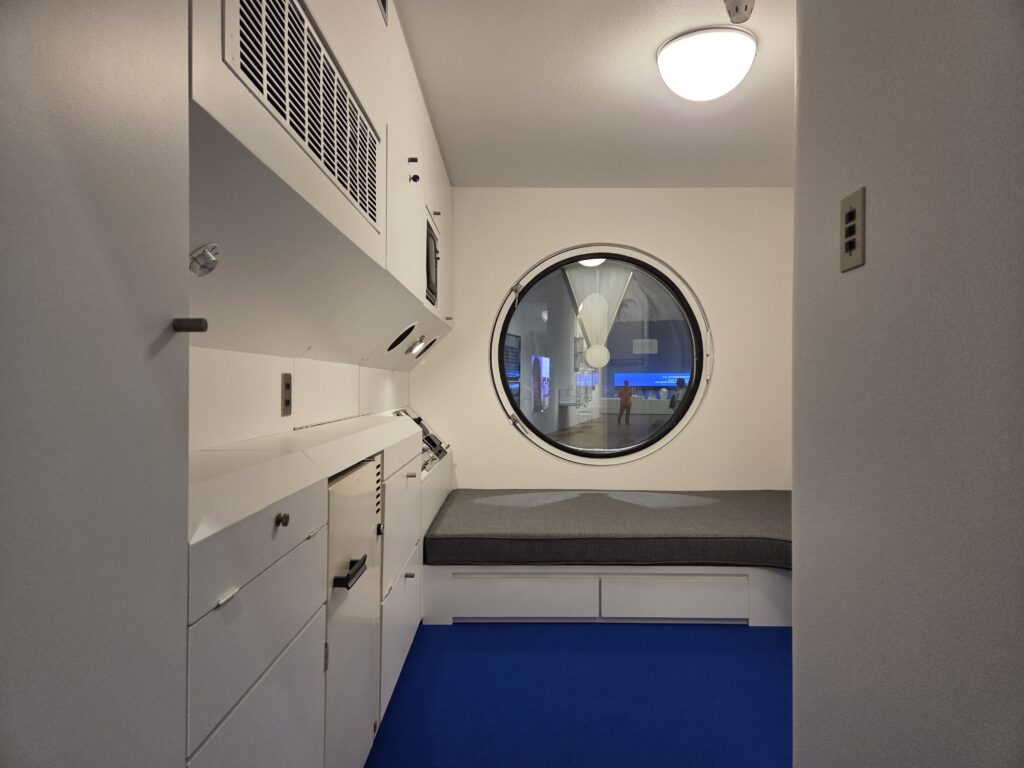
As exhibitions go, the content is solid. I would expect to see something similar (and probably have) in design-focused museums worldwide. Again, though, a real strength of M+ lies in its generous exhibition space and the potential this unlocks. My favourite things in the exhibition were an entire Tokyo sushi bar interior from 1988, and a self-contained unit from Kurokawa Kisho’s Nakagin Capsule Tower (1970-1972). Both evoke that futuristic Japanese urbanism that crept into film and visual culture, and seeing the real thing, full-scale, is unlike anything that photographs, plans or other secondary sources could achieve. Unless, of course, I was in the second exhibition by this point?
Making it Matters is an ongoing exhibition.
Things, Spaces, Interactions: Design and Architecture from Asia and Beyond
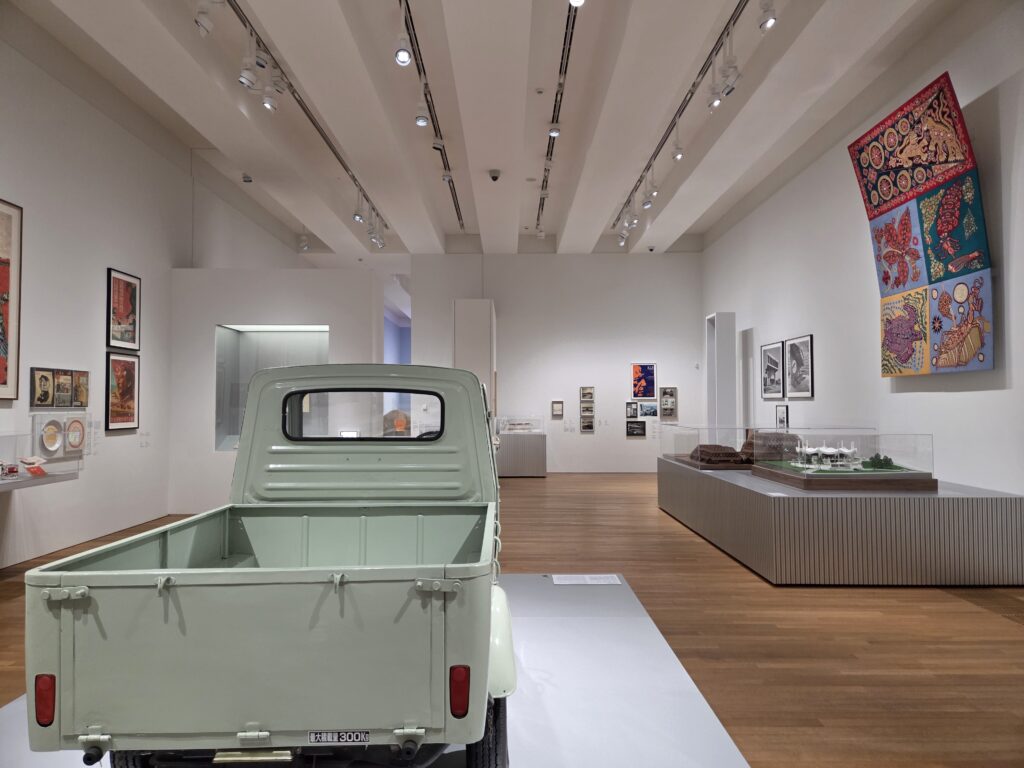
And so you see my dilemma. When you don’t know that you’re going to enter one exhibition and exit another, it’s difficult to understand where the boundaries are. Plus I actually just discovered in doing my research for this post that the two bits of design I really liked above were actually their own, separate exhibition – Nakagin and Kiyotomo: Architectural Icons from Tokyo, 1970s–1980s. So overall, unclear exhibition signposting in this part of M+.
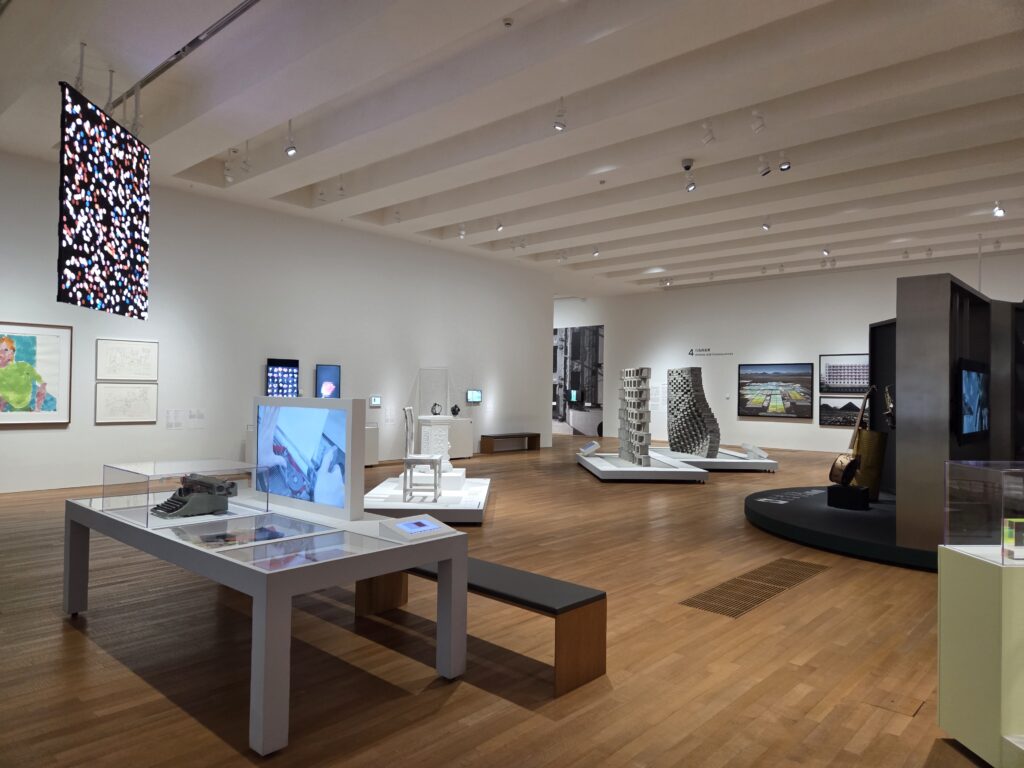
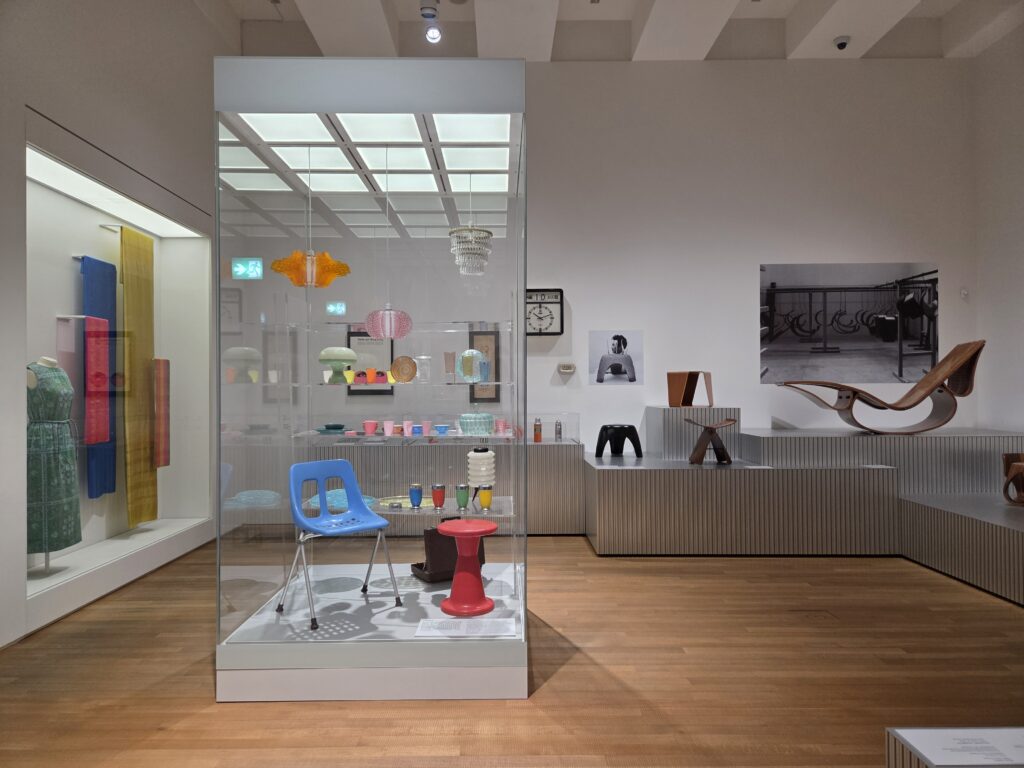
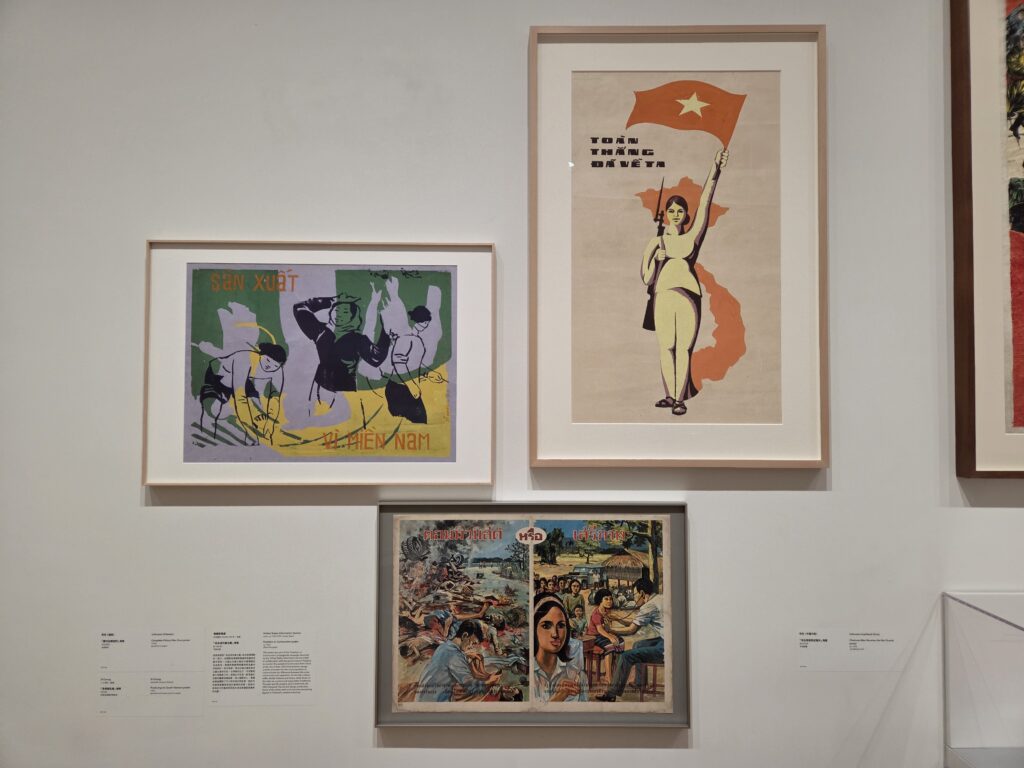
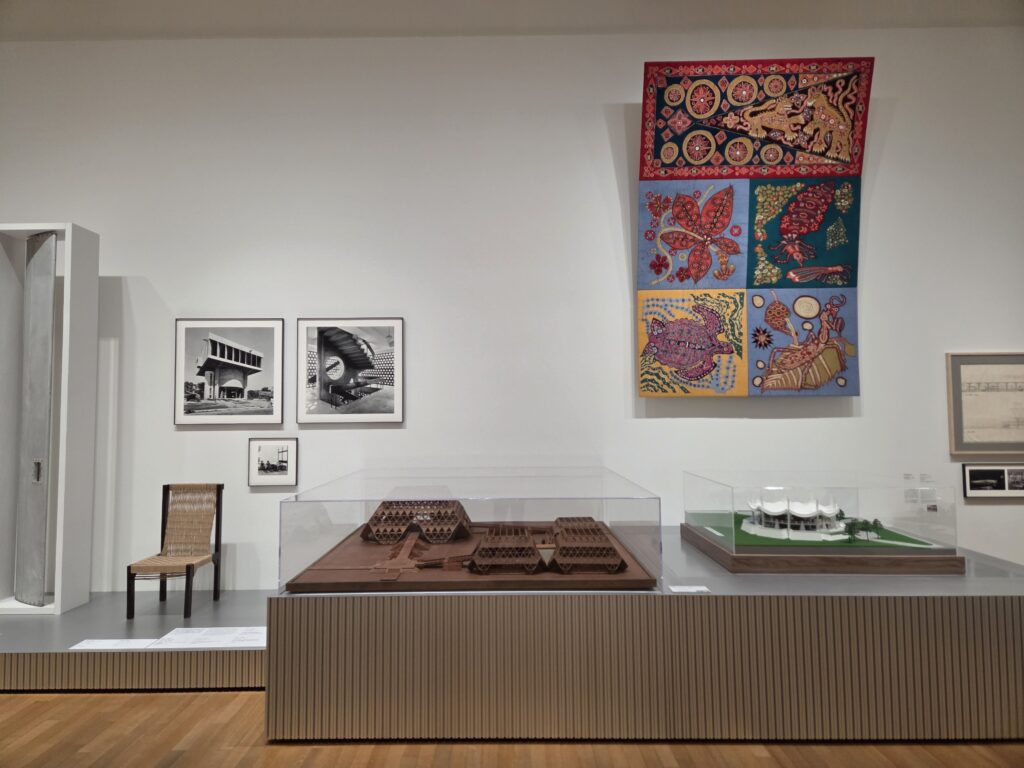
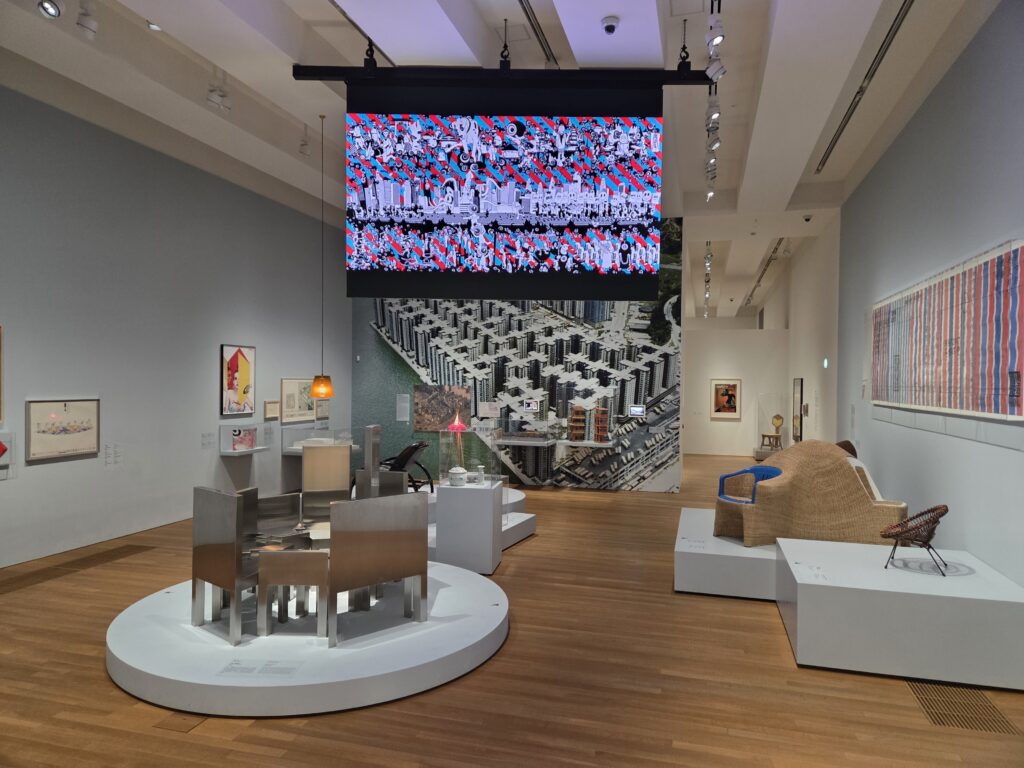
But anyway, onwards now to Things, Spaces, Interactions. This is the more Asia-focused area of M+’s design offering. It presents more than 500 design objects which have had a profound impact in Asia and beyond over the last 70 years. This is a good opening to consider broader changes in the same time and place: economic, social, and so on.
In some ways, Things, Spaces, Interactions is in some ways like an elevated version of the Hong Kong House of Stories in the Blue House in Wan Chai (which we saw here). There are avant-garde objects like Li Naihan’s I AM A MONUMENT-CCTV WARDROBE (2012-16), but also iconic objects of everyday design. A rice cooker. One of those ubiquitous little trucks. There’s a nostalgia here, but M+ pushes it further to consider design from all angles, so to speak.
Things, Spaces, Interactions: Design and Architecture from Asia and Beyond is an ongoing exhibition.
Shanshui: Echoes and Signals
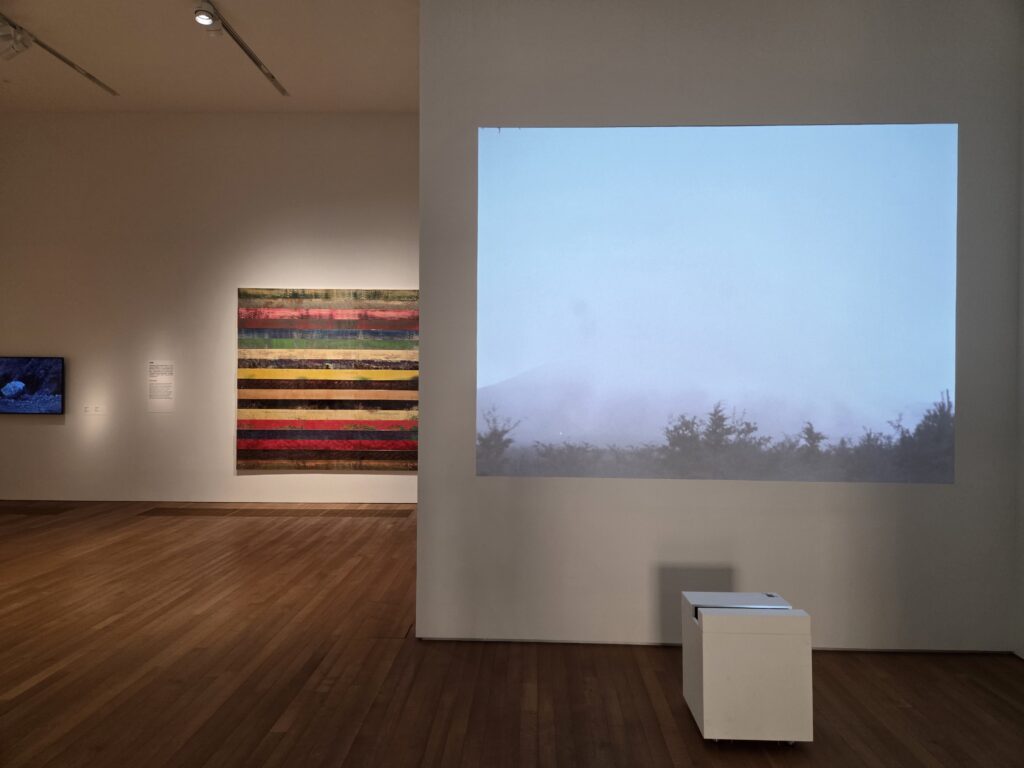
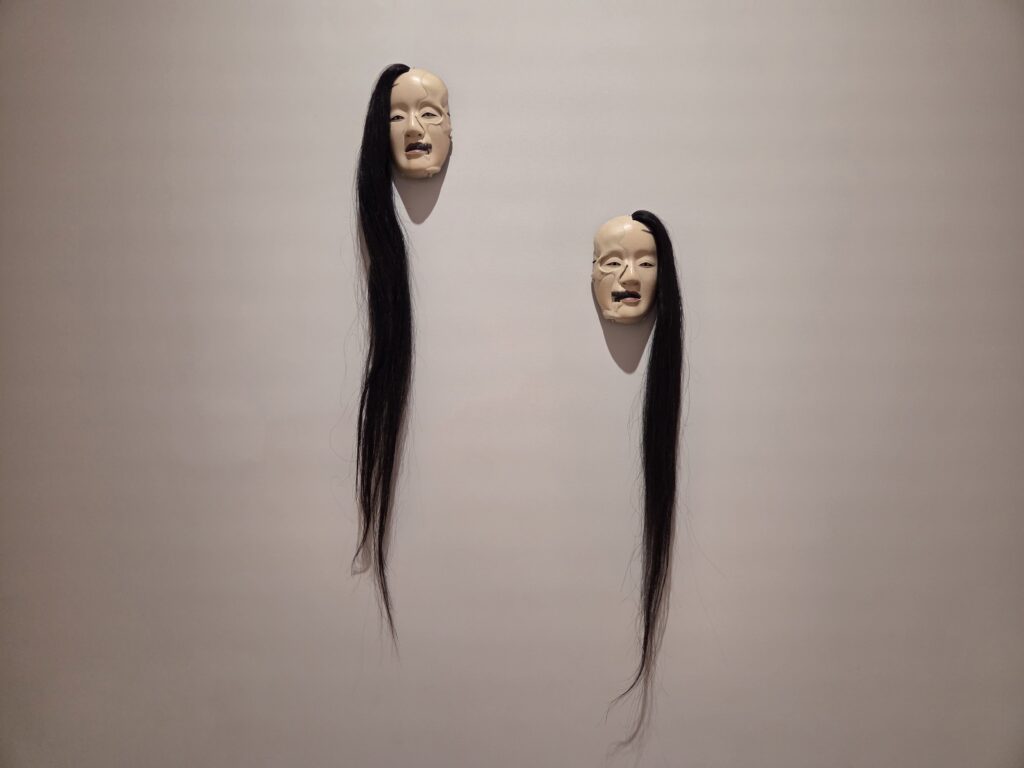
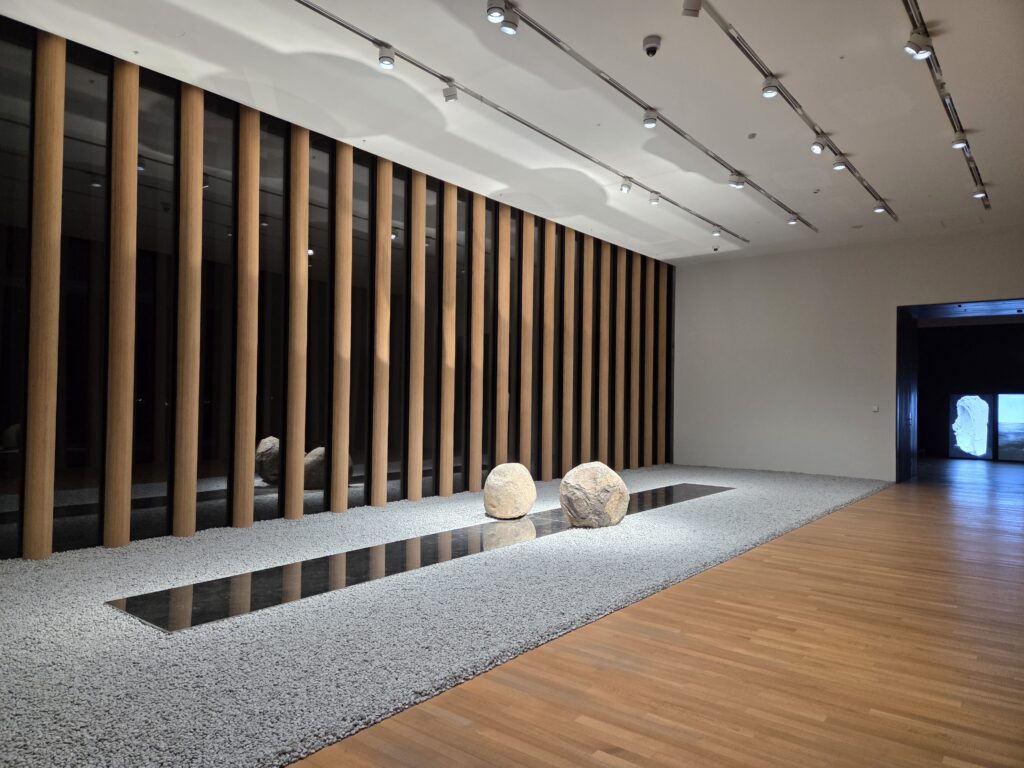
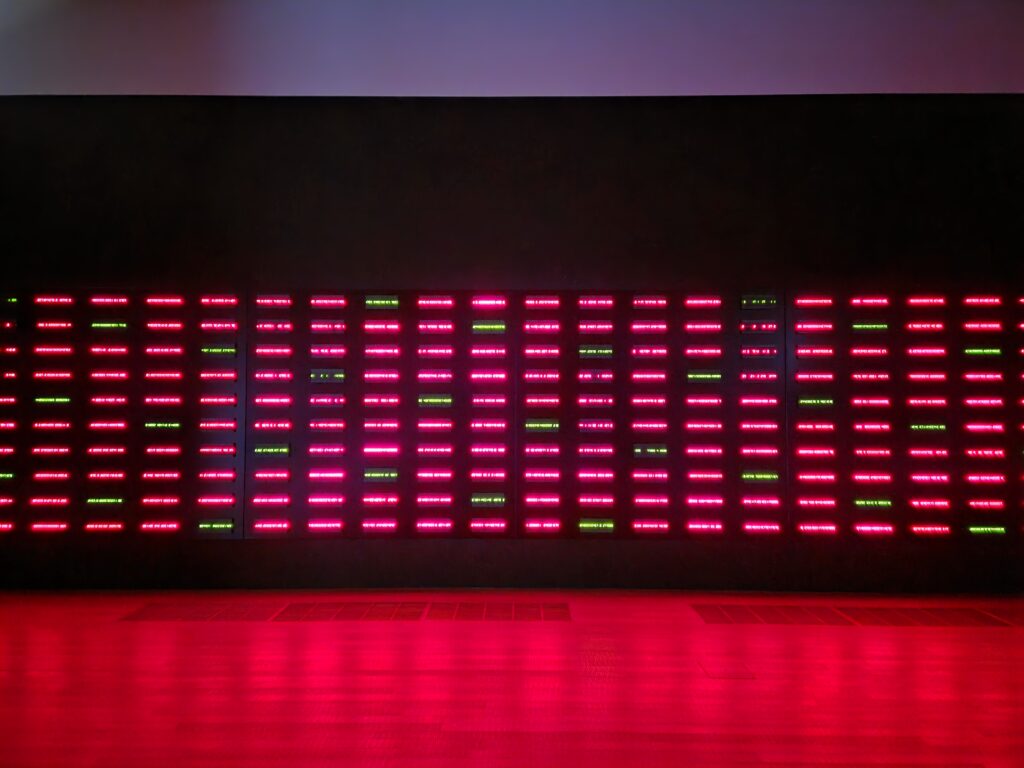
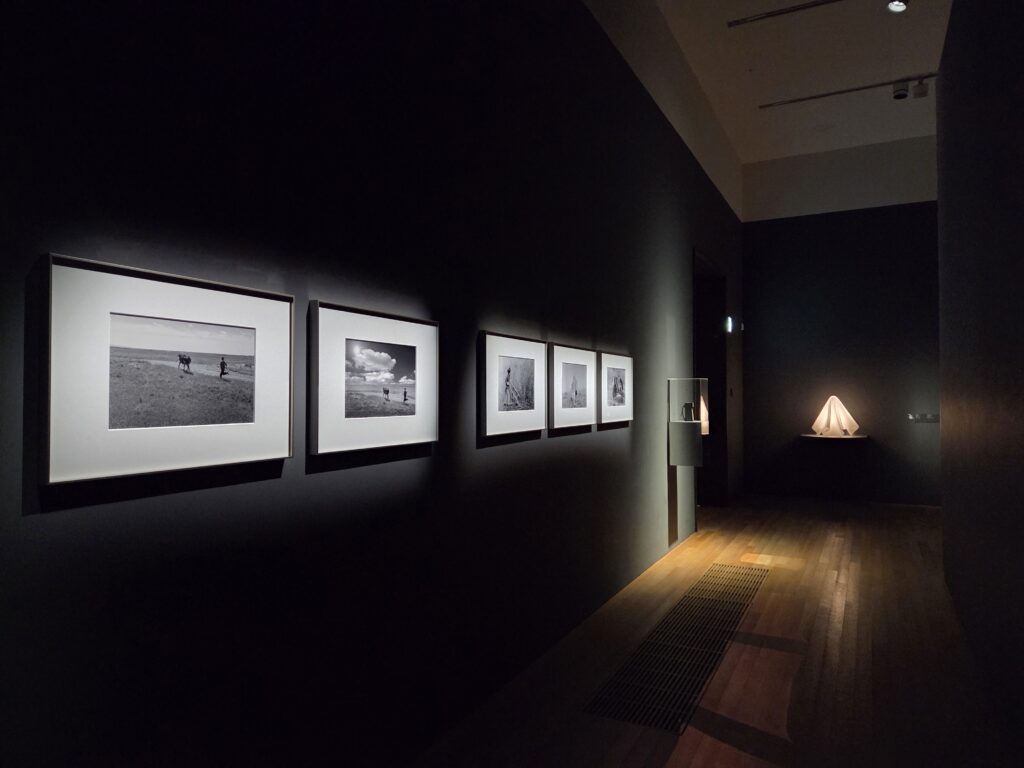
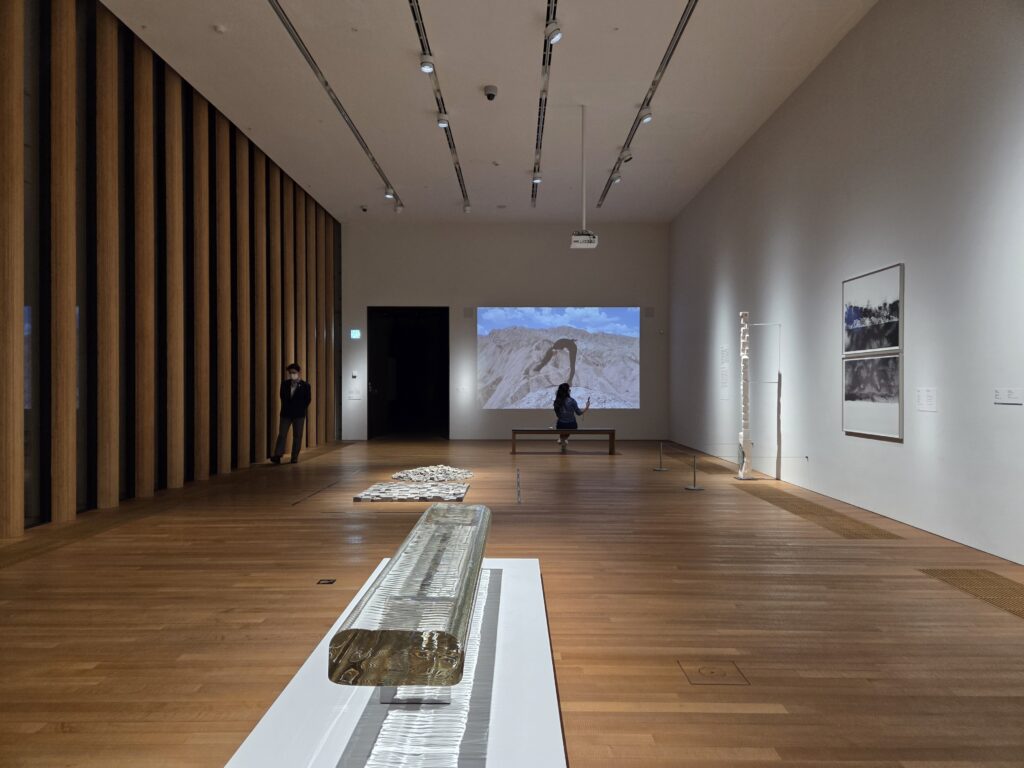
Another M+ collection exhibition: for Shanshui: Echoes and Signals, the key is first to understand the term shanshui. Literally meaning ‘mountain water’, shanshui refers to a style of landscape painting of Chinese origin, depicting scenery or natural features mostly using ink and brush. Much more than just a painting style, shanshui connects to Chinese philosophy, poetry, and people across millennia.
Shanshui the exhibition reimagines this tradition. There are ink paintings, true, but also sculptures, prints, installations, light, sound, moving images, design – basically all the bases covered by M+ itself. Some of the works retain the formality of the original style, while others are more radical. The selection has apparently rotated over the lifecycle of the exhibition, meaning visitors can encounter new works and dialogues with existing works in the exhibition.
As an outsider to Chinese artistic traditions, I found it a fascinating exhibition. I probably missed some of the nuance and interplay with the concept of shanshui. But the sheer range of the works in terms of techniques and effects on the viewer showed clearly how much it is still part of Asia’s artistic vocabulary. It’s worth taking some time over this exhibition if you can – many of these works reward slow looking.
Shanshui: Echoes and Signals is an ongoing exhibition.
Danh Vo in Situ: Akari by Noguchi / Ryuichi Sakamoto | seeing sound, hearing time
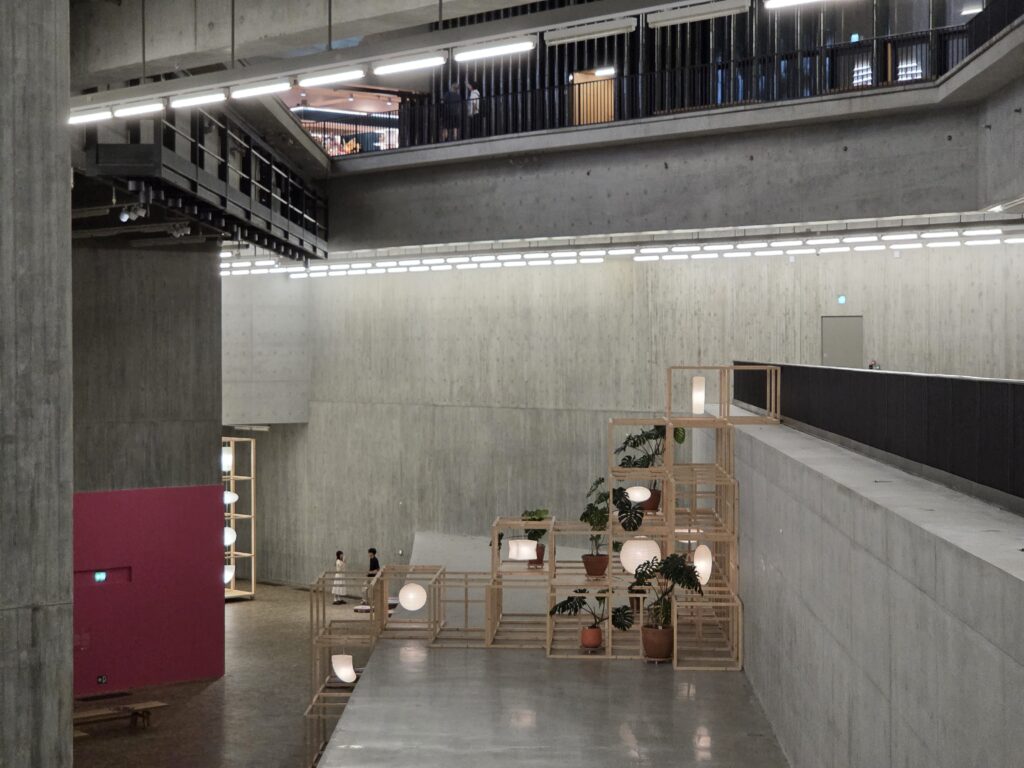
Finally, we’re going to do a bit of a two-in-one. Two exhibitions, which visitors experience more or less together in M+’s lower reaches. Are these the galleries built around the airport train tunnels? I guess so! They are certainly a little unusual in layout.
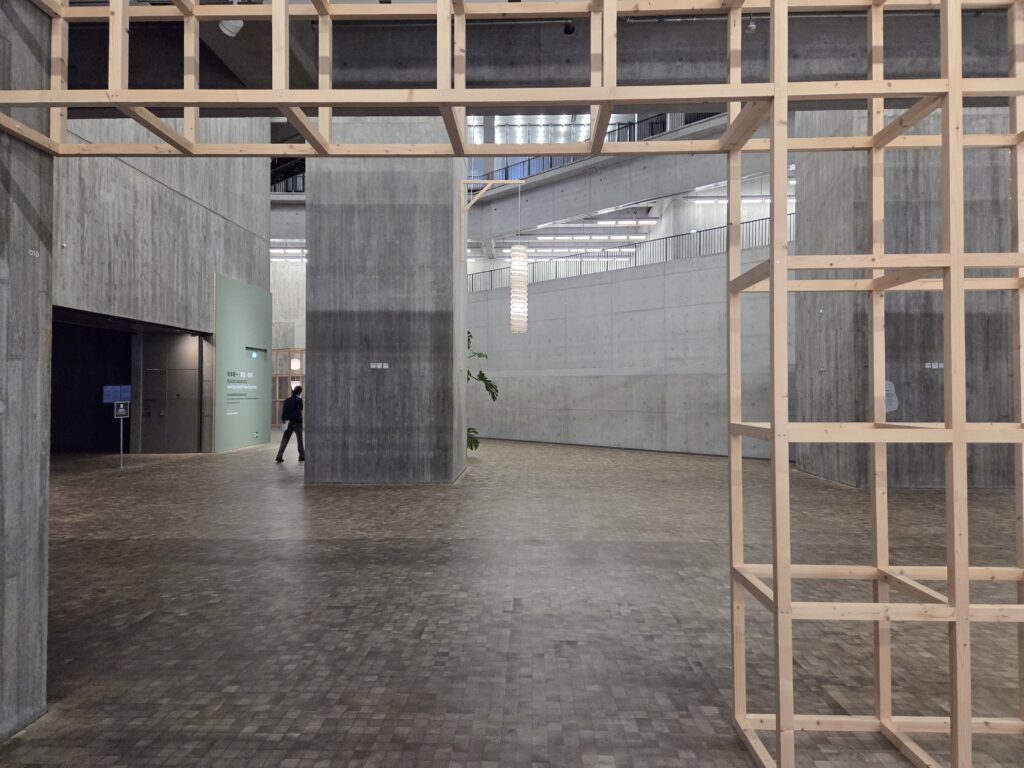
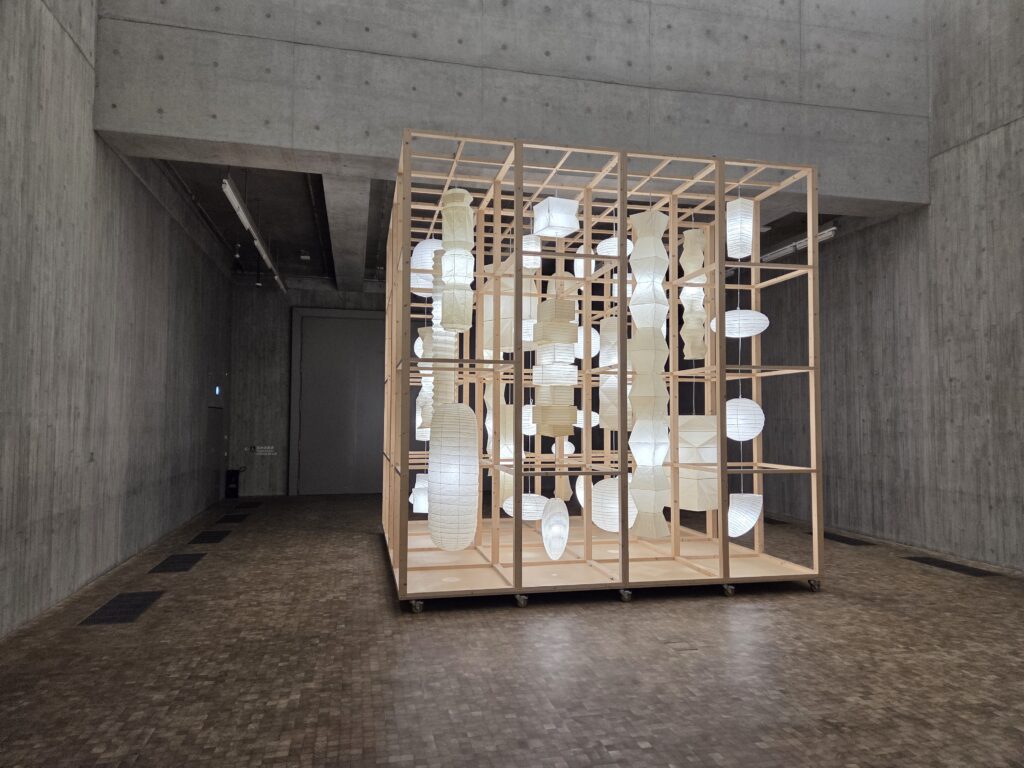
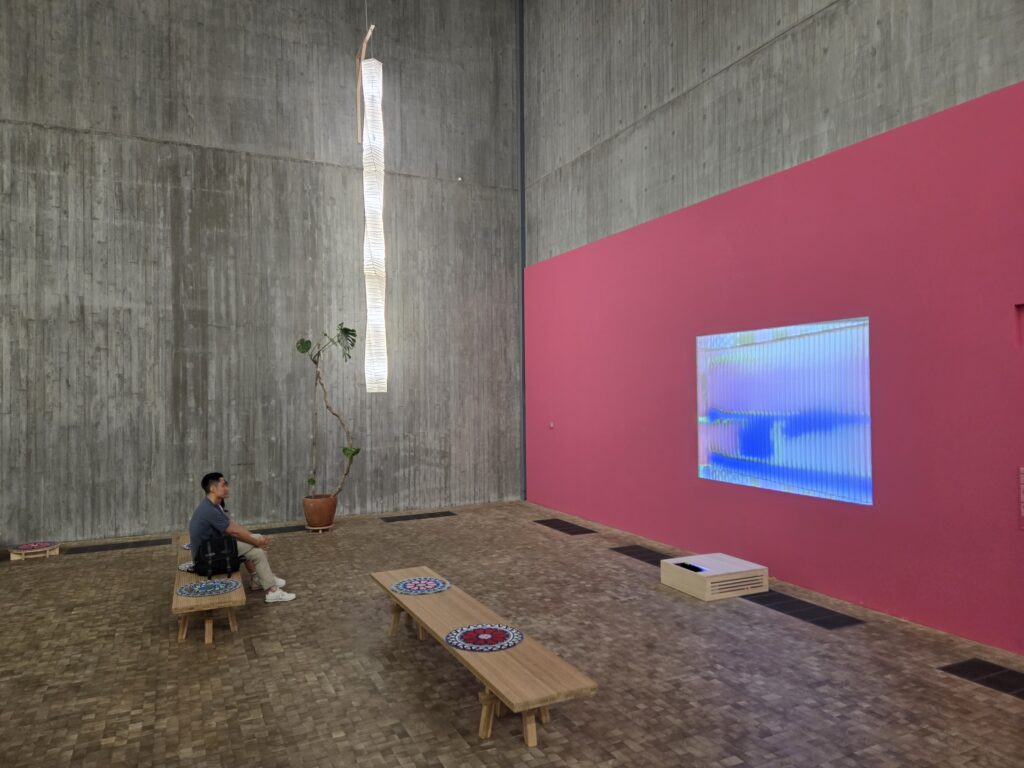
First let’s talk about Danh Vo in Situ: Akari by Noguchi, which is sort of the context for this downstairs space. This is a long-term project, which will evolve over years. M+’s website describes the end goal as “an intimate social environment in which visitors can slow down and spend time.” I don’t think it’s quite that yet, but it’s on the way. There are two artists we need to know about, here. The first is Danh Võ, an artist of Vietnamese origin who lives and works between Berlin and Mexico City. A recurrent strand in his work is the appropriation of work by other artists, as is the case here.
The second artist, whose work forms the basis of the installation, is Isamu Noguchi. I already learned when I saw an exhibition at the Barbican in 2021 about Noguchi’s Akari series. You know those sort of inexpensive lightshades with paper over a bamboo frame? Well, those can be art, it turns out. A deliberately ephemeral design series by Noguchi, featuring traditional Japanese materials and techniques.
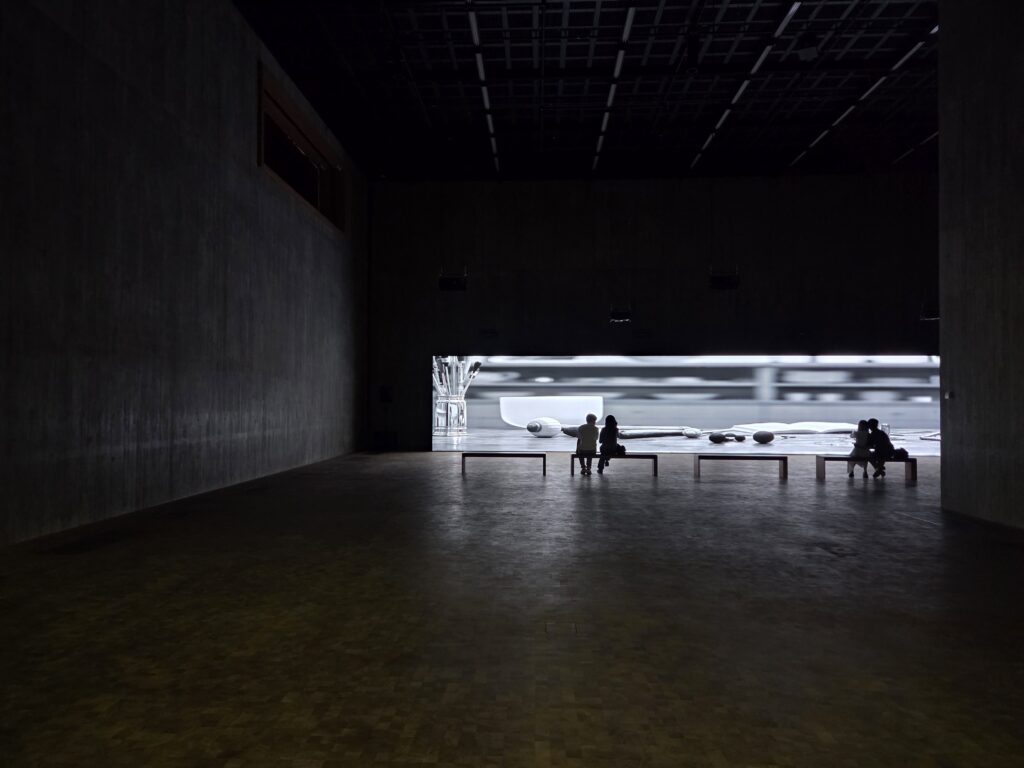
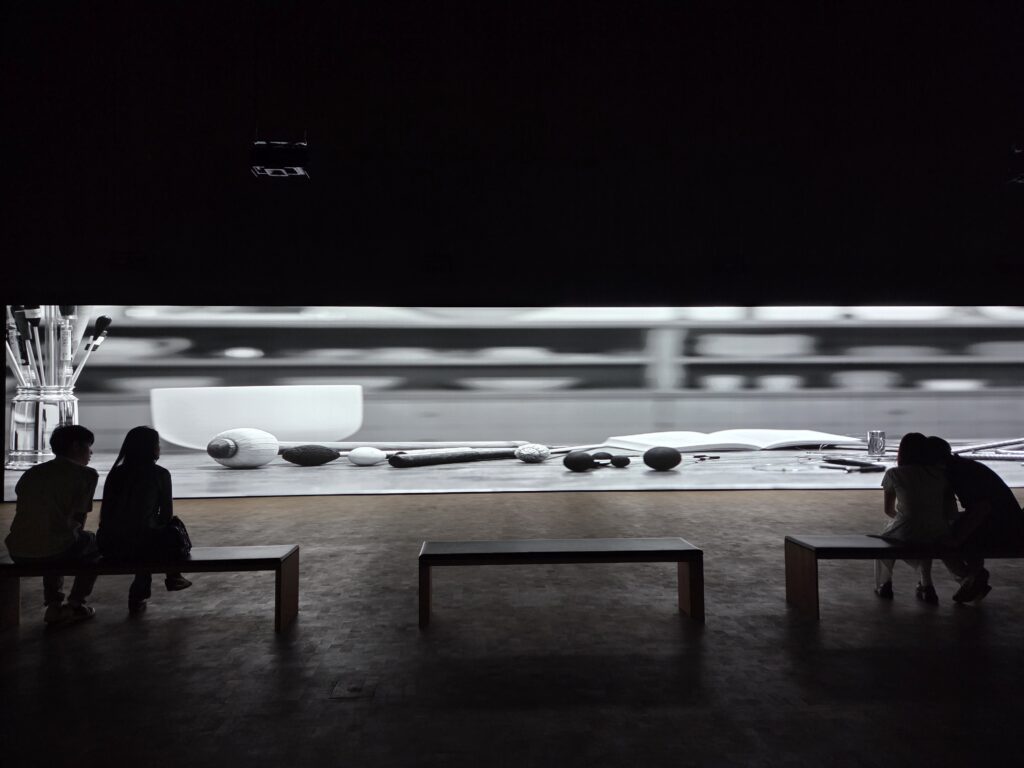
So Danh Vo in Situ: Akari by Noguchi brings together light sculptures by Noguchi (plus frames, seating and plants) in a configuration designed by Võ. In an exhibition space within it, is seeing sound, hearing time. Ryuichi Sakamoto, who died in 2023, was a Japanese composer, producer, and artist. This work combines his 2017 album async with an installation created with Shiro Takatani. The intended effect is a three-dimensional representation of the music. Takatani plays with footage of objects and instruments in Sakamoto’s studio, abstracting and evolving them to complement rather than synchronise with the music. There are two other works pairing music by Sakamoto with moving image works on M+’s Grand Stair – both, this time, by Carsten Nicolai.
And with that, we are done! We’ve seen the full range of types of art and visual culture M+ promised us at the outset. The exhibition framing is quite good for combatting museum fatigue: every few rooms, a new topic, new layout and new ideas. I’d love to come back in a few years and see how this museum evolves, and whether it achieves its aim of rivalling the art world’s heavy hitters.
Ryuichi Sakamoto | seeing sound, hearing time finished on 12 July 2026.
Danh Vo in Situ: Akari by Noguchi is an ongoing exhibition.
Trending
If you see this after your page is loaded completely, leafletJS files are missing.