
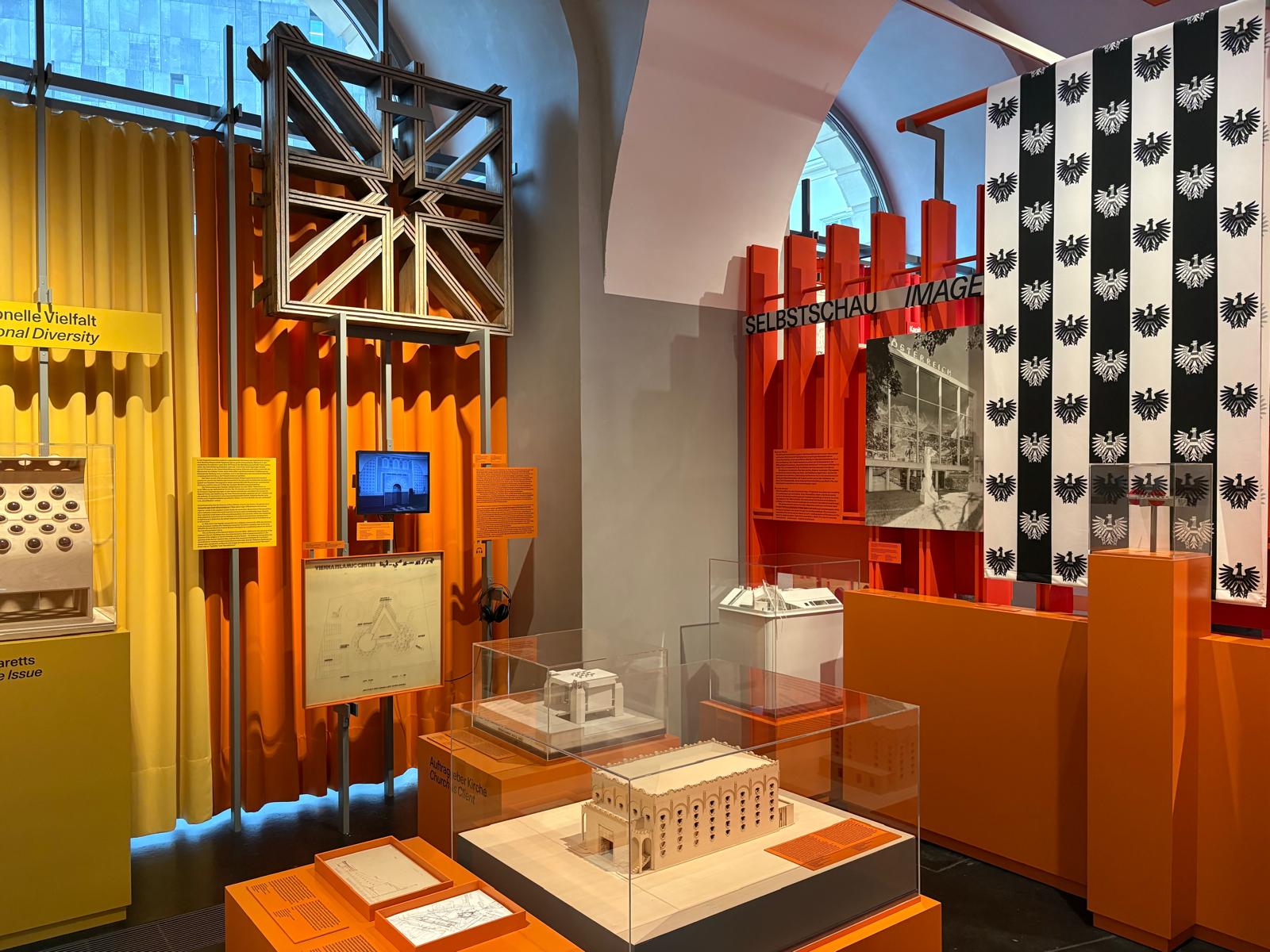
Architekturzentrum Wien (Architecture Centre Vienna)
Dr. David Craggs provides a guest post on the Architekturzentrum Wien, including (now concluded) temporary exhibition Abundance Not Capital: the lively architecture of Anupama Kundoo.
Urban explorations
What is the purpose of architecture? For those of us with more than a passing interest in the urban, pondering such questions can be a keenly held occupation as we find ourselves wandering a city for the first time, observing the manifest relationships between place, history, and the built environment. So much so that I’m frequently reminded to ‘stop lecturing’ my travelling companion as I interrupt whatever activity we happen to be engaged in to provide an extended commentary on the relative merits of certain urban features, building typologies, transport infrastructure and the like. Testing my companion on just what it is that makes a building post-modern, architecturally speaking, is a particularly favourable pastime for the both of us.
So it is that we find ourselves in Vienna in December for a weekend sojourn. Much to her relief we find the city shrouded in a freezing winter fog and therefore not offering much of a view beyond the warm interiors of a few choice taverns. There is to be no lecturing today.
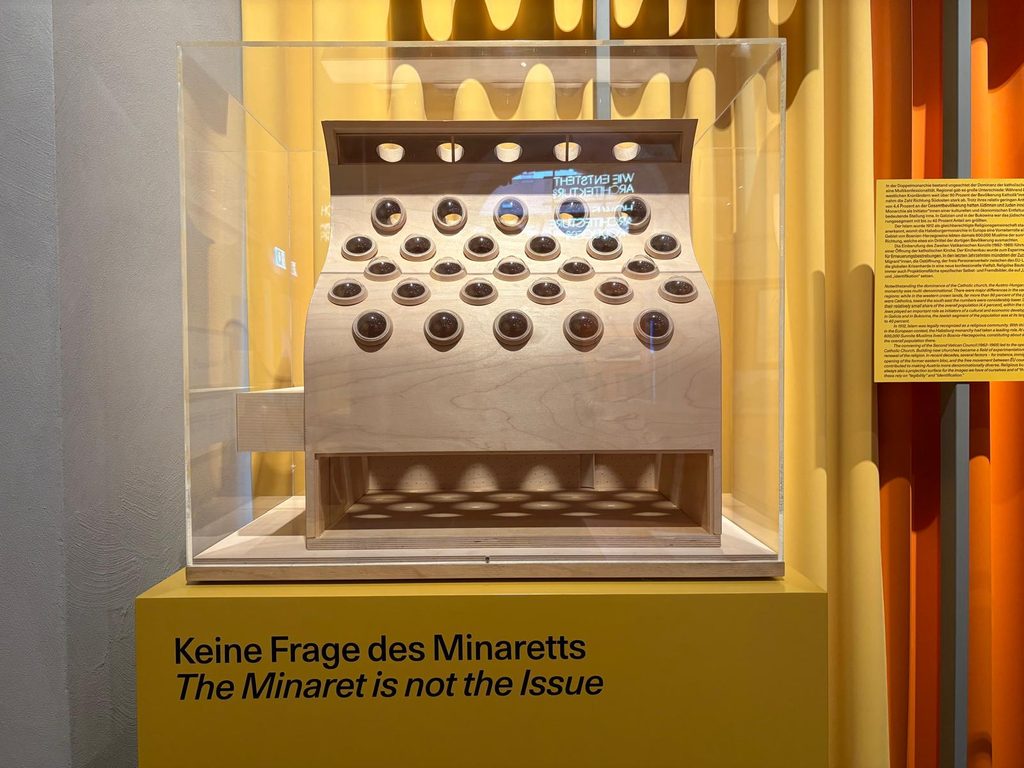
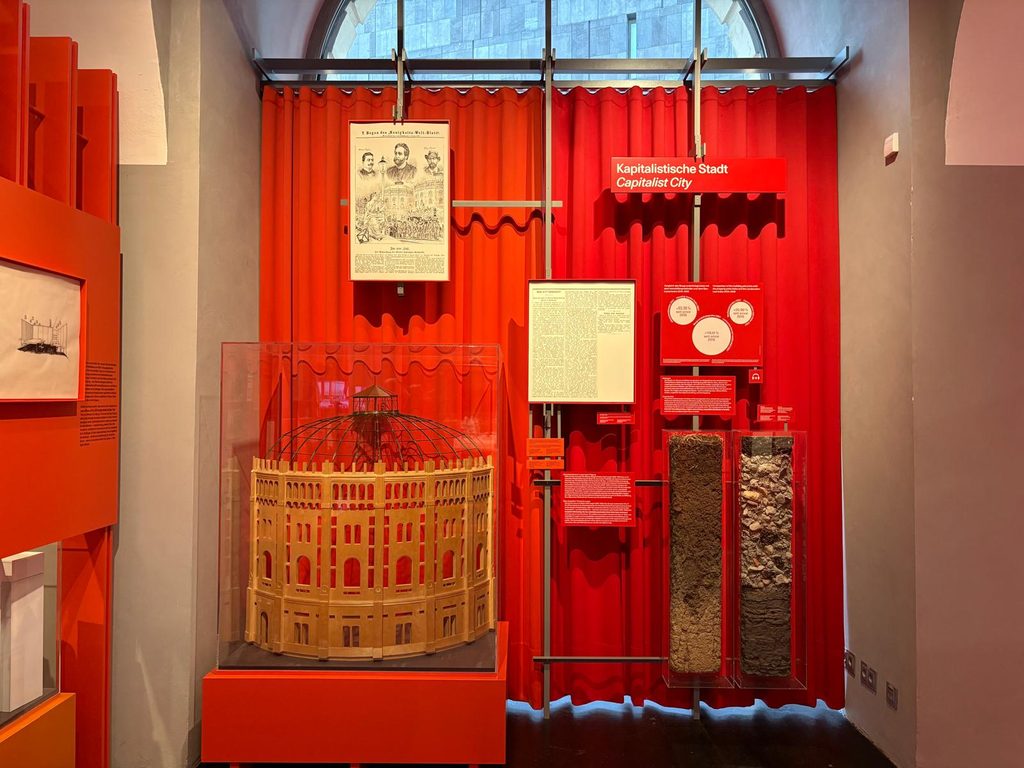
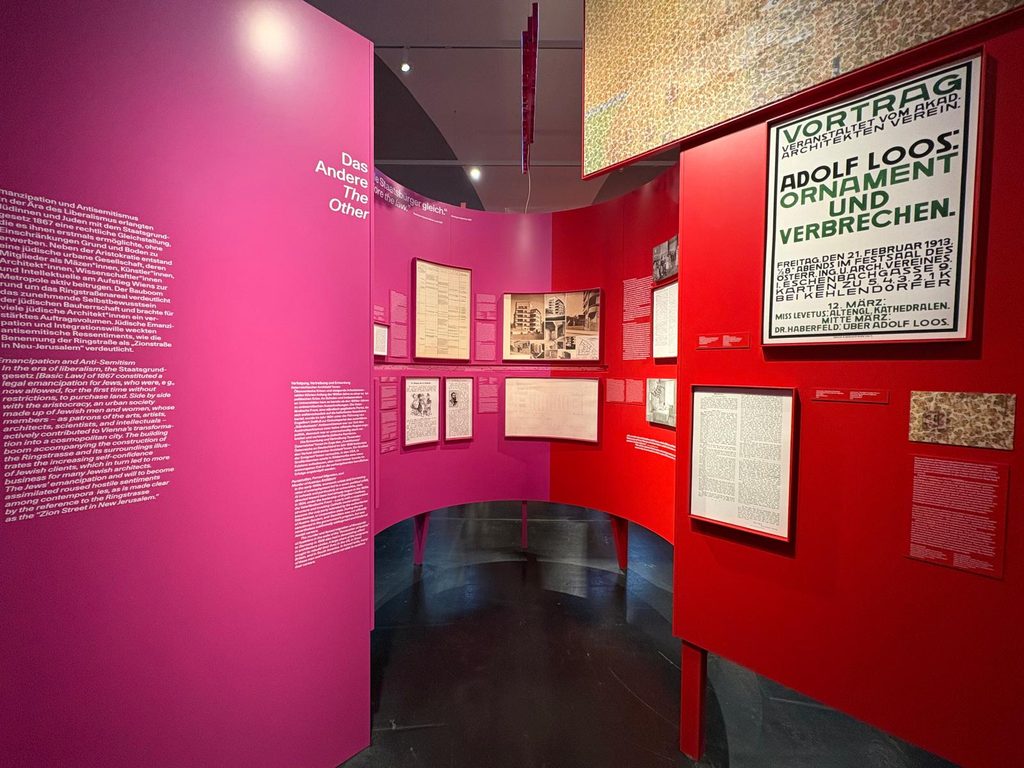
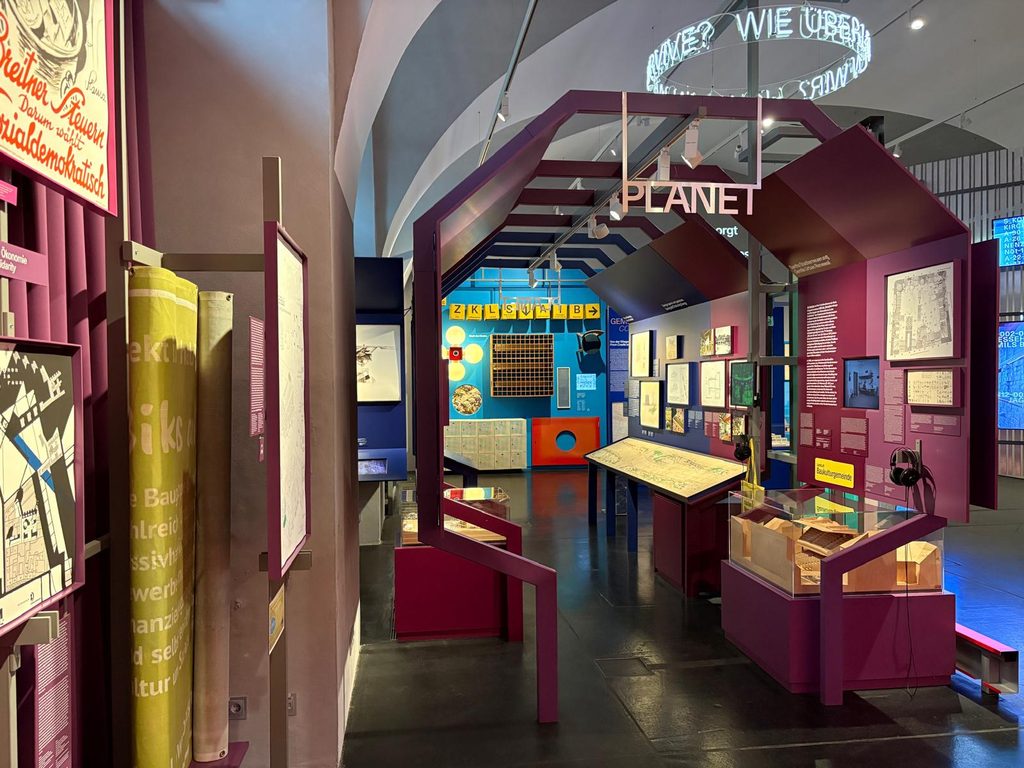
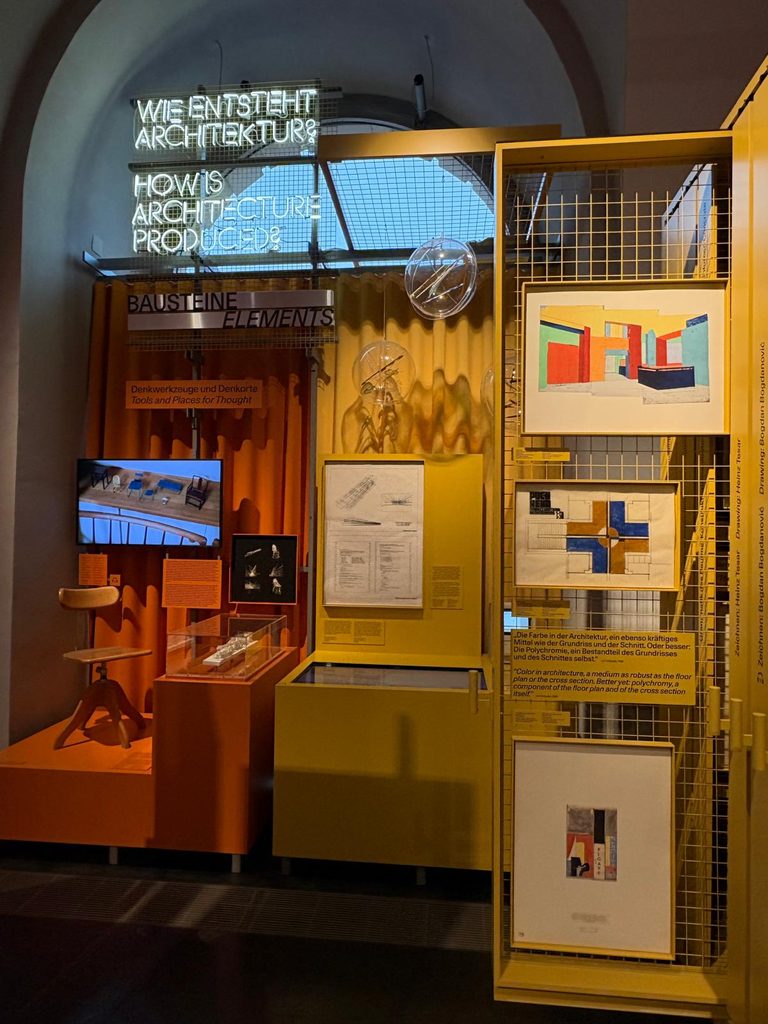
Thus, with little of the urban actually visible we turn instead to the Architekturzentrum Wien to get a better grasp of the city’s architectural perspective. Much to our liking we find a socially engaged exploration of the subject that responds to our opening question through a neat, though at times textually dense, dialogue between theory and practice. This is very much architecture as a subject full of contingencies and relations with the economic, the social, the political, rather than as a simple overview of architects and their output (it’s not all Adolf Loos). By its own account, Architekturzentrum Wien’s offering of displays, archives, special exhibitions and events ‘bridges the gap between specialists and those who are simply experts of daily life’ – a point we will come back to.
Built heritage – the wealth of nations
Vienna is of course one of those European capitals whose built environment is as much a reflection of its imperial past as it is of its present setting in a modern European and global context. When visible, its numerous baroque palaces, grand museums, galleries and opera houses evoke the imperial grandeur of the Habsburg era and its dynastic wealth. Also impressive are the Jugendstil apartment blocks, banking halls and metro stations of the Vienna Secession movement, marking the high-point of Austro-Hungarian bourgeois society prior to the deluge of 1914. The Secession Building and the Freud Museum are both worth a visit for a deeper immersion into the cultural and intellectual traits of the period. The old city core includes impressive traces of its medieval past such as St Stephen’s Cathedral and the Schottenkloster, and was granted UNESCO World Heritage status in 2001.
This heritage is perhaps what most of us imagine Vienna to be and is what most of us expect to find as weekend visitors. Architekturzentrum Wien provides a welcome alternative – a more forward looking perspective that is rooted in the intertwined development of architectural practice and the modern Austrian nation-state through the twentieth century and that engages seriously with questions of architecture’s contribution to contemporary issues of urban housing, sustainability, wealth and inequality, cultural identity, and so forth.
Critical discourses
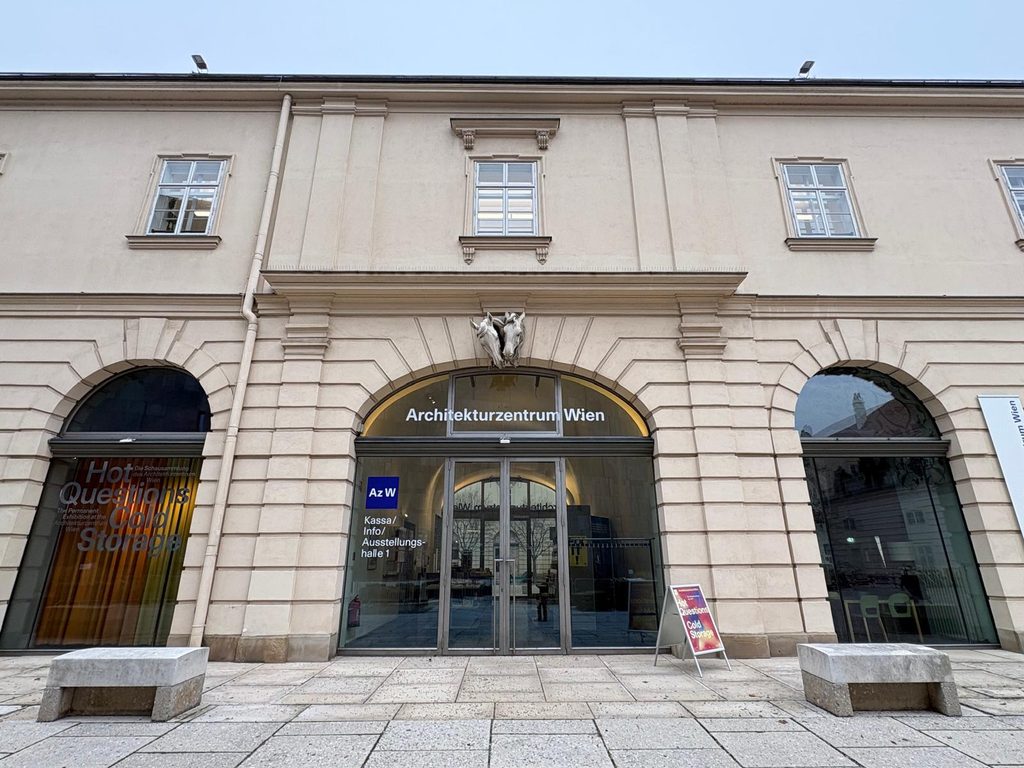
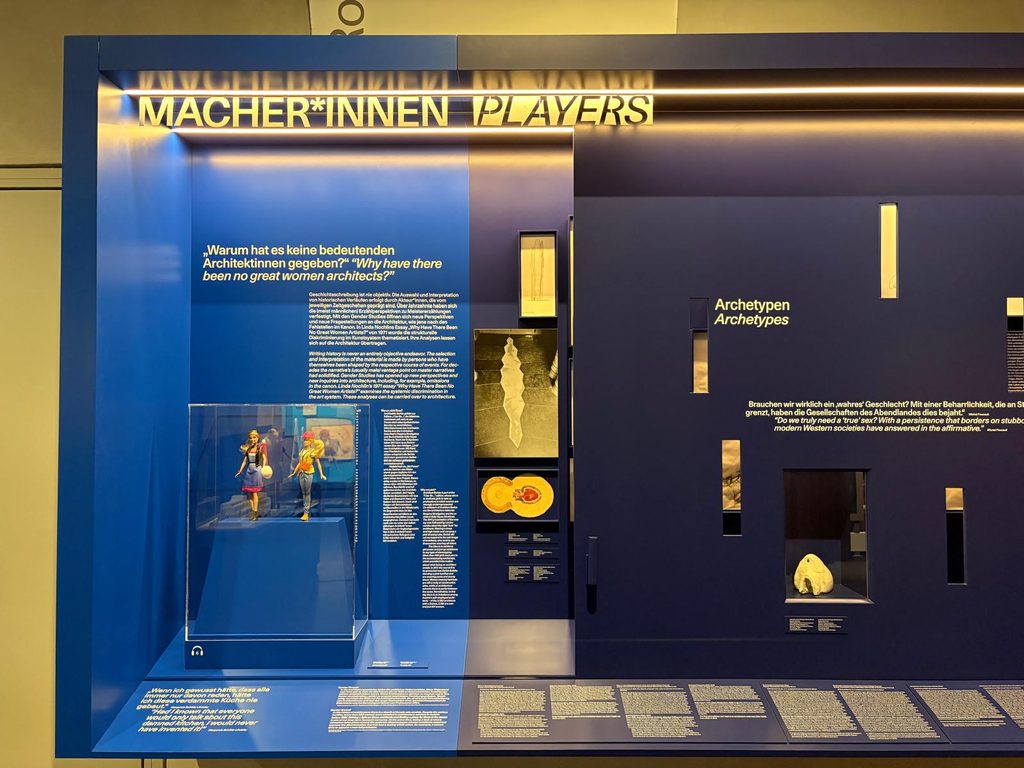
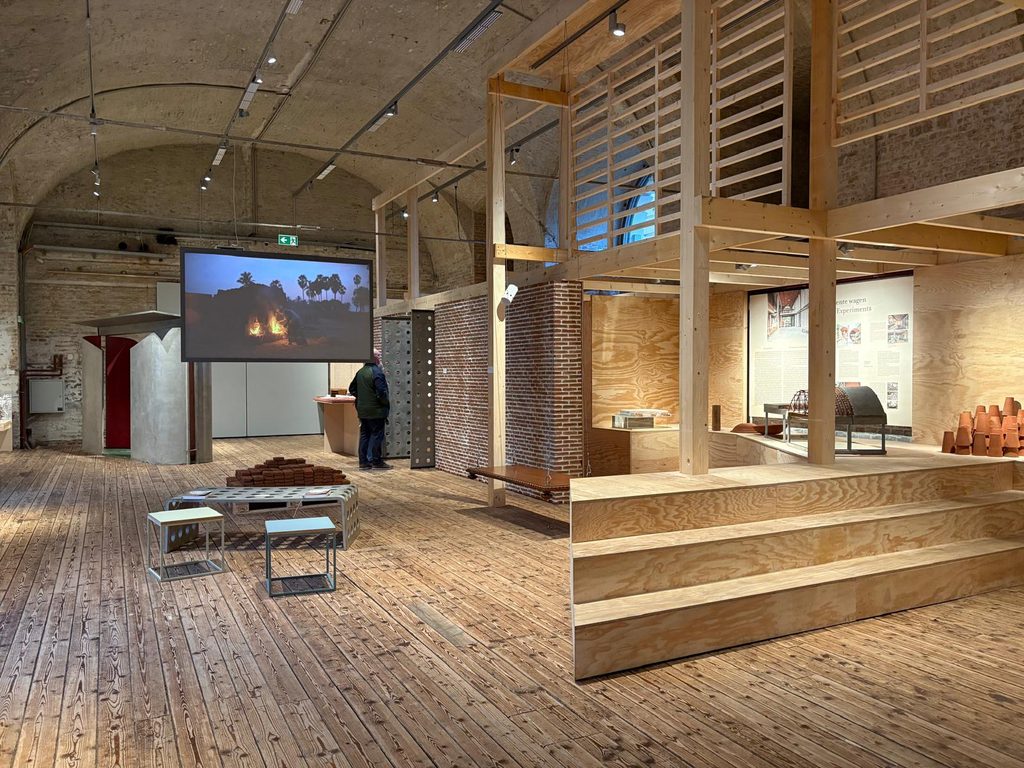
The museum itself is housed in the grand imperial stables complex in what is now the Vienna MuseumsQuartier. The stables date back to the eighteenth century, a commission of Emperor Charles VI. Unlike the Duc de Bourbon at Chantilly, Charles VI was not convinced of his future reincarnation as a horse, so his commission was more functional than monumental. Impressive in scale nevertheless and ideally proportioned for the mix of galleries, exhibitions and workshops that now inhabit the space. Appropriately enough then, the museum stands as physical testament to the ever-changing city and to the varying functions and purposes of architecture under different phases of economic and social ordering.
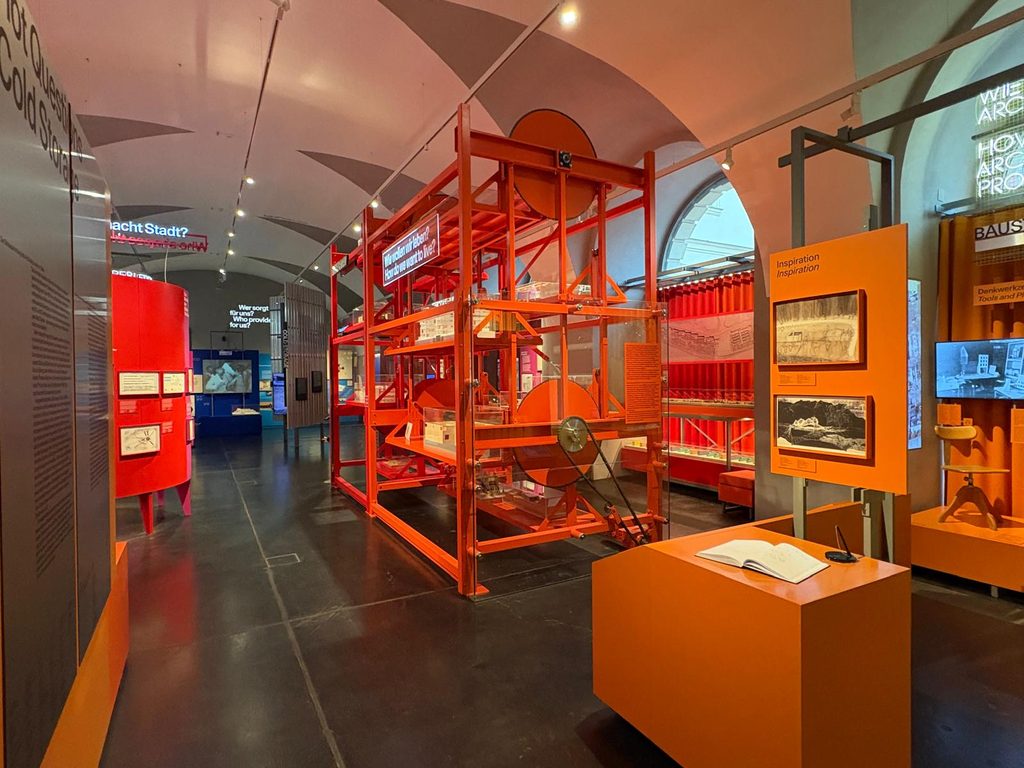
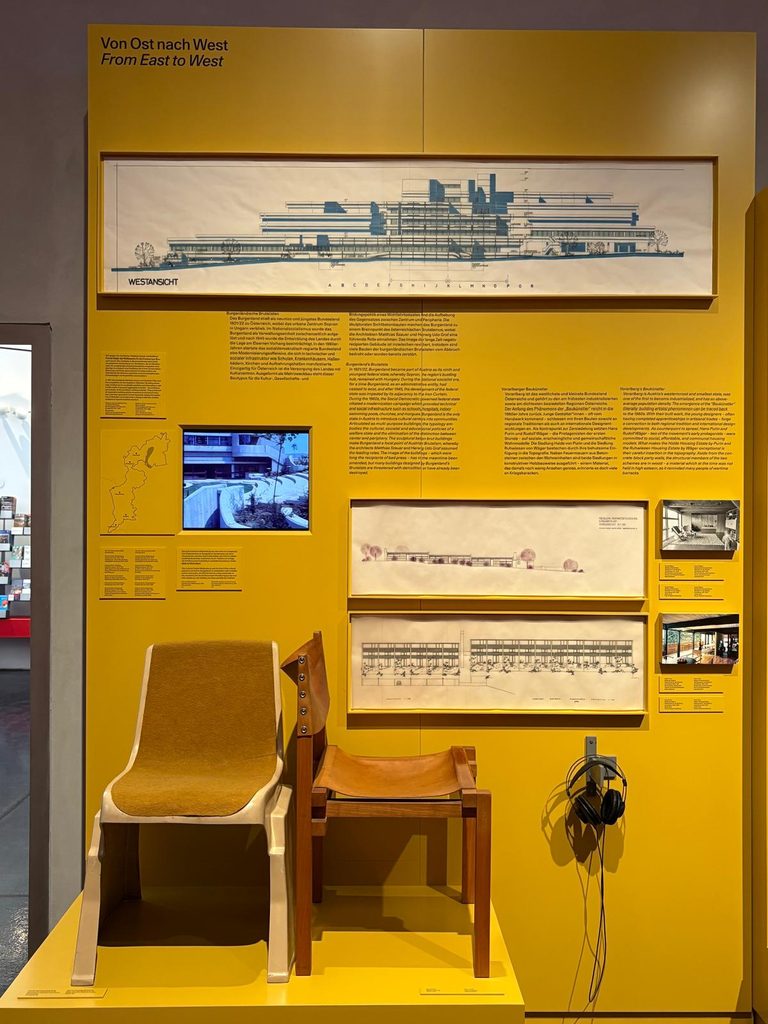
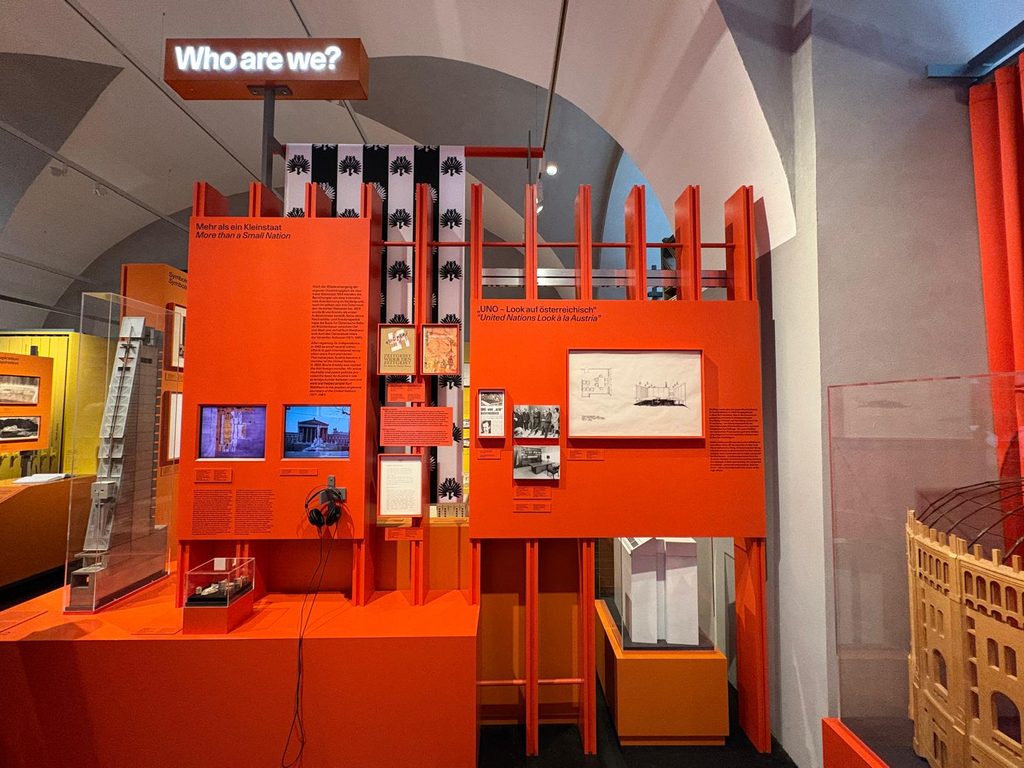
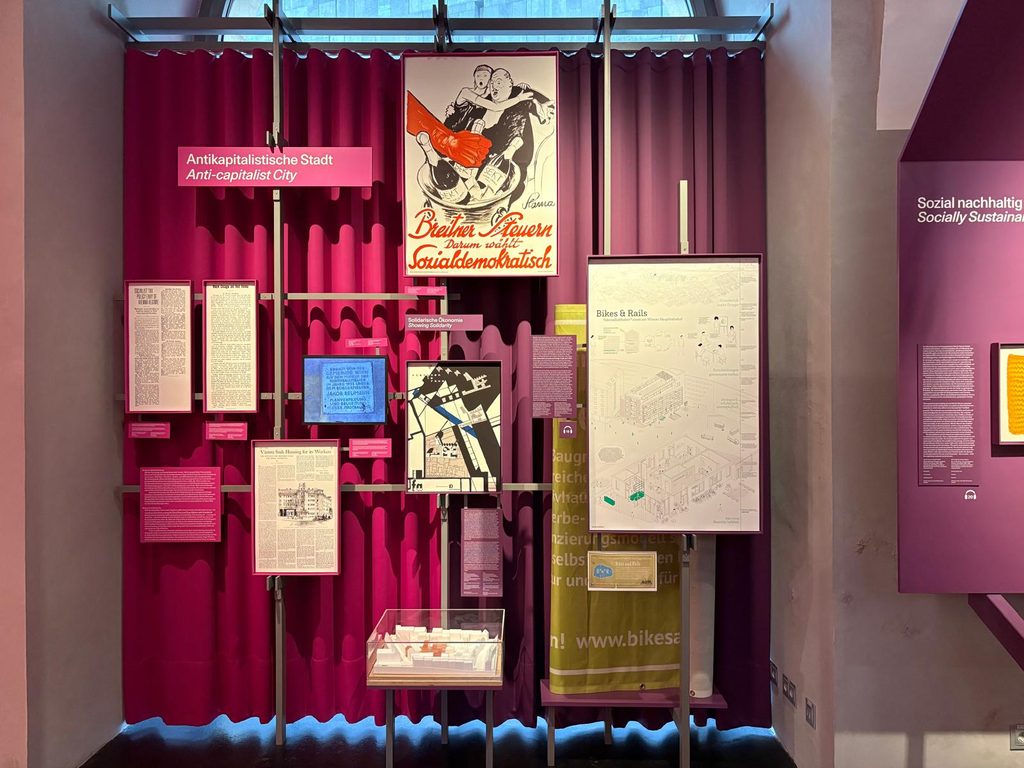
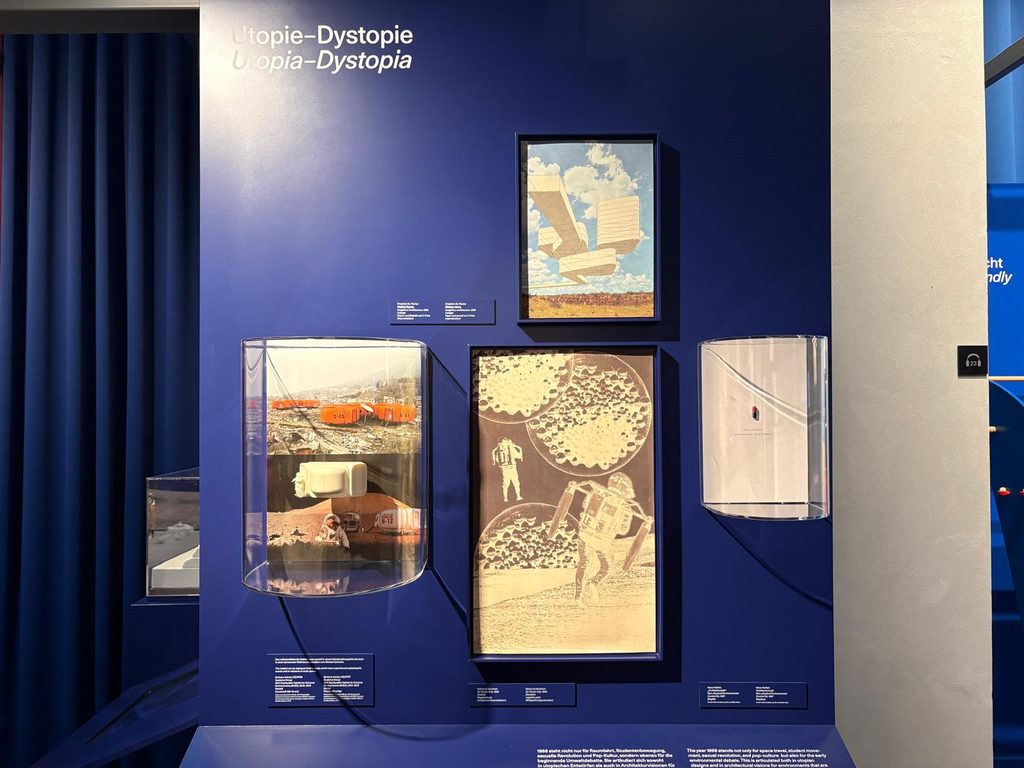
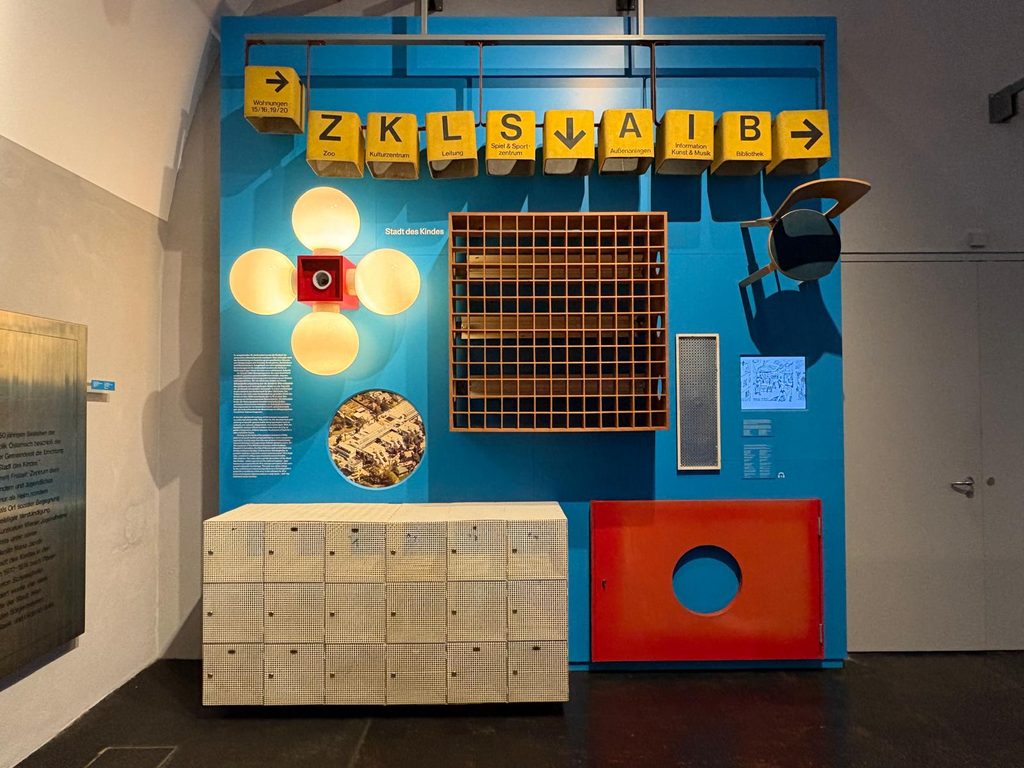
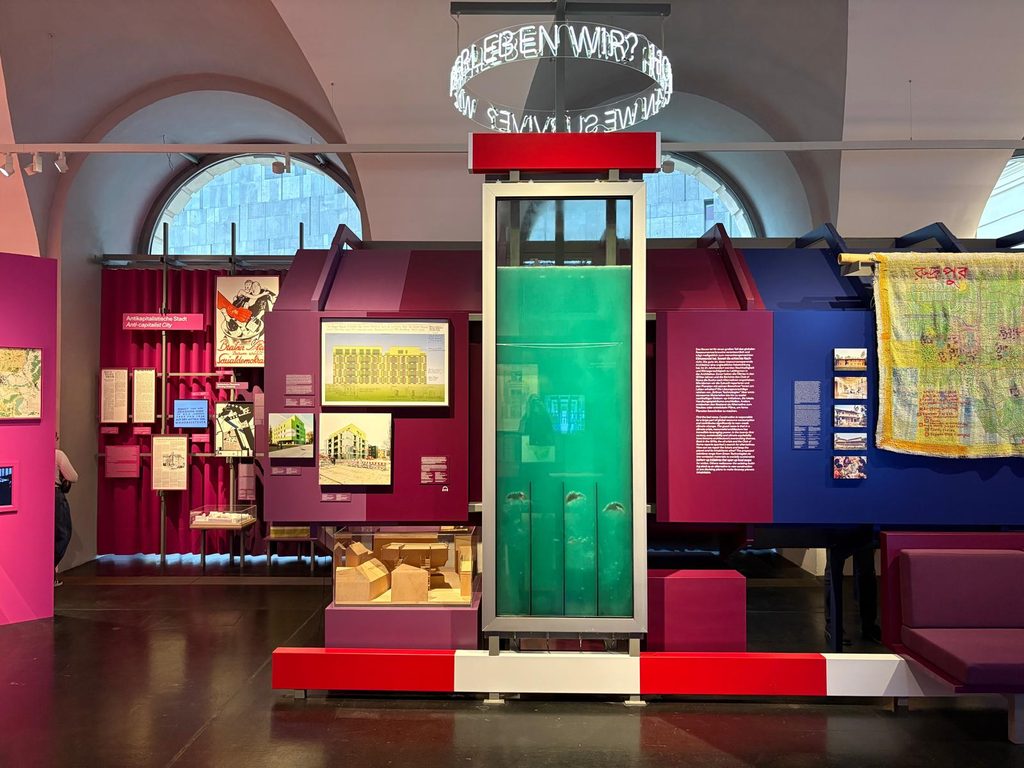
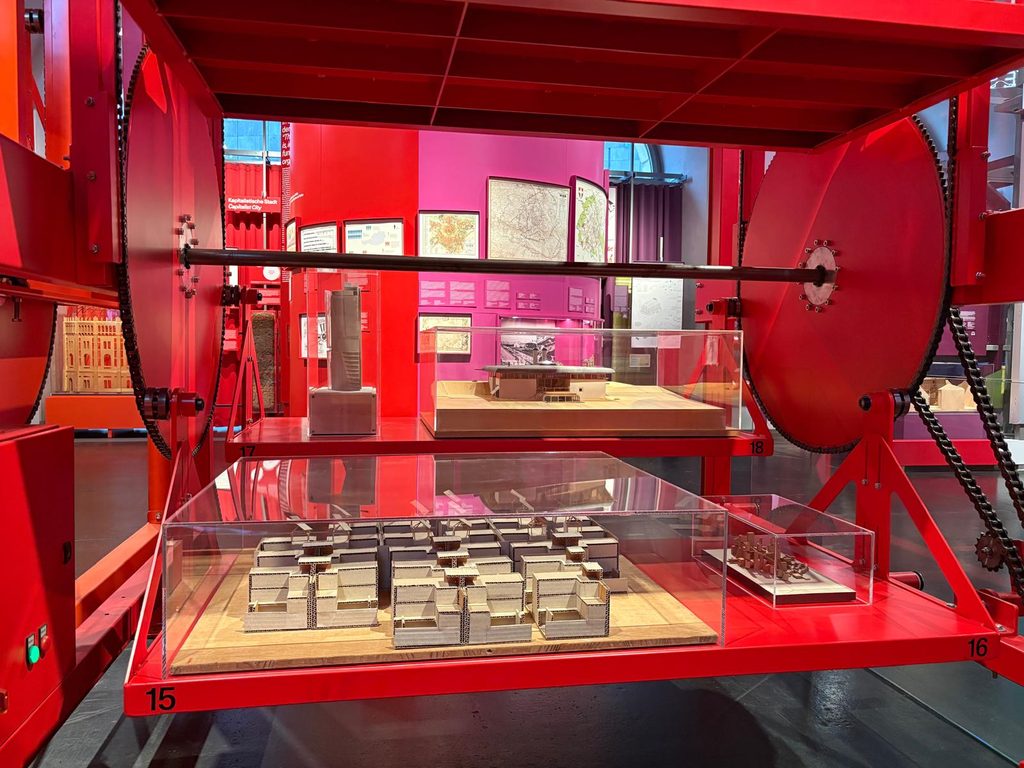
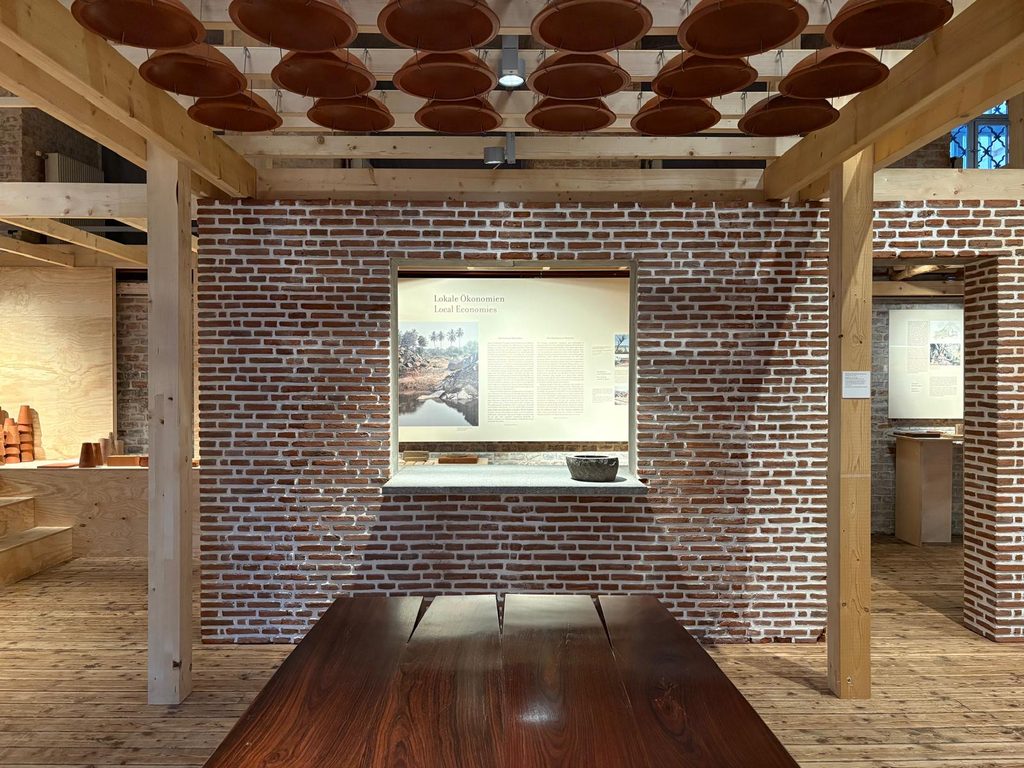
The current display is arranged as a series of thematic engagements, or questions, that put architecture in conversation with current debates in social, political and urban theory: the right to the city, urbanisation and climate, and the dominance of the masculine perspective in architecture, for example. There’s no particular order in which these need to be viewed so as to come away with a decent appreciation of each. But be prepared for a lot of written material; I’d say we spent a good two-thirds of our time here reading rather than looking. And here we come back to the point about specialists and daily life because there is an academic slant to the whole thing. That’s not to say it’s challenging to work your way through it, but in and amongst the various plans, models, photos and display cases, there is a lot of reading to be done and it would certainly help to have some prior interest in urban theory to get the most out of this. That said, I do. So for me it was a most welcome couple of hours.
Naturally, the museum focuses on the Austrian experience to ground these points of inquiry. Austria, and Vienna in particular, has of course been an important pivot in modern European history and its social and political movements. This is expressed architecturally through the prototypical municipal socialism of ‘Red Vienna’ and its legacy of formative public housing projects such as Reumannhof and Karl Marx-Hof; through the ‘Nazification’ of planning and design during the period of annexation by the Third Reich; through the internationalism of the post-war period on display in the form of the Vienna International Centre and the institutional modernism of the United Nations, OPEC, IAEA, and the like; and through the newer globalised skyline of Donau City.
The common thread that underlines the criticality of the whole thing to the present moment is really a questioning of architecture’s uneasy relationship to capital and capitalism – to the ways in which architecture manifests capital as form and function in the built environment and is therefore bound up in the reproduction of the uneven and unequal dynamics – social, economic and political – inherent in capital accumulation. Architekturzentrum Wien brings a critical perspective to the surface and asks us to question what we want architecture to be. It recognises that all is not well in a world in which architecture is too easily co-opted by capital at the expense of what we might understand as the common good. The seemingly intractable issues of housing provision and environmental sustainability hang over the discussion but Architekturzentrum Wien reminds us that architecture’s unwavering capacity for imagining better futures offers some prospect for alternative ways of living. For a future that is perhaps post-capitalist?
Globalisation and its discontents
Which brings us to the special exhibition also included in the general entry ticket: Abundance Not Capital: the lively architecture of Anupama Kundoo.
Anupama Kundoo is an Indian architect who founded Anupama Kundoo Architects in 1990. Her work is mostly to be found in India but the practice maintains a research studio in Berlin and she’s held numerous teaching posts across international universities, including a current professorship at the Technische Universität of Berlin. Speaking to the wider themes of Architekturzentrum Wien, her work and her philosophy is presented here very much as a potential post-capitalist alternative: an innately humanist architecture that appears as a calmer, slower counterpoint to the world of globalisation and hyper-capitalism that frames so much of today’s urban living.
Born in Pune and studying in Mumbai, Kundoo evidently has had a lifelong interest in architecture’s uneasy relationship to ecology and sustainability. Rather tellingly, after her initial studies Kundoo turned away from the rapidly globalising Mumbai and established her practice in the radically different Auroville, located on the outskirts of Puducherry (Pondicherry) in the south-eastern state of Tamil Nadu.
Some years ago, 2019 when the Salterton Arts Review was taking a pause, my travelling companion and I had an open invitation to visit India via family members who had relocated to Mumbai. Along with Chandigarh, Pondicherry was one of the locations we had identified for a potential trip – primarily so that I could deliver a few more lectures on post-colonial urbanism and the architectural imagineering of urban modernity in the newly independent nation-states of the ‘global south’ (with thanks to Anthony D. King for his formative influence). In the end, we did neither and, bar a few days in the Andaman Islands, spent the best part of two weeks exploring Mumbai and its environs. Thus, my lectures focused instead on the architectures of globalisation, on the integration of globalised real estate and financial markets, and on the particular role played by post-colonial ‘entrepot’ financial centres in coordinating the offshore dollar economy.
Architecture, abundance, alterity
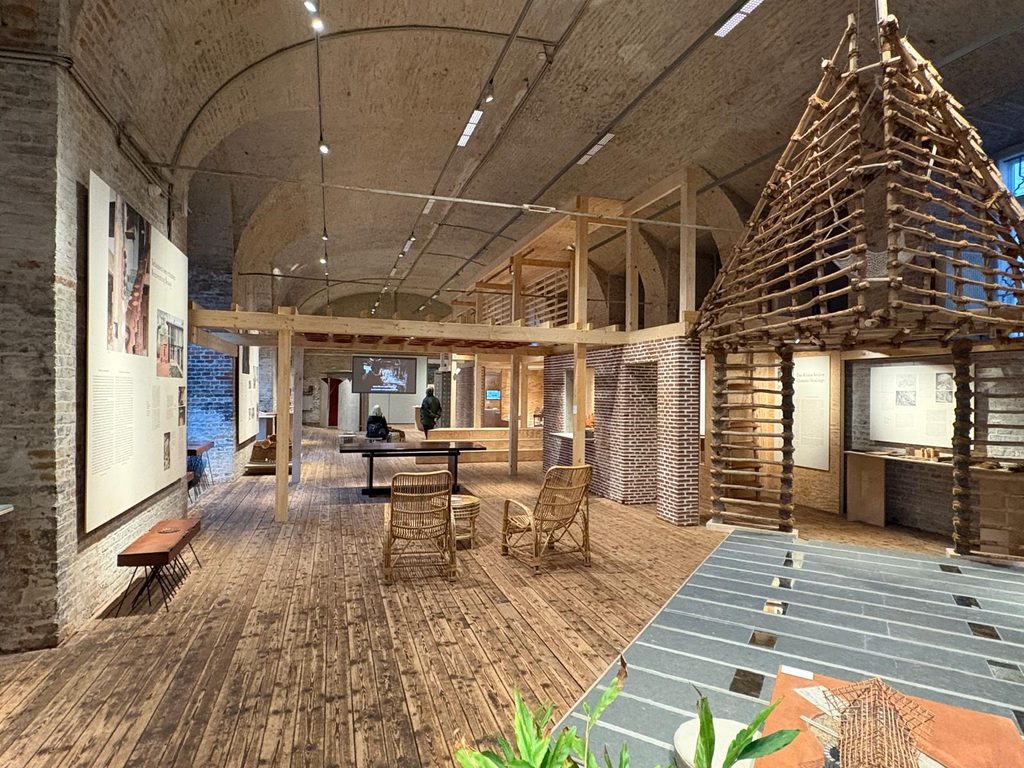
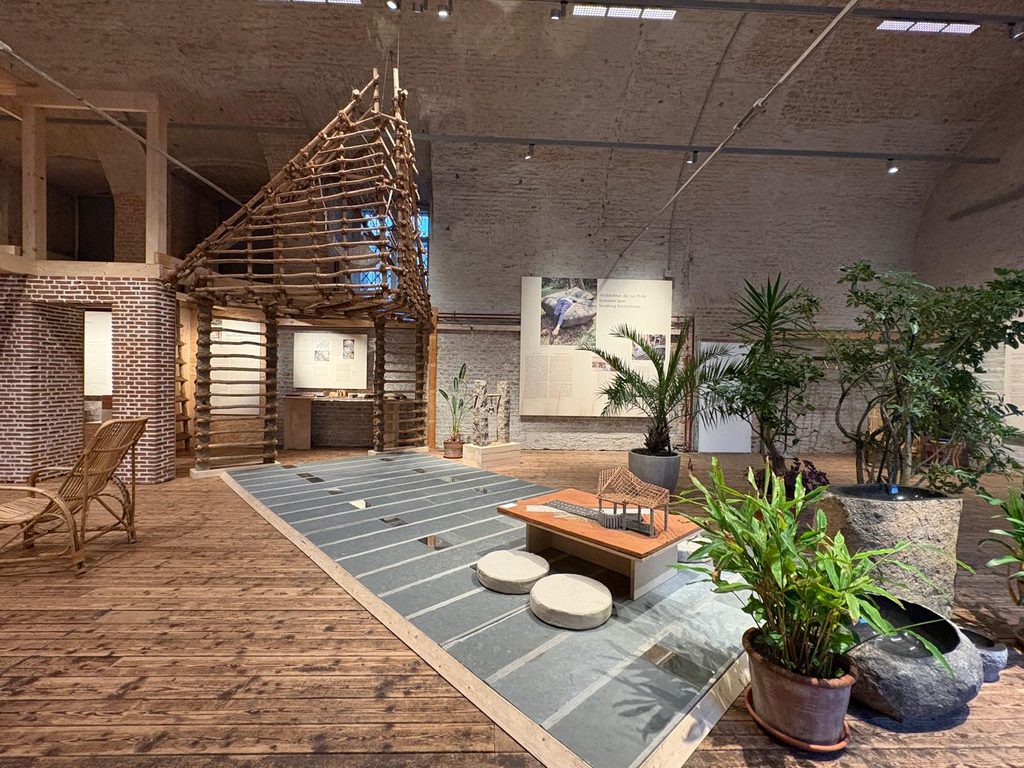
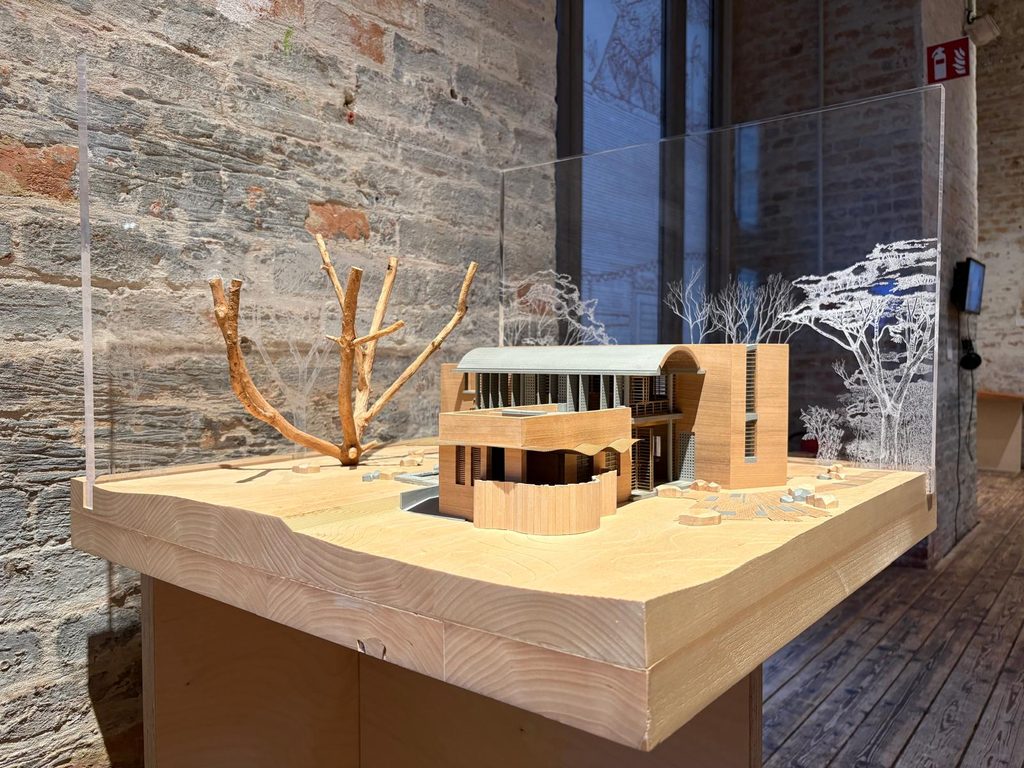
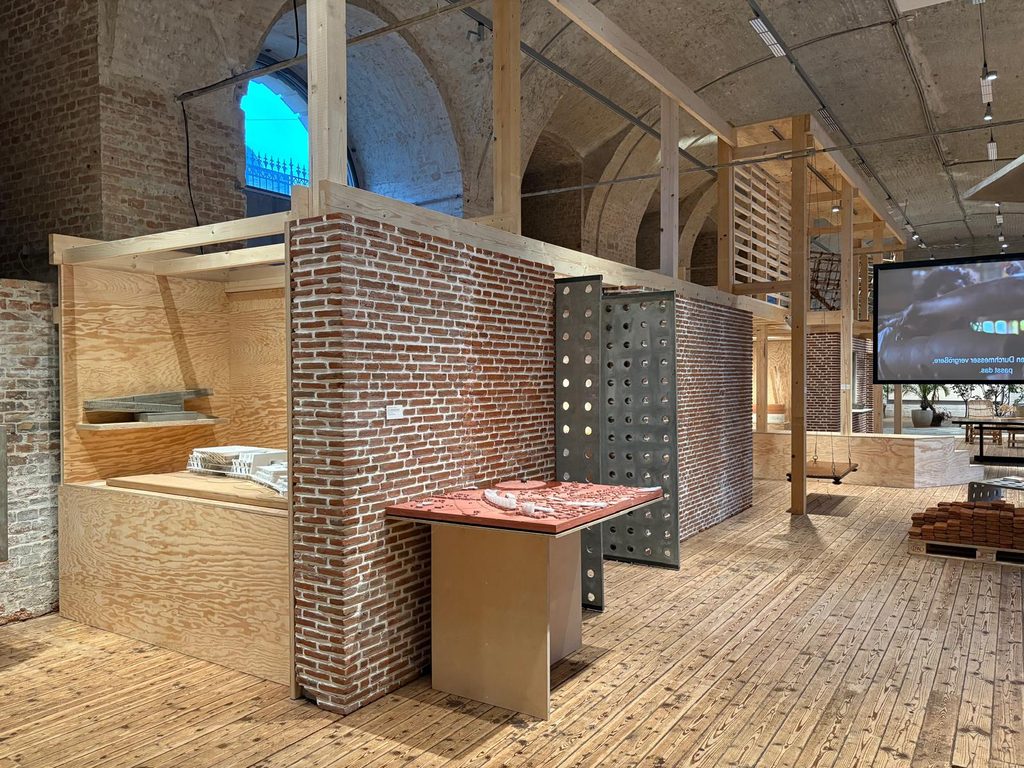
In essence then, our experience was of architecture and urbanism as a vector of globalised capital accumulation. Kundoo’s work strives for the antithesis and this neat little exhibition provided a thoughtful introduction to the innate materiality and ‘liveliness’ of her approach. The exhibition, and its accompanying volume of essays, starts with the premise that architecture has become an engine of global capital, but that it doesn’t have to be (anyone who knows of Peggy Deamer’s work will not be surprised to find her own contribution in this volume). At its core, the argument is that abundance can be found in a world beyond capital and that architecture can proceed to great effect as a non-capitalist endeavour.
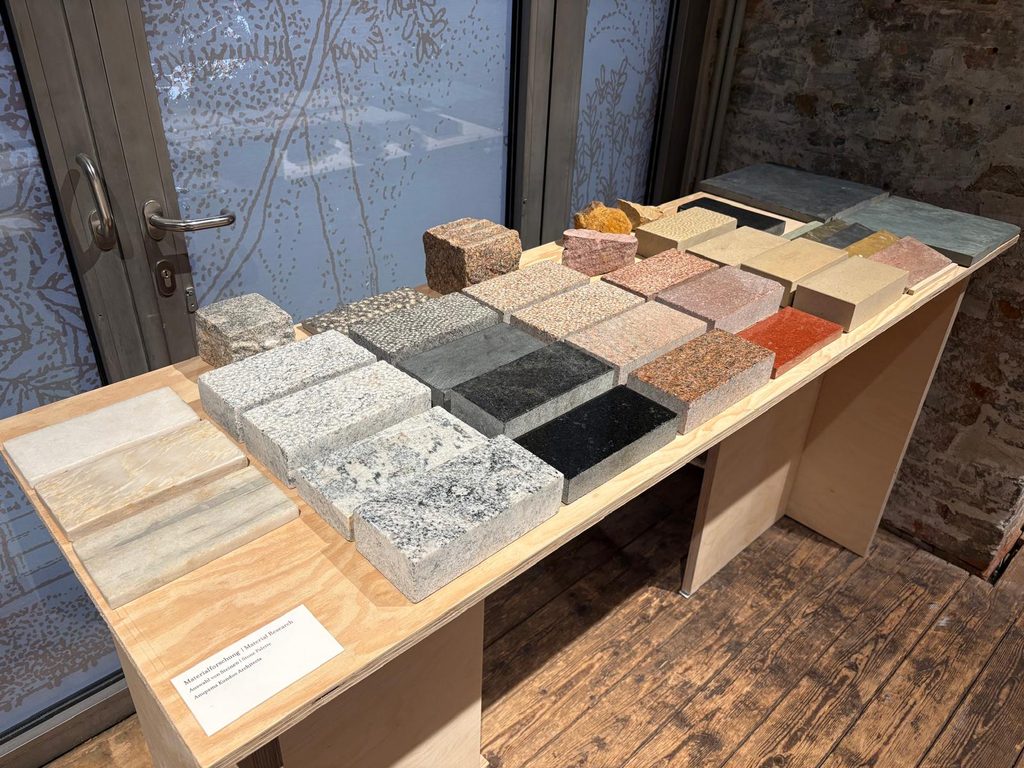
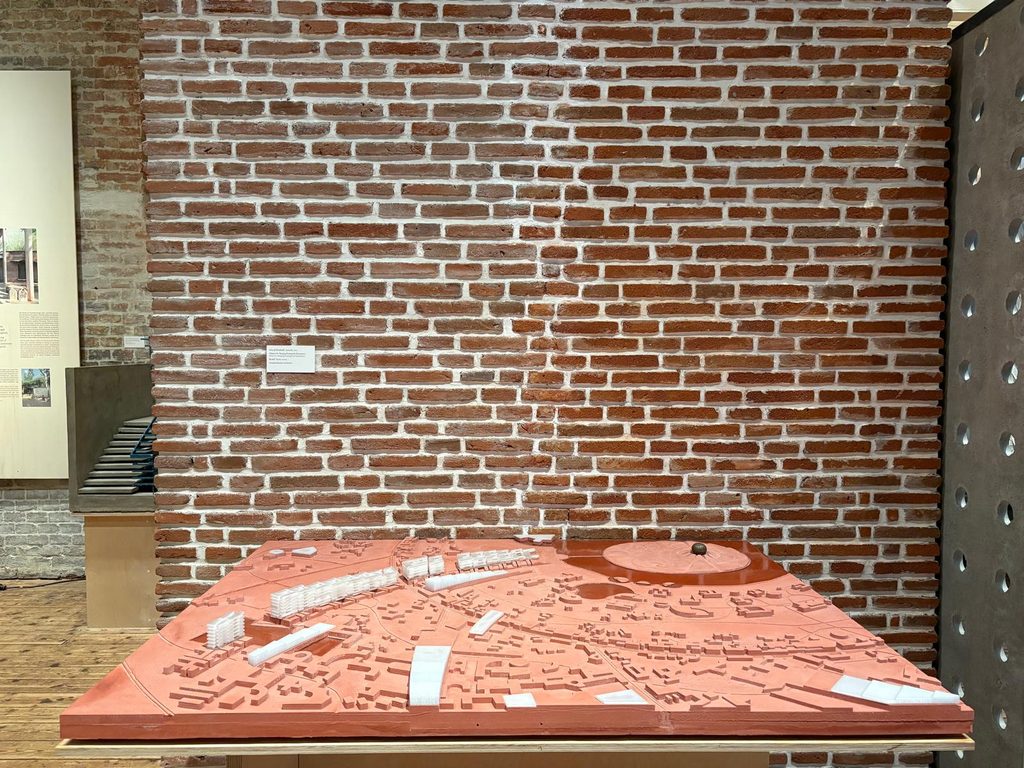
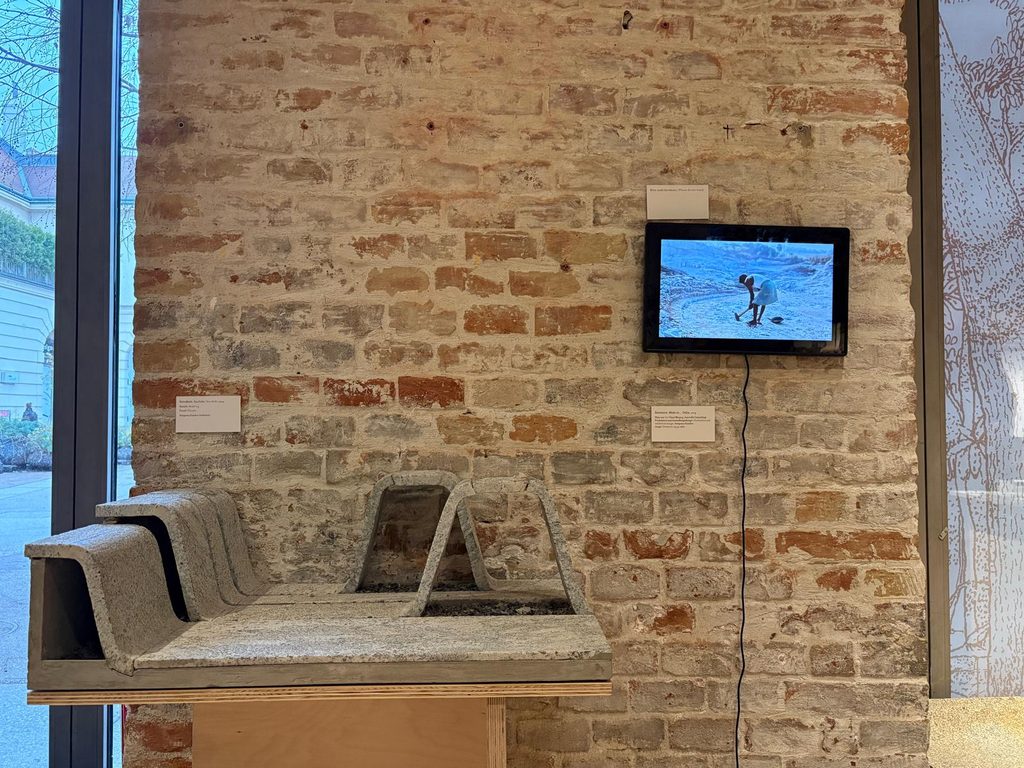
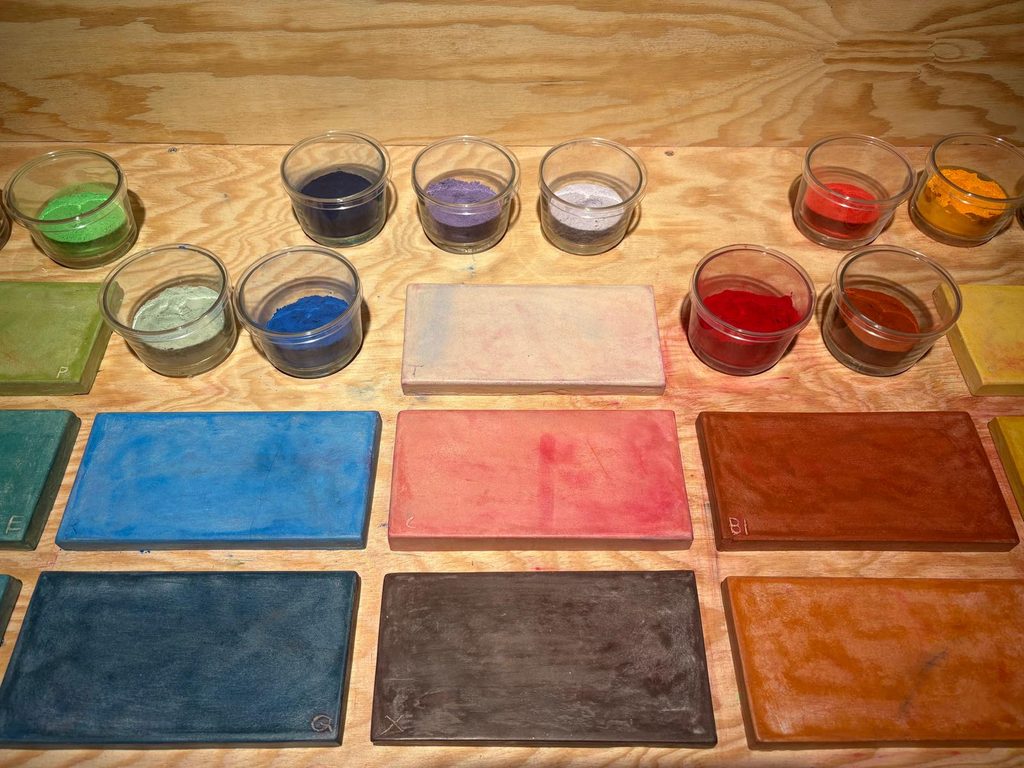
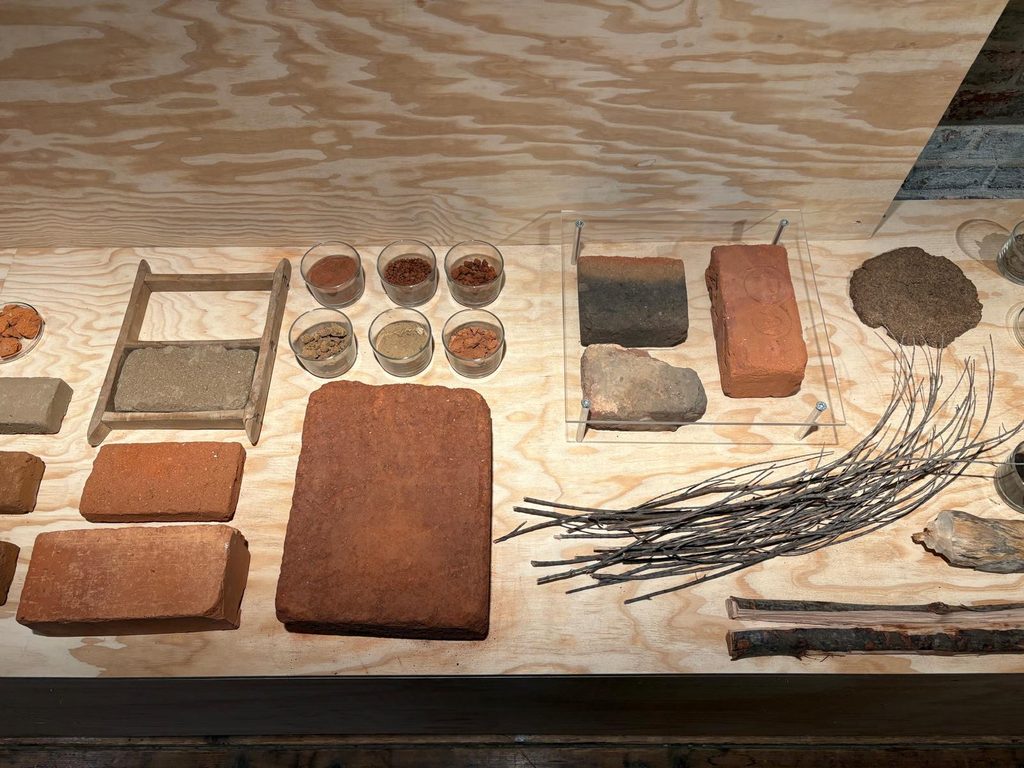
As the exhibit explains, architecture here is a tool of ‘patient abundance’ rather than impatient capital – there’s more of an elemental quality to it, a materiality that’s evidently more attuned to the local and to a sense of ecological and social balance. So is it inherently vernacular? Not necessarily, and neither is it simple. Abundant use of clay bricks, terracotta and ferrocement, all hand crafted from the local earth, is informed as much by scientific understandings of each material’s insulating and cooling properties as it is by the desire to reveal building construction as a process of embodied labour. The choice to reject mass produced building materials such as concrete is clear and specific – a rejection of the masking of the labour process that mass production involves (the glittering skylines of the gulf states of course conceals the mass exploitation of South Asian labour that built the new Middle East). By proceeding according to its own distinctive logic of place, materiality and ecology, Kundoo’s approach reveals the easy complicity of globalised architectural practice in capitalism’s alienation of labour and the obliteration of the local (see Deamer’s essay for a fuller discussion).
Arguably then, this is what Kundoo is producing here – an un-alienated form of architecture that is very clearly tied to place but is not bound by the constraints of value extraction (of labour, of land, of resource) that capital demands. But this isn’t an architecture of radical activism. It’s quieter, calmer and considered. Perhaps more than anything the buildings speak to a process of creation that gives rise to spaces that are modern, open, generous and architecturally impressive – in short, the very opposite of just about anything that has been built in Britain over the past twenty years. So would this work in London? Might this patient approach offer a blueprint for a more considered urbanism elsewhere? I suspect that the closest thing we have is to be found in the self-build movement, which remains woefully under-supported at more-or-less all levels of government. I suspect it’s also telling that whereas Kundoo’s approach and philosophy clearly has wider influence within contemporary architectural theory, as demonstrated by this exhibition, her architectural output remains unique to Pondicherry and to the particular social context of Auroville. (although see this and this ).
Abundance Not Capital: the lively architecture of Anupama Kundoo concluded on 16 February 2026. I recommend purchasing the catalogue if you’re interested in such things.
At the time of writing, the current exhibition at the Architekturzentrum Wien is Global – Neutral: Architecture from Austria in Africa and Asia 1955–1989.
Trending
If you see this after your page is loaded completely, leafletJS files are missing.