
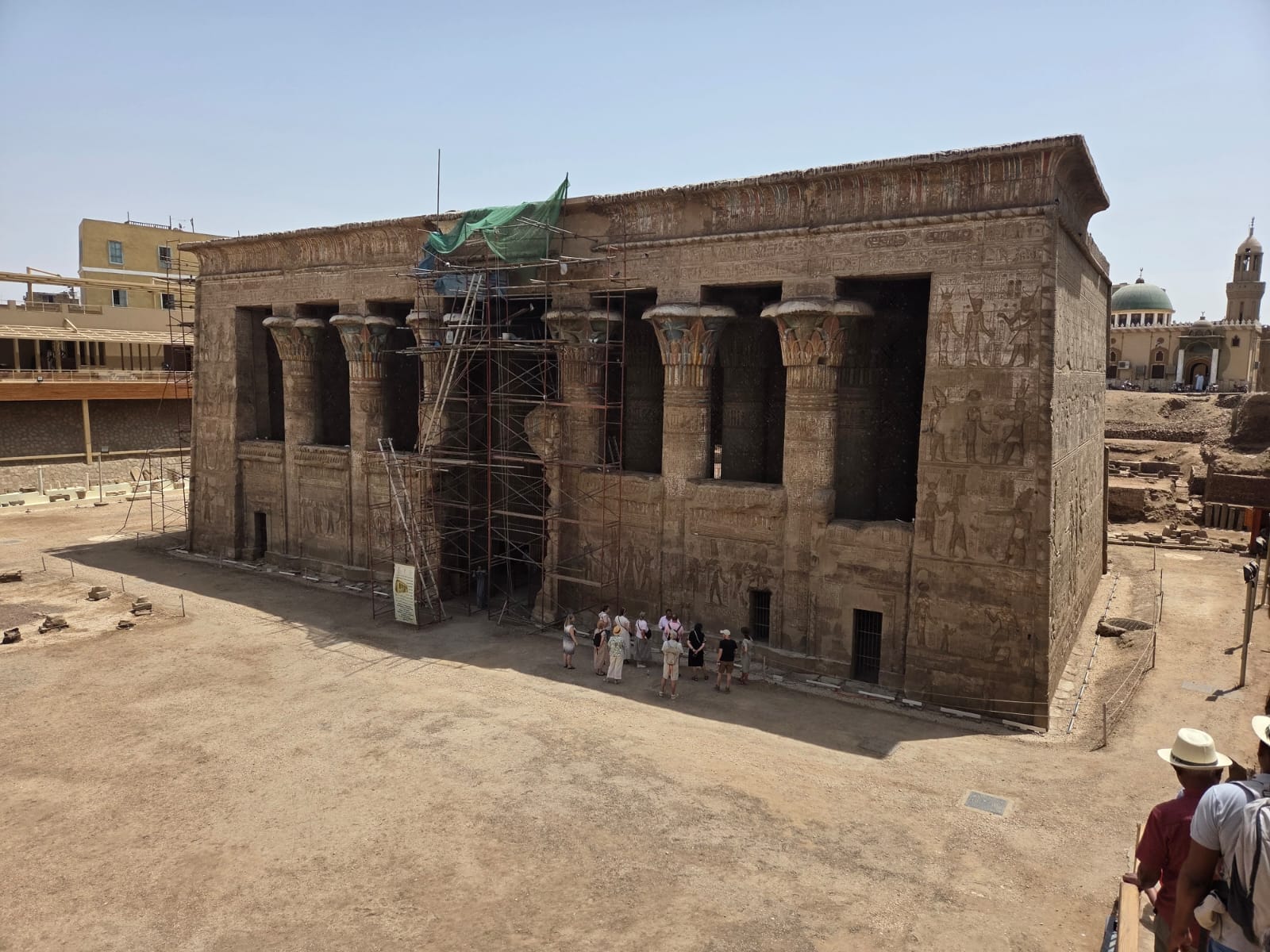
The Temple of Khnum, Esna
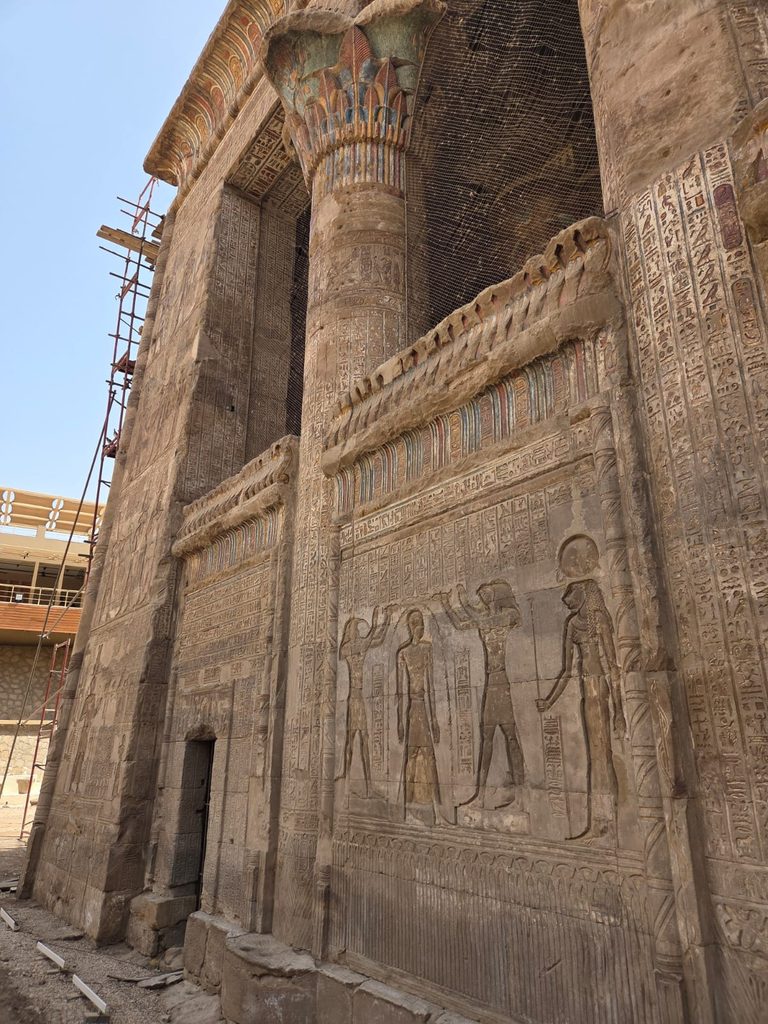
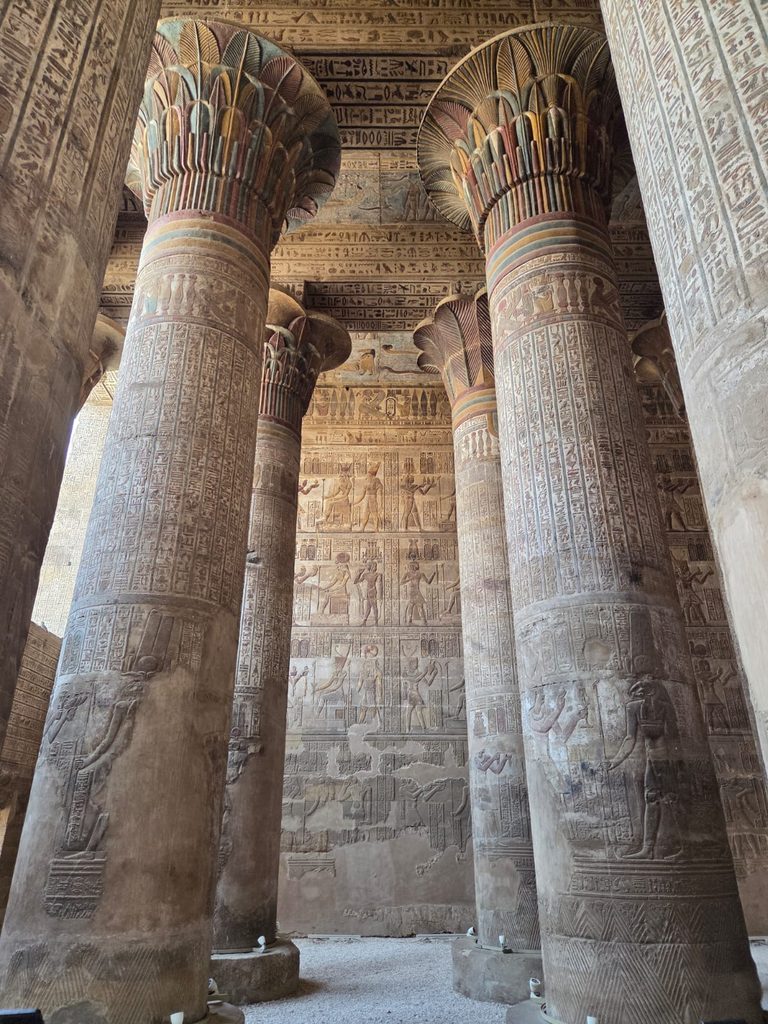
Perhaps my favourite temple during my trip to Egypt, the well-preserved colours of the Temple of Khnum at Esna make it a magical place.
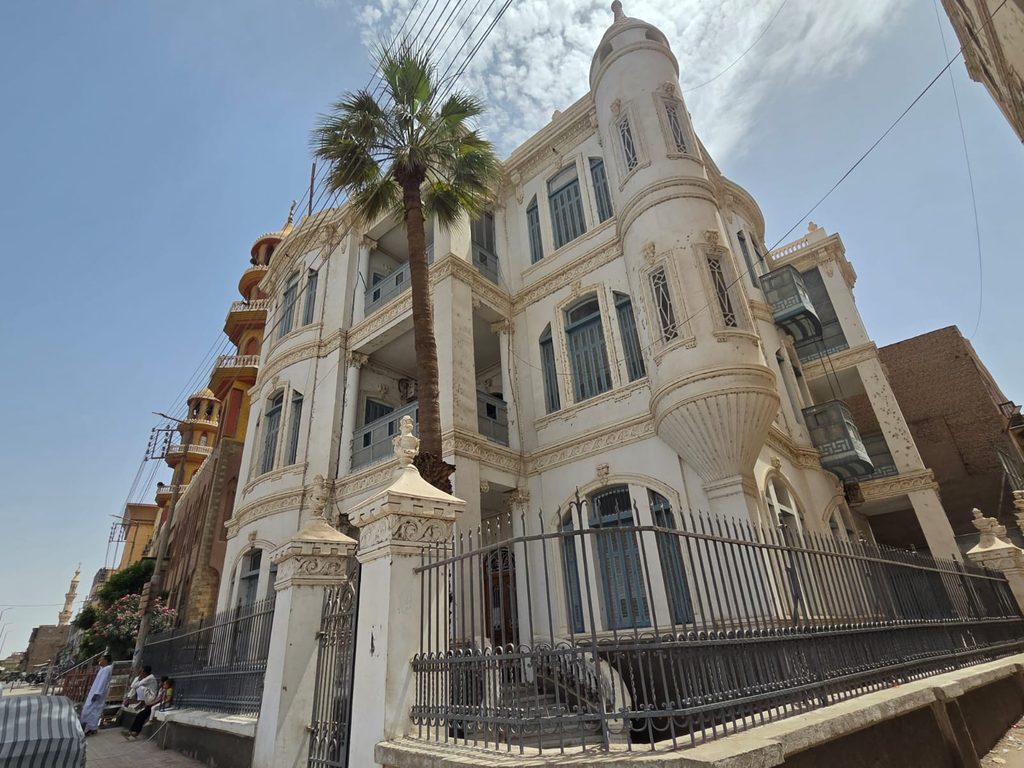
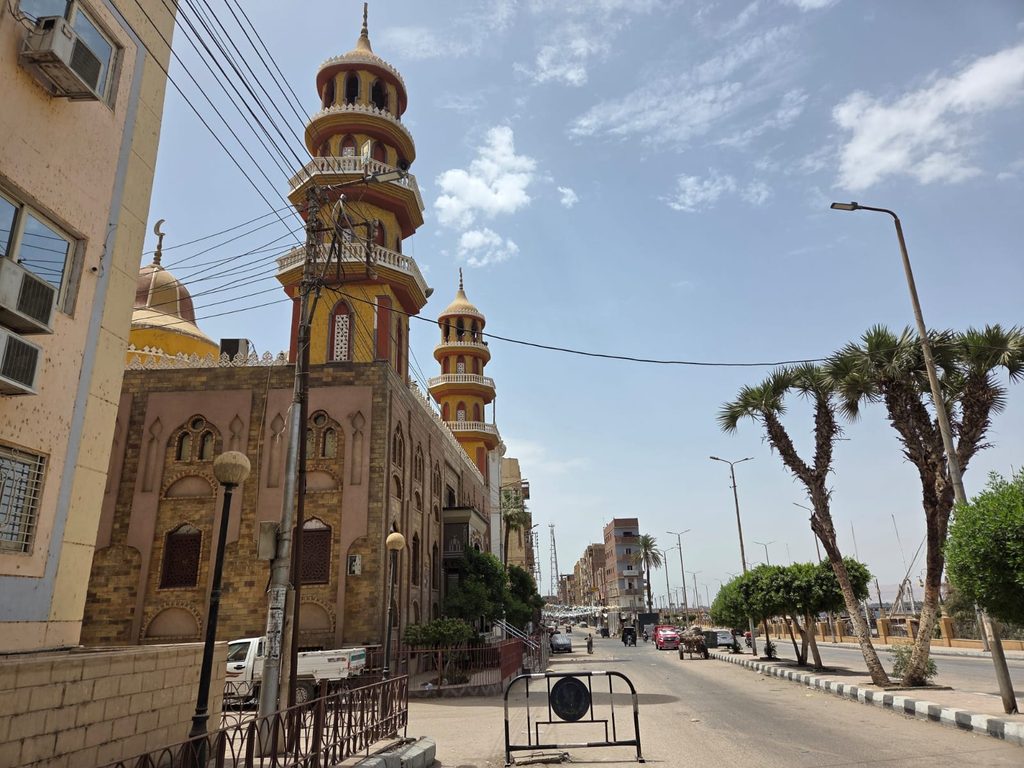
A Final Stop on our Nile Cruise
Esna was the final stop we made during our Nile cruise. I have to admit that, as with Philae, I wasn’t expecting too much for some reason. But, like Philae, it ended up being one of my favourite parts of the whole trip. In the case of Esna, there were a couple of reasons dampening my excitement.
Firstly, I have a feeling that the itinerary for our trip mentioned Edfu in place of Esna. I was hoping Esna wasn’t just a more logistically convenient option, being situated as it is close to Esna Lock. In the end I don’t think that had anything to do with us stopping here, as we all re-boarded the boat at the corniche and went through the lock regardless, so it’s not like it saved any time. I had also got skeptical again, despite the earlier lesson of Philae, because I had read that Esna was a relatively late temple.
Something I hadn’t realised before visiting Egypt is that, actually, a lot of the temples on a classic itinerary are fairly late in date. Sure, the Pyramids are so old they were a bit mysterious even in Classical times. And Abu Simbel is all about Ramses the Great. But otherwise you seem to encounter a lot of Ptolemies and even Roman emperors. Ptolemy VI Philometor, Ptolemy XII Neos Dionysus and Trajan are some of the names we have encountered on our journey. I’m sure this depends on your itinerary, but also it’s probably natural, given that Ancient Egyptian civilisation lasted millennia, that the versions of buildings we see come from towards the end of that period. So I should get over myself and enjoy the ancient sites, is what I’m saying.
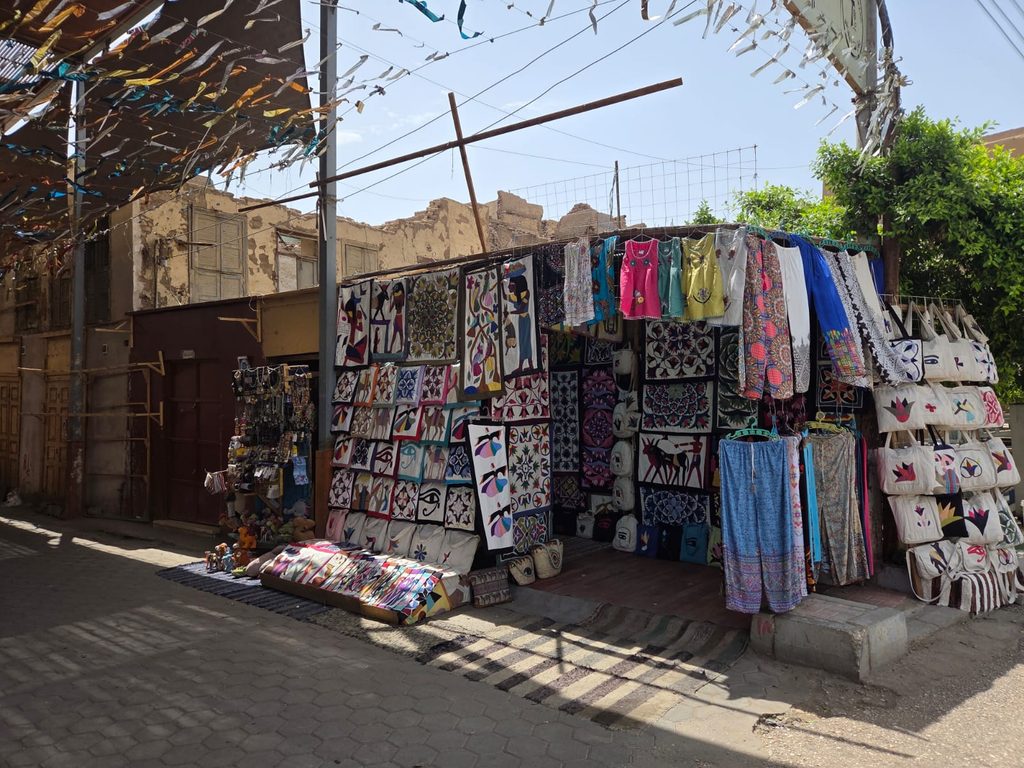
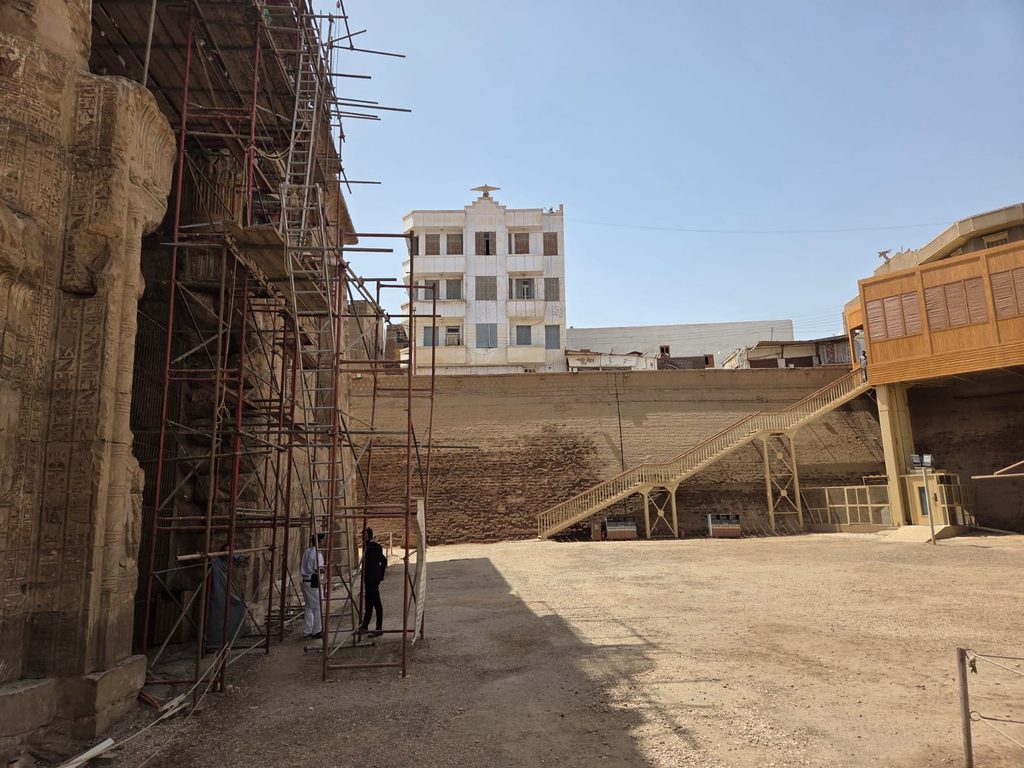
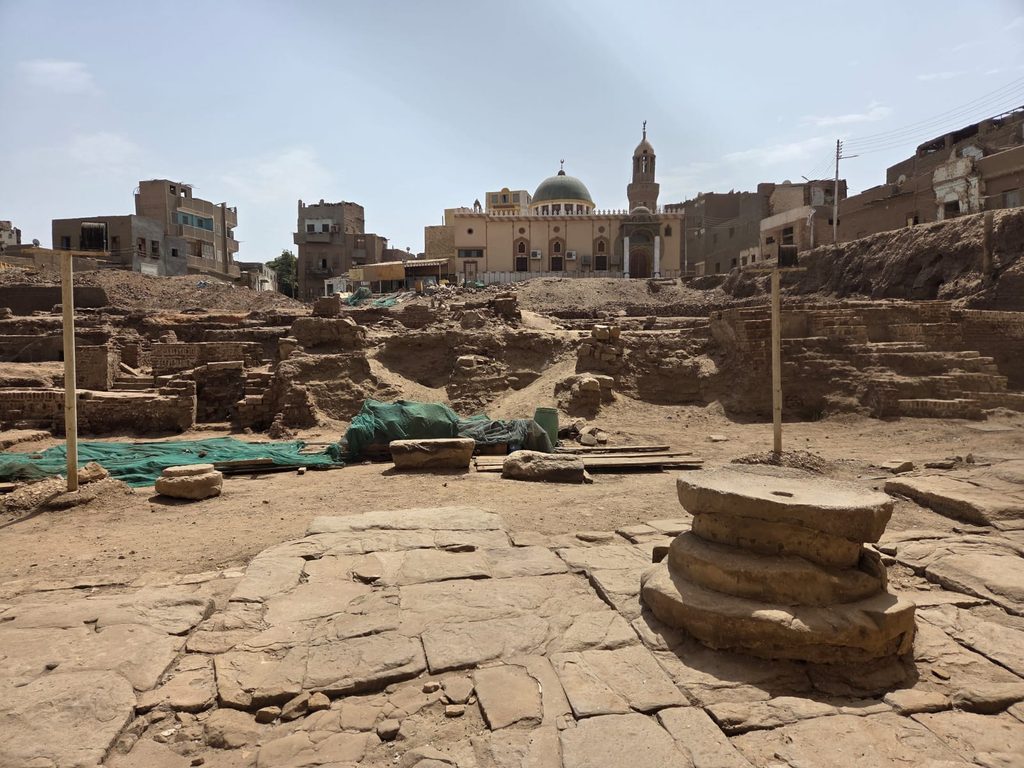
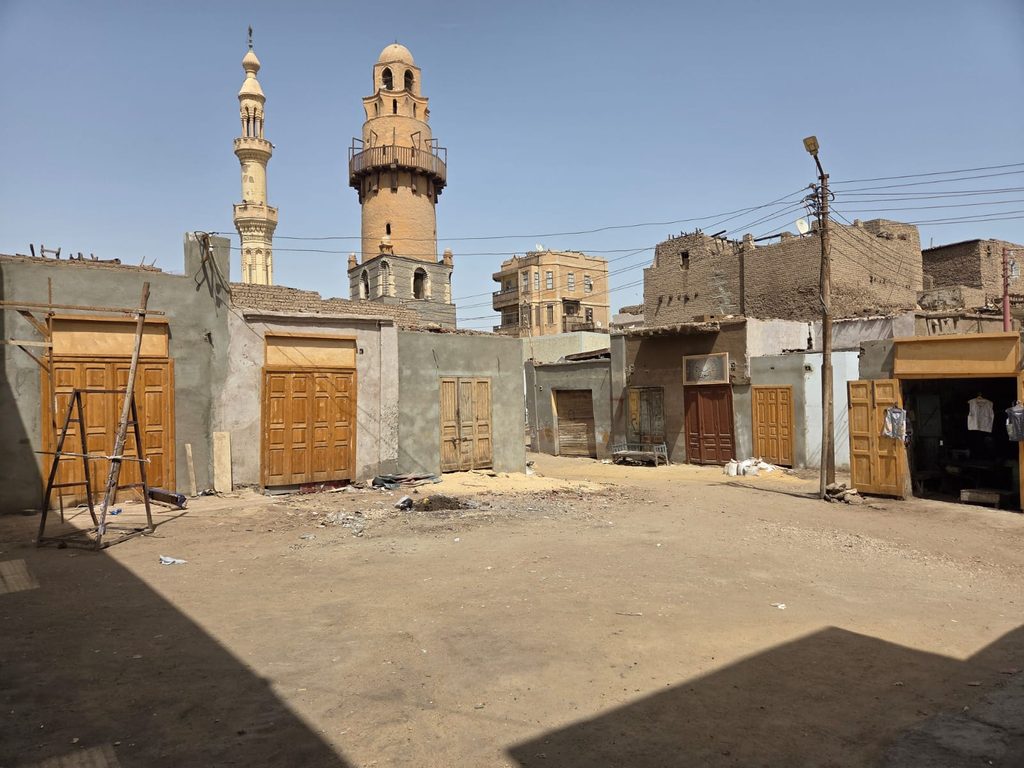
Unlike Kom Ombo, the temple at Esna is tucked back a little from the banks of the Nile. So if you visit by boat, you will moor, walk a little along the corniche, then along a street lined with artisinal and souvenir stores. The first sighting of the temple is impressive. The street level of the ancient city lies far below modern Esna, so the temple seems somehow outside of the modern goings on, sunk as it is nine metres below. I knew as soon as I saw it that I was going to like it very much indeed.
Latopolis and its Temple of Khnum: A Brief History
In Ancient Egyptian times, Esna was not Esna. It was (at least towards the end, because this is a very Greek sounding name) Latopolis. What does that mean, you ask? City of Fish, or City of Nile Perch, which were apparently abundant here. Latopolis/Esna is about 150 KM north of Aswan, and 55 KM south of Thebes/Luxor.
Latopolis was long an important port city in Ancient Egypt. It became an important political centre in the Middle Kingdom, and a major trading site in the New Kingdom. In Roman times, it produced and traded cloth and earthenware. Much of Latopolis was abandoned around the 7th century CE. But some people still lived there, and more came back by the Fatimid Dynasty about three centuries later.
But back to Ancient Egypt. Latopolis was an important religious centre for the worship of the god Khnum. Thutmose III built the first temple in his honour. But as I said above its present appearance owes more to the Ptolemaic and Roman periods. Khnum was the god of creation, fertility and the Nile. Separate I guess from Sobek who sweated out the Nile – polytheistic religions generally don’t mind these sorts of contradictions. Khnum molded humans and gods from clay on a potter’s wheel. Also worshipped at the Temple of Khnum were his wife Menhit, son Hek, and Neith, the goddess of war and weaving.
This was once one of the holiest temples in Egypt. And reliefs within it reveal much about Ancient Egyptian religious life. In order to enter the temple complex, worshippers had to cut their finger- and toenails, remove body hair, wash their hands with natron (the same kind of salt used in mummification), dress in linen, and abstain from – ahem – relations for several days beforehand. The only places I’ve heard of similarly complex entry requirements were some of the pre-Inca religious sites in ancient Peru. And here, based on what I understand of the Ancient Egyptian religion, all those preparations wouldn’t even get you into the sanctuary, which was only for priests and priestesses.
Temple Architecture and Decoration
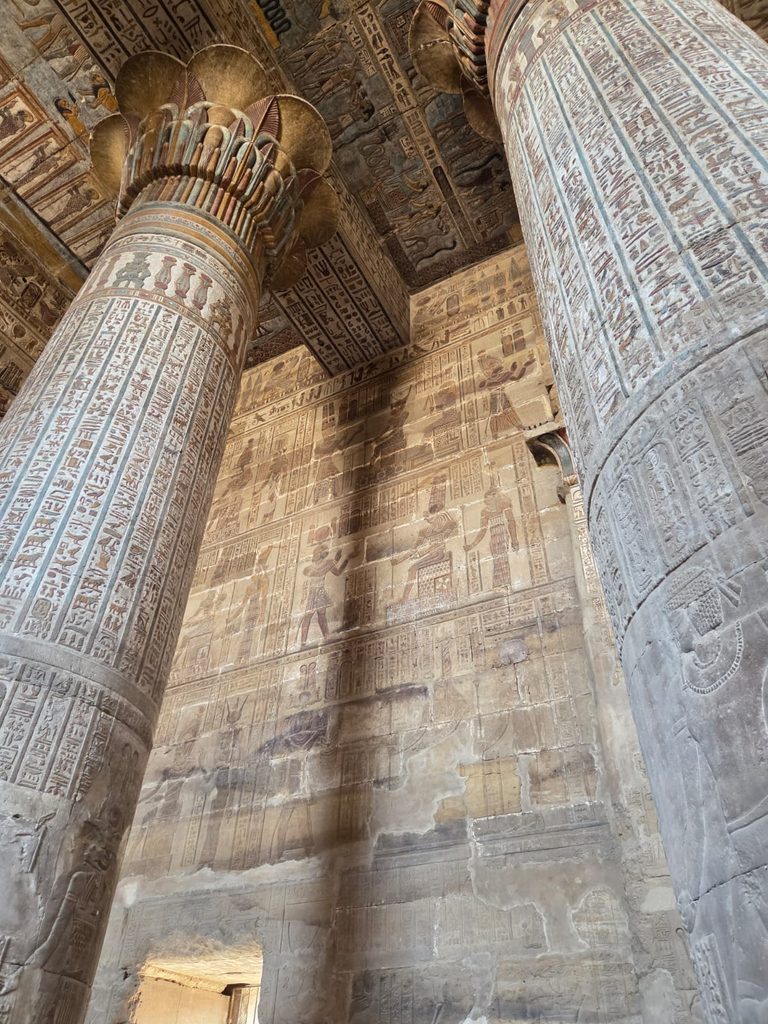
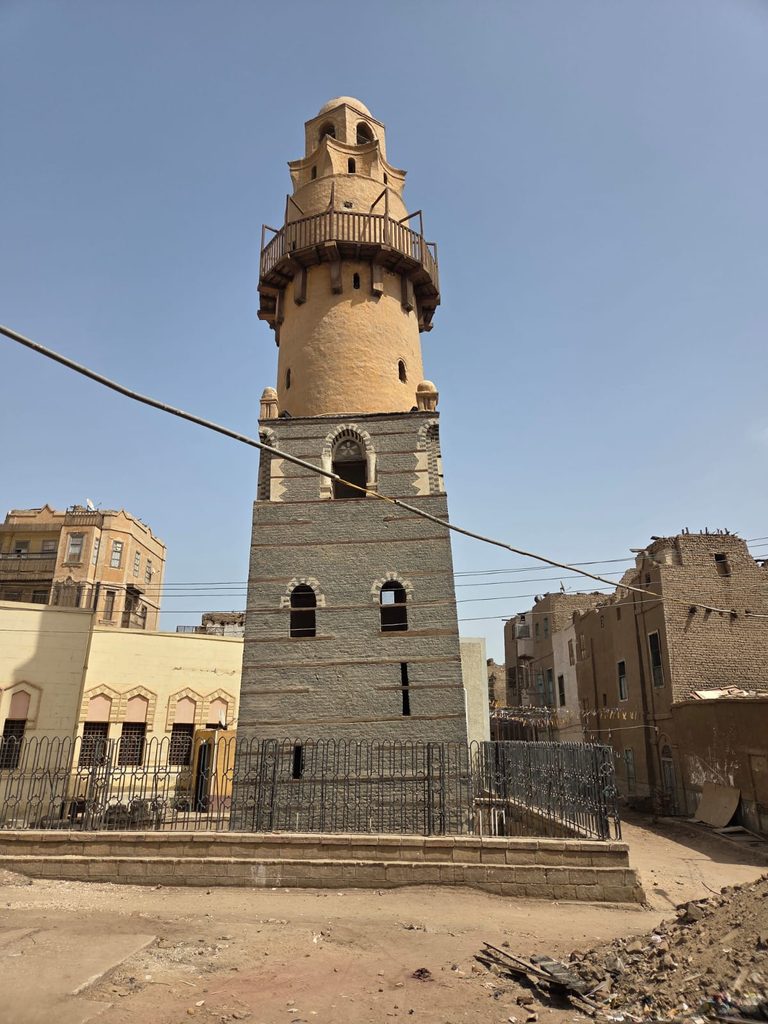
After the Temple of Khnum fell out of use, it was eventually subsumed by the city around it, which rose eventually by about nine metres. In fact, most of the temple is still under modern Esna, and the part we can visit is only the hypostyle hall. By the 1800s, it was in use as a warehouse storing cotton and ammunition.
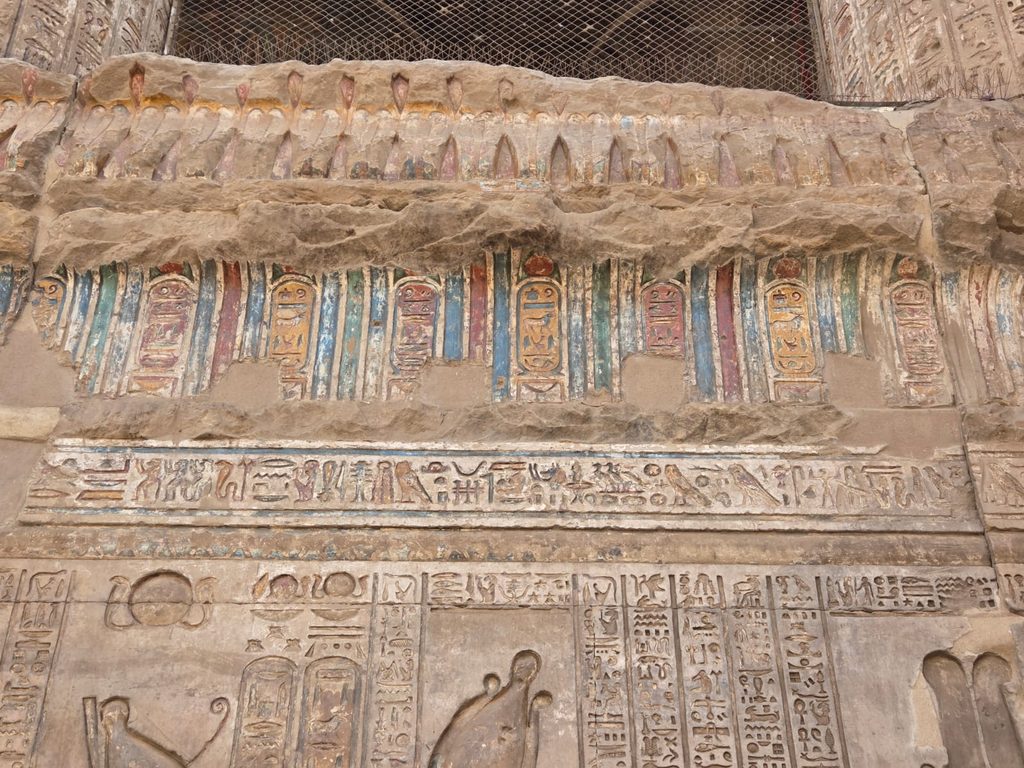
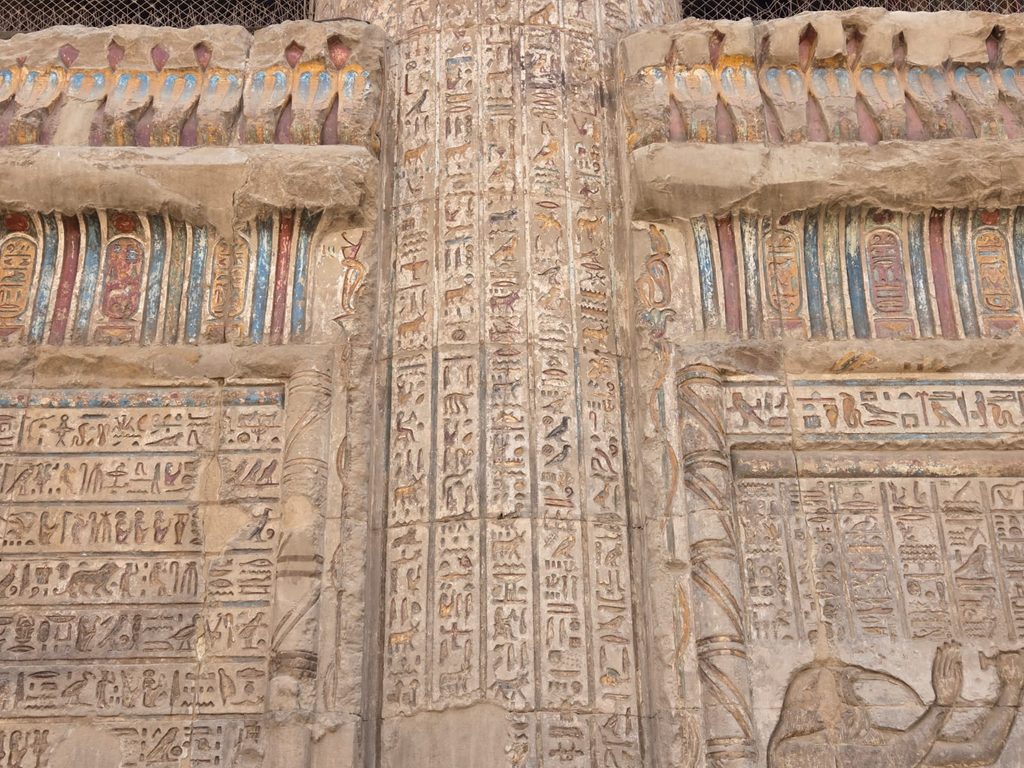
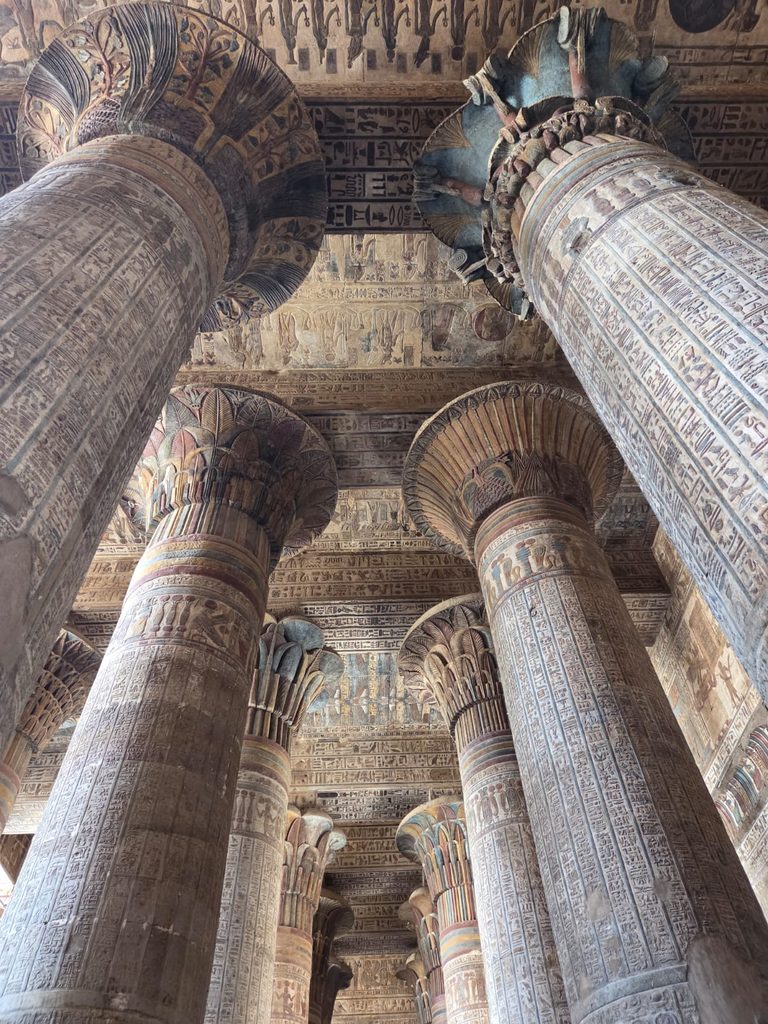
This long part-burial seems to have been great for preserving the Temple of Khnum’s original decoration. To an extent, anyway. Over the years fires, bird poo and other sediment had taken a toll, and locals had removed stones to build a nearby canal system. Restoration work began in the 1950s, led by Serge Sauneron. After Sauneron’s death, however, work stopped, and the restoration didn’t resume until 2018 as a joint venture by the University of Tübingen and Egyptian Ministry of Tourism and Antiquities.
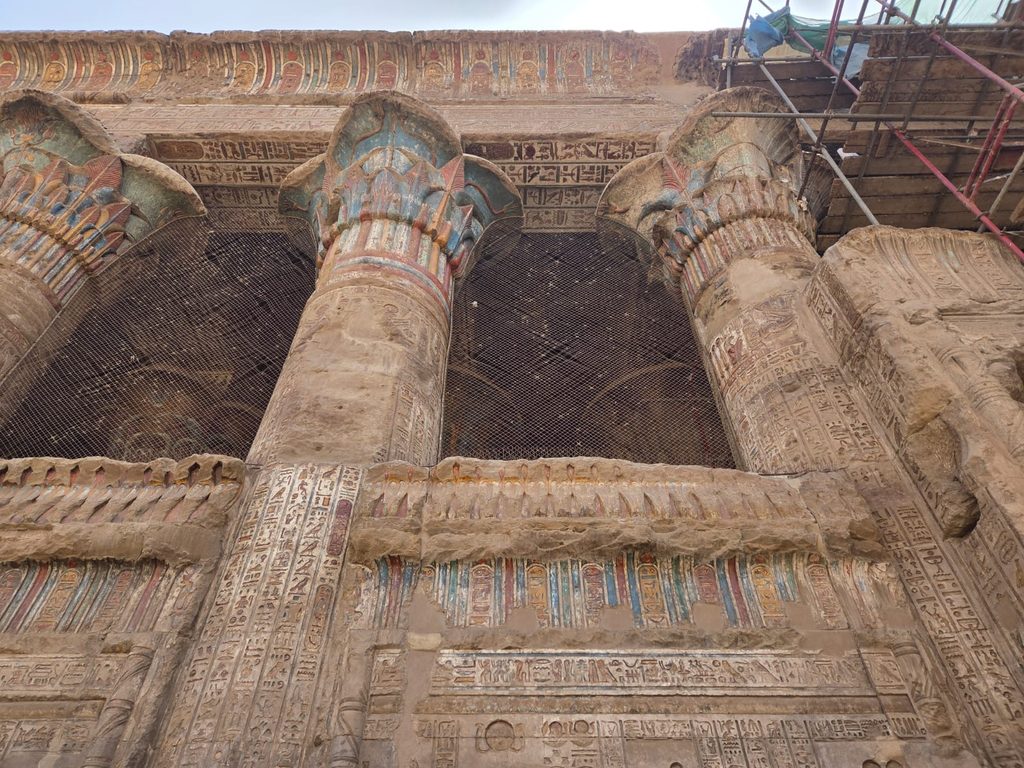
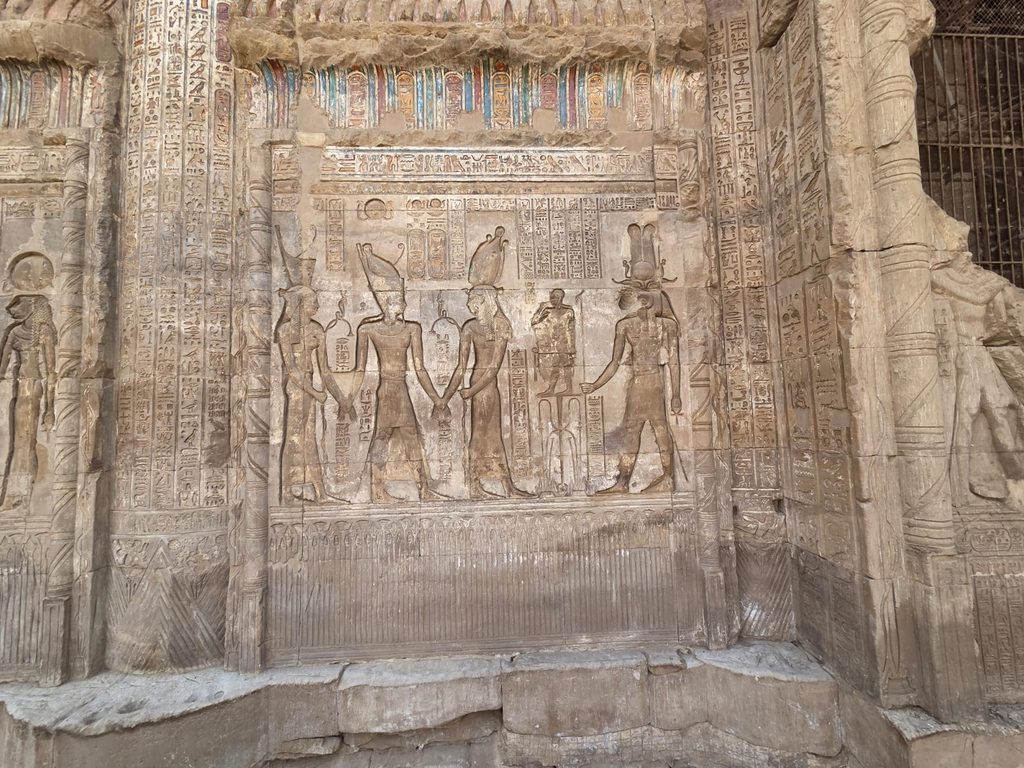
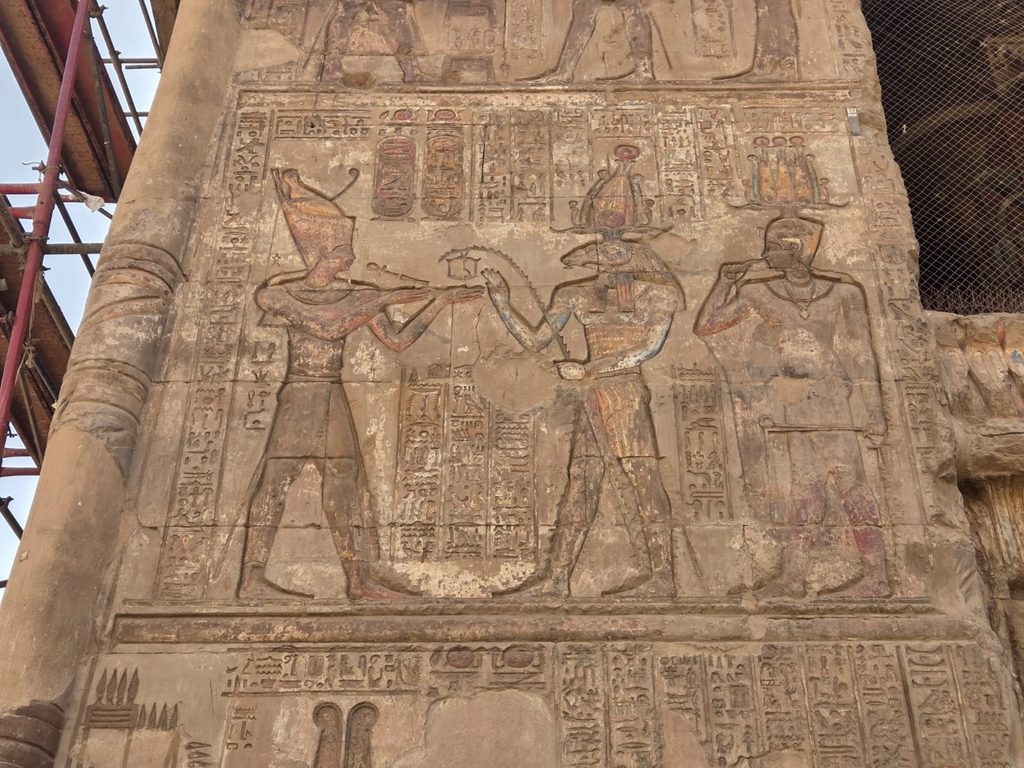
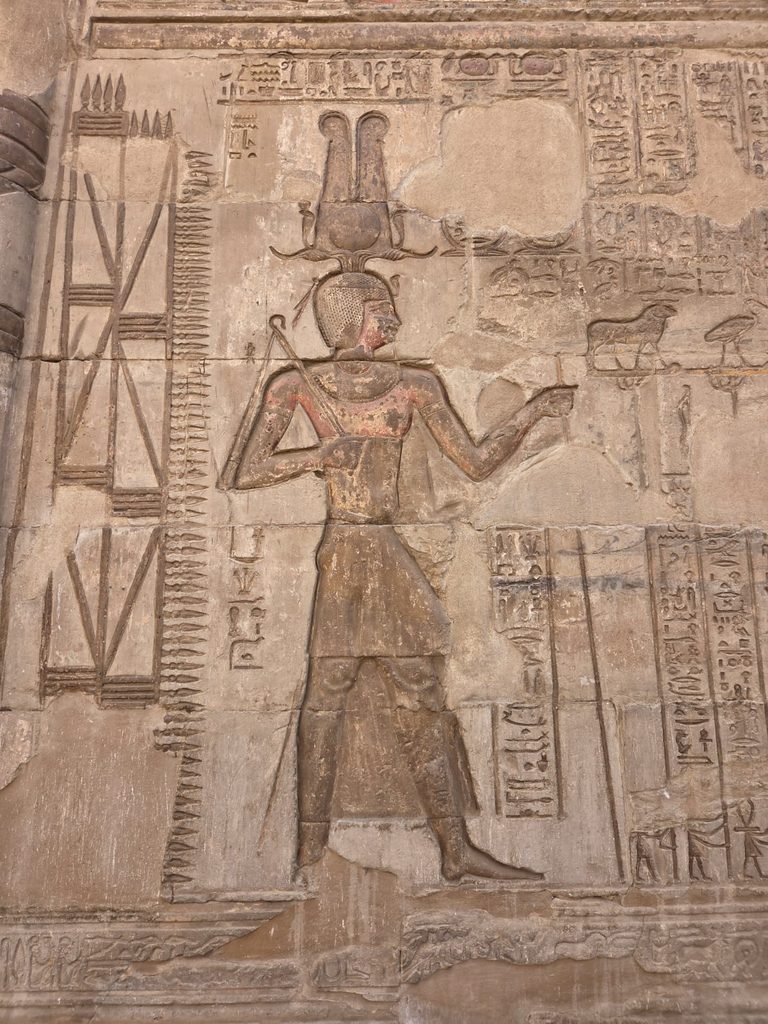
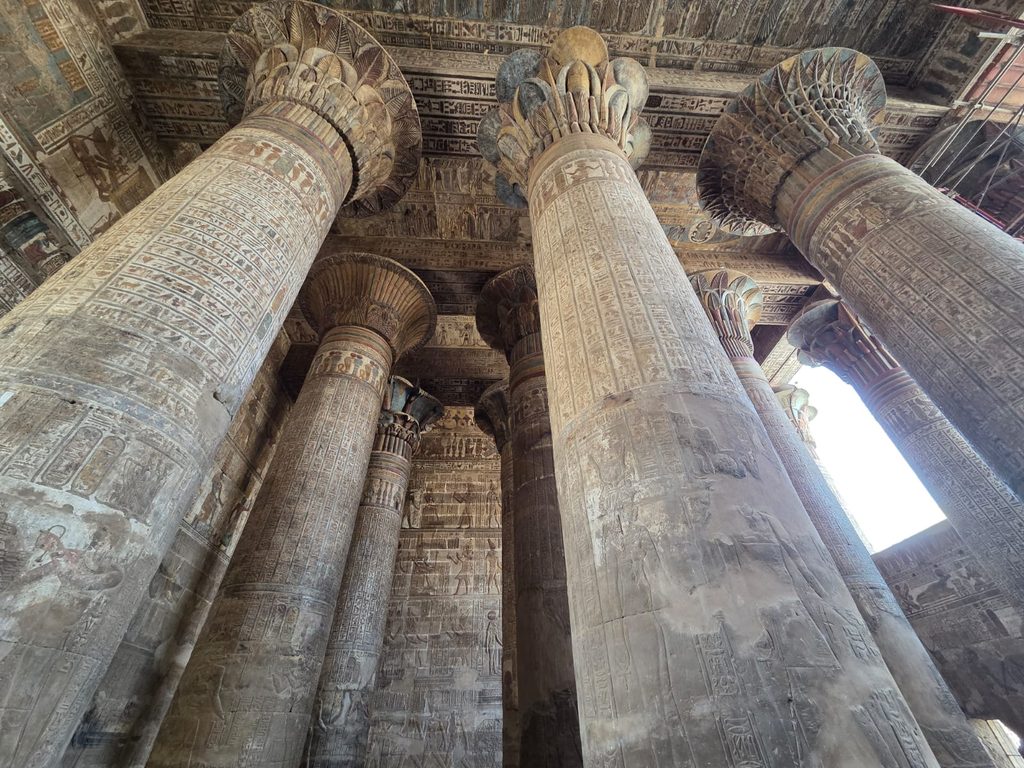
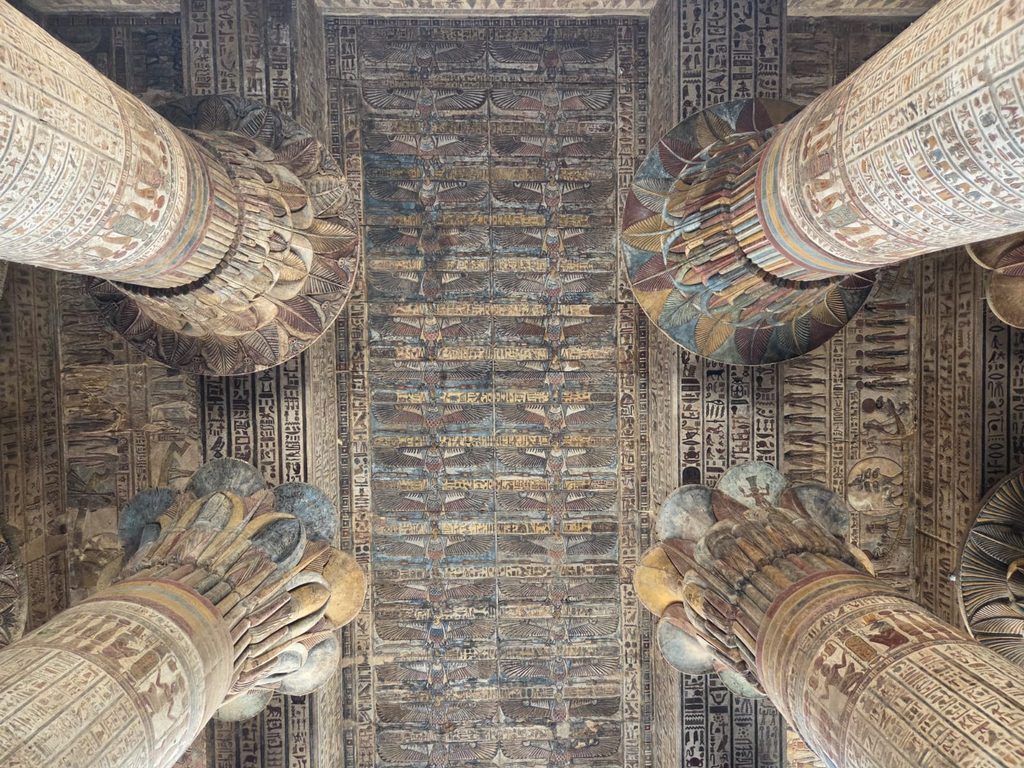
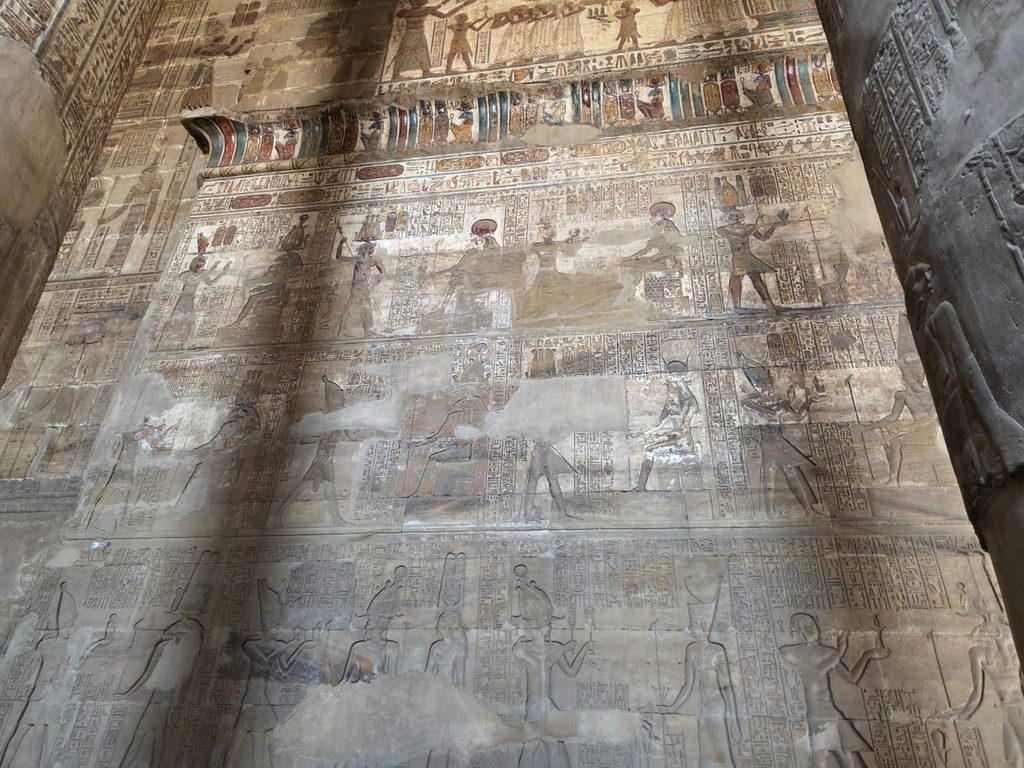
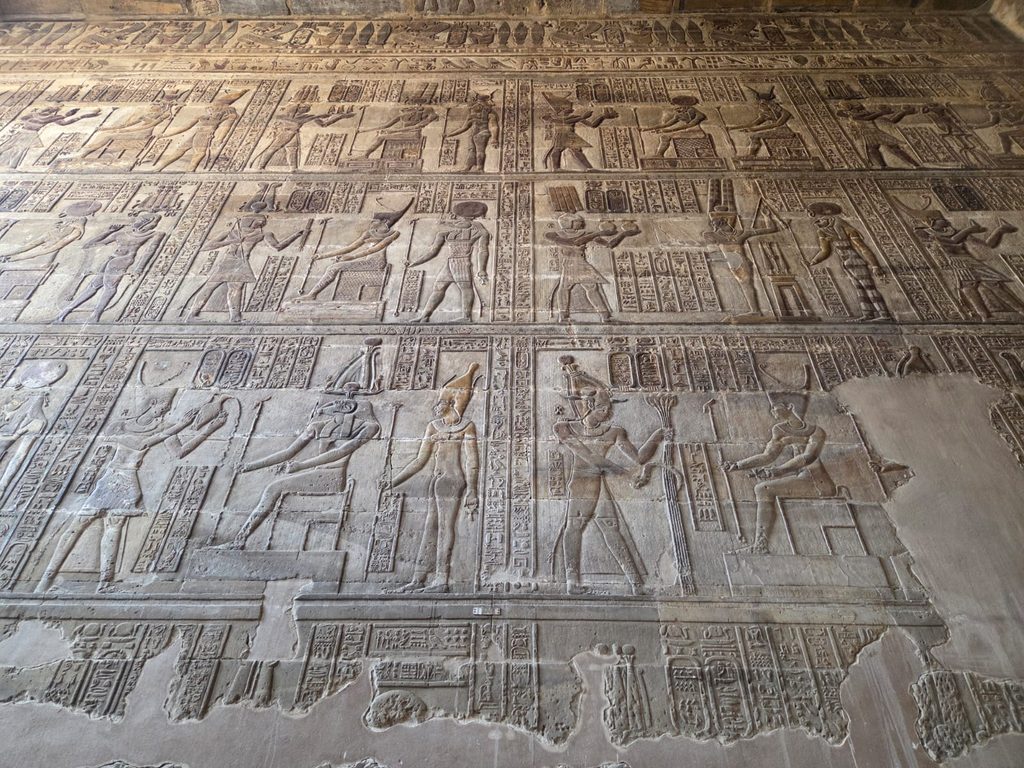
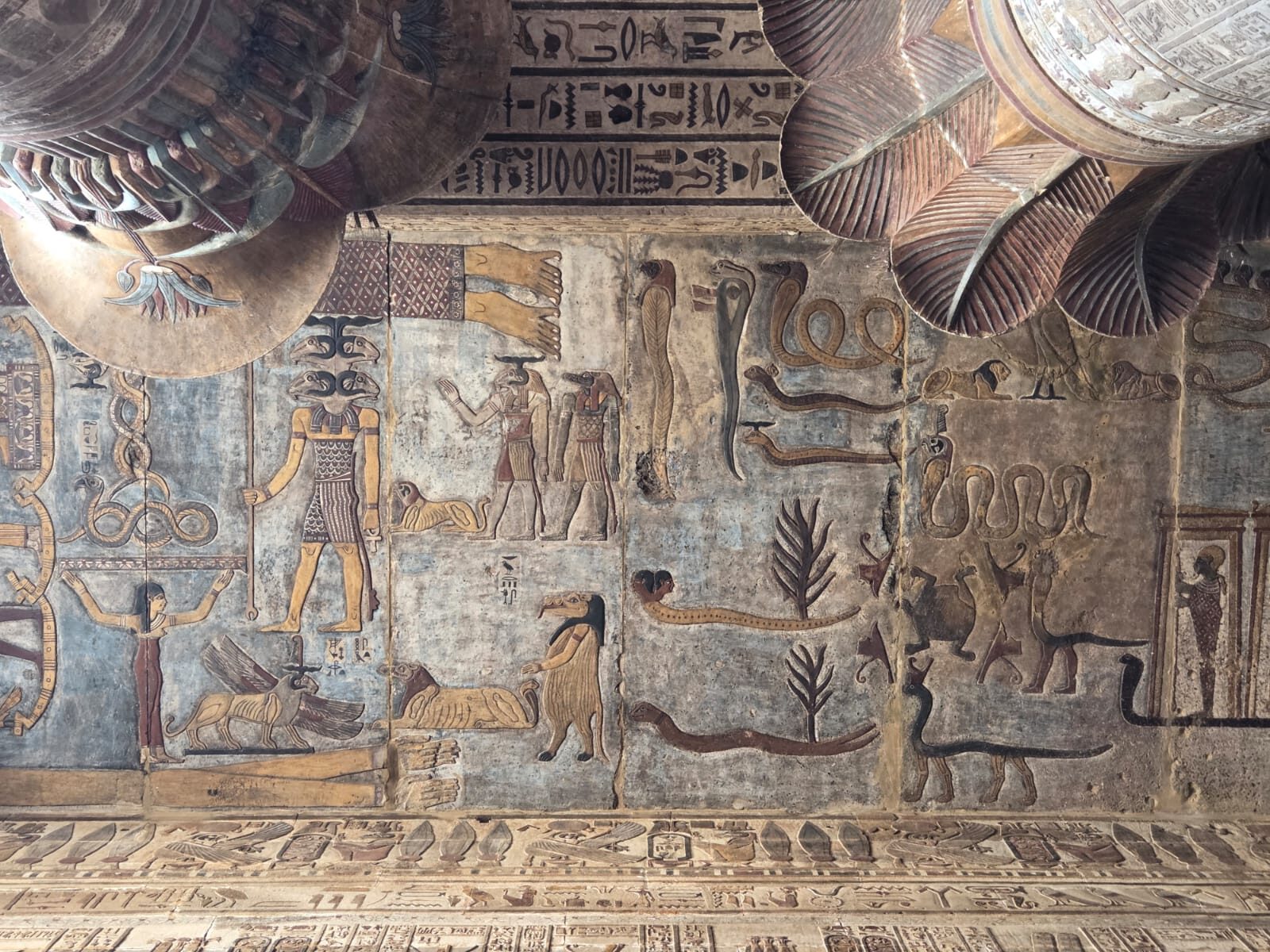
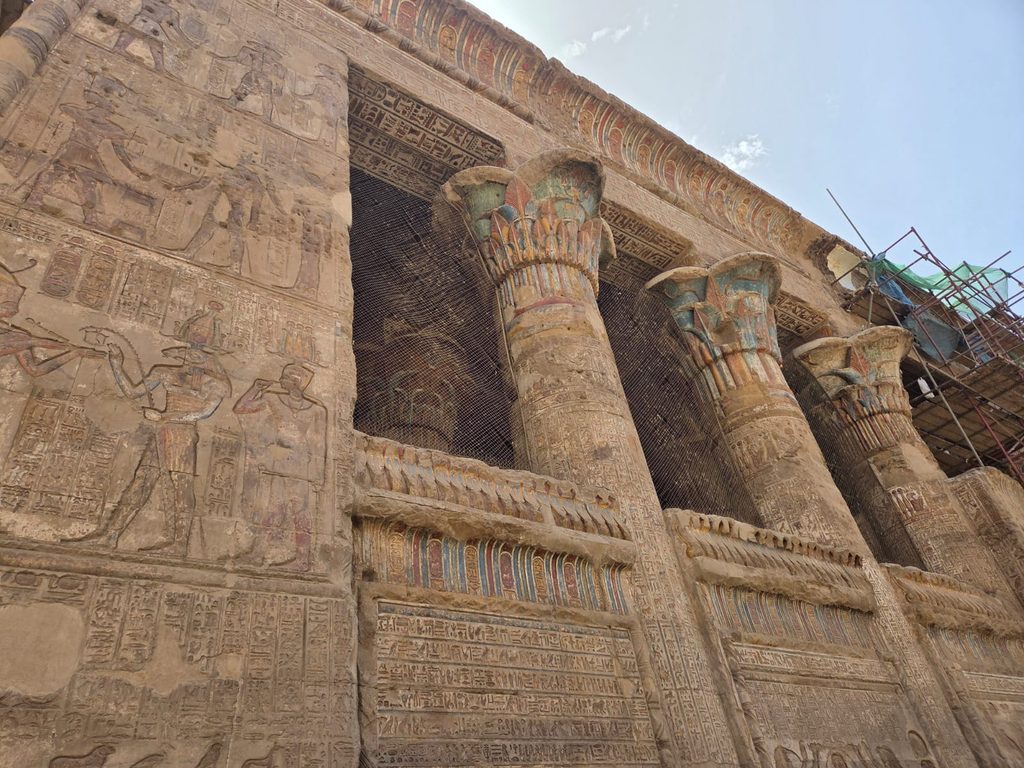
Thanks to this work, what we can see today is exquisite. Nearly 200 vividly-painted inscriptions are now restored to a semblance of their original glory. The temple’s hypostyle hall features red sandstone columns with lotus and palm capitals. There are four rows of reliefs around the walls. There are inscriptions of emperors (dressed as pharaohs) honouring the gods. The main attraction, however, is an astronomical ceiling. It features all twelve signs of the zodiac in order, and constellations like Orion’s Belt. The Ancient Egyptians used constellations to measure time. The planets Jupiter, Saturn and Mars also appear, along with galaxies. But most charming of all, I found, is a lovely starry sky.
Reliefs throughout the temple depict the gods in rituals and myths. Khnum creating the universe, for instance. Unlike Osiris, Isis and Horus, Khnum is not a god you spot frequently in Egypt, which makes the temple interesting. Horus is here as well, working with Khnum to drag a net of fish from the Nile. But the novelty of Khnum is what I remember.
A Final Look at Esna and its Temple
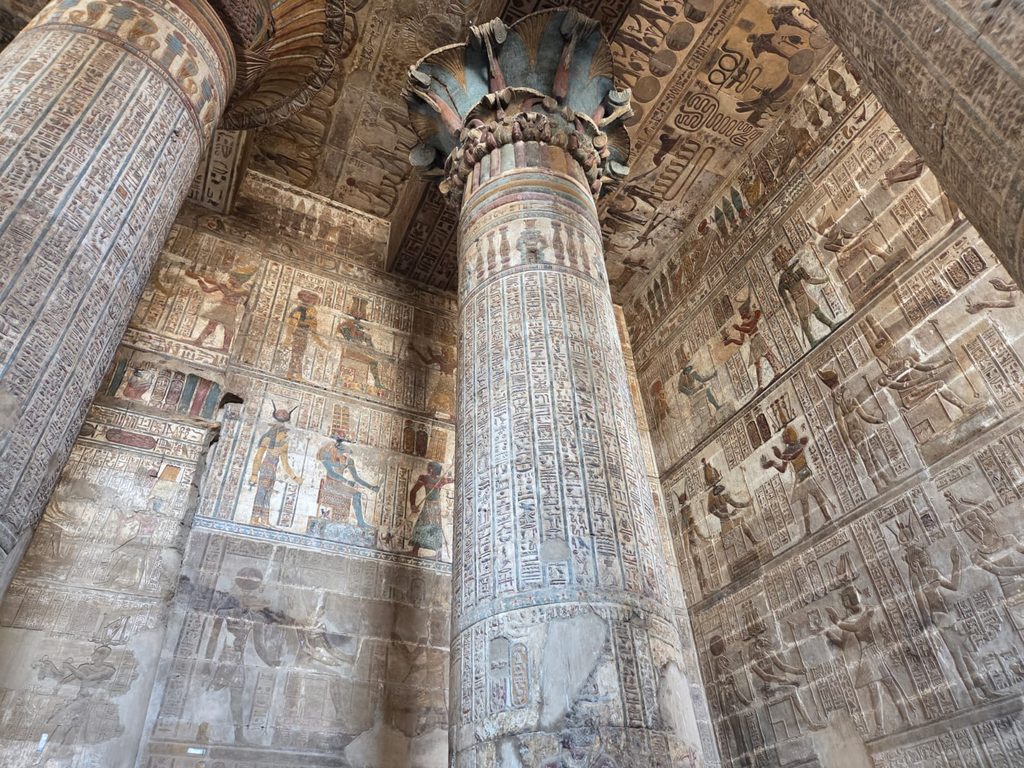
I said in my post about the Pyramids and Sphinx that what I really enjoyed in Egypt were the sites where I felt connected at a human scale to people who lived millennia ago. It’s hard to get a sense of that given the scale of the Pyramids. It’s easier when you can get close to ancient stonework and particularly reliefs. And I felt it most strongly in those places where parts of the original colour schemes remain – for me that was mainly Kom Ombo and the Temple of Khnum. It’s not just being up close to the work of ancient craftsmen. It’s seeing something those to the original effect, more or less as intended.
I could have spent hours just soaking in the Temple of Khnum. It’s so atmospheric, so beautiful. I imagined the people of Ancient Egypt reaching this hall after not just walking down a little staircase as we did, but undertaking days or weeks of preparation. This temple really brought to life for me the sacred aspect of Egypt’s temple architecture. If I’d done a bit more research in advance, I could also have tracked down one of Ancient Egypt’s very last hieroglyphic inscriptions as I did at Philae.
But I didn’t have hours. It was time to return to the boat, pass through Esna Lock, and continue on our way to Luxor. But Esna stayed with me for the rest of my journey and beyond. I thought as I walked back through the town towards our dahabiya about all I’d learned about life and religion in Ancient Egypt. It was almost time to test that knowledge as I visited some of the civilisation’s most important sites at Luxor, known when Esna was Latopolis as Thebes.
Trending
If you see this after your page is loaded completely, leafletJS files are missing.