
The Temples of Abu Simbel
As part of our Egyptian adventure we travel all the way South to Abu Simbel, home to the temples famously rescued from Lake Nasser.
A Mammoth Excursion – Would It Be Worth It?
So far in Egypt, I’ve posted about places in Cairo and Giza. Egyptian museums old and new, Islamic Cairo, and of course the Pyramids and the Sphinx. But Cairo and Giza were but the beginning of our trip. Our G Adventures tour took us around the country, to some of its most important archaeological sites. And we had a decision to make early on – whether or not to go to Abu Simbel.
For the second day of our tour, we in theory had two options. Either way, we had an early flight to Aswan in the morning. The default option then took us to Philae Temple, with a visit to a Nubian village and some free time the next morning. The more intense option was to go straight from Aswan to Abu Simbel (a return drive of 6-7 hours) to see the temples there, and go to Philae the following morning. This option required pre booking, so I had booked it just in case. The Urban Geographer – often of the belief that seeing a photo of something is almost as good as seeing the real thing – wasn’t sure the drive would be worth it. But according to our guide (and friends who had been to Egypt previously), Abu Simbel is not something you want to miss.
And so our guide rallied the entire group around the Abu Simbel option, and off we went. Ours was one of the last tours of the season. It was as hot as a furnace as we approached Abu Simbel, about 46℃. You may also recall that when we were in Islamic Cairo, I mentioned the Urban Geographer purchasing drinks from a street vendor and how that wasn’t a good decision. Unfortunately for him, it was this day of extreme travel and even more extreme temperatures when the consequences set in.
Food poisoning aside (if you can put such a thing aside – the Urban Geographer would say not), was the decision to go to Abu Simbel the right one? Read on to find out!
The Temples of Abu Simbel – a Brief History
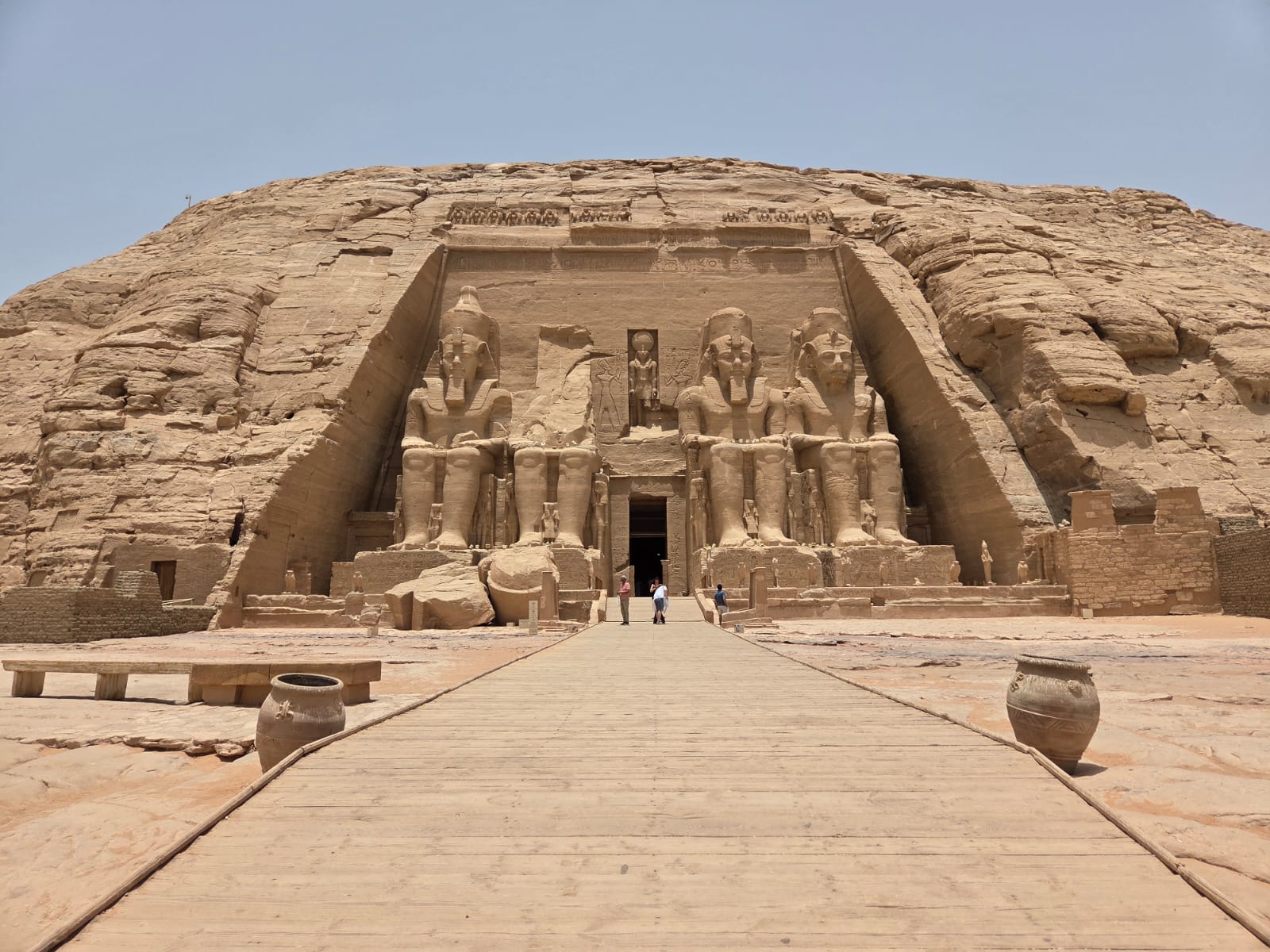
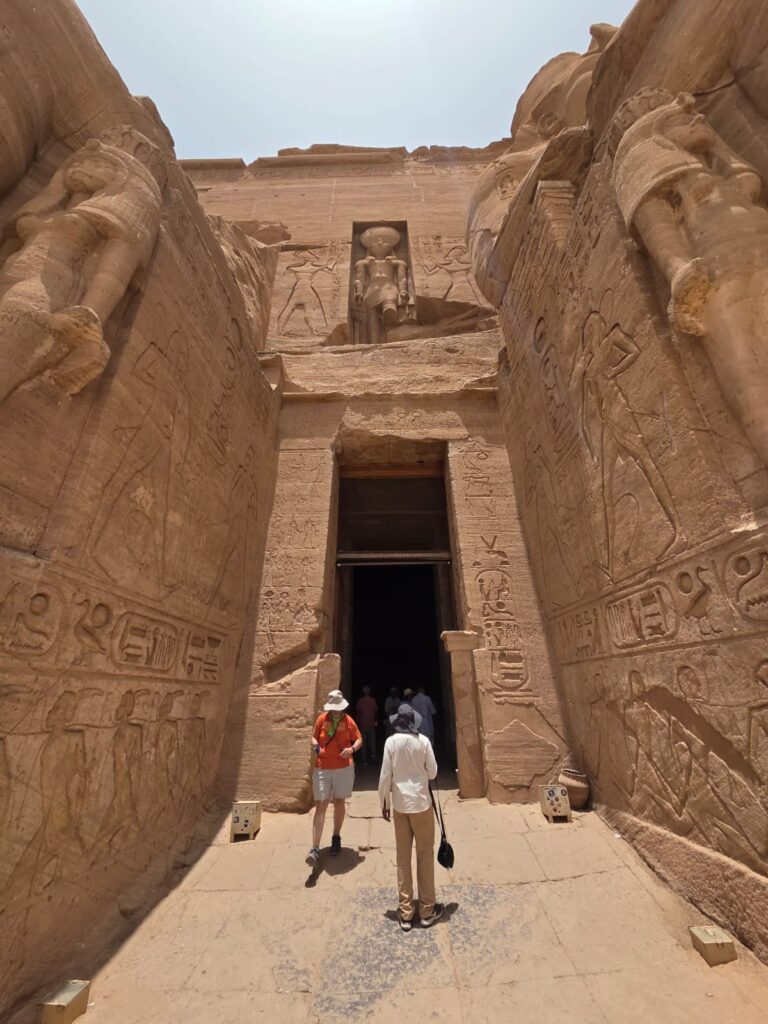
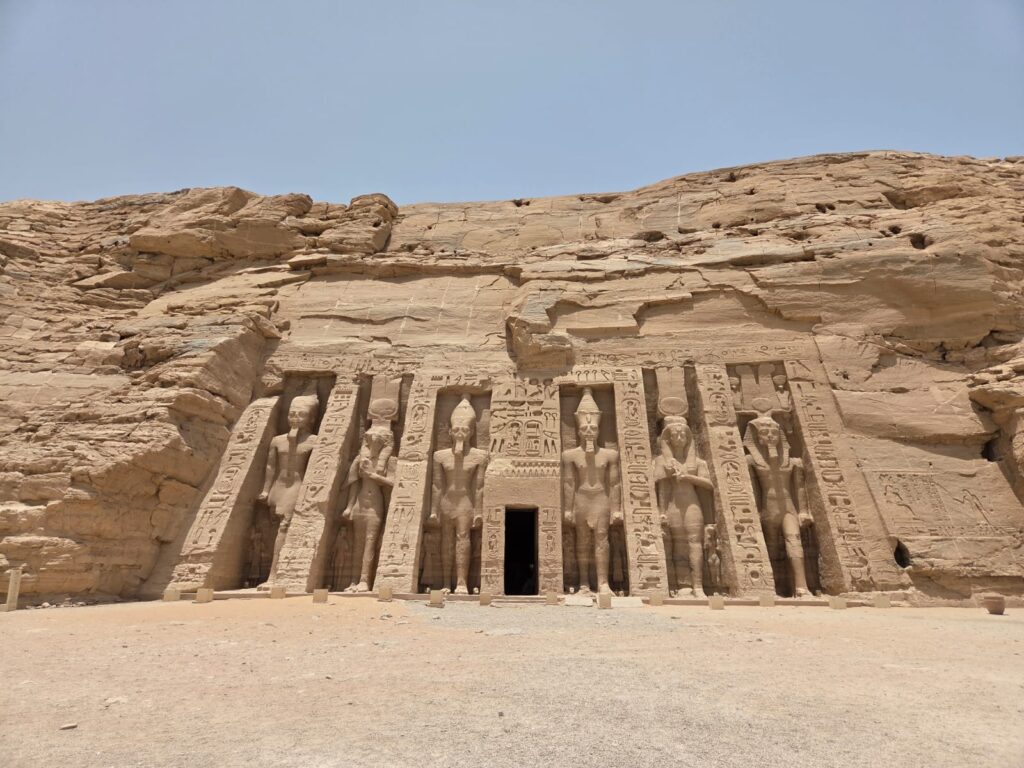
The temple complex of Abu Simbel dates to the 13th century BCE reign of Ramses II (Ramses the Great). Ramses II undertook an extensive building programme throughout his reign, in Egypt and Egyptian-controlled Nubia, where Abu Simbel is located. Nubia was a strategically important place for Ancient Egypt, as a source of gold and other goods. Ramses’ idea was to strike a bit of fear into the hearts of Nubians through his impressive works, and thus to turn them into good Egyptian citizens. He thus built these two temples at the Second Nile Cataract, the border between Lower and Upper Nubia. The first is dedicated to Ramses himself, and the second to his wife Nefertari.
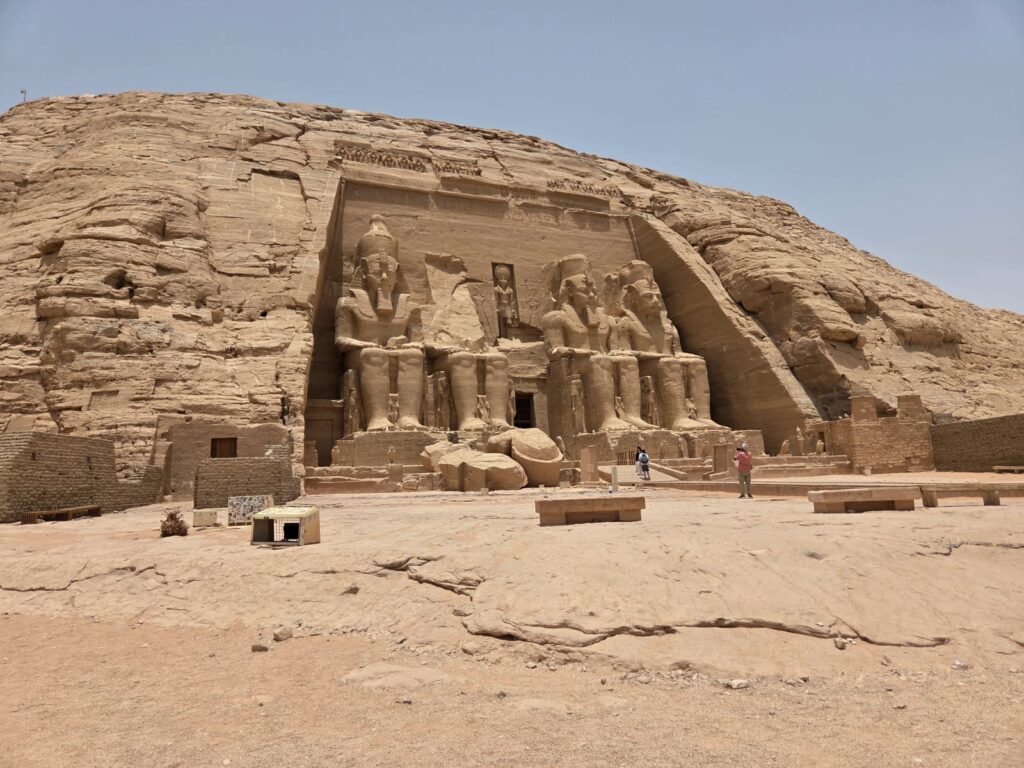
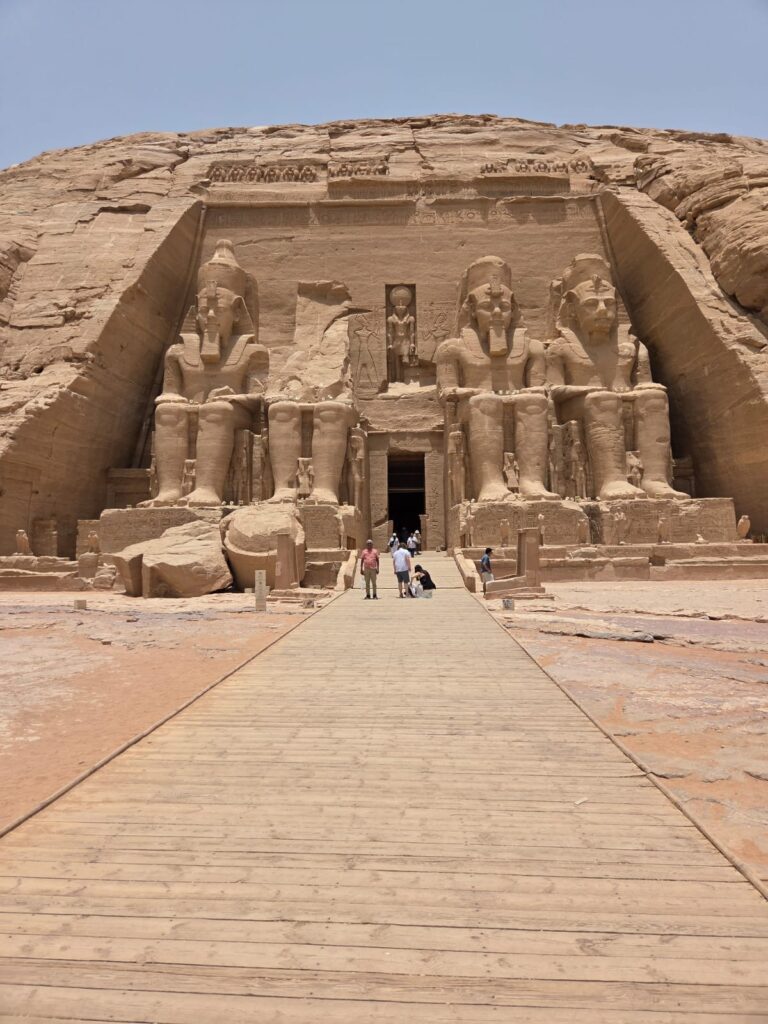
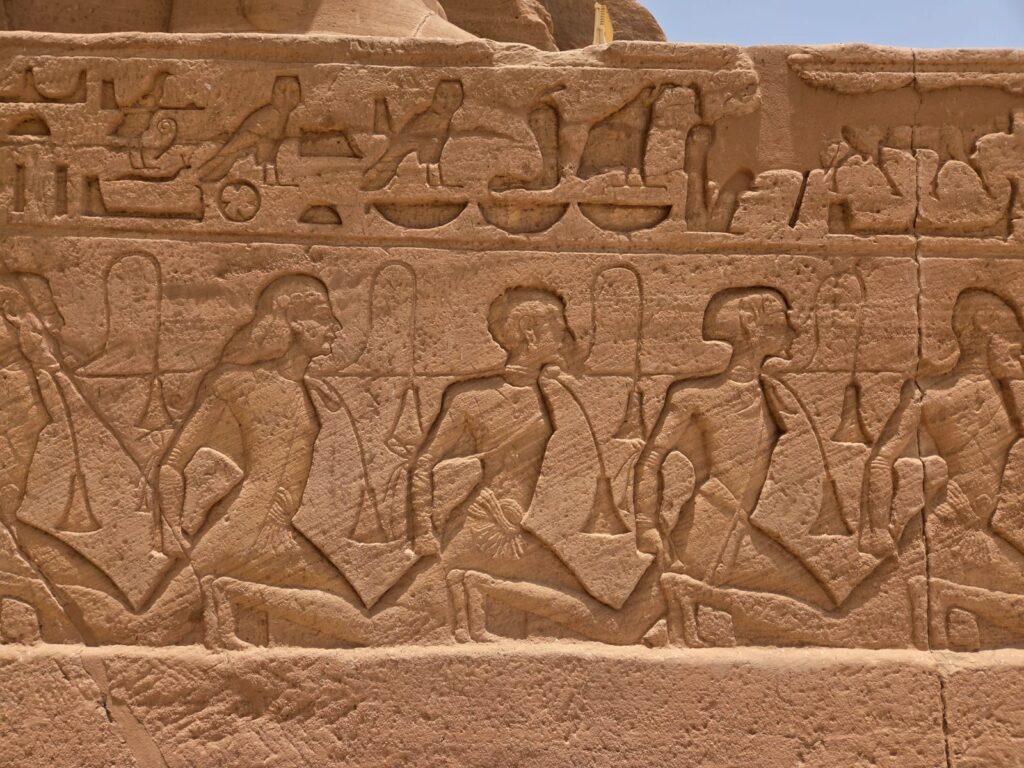
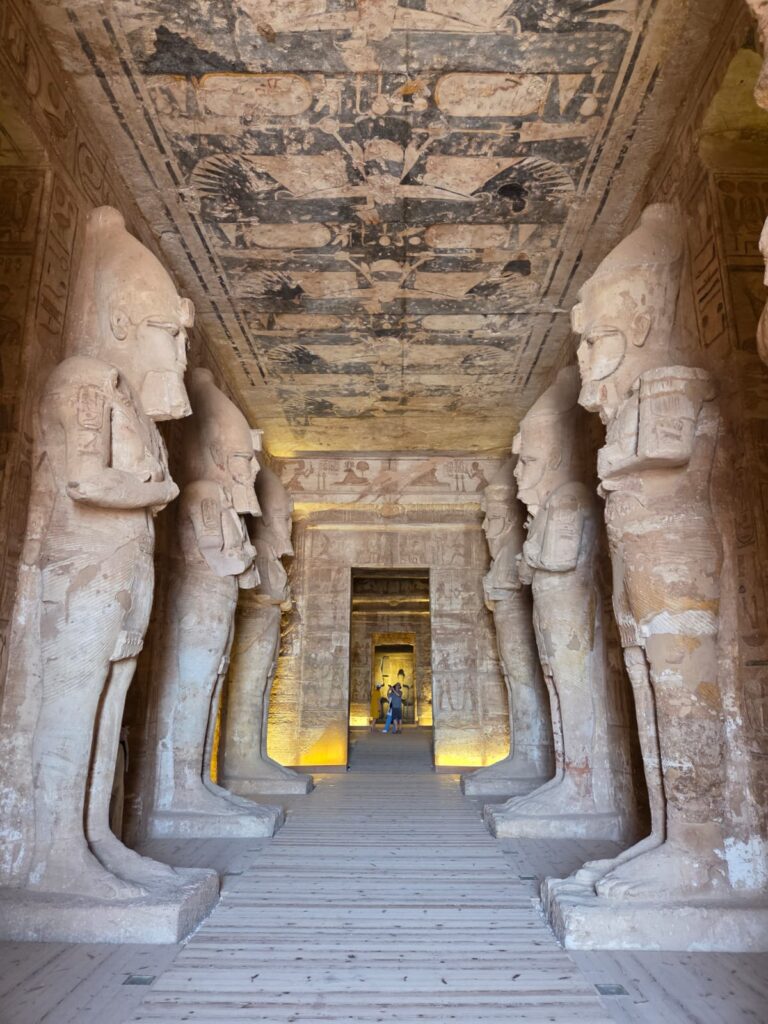
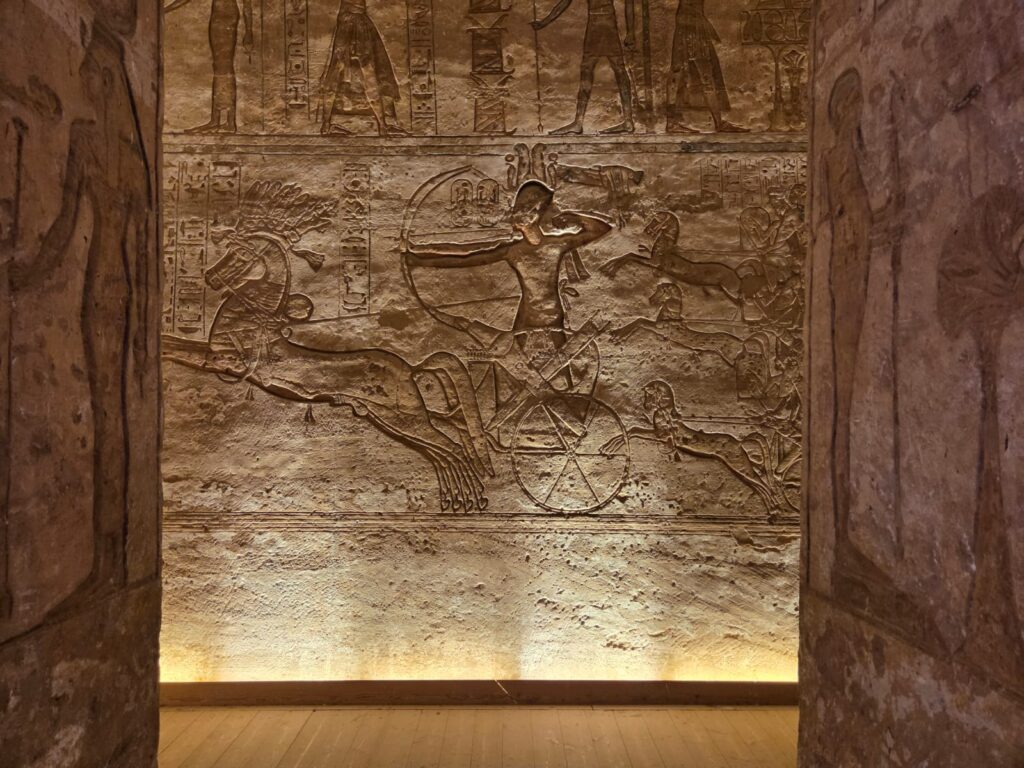
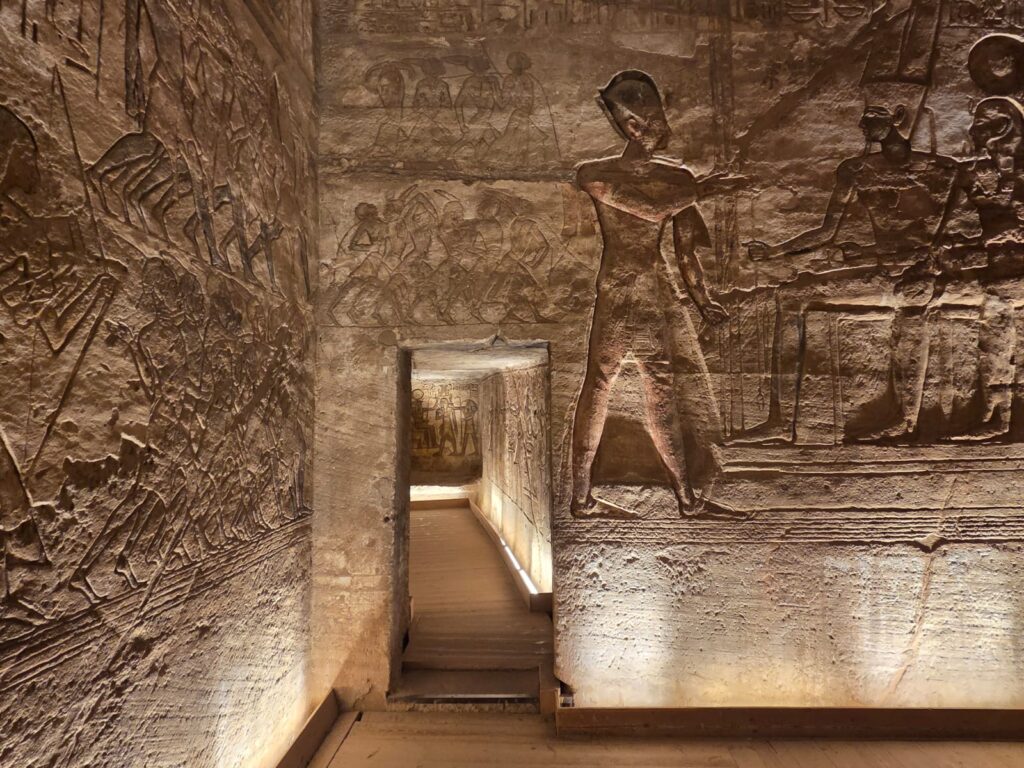
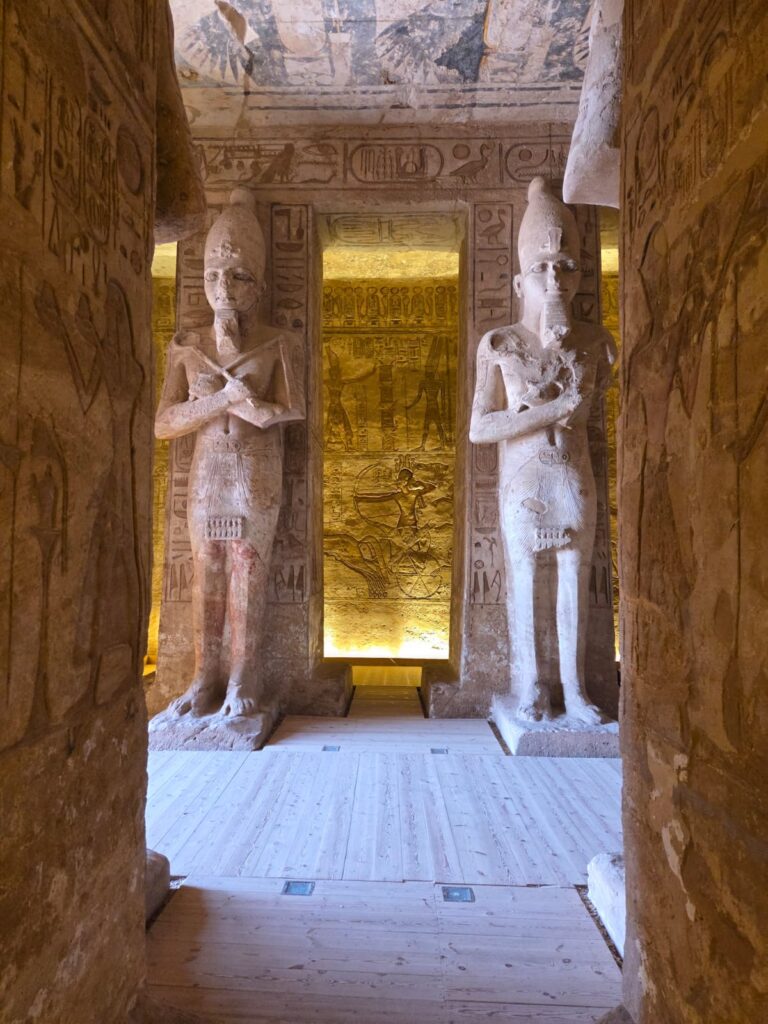
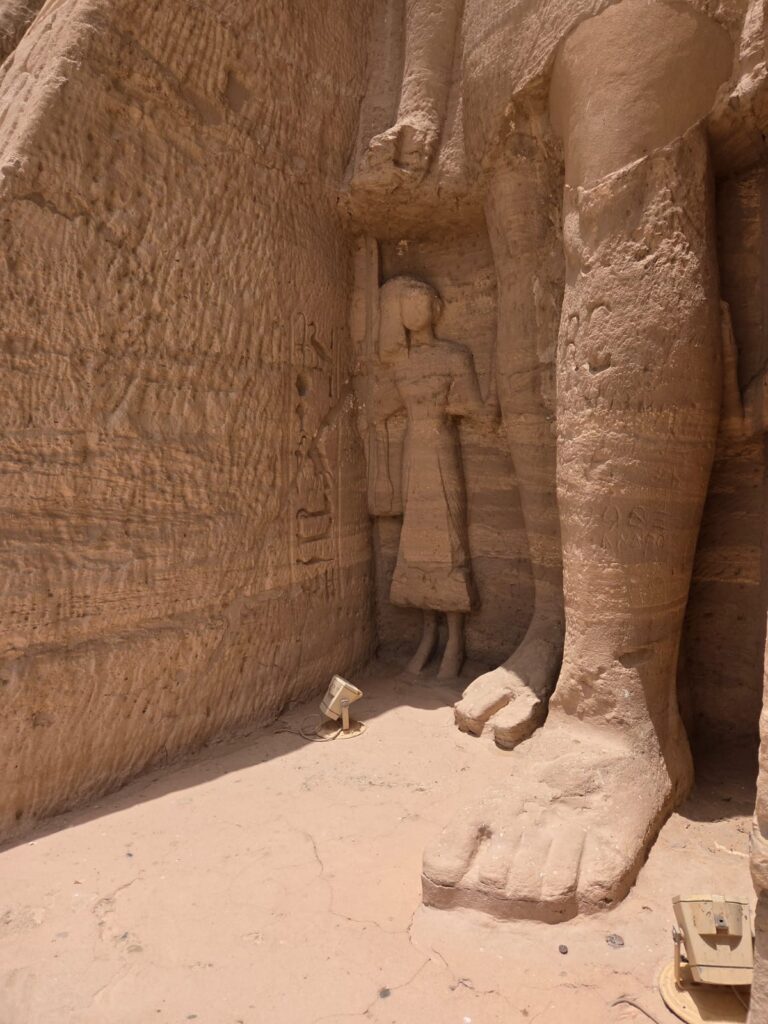
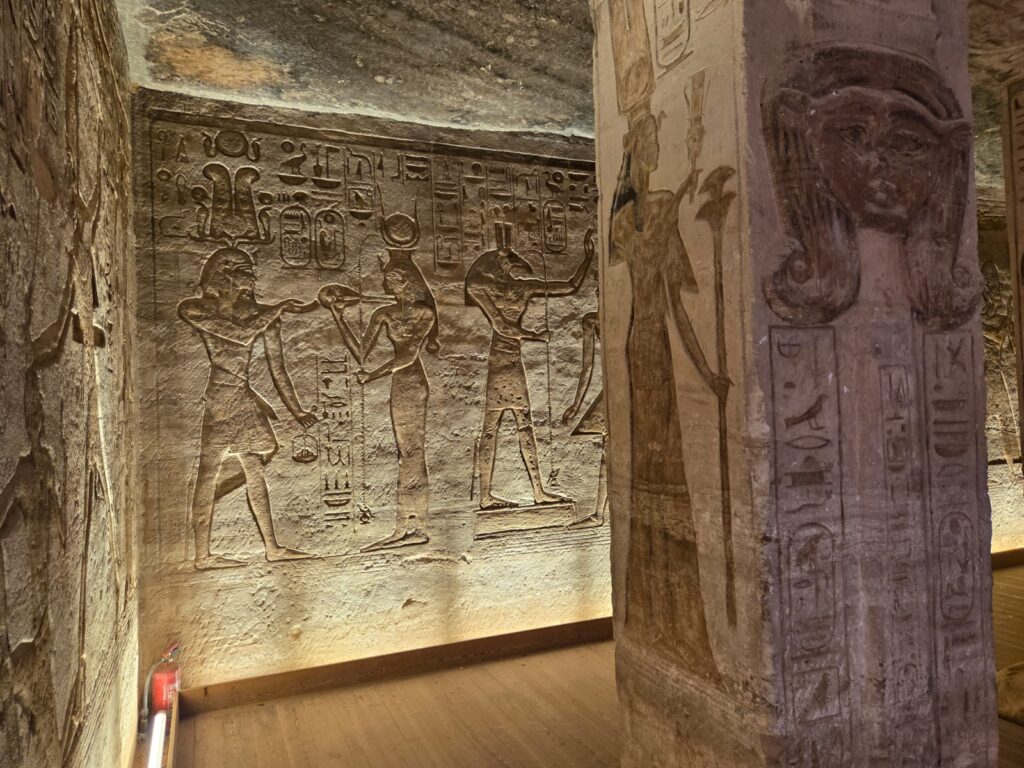
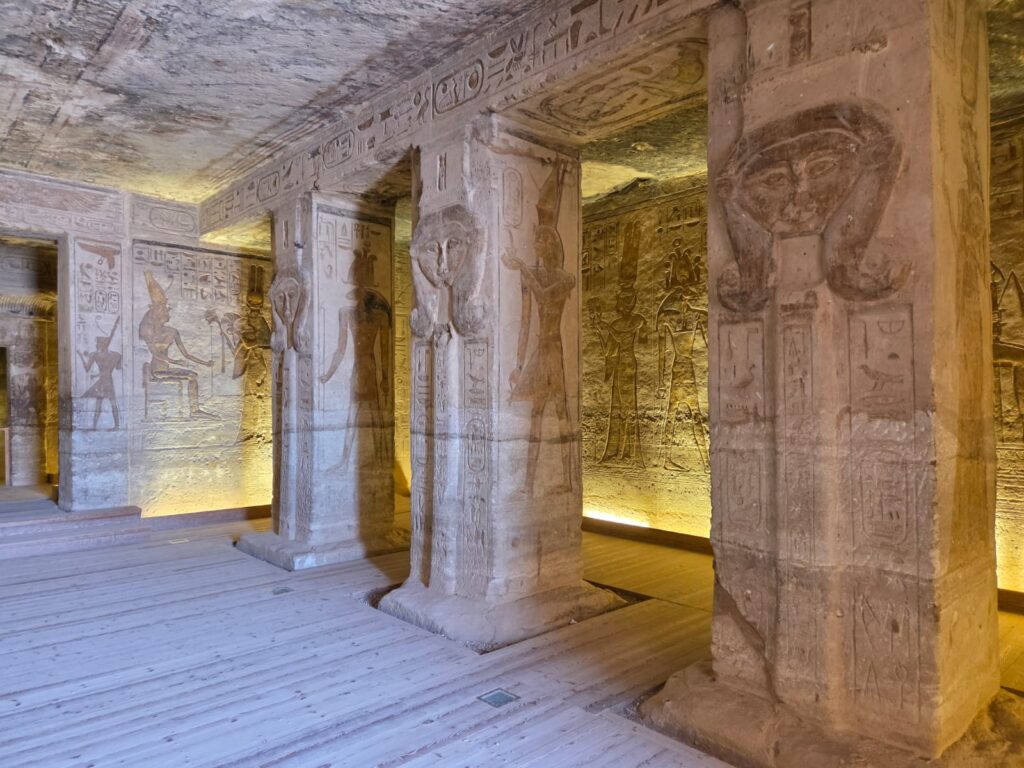
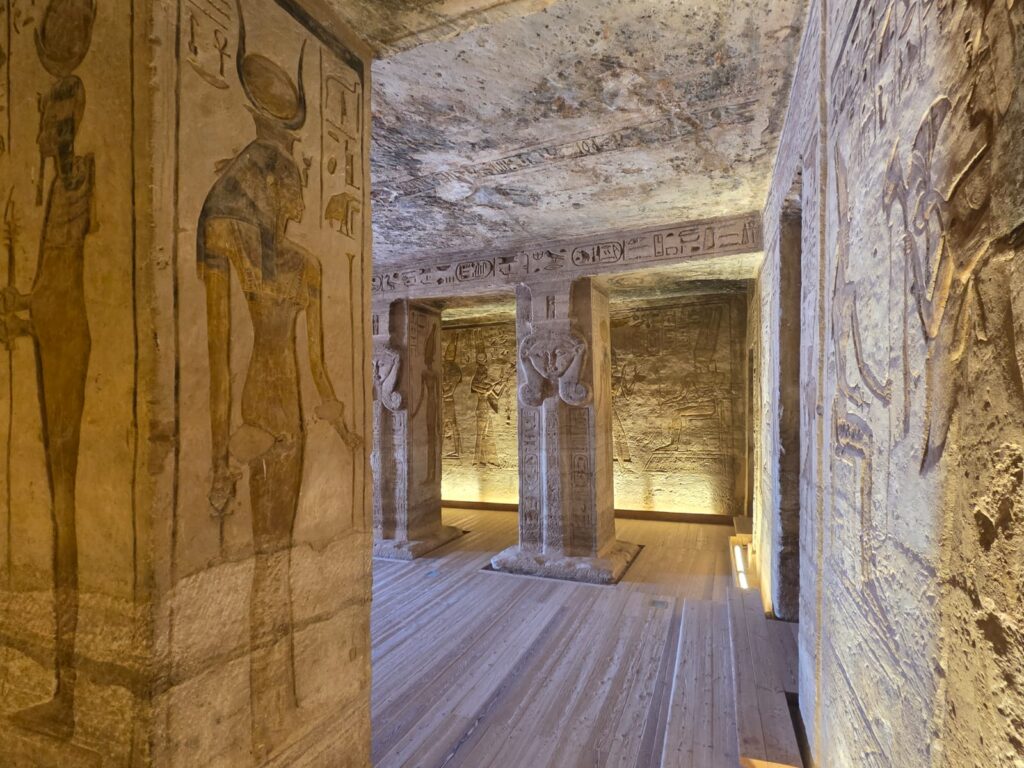
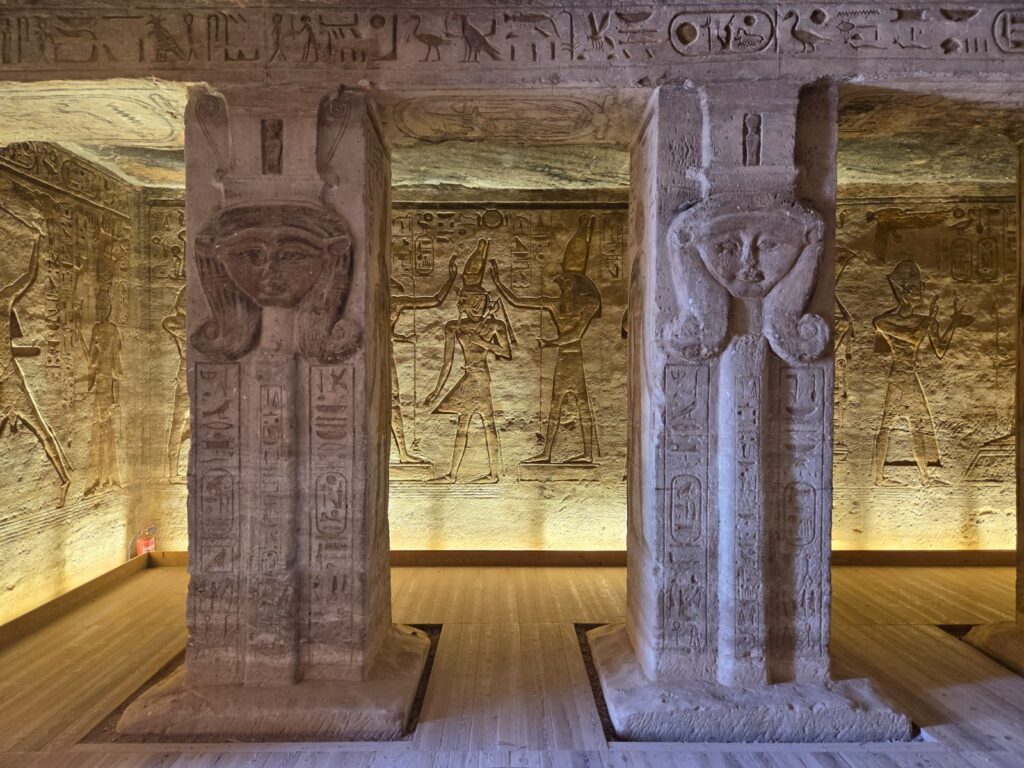
Construction on the temples began around 1264 BCE, and took about 20 years. The larger temple features four colossal statues of Ramses II, each about 20 metres high. Inside are sculptures commemorating Ramses’ victory at the Battle of Kadesh. The smaller temple has statues of Ramses and Nefertari, while inside is a hypostyle hall whose columns feature heads of the goddess Hathor. The alignment of the temples meant that on 22 February and 22 October each year, the rising sun illuminated their inner sanctuaries.
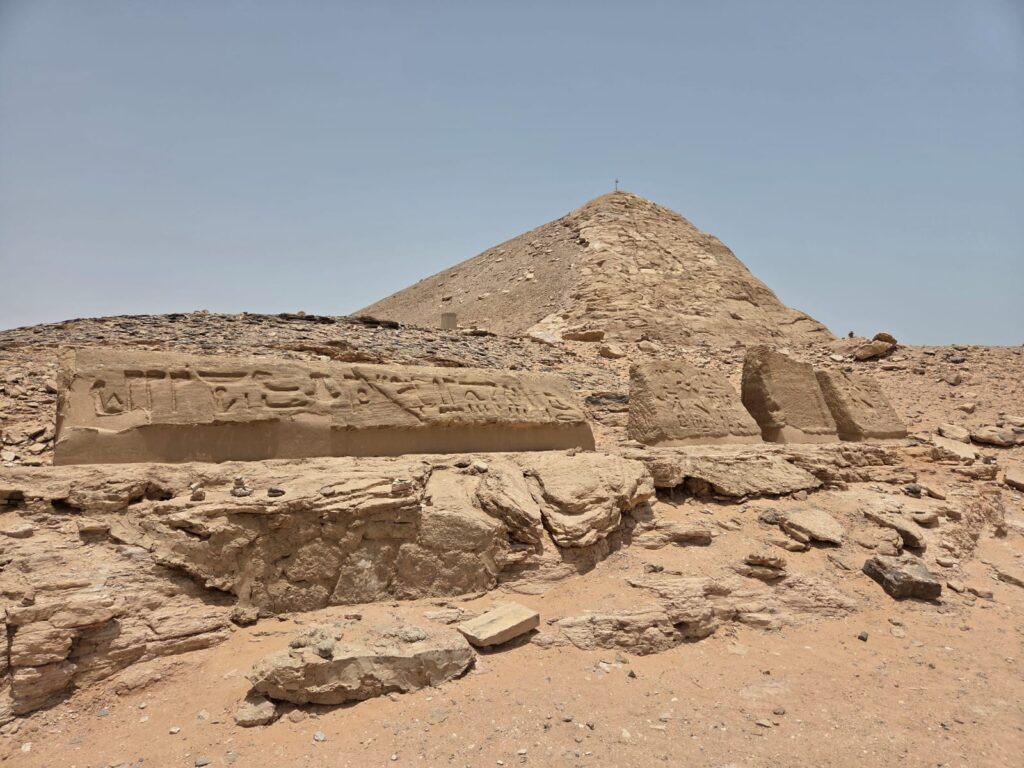
Over time, a sand dune reclaimed most of the temple complex. By the 6th century BCE the statues were already covered up to their knees. The European rediscovery of the temples happened when a local guide took Swiss explorer Johann Ludwig Burckhardt to see them in 1813. I say European rediscovery, because there was clearly local knowledge of the temples, and even Burckhardt had heard descriptions of them. Various people started making attempts to dig the temples out of the sand, and it became a popular destination. Thomas Cook started the first steamboat service from Aswan to Wadi Halfa via Abu Simbel in 1874. It’s the same journey that Death on the Nile depicts, some decades later.
Saving the Temples Requires an International Effort
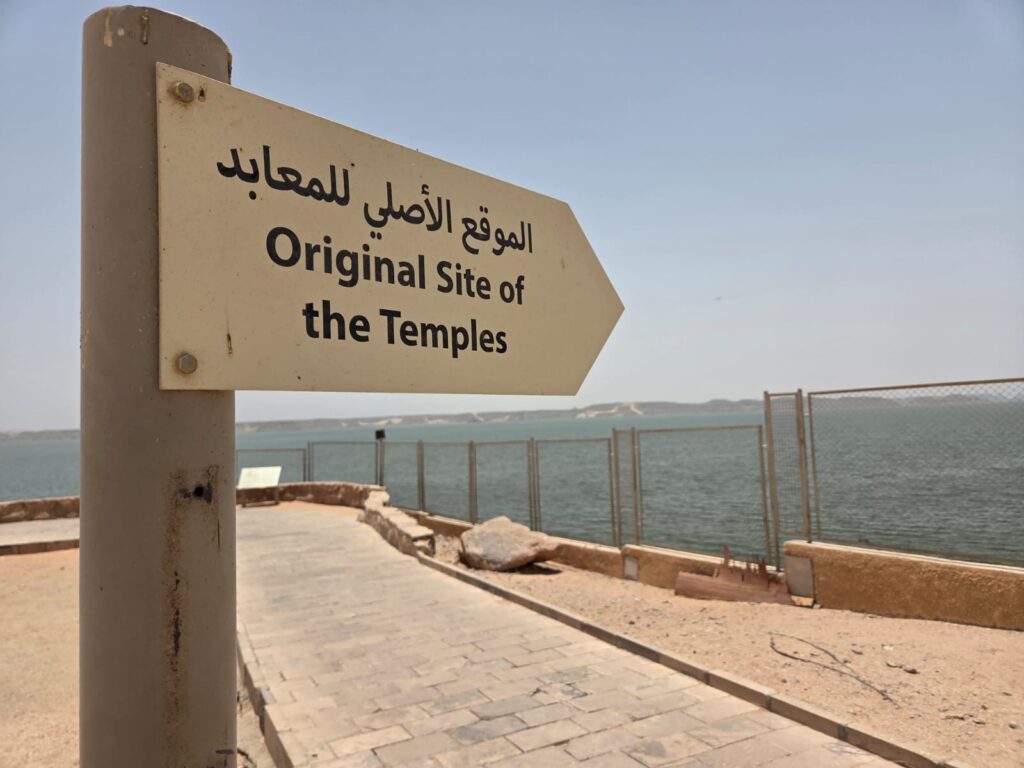
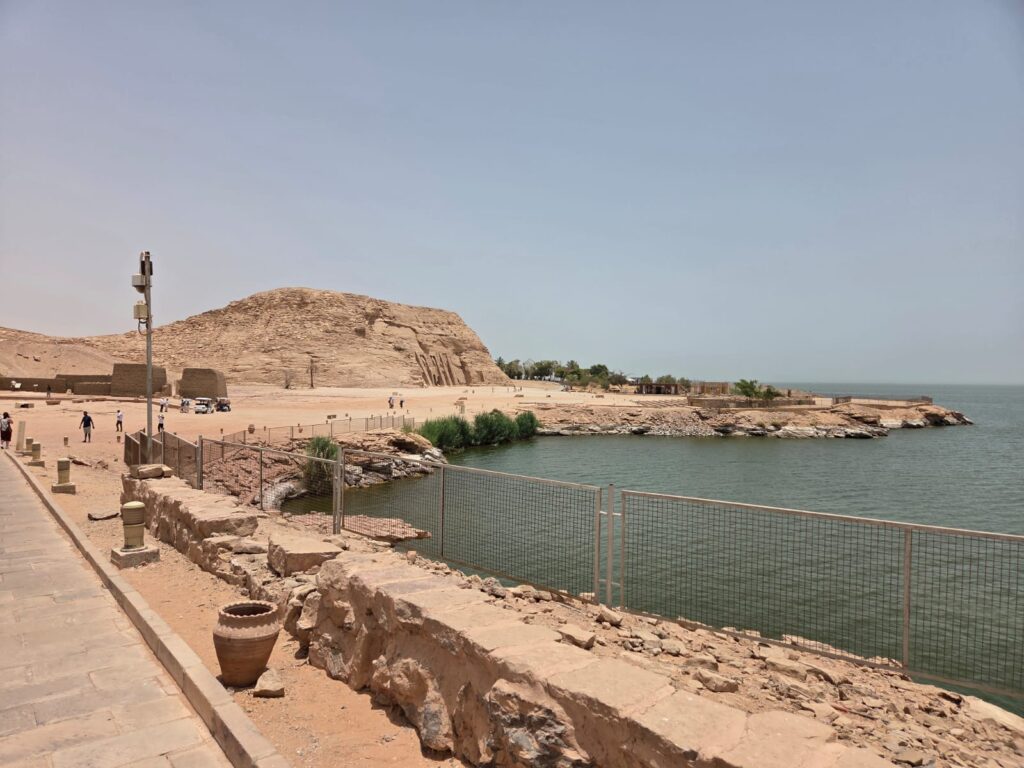
And so Abu Simbel continued to be a popular attraction, reclaimed from the sands, until the mid 20th century. That was when Egypt’s government got it into their heads to dam the Nile. The idea was to control the river, stop seasonal flooding (the whole reason Ancient Egypt was a powerful civilisation in the first place), and generate hydroelectric power. However, a dam means a new lake, and a new lake means higher water levels (about 60m in this case). Abu Simbel, and various Nubian monuments, were due to be lost to the water this time, rather than the sand.
This was obviously a disaster in archaeological terms. An international donations campaign started in 1959 to try to save some of the monuments. It was urgent, because the integrity of the sandstone would start to fail once it was underwater. This wasn’t a ‘let the dam happen and then worry about it later’ situation. When it came to Abu Simbel, there were various proposals as to how to save it. One creative idea involved building a second dam around the temples, filled with clear water through which they could be viewed. This was not workable because of the porosity problem I mentioned.
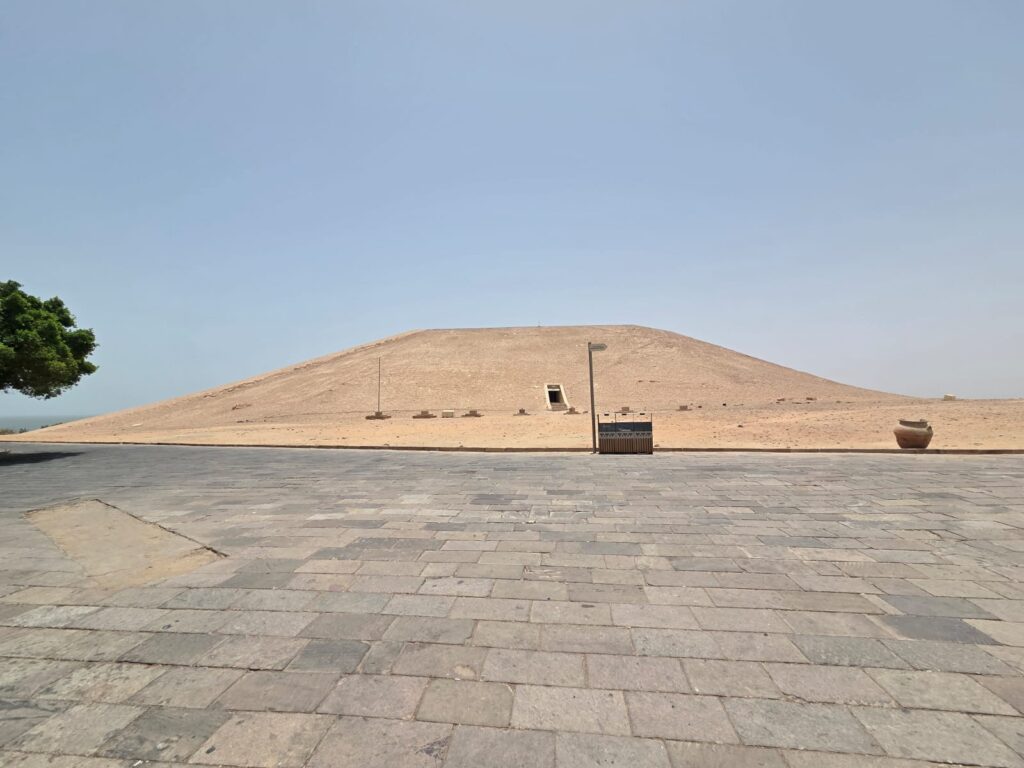
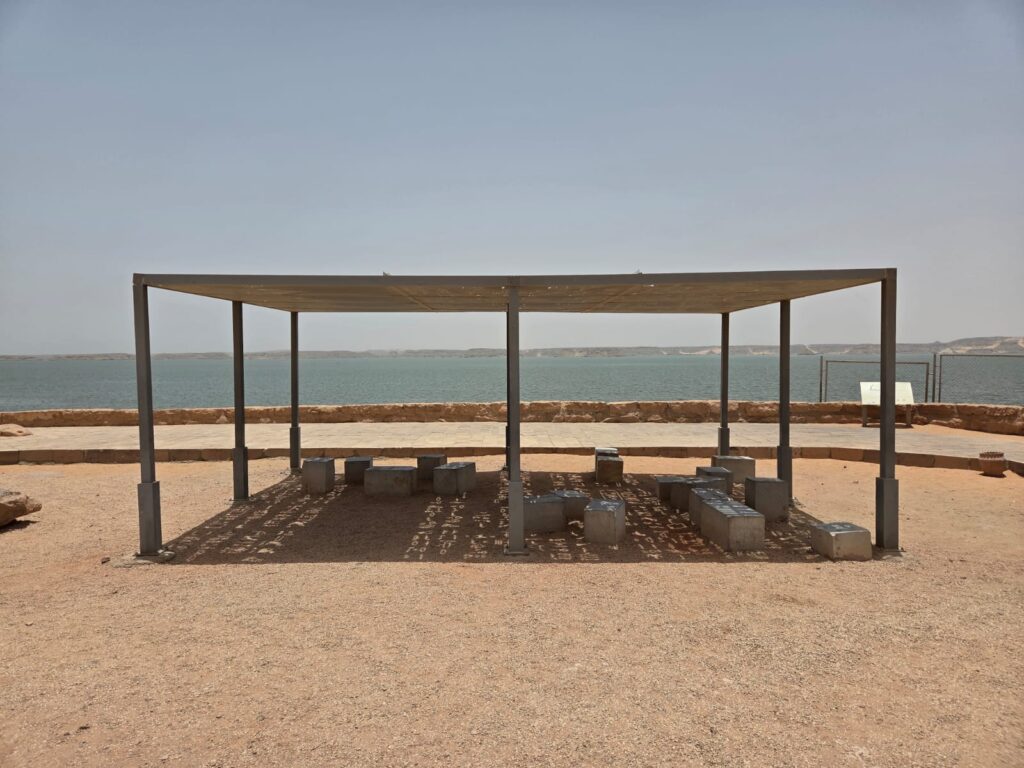
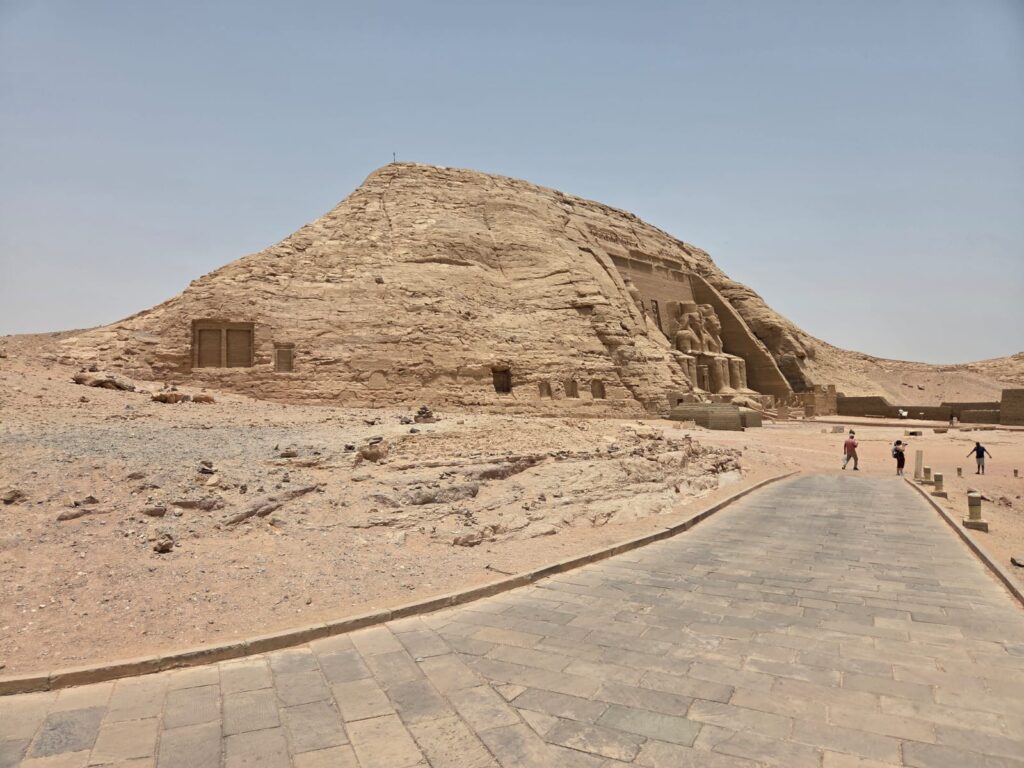
The successful proposal was to painstakingly relocate the temples to an artificial hill on higher ground. Polish archaeologist Kazimierz Michałowski supervised the project. Because the temples were carved directly into the rock, all the sculptures and interiors of the temples had to be cut into blocks (often 20-30 tons) using power saws. The next step was to reassemble them on a cement and steel base, using reinforcement bars. This took four years, from 1964-68. The new site keeps the alignment with the sun in February and October.
In the end, Abu Simbel was one of just over 20 Nubian monuments to survive the creation of from Lake Nasser in this way. Philae, which we will visit soon, was another. Major sites were generally relocated nearby, while some smaller monuments were gifted to nations which had aided in the rescue efforts. If you’ve ever seen the Temple of Dendur at the Met in New York, now you know its back story. The campaign to save the Nubian Monuments led indirectly to the creation of the UNESCO World Heritage scheme. That model isn’t without its issues. But it has undoubtedly aided in the preservation of works important to the history of humanity worldwide.
Visiting the Temples of Abu Simbel
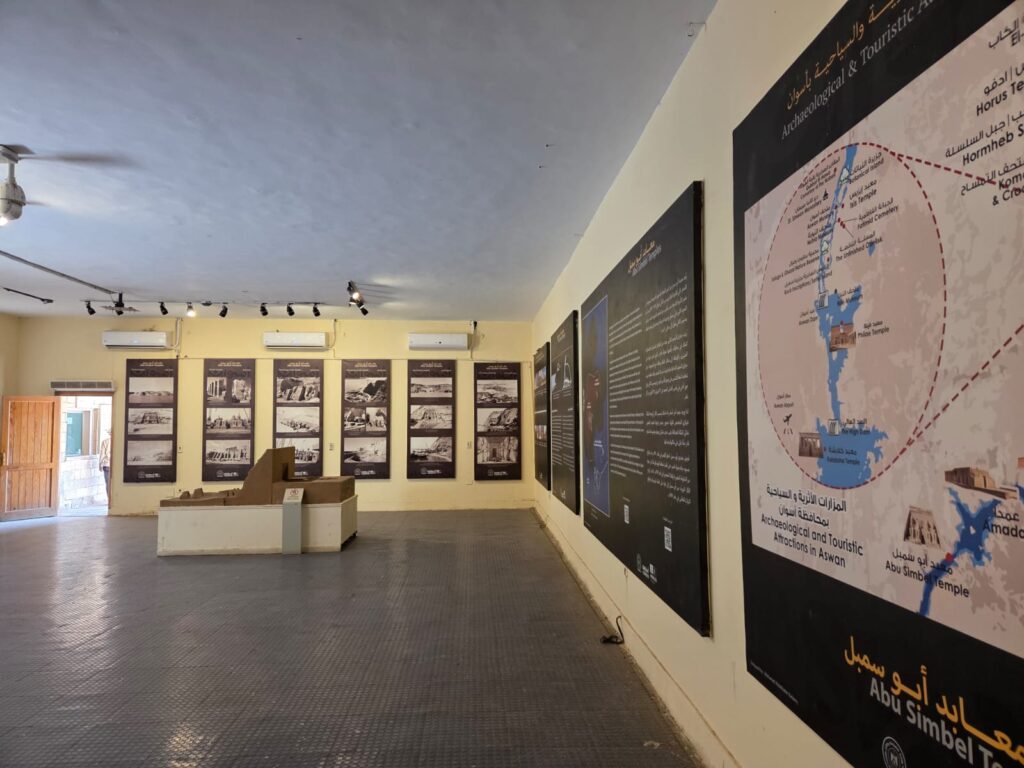
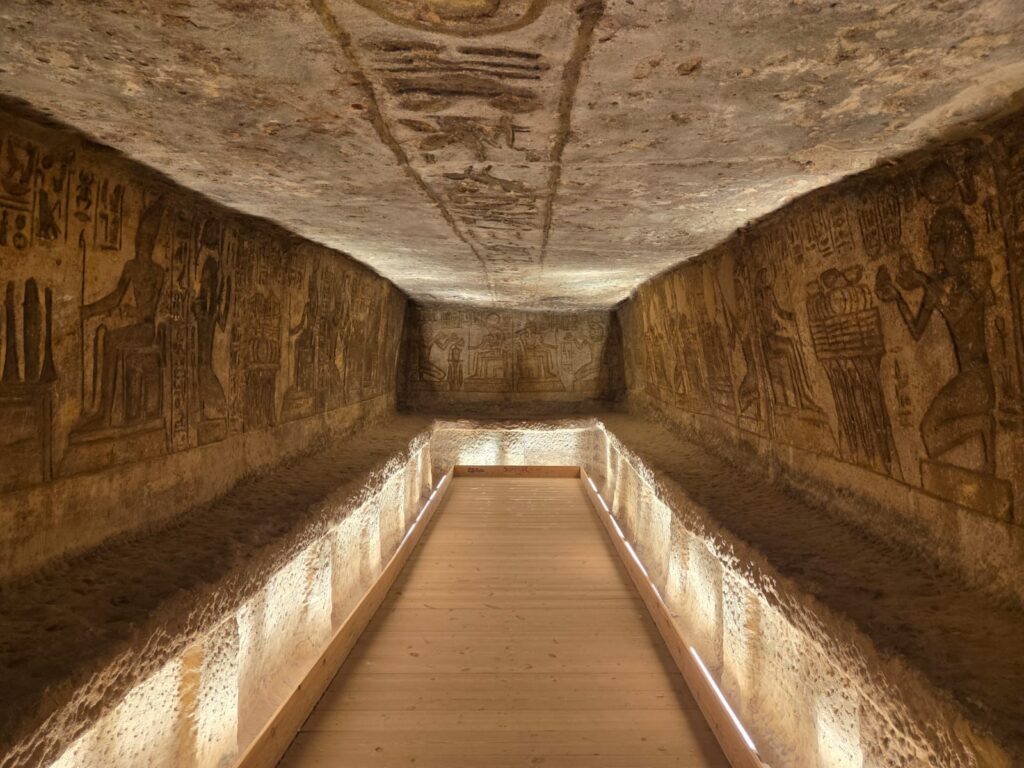
As you would expect of a purpose-built site, visiting Abu Simbel is fairly straightforward. Once you get there, of course. There’s a sort of one way flow from the coach parking to a visitor centre, around the temples, and back to your coach via some shops. The visitor centre is basic but informative. It’s worth watching the video about the rescue effort, as well as taking a look at the information panels.
Then it’s time to head over and see the temples. A small bit of practical advice, particularly for those visiting in the warmer months – take a parasol or umbrella. The heat was absolutely oppressive in Abu Simbel, and there is no shade except when you’re inside the temples. But as soon as you’re out of the sun it feels a little cooler, so it’s absolutely worth having an umbrella ready.
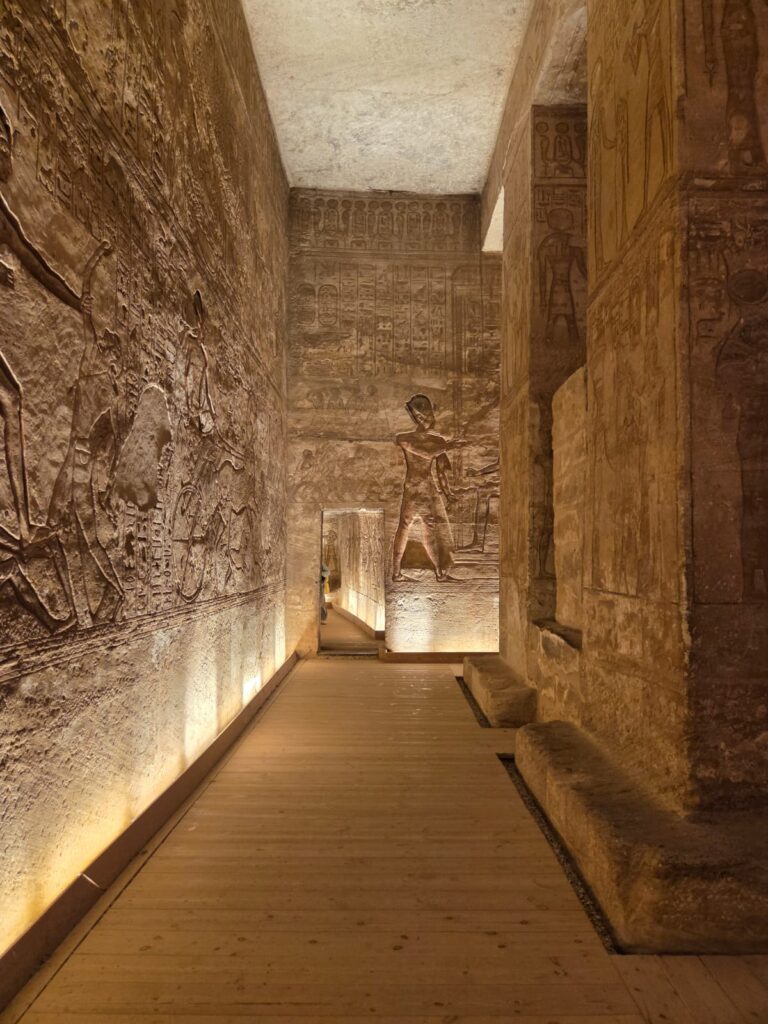
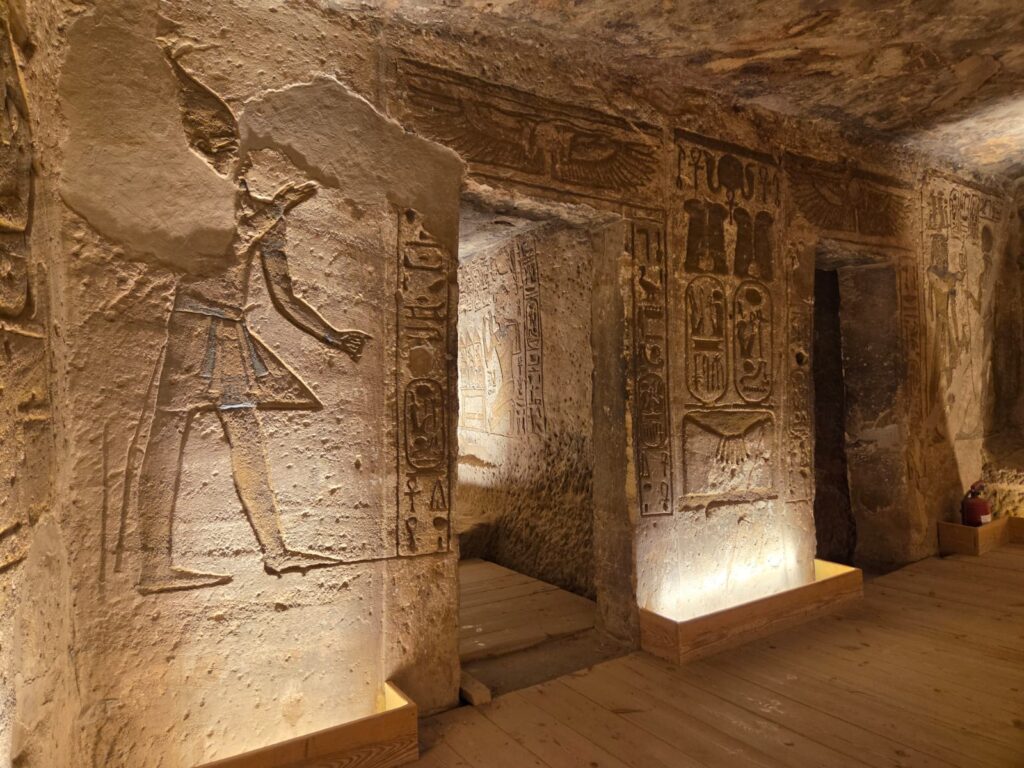
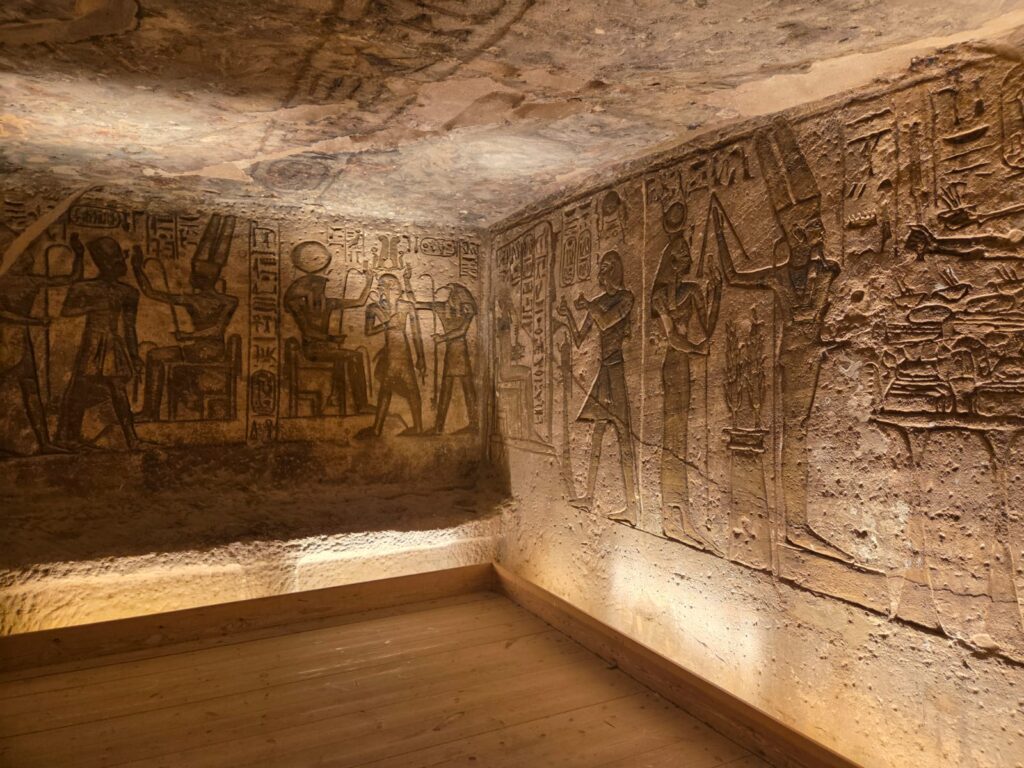
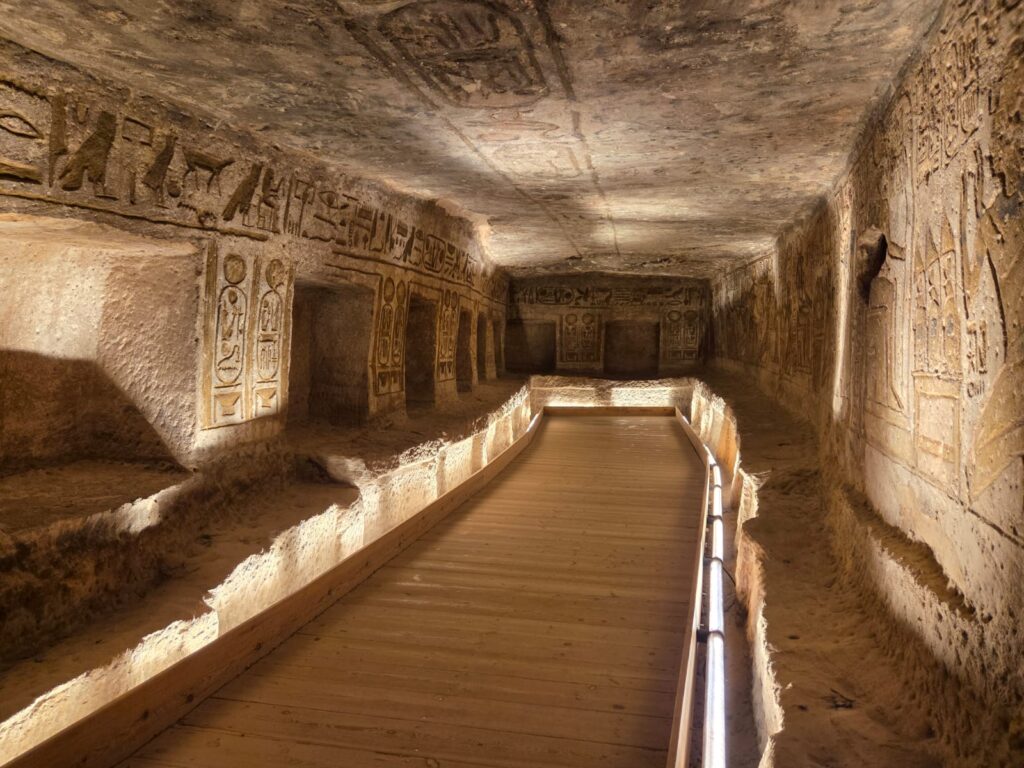
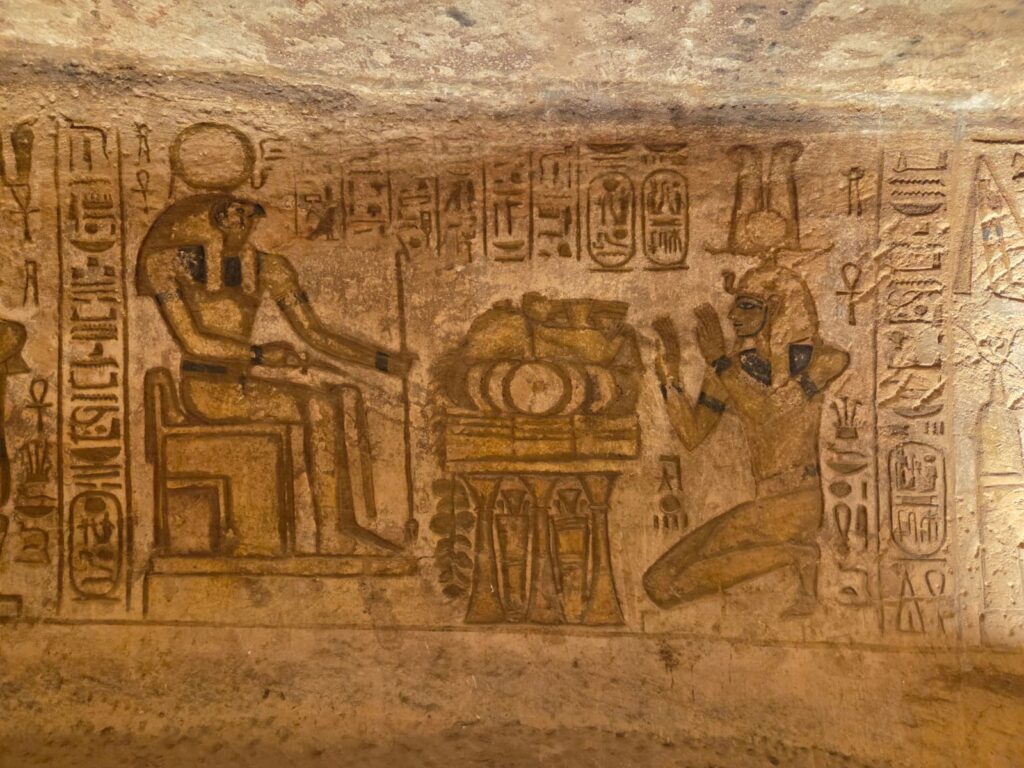
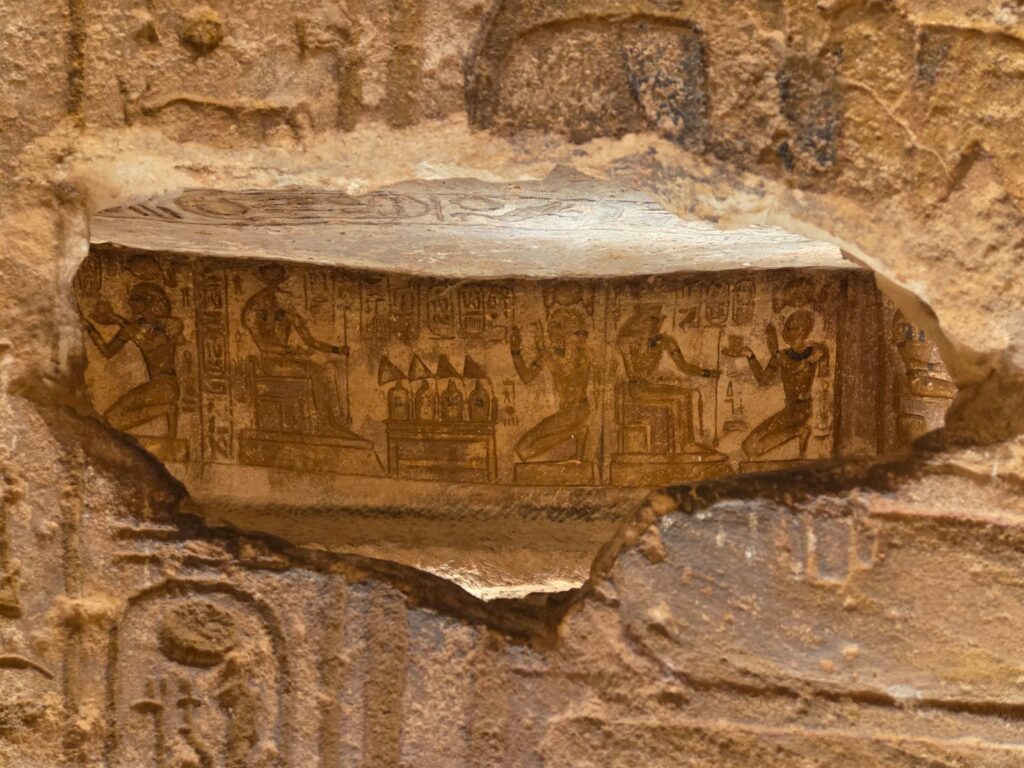
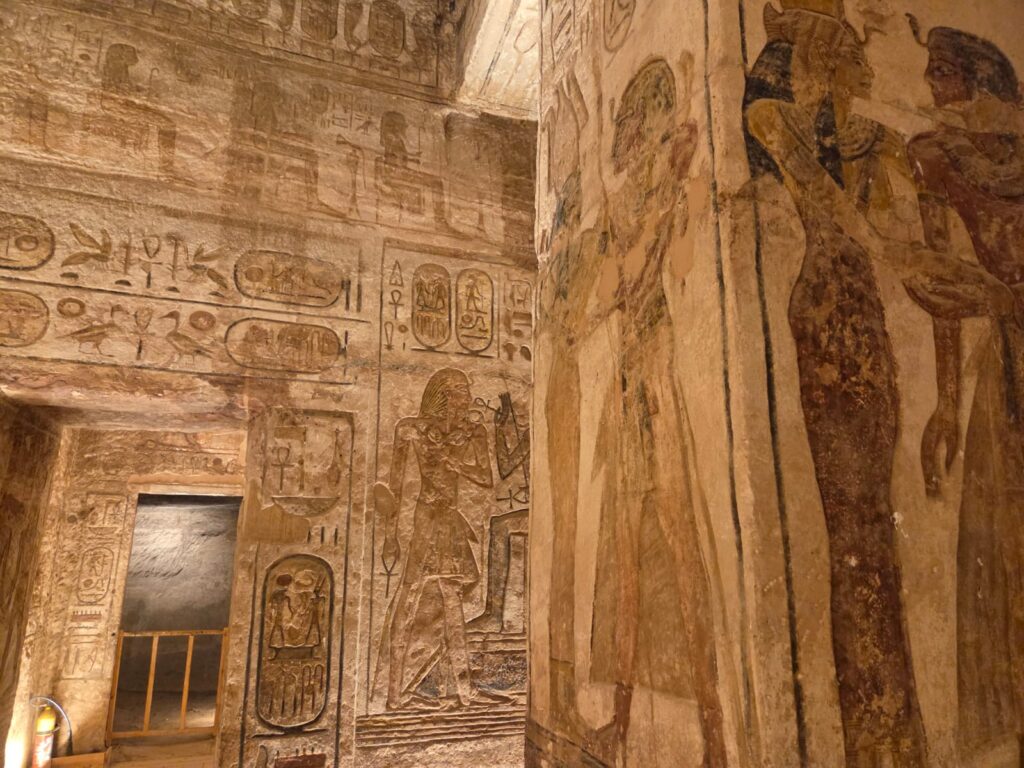
Anyway, enough of practicalities. Because it’s the emotions Abu Simbel provokes that are what has stayed with me. These are probably the most beautifully-lit temples I encountered in Egypt. The rich internal decoration and remaining pigment looks stunning. You soon forget that the temples have survived such a radical relocation. And the contrast between the colossal statues outside and human scale of the friezes inside is compelling.
You will have a certain amount of time to look around the temples. Make sure you leave time to see both, as the temple of Nefertari is equally beautiful with its Hathor-topped columns and images of the gods. Then, unless you’re staying in Abu Simbel, it will be time to head back towards Aswan.
Final Thoughts on Abu Simbel
As long and hot as our journey to Abu Simbel felt, and as ill as the Urban Geographer was, I’m glad we went. I wasn’t quite sure what to expect as I first approached – the first thing visitors see is the unimpressive back of the man-made hill. But rounding the corner and seeing the four colossal statues of Ramses II is rather special.
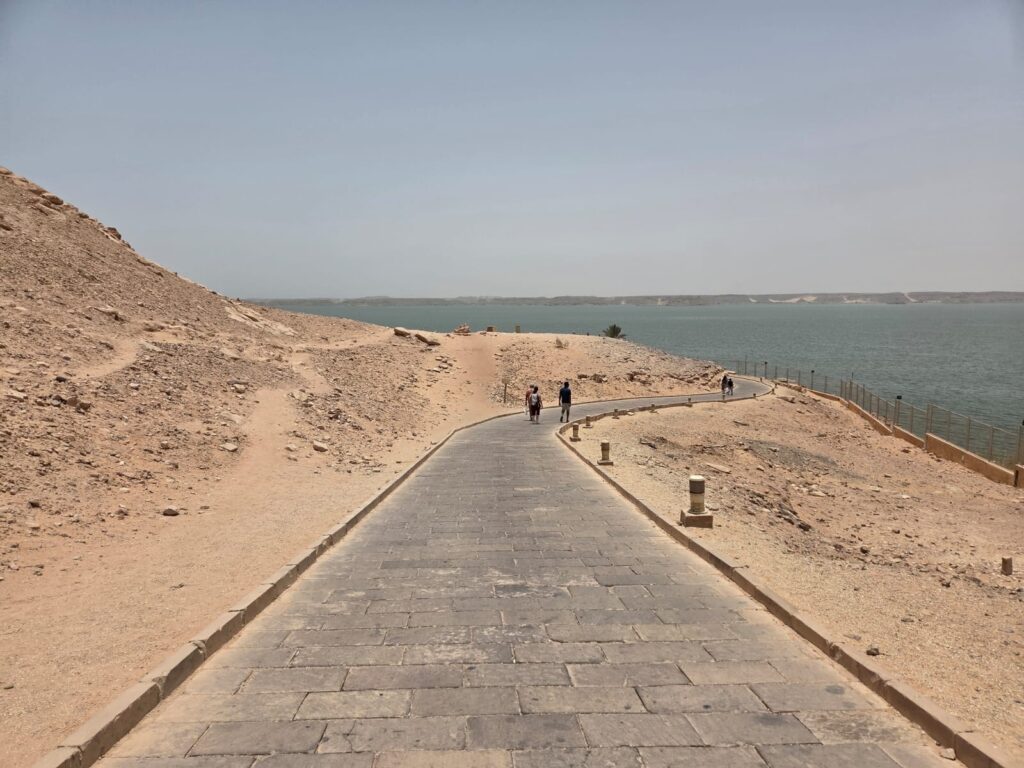
If I were planning a trip to Egypt anew, I might be tempted to spend more time here. Because of our long drive, we visited in the full heat of the day. That meant it was pretty quiet, but very sweaty. It might be nice to have the option of visiting early or late instead. There’s also a light and sound show here in the evenings, as there is at several archaeological sites around Egypt. We went to one at Karnak Temple which I will write about in due course – even though I didn’t necessarily enjoy the show itself, I liked being there after hours and seeing everything lit up. I’m not sure there is much else to do in Abu Simbel but there are some hotels and restaurants, and Lake Nasser to look at.
I found myself thinking, during my week in Egypt, what a shame it is that the government at the time felt that project was necessary. I get it, from a practical and a sovereignty point of view. But Egypt without its annual cycle of Nile floods feels somehow neutered. It’s certainly had an effect on farming, as the floods brought with them nutrients as well as water. And the contribution of Lake Nasser to Egypt’s electric grid is actual minimal these days. The international rescue effort did save several important archaeological sites. But how many undiscovered treasures are now permanently lost to the waters?
The sorts of thoughts that one has on a long bus journey, as we drove back through the Nubian desert to our next stop.
Trending
If you see this after your page is loaded completely, leafletJS files are missing.